The Retirees in Tasmania – Hobart

Our family has become very dispersed – our youngest and his family having taken up residence in Hobart Tasmania. #HobartTasmania The Covid restrictions have prevented us from travelling particularly to visit our family so with a lessening of restrictions in November and December 2021, we returned to Hobart and Paul’s home.

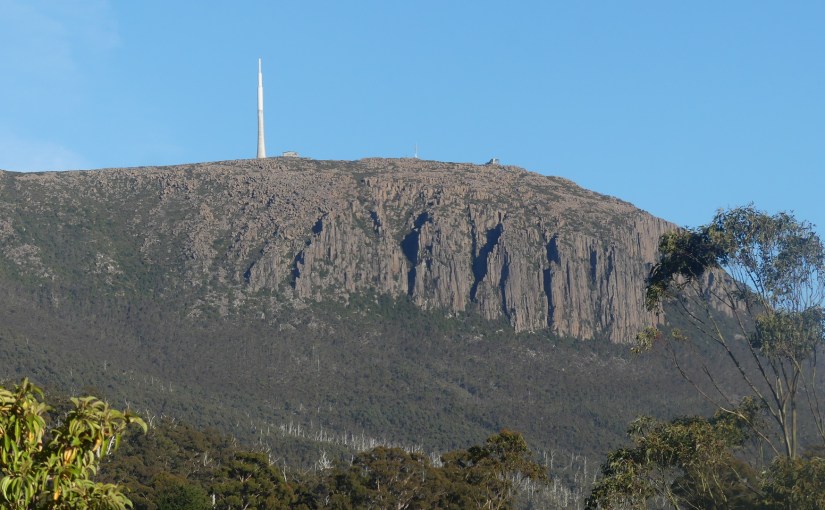
Living below the summit of Mt Wellington (pictured above) they have a charming semi rural property with fabulous views but close proximity to Hobart and its surrounds. We stayed with them for a few days during which we took in the sites before visiting the north and north east of Tasmania.

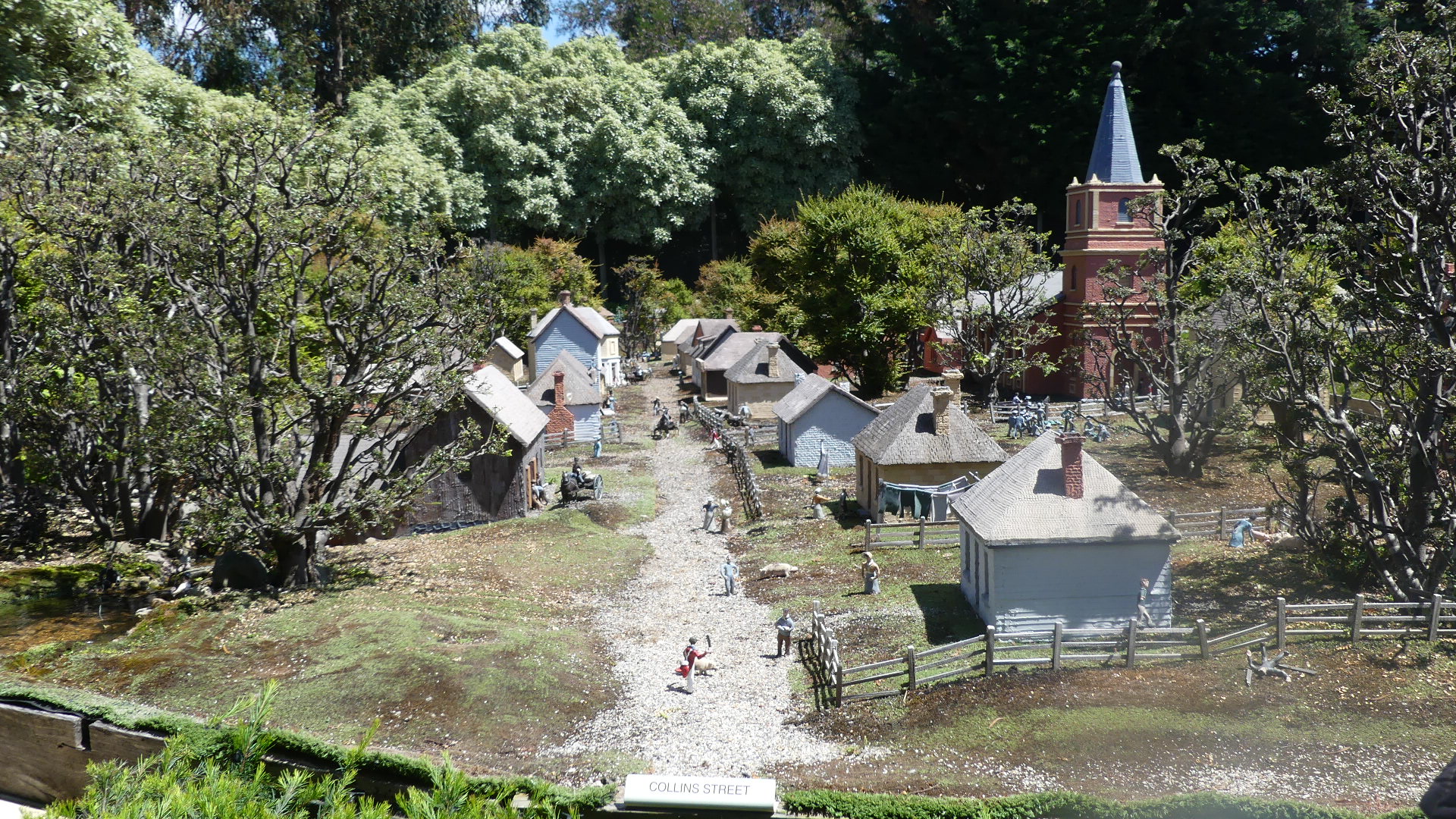
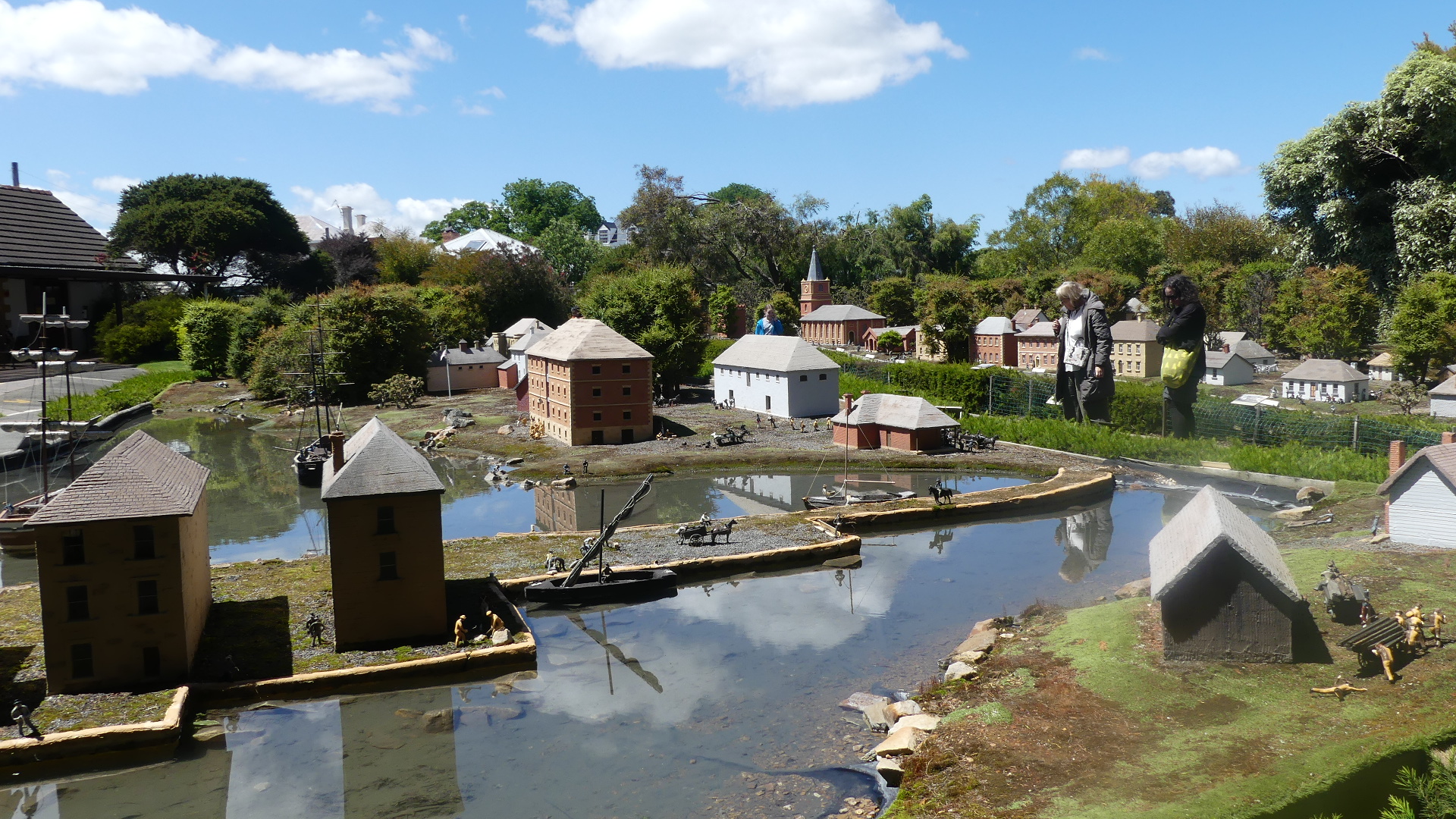
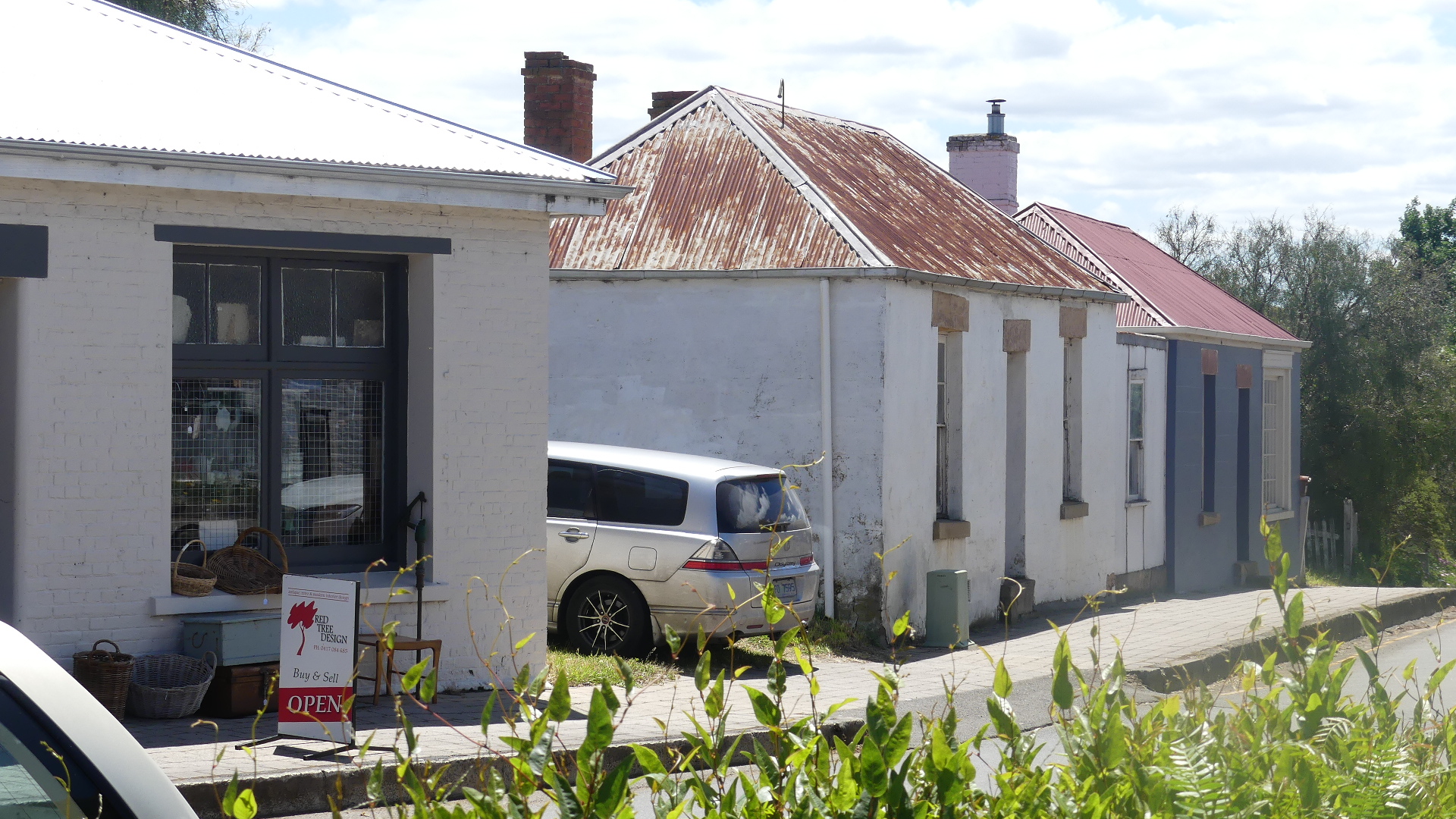
One of the places we visited was the historic village of Richmond about 25 km north-east of Hobart, in the Coal River region. Richmond’s most famous landmark is the Richmond Bridge, built in 1823 to 1825, around the time of the town’s first settlement. It is Australia’s oldest bridge still in use. The town was initially part of the route between Hobart and Port Arthur. Present-day Richmond is best known as being preserved as it was at that time. It is a vibrant tourist town, with many of the sandstone structures still standing. But we had come with the intent to see the model village of Hobart Town circa 1820 – OLD HOBART TOWN.

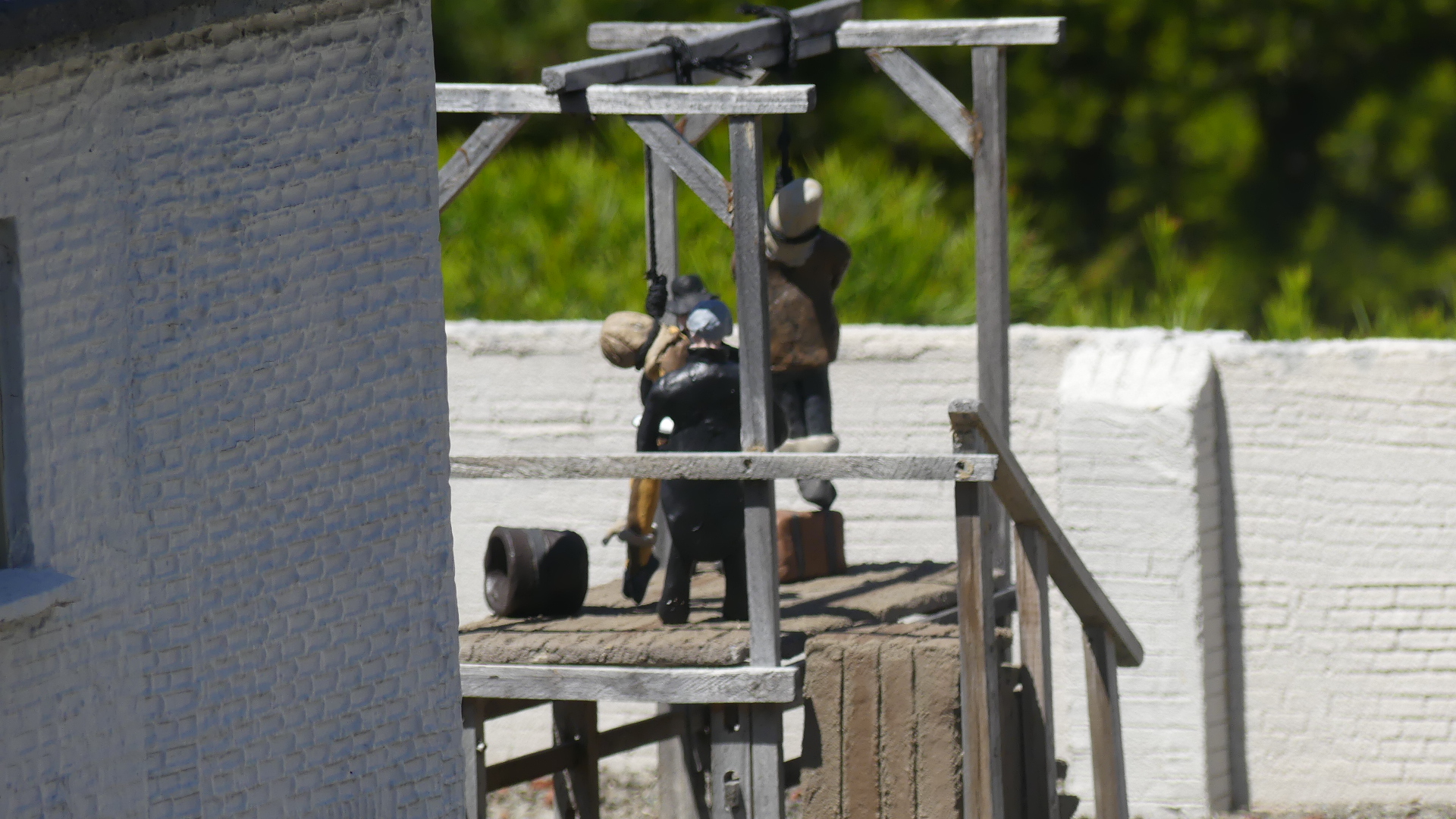
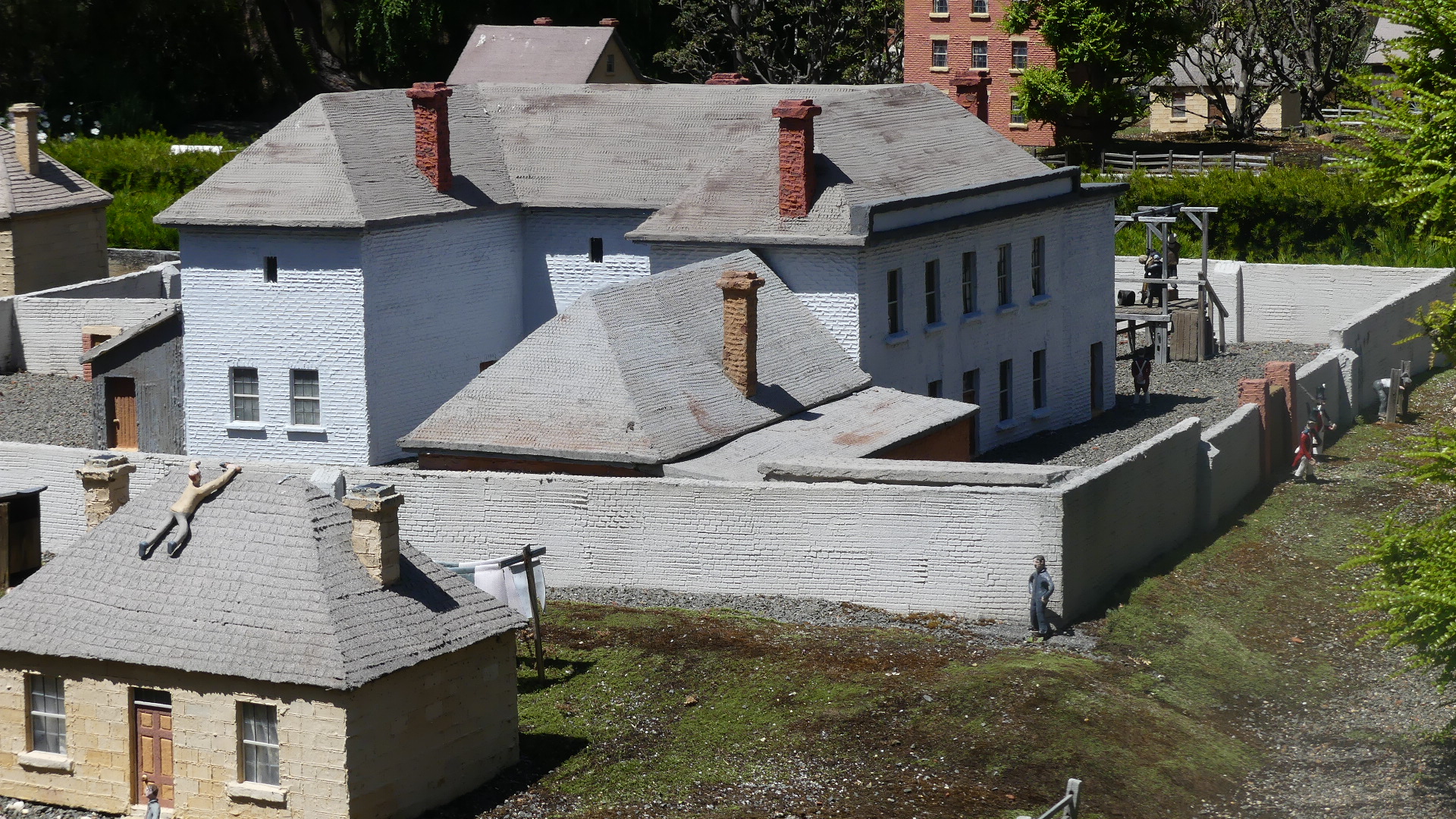
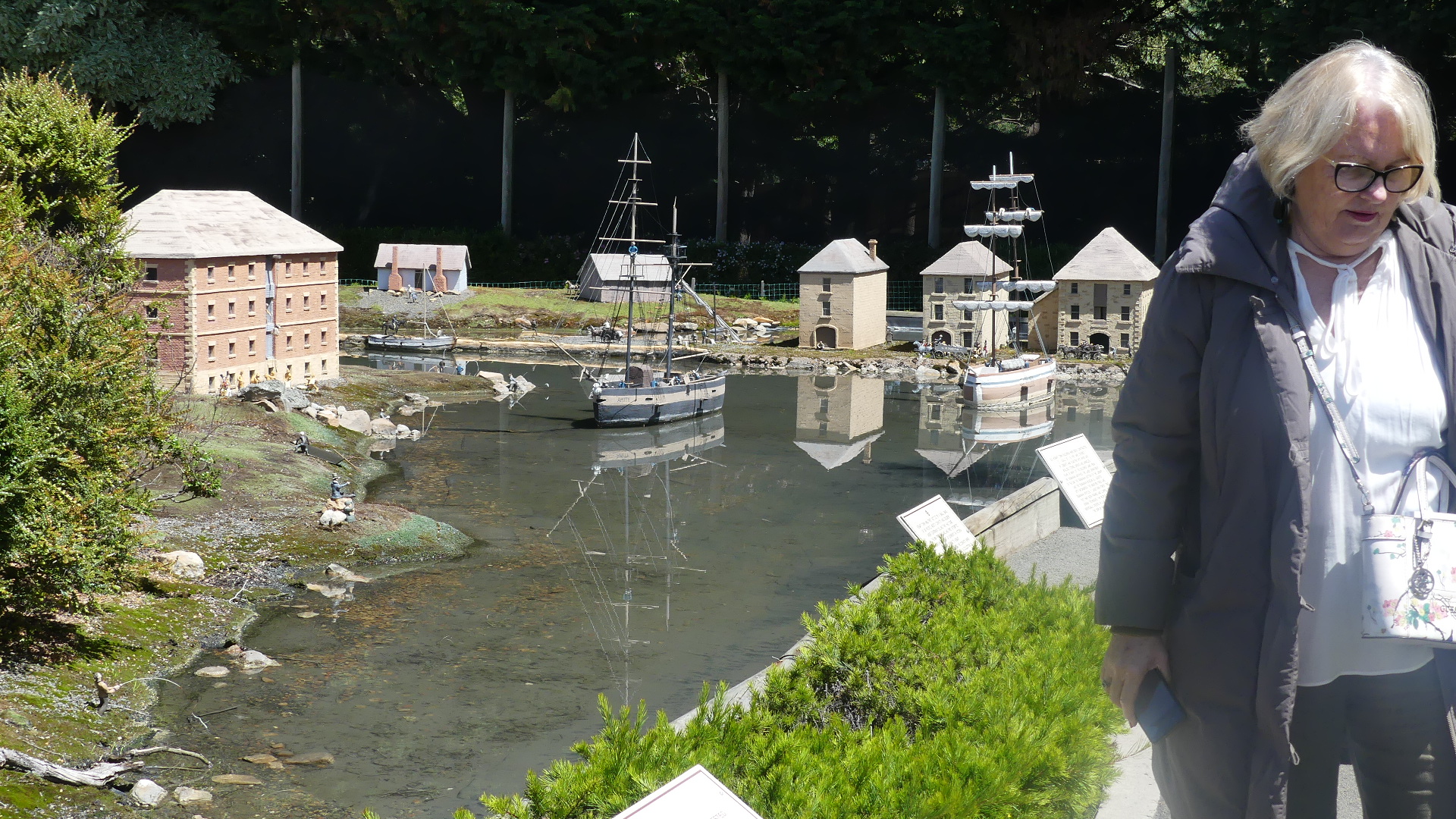
At the end of a driveway off the main street is this model correct in every detail (or so they say) – minuature in scale it is like a picture of the town one hour of one day over 200 years ago. Individually handcrafted with passion by Andrew and John Quick over a three year period, the authentic model village has been reconstructed from original plans and it gives a unique glimpse into the tough life of Australia’s convict past. I was taken back by the detail which included an interpretation of life for the inhabitants the harshness of that life including executions on the gallows and flogging with a cat-of-nine-tails. The Hope and Anchor pub shown in the pictures below still exisits but I am not certain that it is the original building or in the original location.

We then strolled through Richmond seeking the historic bridge and some of the original sandstone buildings.

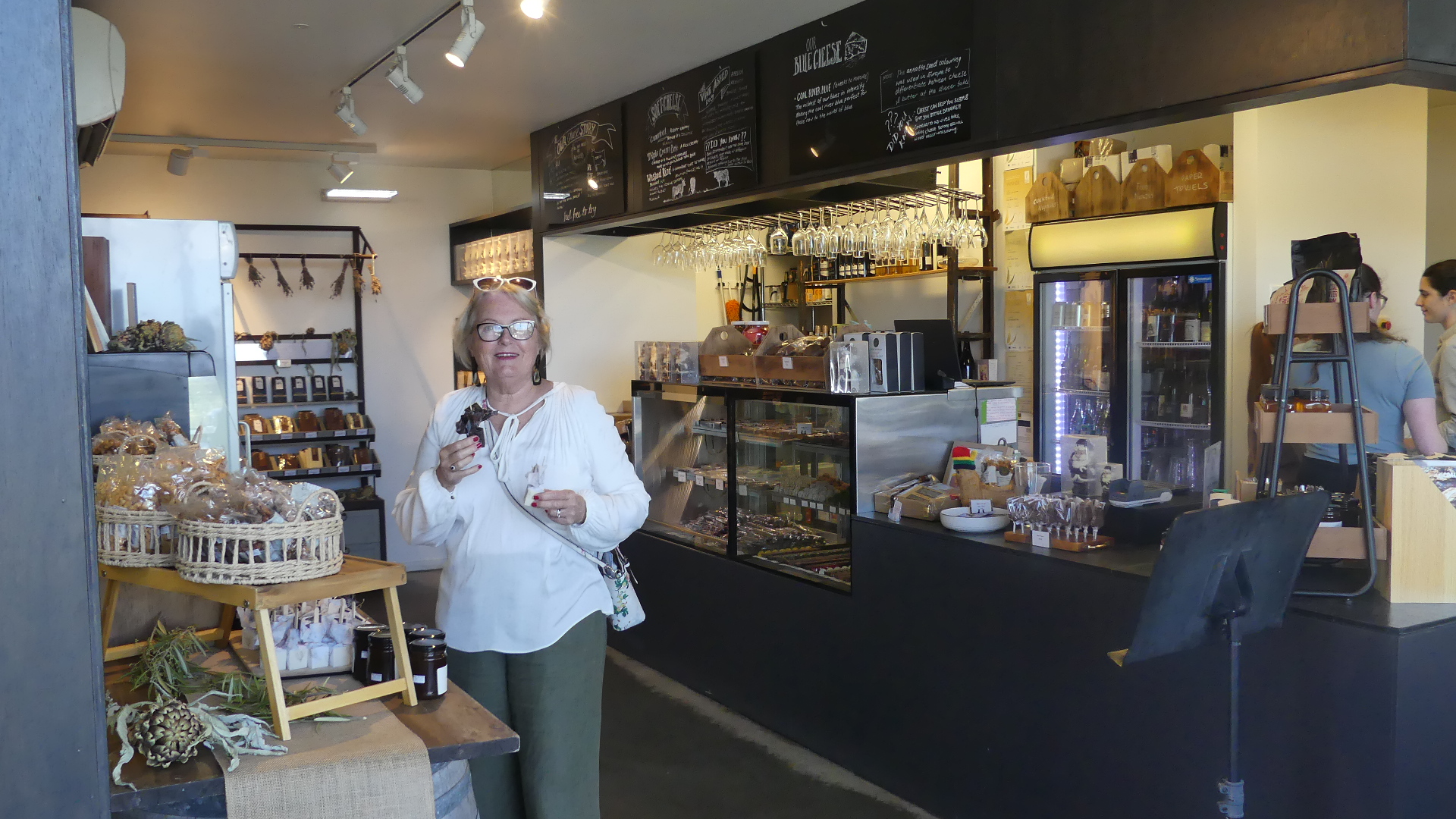
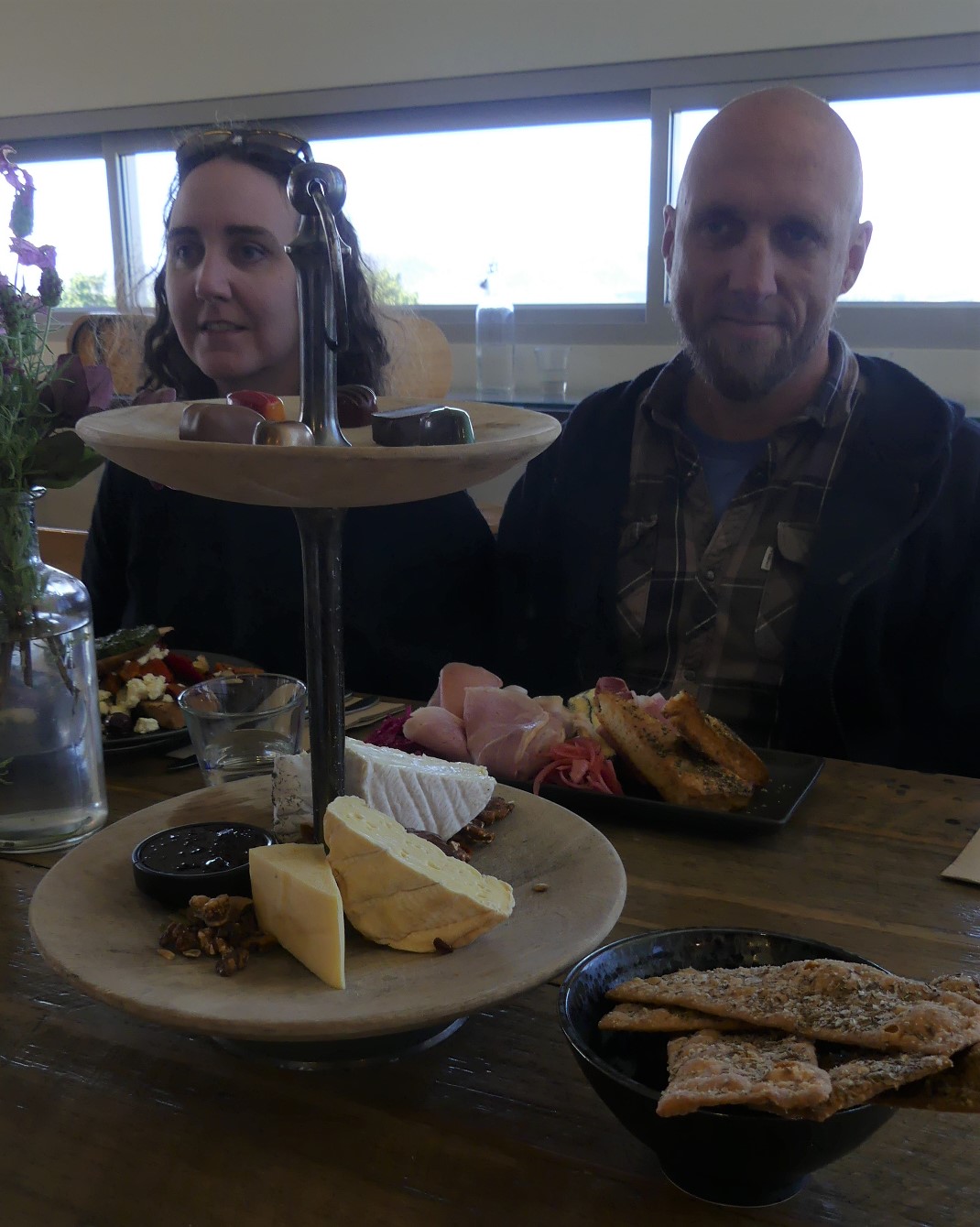
After returning to the car we travelled further into Coal River Valley and onto our lunch venue Coal River Farm. A family run business owned by Daniel and Melanie Leesong with an urge to celebrate Tasmania’s world class produce they opened the doors at Coal River Farm. They have developed a reputation for cheese and chocolate in the form of a high tea and that is what we were there for.

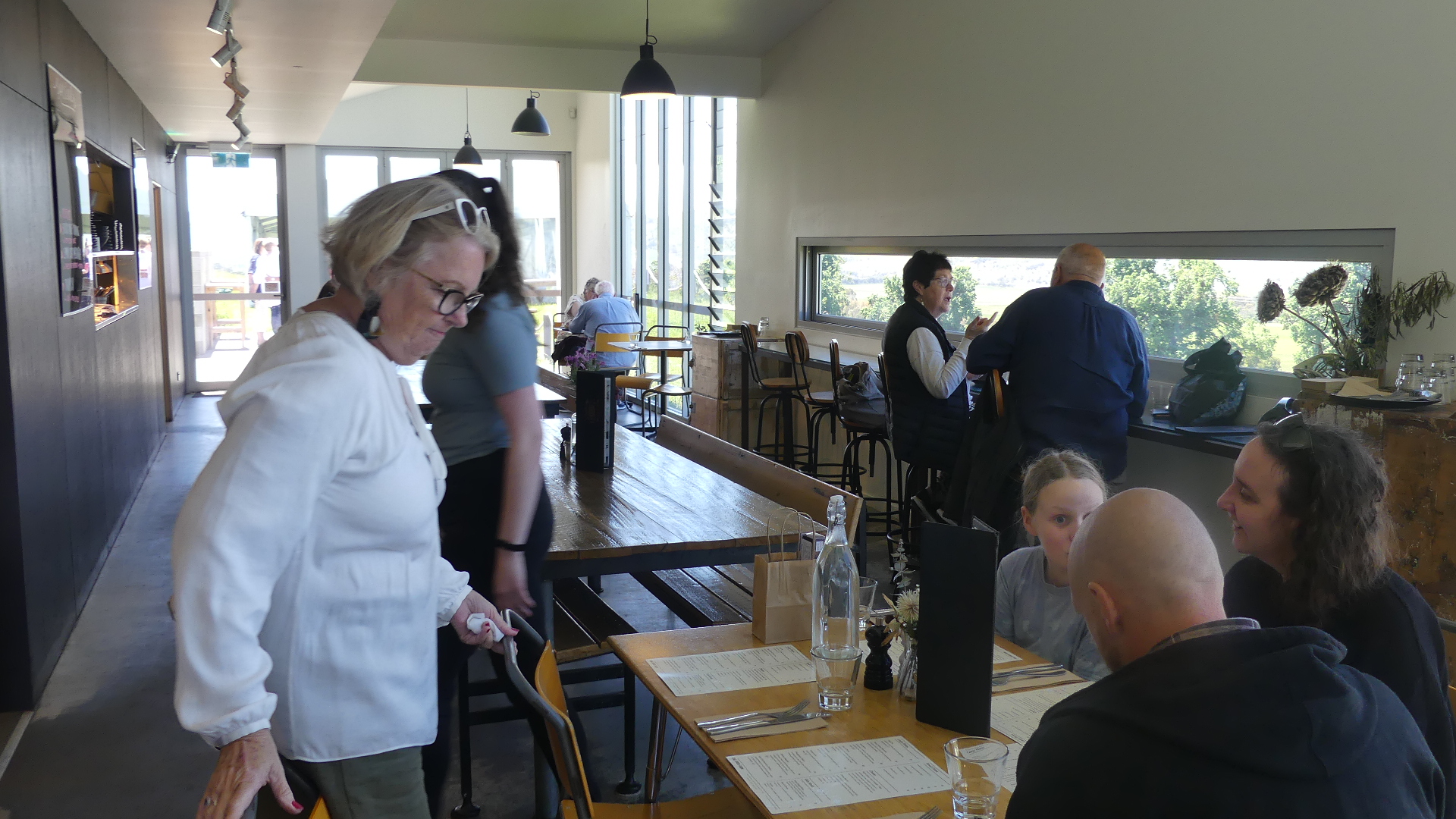
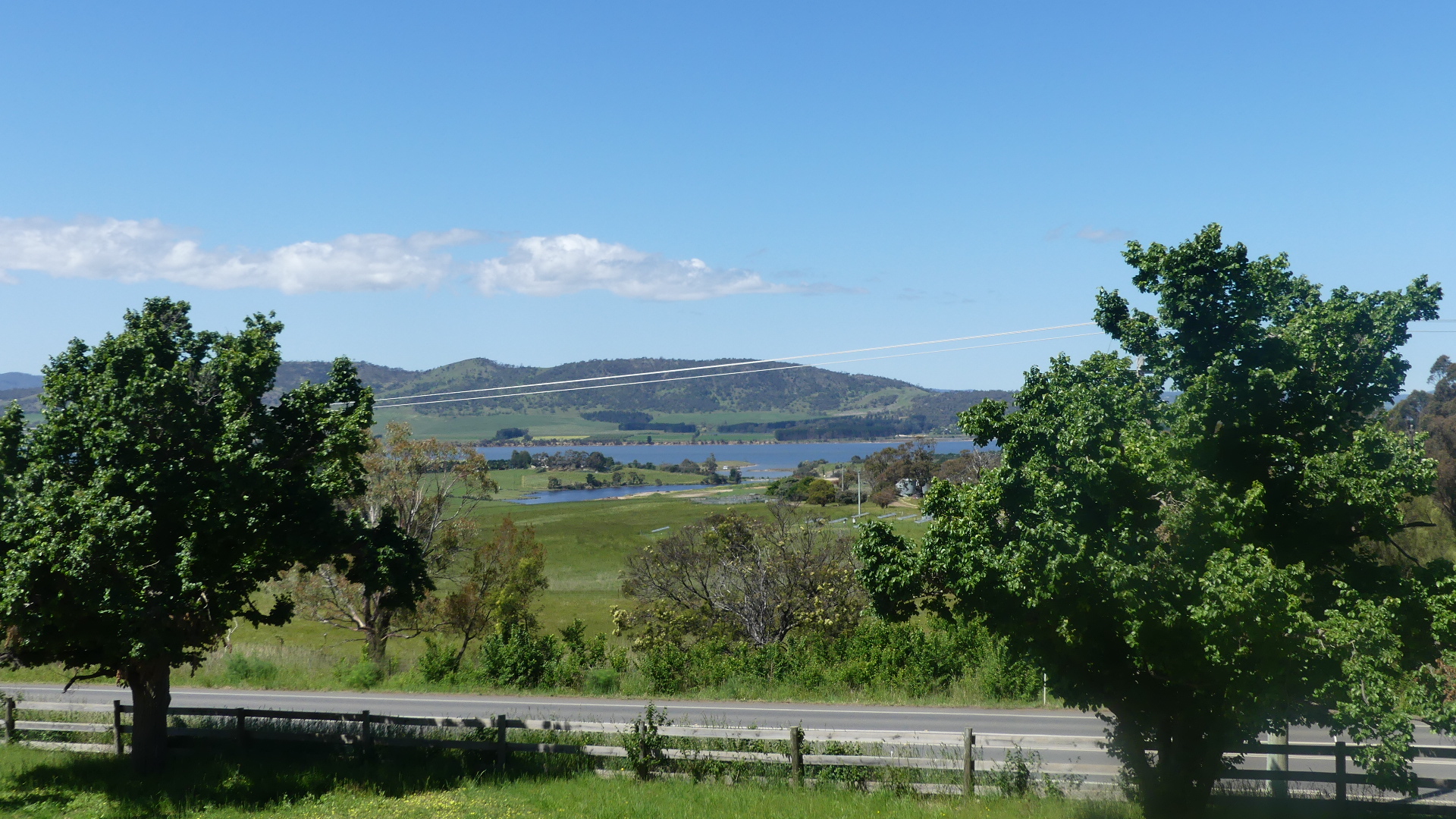
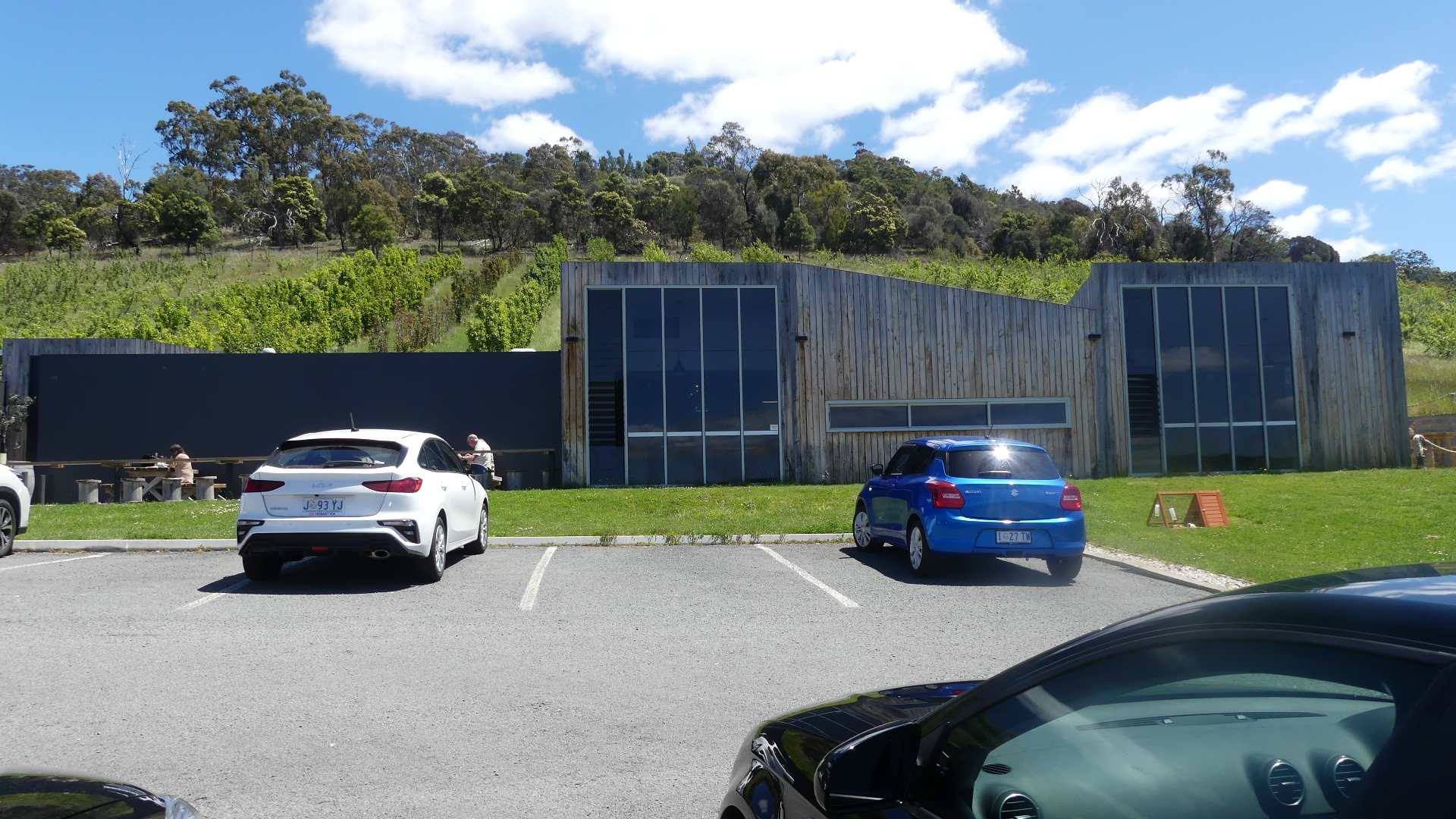
A modern building greets you set in a picutresque part of the valley and the building makes every attempt to allow you to observe your surrounds. Inside you pass a window onto the chocolate maker pouring his moulds and then are forced to walk past each and every kind of chocolate until you reach the dining room with its cheese fridge and choclate dispalys. The menu includes other fresh produce but we were there for cheese and chocolates. Delicious! Satisfied we went to return to our car and the trip home but our grandaughter Lola became sidetracked by a lonesome goat hungry for the greener grass outside his enclosure. After the goat became distracted by other visitors we escaped to the car and home.
The next few days were spent catching up with our family in Tassie before we headed north.

The Retirees on the Move Again – Tasmania in Ten – South Hobart Mt Wellington and Mt Pleasant

The journey into south Hobart was almost as winding as the trip to Queenstown. We followed a new moon into Hobart. Night made it difficult to spot the house but a vigorously waving Emily caught our attention. After a happy reunion we dine on impromptu pizzas with a bottle of red – very nice indeed.

Paul is our youngest son and Emily is his wife. They have two daughters Finney and Lola and live in a three – bedroom house almost at the pinnacle of Mt Wellington. As they live under Mt Wellington our first visit the next day Friday was to the summit of the mountain where we were whipped by very strong winds. Of course this is where I received a call on my mobile from a solicitor enquiring on one of my files. The wind was so strong and the reception terrible I had to confess to being on top of Mt Wellington. As I explored the old shelter Kerry was being blown away on the walkway below the new lookout shelter. We enjoyed a cup of coffee whilst watching everyone else sheltering from the wind. The drive back down was quite hairy.

Next we went to lunch at Frogmore Creek Winery. A friend of our daughter Carly, Shelly is managing the restaurant and cellar. Carly had strongly recommended we make time to visit and she was not wrong. Beautiful food, presented in an innovative way and not expensive with a view 2nd to none. We were looking at Mt Pleasant and the two radio telescope dishes operated by the University of Tasmania. It is home to three radio astronomy antennas and the Grote Reber Museum.

Frogmore wineries is made up of the Cambridge Vineyard and the Campania Vineyard. The Cambridge vineyard is situated on the base of the foothills at the end of the Coal River Valley, planted around Frogmore Creek Wines’ Cellar Door and the Restaurant overlooking the picturesque Barilla Bay. The Cambridge vineyard was first established between 1998-1999 and is the differentiated by a smaller diurnal variation than more inland vineyards (milder days and nights) – the moderating effect is from the proximity to the sea (Barilla Bay). We were impressed with the wines and joined their wine Club.

We ordered lunch and my curiosity made me google the Observatory to see if they did tours. They did but not today but I turned on my charm (??) and organised that after our first two courses we would do the tour and then come back for dessert. Which is what we did.

Grote Reber was the father of radio astronomy, being the first person to build a “big dish” antenna for the purpose of mapping the sky at radio frequencies. He discovered many discrete radio sources, and he mapped the band of bright radio emission from our Galaxy, the Milky Way.

Reber came to Tasmania in the late 1950s because of its unique location at high magnetic latitude in the southern hemisphere. He spent 40 years studying low frequency emissions with telescopes he built himself, first in partnership with the University of Tasmania School of Physics, and later on his own at Bothwell. His accomplishments are remarkable, not only in radio astronomy but also in electrical powered transport, in carbon dating of aboriginal settlements, and in the patterns made by growing bean plants. The museum has exhibits that show Reber’s telescopes, his life’s work, and his many other interests. A unique feature is Reber’s original radio shack, the control building for the radio telescope array at Bothwell, which is installed at the Museum with Reber’s original radio equipment in place.

The museum also shows the radio frequency spectrum with graphic illustrations and physical demonstrations of electromagnetic waves. The radio sky is shown, with matching illustrations of galaxies as seen in the radio and optical spectrum data acquired by the Hubble Space Telescope. A feature of the Museum is a Virtual Reality Theatre, provided by the Swinburne University of Technology. The museum will show entertaining and educational movies and demonstrations in three dimensions.

A feature for us was to visit the control room and see the atomic clock and learn of the impending visit by NASA in respect of the smaller of the two telescopes.

We then returned to desserts that were out of this world (very fitting I thought). After lunch we tried the wines at the wine tasting to finish off a most remarkable day.


Dinner that night at the Shipwrights Arms was not as wonderful as Frogmore but it was with the family and we all enjoyed it.

Go back

Your message has been sent

Warning
Warning
Warning
Warning

Warning.