
Cesi
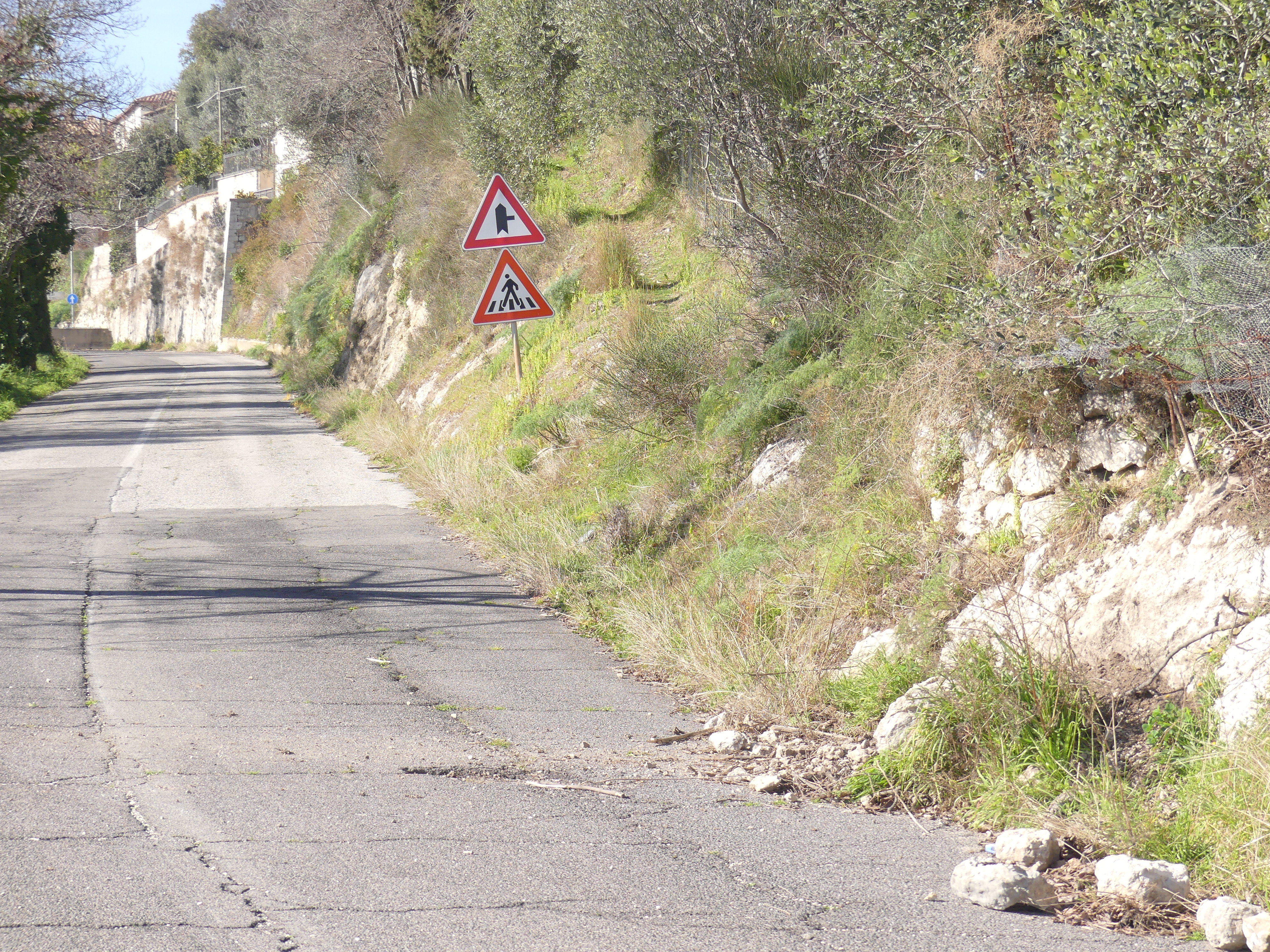
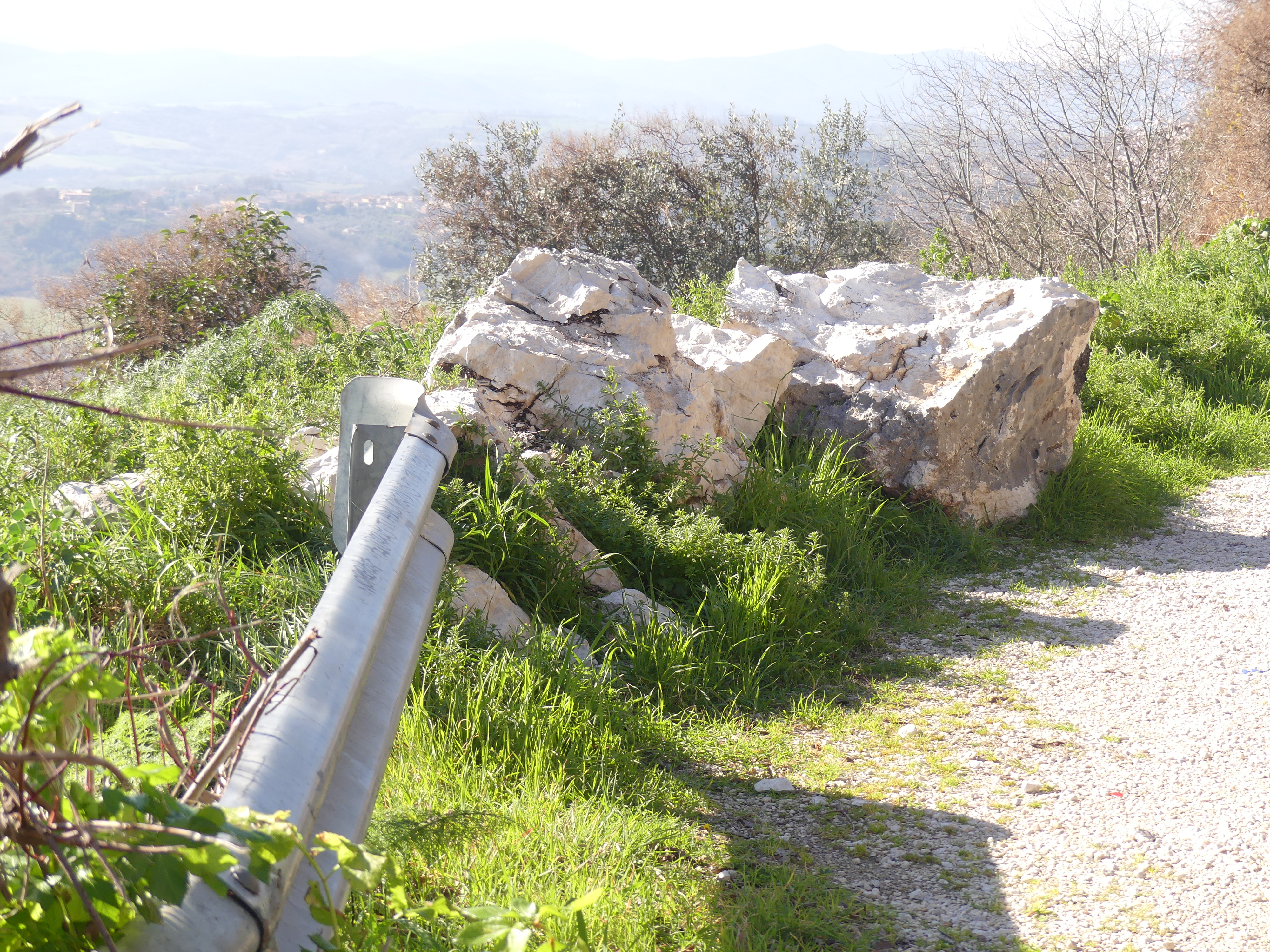
Our trip continued the next day with a train ride to Terni and a stay with Robert in the village of Cesi an ancient village 400 metres above Terni. Things had changed in Cesi (Cesi formerly the site of Clusiolum) is dated back to 6th century BCE. A land slide had closed off the main road up the mountain, so the usual bus was not traveling the road but the ever resourceful Robert made other arrangements with a community bus to give us a lift from Terni to Cesi on the pretext I was an invalid and so my wearing the appropriate neck brace validated his story for the need of the community bus. Our plan was to spend about 5 days in and around Cesi and then to visit Bari and Naples by train with excursions by train to the villages nearby.
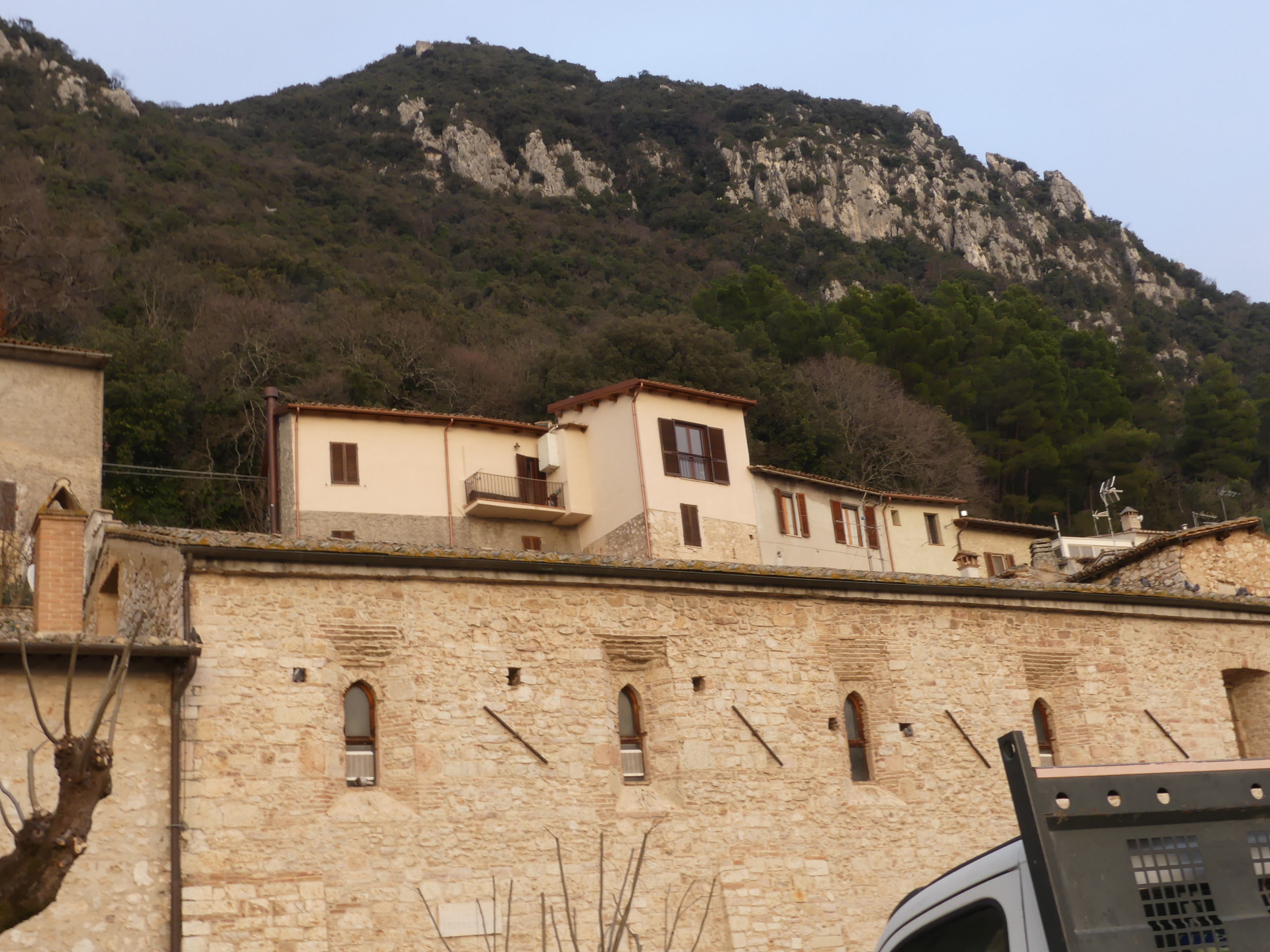
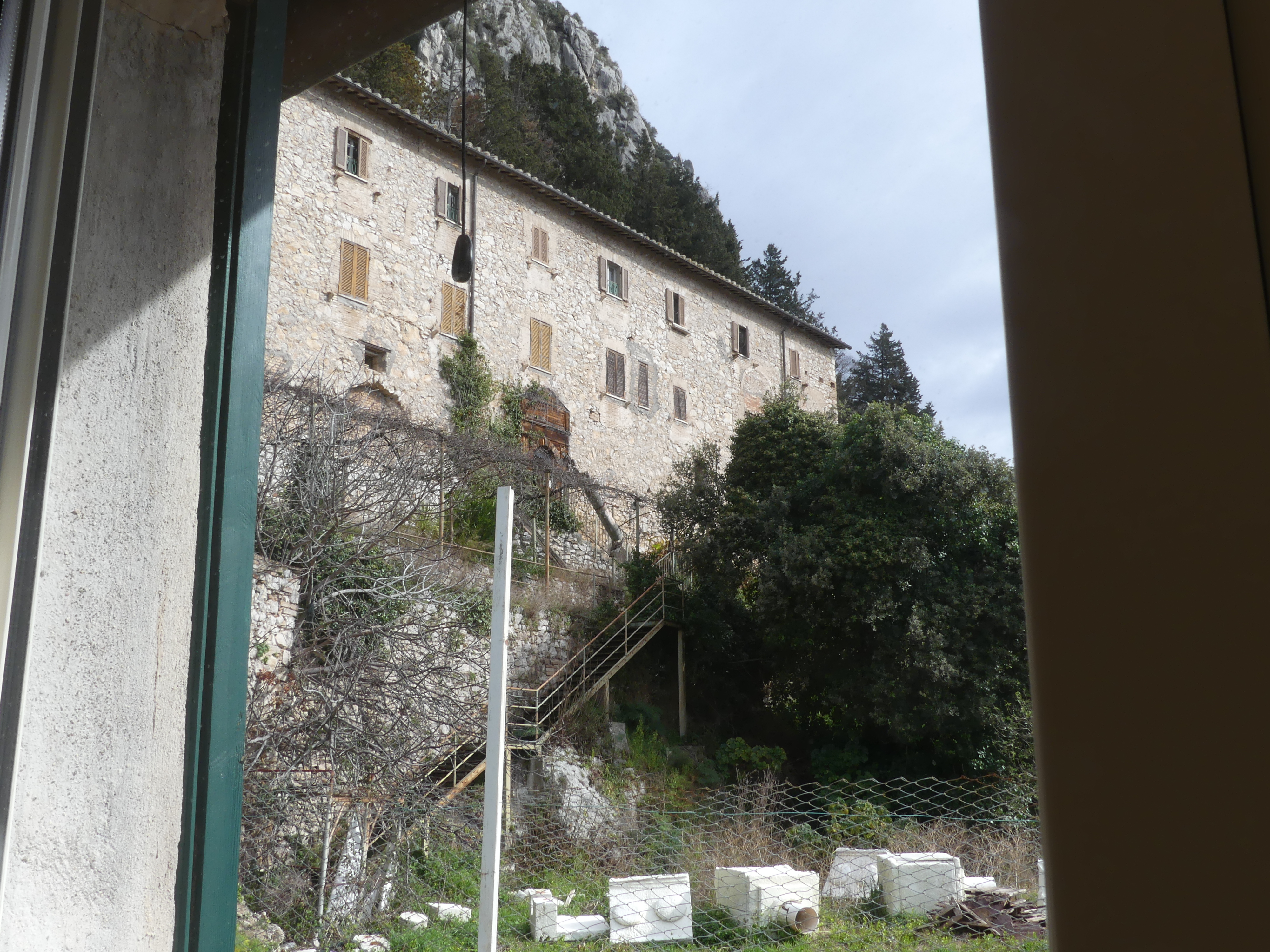
Robert has some of the most dramatic views of the valley below and to the mountains beyond. Even though it was overcast most days the view is extensive and includes the city (Terni) to country. The photos that follow speak for themselves.
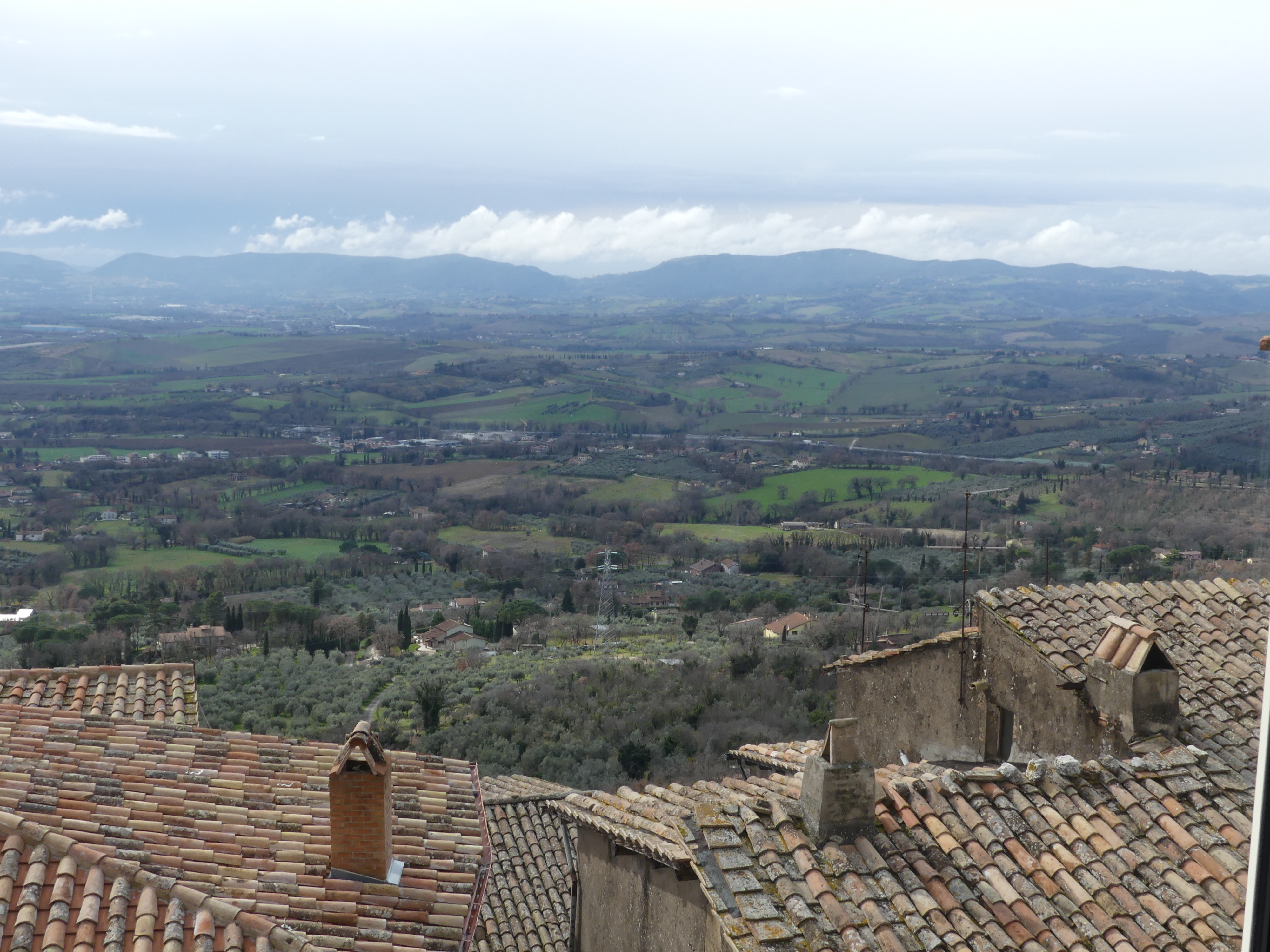

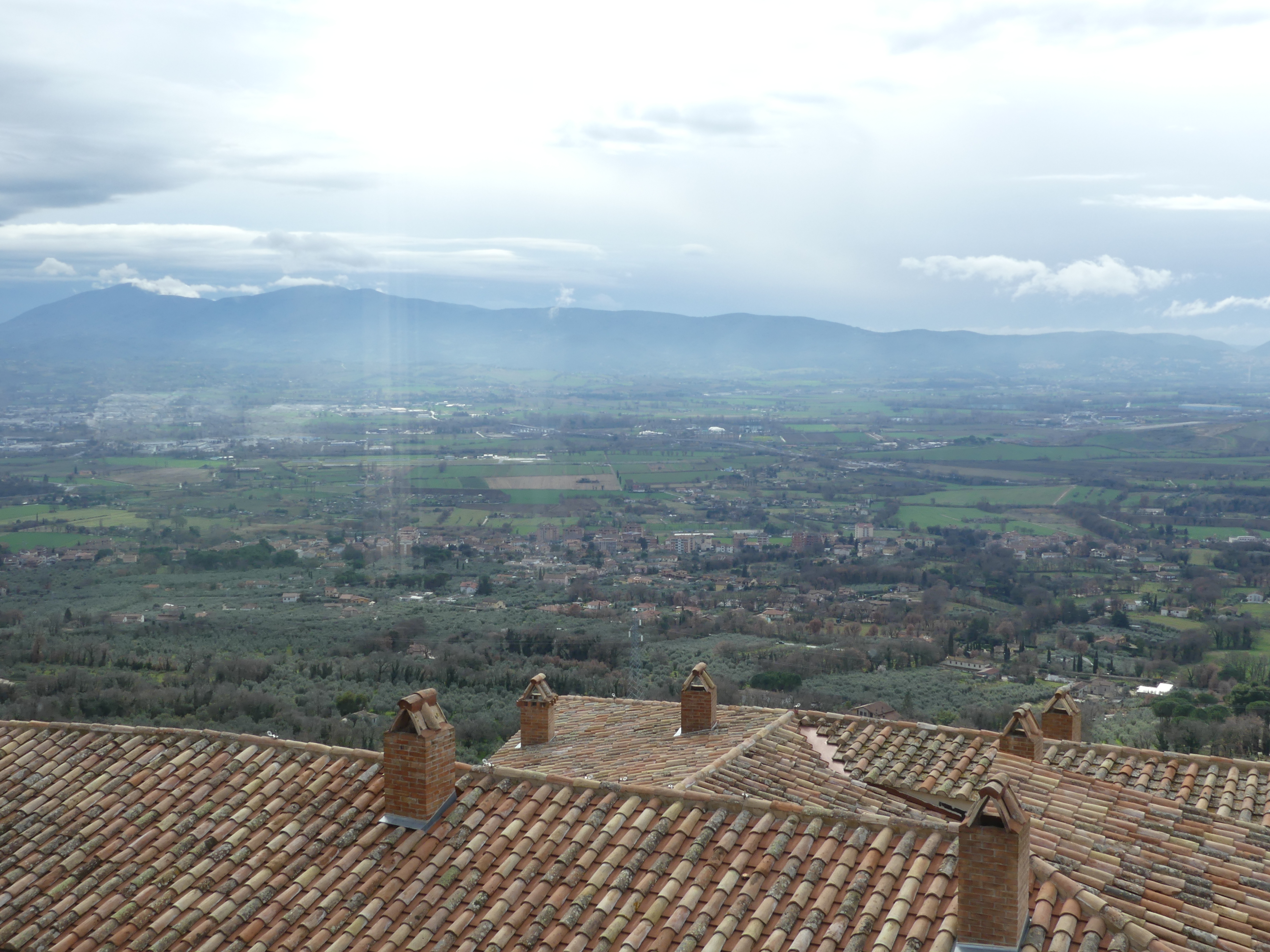
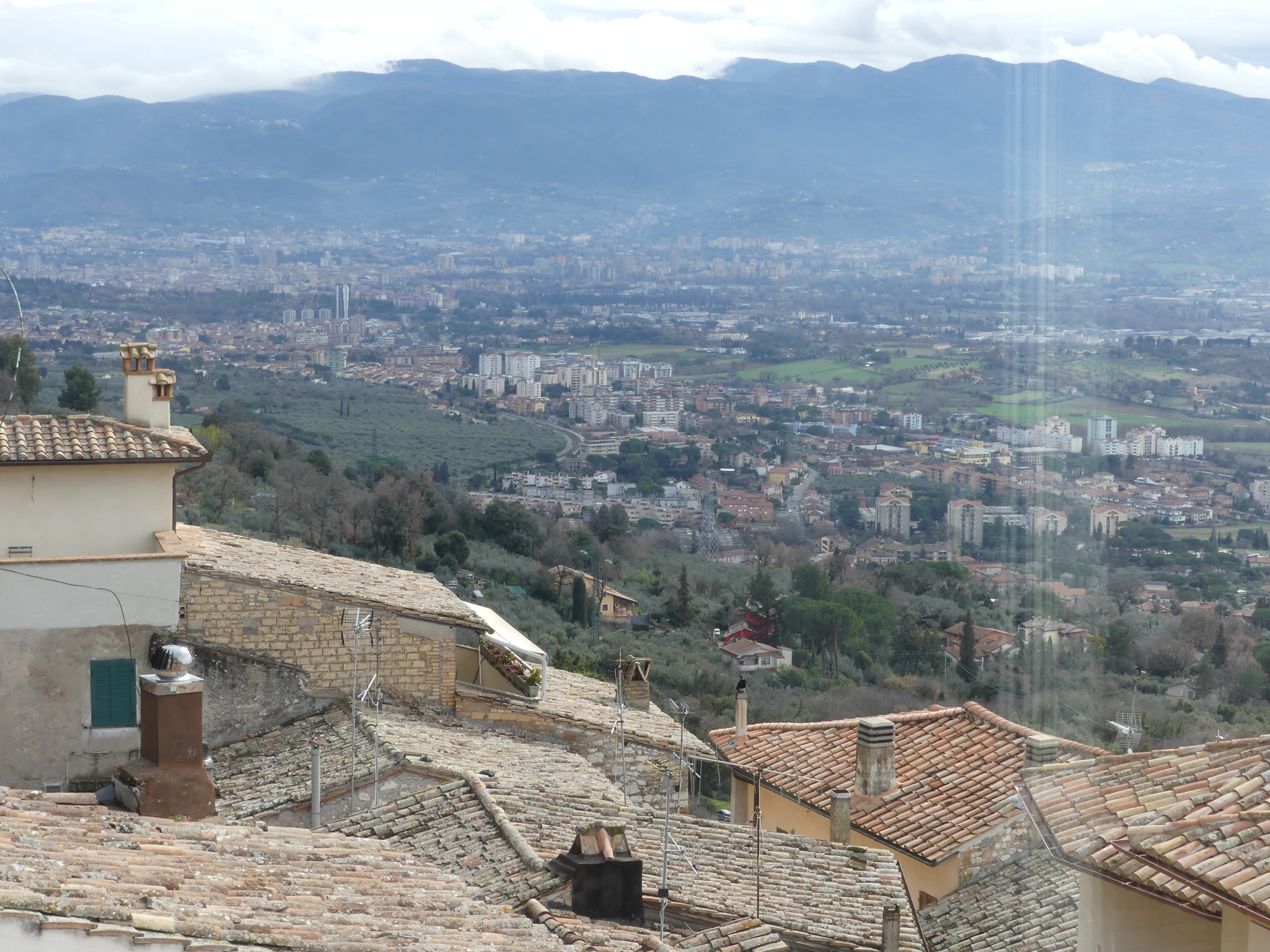
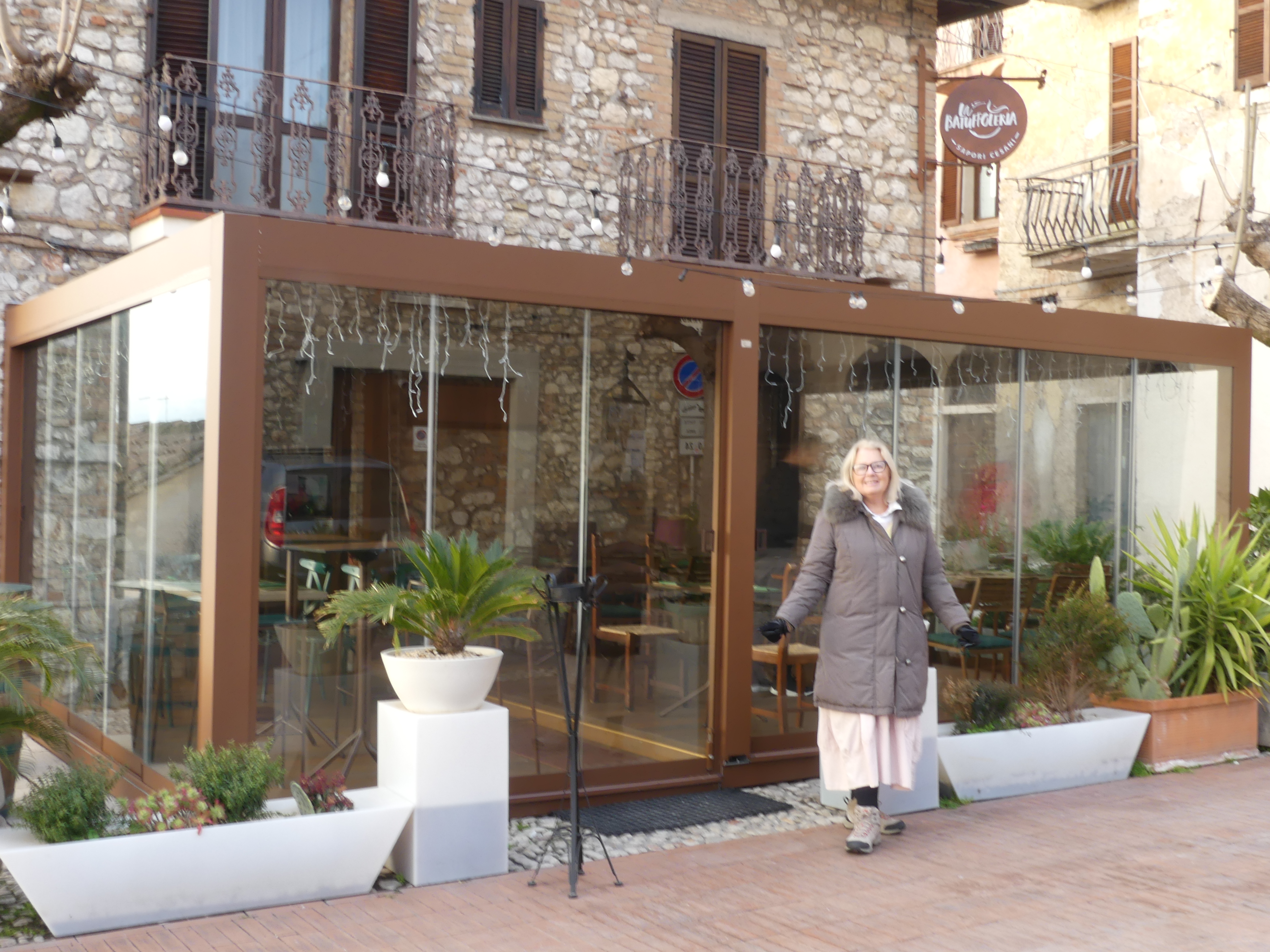
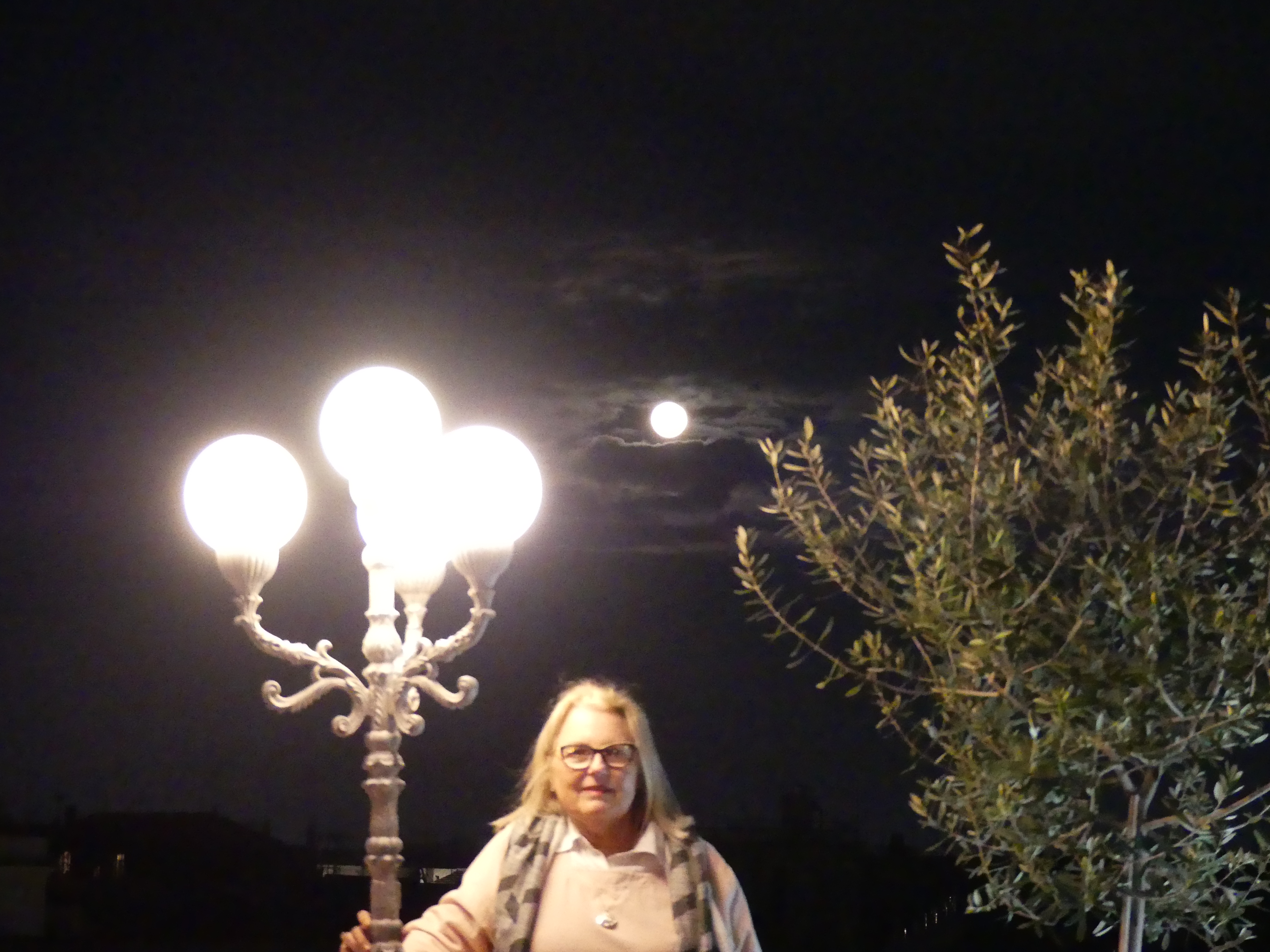
Another change for Cesi is the restaurant that has opened in the village. Beside the church is a modern restaurant sharing the fabulous views and the tucker isn’t too bad at all. The price is affordable, and the ambiance is a mixture of ancient village and modern restaurant. Kerry (photo bombing again) enjoyed it particularly outside the restaurant the views of the valley and surrounds, and at nighttime the view from the restaurant.



On the face of the building across the road from the restaurant is an ancient Sundial. The Latin inscription reads “Hora fugit, ne tardes.” (“The hour flees, don’t be late.”). Very interesting even if you cannot tell the time using it. The one remaining church along side the restaurant is the only building still in use as a church with the other former places of worship now performing community duties.
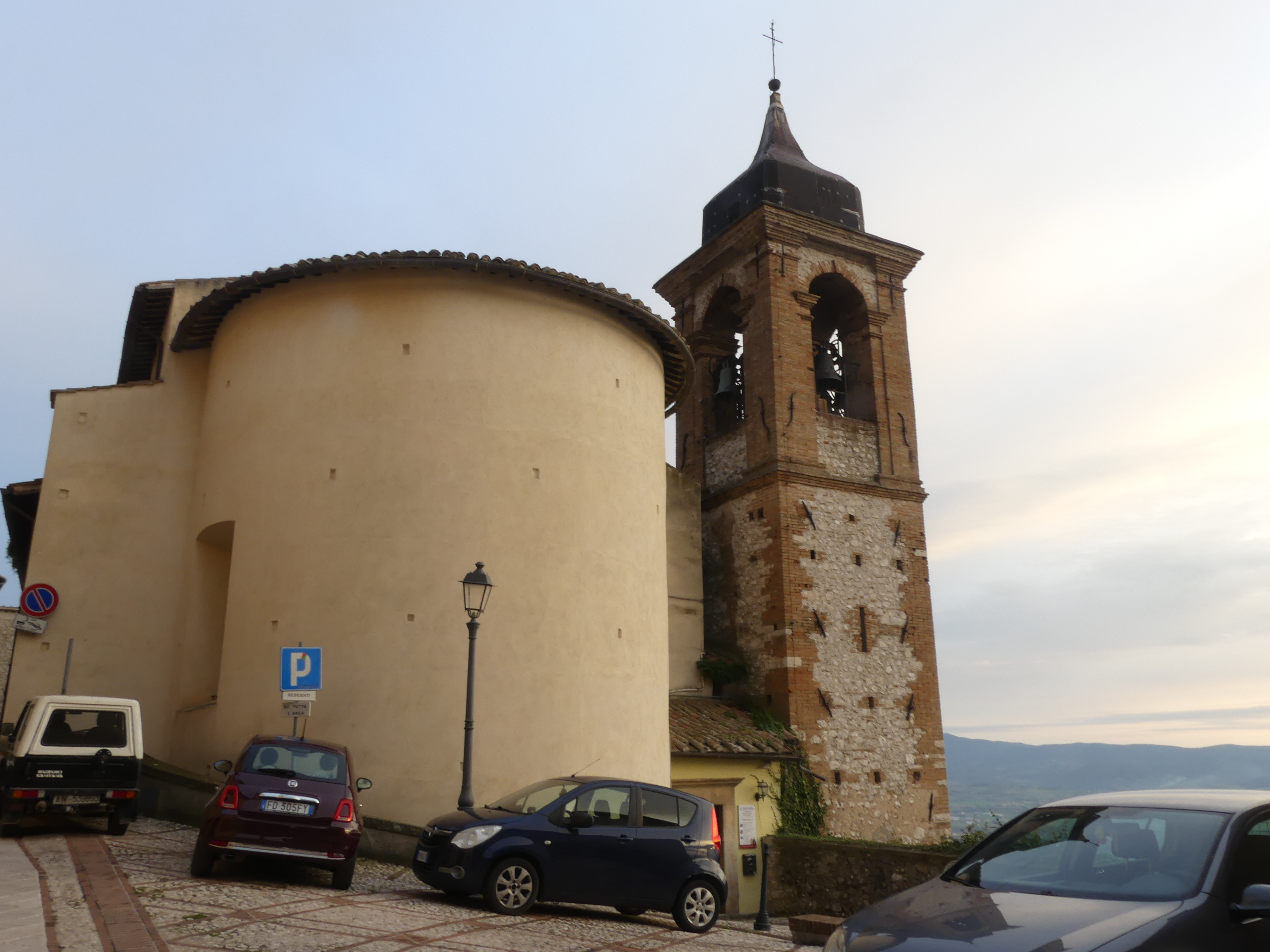


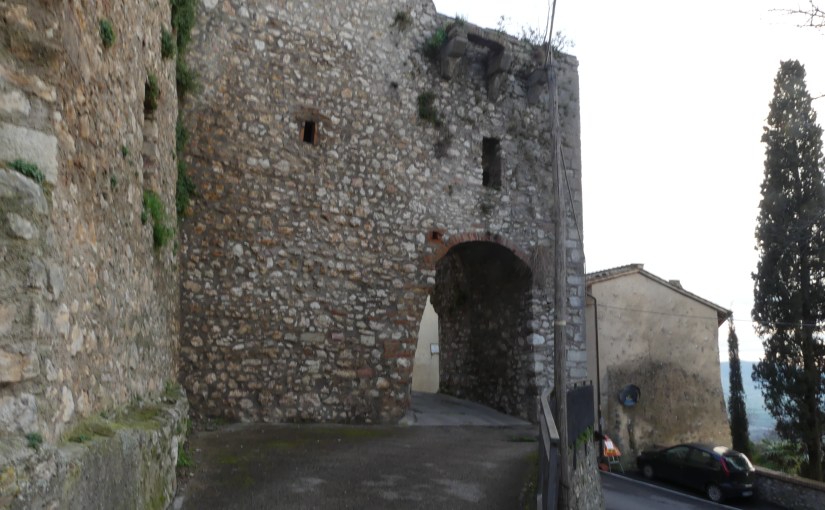
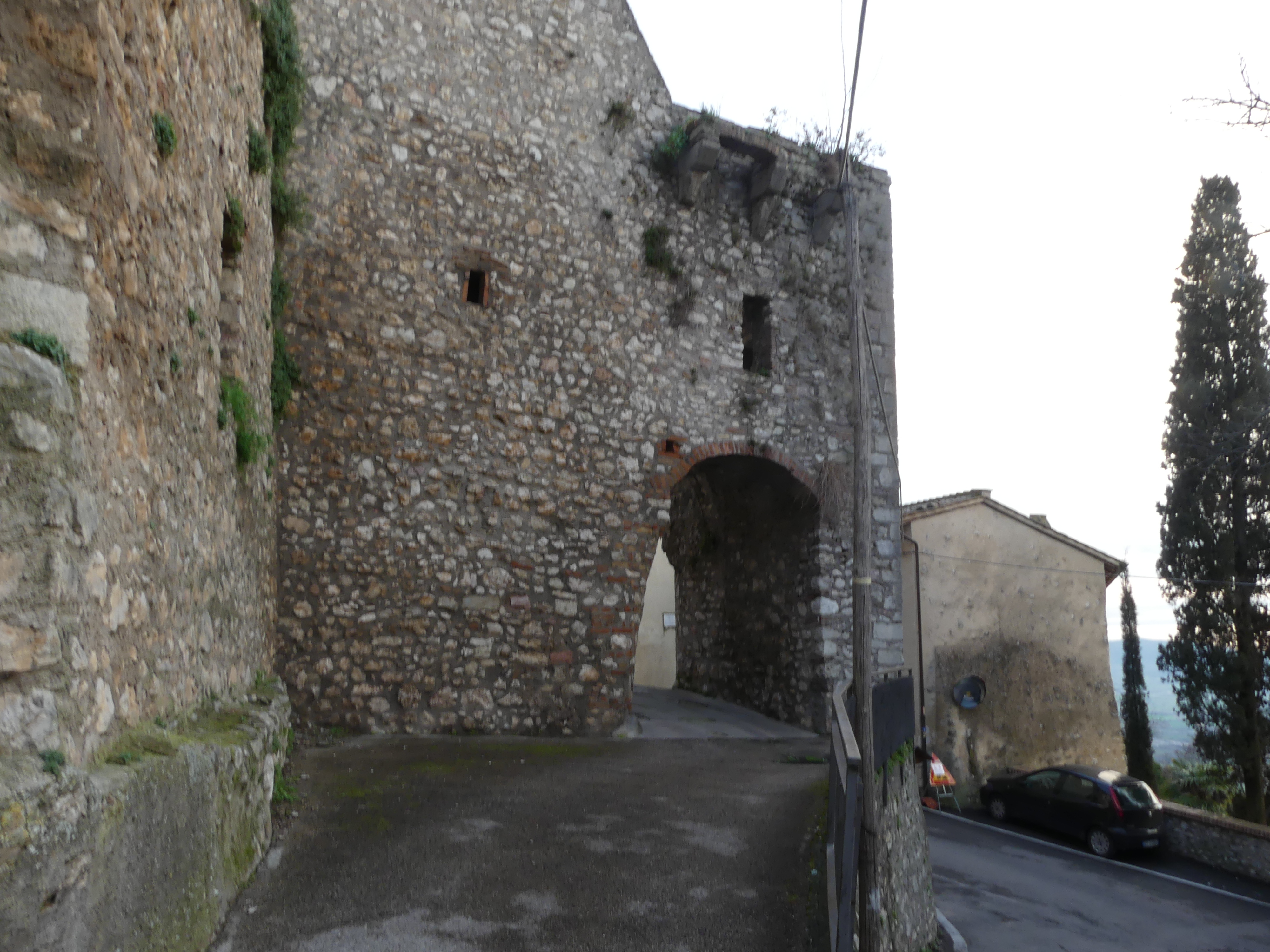
There are a couple of sections of the old town walls, and the photo below shows the northern city gate. As we circulated around the village, other features are the church and its bell tower, the former town house and its verandas, and ooh Robert walking the dog (this is another change – the dog is pregnant and although not belonging to him he insists on walking and feeding it – it gave birth to its litter after we had left)


Terni
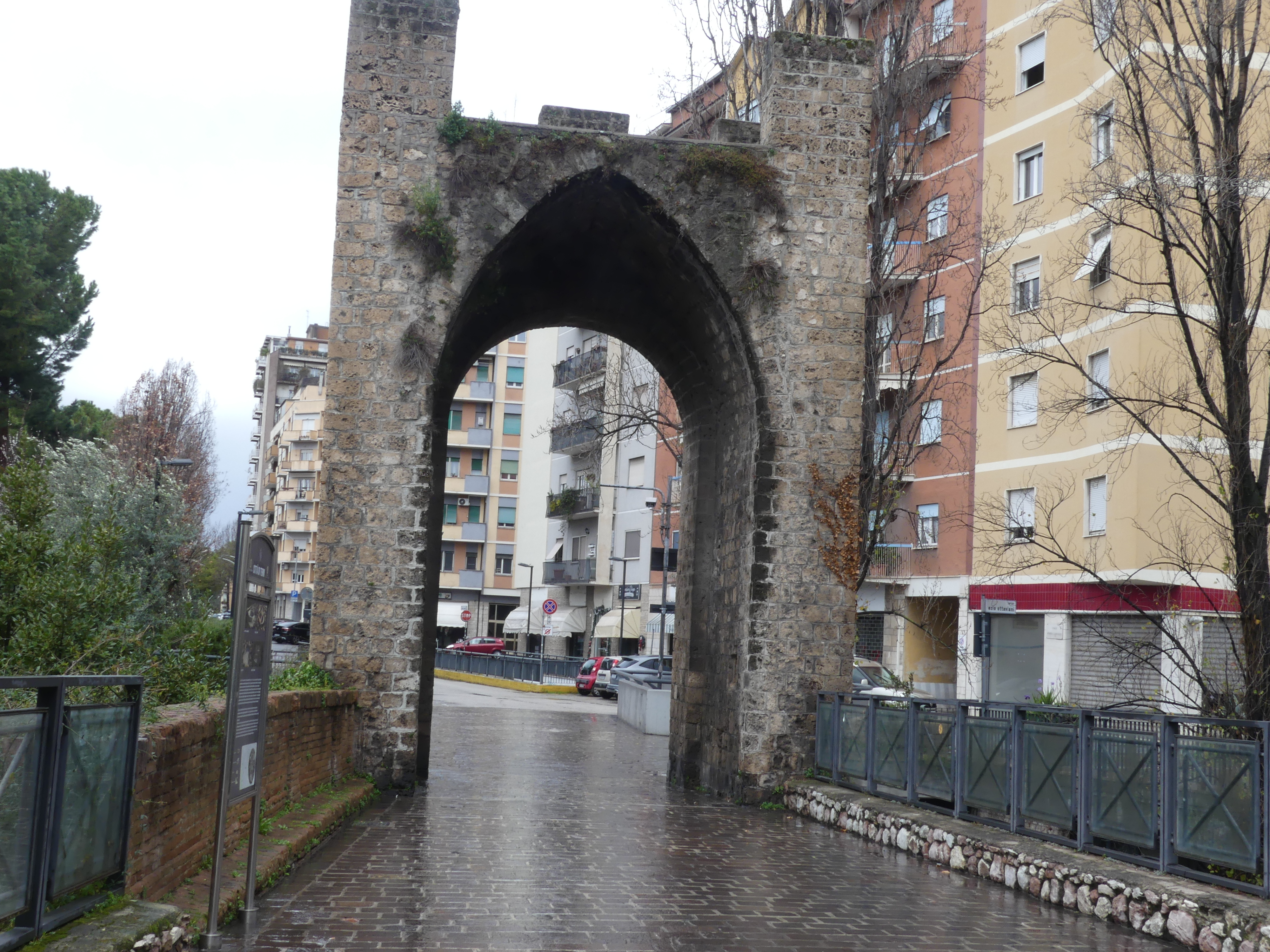
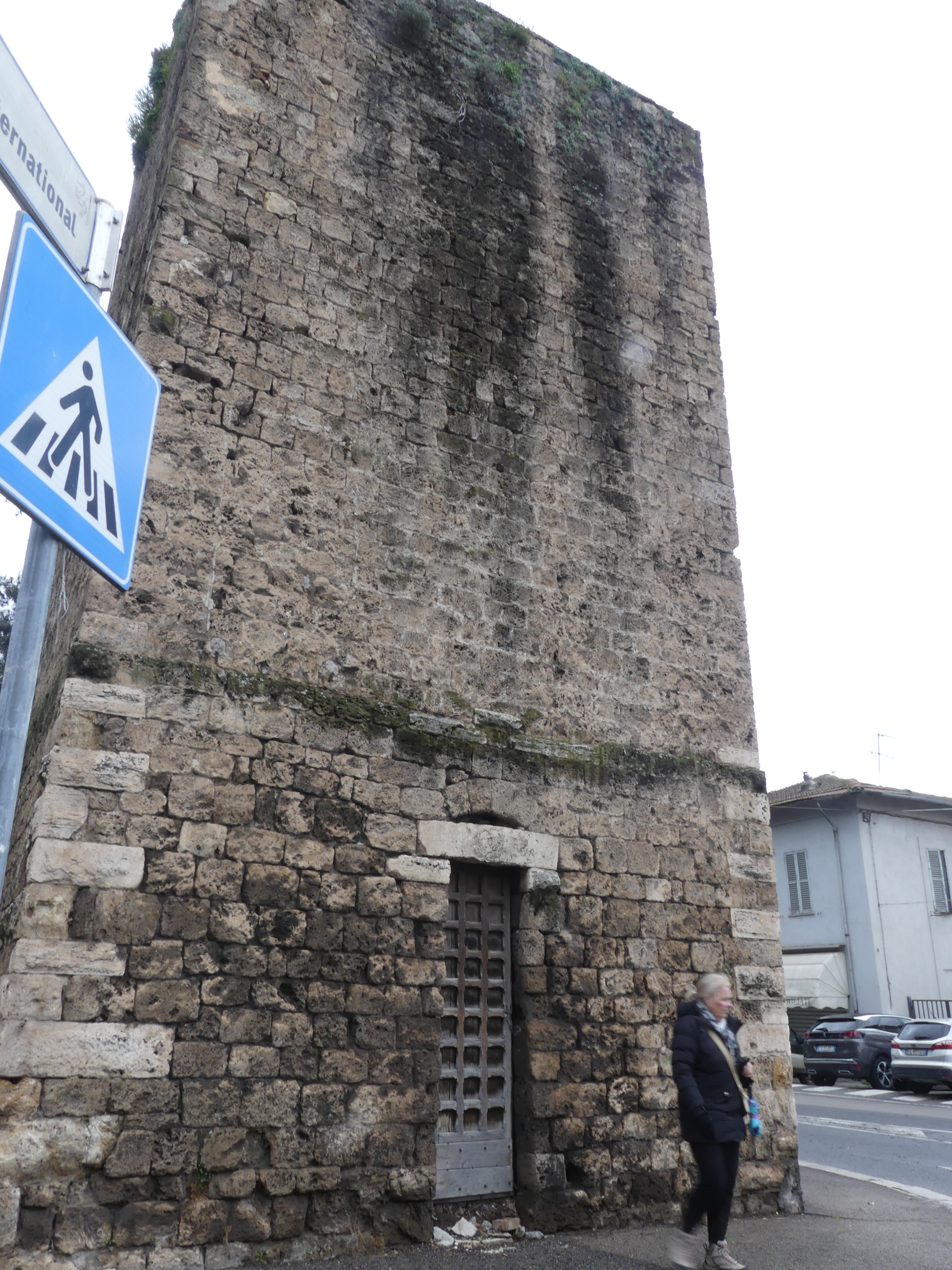
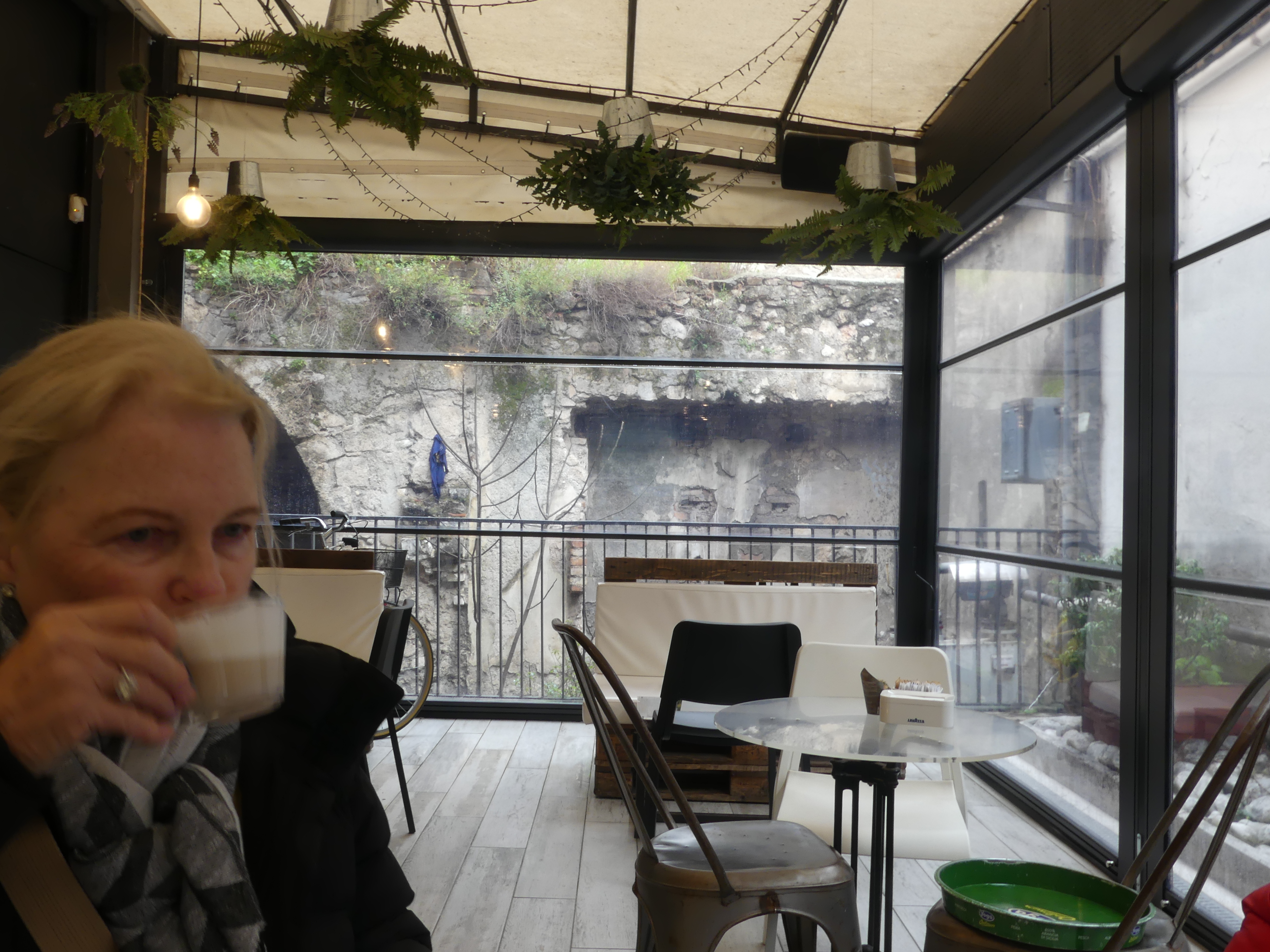
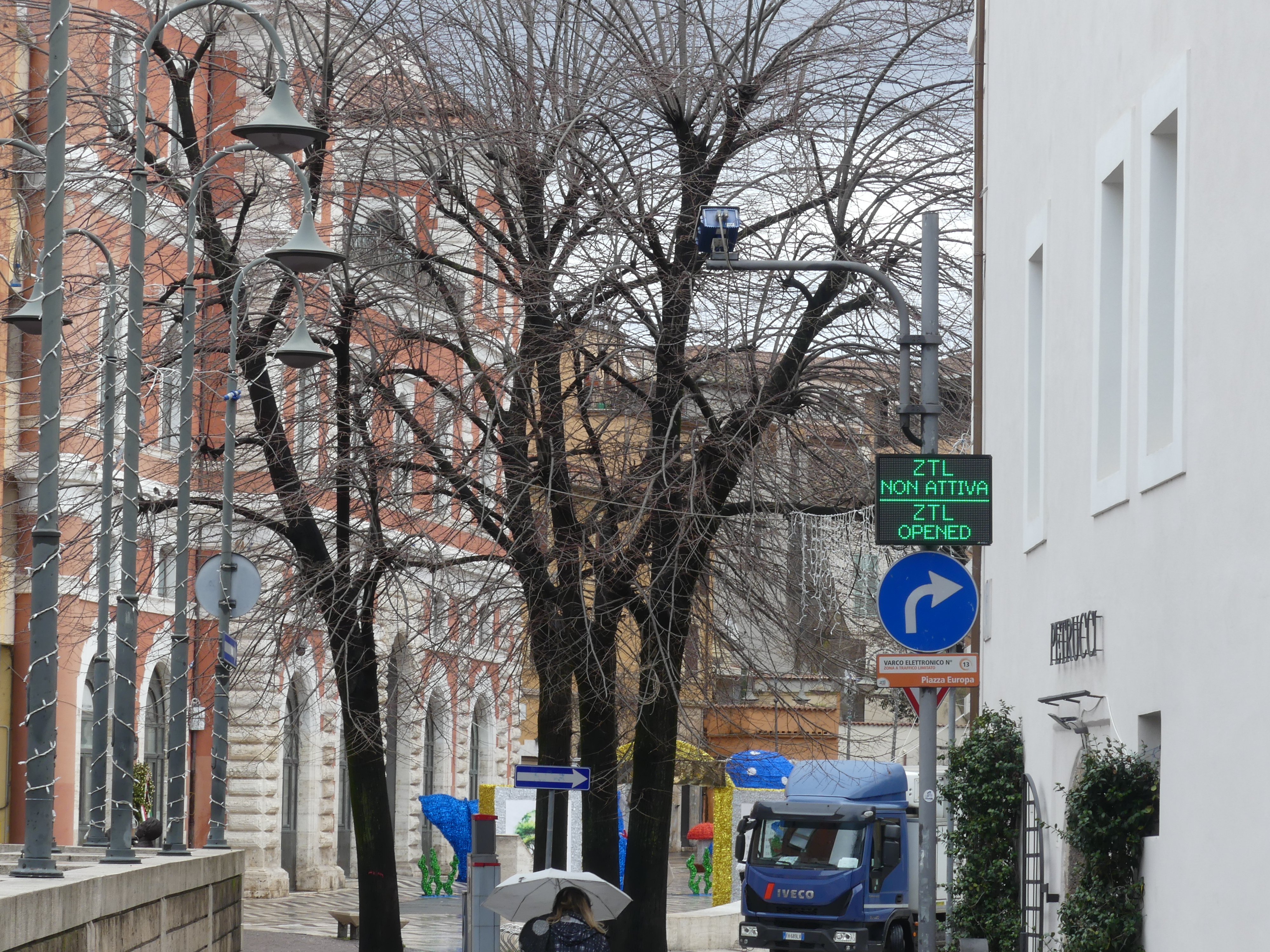
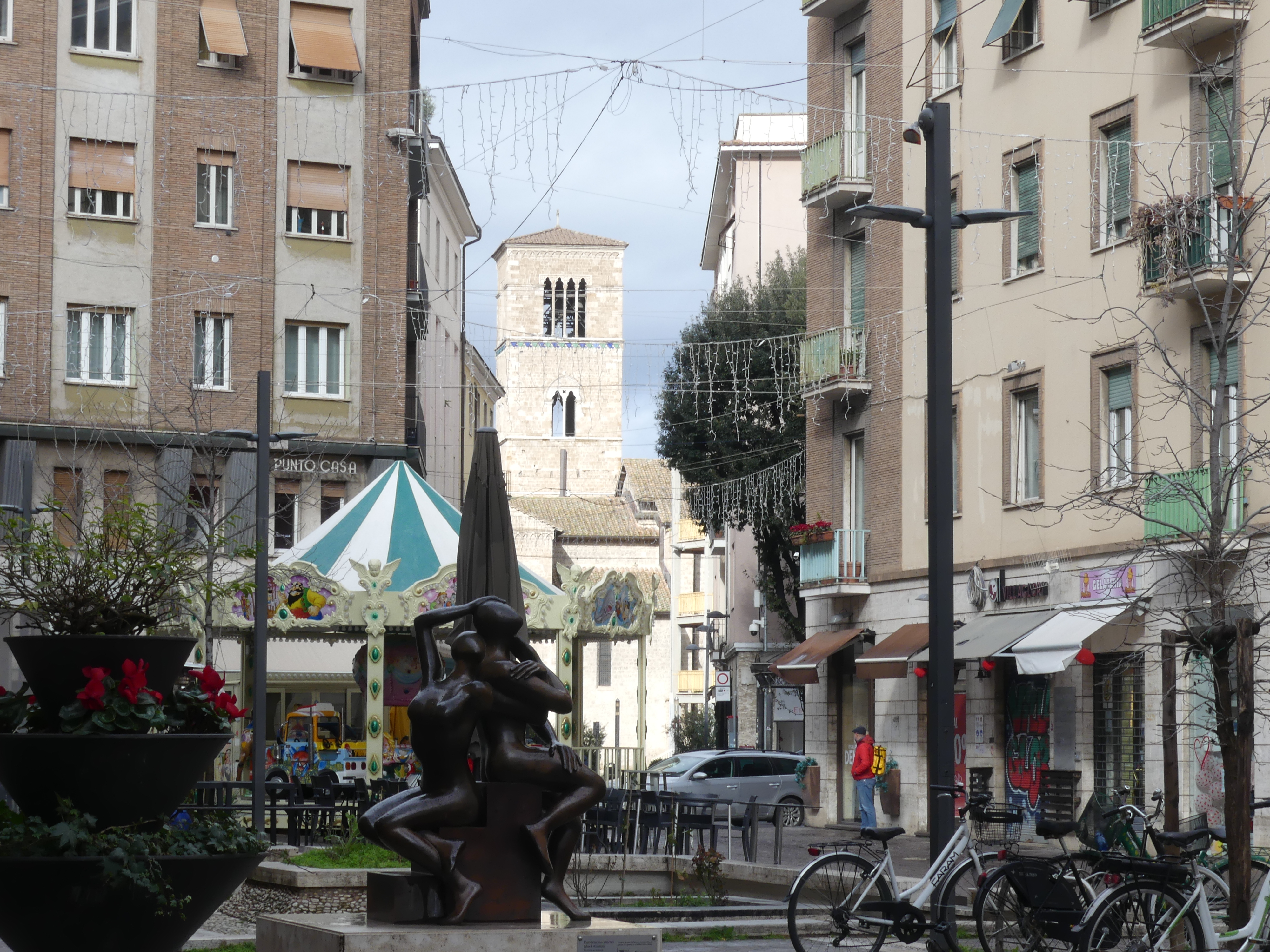
One morning we visited Terni and what remains of its old town. Because of its industrial past the British bombed the crap out of Terni during WW2 so to find pieces of its old town walls was very surprising. We found 2 remaining city gates and bits and pieces of the city walls. Kerry and I stopped for mid-morning coffee and there behind us is part of the old town in rubble and ruin.

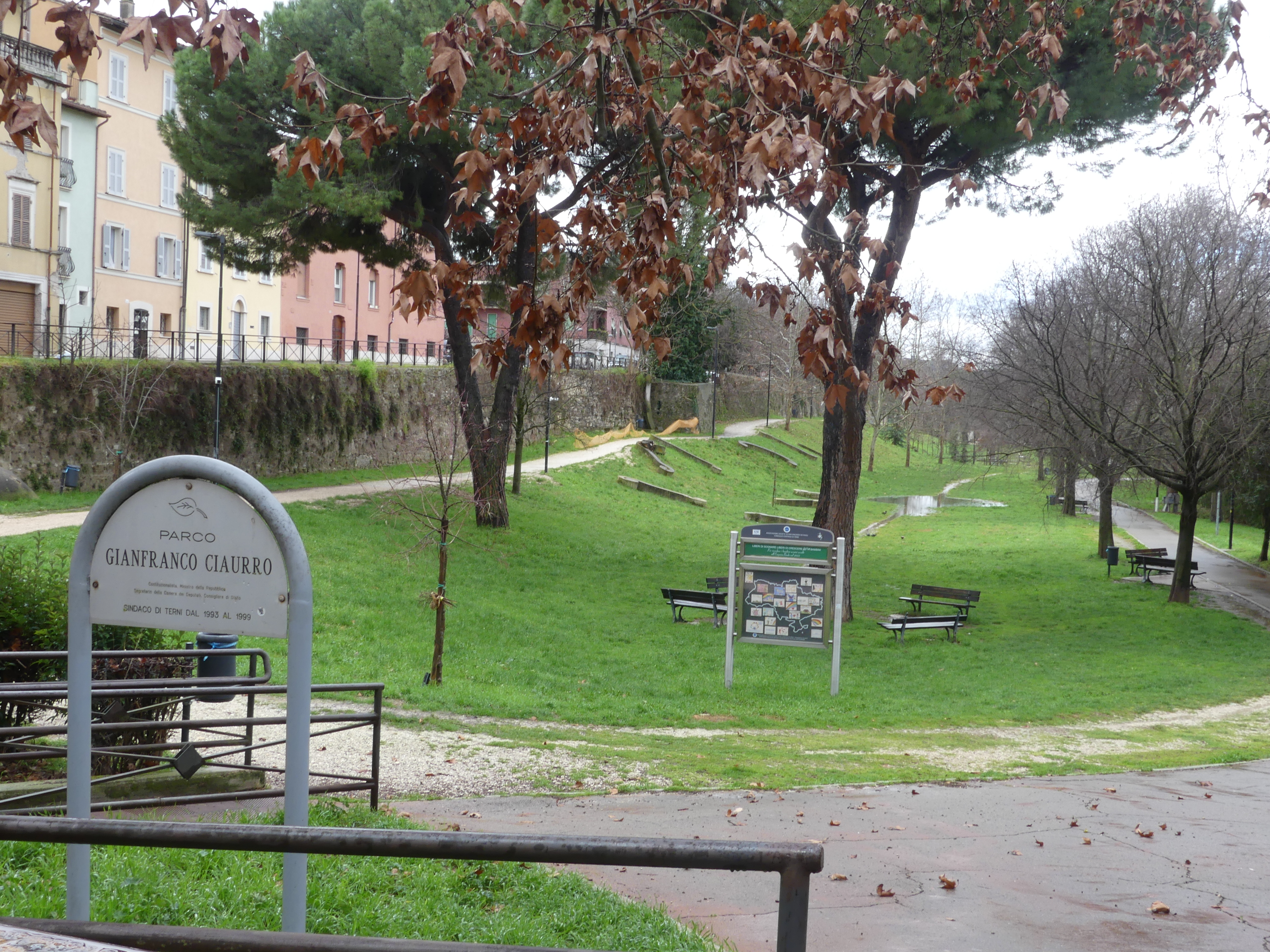
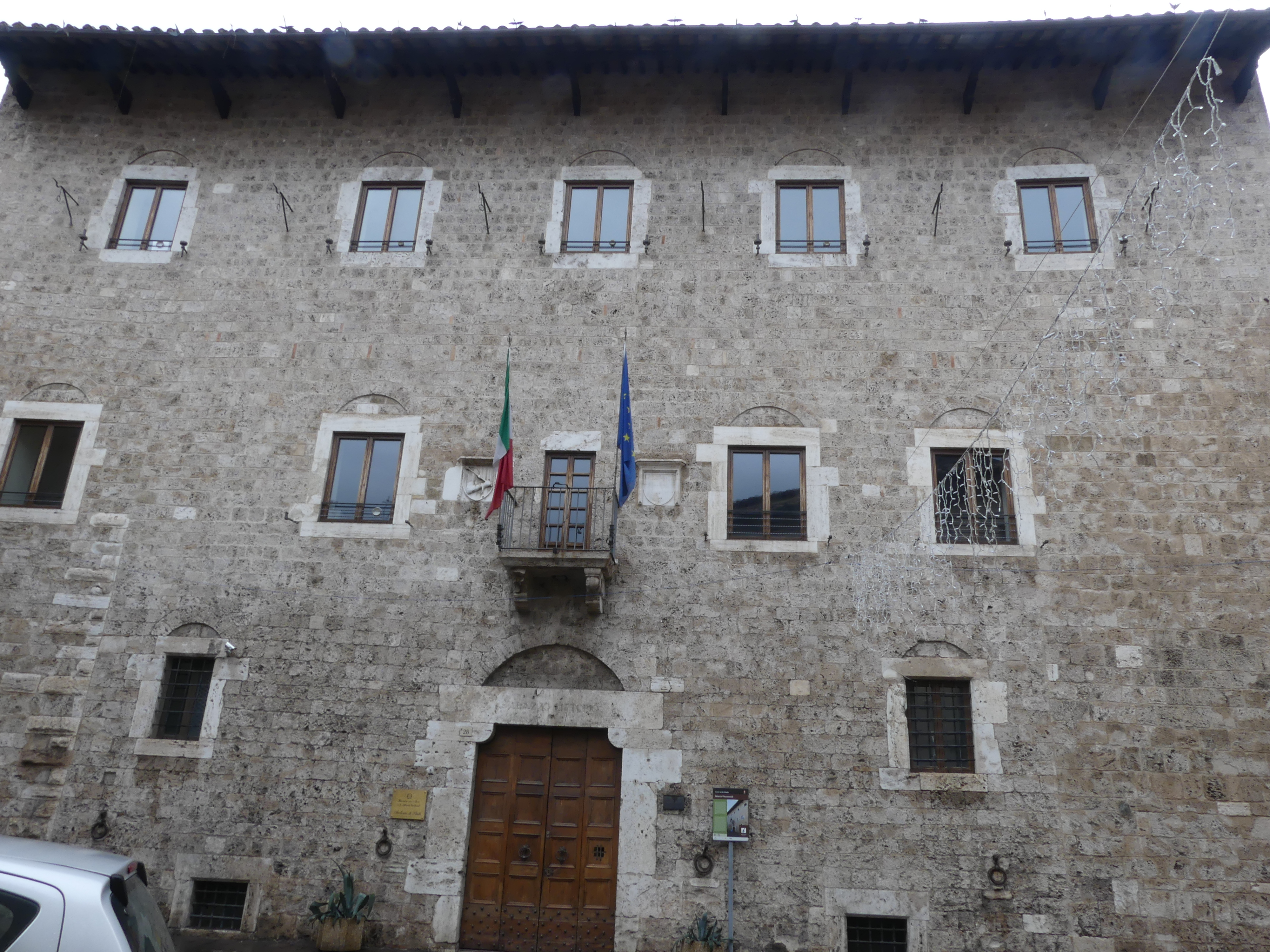
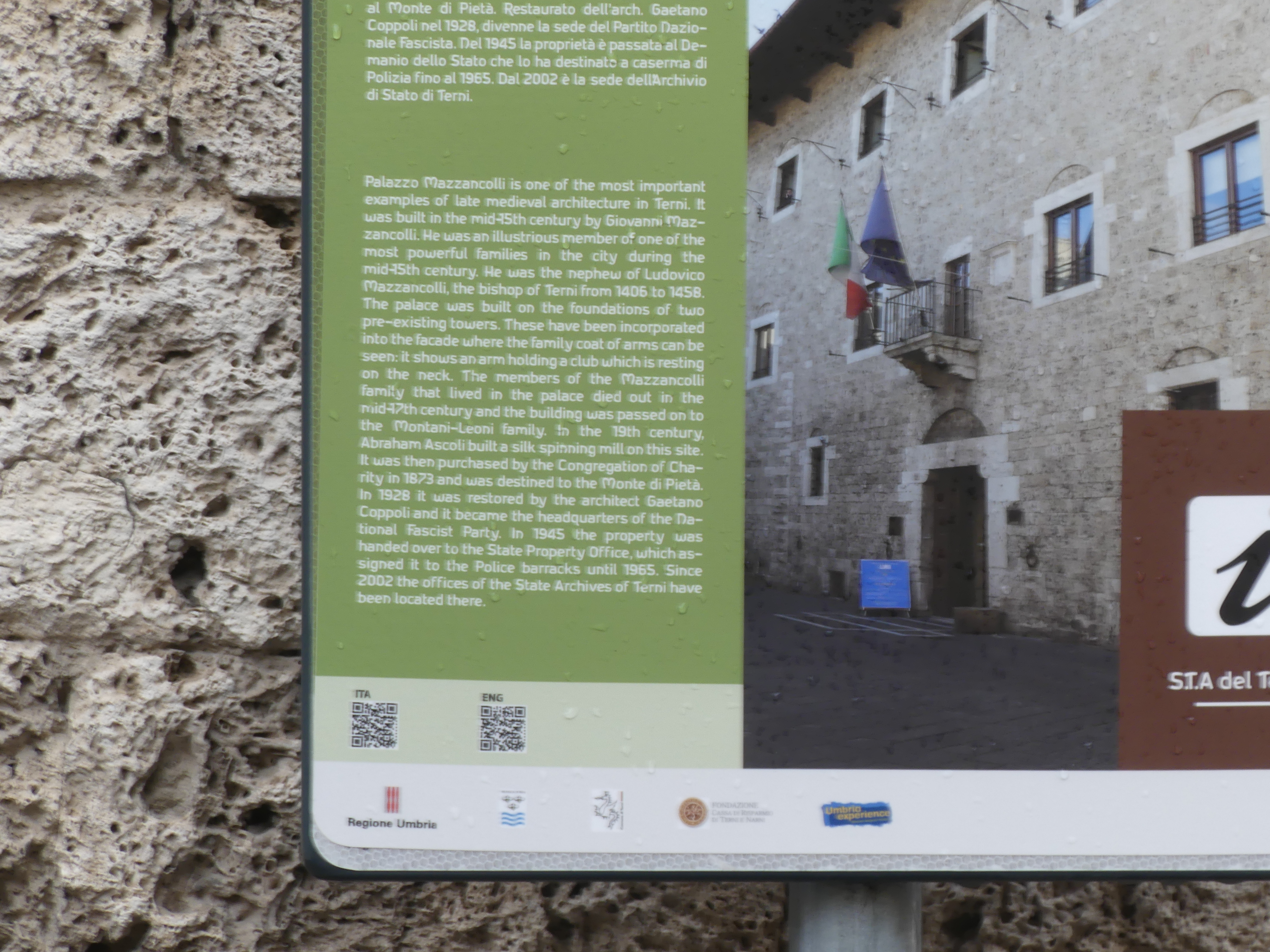
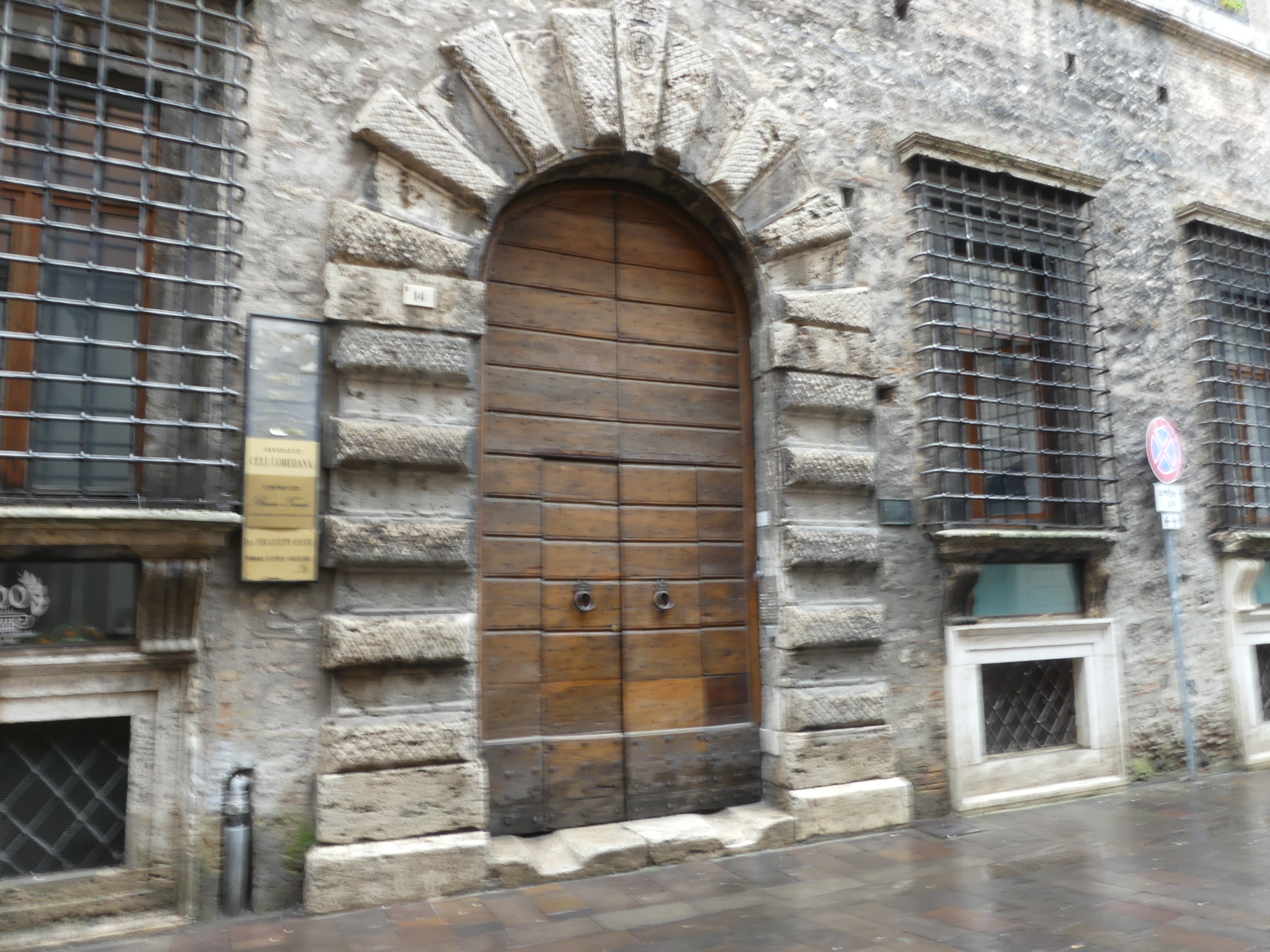
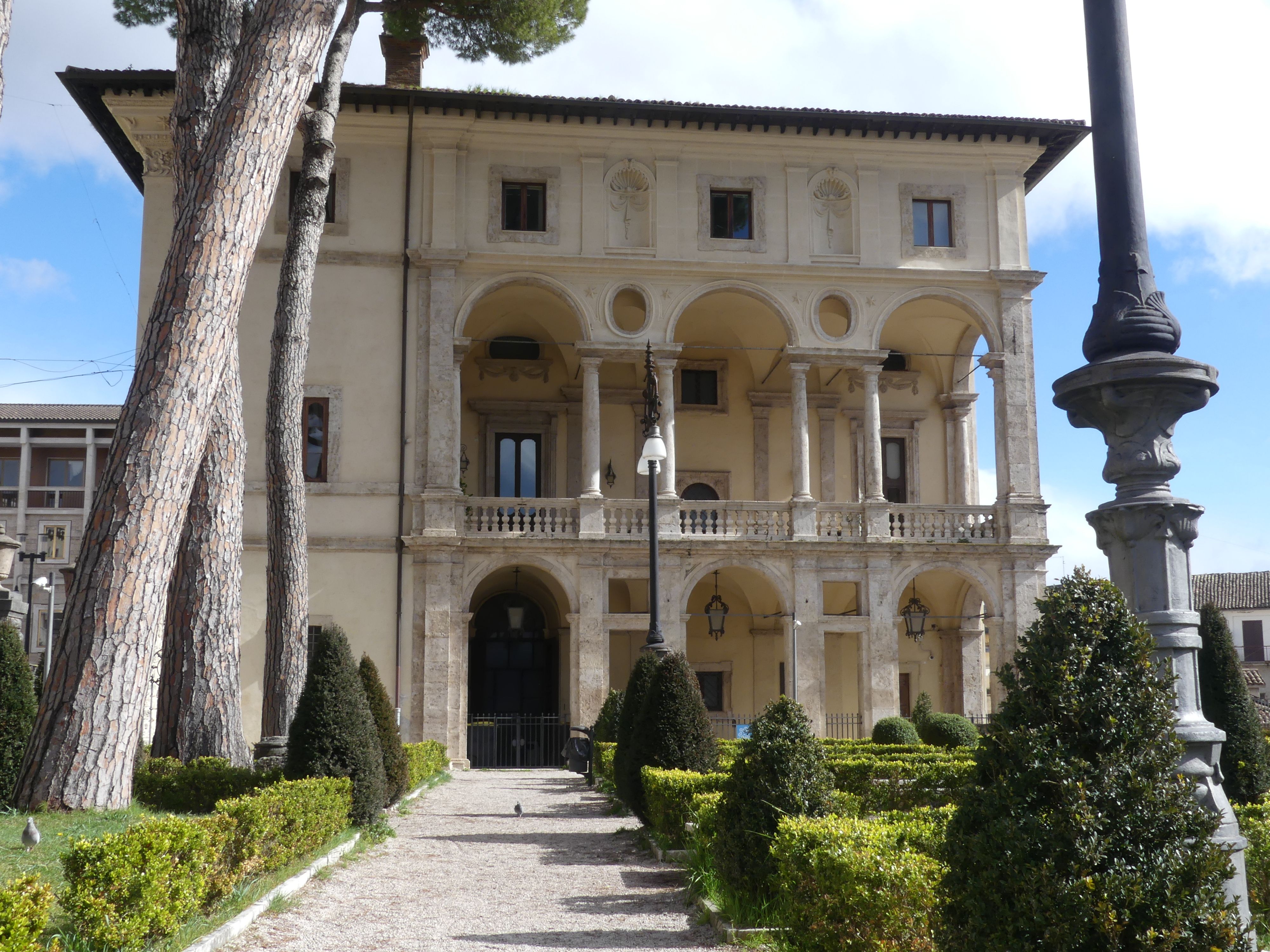
Its market day in Terni. The markets are set up in the streets amongst the remaining old buildings of the old town and the rebuilt town replacements built after the end of WW2. Below are some market scenes. We found the State Archives (built as Palazzo Mazzincolli in 15th century), Palazzo del Governo (Town Hall) and the central church for the town.



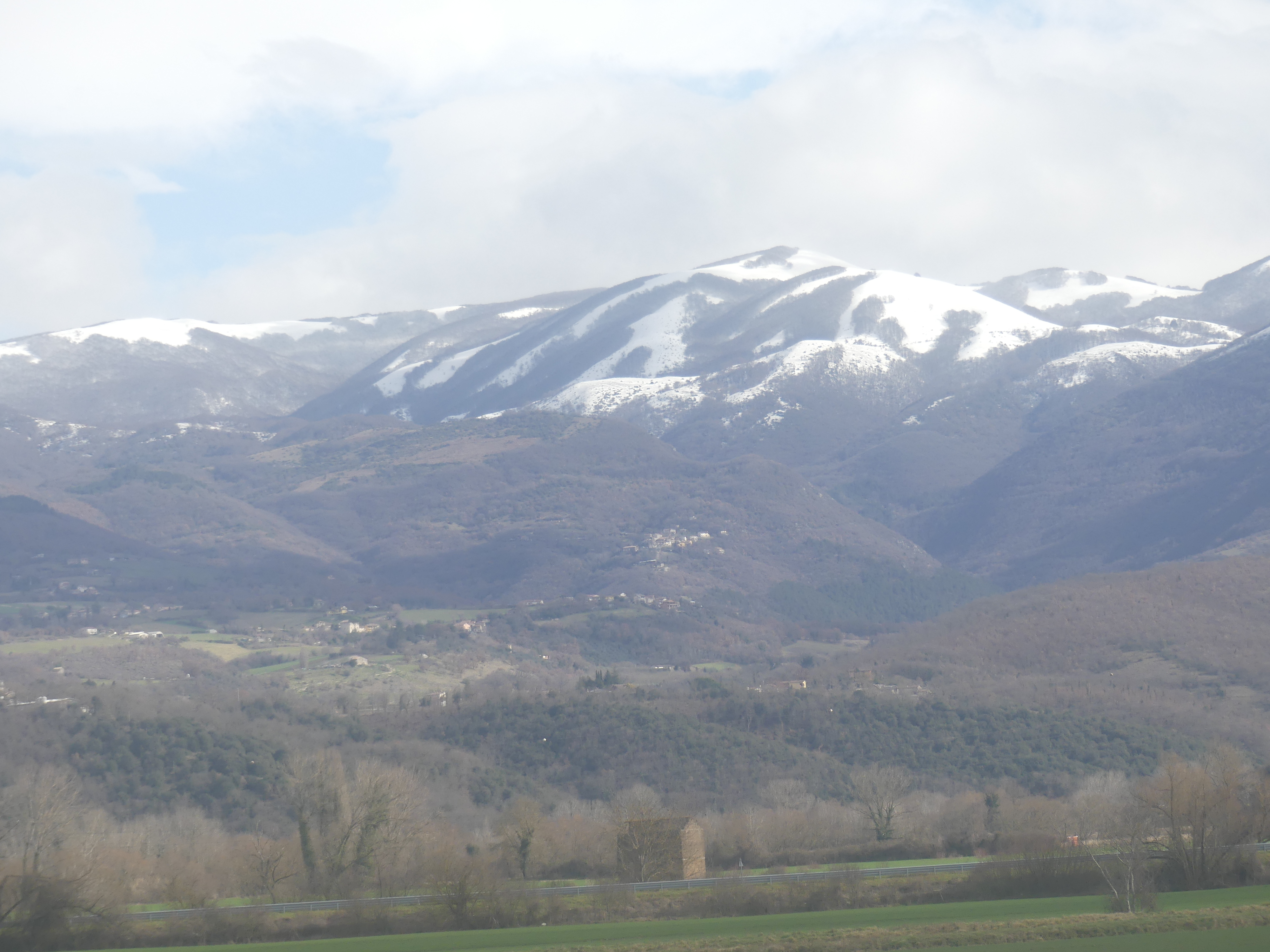
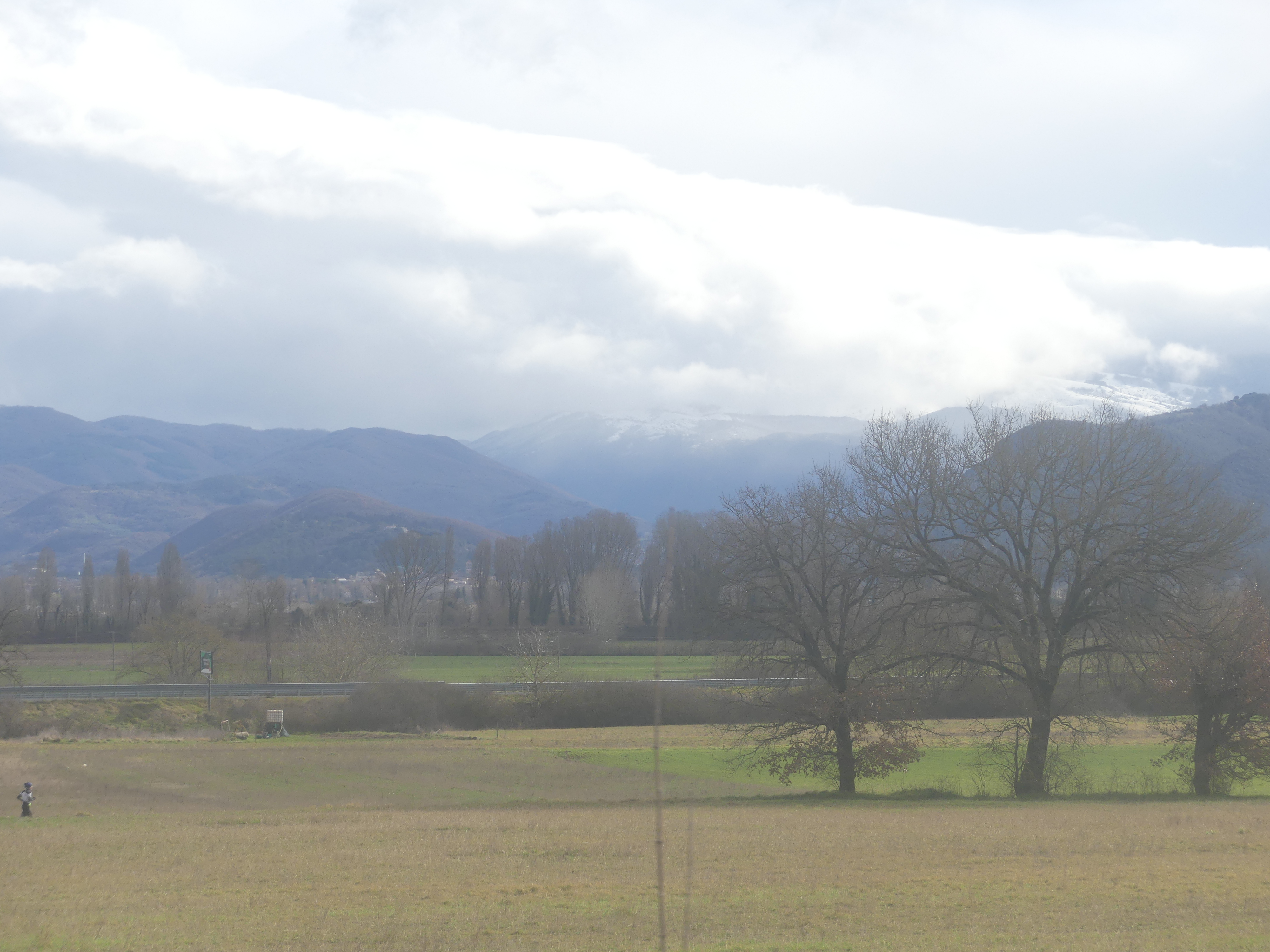
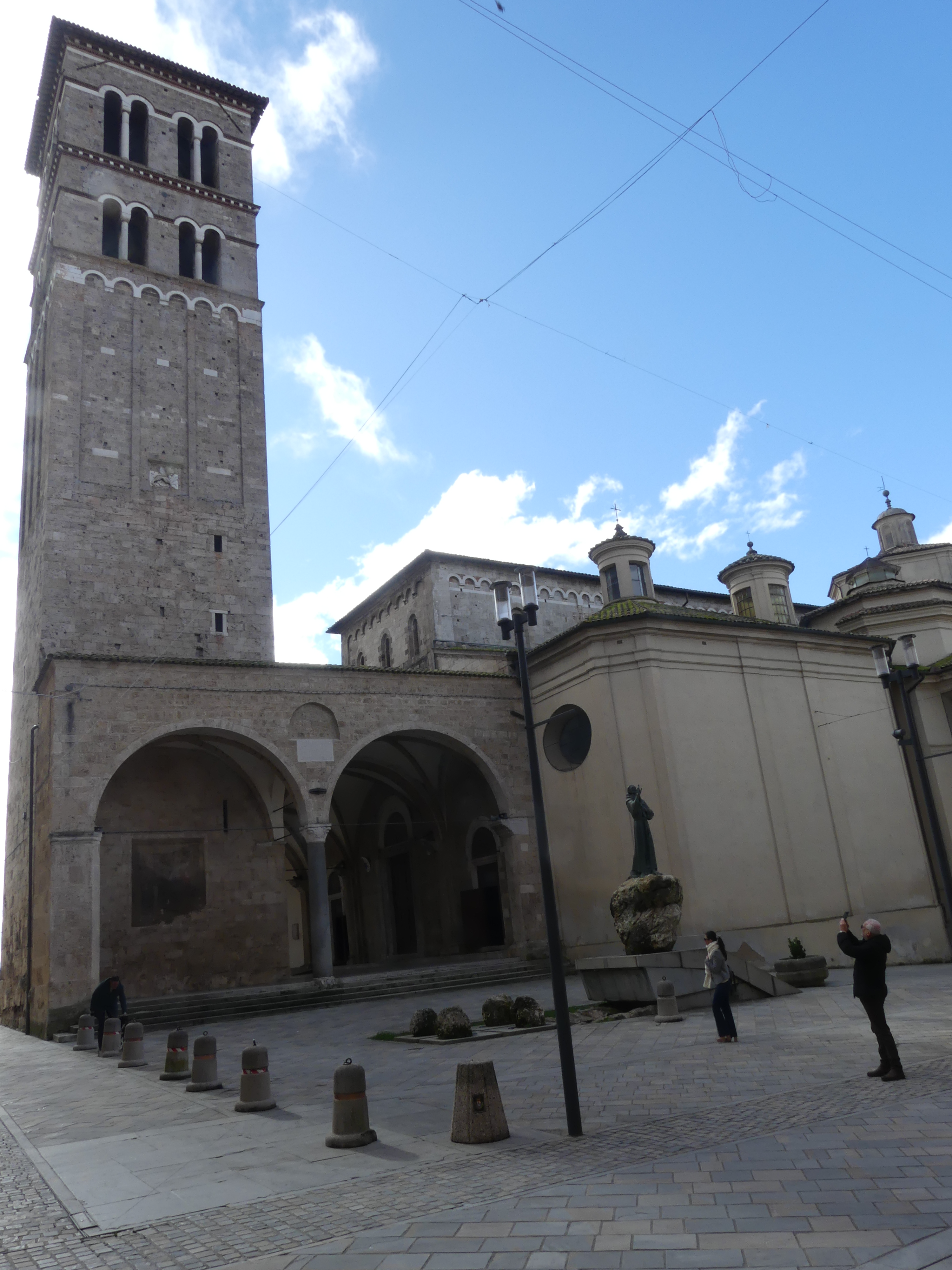
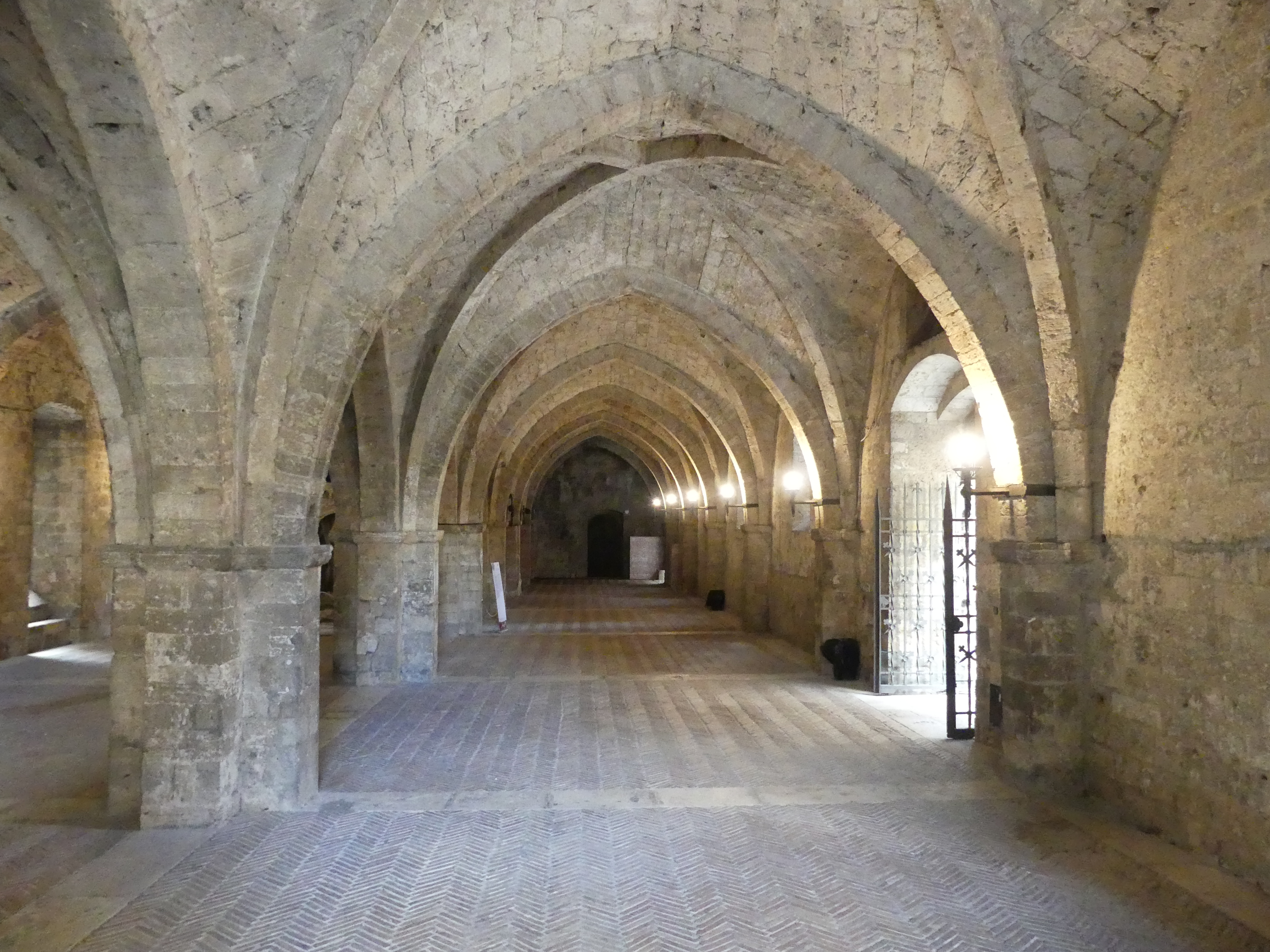
We had sought Robert’s local knowledge on places to go in drafting our itinerary but Robert saw our itinerary as fluid. So our next trip was not on our itinerary. We took a train to L’Aquila. We caught the train through a valley bordered by high snow capped mountains in an old two carriage rail motor containing first class and second class (of course we rode in “first class”). We arrived and stumbled off into a pretty, and well organised and clean square with an old church with a relatively unadorned interior, but some old frescoes had been exposed to show its age. The design of all these old villages is that it sits atop a hill, and we found the hill.


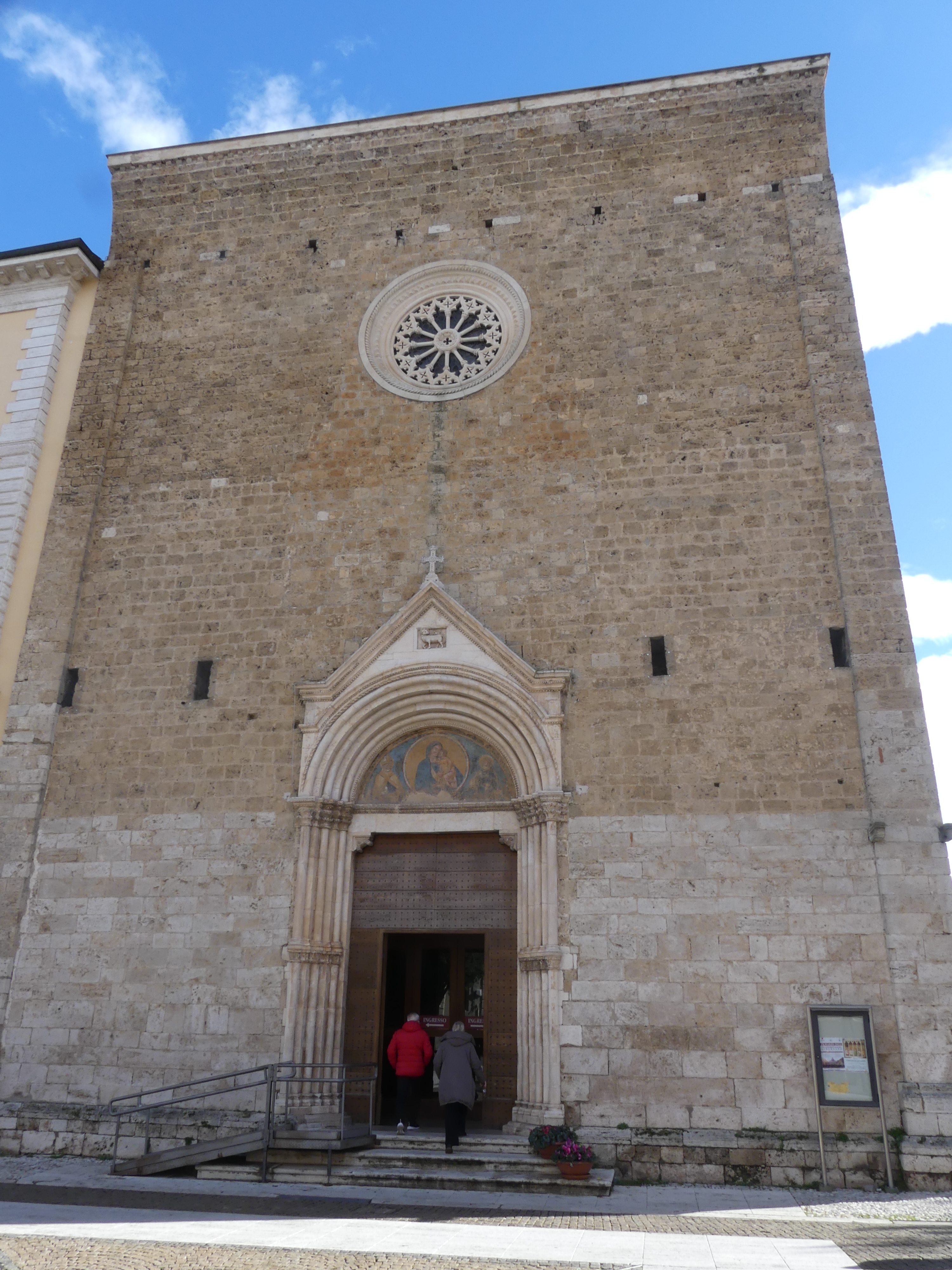

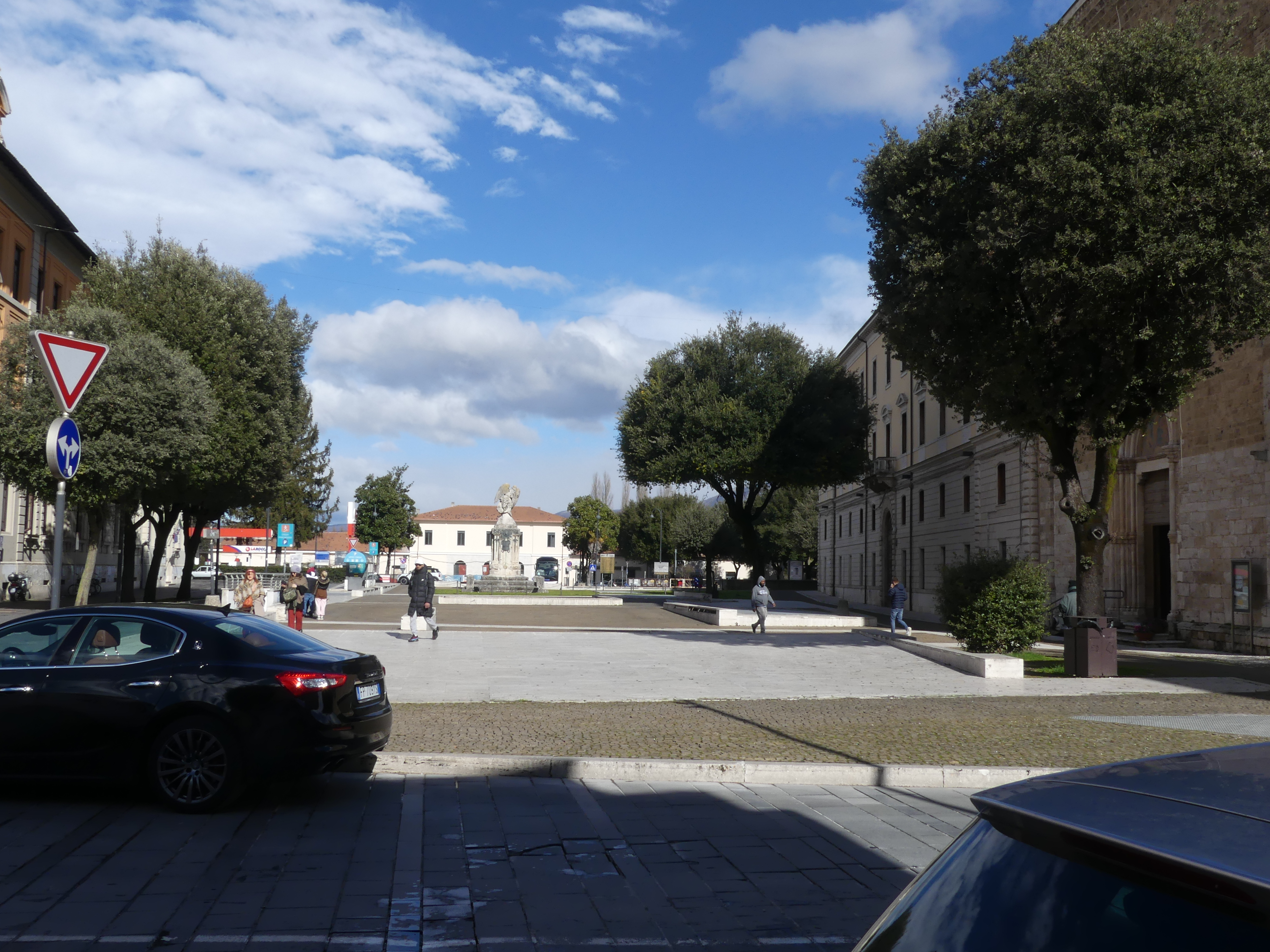
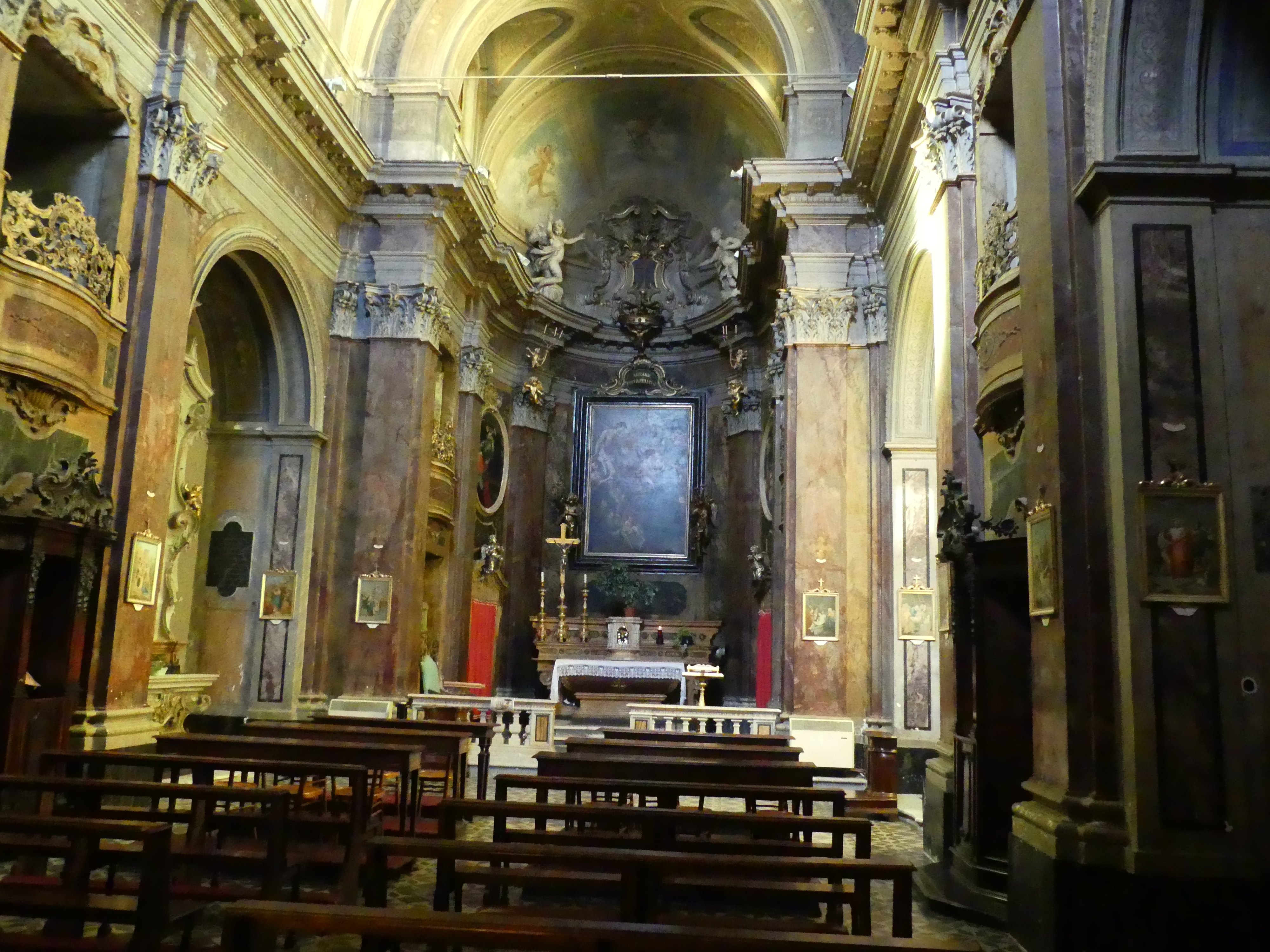
Atop the hill was market day, and this seemed to be the reason we were here also (I suspect Robert had a rendezvous lined up). After the rather plain church in the square, here located in this small enclave of the old town was a huge church with its Nativity scene still on show. As we explored around the church (it was not open to tourists) we found what was on the other side of the hill – not such a small village. Then we discovered tucked away nearby was the “ordinary folks” chapel used by the residents with some interesting but not pretty décor. The priest had parked outside – a plastic Fiat. I couldn’t believe it, but it was the real deal just in plastic.
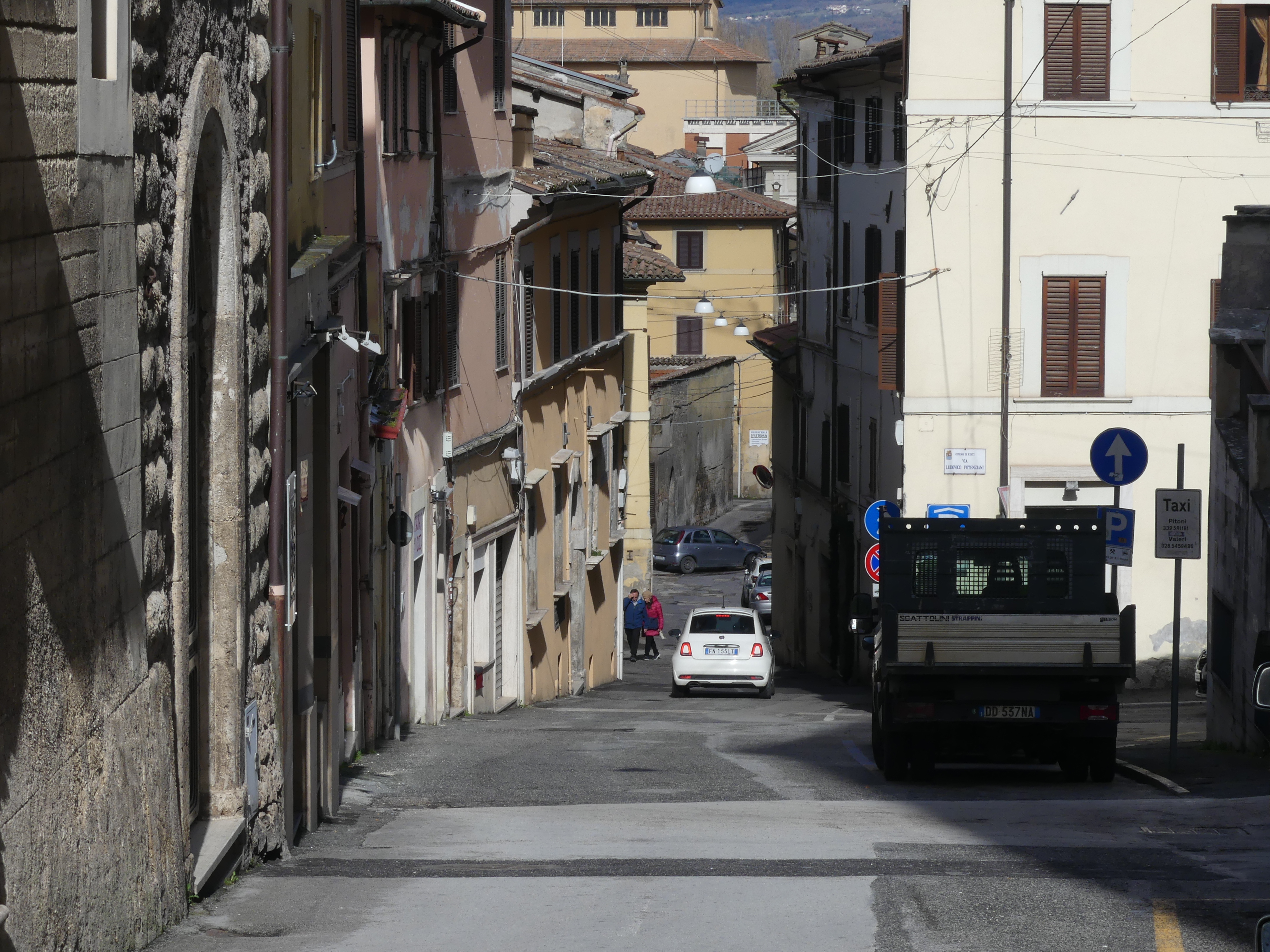
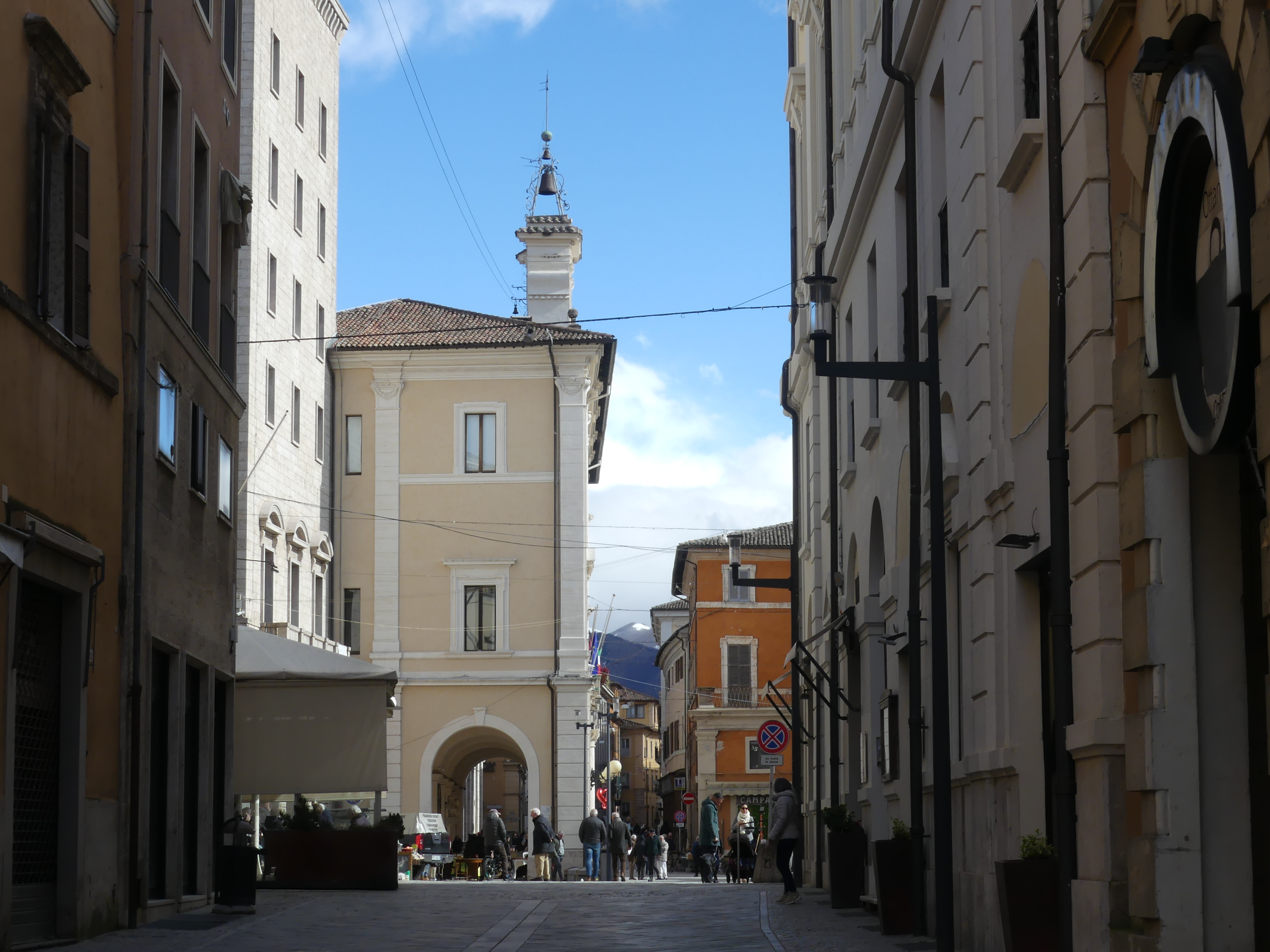




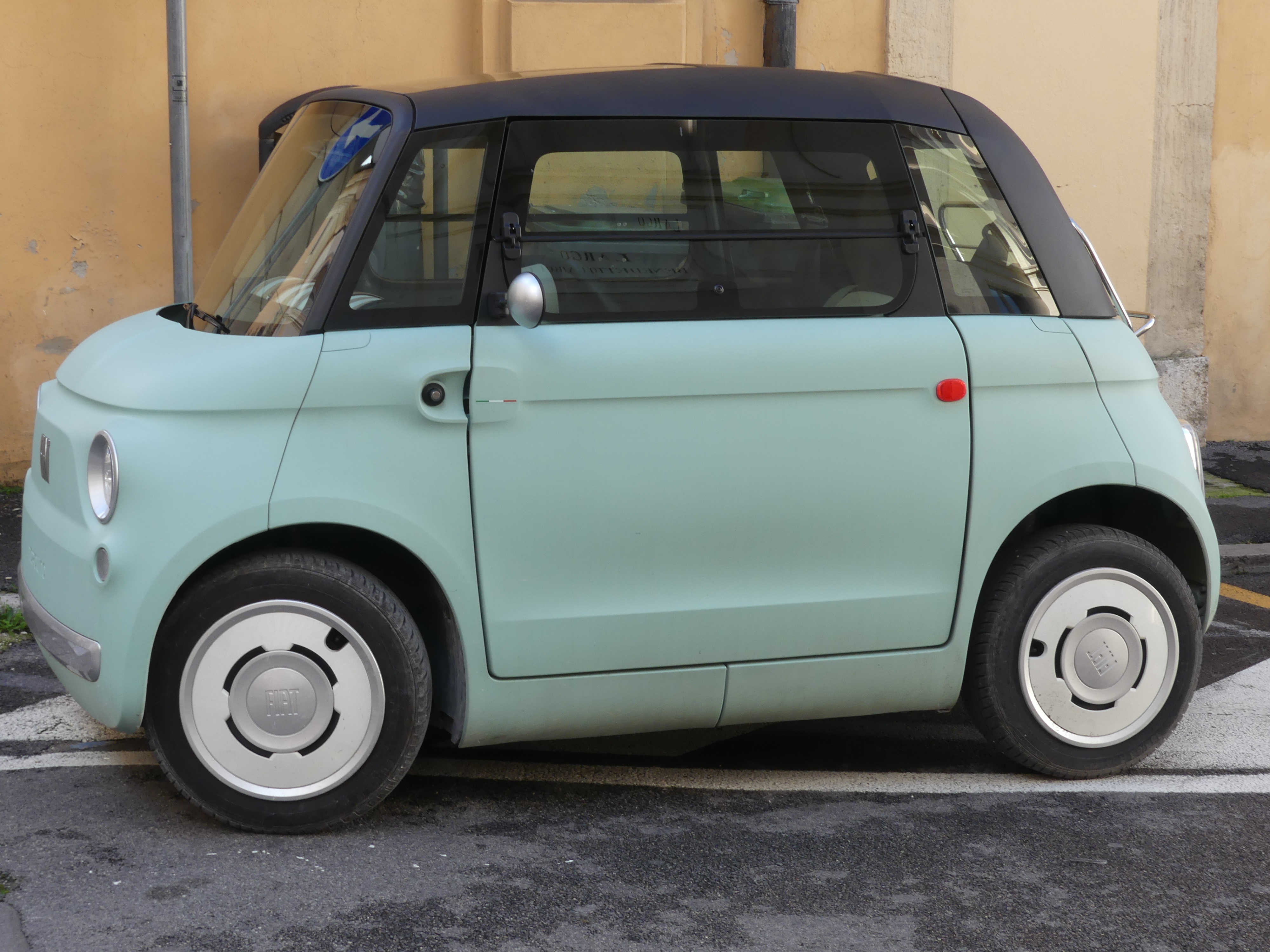
One of the shops offered a product that seemed out of place. So I obtained this photo that all is possible where ever you are.

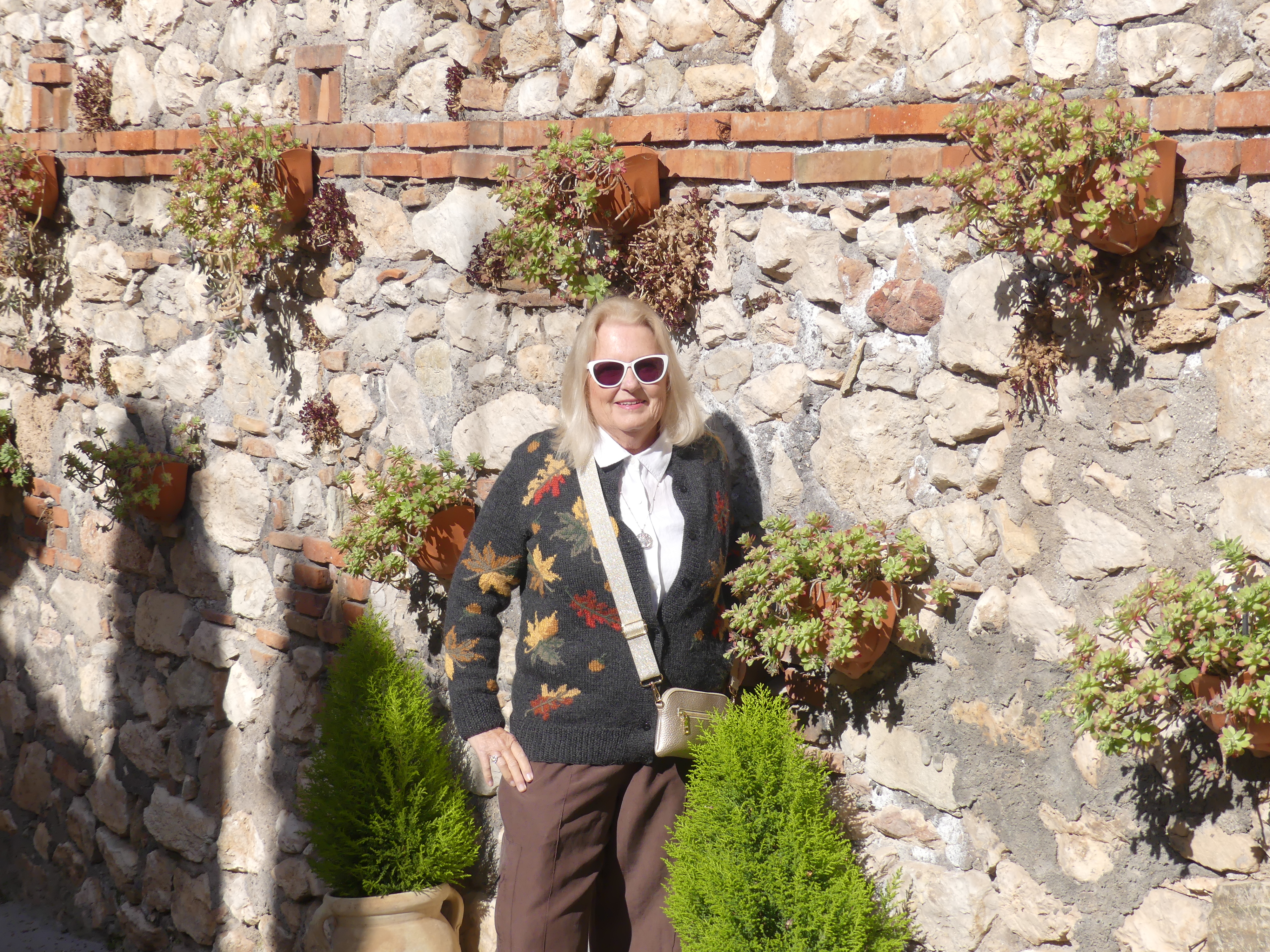
The day had developed from cloudy to sunny although Kerry’s jumper tells you it still was not warm – pictured below is a wall leading to Roberts front door. The next photo is Kerry in the restaurant again after which we visited the rock fall on the entrance road. It appears to be cleared but some further work needs to be done with retaining the rest of the mountain – nice to know.

Our time in Cesi was up and tomorrow we have an early train to Bari via Rome – it’s a shorter train trip to return to Rome and travel across to the east coast to Bari than to go to Bari directly from Cesi – go figure. Look out for the next chapter and our adventures in “THE RETIREES GO AROUND THE WORLD – “CESI to BARI”










 glendon1954