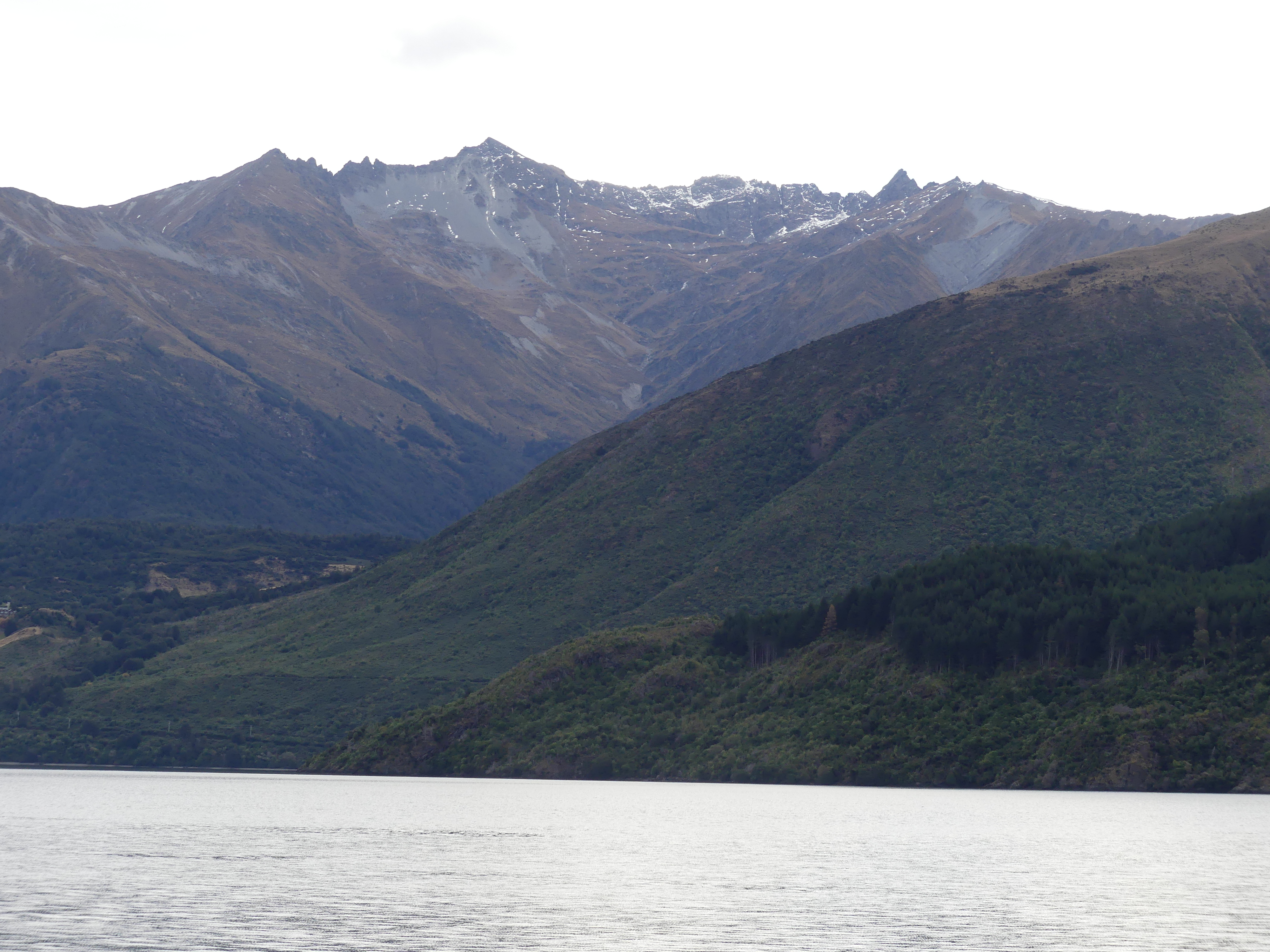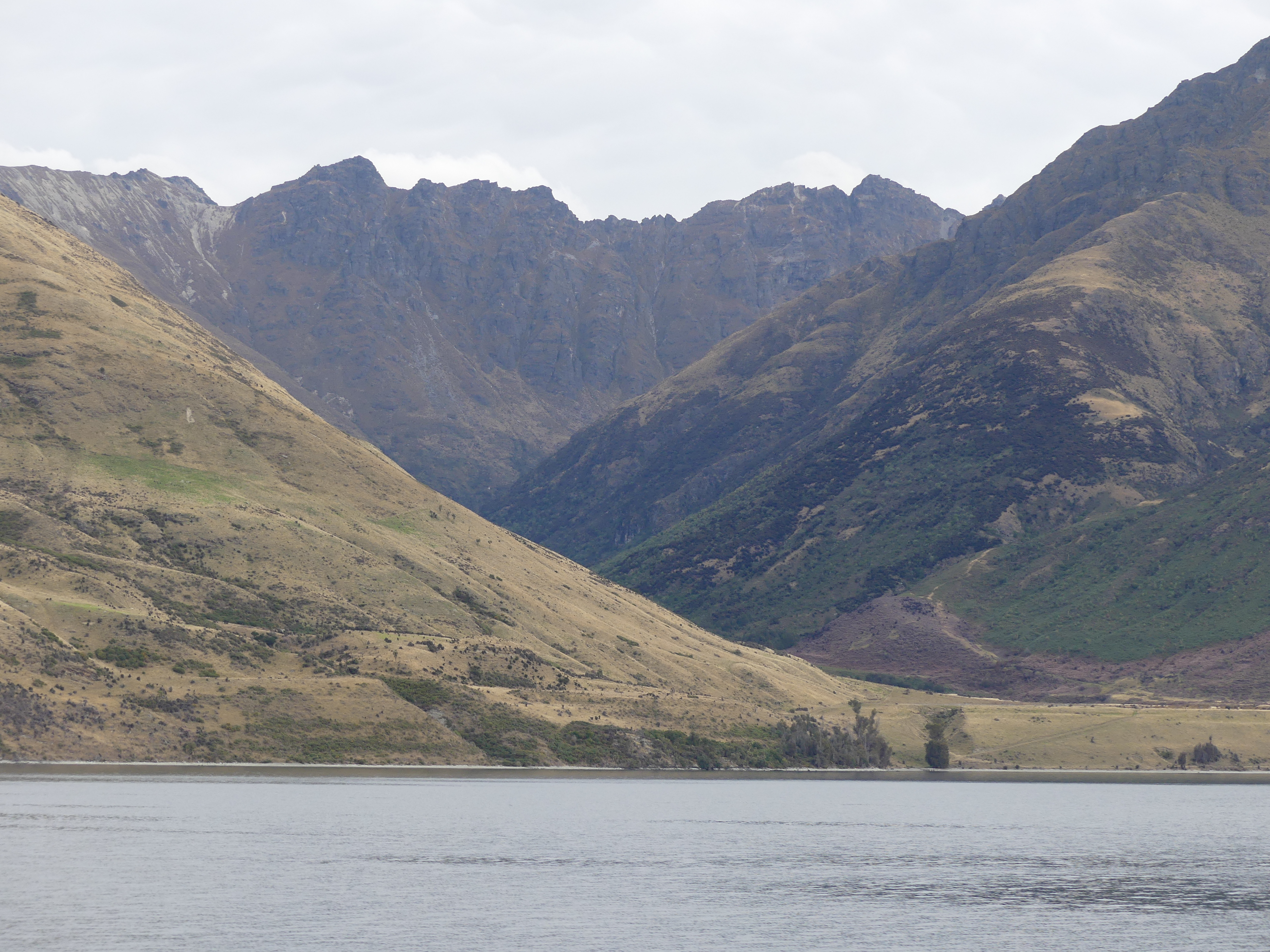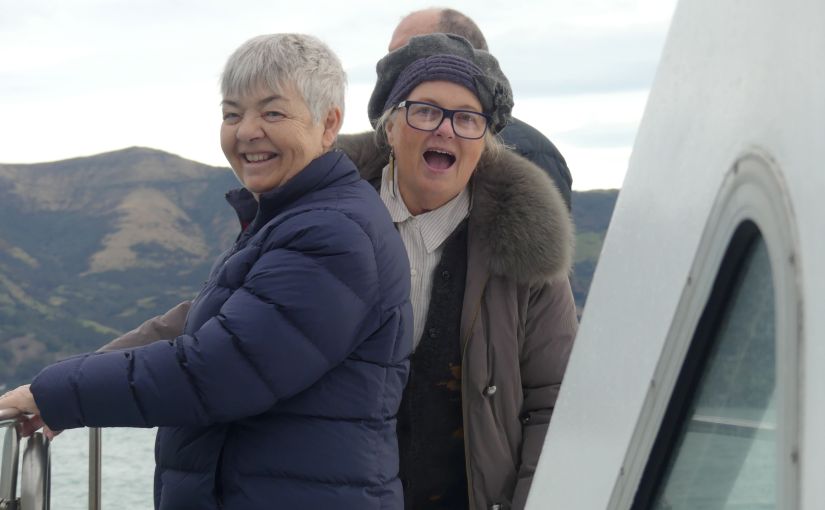
THE RETIREES VISIT THE SOUTH ISLAND ACROSS THE DITCH blog 495 Episode 5

19TH MAY TO 10TH JUNE 2026

Day 11               On the way to Christchurch

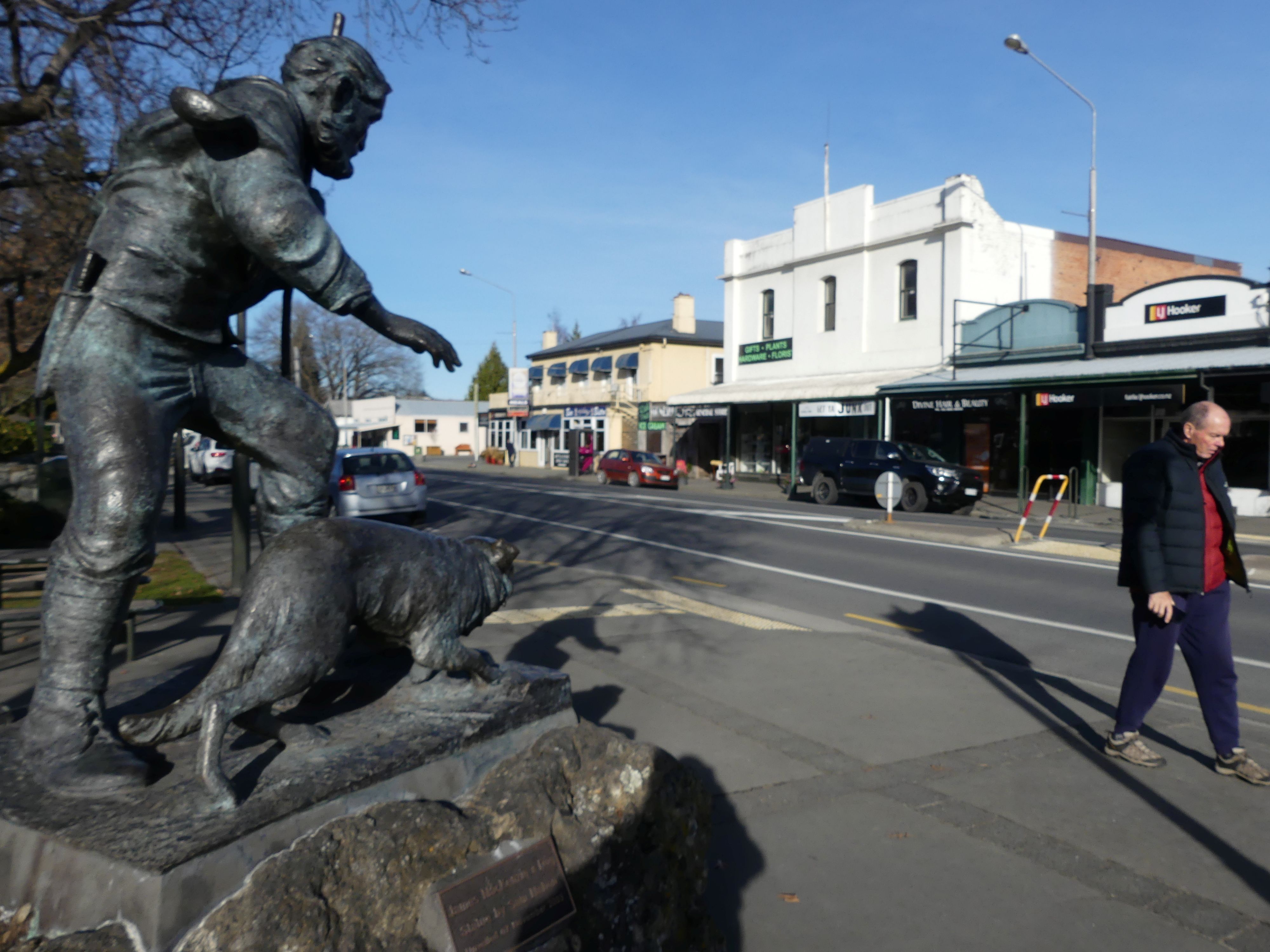
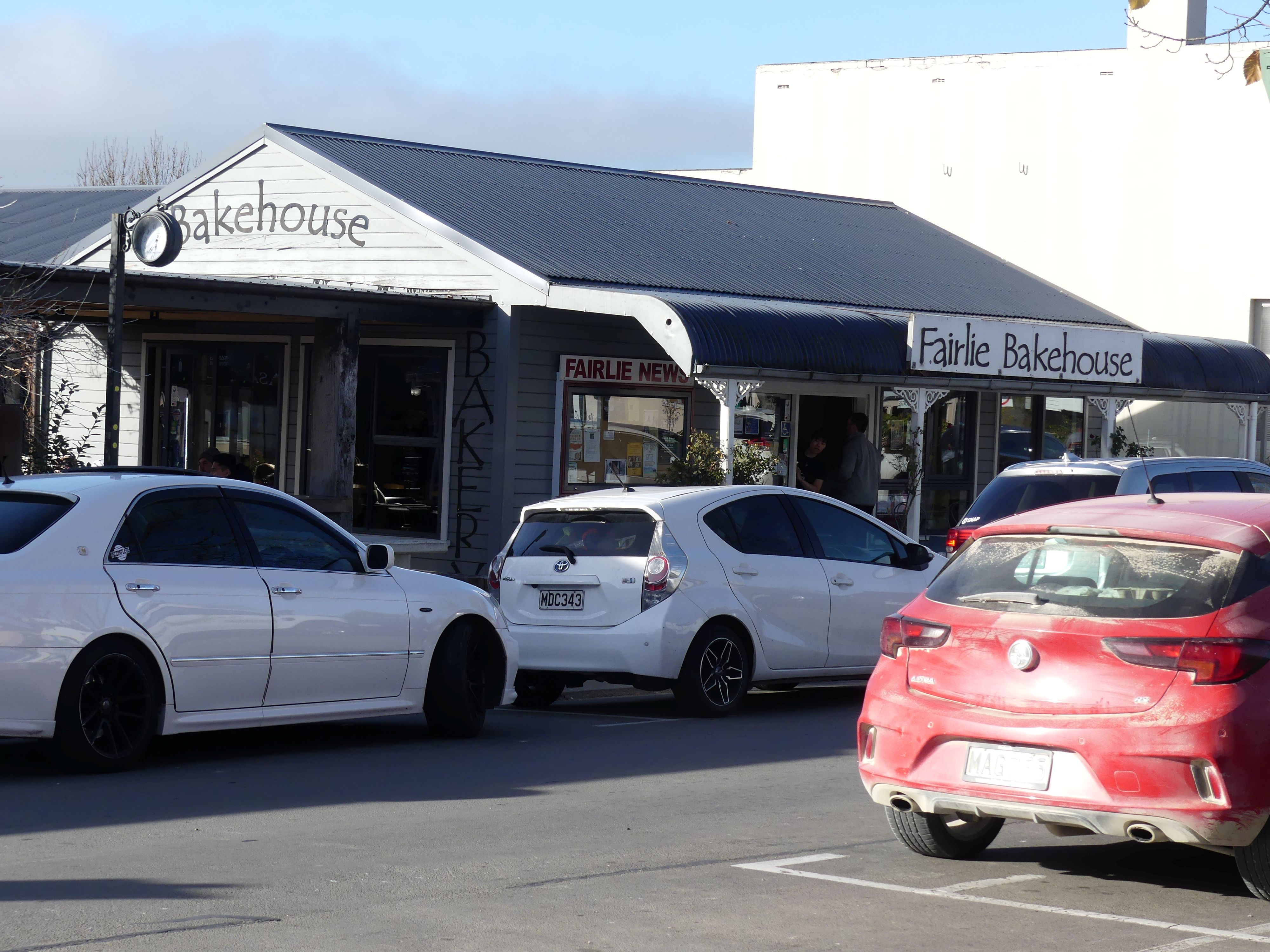
When we arose, the car was iced over and Barry had to carefully remove the ice. I tried to unwind the hose to spray the car and of course it was frozen. That is a new experience. Christchurch was 3 hours away. Our first stop was at a village called Fairlie, 45 minutes away. Of course, we would stop for coffee and visit the Bakehouse. A lot of other people had the same idea, and the Bakehouse was full to overflowing. In the village is a statue depicting Explorer James McKenzie and his dog. James McKenzie (c. 1820 – c. 1865) is best known for the dramatic 1855 theft of 1,000 sheep from the Levels Station in South Canterbury. The Legend is using his highly intelligent dog, Friday, he drove the sheep into an uncharted, hidden inland basin to evade authorities. While he was eventually caught, his escape attempts and rugged survival skills cemented him as a legend. I find it strange that people love a clever thief and immortalise him. We have done the same with the Kelly gang and Thunderbolt.

The Bakehouse and the explorer McKenzie and his dog.
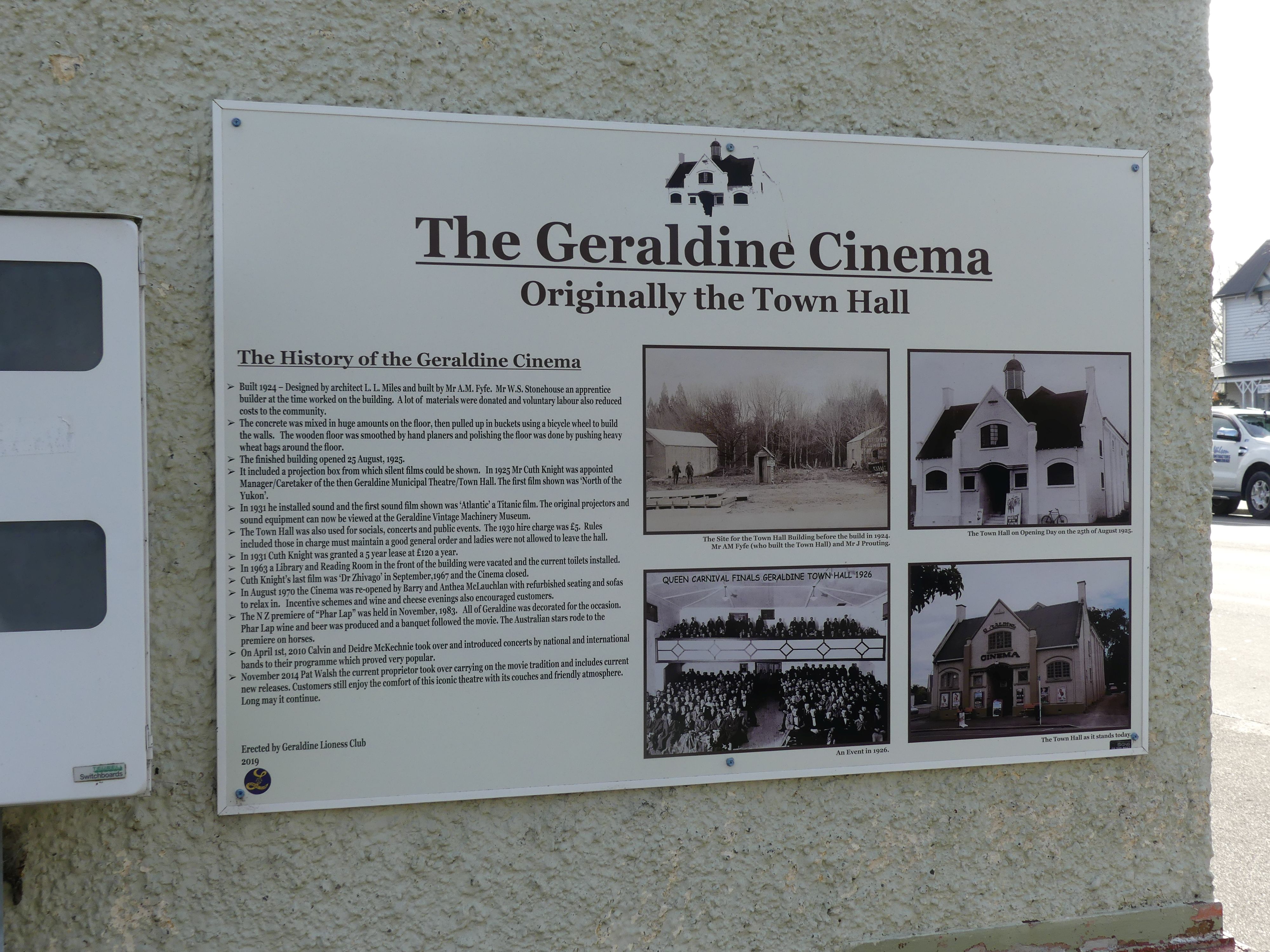
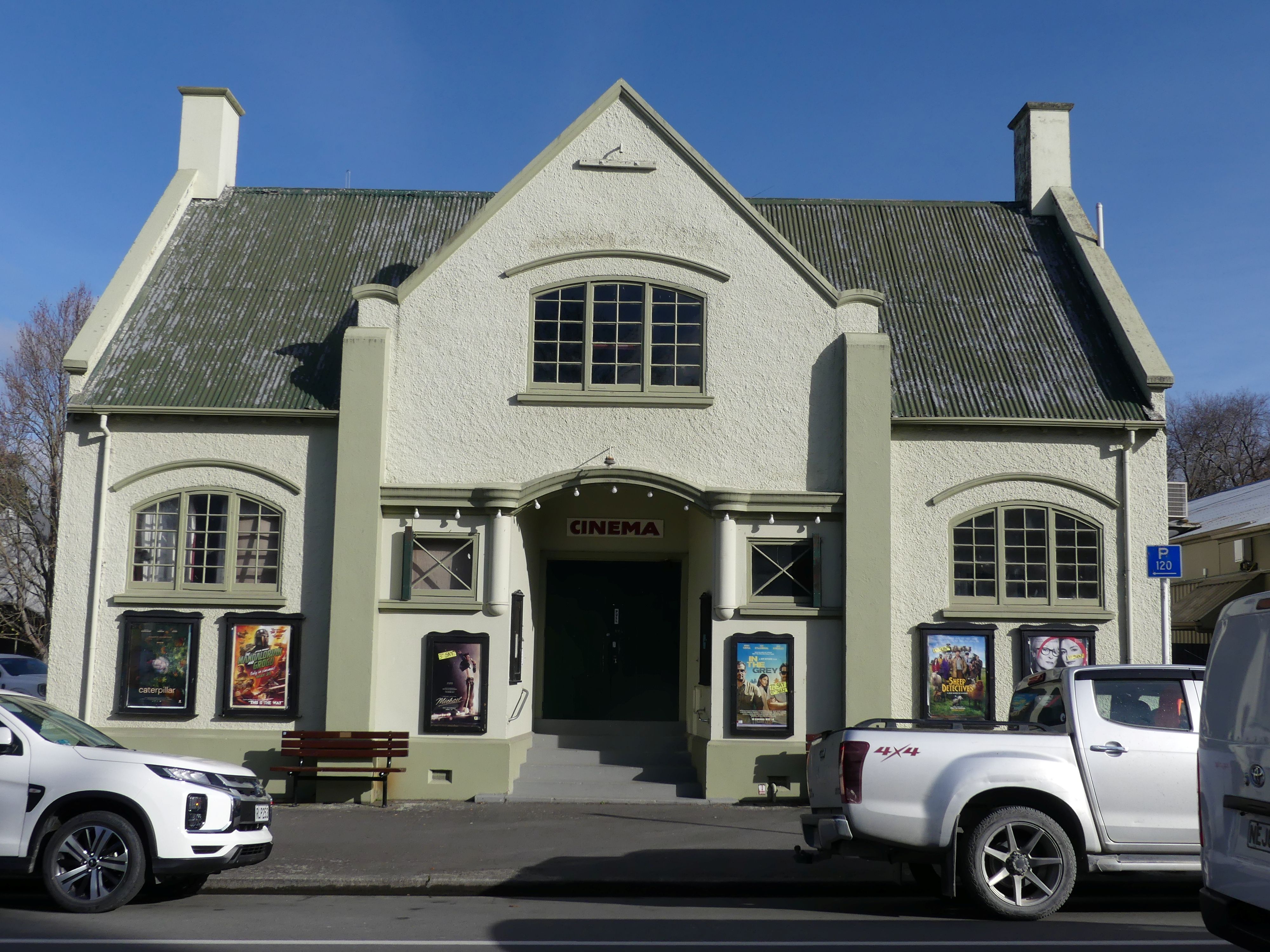
We then moved on to a picturesque village called Geraldine 45 minutes from Fairlie. We pulled into the village and to a market in the centre of the village. It was a lot bigger than we expected and it even had a movie theatre which oddly was showing “the Sheep Detectives”. Barry and I were compelled to purchase the “Baaad to the Bone” T shirt package for the great expense of NZ$20. Barry paid NZ$5 more for the cap as well. The pack included the shirt, a mug and a fridge magnet. WooHoo! Then we found the cheese shop and picked up some cheese and an ice cream. Then we took a short walk around to the theatre, returned to the car and on our way again.

The road to Geraldine, the Theatre, and signs on a wall
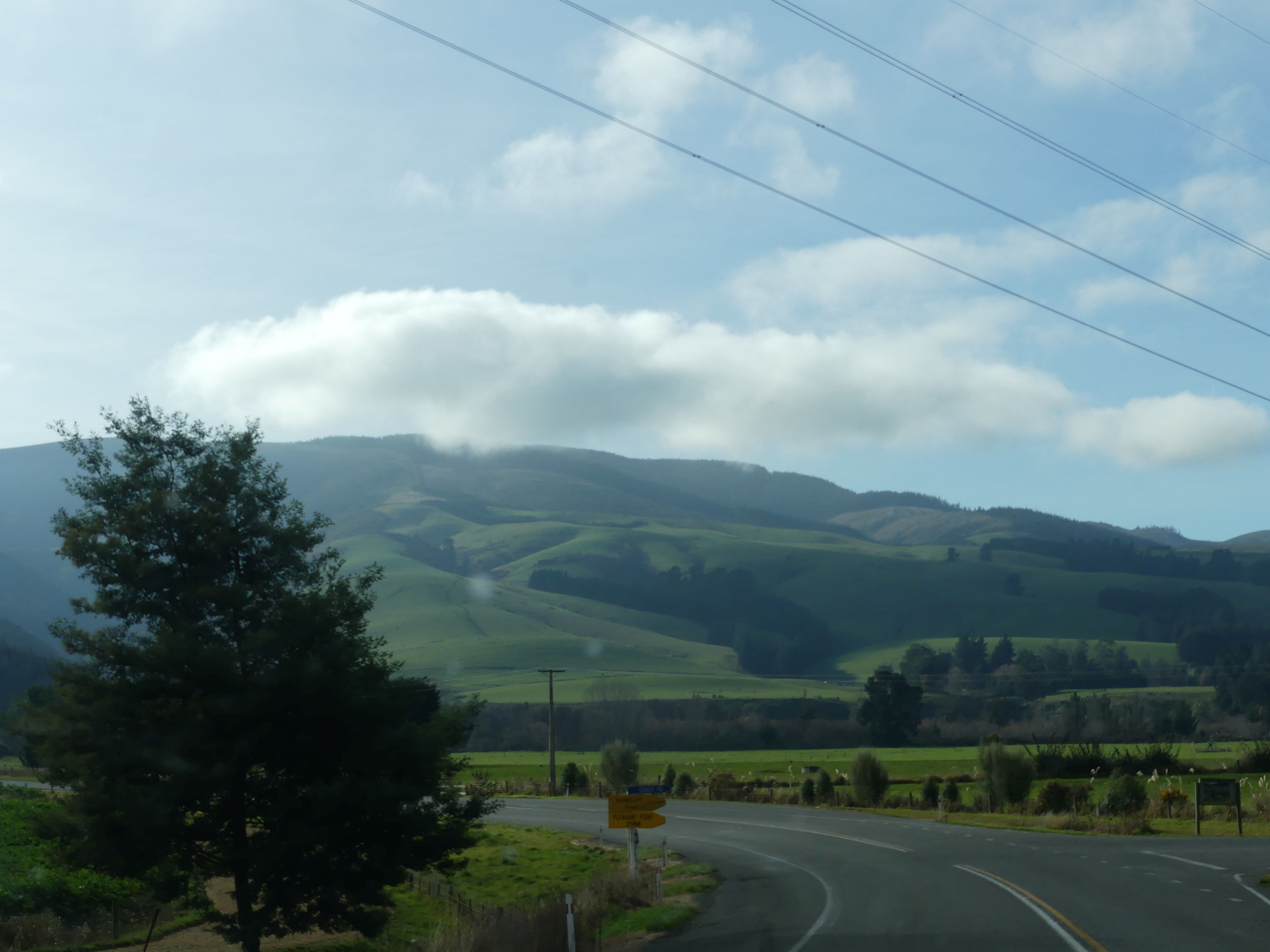
This time we made our way to Ashburton 1 hour away for lunch. Then to Christchurch where we would be staying 3 nights at Abbey Motor Lodge 209 Beasley Avenue Christchurch. It was quite the challenge to find our motel the first time and Christchurch is a relatively a big city.

Day 12 Christchurch

The motel was well placed and run by an elderly Chinese gent who was always busy but helpful. He offered a washing service for NZ$10 per load so we availed ourselves of his services and got it back still warm from the dryer but tossed in the basket to fold for ourselves. So that is how he fills his day.

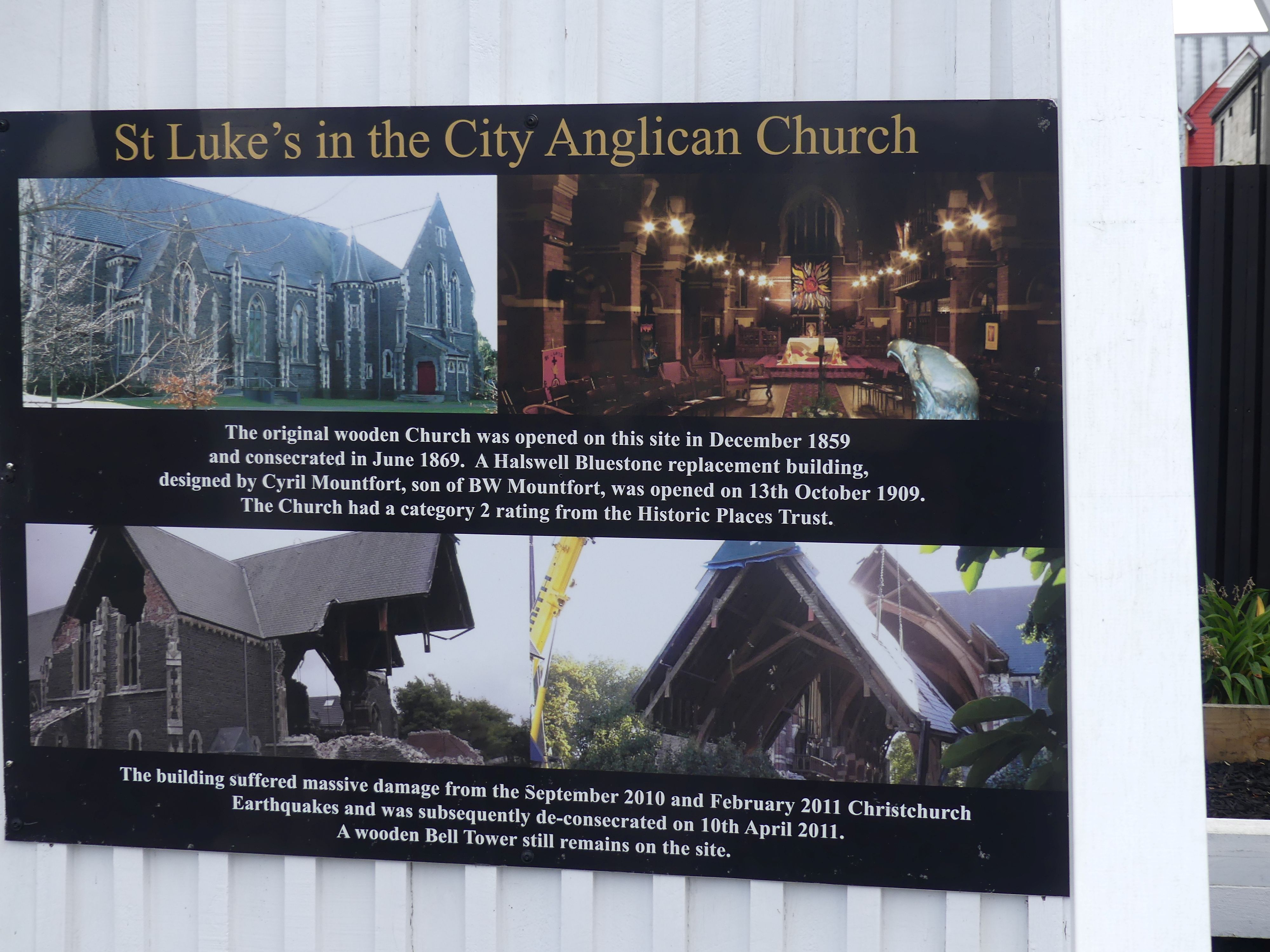
We decided we would take a walk into town and find the cable car to the top of the mountain outside Christchurch while Barry and Sandi did their own thing. We walked out onto Beasley St and took the first turn left into Manchester St for the CBD, passing the belltower of St Luke’s in the City Anglican Church. There is a sign board explaining the history and why only the bell tower remains I photographed the sign but have added the information provided by Wikipedia. “St Luke’s Church was an Anglican church located in Manchester St Christchurch. The former church was built on one of the five sites set aside in the central city in the original survey of Christchurch for the Anglican church and the building was registered as a Category II historic place with the New Zealand Historic Places Trust. Following sustained damage caused by the February 2011 Christchurch earthquake, the building was demolished in July 2011.

Testimonial and redeveloped units
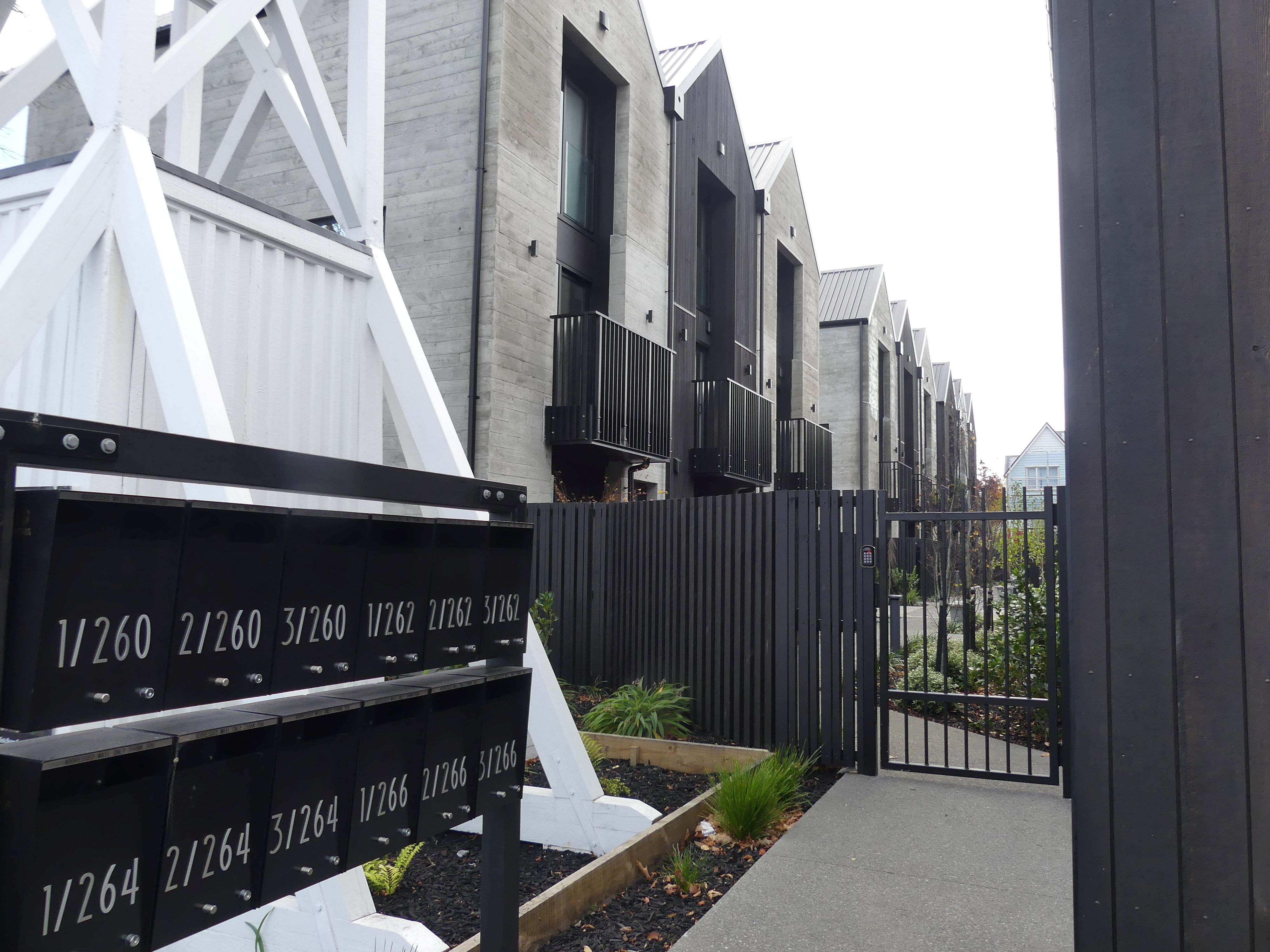
The photos above show the redeveloped site. There are many sites throughout certain parts of the city are clearly redeveloped which gives you an idea of the enormity of the damage done.

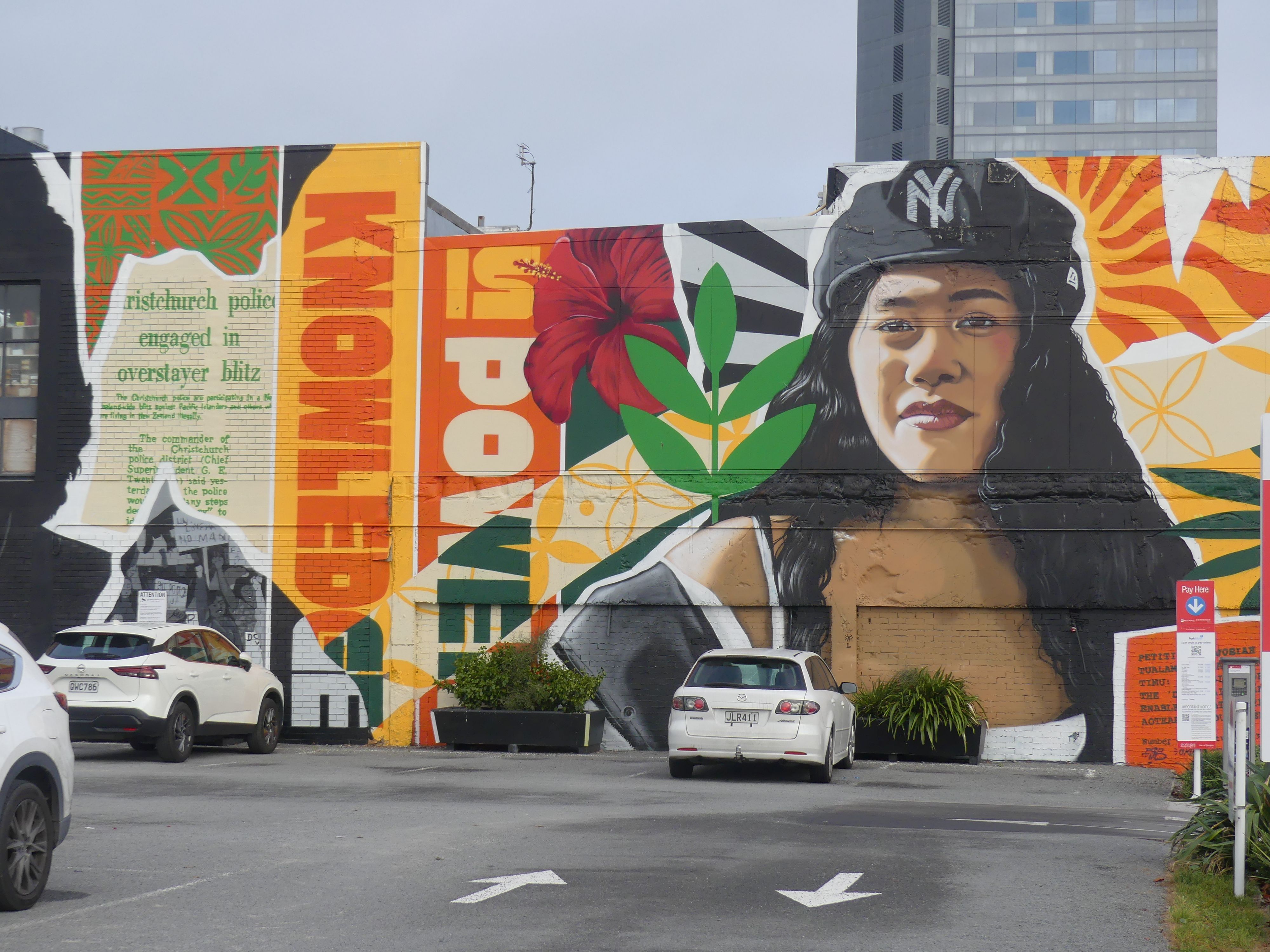
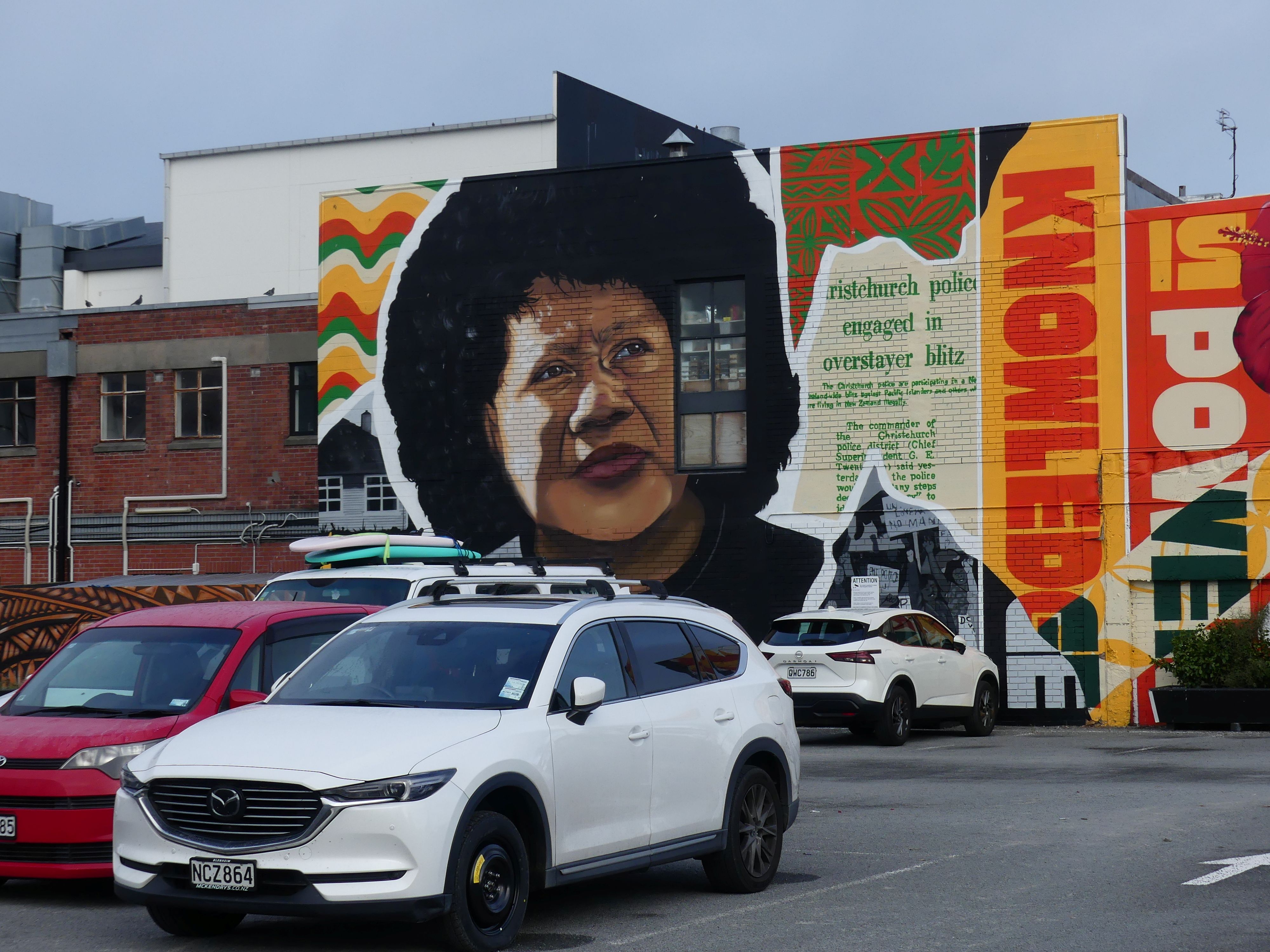
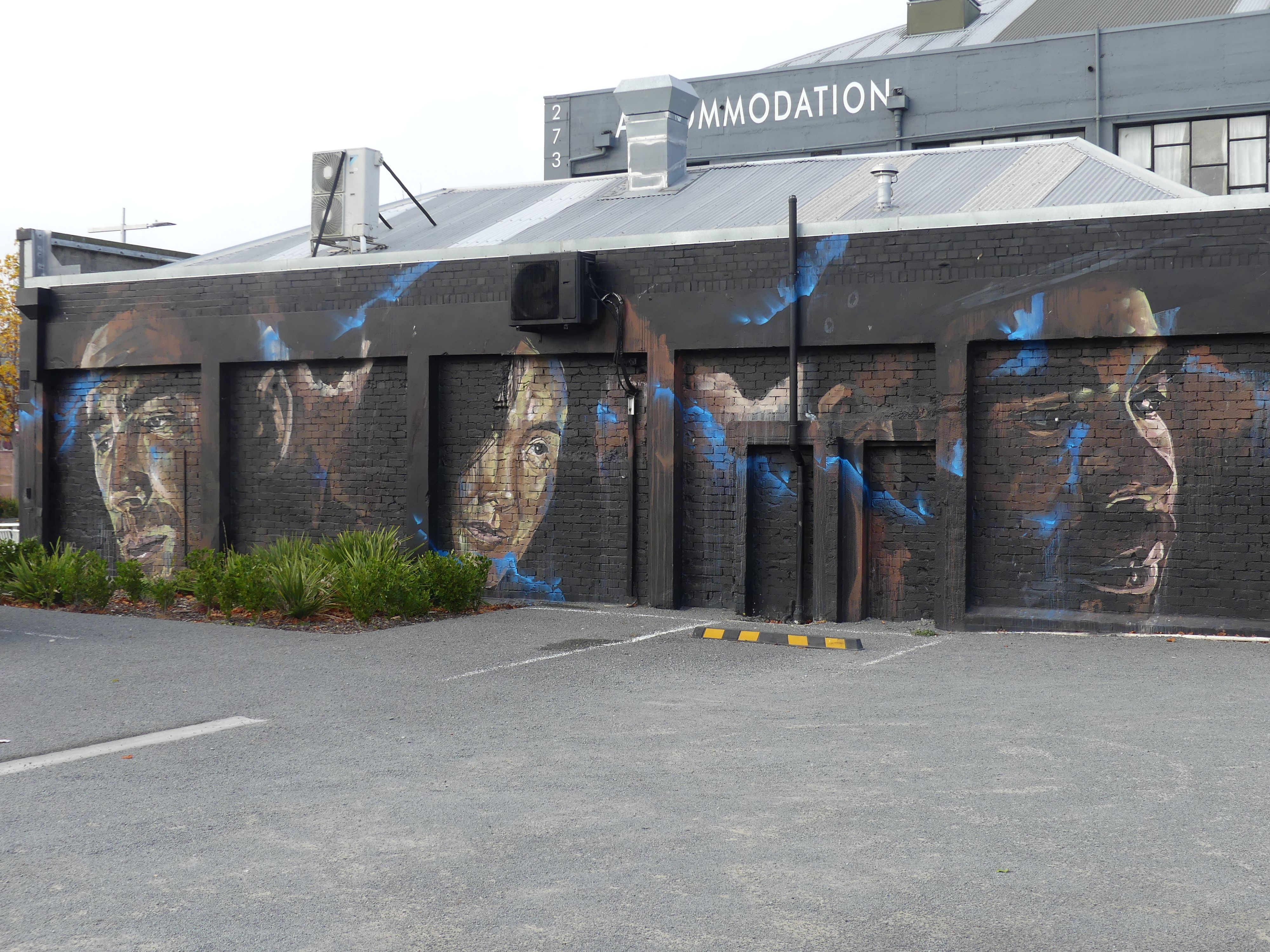
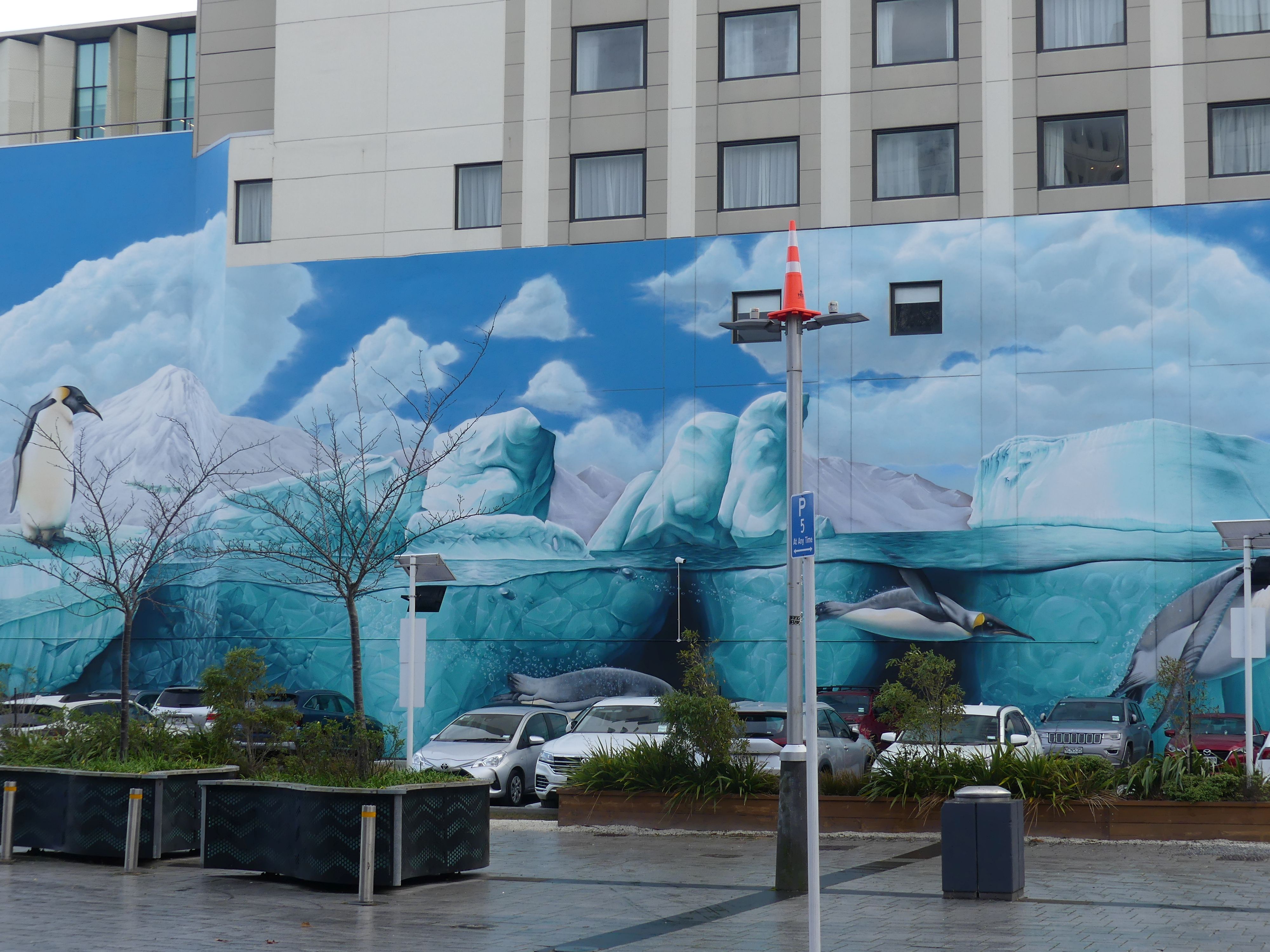
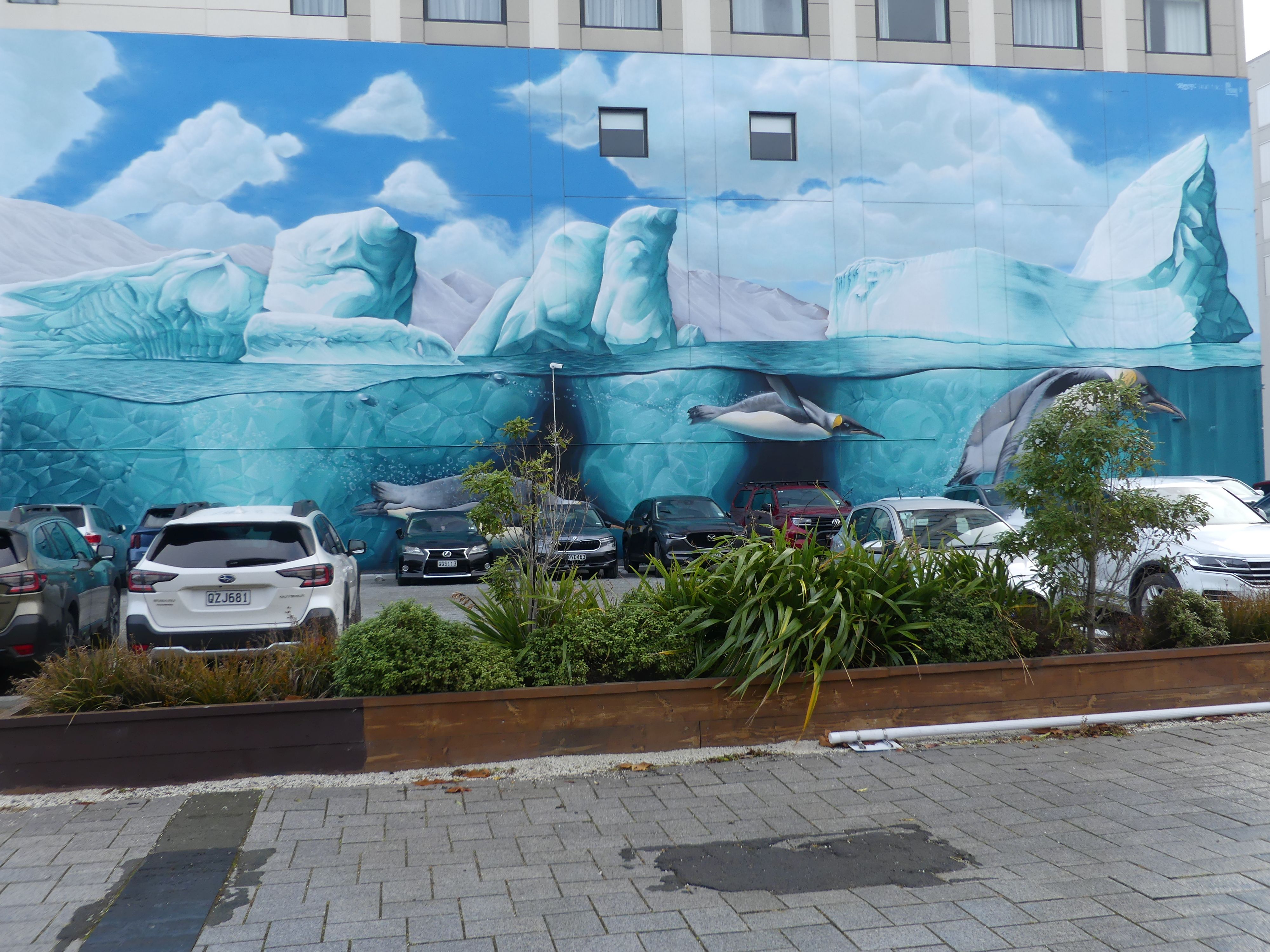
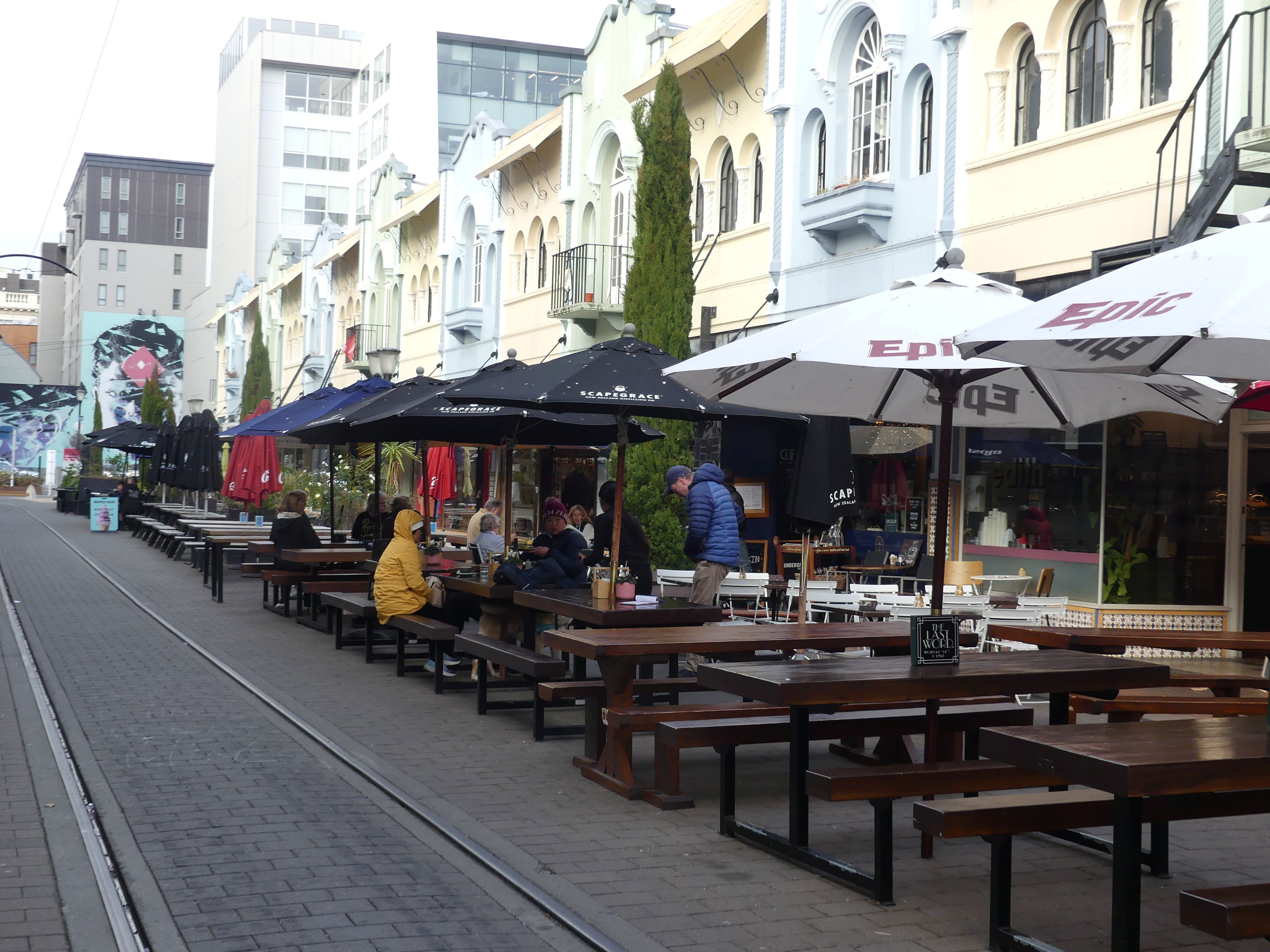
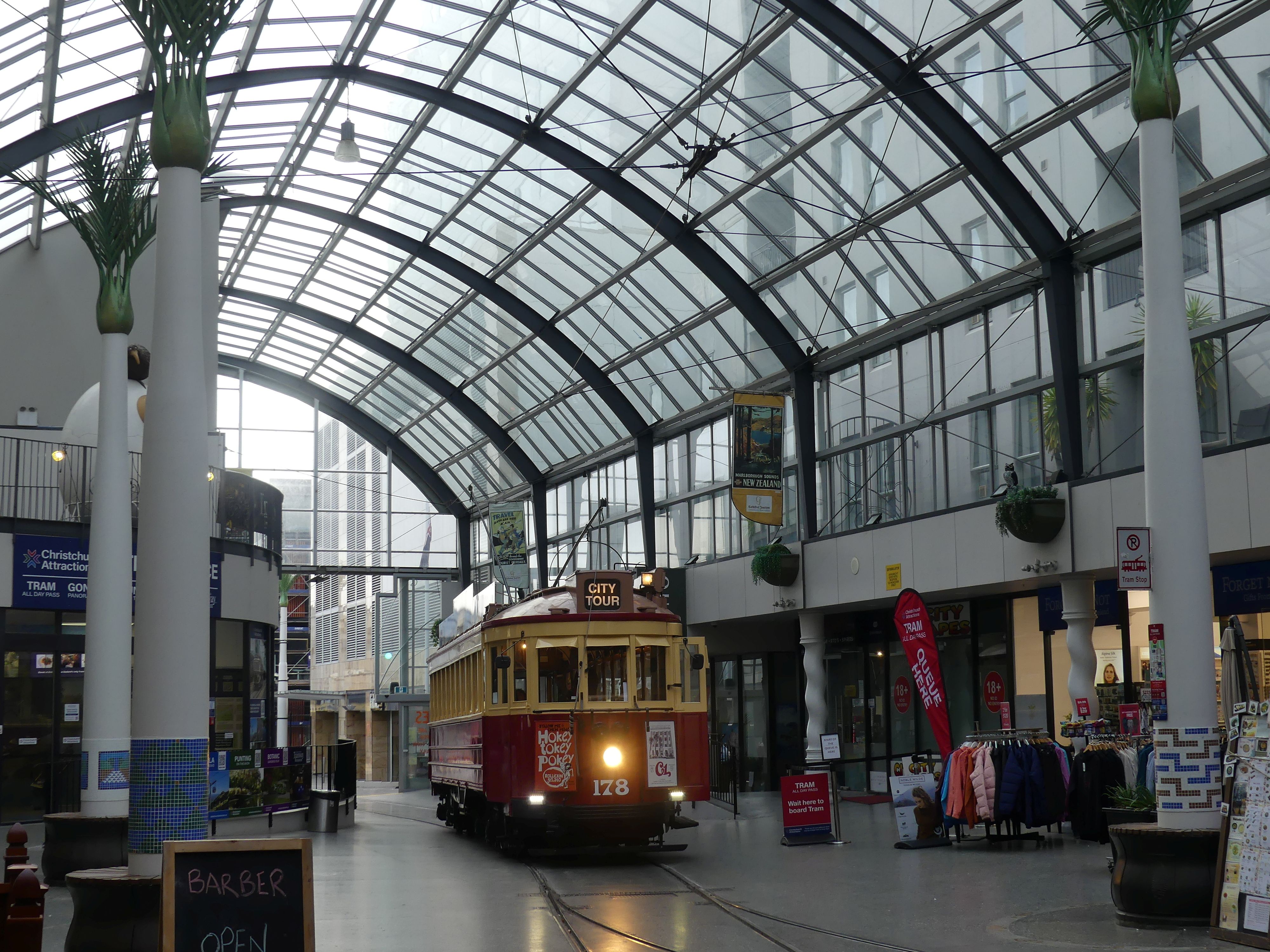
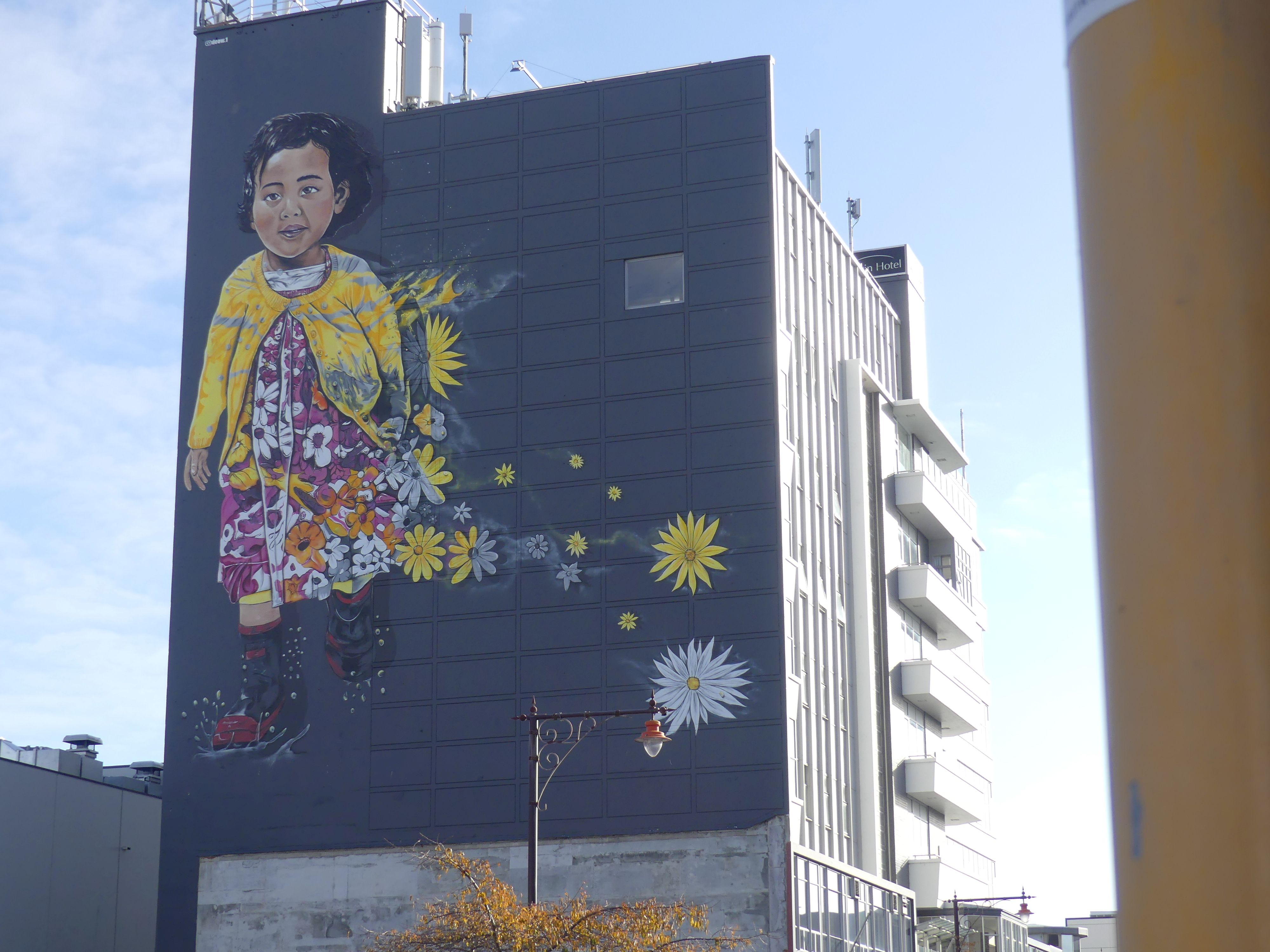
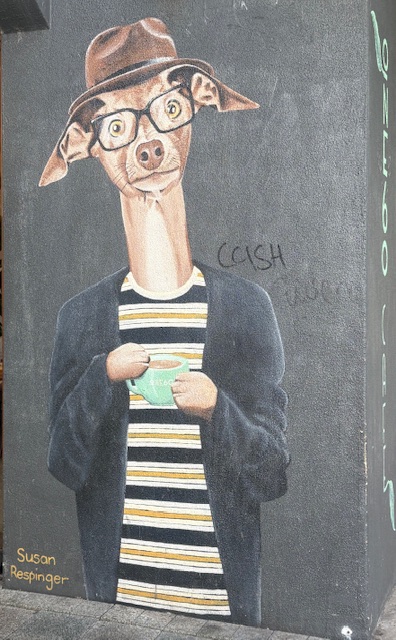
Our path to the CBD took us past many different street art projects and I have posted them below. We came to the tram station inside the building housing the Tourist Information office. The tram provides a city tour, but we were more interested to take the cable car up the slopes of Mt Cavendish.

Street scenes and street art and the tram stop
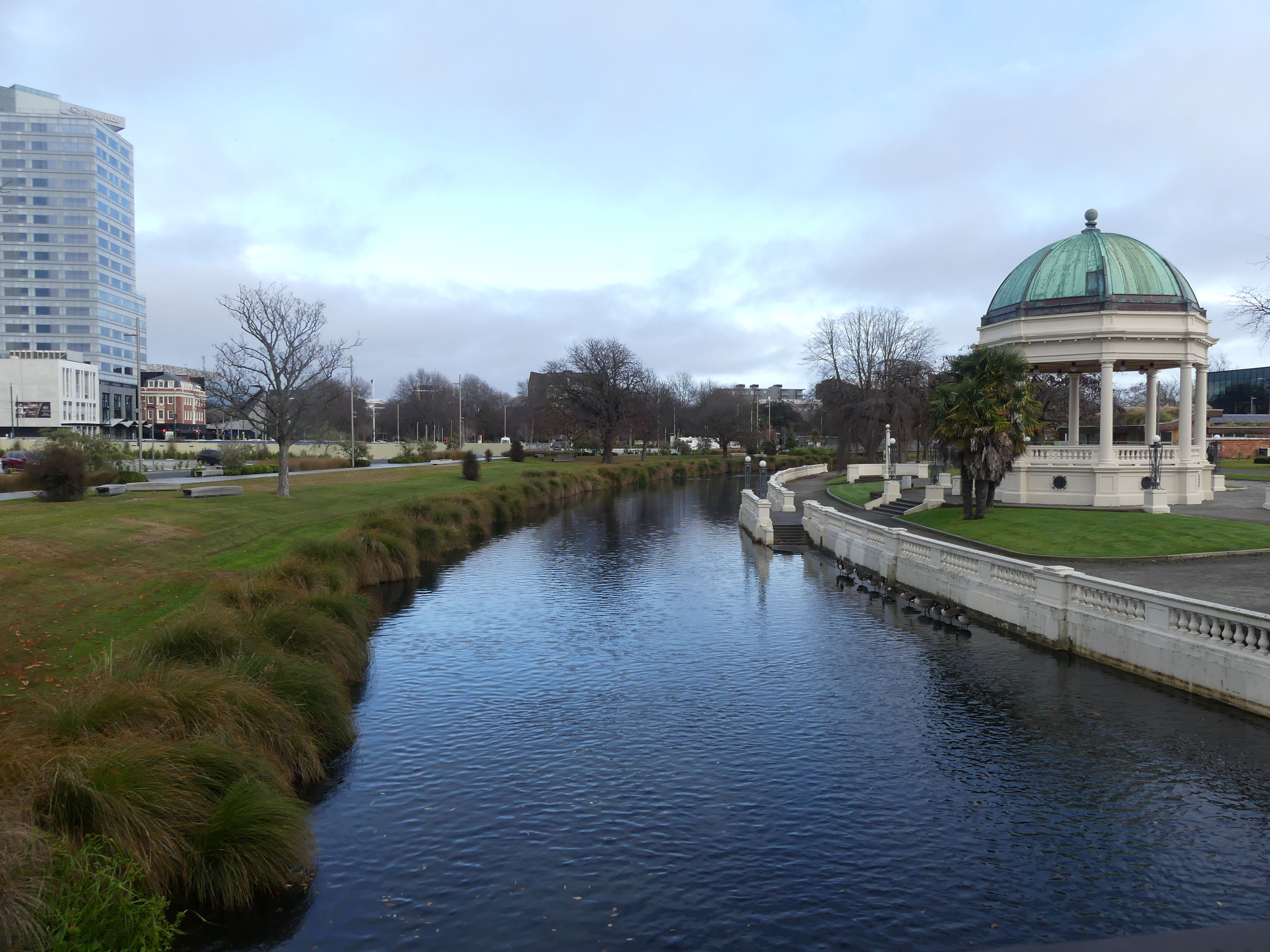
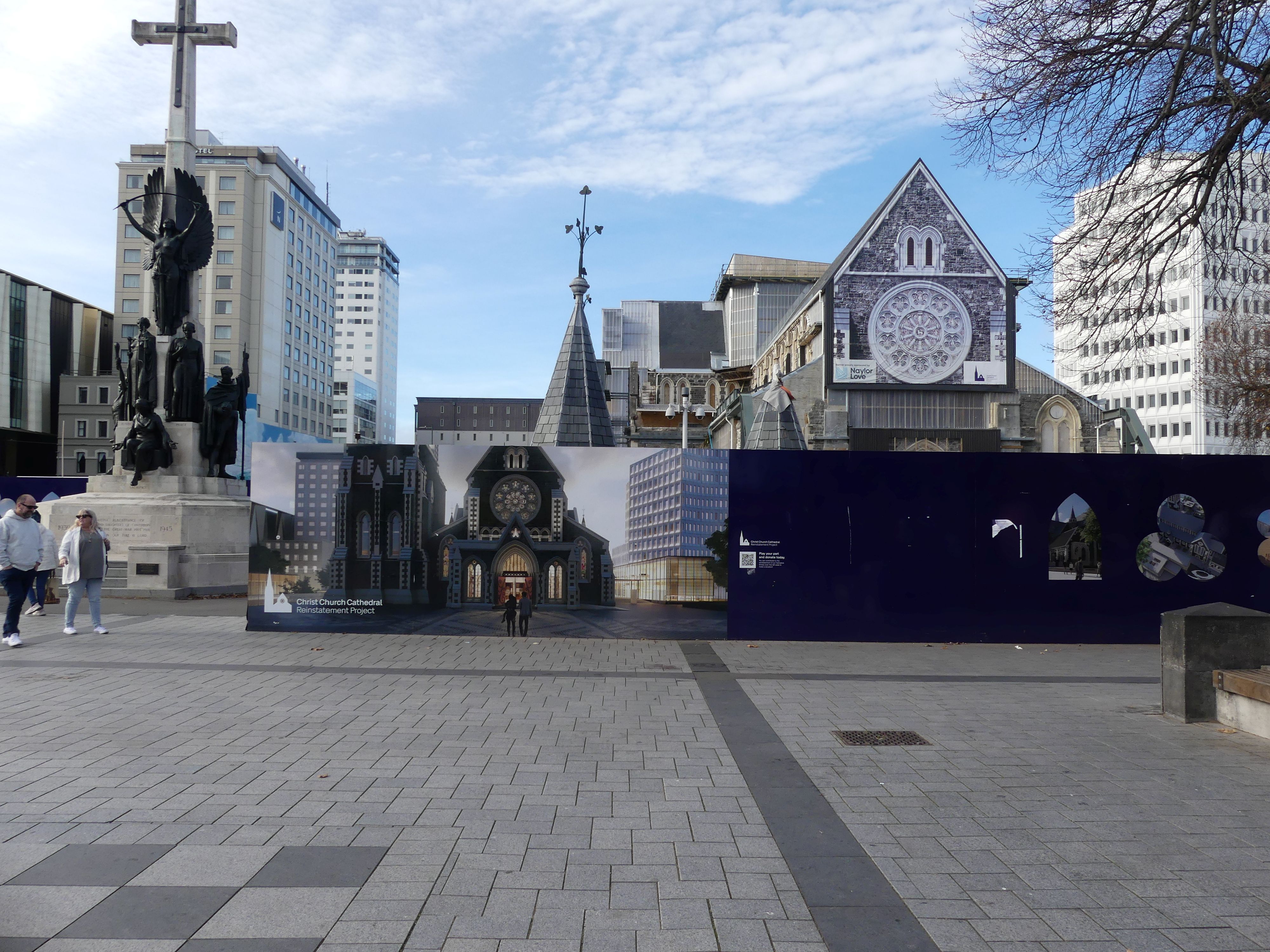
We continued our exploration whilst awaiting the arrival of the bus to take us to the base station. Apart from the extensive street art we also visited the cathedral still under repair from the earthquake.

More street art and the cathedral
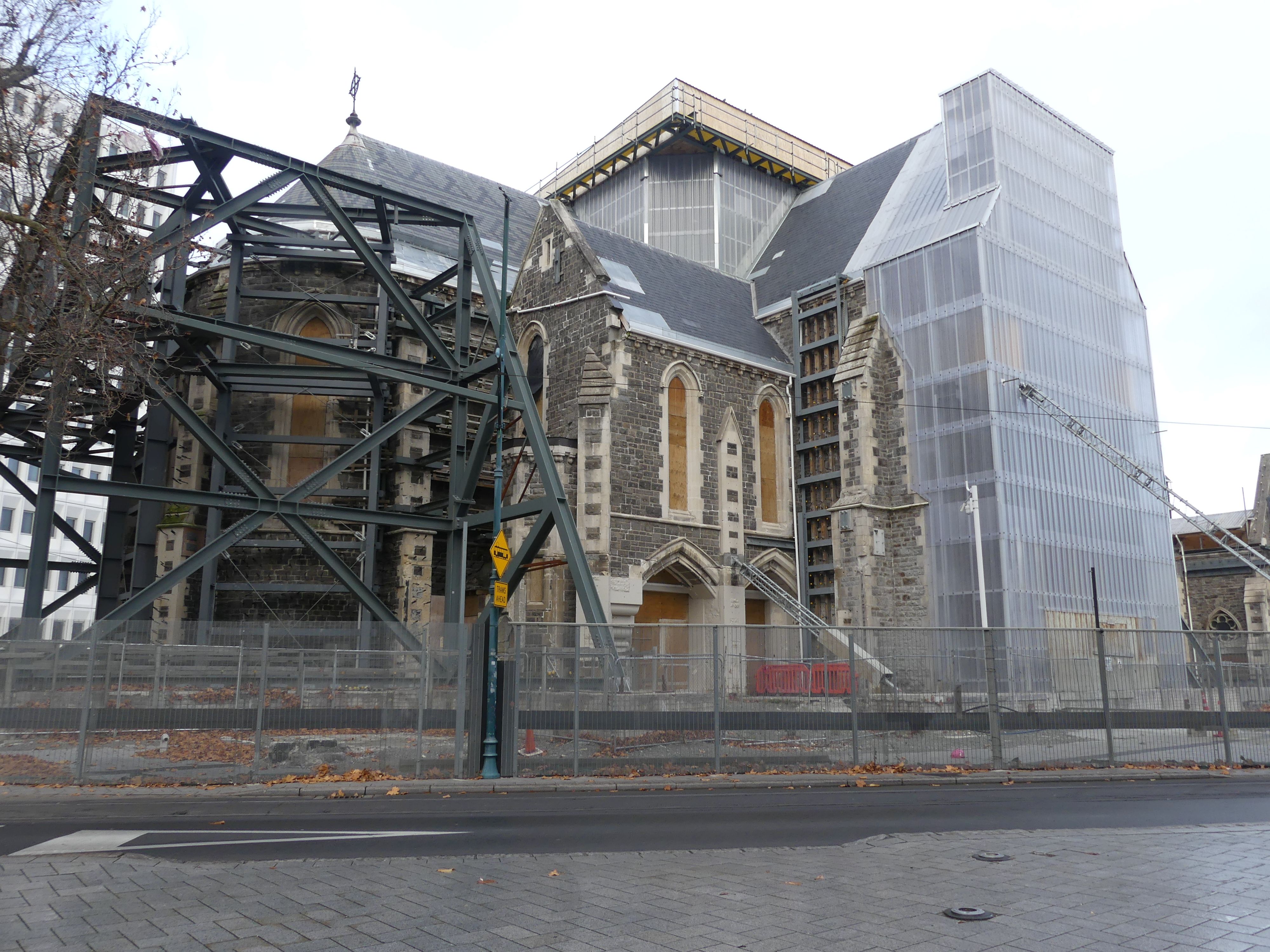
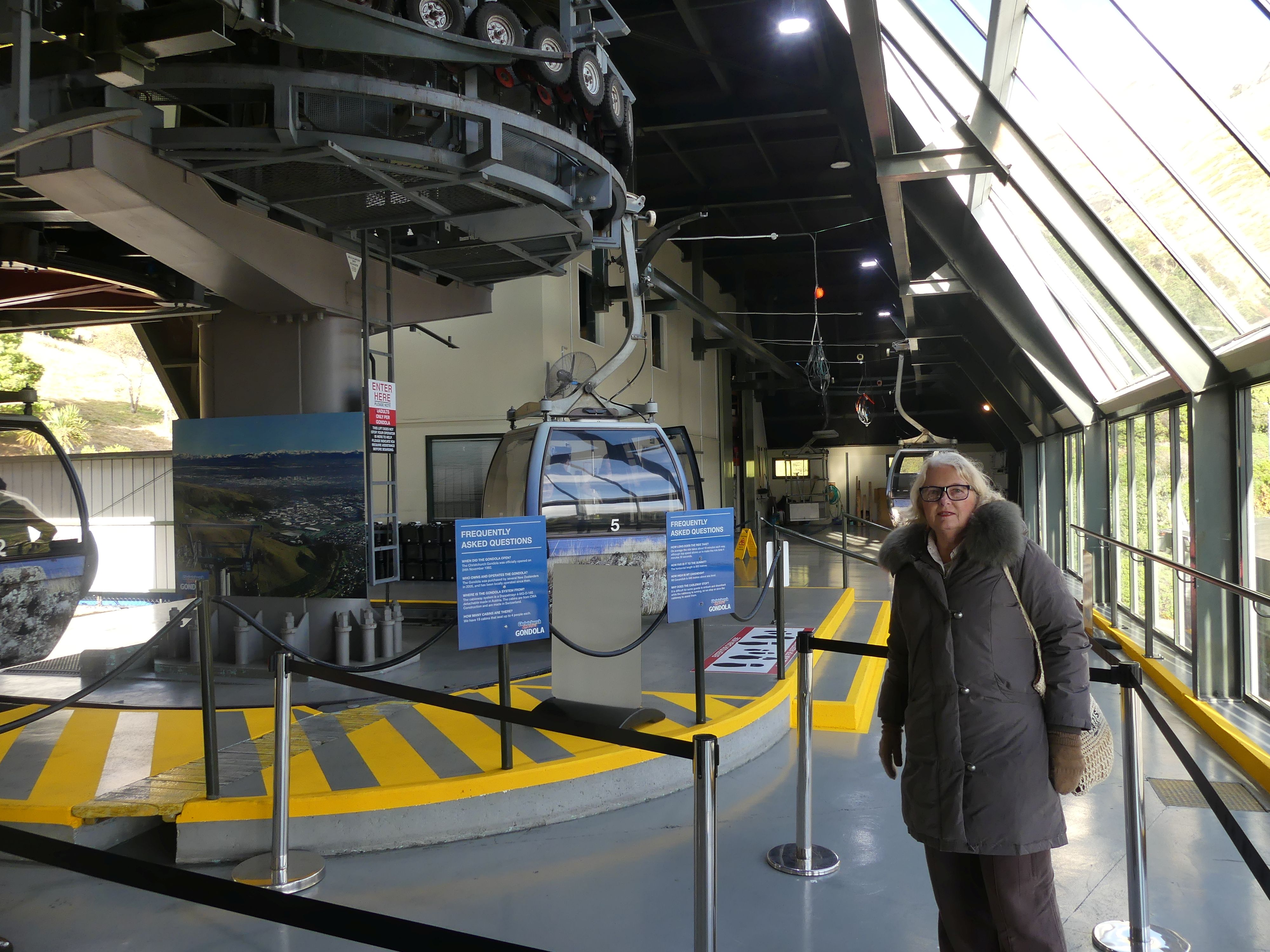
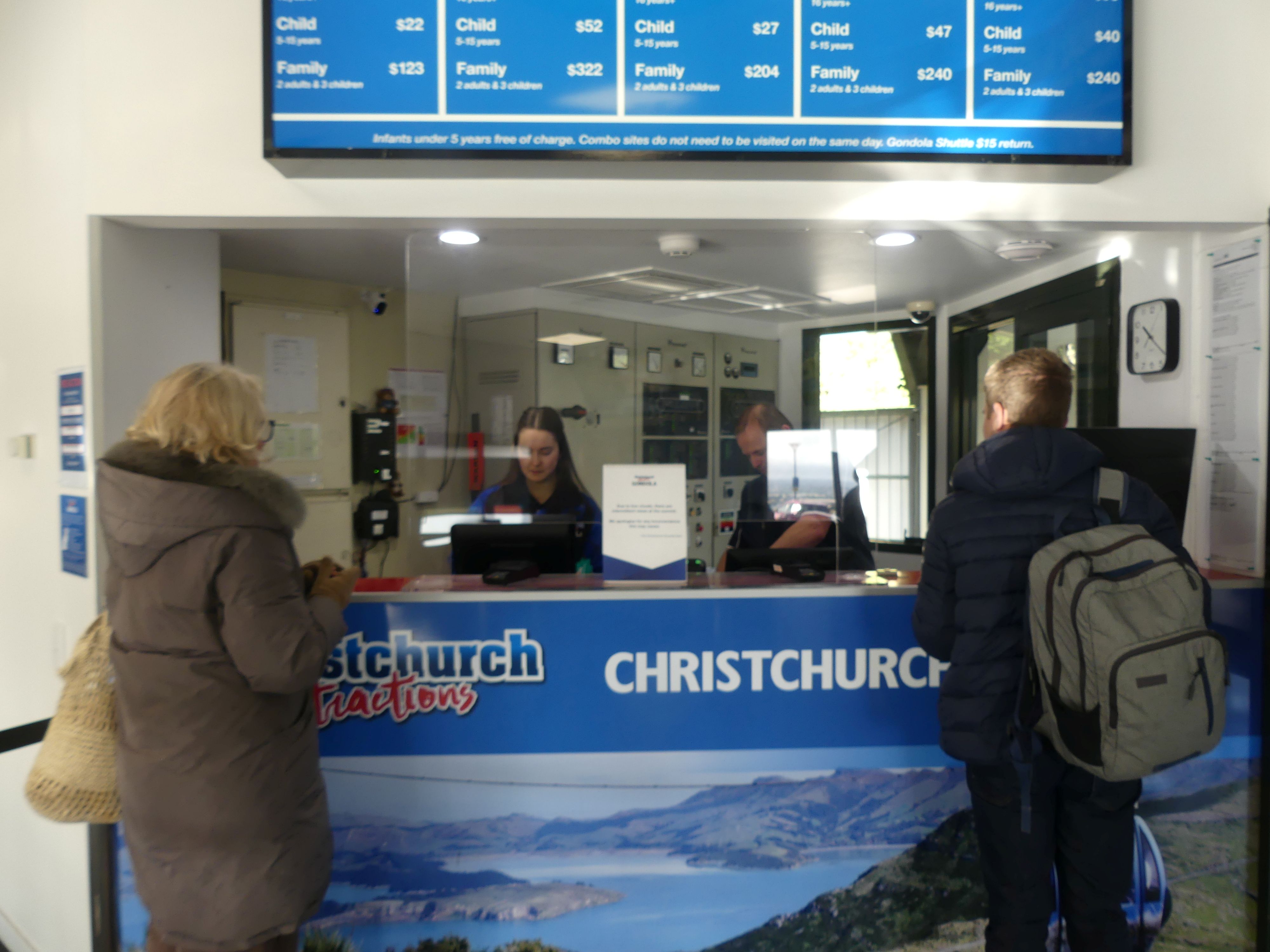
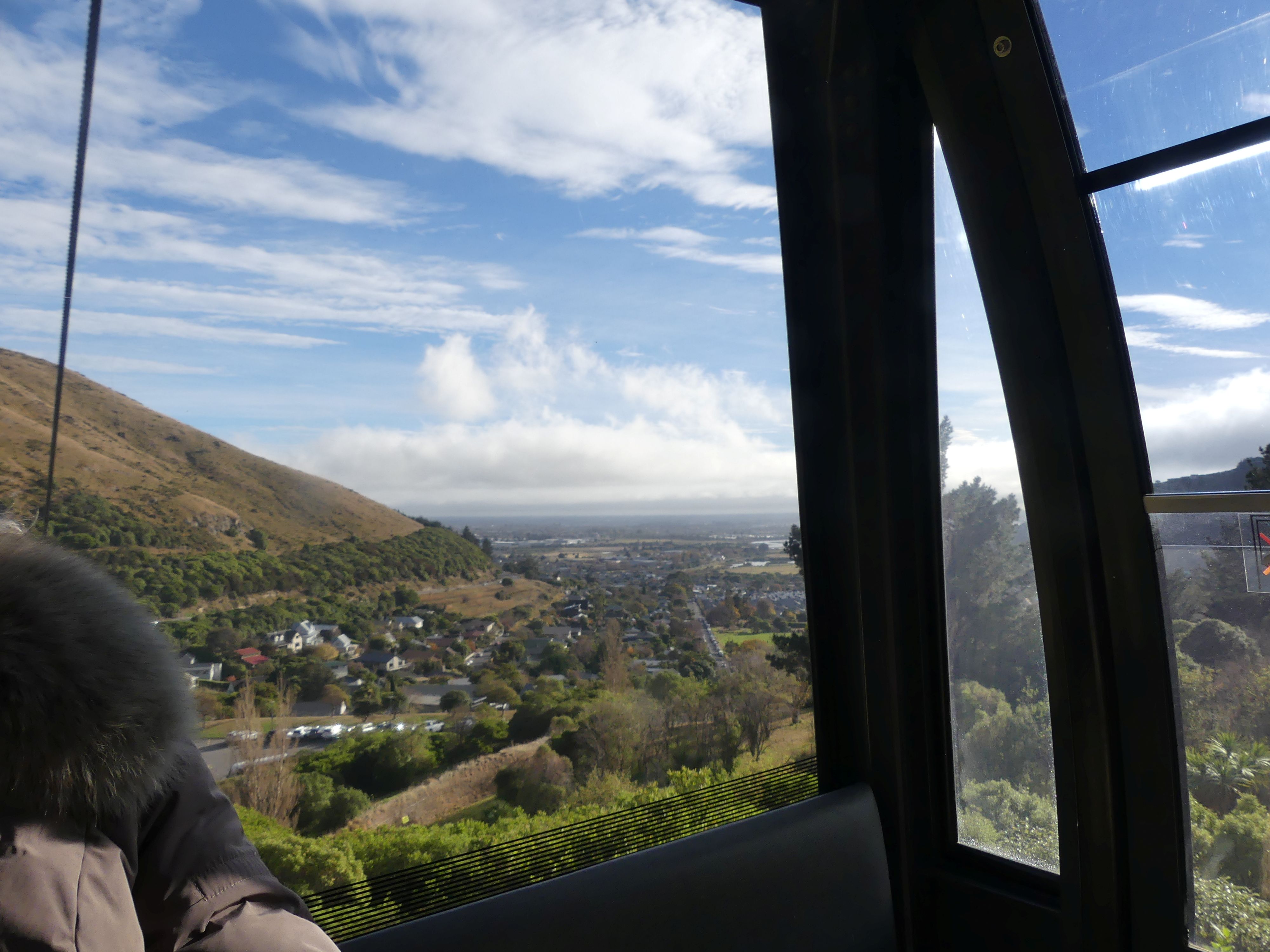
Our wait time passed quickly, and we headed for the bus to take us to the Cable car. The Christchurch cable car, officially known as the Christchurch Gondola, takes passengers on a 10-minute scenic ride up the slopes of Mount Cavendish in the Port Hills. The base station is in Heathcote Valley, just a 15-minute drive from the Christchurch CBD. On this day the weather was predicted to be cloudy but there was no sign as we arrived and boarded the gondola.

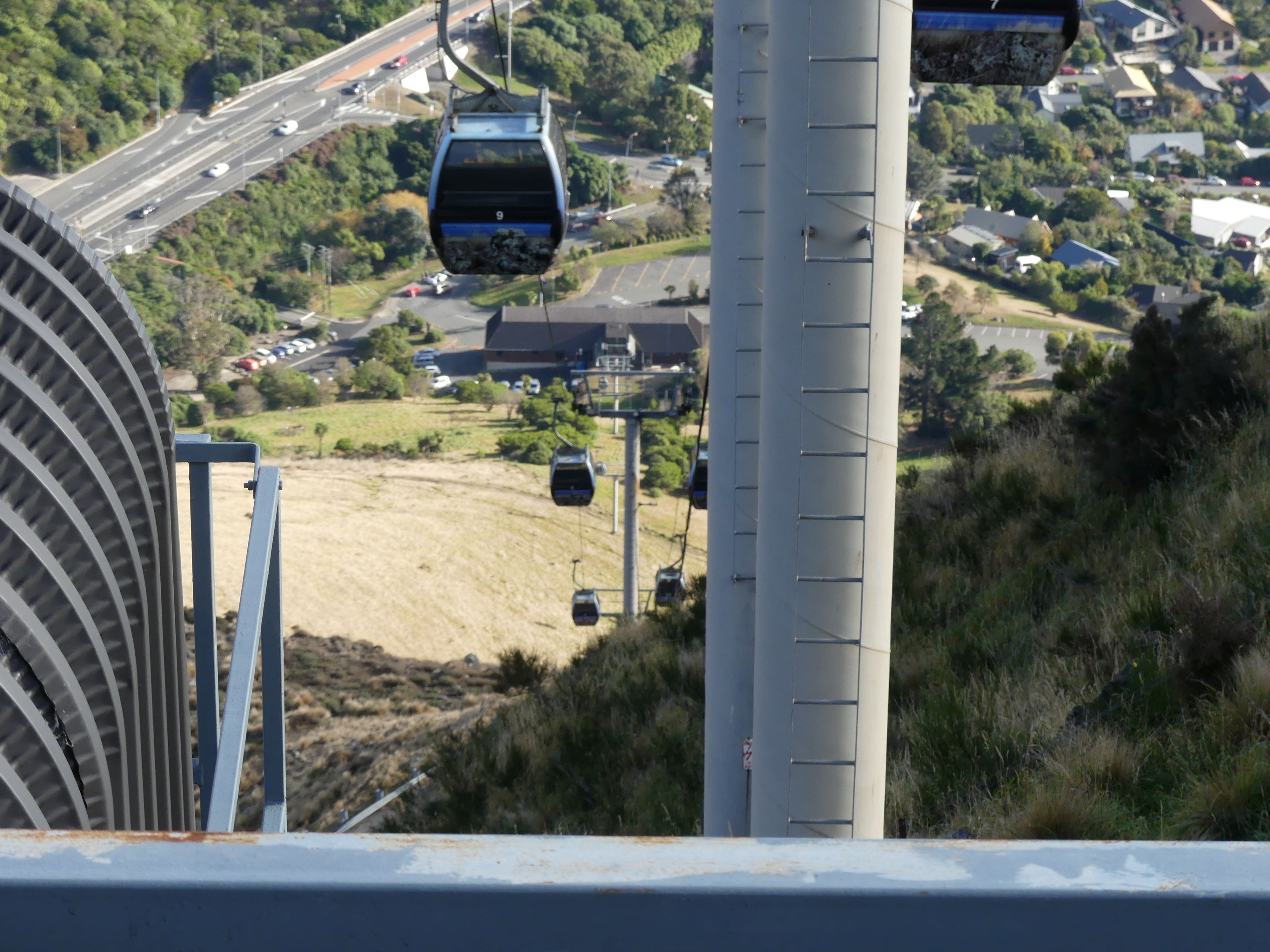
Catching the gondola at the base station and the ride to the top
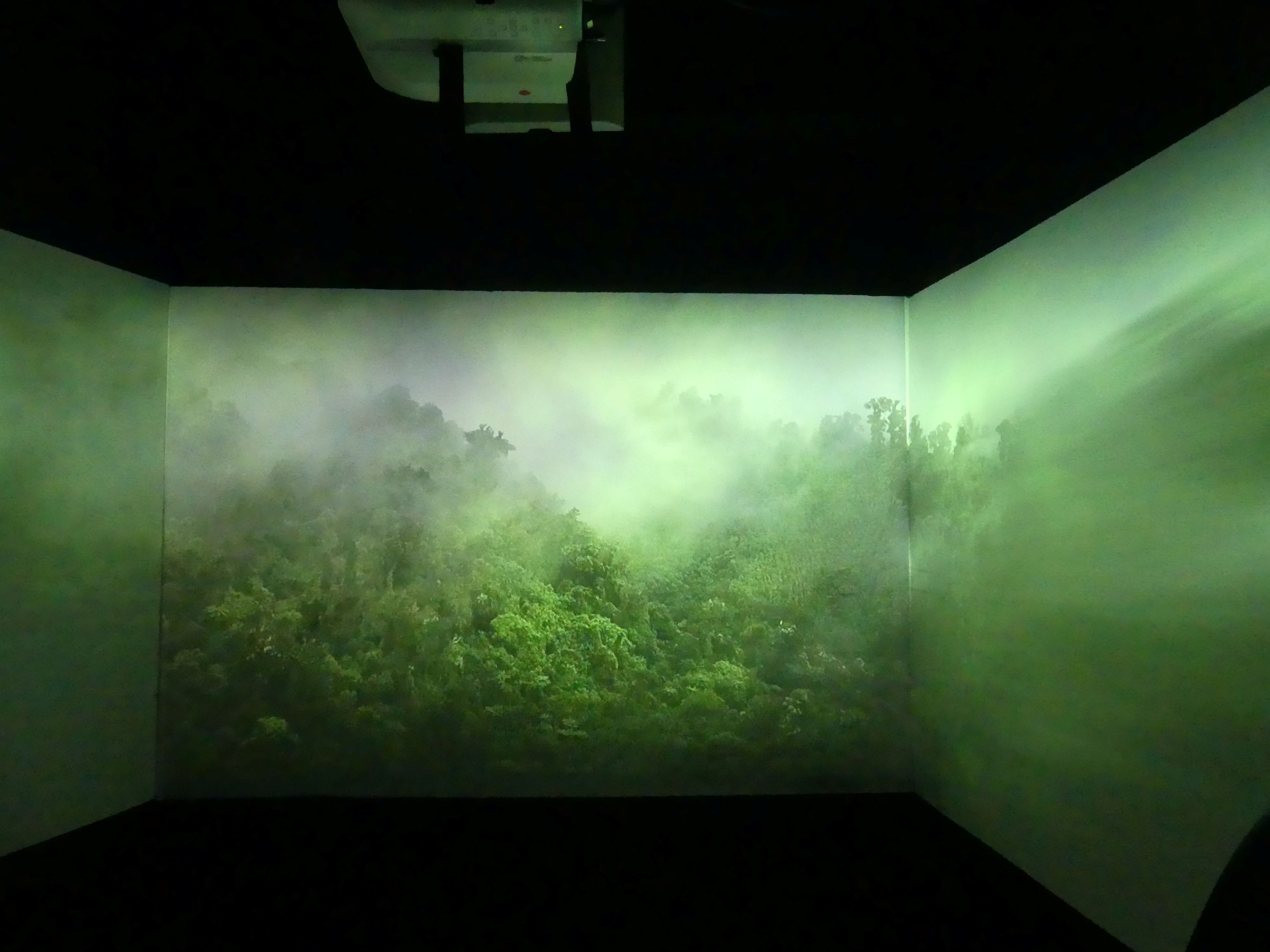
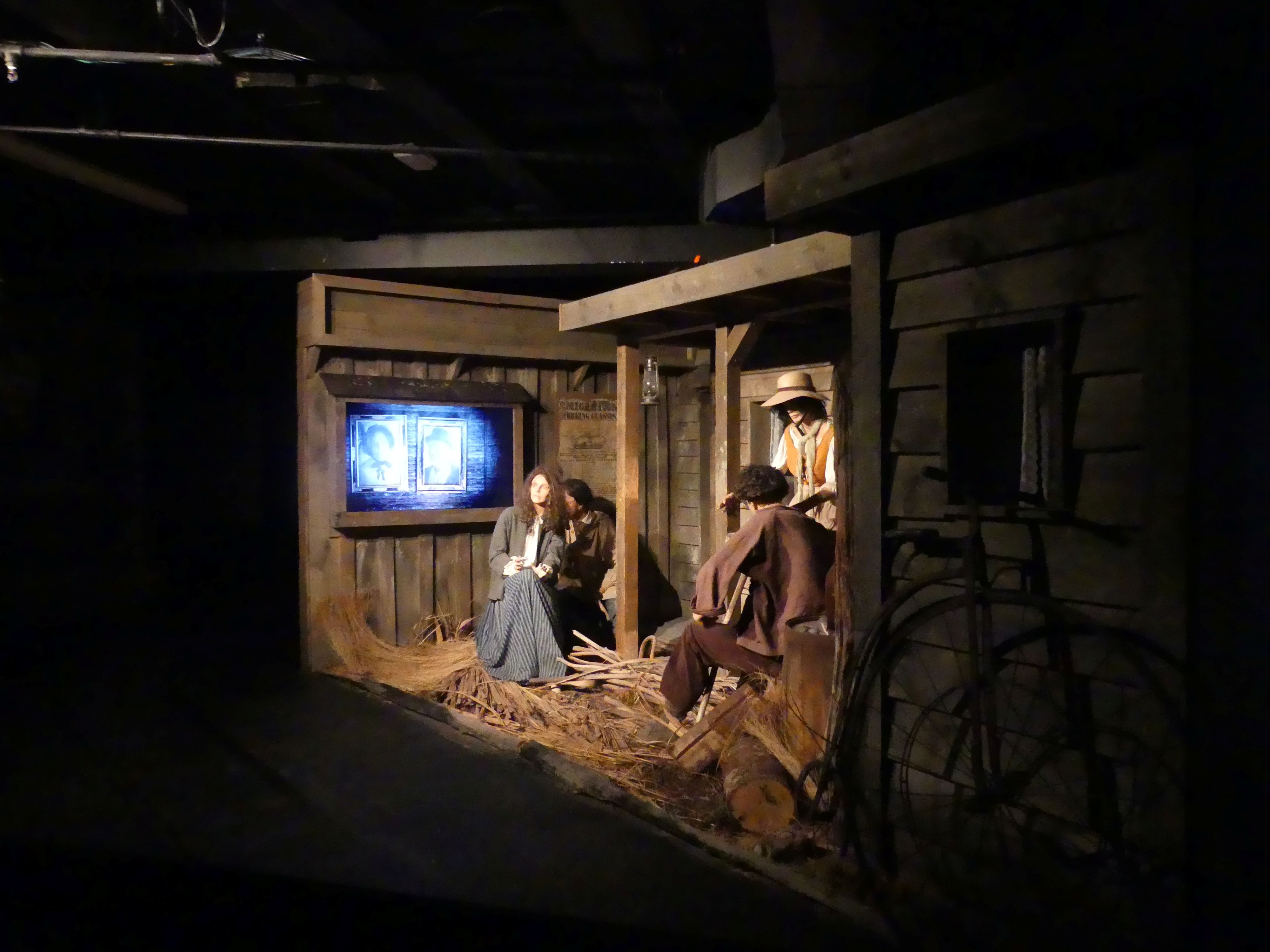
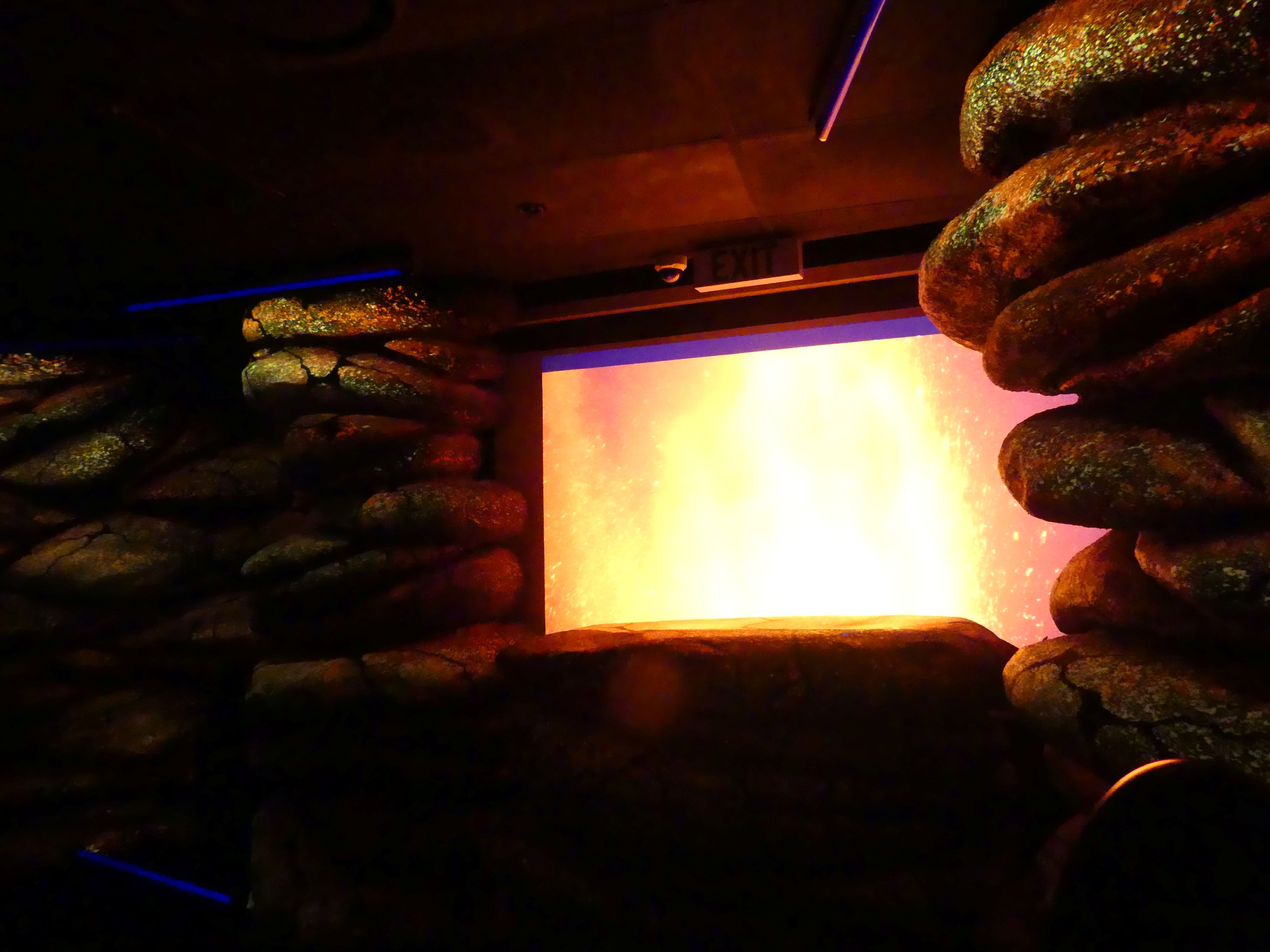
We arrived in the gift shop and made our way to the stairs to the viewing deck. As we did so we spotted a passage way chained off from access. One of the staff then informed us that this was the entrance to a ride through the earliest history of Christchurch. Of course, there was a charge, but it proved to be interesting and not too difficult to undertake.

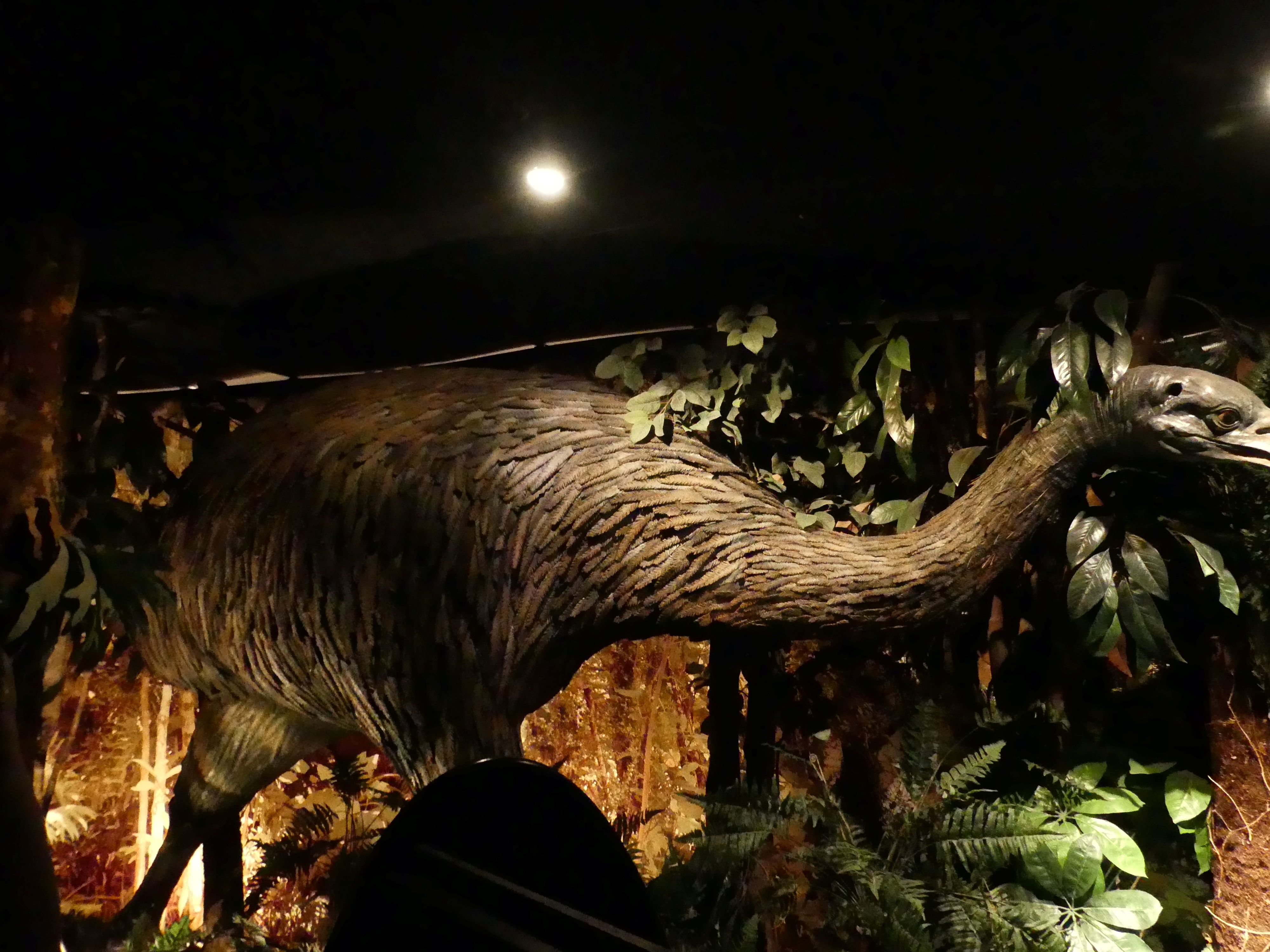
The beginning of time through to the Gold Rush
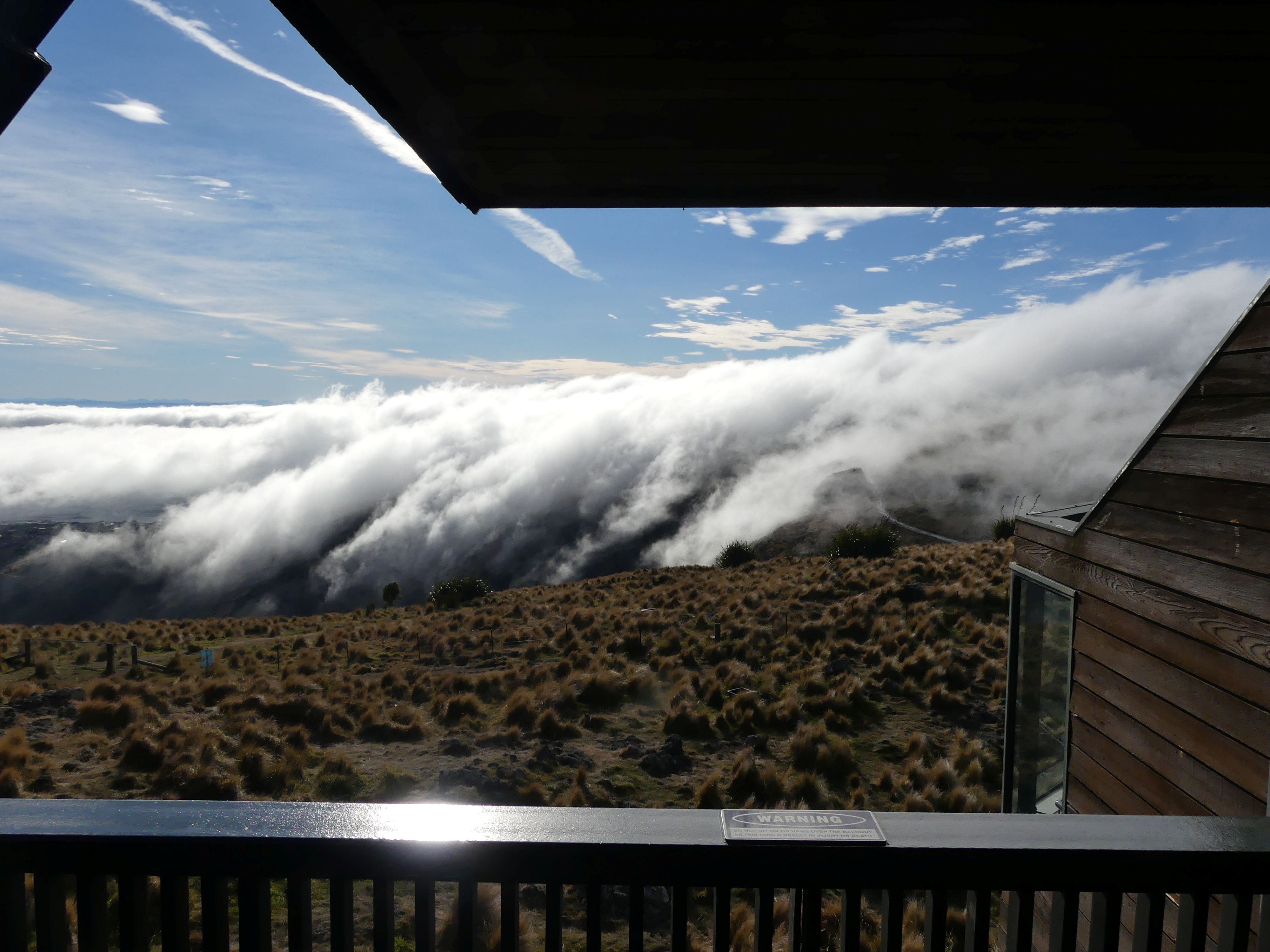
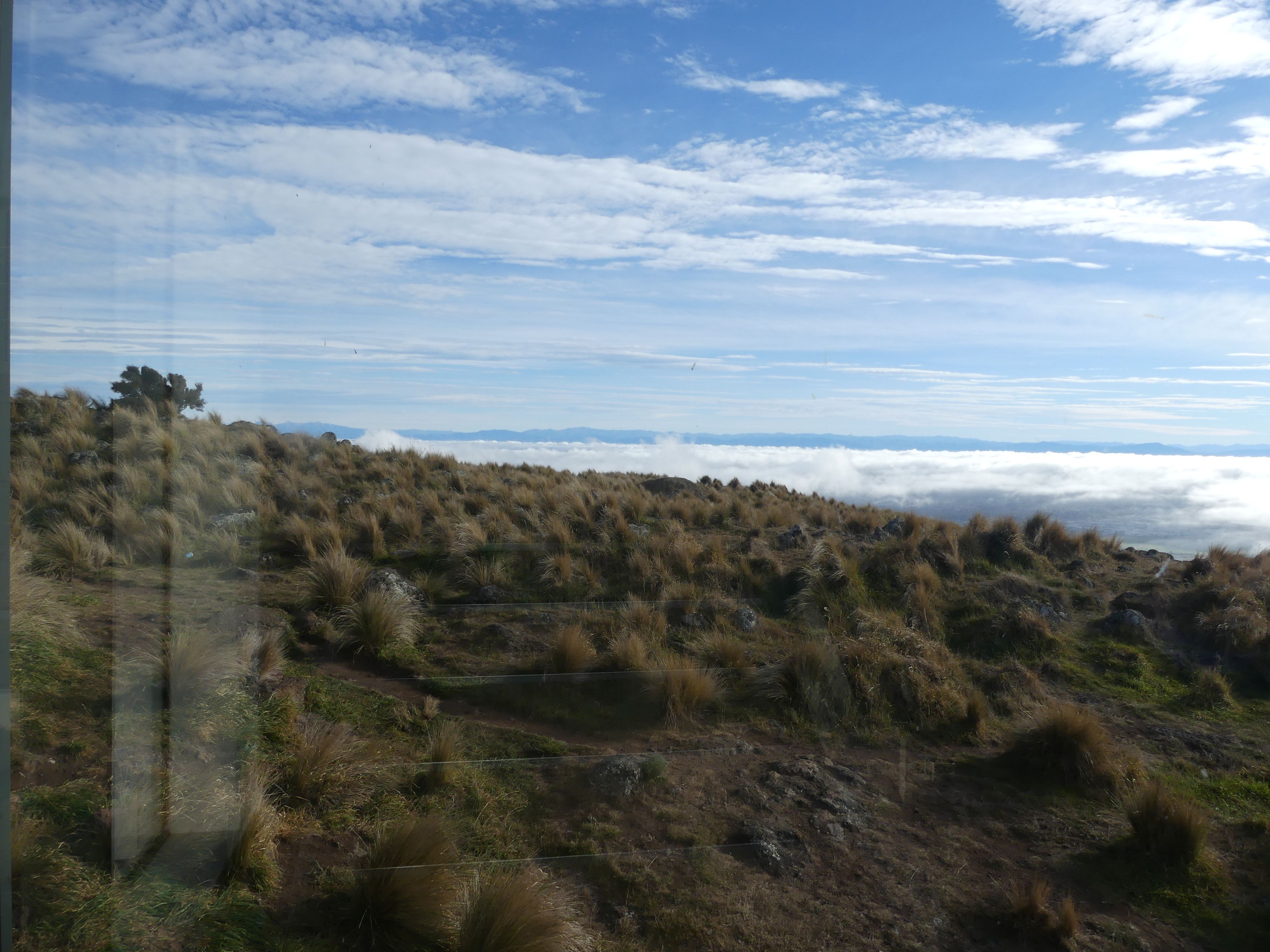
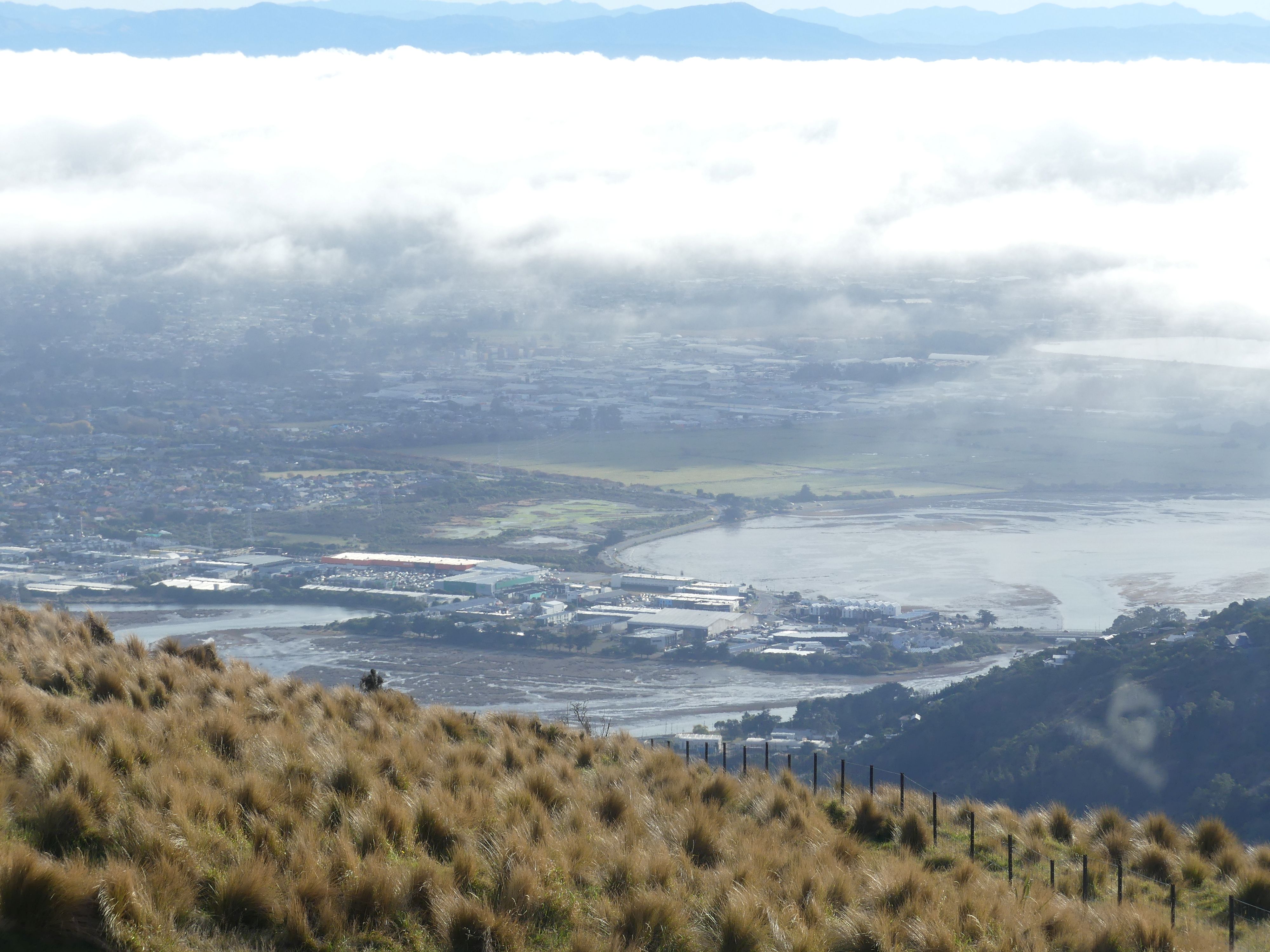
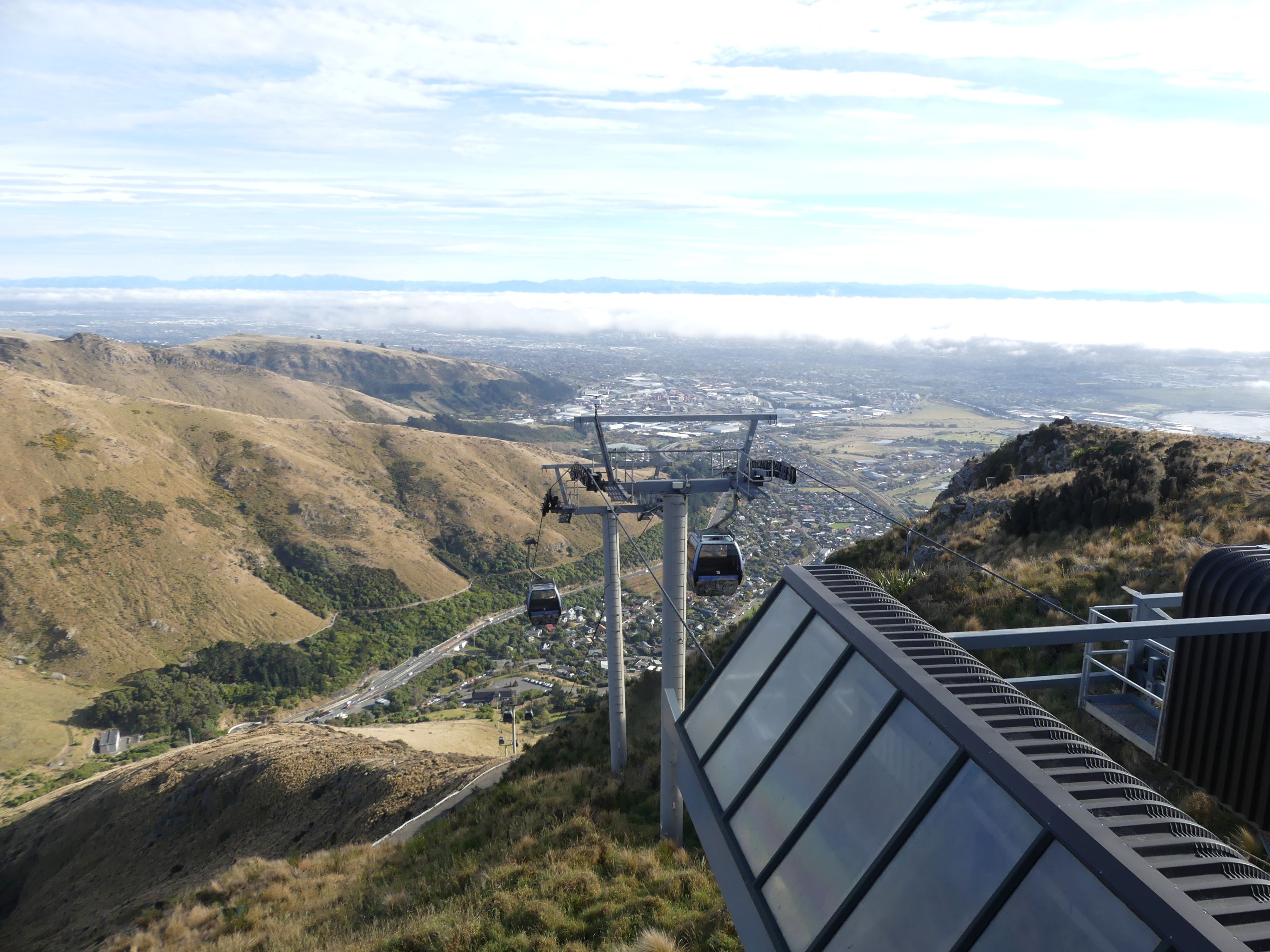
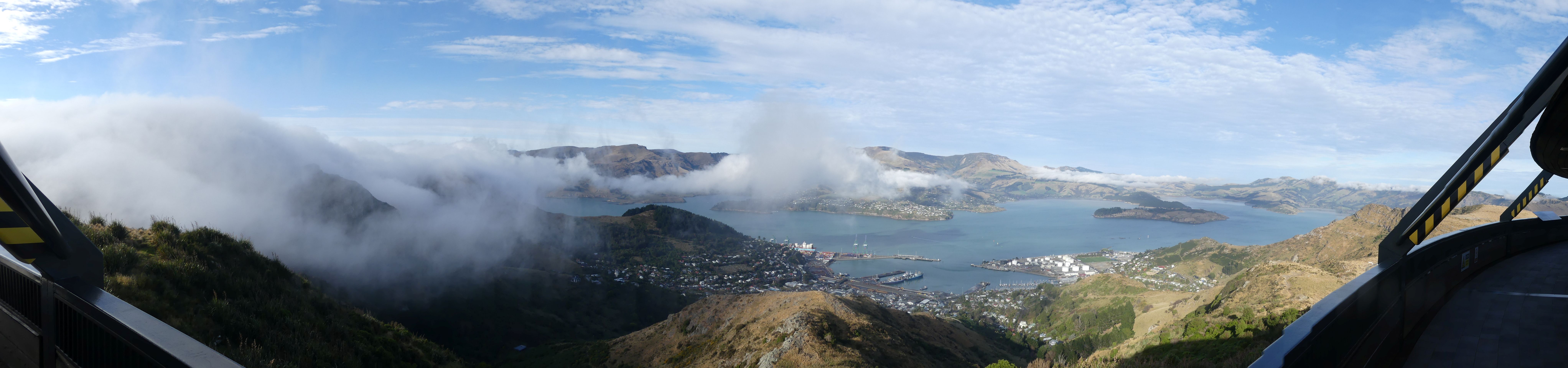
From the ride we climbed to the viewing platform, and we could see the weather closing in with heavy cloud covering part of the scenery. On the seaward side of the peak, we could see Port Lyttelton, the main commercial and cruise port serving Christchurch. As we looked out most points of interest were slowly swallowed by a cloud bank. Only the view down to the base station remained clear.

Panoramic photo, Port Lyttelton, the cloud bank and the base station
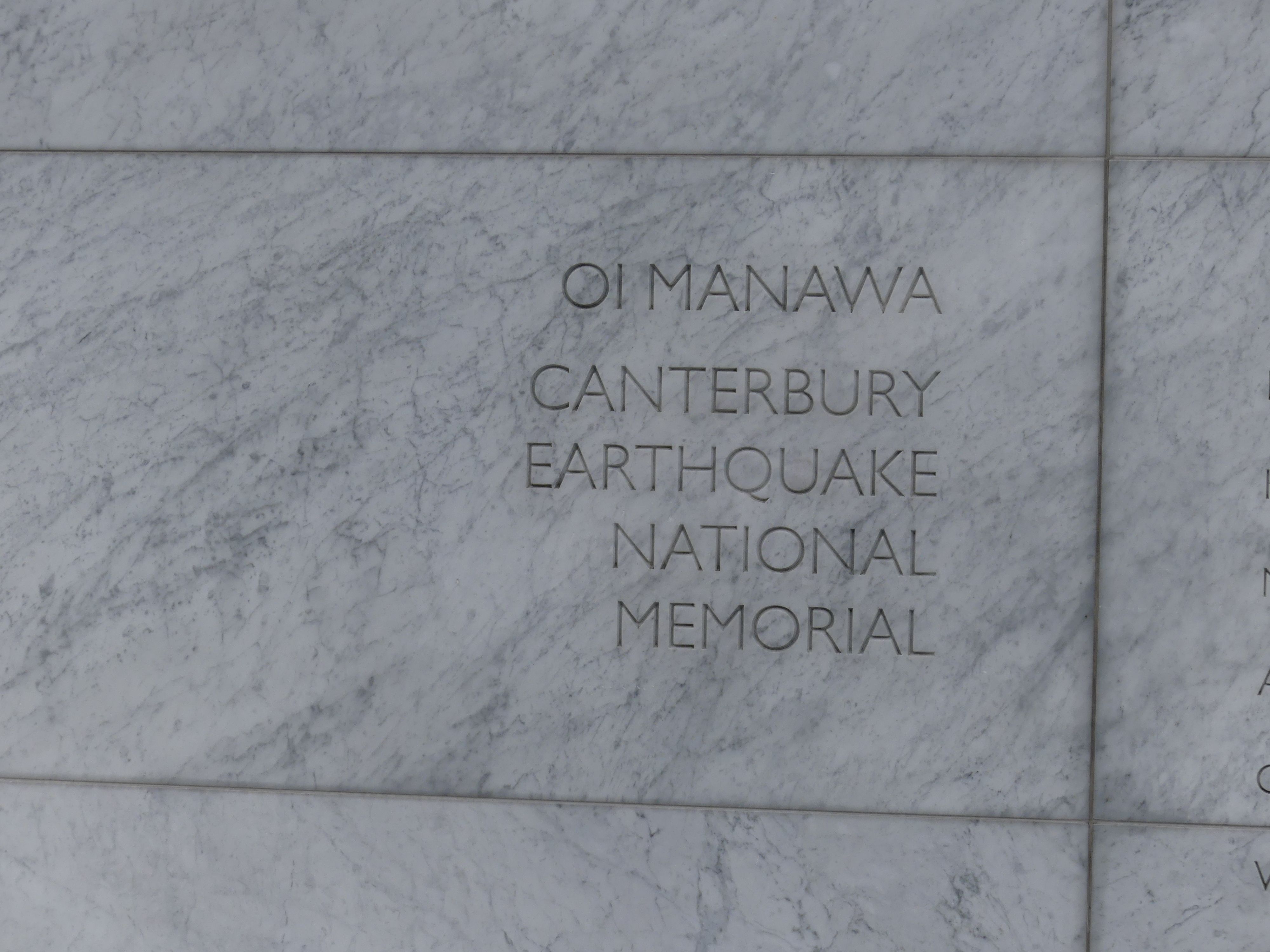
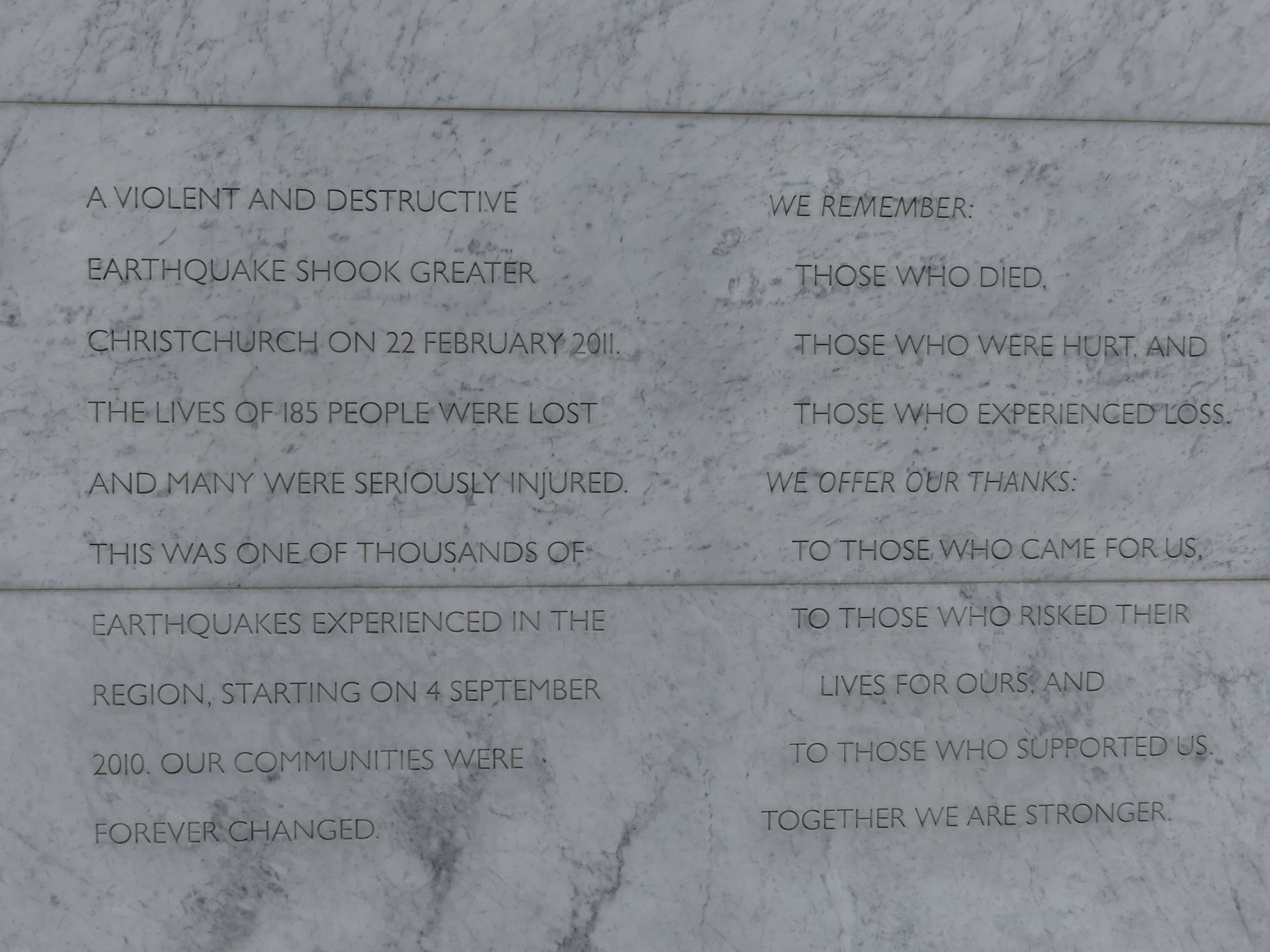
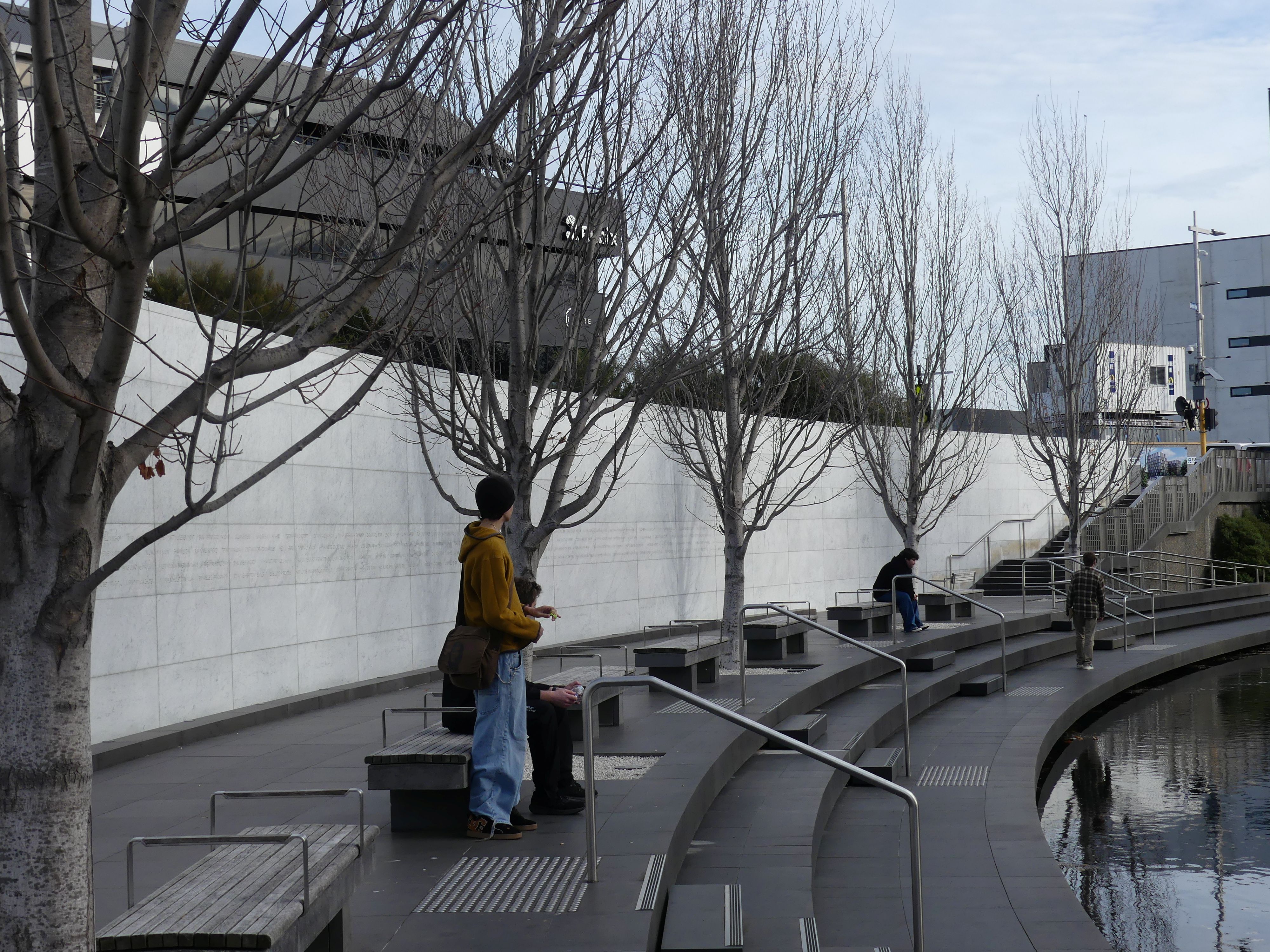
We returned to the base station after coffee and a pie (mince and cheese a NZ favourite) for lunch. We were still on the hunt looking for the earthquake Memorial Wall, and it was bloody hard to find. If there was signage for visitors to find the memorial we could not find it and everyone, we asked gave us a bum steer. We came close to the Memorial without knowing it when we walked the Bridge of Remembrance along the Avon River but to avoid some pro-Palestine protesters, we missed the one and only directional sign. We encountered a knowing fellow who finally gave us clear directions to find the Memorial. Once we had the correct directions, we crossed the Bridge of Remembrance and followed the signs to the Memorial Wall.

The Memorial Wall
We walked back to the motel by which time we were rather tired but tomorrow we are off to Akaroa and a cruise from Akaroa Harbour.

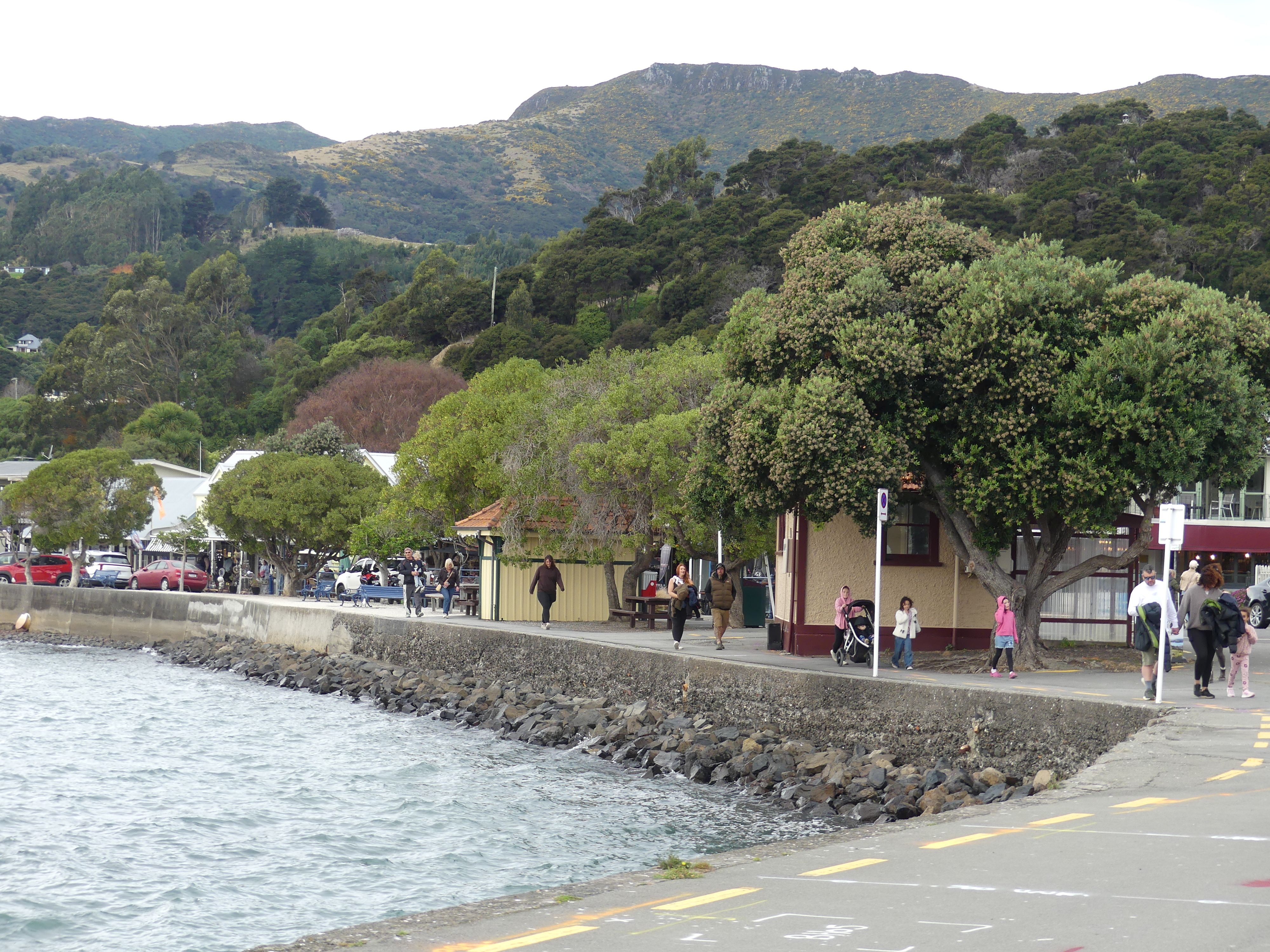
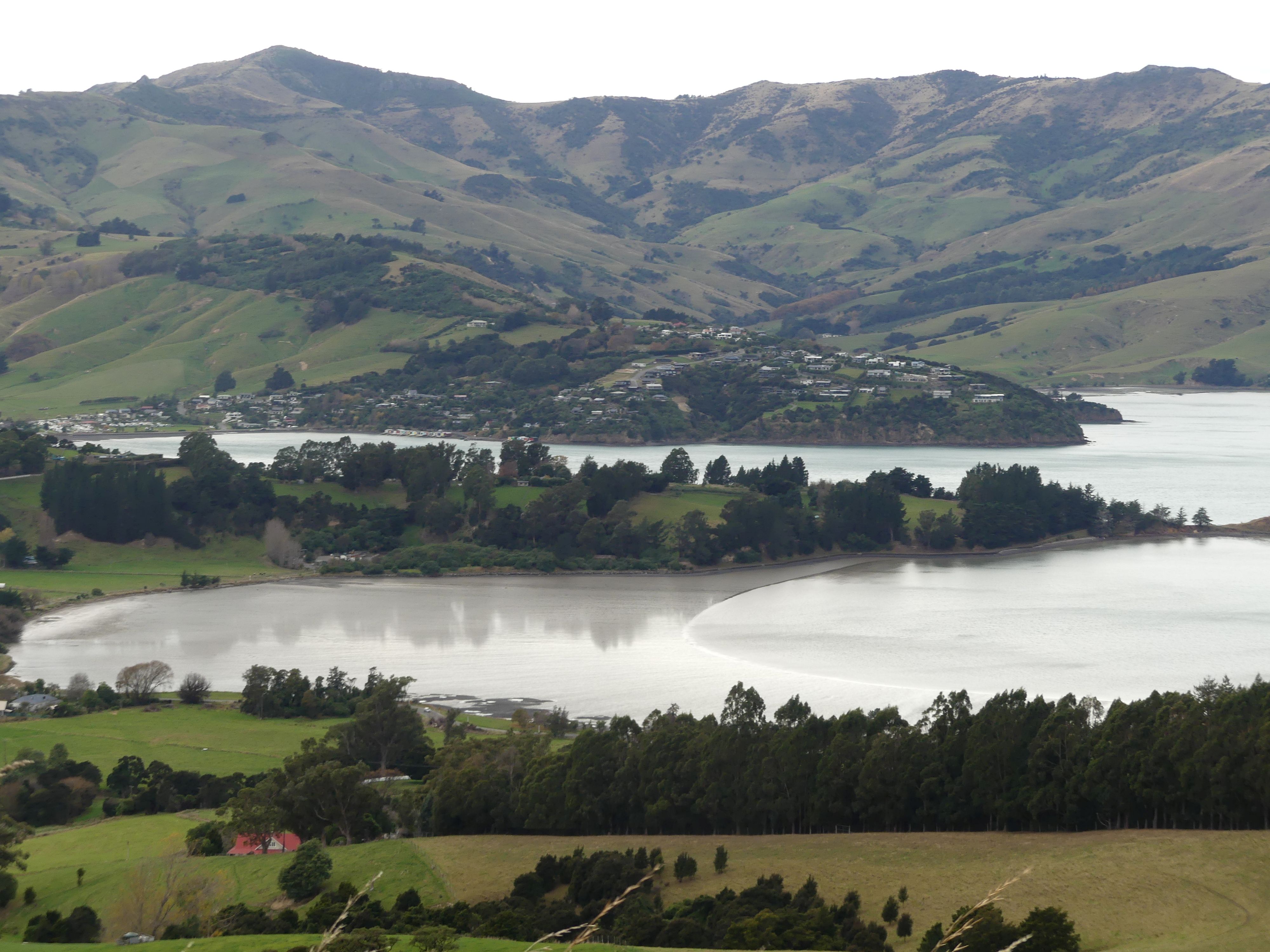
Day 13               With Barry behind the wheel we started a scenic drive (about 1.5 hours) to Akaroa Harbour. Akaroa is a small town on Banks Peninsula in the Canterbury Region, situated within a harbour of the same name. The name Akaroa is Kāi Tahu Māori for “Long Harbour”, and the area was also named Port Louis-Philippe by French settlers after the reigning French King Louis Philippe I.

In 1838, a whaler Captain Jean François Langlois, wrote up a questionable deed of purchase for “the greater Banks Peninsula” to which twelve Kāi Tahu chiefs each added their moko or cross. When the French settlers did arrive, the British authorities – who had in the meantime taken possession of the whole of New Zealand – decided a valid sale had not taken place in 1838, relying for their decision on English law and Māori oral evidence. A French influence remains in Akaroa to the present.

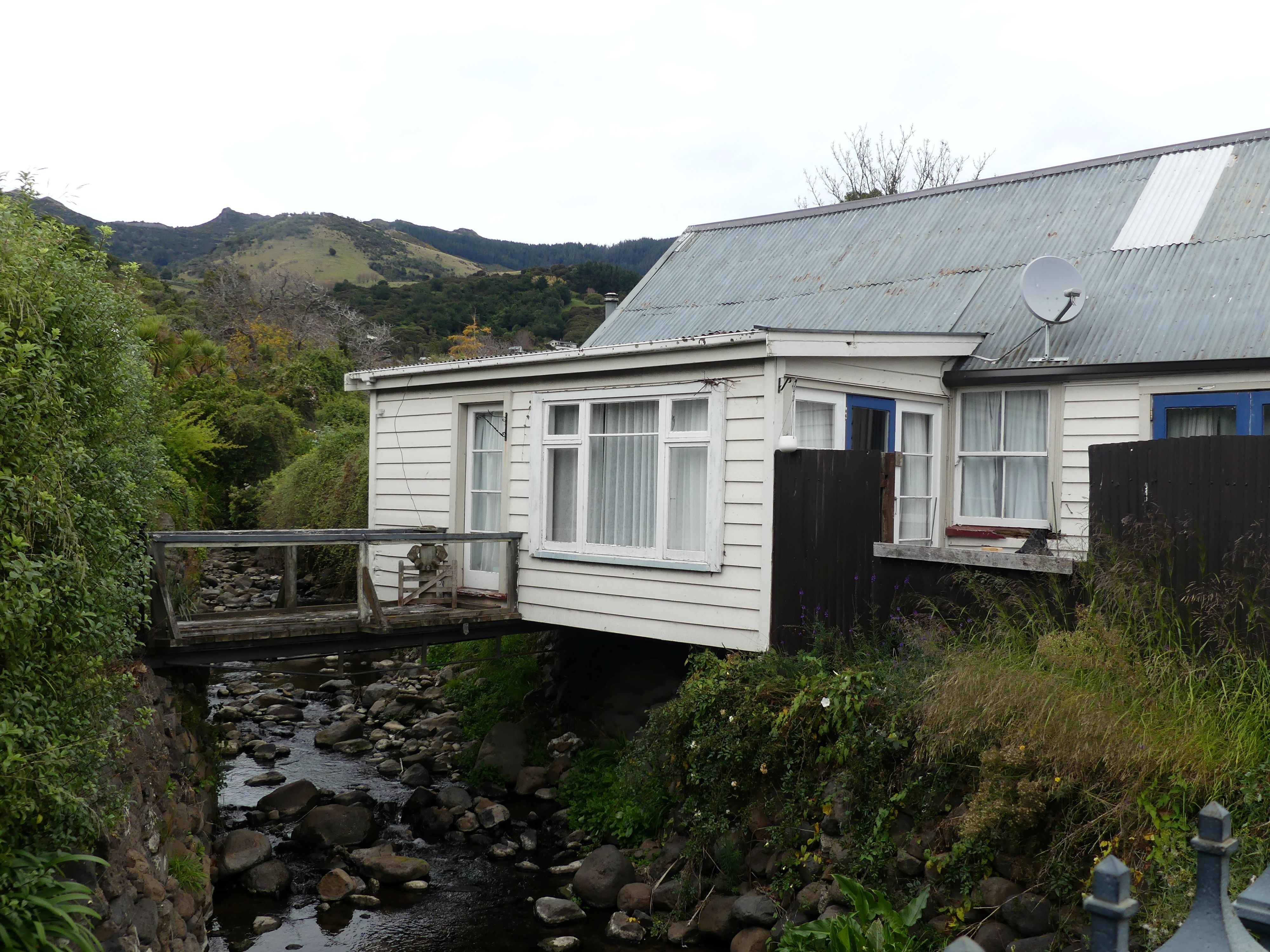
The village was largely confined to 1 street with residential properties running into it. The main street fronted the harbour on one side and the residences on the other.

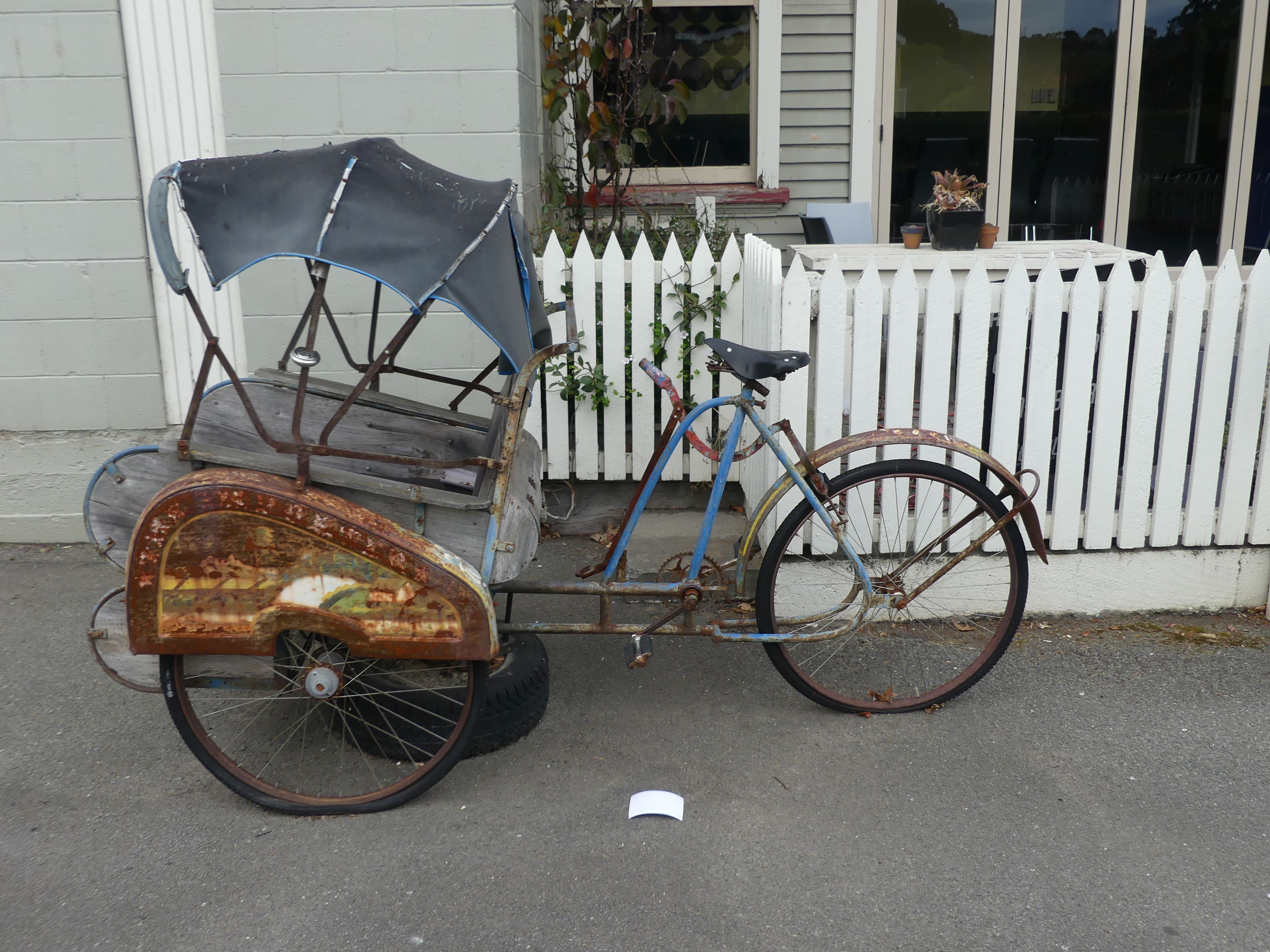
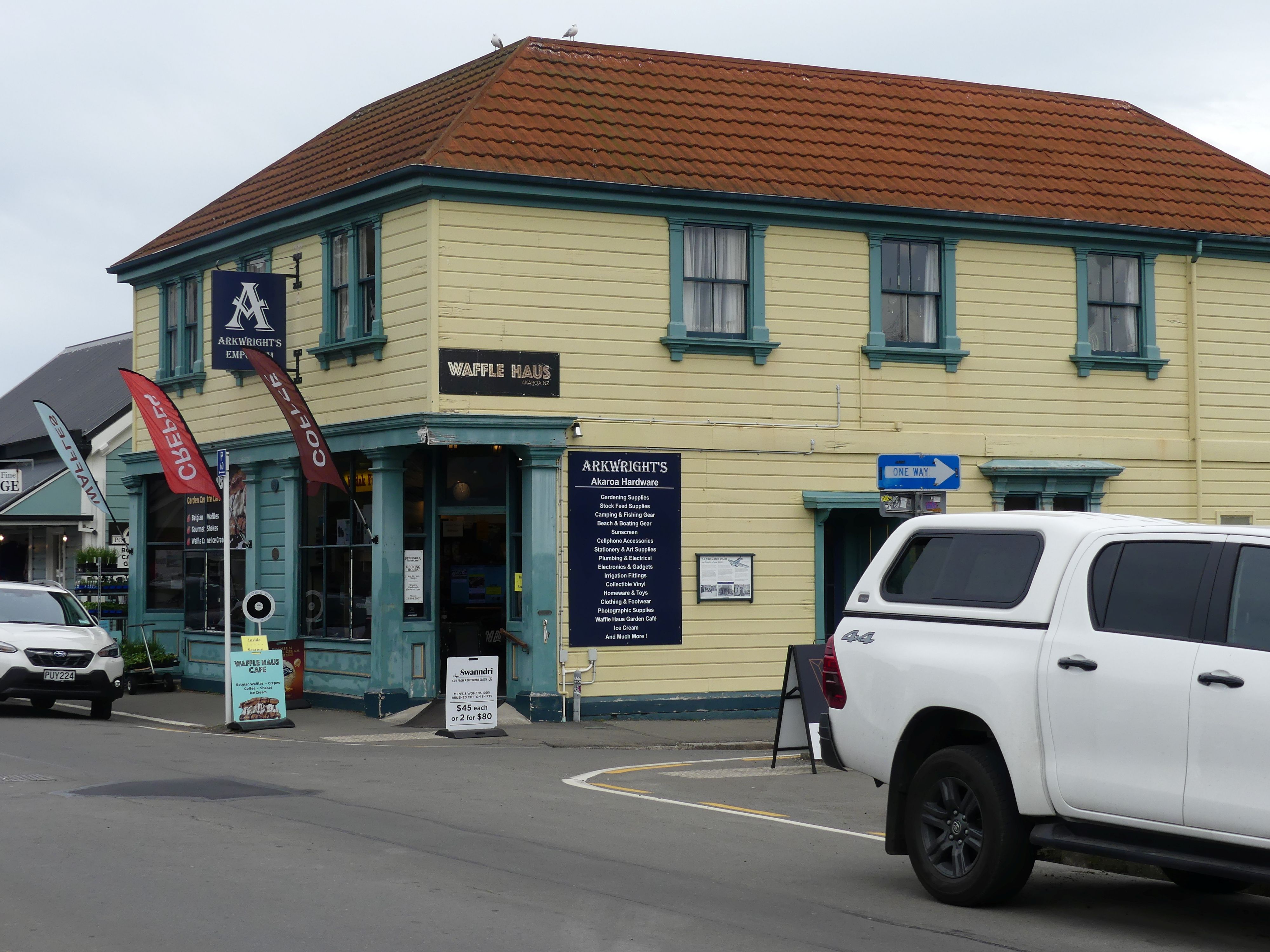
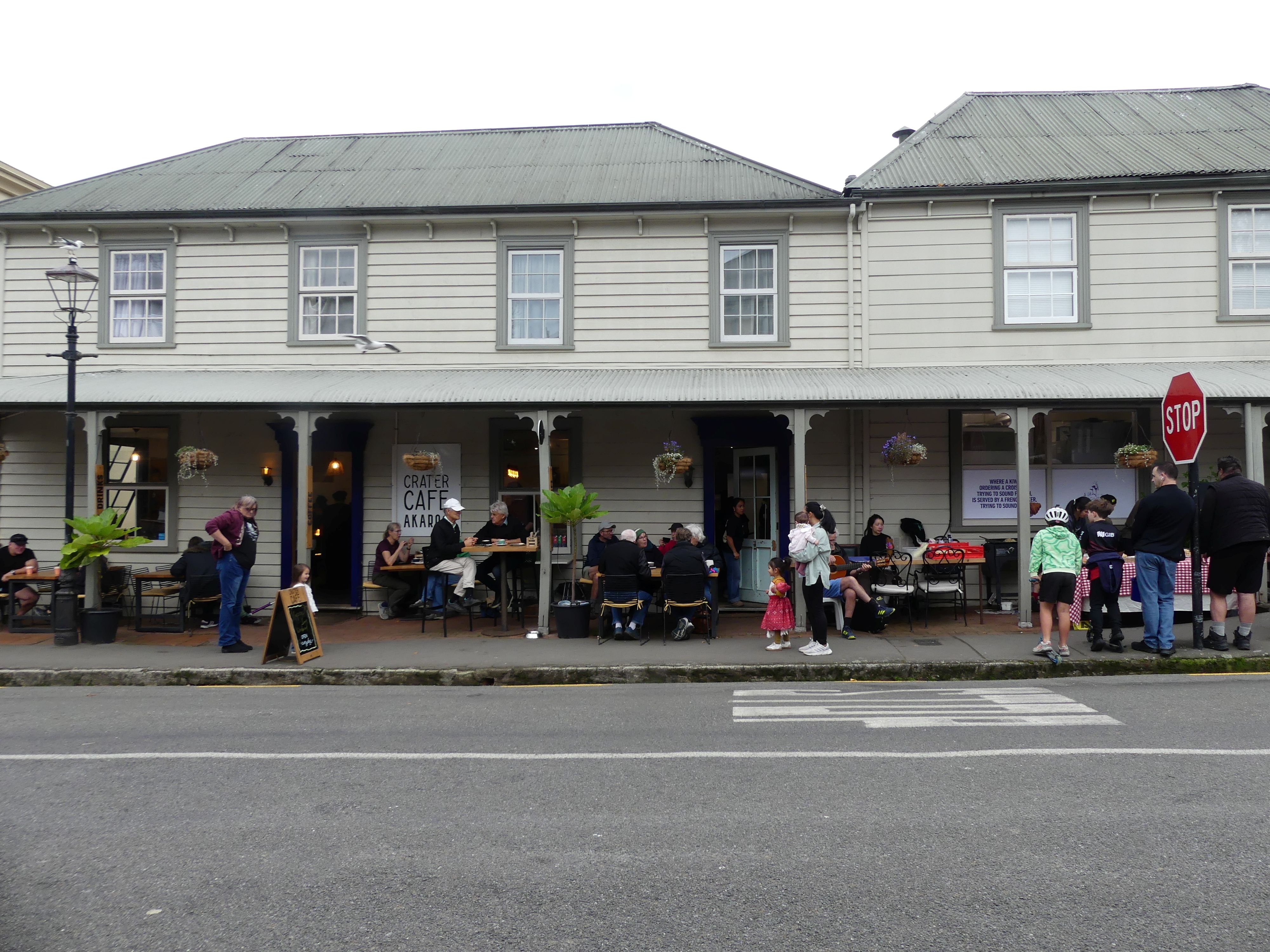
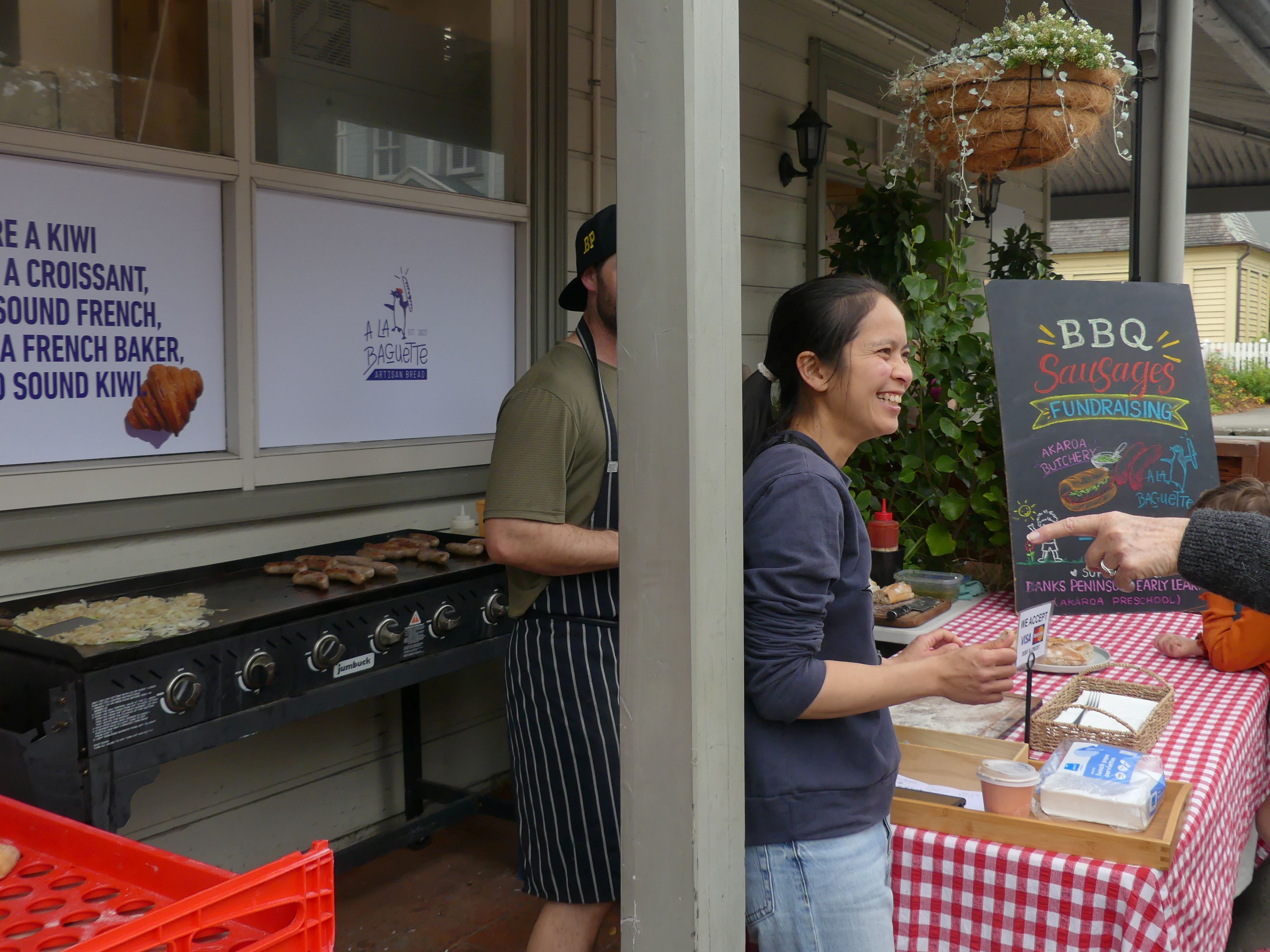
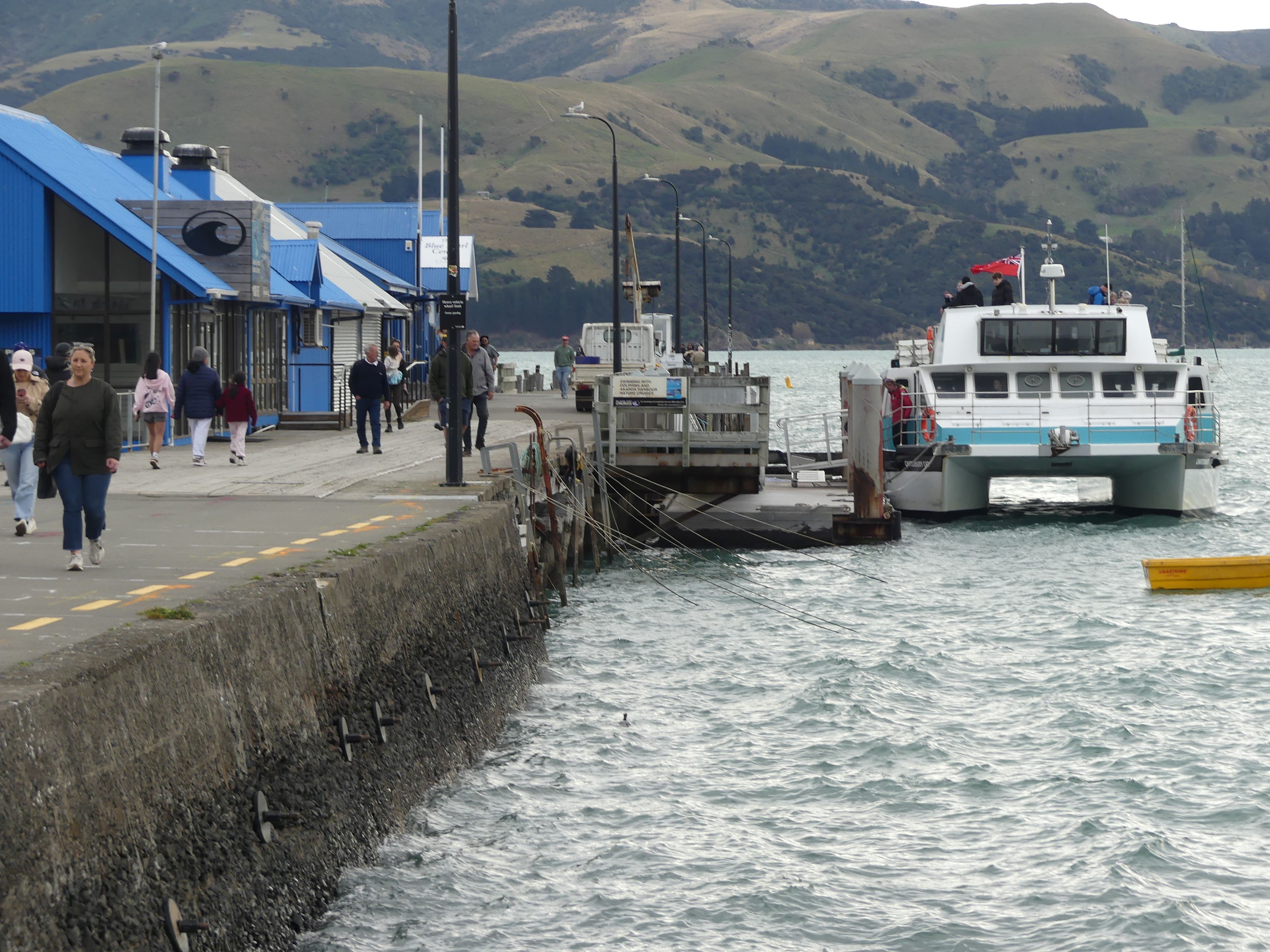
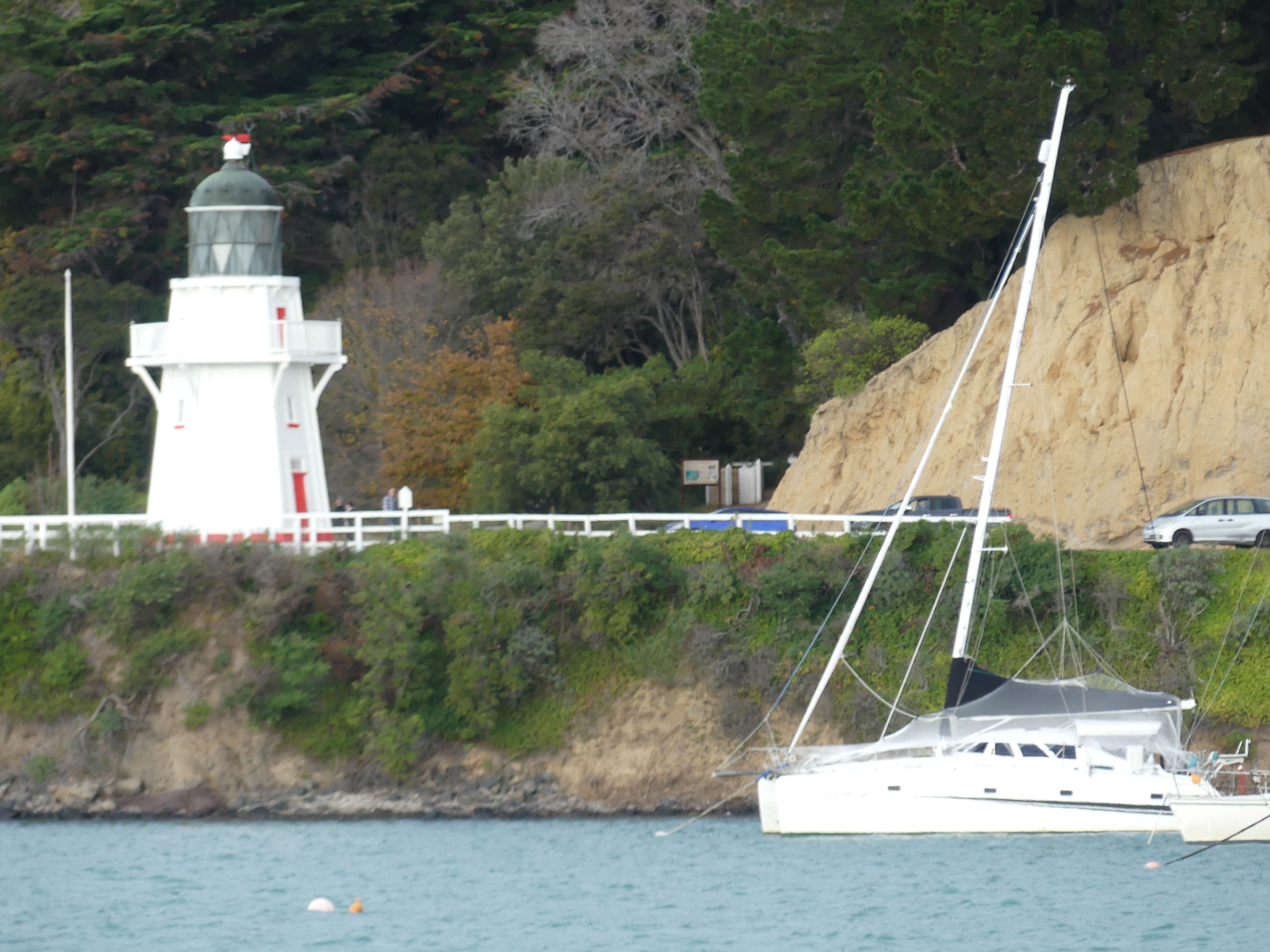
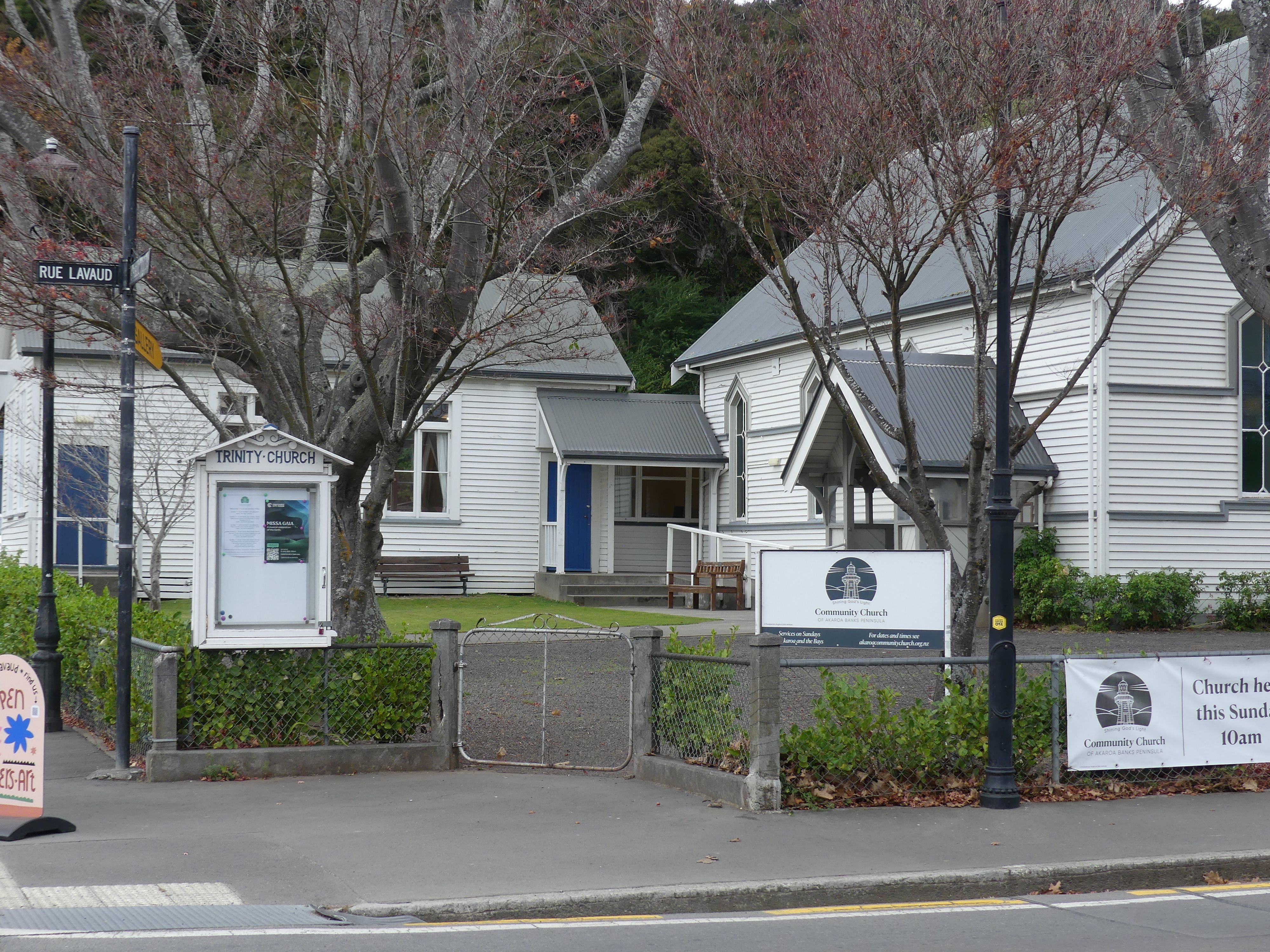
Driving to the village, Rue Lavaud and its church, an Asian influence also, one of the novel residences, Arkwright’s – hoping to see Ronnie Barker, the café for the coffee stop with sausage sizzle outside, and the harbour.
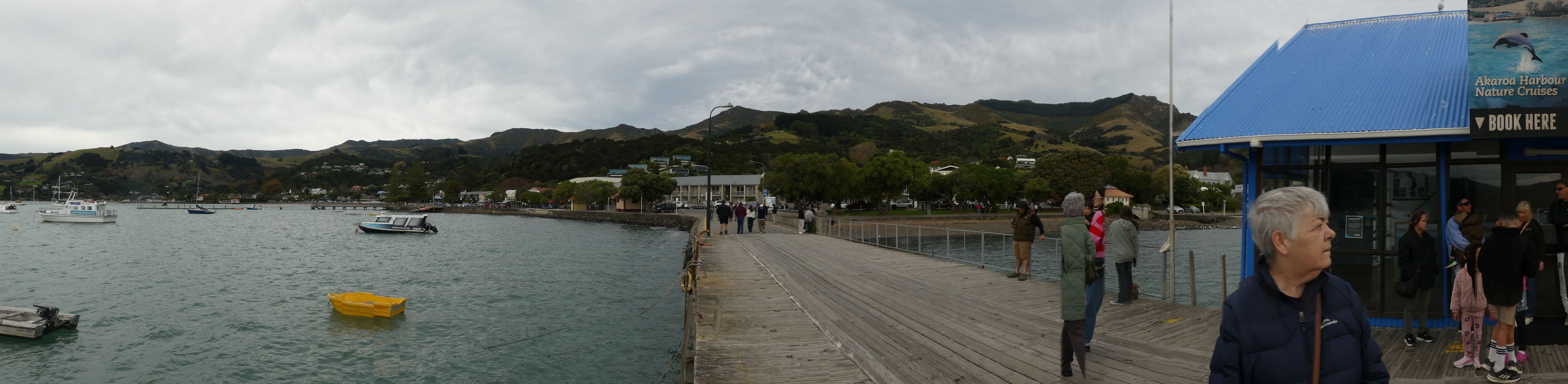
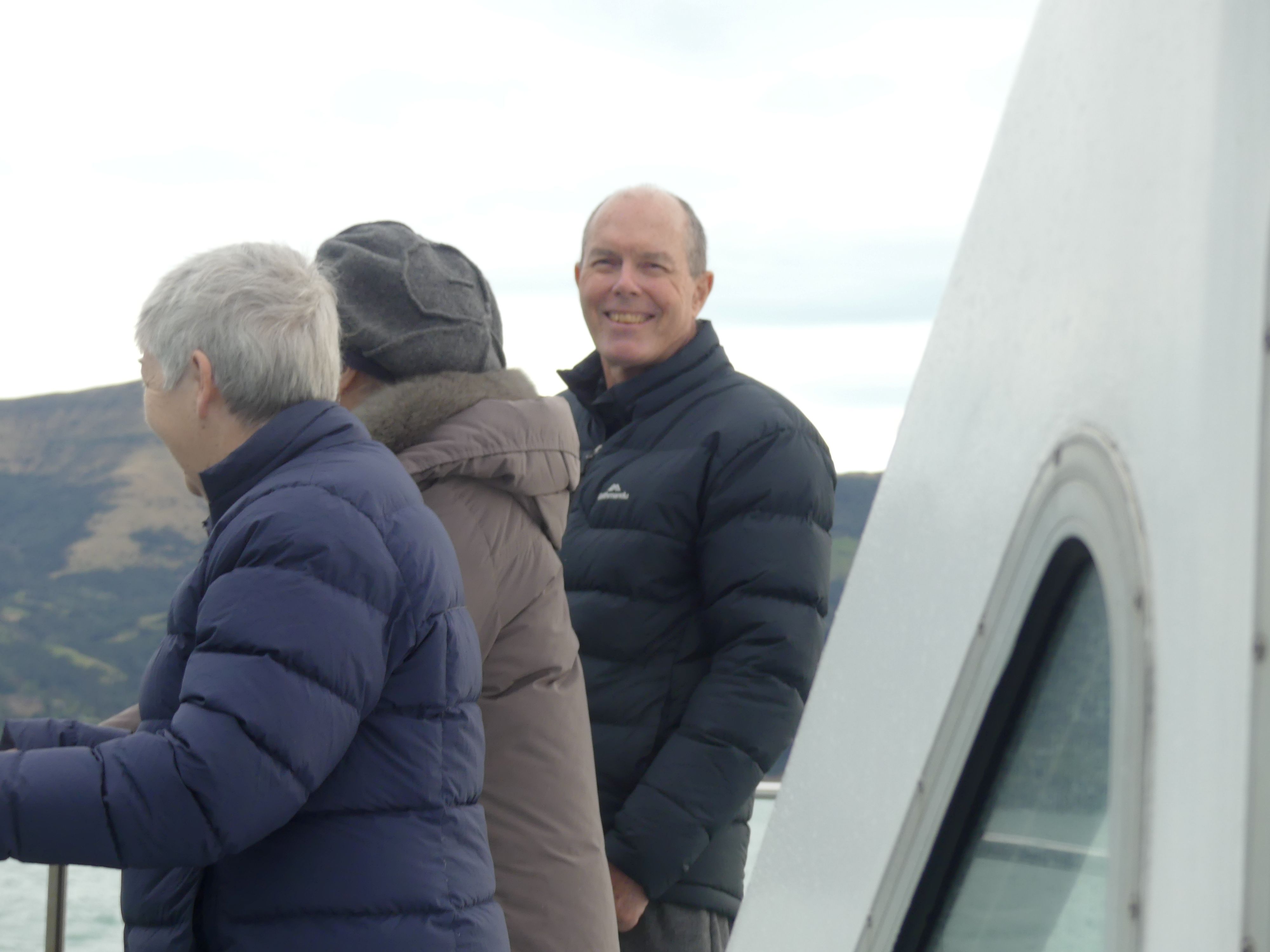
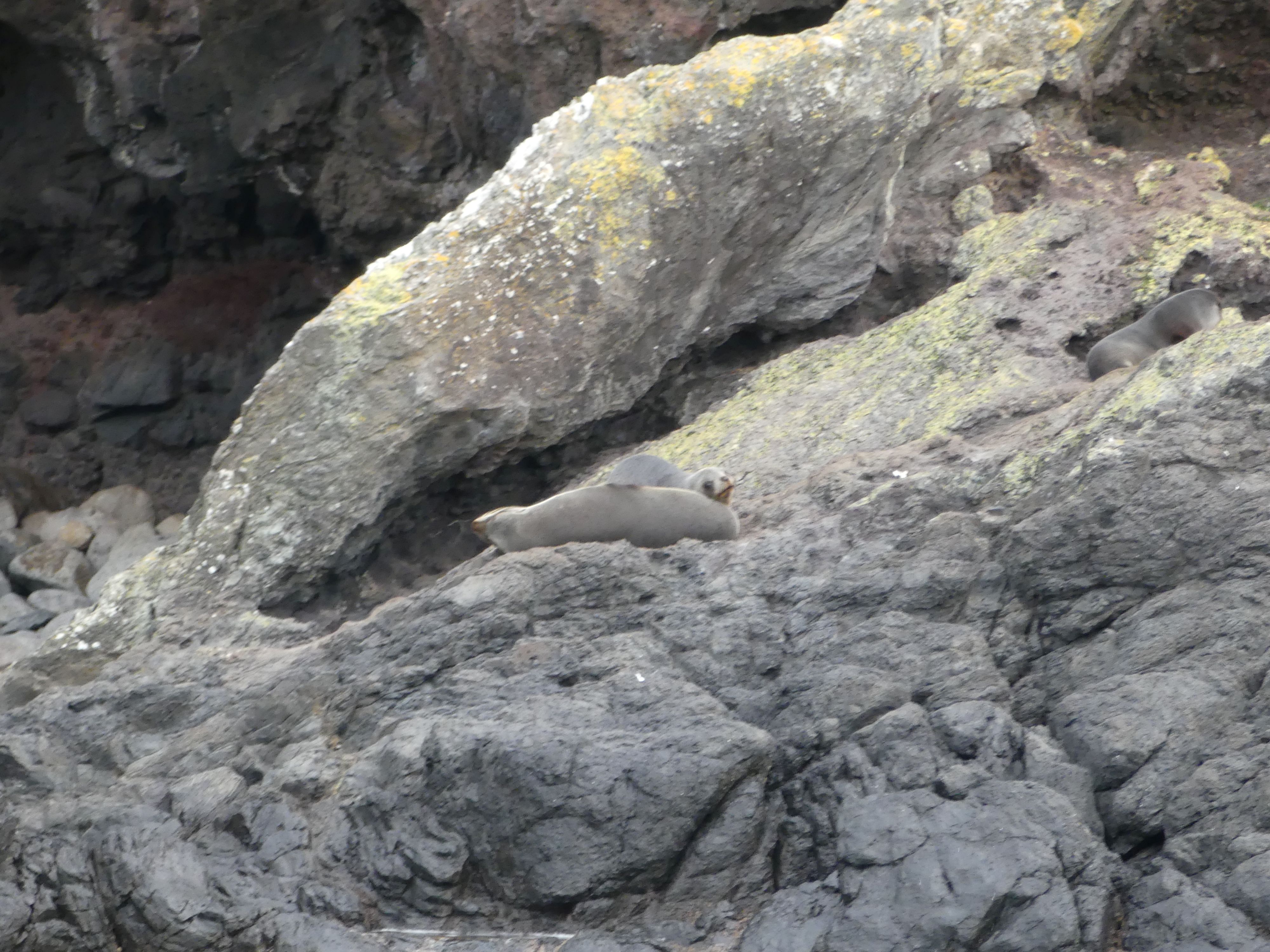
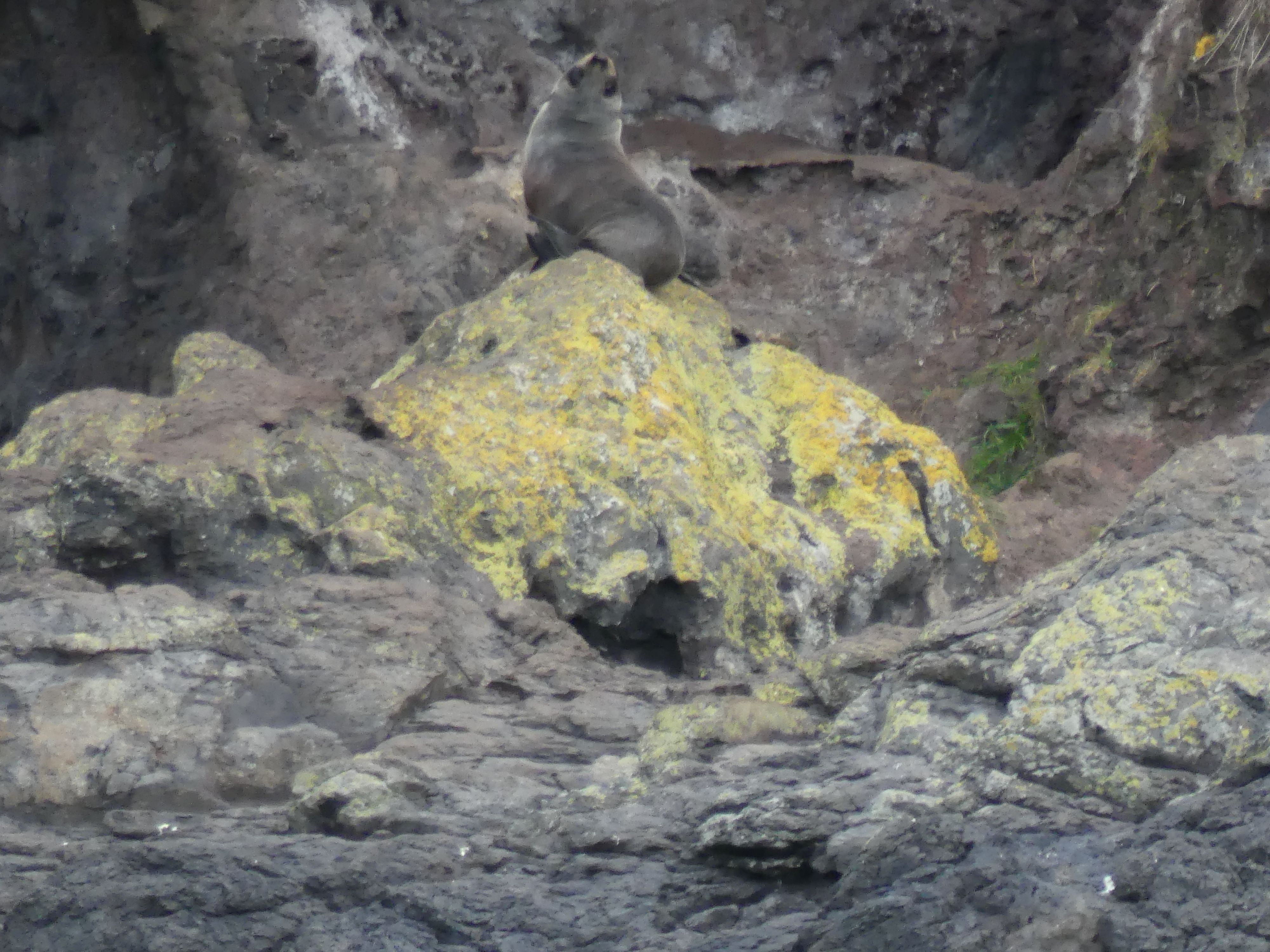
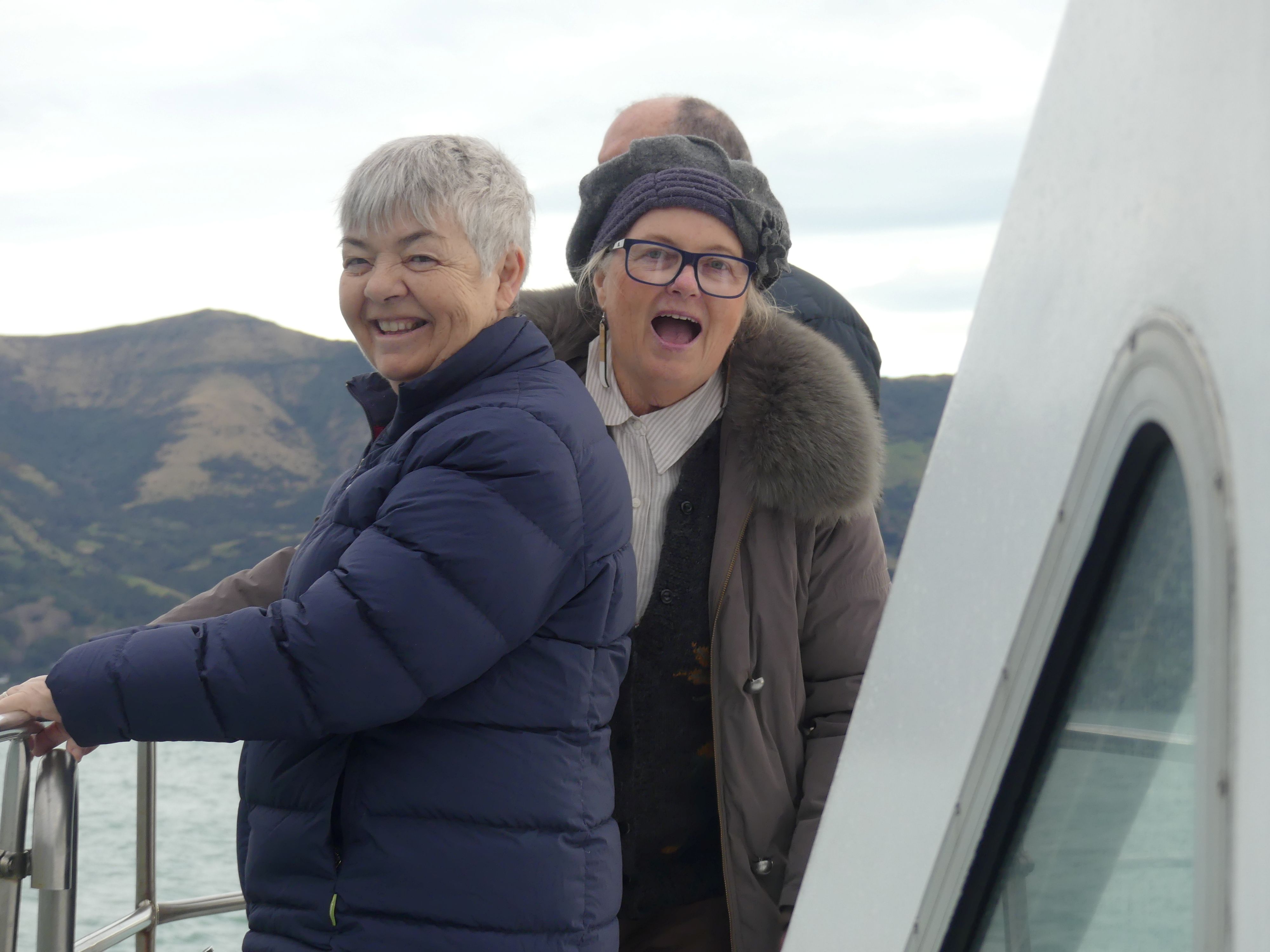
After coffee and a cake, we made our way to the wharf where we learned that the ticket office is onshore and after some minor issues, we found the office and learned our booking was for the preceding day, but we were in luck the boat was not full. Clutching our tickets we hurried back to the wharf and the awaiting vessel. Strangely that muck put us at the head of the queue to board the vessel and we were on our way to see the Hector Dolphins and the NZ fur seals and the whales. Someone forgot to send them their invitation as they didn’t turn up. As you will see in the photos, the seals were all ashore.

Cruising Akoroa Harbour
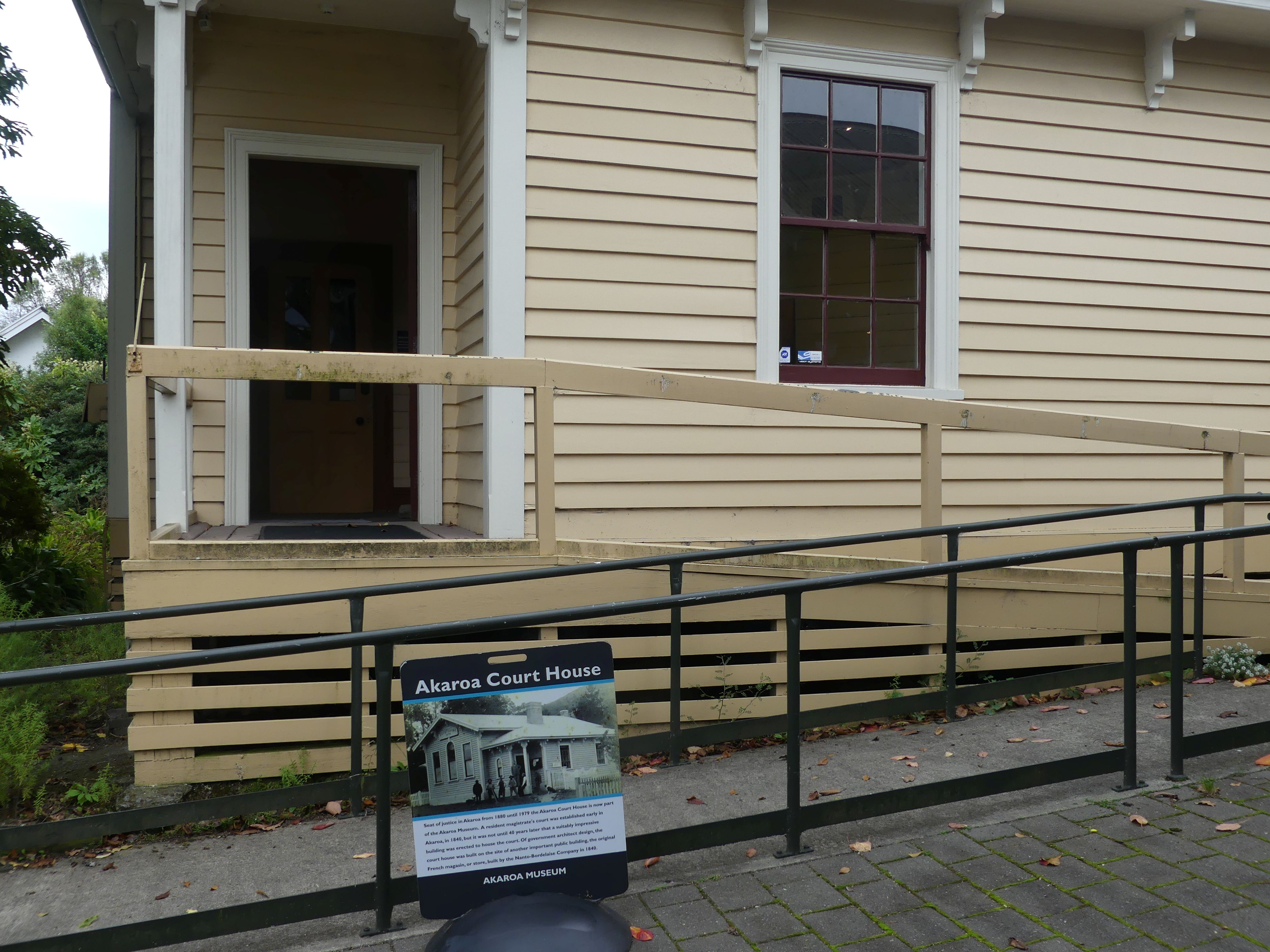
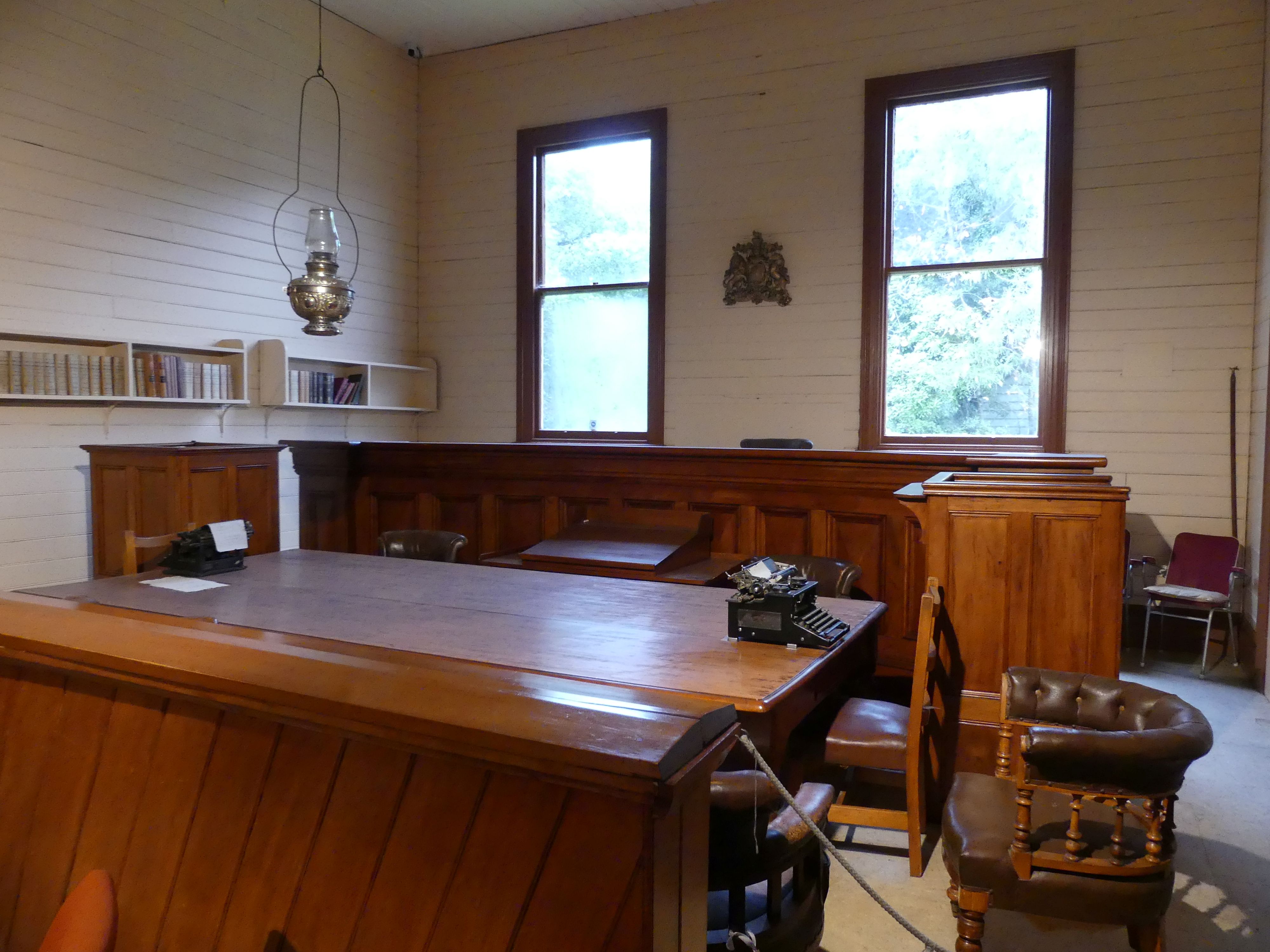
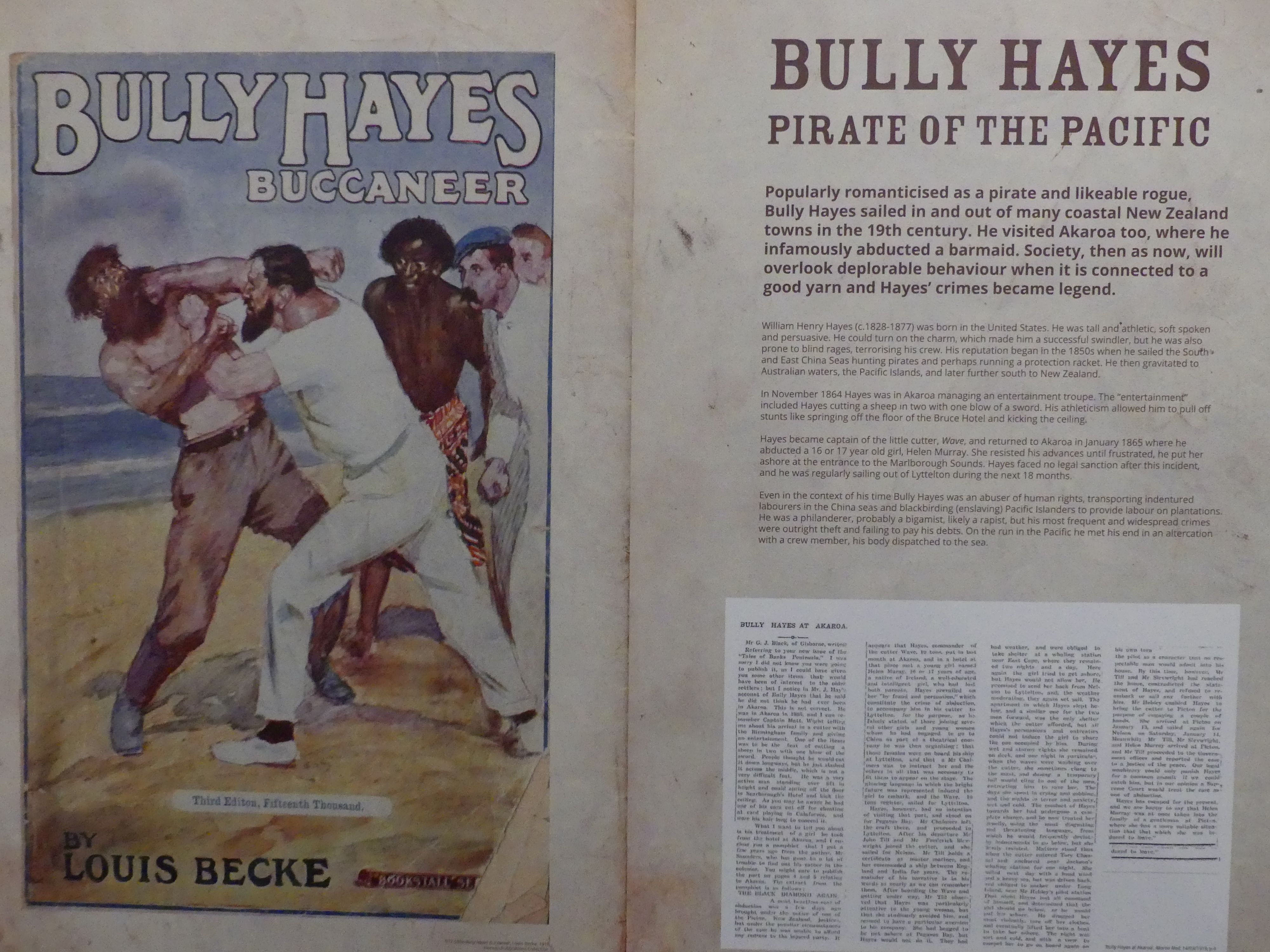
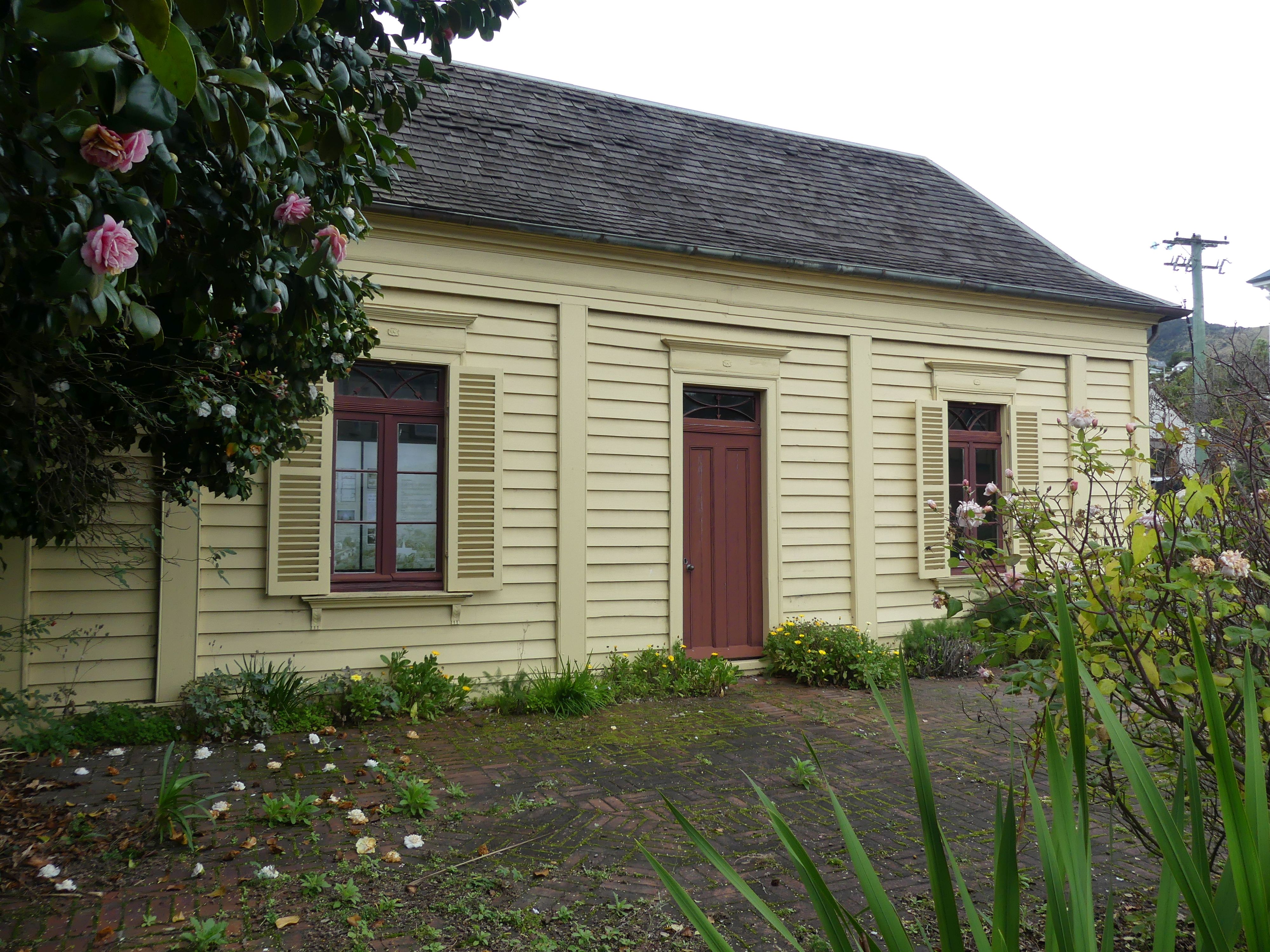
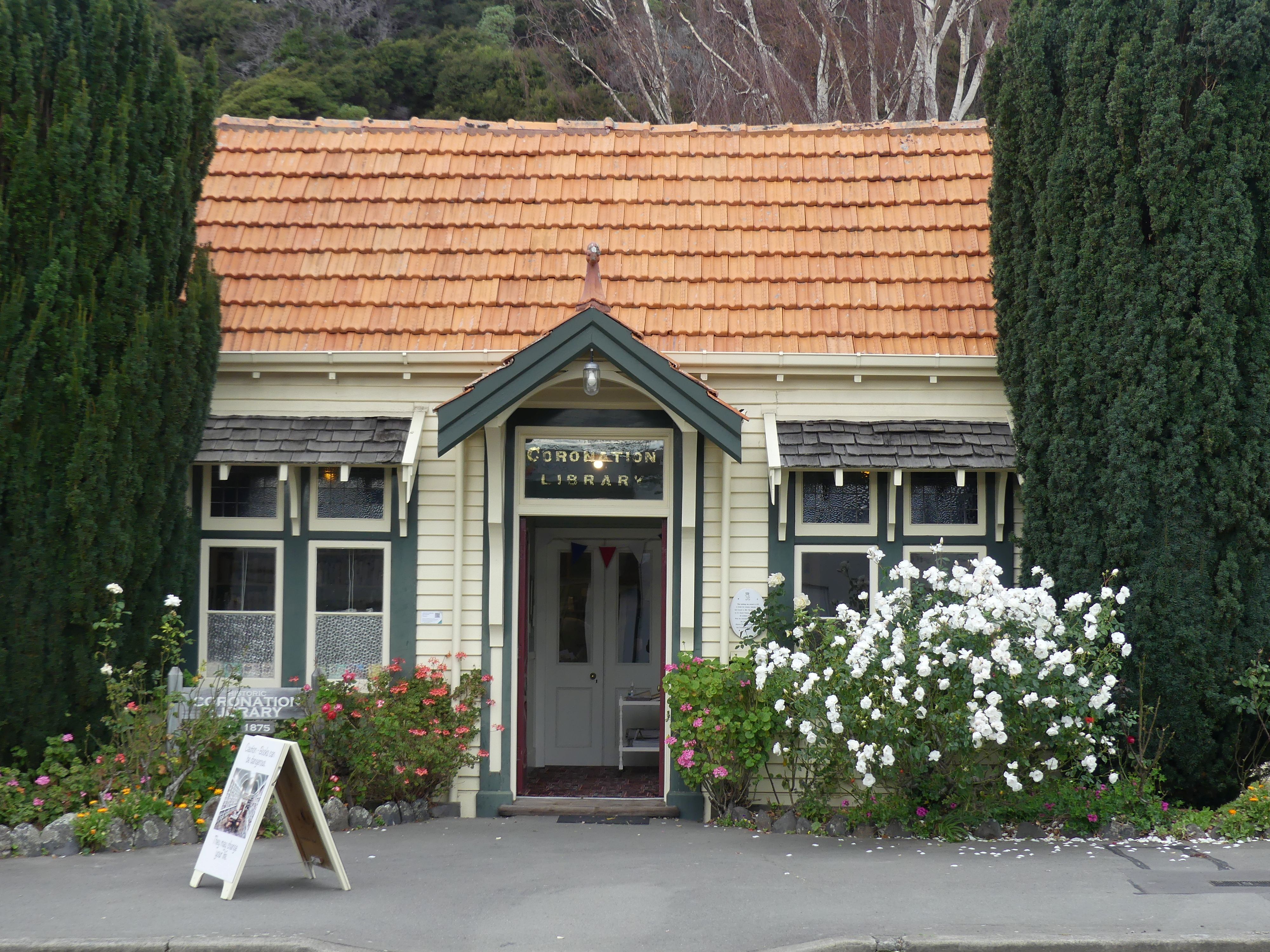
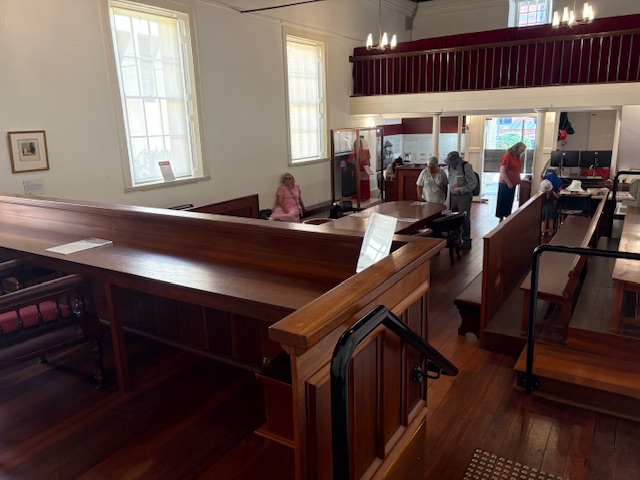
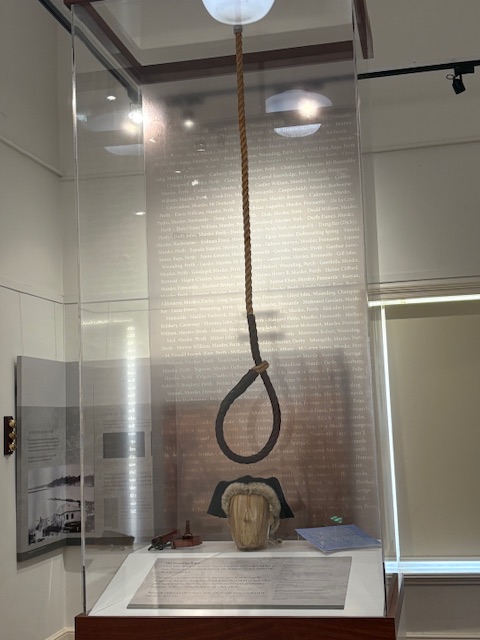
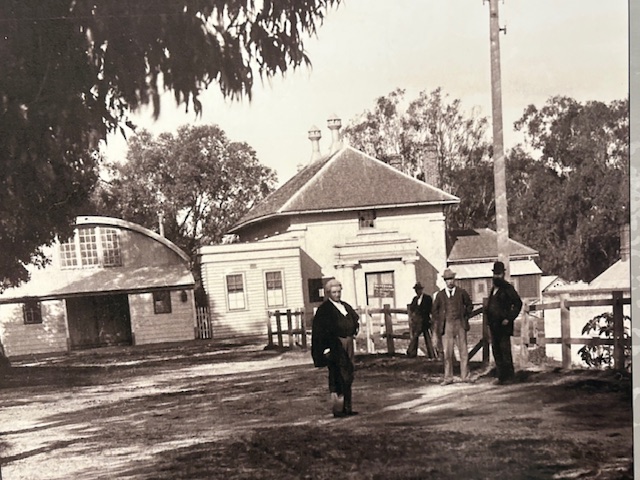
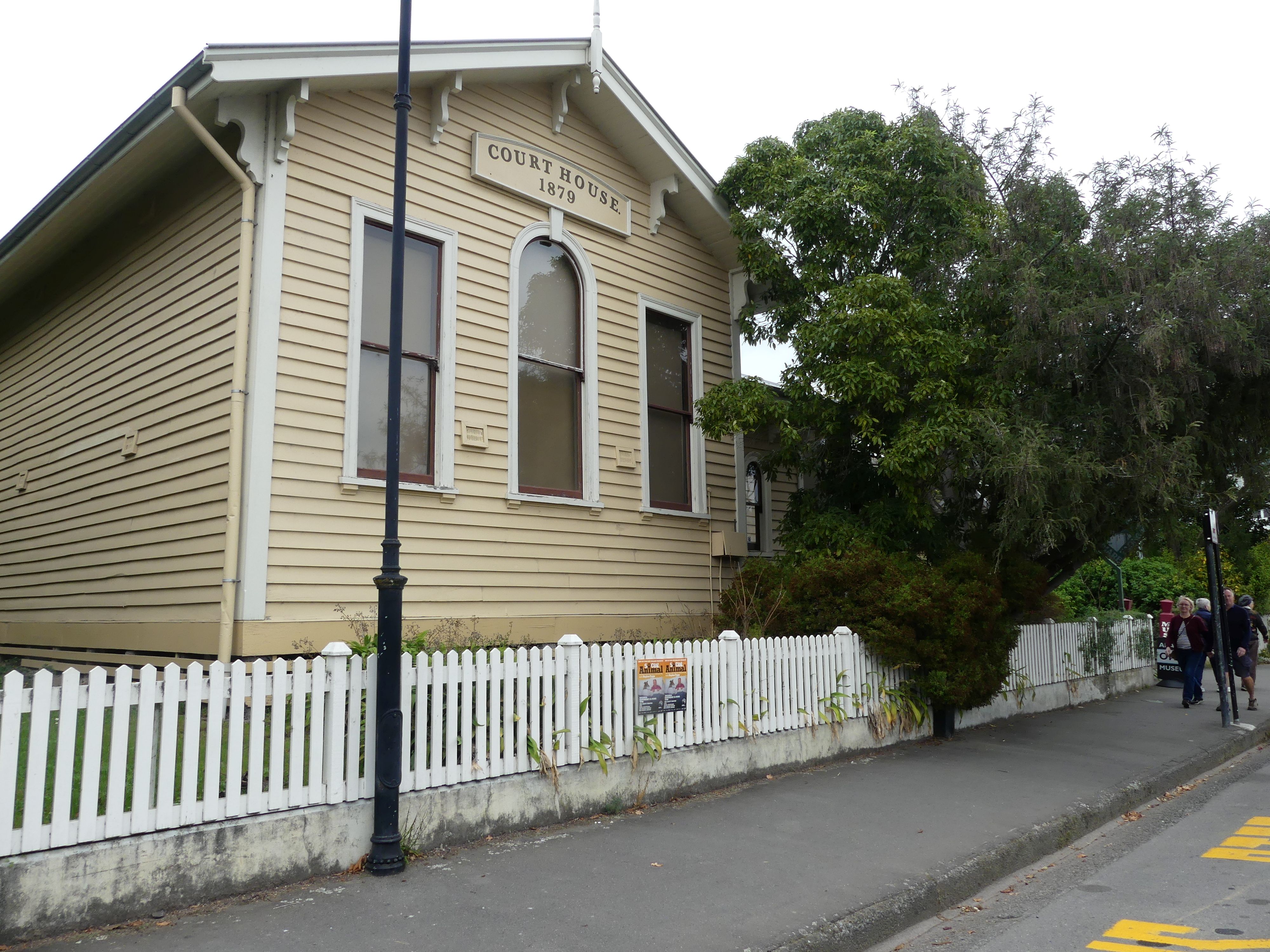
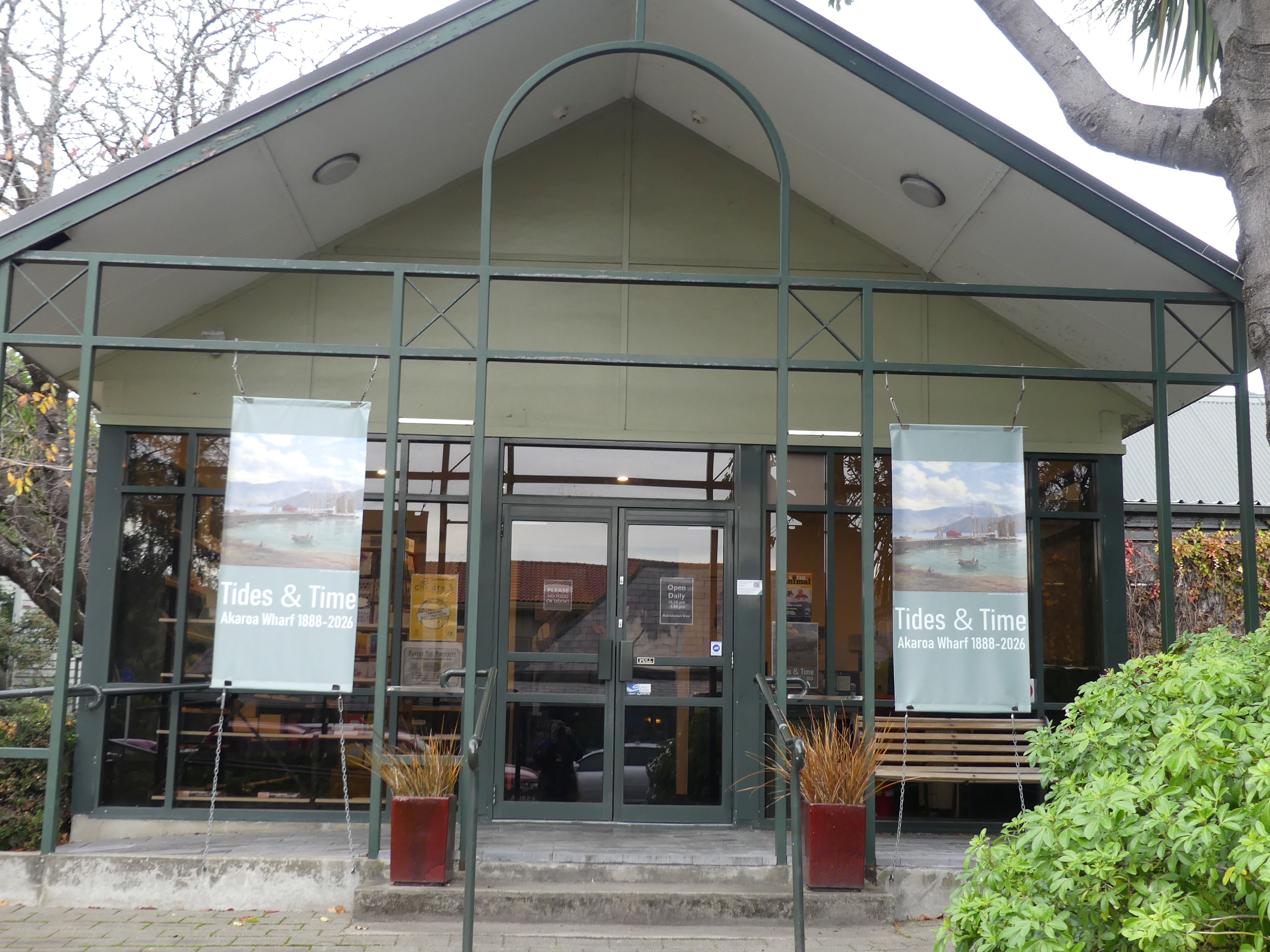
Disappointed we decided to check out the museum. The Courthouse was part of the museum which was free to enter. The Akaroa Courthouse is located at 69 Rue Lavaud in Akaroa and is a beautifully preserved Category II Historic Place. Opened in March 1880, it served the community for 99 years before being integrated into the Akaroa Museum. The interior is still furnished with its original 19th-century magistrate’s bench, witness box, and dock. Its a contradiction that the village has a French influence when you come across the Coronation Library opened in 1875 in honour of Queen Victoria no doubt – rather English I thought.

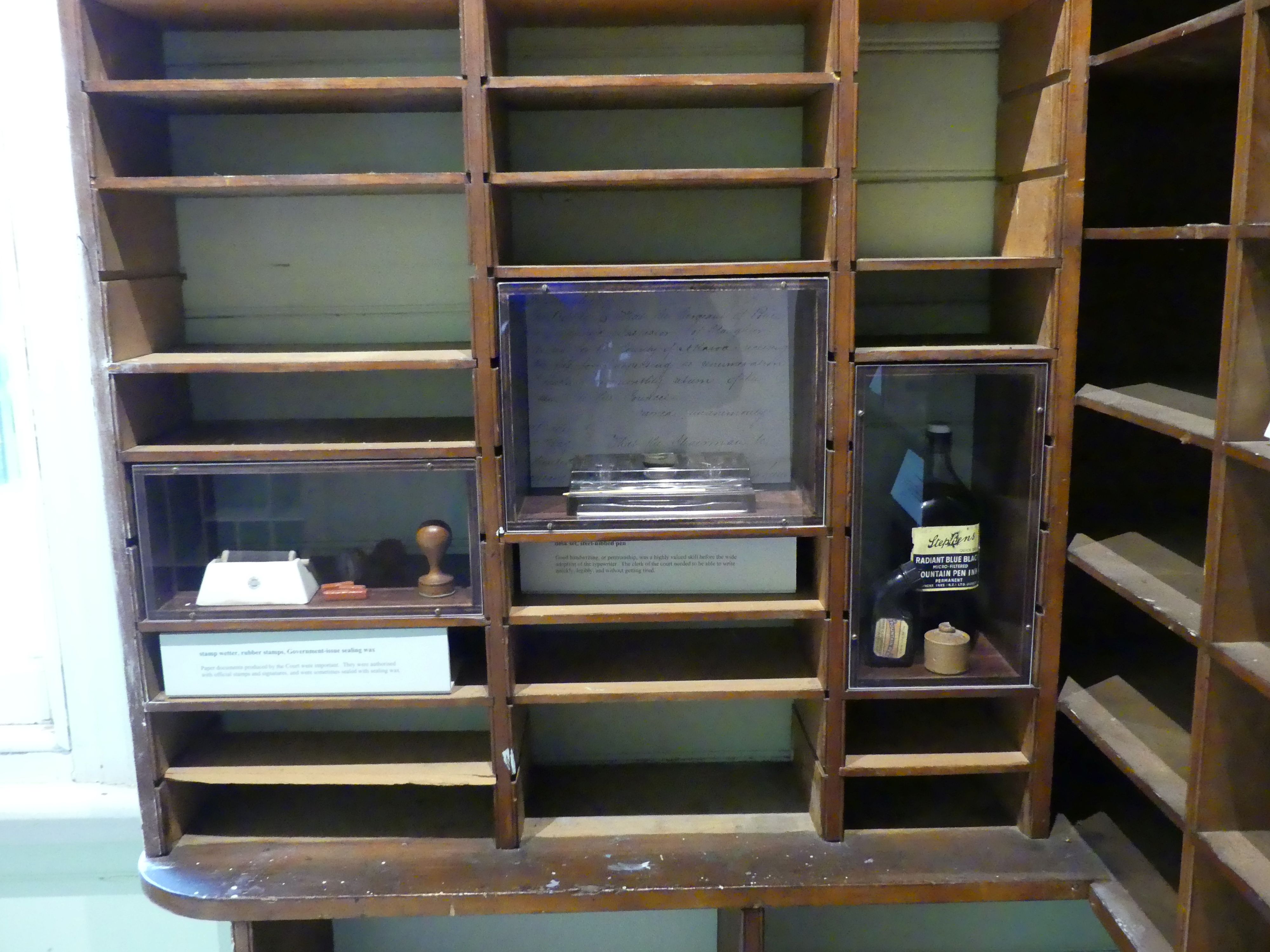
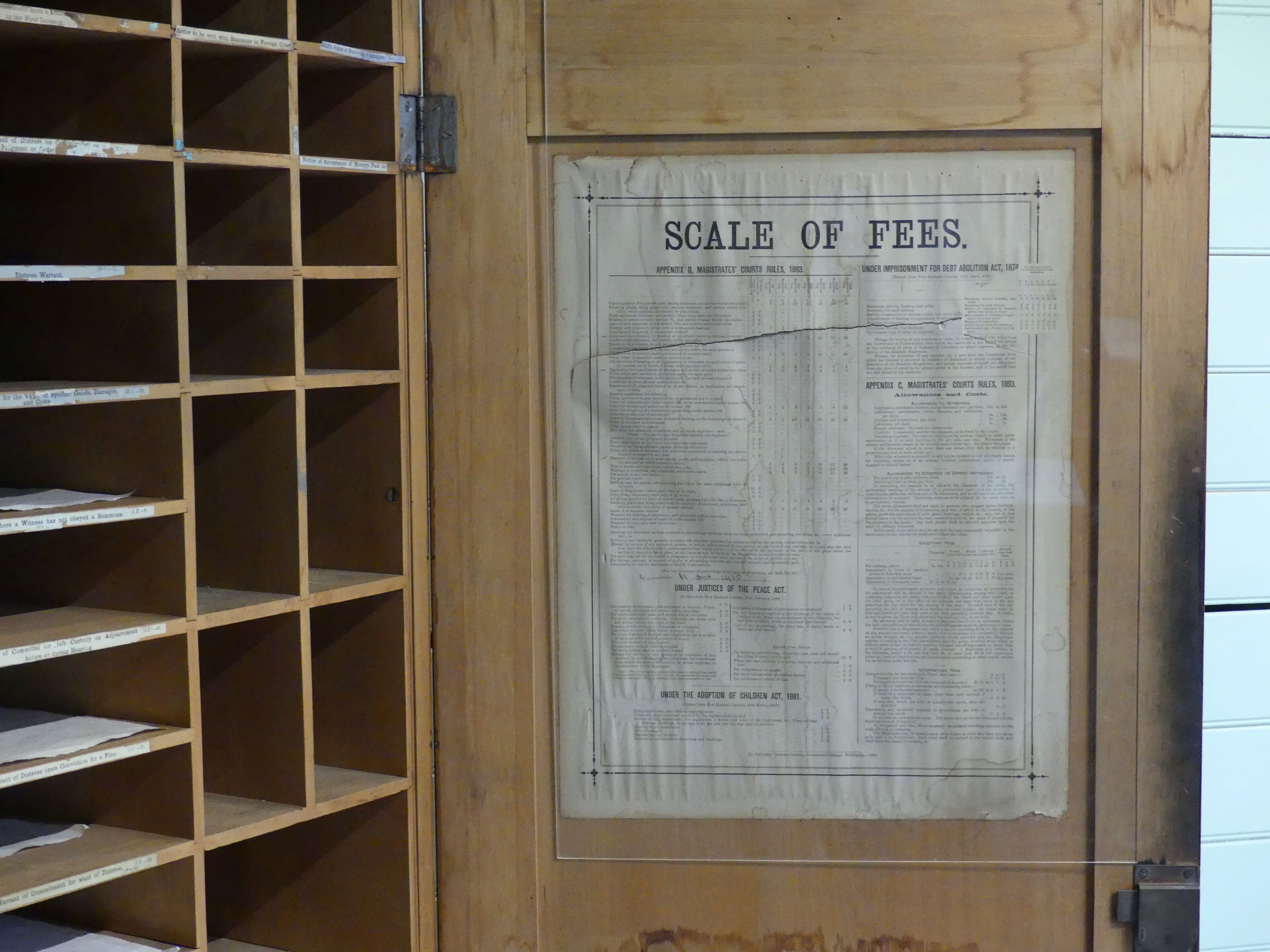
The Courthouse from the street, the entrance to the museum, the entry to the Courthouse, the Registry and the scale of fees, the Court room and in the museum itself a poster regarding a Buccaneer Billy Hayes, and the exterior of the French house preserved in the museum and the Coronation Library.
Although the cruise didn’t hold any excitement for us, the town itself was a great snapshot of earlier times in New Zealand. We moved on and back to Christchurch to prepare to cross New Zealand through Arthur’s Pass onto Greymouth tomorrow. Continue reading to follow our adventure across NZ in THE RETIREES VISIT THE SOUTH ISLAND ACROSS THE DITCH blog 495 Episode 6
THE RETIREES VISIT THE SOUTH ISLAND ACROSS THE DITCH blog 495 Episode 4

19TH MAY TO 10TH JUNE 2026

Day 9   Dunedin to Lake Tekapo.

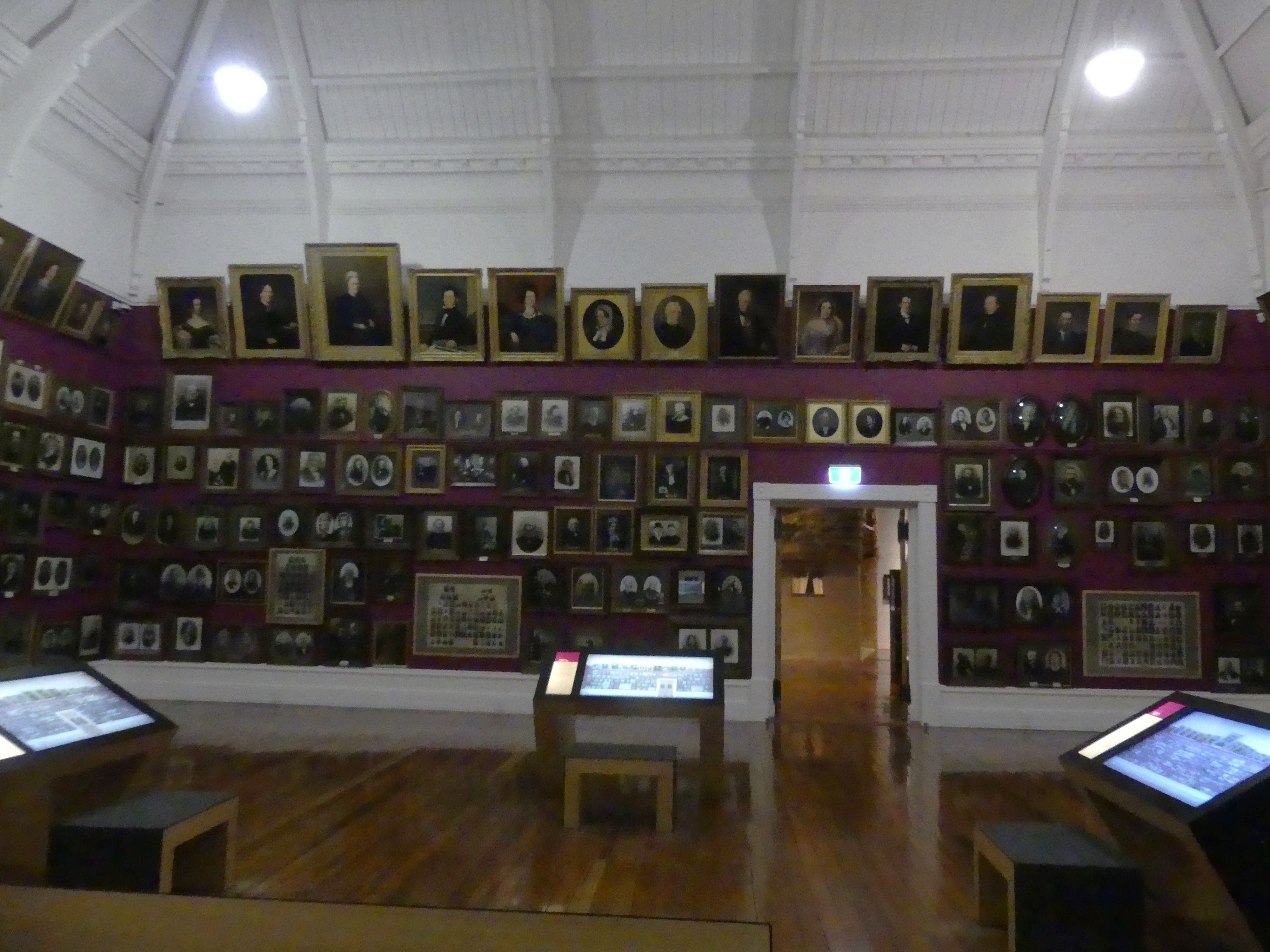
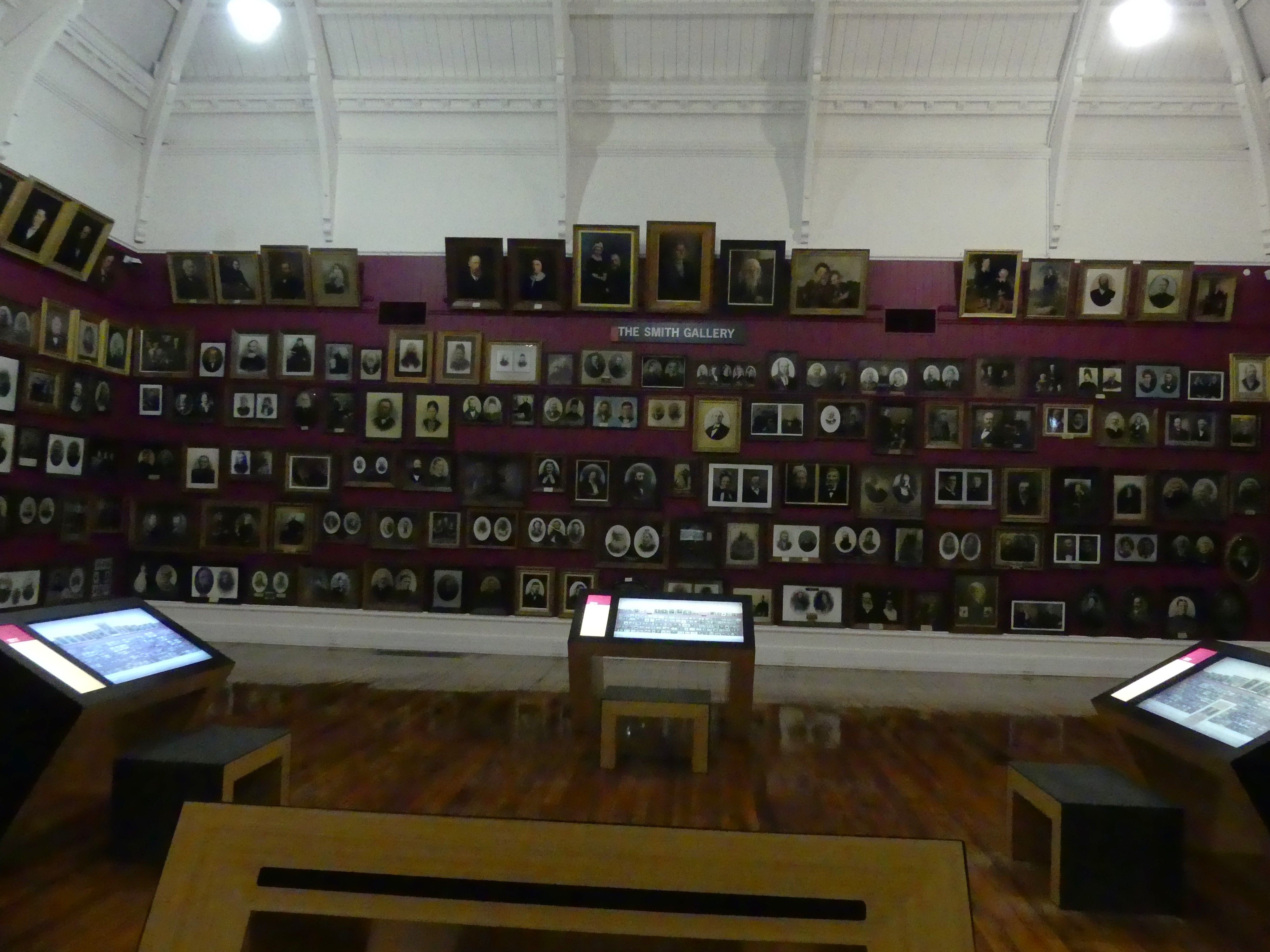
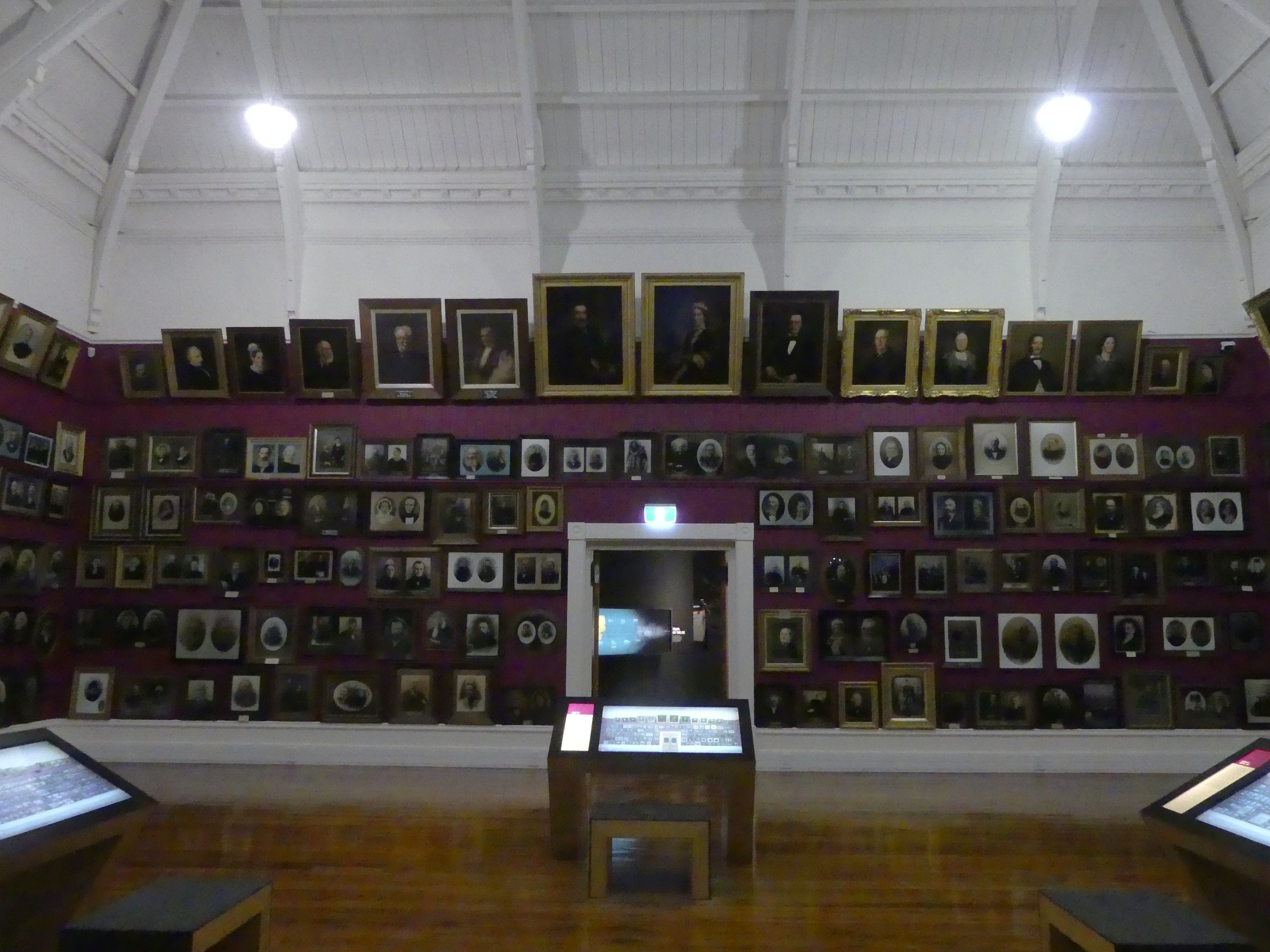
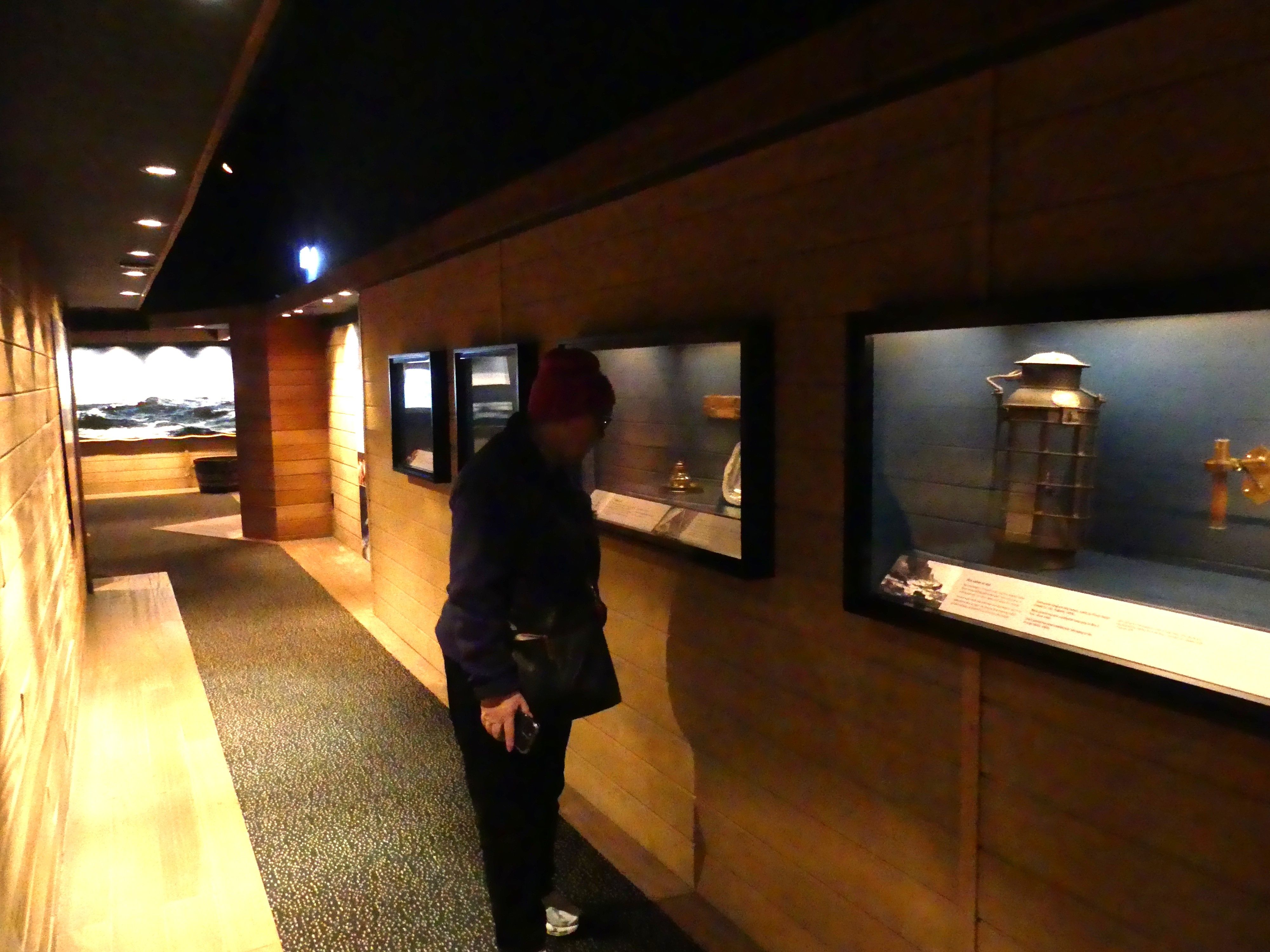
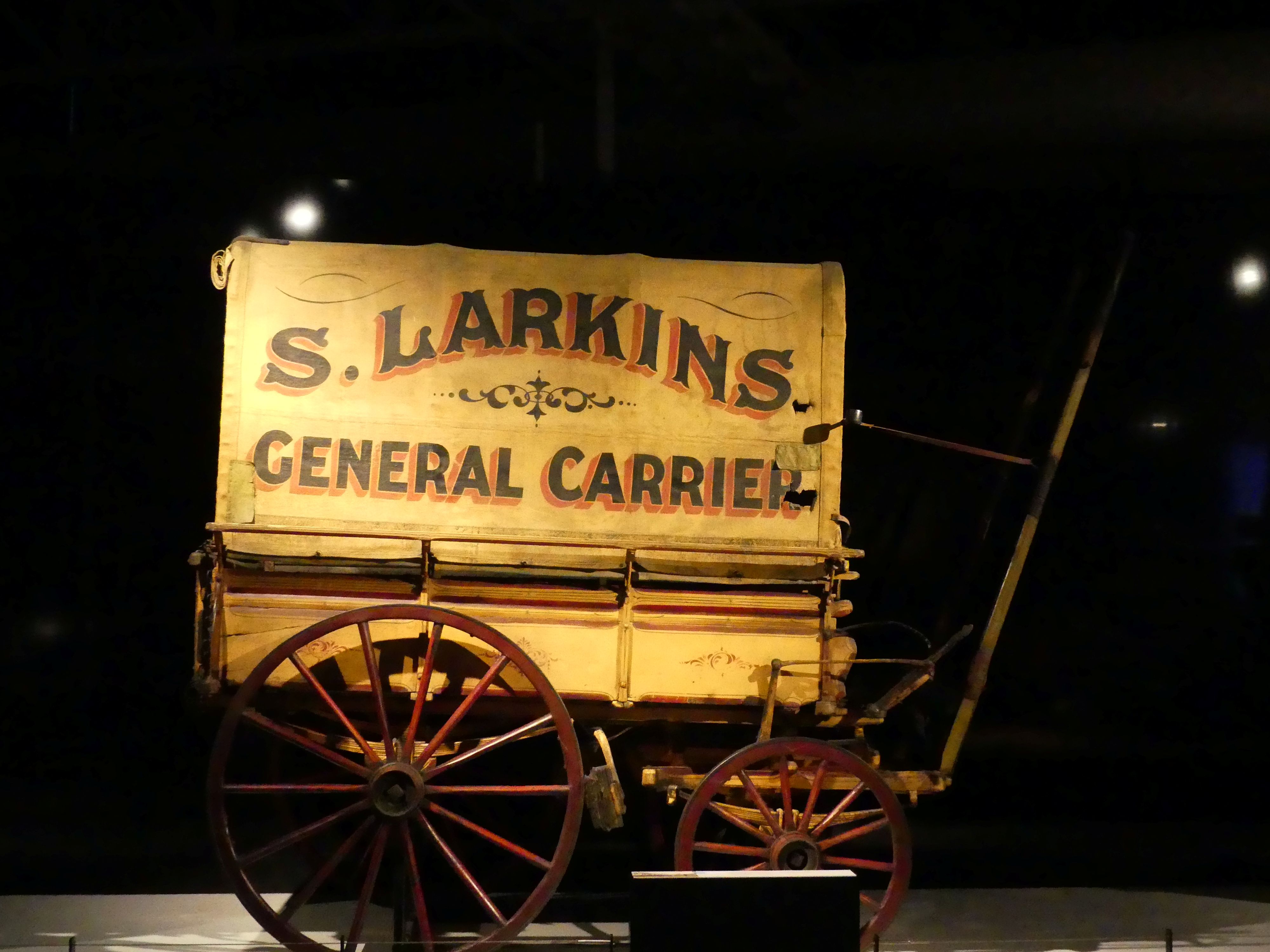
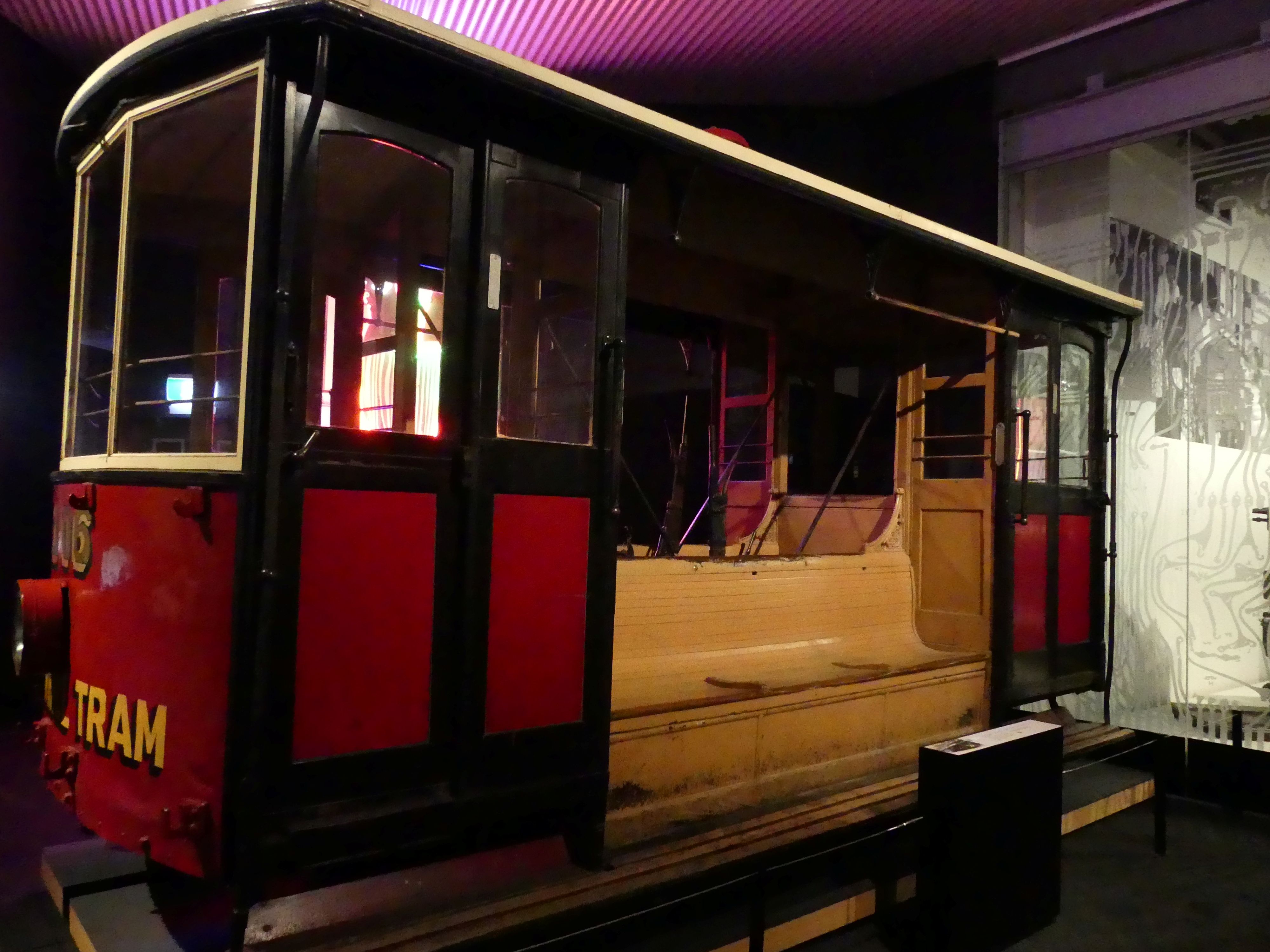
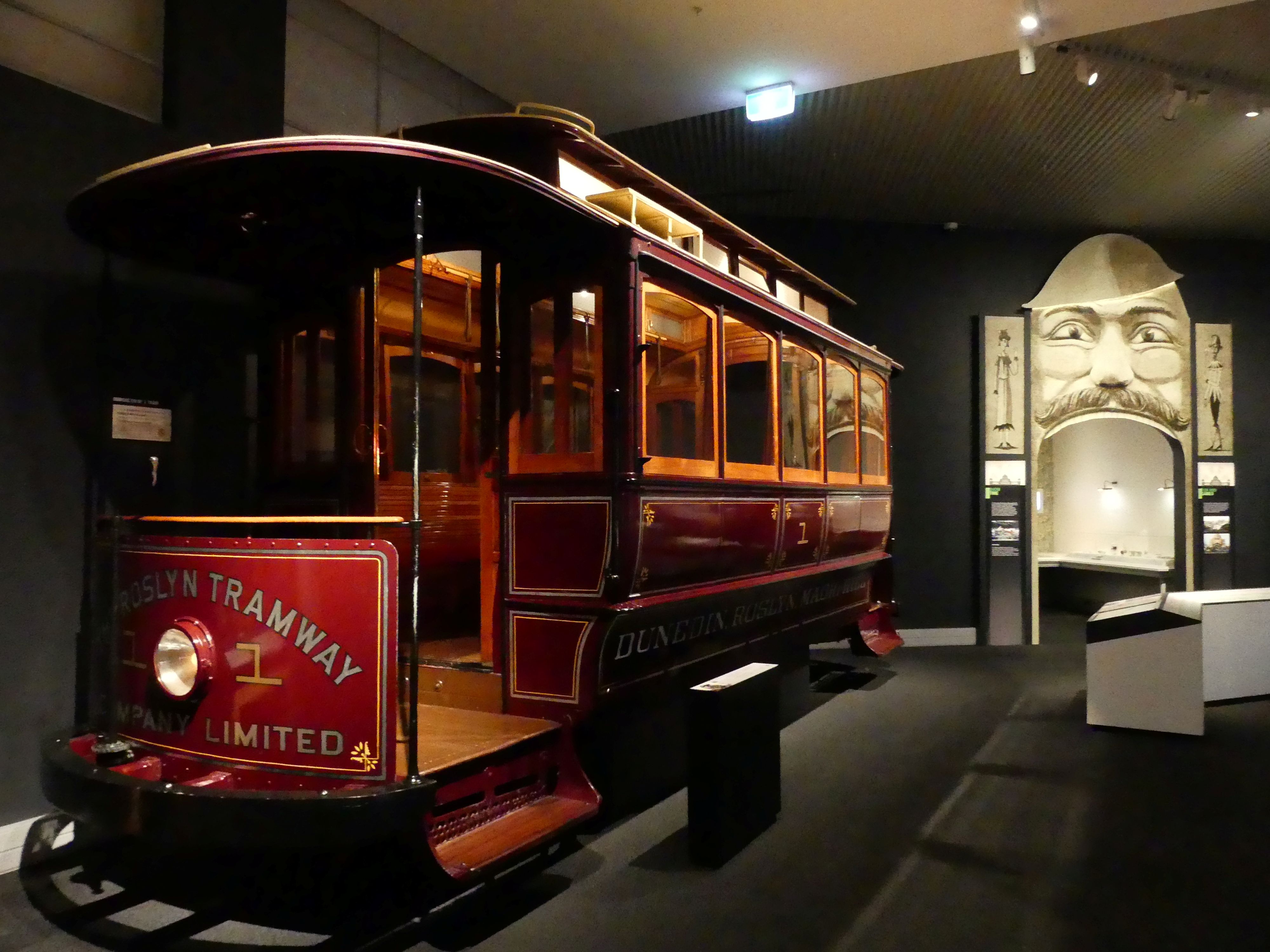
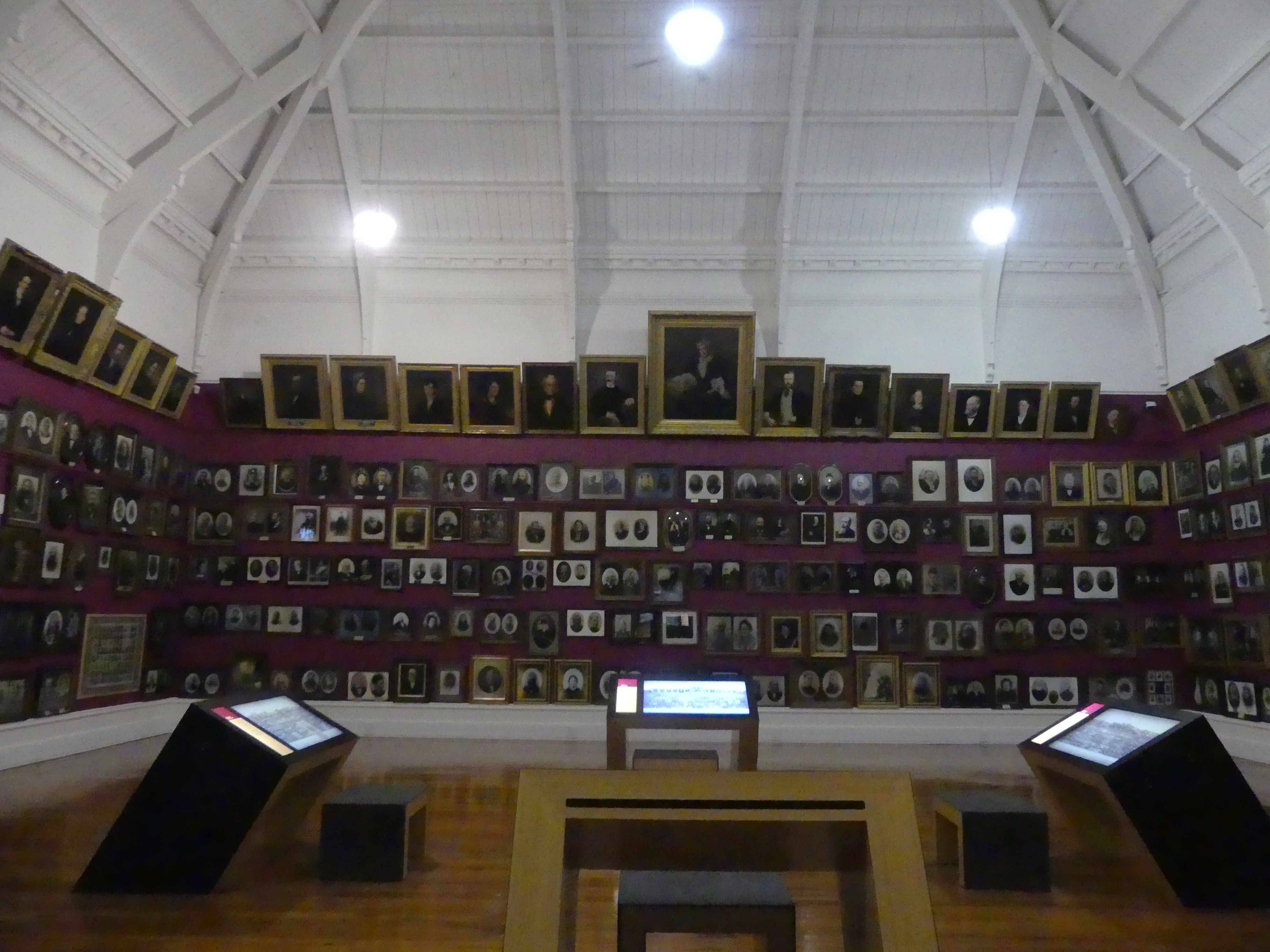
Before leaving Dunedin, we decided to visit The Dunedin Museum Toitū Otago Settlers Museum that features the history of arrivals and immigration to Dunedin. Located in the central city, it focuses on the social history of the region, featuring life-size depictions of early immigrant boats, pioneer portrait galleries, and stories of past and present arrivals. The key highlights for me were:

  • Smith Gallery featuring hundreds of portraits of Otago’s early pioneers.
  • Immigration Boat Exhibit a life-size depiction of the interior of an immigrant boat, giving a sense of the long journeys from Britain.
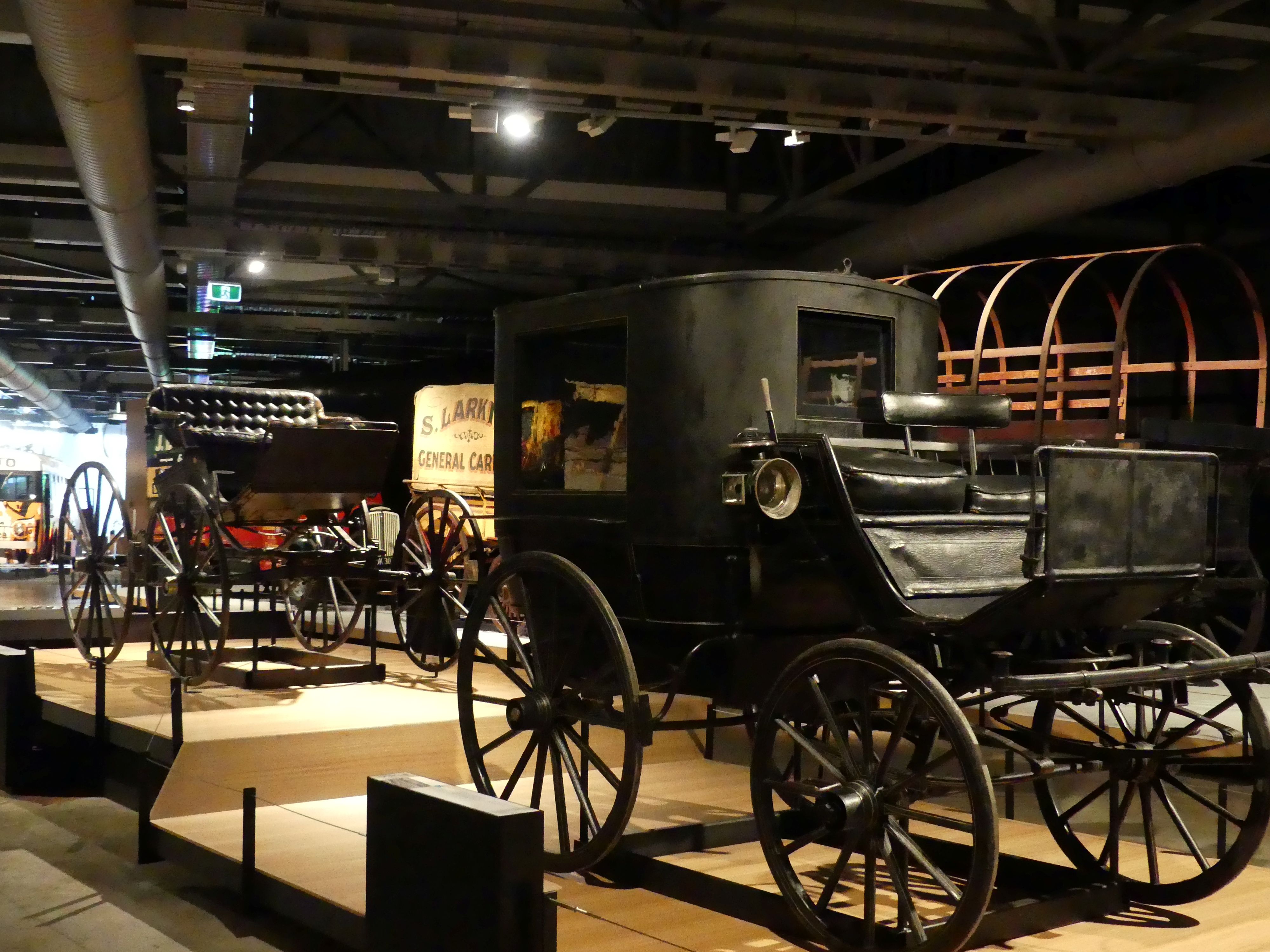
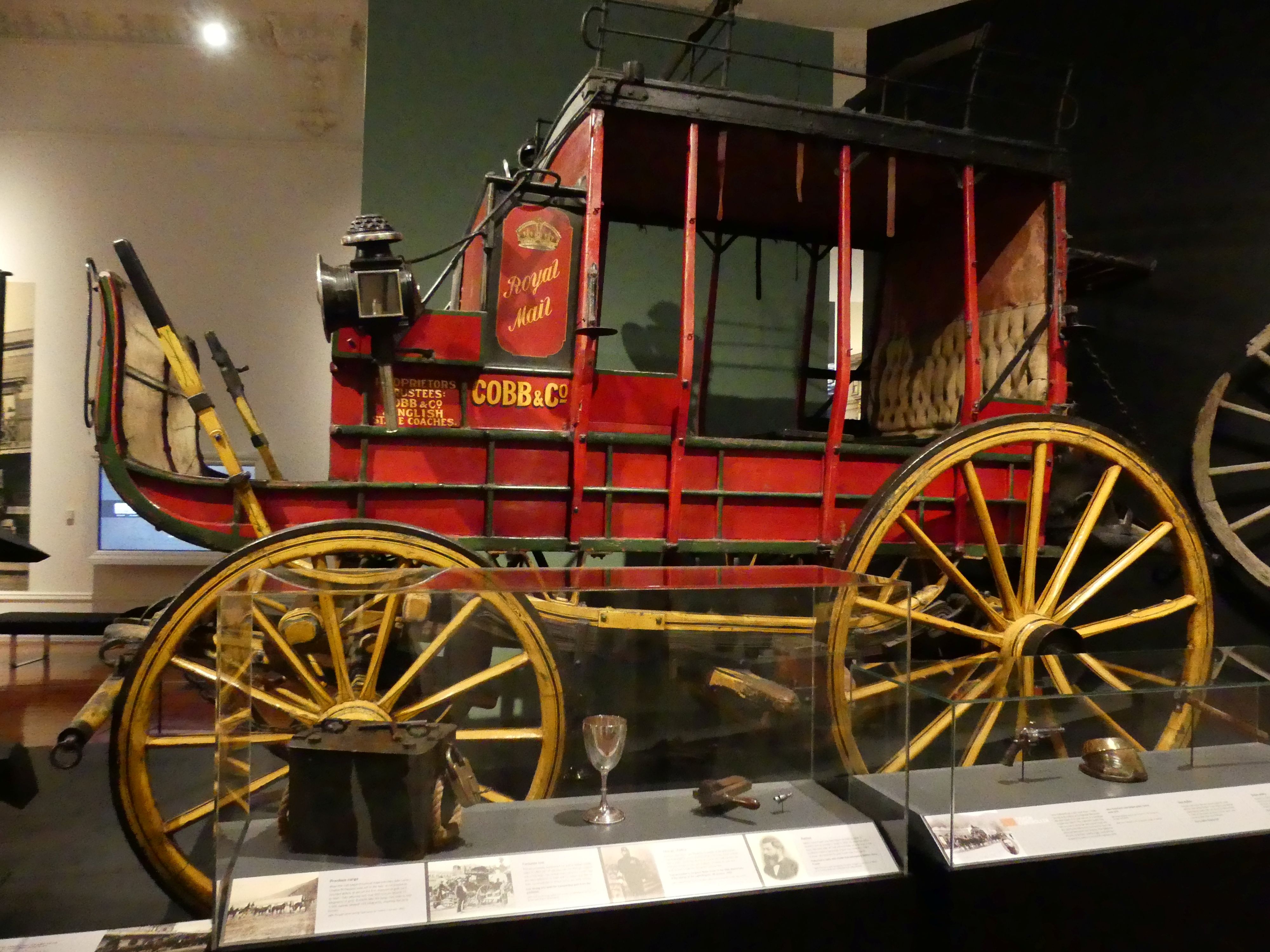
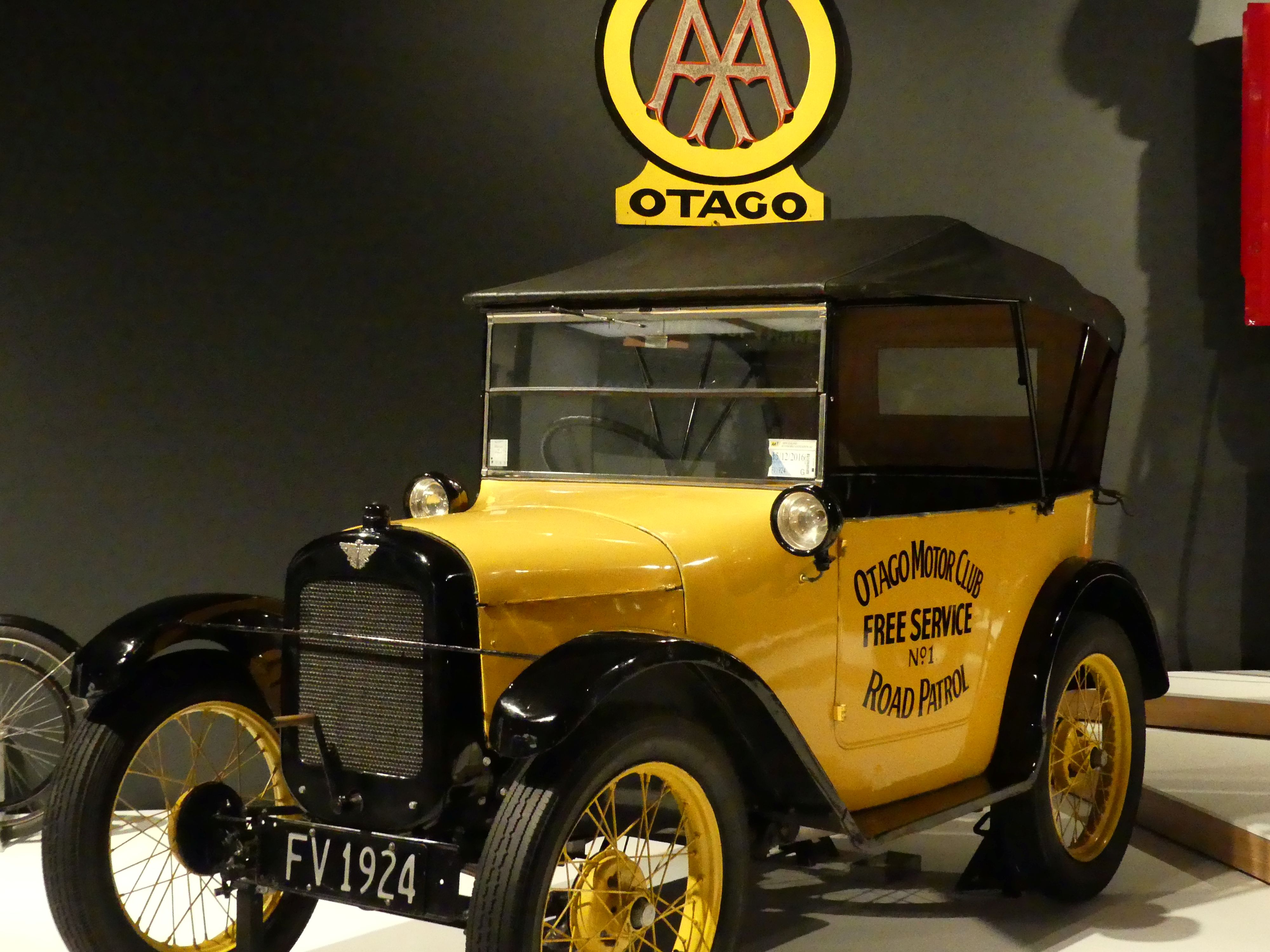
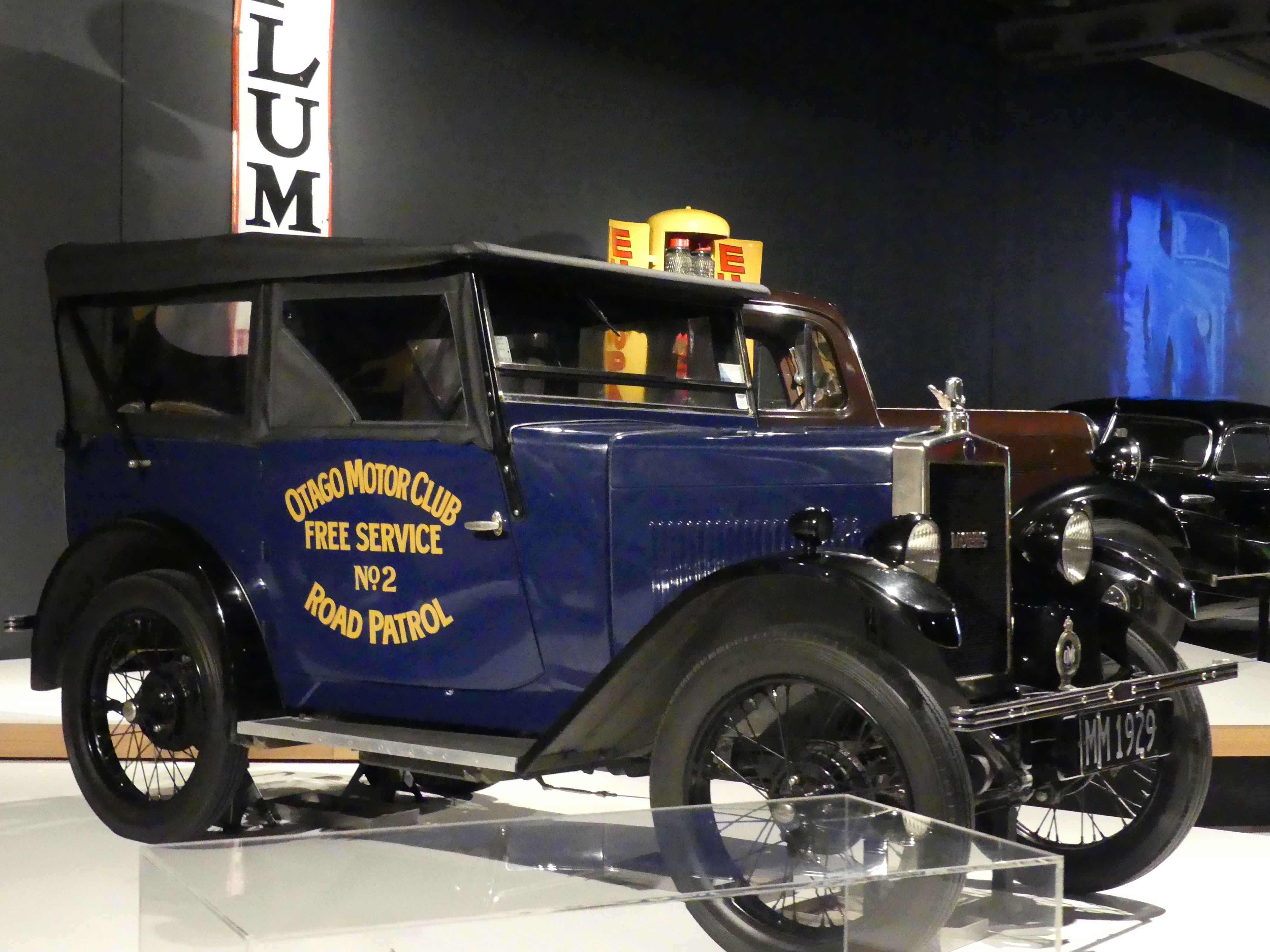
  • Different forms of transport including “Josephine,” a green steam locomotive transported from England in 1872.

Smith Gallery, Ship gallery exhibition and early transport exhibition

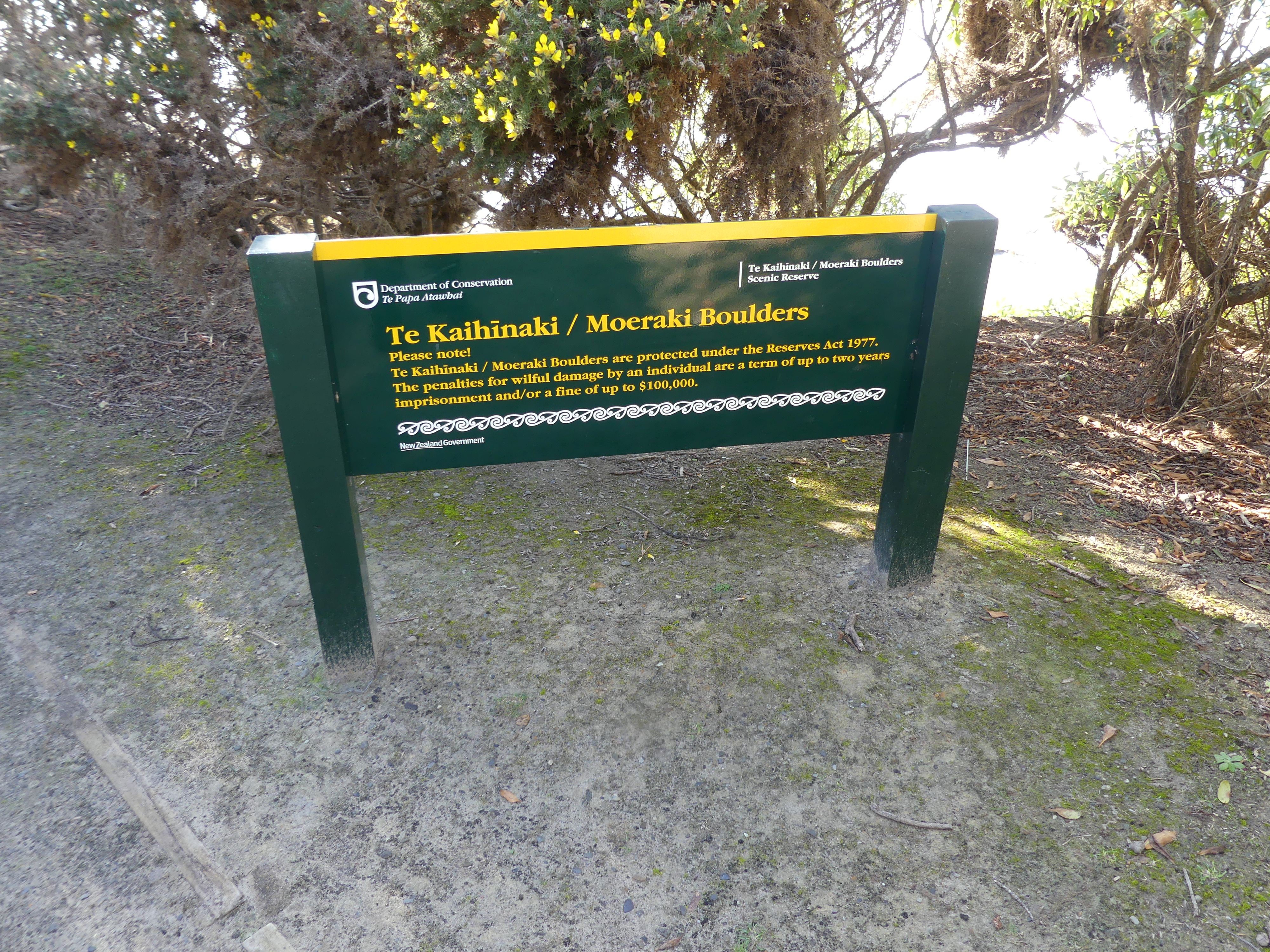
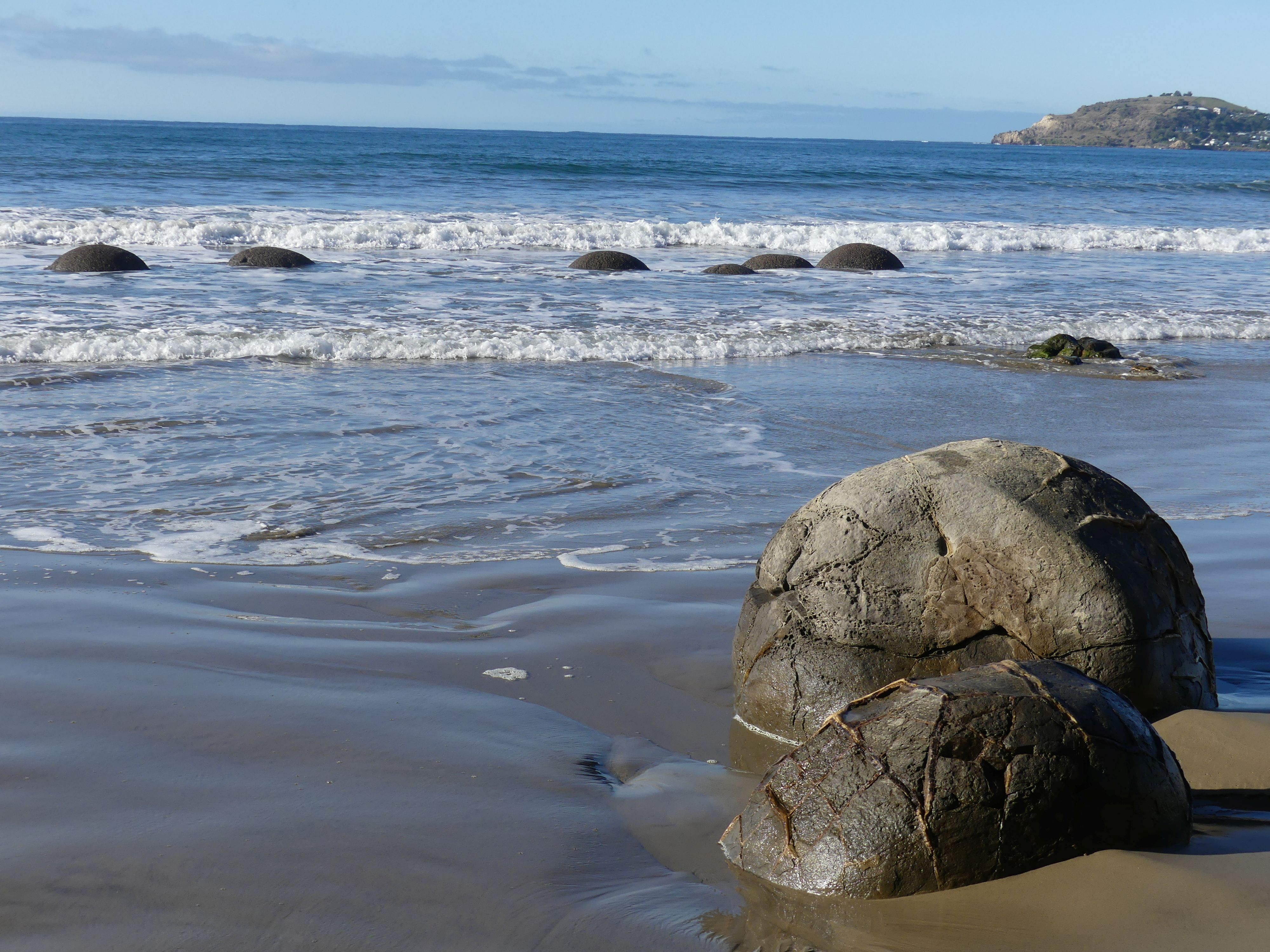
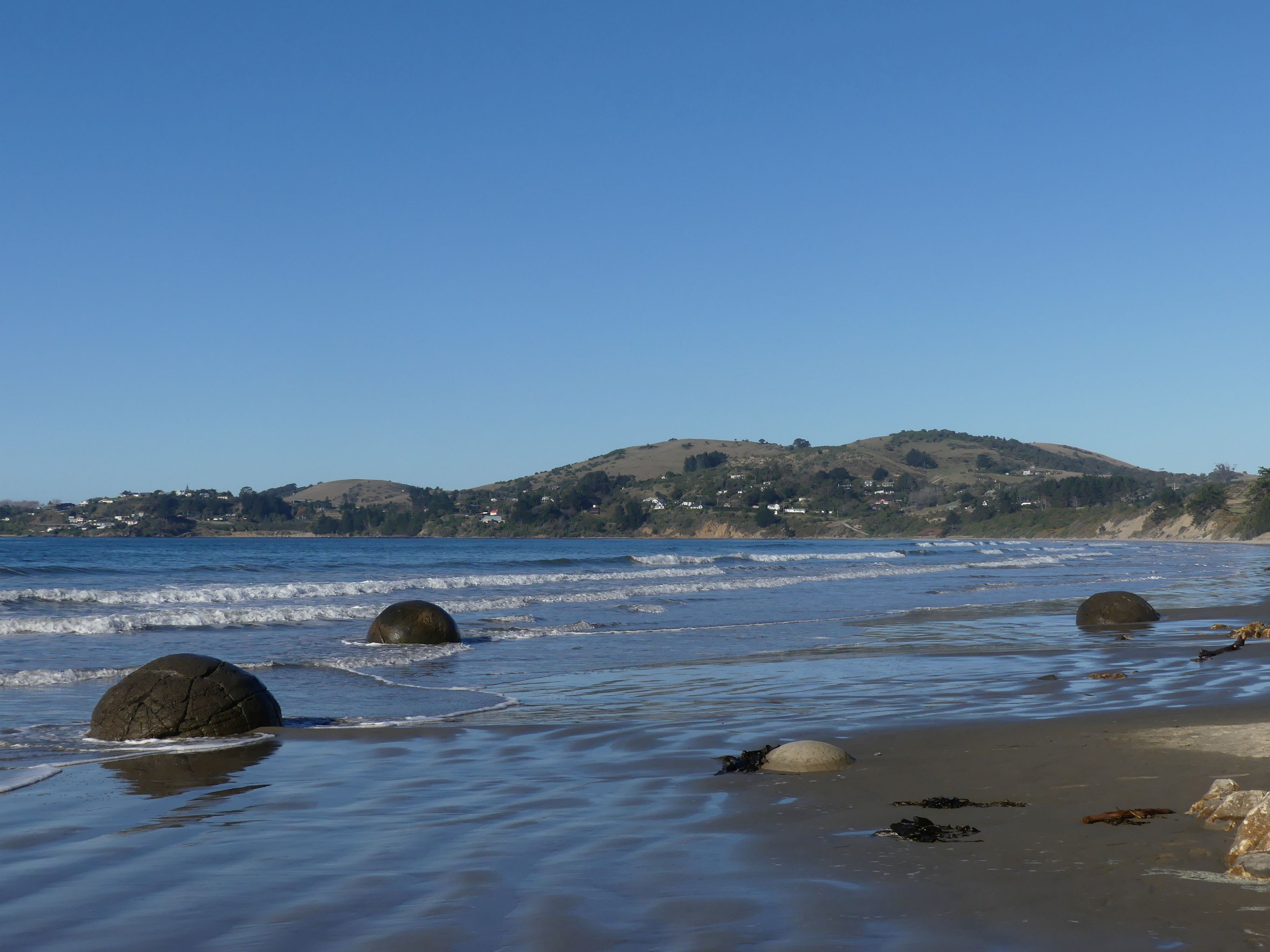
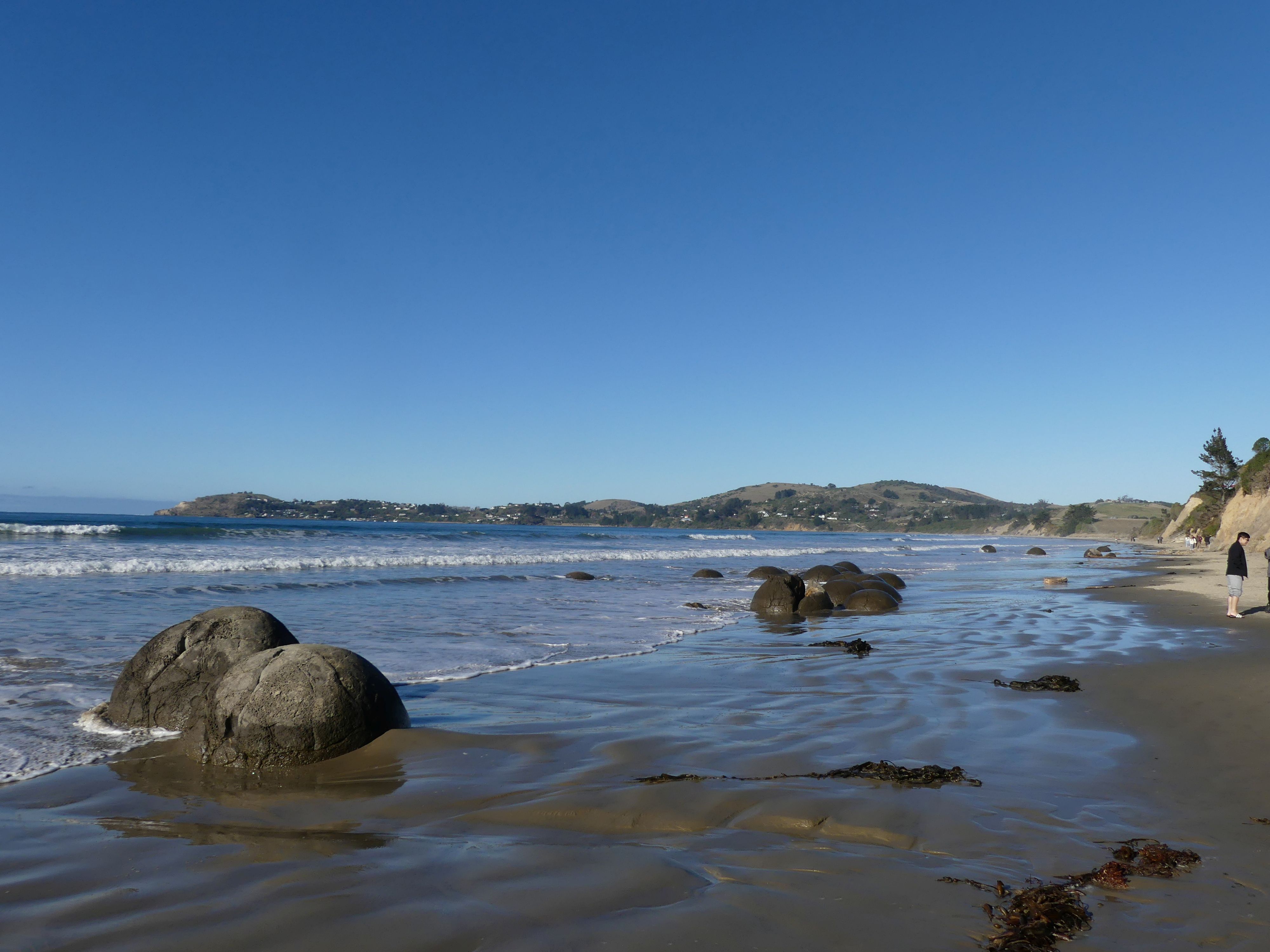
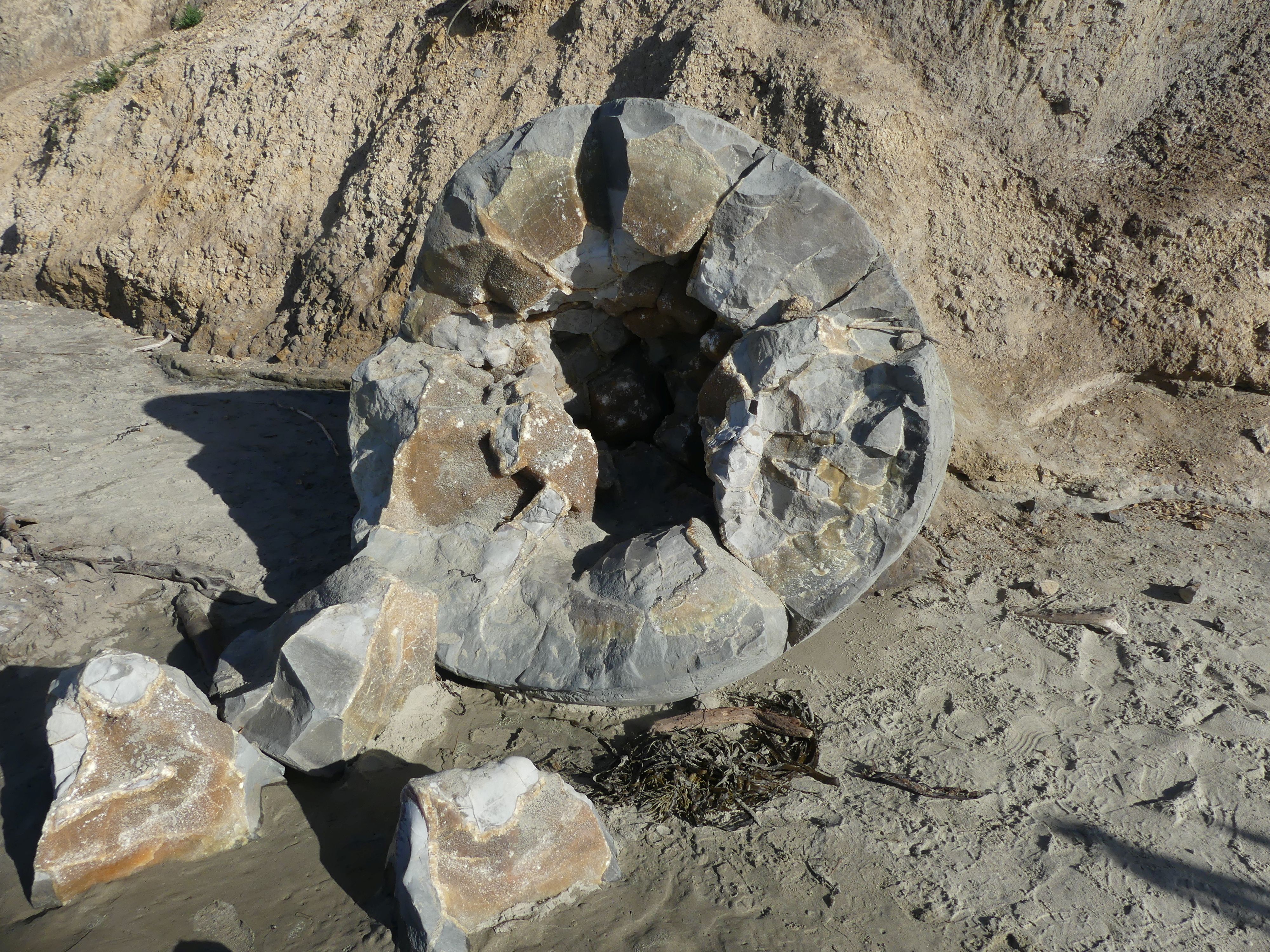
Moving on from Dunedin we drove north to the Moeraki Boulders on the beach of the same name, off State Highway 1, between Hampden and Moeraki. The Moeraki Boulders are massive, naturally spherical calcite concretions scattered along Koekohe Beach on New Zealand’s South Island. Exposed by coastal erosion, each boulder weighs several tonnes and measures up to two metres high. We walked up the beach checking out these unique boulders, then made way through the bush above the beach to the cafe on the beach.

Boulders on the beach and returning to the cafe

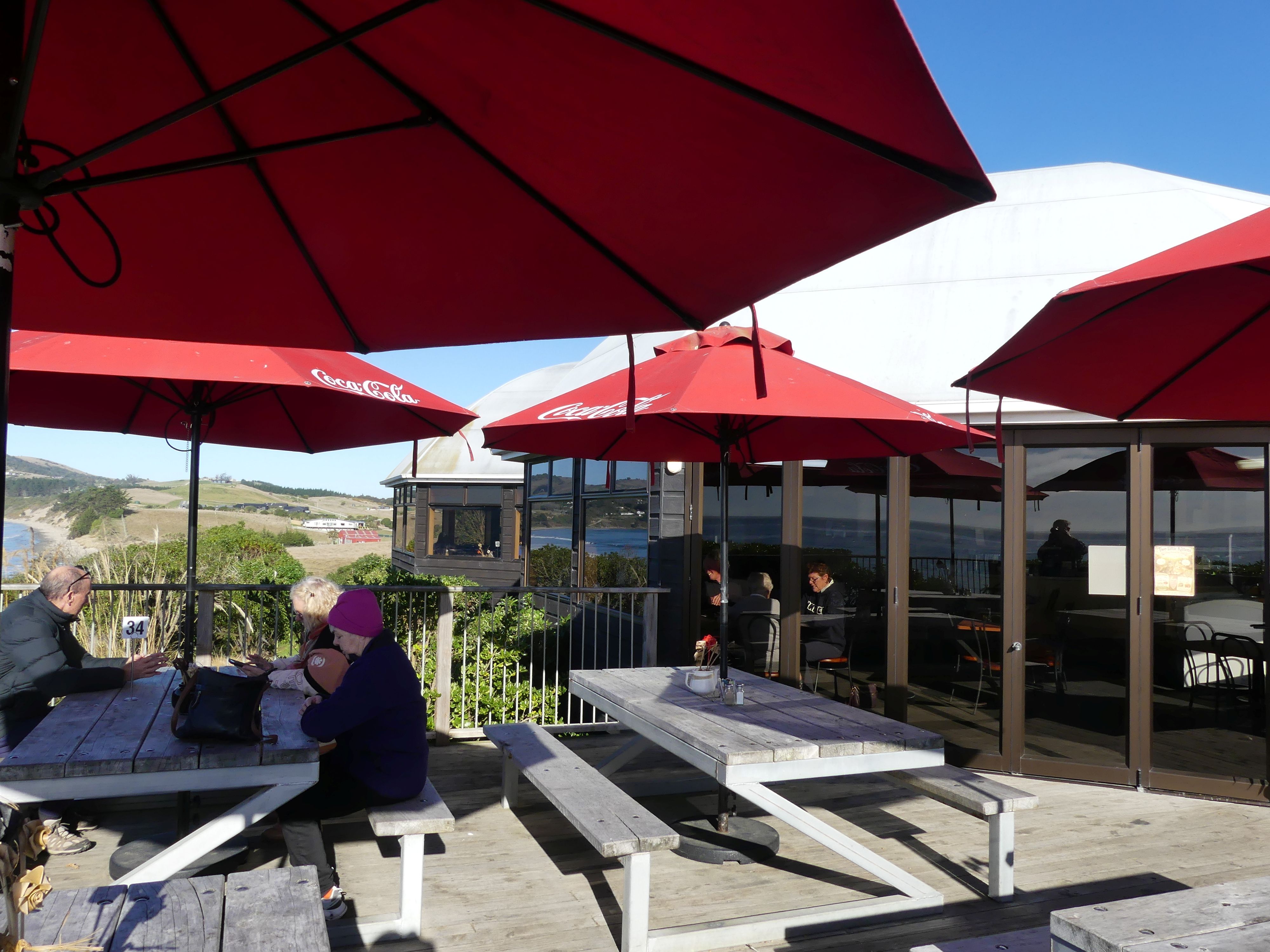
Sitting in the sun we ate fish and chips taking in the unobstructed view of the beach and its surrounds. As soon as we recived our lunch we were joined by a young cat, likely a stray, and he greedily snapped up our leftovers. Travelling through the Waitaki Valley we headed to our destination a B&B called Serendipity located at 20 Hamilton Dve. Lake Tekapo. It is a two-storey house with a fireplace, and we had much joy in lighting the fireplace warming us and the house. It had a deck facing the village and the lake although views of the lake were obstructed by other houses.

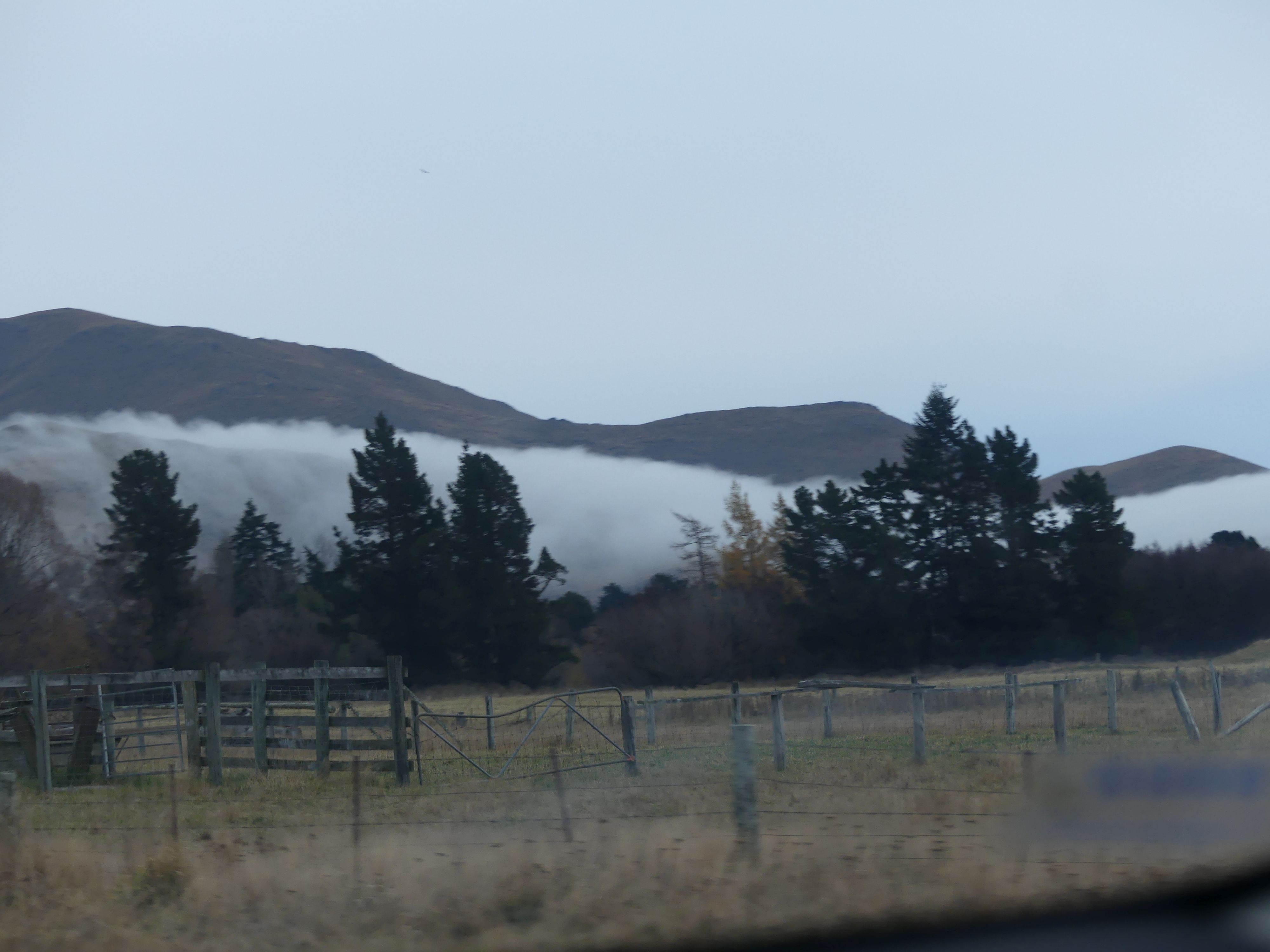
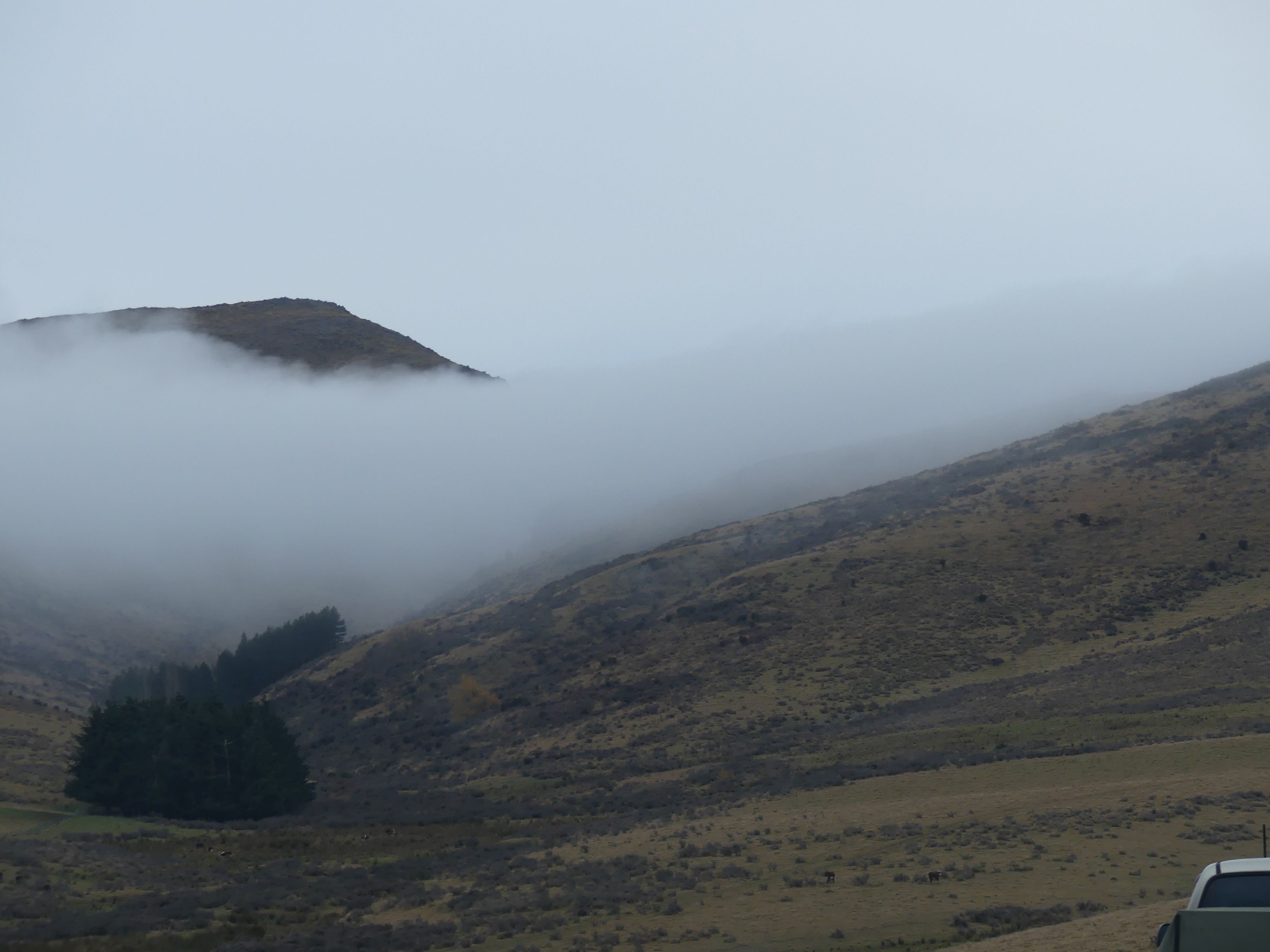
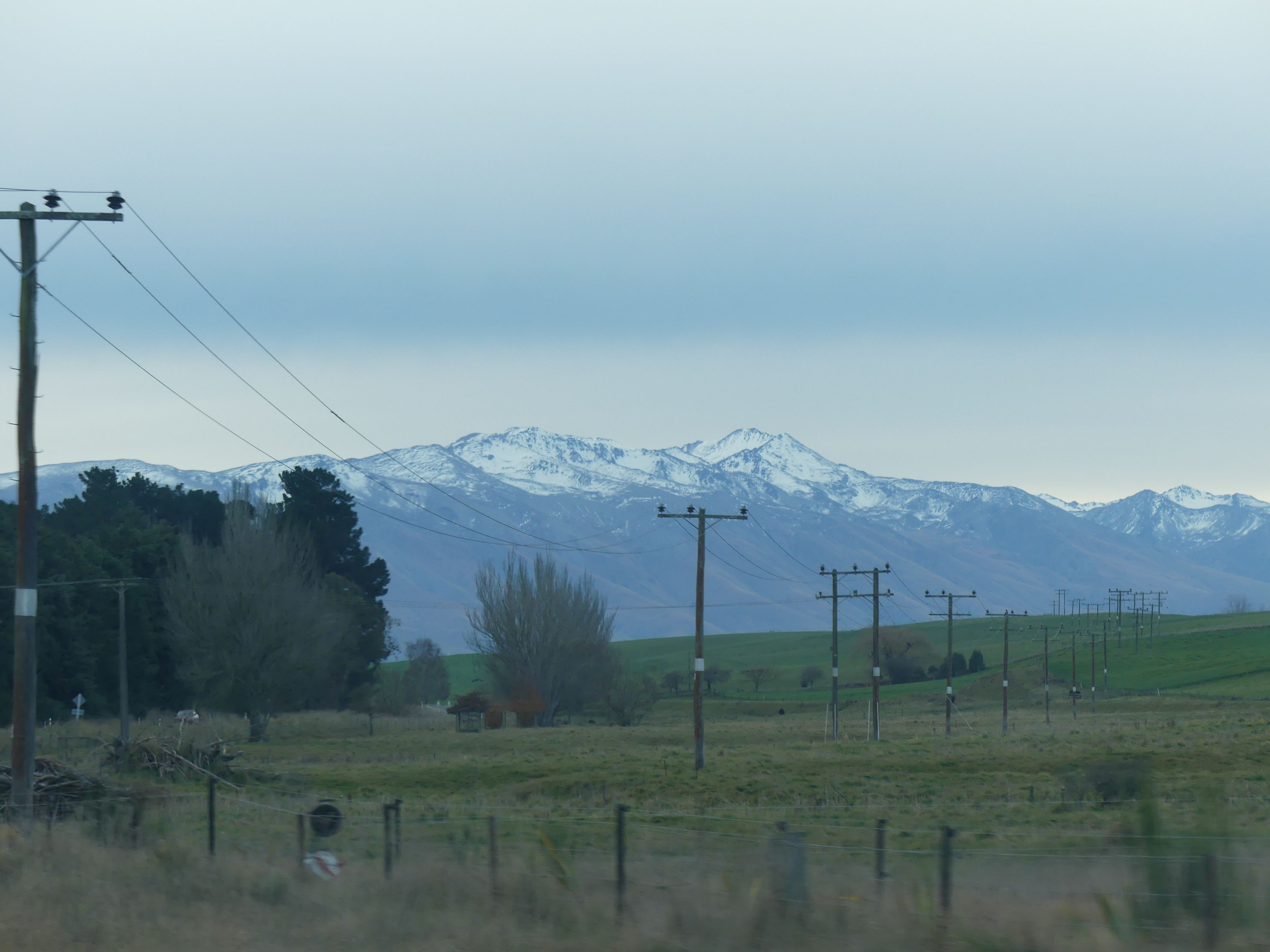
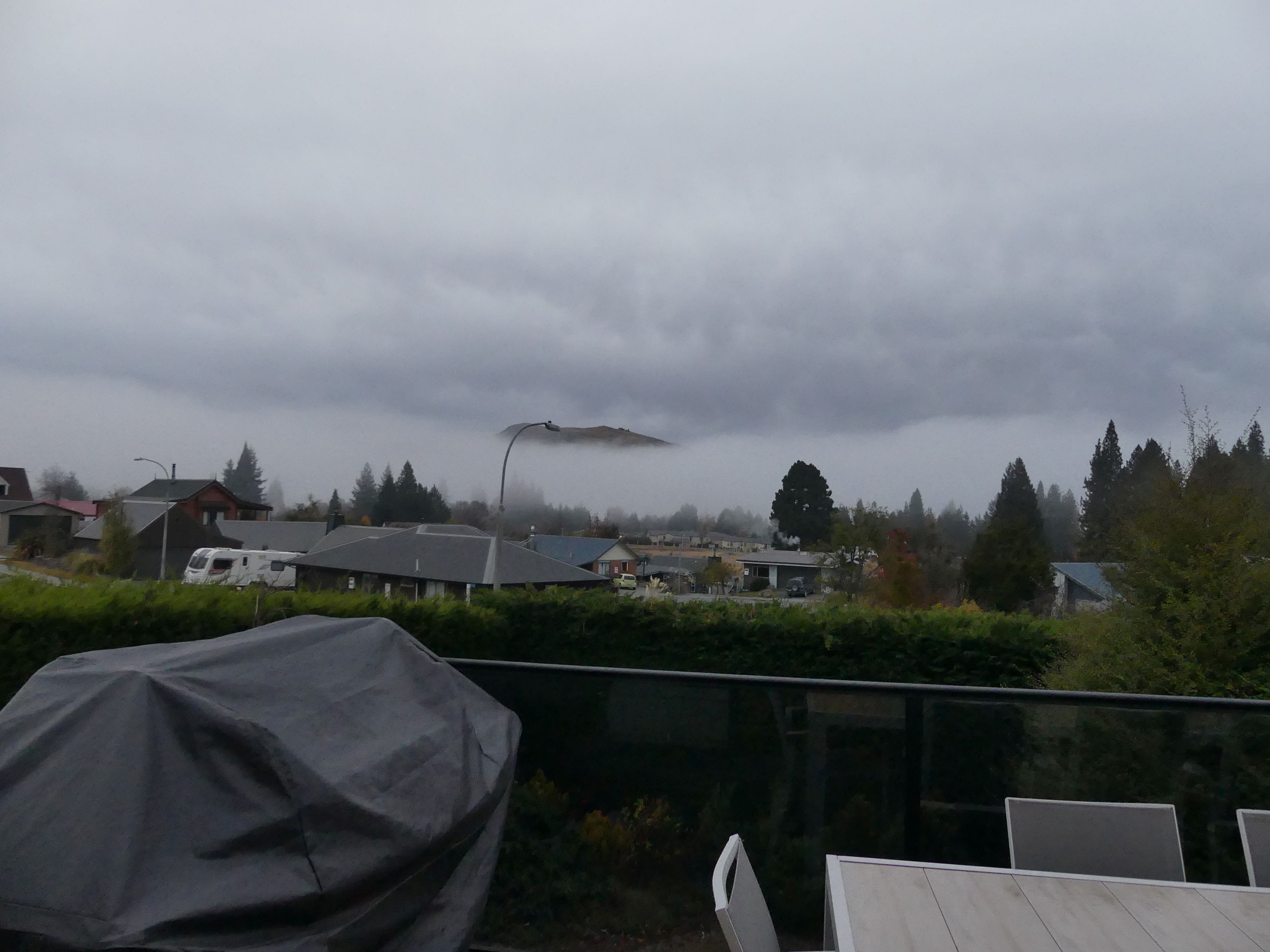
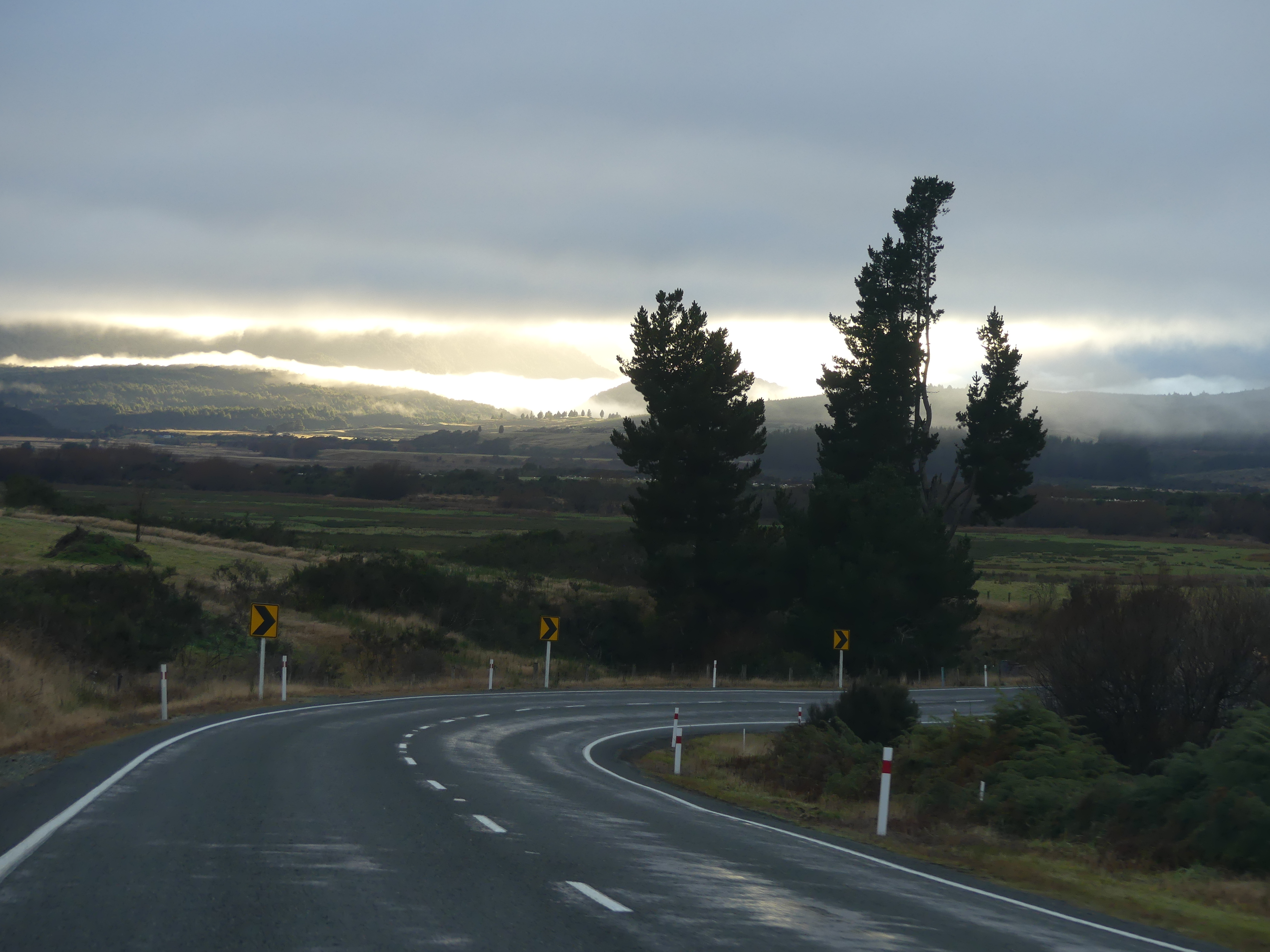
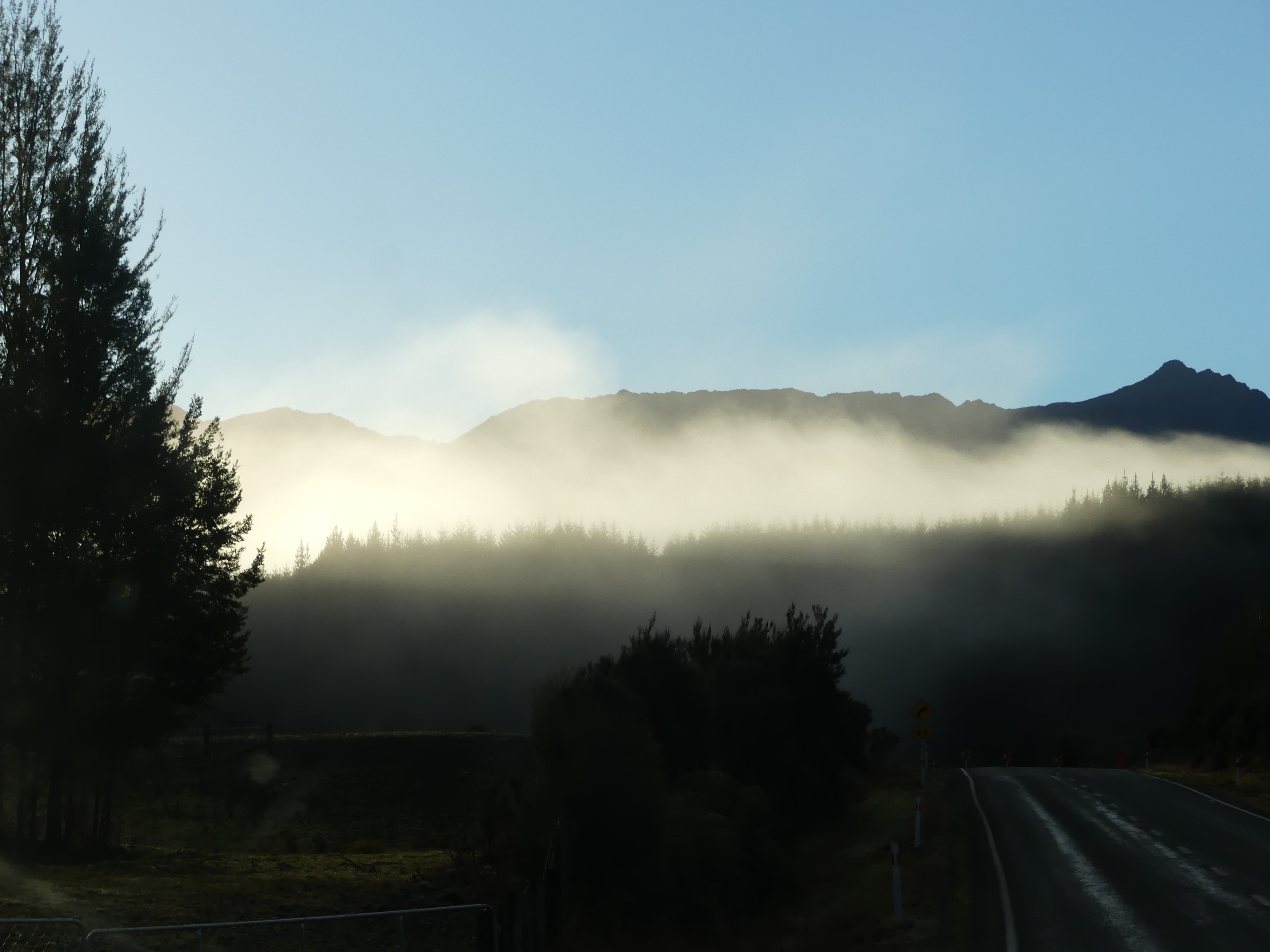
The café, the road through Waitaki Valley and the mist.

Day 10 Lake Tekapo

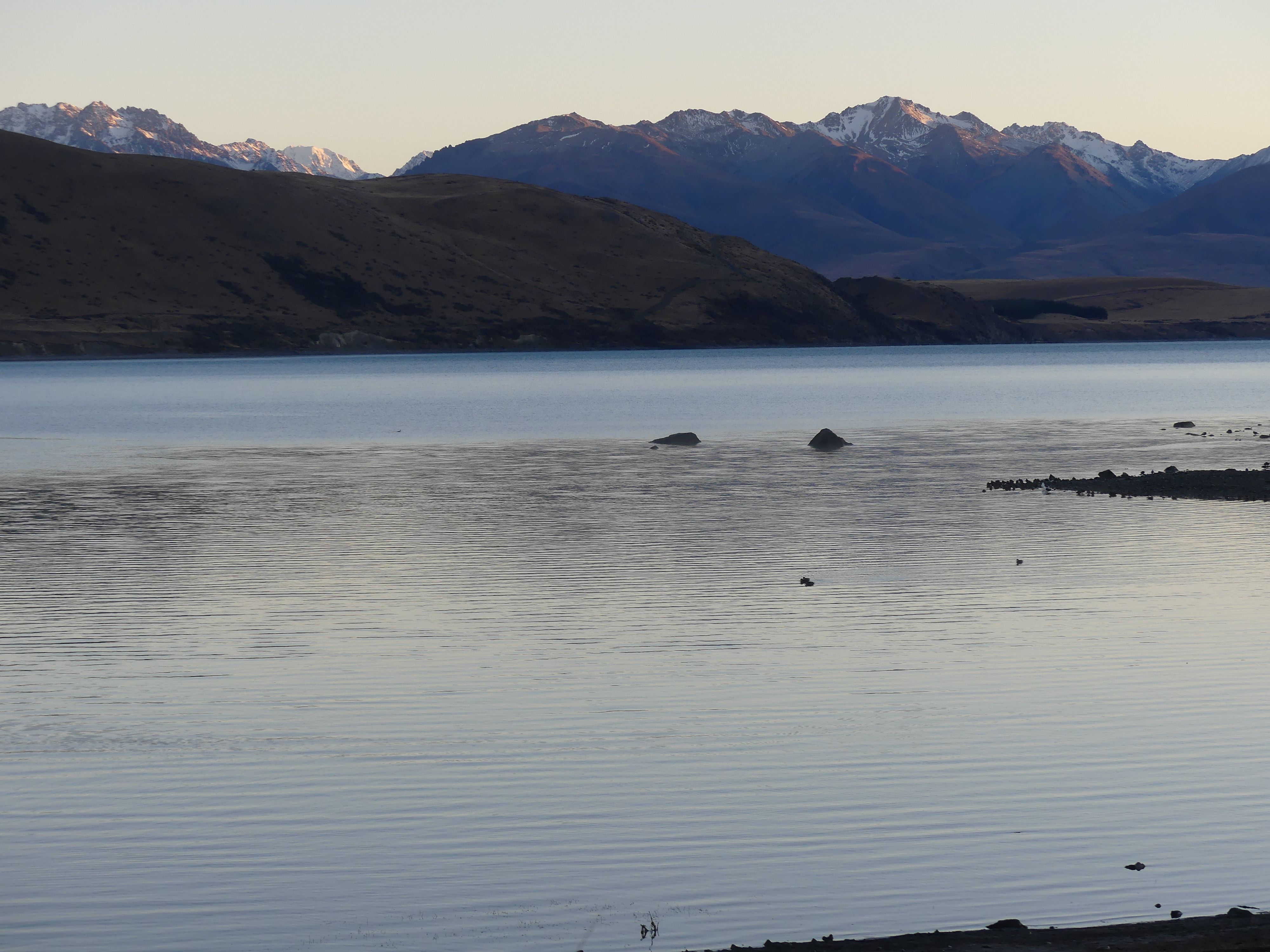
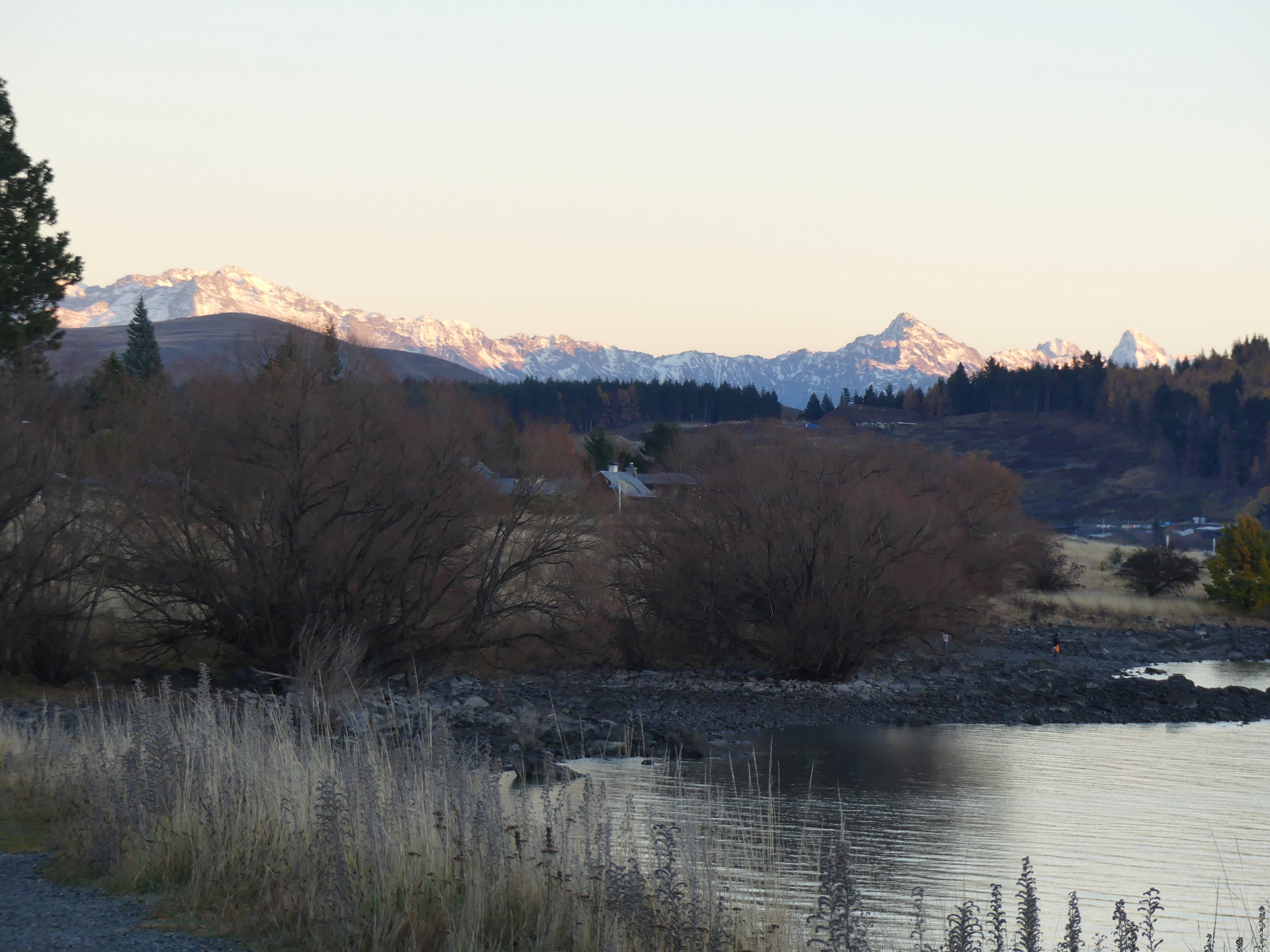
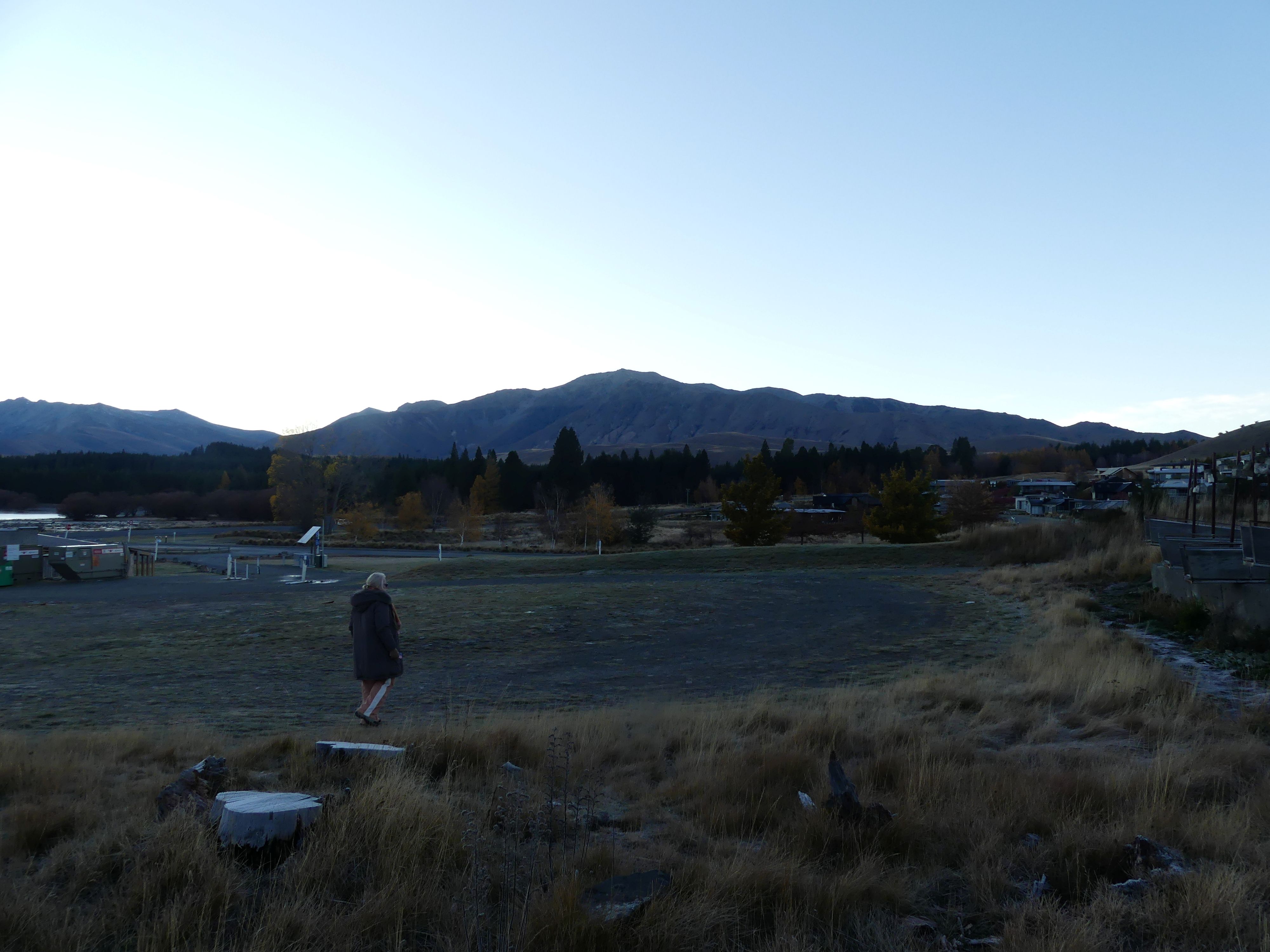
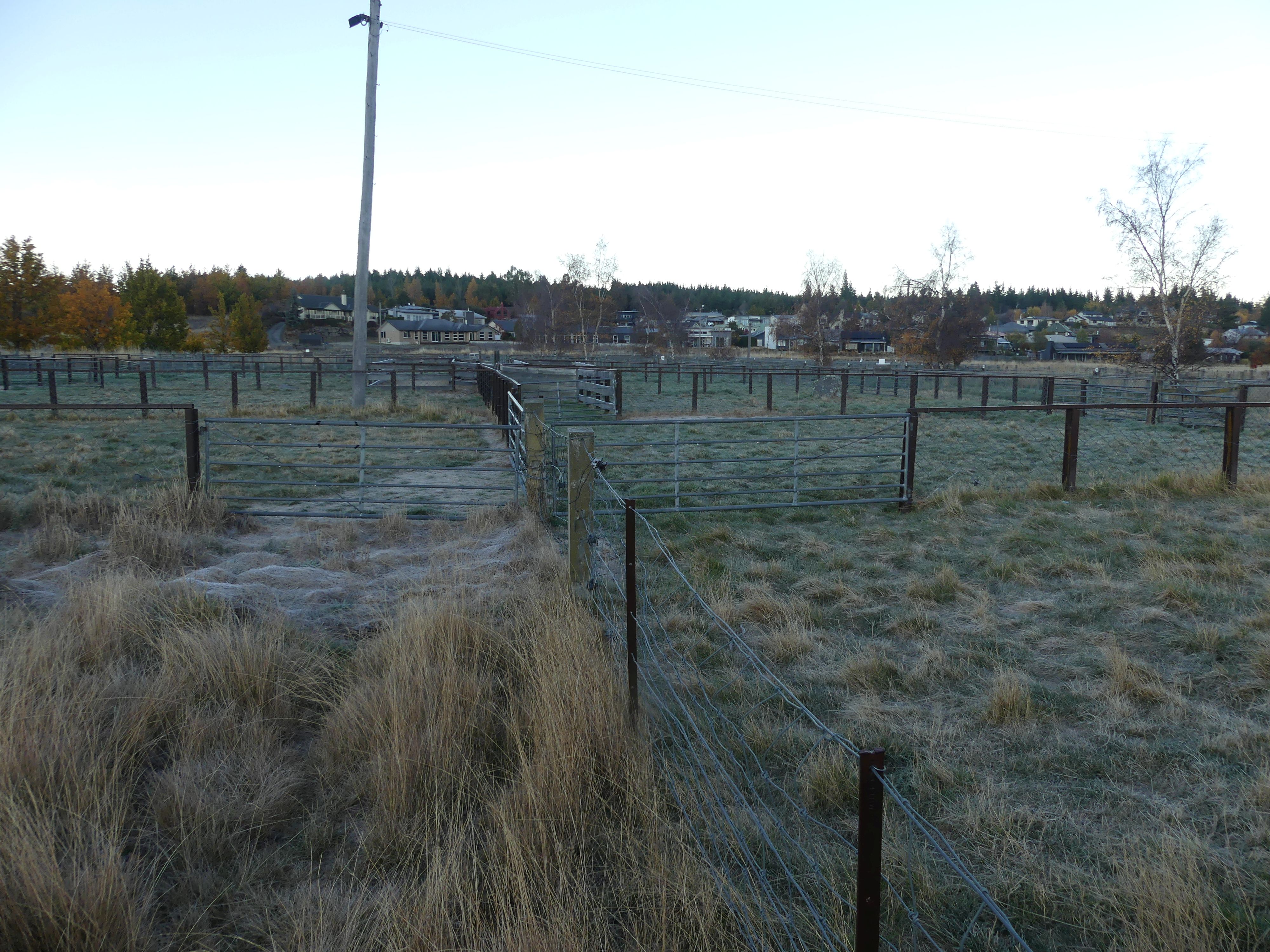
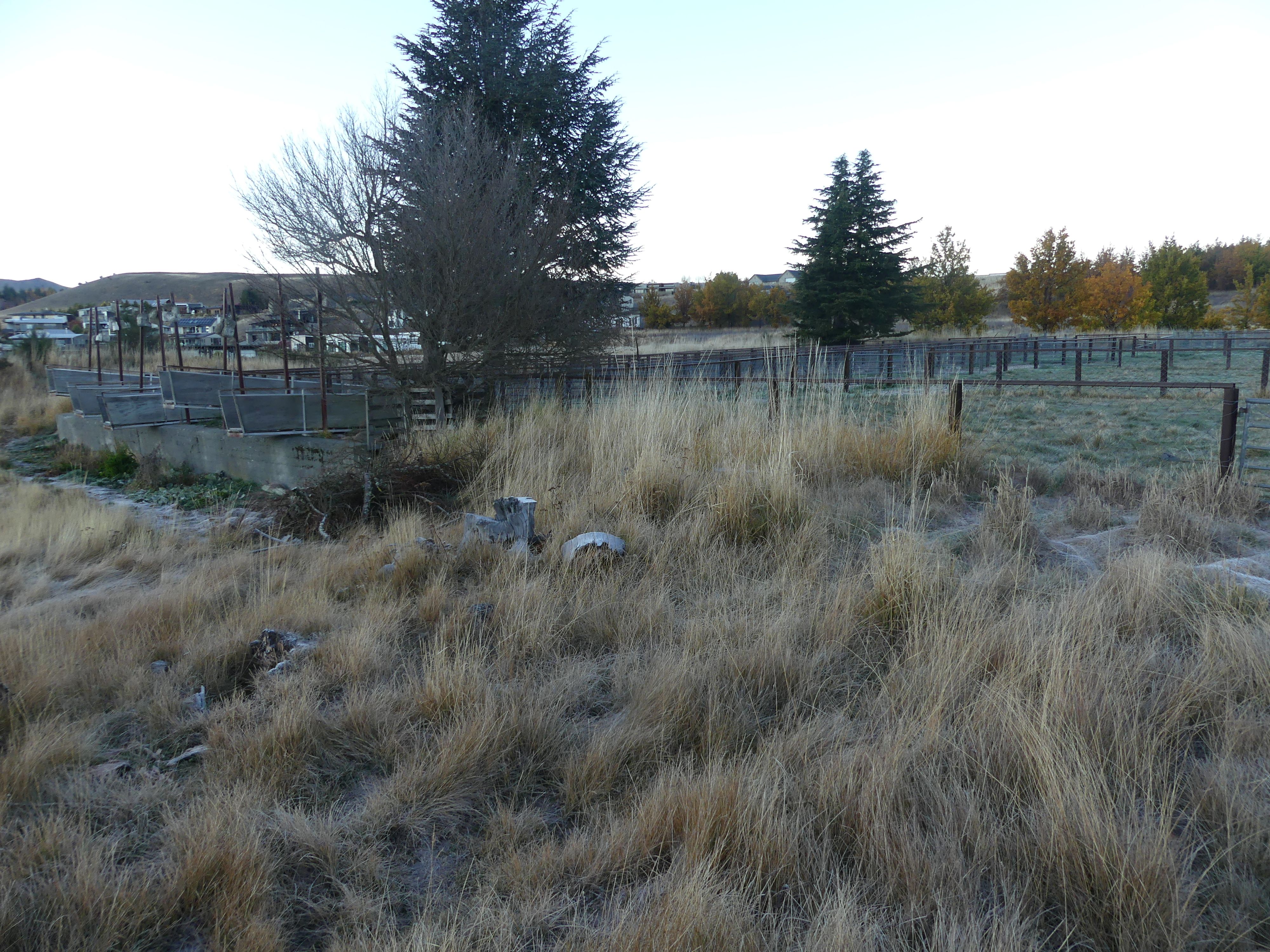
We arrived in Lake Tekepo late in the evening. Our accomodation was 5minutes drive from the centre of town but still carried some of the early settlers landmarks. After starting the fire we got down to the serious business of playing cards and snacking on cheese and the like. Next morning Kerry and I walked down to the main road passing a stopover/dump station for camper vans and sheep pens known as Tekepo Sales Yards which once served as a central focal point for high-country farmers gathering to trade livestock.

The lake, the pens, the dump station and the mountains

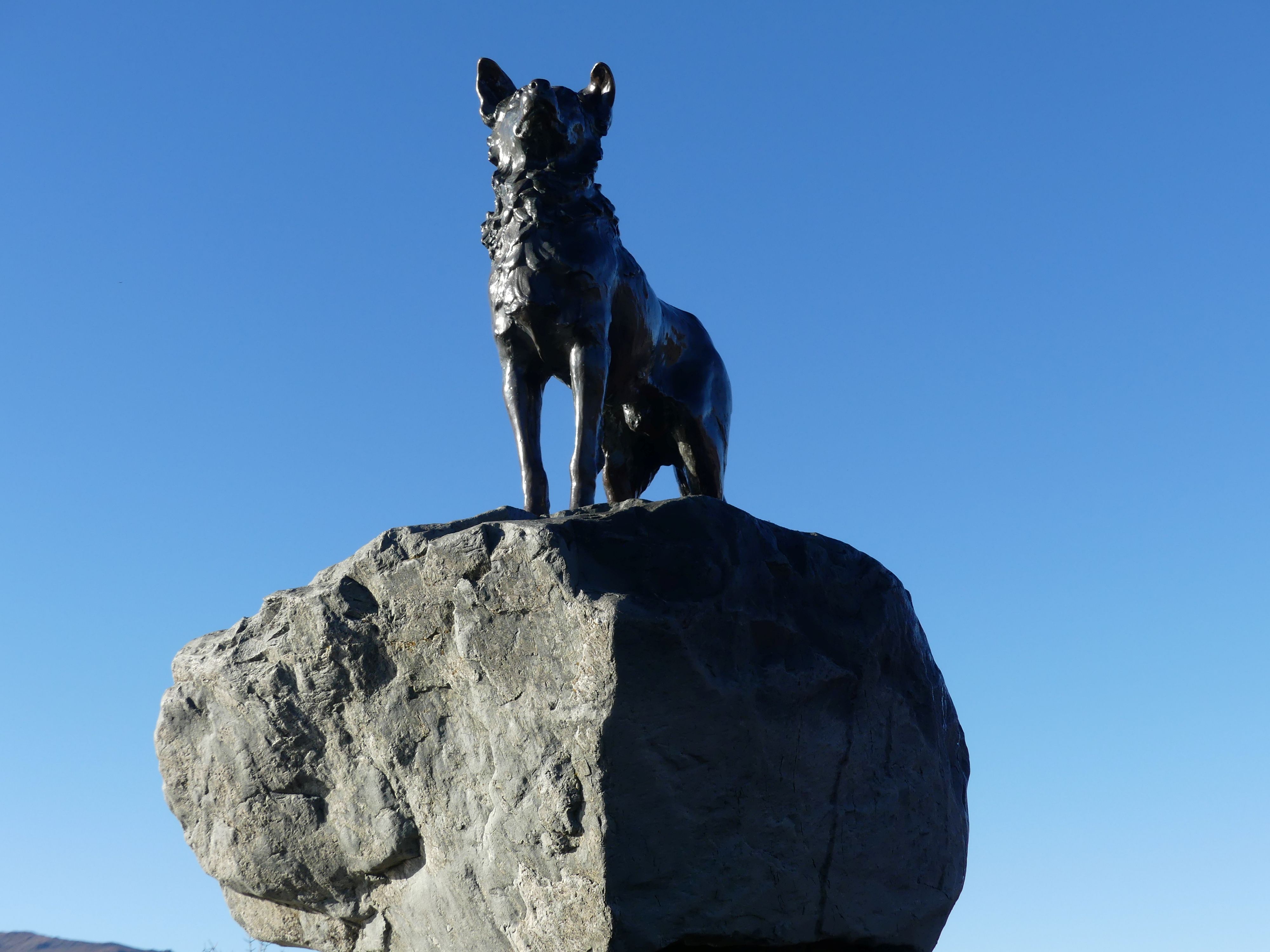
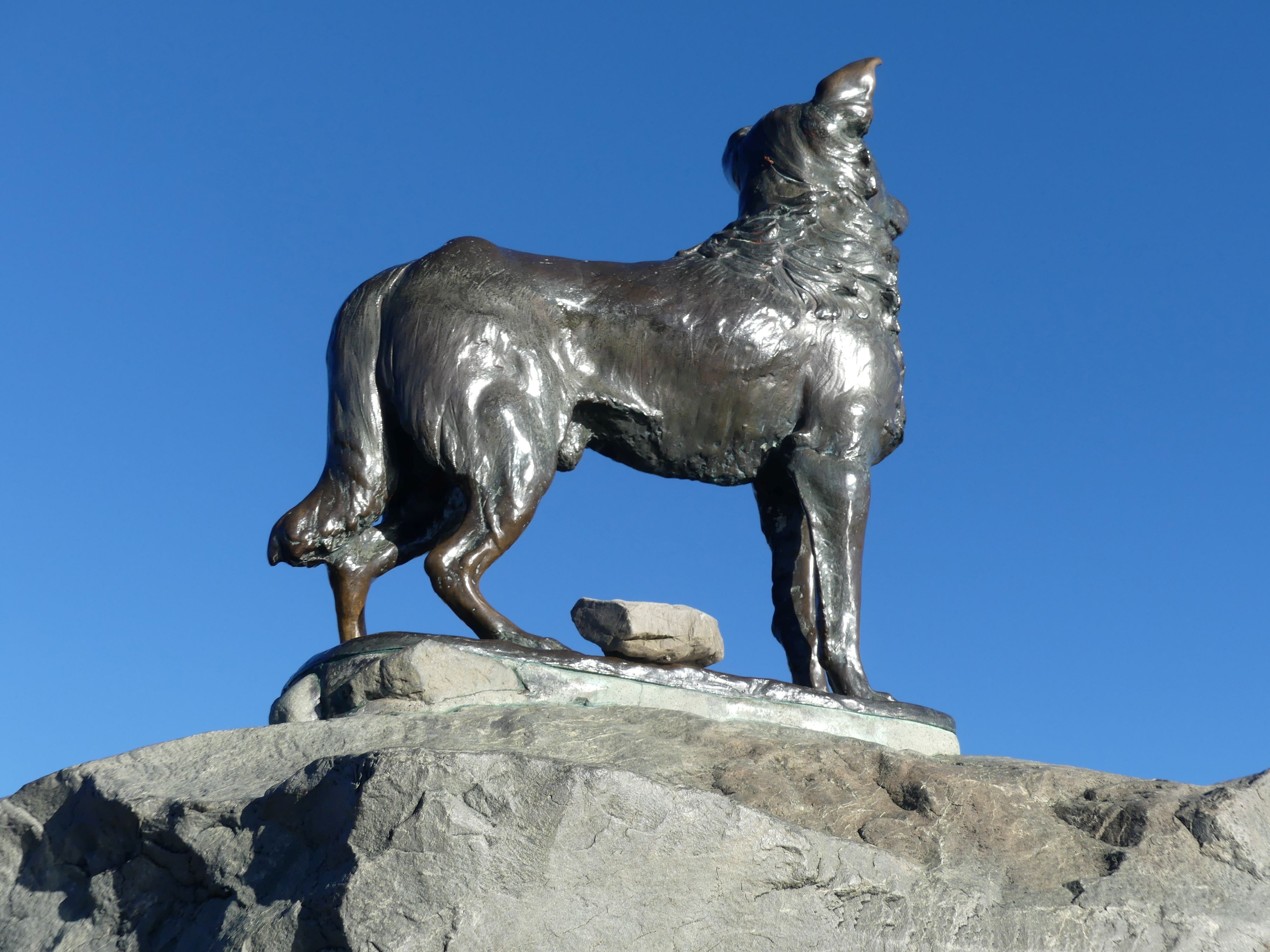
After breakfast we climbed aboard the car and headed to the famous statue on the shores of Lake Tekapo: The Sheepdog Memorial. It is a life-sized bronze sculpture of a Collie sheepdog perched on a pedestal of local rocks. Located 100 meters east of the iconic Church of the Good Shepherd, it stands as a monument to the hard-working dogs that made high-country farming possible. The memorial was just around the corner from our B&B but already there was a crowd of people at the monument and the Church.

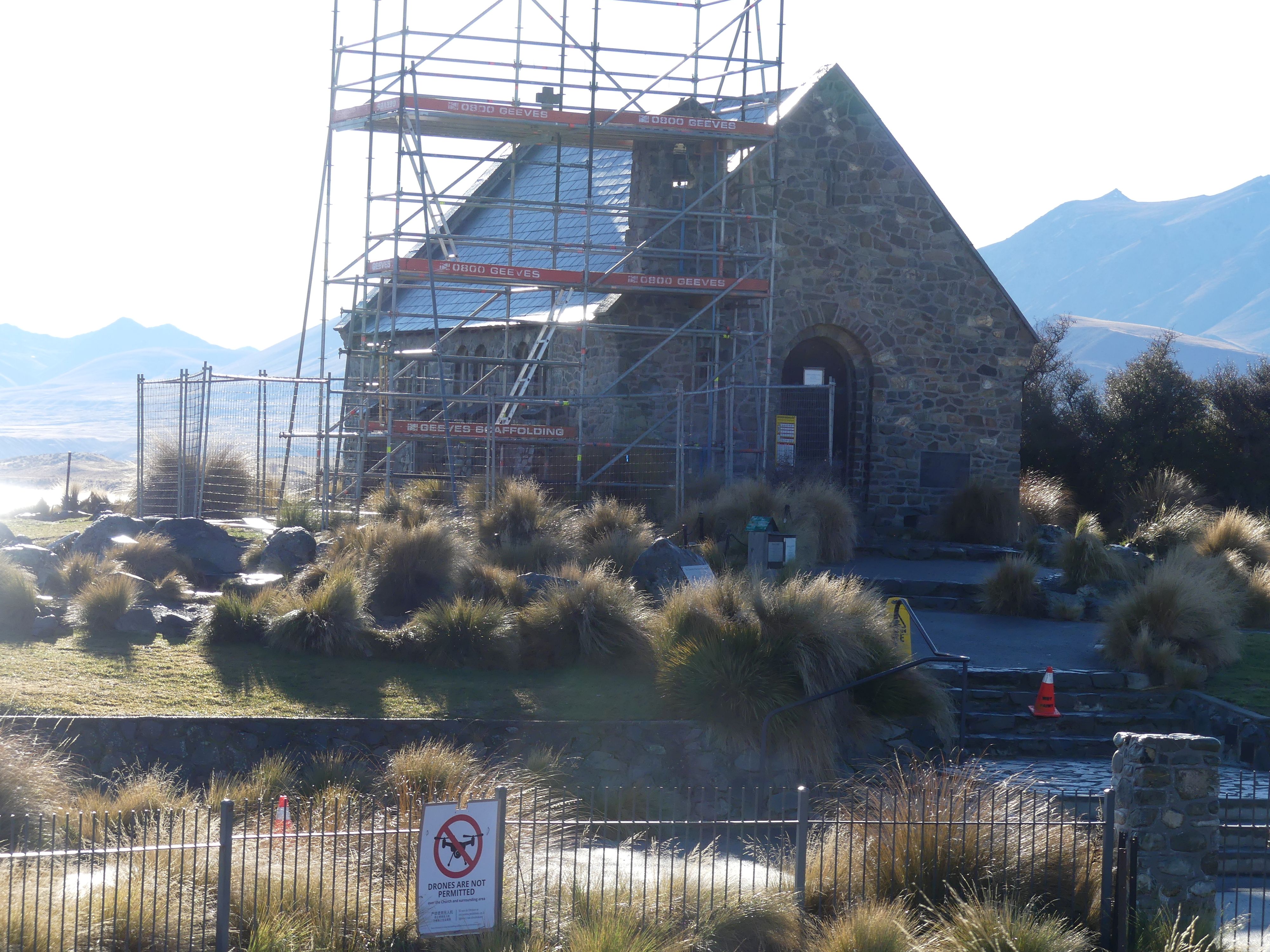
The Sheepdog Memorial and Church of the Good Shepherd

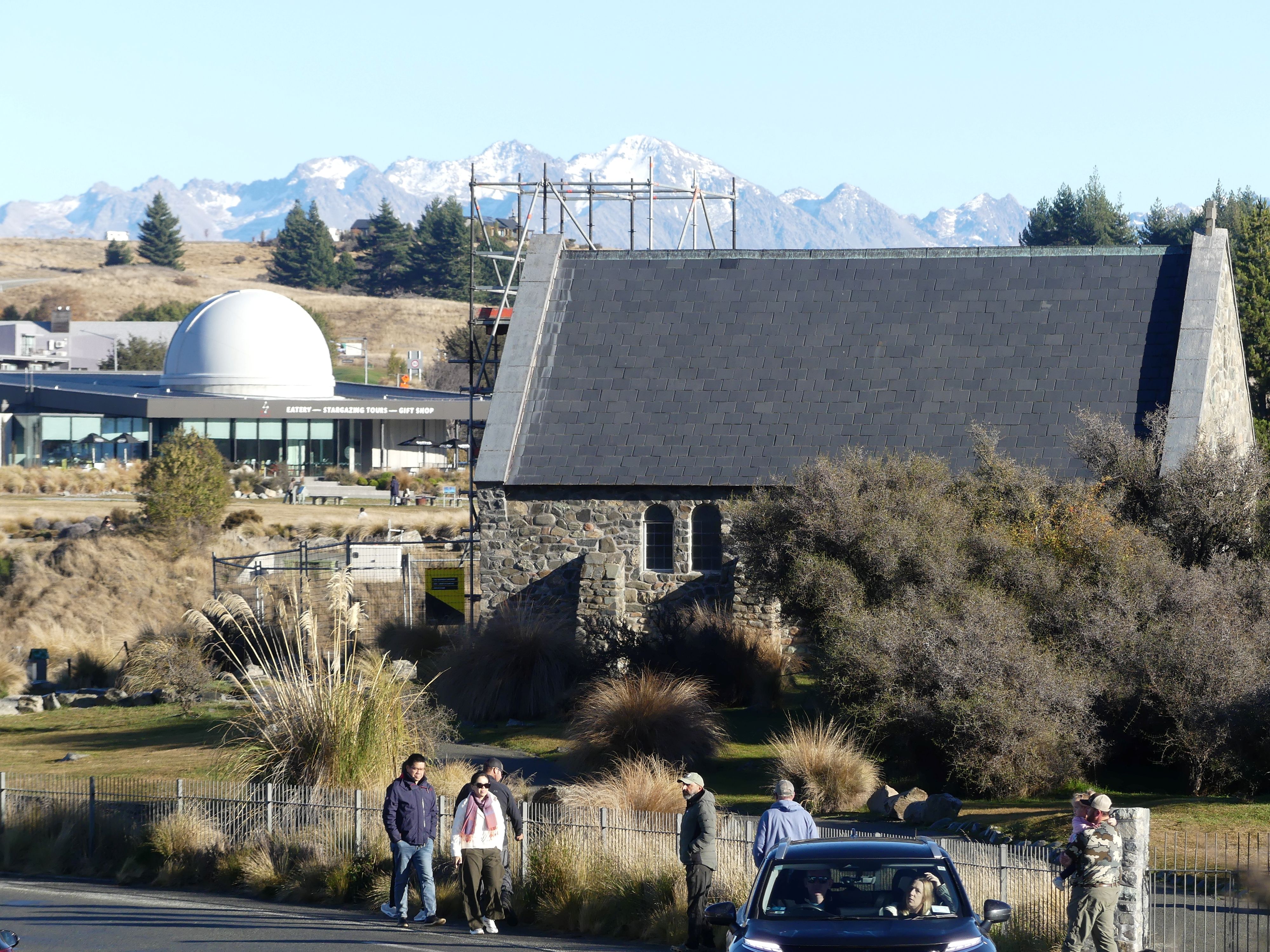
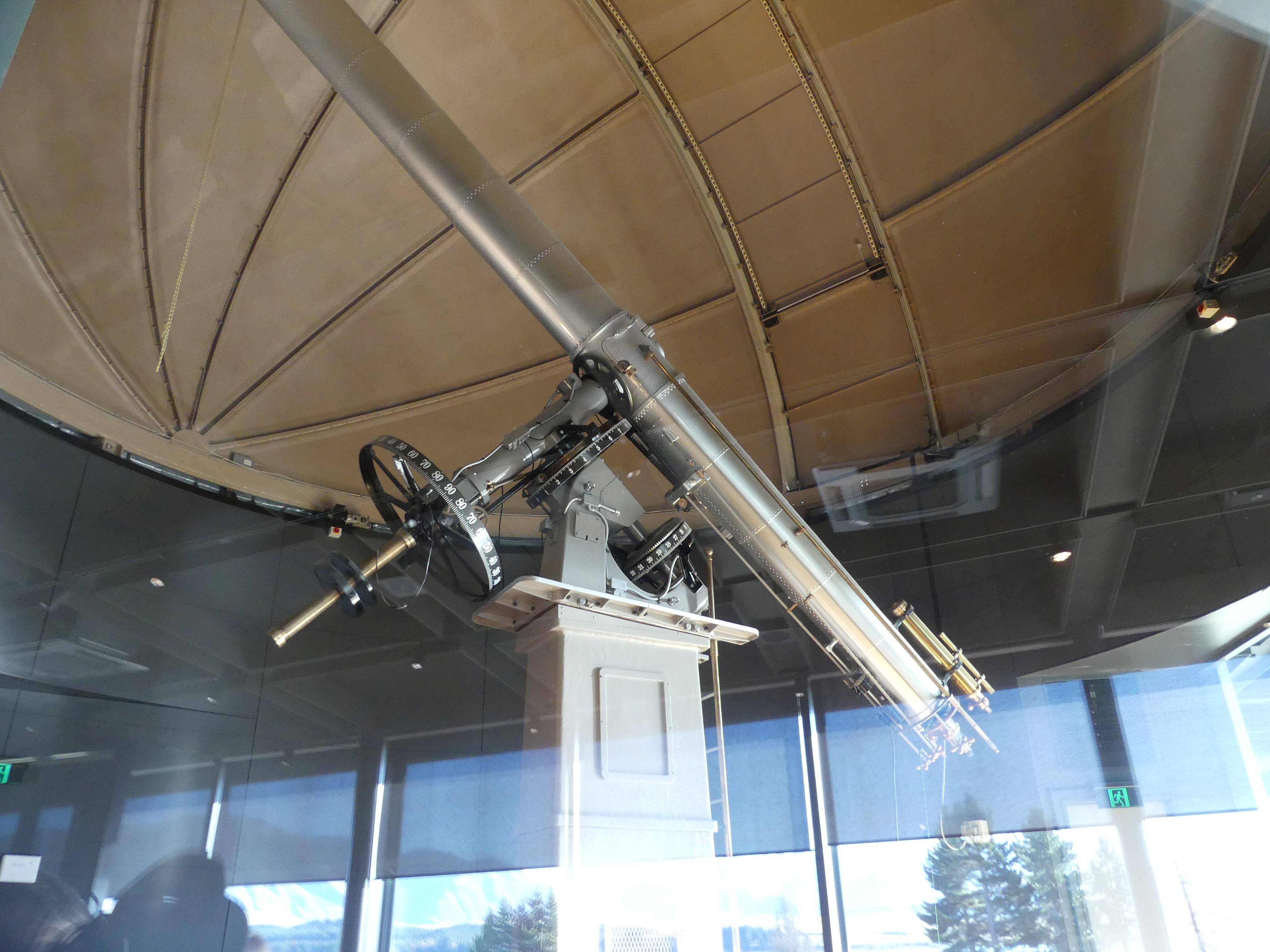
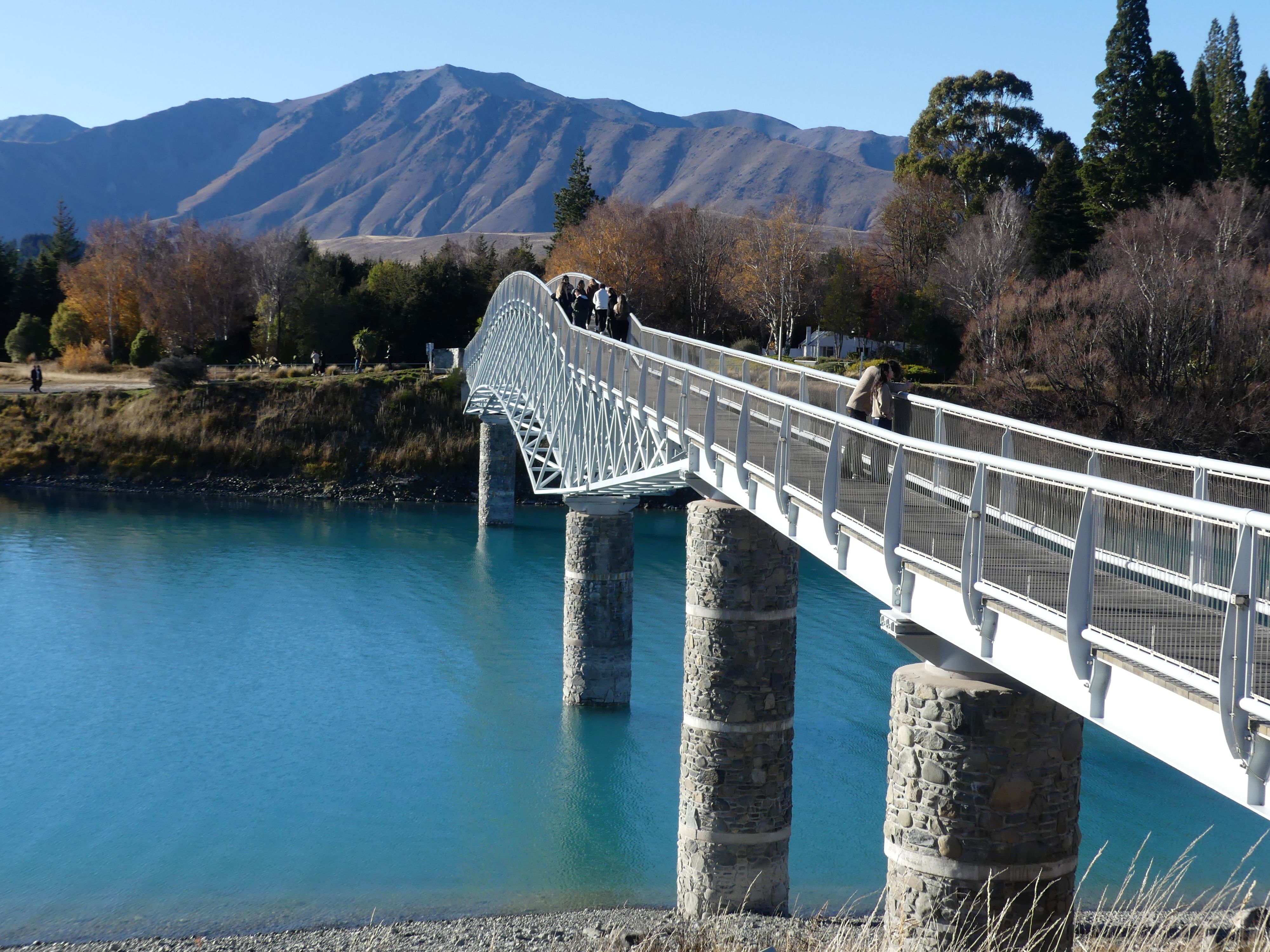
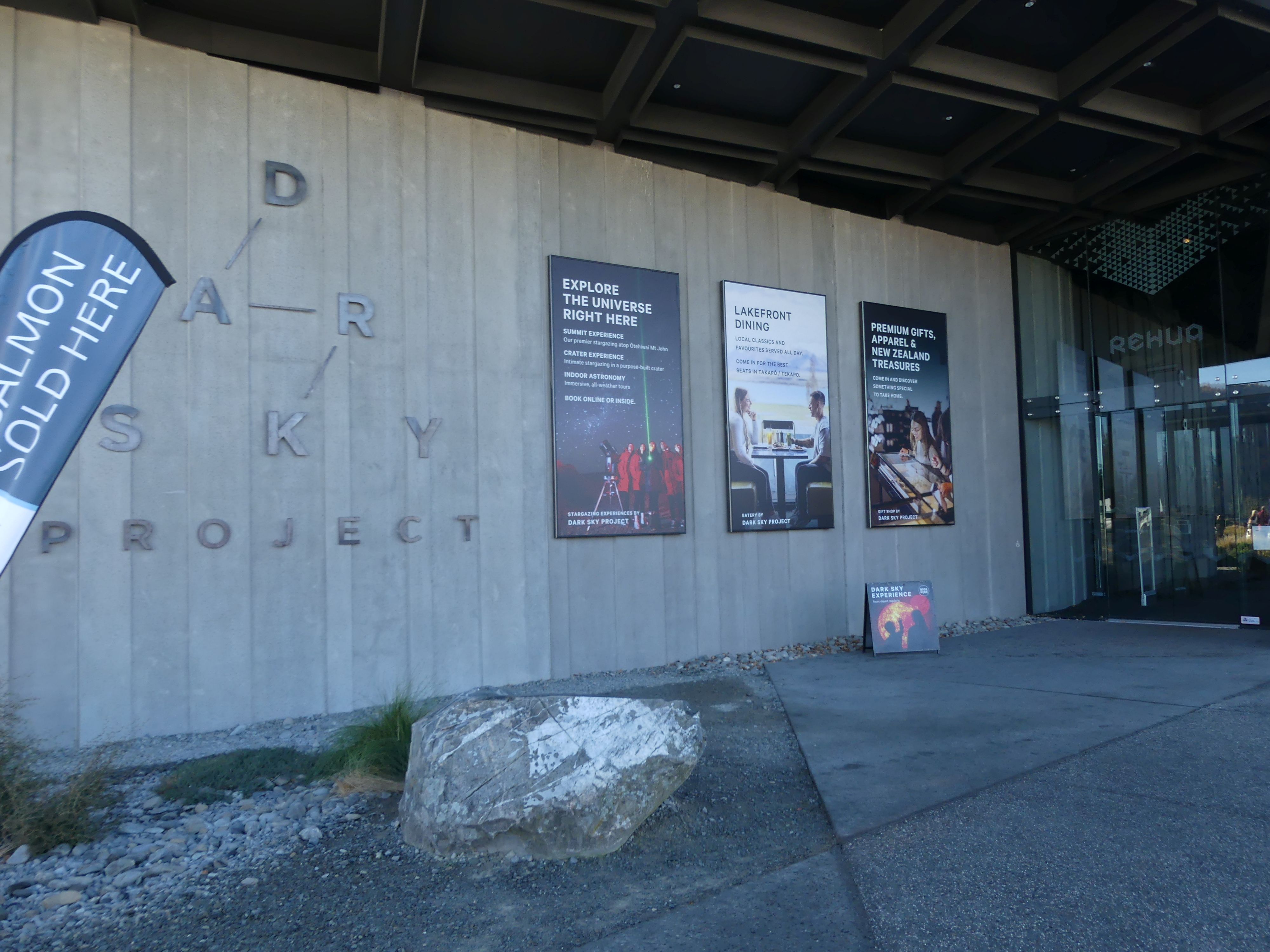
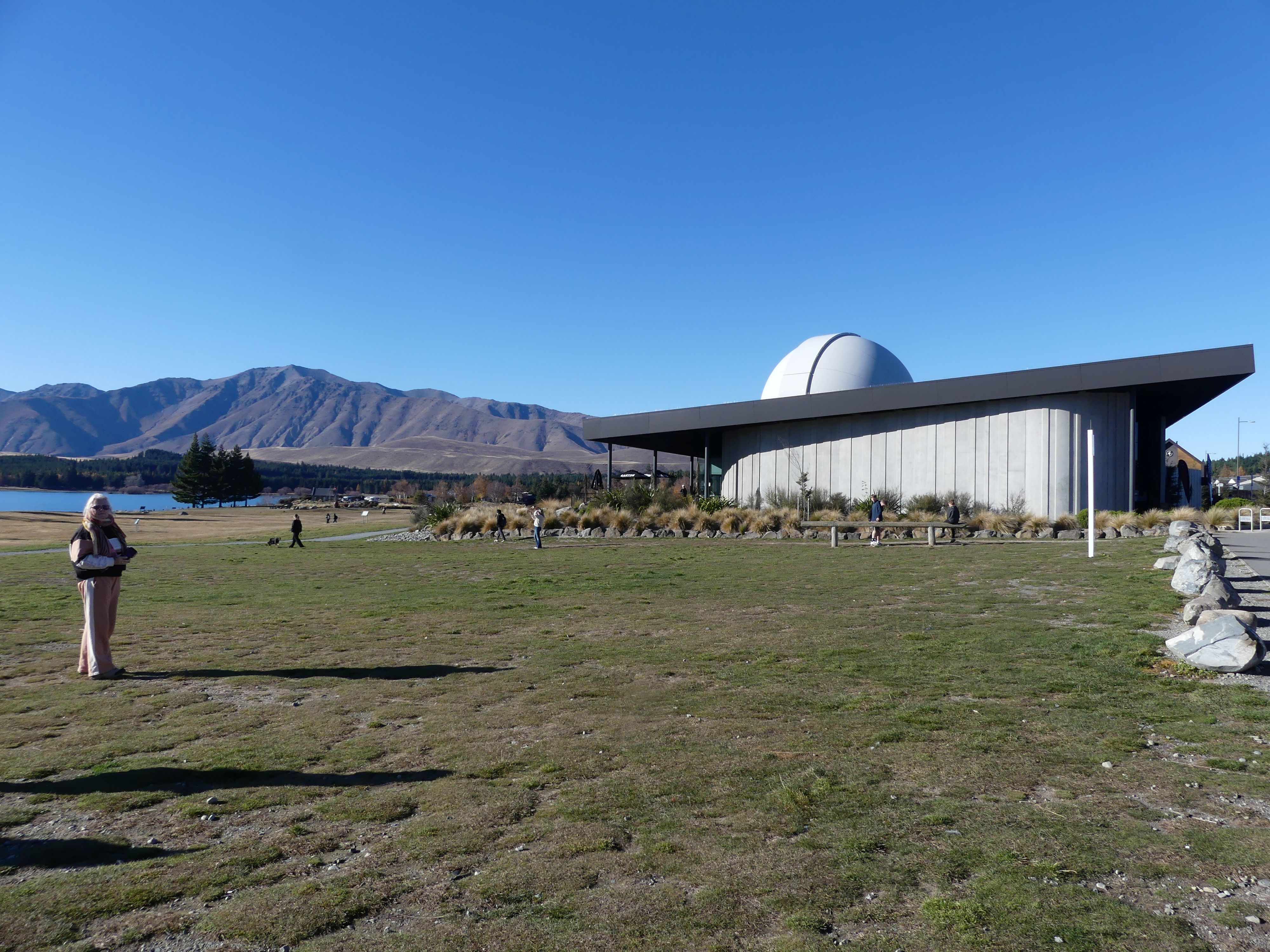
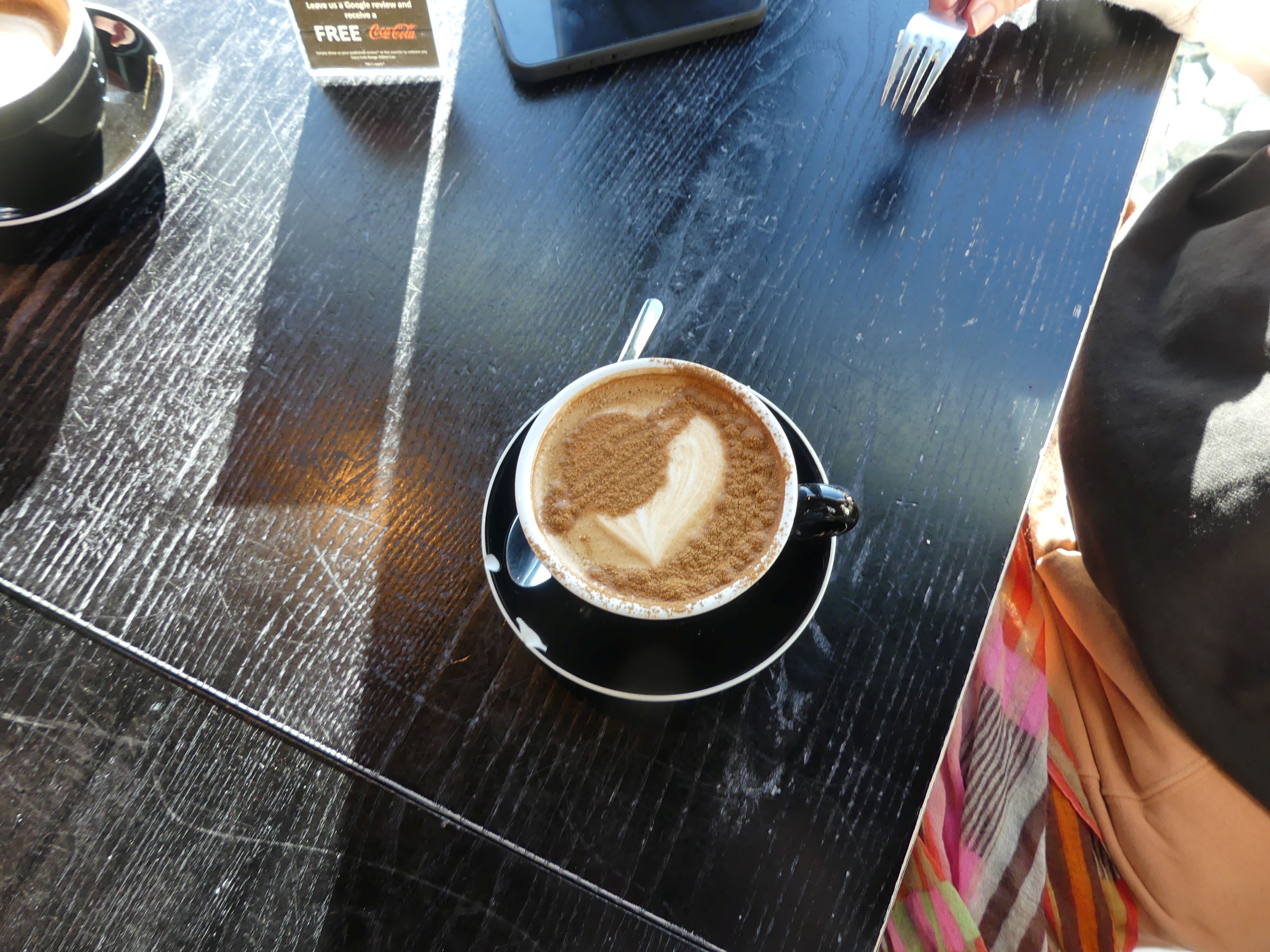
The Church of the Good Shepherd was in sight of the memorial and unfortunately it was defaced by scaffolding to enable repairs. So, we walked to the church and entry was not permitted. The church and grounds were closed from Wednesday 20 May – Friday 29 May 2026 to facilitate earthquake strengthening work on the bellcote. As access to the interior was not possible, we walked on to a footbridge crossing the waterway entering the lake. The footbridge was a modern construction replacing at least 2 other bridges and connected to the carpark serving the tourist shops but empty at winter time. We walked around to the Dark Sky Project building. The Dark Sky Project is a world-renowned astro-tourism venture that offers guided stargazing tours, multimedia astronomy exhibits, and dining in the Aoraki Mackenzie International Dark Sky Reserve. Inside the building was several multimedia astronomy experiences, fabulous views over the lake and a coffee shop of course. Whilst enjoying our coffee I noticed a huge telescope inside the building so I took a photograph hoping I would do it justice. The centrepiece telescope displayed is the historic 18-inch (45.7-cm) Brashear Telescope, a famous Victorian-era refracting telescope crafted in 1894. Have a look at the surface of the hot chocolate that Kerry ordered. Yes its Saturn.

The footbridge, the Brashear Telescope, Dark Sky Project building, and Kerry’s hot chocolate

 We were keen to join one of their tours. There are 2 tours on offer: the Observatory Tour (Evening stargazing tour at the University of Canterbury Mt John Observatory located on the summit of Mt John and the Crater Experience (Stargazing from a purpose-built, sheltered crater enclosure for a highly immersive viewing environment). We chose the Crater Experience as the drive to the observatory on top of the mountain at night did not appeal to us.

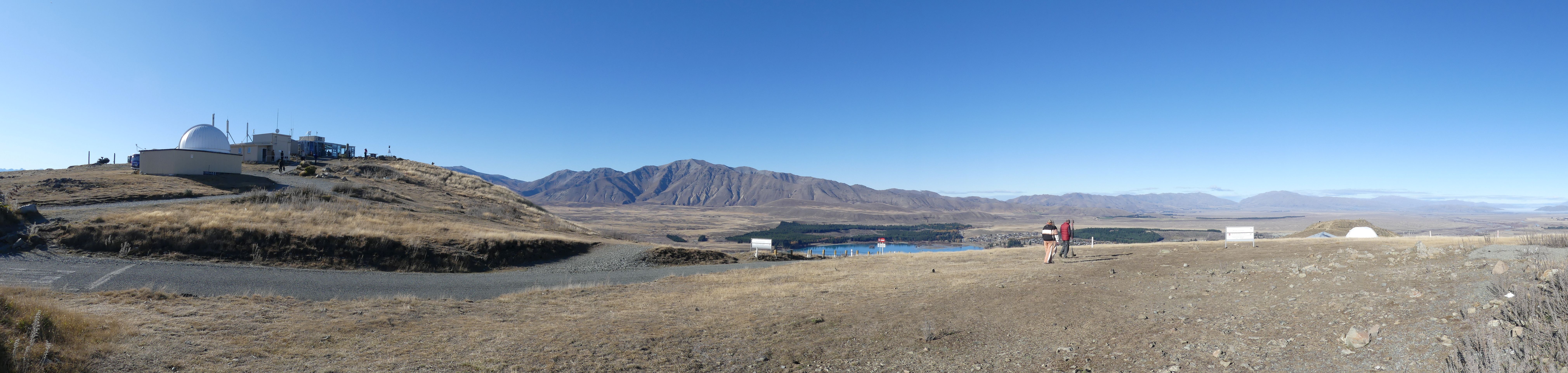
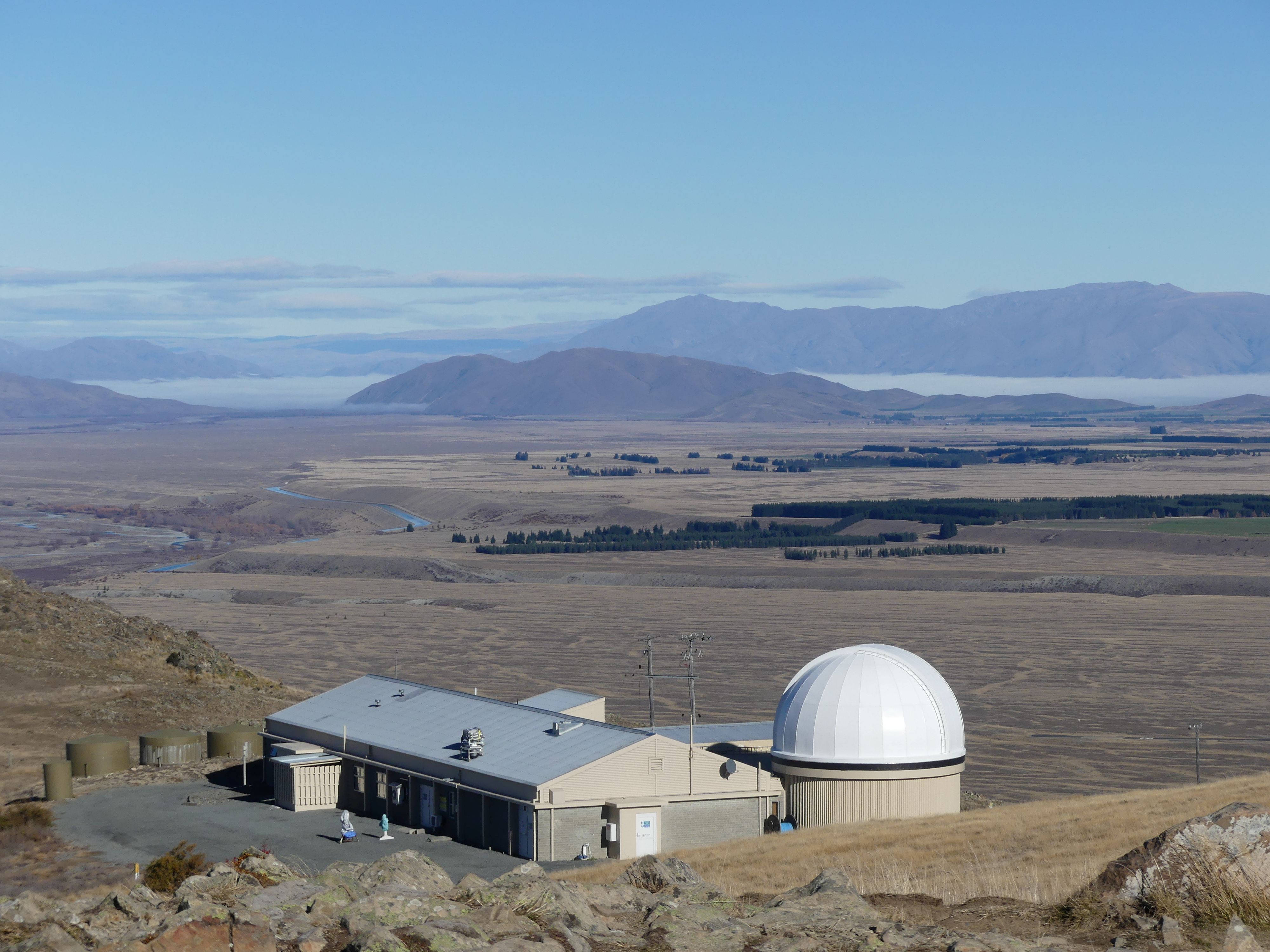
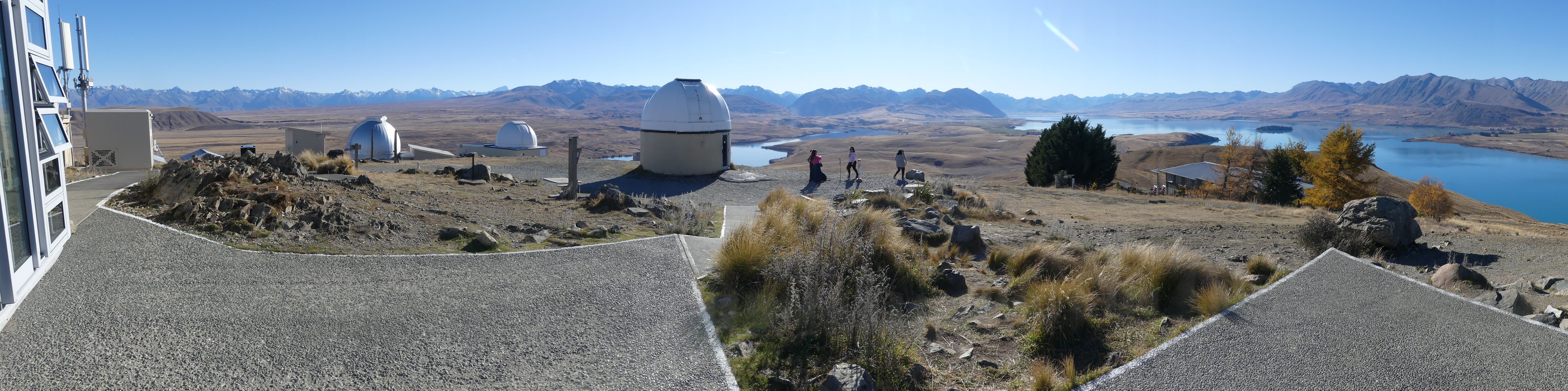
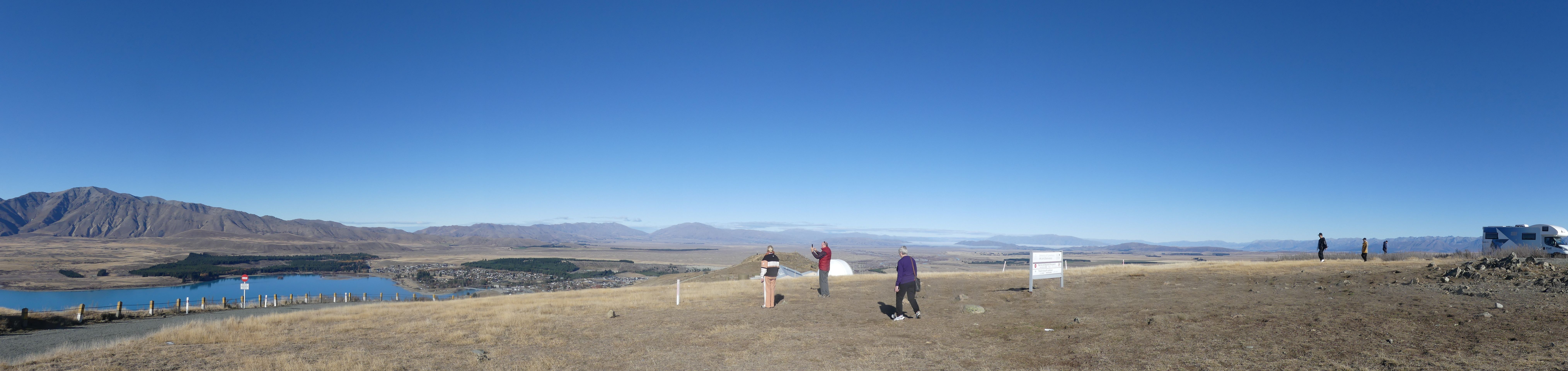
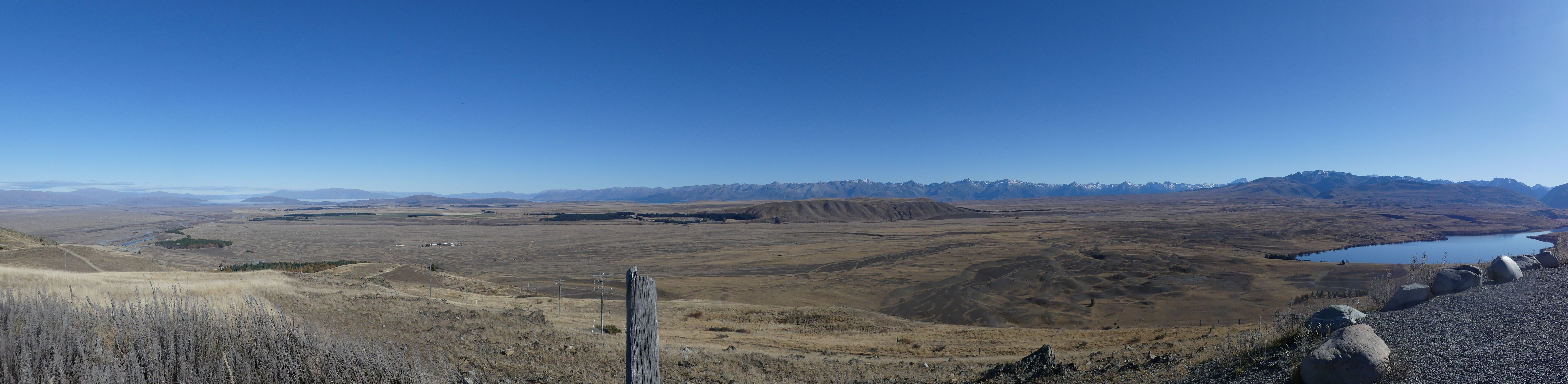
After purchasing our tour tickets, we decided that we would drive to the Mount John Observatory. It is a comparatively short drive to the foot of the mountain but that is where a comfortable drive ends. We made it to the car park before the crowds fortunately and I was able to snap this panoramic photo of the observatory hill. I walked toward the edge overlooking the village below and then turning a further 90 degrees I snapped a further panorama.

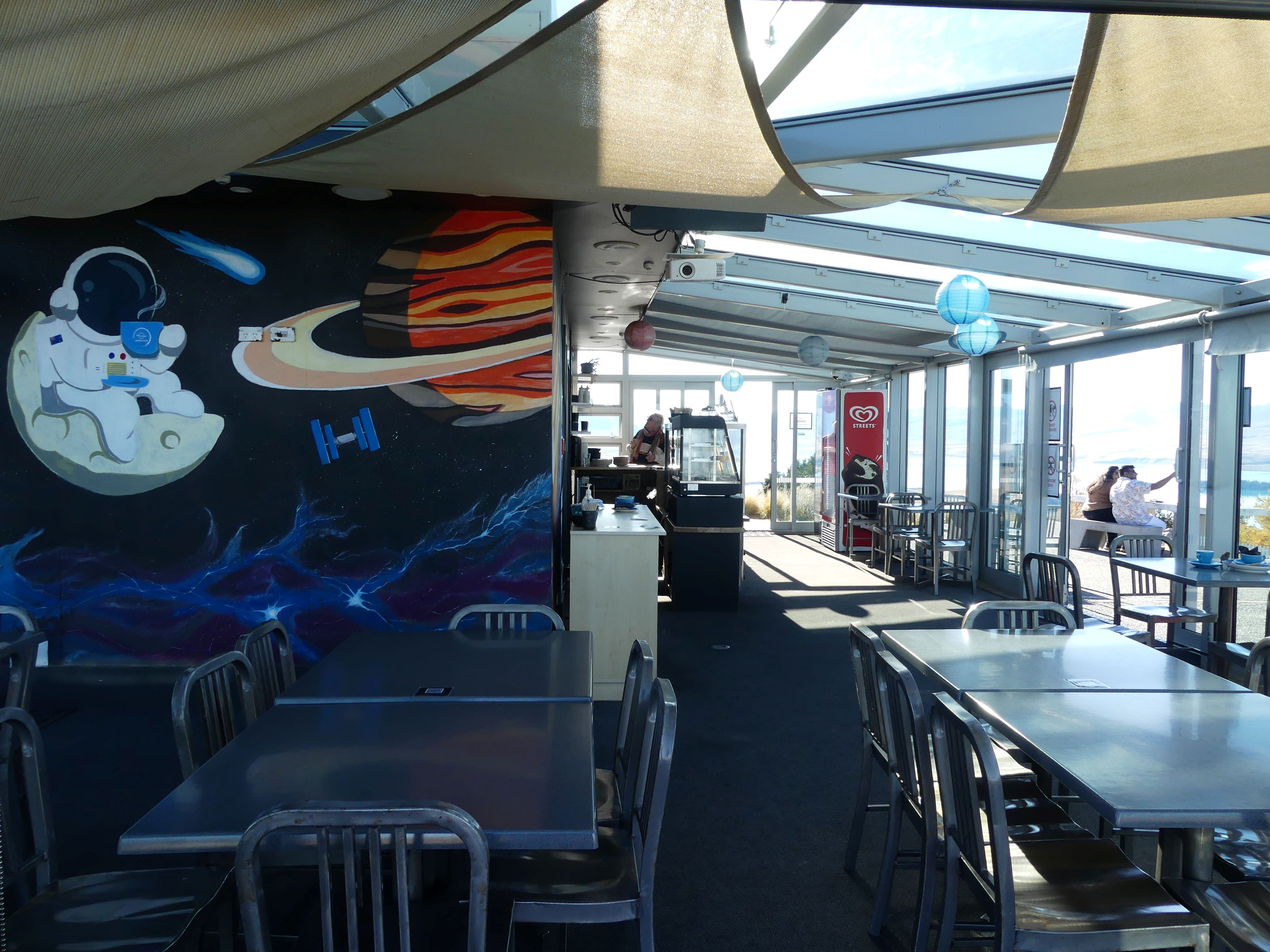
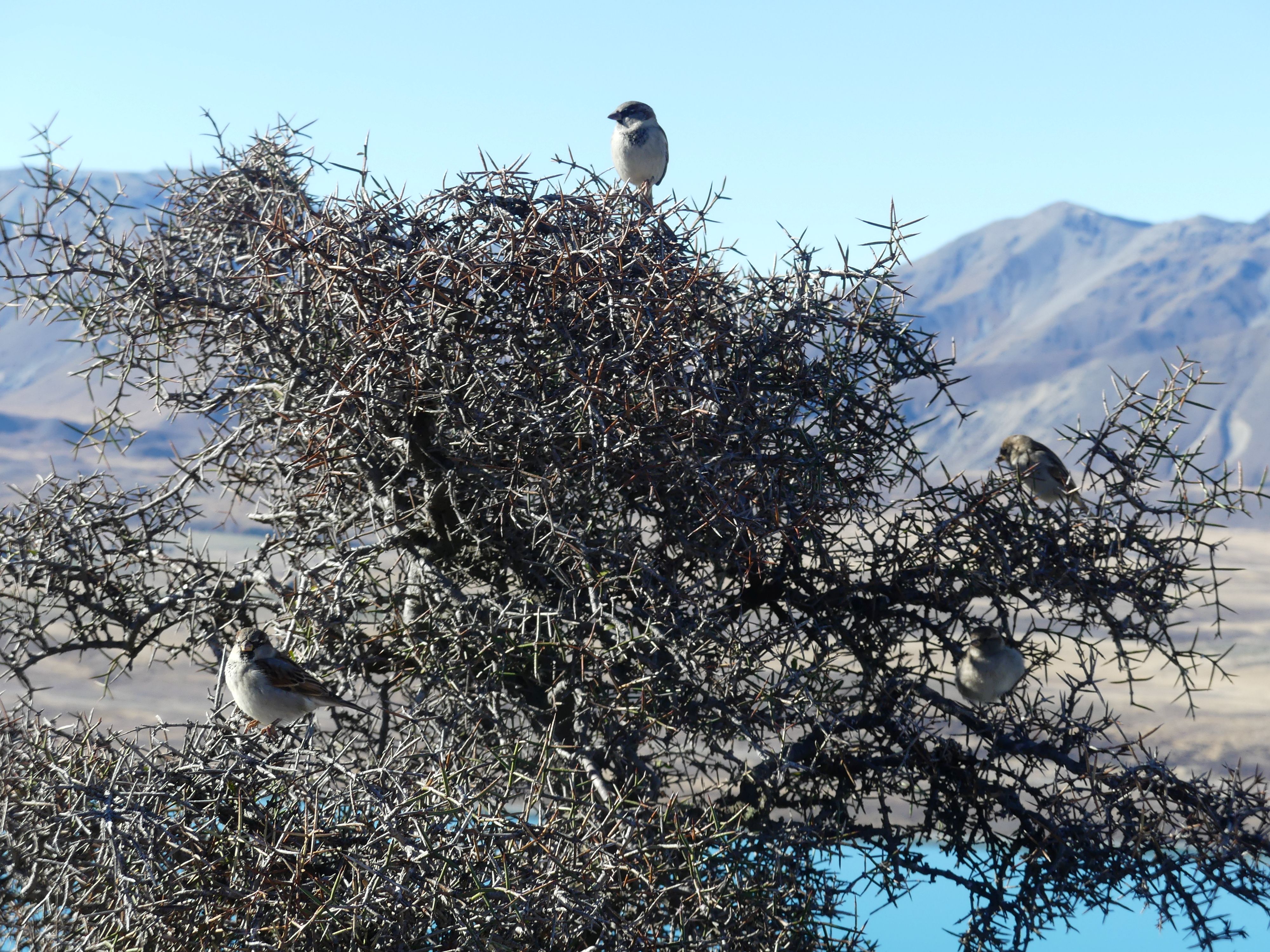
Time for another coffee and lunch so up we went to the Sky Café with its space scene at its entry. Here Kerry purchased her perfect drink vessel, and we perched on top of the mountain to have our lunch when joined by a flock of sparrows. They sat in that thorny bush until we moved on and then it was lunch for them.

The observatory and café, overlooking the village and lake, 90 degrees to the right, the observatory close up the café entrance, sparrows in thorny bush, solitary island in the lake.

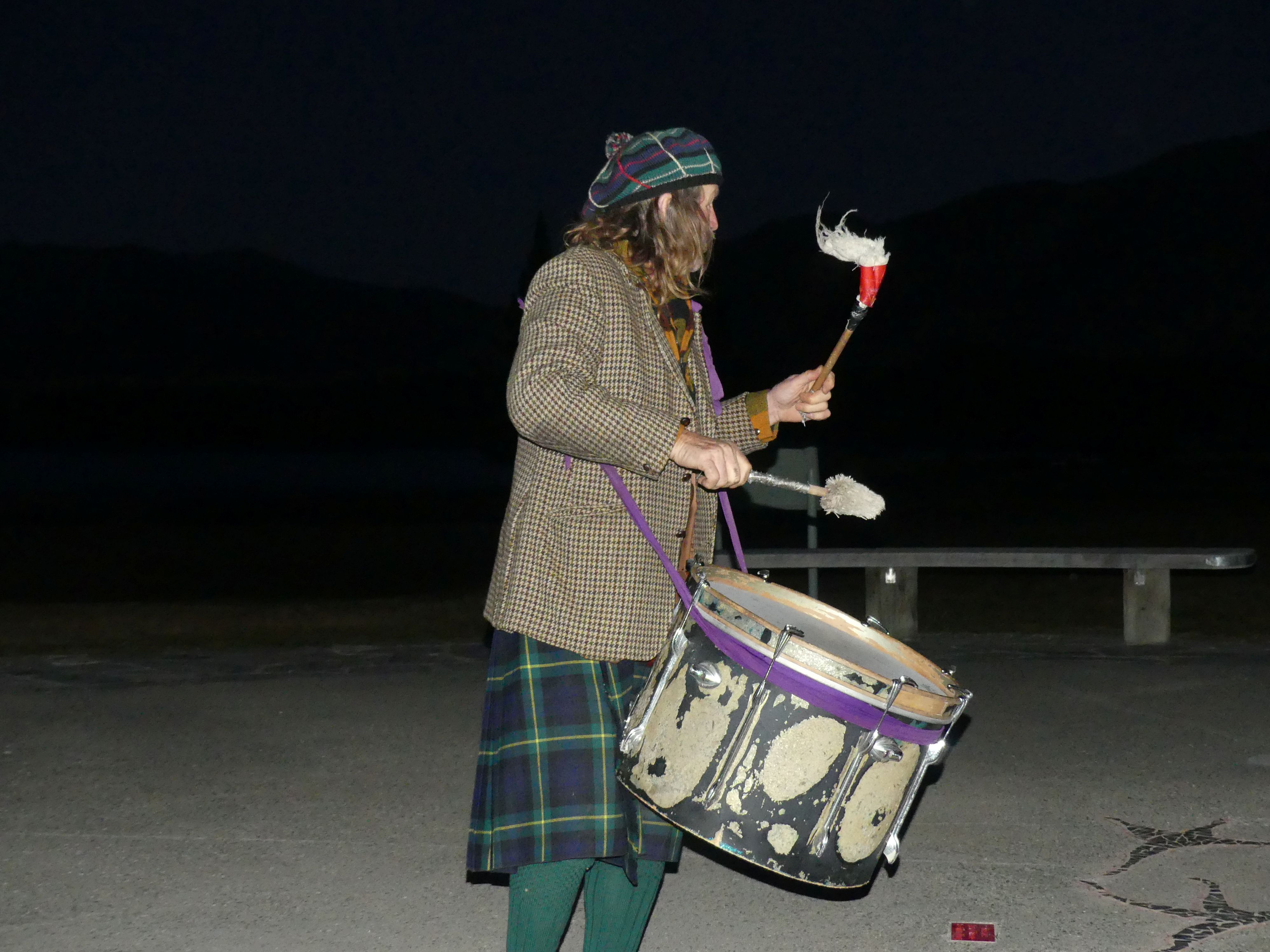
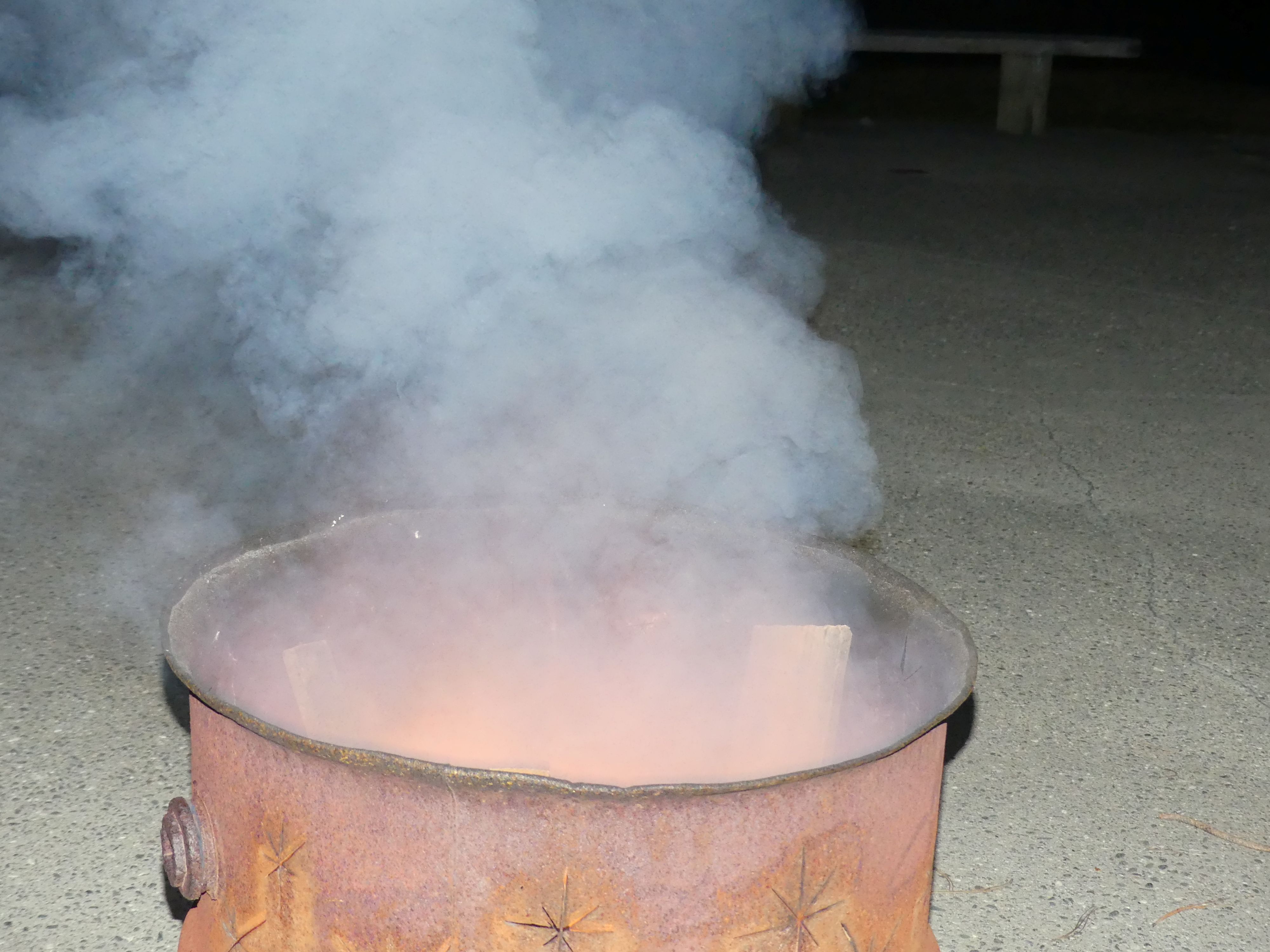
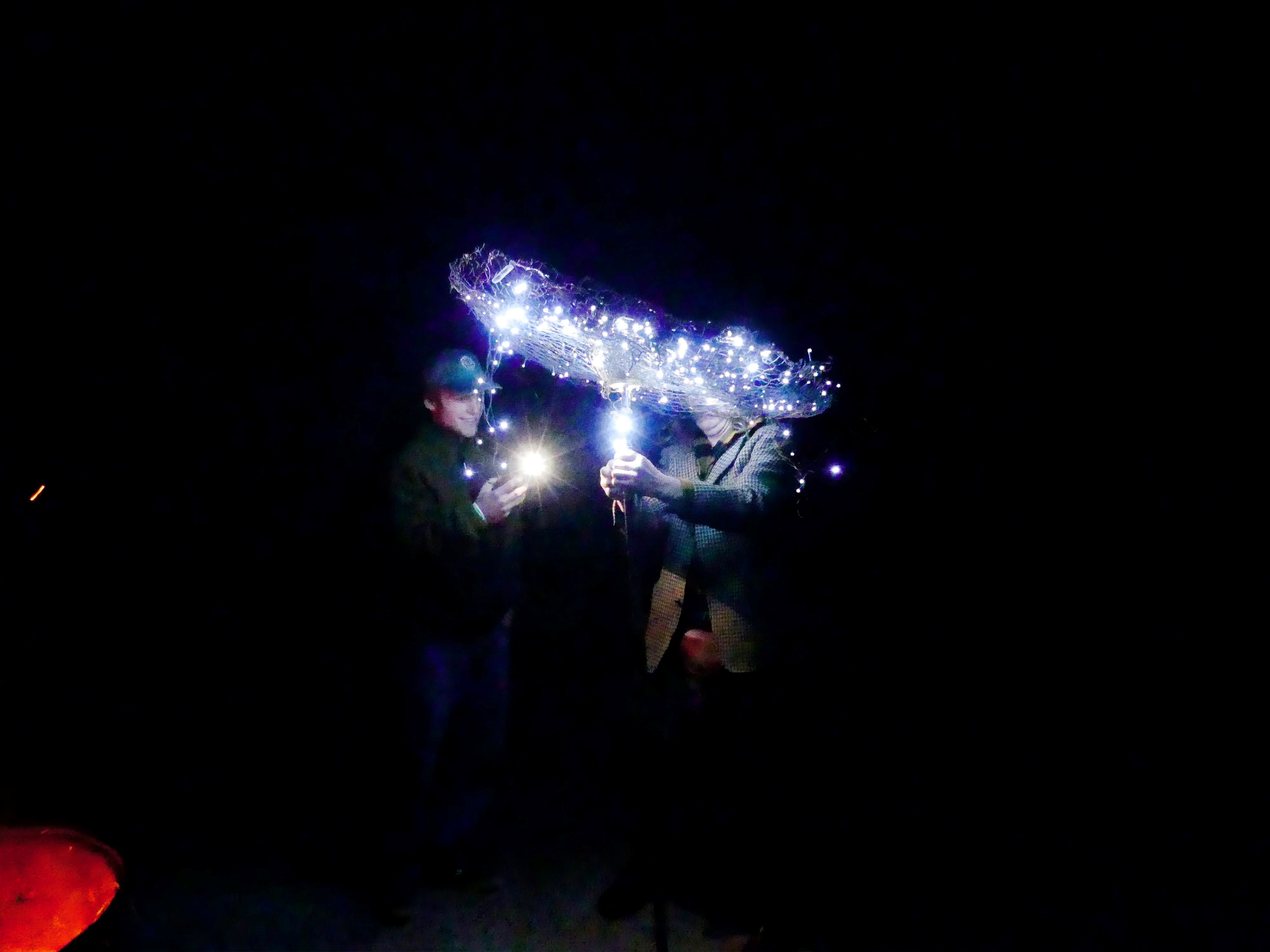
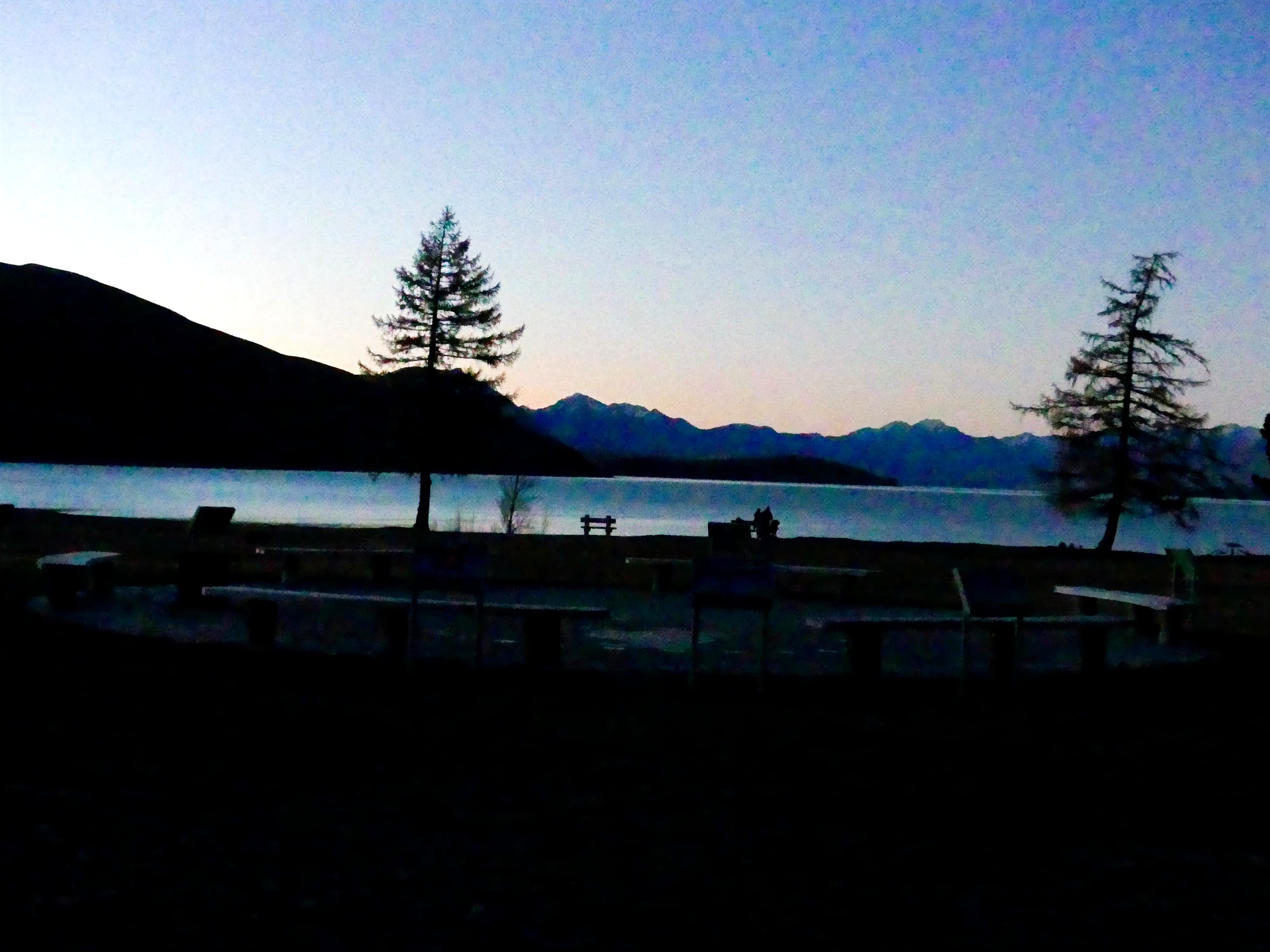
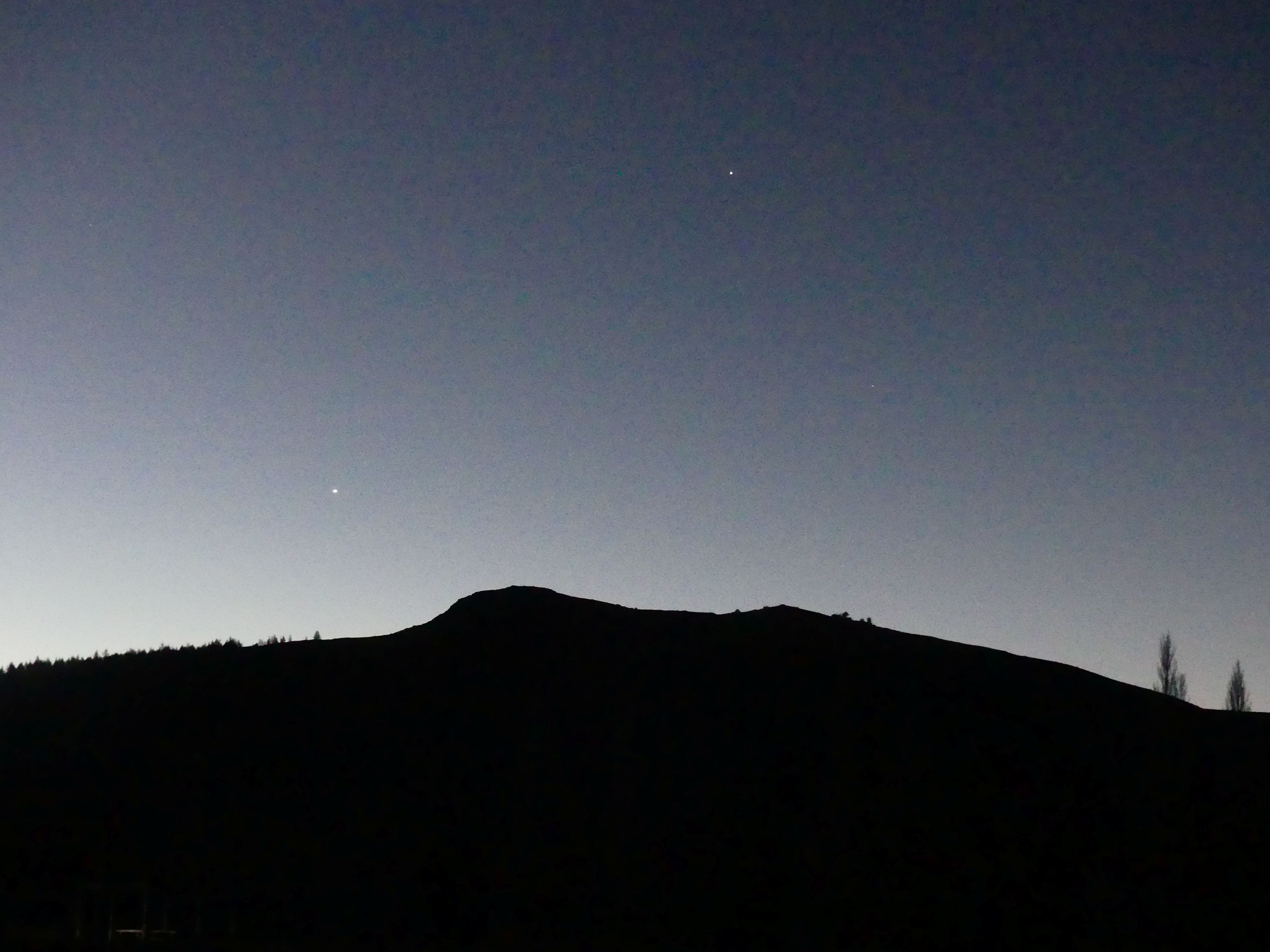
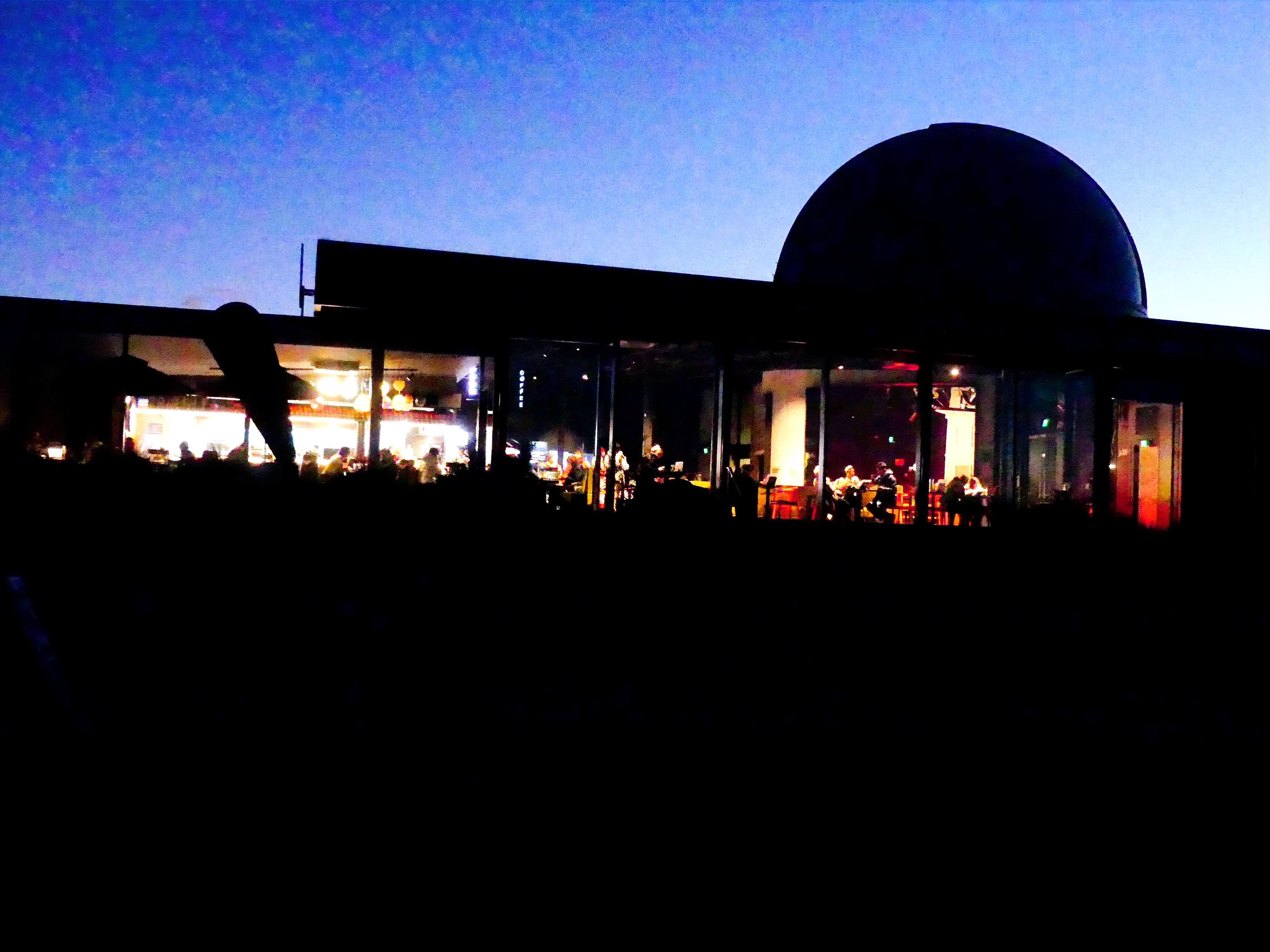
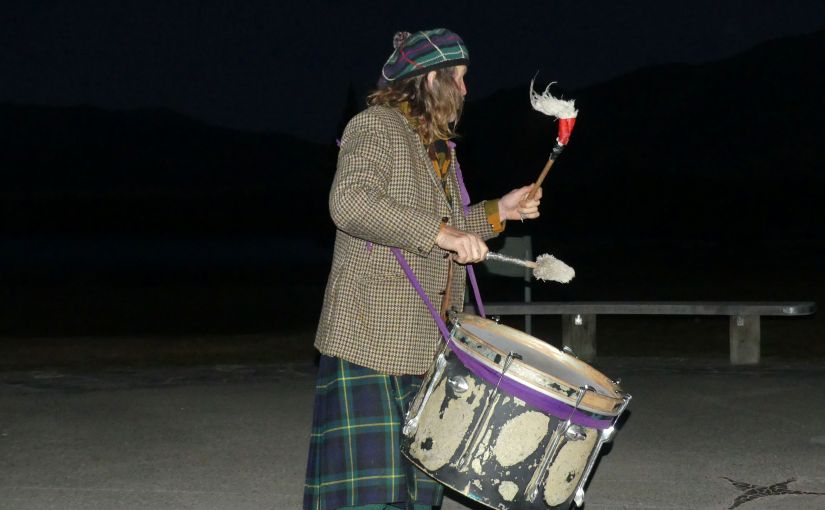
We went back to the village and while walking through it we read that Bill the Bard was delivering a performance on the lakes edge starting at sunset. Well, we rested for the rest of the afternoon as we would join Bill for his performance and then go to the Crater experience. Sunset and we sat at the listening circle awaiting Bill’s arrival. Dark Sky Project was alive with people in the restaurant and then Bill arrived in an old station wagon, and he hopped out in his kilt to unload his gear. This was a bloody cold night and the wind up his kilt must have chilled. At first, it was bill and the 4 of us but by the time bill had unloaded the 44-gallon drum fireplace and his drum we had another family join us. The moon was almost full; the sun had almost disappeared behind the observatory on the mountain and Bill started on his drum. He told his story and we had a sing-along then he produced an umbrella which he raised and lit with light providing imitation of the Milky Way. For this performance he left it to the audience to determine his value, so we rewarded him modestly but retained the memory of Bill the Bard.

Sunset at the lake, Dark Sky alive, the moon, the mountain, the fireplace, Bill and his magic umbrella

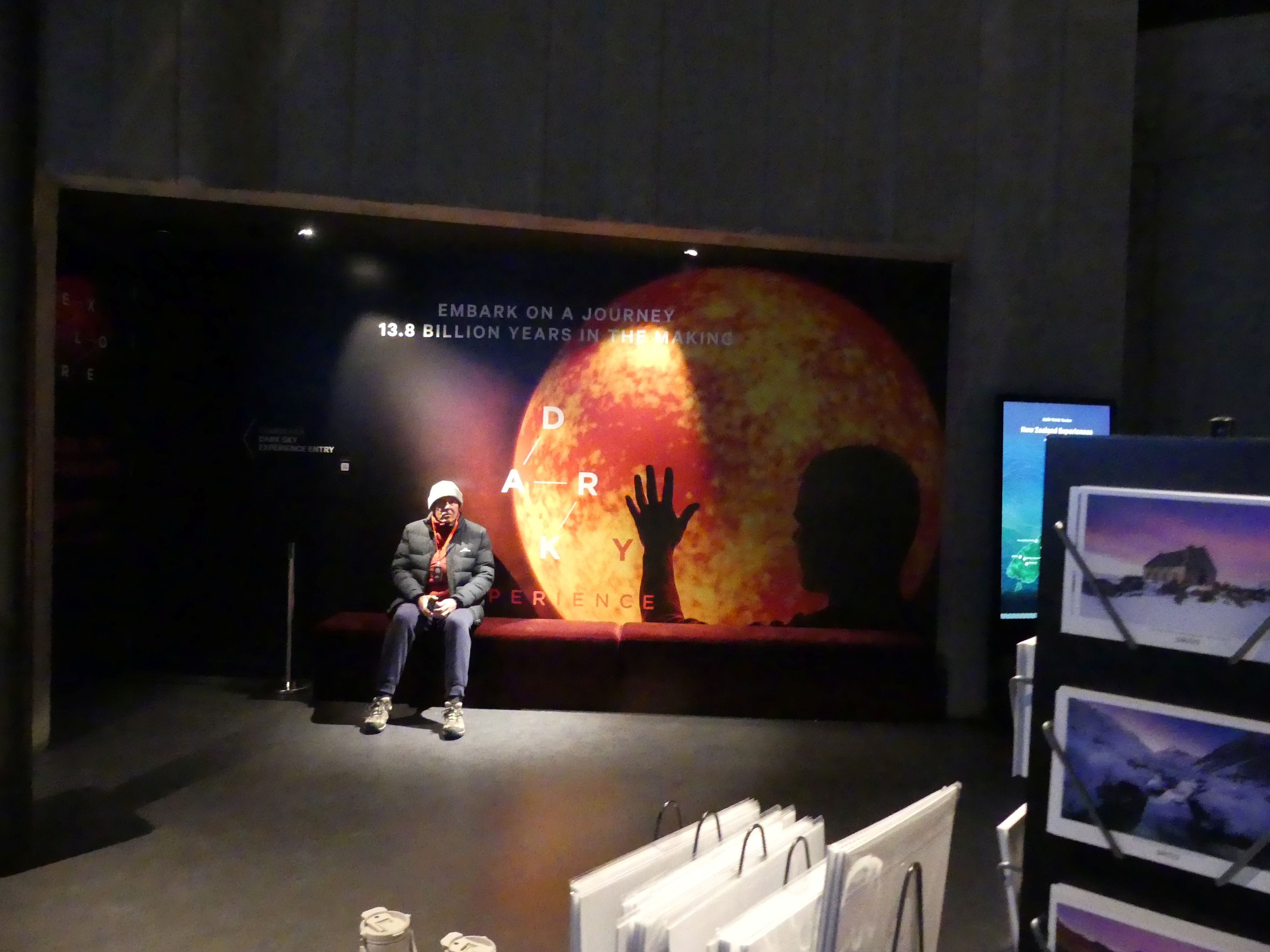
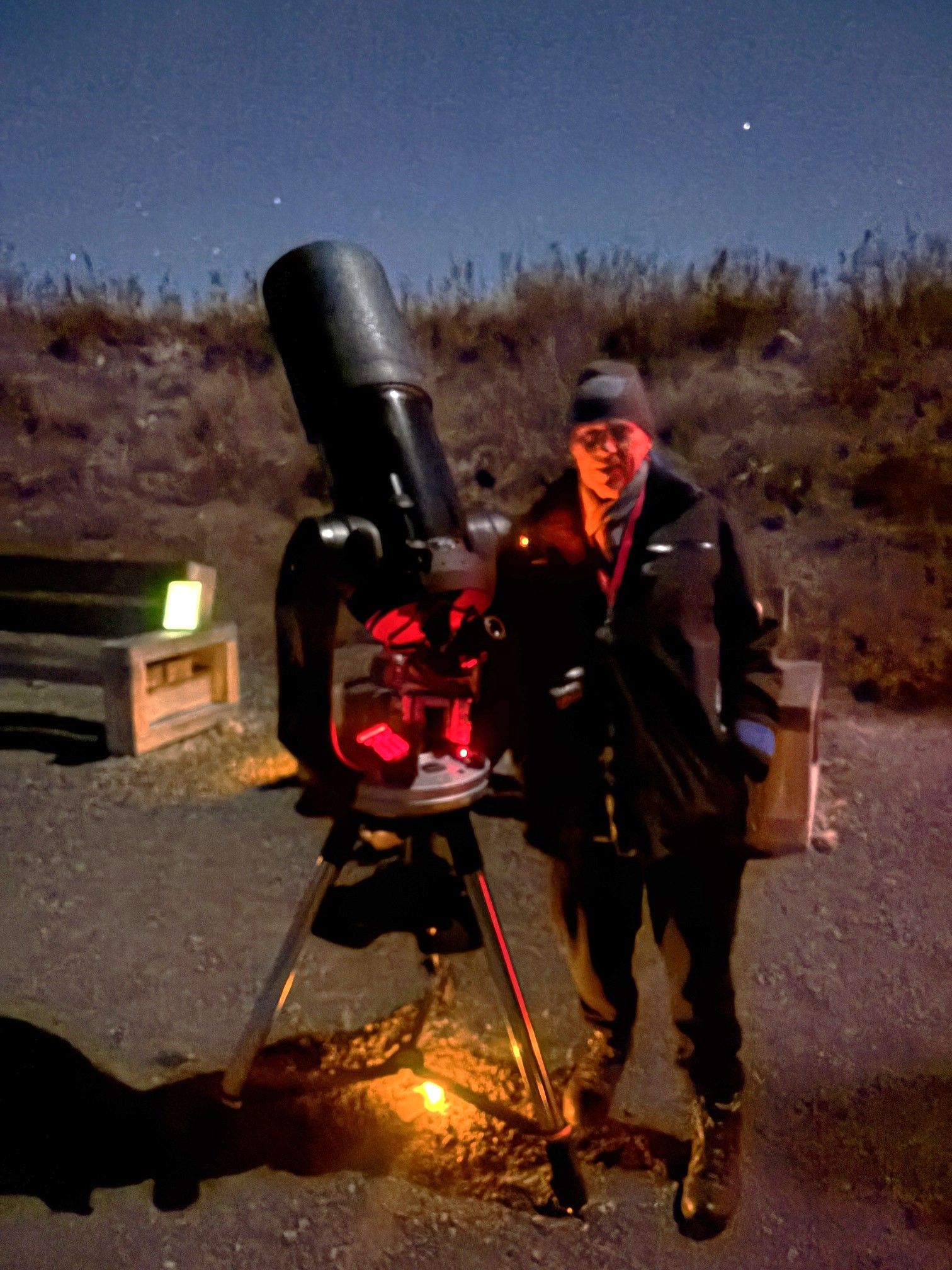
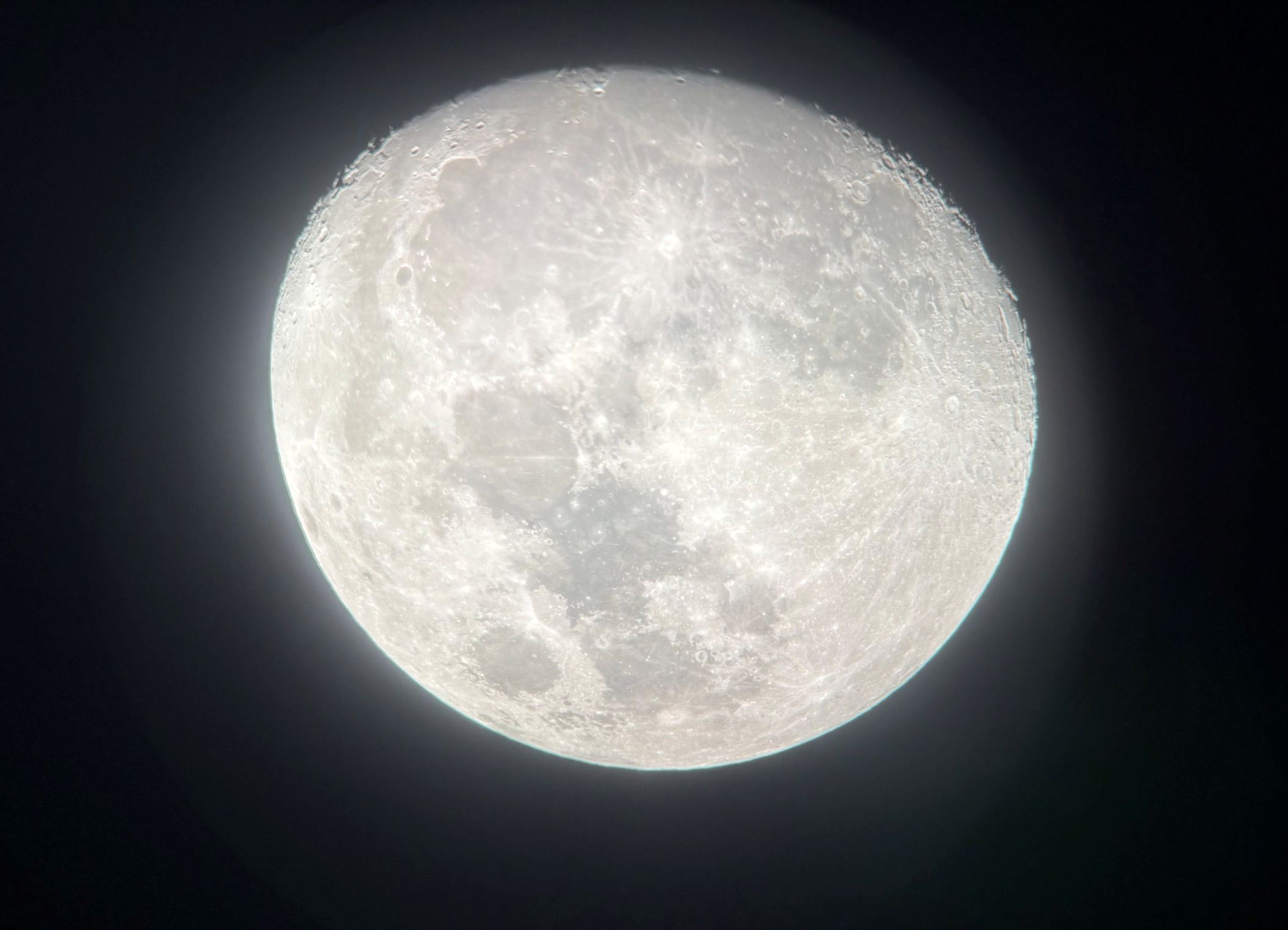
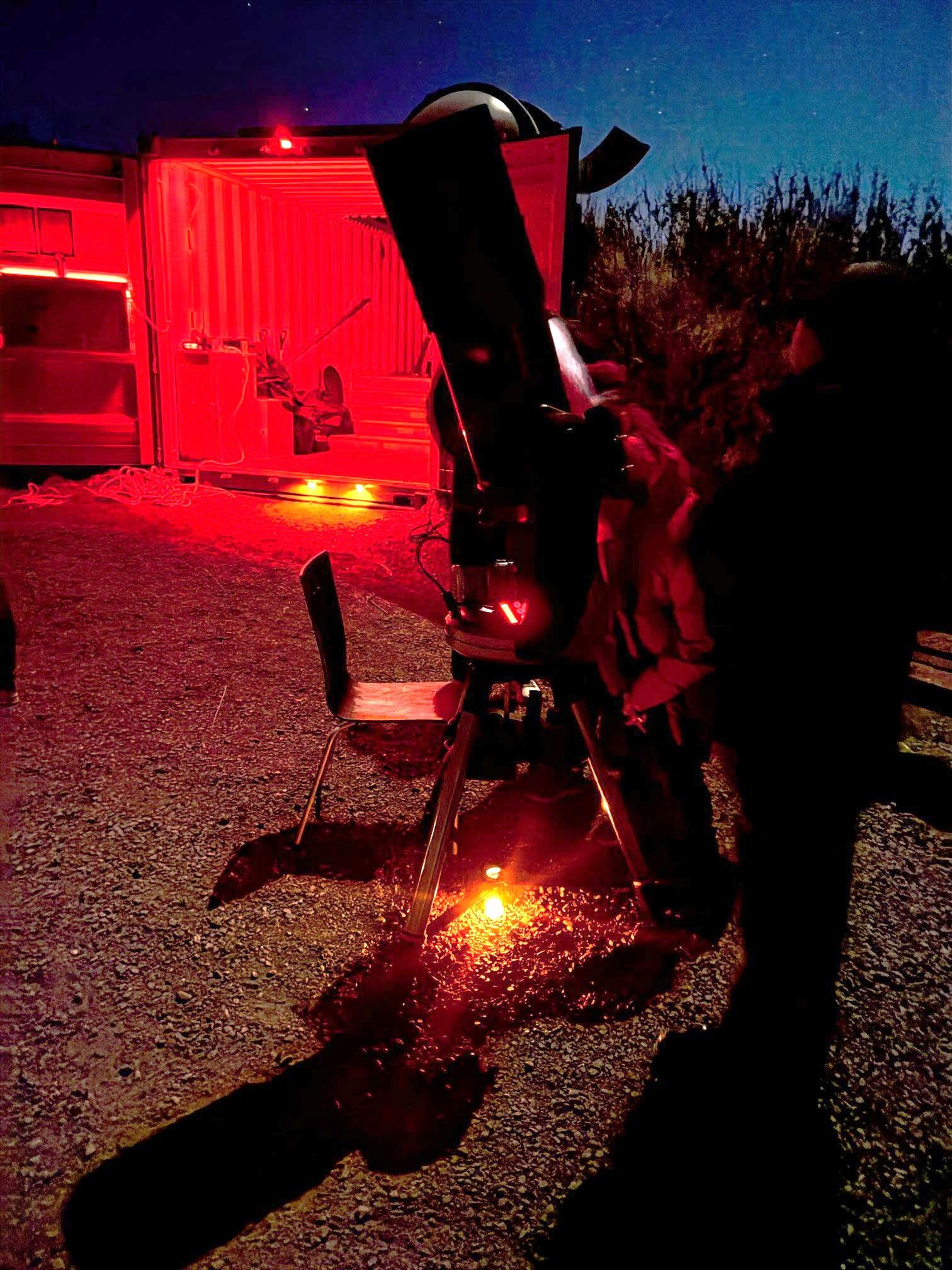
We enjoyed a fish and chip dinner in a Chinese café (yes, I am still puzzled that we ordered in one café and went next door to collect the meals from a different café which we consumed in the first café). Refreshed and watered we went back to Dark Sky project to board our bus to the Crater Experience. Barry waited under a rather threatening sign but the threating arm was a shadow from a mannequin. Right on time the bus arrived, and we began our Crater Experience. There were about 20 of us on the bus. Fifteen minutes down the main road we turned off into the bush and wound our way to a circle of shipping containers and sundry sheds. Our astronomy hostess was from the University of Canterbury the institution that operated the Mount John Observatory and manned the café with students. We went around the dark sky, and she pointed out salient points. Her assistants meanwhile lined up two telescopes for us to use to more closely observe the sky. It was a very enjoyable but very cold experience, so it was great to get back on the bus.

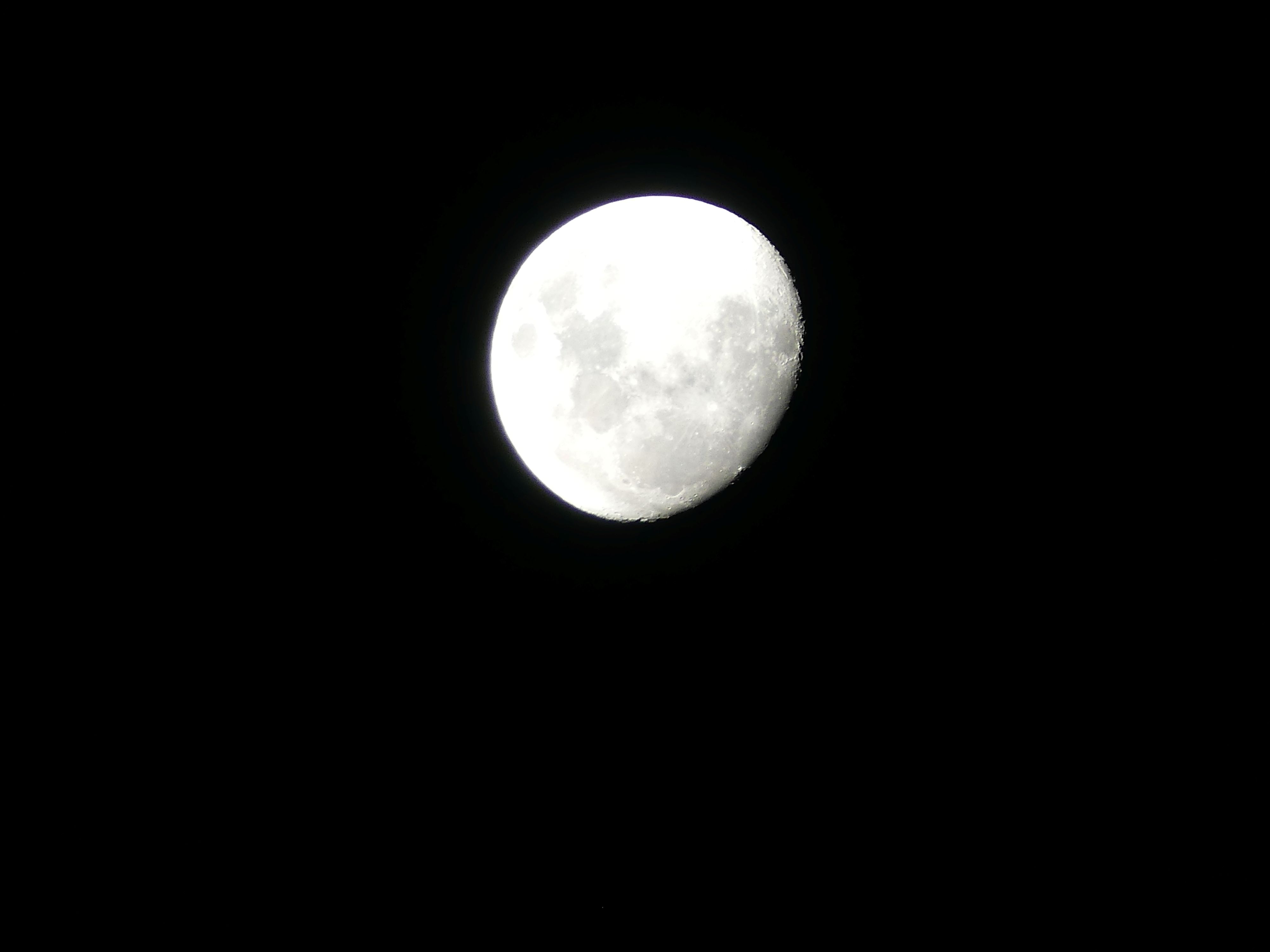
Barry under threat, the Crater, me and the telescope, Kerry and the telescope, the night sky and the moon through the telescope.

Home to bed and Lake Tekapo to Christchurch tomorrow. Keep watching for Episode 5 here on THE RETIREES VISIT THE SOUTH ISLAND ACROSS THE DITCH.

THE RETIREES VISIT THE SOUTH ISLAND ACROSS THE DITCH blog 495 Episode 3

19TH MAY TO 10TH JUNE 2026

Carrying on from Episode 2 here are the photos from the upper floor.

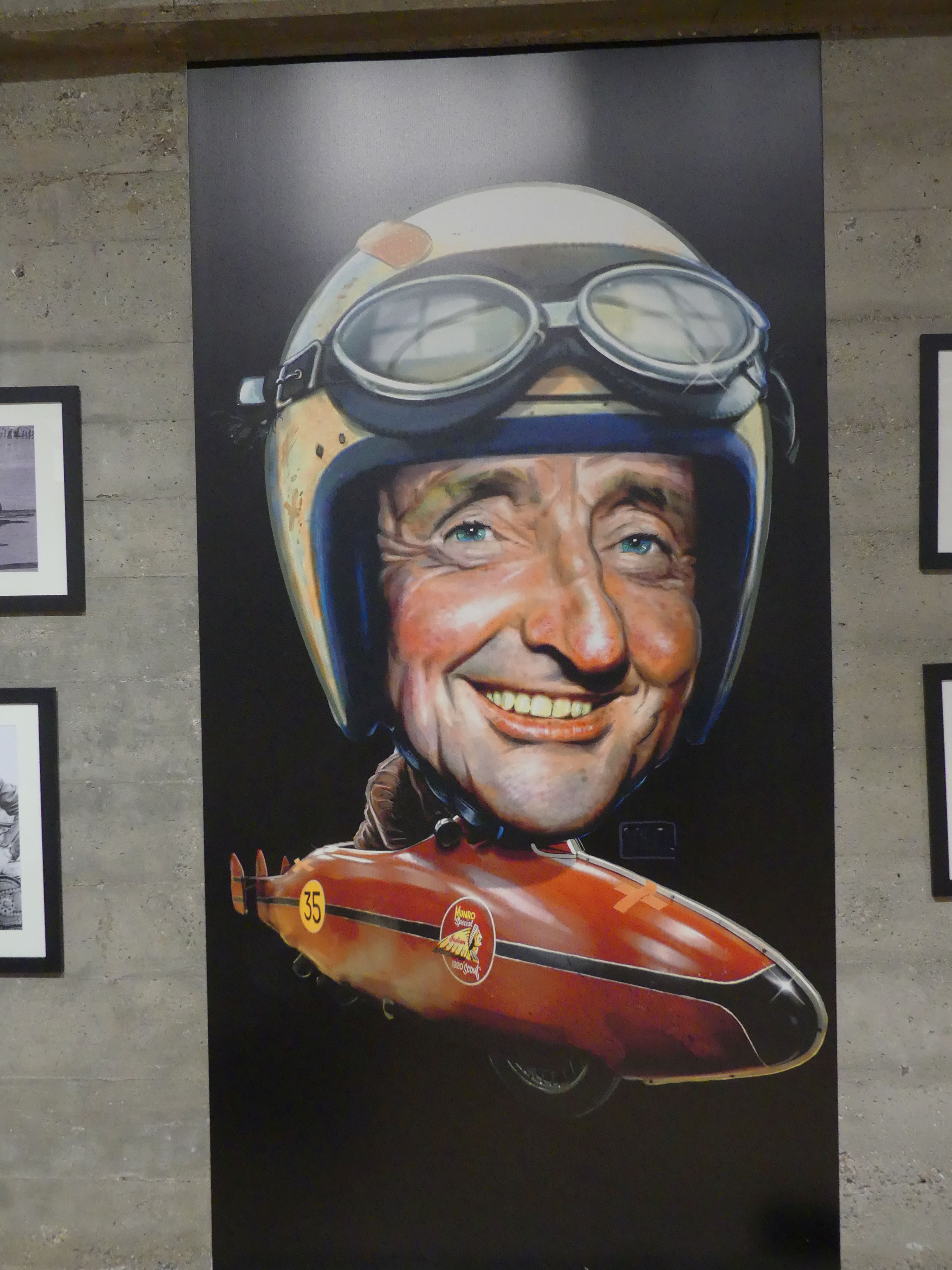
Burt Munro and the World’s Fastest Indian

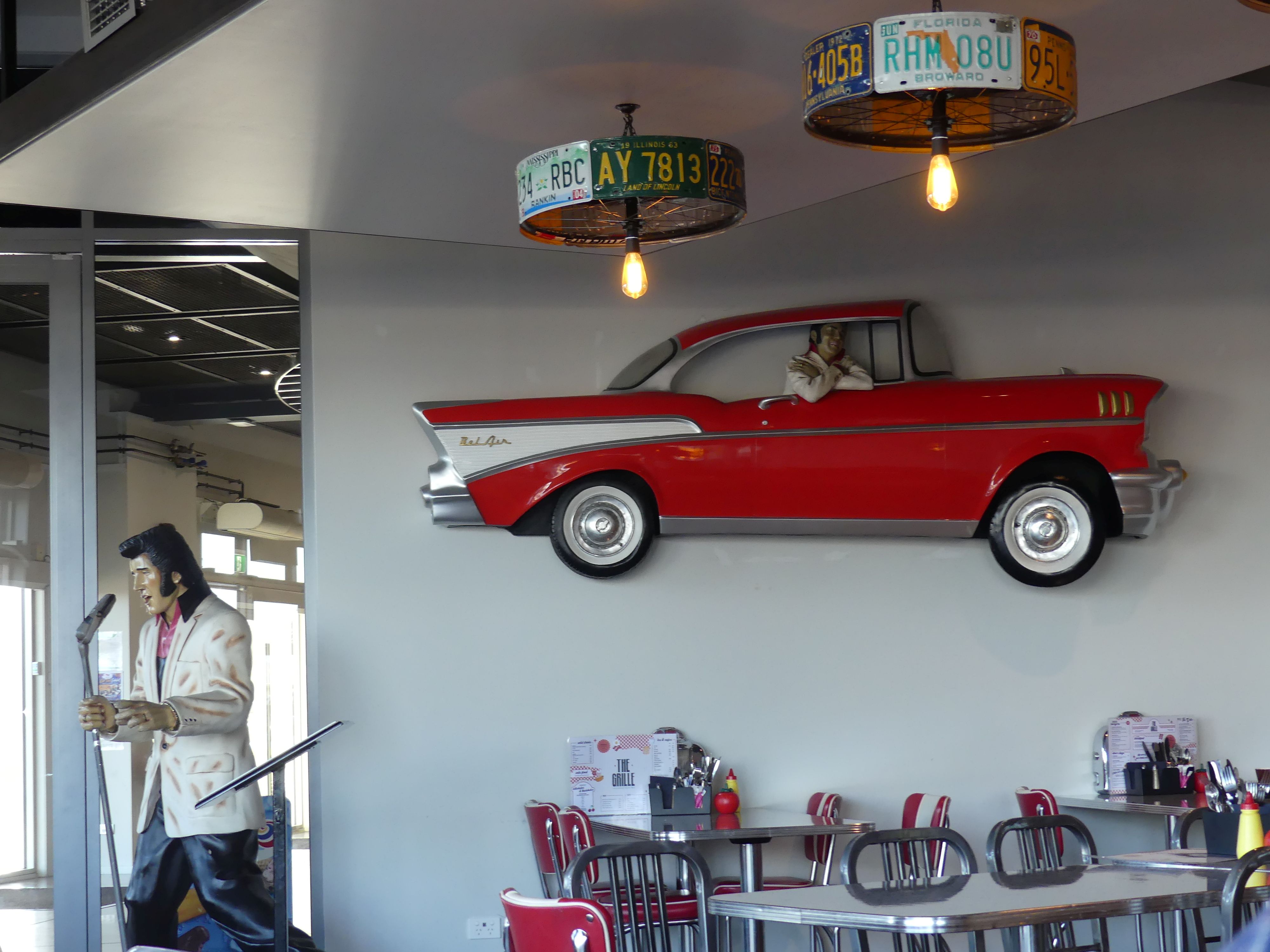
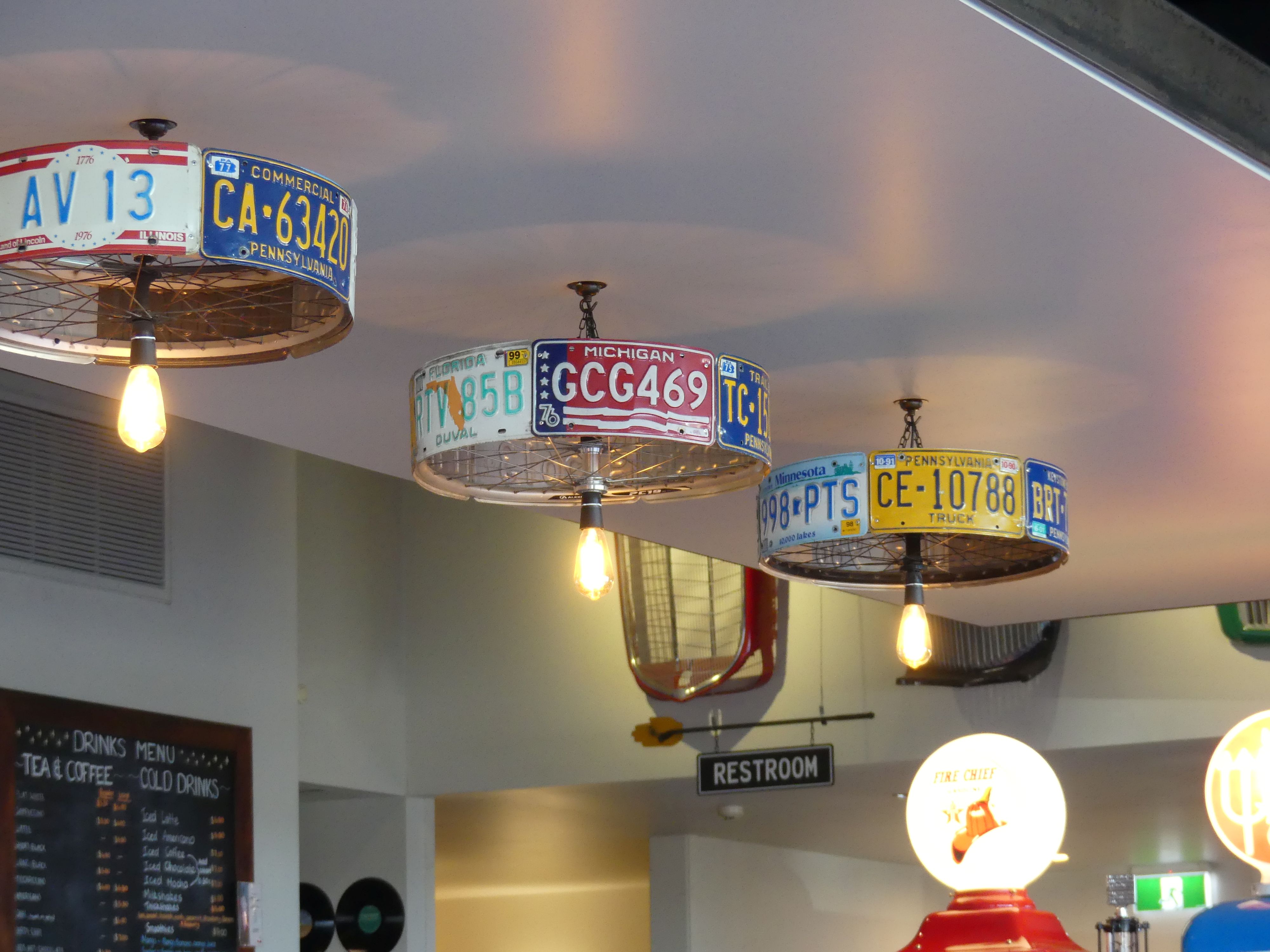
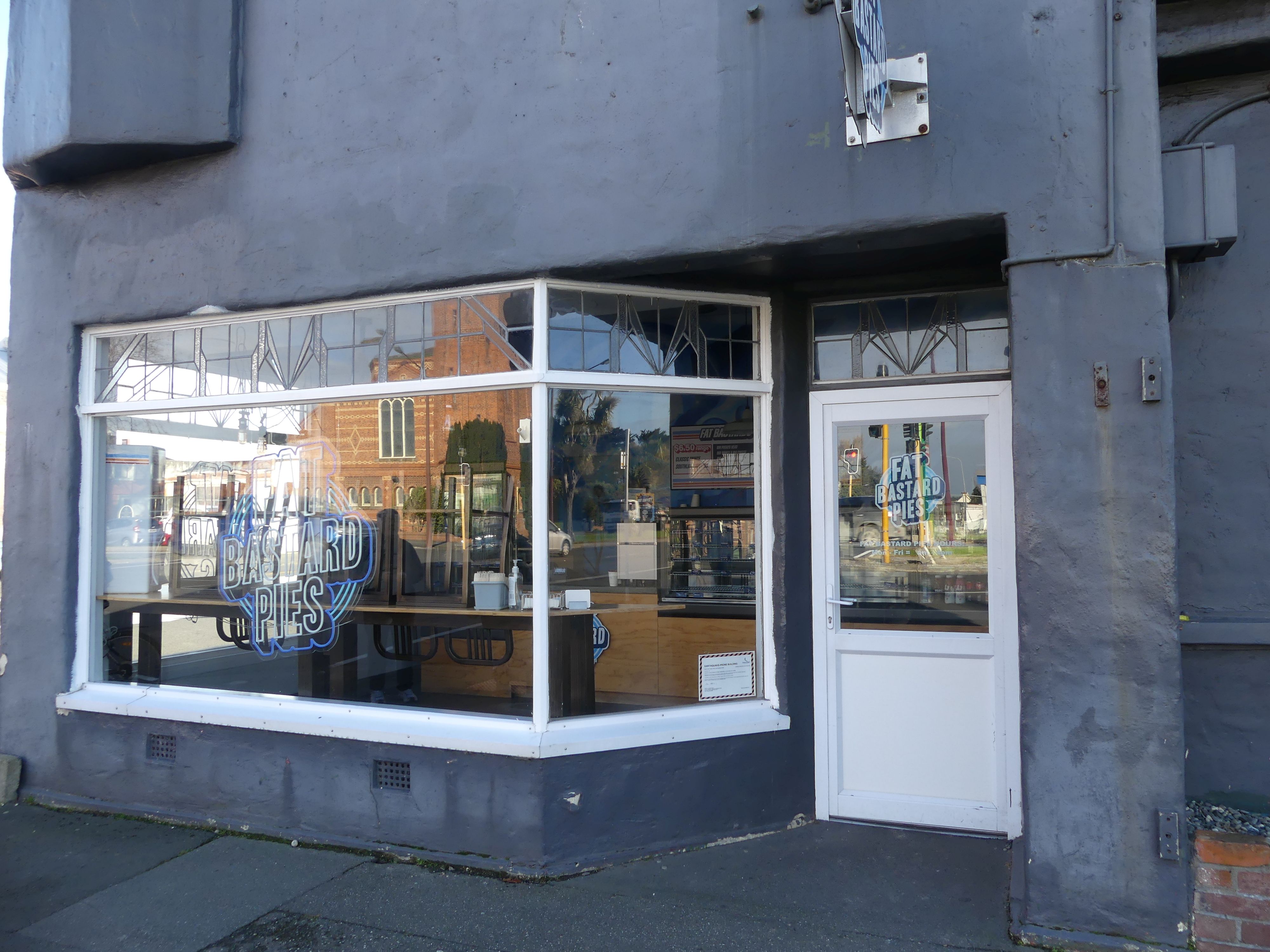
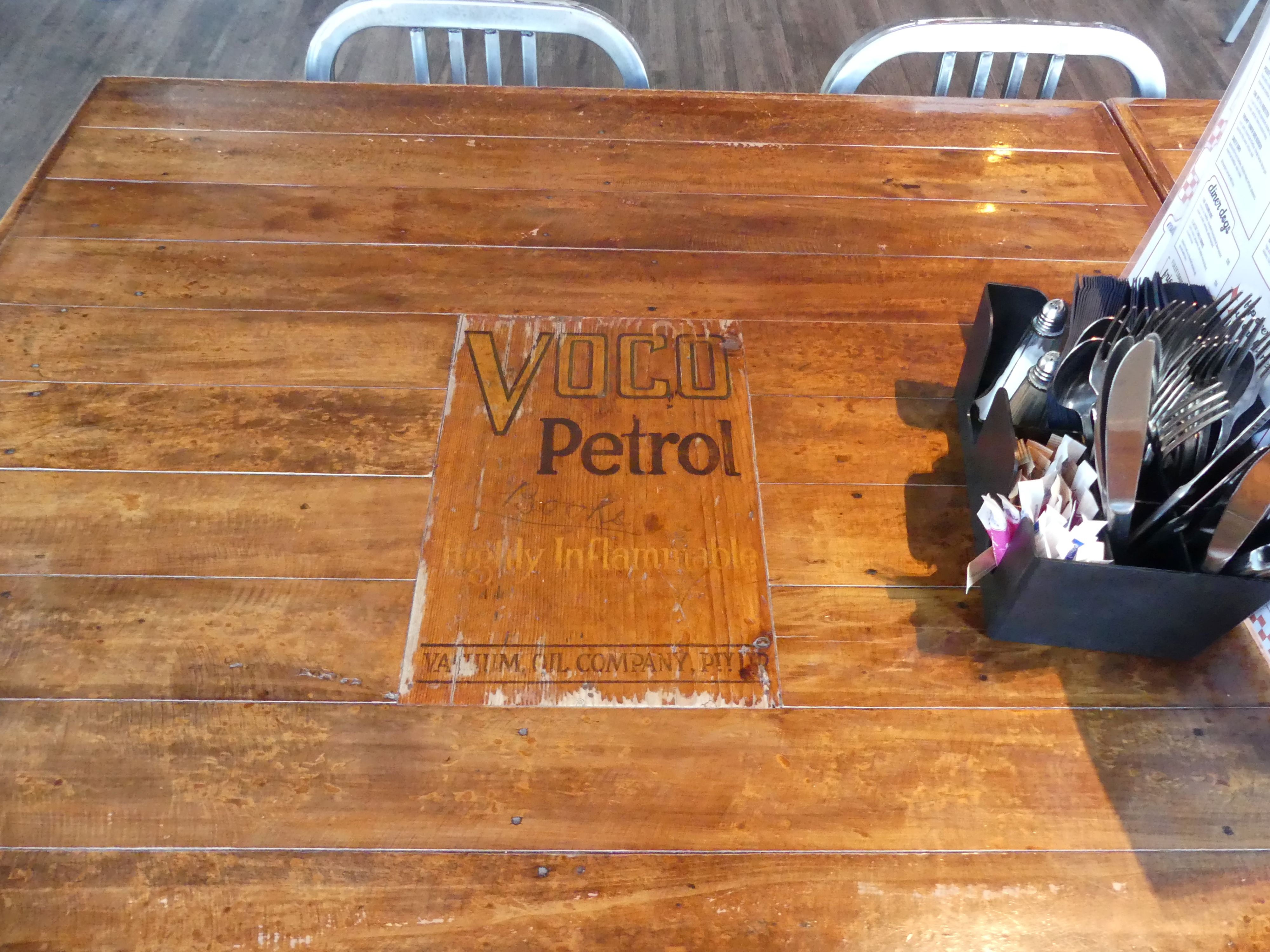
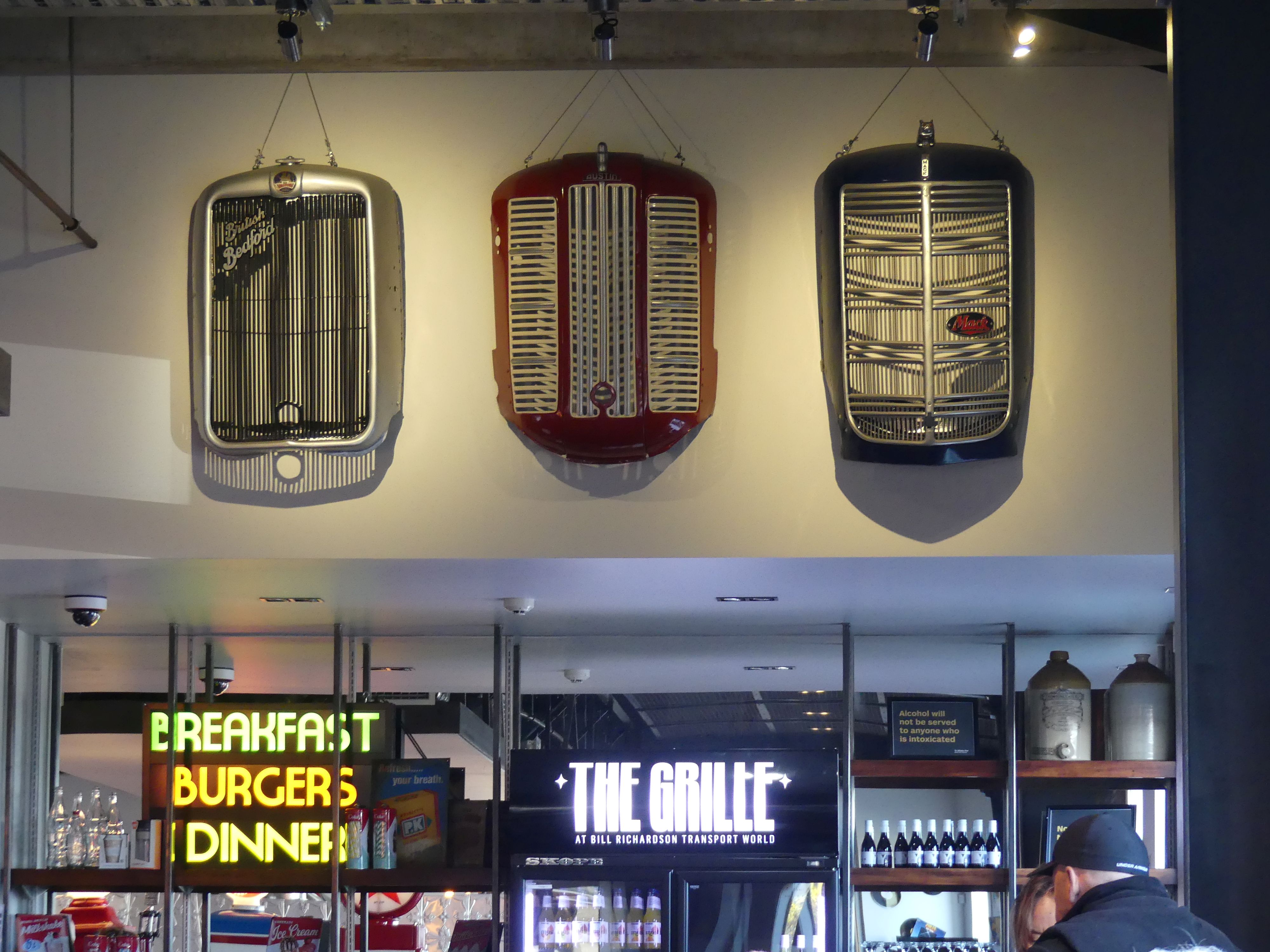
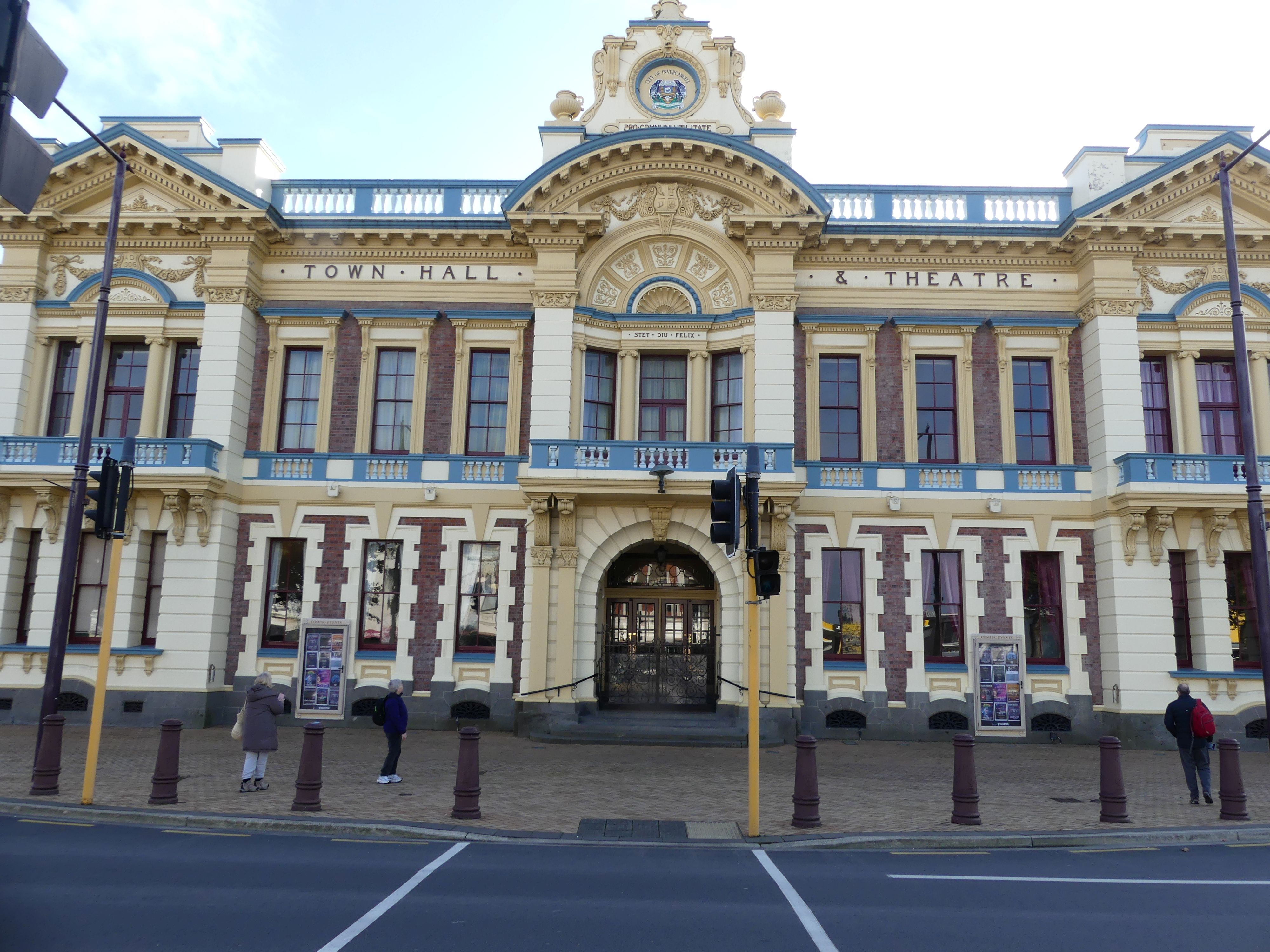
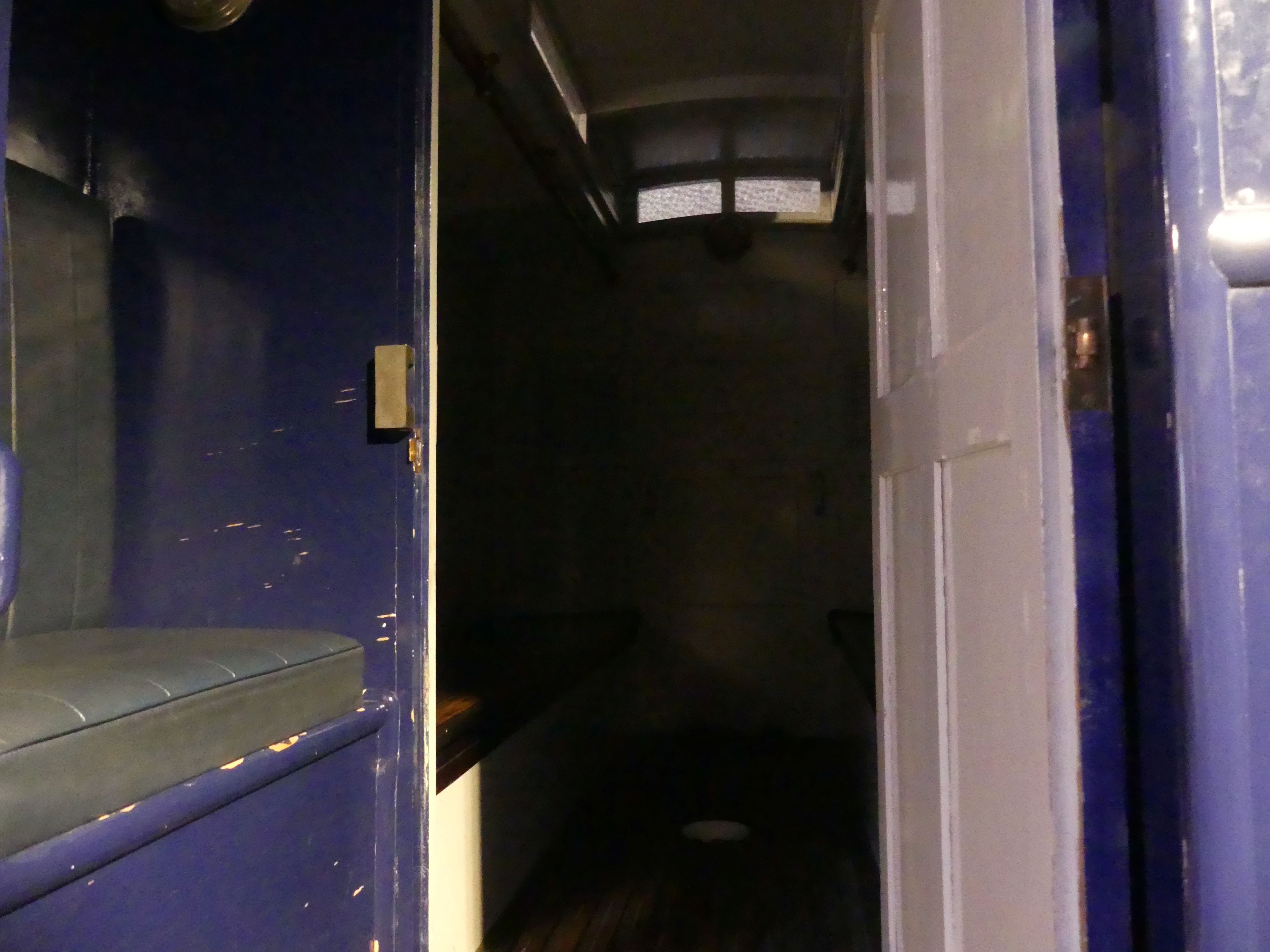
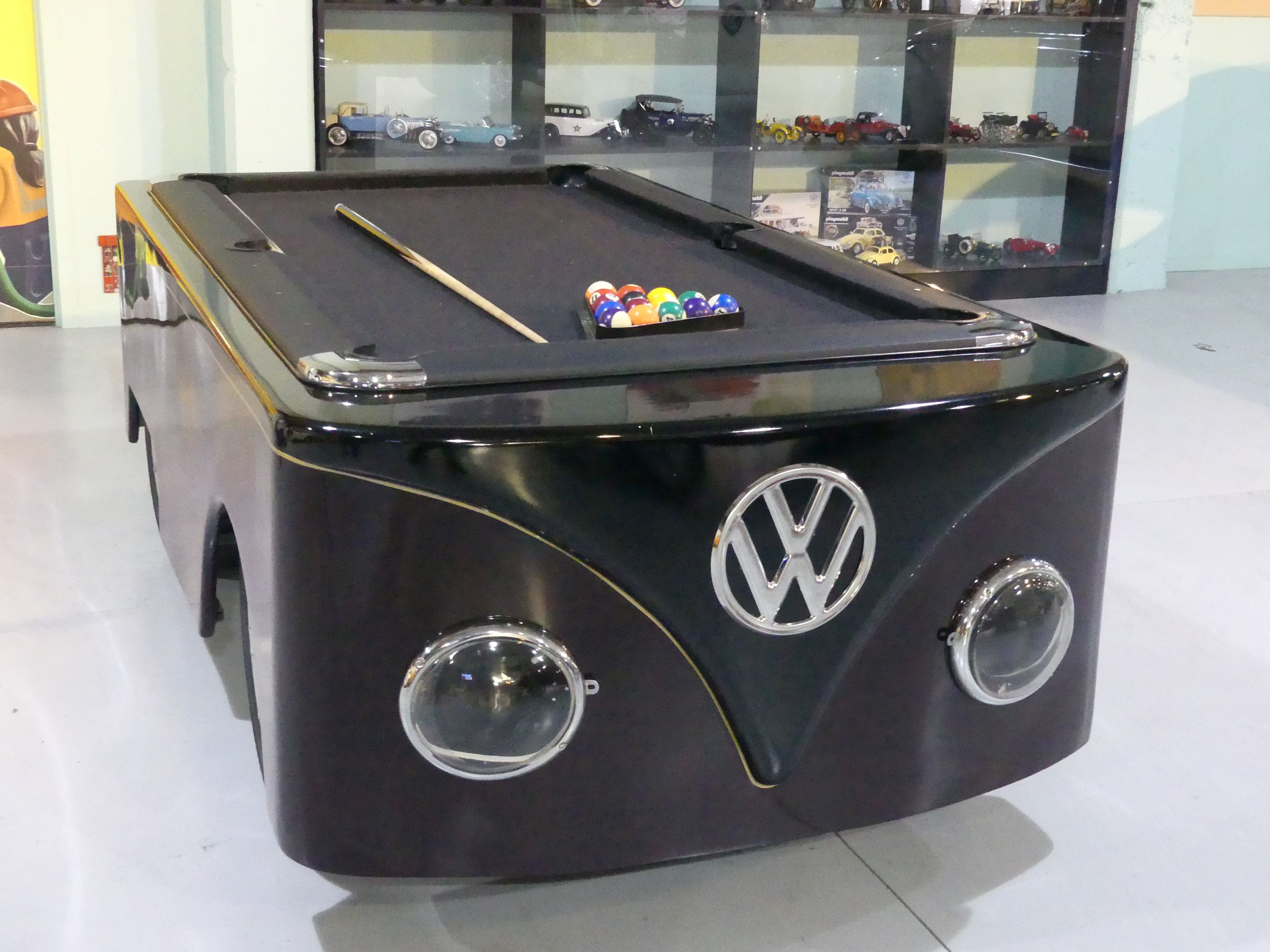
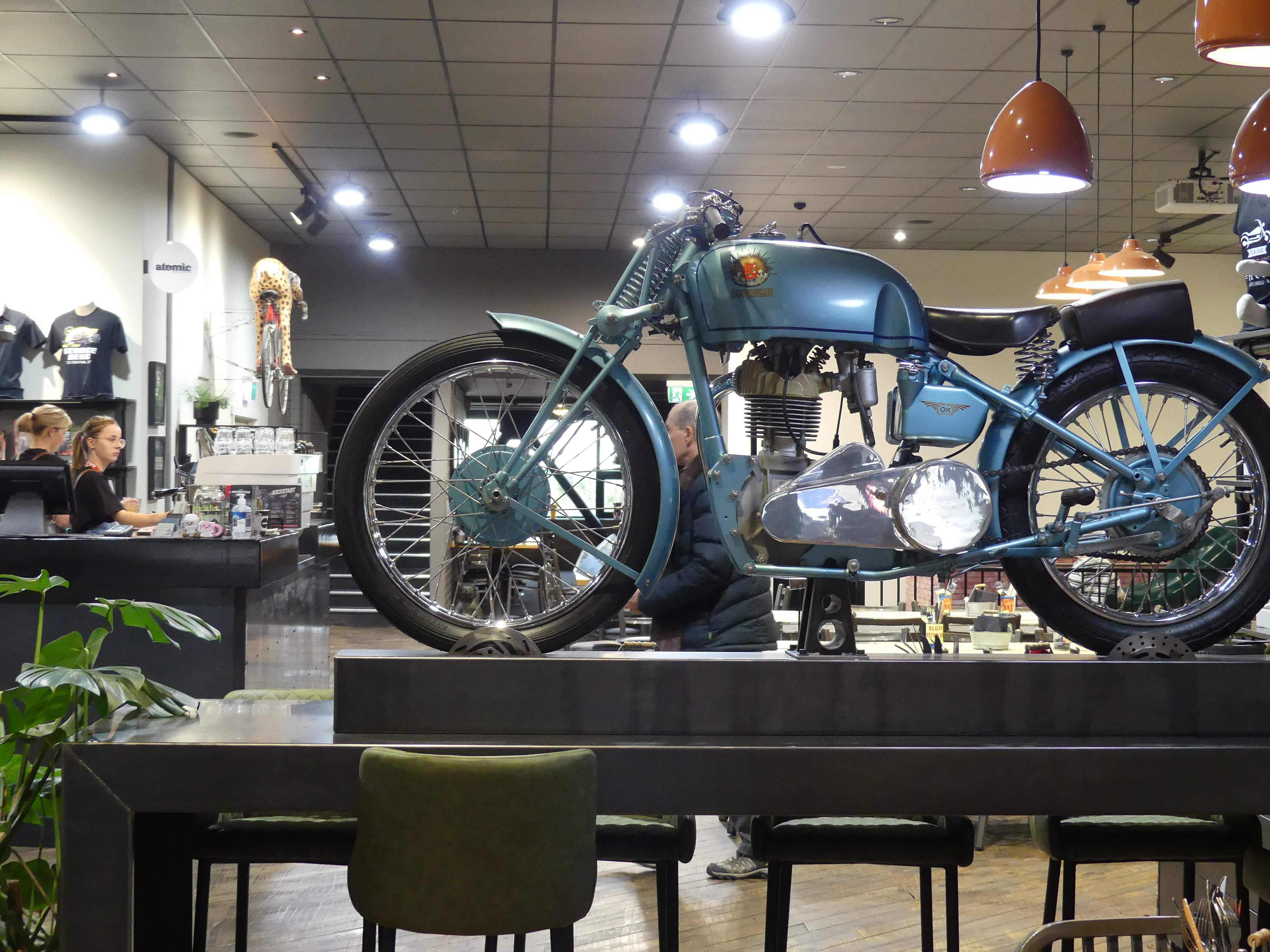
Having spent the morning at the museum, Barry and I now wanted to see the collection of Bill Richardson and his friends. We only had a tourists map and it didn’t look to be too far to walk; so, we did and it was a bloody long way. On the way we saw some more street art, the Town Hall and Fat Bastard Pies. When we finally arrived; yes, you guessed it we needed a coffee, so, the first place we checked out was the café. It was uniquely decorated with memorabilia – number plates as lamp holders on the ceiling, old radiator covers advertising “the grill”, and the tabletops made from recycled timber from oil barrels. Even Elvis made an appearance.

The cafe and the sights/sites

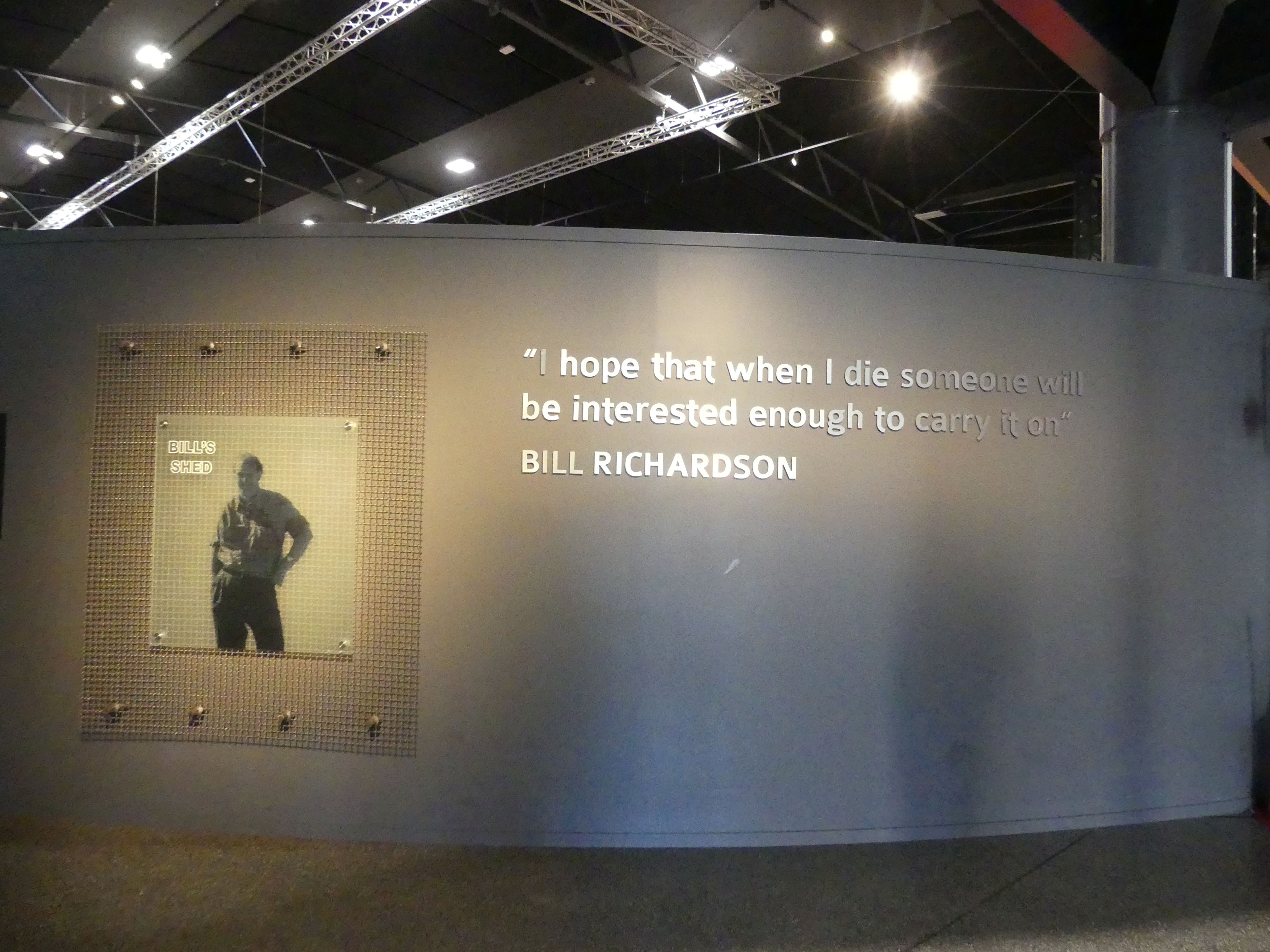
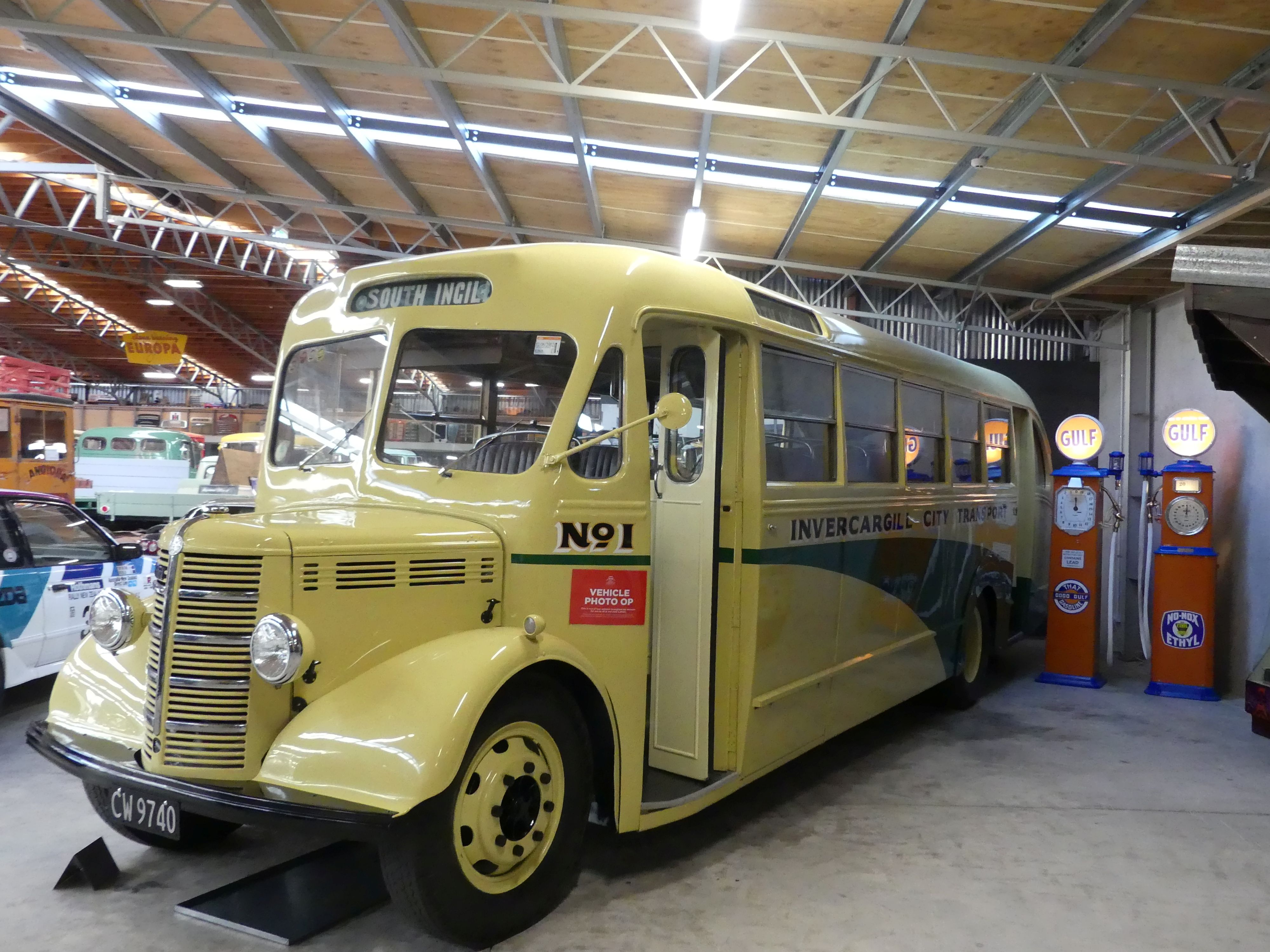
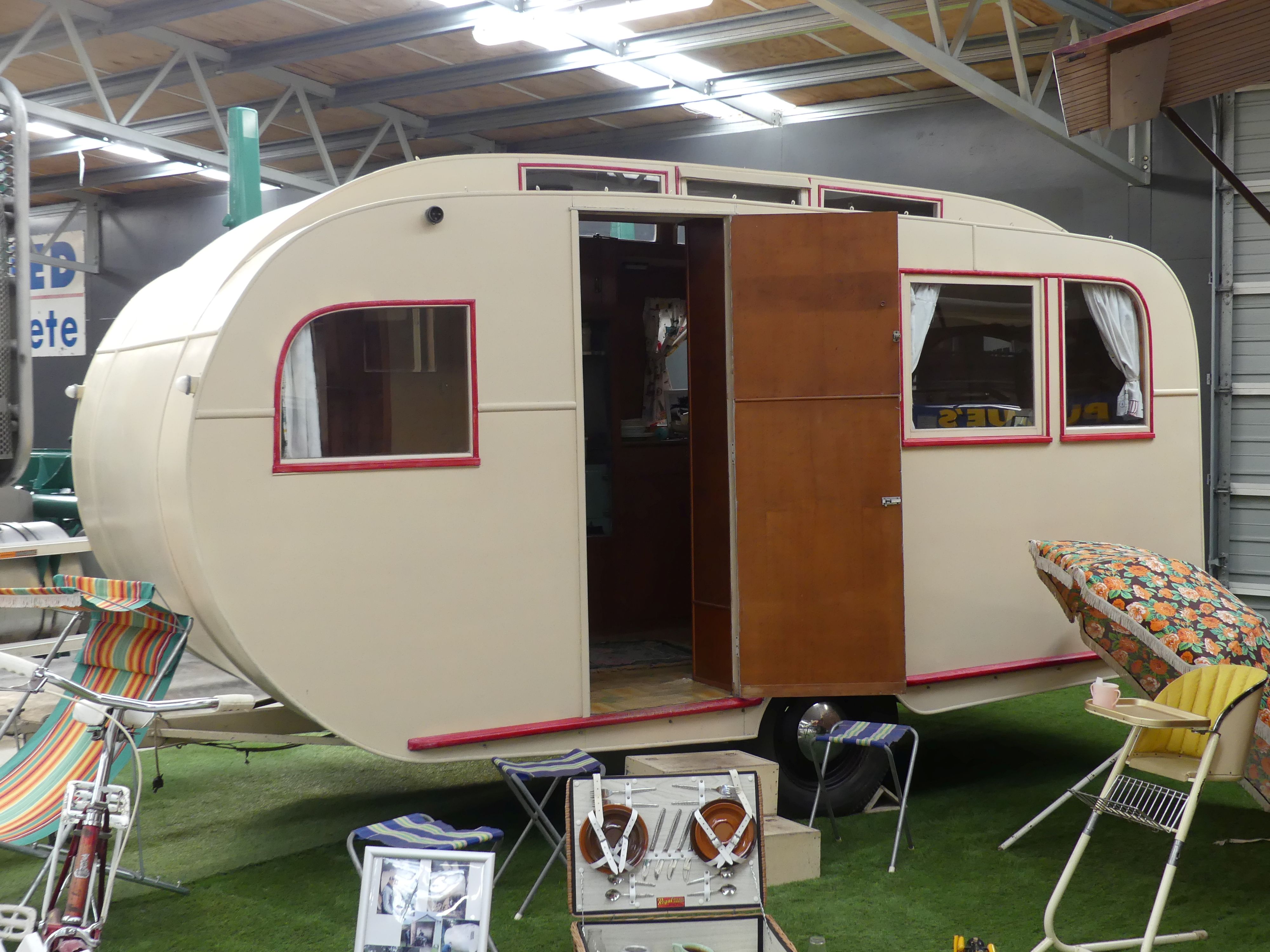
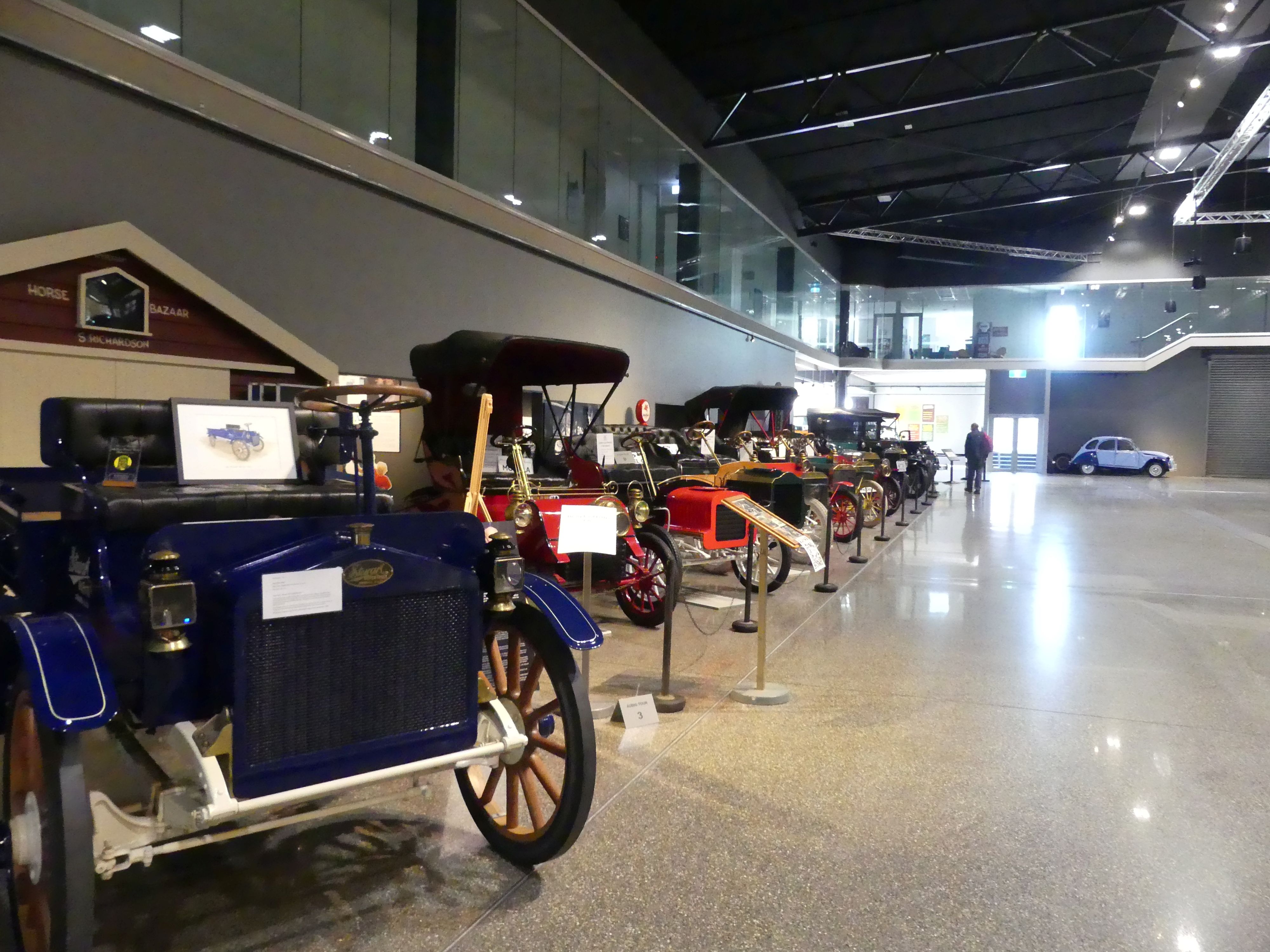
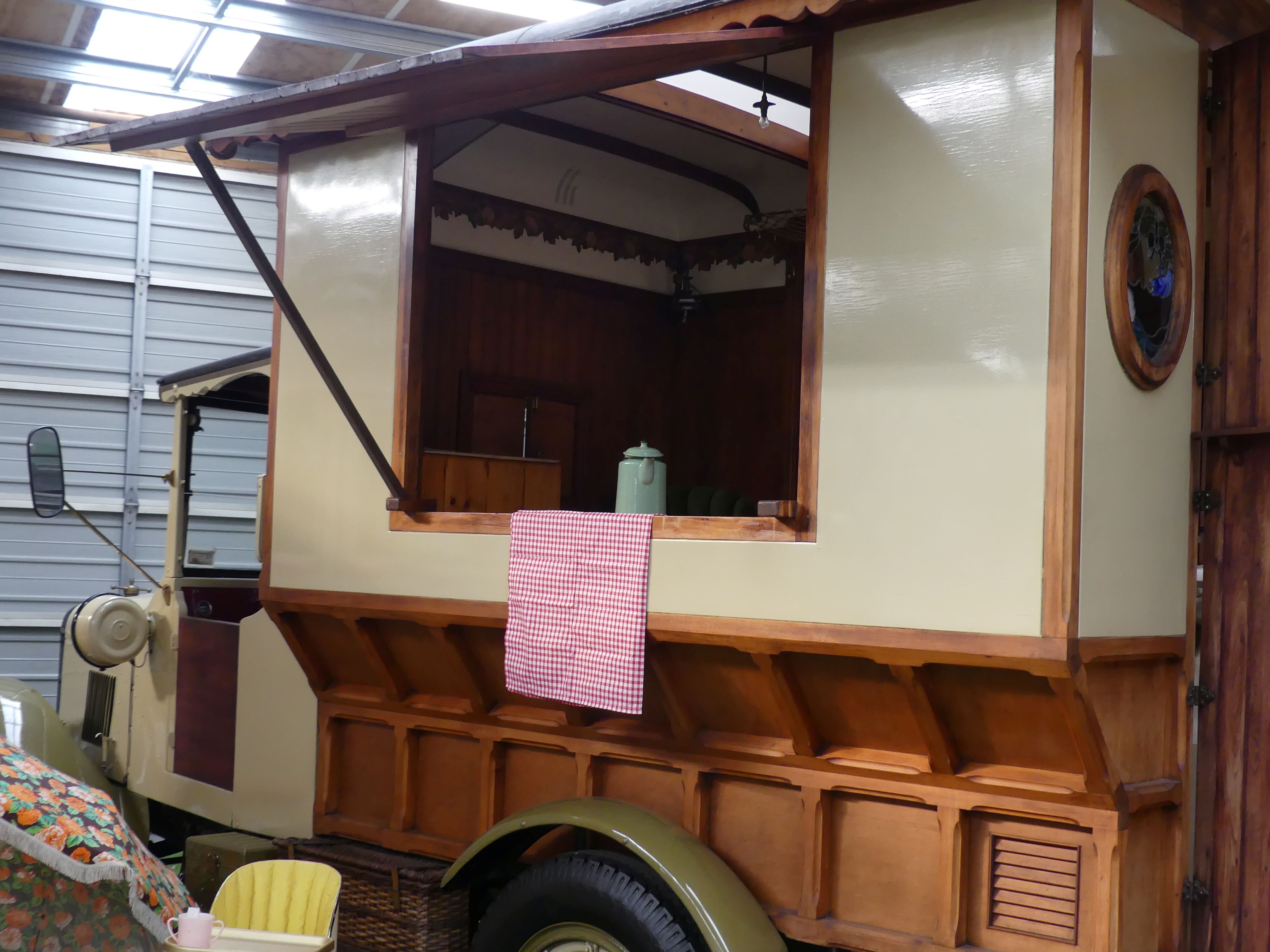
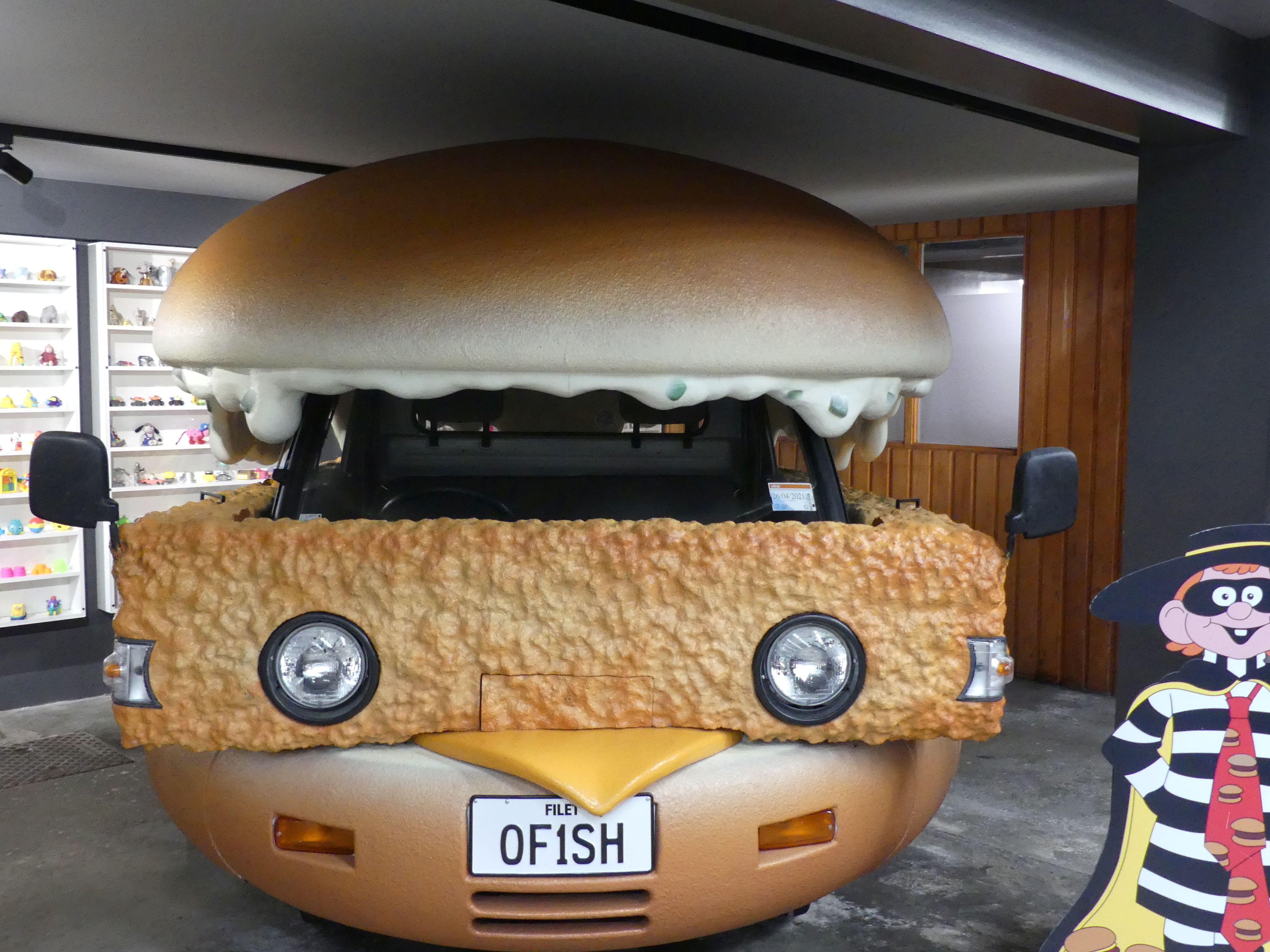
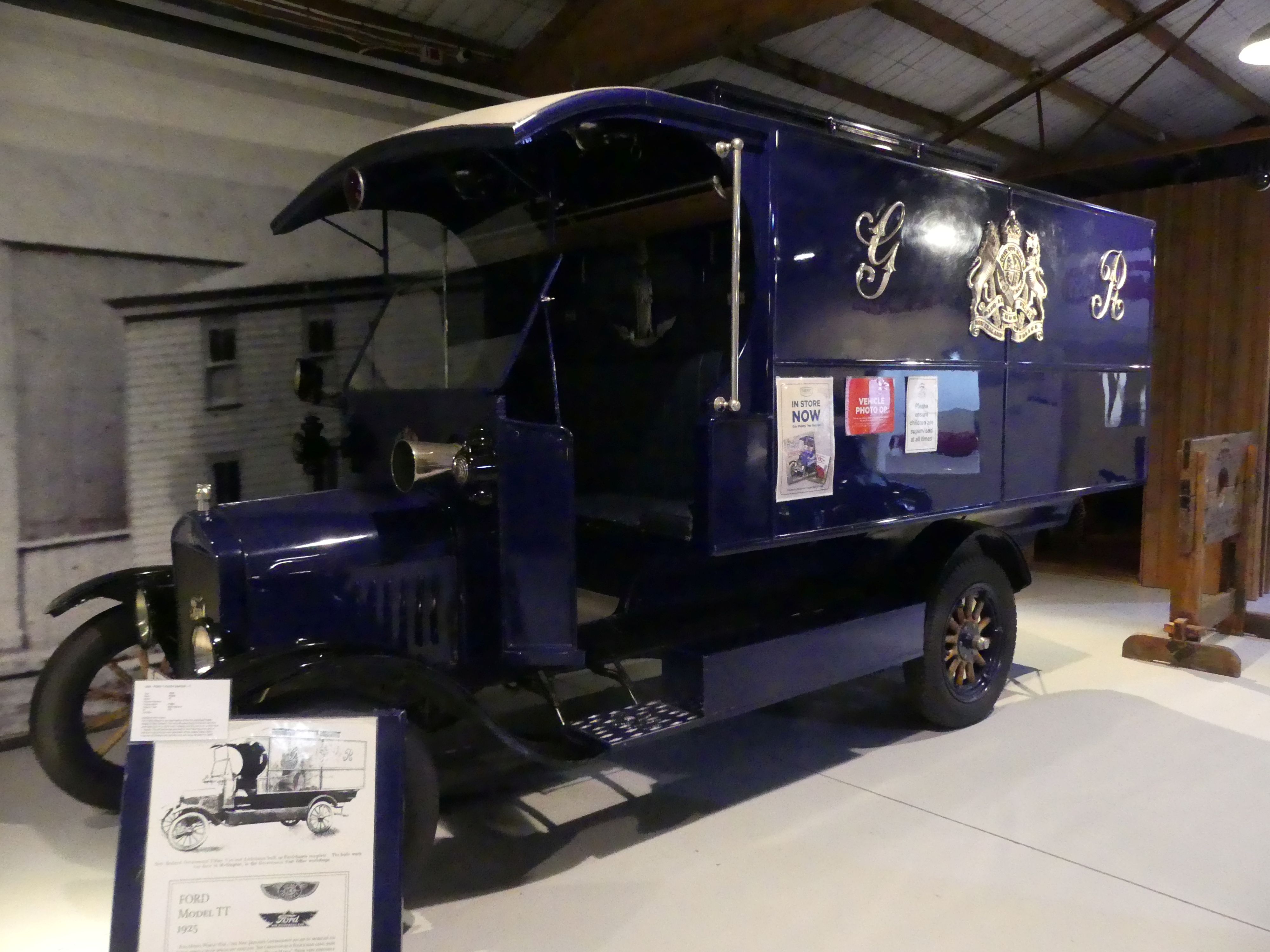
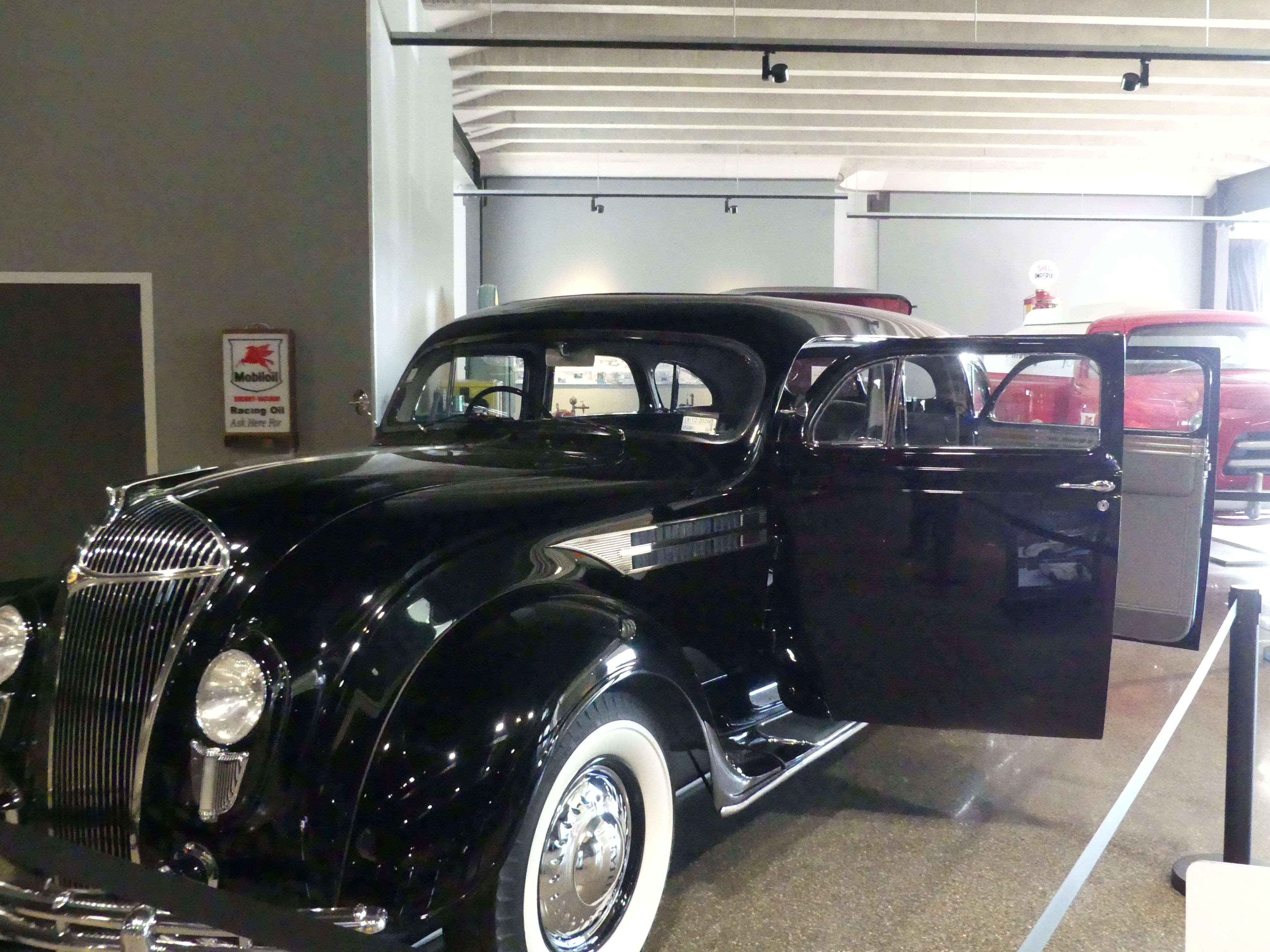
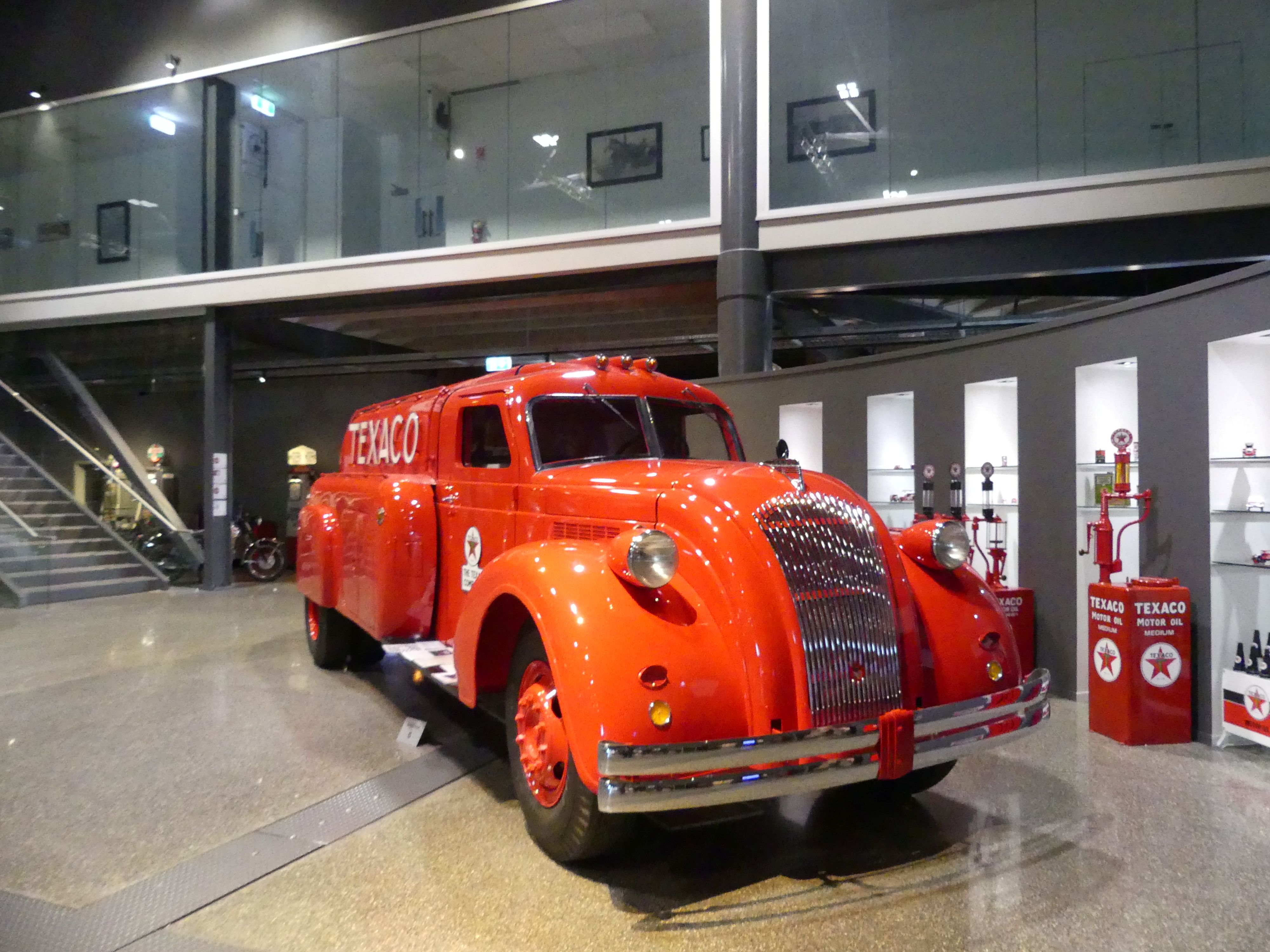
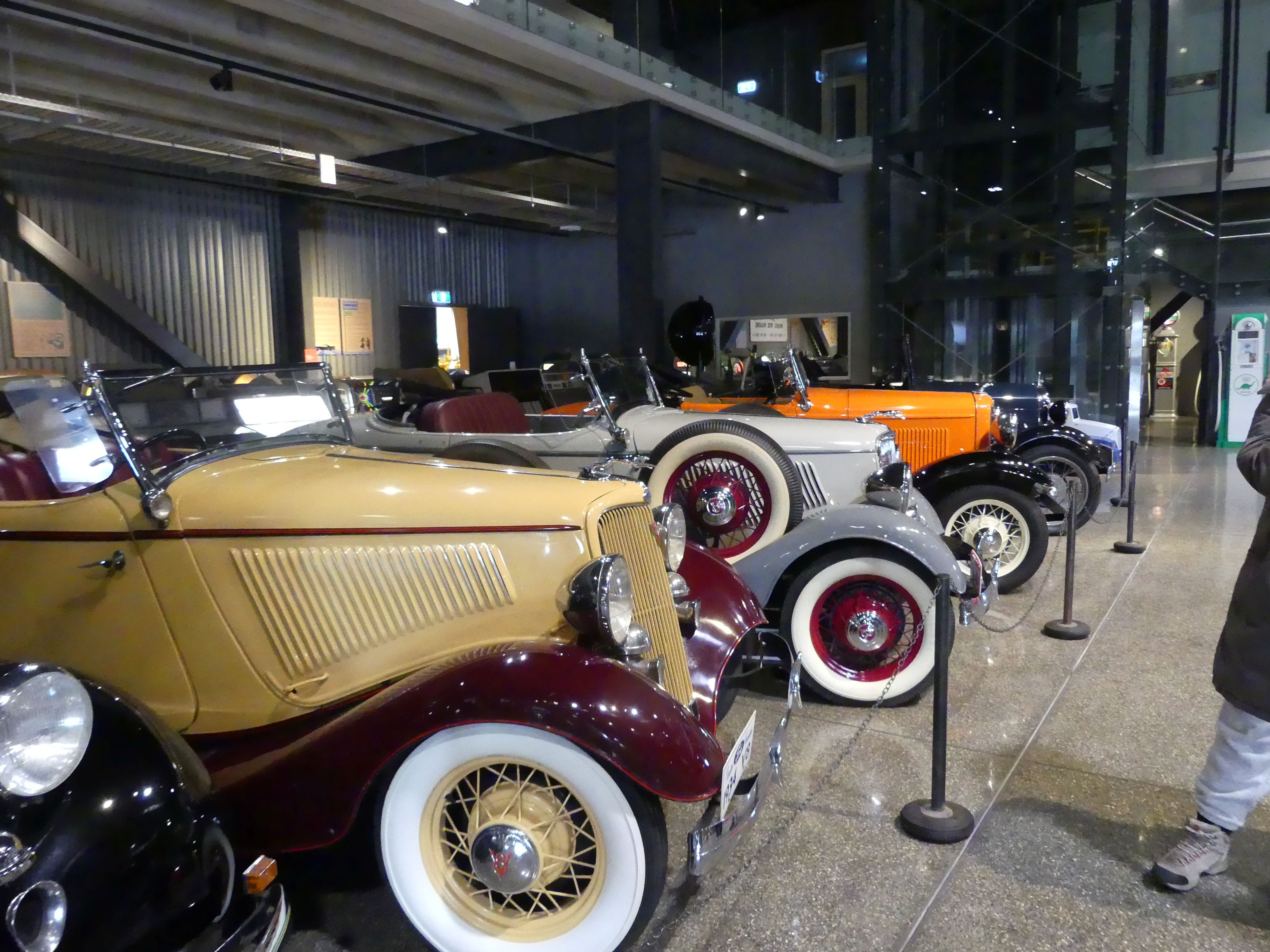
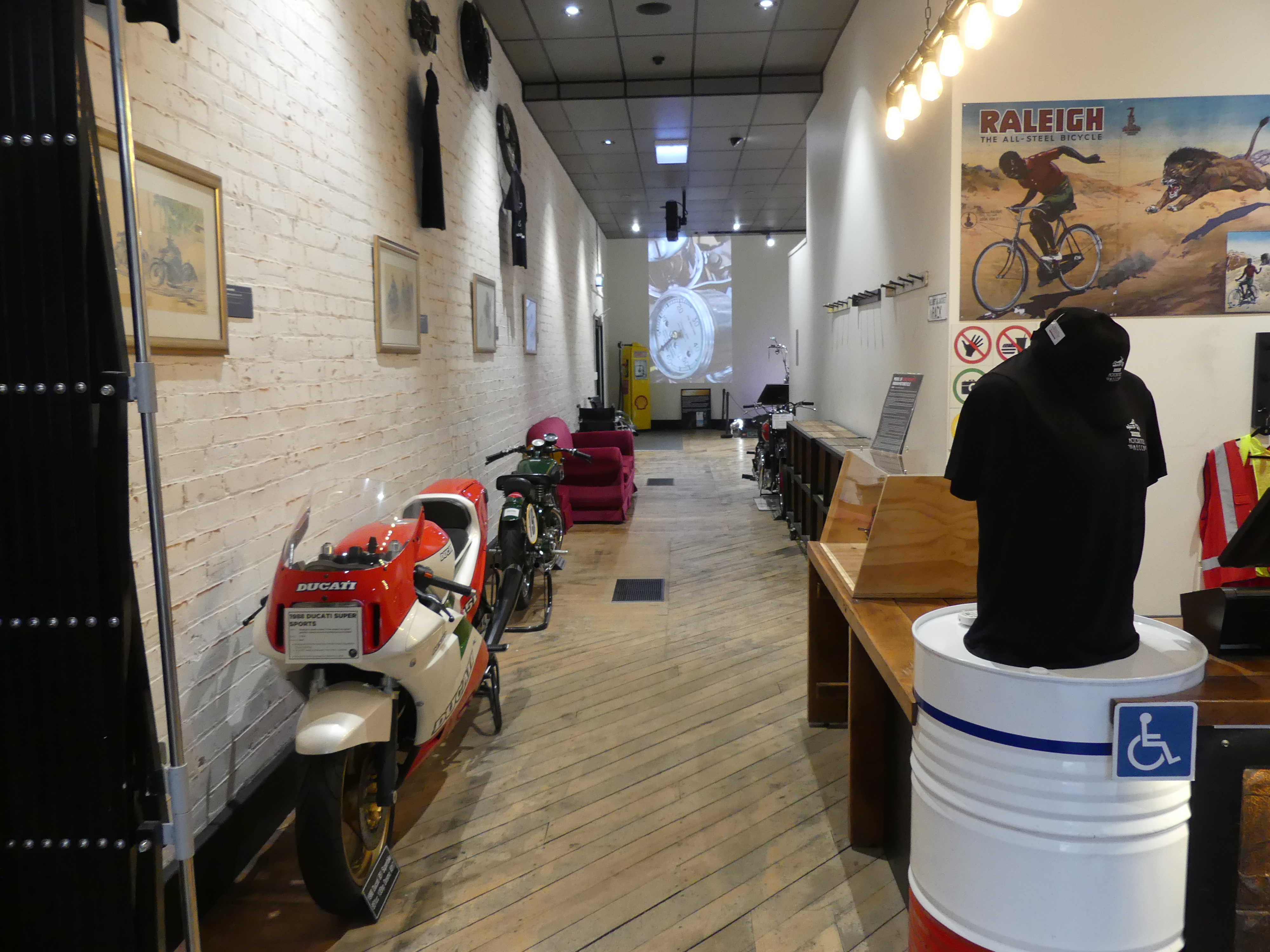
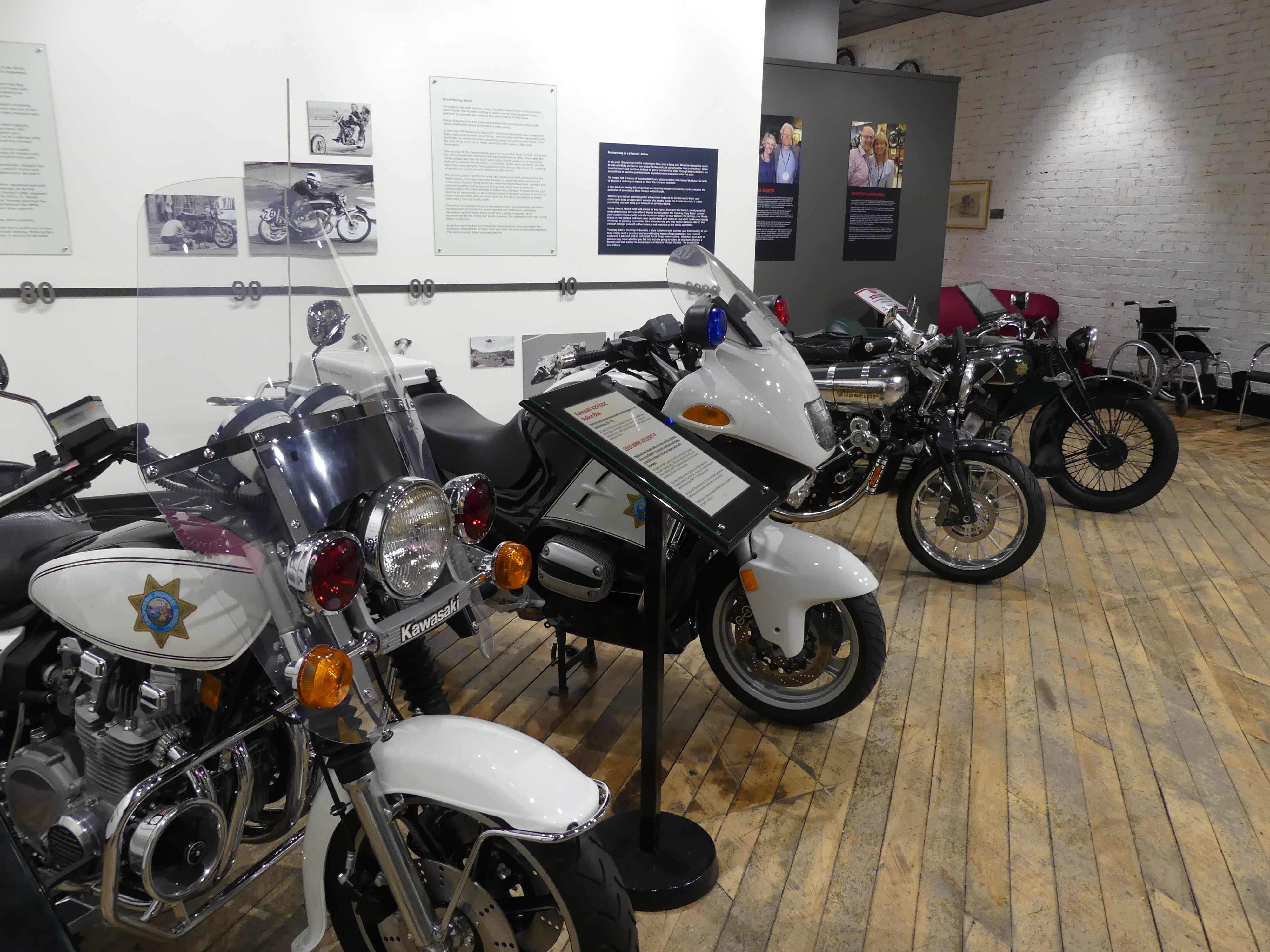
The museum was made up of the collections of Bill Richardson and his mates and what tremendous display.

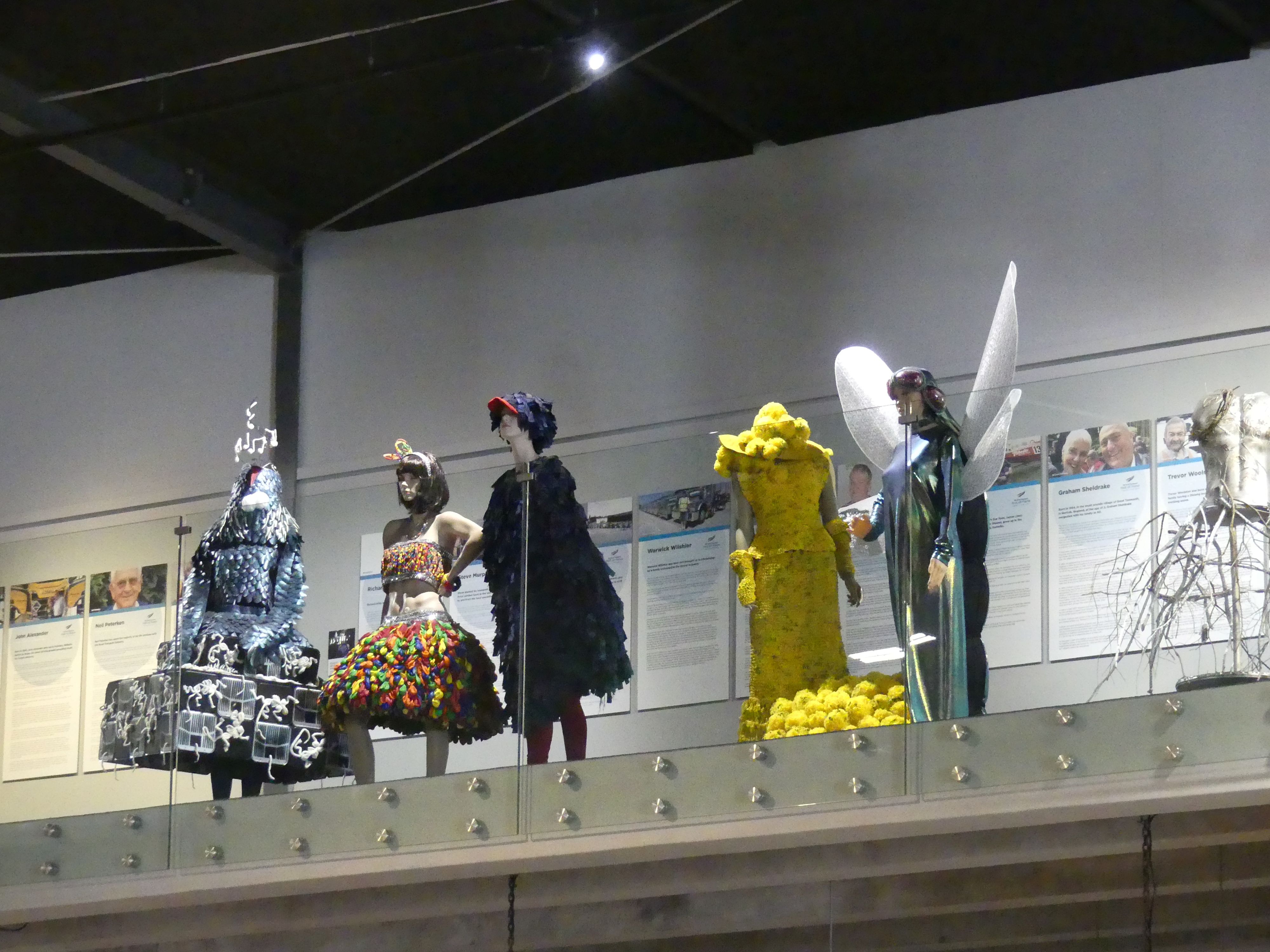
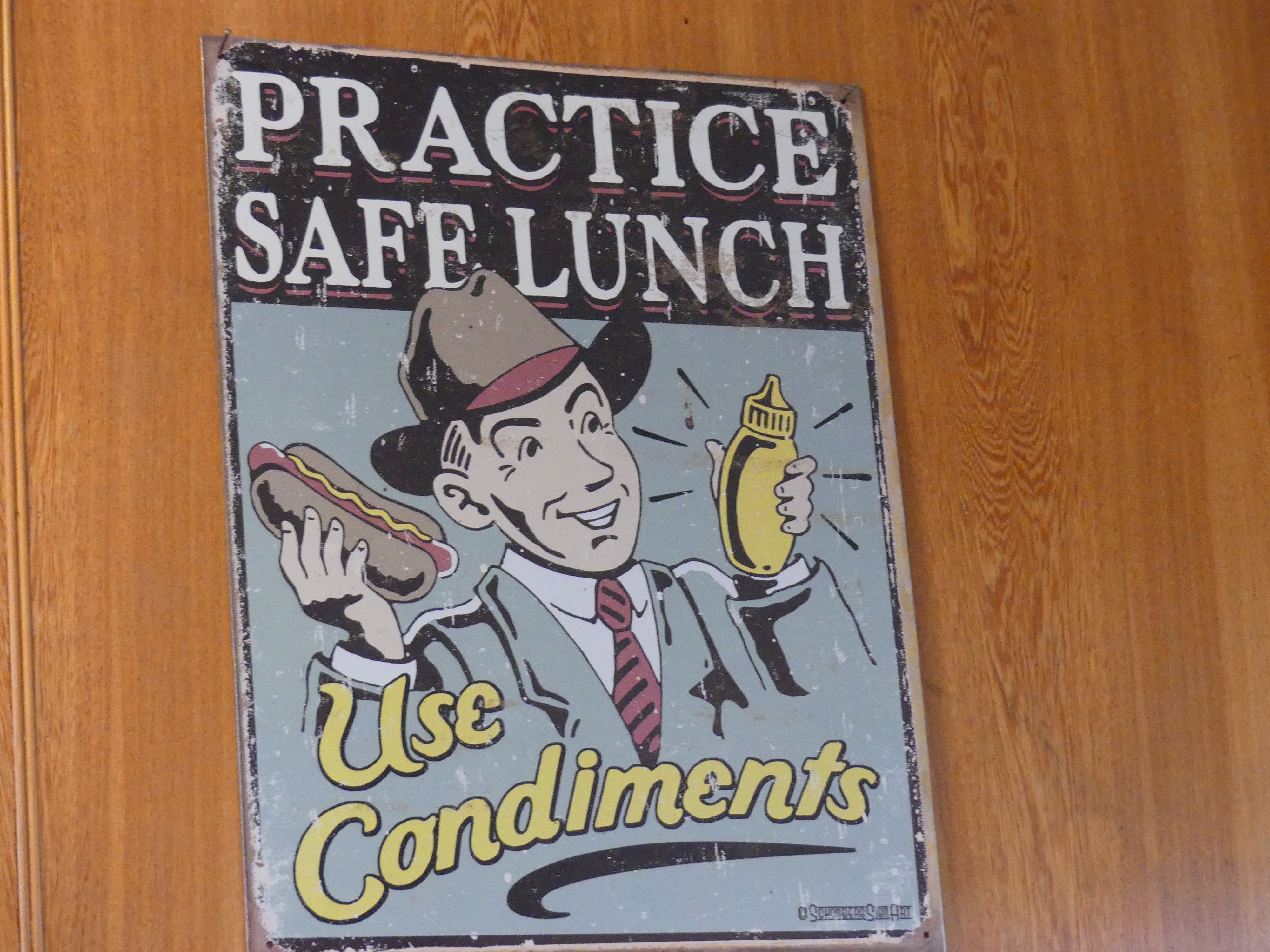
The girls discovered there was fashion on display also and merrily left the boys with the cars,trucks and buses. By the time we had viewed all the cars, we were confronted with the walk back to the Ibis. This time we caught a cab to Queens Park to have lunch. We had been advised to try the café in Queens Park, and we had had enough of walking. Lunch was okay but more enjoyable was the cooling milkshake. It was here that we received some very sage advice “Practice safe lunch – use condiments”. So, we did.

Having rested we decided to walk back to the hotel. Passing the Fat Bastard Pie Shop then the Town Hall, we knew we were close to home. That evening we resume our card playing and plotted how we would avoid parking fines in Tay St.

Day 7   Invercargill to Dunedin           

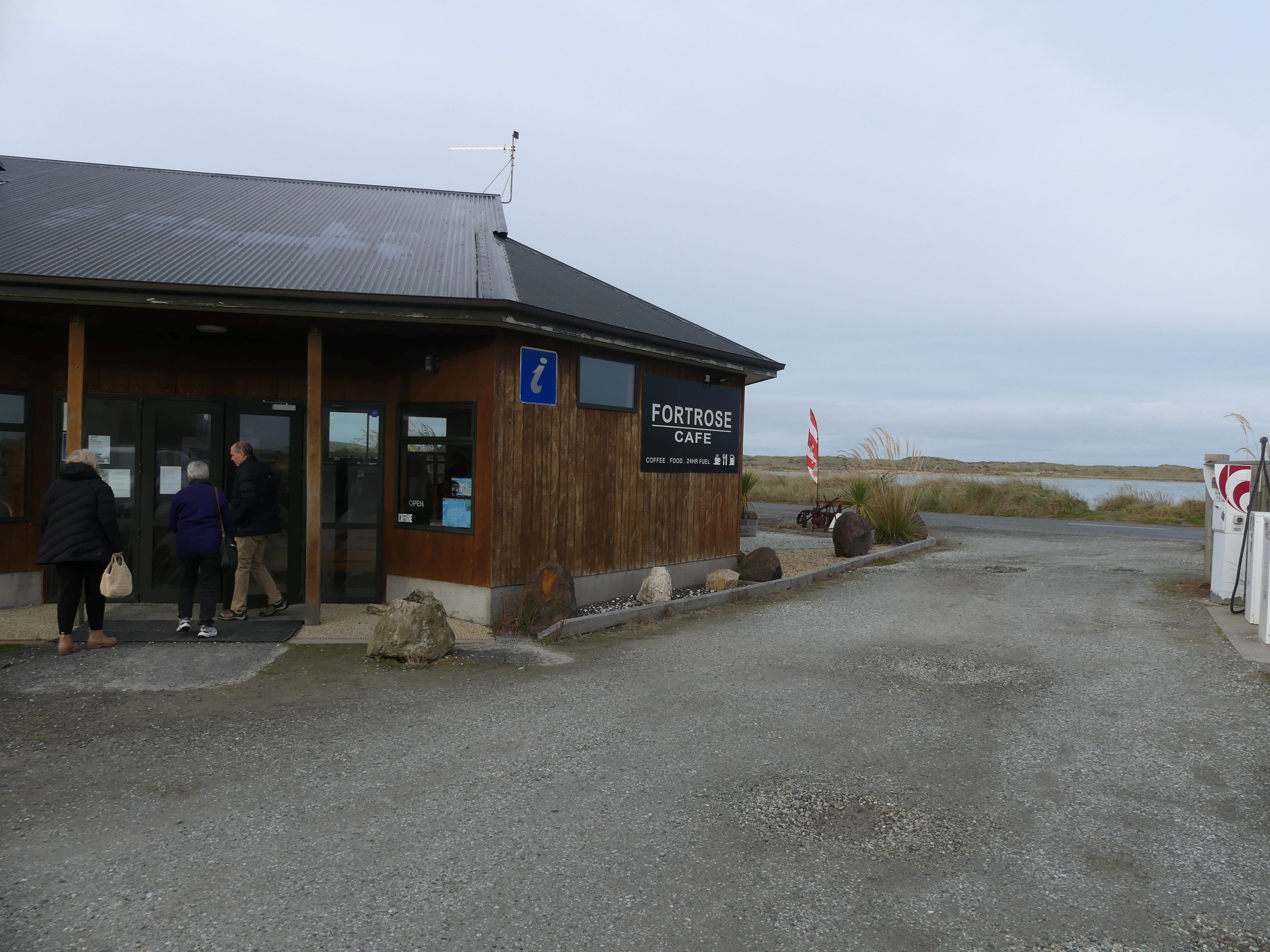
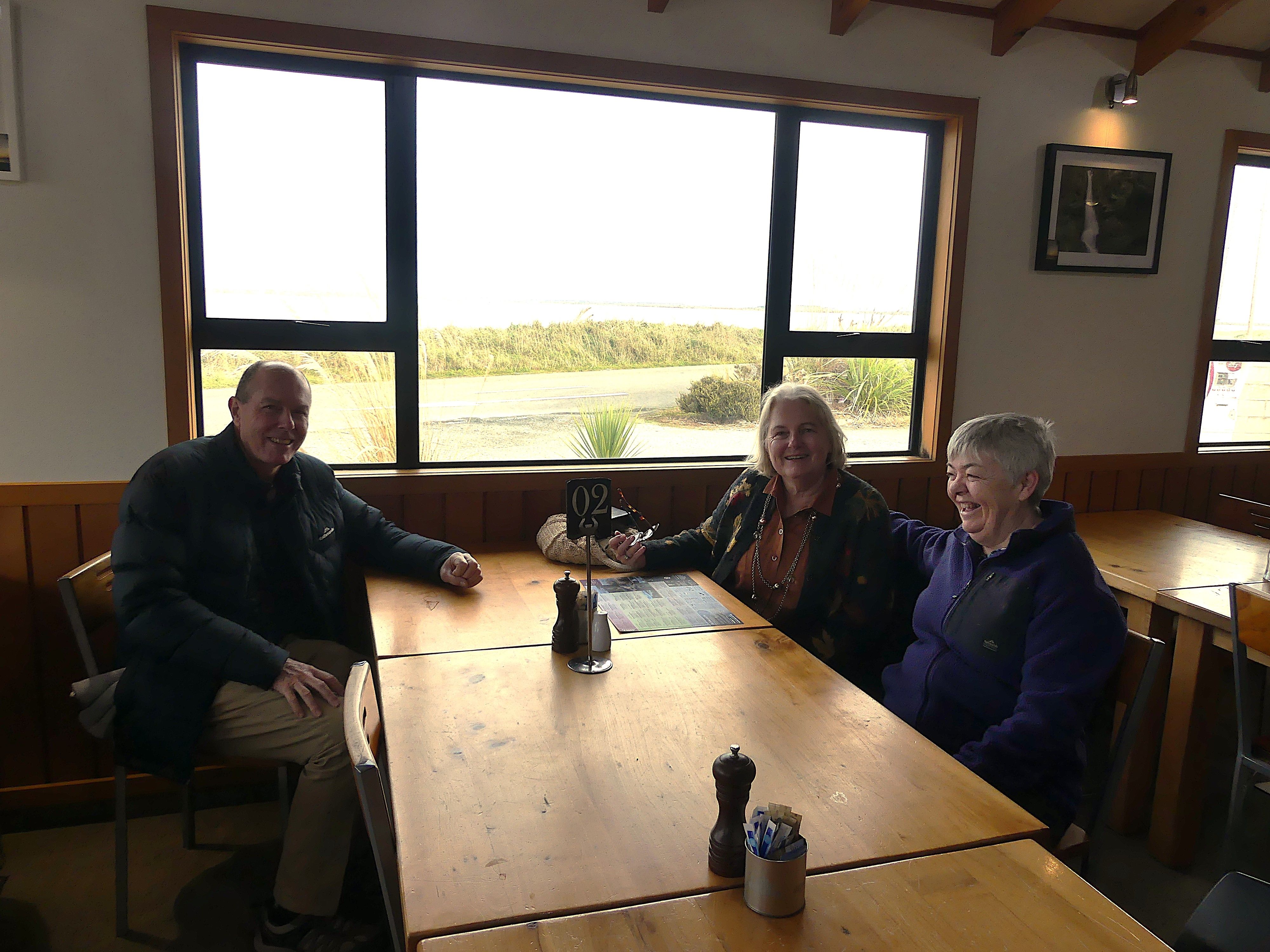
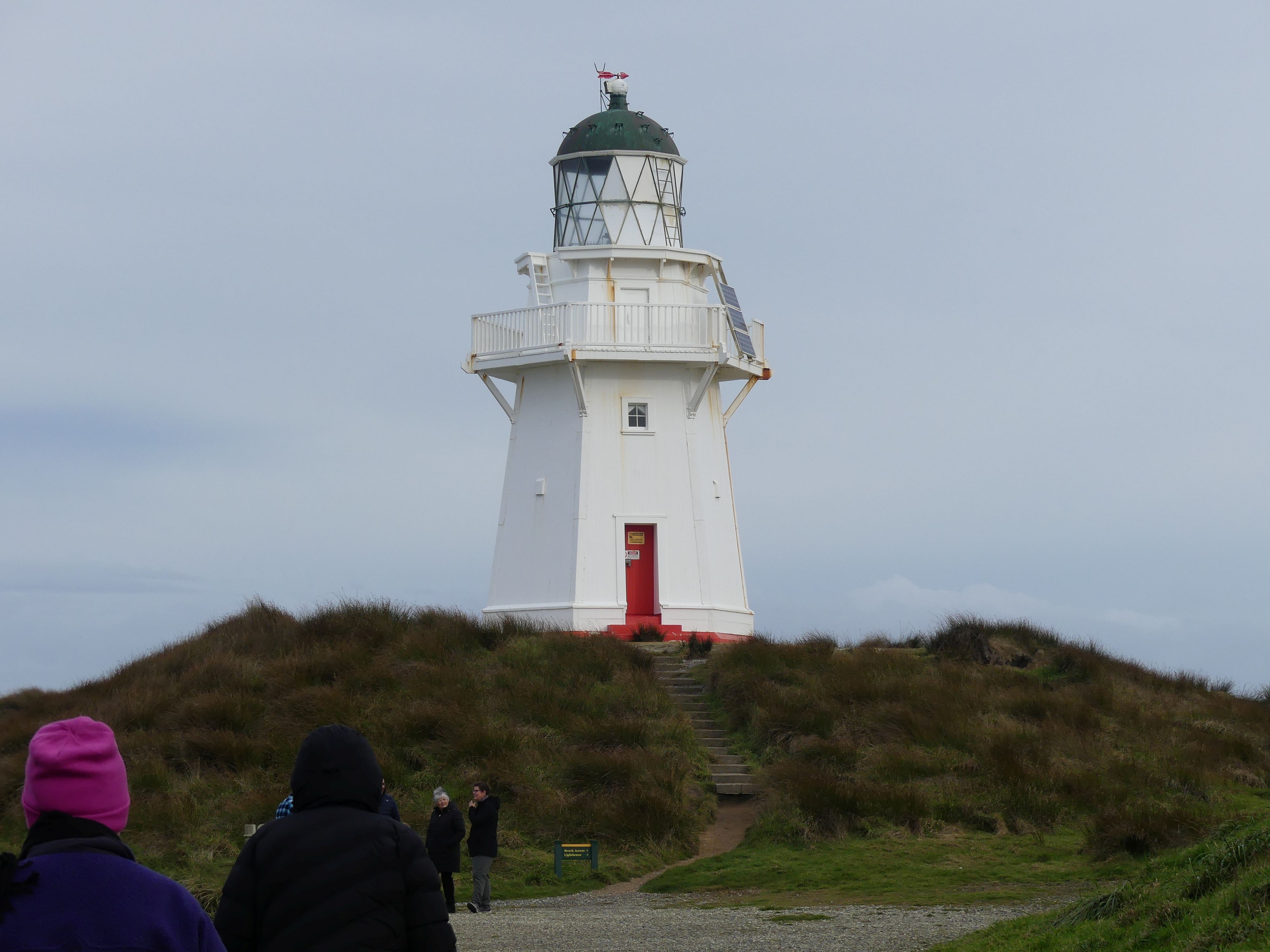
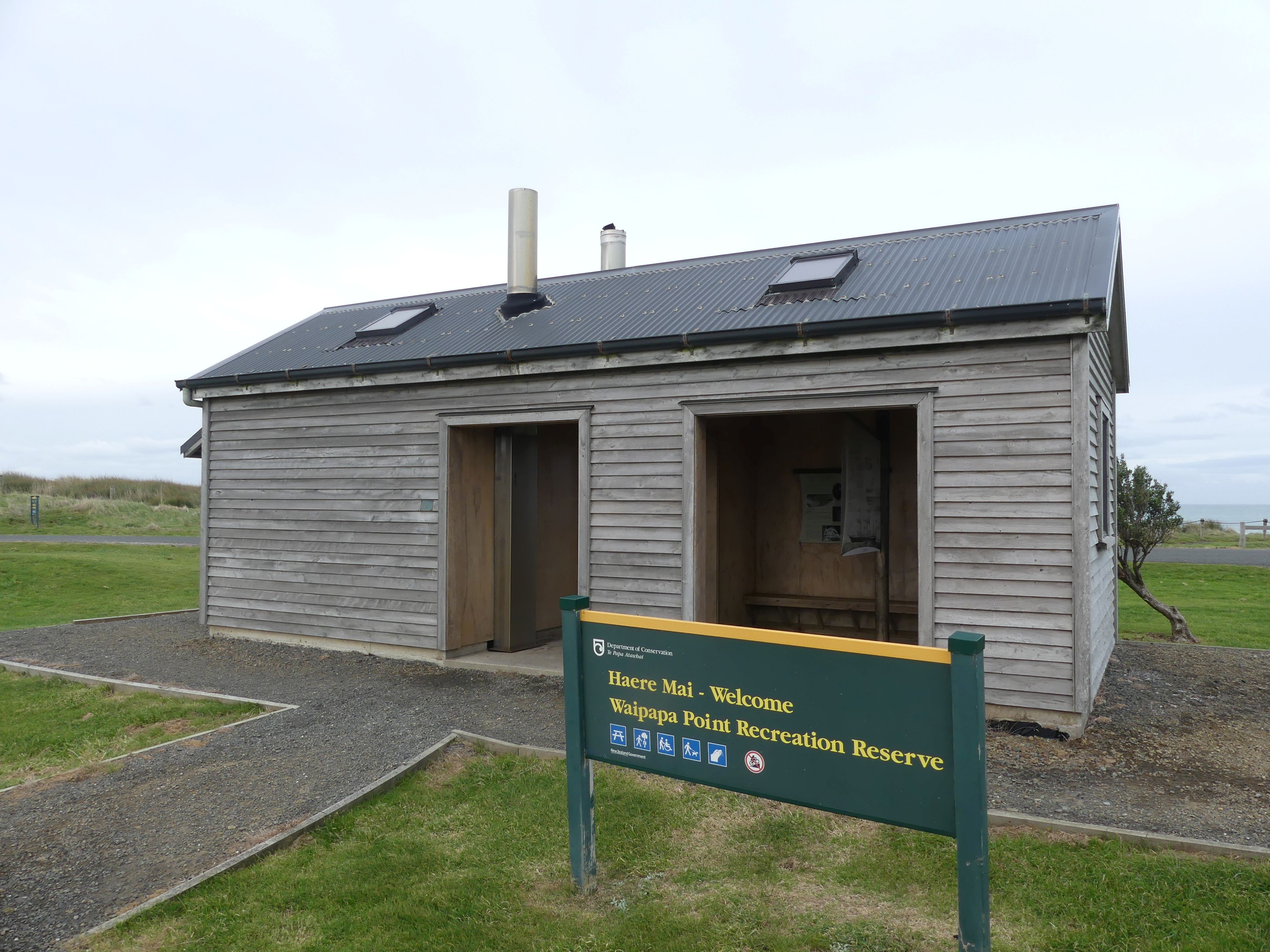
Visiting Dunedin was more of the same – take the longest route to get there and find interesting things on the way. Stop number 1 was at Fortrose café for morning tea/coffee. The Fortrose Cafe is a charming, neighbourly stop on the Southern Scenic Route in Southland, New Zealand. Known for hearty meals, fresh cabinet food, and 24/7 fuel, it is the perfect spot to grab a bite or a coffee after exploring Slope Point or the Catlins. Well, we didn’t do either of those things we just needed coffee. Stop number 2 was Waipapa Point Recreation Reserve, the Lighthouse, the NZ fur seals and the long drop toilets.

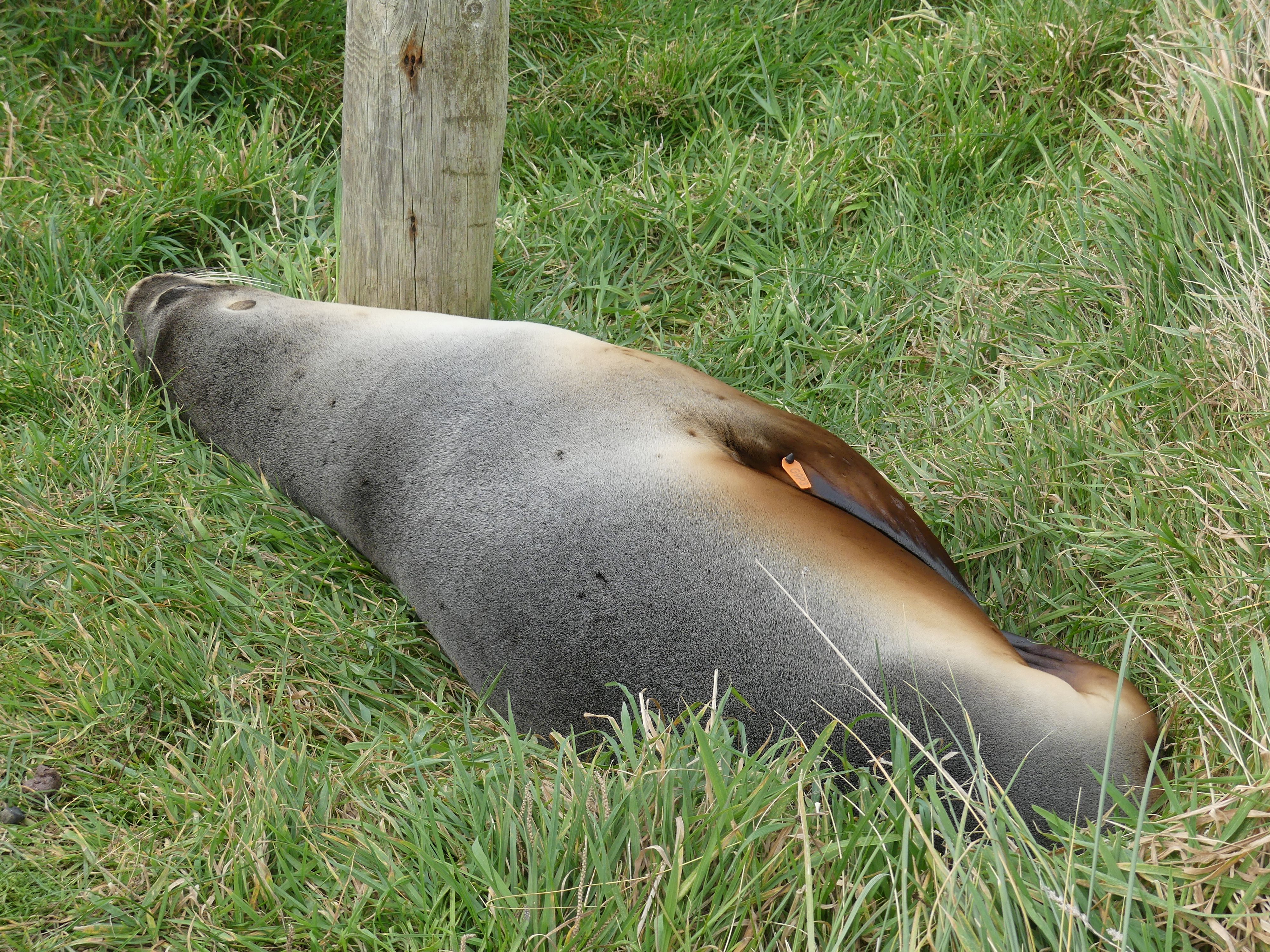
Fortrose café, Waipapa Point Recreation Reserve, the Lighthouse, the NZ fur seals and the long drop toilets.

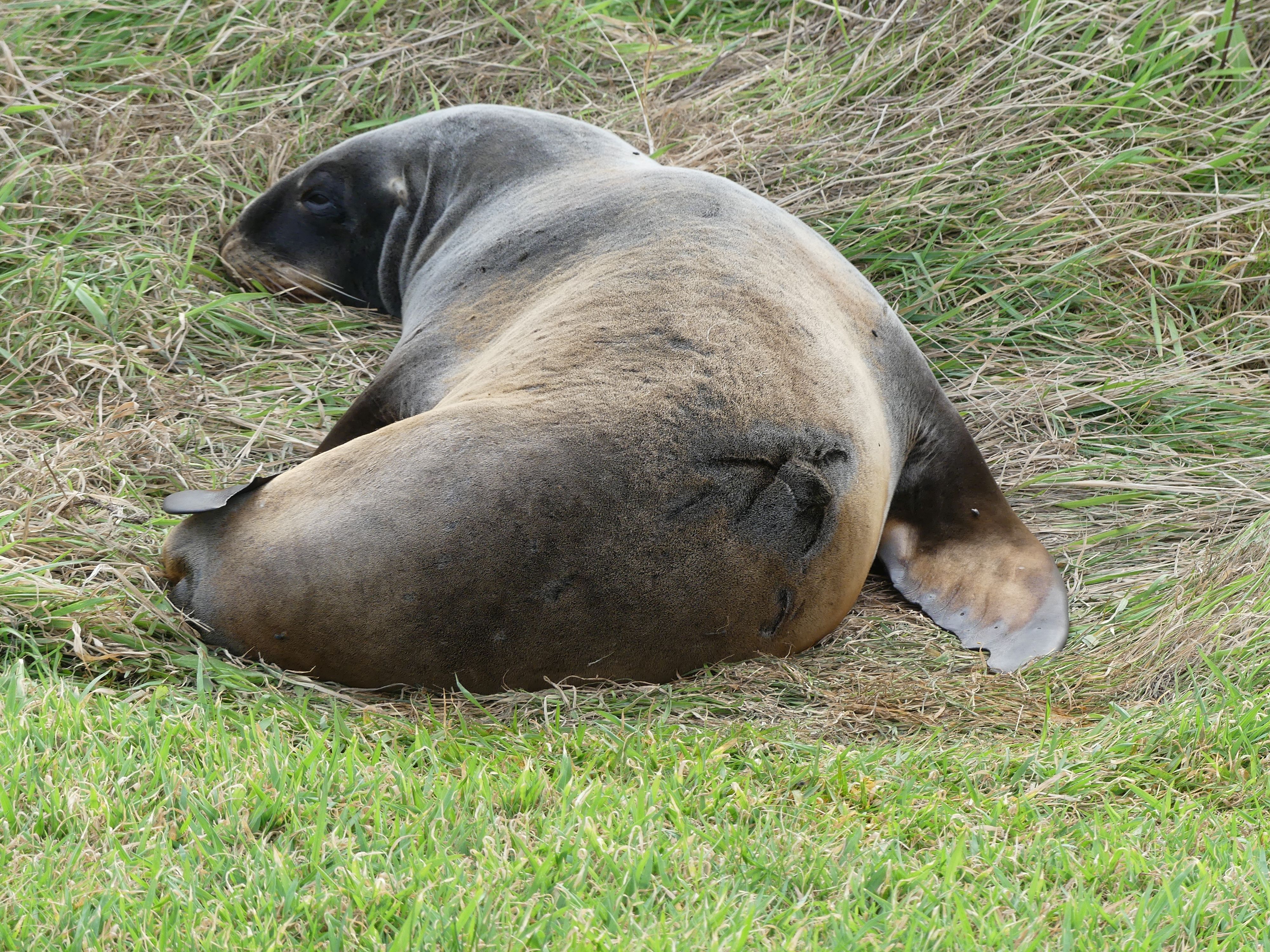
The fur seal in the pictures above must have been a bit off colour. We discovered a mess of half-eaten fish and squid not far from the seal, who lay in the grass unperturbed by the human visitors. I decided my readers would not need the evidence of vomited seafood. The lighthouse is all that remains of the facilities. – The keepers house has long since gone. Interesting, cold and bloody amazing – one group of tourists and likely locals were wandering around in shorts and T-shirts.

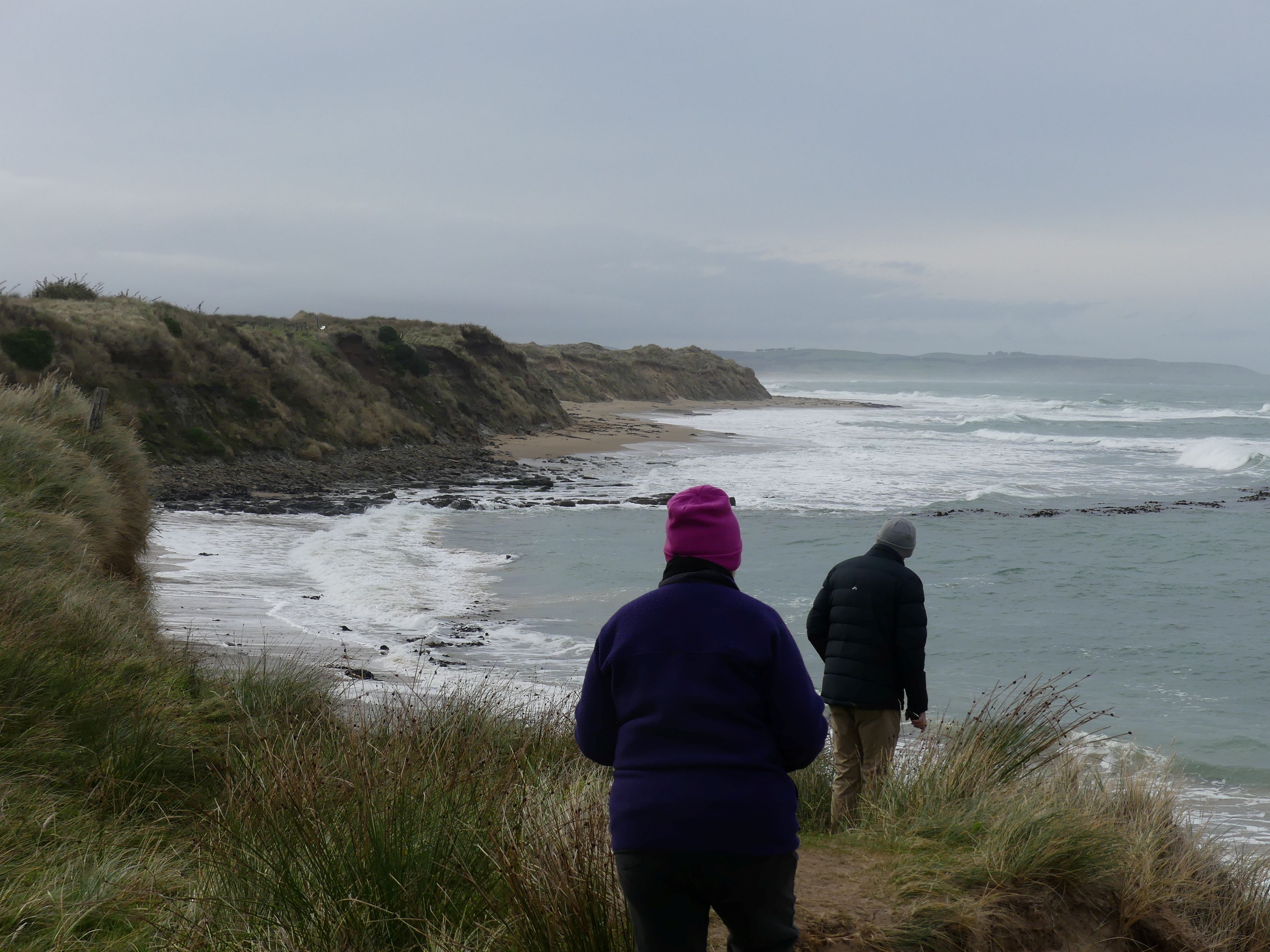
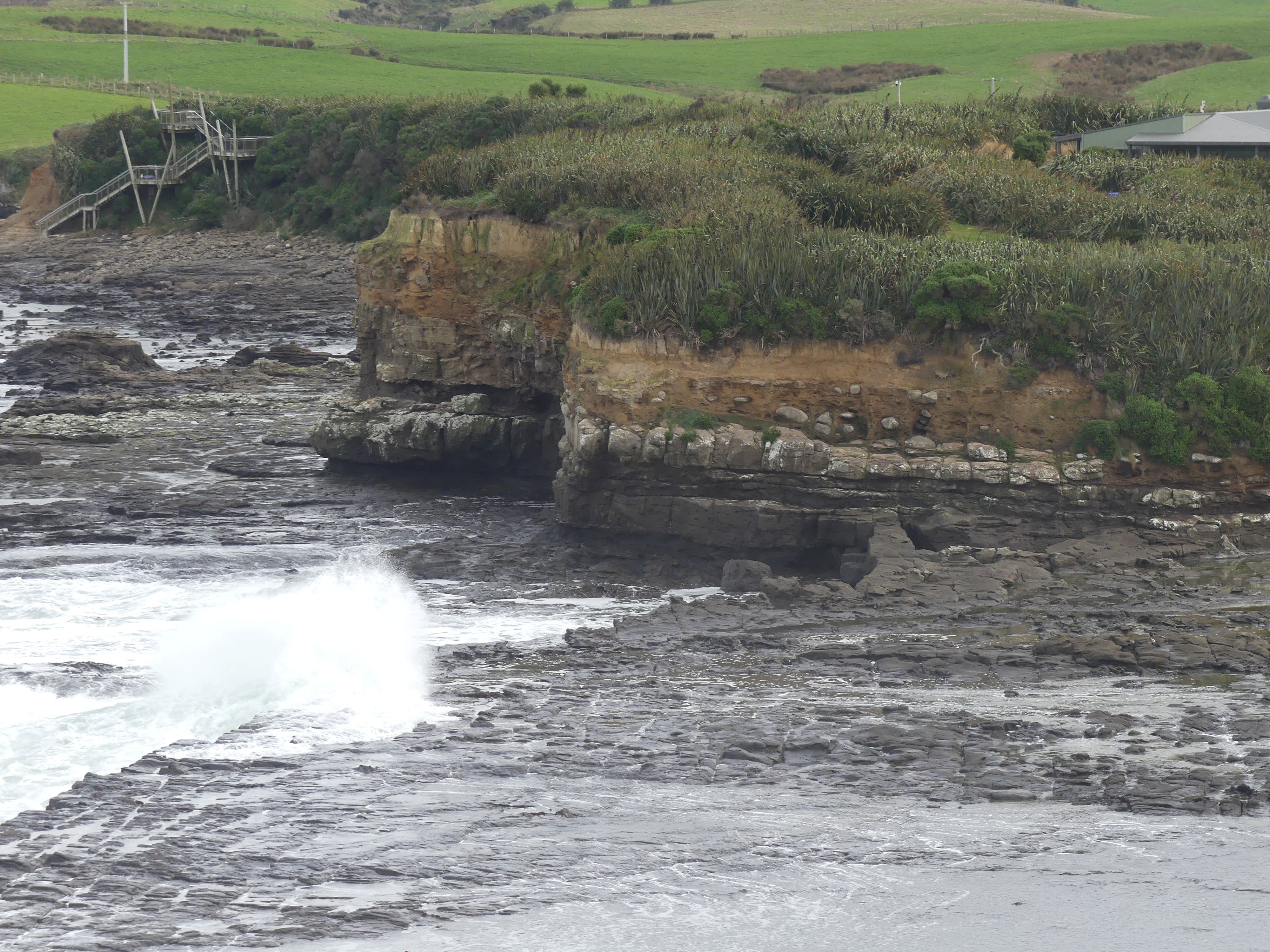
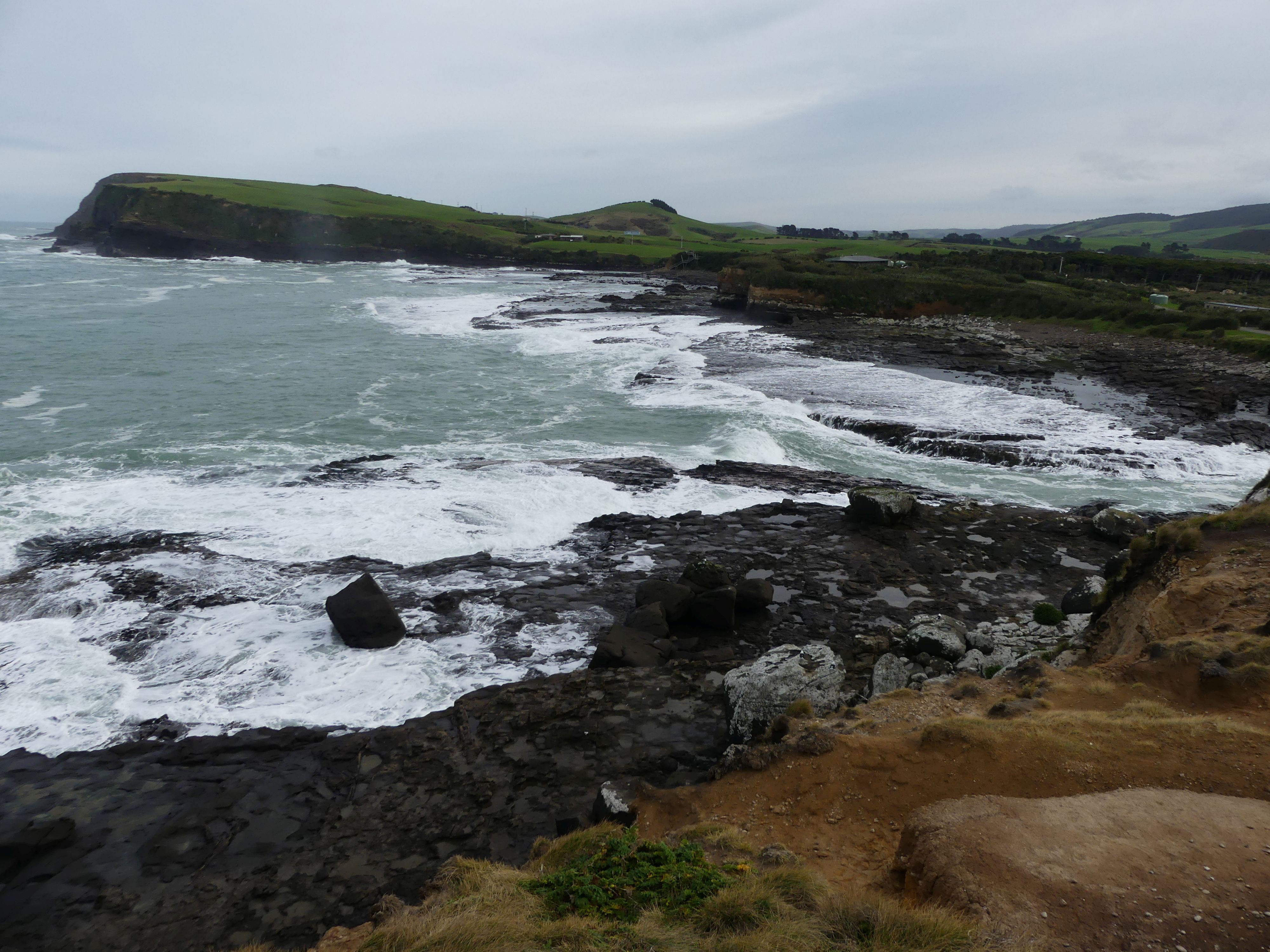
Sandi had read that there were petrified forests in Curio Bay which lay between Invercargill and Dunedin. It is a coastal embayment, best known as the site of a petrified forest some 180 million years old. It also supposed to host a yellow-eyed penguin colony, the endemic Hector’s dolphin and Southern right whales are occasionally observed offshore. Not today a lonely fur seal was resting up in the carpark showing signs of a recent scuffle. We were uncertain of where we might see the forest. Since returning home I have googled the articles on the forest and it appears that the forest is made up of trees stumps visible above the tide, fallen logs that now appear as different coloured ridges and tree stumps in basalt. My photos won’t show any of that.

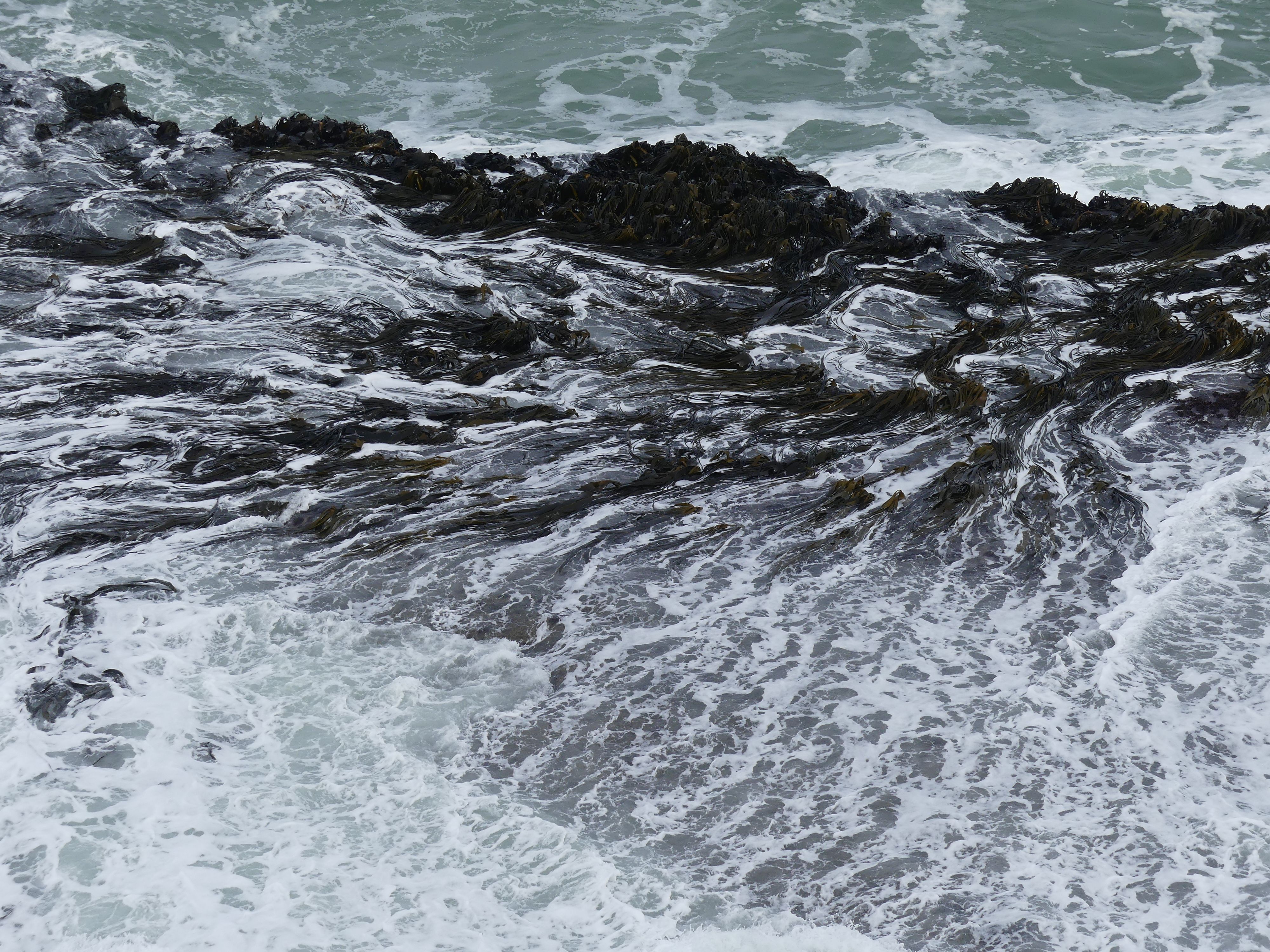
Corio Bay – the bays and the basalt from volcanic times, seaweed fight the tide to hold onto the rocks, the fur seal showing his scars.

Our lunch stop was in a small coastal community overlooking Catlin Lake. The day was overcast and showery, so we took shelter in the Pub. The dining room has an open fire blazing away and we enjoyed the warmth and the food. A couple of the local lads were interested in what we were doing there in the off season and we chatted with them about their town.

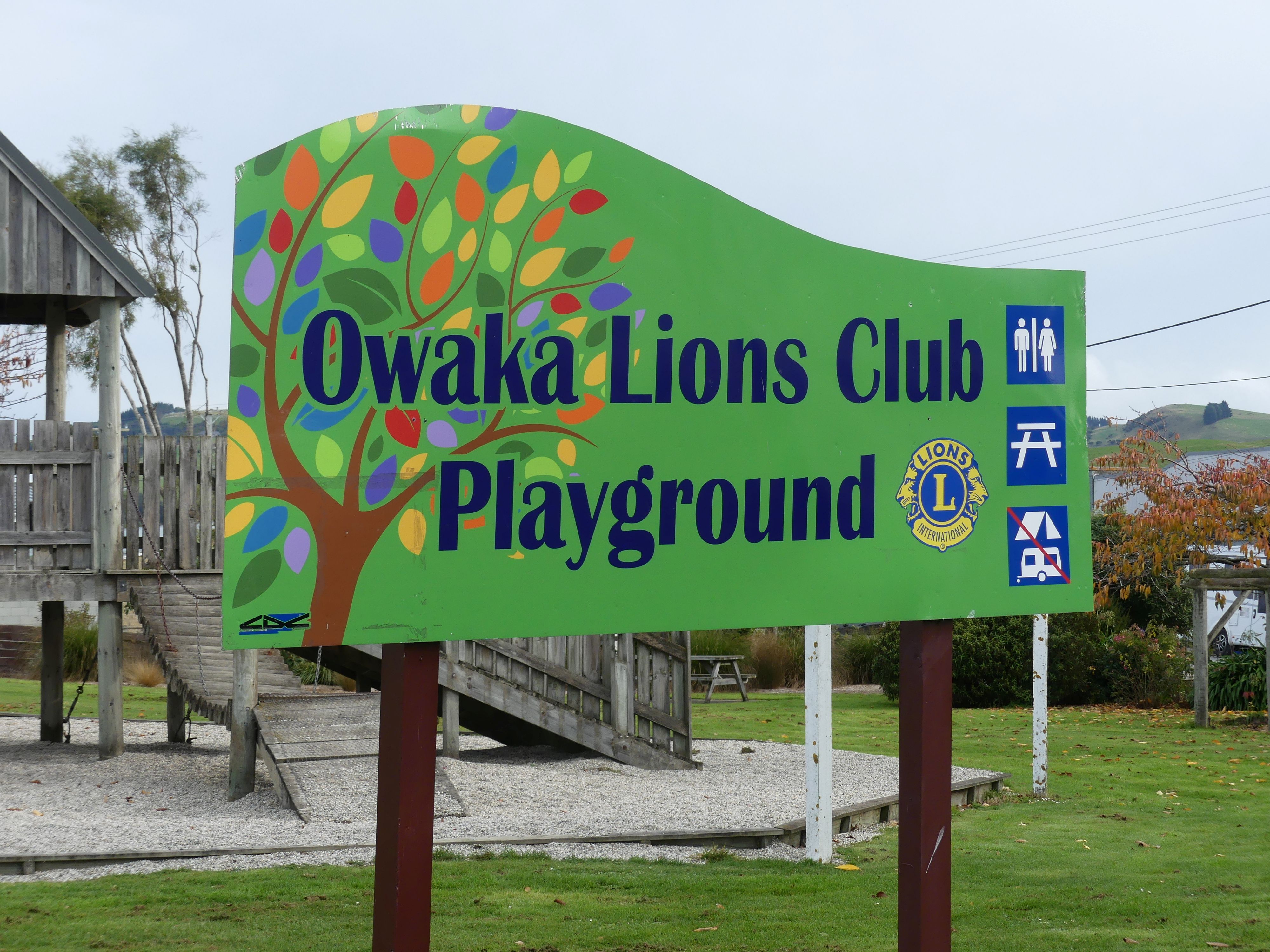
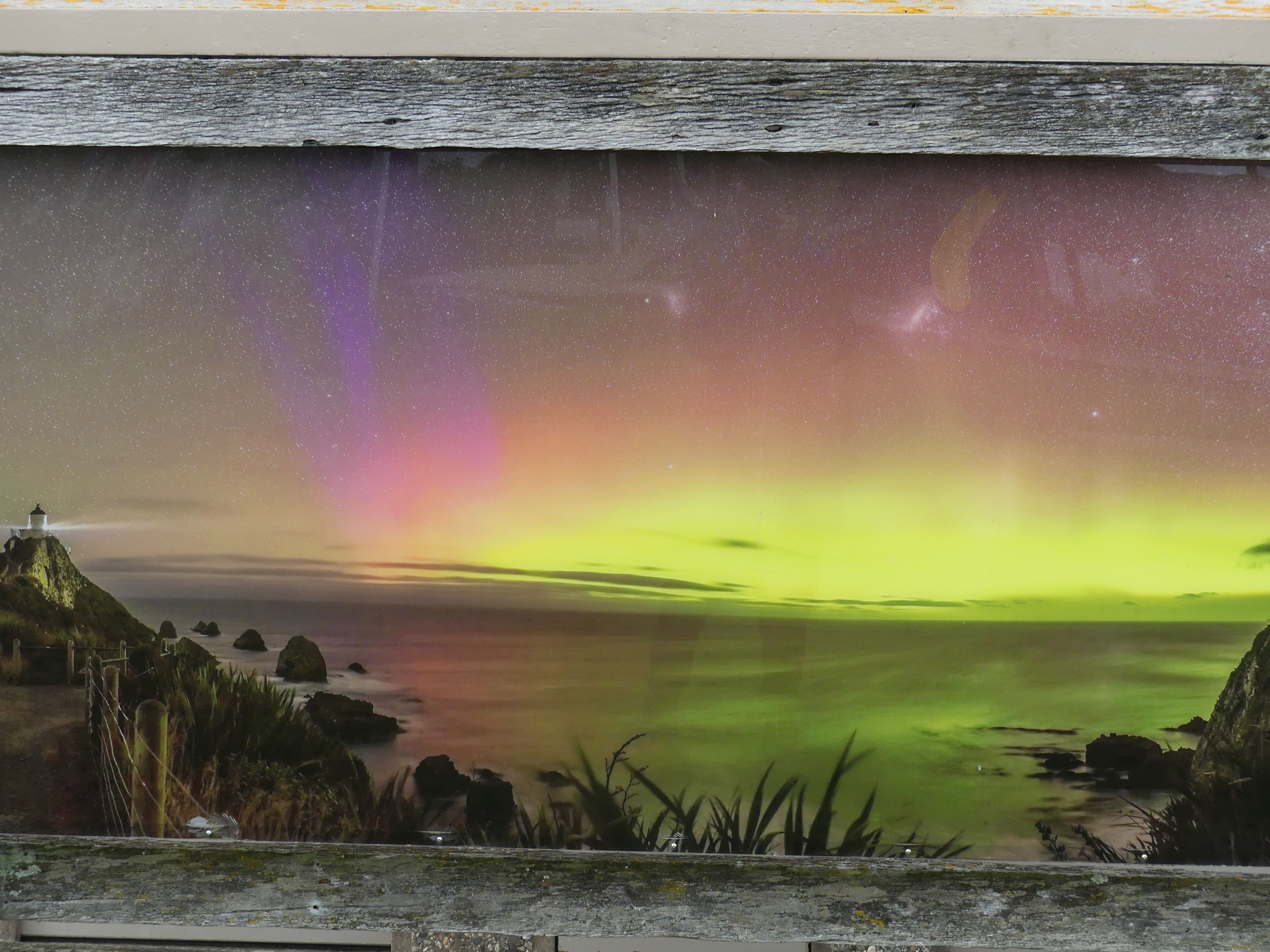
We moved onto Owaka for a further break. To remind me of our visit I photograph the Lions Club Playground and the painting of the lighthouse screening the public toilets. We were joined by a small flock of sparrows to help with consuming our biscuits finally arriving at Rosy at Roslyn 15A Fifield Street Dunedin.

Lions Playground, and the public convenience

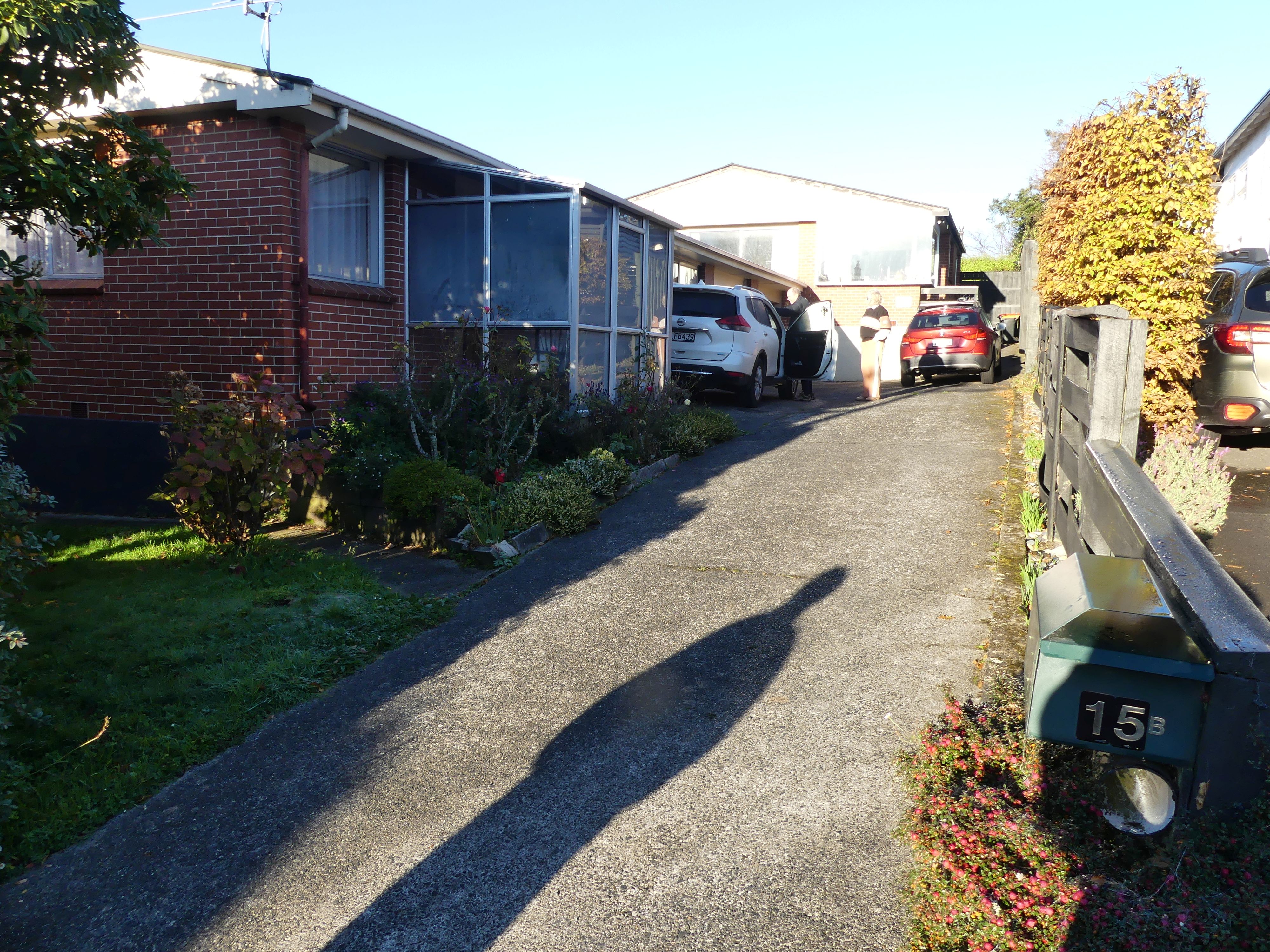
Our accommodation was a small semi-detached house on the side of a hill in Fifield St Roslyn Dunedin – warm and comfortable. We could not access the garage to park the car, but we were to learn that this was the drying room and laundry with the previous tenant’s laundry still drying in the garage. After purchasing supplies for dinner we settled in, prepared dinner and enjoyed a wine and a hand of cards. Tomorrow we will walk through Dunedin.

House in Dunedin

Day 8   Dunedin

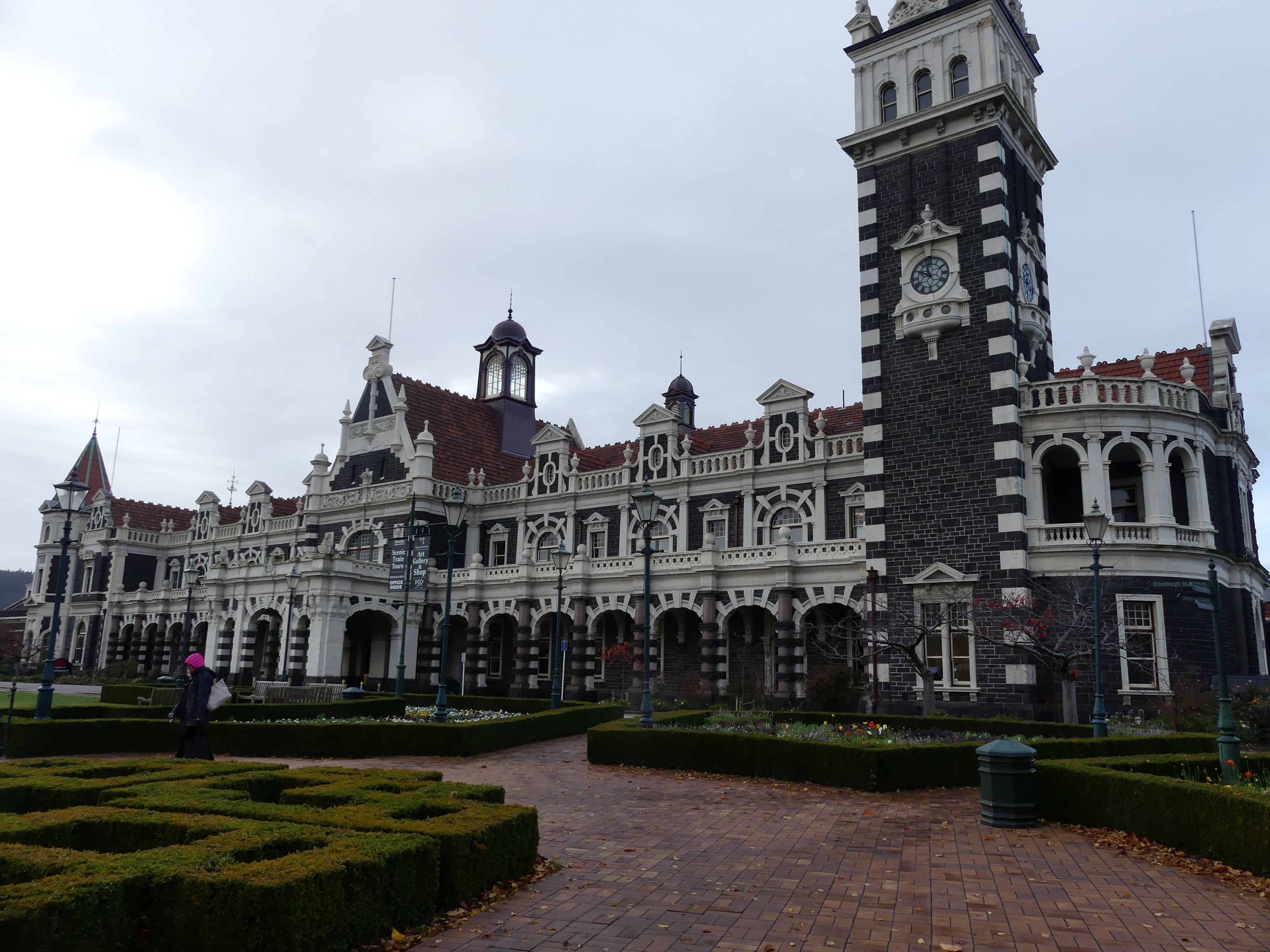
A good night’s sleep followed by breakfast set us up for the day to walk through Dunedin. Barry drove us to Woolies (a recent change to the supermarket change). The chain completed a nationwide rebrand from its former name, Countdown, to Woolworths in 2024 to align with its Australian counterpart. There we parked on the top floor of the carpark and ventured off to find the Railway Station. It was overcast and drizzly, so the brollies came with us. It was a fair walk to the station, and it was not the usual suburban rail stop. Dunedin Railway Station 22 Anzac Avenue, Central Dunedin is a prominent landmark and tourist site in Dunedin. It is speculated by locals to be the most photographed building in the country, as well as the second most photographed in the southern hemisphere, after the Sydney Opera House.

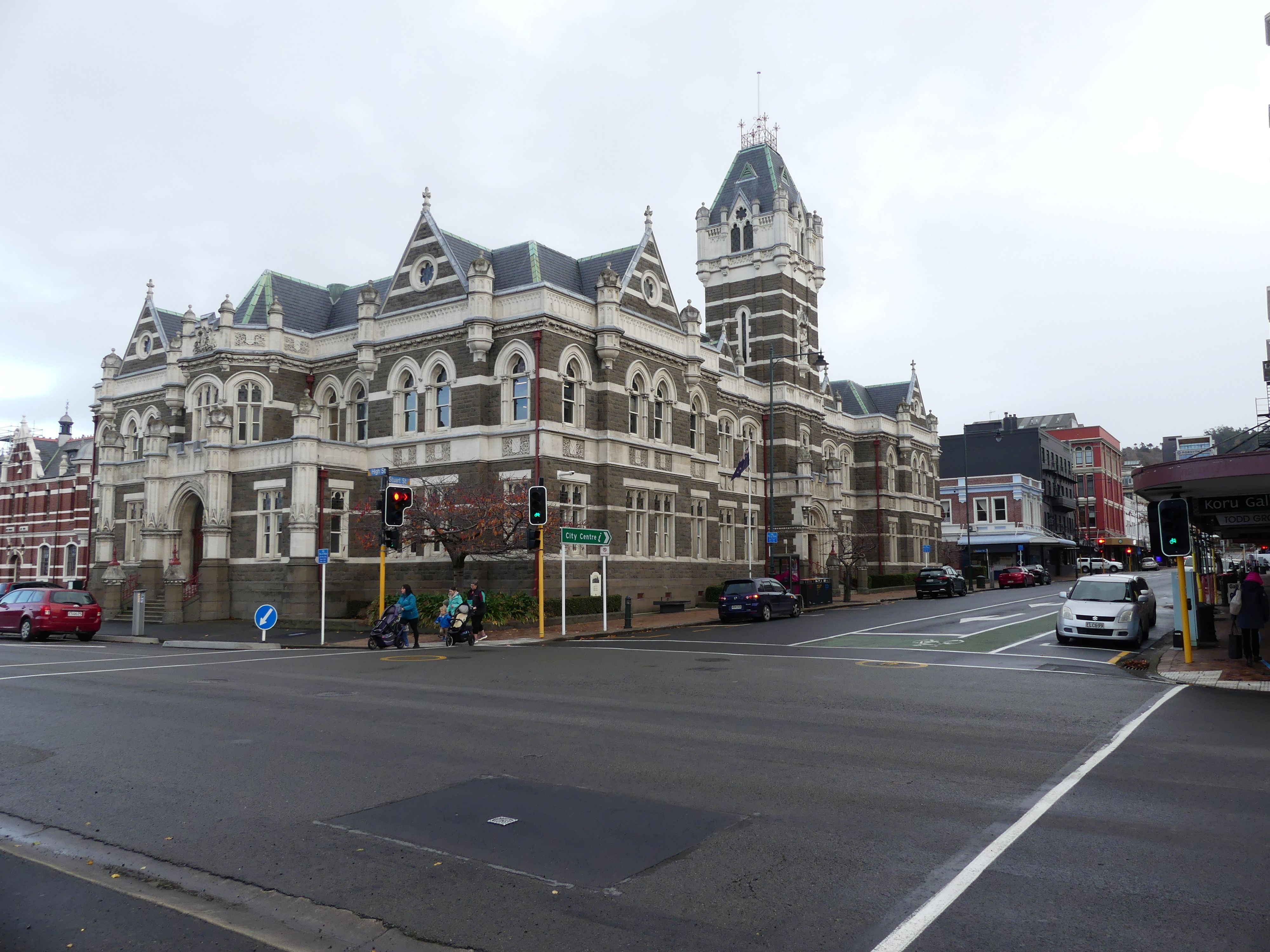
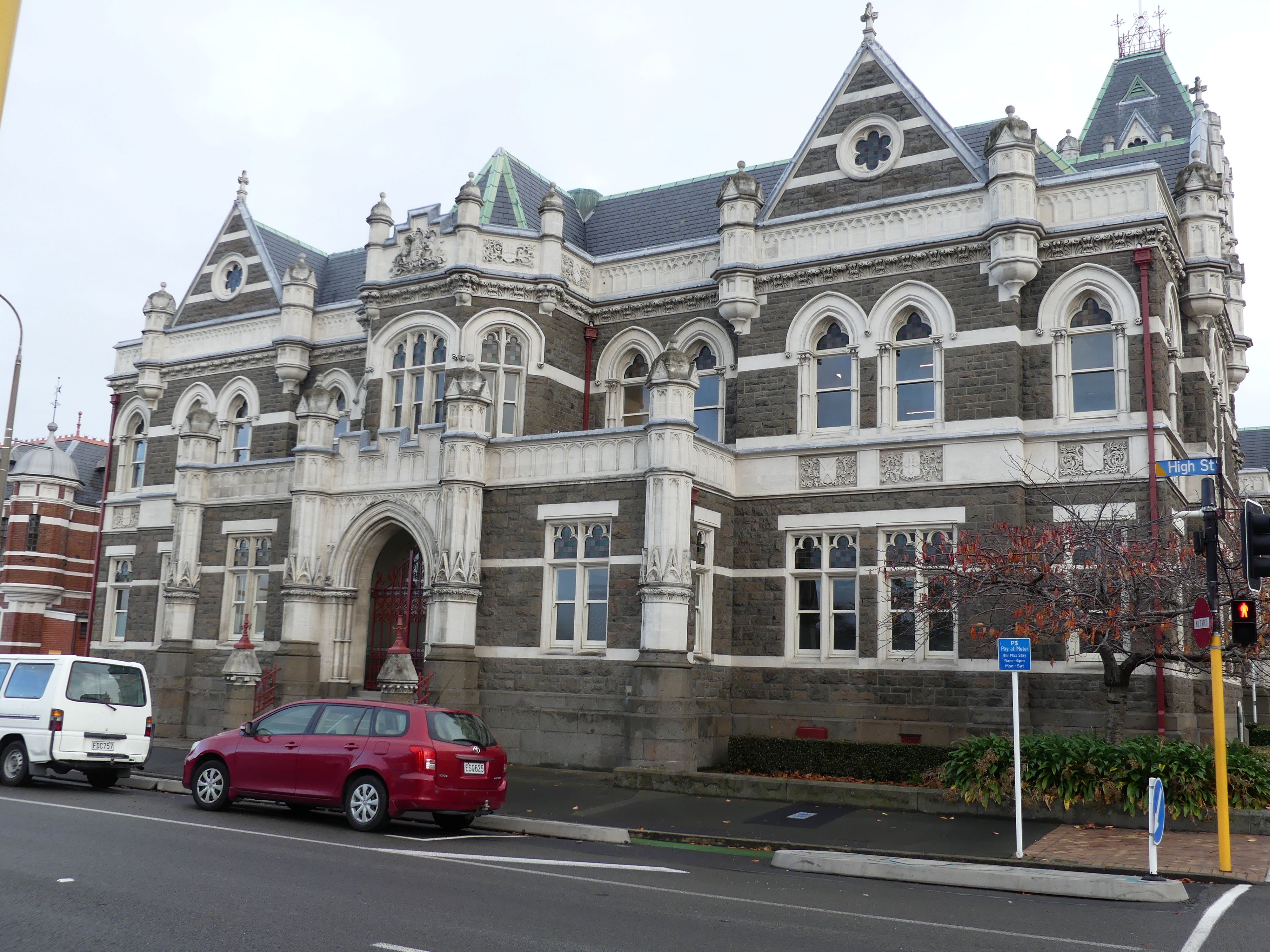
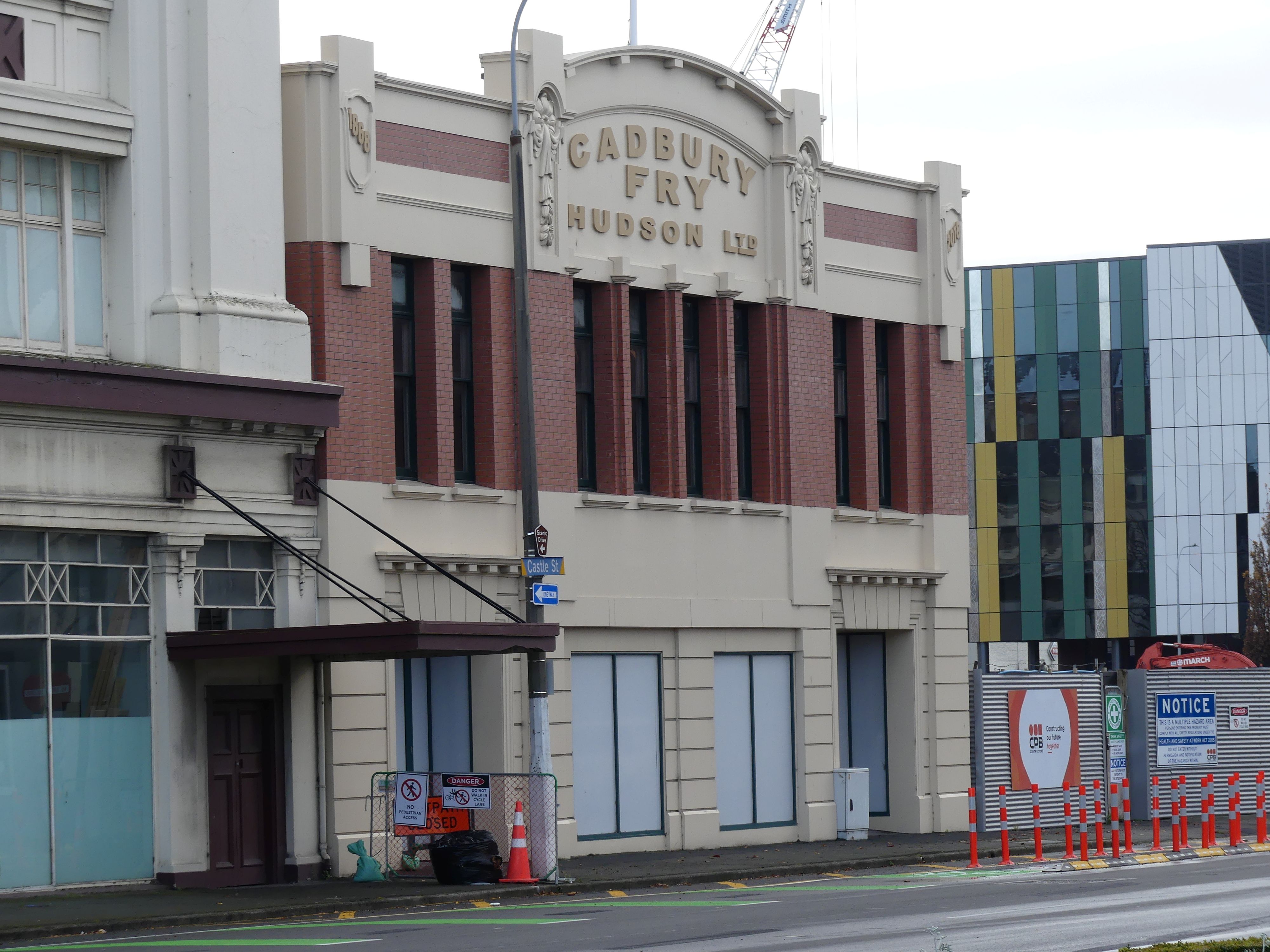
Dunedin Railway Station, The High Court, Cadbury Fry building (original home of Cadbury’s chocolate in NZ) and Street art on the Woolies building

The station is huge suggesting the importance of Dunedin when it was built. Dunedin required a station for a wide range of activities: it was a commercial and industrial centre, close to gold and coalfields, with a hinterland that was dependent on livestock and forestry for its economy. There were 3 previous stations but by 1906 a new station had been built to replace the earlier stations. The station is constructed of dark basalt from Kokonga in the Strath-Taieri with lighter Oamaru stone facings, giving it the distinctive light and dark pattern common to many of the grander buildings of Dunedin and Christchurch. Pink granite was used for a series of supporting pillars which line a colonnade at the front. The roof was tiled in terracotta shingles from Marseille surmounted by copper-domed cupolas. The southern end is dominated by the 37-metre clocktower visible from much of central Dunedin.

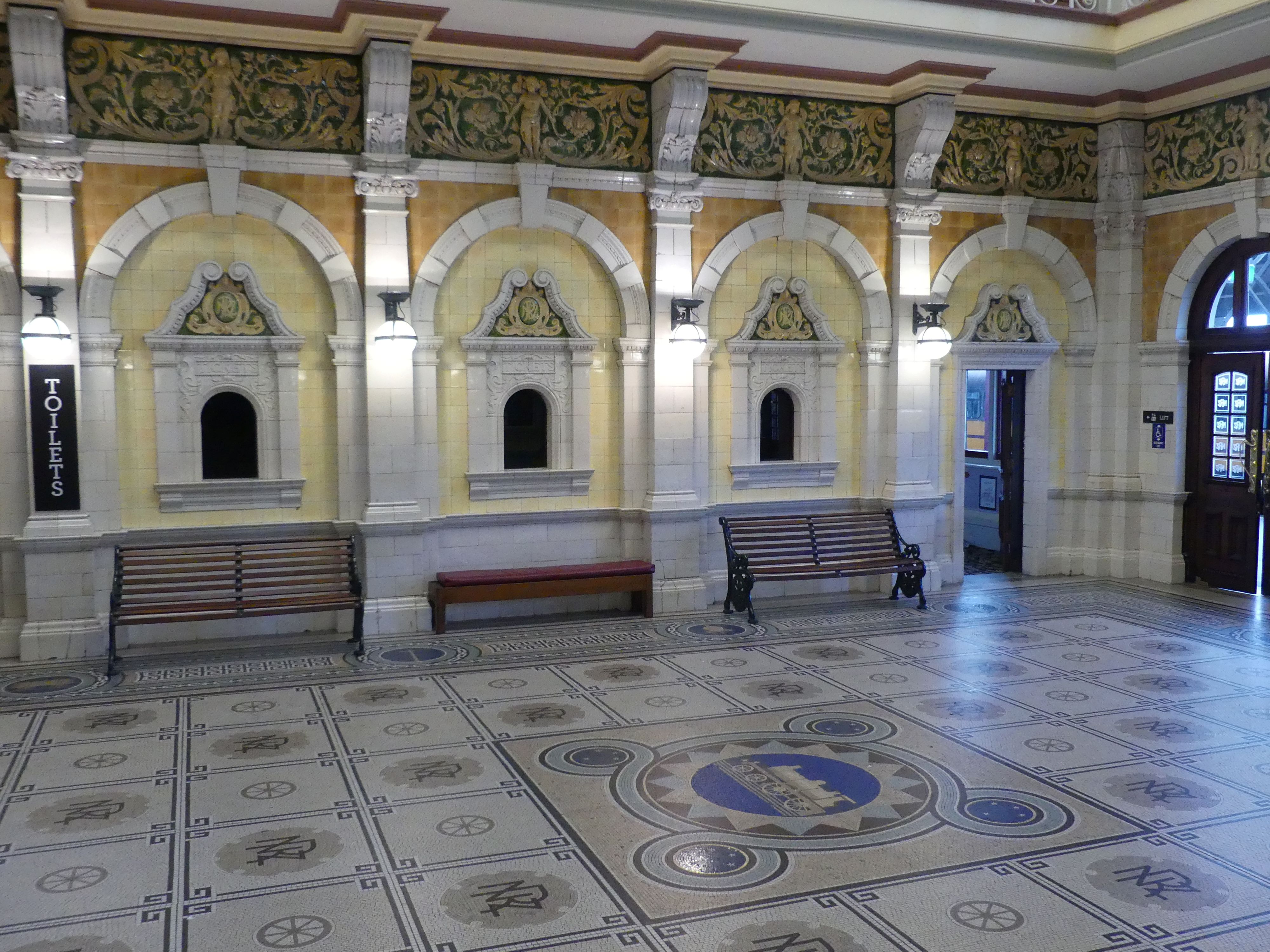
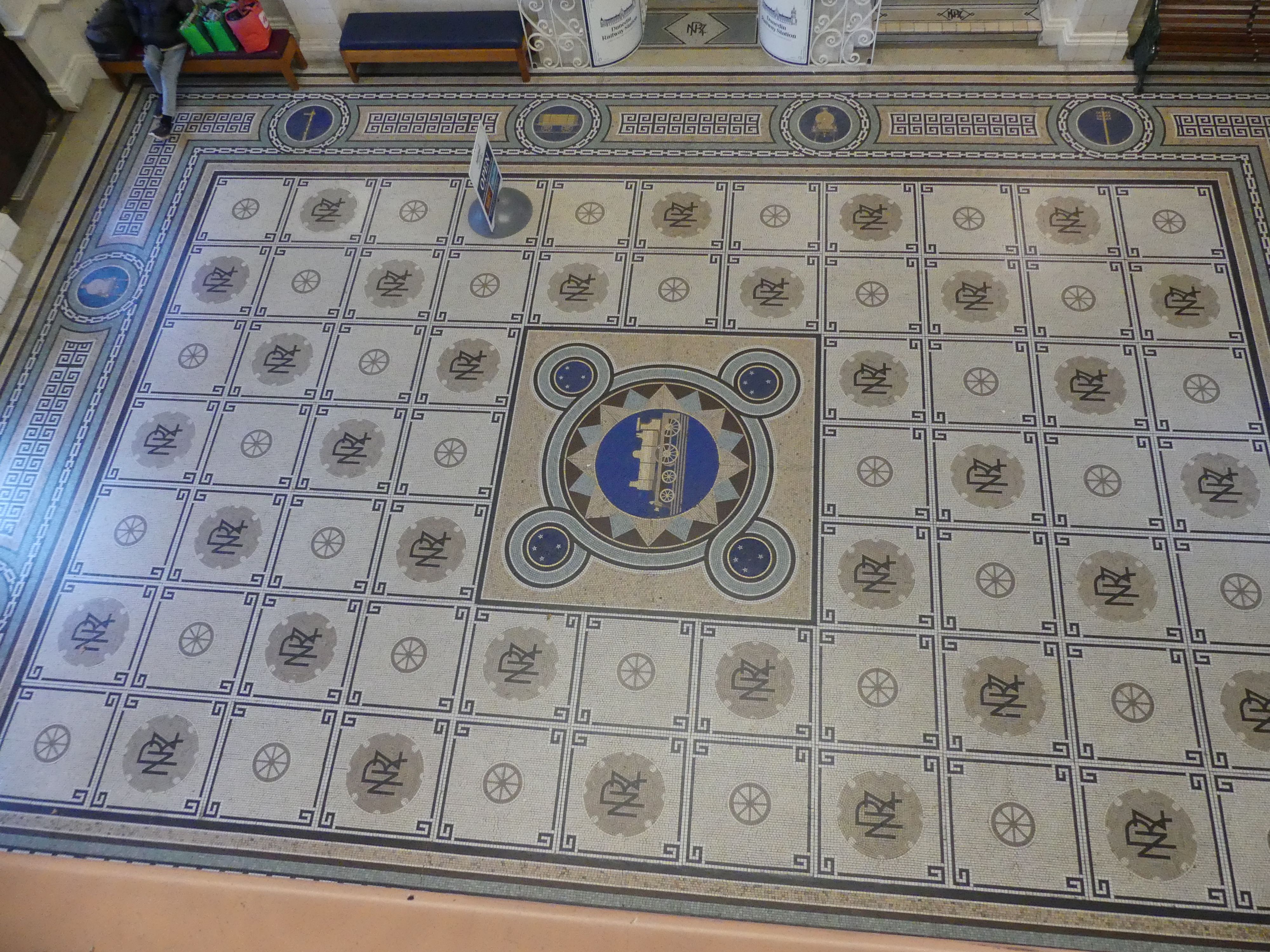
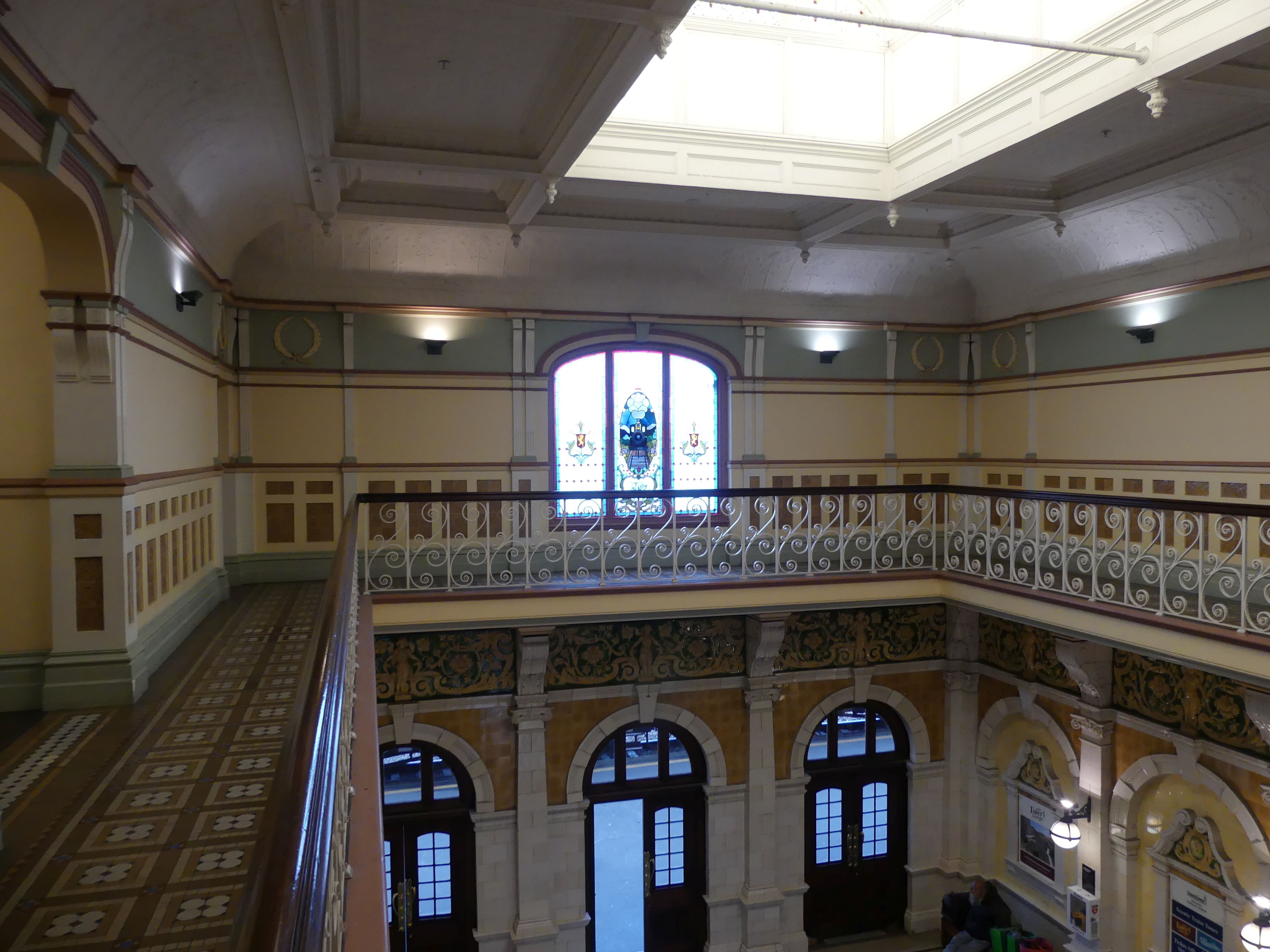
The booking hall features a mosaic floor of almost 750,000 Minton tiles, completely renewed in 1965, in an exact replica. A frieze of Royal Doulton porcelain runs around the balcony above it from which the floor’s design, featuring a locomotive and related symbols, can be clearly seen. The main platform was 1,570 ft (480 m) long.

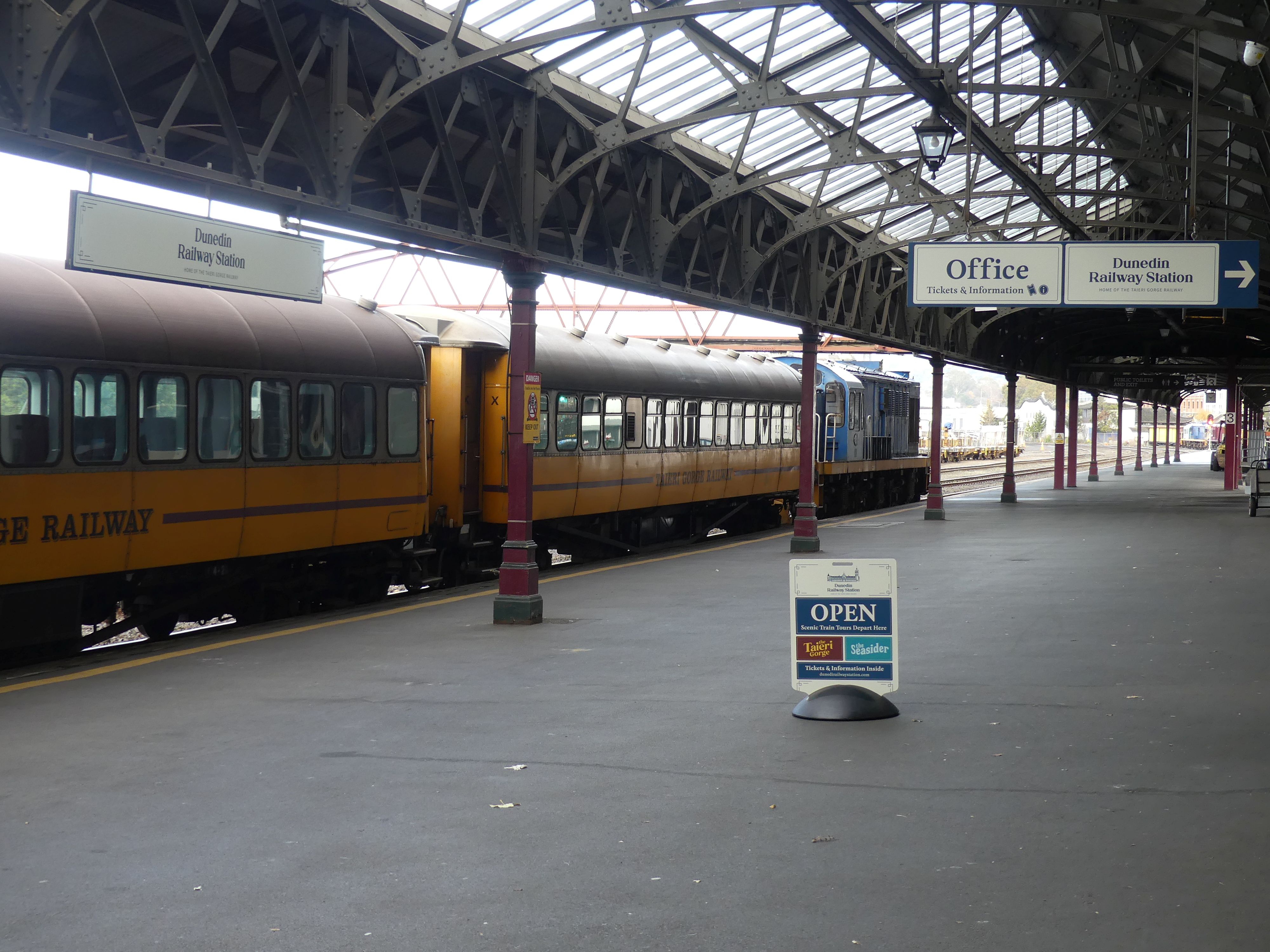
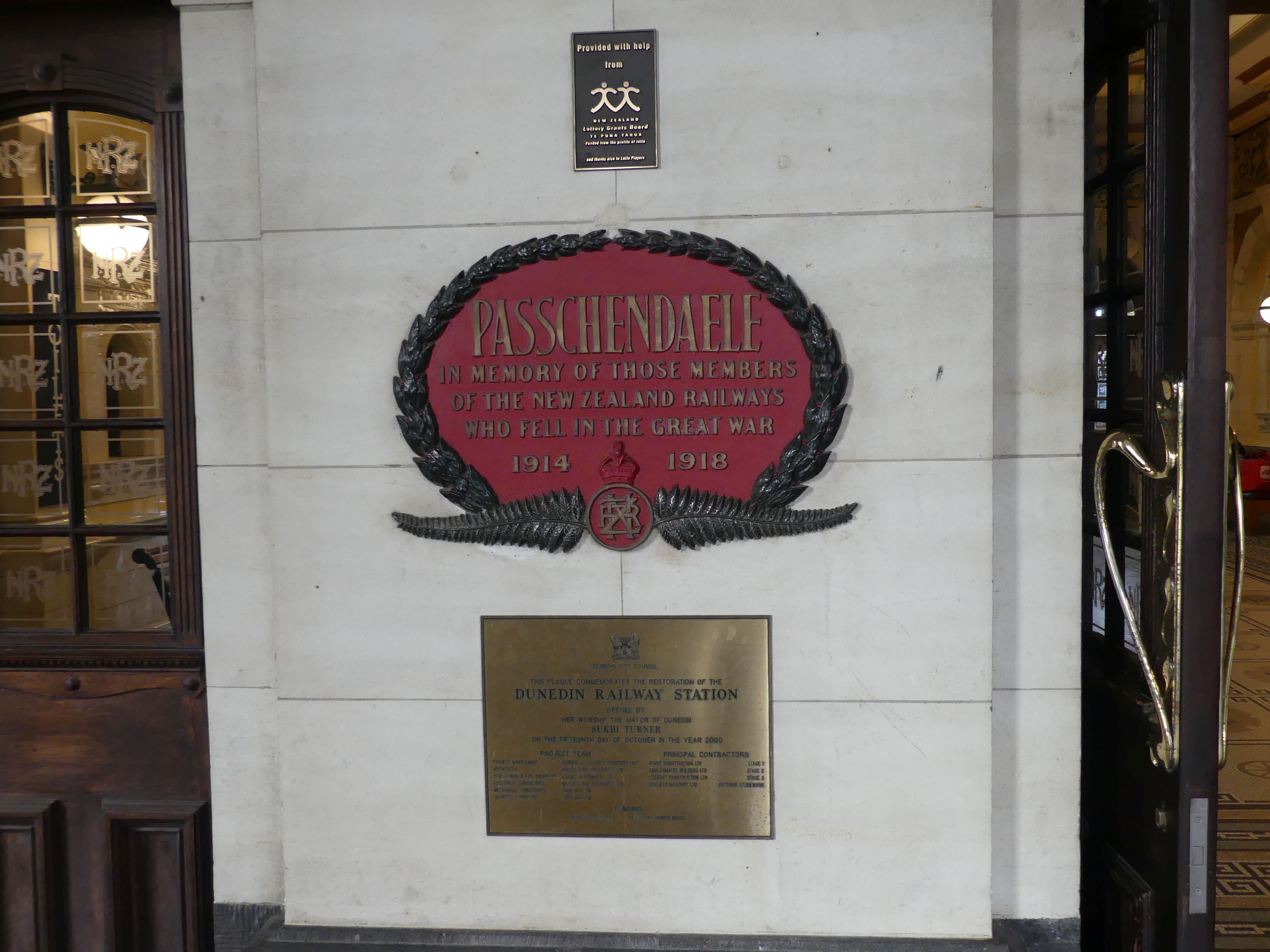
Ticket Office in the booking hall, the booking hall floor from above, the main platform, first floor balcony, the Passchendaele WW1 memorial at the entry,

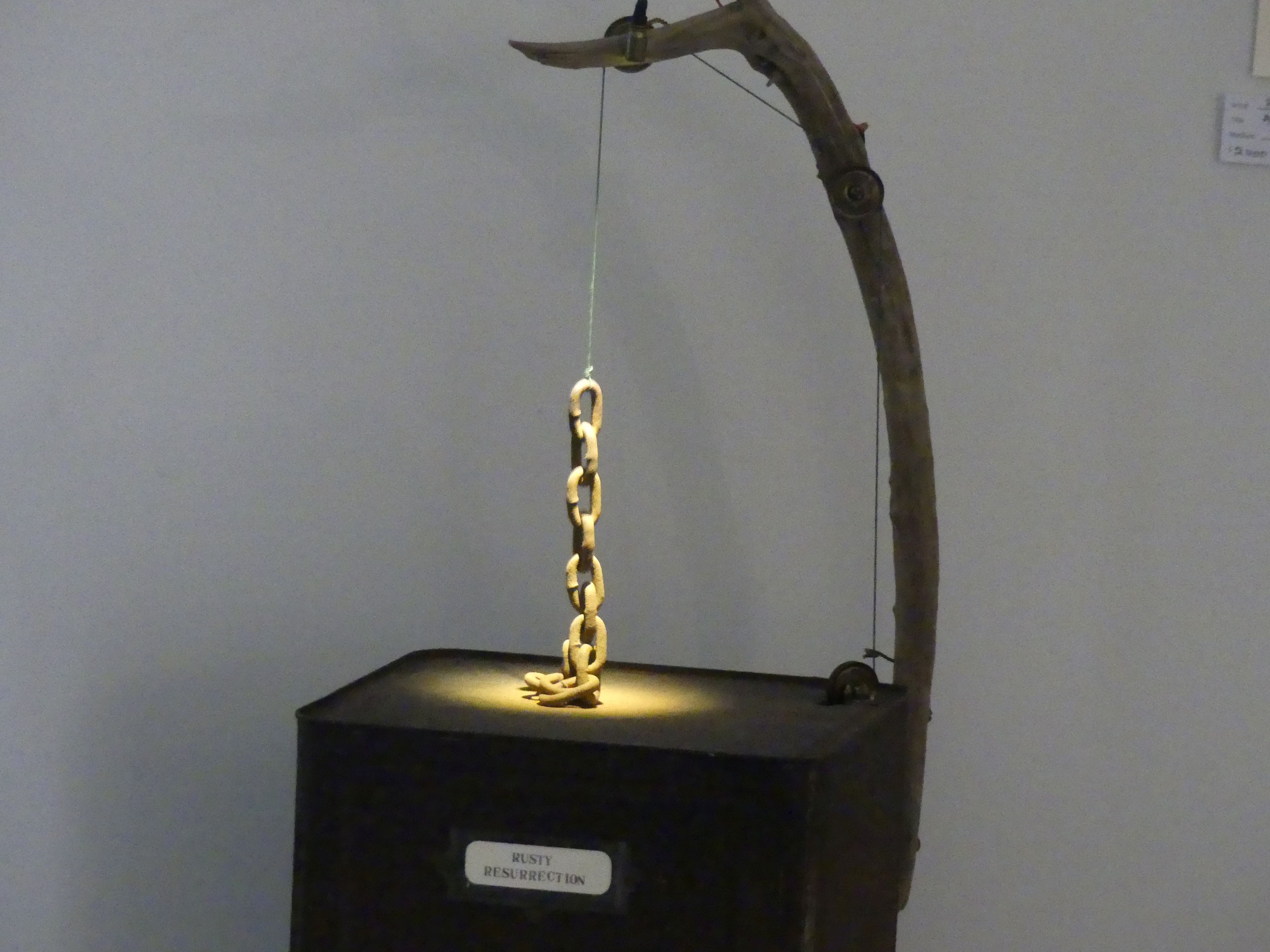
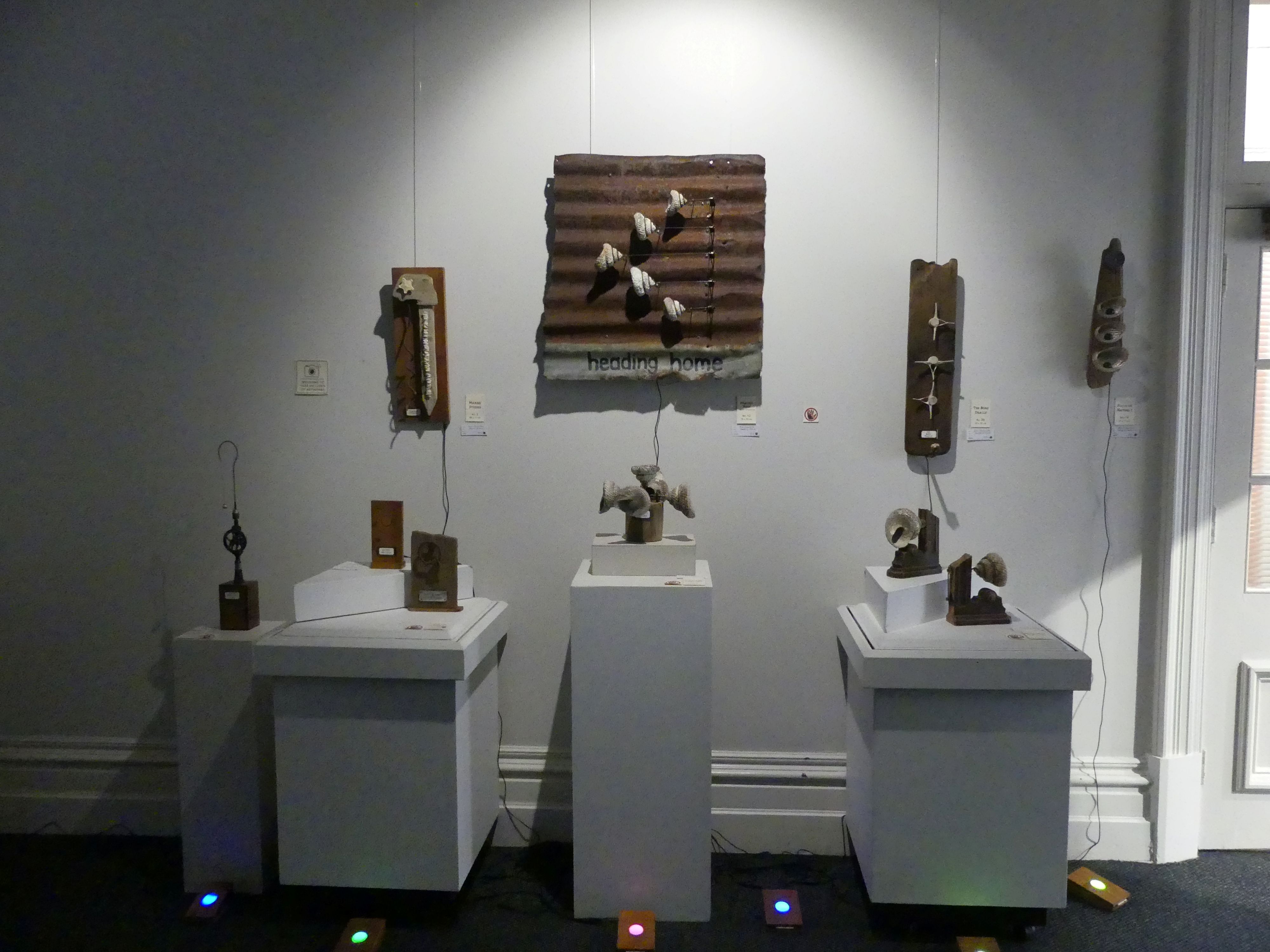
Today, the station services daily sightseeing trains to Middlemarch or Pukerangi via the Taieri Gorge, and to Palmerston. There are a number of different uses for the station building, one being an interesting moving art display.

First floor moving Art display

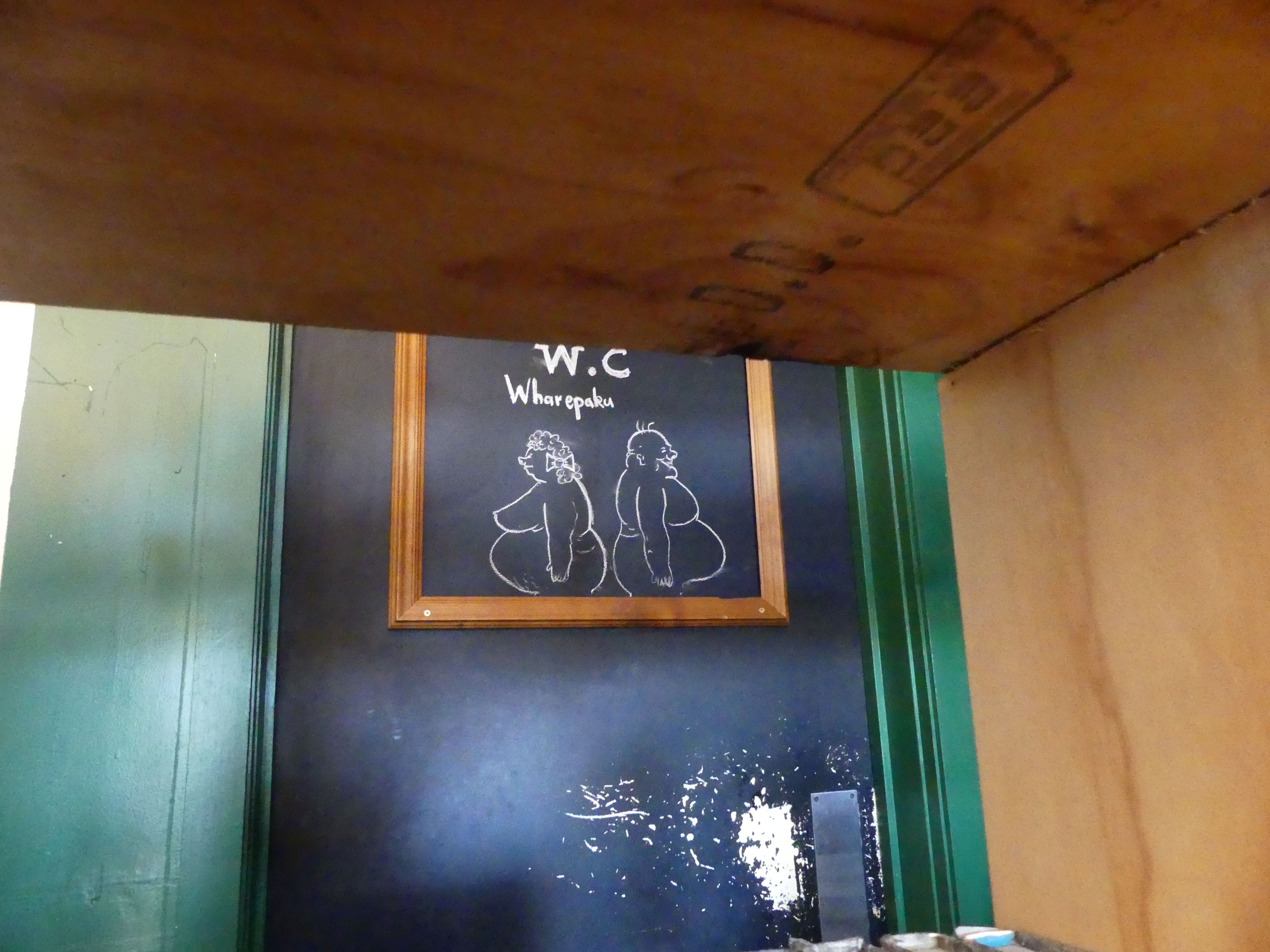
After leaving the station we sought a coffee shop for morning tea. In this eclectic shop, there was a painting which looked like a copy of Gainsborough’s “Blue Boy”. I had mistakenly thought it was a portrait of Charles 1 (the Stewart beheaded by the Commonwealth) but when writing this blog my memory was the Blue Boy not Charles. My apologies to the poor waitress who I assailed about their connection with the Stewarts. It was quite an arty place as can be observed in the photos below. Barry was sneaking a photo of the poster on the toilets.

Toilet poster

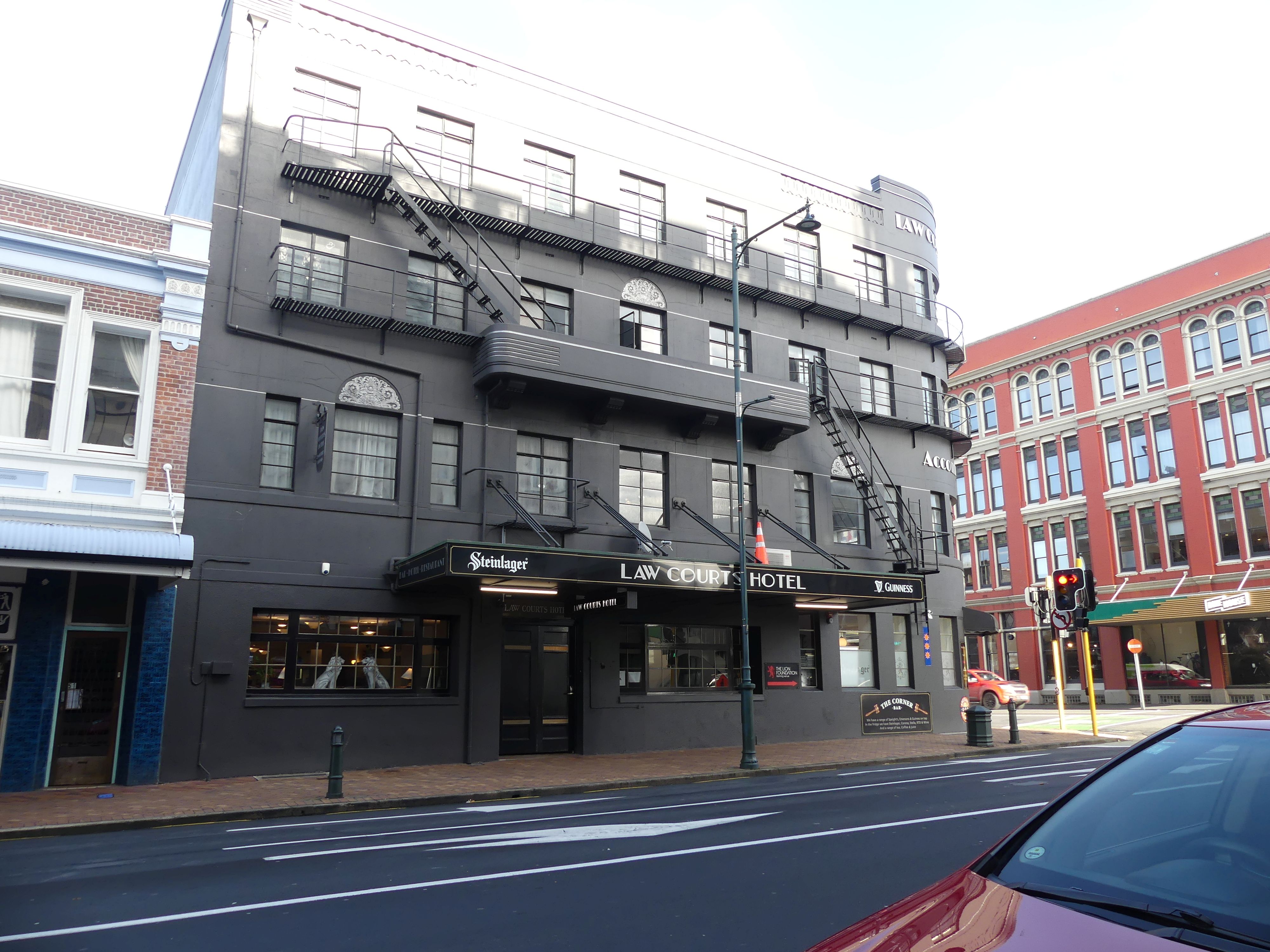
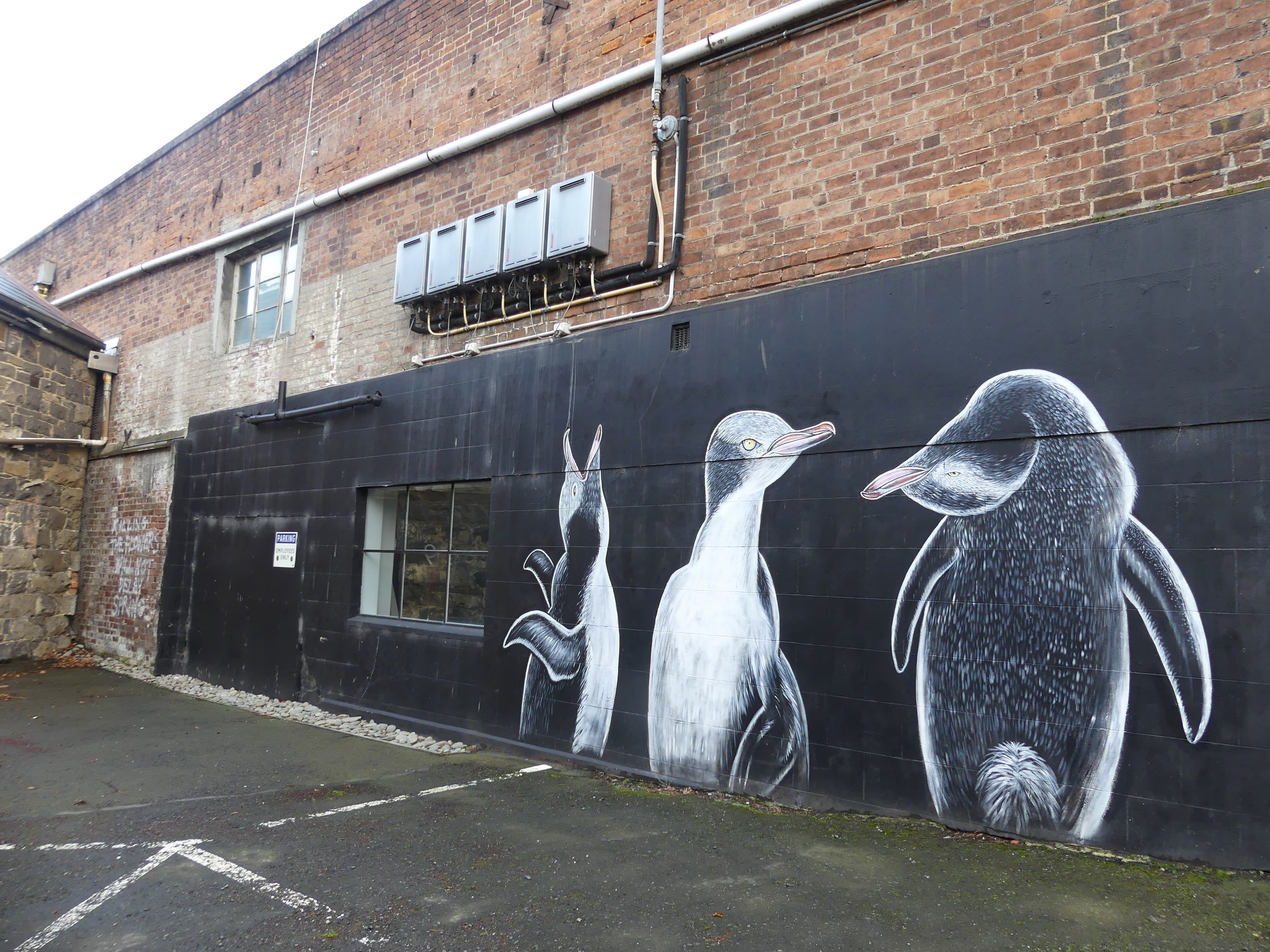
After coffee we moved on to the centre of Dunedin – the Octagon. So leaving the café we passed the Law Courts Hotel and Kerry decided we should view the Law Courts. The old building has been extended upon providing the new entrance with scanning and security provisions. One of the security officers gladly showed us through two courtrooms vacant of any business that day. Familiar layout but no public gallery for the higher courts – interesting. We made hard work of finding the Octagon. We walked past the Chinese gardens, some more street art, then the First Church of Otago (formerly St Andrews Presbyterian Church).

Law Courts Hotel, and street art

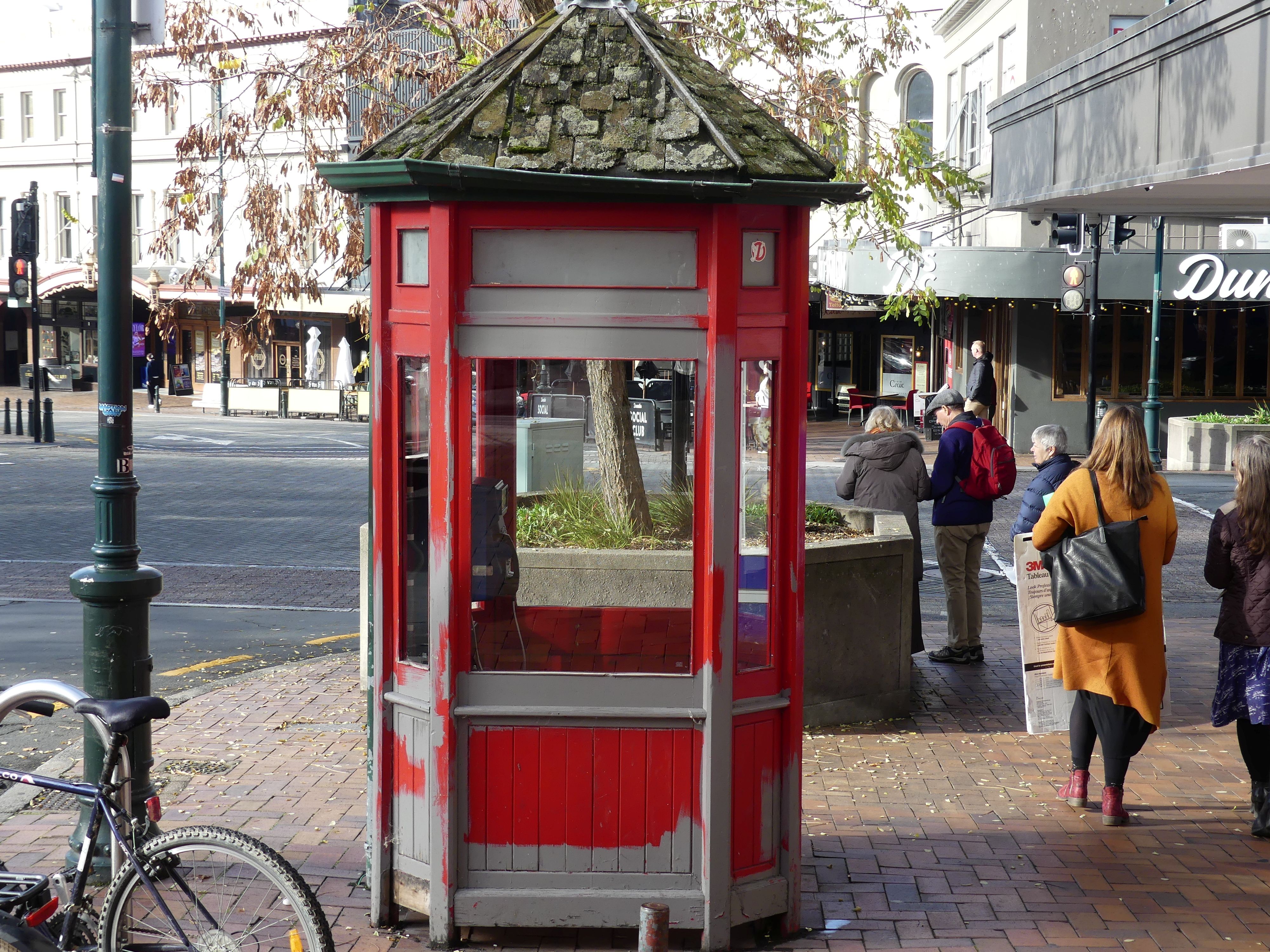
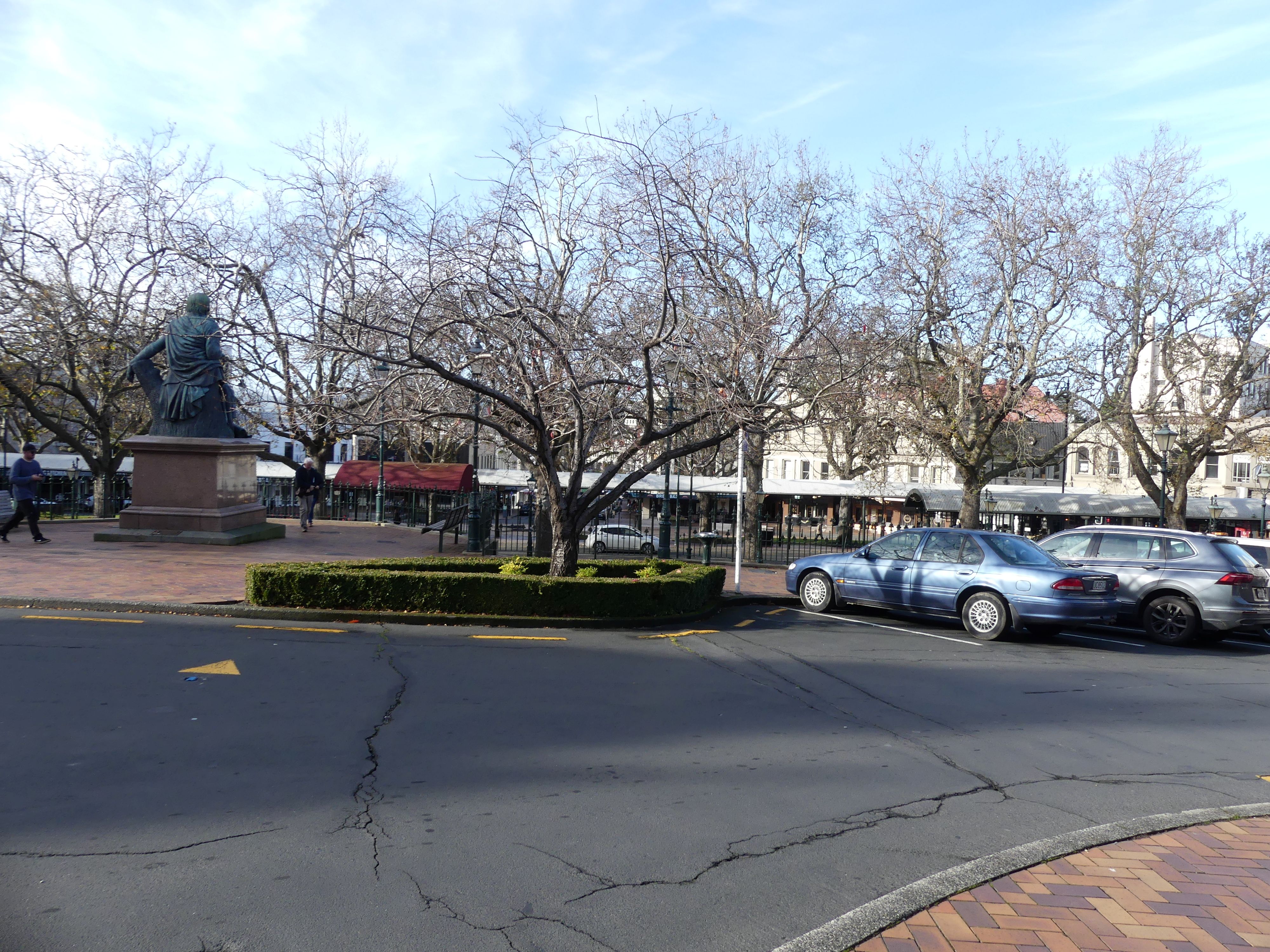
We finally arrived in the Octagon and octangle square the centre of the business/commercial district of Dunedin. It was at this time that I became painfully aware that street post boxes were as rare as hens’ teeth in NZ. NZ Post now hides in retail outlets, and they are not visible to a visitor. However, in a corner takeaway store in the Octagon was the post office and I finally posted my pocket full of postcards. I don’t know if it was the winter weather, but the Octagon looked sad to me: as though forgotten with some closed shops and not much colour. But there were some highlights like telephone box and the Robbie Burns statute.

Telephone box, and the octagon

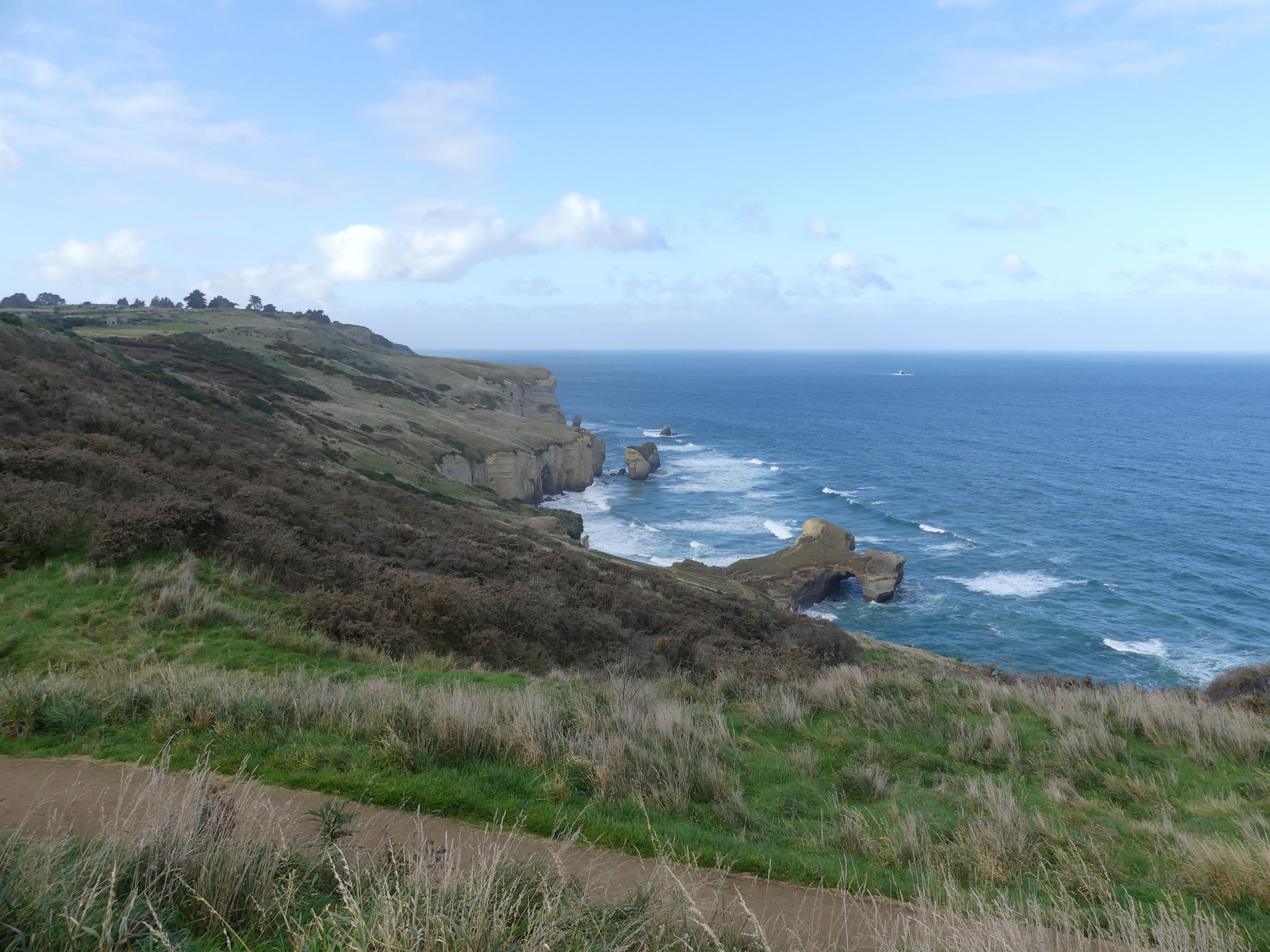
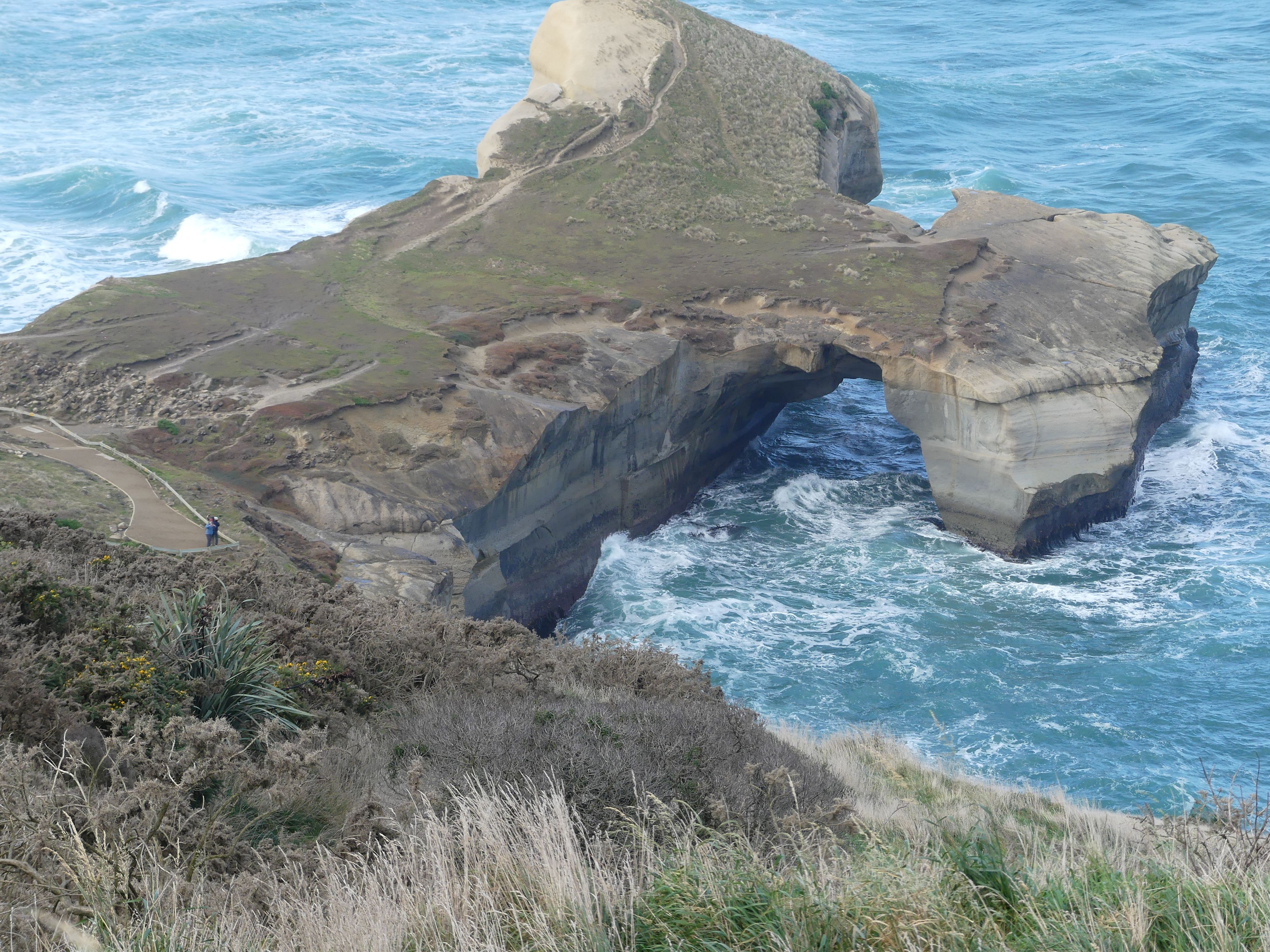
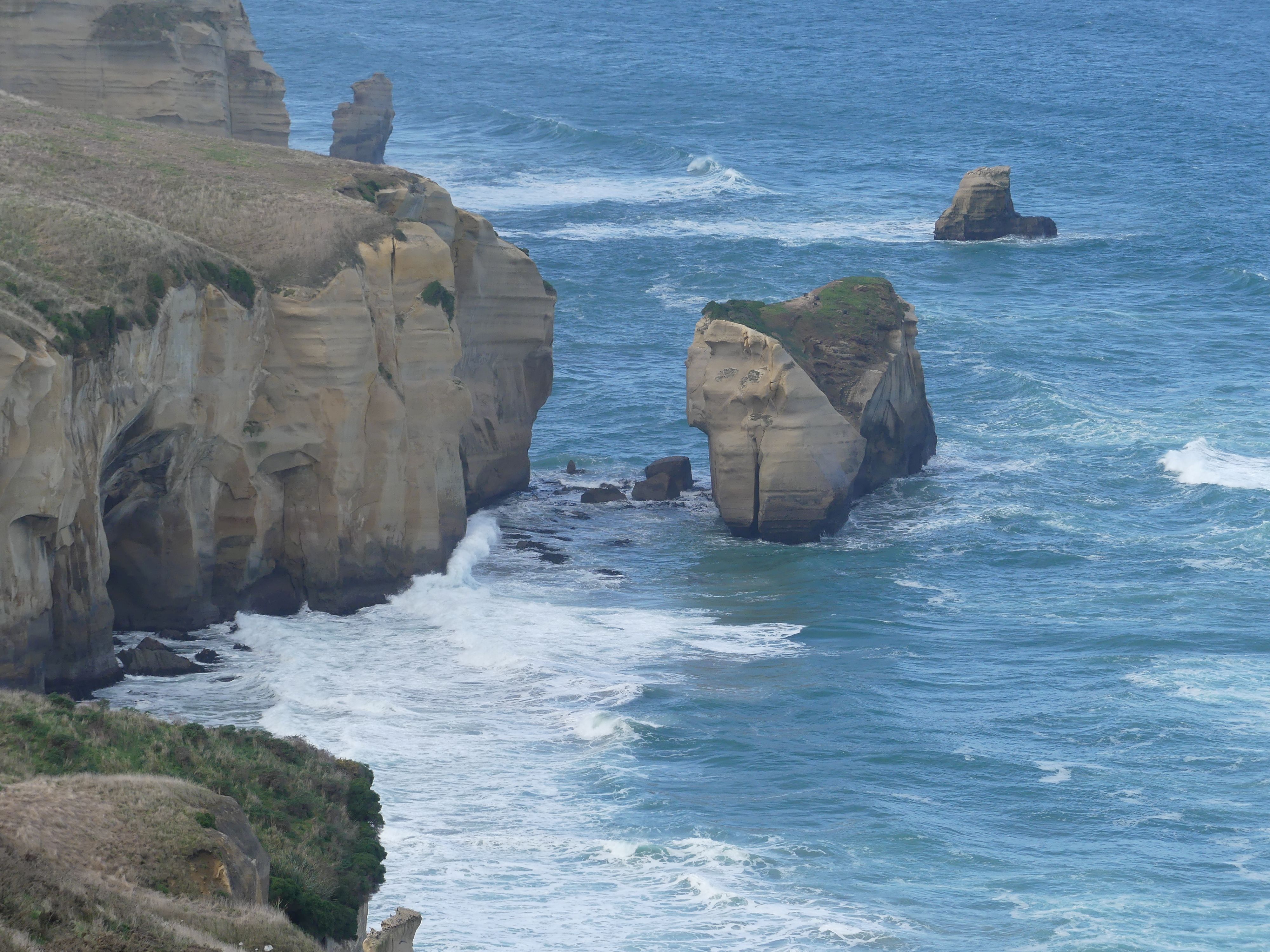
We decided to finish the day with a visit to Tunnel Beach on the Otago Peninsula. The wildness of the peninsula had been tamed by the construction of a long path to the beach but having walked down to the first viewing platform we looked back and decided that was enough – walking back up will be too hard for us elderly folk.

Tunnel beach from above. I don’t think I would have survived the climb back up.

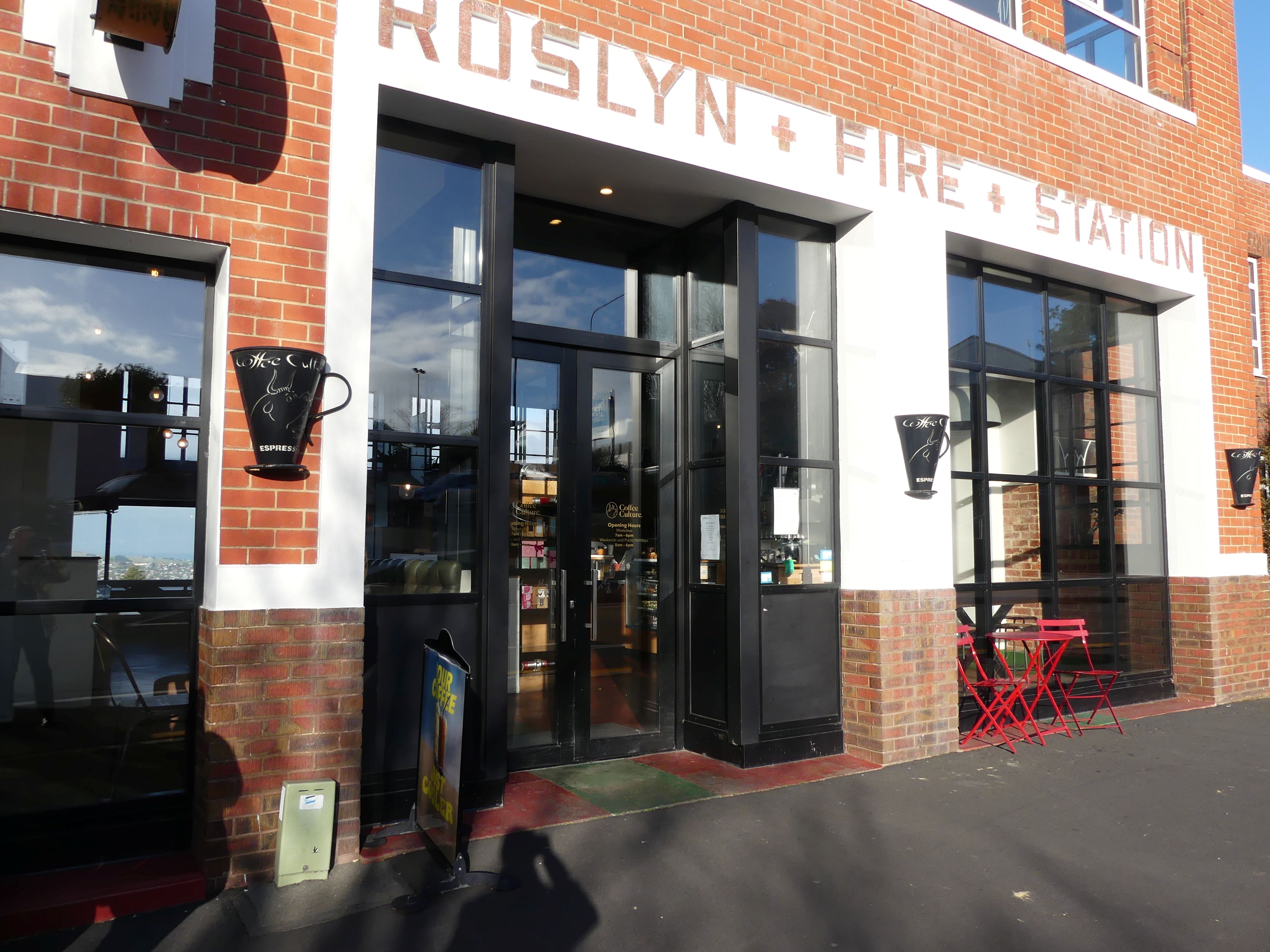
Having curtailed our plans, we decided to return to the B&B via the local coffee shop. Rossalyn Fire Station: no longer in service it had been turned into a coffee shop with magnificent views across Dunedin. After a rest and coffee, we moved onto the B&B and a night of cards before bed.

Fire House cafe and view of Dunedin from the cafe.

Tomorrow Day 9, we plan to travel to Lake Tekapo some 3 hours plus away. Still a long way to go travelling the South Island. Read more when THE RETIREES VISIT THE SOUTH ISLAND ACROSS THE DITCH blog 495 Episode 4.

THE RETIREES VISIT THE SOUTH ISLAND ACROSS THE DITCH blog 495 Episode 2

19TH MAY TO 10TH JUNE 2026

Day 5.                Today we are headed from Te Anu to Invercargill but we had to stop for coffee at the smallest coffee shop. It was clearly a diversified income stream for the laundry operating behind it as our barista came from the laundry to serve us.

Invercargill was 2.1/2 hours away and we would be staying at the Ibis Styles in Tay St. Invercargill. It had been our plan to look for stops on the way – yes, for coffee but stops of interest. There was one thing common about all the scenery, and this was the plantations of pine trees. Plantation forests are dominated by Radiata pine (Pinus radiata). Introduced in the 1800s, this incredibly fast-growing species is used for everything from structural timber to pulp. While plantation forests are strictly managed, the South Island faces a significant ecological crisis from wilding pines. These are self-seeded, invasive pine trees often Contorta pine and Douglas fir. These wilding pines choke out native alpine vegetation, use vast amounts of water, and ruin natural landscapes.

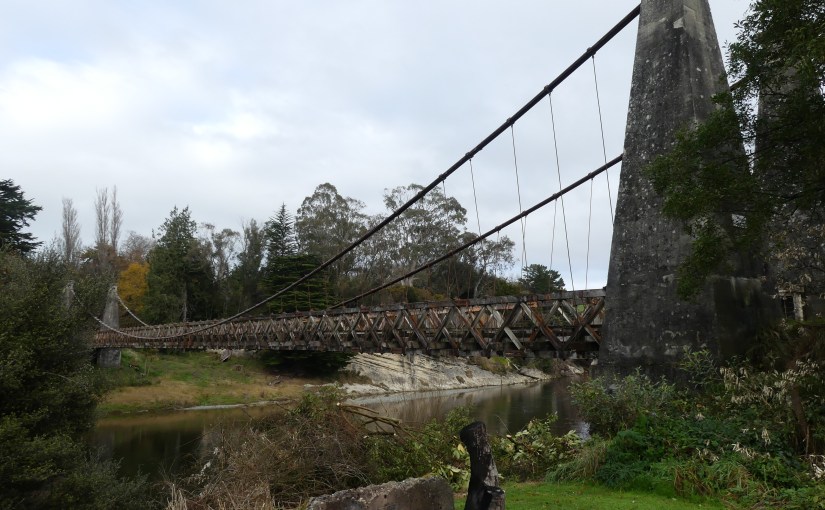
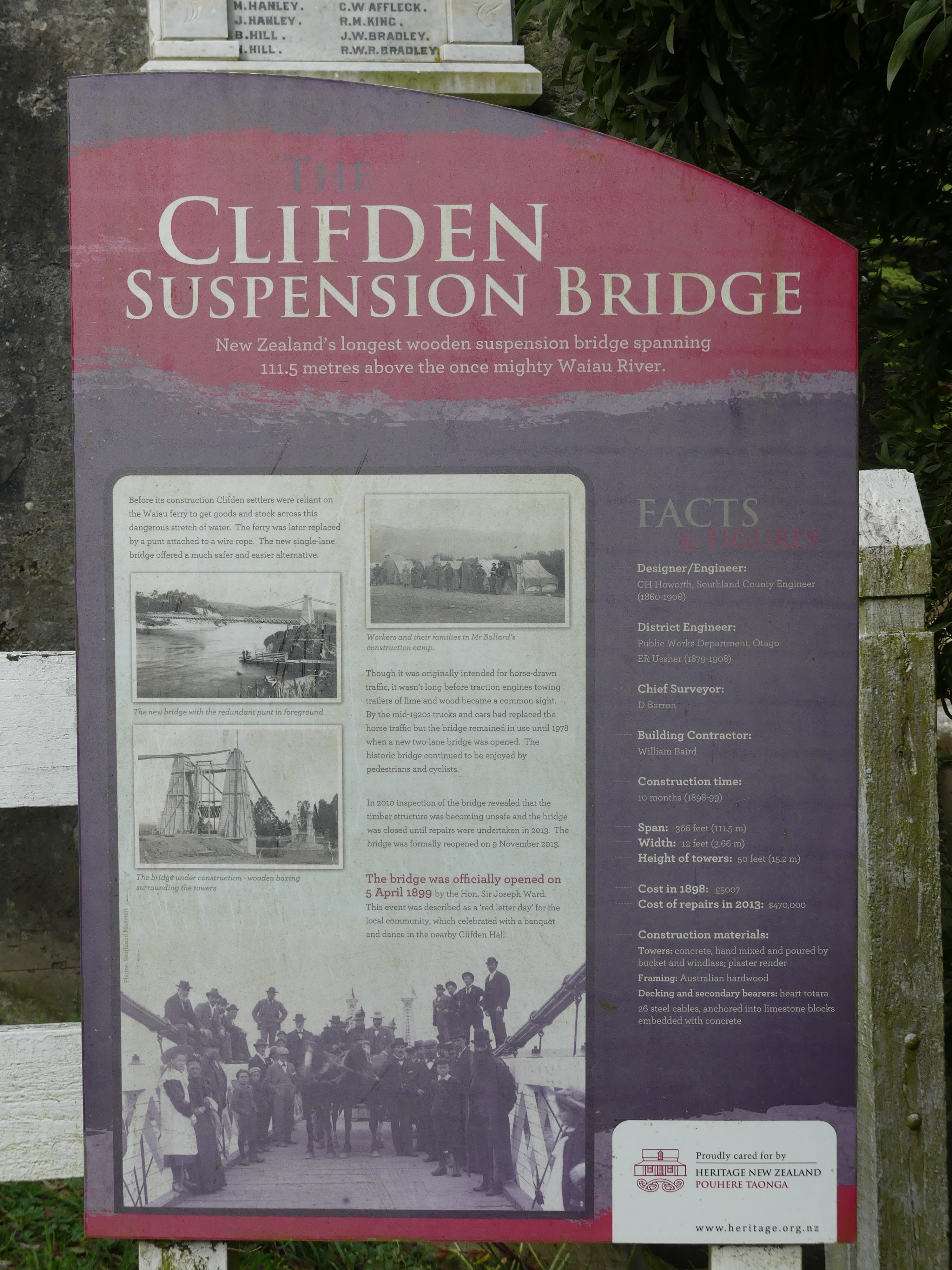
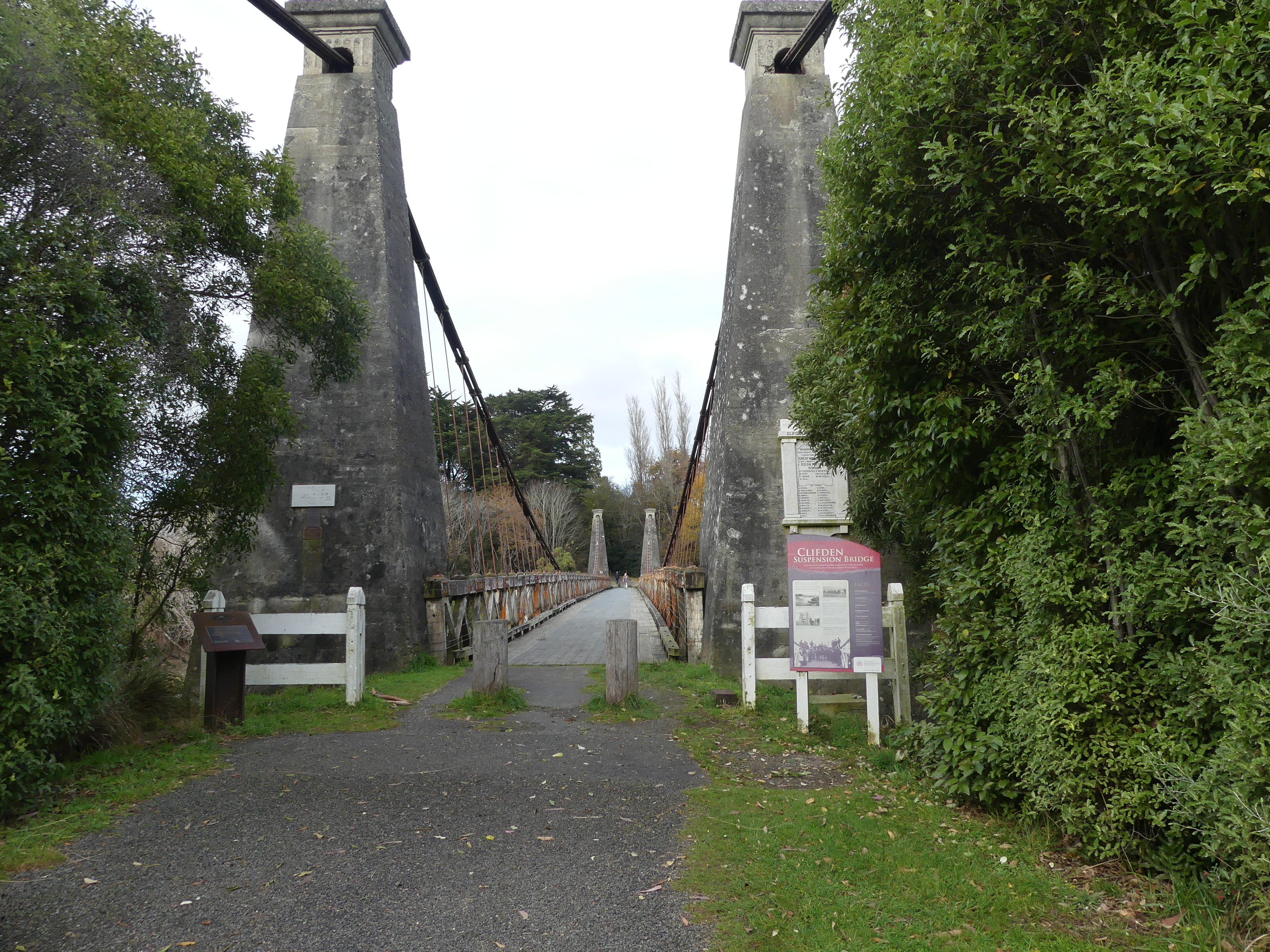
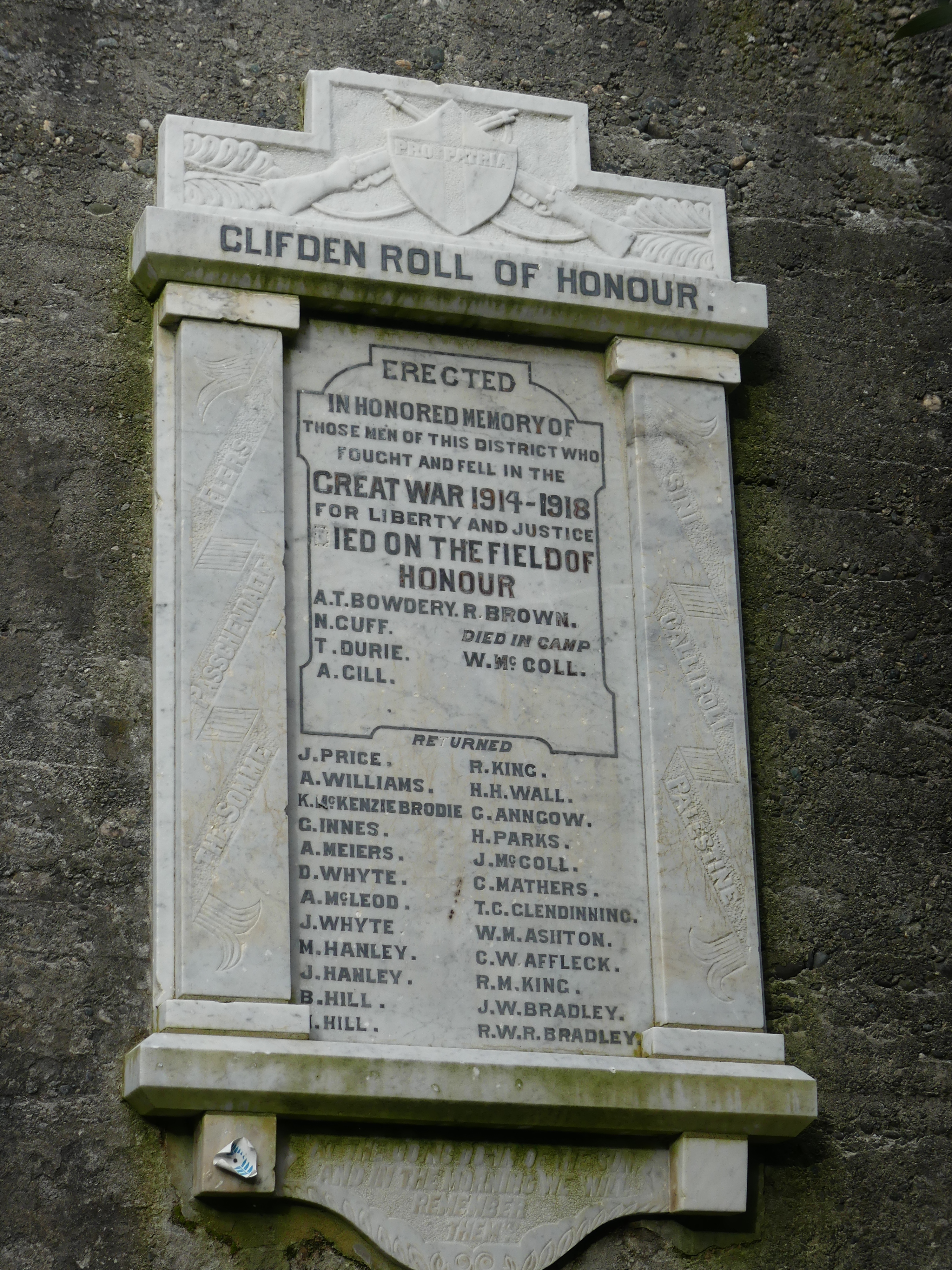
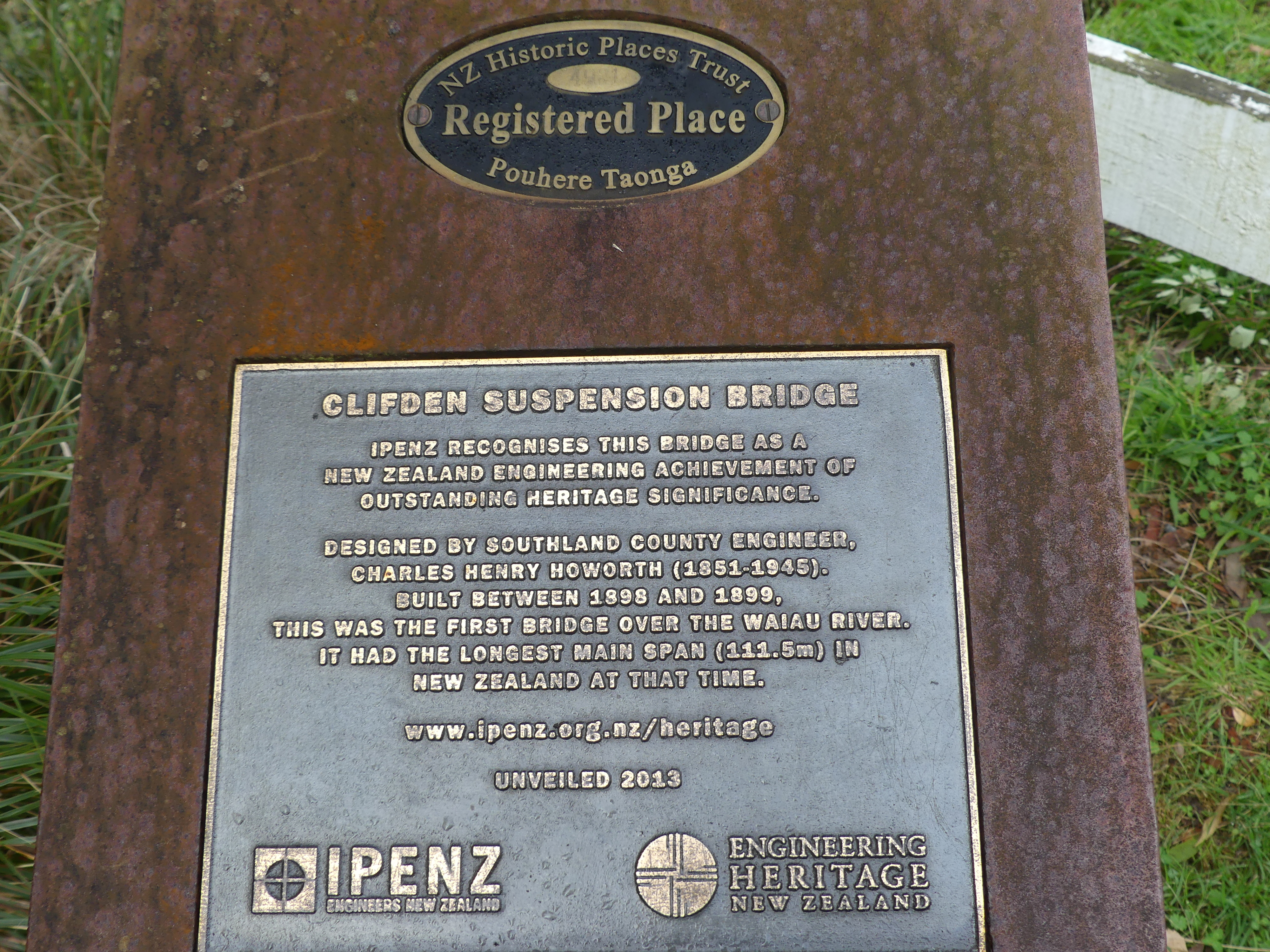
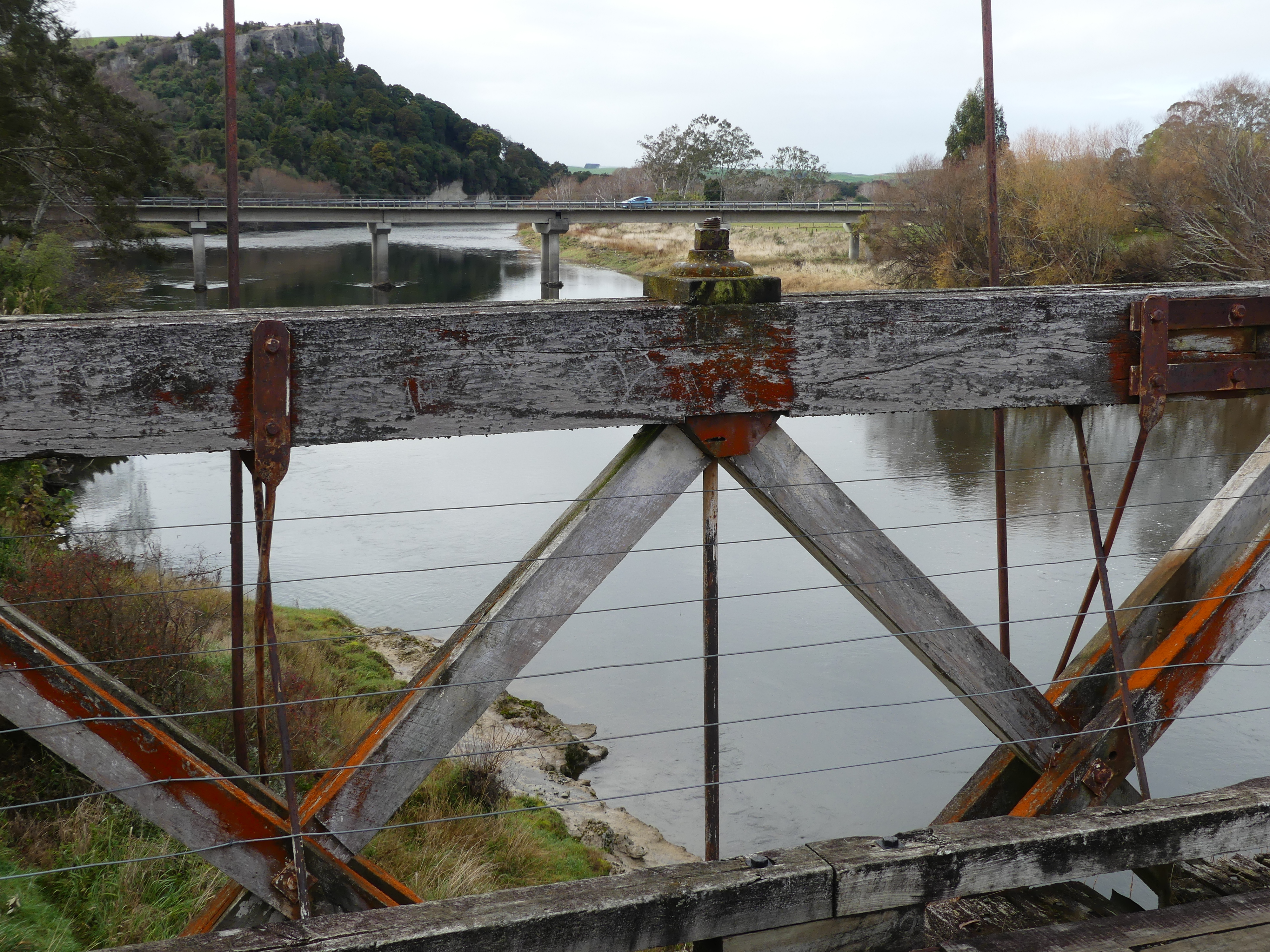
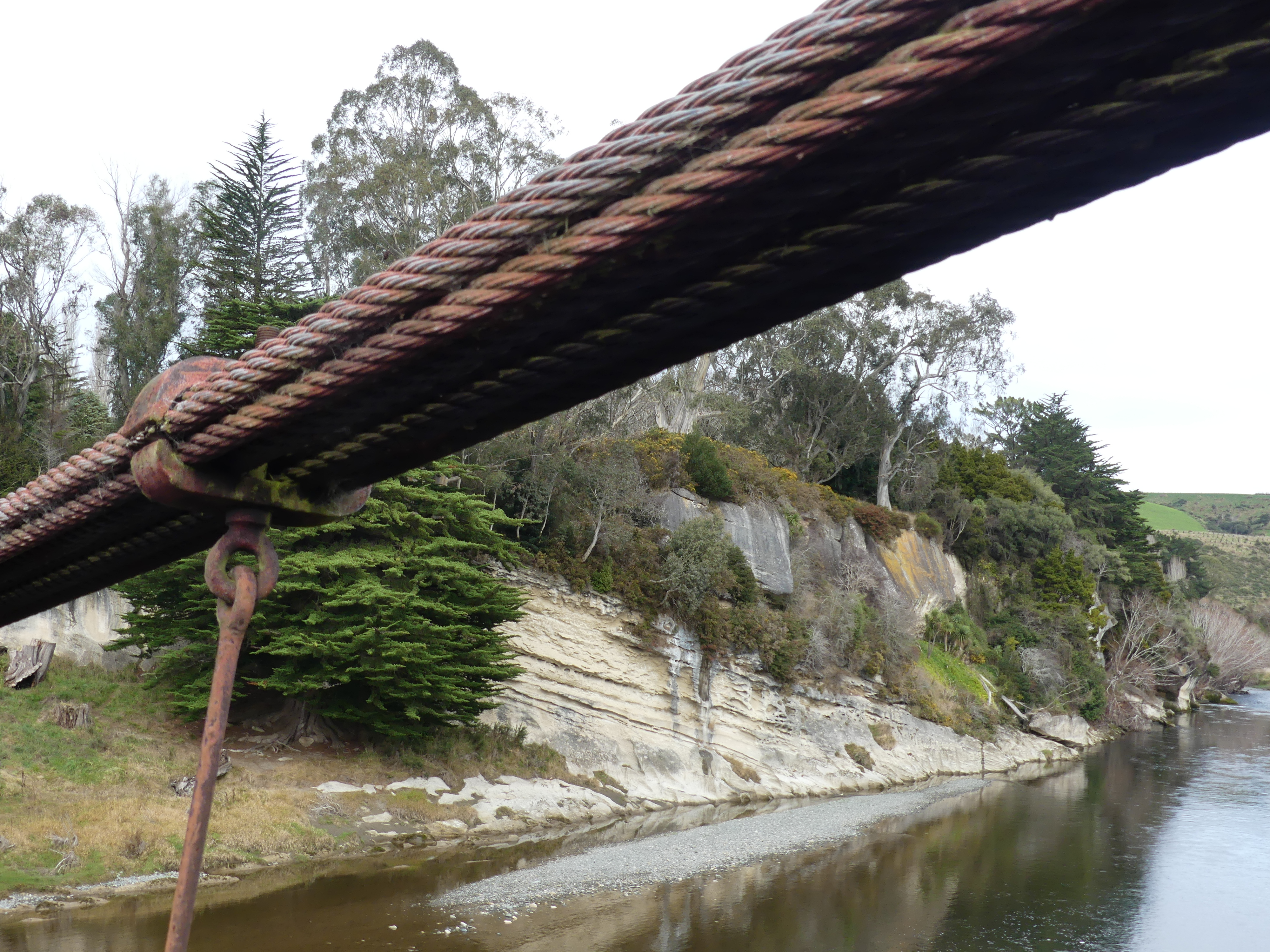
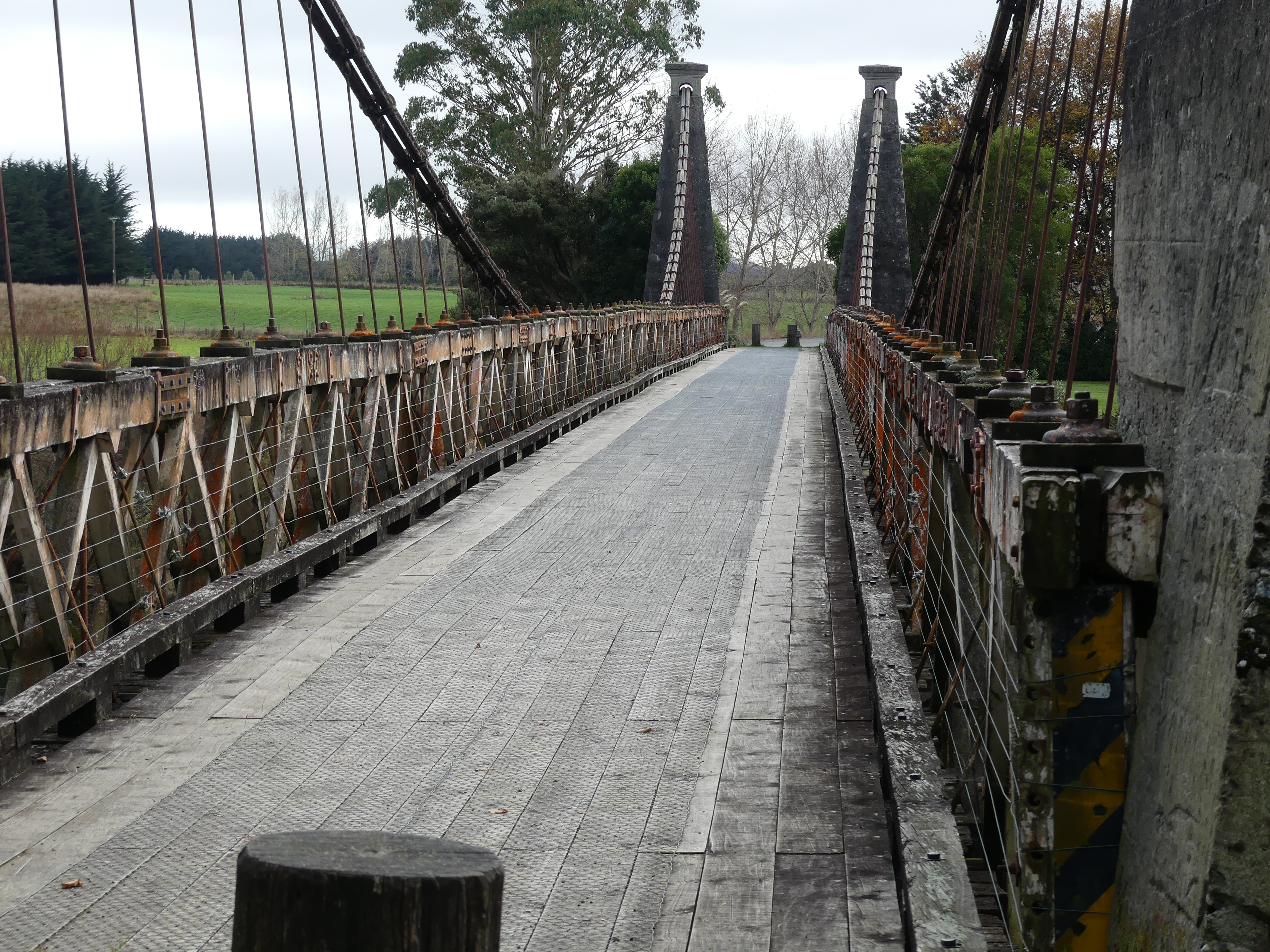
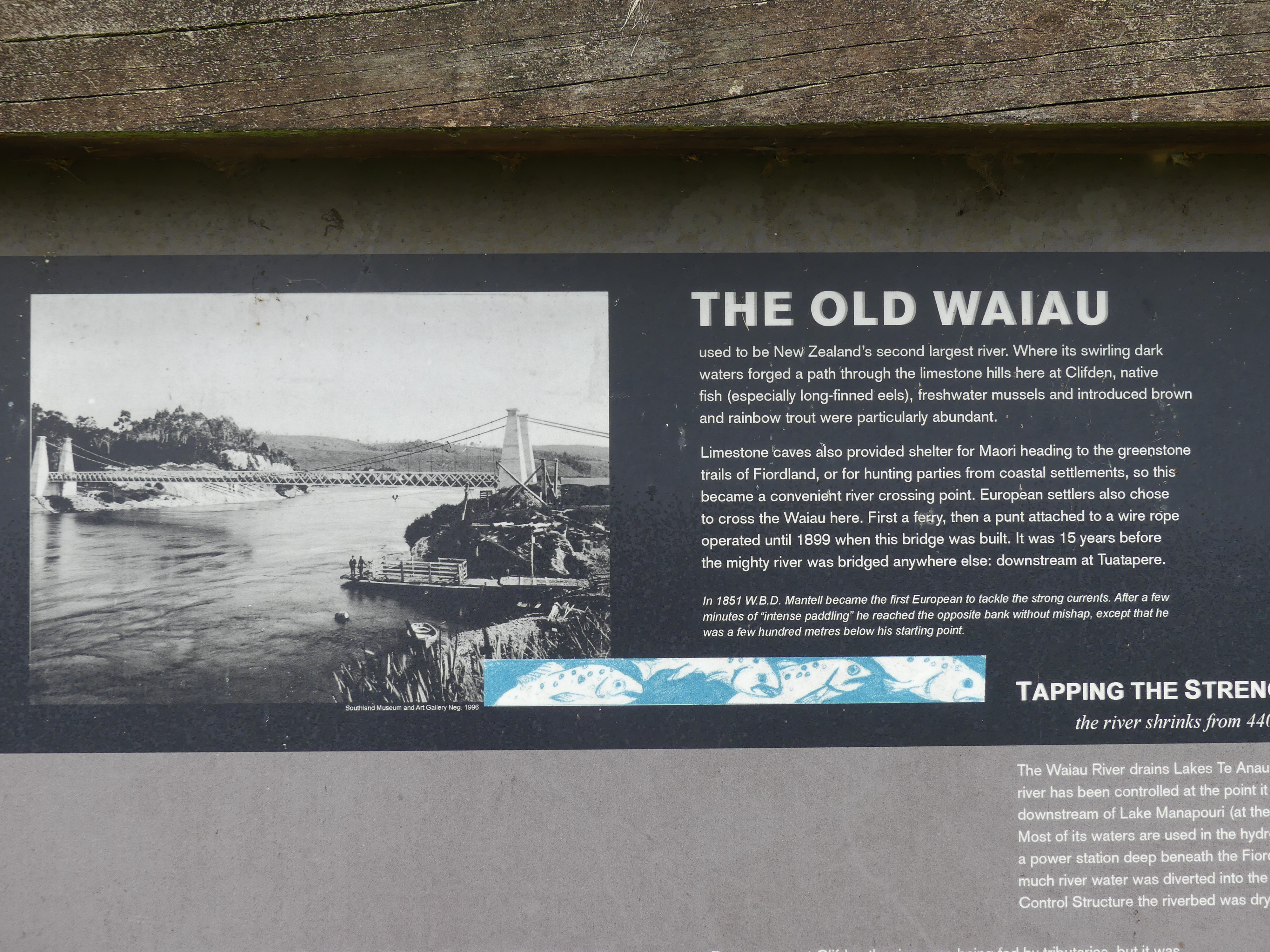
On the way to Invercargill, we expected to pass over Clifden Suspension Bridge. Wikipedia says “The historic Clifden Suspension Bridge is located in Southland on the South Island of New Zealand. Built in 1899, this 111-meter wooden and steel bridge spans the Waiau River and features a Category 1 Historic classification. Originally built to replace a ferry punt and connect the region, it was the longest suspension bridge in the country. It was closed to vehicular traffic in 1978 when a modern bridge was built nearby. Today, it is pedestrian-only and serves as a popular roadside stop for photographs and historical appreciation.”

So, here we are at Clifden Suspension Bridge.

The Bridge and its history, the Waiau River

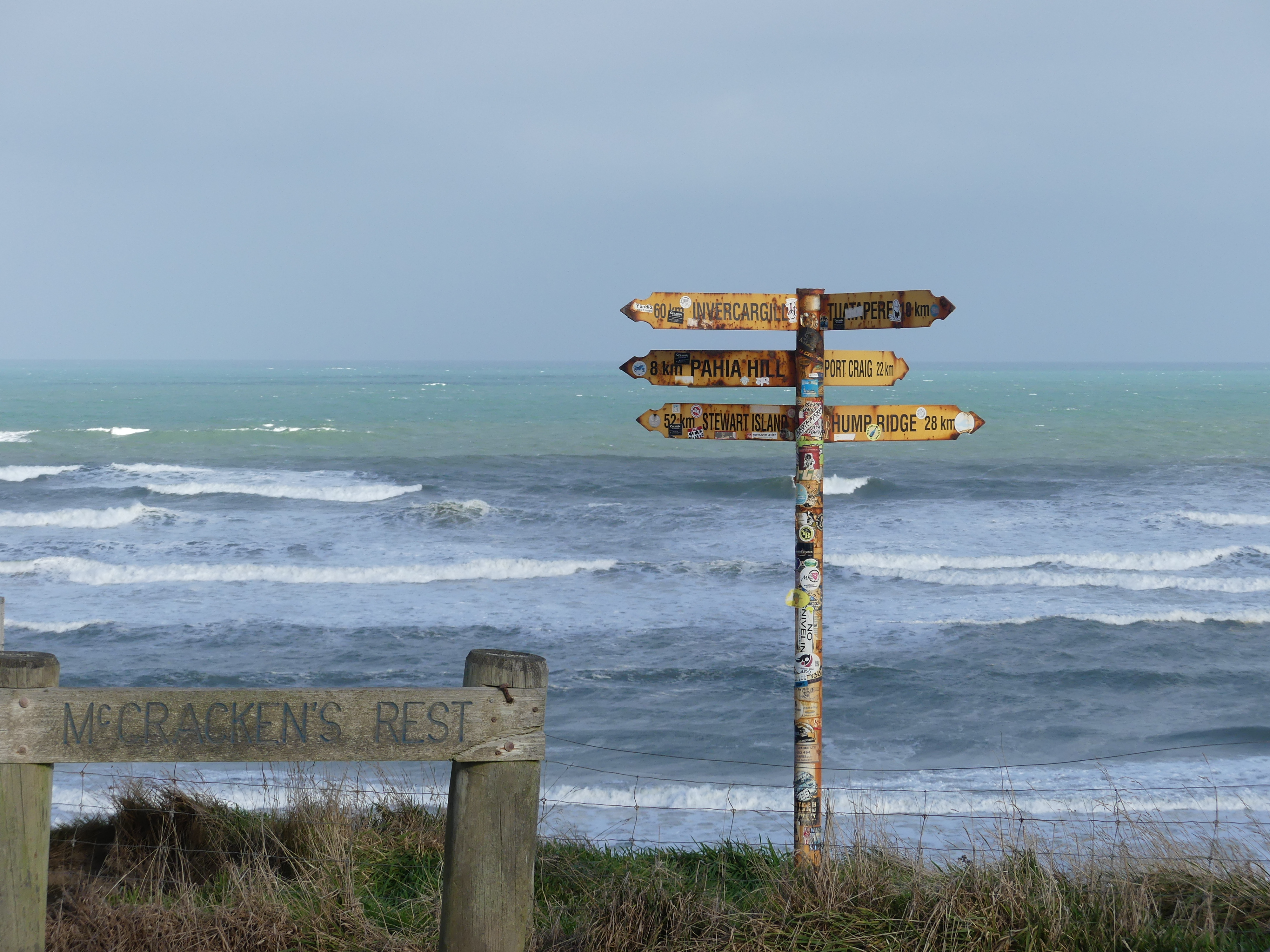
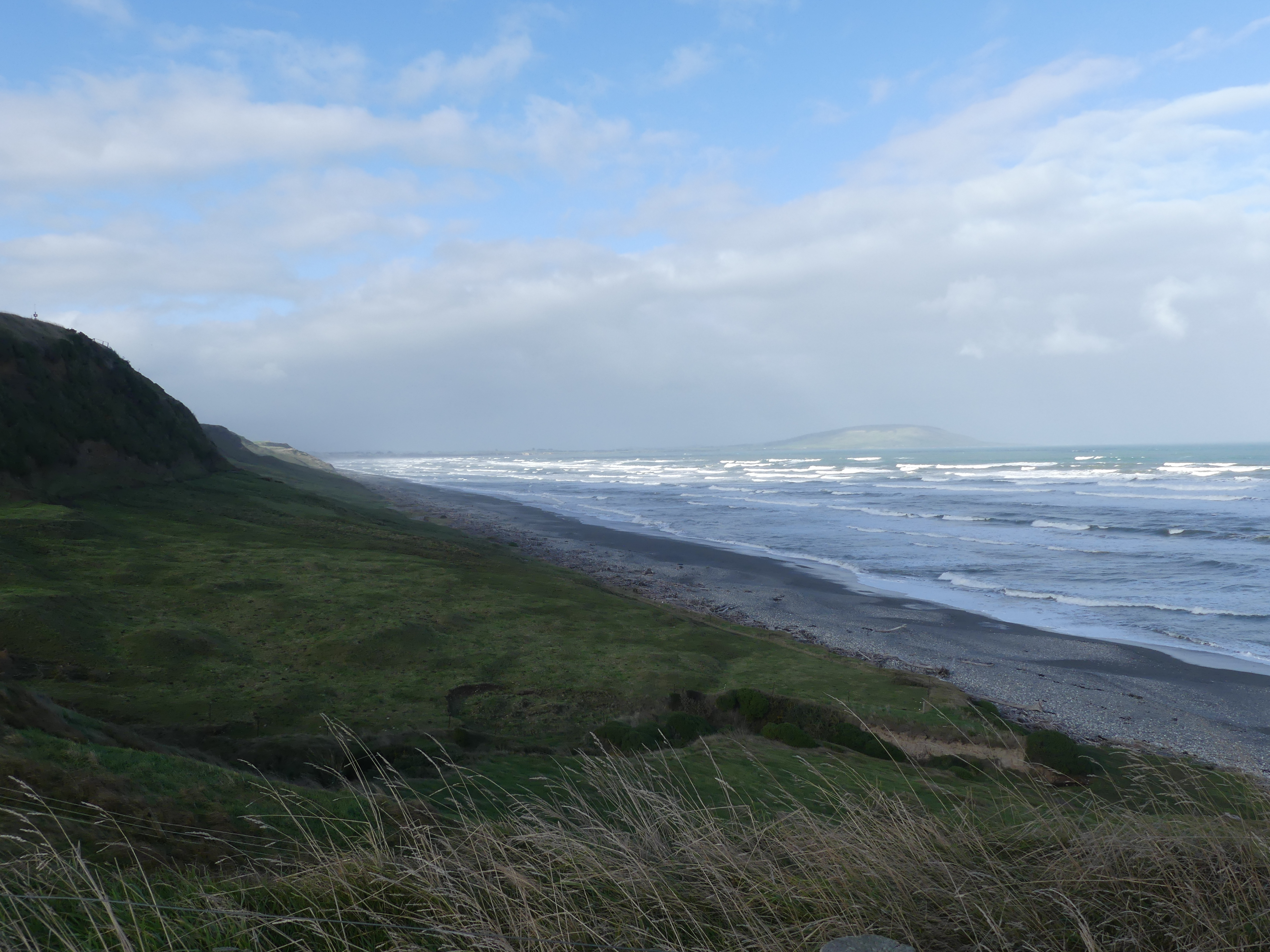
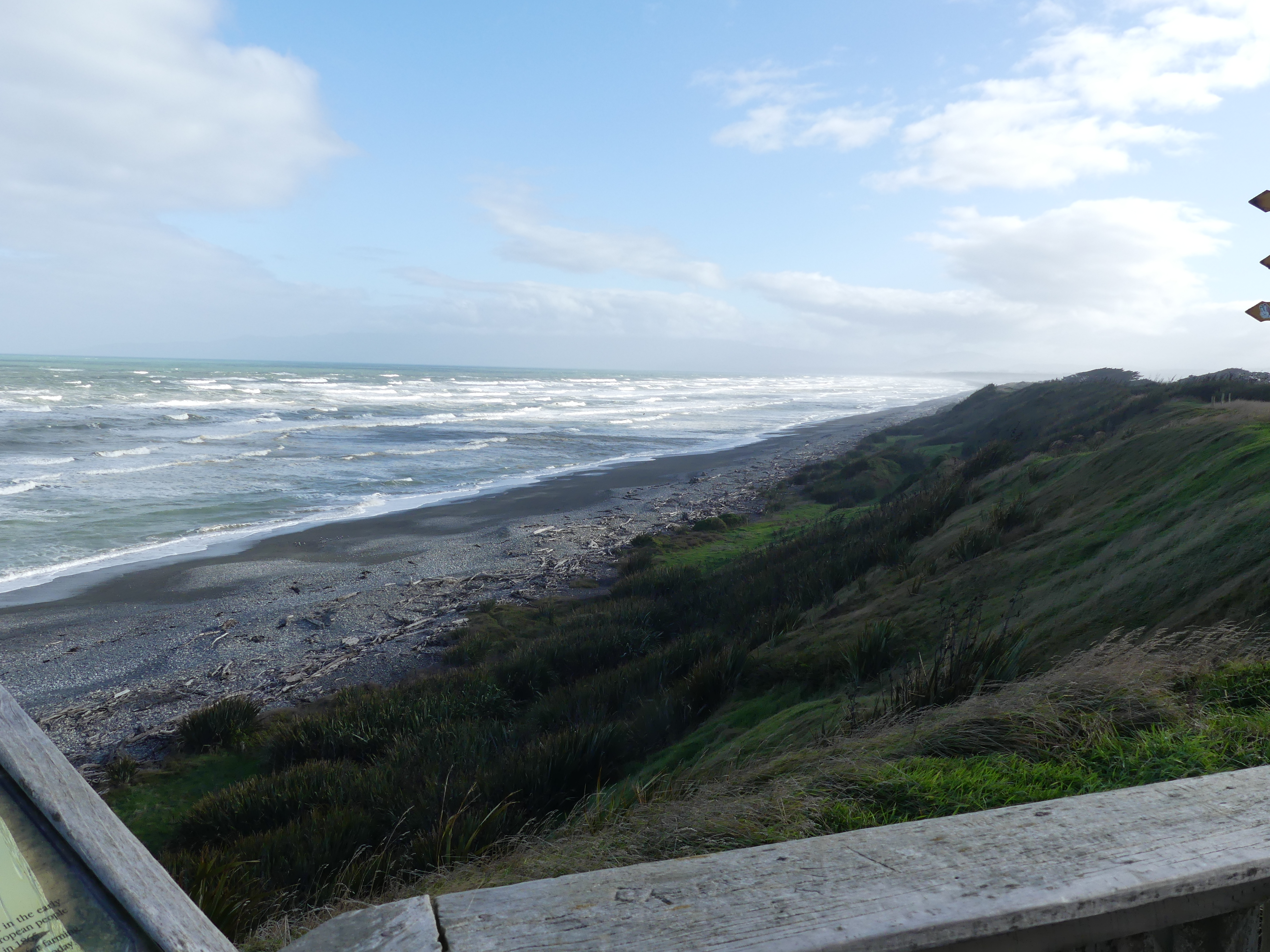
Out comes the coffee and biscuits and we appreciate the work and effort to construct such a bridge in 1899 in the wilds of the South Island. Suitably refreshed (Barry had picked up some Scotch Fingers whilst I had picked up a packet of Biscoff biscuits and prepared vanilla latte sachets, Kerry had her Spicy Chai Latte and the thermos of hot water) we motored on now following the coastline. McCracken’s Rest just off the main road, caught our eye for our next stop. No idea who McCracken may be nor why he rested here (no sign of a grave) but it has awesome views up and down the coast. From here we are closer to Stewart Island than Invercargill! We are right at the bottom of the South Island. According to a sign nearby “Locals appreciate McCracken’s Rest for its stunning coastal views and proximity to attractions like Monkey Island and Gemstone Beach.” After reading this Barry needed to see Monkey Island.

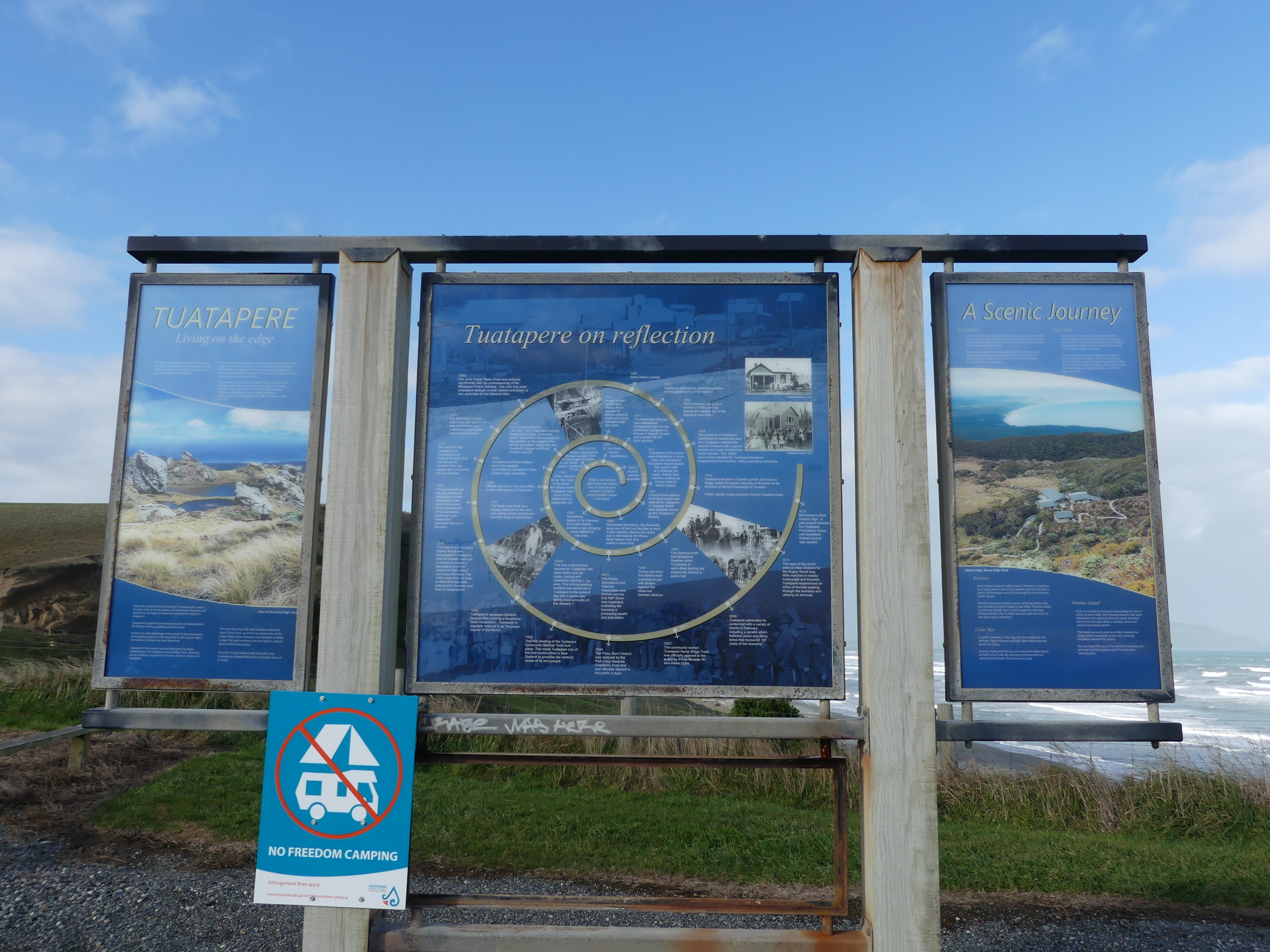
McCracken’s Rest, up and down the beach (Stewart Is in the background) Tuatapere history board.

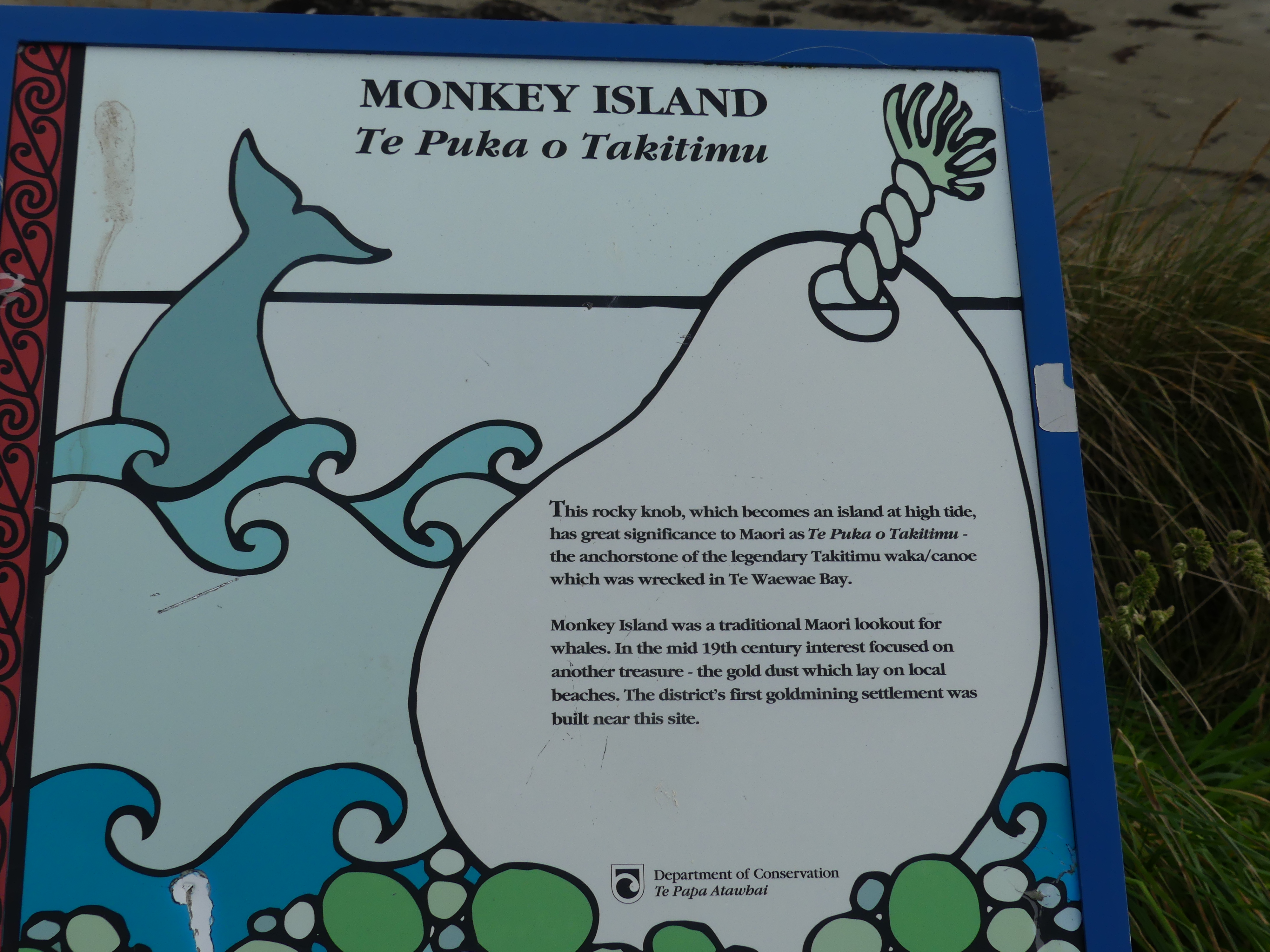
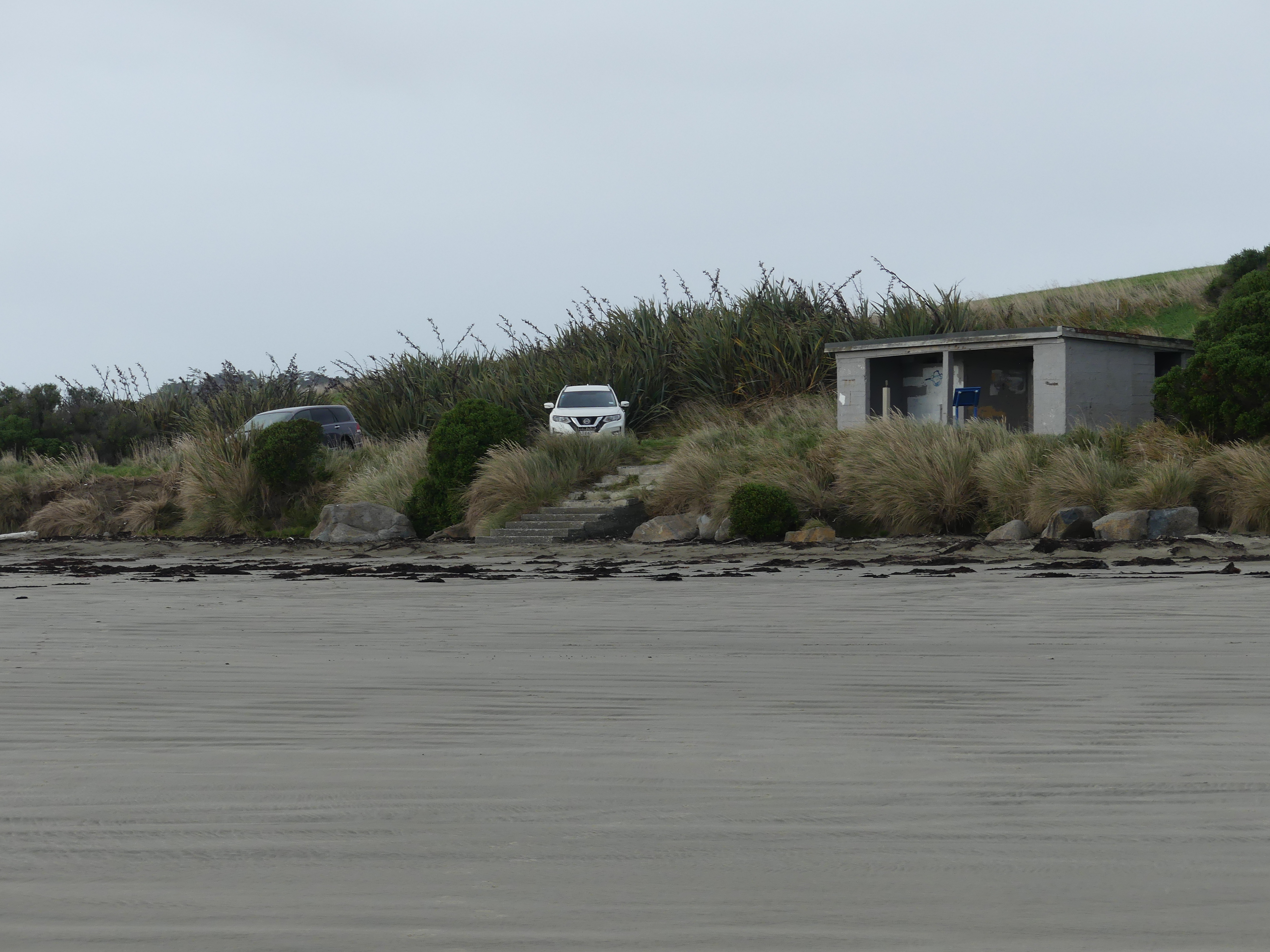
We drove to Monkey Island a rocky knob which becomes an island at high tide. Well, Barry scrambled up one side, and I thought I chose an easier route up the other side but oh No! I was wrong and tumbled backward knocking my head. Very stupid and dangerous for me having previously broken my neck surfing and now with my head screwed on by a fusion of my C4 to C7 vertebrae. But I am still here to write about it. Kerry watched my fall from the beach causing her great grief. Not a high point of our holiday but a lesson learnt by me.

Monkey Island

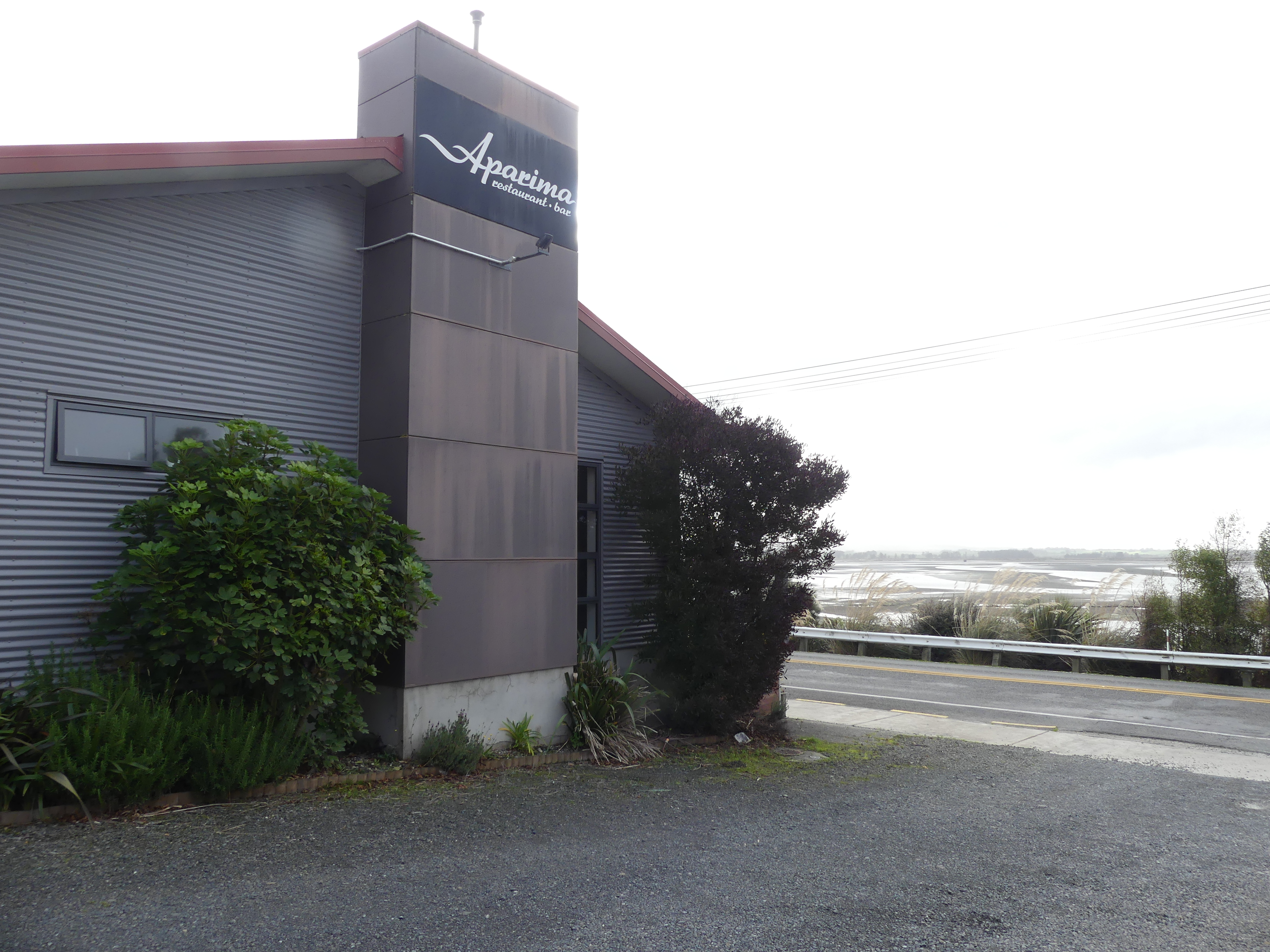
I had no side effects from my tumble other than a bruised ego and an annoyed wife. So, we moved onto Riverton for lunch visiting the Aparima Hotel. We had an enjoyable lunch in a warm cosy atmosphere. There seemed too many locals having lunch and enjoying themselves, so I googled The Aparima Hotel and found according to google that it “is a well-loved historic establishment” on the South Island. “It had burned down in a devastating fire in 2013, but the site has since been successfully rebuilt as the Aparima Restaurant & Bar.” We can attest to that.

Aparima Restaurant and Bar

We moved onto Invercargill arriving at our hotel around 3.00pm Saturday. Barry and Sandi had plans of visiting Stewart Island, but their enquiries changed their minds. They could not do a day trip and would need to stay overnight. Whether that was a seasonal thing or not, they decided to do things with us which changed our very loose plans. The hotel was not as expected either. It was in one of the main streets of the CBD and there was, despite our being told otherwise, no onsite parking. Parking on the street was free on the weekend but after 8.00am on Monday the parking on the street would be free for 20mins only. This still didn’t give us secure parking off the street. On the positive side, we had comfortable rooms and access to a lounge which gave us plenty of room to play cards and prepare meals and lunches.

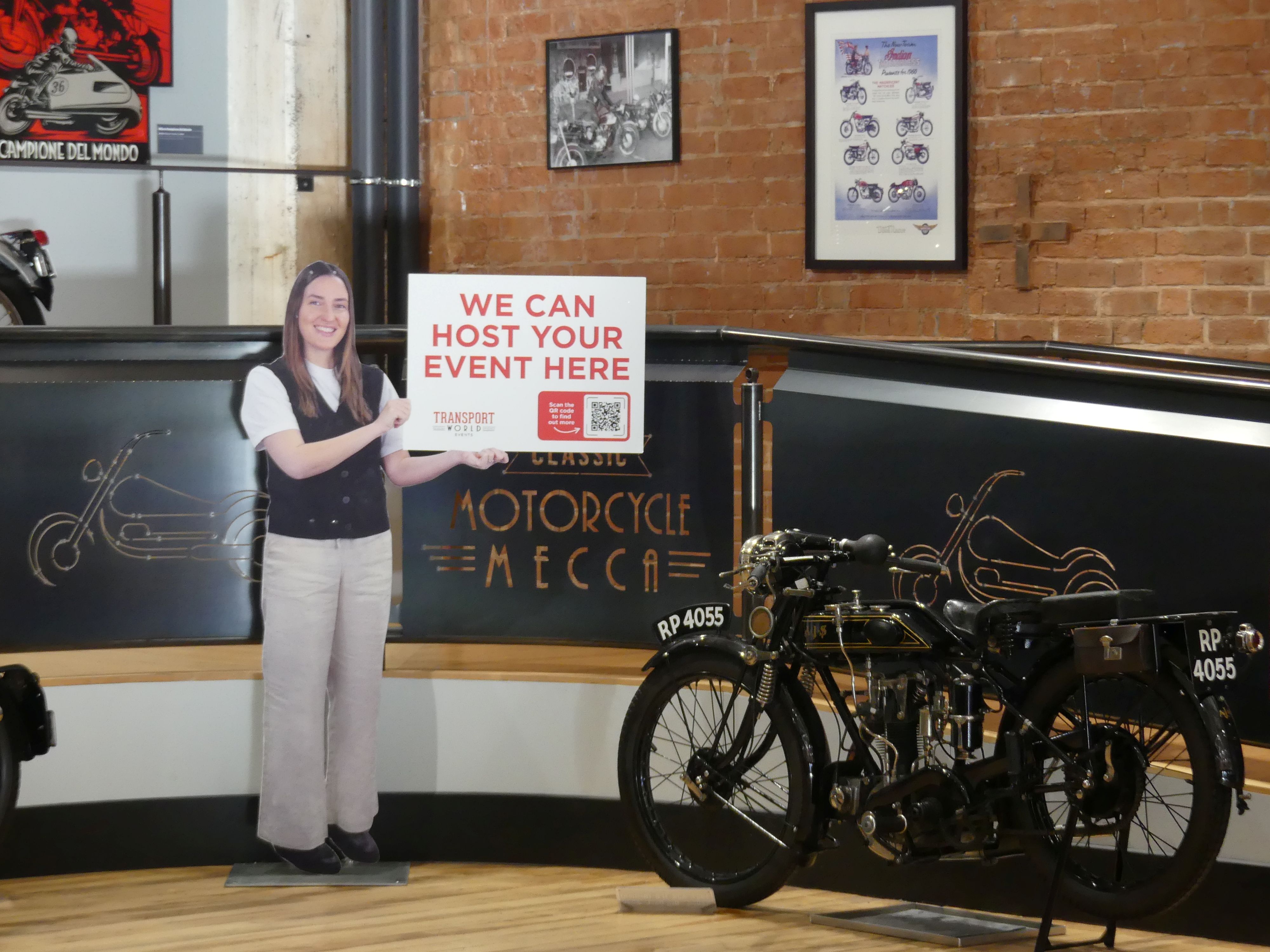
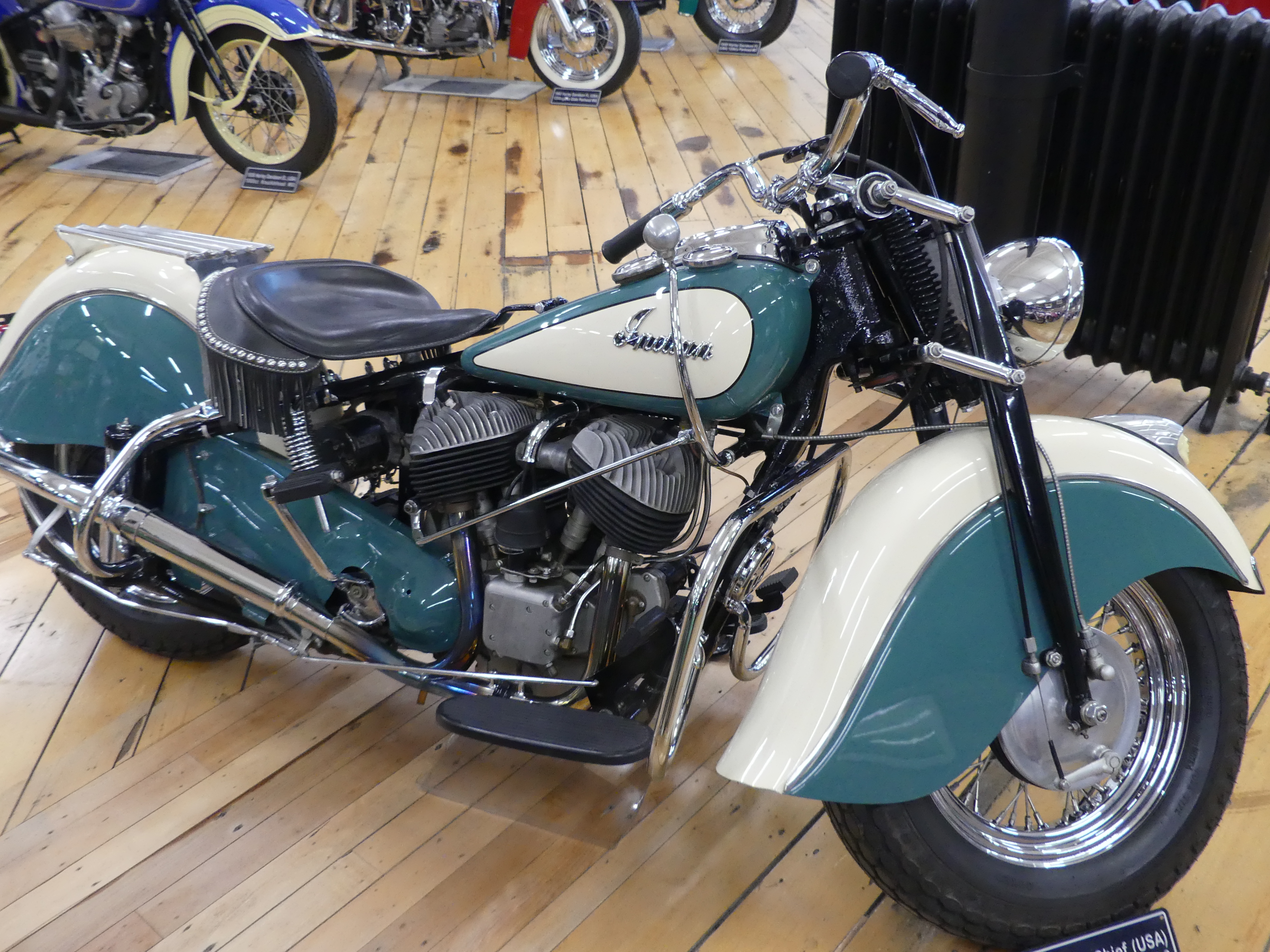
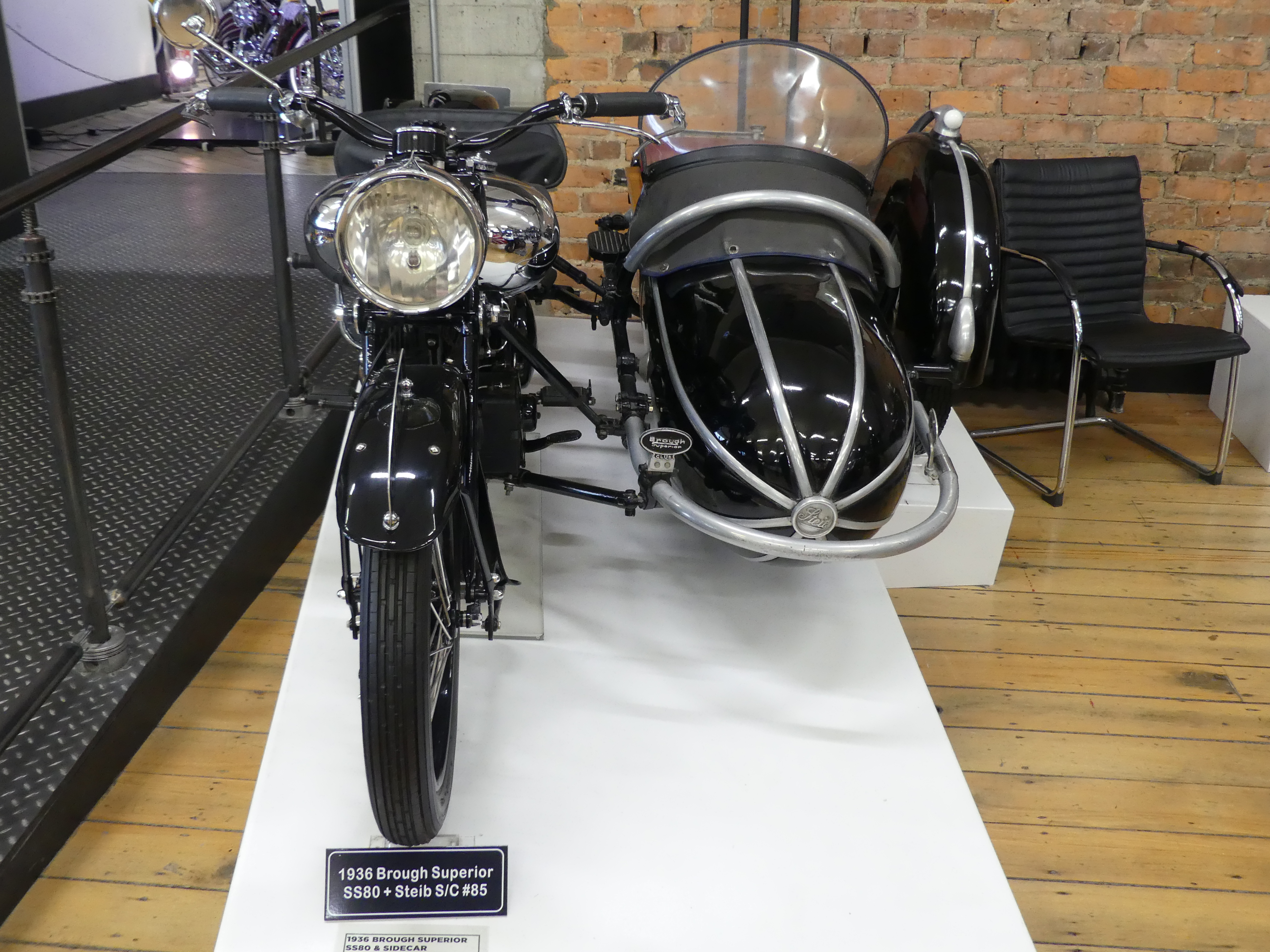
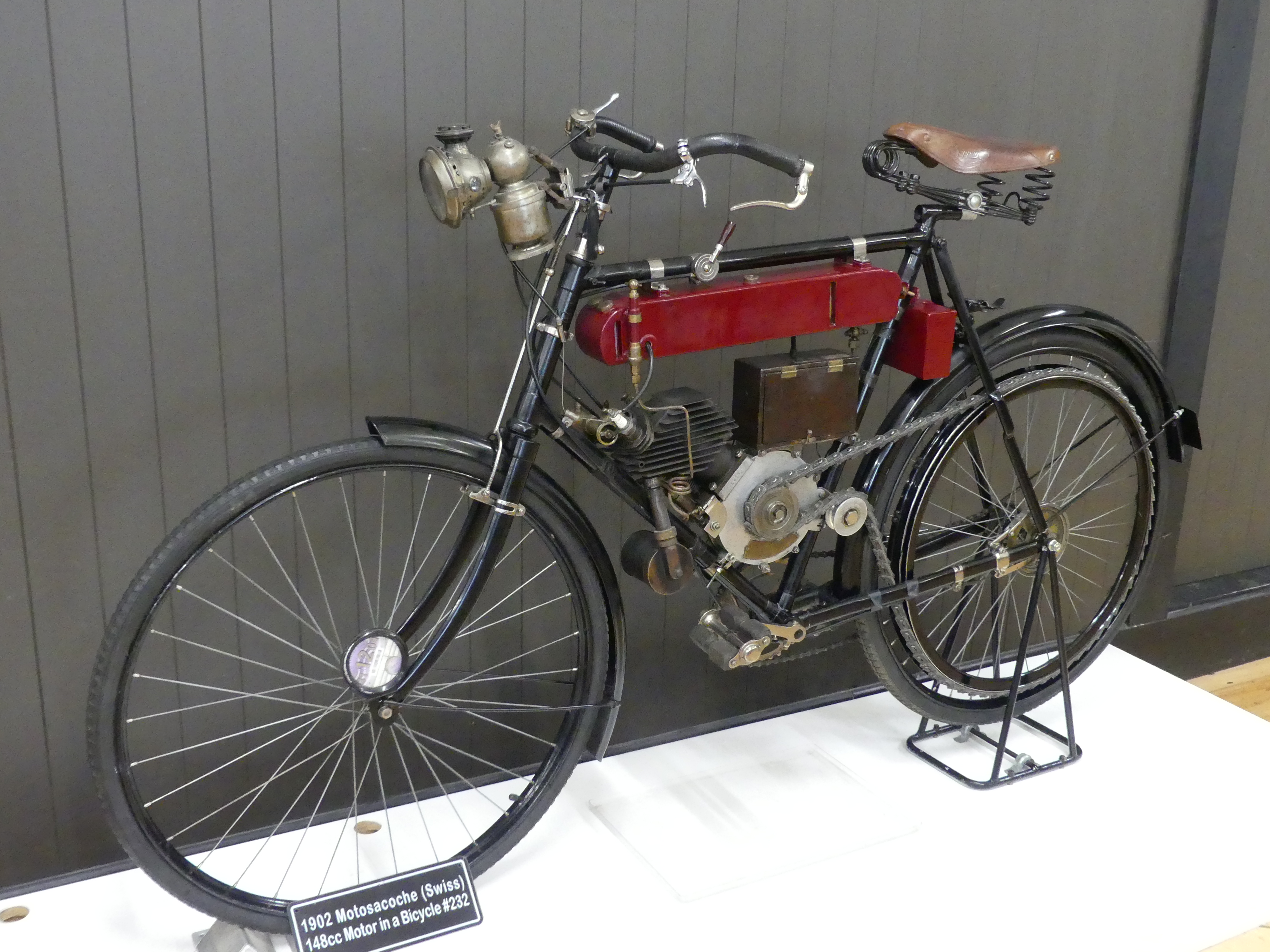
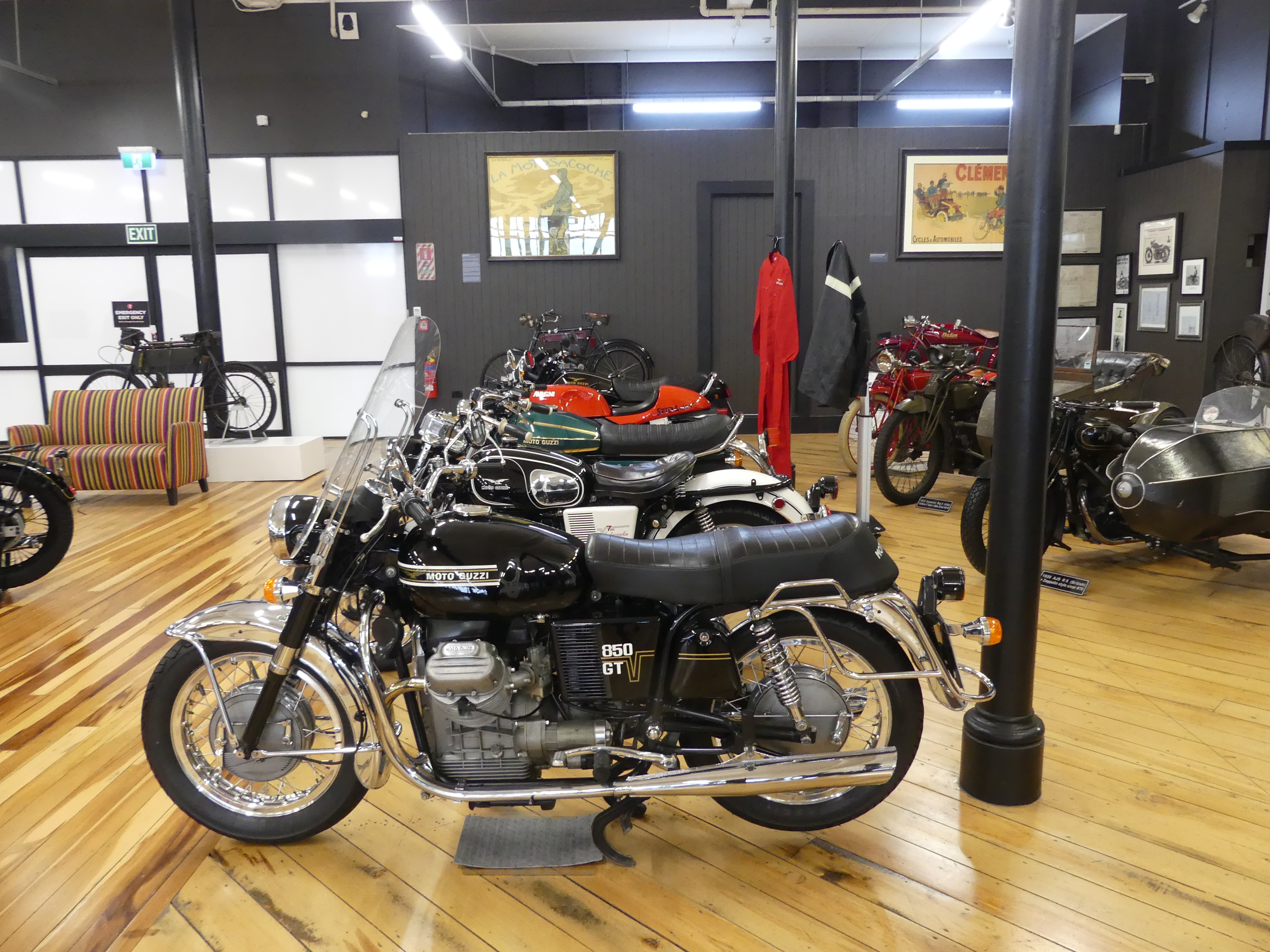
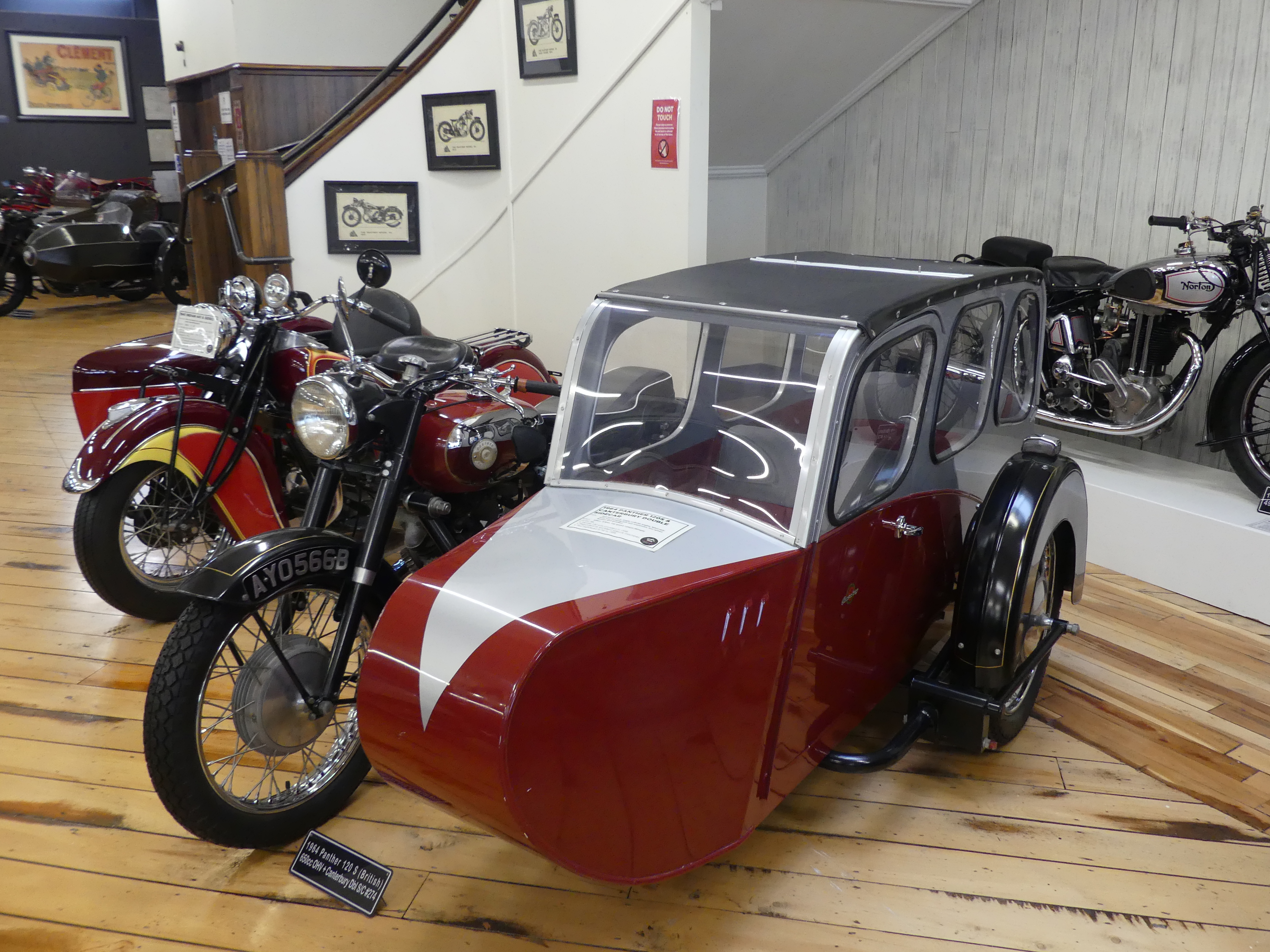
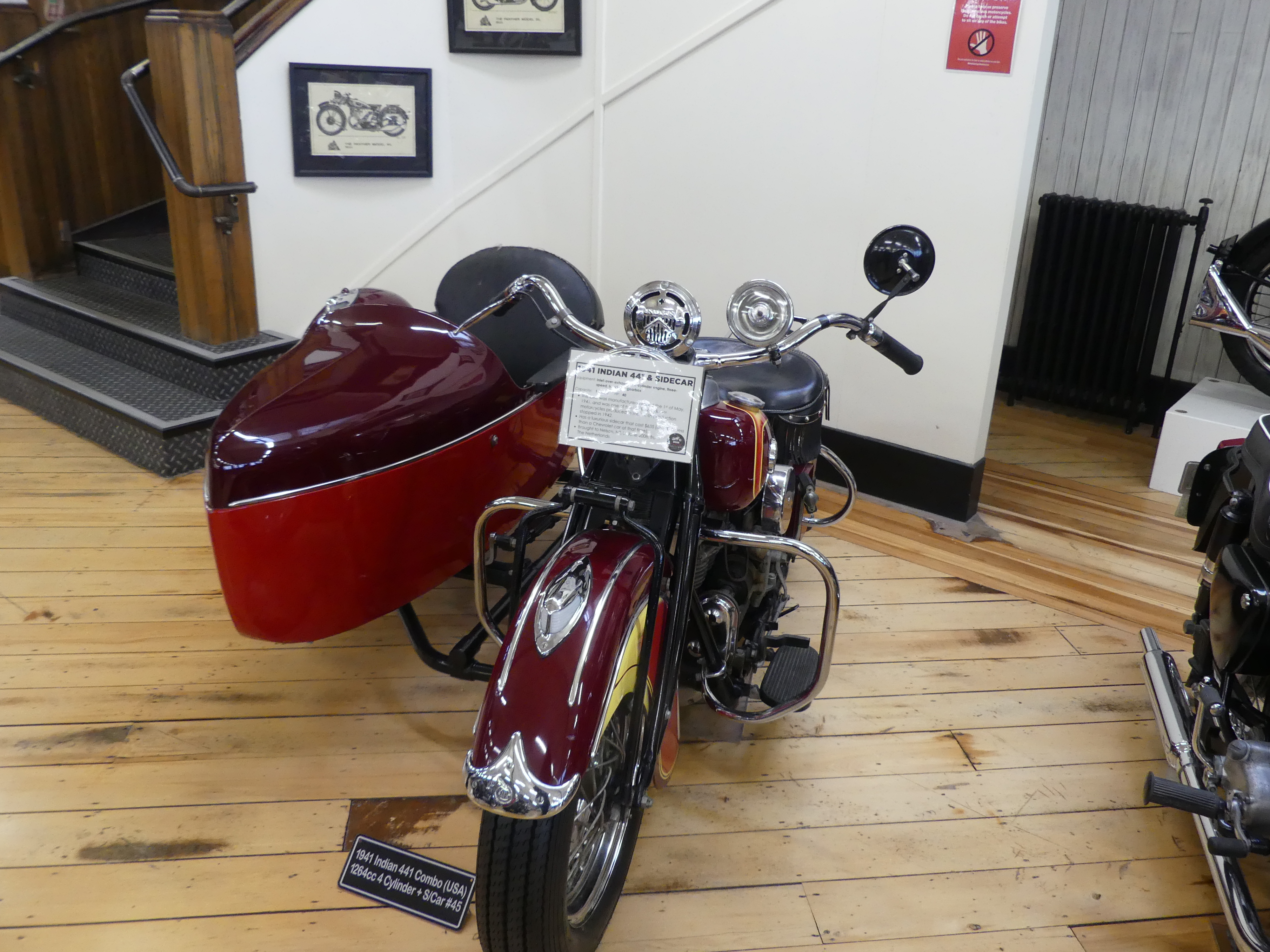
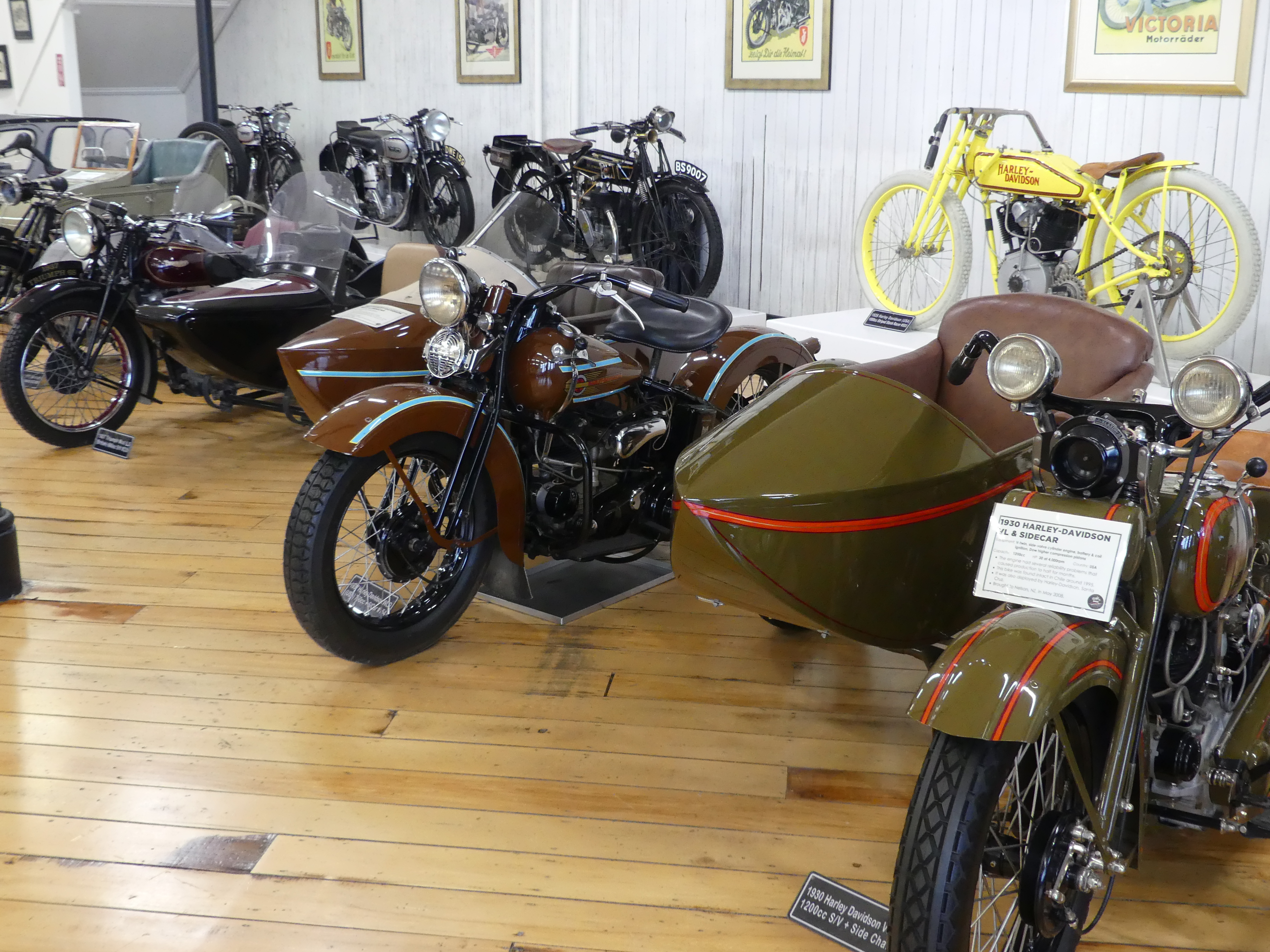
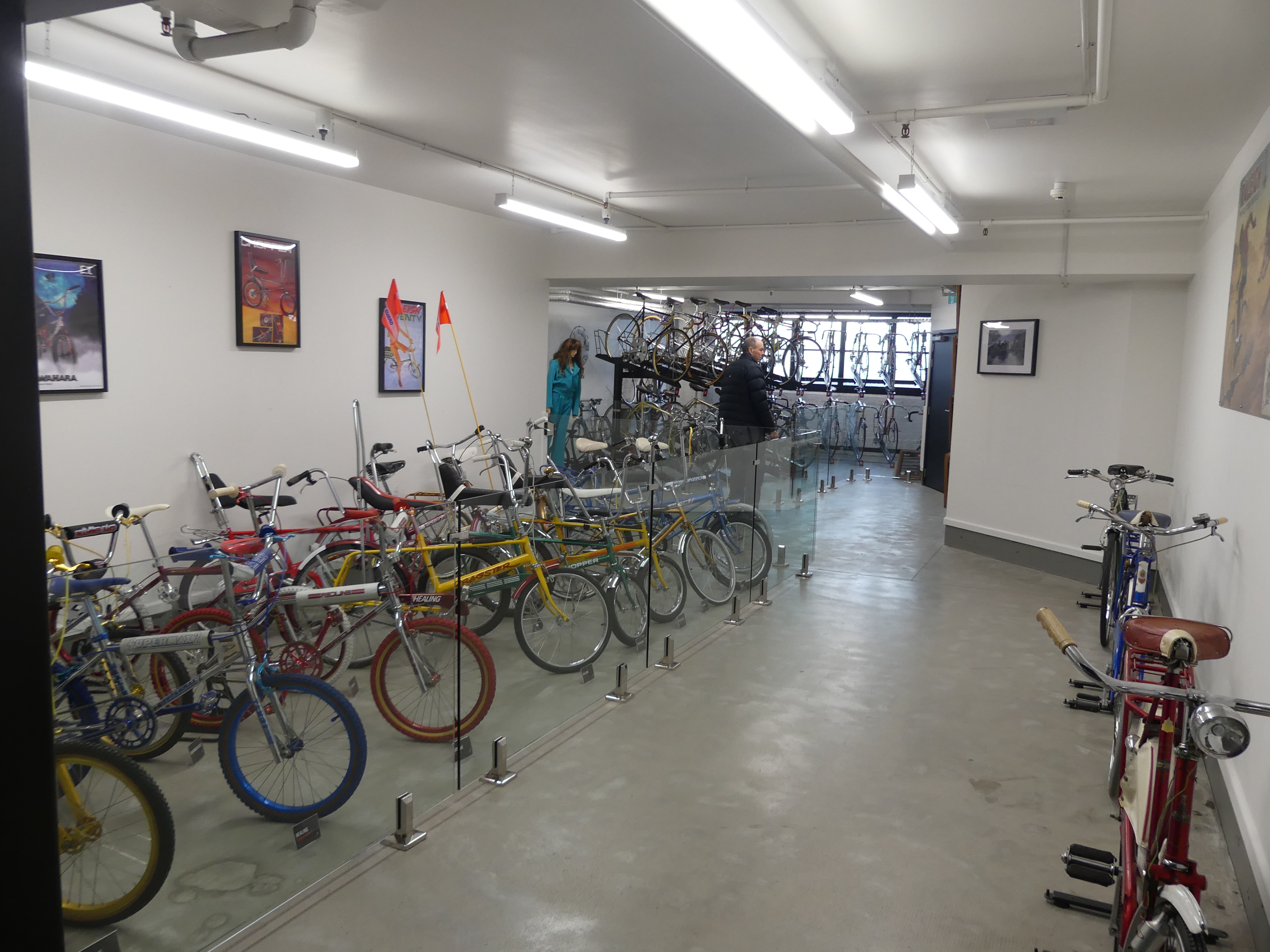
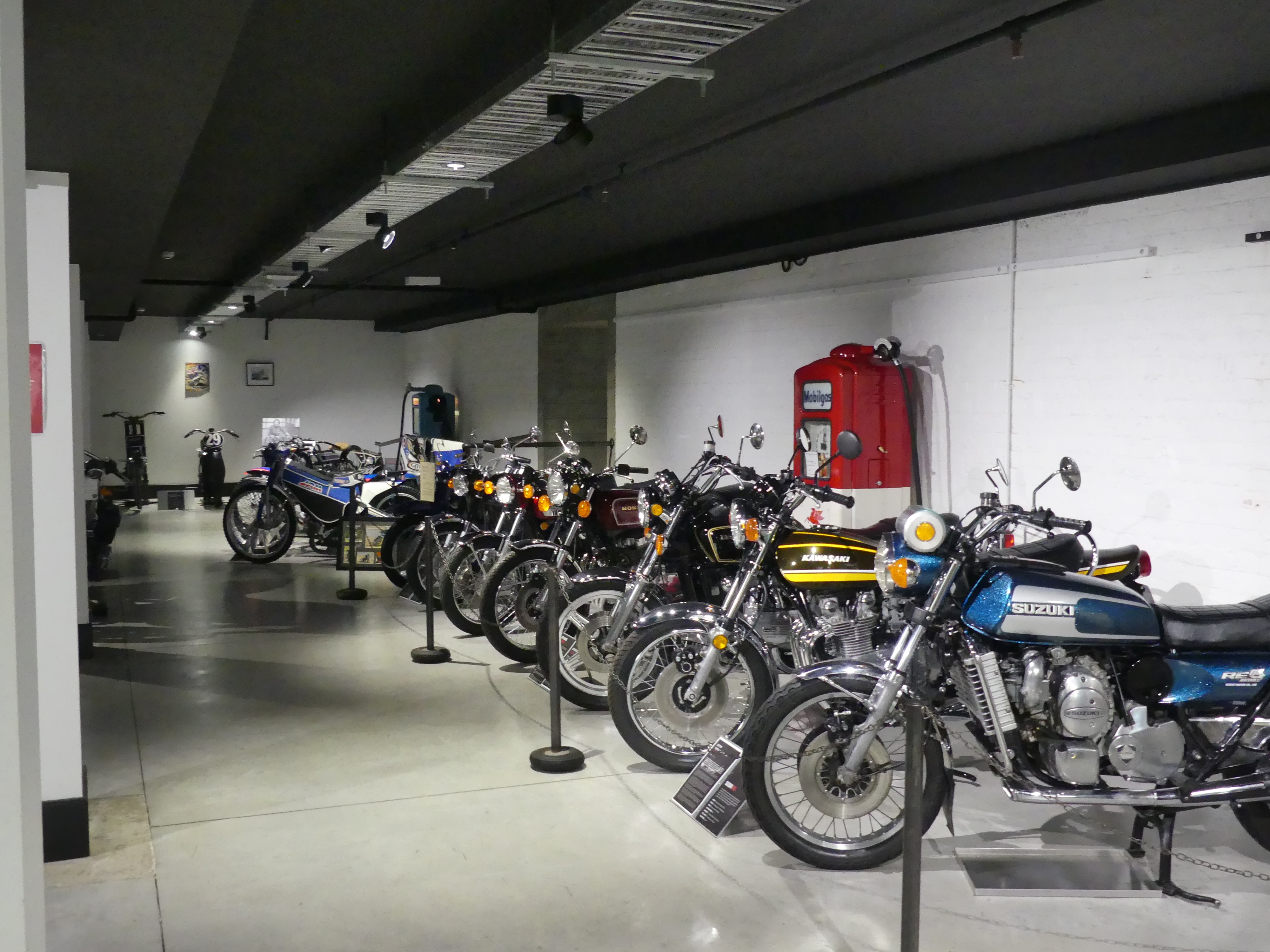
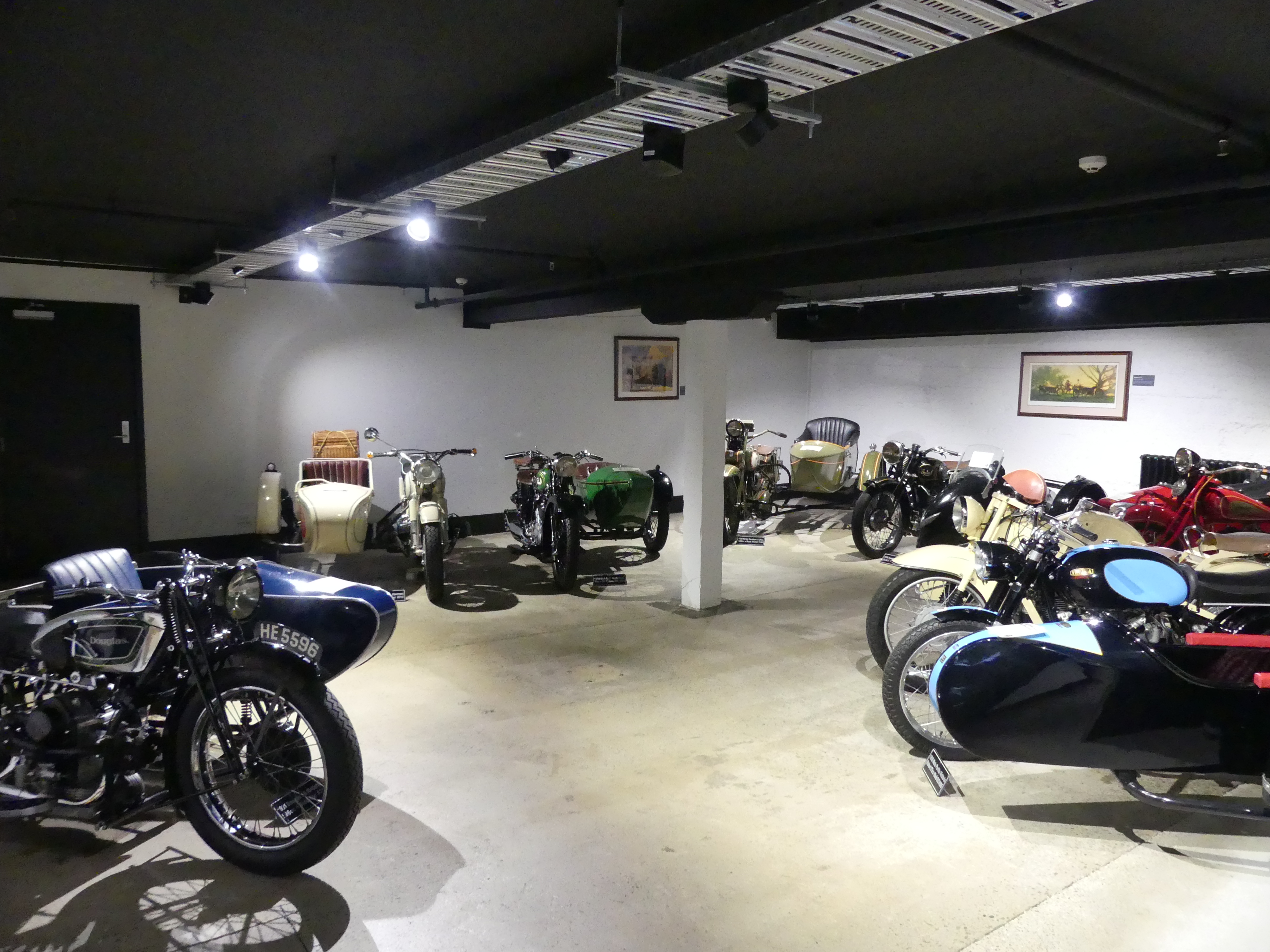
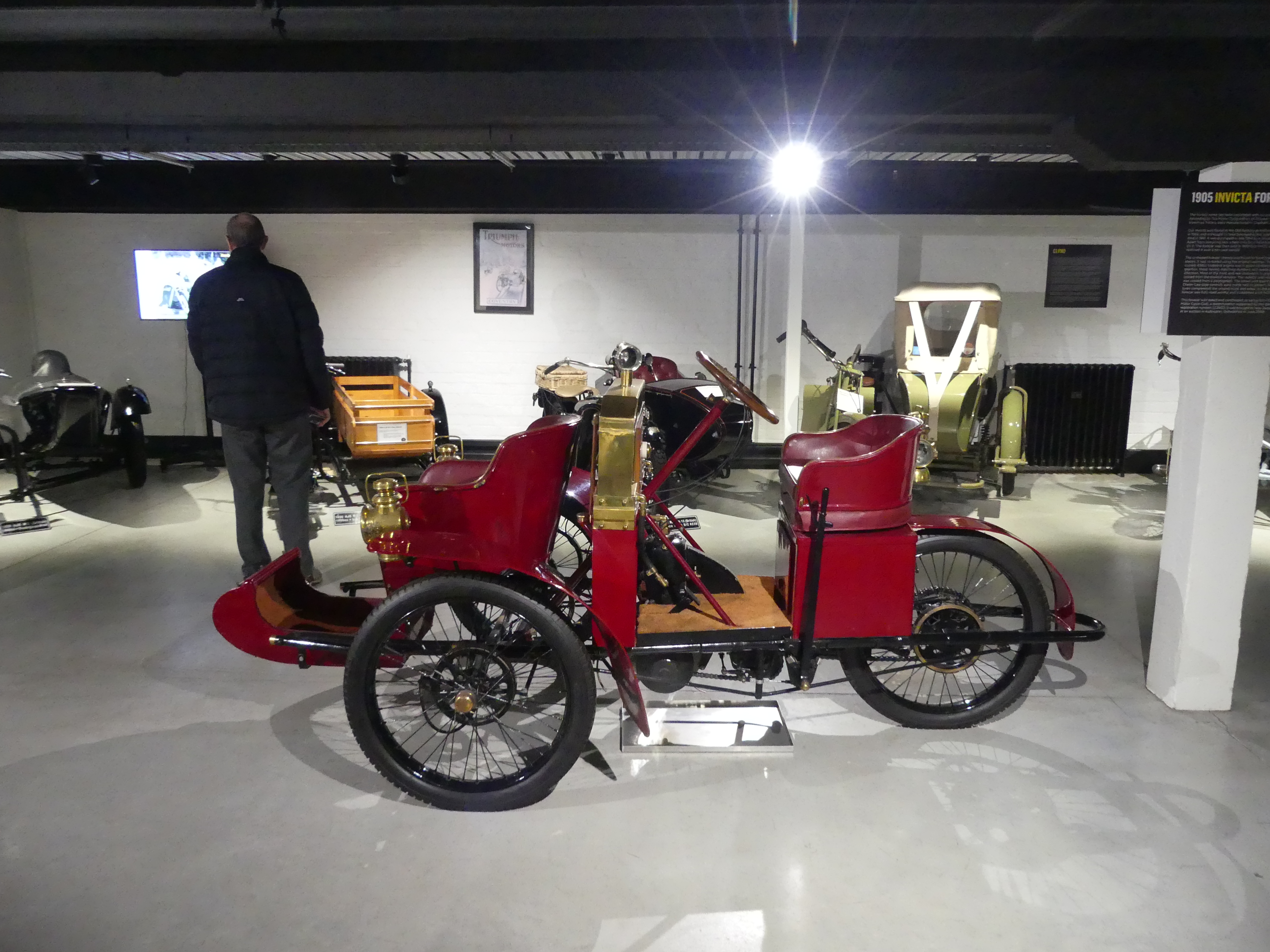
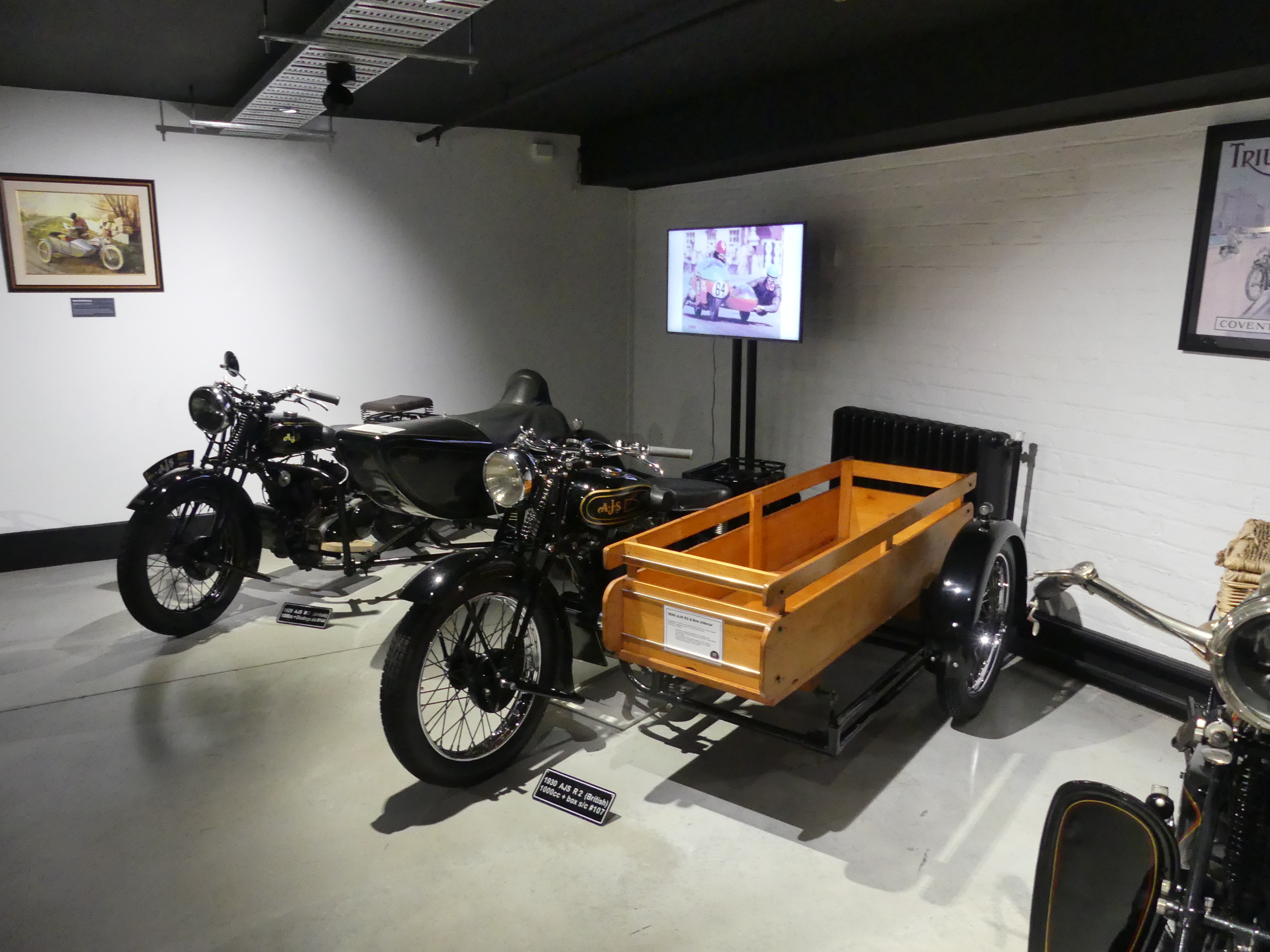
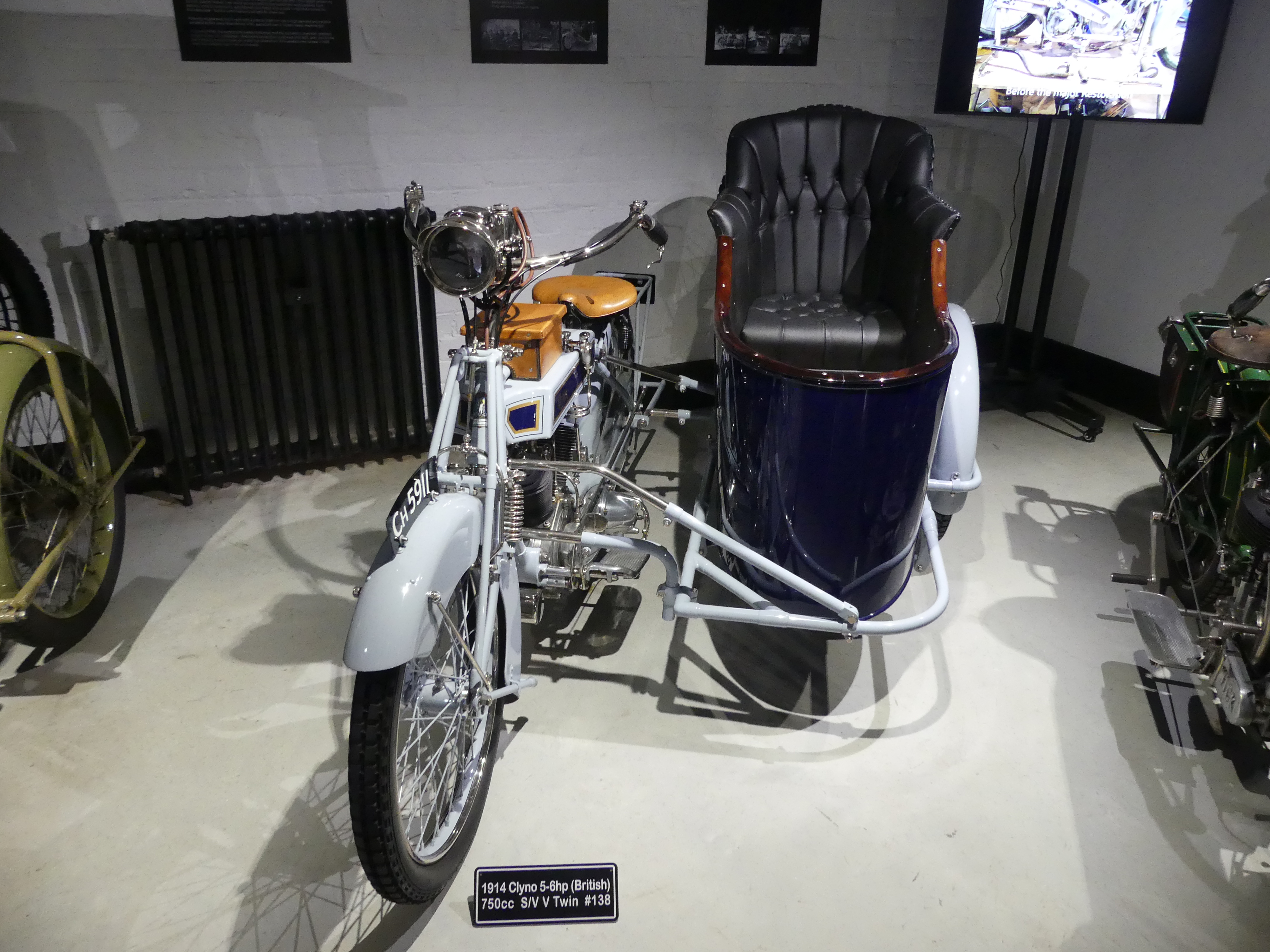
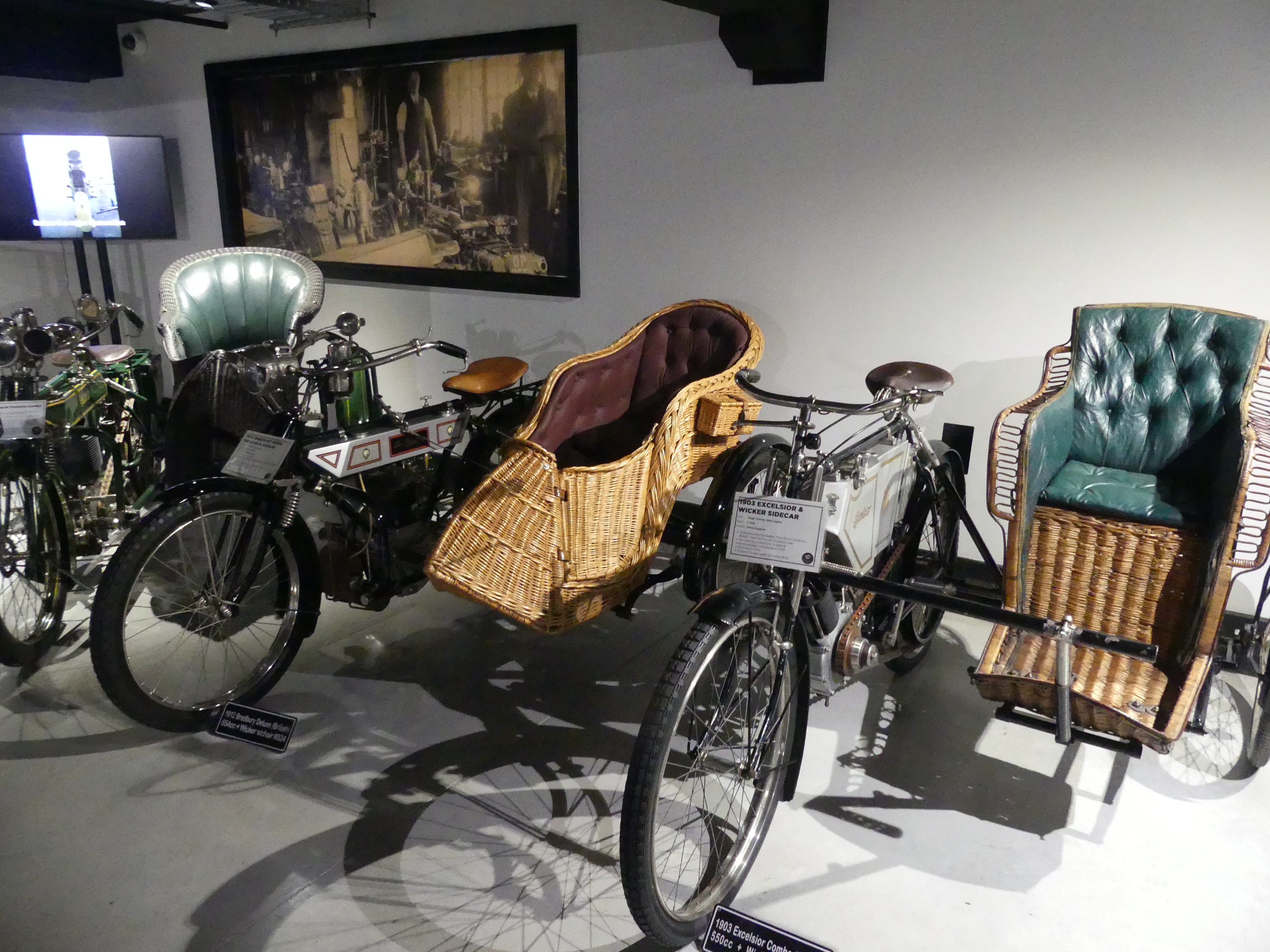
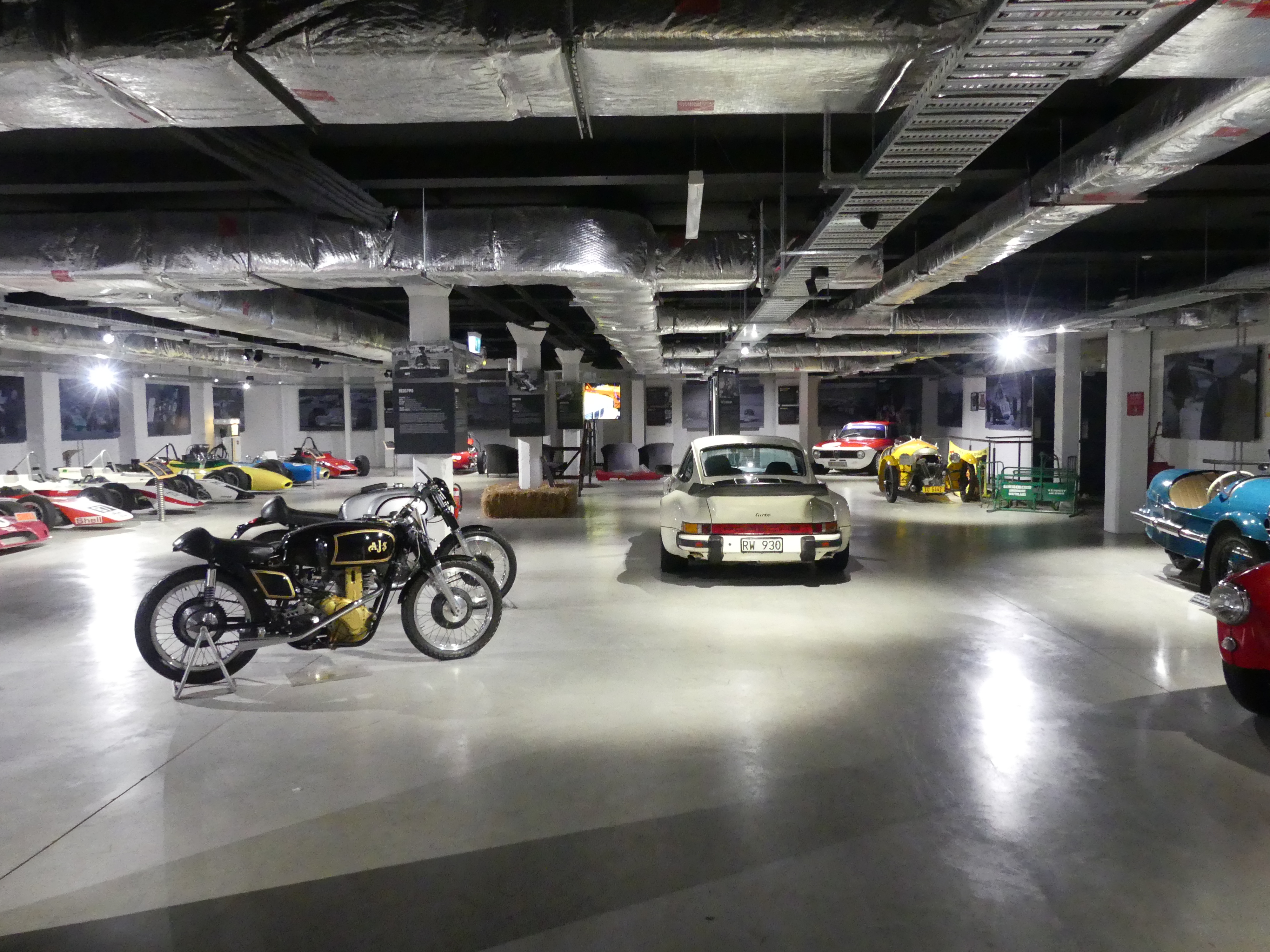
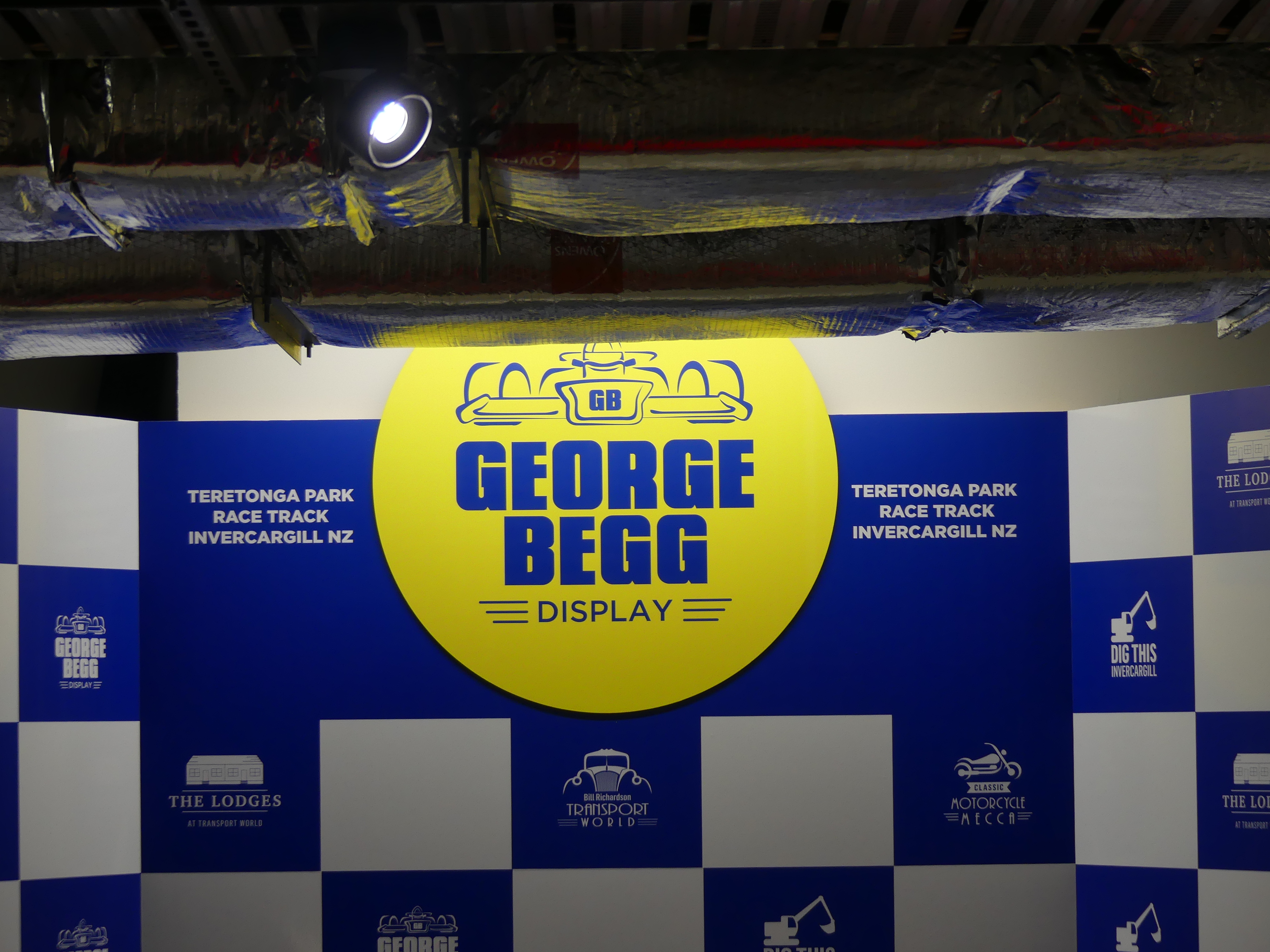
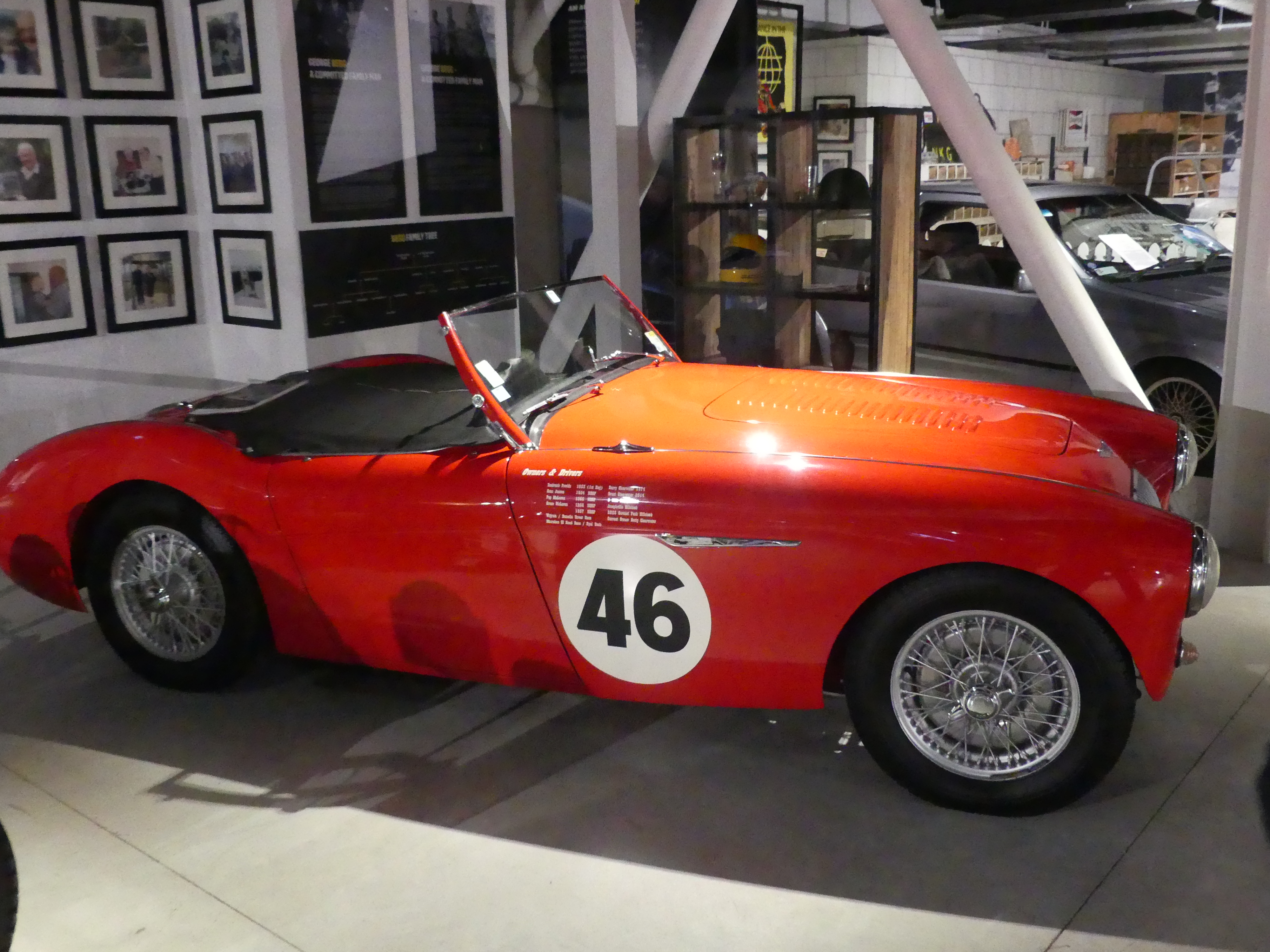
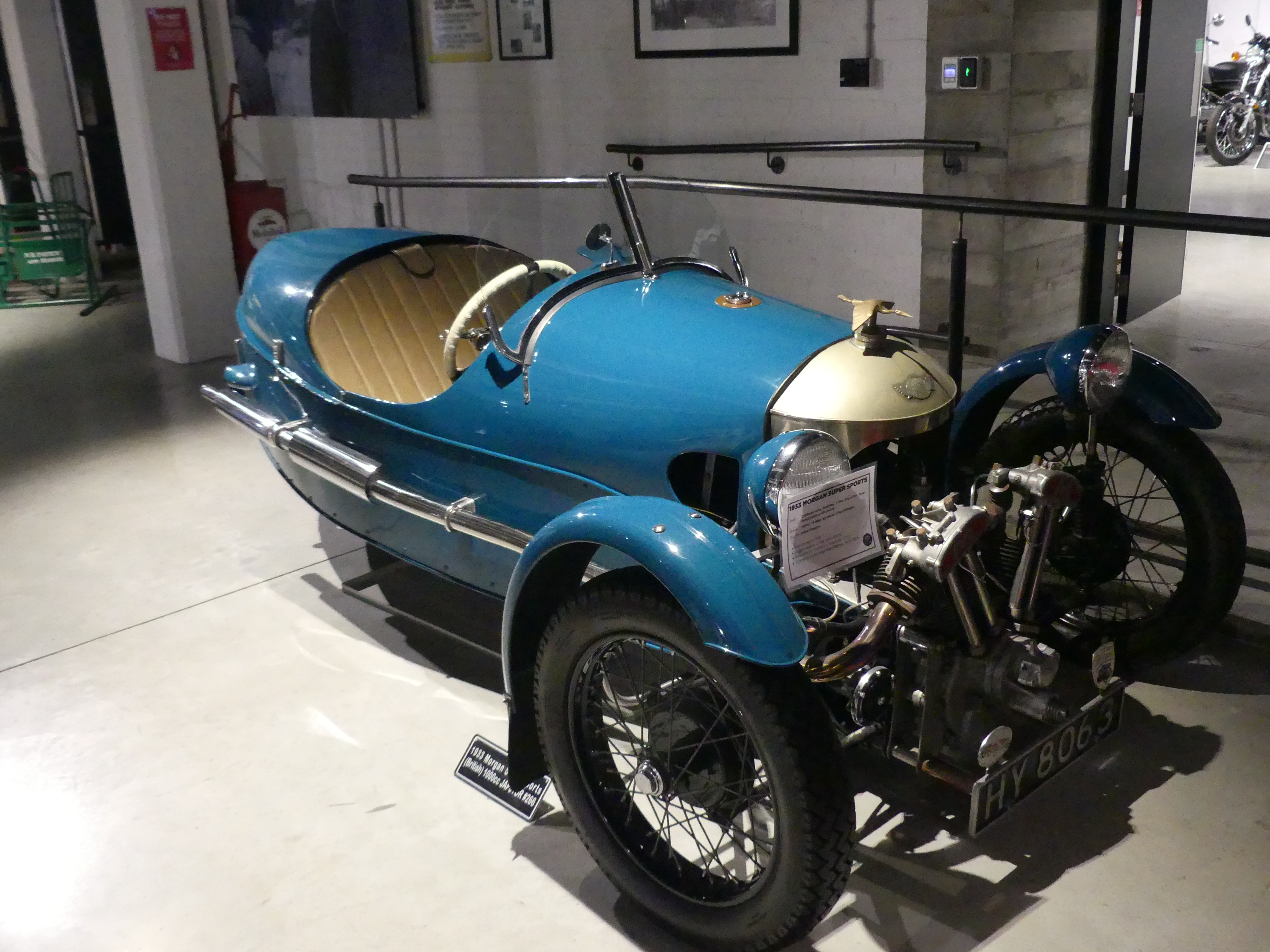
Day 6                 The following day Barry revealed that he had discovered a motorbike museum nearby. Now Barry is still riding and couldn’t wait to view the museum. The legacies of George Begg and Burt Munro are displayed at Classic Motorcycle Mecca. Classic Motorcycle Mecca and E. Hayes & Sons. are also located in central Invercargill and showcase New Zealand’s incredible motorsport and engineering history. Most of the motorcycles in the collection were originally acquired by Tom and Heather Sturgess. In 2016 Sturgess announced that he had undergone major surgery, and that the collection of almost 300 motorcycles, eventually was sold to Transport World in Invercargill to be relocated to new premises in Invercargill.
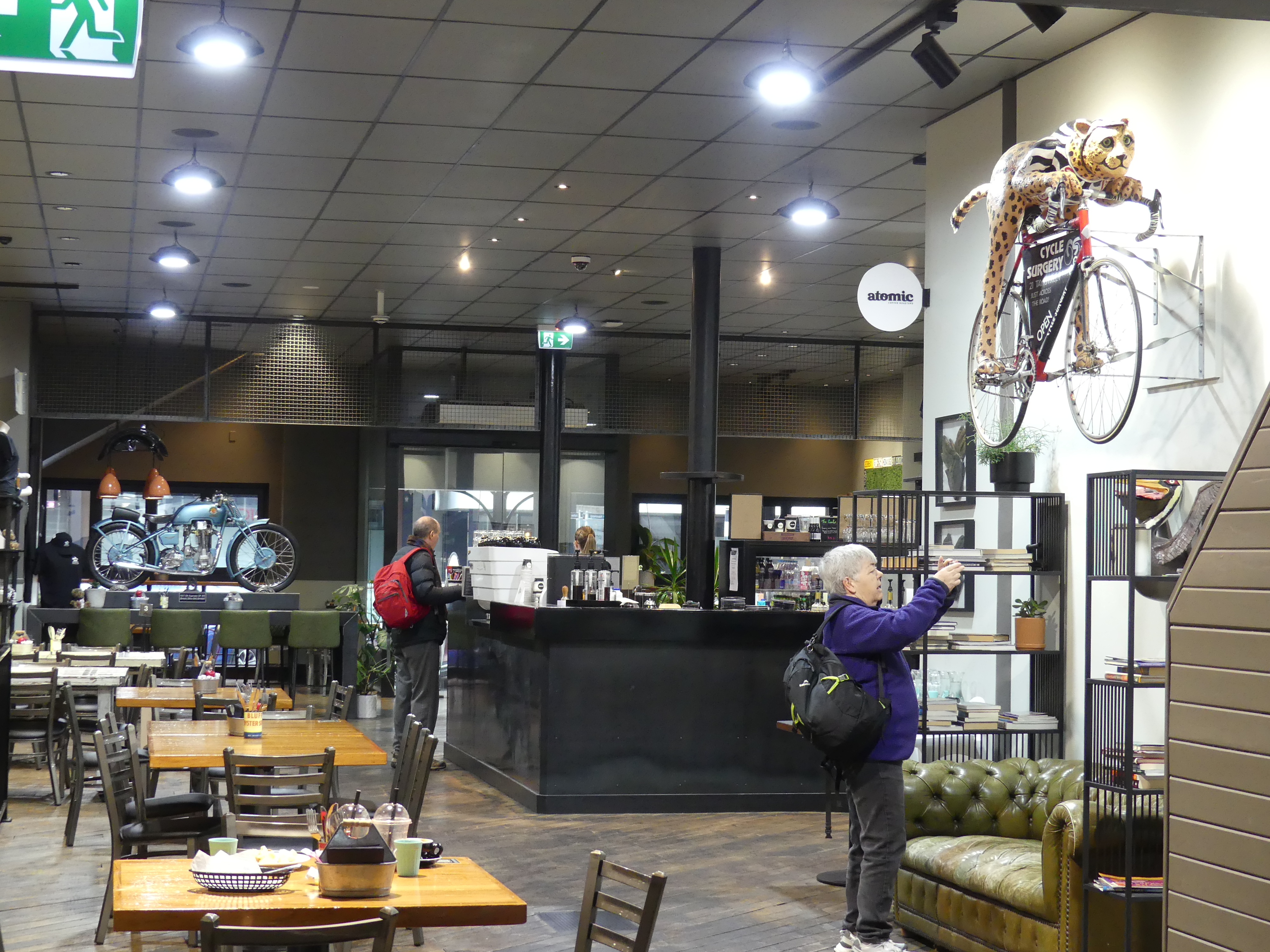
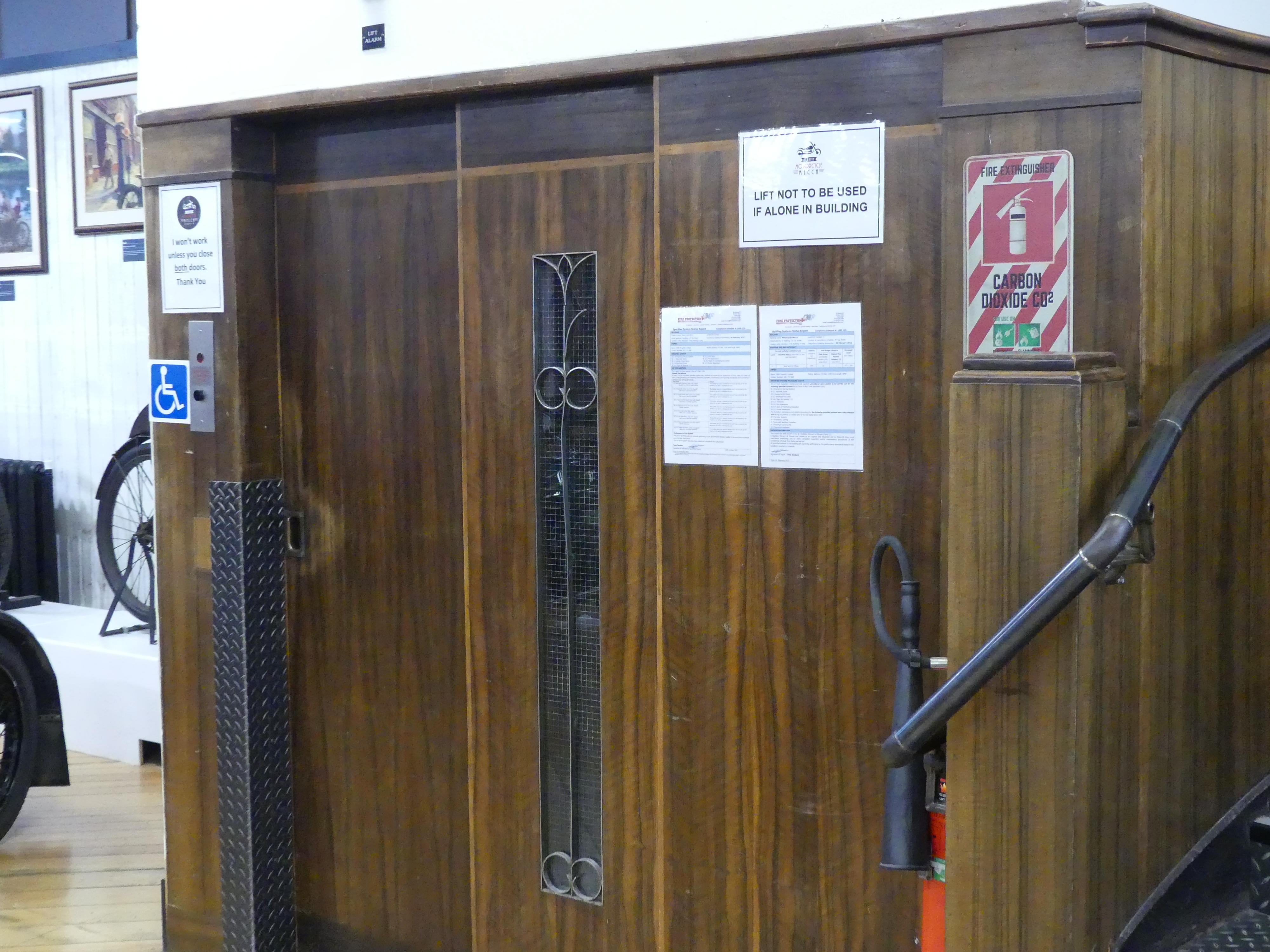
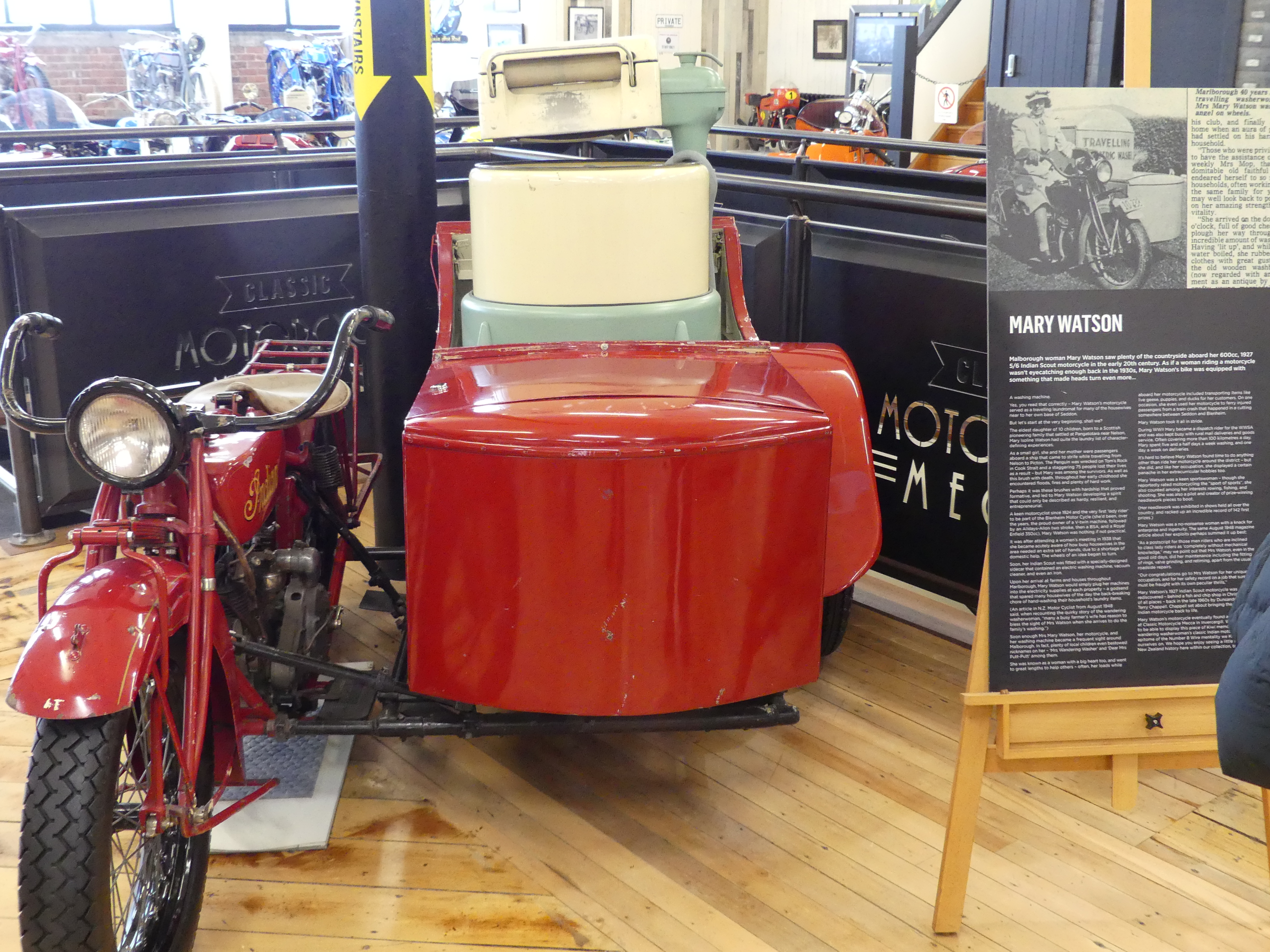
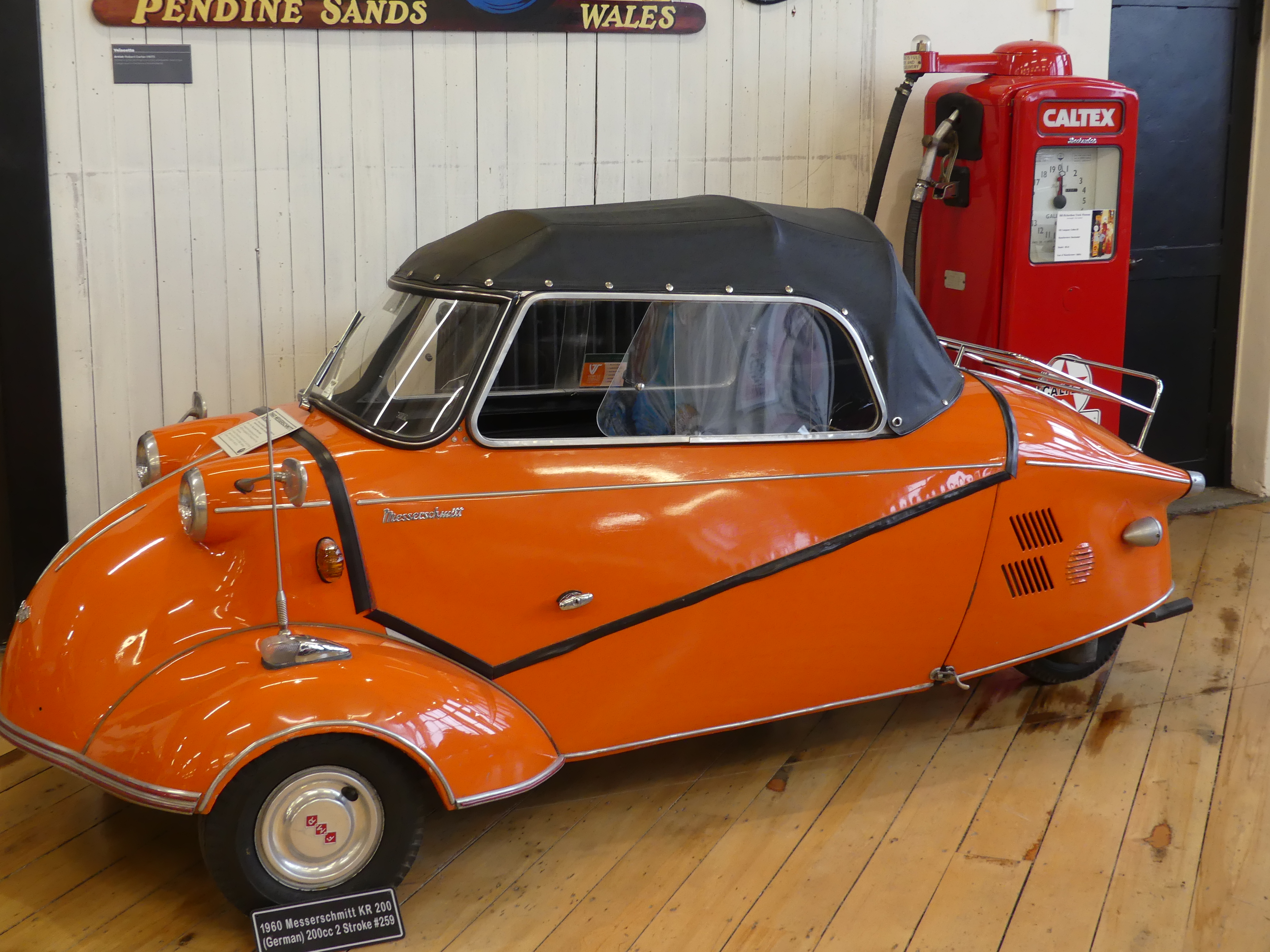
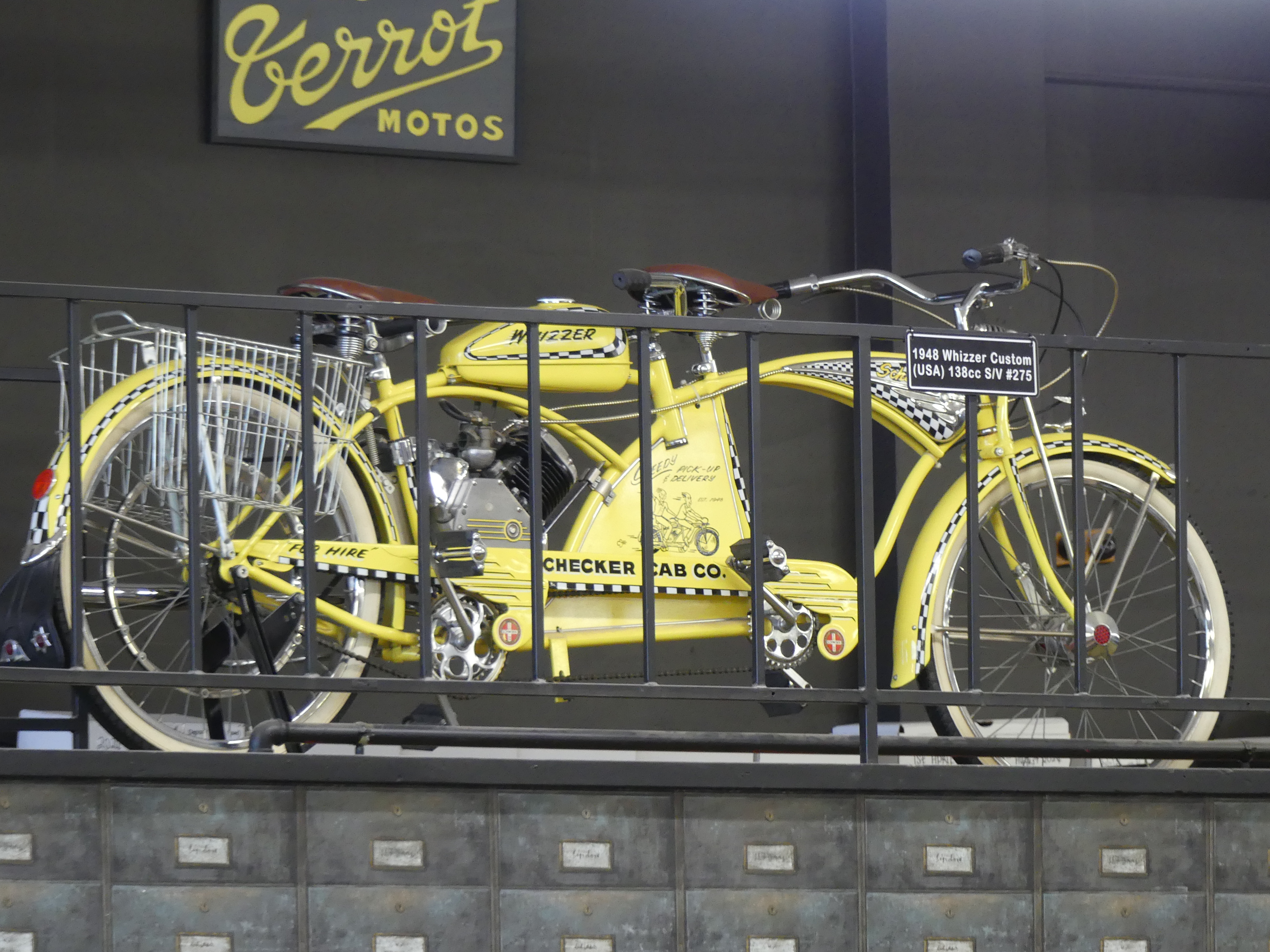
So, we visited the museum and what a phenomenal exhibition it is. We started in the café which had some interesting bits and pieces. After coffee (of course we had coffee!) Barry and I entered the museum. Gob smacked at the number and variety of motorcycles, we wandered through the ground floor where we discovered the original elevator for the building and the original mobile washing service run by Mary Watson on her Indian Scout motorcycle and side car. How did the Messerschmitt three-wheeler get in there? And the twin rider Whizzer from 1948?

One of the two buildings with The Café beside it, the museum entrance and ground floor showroom, Mrs Watson’s Indian Scout, the Messerschmitt and the Whizzer.

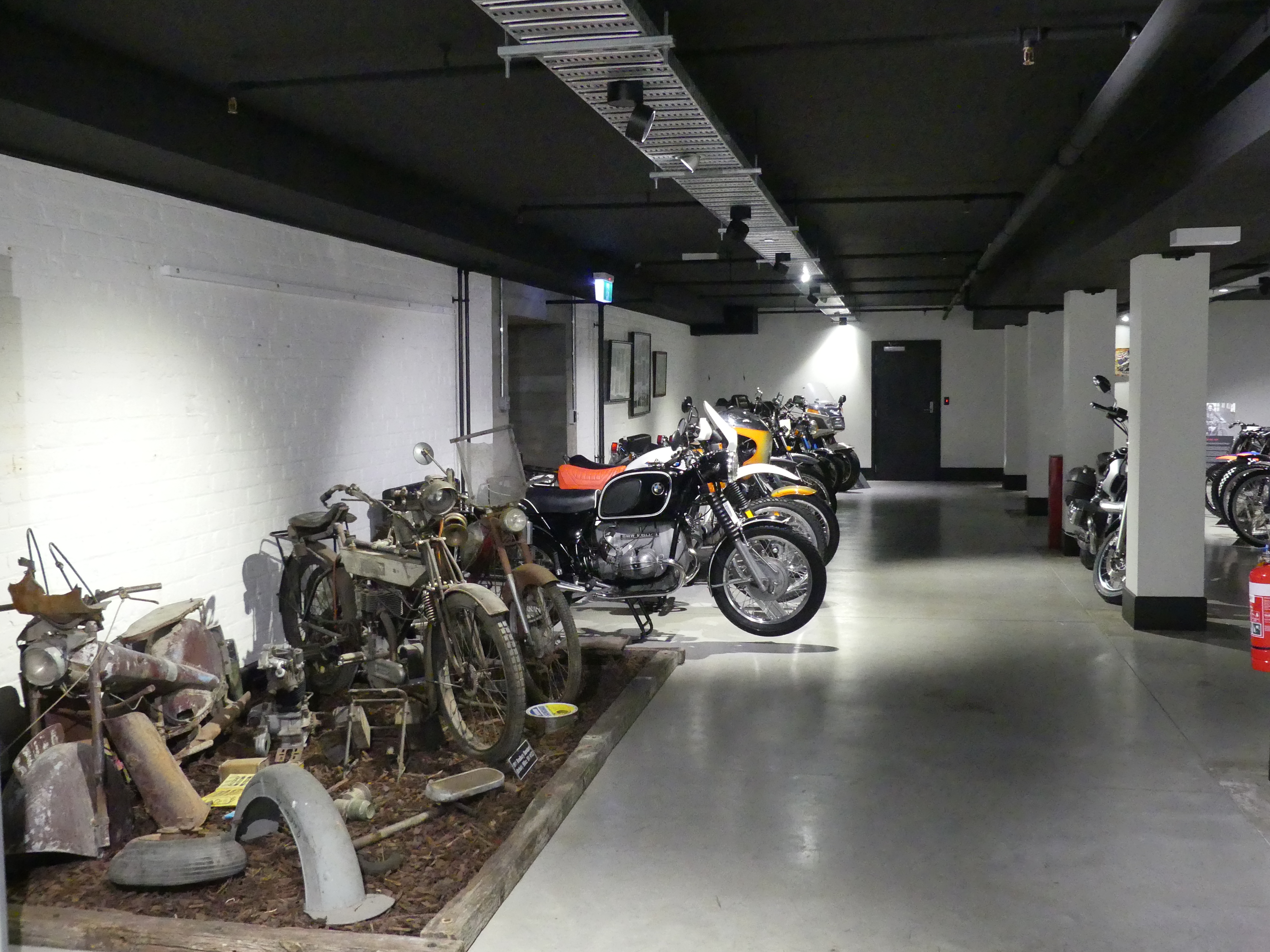
But there’s more downstairs.

Photos              Push bikes and the George Begg Collection

But there’s more upstairs from the ground floor. However I have run out of space so to see the World’s Fastest Indian you will need to go to Episode 3

THE RETIREES VISIT THE SOUTH ISLAND ACROSS THE DITCH blog 495 Episode 1

19TH MAY TO 10TH JUNE 2026

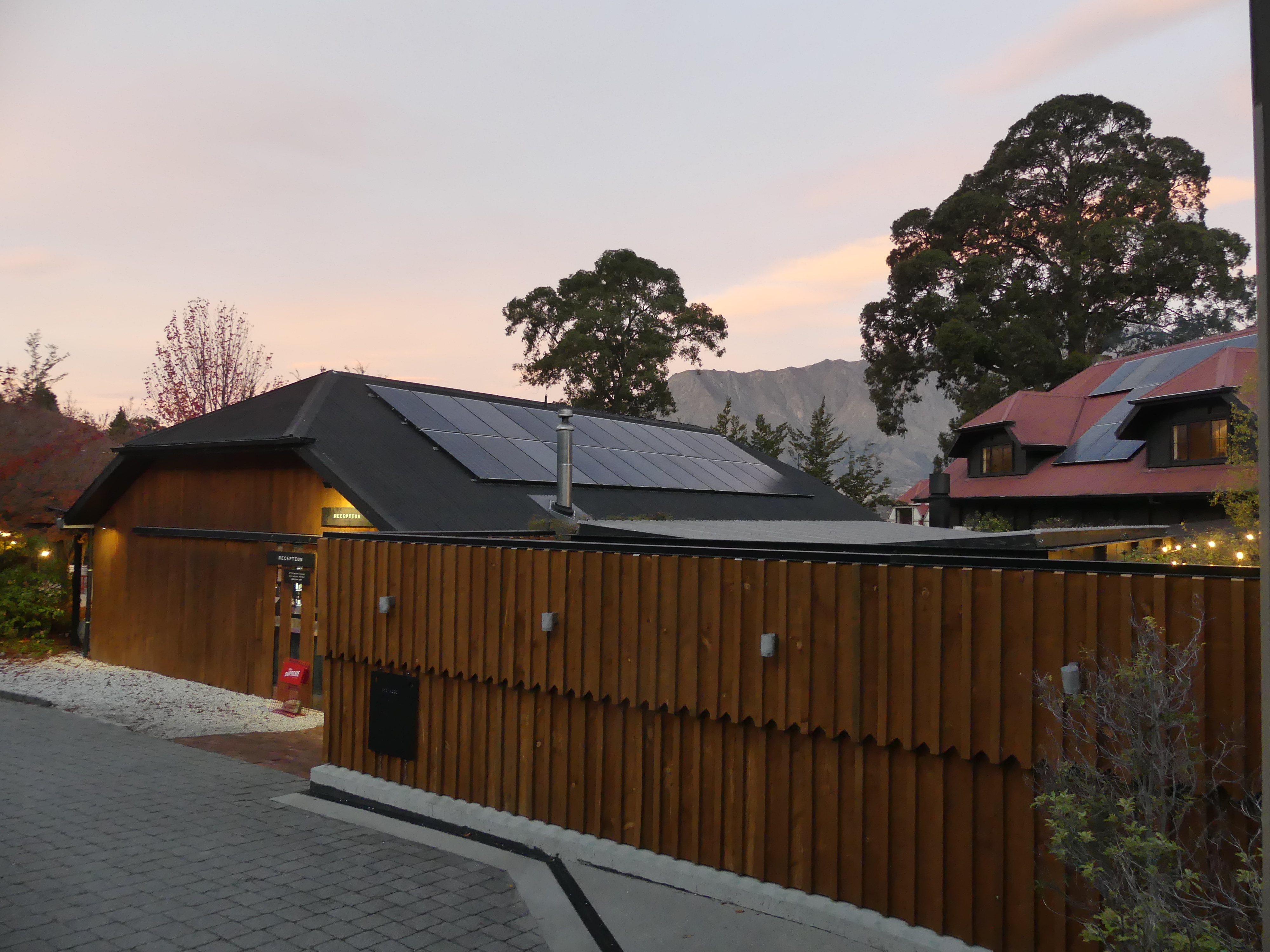
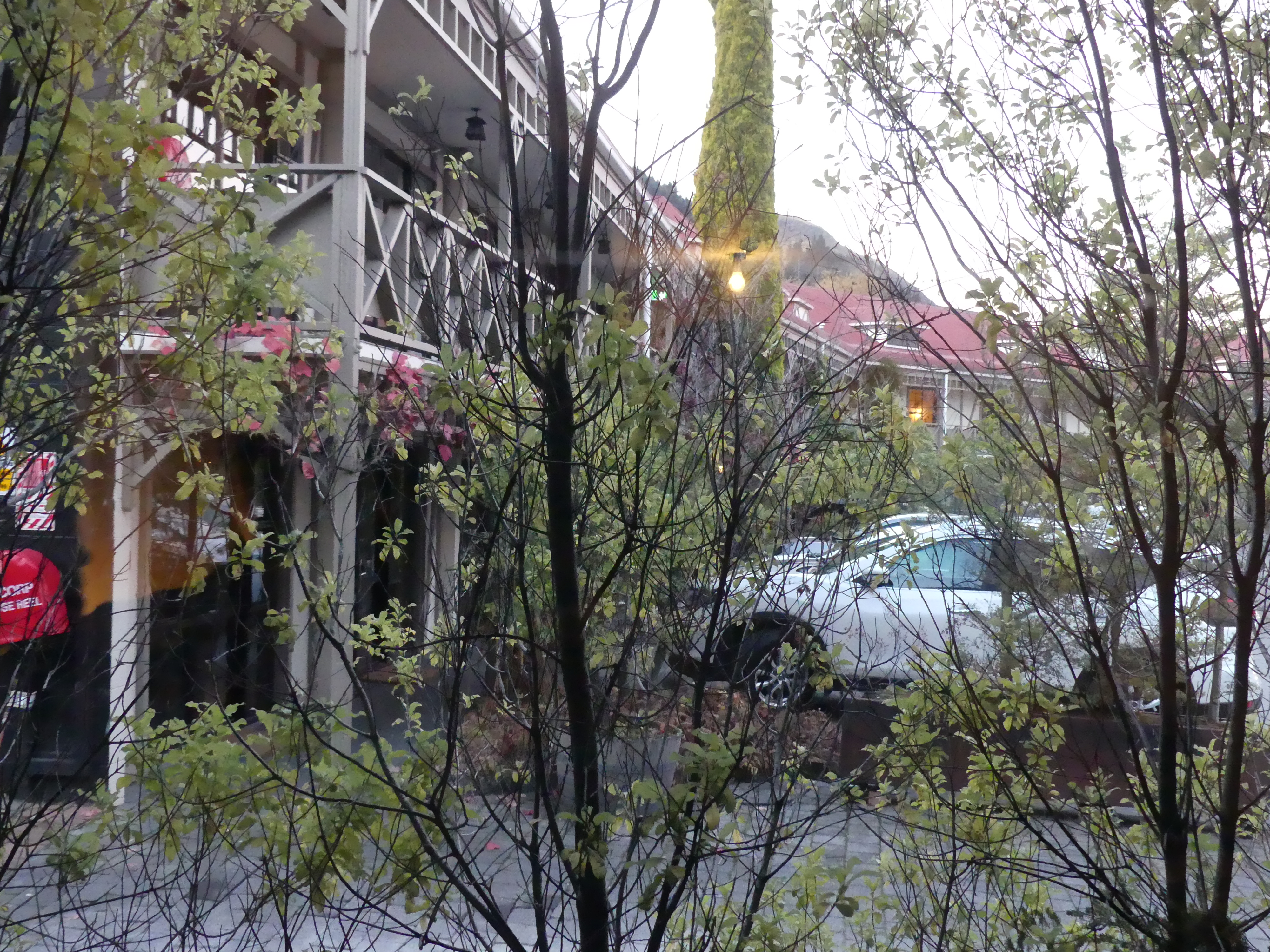
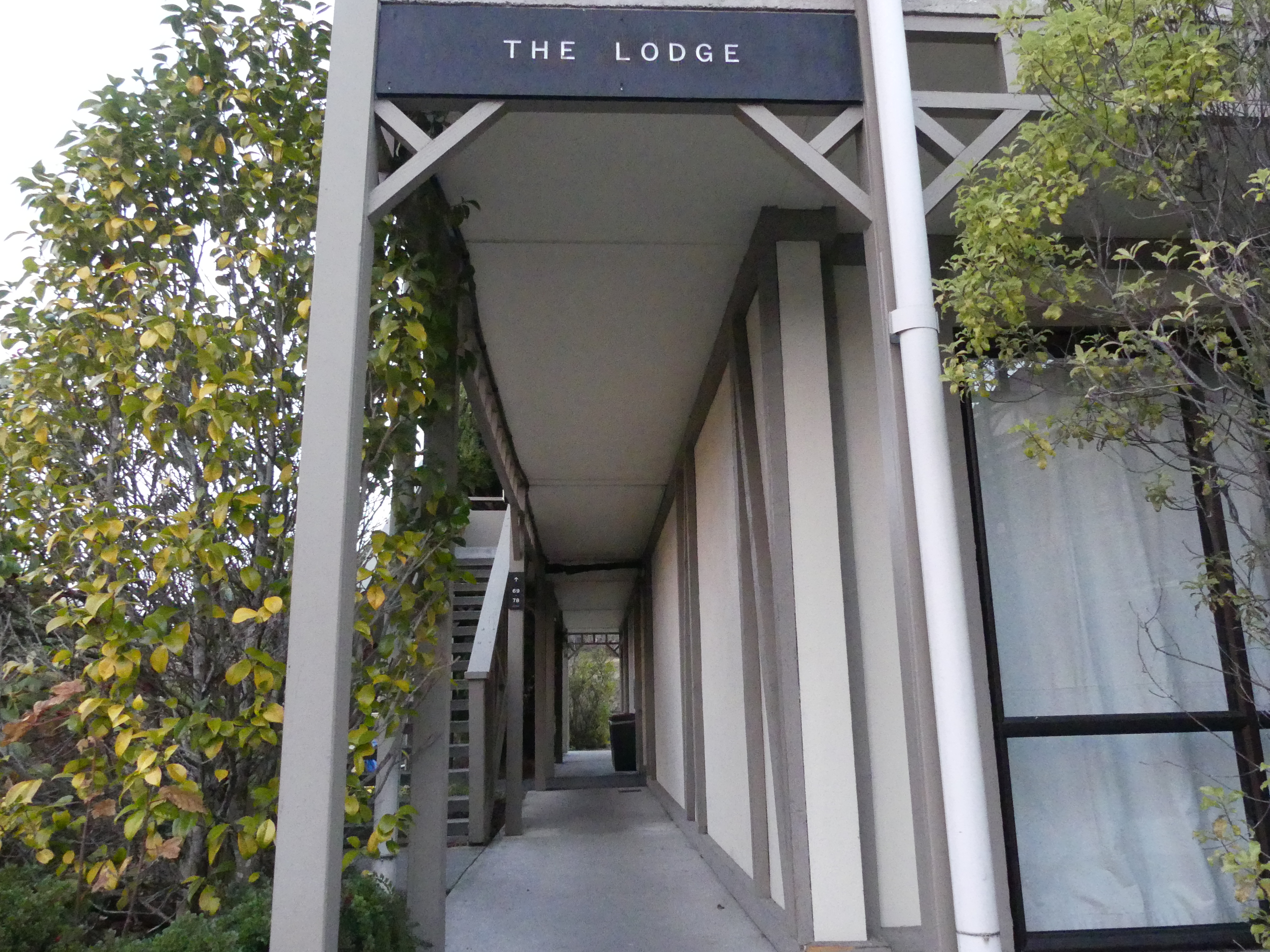
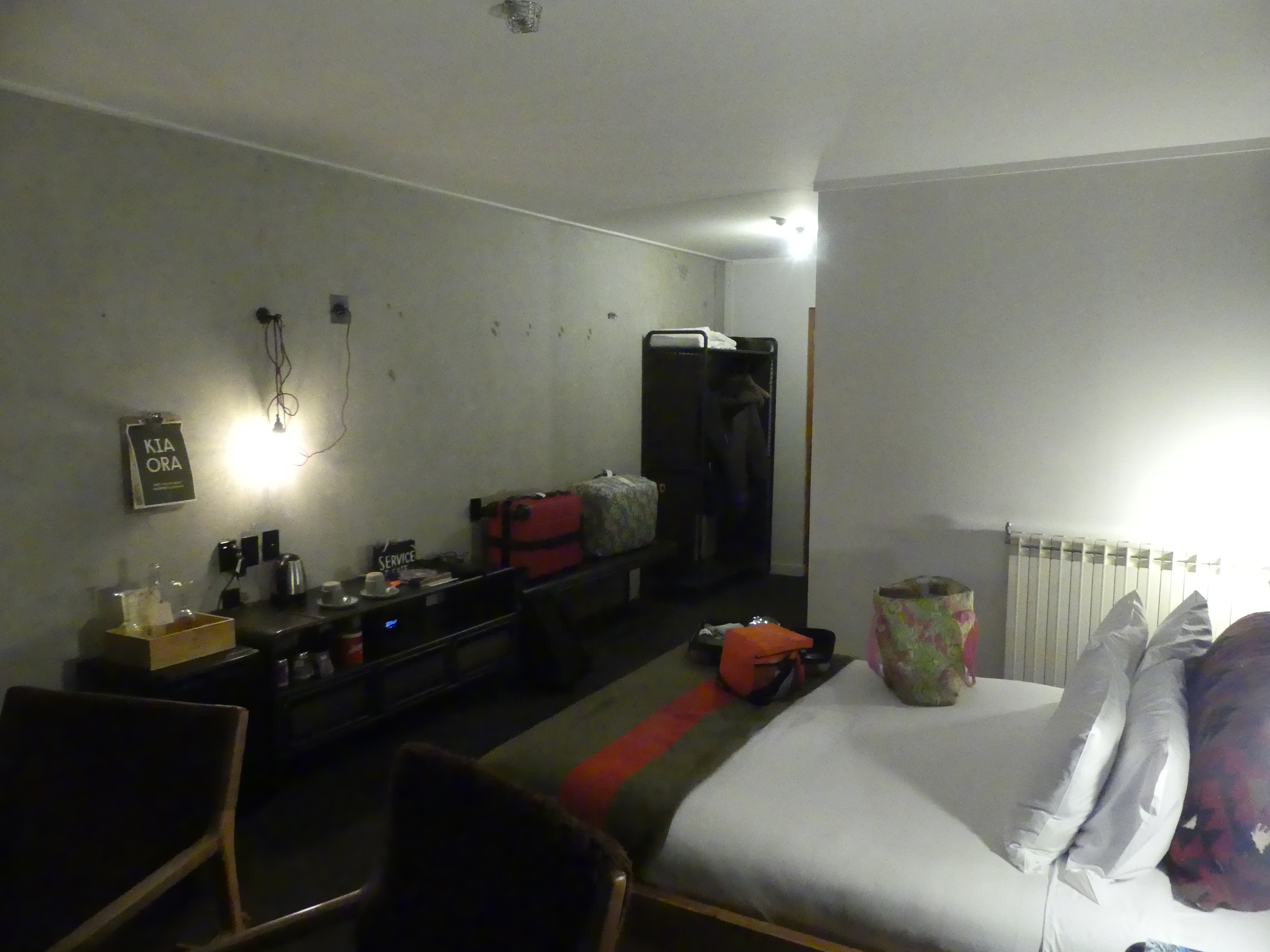
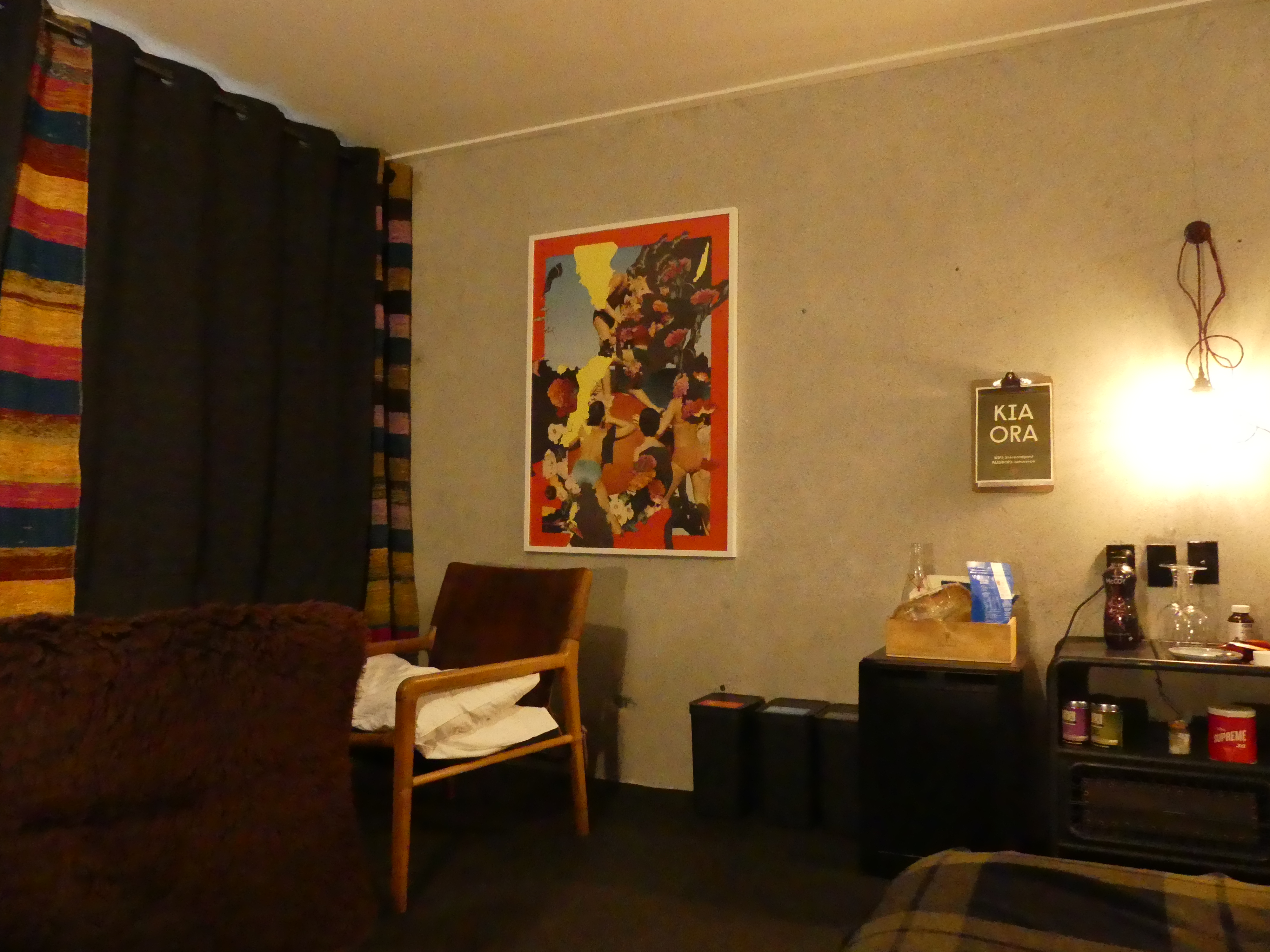
Day 1   Flying on Virgin Air Lines for the first time since the change of ownership during Co-vid, Kerry and I arrive at Queenstown International Airport at the scheduled arrival time of 3.40 pm. We are traveling with Barry and Sandi, fellow retirees and cruise ship travellers and now partnering them in their adventure on the South Island. Barry had selected our hire car which was awaiting us off site. It had been a guess as to what space was needed for the four of us and our luggage, but we seemed to have guessed well. We pick up our Nissan X-Trail Hatchback, plan and load the luggage, and leave the car hire company with Barry in the driver’s seat, following his faithful Garmin GPS and drive to our Queenstown hotel, where we stay in Sherwood just down the road from the airport. We had booked into the Lodge in the hotel whilst Barry and Sandi had chosen a unit with a view of the lake.

our hotel and our room

Barry and Sandi had planned to catch up with their daughter Ruth but with no plans as to where they would dine. We were invited to join them, and plans were made to go to a local pizza restaurant. Local turned out to be the restaurant in the Holiday Inn Hotel next door to our hotel. Neither Kerry or I had met Ruth previously but she was delightful company. She is a young traveller mixing travel and study enjoying her nomad life. Dinner was fun and the meals were fine. Barry and Sandi will catch up with her again when their paths next cross.

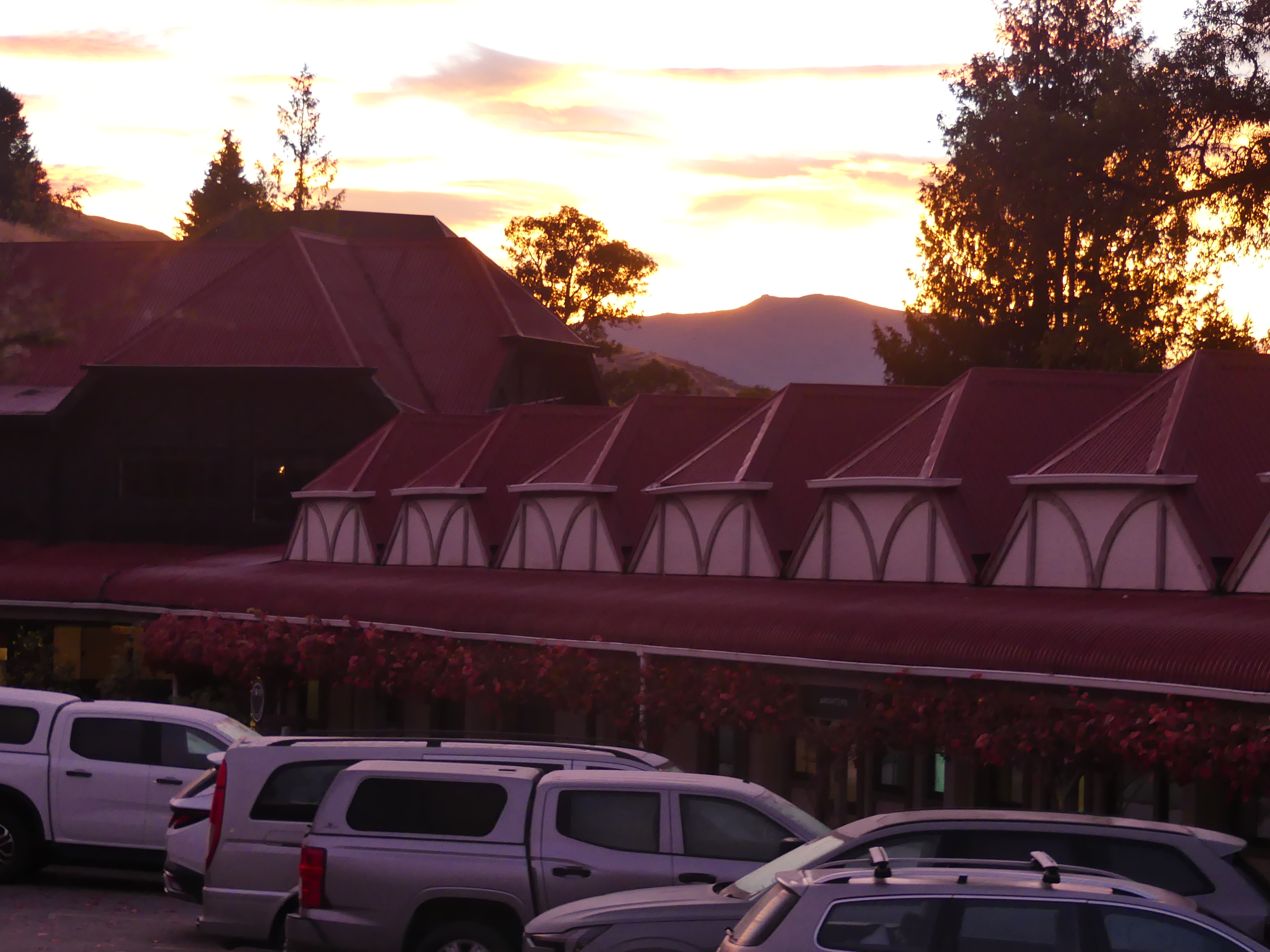
Photos of, the sunrise and Lake Wakatipu.

Day 2 – Queenstown and Arrowtown

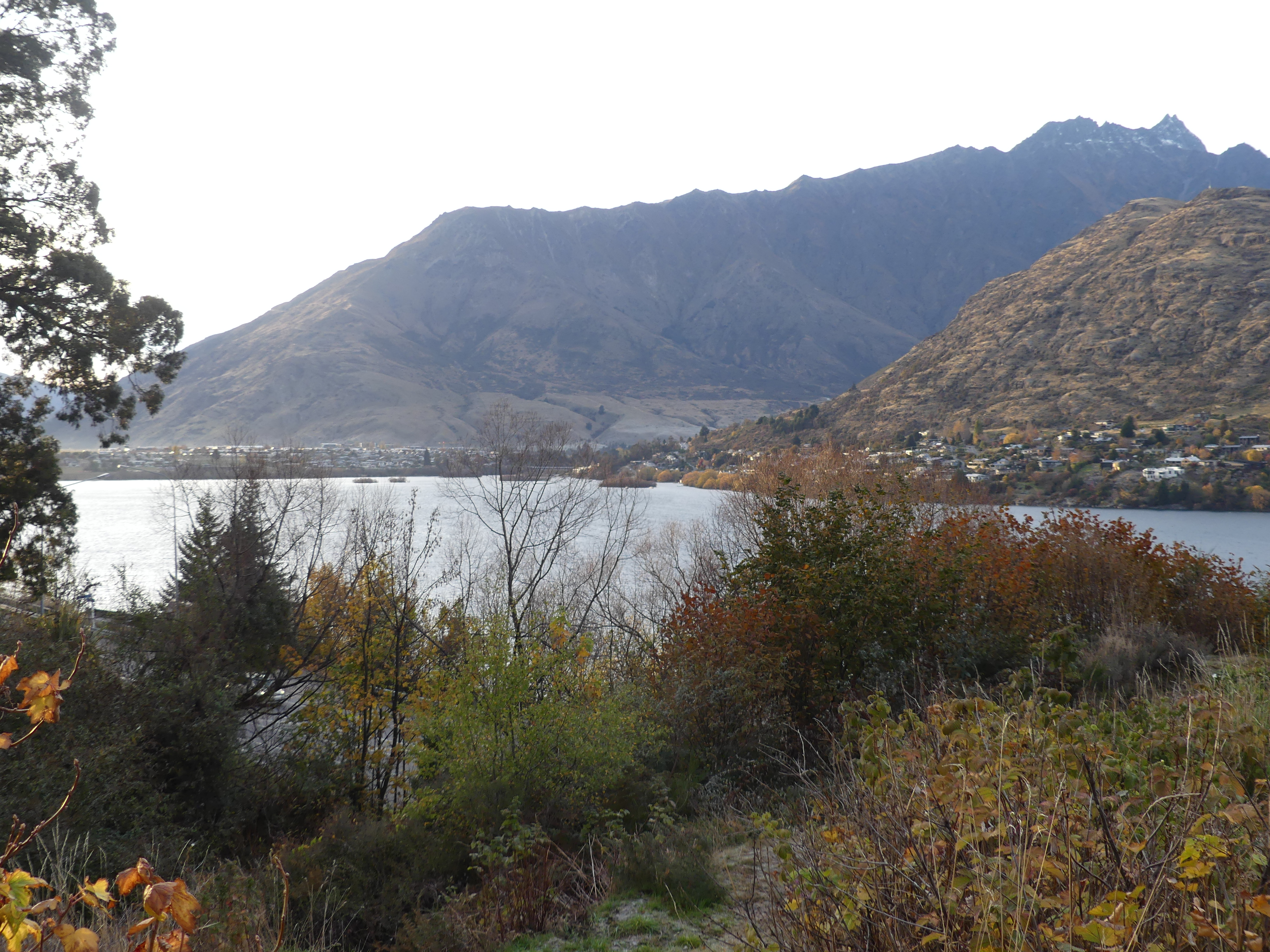
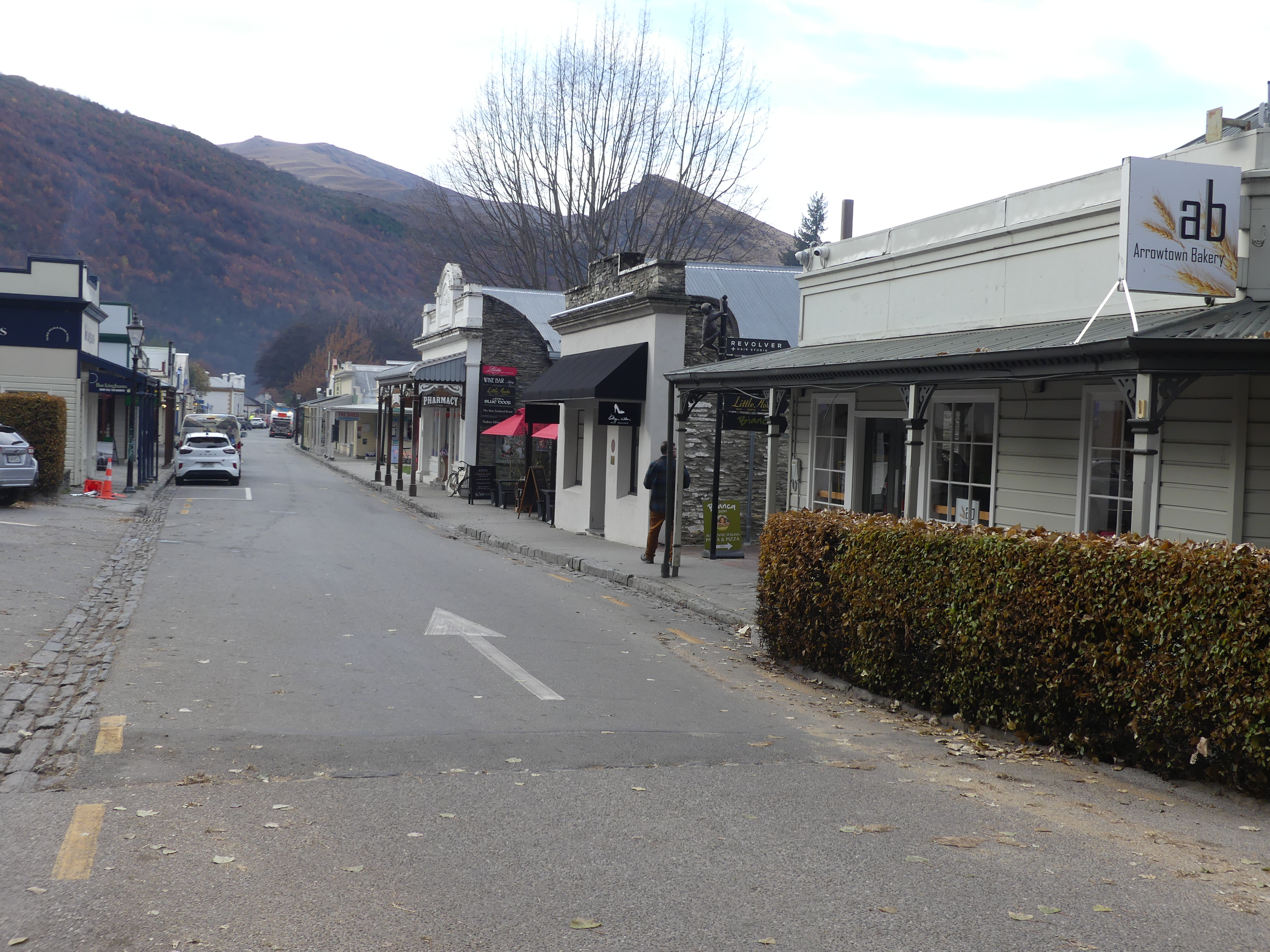
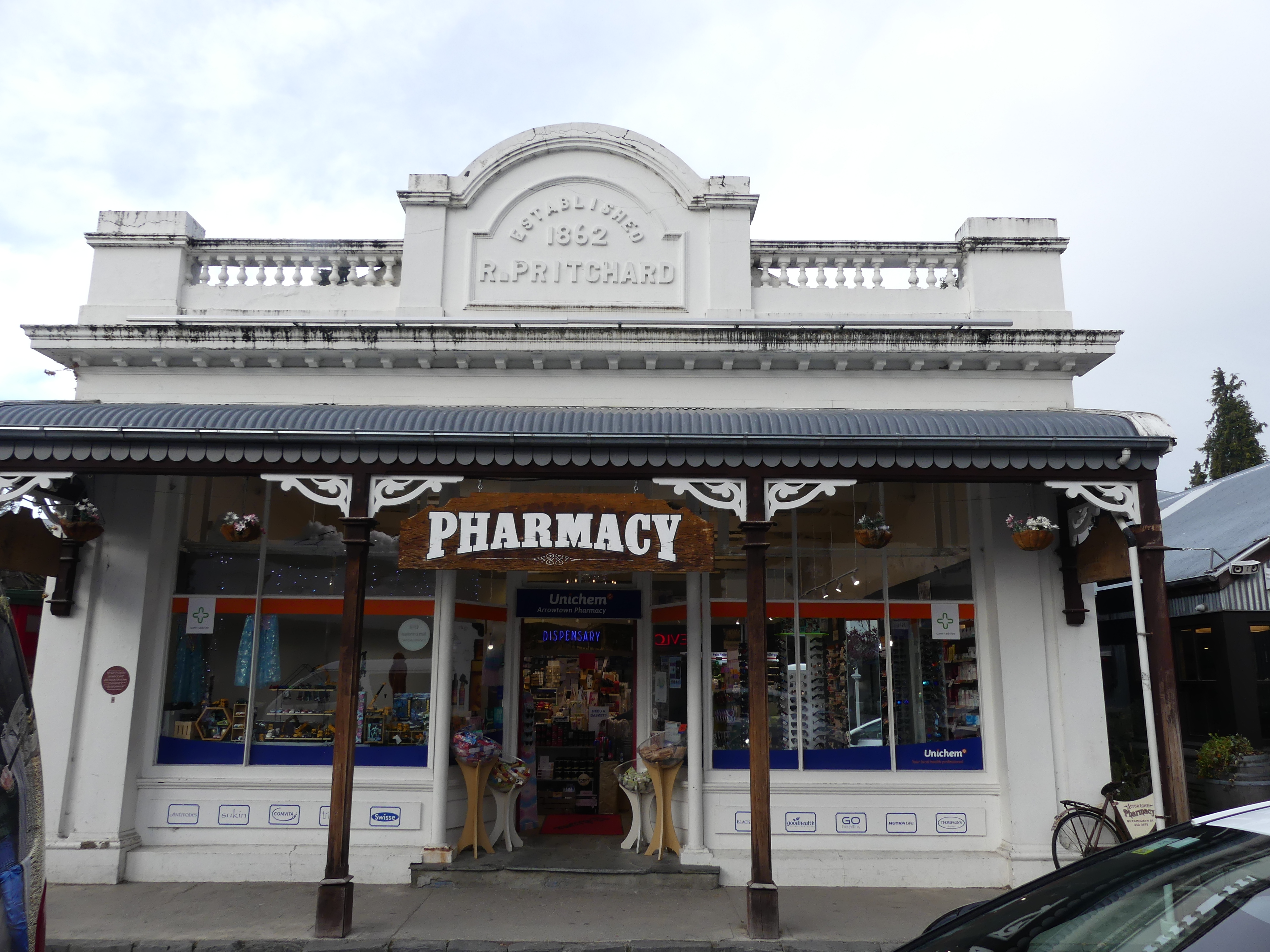
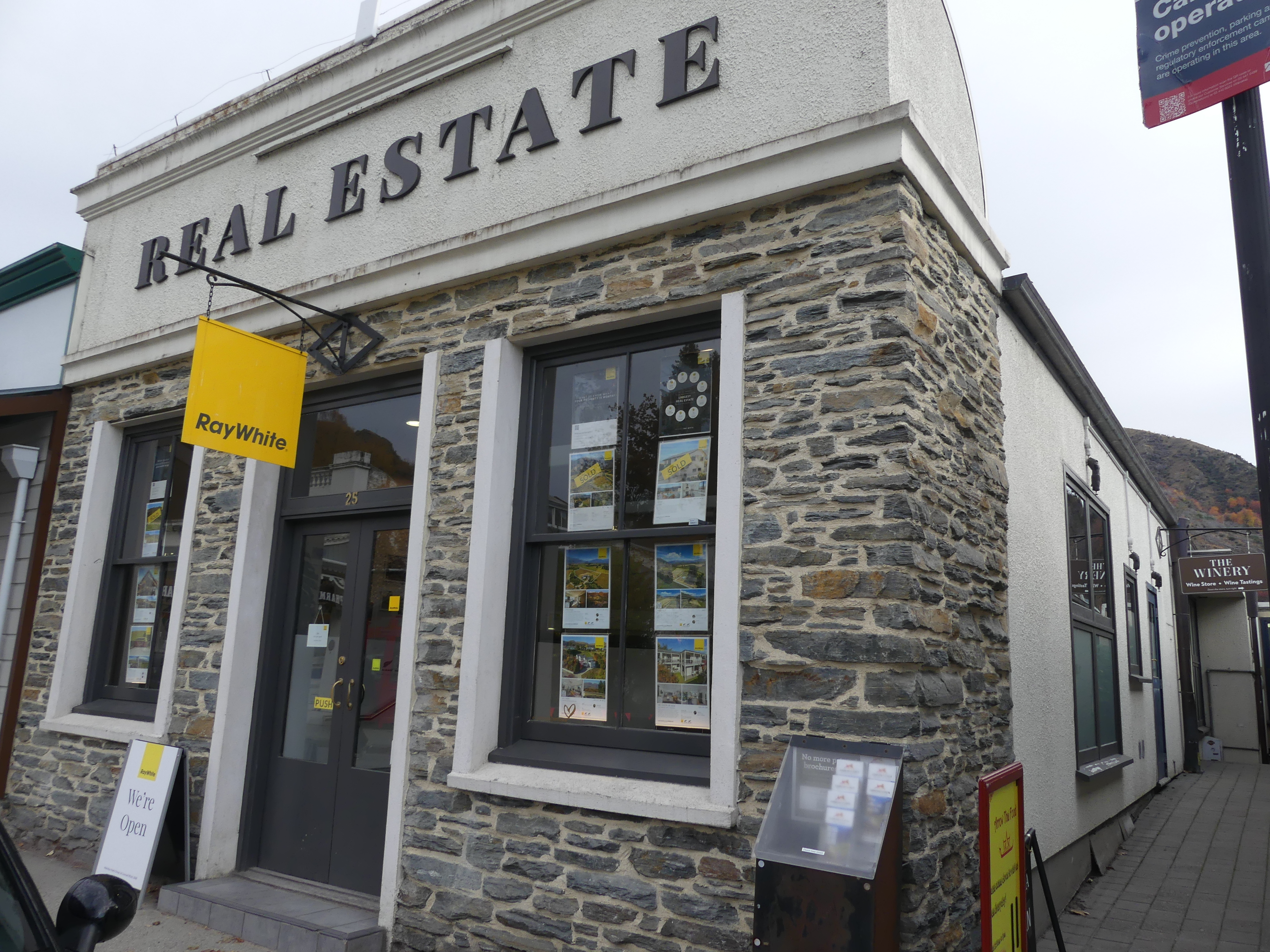
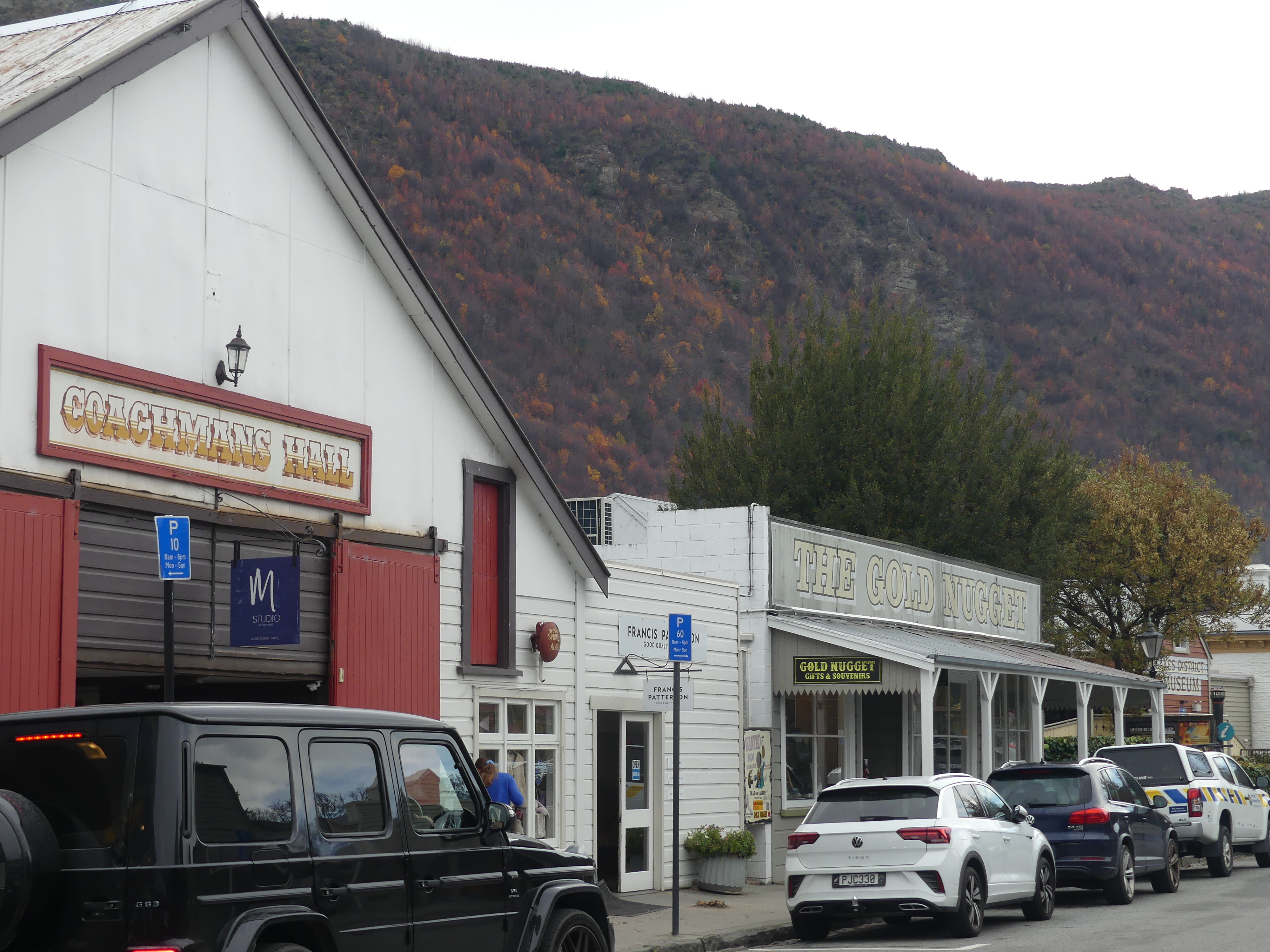
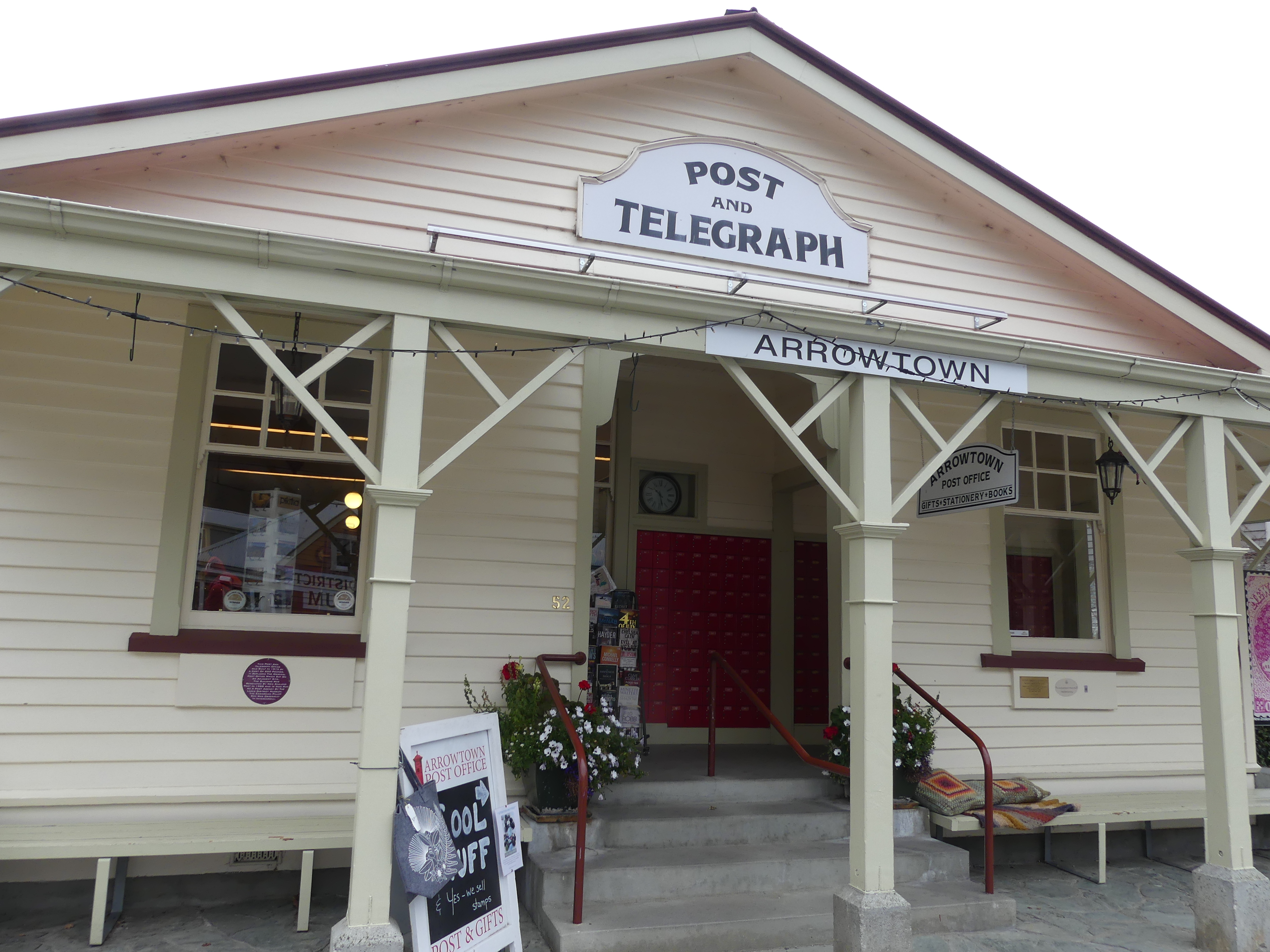
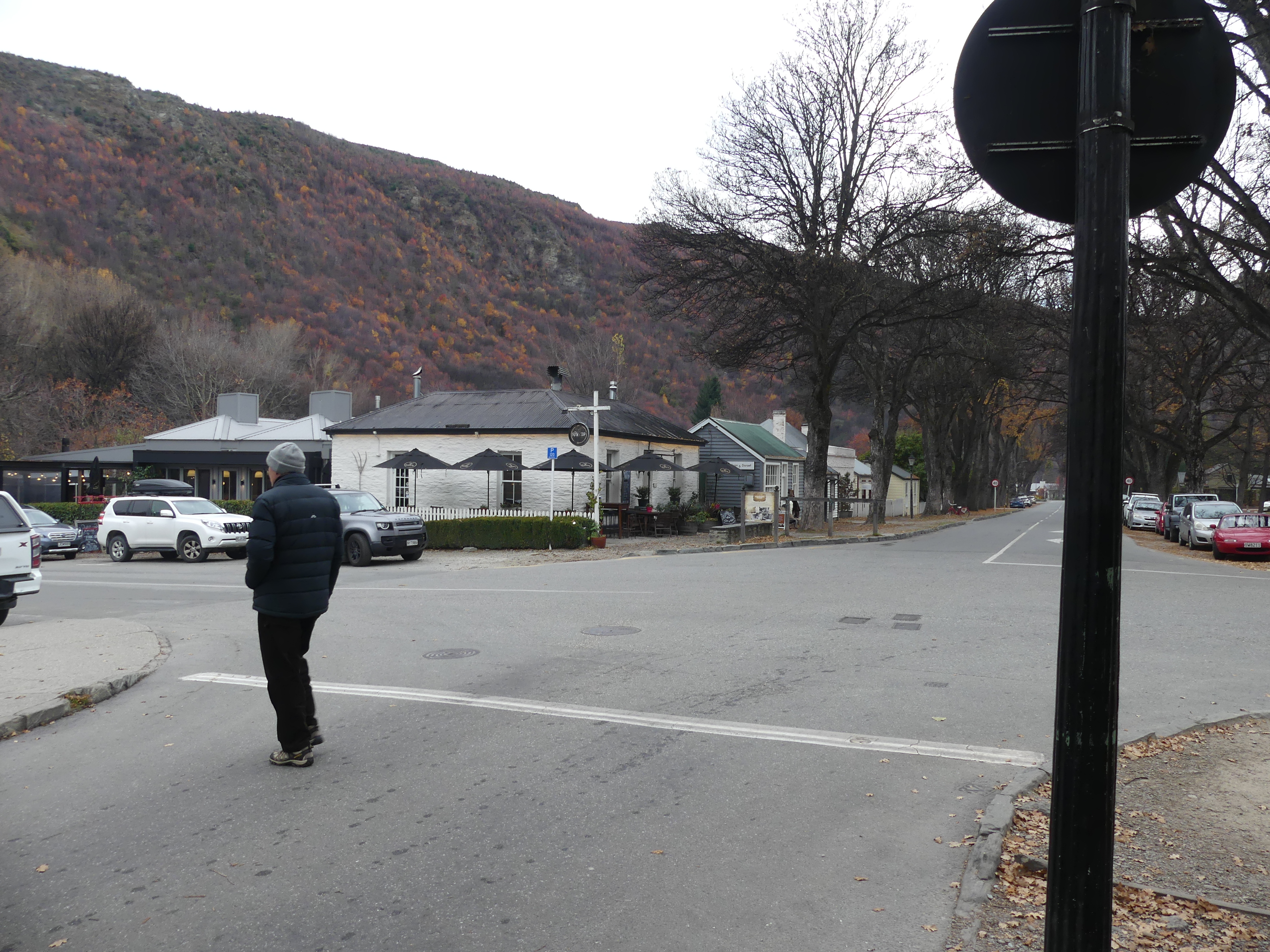
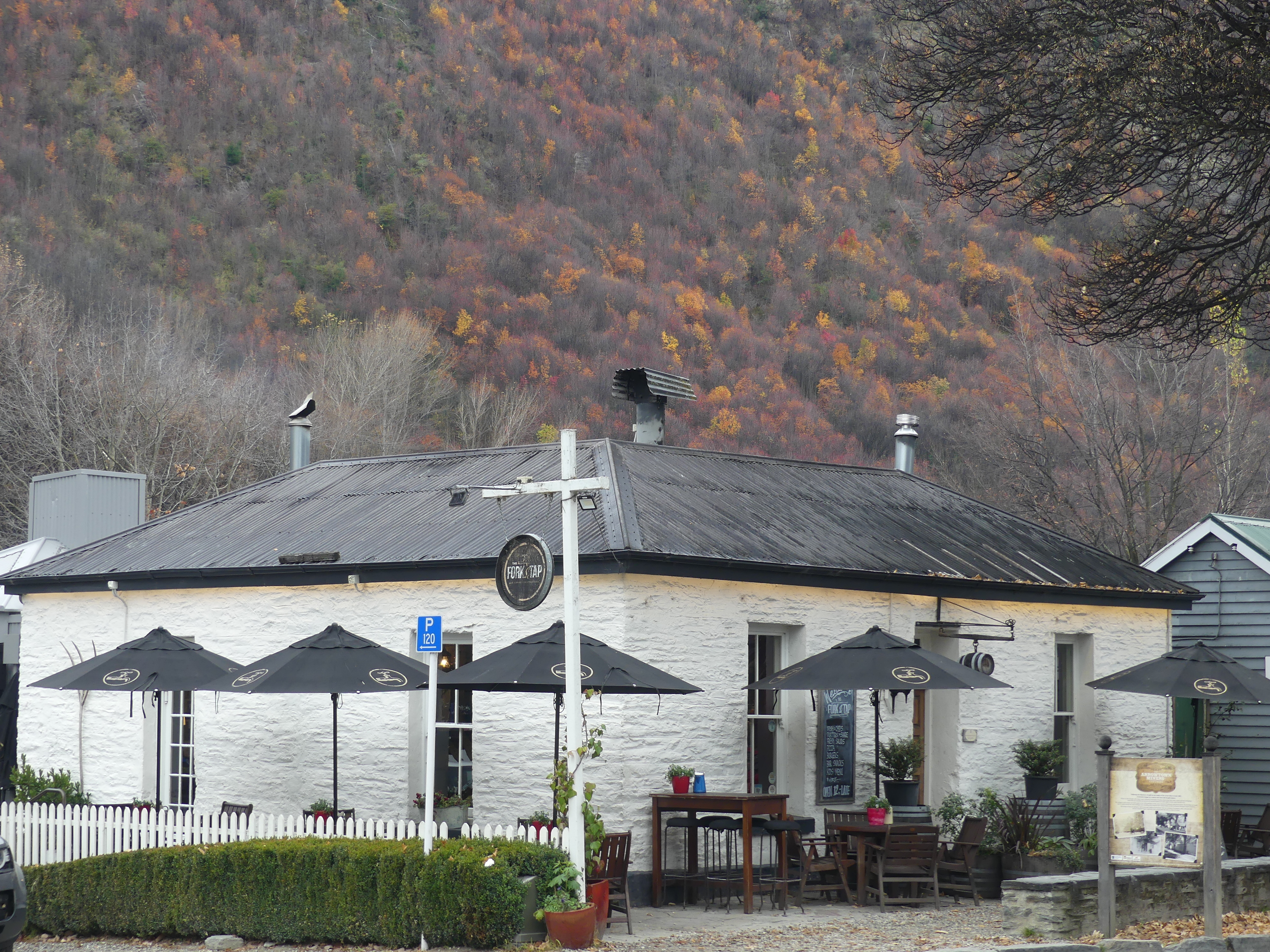
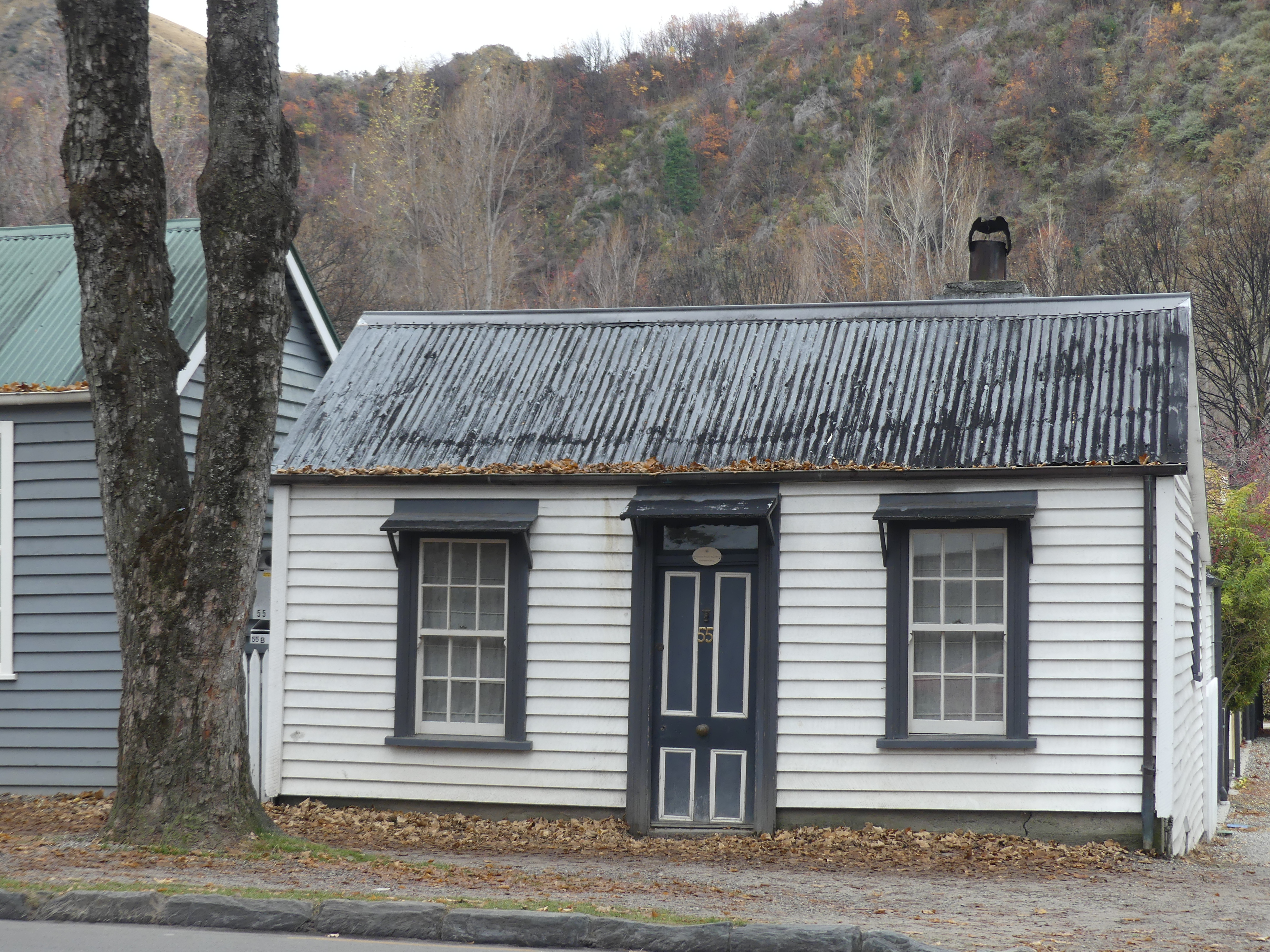
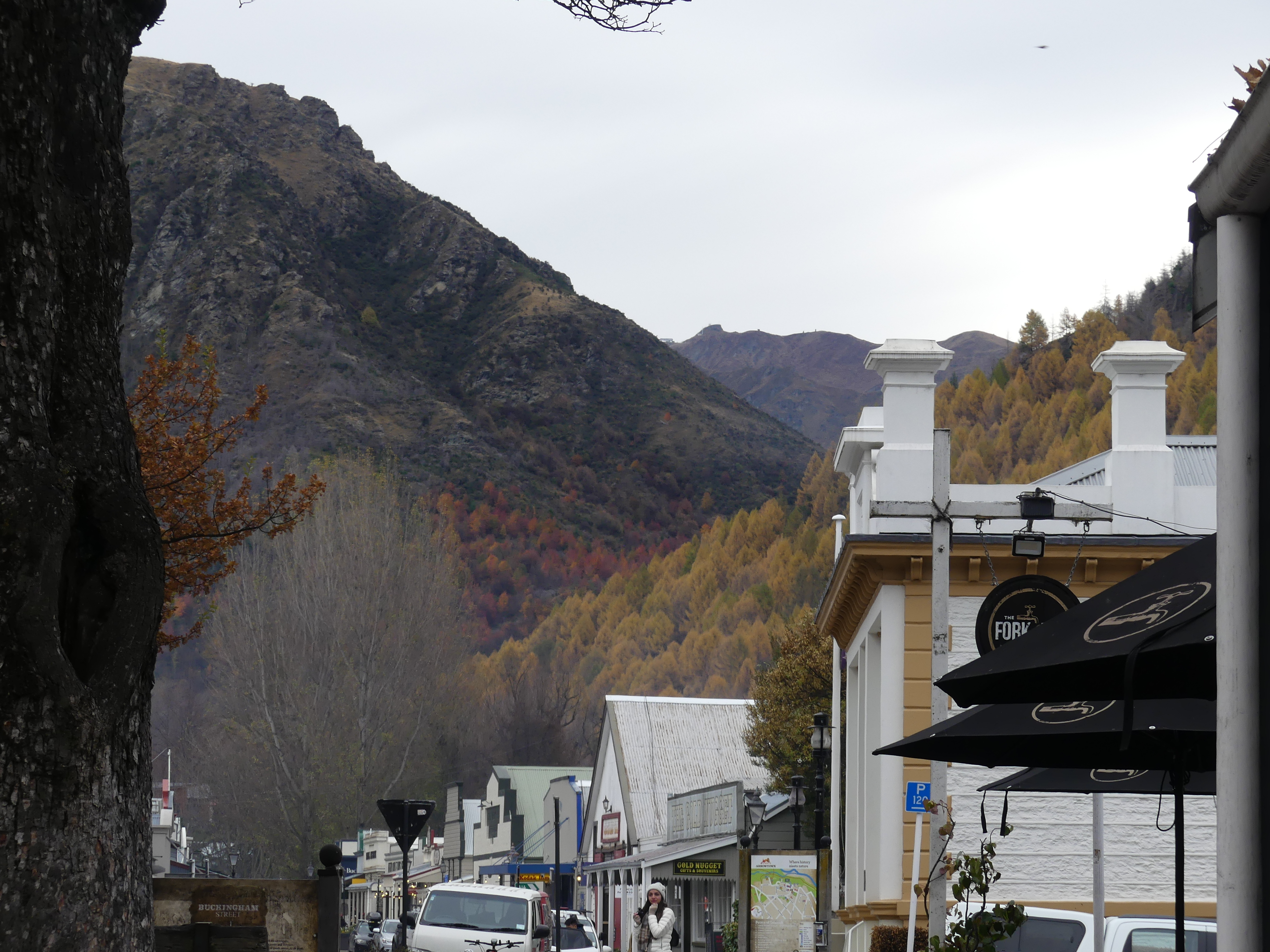
Our plans were fluid as to what we might find or do throughout the journey. After breakfast at the hotel, we drove to Arrowtown. Arrowtown is a historic gold mining town 20 minutes from Queenstown and located on the banks of the Arrow River. The town is popular because it preserves its 1860s gold-rush history while offering a vibrant, modern food and shopping scene. The town has stunning natural landscapes. The winter season had turned the trees which were covered with autumn foliage.

Arrowtown buildings and its surroundings,

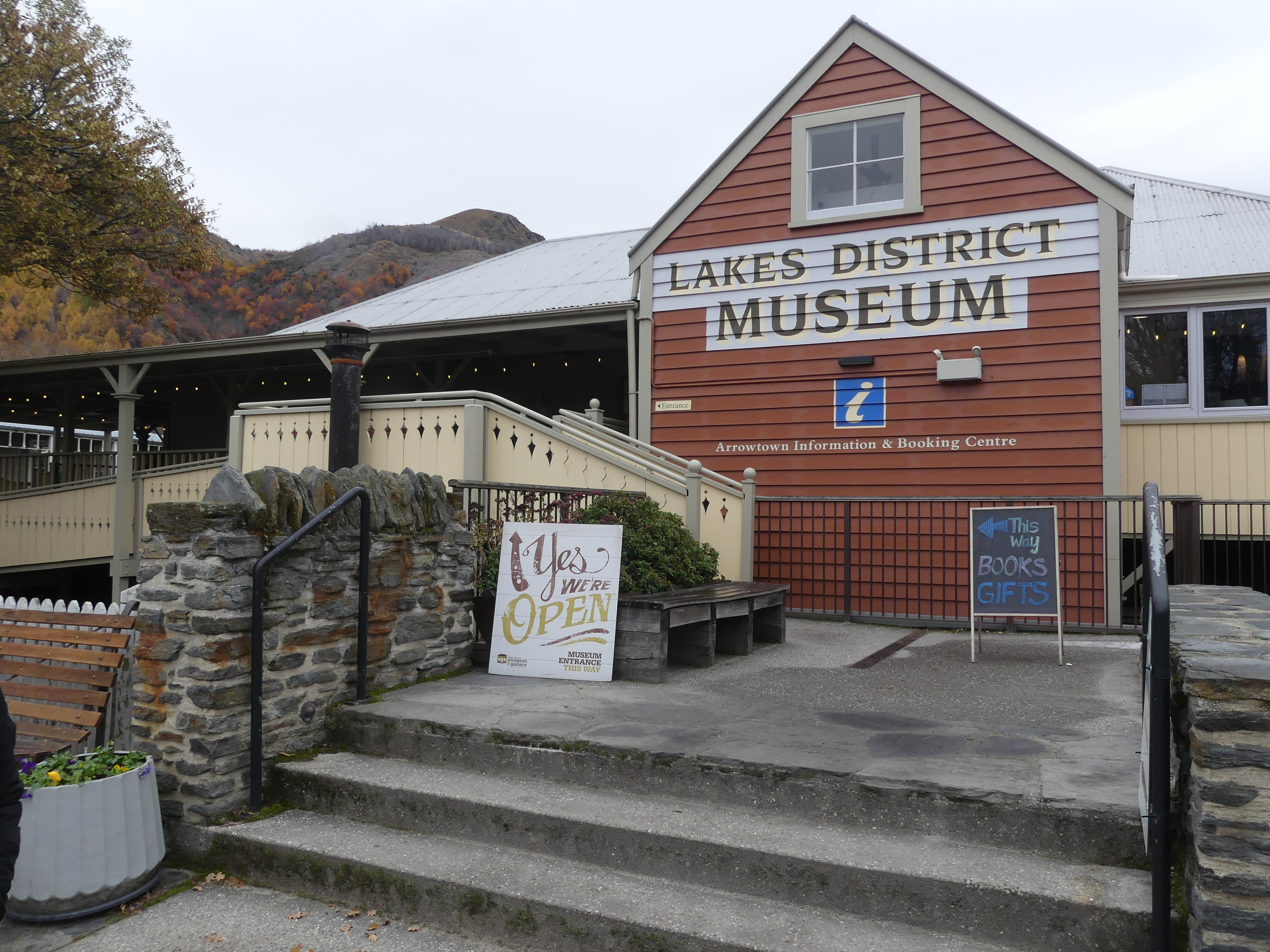
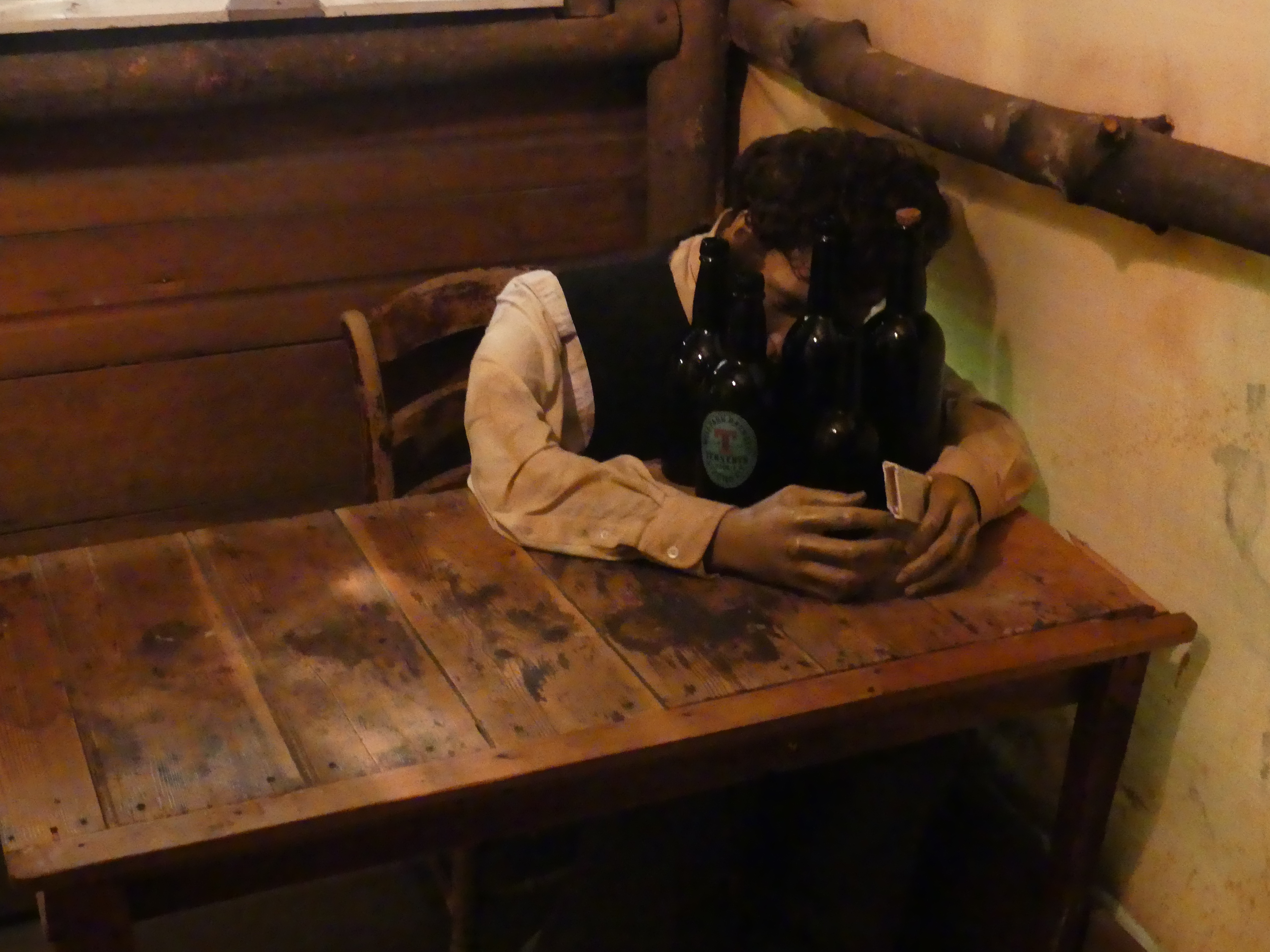
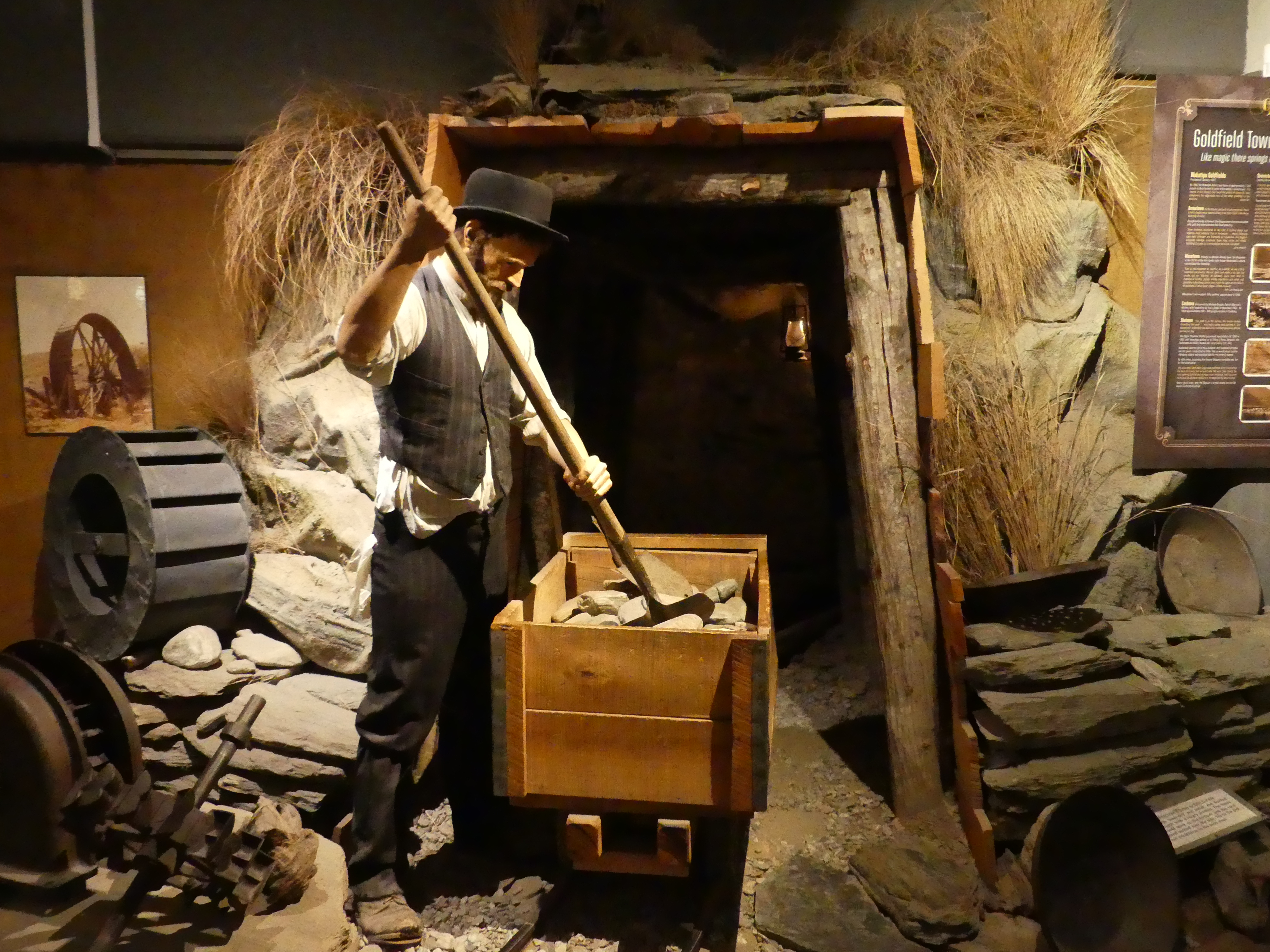
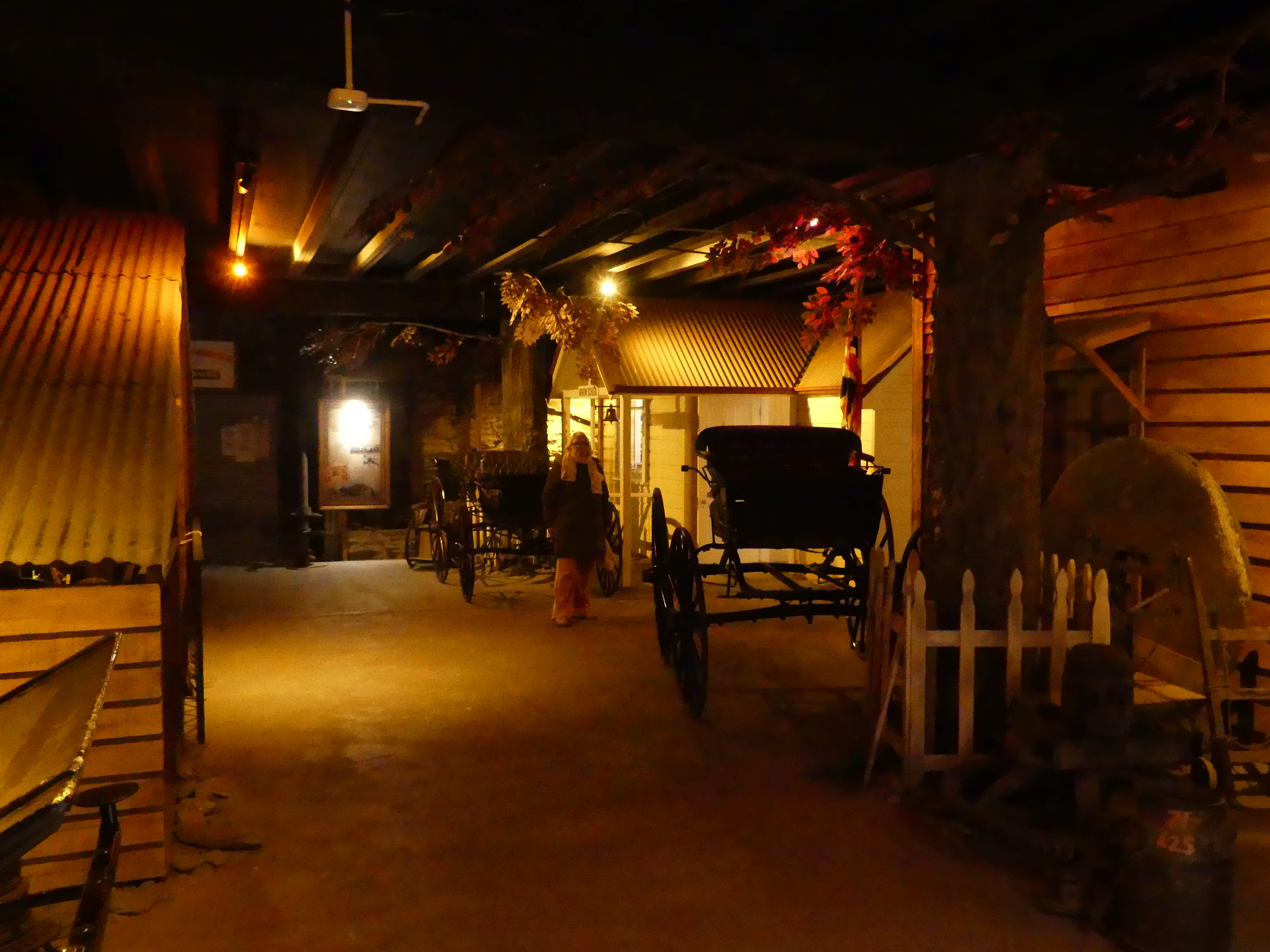
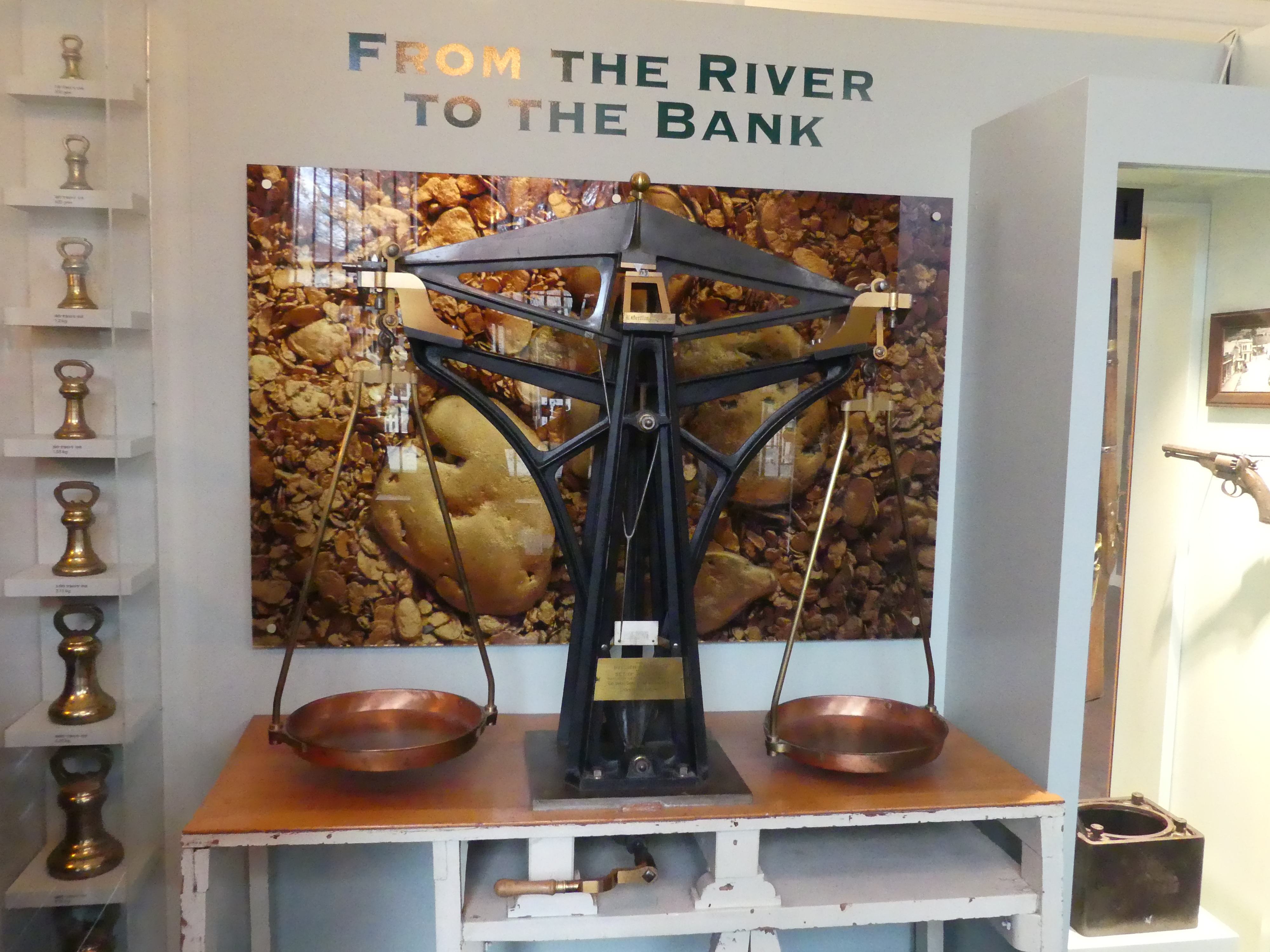
A highlight and surprise for us was the Lakes District Museum. The museum provided an insight into the gold mining history of Queenstown. The museum had constructed a number of scenes as things might have been as well and telling its history.

Lakes District Museum.

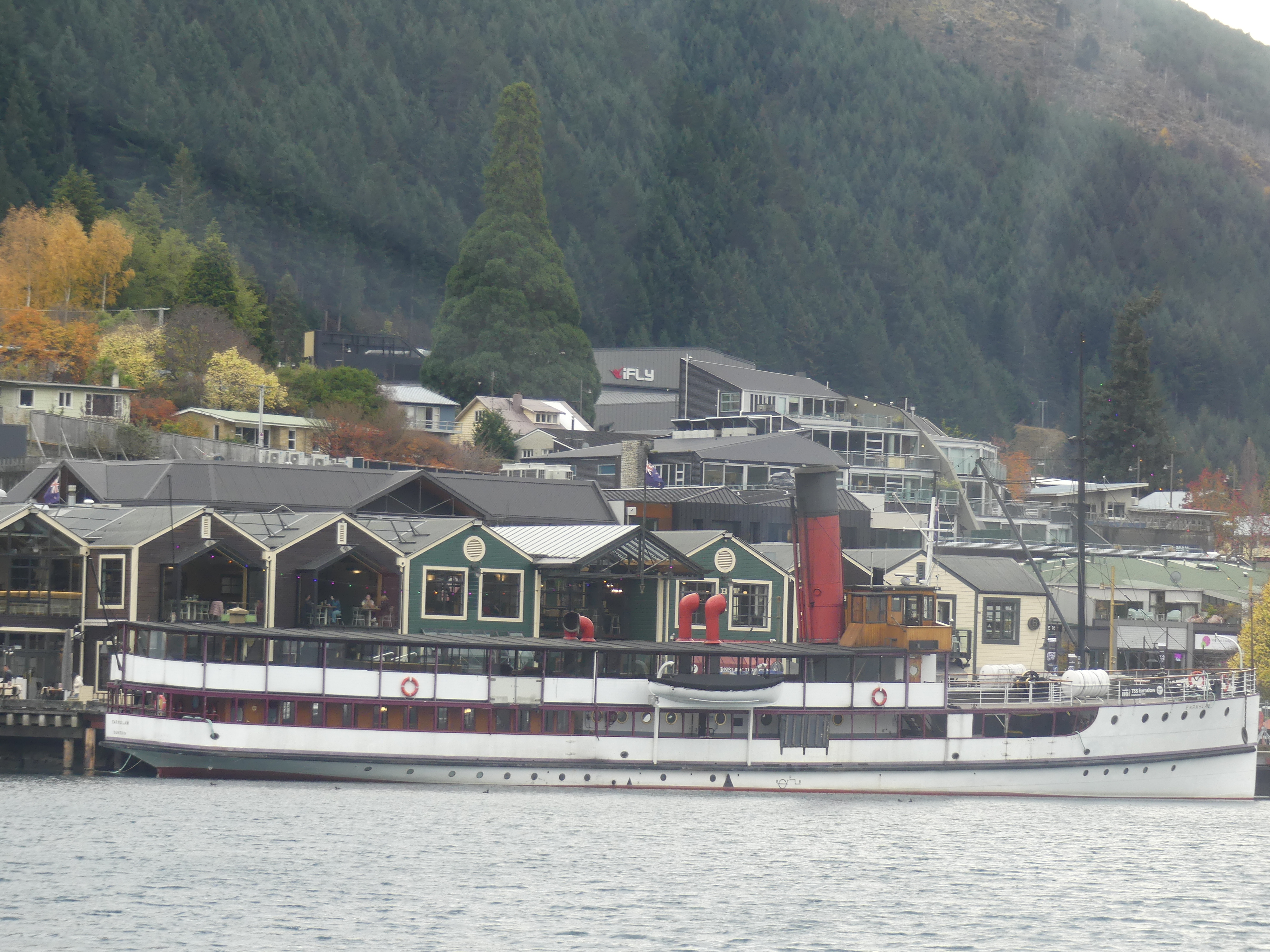
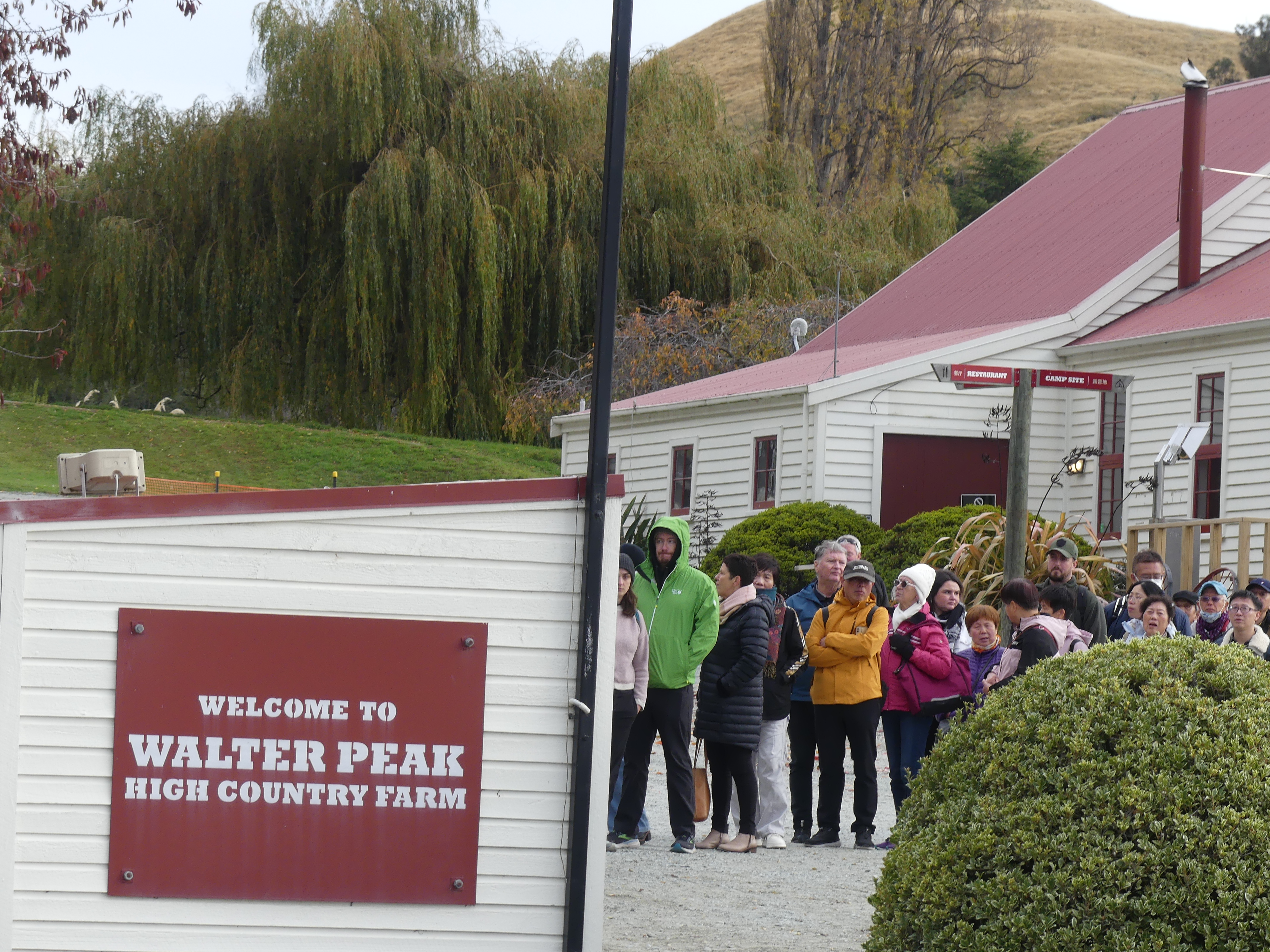
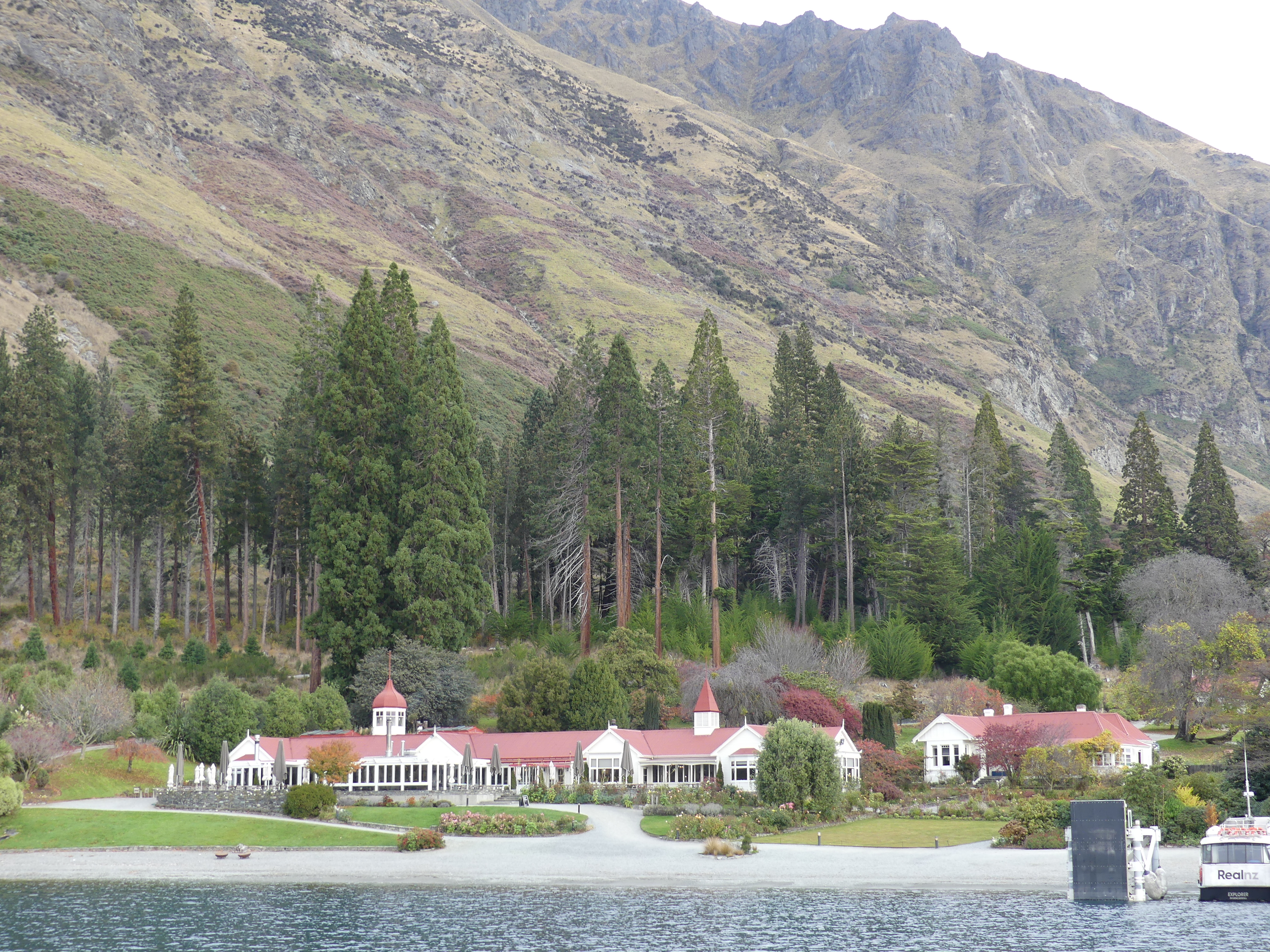
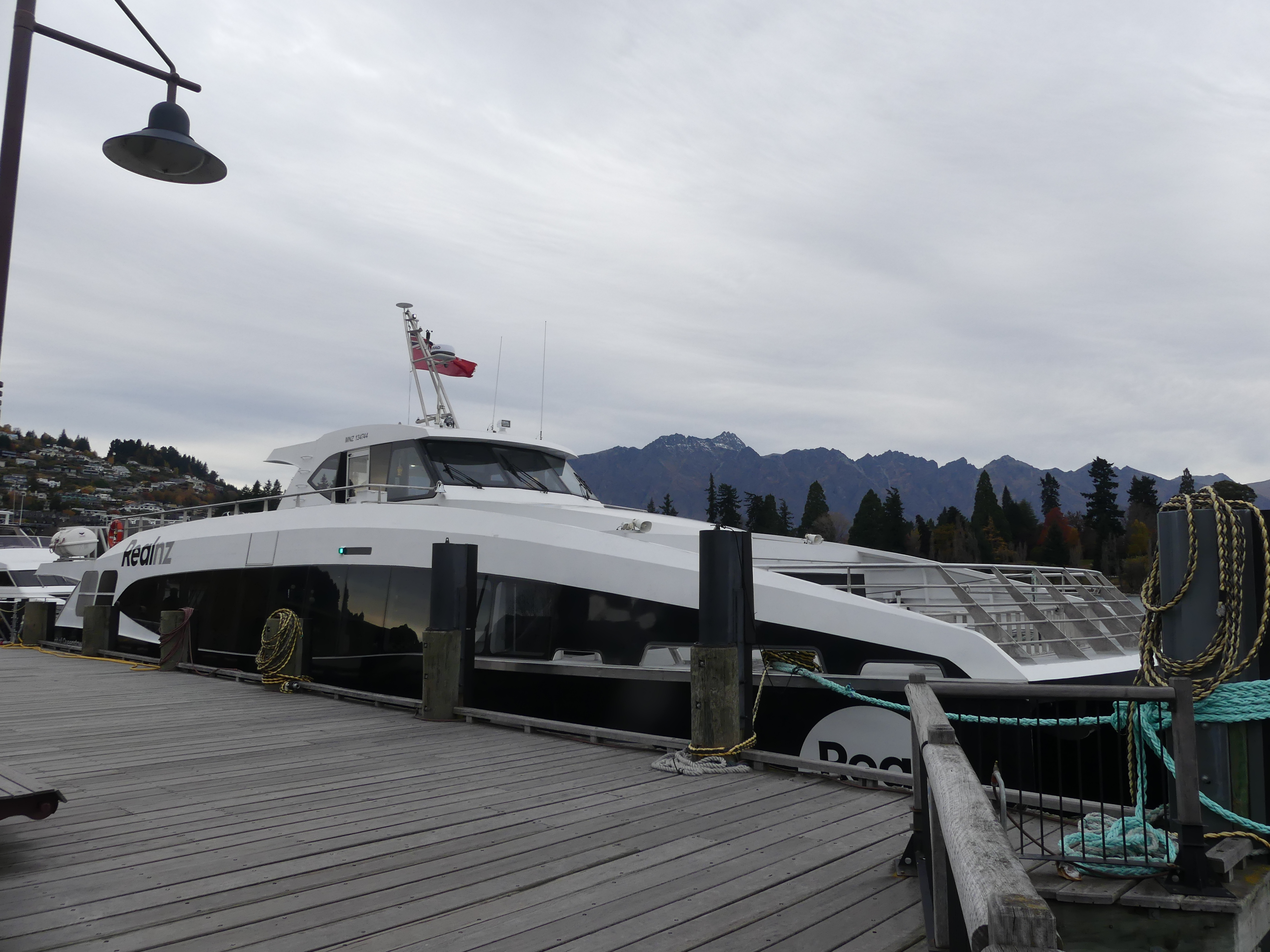
Queenstown sits directly on the shores of Lake Wakatipu, New Zealand’s longest lake (84 km) famous for its dramatic Z-shape, pristine water, and unique natural tide. Framed by the Remarkables mountain range, this alpine lake is the vibrant hub for Queenstown’s sightseeing, cruises, and water sports. So, after visiting Arrowtown Barry drove onto the docks where TSS Earnslaw Steamship is docked to catch the cruise boat RedNZ which would take us for a cruise to the Walter Peak High Country Farm. It was by then getting a bit late (sunset was around 5.00pm) so we did not hop off as we had a big drive to Te Anu and Milford Sound tomorrow.

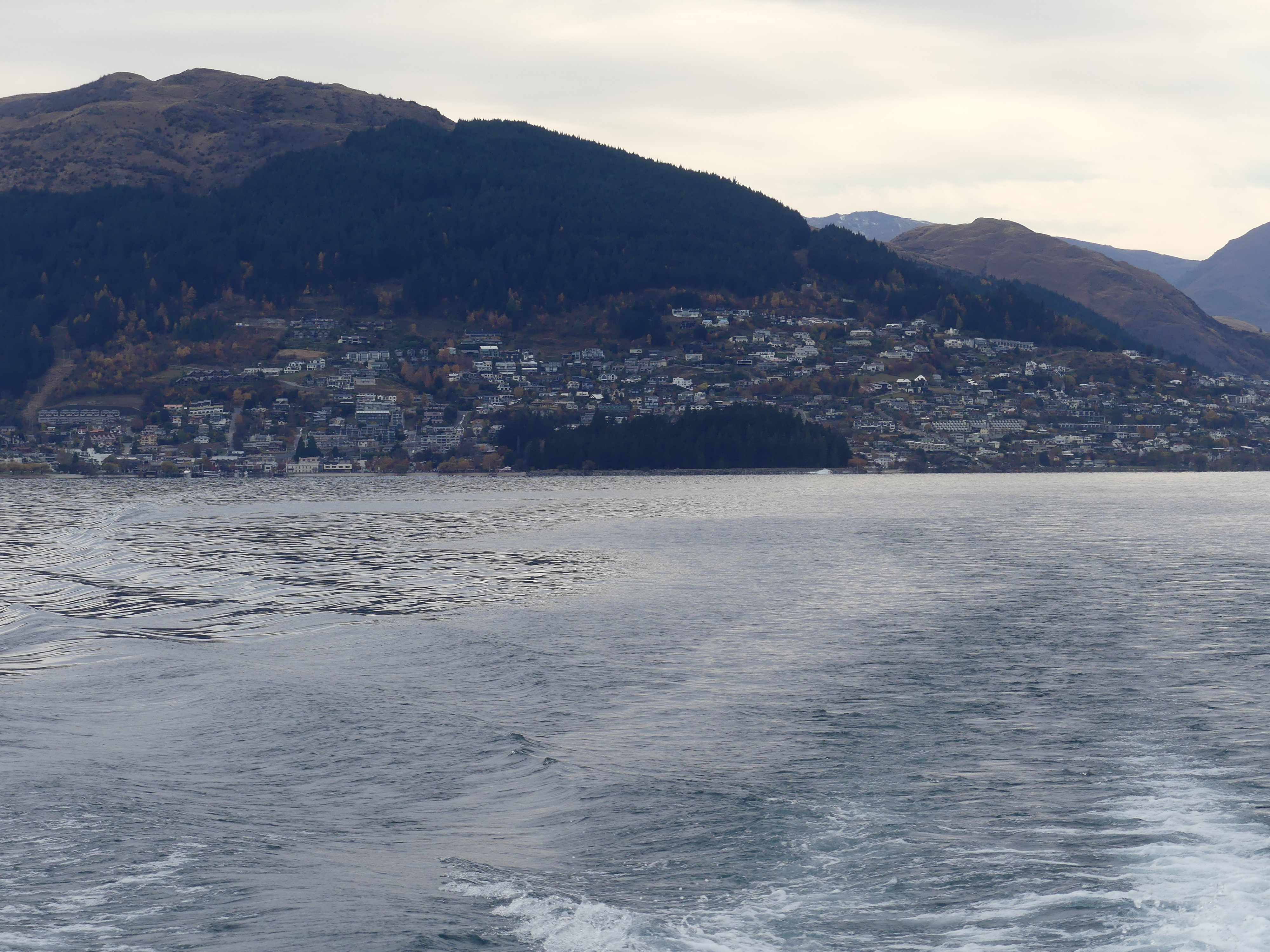
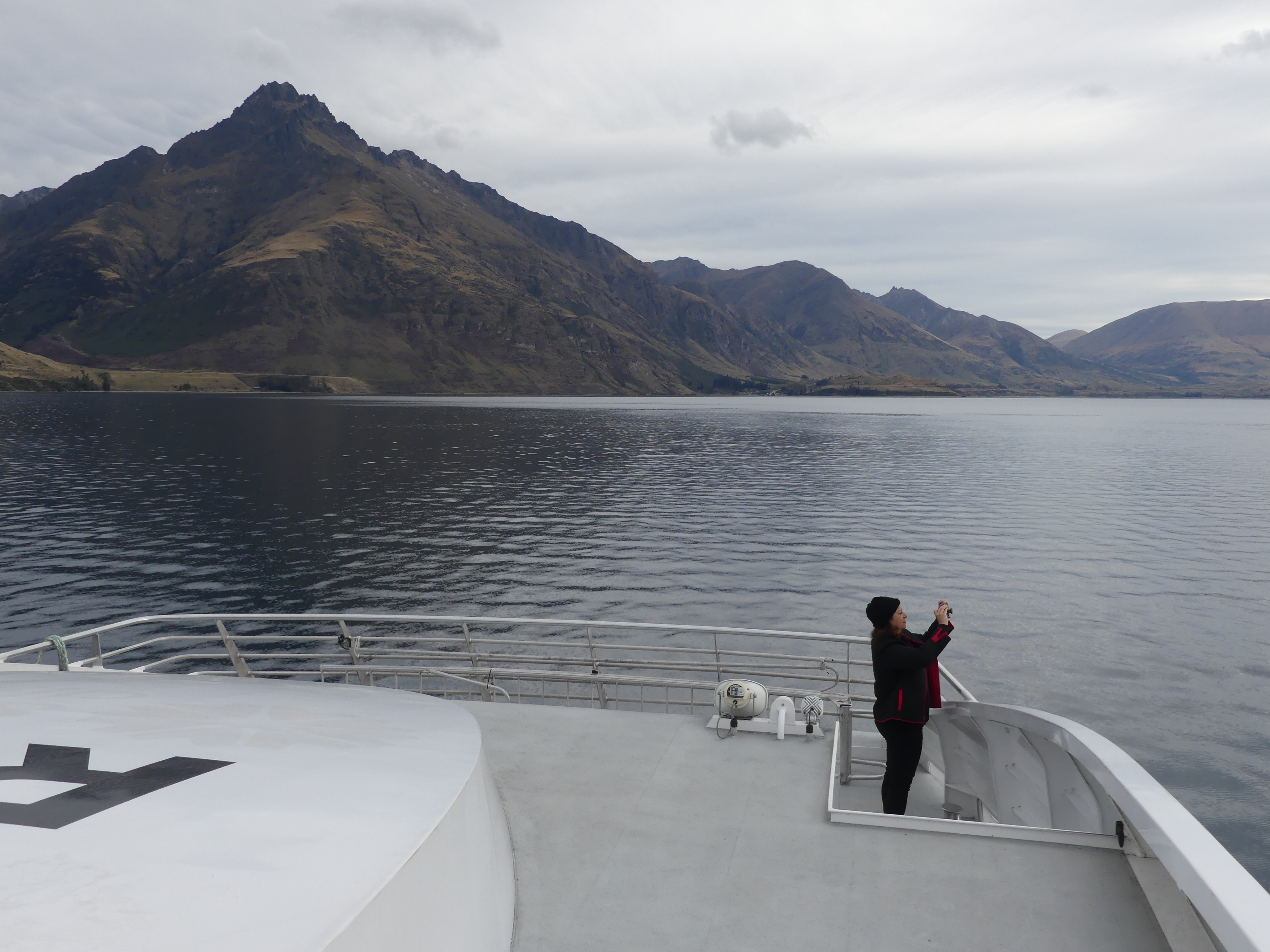
TSS Earnslaw Steamship, the lake, the Walter Peak High Country Farm, RedNZ and the steamship again

Day 3   Queenstown to Te Anau

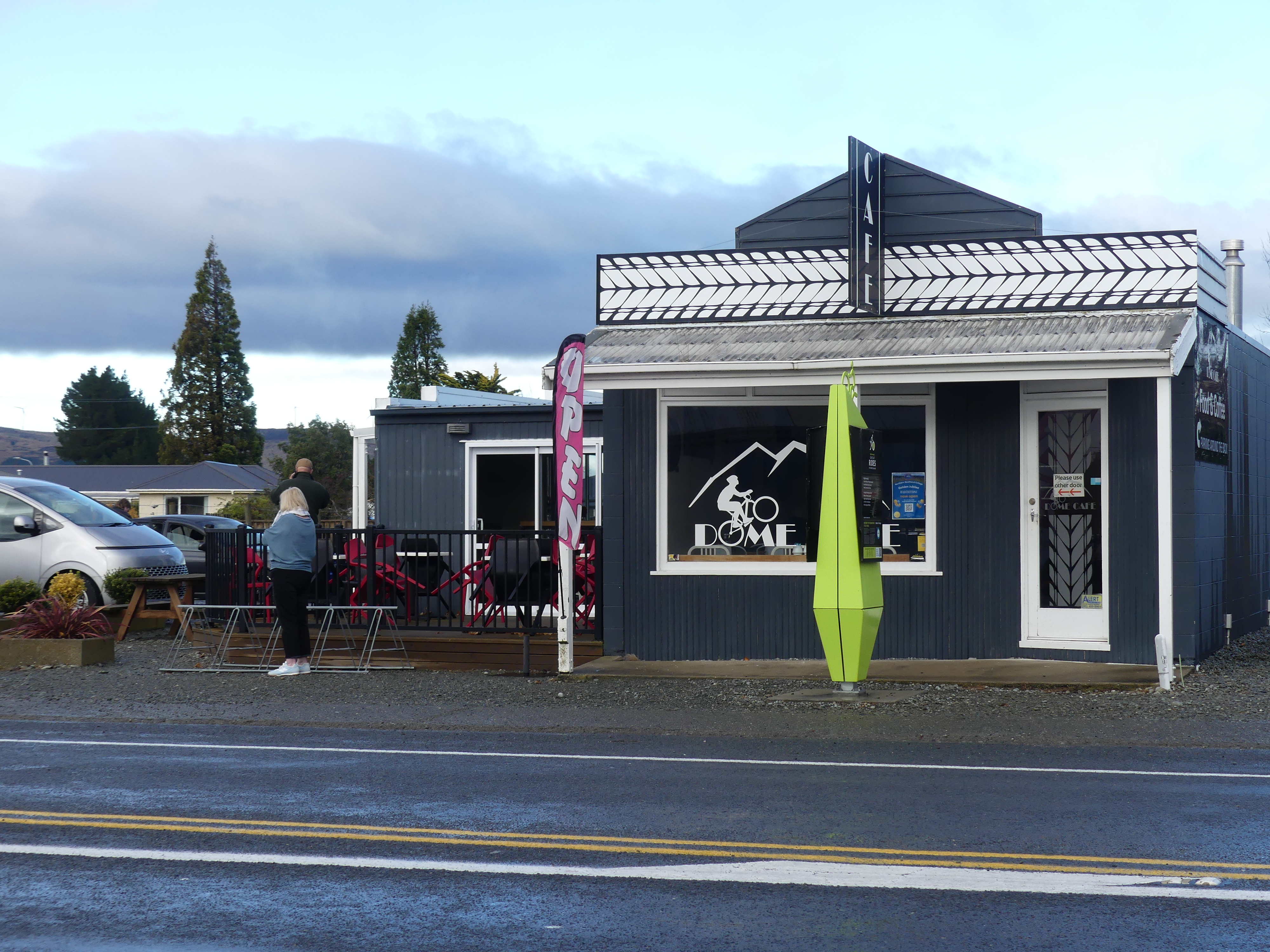
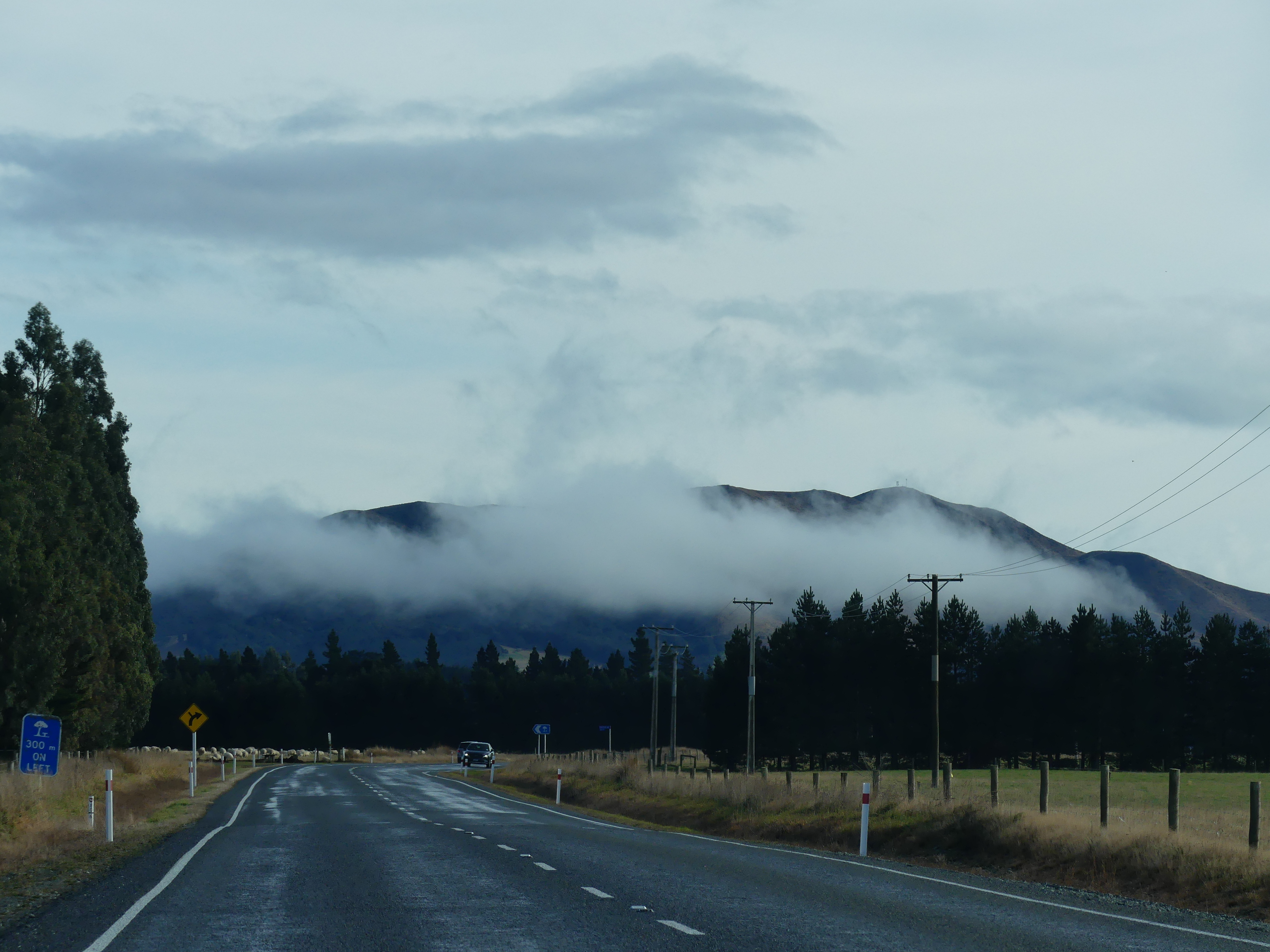
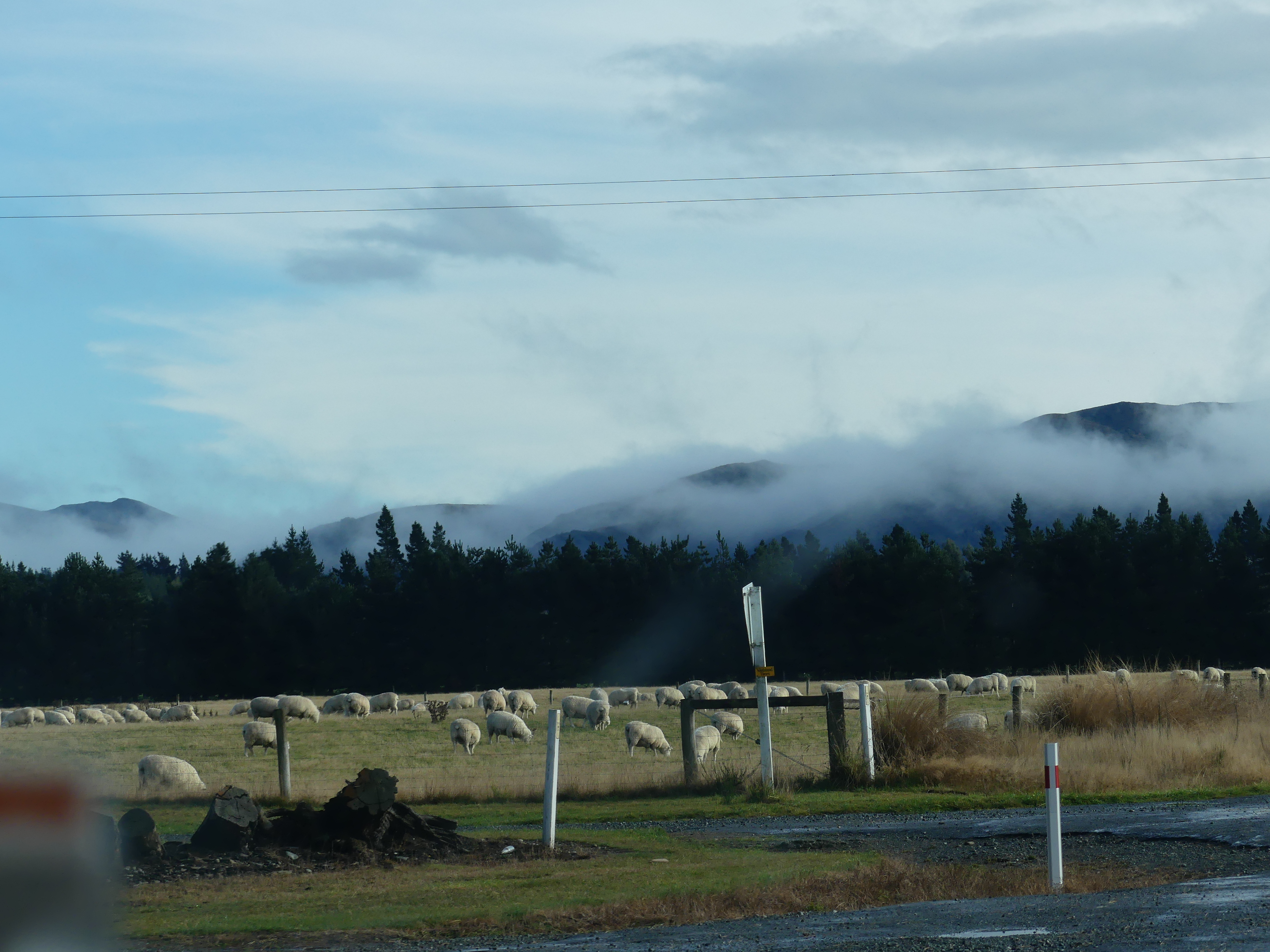
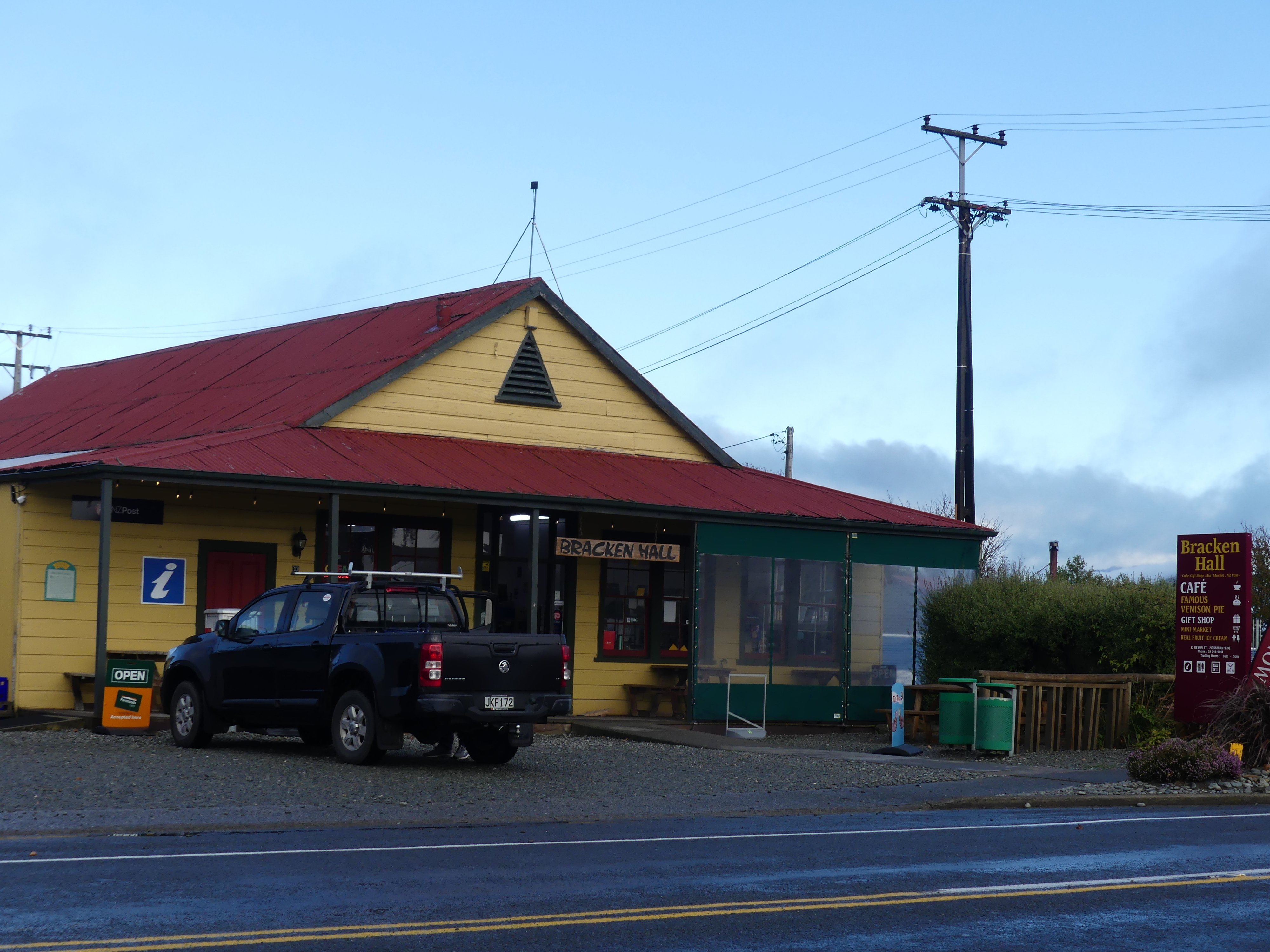
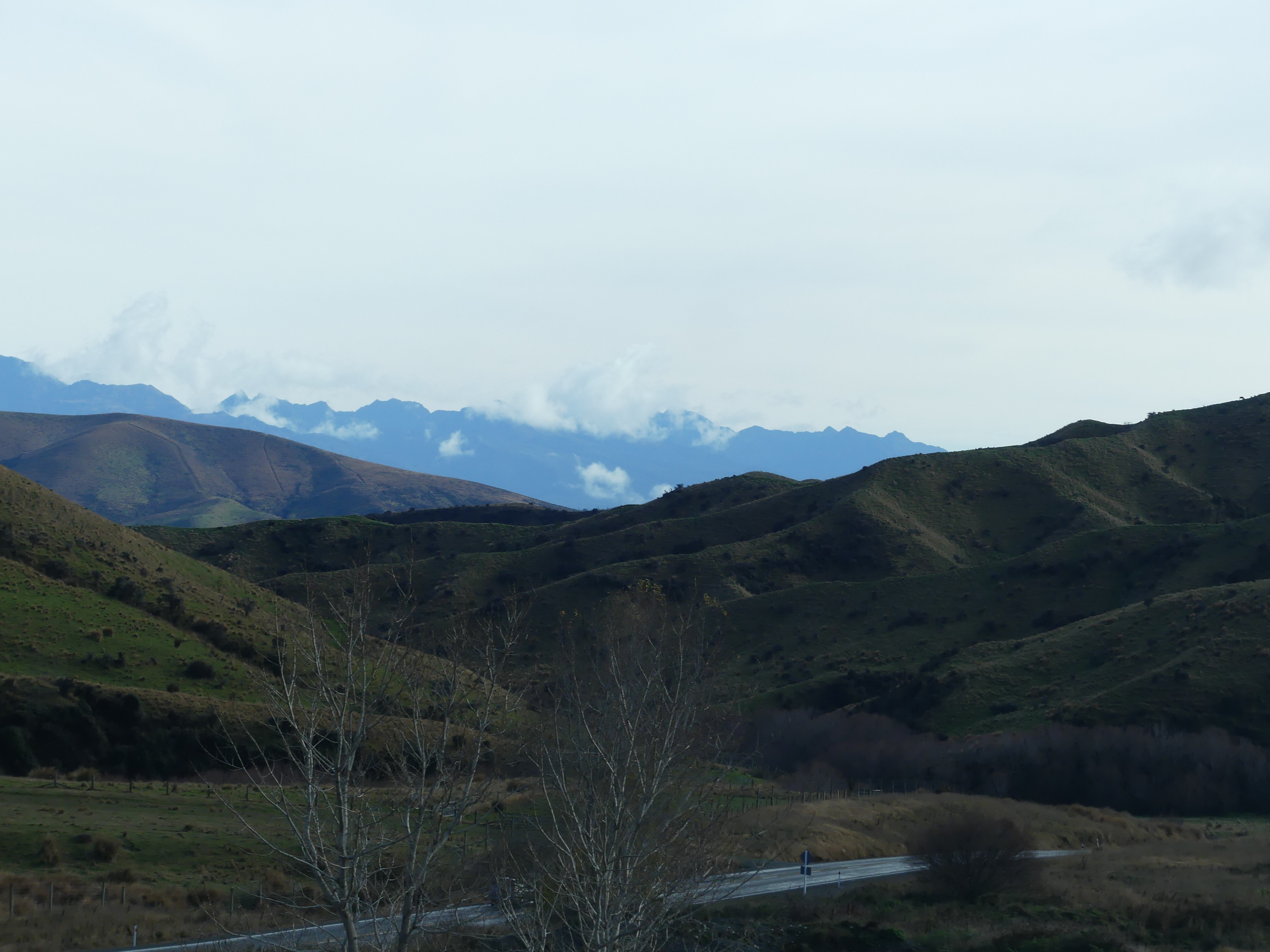
It is a 6-hour drive to Parklands Motel in Te Anau. On the way we had a stop at the Dome Café in Mossburn. Great coffee stop, on your travels to Te Anau or Milford/Doubtful Sound but not much in the village. Beside the café there is a business called Bracken Hall claiming to have the best venison pies in the South Island. Apart from that there was a new petrol station (one of those 24 hours self-serve unattended things very popular in NZ) and the original petrol station on the opposite side of the road looking more like Steptoe & Son yard and just dirty with vehicles to be repaired or beyond repair. After coffee and cake and a visit to the bathroom, we hit the road again. We were starting to see more sheep, more and more mountains and low cloud. Low cloud would be a feature of the scenery whenever approaching or in the mountains.

Mossburn on the road to Te Anu – Dome Café, Low cloud on the mountains, Sheep of course, Bracken Hall

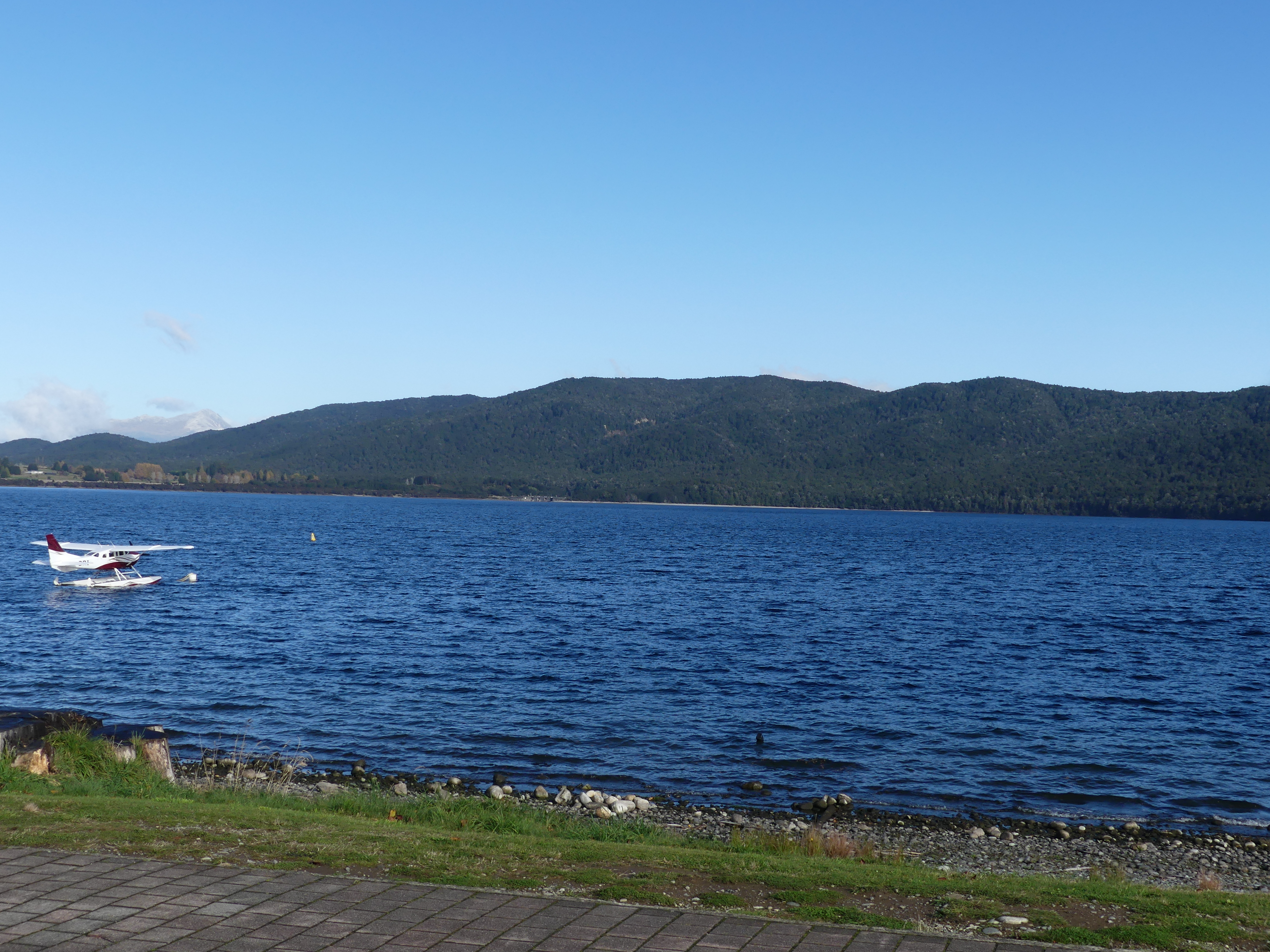
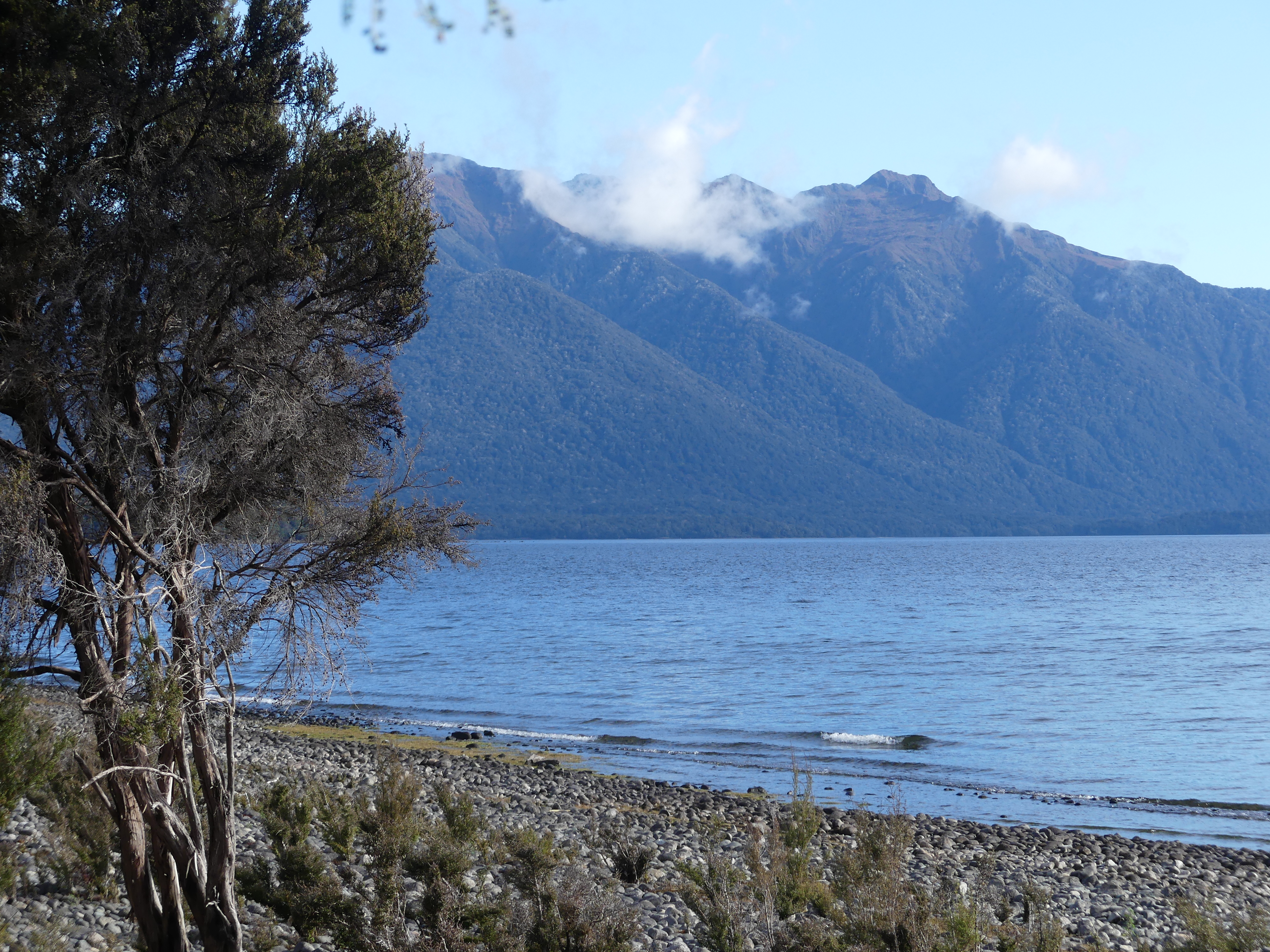
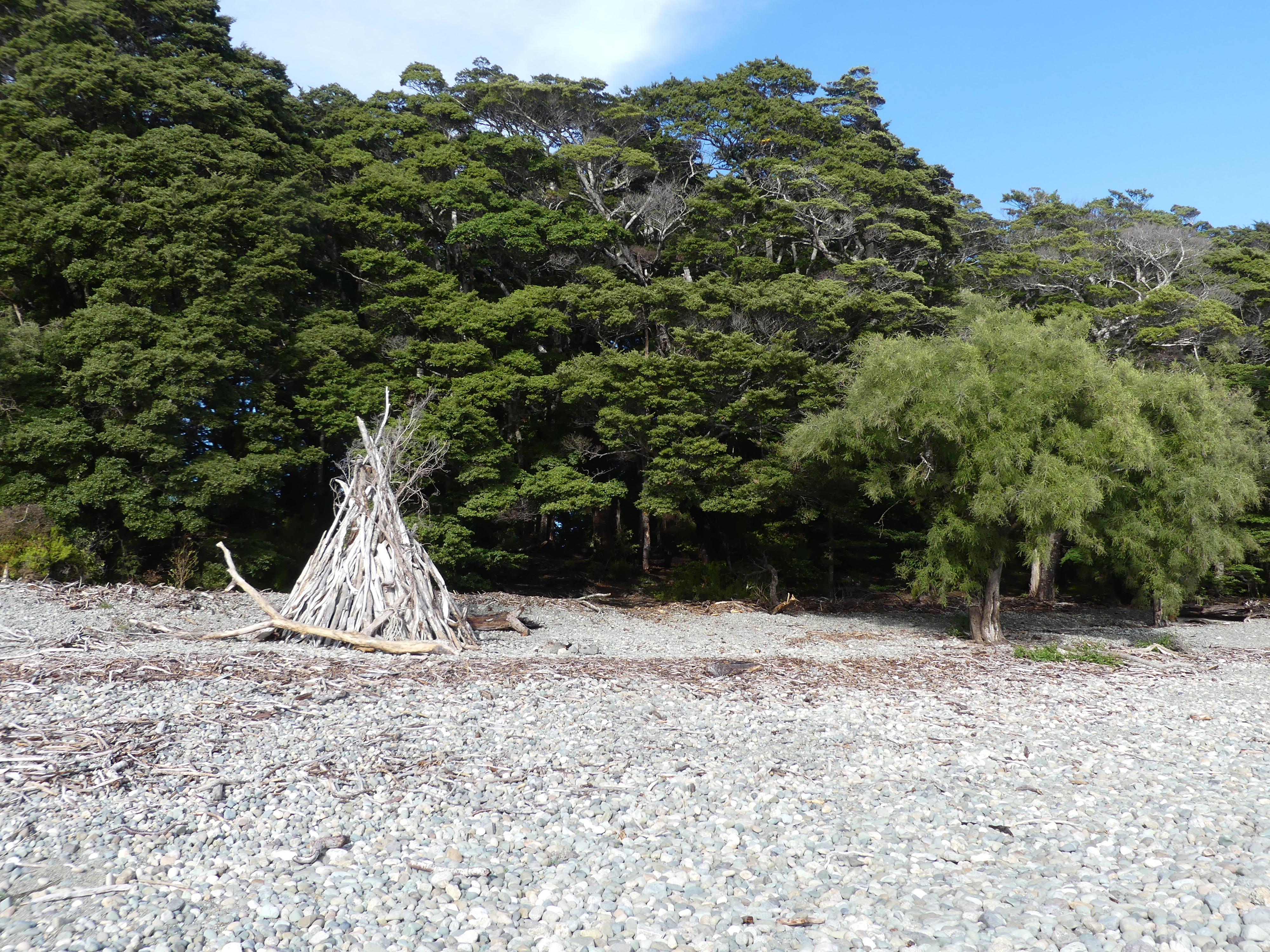
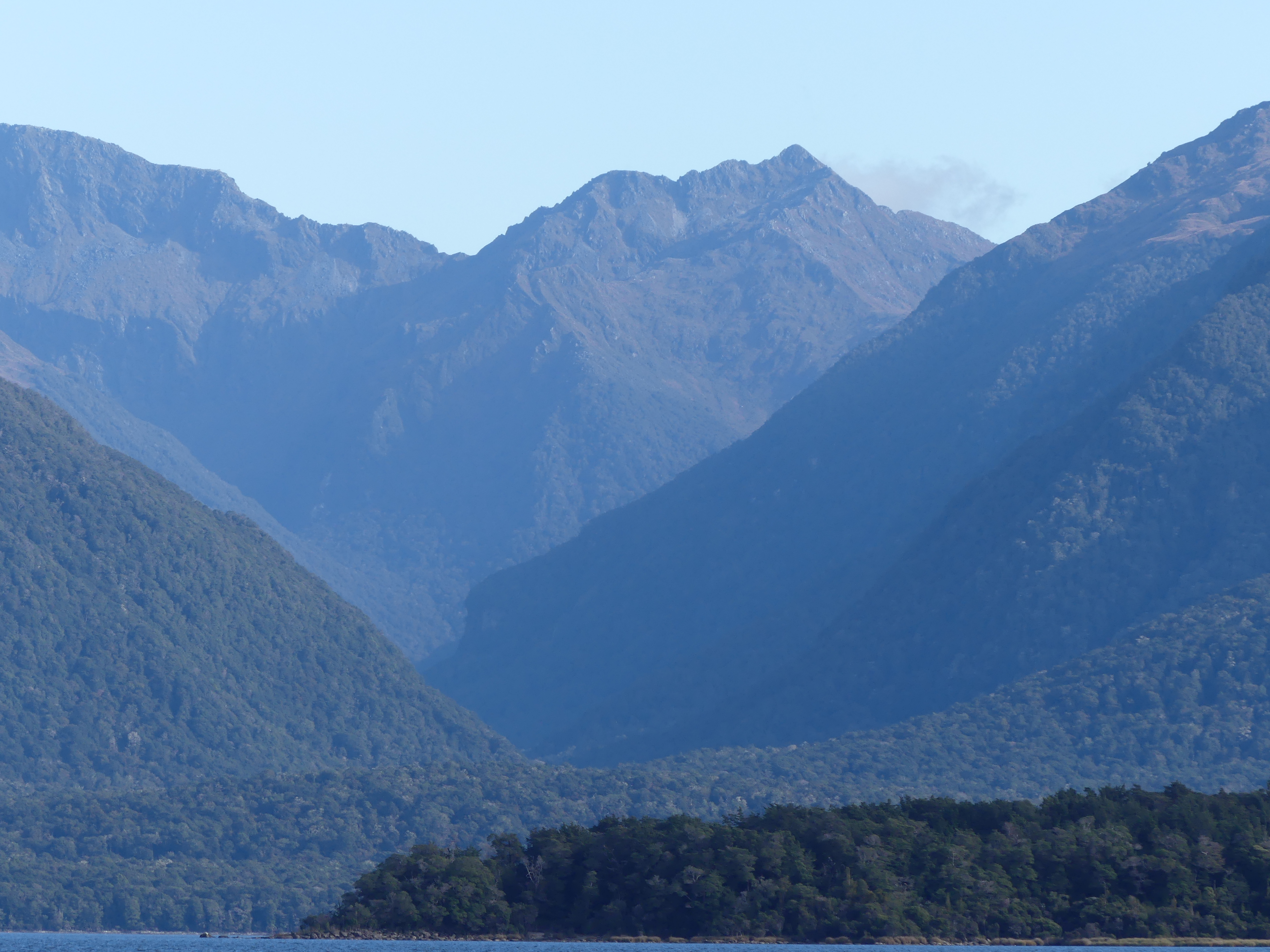
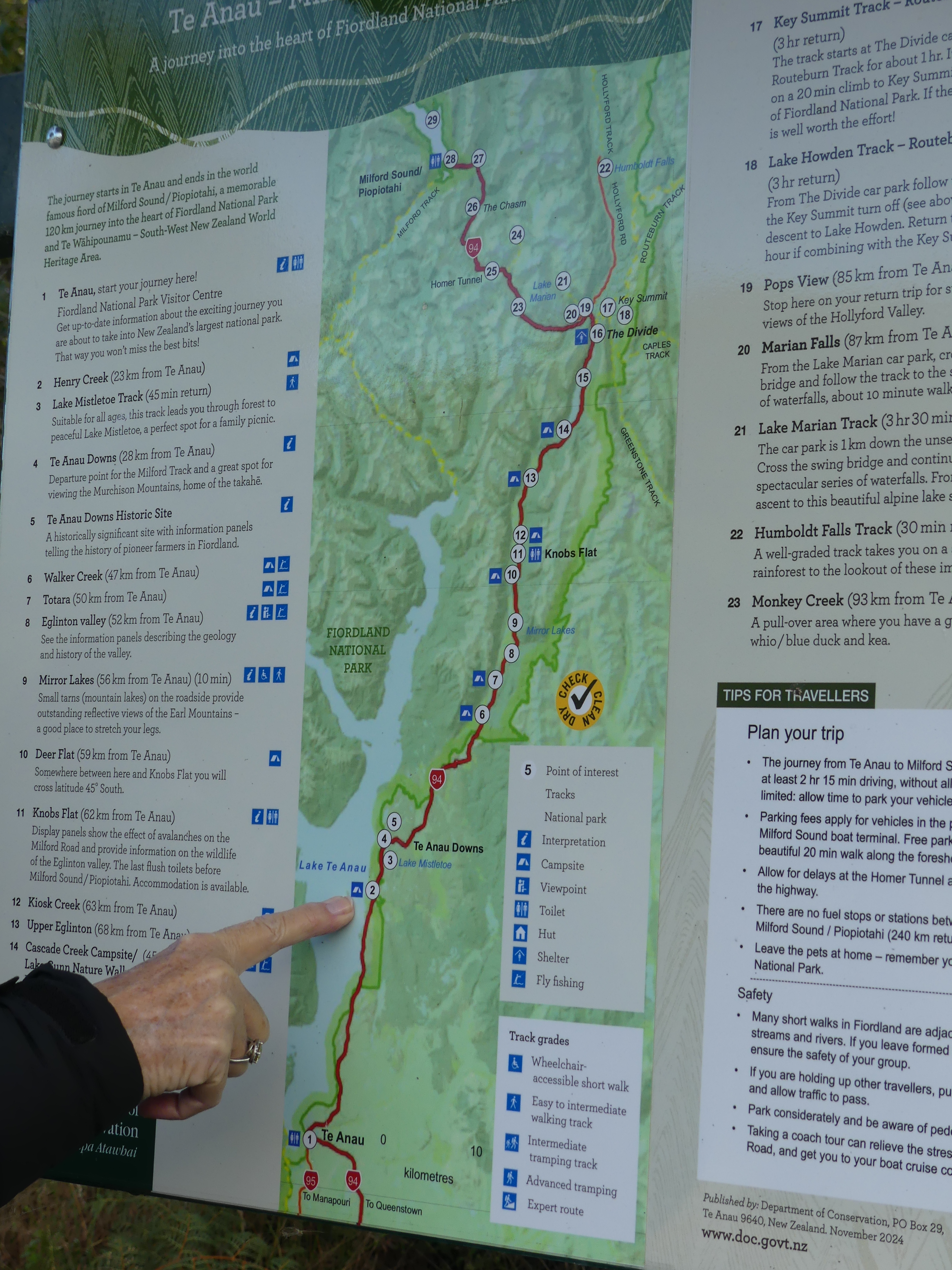
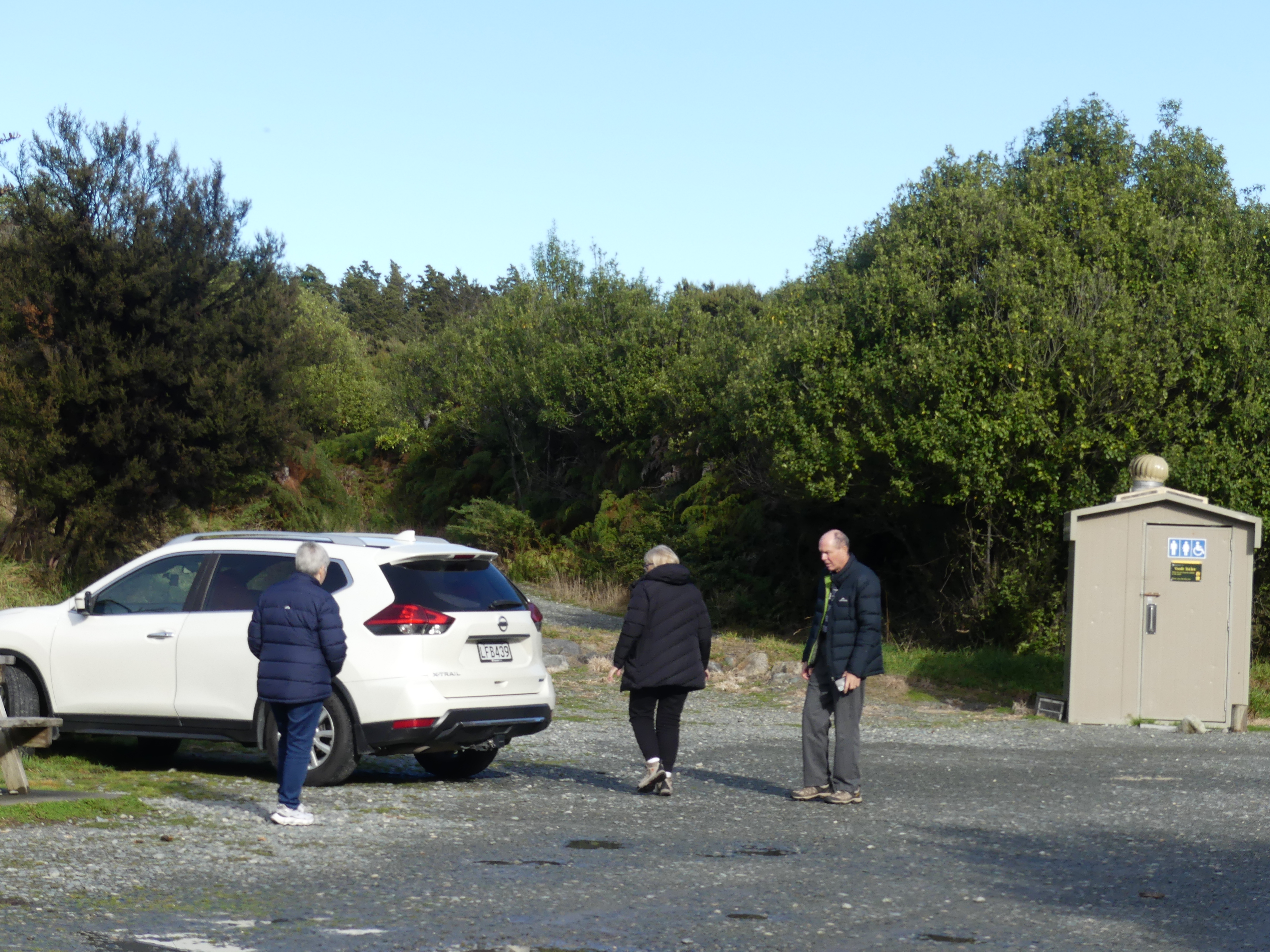
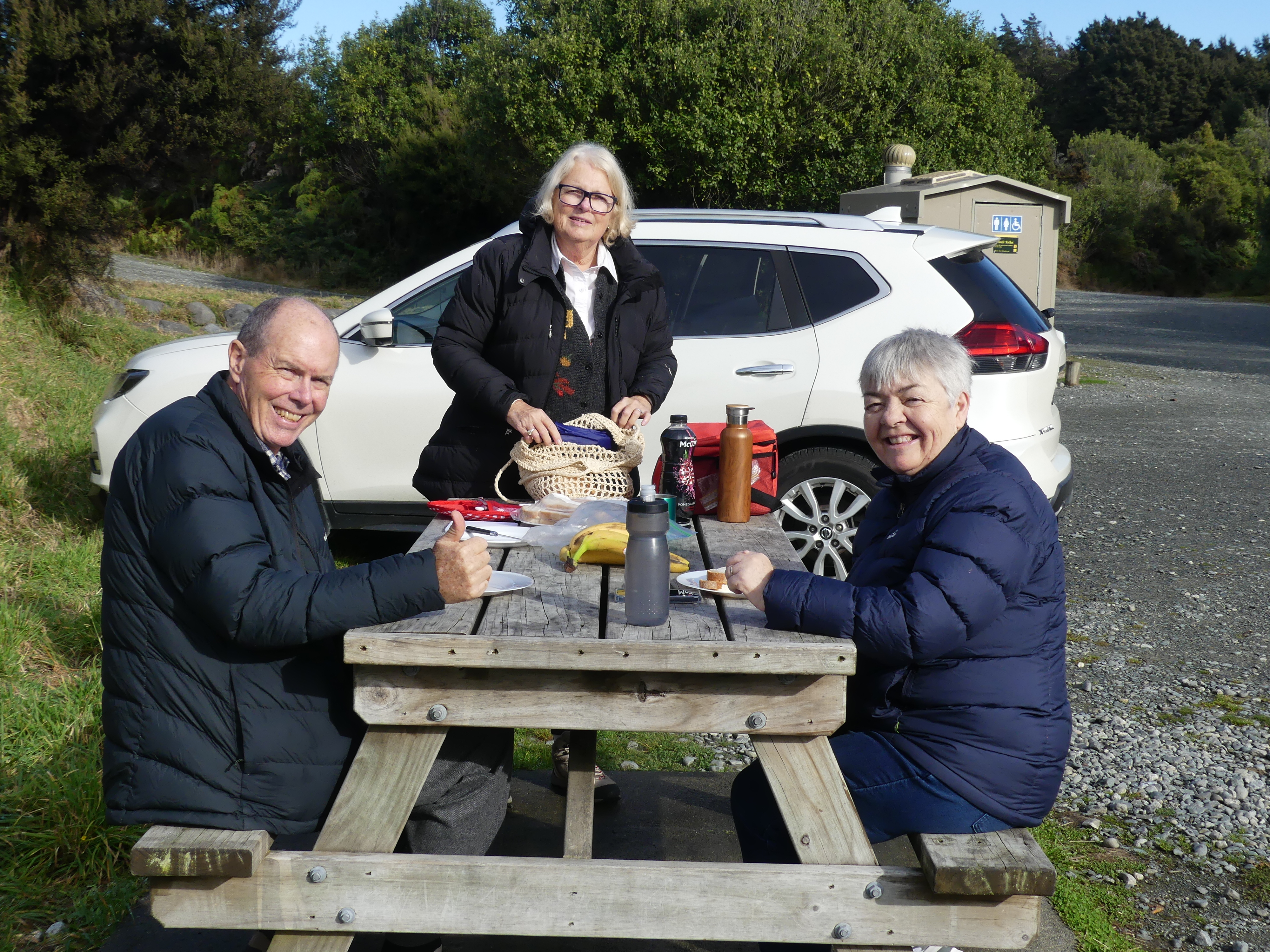
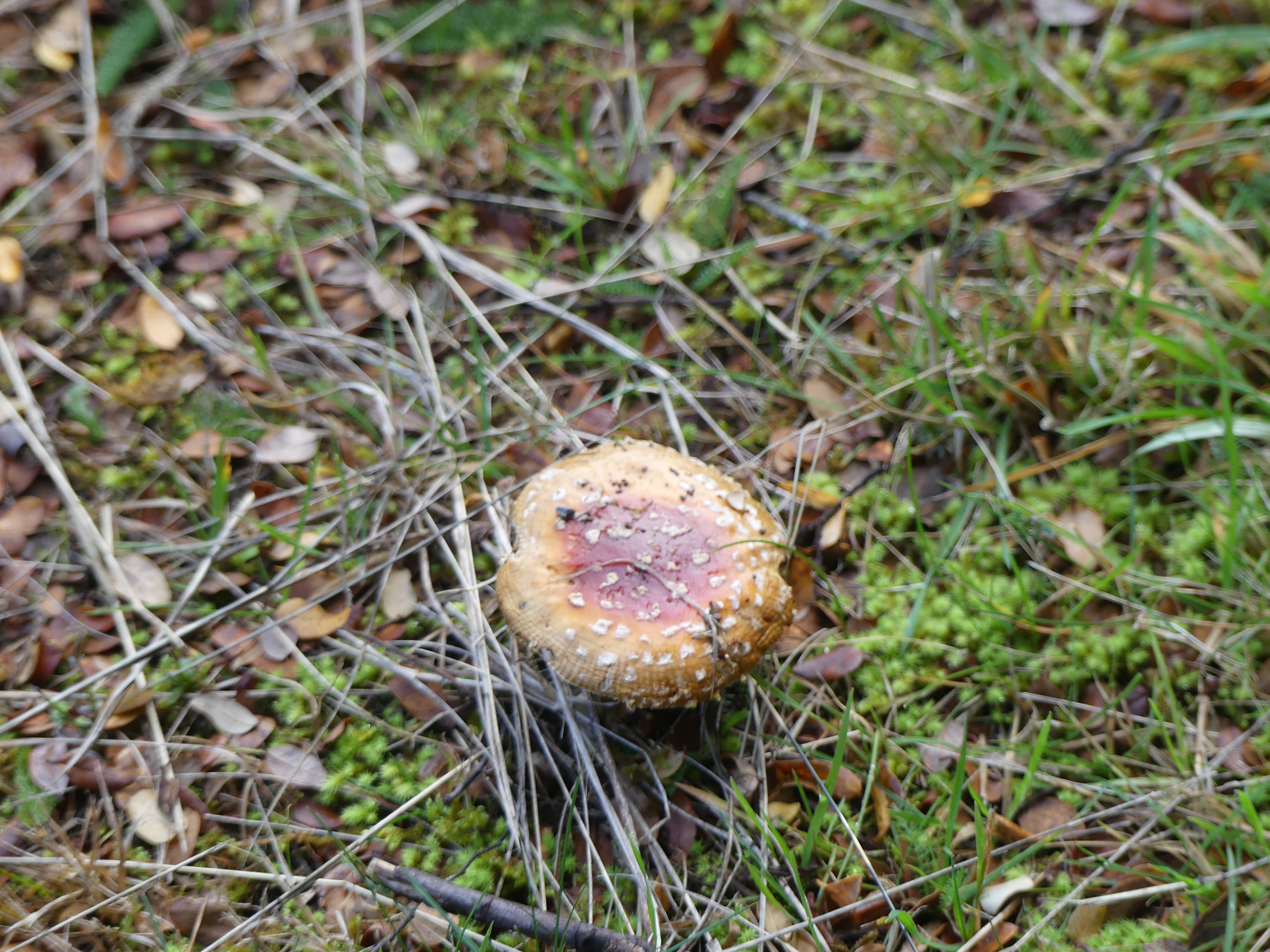
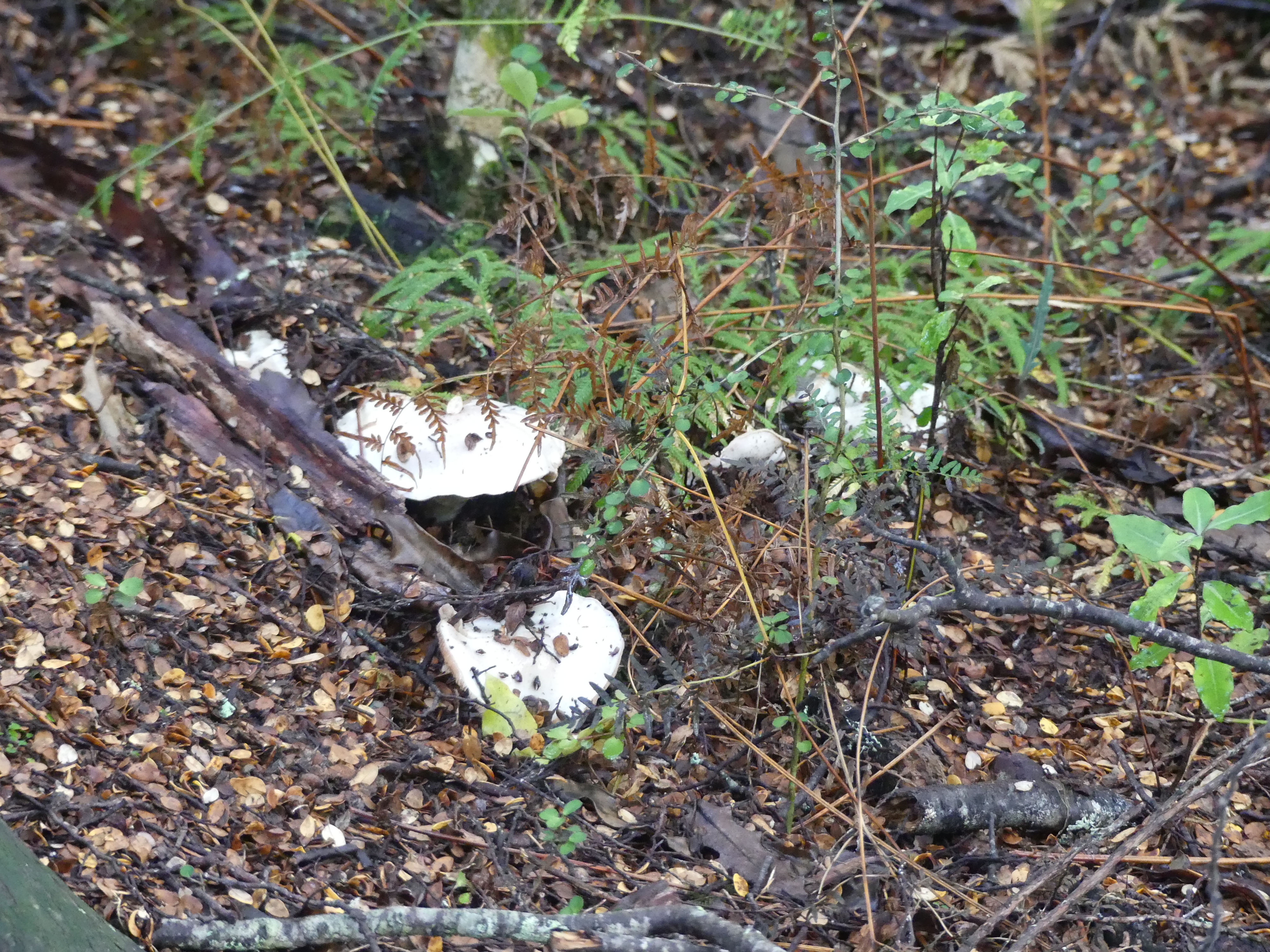
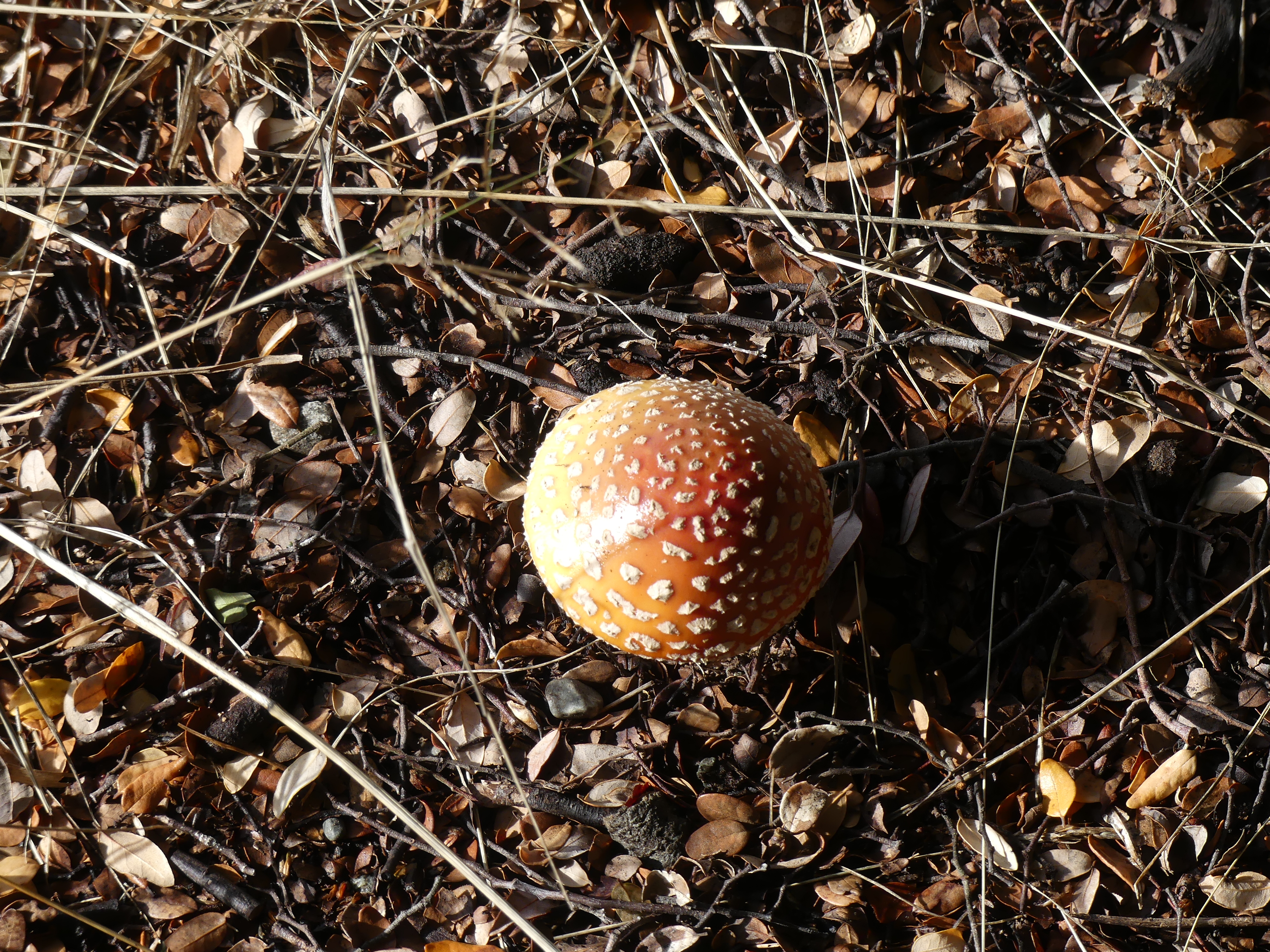
We arrived in Te Anu around 1.30pm and the rooms were not ready. We took the opportunity to take a drive around the town, visit the Lake and the float plane dock and a short drive along the road toward Milford Sound as the rooms weren’t ready. We got as far as Lake Mistletoe where we found a park and the outside dunny in the form of a long drop. A map showing our position and the distance to Milford Sound caught our eye. The beach was all river stone and tee pees of driftwood had been erected probably by the park rangers. We had cut some sandwiches and carried boiling water in our flask so that we could have lunch overlooking the lake. We returned to the main road and found our way to Mistletoe walk. The track was a circuit, and we noticed an abundance of fungi/mushrooms and strange trees with extended limbs. As we approached the edge of Lake Mistletoe the scenery was very dramatic with mountains in the background, bird life abounding and unusual groundcovers.

Photos              Float plane docking, Lake Mistletoe, the long drop lunch at the lake, fungi, ground cover and bird life, Float planes at dock

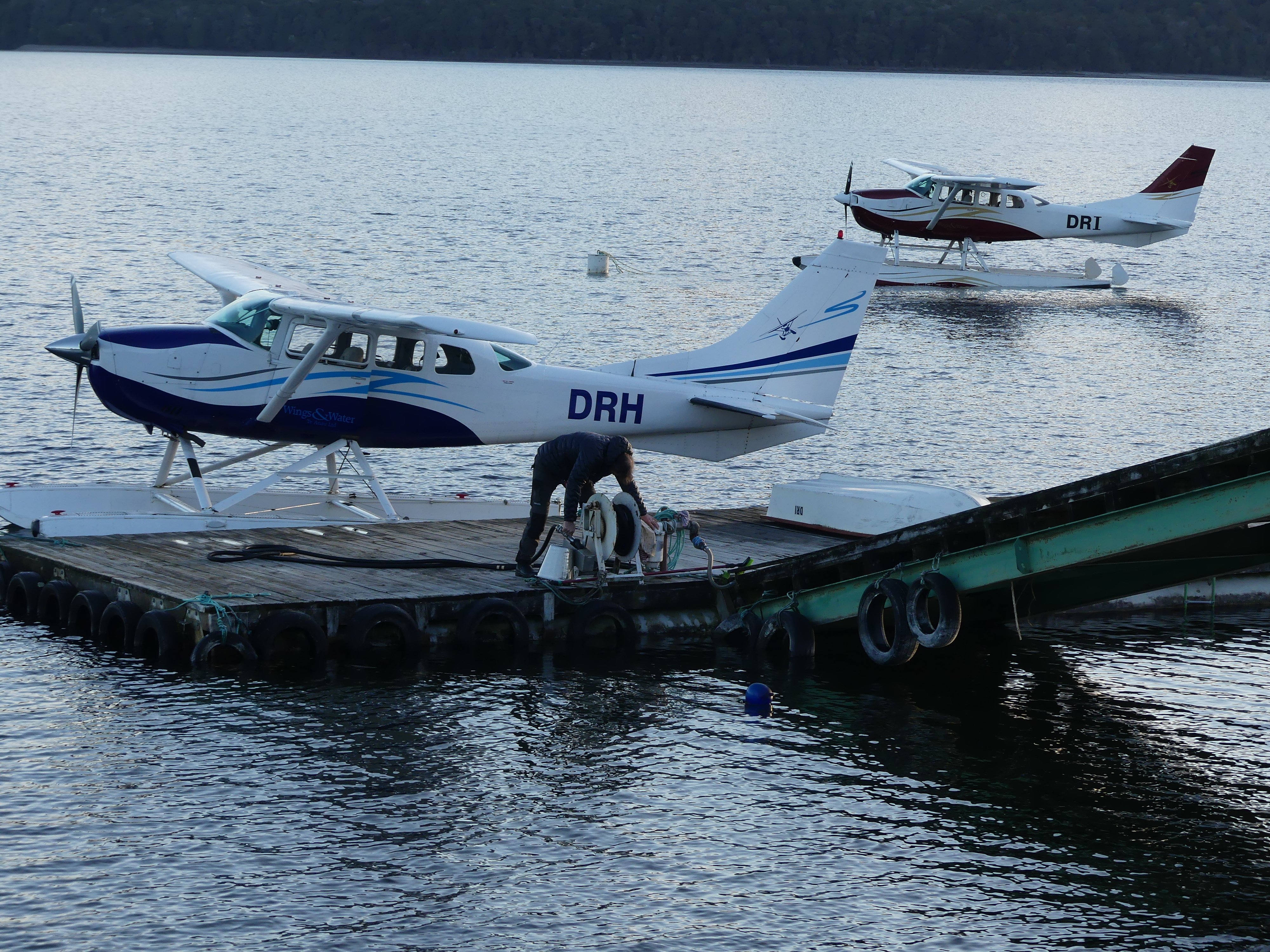
We returned to Te Anu and our accommodation. We roamed the streets to find our evening repast – bottles of wine and snacks whilst we played cards (Skipbo). We arose early, had breakfast and were ready to move onto Milford Sound. This is when I took the morning photo of the Float planes at dock.

Float planes at dock

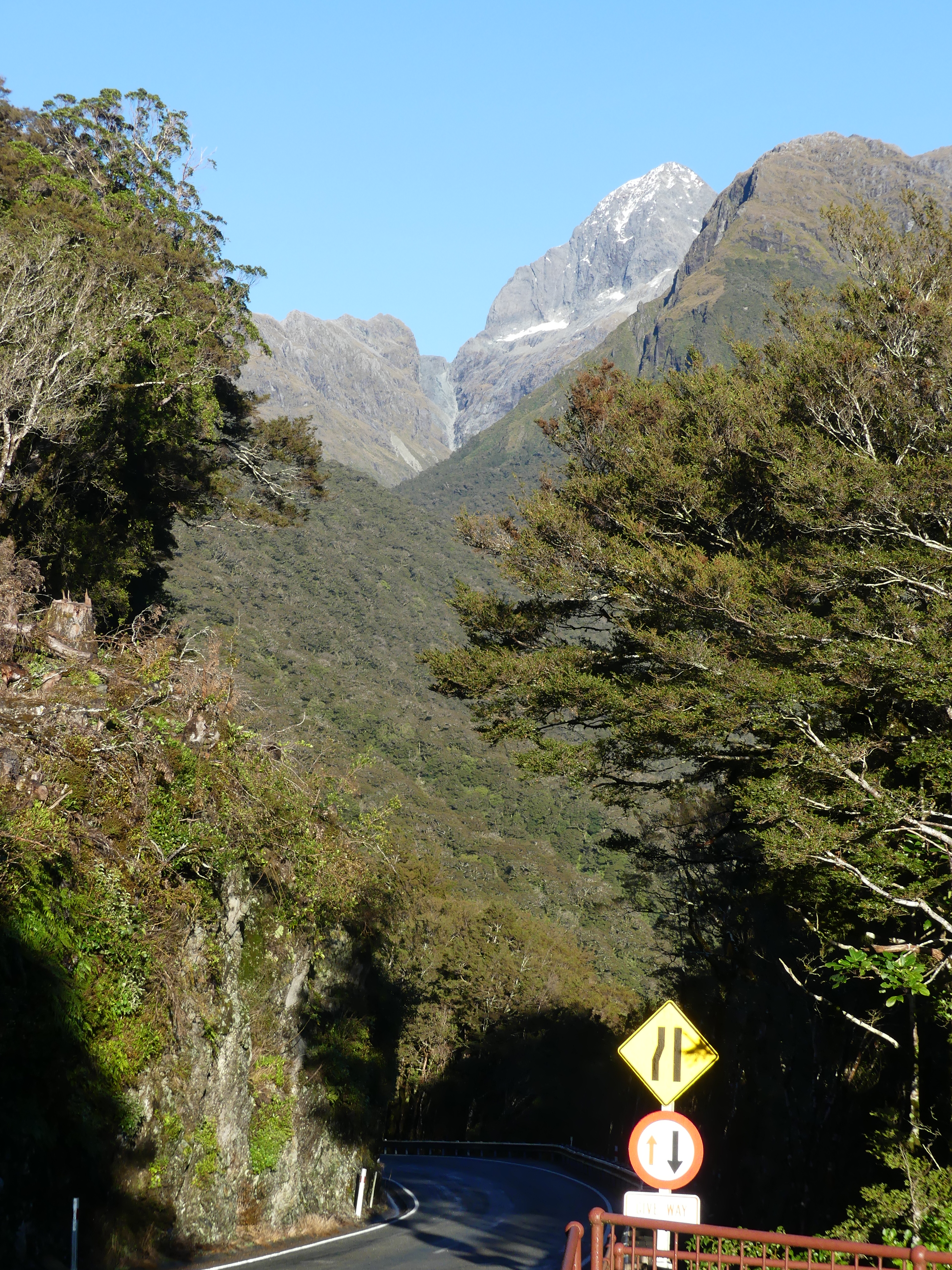
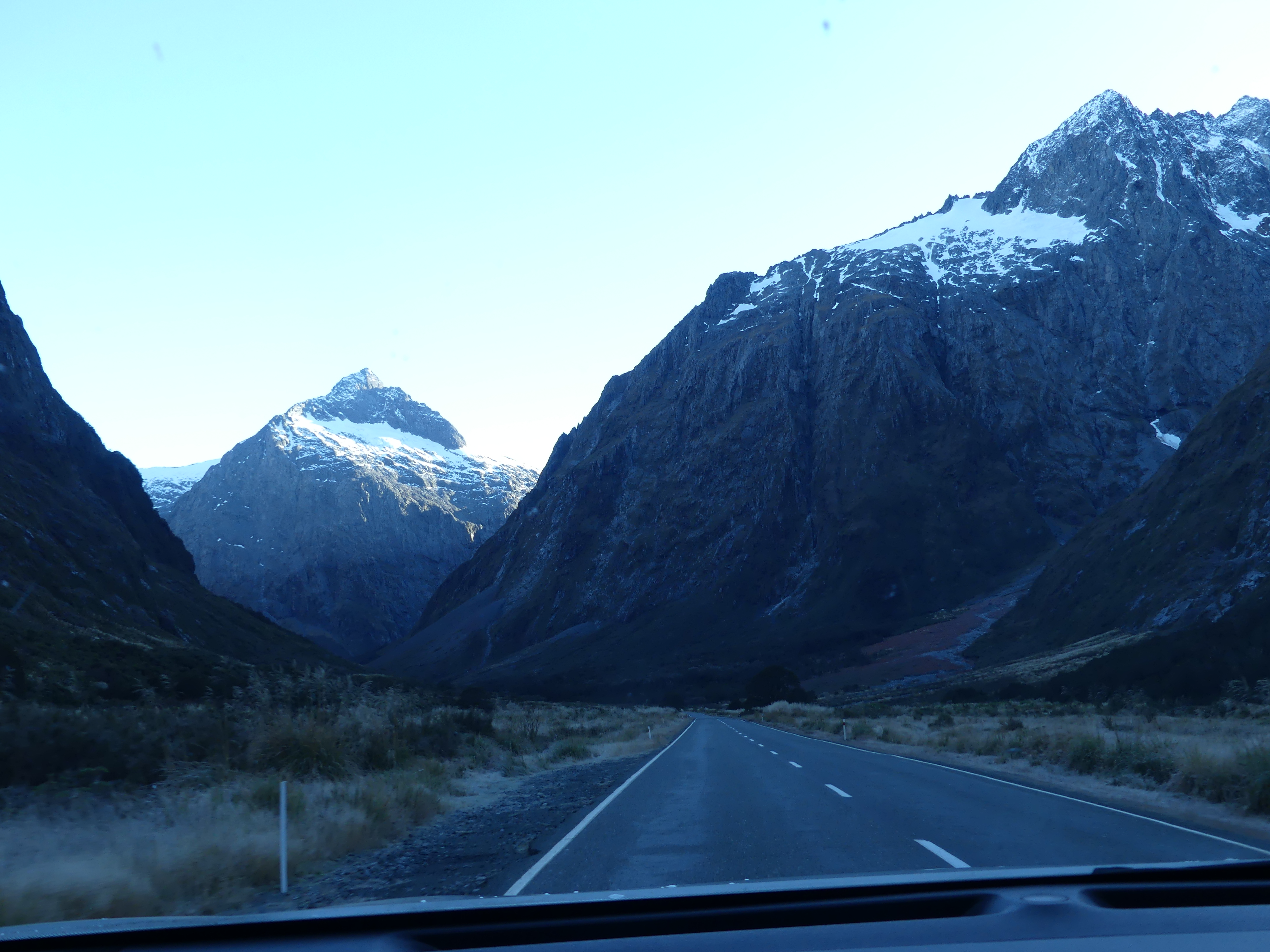
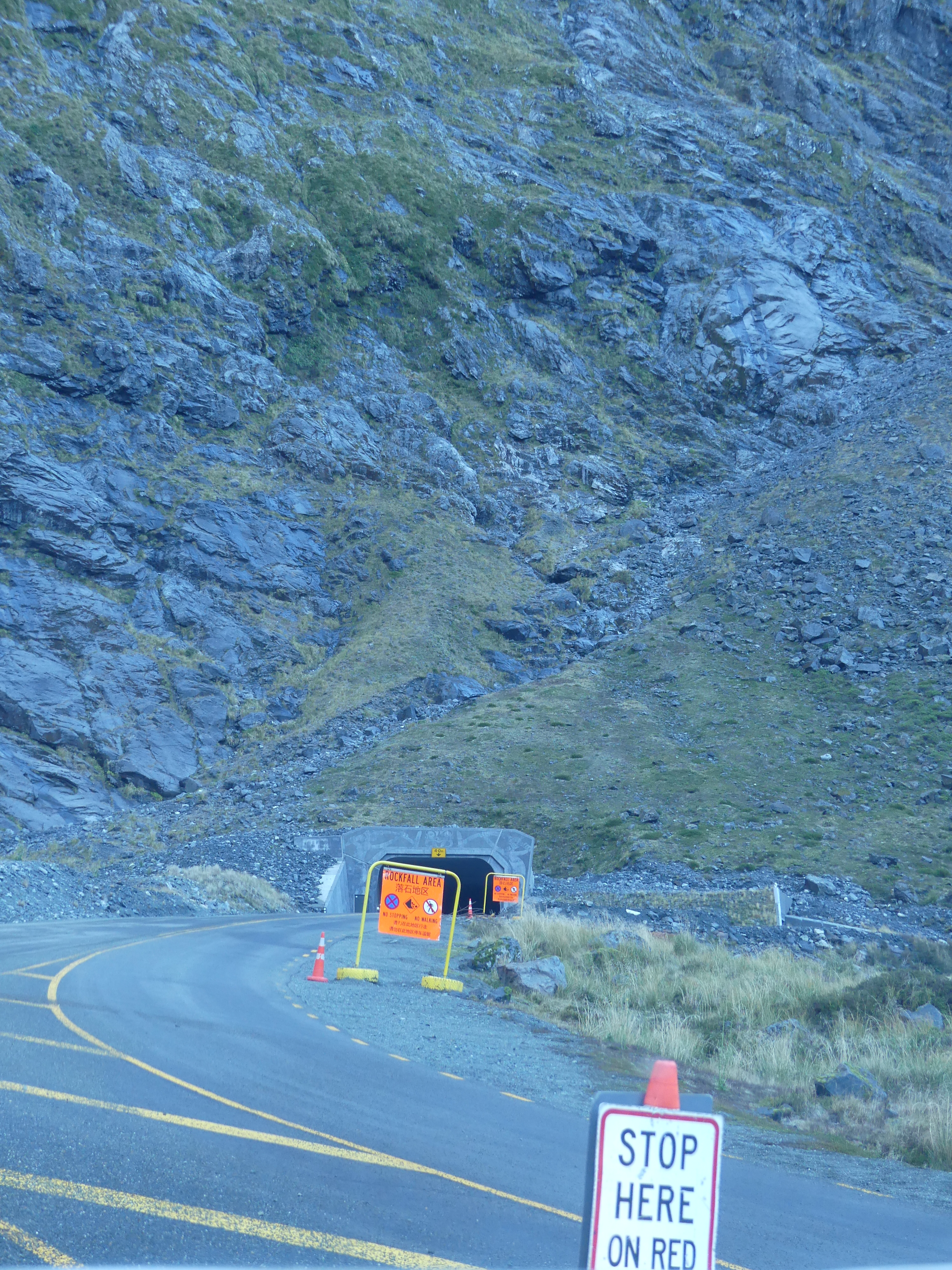
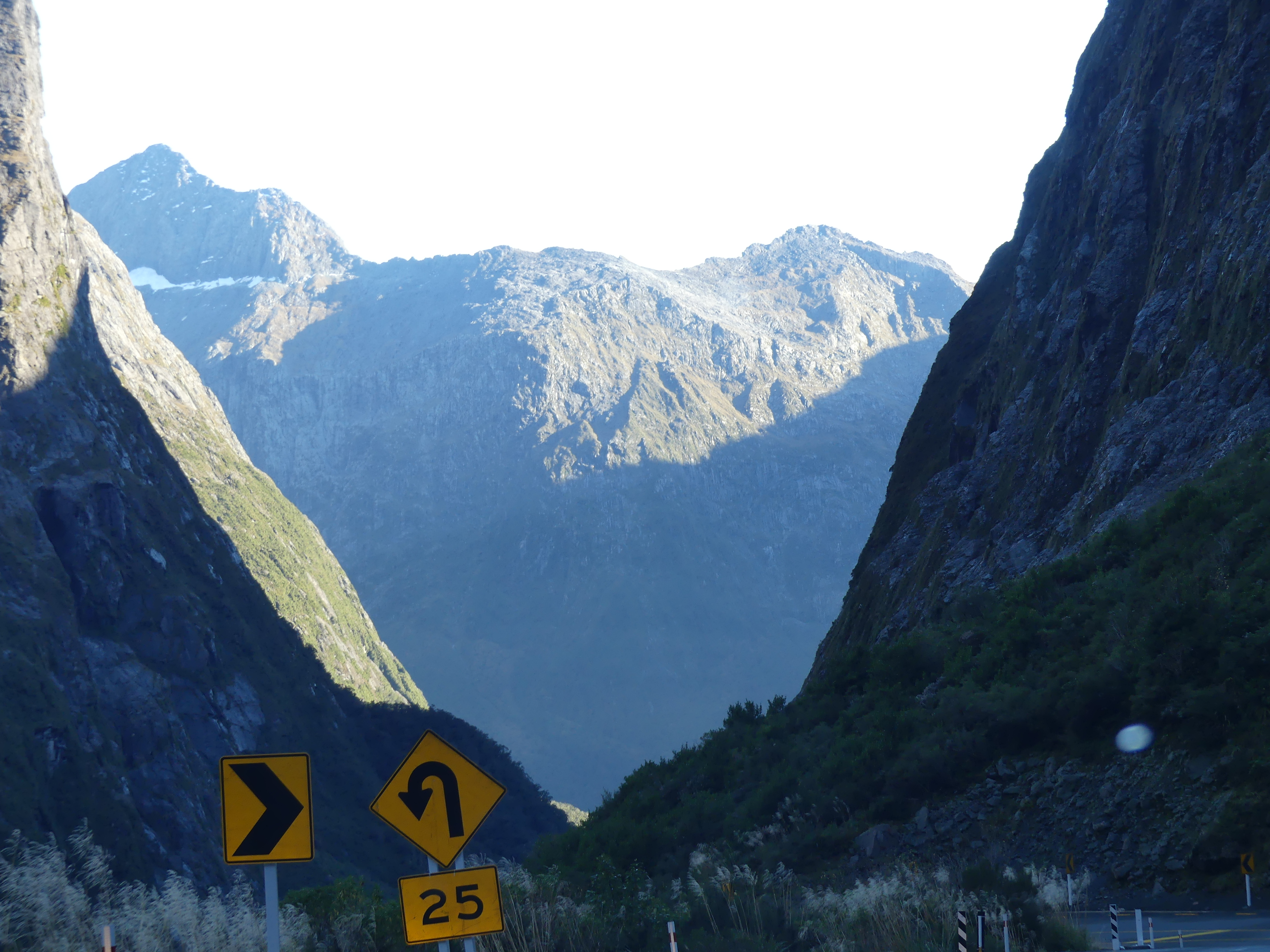
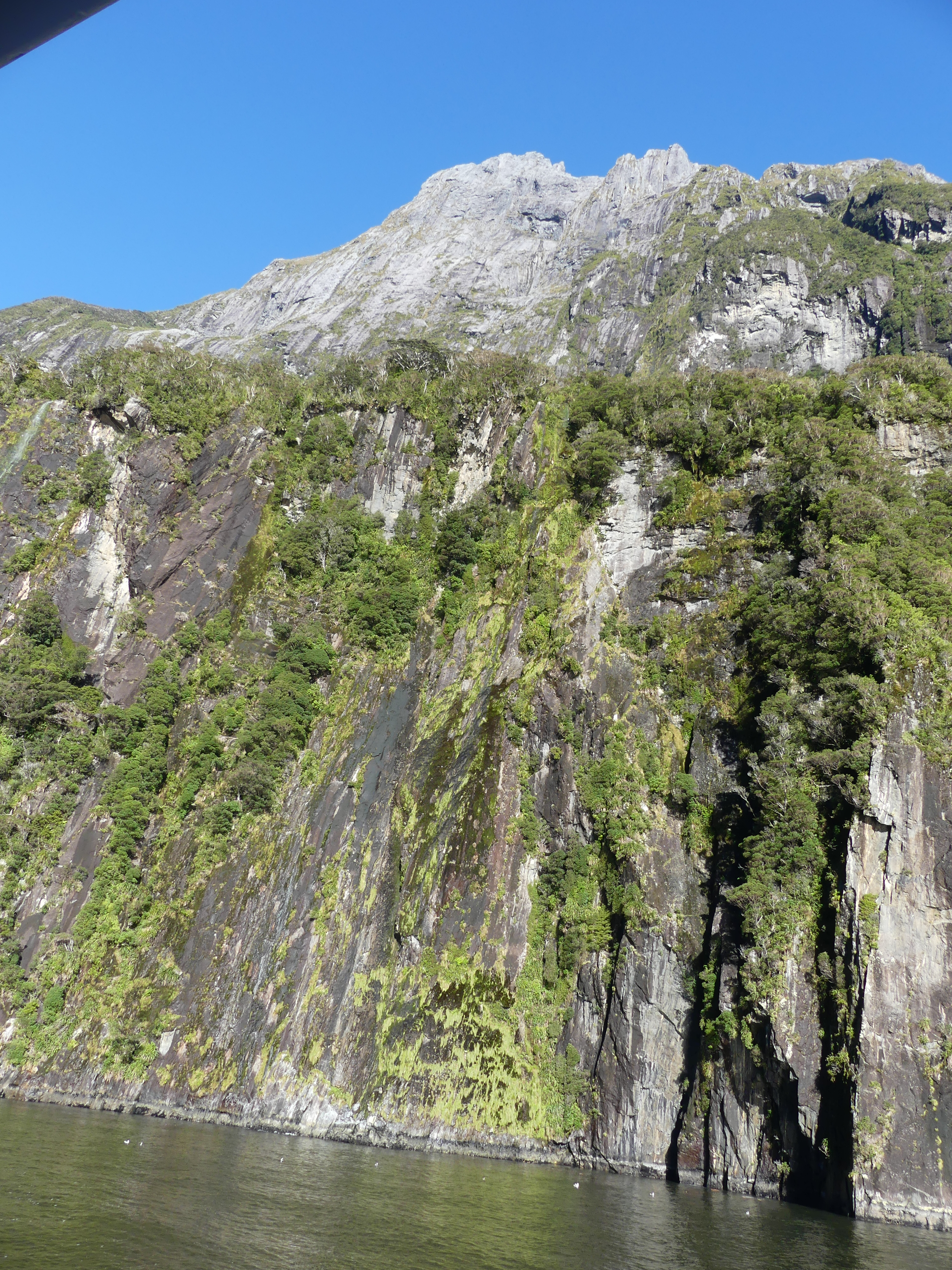
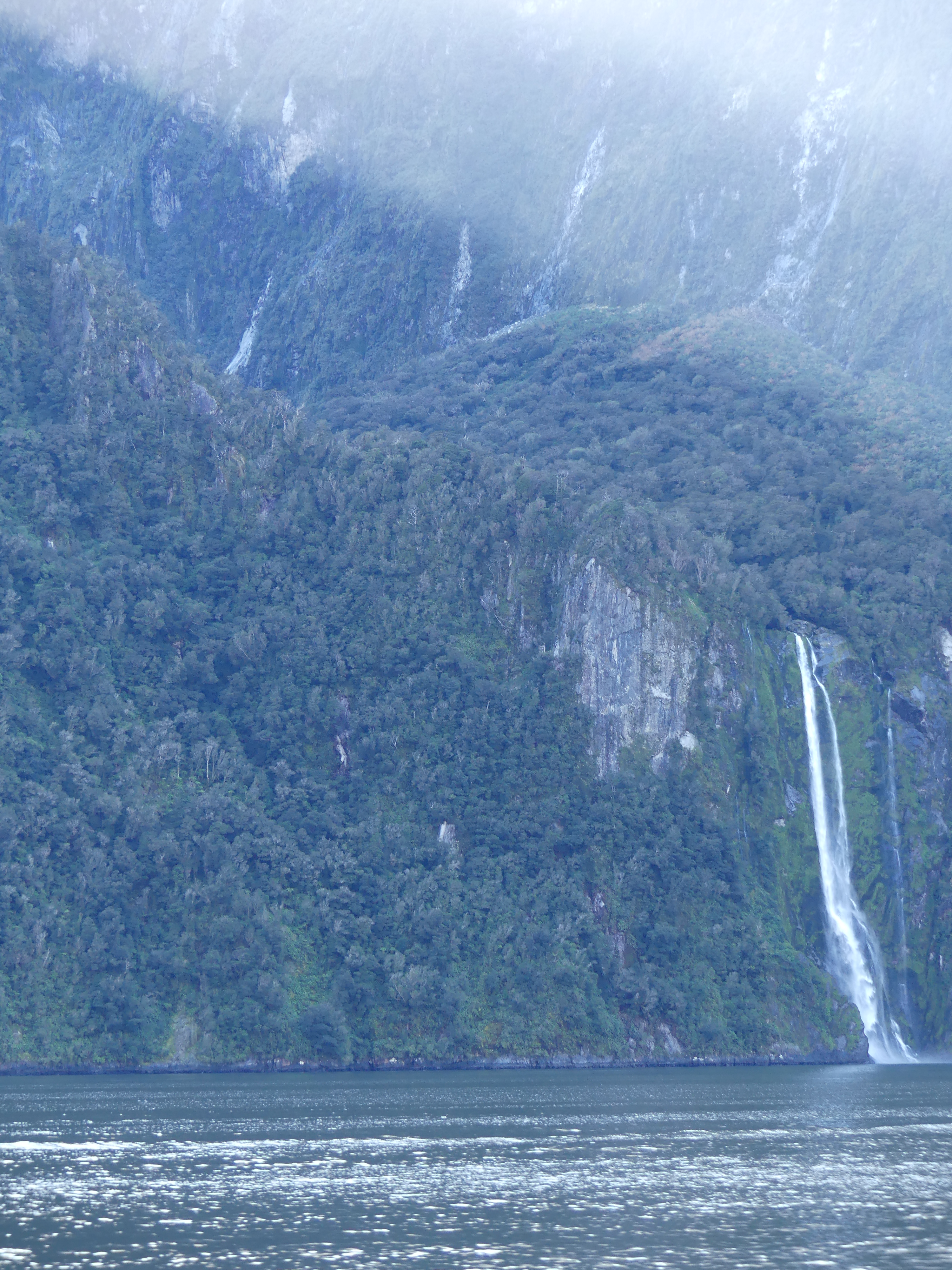
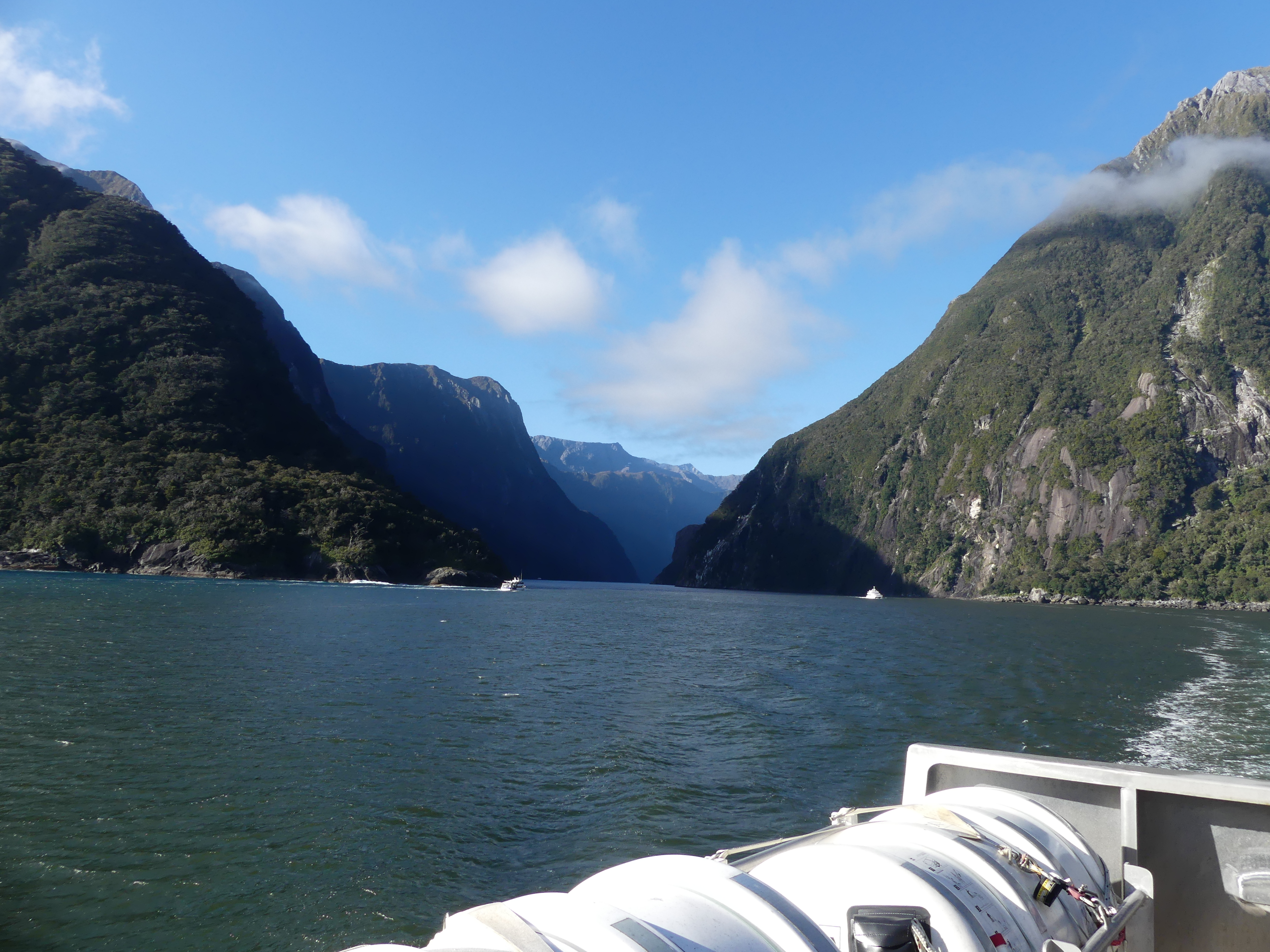
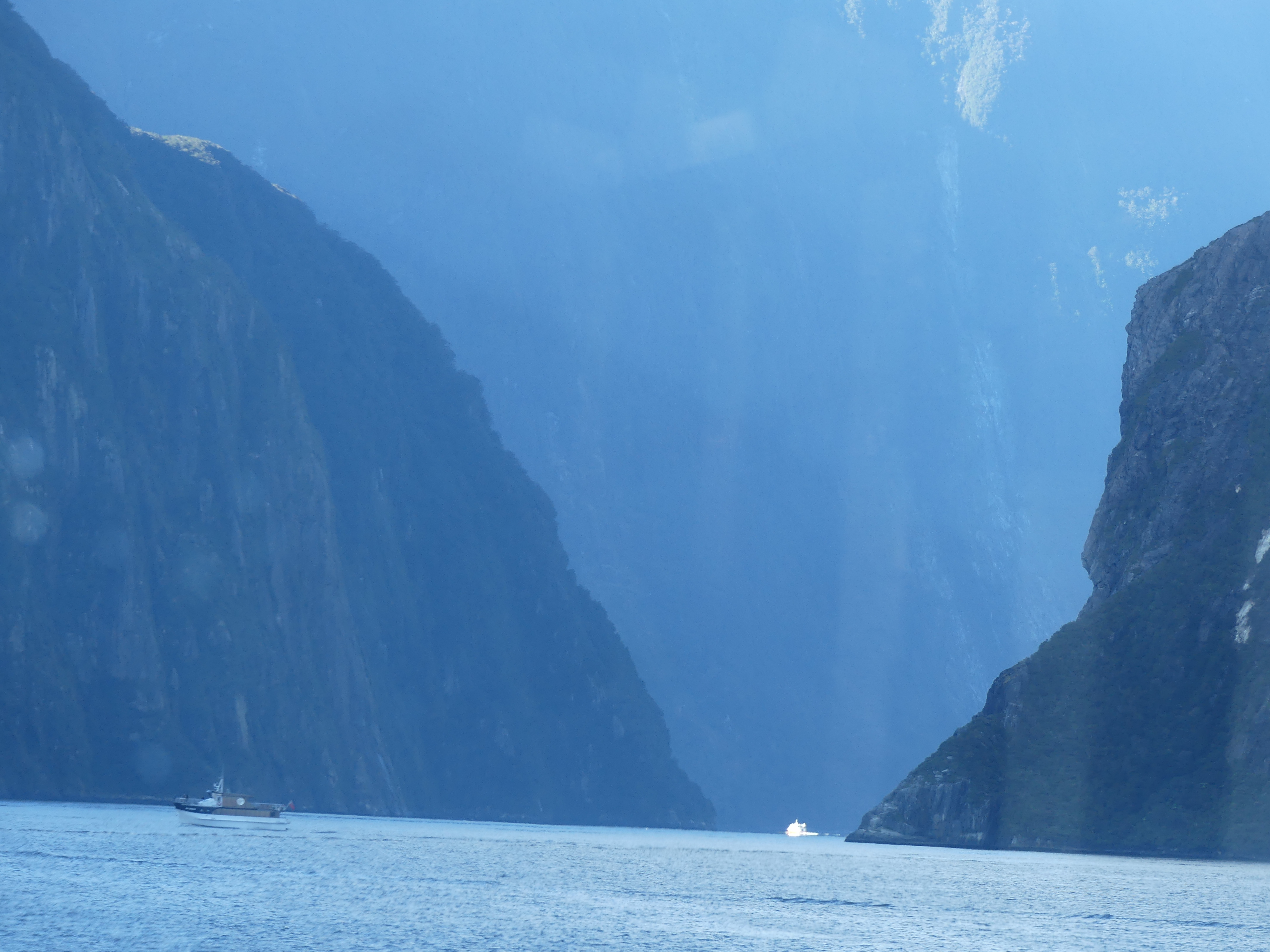
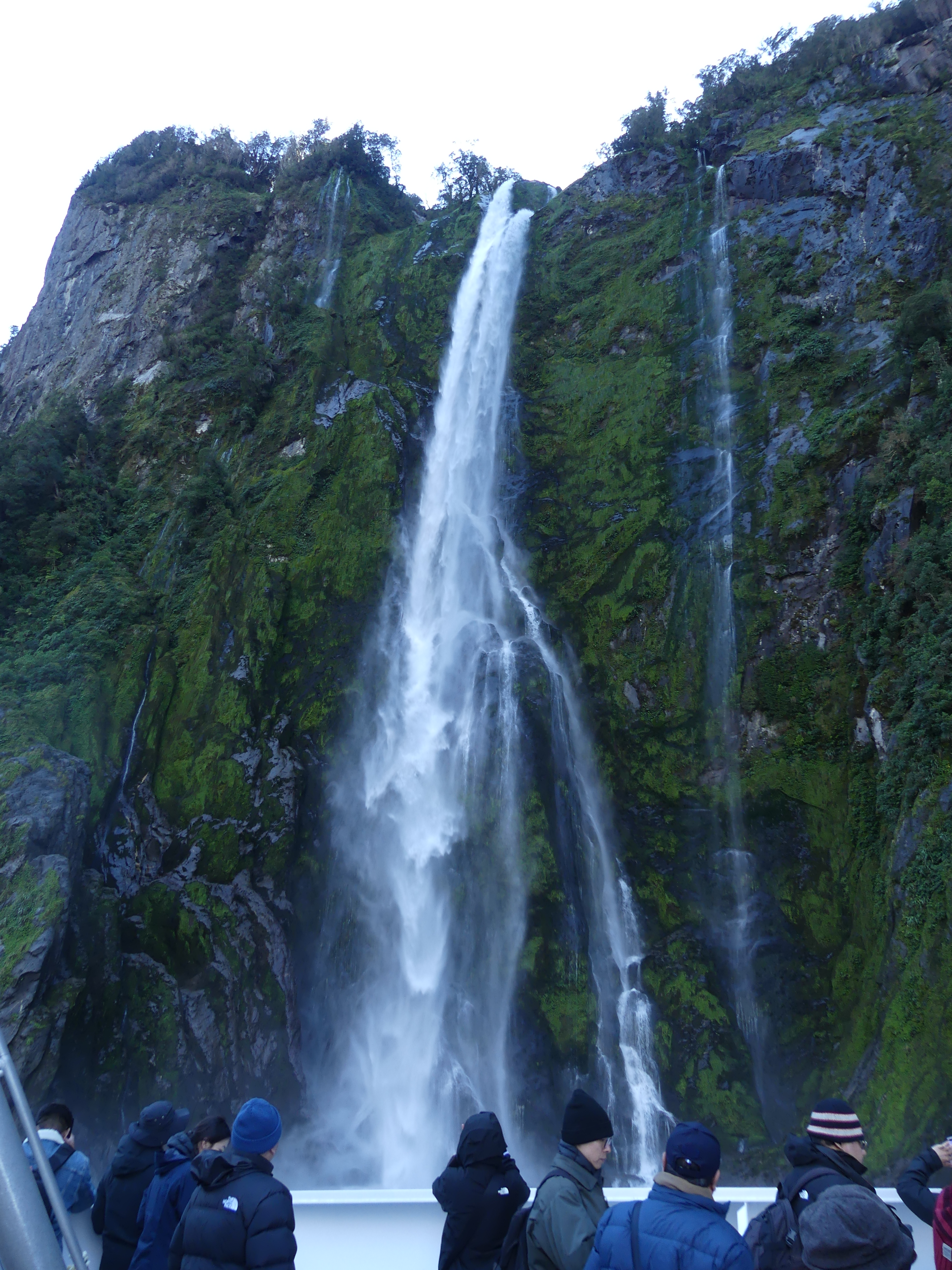
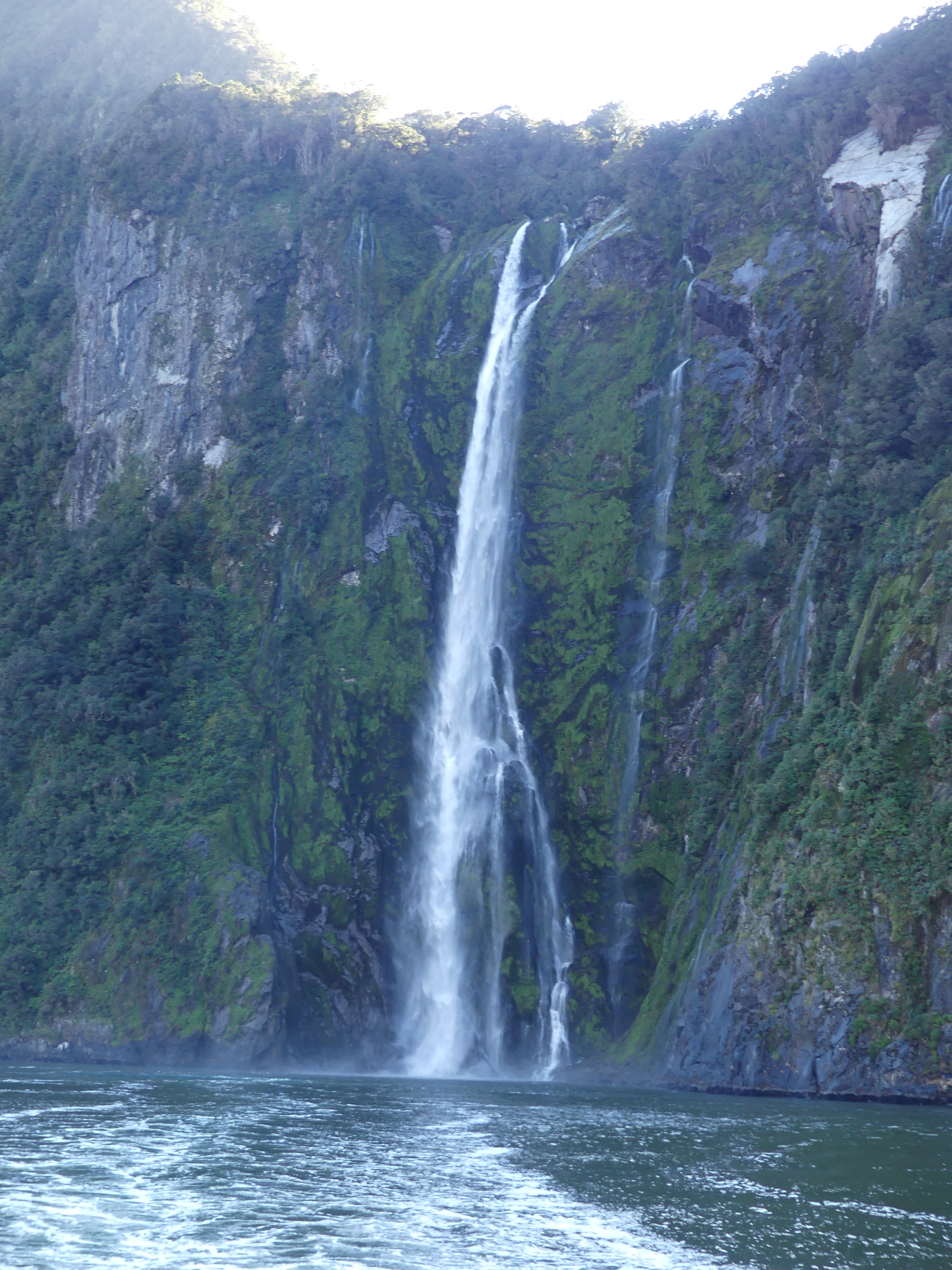
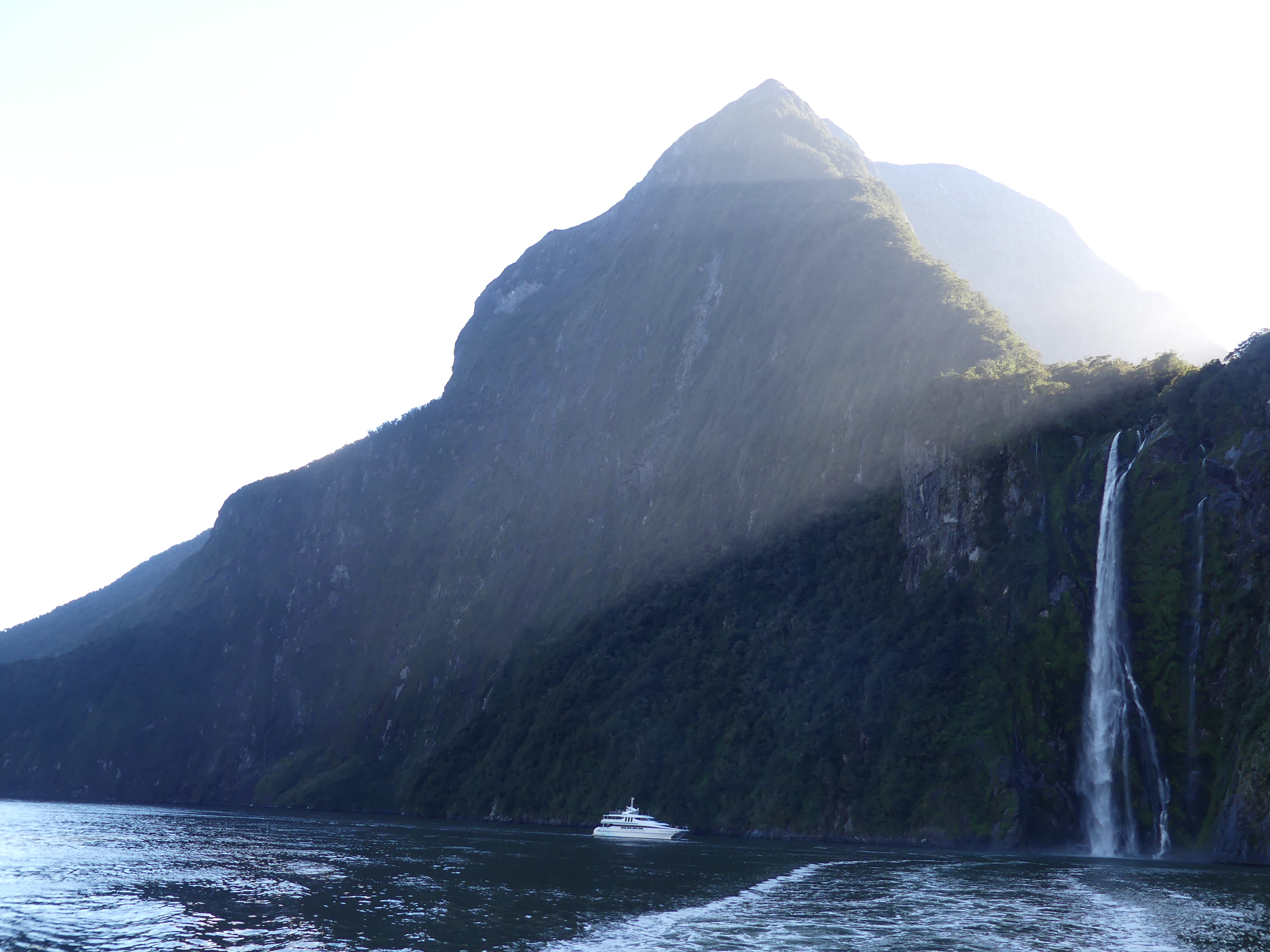
Day 4   Te Anau             The day was not promising the best weather so we decided that Kerry and I would cruise on Milford Sound. Barry and Sandi chose a walk in the Sound having enjoyed the cruise on a previous occasion. Milford Sound or Piopiotahi in Māori is a breathtaking fiord in New Zealand’s Fiordland National Park, renowned for its dramatic sheer cliffs, cascading waterfalls, and inky dark waters. Yes, a fiord – a valley carved by glacier. It was a long drive with Barry at the wheel. Dramatic scenery surrounded us. The mountains were astounding, shooting up like a forest all round. We encountered just 1 tunnel, and it was single lane as well. So, as you will see in the photos, we had to await our turn to pass through. When our turn came, I was able to photograph the interior passage. More mountains rose around us as we made our way to the Milford Sound dock with the vegetation changing to dense forest.

Dramatic mountains, tunnel, tunnel passage, more mountains,

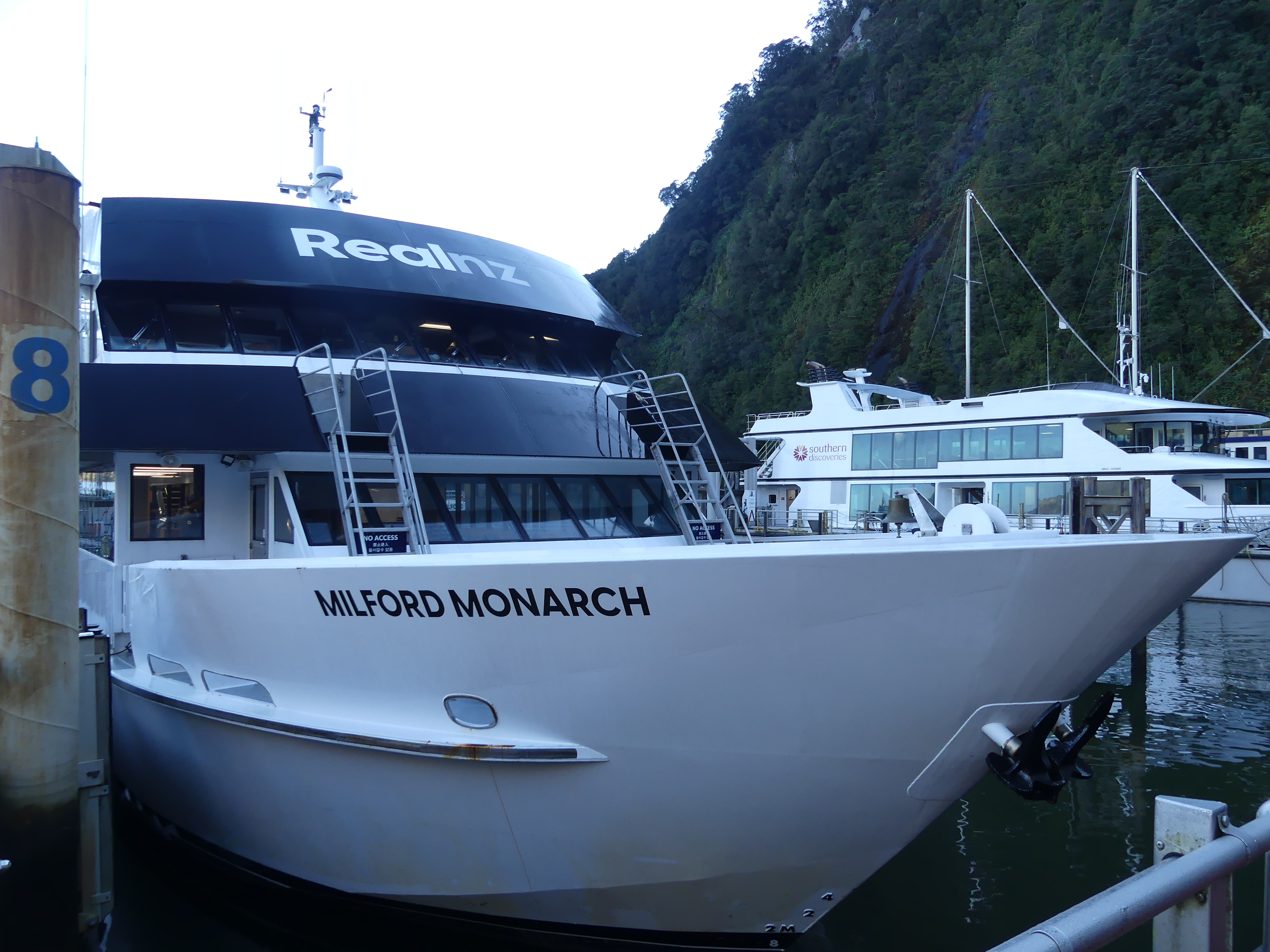
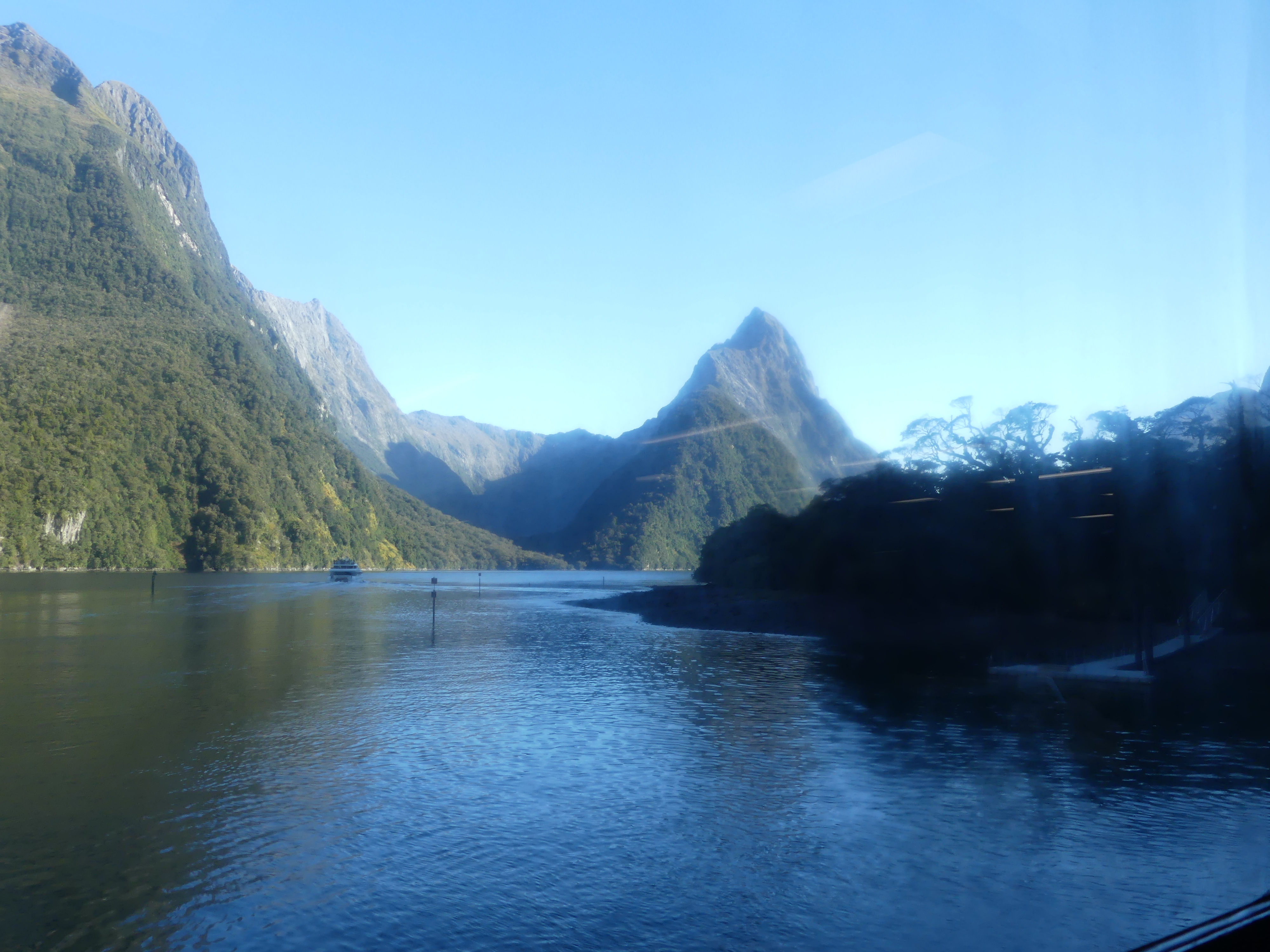
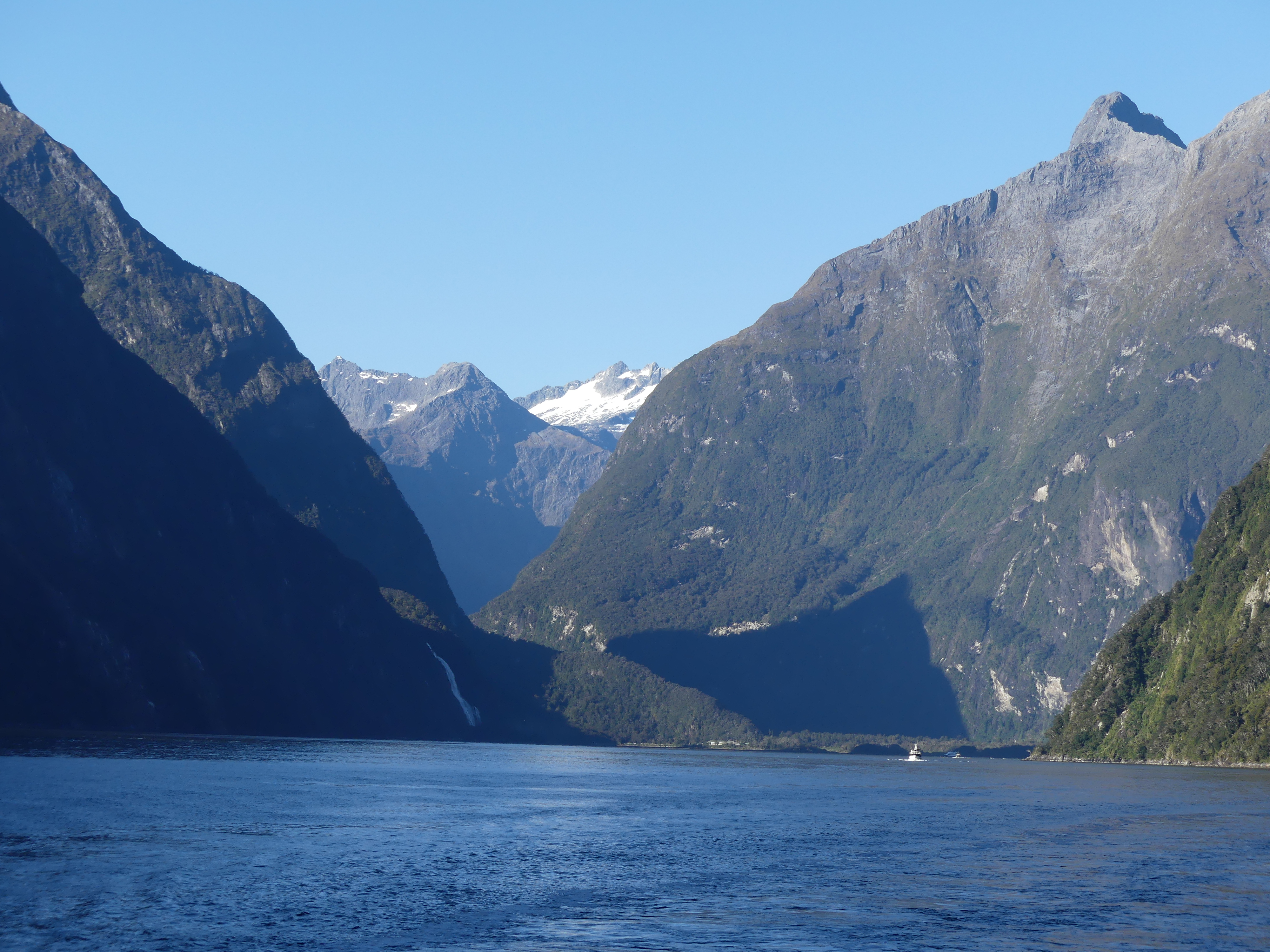
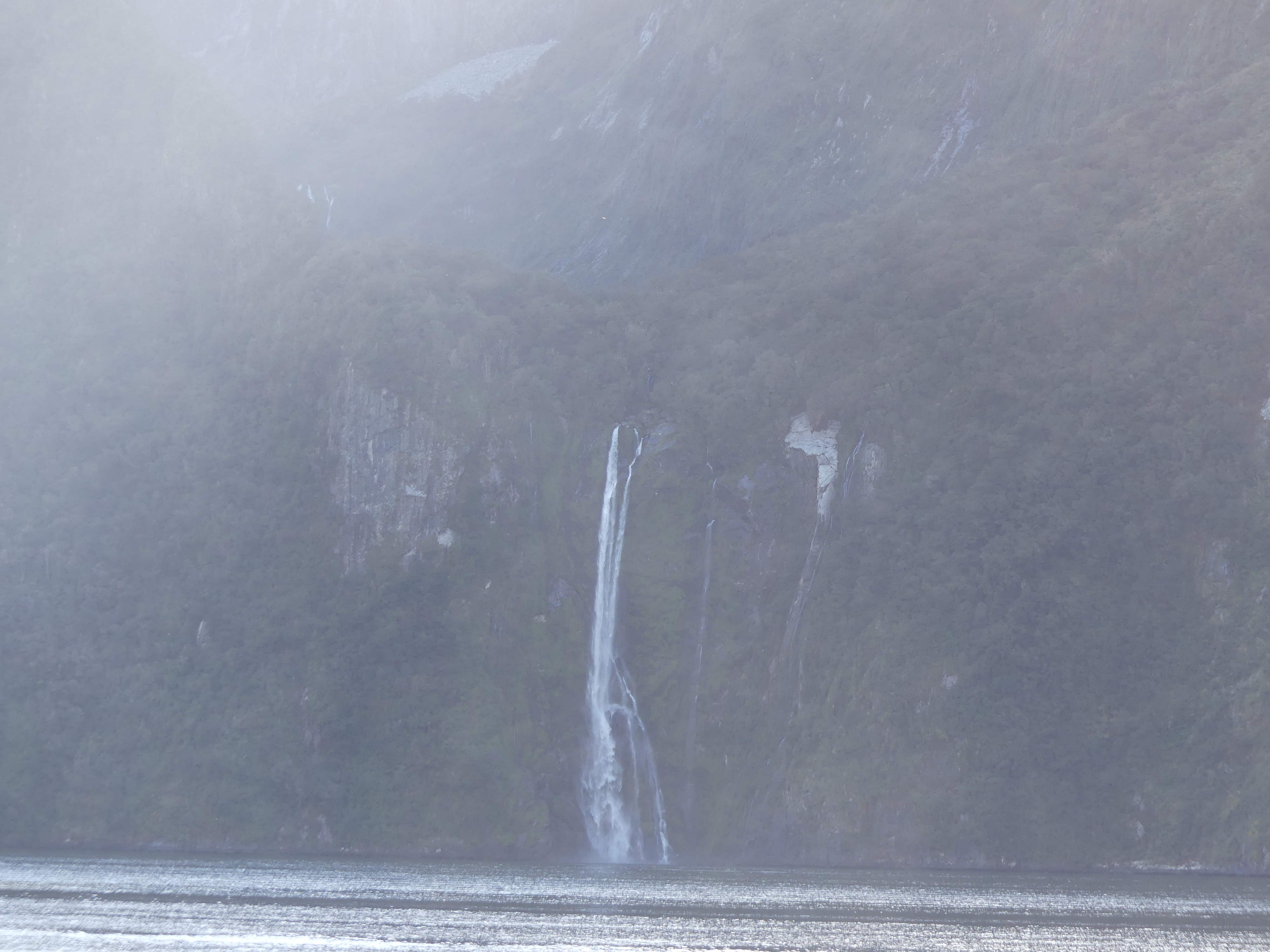
Arriving at the dock there was a very modern quay and visitor complex with 9 vessels tied up awaiting the passengers for the day. We had a bit of a wait and moved along the wharf viewing all the vessels. I was particularly taken by Milford Mariner, part sail part cruising yacht. However, that was not our vessel – we boarded the Milford Monarch. The boat was not crowded at all. The biggest crowd was a bus tour. Our vessel was the last to sail. The photos will tell you what we saw. Kerry and I found the cruise disappointing – very little wildlife was visible and but for the evening showers overnight there would not have been any waterfalls.

Milford Mariner and Milford Monarch at the quayside, photos of the sound

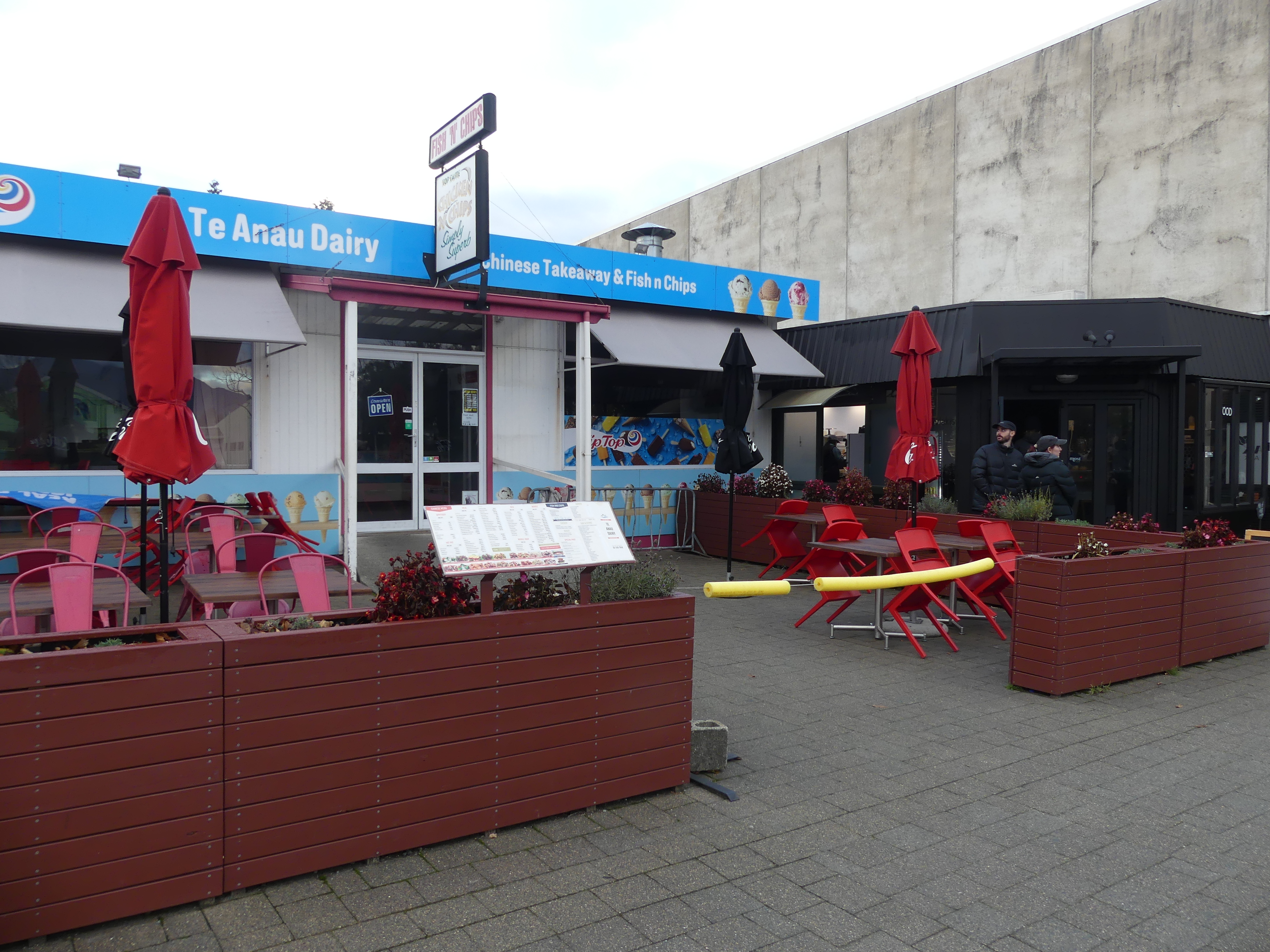
Now I know the wildlife is not like a zoo but the promises of seeing Hector Dolphins, NZ fur Seals, Albatrosses and everything else was clearly just marketing. As explained by the staff “you’re here out of season”. We rejoined Barry and Sandi for the drive back to Te Anu, to hunt for dinner and play more Skipbo. During our hunt for dinner, we encountered one of the world’s smallest coffee venues. We all agreed that we would get our morning coffee there.

Day 5 Barry selecting his coffee, the coffee shop,

Episode 2 Our hunt for Invercargill follows. Keep reading to enjoy the whole safari.

THE RETIREES IN PERTH W.A. FOR THE CELESTIAL FESTIVAL

Blog 494

Perth

We feel as though we have just got off the merry-go-round and we get back on to fly to Perth to support our youngest daughter treat Perth to the Celestial Festival. Carly puts together packages for readers of the books by Sarah Maas presenting a themed festival in a gothic setting so they can all dress up and “play” in the make-believe world – Yes, a masked ball! Hundreds of young and not so young people dress up and travel to each festival around Australia and Kerry is the dressmaker.

This adventure started Thursday morning with travelling by early morning flight to Perth and settling into our hotel the Europe in Murray St. Our plans would be shaped by the demands of the festival. Carly and her family were travelling on a later flight and staying at the QT Hotel; a little classier than the European. Kerry has relatives here just outside of Perth and we had plans to catch up with her cousin Ken and his wife Yena and a more distant relative Zenith.

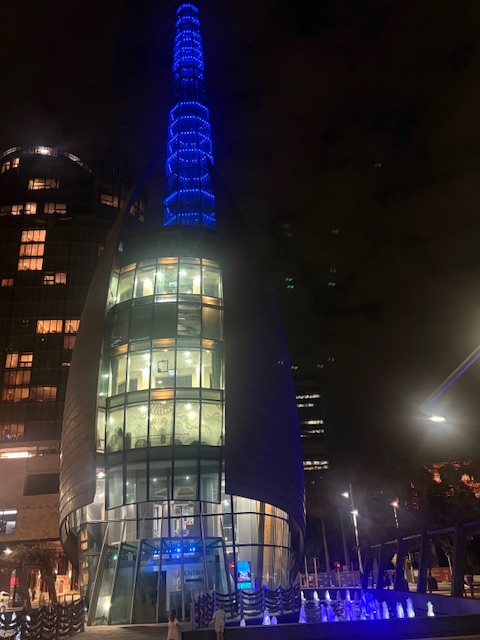
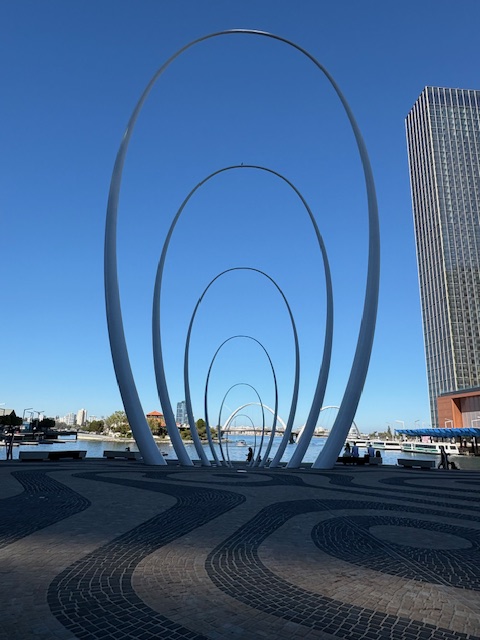
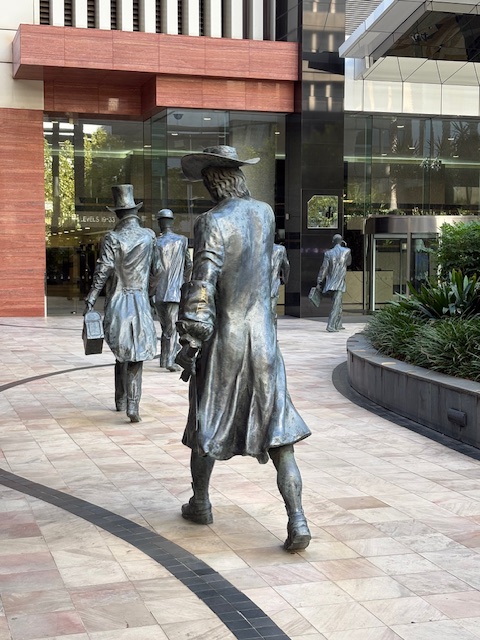
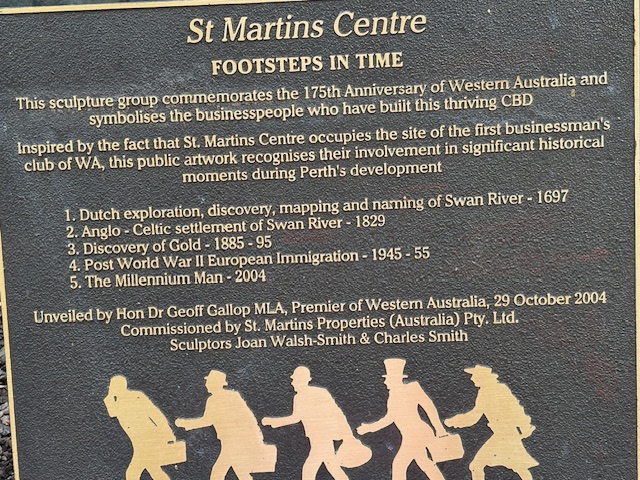
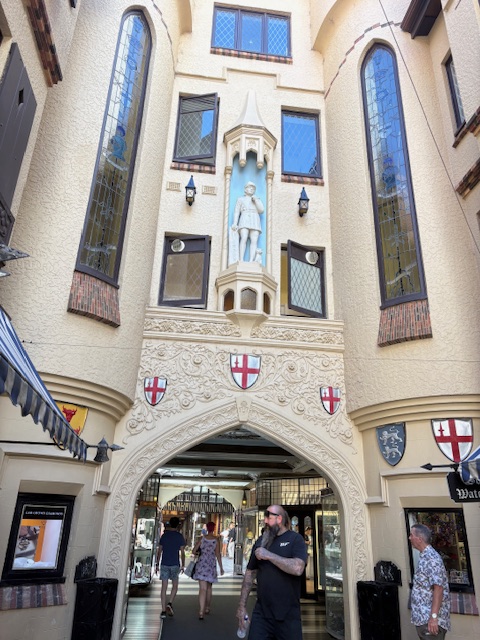
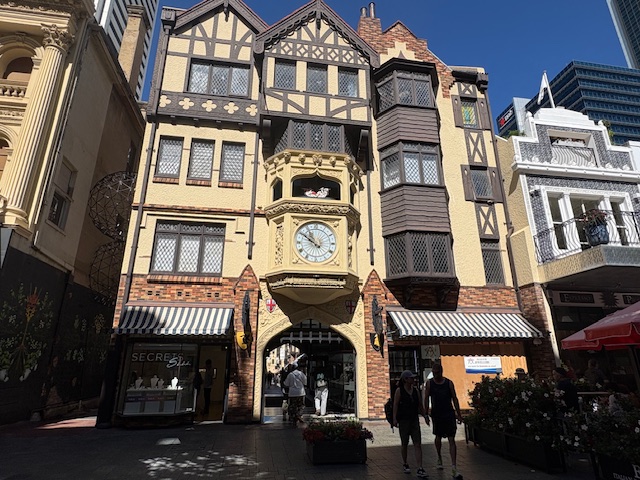
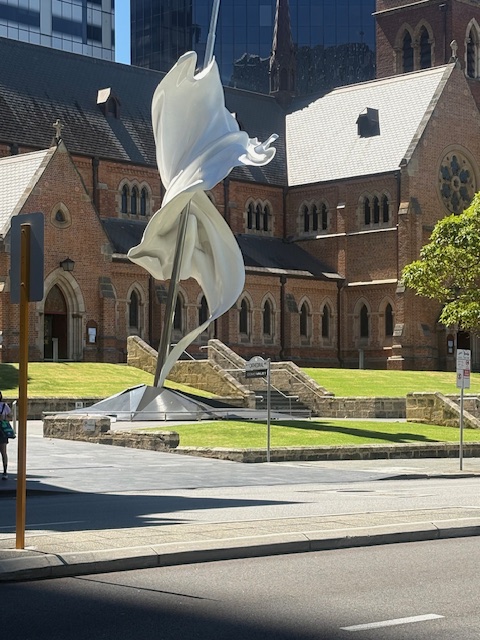
We dropped into our hotel and left our luggage and then went exploring to find out what was around us. Murray St mall was 2 blocks down Murray St., Town Hall, where the festival would be held was nearby the mall and St Georges Tce. and the docks area was nearby. The architecture of the pre-Federation period, the statuary, and street furniture particularly at St Martins Centre was impressive. We had dinner with Carly and family at the Beef and Wine Company in St Georges Tce. and wandered through nighttime Perth. Some of our photos are below.

Photos – the Bell Tower by night, St Martins Centre

Kerry caught up with Carly regarding organisation for Saturday after which we caught the train to Yanchep, 56 klms north of Perth and part of the city of Wanneroo. Last time we were in Perth (quite a few years ago) the rail finished at Joondalup. The extension has been designed to allow the trains to travel at 130 klms per hr + or so we were told by a proud Rail worker, possibly a driver also catching the train to Yanchep.

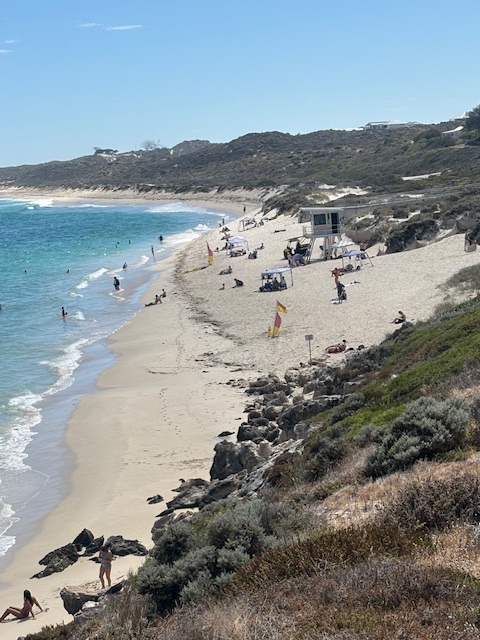
The rail station is large and modern with 900 parking bays for residents travelling south. It seems someone has put some thought into the future of the rail line. Kerry’s stepbrother’s stepdaughter Zenith lives all the way out here. Zenith, her sister, and her mother and stepfather (Kerry’s stepbrother) had lived with us for a short time in Holland Park in Brisbane. So having determined that they were not related in anyway, we had remained friends with Zenith. We chatted with Zenith who is a proud owner of 2 French Bulldogs about “family”. We decided we would go to the beach for lunch. Zentih drove us to a beach side café with a terrific outlook over the beach and obviously popular even mid-week. We passed one couple coming back from the beach. Now g-string bikinis are now common place but for me, I find them unflattering on many girls who wear them and this girl was a point in question. However, there was a “knight” on a push bike riding hard to catch up with her. He called out “you have left your swimsuit on the beach” to the g-string bikini girl. We don’t know what happened after that, but he was closing in on her quickly. At least lunch was nice and we had a superb lookout at the view not just the girls.

Photos

We finished up at Yanchep after visiting the bottle shop to buy a bottle of whisky. Years ago, Kerry’s uncle Barry Ashworth, now deceased, and I developed a “partnership” – when we were together in person or by phone, we would have a drink of a single malt whisky. After Barry passed, Kerry’s cousin and Barry’s son Ken carried on the partnership. As we were catching up with Ken on Sunday, I purchased a 12-yr old bottle of Ardbeg single malt from the fair isle of Isla. We visited Isla some years ago and I had a fondness for the island’s whisky.

We travelled with Zenith to the rail station where we bid her goodbye and climbed aboard to return to Perth. That night we took a walk amongst the lights of Perth.

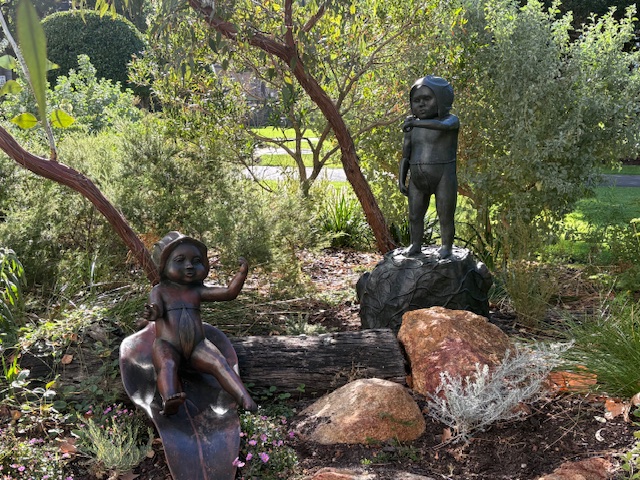
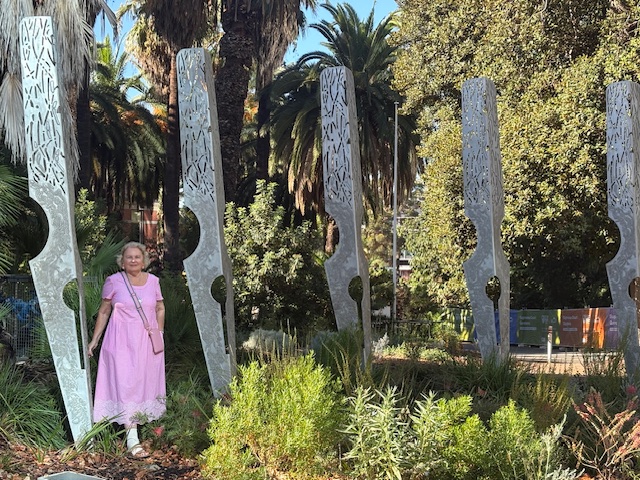
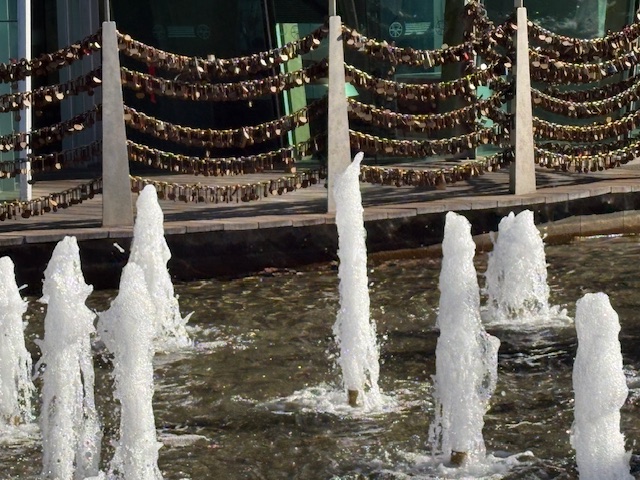
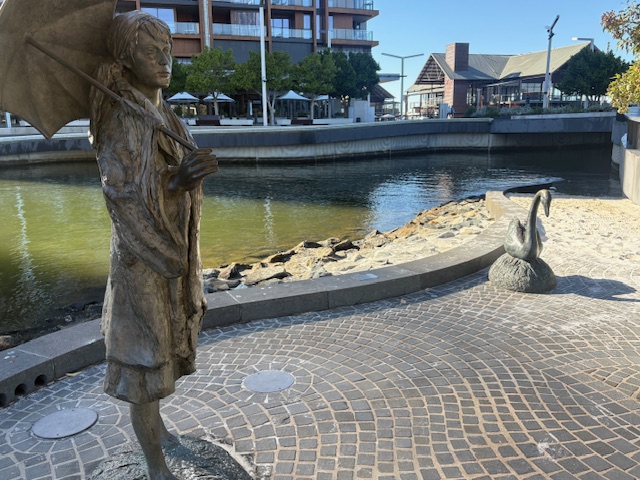
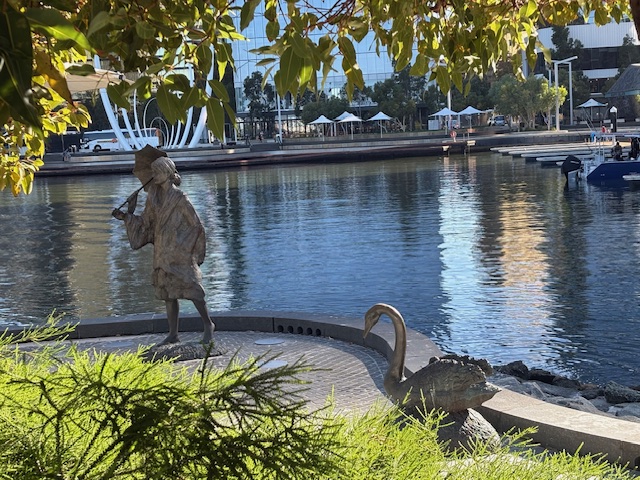
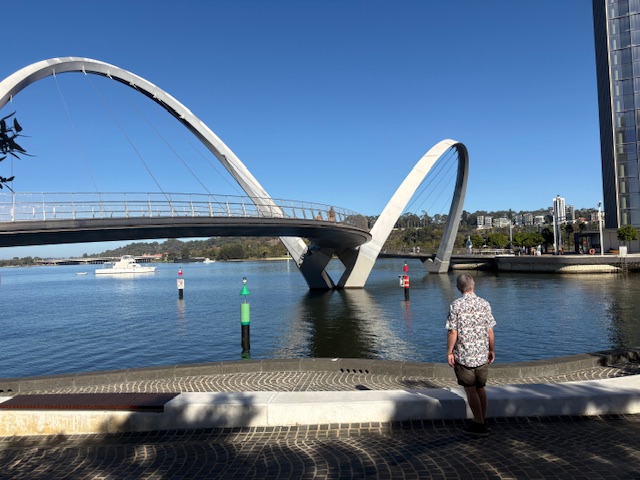
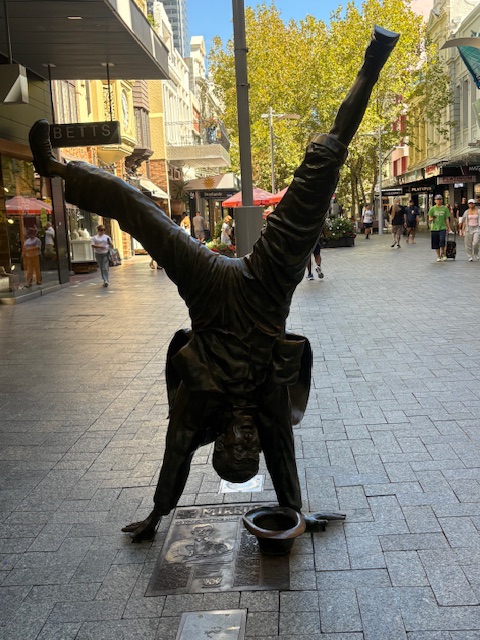
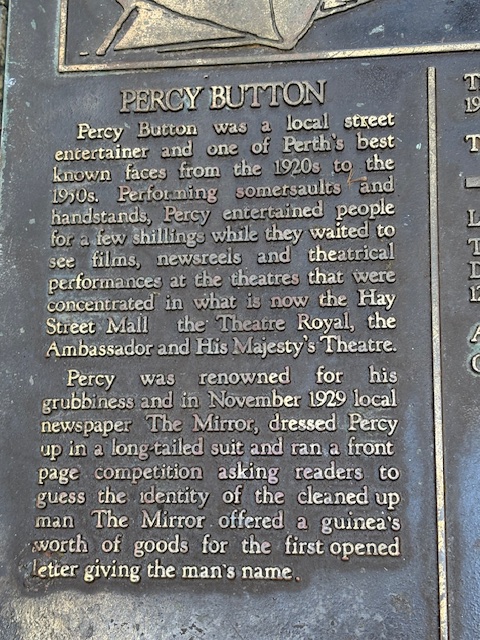
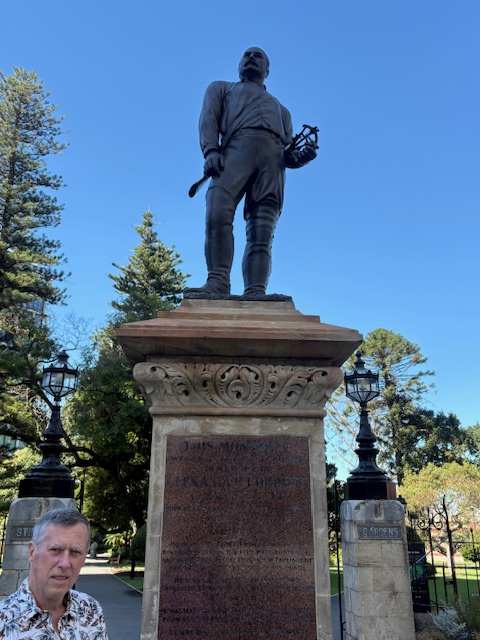
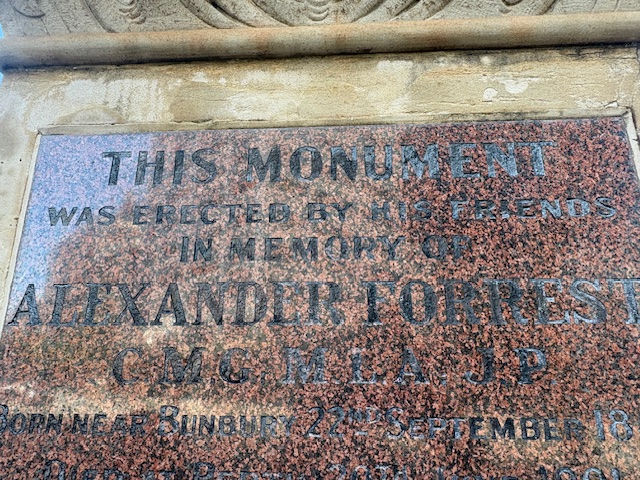
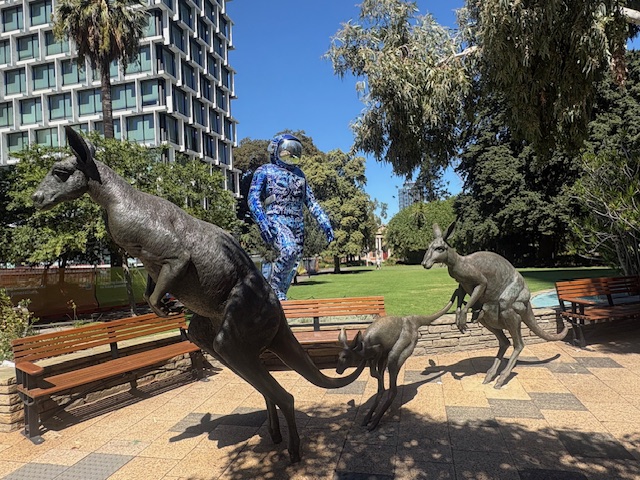
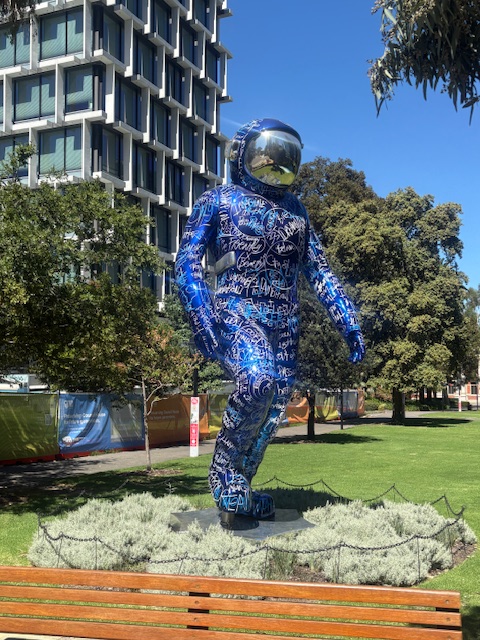
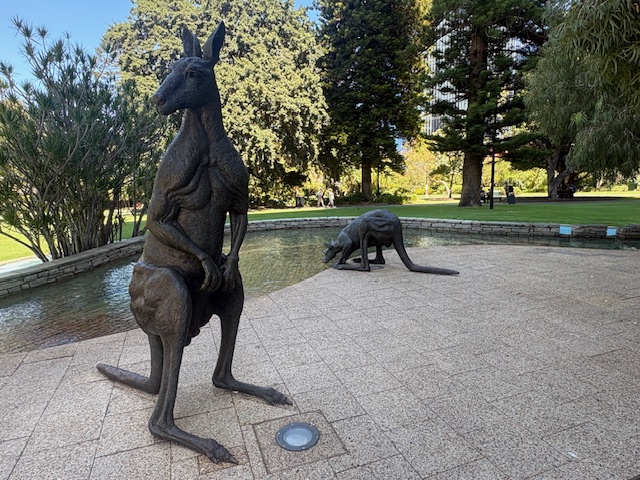
Saturday was the night of the festival and most of the day was taken up with a walk in the streets and then the festival in the evening at Town Hall. Our walk took us to the gardens of the Supreme Court of WA where a few pieces of bronze depict bits of the history of WA and some obscure pieces such as the pen nib bronzes depicting the rulings of the Courts I suppose. From there we went to the bell tower and the locks of love amassed on the wire fences to the statues in the parkland, the green bridges connecting bits and pieces then St Martins Place and its walk through a small piece of WA history from the Dutch to the English to the colony then the state and federation.

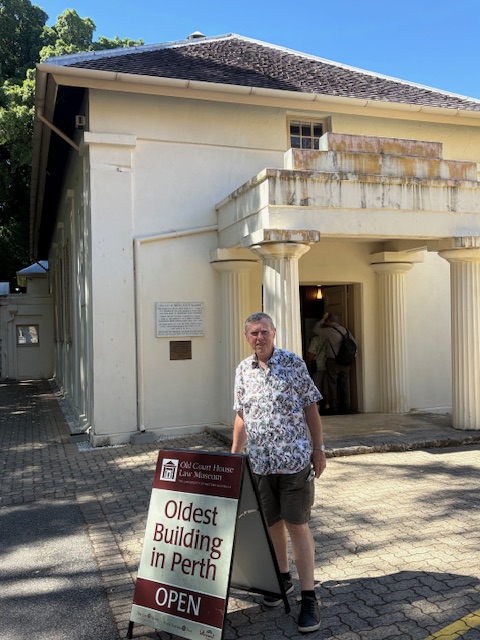
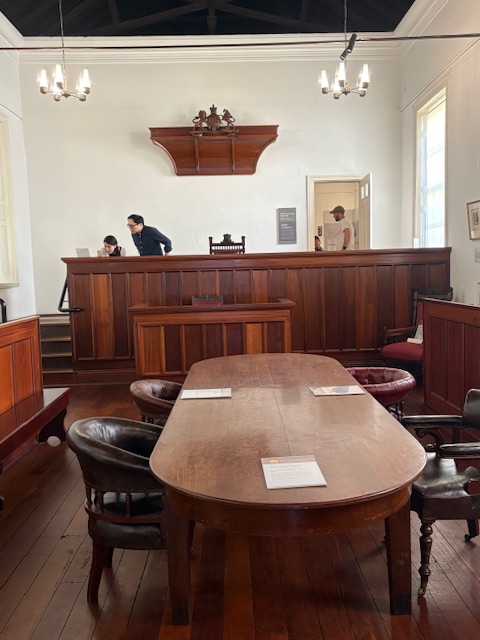
Photos: Trinity Arcade, Percy Button bronze, explorer and politician Alexander Forrest statue, the Old Supreme Court building now a museum of early law enforcement in WA, various statues in Stirling Gardens

We ended up at Perth’s oldest colonial structure – the original Court house. It is located between Stirling Gardens and Supreme Court Gardens, off Barrack Street, adjacent to the Supreme Court building. It is a single-storey cream rendered building, with a wooden shingle roof. Completed in 1836, it is the city’s oldest surviving public building. The Old Court House currently houses the Old Court House Law Museum, operated by the Law Society of Western Australia, which focuses on the history of the law, legal issues and the legal profession in Western Australia.

We returned to the hotel to rest and then Kerry met with Carly and her band for preparation for the festival. What happens at the festival stays on Facebook, so I won’t bore you with all that. I was surprised to bump into Ken’s son Arden who had come to help Carly with knocking down and packing up all her gear.

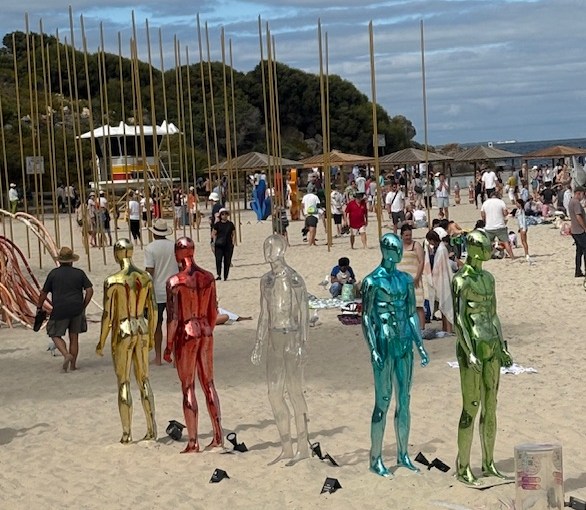
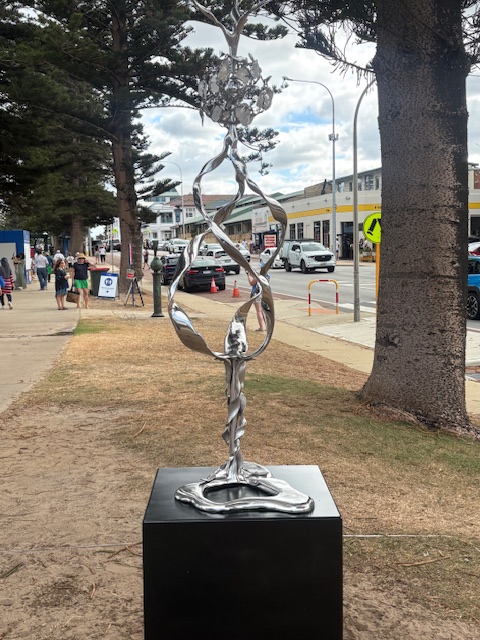
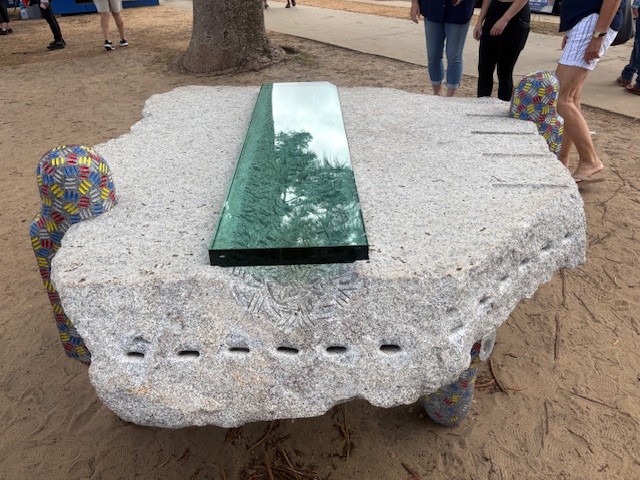
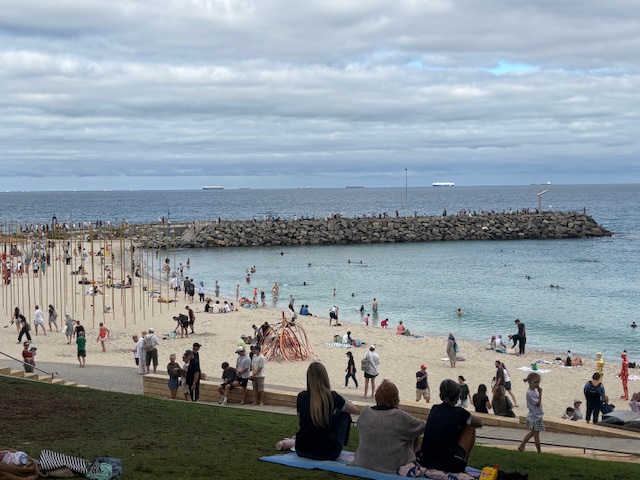
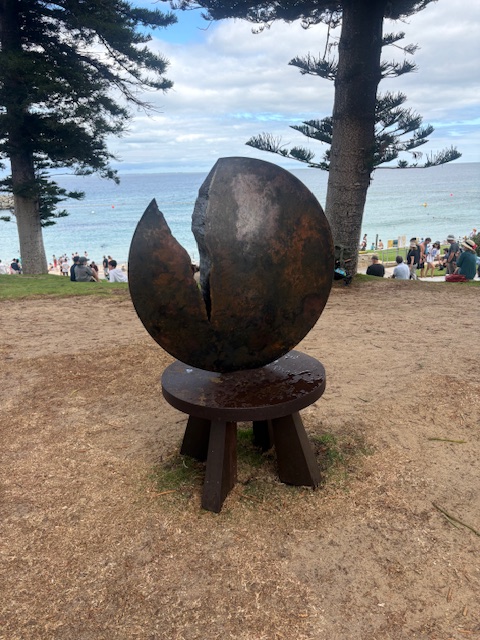
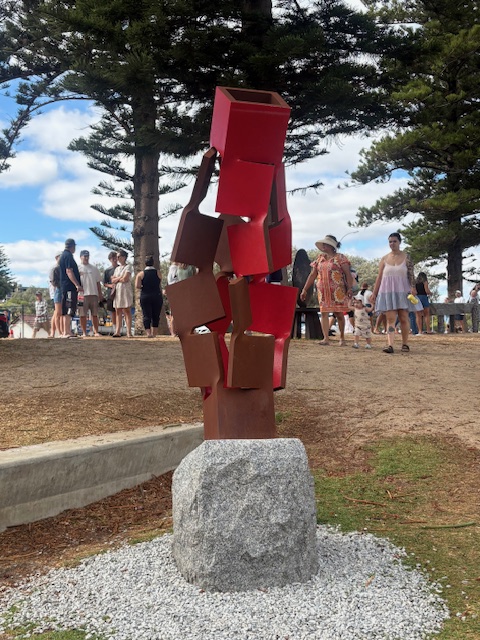
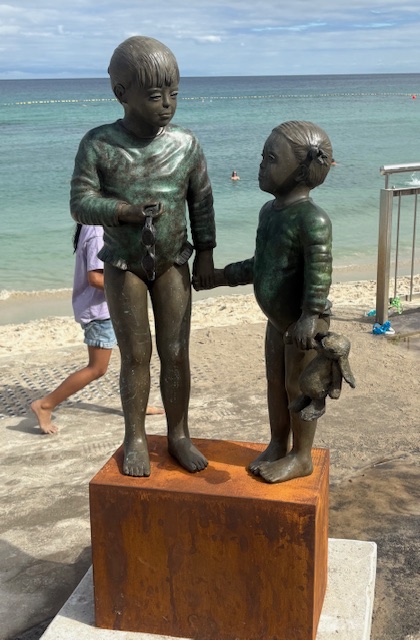
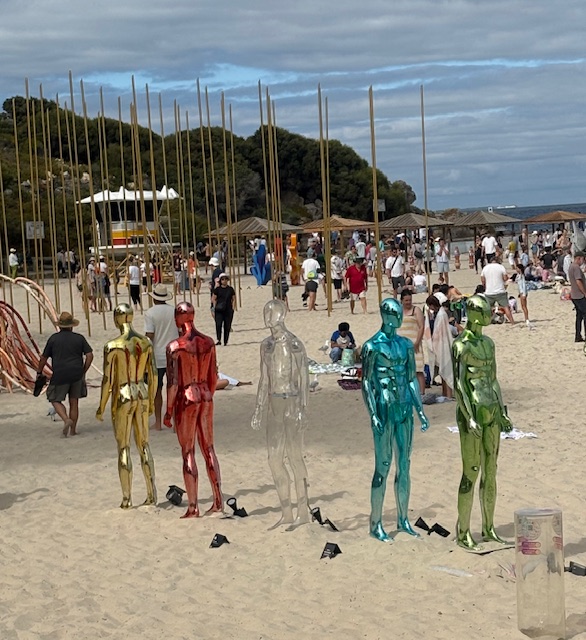
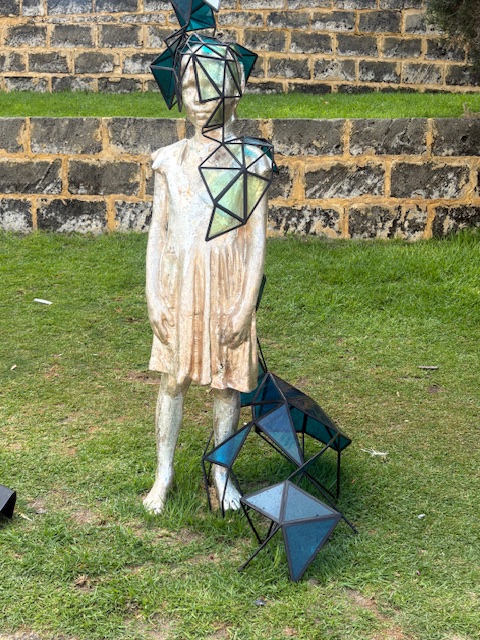
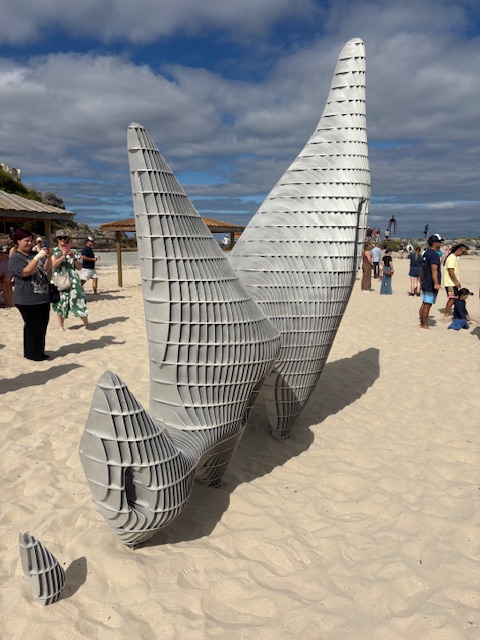
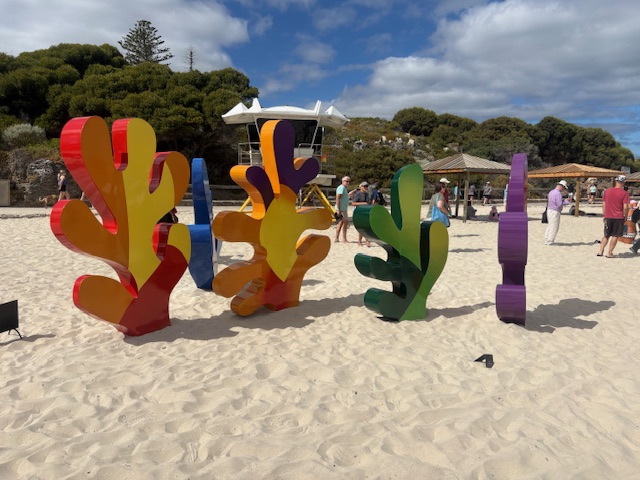
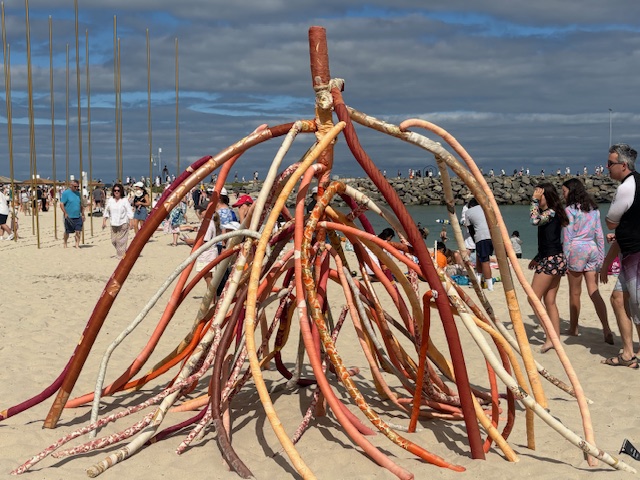
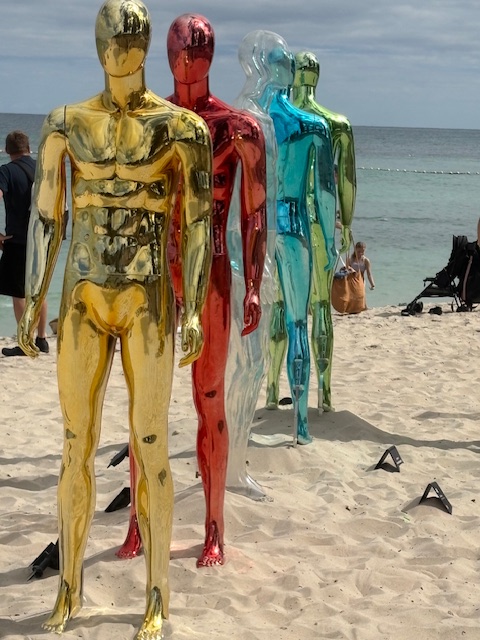
Sunday was a day of rest for everyone but us. Ken and his wife Yena arrived to take us on a tour to Cottesloe Beach, and I presented him with the whisky. A broad smile decorated his face. So, we enjoyed a grand tour to Cottesloe and onto the beach with Ken giving us his version of history of Perth. The Sculpture by the Sea Exhibition was celebrating its 21st anniversary and Sunday was the 2nd last day. On arriving at the beach, Ken dropped Kerry, Yena and me off and went on a safari to find a carpark. Kerry bought the guidebook in readiness of Ken’s return and then we waited. Ken found a park some 800m away. Sculpture by the Sea, Cottesloe is a premier free outdoor art exhibition held annually on Perth’s iconic Cottesloe Beach, Western Australia. The 21st exhibition featured over 70 sculptures from local and international artists along the sea wall, sand, and grassed areas.

Photos of some artistic pieces in St Georges Tce on the way to Cottesloe Beach and the Sculptures by the Sea.

We strolled through the exhibition for a couple of hours until we could feel a thirst coming on. No chance of sitting quietly looking at the sea so we moved onto our lunch destination and enjoyed the quiet and the refreshing drinks. Ken continued our tour dropping us back at the Europe Hotel just on dusk. Ken and Yena are a happy couple which is great to see and good company.

Monday morning and our return to Brisbane. Now we had 2 extra suitcases courtesy of Celestial Events. Part of the reason for our trip was to help bring the props back to Brisbane. The flight was on time but not without a hitch as we were turned around due to a fault in the plane. Finally picked up the car at the terminal in Brisbane. We couldn’t find it for some time and between the airline delay and finding the car we had to pay a late fee of $60 which I recovered from the airline. Back to normal. Next trip is to New Zealand South Island to experience a real winter! Get ready for “THE REITREES EXPLORE THE SOUTH ISLAND”

THE RETIREES GO RACING – F1 MELBOURNE 2026

BLOG 492

Formula 1 Melbourne

5th March 2026 Thursday Day 1 – We had booked flights and accommodation so that we could attend the F1 race in Melbourne where we would catch up with my brother Greg, my cousin Sarah and her husband Mark who travelled over from the UK, Greg’s daughter and my niece Louise who also travelled from the UK as whilst she administers all the F1 races around the world lives in London and our friends David and Veronica with their daughters who travelled from Norman Park in Brisbane for the race. We stayed at the Sebel Hotel in Flinders Lane and took the tram out to Albert Park each day. 

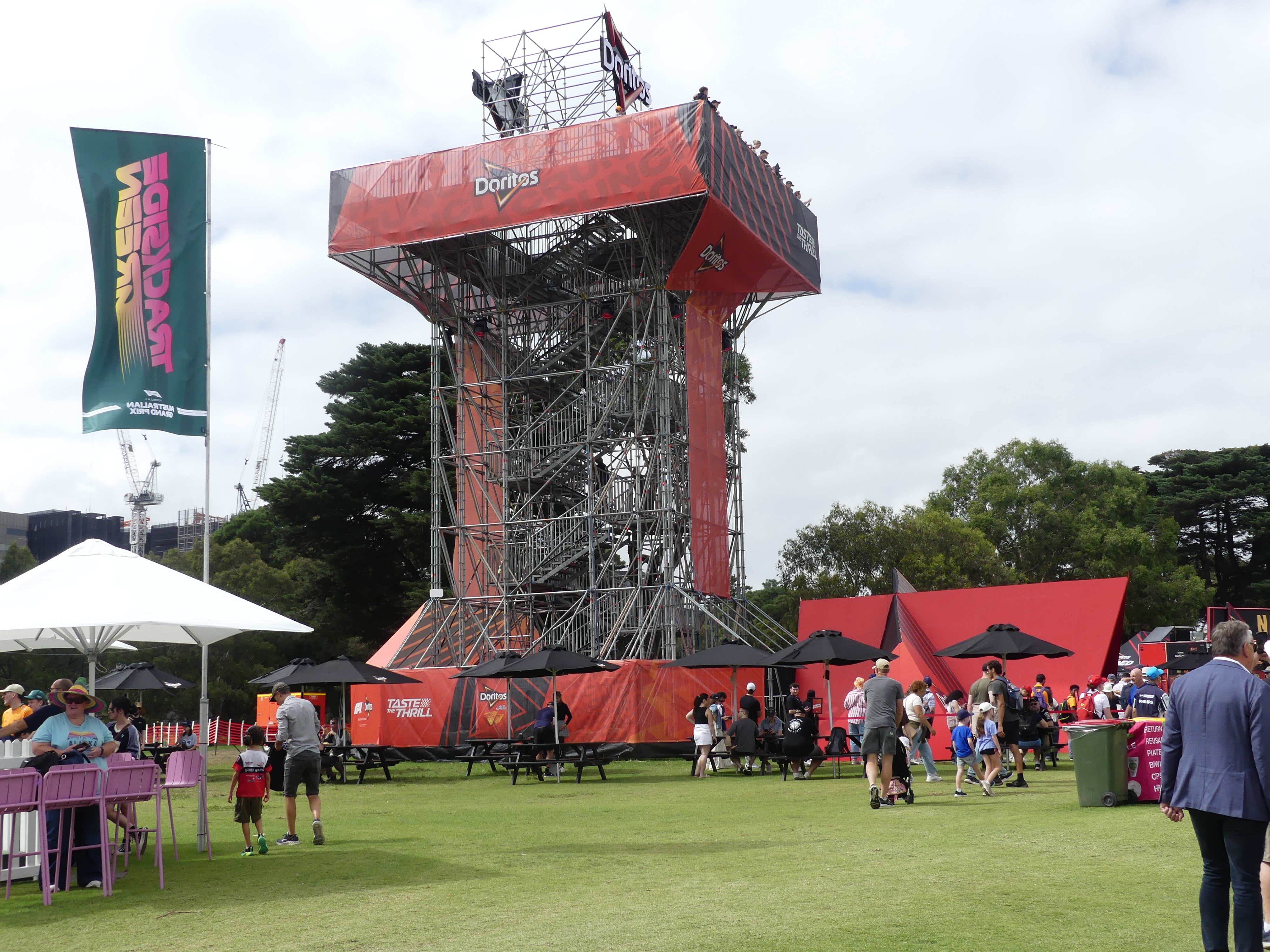
As this was a first-time experience for Kerry and me, we did not know what to expect nor how to best manage seeing the event. After dropping our luggage at the hotel, we travelled to Gate 2 of Albert Park but could not find David and Veronica. They knew from experience that it was open slather on the first day so they had plonked themselves in one of the better grandstands. We were walking blindly on the inside of the track trying to locate them whilst they were comfortably seated in the grandstand on the opposite side of the track. After numerous phone calls and texts, they guided us to their seats in the grandstand where we were able to watch the super sports cars race. Tiffany, one of the daughters of David and Veronica has known one of the mechanics on the TGR Haas F1 Team for several years and Tiffany and her sister Amanda are regular race goers. As the shadows lengthened, we decided that was enough for the first day and we slowly fought through the fans to catch the tram back to the hotel. Before bed at the recommendation of the concierge of the hotel we dined across the road at an Indian/Nepalese restaurant. Good food and our hotel had an arrangement whereby we obtained a discount on our bill. Our eyes were too big for our bellies, and we went back to our hotel suite with two doggy boxes of food for later.

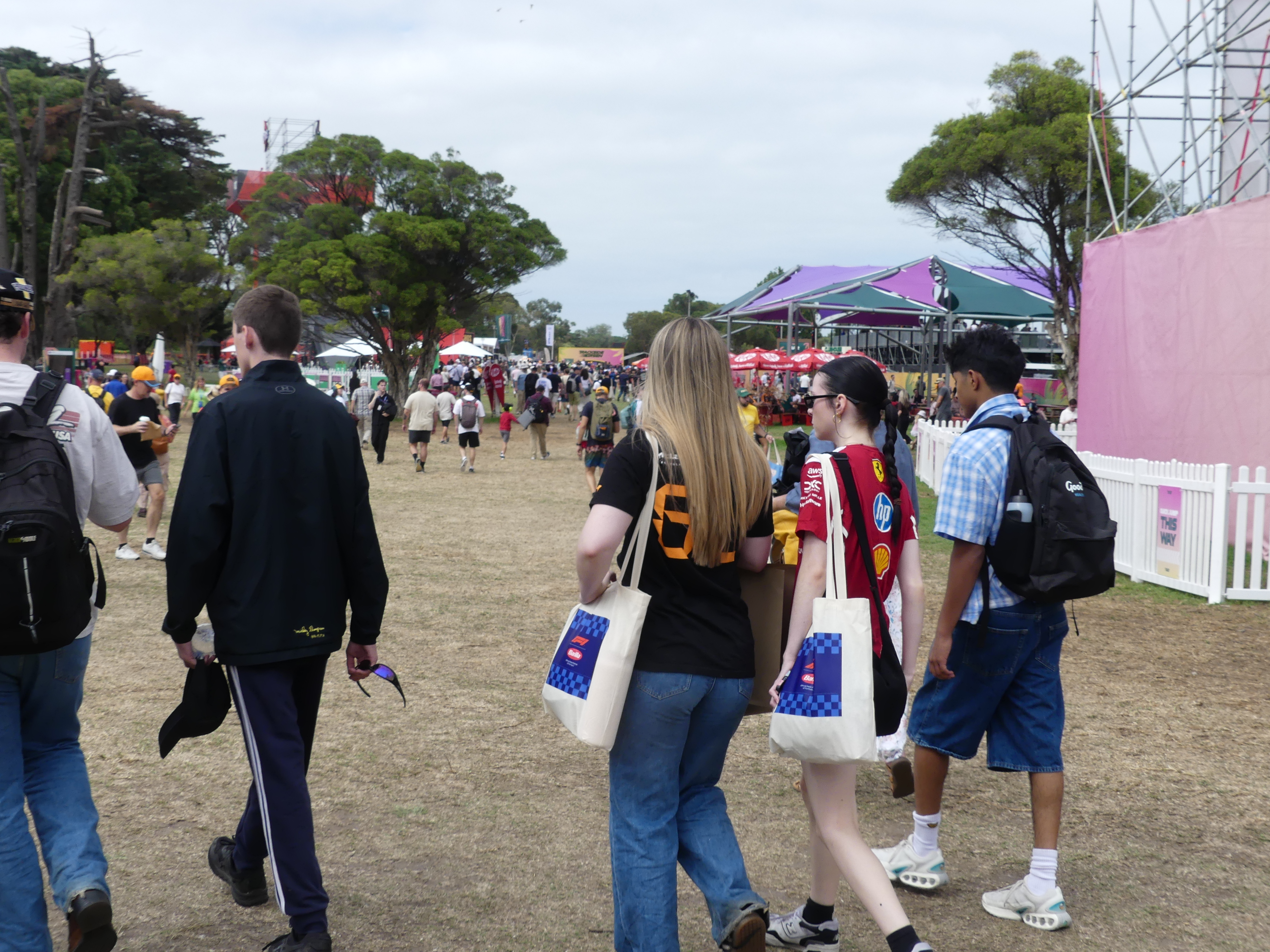
Photos the crowds building

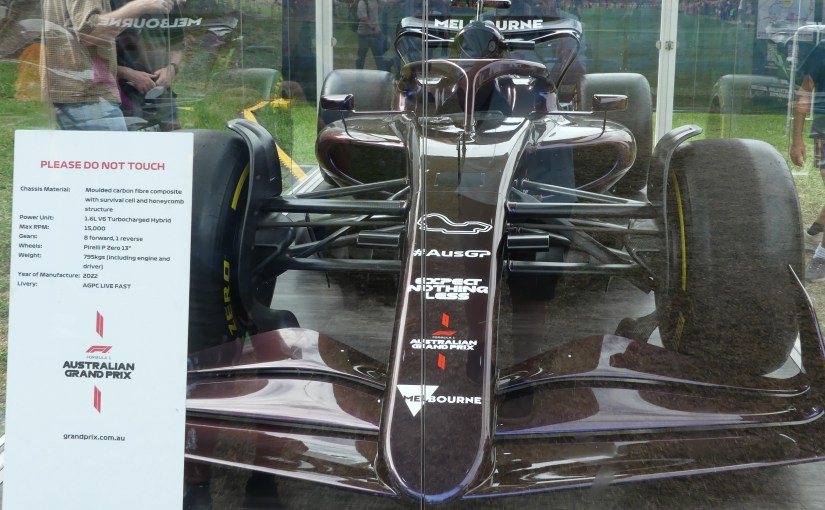
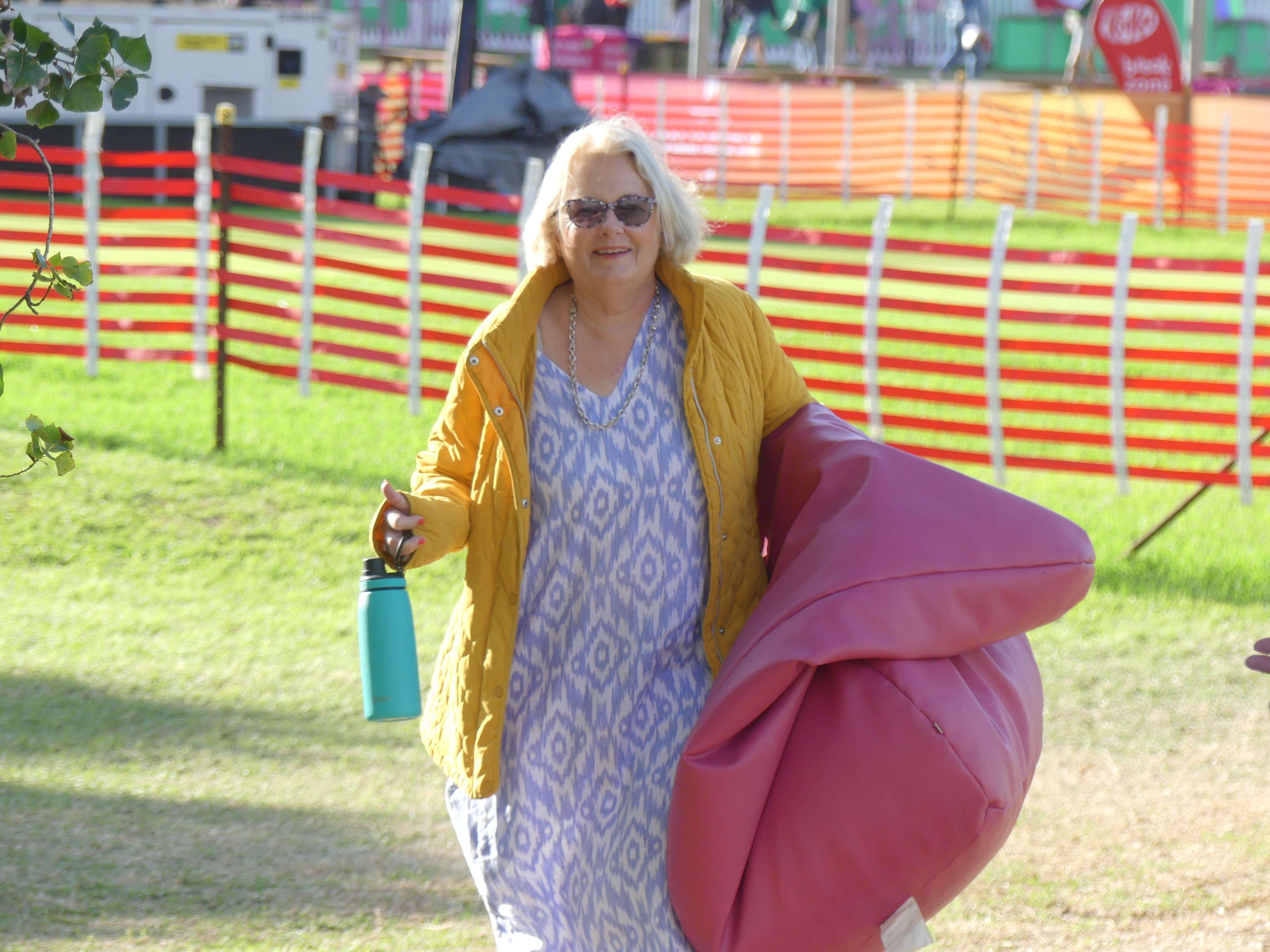
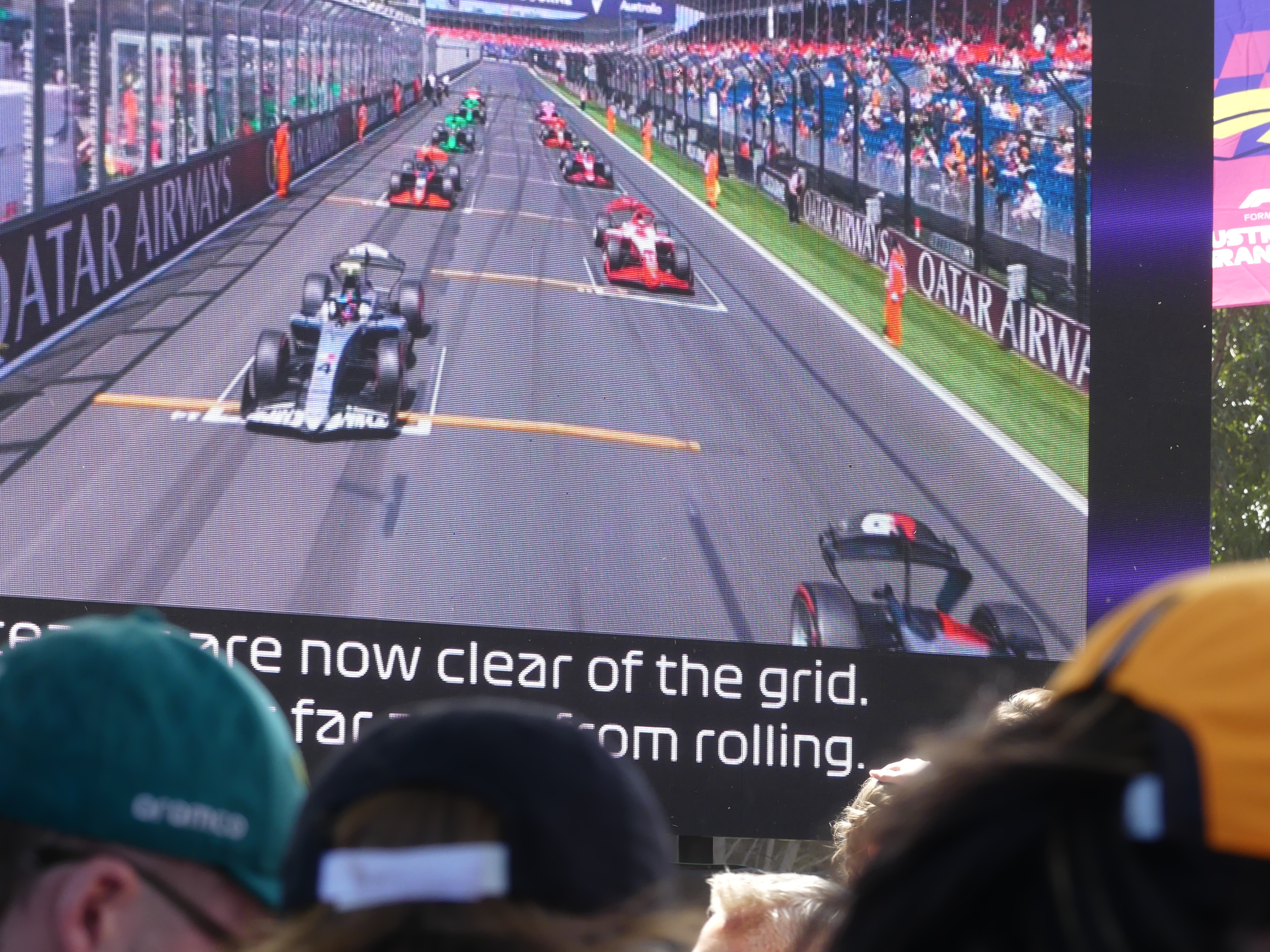
Friday Day 2 – The next day promised to be busier and from our first days experience we returned to the track the following day, this time through Gate 5 which is on the opposite side of the track to Gate 2. On this day we brought with us the folding chairs which Veronica recommended we purchase as we would not have use of the grandstands. We had purchased entry tickets only and with our gained experience we would not do that again. The biggest difficulty was being able to see the race. Without the elevation provided by a grandstand every where we went, our view was obstructed by the two safety fences between us and the track. We tried several different spots. We learned that the speed of the cars was often so great that all we saw was a blur of the passing cars. Looking into a corner proved to be the second-best view as the drivers had to slow down to come into and out of the corners but the best view was the big screens showing the races – a bit like sitting in front of the tele at home. So, we found a spot under the trees amongst the food vans and near the toilets with a big screen to watch the race, Meanwhile David, Veronica, Tiffinay and Amanda had been given special passes by the TGR Haas team to lounge about in the Amex grandstand with catered food and sparkling wine for the day. I cannot recall what we had to eat and drink but it was not that.Saturday Day 3 – I think this was the day I telephoned my brother Greg about arrangements for Sunday after the big race. Greg and Mark had played golf on the Friday. He was staying with our UK cousins, and they planned to arrive by limousine around lunch time on Saturday at the pleasure of Formula 1. Louise had stumped up free tickets to the Amex grandstand where they (Louise, Greg, Sarah and Mark) were honoured guests. We had an arrangement to meet the 4 of them, and David and Veronica in Lygon St at one of two restaurants (Greg did not decide which one until he was sitting at the table in the restaurant of his choice only then remembering because of my enquiry that he had not cancelled the 2nd restaurant). As for us, this day we came in through Gate 8. We had got up and onto the tram much earlier than the day before and were surprised that a lot of people had done the same thing. We found what we thought was a superior spot than the previous day and settled in to watch the races. Within an hour of arrival, we decided that I would get some coffee. This was a lesson. On making my way to the coffee caravan, the line was 40 people deep and a second vendor the line was even longer. I waited in line and received a call from Kerry anxious that I may be lost. No, I was still in line and when I did get served the coffee, it was in a very small cup, cold and tasted like rat shit. Of course, this led to a visit to the toilets where the lines were even longer and the aroma was not as pleasant as waiting for coffee. We were joined by Veronica and David who had returned to the cheap seats. Even this spot was inferior to the big screen. We upped stumps and moved over to yesterday’s spot where we could at least watch the race. Kerry worked out that she could capture a bean bag to keep her leg up and at least be comfortable. Her fractured ankle was still giving her grief.

After racing had finished, the 4 of us tried to exit through Gate 8 but it had been closed for some reason, and we walked on to gate 9 and back to our hotel. Very slow progress due to the crowd. We bought 4 pizza slices and 4 ice creams and ate them at peace in our hotel room.

Photos Kerry and her bean bag,

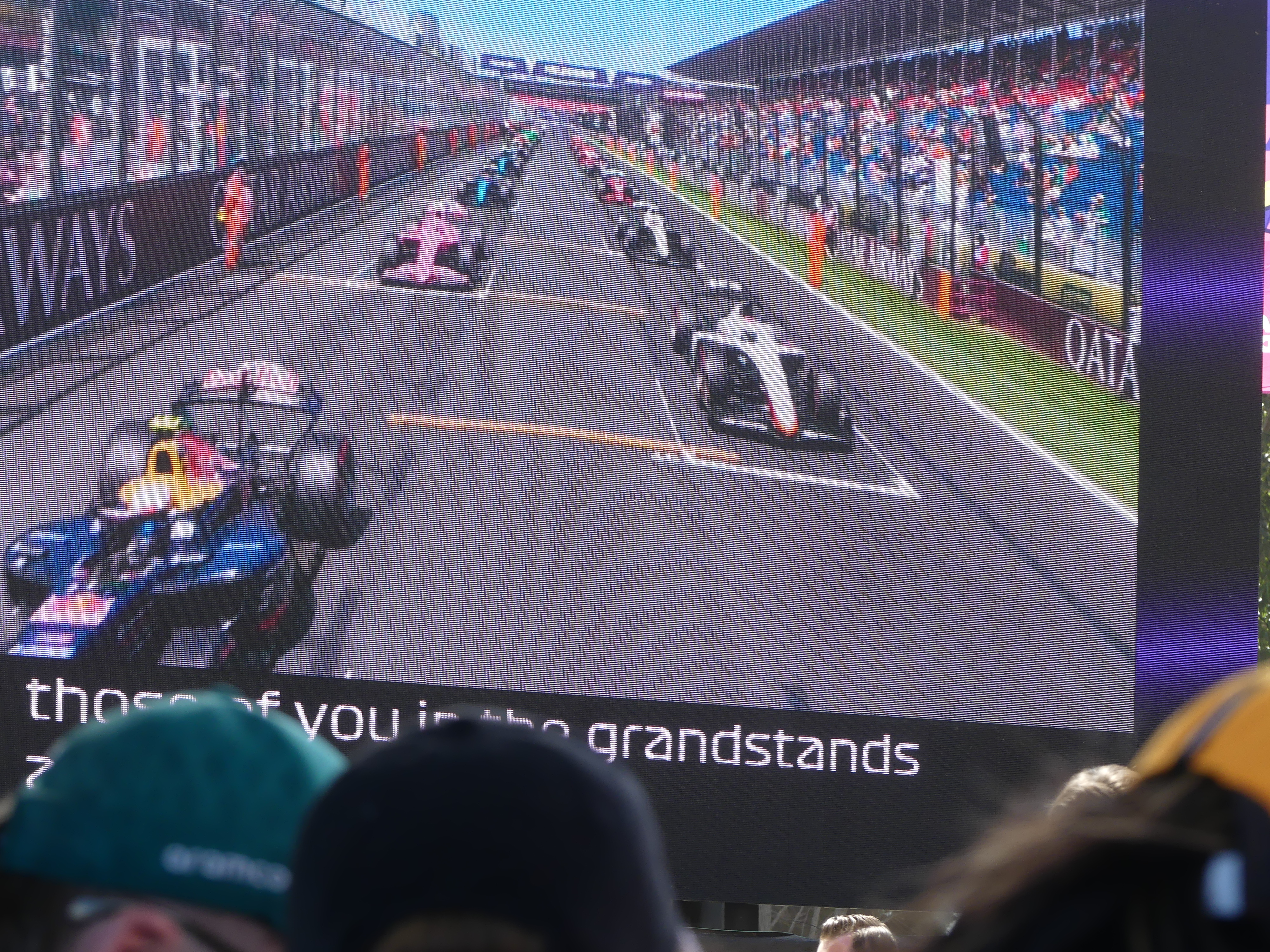
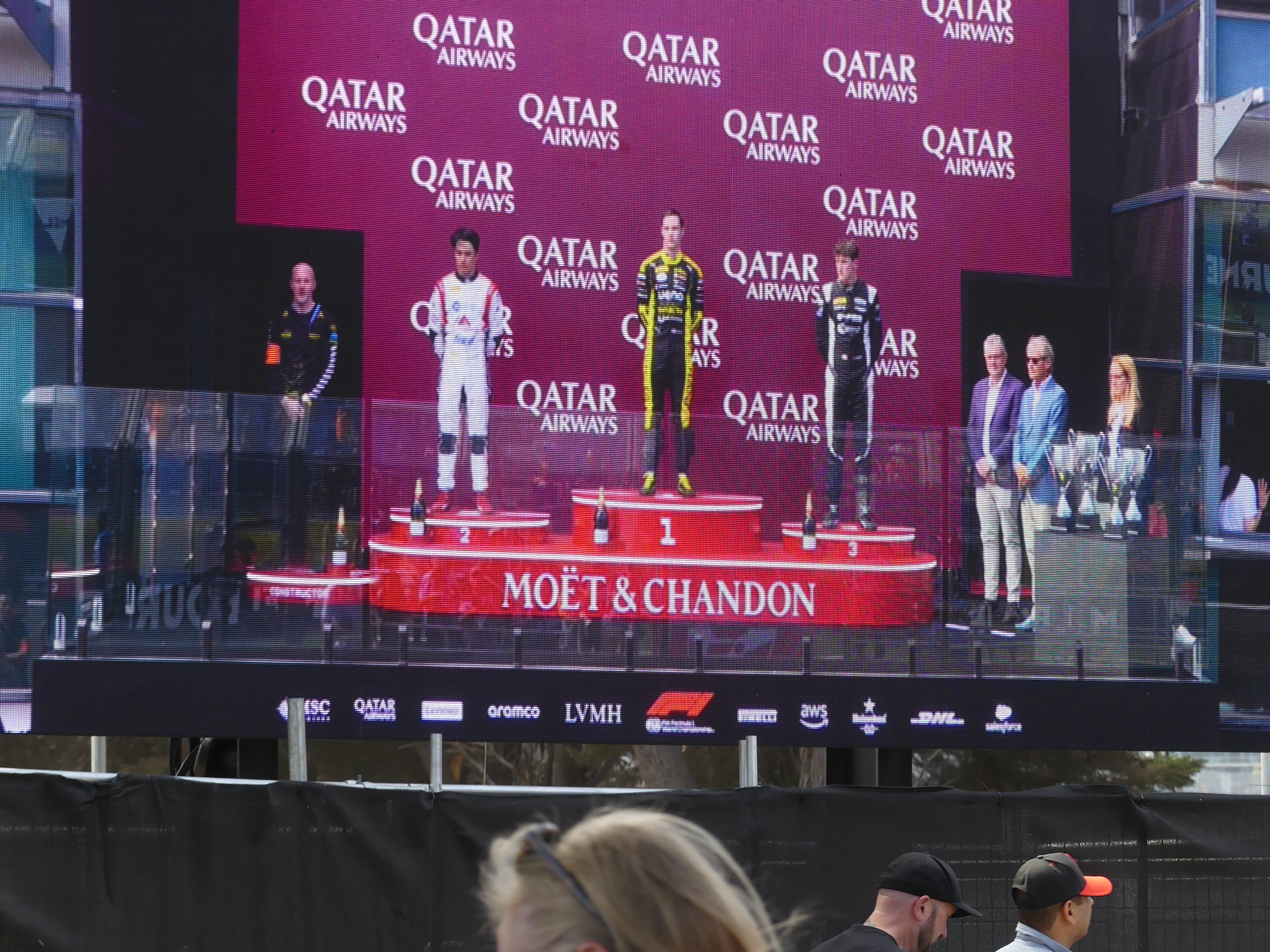
Sunday Day 4 – I think we went to Gate 5 and ended up back at the big screen for the day. All the same problems, but we made ourselves comfortable for the day. During our trip we had made several excursions to the merchandise tents. The prices of the merchandise were outrageous, but people were buying it as though there was no cost-of-living crisis. We watch the finals of the sports cars and the F2 before the final heat of the F1 and after lunch the final of the F1 where the Queensland favourite Oscar Piastri spun out even before getting to the start line.

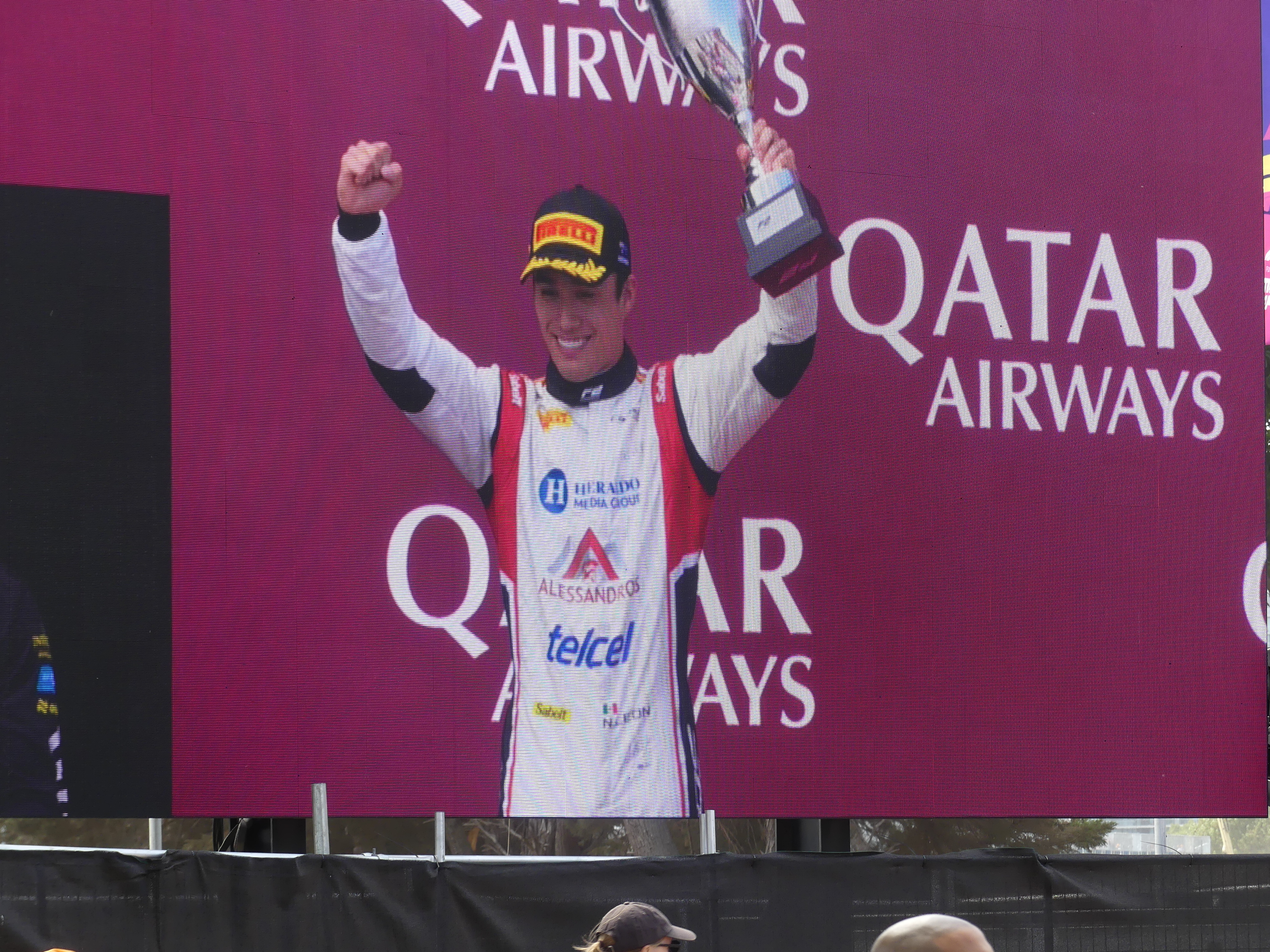
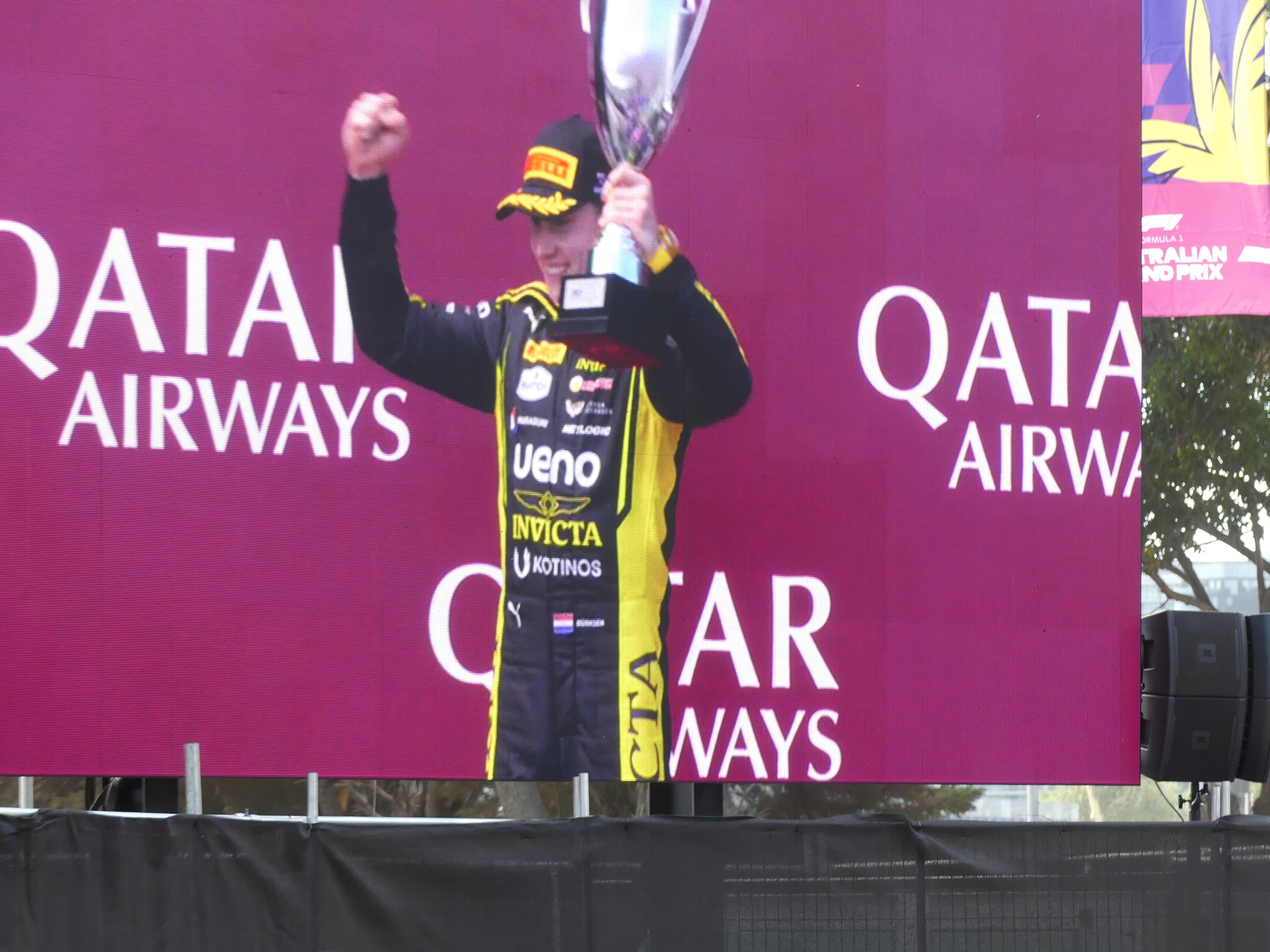
Photos: at the starting line, and on the podium

With the race over we made our way home showered and got changed to go to dinner in Lygon St. Dinner was at a popular Italian restaurant and was very enjoyable. We were joined by Sarah, Sarah’s husband Mark (we had met my cousin Sarah in Brighton when visiting my cousin Terri and her husband Mick). Greg and Greg’s friend Kath – and Greg’s daughter/my niece Louise (the F1 International Race General Manager) also was there together with Louise’s friend. David and Veronica couldn’t make it which was a shame.

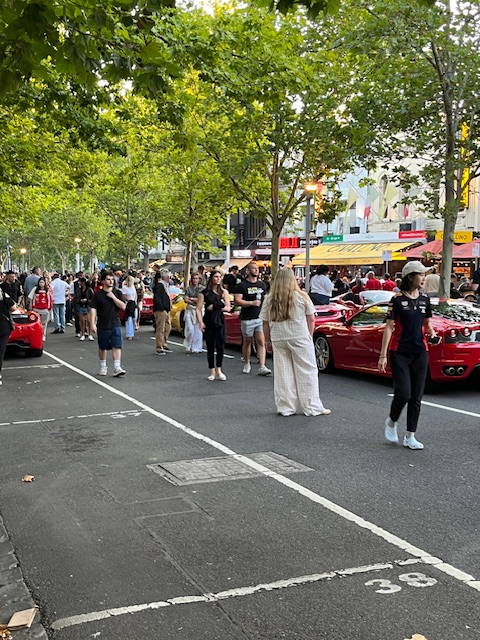
Louise looked very tired and Greg explained the demands of her job just for this event and all worldwide events. After dinner we walked done Lygon St which had been closed for the race so that all the Ferraris in Melbourne could be put on show.

I am too old to be tempted by fast cars so Kerry and I caught an Uber to the hotel bidding everyone farewell. We would have another 3 days before returning to Brisbane. Read on as to the rest of our adventure in THE RETIREES SIGHT SEEING IN MELBOURNE 2026

THE RETIREES SAIL TO MELBOURNE FOR THE CUP – NOVEMBER 2025

Melbourne Cup 2025

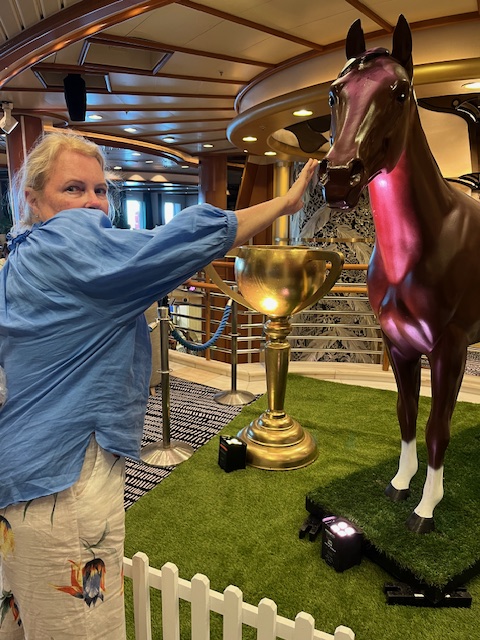
I don’t have great fondness for horse racing generally. My Dad on the other hand enjoyed the mental exercise (he did not place a bet other than on the Melbourne Cup) that racing gave him to try to pick winners and he dedicated a lot of time to finding the formula to pick the winners. Now if he had found the formula and shared it with me, I might have had a different view about horse racing. As he did not find the secret my hunger to follow the “Neddies” has become limited to buying sweep tickets in the Cup.

2025 was going to be different.

With an “all clear” from my doctors, we booked plane tickets to Sydney, and tickets to sail to Melbourne with Carnival Cruises on the SS Carnival Adventure for the race day and then return. The thought even invigorated Kerry to make a new dress. By November she had sold the business leaving her with time to draft the pattern, find the fabric amongst the stockpile she had collected in 40 years of manufacturing dance costumes and produce the race day dress. Little did we know the challenges that would come with the planned adventure and beyond.

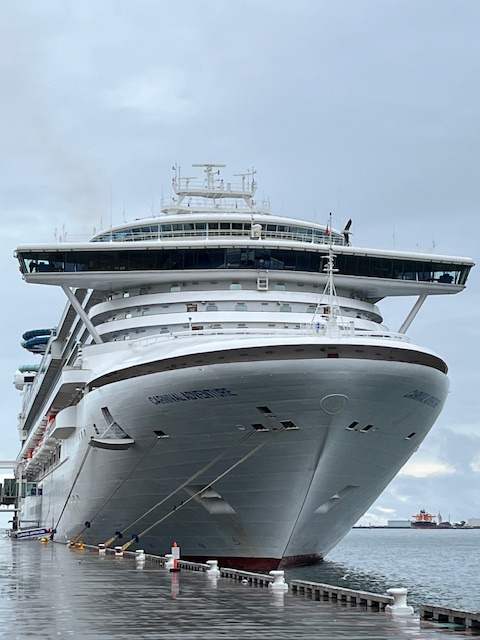
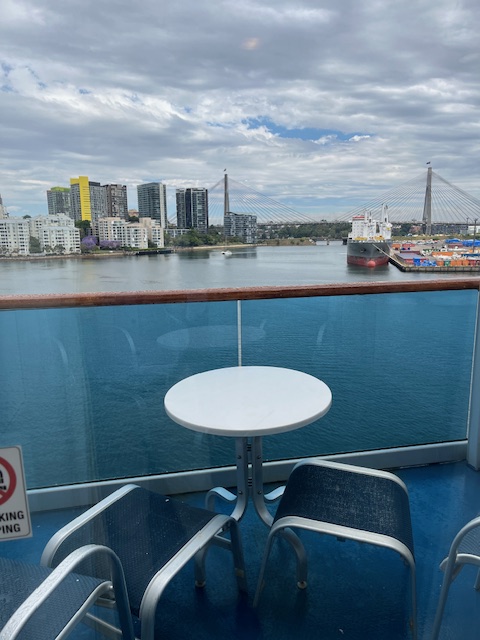
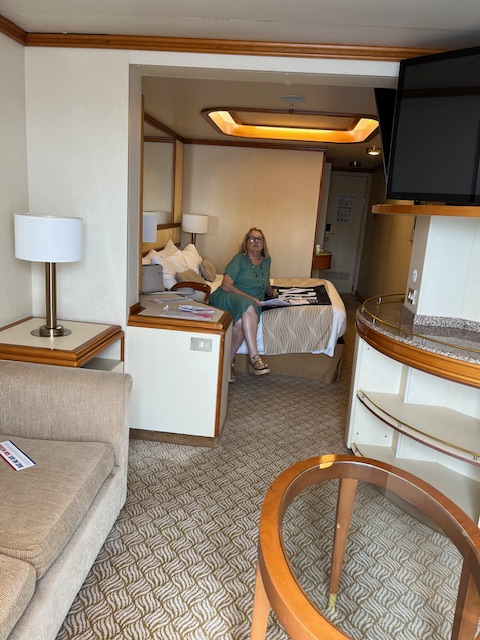
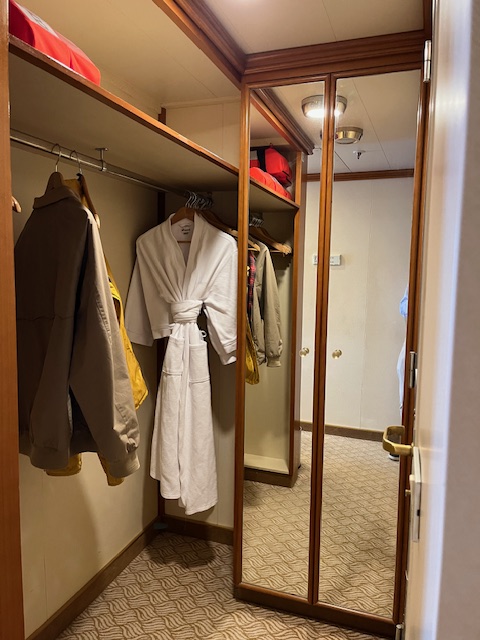
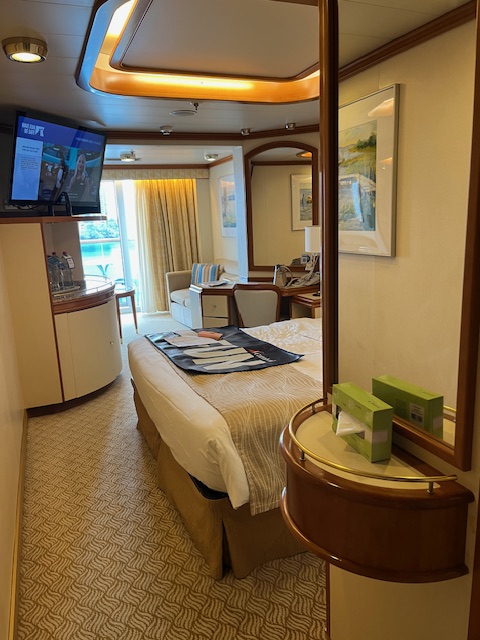
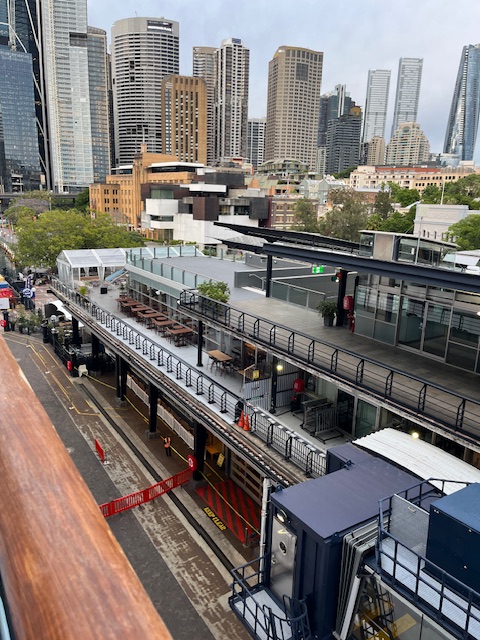
The flight to Sydney went smoothly, and we found our ship at dock awaiting the weighing of the anchor. On Board we had a large cabin with its own deck. The cabin was very pleasant in fact as the picture below demonstrates. Even the design with the bathroom tucked away behind the hanging space and cupboards was practical and comfortable. The ship departed Sydney Harbour as my photos below show providing us with a grand view of the Opera House, Naval docks, and the Sydney Heads. Outside of the heads, ocean as far as the eye could see. There were two days at sea and then we found ourselves in Port Phillip tying up at a terminal showing its age.

Photos – Departing Sydney, the Ship, farewell Sydney, our cabin and the terminal in Melbourne.

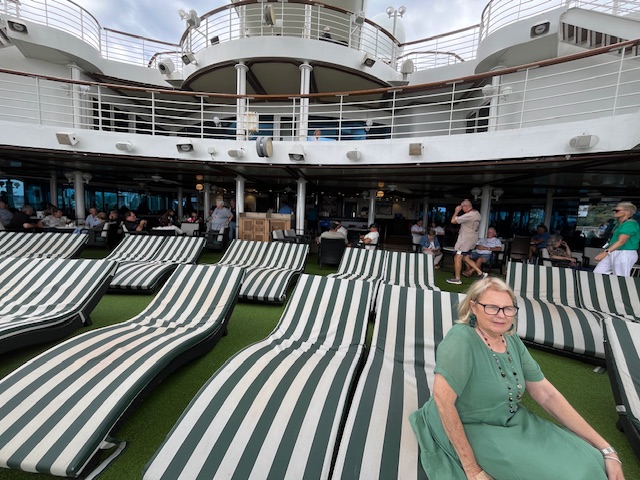
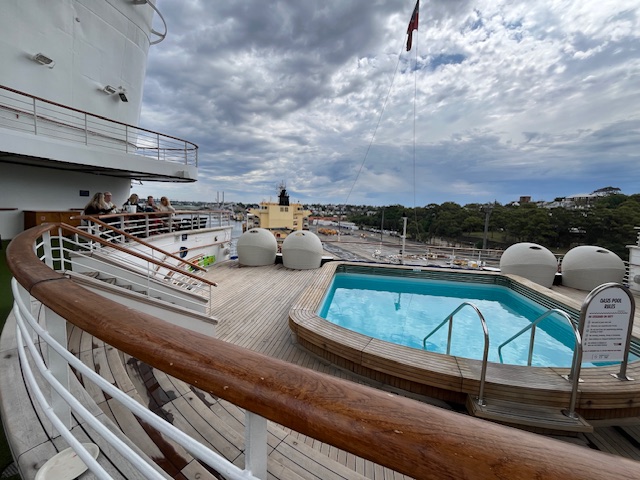
Carnival Cruises have the reputation of being a party ship. Well, there were not a lot of young people on board and the playgrounds on the upper decks were not filled with screaming children. That suited us. We walked the length and breadth of the ship and following are photos giving you an idea of the facilities aboard ship.

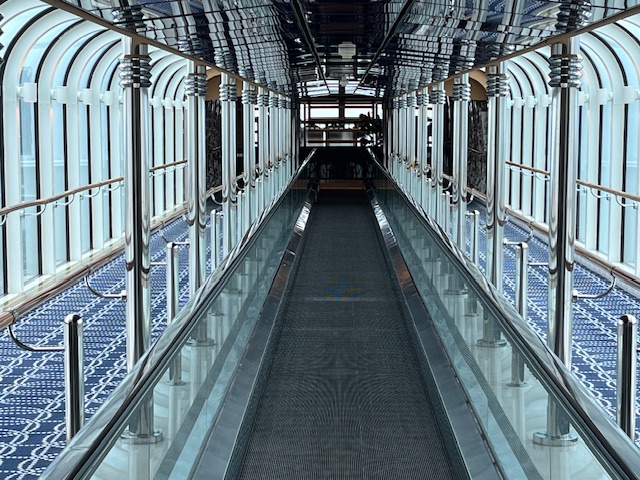
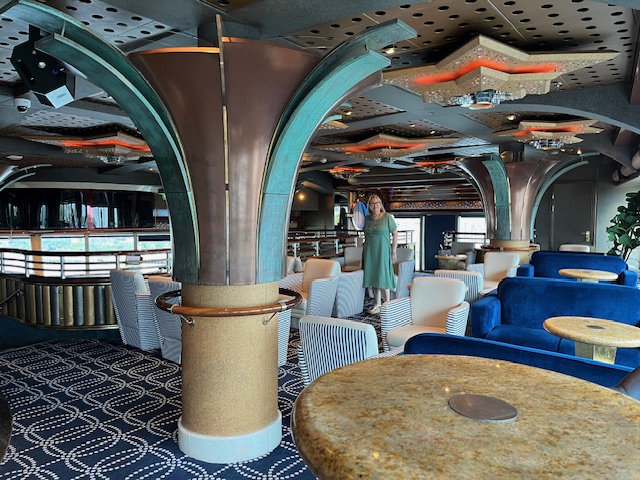
Photos – the Pool deck, Restaurant entertainment, the Night Club, the onboard Mare

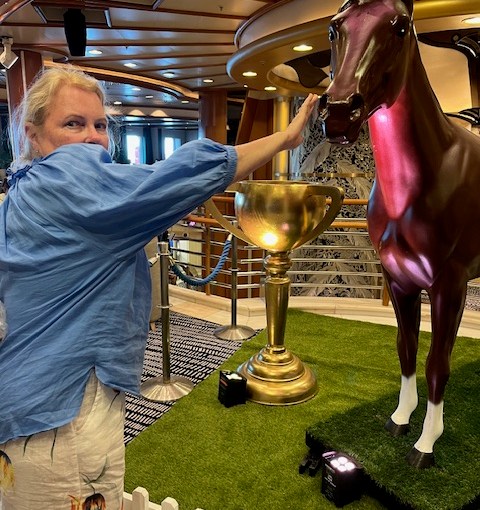
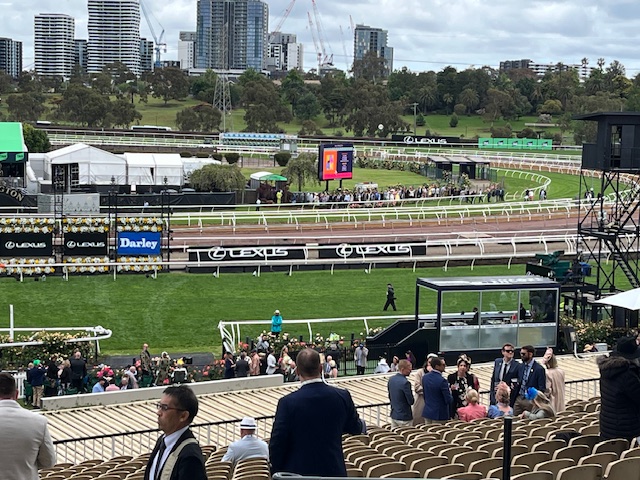
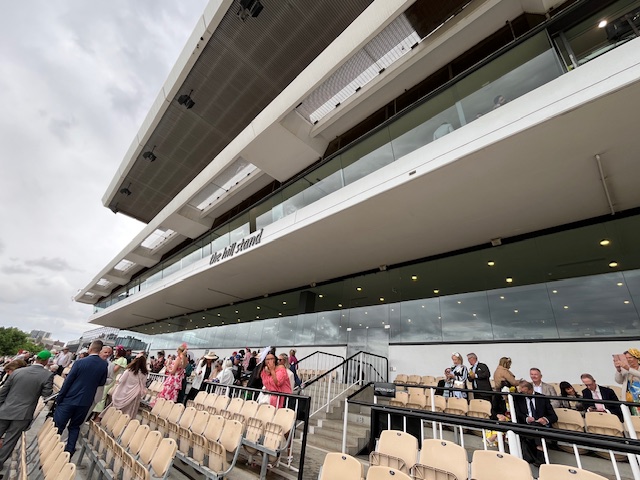
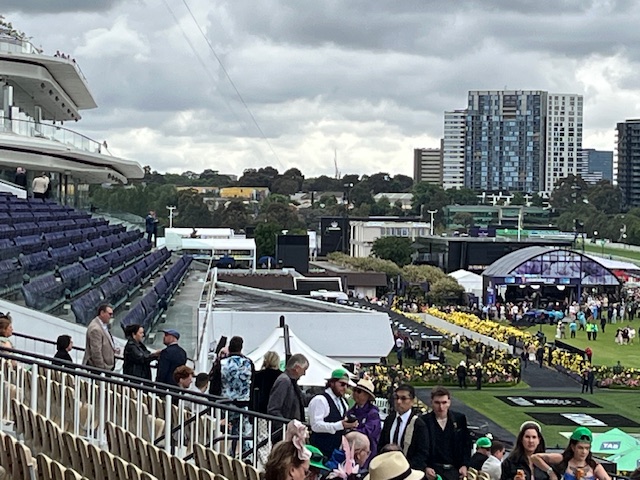
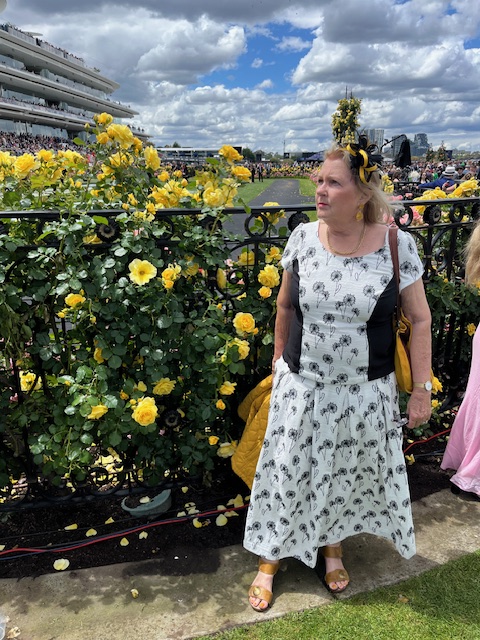
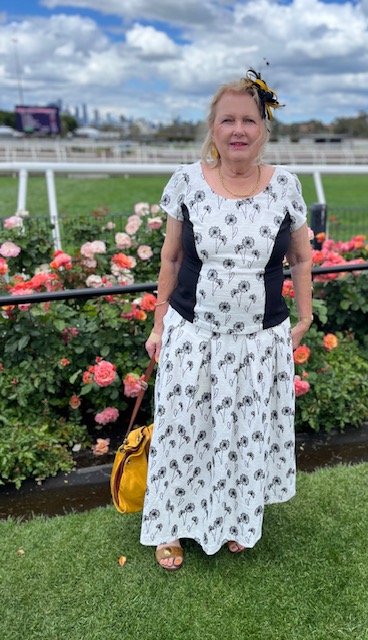
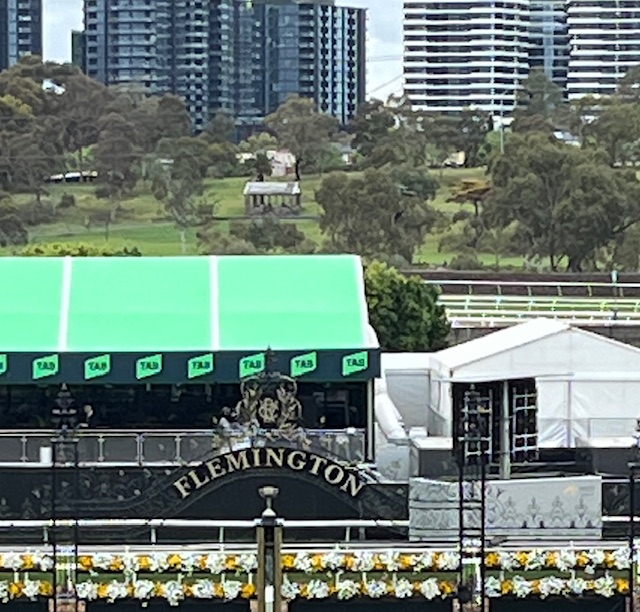
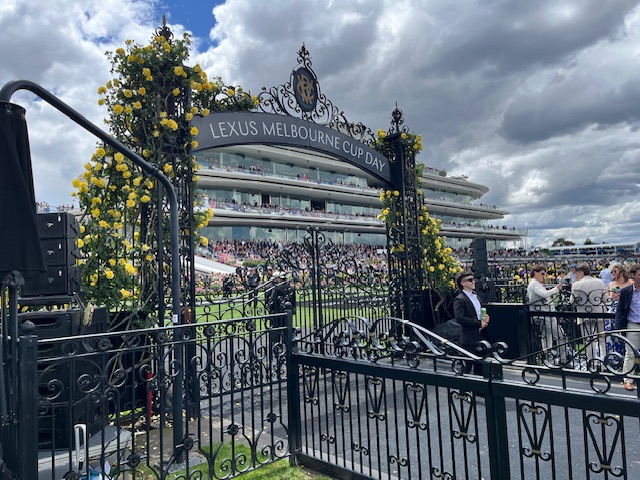
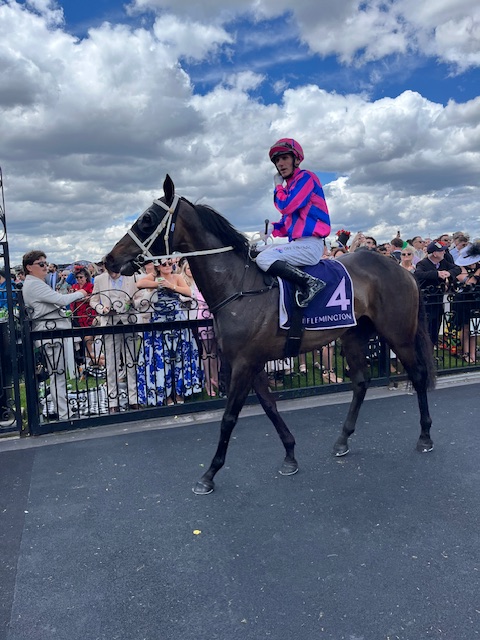
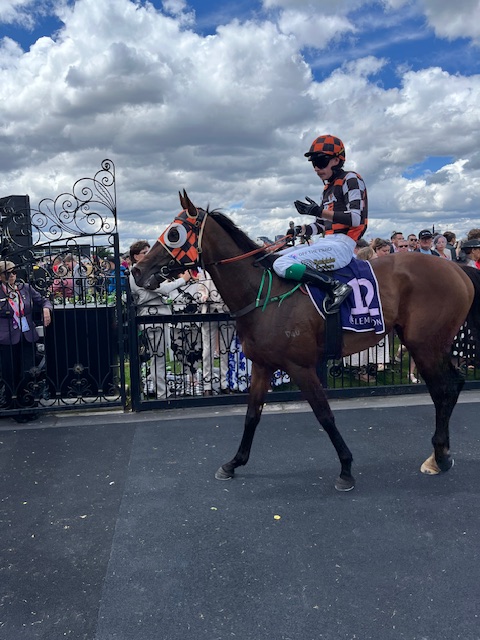
We spent two days in Melbourne – one for the Cup and the other roaming around Melbourne. Race day started with a bus trip to Flemington Racecourse and the first indication of the massive crowd I would have to contend with all day. First of all we had to find the seats we had booked under cover and a clear view of the winning post. The throng of people was getting to me but I knew I was here for the day. Kerry had sewn a special frock for the event. Some might say it does not look special but she cut it out, sewed it up and looked very sweet in my view. We both had success with our bets which for us was rather unusual but lifted my mood from the maddening crowd. The pictures of the stands don’t tell the story of the crowds. This is very early on in the day.

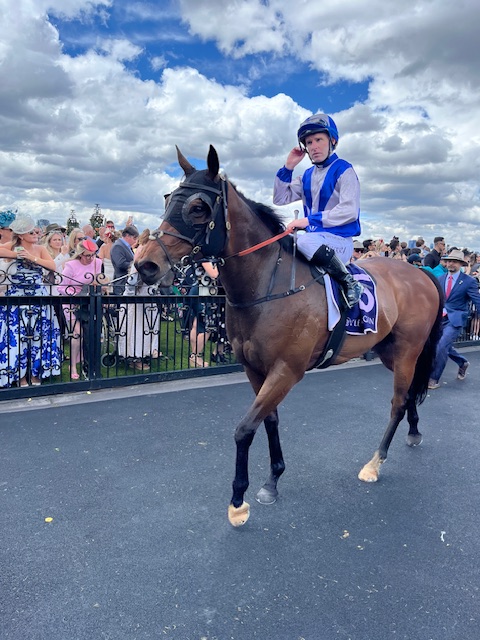
Photos – Kerry’s frock, the Stands at Flemington, and some of the runners in the big race.

We returned to the ship again by bus so the bucket list was ticked off for the Melbourne Cup. All in all, the cruise and their organisation to get us to and from the course worked well.

We spent two days in Melbourne – one for the Cup and the other roaming around Melbourne. We went to the Crown Casino (professional interest only as a director of a Licenced Club in Brisbane). On the way we discovered a Chocolate Shop and sat down in the arcade to enjoy a delicious hot chocolate. One of the missing things on board the ship was a good hot choclate. Once the time ashore ended, we sailed back to Sydney. Aside from the entertainments on board ship we occupied our selves by reading. Fortunately we had brought books as the ships library was pathetic. Sailing back to Sydney did seem a waste of time, but it gave us time to relax, read and our return to Melbourne for the Formula 1 race in March. Little did we know that fate would dash those plans. It all started with preparations for Christmas – you need to read about it in THE RETIREES PREPARE FOR CHRISTMAS 2025. .

“THE RETIREES GO AROUND THE WORLD – Singapore Day 5“

Today Raffles is synonymous with Singapore. Sir Stamford Raffles secured control over the strategically located Singapore from local rulers in 1819 to secure British access along the Strait of Singapore and the nearby seas in the region, particularly the Indian Ocean and the South China Sea. The Anglo–Dutch Treaty of 1824 established their respective spheres of influence, with the Dutch relinquishing their claims to Singapore. A transshipment port was subsequently established in Singapore for maritime trade between Europe and Asia.

While Raffles was largely credited for the founding of contemporary Singapore, the early running of day-to-day operations was mostly done by William Farquhar, who served as the first Resident of Singapore from 1819 to 1823. Raffles returned to England in 1824, where he died on his birthday in 1826 at the age of 45. His legacy remains significant in Singapore, most notably the Raffles’s Landing Site, as well as his name being a common sight in numerous entities and institutions throughout the country.

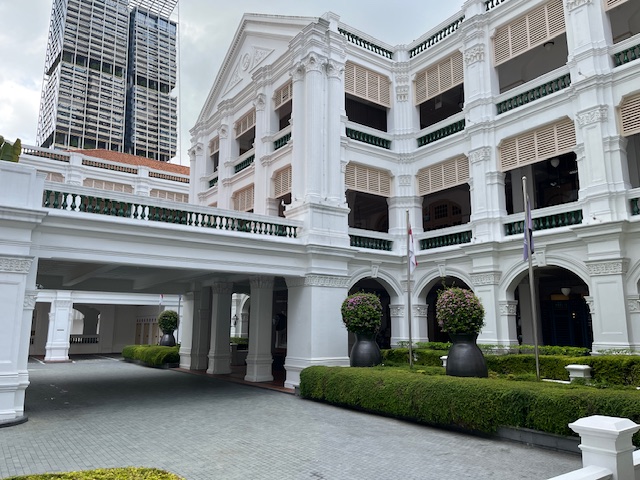
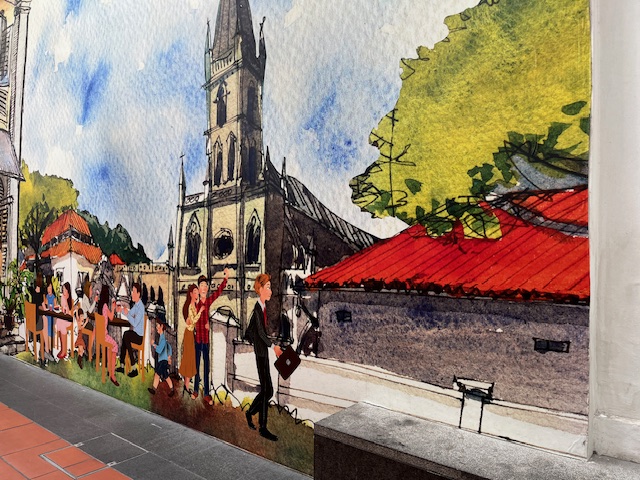
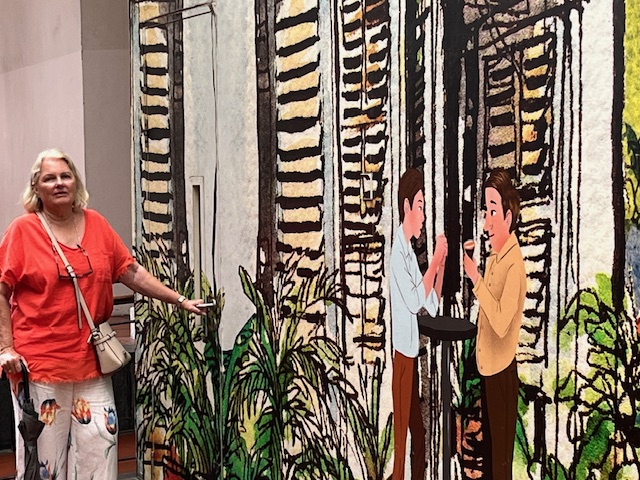
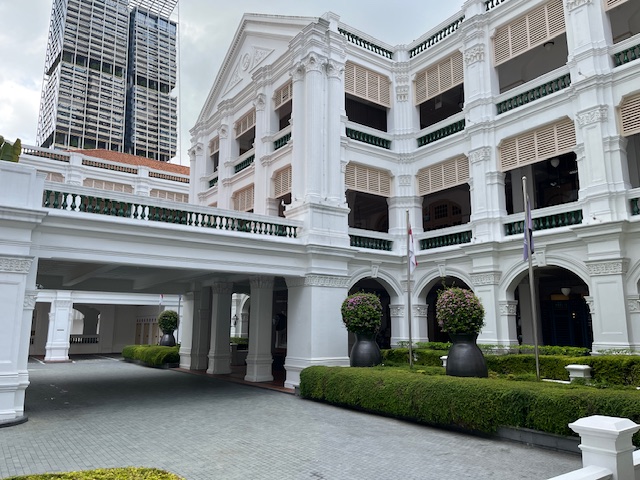
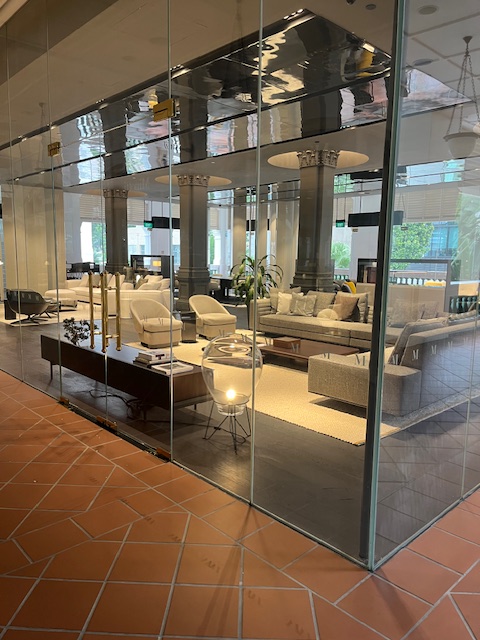
Raffles Singapore began as a private beach house in the 1830s, leased by the Sarkies Brothers in 1887 and reopened as a grand hotel named after Sir Stamford Raffles, quickly becoming a legendary landmark for wealthy travelers with its colonial elegance. It expanded significantly through the early 1900s, hosted famous guests like Rudyard Kipling, faced challenges including bankruptcy and Japanese occupation, was declared a National Monument in 1987, and underwent major restorations to preserve its historic grandeur for modern luxury, reopening in 1991. It was impeccably presented and continues to provide grandure and luxury to its guests. There is a hall that has been turned into a hall of fame with pictures of all the wealthy and important people who have stayed in the hotel. There is a roof top pool, dining spaces, bars and other luxurious retail spaces. It has a shopping arcade with 40 speciality boutiques including the high end brands of course. We made a visit to the Long Bar and the gift shop but took a look at everything else. One thing the hotel does not have is a simple cafe serving coffee but outside in the arcade across the road we discovered just that, a simple cafe. The arcade wall had been decorated with street art of the life style of Singapore. Two of the paintings are pictured below.

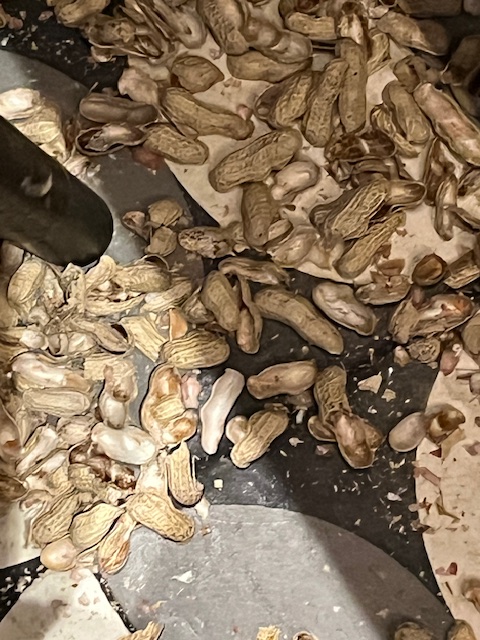
The historic Long Bar is where the Singapore Sling, widely regarded as the national drink, was first mixed in 1915. Today the rich, earthy decor of the two-storey bar is inspired by Malayan life in the 1920s, in keeping with the relaxed atmosphere, guests are invited to brush peanut shells off the bar and onto the floor – quite possibly the only place in Singapore where littering is encouraged. This unique custom dates back to the 1900s, when rubber and plantation owners from Malaya would often gather at the bar on weekends. As peanuts were offered to them, they would casually brush the shells onto the ground and over time, this casual habit evolved into a beloved tradition that continues to this day. We tried the Singapore Sling which is based on gin and snacked on the peanuts that are liberally spread across all tables and the Long Bar. Kerry was not a Sling drinker so I held up my end by drinking both and we left our peanut shells behind. See our pictures below.

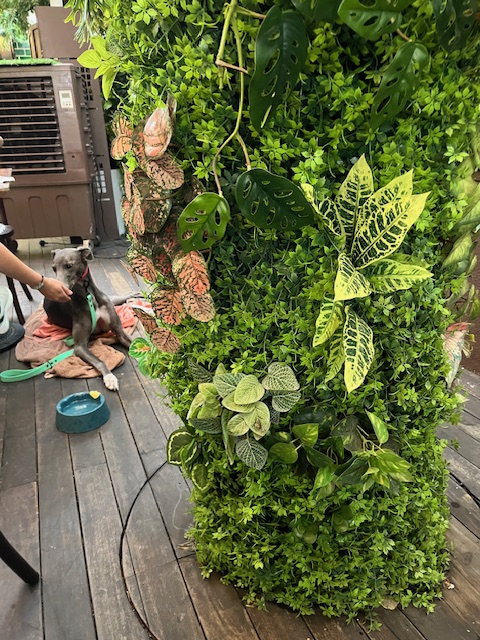
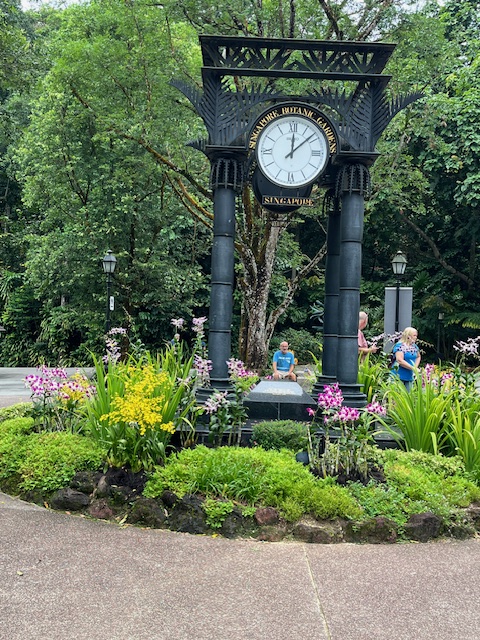
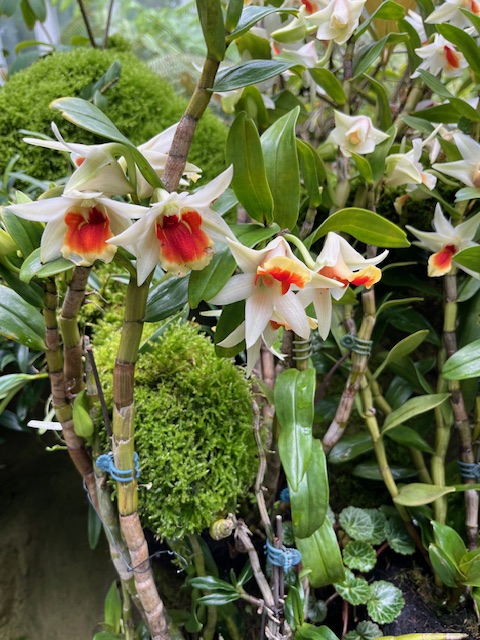
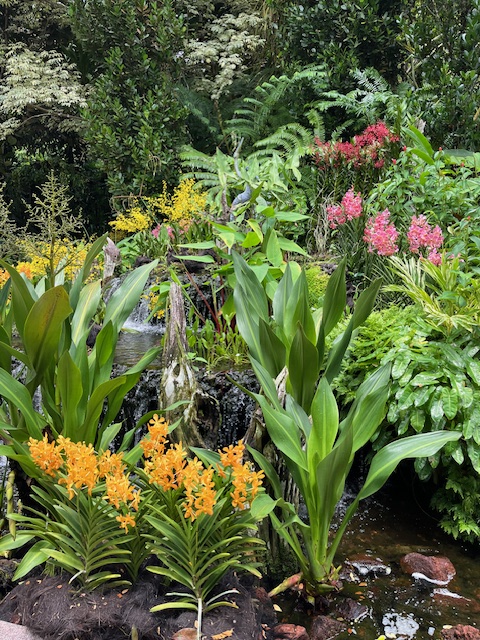
After the fiasco concerning the limo drive to the airport, we decided to visit the Botanic Gardens and in particular the National Orchid Garden. Again the temperature was equatorial and humid so our walk of 1 klm to the orchid gardens was draining. At the 800m mark we found a coffee shop and took a break. The fellow traveller sitting in front of us had brought her greyhound who also looked hot and bothered like us. After a recovery coffee we battled on arriving at the entrance with its clock. After paying the entrance fee we stepped into a wonderland of colour.

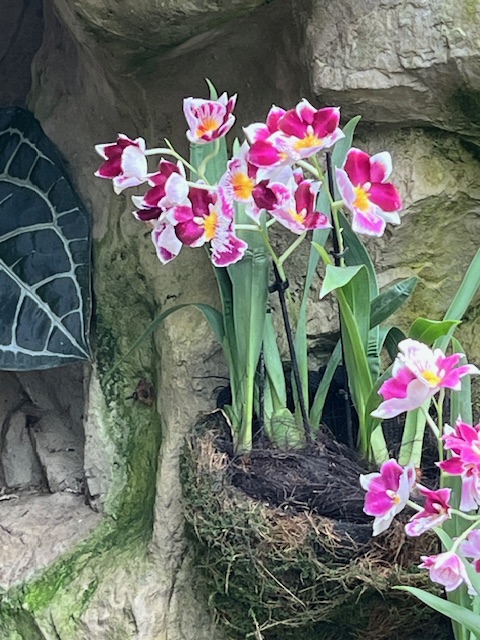
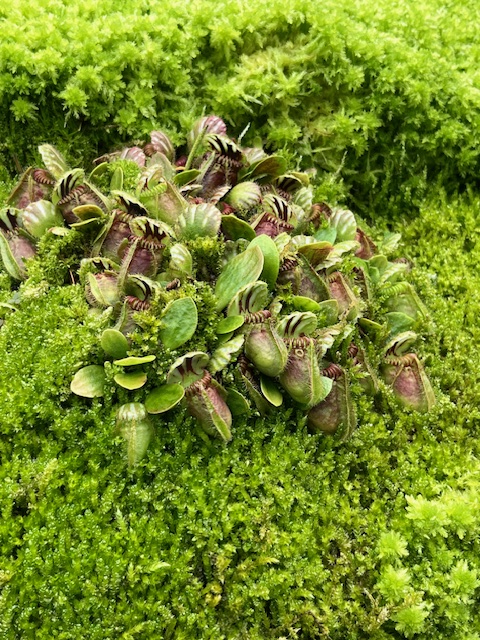
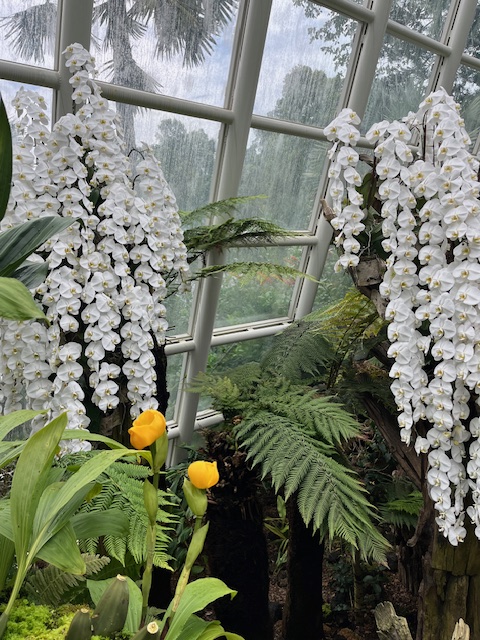
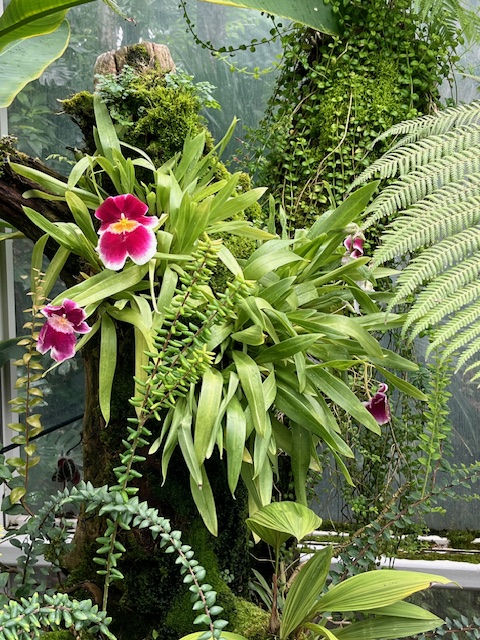
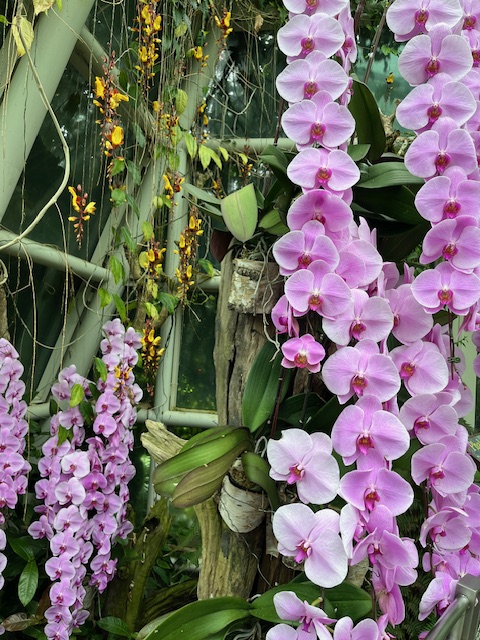
With over 1,500 species and 3,000 hybrids on display, the splendour of these gorgeous blooms is absolutely a sight to behold. The gardens include a bromeliad collection and the occassional carnivorous plants. I have collected my pictures below but suggest a visit to https://www.nparks.gov.sg/sbg/our-gardens/tyersall-entrance/national-orchid-garden . It was well worth the effort.

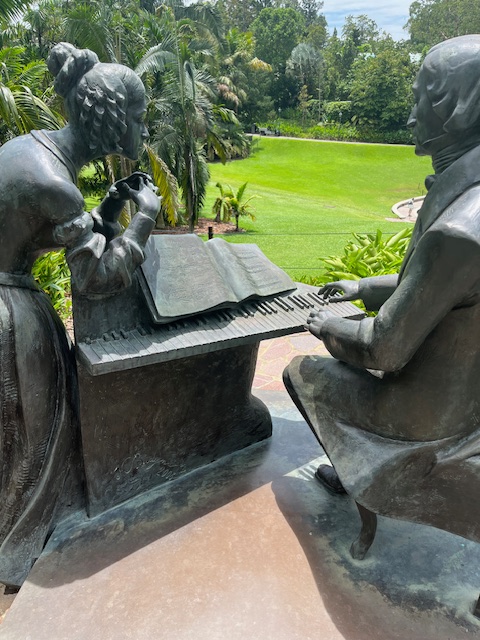
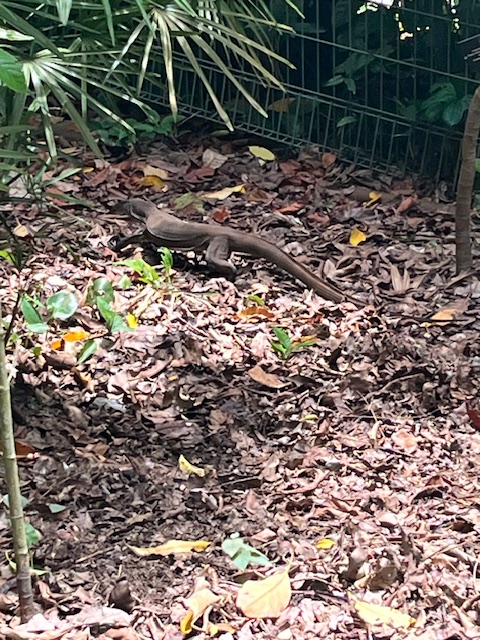
It was 1 klm to walk in and the same going out. We took some excursions from the main path and discovered a memorial to Frédéric Chopin (1810 – 1849). Made of bronze, the sculpture weighs a hefty half a tonne. It overlooks the Shaw Foundation Symphony Stage, where orchestras play regularly for public audiences. The last frame is the monitor lizard that passed us by as he headed in for a look at the glorious blooms.

We made it back to the hotel and collected our bags and arranged a cab to the airport (if we wanted a limo like yesterday it was Singaporean $145.00. The cab was less than Singaporean $40.) From the time of dropping off the luggage we felt we could breath again and sit down and relax. The trip was painless and home was there to welcome us. I don’t know when we will do it all again or where it will be. Wherever it be we will find something off the beaten track. See you again perhaps!

“THE RETIREES GO AROUND THE WORLD – Singapore Day 3 and 4“

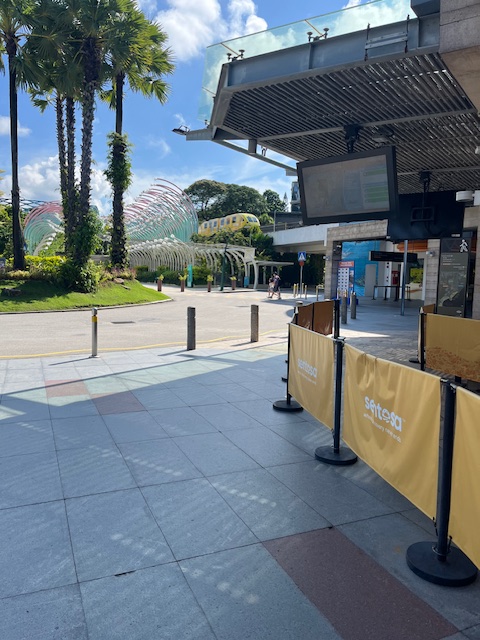
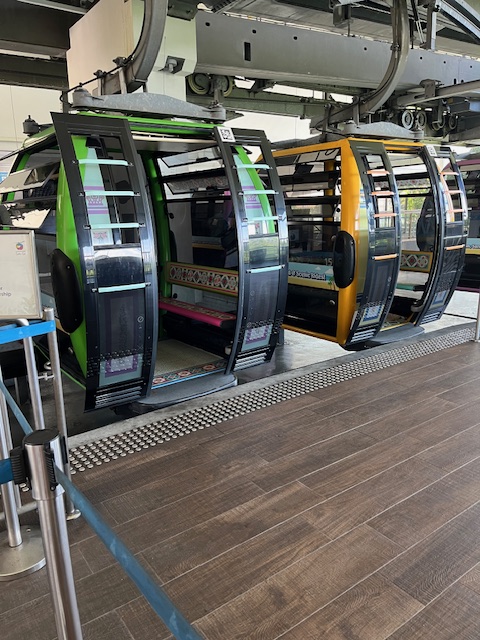
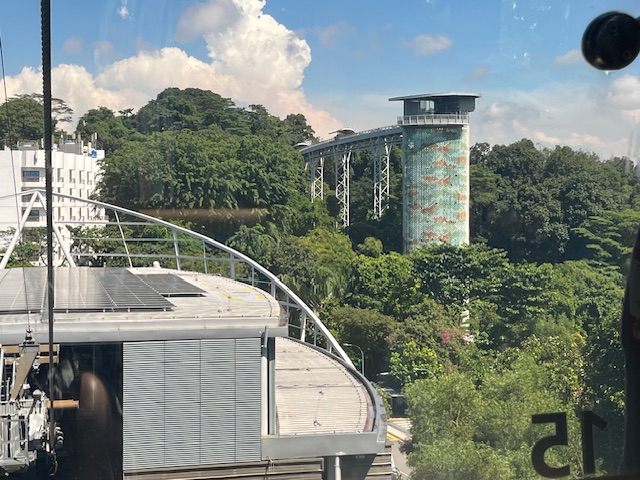
We awoke early this morning as we had decided to visit Sentosa Island with plans to ride the cable cars. Of course we had to work out the underground to travel to the island. Once we reach the Terminus for the train we were hopeful of catching the cable car across to the island. But the cable car was being serviced that week, so we travelled on the monorail.

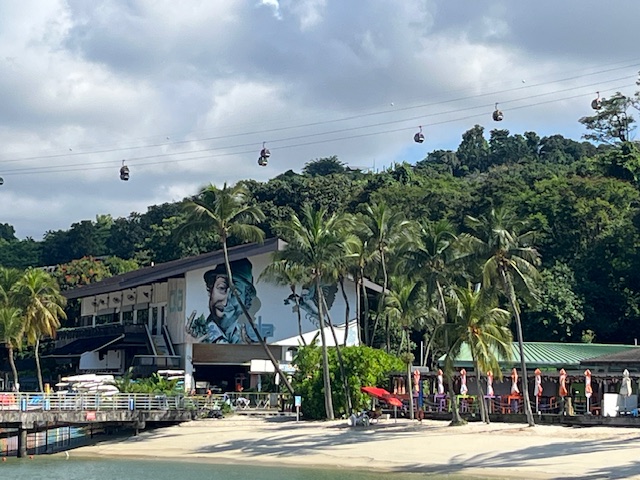
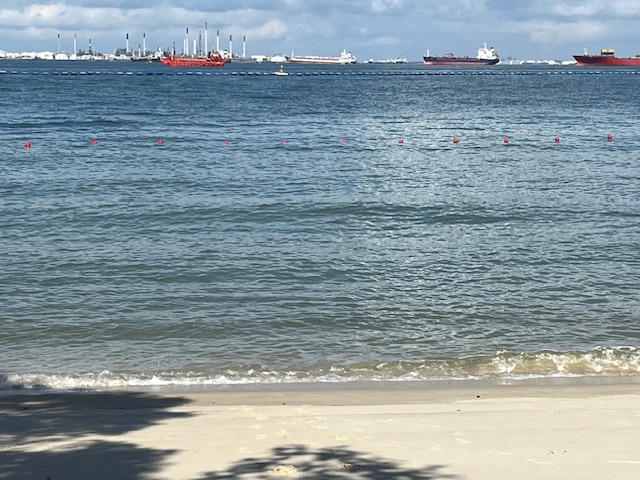
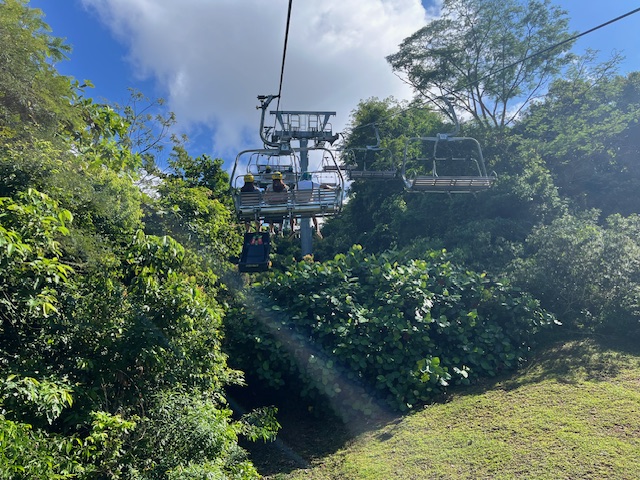
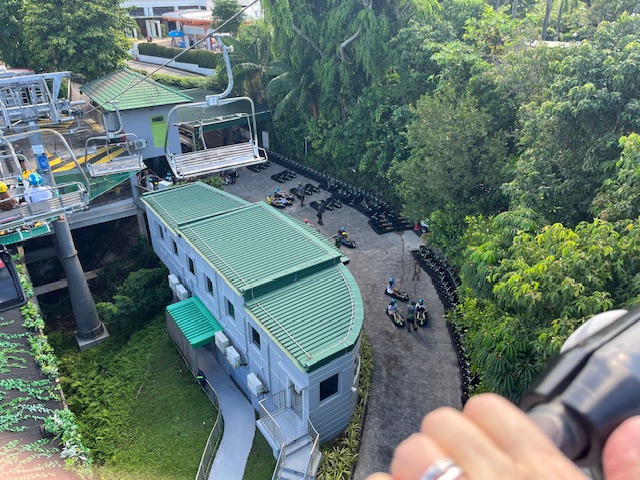
Interestingly the underground train and the monorail both reminded me of Beijing and Hong Kong – struggling against the tide of people trying to get into the rail car. Despite the throng when we arrived the place looked deserted. There were 5 to 6 stops on the monorail and maybe they all got off at earlier stations than the terminus. On arriving the directional signs took us to the beach where the only other people there was a family under a red umbrella. No waves to be found but the bay was cluttered with ships at anchor. Not much excitement there so we followed the signs to the ski lifts – yes we are on the equator and they are using ski lifts. The reason is that under the ski lift there is a raceway so you can hire the car to ride down the hill and you dragged your car up the hill by dragging it from your lift. I could not work out if the nets were to catch falling passengers or falling cars.
We weren’t ready for the race so we left the ski lift at the top station and walked around to the cable car which we thought was not operating. Yes it was operating but not the connections to the mainland. Still we thought we ought to catch the cable car to see more of the island. The cable car terminated at the treetop walk. Now the temperature was bloody warm, my disposition was cranky due to my various ailments and there was no lift to take us to the treetop climb. We stayed aboard and went back to the ski lift as we had spotted an air conditioned ice cream shop with tables and chairs.

We made our way back to the hotel to get ready to transfer across to Raffles the following day.

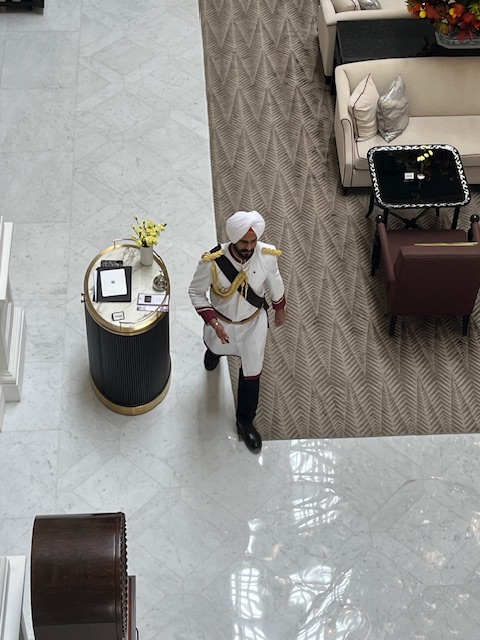
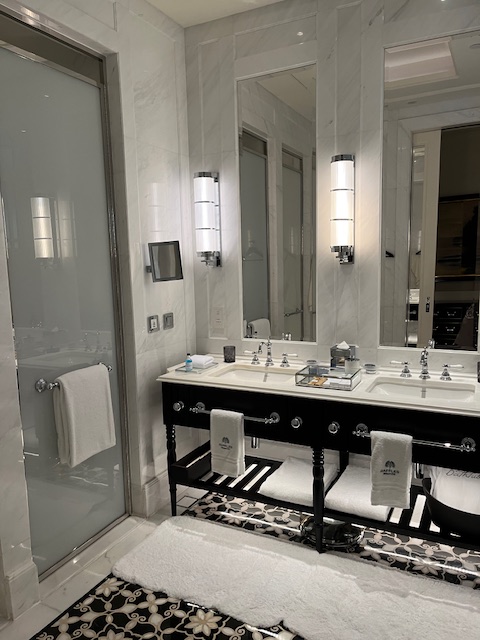
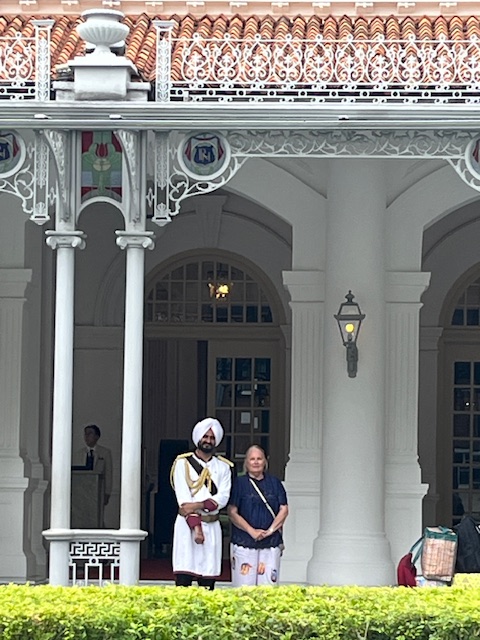
Day 4 and we start preparing to check out Park Royal Collection Hotel and make the move across to Raffles Singapore. We caught a cab even though the hotel was nearby. We did not feel like dragging our luggage in the heat of the day. Arriving at Raffles we were met by the traditional Sikh Doorman at the front door of the hotel and shown inside to the reception office. Our room was not ready so we decided to check out our home for the next 2 nights.

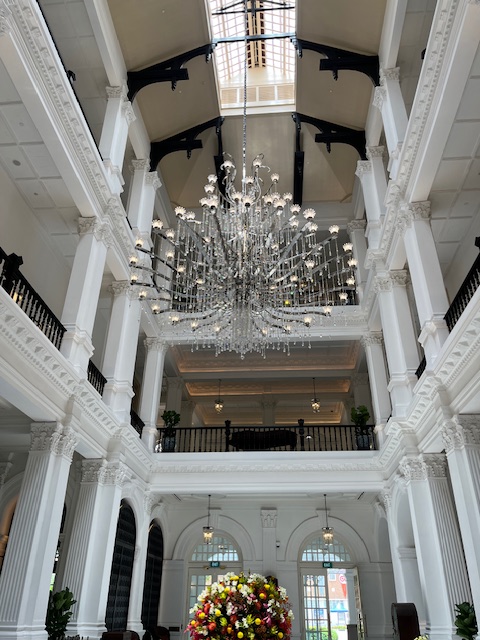
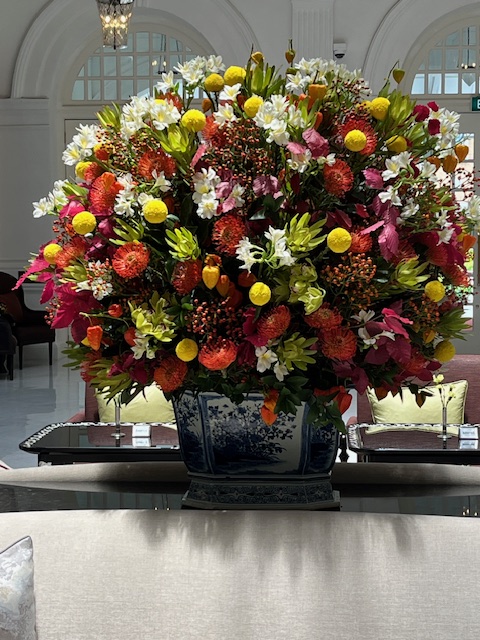
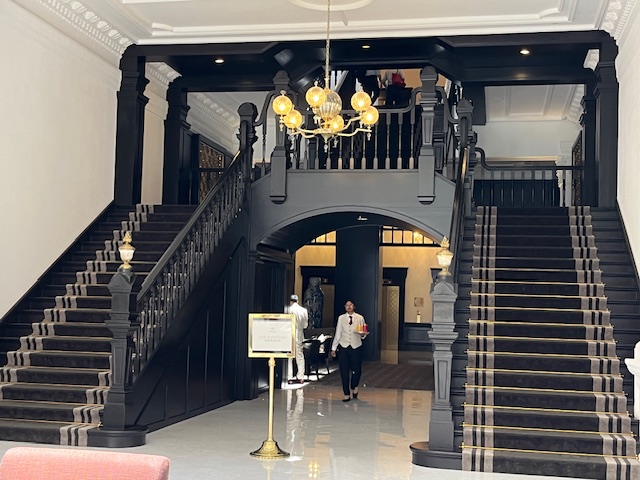
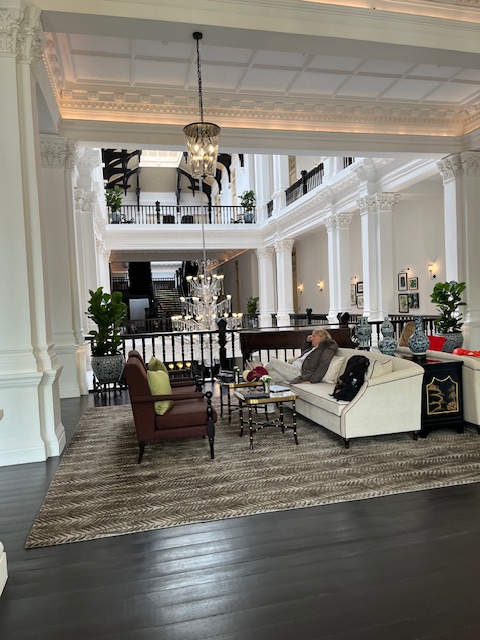
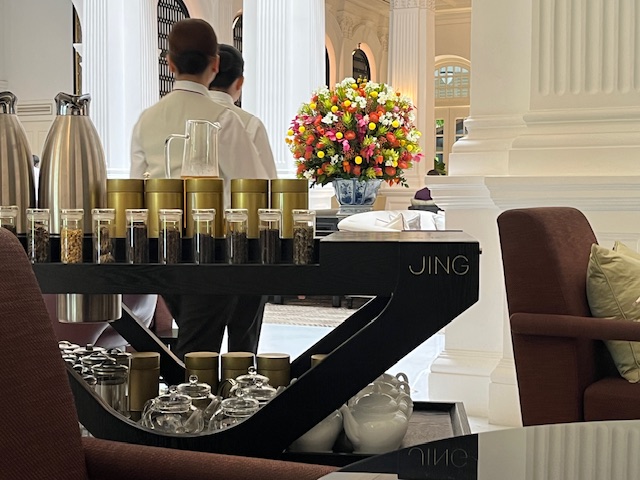
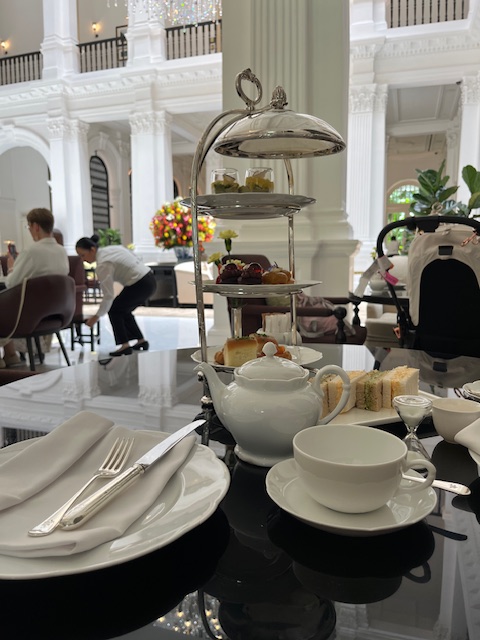
The entrance was grand with a huge chandelier and flower bouquet. Beyond the back staircase is the reception room – guests only no visitors allowed. Leading off the entrance foyer was a dining area and the “High Tea” service area. Kerry had this itch and desire for a high tea and as high teas go it was expensive but exquisite. After our high tea we moved to the relaxing lounges on the floor above .

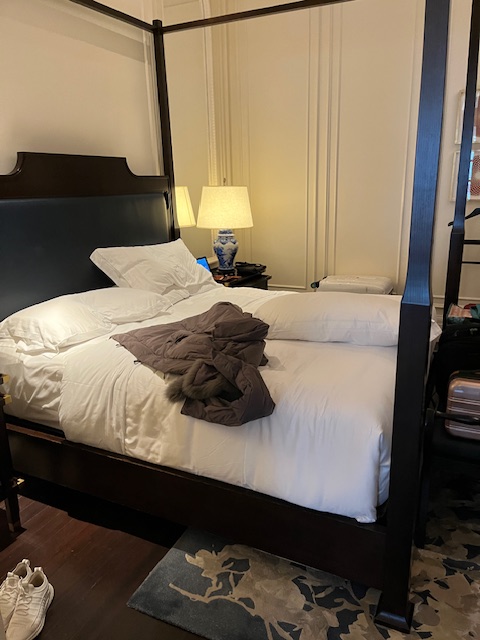
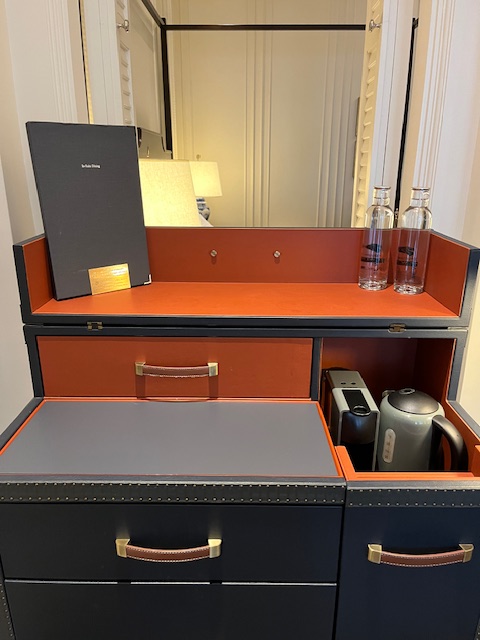
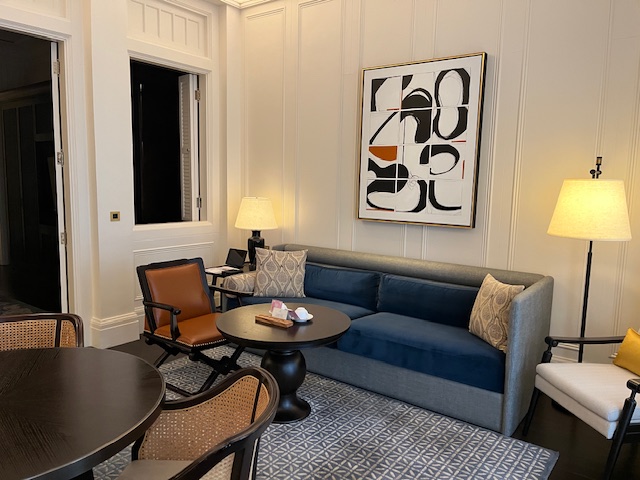
Finally our room was available and we were guided to the room (formerly part of the stables of the original hotel) where we met our butler who guided us through the use of the tablet to operate the room. I will mention an incident that happened on the 2nd day of our stay. Kerry was certain we had to catch our flight so rather than check we packed and got ready to go by limo to the airport. We said good bye to the hotel and I have included her picture with the Doorman. We drove to the airport only to be told our flight was the following day so we cabbed it back to the hotel and asked for our keys back for 1 more night. They assured us we were not the first to make that mistake.

So my next blog will deal with some of the facilities at the hotel and a visit we made to the Orchid Gardens which is part of the Botanic Gardens of Singapore. Get ready for “THE RETIREES GO AROUND THE WORLD – Singapore Day 5“