
19TH MAY TO 10TH JUNE 2026
Carrying on from Episode 2 here are the photos from the upper floor.
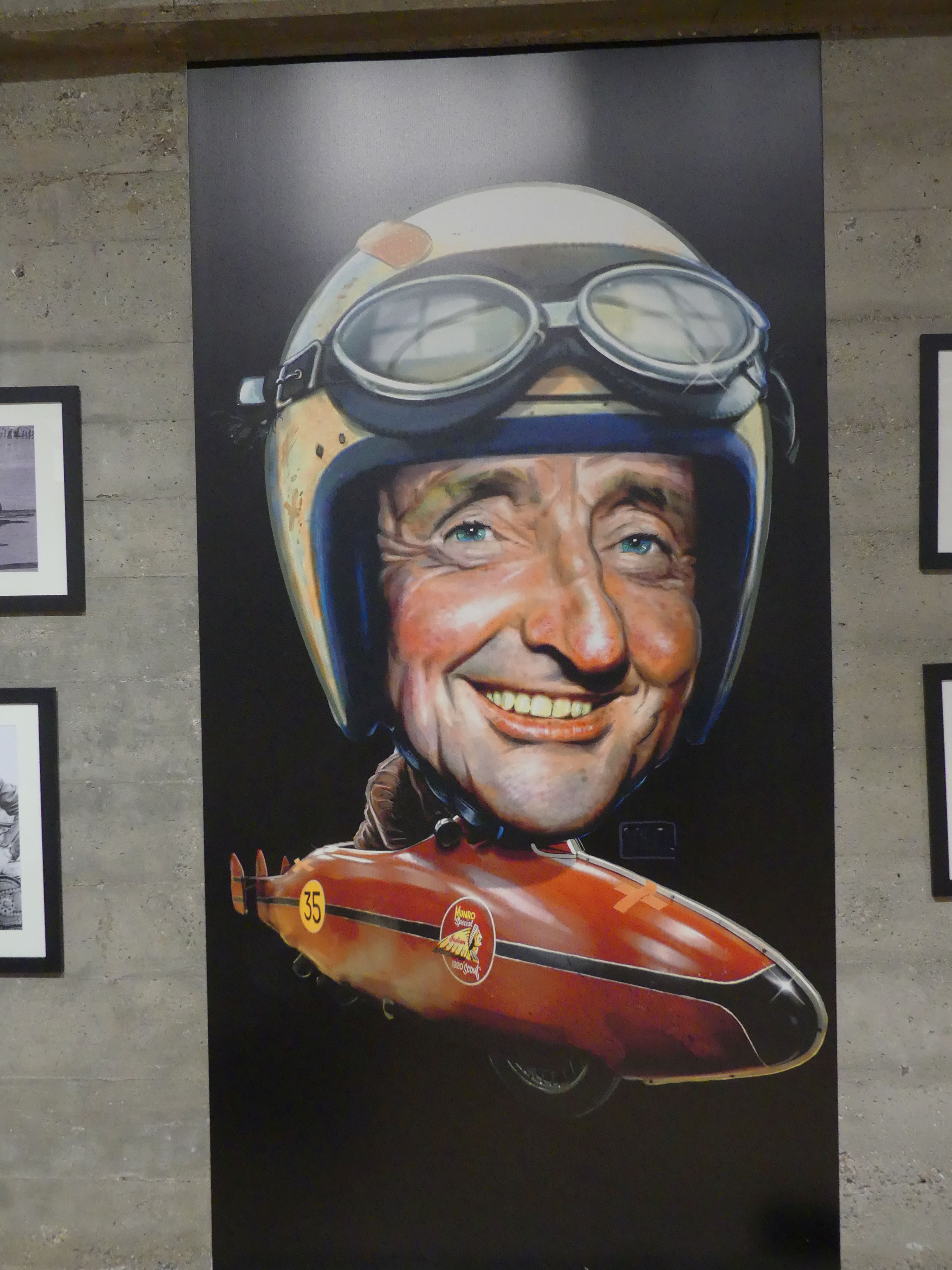
Burt Munro and the World’s Fastest Indian
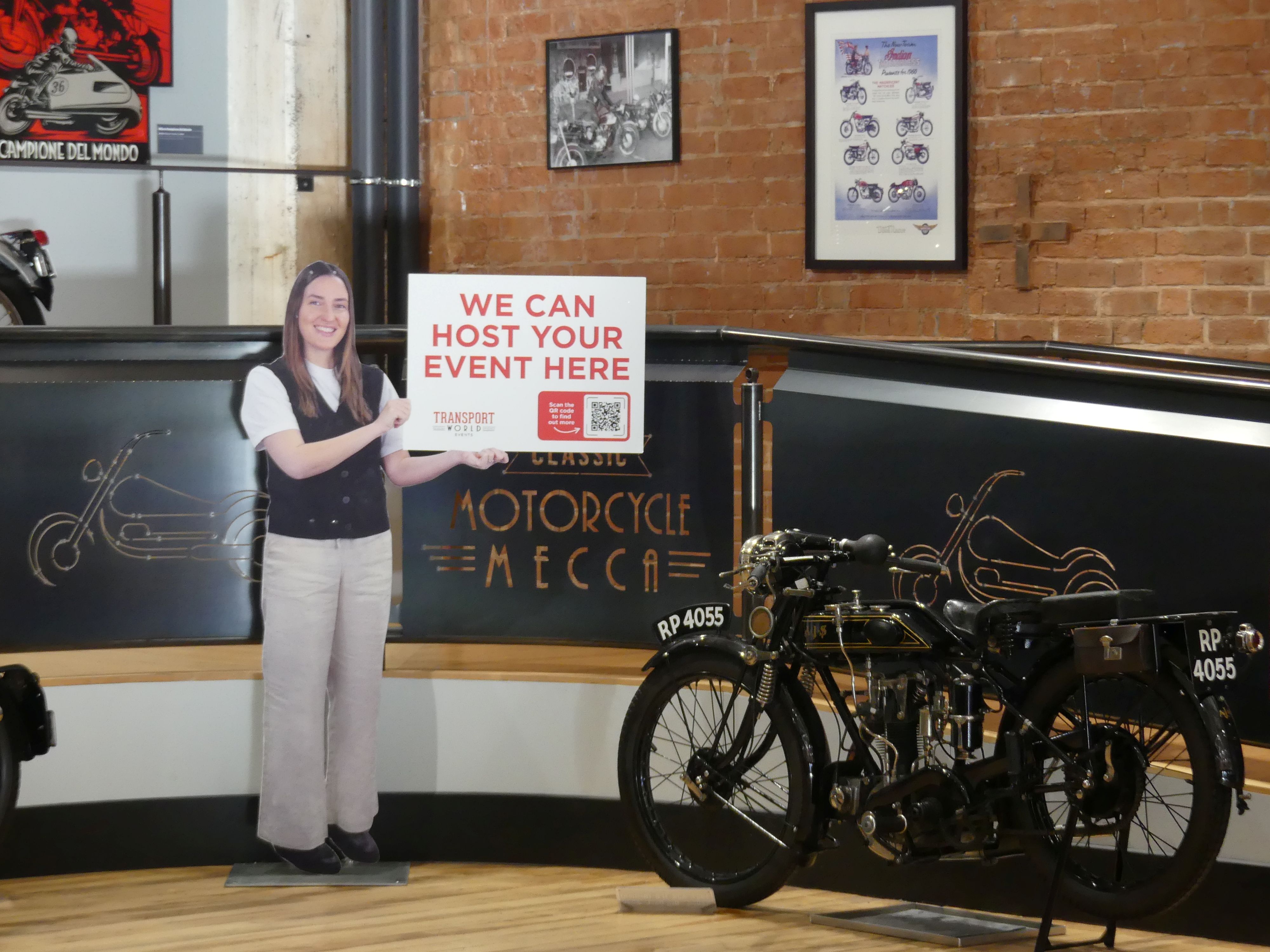
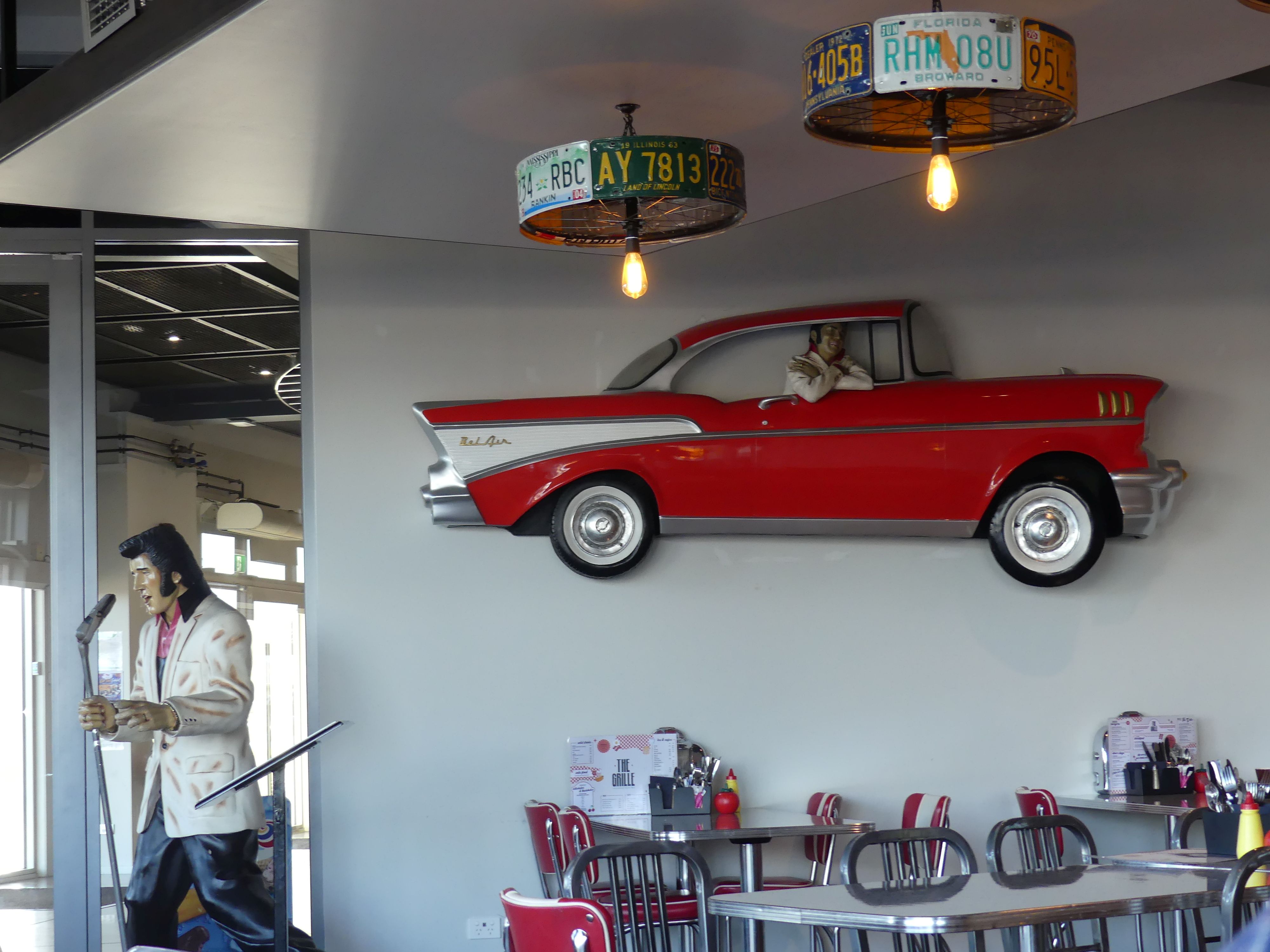
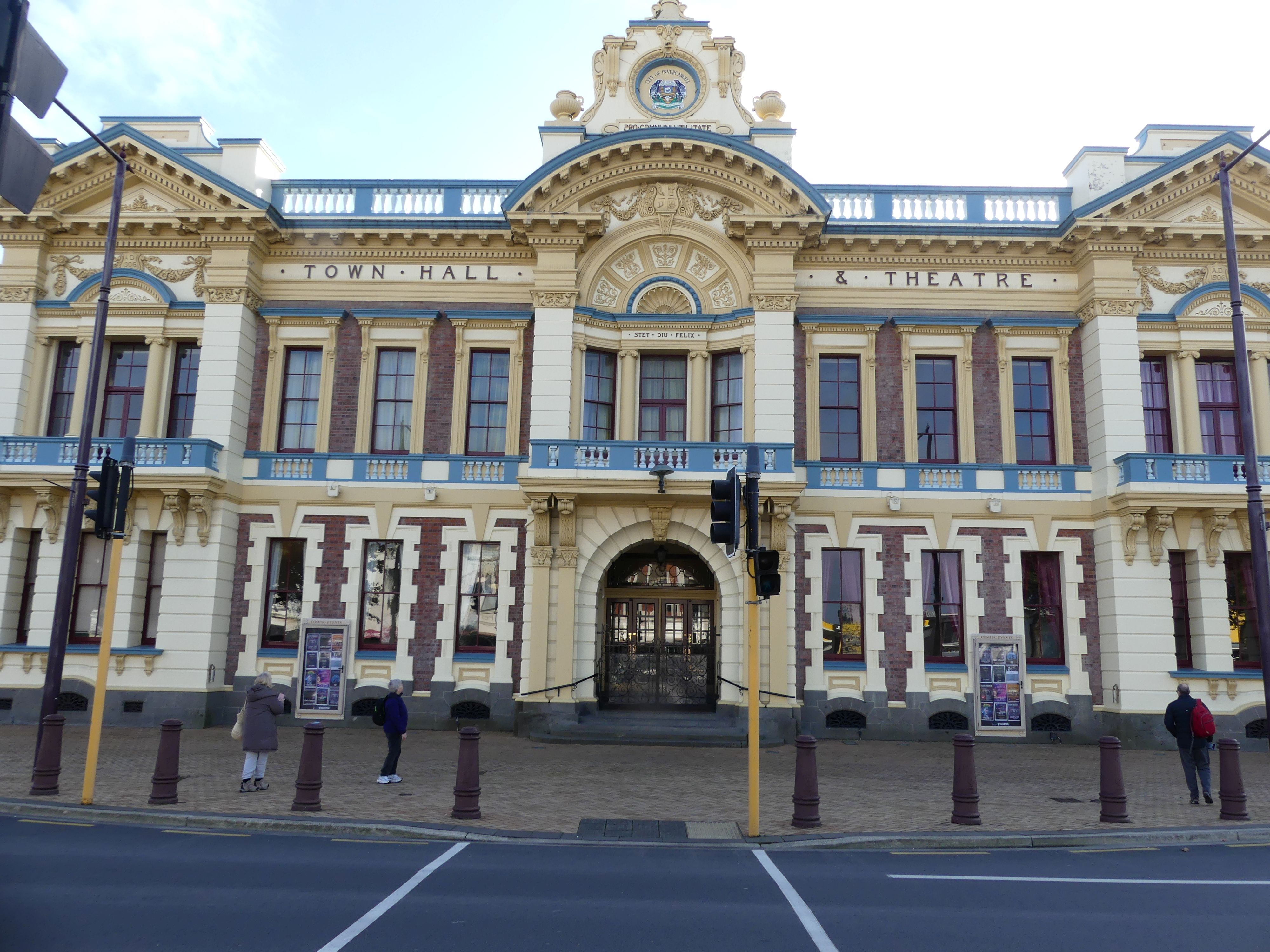
Having spent the morning at the museum, Barry and I now wanted to see the collection of Bill Richardson and his friends. We only had a tourists map and it didn’t look to be too far to walk; so, we did and it was a bloody long way. On the way we saw some more street art, the Town Hall and Fat Bastard Pies. When we finally arrived; yes, you guessed it we needed a coffee, so, the first place we checked out was the café. It was uniquely decorated with memorabilia – number plates as lamp holders on the ceiling, old radiator covers advertising “the grill”, and the tabletops made from recycled timber from oil barrels. Even Elvis made an appearance.
The cafe and the sights/sites
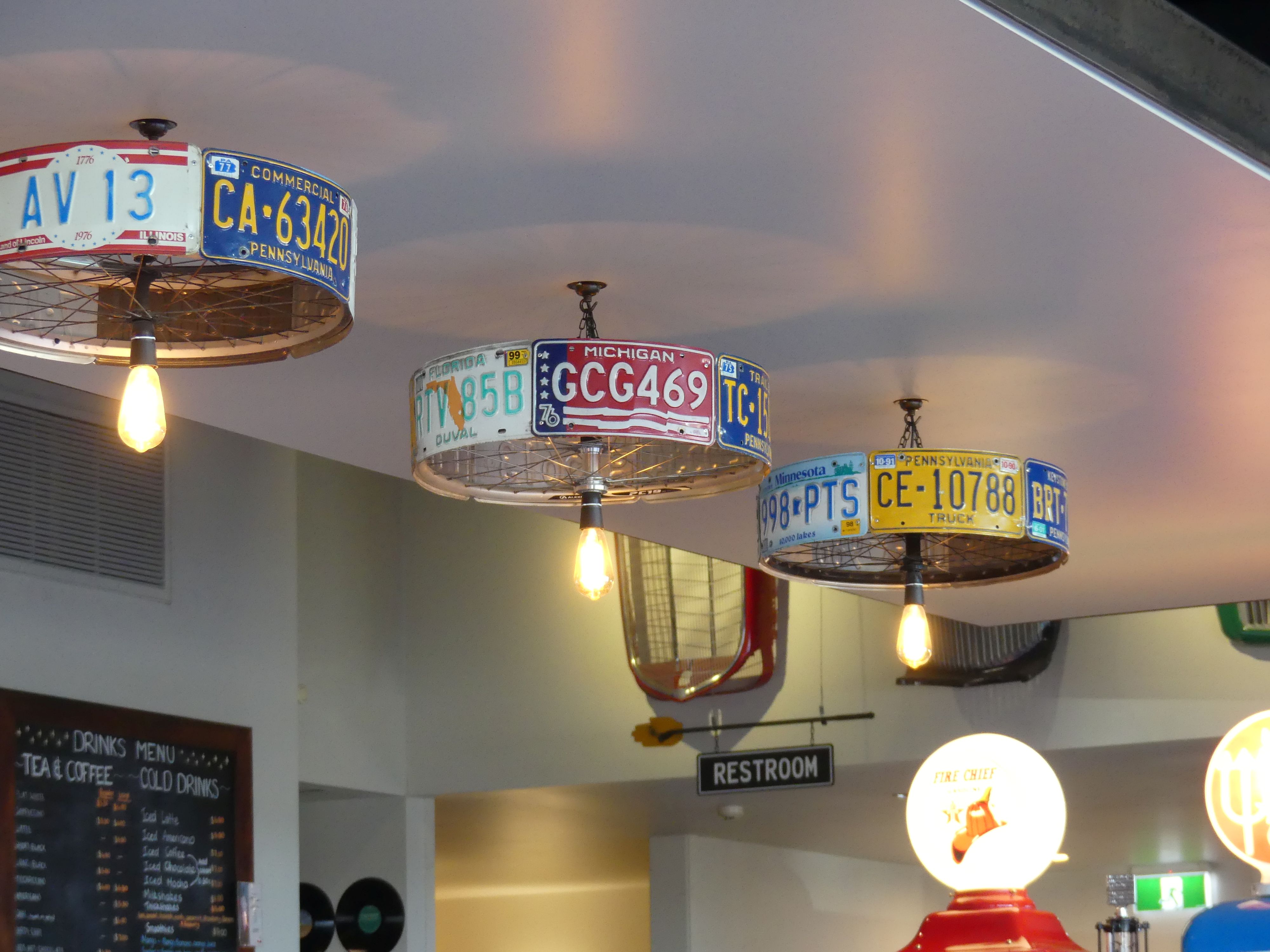
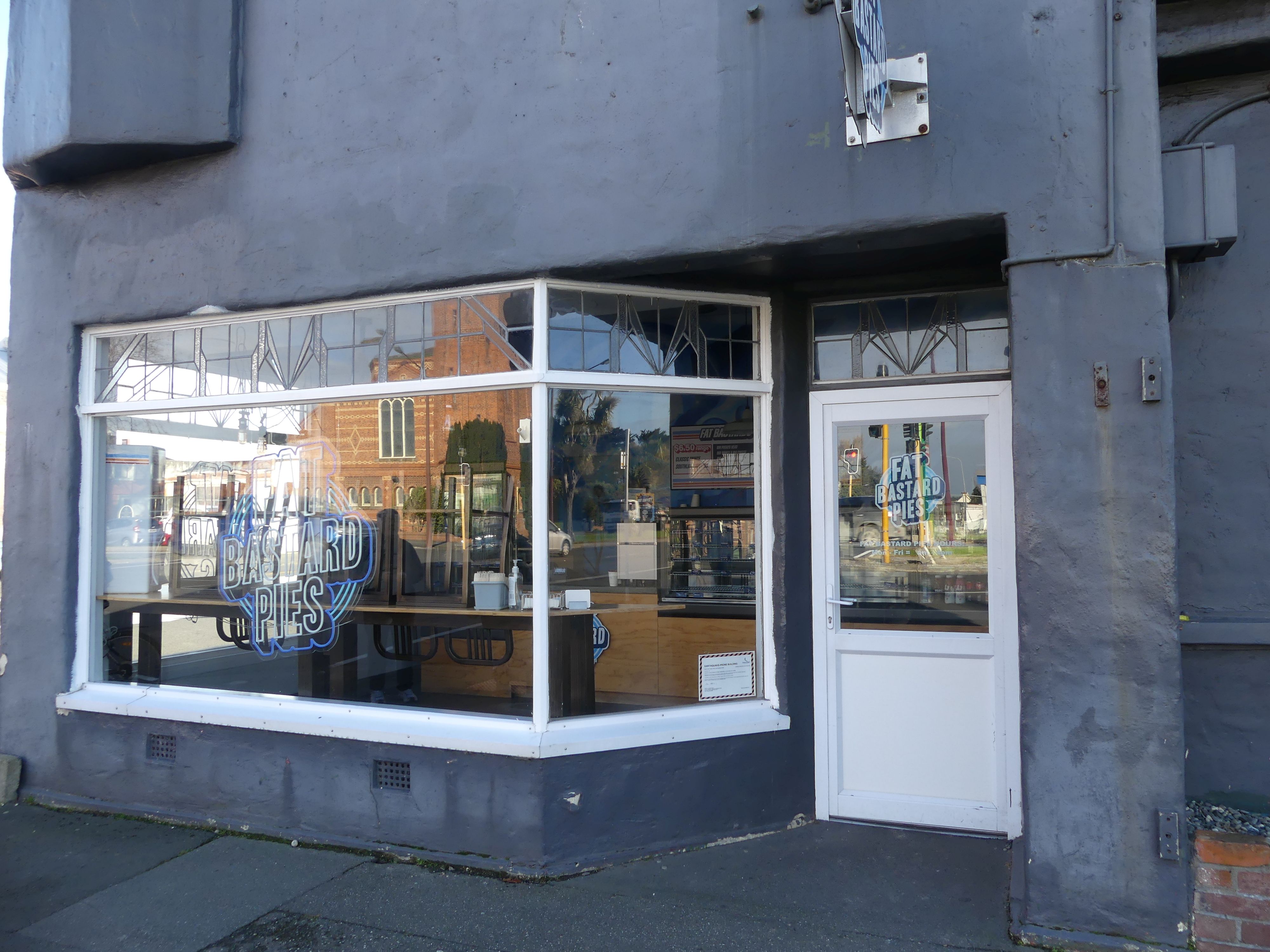
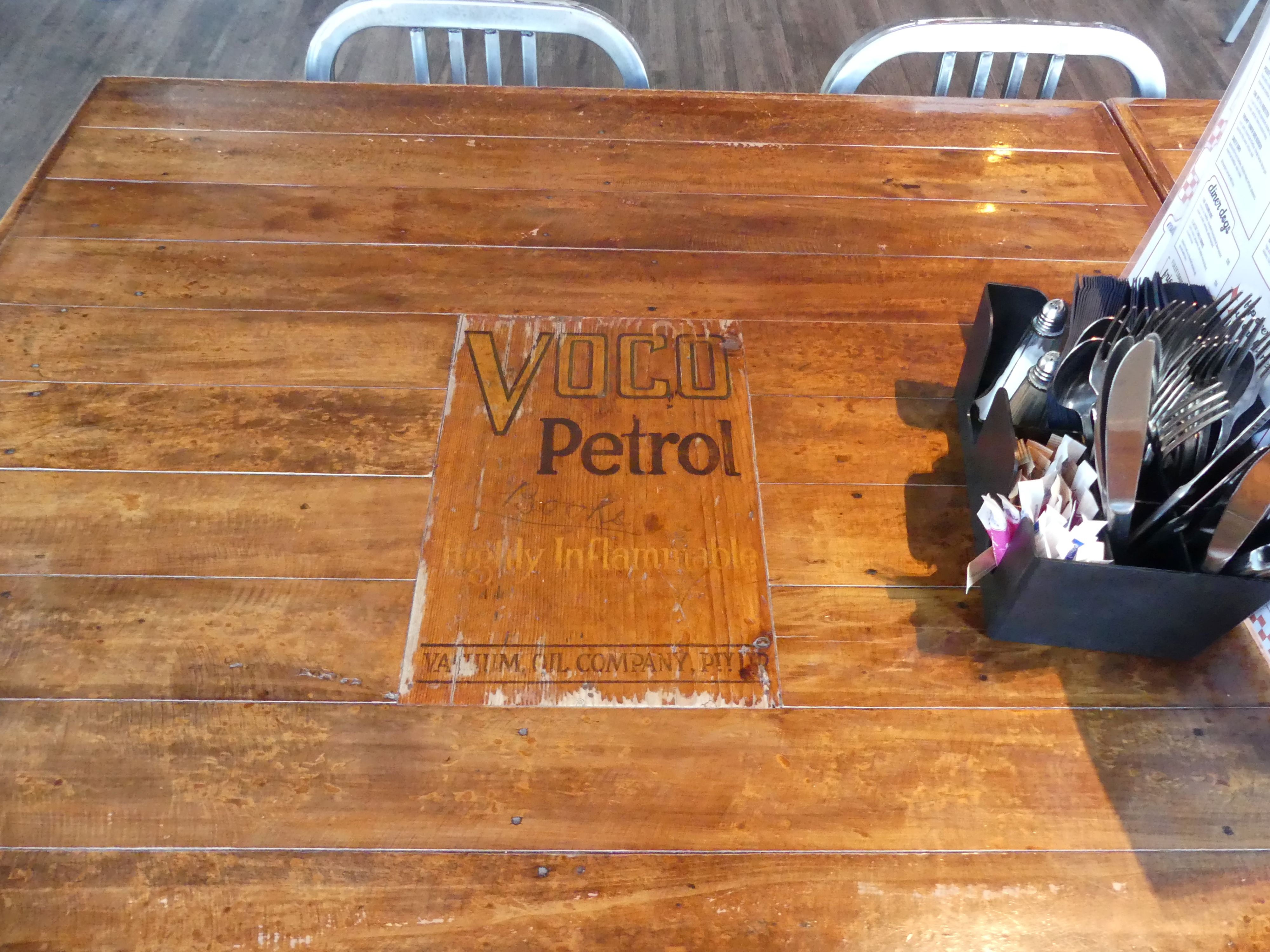
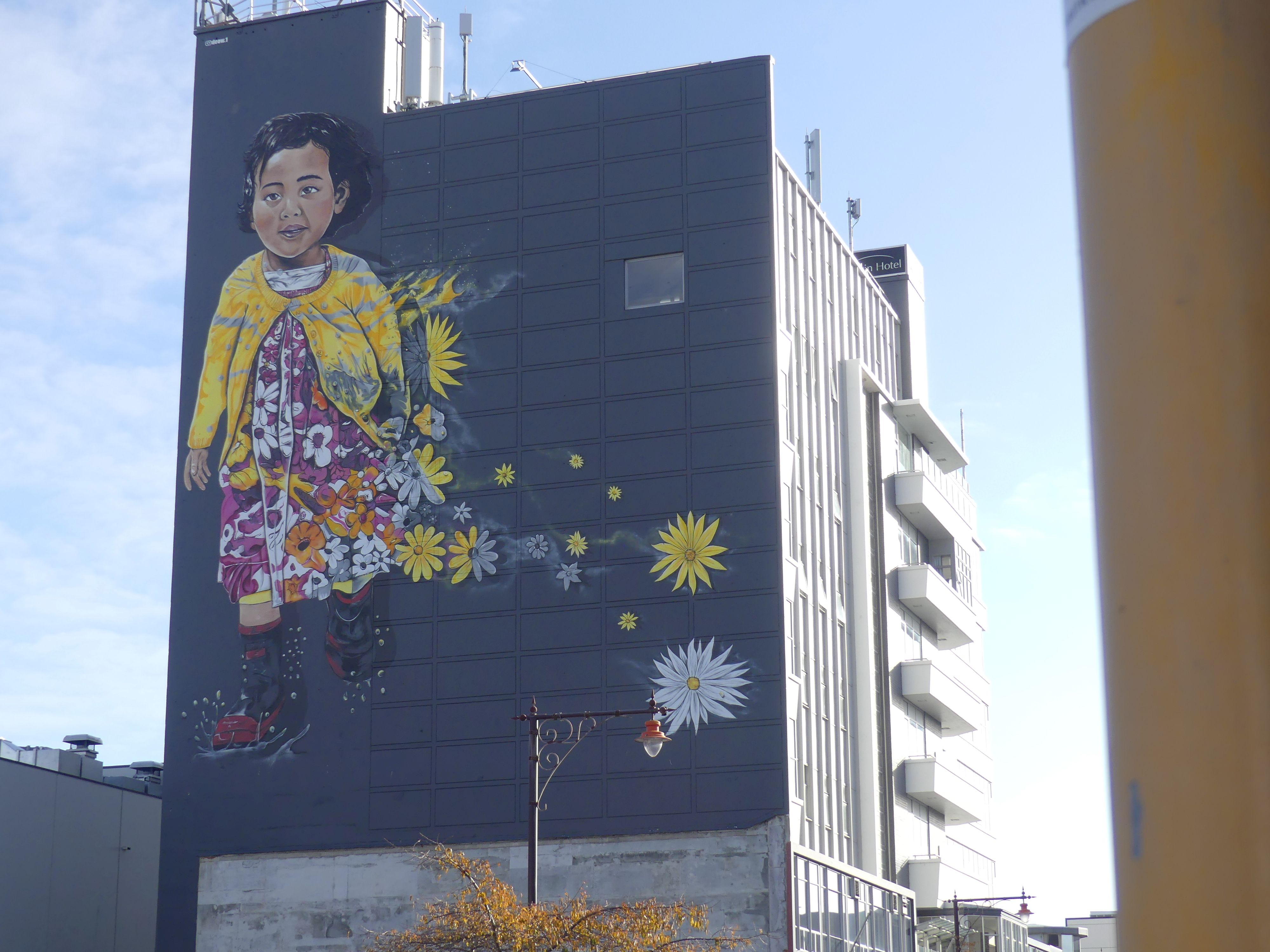
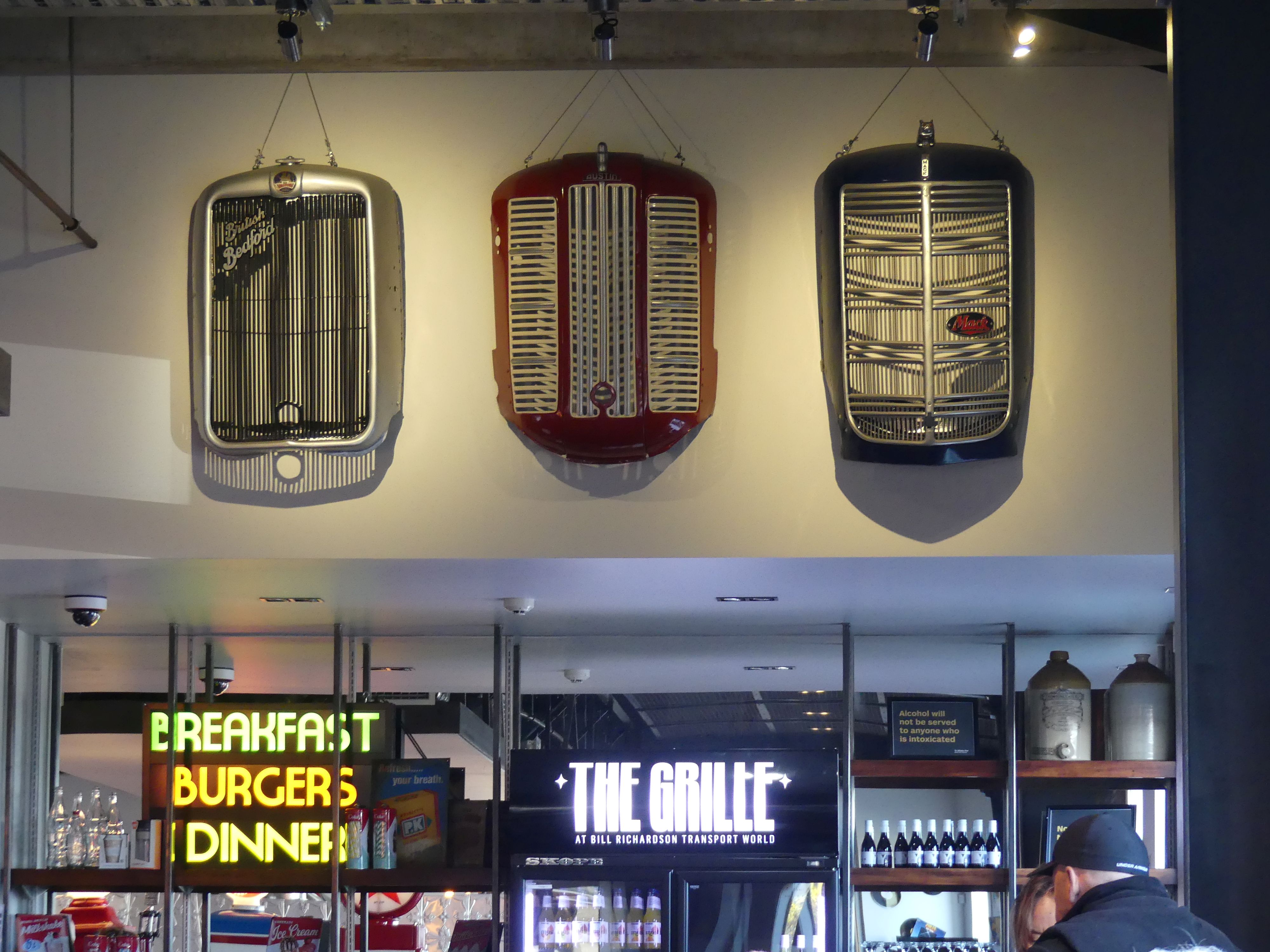
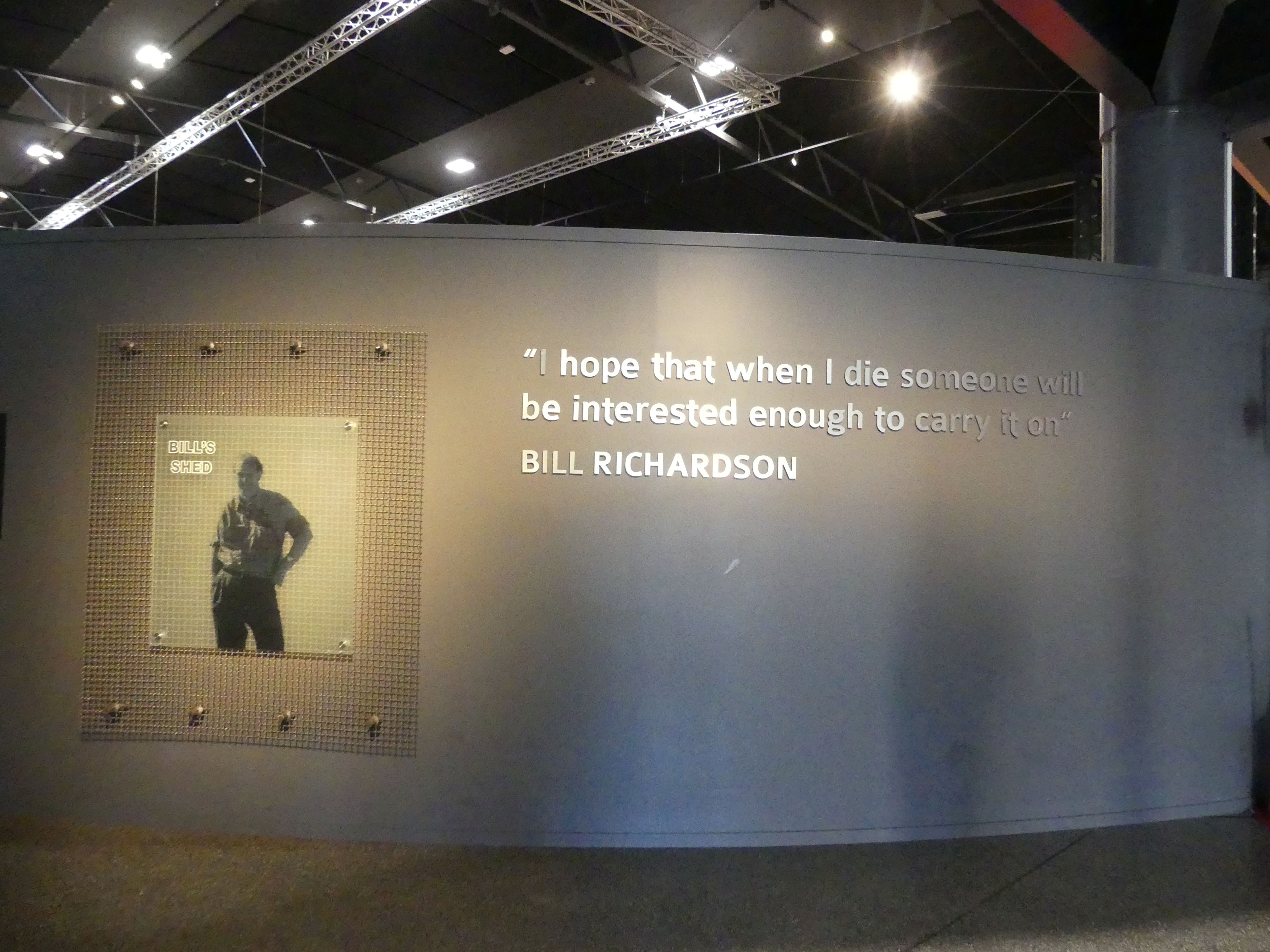
The museum was made up of the collections of Bill Richardson and his mates and what tremendous display.
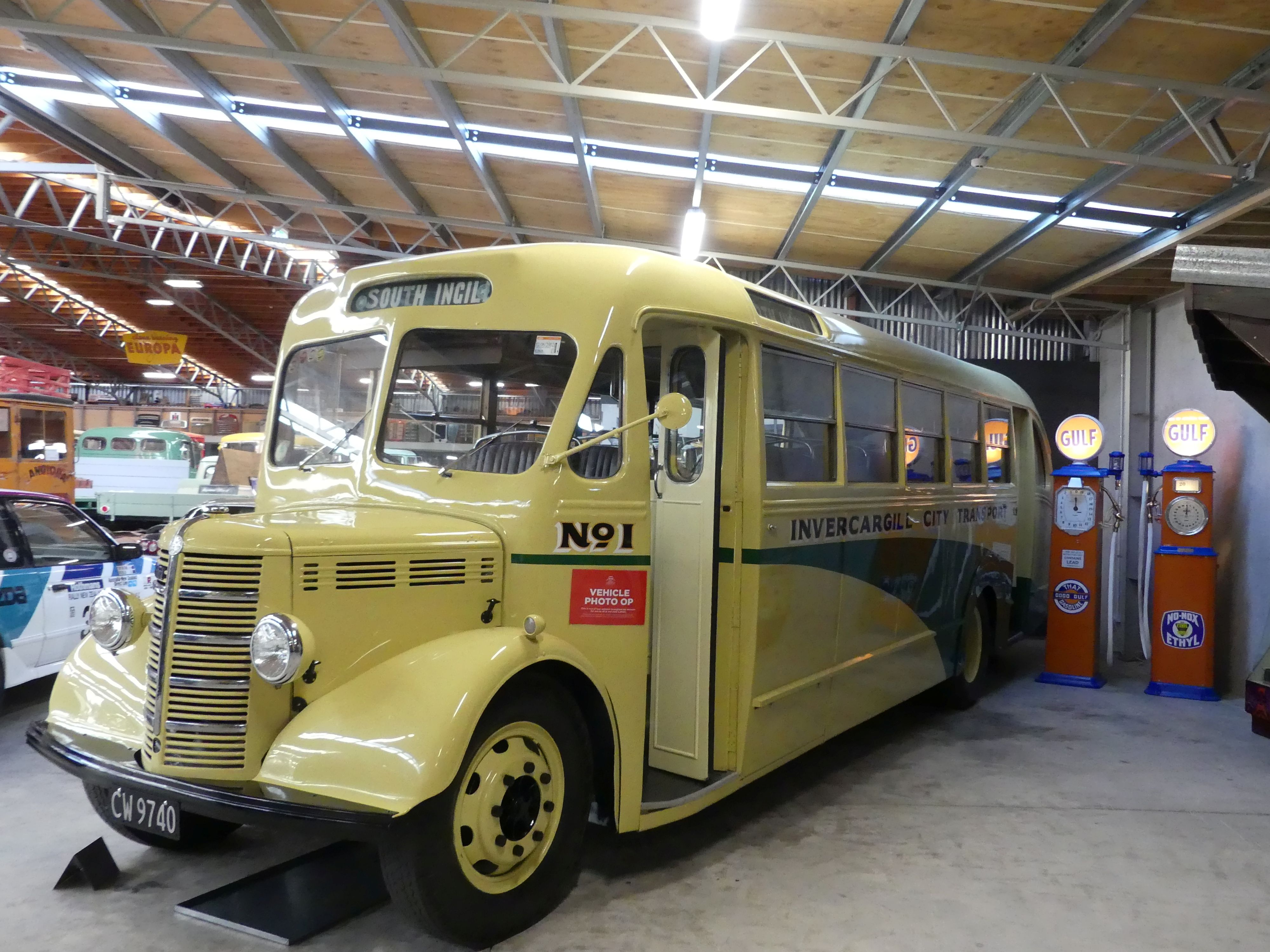
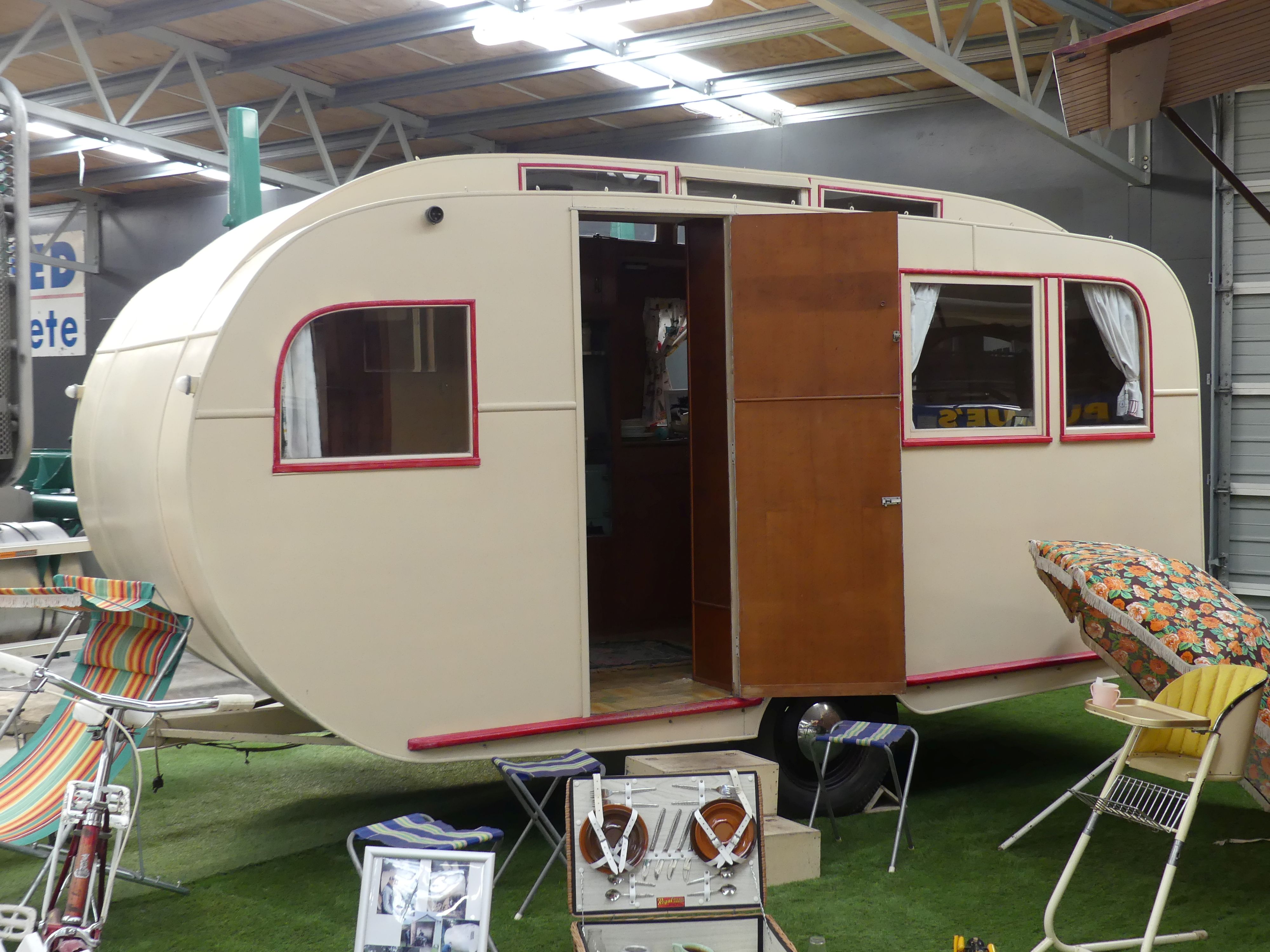
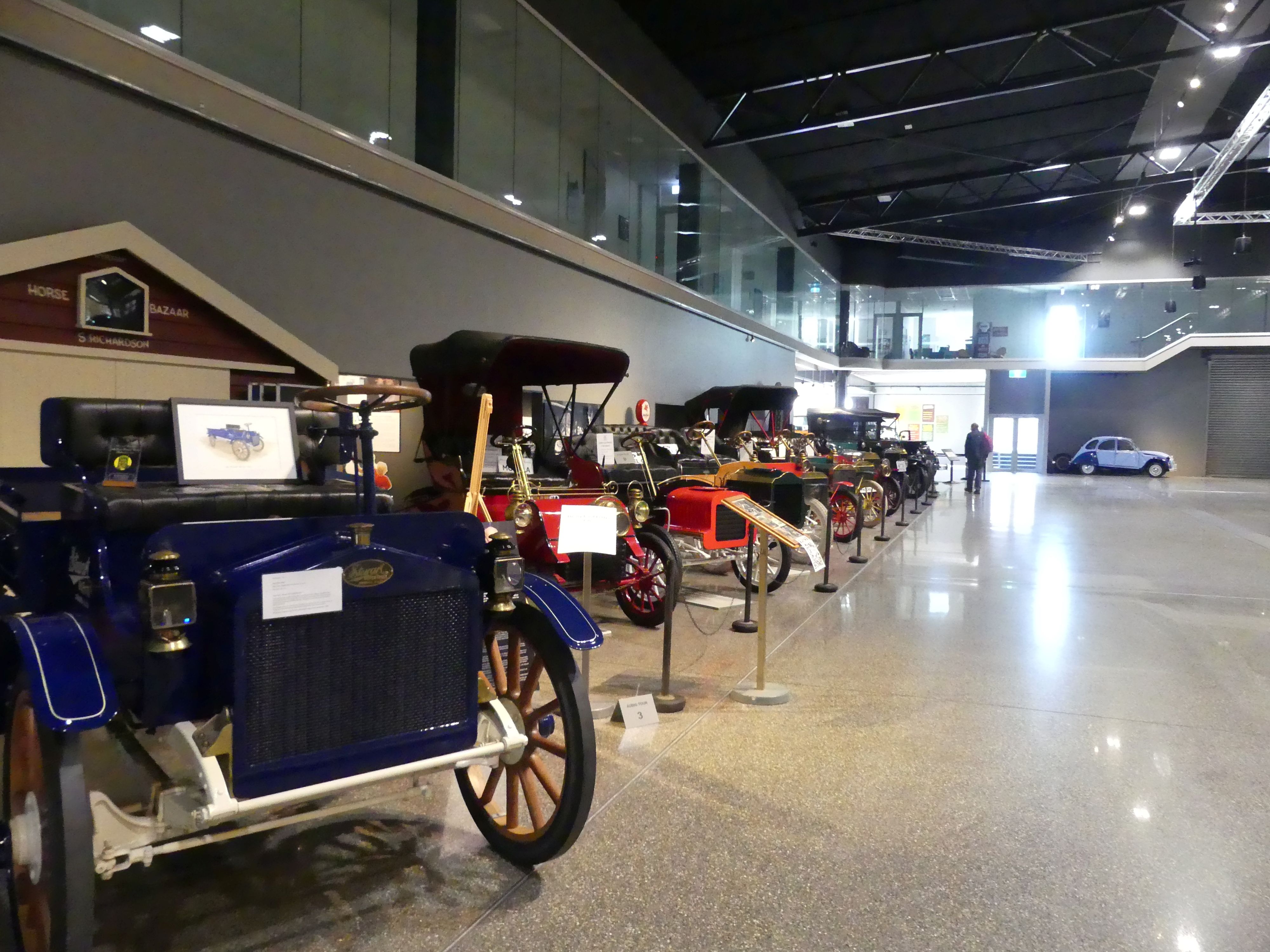
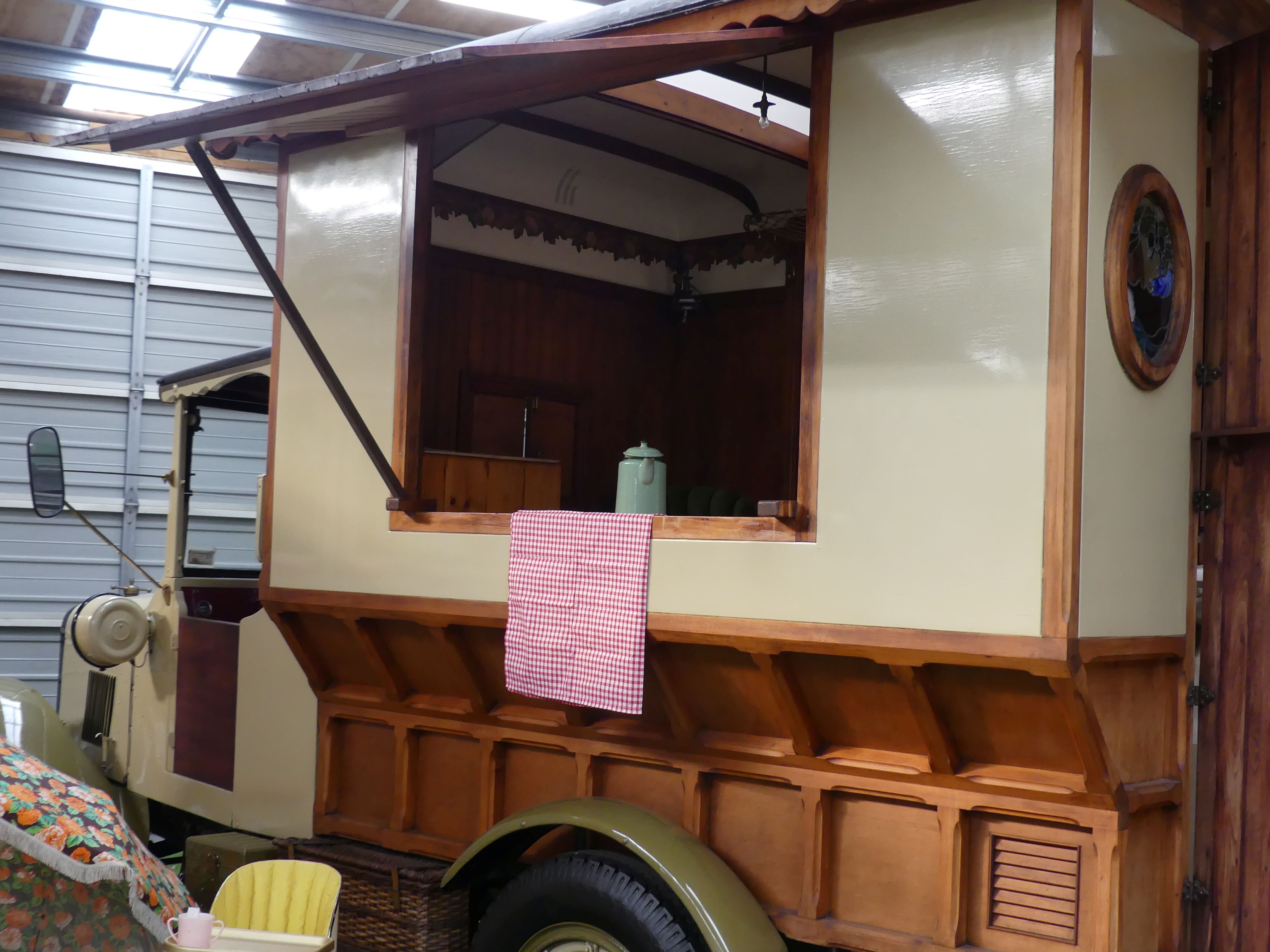
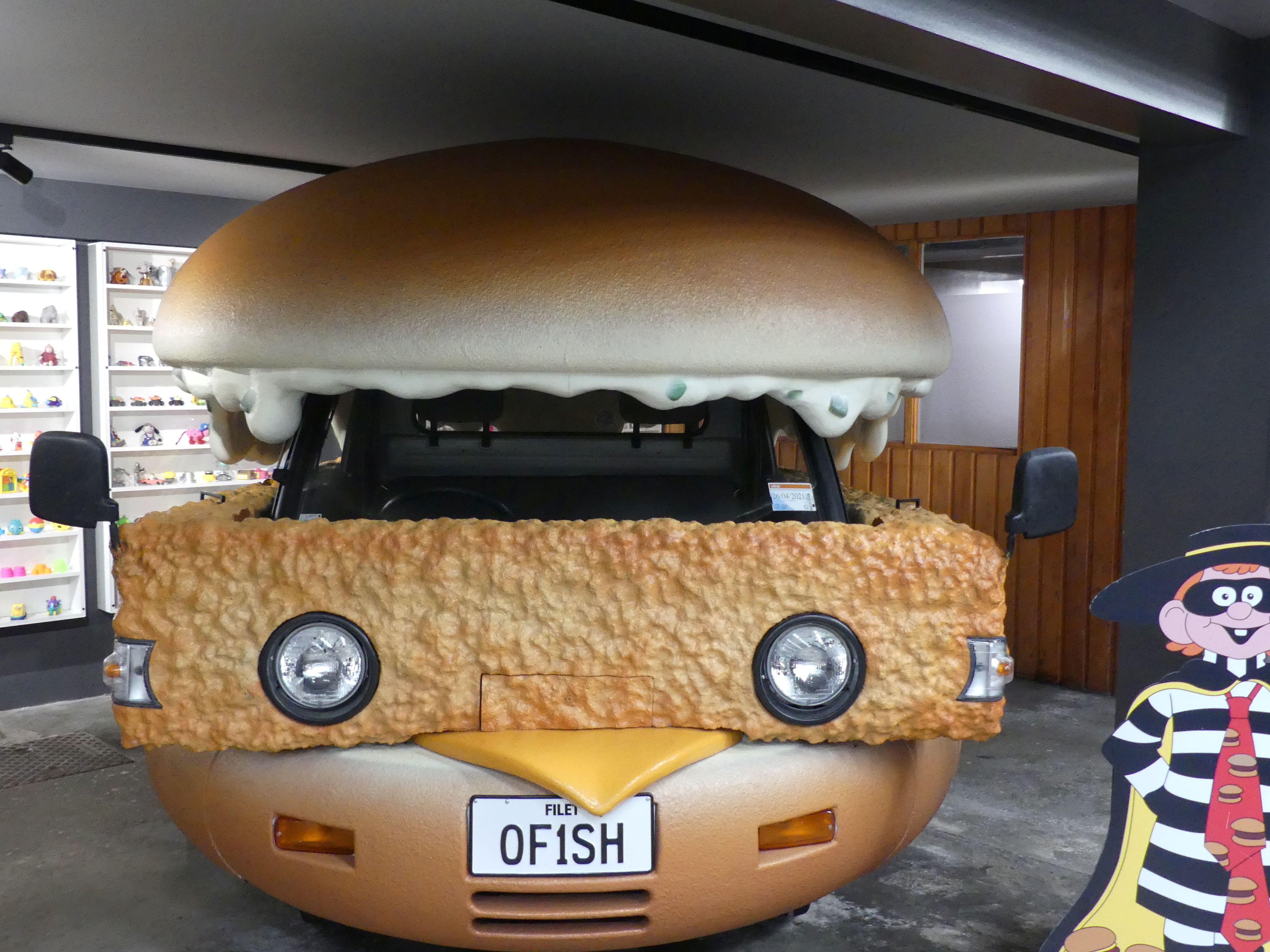
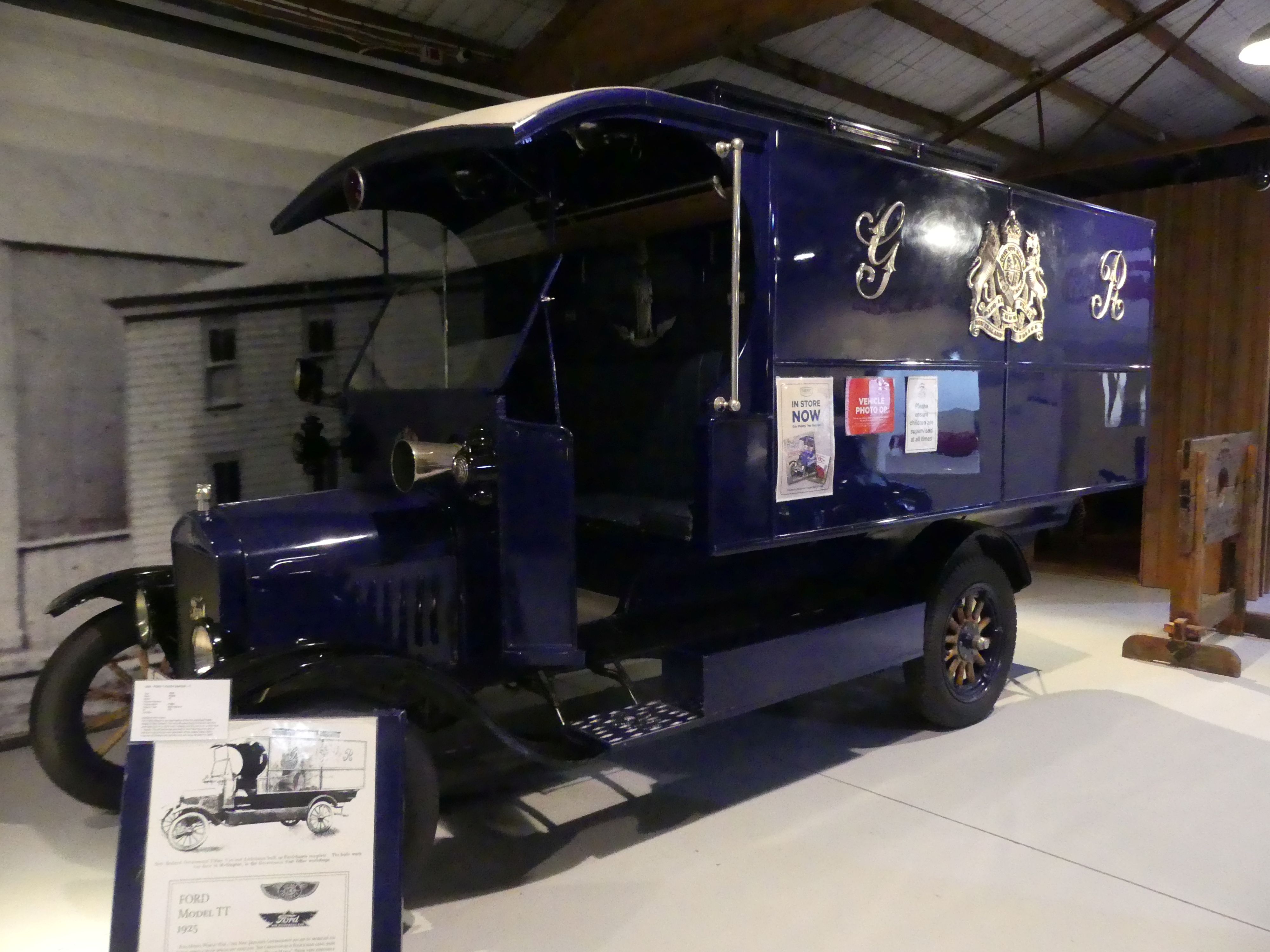
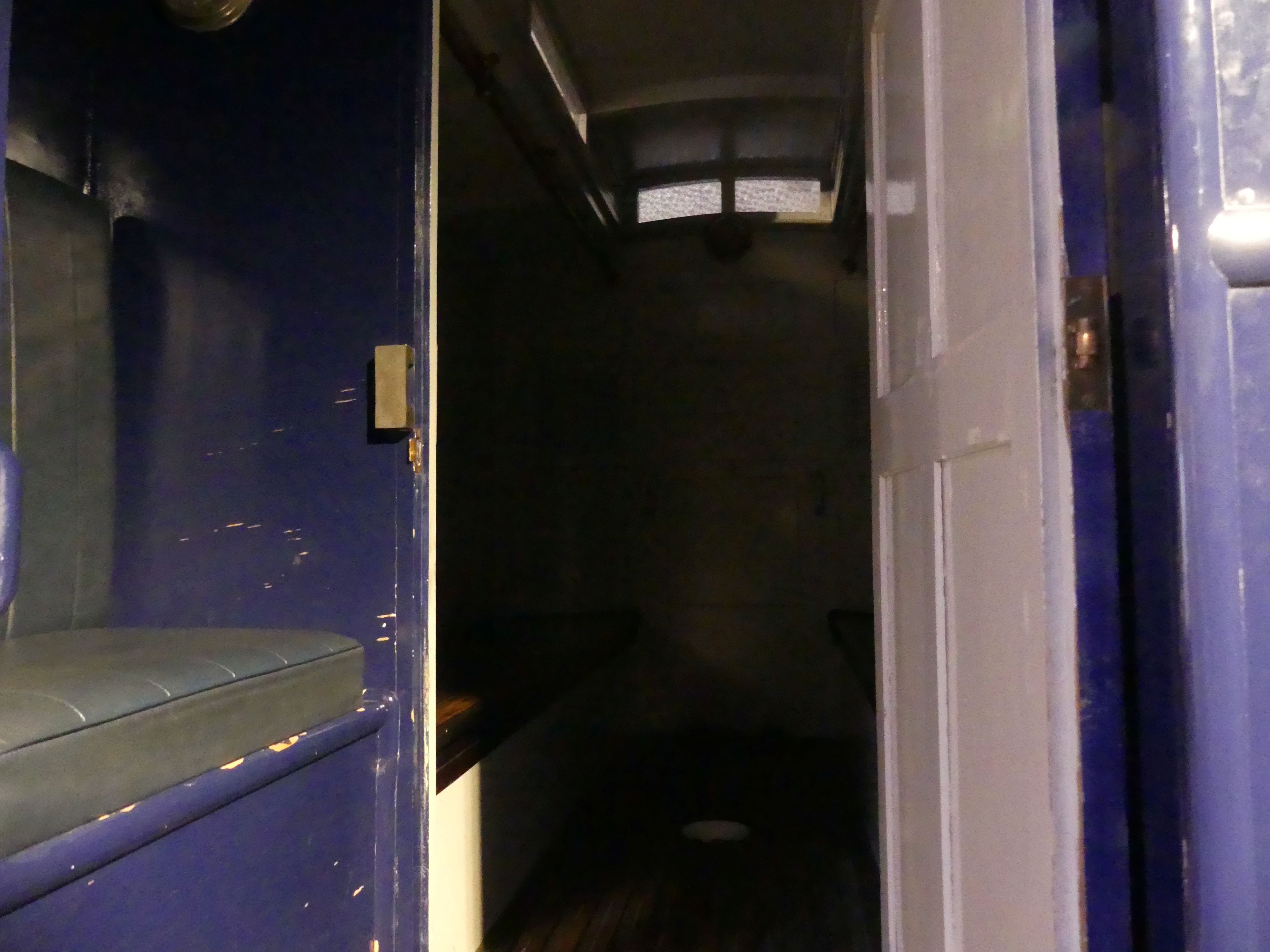
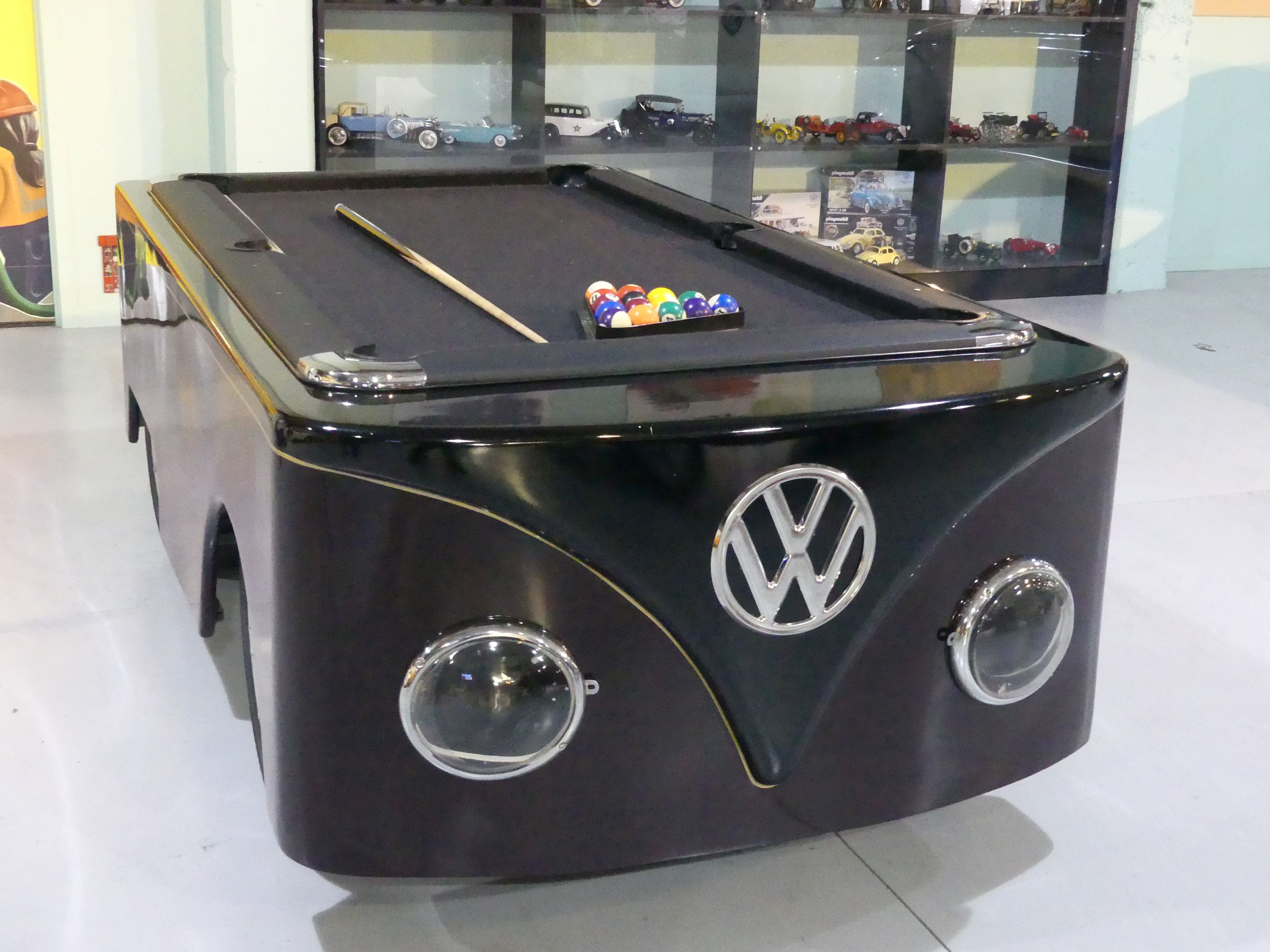
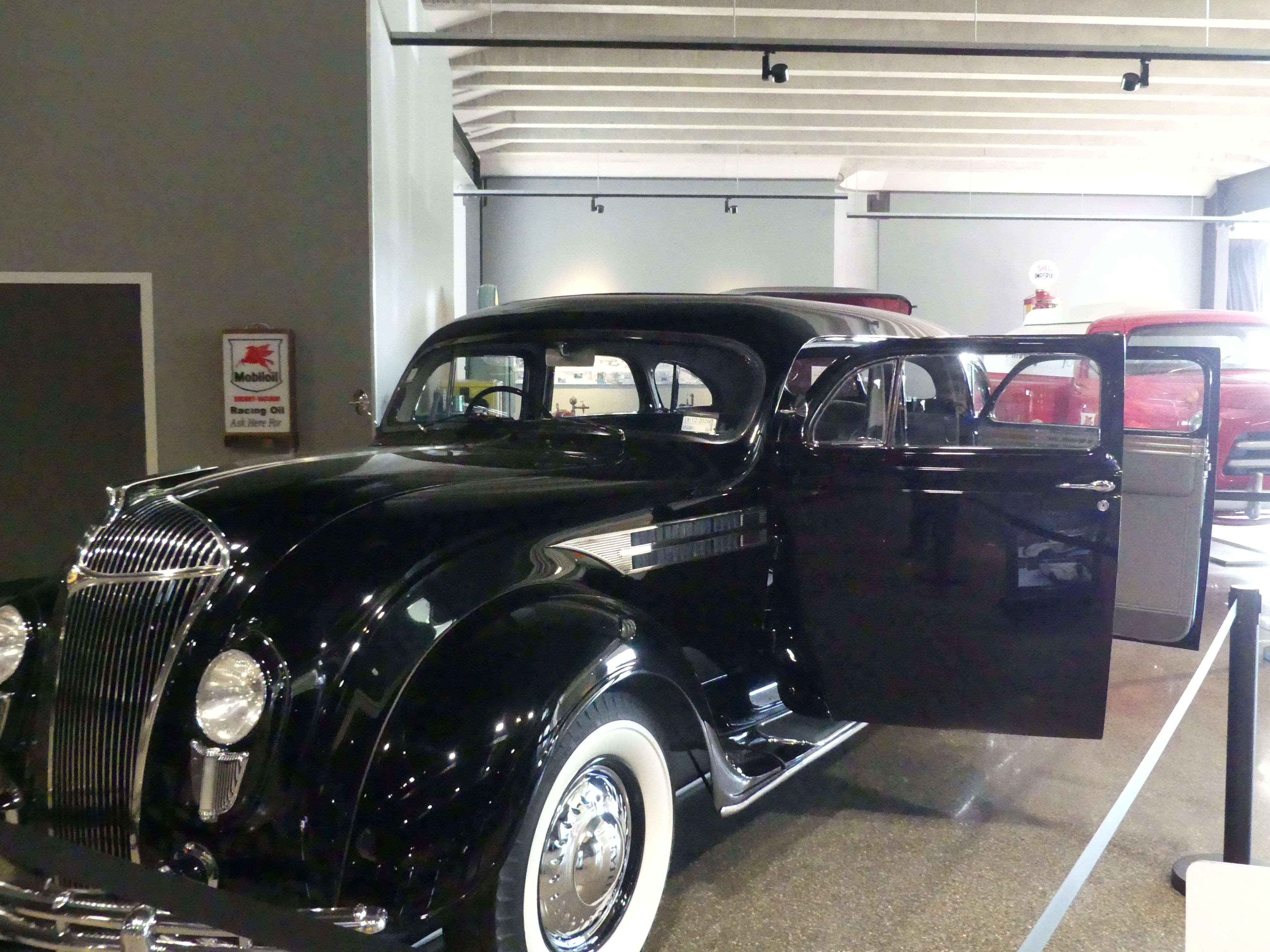
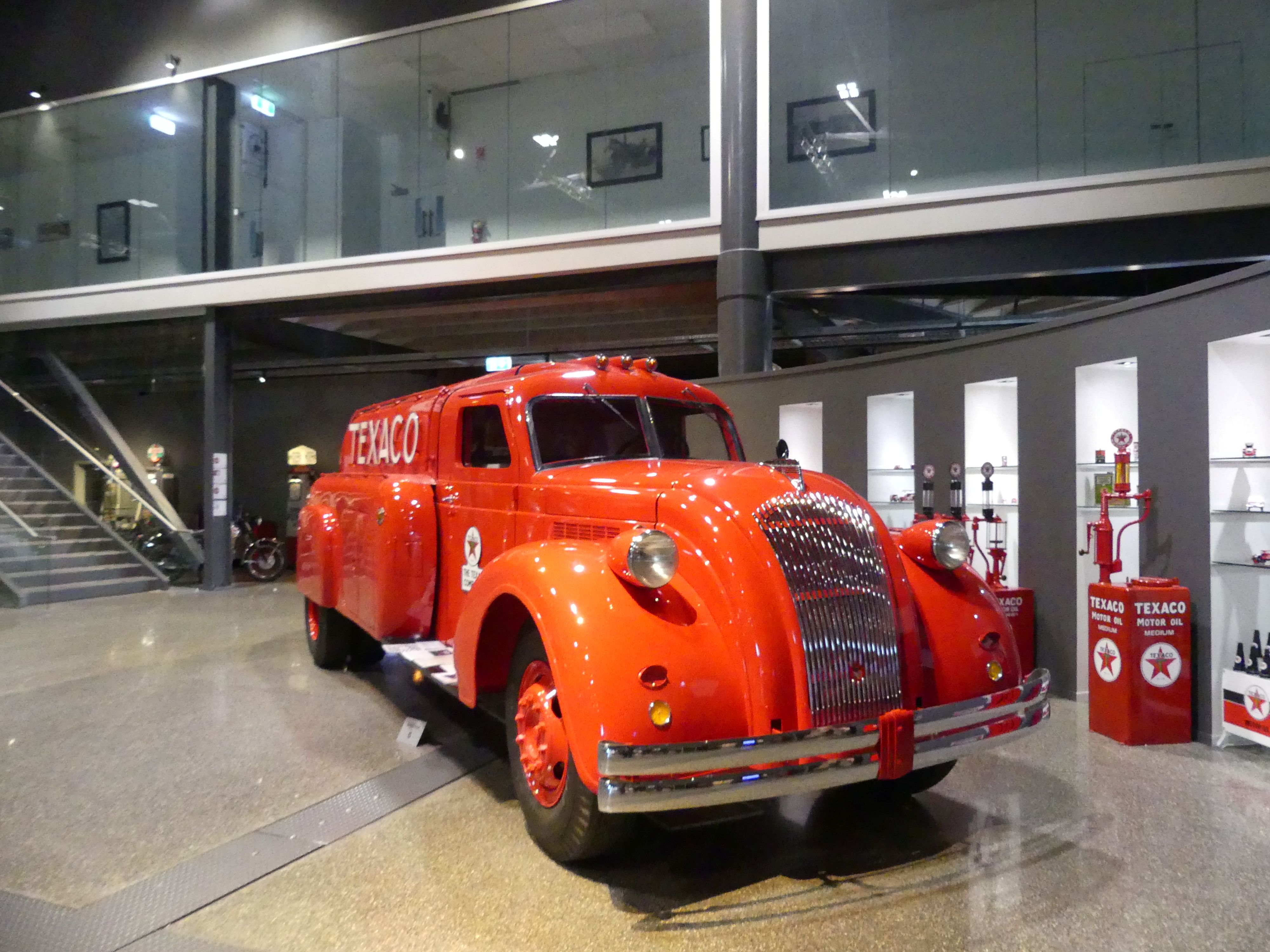
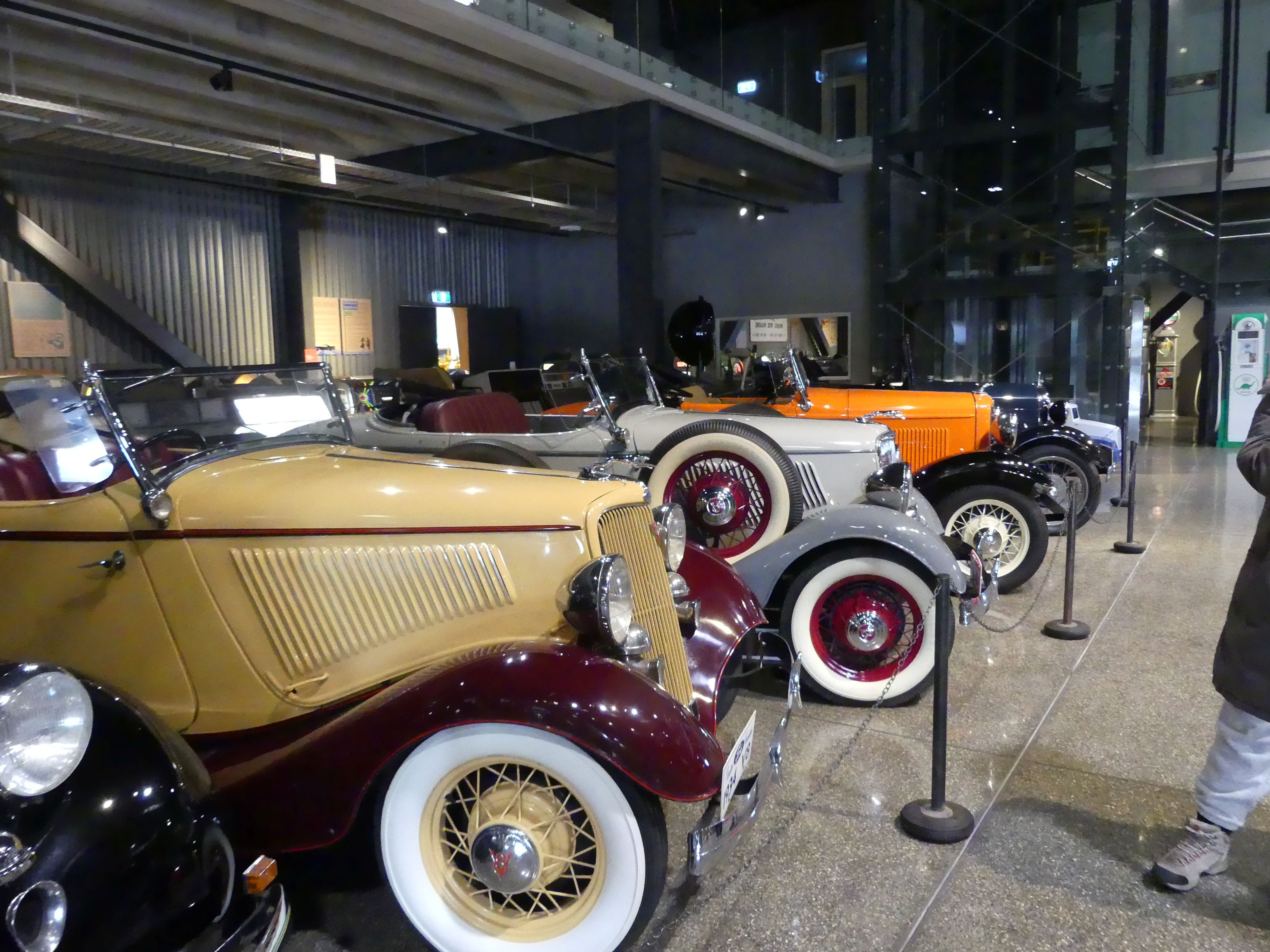
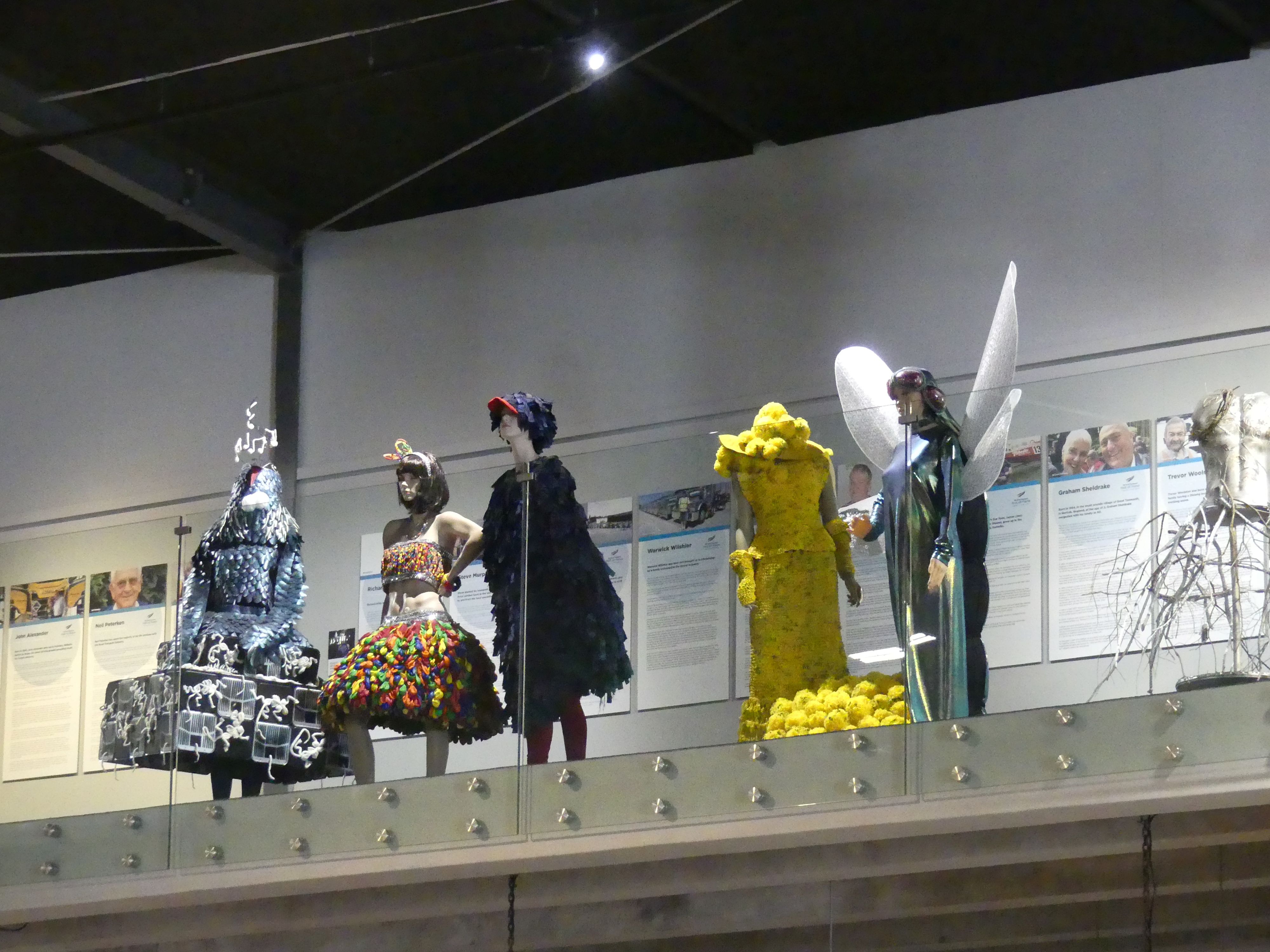
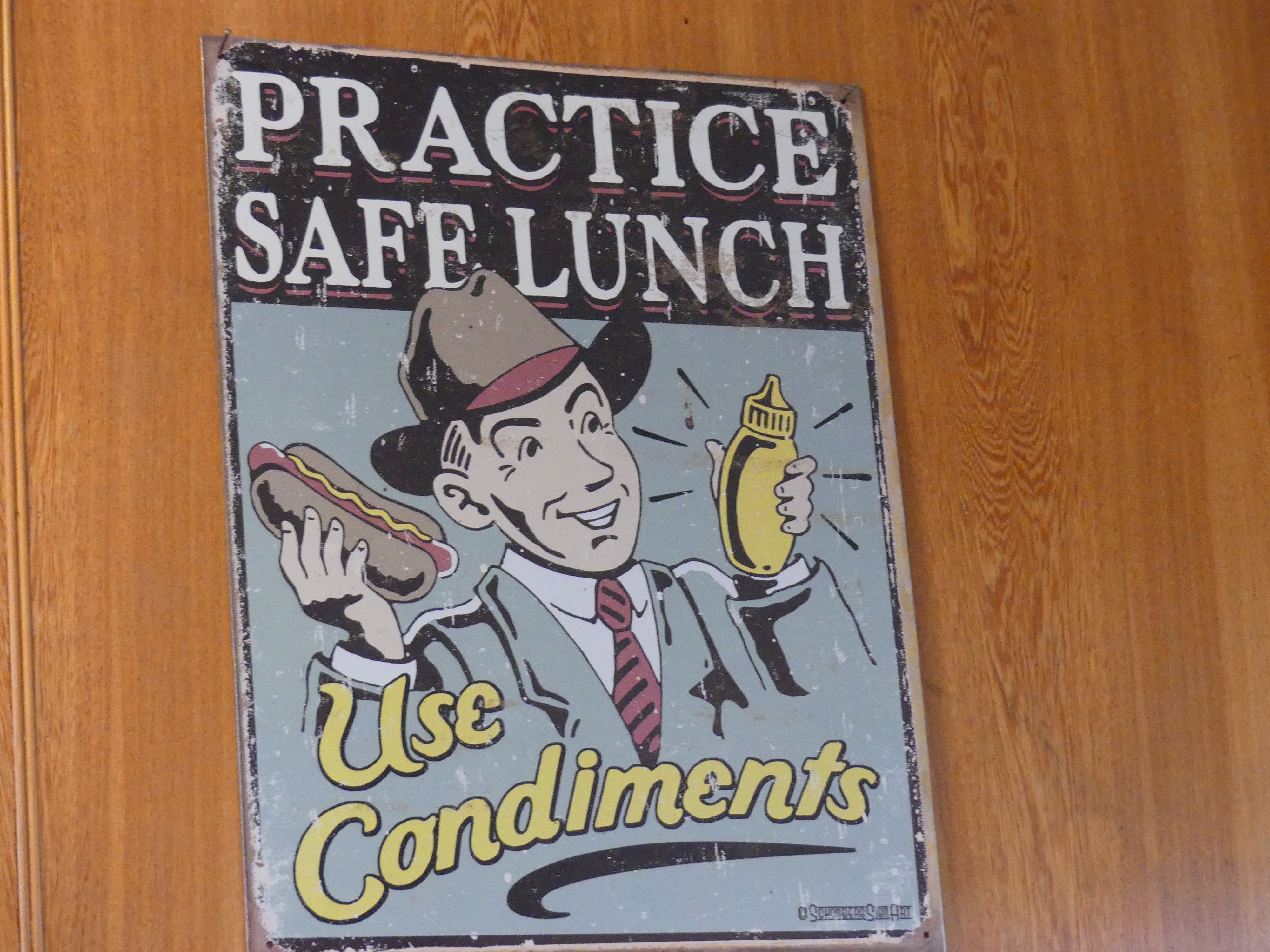
The girls discovered there was fashion on display also and merrily left the boys with the cars,trucks and buses. By the time we had viewed all the cars, we were confronted with the walk back to the Ibis. This time we caught a cab to Queens Park to have lunch. We had been advised to try the café in Queens Park, and we had had enough of walking. Lunch was okay but more enjoyable was the cooling milkshake. It was here that we received some very sage advice “Practice safe lunch – use condiments”. So, we did.
Having rested we decided to walk back to the hotel. Passing the Fat Bastard Pie Shop then the Town Hall, we knew we were close to home. That evening we resume our card playing and plotted how we would avoid parking fines in Tay St.
Day 7 Invercargill to Dunedin
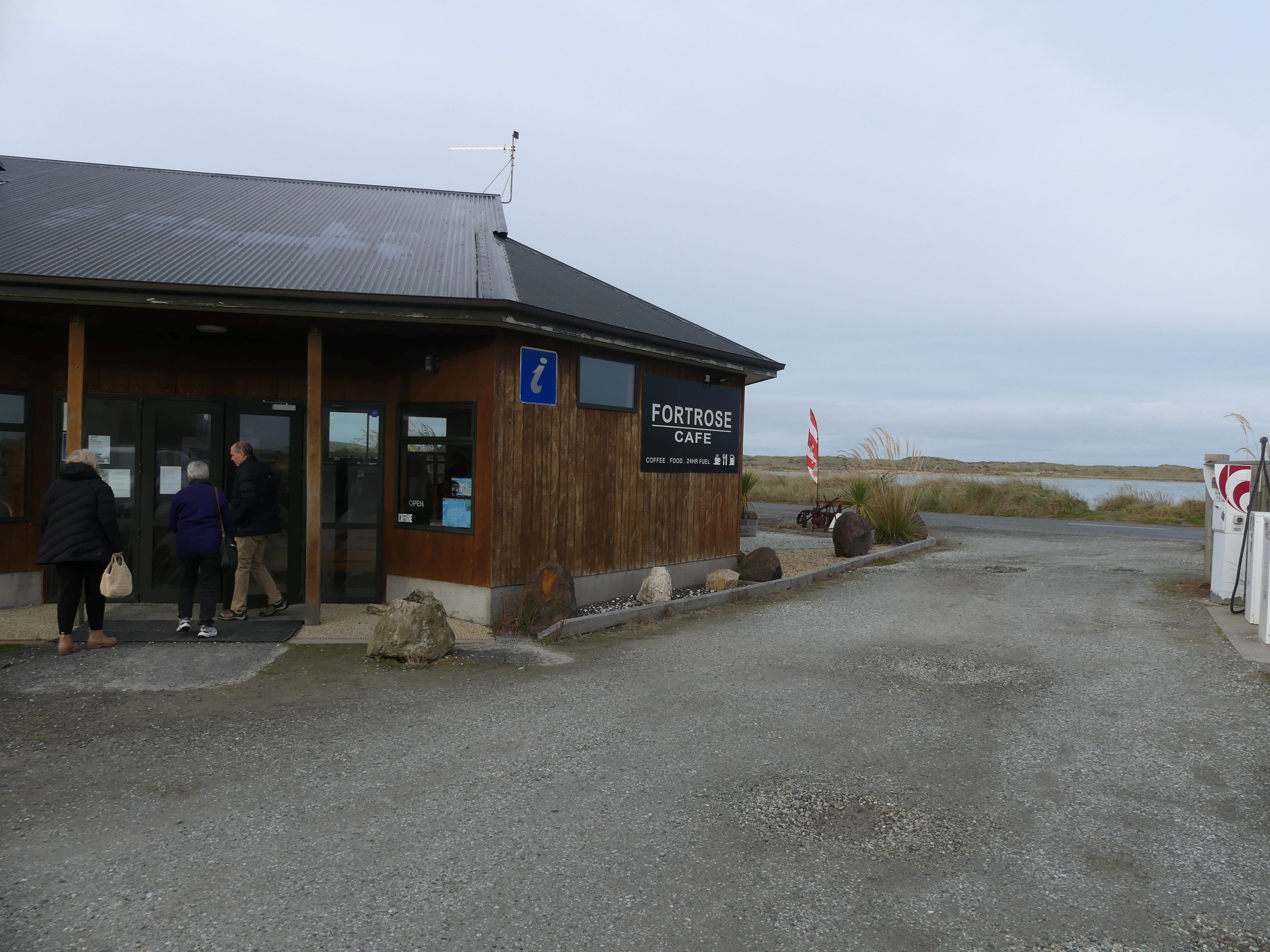
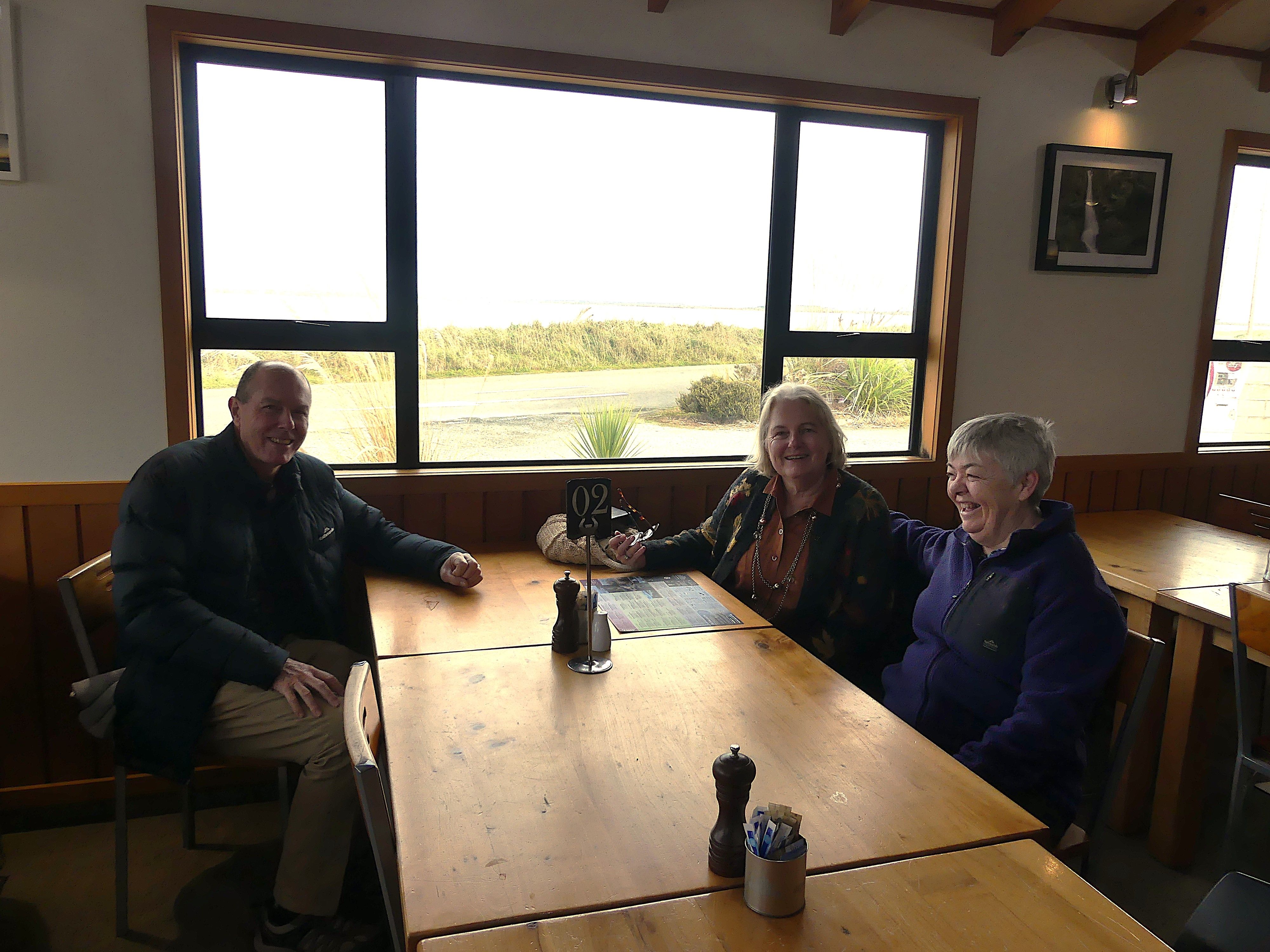
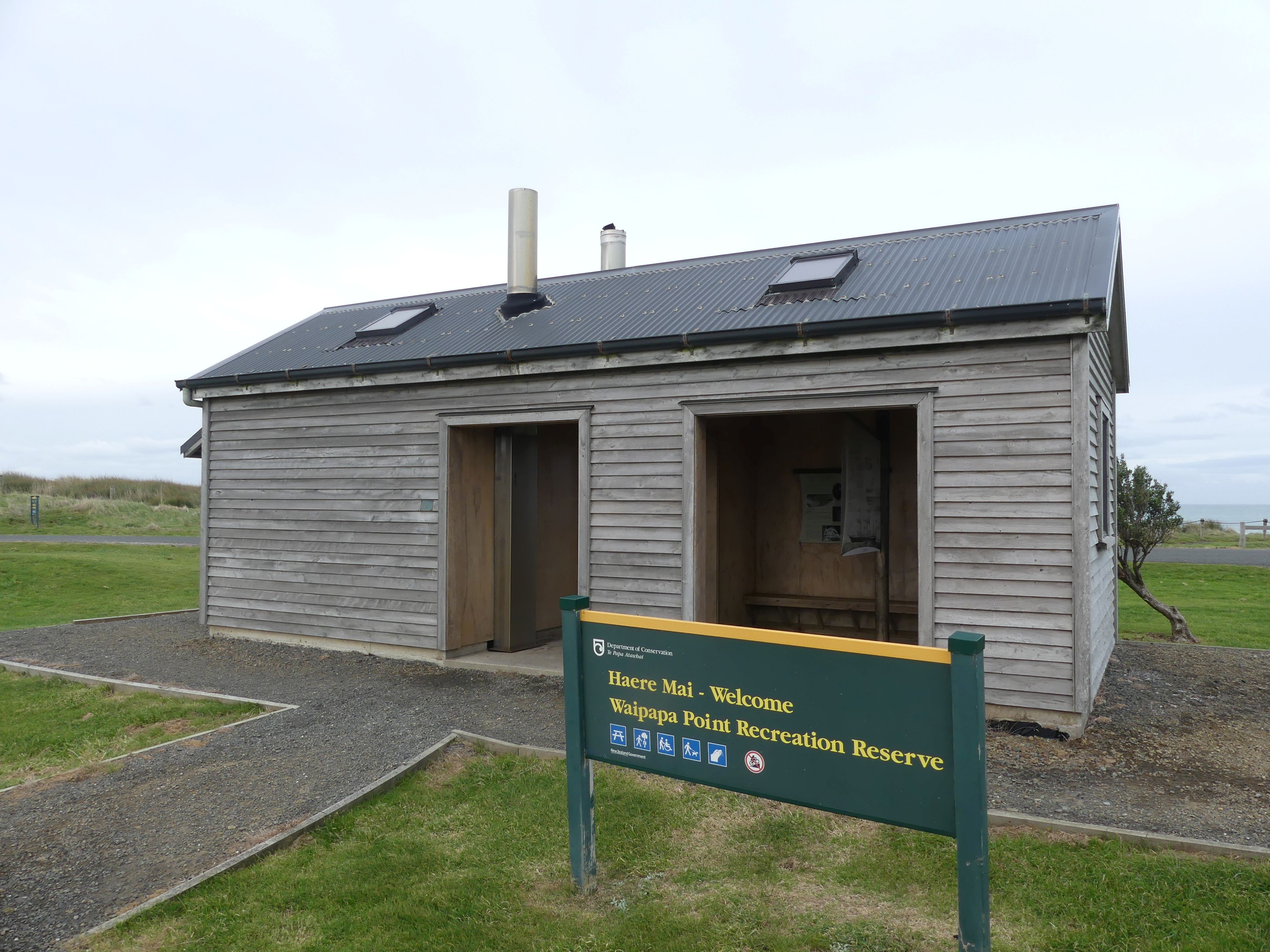
Visiting Dunedin was more of the same – take the longest route to get there and find interesting things on the way. Stop number 1 was at Fortrose café for morning tea/coffee. The Fortrose Cafe is a charming, neighbourly stop on the Southern Scenic Route in Southland, New Zealand. Known for hearty meals, fresh cabinet food, and 24/7 fuel, it is the perfect spot to grab a bite or a coffee after exploring Slope Point or the Catlins. Well, we didn’t do either of those things we just needed coffee. Stop number 2 was Waipapa Point Recreation Reserve, the Lighthouse, the NZ fur seals and the long drop toilets.
Fortrose café, Waipapa Point Recreation Reserve, the Lighthouse, the NZ fur seals and the long drop toilets.
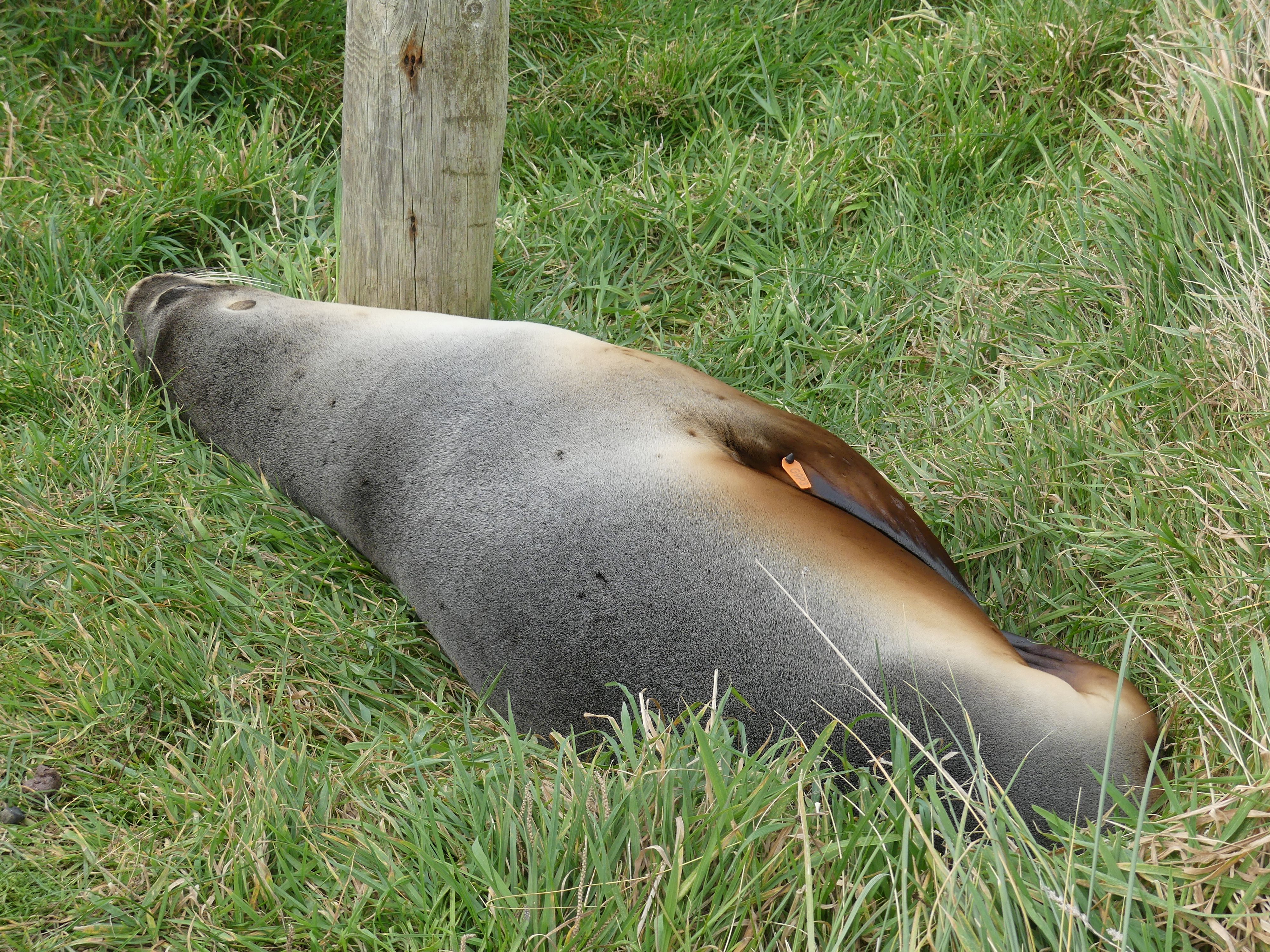
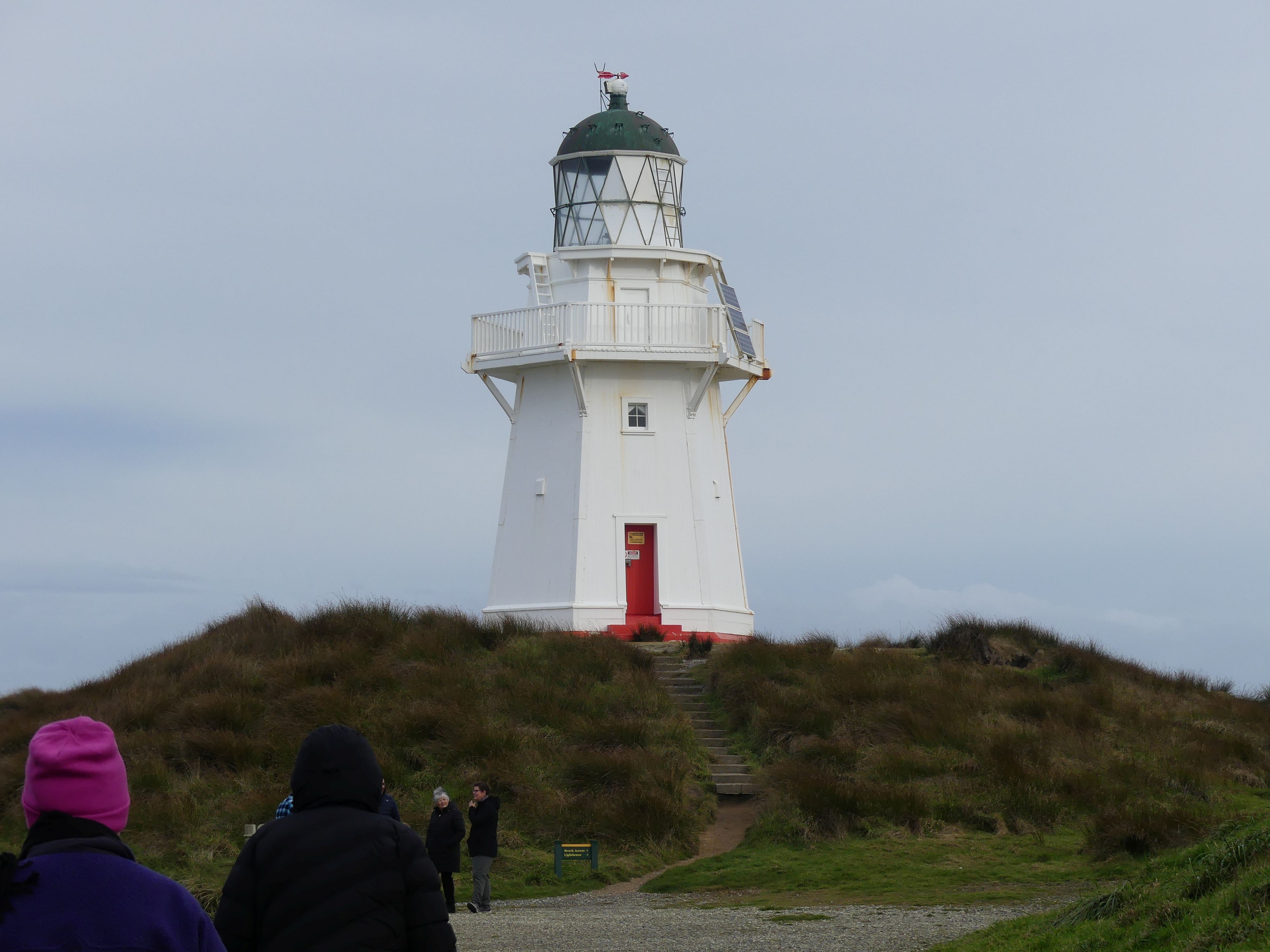
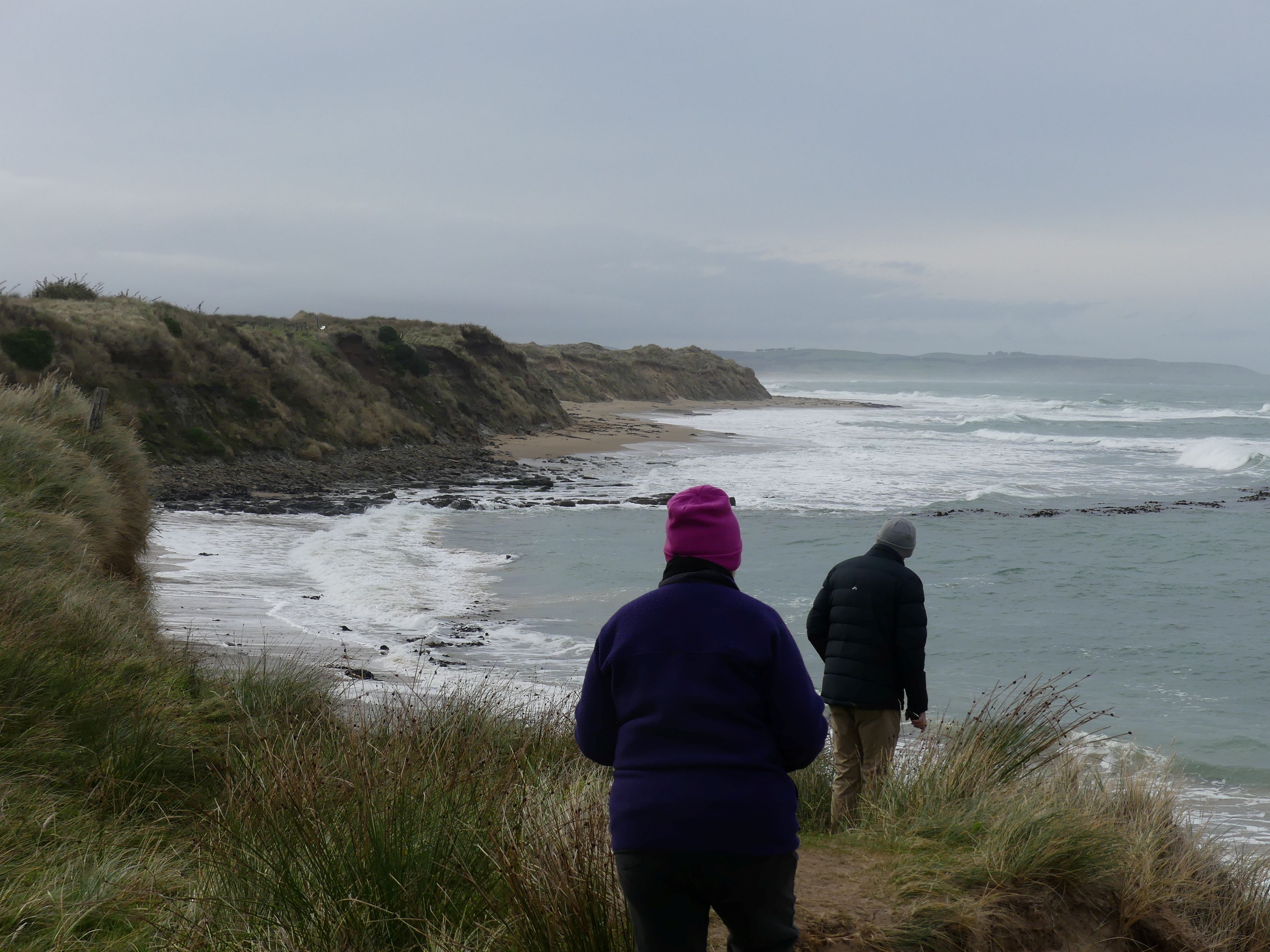
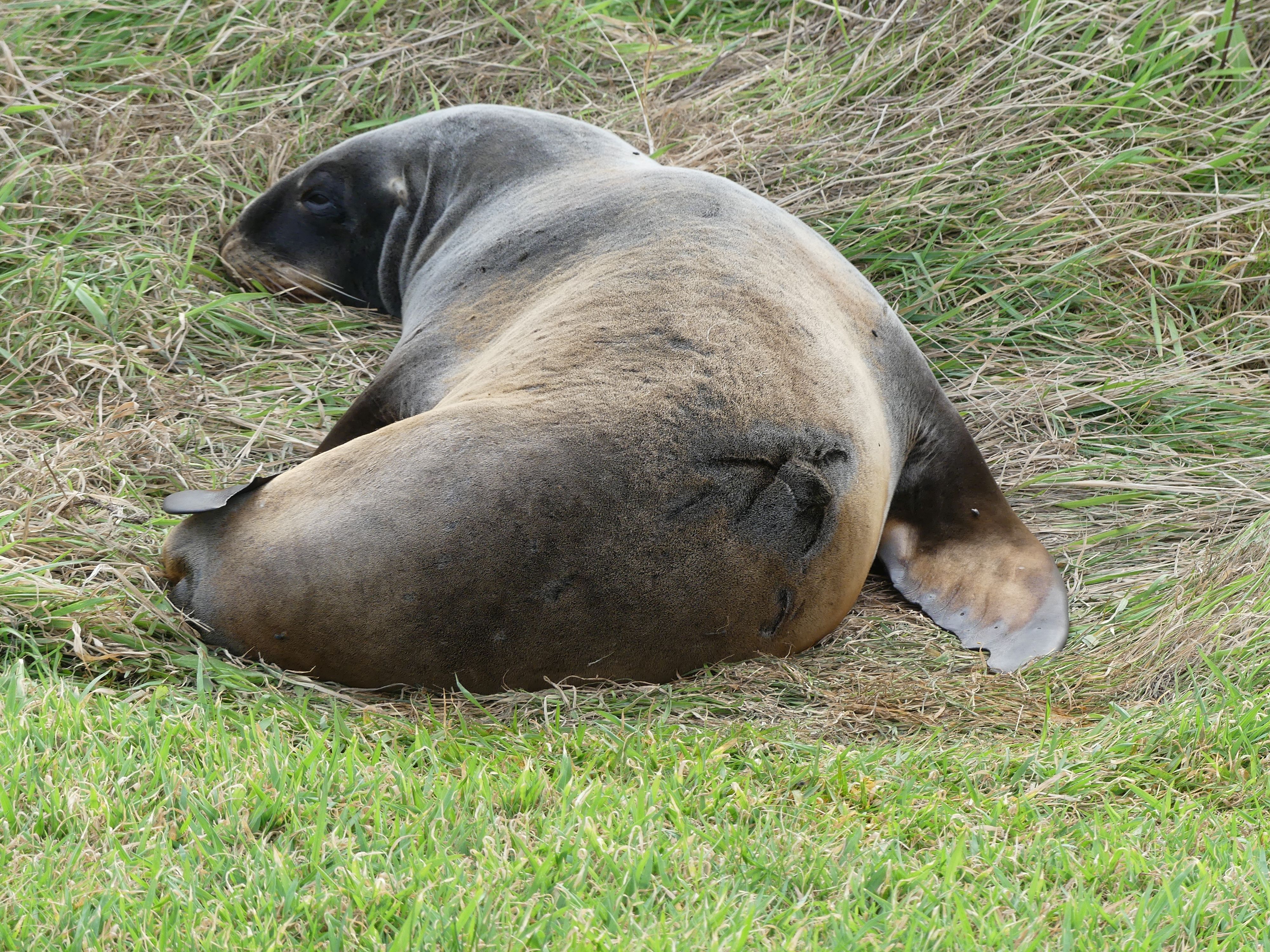
The fur seal in the pictures above must have been a bit off colour. We discovered a mess of half-eaten fish and squid not far from the seal, who lay in the grass unperturbed by the human visitors. I decided my readers would not need the evidence of vomited seafood. The lighthouse is all that remains of the facilities. – The keepers house has long since gone. Interesting, cold and bloody amazing – one group of tourists and likely locals were wandering around in shorts and T-shirts.
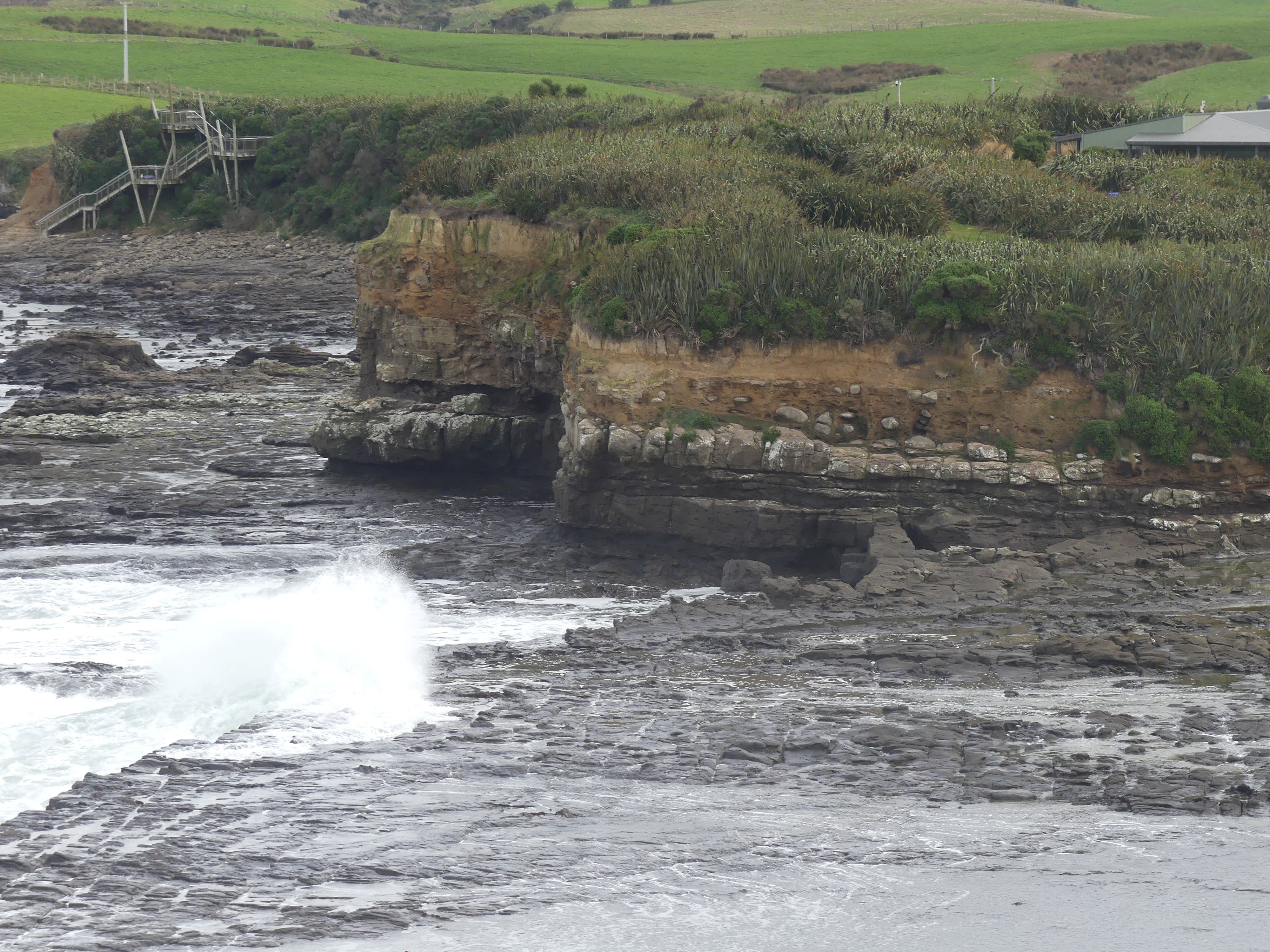
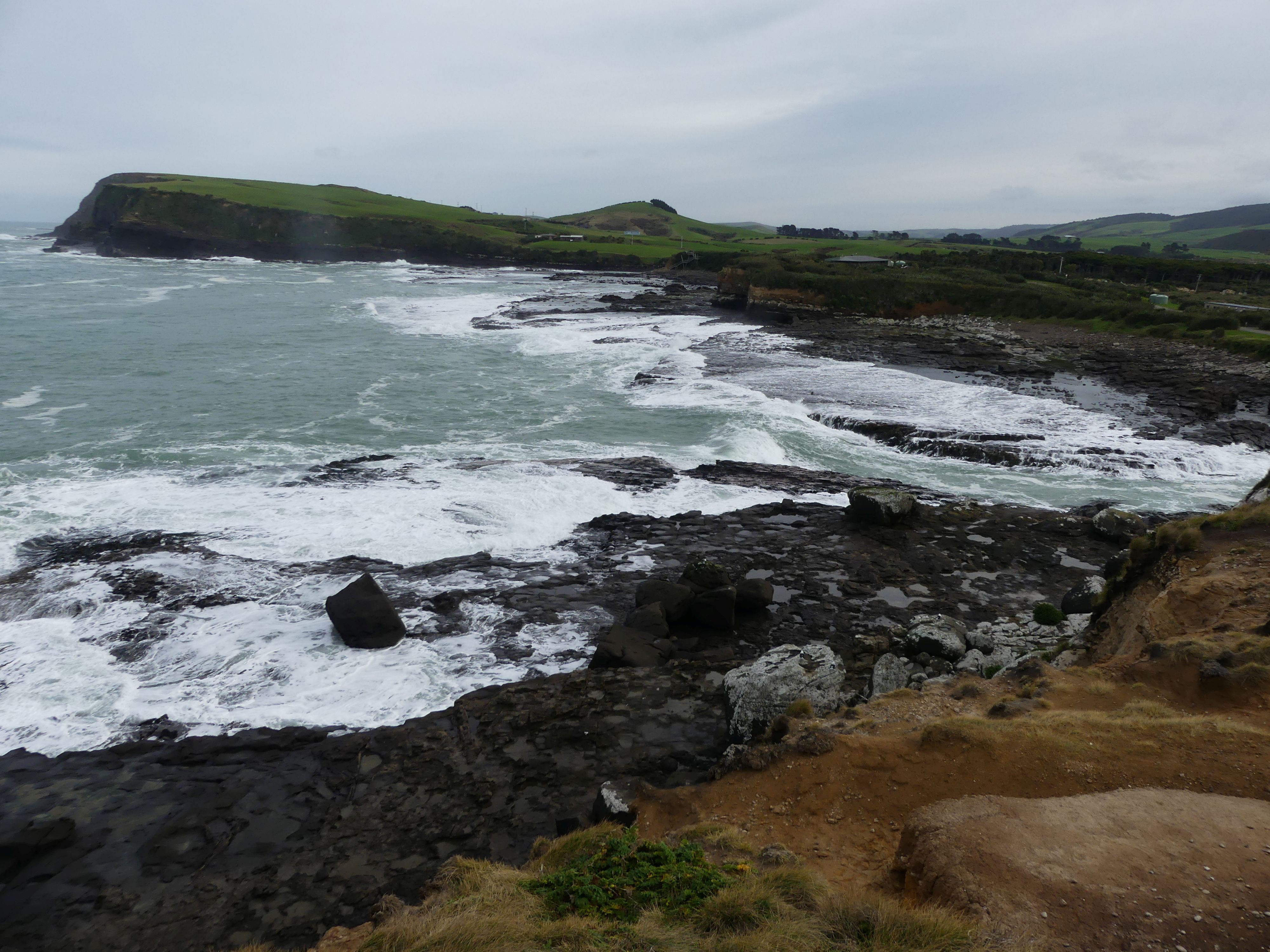
Sandi had read that there were petrified forests in Curio Bay which lay between Invercargill and Dunedin. It is a coastal embayment, best known as the site of a petrified forest some 180 million years old. It also supposed to host a yellow-eyed penguin colony, the endemic Hector’s dolphin and Southern right whales are occasionally observed offshore. Not today a lonely fur seal was resting up in the carpark showing signs of a recent scuffle. We were uncertain of where we might see the forest. Since returning home I have googled the articles on the forest and it appears that the forest is made up of trees stumps visible above the tide, fallen logs that now appear as different coloured ridges and tree stumps in basalt. My photos won’t show any of that.
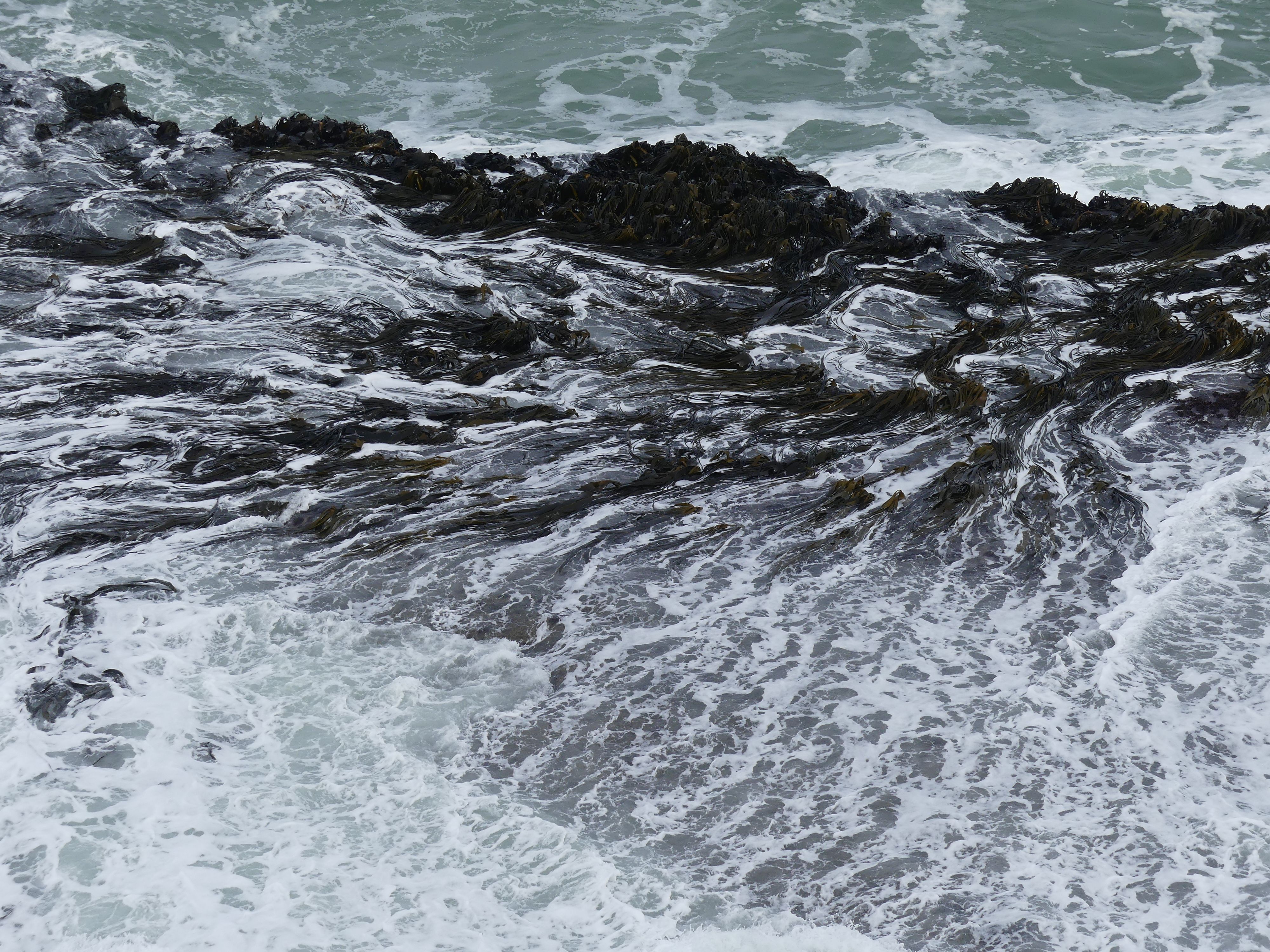
Corio Bay – the bays and the basalt from volcanic times, seaweed fight the tide to hold onto the rocks, the fur seal showing his scars.
Our lunch stop was in a small coastal community overlooking Catlin Lake. The day was overcast and showery, so we took shelter in the Pub. The dining room has an open fire blazing away and we enjoyed the warmth and the food. A couple of the local lads were interested in what we were doing there in the off season and we chatted with them about their town.
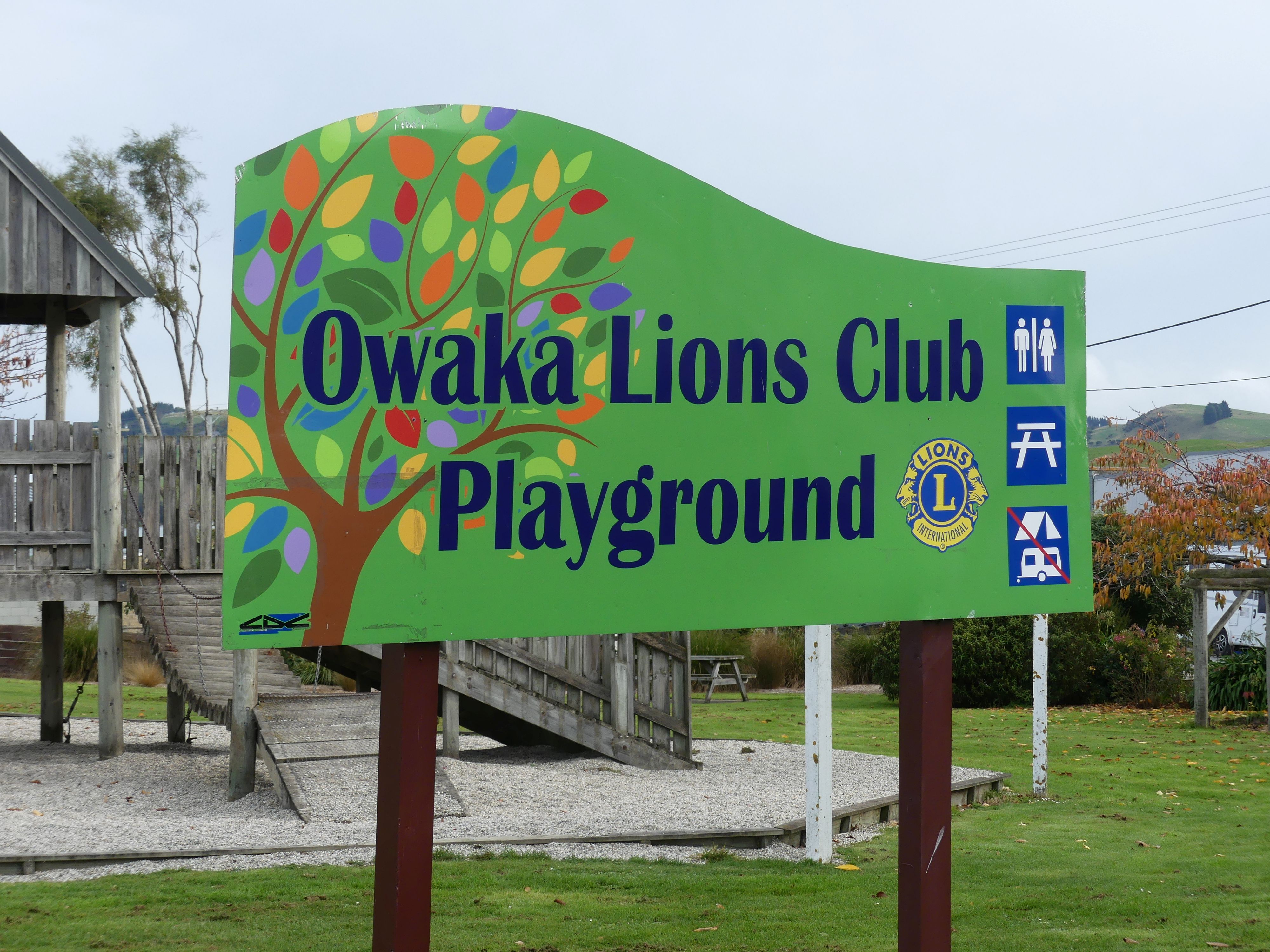
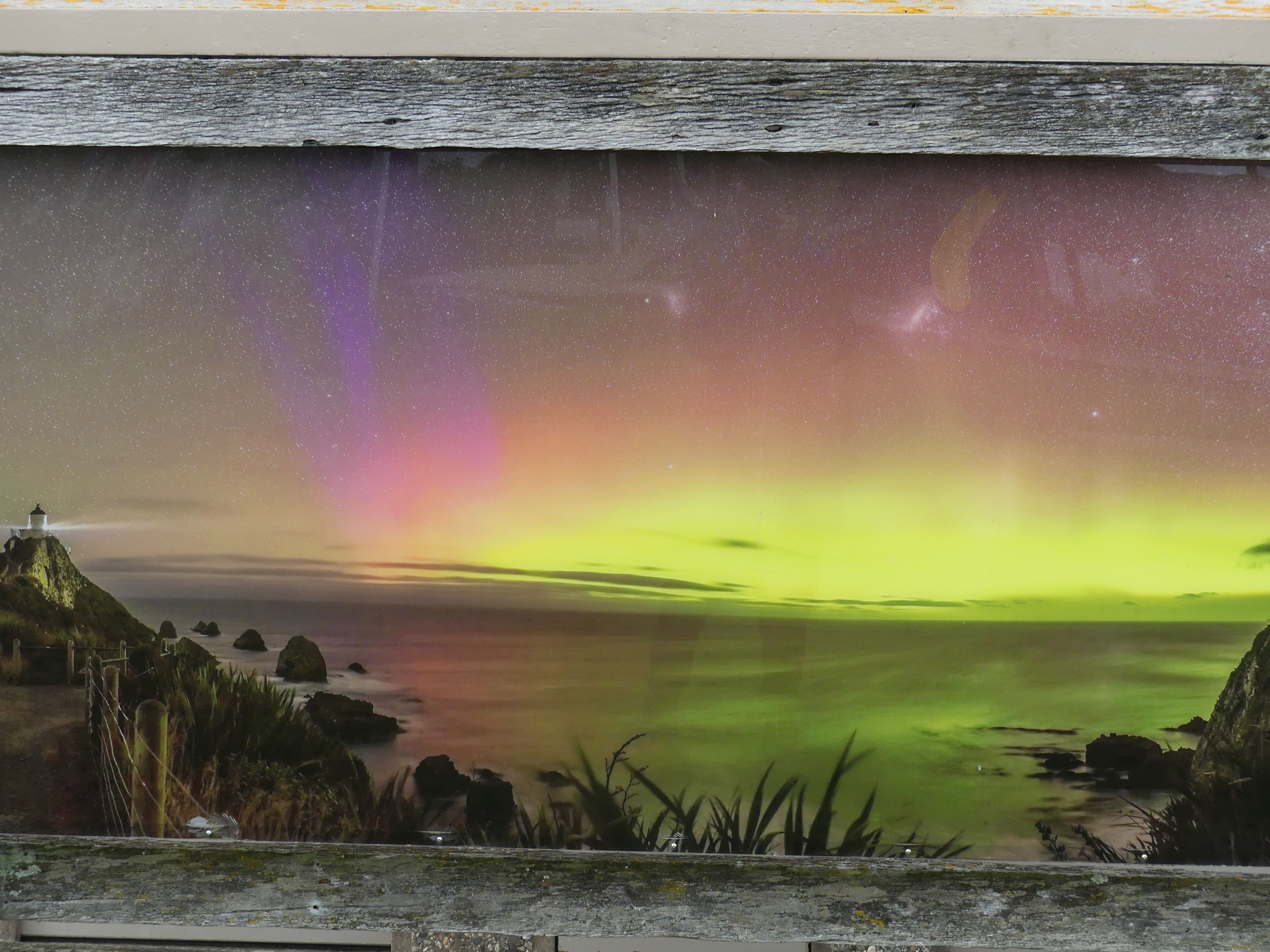
We moved onto Owaka for a further break. To remind me of our visit I photograph the Lions Club Playground and the painting of the lighthouse screening the public toilets. We were joined by a small flock of sparrows to help with consuming our biscuits finally arriving at Rosy at Roslyn 15A Fifield Street Dunedin.
Lions Playground, and the public convenience
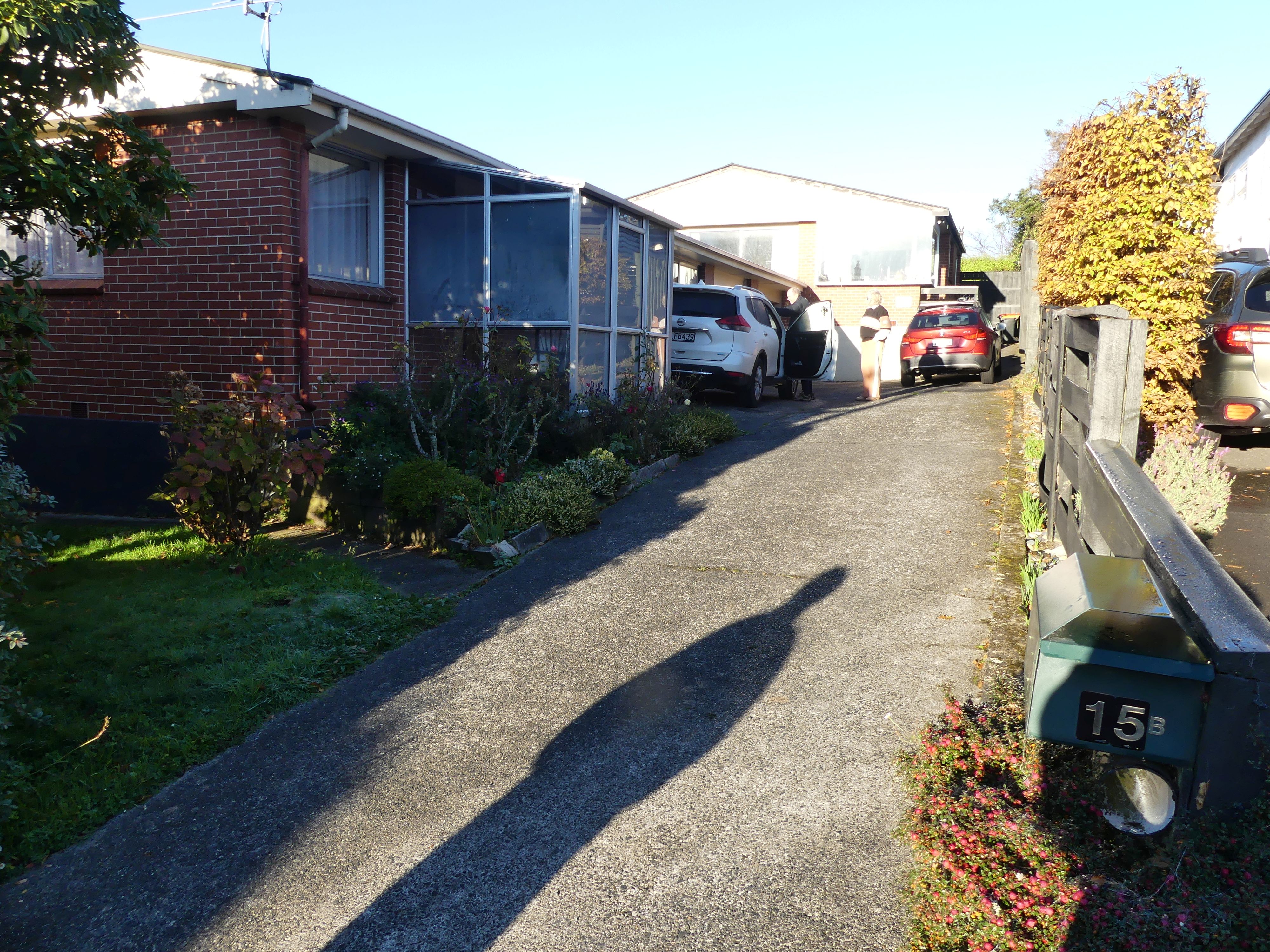
Our accommodation was a small semi-detached house on the side of a hill in Fifield St Roslyn Dunedin – warm and comfortable. We could not access the garage to park the car, but we were to learn that this was the drying room and laundry with the previous tenant’s laundry still drying in the garage. After purchasing supplies for dinner we settled in, prepared dinner and enjoyed a wine and a hand of cards. Tomorrow we will walk through Dunedin.
House in Dunedin
Day 8 Dunedin
A good night’s sleep followed by breakfast set us up for the day to walk through Dunedin. Barry drove us to Woolies (a recent change to the supermarket change). The chain completed a nationwide rebrand from its former name, Countdown, to Woolworths in 2024 to align with its Australian counterpart. There we parked on the top floor of the carpark and ventured off to find the Railway Station. It was overcast and drizzly, so the brollies came with us. It was a fair walk to the station, and it was not the usual suburban rail stop. Dunedin Railway Station 22 Anzac Avenue, Central Dunedin is a prominent landmark and tourist site in Dunedin. It is speculated by locals to be the most photographed building in the country, as well as the second most photographed in the southern hemisphere, after the Sydney Opera House.
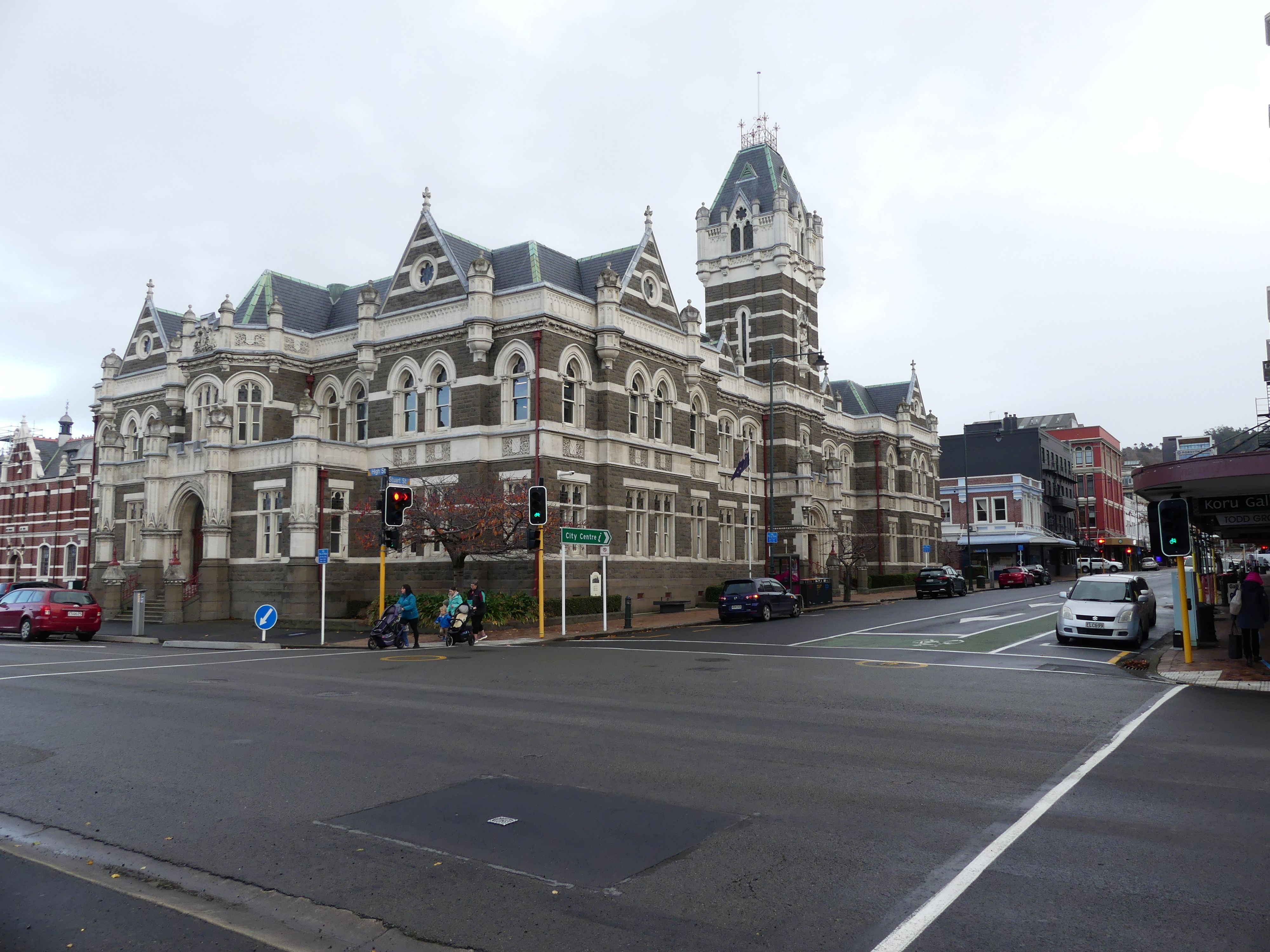
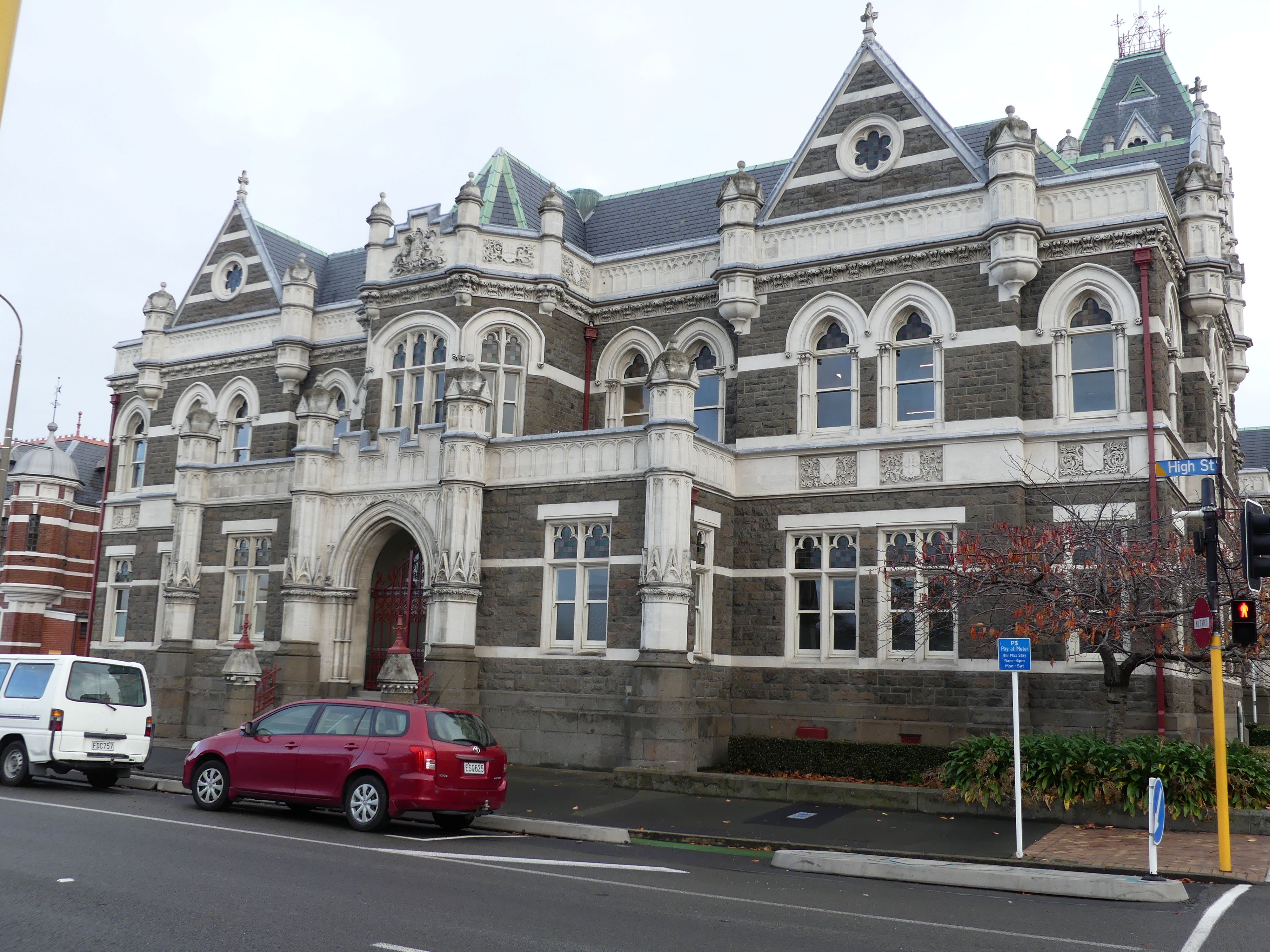
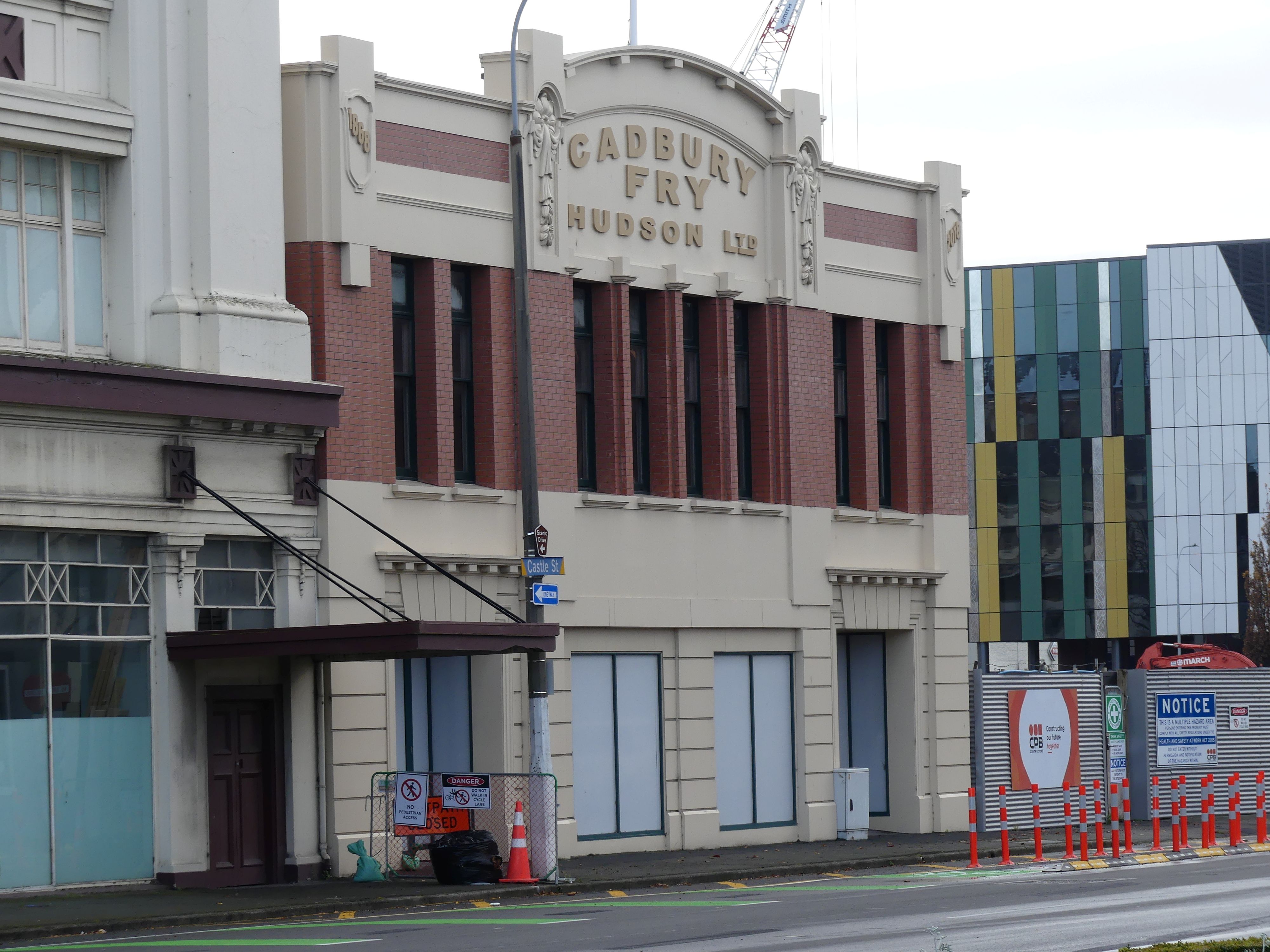
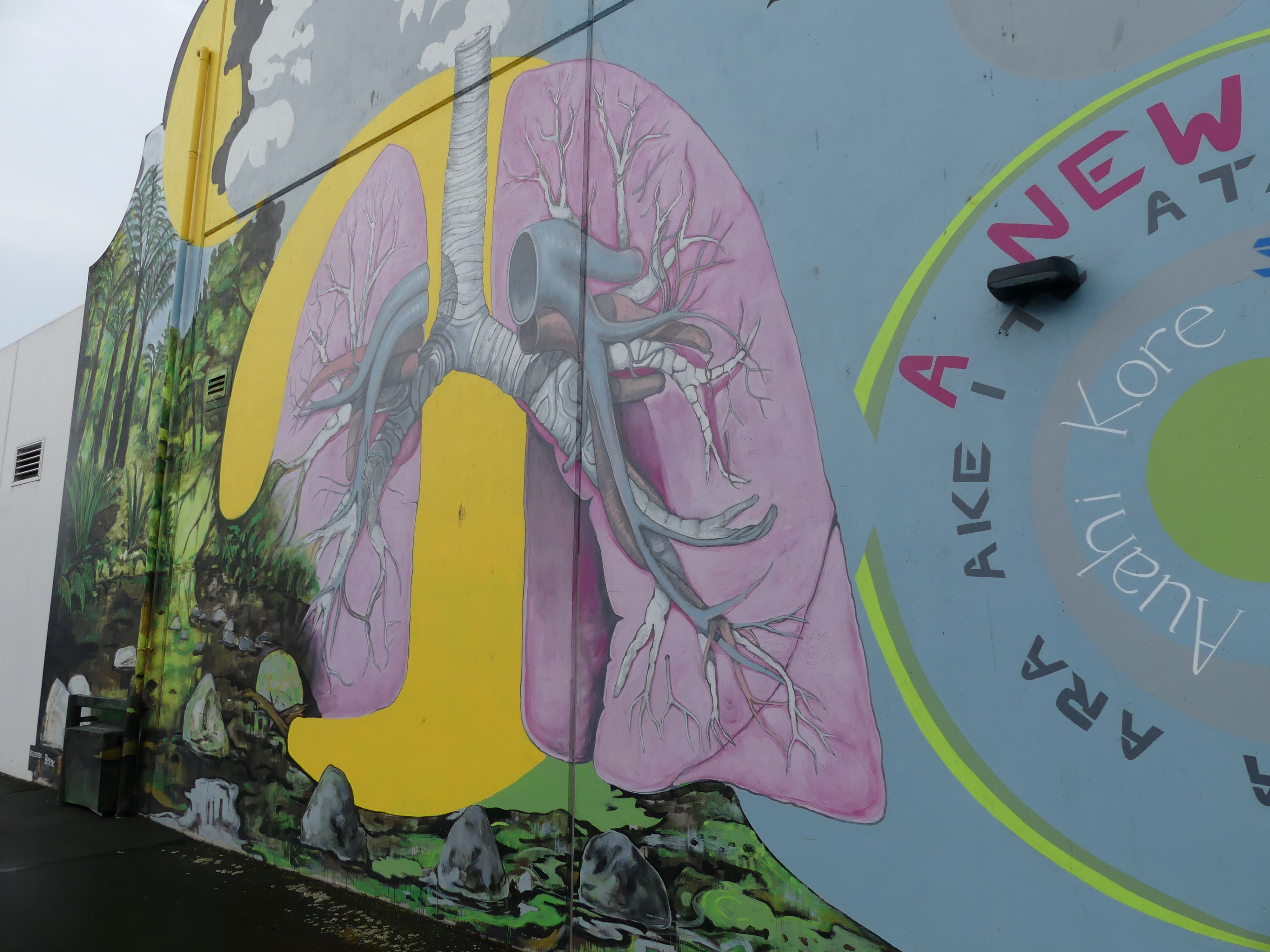
Dunedin Railway Station, The High Court, Cadbury Fry building (original home of Cadbury’s chocolate in NZ) and Street art on the Woolies building
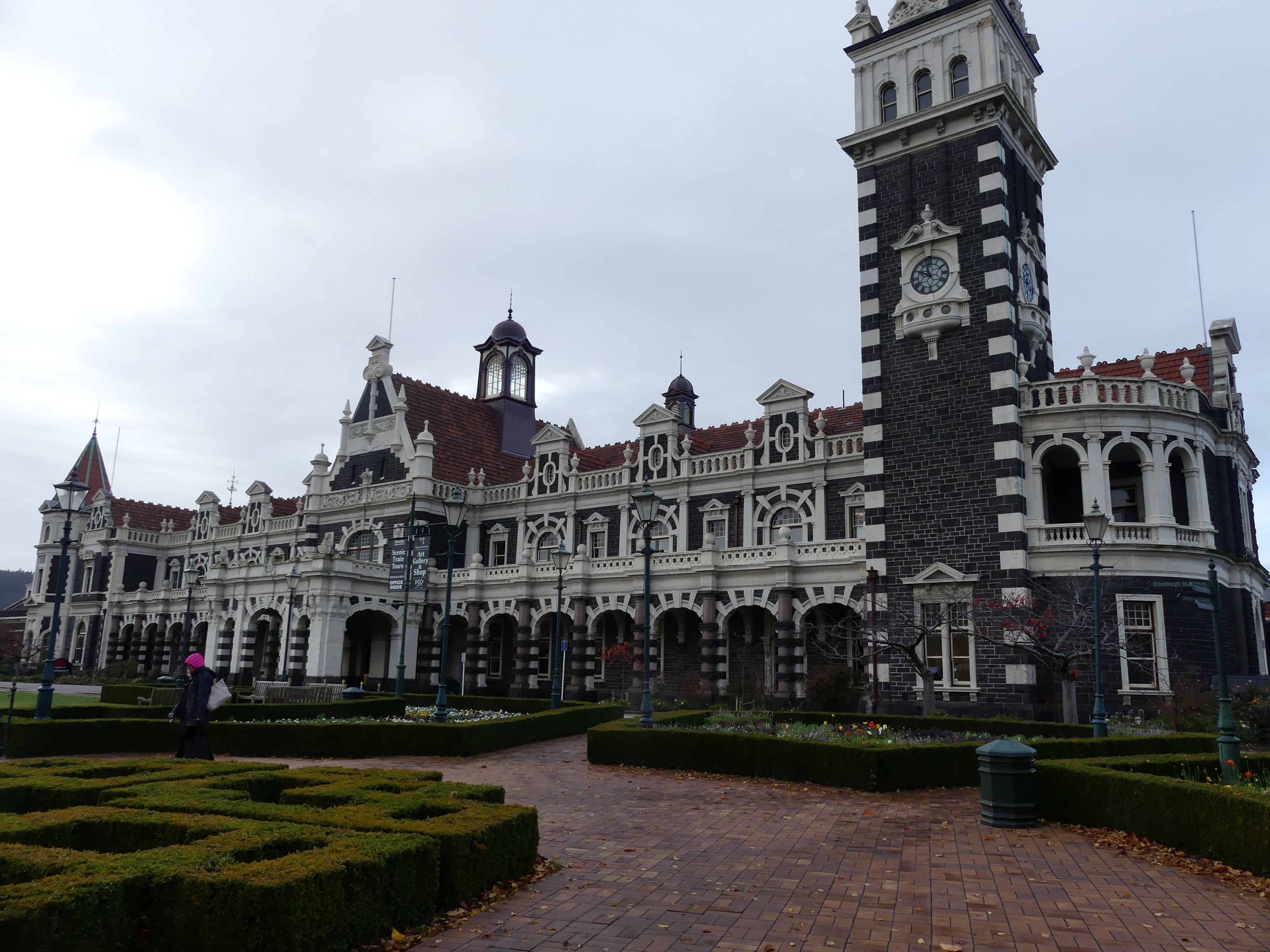
The station is huge suggesting the importance of Dunedin when it was built. Dunedin required a station for a wide range of activities: it was a commercial and industrial centre, close to gold and coalfields, with a hinterland that was dependent on livestock and forestry for its economy. There were 3 previous stations but by 1906 a new station had been built to replace the earlier stations. The station is constructed of dark basalt from Kokonga in the Strath-Taieri with lighter Oamaru stone facings, giving it the distinctive light and dark pattern common to many of the grander buildings of Dunedin and Christchurch. Pink granite was used for a series of supporting pillars which line a colonnade at the front. The roof was tiled in terracotta shingles from Marseille surmounted by copper-domed cupolas. The southern end is dominated by the 37-metre clocktower visible from much of central Dunedin.
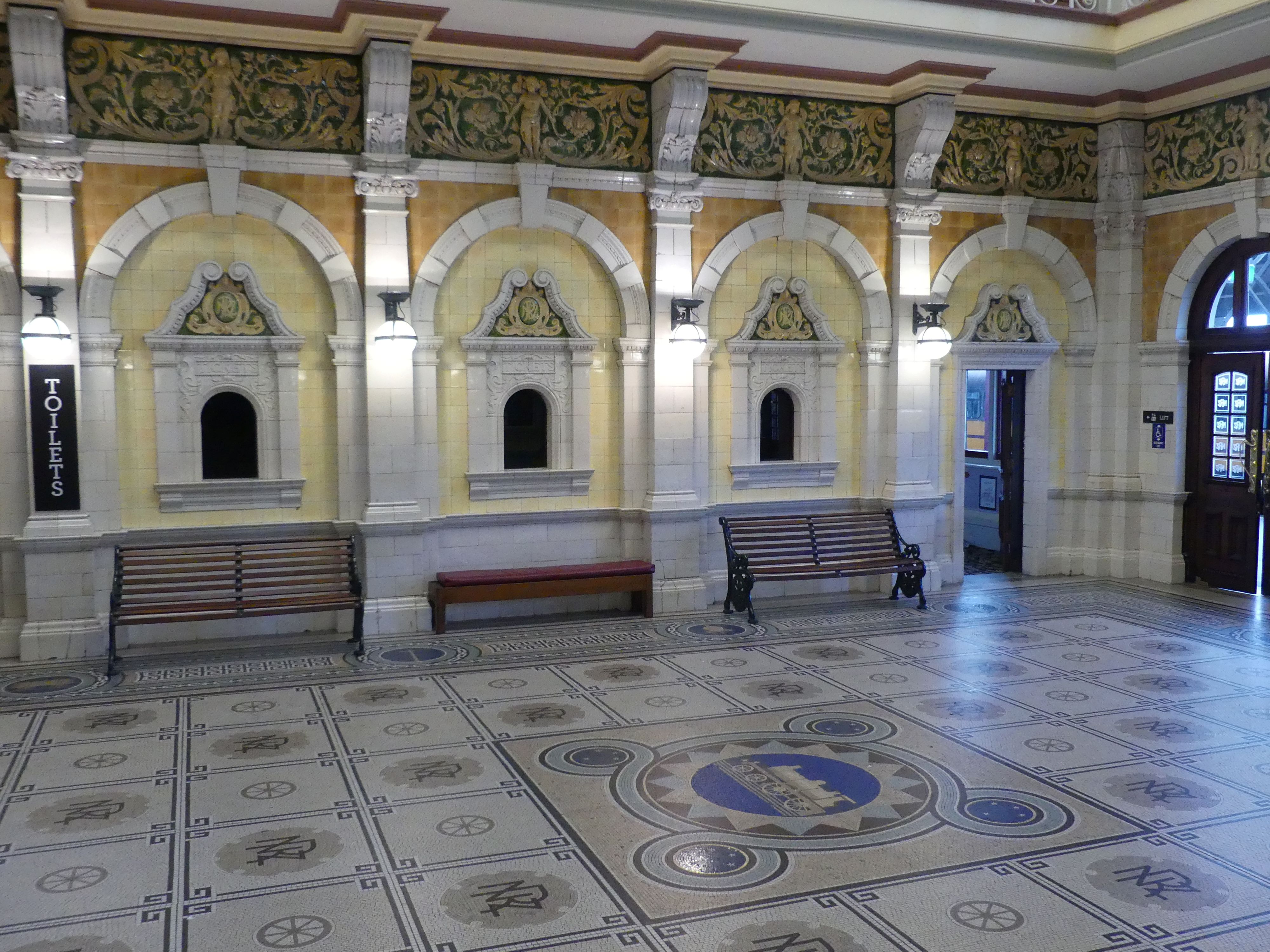
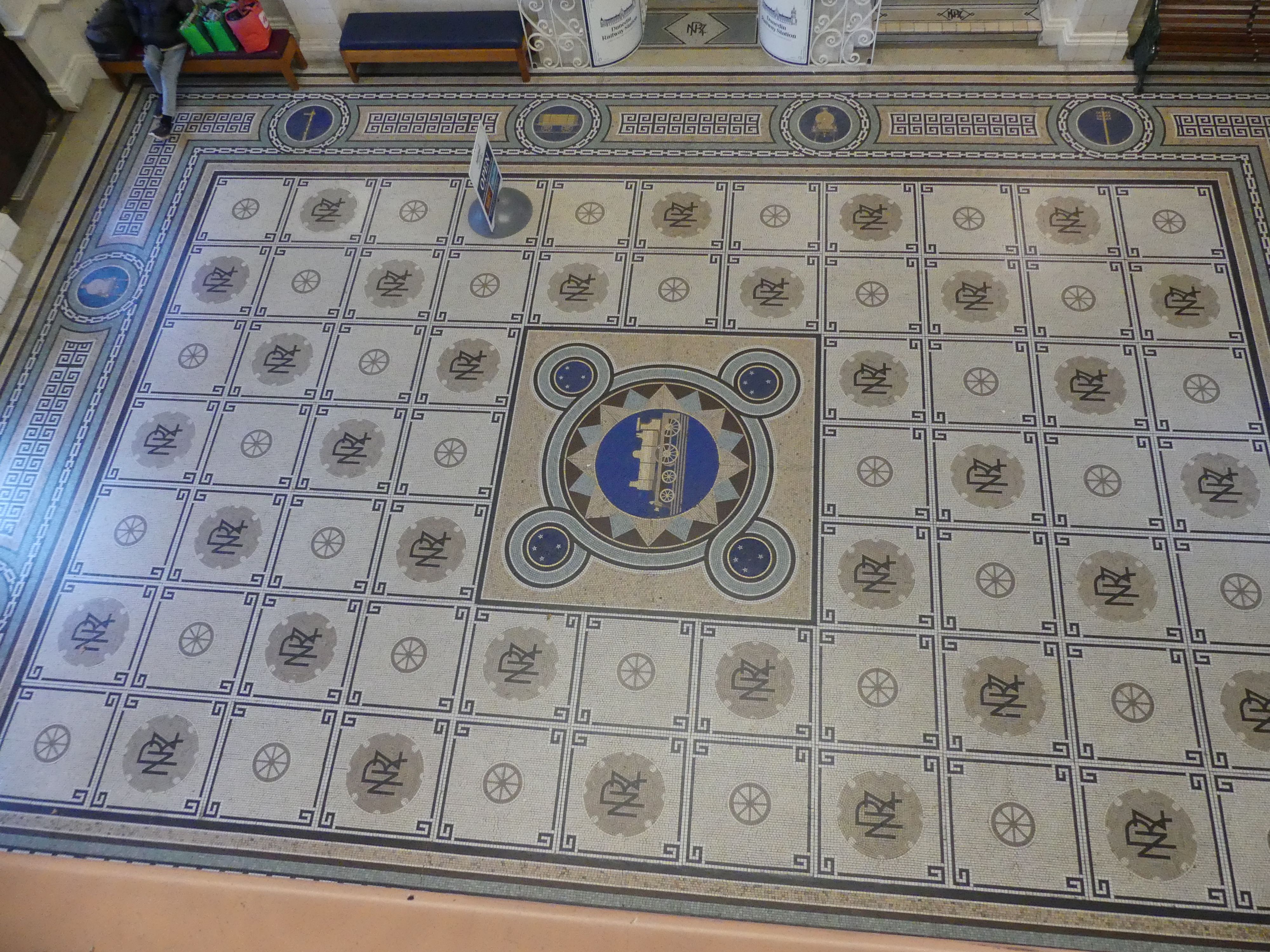
The booking hall features a mosaic floor of almost 750,000 Minton tiles, completely renewed in 1965, in an exact replica. A frieze of Royal Doulton porcelain runs around the balcony above it from which the floor’s design, featuring a locomotive and related symbols, can be clearly seen. The main platform was 1,570 ft (480 m) long.
Ticket Office in the booking hall, the booking hall floor from above, the main platform, first floor balcony, the Passchendaele WW1 memorial at the entry,
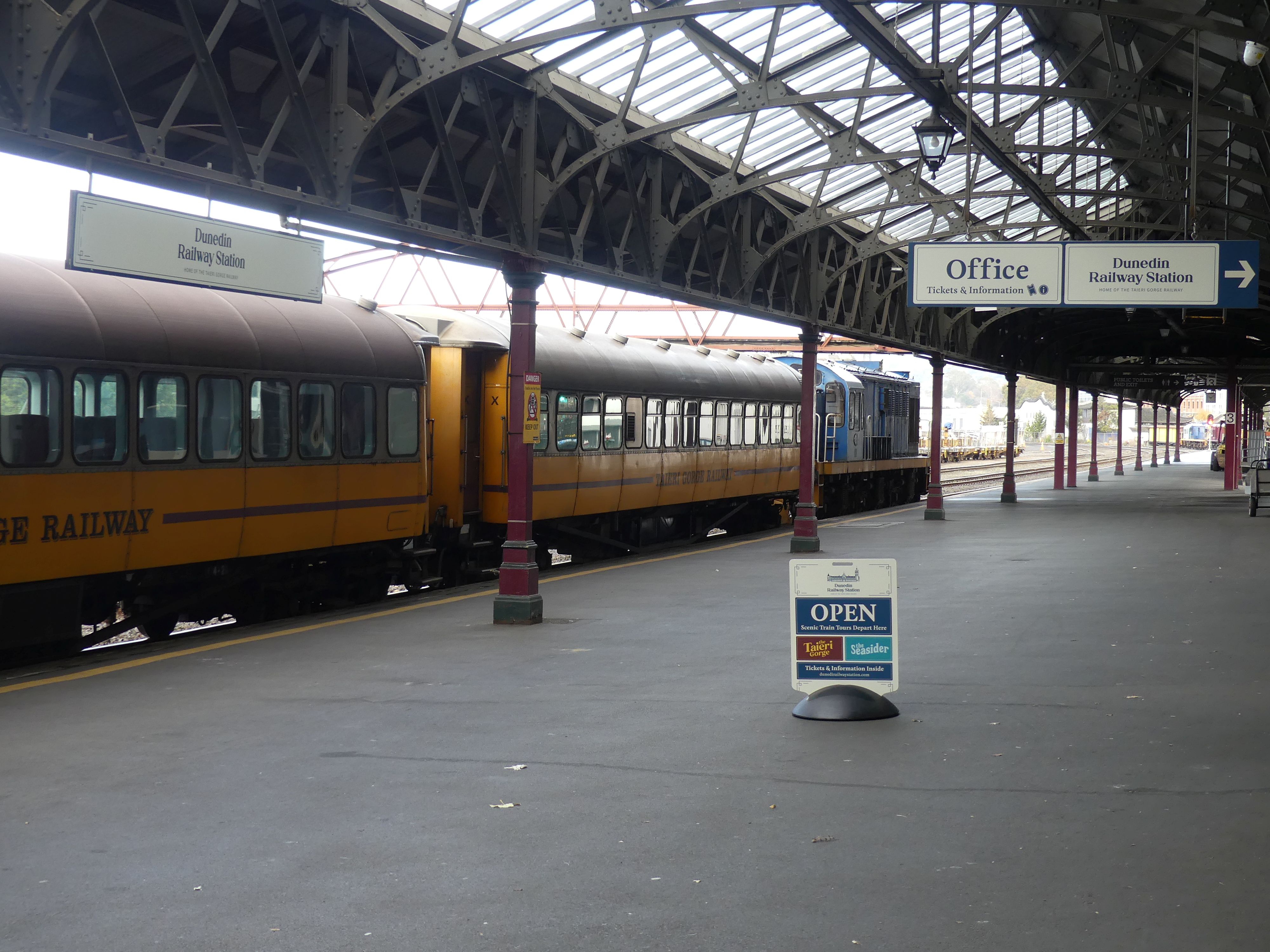
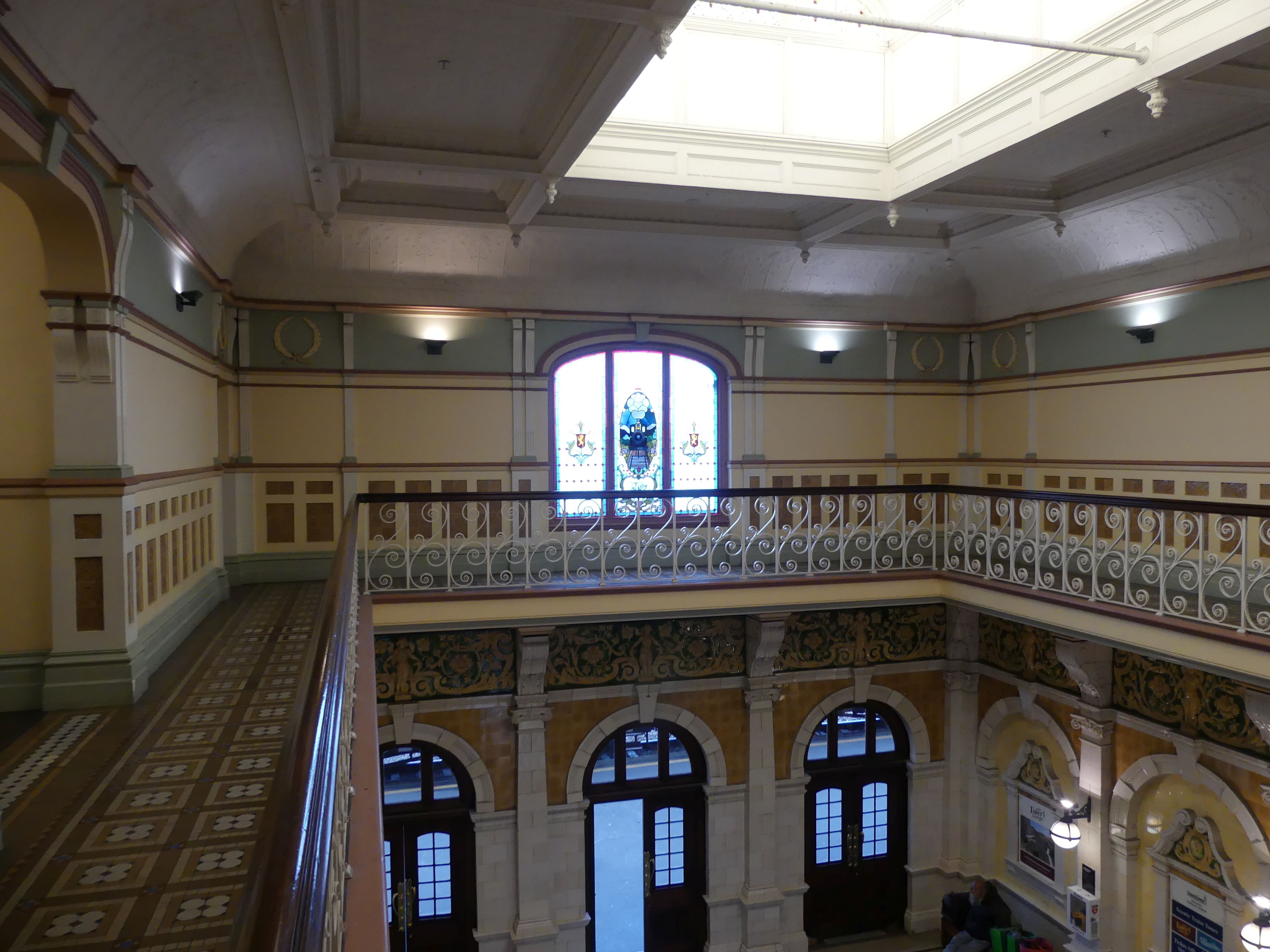
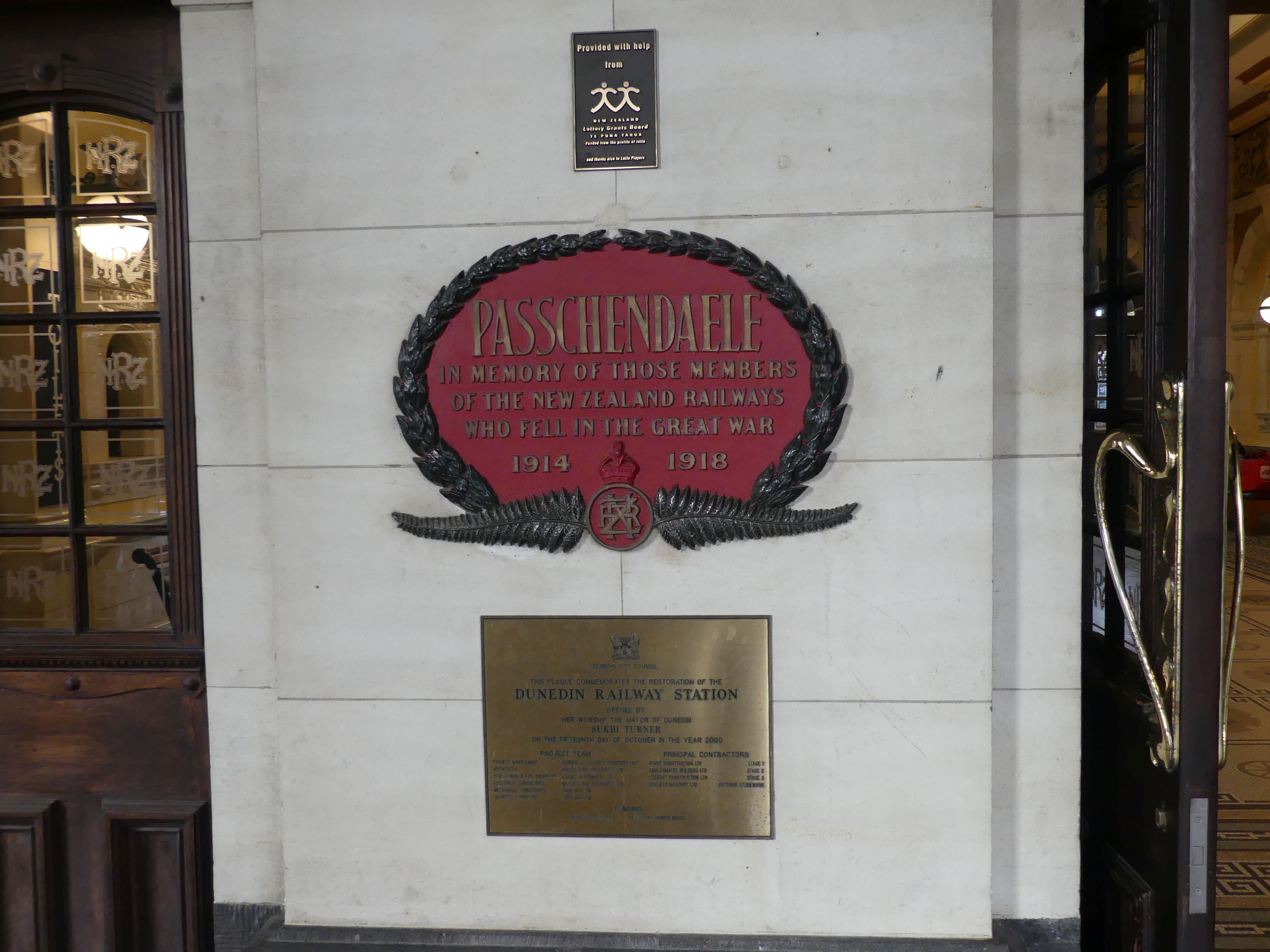
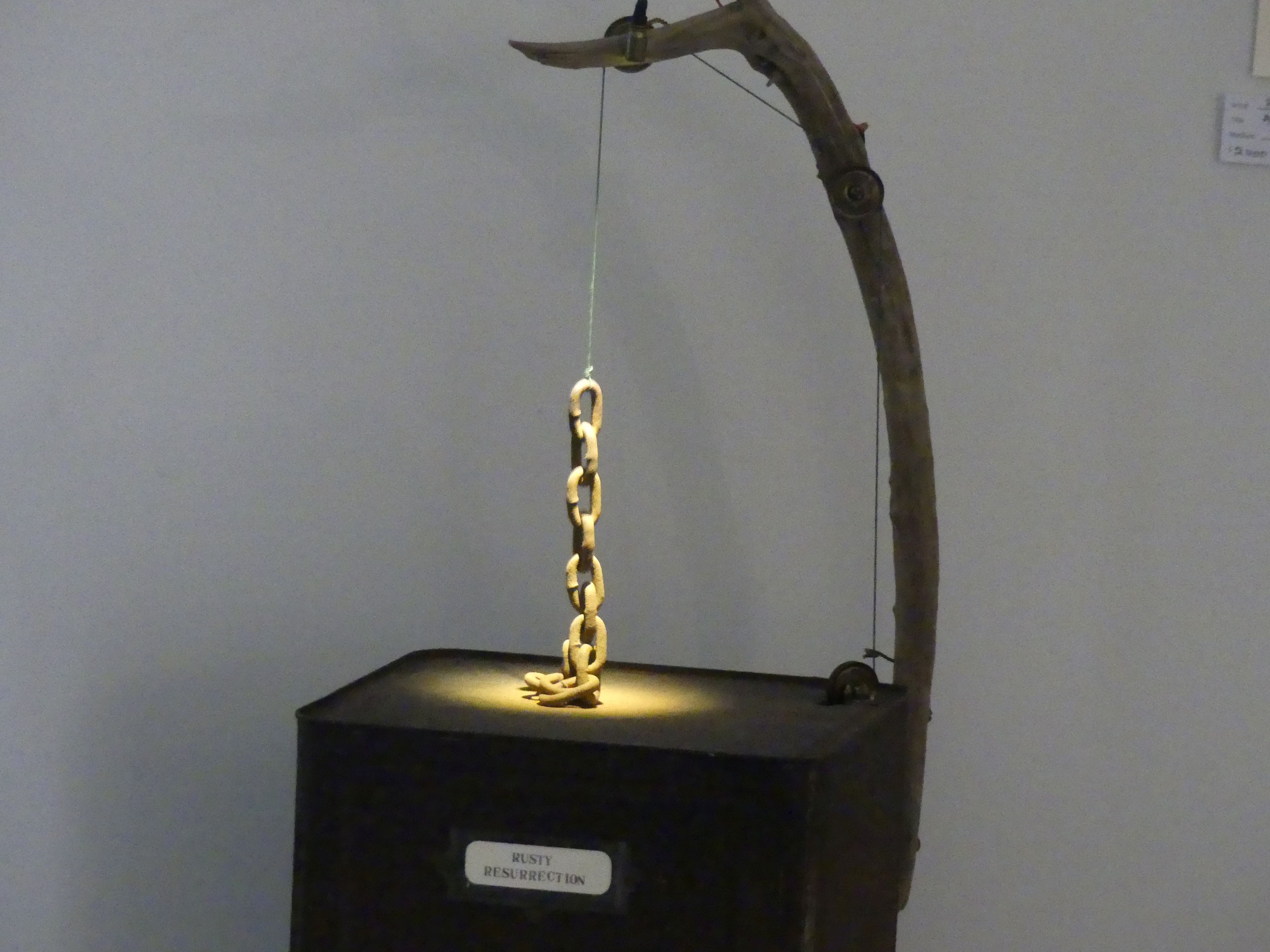
Today, the station services daily sightseeing trains to Middlemarch or Pukerangi via the Taieri Gorge, and to Palmerston. There are a number of different uses for the station building, one being an interesting moving art display.
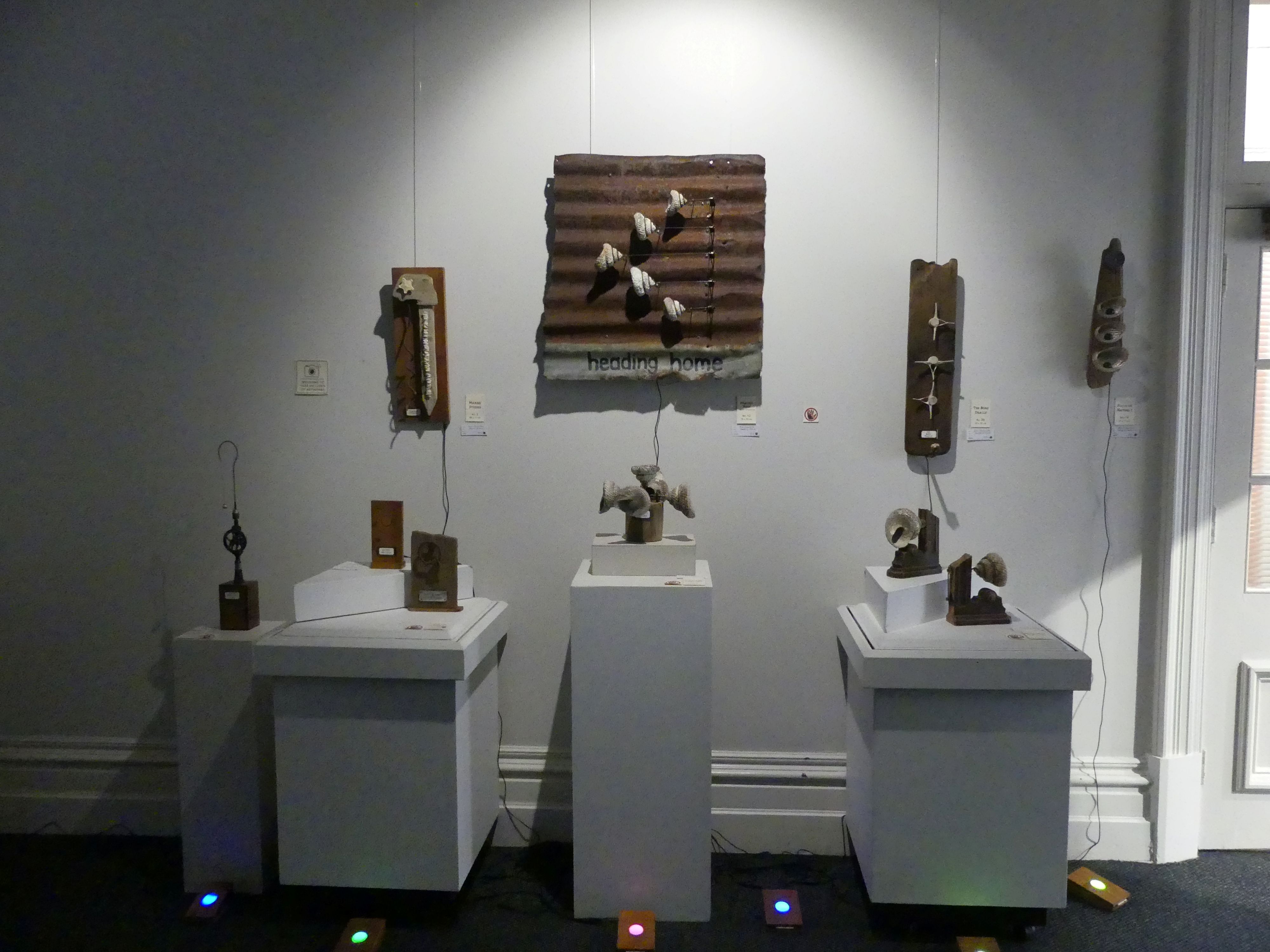
First floor moving Art display
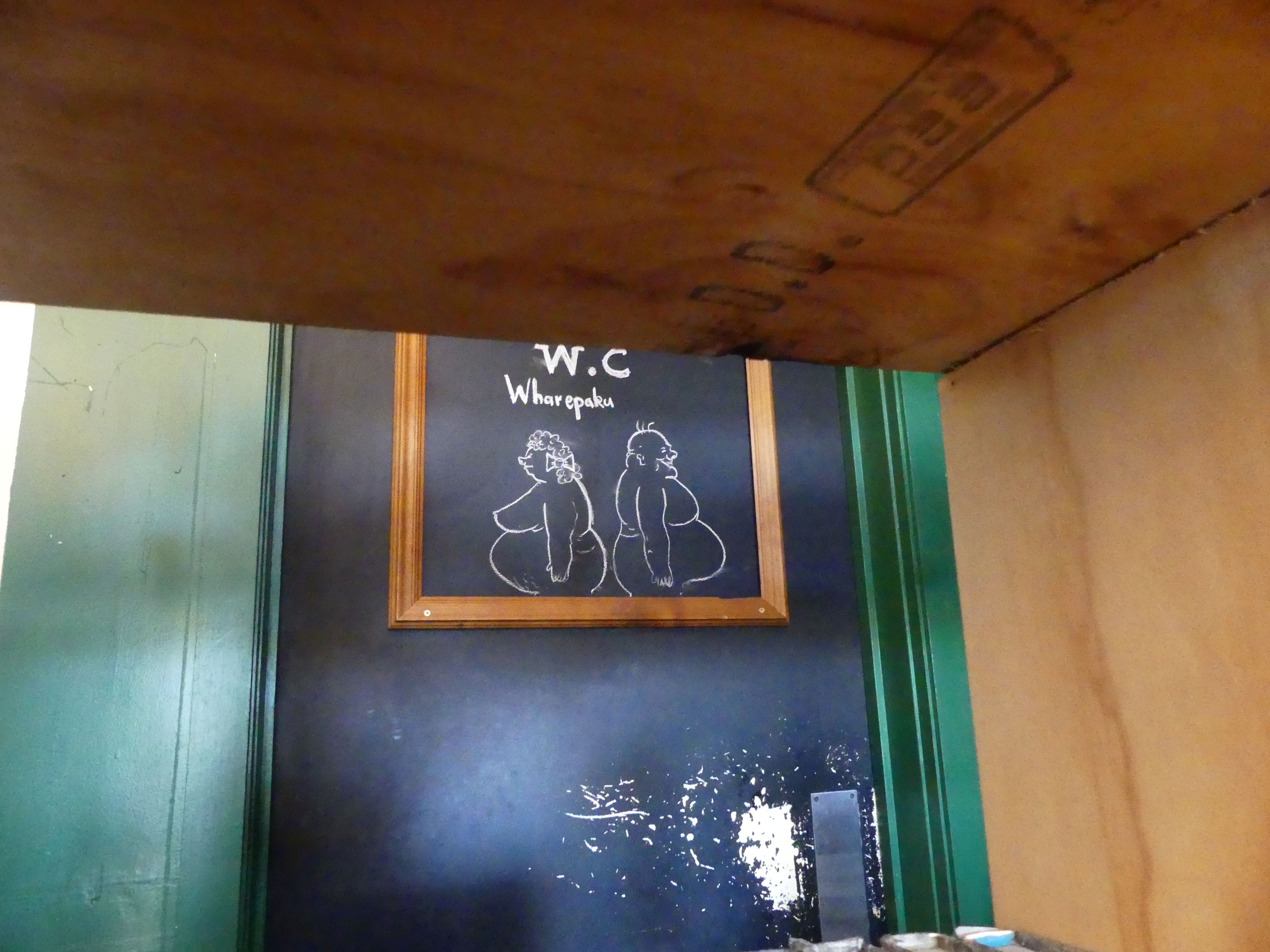
After leaving the station we sought a coffee shop for morning tea. In this eclectic shop, there was a painting which looked like a copy of Gainsborough’s “Blue Boy”. I had mistakenly thought it was a portrait of Charles 1 (the Stewart beheaded by the Commonwealth) but when writing this blog my memory was the Blue Boy not Charles. My apologies to the poor waitress who I assailed about their connection with the Stewarts. It was quite an arty place as can be observed in the photos below. Barry was sneaking a photo of the poster on the toilets.
Toilet poster
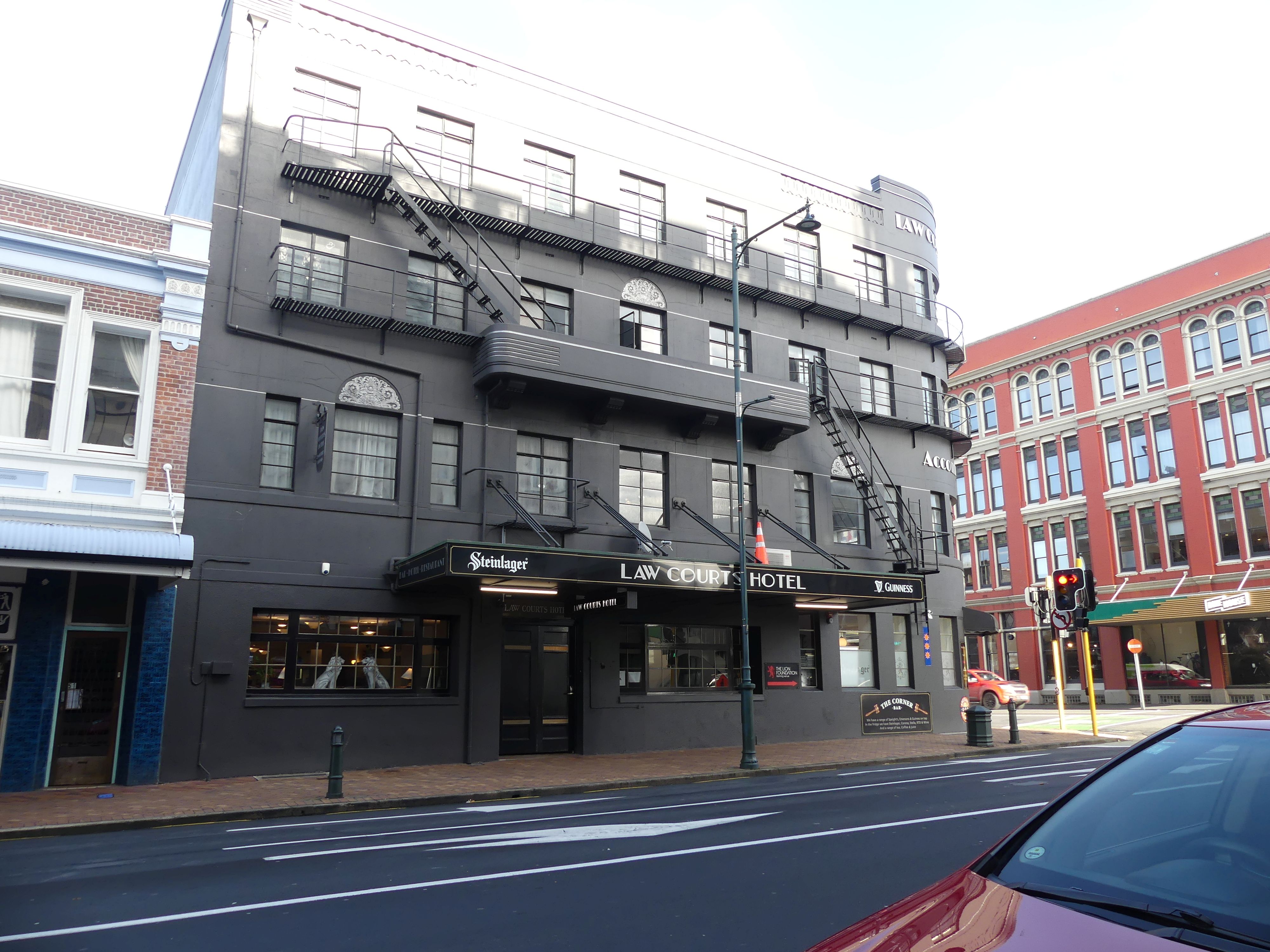
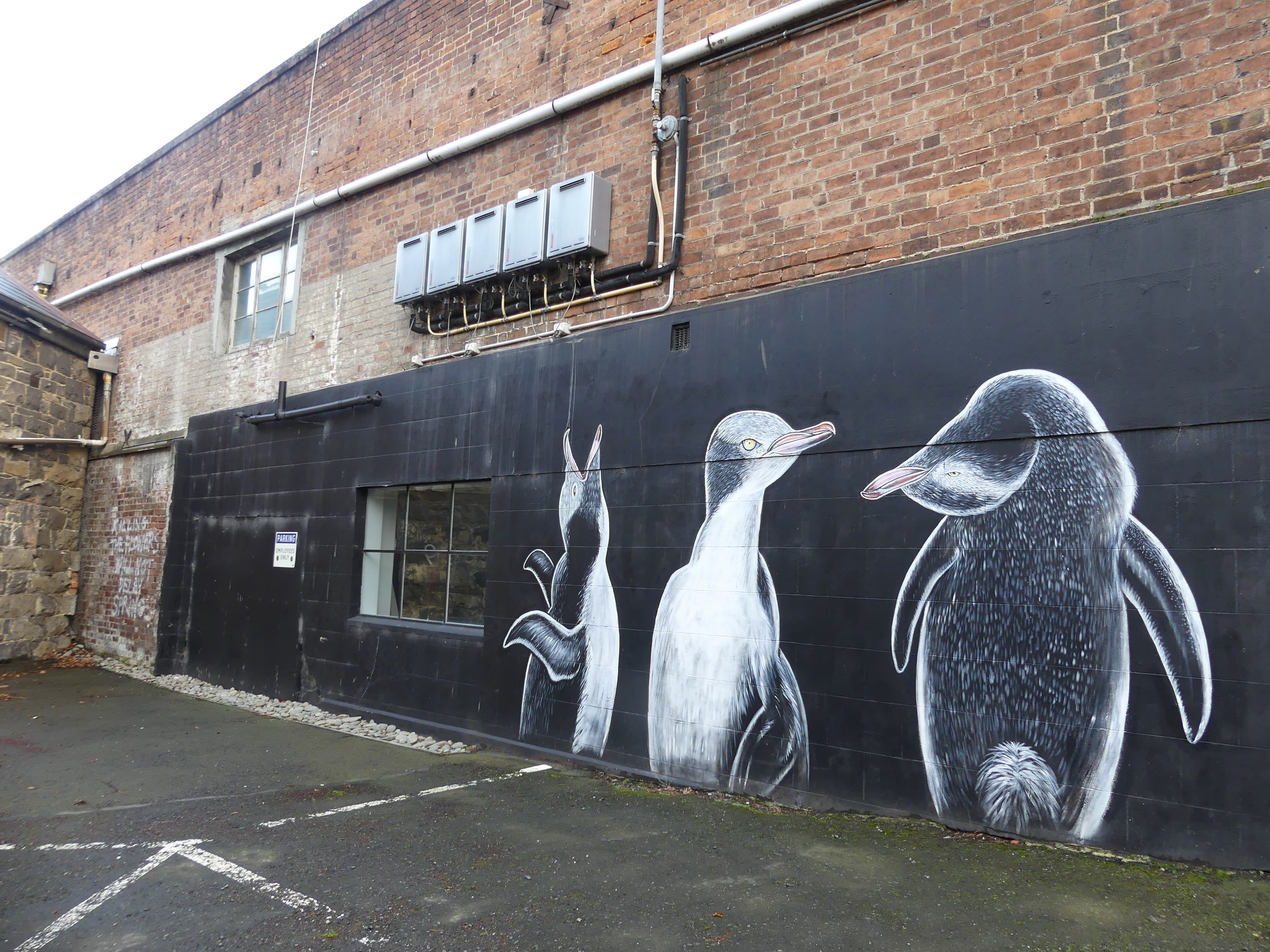
After coffee we moved on to the centre of Dunedin – the Octagon. So leaving the café we passed the Law Courts Hotel and Kerry decided we should view the Law Courts. The old building has been extended upon providing the new entrance with scanning and security provisions. One of the security officers gladly showed us through two courtrooms vacant of any business that day. Familiar layout but no public gallery for the higher courts – interesting. We made hard work of finding the Octagon. We walked past the Chinese gardens, some more street art, then the First Church of Otago (formerly St Andrews Presbyterian Church).
Law Courts Hotel, and street art
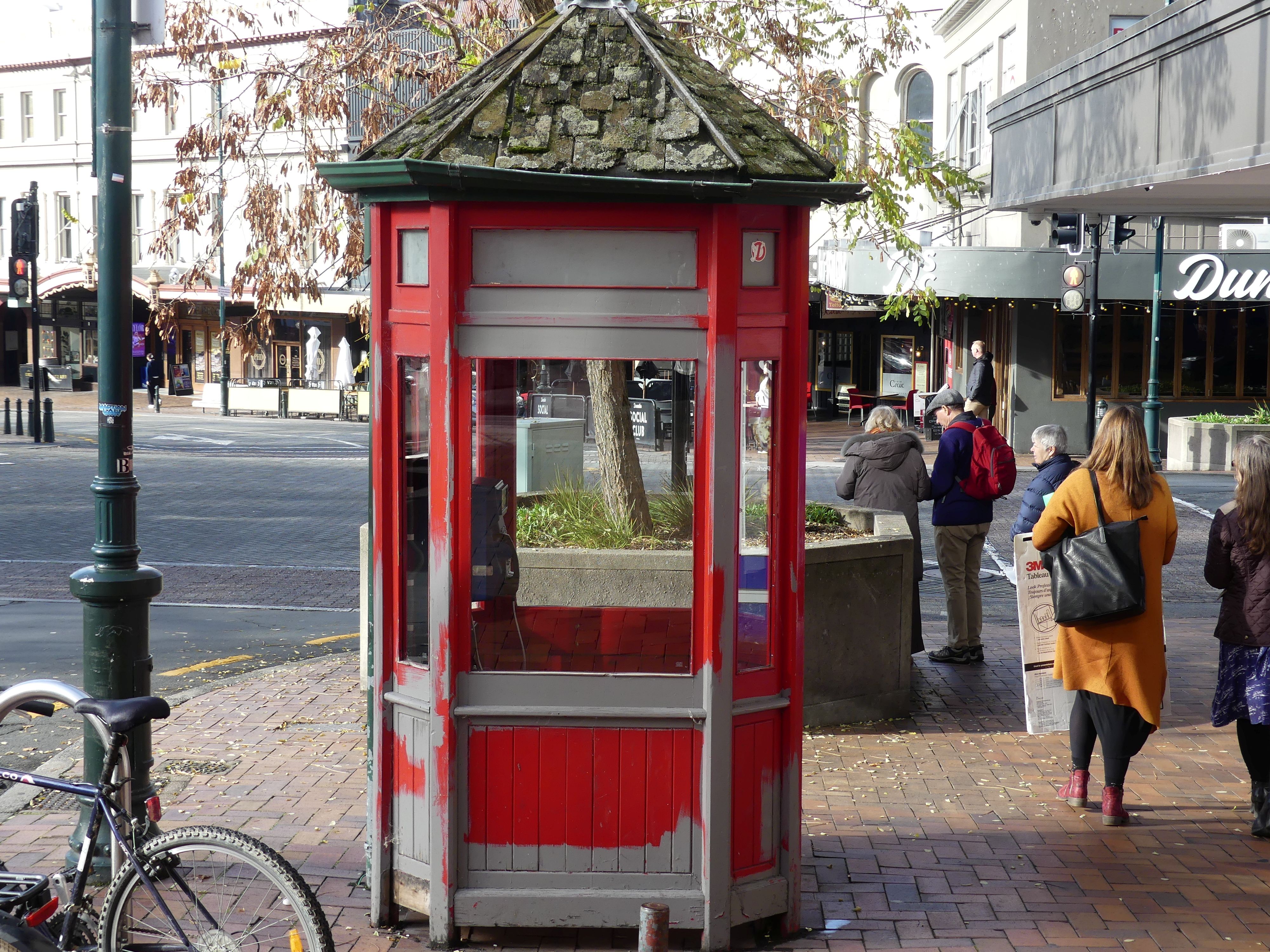
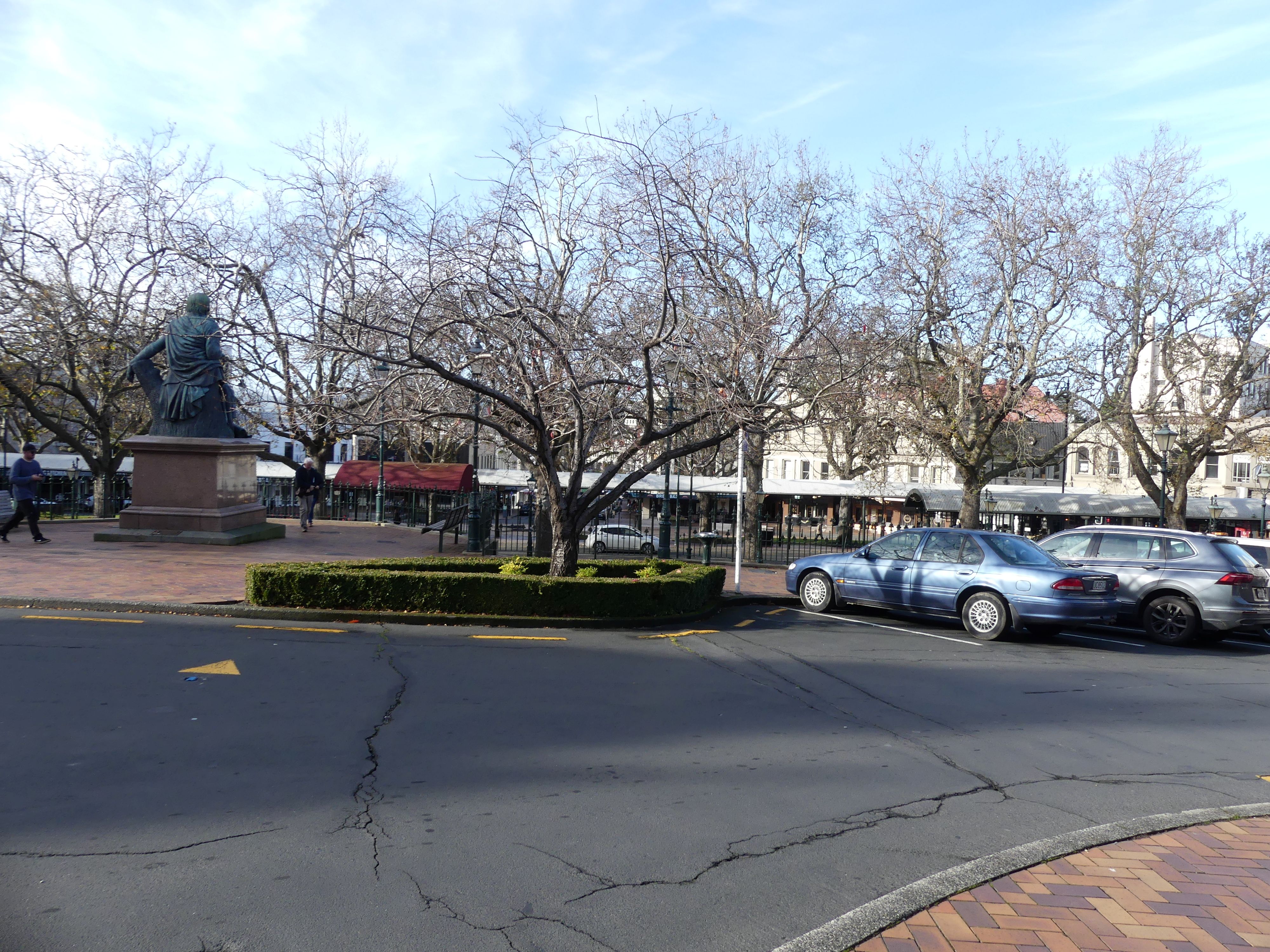
We finally arrived in the Octagon and octangle square the centre of the business/commercial district of Dunedin. It was at this time that I became painfully aware that street post boxes were as rare as hens’ teeth in NZ. NZ Post now hides in retail outlets, and they are not visible to a visitor. However, in a corner takeaway store in the Octagon was the post office and I finally posted my pocket full of postcards. I don’t know if it was the winter weather, but the Octagon looked sad to me: as though forgotten with some closed shops and not much colour. But there were some highlights like telephone box and the Robbie Burns statute.
Telephone box, and the octagon
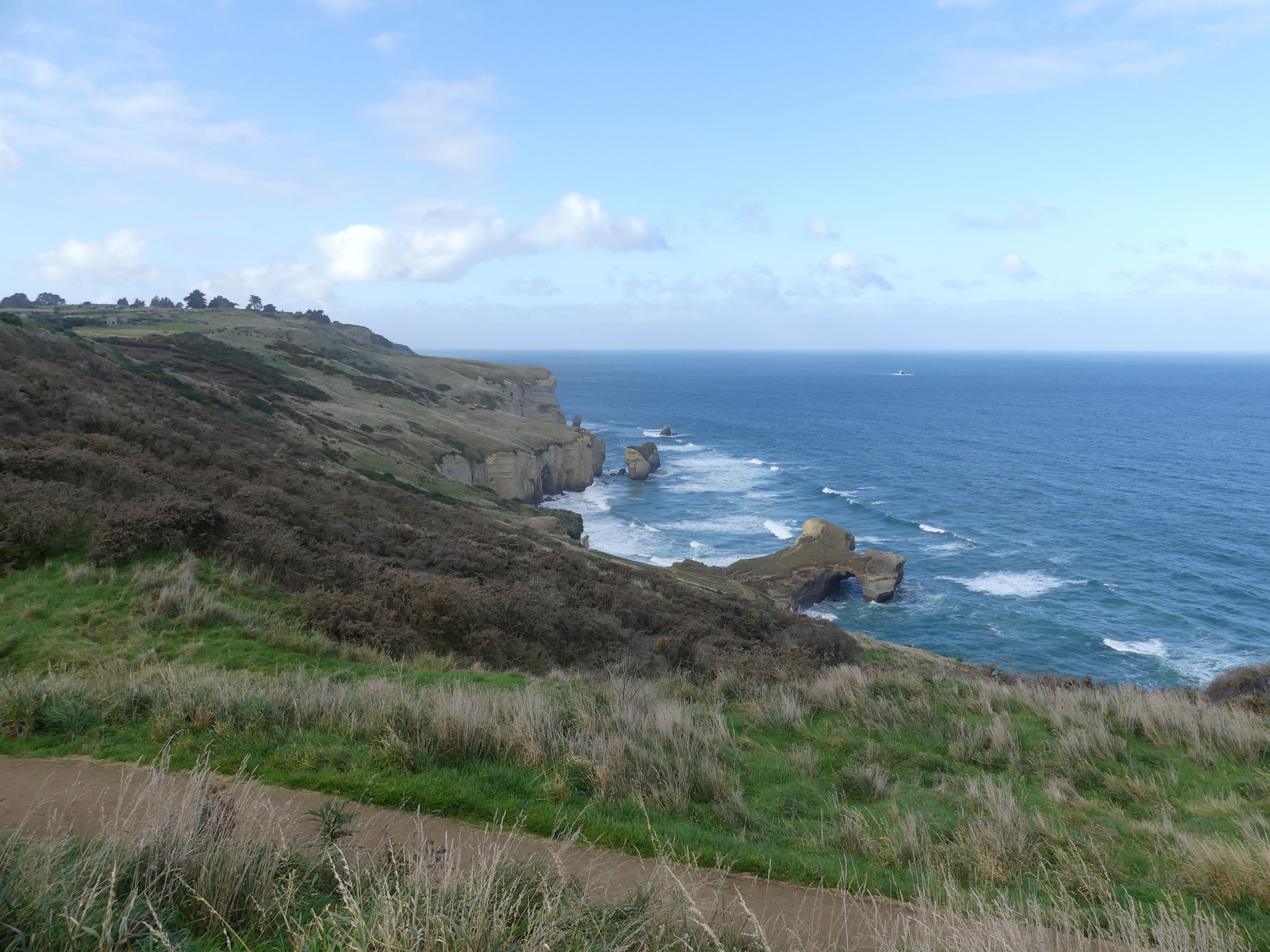
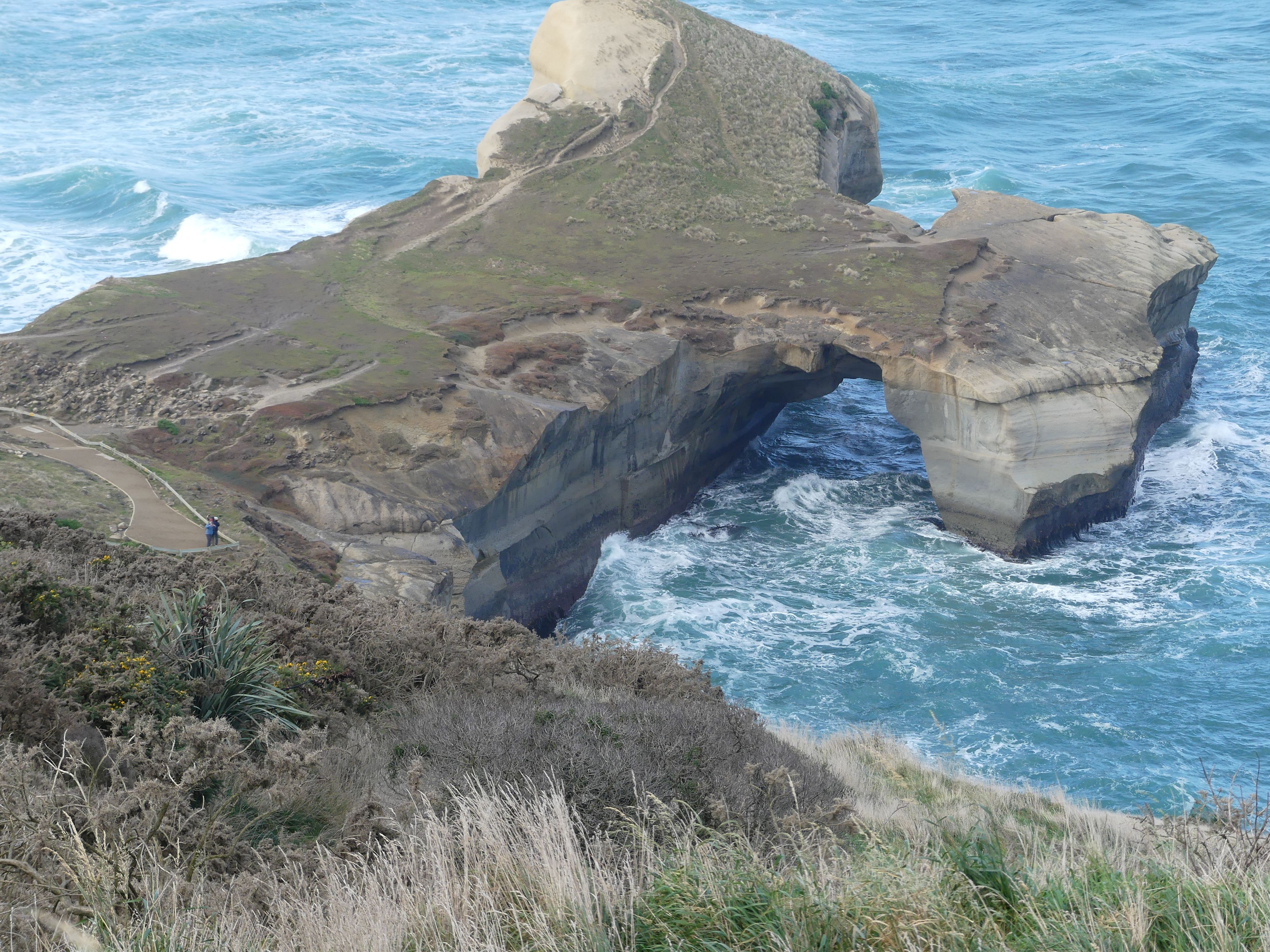
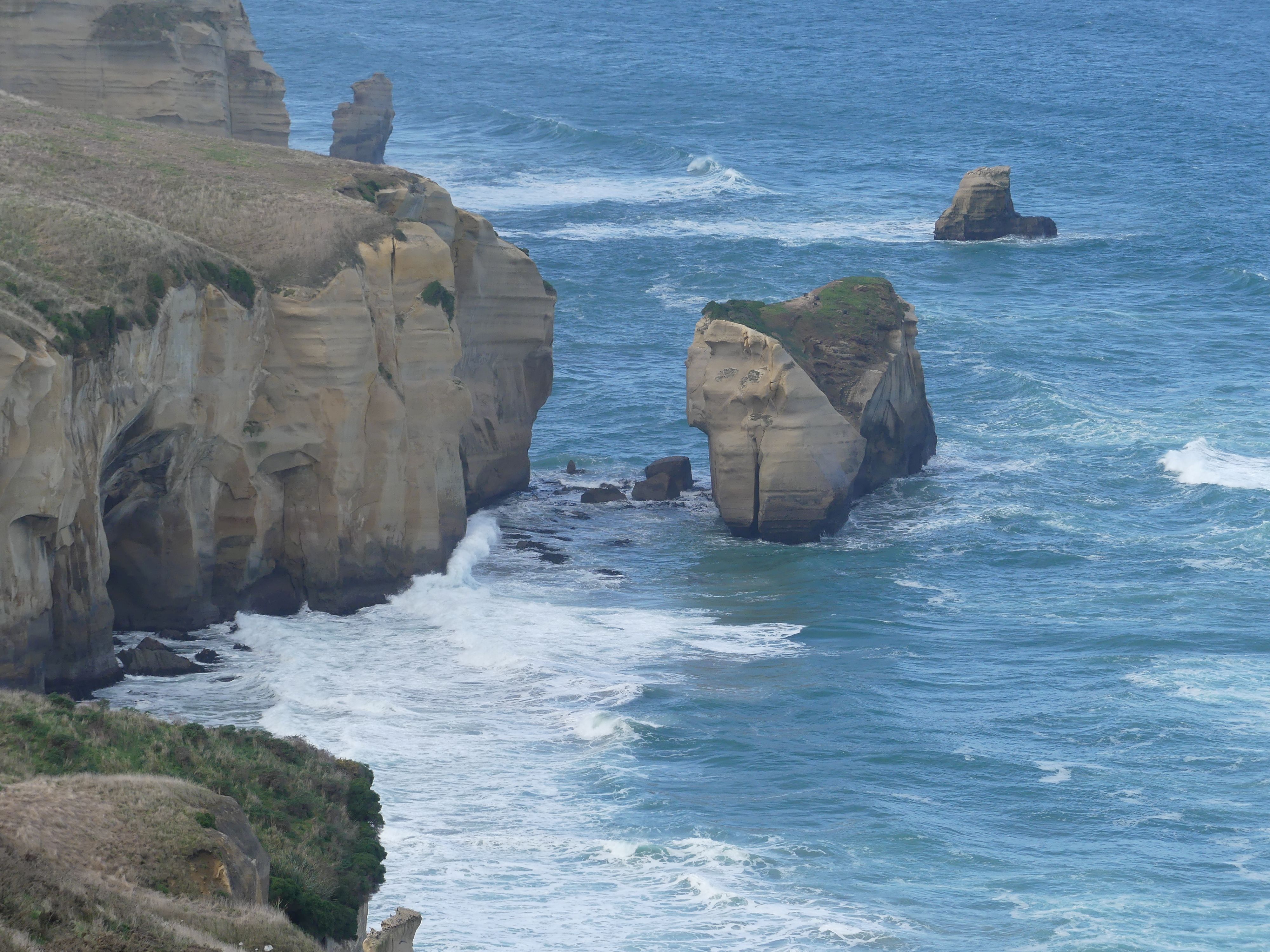
We decided to finish the day with a visit to Tunnel Beach on the Otago Peninsula. The wildness of the peninsula had been tamed by the construction of a long path to the beach but having walked down to the first viewing platform we looked back and decided that was enough – walking back up will be too hard for us elderly folk.
Tunnel beach from above. I don’t think I would have survived the climb back up.
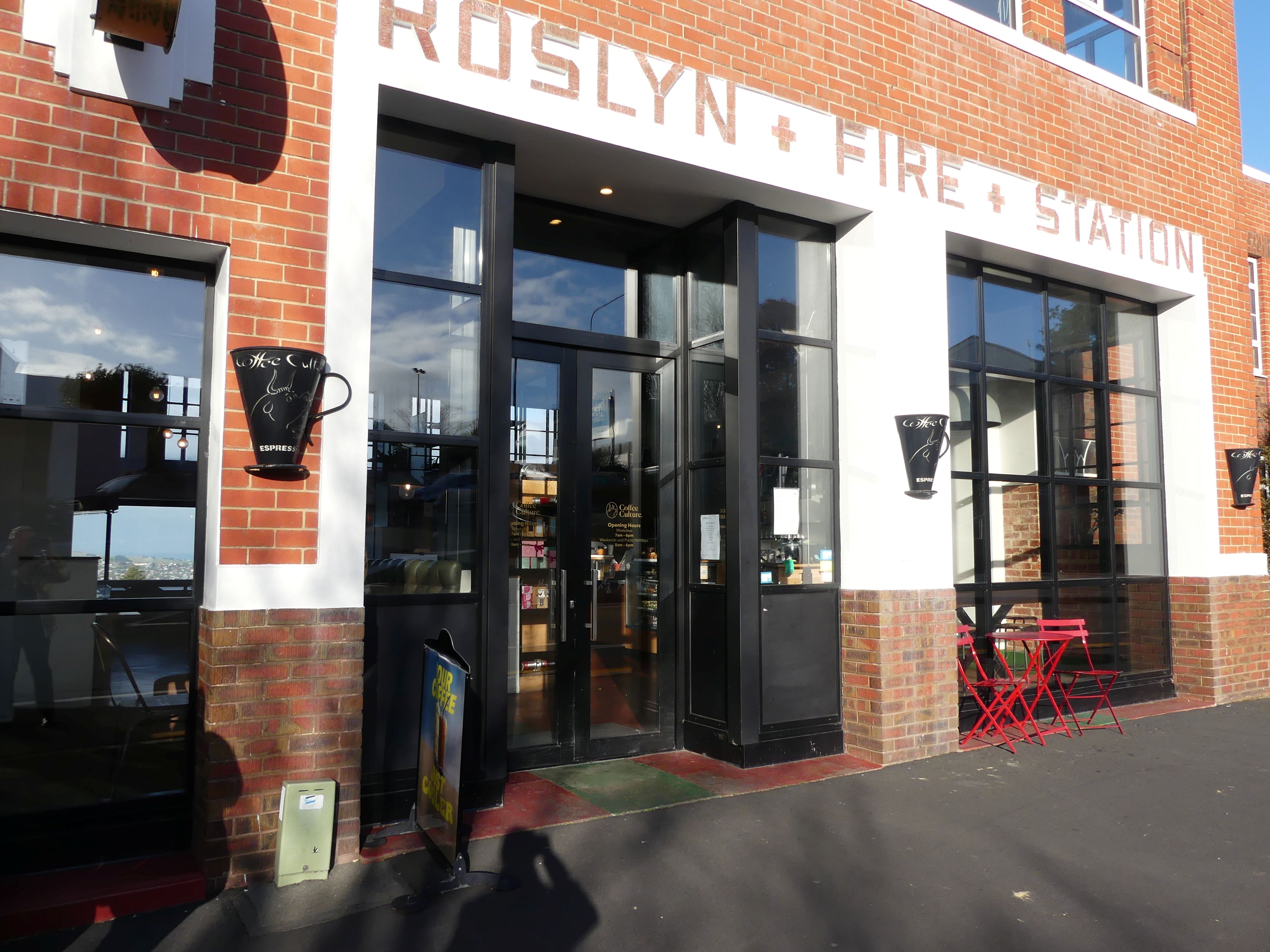
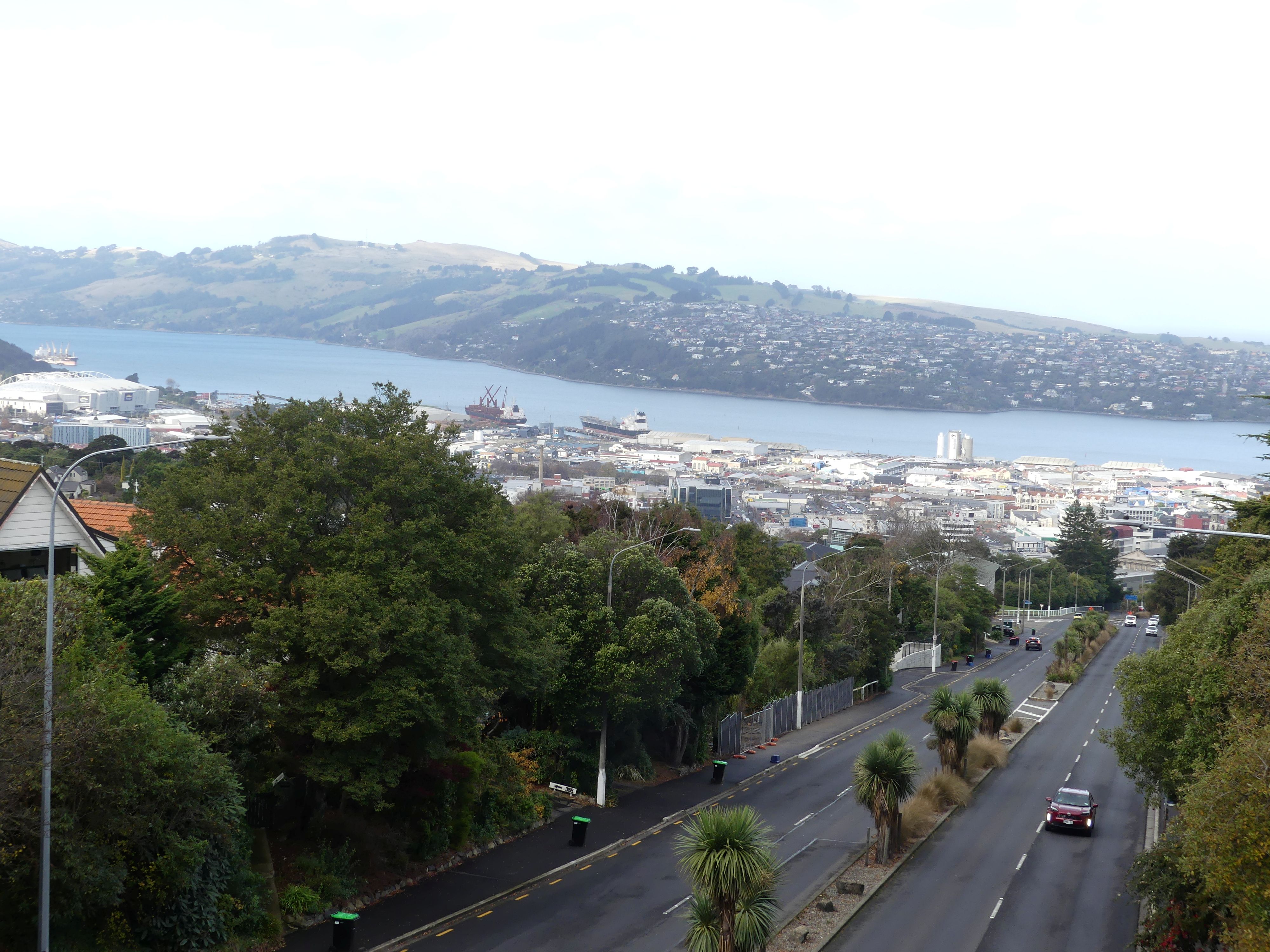
Having curtailed our plans, we decided to return to the B&B via the local coffee shop. Rossalyn Fire Station: no longer in service it had been turned into a coffee shop with magnificent views across Dunedin. After a rest and coffee, we moved onto the B&B and a night of cards before bed.
Fire House cafe and view of Dunedin from the cafe.
Tomorrow Day 9, we plan to travel to Lake Tekapo some 3 hours plus away. Still a long way to go travelling the South Island. Read more when THE RETIREES VISIT THE SOUTH ISLAND ACROSS THE DITCH blog 495 Episode 4.


