19TH MAY TO 10TH JUNE 2026
Day 11 On the way to Christchurch
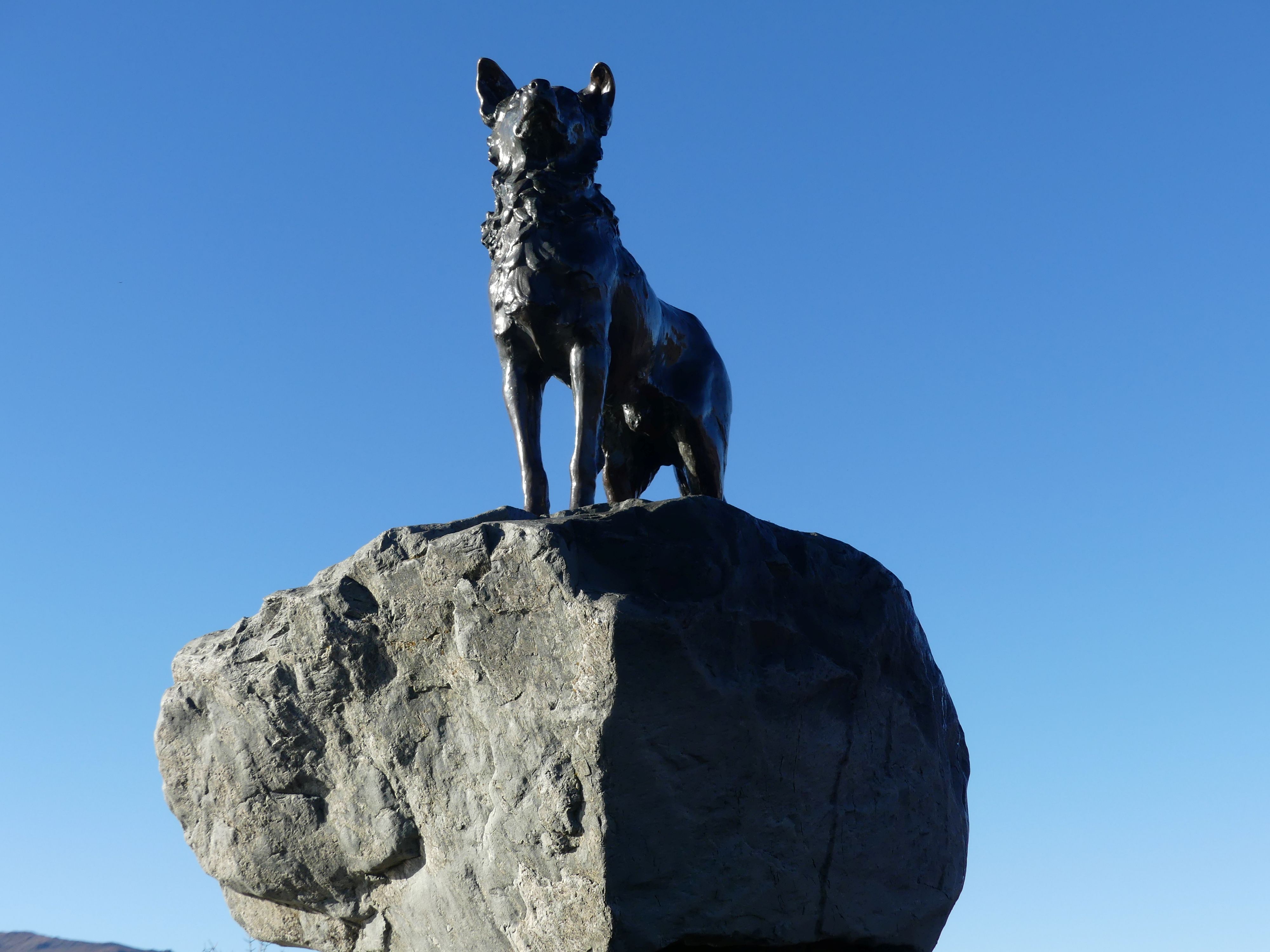
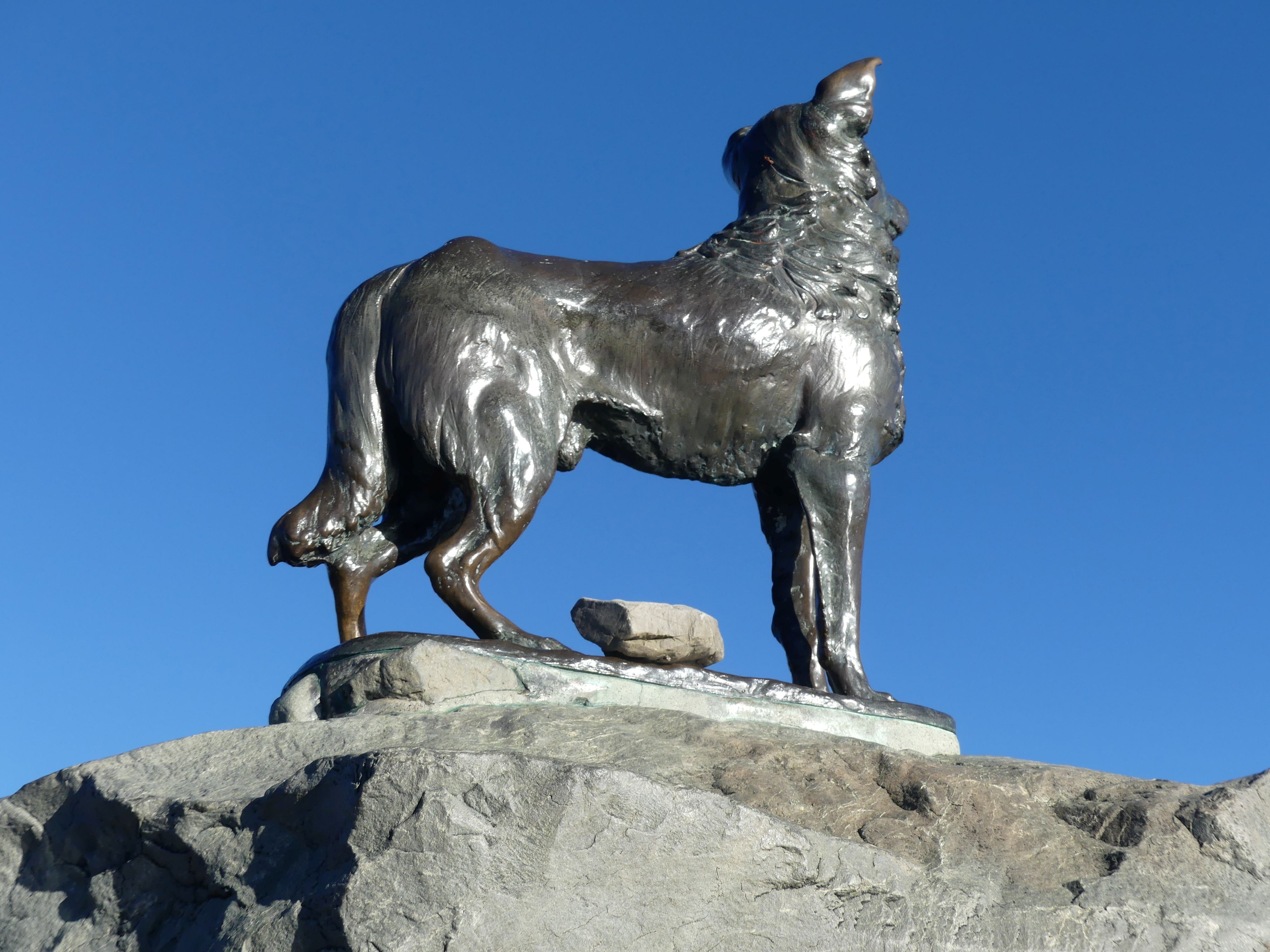
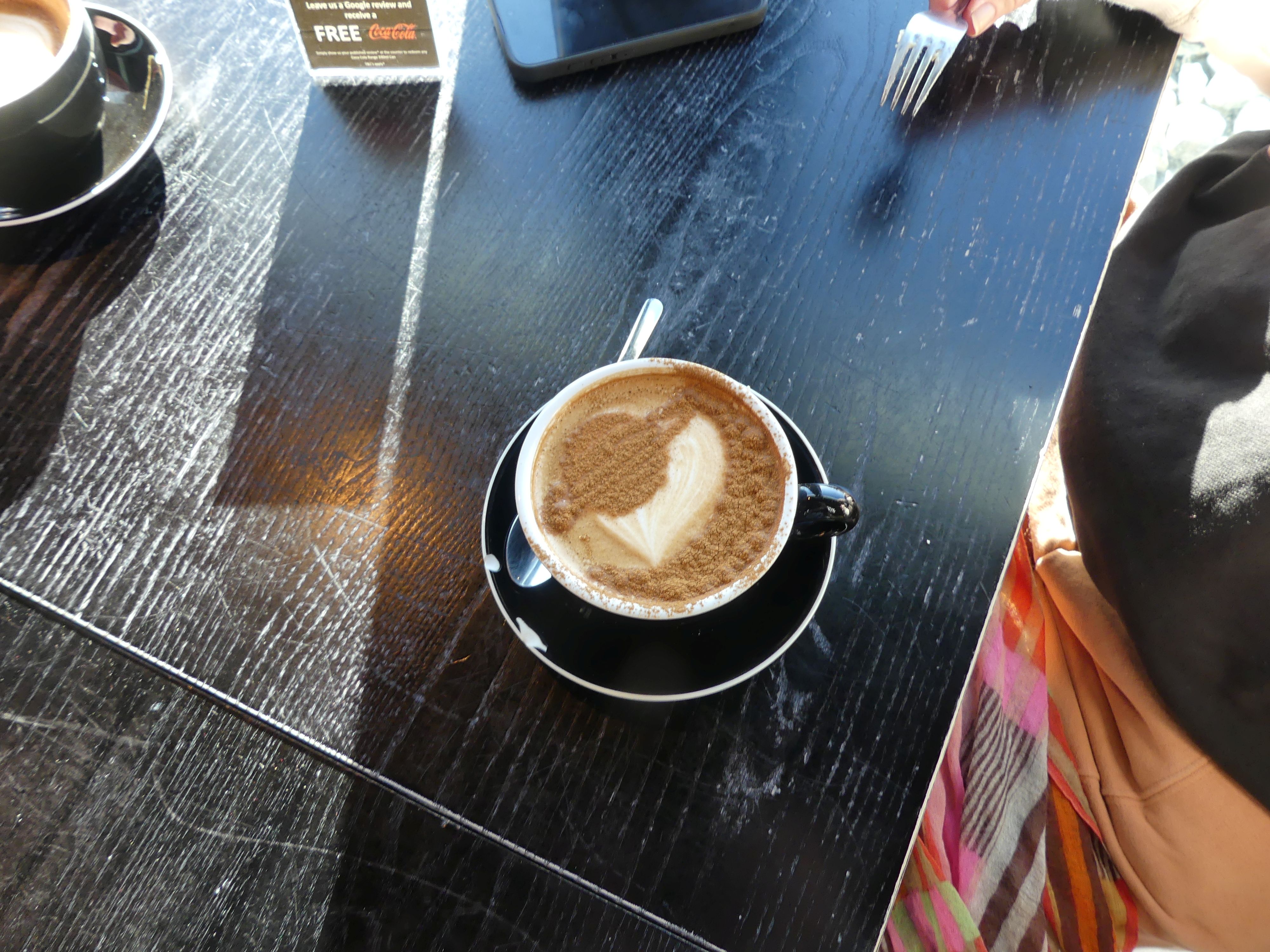
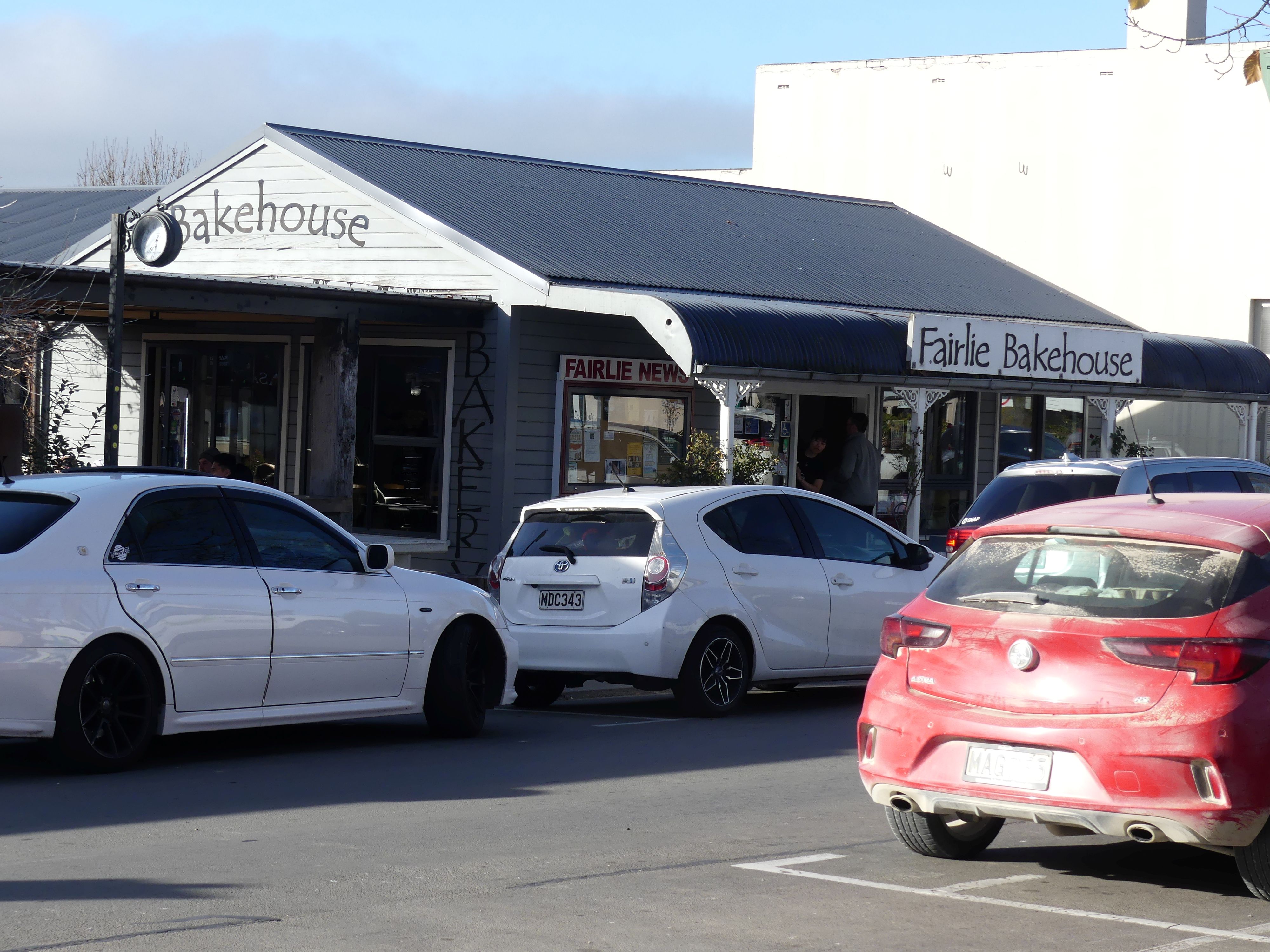
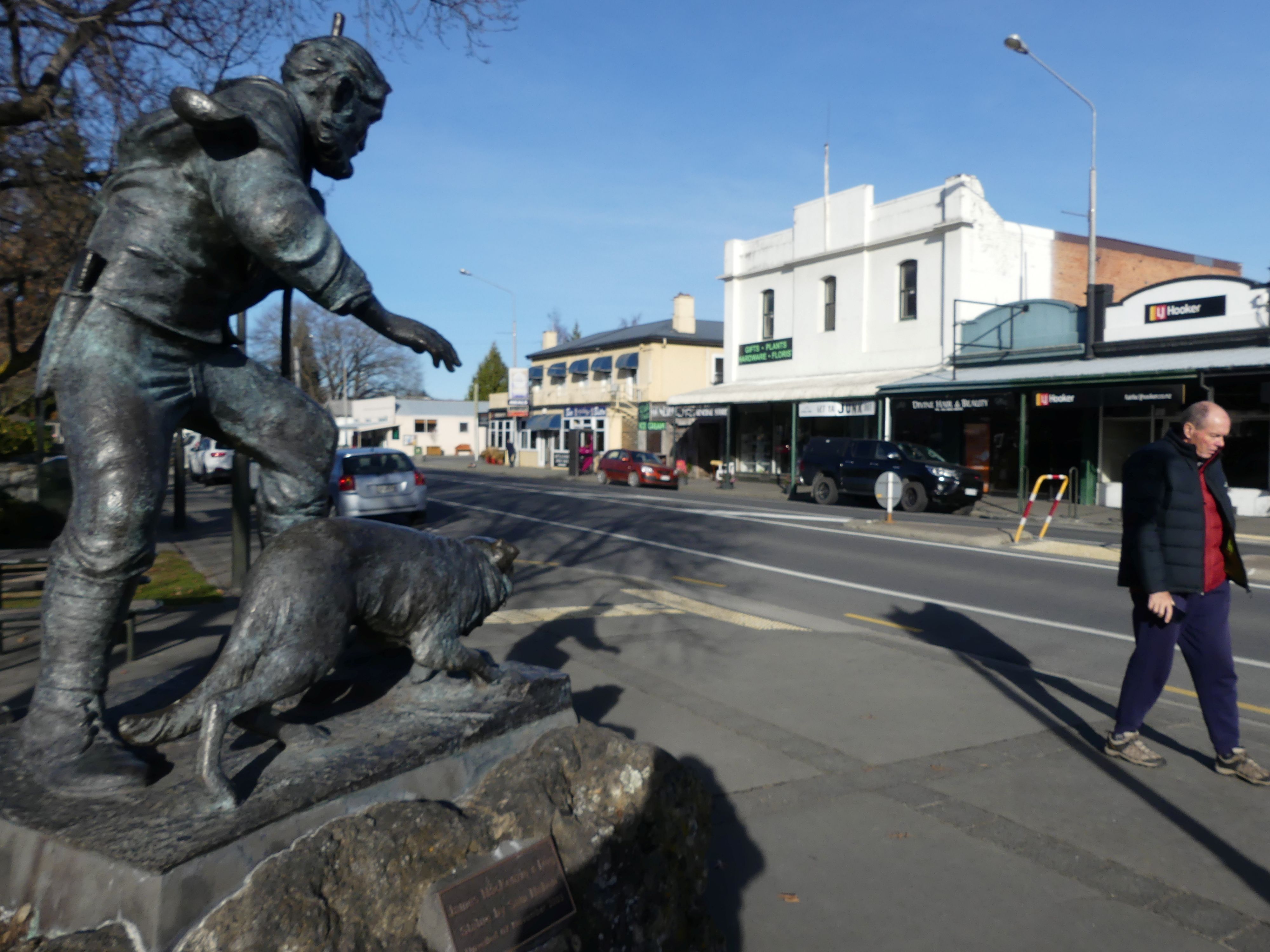
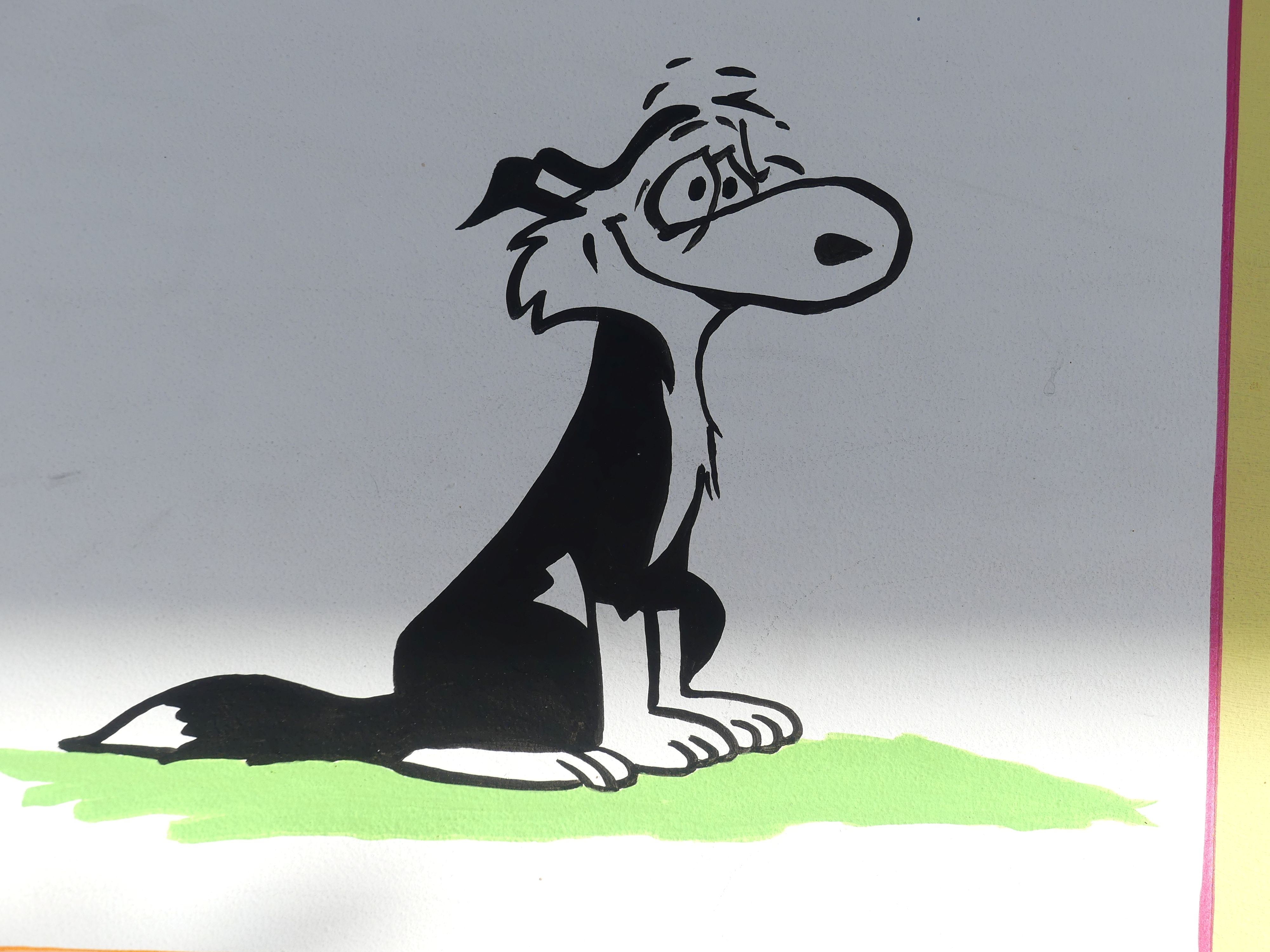
When we arose, the car was iced over and Barry had to carefully remove the ice. I tried to unwind the hose to spray the car and of course it was frozen. That is a new experience. Christchurch was 3 hours away. Our first stop was at a village called Fairlie, 45 minutes away. Of course, we would stop for coffee and visit the Bakehouse. A lot of other people had the same idea, and the Bakehouse was full to overflowing. In the village is a statue depicting Explorer James McKenzie and his dog. James McKenzie (c. 1820 – c. 1865) is best known for the dramatic 1855 theft of 1,000 sheep from the Levels Station in South Canterbury. The Legend is using his highly intelligent dog, Friday, he drove the sheep into an uncharted, hidden inland basin to evade authorities. While he was eventually caught, his escape attempts and rugged survival skills cemented him as a legend. I find it strange that people love a clever thief and immortalise him. We have done the same with the Kelly gang and Thunderbolt.
The Bakehouse and the explorer McKenzie and his dog.
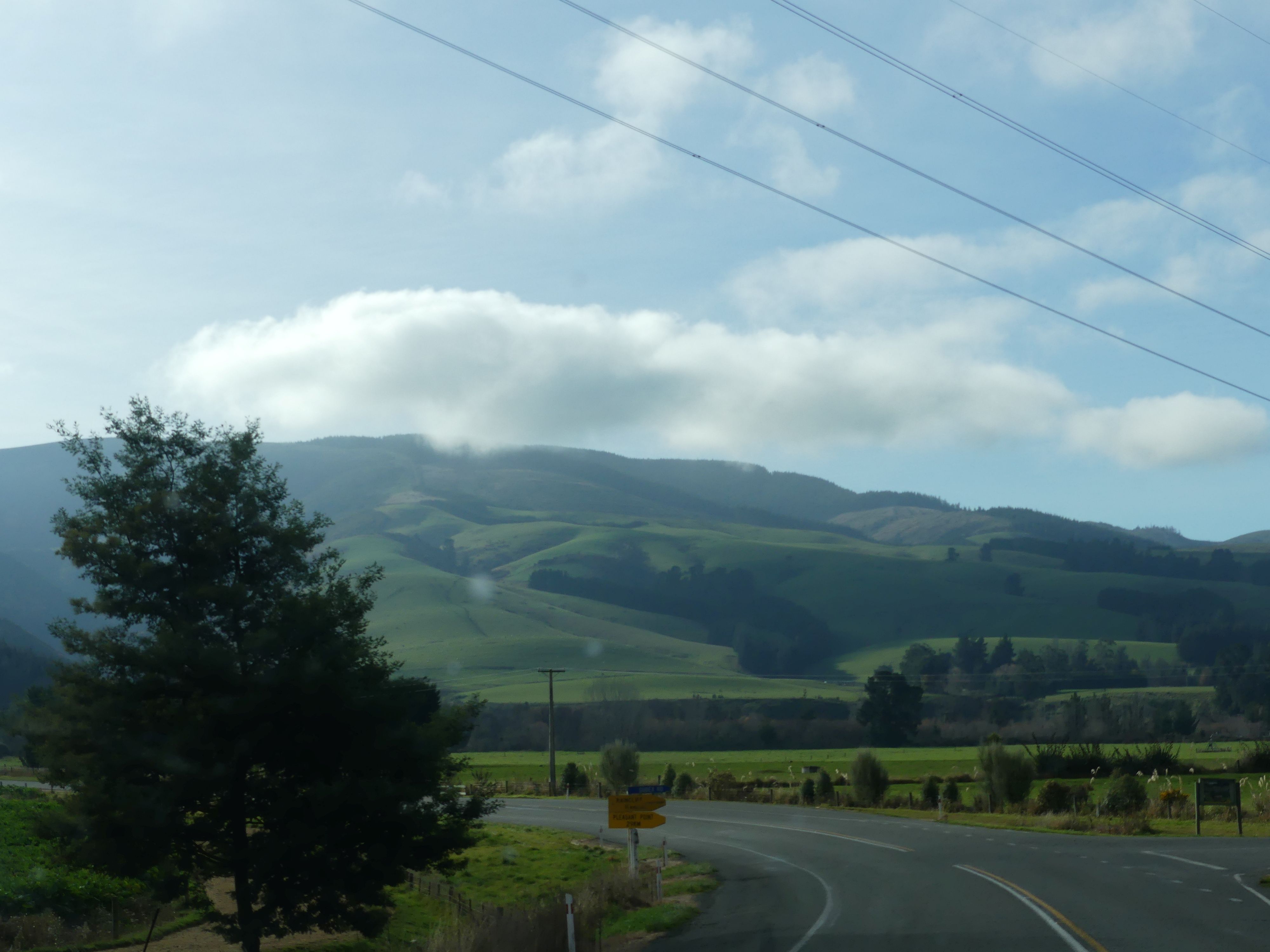
We then moved on to a picturesque village called Geraldine 45 minutes from Fairlie. We pulled into the village and to a market in the centre of the village. It was a lot bigger than we expected and it even had a movie theatre which oddly was showing “the Sheep Detectives”. Barry and I were compelled to purchase the “Baaad to the Bone” T shirt package for the great expense of NZ$20. Barry paid NZ$5 more for the cap as well. The pack included the shirt, a mug and a fridge magnet. WooHoo! Then we found the cheese shop and picked up some cheese and an ice cream. Then we took a short walk around to the theatre, returned to the car and on our way again.
The road to Geraldine, the Theatre, and signs on a wall
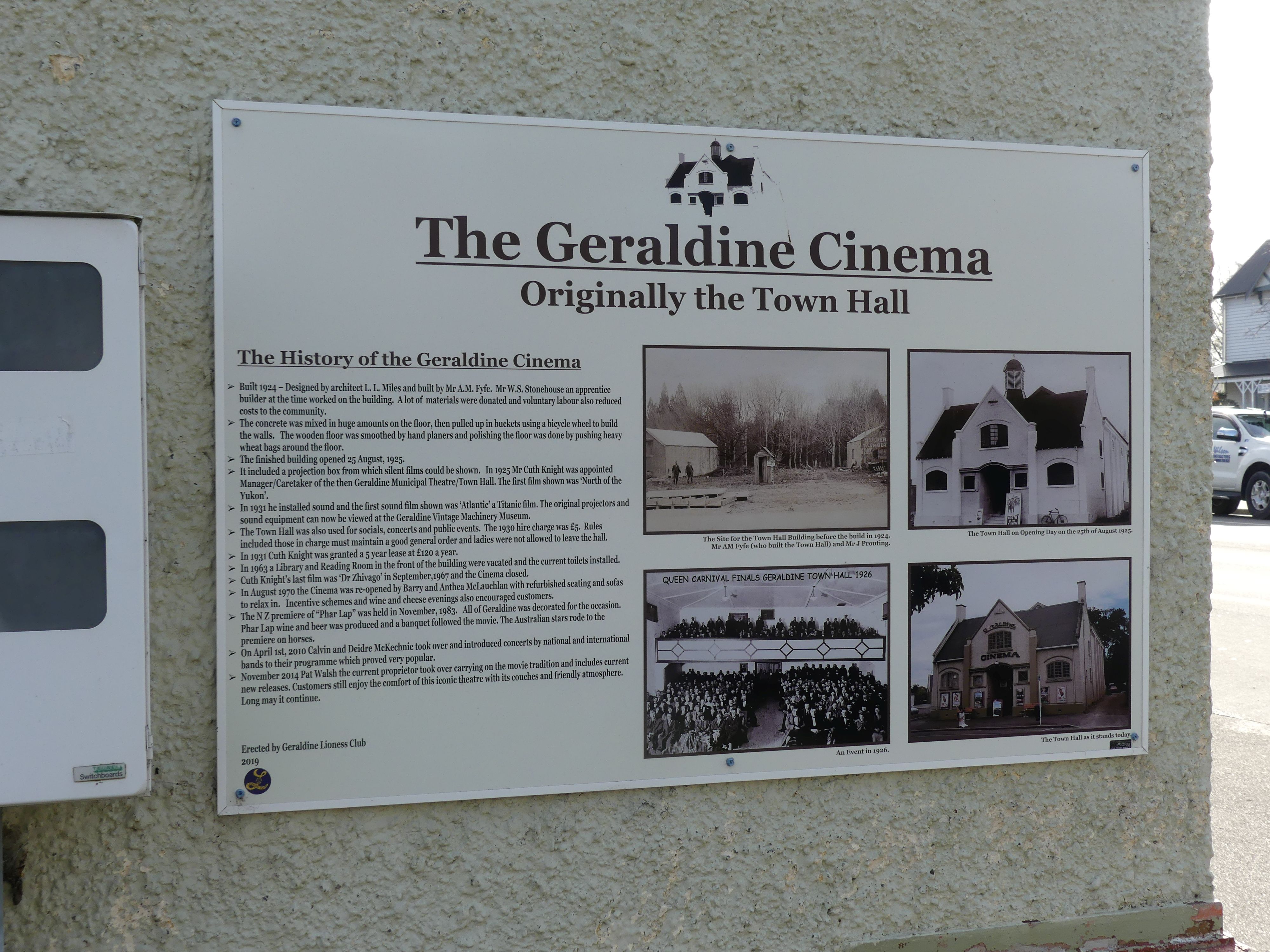
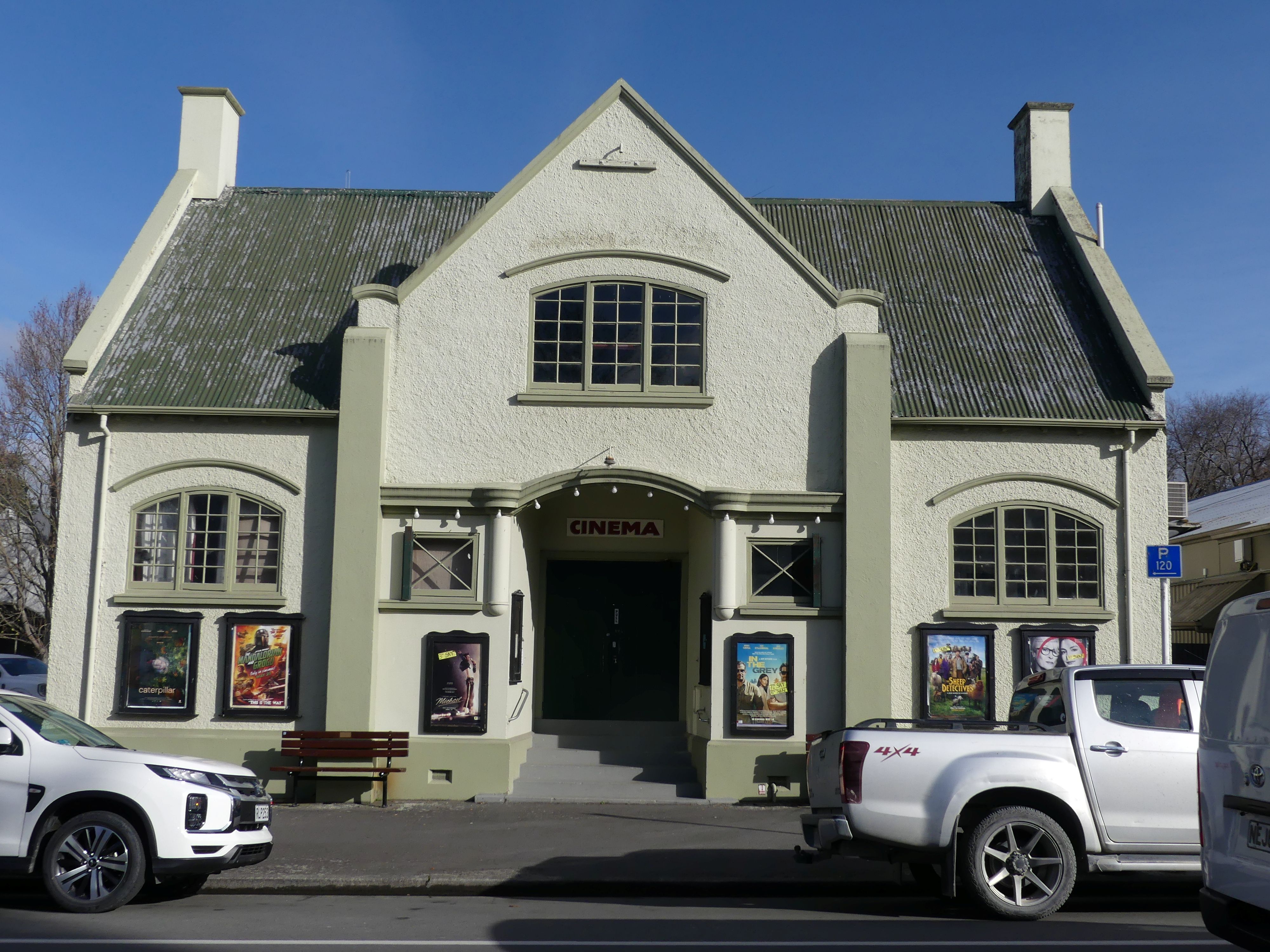
This time we made our way to Ashburton 1 hour away for lunch. Then to Christchurch where we would be staying 3 nights at Abbey Motor Lodge 209 Beasley Avenue Christchurch. It was quite the challenge to find our motel the first time and Christchurch is a relatively a big city.
Day 12 Christchurch
The motel was well placed and run by an elderly Chinese gent who was always busy but helpful. He offered a washing service for NZ$10 per load so we availed ourselves of his services and got it back still warm from the dryer but tossed in the basket to fold for ourselves. So that is how he fills his day.
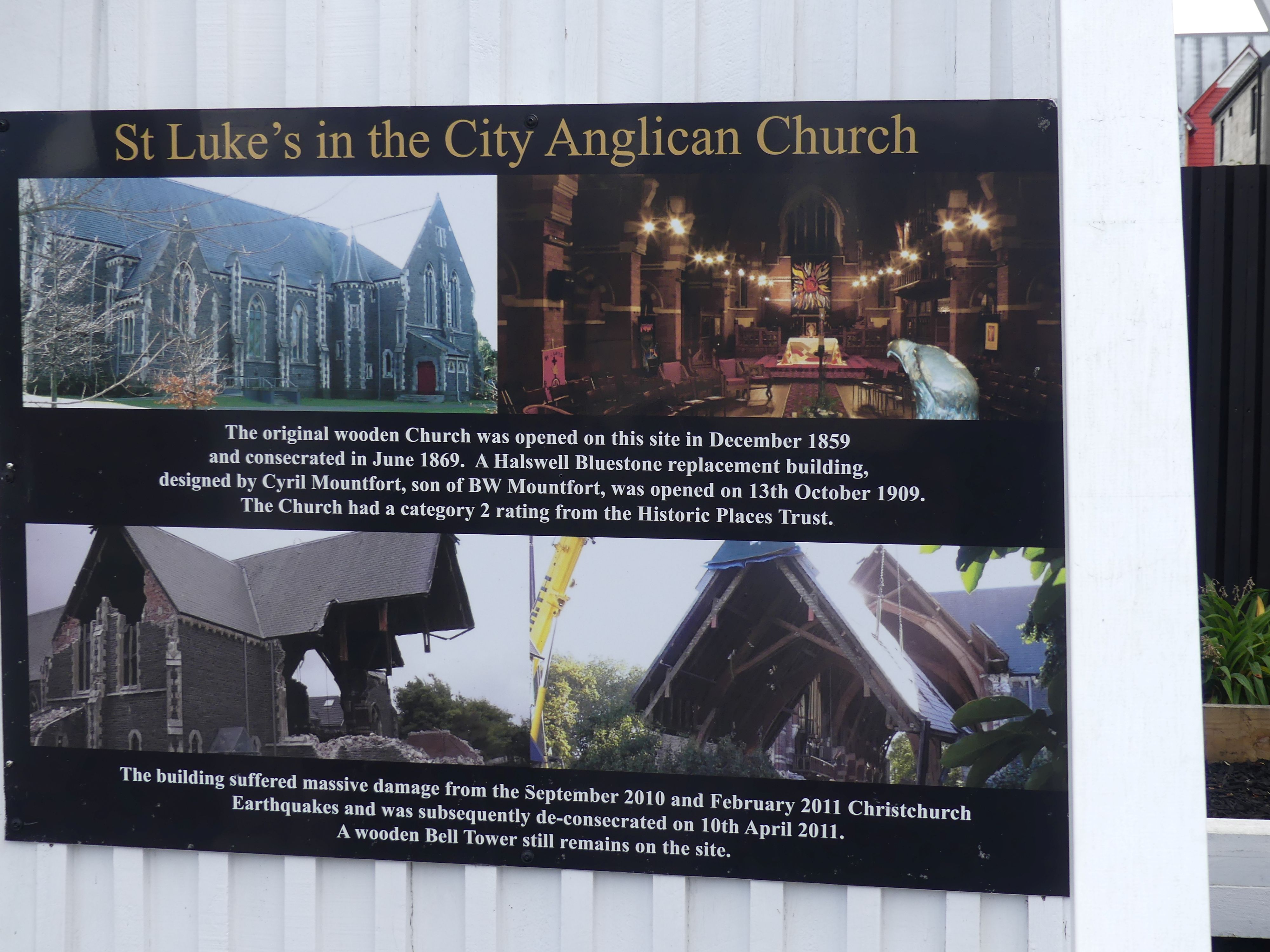
We decided we would take a walk into town and find the cable car to the top of the mountain outside Christchurch while Barry and Sandi did their own thing. We walked out onto Beasley St and took the first turn left into Manchester St for the CBD, passing the belltower of St Luke’s in the City Anglican Church. There is a sign board explaining the history and why only the bell tower remains I photographed the sign but have added the information provided by Wikipedia. “St Luke’s Church was an Anglican church located in Manchester St Christchurch. The former church was built on one of the five sites set aside in the central city in the original survey of Christchurch for the Anglican church and the building was registered as a Category II historic place with the New Zealand Historic Places Trust. Following sustained damage caused by the February 2011 Christchurch earthquake, the building was demolished in July 2011.
Testimonial and redeveloped units
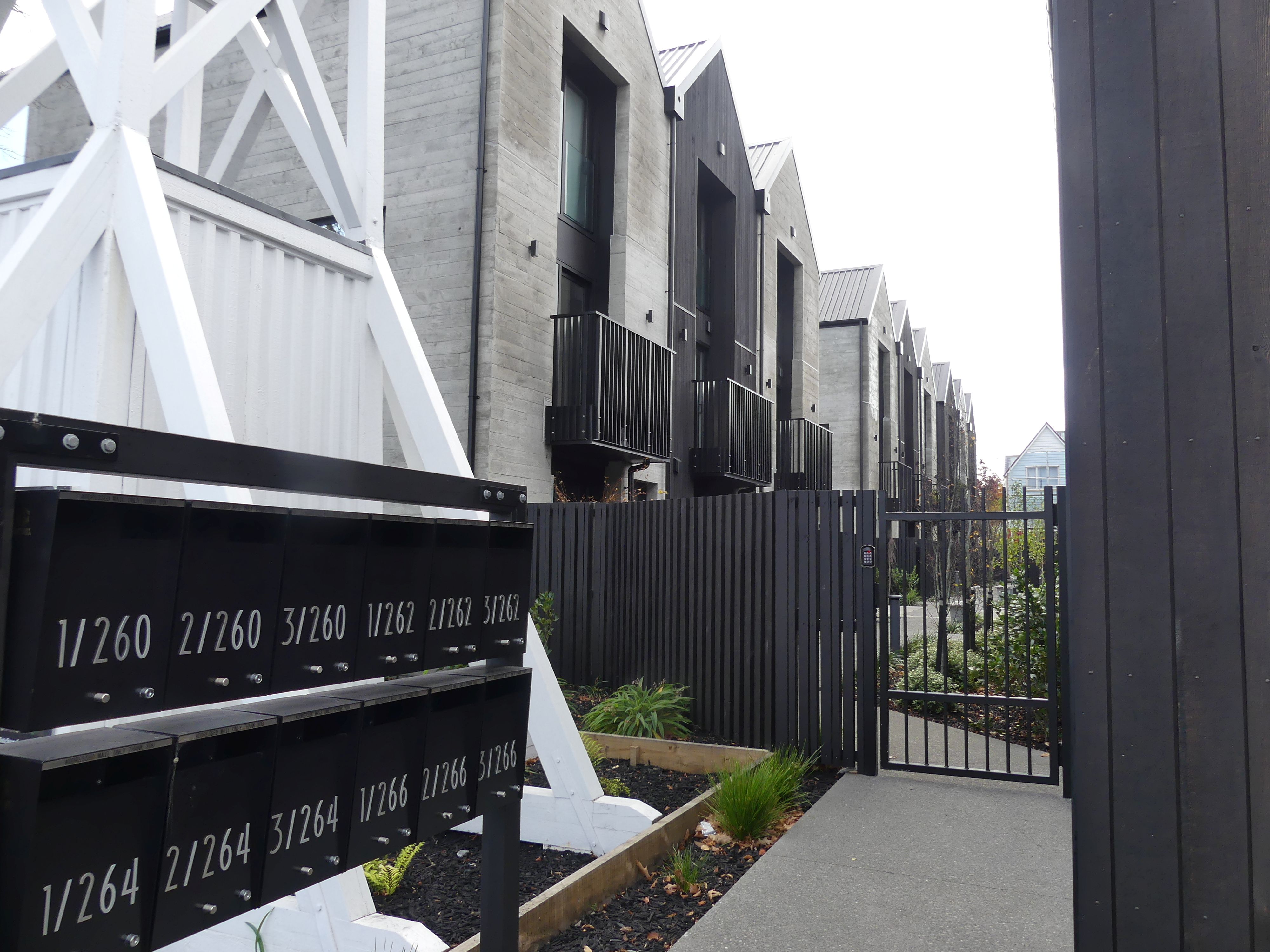
The photos above show the redeveloped site. There are many sites throughout certain parts of the city are clearly redeveloped which gives you an idea of the enormity of the damage done.
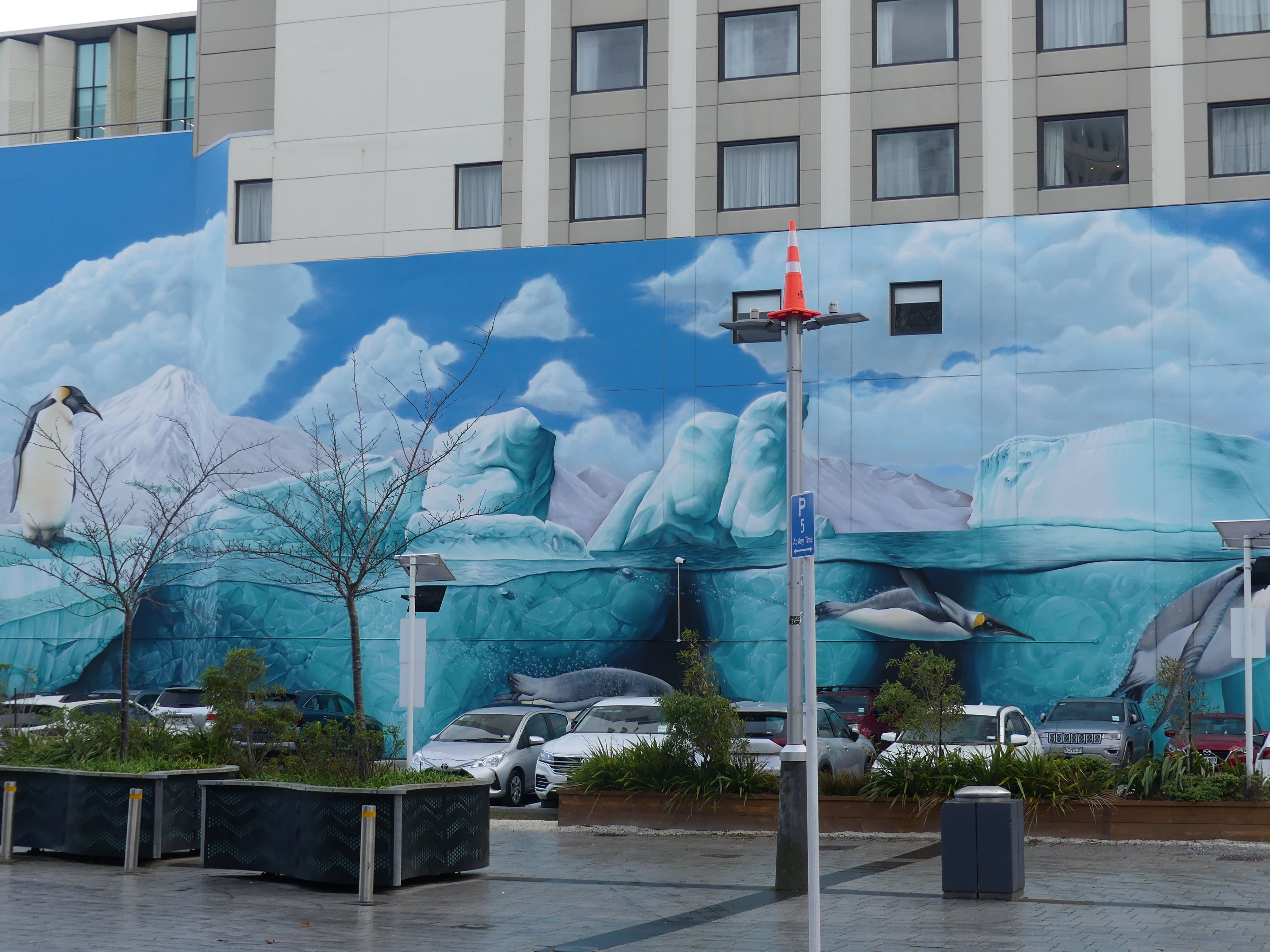
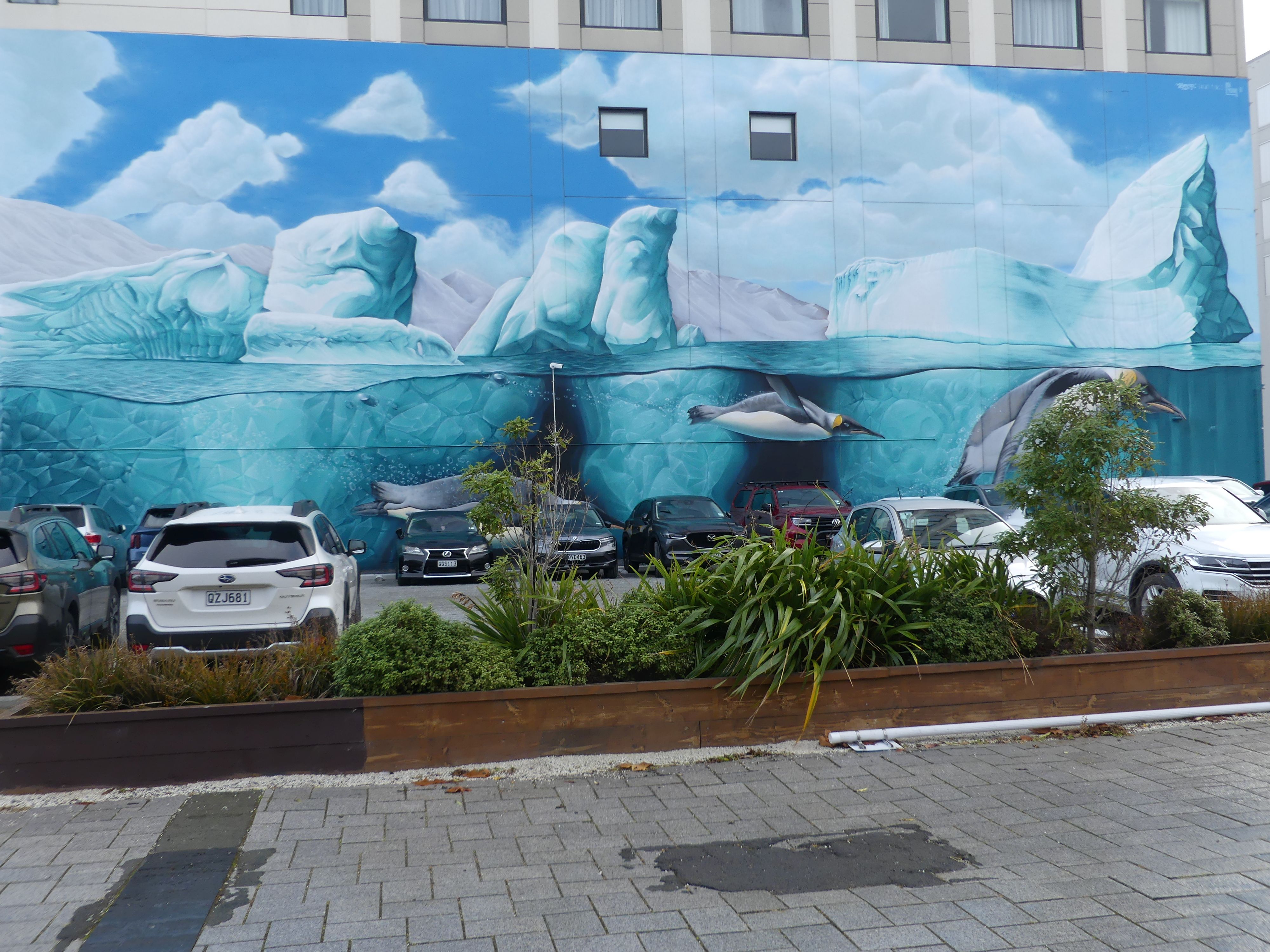
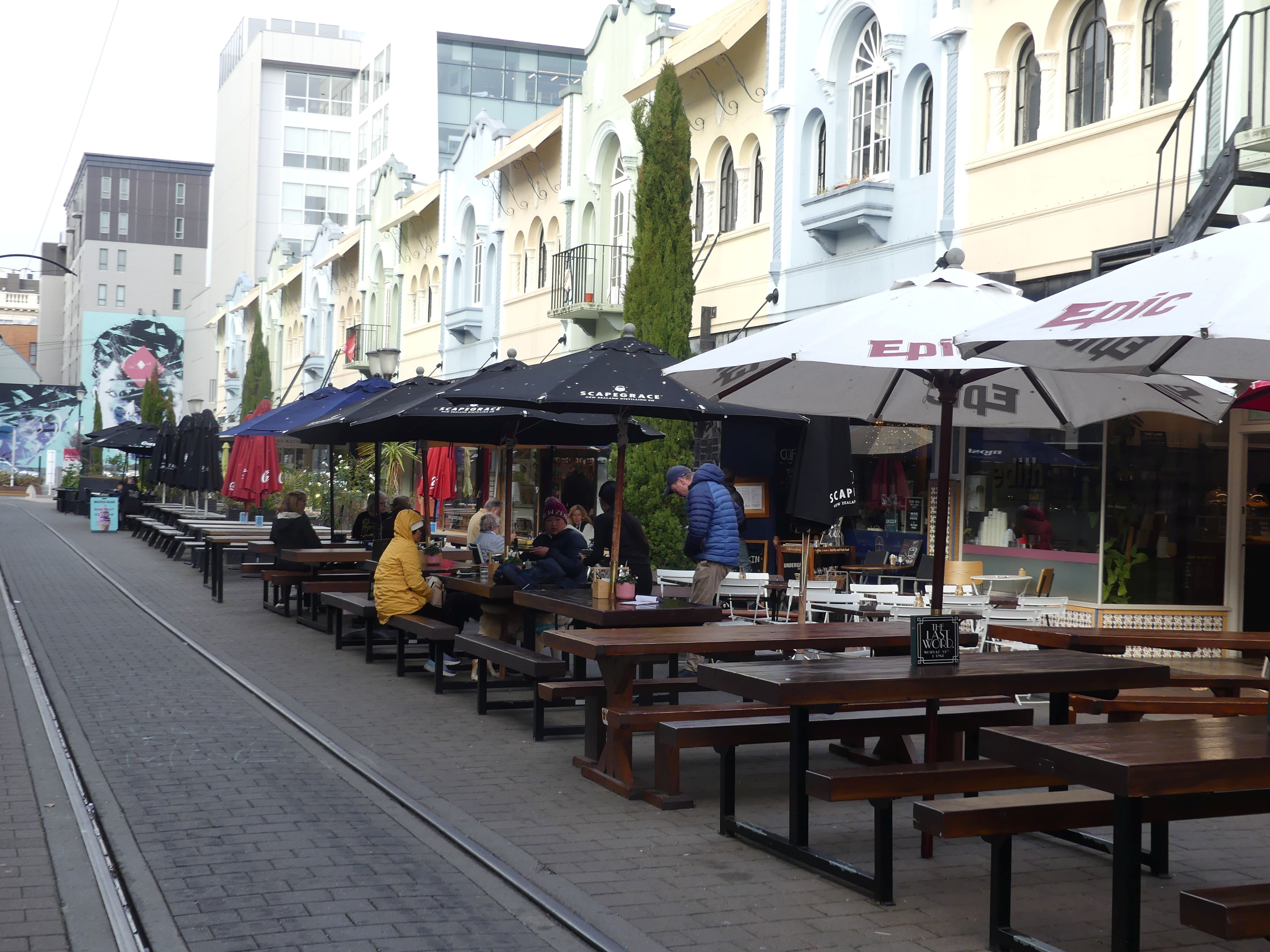
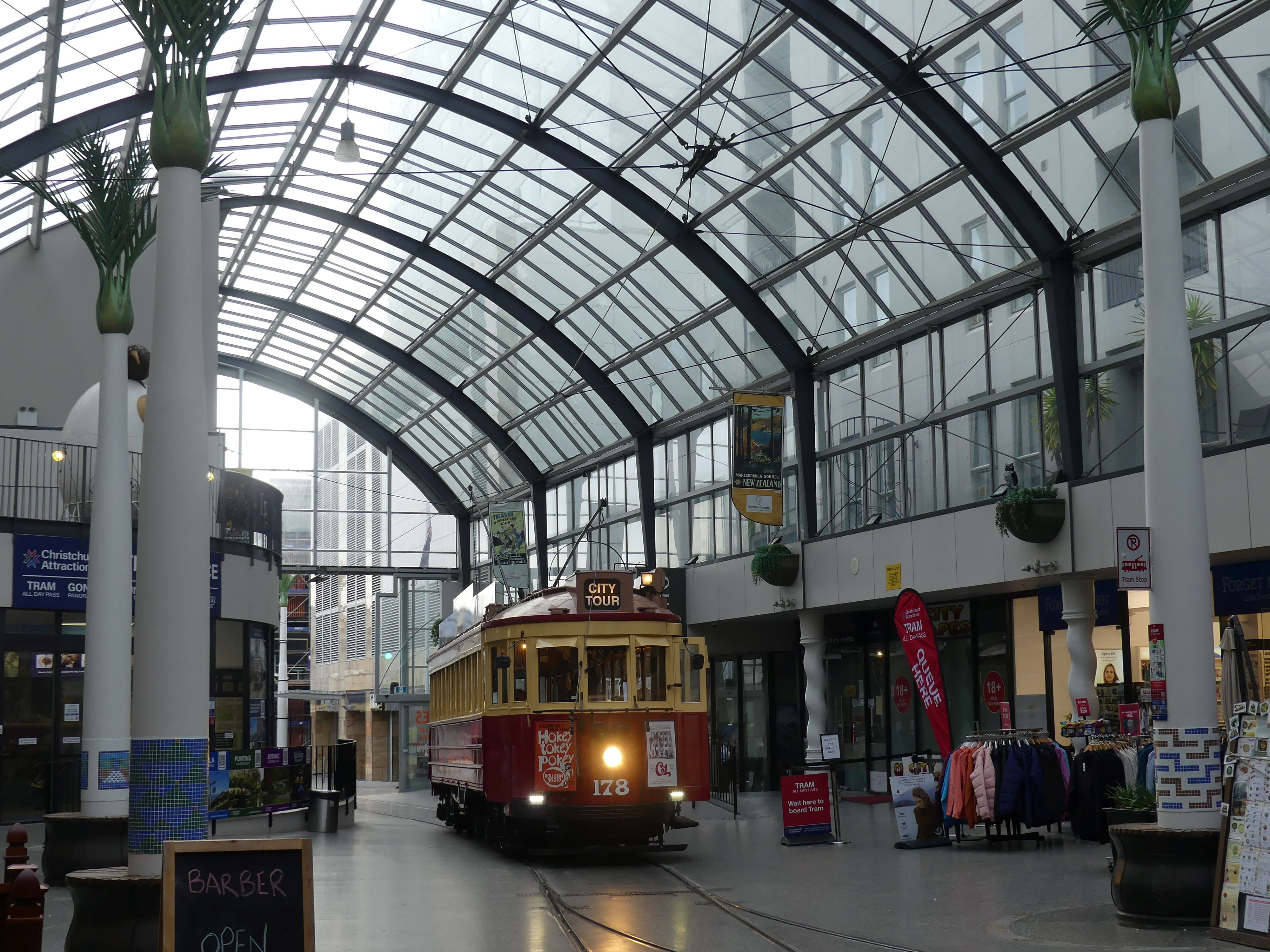
Our path to the CBD took us past many different street art projects and I have posted them below. We came to the tram station inside the building housing the Tourist Information office. The tram provides a city tour, but we were more interested to take the cable car up the slopes of Mt Cavendish.
Street scenes and street art and the tram stop
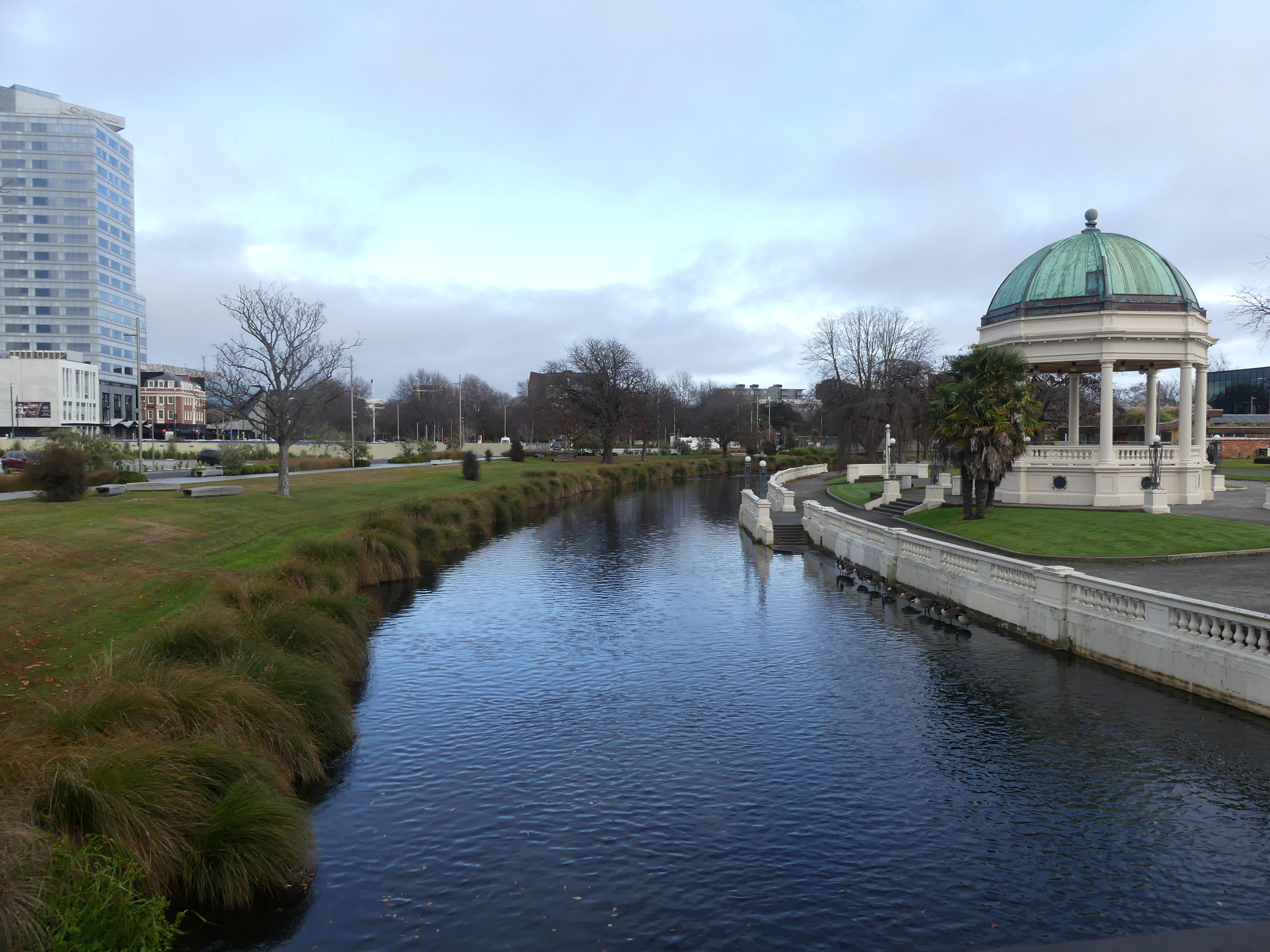
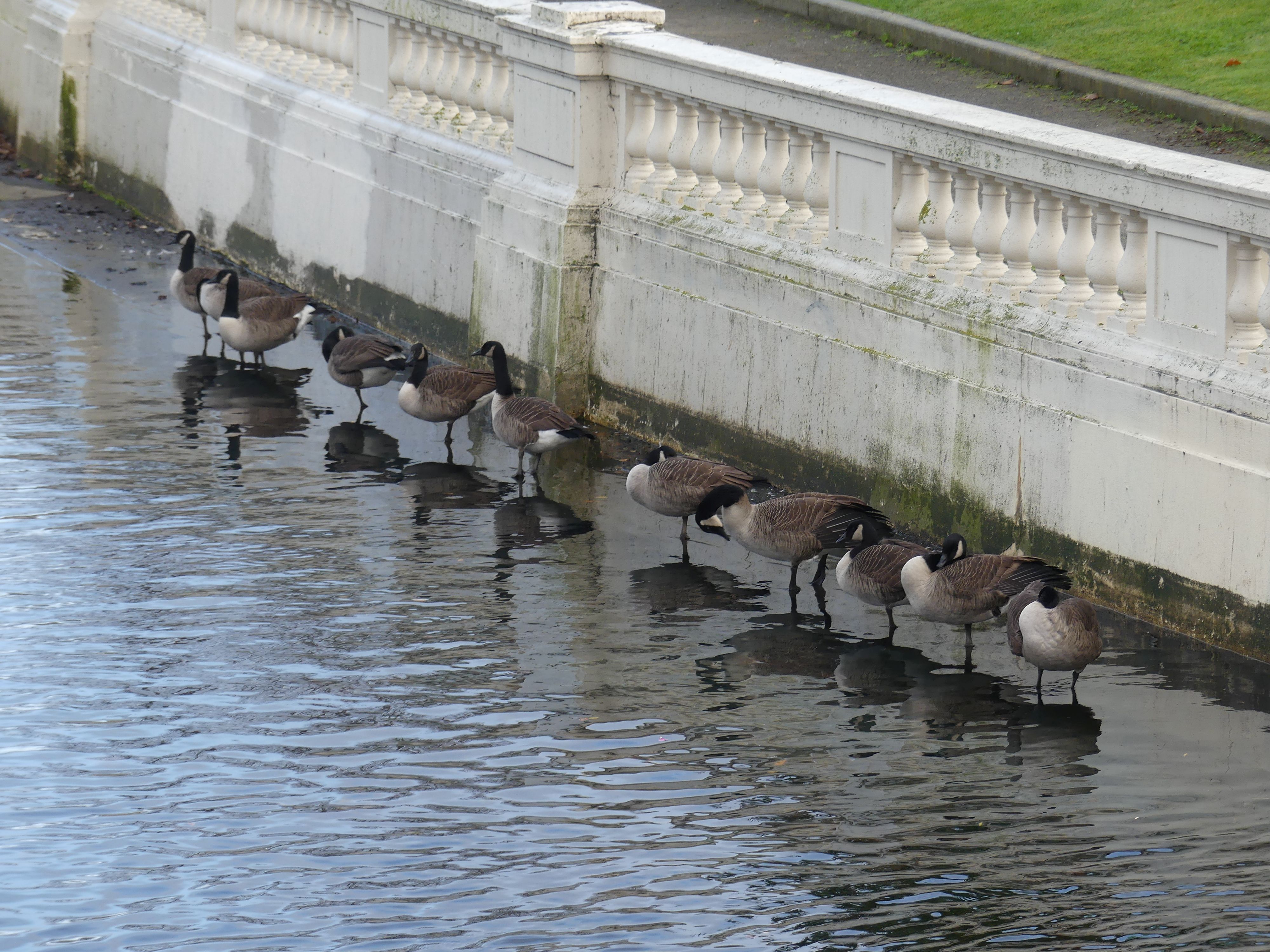
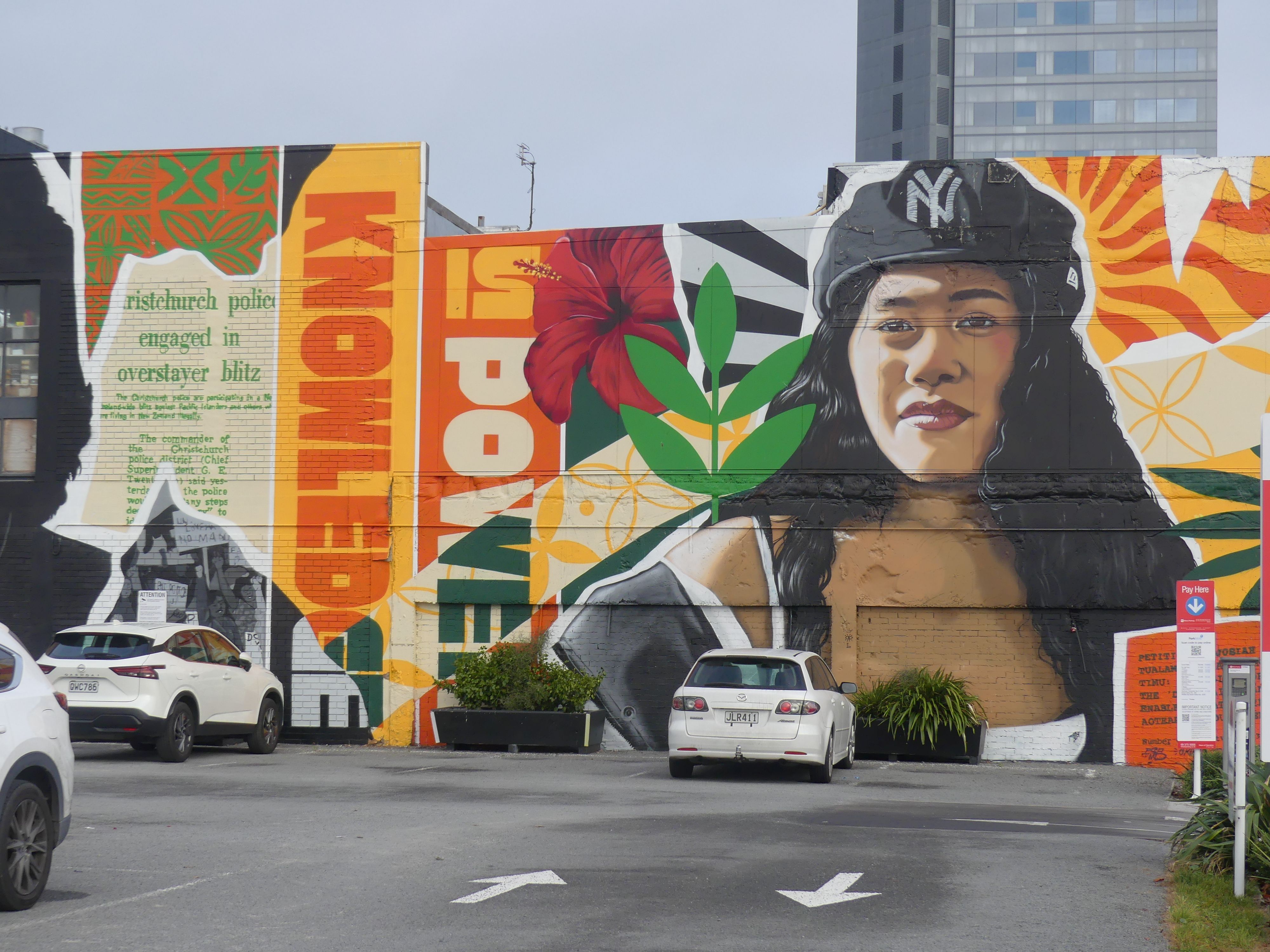
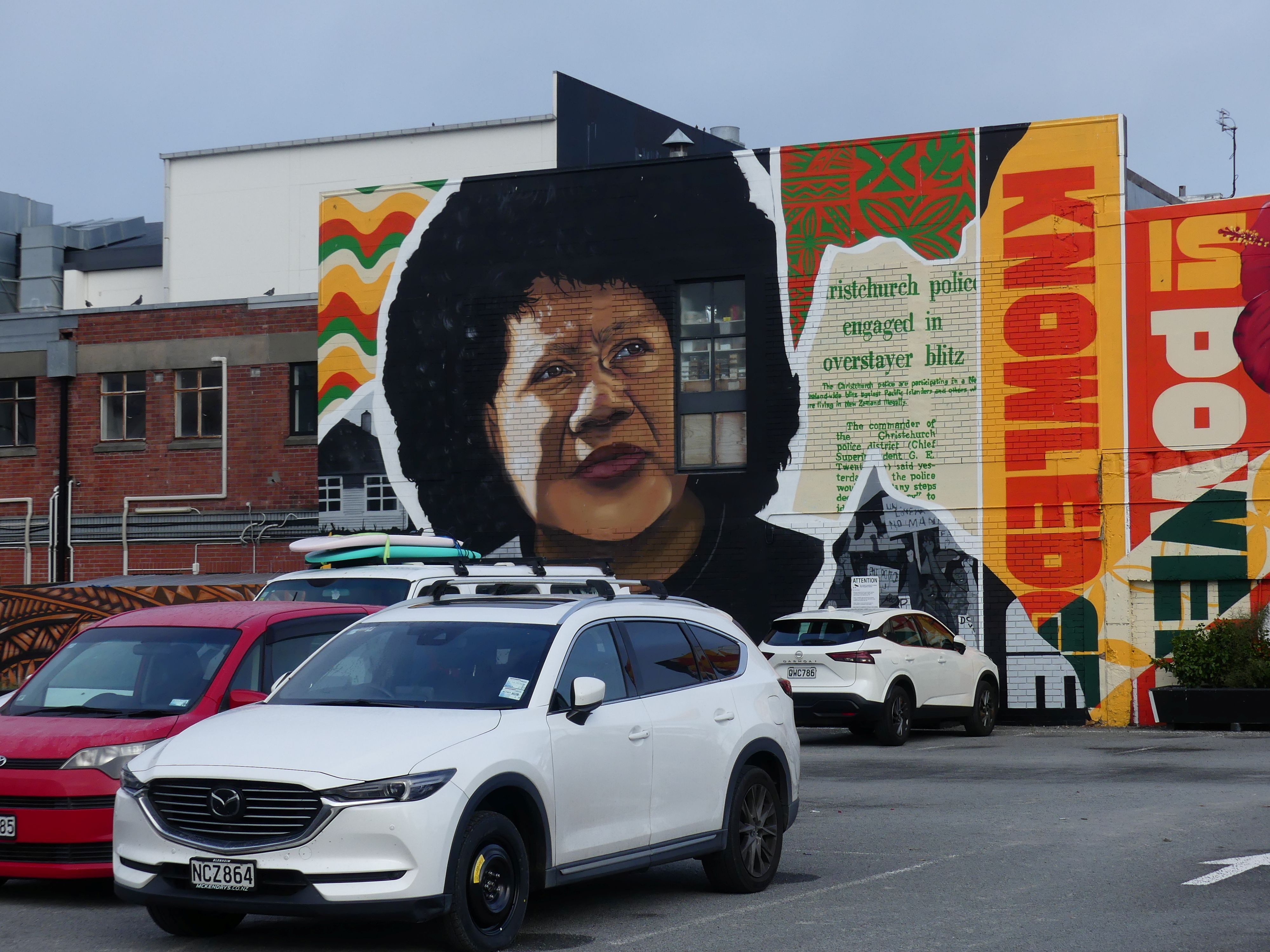
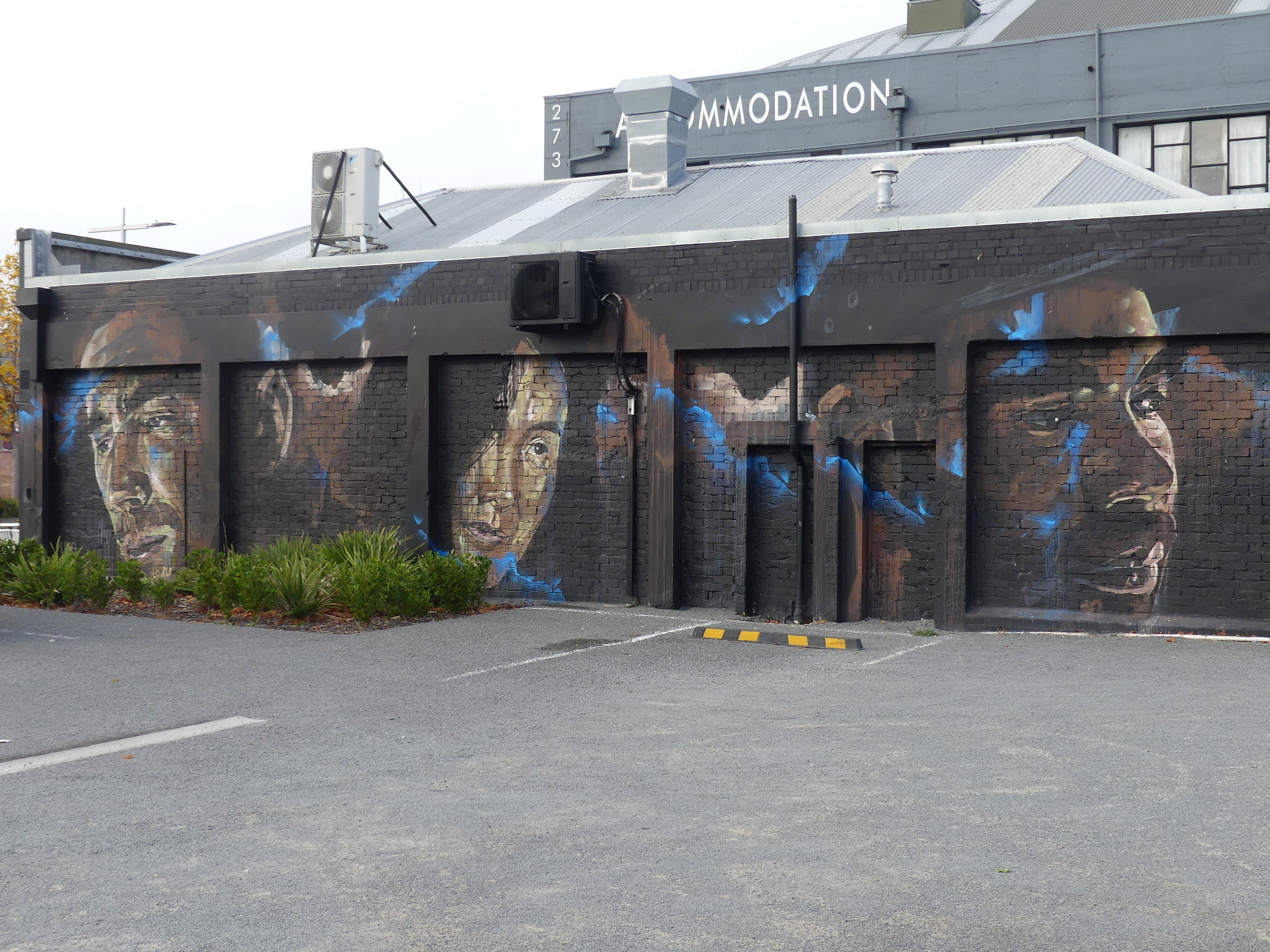
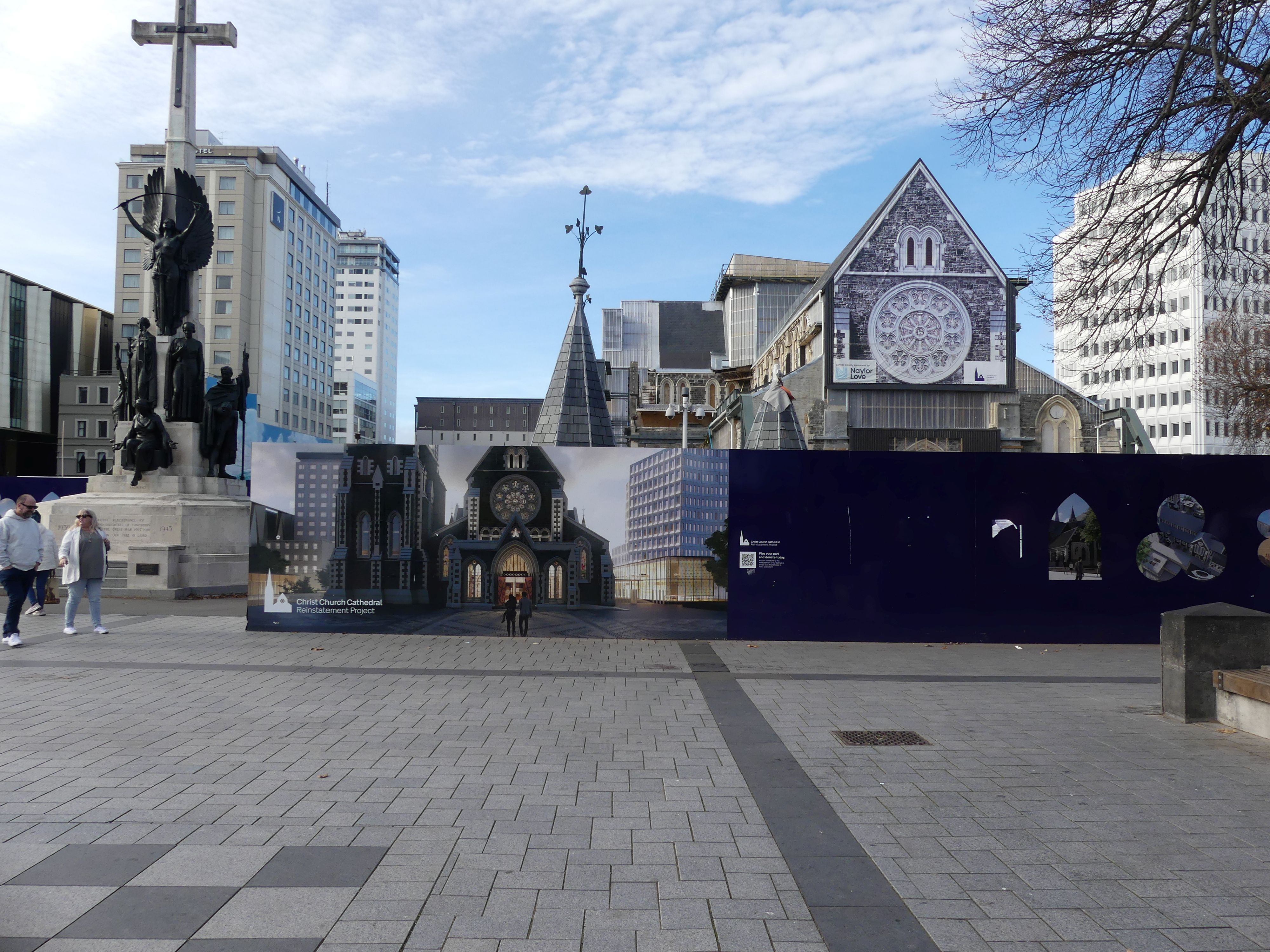
We continued our exploration whilst awaiting the arrival of the bus to take us to the base station. Apart from the extensive street art we also visited the cathedral still under repair from the earthquake.
More street art and the cathedral
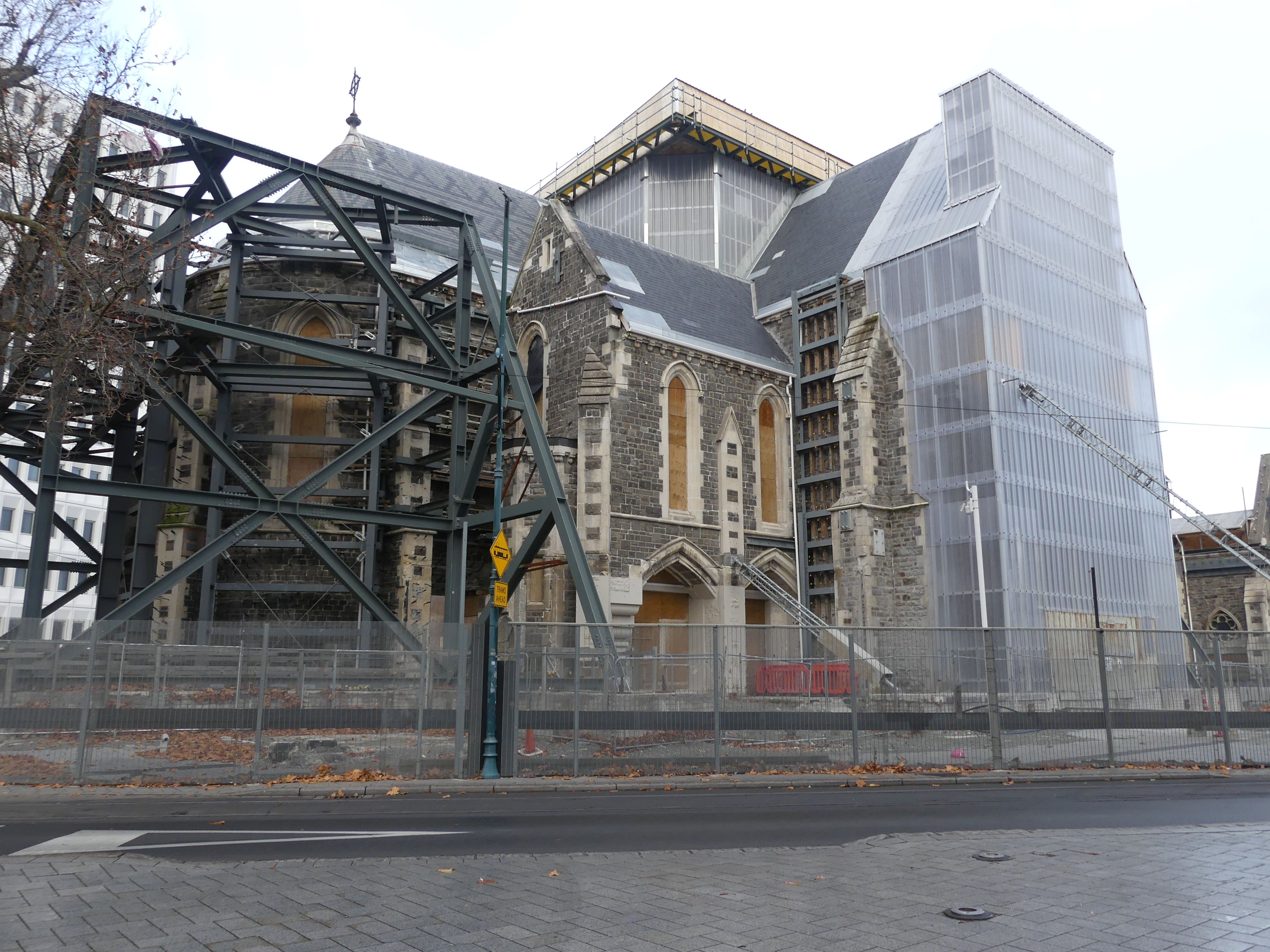
Our wait time passed quickly, and we headed for the bus to take us to the Cable car. The Christchurch cable car, officially known as the Christchurch Gondola, takes passengers on a 10-minute scenic ride up the slopes of Mount Cavendish in the Port Hills. The base station is in Heathcote Valley, just a 15-minute drive from the Christchurch CBD. On this day the weather was predicted to be cloudy but there was no sign as we arrived and boarded the gondola.
Catching the gondola at the base station and the ride to the top
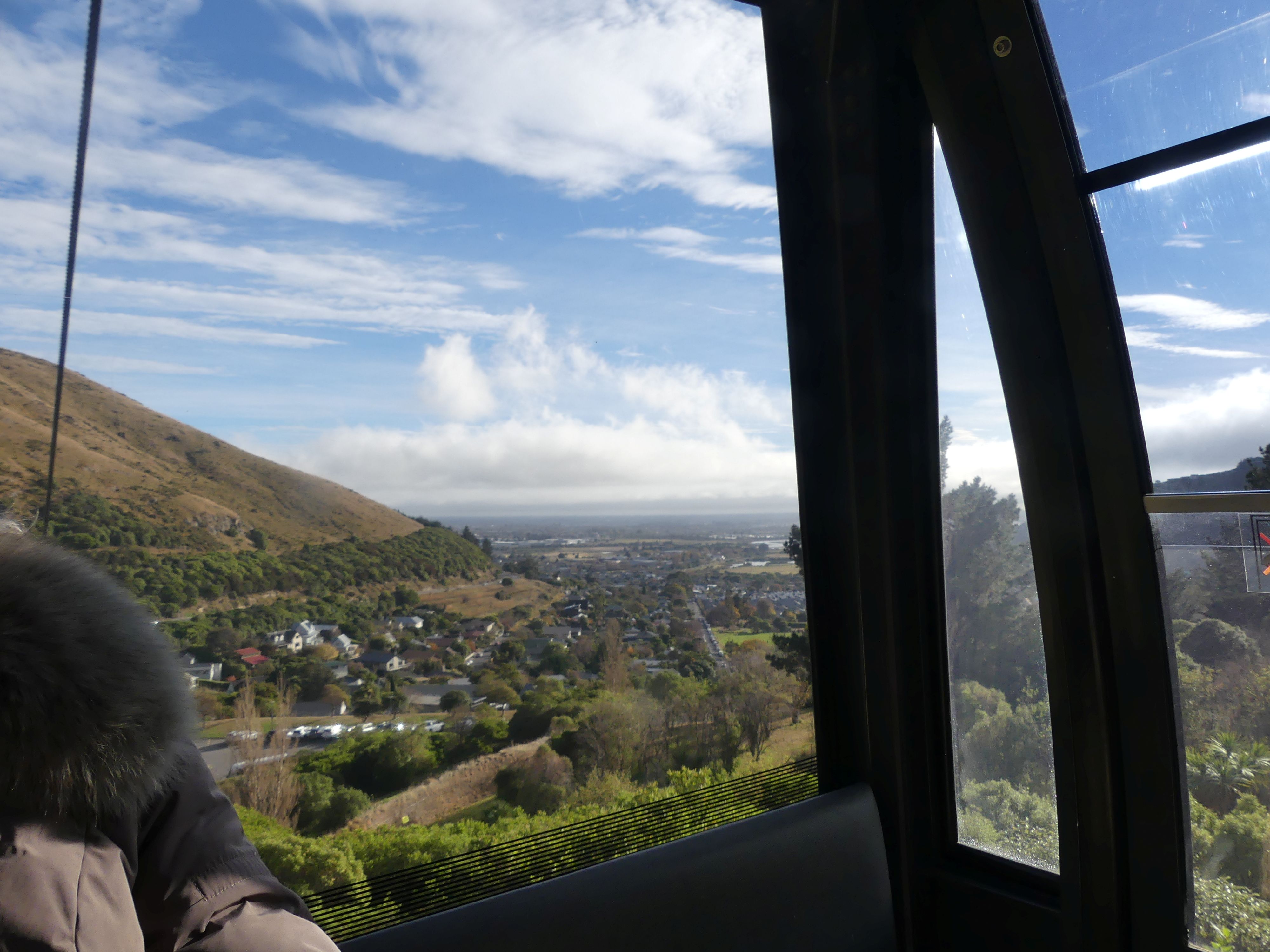
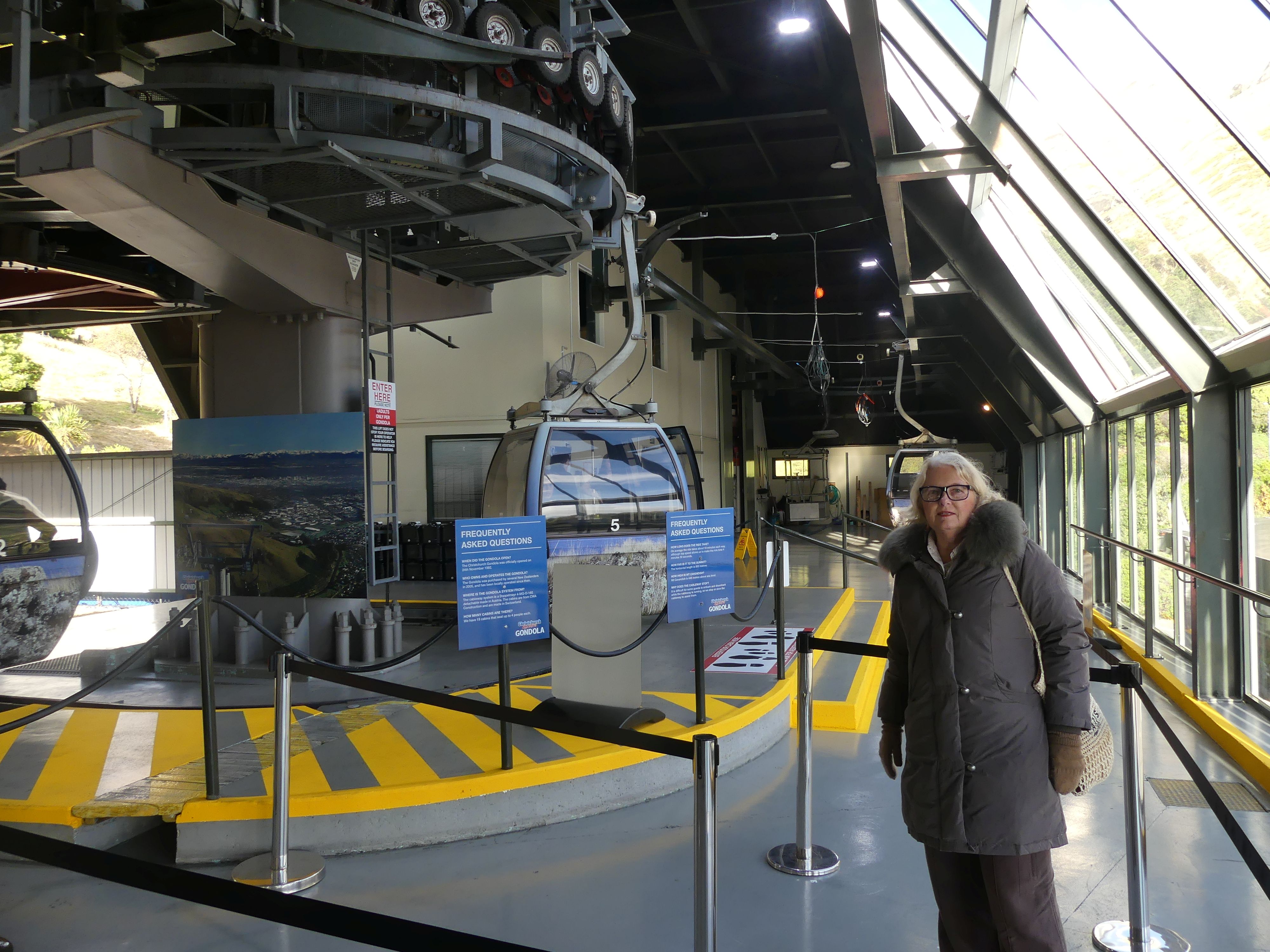
We arrived in the gift shop and made our way to the stairs to the viewing deck. As we did so we spotted a passage way chained off from access. One of the staff then informed us that this was the entrance to a ride through the earliest history of Christchurch. Of course, there was a charge, but it proved to be interesting and not too difficult to undertake.
The beginning of time through to the Gold Rush
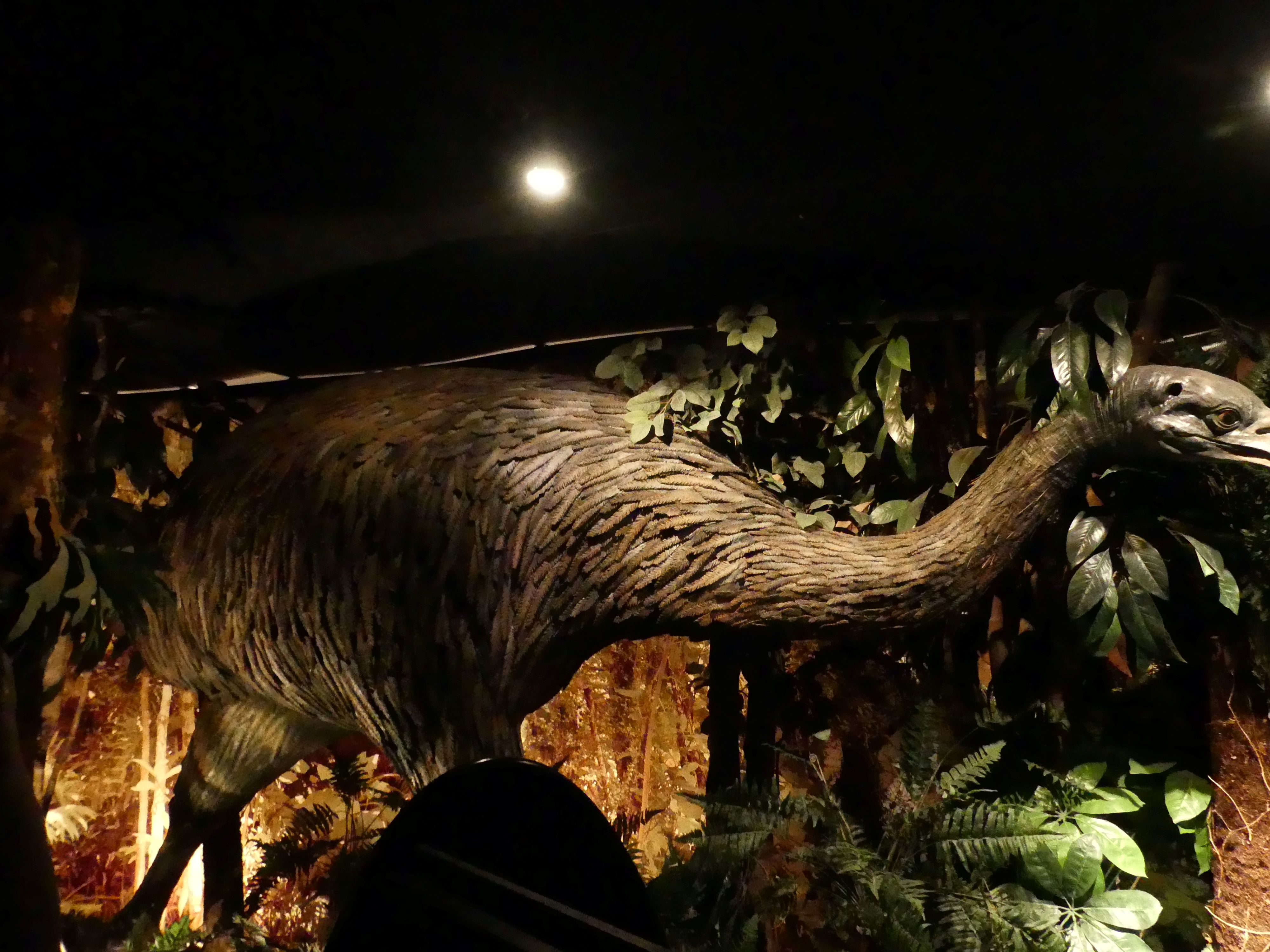
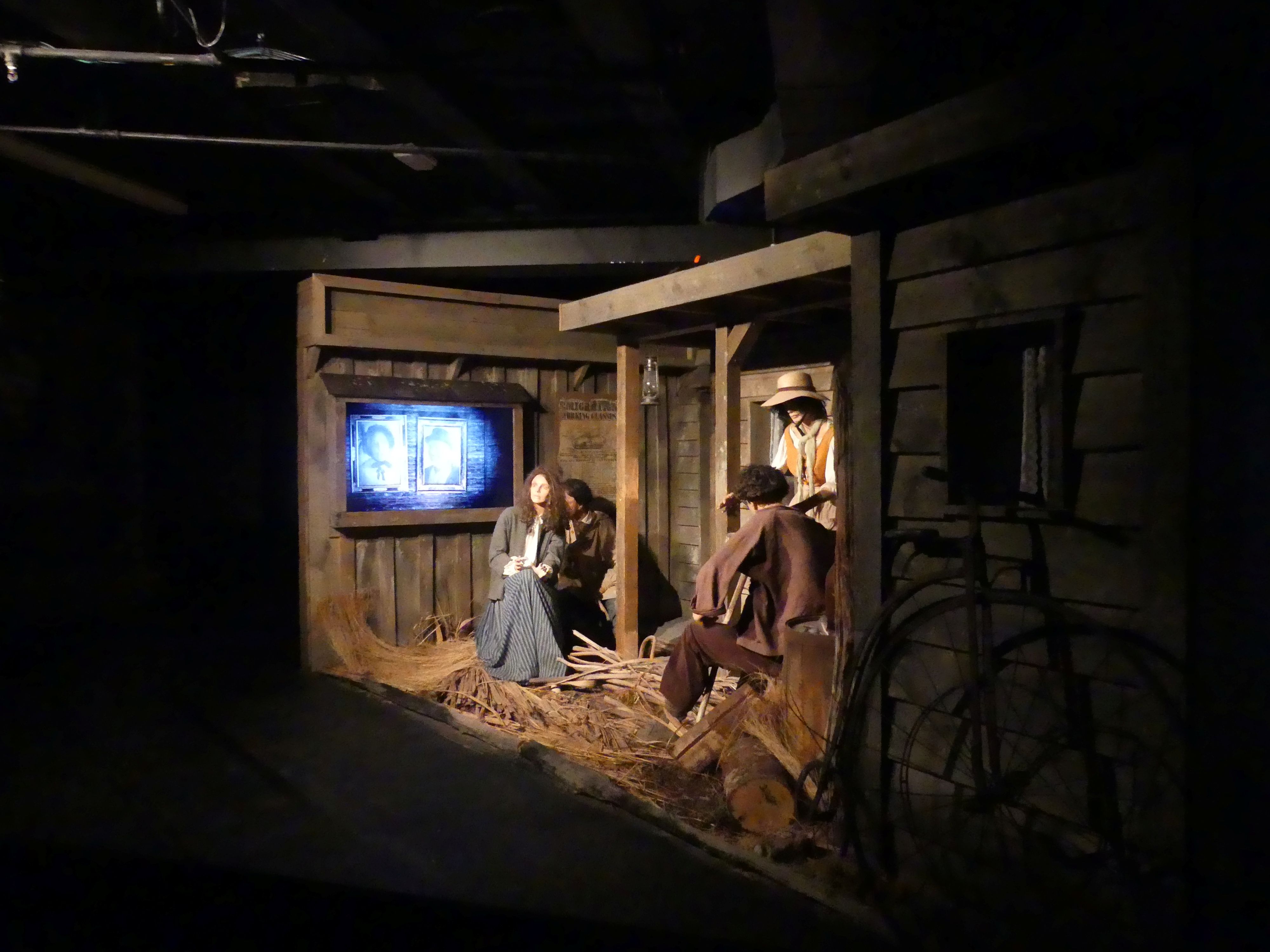
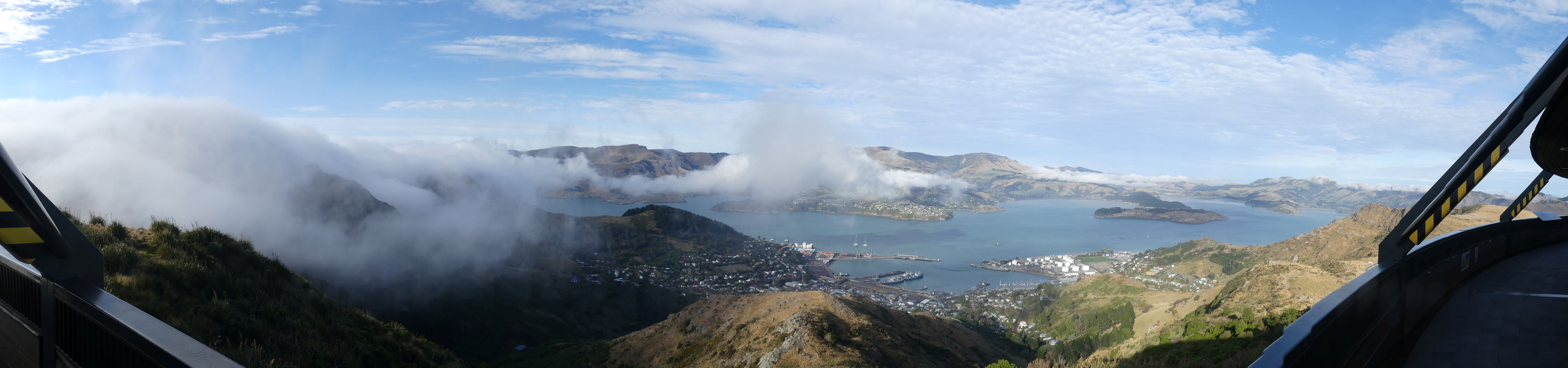
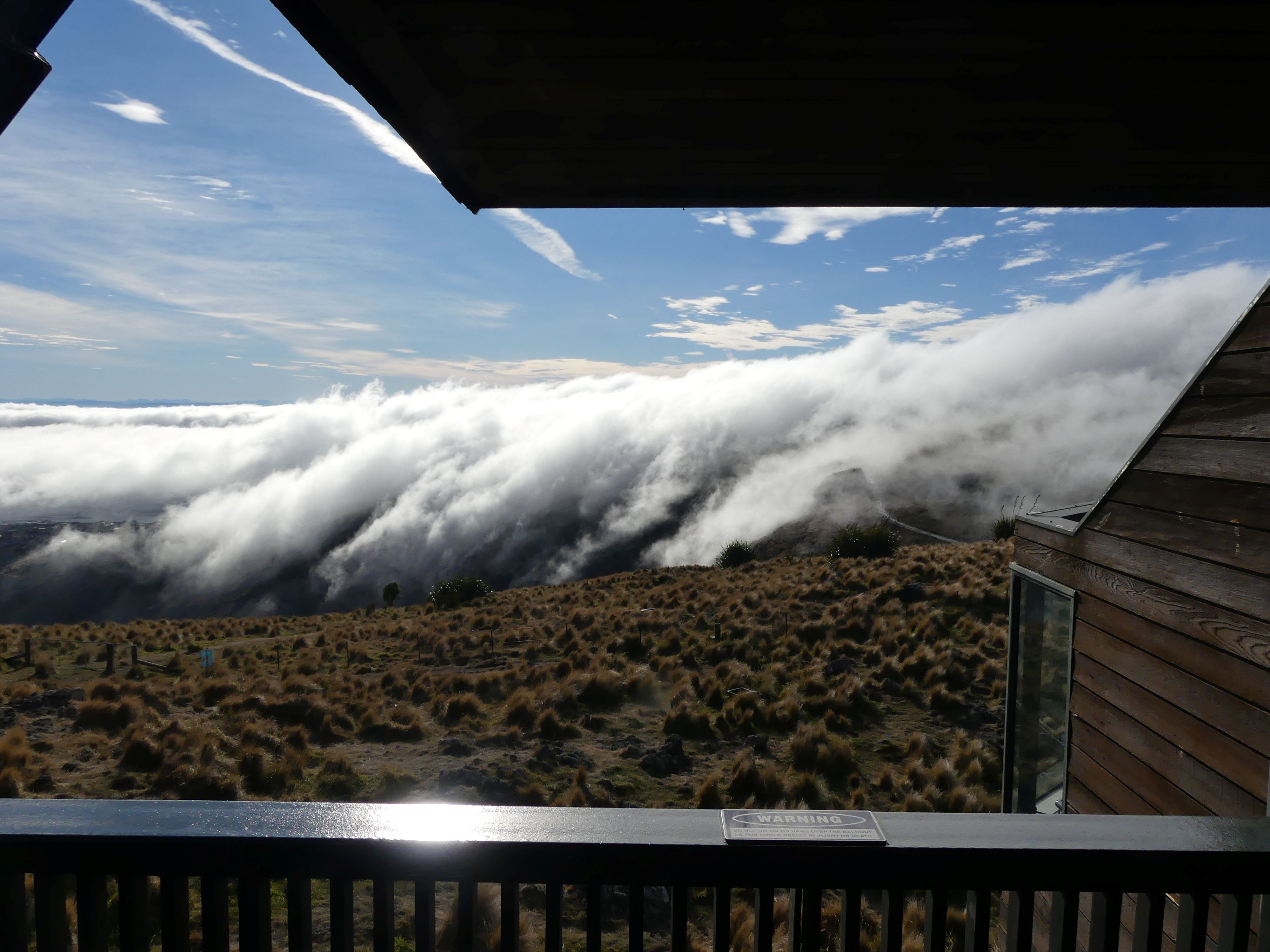
From the ride we climbed to the viewing platform, and we could see the weather closing in with heavy cloud covering part of the scenery. On the seaward side of the peak, we could see Port Lyttelton, the main commercial and cruise port serving Christchurch. As we looked out most points of interest were slowly swallowed by a cloud bank. Only the view down to the base station remained clear.
Panoramic photo, Port Lyttelton, the cloud bank and the base station
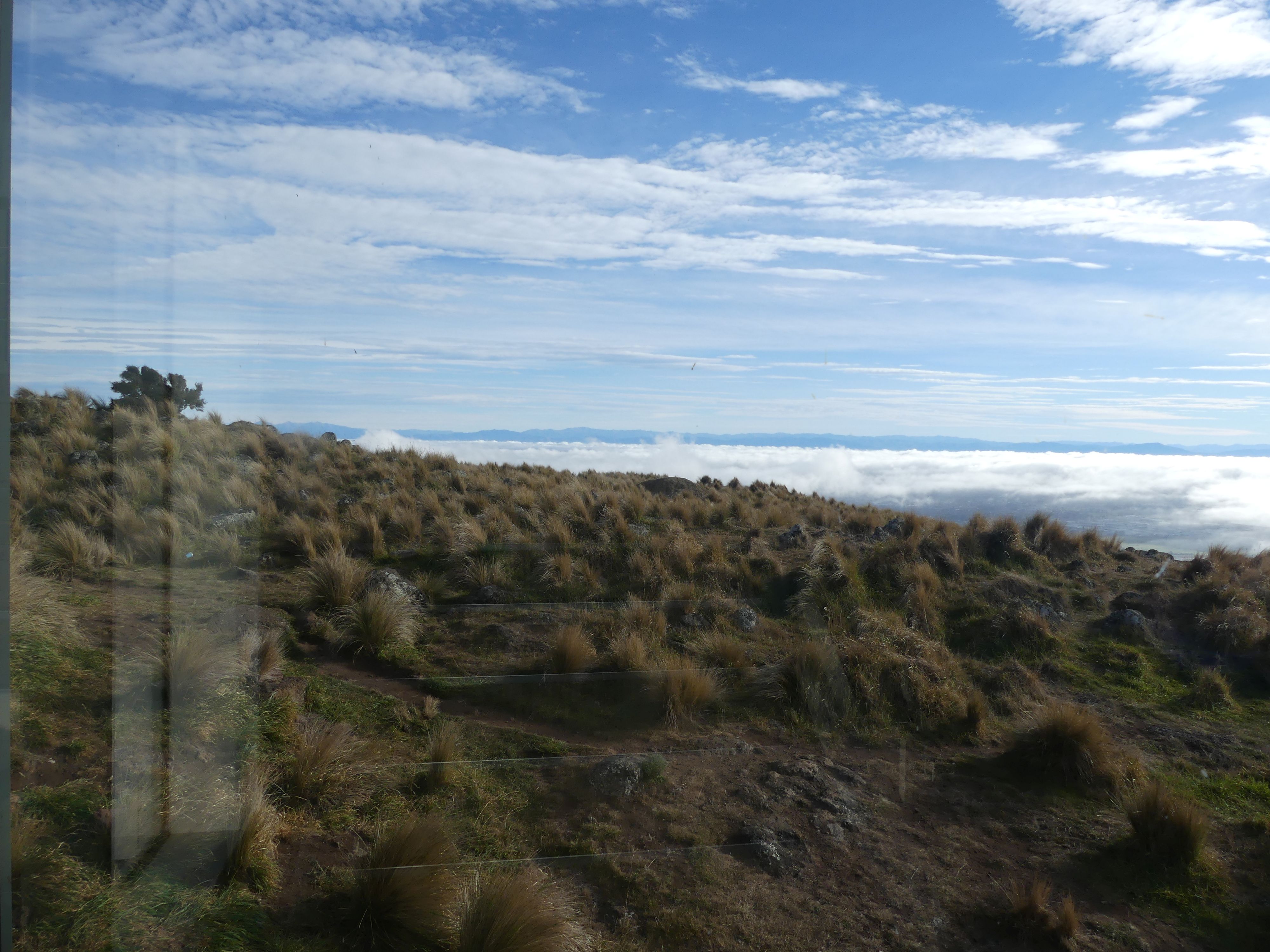
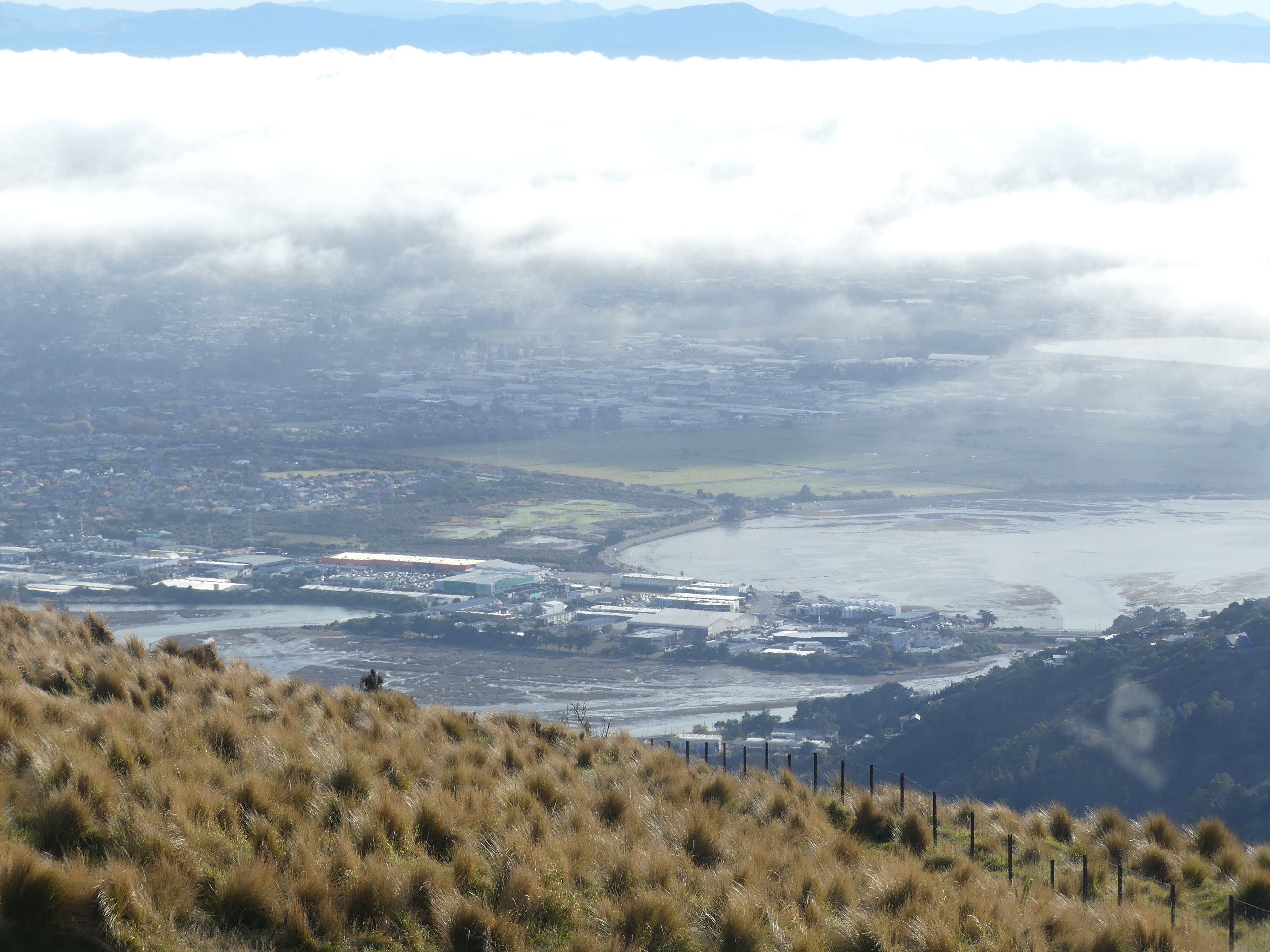
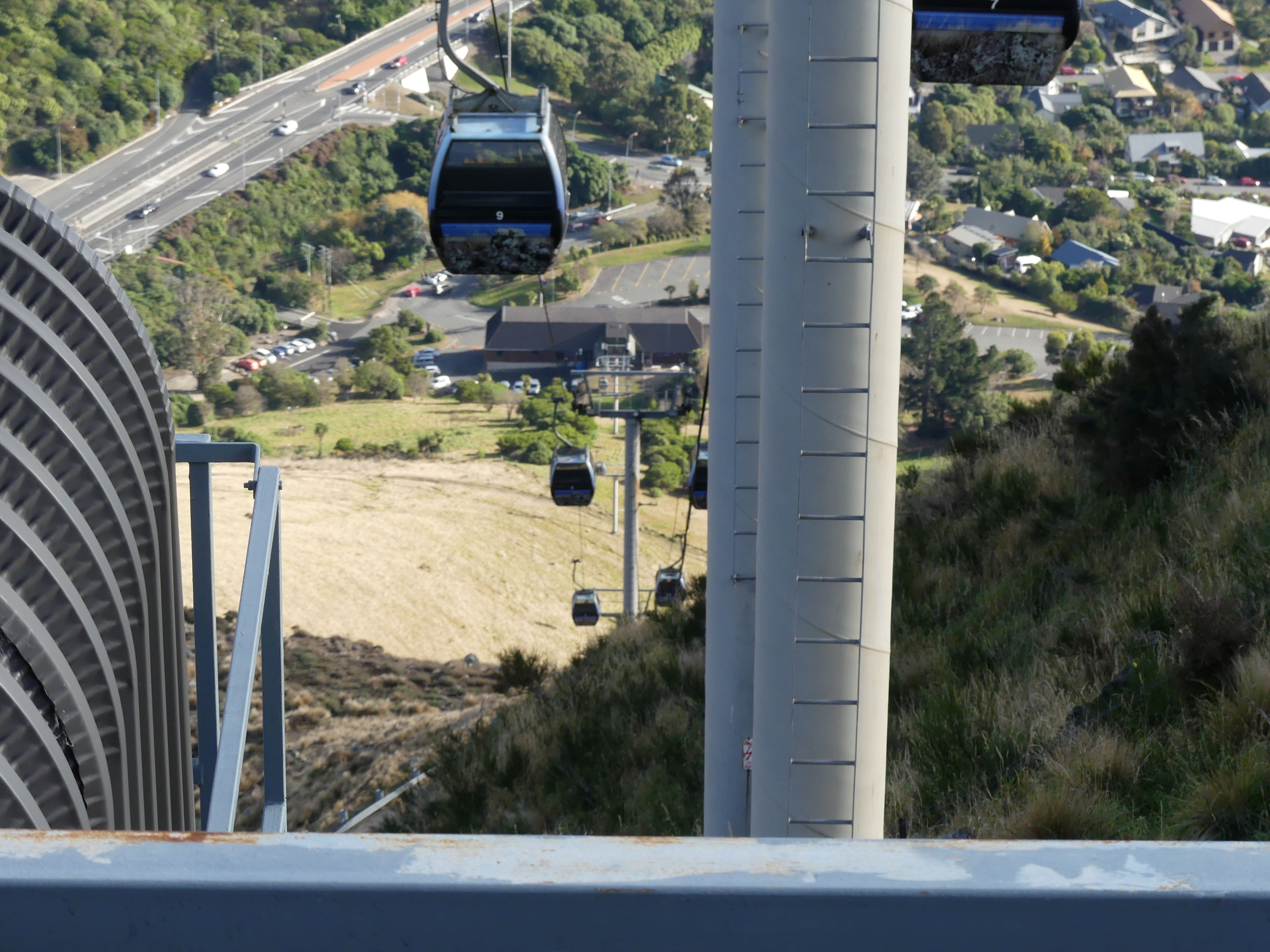
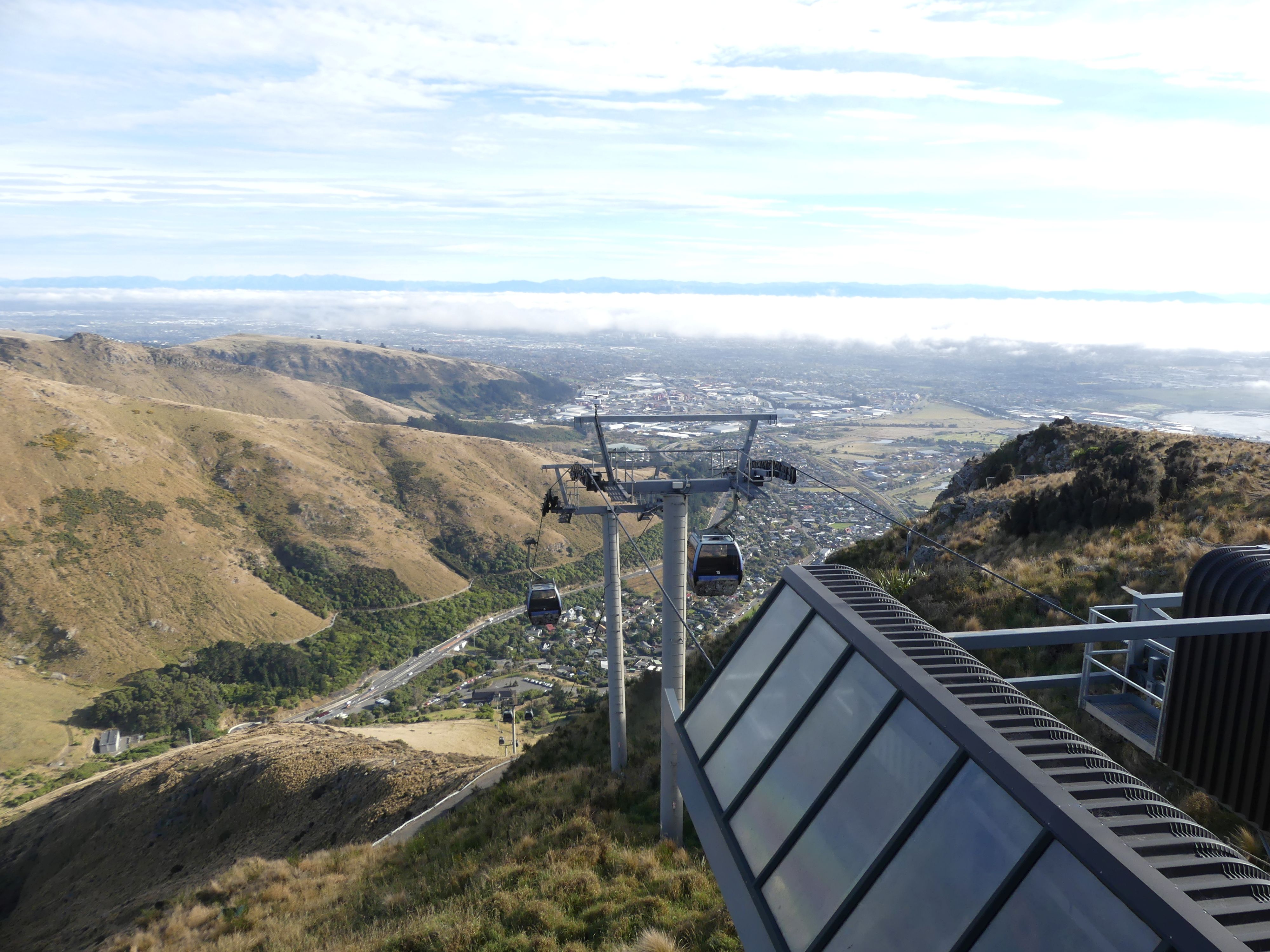
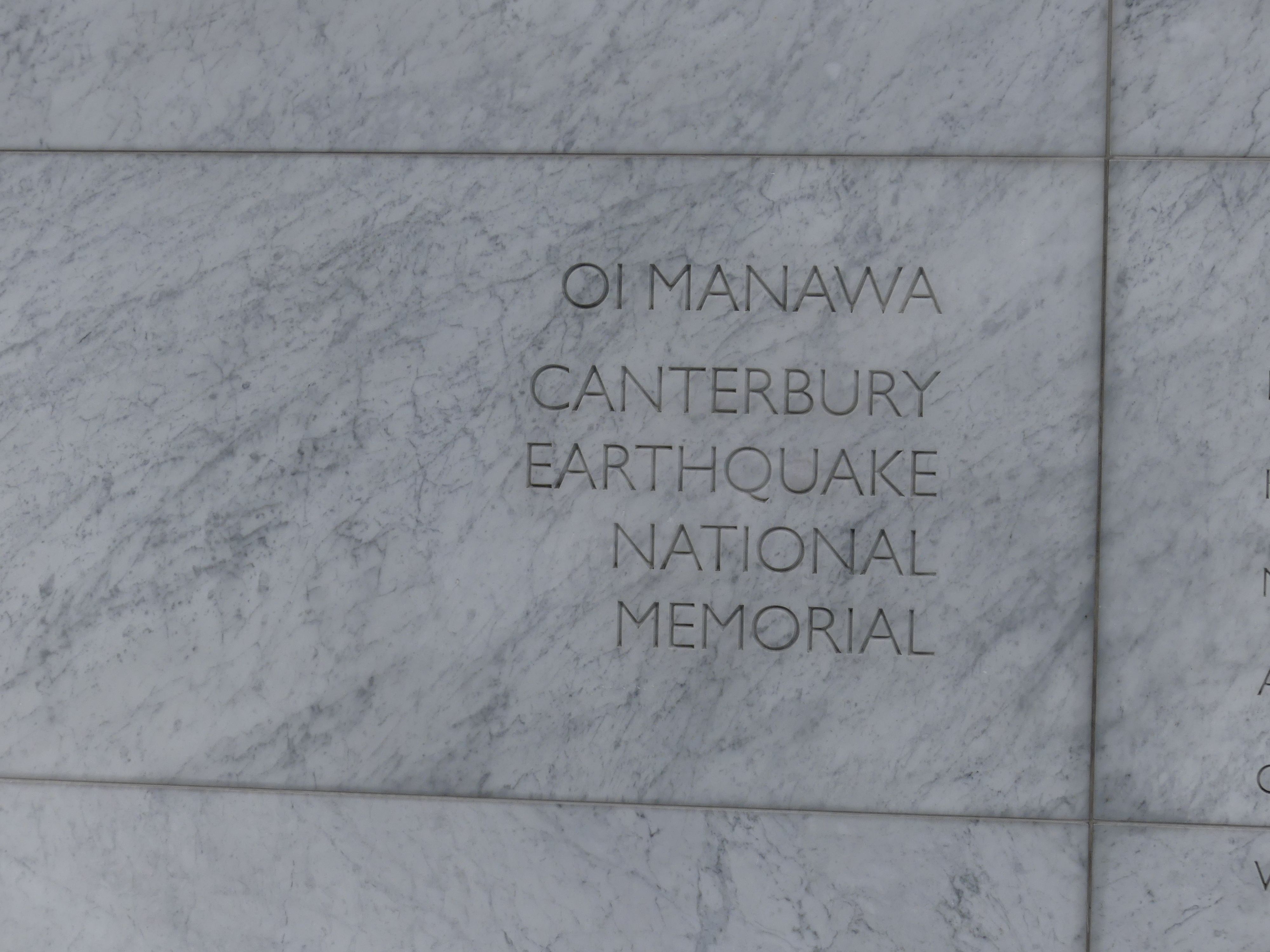
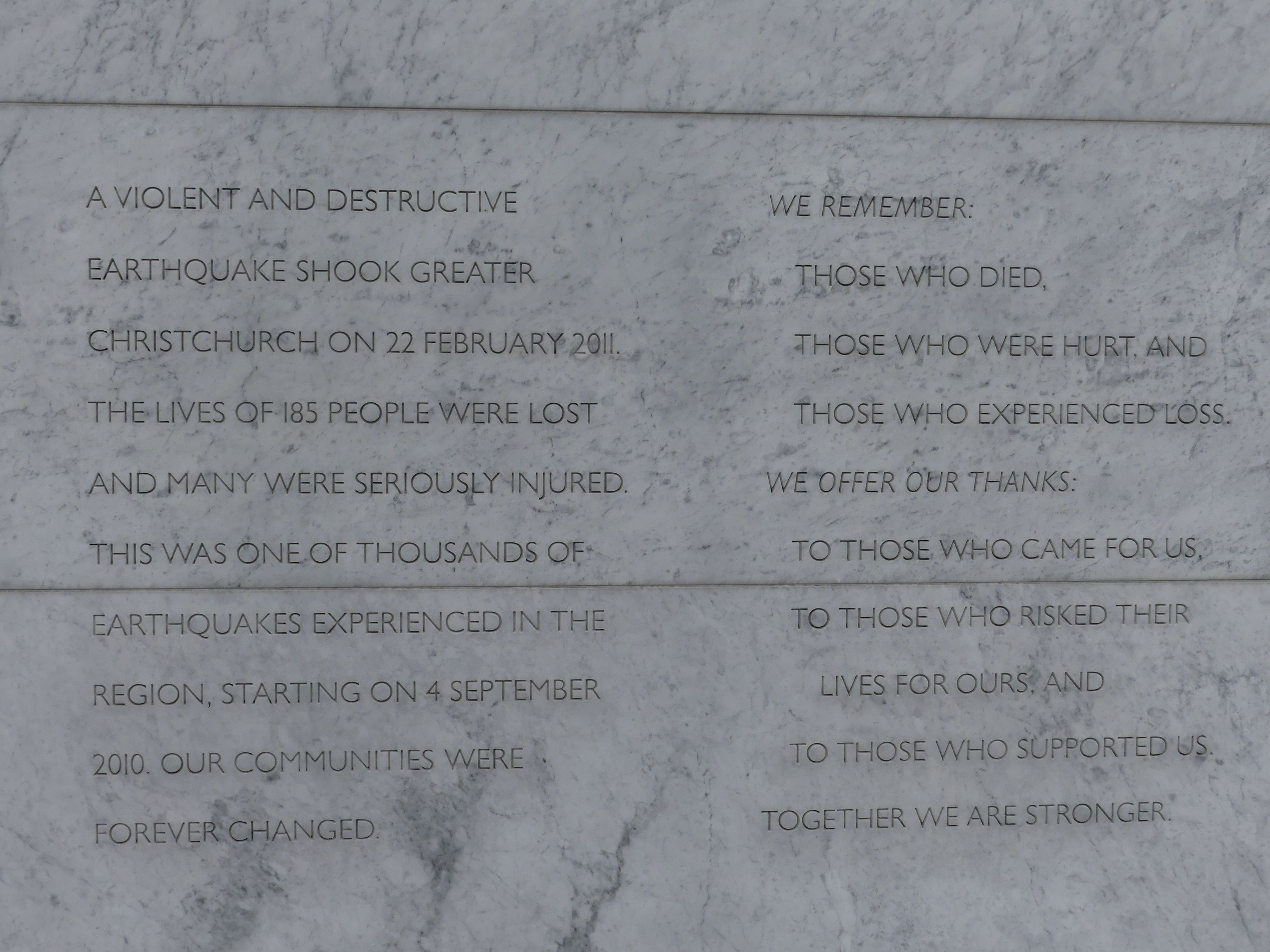
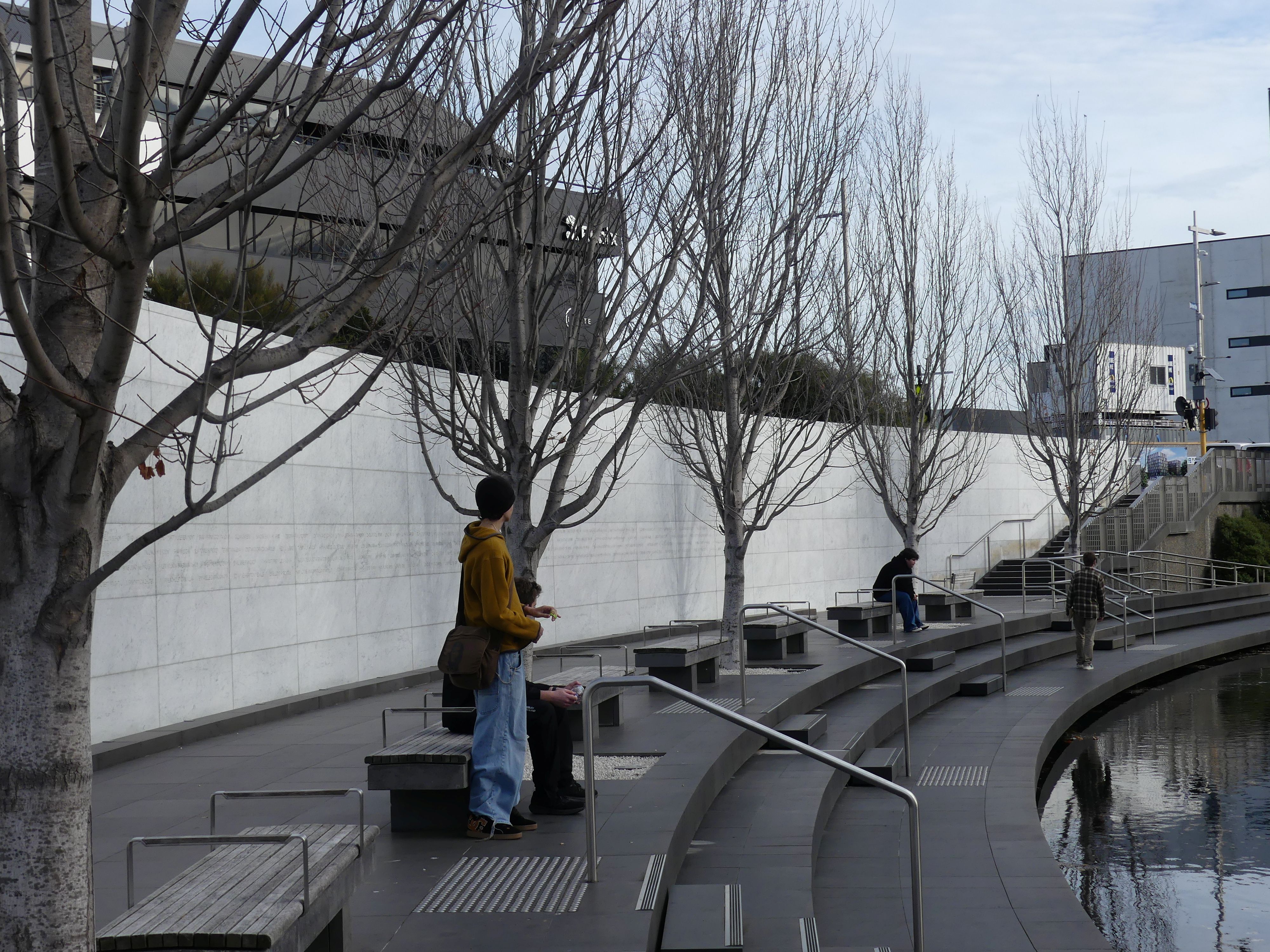
We returned to the base station after coffee and a pie (mince and cheese a NZ favourite) for lunch. We were still on the hunt looking for the earthquake Memorial Wall, and it was bloody hard to find. If there was signage for visitors to find the memorial we could not find it and everyone, we asked gave us a bum steer. We came close to the Memorial without knowing it when we walked the Bridge of Remembrance along the Avon River but to avoid some pro-Palestine protesters, we missed the one and only directional sign. We encountered a knowing fellow who finally gave us clear directions to find the Memorial. Once we had the correct directions, we crossed the Bridge of Remembrance and followed the signs to the Memorial Wall.
The Memorial Wall
We walked back to the motel by which time we were rather tired but tomorrow we are off to Akaroa and a cruise from Akaroa Harbour.
Day 13 With Barry behind the wheel we started a scenic drive (about 1.5 hours) to Akaroa Harbour. Akaroa is a small town on Banks Peninsula in the Canterbury Region, situated within a harbour of the same name. The name Akaroa is Kāi Tahu Māori for “Long Harbour”, and the area was also named Port Louis-Philippe by French settlers after the reigning French King Louis Philippe I.
In 1838, a whaler Captain Jean François Langlois, wrote up a questionable deed of purchase for “the greater Banks Peninsula” to which twelve Kāi Tahu chiefs each added their moko or cross. When the French settlers did arrive, the British authorities – who had in the meantime taken possession of the whole of New Zealand – decided a valid sale had not taken place in 1838, relying for their decision on English law and Māori oral evidence. A French influence remains in Akaroa to the present.
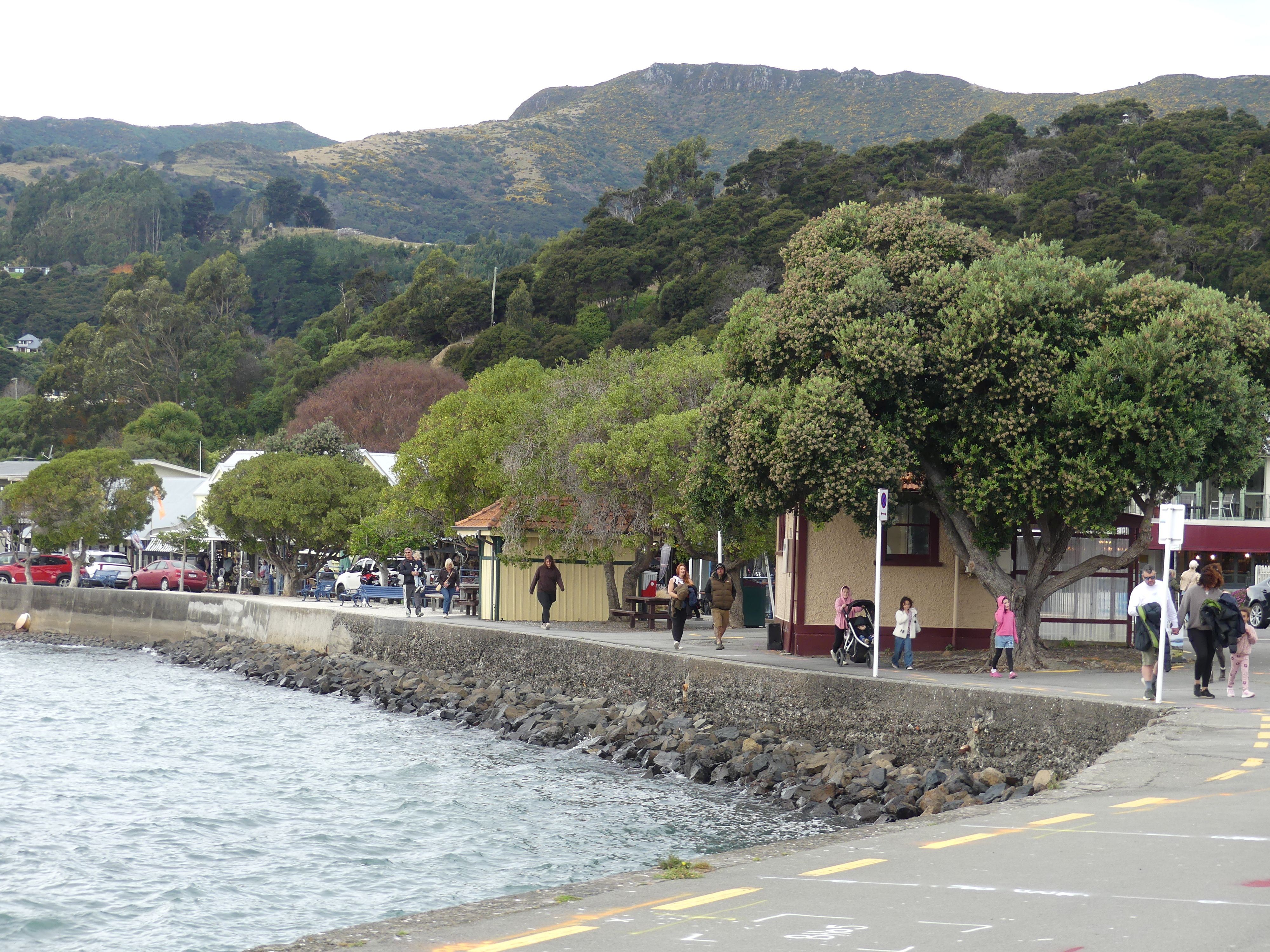
The village was largely confined to 1 street with residential properties running into it. The main street fronted the harbour on one side and the residences on the other.
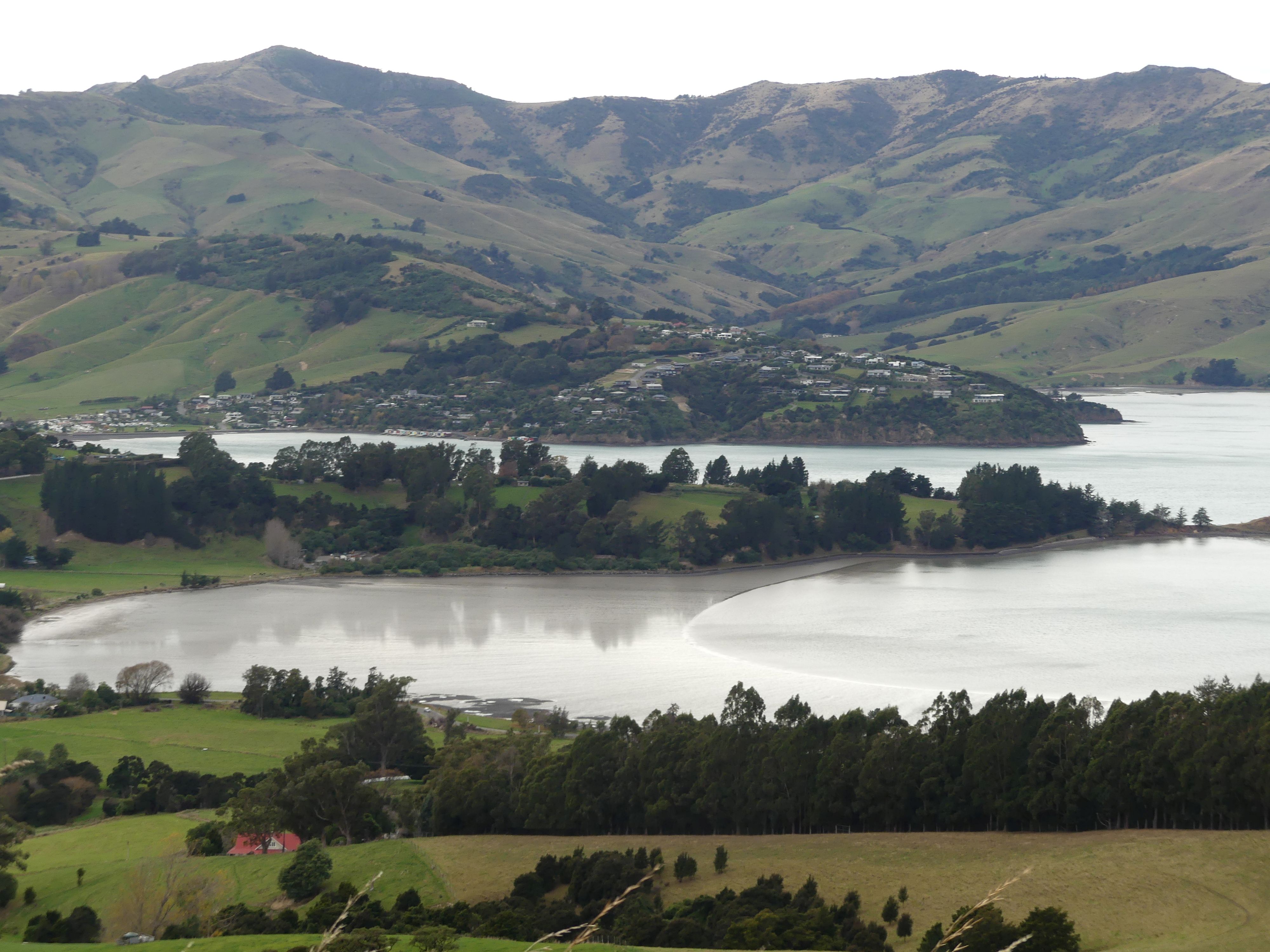
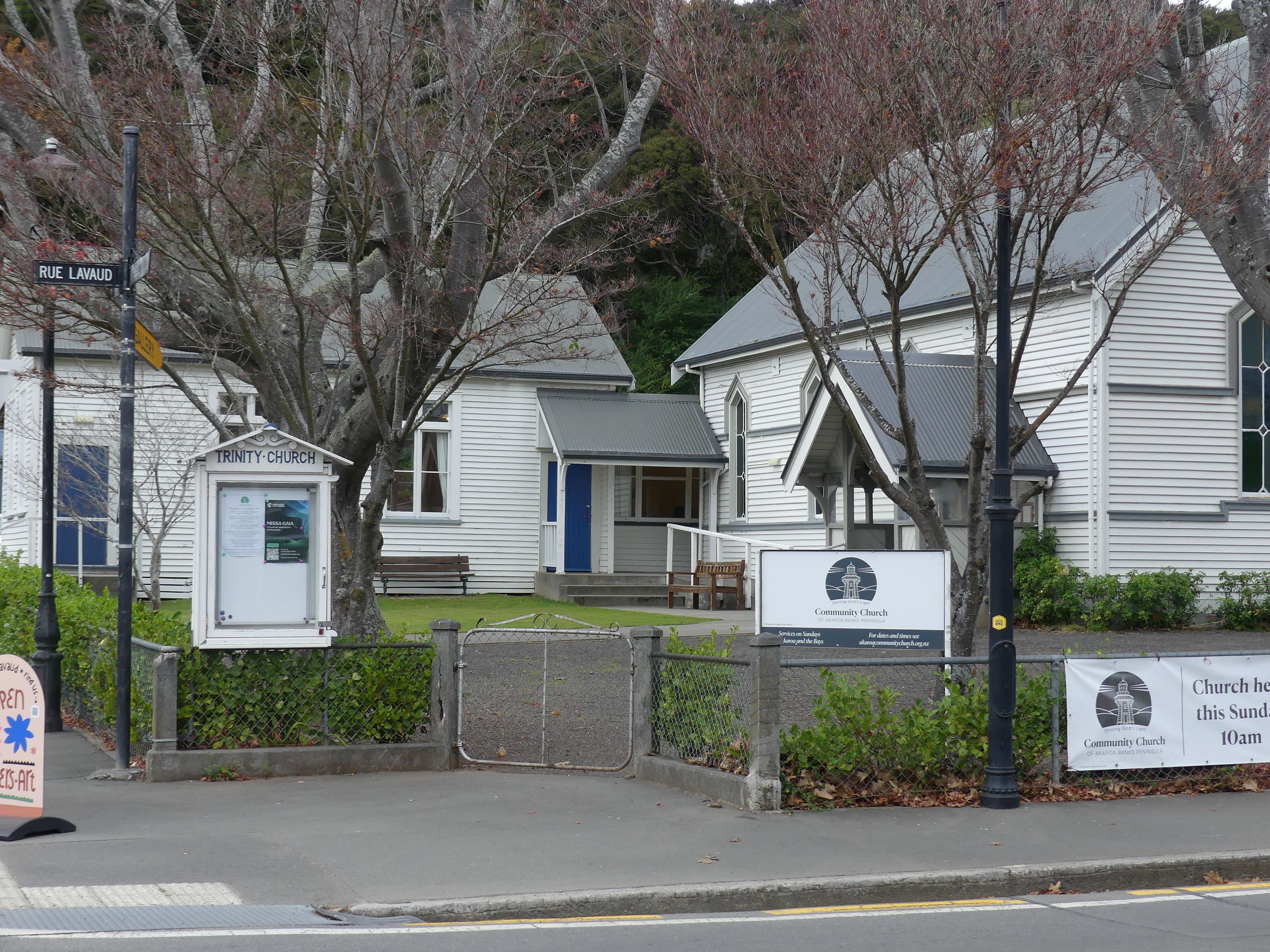
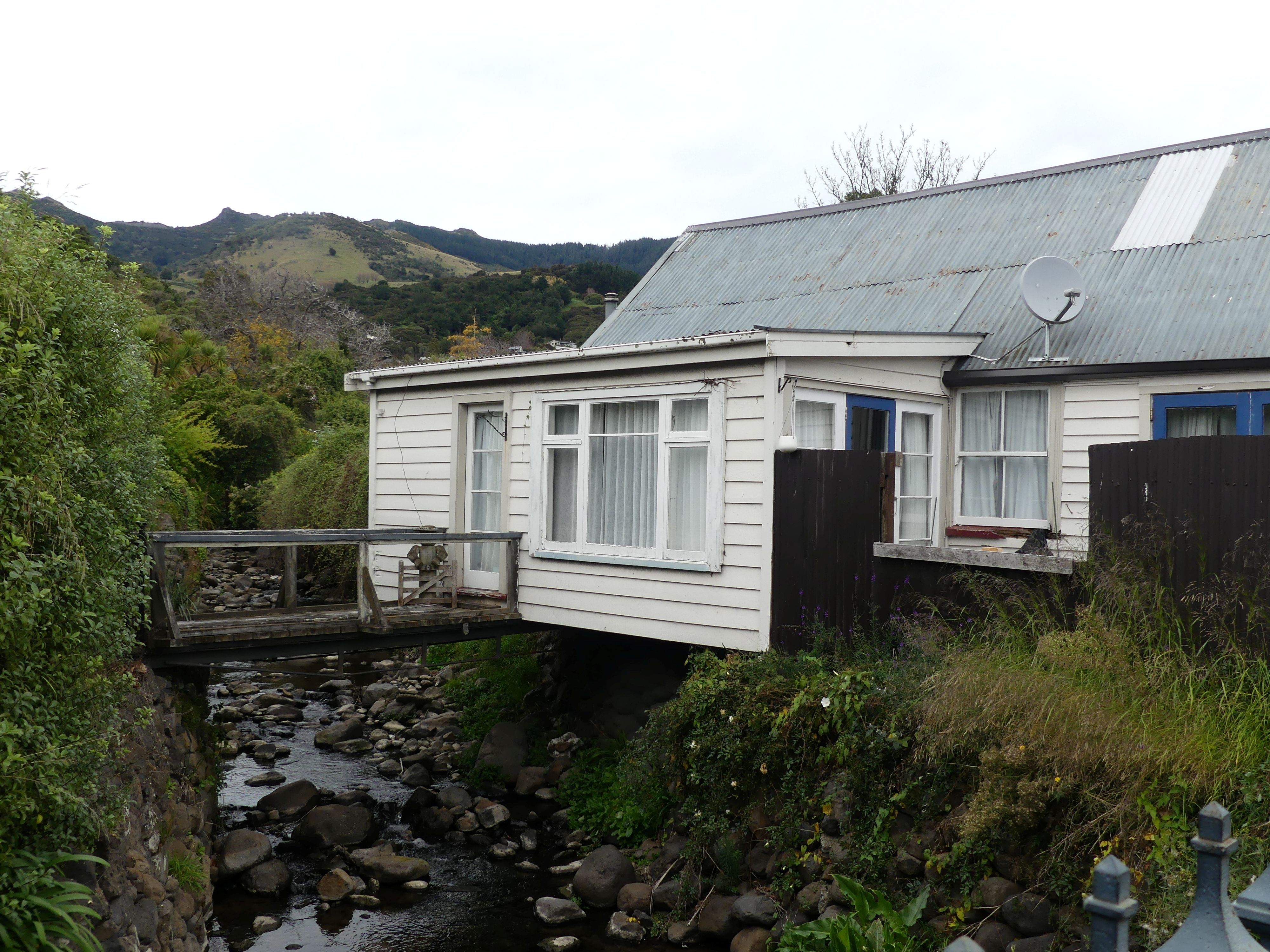
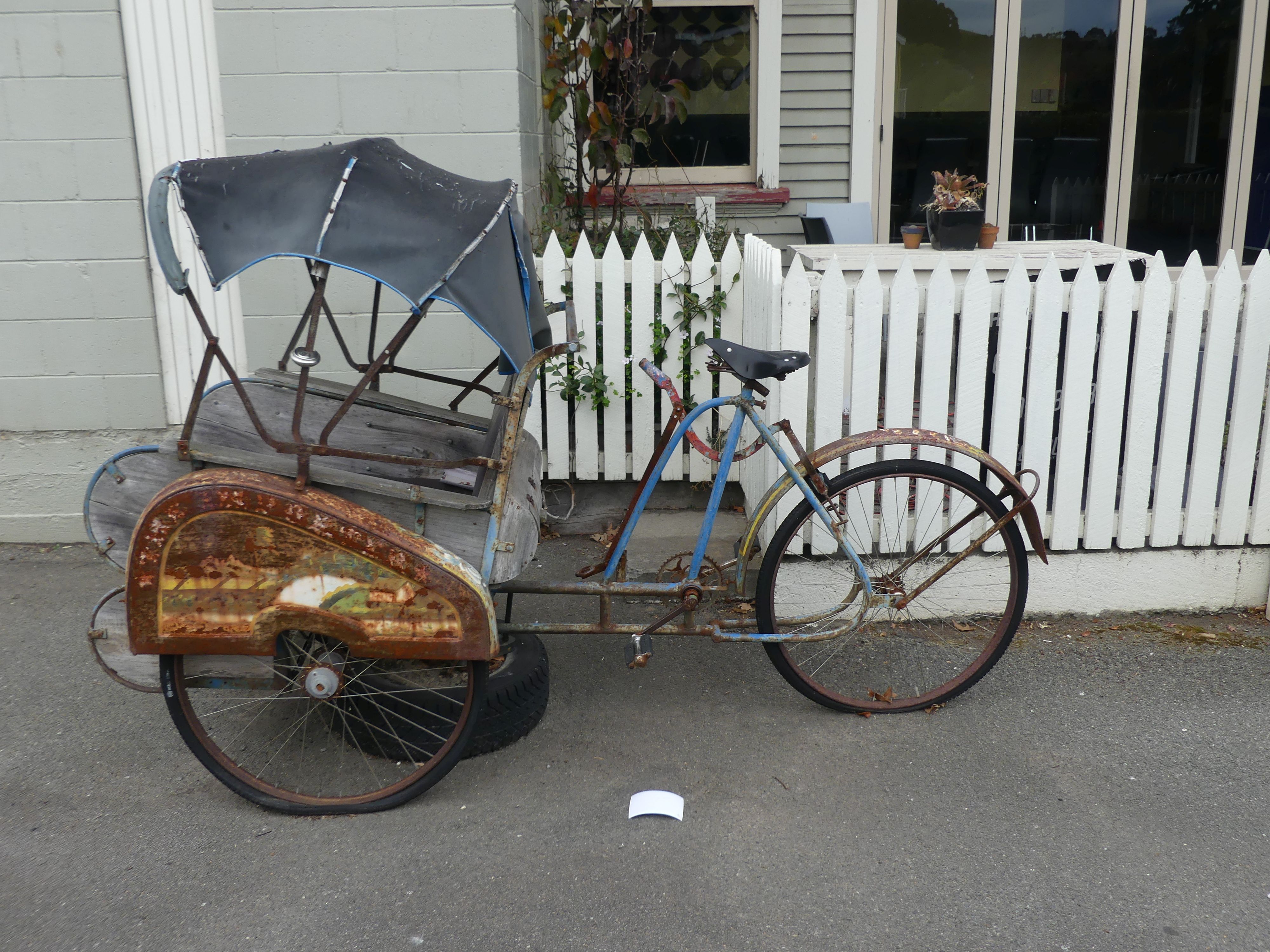
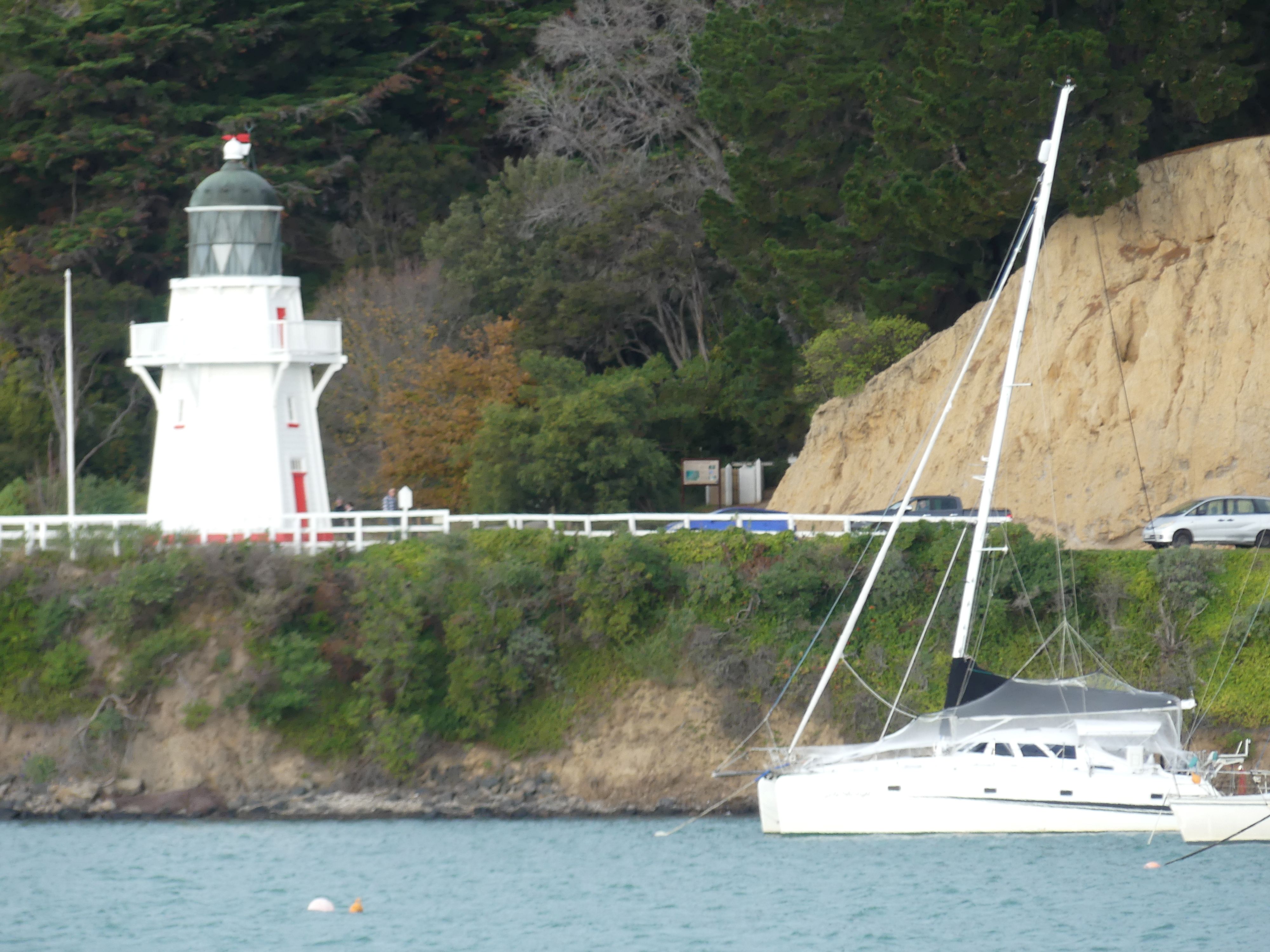
Driving to the village, Rue Lavaud and its church, an Asian influence also, one of the novel residences, Arkwright’s – hoping to see Ronnie Barker, the café for the coffee stop with sausage sizzle outside, and the harbour.
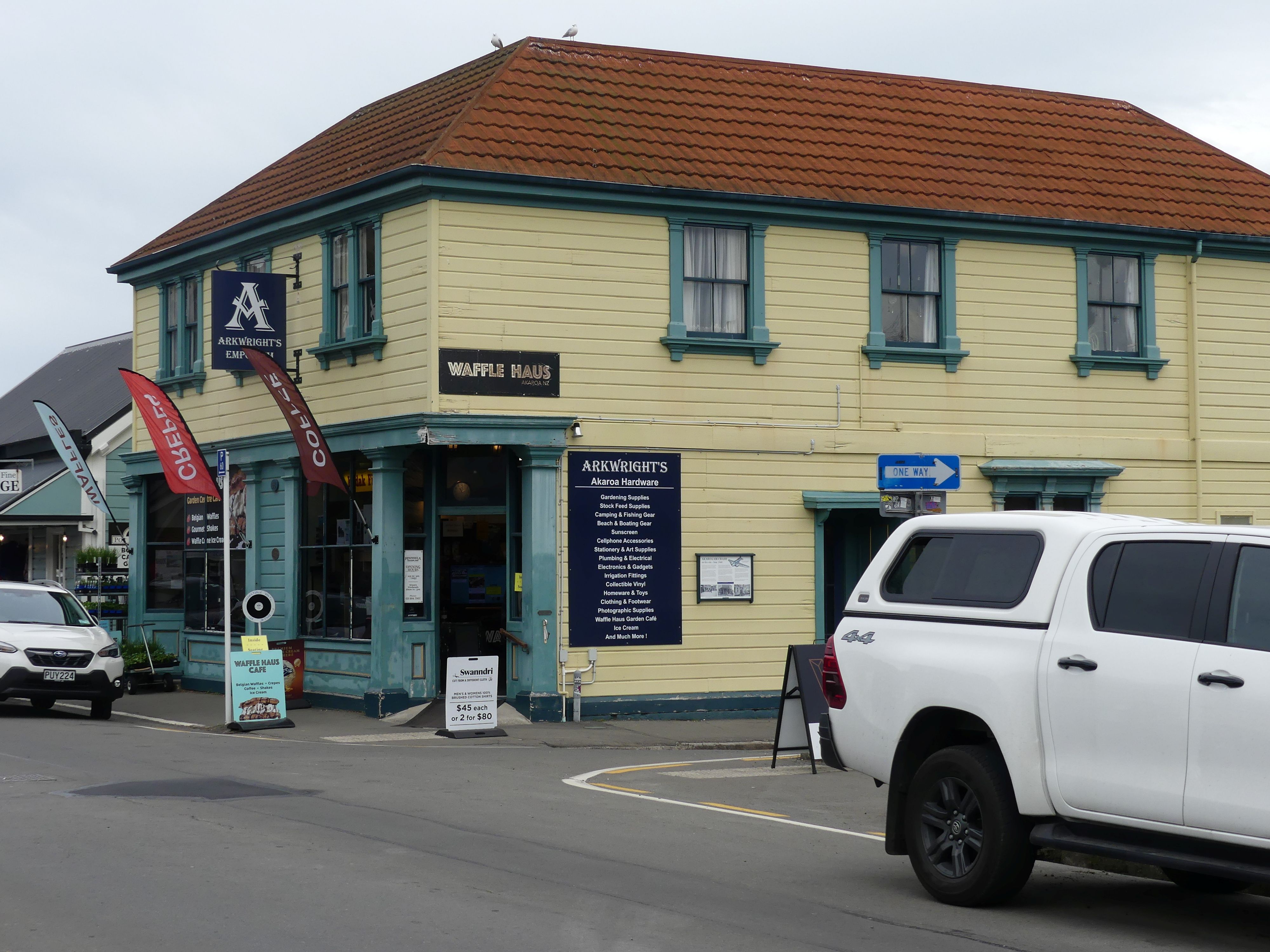
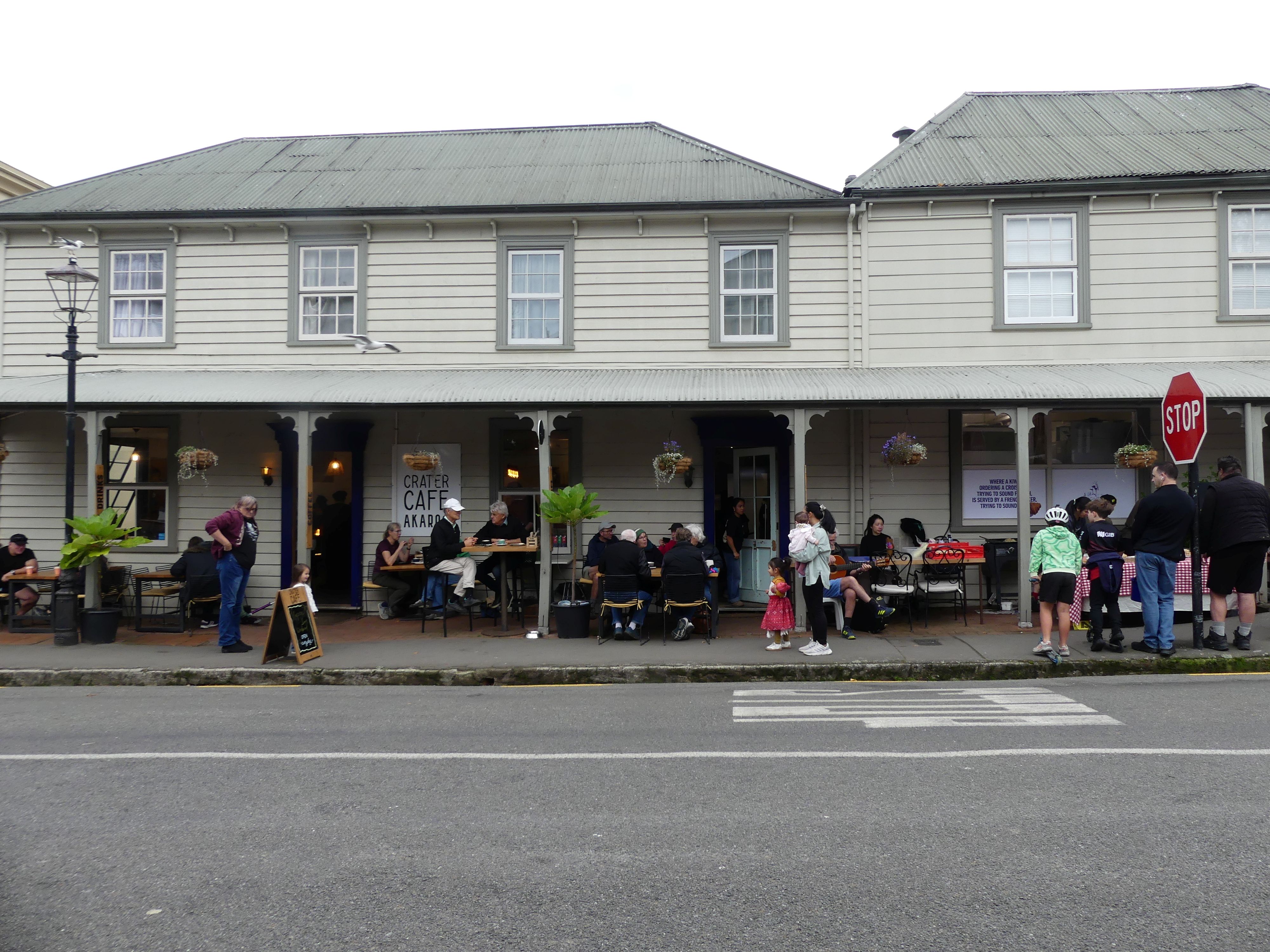
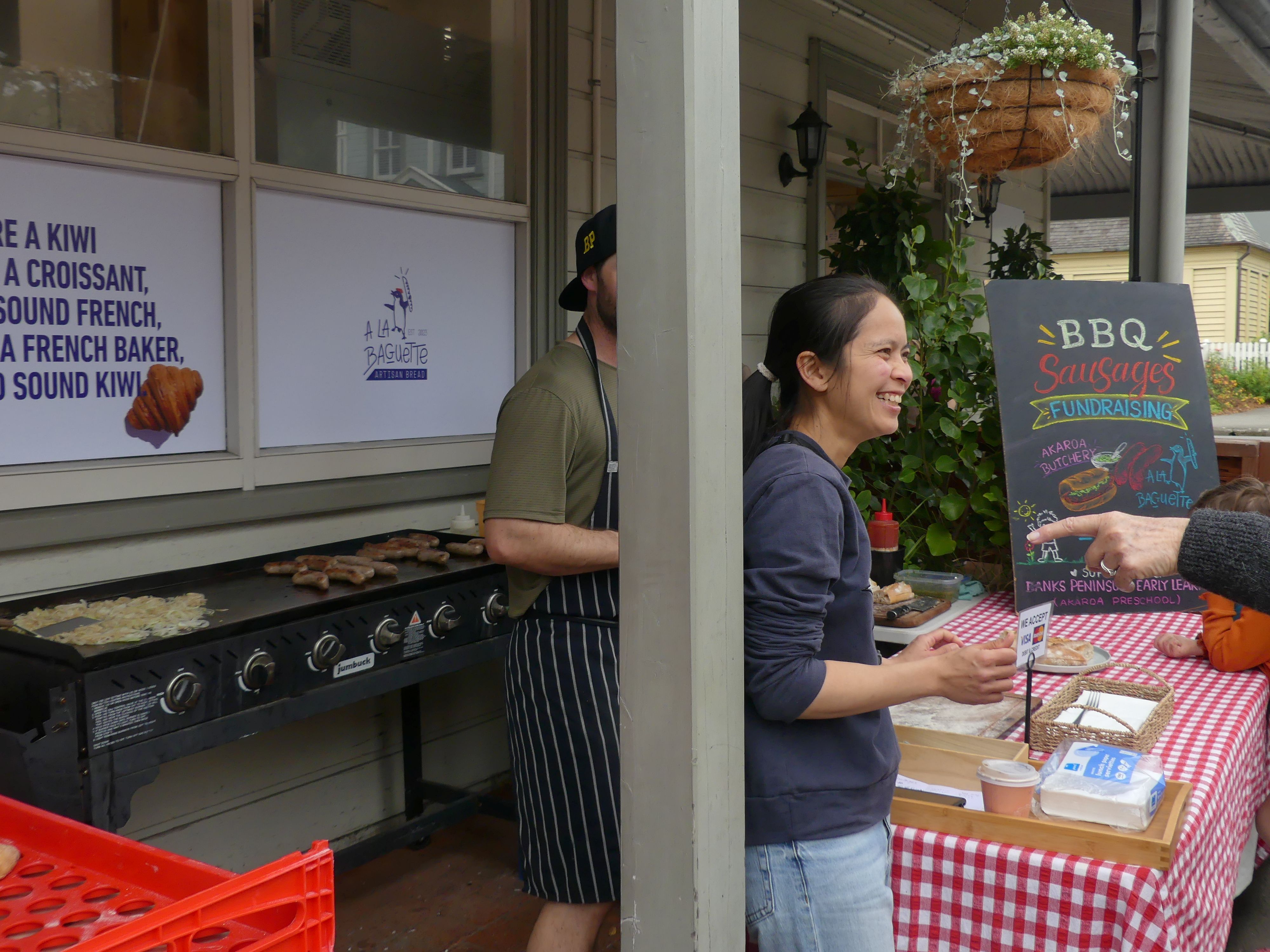
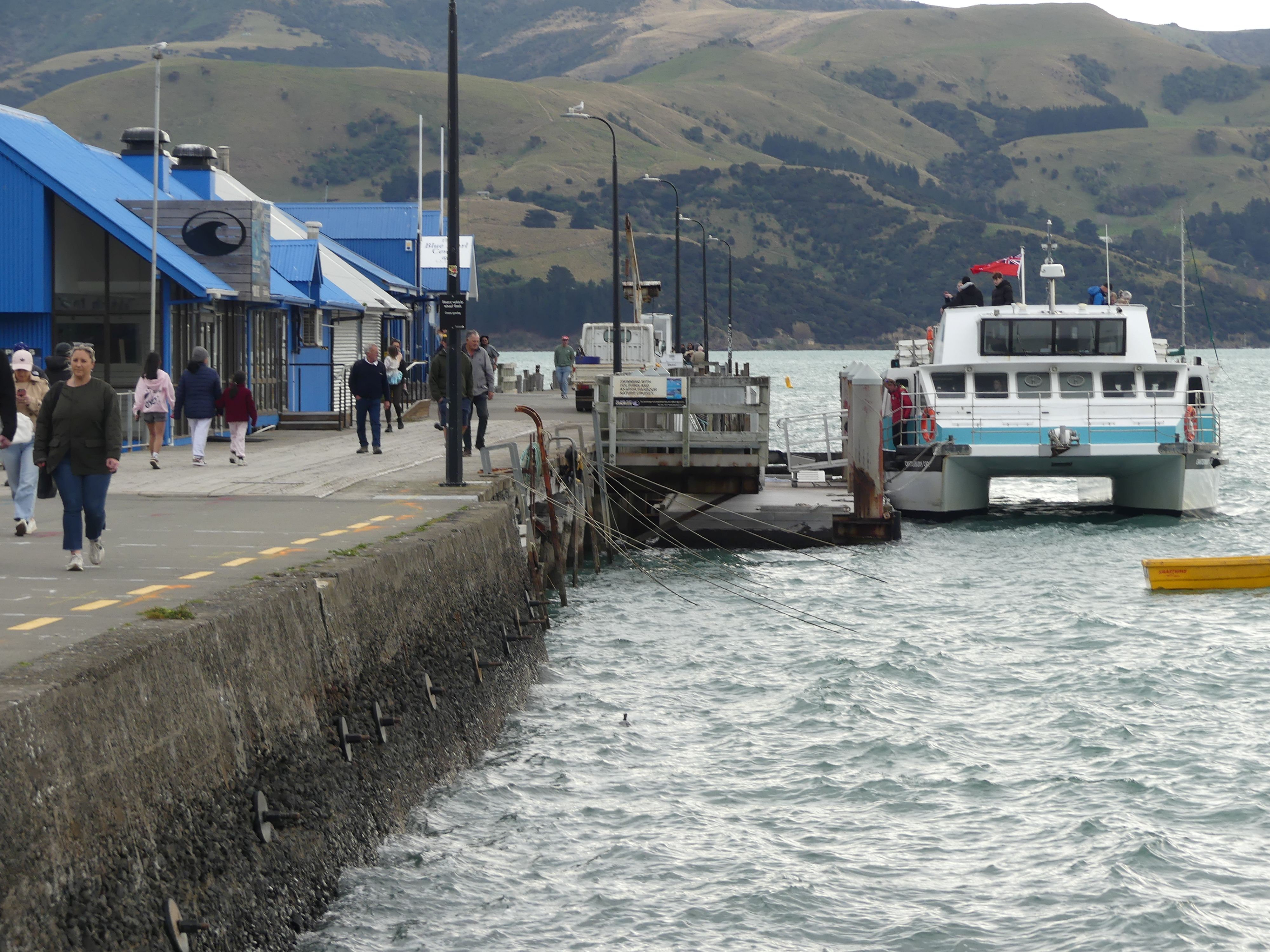
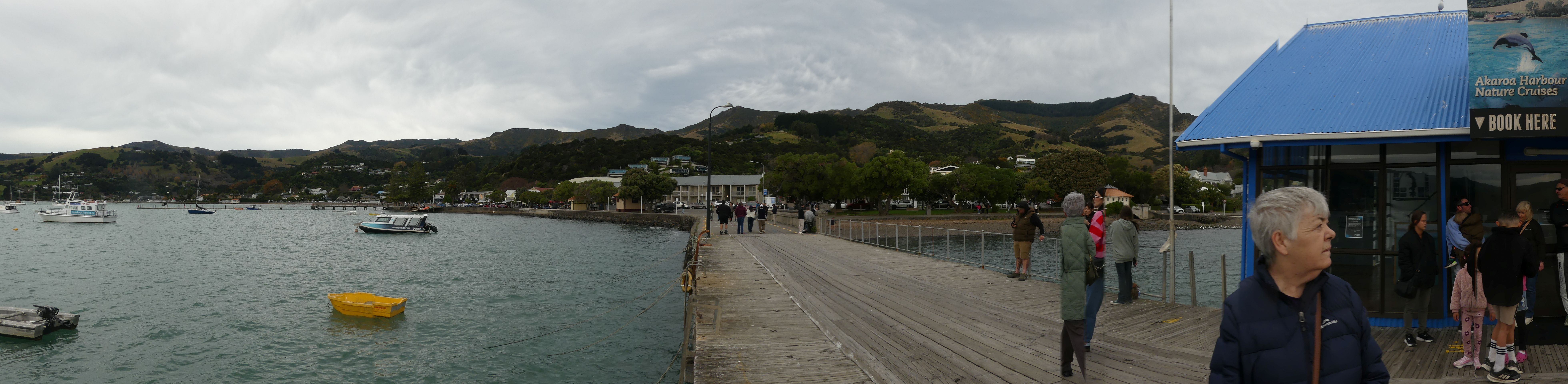
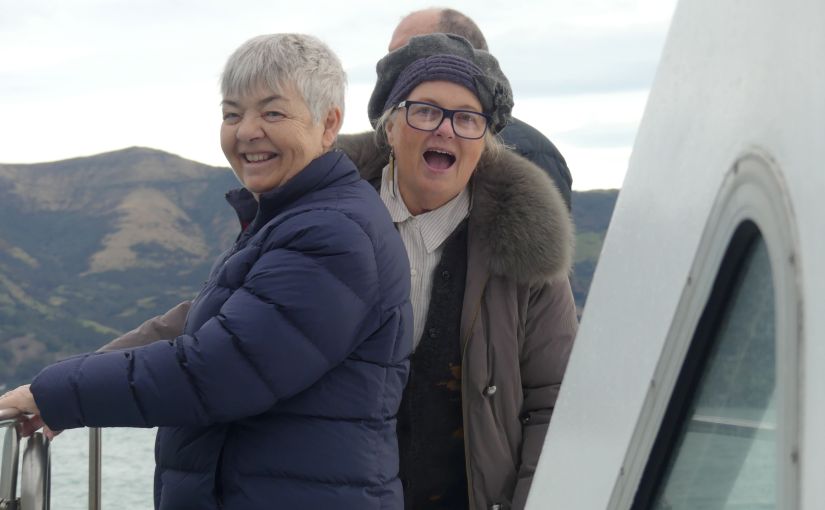
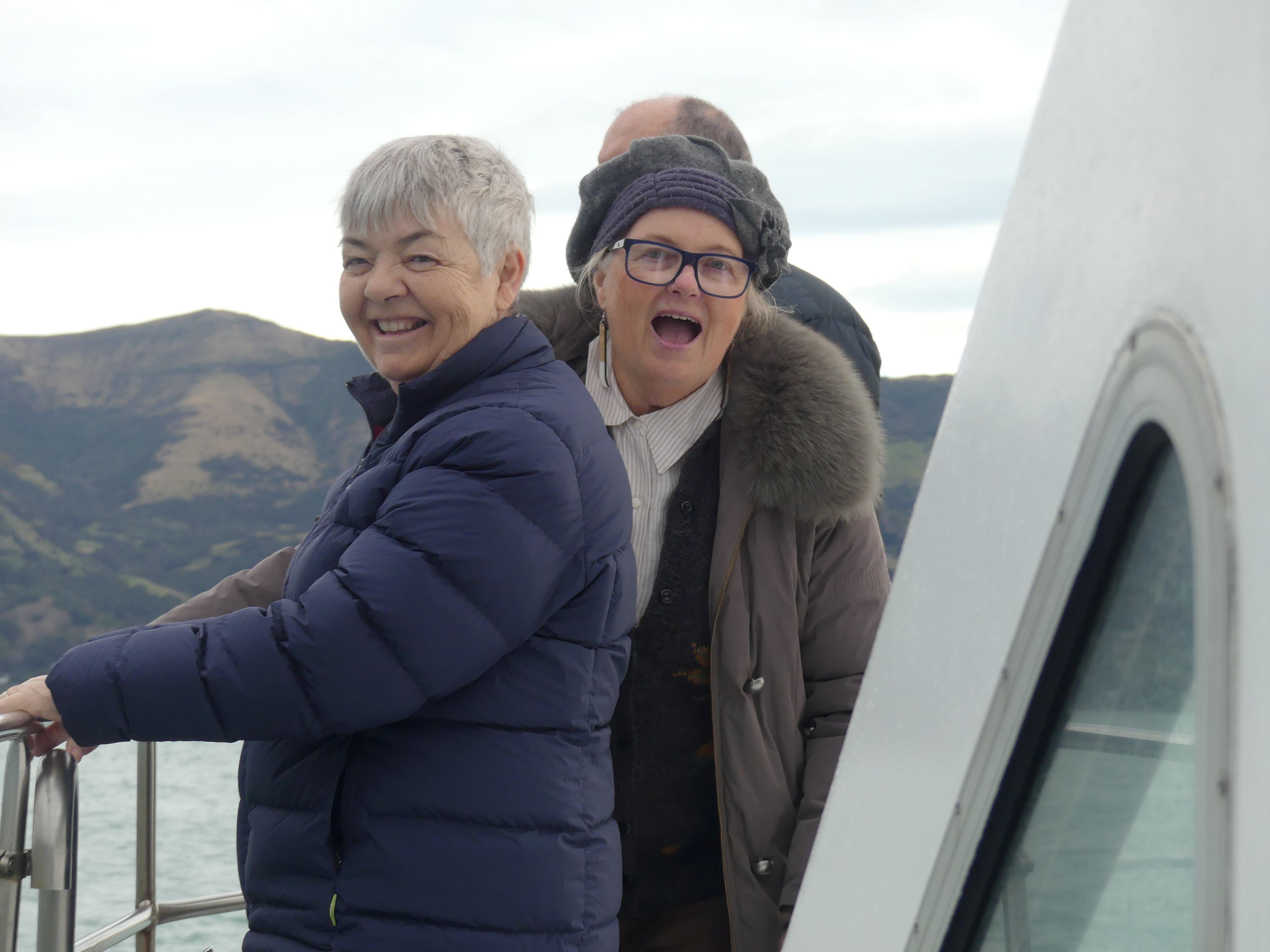
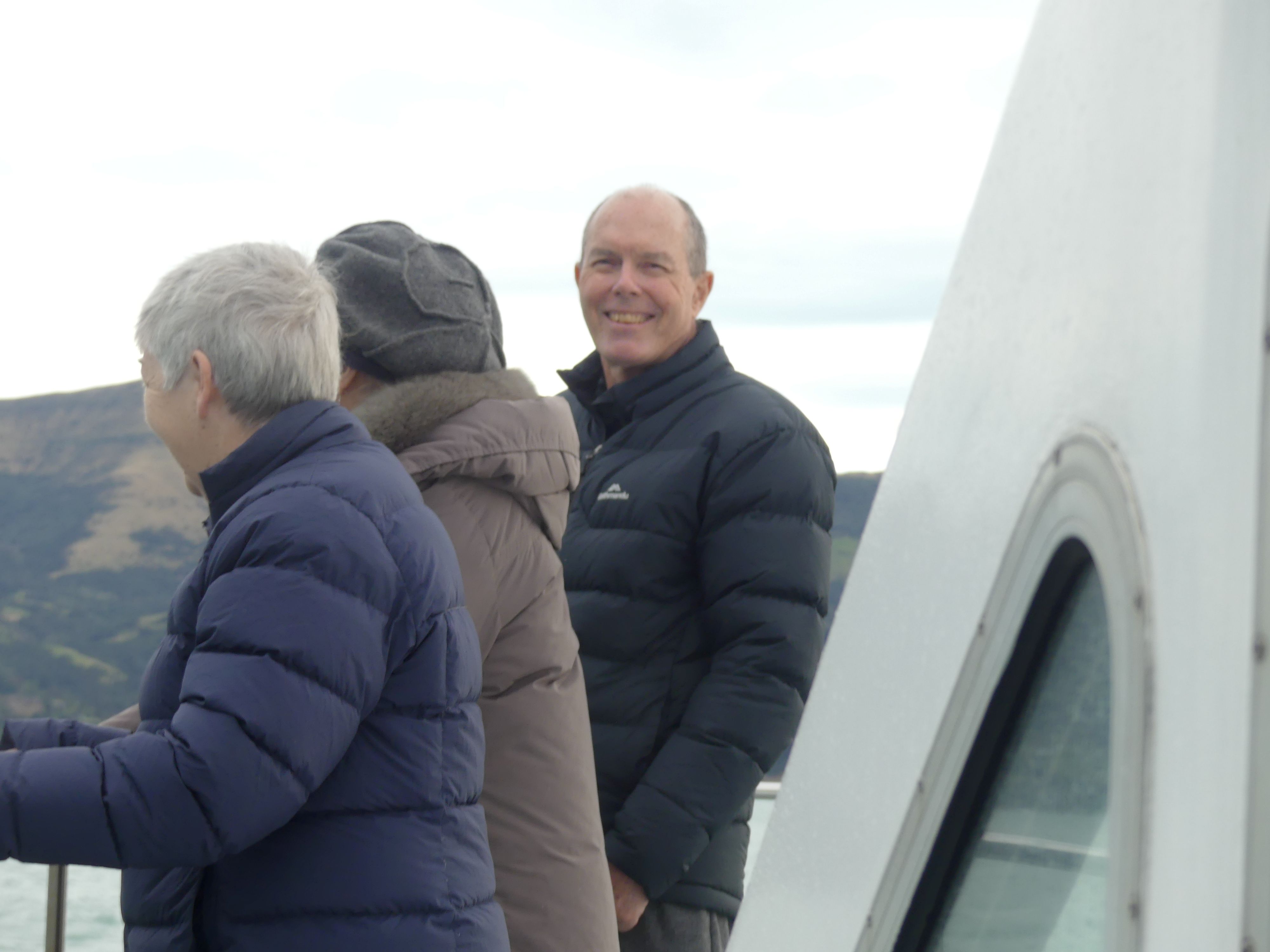
After coffee and a cake, we made our way to the wharf where we learned that the ticket office is onshore and after some minor issues, we found the office and learned our booking was for the preceding day, but we were in luck the boat was not full. Clutching our tickets we hurried back to the wharf and the awaiting vessel. Strangely that muck put us at the head of the queue to board the vessel and we were on our way to see the Hector Dolphins and the NZ fur seals and the whales. Someone forgot to send them their invitation as they didn’t turn up. As you will see in the photos, the seals were all ashore.
Cruising Akoroa Harbour
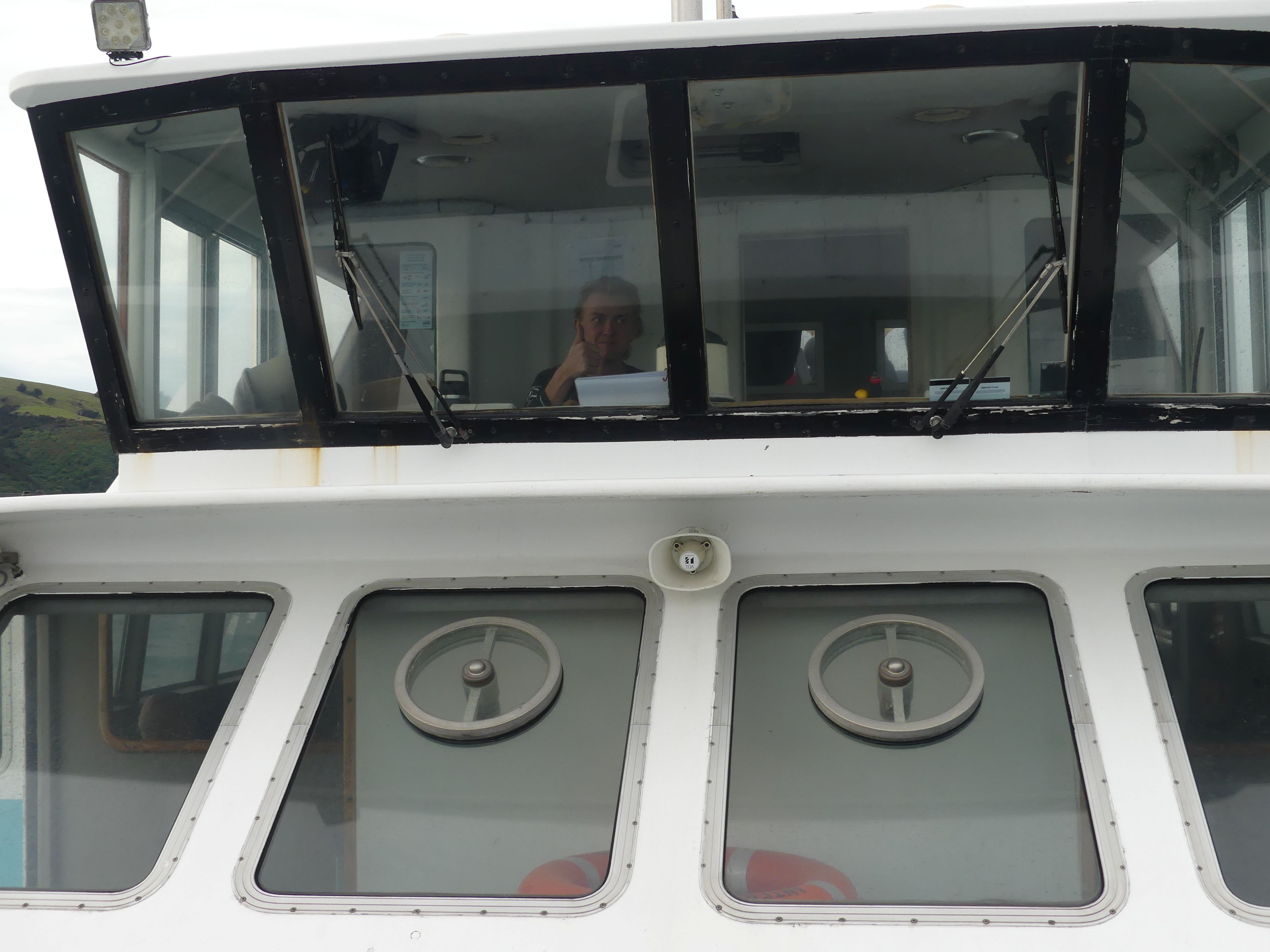
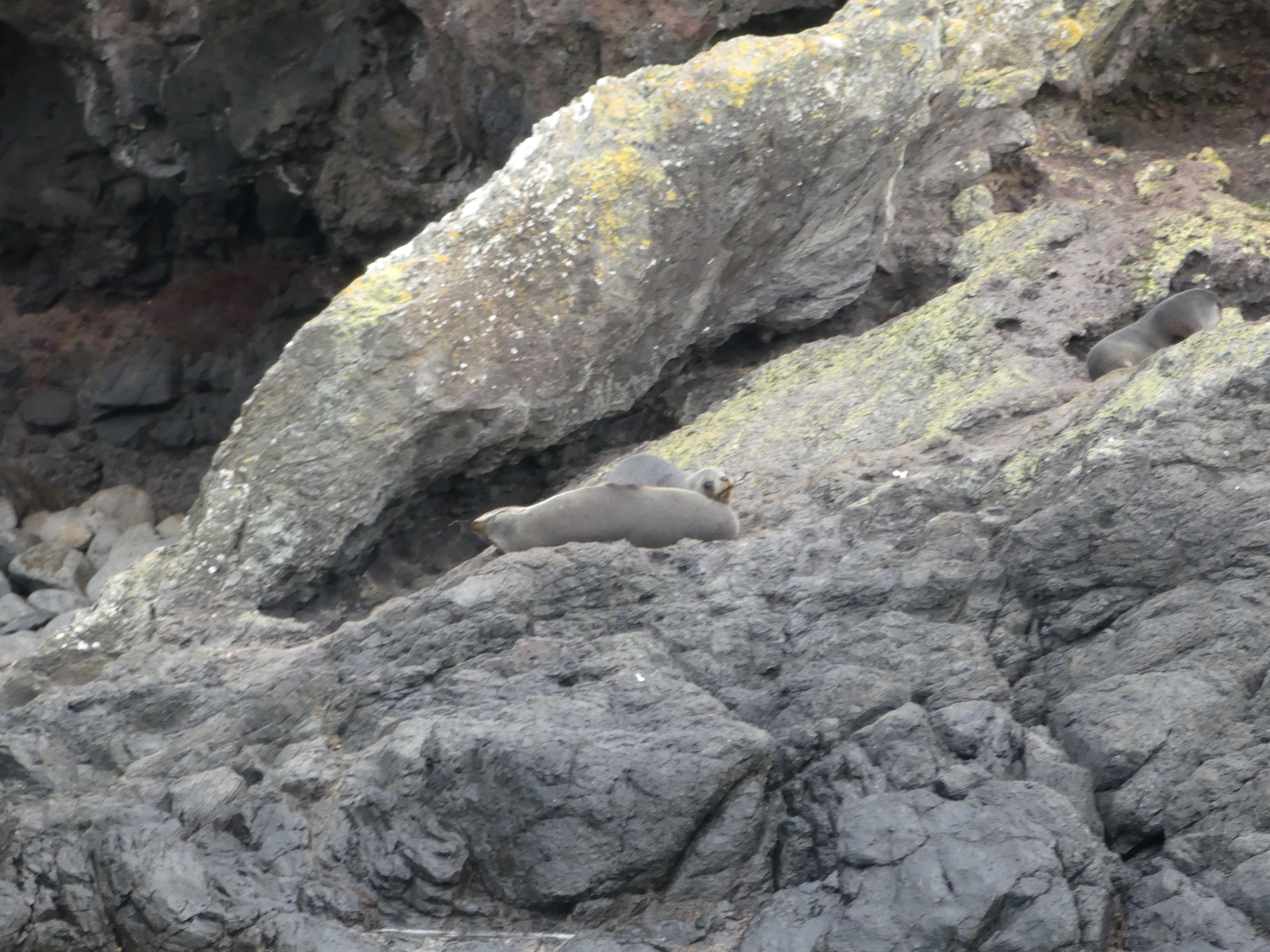
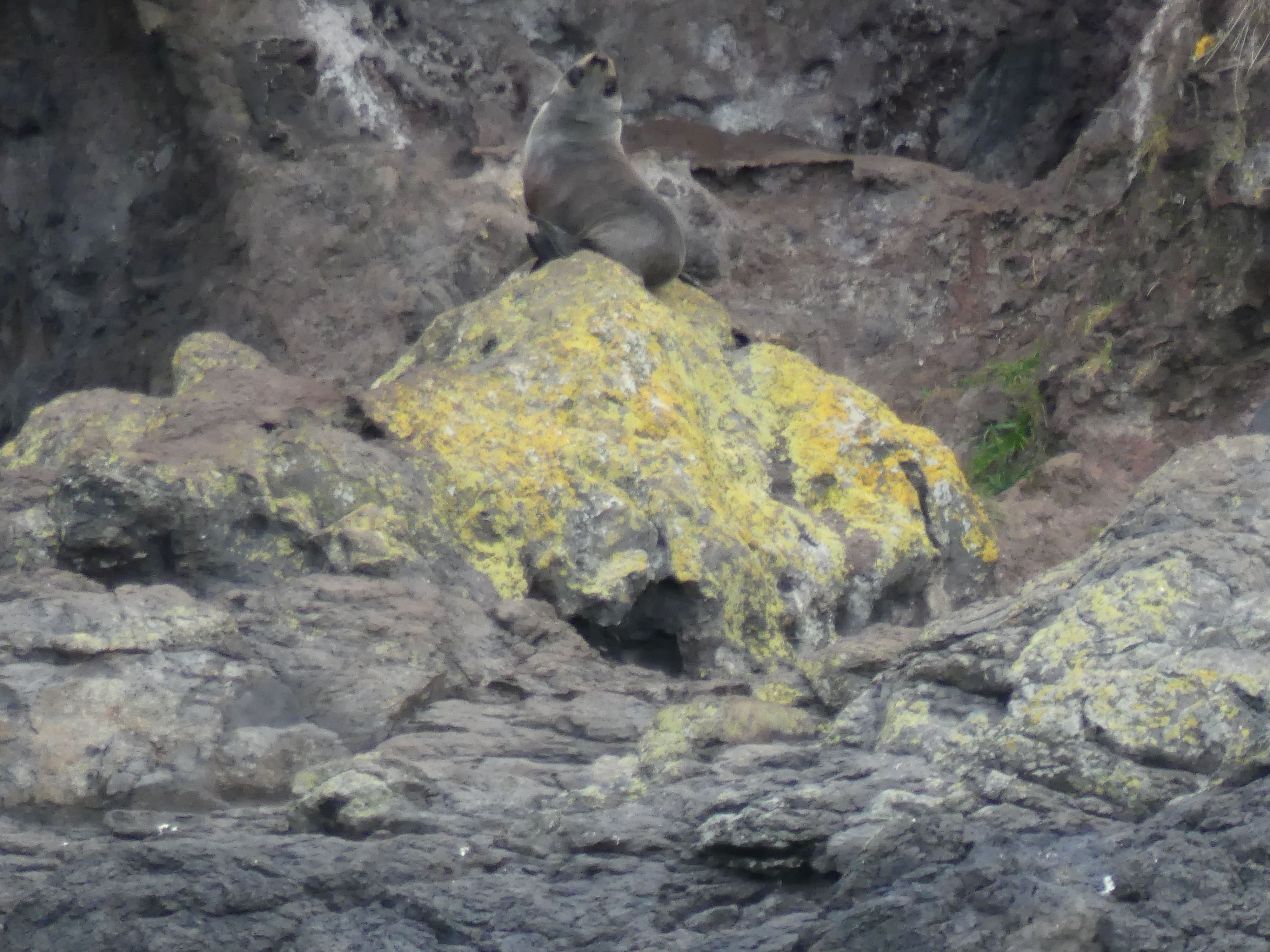
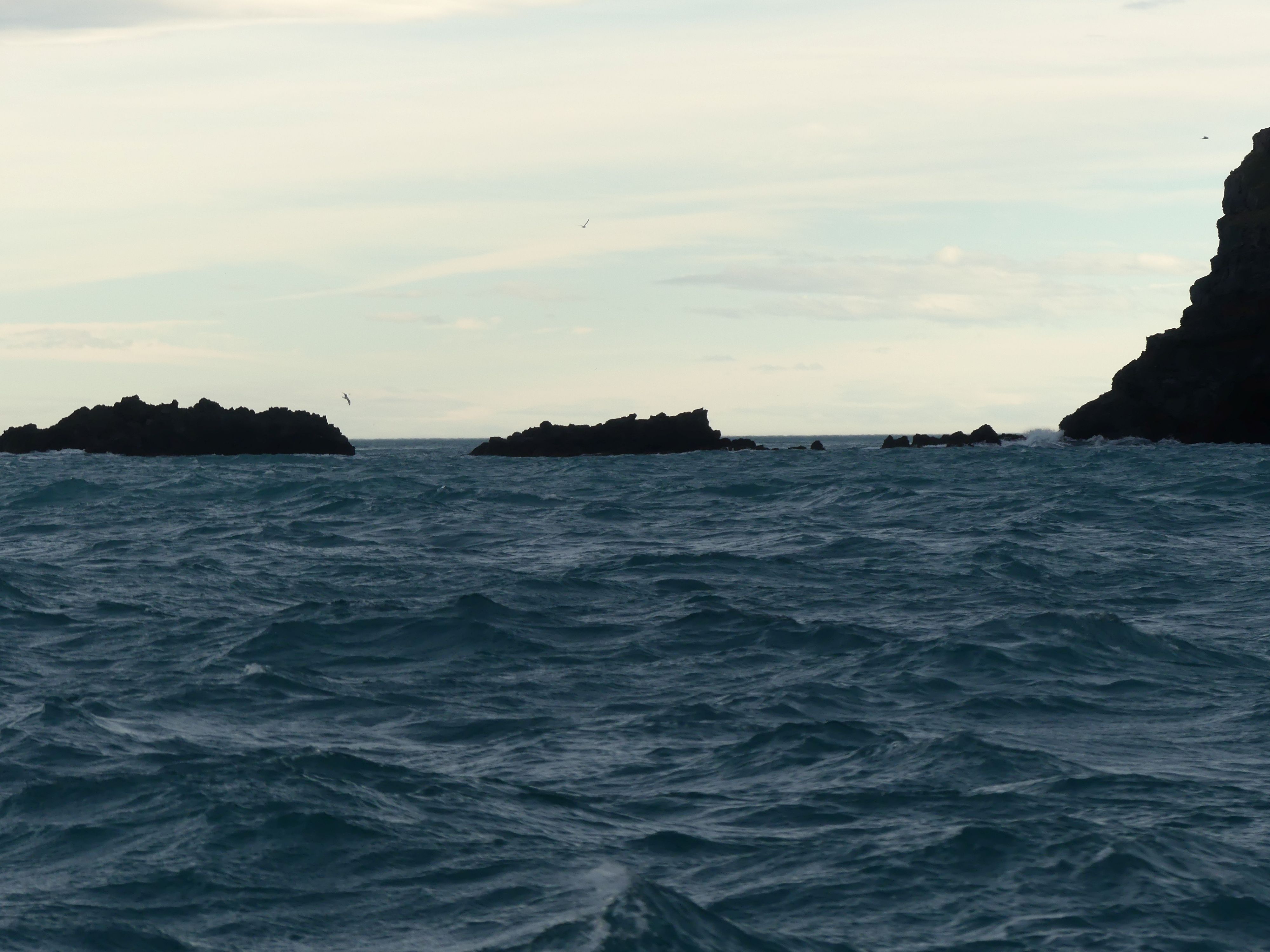
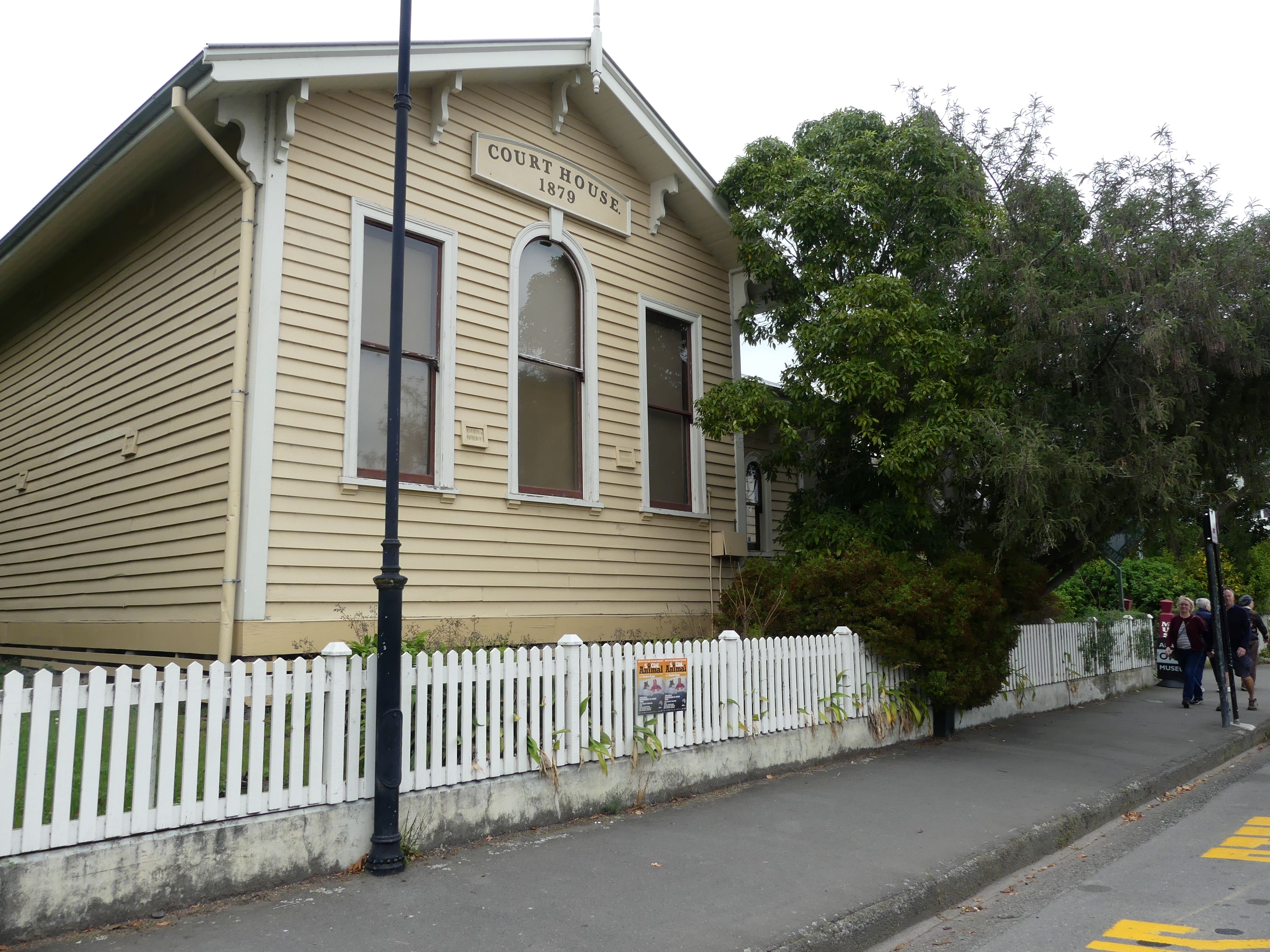
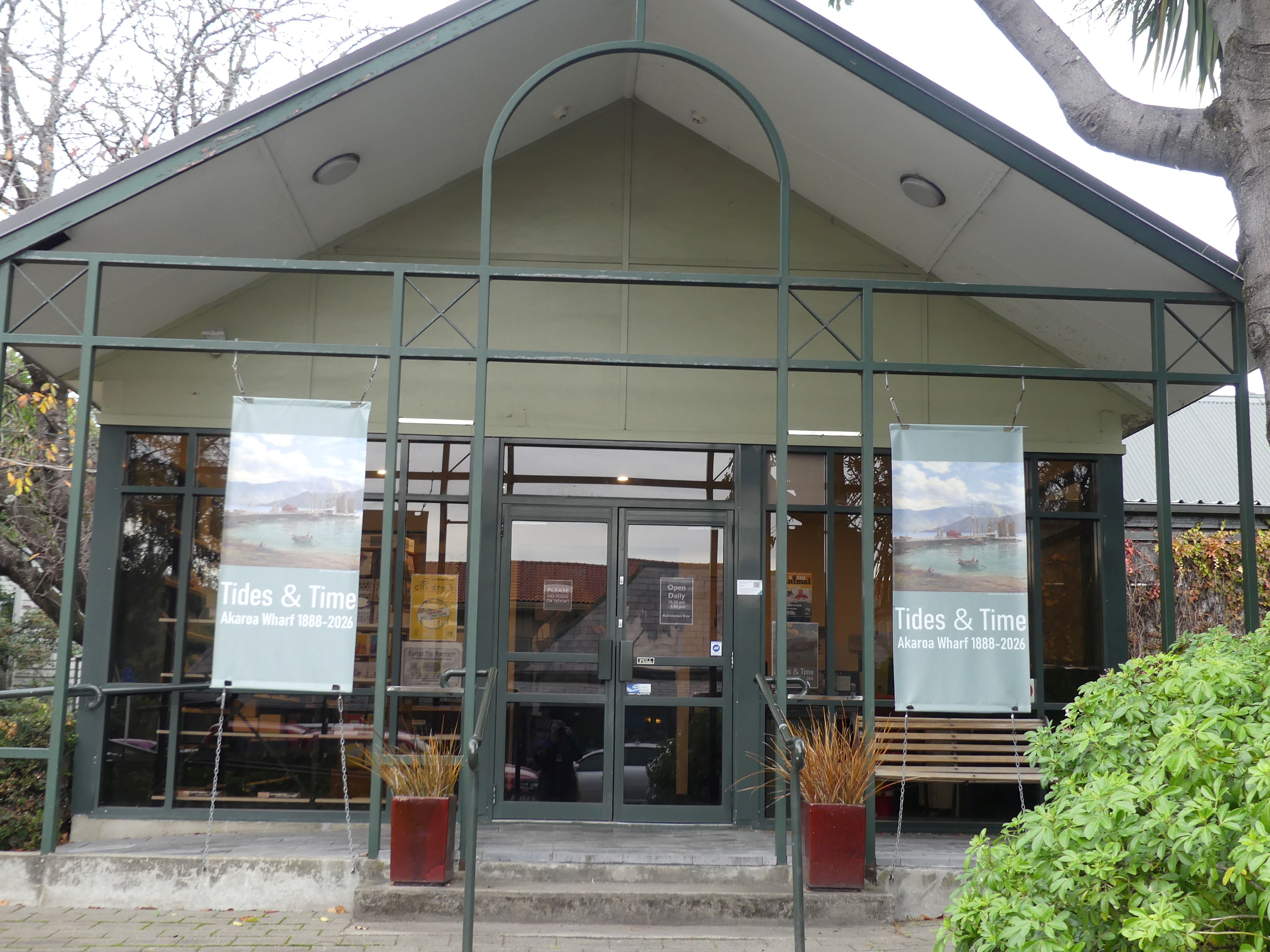
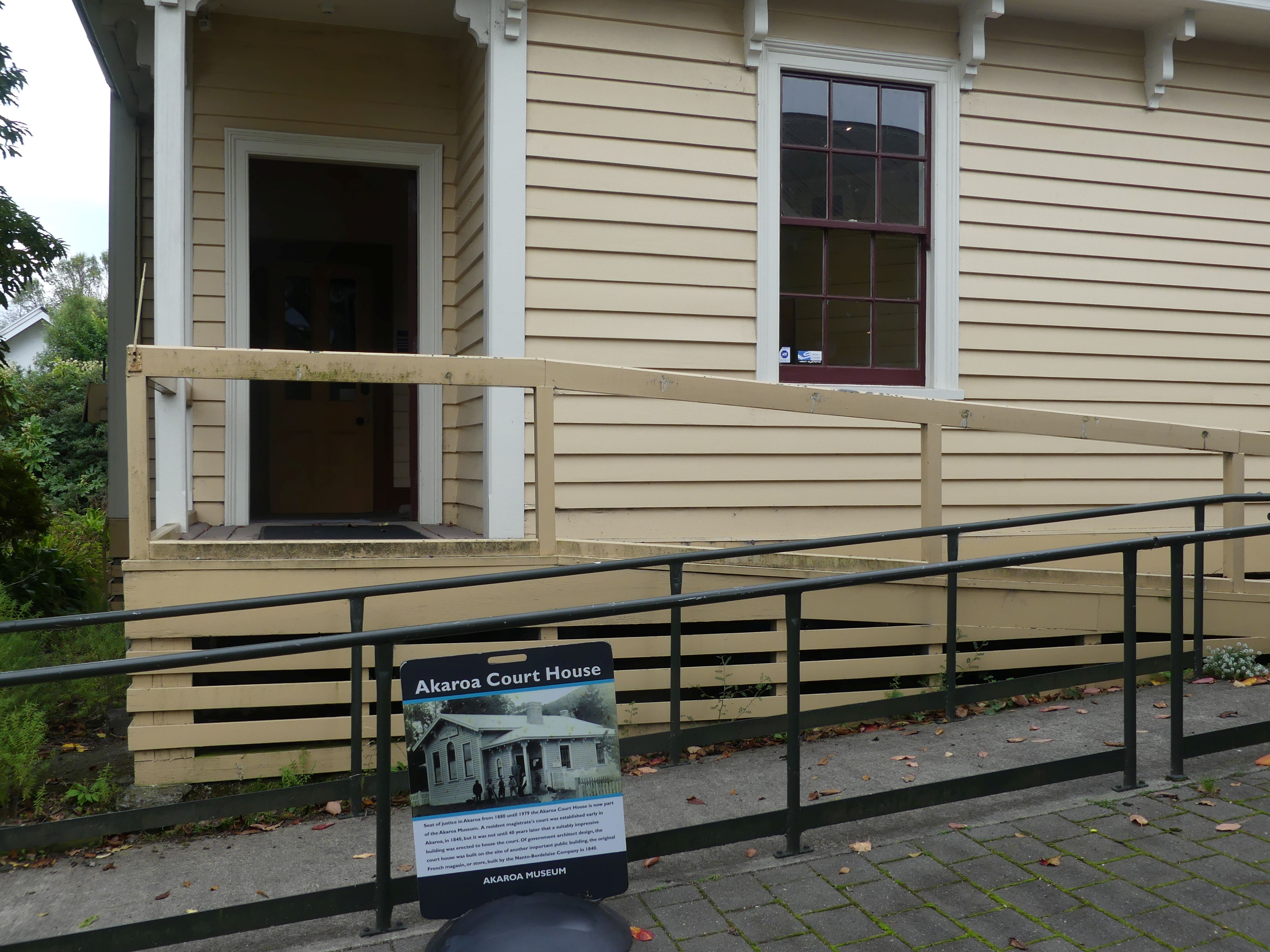
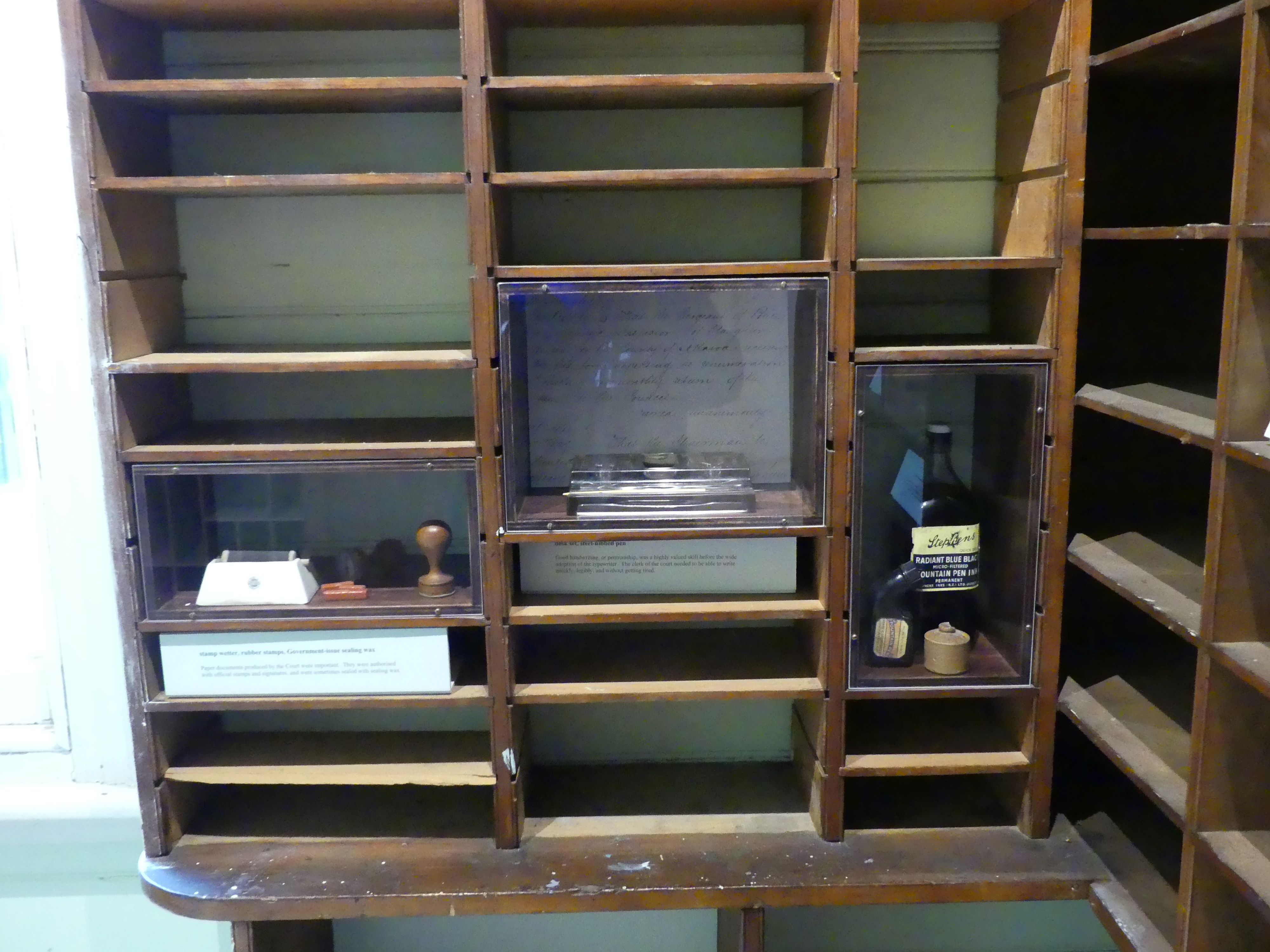
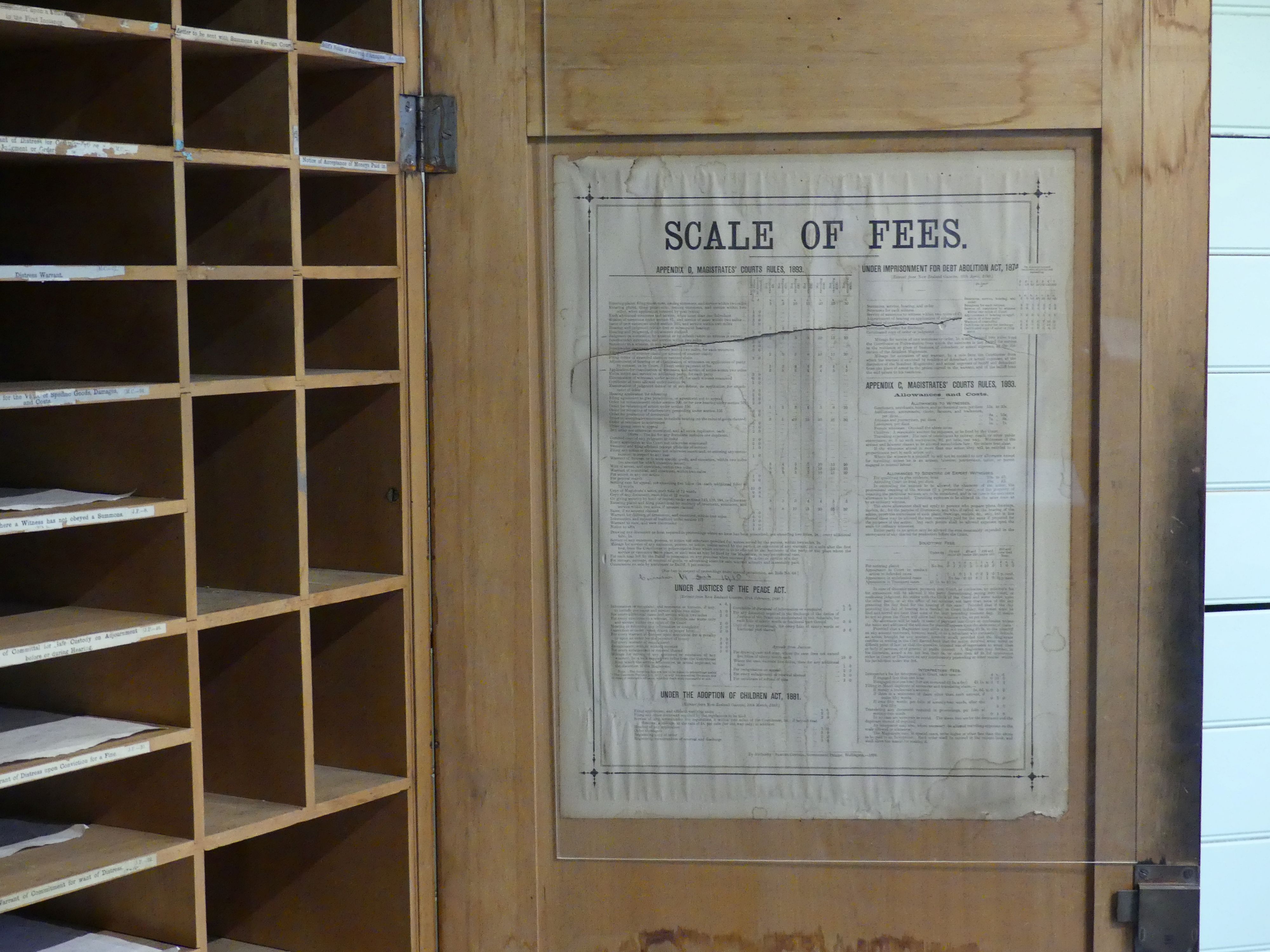
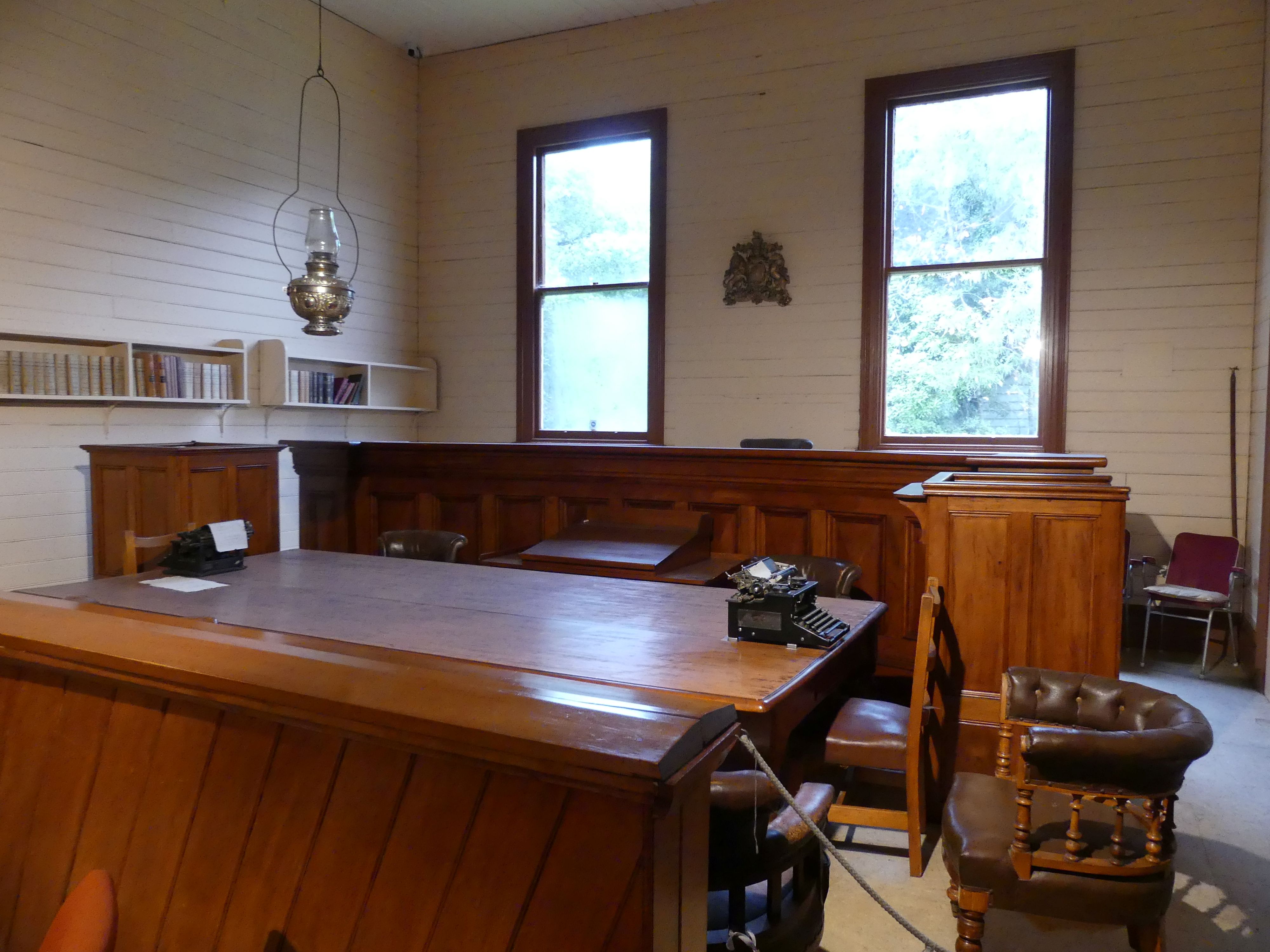
Disappointed we decided to check out the museum. The Courthouse was part of the museum which was free to enter. The Akaroa Courthouse is located at 69 Rue Lavaud in Akaroa and is a beautifully preserved Category II Historic Place. Opened in March 1880, it served the community for 99 years before being integrated into the Akaroa Museum. The interior is still furnished with its original 19th-century magistrate’s bench, witness box, and dock. Its a contradiction that the village has a French influence when you come across the Coronation Library opened in 1875 in honour of Queen Victoria no doubt – rather English I thought.
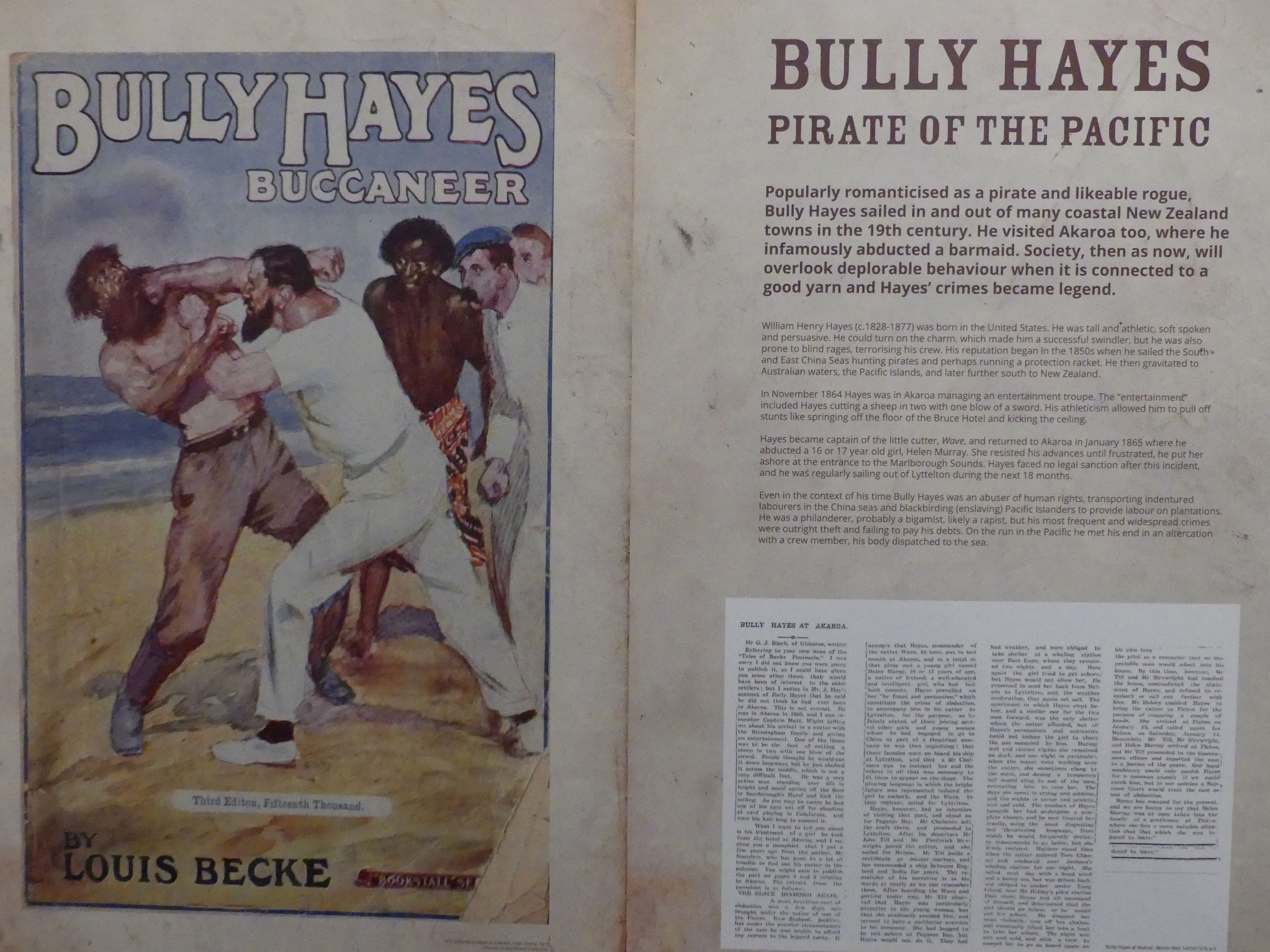
The Courthouse from the street, the entrance to the museum, the entry to the Courthouse, the Registry and the scale of fees, the Court room and in the museum itself a poster regarding a Buccaneer Billy Hayes, and the exterior of the French house preserved in the museum and the Coronation Library.
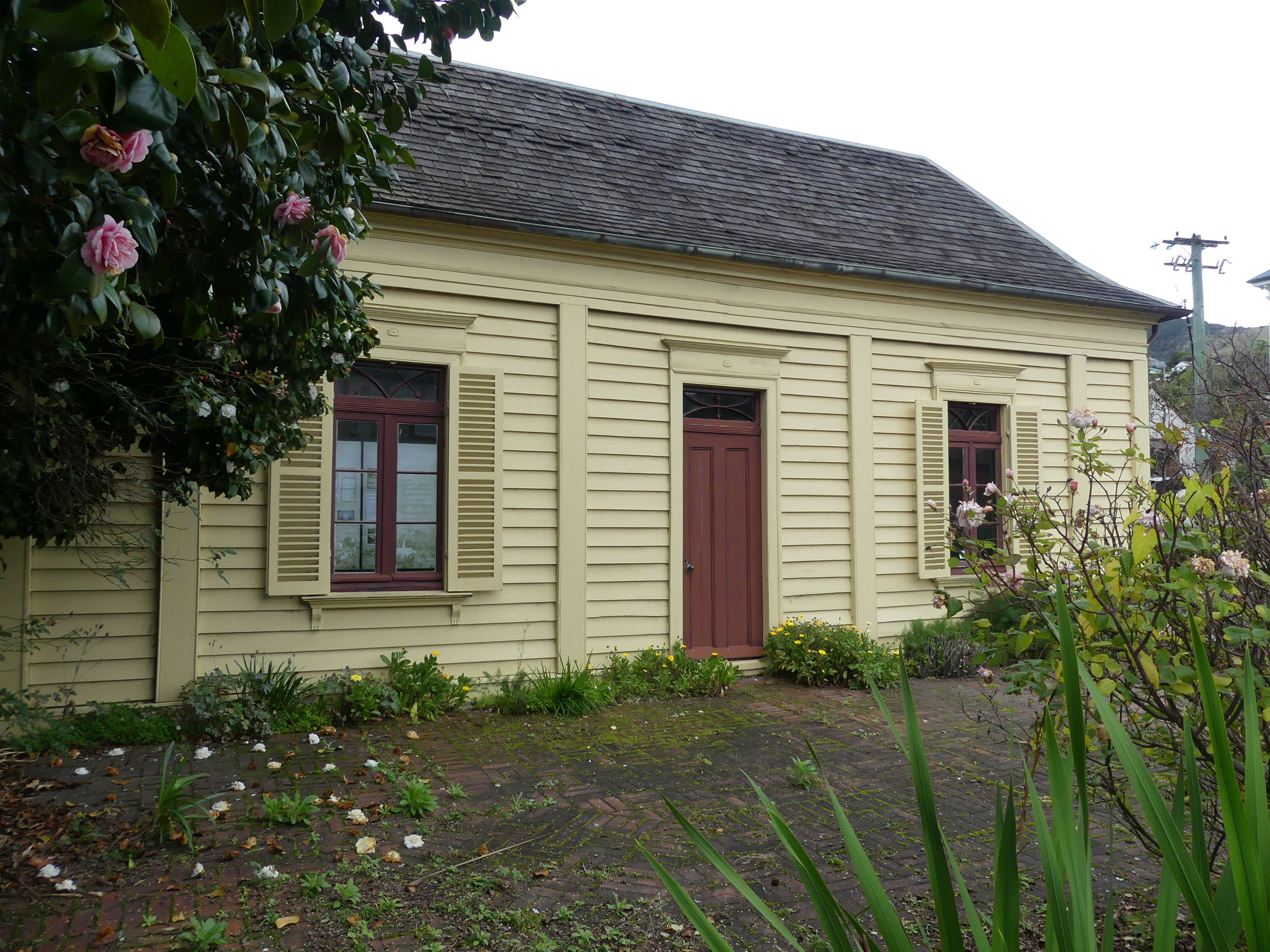
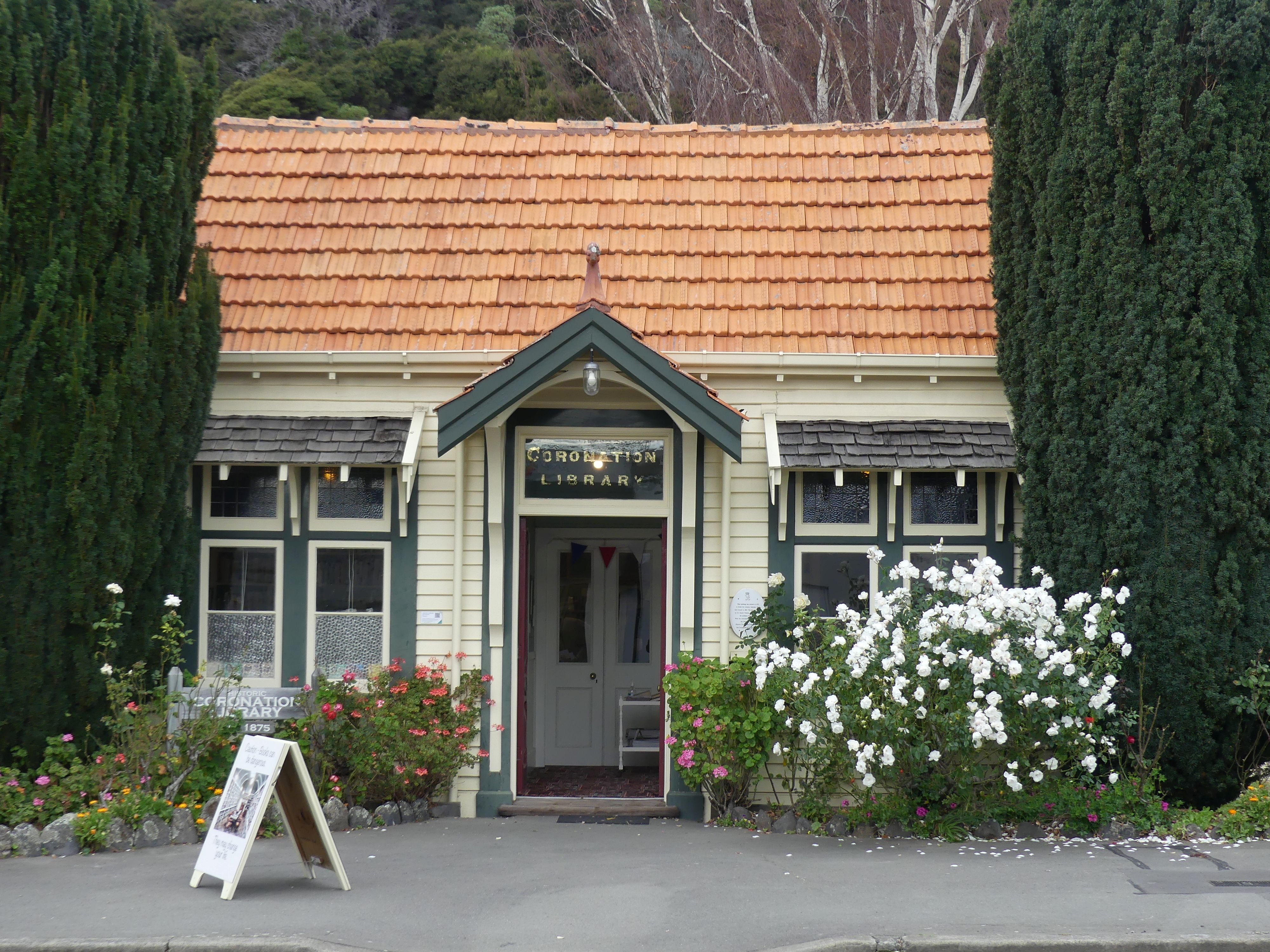
Although the cruise didn’t hold any excitement for us, the town itself was a great snapshot of earlier times in New Zealand. We moved on and back to Christchurch to prepare to cross New Zealand through Arthur’s Pass onto Greymouth tomorrow. Continue reading to follow our adventure across NZ in THE RETIREES VISIT THE SOUTH ISLAND ACROSS THE DITCH blog 495 Episode 6