
19TH MAY TO 10TH JUNE 2026
Day 1 Flying on Virgin Air Lines for the first time since the change of ownership during Co-vid, Kerry and I arrive at Queenstown International Airport at the scheduled arrival time of 3.40 pm. We are traveling with Barry and Sandi, fellow retirees and cruise ship travellers and now partnering them in their adventure on the South Island. Barry had selected our hire car which was awaiting us off site. It had been a guess as to what space was needed for the four of us and our luggage, but we seemed to have guessed well. We pick up our Nissan X-Trail Hatchback, plan and load the luggage, and leave the car hire company with Barry in the driver’s seat, following his faithful Garmin GPS and drive to our Queenstown hotel, where we stay in Sherwood just down the road from the airport. We had booked into the Lodge in the hotel whilst Barry and Sandi had chosen a unit with a view of the lake.
our hotel and our room
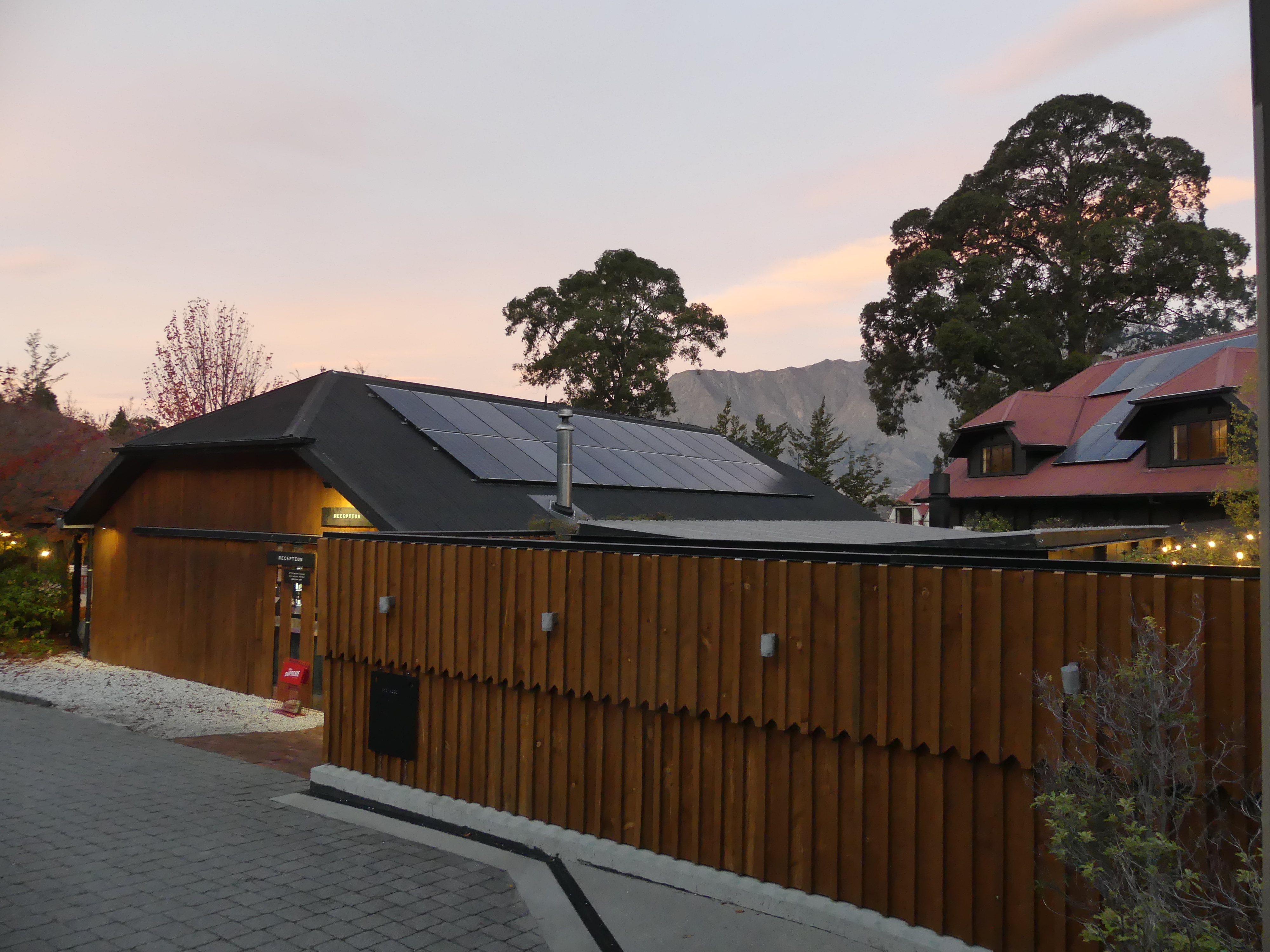
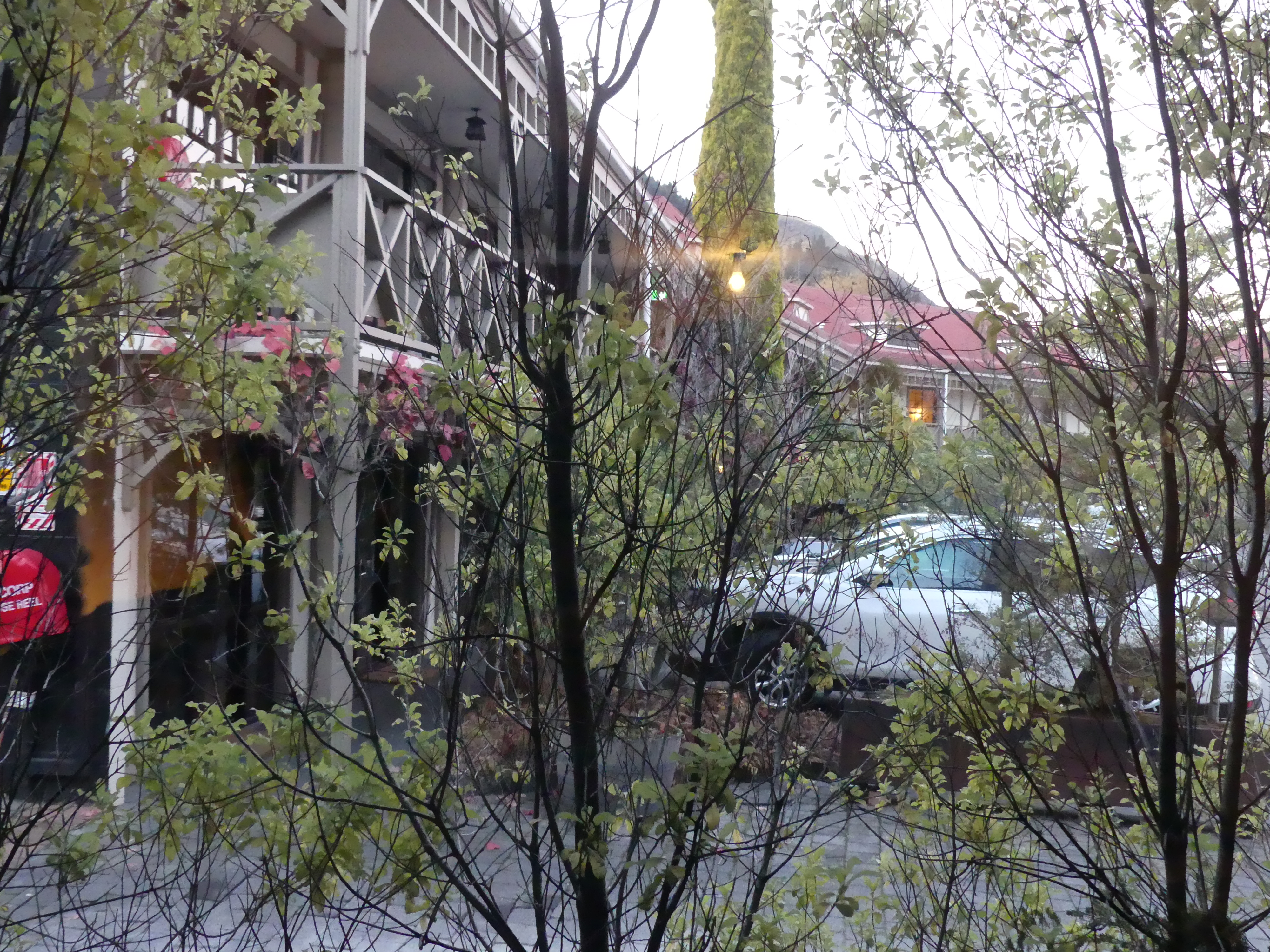
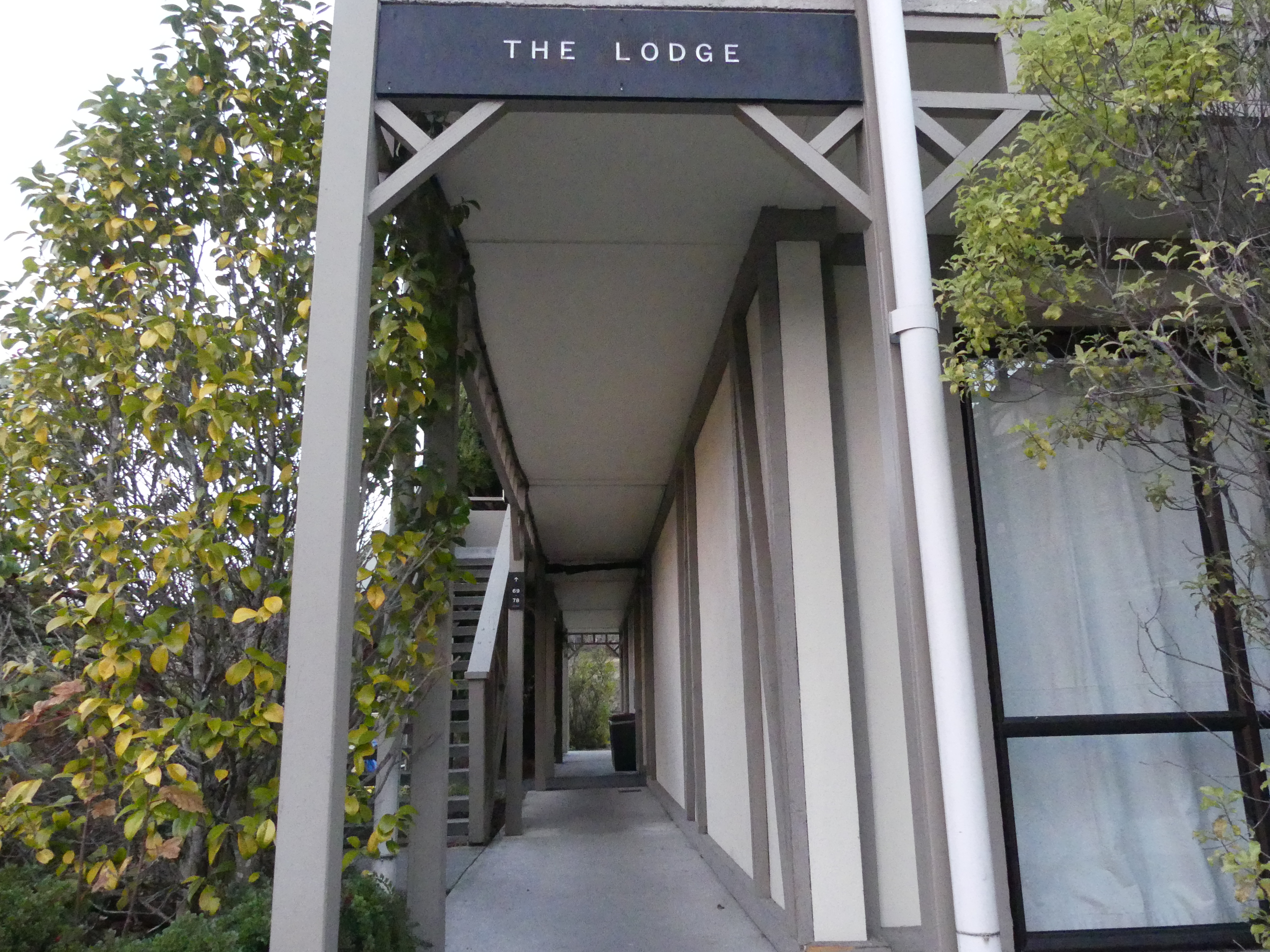
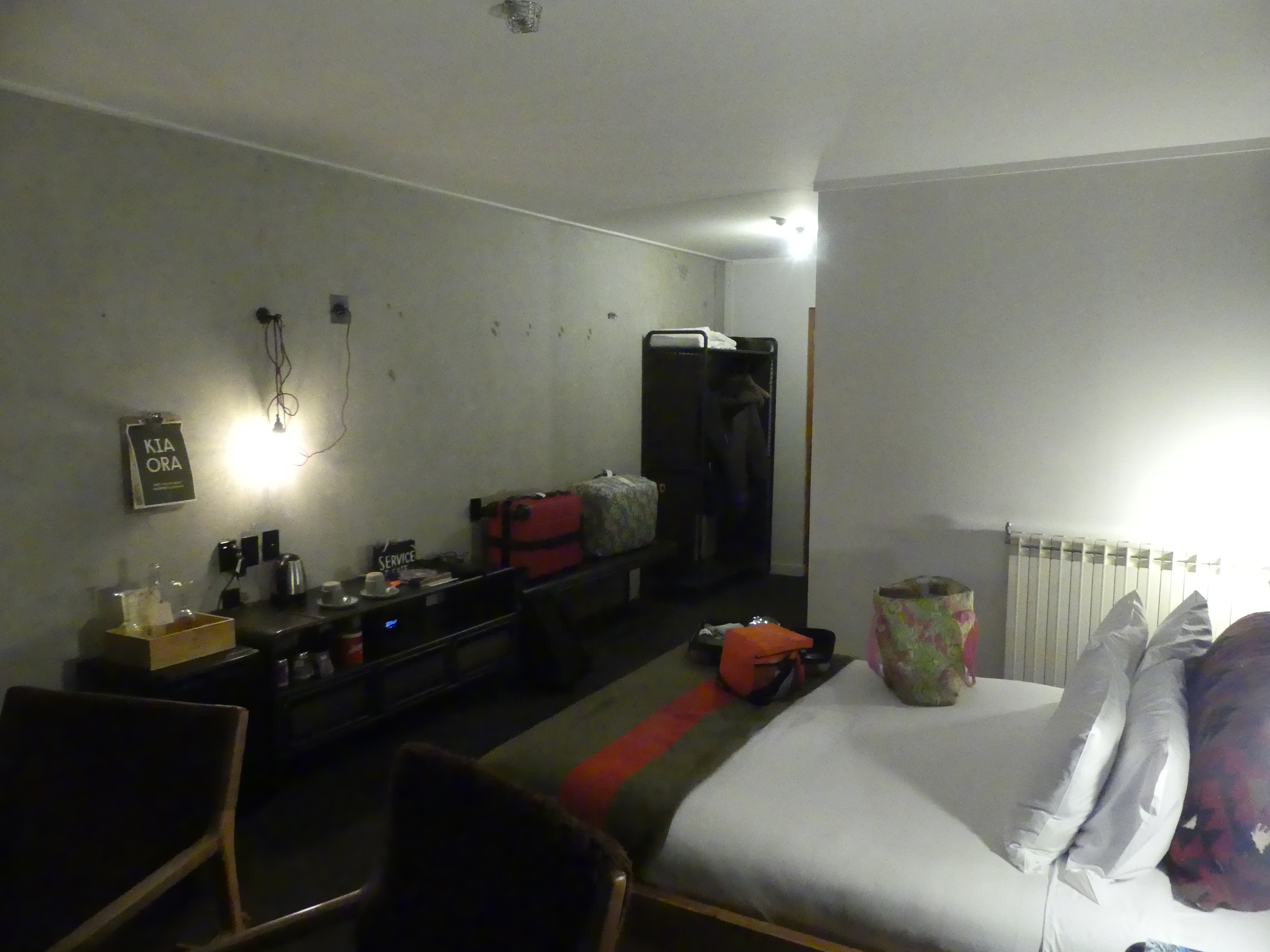
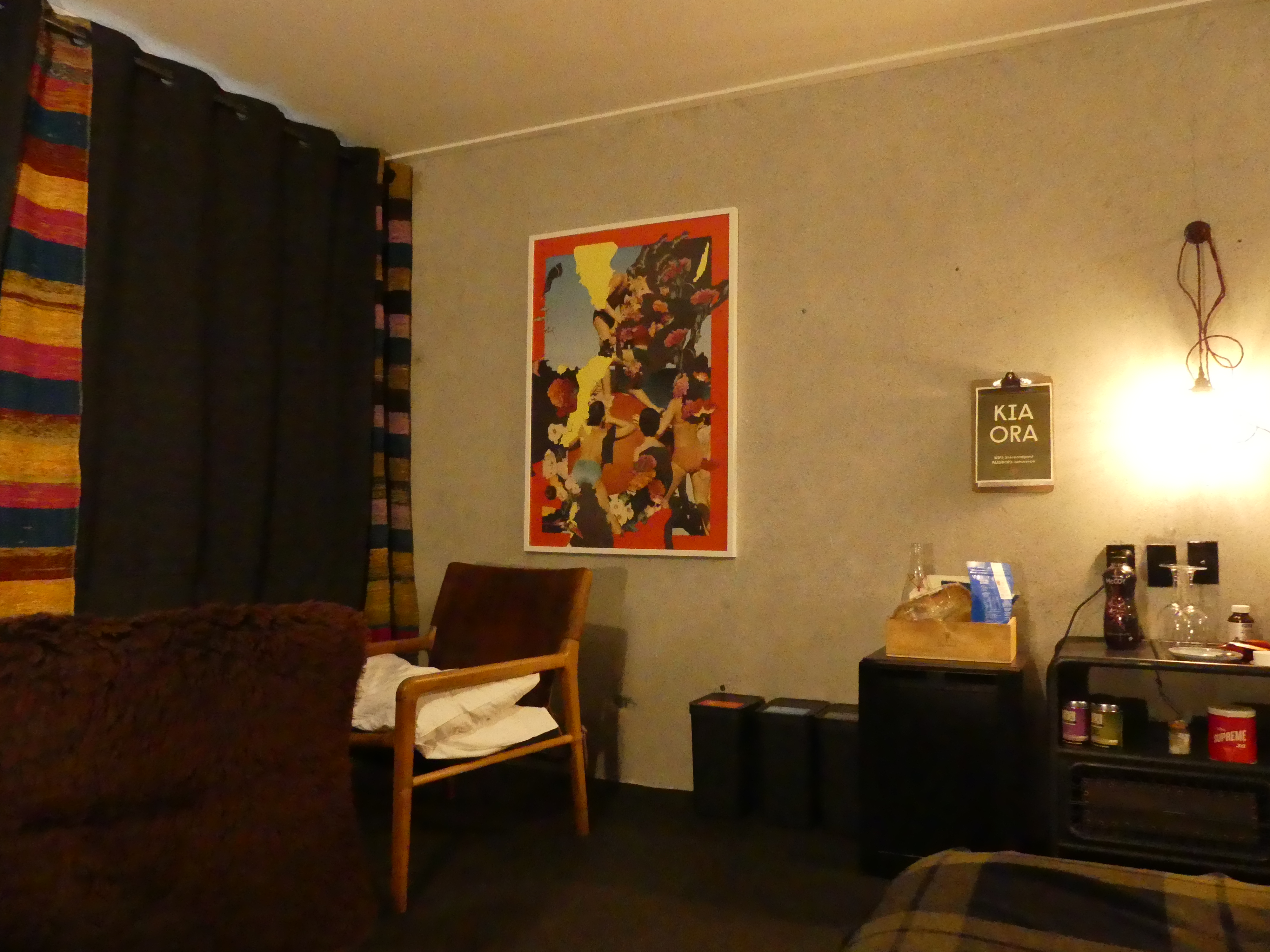
Barry and Sandi had planned to catch up with their daughter Ruth but with no plans as to where they would dine. We were invited to join them, and plans were made to go to a local pizza restaurant. Local turned out to be the restaurant in the Holiday Inn Hotel next door to our hotel. Neither Kerry or I had met Ruth previously but she was delightful company. She is a young traveller mixing travel and study enjoying her nomad life. Dinner was fun and the meals were fine. Barry and Sandi will catch up with her again when their paths next cross.
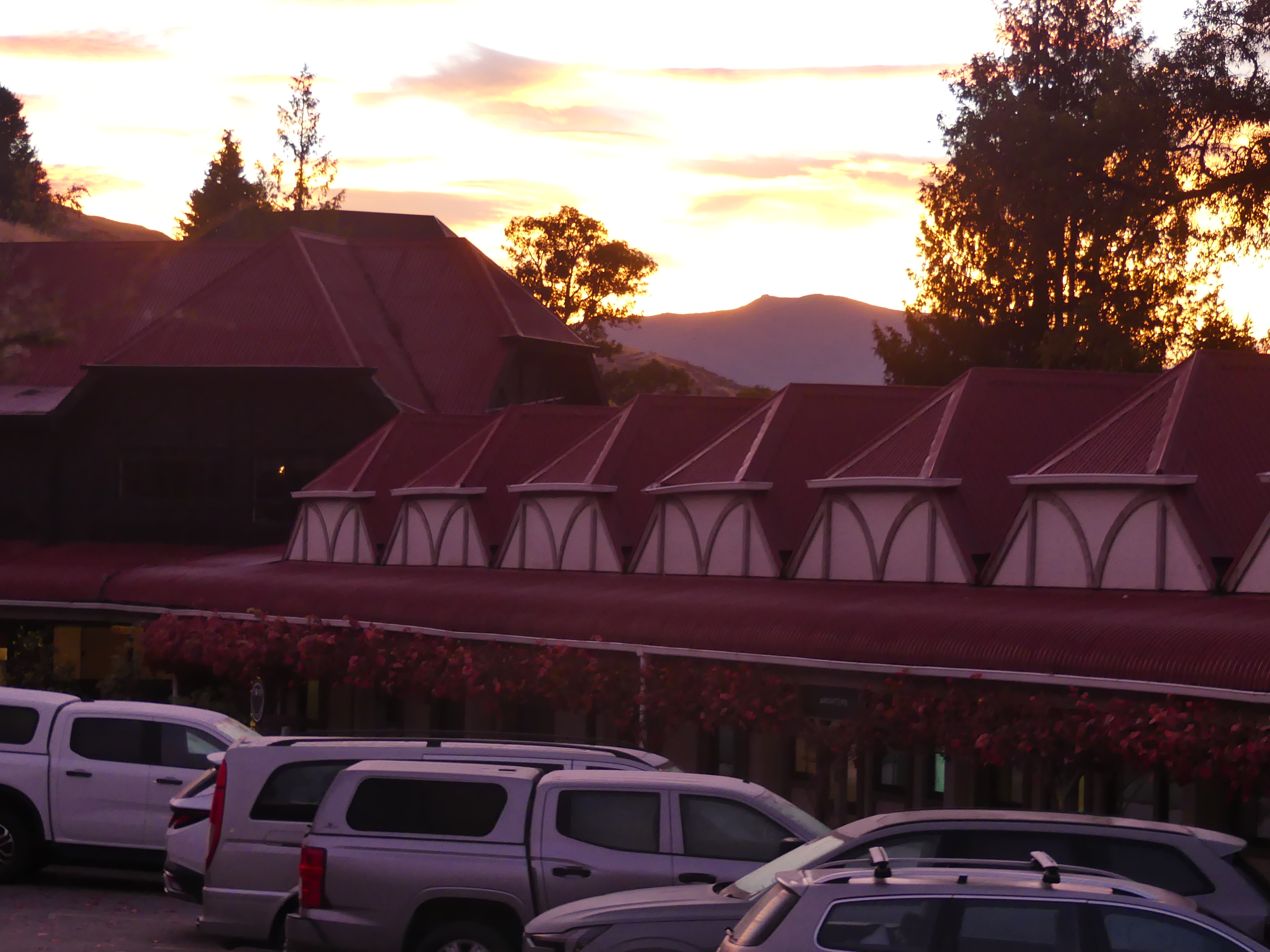
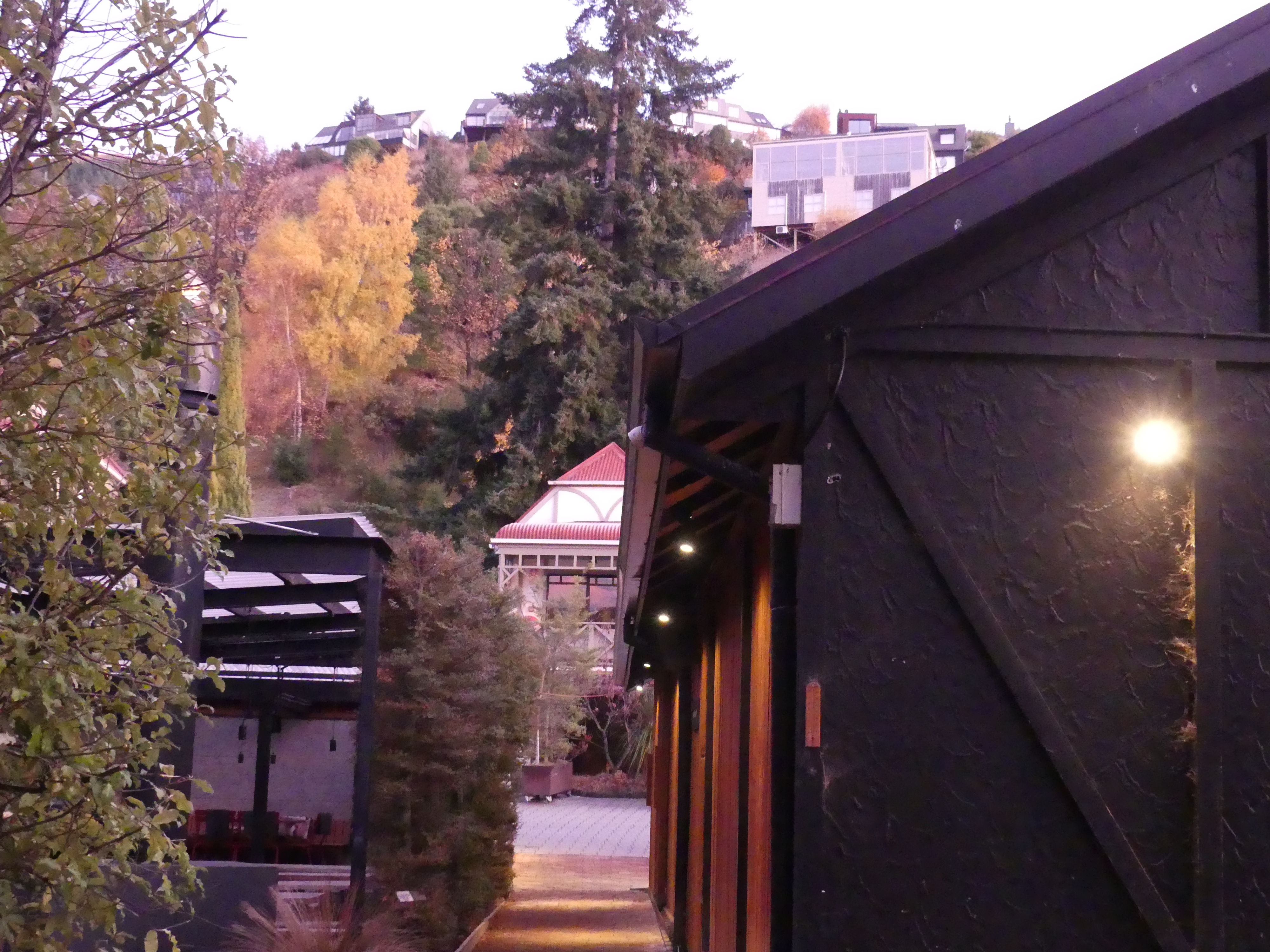
Photos of, the sunrise and Lake Wakatipu.
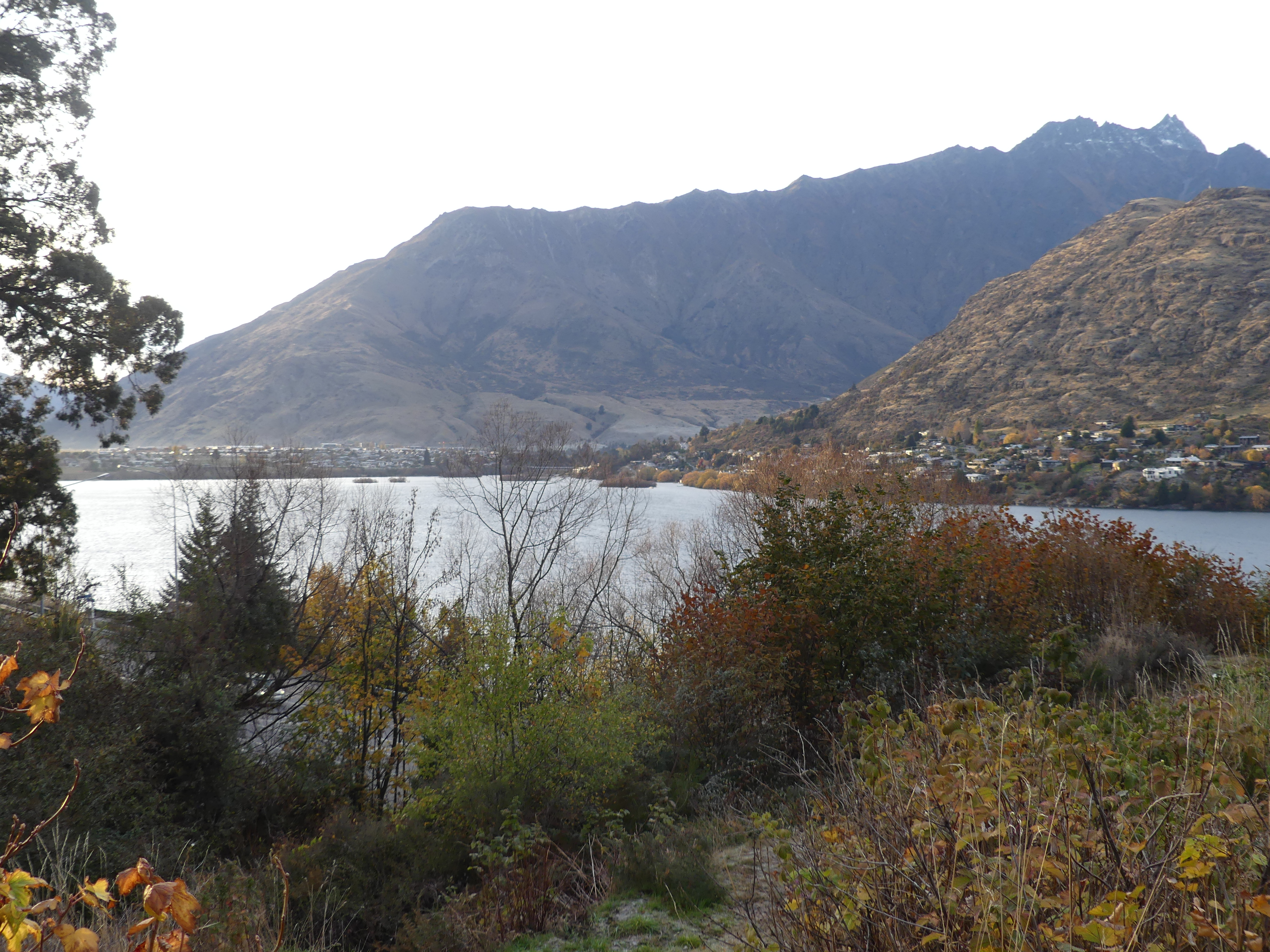
Day 2 – Queenstown and Arrowtown
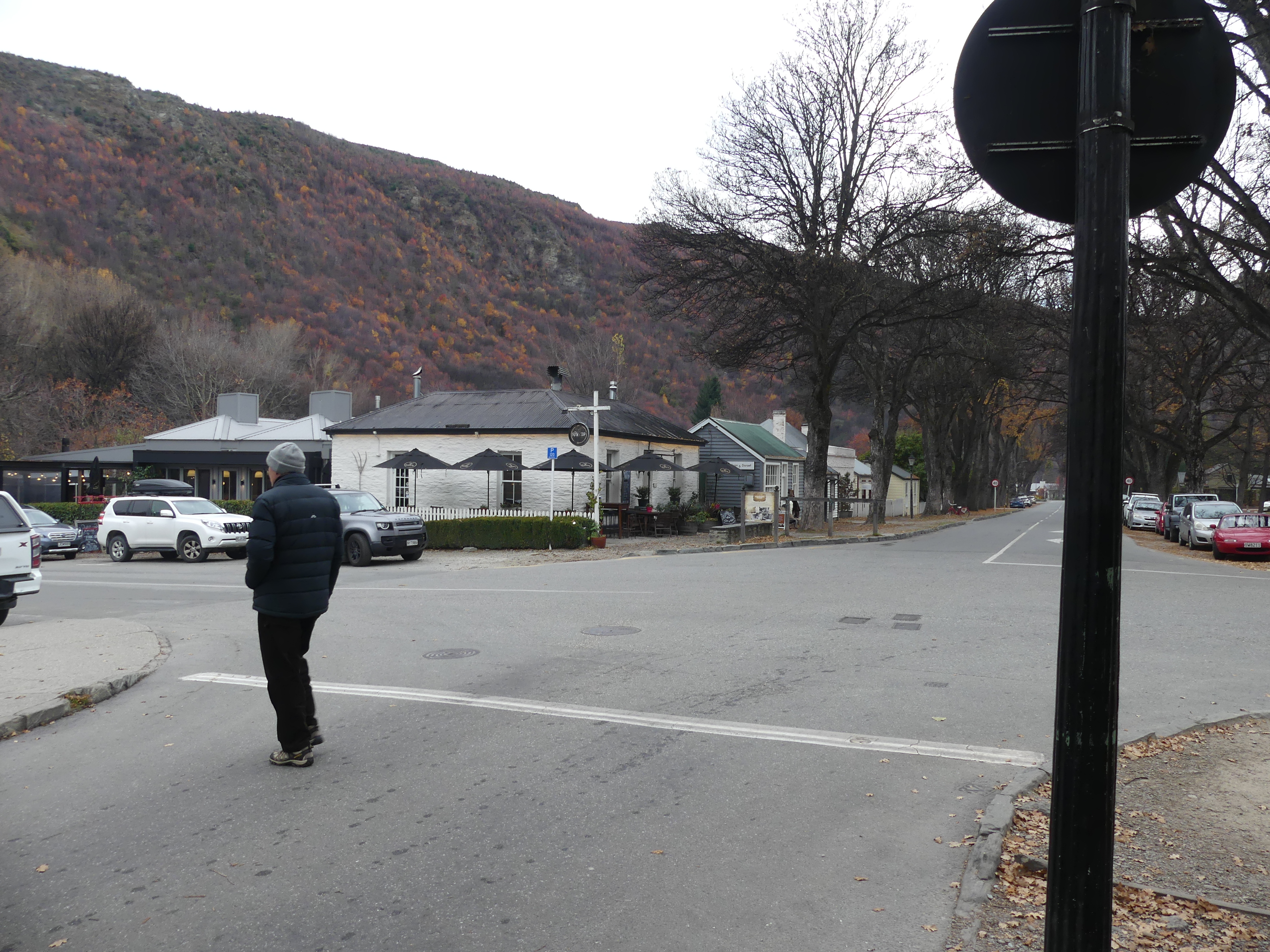
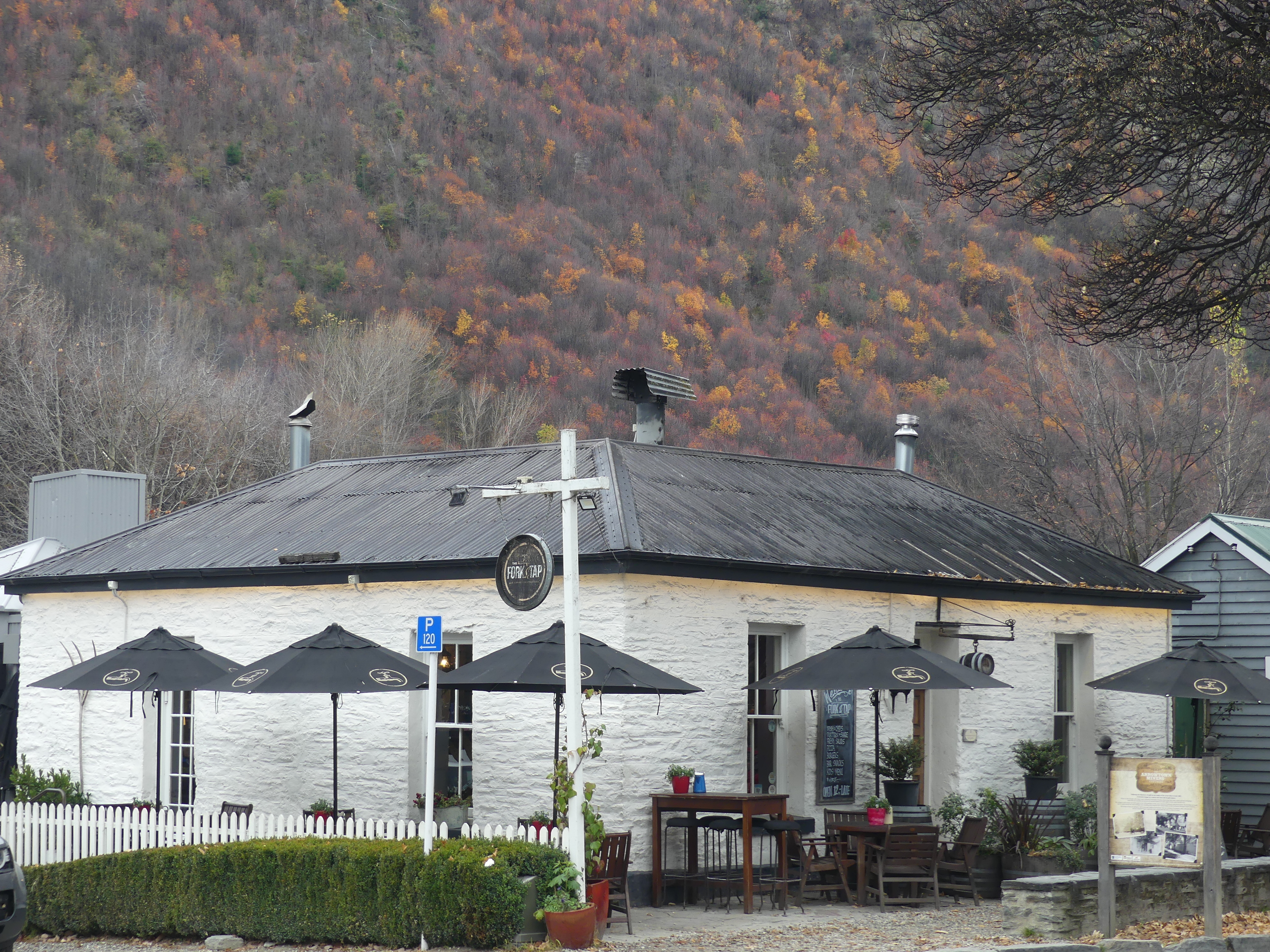
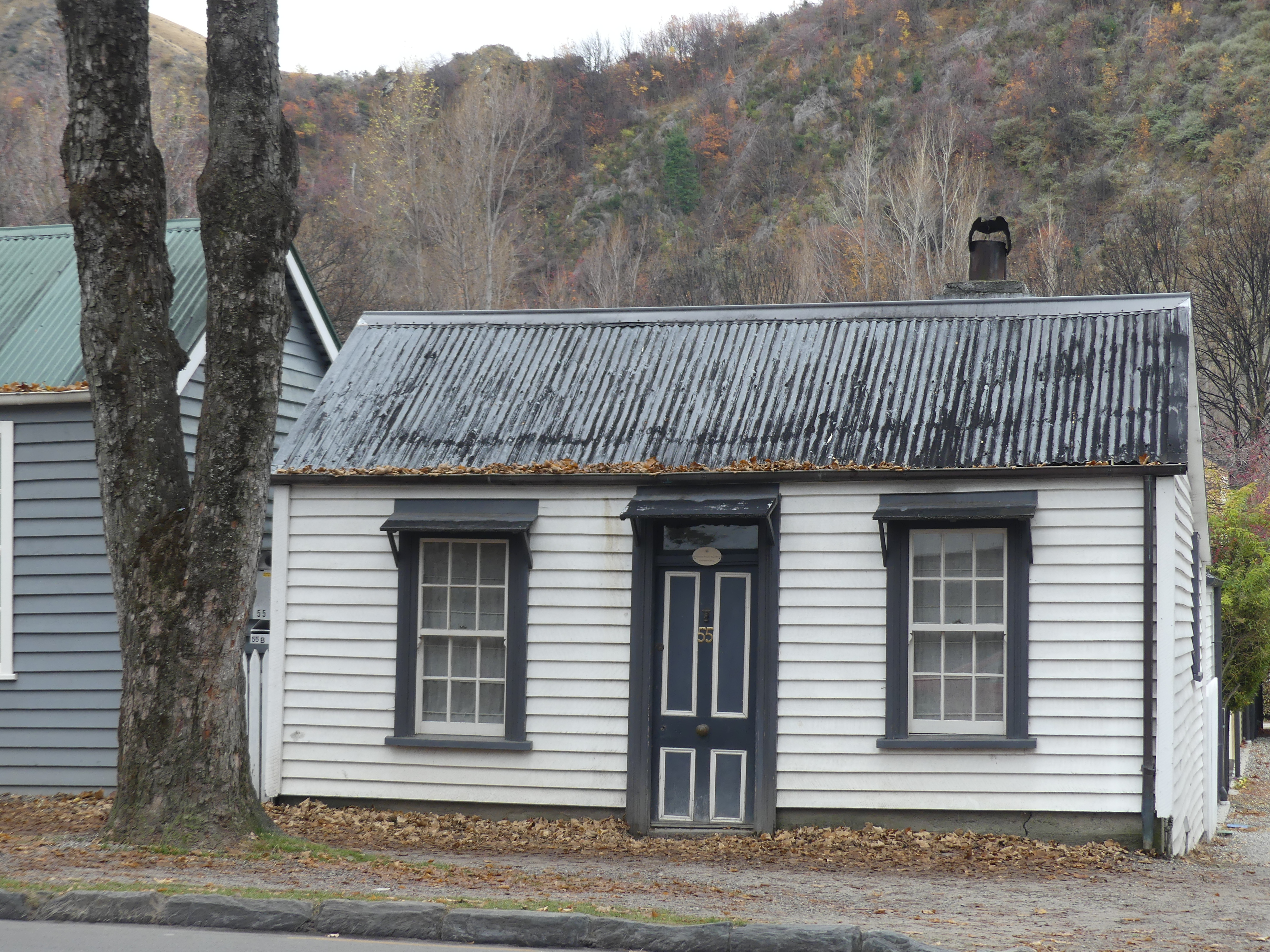
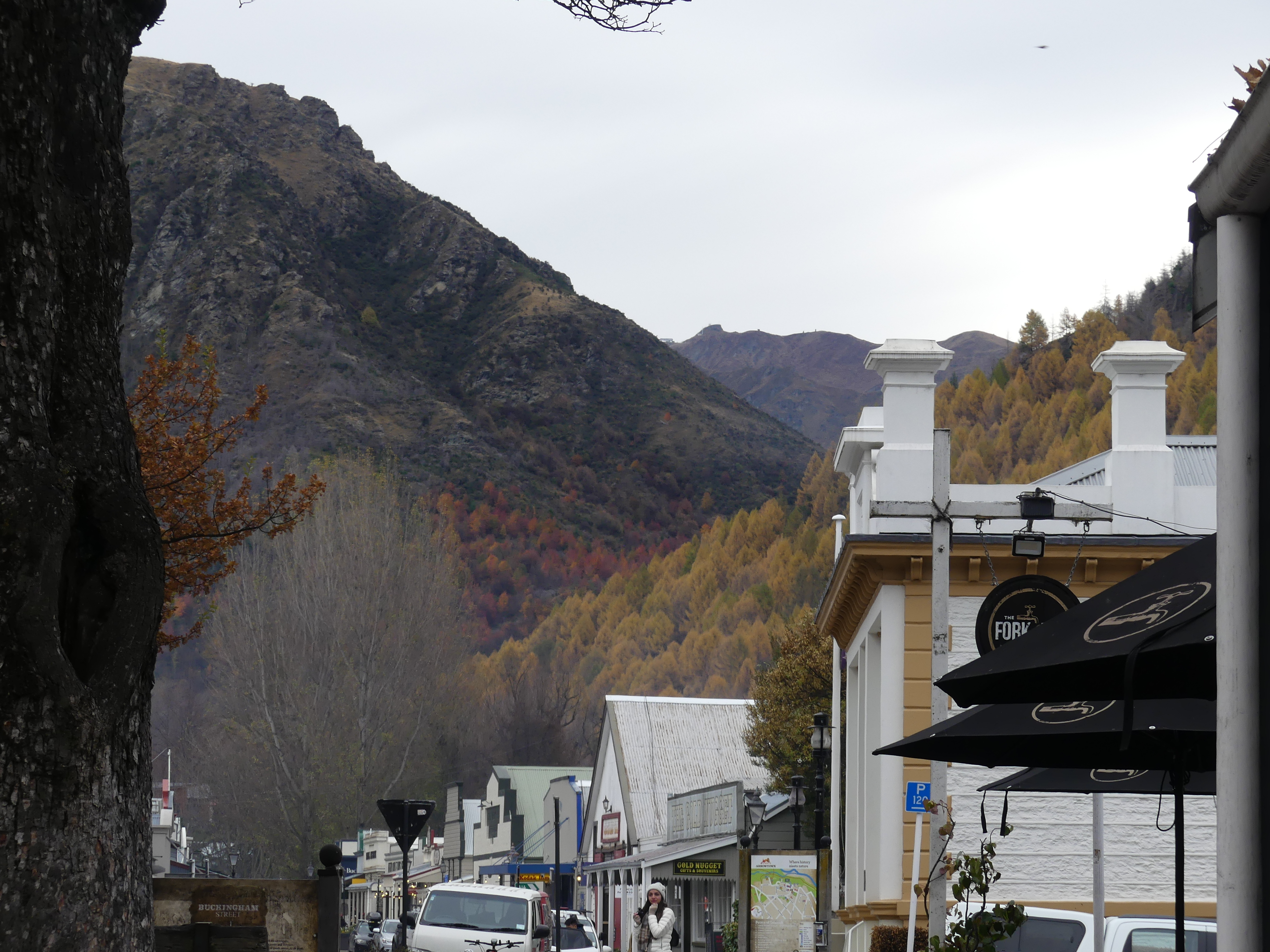
Our plans were fluid as to what we might find or do throughout the journey. After breakfast at the hotel, we drove to Arrowtown. Arrowtown is a historic gold mining town 20 minutes from Queenstown and located on the banks of the Arrow River. The town is popular because it preserves its 1860s gold-rush history while offering a vibrant, modern food and shopping scene. The town has stunning natural landscapes. The winter season had turned the trees which were covered with autumn foliage.
Arrowtown buildings and its surroundings,
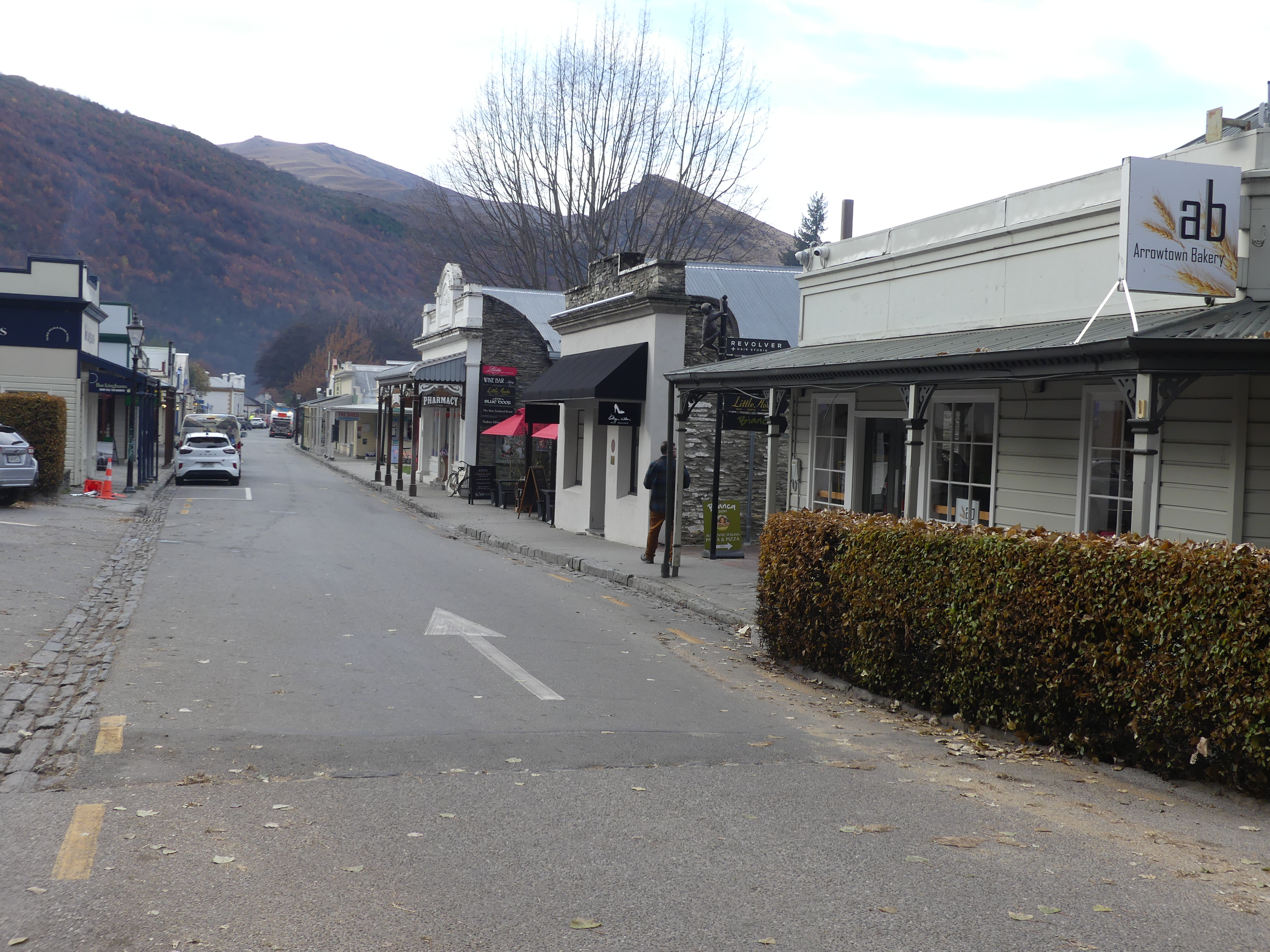
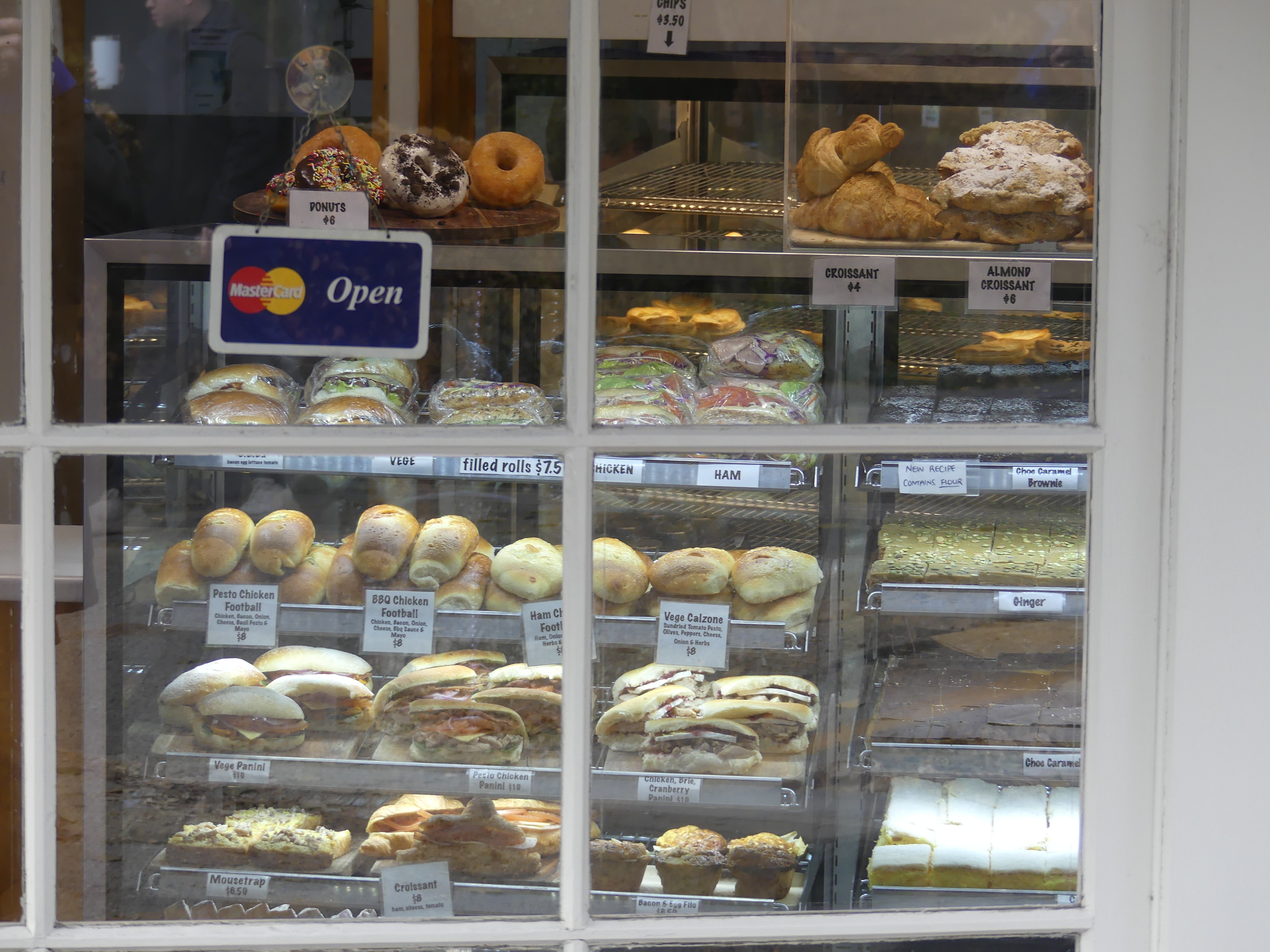
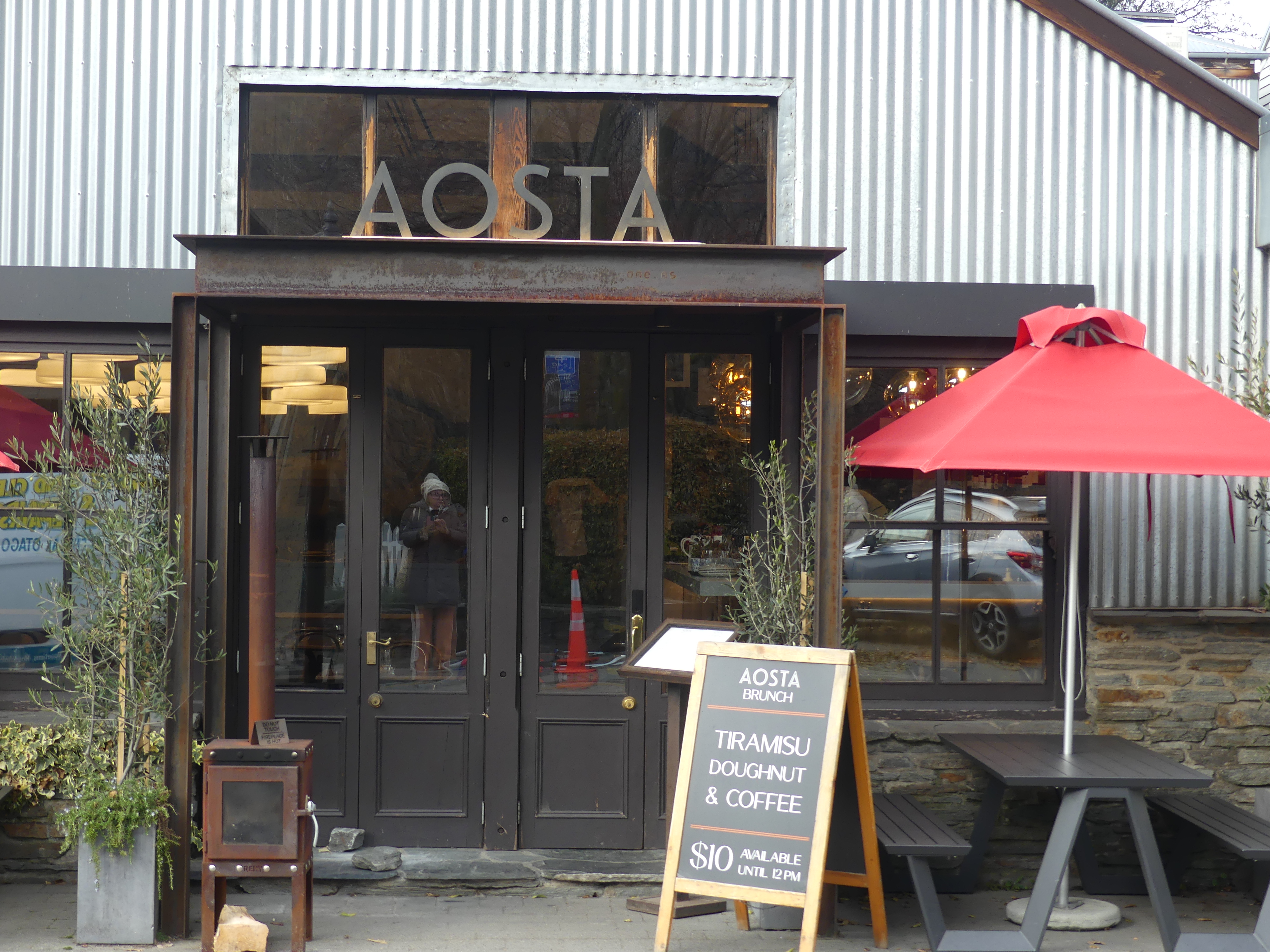
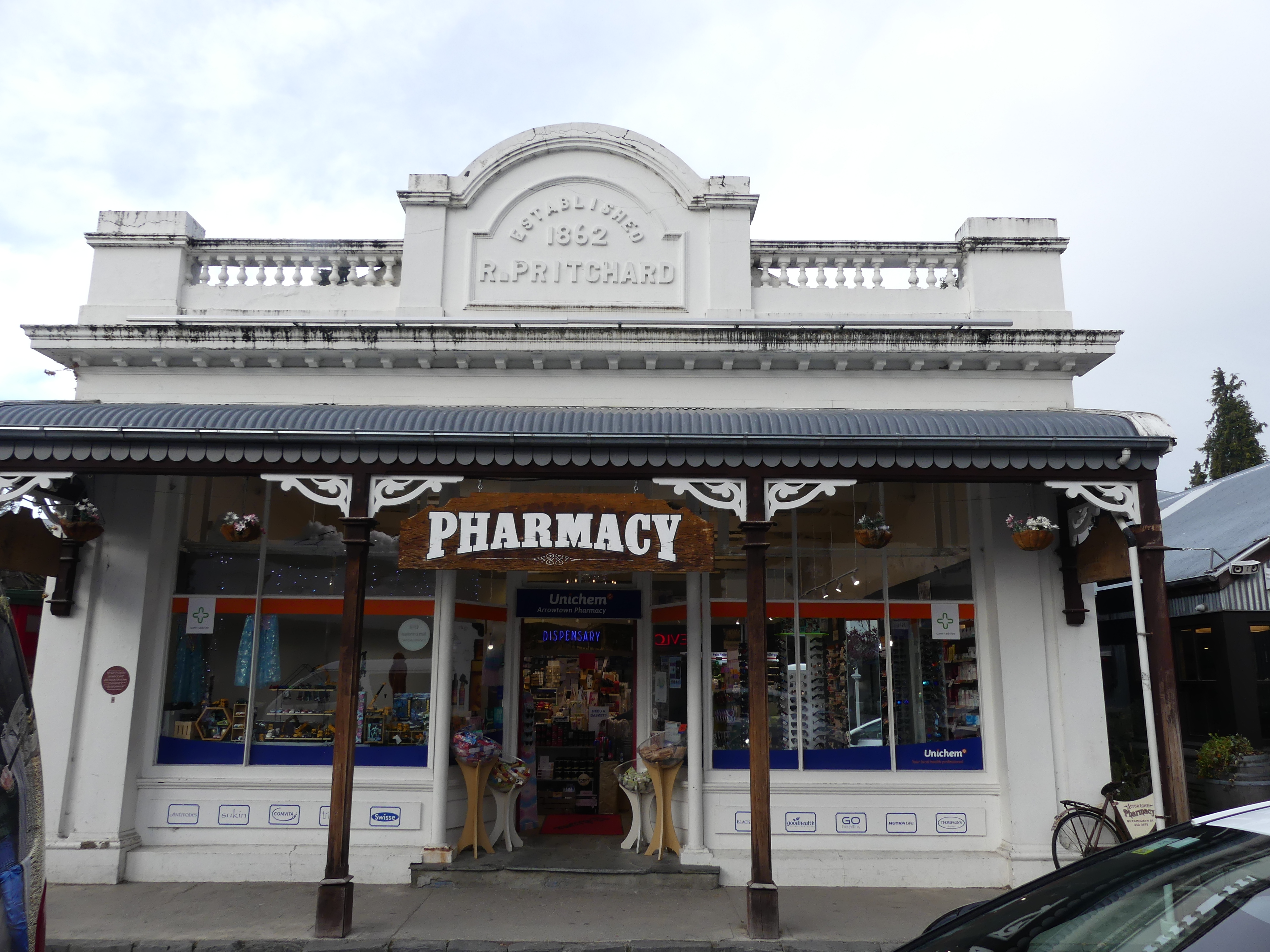
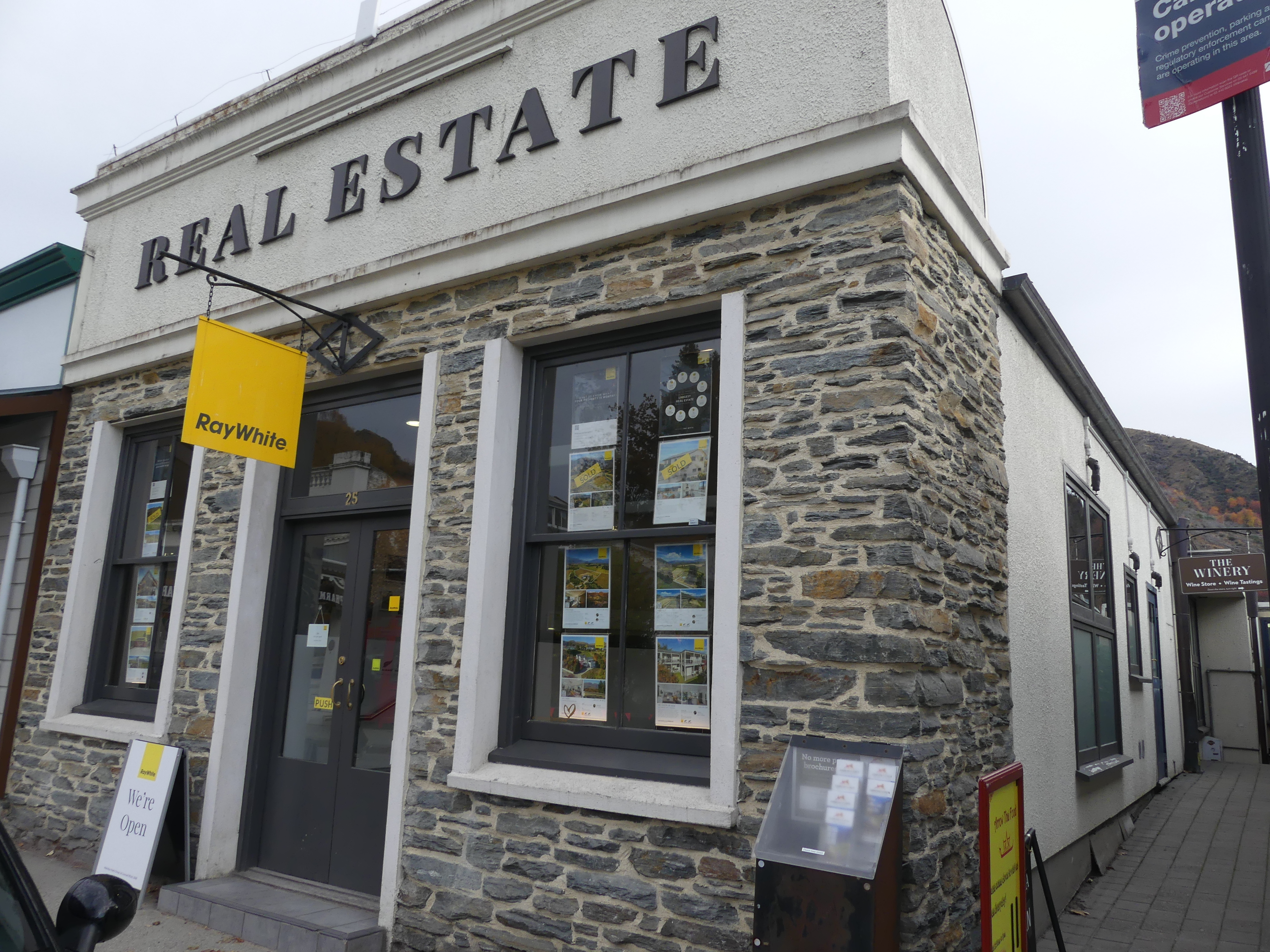
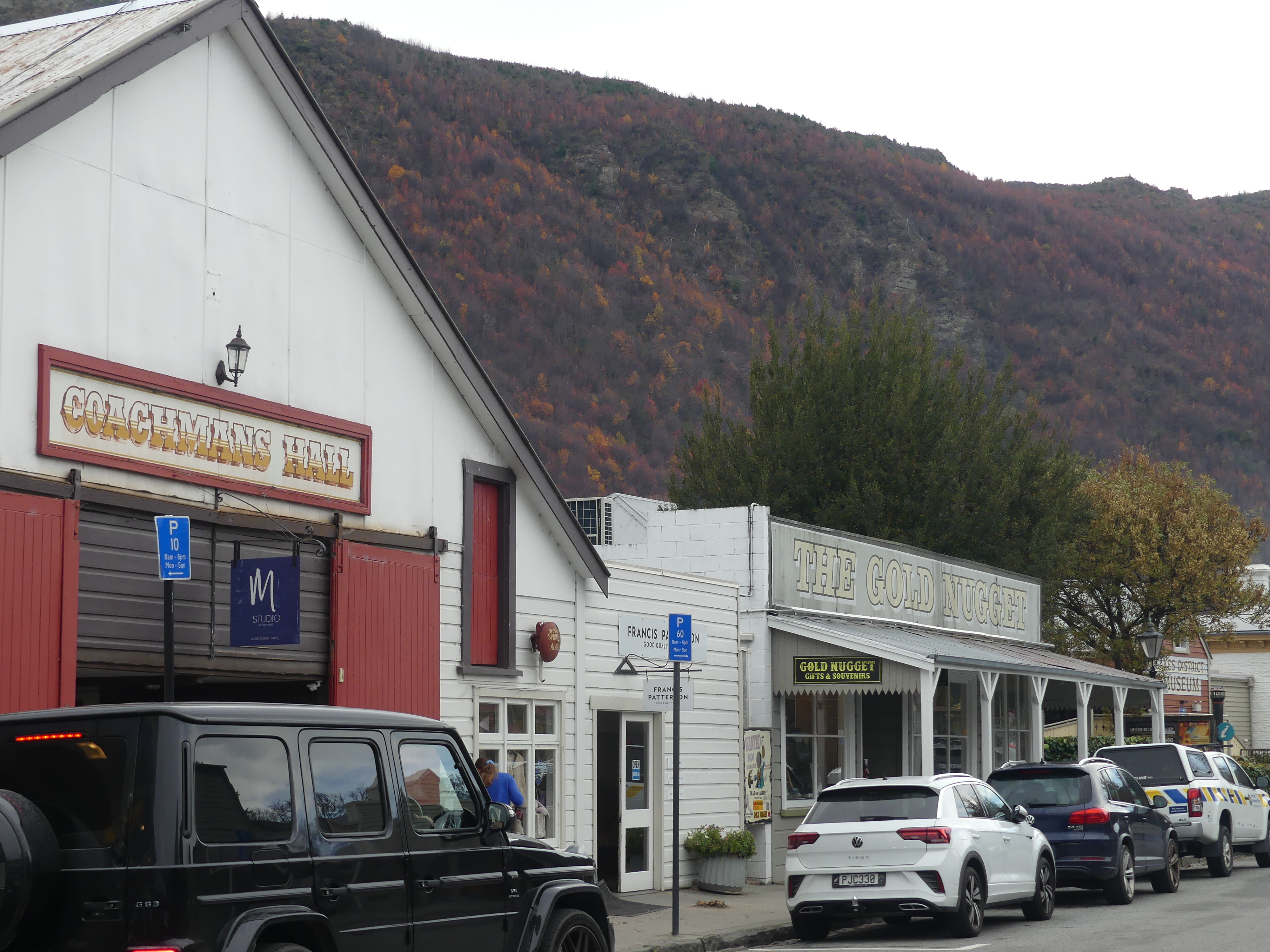
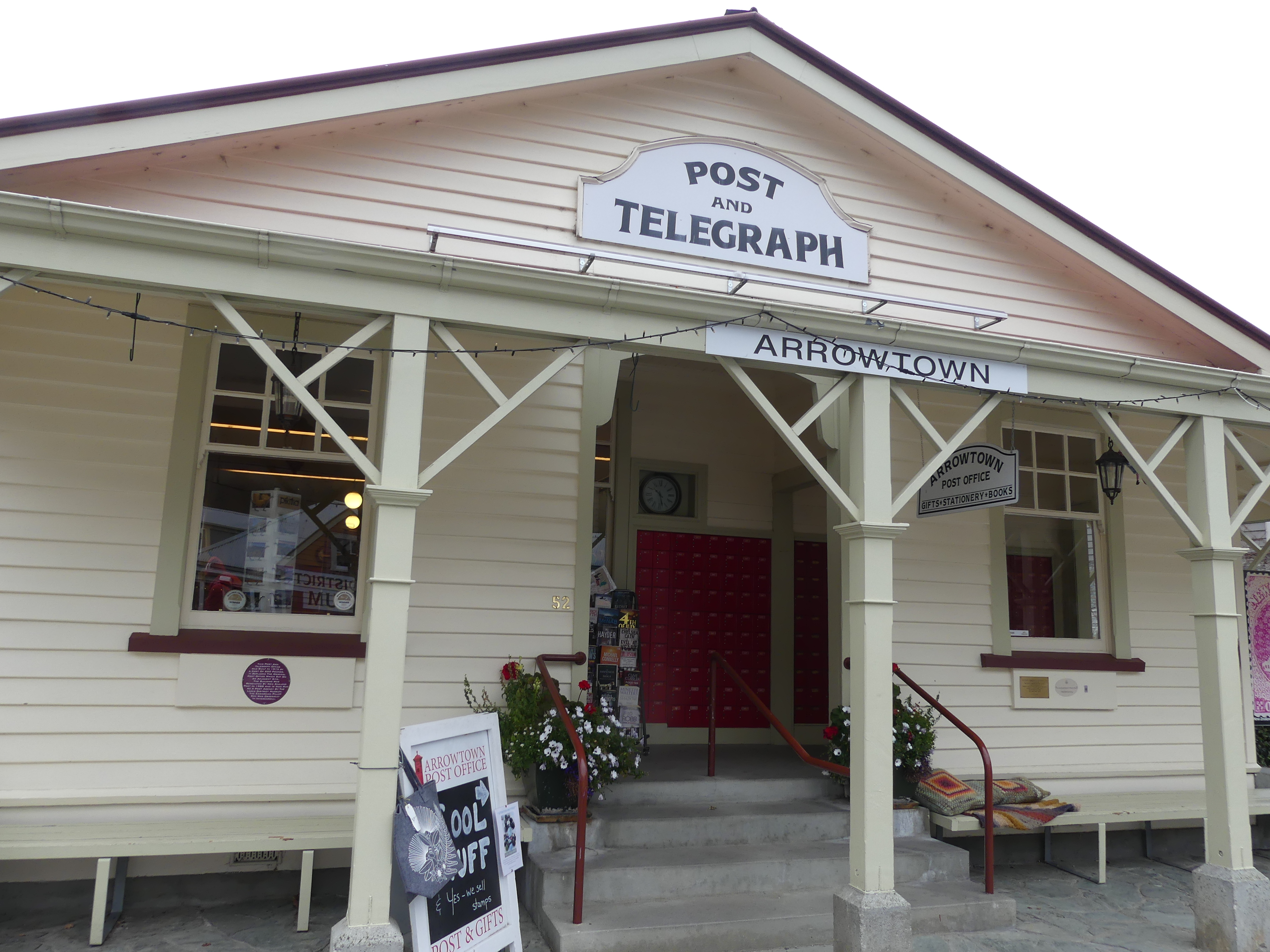
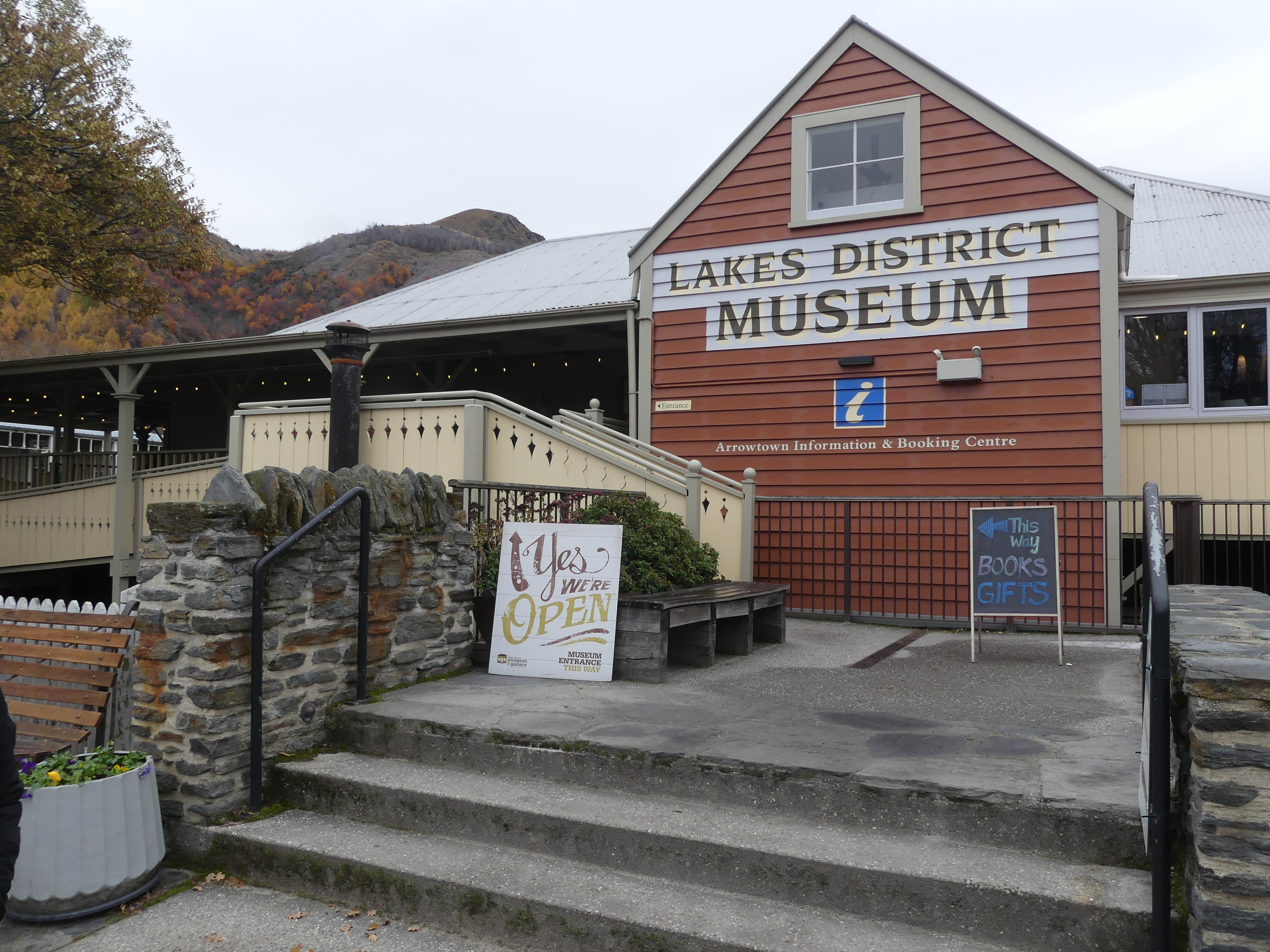
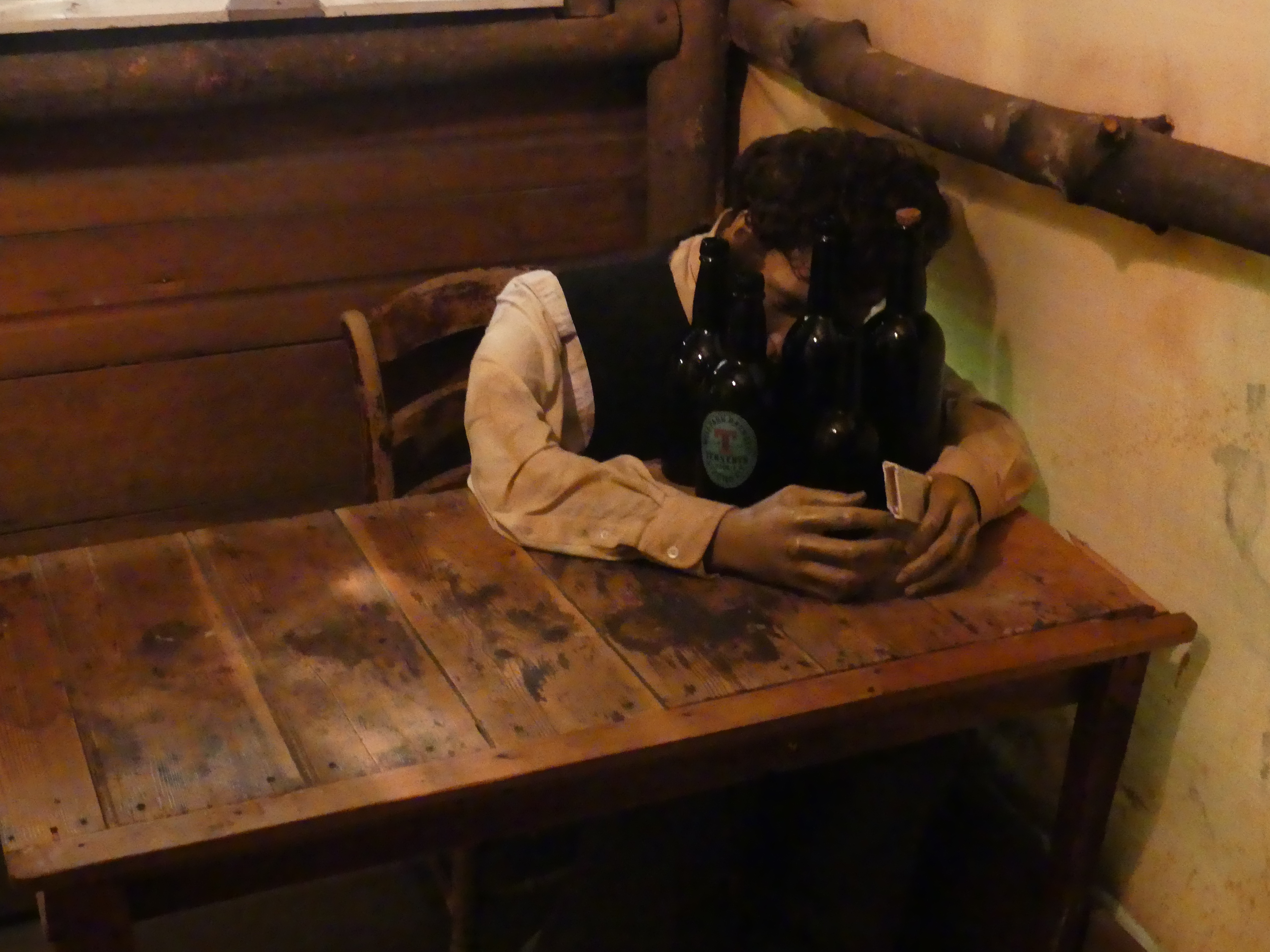
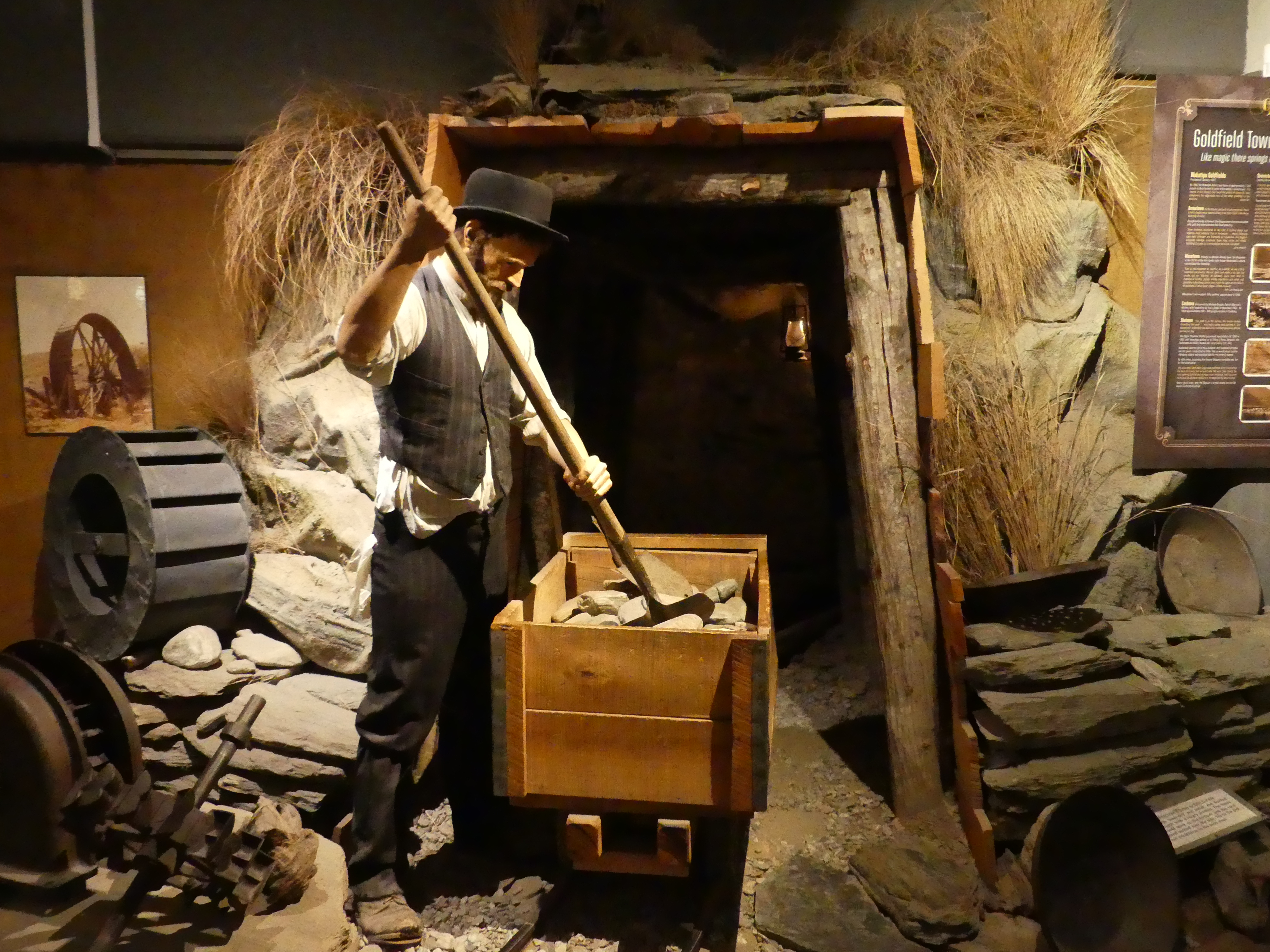
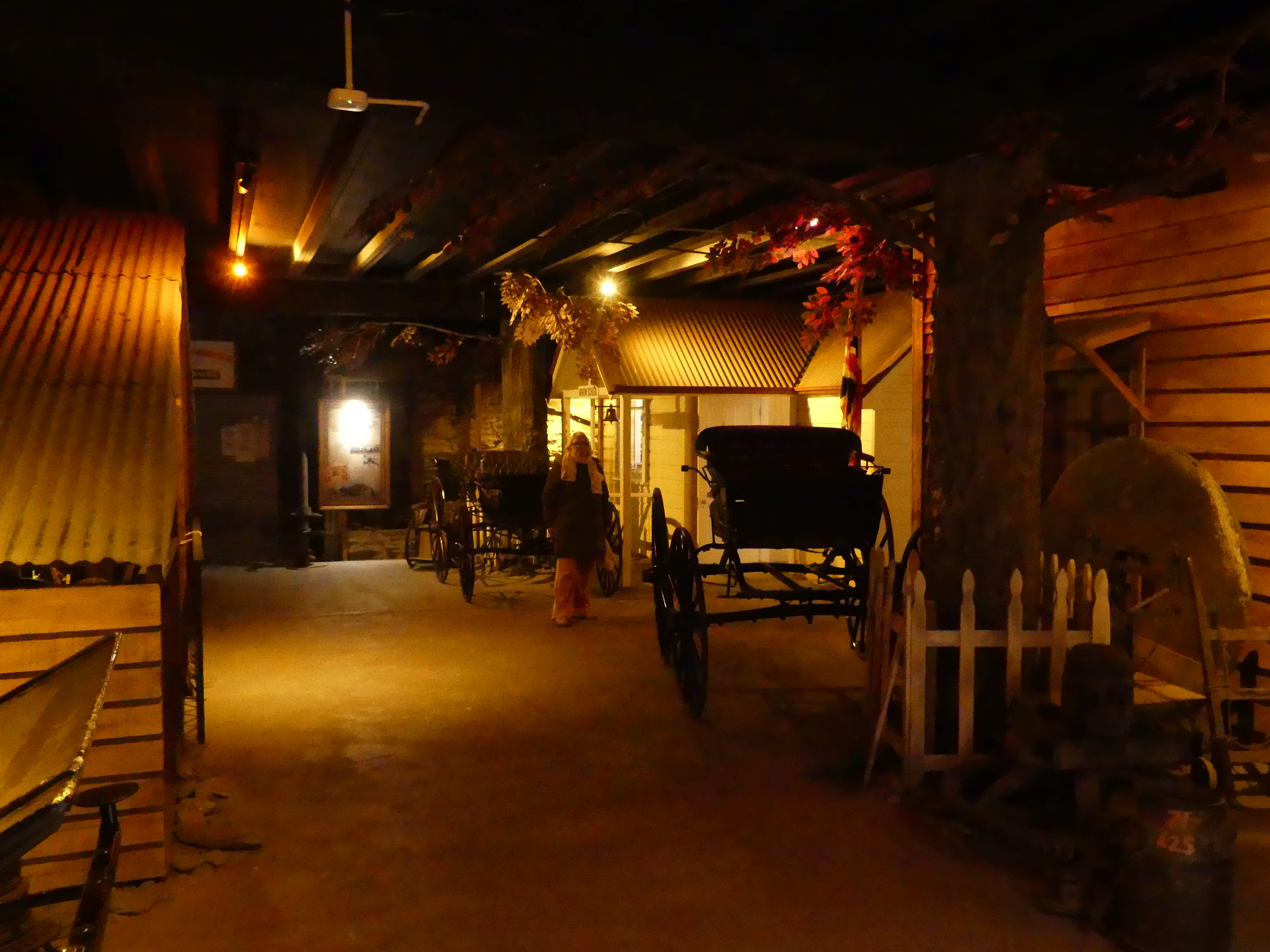
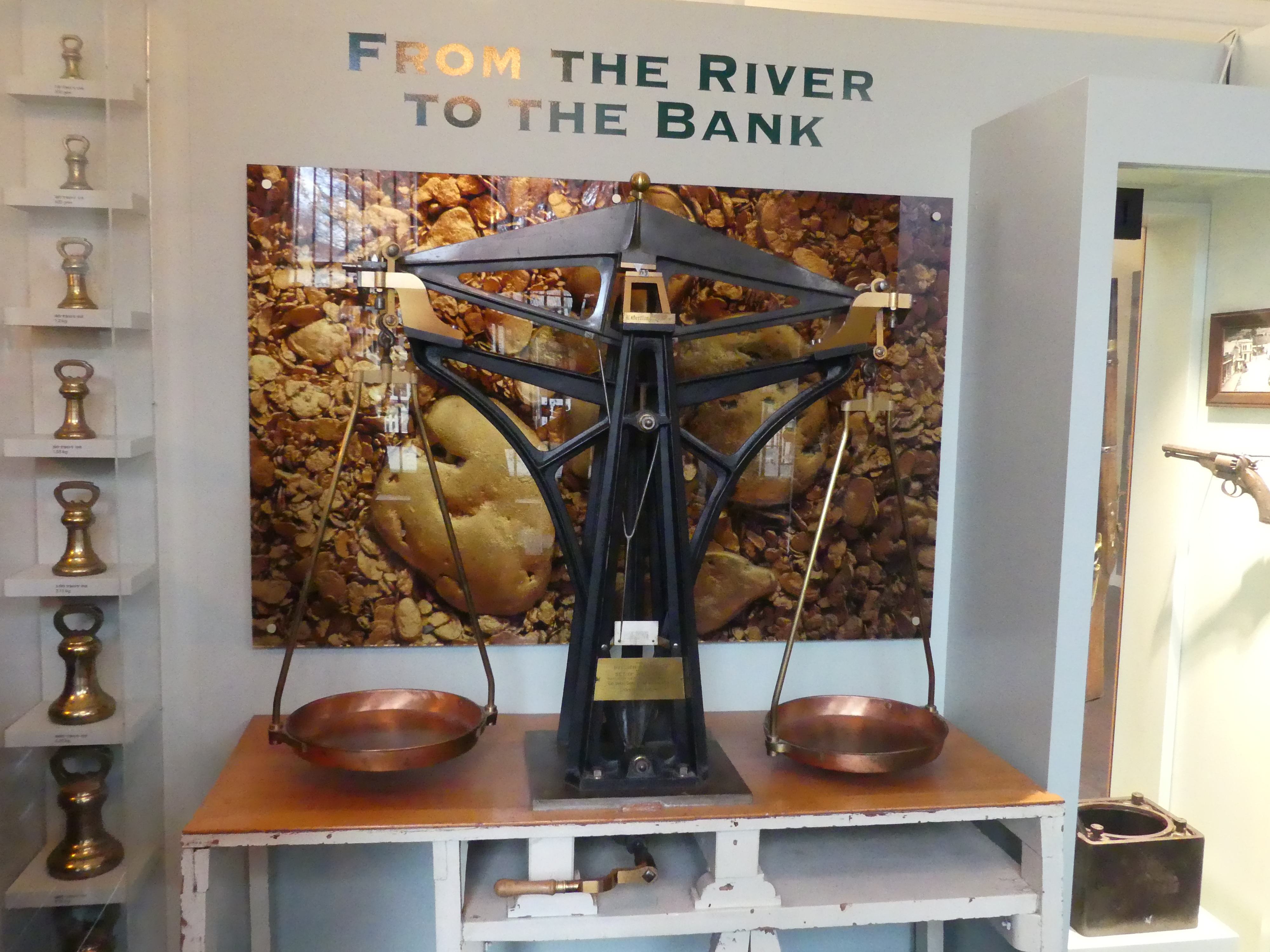
A highlight and surprise for us was the Lakes District Museum. The museum provided an insight into the gold mining history of Queenstown. The museum had constructed a number of scenes as things might have been as well and telling its history.
Lakes District Museum.
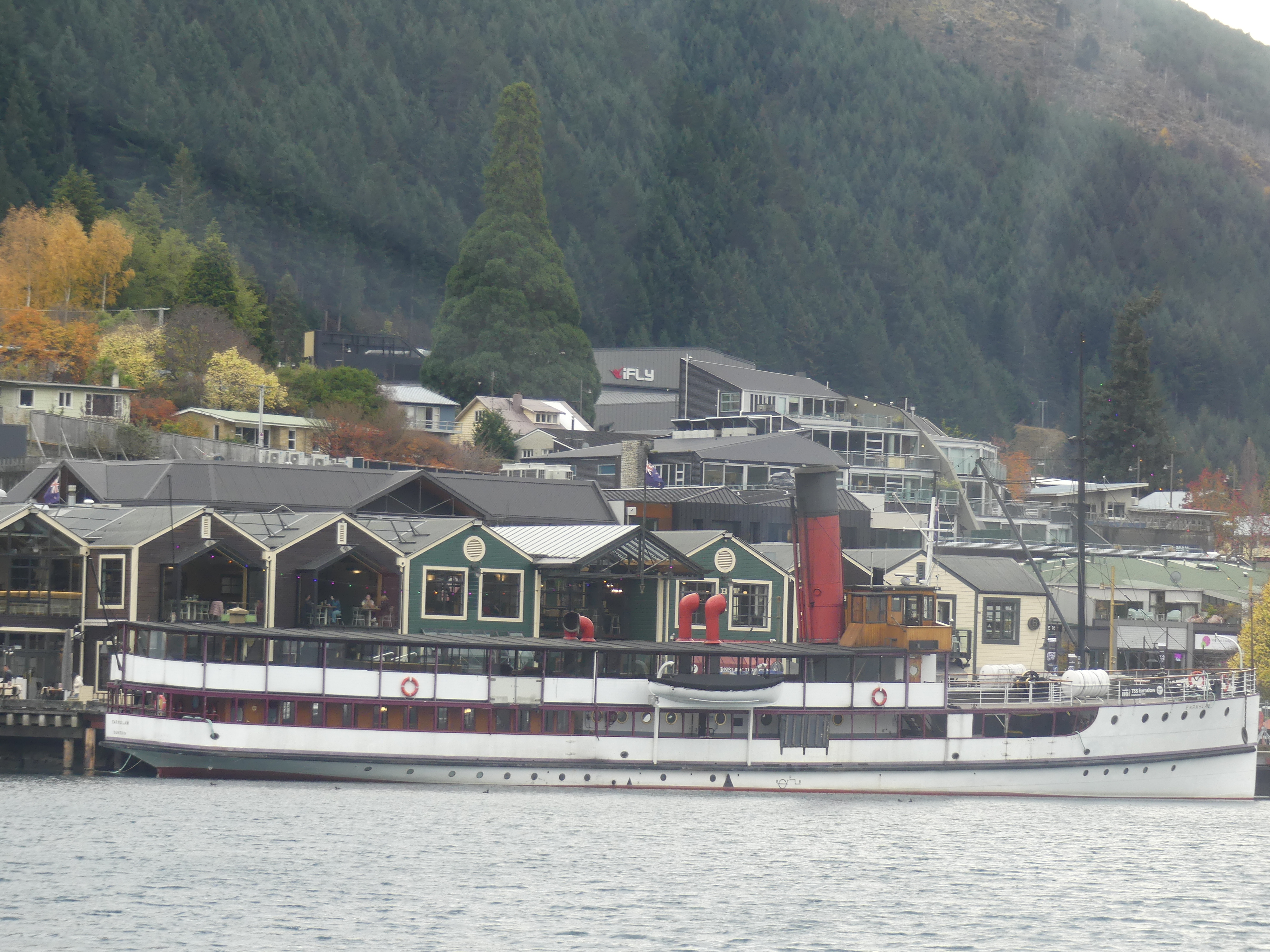
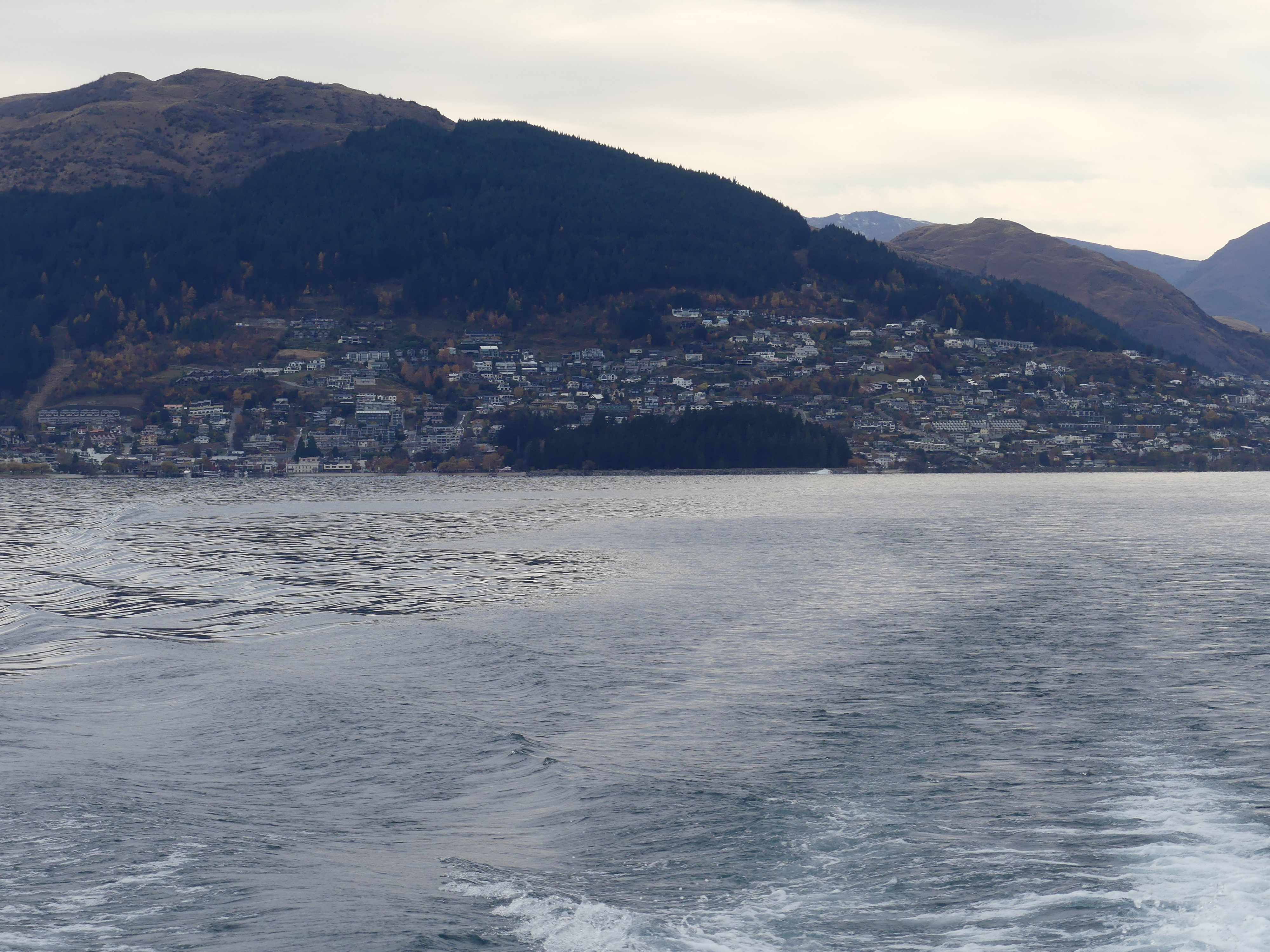
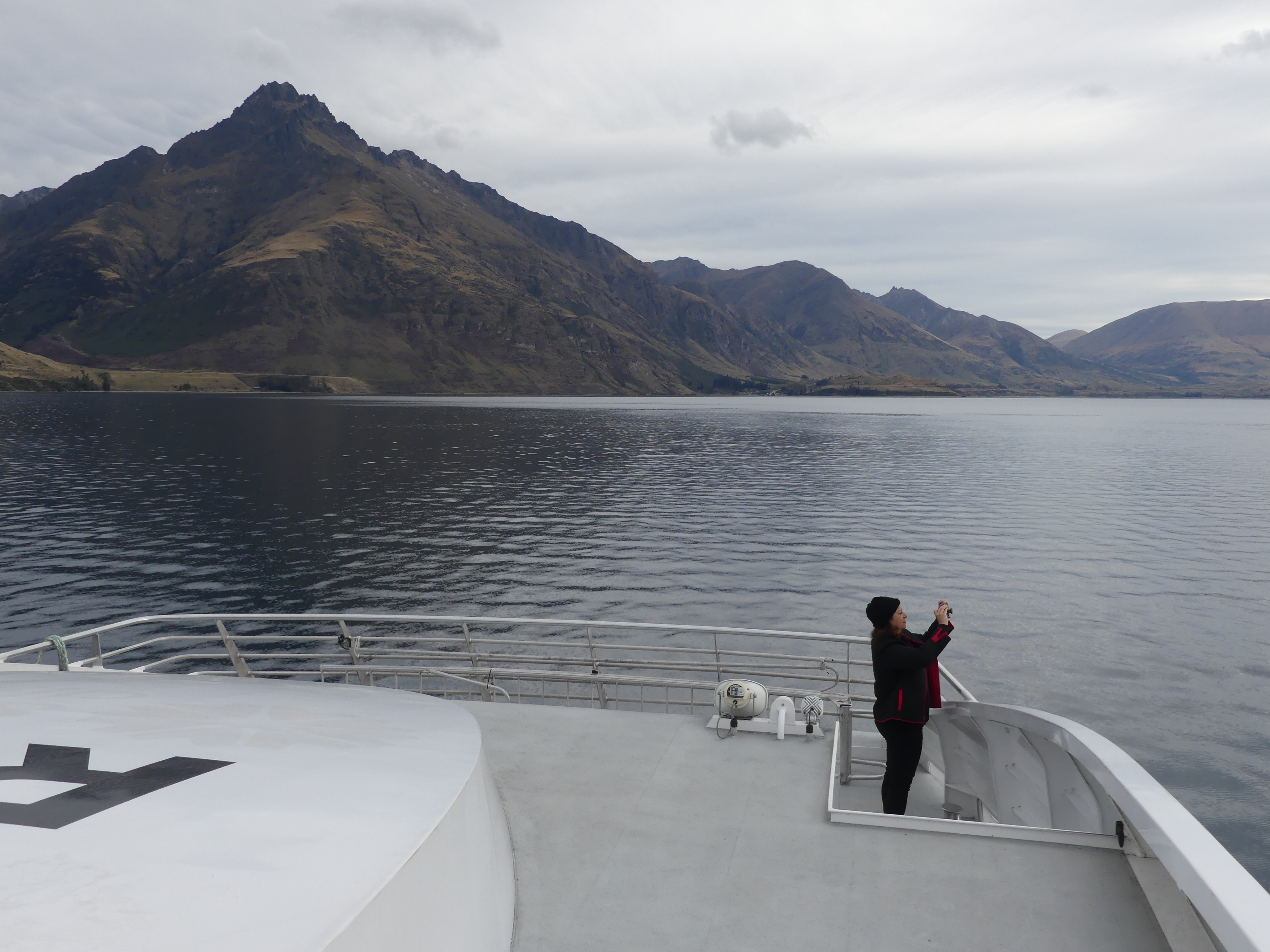
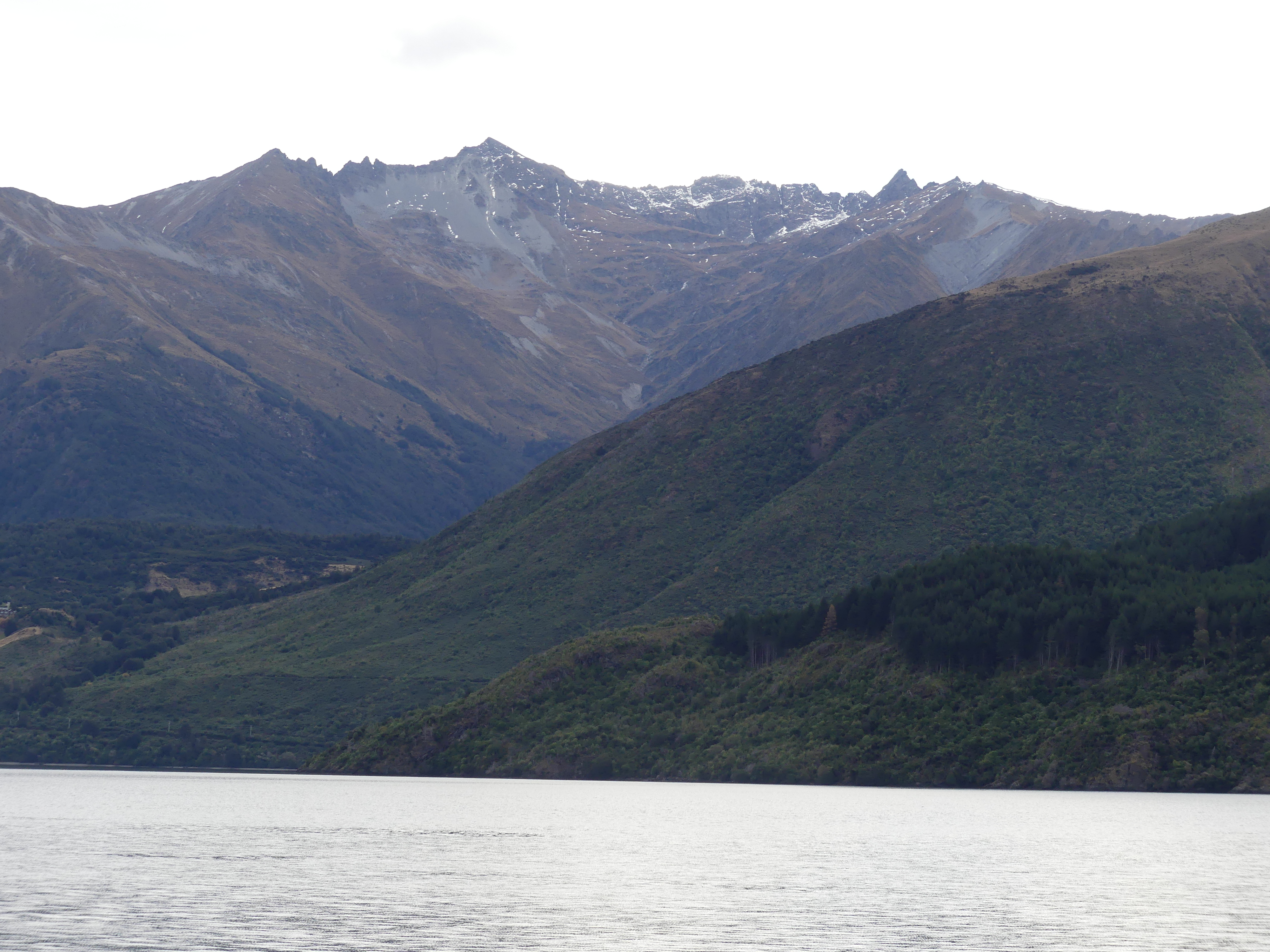
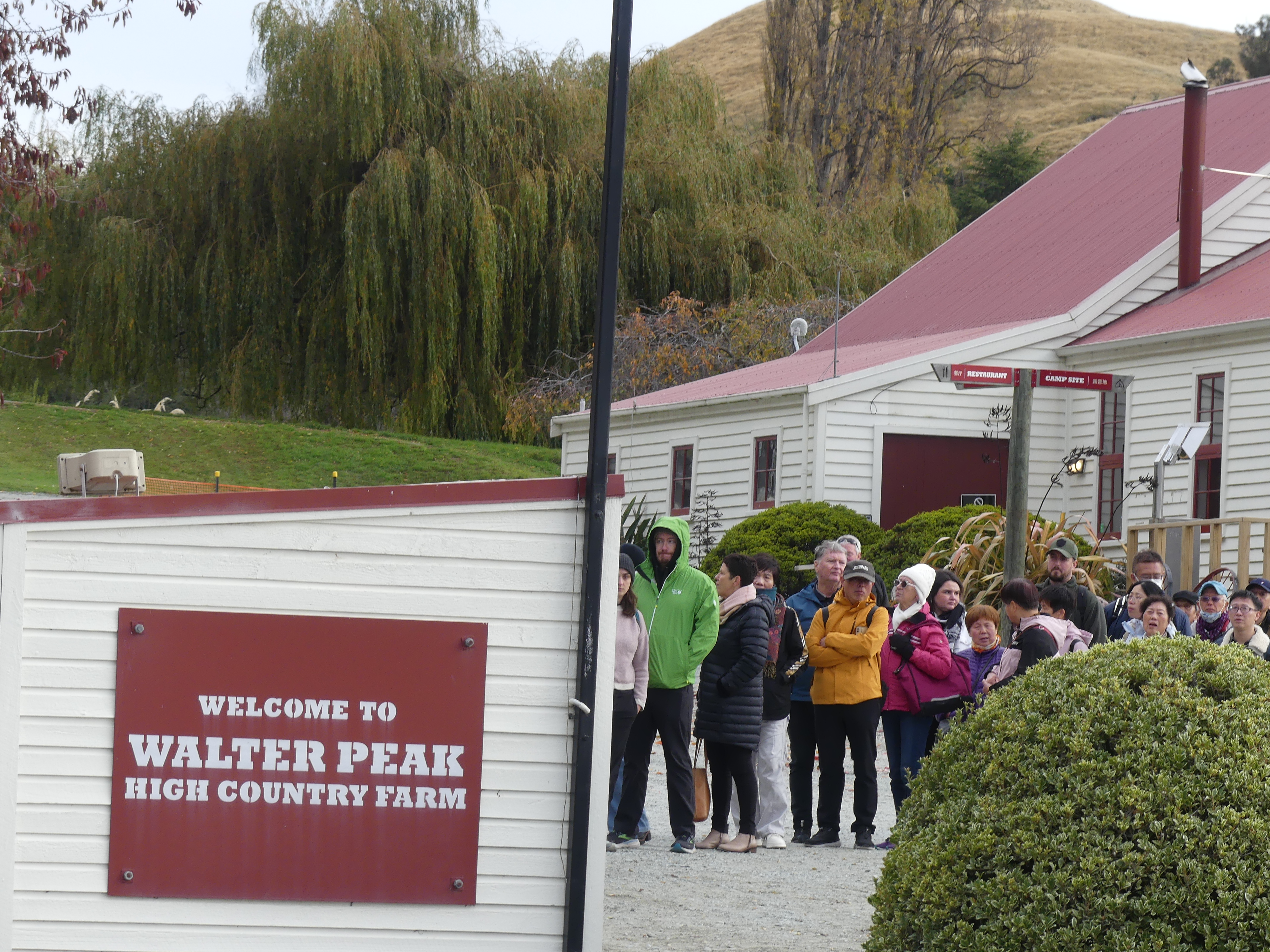
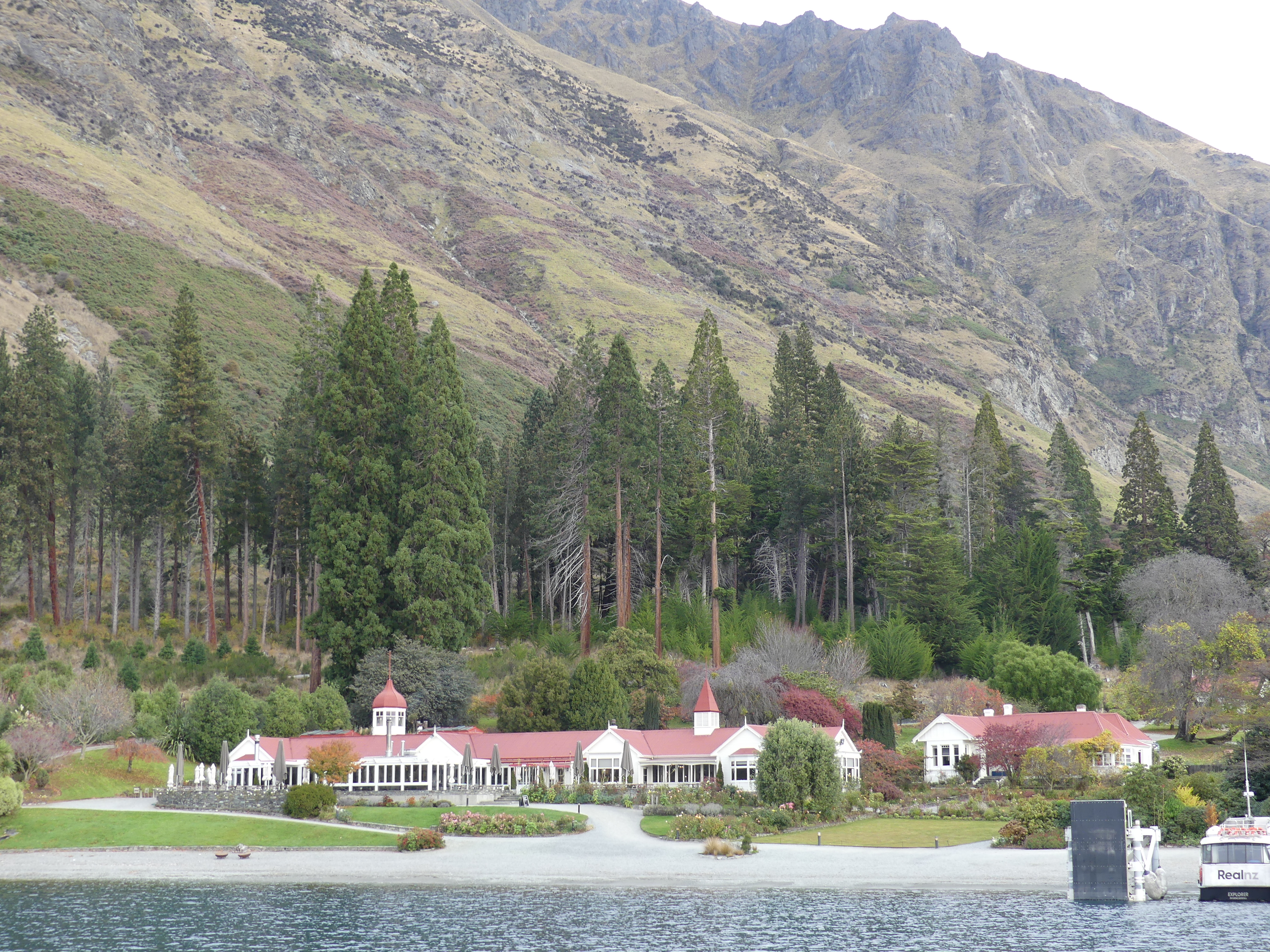
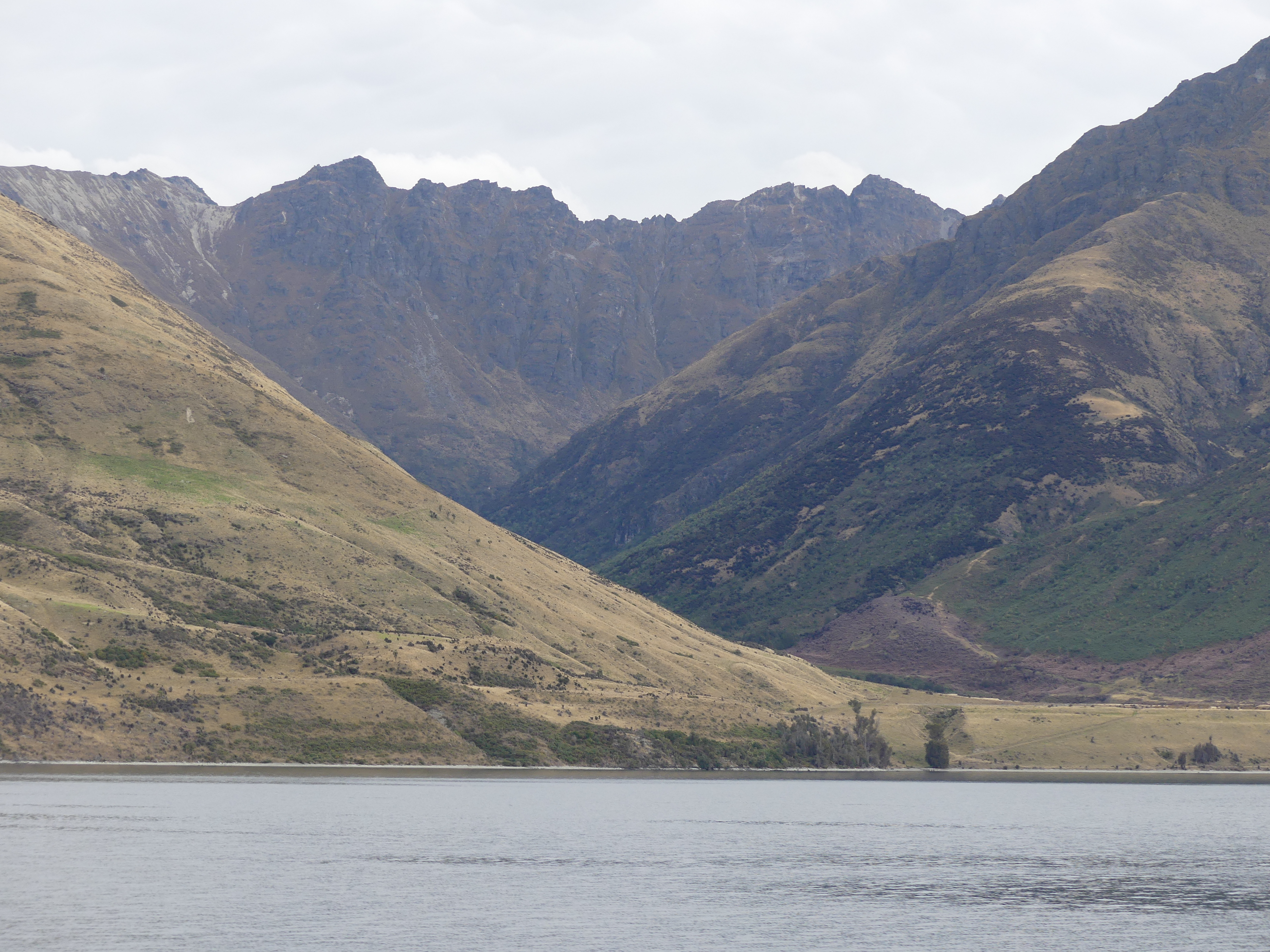
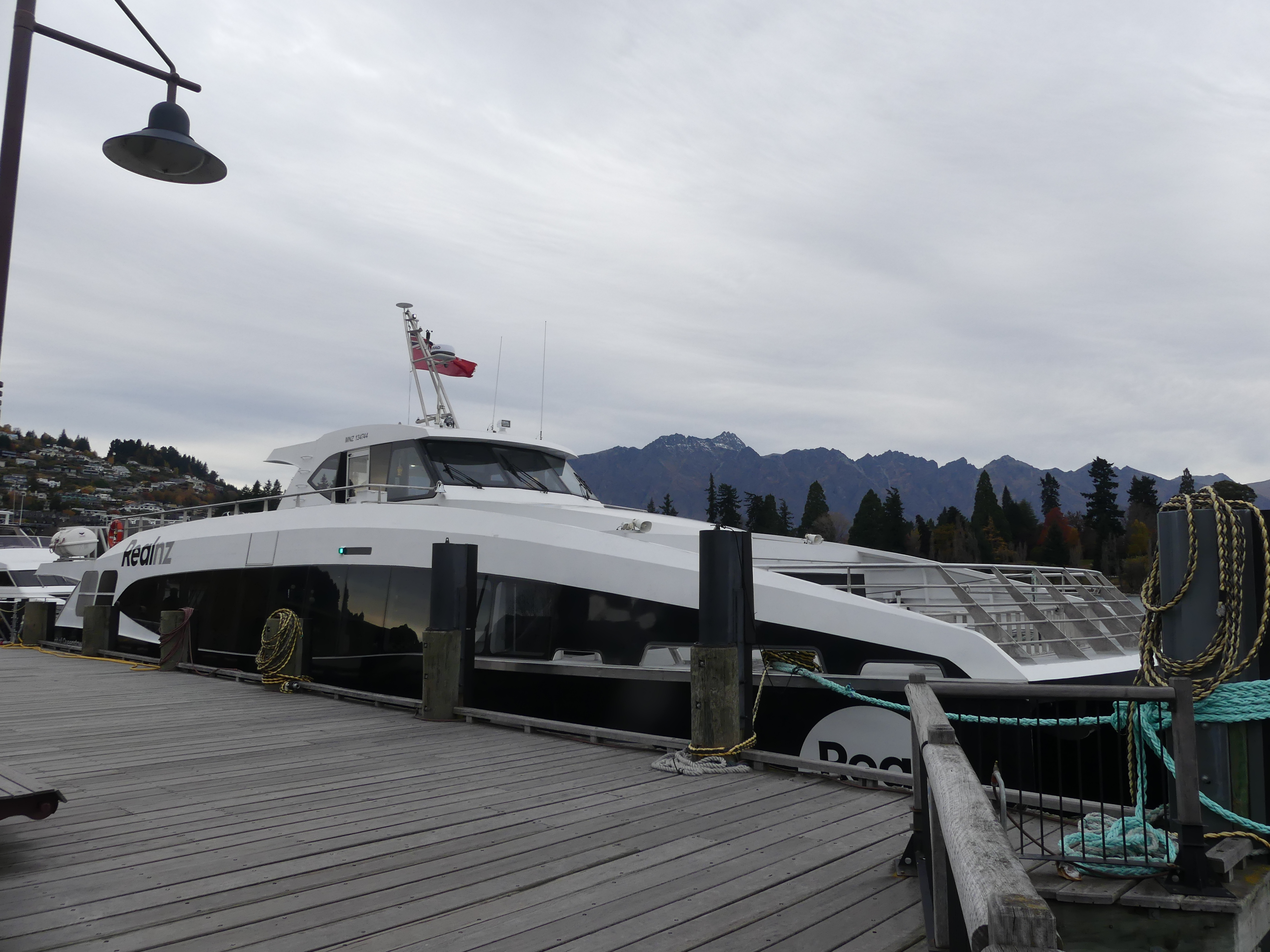
Queenstown sits directly on the shores of Lake Wakatipu, New Zealand’s longest lake (84 km) famous for its dramatic Z-shape, pristine water, and unique natural tide. Framed by the Remarkables mountain range, this alpine lake is the vibrant hub for Queenstown’s sightseeing, cruises, and water sports. So, after visiting Arrowtown Barry drove onto the docks where TSS Earnslaw Steamship is docked to catch the cruise boat RedNZ which would take us for a cruise to the Walter Peak High Country Farm. It was by then getting a bit late (sunset was around 5.00pm) so we did not hop off as we had a big drive to Te Anu and Milford Sound tomorrow.
TSS Earnslaw Steamship, the lake, the Walter Peak High Country Farm, RedNZ and the steamship again

Day 3 Queenstown to Te Anau
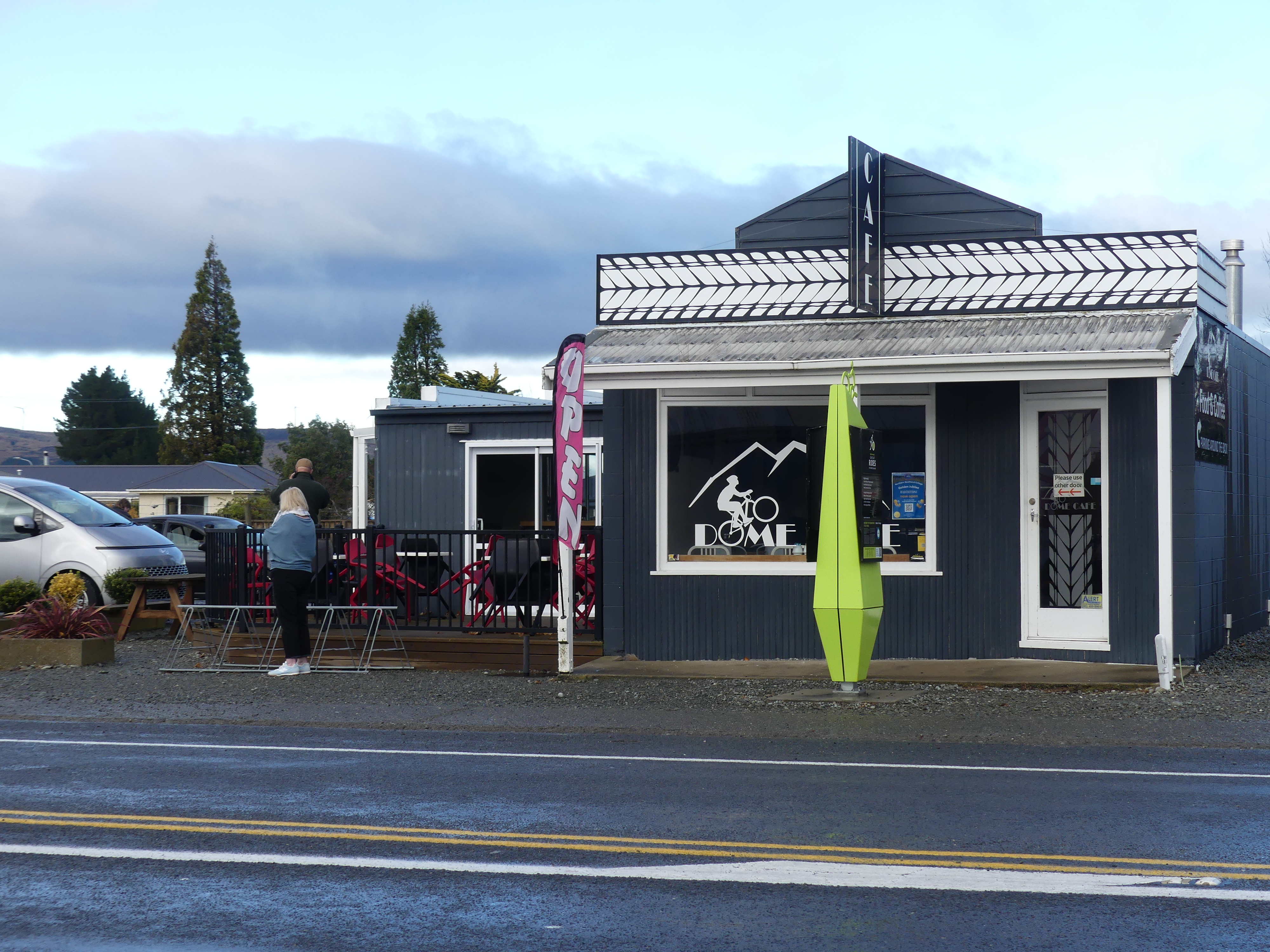
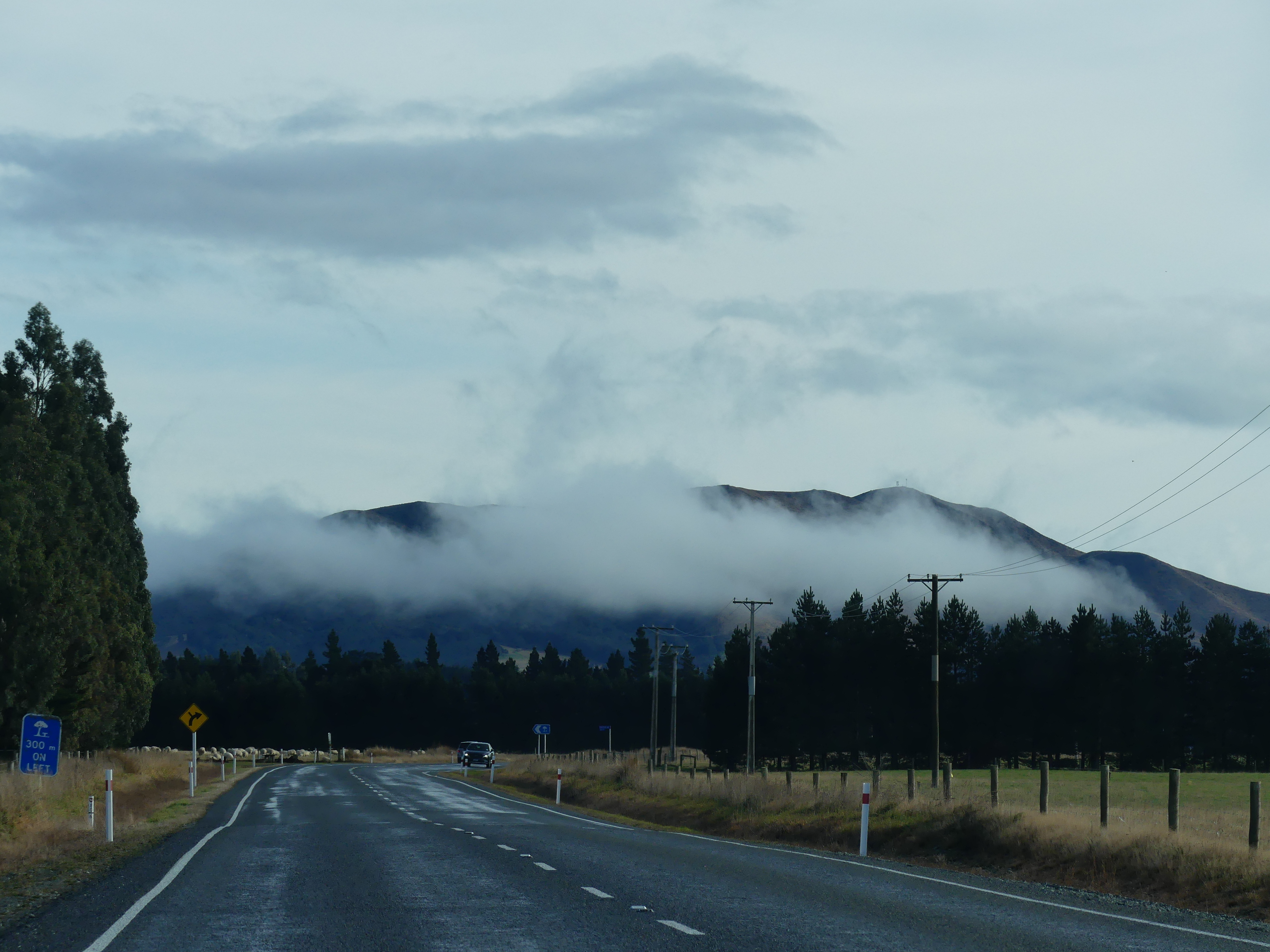
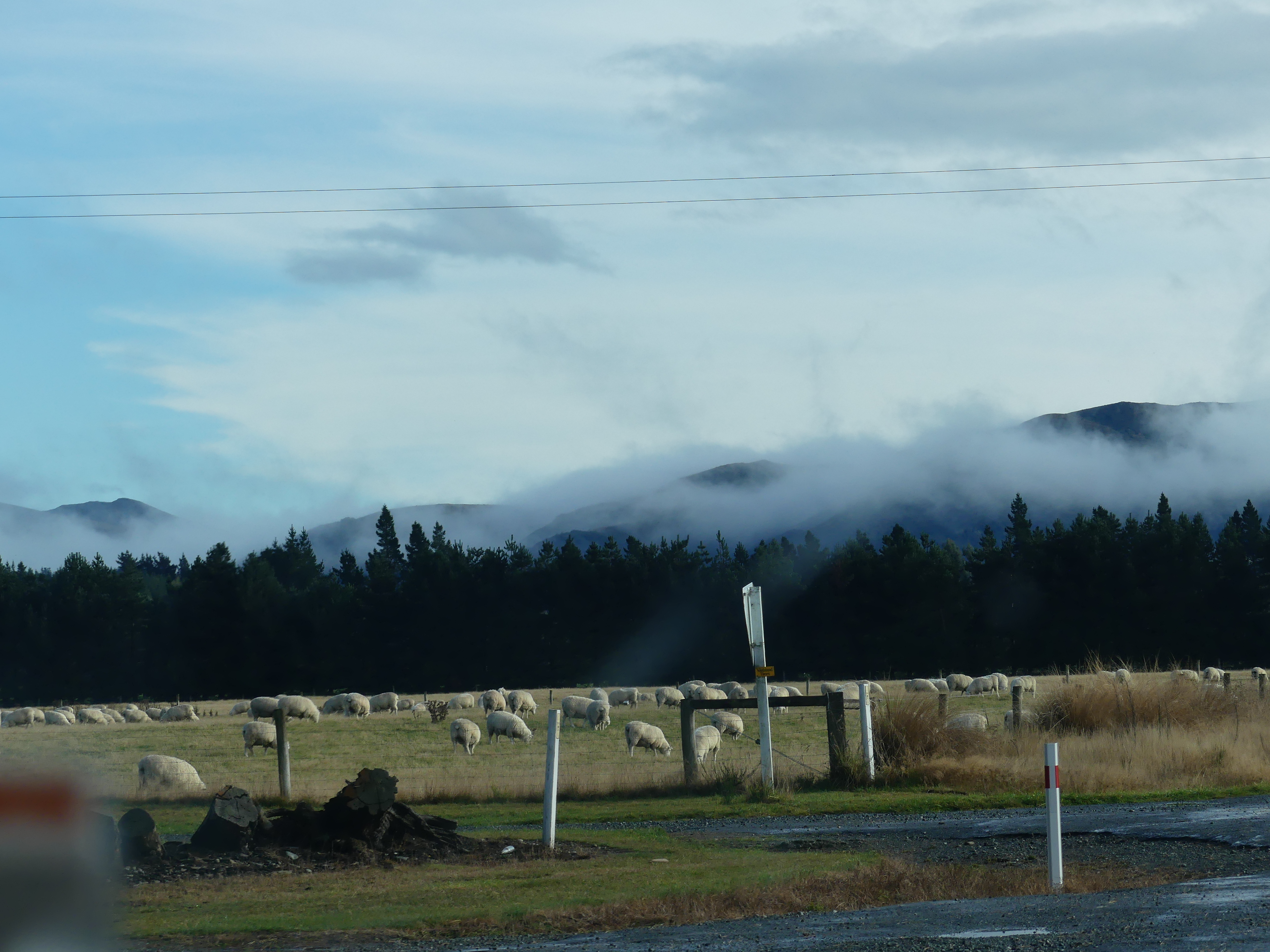
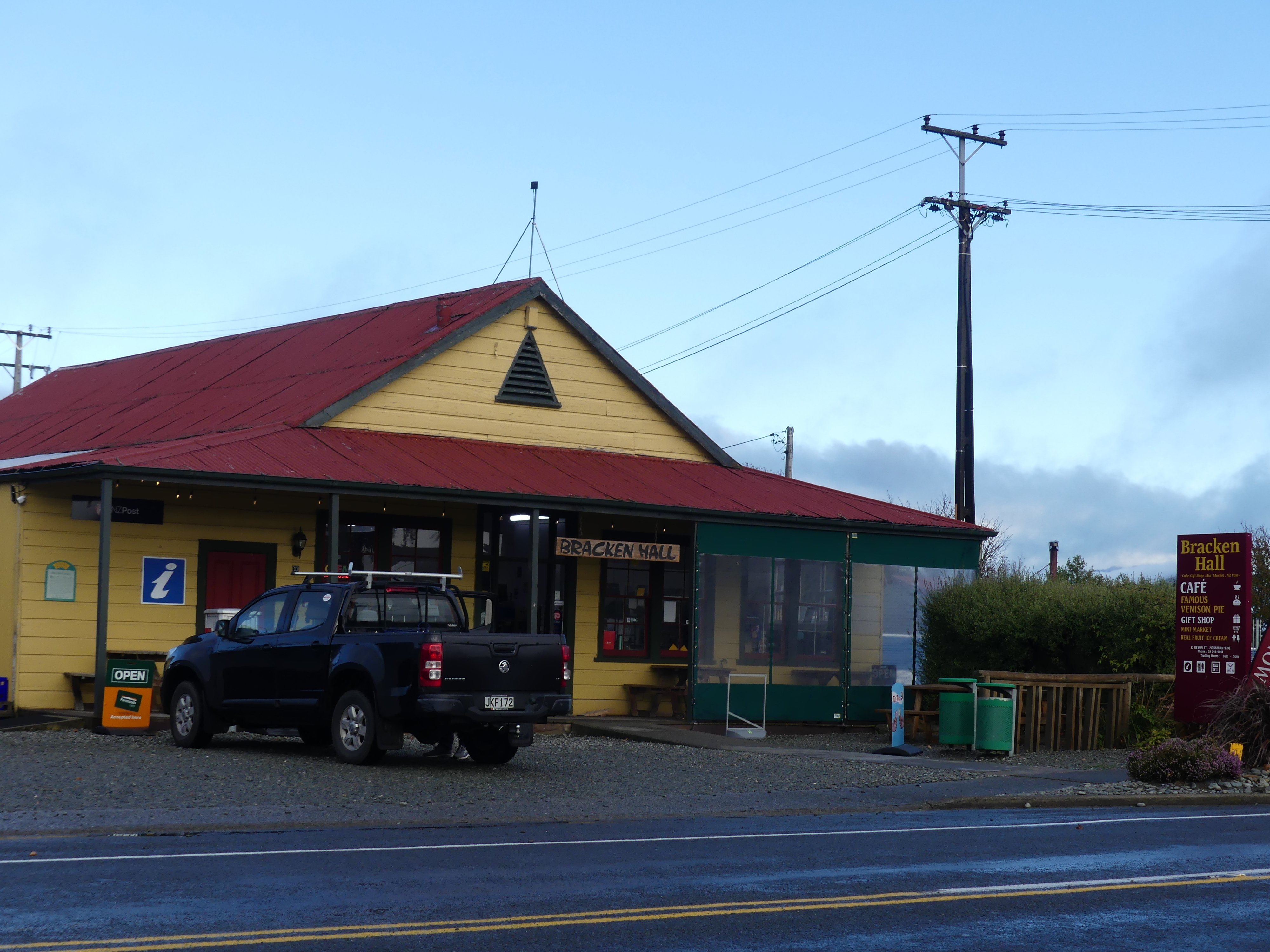
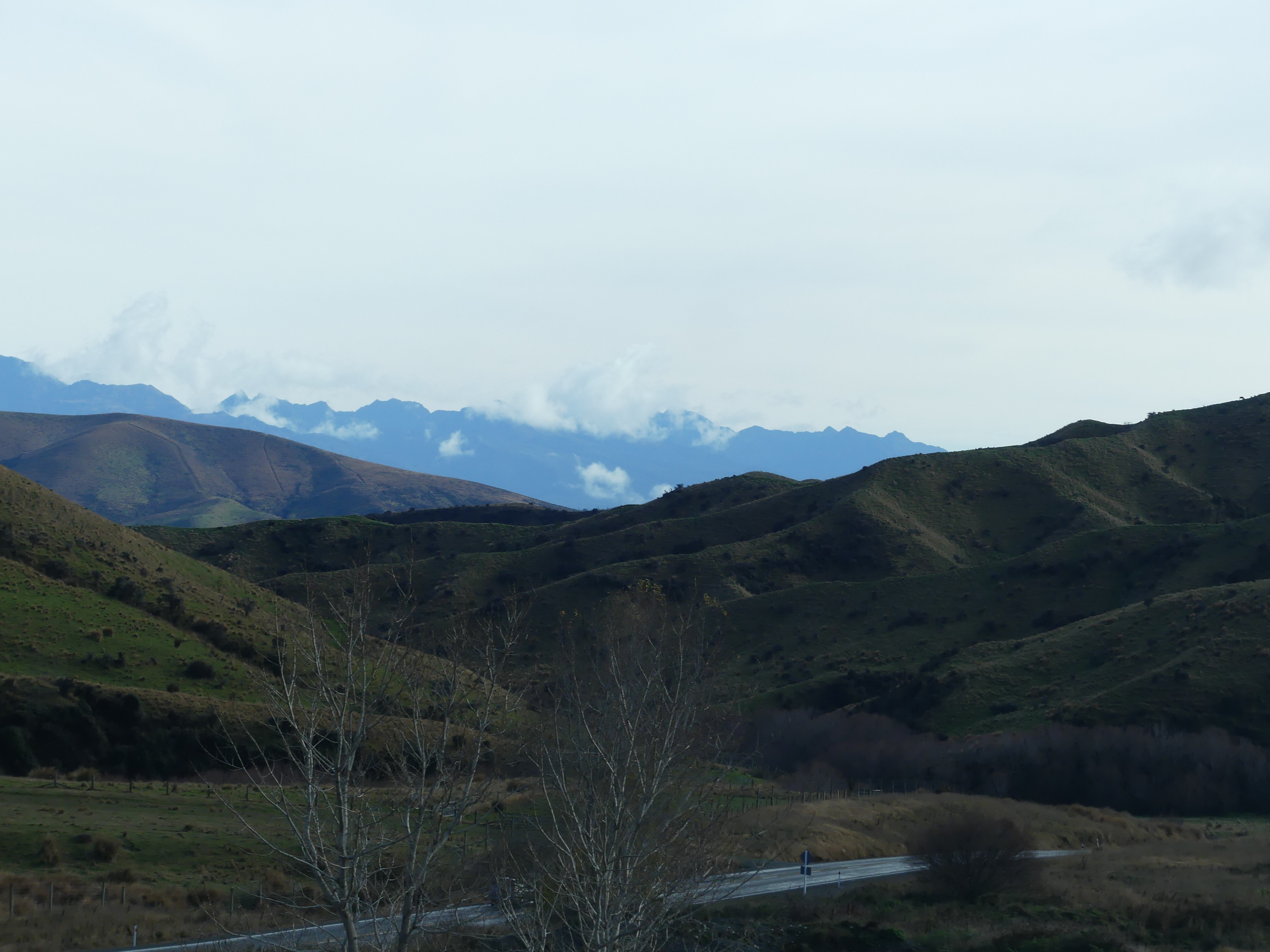
It is a 6-hour drive to Parklands Motel in Te Anau. On the way we had a stop at the Dome Café in Mossburn. Great coffee stop, on your travels to Te Anau or Milford/Doubtful Sound but not much in the village. Beside the café there is a business called Bracken Hall claiming to have the best venison pies in the South Island. Apart from that there was a new petrol station (one of those 24 hours self-serve unattended things very popular in NZ) and the original petrol station on the opposite side of the road looking more like Steptoe & Son yard and just dirty with vehicles to be repaired or beyond repair. After coffee and cake and a visit to the bathroom, we hit the road again. We were starting to see more sheep, more and more mountains and low cloud. Low cloud would be a feature of the scenery whenever approaching or in the mountains.
Mossburn on the road to Te Anu – Dome Café, Low cloud on the mountains, Sheep of course, Bracken Hall
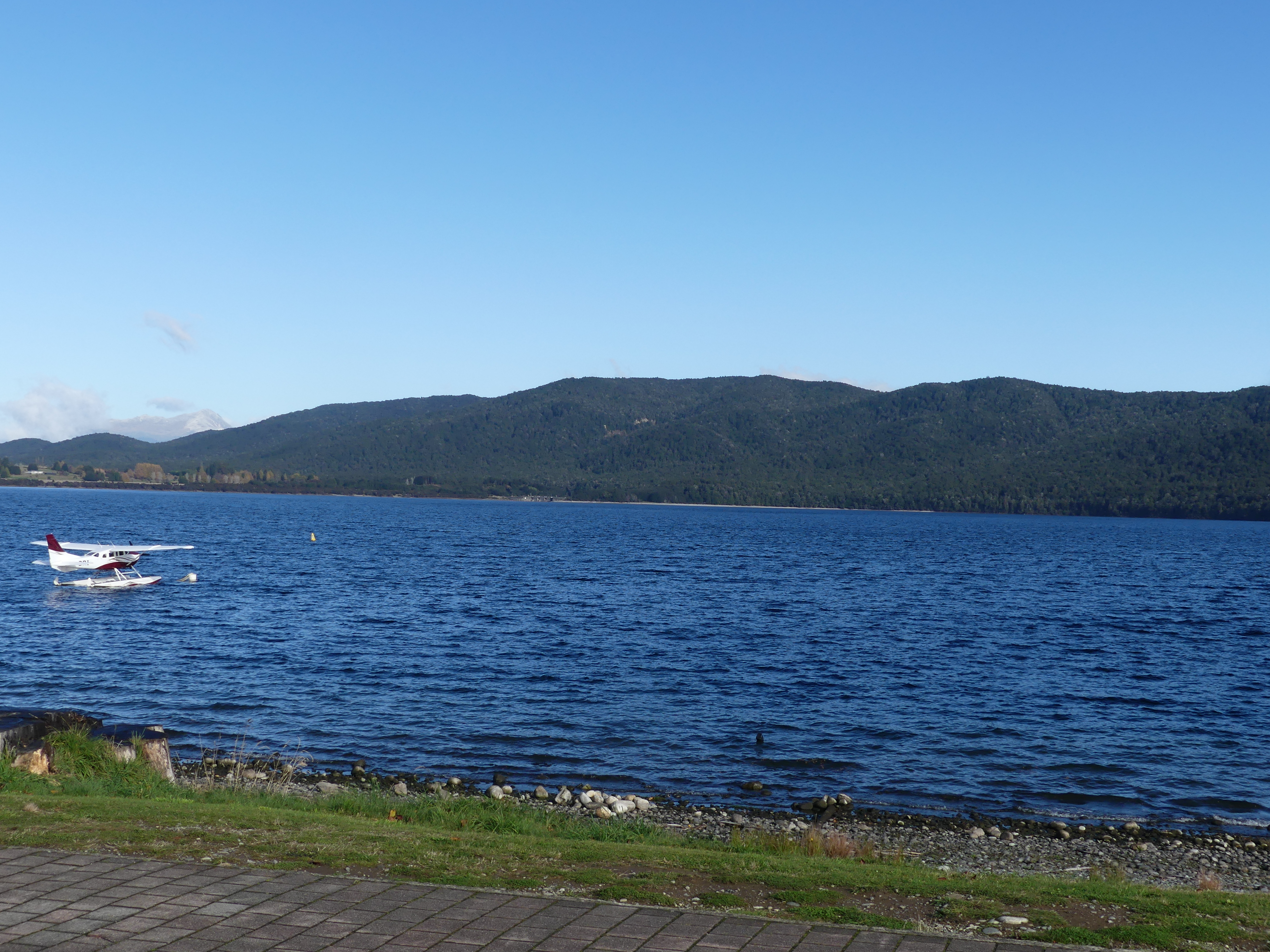
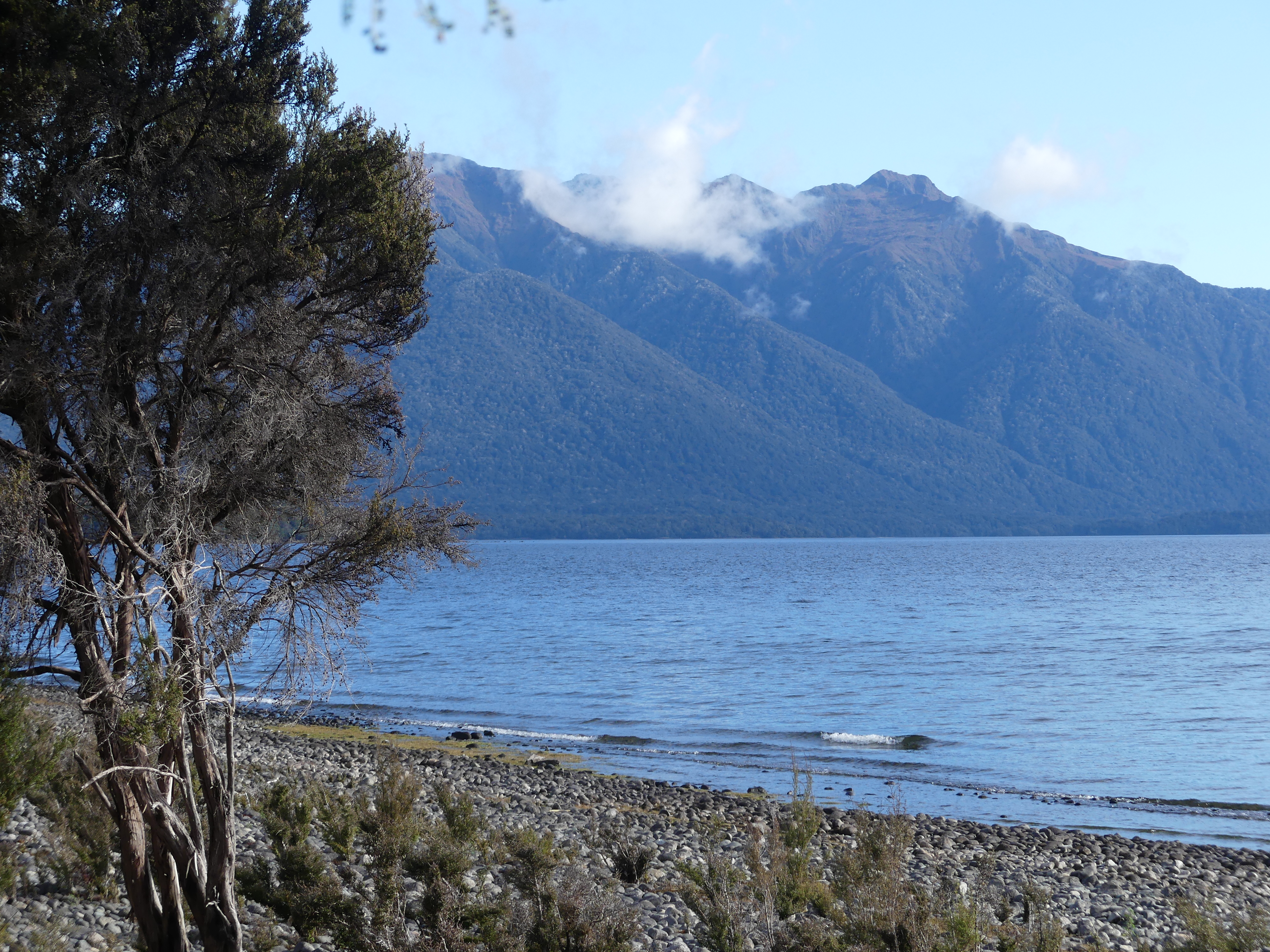
We arrived in Te Anu around 1.30pm and the rooms were not ready. We took the opportunity to take a drive around the town, visit the Lake and the float plane dock and a short drive along the road toward Milford Sound as the rooms weren’t ready. We got as far as Lake Mistletoe where we found a park and the outside dunny in the form of a long drop. A map showing our position and the distance to Milford Sound caught our eye. The beach was all river stone and tee pees of driftwood had been erected probably by the park rangers. We had cut some sandwiches and carried boiling water in our flask so that we could have lunch overlooking the lake. We returned to the main road and found our way to Mistletoe walk. The track was a circuit, and we noticed an abundance of fungi/mushrooms and strange trees with extended limbs. As we approached the edge of Lake Mistletoe the scenery was very dramatic with mountains in the background, bird life abounding and unusual groundcovers.
Photos Float plane docking, Lake Mistletoe, the long drop lunch at the lake, fungi, ground cover and bird life, Float planes at dock
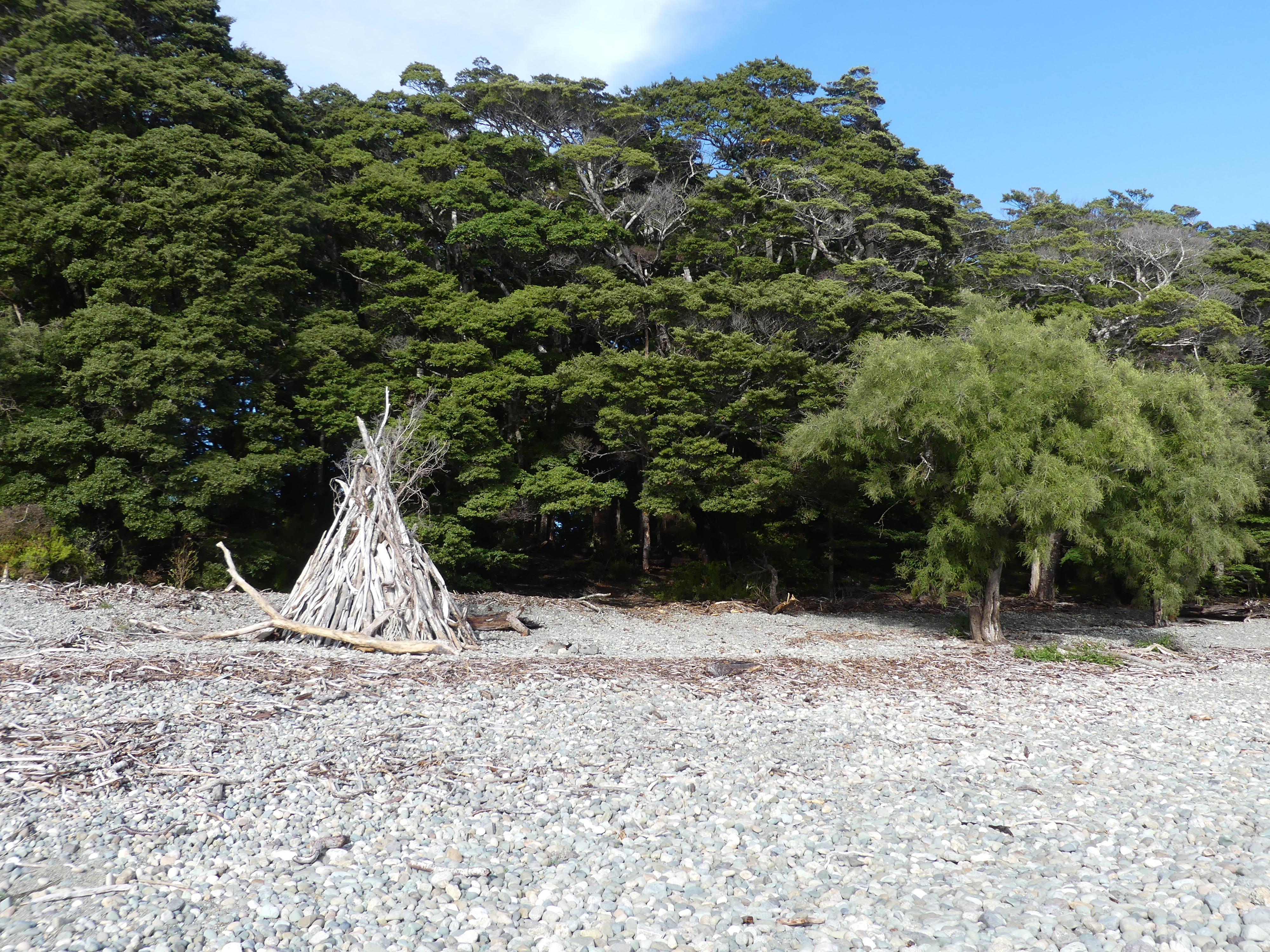
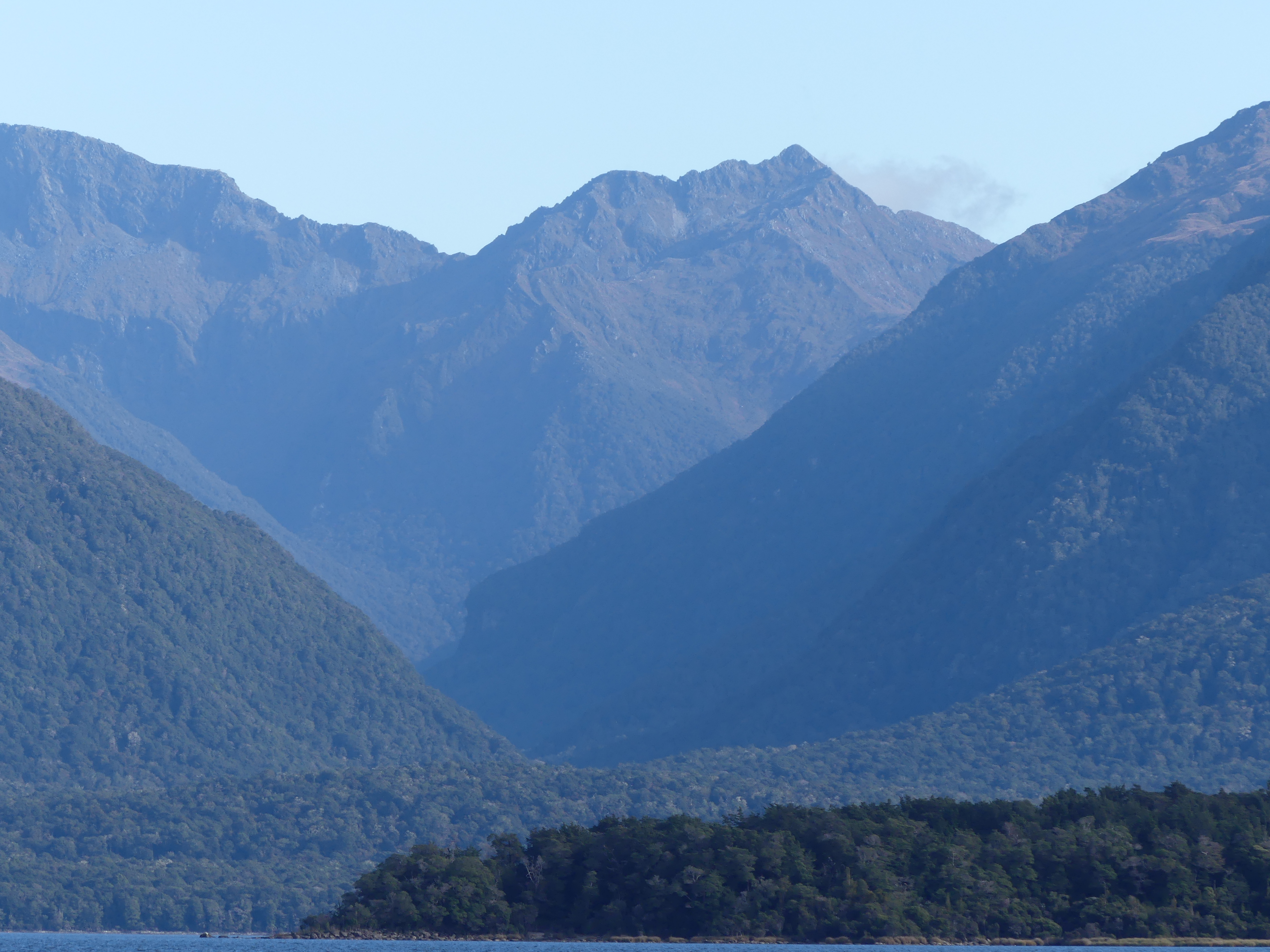
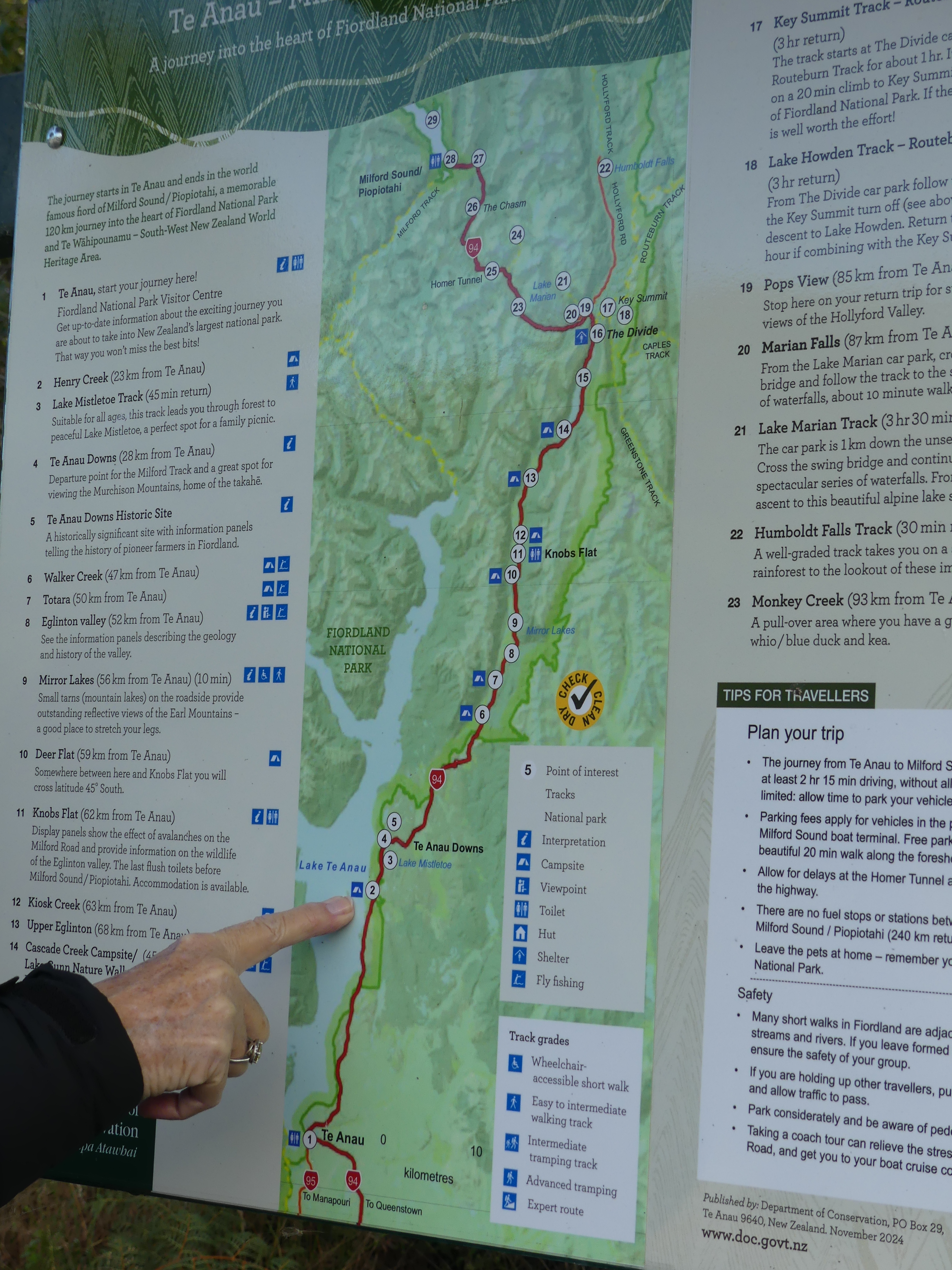
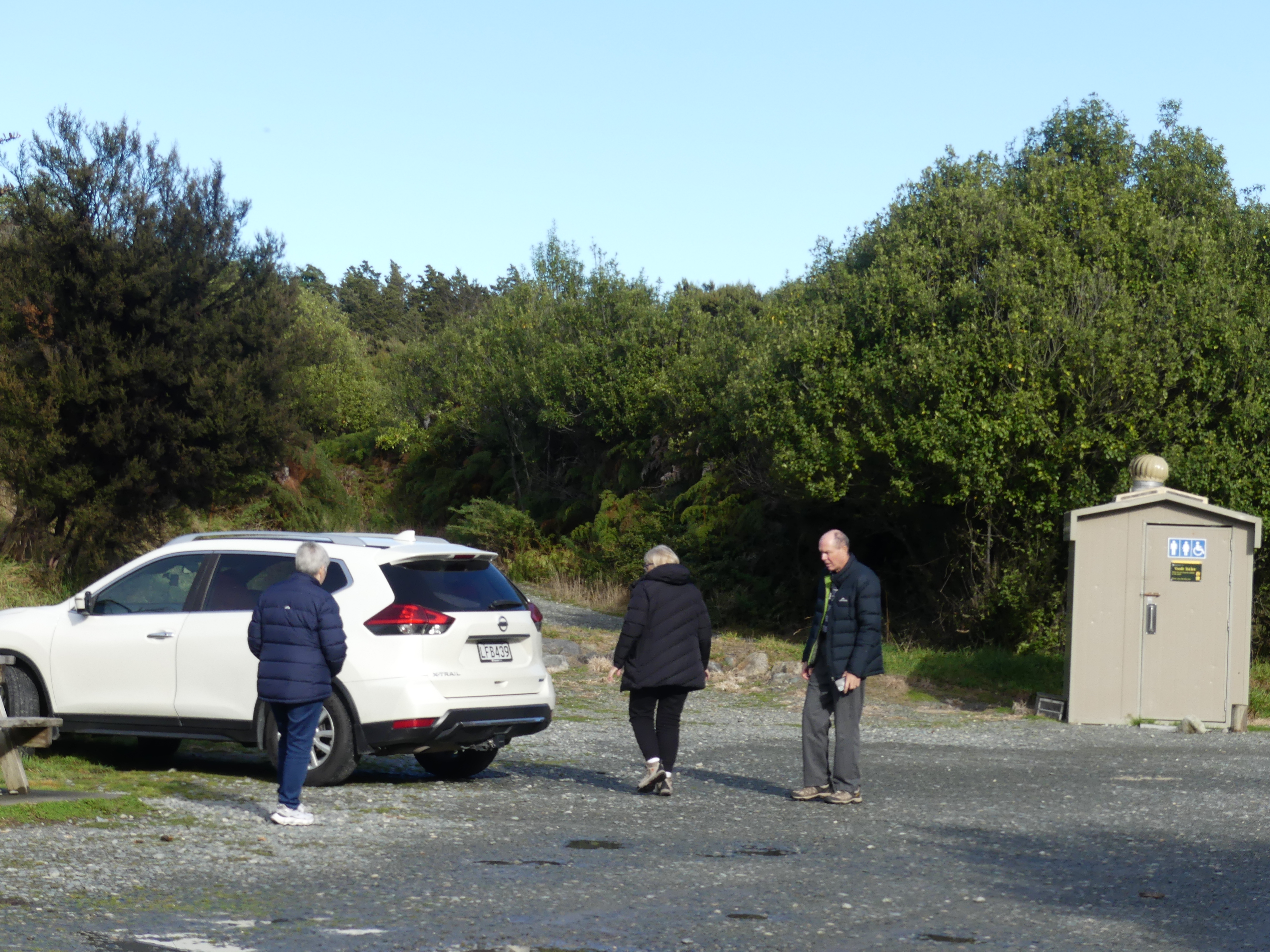
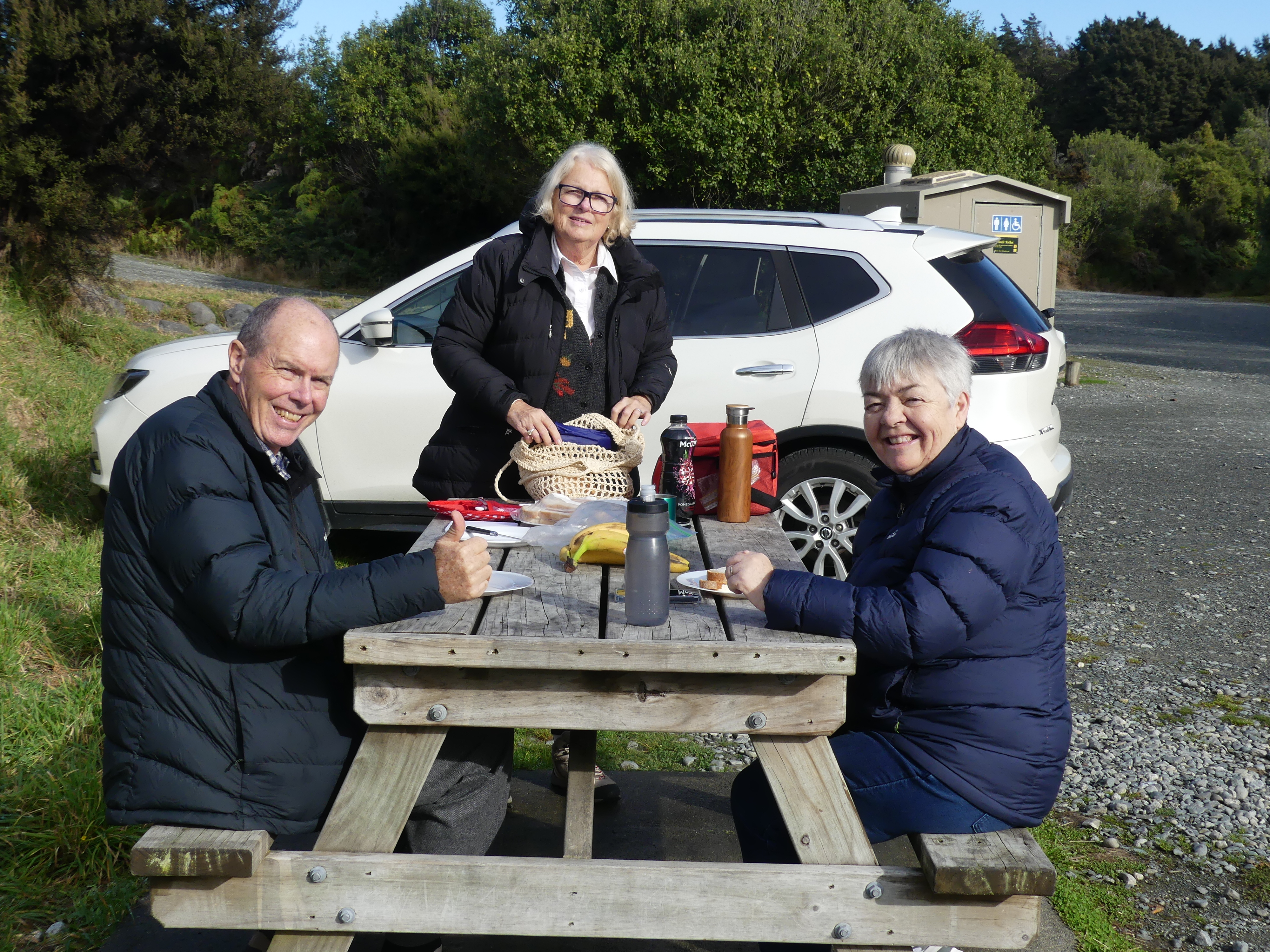
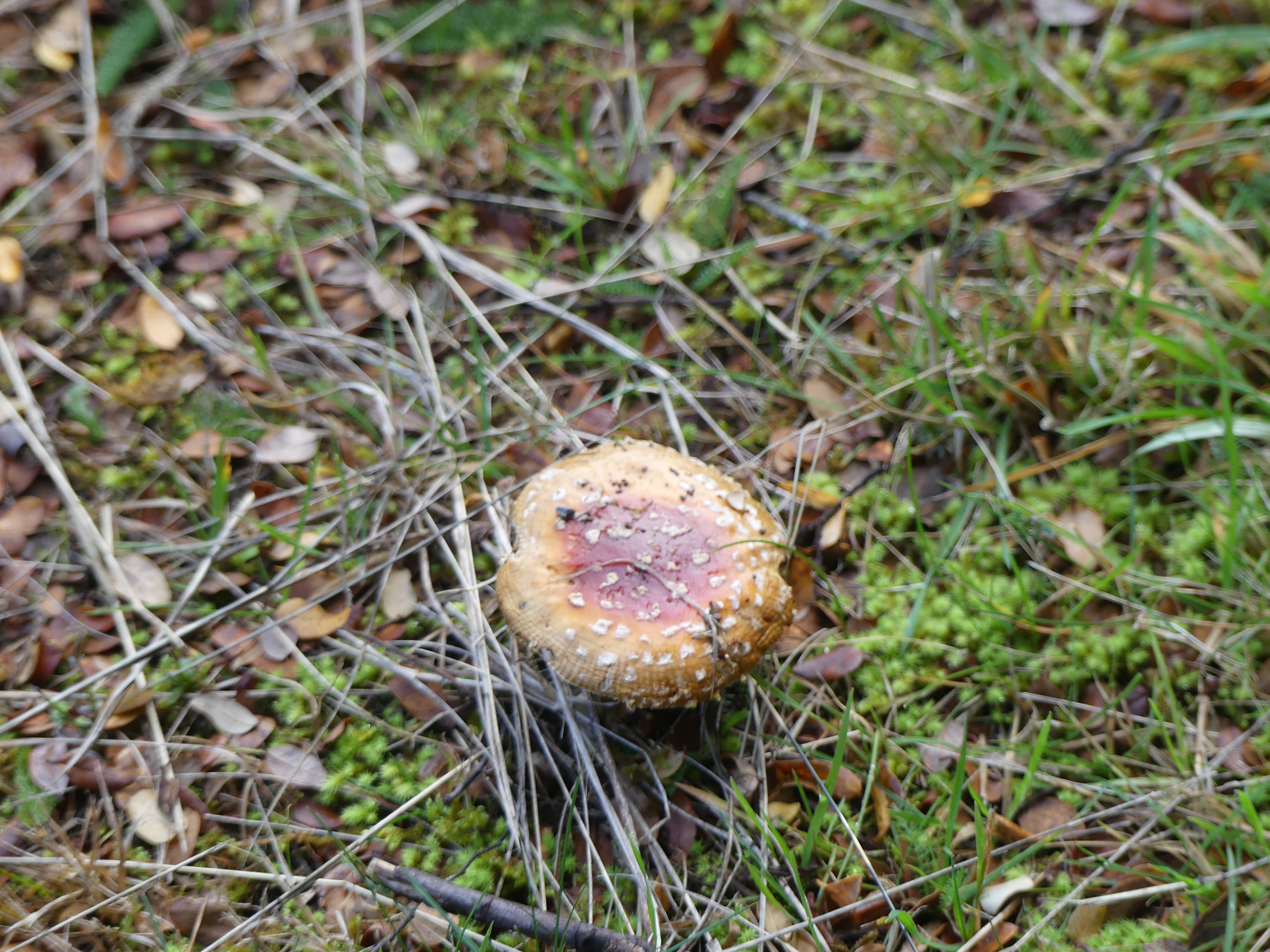
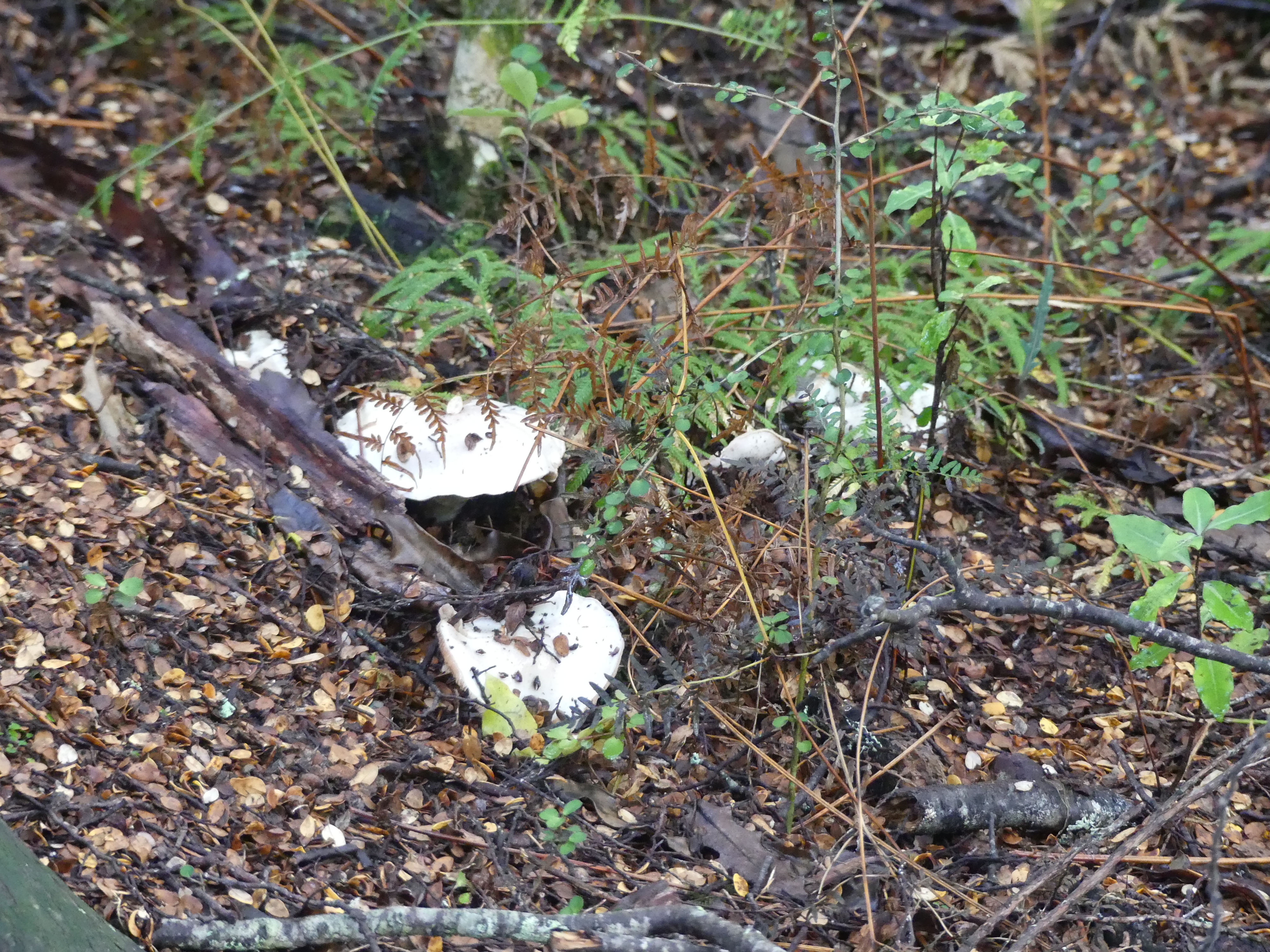
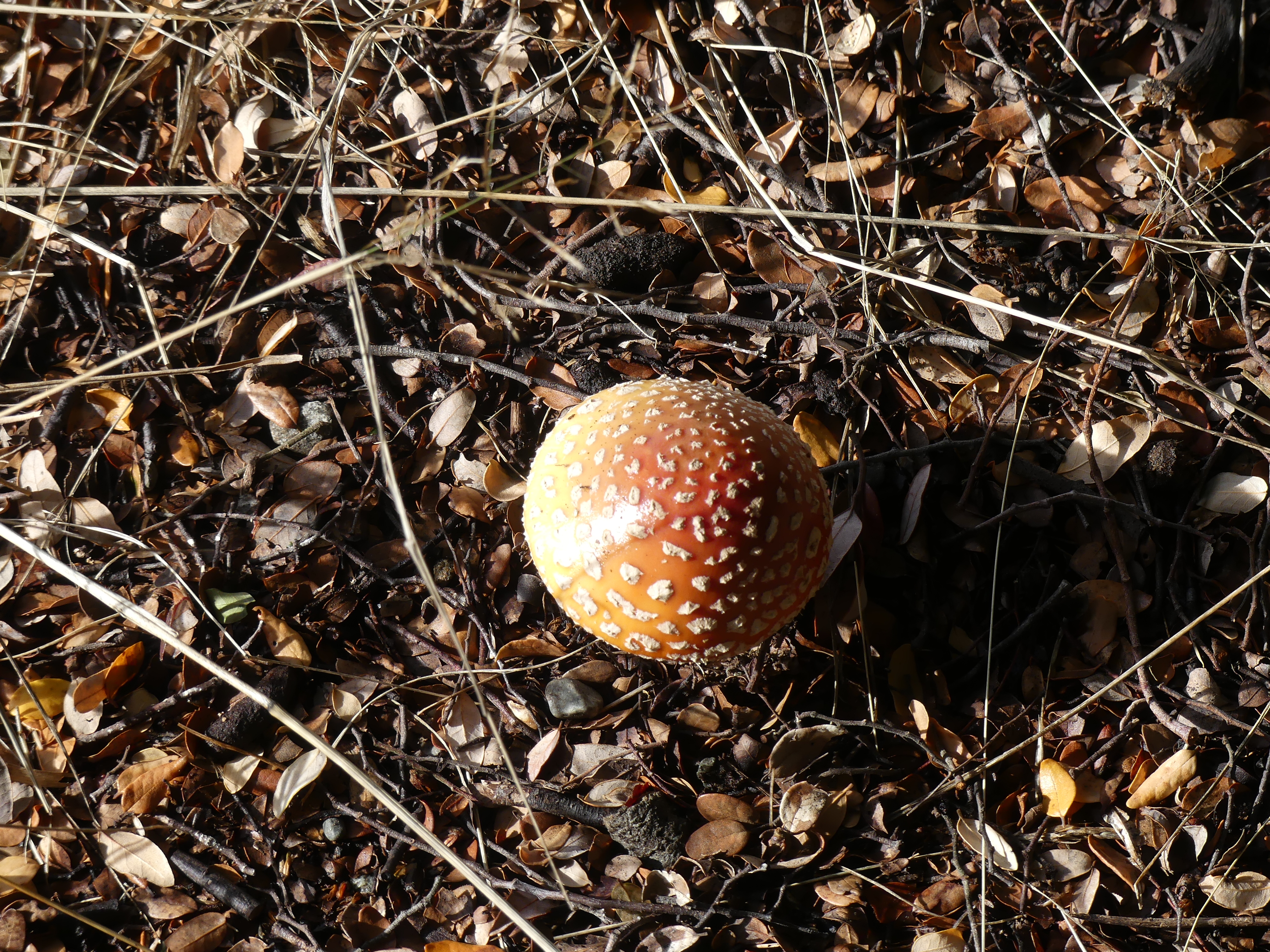
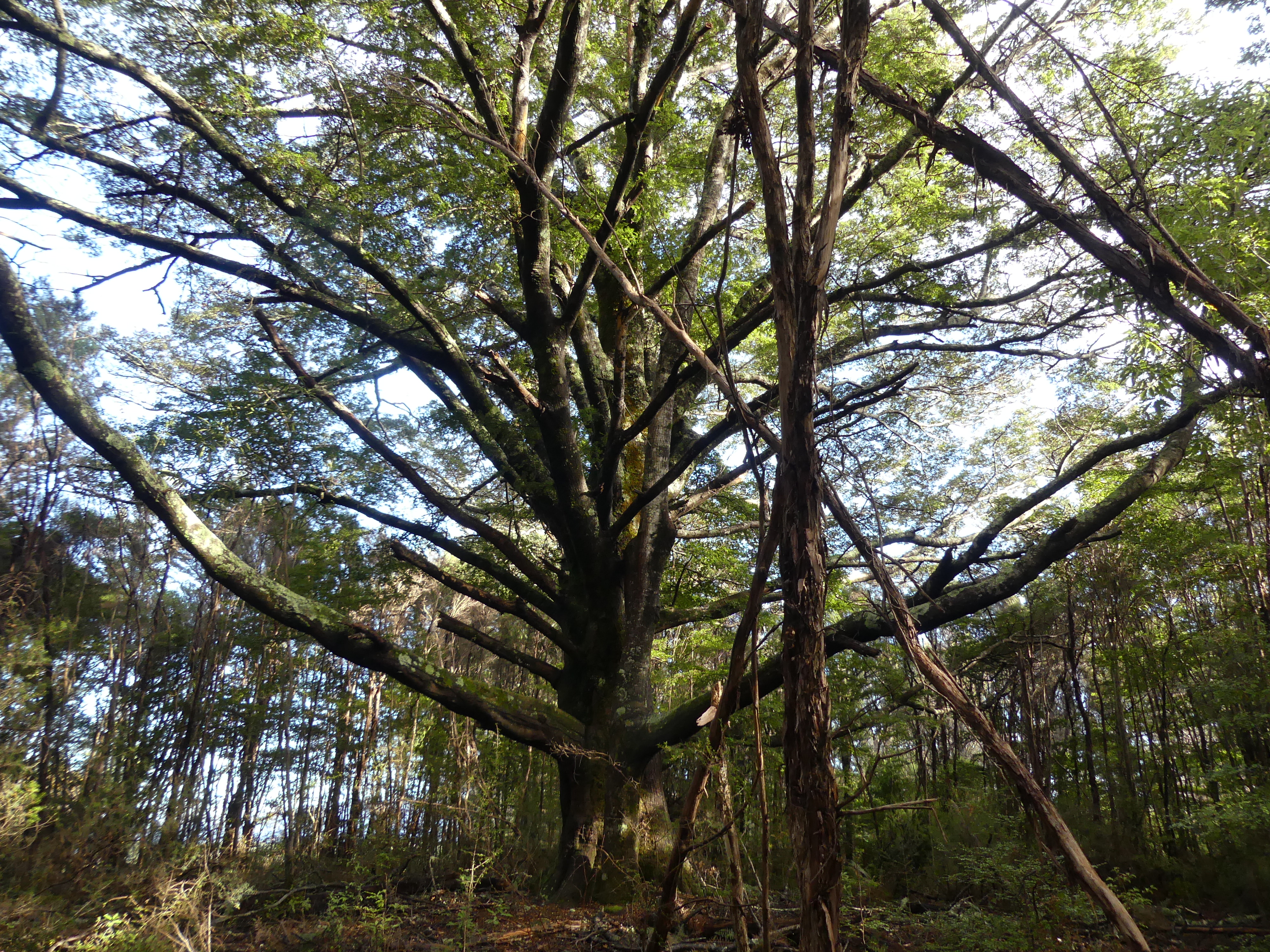
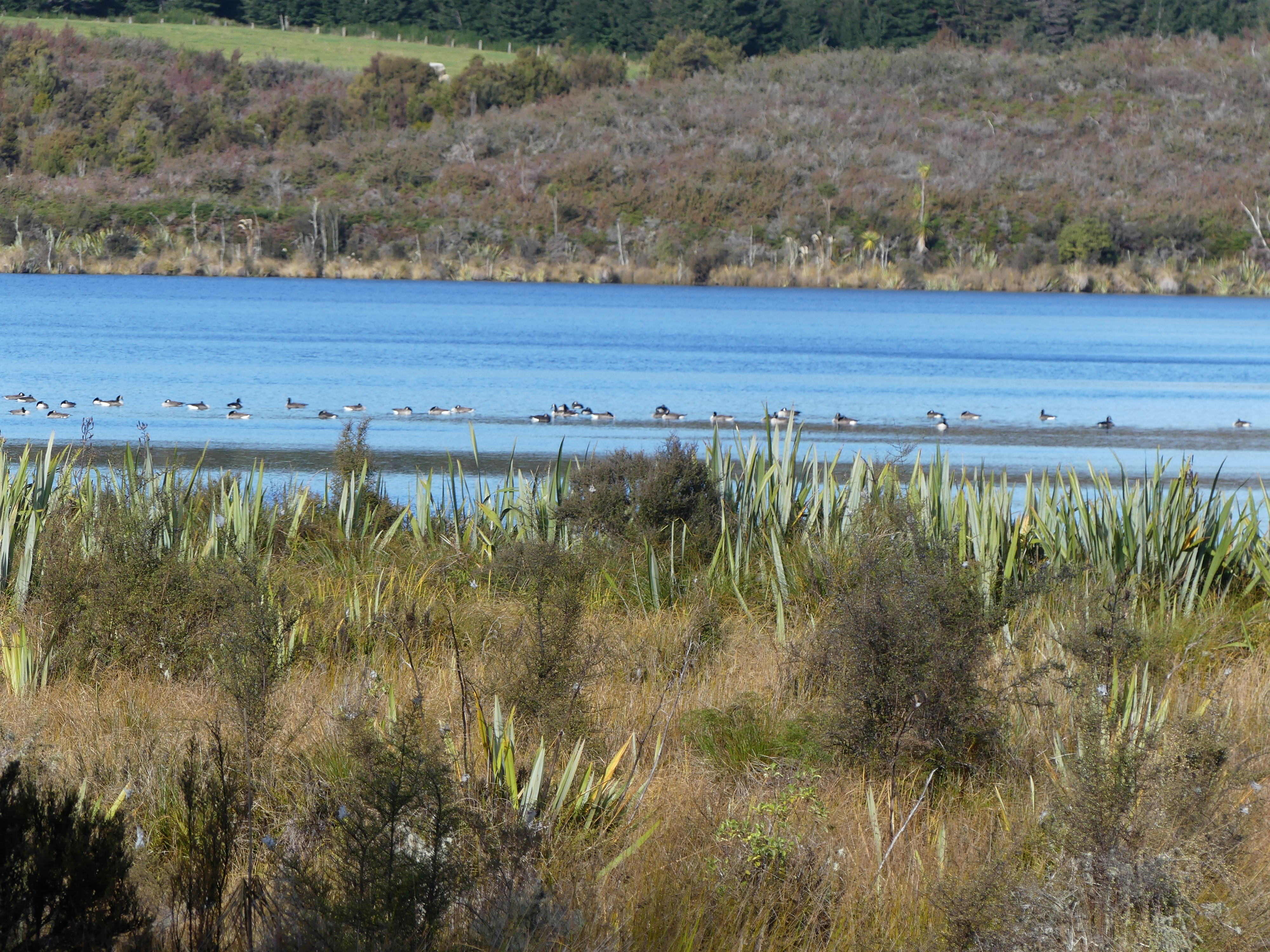
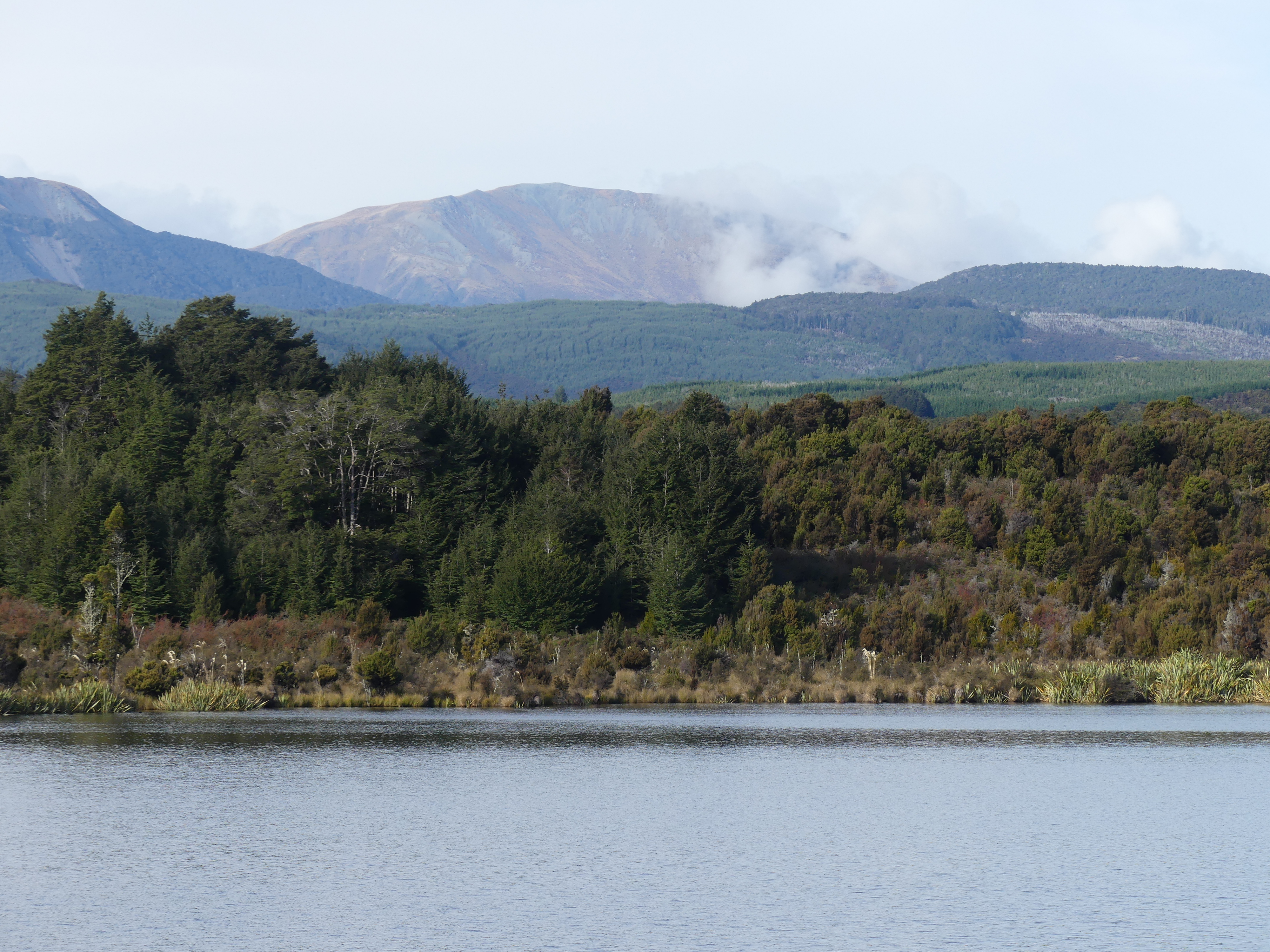
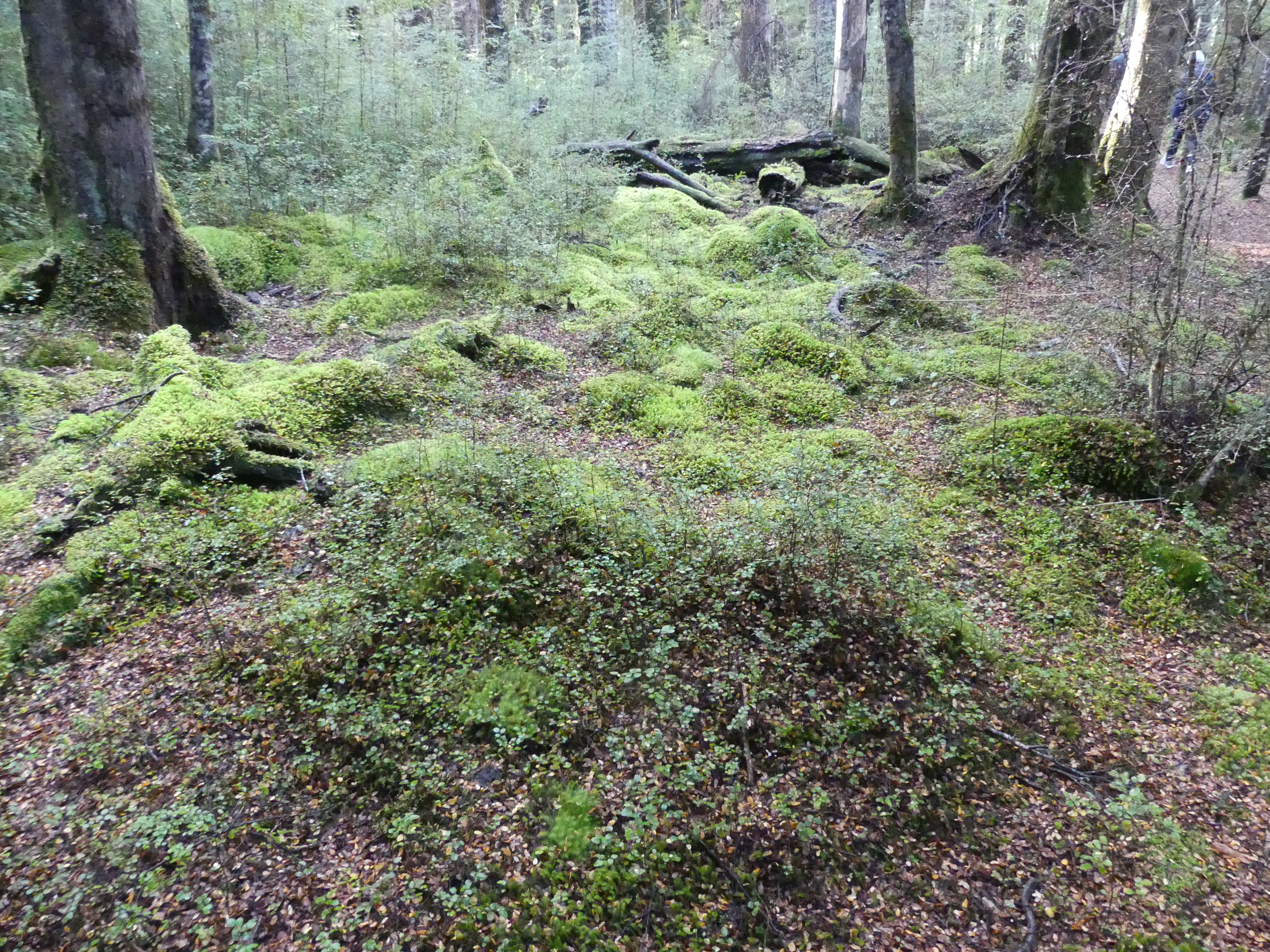
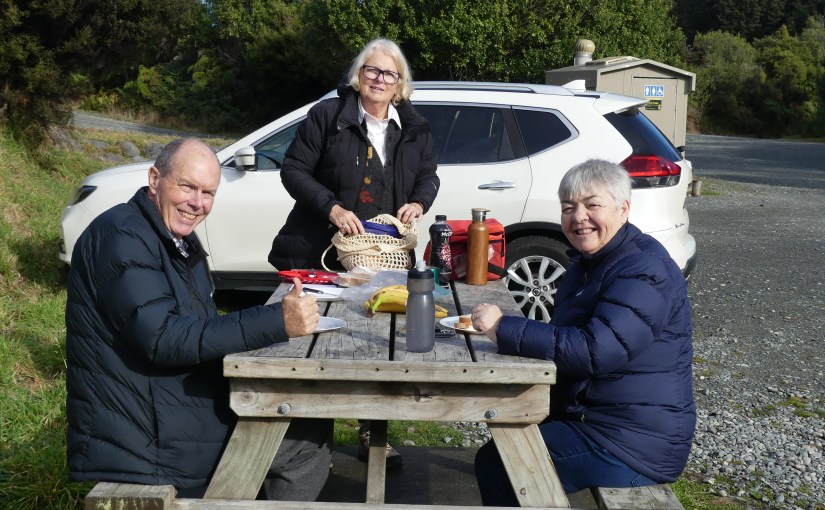
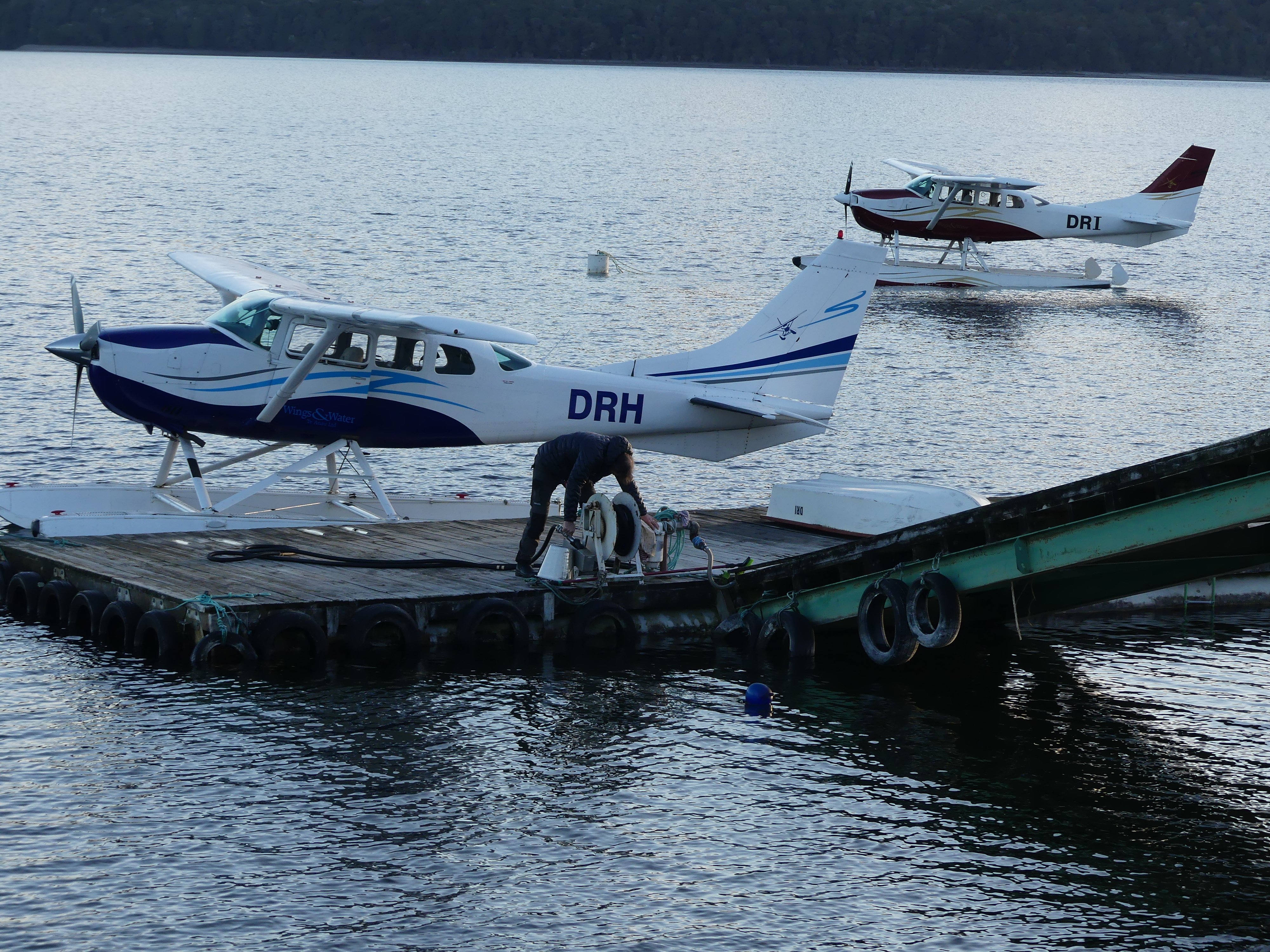
We returned to Te Anu and our accommodation. We roamed the streets to find our evening repast – bottles of wine and snacks whilst we played cards (Skipbo). We arose early, had breakfast and were ready to move onto Milford Sound. This is when I took the morning photo of the Float planes at dock.
Float planes at dock
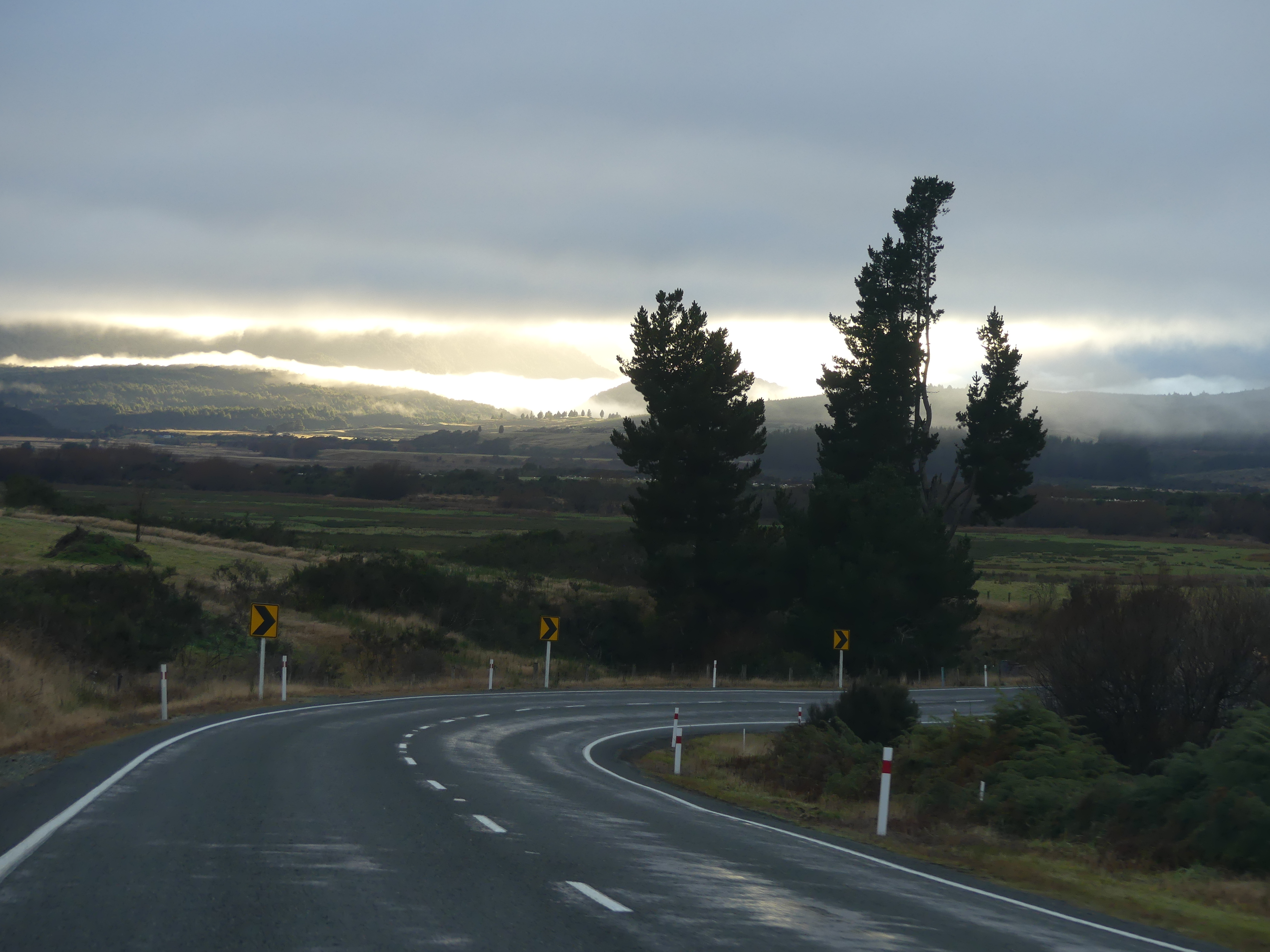
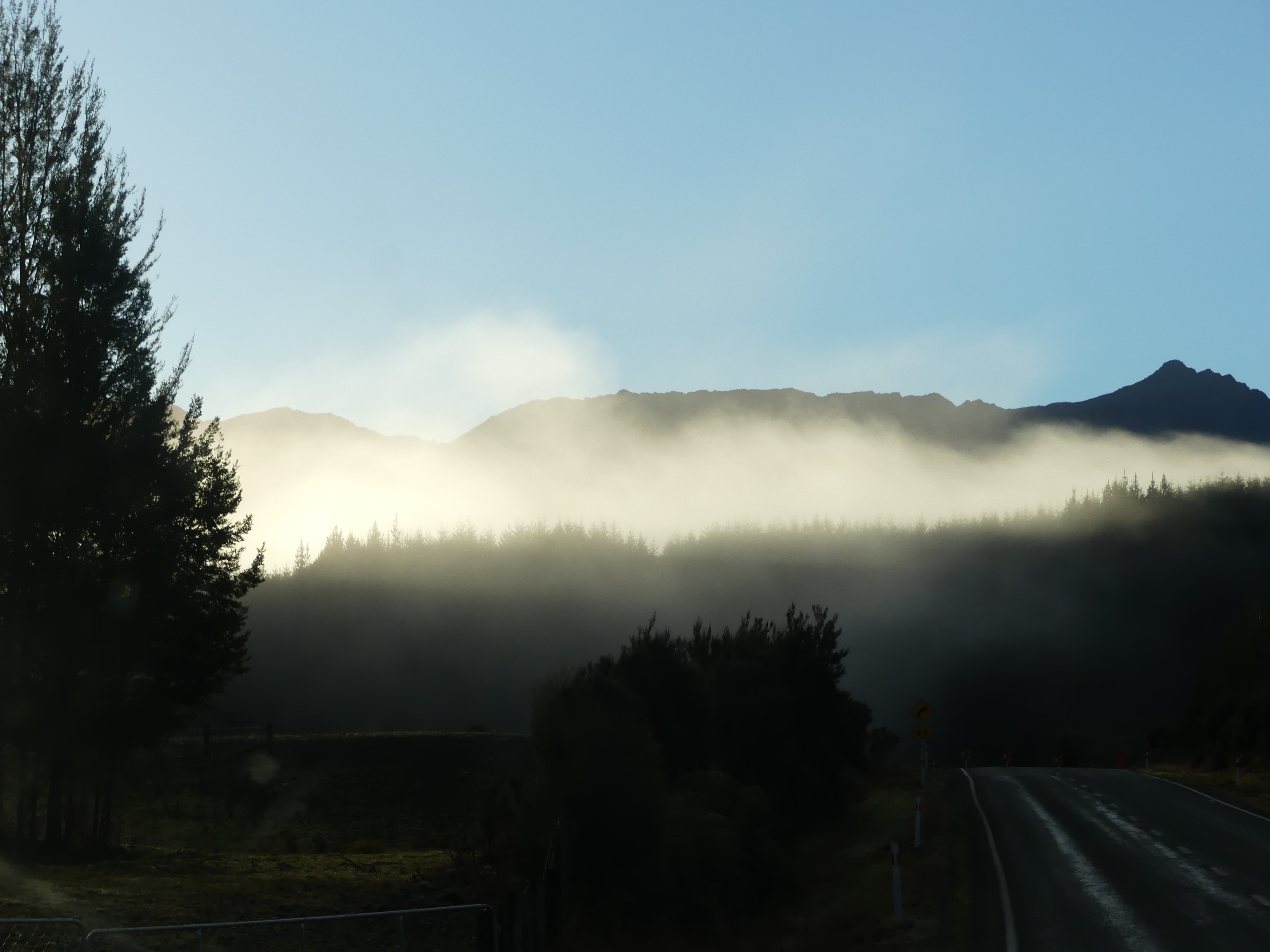
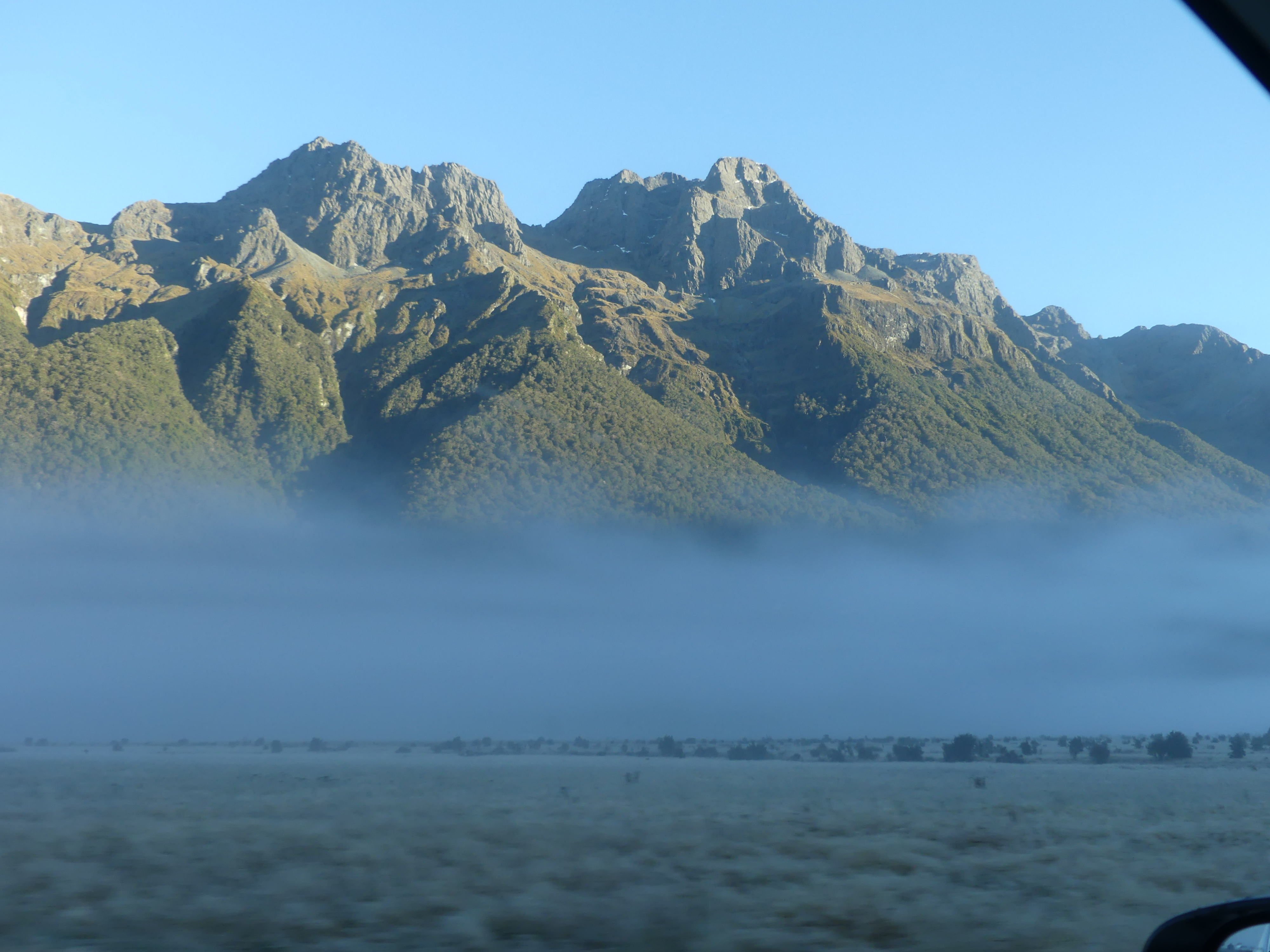
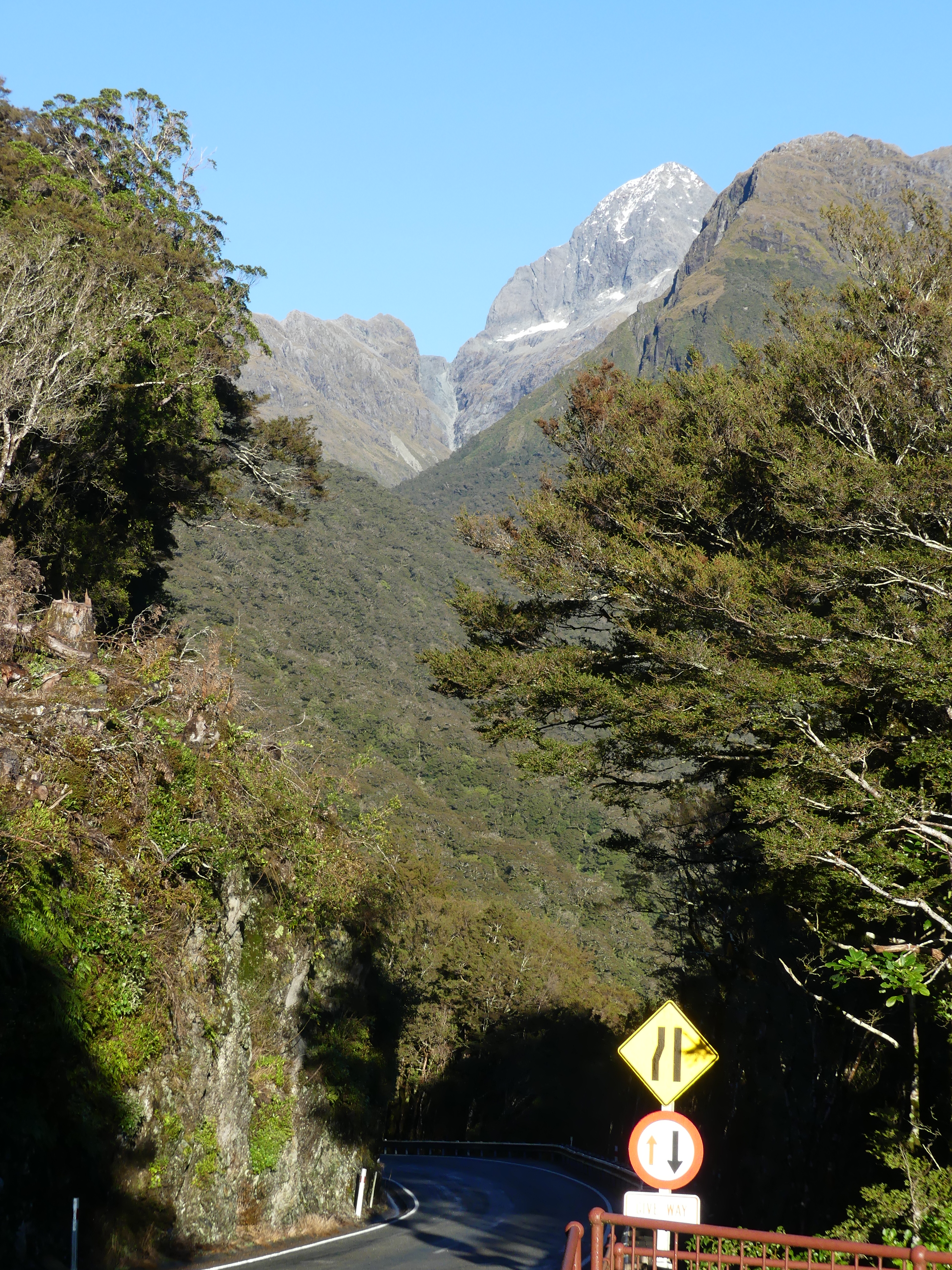
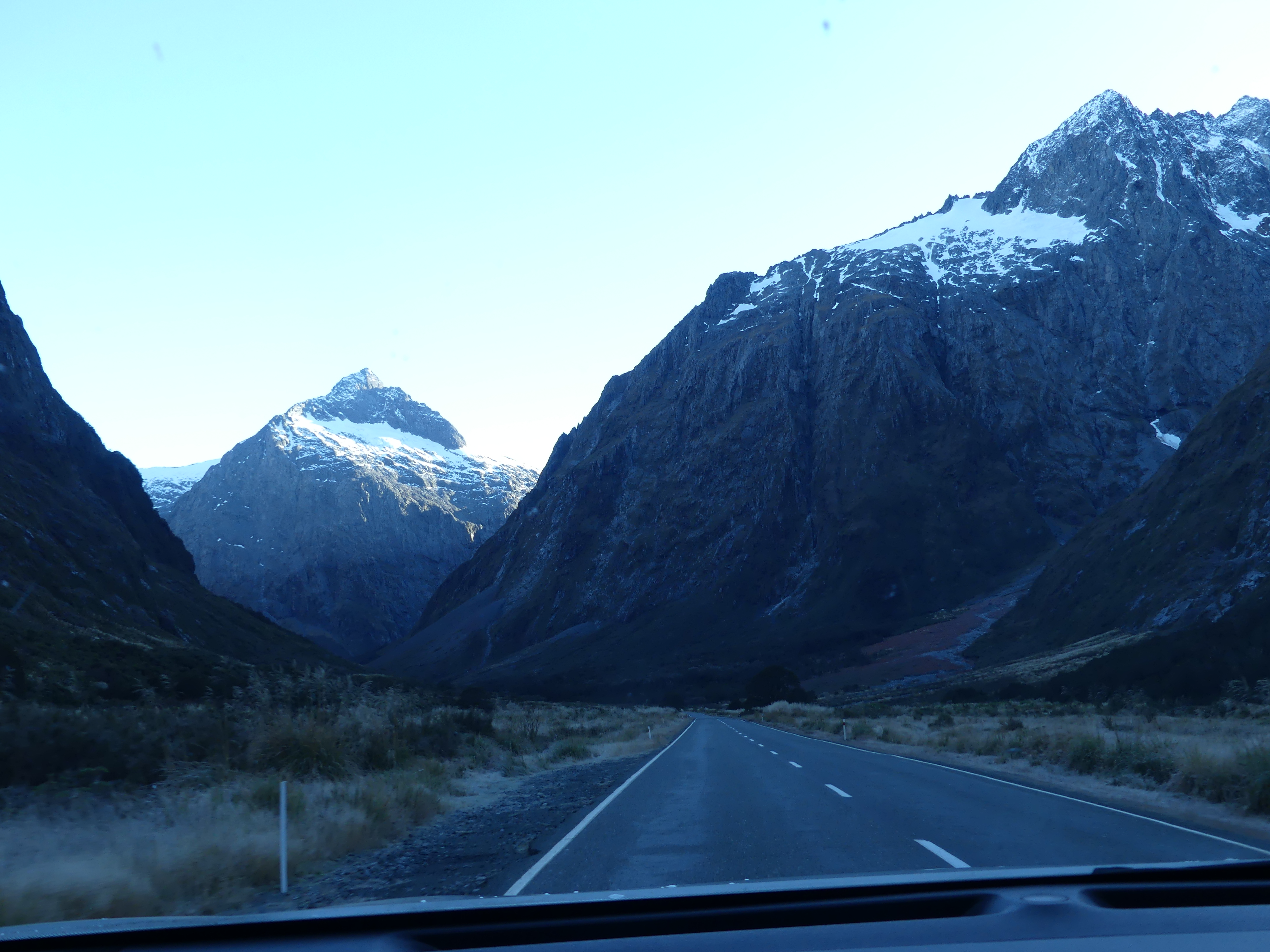
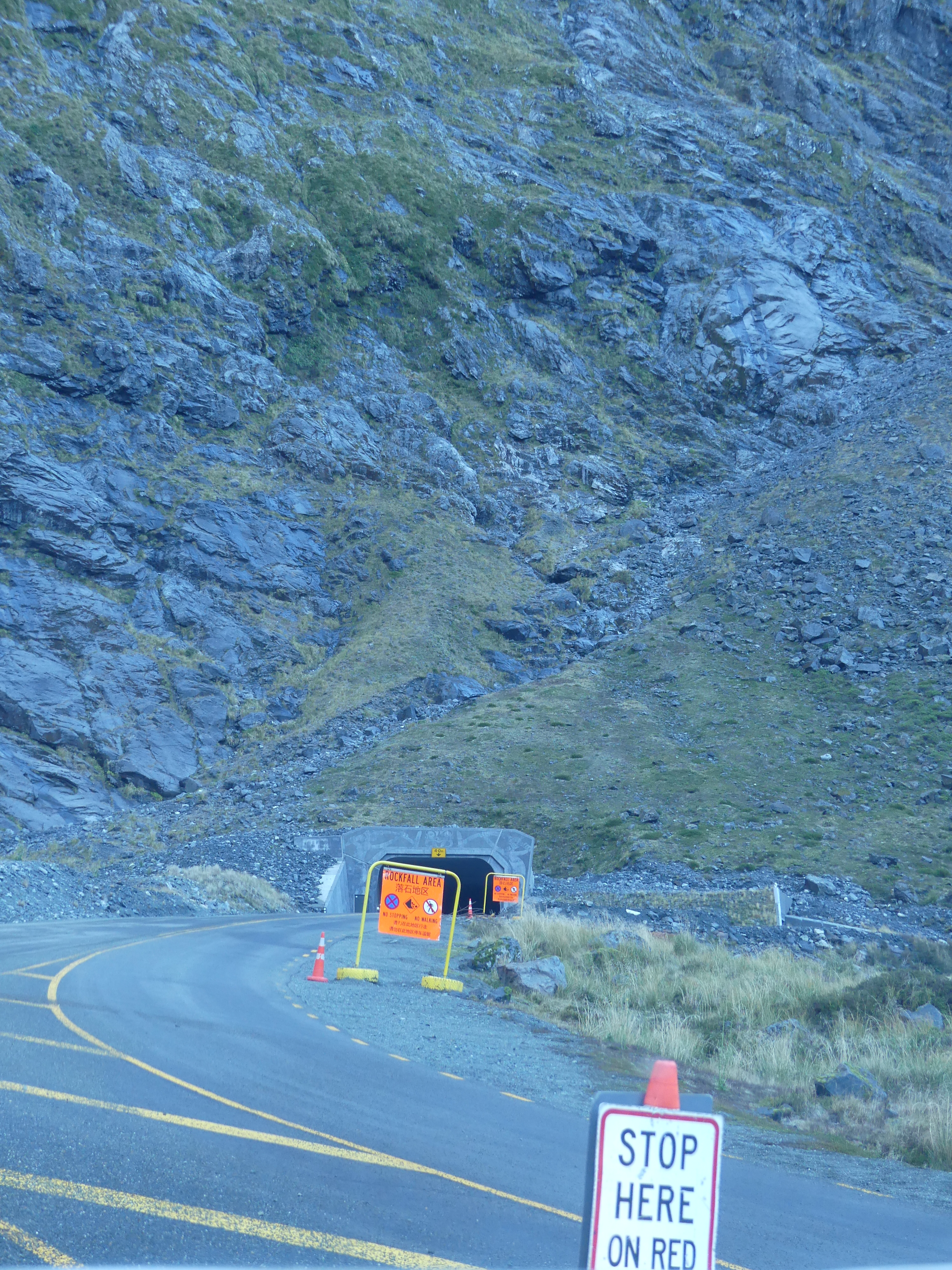
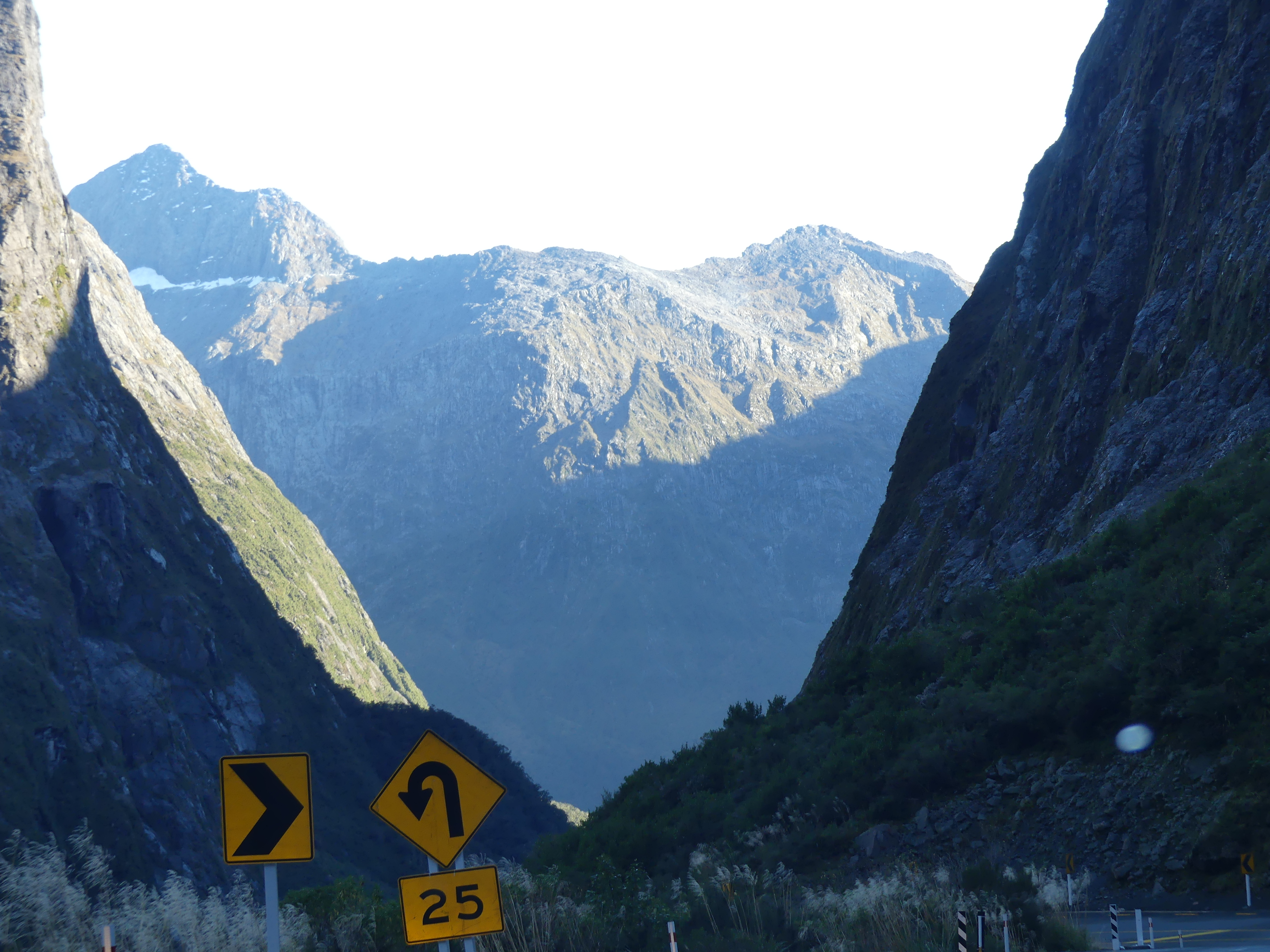
Day 4 Te Anau The day was not promising the best weather so we decided that Kerry and I would cruise on Milford Sound. Barry and Sandi chose a walk in the Sound having enjoyed the cruise on a previous occasion. Milford Sound or Piopiotahi in Māori is a breathtaking fiord in New Zealand’s Fiordland National Park, renowned for its dramatic sheer cliffs, cascading waterfalls, and inky dark waters. Yes, a fiord – a valley carved by glacier. It was a long drive with Barry at the wheel. Dramatic scenery surrounded us. The mountains were astounding, shooting up like a forest all round. We encountered just 1 tunnel, and it was single lane as well. So, as you will see in the photos, we had to await our turn to pass through. When our turn came, I was able to photograph the interior passage. More mountains rose around us as we made our way to the Milford Sound dock with the vegetation changing to dense forest.
Dramatic mountains, tunnel, tunnel passage, more mountains,


Arriving at the dock there was a very modern quay and visitor complex with 9 vessels tied up awaiting the passengers for the day. We had a bit of a wait and moved along the wharf viewing all the vessels. I was particularly taken by Milford Mariner, part sail part cruising yacht. However, that was not our vessel – we boarded the Milford Monarch. The boat was not crowded at all. The biggest crowd was a bus tour. Our vessel was the last to sail. The photos will tell you what we saw. Kerry and I found the cruise disappointing – very little wildlife was visible and but for the evening showers overnight there would not have been any waterfalls.
Milford Mariner and Milford Monarch at the quayside, photos of the sound

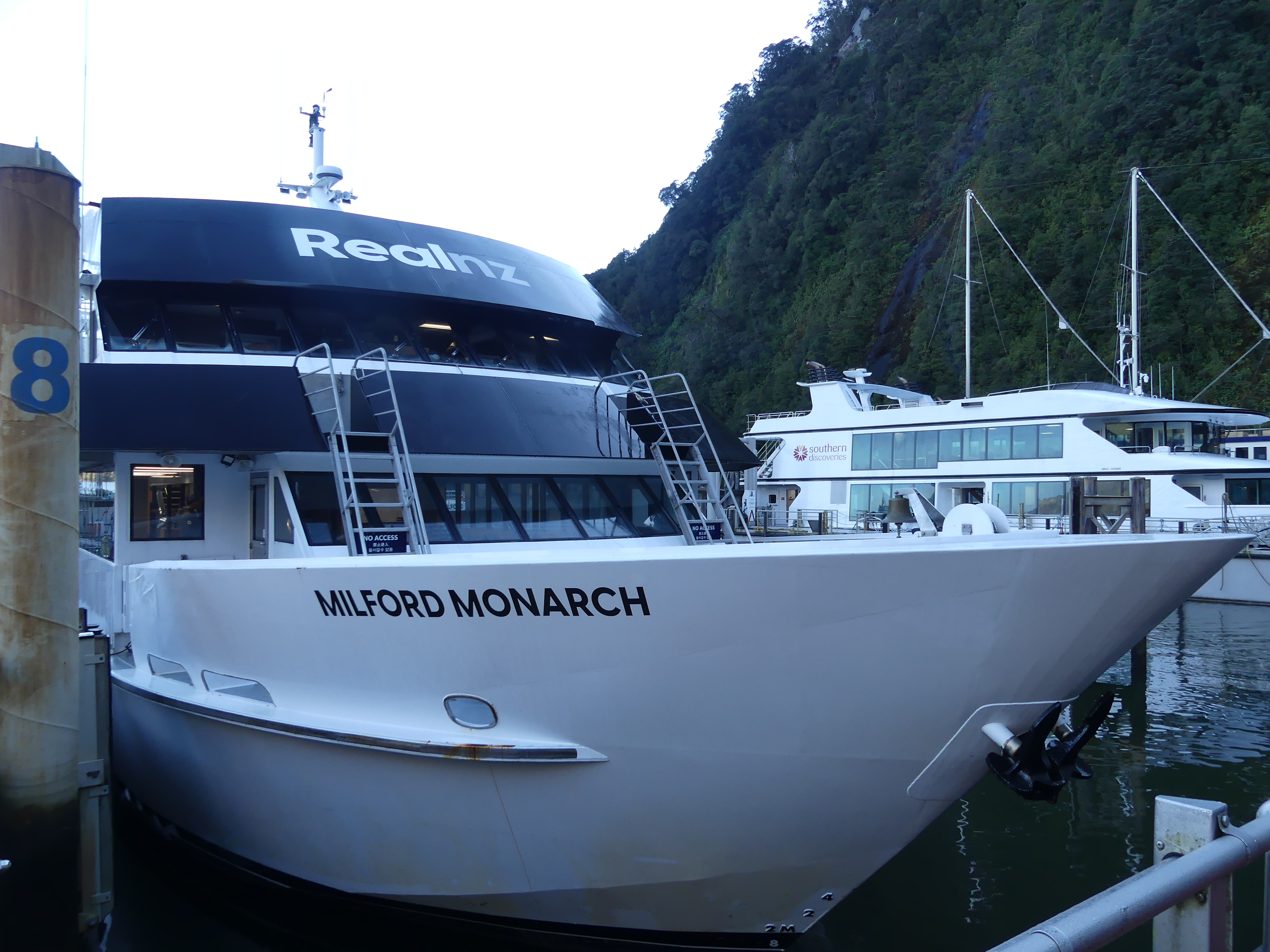
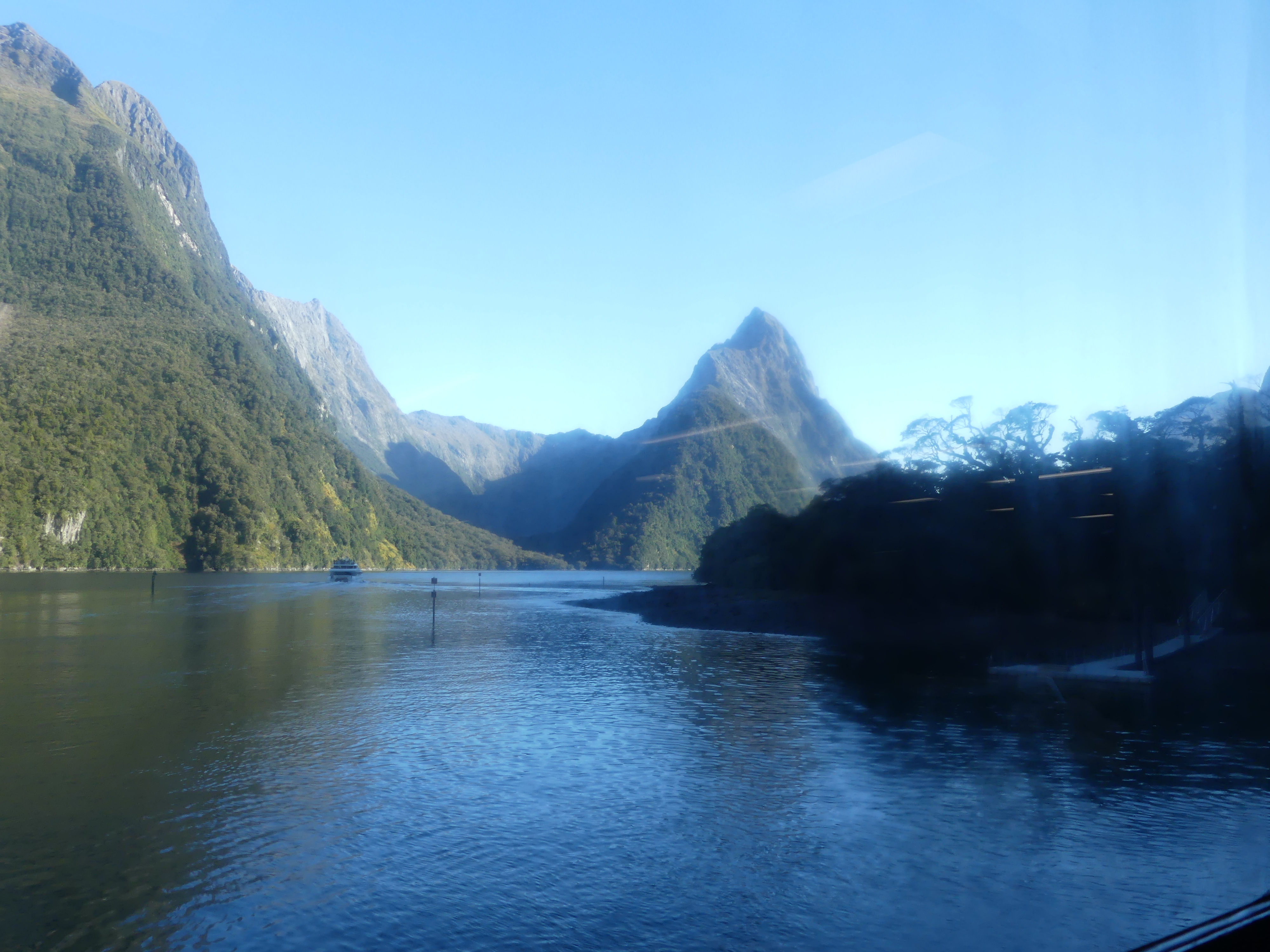
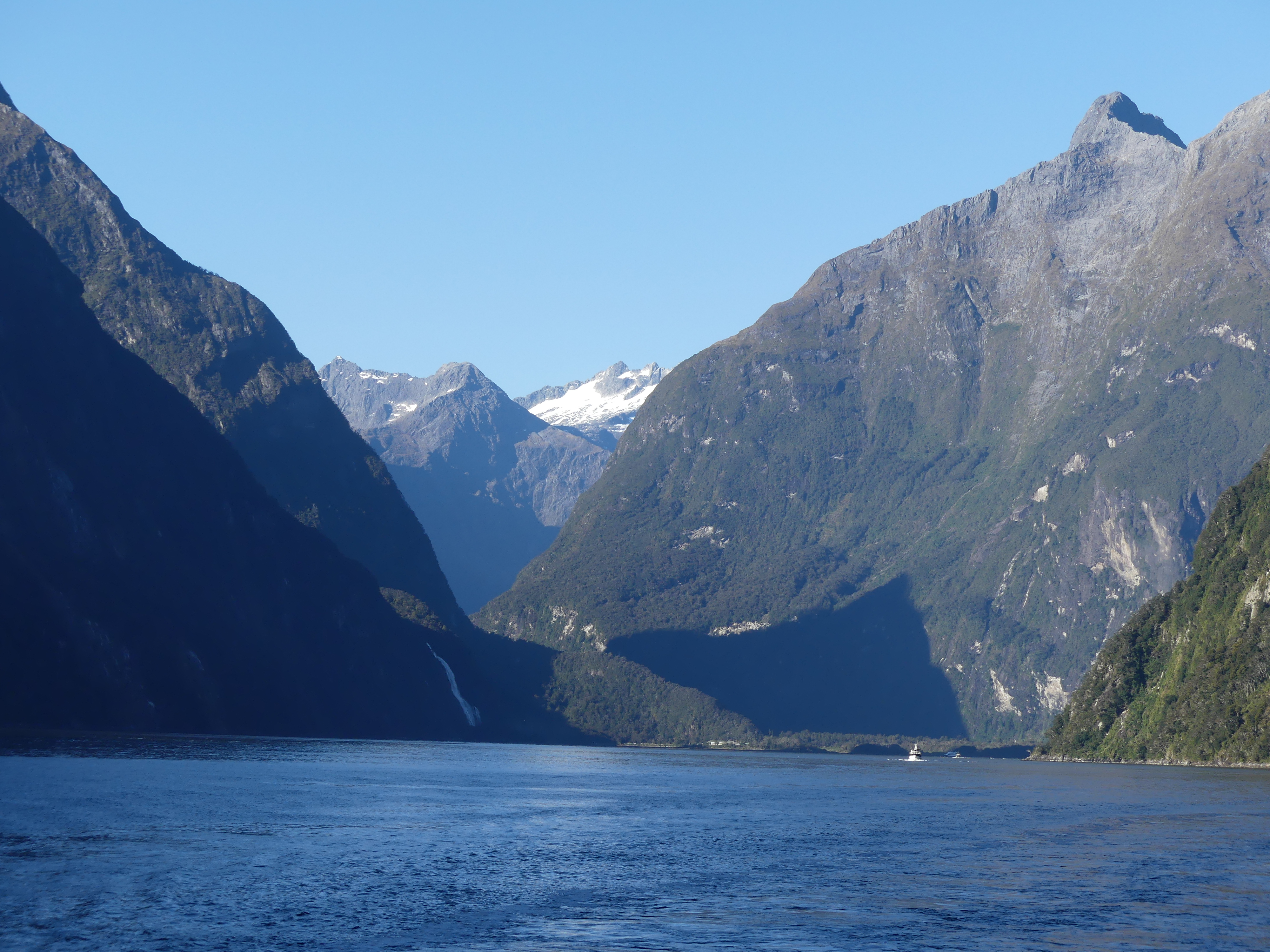
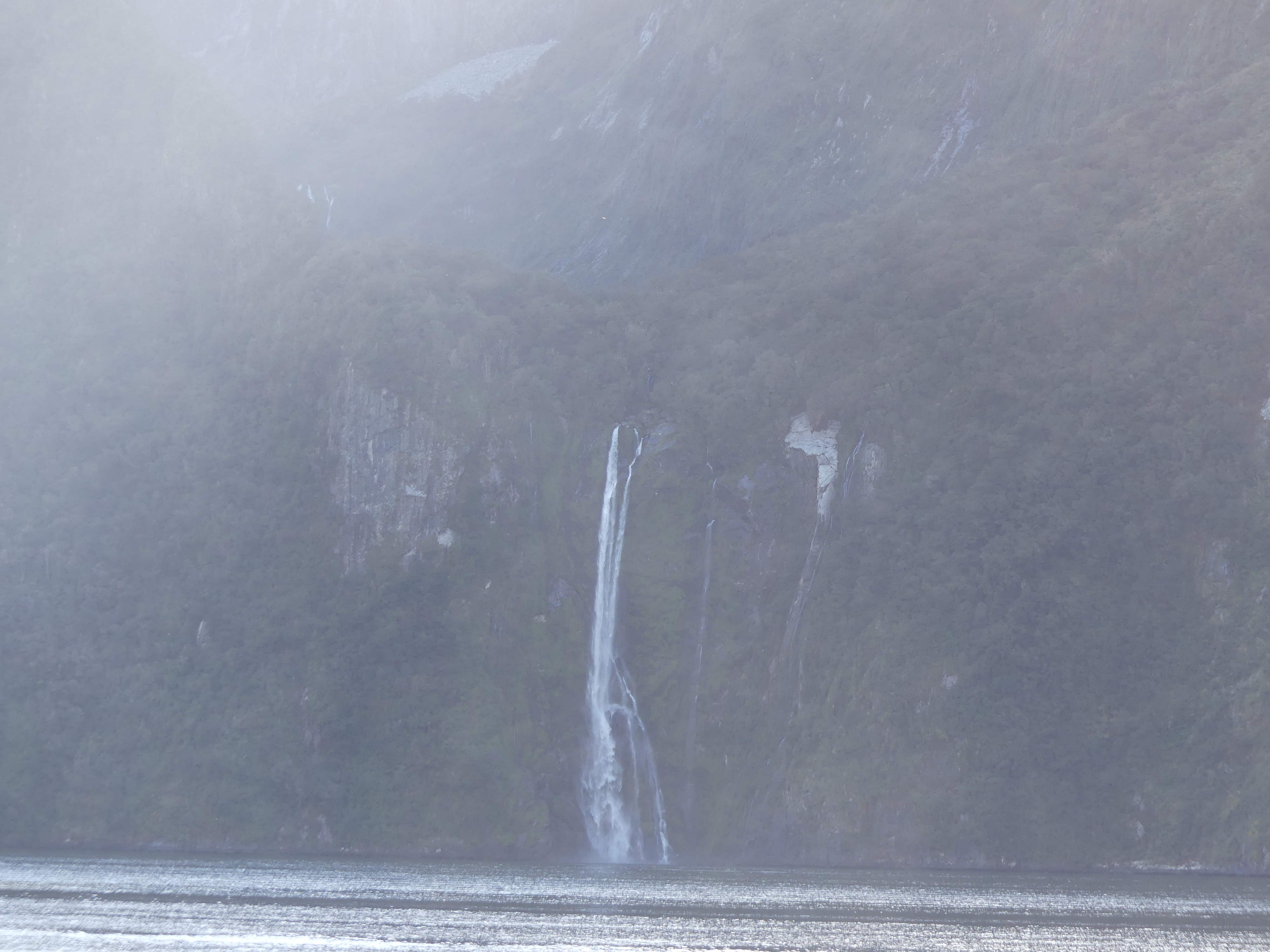
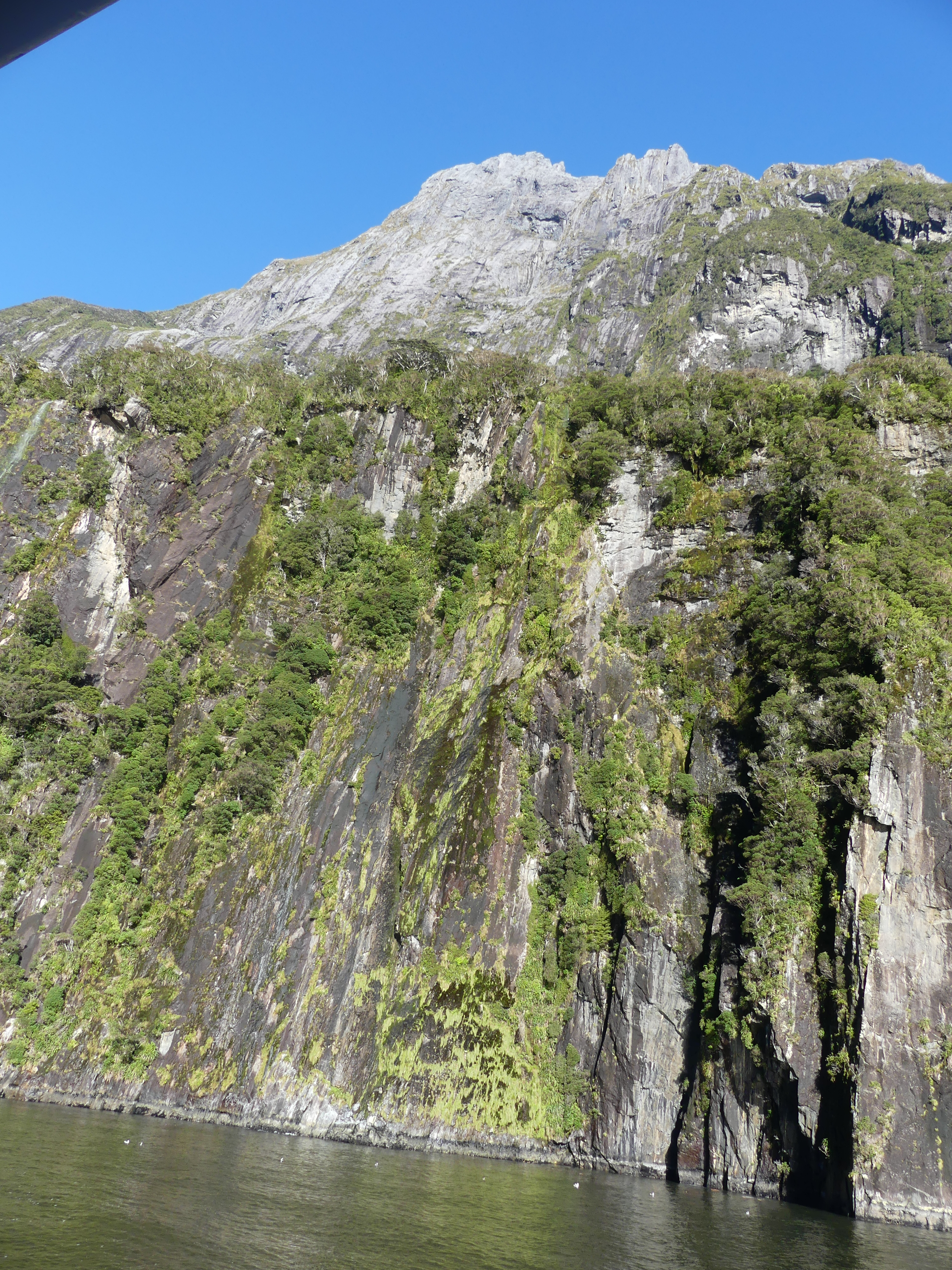
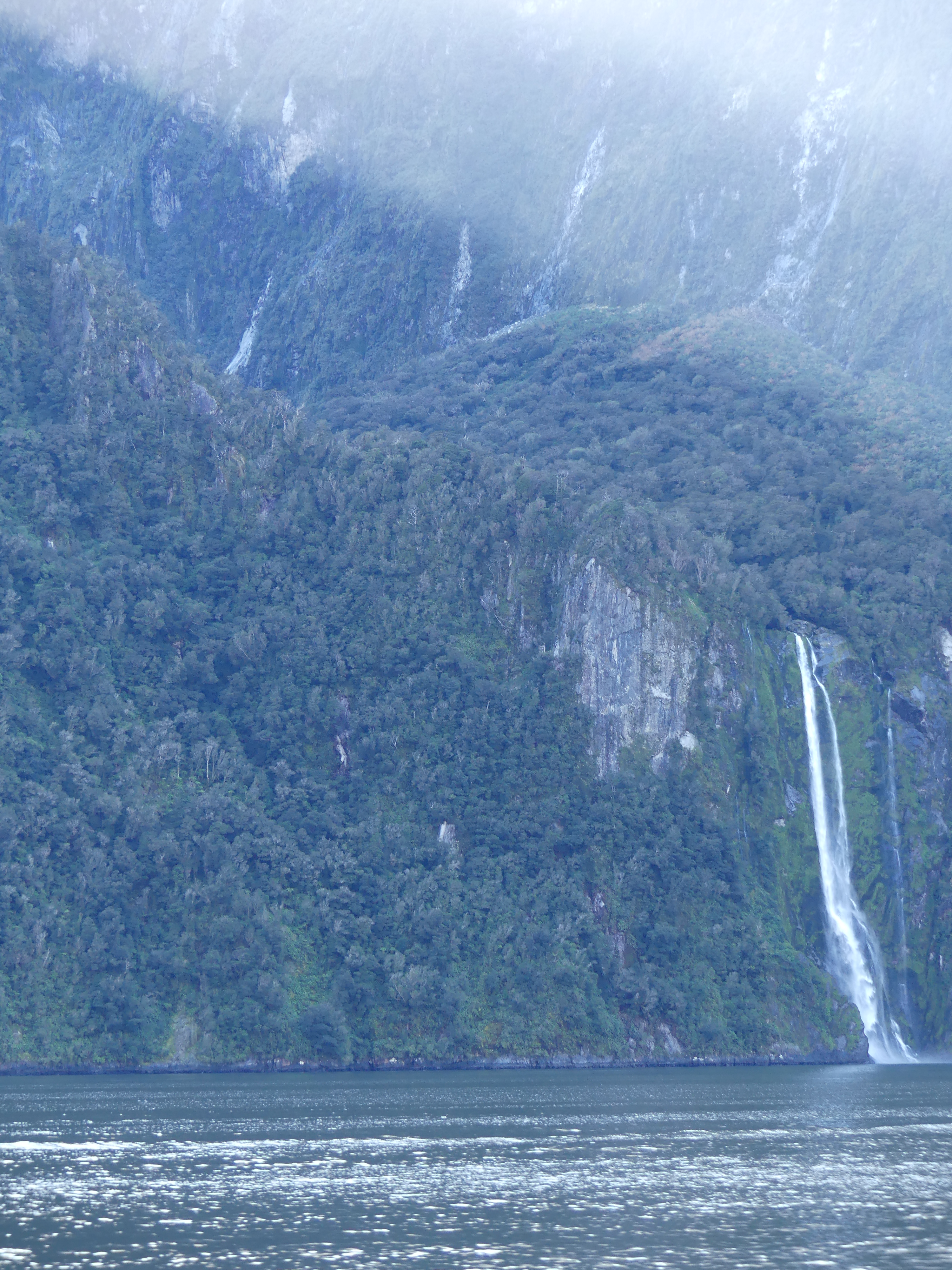

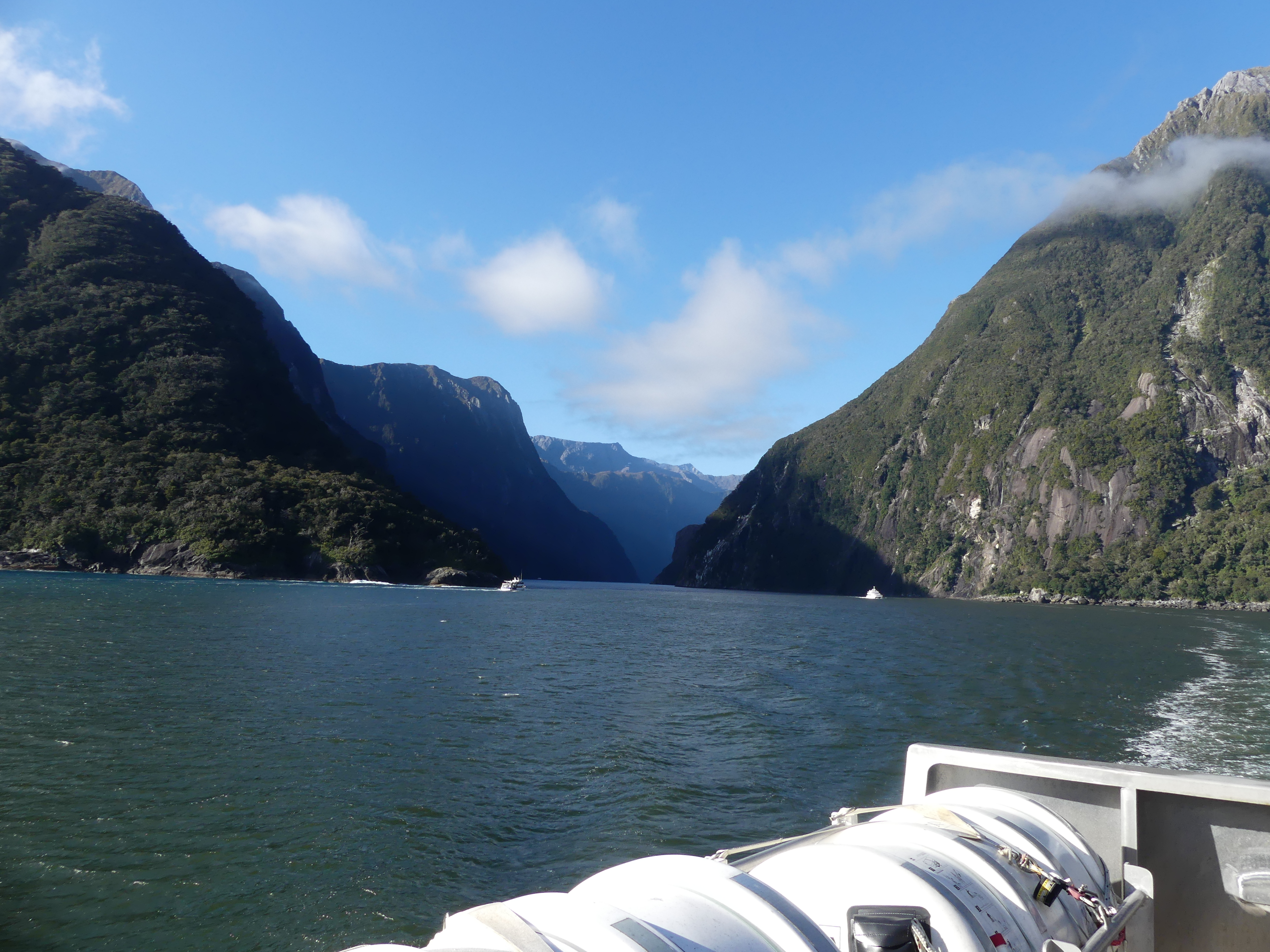
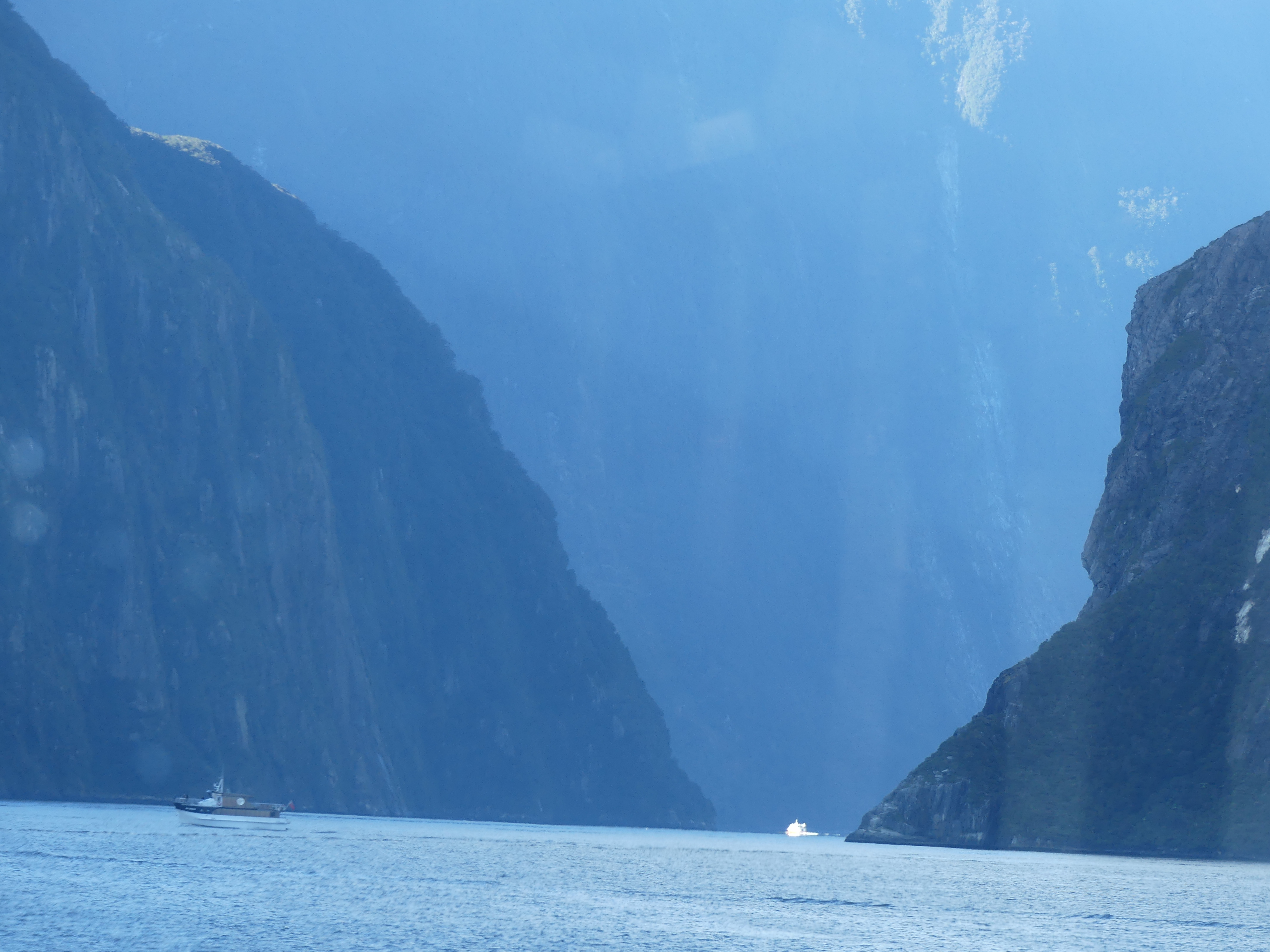
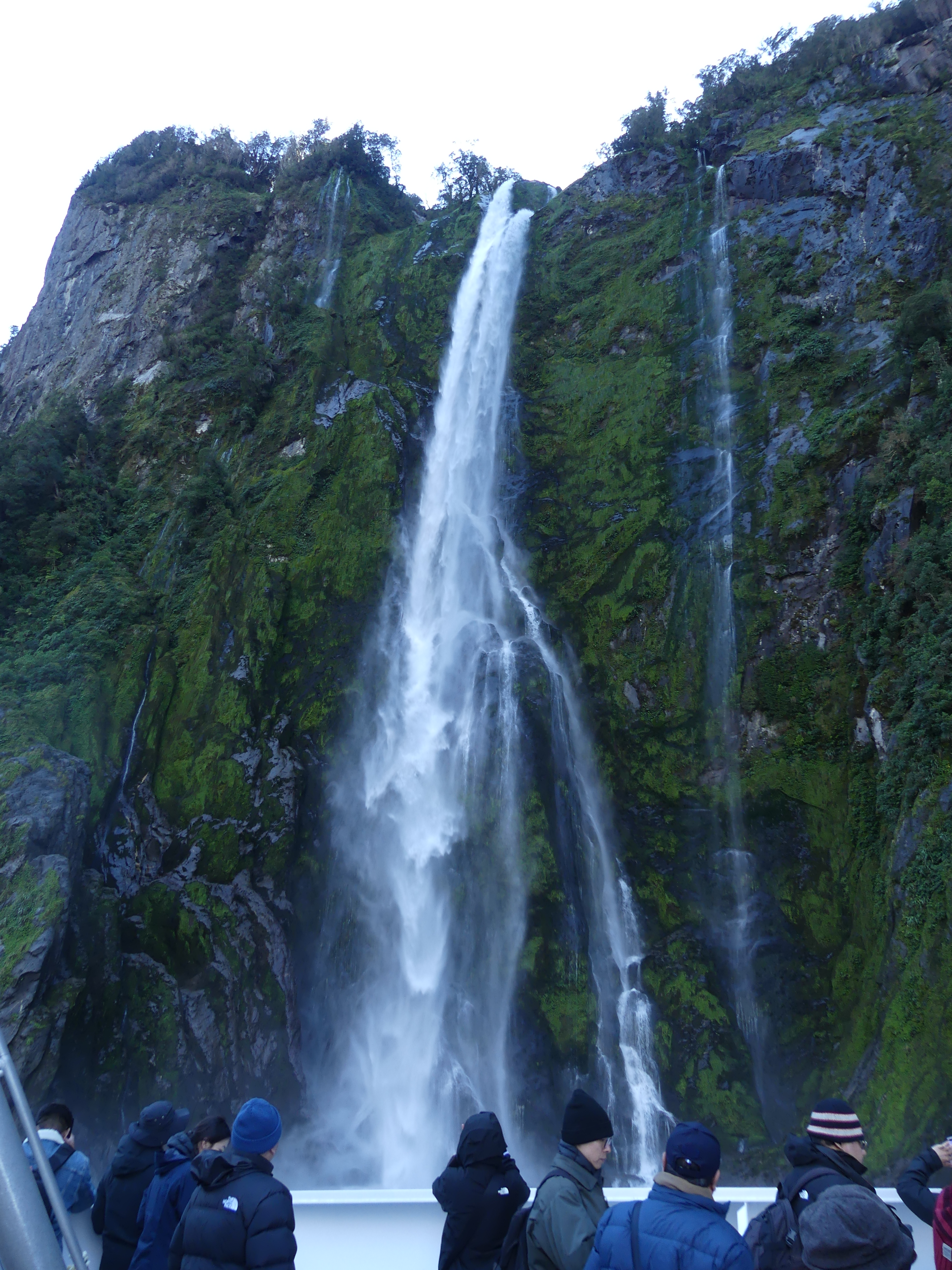
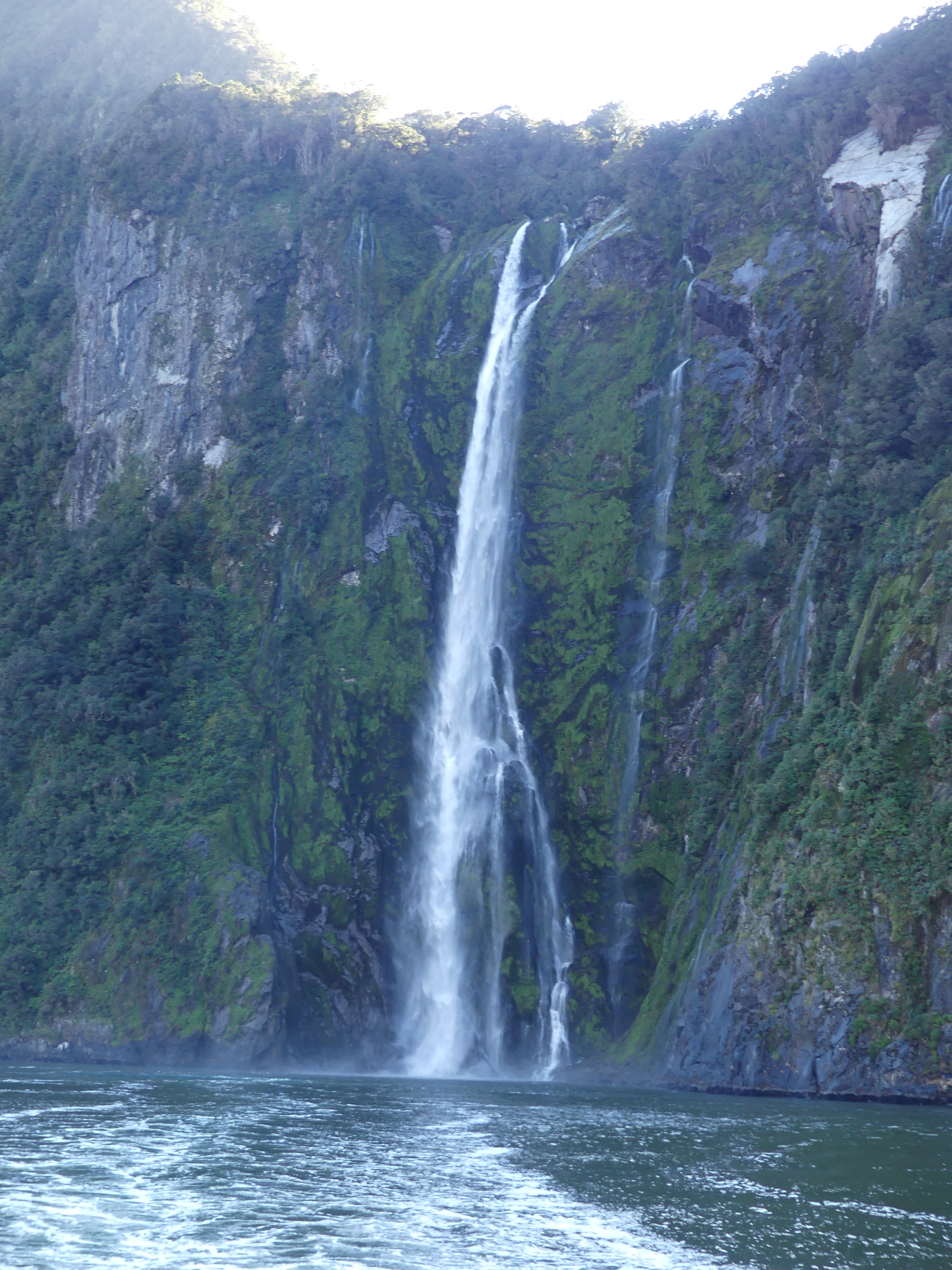
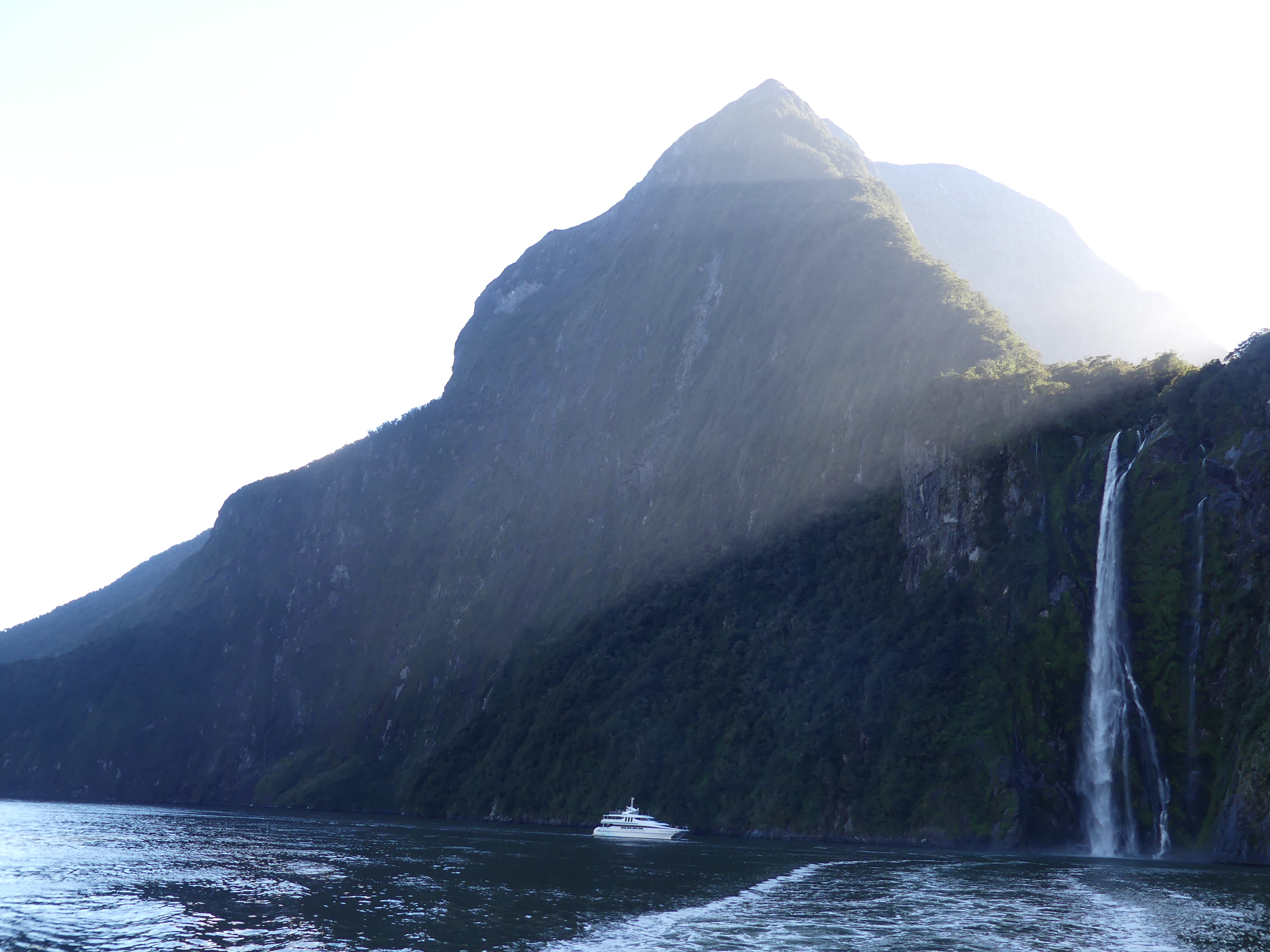
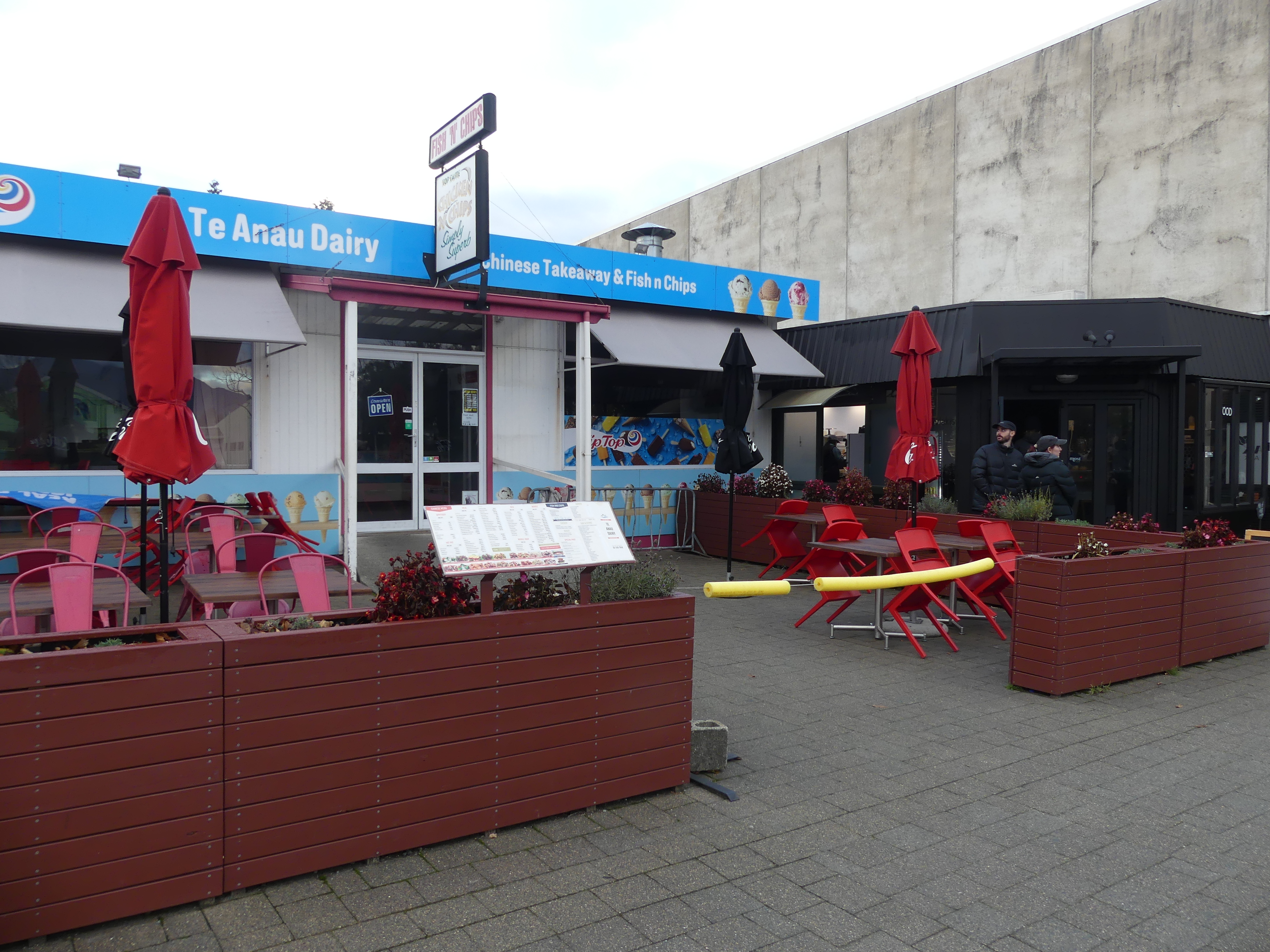
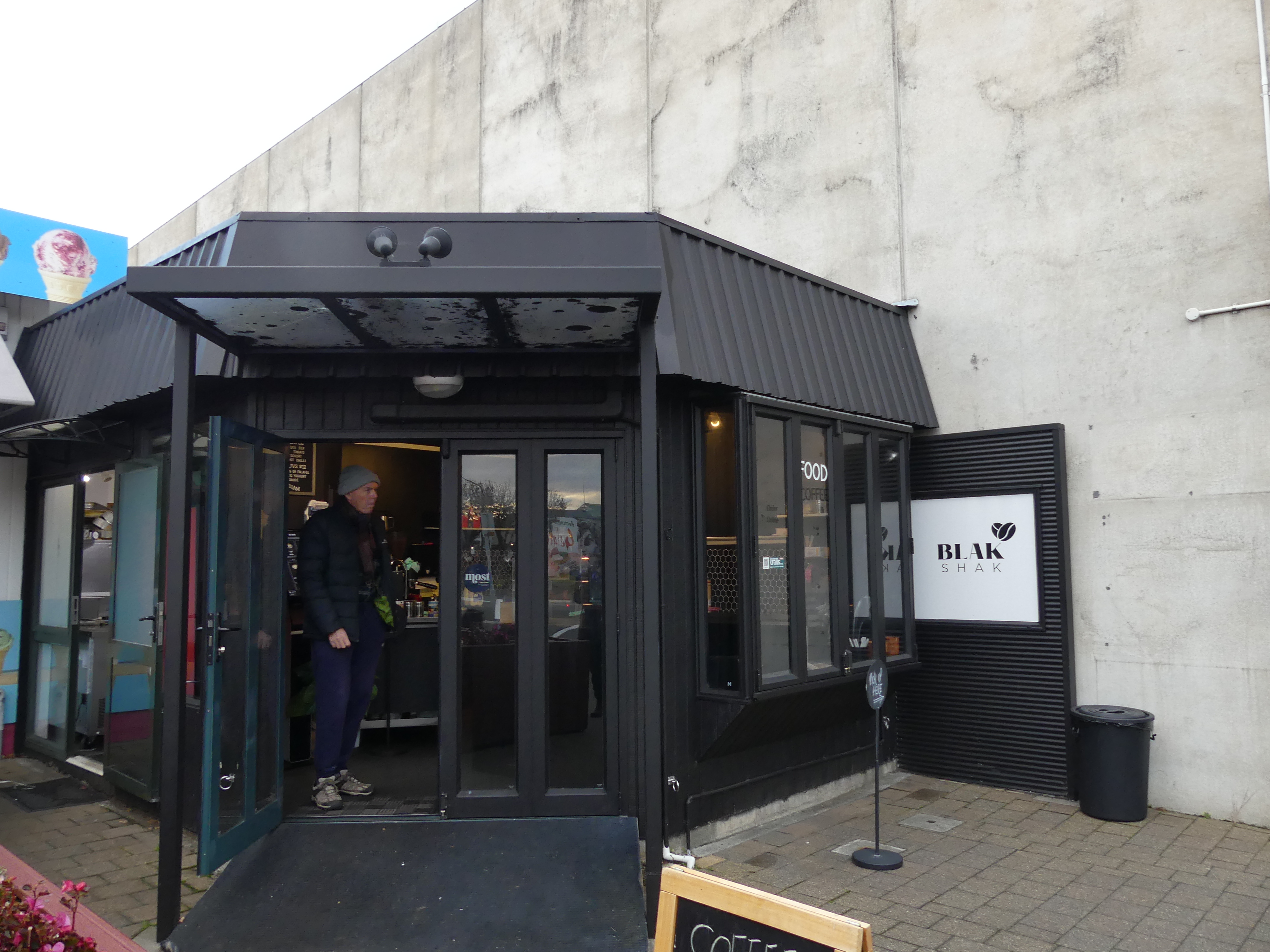
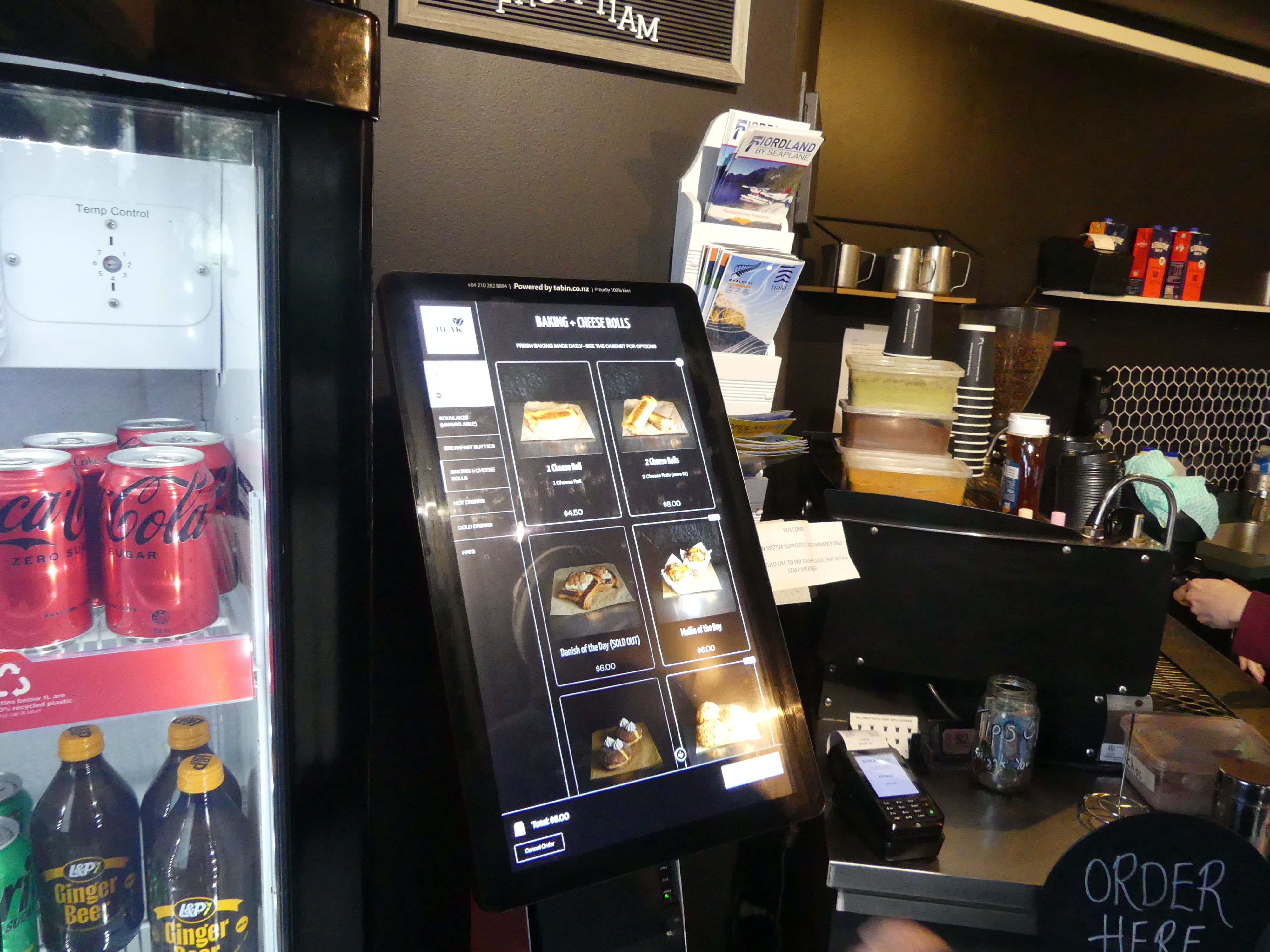
Now I know the wildlife is not like a zoo but the promises of seeing Hector Dolphins, NZ fur Seals, Albatrosses and everything else was clearly just marketing. As explained by the staff “you’re here out of season”. We rejoined Barry and Sandi for the drive back to Te Anu, to hunt for dinner and play more Skipbo. During our hunt for dinner, we encountered one of the world’s smallest coffee venues. We all agreed that we would get our morning coffee there.
Day 5 Barry selecting his coffee, the coffee shop,
Episode 2 Our hunt for Invercargill follows. Keep reading to enjoy the whole safari.


