SORRENTO
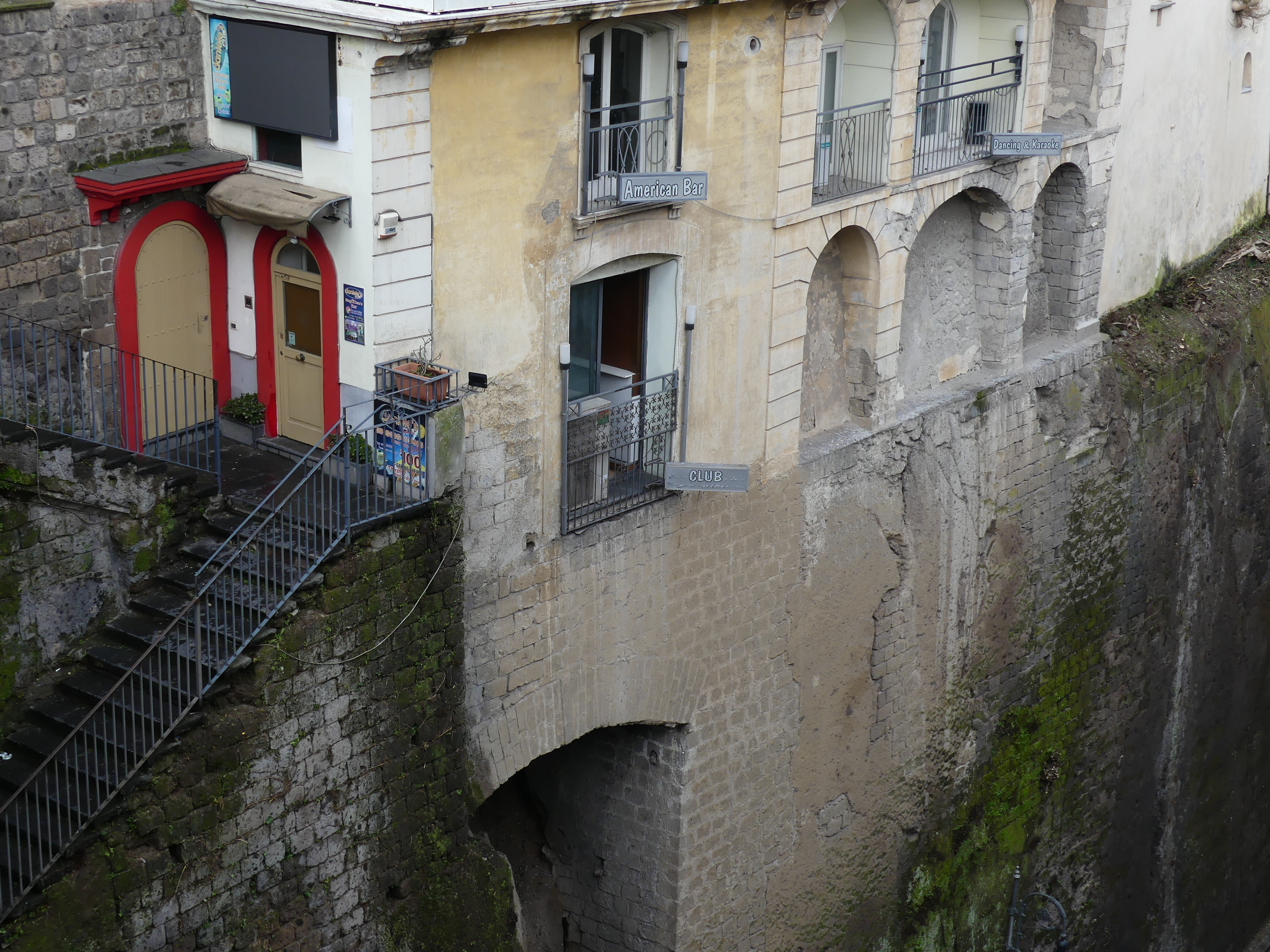
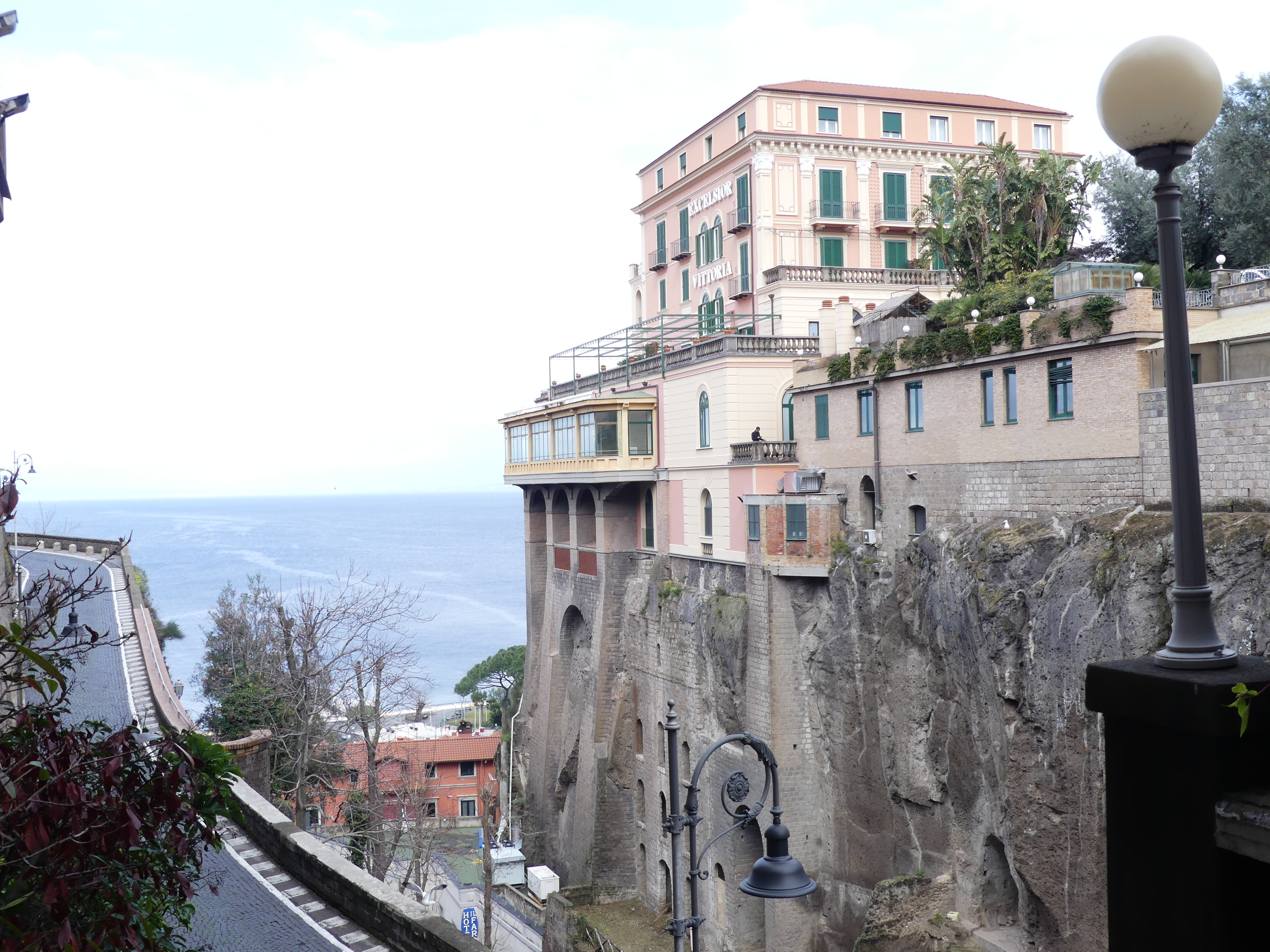
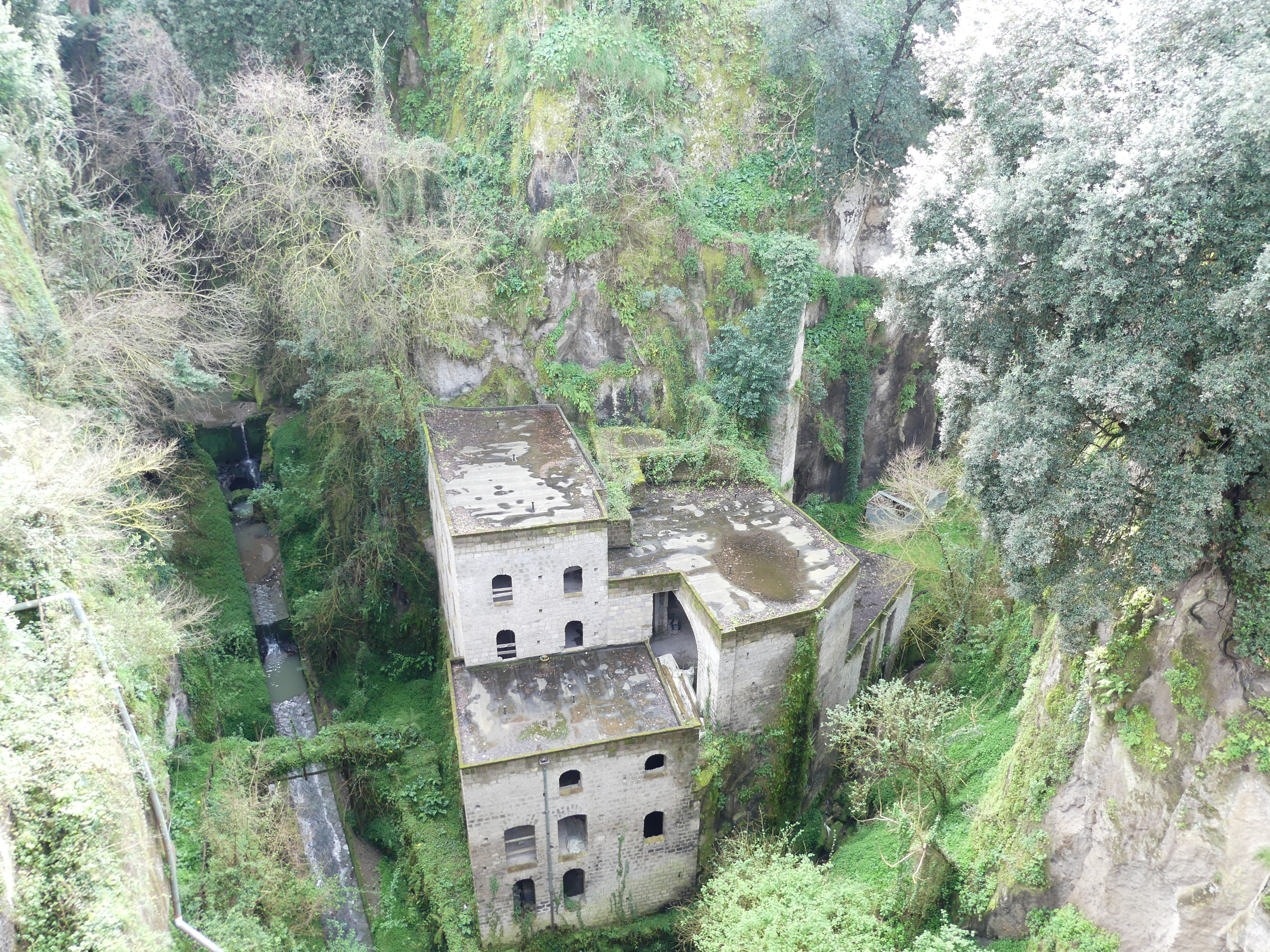
We decided to take another train trip this time along the coast to Sorrento, a resort town to the south. Arriving at the station/terminus for the train, we found a tour guide shop and picked up a map of the town and headed for the centre of town. At first it was unremarkable in its architecture and design until we came across a ravine passing through the town with buildings and roads straddling it and overlooking the Bay of Naples. Over the centuries of Sorrento’s establishment, it has been the subject of piracy, bombardment, and invasion, so it is no stranger to visitors to town.
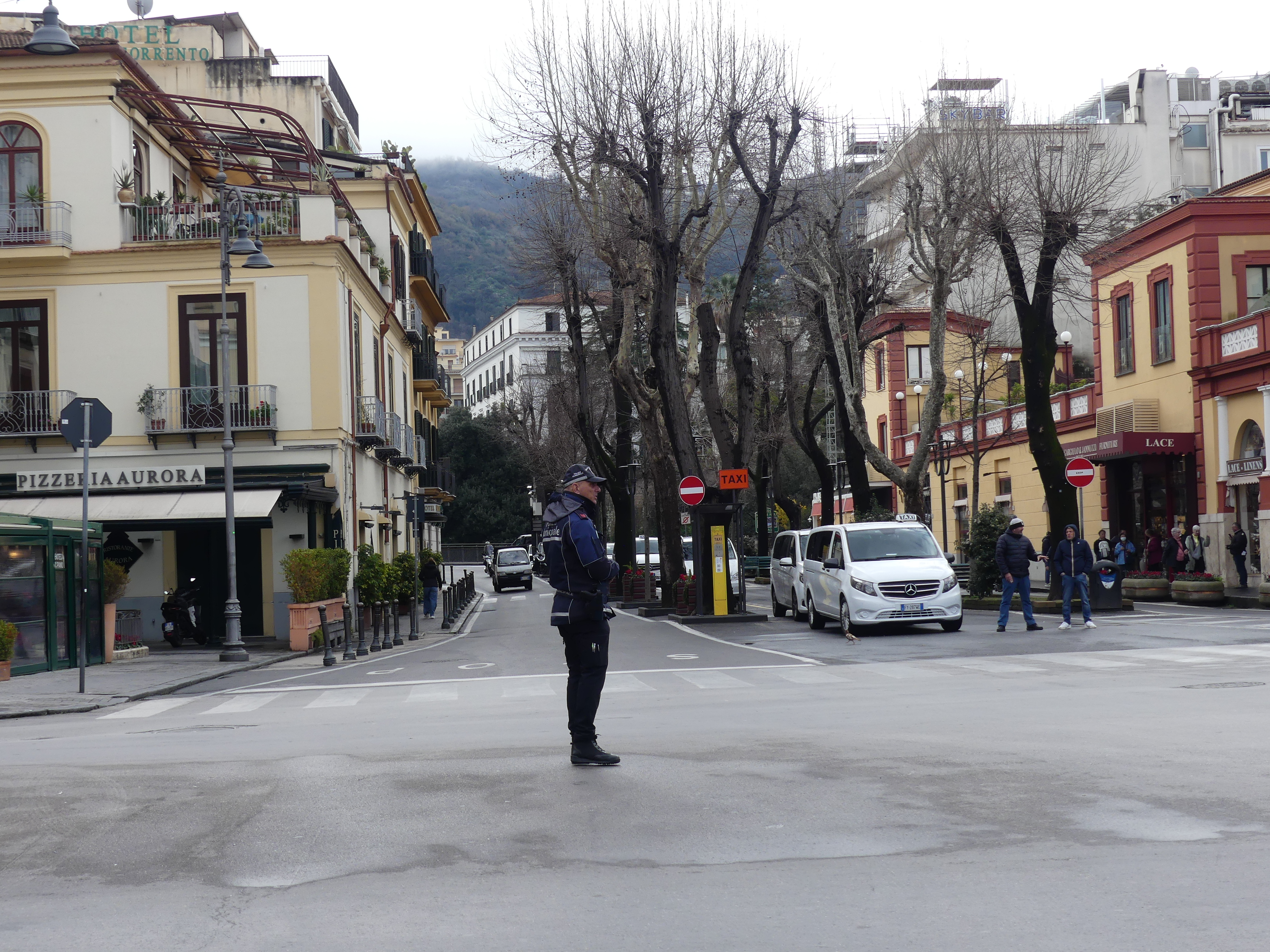
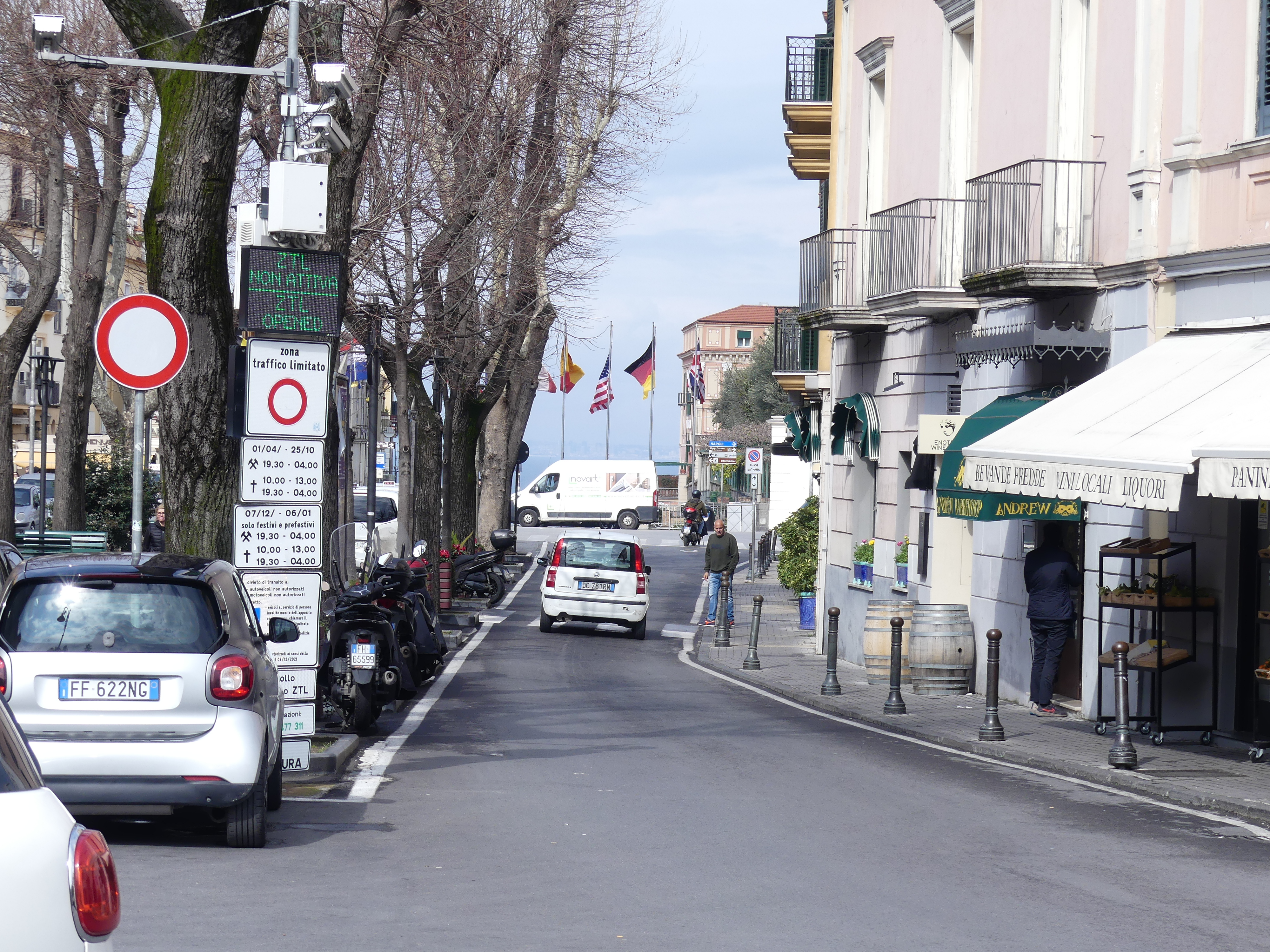
The “old town” is identified by narrow streets and loads of shops, and most were open despite it being winter and raining.
Sorrento became an archbishopric around 420 AD. After the fall of the Western Roman Empire, it was ruled by the Ostrogoths and then returned to the Eastern Empire. In 1035 the city was acquired by the Duchy of Naples, then it returned to Lombard hands but when defeated by Robert Guiscard, Sorrento entered the Norman sphere of influence: any residual independence was ended in 1137 when it was conquered and annexed to the Kingdom of Sicily. In the 19th century the economy of the city improved markedly, favoured by the development of agriculture, tourism and trade. In 1861 Sorrento was officially annexed to the new Kingdom of Italy. In the following years it confirmed and increased its status of one of the most renowned tourist destinations of Italy, a trend which continued into the 20th century.
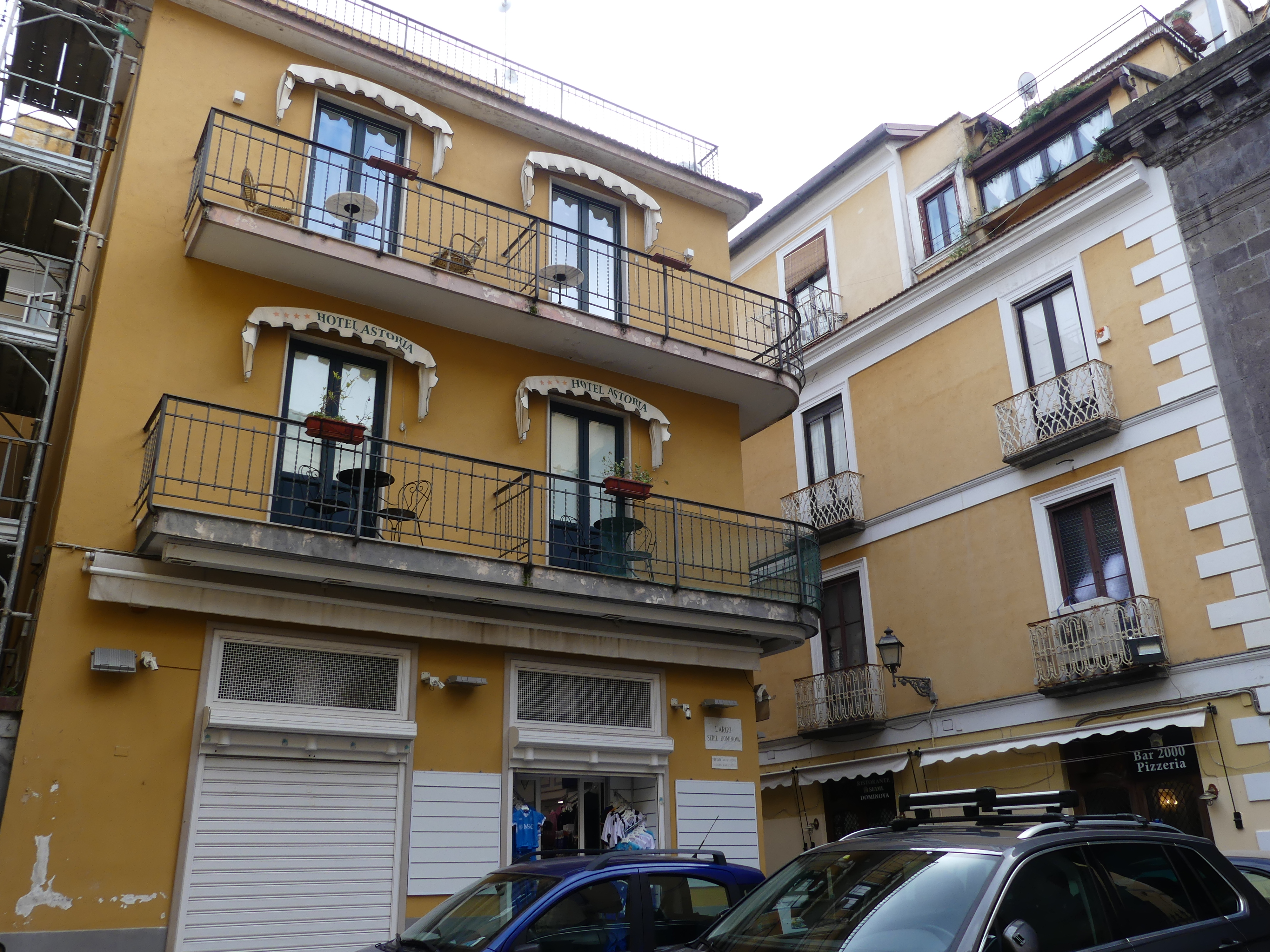
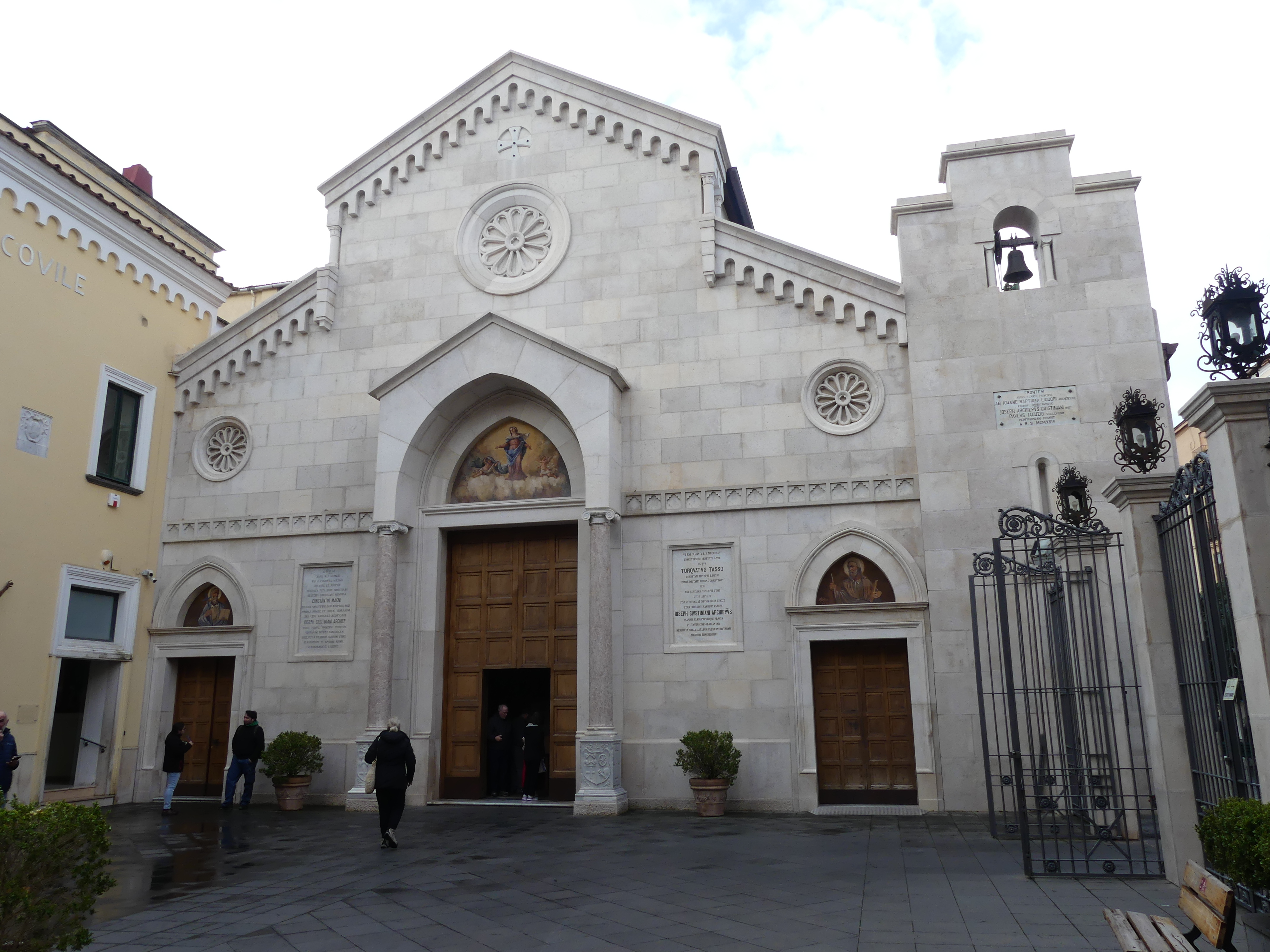
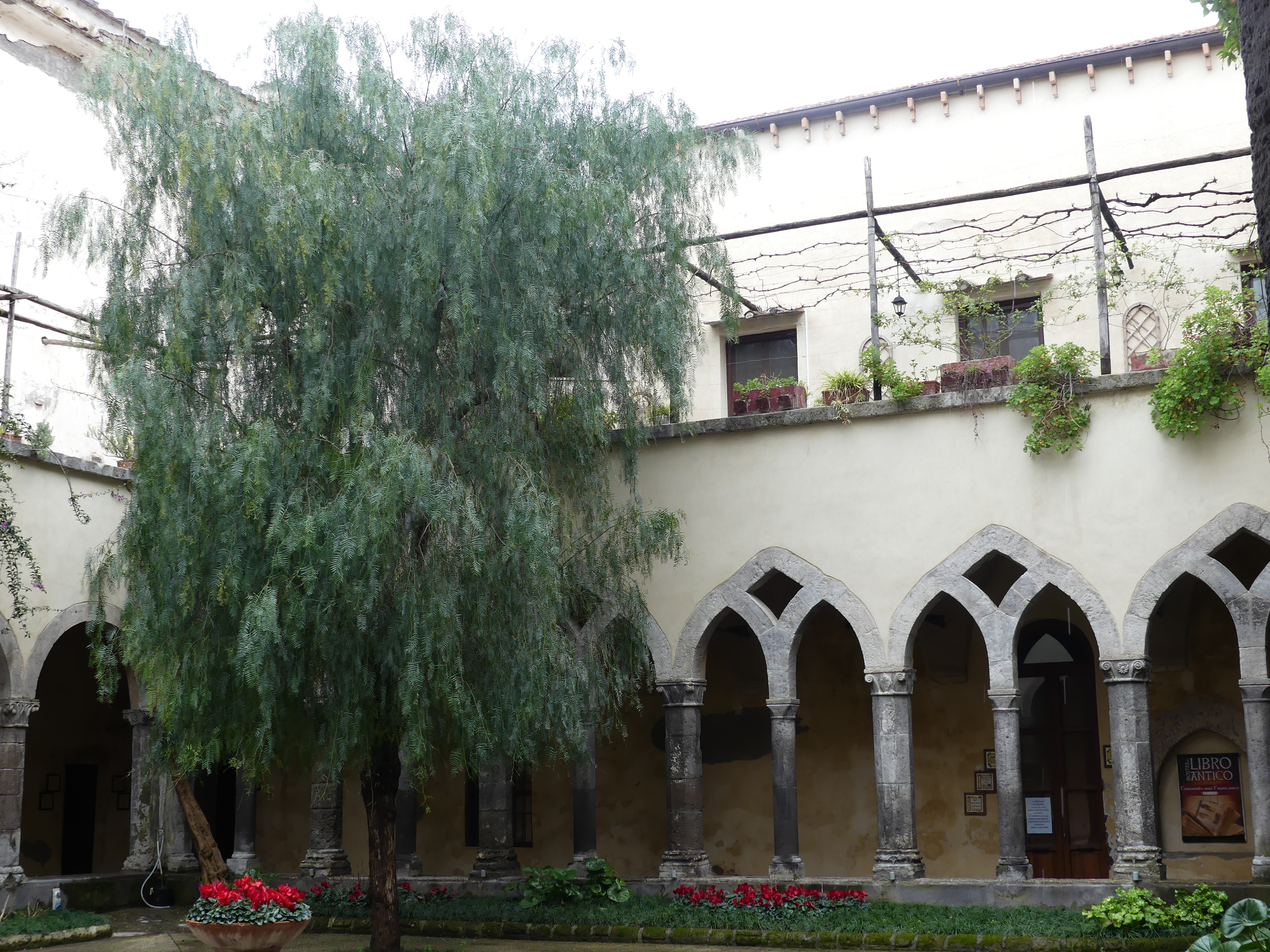
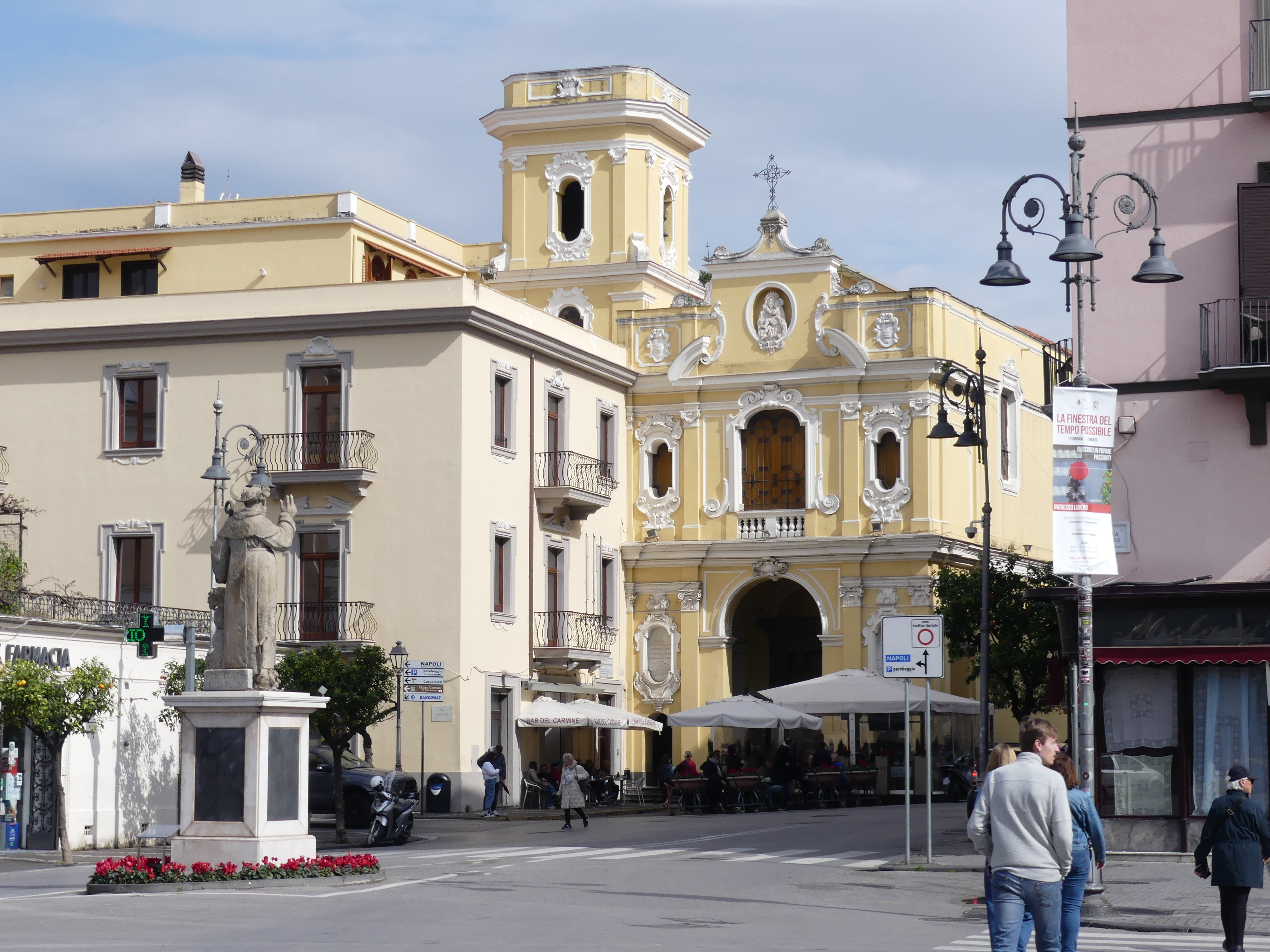
It had the usual lords and ladies running the place over the history of the town and the building below was the home of the last family ruling the town. Apart from Counts and Countesses, it was a Bishopric of the Catholic Church from 420 AD, and we found the cathedral and monastery nearby. The cathedral was ornate as demanded for a Bishopric, but it also contained the most unusual diorama of the birth of Christ – I always imagined the birth of Jesus as a quiet affair, a few sheep, a star and 3 old blokes bearing gifts. The diorama makes it look like Queen St on a Friday evening.It also had its main doors internally decorated with stations of the cross.
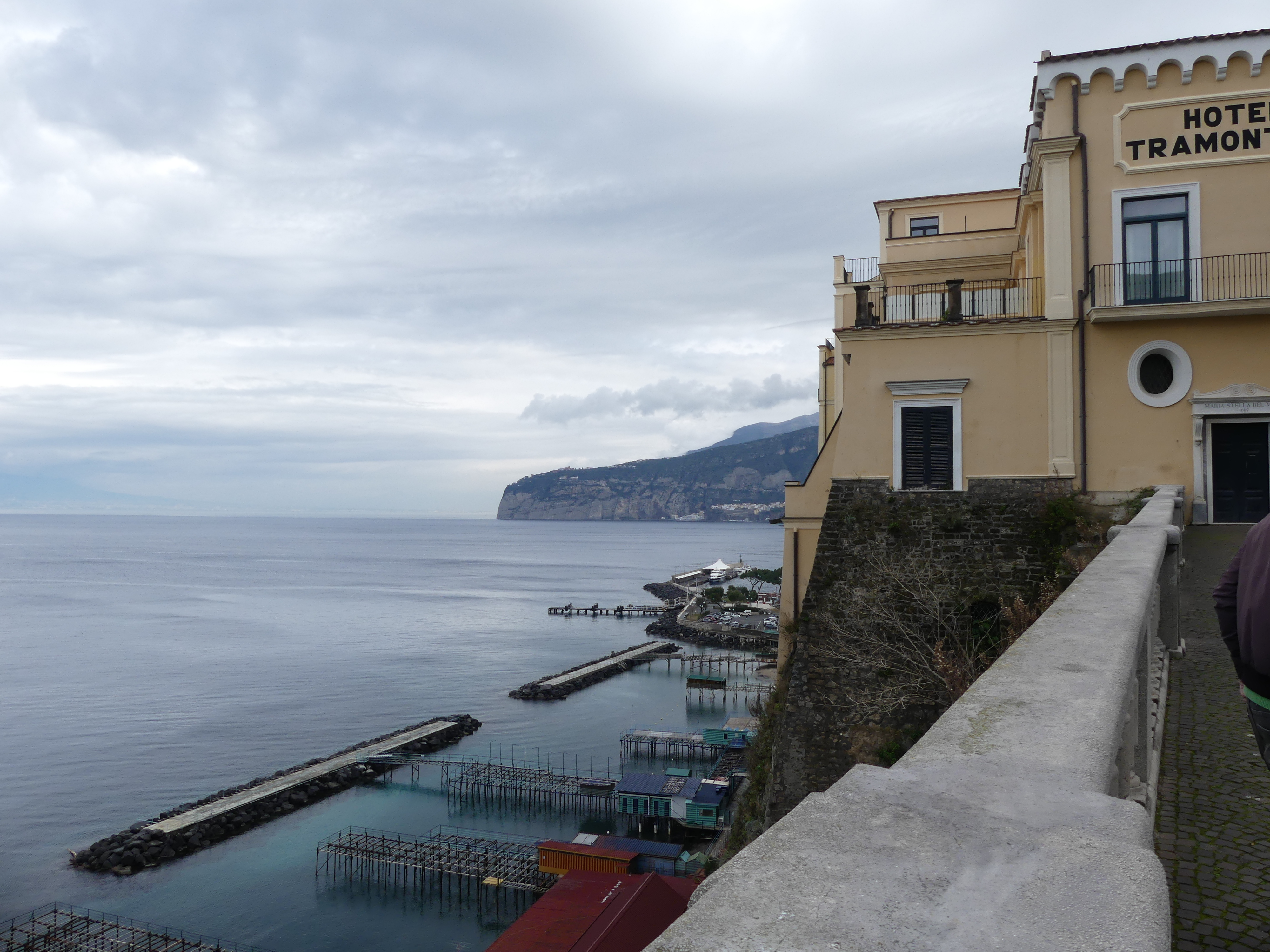
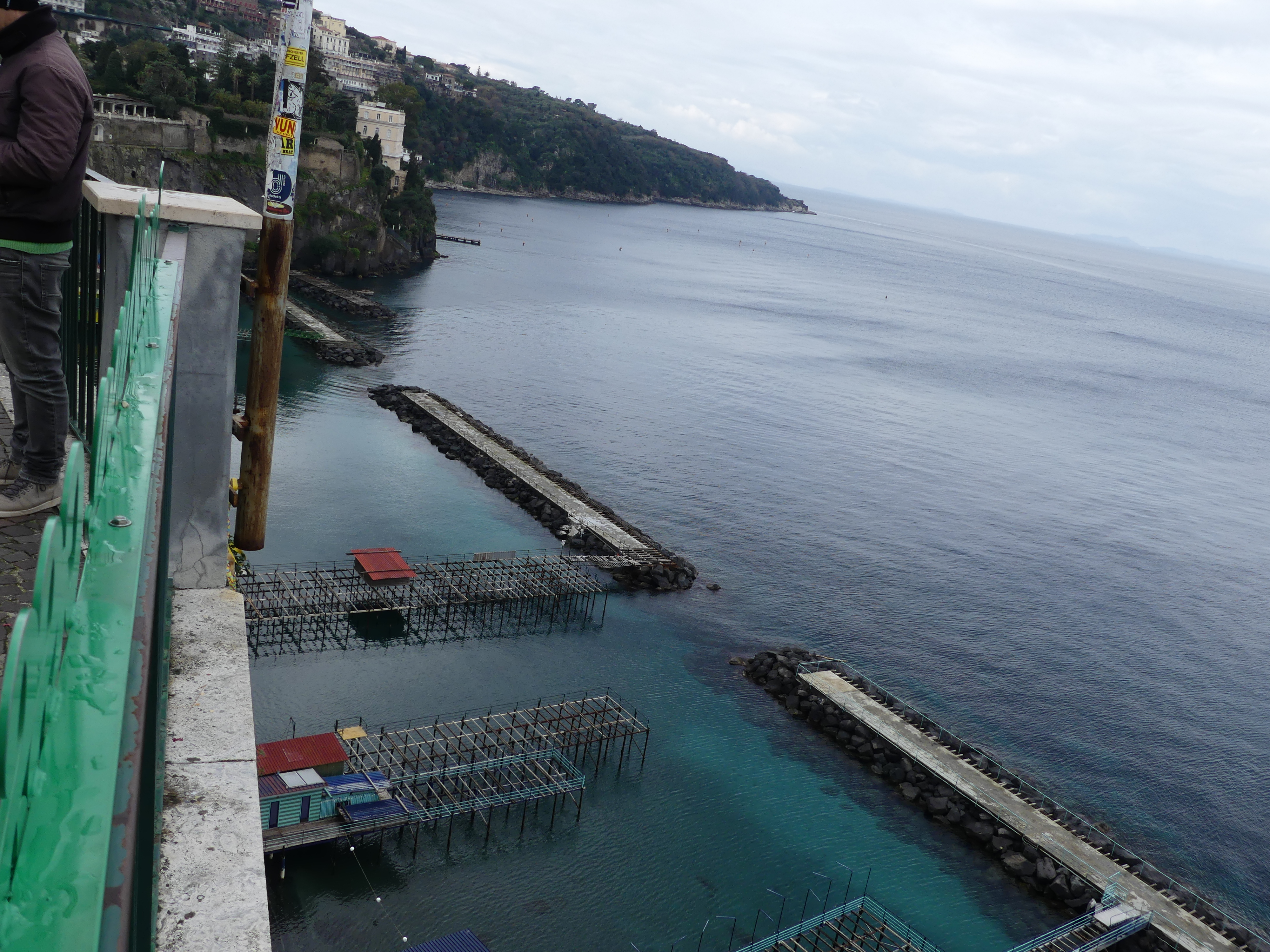
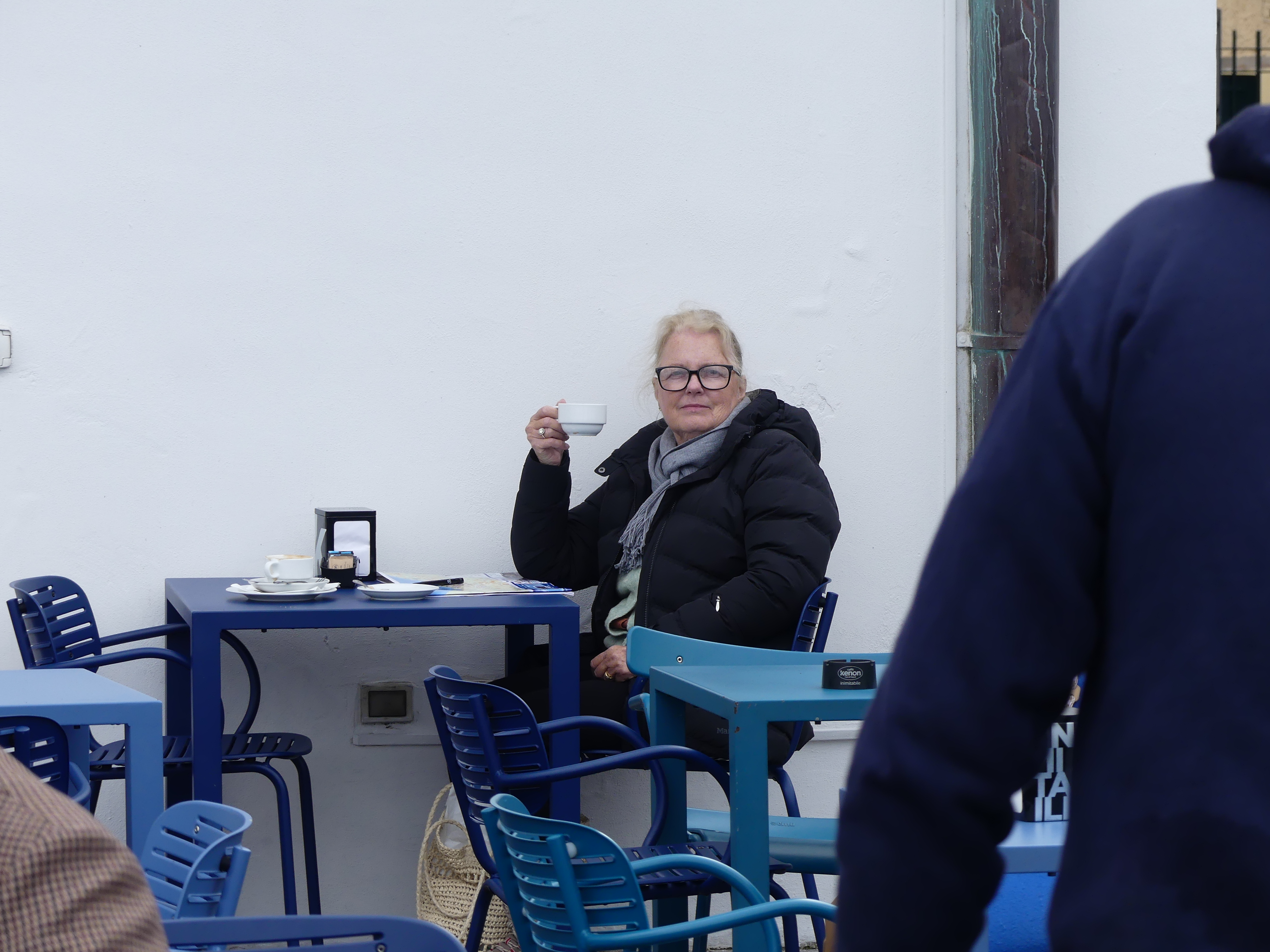
We walked through the town checking out the rift created by nature (actually the rift has always been there and people built on top of it) to the cliff side and views of the Bay of Naples/Tyrrhenian Sea and of course a cafe.
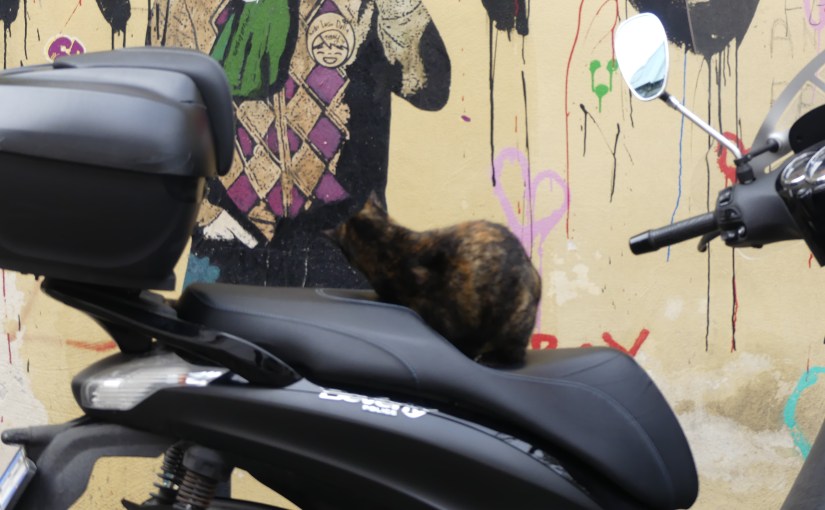
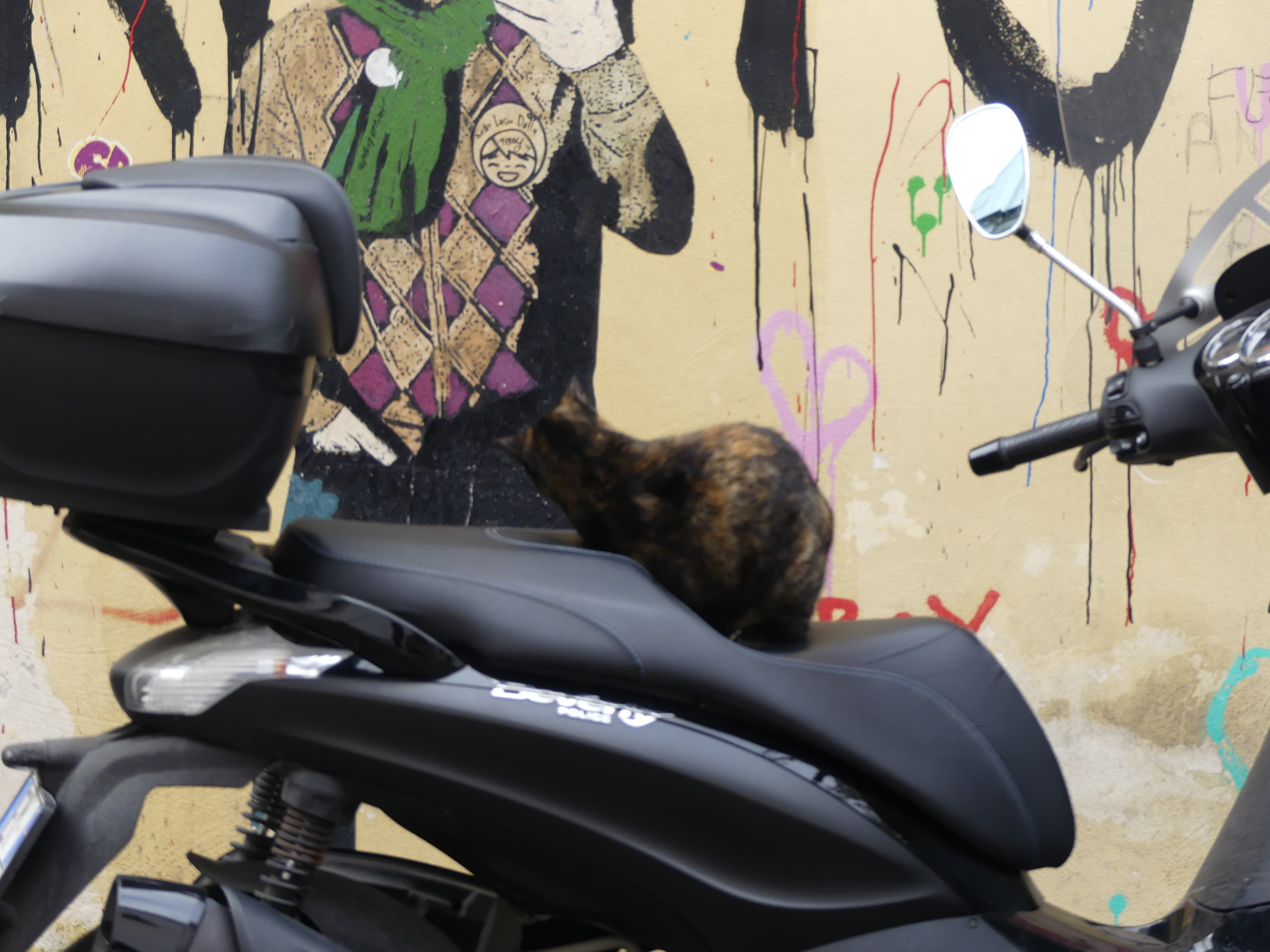
We continued our walkabout finding some street art (that bloody cat staring at the graffiti would not shift), a statue of a saint or is it “saintress” for the feminine, and a colourful square (you may notice the remnant of a scooter photo bombing my picture).
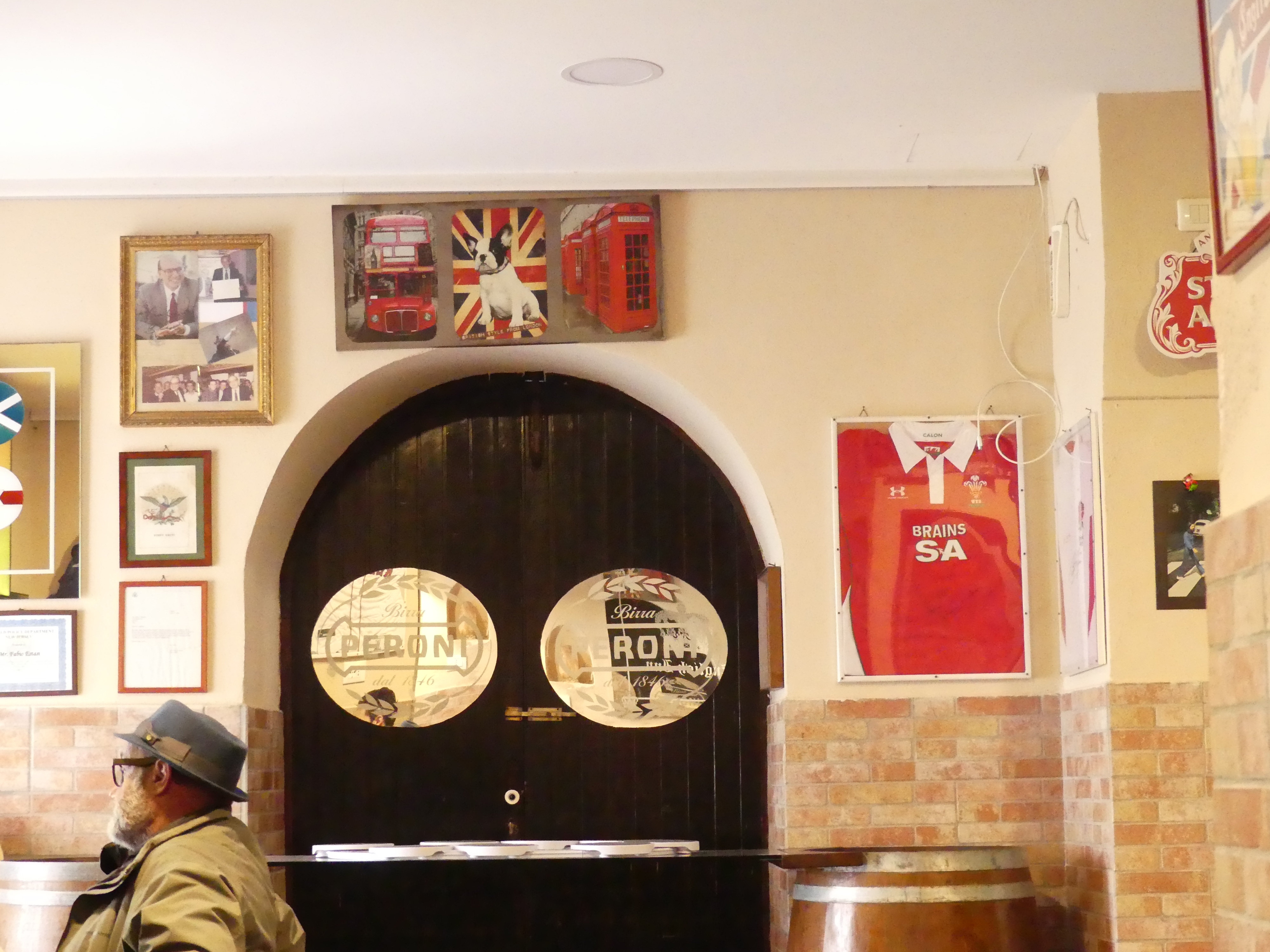
This walkabout took us to most parts of the village and ultimately to the only British pub in town, so we stopped for lunch. Queer isn’t it that there is a British pub in town and not one of the staff had any idea what it should look like or how to act. To be honest they didn’t have much of a clue about pubs and the waitress had never seen a British pub till she started work at this establishment and I told her, she hadn’t seen one yet, which puzzled her. Ah well, my appetite had not been good and the plain food passed off as British pub food was all I could handle. We left our waitress puzzling and returned to the train back to Naples.
It was time for a nap as we are yet to pack and we have to return to Naples for a Finnair flight to Tokyo tomorrow. My next blog will be entitled “THE RETIREES GO AROUND THE WORLD – NAPLES to ROME & Leonardo da Vinci–Fiumicino Airport THEN TOKYO”
Share this: Feel free to share















 glendon1954