THE RETIREES GO AROUND THE WORLD – TOKYO TO ABURATASU, PORT NARE AND PORT NAHA OKINAWA

Days 1 & 2 At Sea

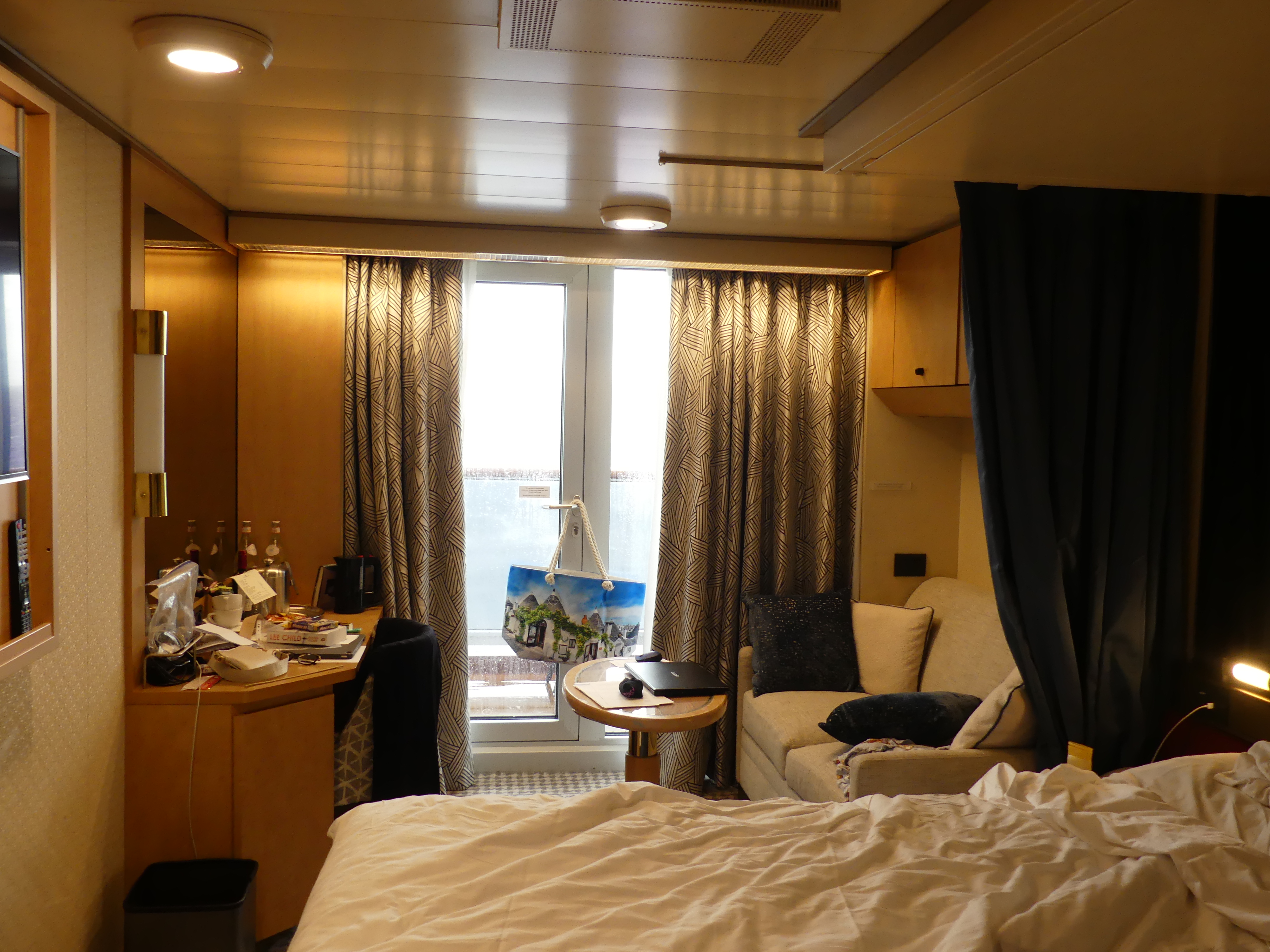
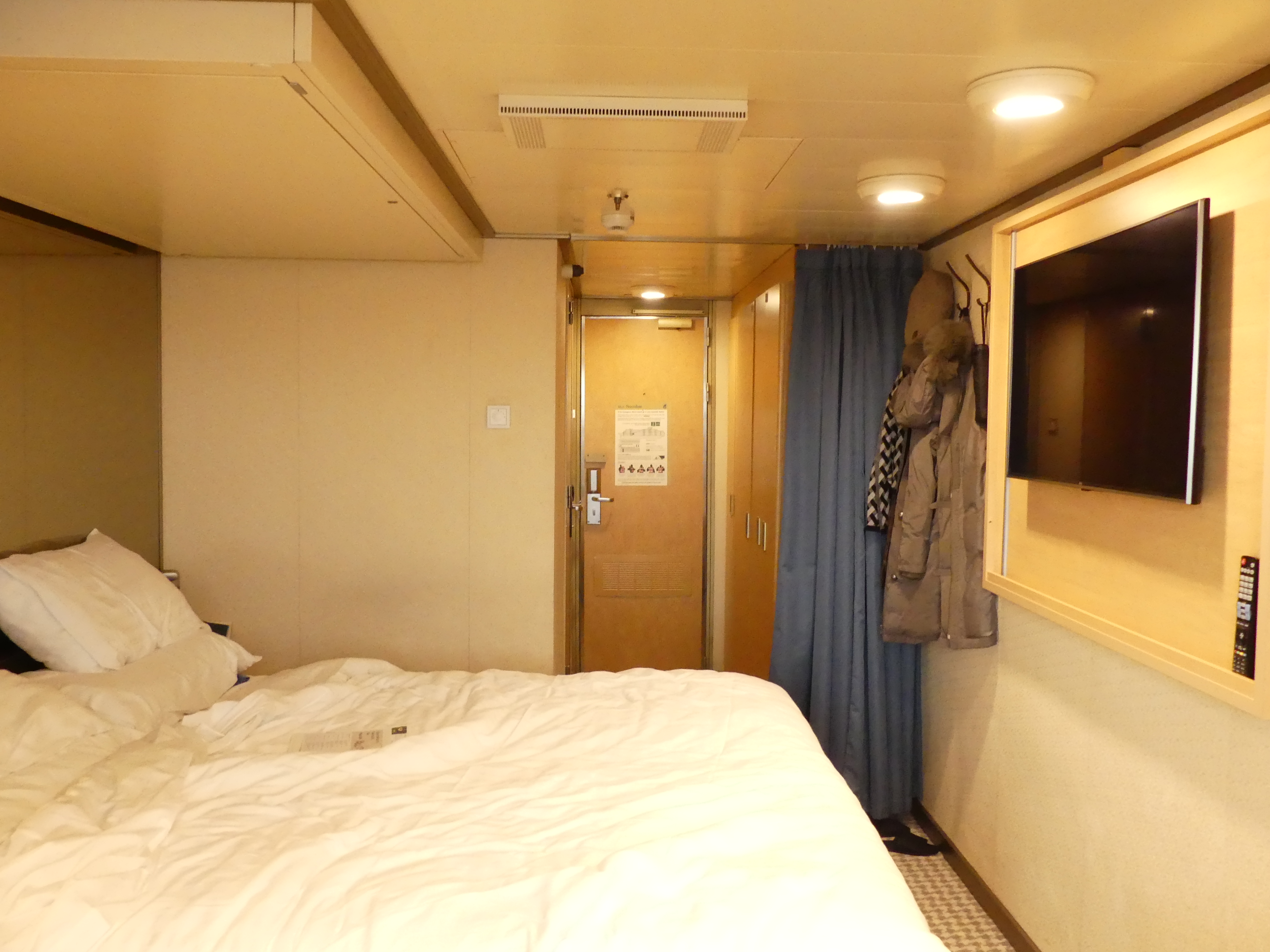
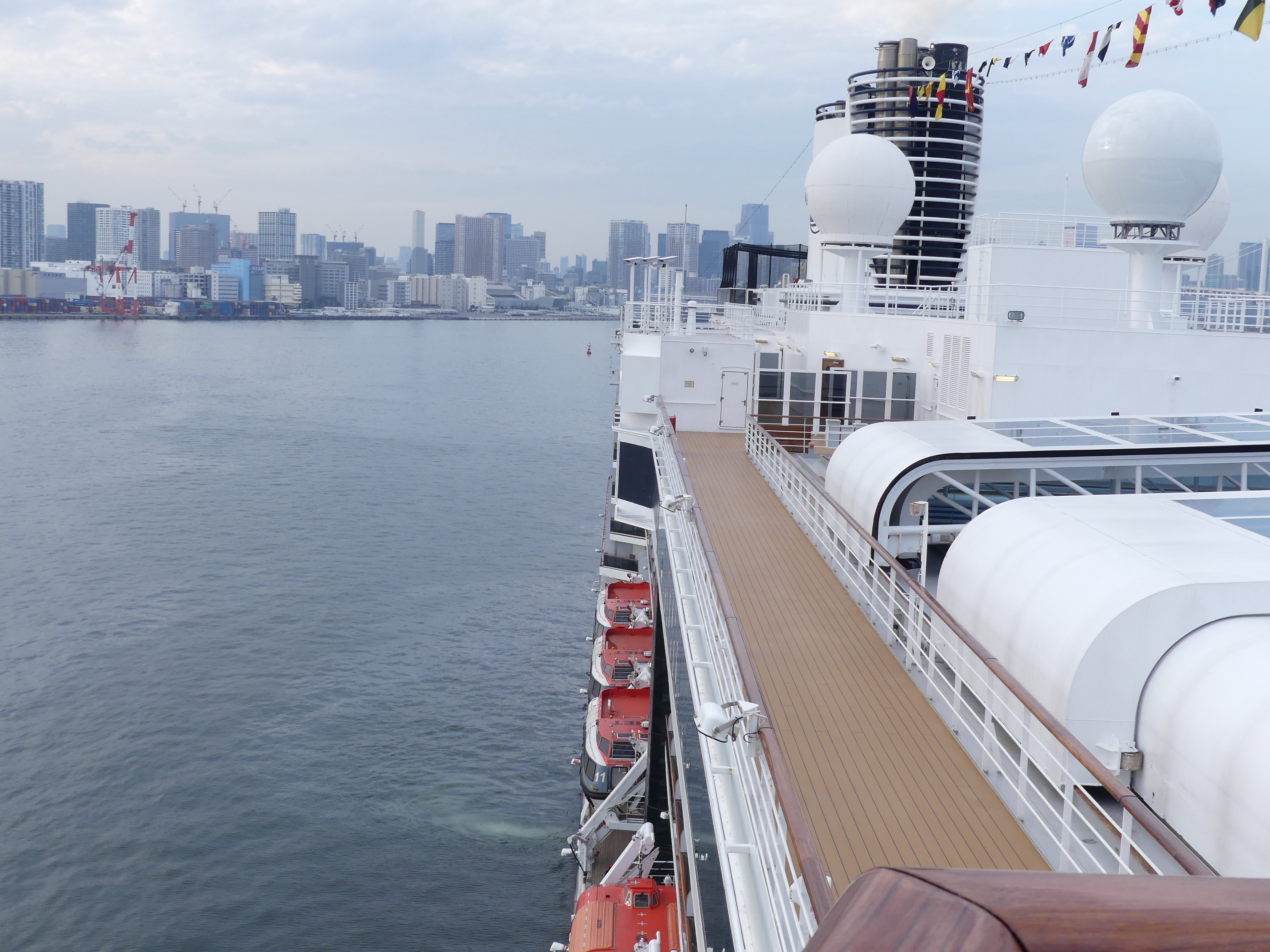
After the drama of finding the terminal, we cruised off that afternoon drinks in hand looking over the stern of the MS Noordam. The pictures below show the terminal, the crowd tucking into the welcoming drinks, some of the surrounding buildings and our stateroom. Later photos will give you a view of our deck but as you will note it was raining.

Day 3 Aburatsu

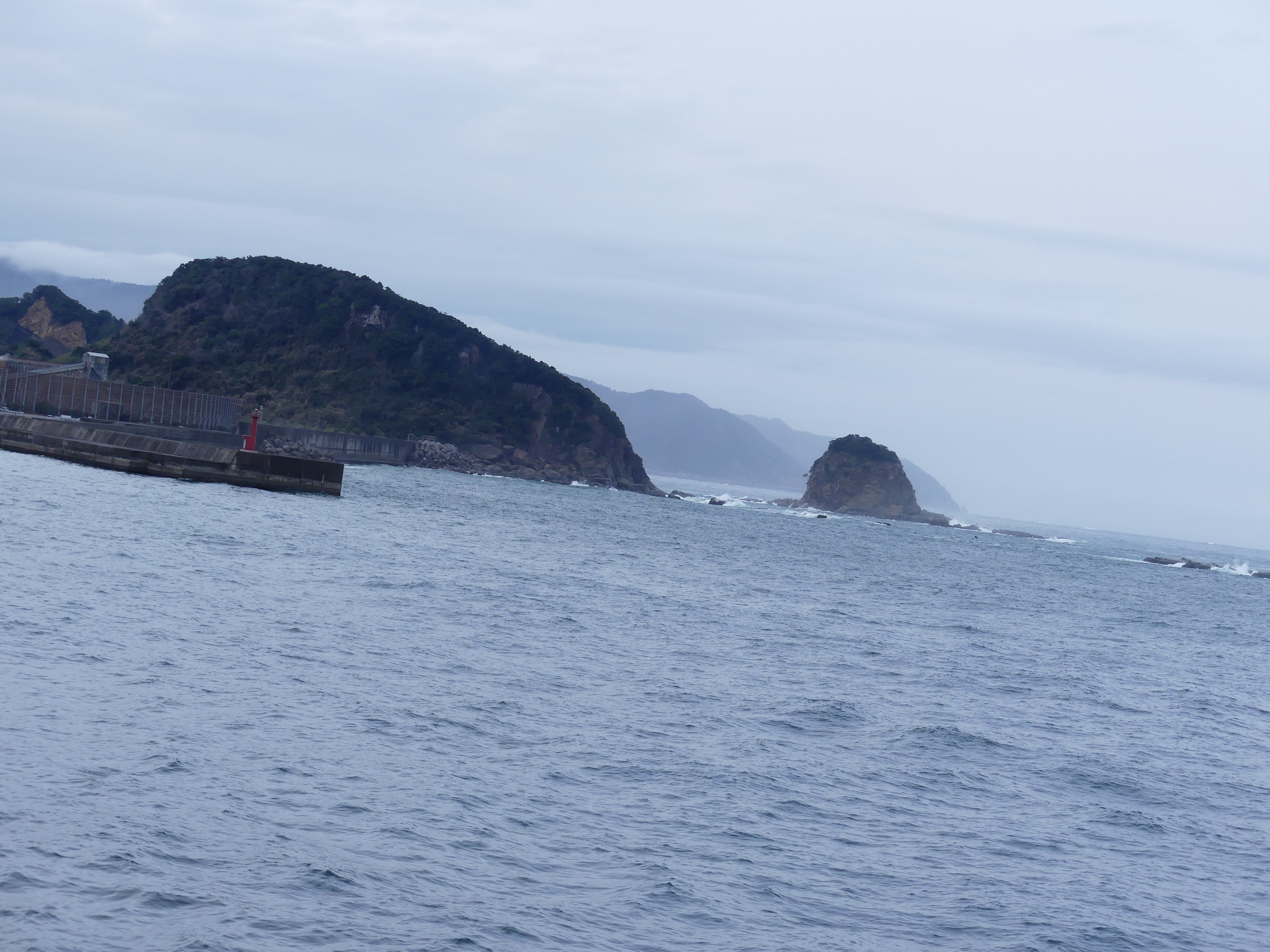
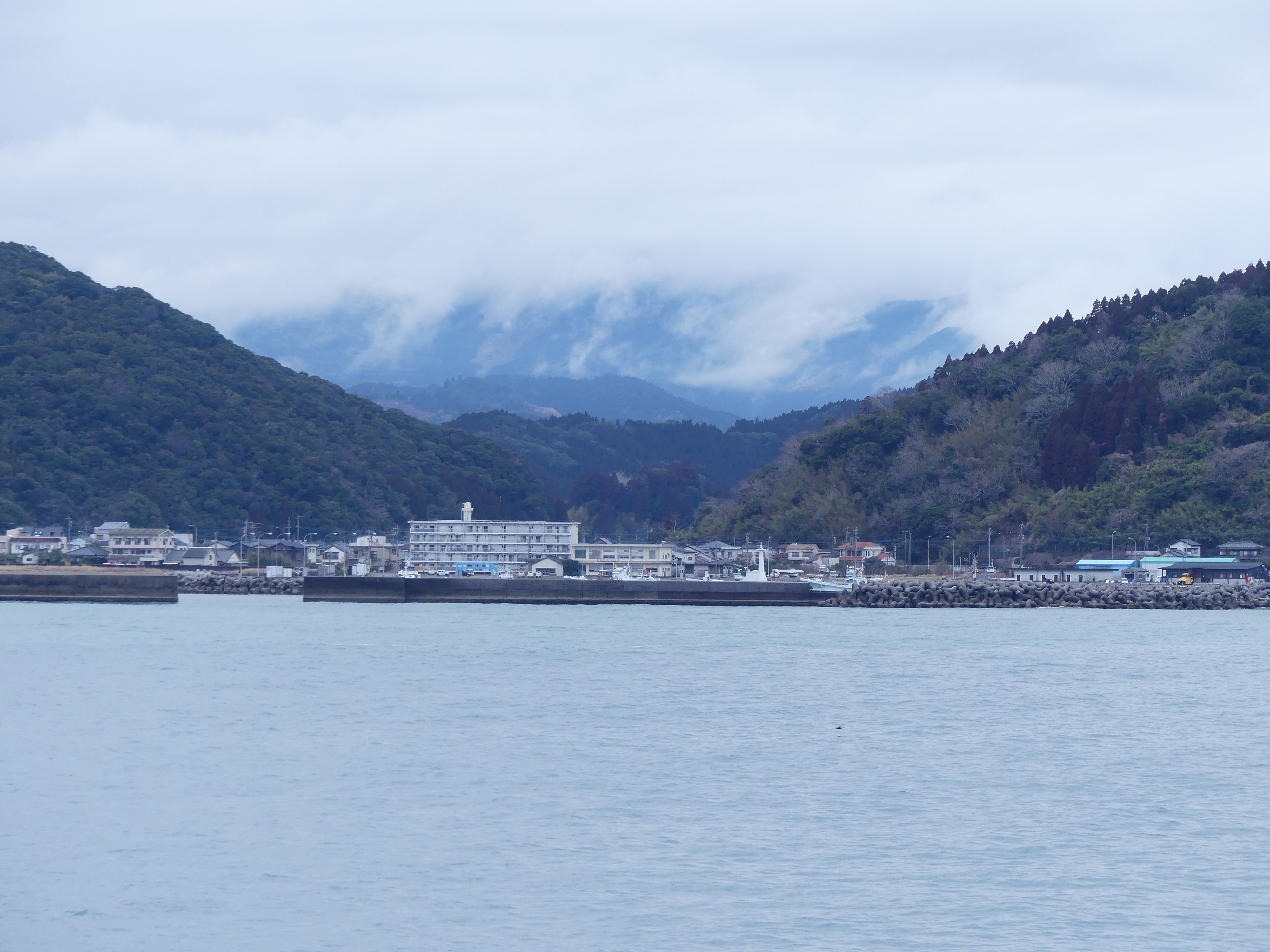
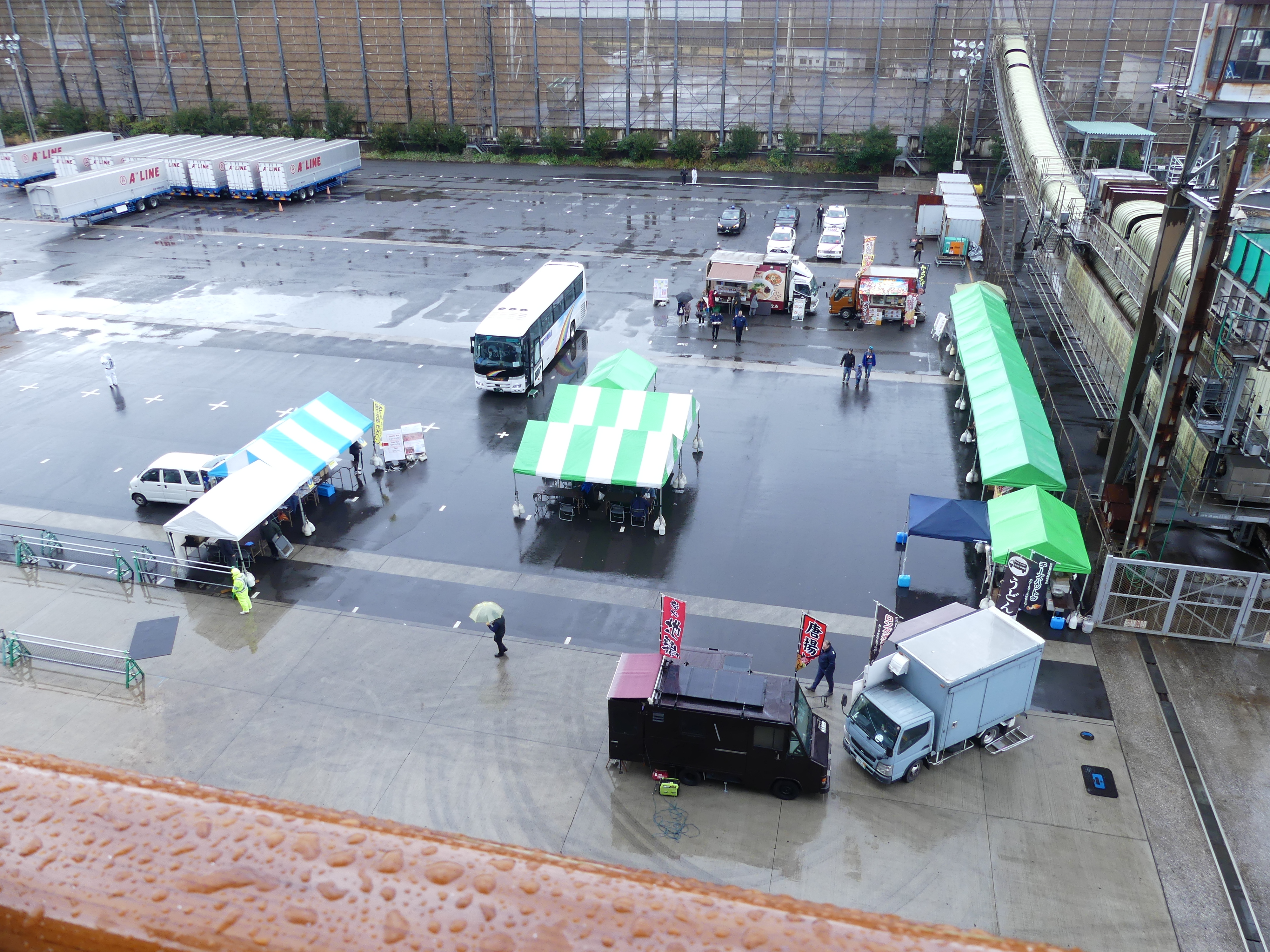
We were exhausted from rushing here and there. The tours/excursions did not excite us so we were not enticed to go ashore. The previous day and night had been choppy, and we decided it was great to just relax. The weather continued to be overcast and showery from time to time. So, we watched as several passengers filled the awaiting buses and thought of a good book and rest. Amongst the photos below you will see the harbour is fenced off by rocky outcrops and the channels out of the harbour had to be marked by lighthouses when the ship sailed.

Day 4 Port Naze

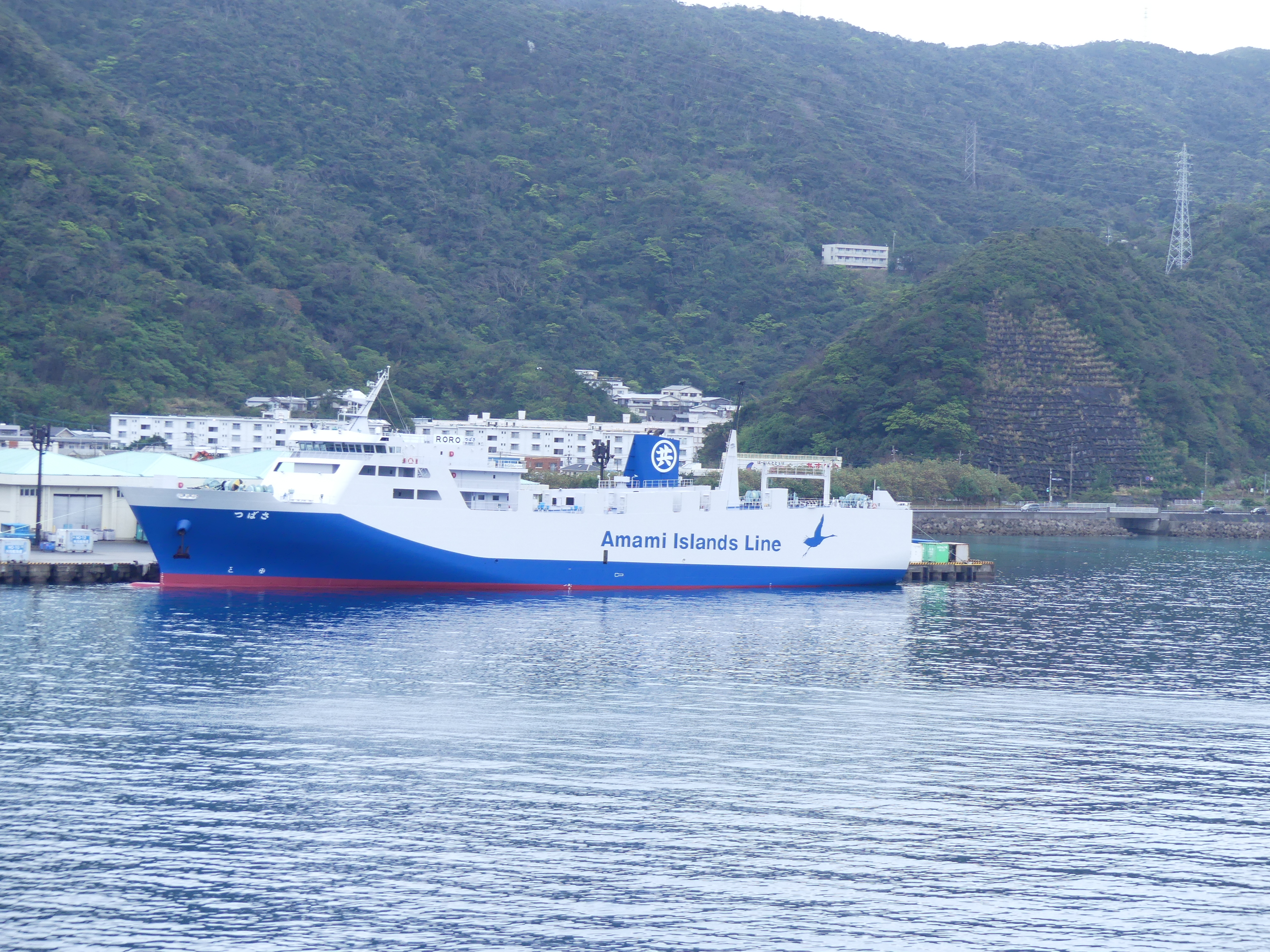
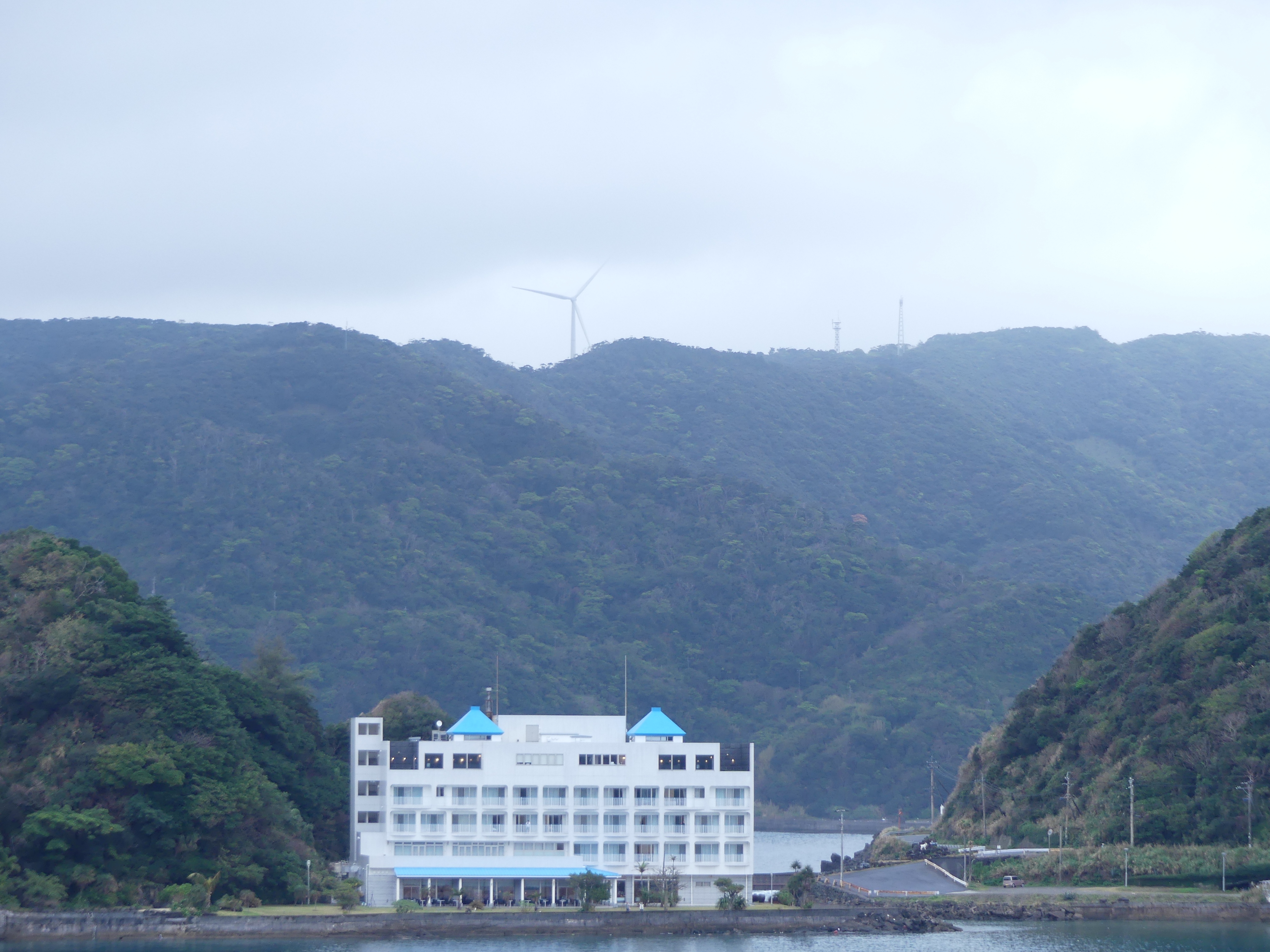
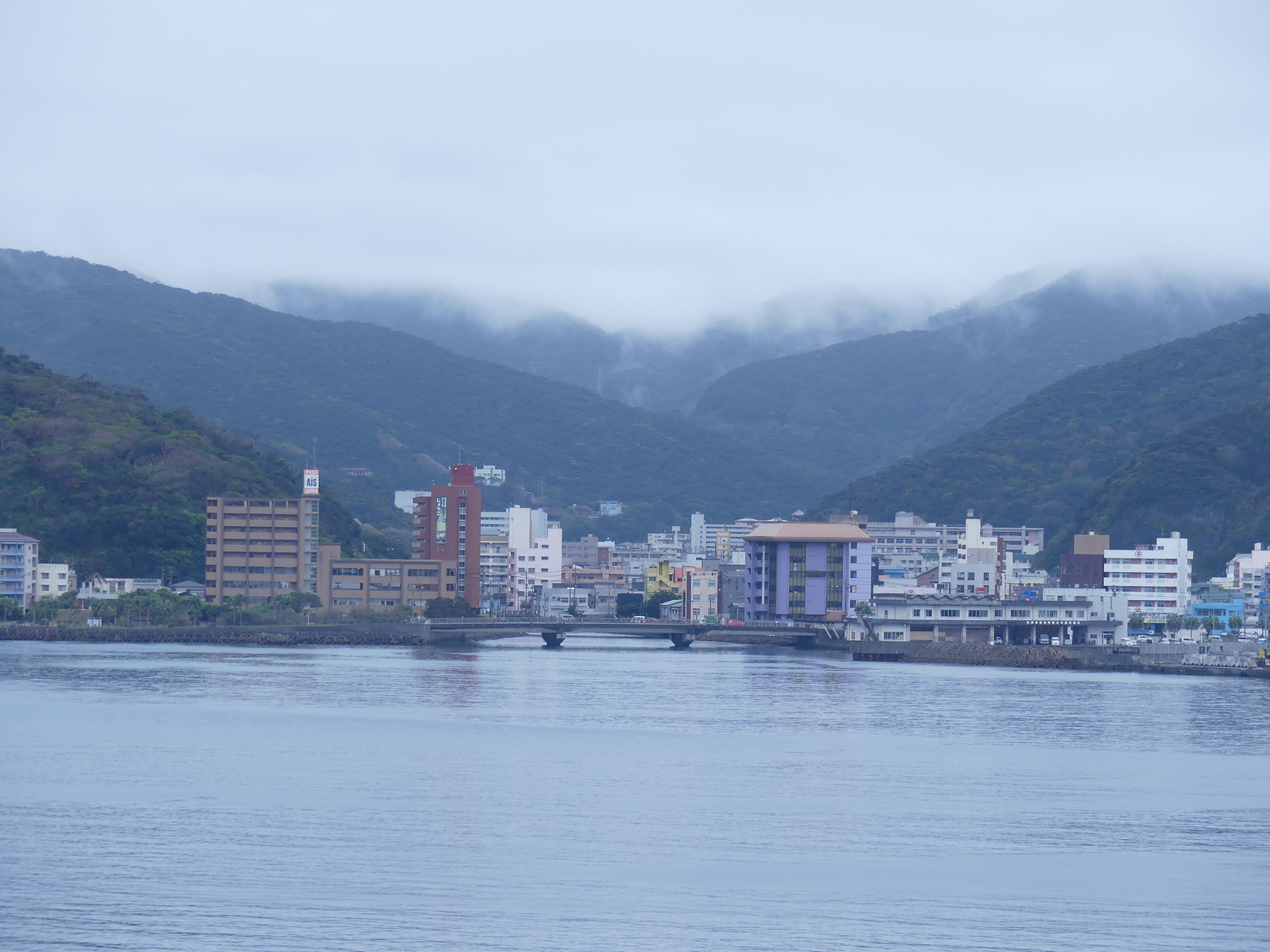
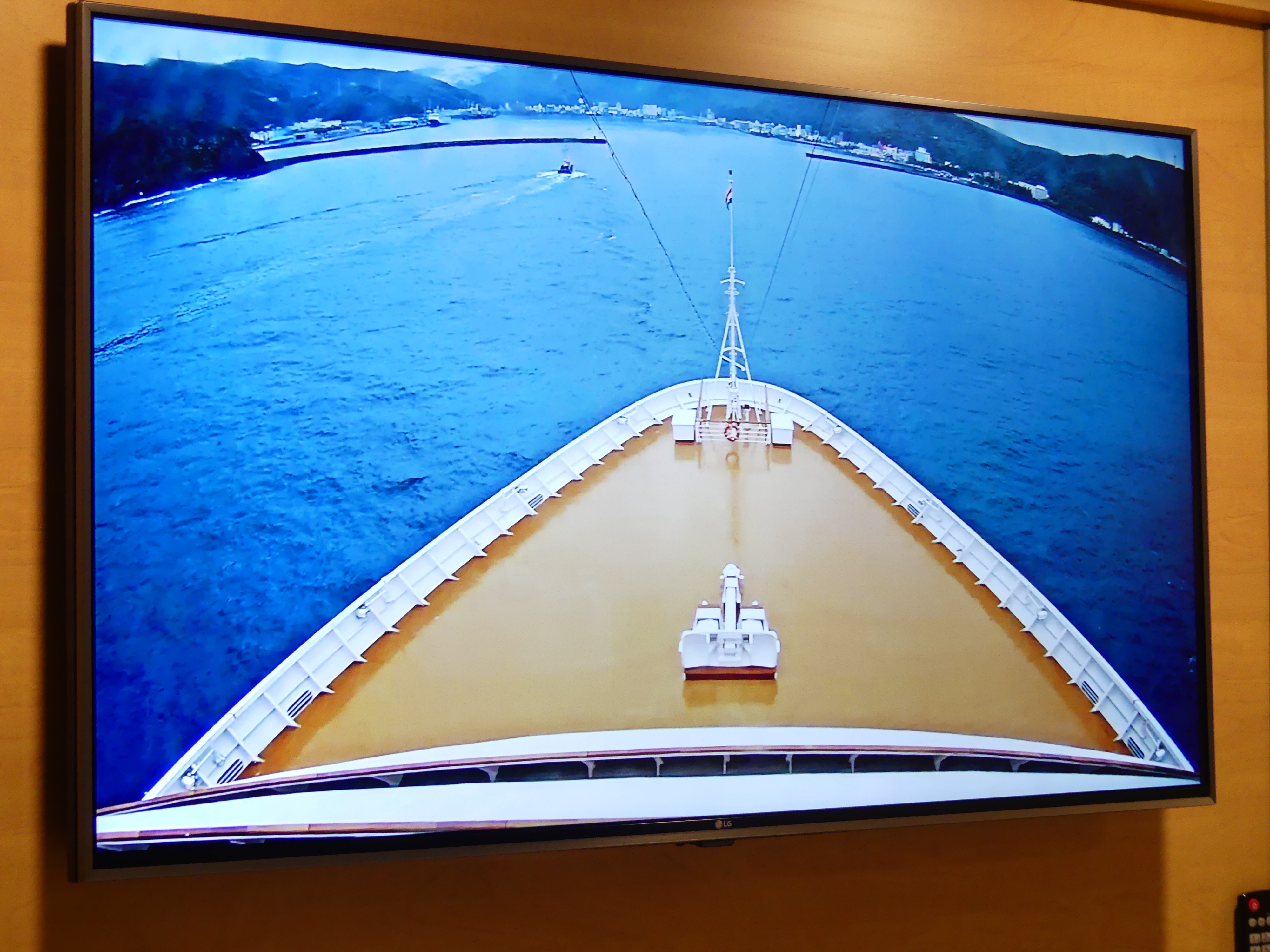
It was overcast once again. We had paid for one of the excursions, so we were wide awake watching the ship come into the dock and noting the heavy vegetation around the town. Our TV was connected to the ships bow camera, so we did not need to take a step outside to know its was still overcast. Once again there was a seawall to protect the harbour and a ferry service servicing the nearby islands. The town seemed about to be swallowed by the surrounding vegetation.
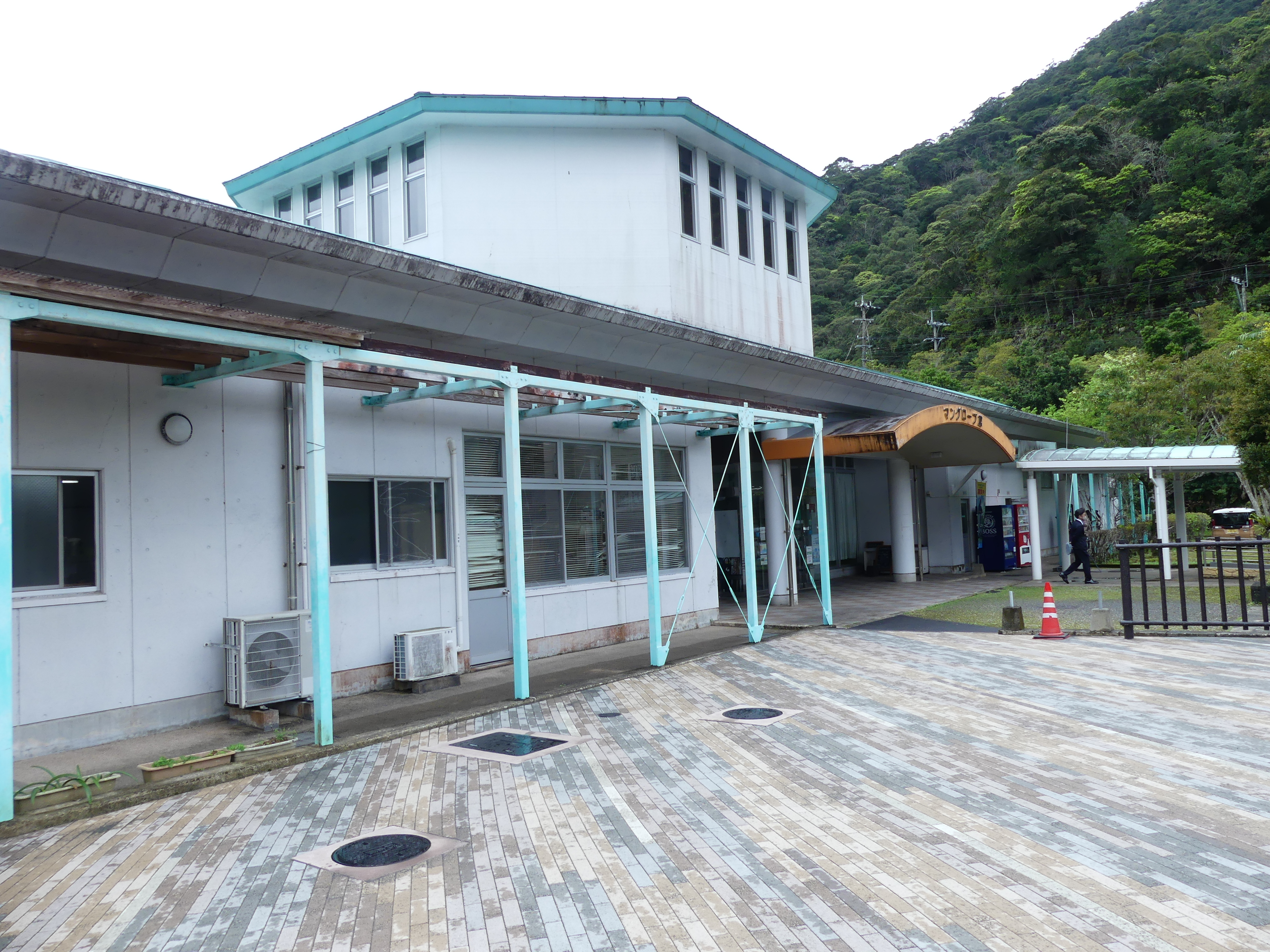
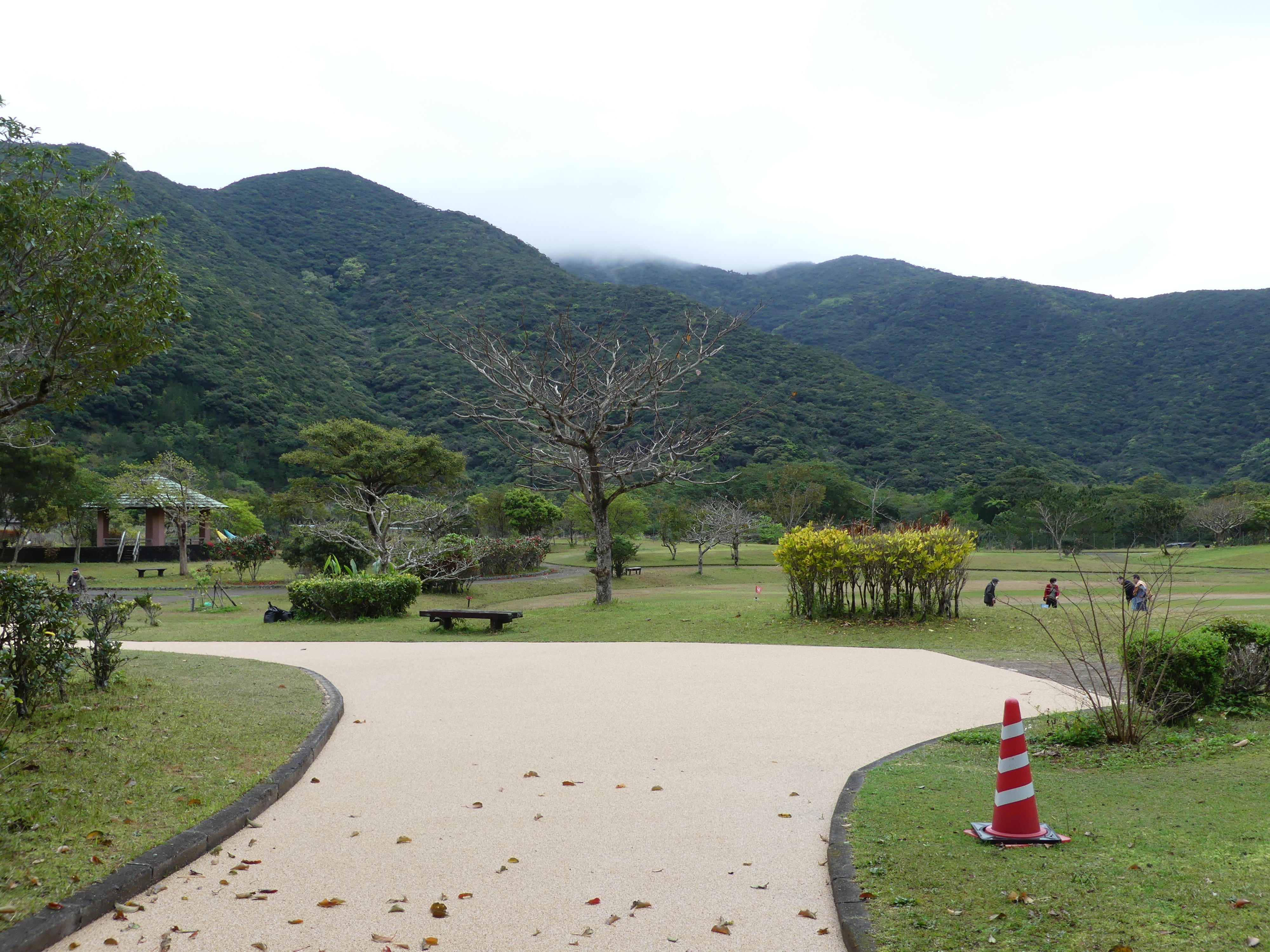
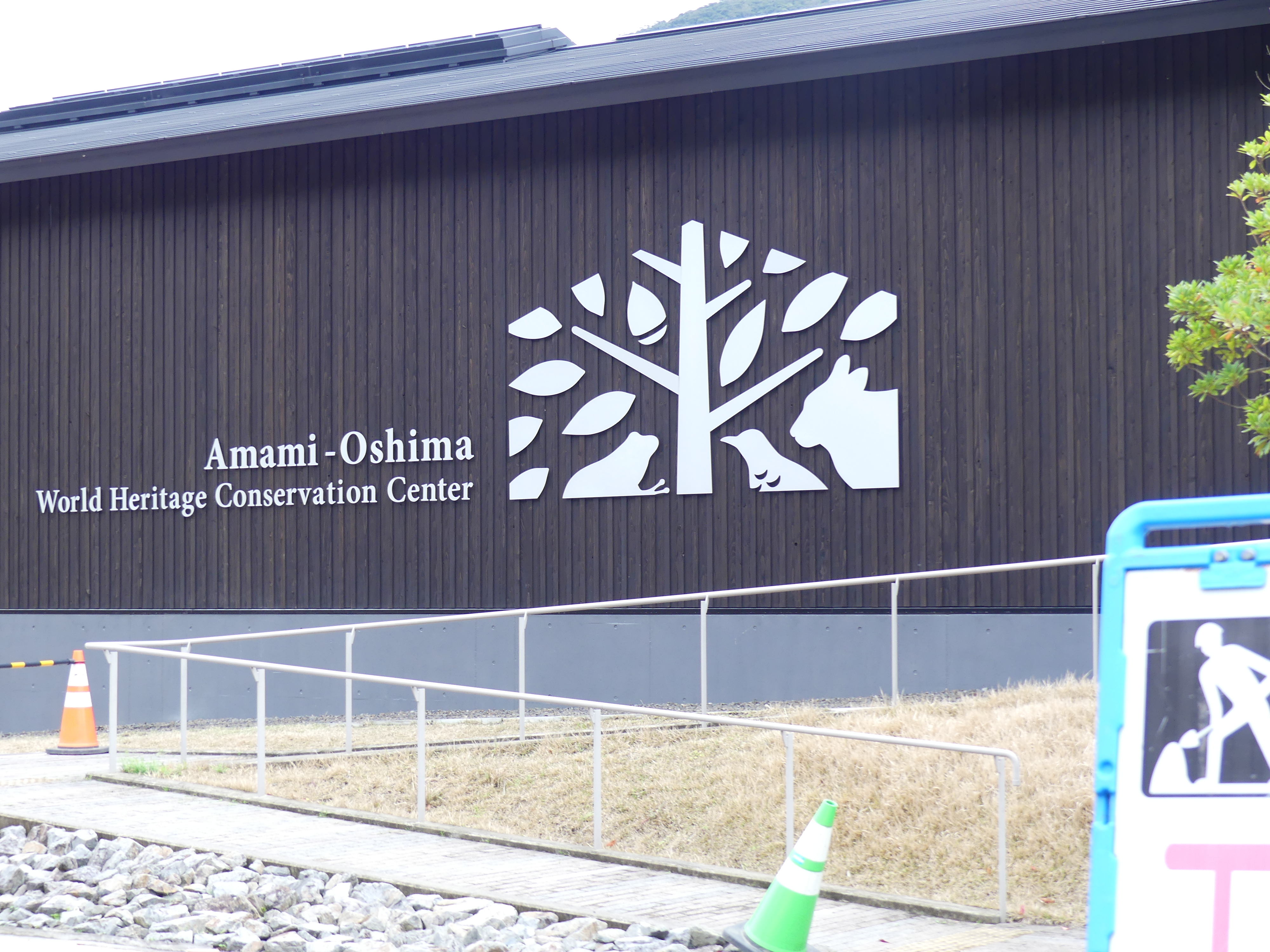
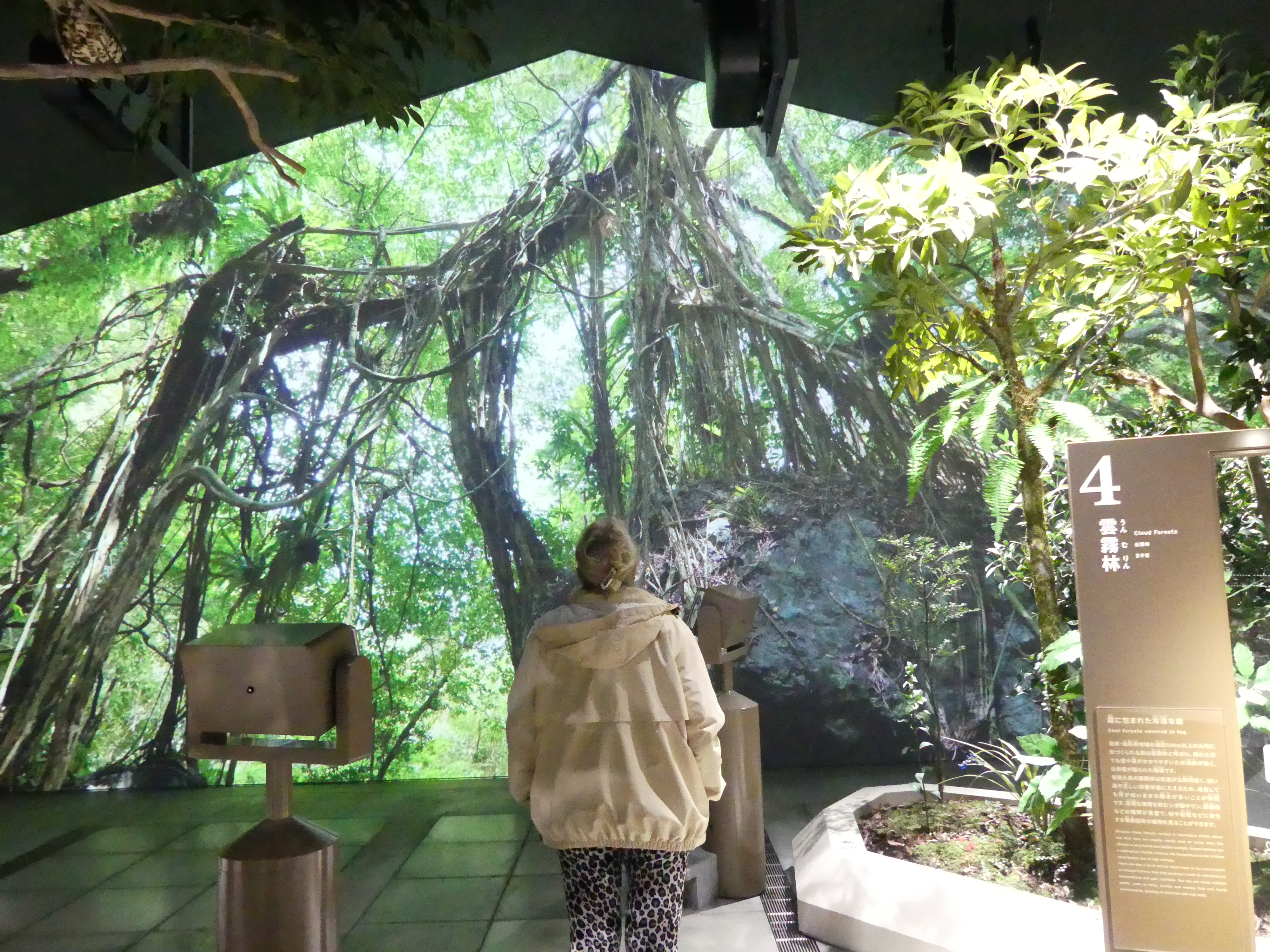
We boarded a bus and started our journey to the Amami – Oshima Conservation Reserve with its diverse flora and fauna of Amami Oshimas’ subtropical forests, from its labyrinthine mangroves to its widespread laurel forests. The exhibition room has life-sized dioramas of forest vegetation and rare animal species such as the Amami rabbit. The Amami rabbit is a relic species with short ears, dark fur, and hunched back only found on Amami Oshima and neighbouring Tokunoshima Island. Interestingly there is a golf course alongside the Centre.
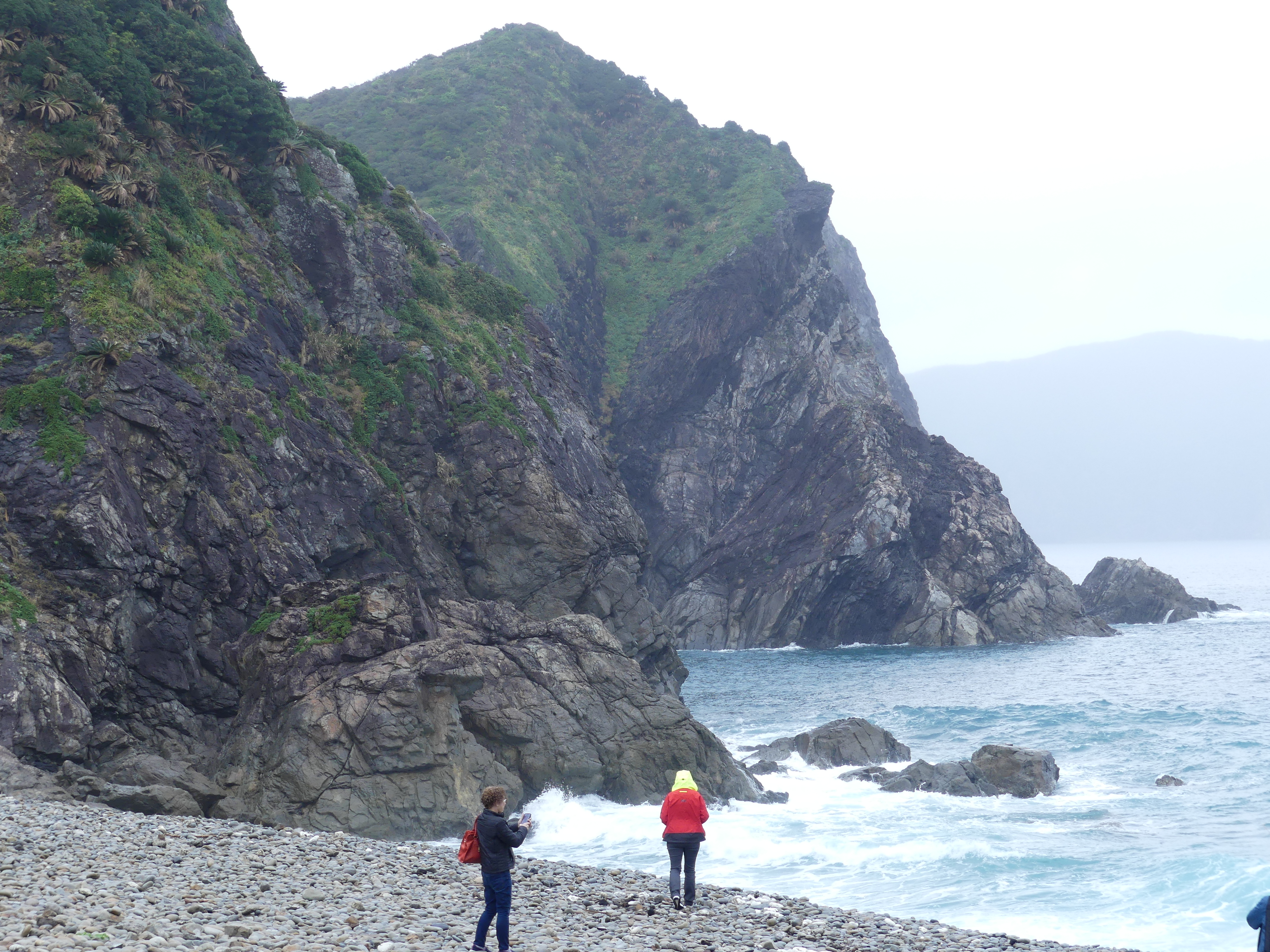
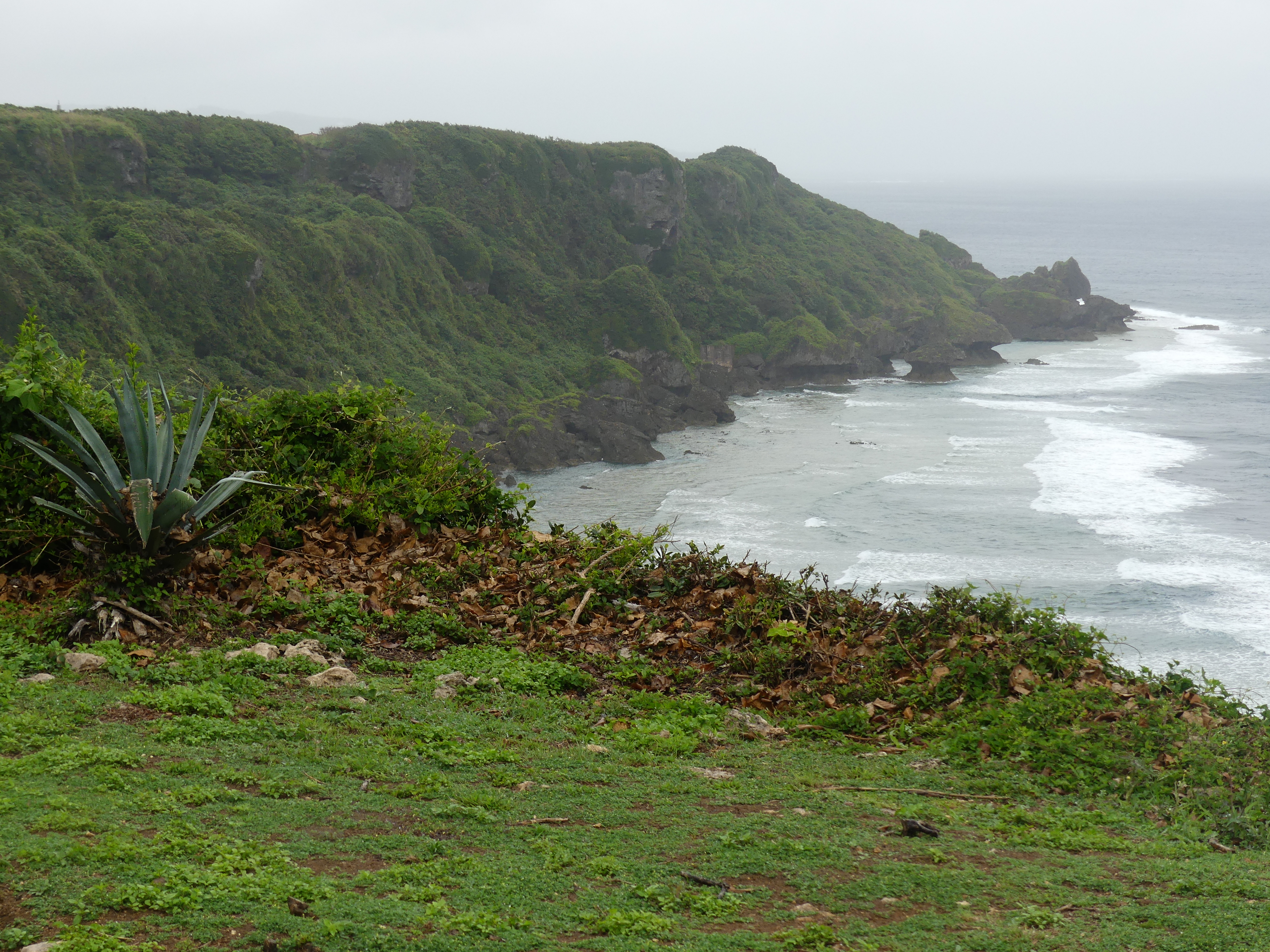
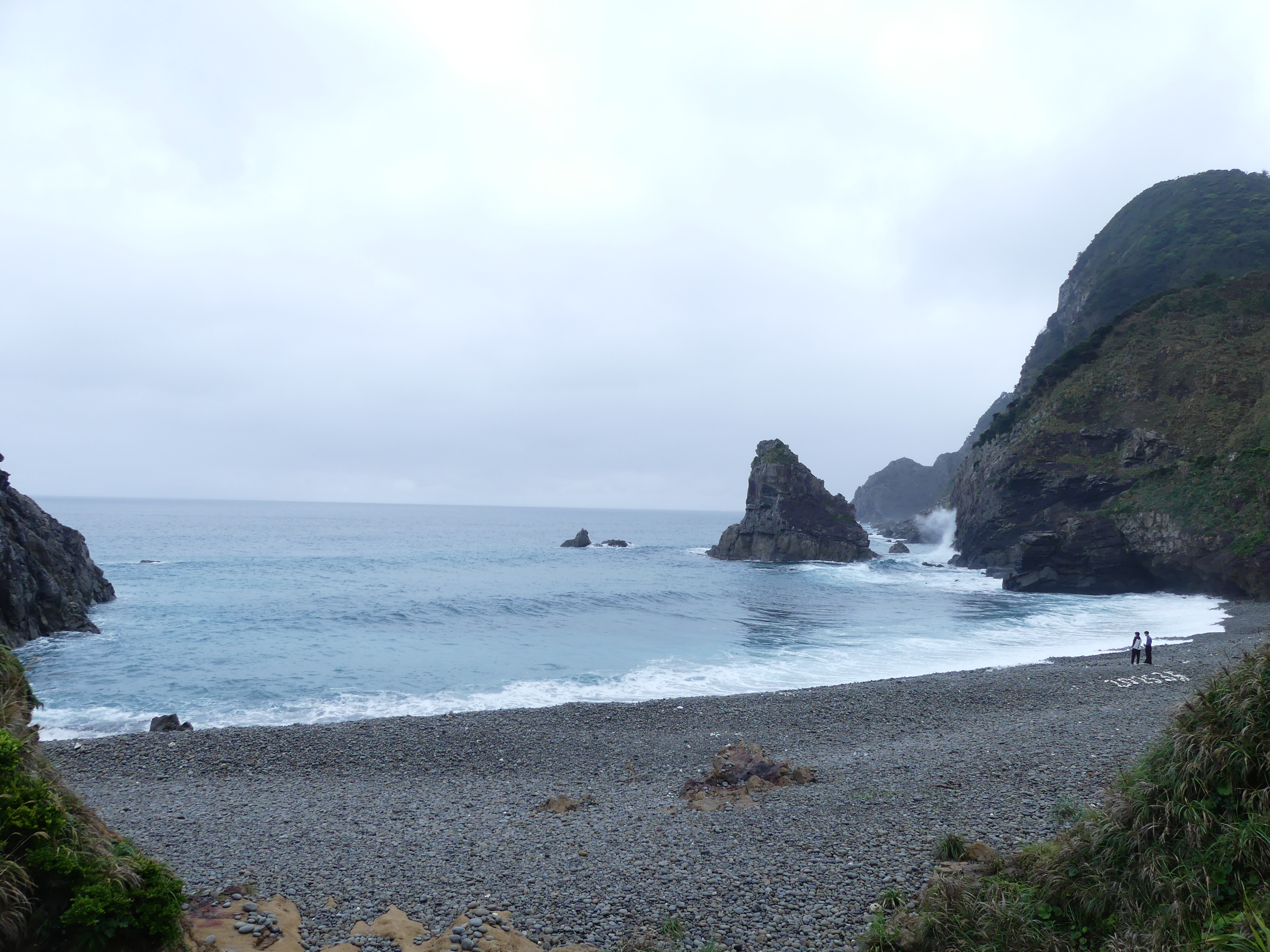
Next, we went to Honohoshi Beach. It showed the volcanic past of Japan and its islands. I think this is a stop to allow the glass bottom boat to deal with each wave of tourists as there was little of interest, but our tourist guide managed to keep talking.
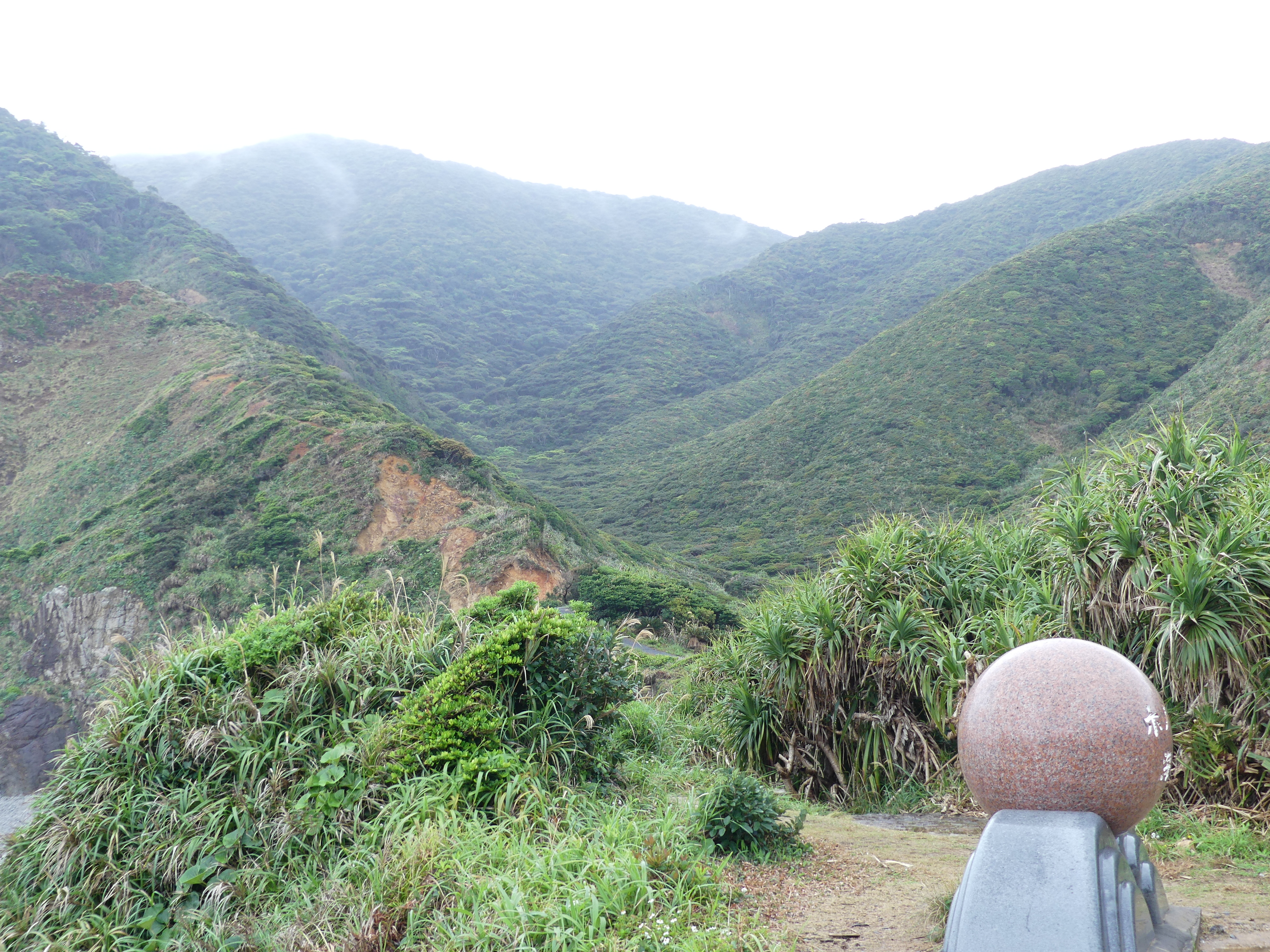
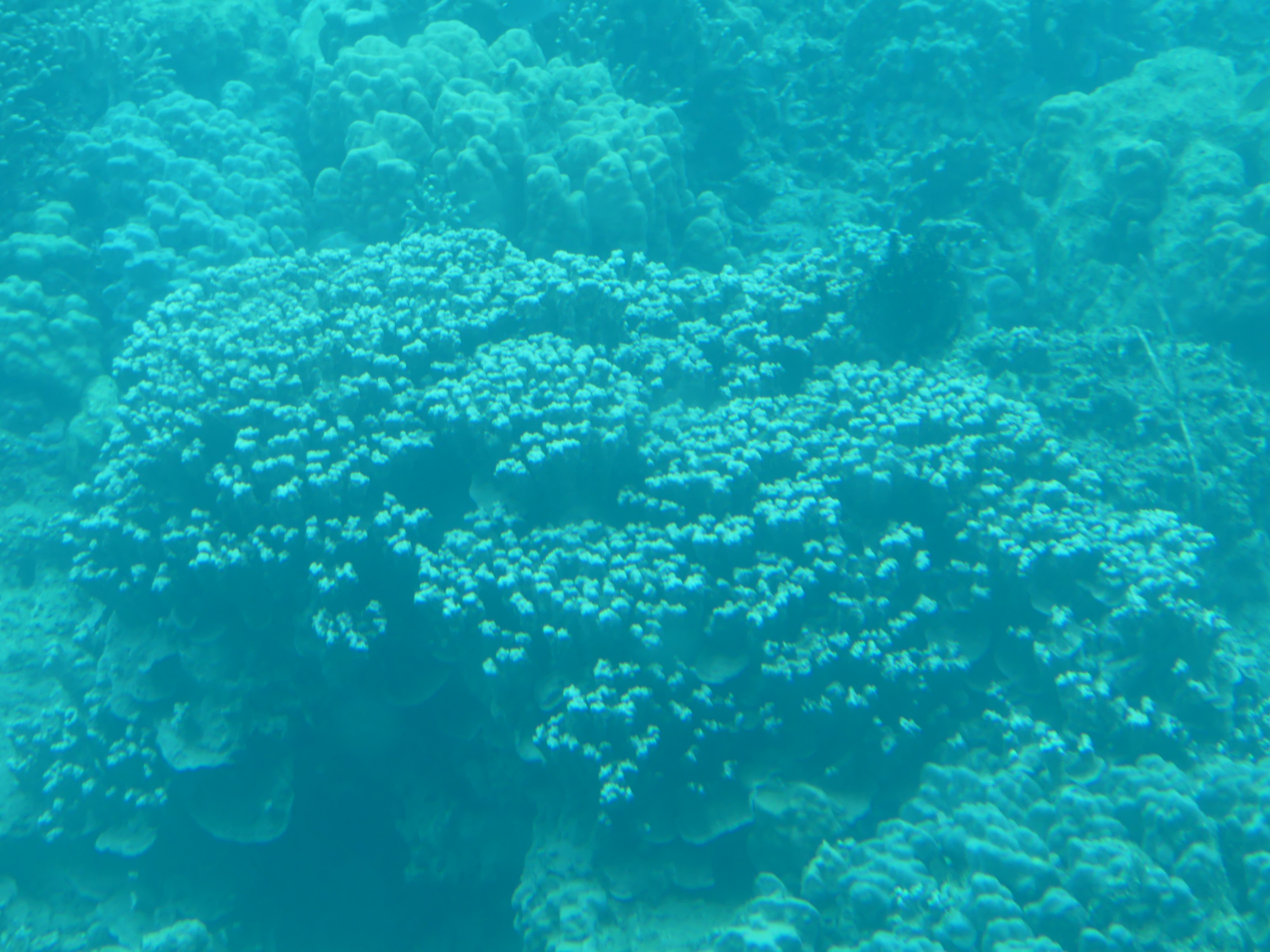
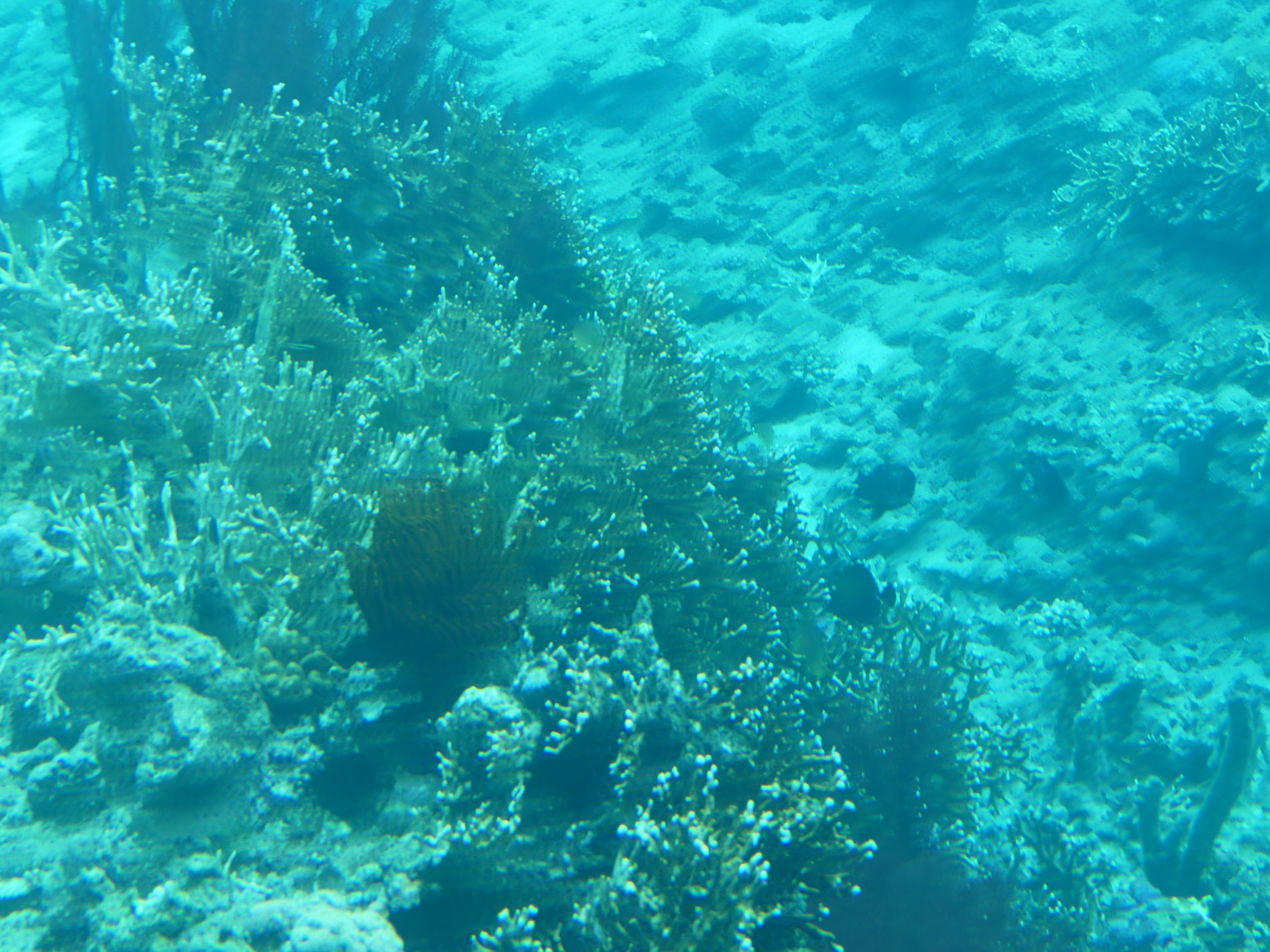
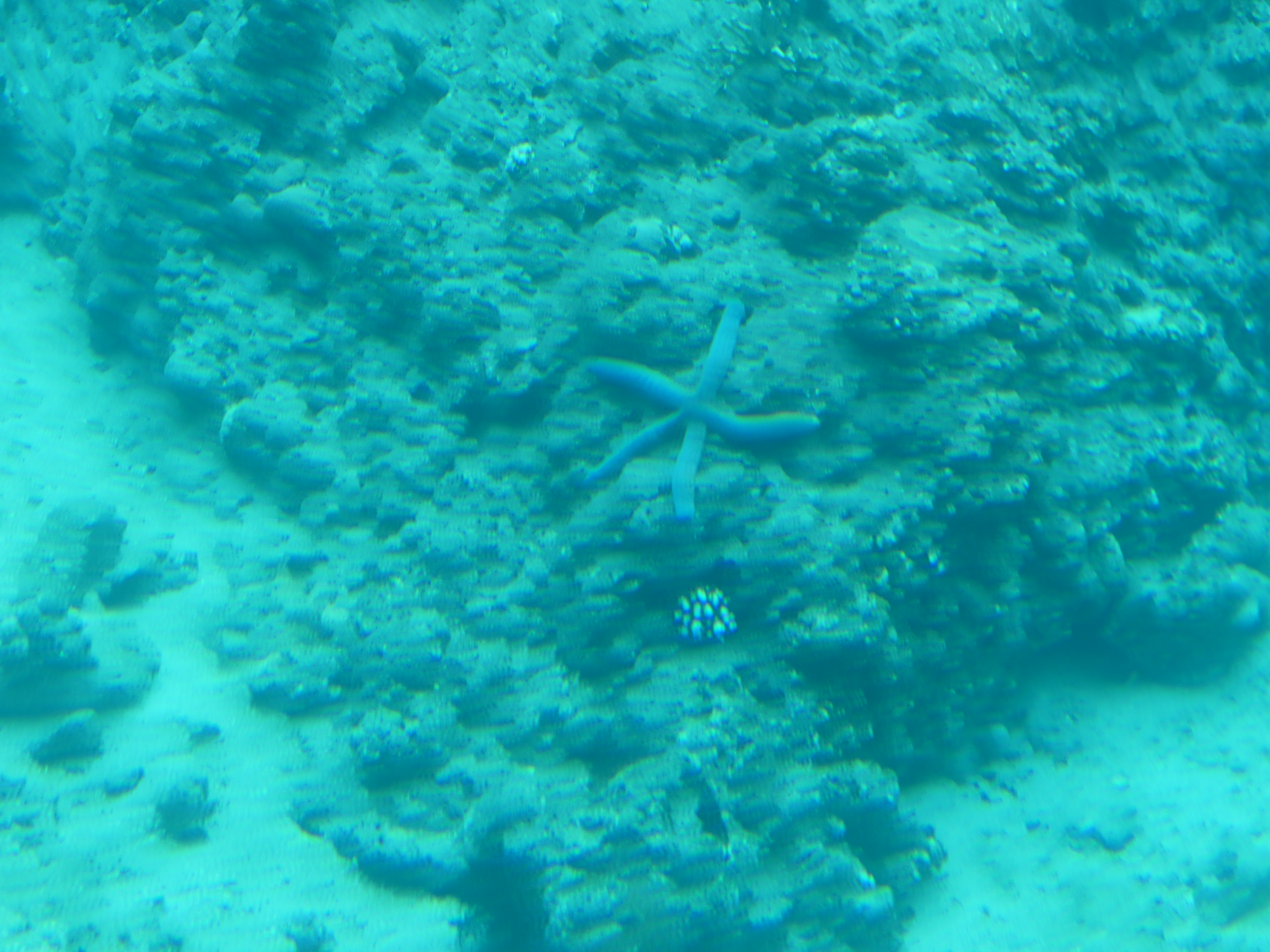
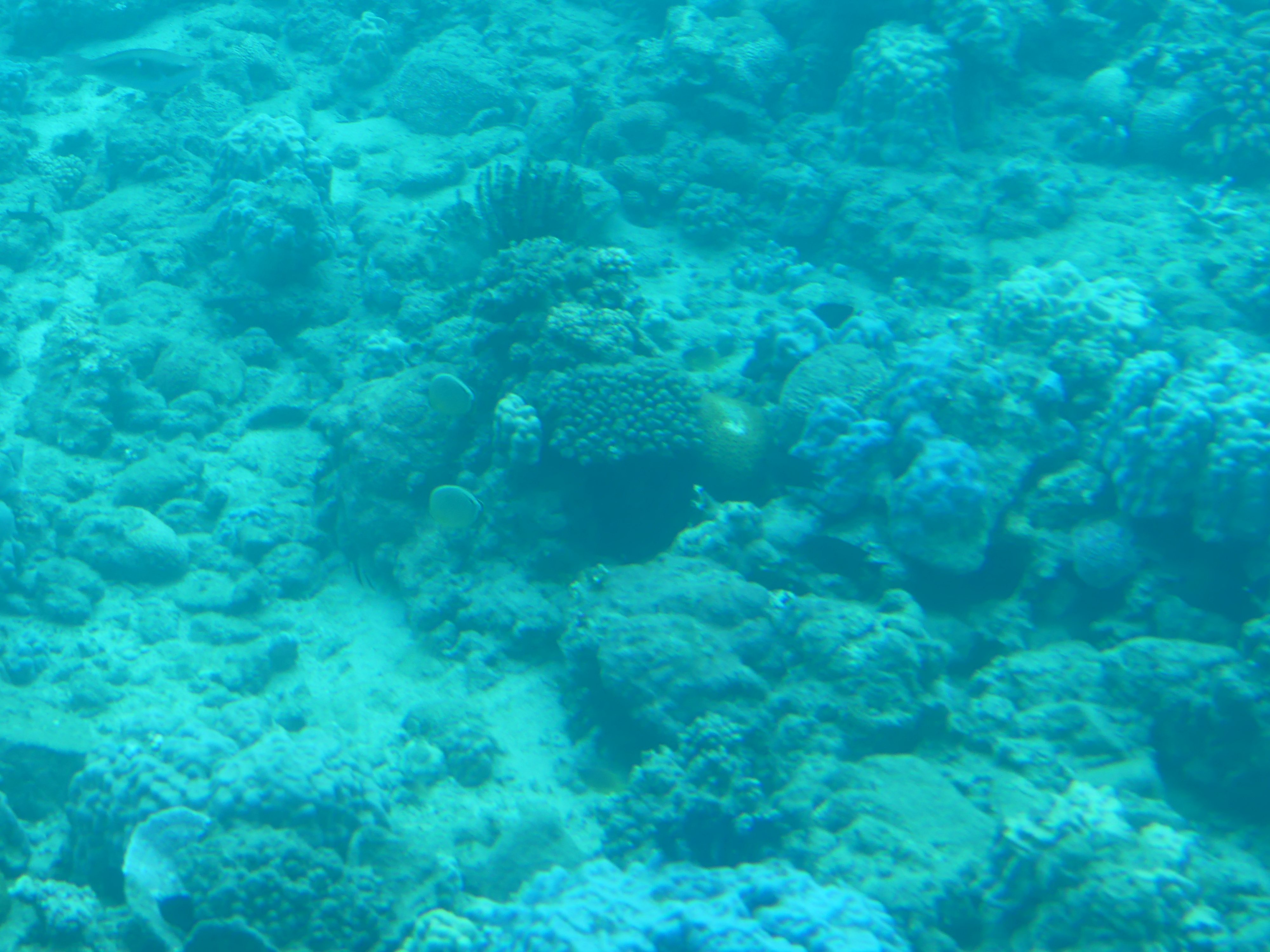
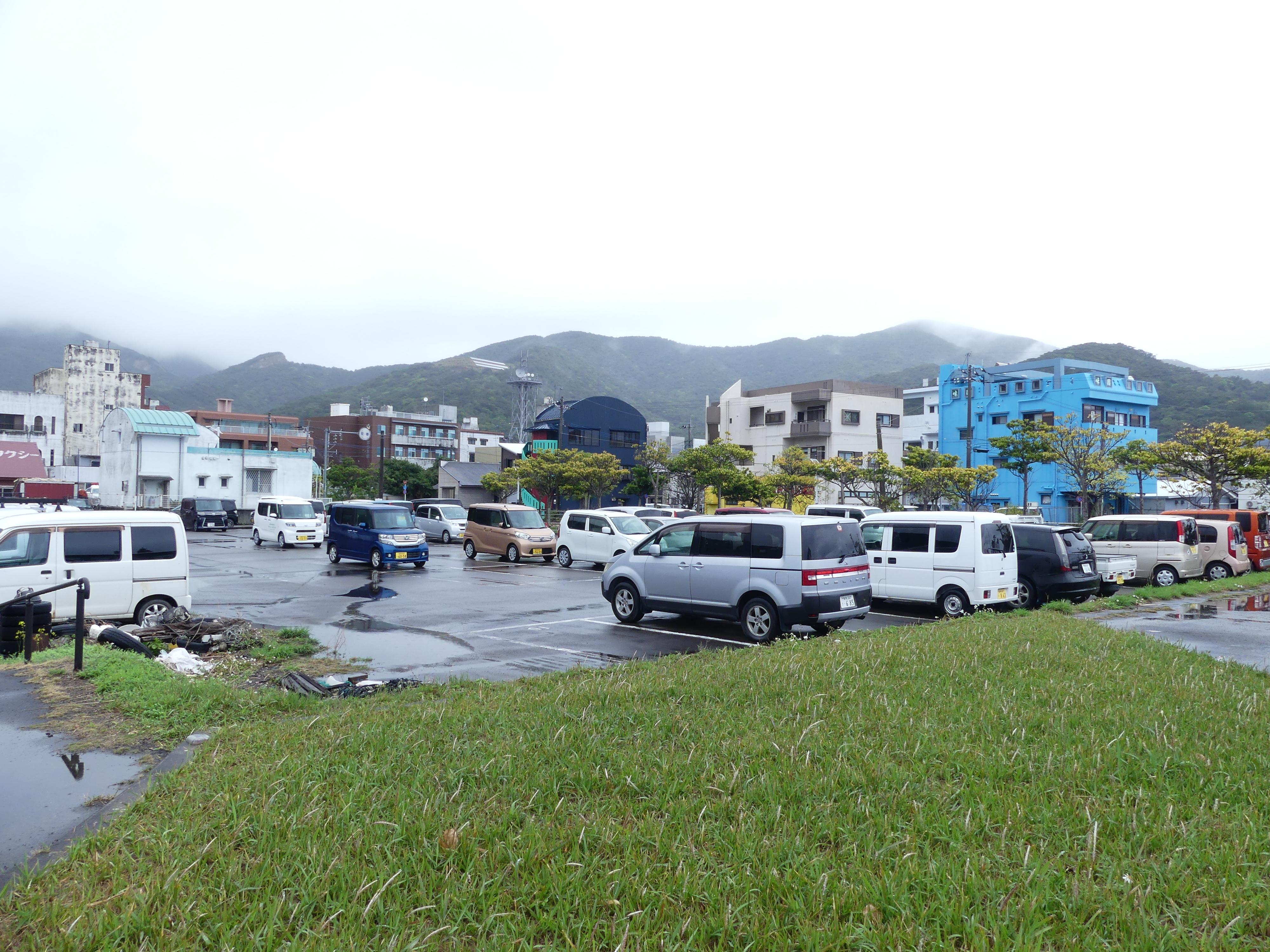
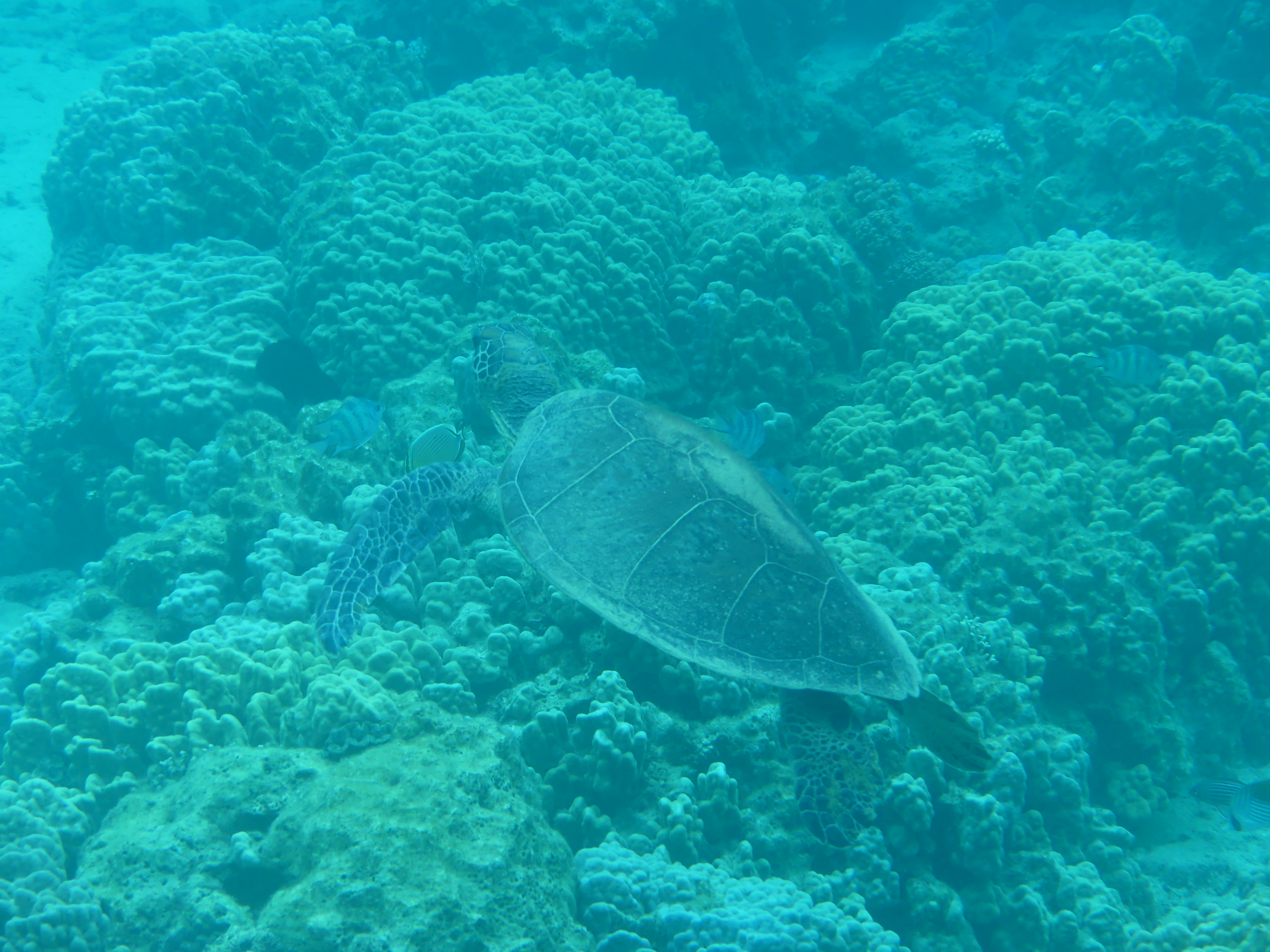
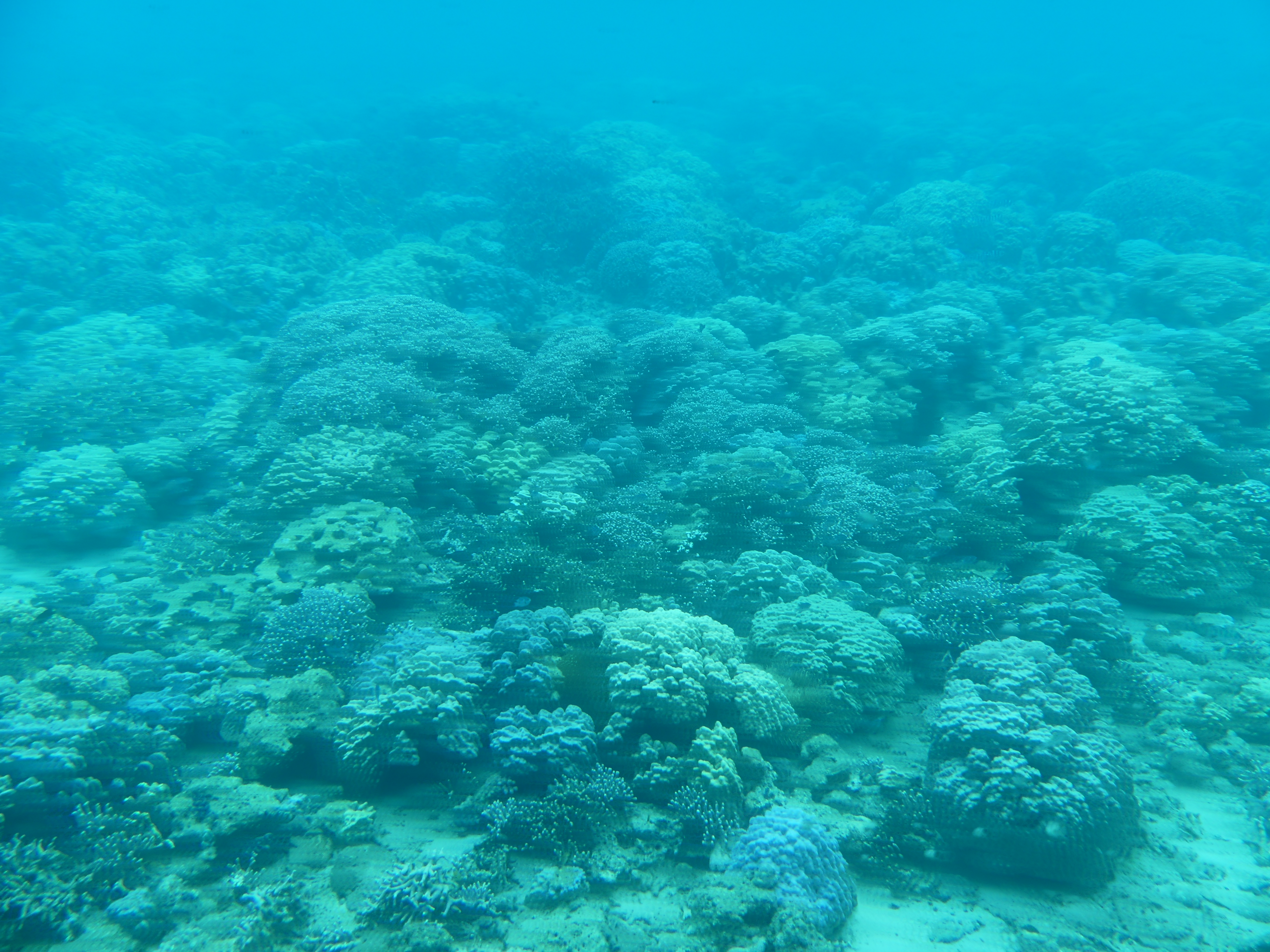
The reason that motivated me to take this excursion was the glass bottom boat and the reef viewing. Having been spoilt by the Great Barrier Reef, I could only be disappointed and I was. I have given you a selection of photos none of which are particularly good but that is just what it looked like. The final picture of the parking lot and the town centre give you an idea that this is nothing out of ordinary and little has changed over time. Perhaps the big surprise is how popular the square box car design is in all the island localities. They are everywhere we go.
Day 5 Port Naha Okinawa

We docked at Port Naha. Naha is the capital and largest city of Okinawa, formerly ruled by the Ryukyu Kingdom from 1429 and unofficially annexed by Japan after the invasion of Ryukyu in 1609. Okinawa was officially founded in 1879 by the Empire of Japan after seven years as the Ryukyu Domain, the last domain of the Han system. Okinawa was occupied by the United States during the Allied occupation of Japan after World War II and was governed by the Military Government of the Ryukyu Islands from 1945 to 1950 and Civil Administration of the Ryukyu Islands from 1950 until the prefecture was returned to Japan in 1972. Okinawa comprises just 0.6 percent of Japan’s total land mass, but about 26,000 (75%) of United States Forces Japanese personnel are assigned to the prefecture; the continued U.S. military presence in Okinawa is controversial.
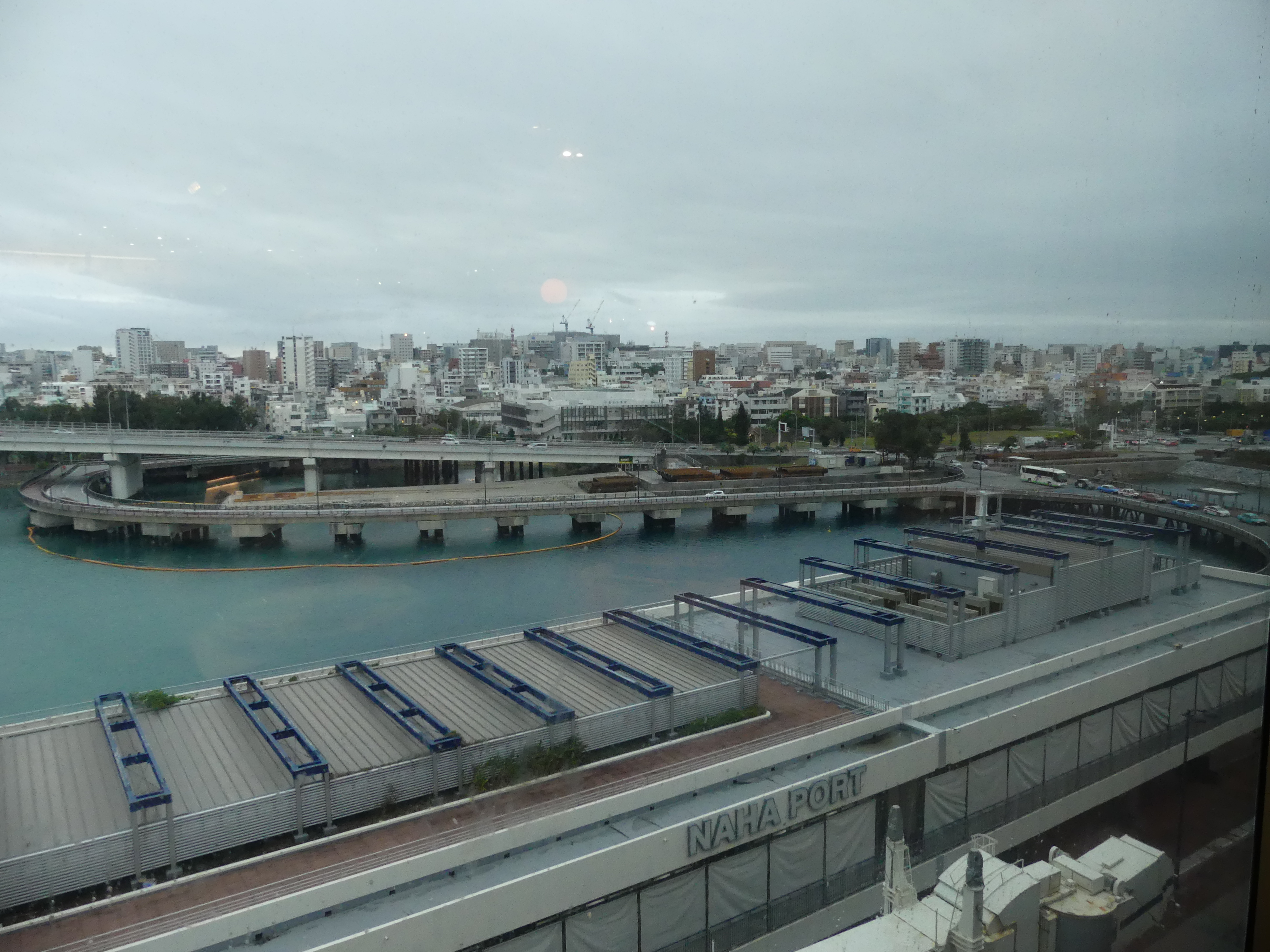
It is odd in my view that given this recent history and the continued occupation by the USA that Okinawa Peace Memorial has been established here. It was the scene of the decimation of the Japanese Army and civilian population so in that sense the memorial makes sense. The continuation of the occupation must irk the locals.

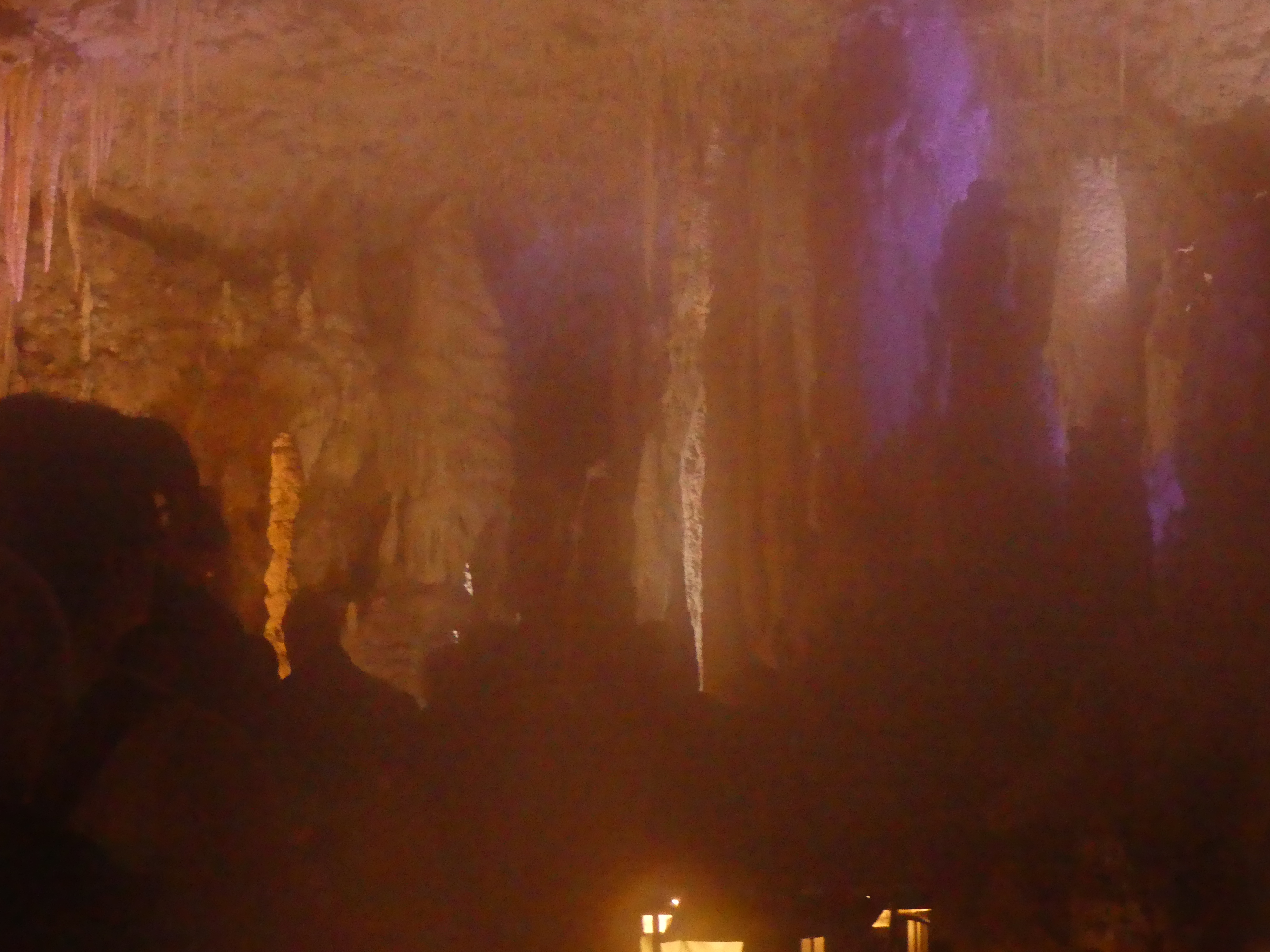
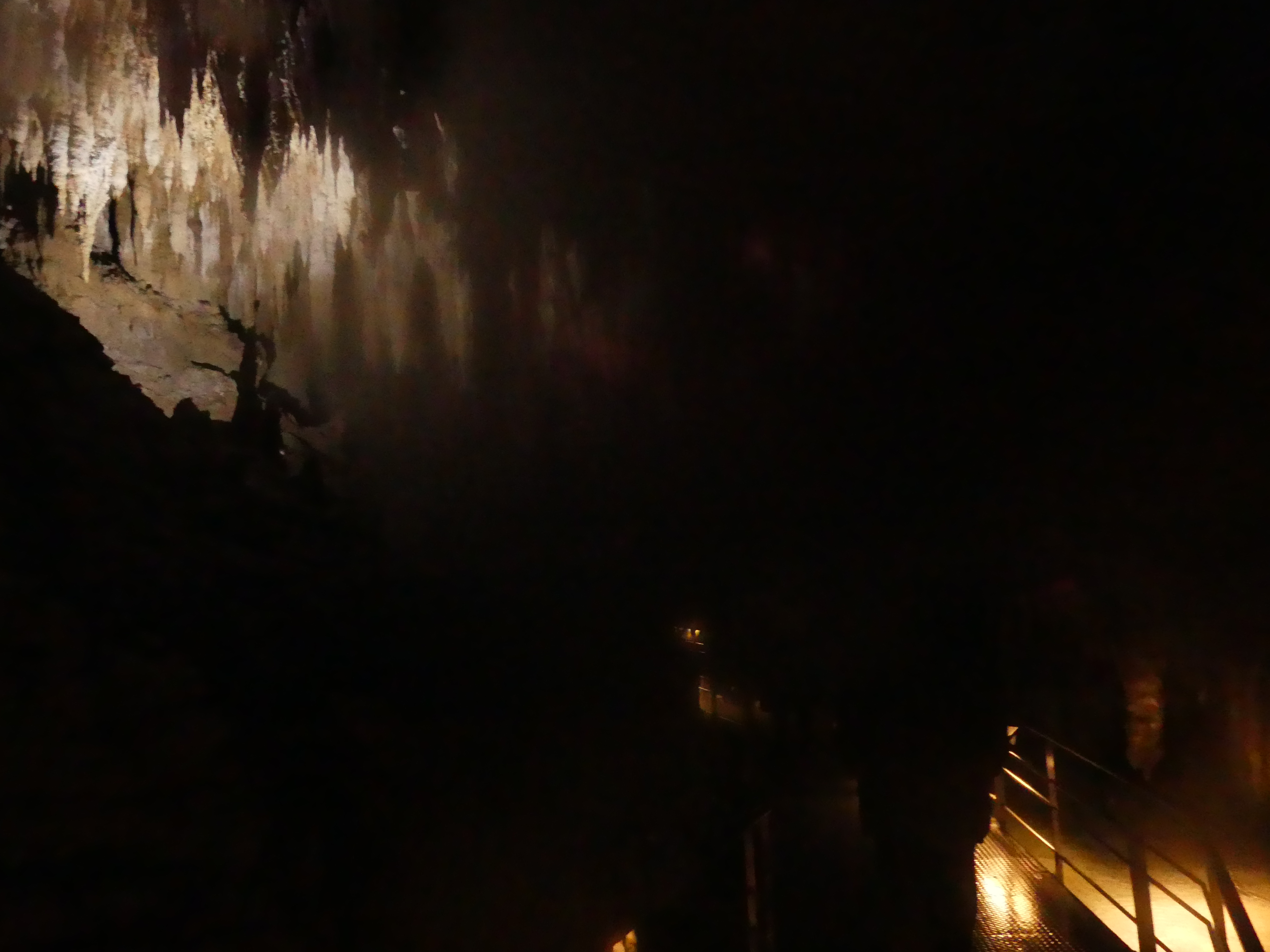
At the terminal we boarded a bus to Gyokusendo Cave, our first stop on the way to the Peace Memorial. Having seen many similar caves from Europe to England to Western Australia & Tasmania I was surprised at the interference with the natural features of the caves. From an artificial concrete entrance to chain sawing through stalagmite outcrops to create a path through the caves I was disappointed. Further the natural temperature seemed to be interfered with, and the lighting was poor. One thing I can applaud though is the escalator at the end of the walk through the cave. Our last cave experience in Margaret River WA there was more than 300 steps to climb out – not happy Jan.
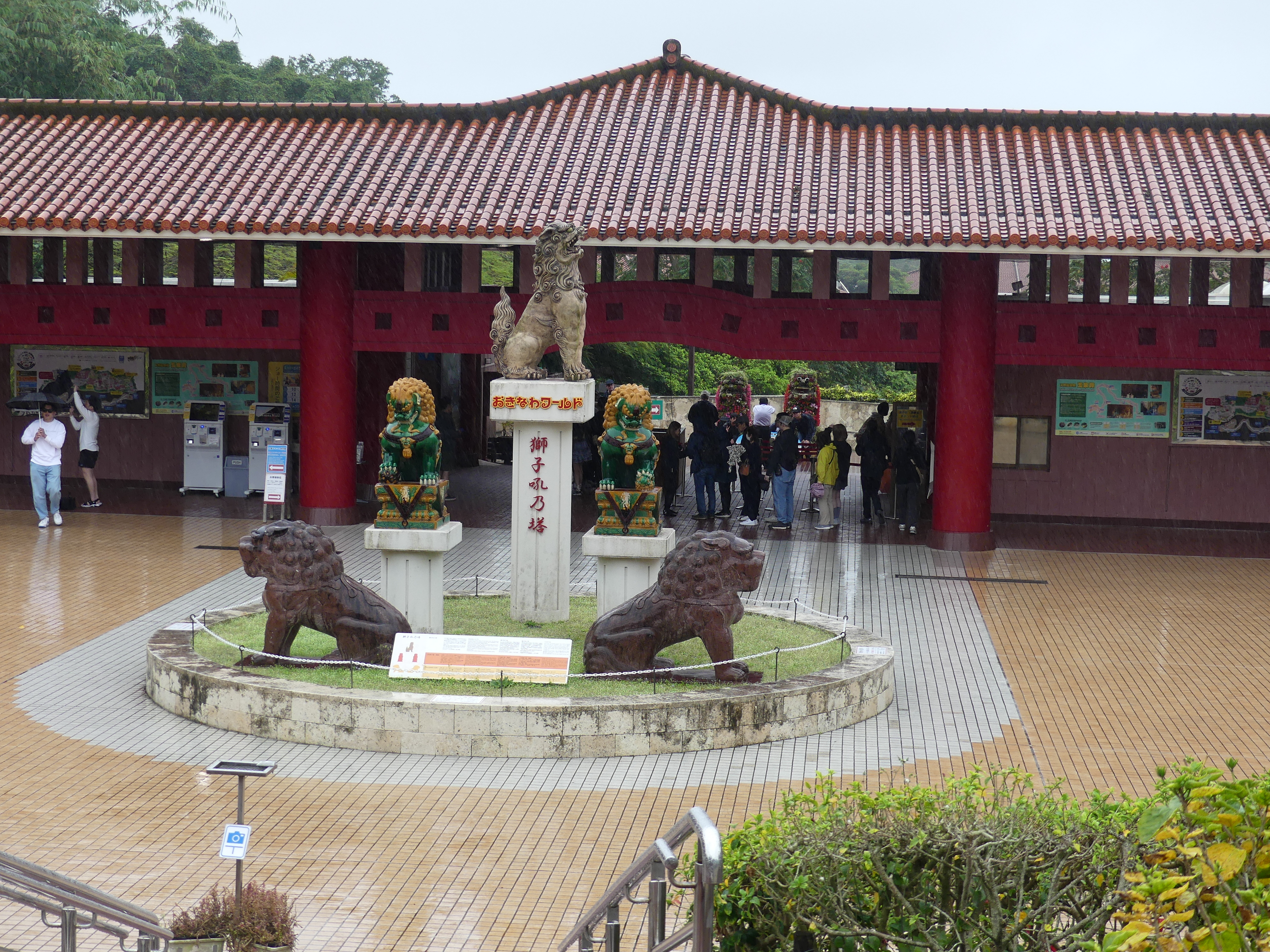
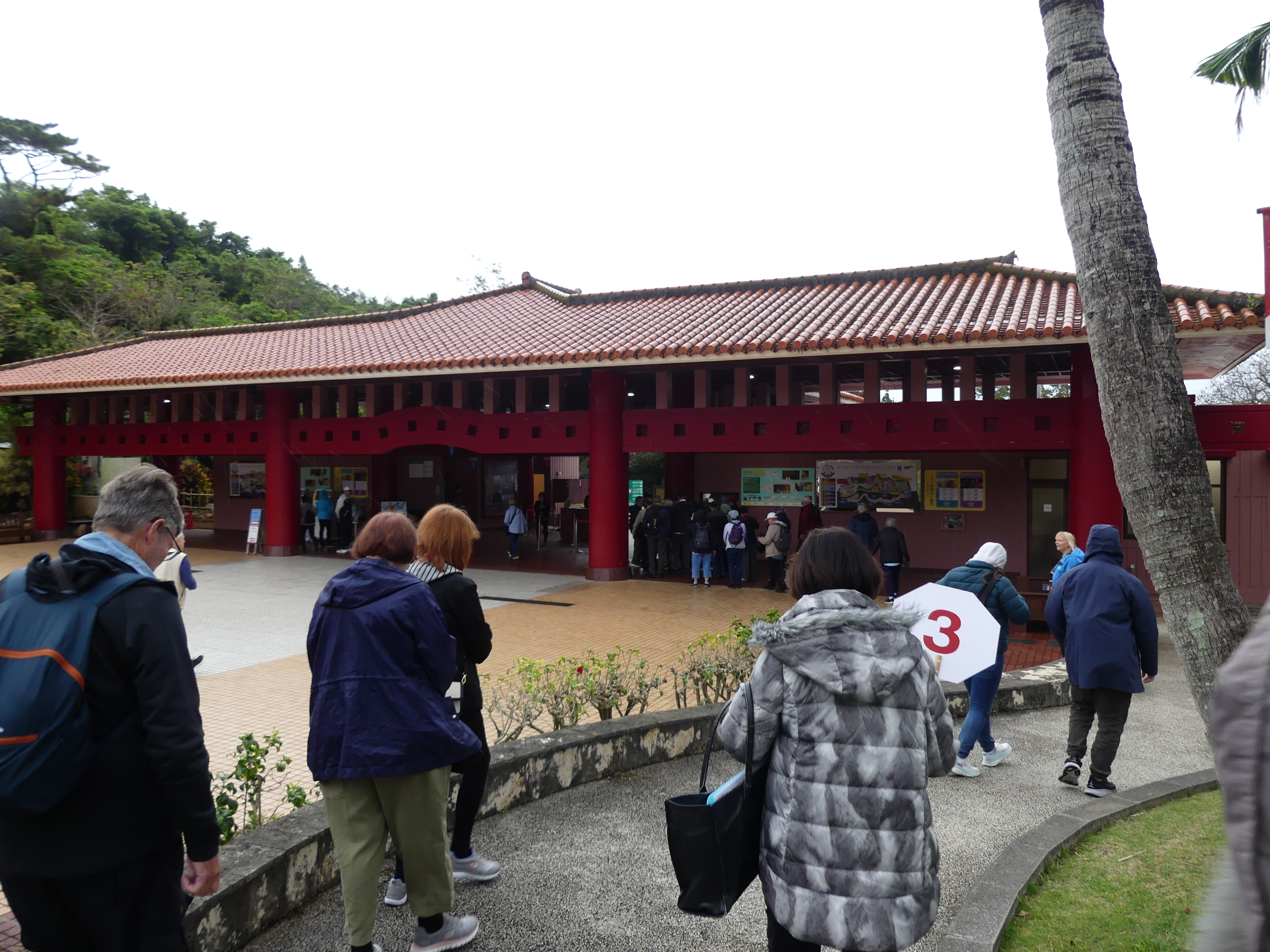
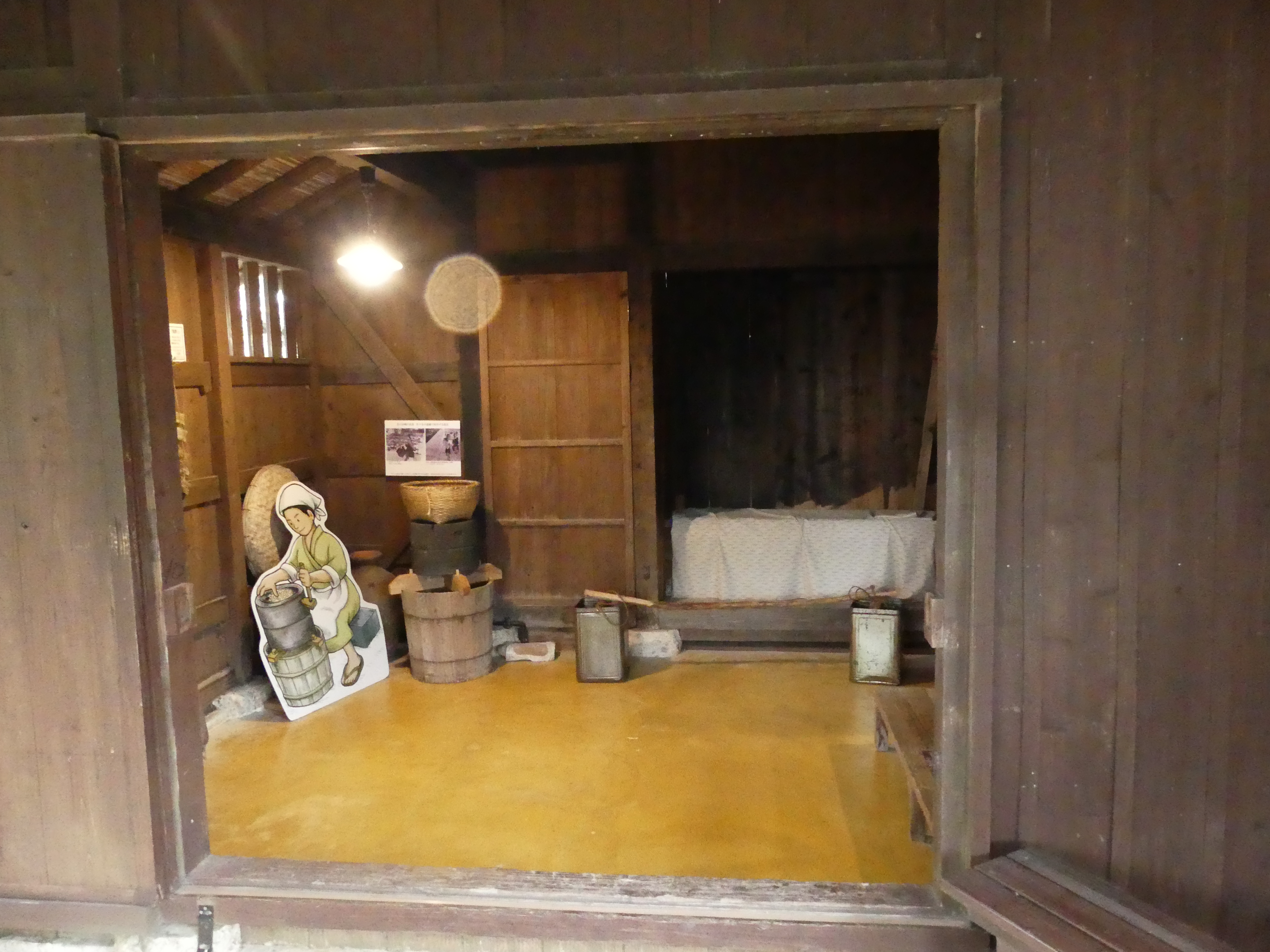
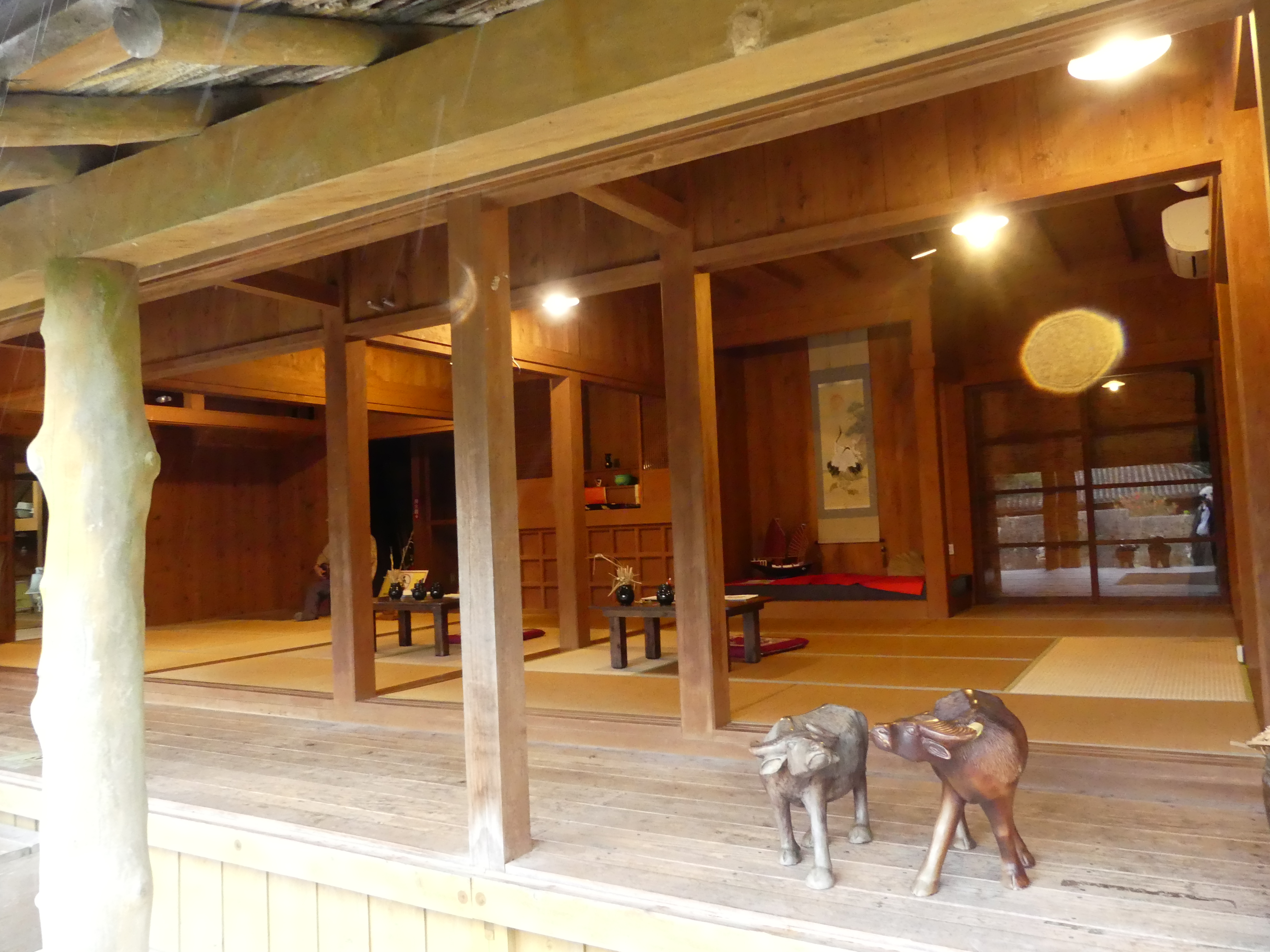
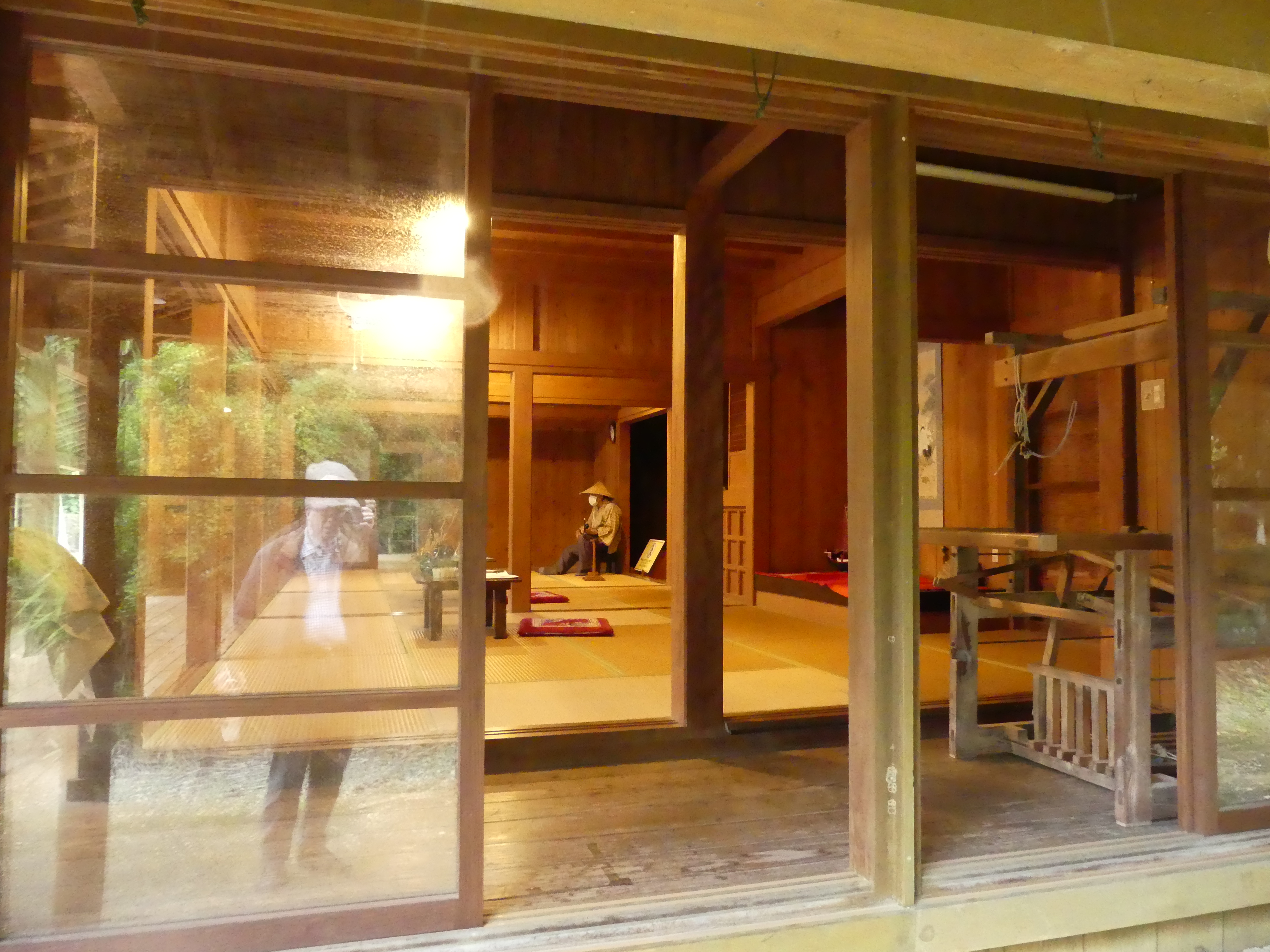
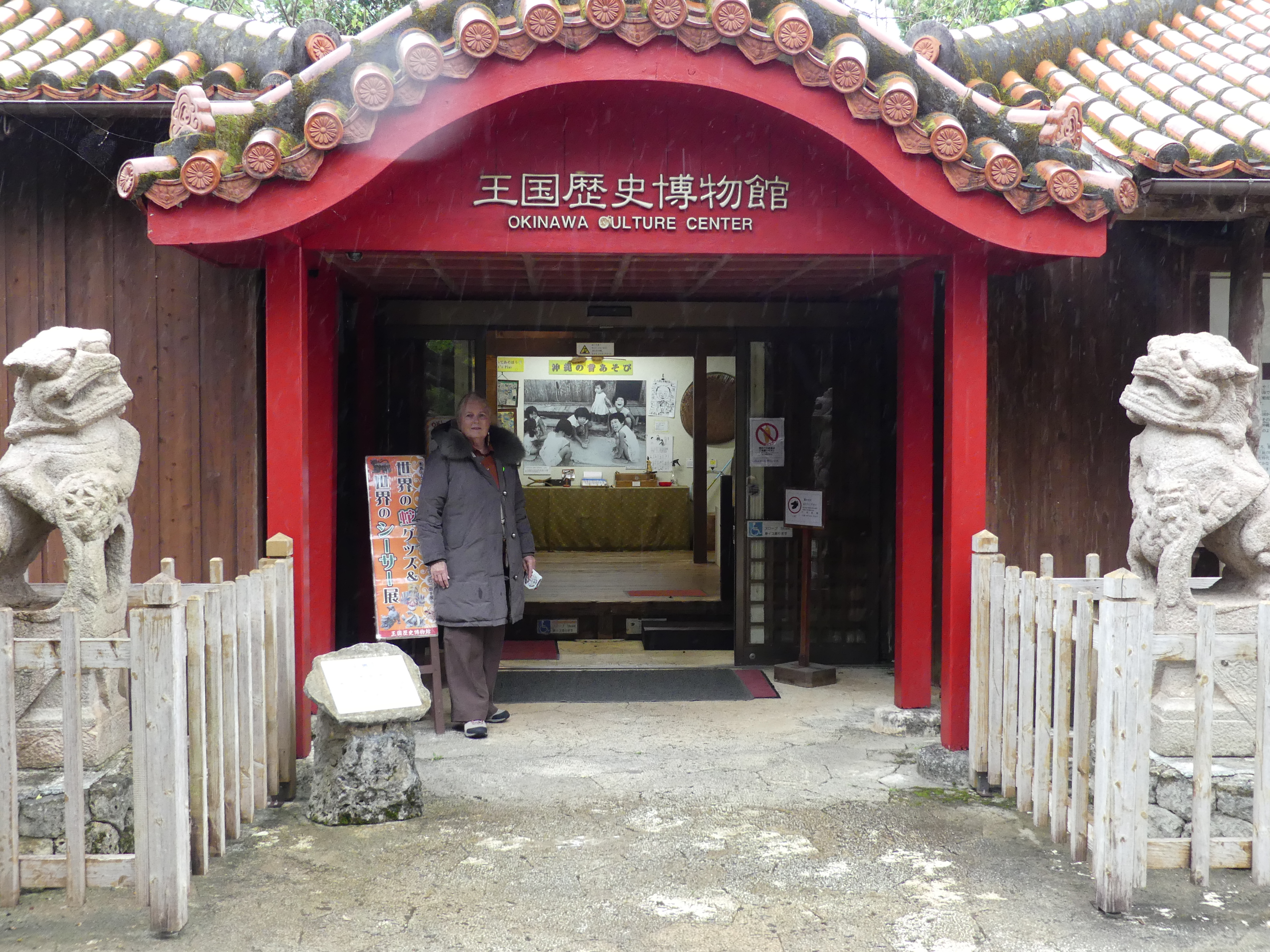
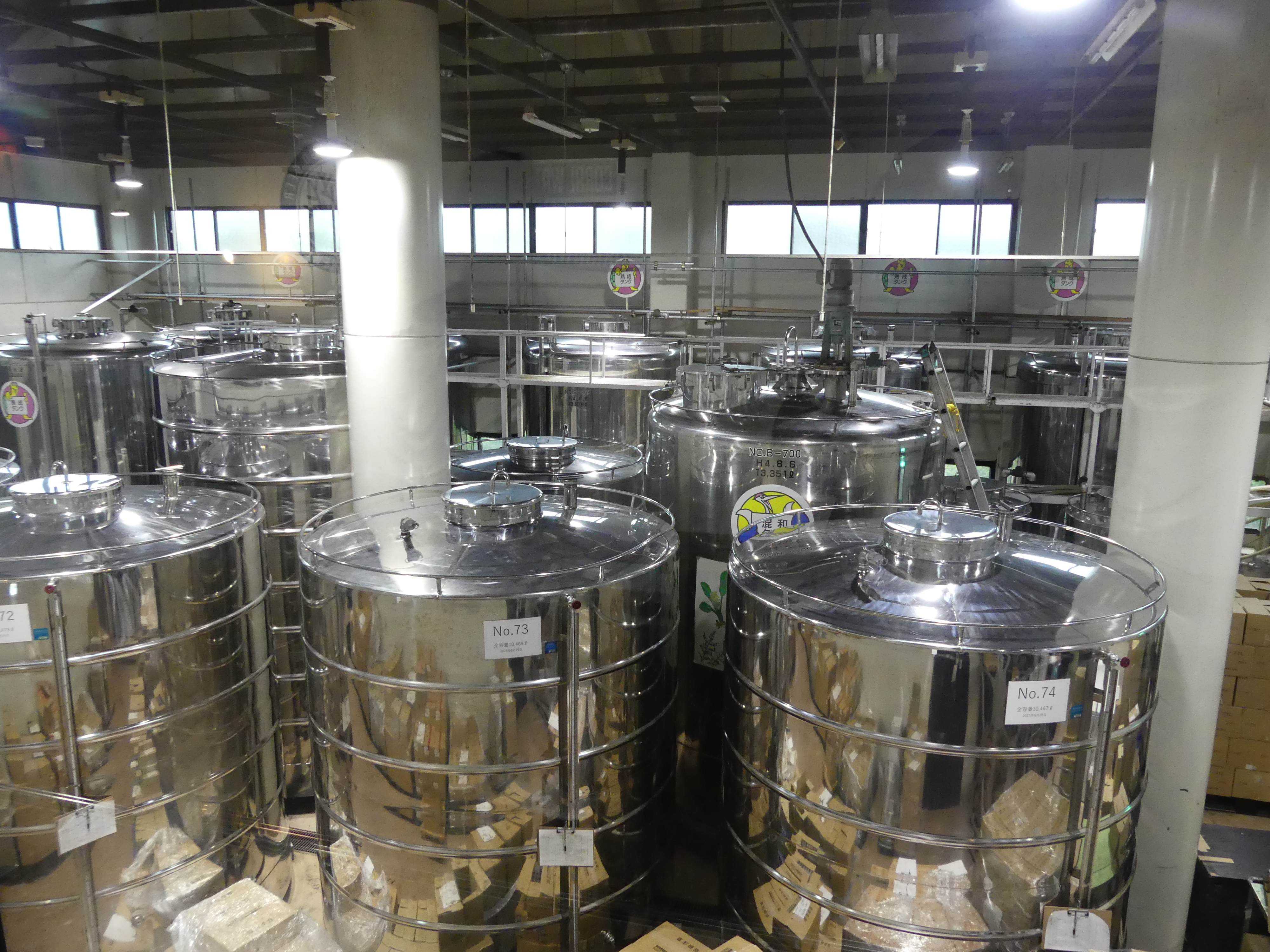
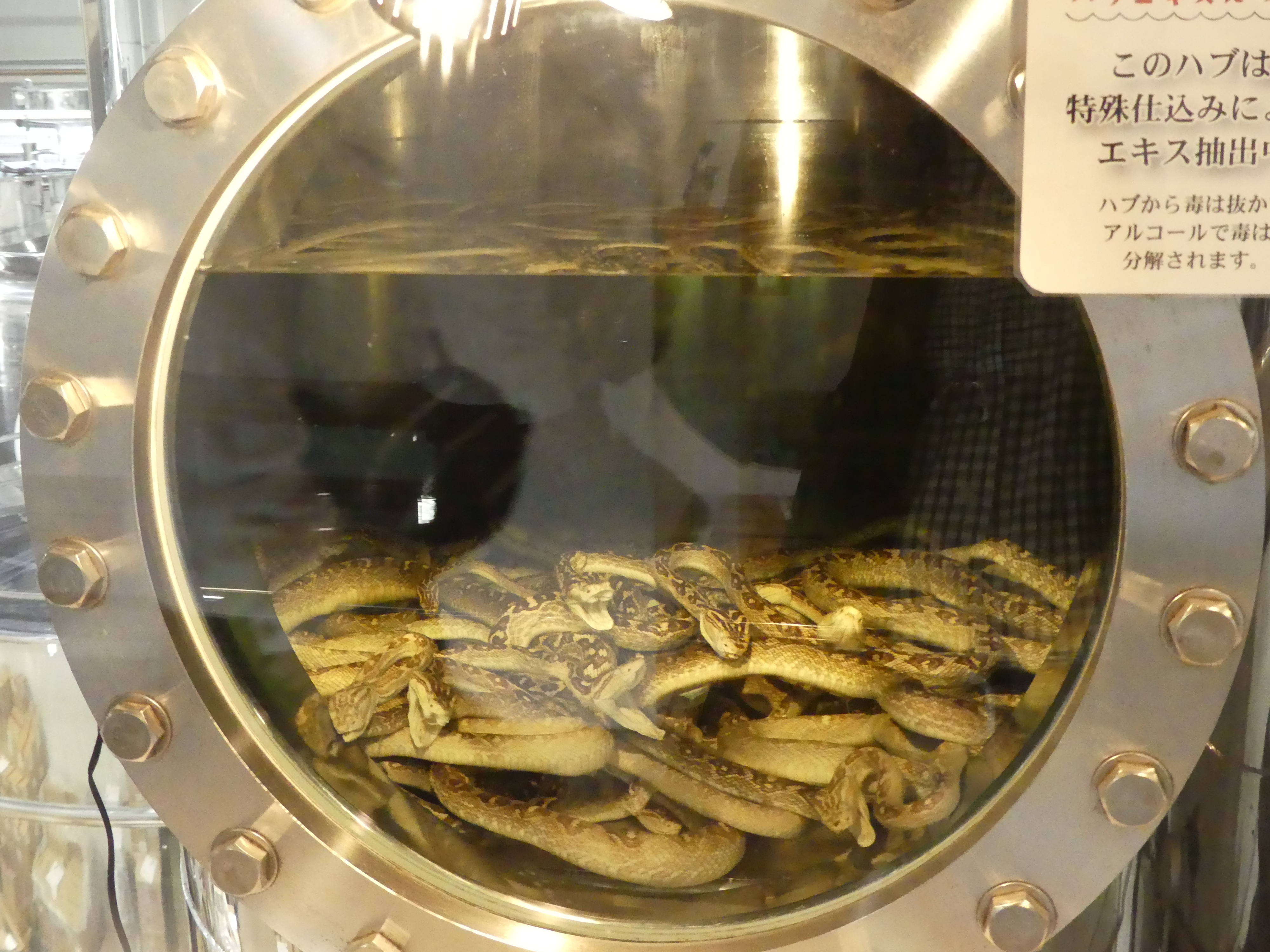
The caves are underneath what appears to be the recreation of an old Japanese village, and this was interesting. Open plan living with bamboo walls! There is also a culture centre. Remembering that Okinawa has not always been part of a united Japan it was interesting to view some of their differences. The Japanese have developed a reputation for beer making but there are some secrets to their difference. In this centre there is a modern mini brewery brewing beer with bite. The bite comes from the ingredients – snakes – no sale at the souvenir shop for me. We moved through the centre and back to the bus with a nasty taste in my mouth thinking about the snakes and then I thought the Mexicans put a worm in their Tequila – I don’t drink Tequila either.

Our next stop was the Okinawa Prefecture Peace Memorial Museum. On April 1, 1945, the U.S. Army and Marine Corps launched an invasion of Okinawa with 185,000 troops. They were faced with fanatical resistance from the Japanese defenders. A third of Okinawa’s civilian population were killed during the ensuing fighting. The dead, of all nationalities, are commemorated at the Cornerstone of Peace. The Battle of Okinawa was a fierce battle lasting 3 months and killing more than 100,000 civilians and a similar number of soldiers followed by a USA administration for 27 years followed by the Treaty of Mutual Cooperation and Security between the United States and Japan, United States Forces Japan (USFJ) have maintained a large military presence. On May 15, 1972, the U.S. government returned the islands to Japan following the signing of the 1971 Okinawa Reversion Agreement. In 2006, some 8,000 U.S. Marines were removed from the island and relocated to Guam. The move to Marine Corps Base Camp Blaz was expected to be completed in 2023 but as of 1 January 2025 is still in process.

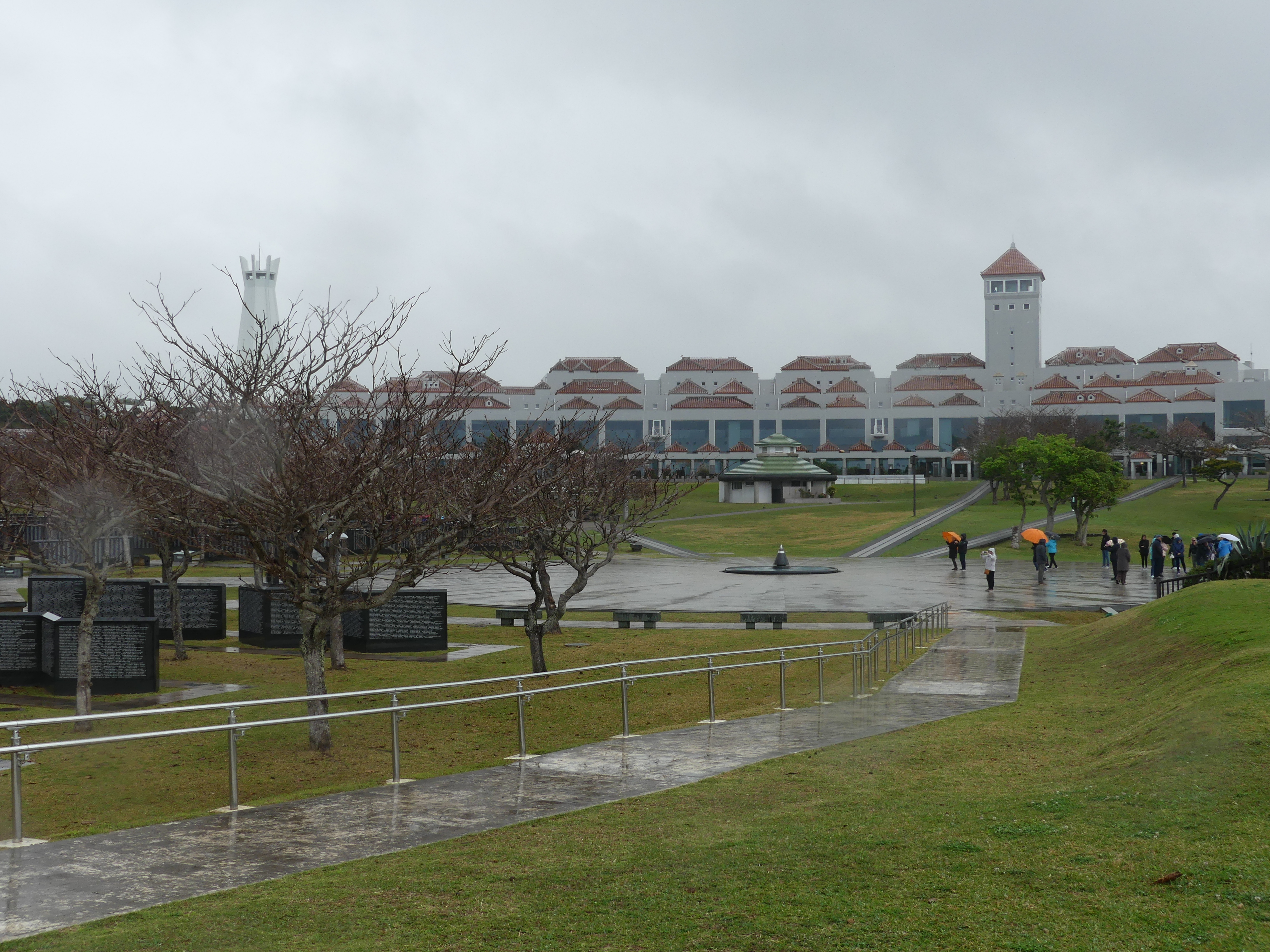
The memorial includes a teaching area for children occupying most of the ground floor whilst the upper level records the history of the Battle. I have posted below my photos of the memorial reciting the names of those killed, whether by action, starvation or suicide, on both sides of the conflict, the Cornerstone of Peace, its location by the sea and the Museum building. Has the investment caused anything to change?
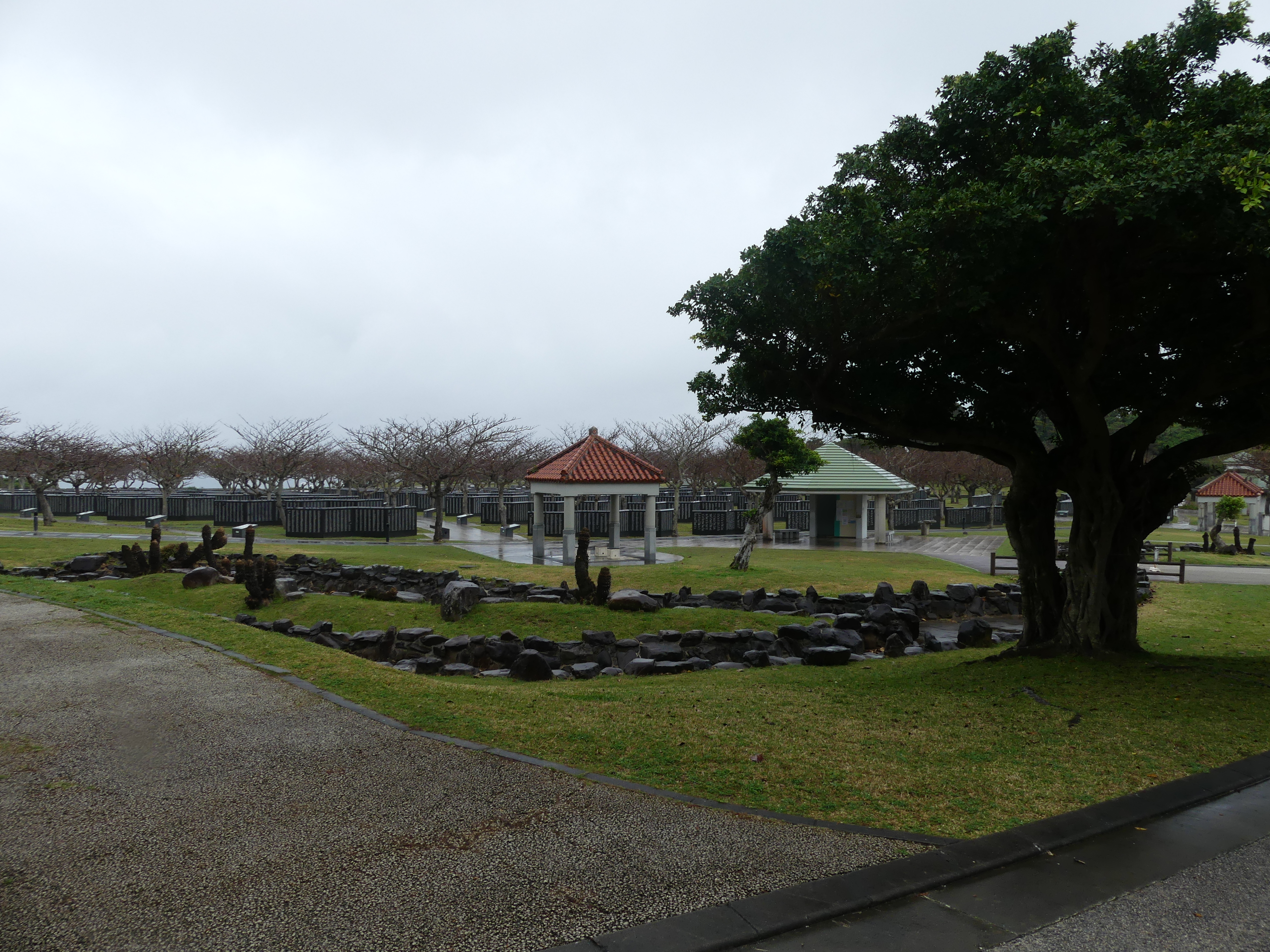
It has been uplifting to see the aspirations of the survivors of the war, but the reality is war continues to lurk around Japan – North and South Korea remaining at loggerheads and China still determined to extinguish the Nationalists in Taiwan. We moved through the Peace Memorial, but I cannot help a feeling of helplessness that the memorial is in vain. Not a happy note to end on but we are glad to have had the privilege of visiting such an important memorial.

Keep reading and follow our path through the islands of Japan to Taiwan and return. The next chapter is “THE RETIREES GO AROUND THE WORLD – TOKYO TO ISHIGAKI JAPAN, HUALIEN TAIWAN, PORT KEELUNG & TAIPEI TAWAIN, & PORT NAGASAKI JAPAN”
“THE RETIREES GO AROUND THE WORLD – “ROME TO TOKYO”
TOKYO

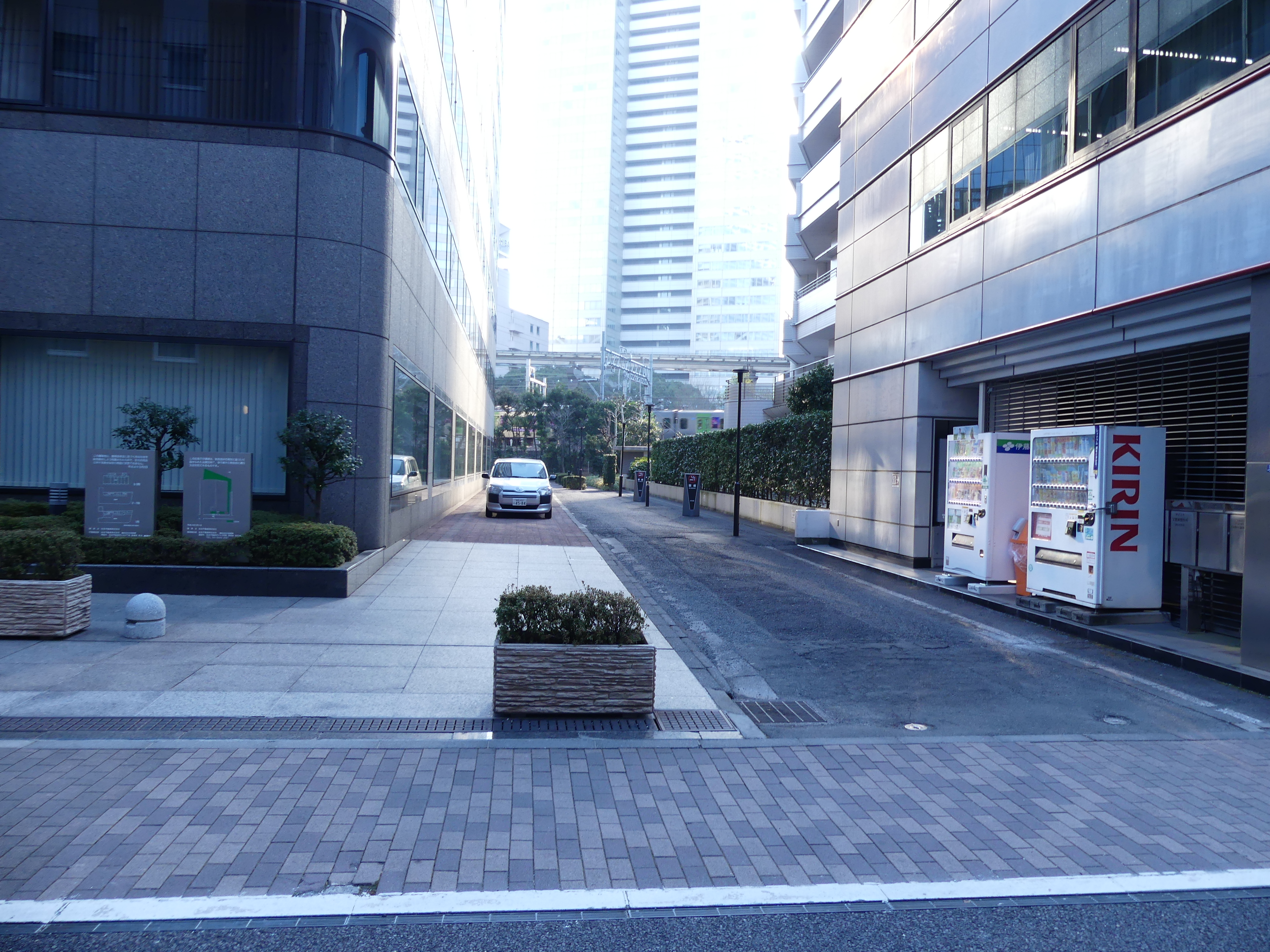
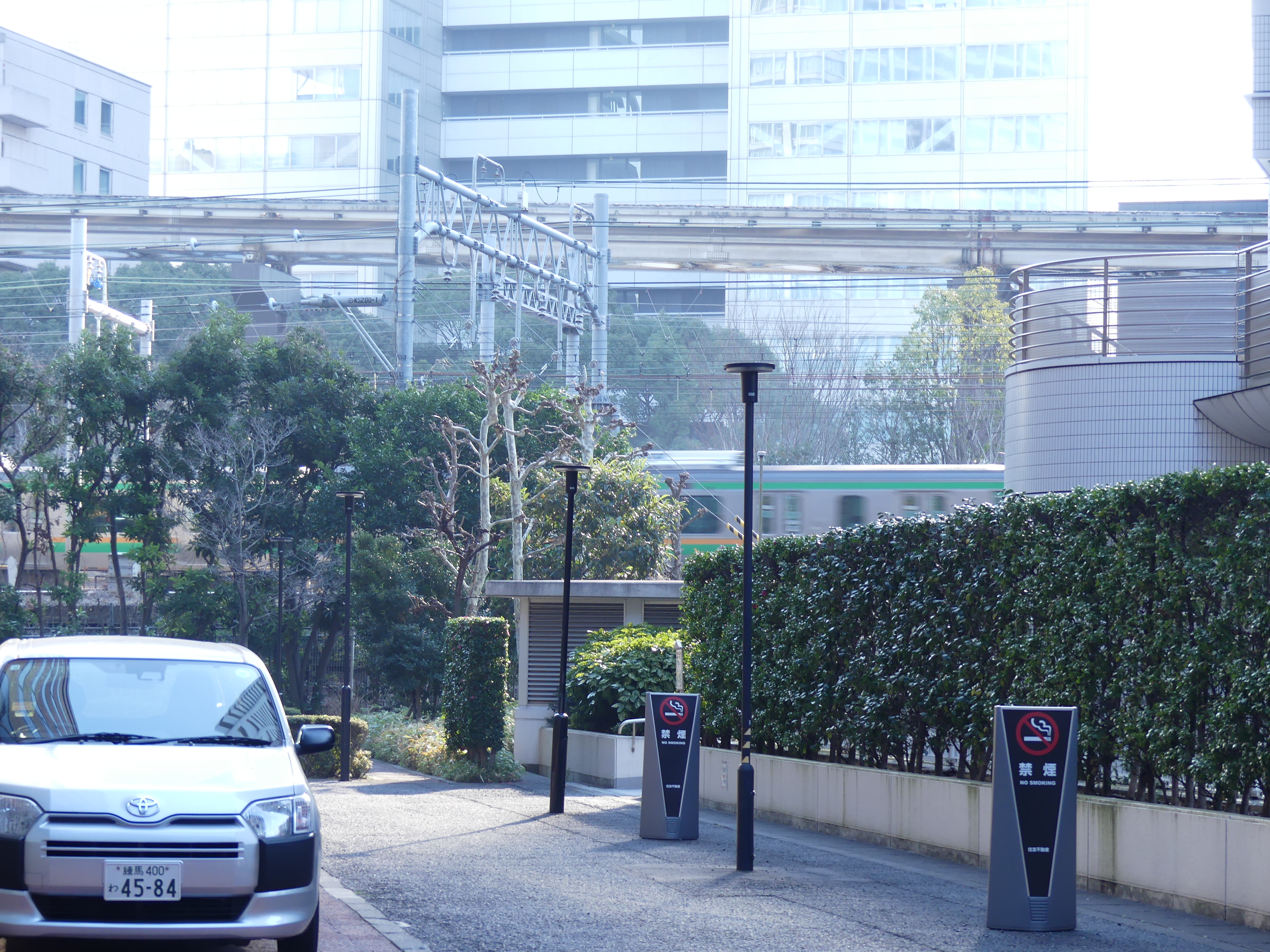
Our Finnair flight was unremarkable which is a good rating – no problems were encountered. So my first picture is our plane. We allowed ourselves two days in Tokyo to ensure we arrived in time to catch our ship. I think we made good use of our time there and we only saw what was immediately around our hotel, Hotel Villa Fontaine Tokyo – Hamamatsucho and what we saw on a trip into the centre of Tokyo. Our arrival was marred by our cab driver not having a clue where our hotel was located. Unknowingly his GPS took us to the rear staff entrance to the hotel which confused him and us but fortunately some locals on the street showed us the lane way to the front of the hotel. The second photo is the front of the hotel, and the following pictures show how close we were to the 3 levels of railway rushing around us. We noticed that several businesses had their own shrine for staff and passersby, and the first one below was immediately across the road from the hotel and alongside the Japanese version of a café – a drink dispenser. Note they also dispense Kirin Beer.

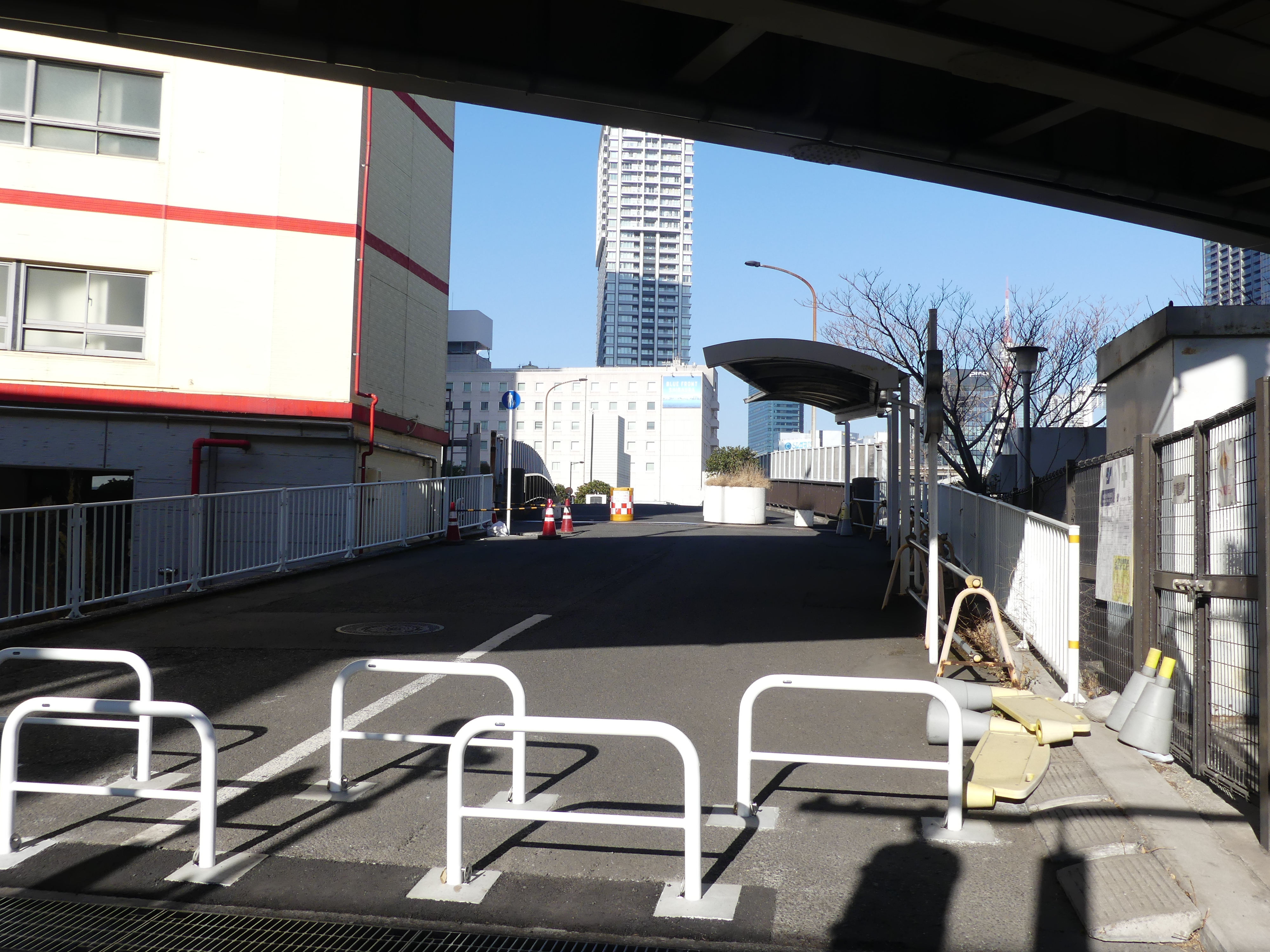
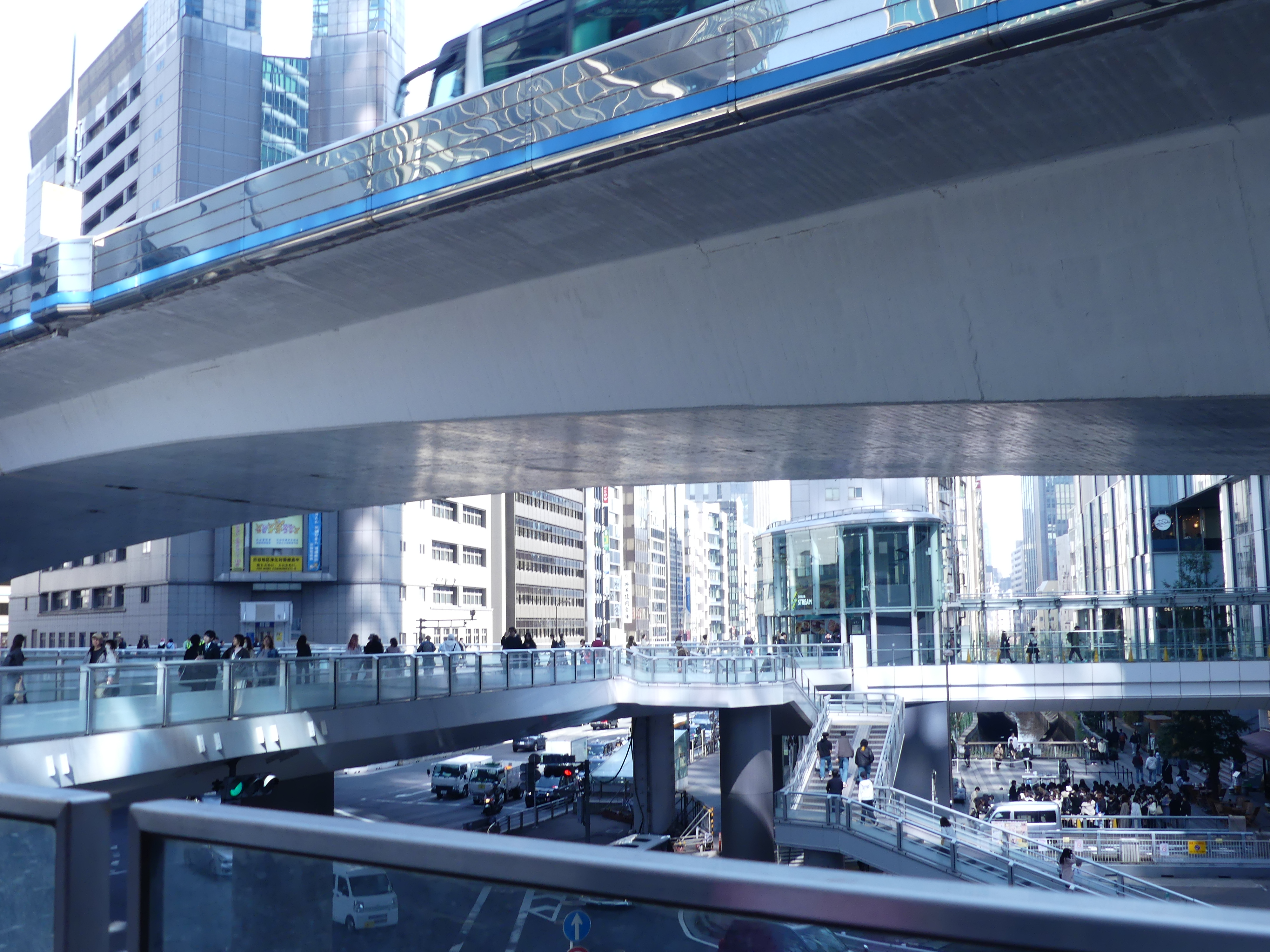
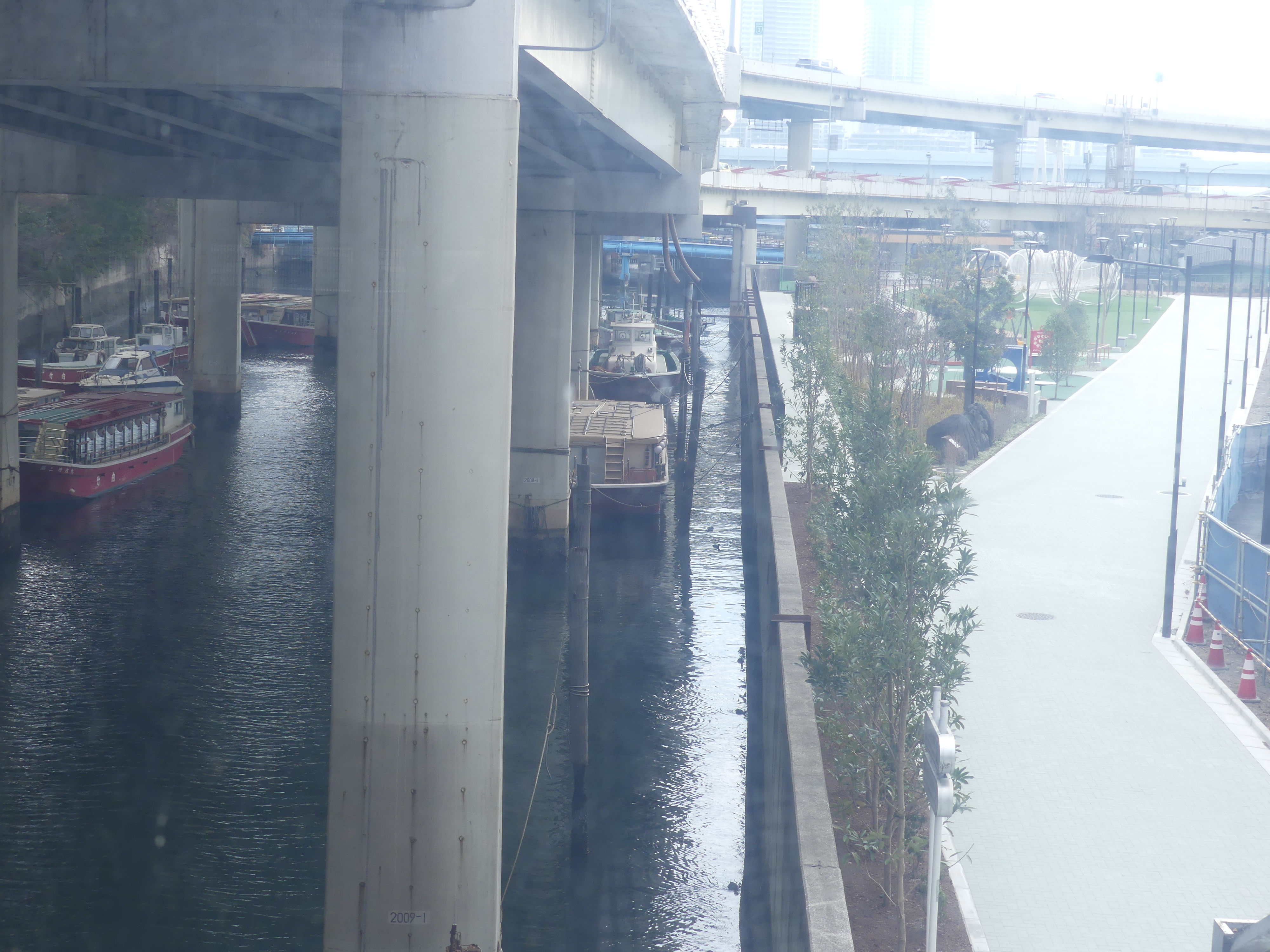
We obtained a tourist map from our hotel. We were checking the location of the dock for our departure on our cruise and became worried that the instructions as to the location of the dock for boarding our ship were somewhat vague – “Yokohama Dep. 4.00 pm”. Believing the dock was nearby, we took a walk to the waterfront. There was a considerable amount of renewal happening/being constructed underneath rail overpasses and vehicle expressways and in between the enormous city towers around us along the path to the waterfront. The photos below show the way in which the Japanese used all space available.

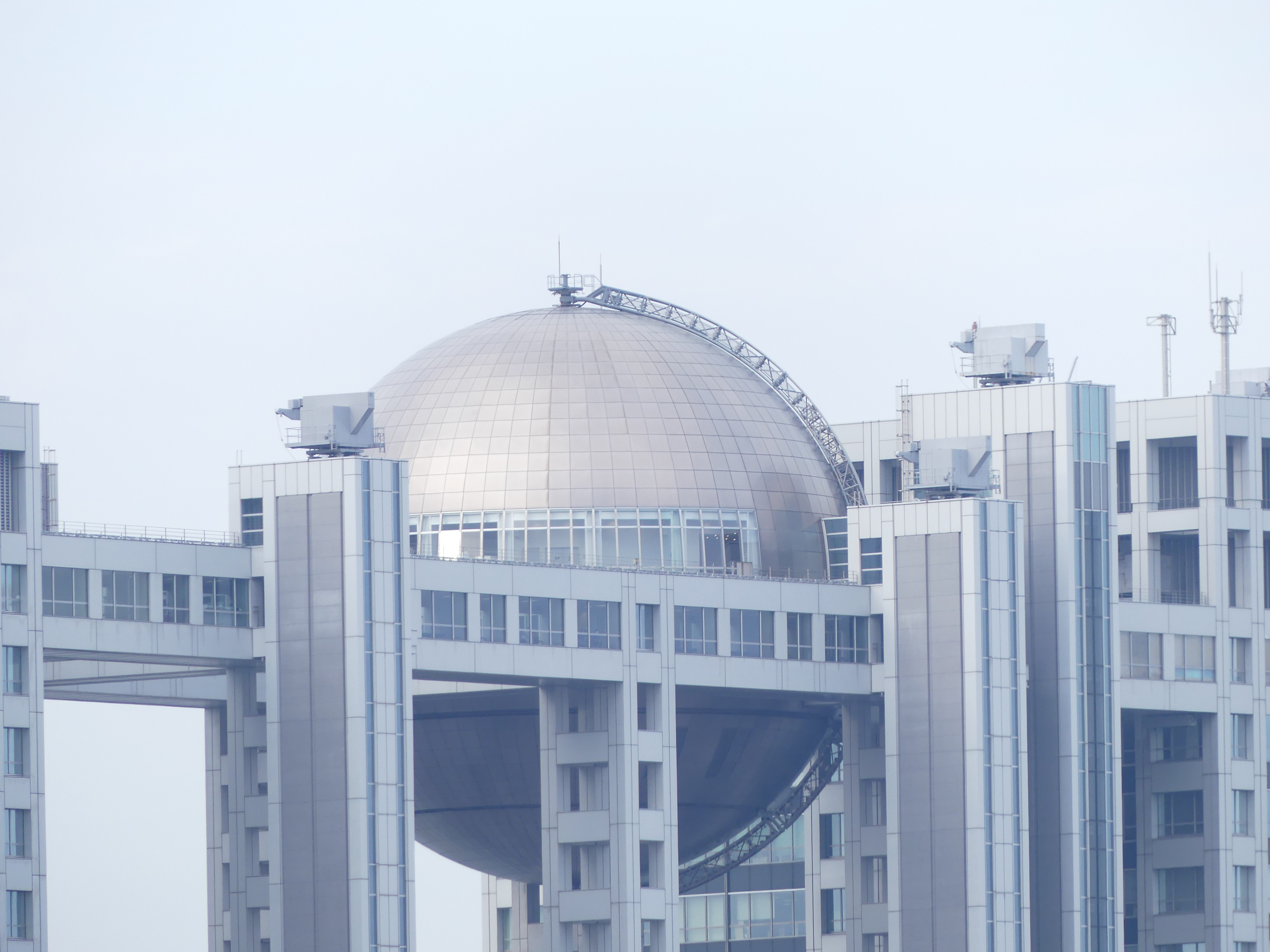
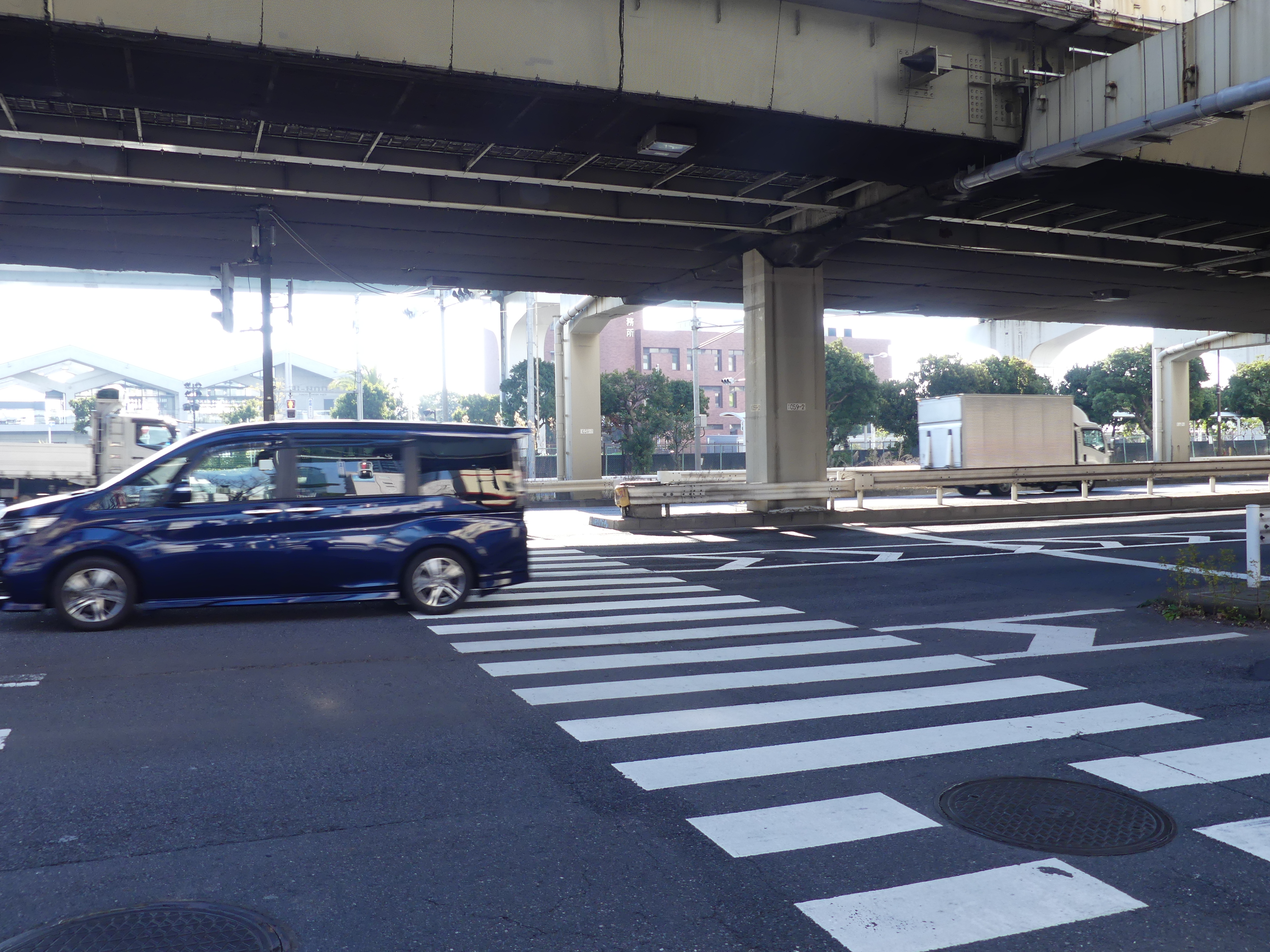
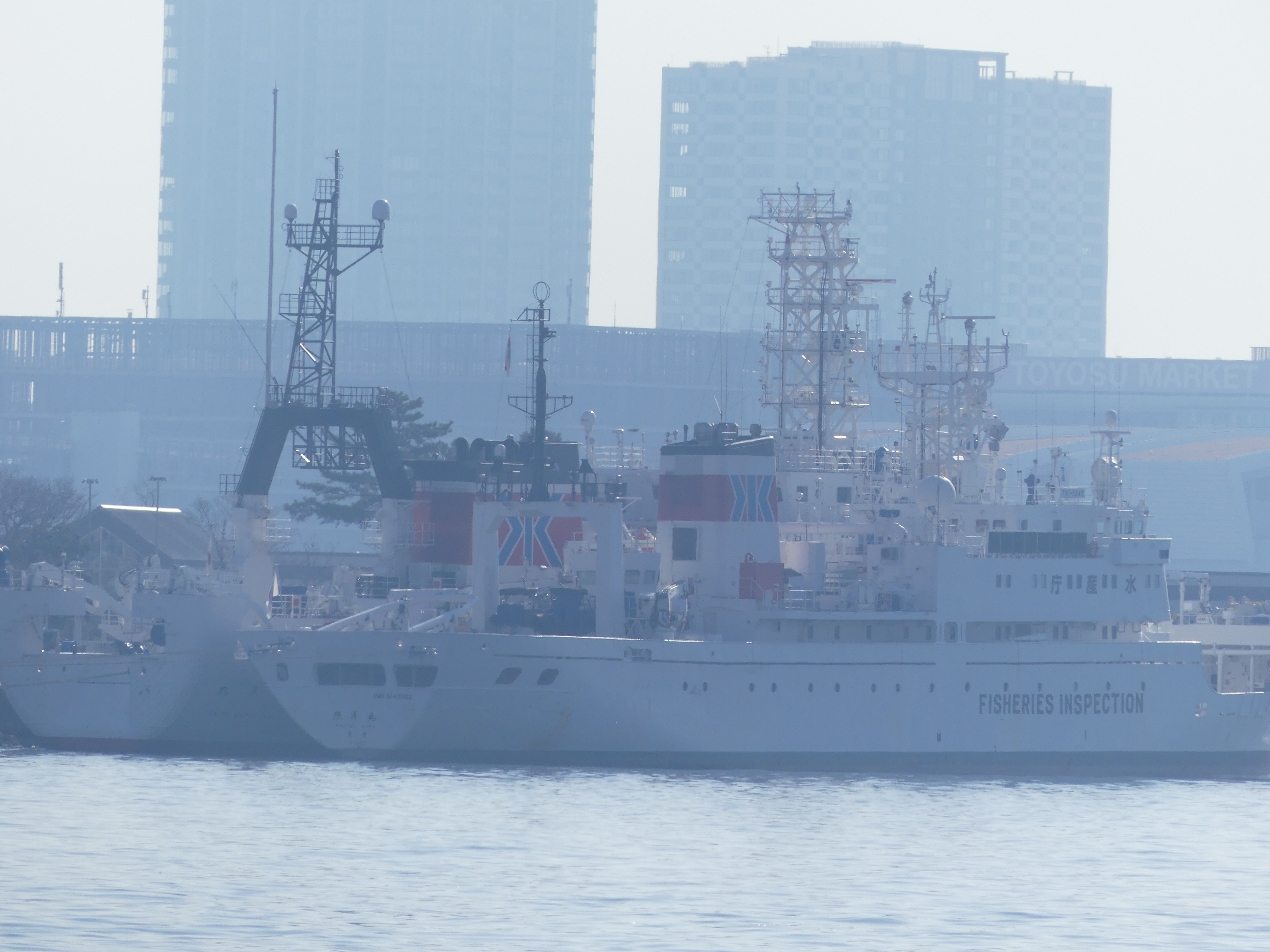
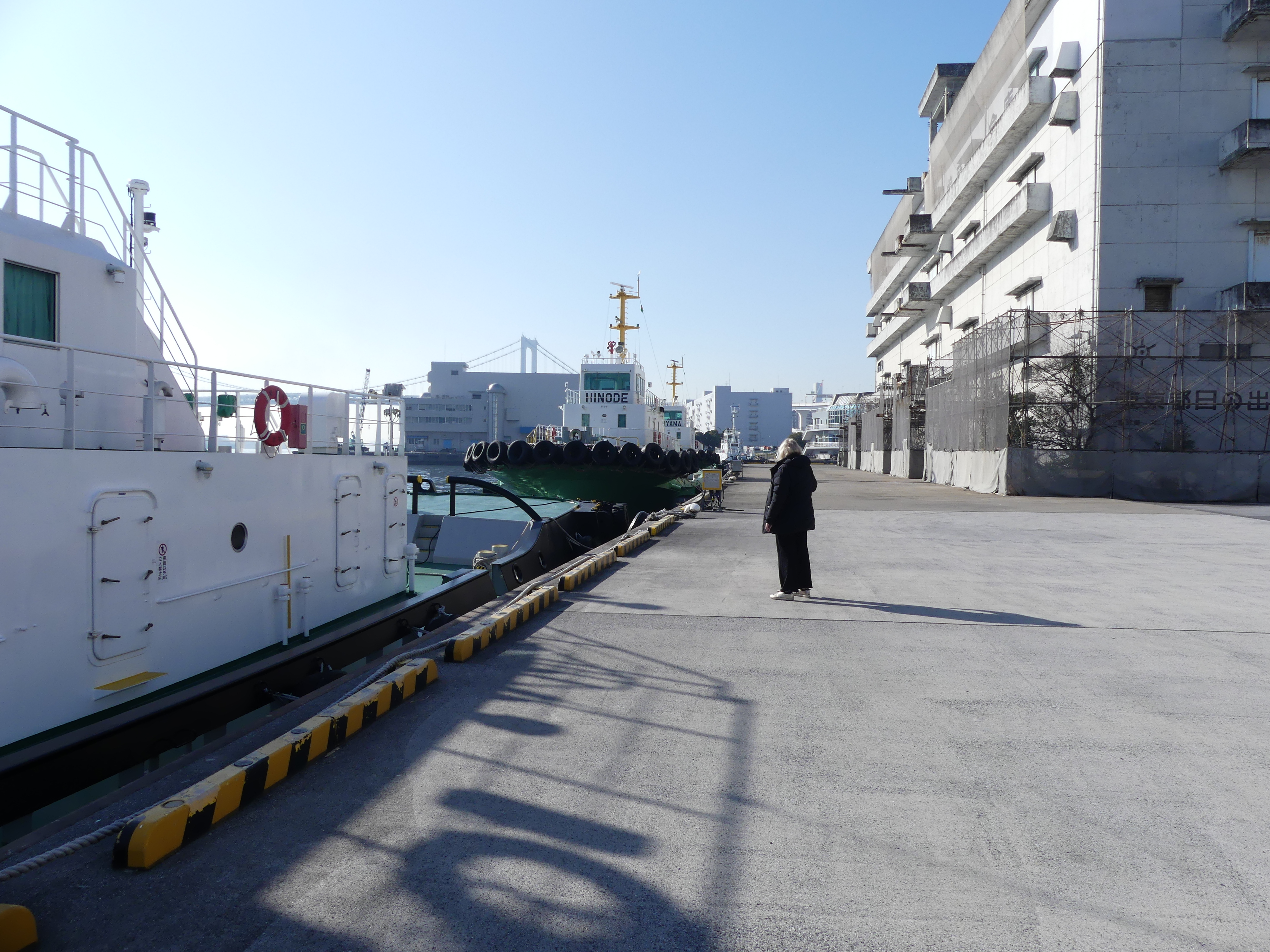
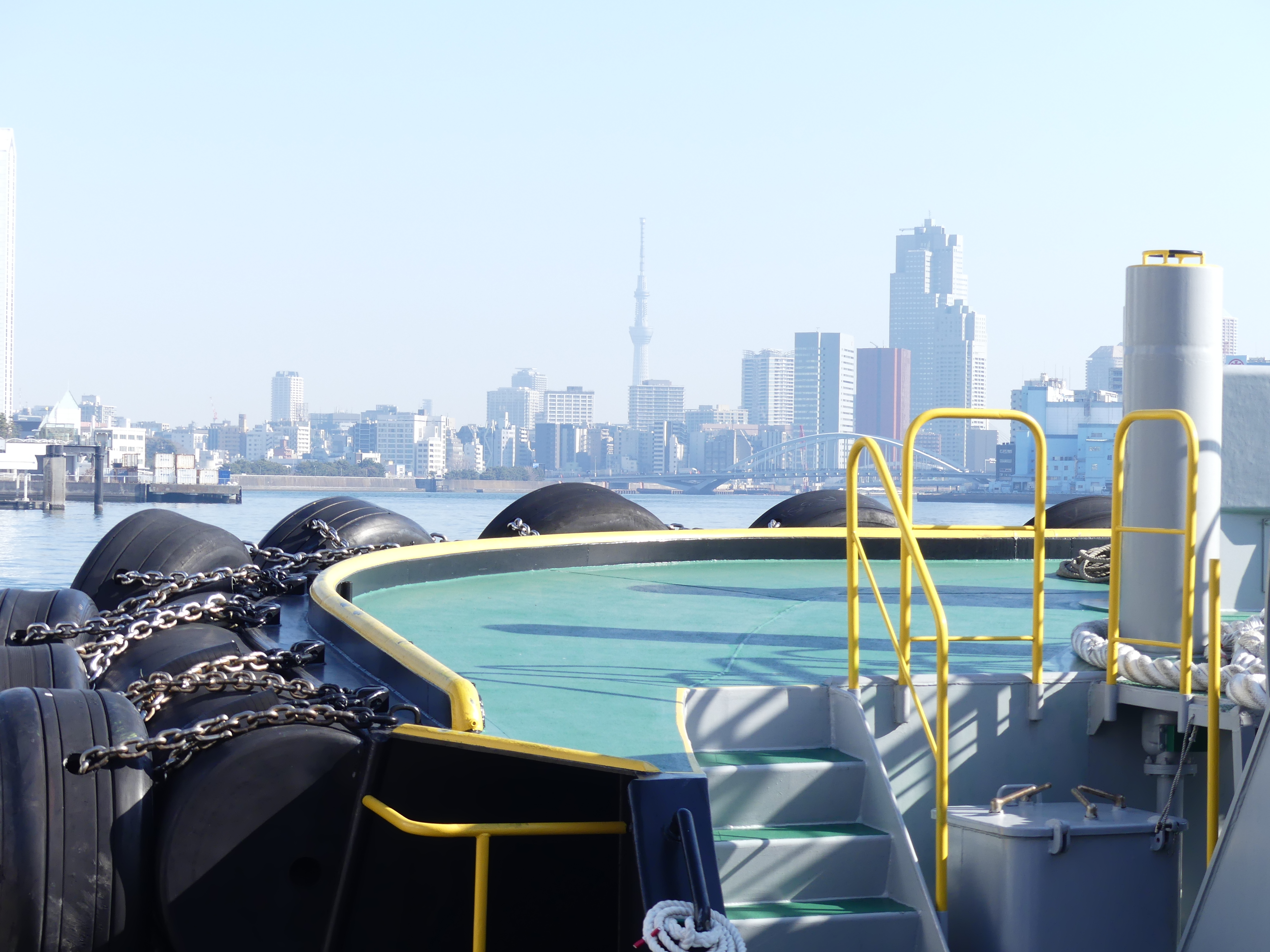
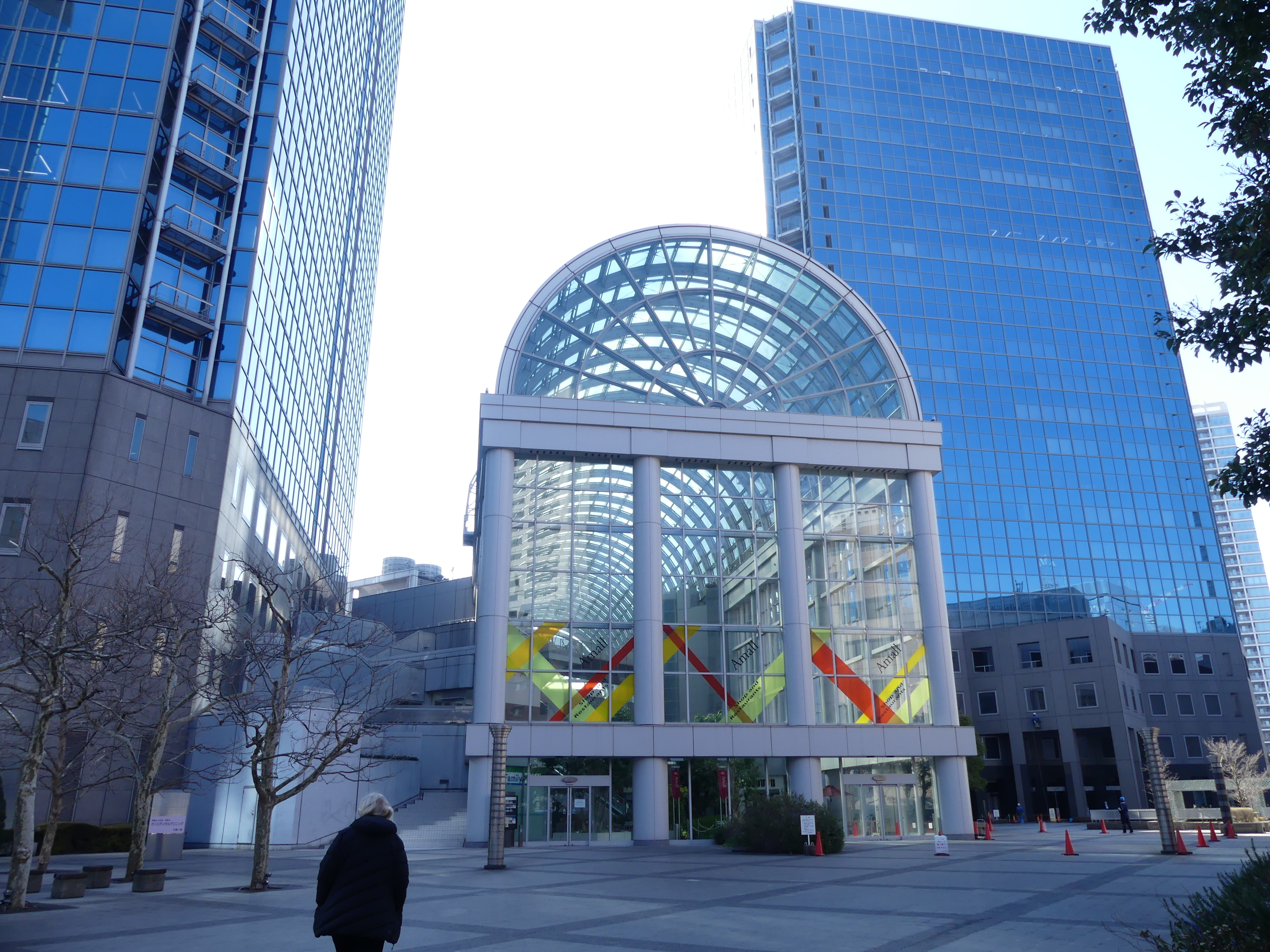
We made it to the dock but there was no sign of any ship terminal. Tugs and ferries but no cruise ships. We continued our search passing through wharf industries harbour side units and canals but no cruise ship terminal. Push bikes were popular even with the public transport available. As we returned to our hotel we were surprised by the architecture of one building: a domed area under an office tower. It proved to be a shopping centre at the base of an office block, but it seemed to be “dead” with no people activity inside the building. It seemed to be a cross between a plant hot house and a shopping centre. Not sure how successful it has been.

On returning to the hotel, we decided we would call our travel consultant and get the complete street address and directions for the dock. A very helpful consultant gave us an address (we were rather suspicious that the address said nothing of a terminal or dock number), but we felt assured that the instructions for the taxi would get us to our ship. Our concerns eased we took a ride by train into the city.

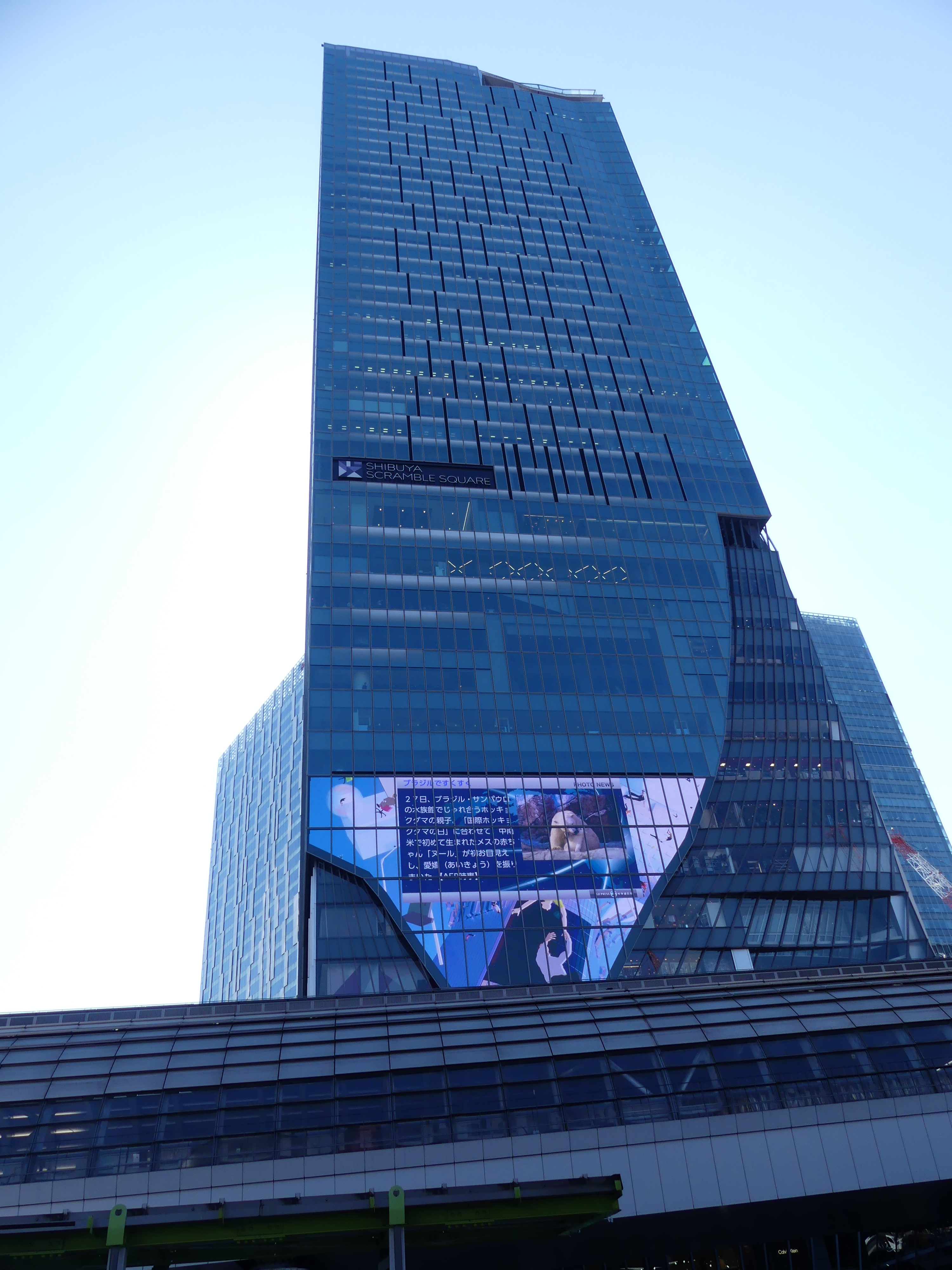
Tokyo has a rail ring road making it easy to get to the centre of town. We were looking for Tokyo’s highest building to get to the roof top for a grand view of the city and beyond – as the tourist literature promised. Getting to where we wanted to go was trouble free. Finding our destination from the train station not so easy. Passage ways, footpaths and aerial walk ways had us confused but we got there in the end. We found that building but to get to the roof top was ticket only access and all tickets for today were sold out. So, we took in the sites from ground level. That’s it 1st picture left to right.

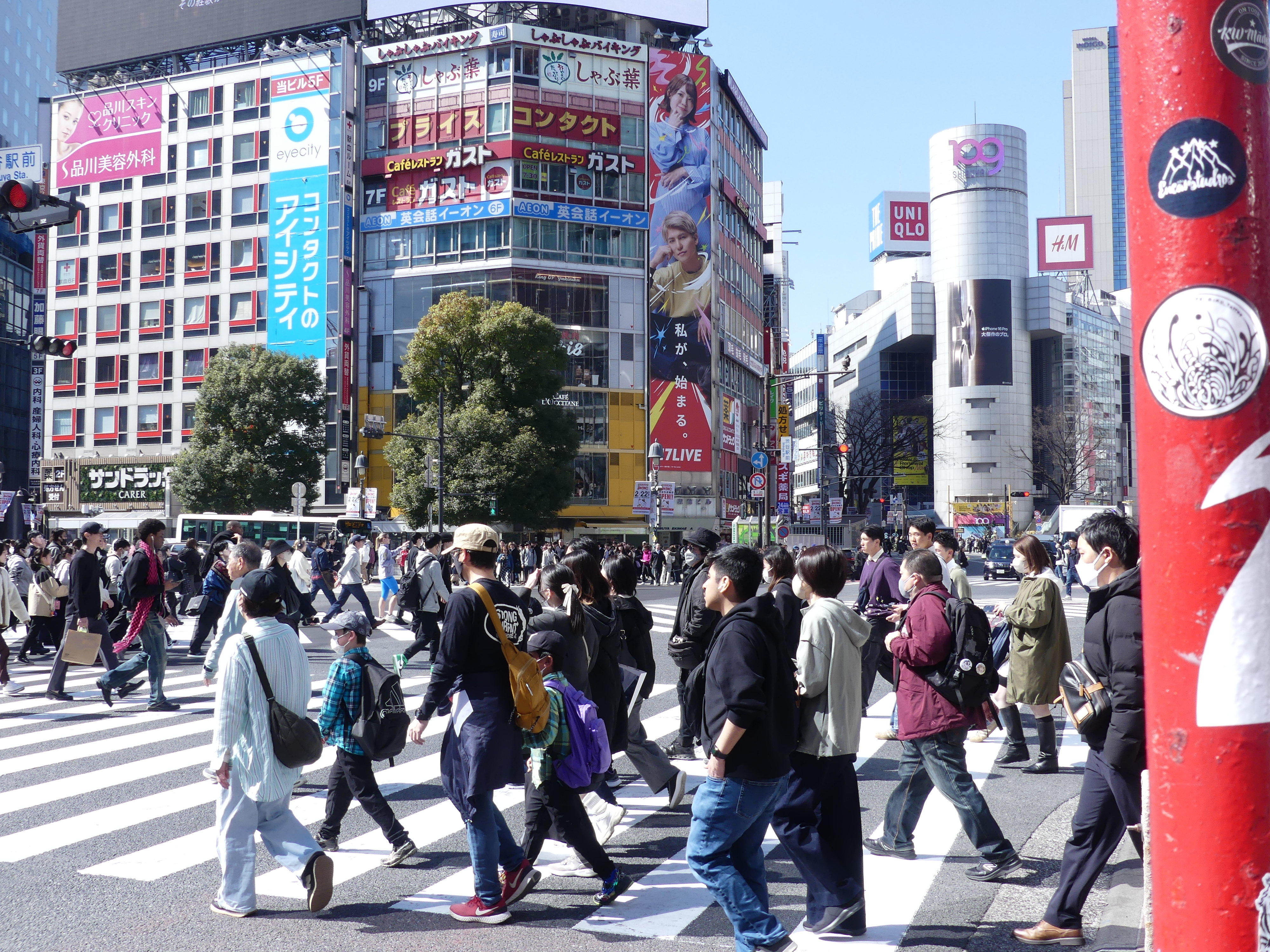
When walking to our station to catch the train we walked past an open garage containing go-carts. No idea what that was about and there was no signage in English to inform us. So we were very surprised when we encountered go – carts full of jubilant tourists came rolling past us in the centre of the city. I have provided a photo below then follows a photo of the world’s busiest pedestrian crossing. As well as street level pedestrians there are pedestrians aloft – yes 3 storeys above ground and connecting everything. It is hard to find anything old world Japanese, but we found it in a restaurant with shrines in its front yard – what must that land be worth!

We had a burger in Hungry Jacks (very Japanese) and decided to explore further passing over a canal with houseboats and a new stretch of pedestrian and bike pathway and gardens on our way back to the hotel. The following day – “sailing day” – Kerry had spotted a large garden space on our map within walking distance and we thought we had time to explore a bit more.

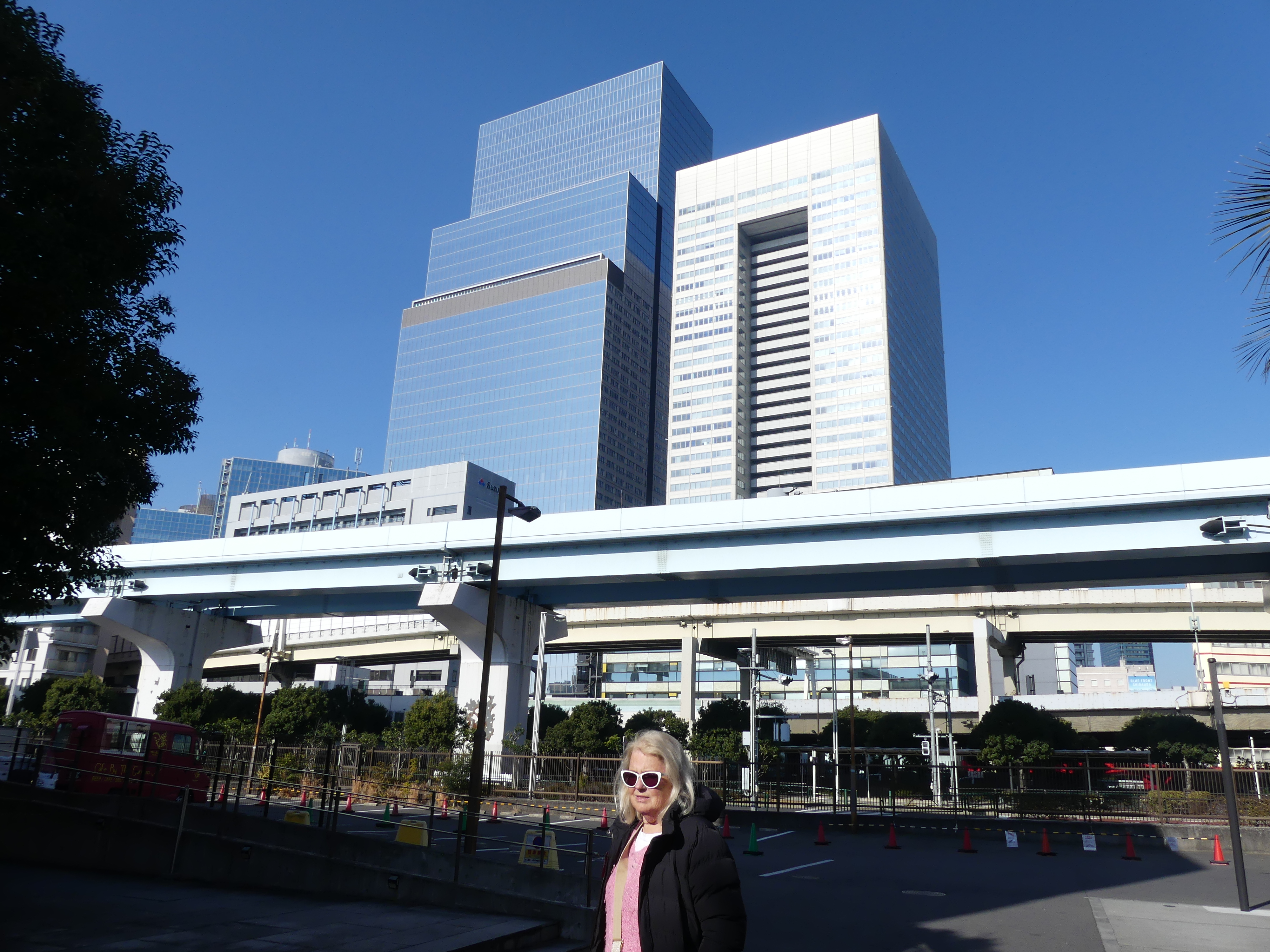
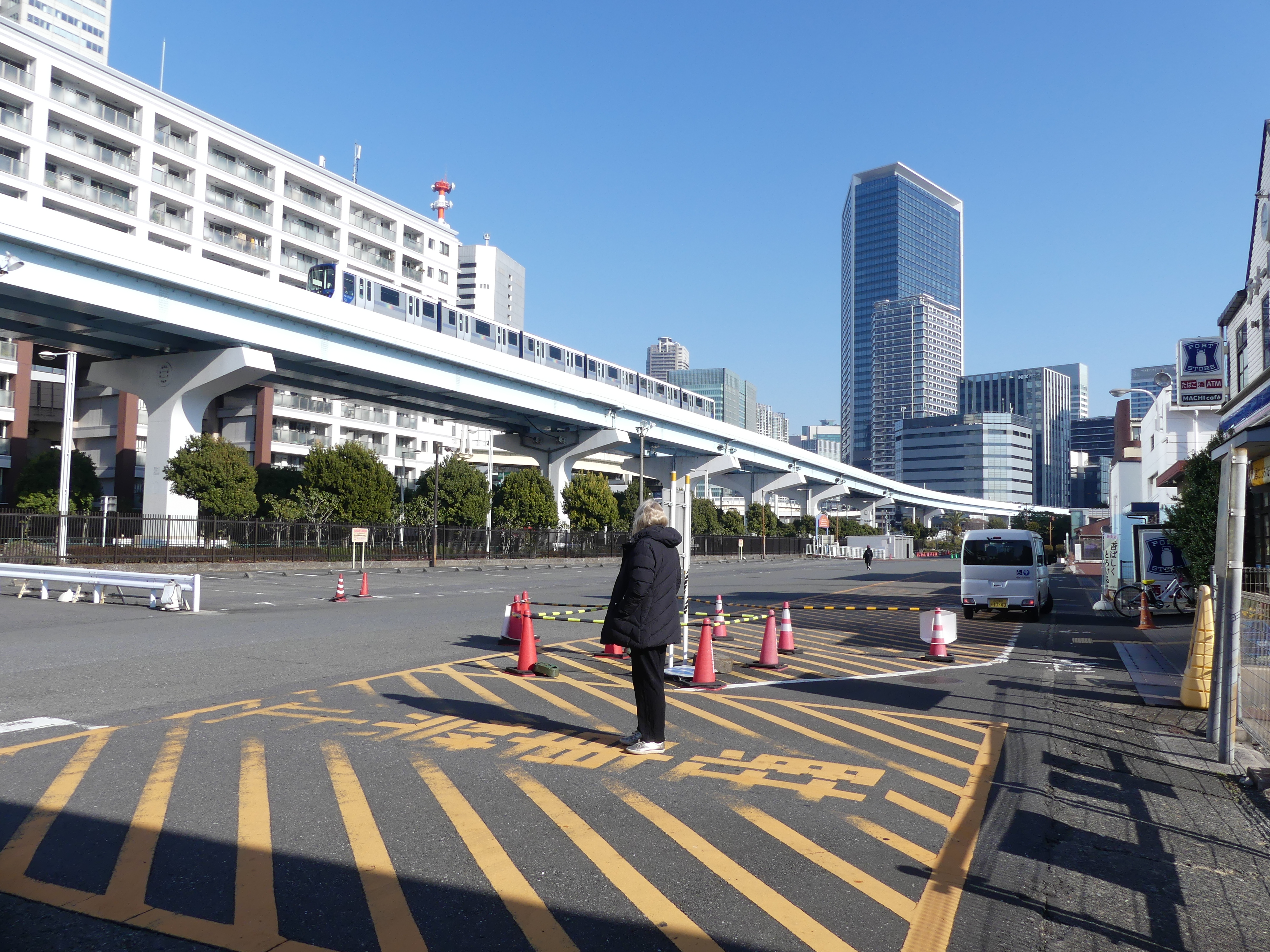
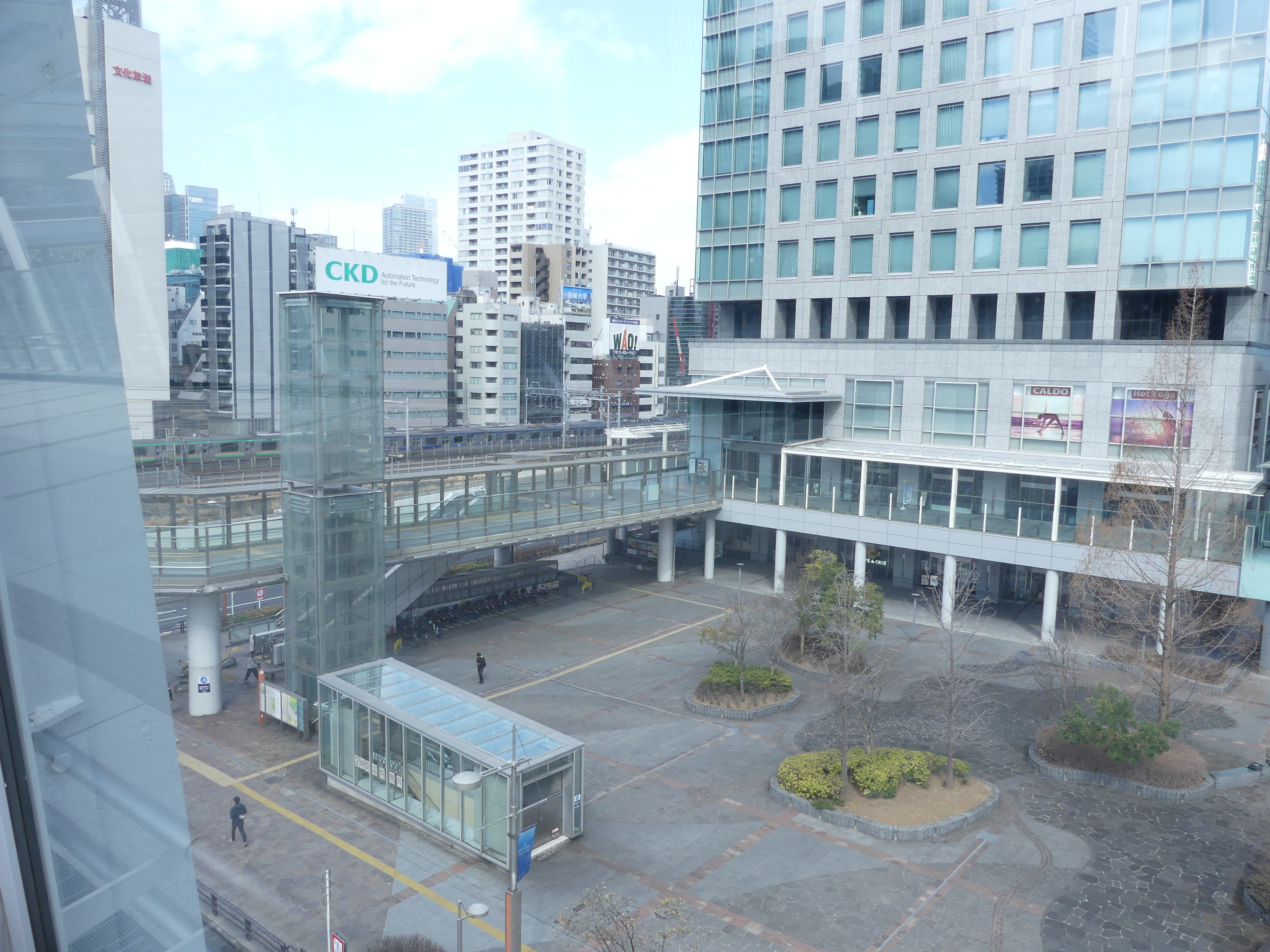
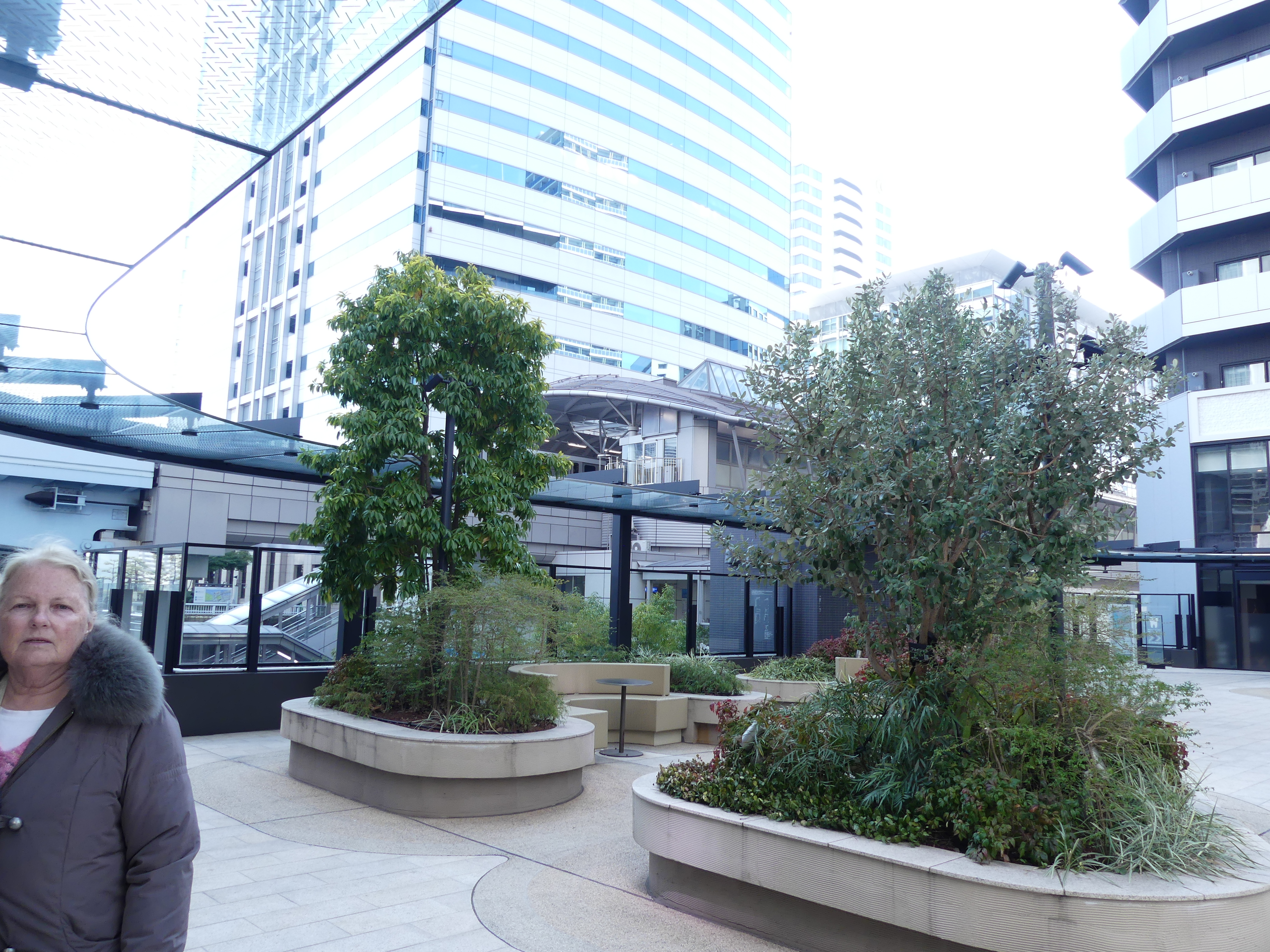
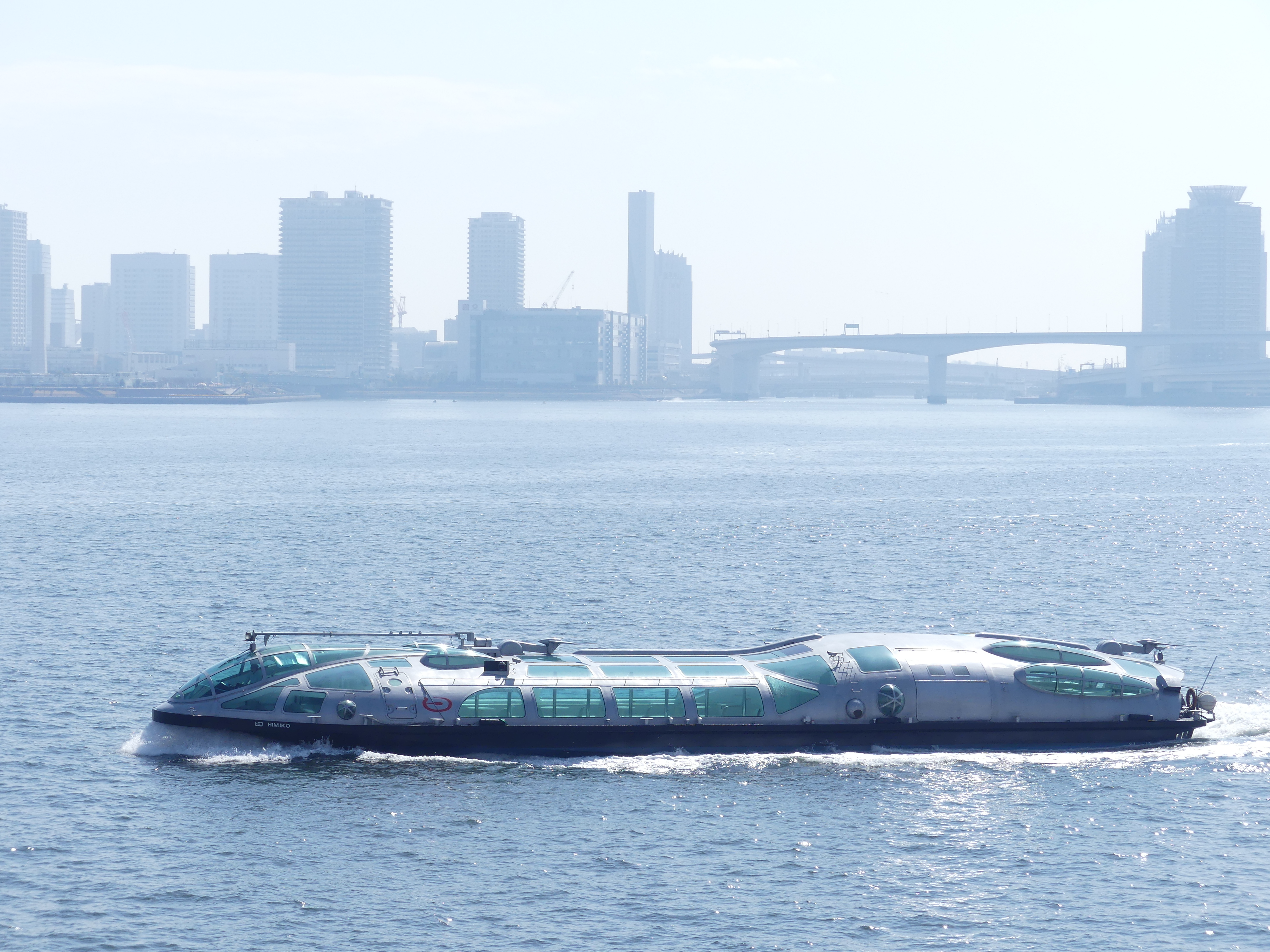
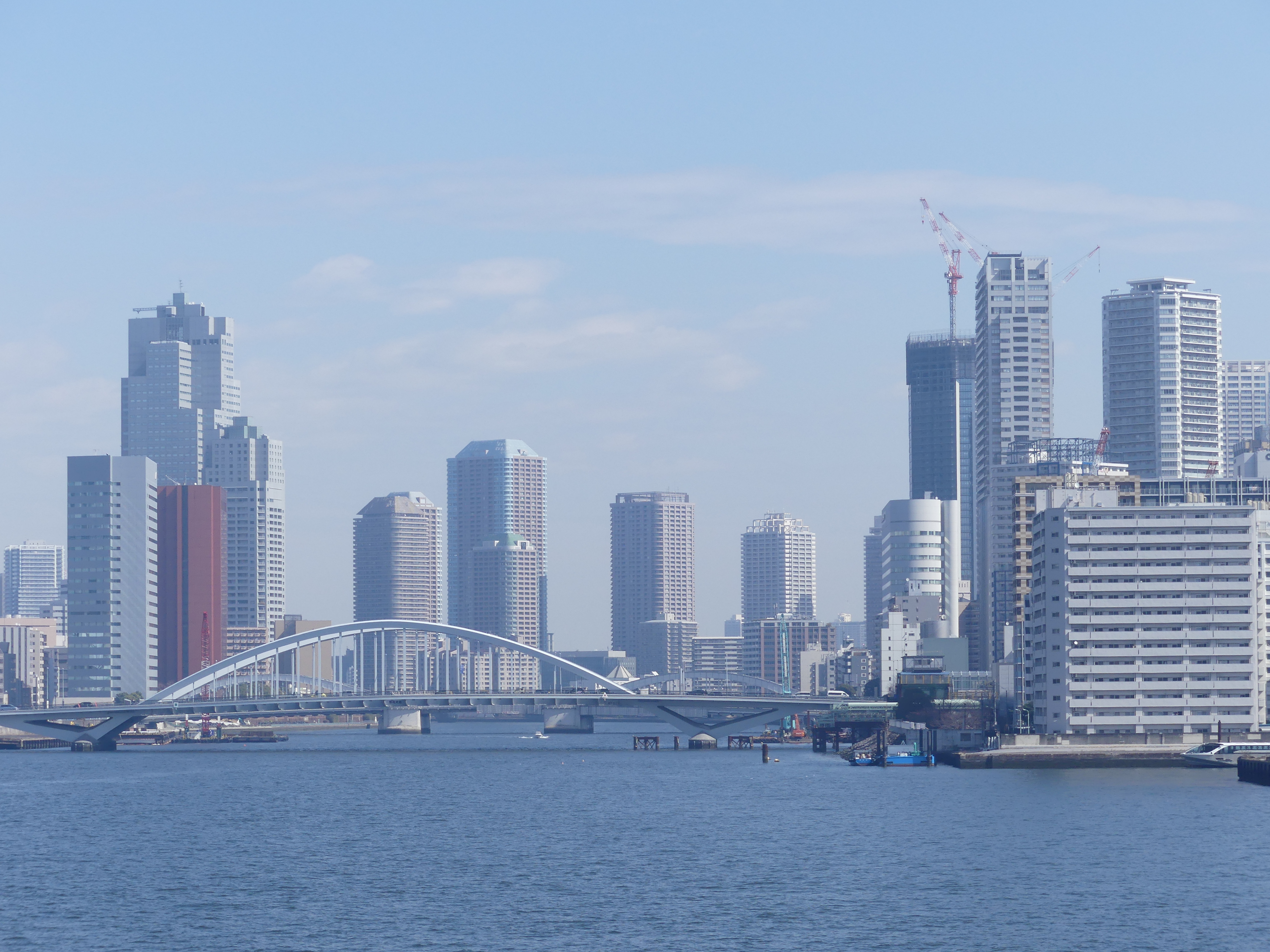
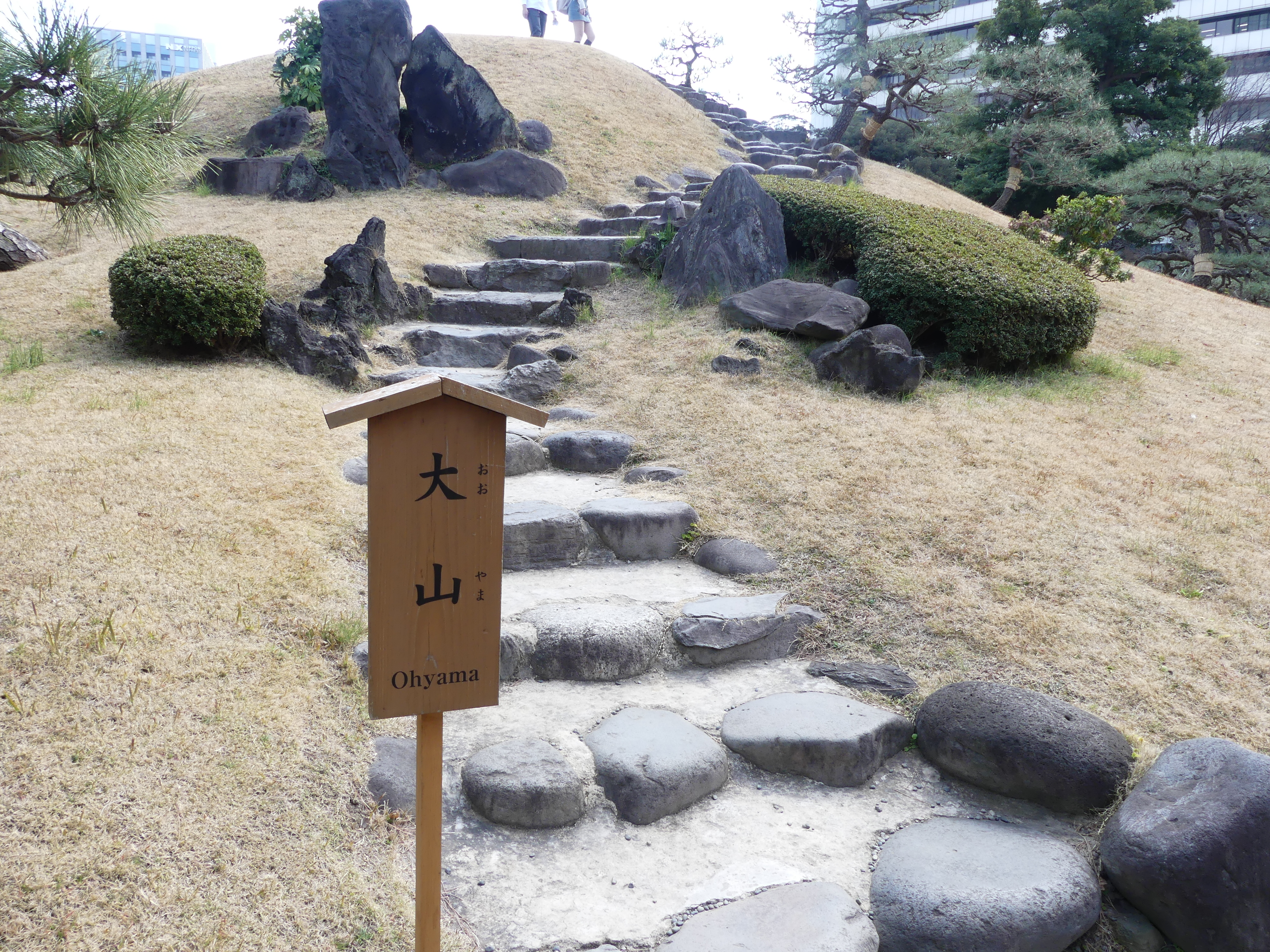
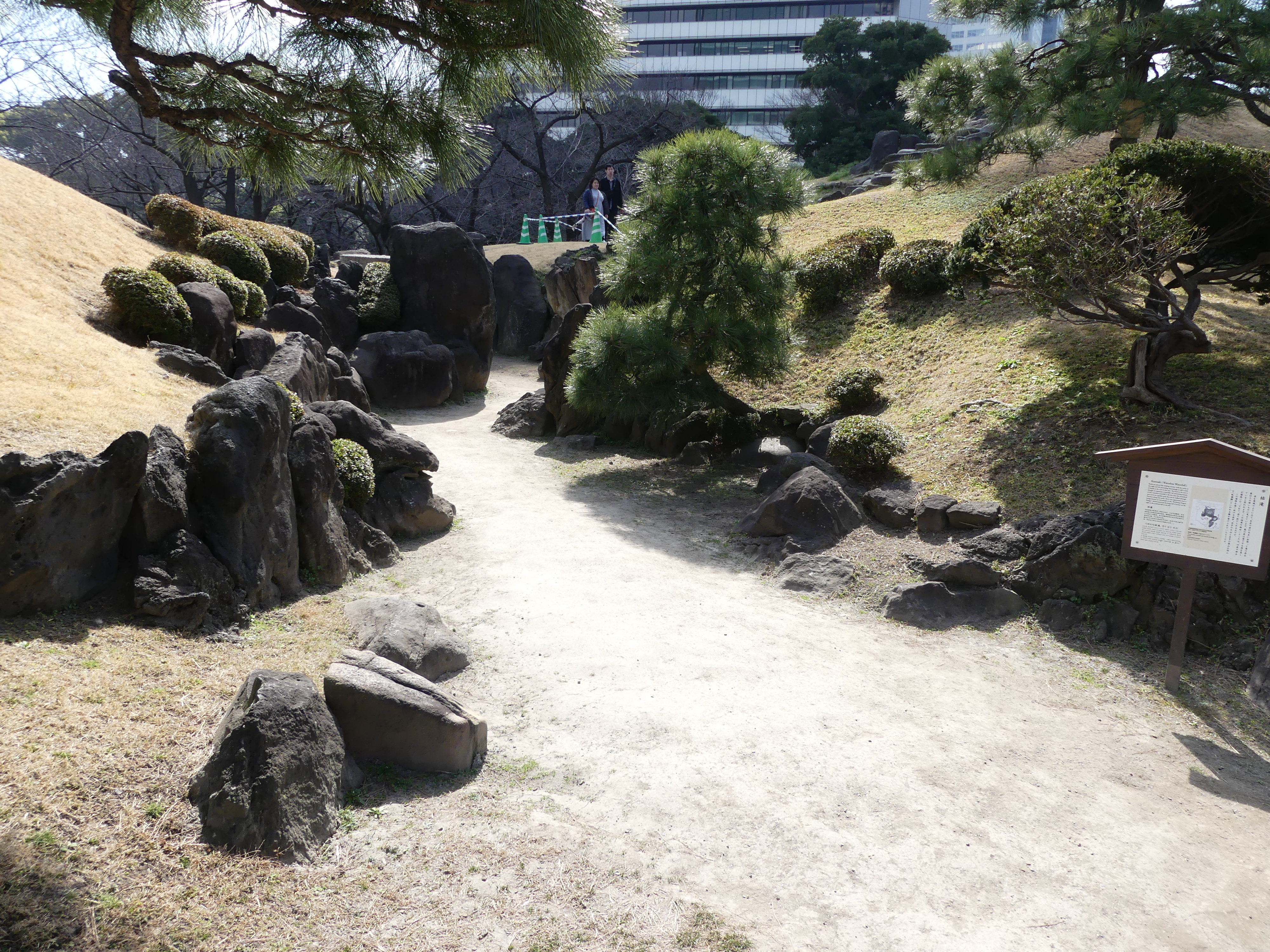
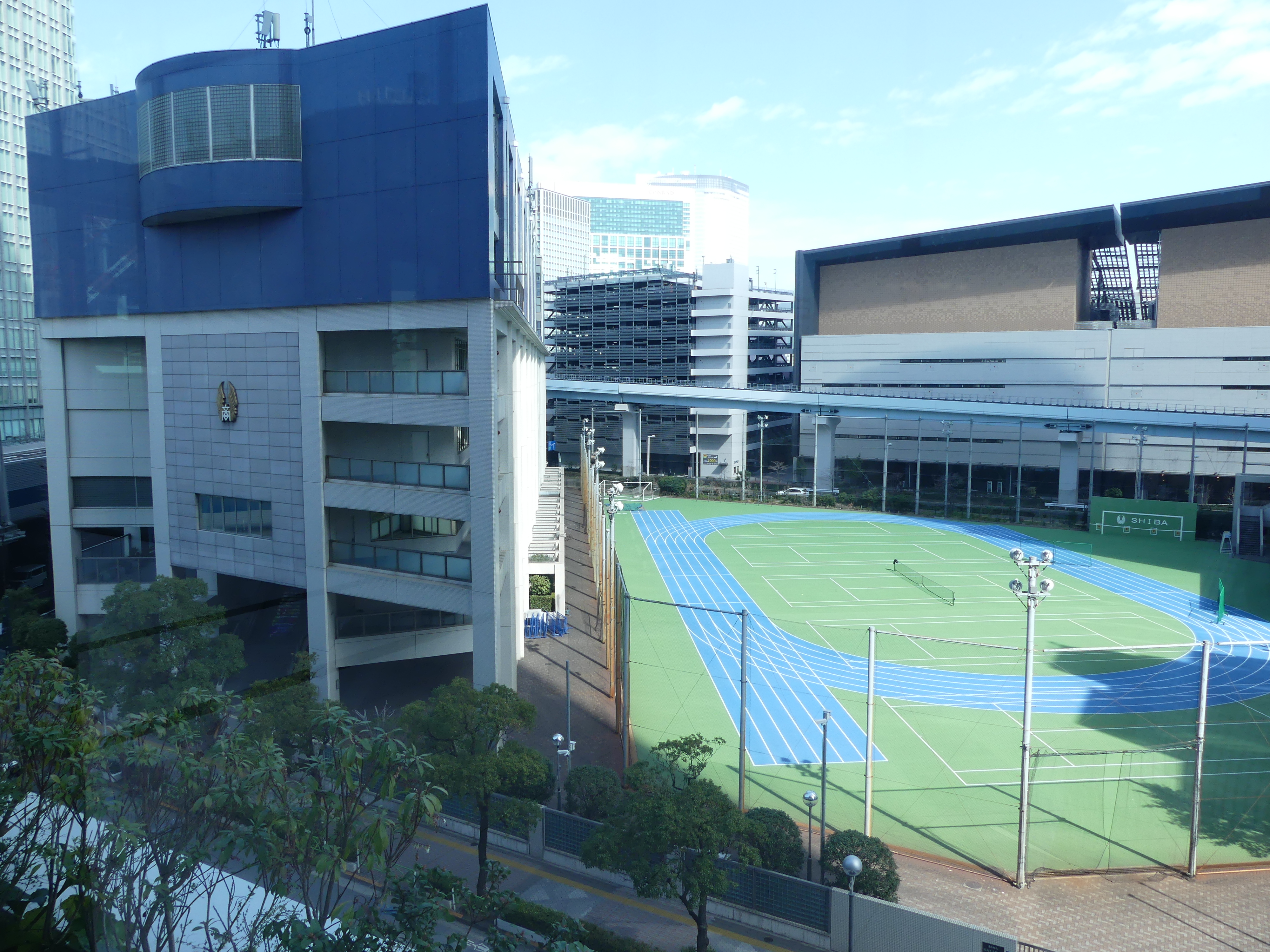
The pictures below start with a different form of shrine to the one across the road from our hotel – an upright tablet with two temple urns beside it – then surprisingly our first cherry blossom tree in full flower. The park seemed closed at every entrance, so we traveled to the walkway 3 levels above ground for the view of the park. More than a park it is a religious sanctuary set out in traditional Japanese style. As the park seemed closed, we went in the opposite direction towards the harbour. The pictures show you the grand scale of these walkways. We passed a high school and its sporting fields and ended up on the harbour boardwalk with ferry terminals spaced along it and ferries plying the harbour and trains passing by. The buildings around us towered above and I have taken some photos of some of the more impressive. I was even able to grab a picture of the look-a-like Eiffel tower – the last photo but its a long way off.

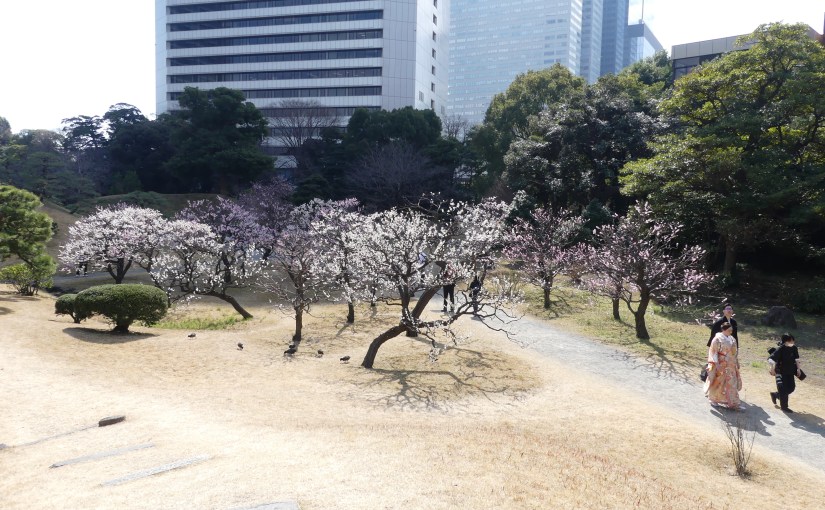
We turned around and went back to where we had come form. I cannot recall what made us walk to the opposite end of the walkway, but I am glad we did so as we found the entrance to the park – there is a fee to enter and that explains the closure of all the other entrances. The photos below show you around the gardens. We were now pressed for time so we did not get to every point but we saw the cherry blossom grove in full flower with a traditional bride walking through and an Australian lass enjoying the sunshine.

We made our way back to the hotel and collected our suitcases. The receptionist called the cab driver and handed to him our piece of paper with the address for the cruise terminal – we thought – but our concerns were well founded. The address was the HQ of Holland America lines in Tokyo and the cabbie had no English-speaking ability and was completely oblivious as to where the Tokyo International Cruise Terminal might be. We have not had the need for using our phone for translation so we were left to go to charades to tell the cabbie what to do. He wanted to put us and our luggage on the street, but we insisted that he find out where to go and to his credit he did that by questioning every parking centre and hotel security he could find and struck it lucky.

Meanwhile I was on the phone abusing (politely) the HAL staff to find out where the dock was. My efforts seemed to be languishing but then the cabbie turned a corner, and the vessel MS Noordam was at anchor at the Tokyo International Cruise Terminal. The cabbie thought that we would leave him alone if he dropped us off but we were still a kilometer from the ship so he endured found the road to the reception of the terminal gladly took my Yen 7,000 (should have been Yen 500 for a 15 minute trip but it was HAL fault for the misleading information – my complaint to HAL resulted in an apology and refund of the cab fare.)

Relieved we boarded the ship with a good story to remember this trip. However, we were soon to learn many other people had the same misfortune. We settled down and then we were shown to our stateroom, whilst we awaited our luggage there was some noisy bumping coming from the hall and I stuck my head out. The bloke in the adjoining cabin was bumping in with their luggage so I asked if he needed a hand, and an Aussie accent answered that he was right. This was Barry and his wife Sandi from Indooroopilly just arrived in their taxi from Yokohama – they had also been given a bum steer by HAL. From there and occasions where we shared a dinner table, we became acquainted and did quite a few things together. We still keep in touch with them – our next adventure was to be to Nudgee Beach but for reasons forgotten we ended up at Indooroopilly.

So the next and last leg of our adventure was about to commence. Read on as we relax on the high seas south of Japan to Taiwan and back again in my blog “THE RETIREES GO AROUND THE WORLD – “TOKYO TO ABURATASU, PORT NARE AND PORT NAHA OKINAWA”.