

The picture above is Pembroke Castle in 1880 and there is will be more about this castle below. I must admit that writing these blogs gets increasingly difficult. It’s not that the places are forgettable but rather there is so much to tell. The drive from Cardiff was divided into 3 parts with Tenby being the last leg before we struggled to find our lodgings in Pembroke. Our first sight of the beaches at Tenby was very encouraging but finding our accommodation was a task. We knew we were near the Pembroke Castle, but we couldn’t find the number in the street. Parking in these towns and villages always involved paying for a meter and here we had to park and find the property before we could drive to it. Once we had parked the car we walked down to the street where we had rented our lodging and low and behold a small cluster of even smaller flats was sitting under the hill on which the castle is located. It was small inside and close to a noisy road but it was for a few days only so we moved our car and found the key box but the code had been changed. Fortunately one of the neighbours was watering her garden and she helped us contact the owner and obtained the code. We had arrived. The property was about the size of a two car garage with a loft so not a lot of space.
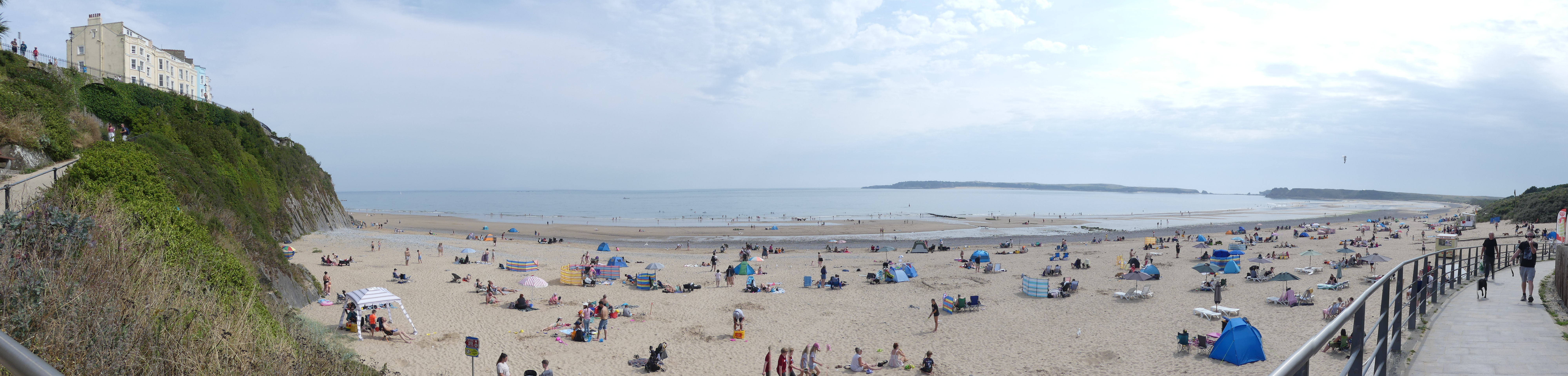
When driving in through Tenby we decided we would visit Caldey Island you can see it in my first photo on the Horizon and the beaches the next day.
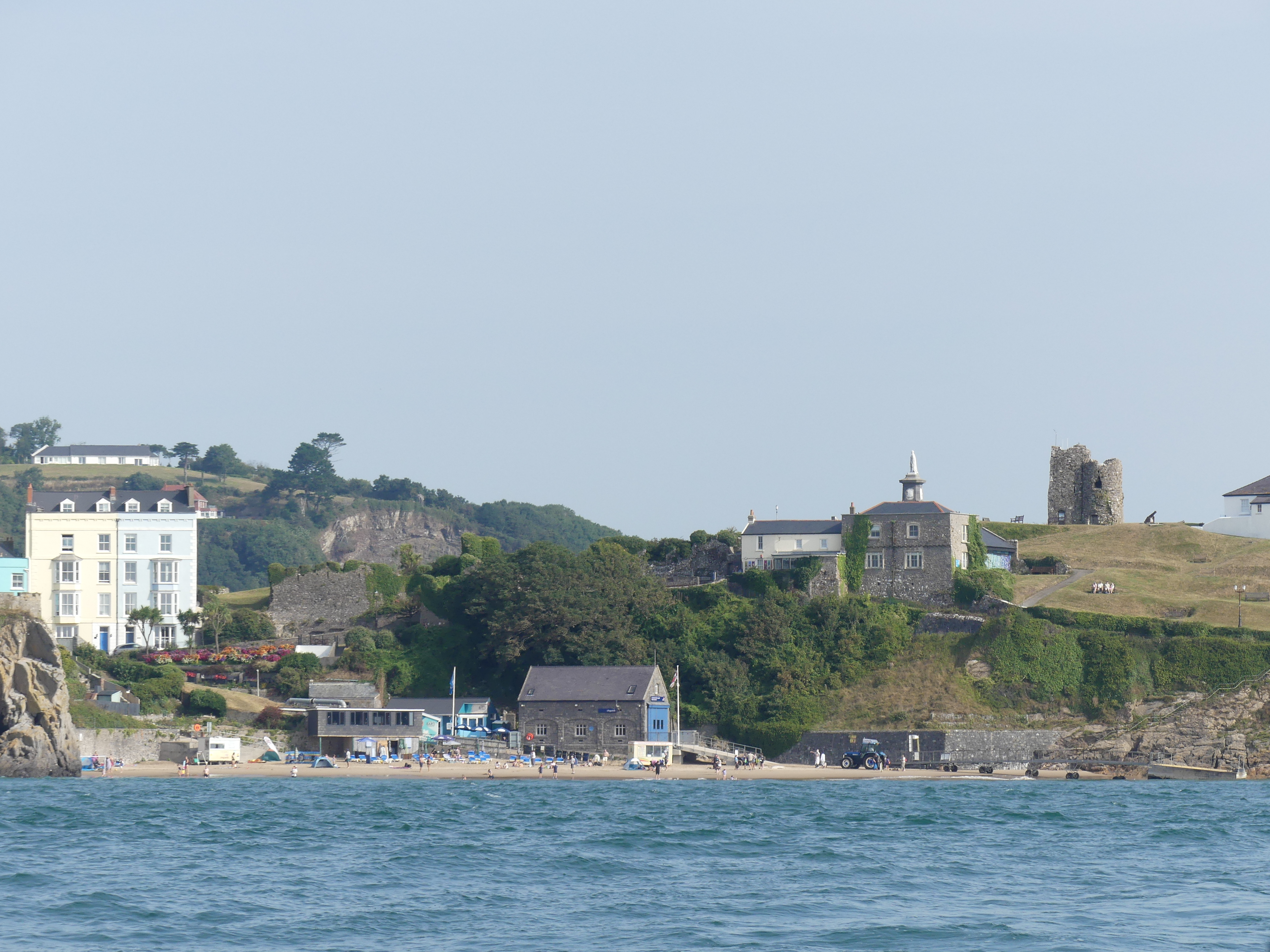
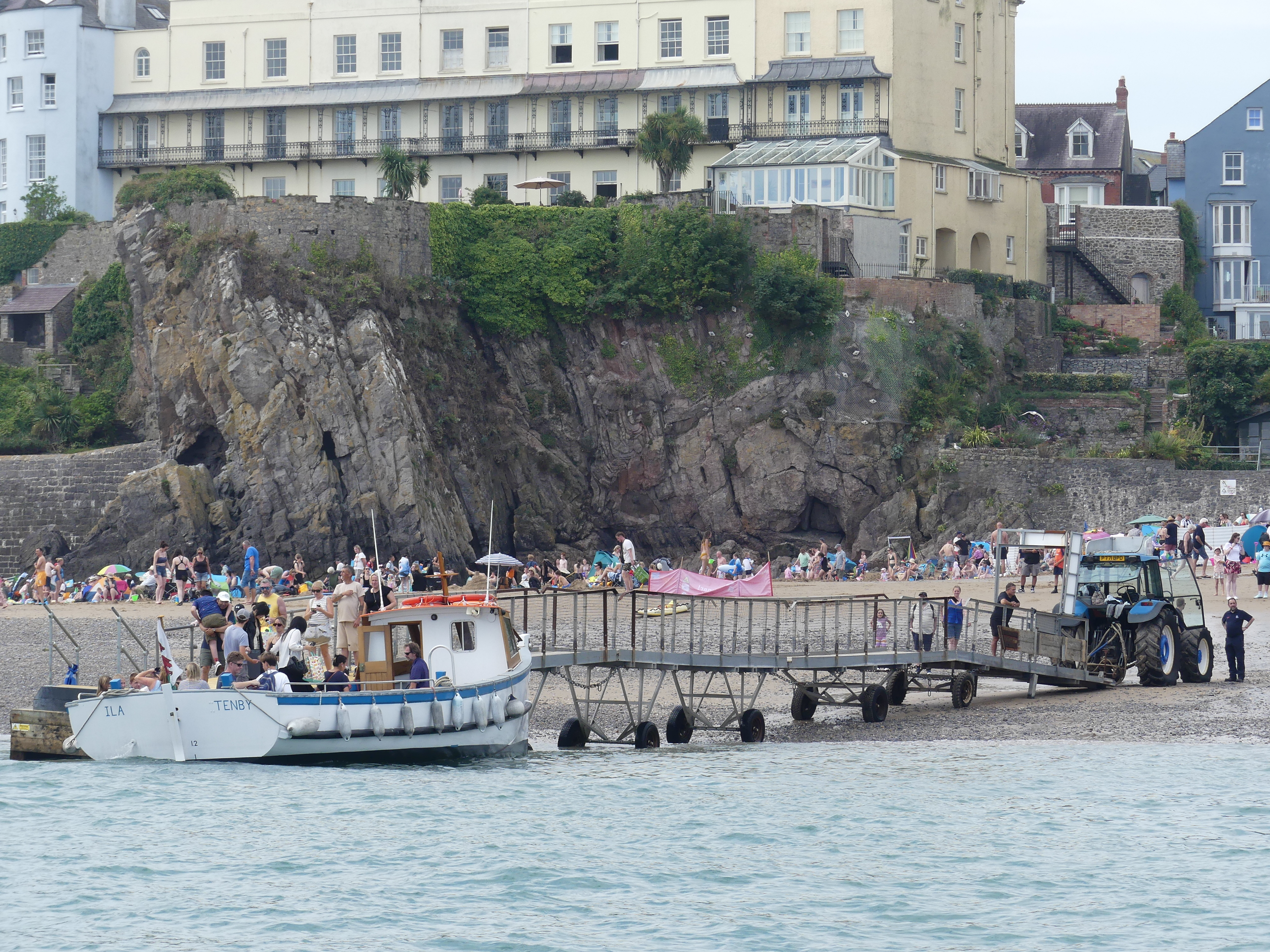
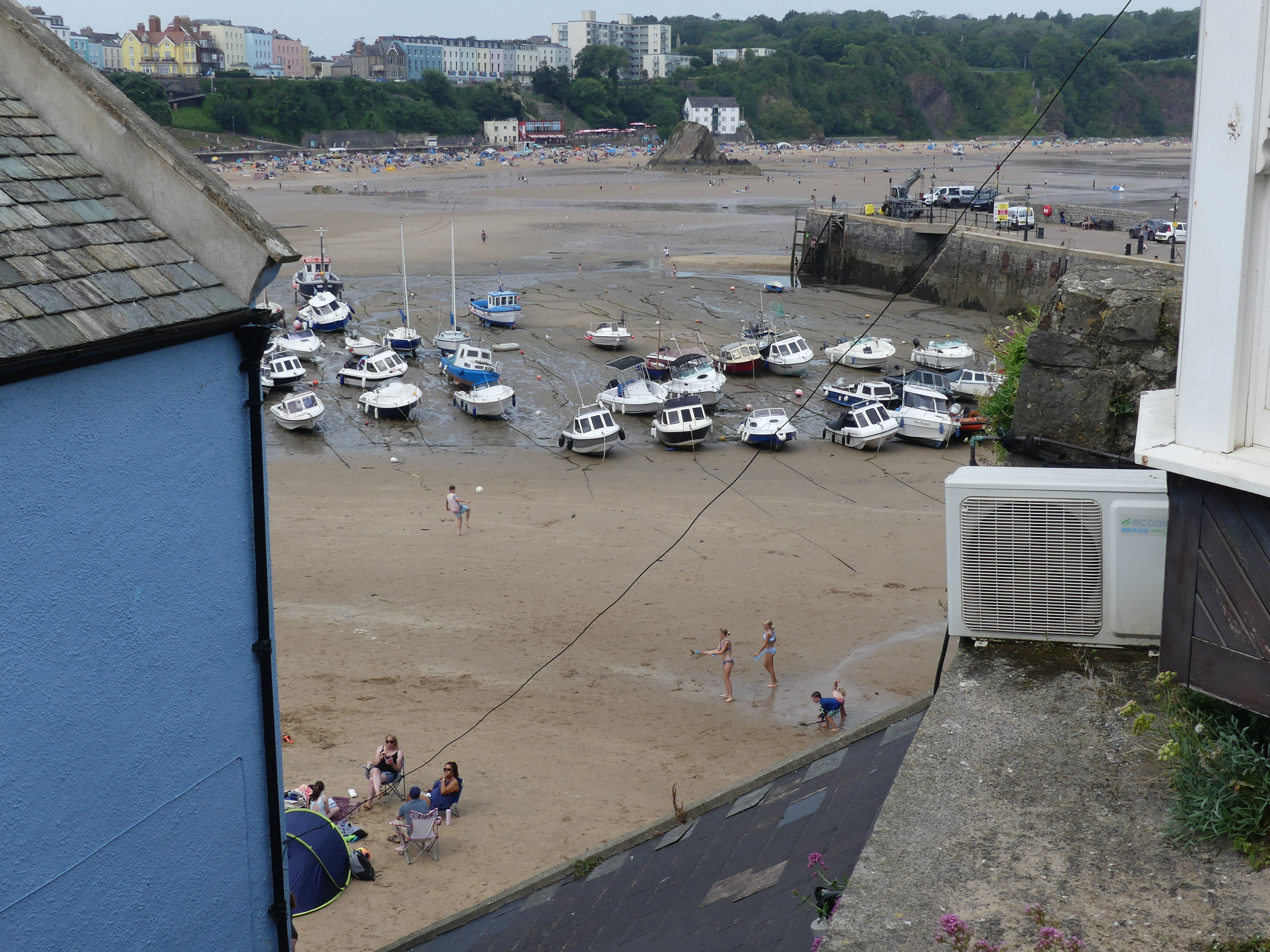
The following morning the tide was in so that was a good start, and we lined up to buy our tickets. We were warned that depending on when we returned, we may have to use the tractor. After noting this we did not think of it again as we thought it would affect us on the island – surprise surprise we were wrong. Below is a series of photos of the harbour and below that the crossing.


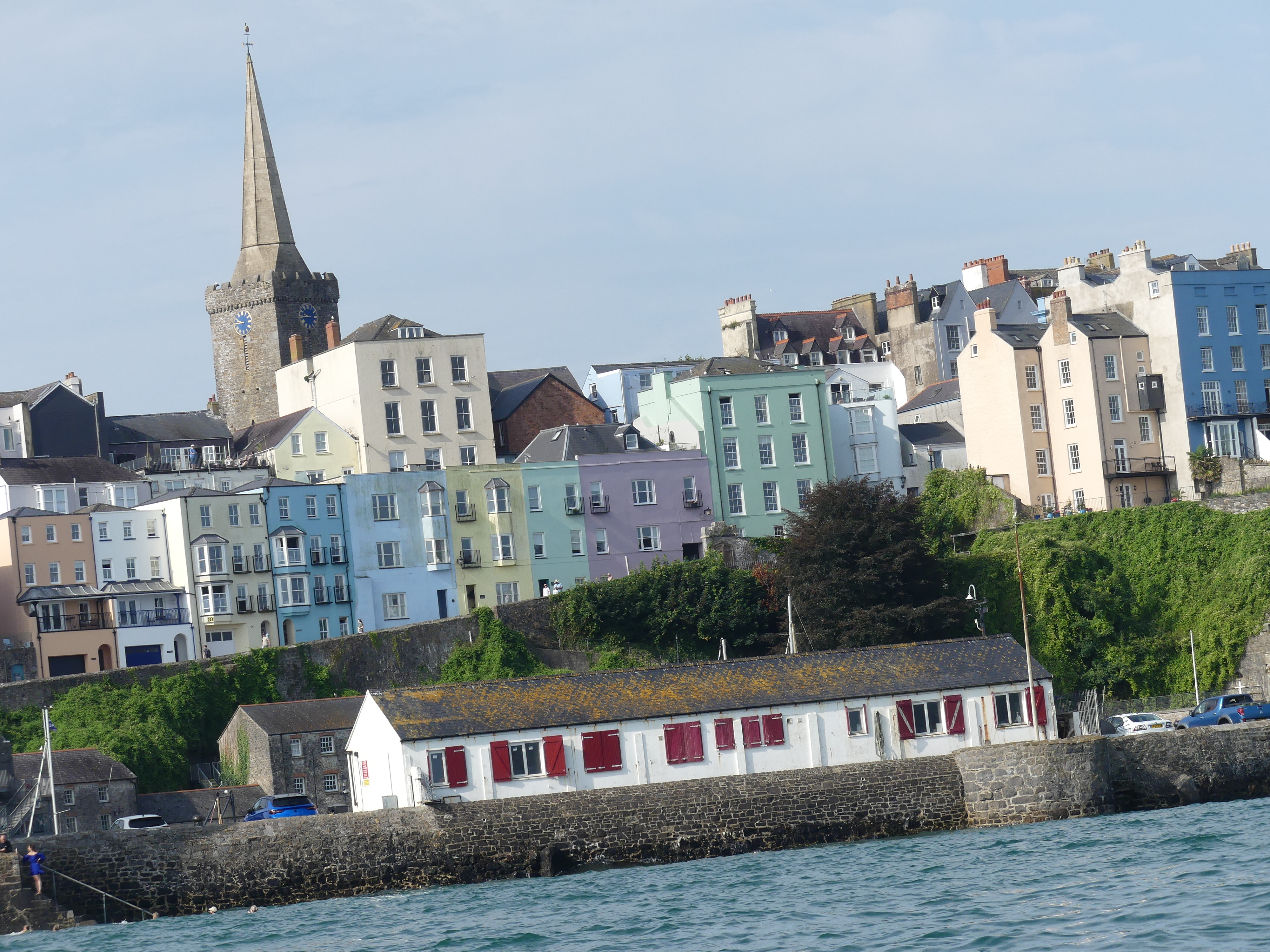


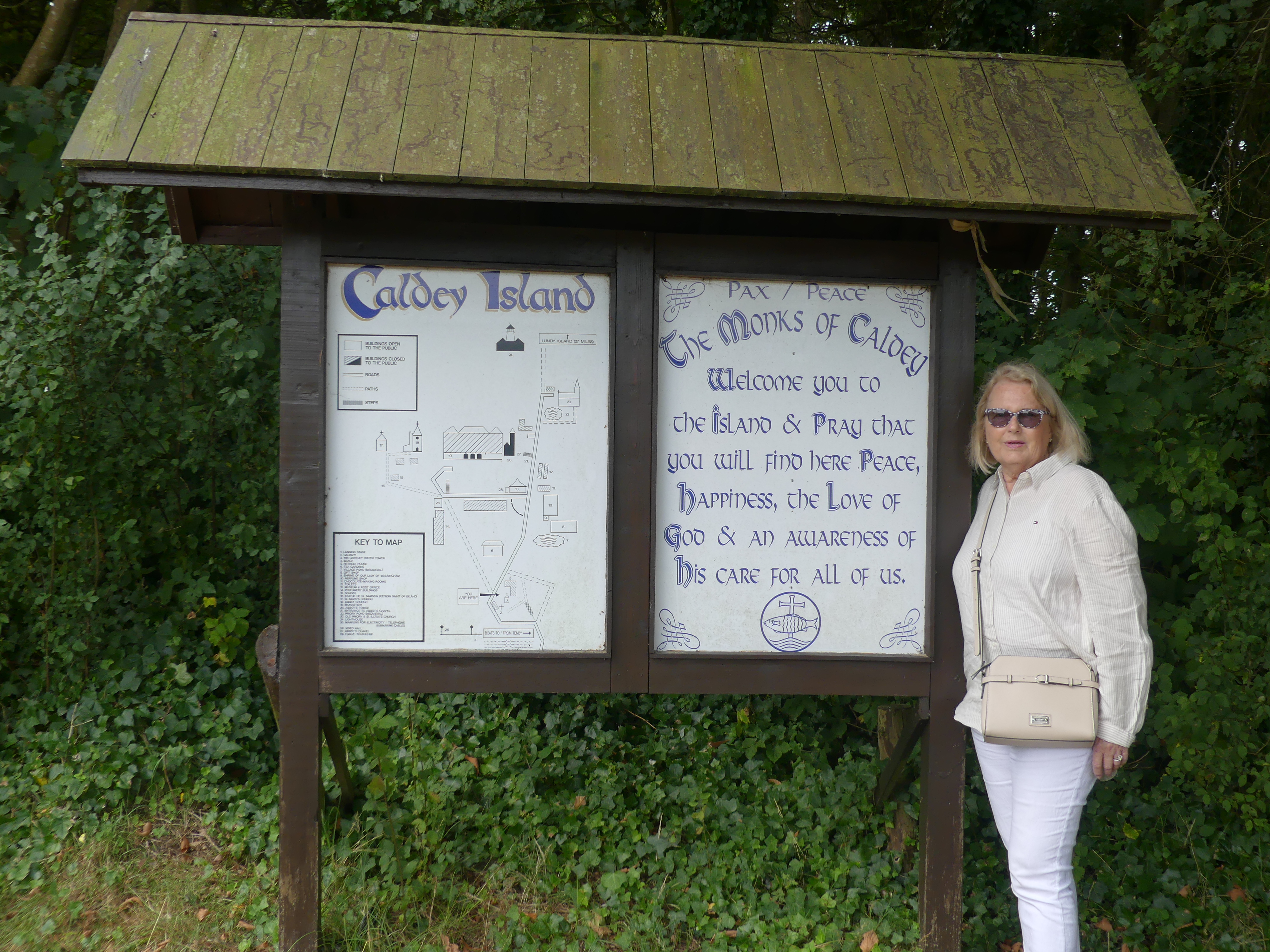
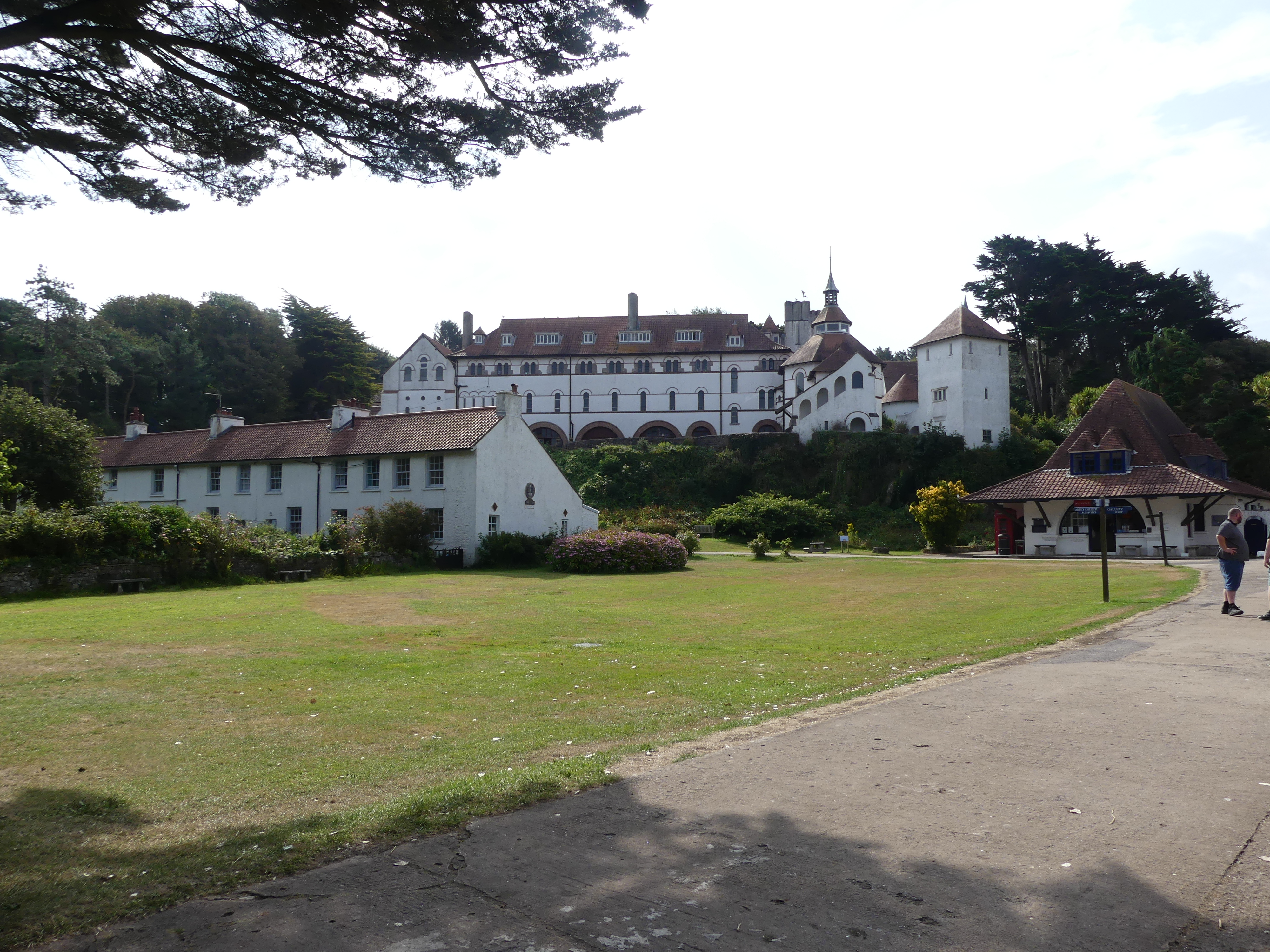
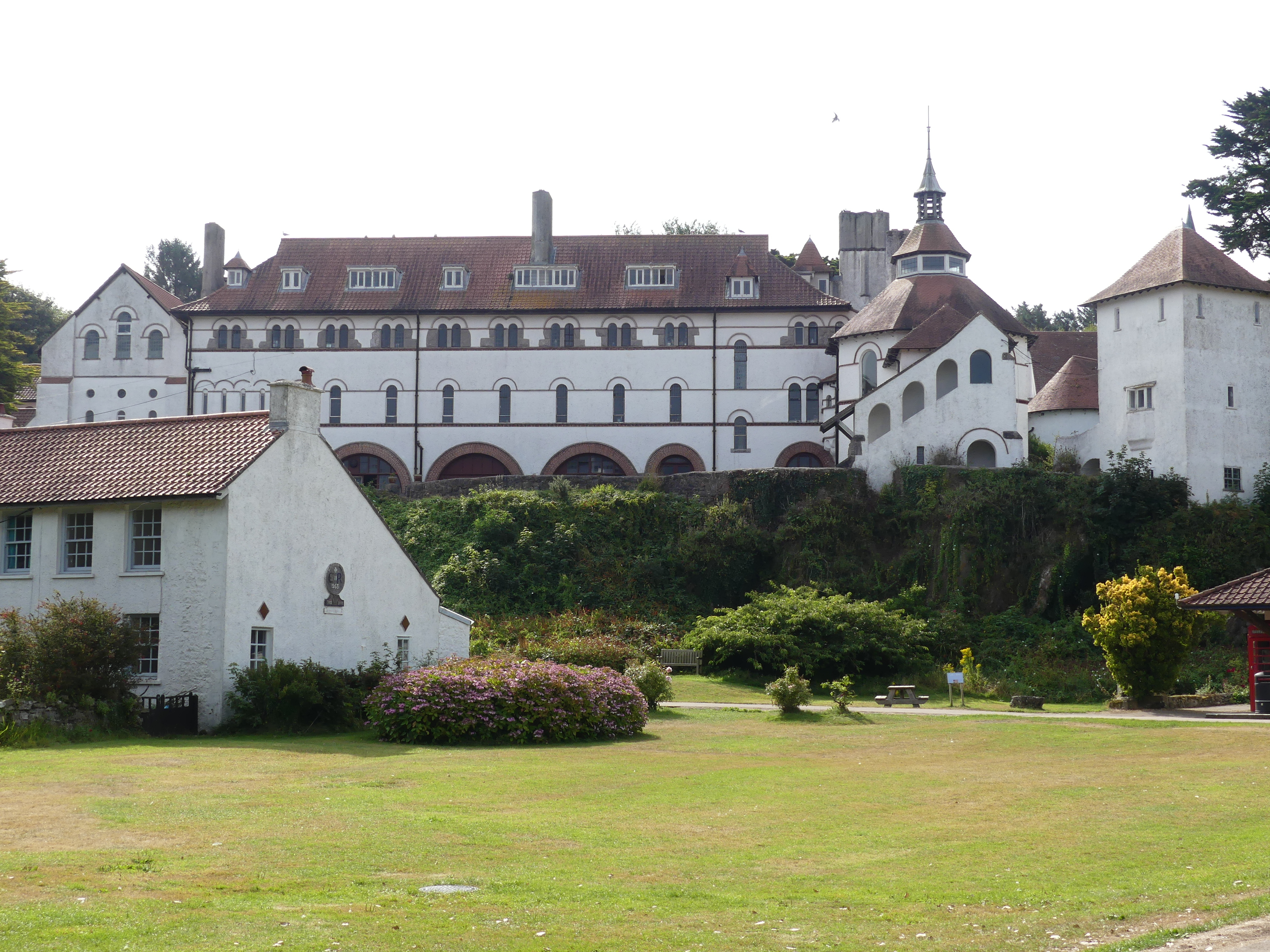
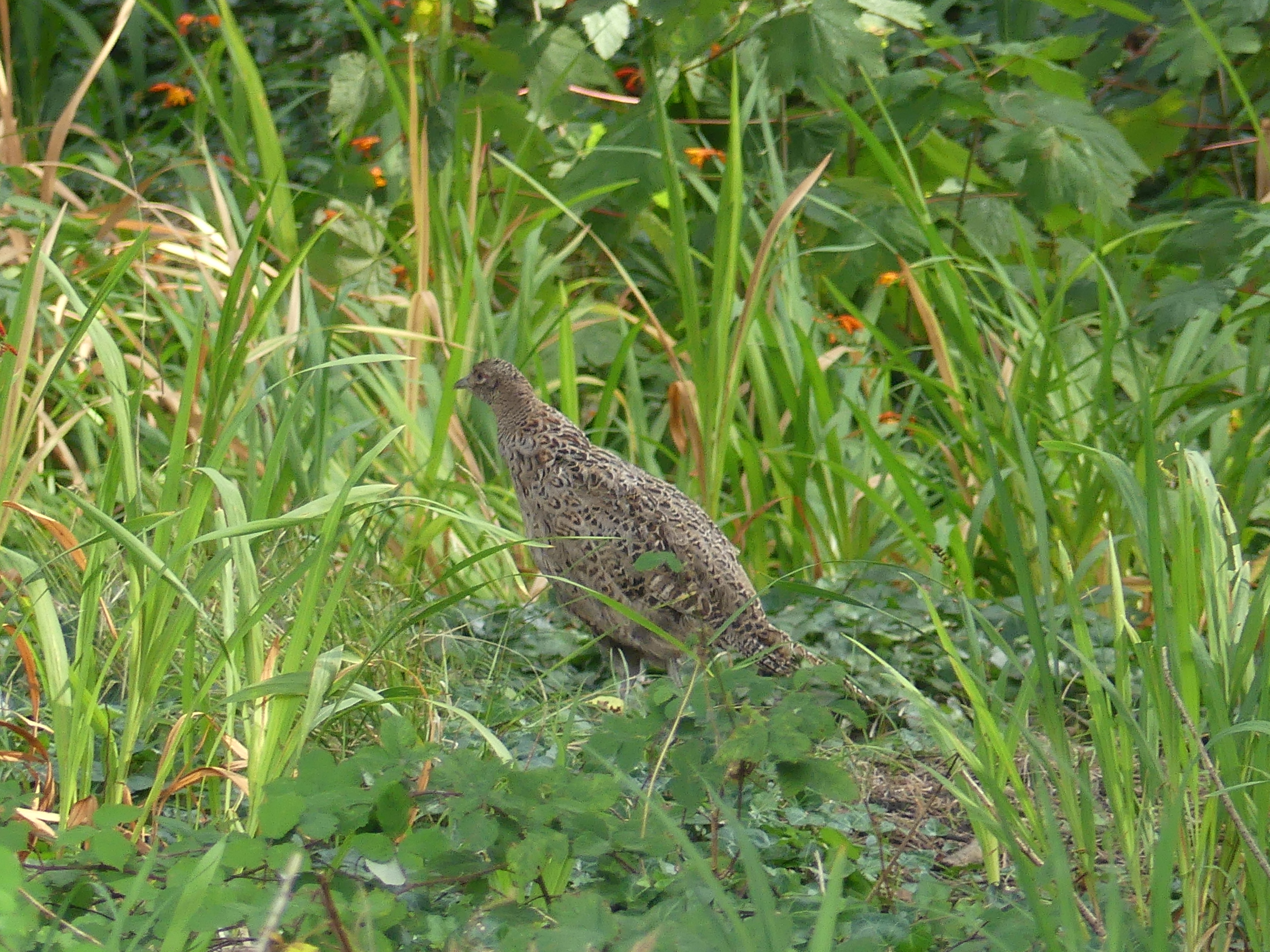
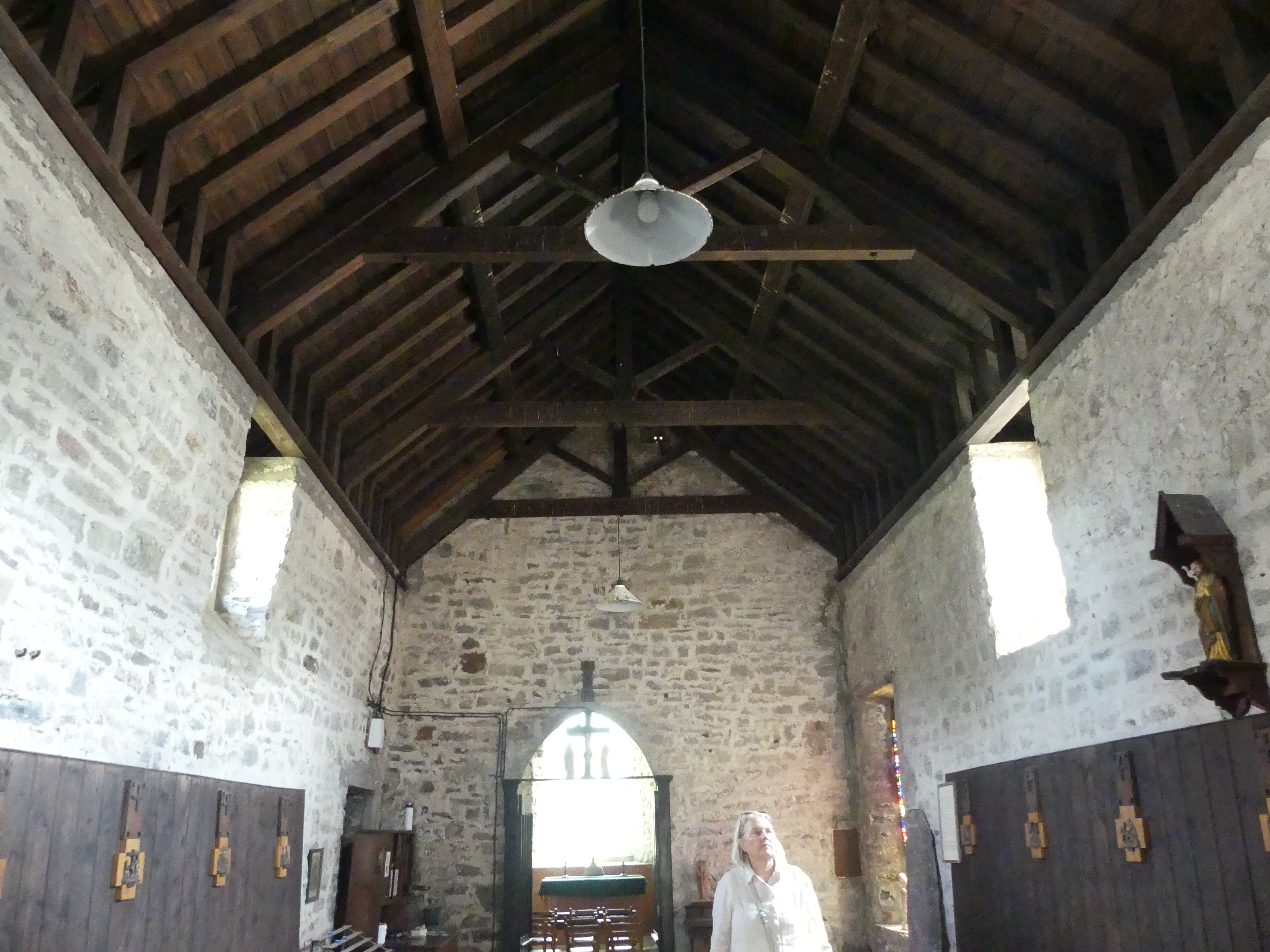
The island had been a retreat for Monks and a teaching facility but whilst this continues the island is now a retreat for everyone and we were not alone on the boat. My first photo below shows what the Monks have been doing in their spare time – decorative chairs for visitors and as you walk further onto the island you encounter the monastery, and the Monks quarters a café gift shop and post office. Whilst we had a coffee, I spotted some local wildlife – a partridge and her family running through he grasses on the edge of the open ground where the visitor could rest eat and drink their lunch. The tourist information informed us that there was a lighthouse on the island but not where it was located – its on the seaward side of the island on high cliffs. We were not certain that we would make the distance however halfway there were ruins of the monastery and by the time we had reached and looked through them we could see the lighthouse and thought “that’s not too far”. My pictures below show the ruins and the walk to the lighthouse the lighthouse and the general view of the seaward side of the island.






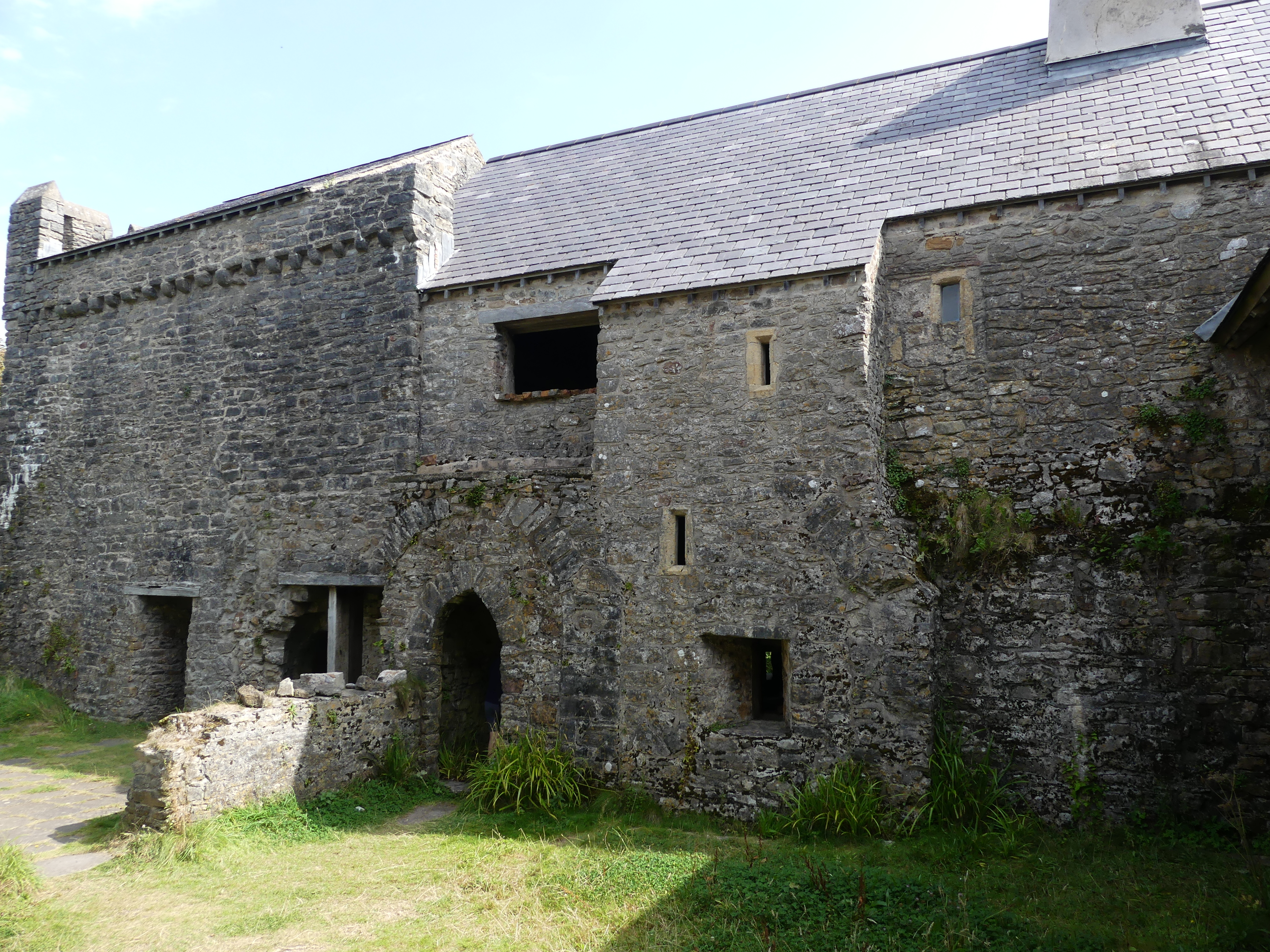


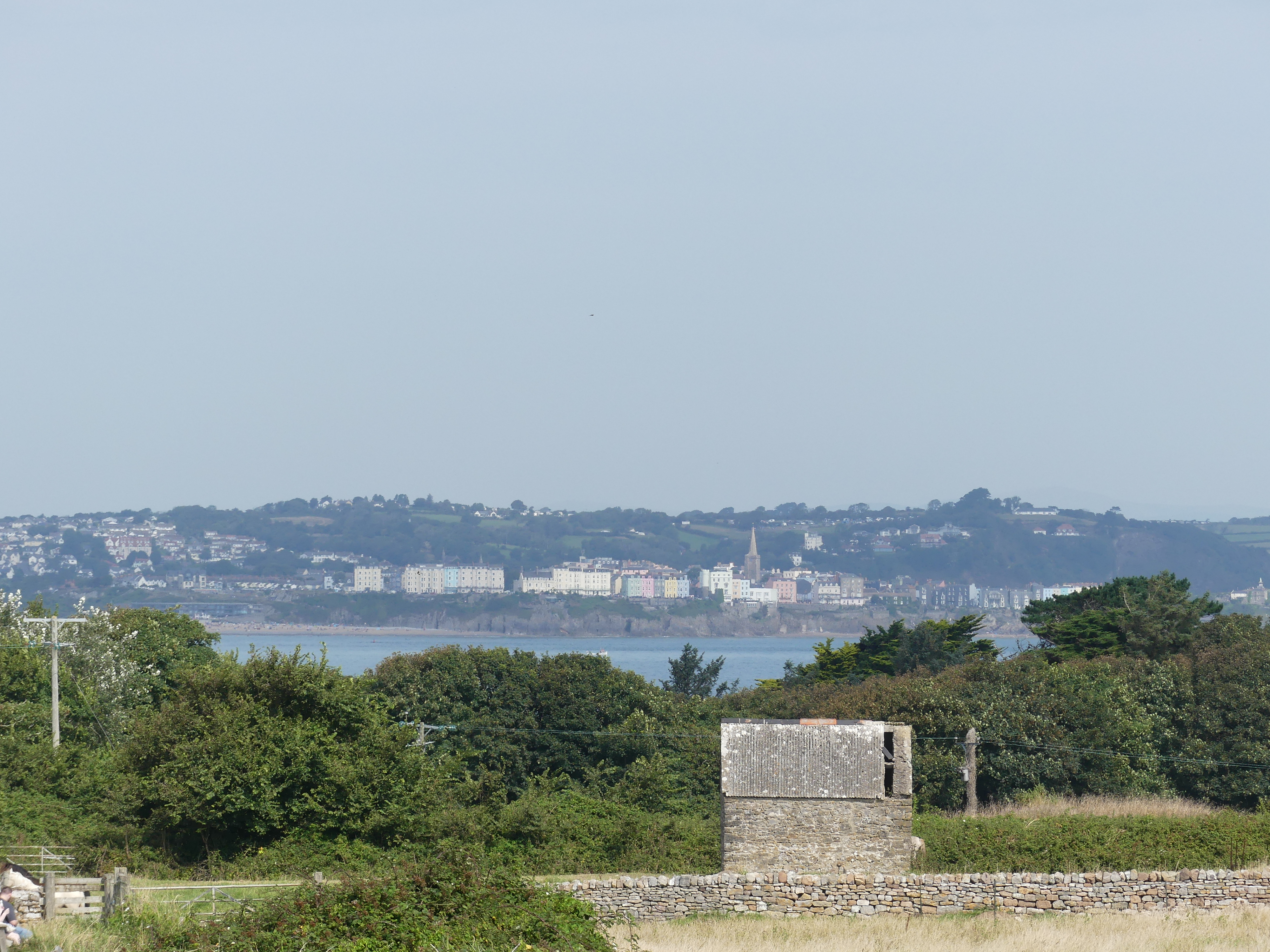
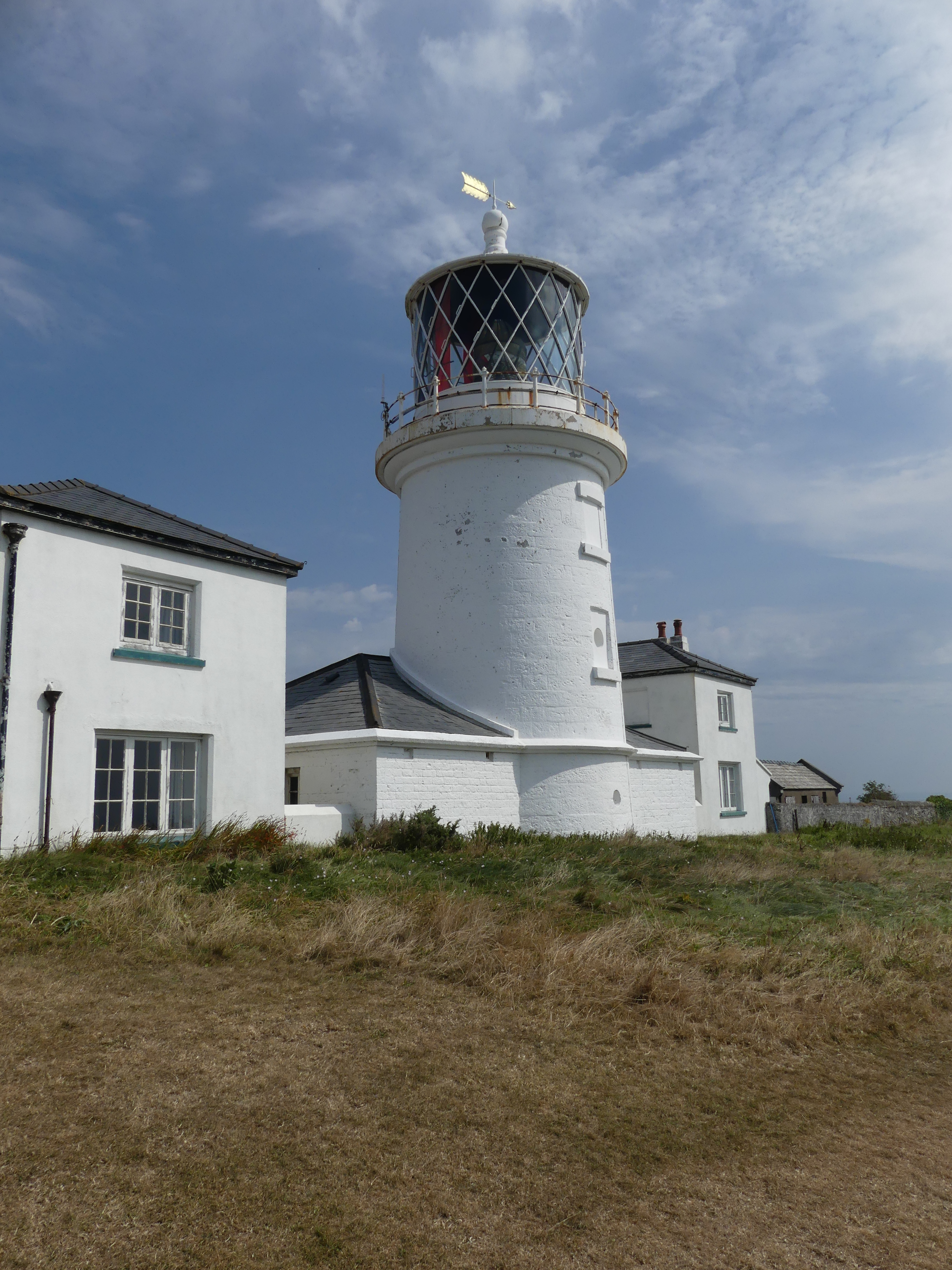
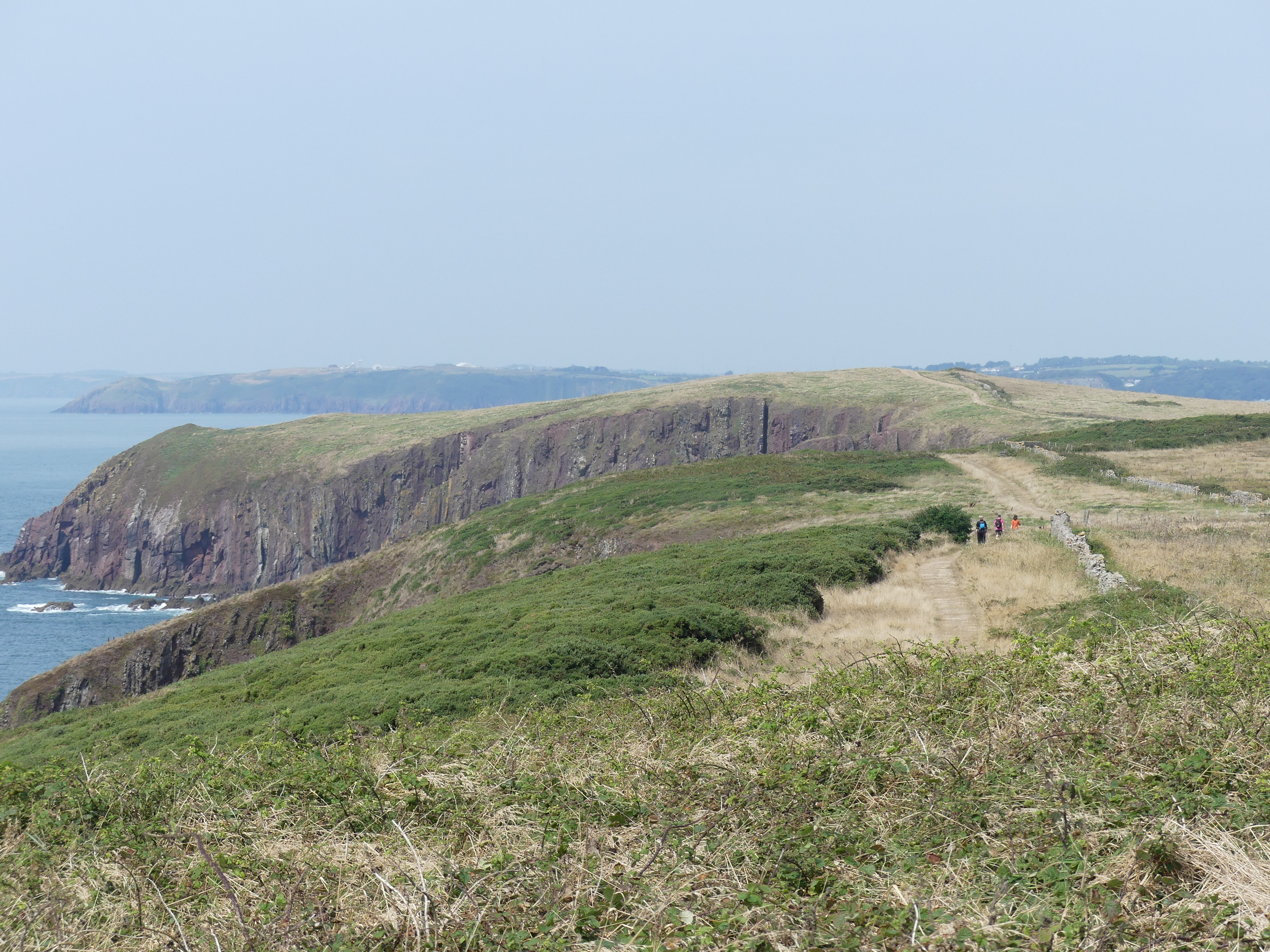

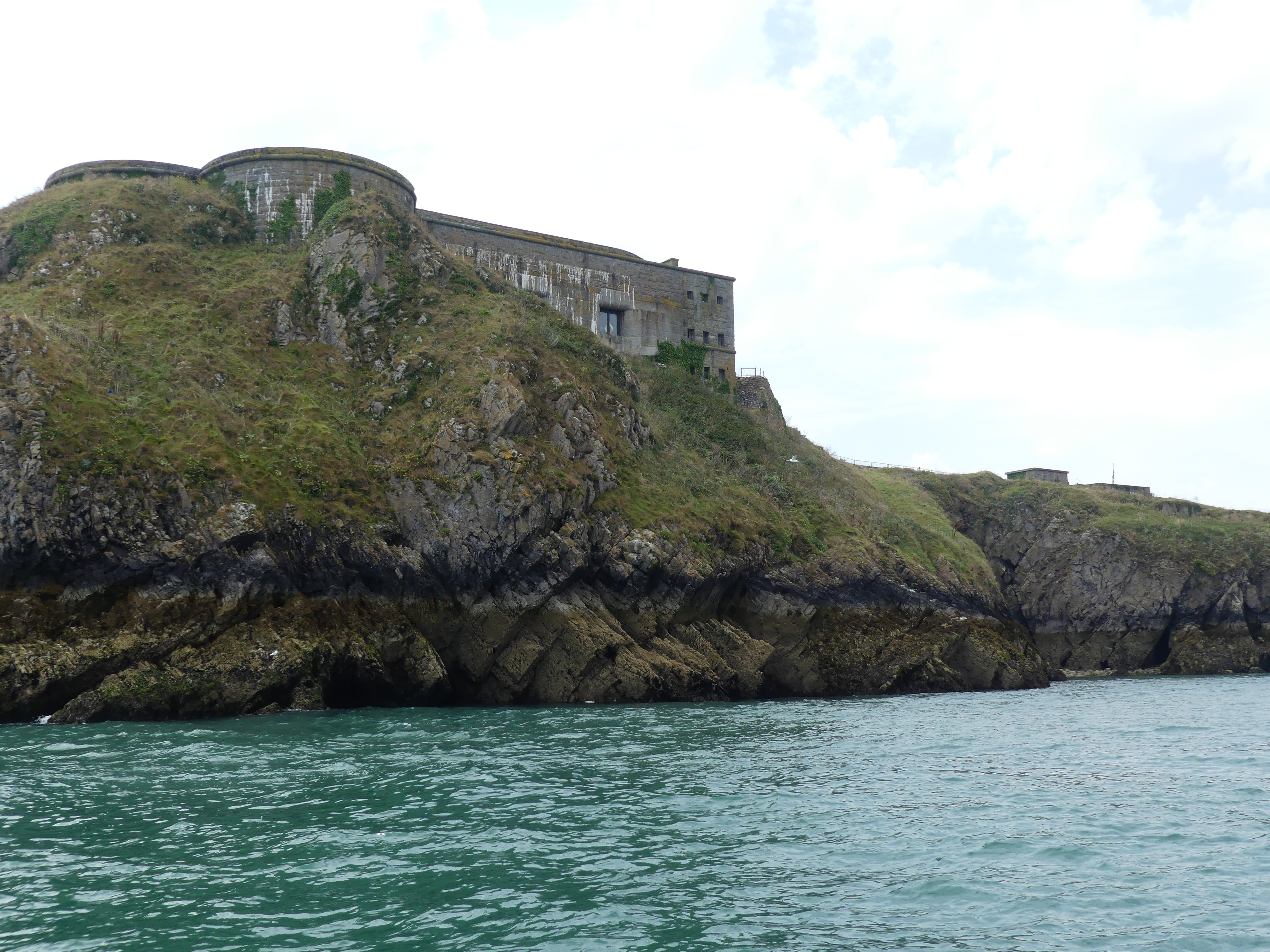
We spent a few hours on the island by which time the tide had turned. Although we had seen a tractor at the island ferry jetty it did not appear to be in operation. On the ride to the island, we had passed an island with ruins which appeared to be part of the castle ruins. On our return the tide had receded such that the island was now accessible on foot with people scaling all over the island and ruins, and the Boat Rescue volunteers boat shed was now on stilts. A tractor had pulled a portable landing down to the water and now we knew what it meant when they say, “the tractor will be in operation”. Our launch tied up to this mobile pier and all passengers clambered off onto the pier then the beach. There was a considerable stretch of beach to walk across to get to hard land. We followed the crowd across the beach up to the High Street in the town and there found a pub “Coach and Horses” with great ambiance and enjoyed lunch and a drink watching the beach goers and the shoppers going by.



Kerry had picked up a brochure for Picton Castle and Gardens and I had a desire to go to a Wales whiskey distillery – Penderyn whiskey distillery. Both sites were nearby so on the following day we tripped out to Penderyn Distillery and Picton Castle.
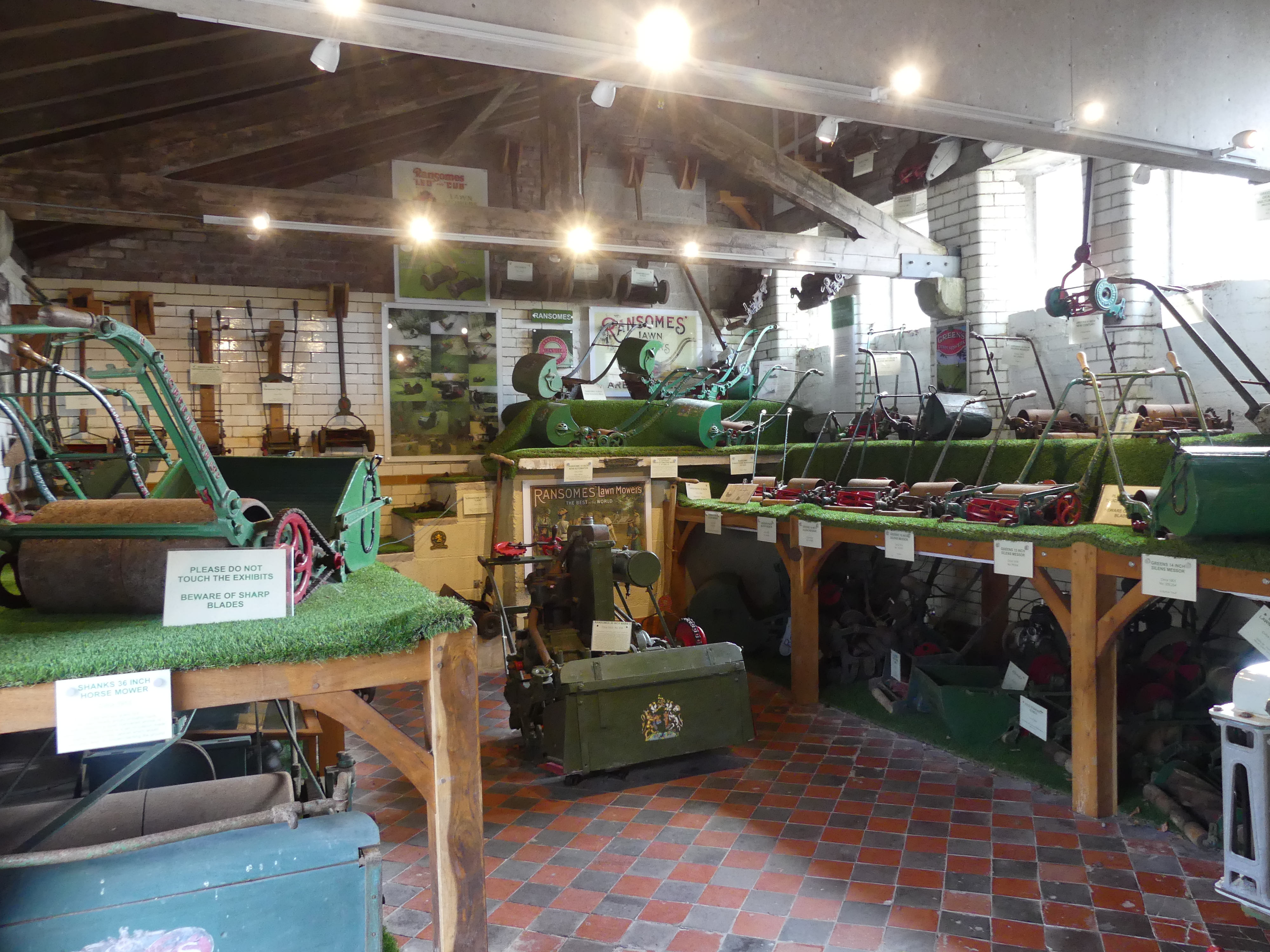
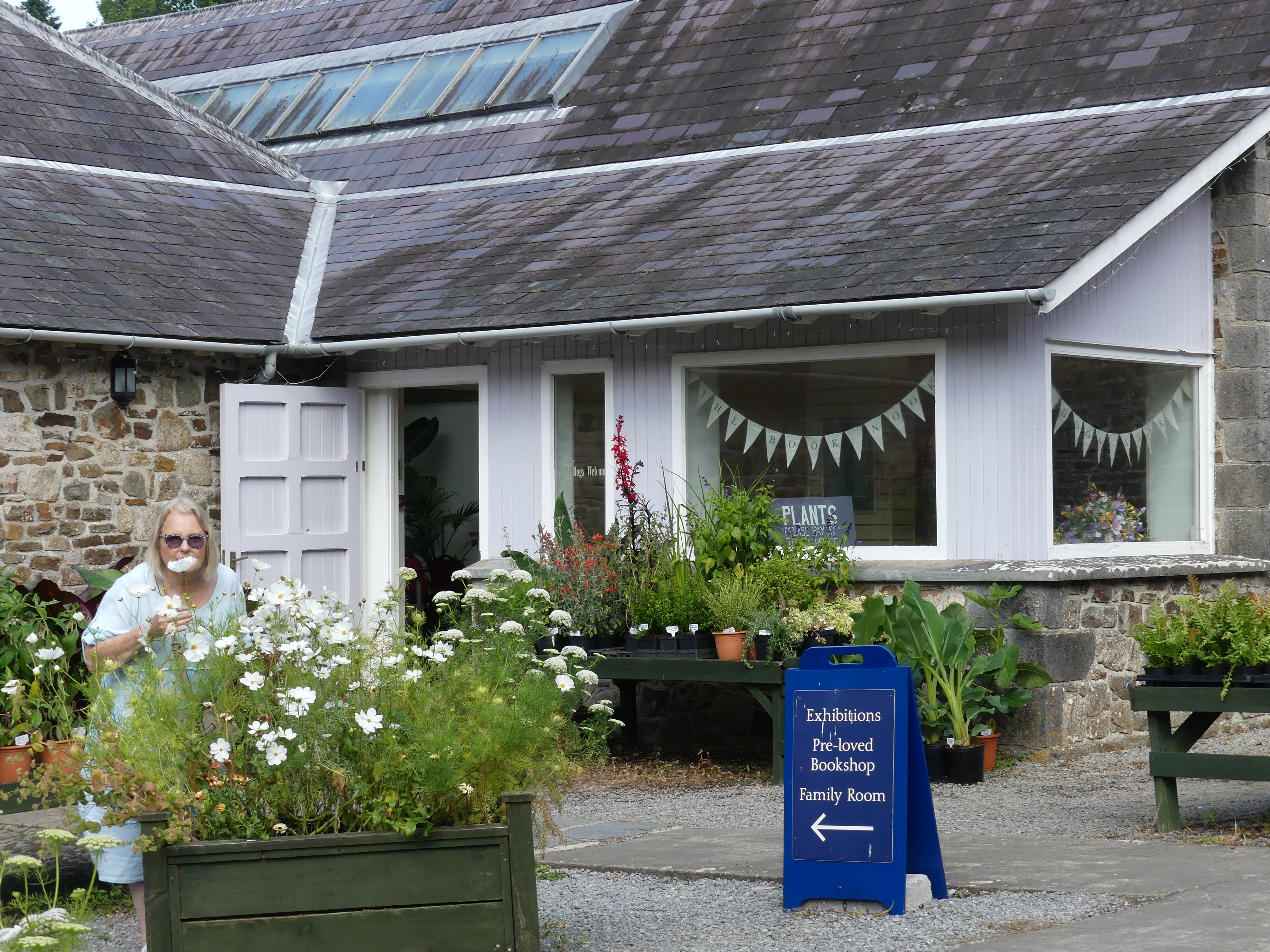
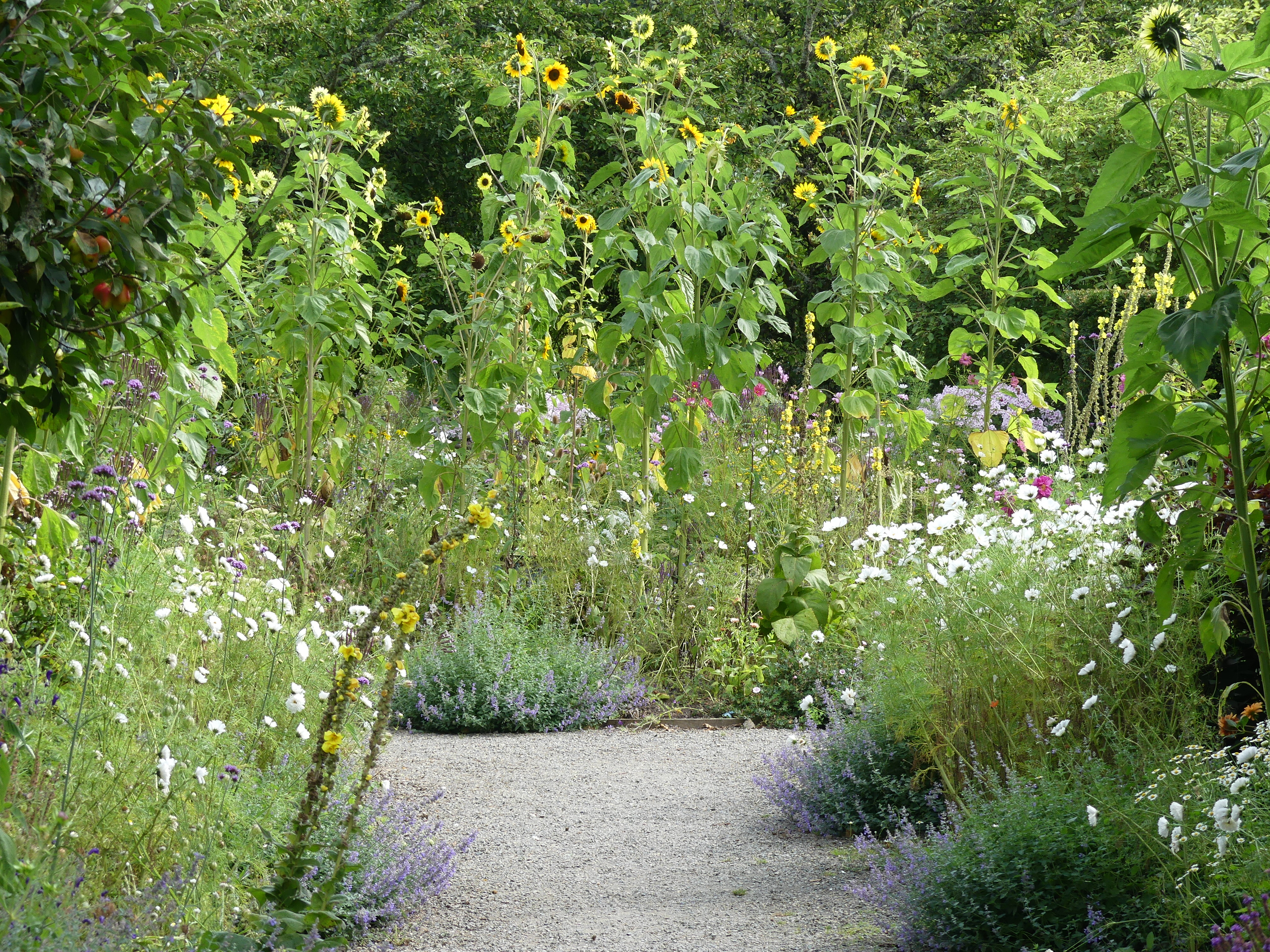
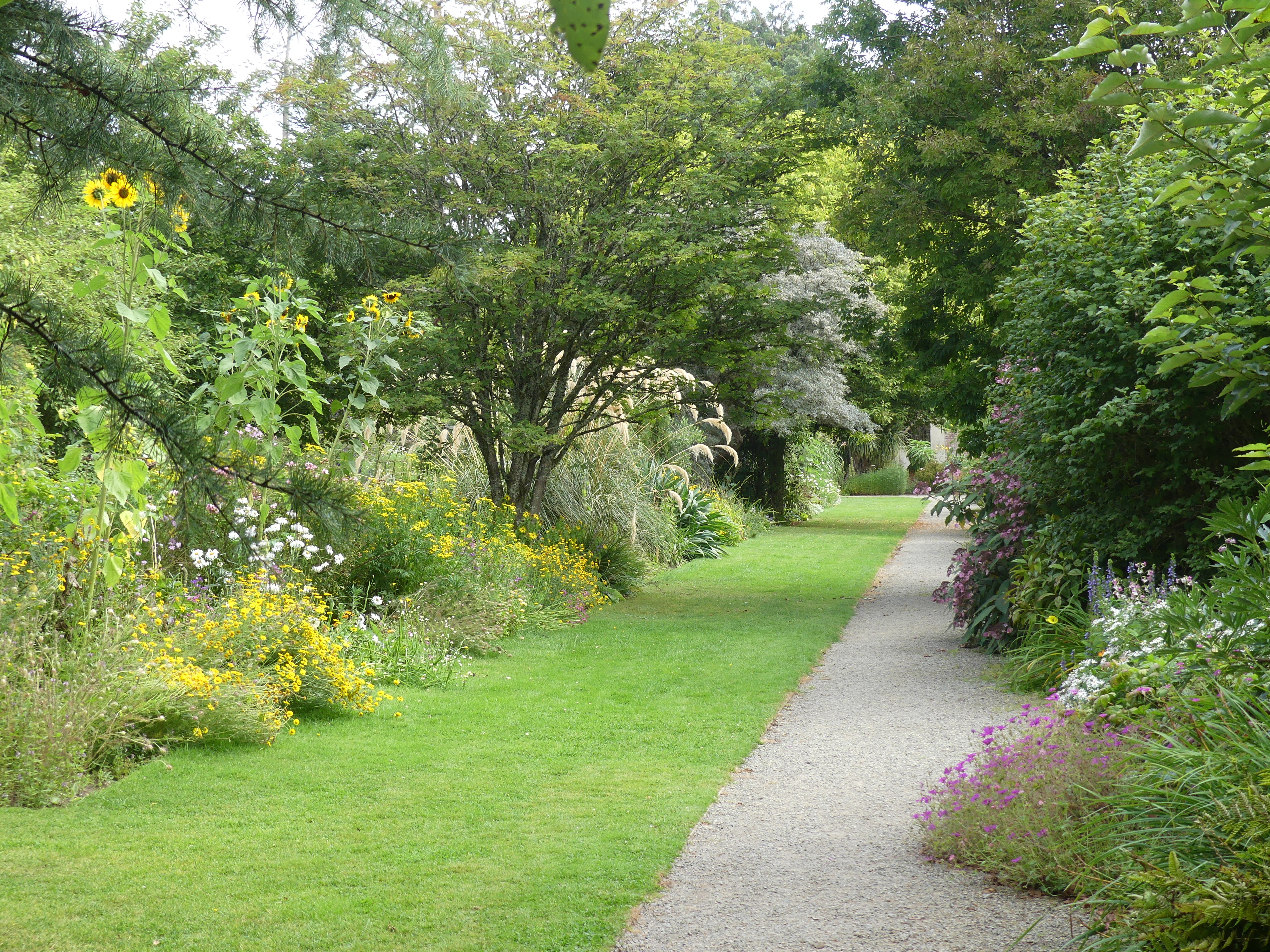
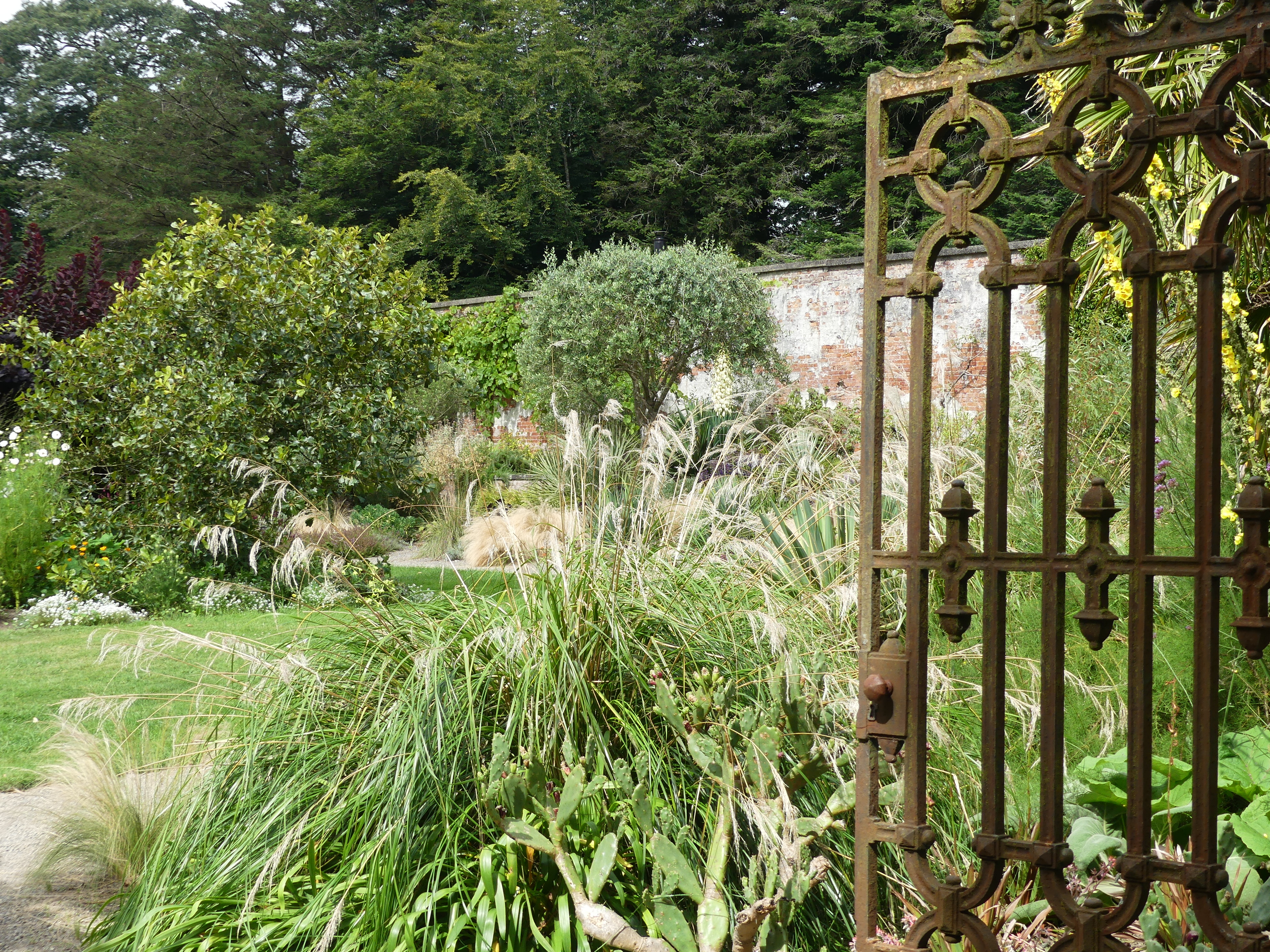
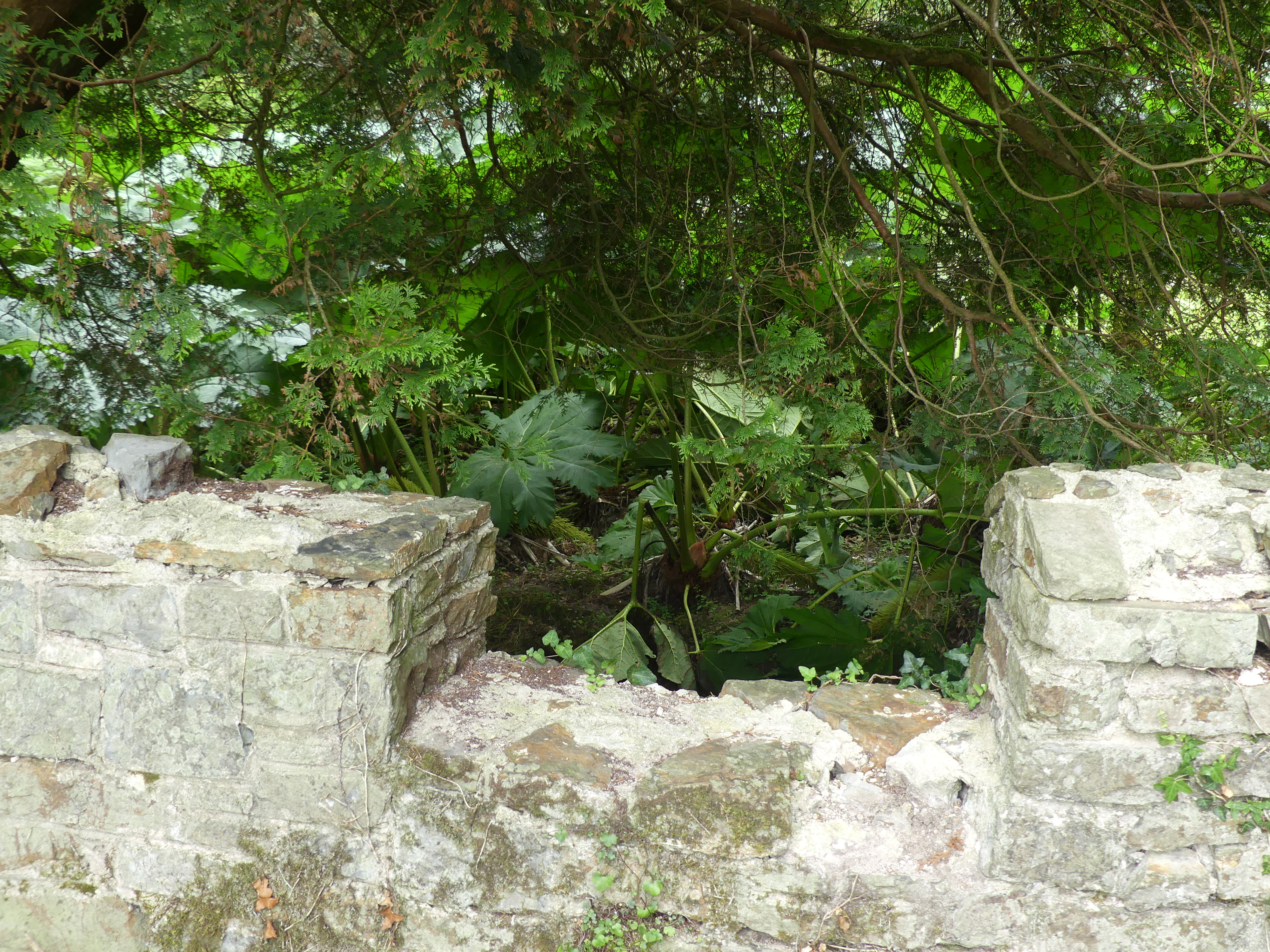
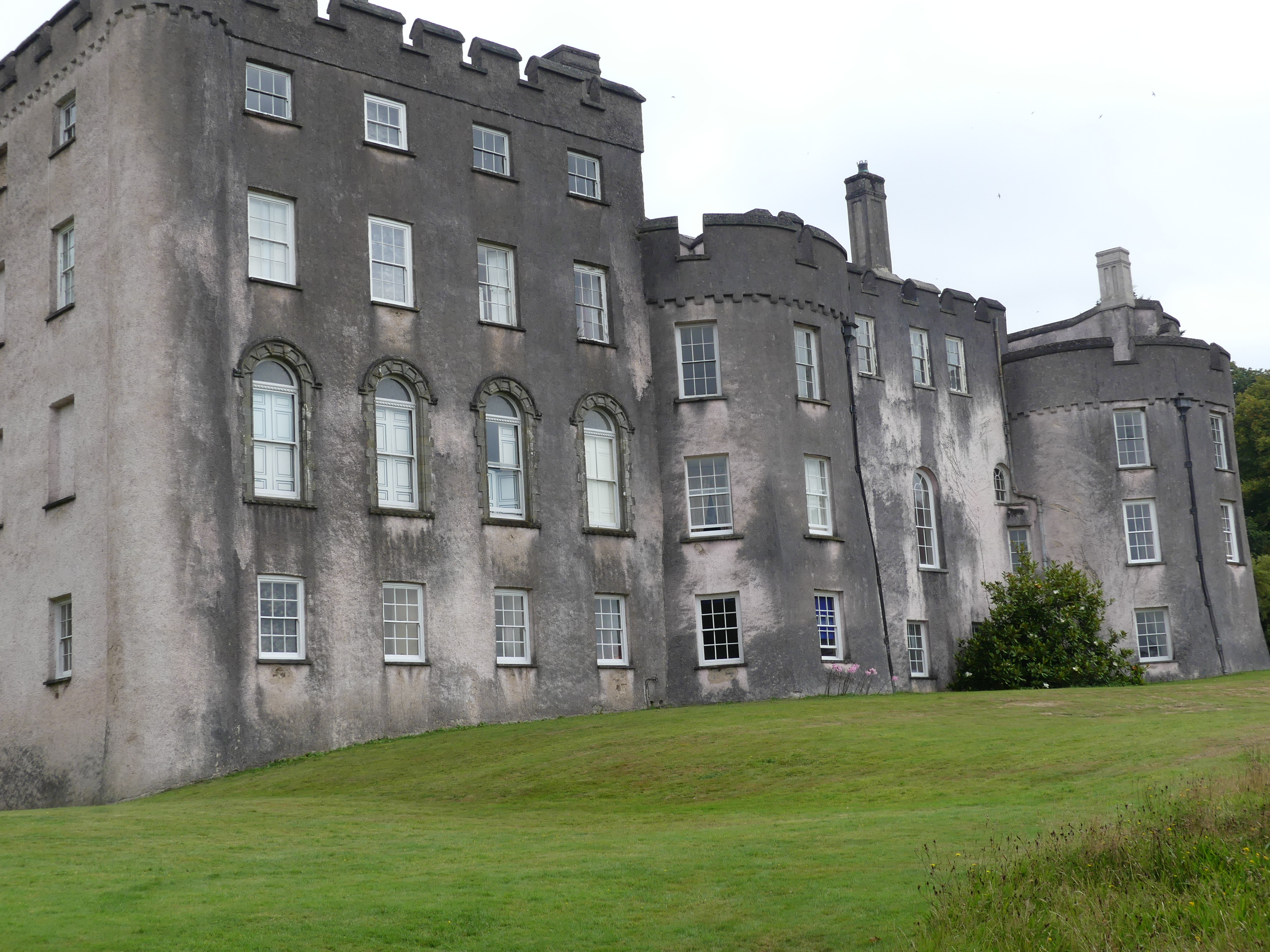
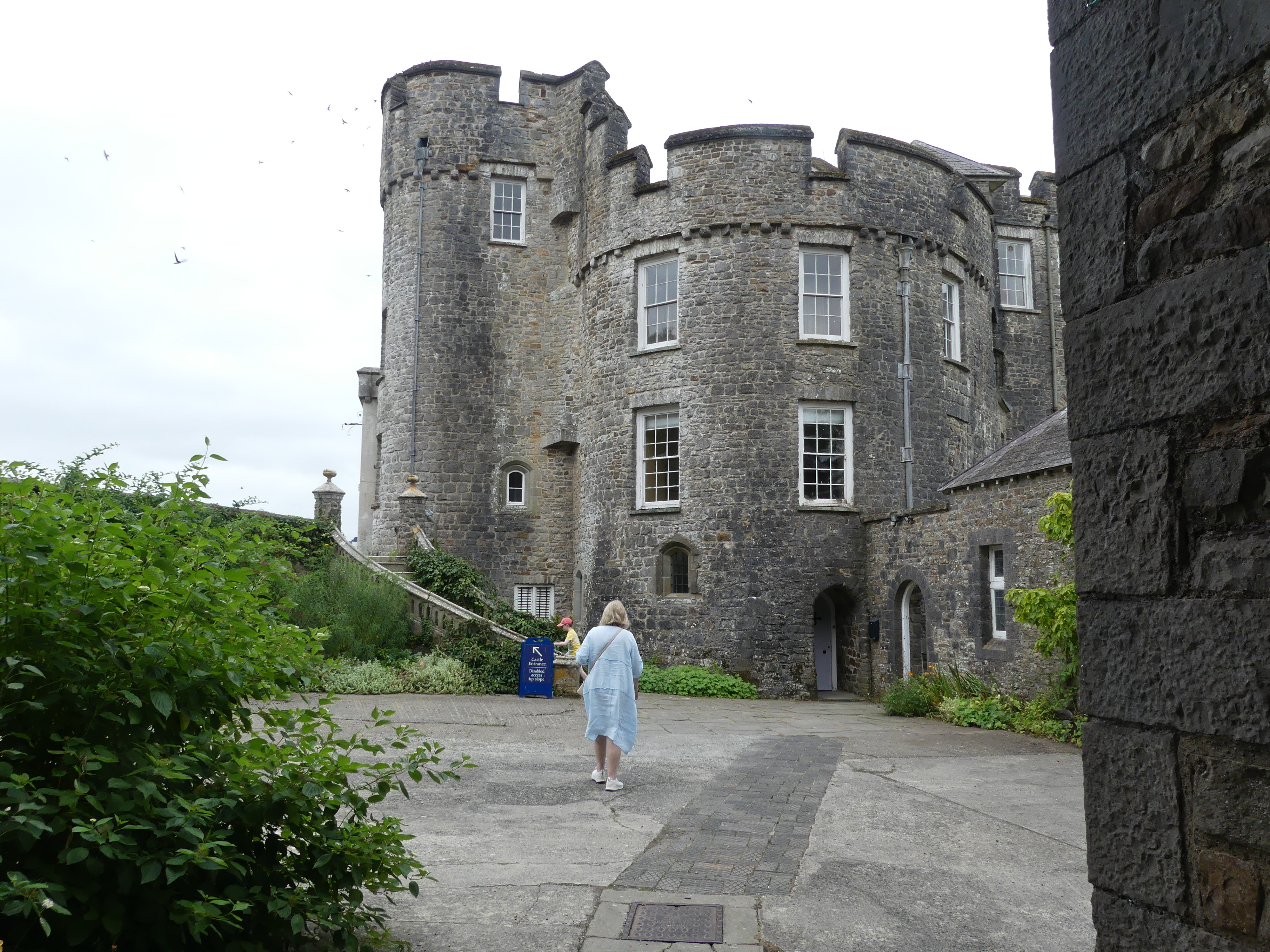
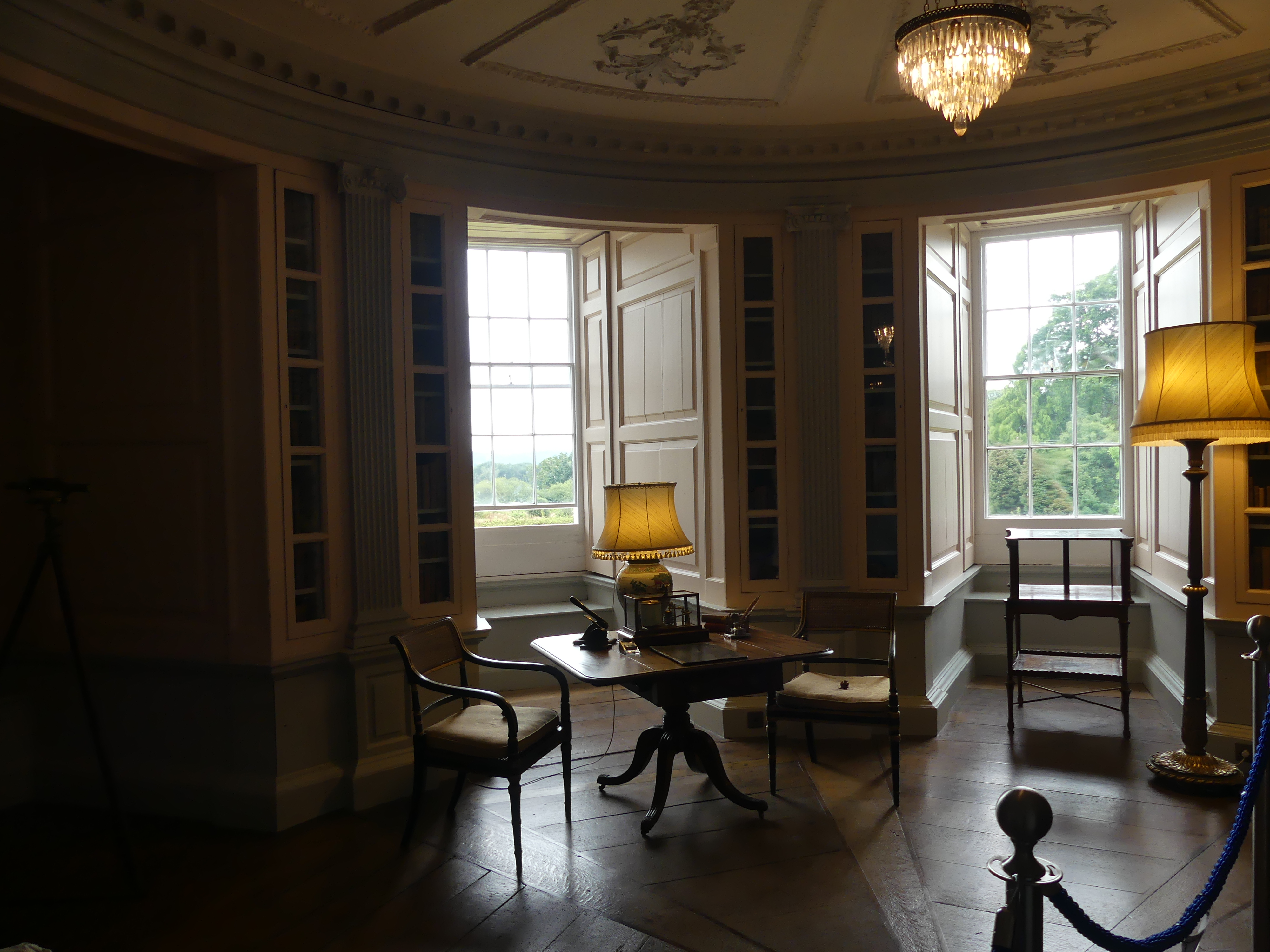
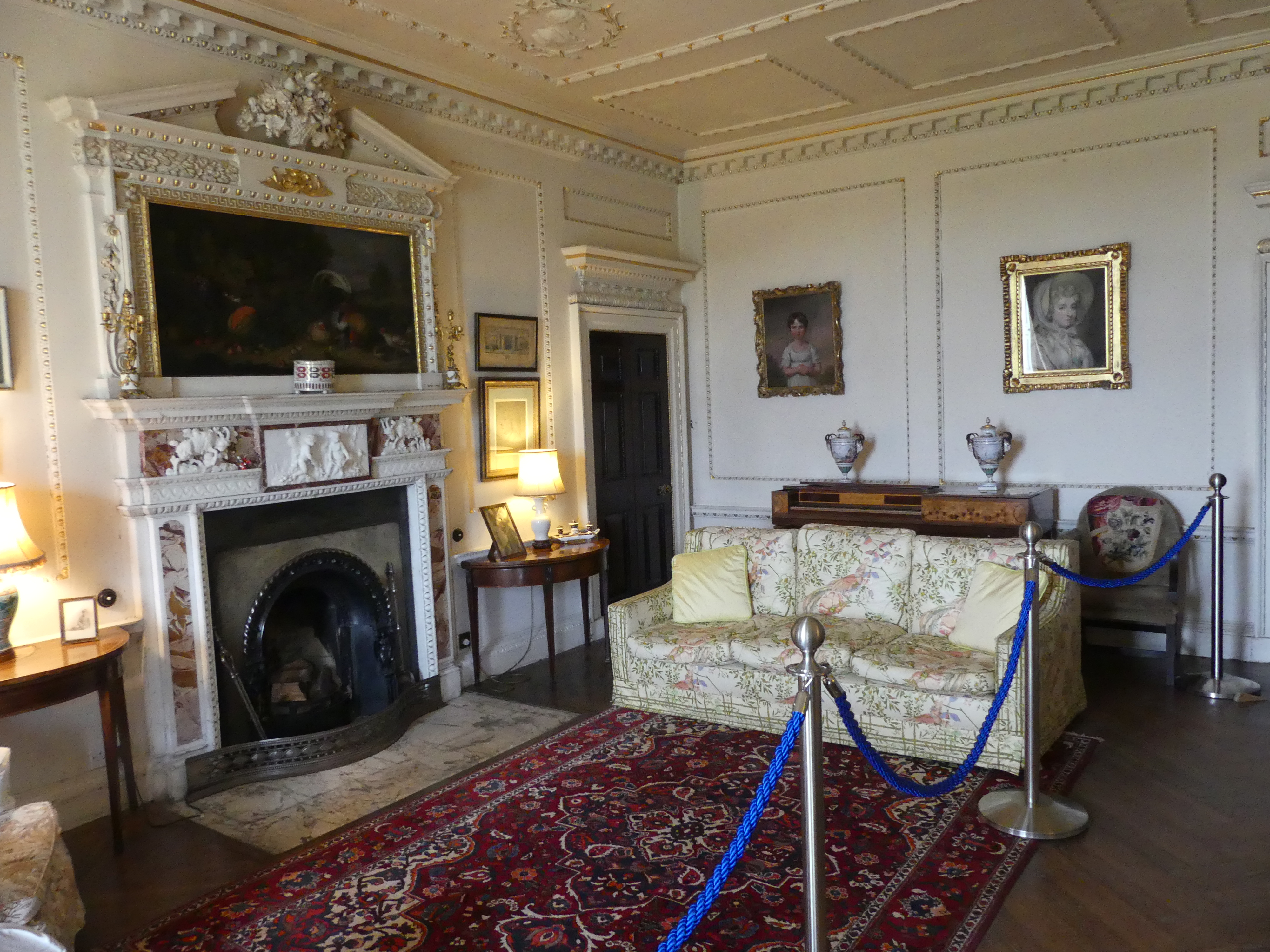
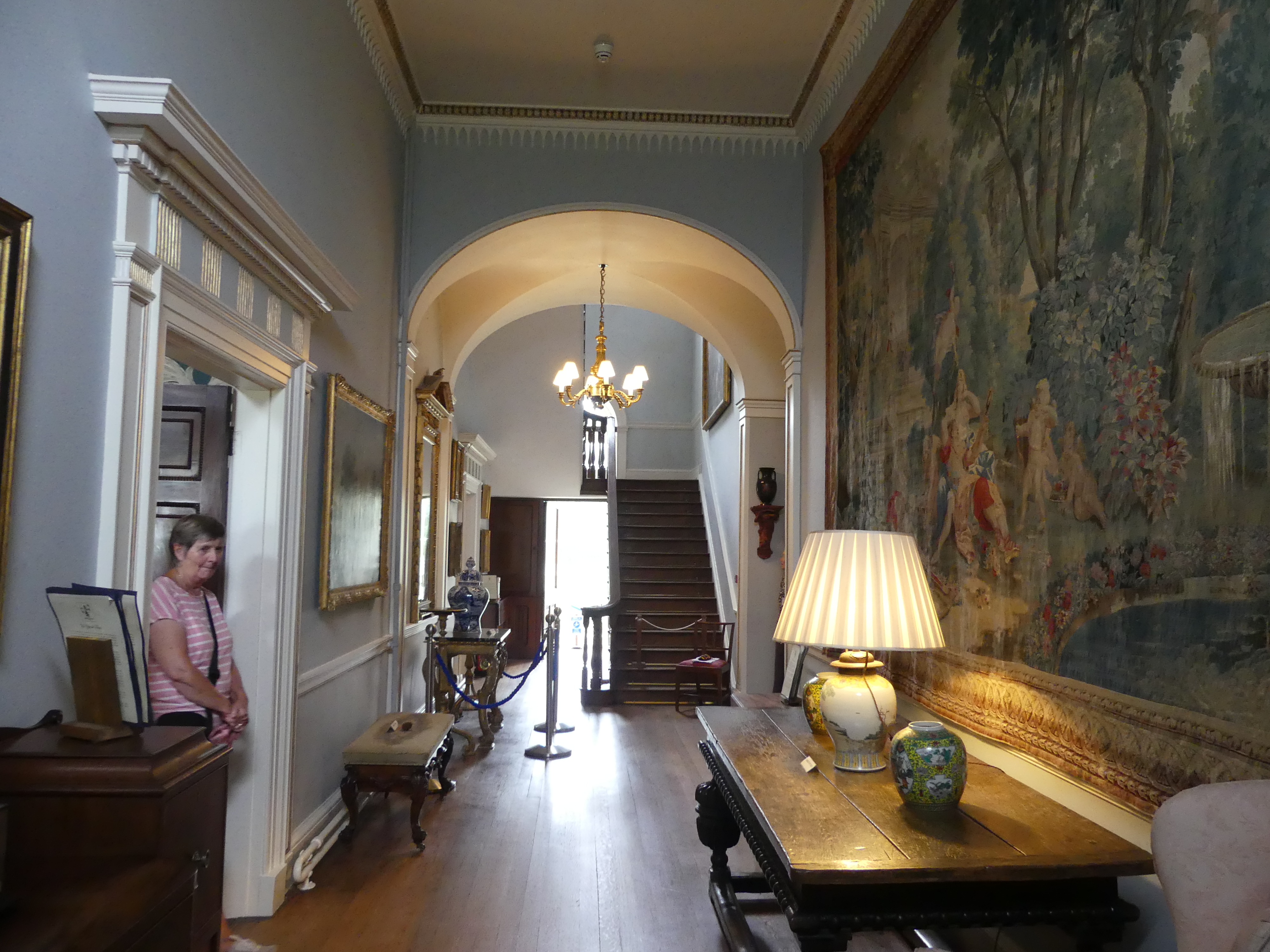
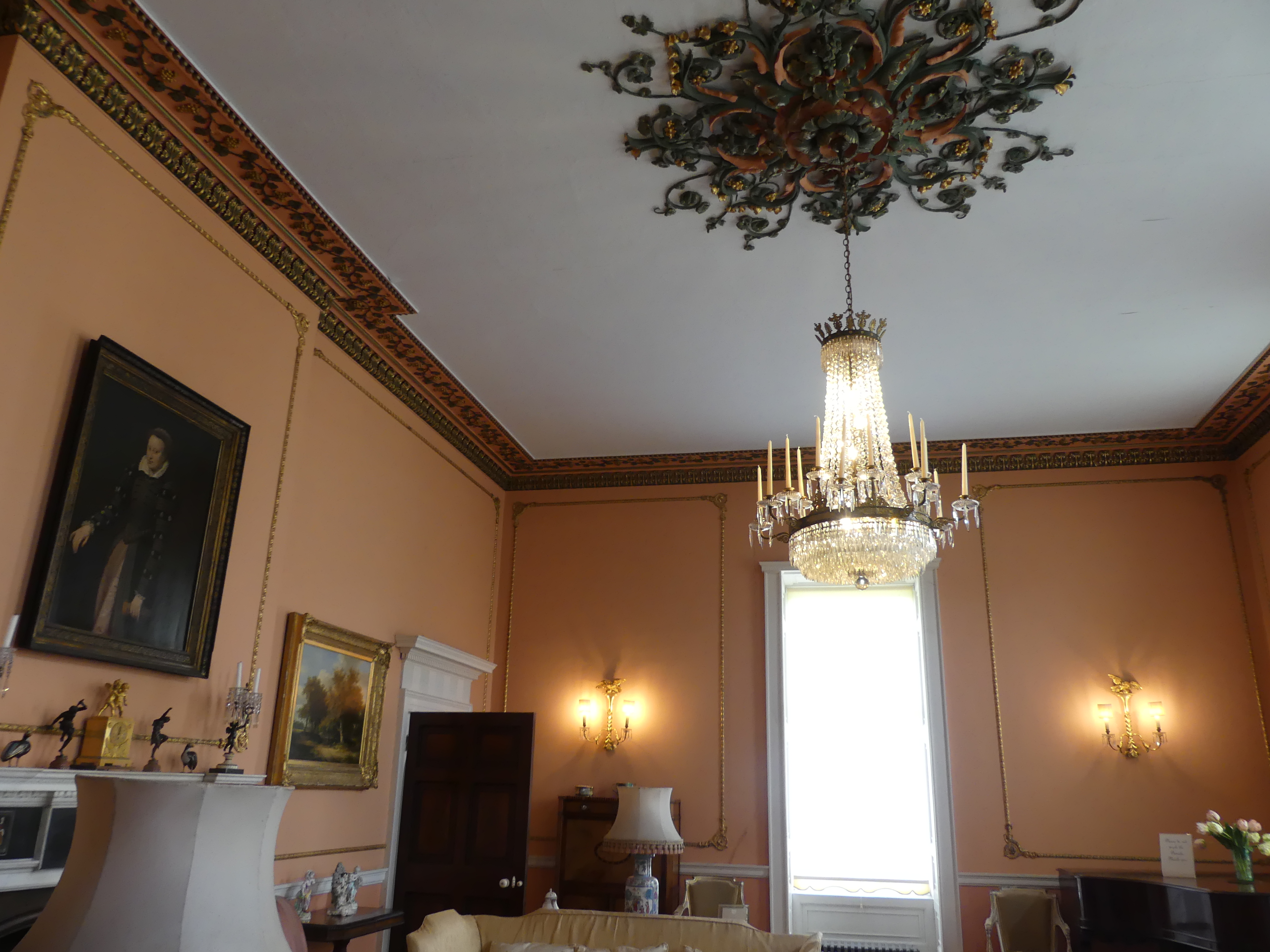
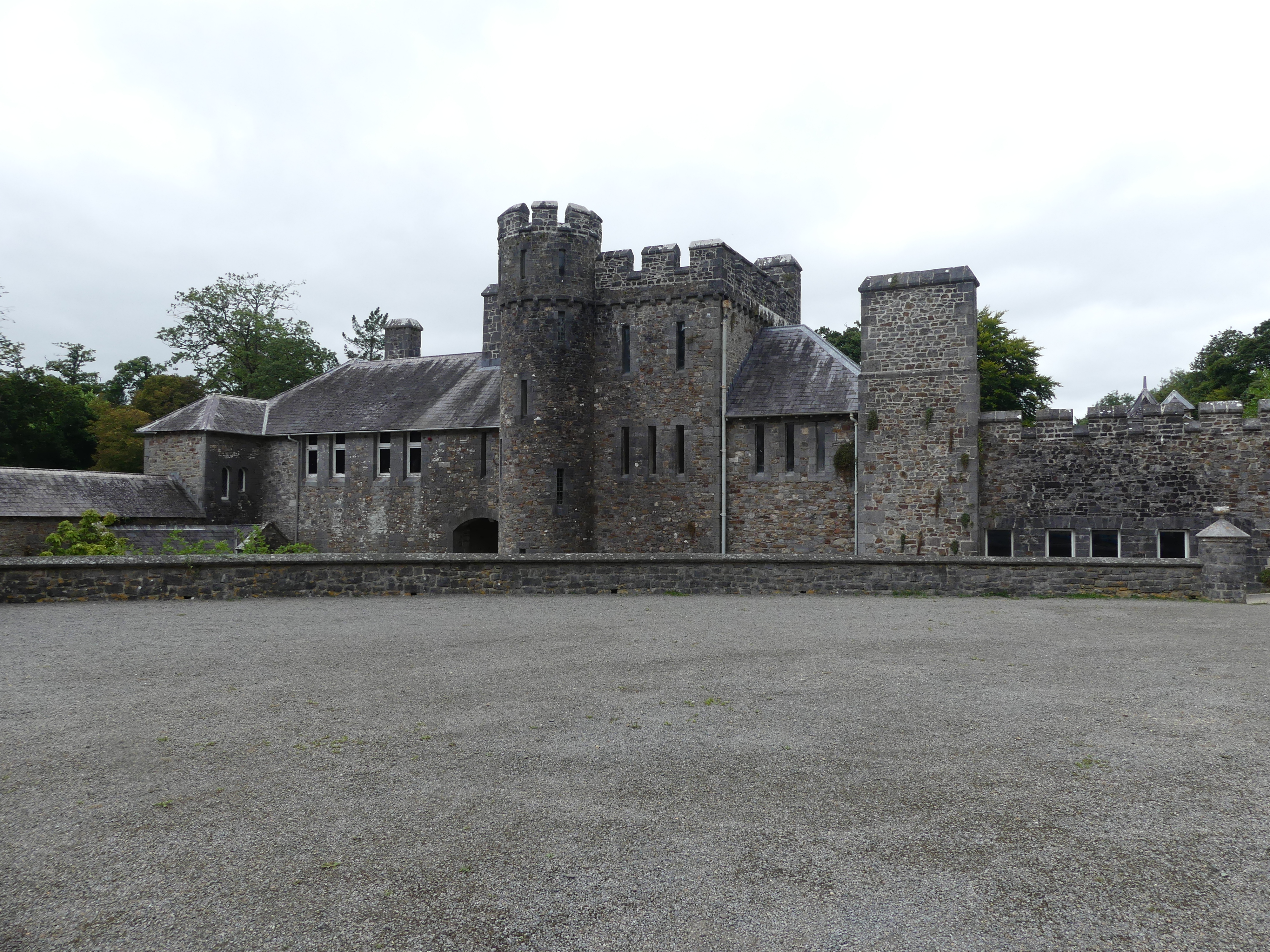
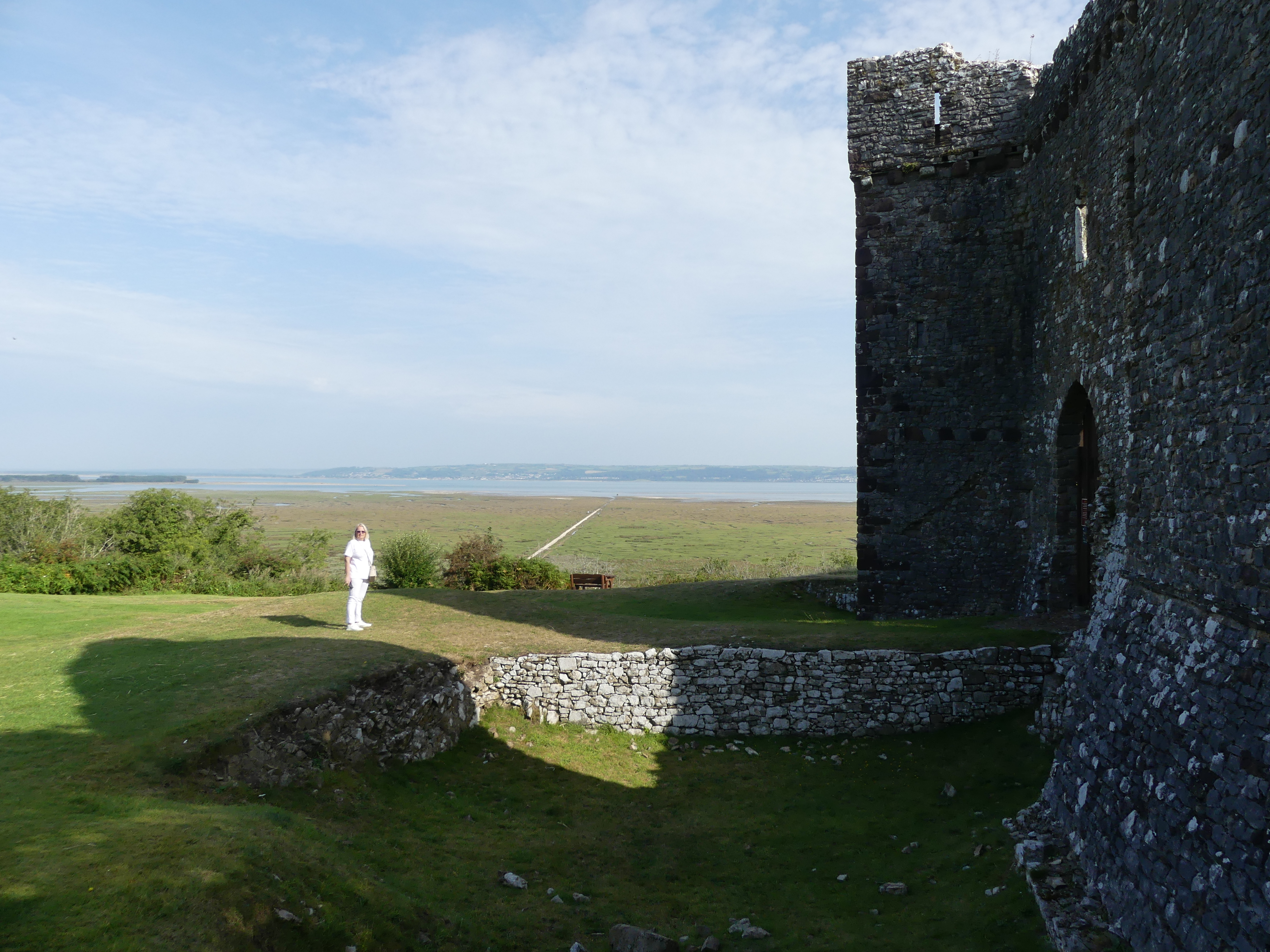
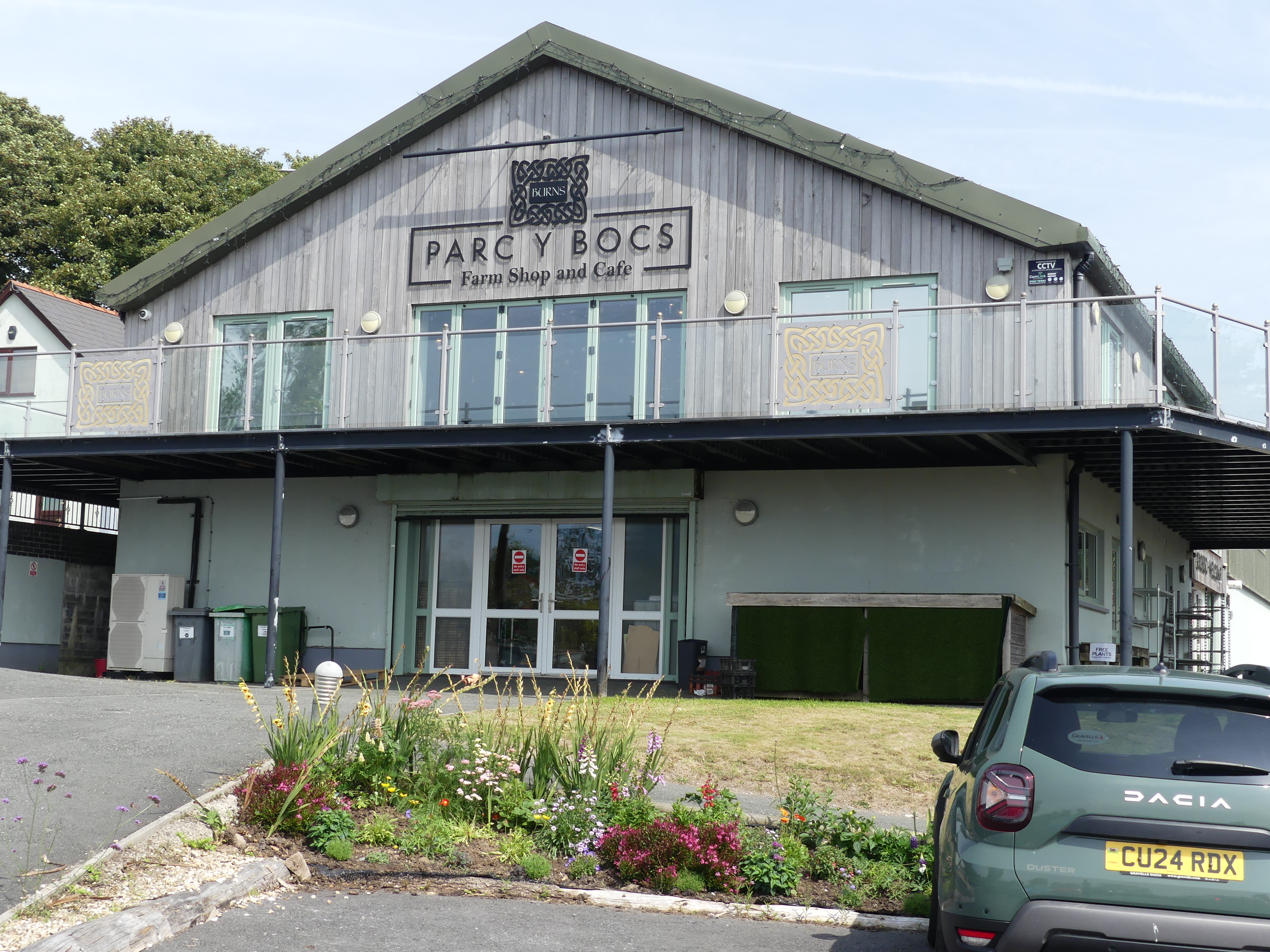
The castle may have once been a fortified castle but it has gradually changed to a manor house and gardens. The gardens are used by the castle owners as a garden centre, café and various other uses. My pictures start with the walled section enclosing the working buildings – the garden centre, book shop, café, the mower museum and the mortuary (the castle was used as a hospital during WW2 when they converted the butchers shop to the mortuary).



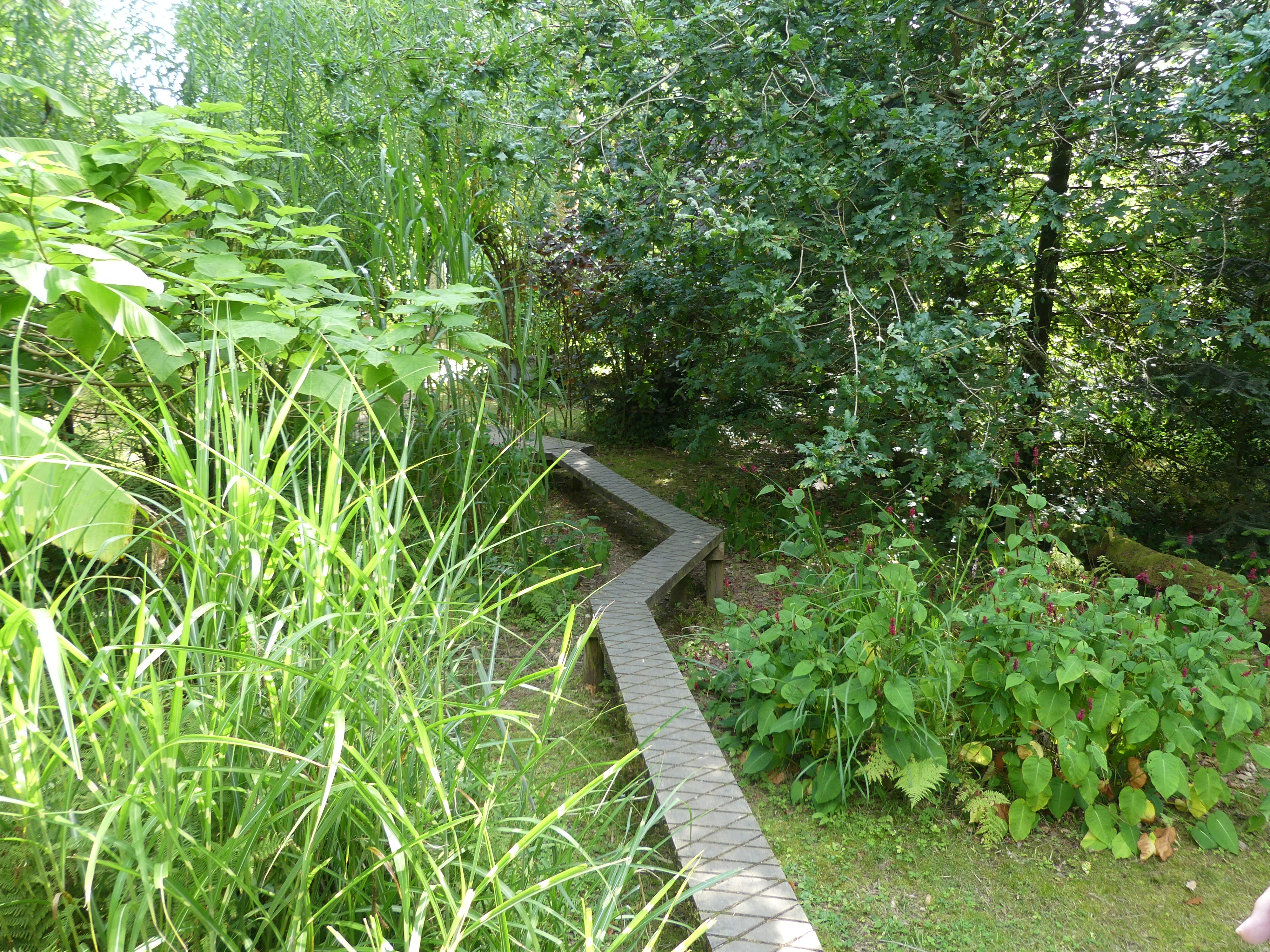
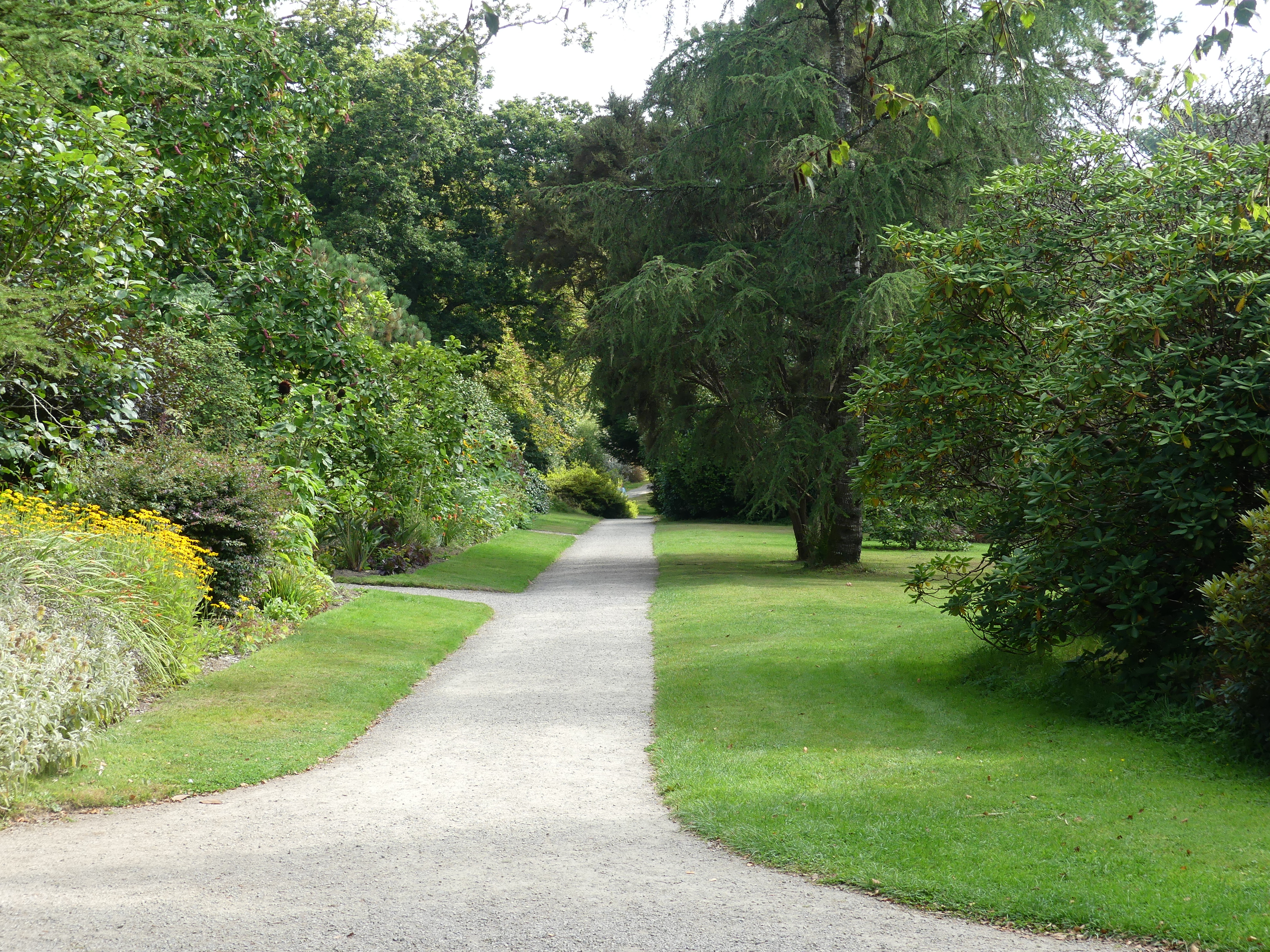
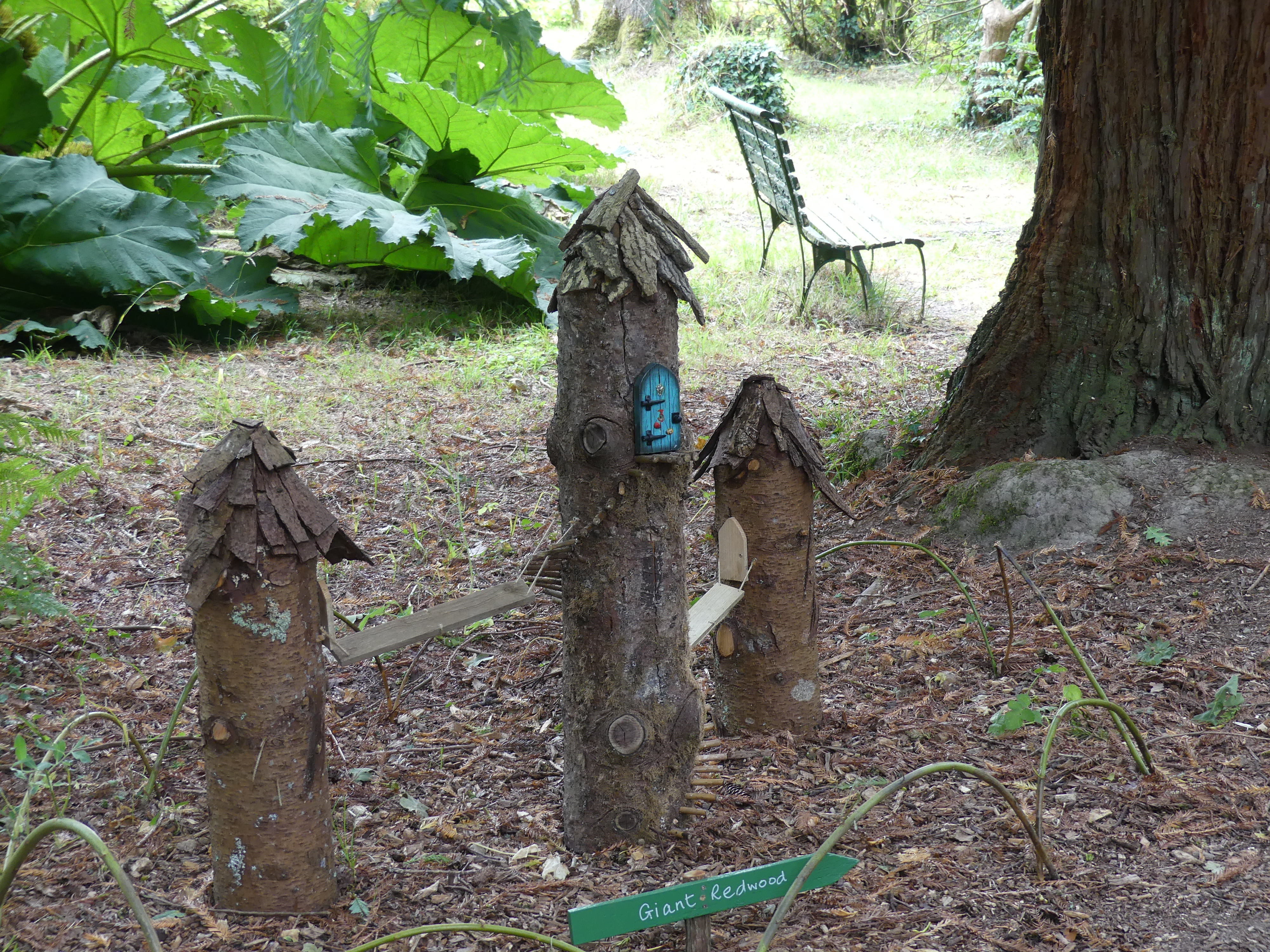
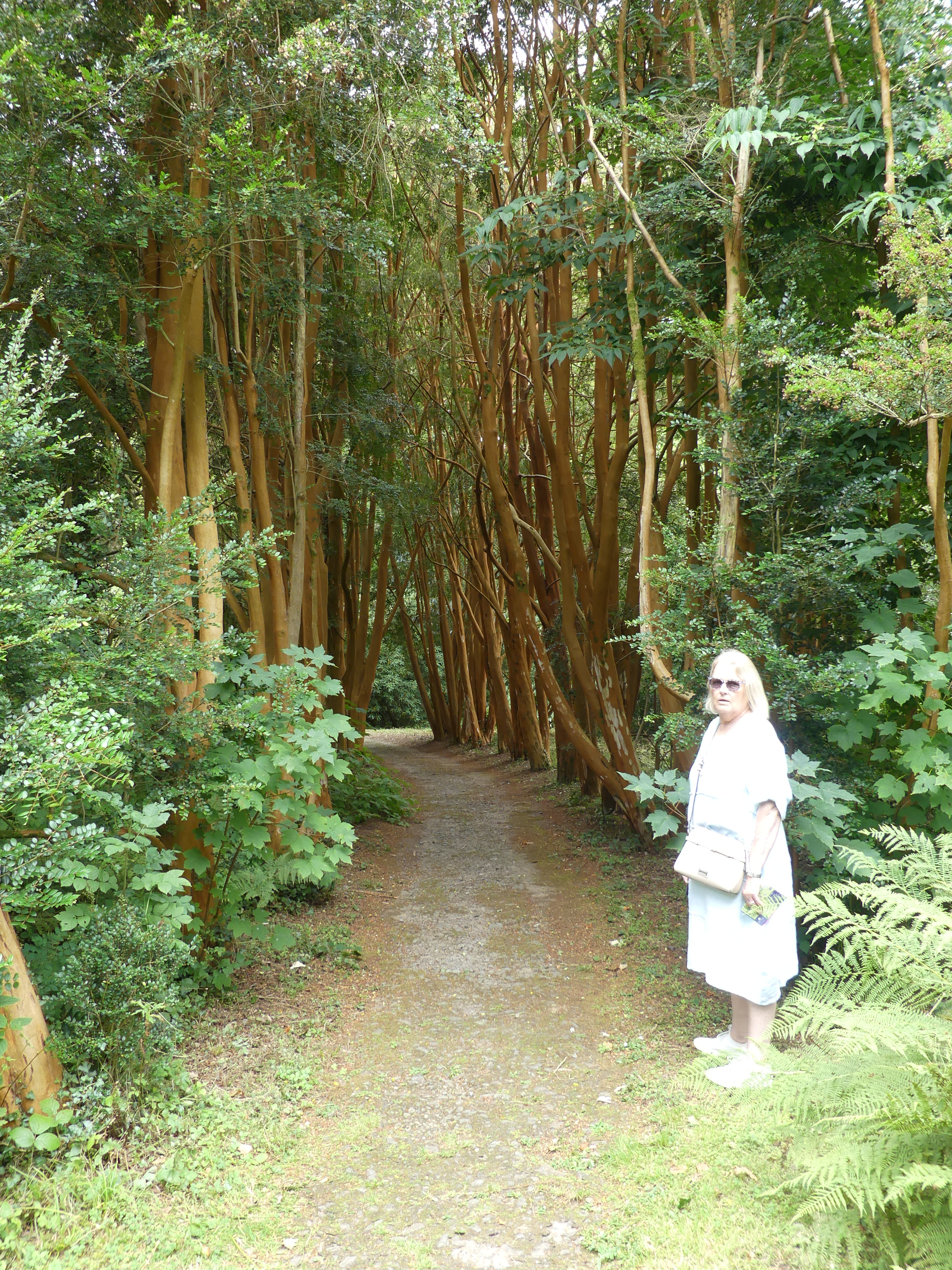
We strolled through the gardens. Relaxing and enjoyable the gardens were laid out in various areas starting with a pathway through the undergrowth for kids (even big kids) with the workers buildings prepared as they might have appeared at the beginning of the twentieth century. There is a fairy garden with 10 fairy houses for the children, and we found each one, I think. Amongst the fairy houses was the original ice house for the castle. This is an underground shelter where workmen would cut out the river ice and store the ice in the ice house so the family could have ice during the summer.


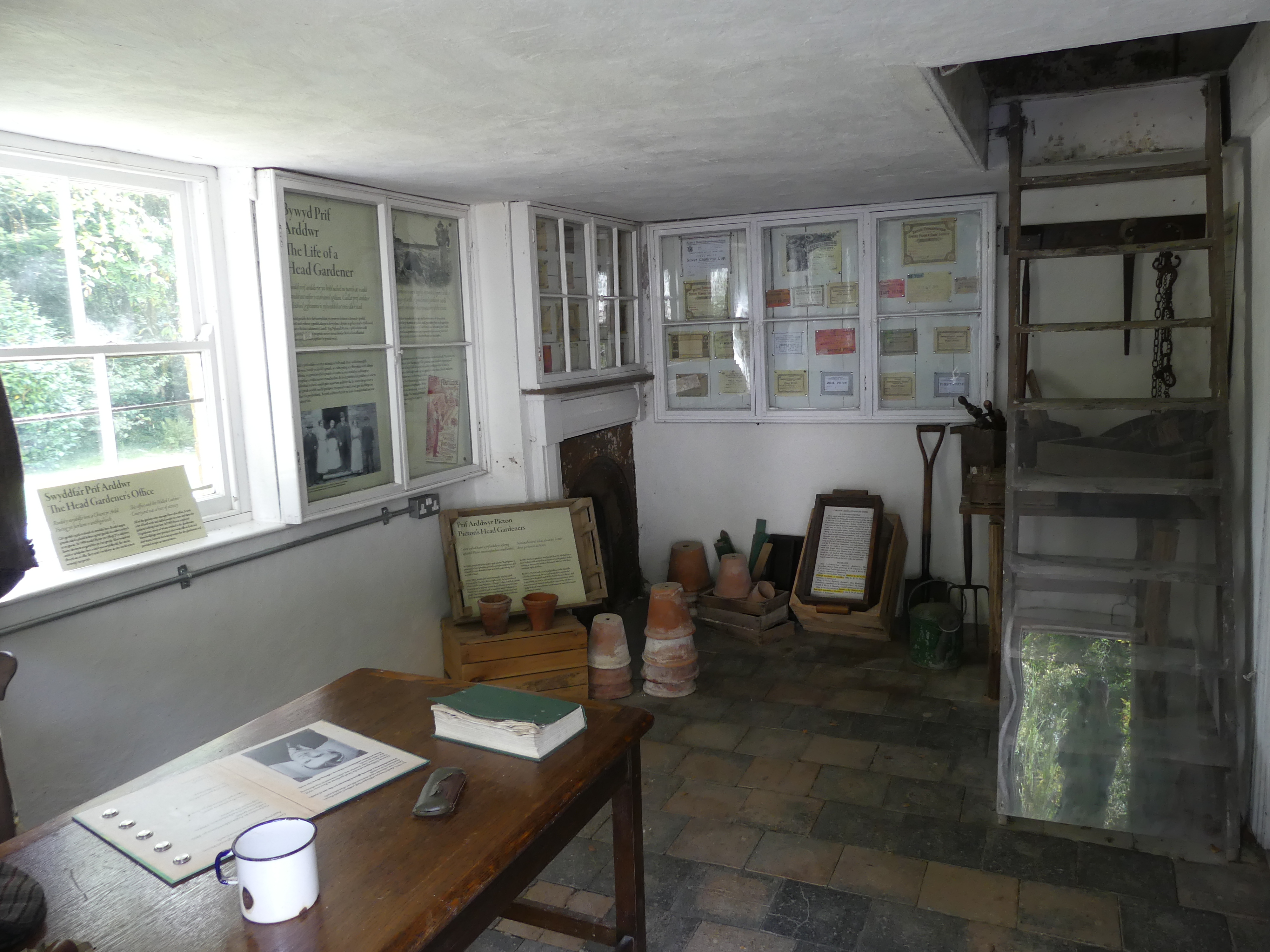
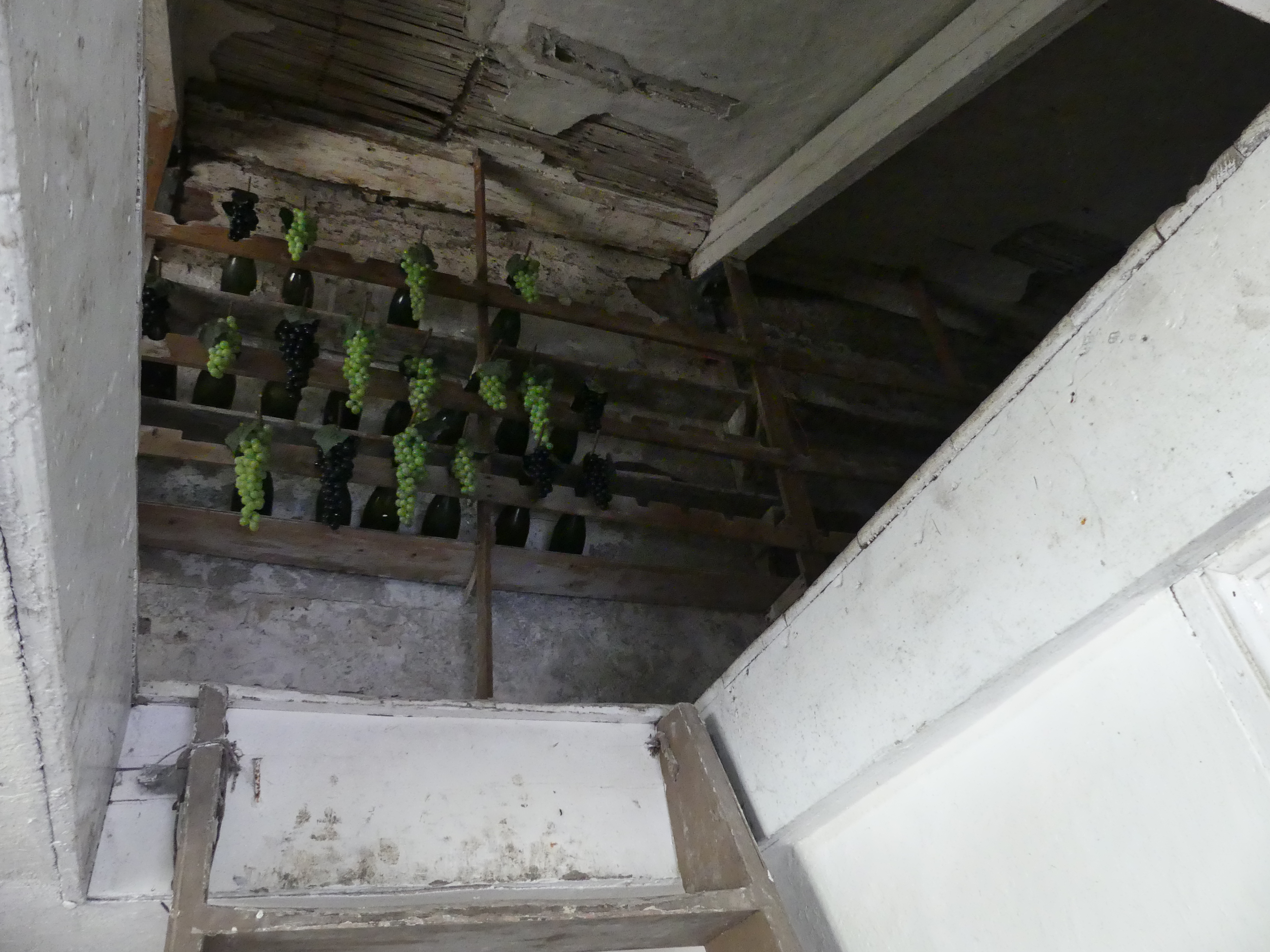


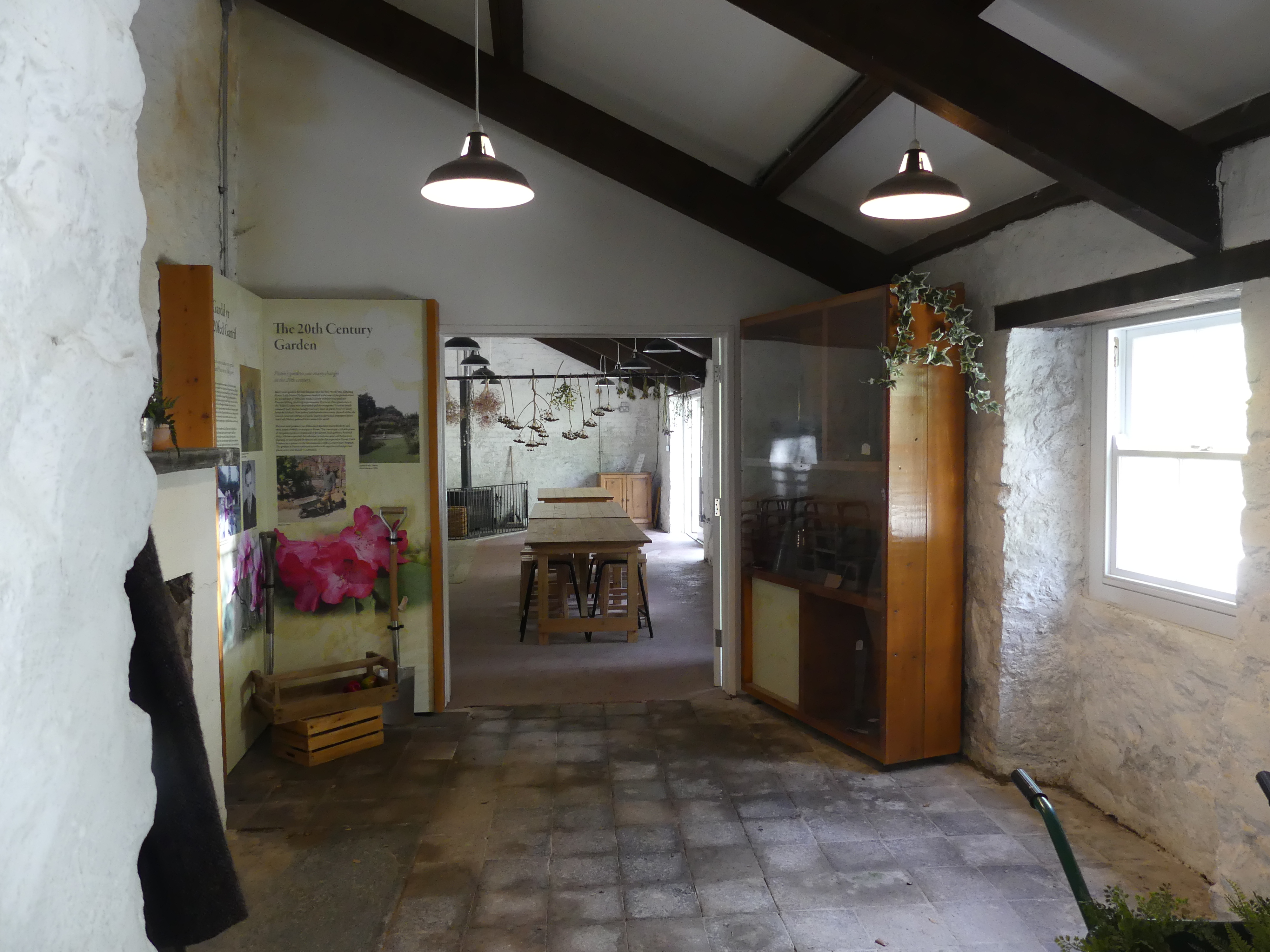

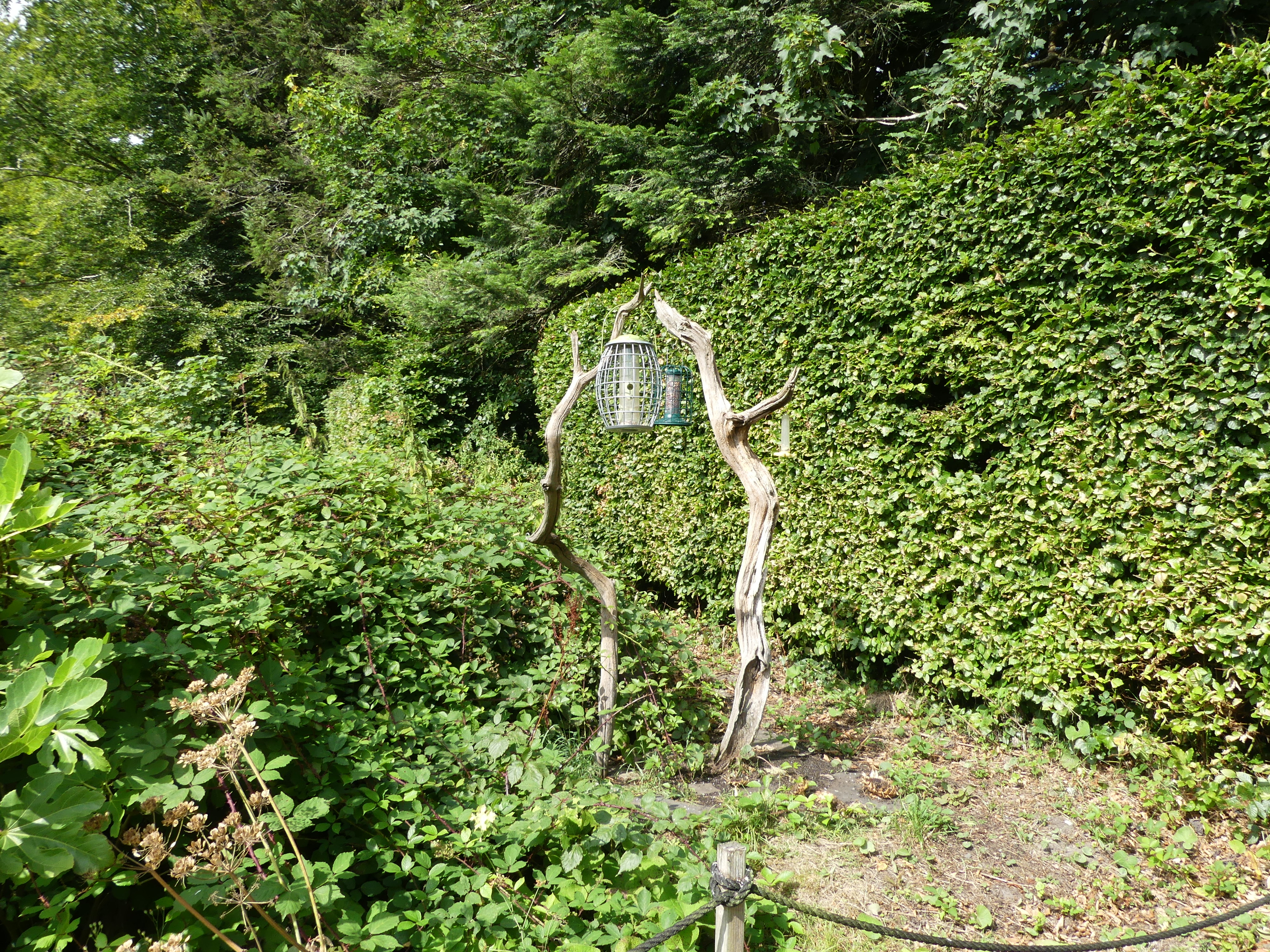






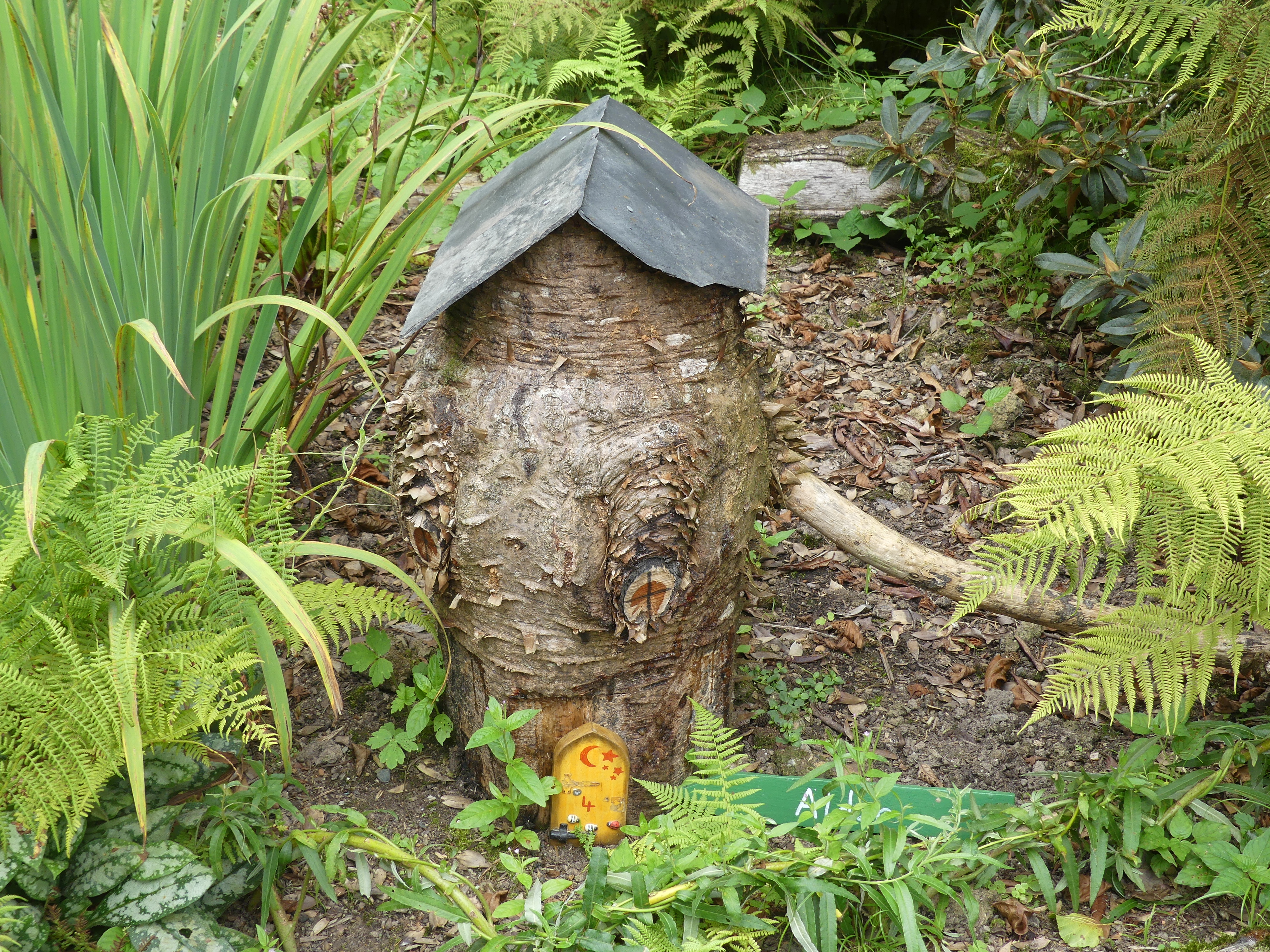
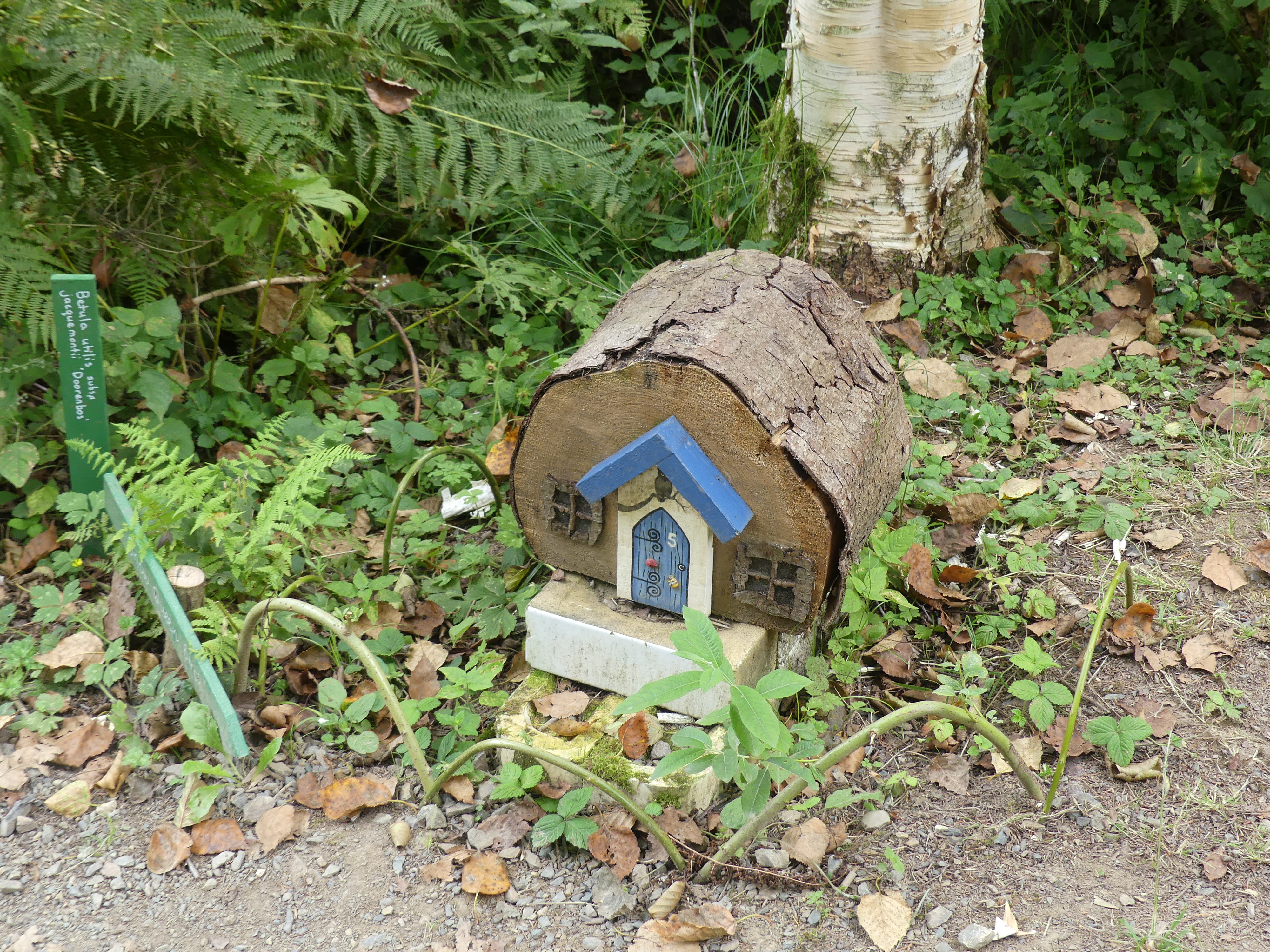


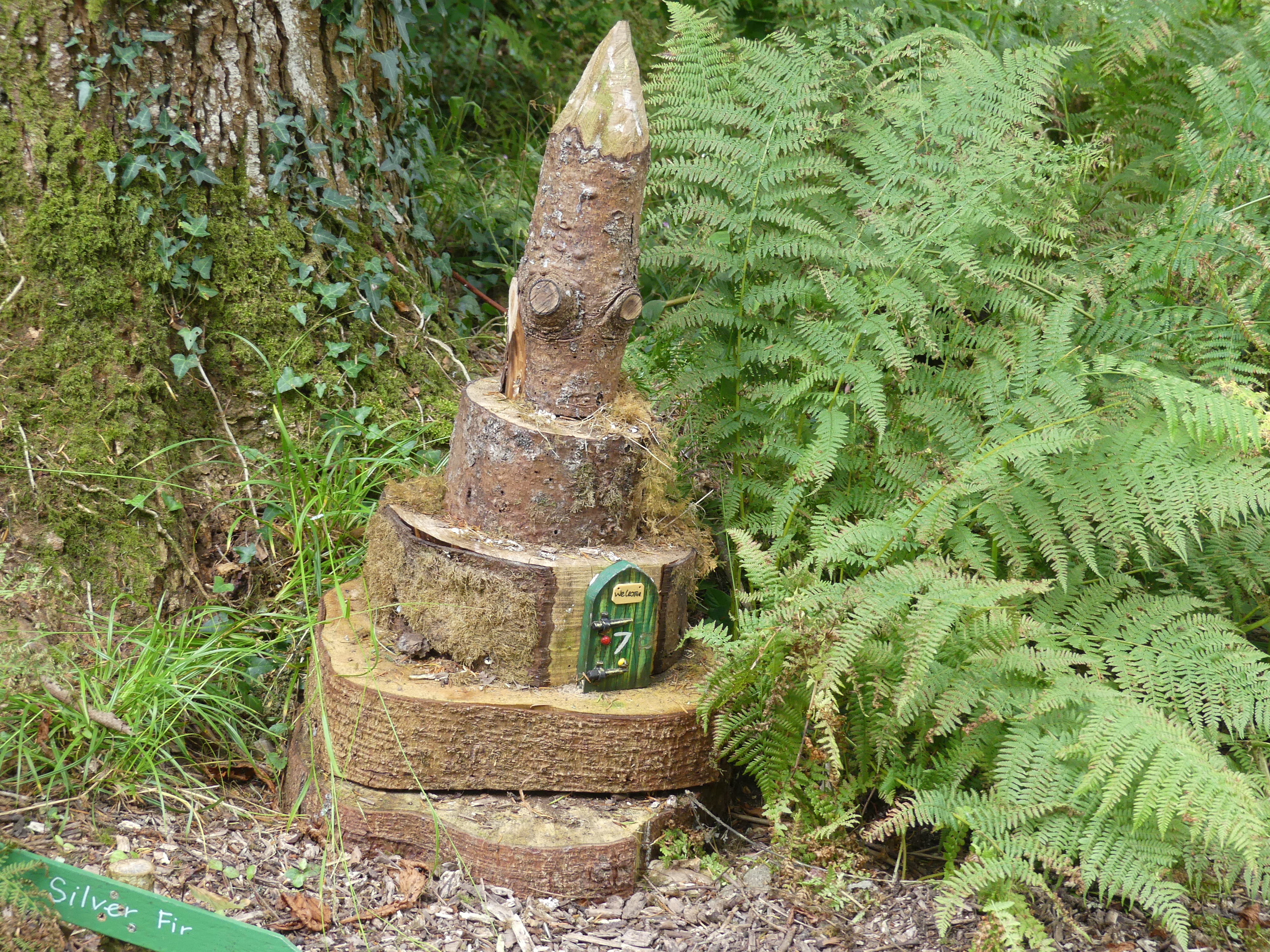
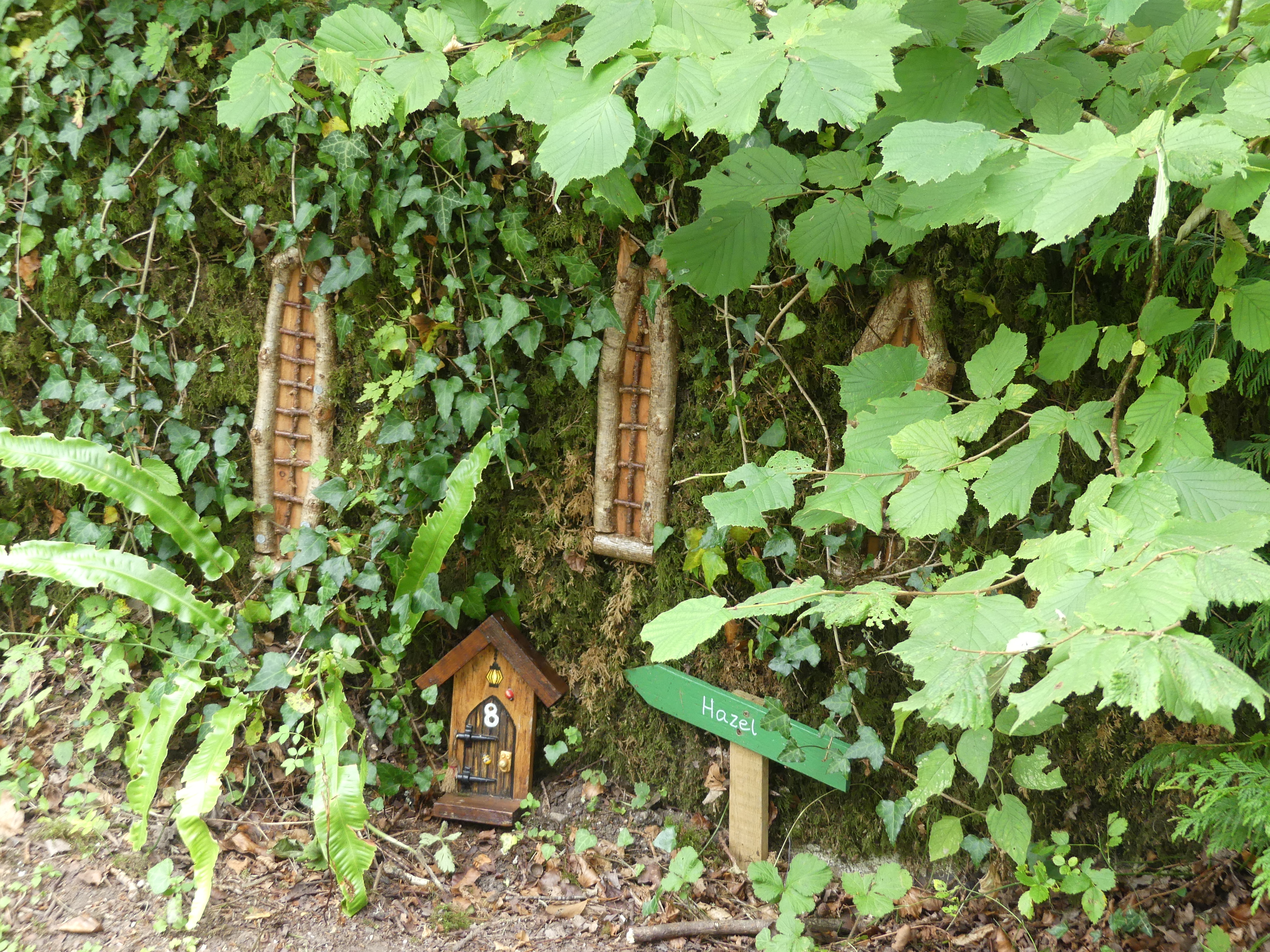



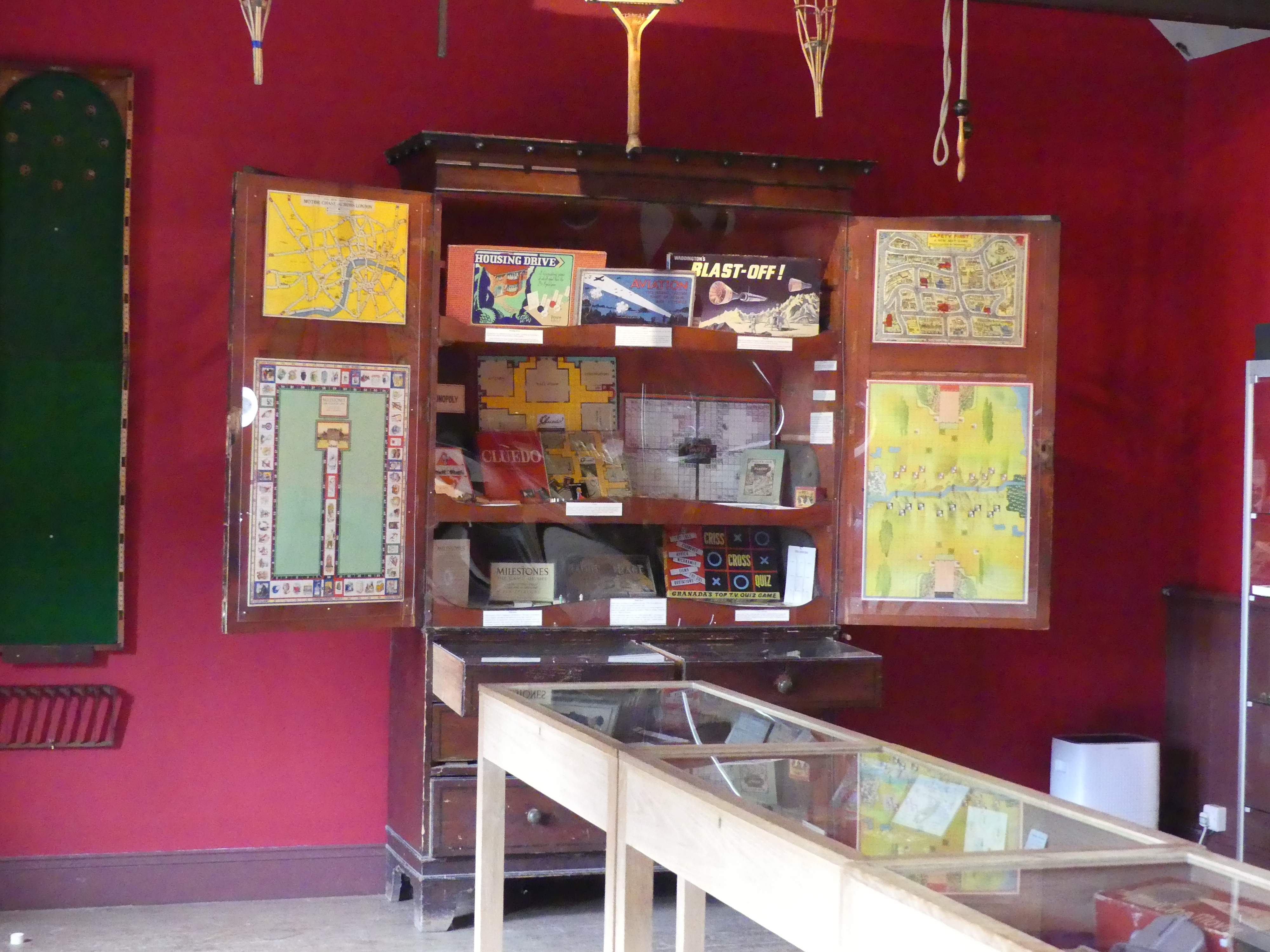
Behind the wall work area is the manor house. It has been decorated for the same period. The children’s toys have been retained and are presented in a museum in one to the towers of the house.







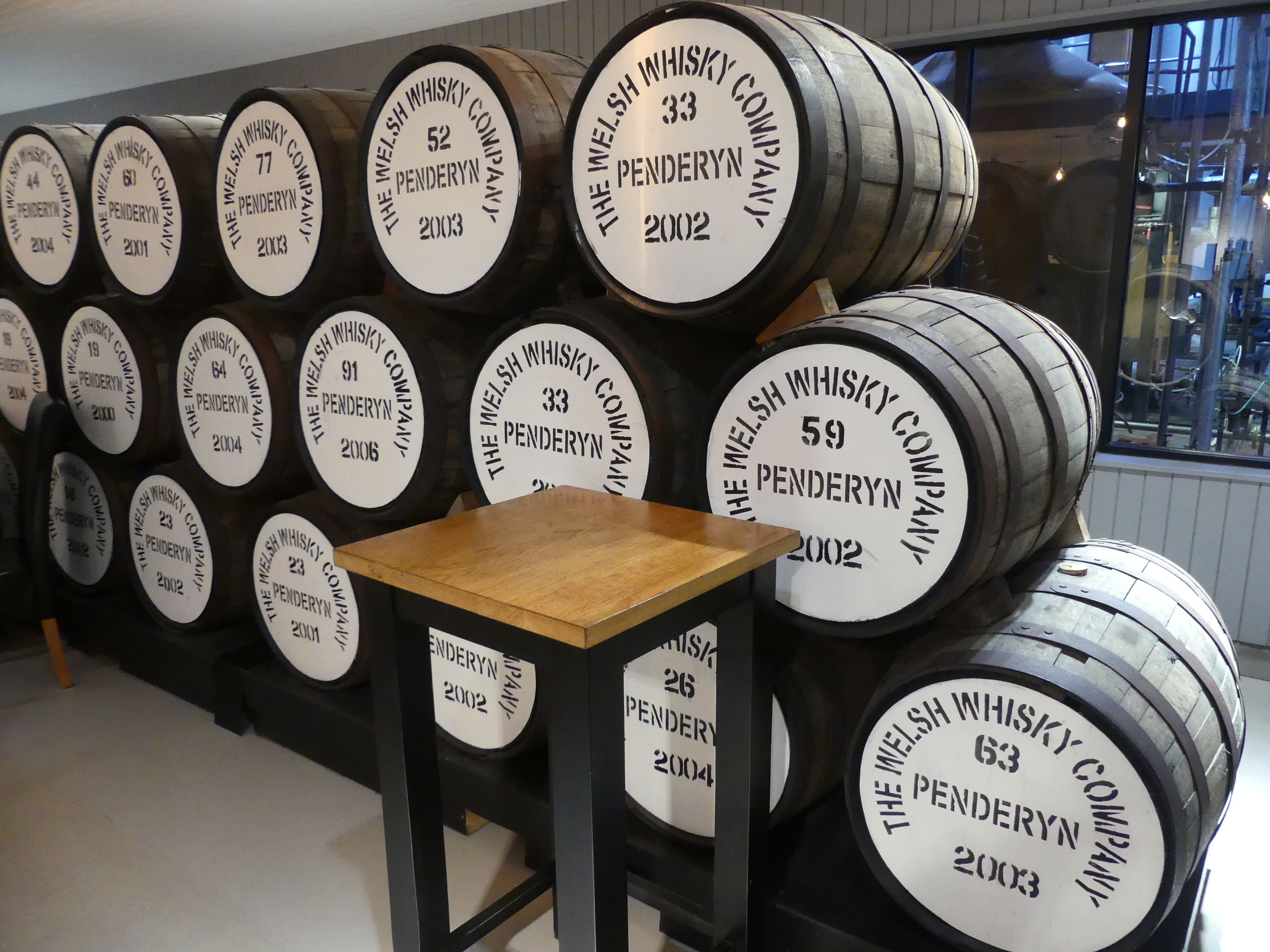
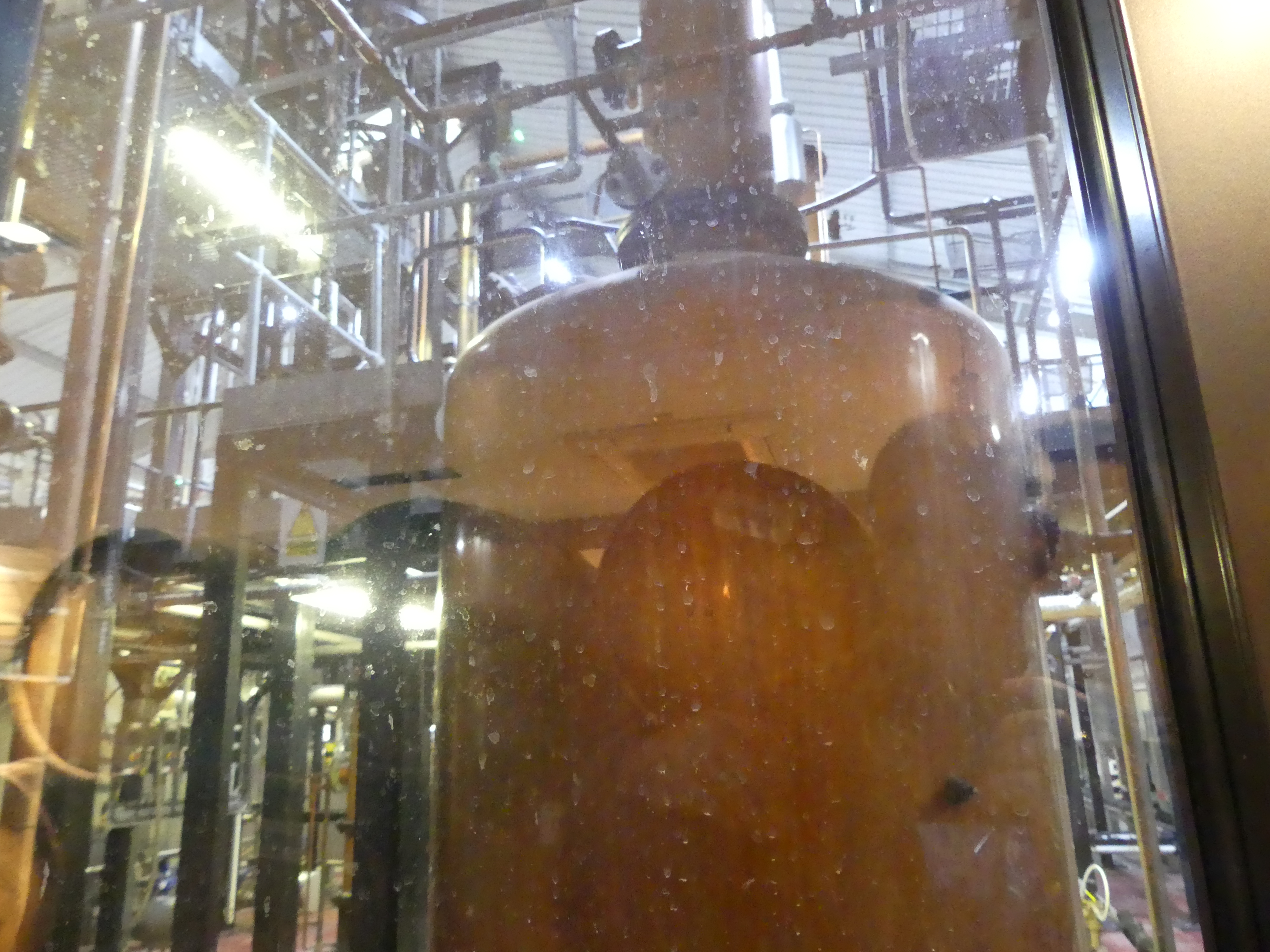
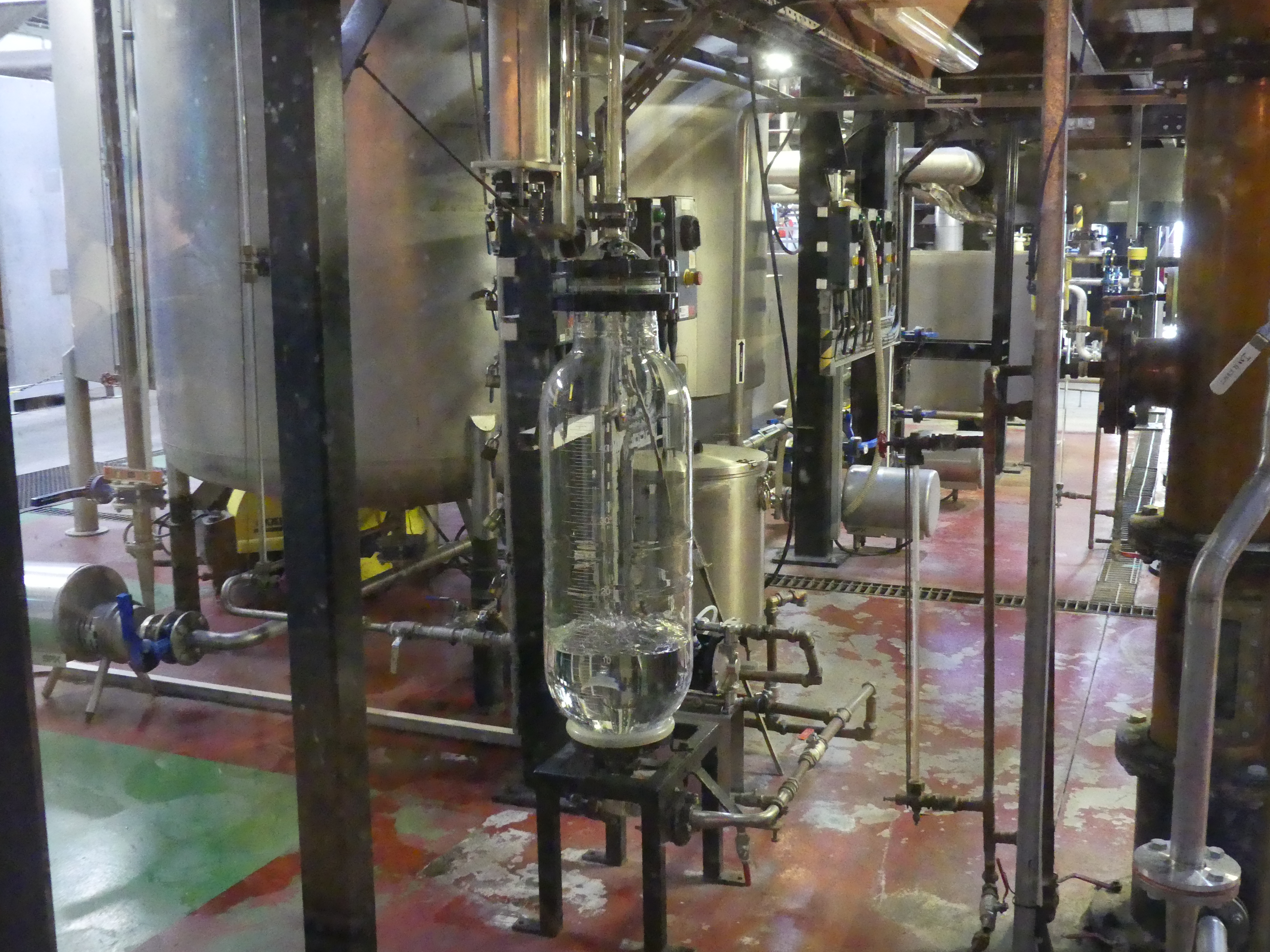
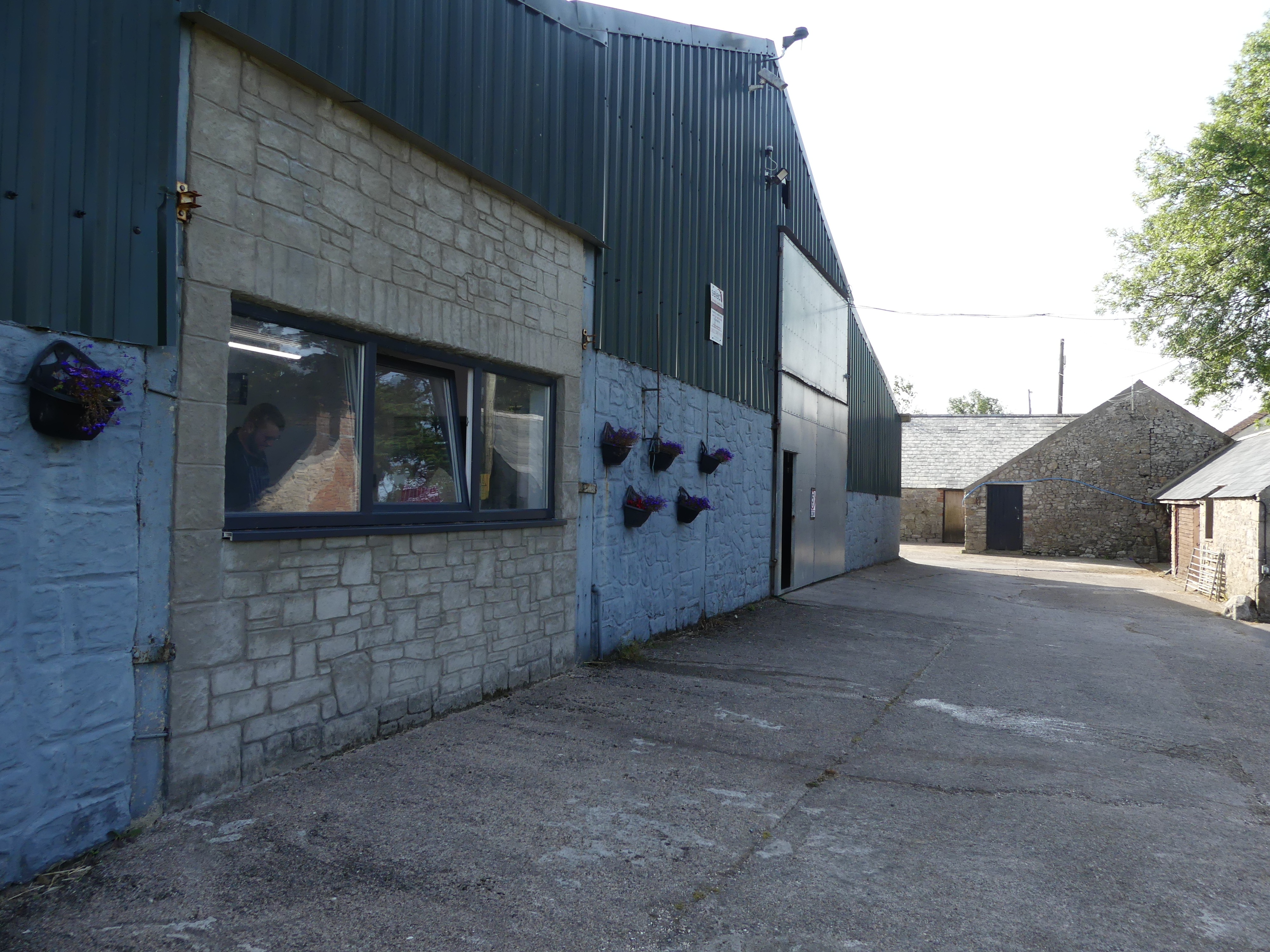
We had visited the whiskey distillery before going to Picton Castle and did the tour as they claimed to have a secret to produce the best whiskey. Penderyn is the name of the whiskey, and I have brought home three samples of the brew. The distillery is modern in its design because it is resurrected from an earlier distillery and modernised. We arrived before opening time and to our surprise there was a coffee van open for trade for visitors like us – it is a converted horse float. Once the distillery opened and we were allowed to look around I took some photos that appear below. The bottle with the clear liquid is the refined whiskey and this is placed in a used cask and the whiskey draws its colour from the cask. To be legally sold as whiskey it must be aged in barrels for 3 year and 1 day. As I stated I have brought some samples home.




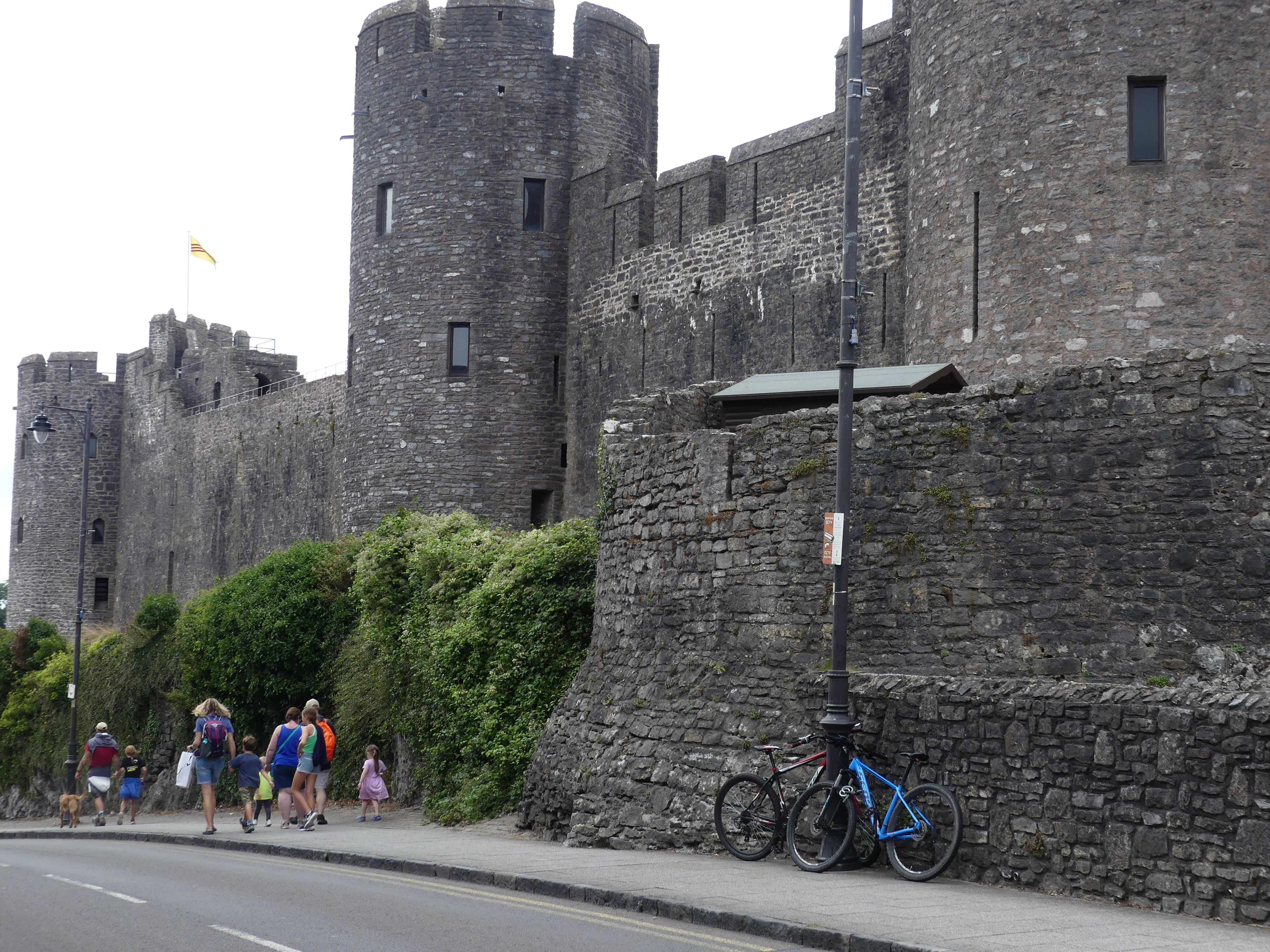
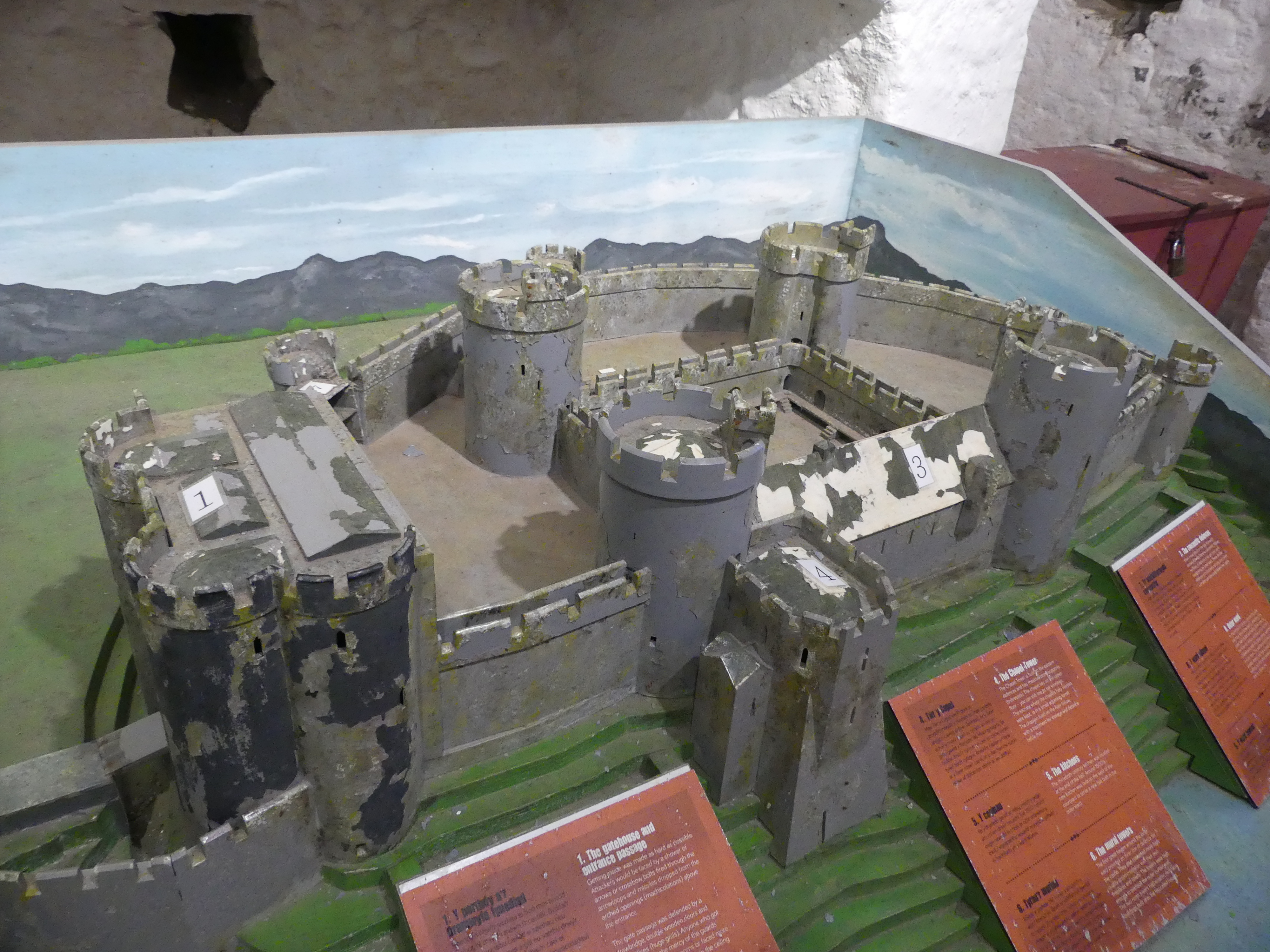
Pembroke Castle (Welsh: Castell Penfro) is a medieval castle in the centre of Pembroke, Pembrokeshire in Wales. The castle was the original family seat of the Earldom of Pembroke. A Grade I listed building since 1951, it underwent major restoration during the early 20th century.
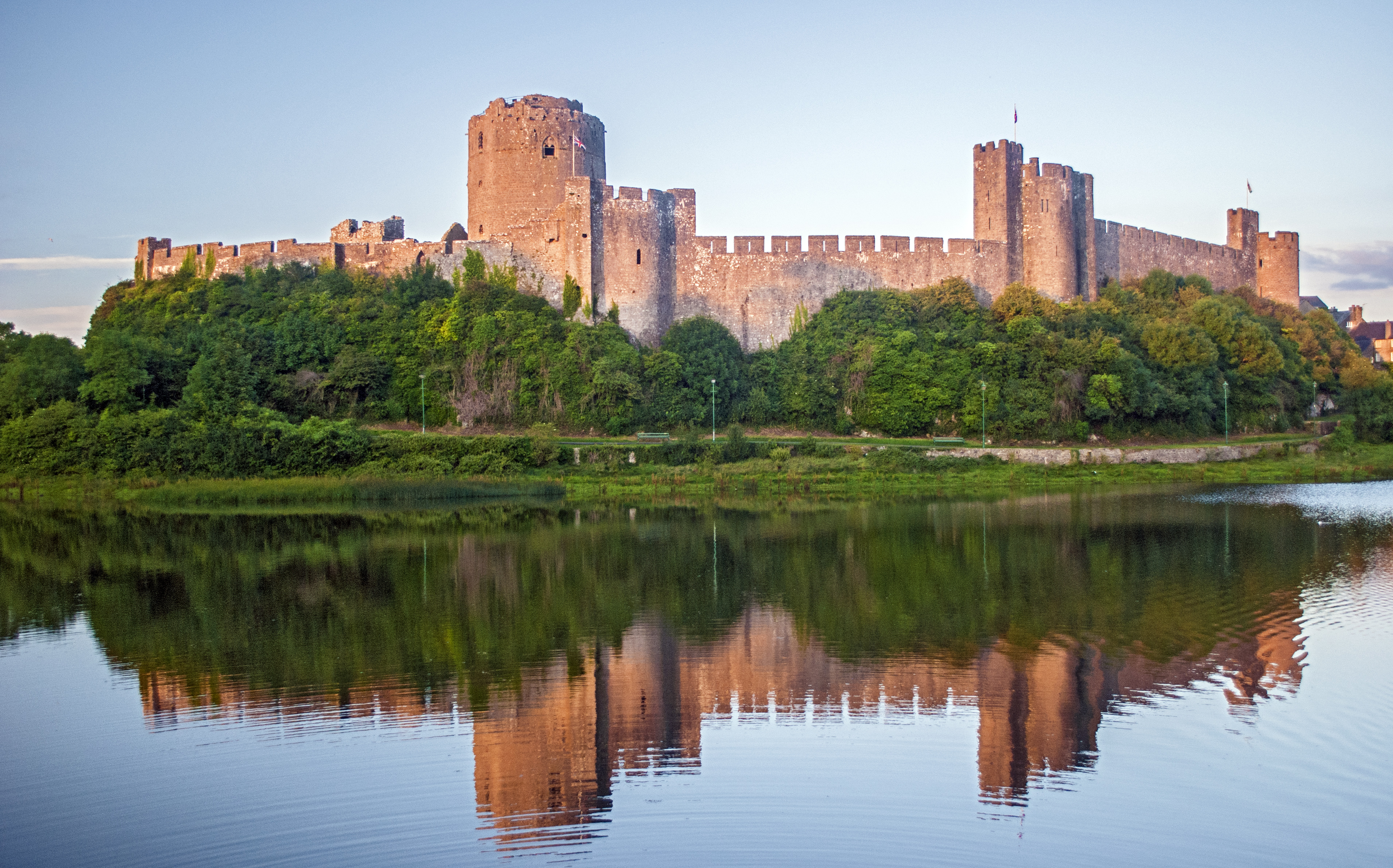
In 1093, Arnulf of Montgomery built the first castle at the site when he fortified the promontory beside the Pembroke River during the Norman invasion of Wales. A century later, the castle was given by Richard I to William Marshal, who became one of the most powerful men in 12th-century Britain. He rebuilt Pembroke Castle in stone, creating most of the structure that remains today. The castle is open to the public and is the largest privately owned castle in Wales. Oliver Cromwell left the castle in ruins during the Civil War and it lay in ruins until 1880 when it was restored.

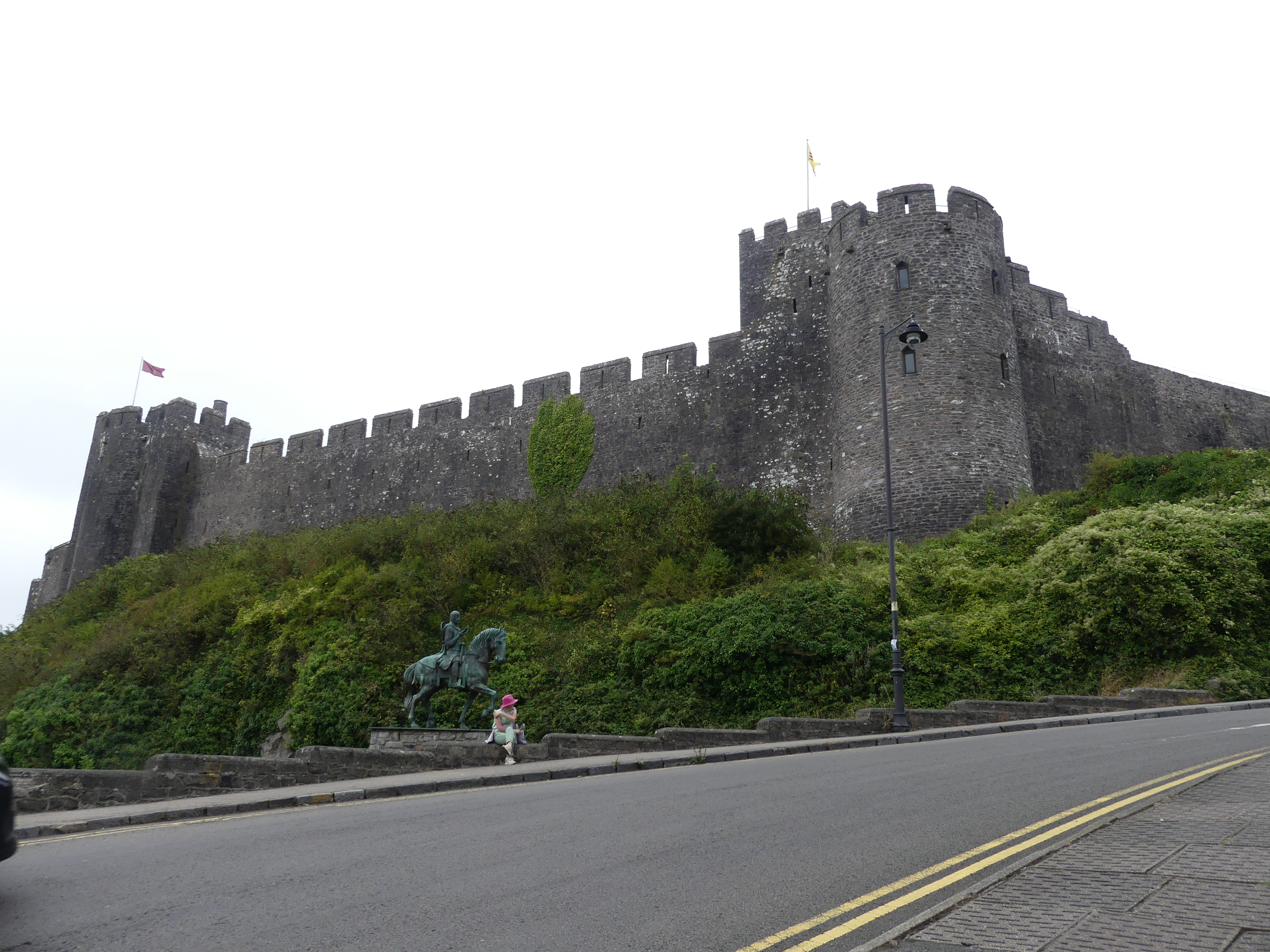
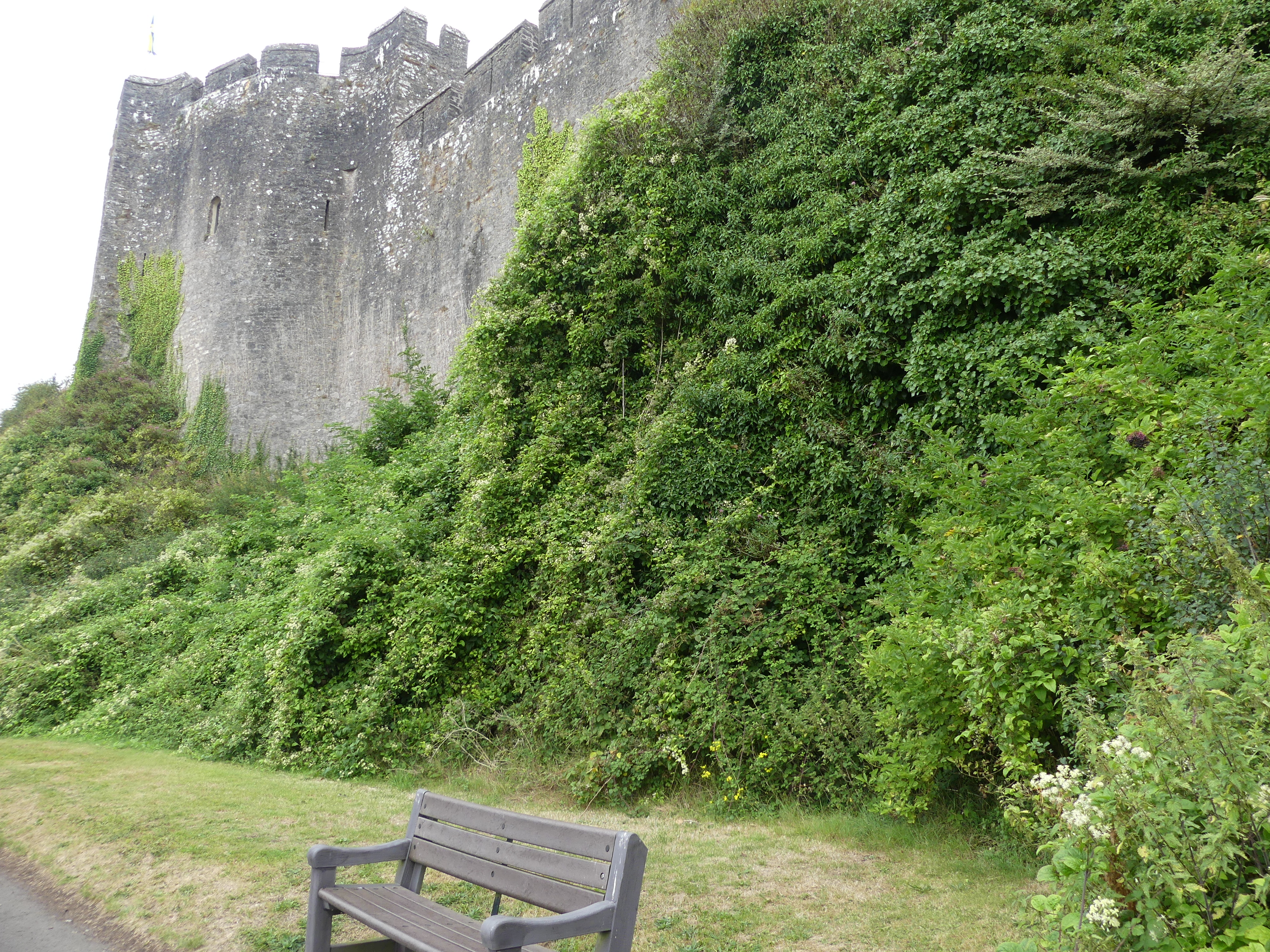
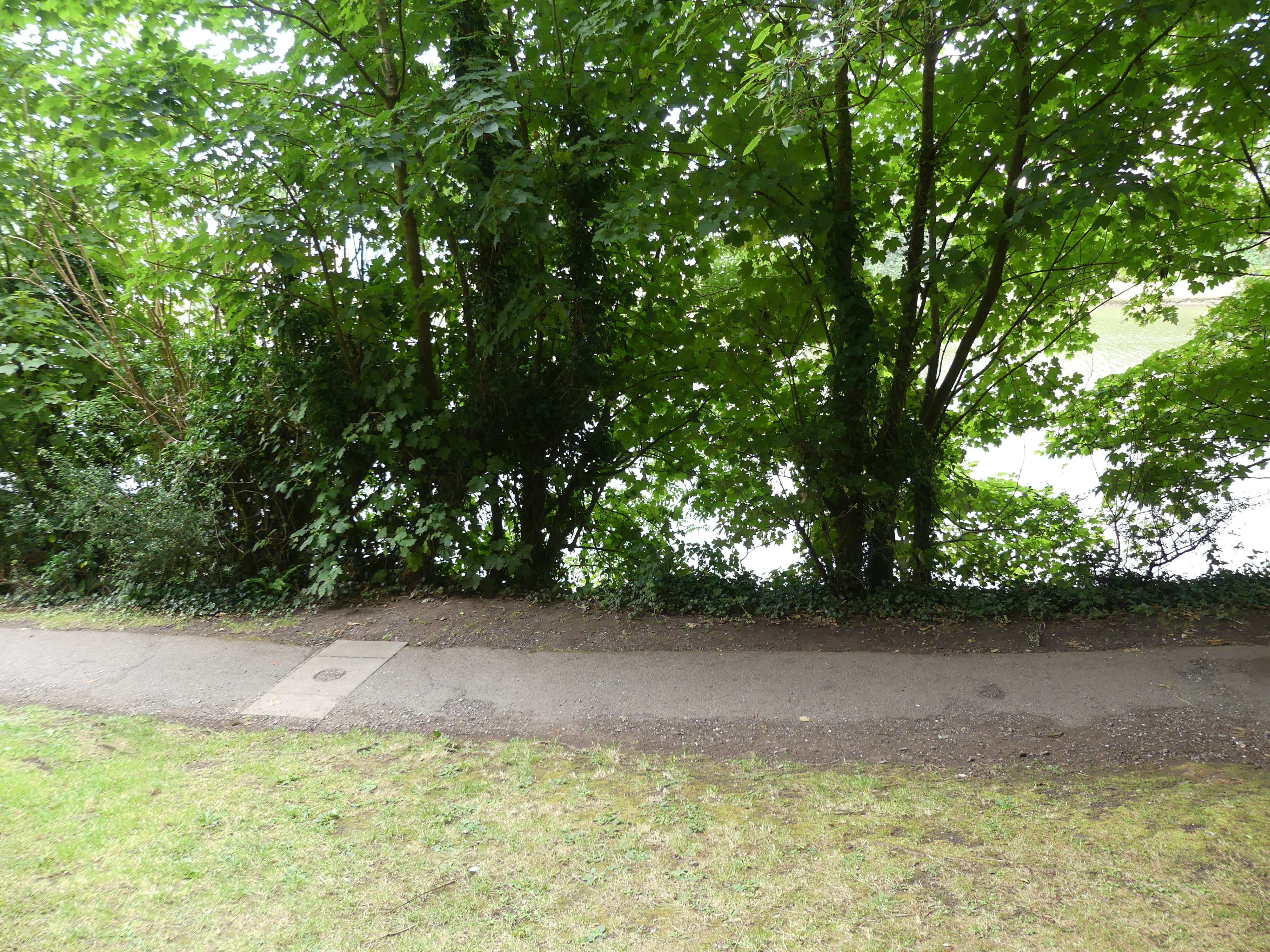
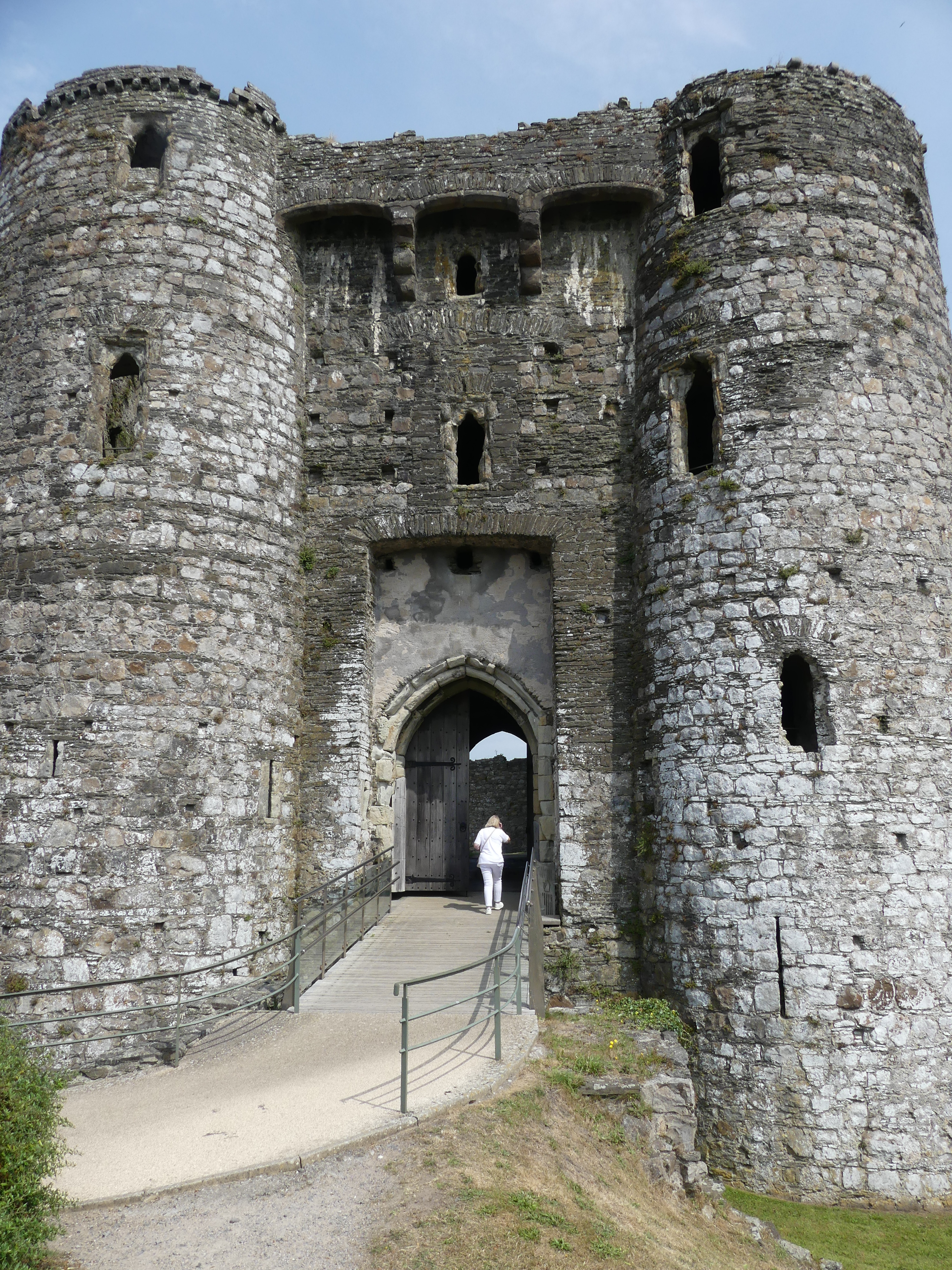
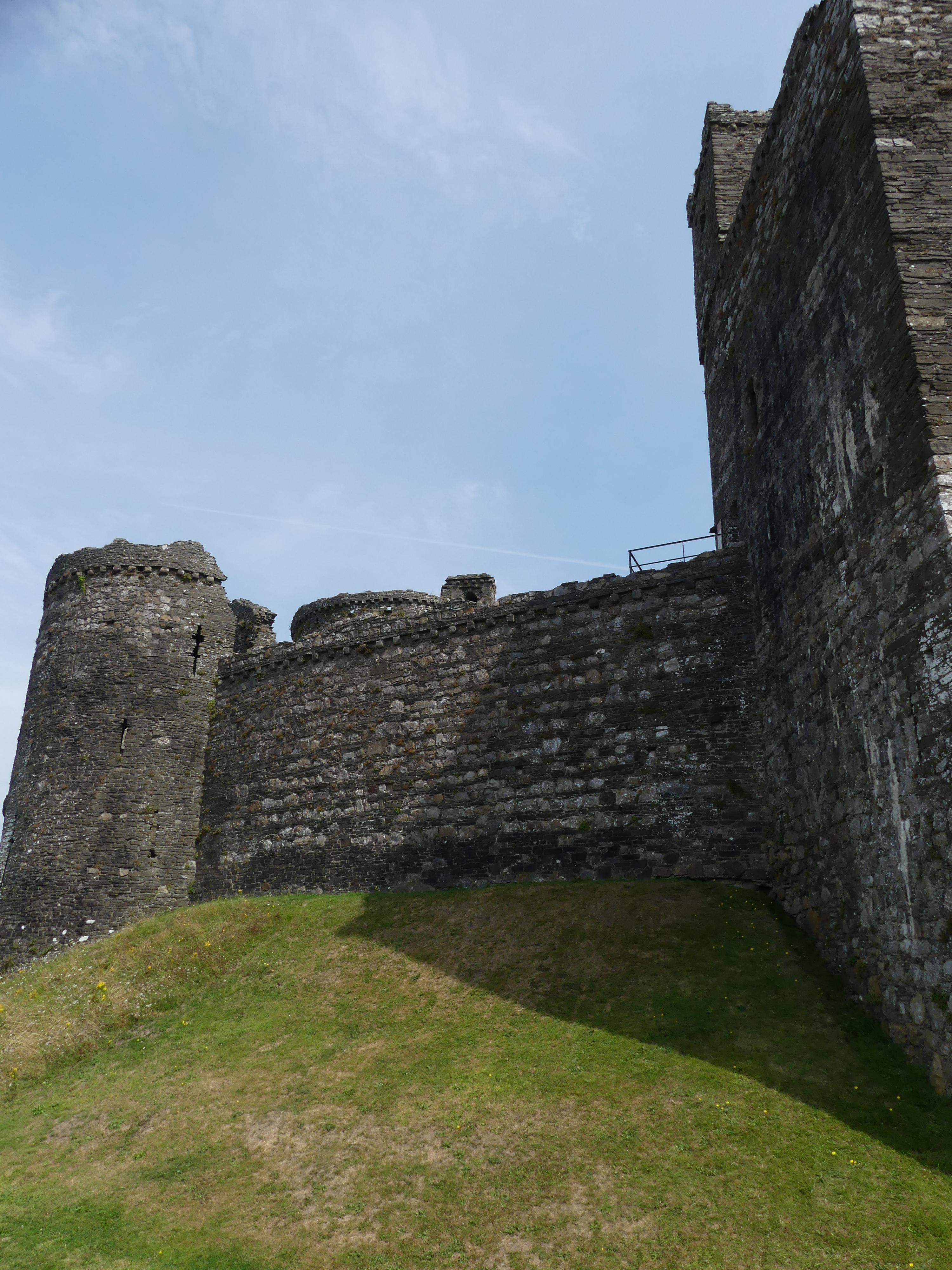
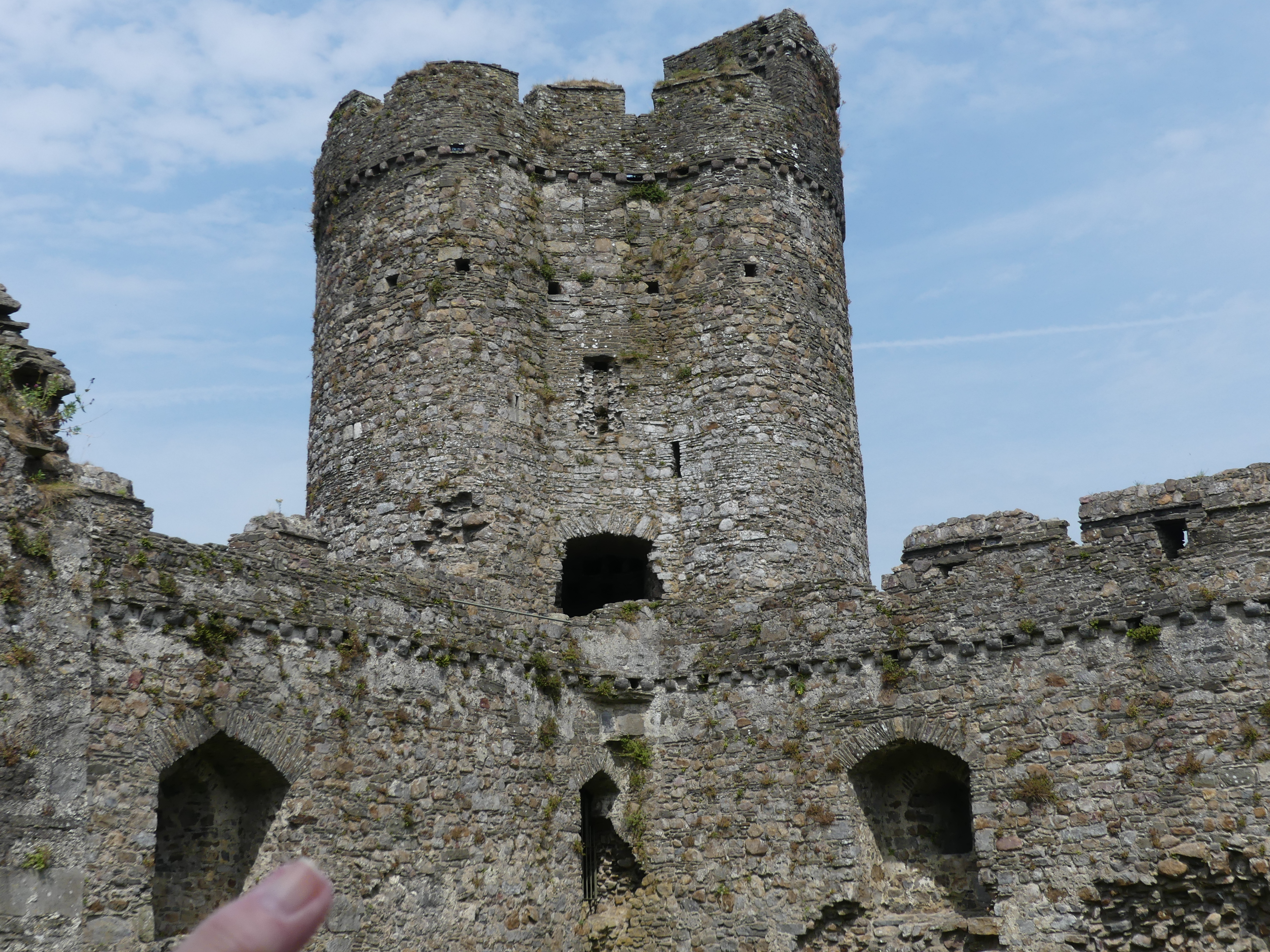
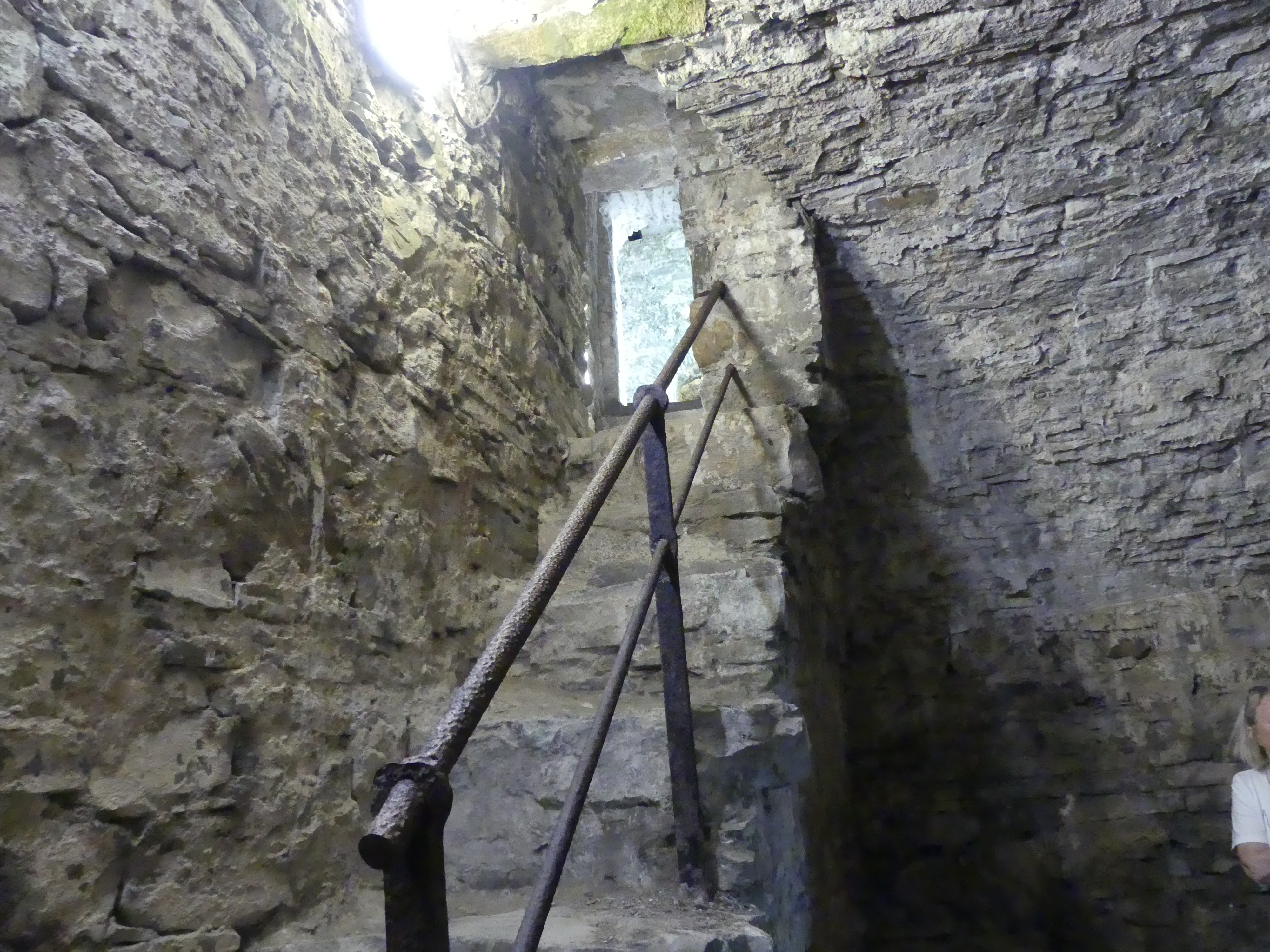
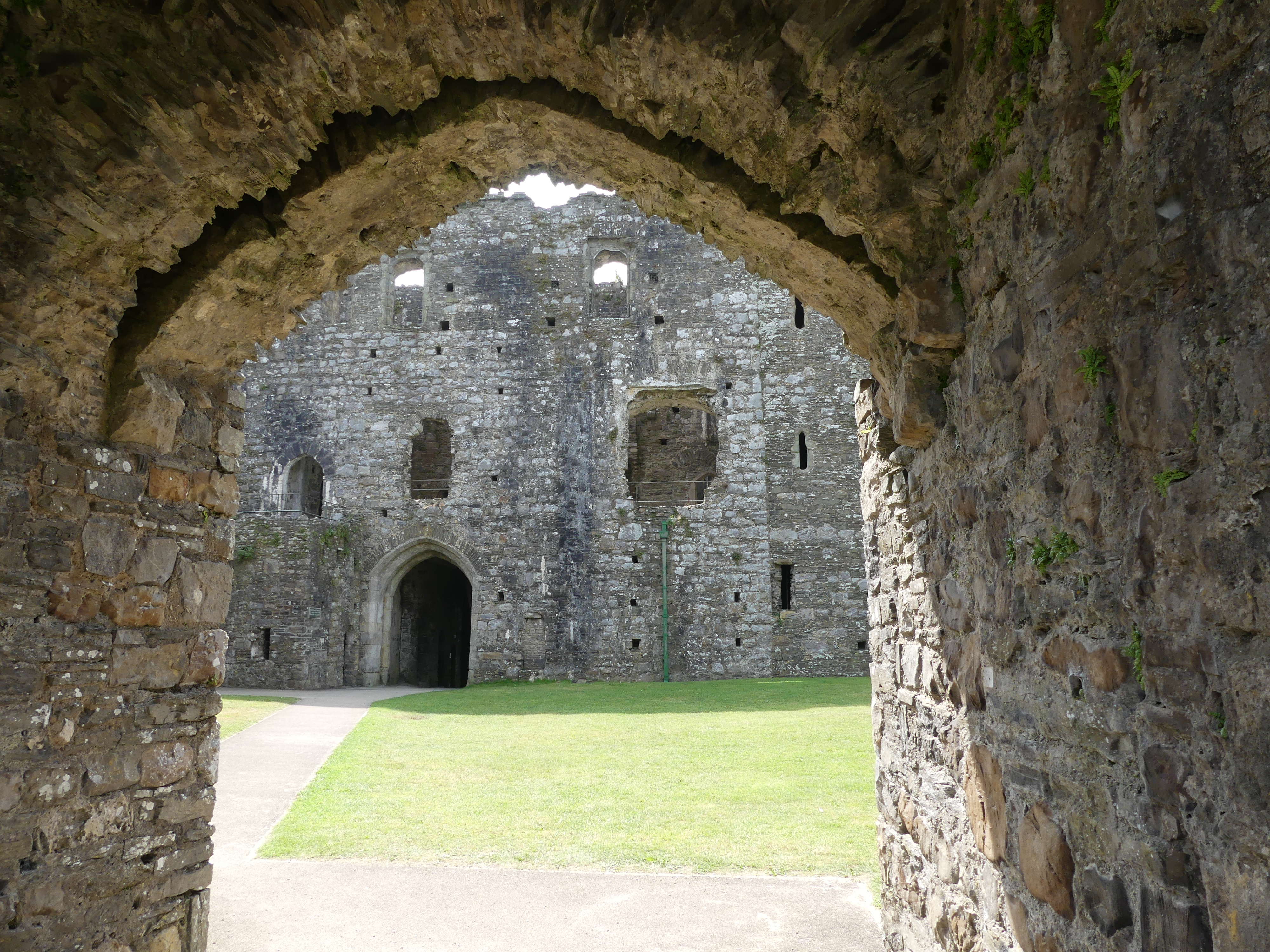
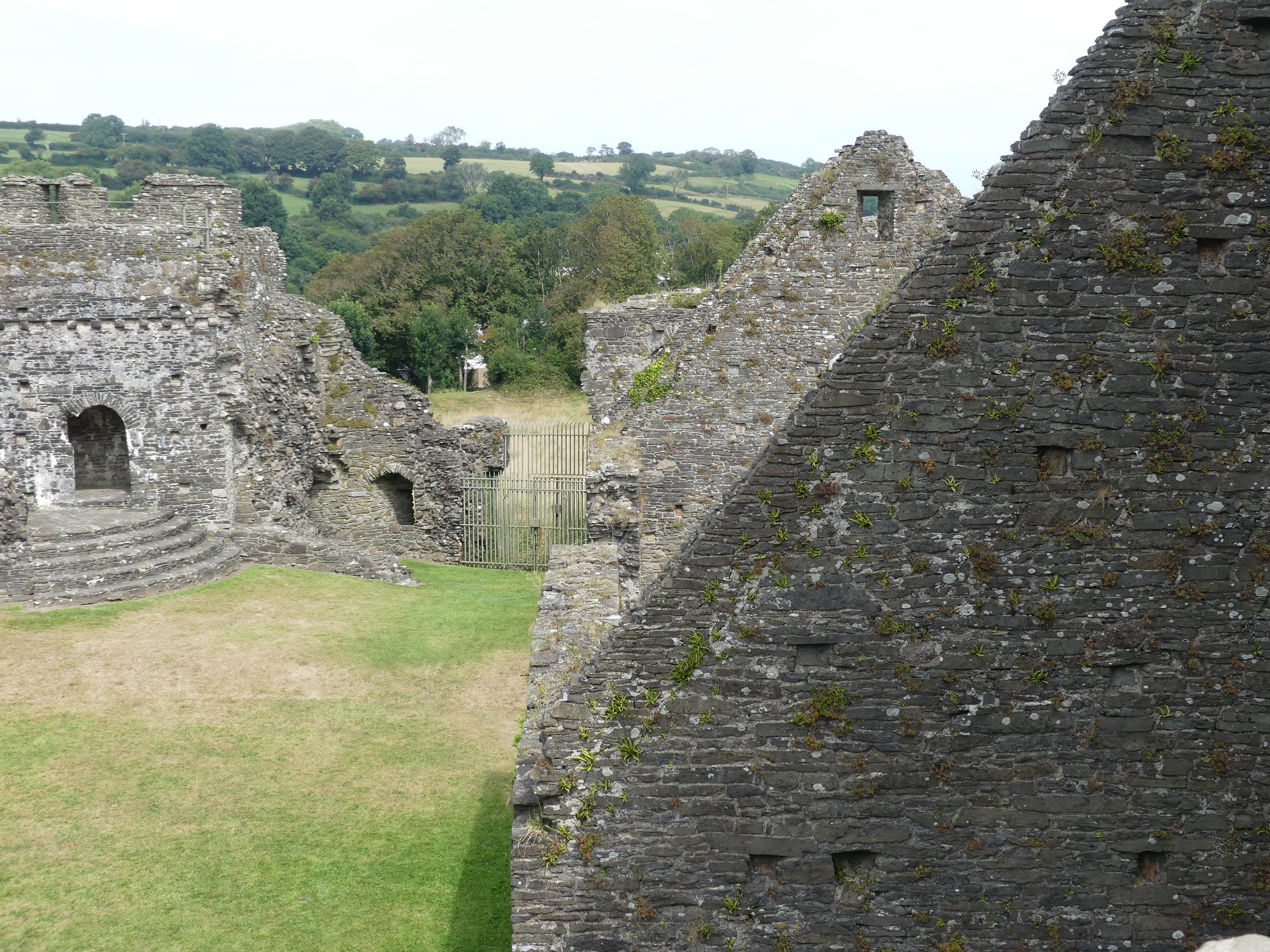
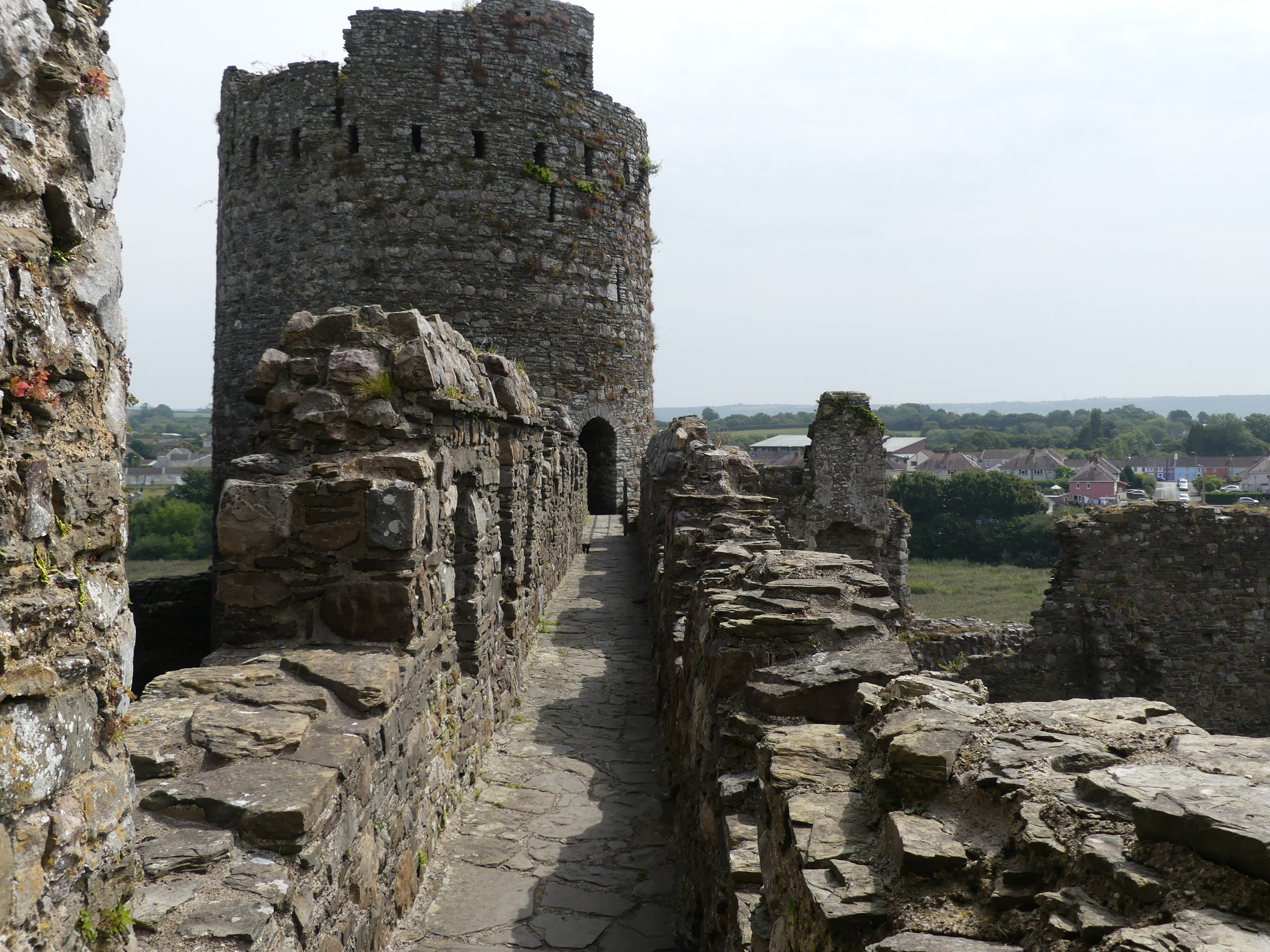
Pembroke Castle is literally around the corner from our accommodation. Kerry had had enough of castles and left me to do what ever I wanted. So I walked around the castle but when arriving at the entrance was daunted by how busy it was and I was feeling that I also had enough of castles. Below is my tour circumnavigating the castle which is the off the High St in Pembroke. The mounted knight is a memorial to William Marshall who served 5 Kings of England. The picture of the barred opening is the former access to the river – you can see this in the picture from 1880.





Our visit to Pembrokeshire was done and dusted so now we move onto Ebbw Vale and the Wye Valley which is towards the centre of Wales. Read on to see what we find in “THE RETIREES GO AROUND THE WORLD – CASTLE PEMBROKE to CRICKHOWELL (Ebbw Vale)”

















 glendon1954