Retirees Go Abroad – Ordinary Lives living in the UK – Winter Wonderland in the Peak District

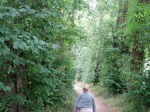
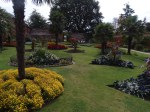
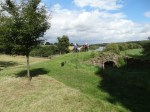
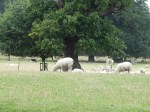
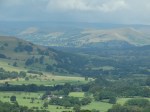
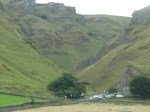
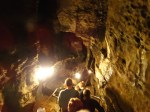
The Peak District is west and north – west of Derby. It is comprised of hills and valleys covered in heather and green during spring, summer and autumn but in winter it is covered in snow. Svein’s wife Diane had visited Kerry in September whilst I had returned to Australia for work and she was so taken by the Peak District that Svein needed to see it for himself.

Now Svein is an artist and lives in the old town of Brugges in Belgium. Painting landscapes is not his style but he has a keen appreciation of nature and it’s beauty. We decided we would visit Matlock then visit Chatsworth House and move onto Buxton and then home. Here in Long Eaton we had seen snow flurries and felt the chilling winds but the snow did not last and fortunately neither did the ice that follows the snow. But it was a different story as soon as we started climbing the rural roads outside Chesterfield to travel to Matlock. Upon arriving in Matlock the temperature had dropped significantly there was slush in the street with black ice and we decided it would be good to visit in spring.

I set Tommy (our gps) for the quickest route to Buxton and we would pick up signs to Chatsworth on the way. However at one point Tommy told us to turn left and clearly that was not going to happen. In front of us there appeared a narrow village street with both sides lined with parked cars both street and cars covered in snow (no snow plough here). Thistle has front wheel drive and after we had travelled about 4 metres, Thistle started to slip and slide up the hill in front of us. We had another 200 metres to go to the top of the hill when I made the decision to slide back down to the intersection and find another road to Chatsworth House. However it was so pretty I was directed to stop for the photo gathers to snap pictures.

We found our way to Chatsworth House under snow. Now I expect Diane will be envious but it cannot be helped. We have been here numerous times but we were still not ready for the Christmas card scene. The house was not open for visitors but the stables were and it was nice to get out for a walk and shelter from the wind. Inside the stables we found the local Peak District Artisans had a display. Fantastic promotion of the artisans and their work which included jewellery, silverware, ceramics, art, furniture photography and textile design. Svein was jealous that there is no similar promotion for the artisans of Brugges.

We moved on to Taddington. As we drove to Buxton through the snow and frozen trees of the Peak District a sign on the edge of the road pronounced “Food – next mile”. Svein was looking for lunch at a country pub and you don’t get much more country that Taddington. So we left the road for the track that led to Taddington and the Queens Arms Hotel.

After parking Thistle in a down – hill position to ensure we could leave we went into the hotel where we were the only patrons. The fire was alight and warm a small space in front of it. Otherwise the bar was as cold as a witch’s elbow. Sitting beside the fire we ordered lunch and it was just what Svein wanted – a large plate with lashings of chips and ale pie. An hour or so went by and still no other patrons came into the pub. I awakened the barmaid sitting prone in front of a two bar electric heater messaging on her phone. As we paid our bill the barmaid announced that the road to Buxton was closed due to snow and we may need to rethink our route.  We decided to risk the journey and set off.

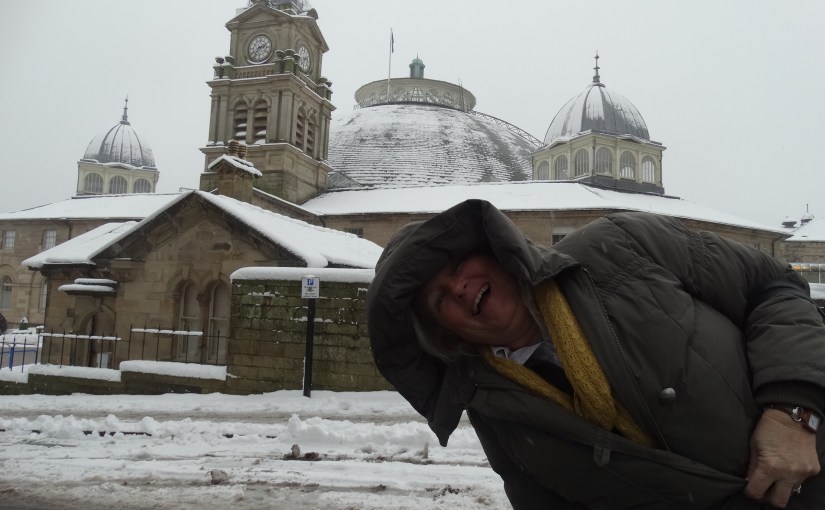
The snow had stopped and we made it safely into Buxton. We had read about the world’s largest unsupported dome being in Buxton. With a diameter of 44 m (144.356 ft), larger than the Pantheon (43 metres (141 ft)) and St Peter’s Basilica 42 m (137.794 ft) in Rome, and St Paul’s Cathedral (34 metres (112 ft))it was created for the 7th Duke of Devonshire between 1780–1789 from the Great Stables formerly part of the Crescent. The Crescent was modelled on Bath’s Royal Crescent along with an irregular octagon and colonnade of the Great Stables. The Dome became the Devonshire Royal Hospital (now the Devonshire Campus of the University of Derby). The record was surpassed by space frame domes such as the Georgia Dome (256 metres (840 ft.). The building and its surrounding Victorian villas are part of the University of Derby.

After a visit to the Dome and a hot chocolate at our favourite chocolate shop we agreed we were cold enough to call it a day and headed home.

Go back

Your message has been sent

Warning
Warning
Warning
Warning

Warning.

The retirees go Abroad – Living ordinary lives in the UK – Royal Crown Derby Porcelain

We have been coming to the UK now for over 6 years and each time we have agreed that we must visit the Royal Crown Derby Porcelain factory. Sounds a bit boring so we managed to skip it time and time again. At this time of the year when very little is open and the weather is cold, we could not escape so on a grey day we tripped over to Derby and the Royal Crown Derby Museum and factory for the tour. The factory is in the inner suburbs of Derby.

“The Royal Crown Derby Porcelain Company is an oldest or second oldest remaining English porcelain manufacturer, based in Derby, England (disputed by Royal Worcester 1751 year of establishment). The company, particularly known for its high-quality bone china, has produced tableware and ornamental items since approximately 1750. It was known as ‘Derby Porcelain’ until 1773, when it became ‘Crown Derby’, the ‘Royal’ being added in 1890. The factory closed down in the past under Royal Doulton ownership, but production was revived under the renewed ownership of Hugh Gibson and Pearson family.” (Wikipedia)

Upon arriving at a plain looking factory we entered into a reception/ Museum. Whilst waiting for the tour to begin we looked around the Museum and as I did not see the sign prohibiting photography I took these shots, so you are very lucky to see this lovely display of porcelain. First thing I spotted was the Zepplin marked service which is the contents of the furnace when the factory was hit by a bomb dropped by a Zepplin in WW1 (there are very few of the pieces still remaining and if you see a piece marked with the Zepplin then it is very rare) Then there is the settings for the SS Olympic and SS Titanic. RCD made the settings and of course had to replace the settings for the Titanic. There are also copies of specific orders for the Royal family, middle-eastern potentates and American millionaires.

In the centre of the museum is a very special piece which was the last photo I snapped before I was informed about the prohibition. We toured the factory and saw everything from the throwing of the clay to the hand painting of special pieces. We even learnt how to distinguish seconds from first pieces. Certainly interesting and worth doing. We then visited the visited the general museum with pieces from 1750 through to the present. It included a special exhibition from a private collector which basically filled a room 15m x 7m. Then as we left there was a special exhibition of vases. So I took some special photos of these very precious vases.

As usual we ended up in the gift shop and noticed that there was a special on certain firsts but just as we started selecting our pieces this other chap started taking the pieces off the table by the armful. It turned out that he is a retailer who grabs all these things for his shop. We got away with our few pieces before he swooped.


The Retirees go Abroad Trent and Erewash Canals


People over here and at home often ask why we chose Long Eaton as our base. Well I think I can safely say Long Eaton chose us. Business brought us here but the diversity, centrality and hidden history of the area have kept us here. The history may not be momentous but it involves ordinary people and the development of life as we know it today.

Take the canal that runs behind our flat. Today it is a recreational waterway and walk connecting with the River Trent and the canal network that criss-crosses the UK. This canal has been my subject earlier so I won’t repeat the history. But once you get to the River Trent, the story just goes on – to Liverpool, Hull just about anywhere.

Here is a series of photographs of our recent walk and a bit of the story around the canals and the people who lived and worked on the canal. On this day we set out along the canal and stopped at the Steamboat for refreshment.

For us our walk of discovery started at the Steamboat now a pub but once serving the canal people.


Beside the Steamboat is the Teahouse. Built in 1783 it still operates today providing tasty food and beverages. Its history includes a lockup. Underneath the shop was a cell used to hold people arrested on the canal. The cell is no longer there but the lock and key from the cell can be seen on the wall in the shop. This shop is crammed with memorabilia from the great days of canal industry.

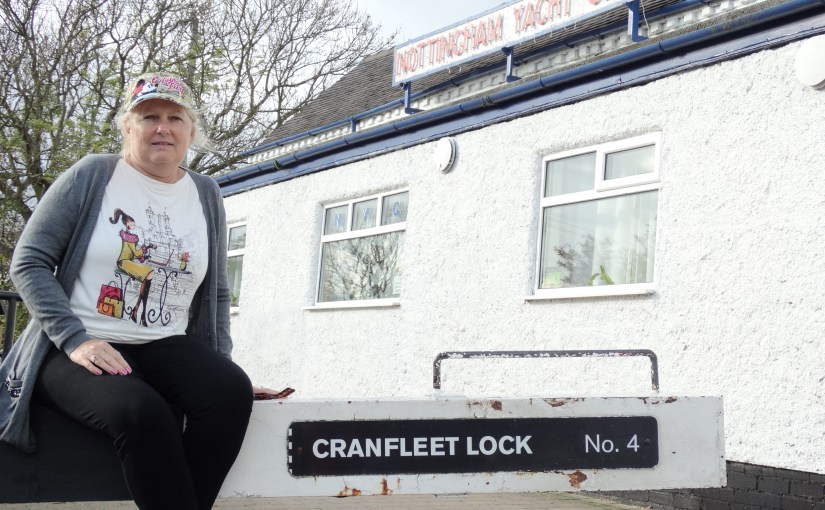
Across the Trent is the boat club and rowing club and in the background the steaming pots of the power station may be seen. We follow the river toward Nottingham. It is possible to walk all the way but not today. After 40minutes we get to Cranfleet Lock; one of the many locks along the Trent and the River Soar. As we sit in the sun a narrow boat arrives to pass through the lock. It is a young family holidaying on the canal and we look and help as they enter the lock, release the water and sink down for the next leg of their journey.

Job done we turn around and walk home – a trip of 90 minutes.

Go back

Your message has been sent

Warning
Warning
Warning
Warning

Warning.

The Retirees go Abroad – Bakewell Derbyshire


We have been fortunate over the years to have good neighbours and the same has happened here in Long Eaton. John and Pam are a retired couple who have lived their whole lives in Nottinghamshire and Derbyshire and know the area well. So when they suggested we go to Bakewell Markets we jumped at the chance.

Bakewell is a small market town and civil parish in the Derbyshire Dales district of Derbyshire, England, well known for the local confection Bakewell Pudding. It is located on the River Wye, about thirteen miles (21 km) southwest of Sheffield, 31 miles (50 km) southeast of Manchester, and 21 miles (34 km) north of Derby; nearby towns include Matlock to the south east, Chesterfield to the east and Buxton to the west northwest. The town is close to Chatsworth House and Haddon Hall.

We drove in Thistle guided by Tommy winding in and out of country lanes. John commented he had never travelled to Bakewell in the direction guided by Tommy so he guided us home. You have to wonder what goes on in a GPS sometimes because John’s directions were far more straight forward.

Anyway we had a pleasant drive and visited a “chocolate box” village. When parking John and Pam were surprised at how close we were to the village (we had made an early start). When it came time to go home the car park was full and where we had parked 7 or 8 rows from the Cattle Hall cars were now parked 30 or more rows from the Cattle Hall.

After walking past the cattle sales we crossed a small stone bridge and I got very excited to see a good size trout in the crystal clear water. We proceeded further to cross a second larger stone bridge beside a weir. As we crossed Kerry noticed that there were hundreds of padlocks of various kinds and sizes attached to the rails on the bridge. These are known as “love locks” attached over water to represent eternal love between lovers. However I was more interested in a grey crane wading in the river and tens of these trout lazing in the current all around two kilos in size. John identified them as brown trout and very delicious.

We proceeded on into the market stalls which crawled through the village. Everything from farm products to craft and some “antiques”. We stopped for a cup of coffee and purchased Bakewell Puddings to sample. Very sweet and greasy.

After about 1 hour we had seen the markets and the village had a cup of coffee and it was time to go home. So we wound through the markets where a very Muslim looking vendor charmed Kerry to purchase some new bath towels. John was greatly amused saying that this chap was a fixture at the markets and was always putting on a show to make a sale.

Anyway I hope you enjoy the pictures.

Tudor Halls – Sudbury Hall Sudbury Derbyshire

August 22, 2014
Tudor Halls – Sudbury Hall Sudbury Derbyshire

As we leave Calke Abbey we realise we have not had lunch so we decide that we would go to Sudbury Hall 30 mins away as there was likely to be a pub open in a larger village. Well of course when we get to Sudbury and visit the Vernon Arms there the kitchen closed 30 mins beforehand. No time to lose we thought we would go to the Hall and its café.

This hall is one of the finest restoration mansions as opposed to the stabilised decline we had just seen at Calke Abbey. In the 16th century there was a marriage between the heiress to the Sudbury estate and Sir John Vernon. This house was then built by George Vernon between 1660 and 1680 and is noted for its grand staircase (strangely not located in the centre of the hall but at one end (the west I guess as an east wing was built on the other end by later owners toward the end of the 19th century). It also is noted for its Long Gallery with portraits of various people but particularly Charles II’s mistresses (one cheeky one had a wardrobe mal-function whilst sitting for the portrait – cover up that nipple) and its grand wood carvings and murals. It is worth a visit to http://www.nationaltrust.org.uk/sudbury.
We were a bit rushed so my photos may not do it justice.
• The grand staircase – note the mural on the ceiling of the staircase
• One of the drawing rooms – note all the scroll work and the murals – the scroll work is hand carved.
• The Long Gallery – typical of Tudor Houses to show off the family (I did not take a picture of the lady with the wardrobe malfunction out of modesty)
• The Vernon Arms – kitchen closed
• The Sudbury Hall kitchen pet
• A view of a part of the garden – who would be so anal to plant every tree in rows

The Unstately Home and Country Estate

August 22, 2014

The Unstately Home and Country Estate

It is a dull old day in Long Eaton. So we pick up the National Trust book for ideas of places to go. Didn’t I tell you when we visited Stowe House that we joined the National Trust? There is just so much but a lot seems to be the same. Calke Abbey stood out because it was close and it appeared different because it had been restored but not renovated. We also have to collect some parcels from home from UPS but Kerry has not been able to find the UPS station to collect her parcels. With these two objectives in mind we set off.

We find the UPS station very quickly – it is disguised as a corner store with a very small sign that it is also the UPS station for Long Eaton. That puzzle solved we set off into the country side and within 30 minutes arrive at Calke Abbey. We are greeted by sheep and cattle and to my surprise dozens of vehicles with locals visiting for the day.

Calke had been founded as an Abbey just before 1100AD and given to England’s first Augustinian order whom formed the Priory. In 1129AD the Abbott of Chester seized the Priory until he was told to hand it back by the Arch Bishop of Canterbury. St Giles Church which still stands on the site today was founded in 1160AD survived the rages of Henry VIII and his Parliamentary commissioners (which the Priory did not and was destroyed) until 1834 when it became a private manorial chapel until acquired by the National Trust with the manor house in 1984 due to the family being unable to pay the 8 million pounds in death duties. The bell tower contains one of the earlier bells from the 14th century made at Leicester by Newcombe Bell-founders (source National Trust).

The church is still consecrated and holds occasional services, weddings and the like. The first family home appears to have been built in Tudor style by Roger and Richard Wendsley (1573 to 1585) until purchased by First Baronet Sir Henry Harpur in 1622 (the family had become wealthy from Richard who in the previous century had been Justice of the Court of Common Pleas at Westminster and later Chief Justice of the County Palatine of Lancaster and through marriage acquired other estates in Derbyshire and Staffordshire). The house was rebuilt by the 4th Baronet Sir John Harpur around the Tudor Home. The house remained in the family for 6 more Barons with Sir Vauncey Harpur-Crewe (the 10th Baronet) being the last. The last few Barons became very reclusive being educated raised and living exclusively within the grounds of the estate (source Wikipedia and the tour guide/volunteer from the National Trust).

The guide showed us through the house which has been intentionally displayed in the state of decline in which it was handed to the Trust. The Trust has located and interviewed a surviving member of the family who lives in the US and still has rights to reside in a flat within the house and two of the former staff. At the turn of the century there were still 26 household staff and 11 ground keepers, and a pony mower. We were shown both sides the lords side and the staff side and given free rein in the estate. I’ll let the phots tell the rest of the story:

  • The Stables – there is a large stable building which now houses shop café toilets and exhibits including a play area for kids
  • The house – is looking very sad and the front has lost its grand entrance stair case
  • The drawing room – the later barons were naturalists (shot and stuffed anything they could find) and mounted or encased it in this room
  • The letter box – the last baron was so withdrawn he would write letters to the staff rather than talk to them, the butler would clear the box each day and deliver the correspondence/instructions
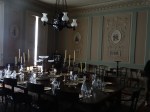
  • The dining room – a show of wealth
  • The Butler’s Pantry – includes a dumb waiter for the meals from the kitchen and the footman (who we heard via an audio interview) slept in that room
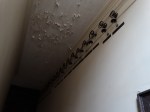
  • The service bells – a bell for each household servant – here is one wall of the bells there were two others (the number of servants declined over the years)
  • The bed – a gift from Elizabeth I on the marriage of Sir John – apparently never slept in and so unique it has been displayed around the world
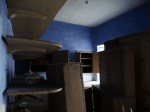
  • The kitchen and the pastry rooms – note the decay – these rooms were closed up in 1922. Note the colours yellow (lime wash and pigs urine – disinfectant effect) and the blue (apparently repelled flies from the pastry)
  • The servants dining room – just a little dampness problem
  • The walk to the church
  • The church
  • The gardens – this is a minute sample
  • The ice house – the servants cut ice form the river in winter and filled these chambers to provide ice throughout the year
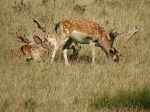
  • The sheep and the deer

For more information on Calke Abbey see www.nationaltrust.org.uk/calke


Go back

Your message has been sent

Warning
Warning
Warning
Warning

Warning.

Peaks district – Blue John Cavern and the Chestnut Centre

August 14, 2014
Peaks district – Blue John Cavern and the Chestnut Centre
Sunrise Thursday the weather looks clear and cool but the TV forecasts rain for everywhere else in Britain. Therefore a good time to visit the Peaks District. This is about 1 hour 15 mins north-west of Long Eaton by car travelling out through Chesterfield. We have two objectives the Blue John Cavern and the Chestnut Centre both near the village of Chapel en le Frith (Yes we are still in the UK but in the 12th century when this used to be royal hunting forest King Stephen established the chapel and from there grew the town. These royals of course were Normans and spoke French not Saxon so it became known as the Chapel in the Forest or Chapel en le Frith).
The drive was trouble free and when we started to climb the hills the scenery changed dramatically. Suddenly the hills were the colour purple with heather flowering everywhere. We stopped by a public walkway (these paths are all over the UK allowing the public to walk across most open fields and hills) and took the photos below. Tres pretty and this is where we got the first inkling that cool really meant very cool. We continued the drive and the scenery just got more and more picturesque. It is hard to pull over to take photos so I just snapped them from inside the car. I also took a video which I am not sure if I can put into my blog but I will try. It will give you some idea of the extraordinary beauty of this region.
We came into the Blue John cavern region through Castletown and to access the cavern we had to travel through this pass in the hills which looked like a giant sword strike in the hills (see photos below). As we travelled up the crag sheep hung precariously off the slopes grazing but I wondered how many had become road kill over time – how they hung on I don’t know. Once we reached the top and made our way to the turnoff to the cavern another extraordinary vista opened before us. Just pretty country.
The cavern looked pretty tired. The visitors centre looked more like a military bunker and the entrance to the cavern looked like a cell. It did not help that we were dressed for a summer day and it felt like the middle of a Brisbane winter day. Even in the cavern it felt like a fridge.
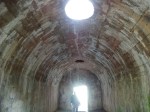
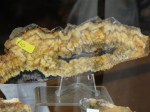
Blue John (or as the nobles of the 17th century referred to it “Bleu et Juene” [French was still the language of the nobility] – hence the locals misinterpreted it as Blue John) is a semi-precious fluor-spar mineral formed in the limestone and mined for the last 300 years. It is the only hill in the world where this mineral can be found so the clever miners have reduced production to simply top up use of the product annually thereby holding its value as a semi-precious mineral. I have included some of our photos going through the cavern and some of the veins of the mineral and the entrance to the current cavern where the commercial deposits can be mined (not allowed in there). I have also taken a photo of a yellow stone/deposit in the gift store window as there was none of that evident in the cavern.
After surfacing from the cavern we travelled on to the Chestnut Centre (Otter Owl and wildlife-park). We stopped for a coffee from our new flask courtesy of our friendly bus driver Robert and then ventured into the park. We arrived at feed time for some of the animals. We saw a martin, some European polecats (looked very much like the martin) various owls from little ones to big ones and otters from little ones to big ones. Kerry was put off that they were feeding them dead day old chicks but none of the kids seemed the least bit worried. I have given you a variety of pictures below. As we arrived at the Giant Otter pen it started to rain and rain and rain so we made our way back to the visitors centre but on the way stopped under a tree to watch the deer being feed hence the rain drops on the lens.
It was time we were fed. So we decided to shout ourselves lunch instead of the boiled eggs we had planned to eat. We found the Roebuck Pub in Chapel en le Frith in the ancient part of the town (the pub had been there in some form since the 12th century and the food tasted like it was from that epoc). Rested and fed we travelled home via Ikea town where Kerry solved a problem with the curtains in our bedroom – bought new curtains. So ended another successful adventure.
I have attached photos of:
• the heather over the hills
• views of the picturesque country side
• the gorge and the visitors centre
• the trip down the cavern
• “blue john” in the face of the wall and cut and polished and
• The pole martin and his friends at the Chestnut Centre.


Go back

Your message has been sent

Warning
Warning
Warning
Warning

Warning.

Derby – the industrial city

August 11 2014

Derby

We have been redecorating the flat now for almost a week (repainting and replacing some of the worn out and broken furniture – 6 years of tenants) and whilst we are within sight of finishing we decided it was time for a break (and to acquire some further bits and pieces to finish off). Close by Long Eaton is the city of Derby and Westfield has constructed a large shopping centre just on the fringe of the CBD. So it is a little bit of home I suppose but there is parking and on a rainy day you are warm and dry.

Derby has quite a history. It is both a city (approx. 250,000 people as at 2011 census) and the name of the county in which it is located. It is the home of the Industrial revolution with the first mechanised factory in the world having been constructed there in 1721. The entrepreneur was a fellow named John Lombe (died 6 years later rumoured to have been poisoned by an Italian “Mata Hari”) who was one of the first industrial spys in the world taking technology from Italy for the spinning of silk and patenting the process in the UK and thereby breaking the China/Italy strangle hold on silk. The remnants of his factory remain today as Derby’s Industry Museum.

Derby is the home of Rolls Royce but many of the industrial engineering industries for which Derby became famous have closed. Royal Crown Derby makers of fine bone china has gone through a metamorphosis to emerge as a specialist manufacturer of porcelain and bone china.

There is evidence of Roman settlement and later Anglo Saxon records of a settlement that has grown into Derby. The origin of the town name could be Anglo Saxon (Djura-by), Roman (Dervinto) or Danish (deor)

.

In the Civil War (Cromwell times 1642 – 1646) Derby had a turbulent history but was on the side of Parliament against the Royalist Armies but 100 hundred years later it played host to Bonnie Prince Charlie where he planned his assault on London to regain the throne of England for the Stuarts. As you all know Charlie backed away from the fight and faced his “Waterloo” at Culloden in 1746, which saw the House of Hanover replace the House of Stuart on the thrones of England Scotland Wales and Ireland. (I will have a little more about Cromwell and his connection with Long Eaton/Attenborough later on).

Derby is built upon the Derwent River and many mills were establish in the Derwent Valley to make use of the water power generated by the river. There is a whole system of mills along the valley but the most interesting to us was the mill at Darley Abbey. We have not made it to the Abbey this time but when we do I will show you all that remains of the 12th century abbey and the industrial weir providing the power for the mills along the Derwent.

In the photos following you will see

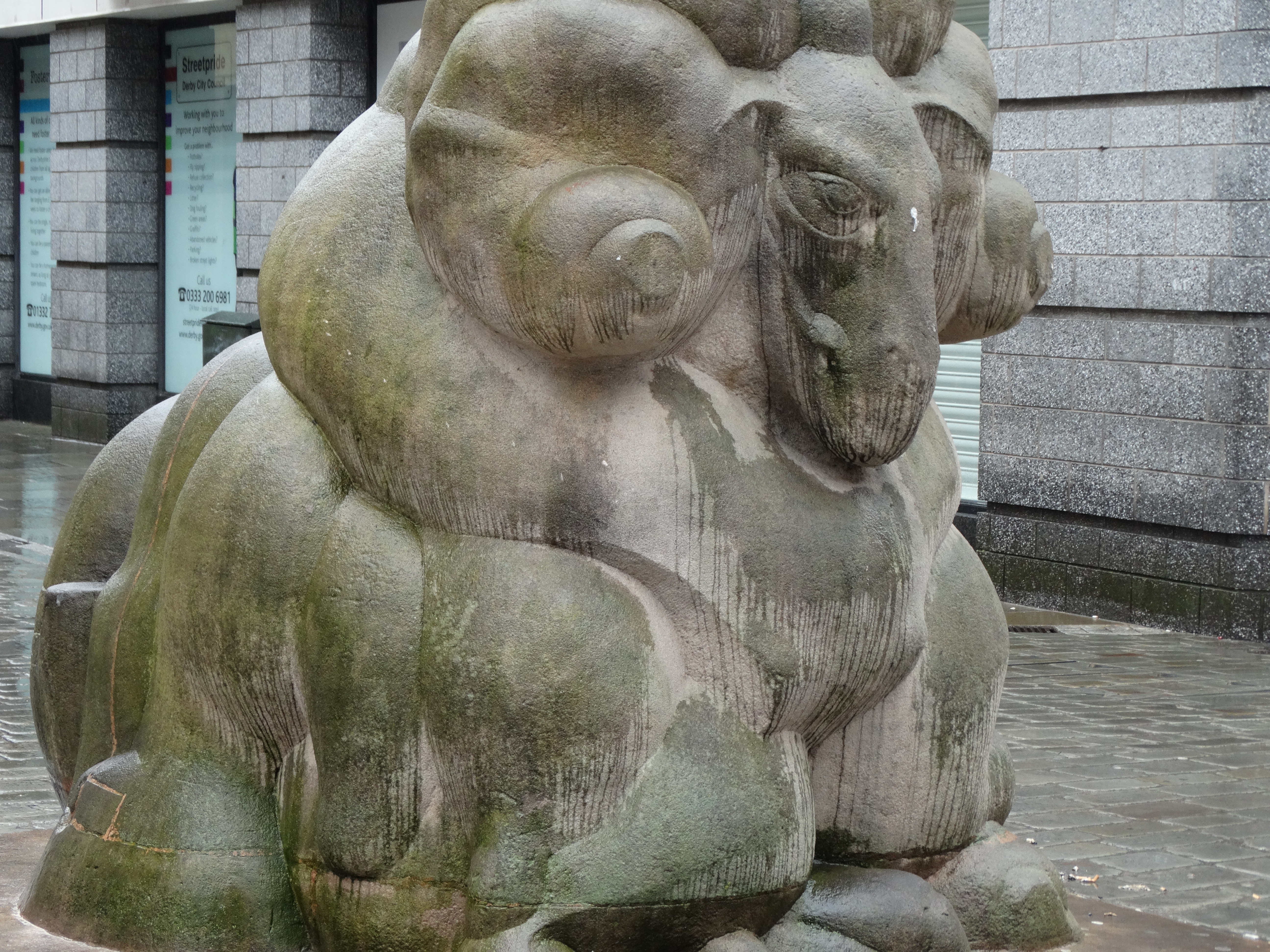
• the symbol of Derby the Ram located in the Mall,

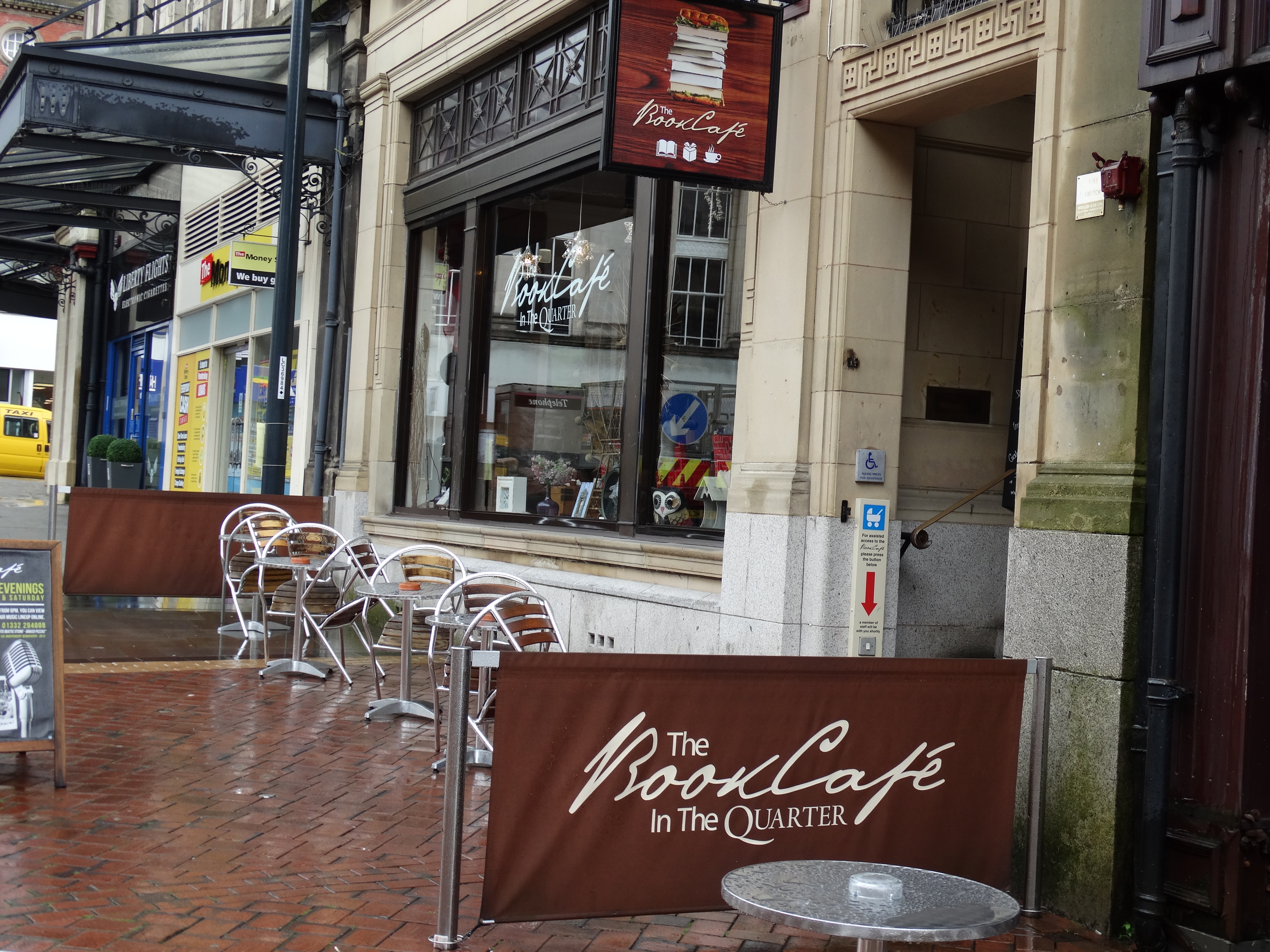
• the Book Café (the home of the largest scones known to man) – we stopped for a cuppa and I had an enormous cheese scone and Kerry a sultana scone; the premises were so popular it seemed no one was able to walk past it without coming in,

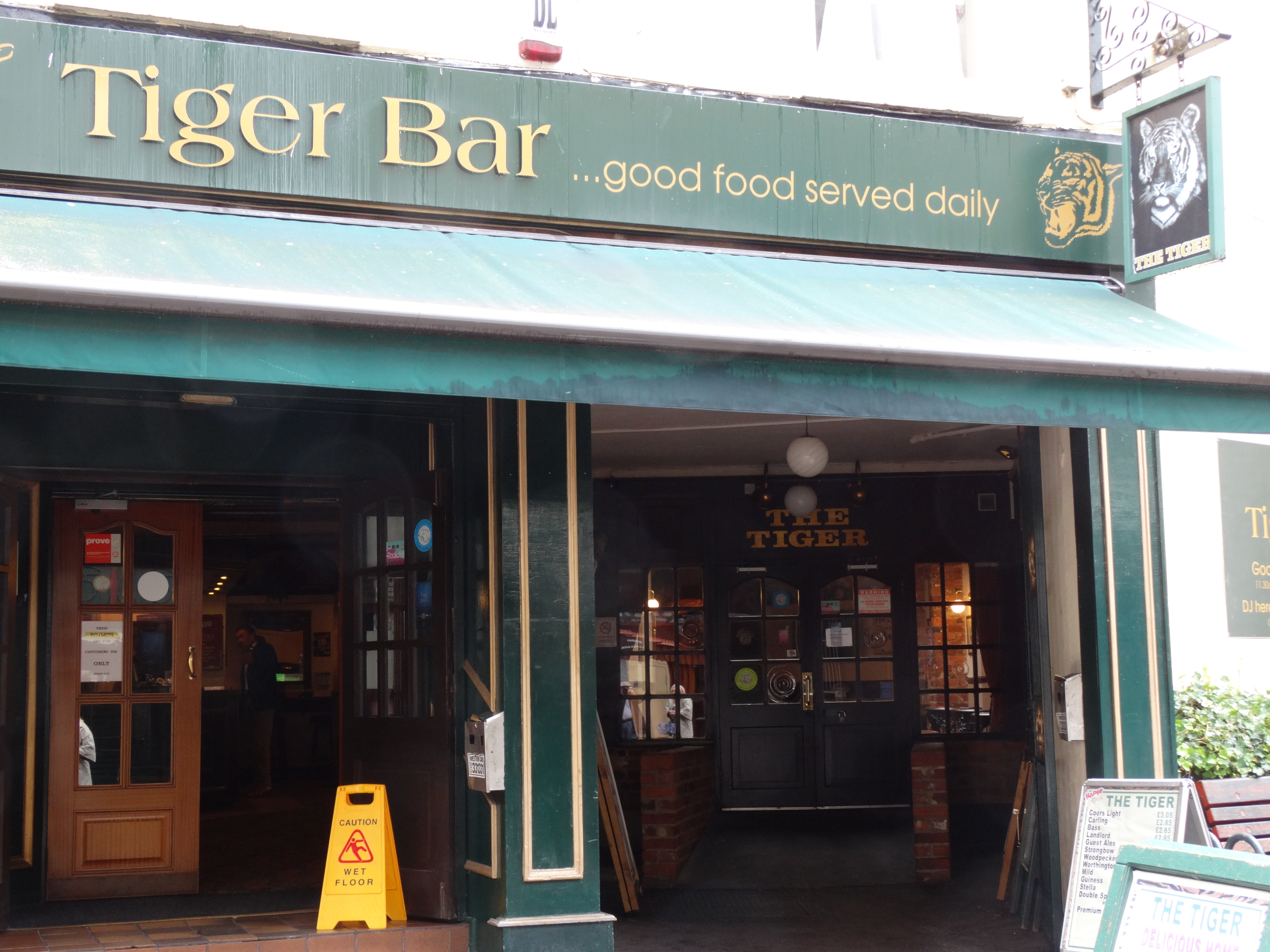
• the Tiger Bar (a pub which is built over the entrance to the Derby Catacombs – regular ghost tours are conducted where the tourists disappear into a trap door in the floor of the dining room in the bar and reappear later) – we may return for the ghost tour ourselves,

• Derby Cathedral dating from the 12th century and where Bess of Hardwick (a famous identity from Elizabeth I’s reign, one of the wives of the Lord Cavendish and she starting as a 15 year old had 4 husbands and 11 children herself [the family are now the Duke of Devon and much of the privately owned land in London belongs to this family] and gaoler of Mary Queen of Scots) is buried along with all the family members since the 17th century

• Bonnie Prince Charlie on his horse to commemorate his plotting at Derby,

• the Old Silk Mill Pub (no connection with the original factory other than it is close by)

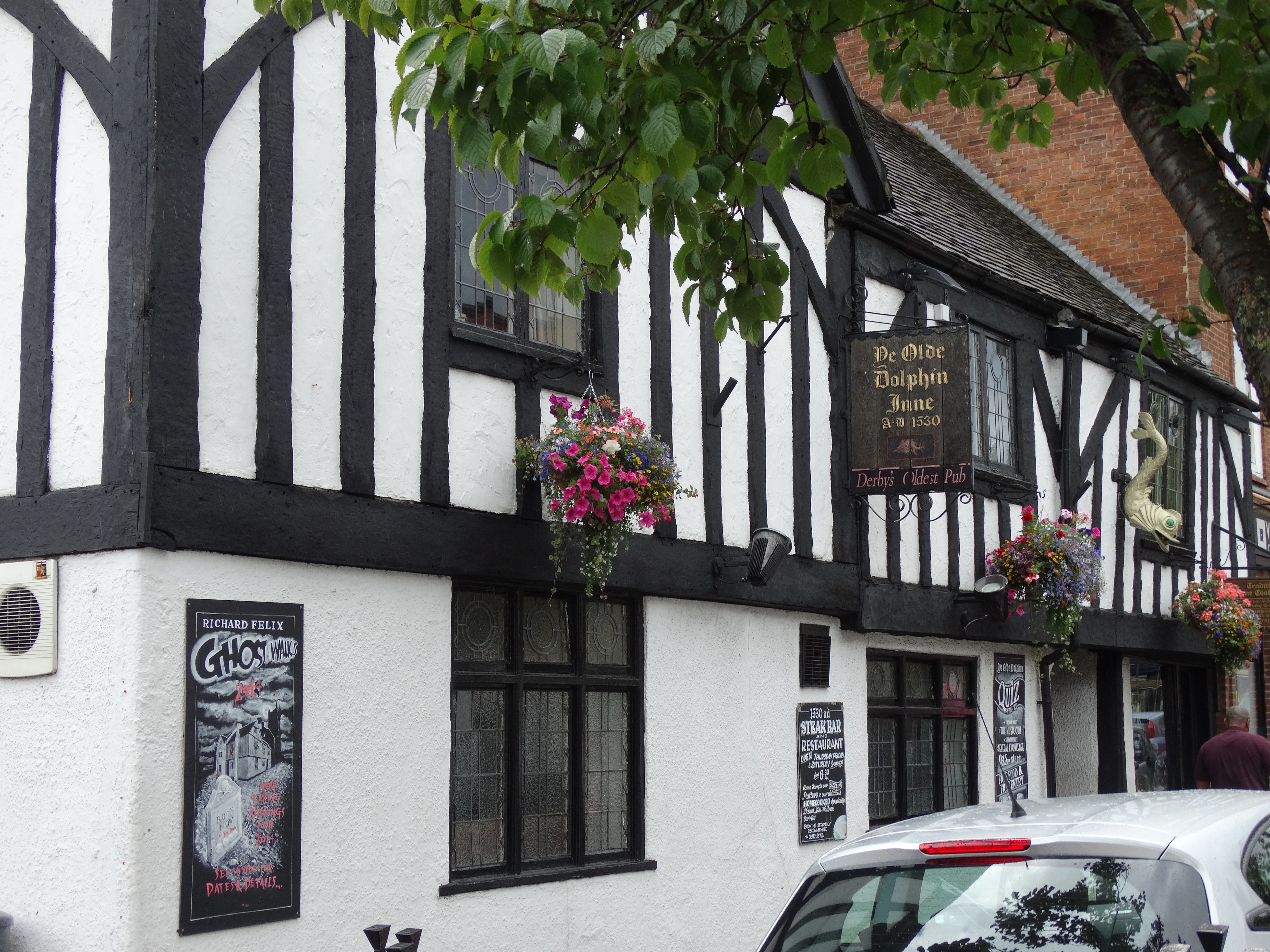
• Derby’s oldest pub Ye Old Dolphin,

• the catholic monolith St Mary’s (it replaced an older church destroyed by Henry VIII)

• the remnants of the first industrial factory (the Silk Factory) now the Derby Museum of Industry

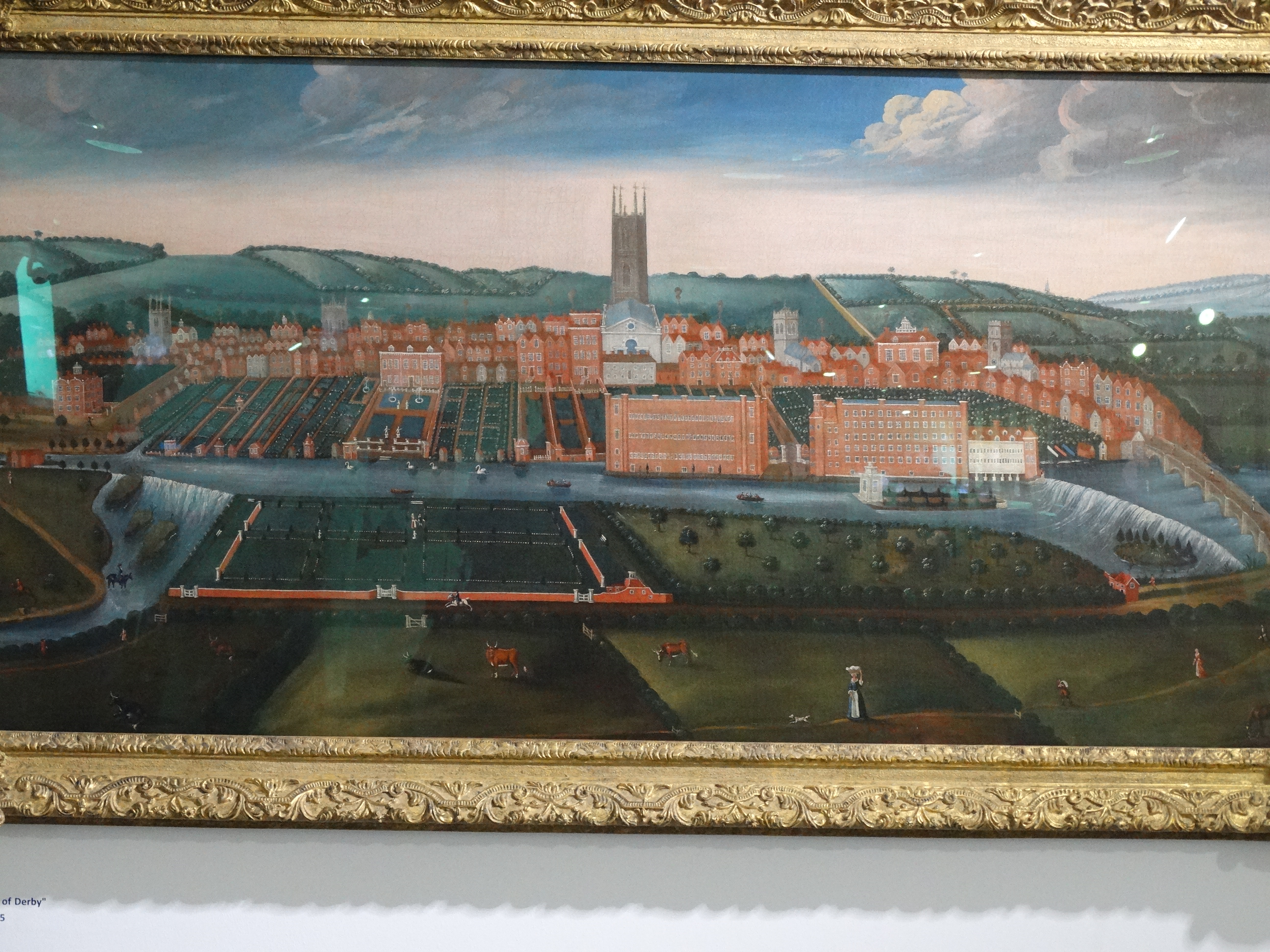
• a painting by an unknown (and not very good) artist of Derby showing the Silk Factory, Exeter House and the town of Derby circa 1725 – they purchased this from an auction because it is the only record they have showing what the town and factory looked like and it shows Exeter House where Charlie and his co-conspirators met – this was later used to entertain visiting industrialist checking out the factory

• a 3D printer in action at the museum – we saw it produce a whistle which worked and two feathers usable as book marks – amazing to see an image turned into a solid, and we saw kinetic sand which is remarkable because it only sticks to itself and therefore is perfect for model making

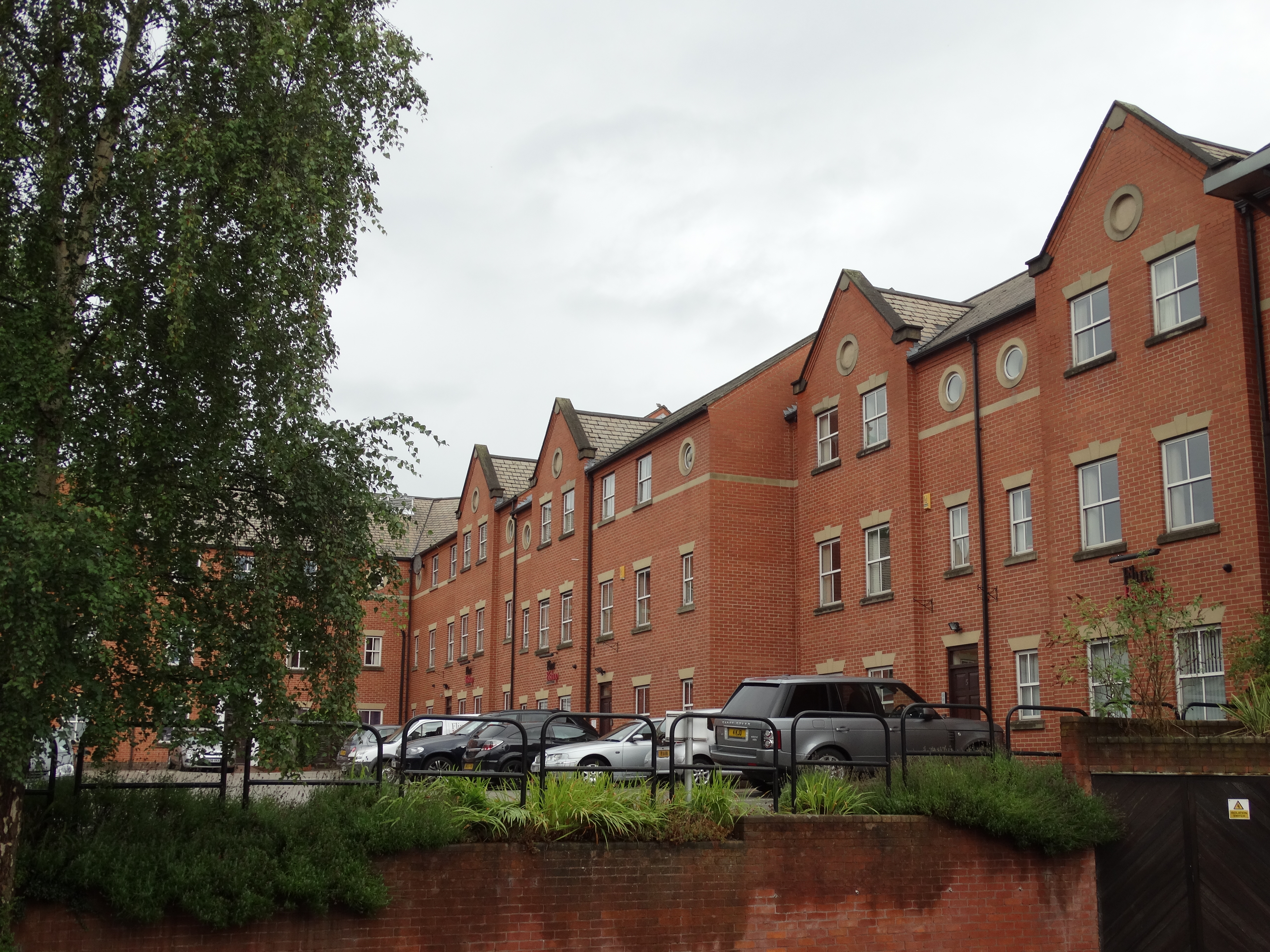
• remarkable premises of a local law firm “Flint Bishop” occupying this whole building – have a look at their website they have people for just about every letter of the alphabet

the Ramthe Book Cafethe Tiger BarDerby CathedralBonnie Prince Charliethe Silk Mill HotelYe Olde Dolphinthe Silk Factory18th century Derby 3D printerFlint Bishop offices DerbyThe Abbey - the remenants of the Darley AbbeyWhat a place of worship - The Abbey

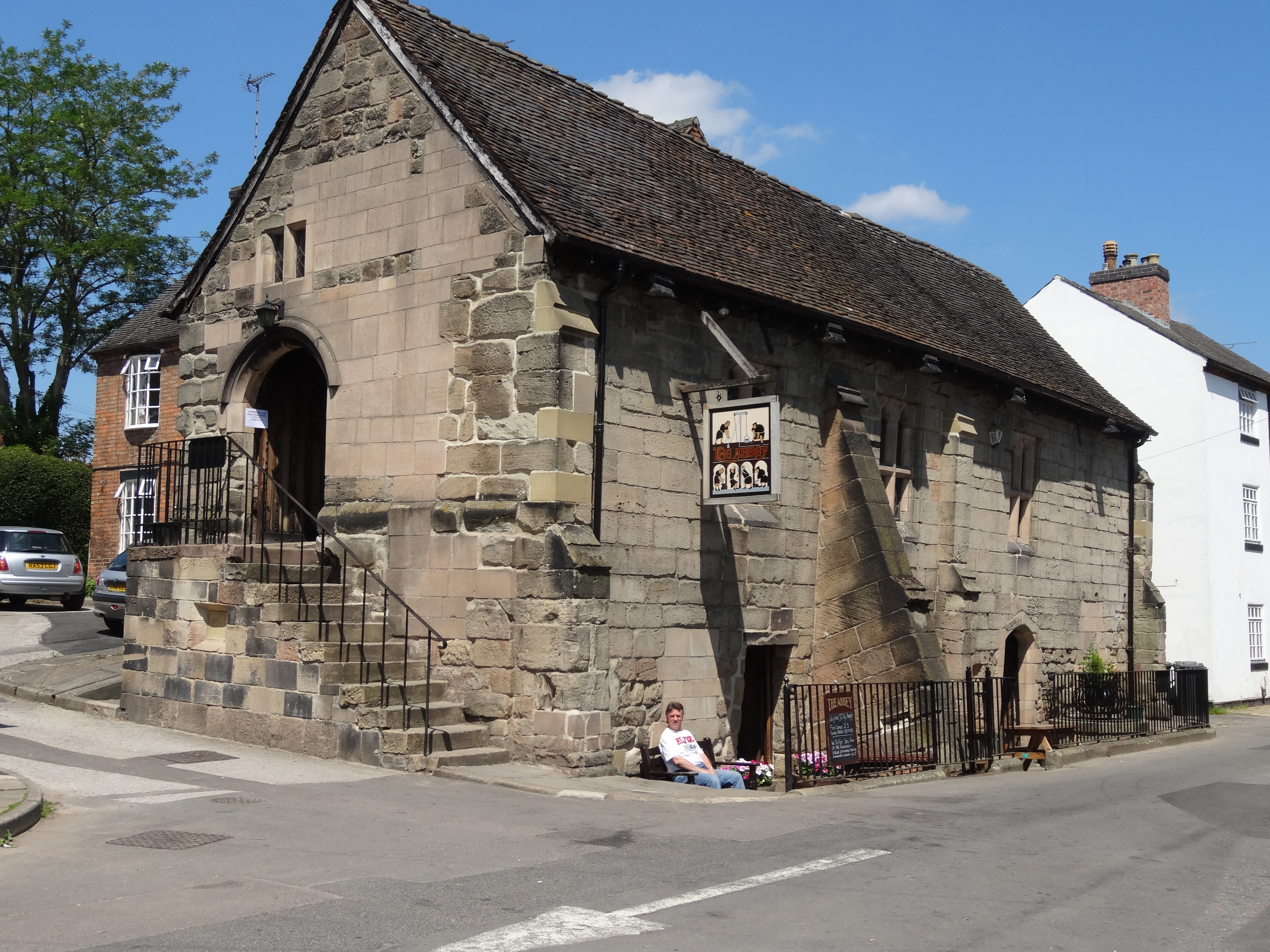
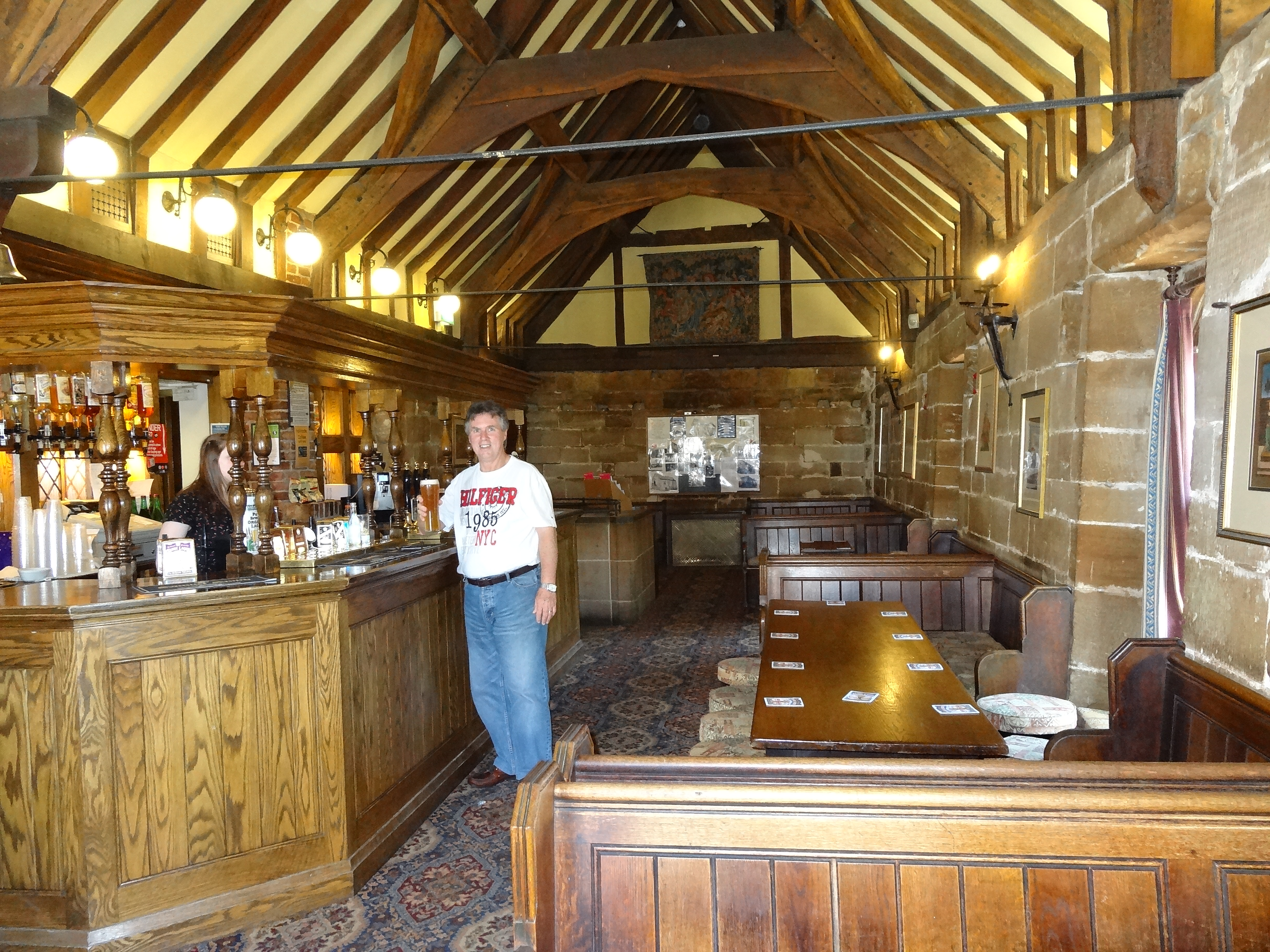
I have also included some older photos of Darley Abbey from previous visits. All that remains of the Abbey is a former church turned into a pub. Somewhat of a miracle turning water into wine women and song.

Go back

Your message has been sent

Warning
Warning
Warning
Warning

Warning.

Long Eaton Nottinghamshire/Derbyshire

Date August 5
Long Eaton Nottinghamshire/Derbyshire
Long Eaton is a town in Derbyshire but lies just north of the River Trent about 7 miles south-west of Nottingham and is part of the Nottingham urban area but not part of the city itself. Long Eaton is referred to in the Doomsday Book as Aitone and is located at the lowest bridging point of the River Erewash. In 1228 the town gained the “Long” prefix due to the length of the town. In 1694 “the Great Fire of Long Eaton” destroyed 14 houses and several other buildings. The town developed around lace making with many old lace factories abandoned or converted in the town. It also had a railway wagon industry. (Source Wikipedia)
These industries were probably the influence for the construction of the Erewash canal which runs immediately behind our flat building.
One of the notable buildings in town is the Parish Church of St Laurence which local tradition dates from the 11th century (built by King Cnut) but it is more likely 12th century Norman. It is now overlooked by the eyesore Tesco Extra behemoth. There is some surprising architecture in town including the old Glitter and Dance UK headquarters at Harrington Mill built in 1885 with one and a quarter million bricks and is 167 meters long. There is also some pretty ordinary architecture from the 60’s and 70’s.

Our flat is in an old mill converted to the use and has retained its original chimney.

Photo of the building, entrance gates and chimney along with

• St Laurence Parish Church,
• The monstrosity Tesco store,
• Its companion ASDA,
• The old cinema showing some of the more acceptable 60’s architecture,
• The beautiful flower beds in the Main St,

• the High St which has been decimated by Tescoe and ASDA

• Market St/Tamworth Rd

DSC00082 DSC00077 DSC00076 DSC00073DSC00071


DSC00069DSC00089DSC00070

Go back

Your message has been sent

Warning
Warning
Warning
Warning

Warning.