
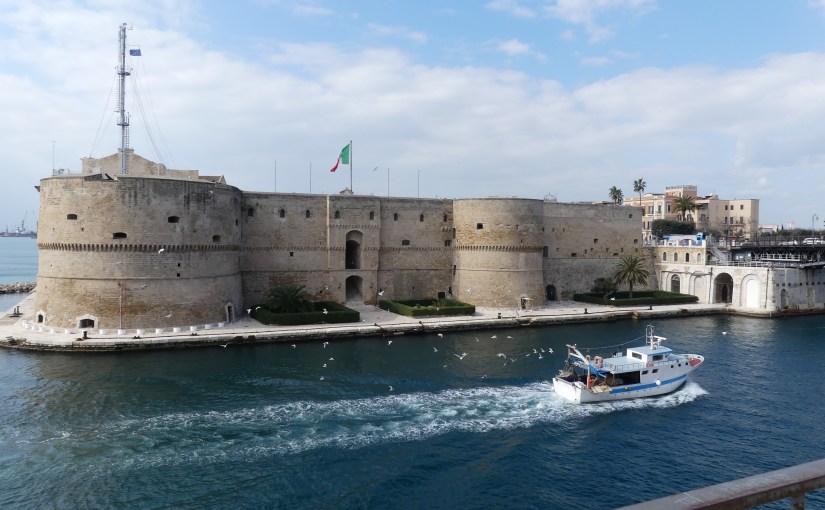
TARANTO
Another town I had not anticipated visiting. Taranto is much further south than we planned traveling. It is a coastal city in Apulia, southern Italy. It is the capital of the province of Taranto, serving as an important commercial port as well as the main Italian naval base. Founded by Spartans in the 8th century BC during the period of Greek colonization – good to see the Spartans had finished fighting long enough to do something positive.
This was a longer journey and moved us out of the coastal areas of the Adriatic Sea to cross some long flat plains into an industrialized centre on the Mediterranean Sea.

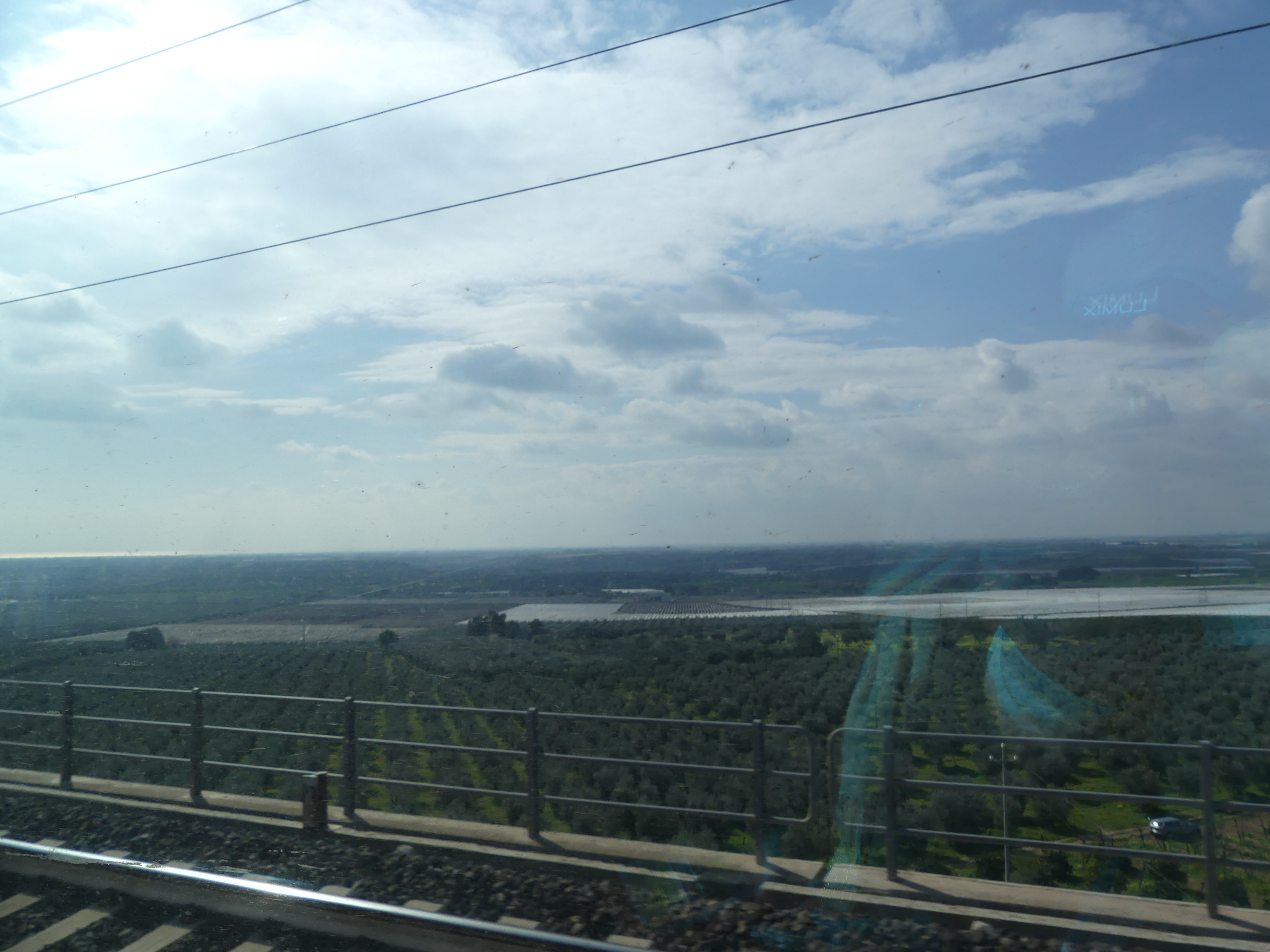
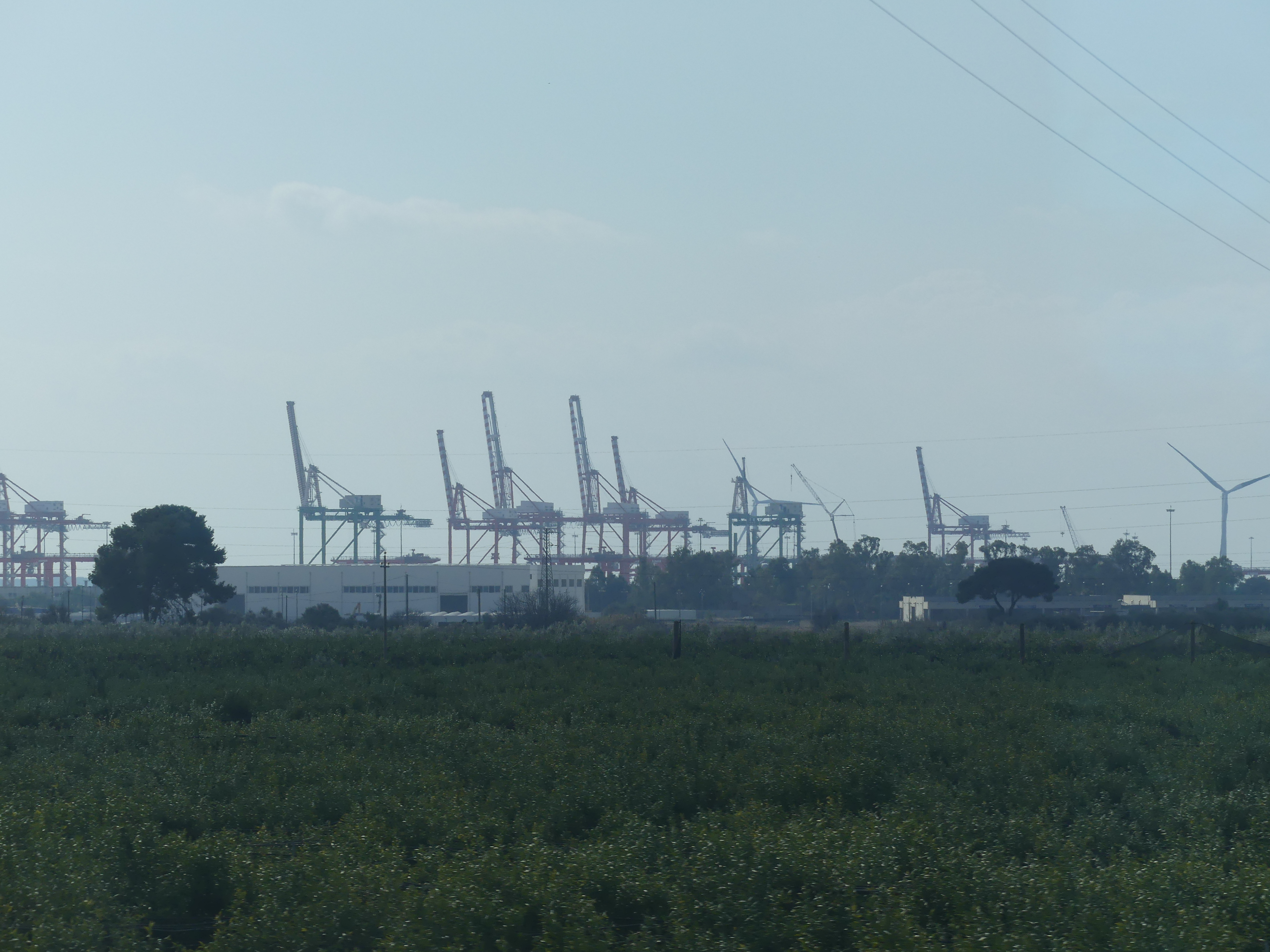


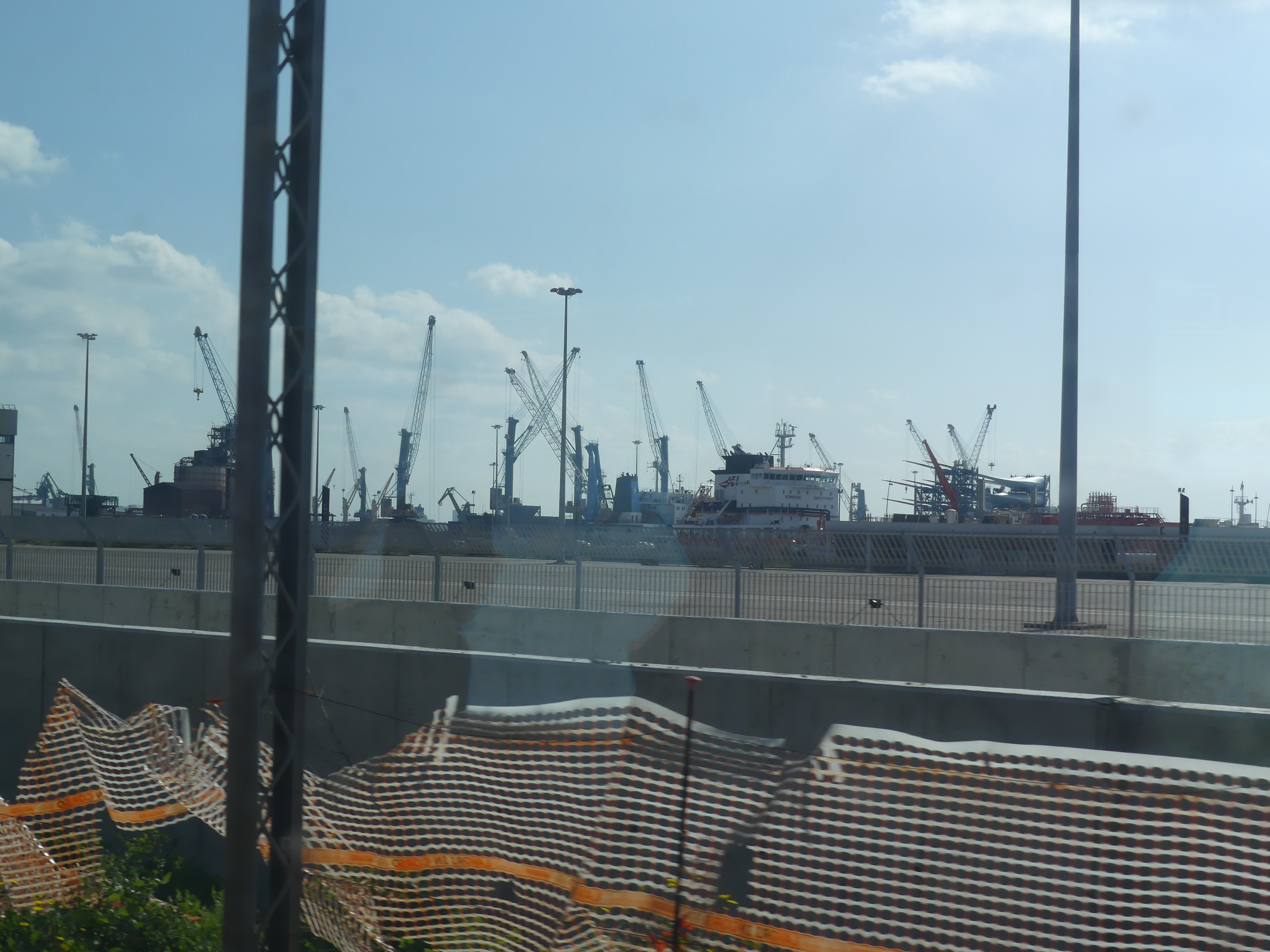

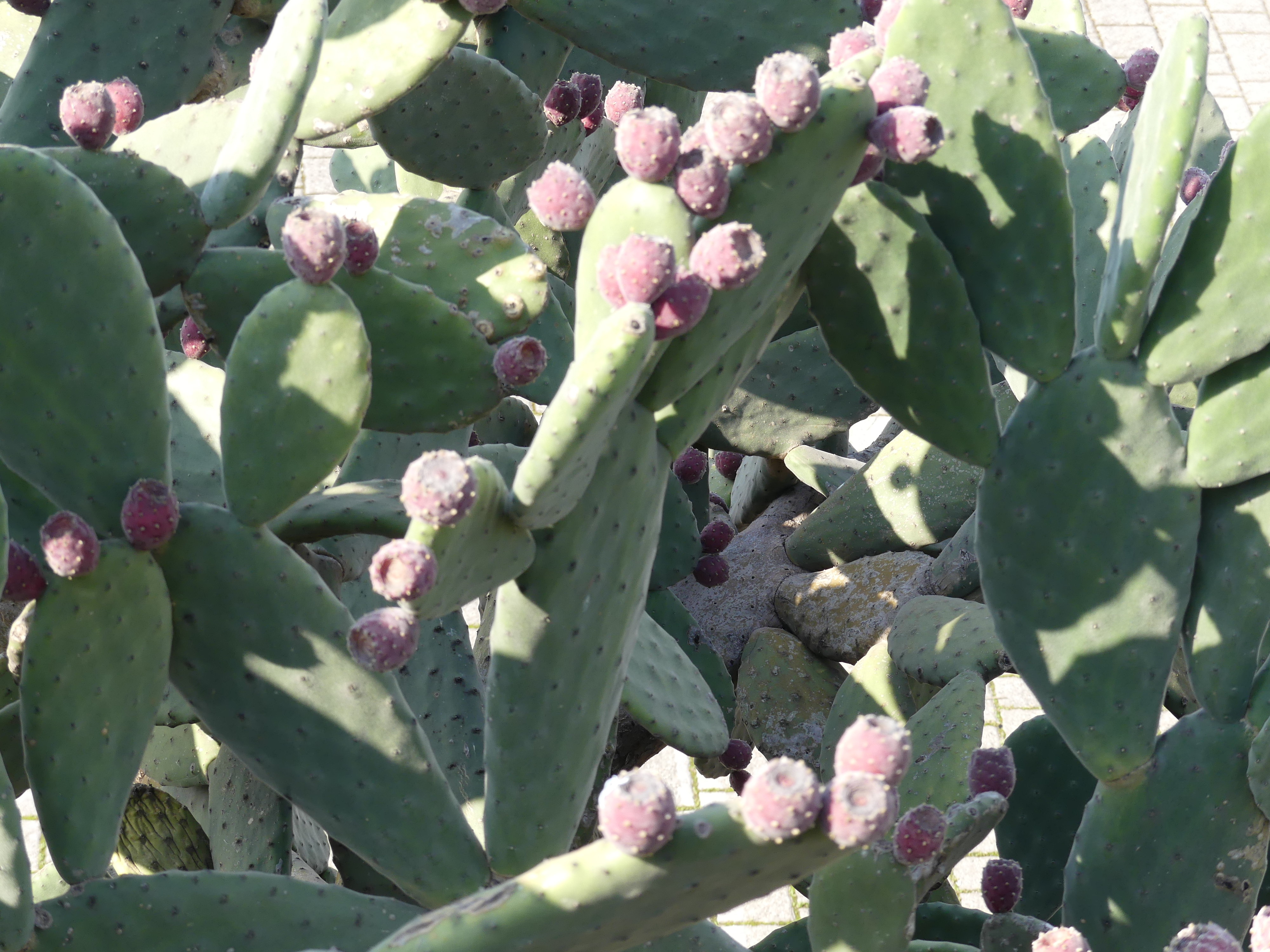
The walk from the station to the old town was also longer than other towns. Taranto was clearly a much larger town. To get to the old town we had to cross a substantial bridge. Cactus seemed to be a popular roadside plant and was coming into flower.

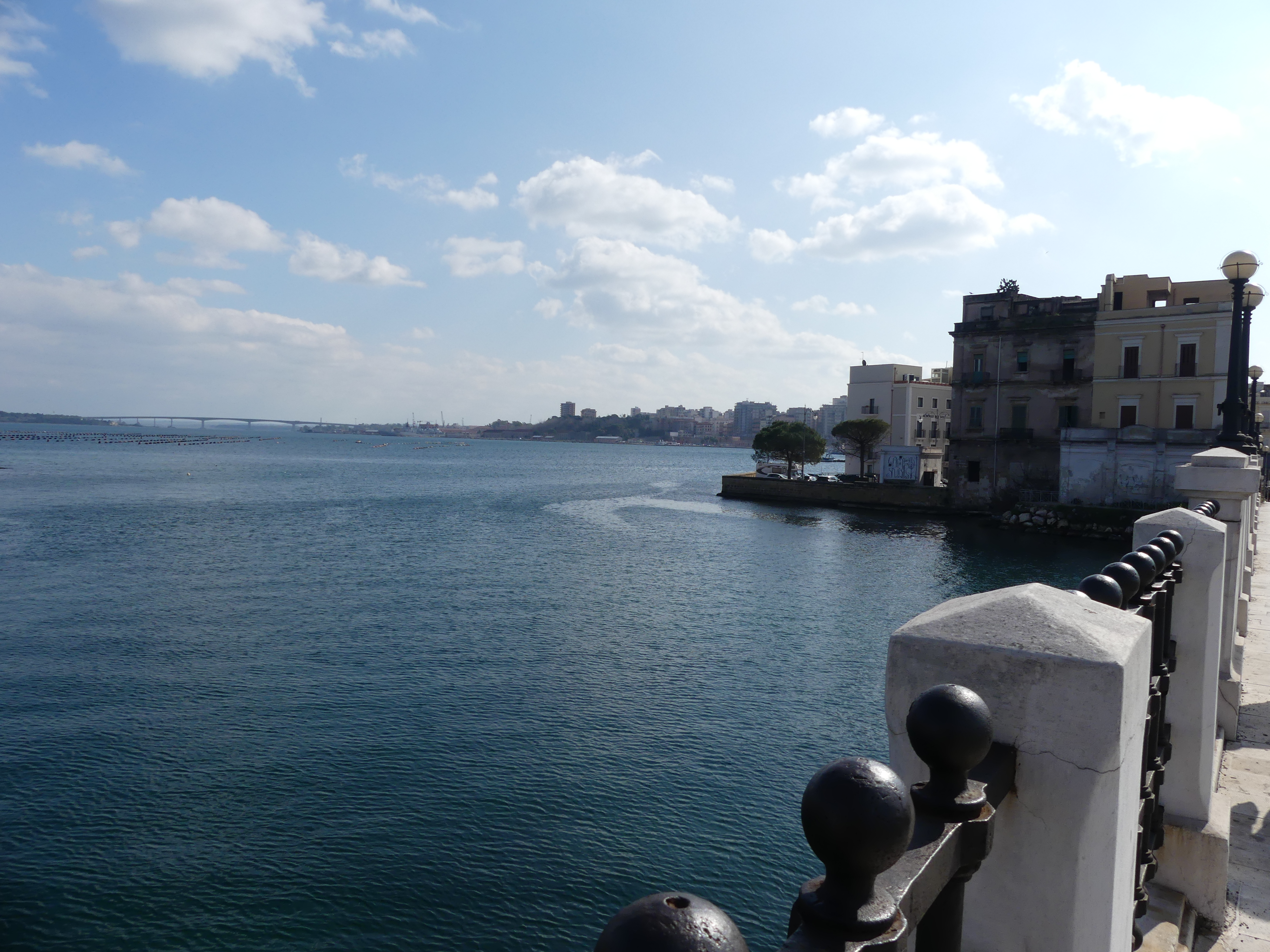
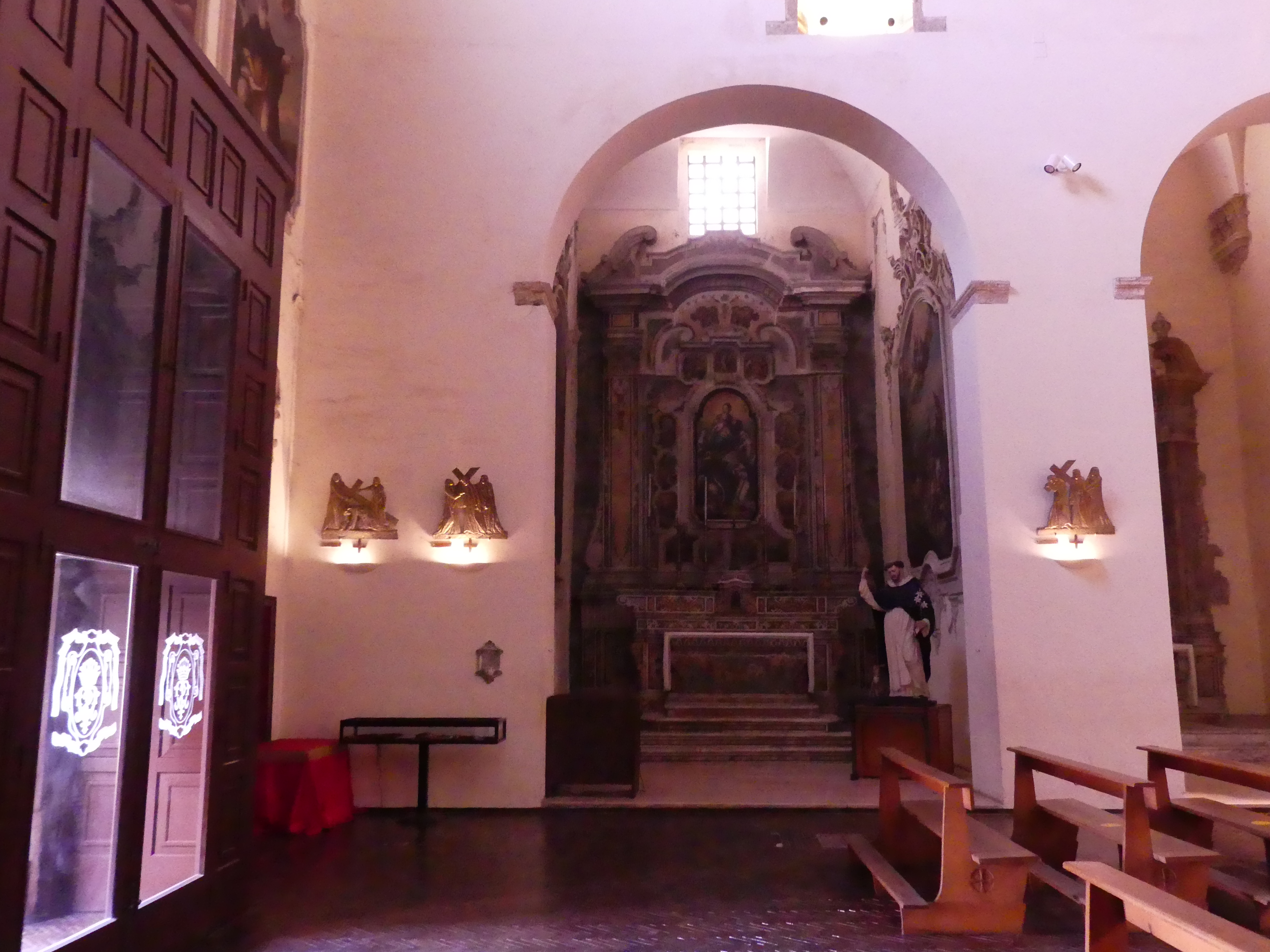
Another church. This time atop a large staircase – Chiostro de san Domenico – plainly adorned but with a new twist on the stations of the cross. In the pictures below you can make out the plaque on the walls put forward the picture of the Crucifixion.
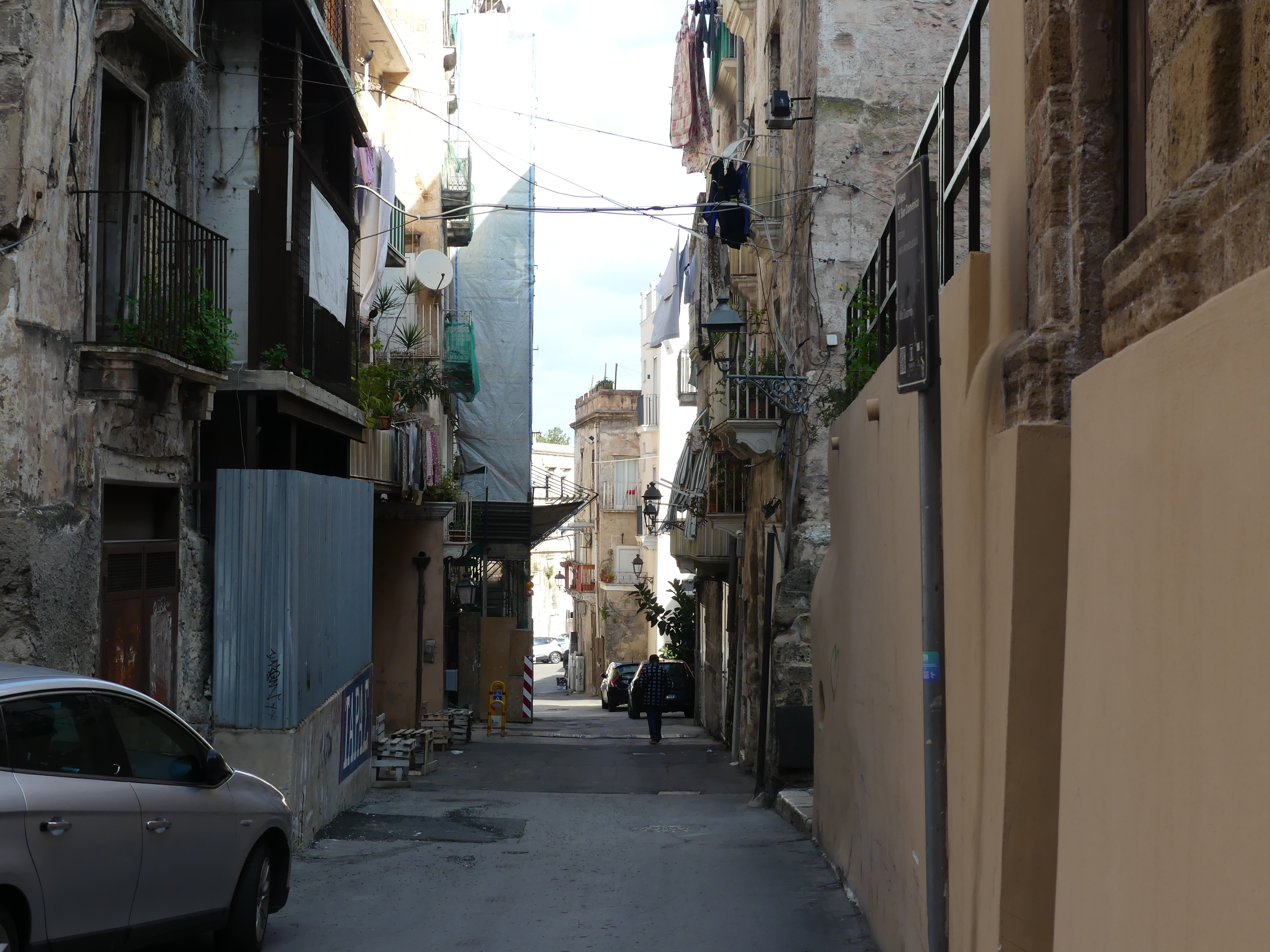



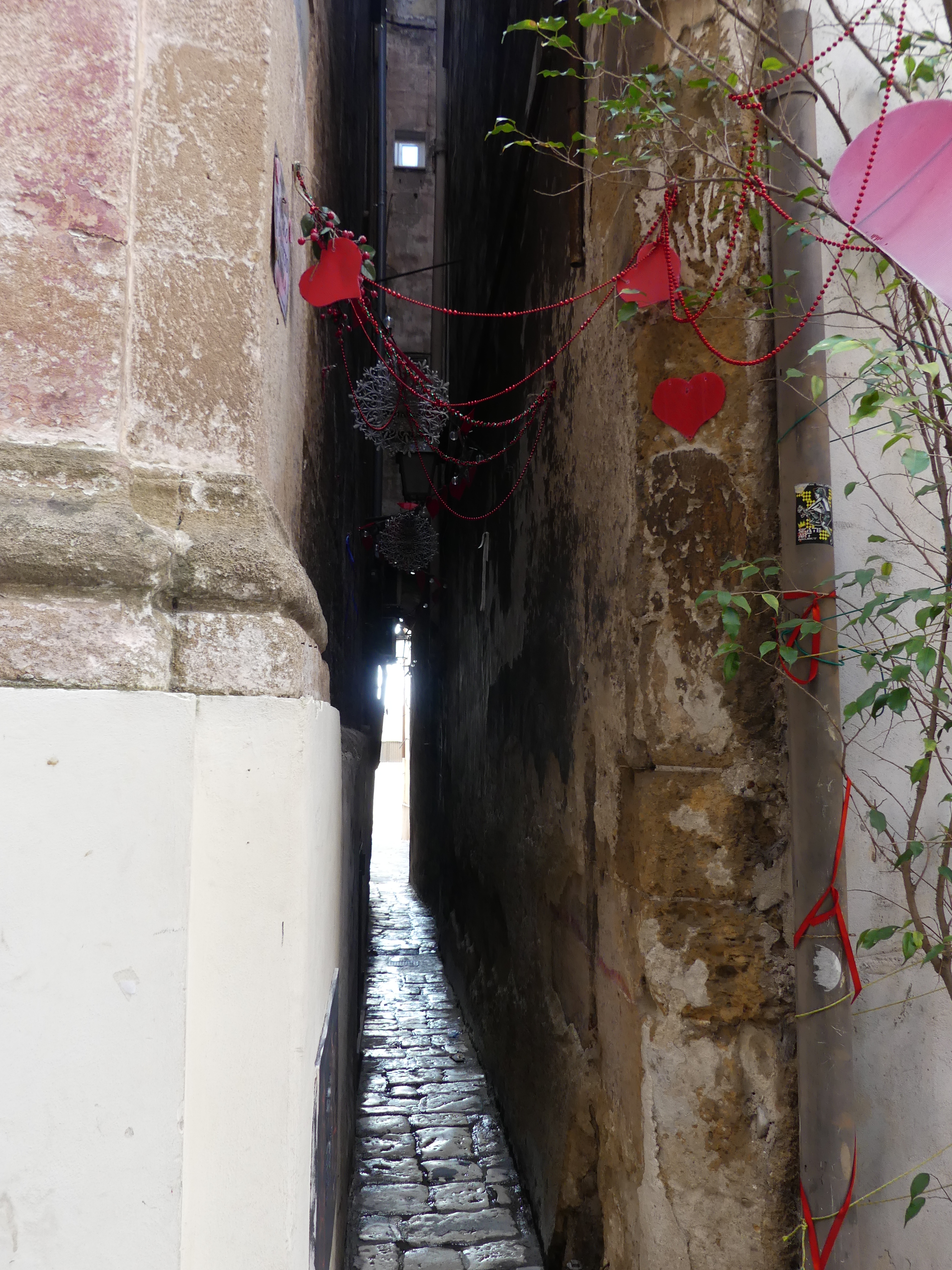
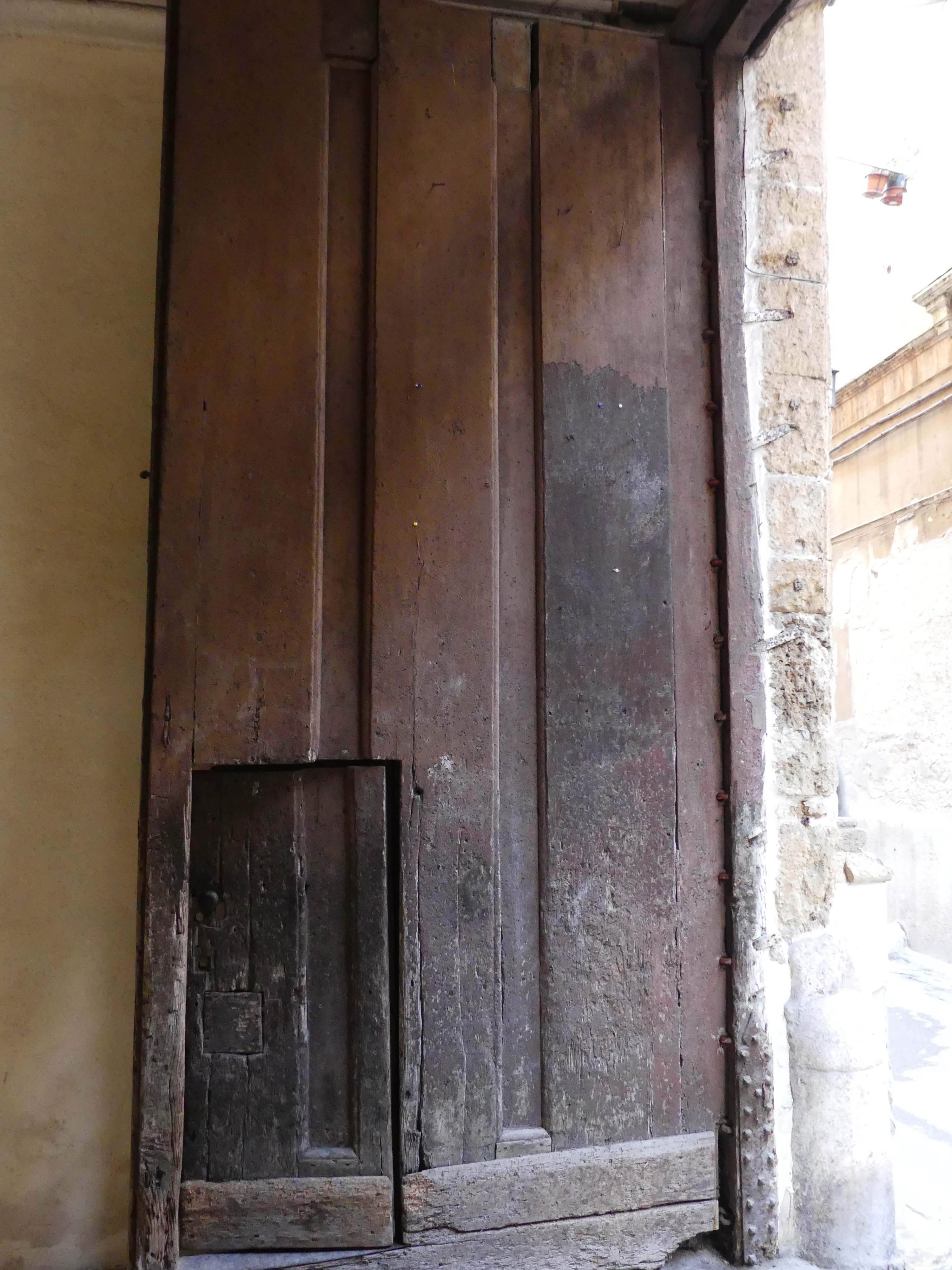
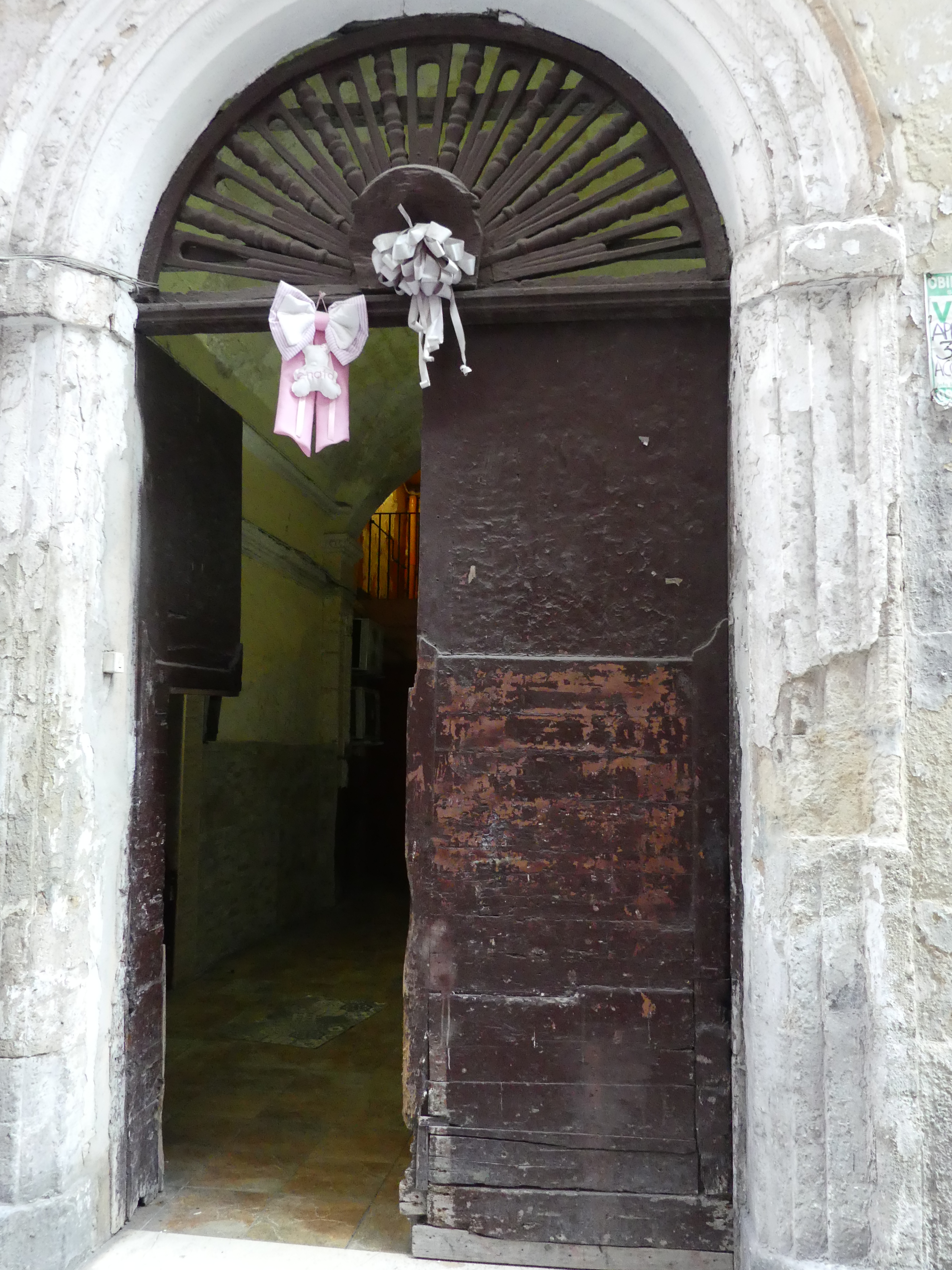
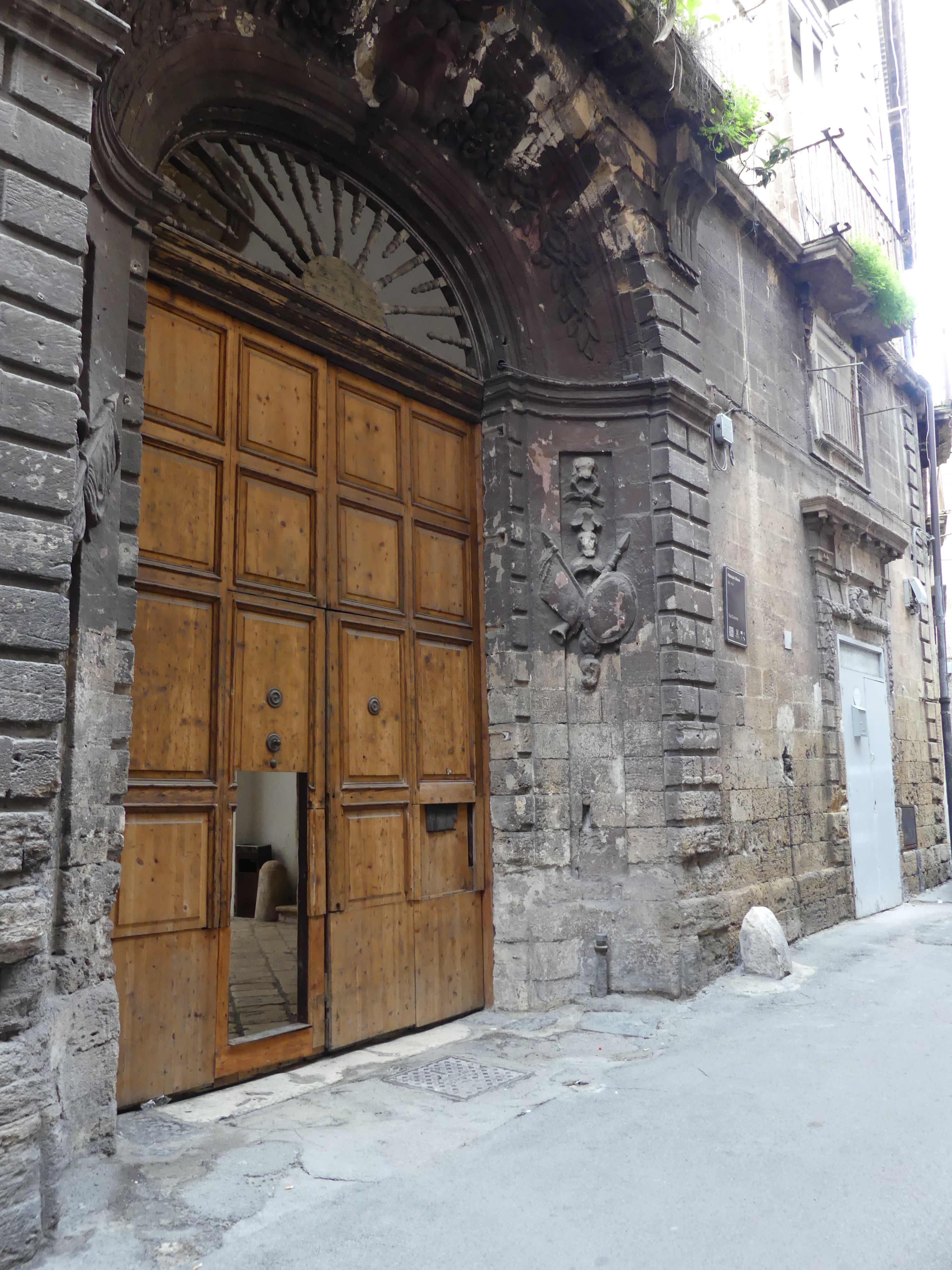
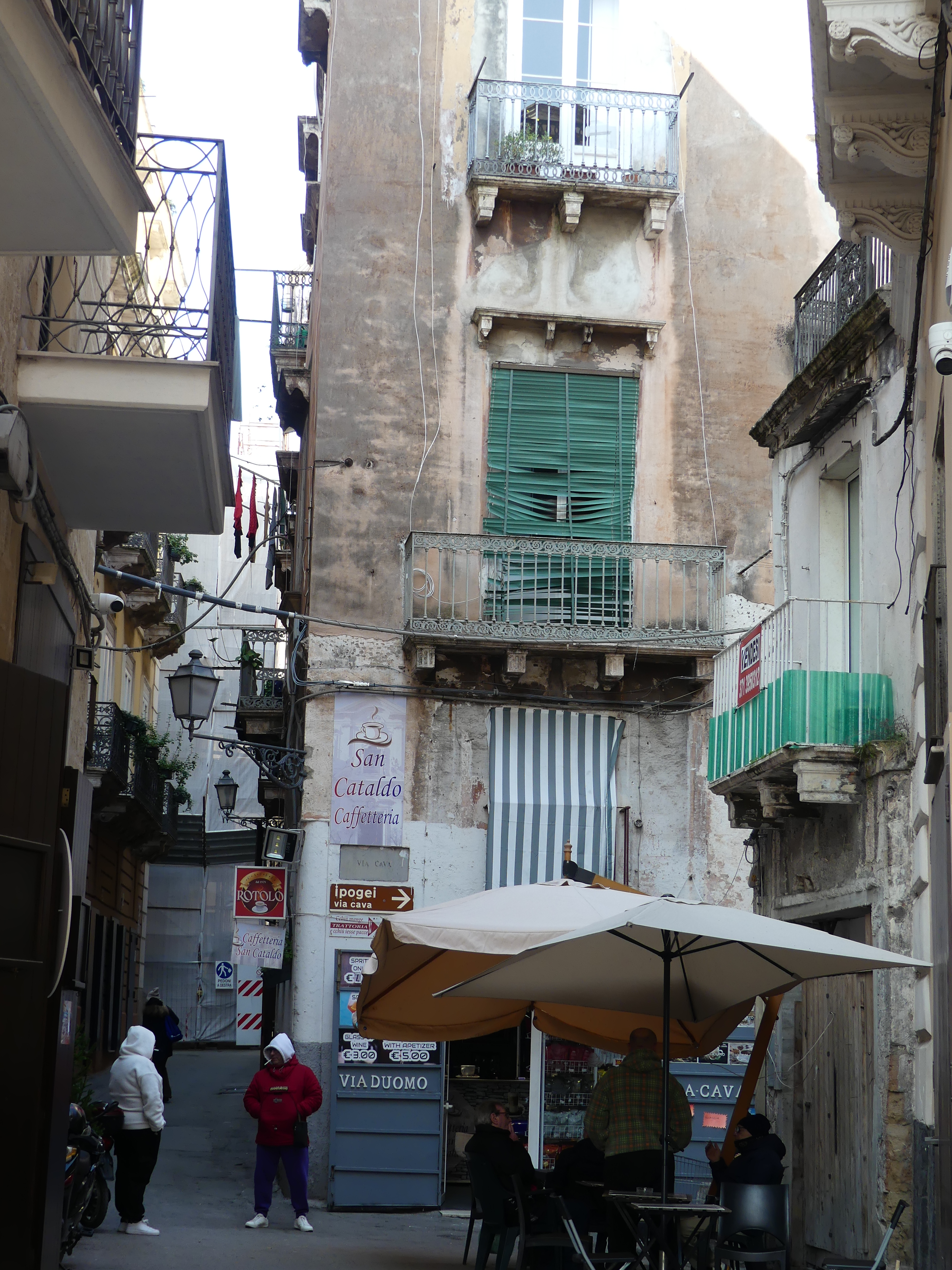
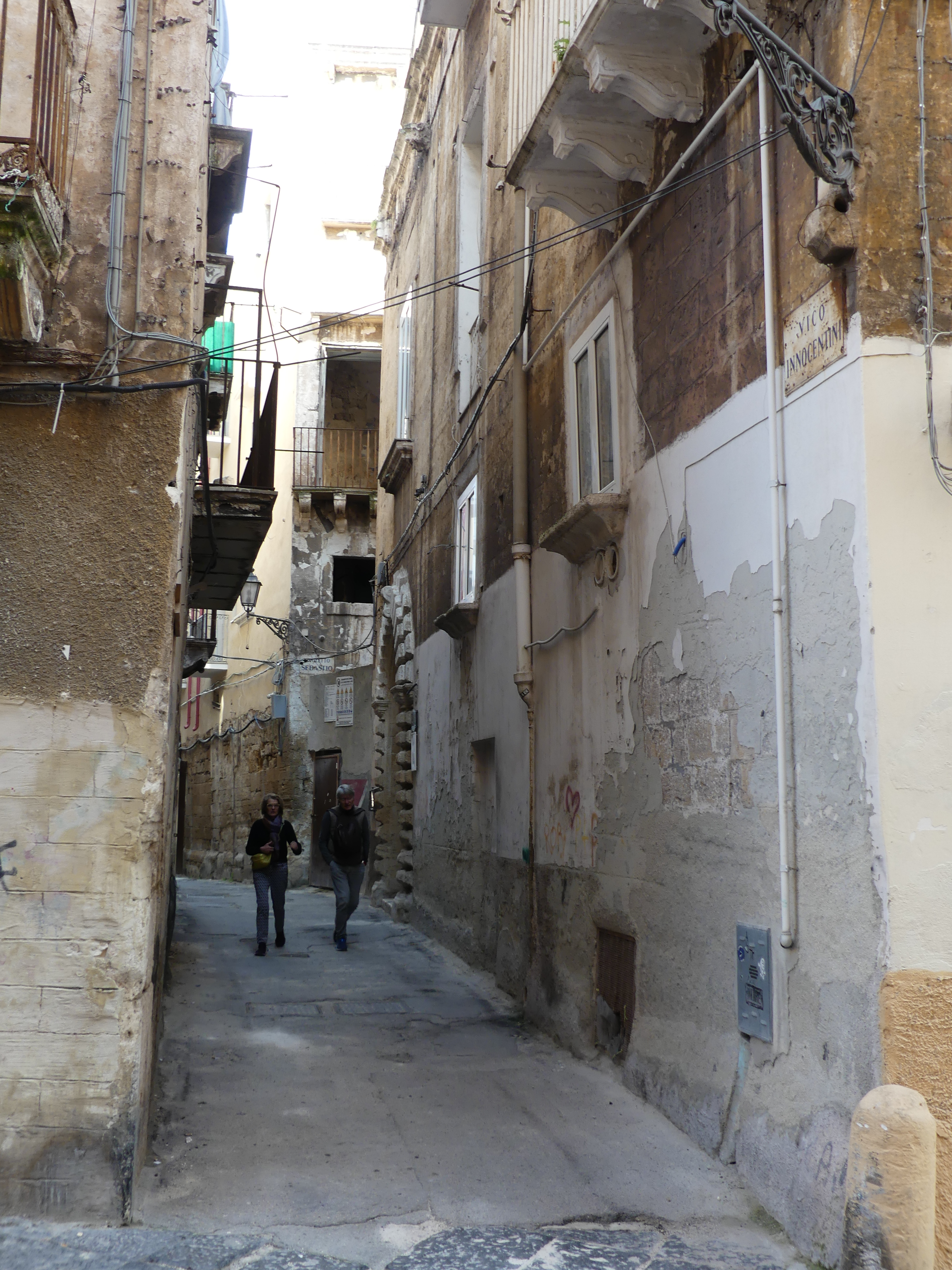
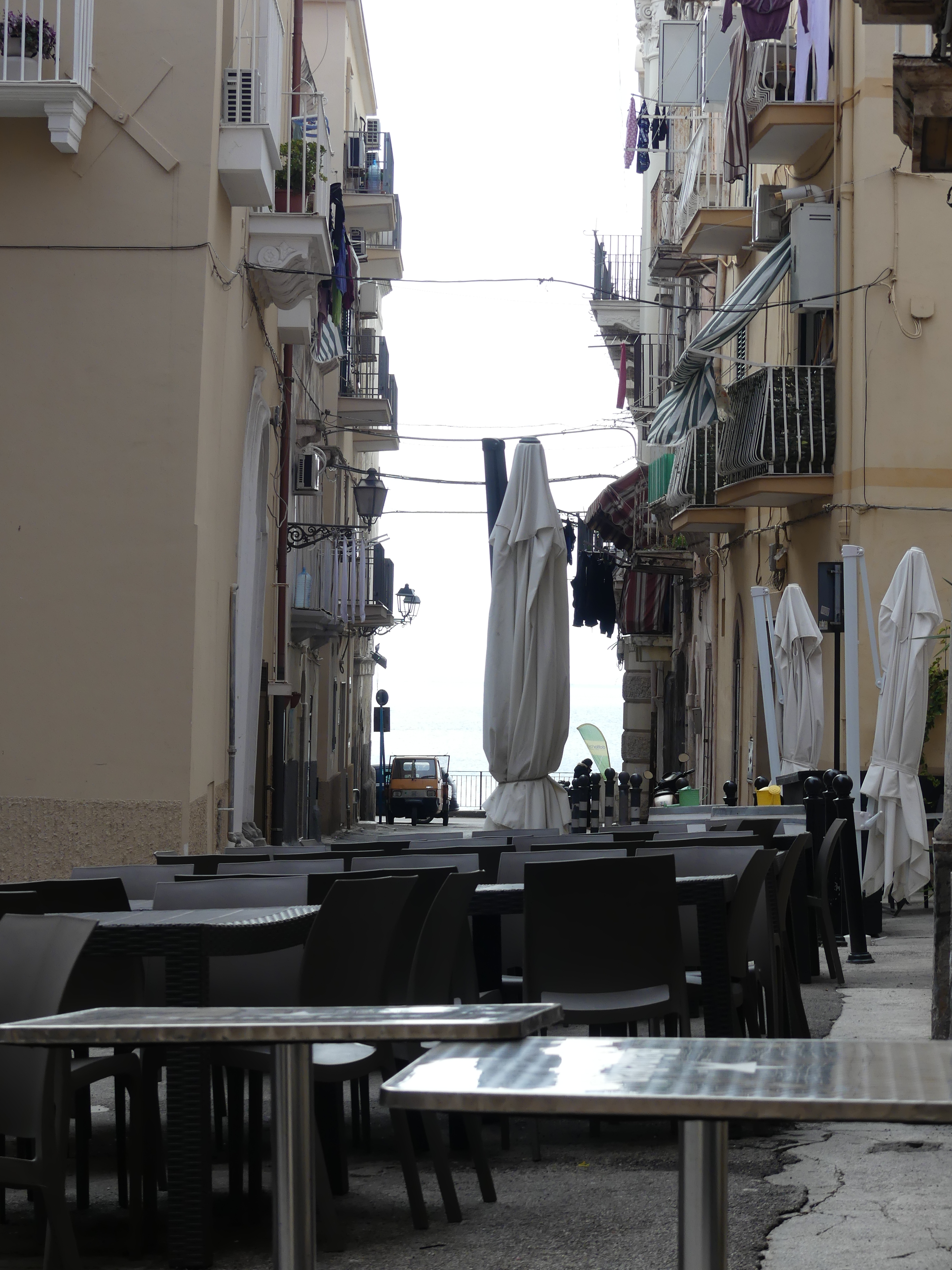
As we walked through the old town some of the passageways reduced to single file and some of the doors must have had some big hay wagons storing goods behind them. Here we encountered the practice of adorning the front door with bows celebrating the birth of a child blue for boys and pink for girls. In this case I think a little girl but they have forgotten to take an earlier birth “notice” down. We were to see this regularly in Naples. We also encountered the back street cafes – yes that’s it in the last photo. There is our fearless leader forever conscious of the WHS rules of being seen.

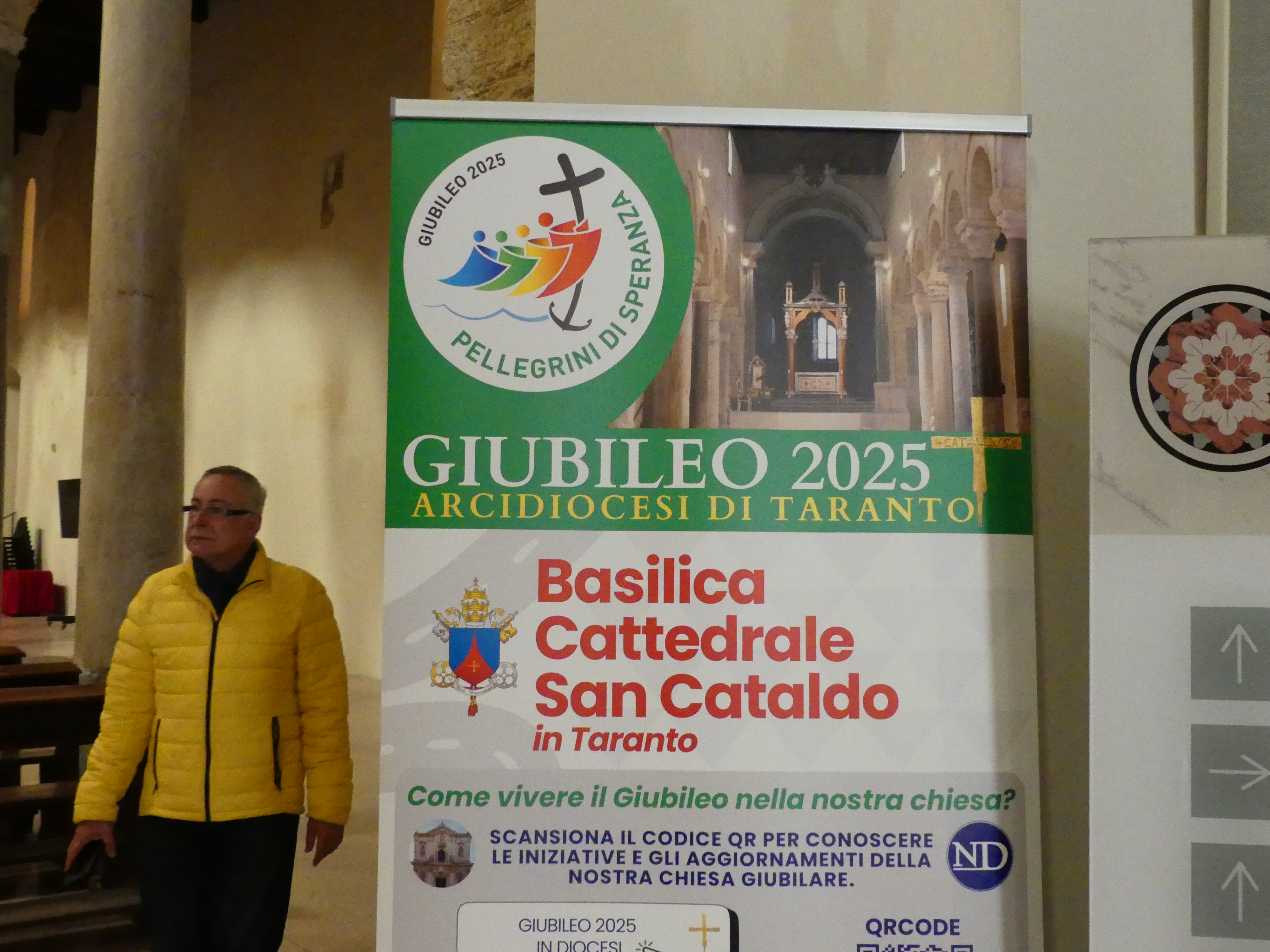
In our walk about we uncovered an Italian national monument Basilica Cattedrale san Calaldo. We were told that the primitive early Christian cathedral, attested since the 7th century, had to be placed outside the walls of the town and its location could probably be in the area where the Church of Carmine is now located, where a piece of the column on which Saint Peter is said to have celebrated the Holy Sacrifice is currently preserved. However, the church we see today was built by the Byzantines in the second half of the 10th century, following the sacking of the city by the Saracens in AD 927, when the Muslims definitively destroyed what remained of the ancient Greco-Roman city. The building contains some very interesting features and remains in use.


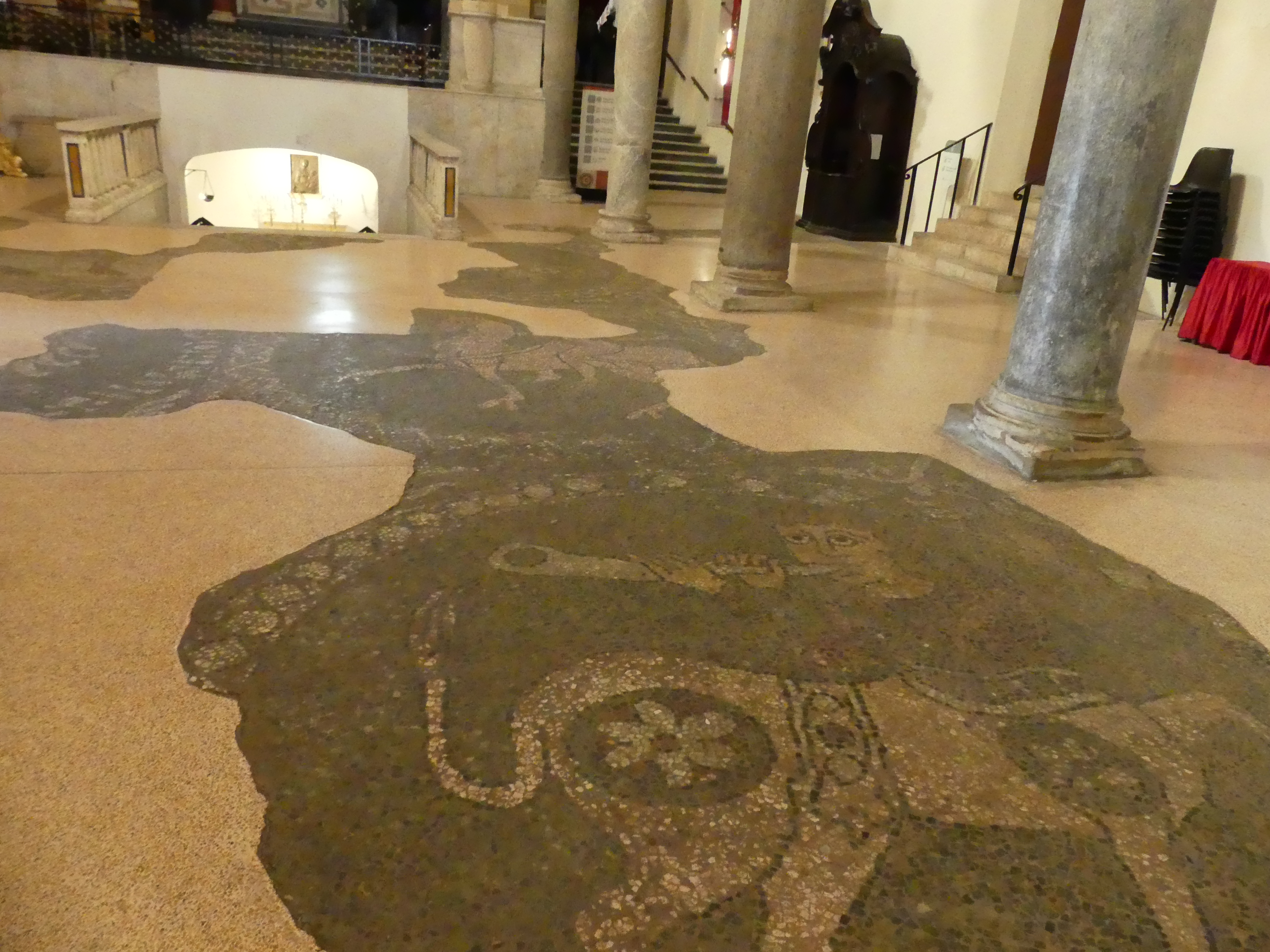

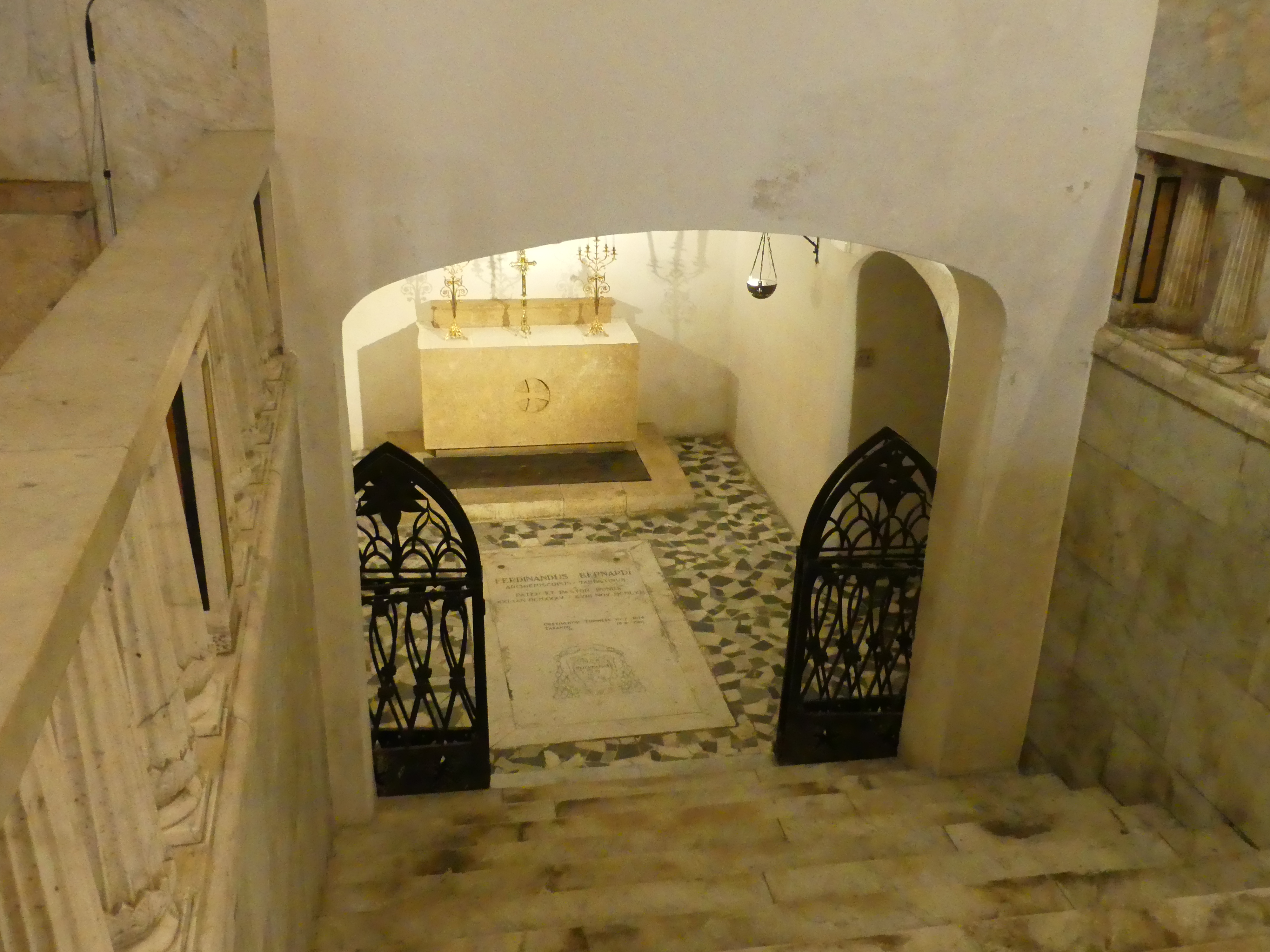

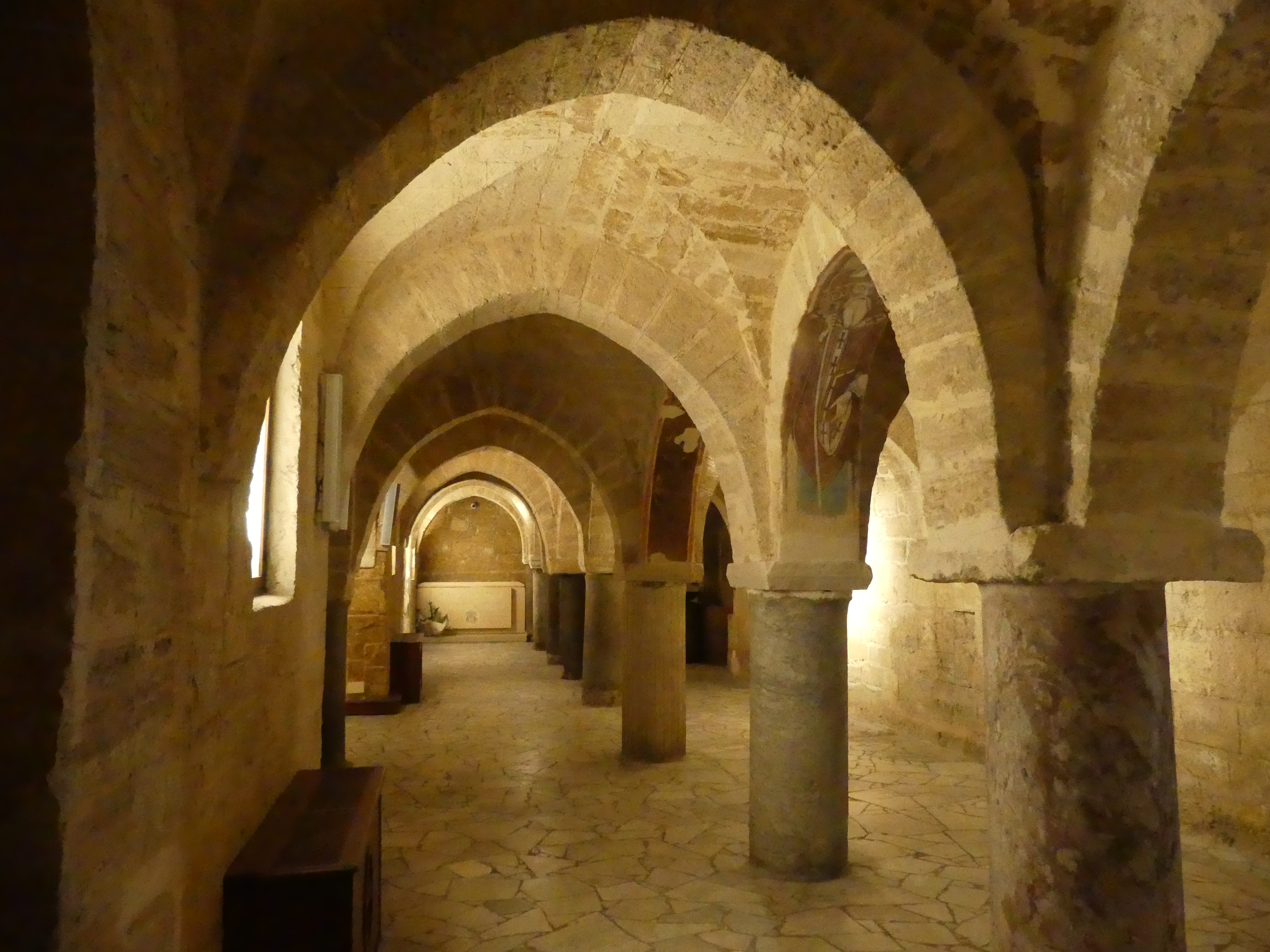


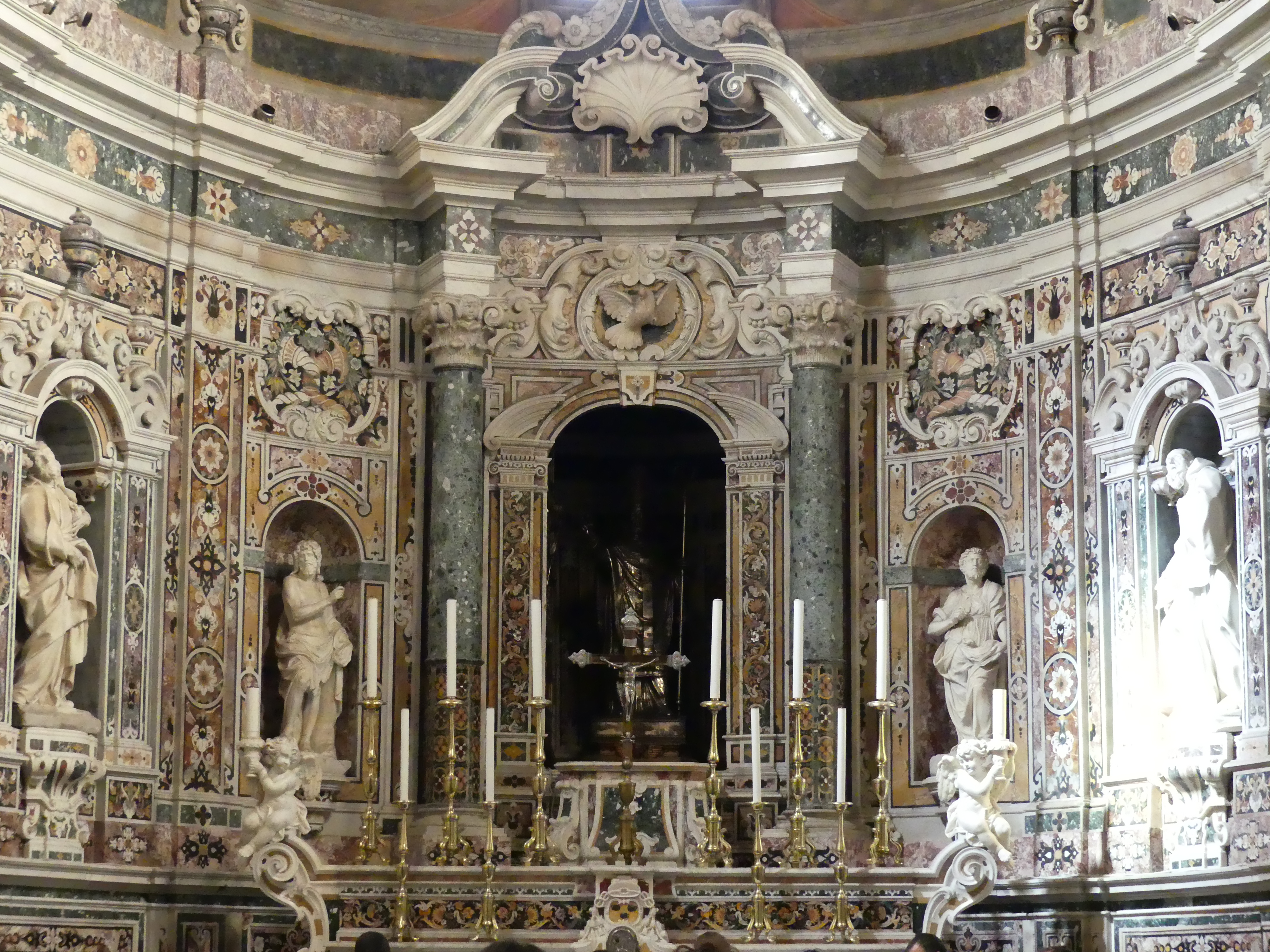

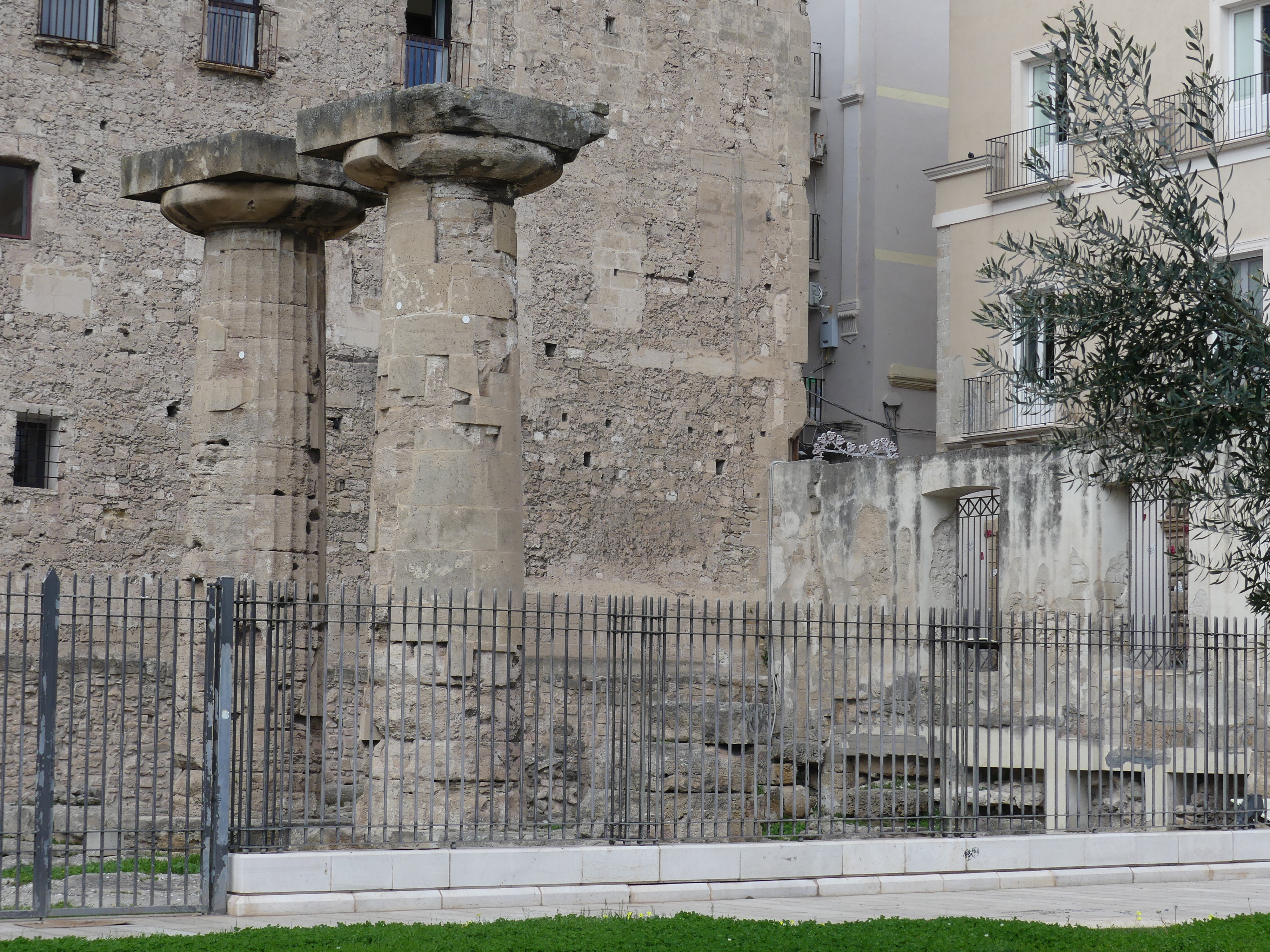
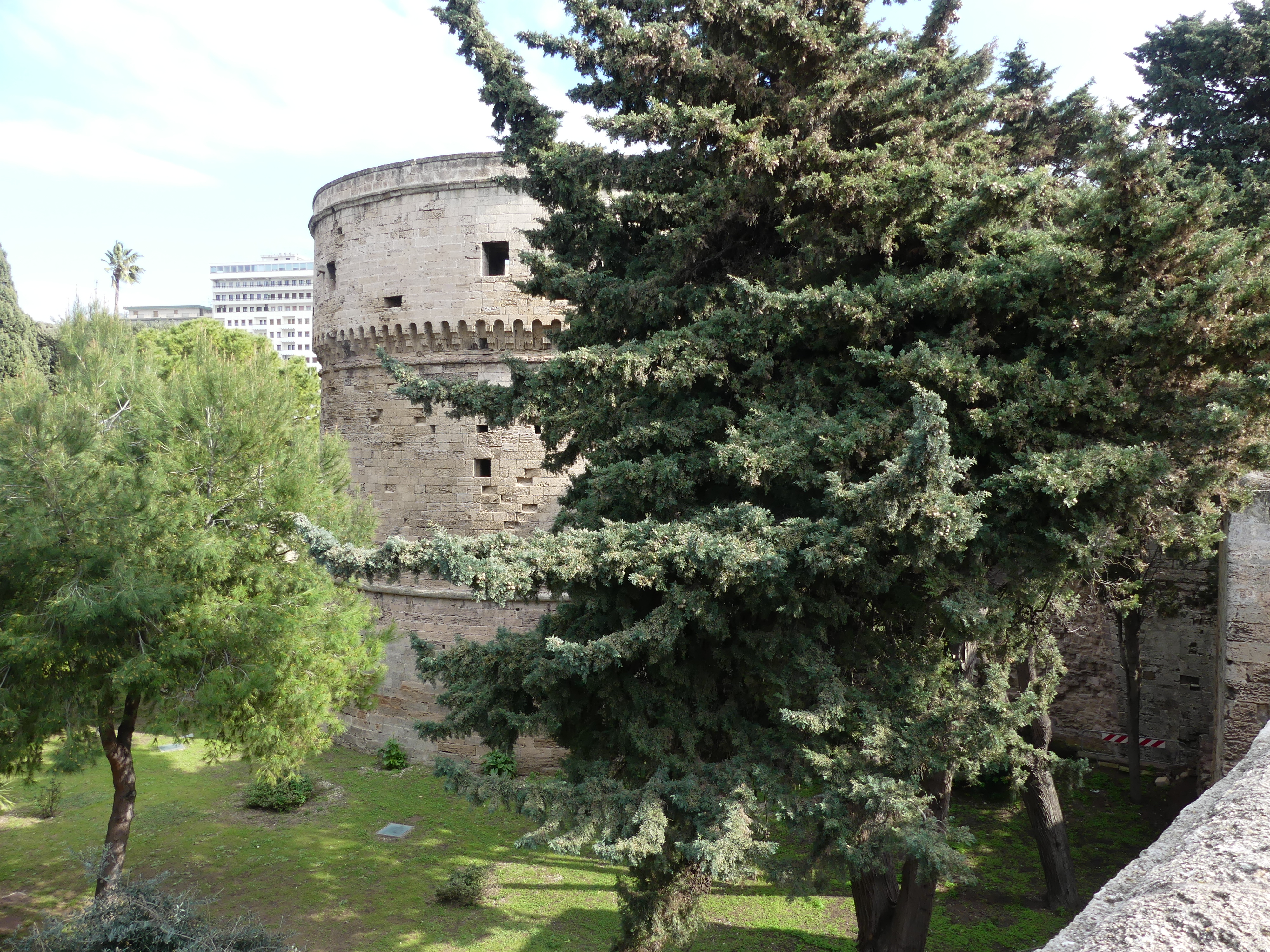
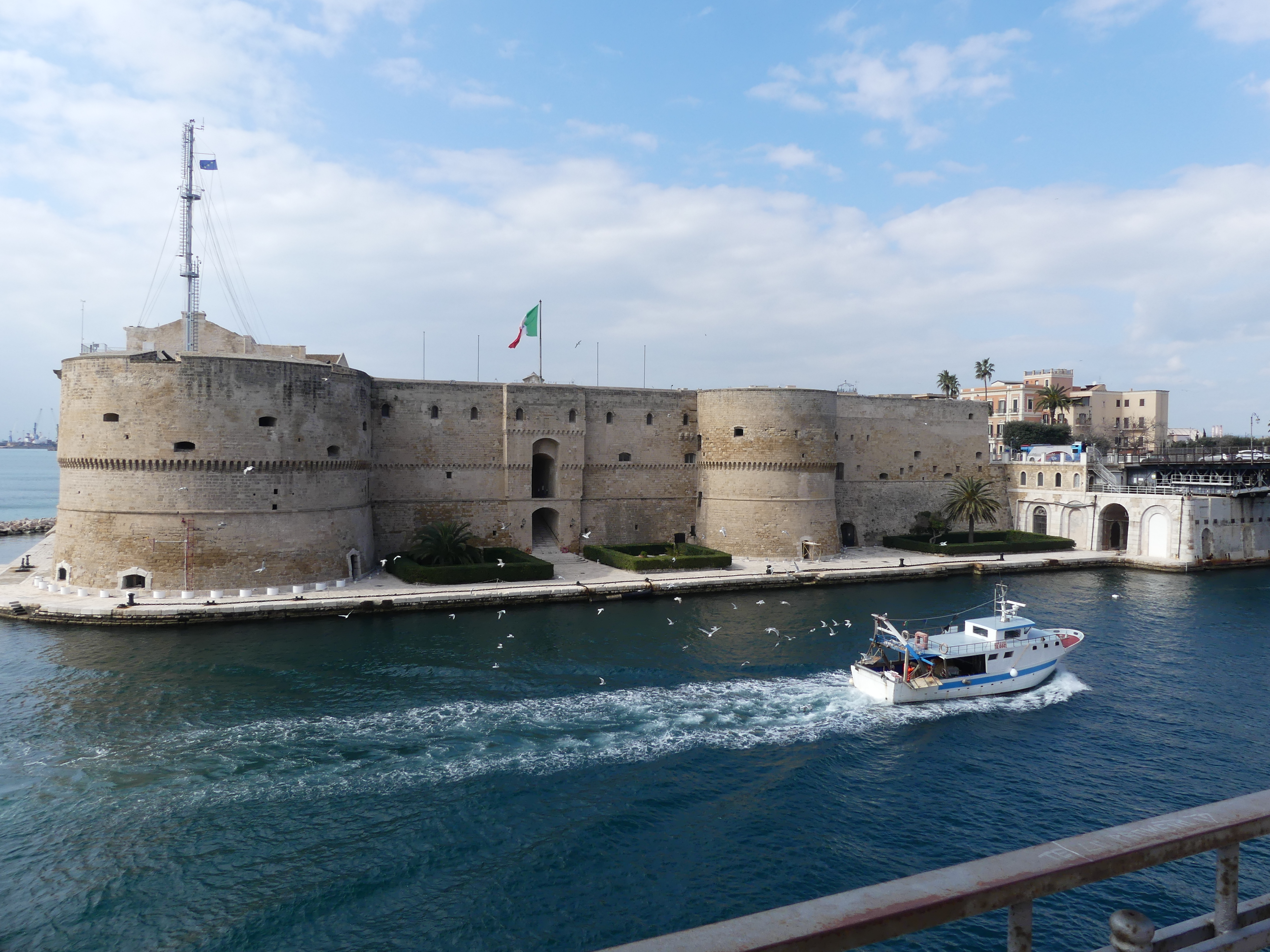
After leaving the gift shop (they must spoil it don’t they) we continued our walk about passing a florist with a novel presentation. The space inside was very tiny and this shopkeeper had utilized every inch of space including the back of the doors. It’s not yet Italian lunch time and the street cafes are empty. But judging by the number of tables in all sorts of spaces they expect a crowd. Then we found what the Byzantine Saracens left behind – a bit of the Greco- Roman ruins they missed in their sacking of the city. Across the road was the castle in use today for what appeared to be some para-military purpose and not permitting visitors. It had been constructed by the occupying Aragonese and still in use. I got cranky about that and the fact that I couldn’t take any photos inside. I was still receiving chemotherapy and tiredness brought on my bad temper. Kerry correctly pulled me away and I stomped off.






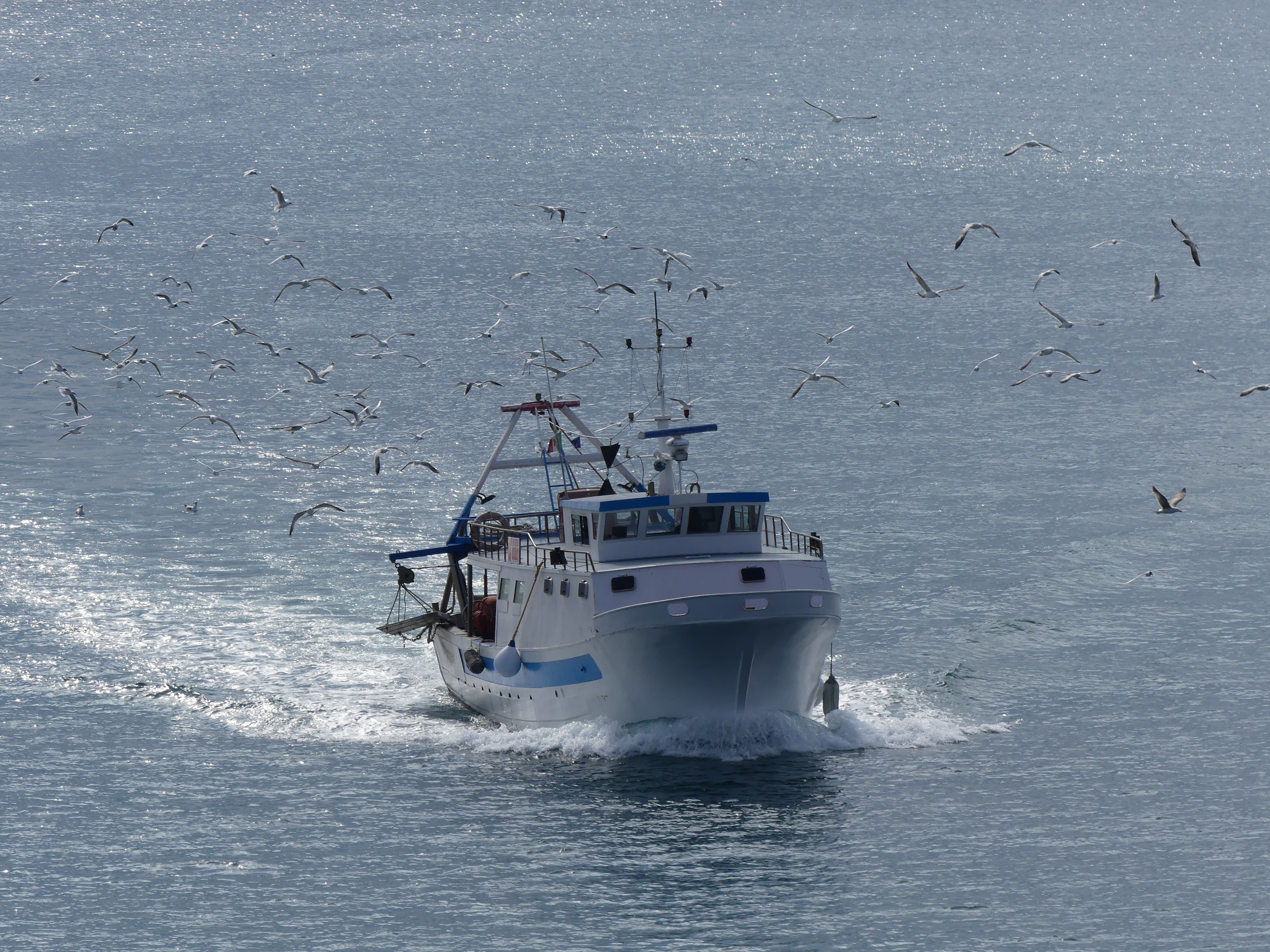
I moved on over another bridge and spotted this fishing vessel full of fish with trailing gulls. Fishing remains an important part of Taranto. Across another bridge (it dawned on me that we were on an island) and here is the HQ for Marina Militare.


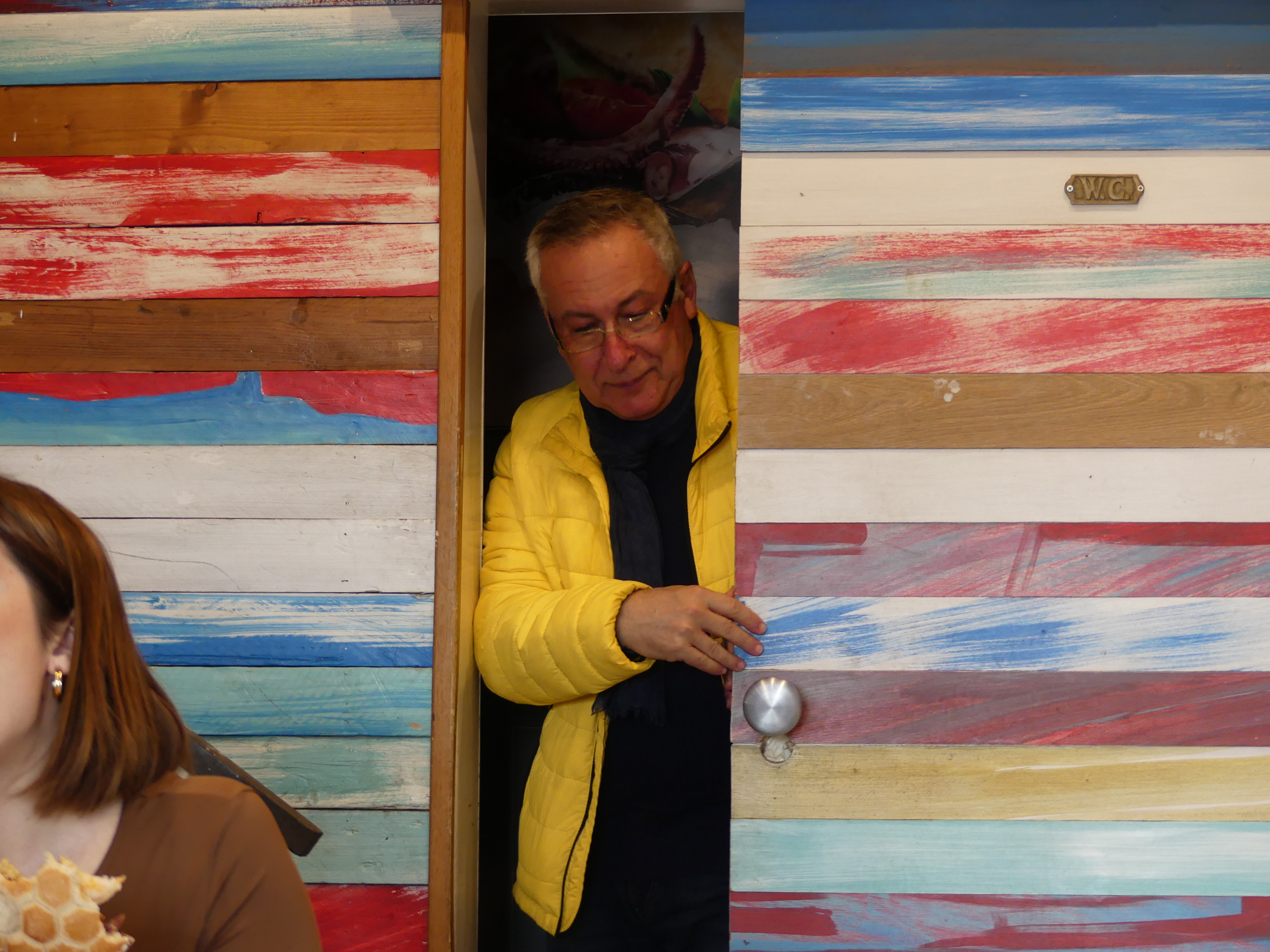
Nearby we found a café for lunch. It fitted into a tiny space with some imaginative interior design and colour schemes – here is a photo of Robert leaving the bathroom bitching like hell about how small it was.
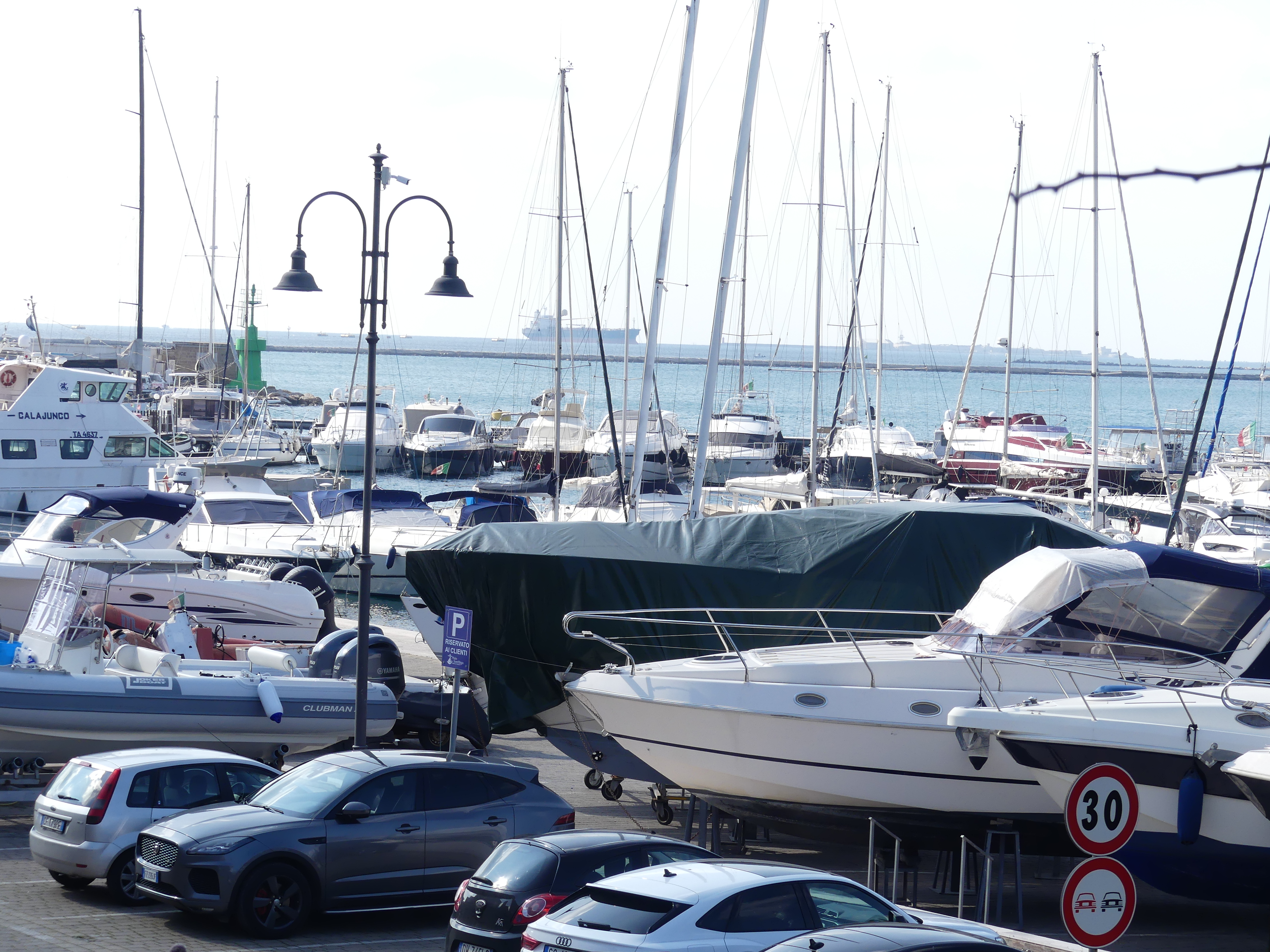
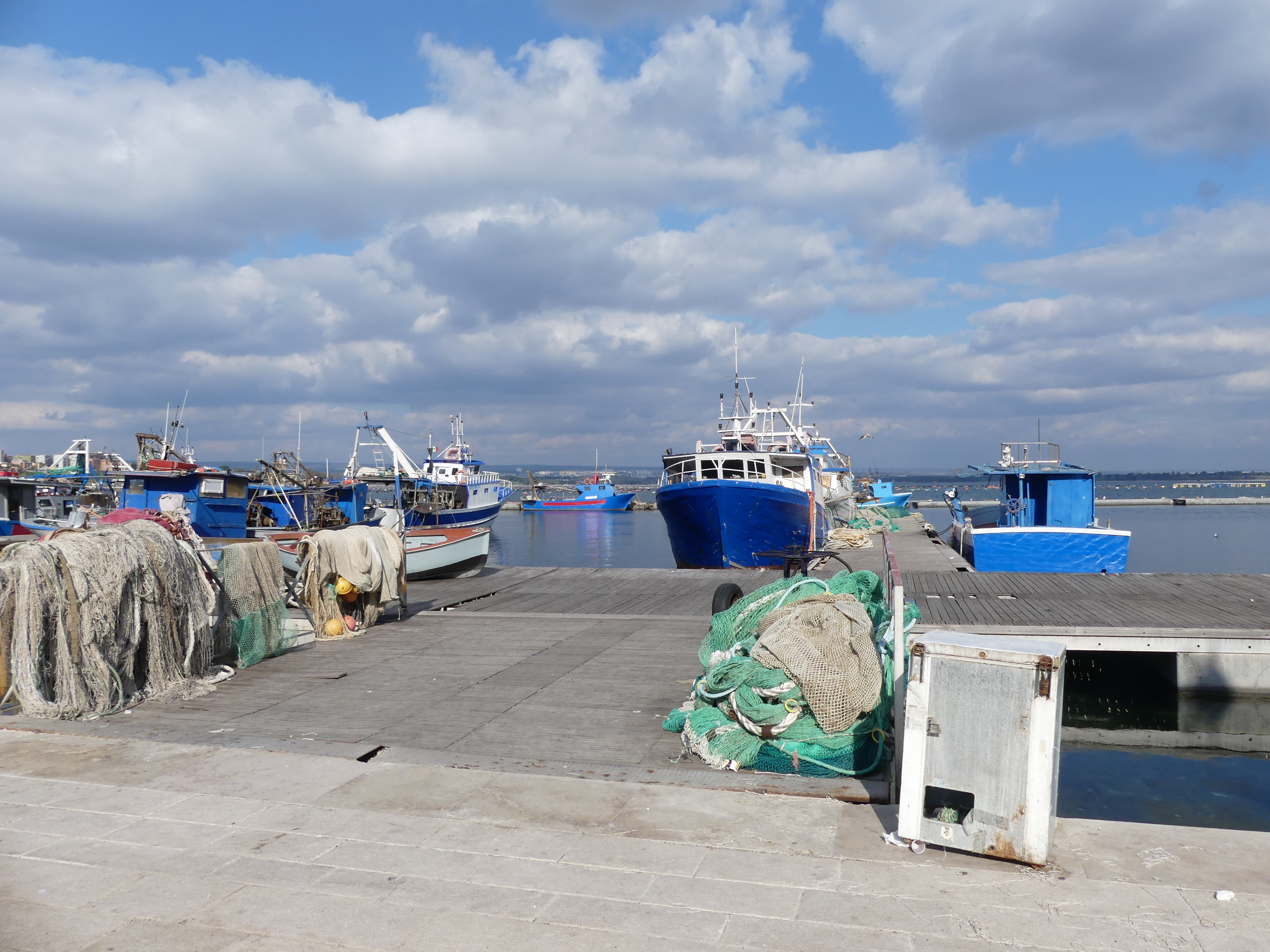
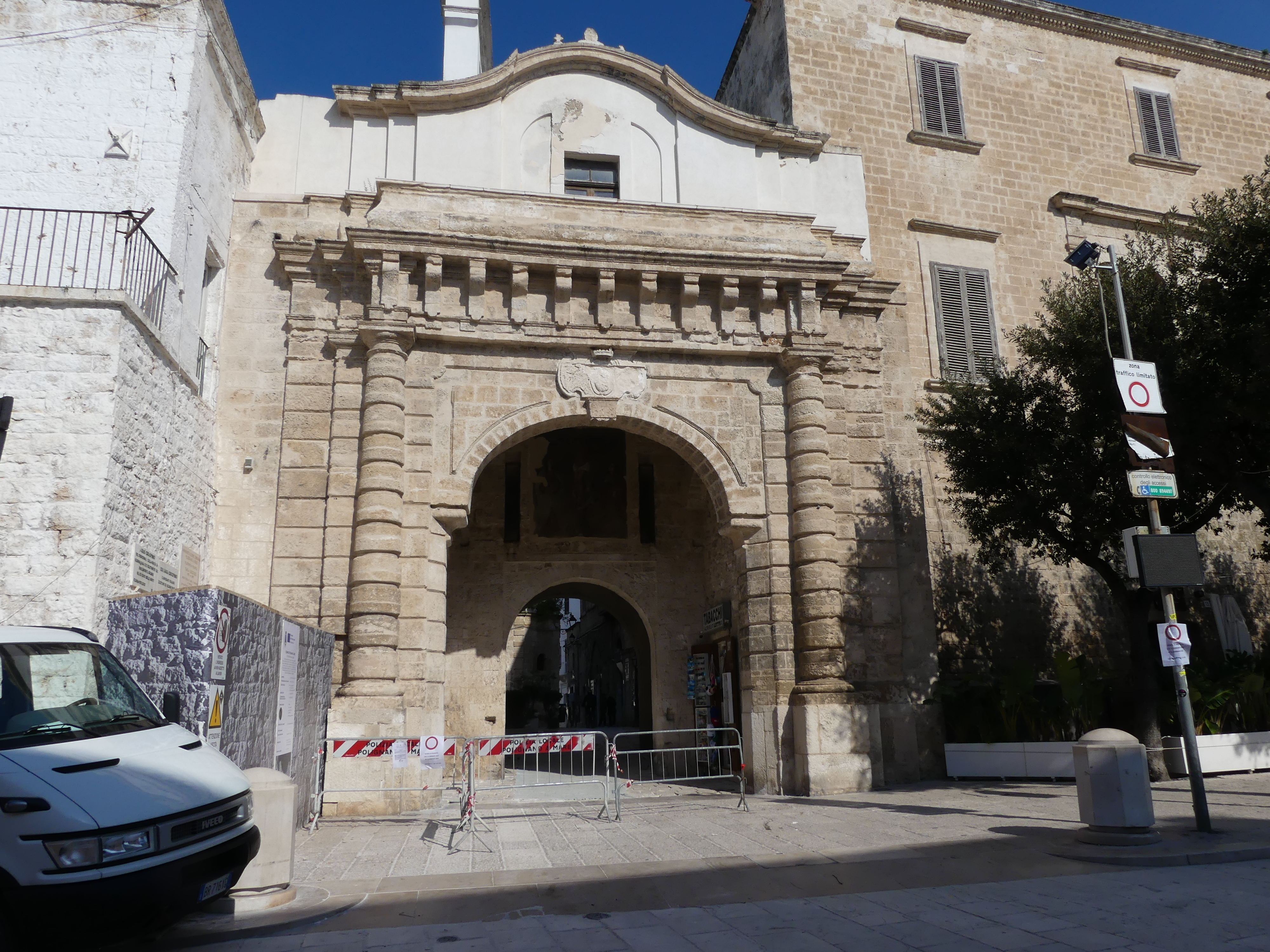
After a rather disappointing lunch (I still had no appetite due to my chemo) we continued our exploration following the main road around the island. The road took us to the sheltered harbour housing the fishing fleet and a rather tired section of the old town. Notably the church looked in good order.


We had circumnavigated the island containing the old town of Taranto and called it a day. I needed a nap so we made our way back to the train station, and I had my nap going back to Bari.
You may note that Robert has taken over the itinerary but we didn’t mind. He had a few more surprises for us so get ready for “THE RETIREES GO AROUND THE WORLD – BARI to MATERA” in my next blog.










 glendon1954