“THE RETIREES GO AROUND THE WORLD – CRICKHOWELL (Ebbw Vale) TO CHATEAU RHIANFA PLAS RHIANFA, GLYNGARTH MENAII BRIDGE.”

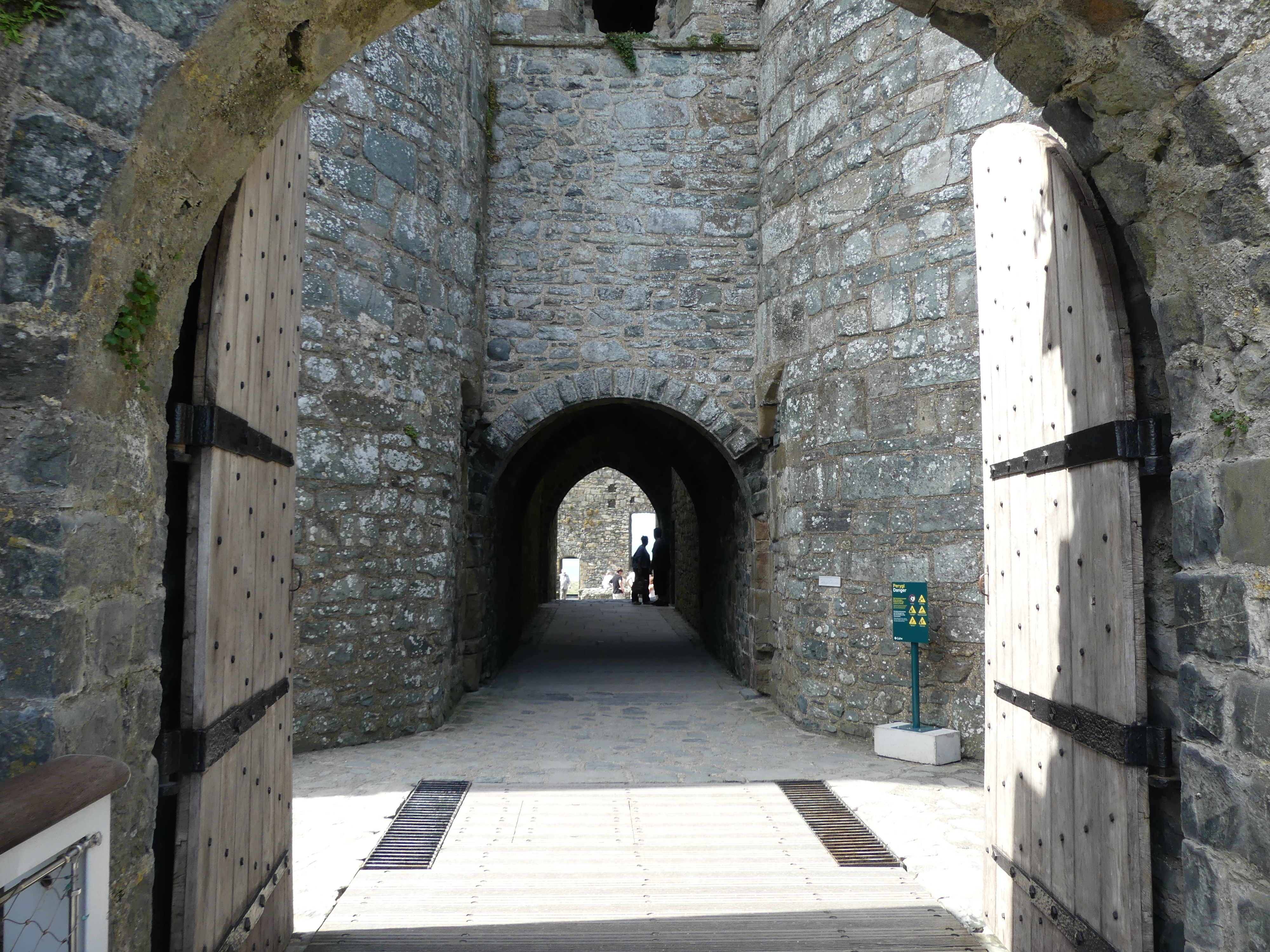
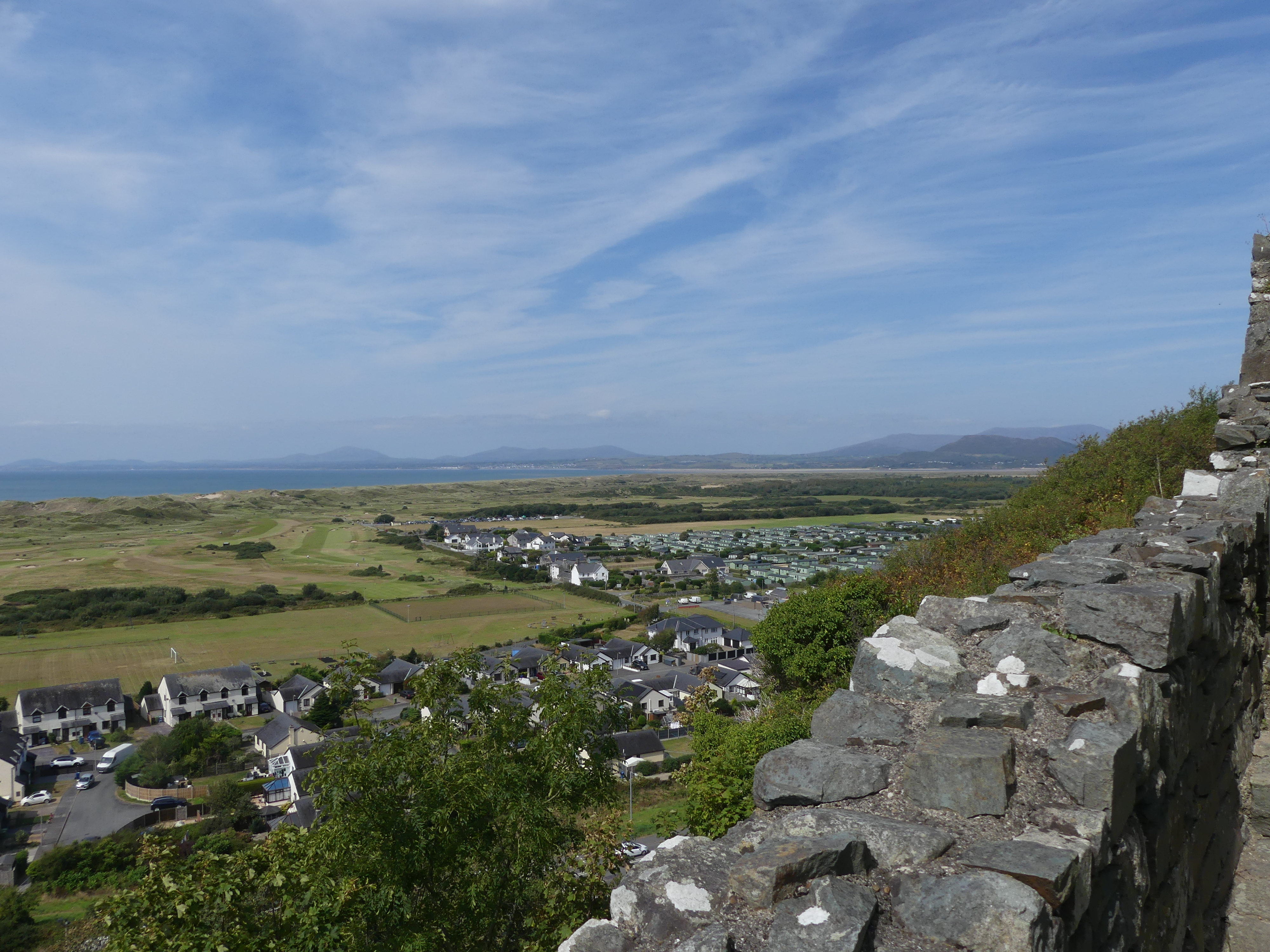
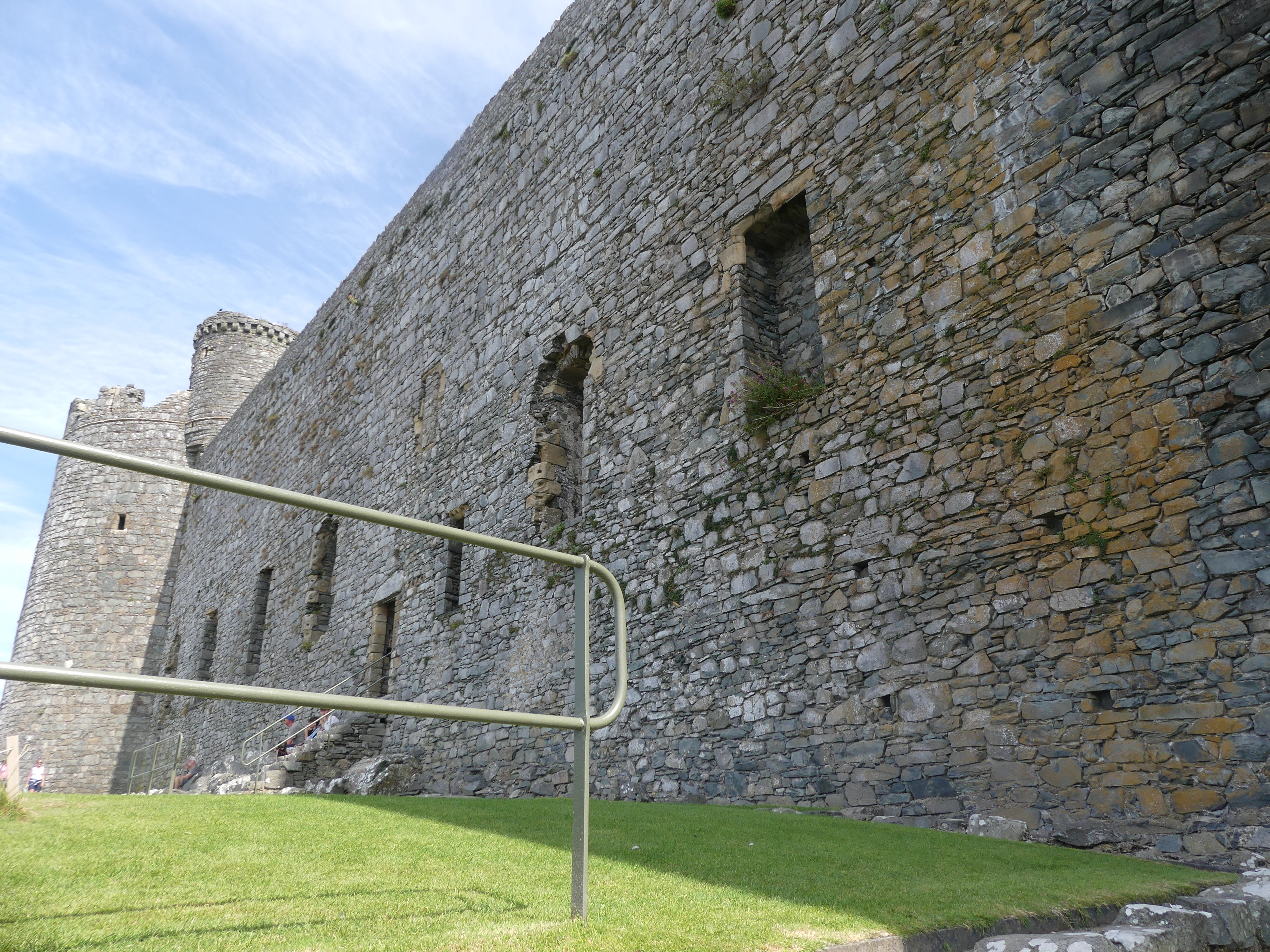
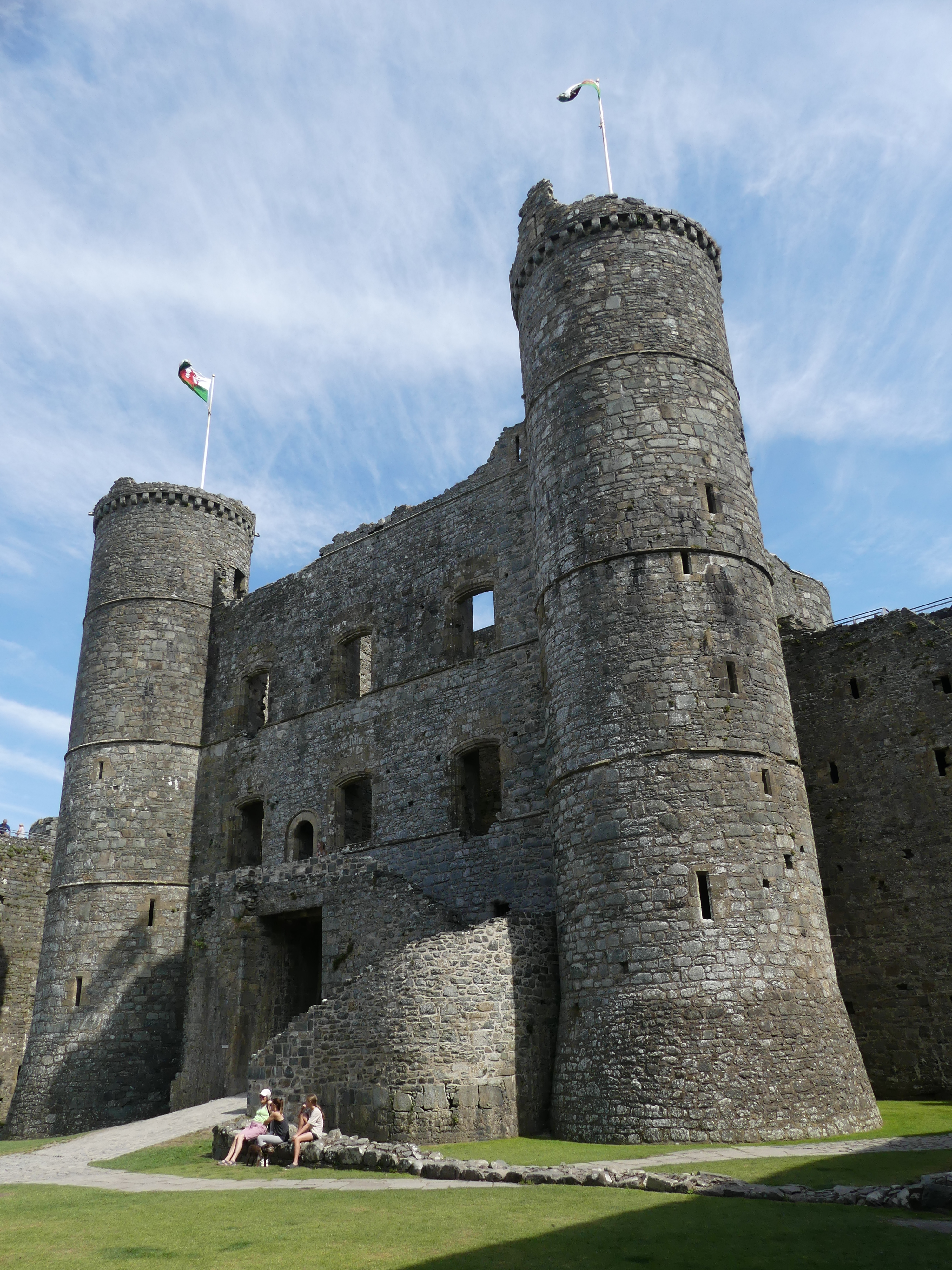
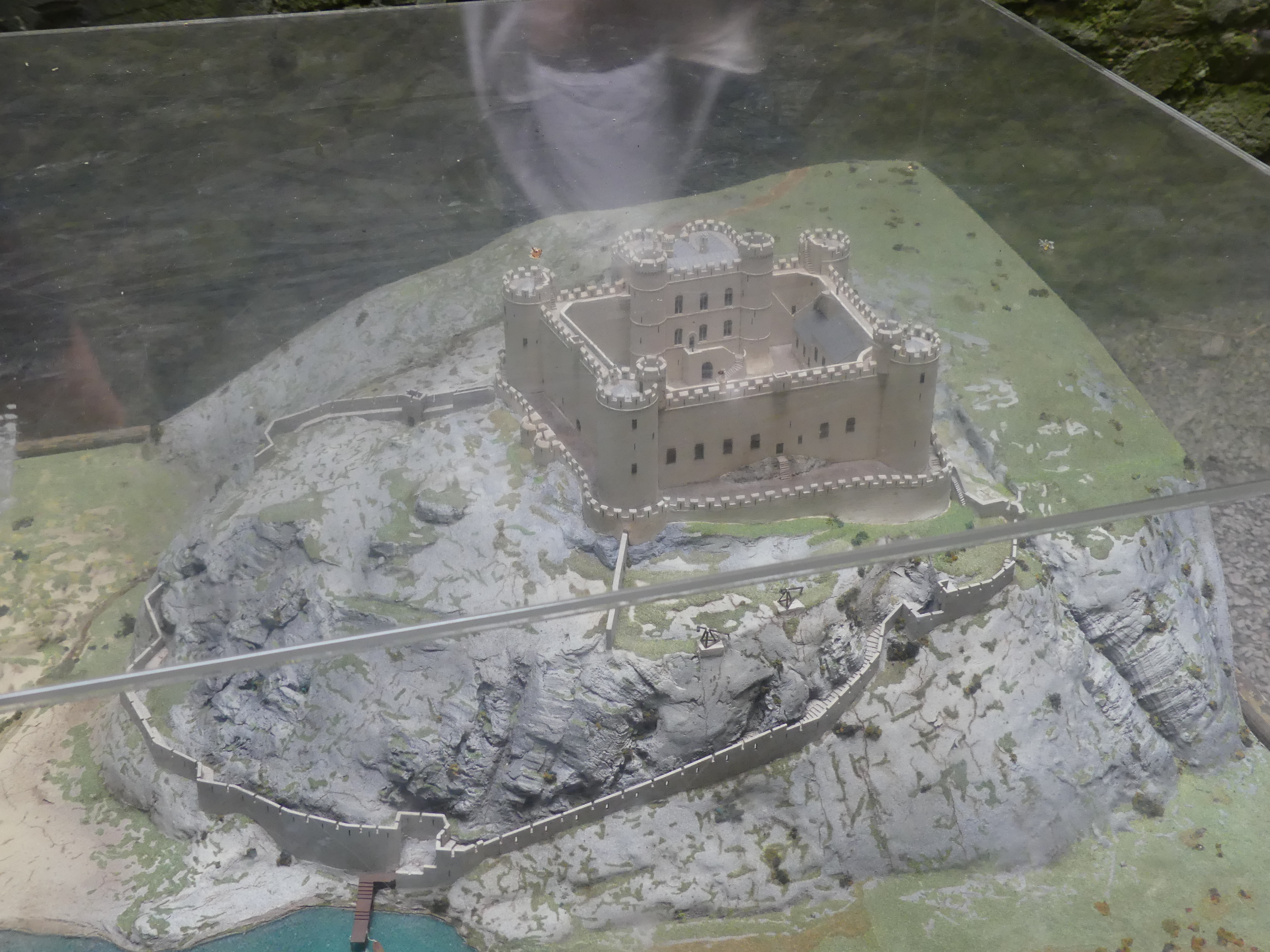
The drive to Chateau Rhianfa on the isle of Anglesey took us past Harlech Castle in Harlech, Gwynedd, Wales, a Grade I listed medieval fortification built onto a rocky knoll which years ago was close to the Irish Sea. A Seagate and stairs to the former landing area remains today but is nowhere near the present coast. It was built by Edward I during his invasion of Wales between 1282 and 1289. Over the next few centuries, the castle played an important part in several wars, withstanding the siege of Madog ap Llywelyn between 1294 and 1295, but falling to Prince Owain Glyndŵr in 1404. It then became Glyndŵr’s residence and military headquarters for the remainder of the uprising until being recaptured by English forces in 1409. During the 15th-century Wars of the Roses, Harlech was held by the Lancastrians for seven years, before Yorkist troops forced its surrender in 1468, a siege memorialised in the song “Men of Harlech”. Following the outbreak of the English Civil War in 1642, the castle was held by forces loyal to Charles I, holding out until 1647 when it became the last fortification to surrender to the Parliamentary armies. In the 21st century the ruined castle is managed by Cadw, the Welsh Government’s historic environment service, as a tourist attraction. As my photos below show the castle is well defended by its environment and provides excellent views of the surrounding village. I have also attached the Cadw brochure.

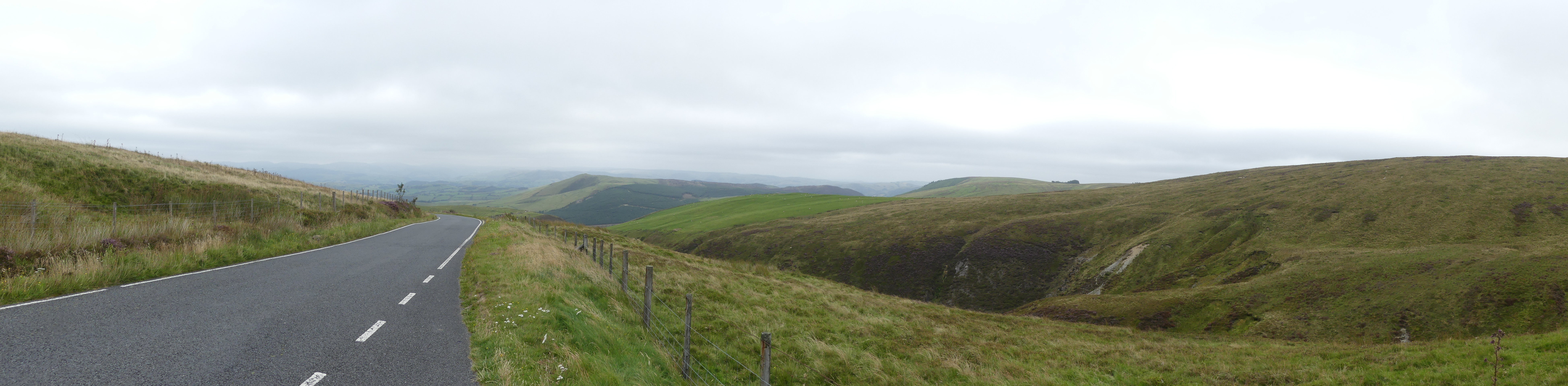
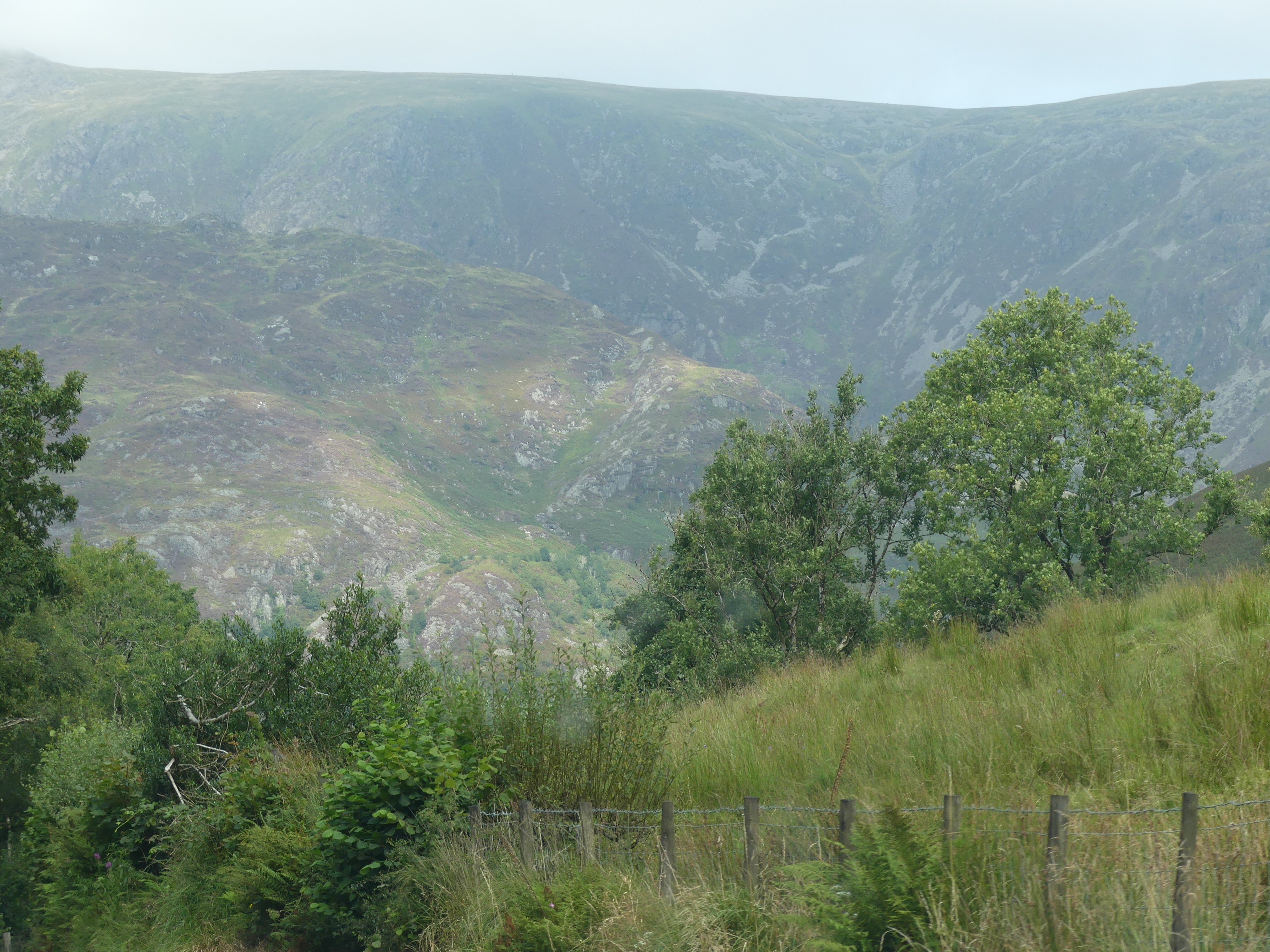
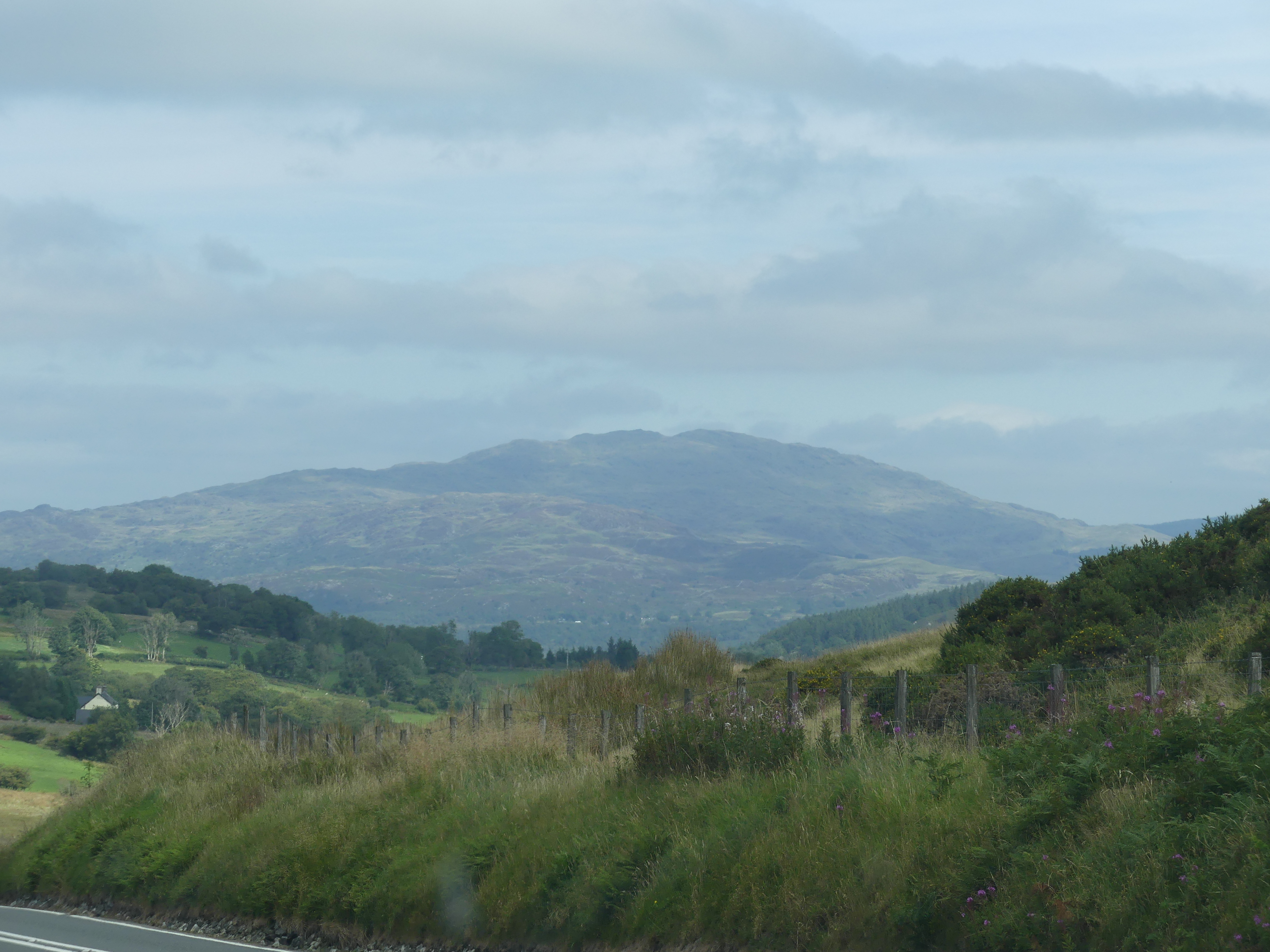
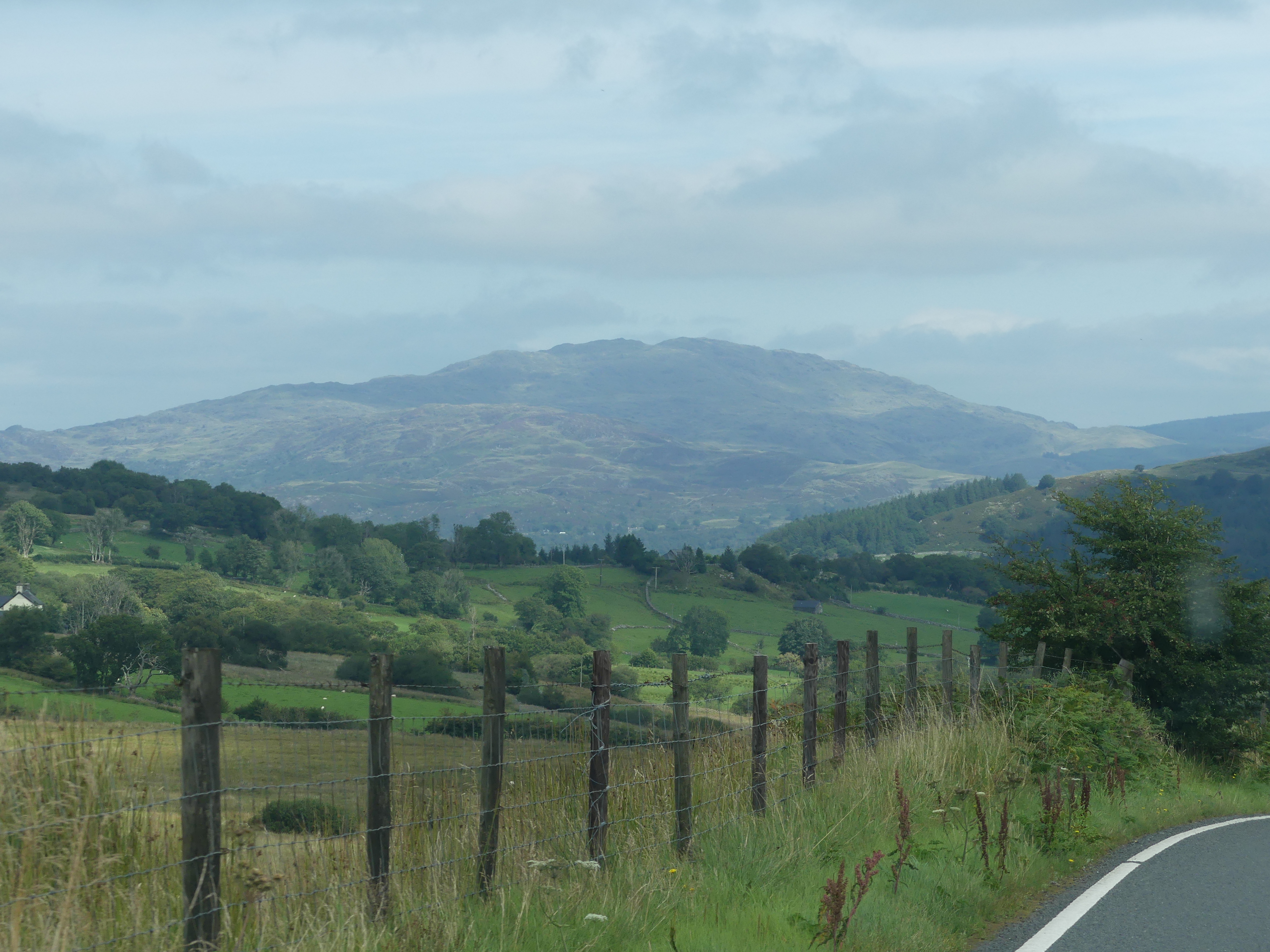
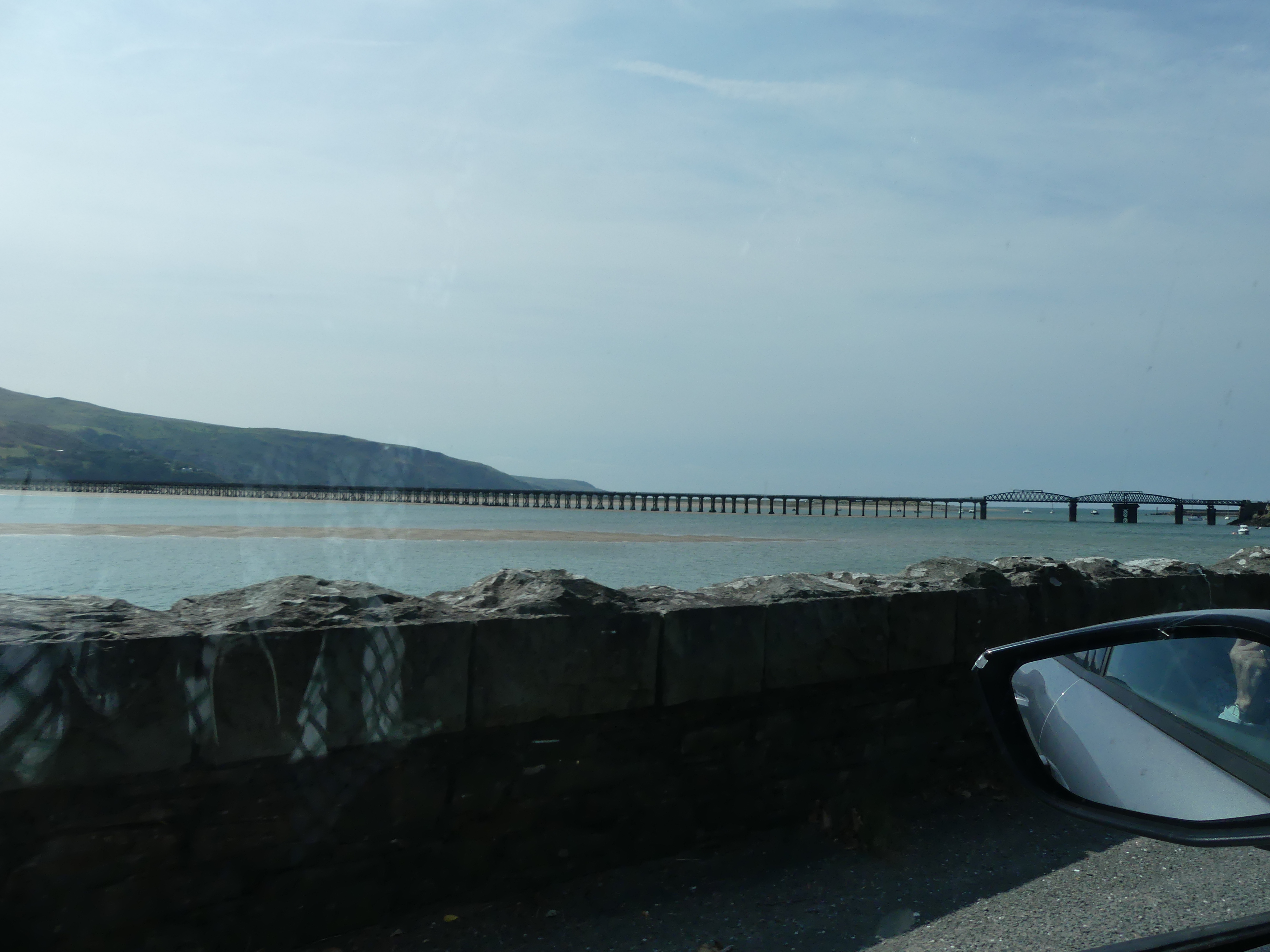
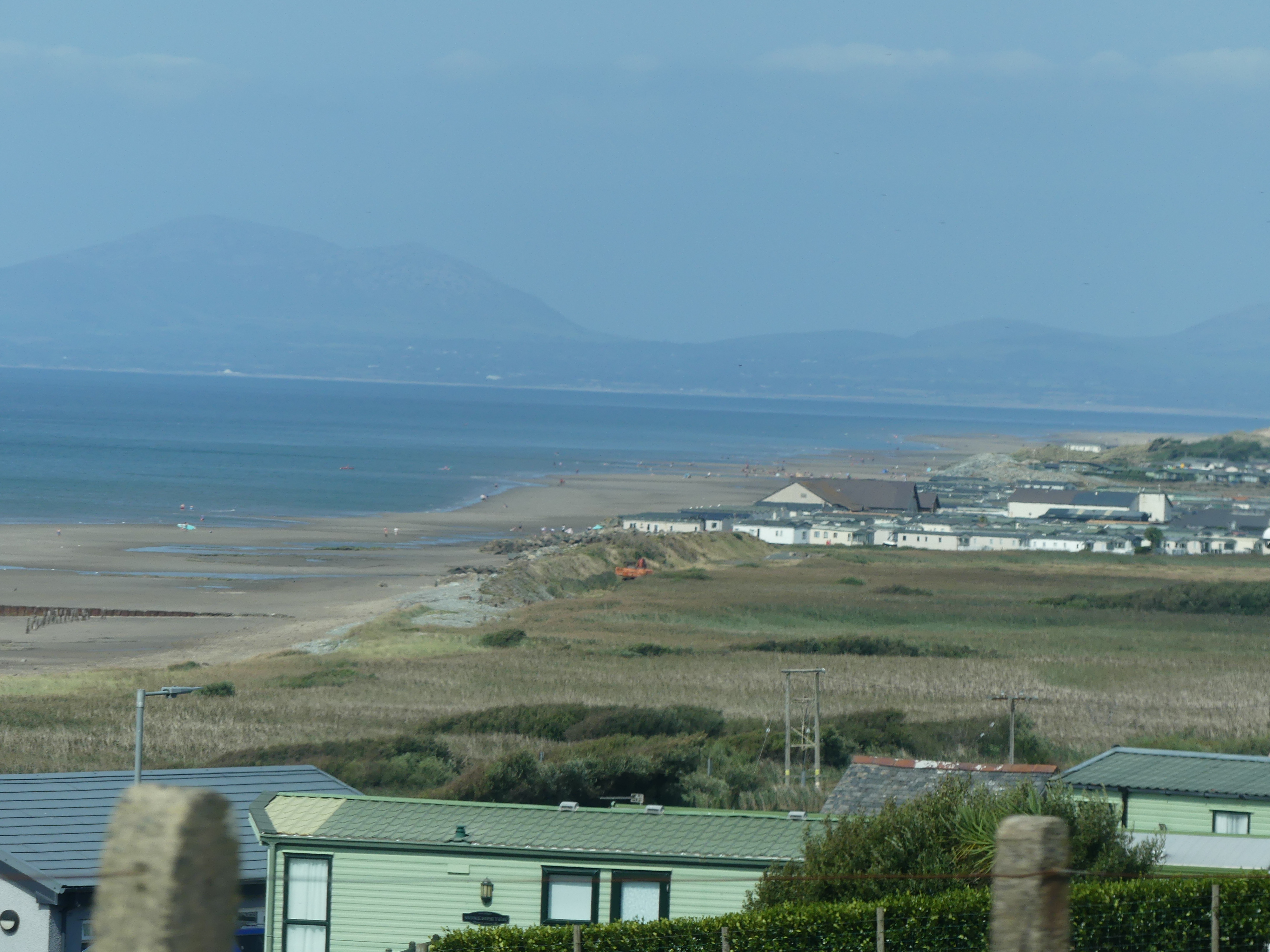
The drive to Harlech was very picturesque and I could not put my camera down.

CHATEAU RHIANFA PLAS RHIANFA

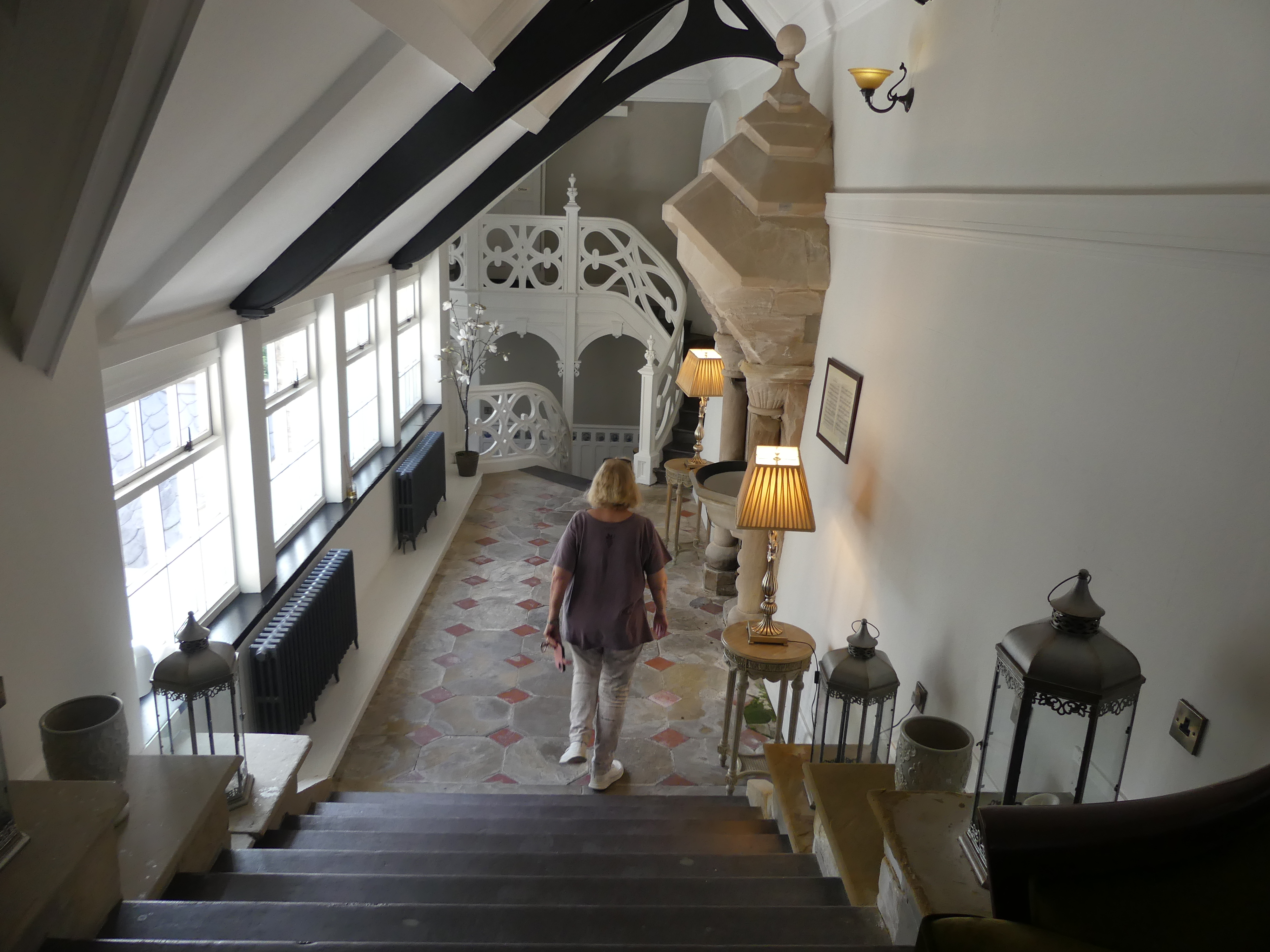
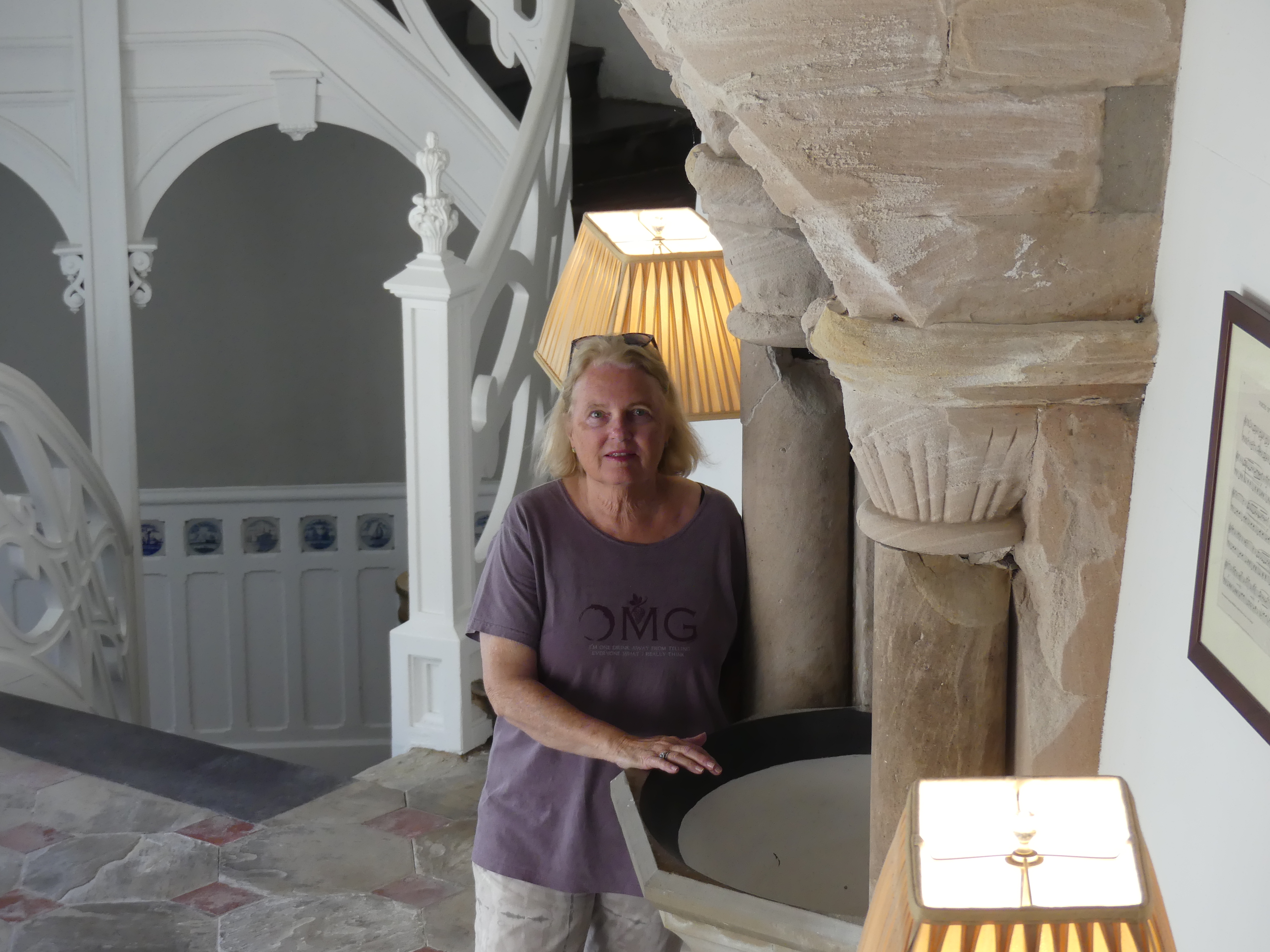
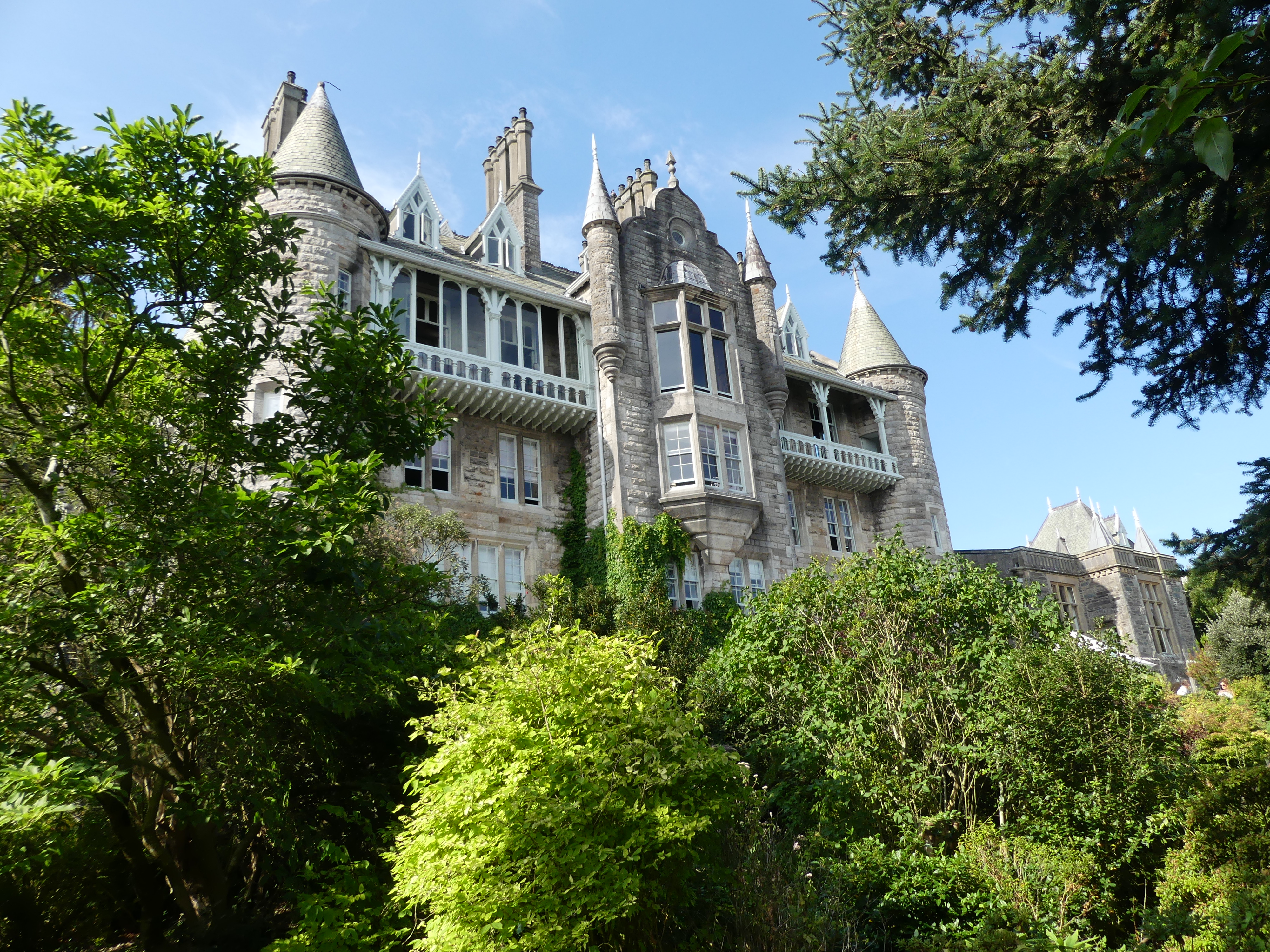
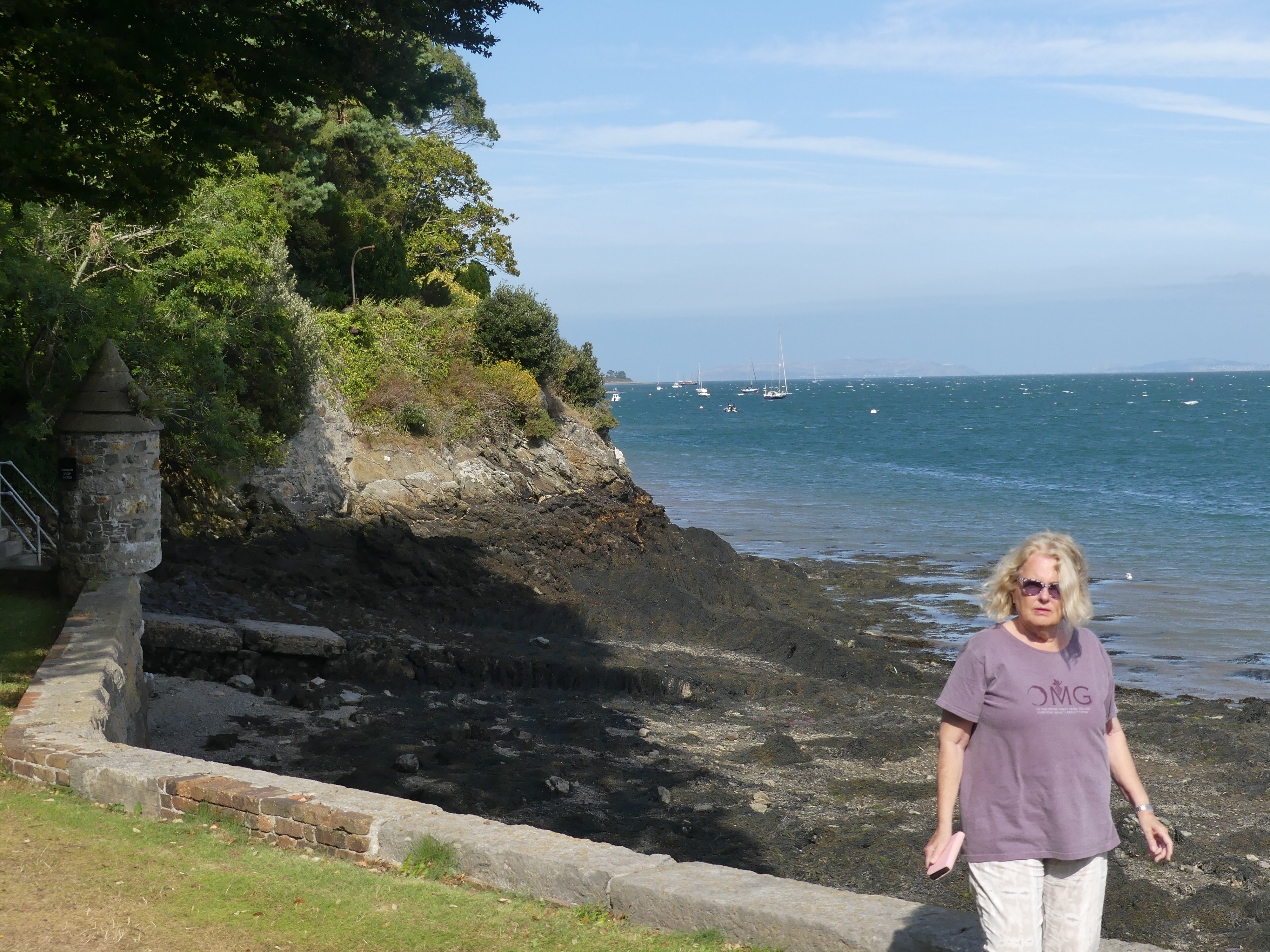
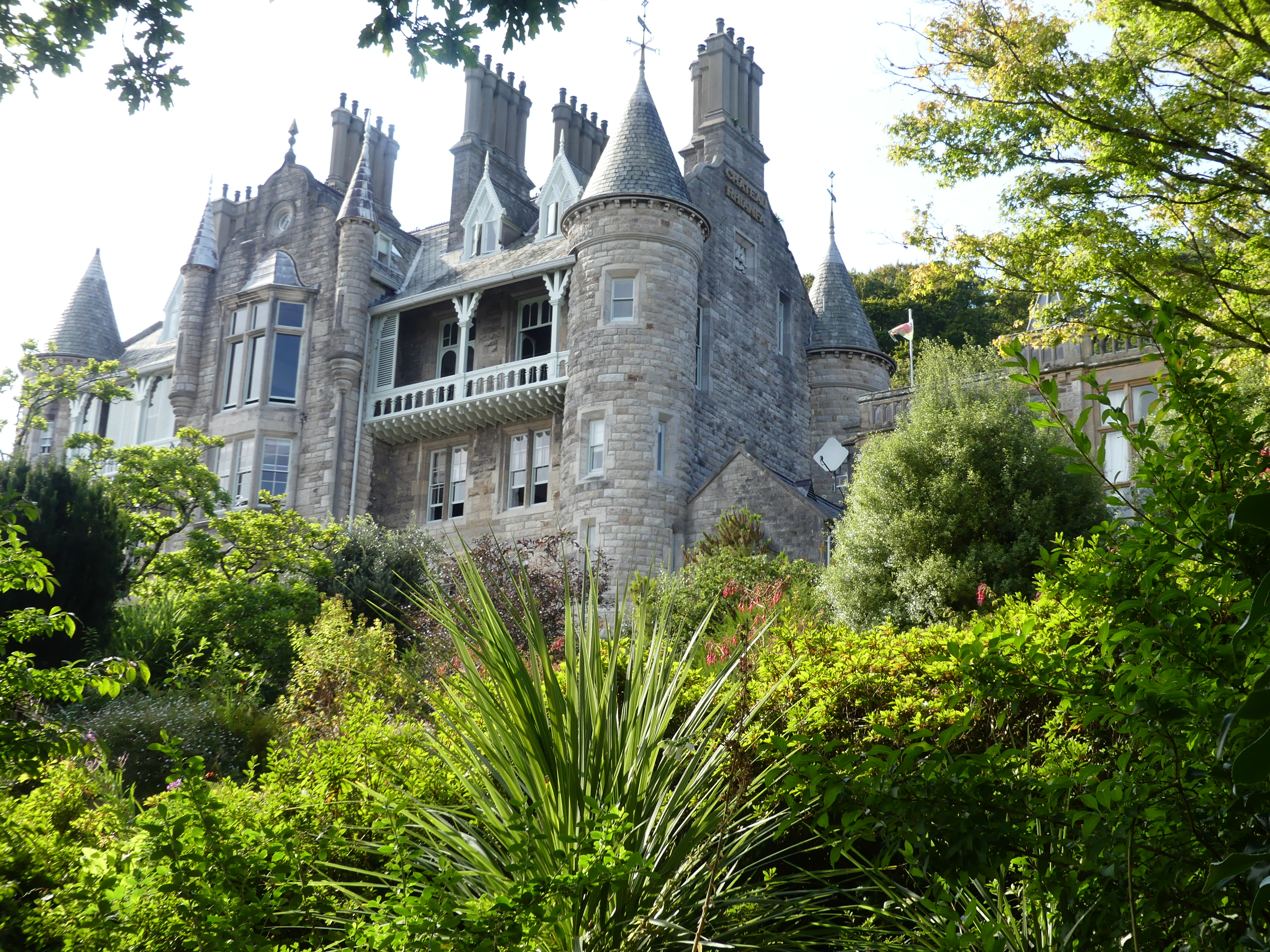
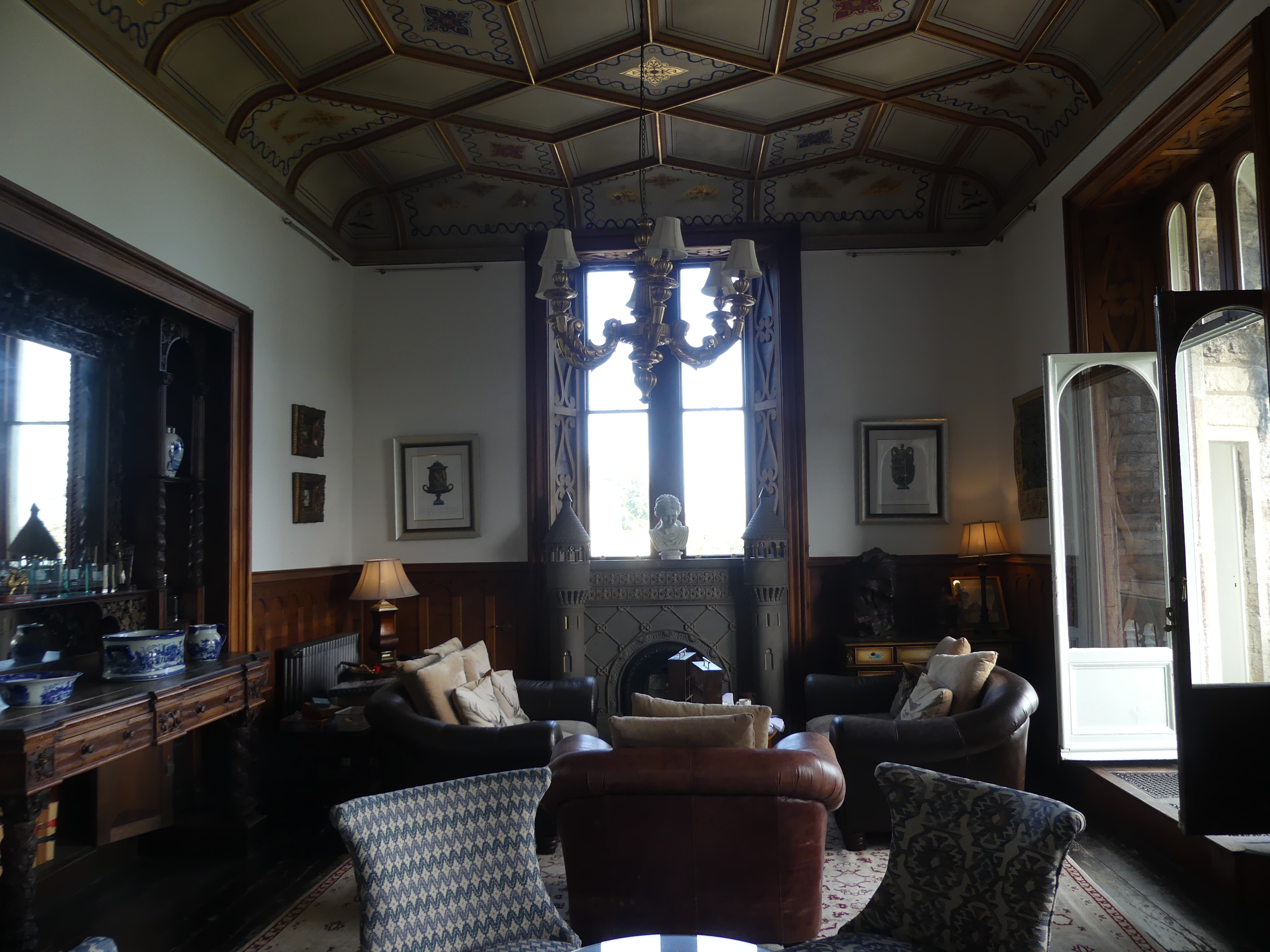
We arrived in Angelsey about mid afternoon and crossed the Menai Bridge. We proceeded along the road following the bay until we noted the entrance – a sharp right-hand turn into a crowded driveway. Chateau Rhianfa, is located on Menai, between Menai Bridge and Beaumaris. The house was built for Sir John Hay-Williams, 2nd Baronet of Bodelwyddan, and his wife Lady Sarah Elizabeth Hay-Williams with construction commencing in 1849 and completed in 1851. The house remained in the possession of the Williams family until 1957 when it was sold and converted into several apartments. Most of the land surrounding the house was also sold, leaving three acres attached to the estate. In 2012 the building reopened as a hotel, with three cottages within the estate converted into guest houses. My photos below show our bedroom – first round bed that I can recall and it was not all that comfortable. It proved to be unusual to sleep in. The bar was quaint but did not seem to be used regularly. Down on the waterfront we looked back to the mainland. The wind was constant and quite cool. The last photo of the exterior of the hotel showing a tower is in fact a view of our bedroom from the outside of the building.

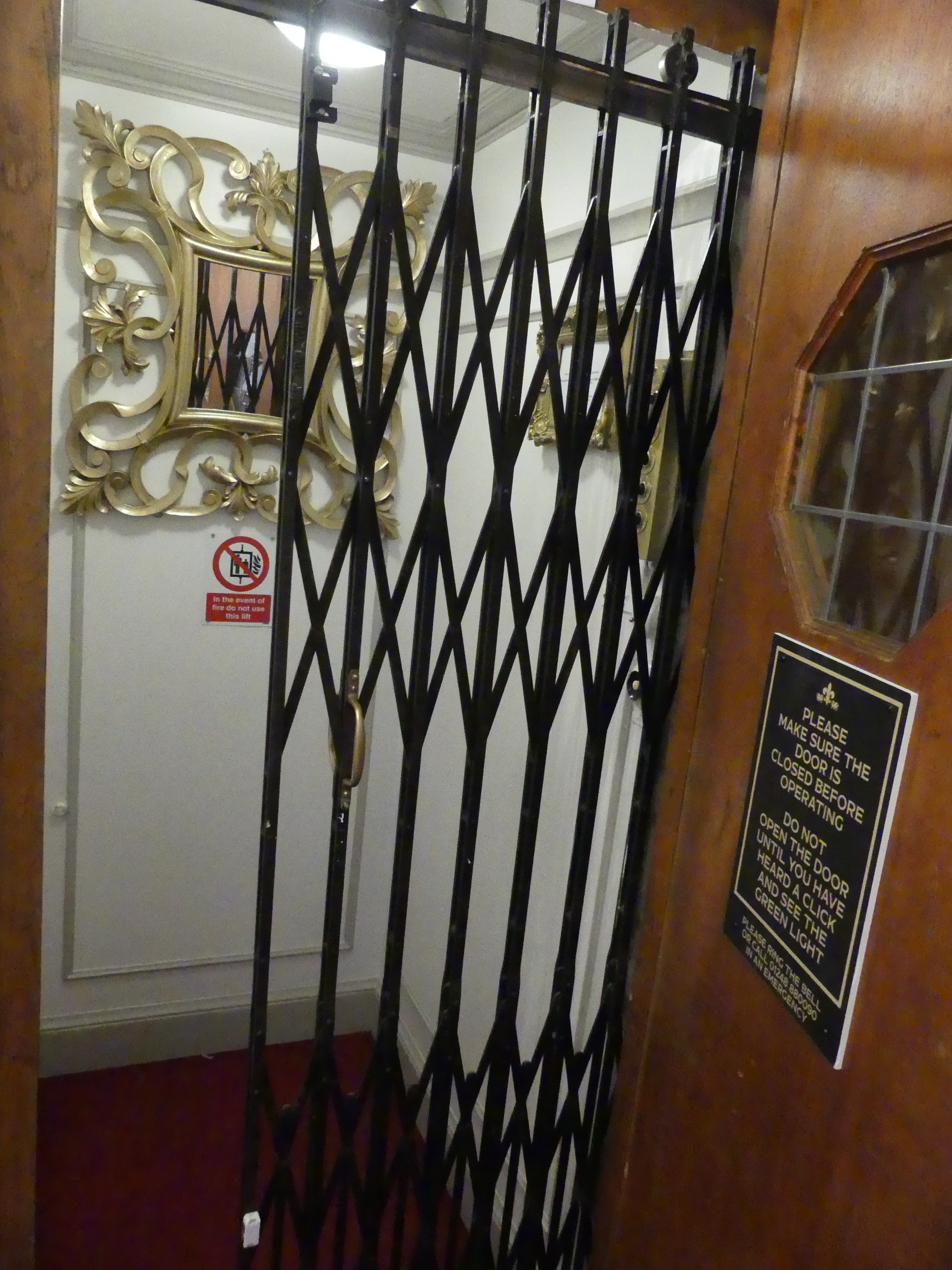
The hotel has been appointed with luxurious furniture and fittings in accord with the style of the building. It is surrounded by gardens and fronts the Menai Strait. The layout of the hotel was quirky but that appeals to us and makes it more interesting. It has an elevator which we gave a lot of use while we were there. Our photos give you a tour of the hotel, Menai Strait on a windy day and the elevator. The following day we had time to move through the many rooms of the hotel starting from the carpark at the entrance then the 3 lounges overlooking the waters of Menai Strait, the corner day bed on the verandah on the first floor, the top of the stairs and the chairs for the elderly to rest after the climb, some wild flowers sprung up in the garden and then the famous lift.

CAERNARFON AND ITS CASTLE

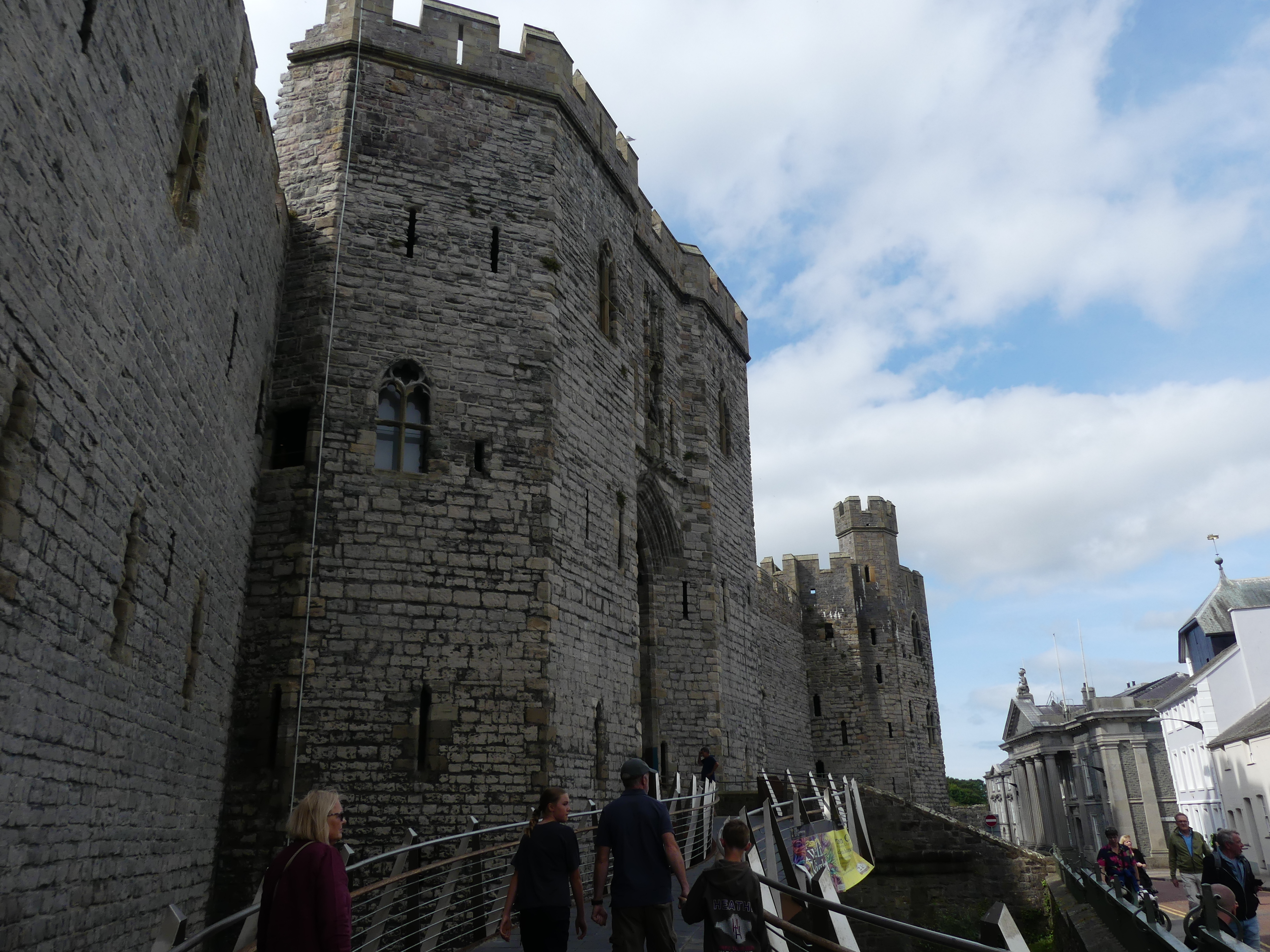
One of the attractions for me in visiting Anglesey was Caernarfon Castle. Although it is located in Caernarfon some 20 minutes drive away, I was keen to visit the castle which has maintained some of its medieval history. One of the best things about travel by road in the UK is their postal system where every residence, business, Government Office and castle has an individual post code and the g.p.s. system on my phone or in the car operated to locate and direct us to where we wanted to be. So locating the castle – no problem. Finding parking – always a bloody headache and this occasion was no exception. When you do find public parking it was different in every village and it took some time to understand what had to be done to avoid a fine – nerve wracking.

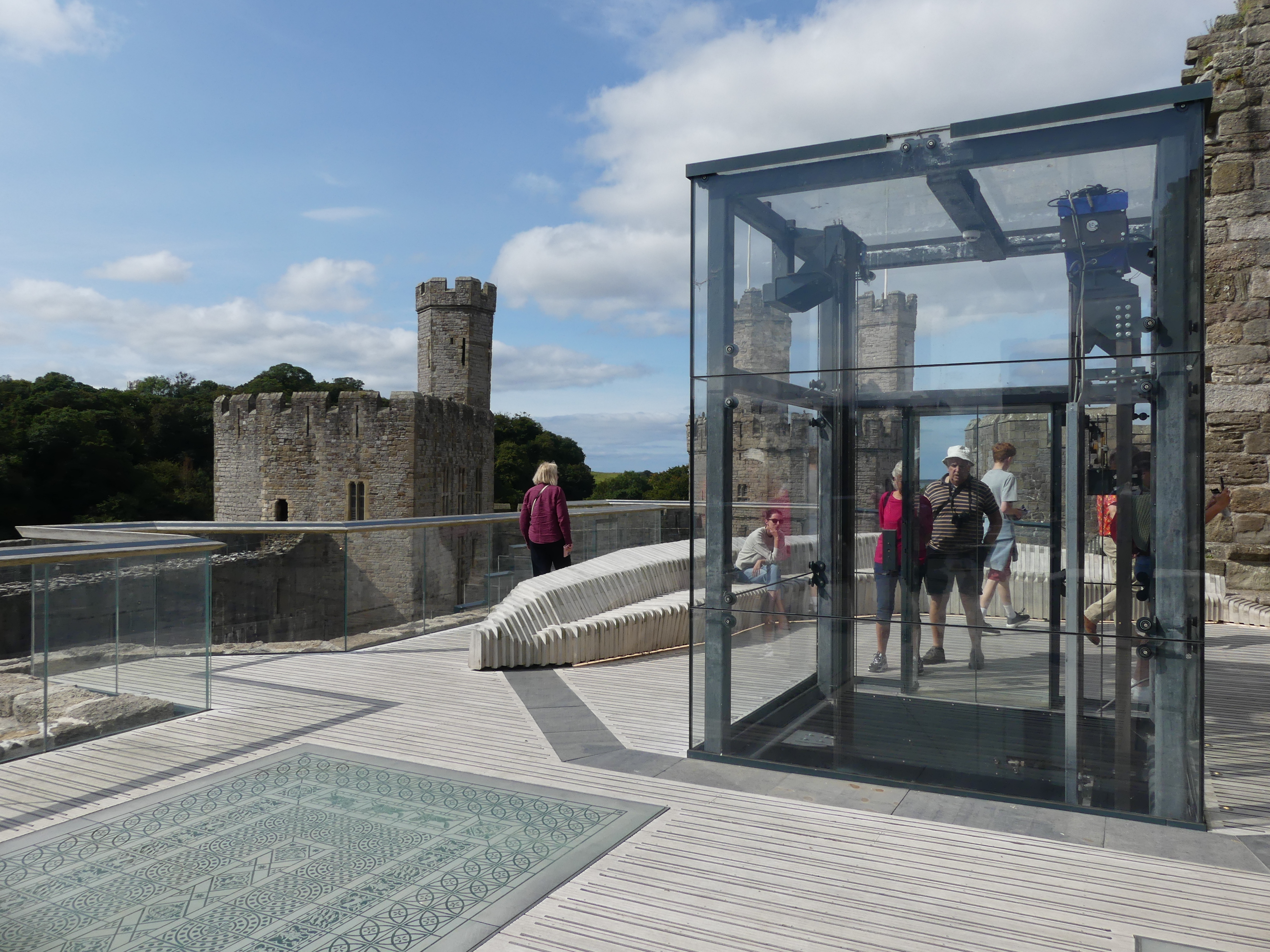
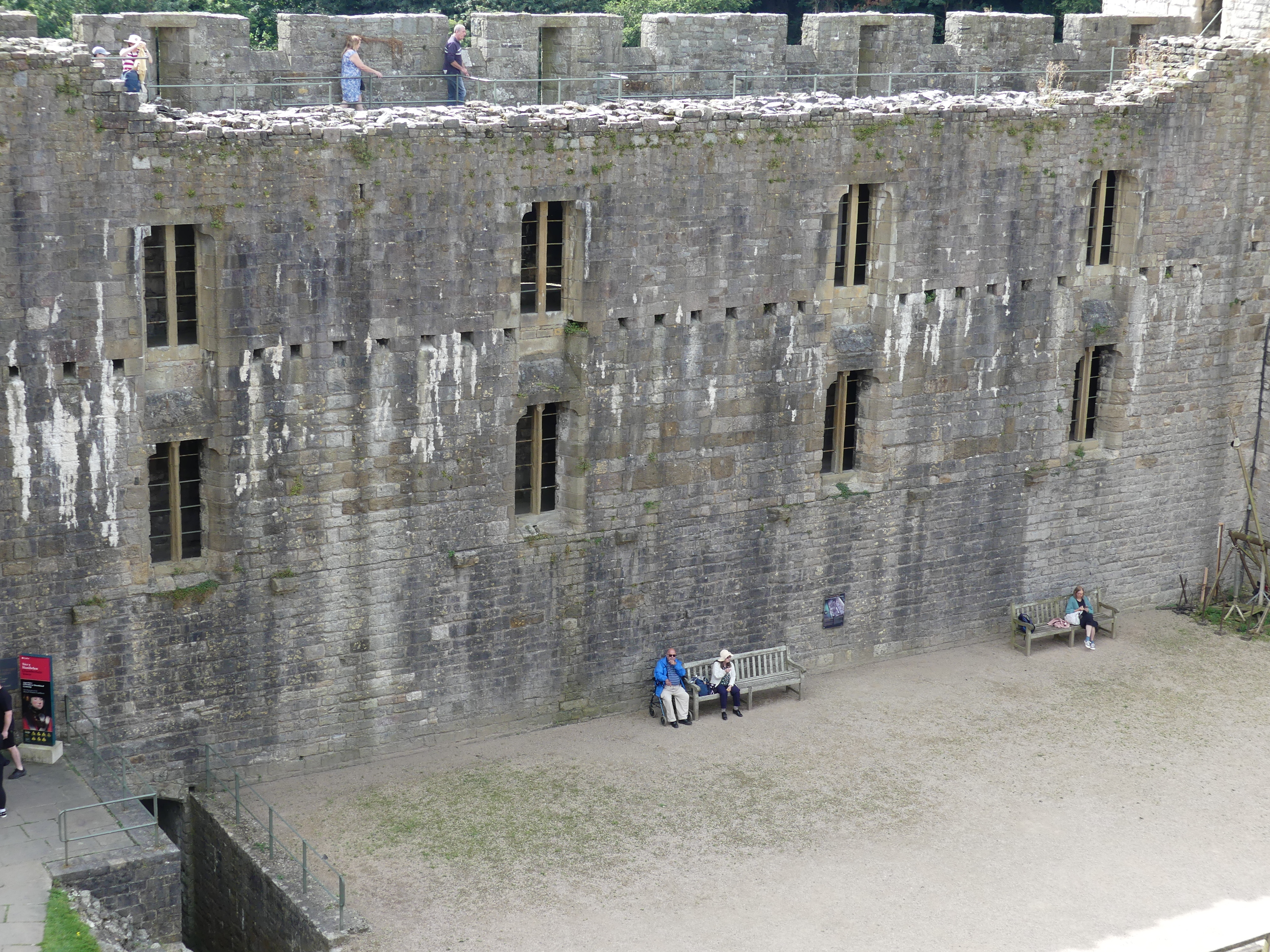
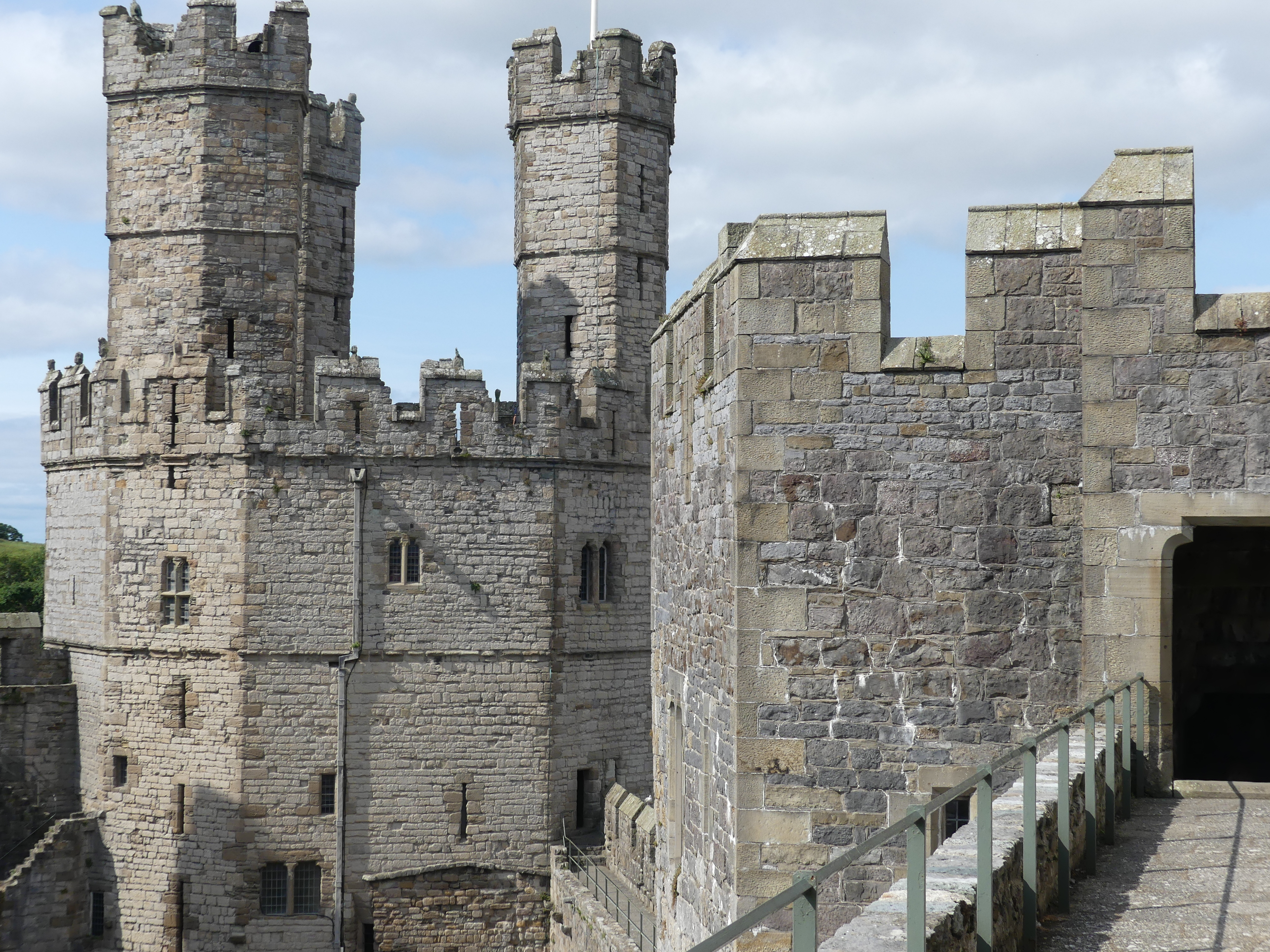
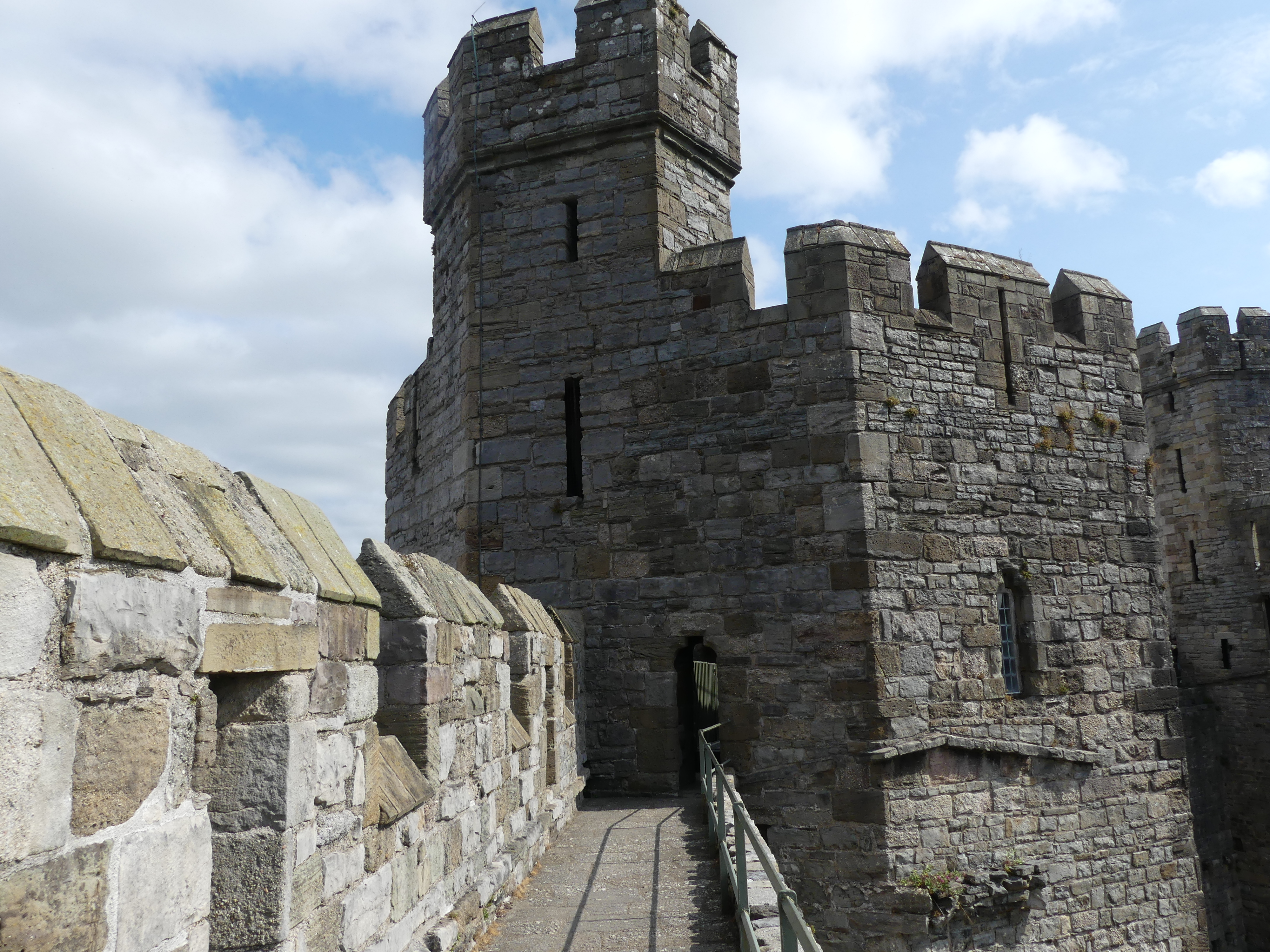
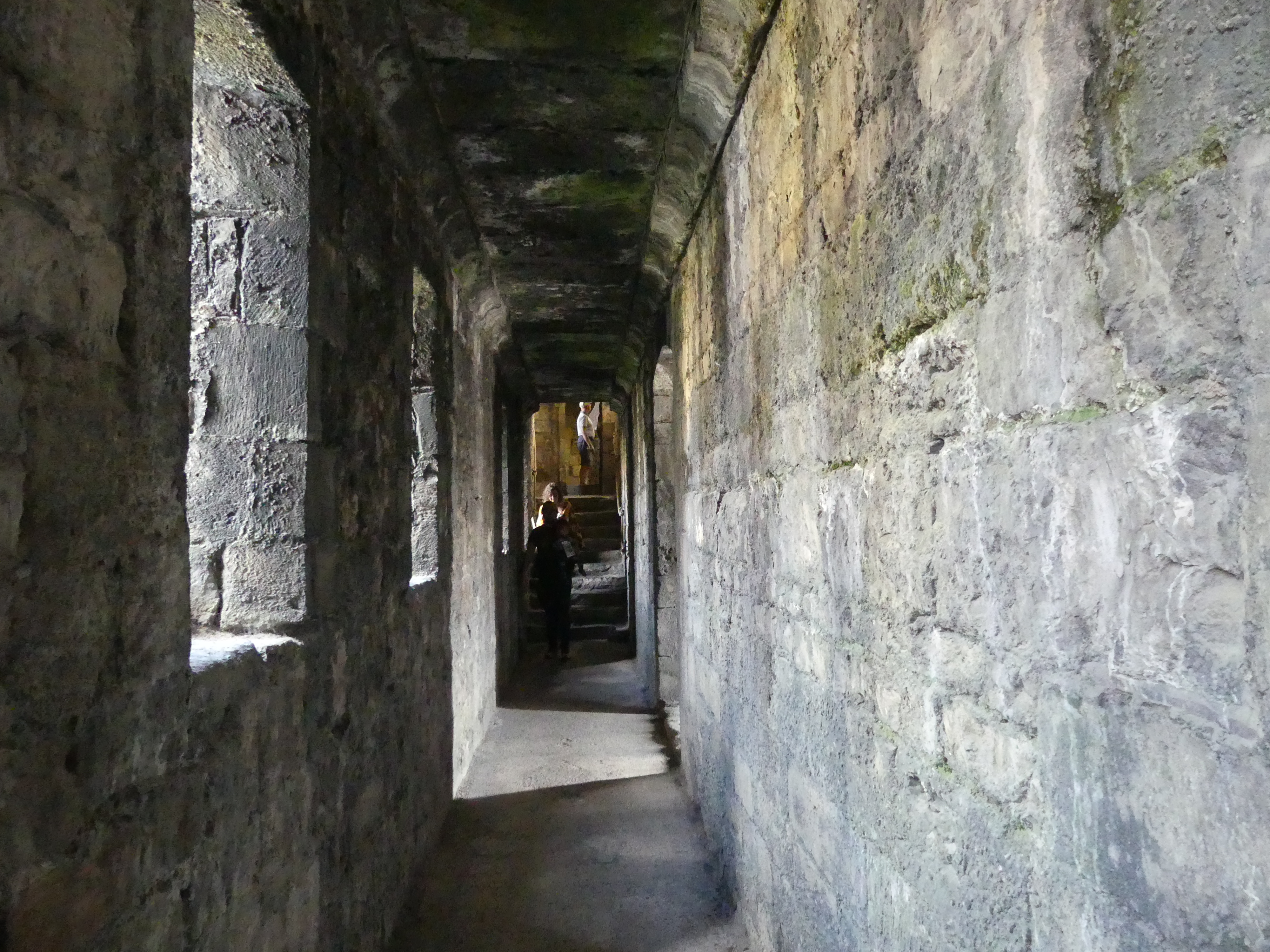
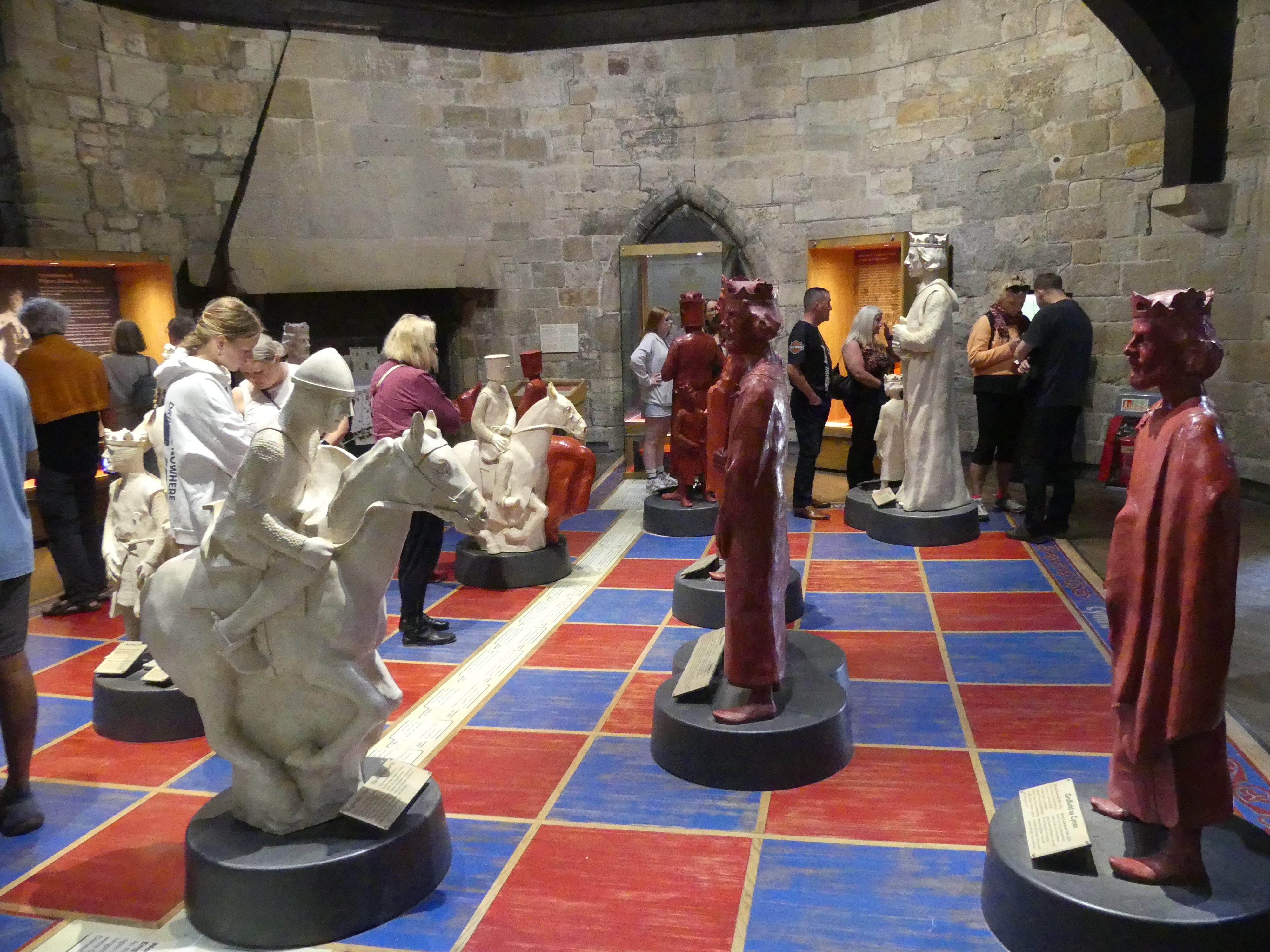
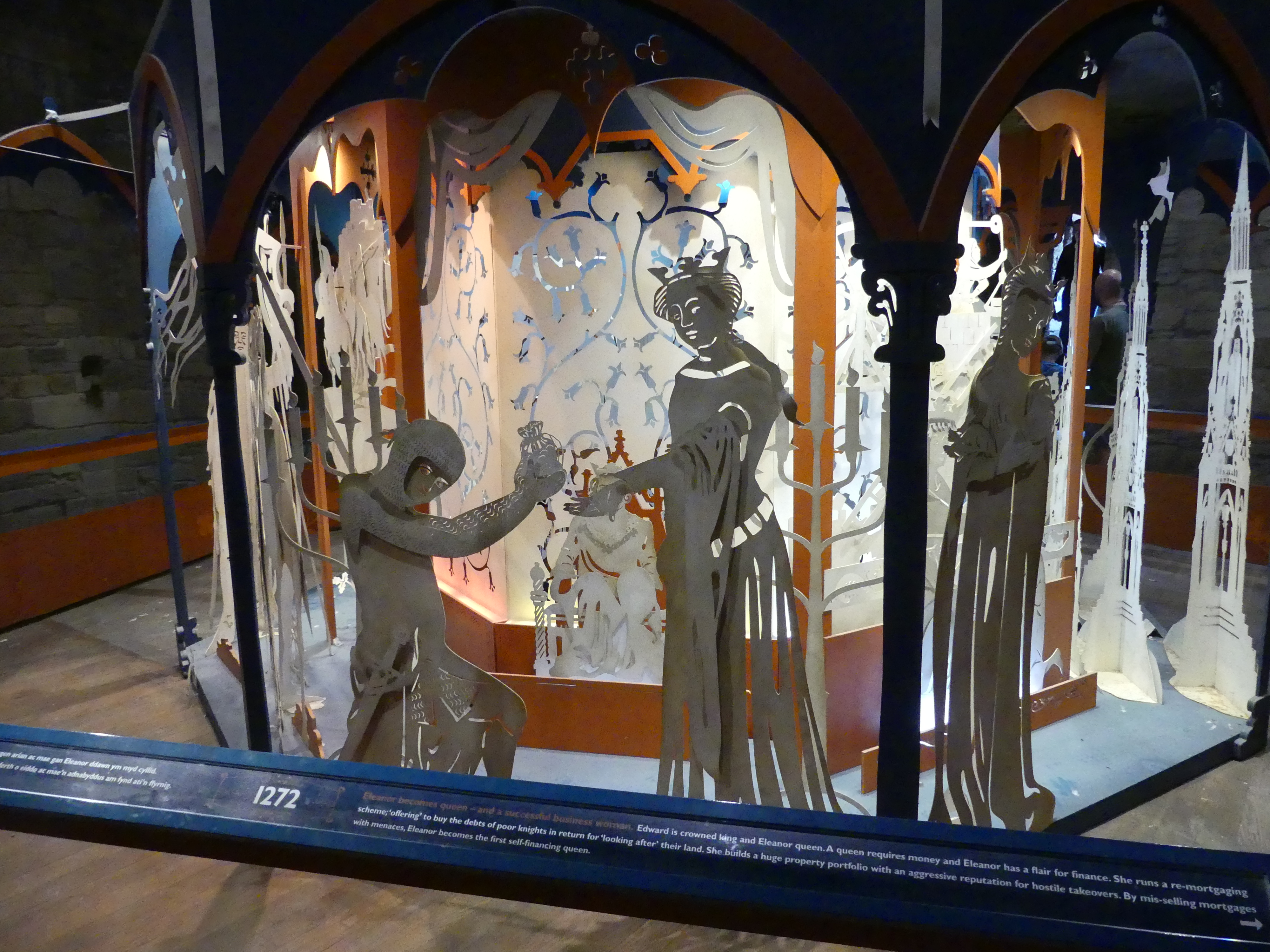
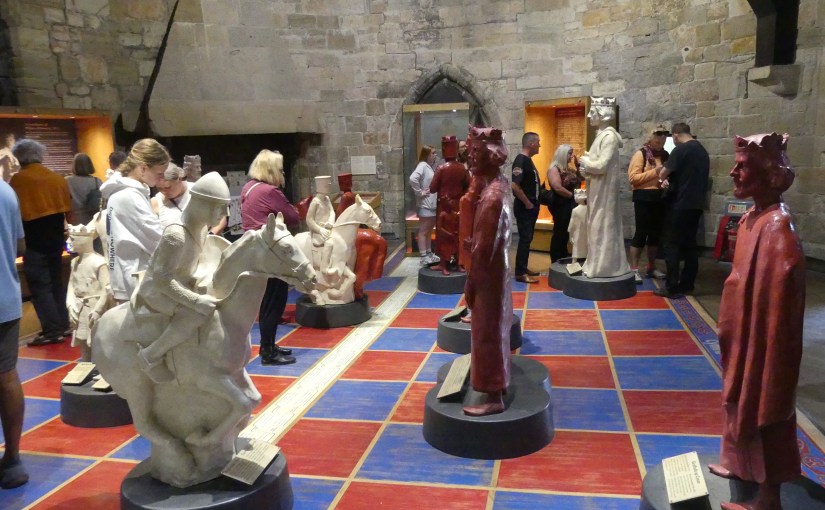
We found the public parking, determined the manner for payment and walked off with fingers crossed. We found one of the gates in the remaining walls of the castle and inside those gates was the streets and businesses given the protection of those walls. Like the “Black Boy Inn” and there did not appear to be any offense taken by the residents. After progressing through to the inner keep, we came to the ticket office and once again our 7 days Cadw pass gained us free entry. That pass saved us a huge sum of entry fees. Inside the inner sanctum of the castle was a mixture of medieval and modern. For the first time the castle had an elevator of modern design and faultless operation. Our photos show that this was a strongly fortified and important place. It was large as castles go and you could well imagine the comfort it afforded the residents living and working in the outer keep. One of the towers had been fitted out to tell some of the stories of the castle – one was a chess set with the key players shown as Kings Queens Knights Bishops and Pawns and the other concerning Edward I and Eleanor of Castile, his queen, particularly how Eleanor retained power after Edwards death.

Her story is told in the collage shown in my pictures above. Eleanor of Castile (1241 – 28 November 1290) was Queen of England as the first wife of Edward I. She also ruled as Countess of Ponthieu in her own right from 1279. Her marriage was to secure and affirm English sovereignty over Gascony. As a 13-year-old, Eleanor was married to Edward on 1 November 1254. She is believed to have birthed a child not long after.

Simon de Montfort’s government imprisoned her in Westminster Palace. Eleanor took an active role in Edward’s reign as he began to take control of Henry III’s post-war government. The marriage was particularly close; Edward and Eleanor traveled together extensively, including the Ninth Crusade. In her lifetime, Eleanor was disliked for her property dealings and the supposed exploitation of Jews, bringing her into conflict with the church. Eleanor died at Harby near Lincoln in late 1290; following her death, Edward built a stone cross at each stopping place on the journey to London, ending at Charing Cross, known as Eleanor crosses.

Notwithstanding the sources of her wealth, Eleanor’s financial independence had a lasting impact on the institutional standing of English queens, establishing their future independence of action. After her death, Eleanor’s reputation was shaped by conflicting fictitious accounts – both positive and negative – portraying her as either the dedicated companion of Edward I or as a scheming Spaniard. These accounts influenced the fate of the Eleanor crosses, for which she is probably best known today.

Below is the Cadw brochure for the Castle

HOLYHEAD

The port of Holyhead is the busiest UK Irish ferry port and is home to the largest seagoing ferry in the world. The origins of Holyhead (Caergybi) date from 450AD, when Celtic King Caswallon defeated Irish invaders on Holy Island. It is a historic port town, and is the largest town and a community in the county of the Isle of Anglesey, Wales. Holyhead is on Holy Island, bounded by the Irish Sea to the north, and is separated from Anglesey island by the narrow Cymyran Strait, having originally been connected to Anglesey via the Four Mile Bridge. For us it was just on the other side of the island.

We had no idea what to expect. The only thing we knew is that you caught the ferry to Ireland from Holyhead. On arrival at the ferry terminal the first thing we noticed is there is dedicated parking and no charge. In the distance we could see what looked like a passenger ship which turned out to be the ferry.

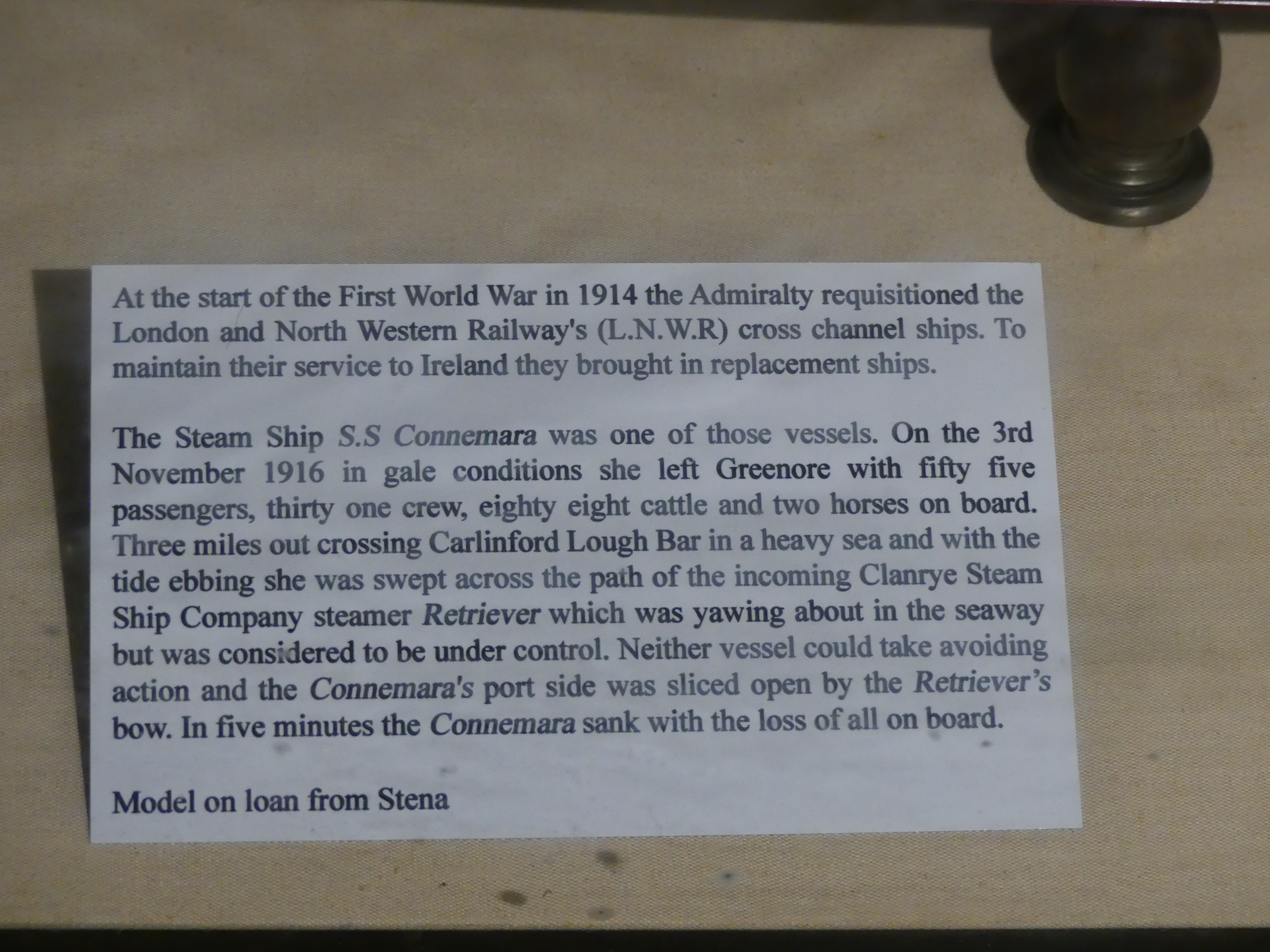
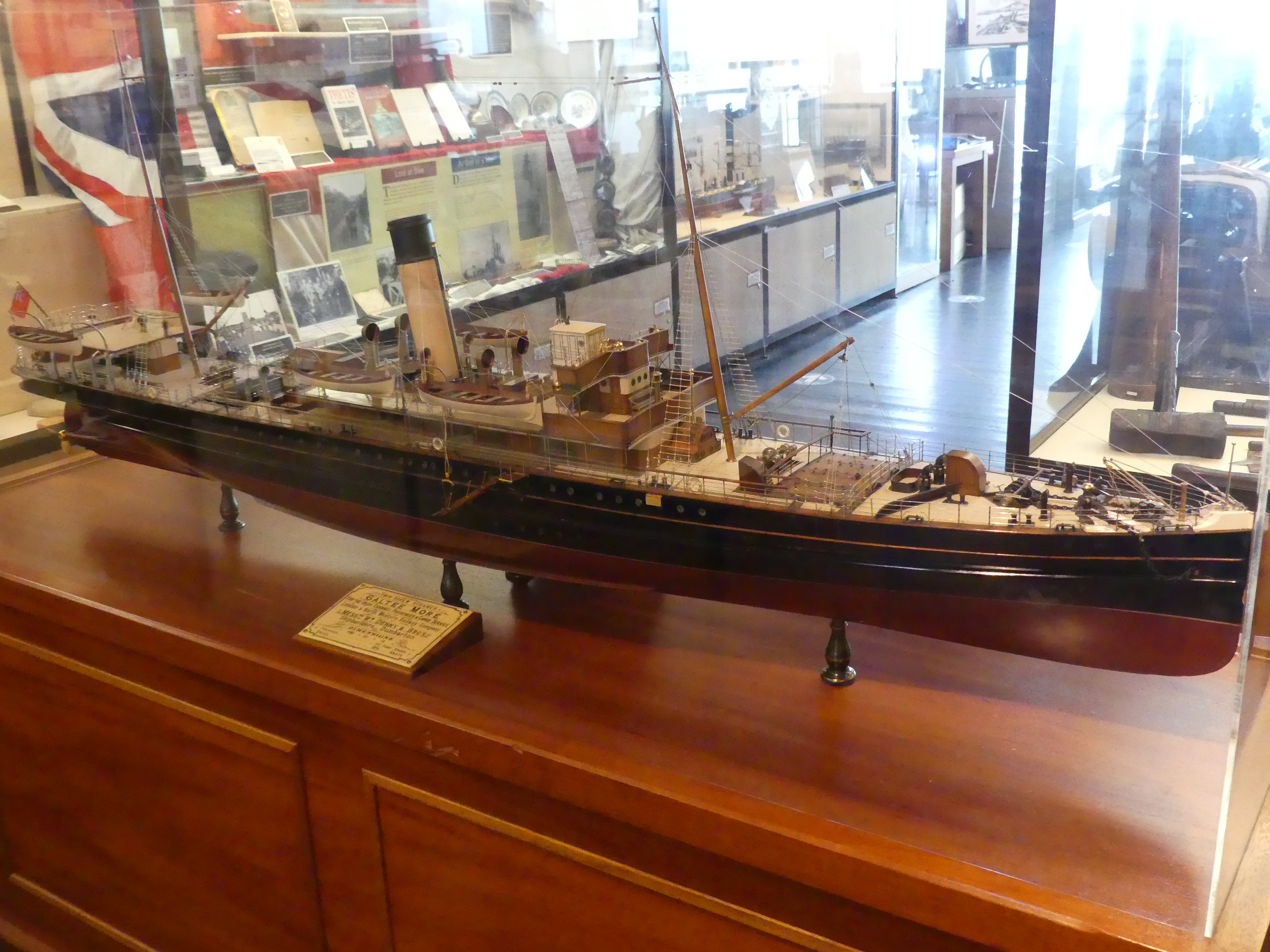
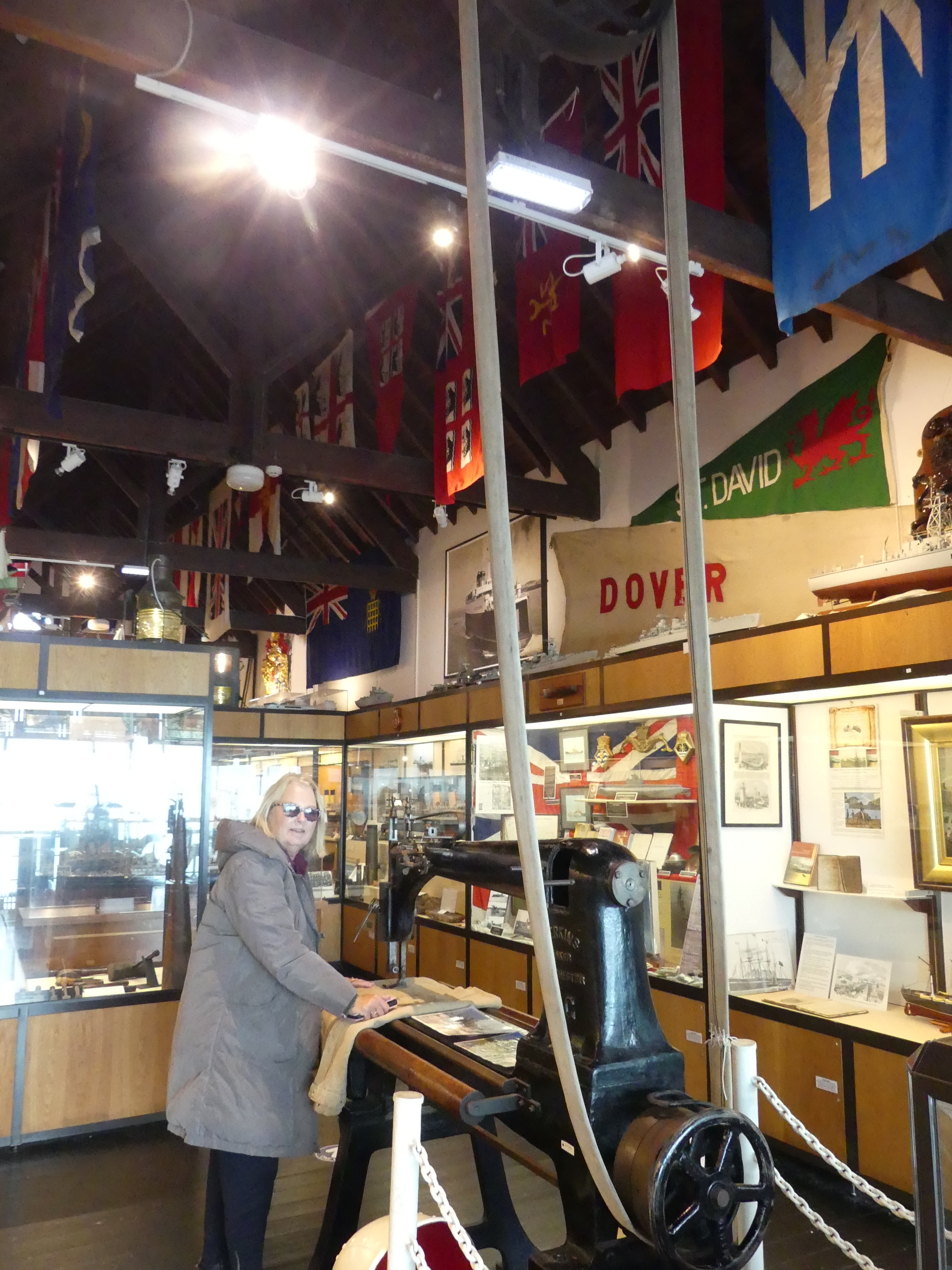
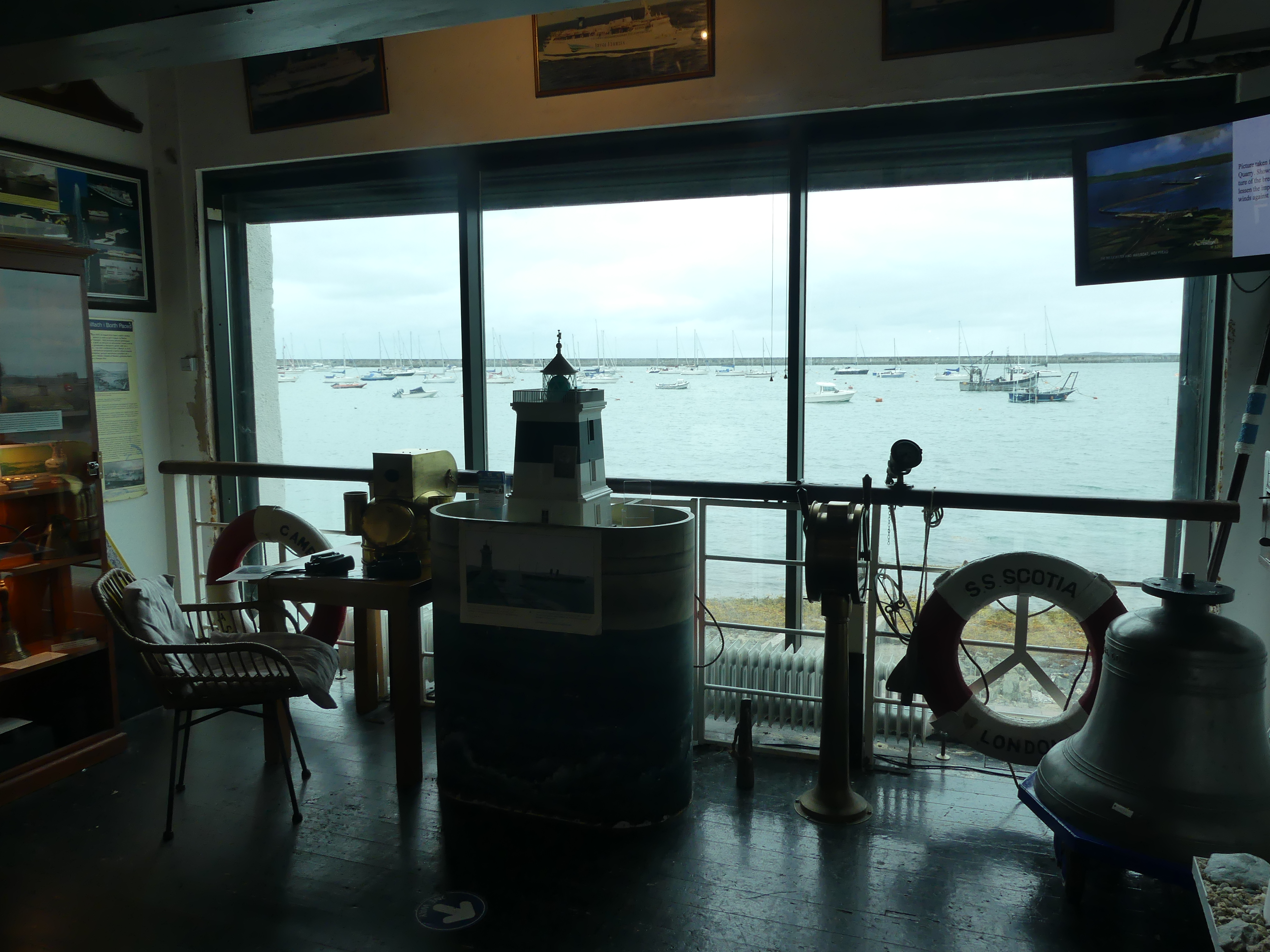
The weather was gray and cold and there was little to see. The thing that caught my eye was a maritime museum sited on the edge of the Bay with a nearby coffee shop and the rails of a former Rescue shed for launching of boats. There was a small entry fee but the volunteers manning the museum were quite prepared to show us around and give us the history of the museum and the displays in the museum. Our photos show the larger building which is the museum with the smaller coffee shop beside it. Kerry found a sewing machine which fascinated her. It was a sail makers machine which once upon a time was driven by steam power and 3 times the size of her industrial machines. Outside of the museum was a brick bomb shelter used during the Wars as Holyhead was a target for enemy planes. It was fitted out as though expecting a raid any moment. After completing our visit we adjourned to the coffee shop and found it was open from lunch only but just for us served us with coffee and cake with the ferry sitting against the wharf.

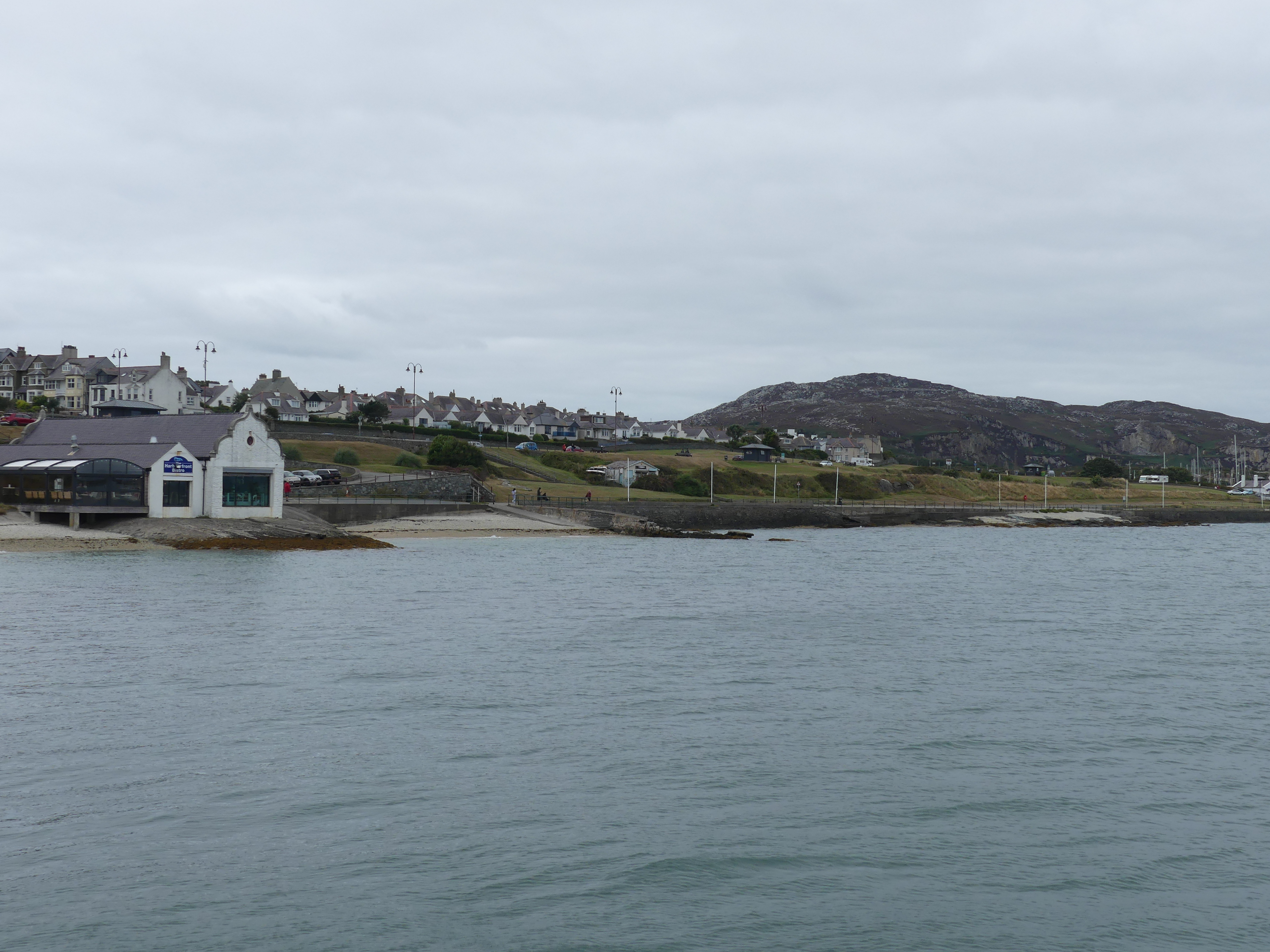
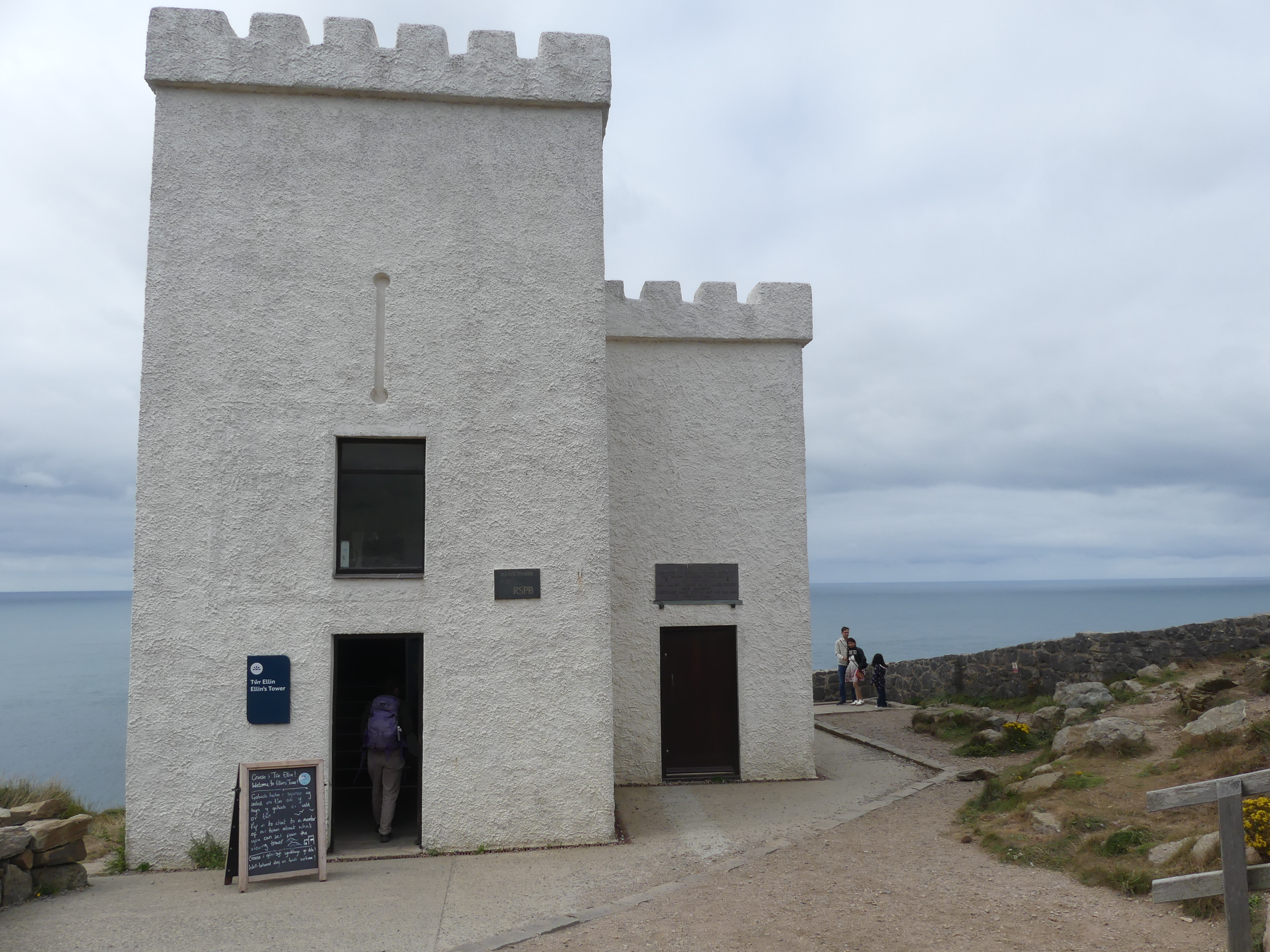
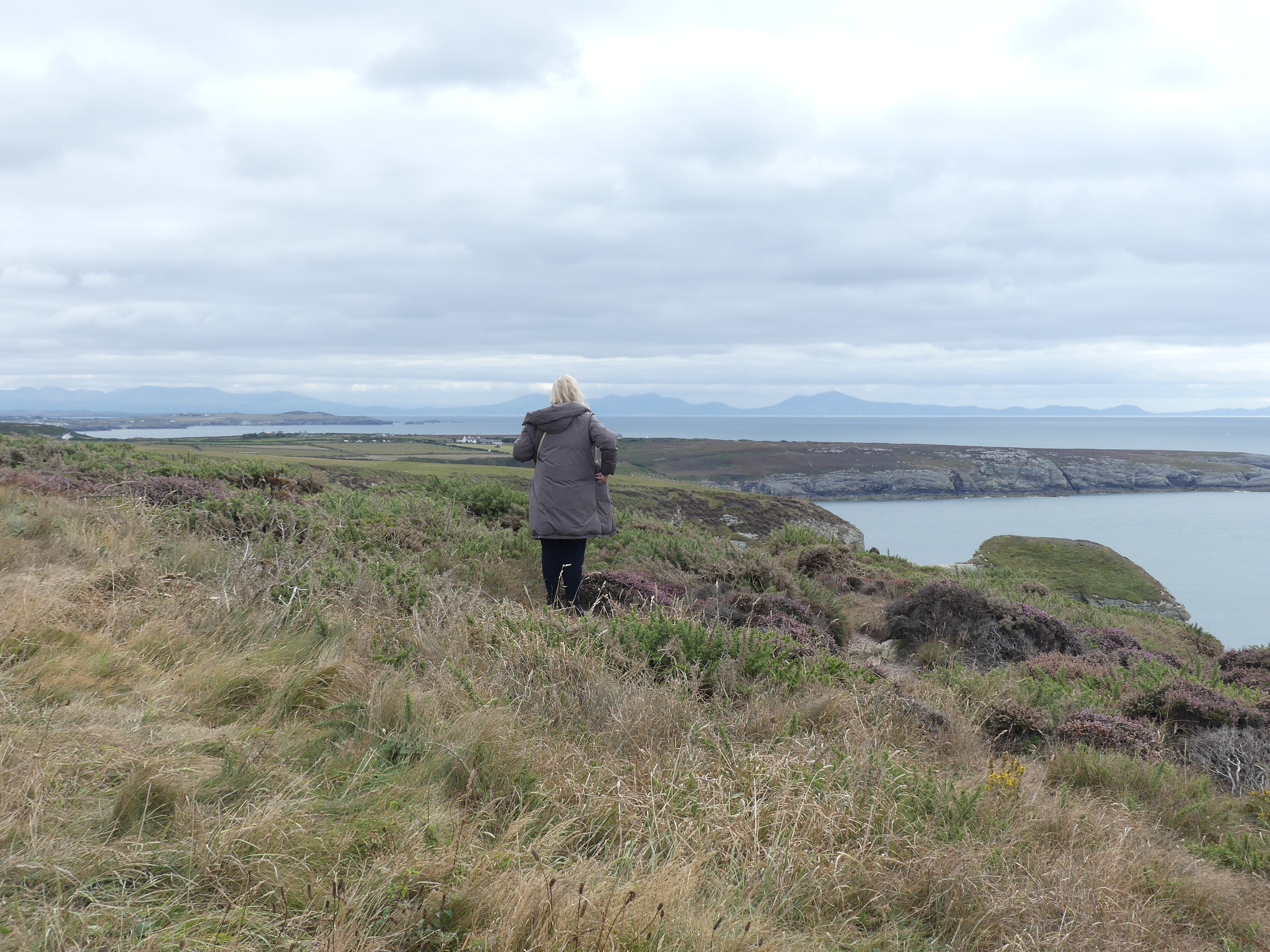
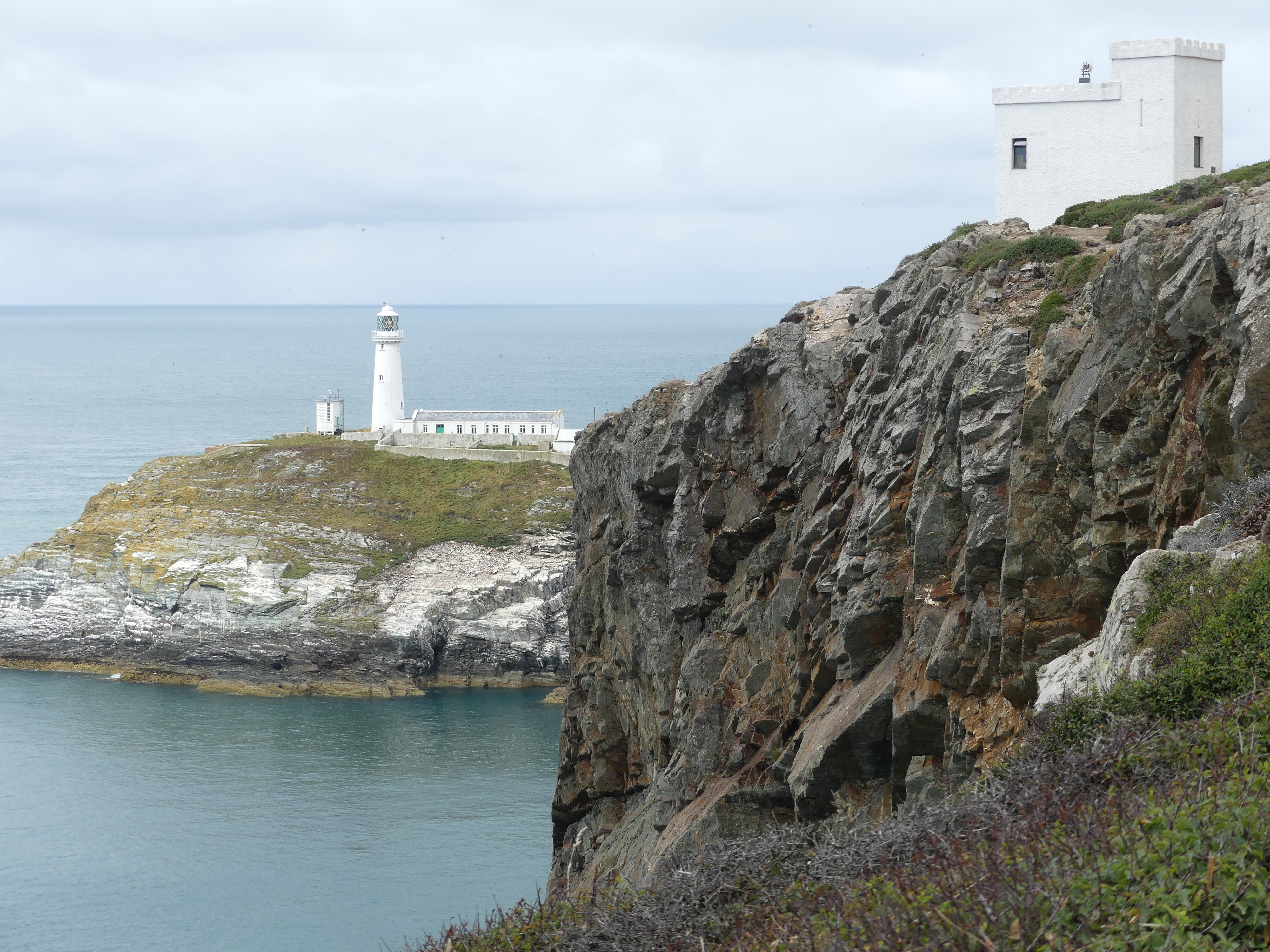
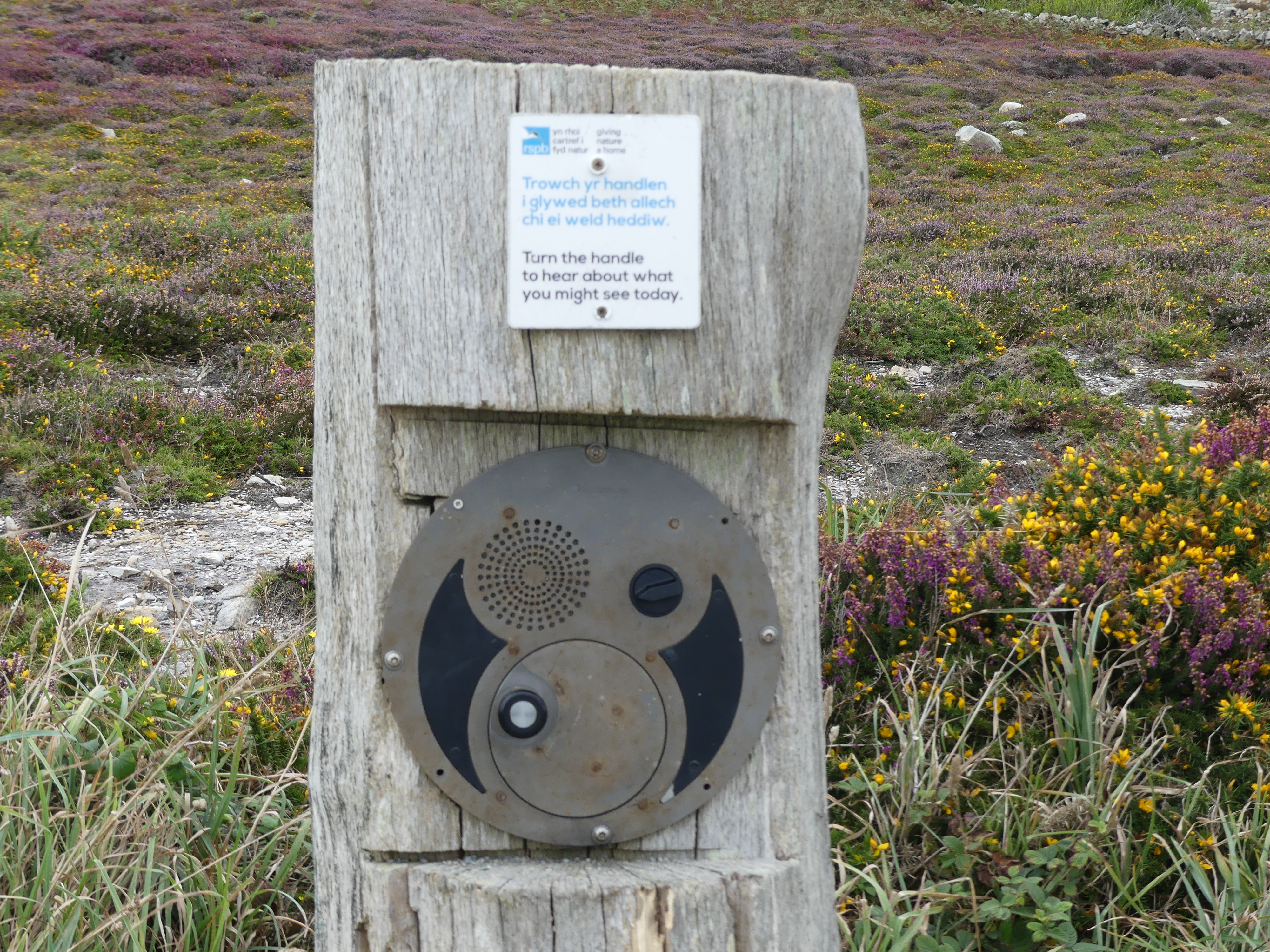
We finished a very welcome coffee and moved on to the South Stack Lighthouse. Searching for the lighthouse was a challenge and we missed the turn ending up in a cliff side park overlooking the lighthouse.The main lighthouse near Holyhead is the South Stack Lighthouse, a historic structure built in 1809 on a small island off the coast of Holy Island. It is famous for its dramatic location, accessed by descending over 400 steps from the mainland cliffs, and is a popular spot for birdwatching, including puffins and other seabirds. The lighthouse is 91 metres tall and the walk to the lighthouse starts on the headland with 400 stairs down then a lengthy walk to the buildings then the climb to the top of the lighthouse turnaround and go back again. That would have taken all day and probably killed one or both of us so we were content to view the building as we encountered an environmental centre built in a miniature castle like building in the reserve with information on the reserve and its flora and fauna. You will see in one picture the RAF planes that regularly flew across.

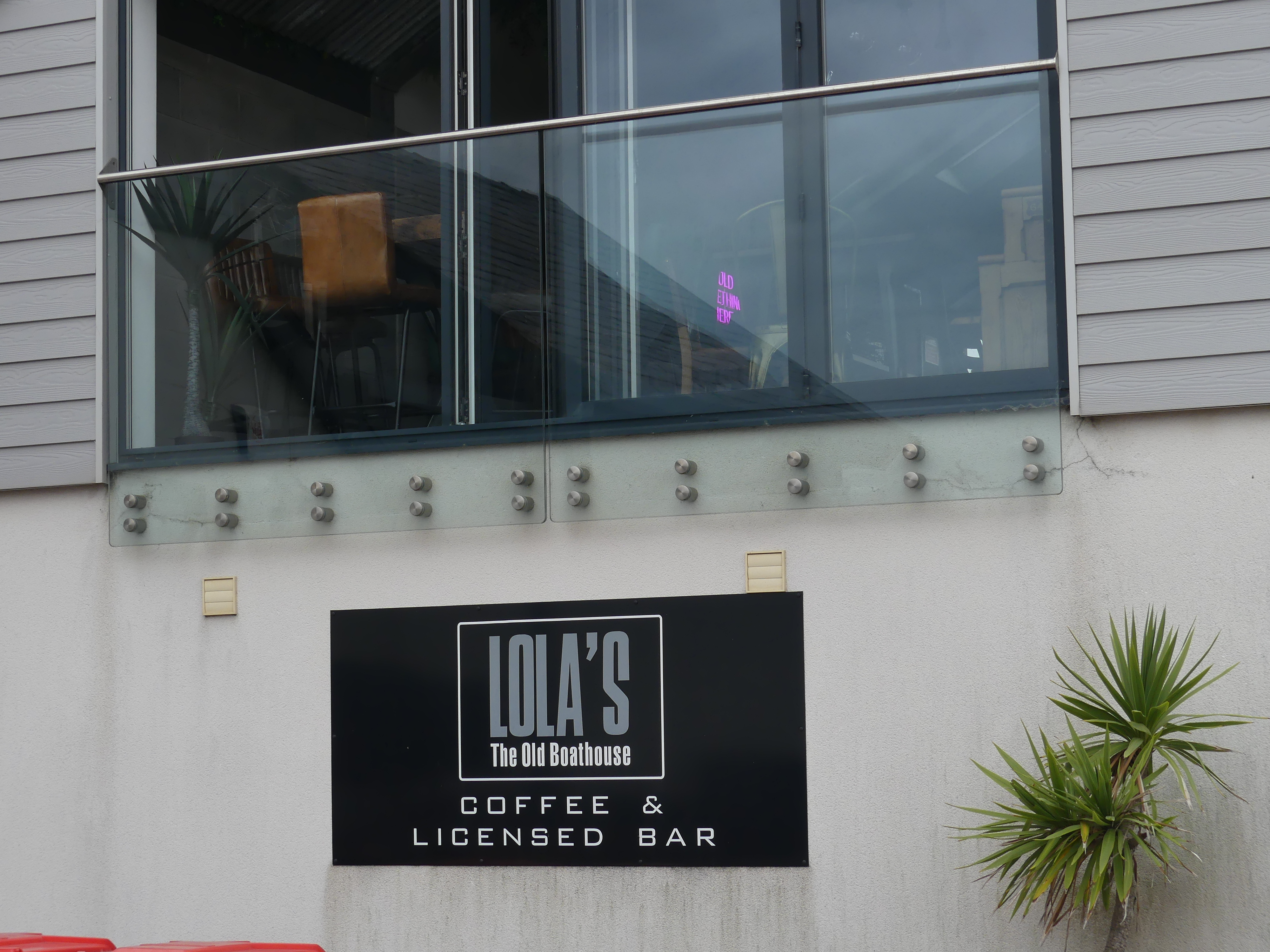
We moved onto the next town and visited the beach and got some lunch. As we departed we came across this restaurant “Lola’s” the old boathouse. Lola is our 2nd grandchild living in Tasmania.

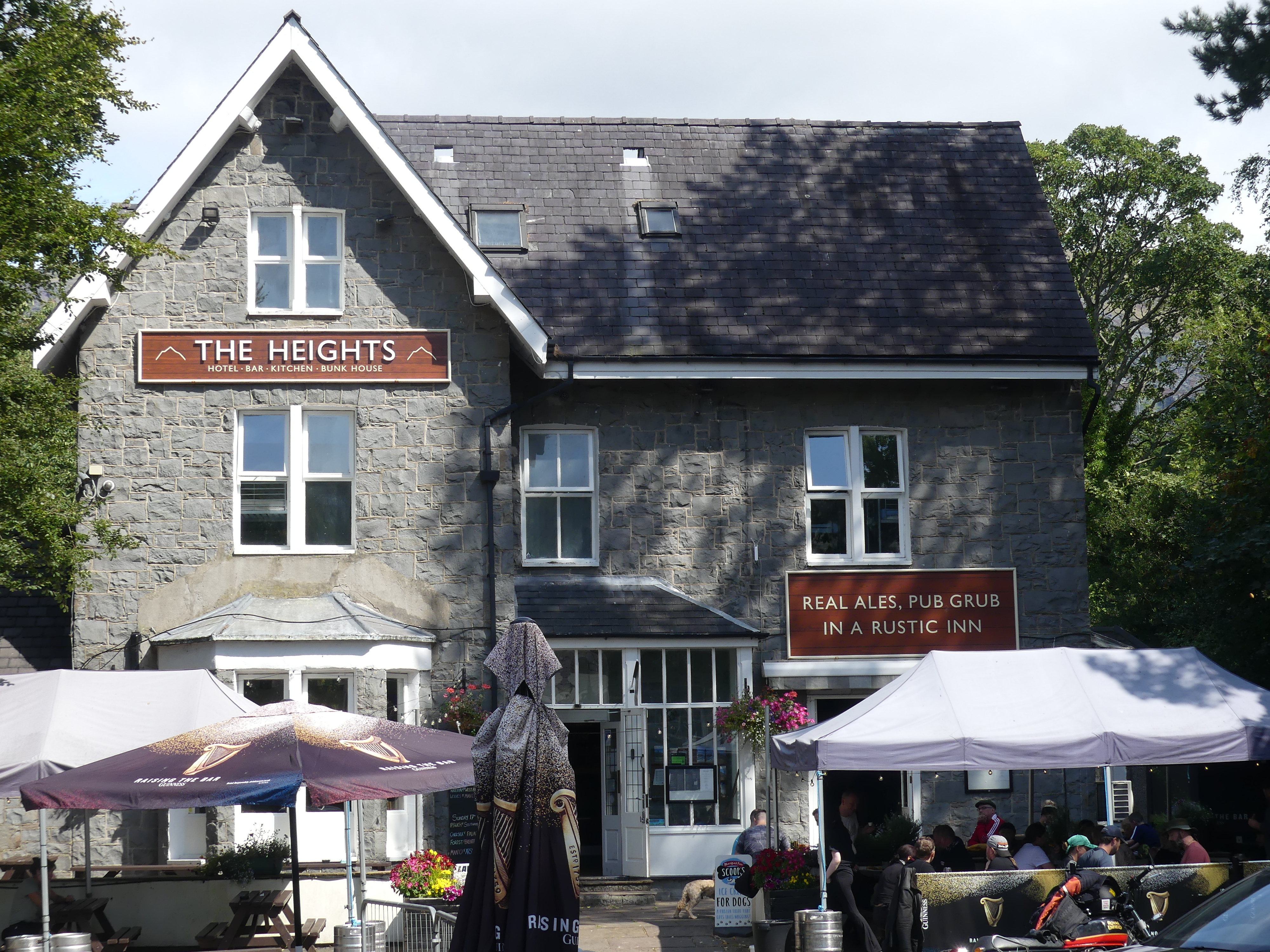
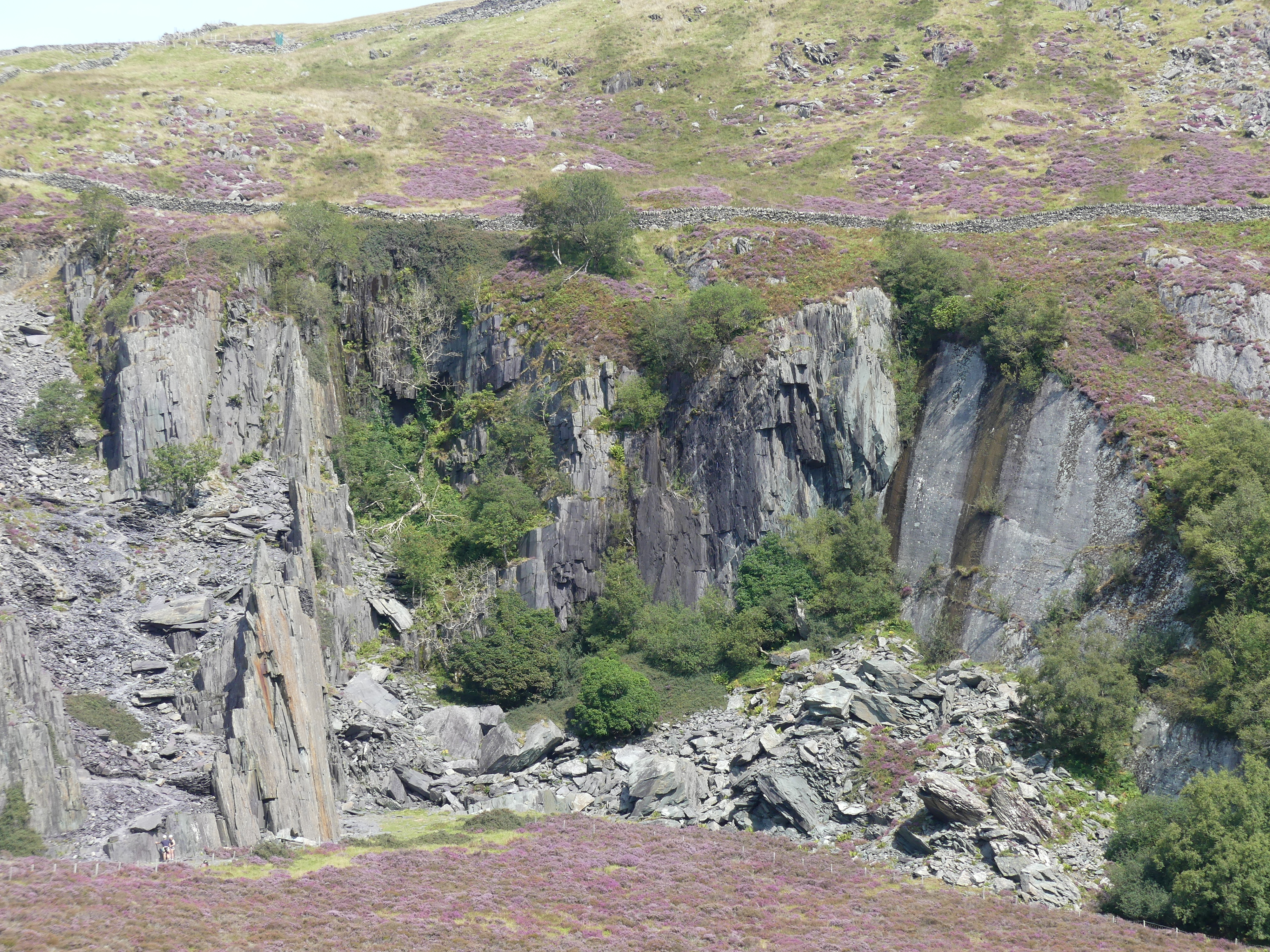
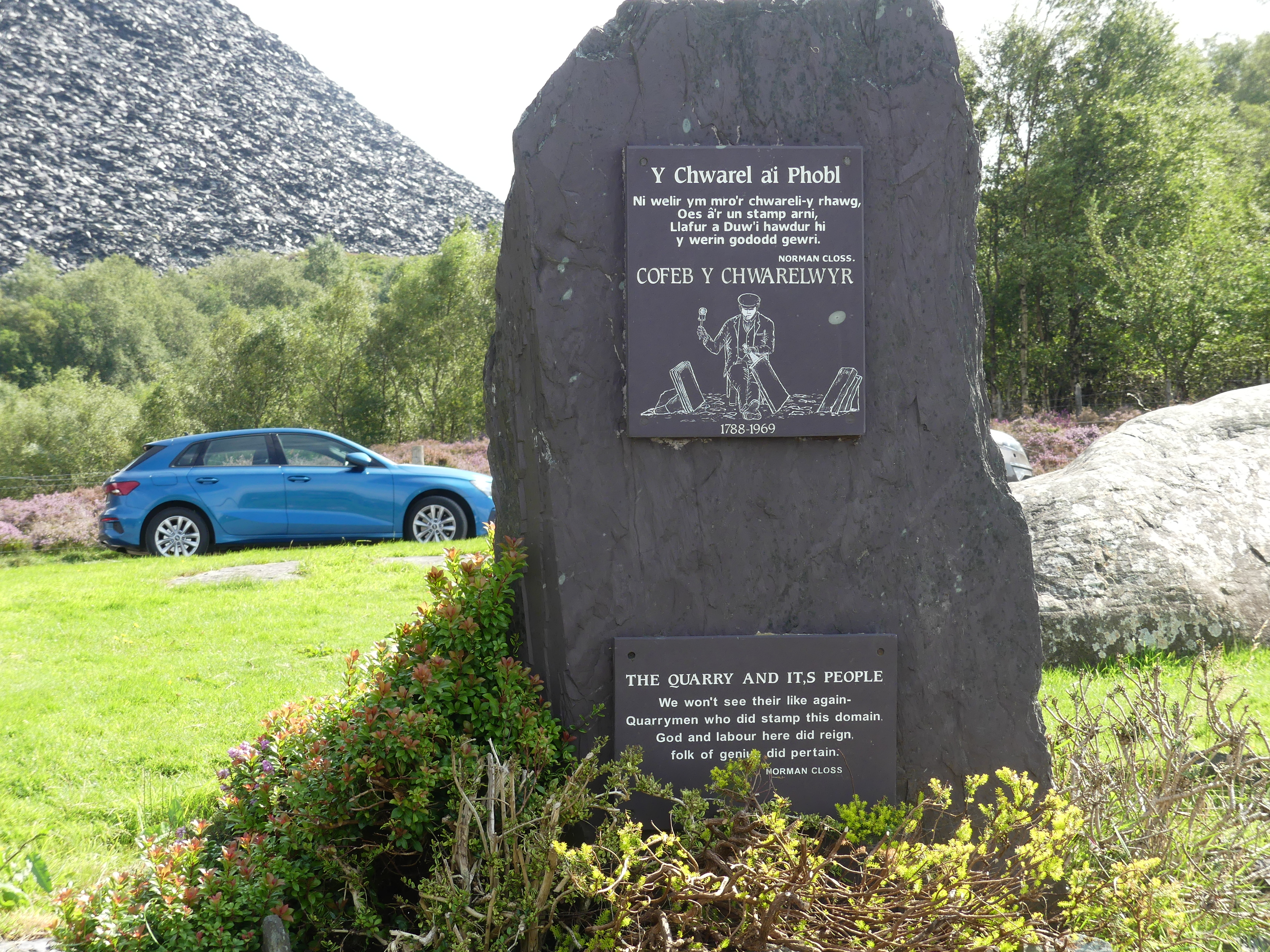
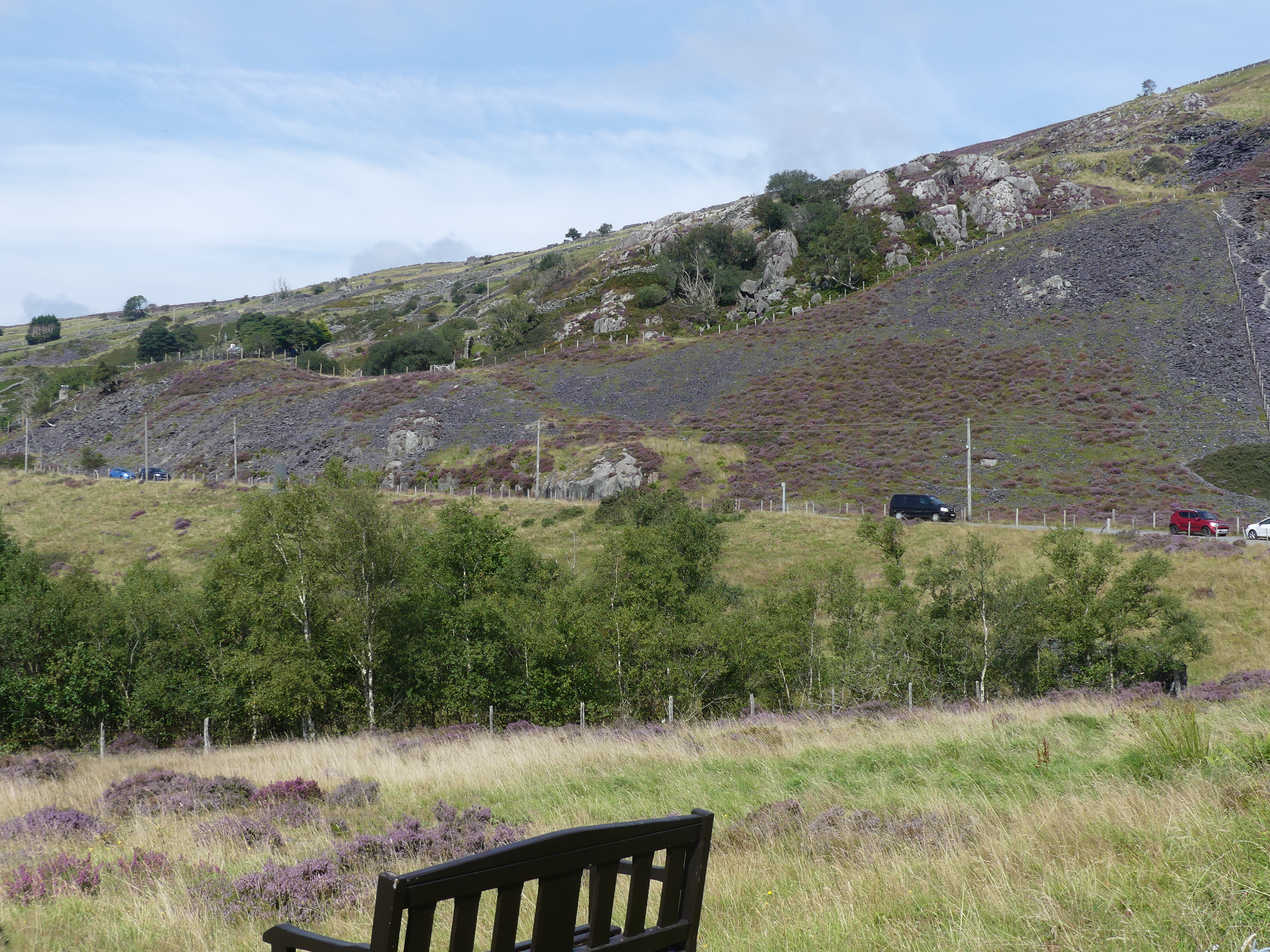
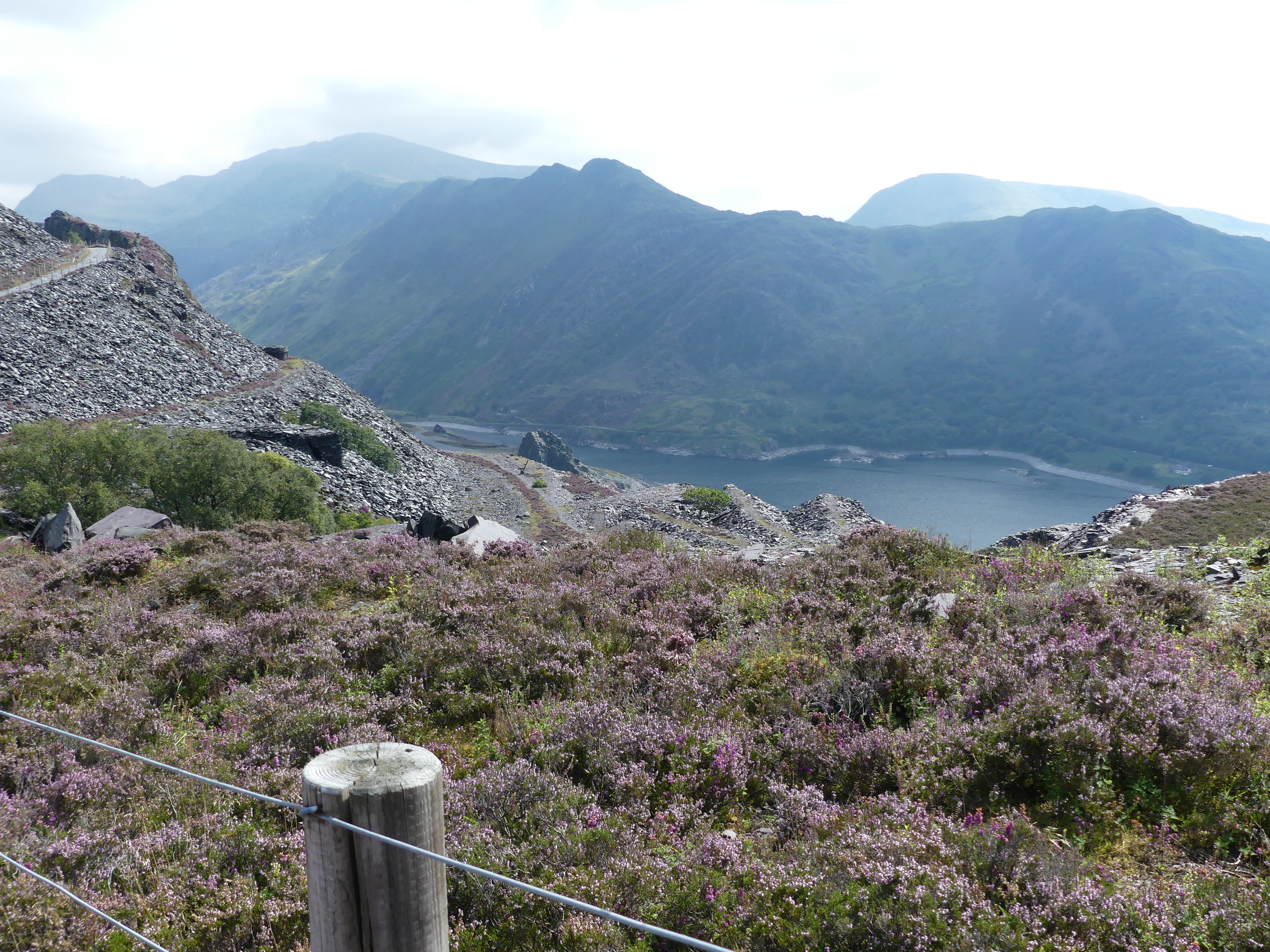
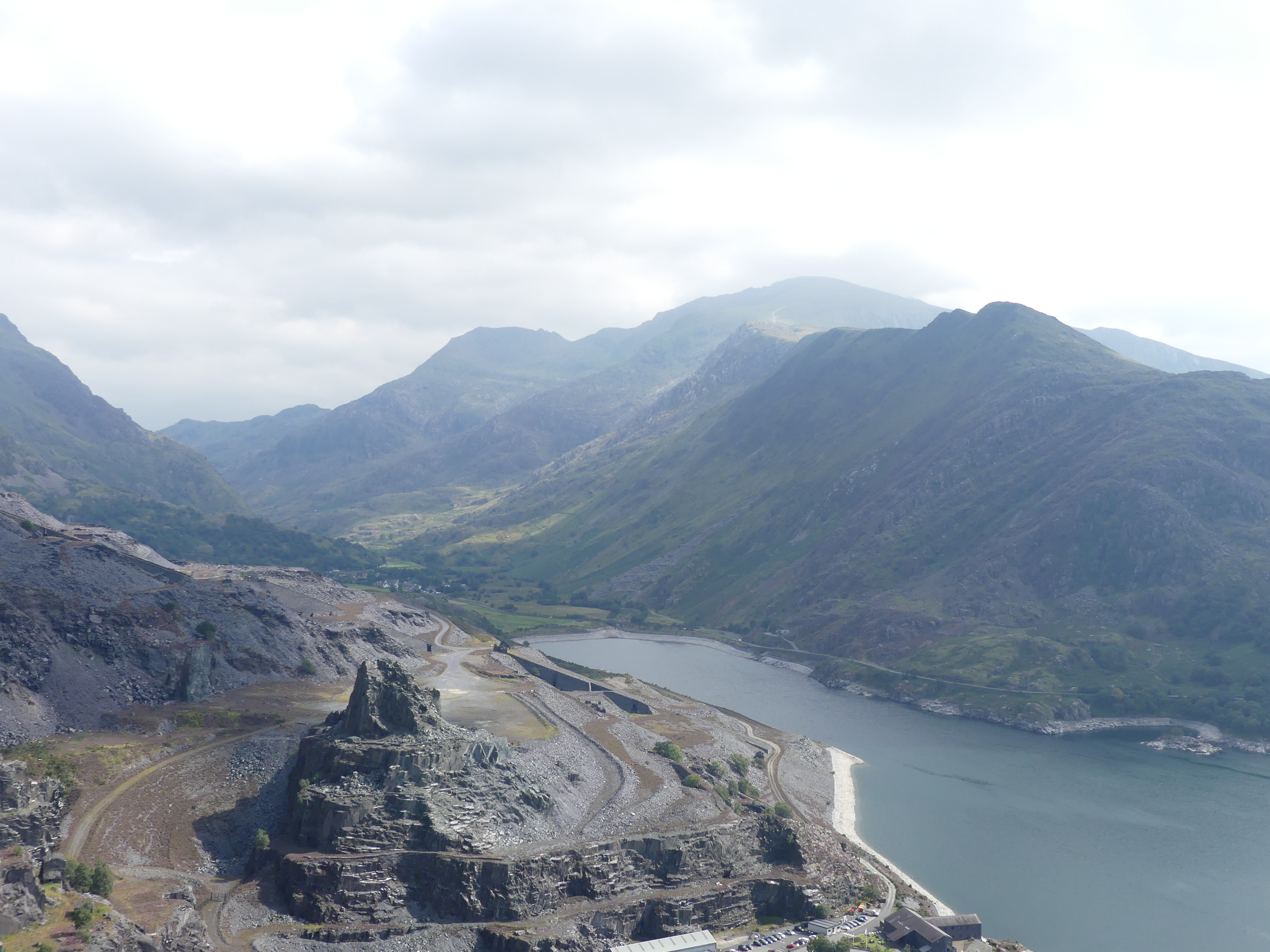
In our travels we were told about an old slate mine that we should visit. To get there we had to travel through a village called The Heights. The Heights rests beside a lake behind which is the mountains in which two of Britain’s largest slate quarries can be found. The main slate mining areas near “The Heights” are in the UNESCO World Heritage site, the Slate Landscape of Northwest Wales, which includes former quarries like Penrhyn Quarry near Bethesda and Dinorwic Quarry near Llanberis. Both were once among the world’s largest slate quarries and now serve as tourist and recreational sites. This abandoned site is just one of those mines.

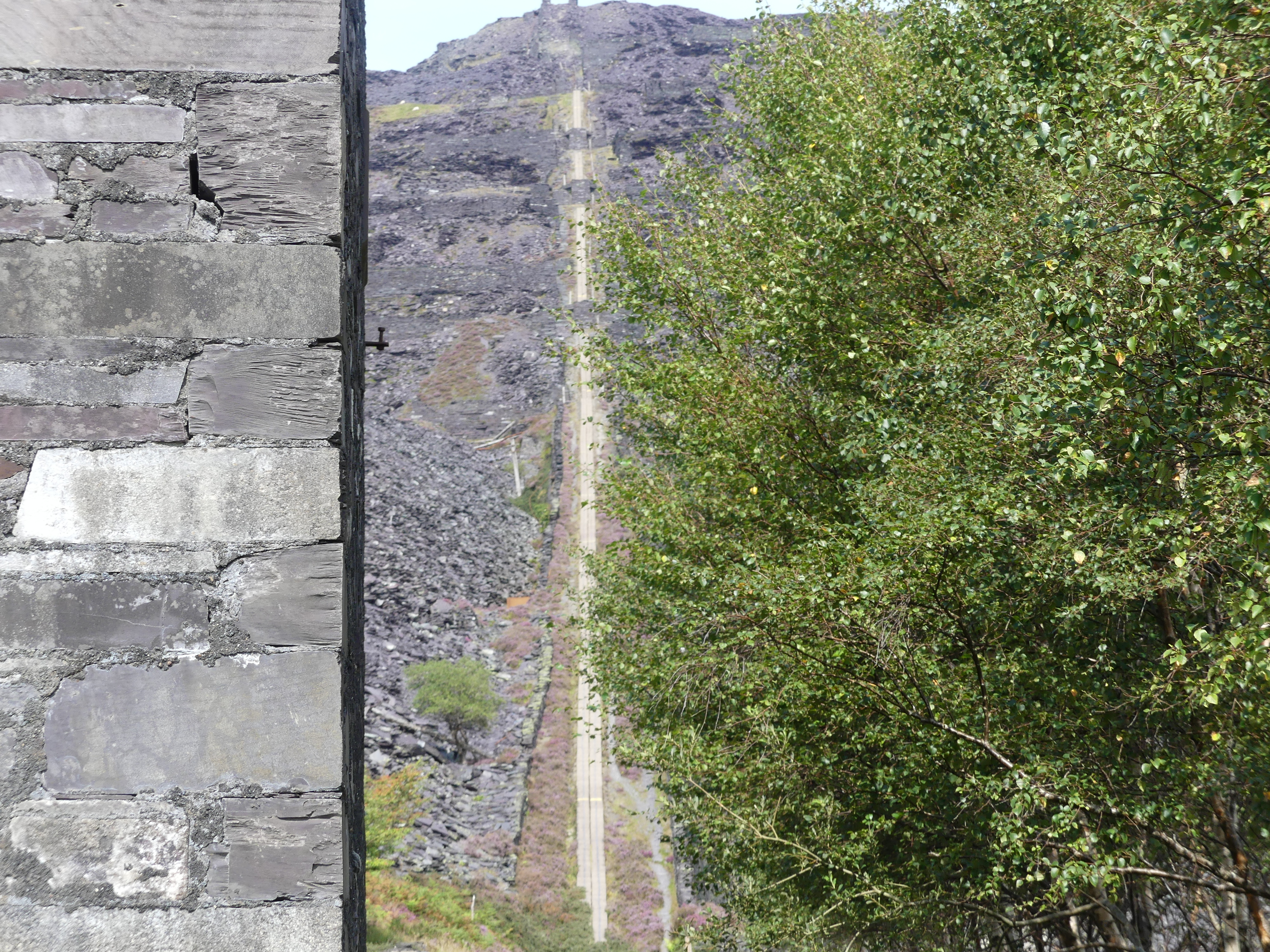
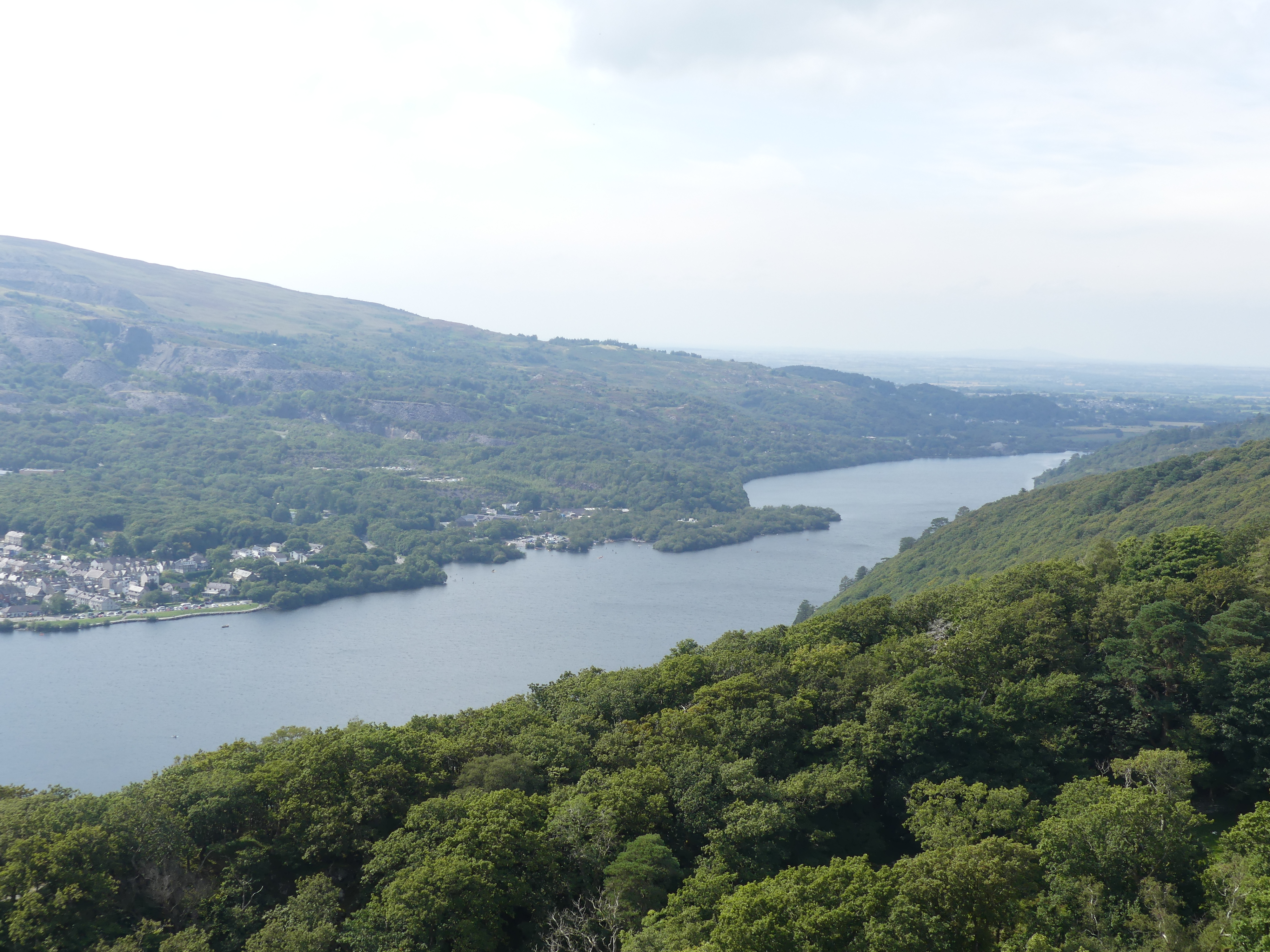
We parked along the lakeside in The Heights and firstly caught sight of the ruined tower then the Sword in the Stone – not really King Arthur territory which we had visited earlier this year when in Cornwall. We walked through the village finally settling on a pub for a cold beer and lunch. We got some directions to the closest mine and that is the mountain pictured above. Of course narrow country roads once again this time climbing the mountain. As we came to a cul de sac providing visitor parking we were amazed by the slate rubble making up additional height to the mountains. There were a number of ruins in the mine surrounds but slag heap with almost vertical rail lines to remove the stone surrounded us. Below us is the village of the Heights and the ruined castle we had seen across the lake. On a very early trip to North Wales we had visited Baleneau Festinog slate mine and had a very good idea of the labour needed to create the spoil heaps that surrounded us. We really do have many blessings in this life one being I did not have to work in a slate mine.

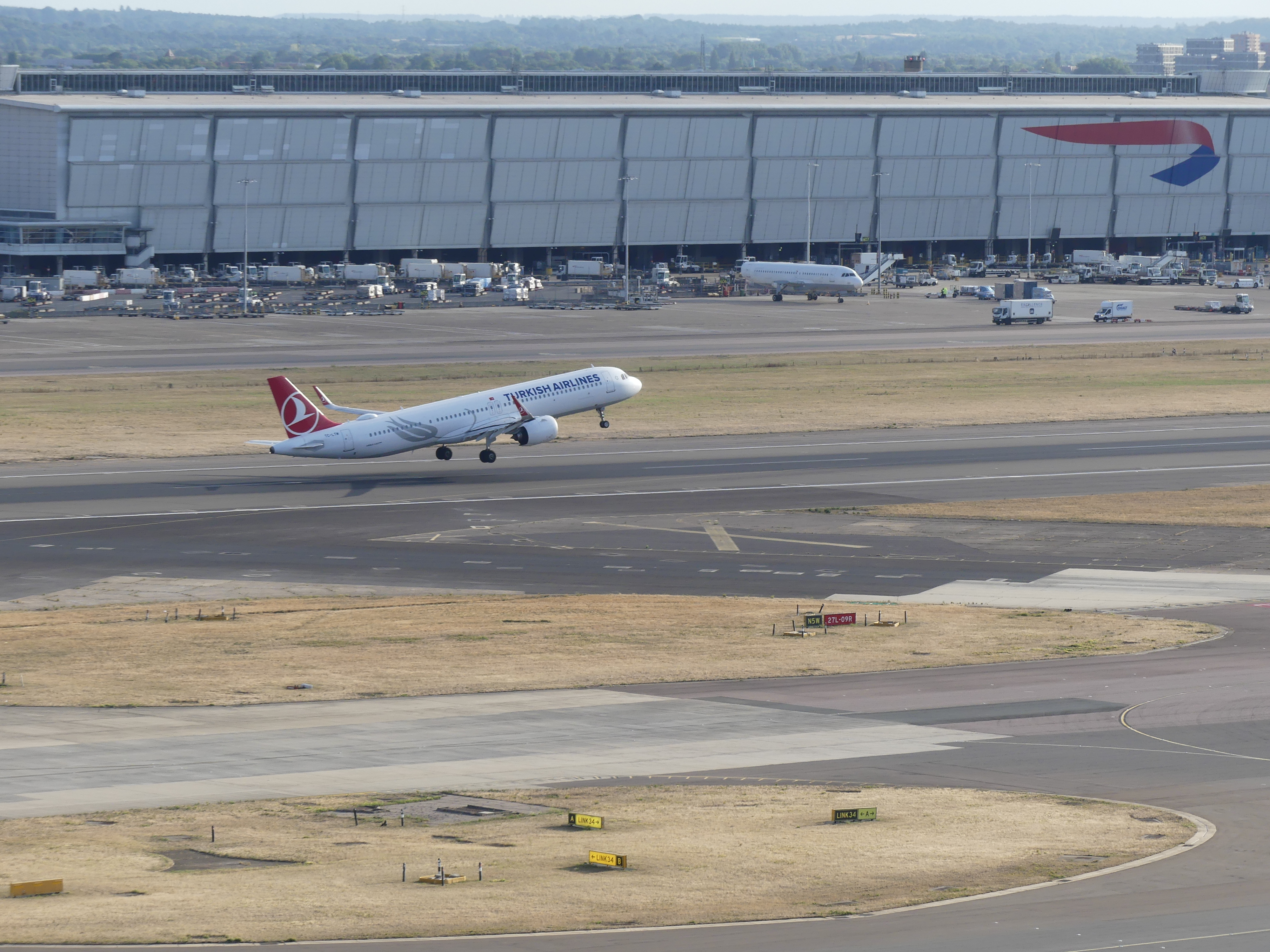
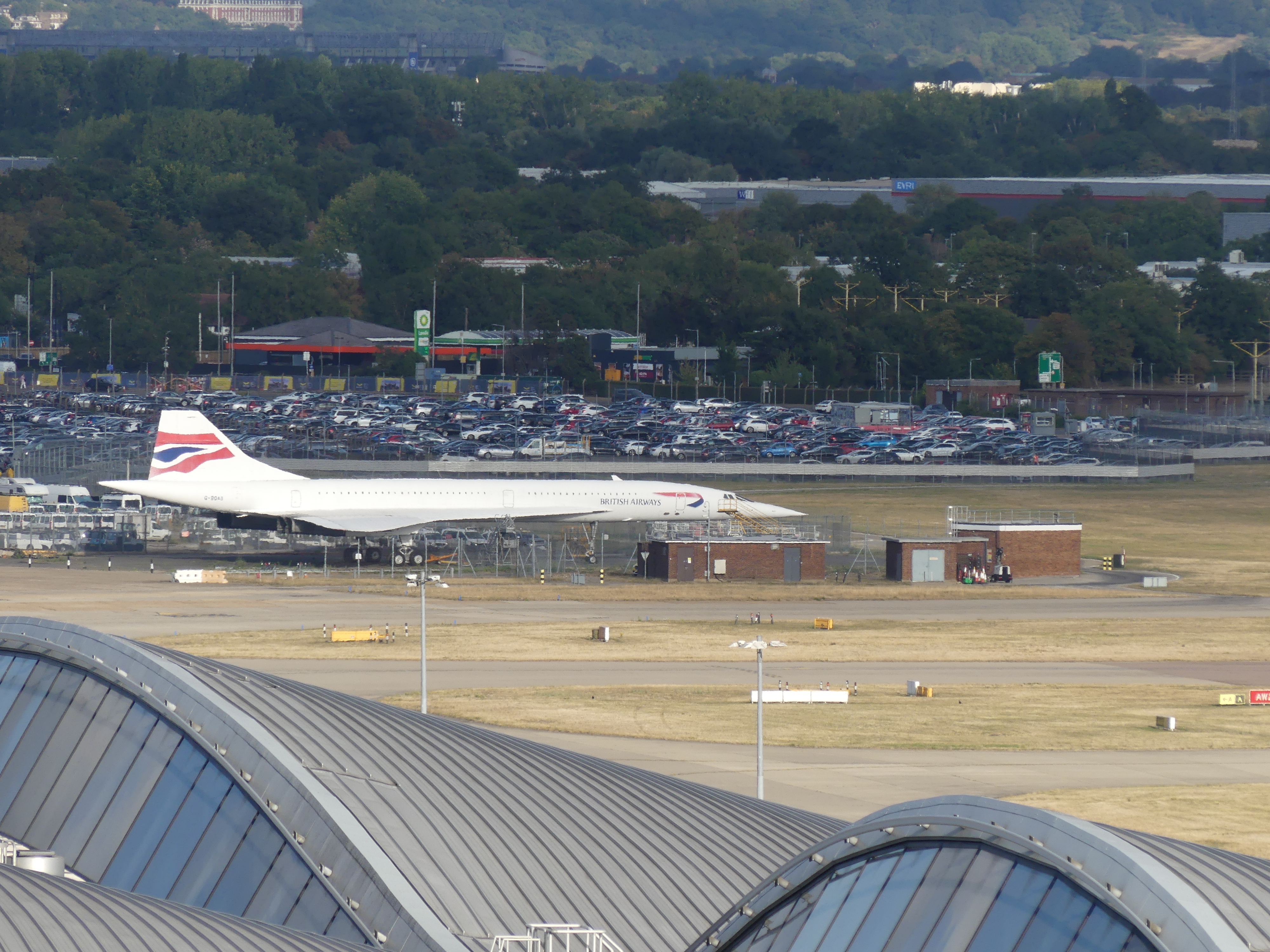
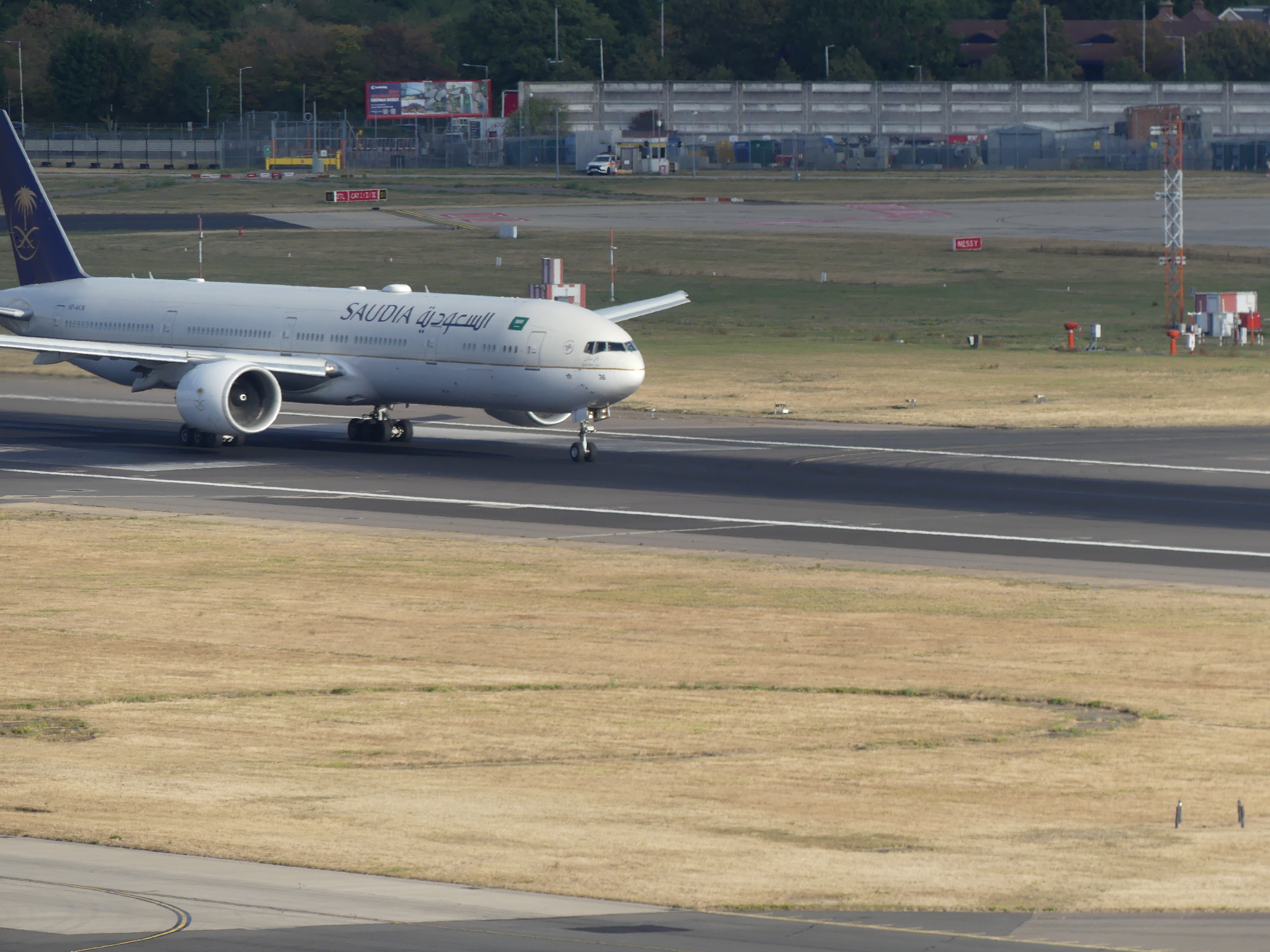
Our time in Anglesey was up and we now faced the drive to Dover to catch our ship to circumnavigate the British Isles. We drove back to Heathrow Airport and rested up in a hotel then returning the hire car. The hotel had a great roof top lounge where I obtained some good photos before being told to put it away by the Maitre De.
The following day we caught the tube to London and caught the National Express bus to Dover not knowing what awaited us. Read on with our continuing adventure in “THE RETIREES GO AROUND THE WORLD –CHATEAU RHIANFA PLAS RHIANFA, TO DOVER AND SS NEUW STATENDAM.”
“THE RETIREES GO AROUND THE WORLD – CASTLE PEMBROKE to CRICKHOWELL (Ebbw Vale)”

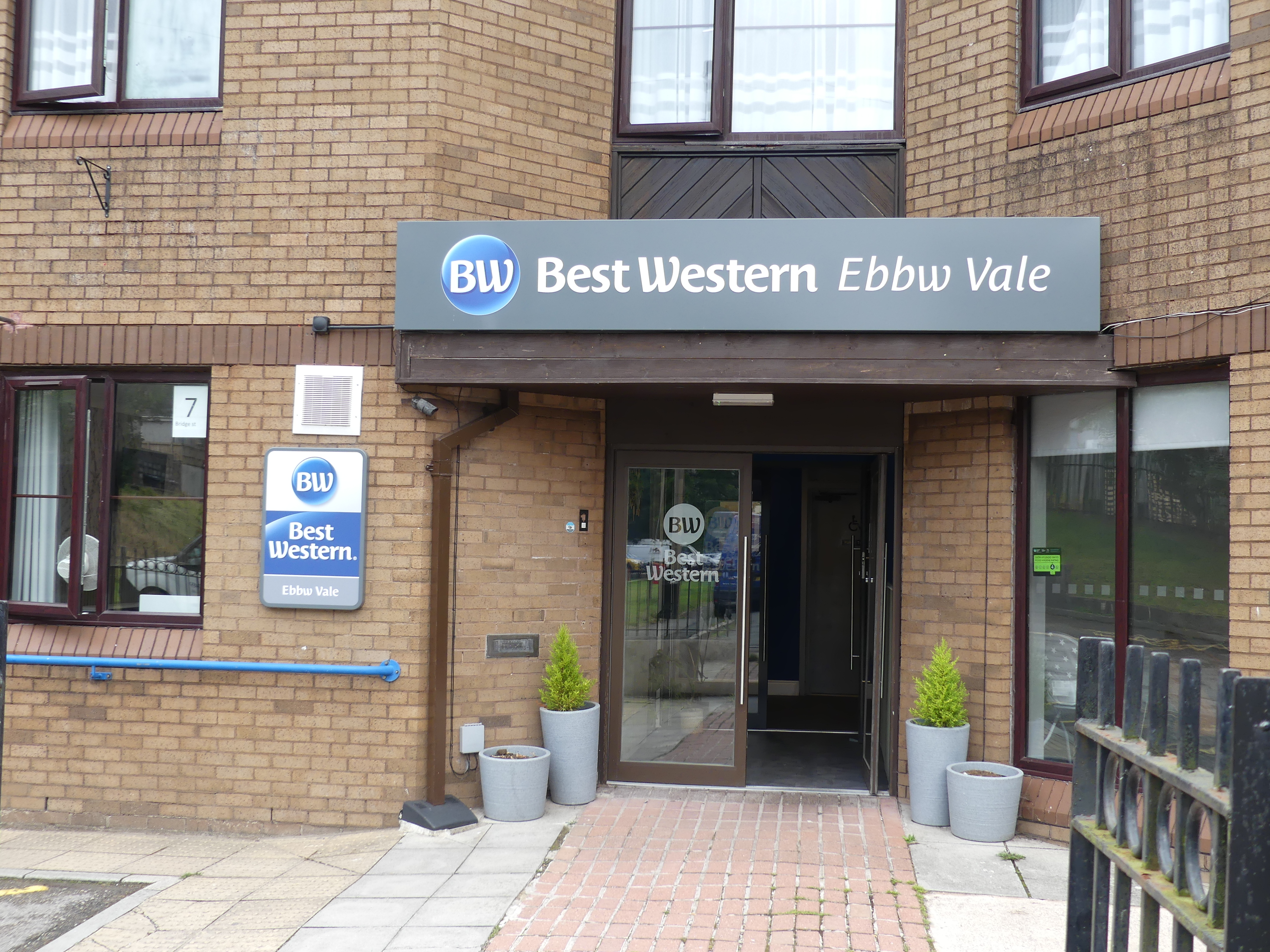
We leave Pembroke to find our way to Best Western Hotel at Ebbw Vale. This proves to be an effort as the hotel is a former Government Health Services building and our GPS cannot find it. With a bit of guess work we strike it lucky and the proof can be seen below. This is a strange configuration, and our room is tiny with a view of the remaining health service building entrance to look at. After moving our bags into the room I find I have a water leak beside my bed but not significant enough to warrant moving rooms even if there were a room available. The good news is we have internet, but the bad news is there is no coffee making facilities or fridge in the room. Good news they don’t mind if we prepare our breakfast in the breakfast room. Management and staff are very easy going but the hotel leaves a lot to be desired. It will do for a few days. The photos below are from Ebbw Vale – not a lot of interesting things. We had chosen the town for accommodation not for sites to see.

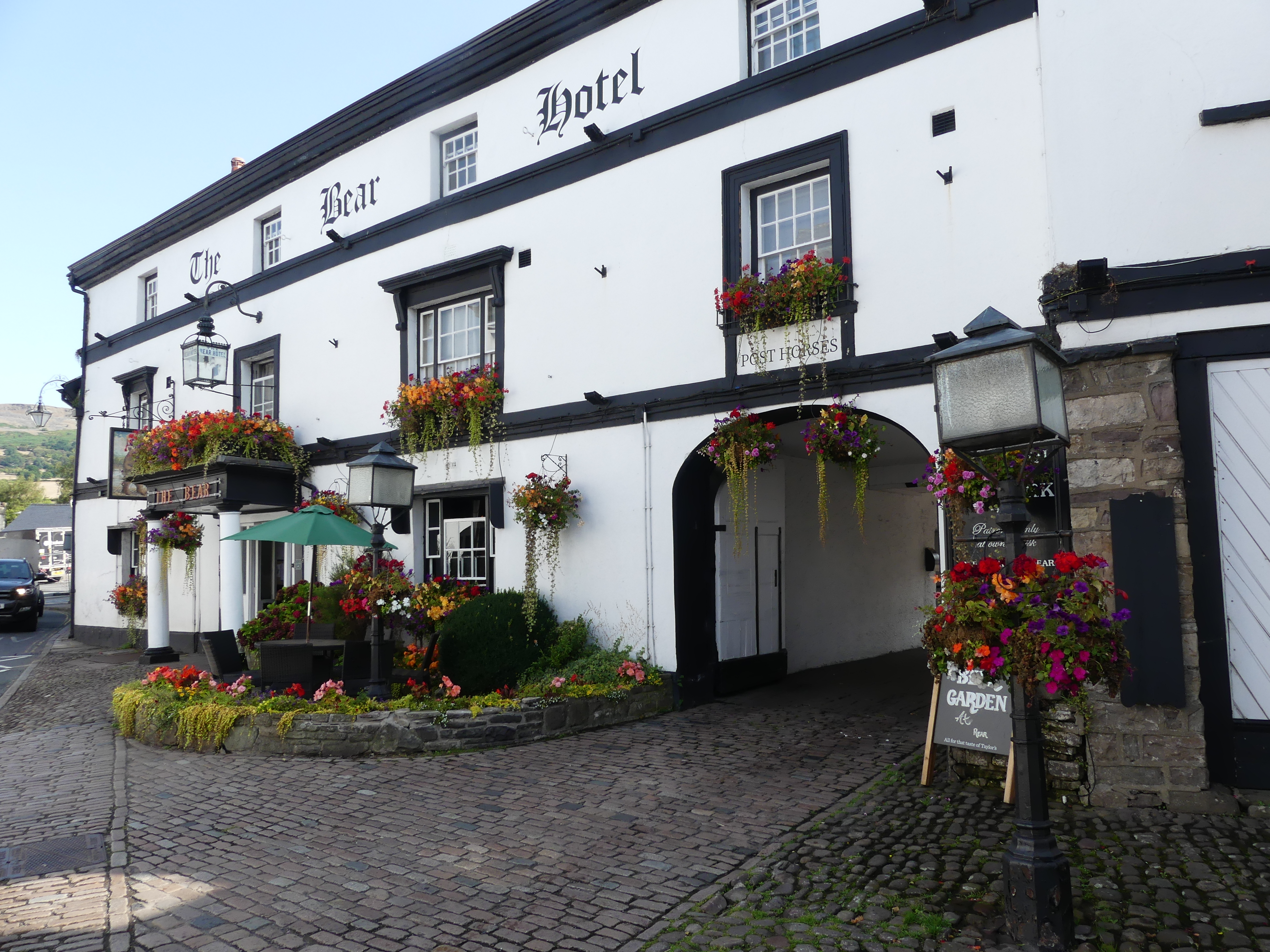
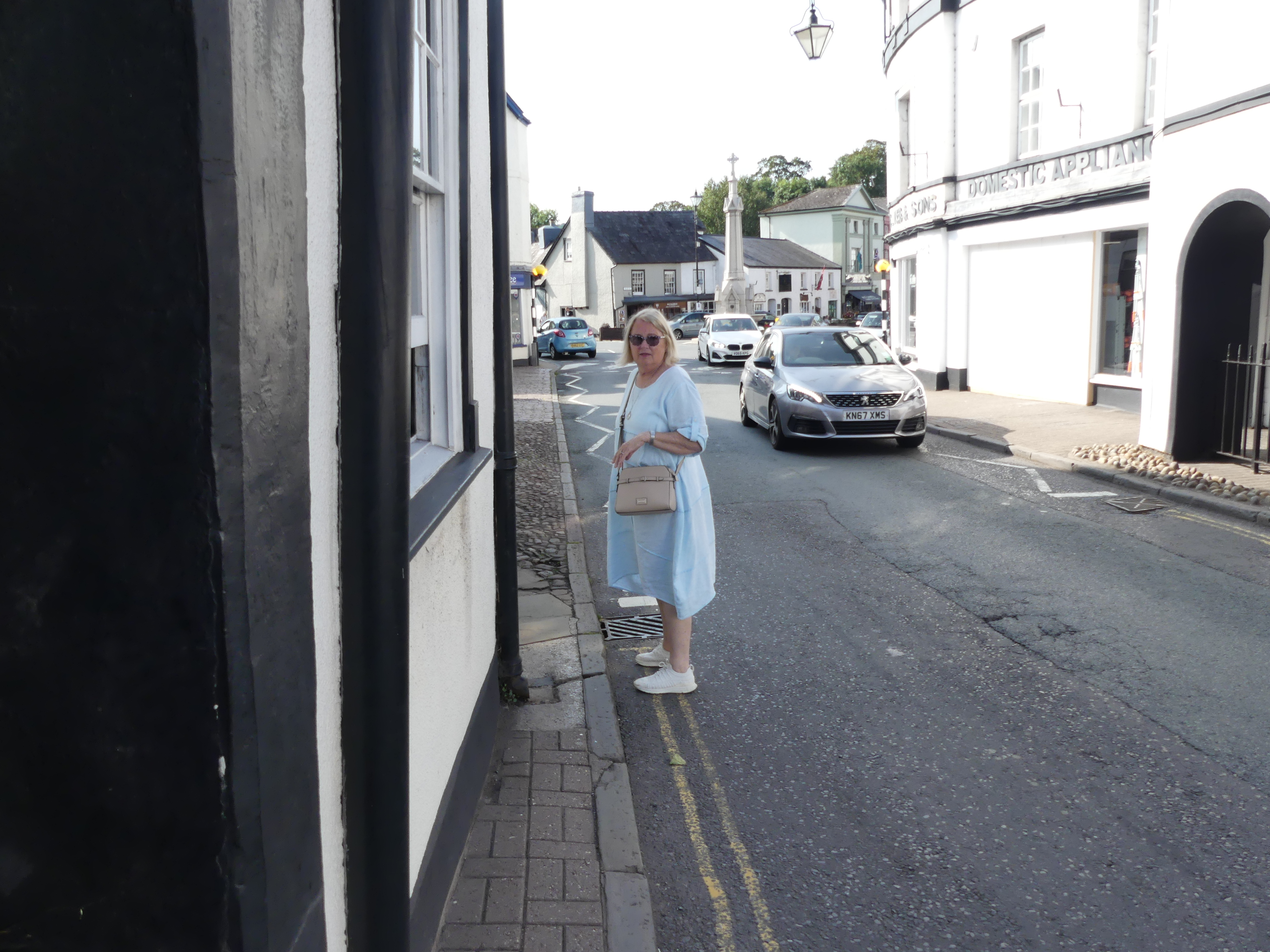
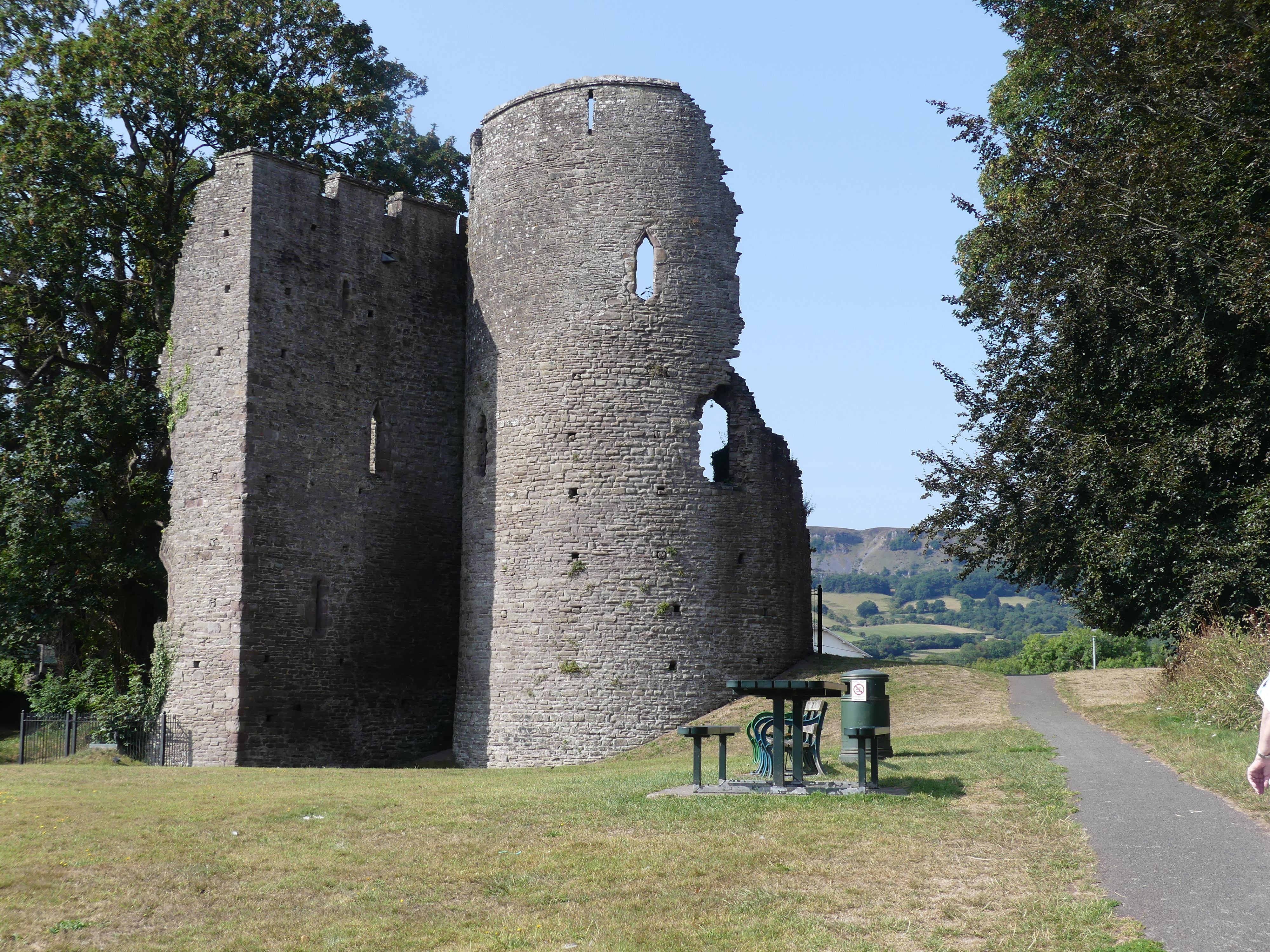
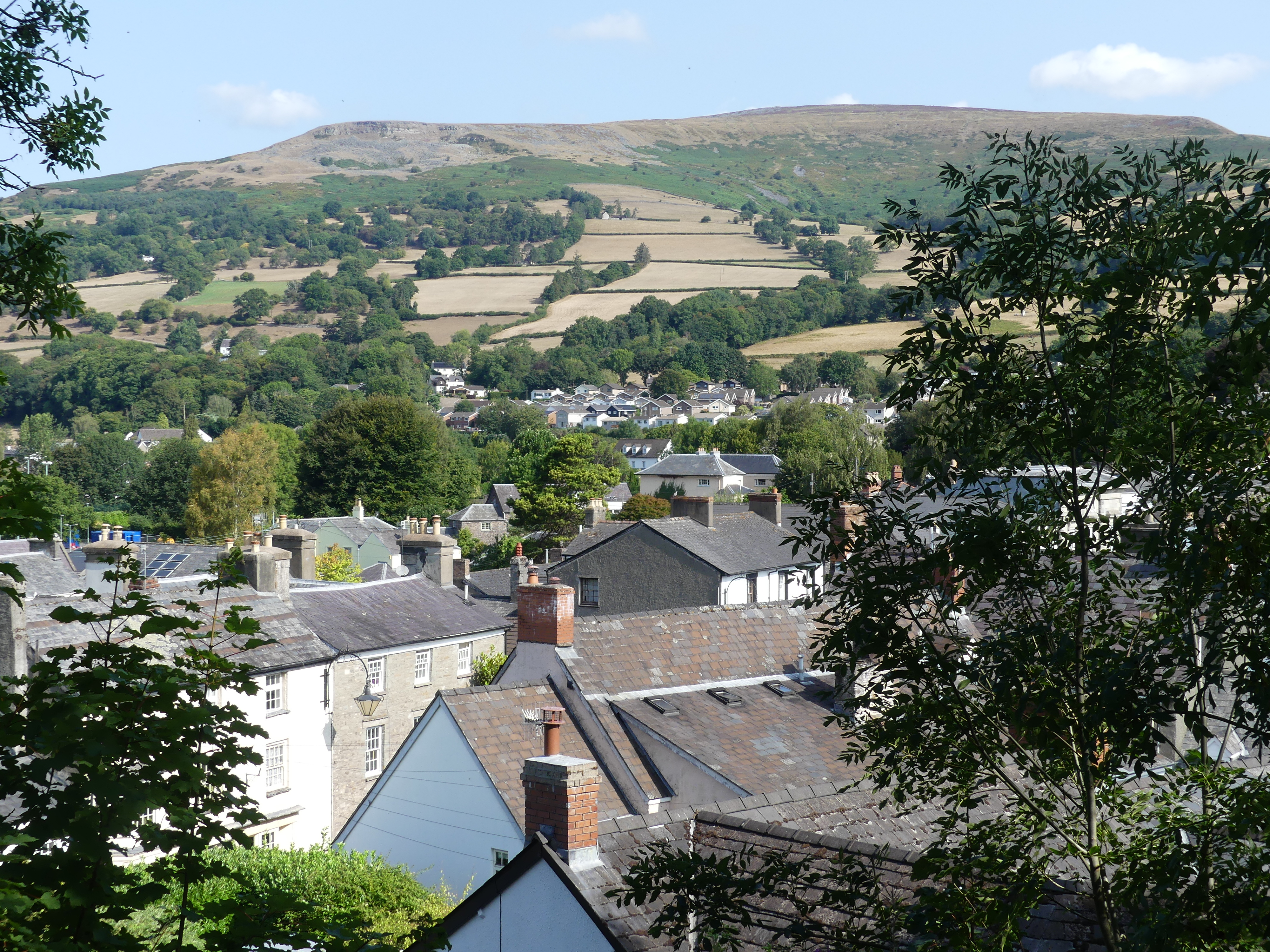
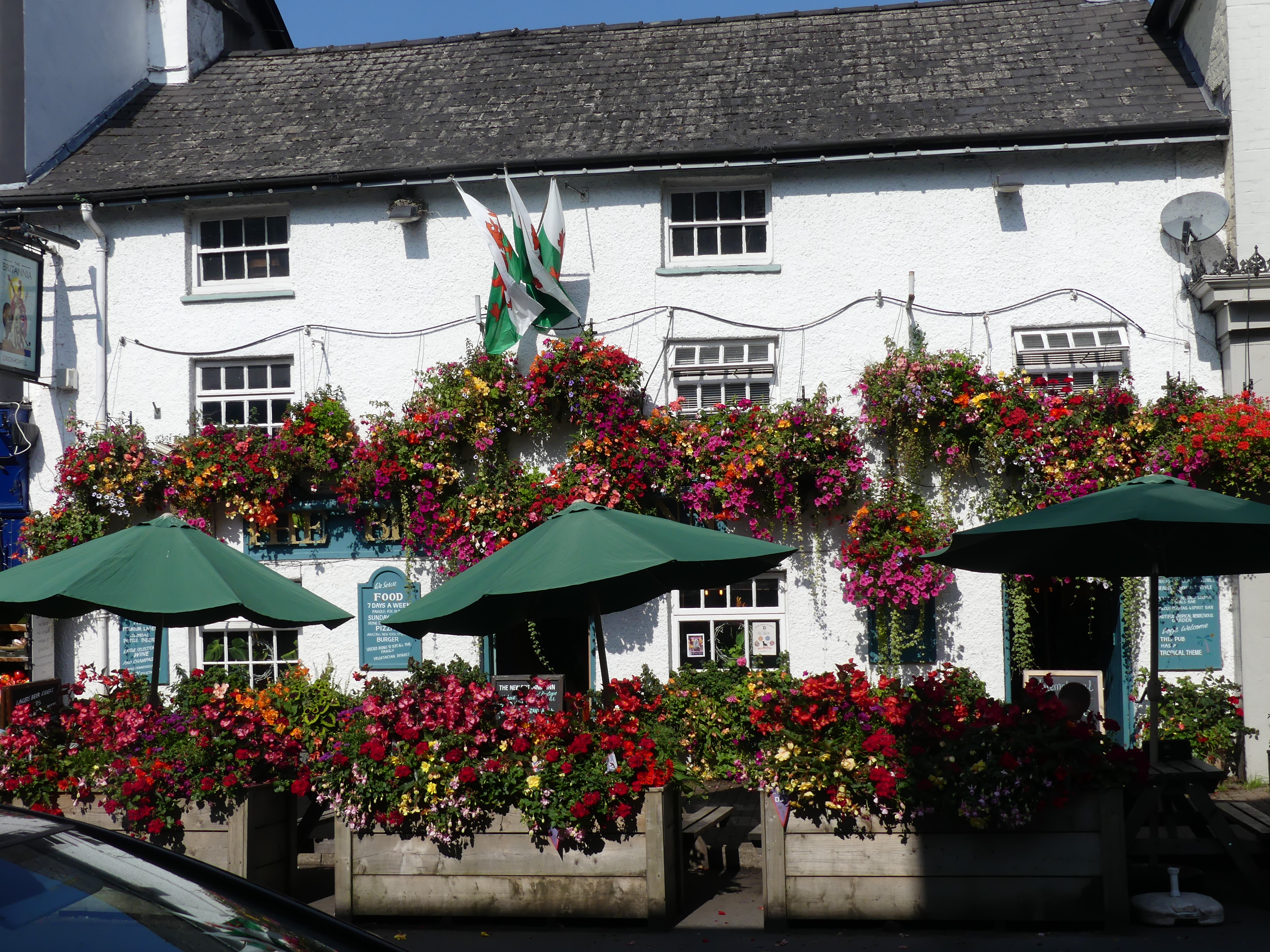
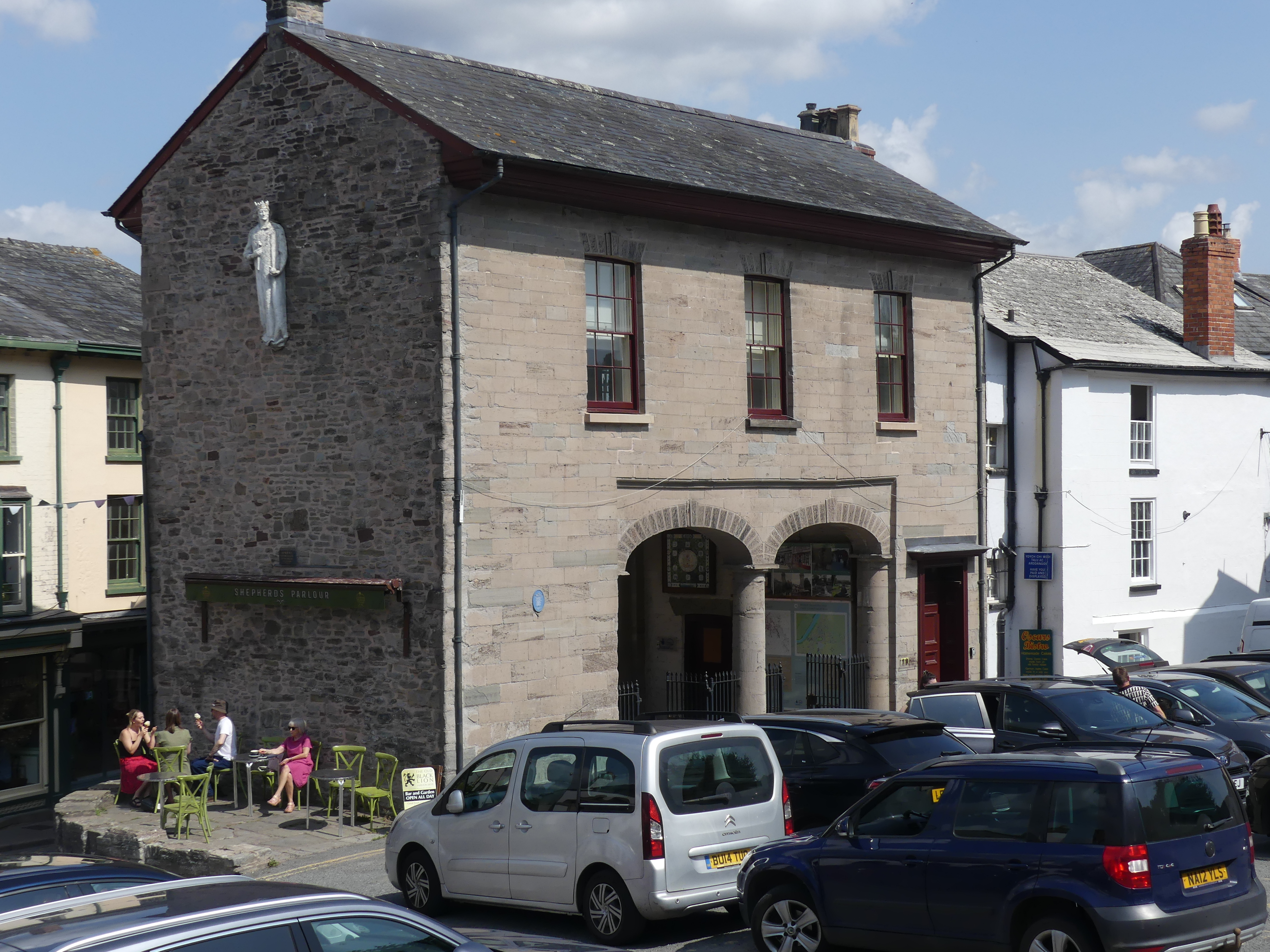
After our hearty breakfast of cereal and coffee/tea we prepared a picnic (we brought our own flask, Vegemite, honey and butter which we keep cold on the window sill whilst putting our milk in the Hotel’s kitchen fridge). We drive to Crickhowell the epicenter of this region. We parked behind the information centre and were confronted by the call to arms for the Rotary Duck Race (note the venue “Bull Pit Meadow” how rural is that) after which we walked the main street of the village – from the Bear Hotel to the castle ruins. The streets are narrow (Kerry has to step onto the road to continue on the footpath) and the castle is a ruin and now the centre piece of the kids playground in the community park. There are bits and pieces of the castle, its keep and defensive wall within the village. The photos show part of a tower, a disconnected part of the wall set 3 m above part of the inner keep and a section of a second tower. From the top of the inner keep we have a view over the whole of the town into the hills.

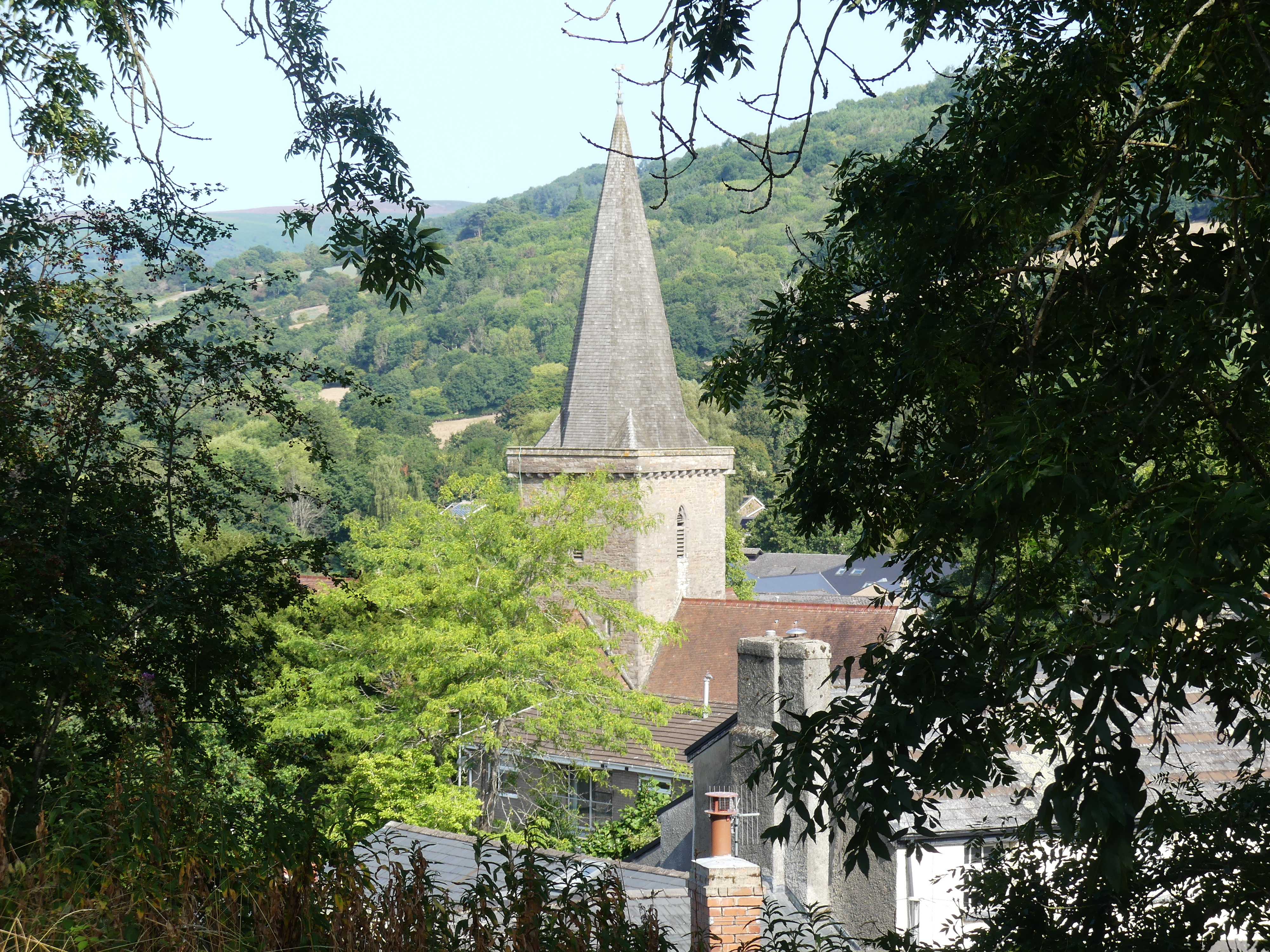
We spy the spire of the local church and return past the old Bear Hotel where we find another part of the defensive walls being used as part of their front fence. Very quaint. We move onto the church we had seen from the ruins which turned out to be St. Edmund’s Church (Eglwys Sant Emyr). Inside the church is a record of the early history of life in Crickhowell – 3 sarcophaguses with death images formed on the top of the container – time had rendered the dates of the internment and identities illegible. The interior of the church was simple and dignified. In the church yard the former members of the community having passed over are recorded and remembered.

The countryside was vibrant and green. I am certain we had a coffee and cake before we returned to the carpark. My photo below is the countryside – don’t go searching for us drinking coffee.

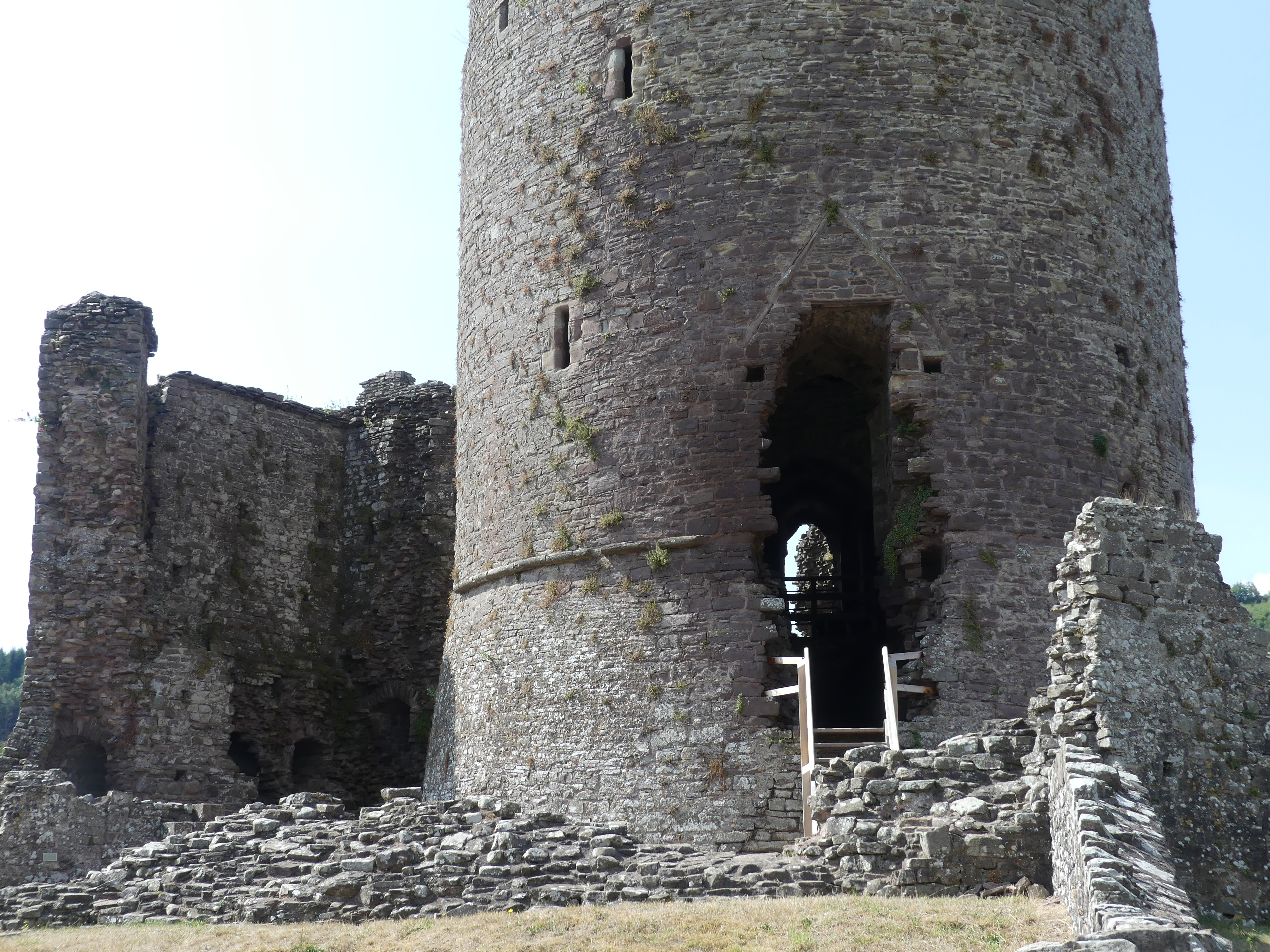
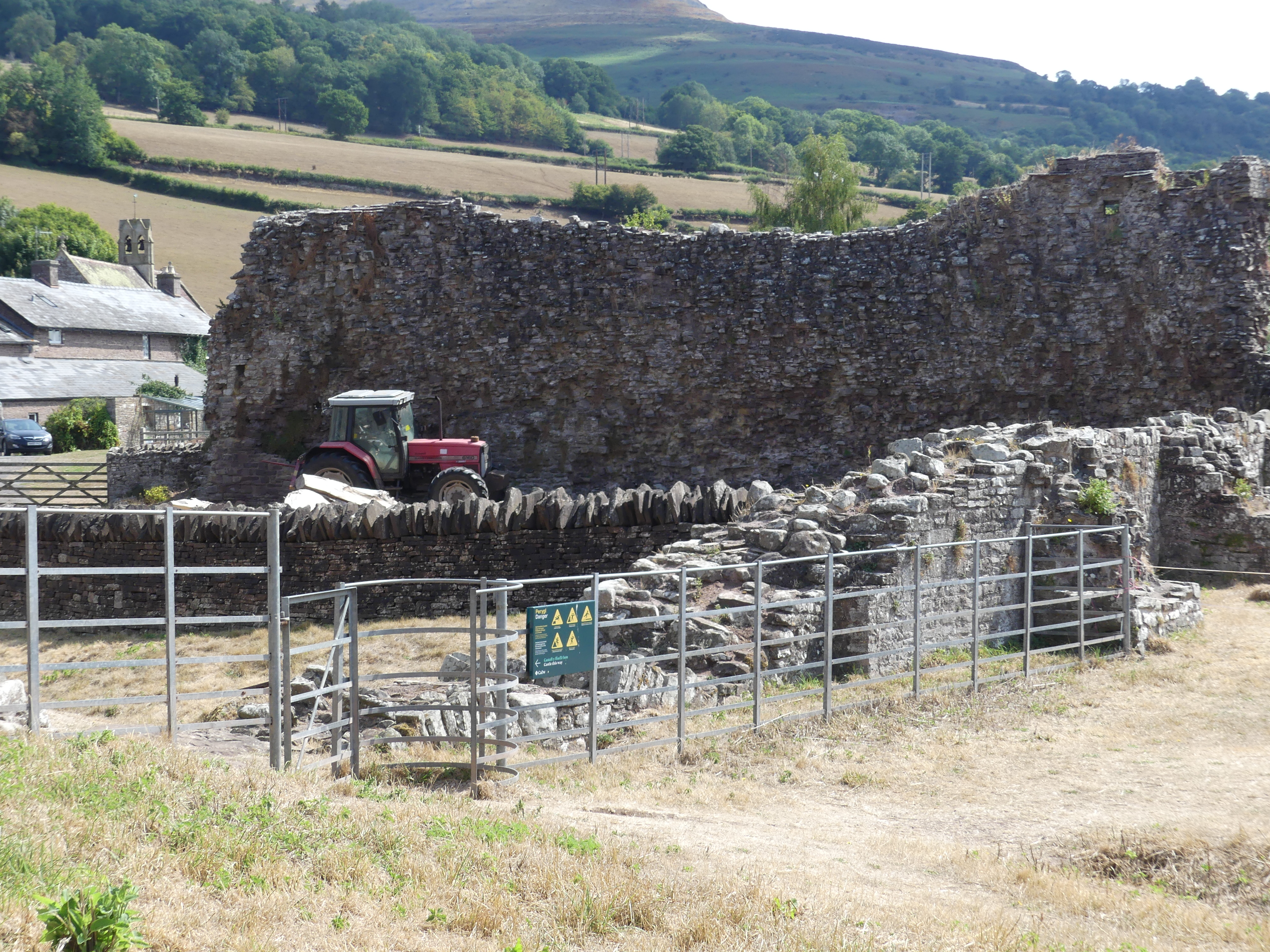
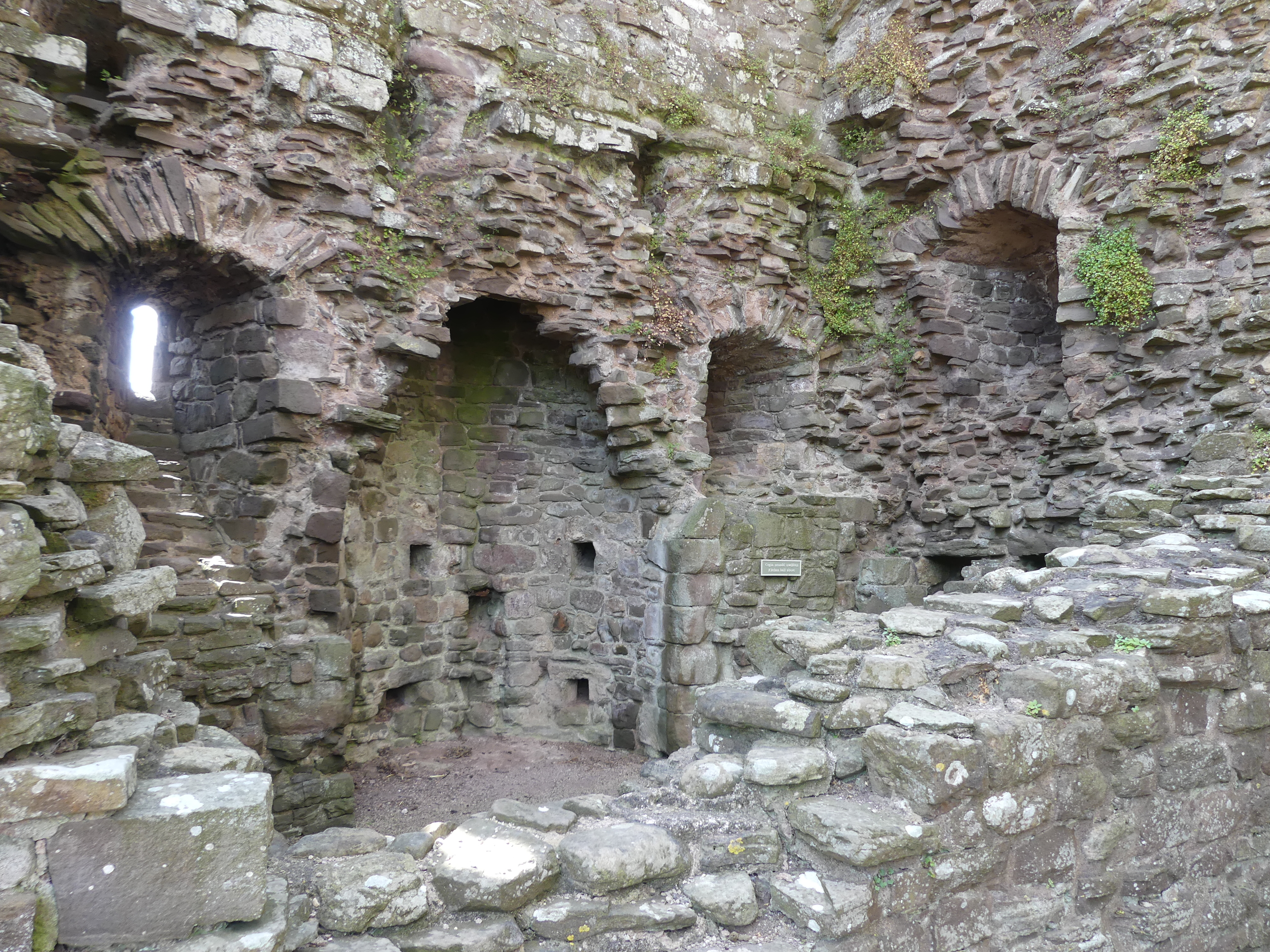
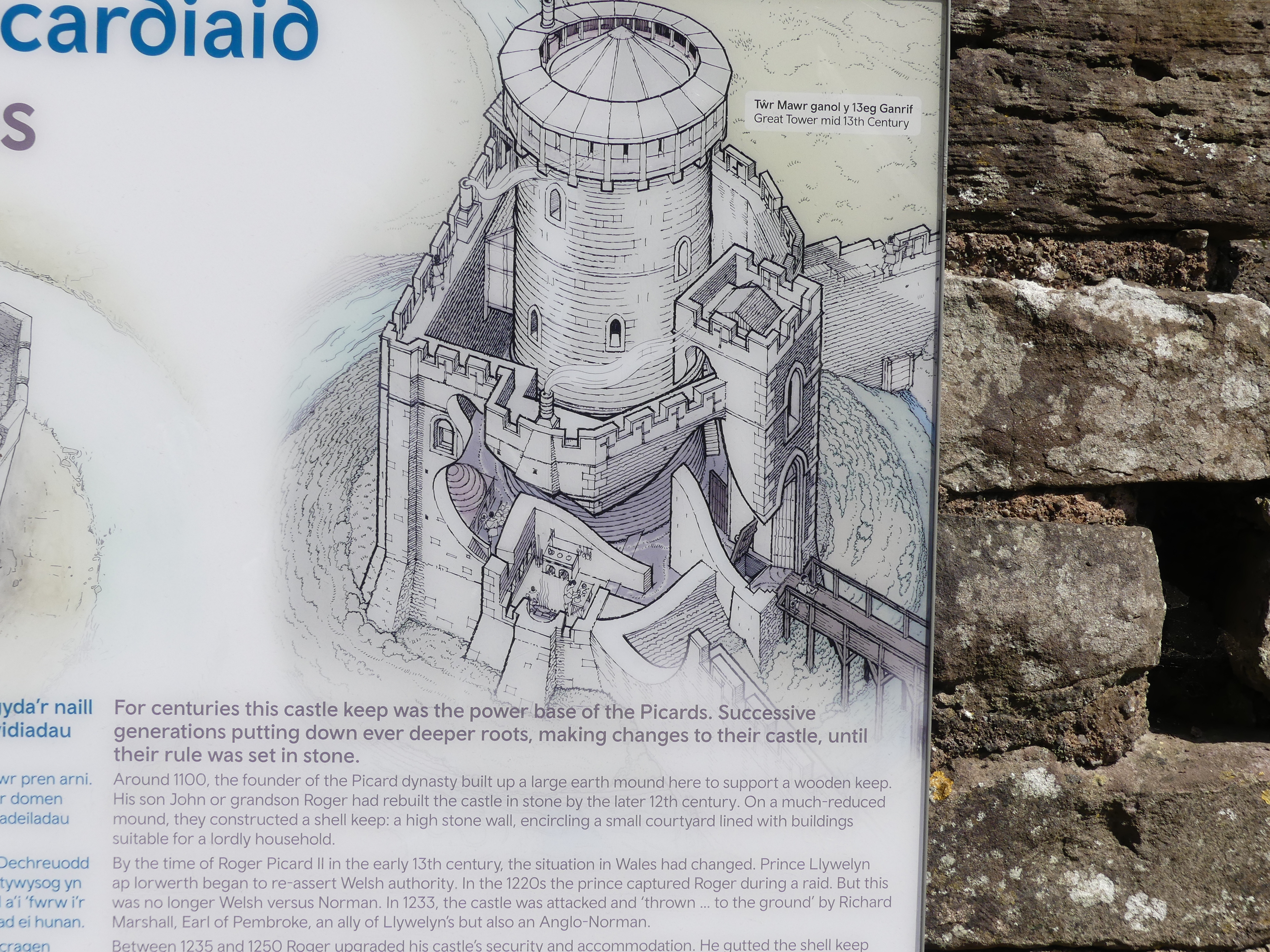
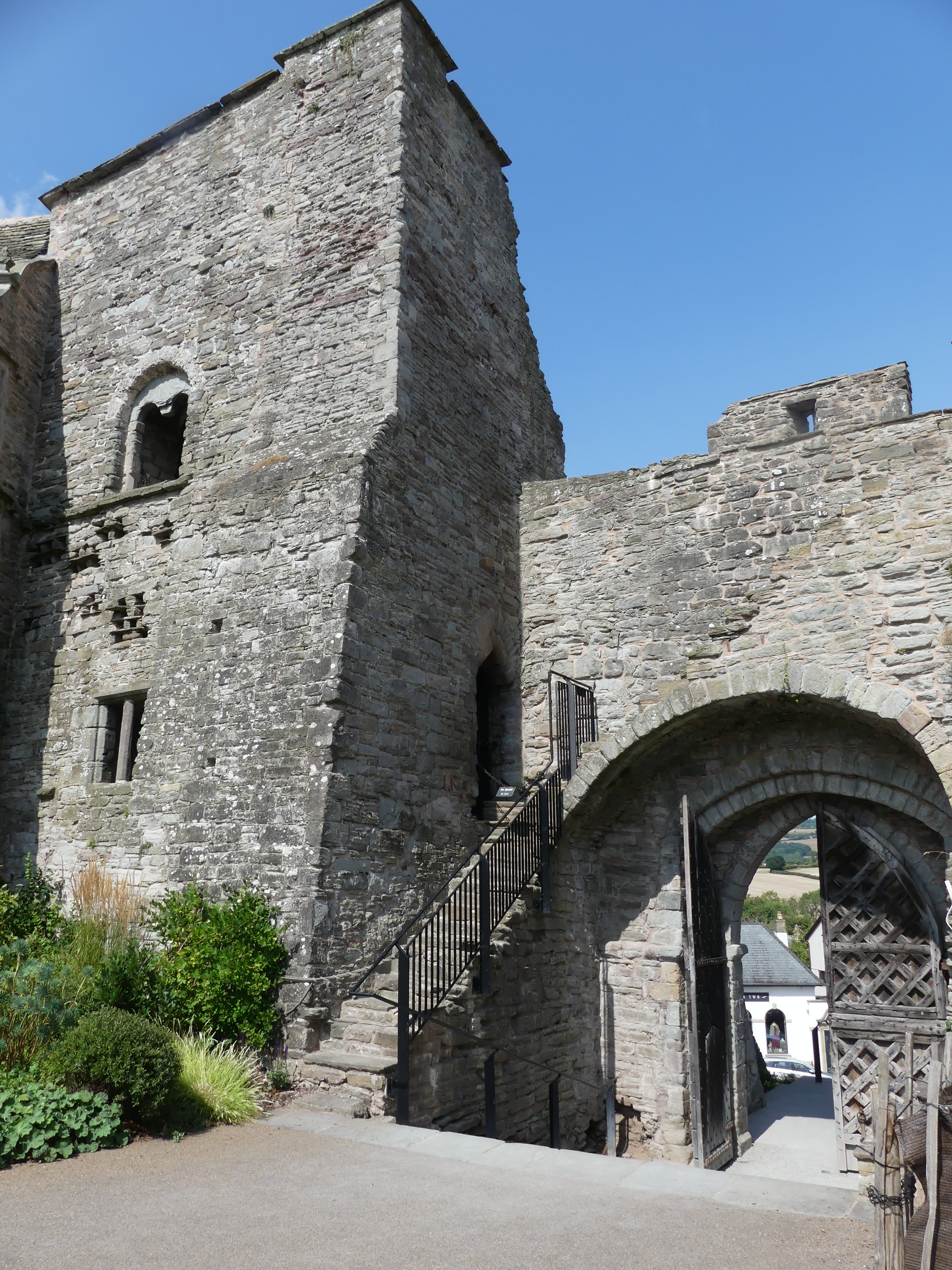
Part of our reason for coming to the Wye River valley is to visit Hay on Wye famous for the bookshops that can be found in the village. However, I was not expecting to accidentally come across another ruin just off the country road. A moat and bailey castle from Norman times – it has likely been slowly demolished by farmers pillaging its stone until the ruin was included in the Cadw Trust. It turns out to be the ruins of Tretower Castle.

The internet tells me that the “Picard dynasty” in Wales refers to the family who held control of Tretower Castle in Powys after the Norman conquest in the late 11th century, founded by a Norman knight named Picard and continued by his descendants, including his son and grandson, who developed the castle into its stone form. After the Picard family, the property passed to other families, including the Vaughans and Bloets.

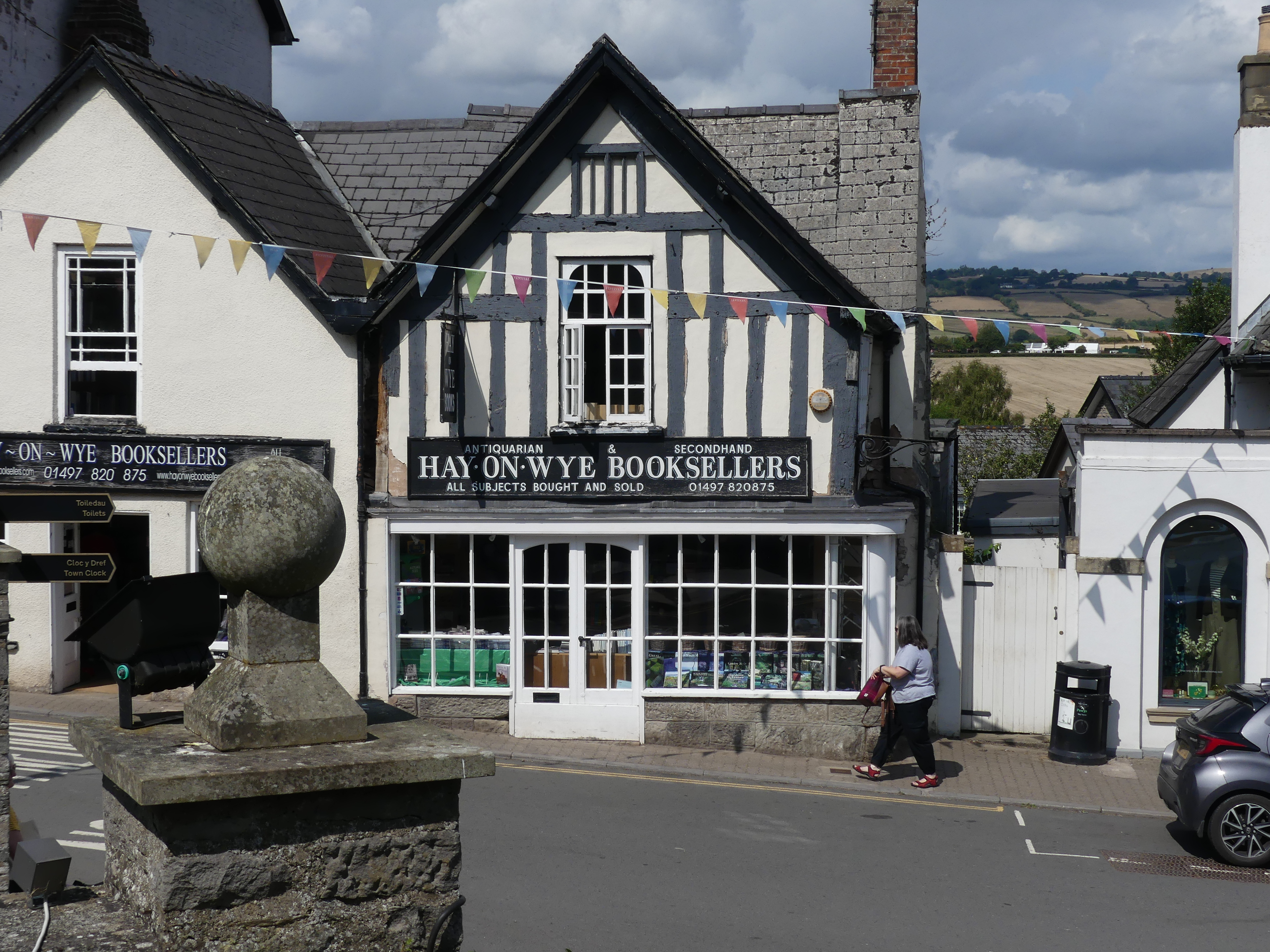
After this interlude we continued onto Hay on Wye. A small village on the banks of the River Wye with touches of its Roman origin still apparent, and like all these villages parking within the village is limited. We parked down near the old, abandoned cattle yards. There is a public book exchange and many different genre of bookshops. The castle that once was home to a minor knight, has been converted to a domestic residence. The market is still used and provides a place in the sun for coffee lovers. My photos include all of these.

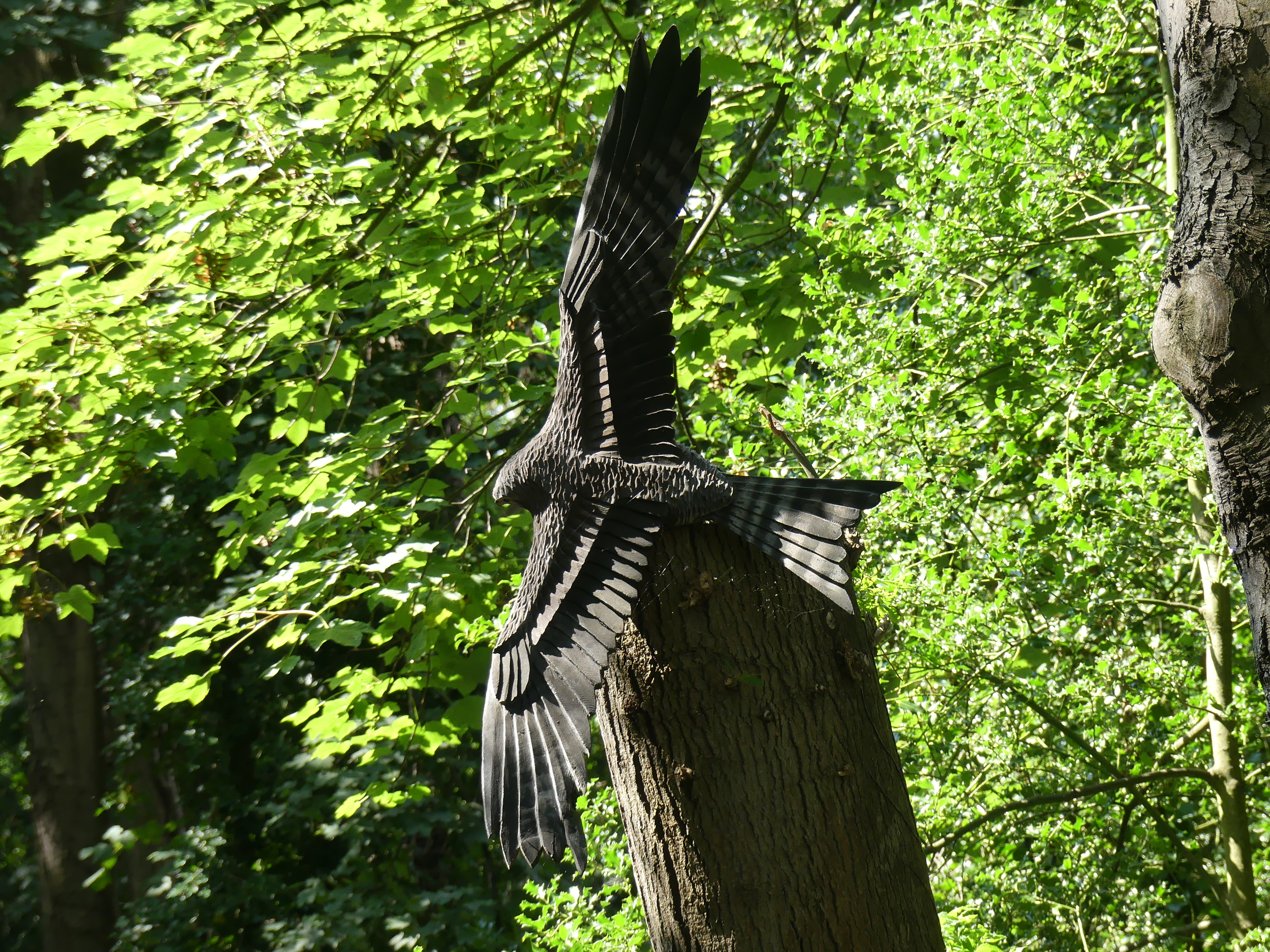
It was very warm, and we decided to have our picnic down on the river. Unfortunately, the flask was not sealing properly and had leaked in the bag. Still we enjoyed our Vegemite sandwiches and coffee. Sitting in the shade of the bushy banks of the river, we cooled off quietly and met some other locals doing the same. One of the surprises was someone had carved in the stumps of dead trees images of local birds of prey. By the way we “forgot” to take the flask when we left the Best Western.

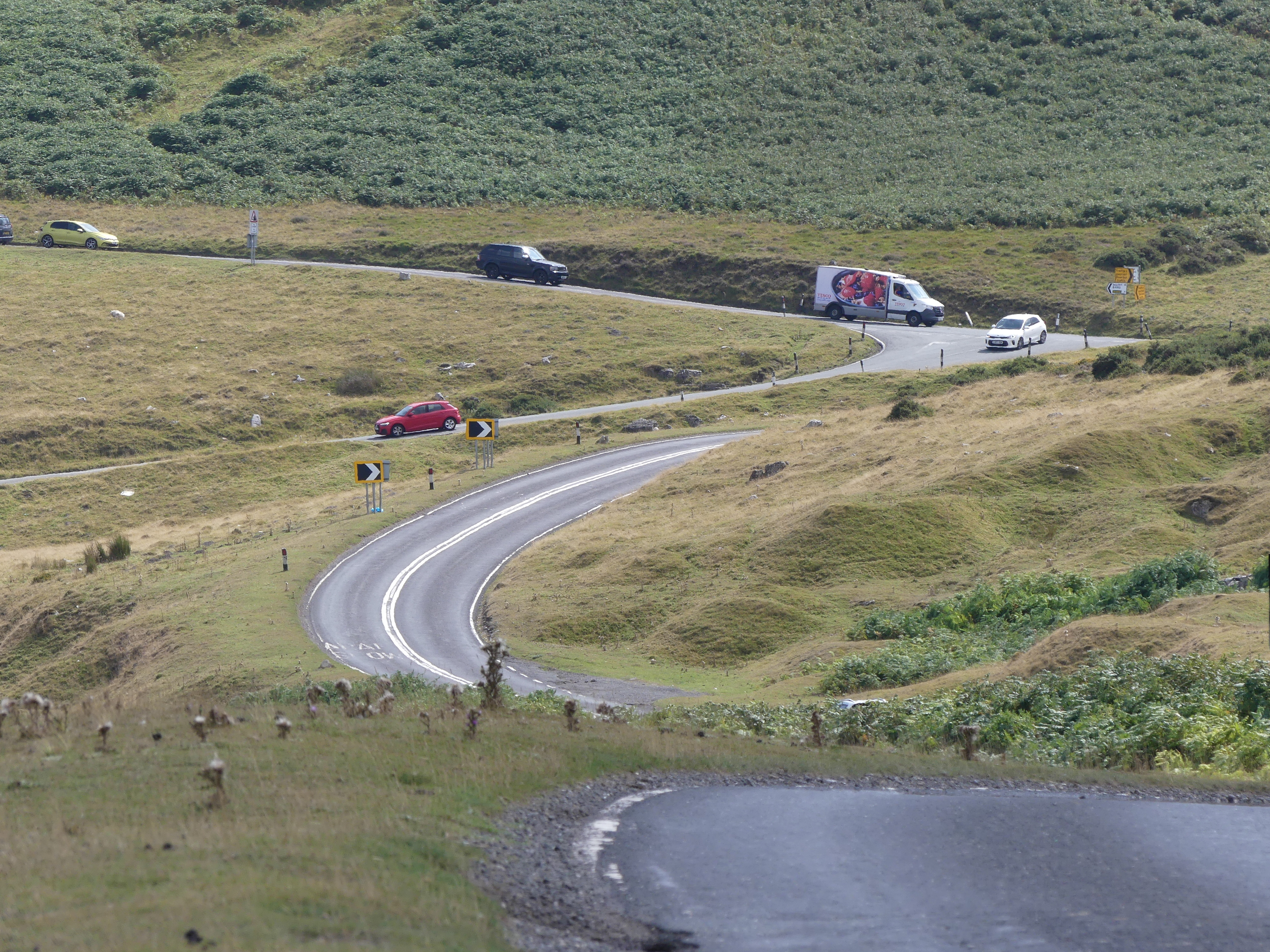
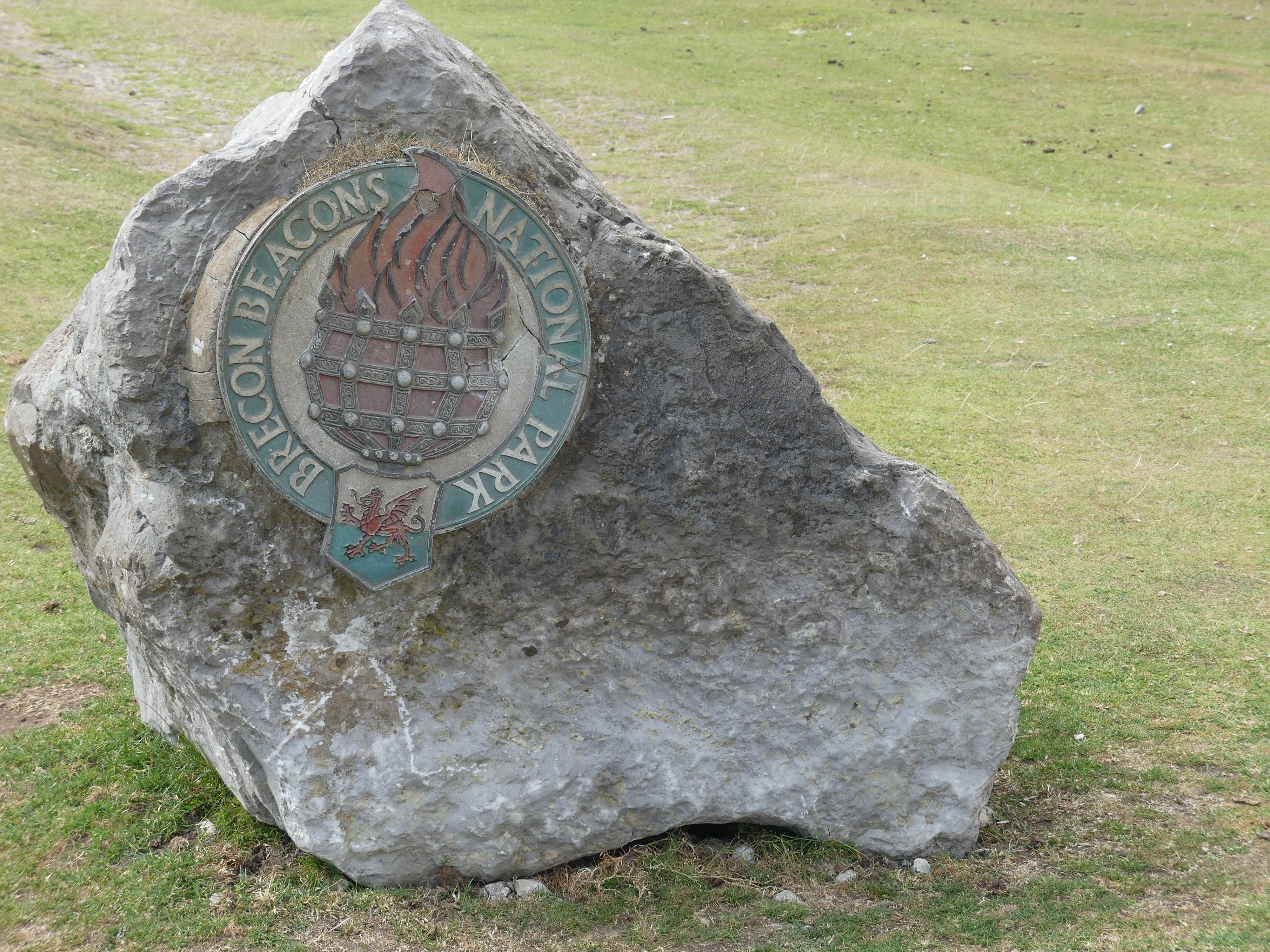
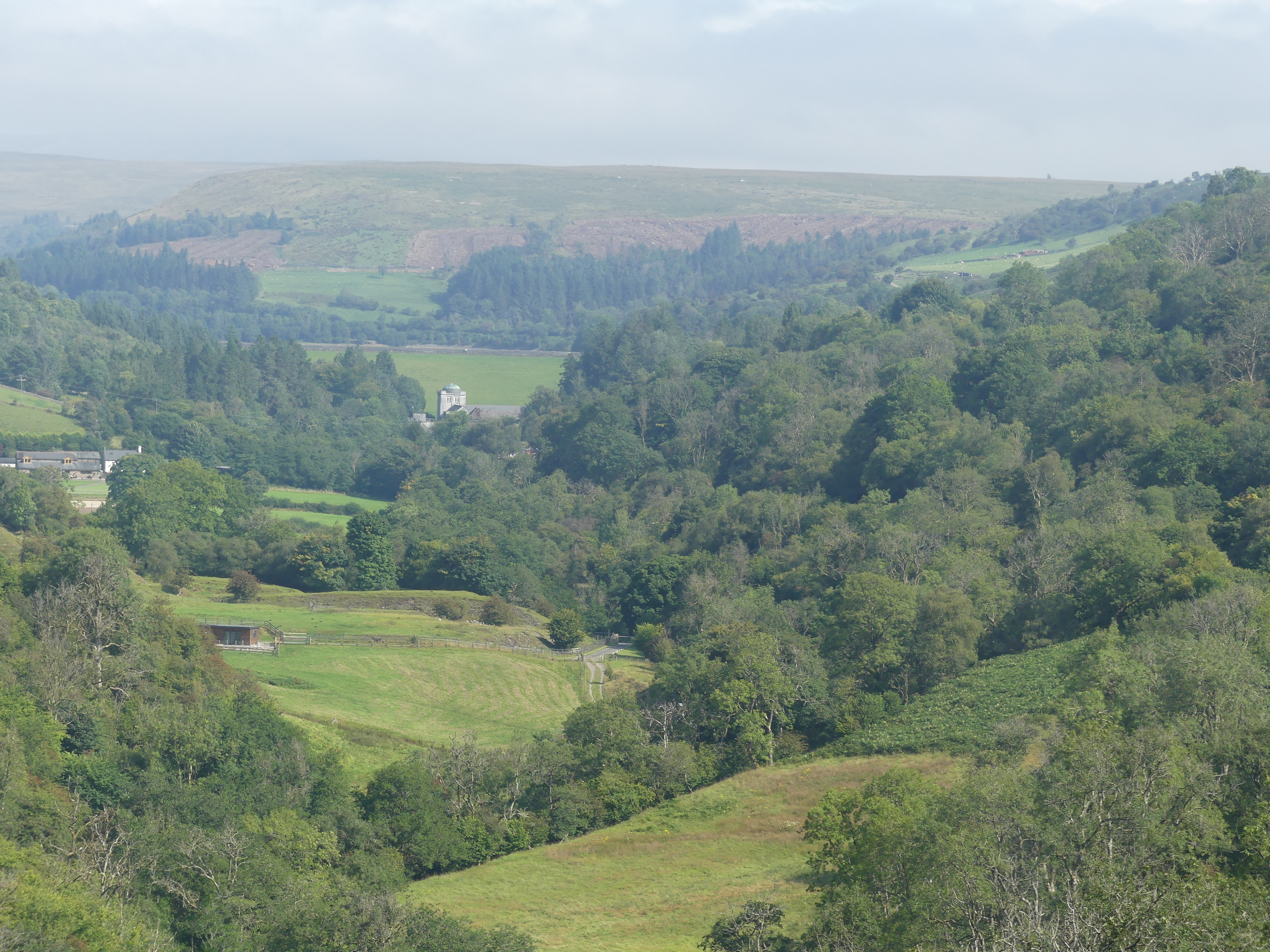
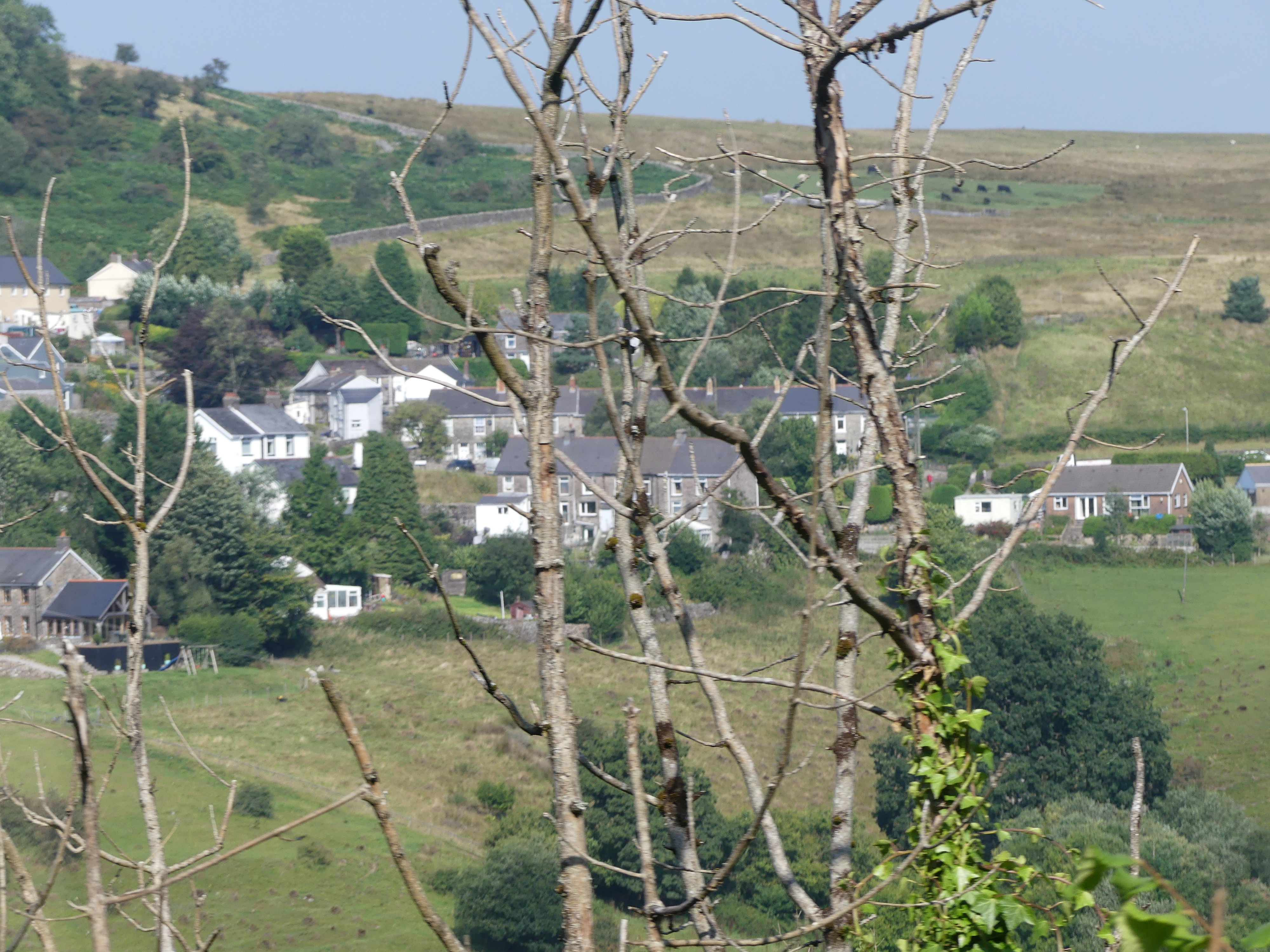
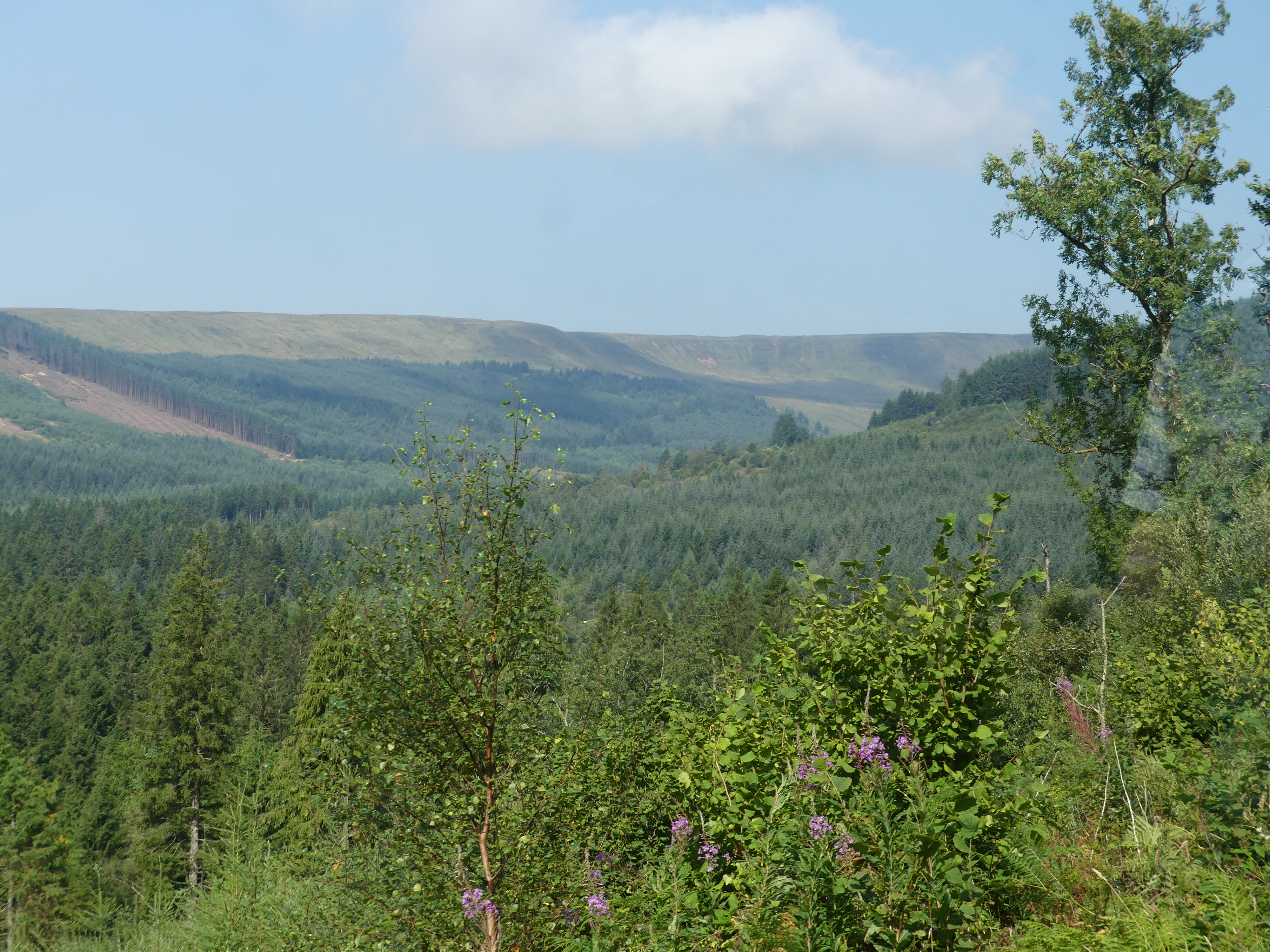
As we returned to our Best Western, we found ourselves crossing Brecons Beacon National Park. It is a national park named after the Brecon Beacons (Welsh: Bannau Brycheiniog), the mountain range at its centre. The national park includes the highest mountain in South Wales, Pen y Fan, which has an elevation of 886 metres (2,907 ft). Stunning picturesque views of rural Wales. We thought we had stumbled across an ice cream van stopped at the top of the peak but were disappointed – he was selling coffee.

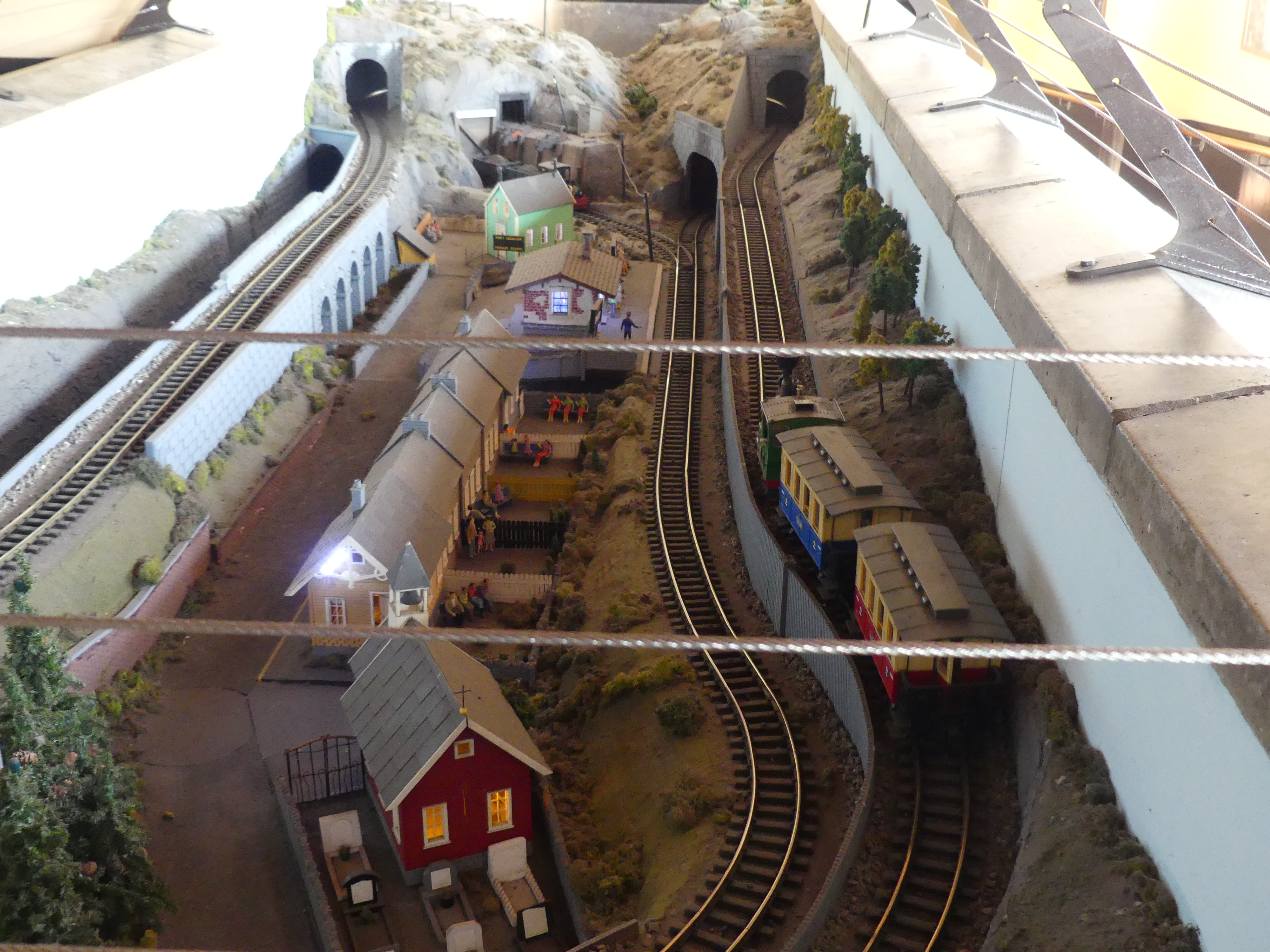
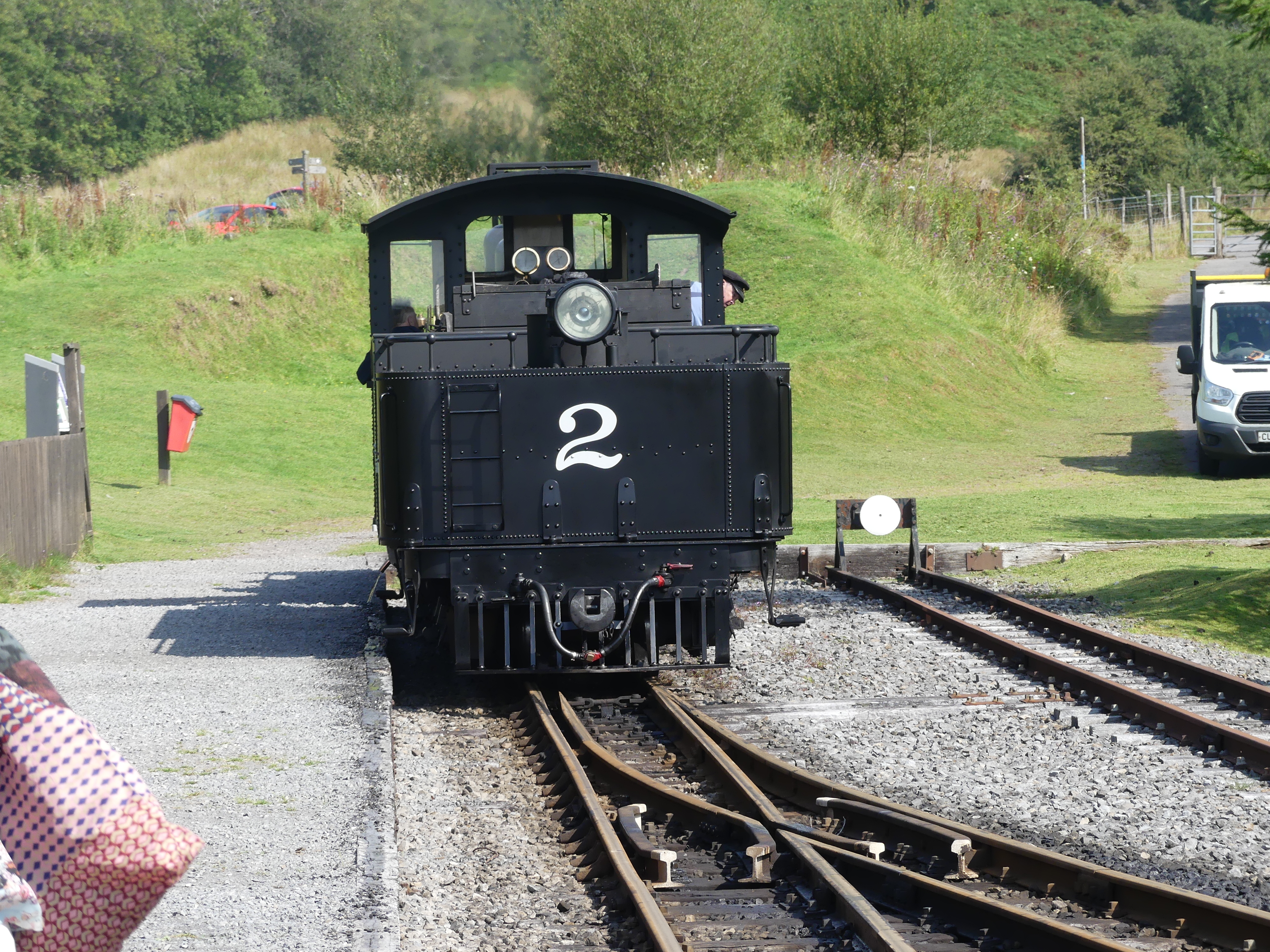
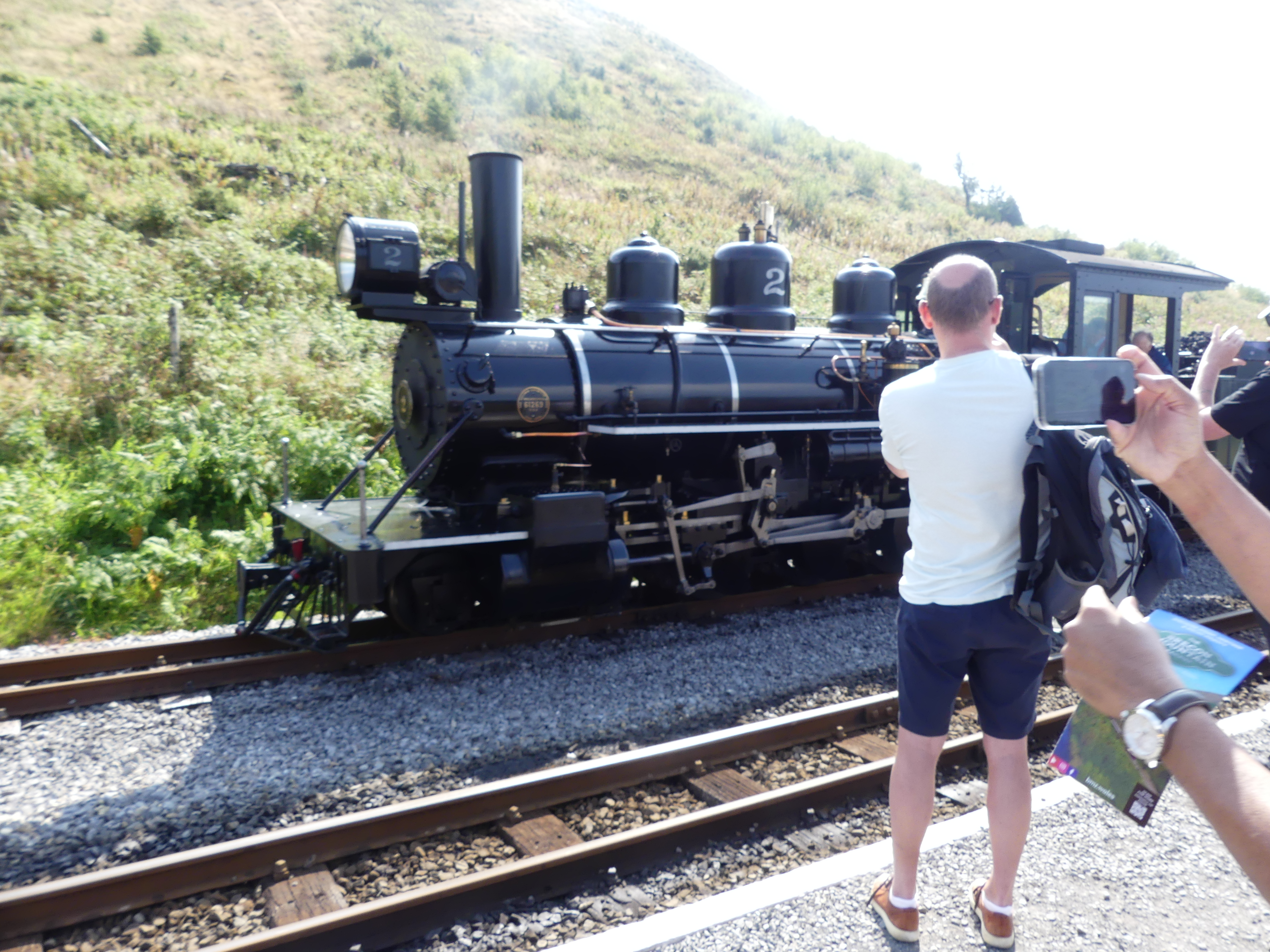
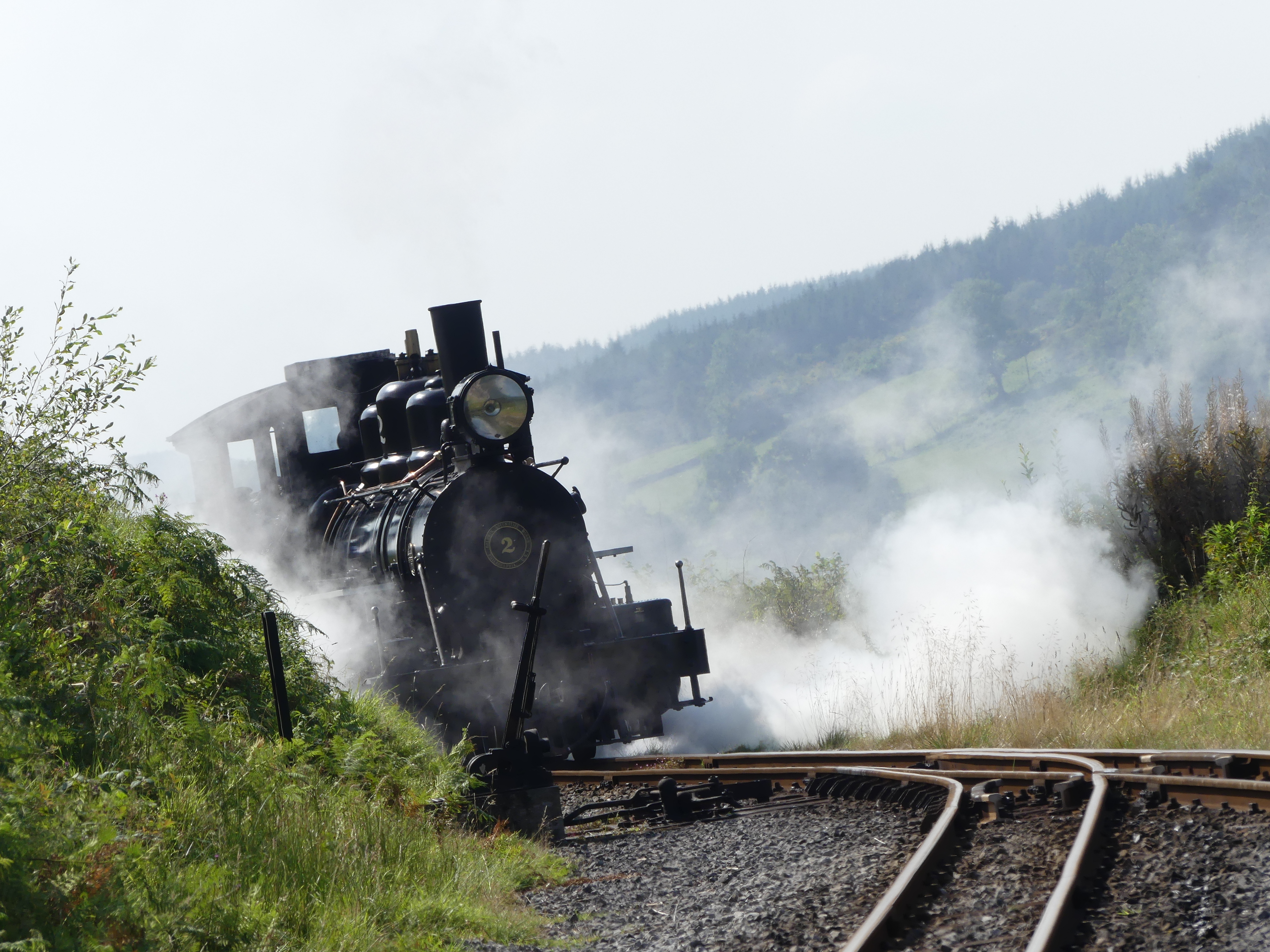
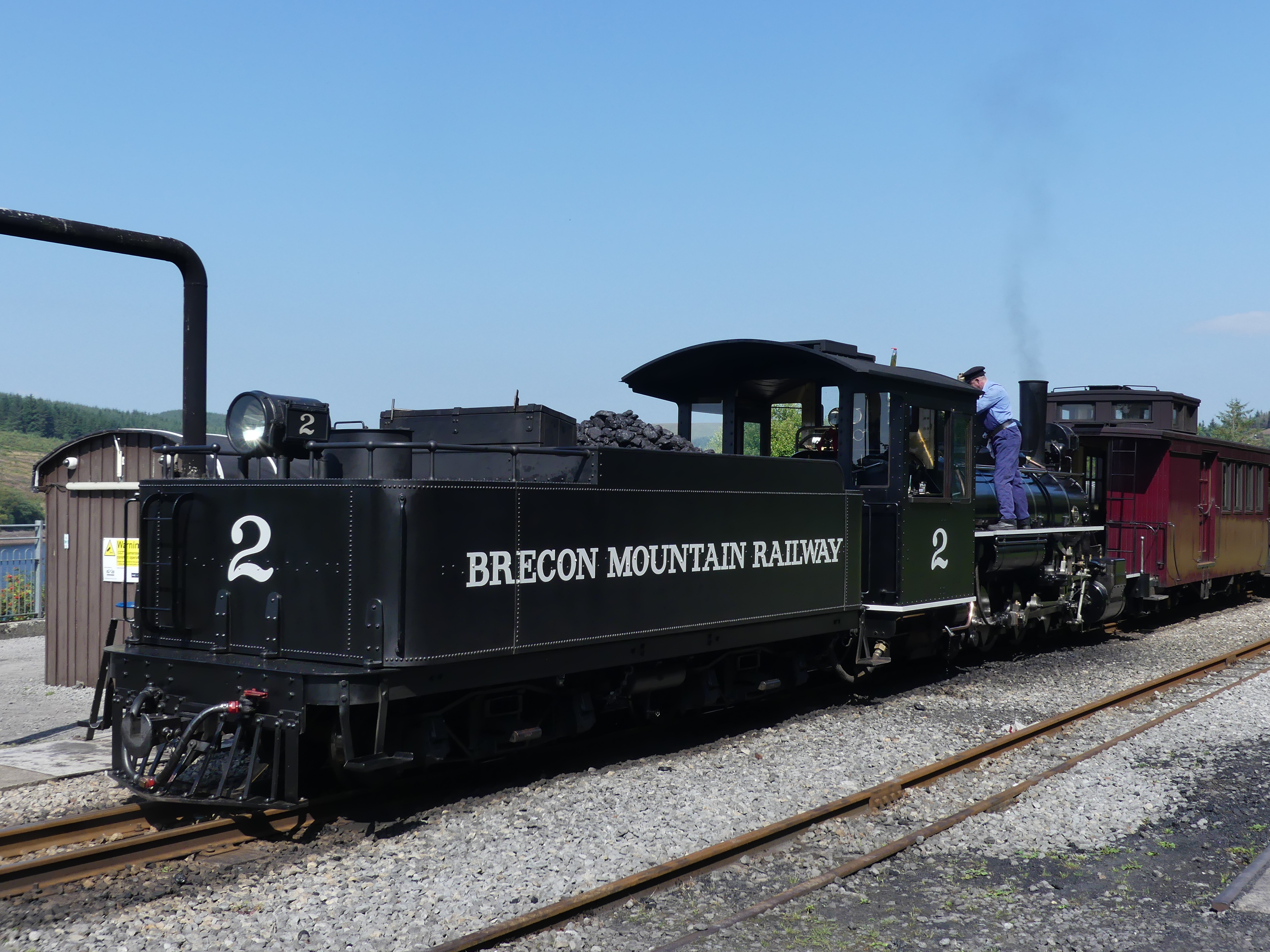
We then traveled on and accidently stumbled across the Brecon Mountain Railway. The Brecon Mountain Railway is a 1 ft 11+3⁄4 in (603 mm) narrow gauge tourist railway on the south side of the Brecon Beacons in Wales. It climbs northwards from Pant along the full length of the Pontsticill Reservoir and continues past the adjoining Pentwyn Reservoir to Torpantau railway station. The railway’s starting point at Pant is located two miles (3 km) north of the town centre of Merthyr Tydfil, Merthyr Tydfil County Borough, South-East Wales. It is very popular so booking in advance is necessary. We booked our tickets for the following day.

We returned to our hotel and as I recall we went for a walk through the town and had dinner at a pub. Nothing flash although the locals thought it a bit of a posh nosh.

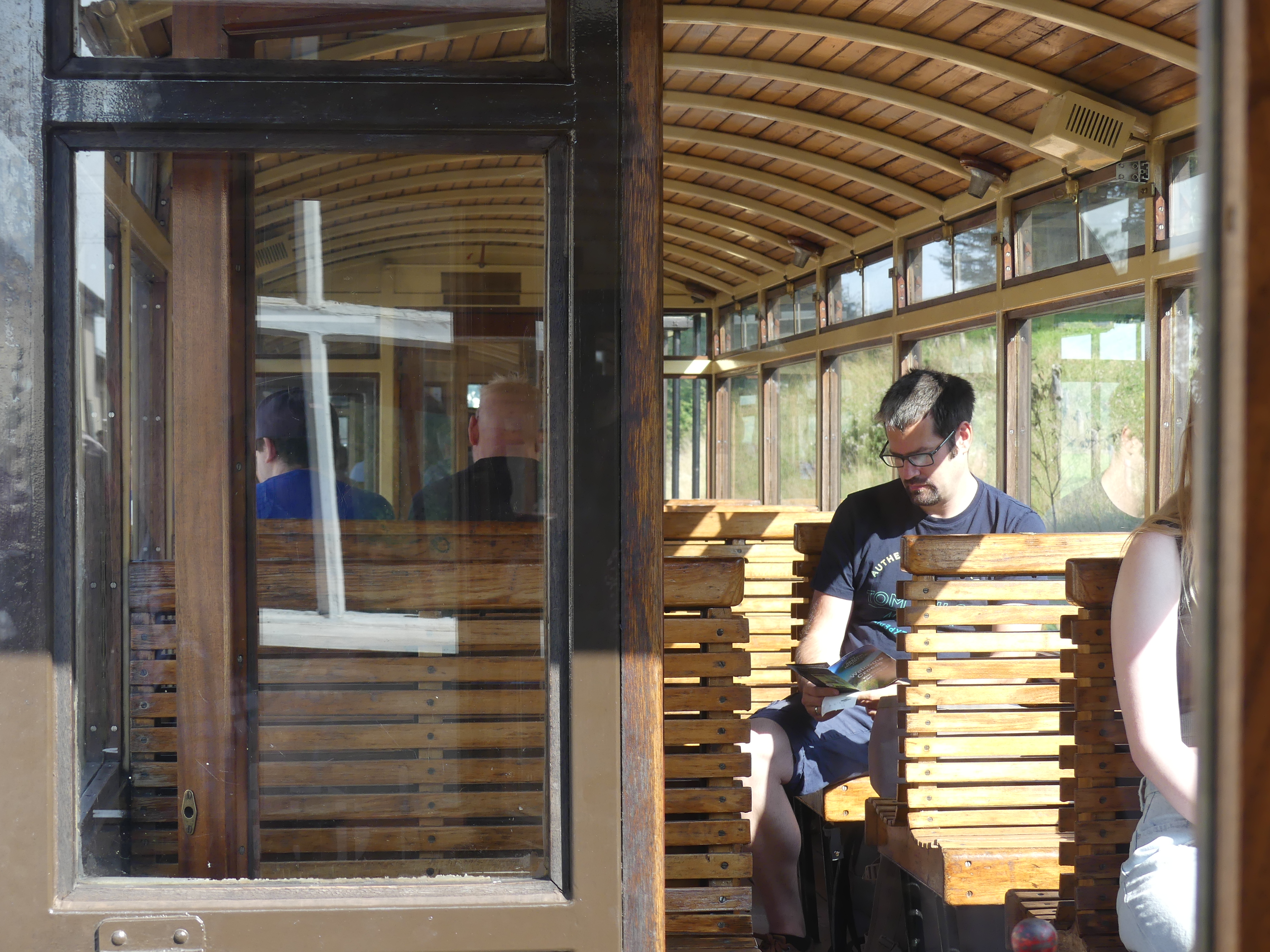
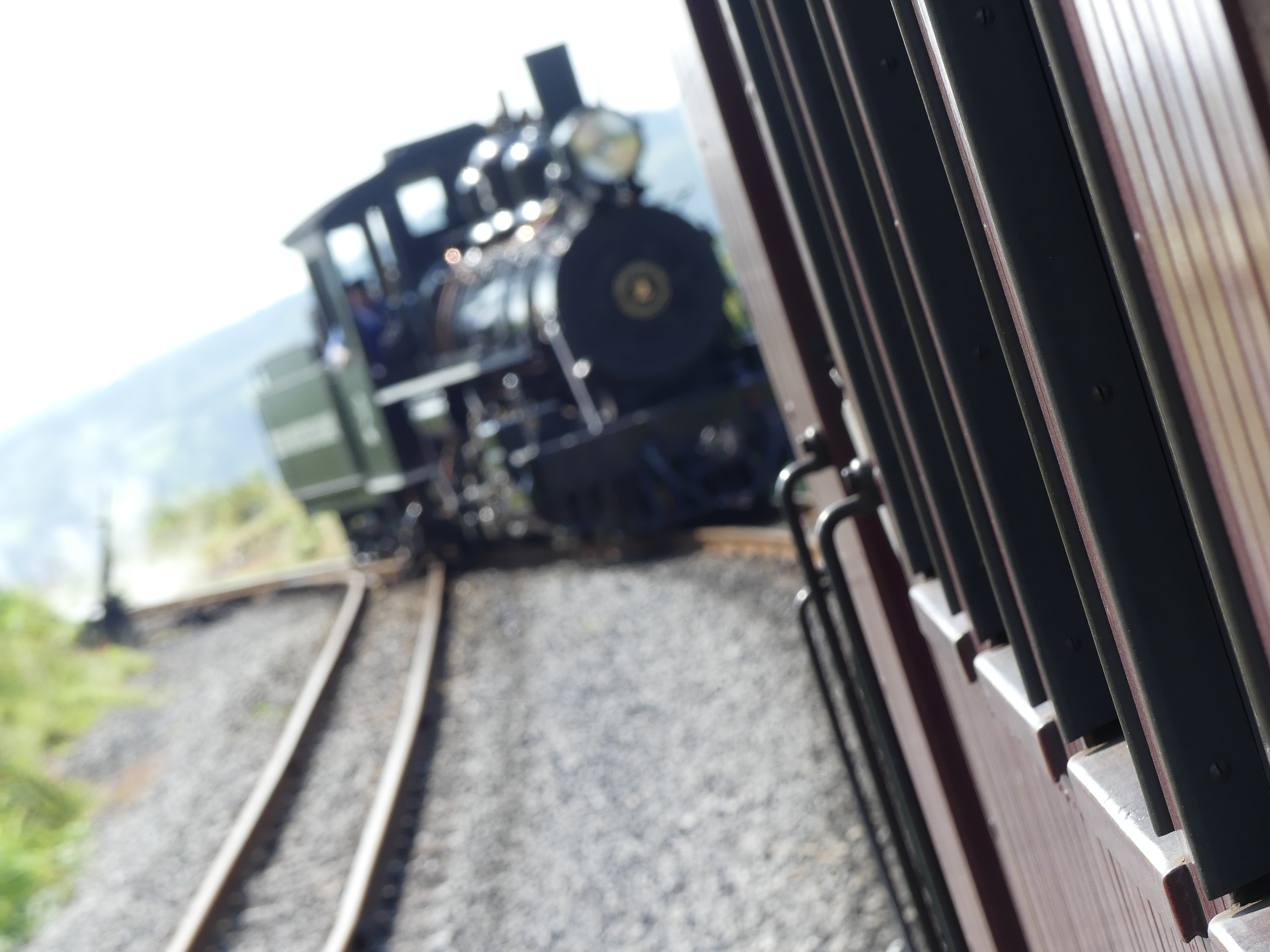
The following morning, we returned to the railway and here are our photos of the ride. Thanks to Wikipedia the history of the Railway follows.

“The Brecon Mountain Railway was founded in the mid-1970s, by Tony Hills (1937–2015). Hills was a long time railway enthusiast who by 1970, had established a base at Gilfach Ddu on the Llanberis Lake Railway where he stored the locomotives he purchased. In 1977, he purchased five miles of trackbed of the abandoned Brecon & Merthyr Railway at Pant and moved his collection there. Construction of the BMR started in 1978, with the grant of a Light Railway Order in 1980. Track was laid between Pant and Pontsticill in 1979–80. At Pontsticill the station house was renovated, the old waiting room was converted into a small workshop and a storage shed was built. Seven bridges were repaired or replaced. The railway opened to passengers in June 1980 using the engine Sybil and one carriage.

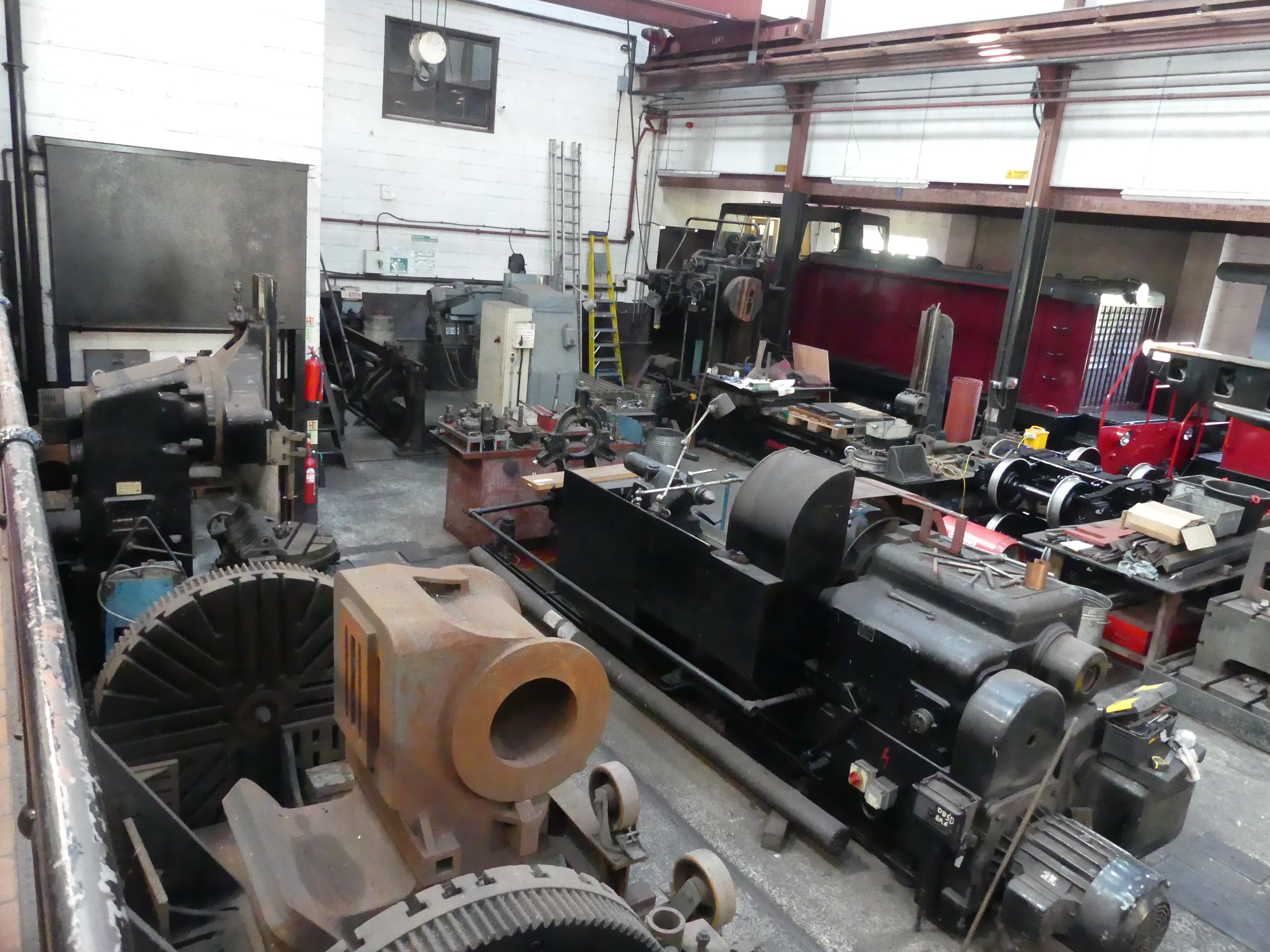
Between 1982 and 1996, a large station and workshop were built at Pant. These provide passenger facilities including toilets, cafe, shop and booking office as well as the extensive workshop used to build and maintain the railway locomotives, carriages and wagons.

A 1+1⁄2 miles (2.4 km) extension from Pontsticill to Dol-y-Gaer opened in 1995. The railway was further extended to Torpantau, just short of the southern entrance of the Torpantau Tunnel, with passenger services commencing 1 April 2014.

By 2016, the original waiting room building at Pontsticill, which had served as a workshop for a period, was converted into a steam museum housing various stationary steam engines and three of the smaller locomotives. All of the stationary units were connected up to a steam distribution header and boiler, which in 2017 was still awaiting commissioning.”

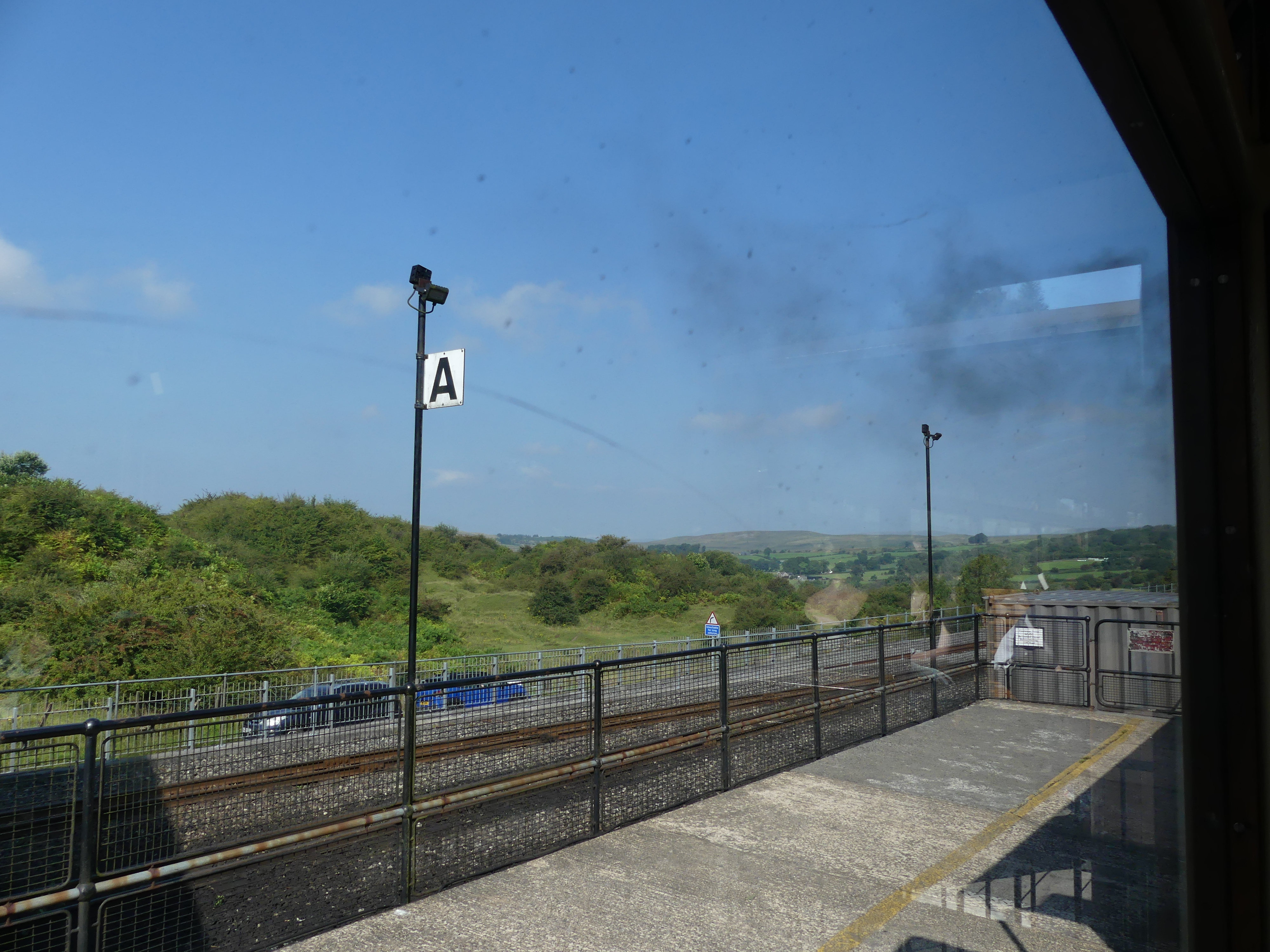
My photos show the station at Pontsticill with the attach museum and workshop, and the trip up to Torpantau. There the train disengages turns around and takes us back to Dol-y-Gaer where converted carriages serve as cafe and refreshment stop. My photo shows Kerry in the queue.

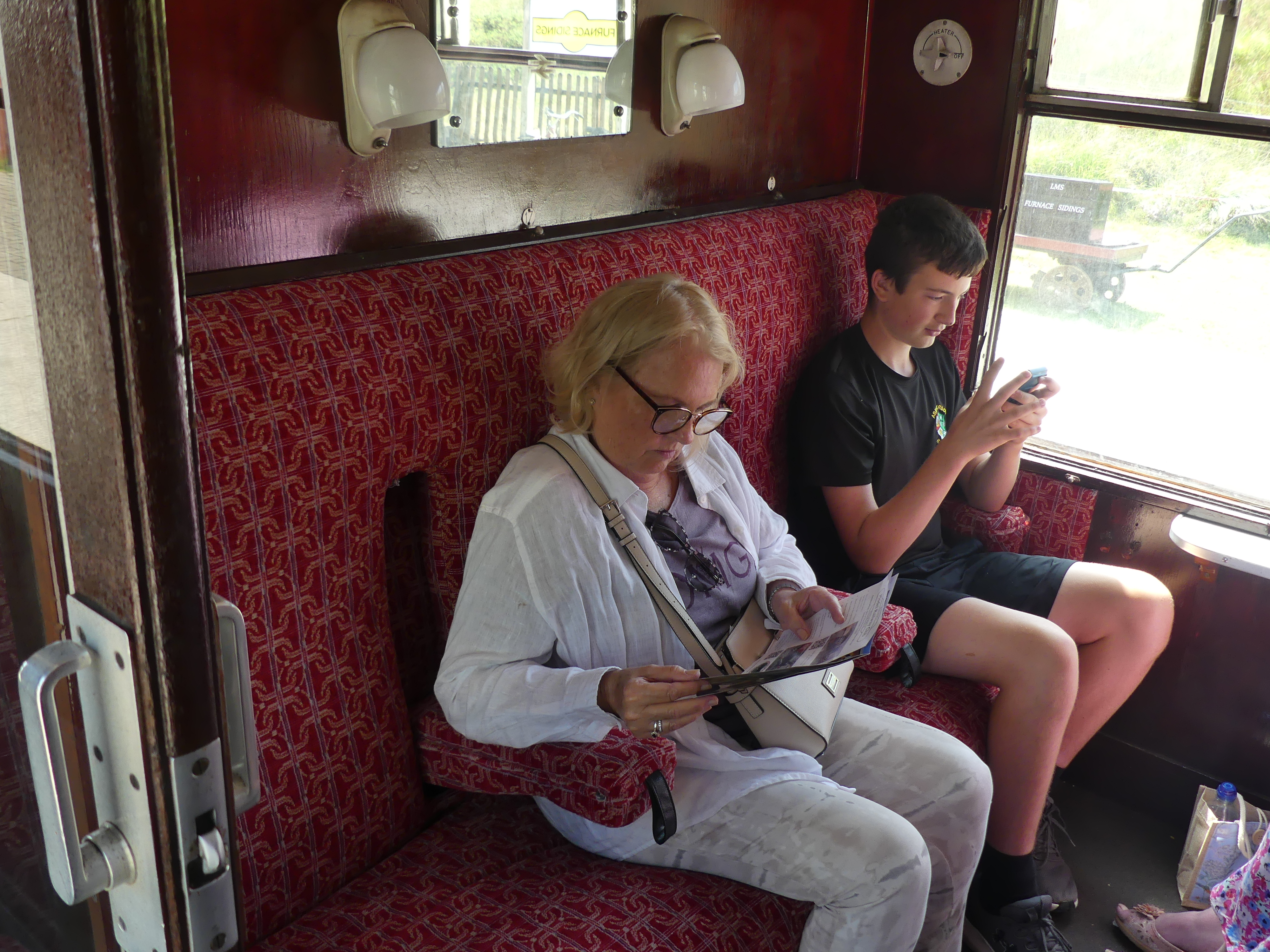
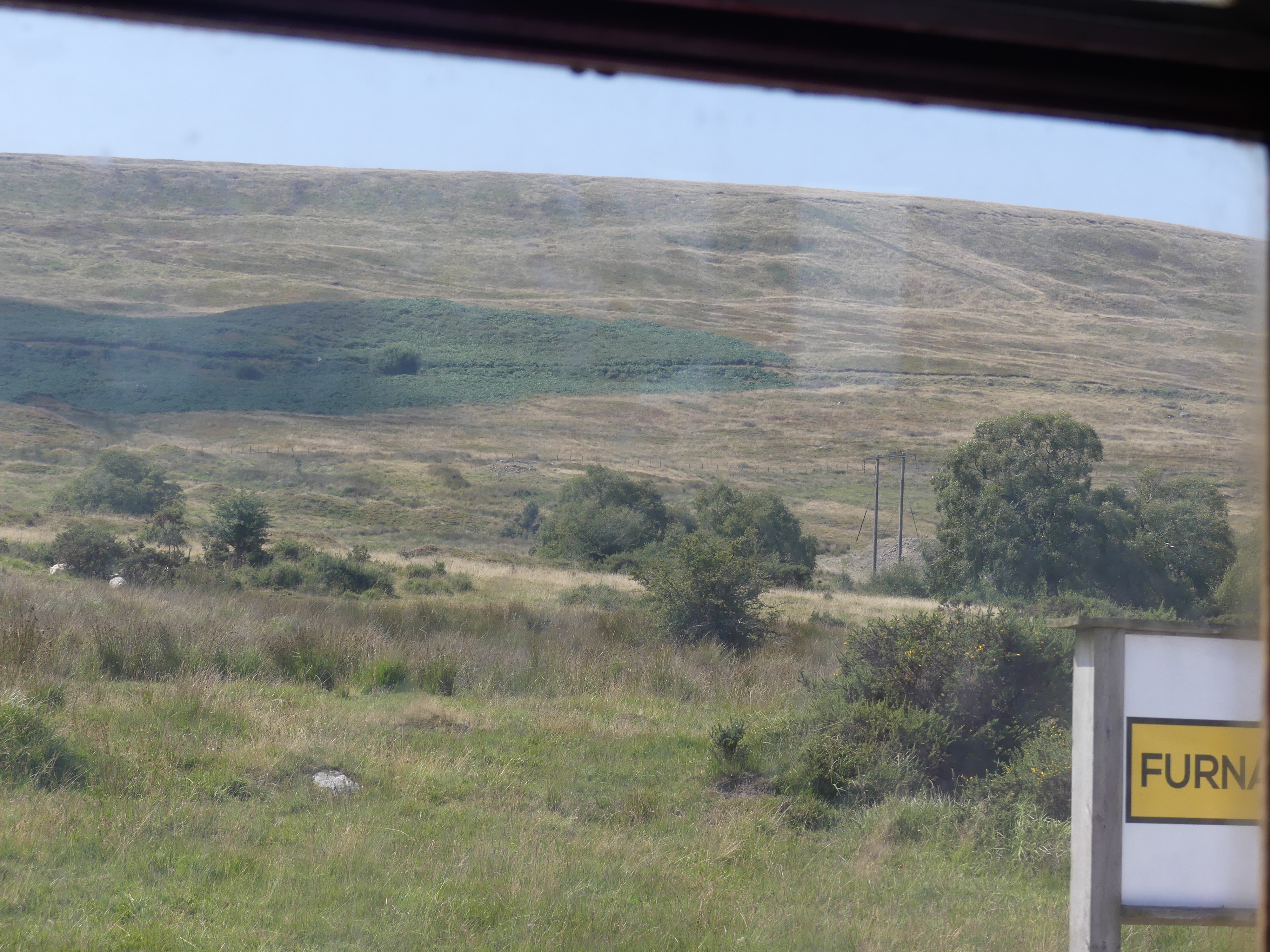
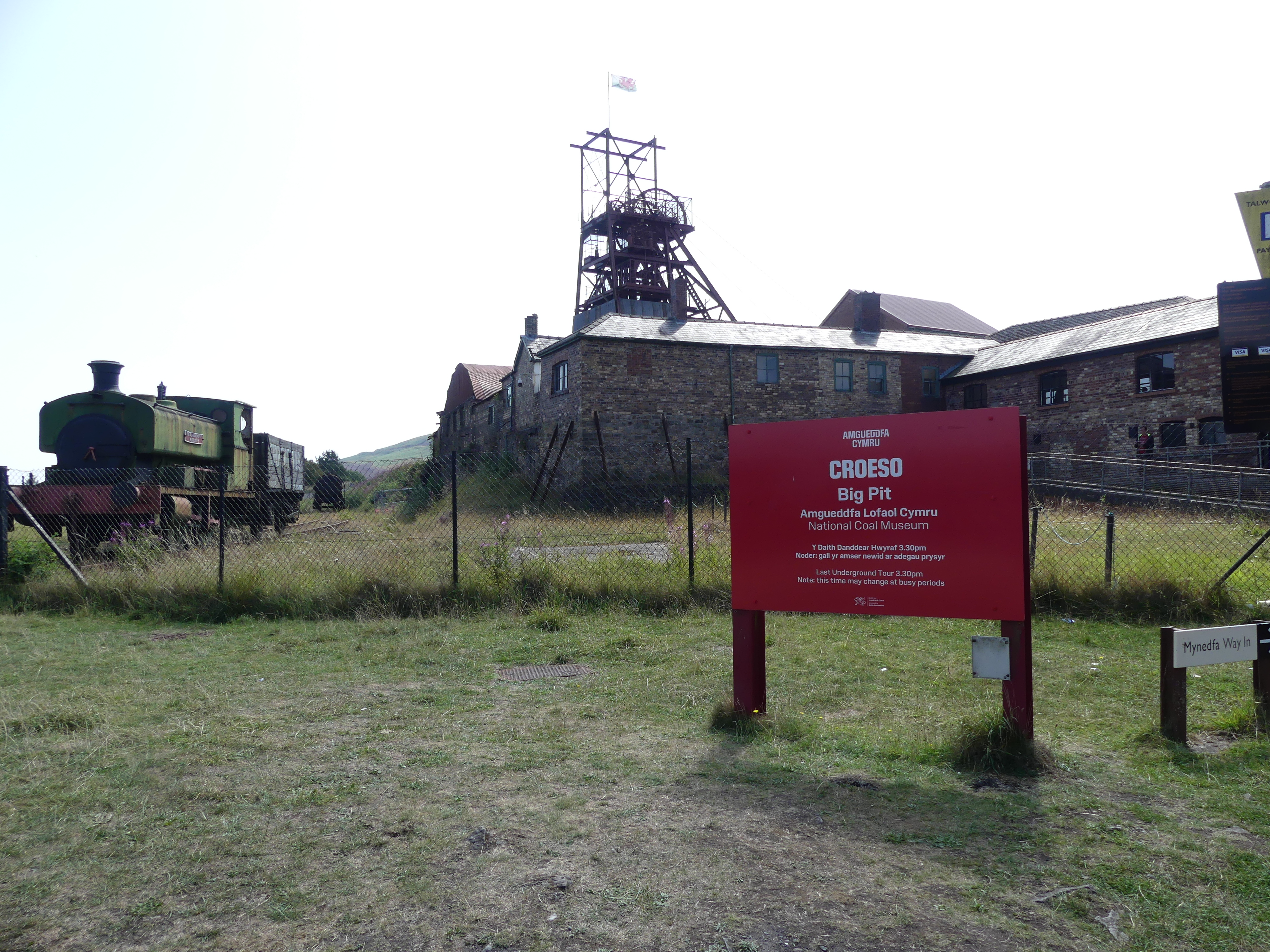
The trip and drive took most of the day. Overnight we investigated visiting the Big Pit and the Blaenavon Heritage Railway the next day. Unlike the Brecon Railway this one is an all-volunteer association keeping the steam train running and it incidentally used to service the Big Pit so whilst the train goes to the Big Pit it’s not synchronized with what is happening with the Big Pit. The railway visits 4 stations in a round trip of about 1 hour. One of the stops is the Big Pit. We knew nothing of these arrangements and learned as we went. The stations are Big Pit Halt along a short branch line then back to Furnace Sidings Halt where we bought our ticket and then two more stations (they call them “Halts”) Whistle Inn Halt and Blaenavon. We caught the train to the Big Pit and on reboarding the train we eventually did the whole of the train ride.

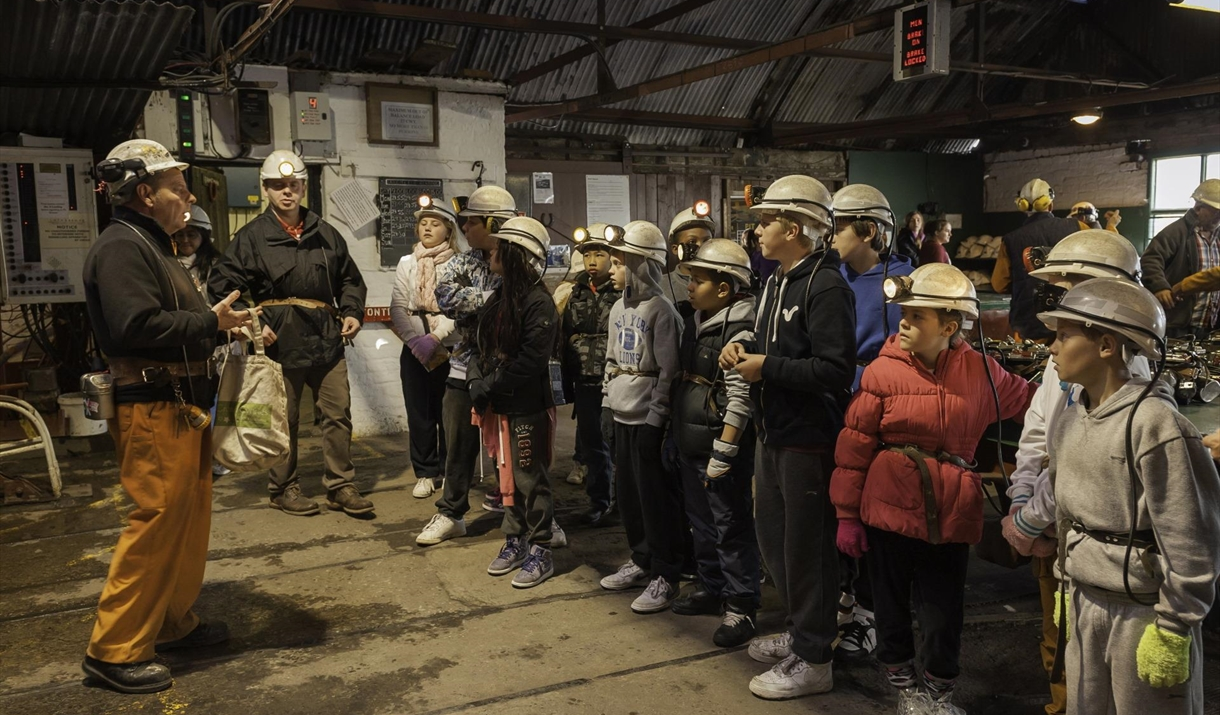
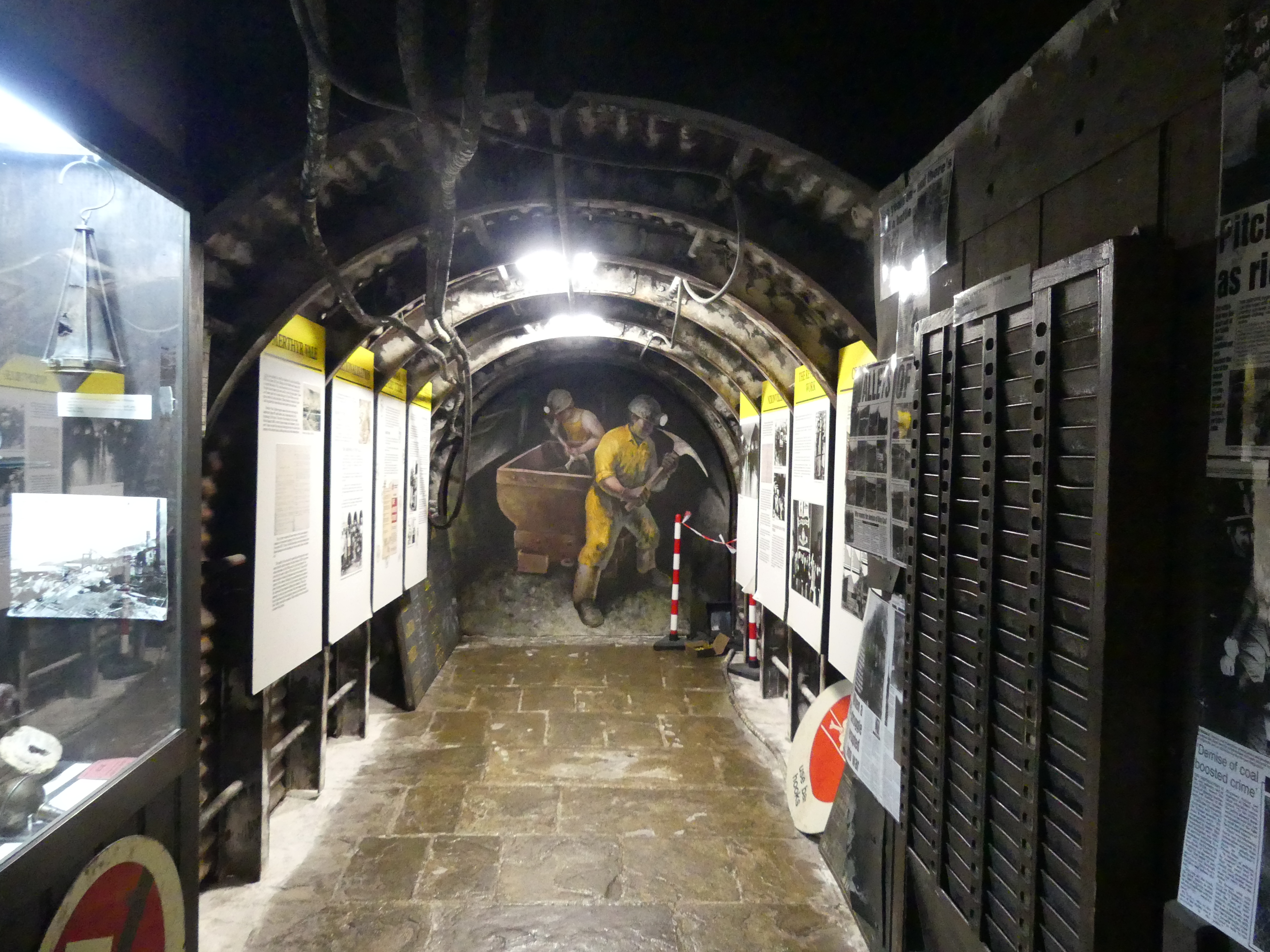
The Big Pit is a short walk from the branch line station and after entering the Big Pit recetion area we were directed to the waiting room. There we awaited our guide who takes a group of about 10 people to a preparation area where we were fitted out with safety gear and handed in our phones and cameras.You won’t see any photos of the mine tunnels as photos underground are prohibited. Then the group enter an elevator to descend 300 feet or 90 m underground to experience “mining”. The trip was very sobering. This was a tough life more than I could understand without experiencing this tour. We learnt about the darkness of the tunnel, the risks of suffocation from dangerous gases, the heat and uncomfortable environment in which to work the long hours of the miners, their children, who often worked with them, and the horses which lived in the mines quite often Shetland ponies. The tour lasted at least an hour and half. This was longer than we had allowed so we were concerned that we did not miss our return train ride back to the station to where we had parked the car. We need not have worried. After a short period standing on the station, we got the train and finished the whole journey and returned to where we had left the car. Below is a picture of the preparation area. I used what was available on the web site – don’t bother looking for us.

We returned to Ebbw Vale and our hotel to prepare for the following day.

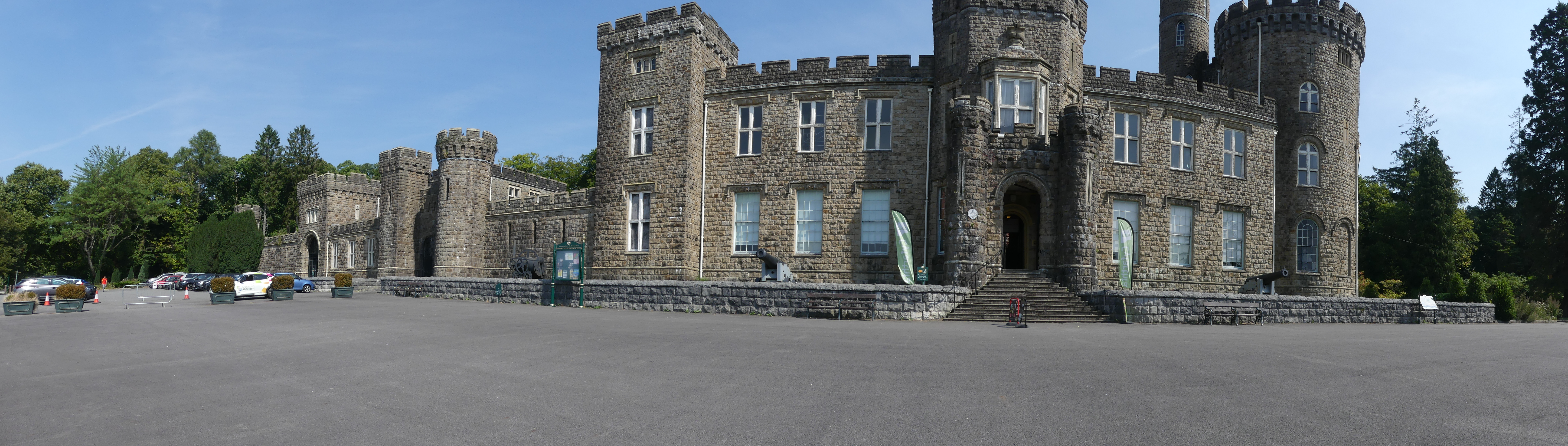
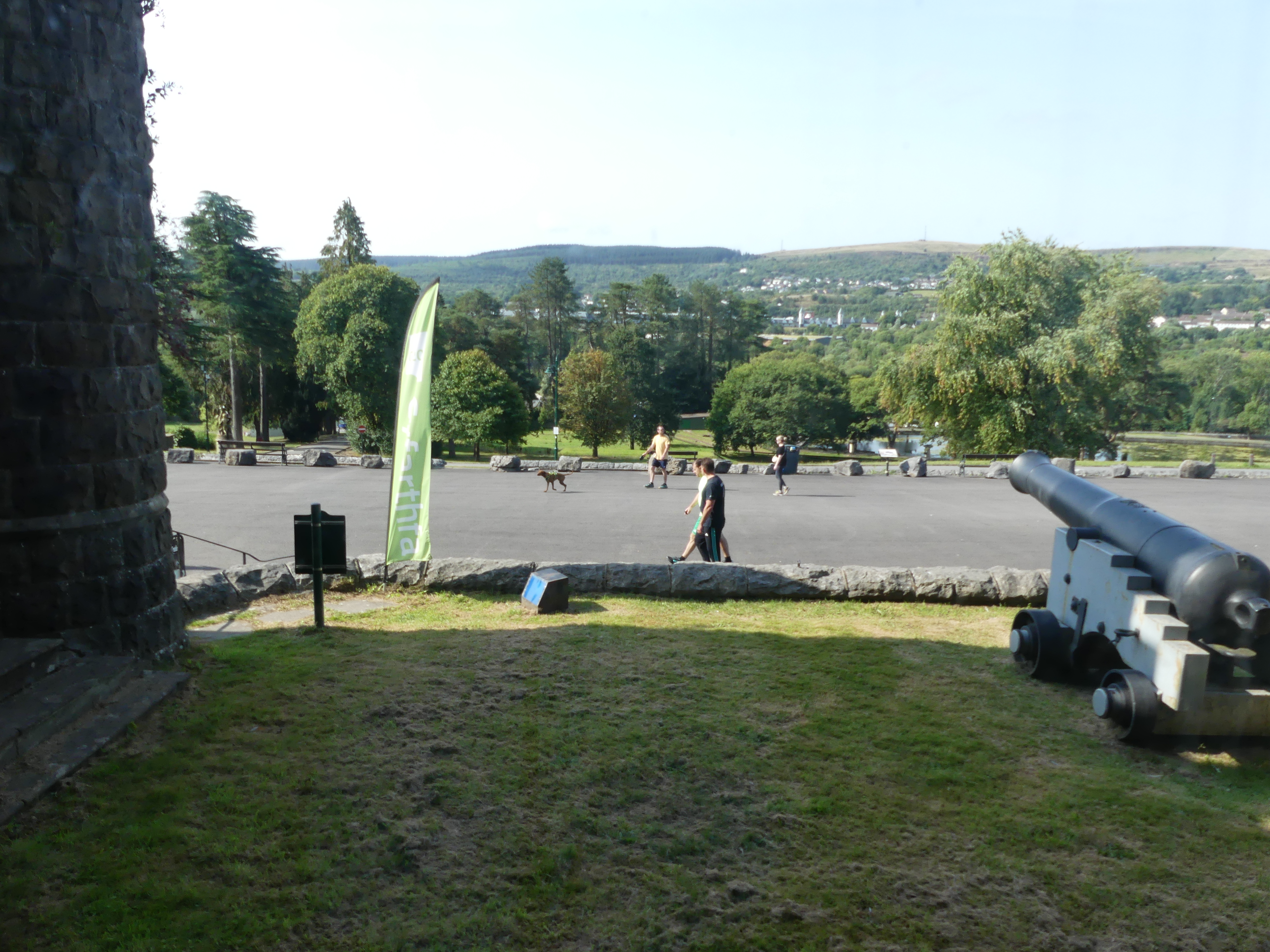
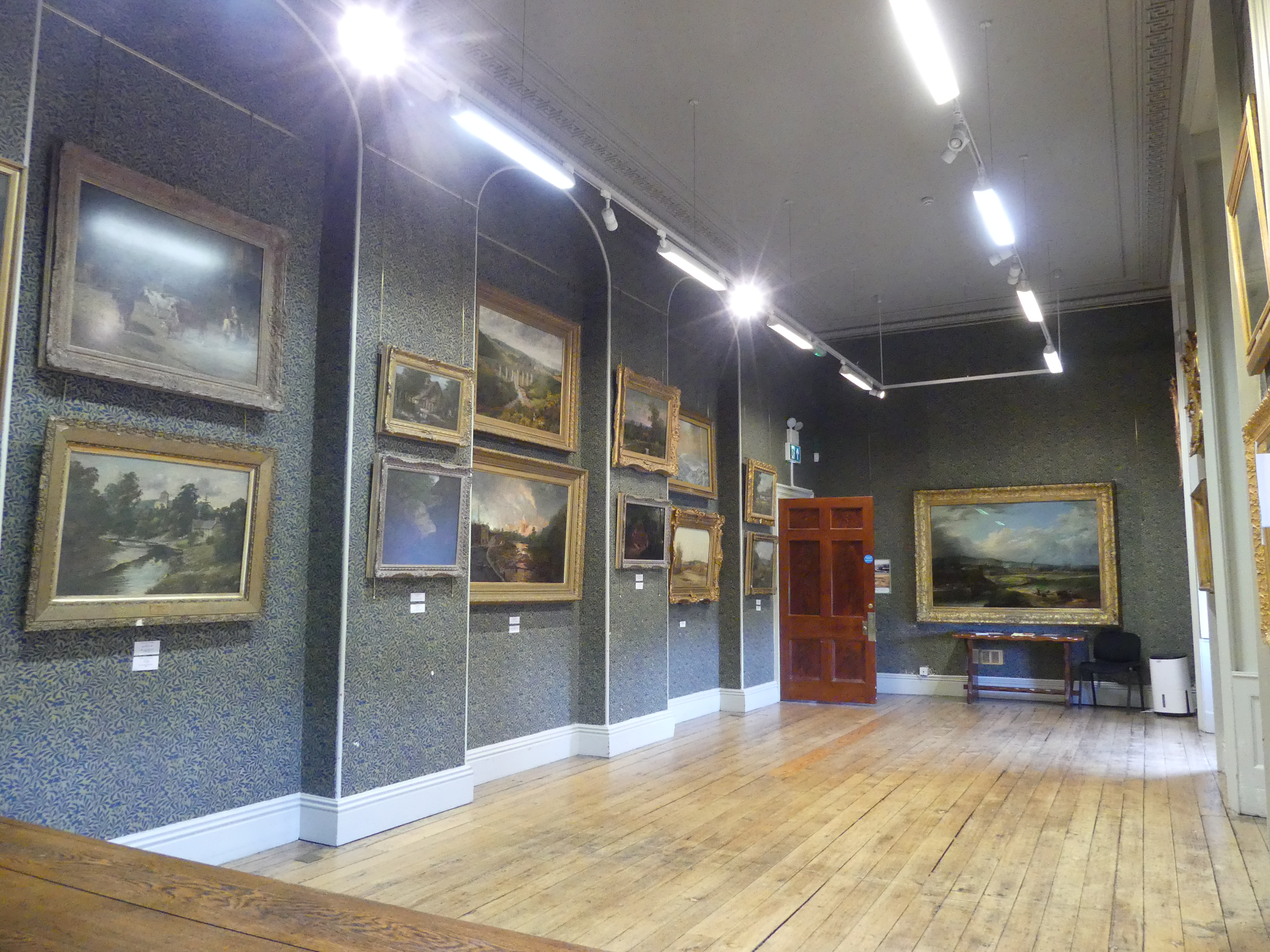
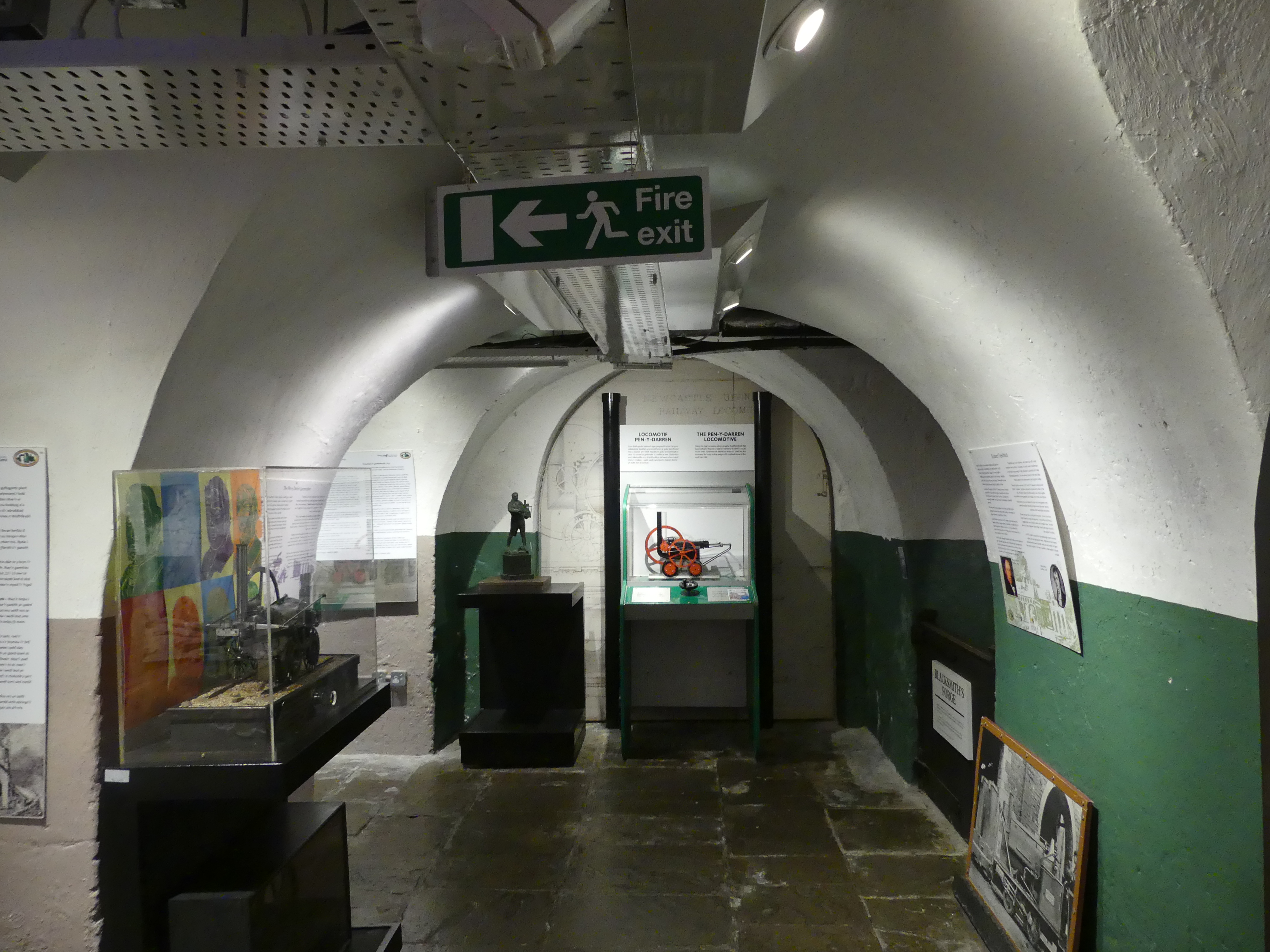
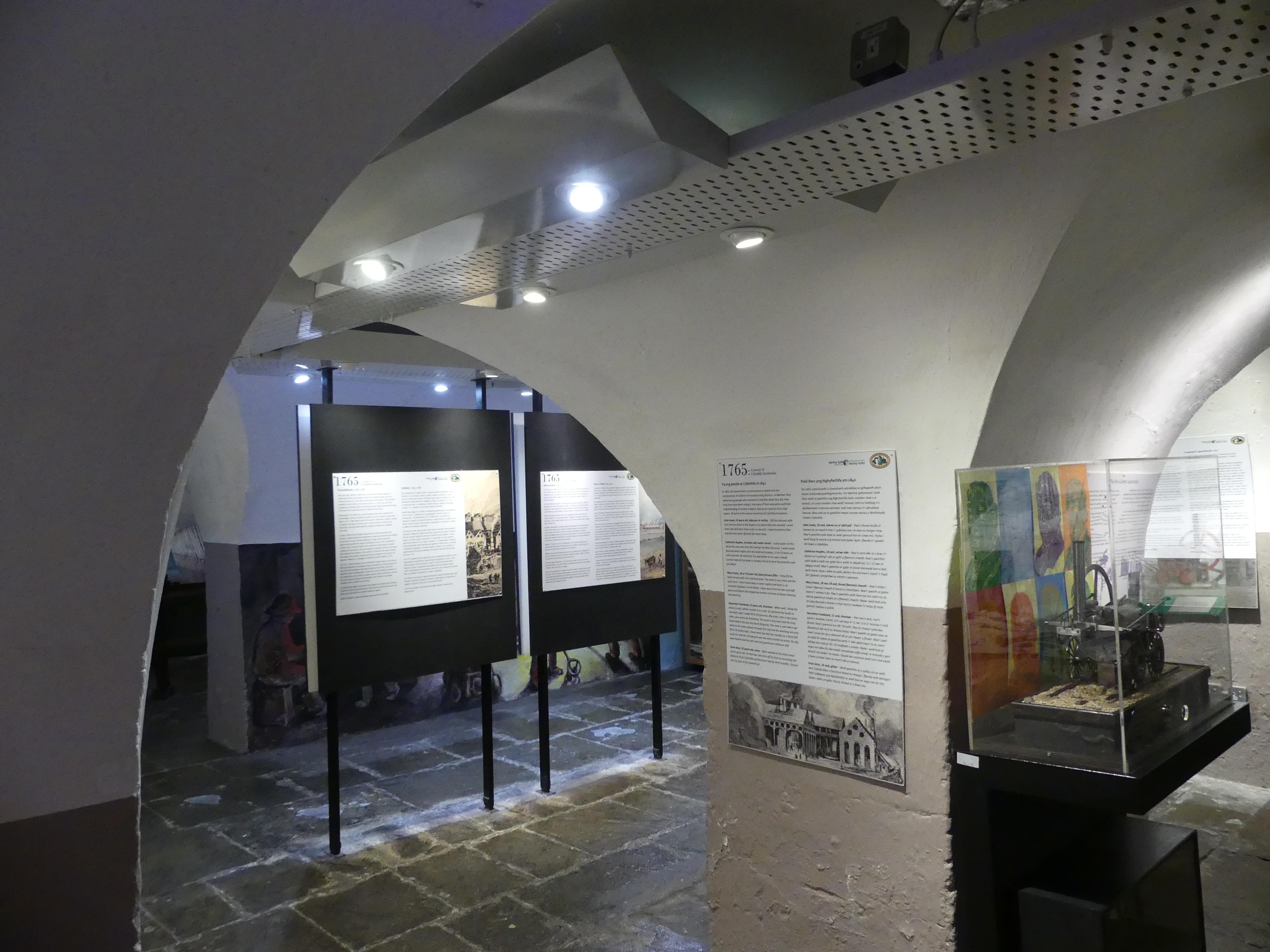
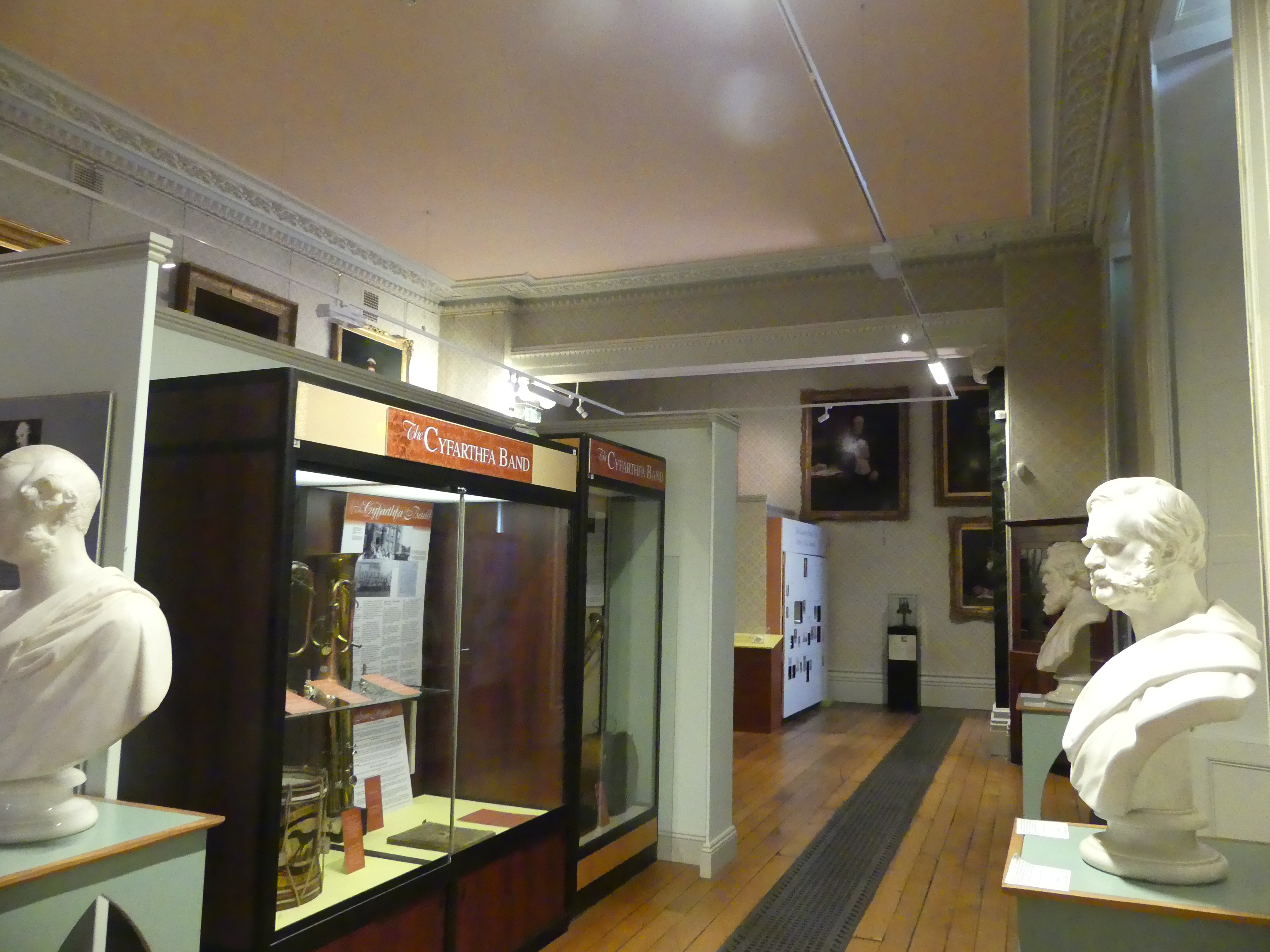
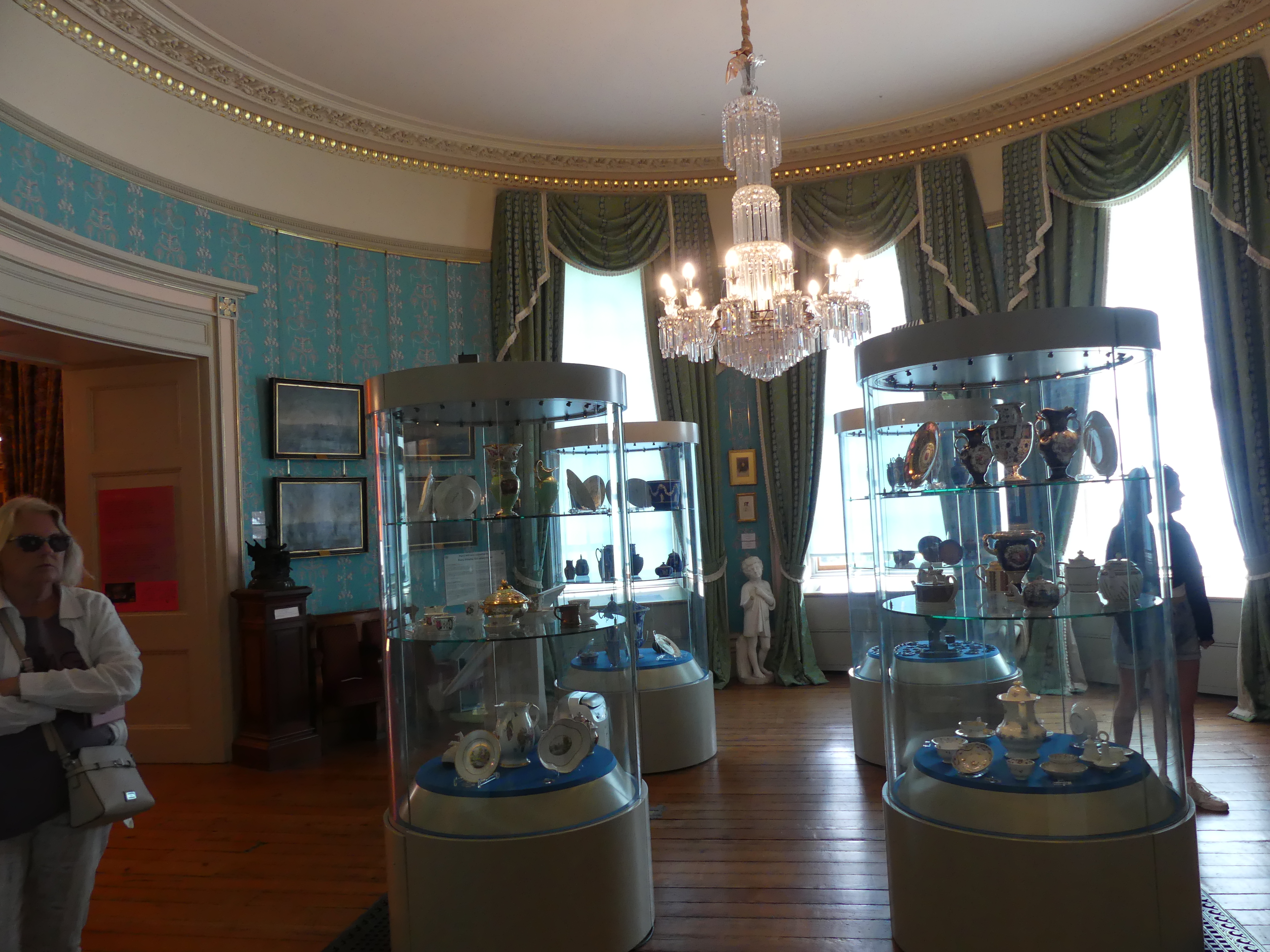
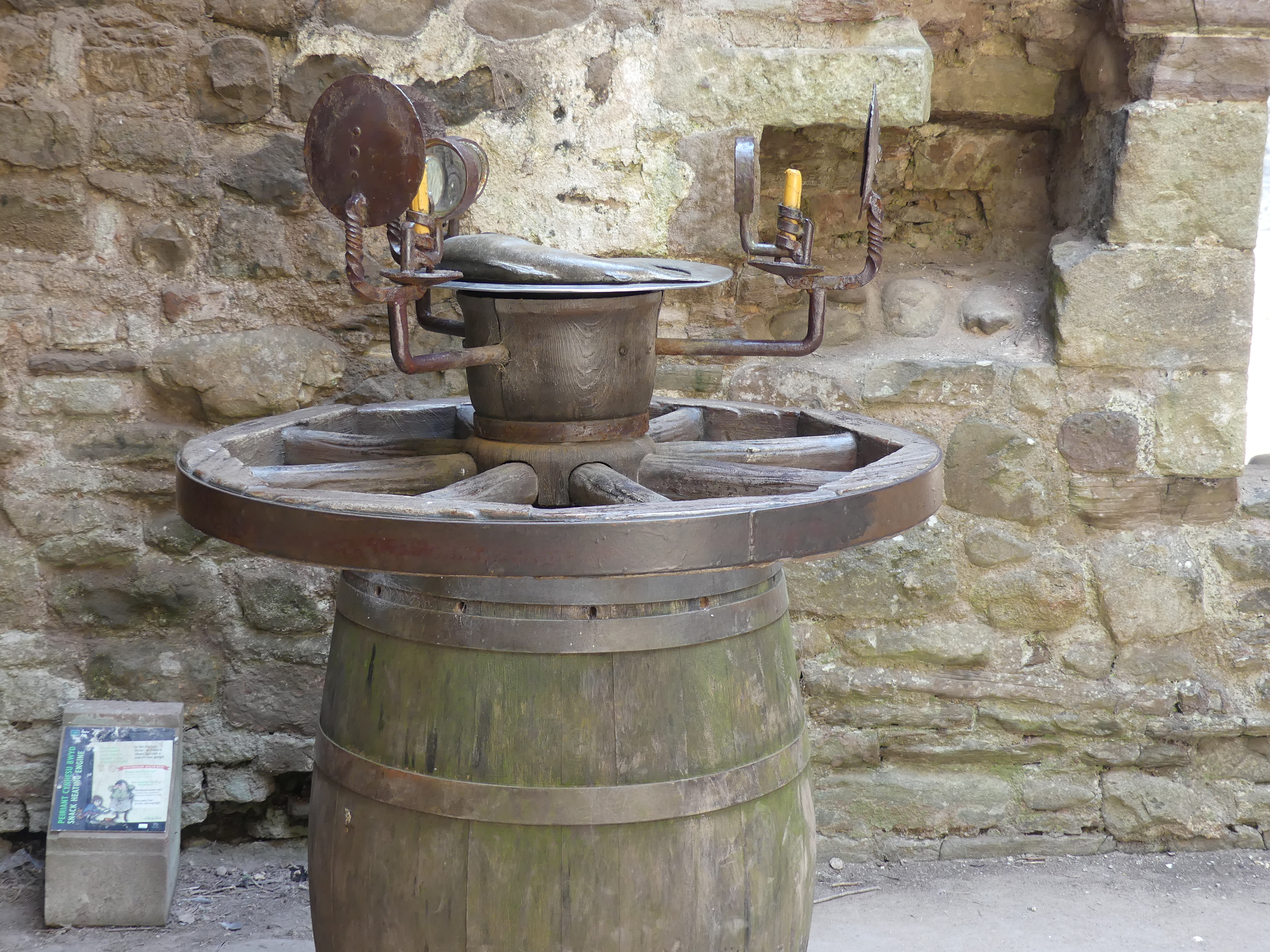
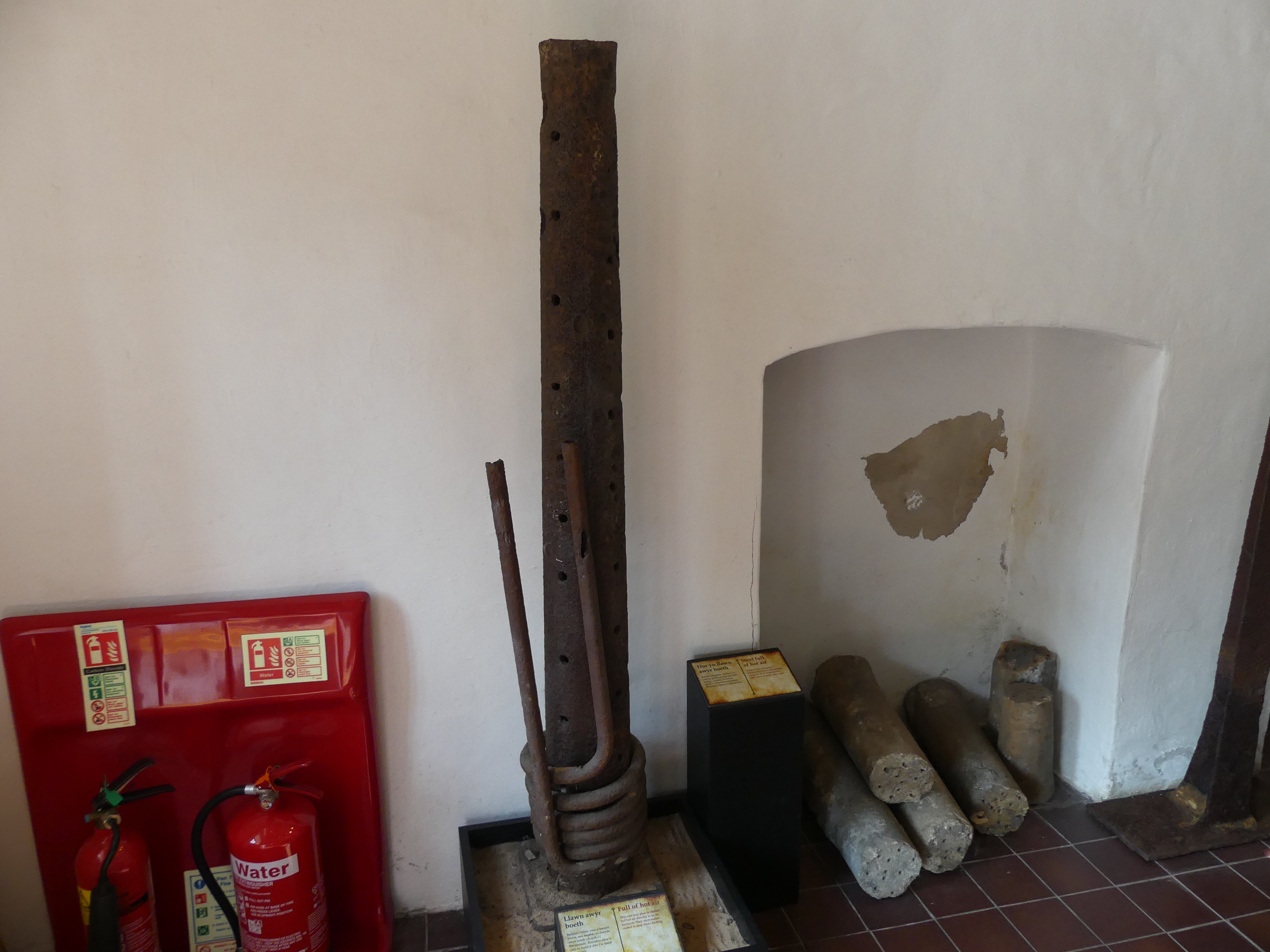
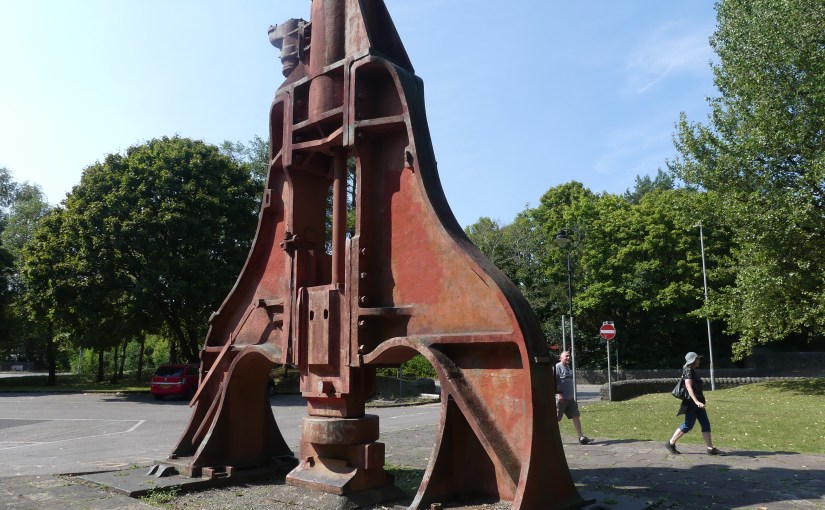
The following day we visited Cyfarthafa Castle and Blaenafon Ironworks ( the featured picture above shows one of the iron presses from Blaenafon Ironworks). Cyfarthfa Castle is a castellated mansion that was the home of the Crawshay family, ironmasters of Cyfarthfa Ironworks in Park, Merthyr Tydfil, Wales. The castle was sold in 1908 to the local council, who decided to use part of the ground floor for a museum, which still operates. The museum includes paintings, including two by James Inskipp. The rest of the building became a secondary school, and it was opened in 1913, operating as separate boys’ and girls’ schools. In 1945, they amalgamated, and in accordance with government policy the school was redesignated as a Grammar school under the name of Cyfarthfa Castle Grammar School. It became a comprehensive school in 1970, under the name Cyfarthfa High School. My photos are below.

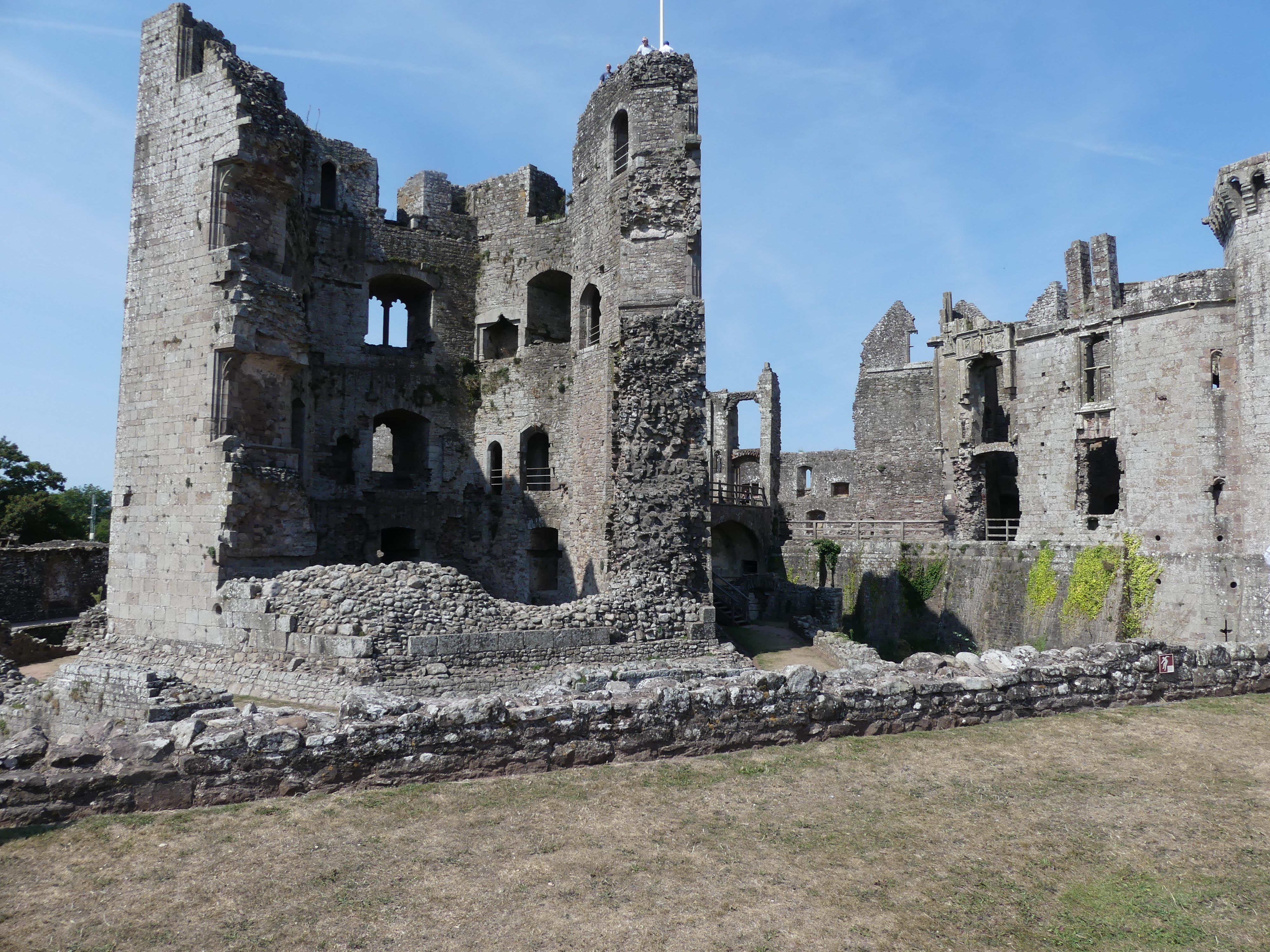
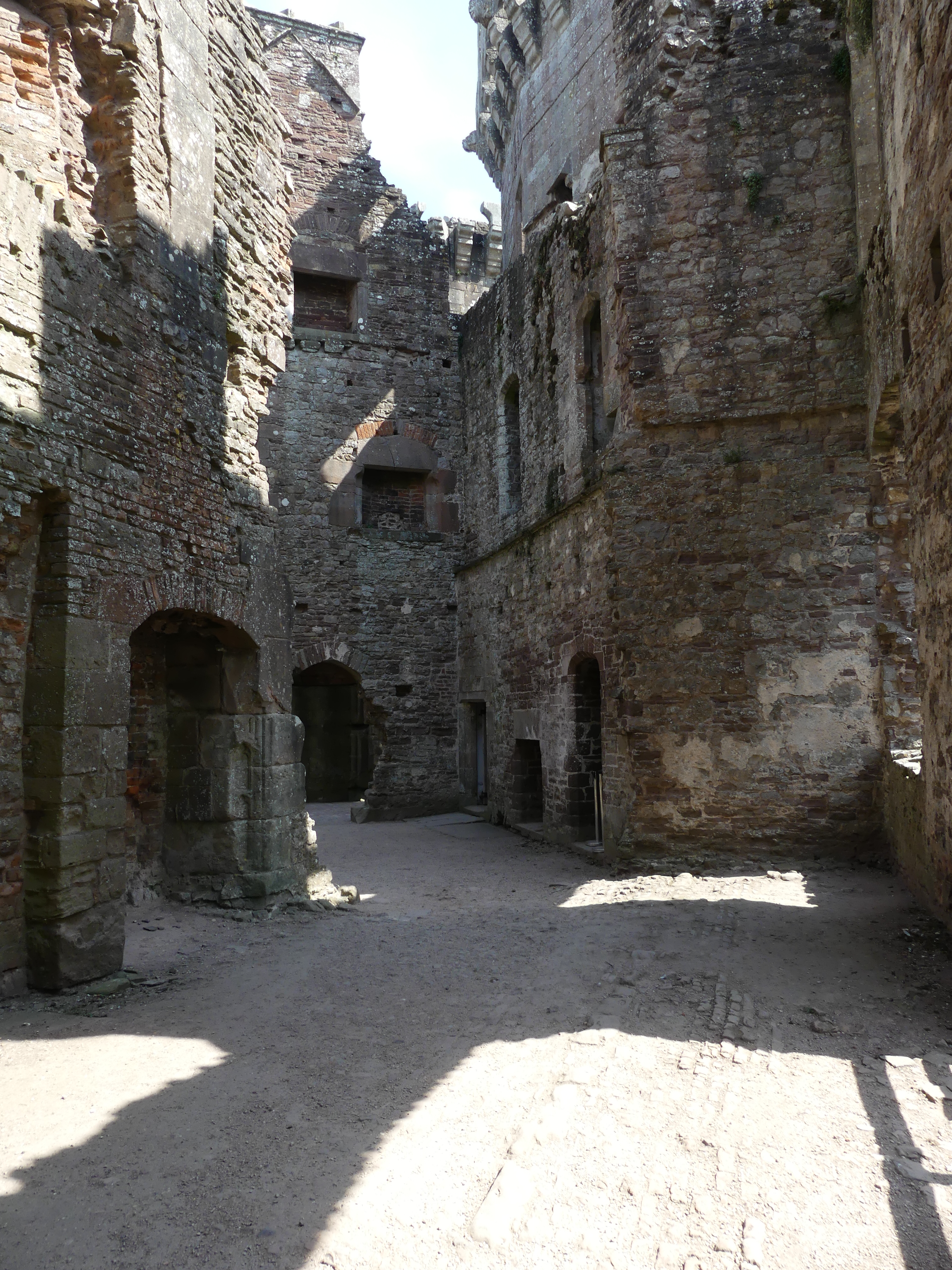
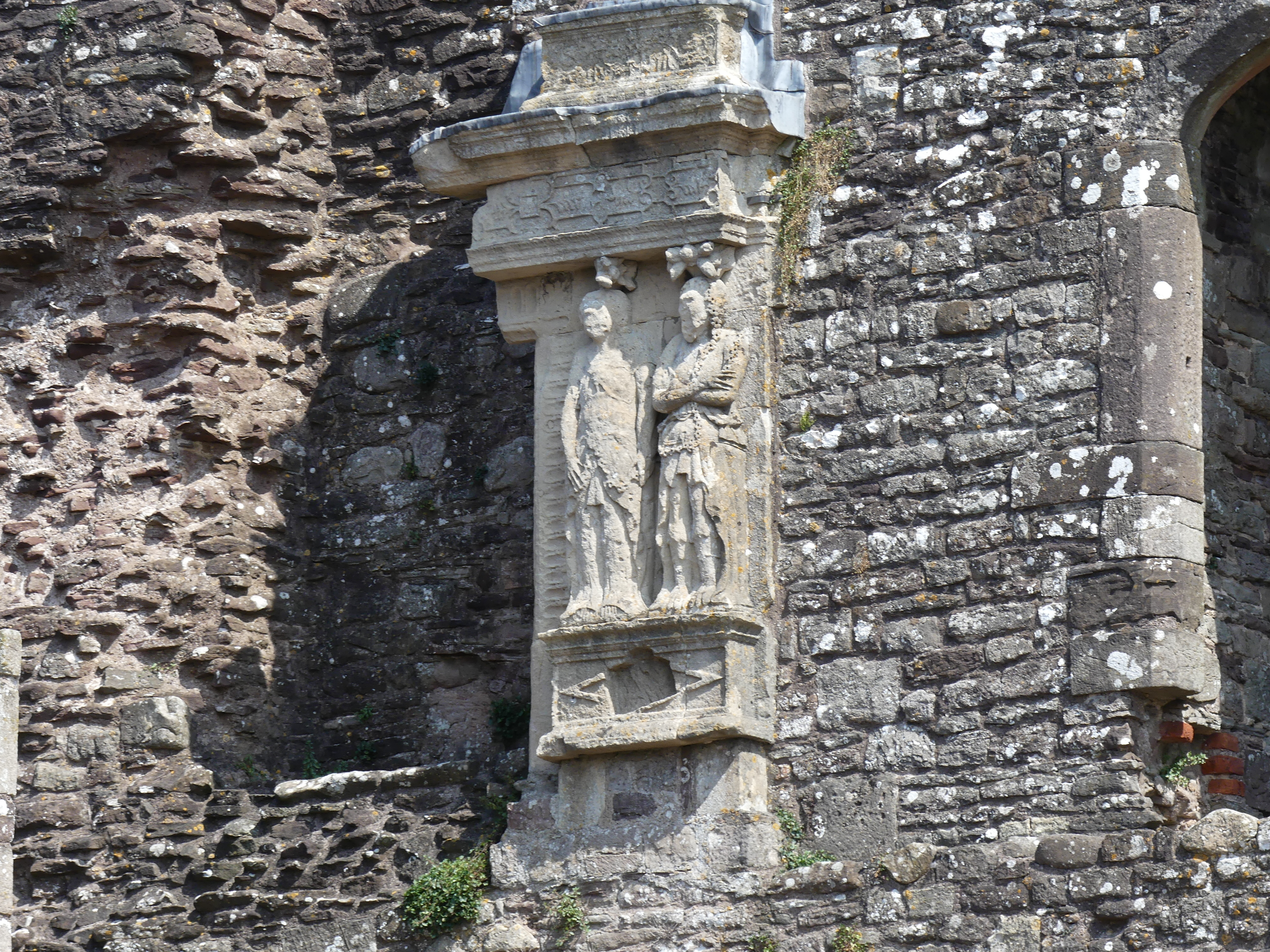
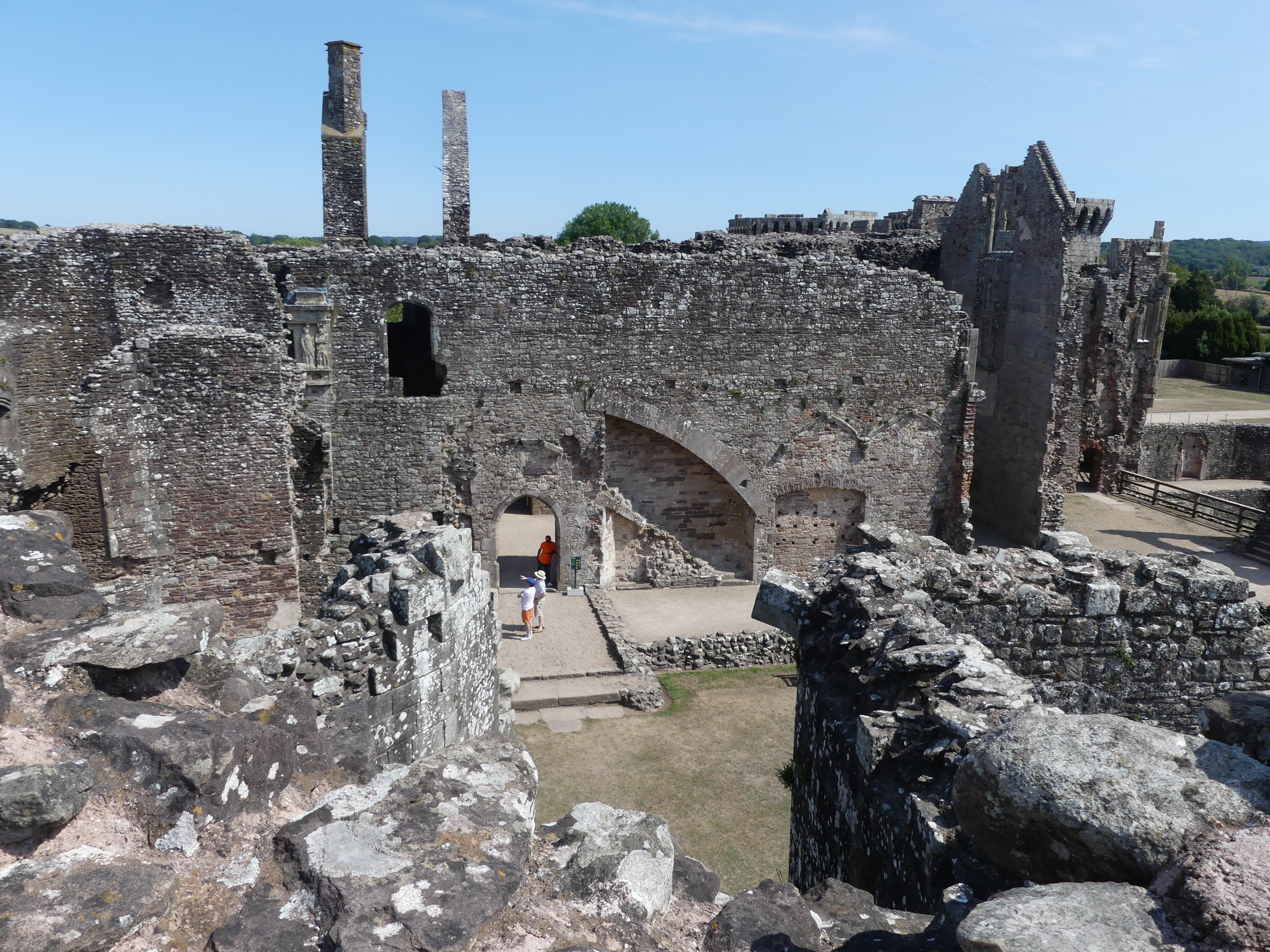
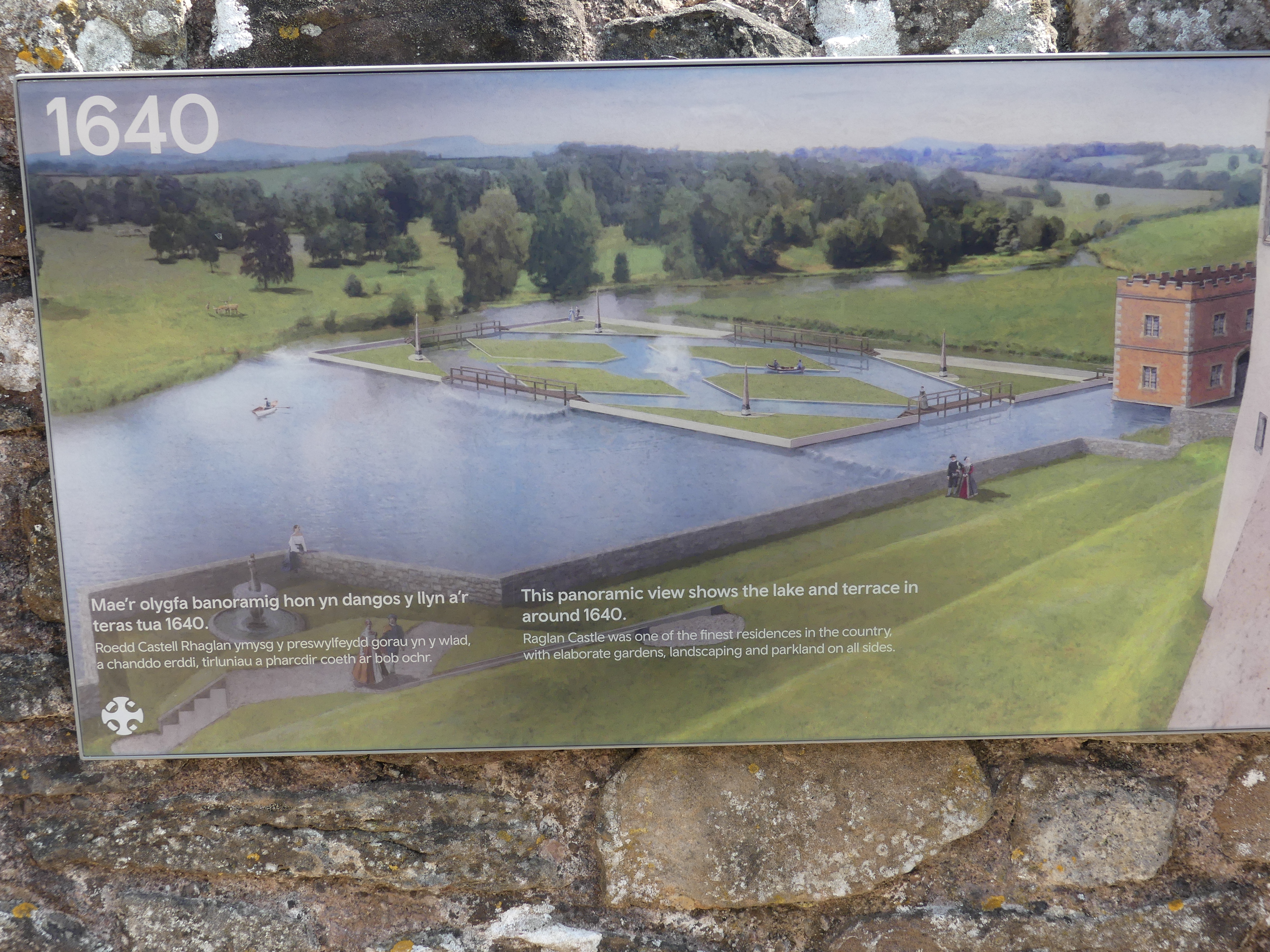
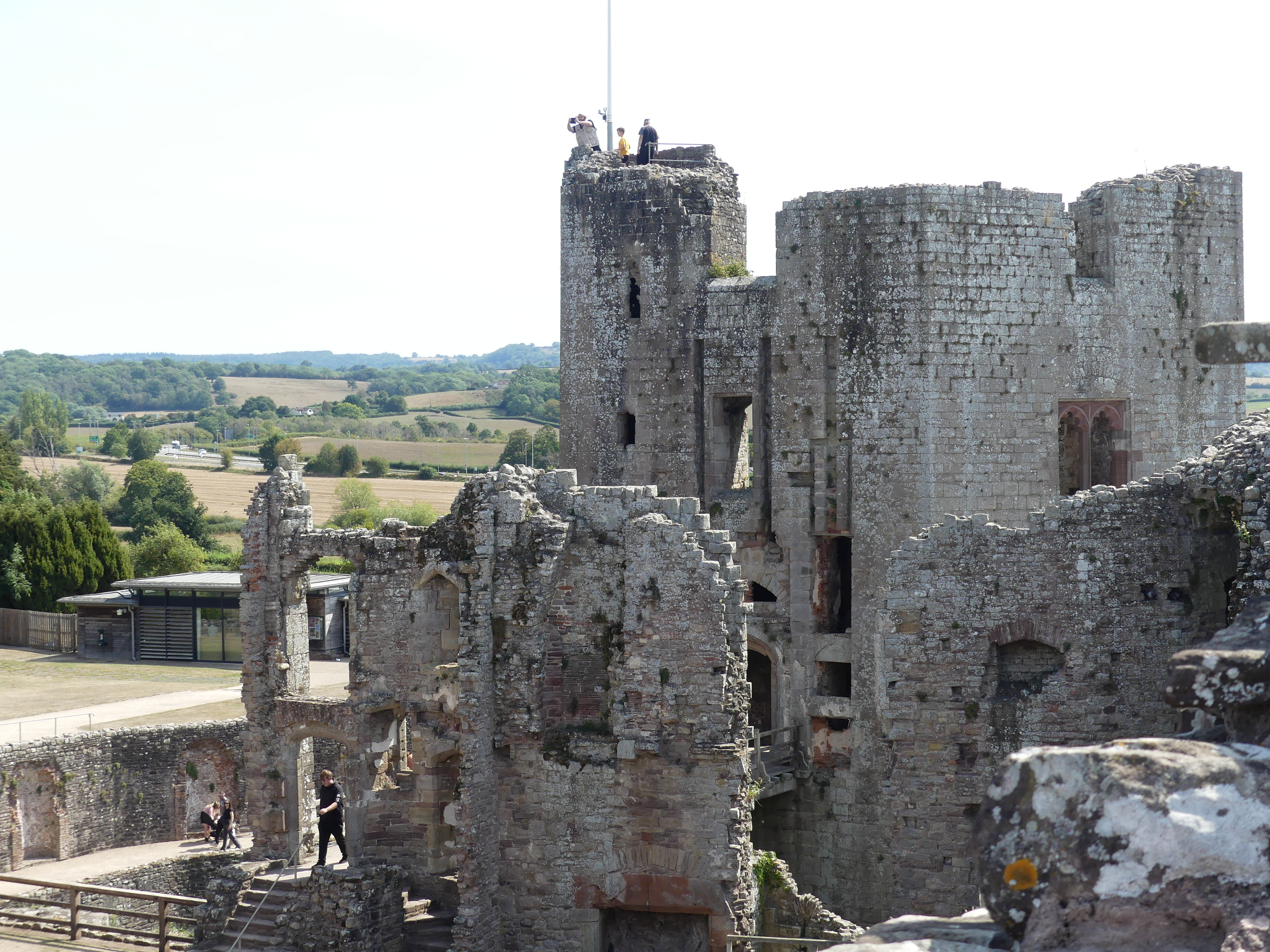
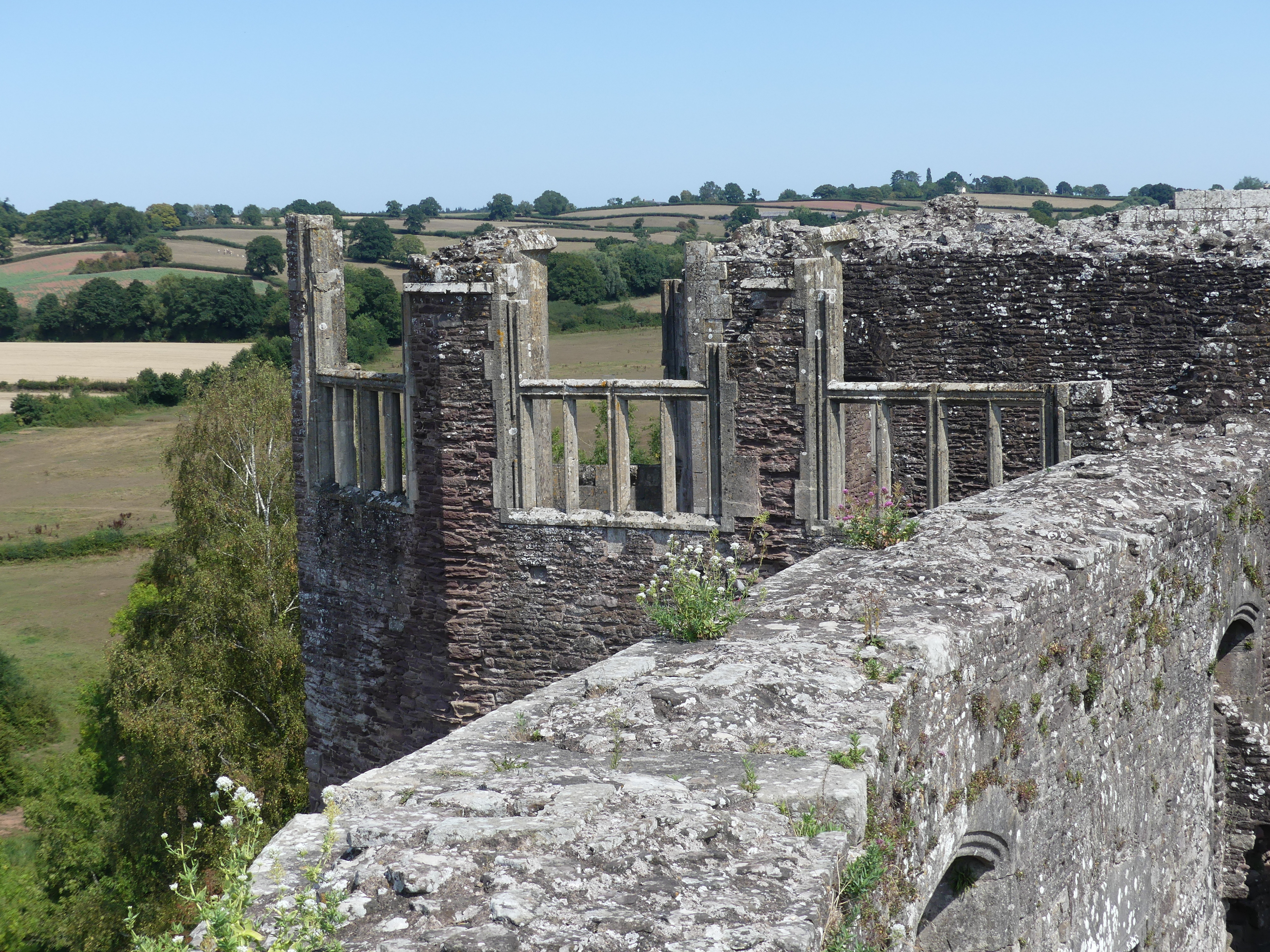
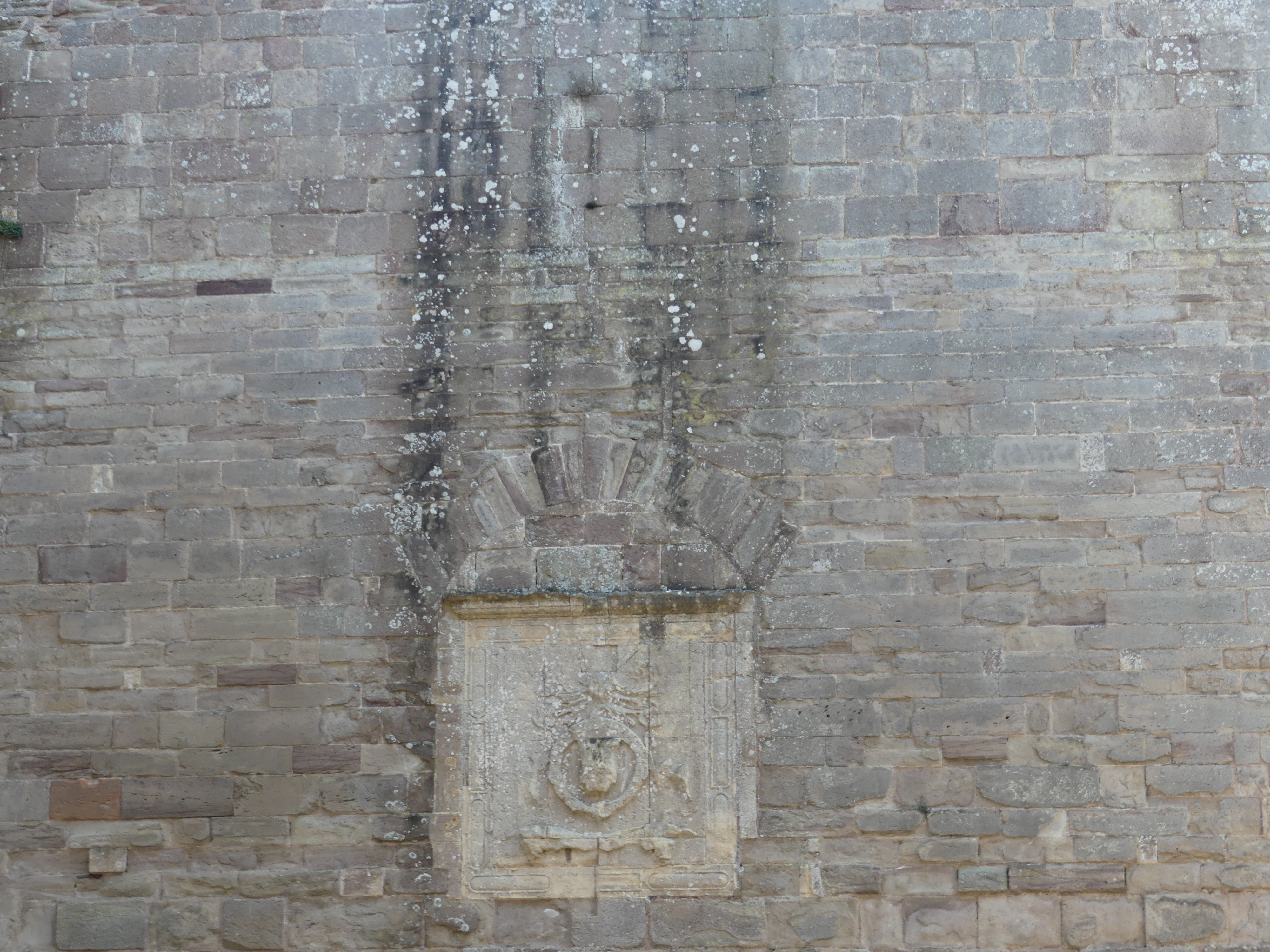
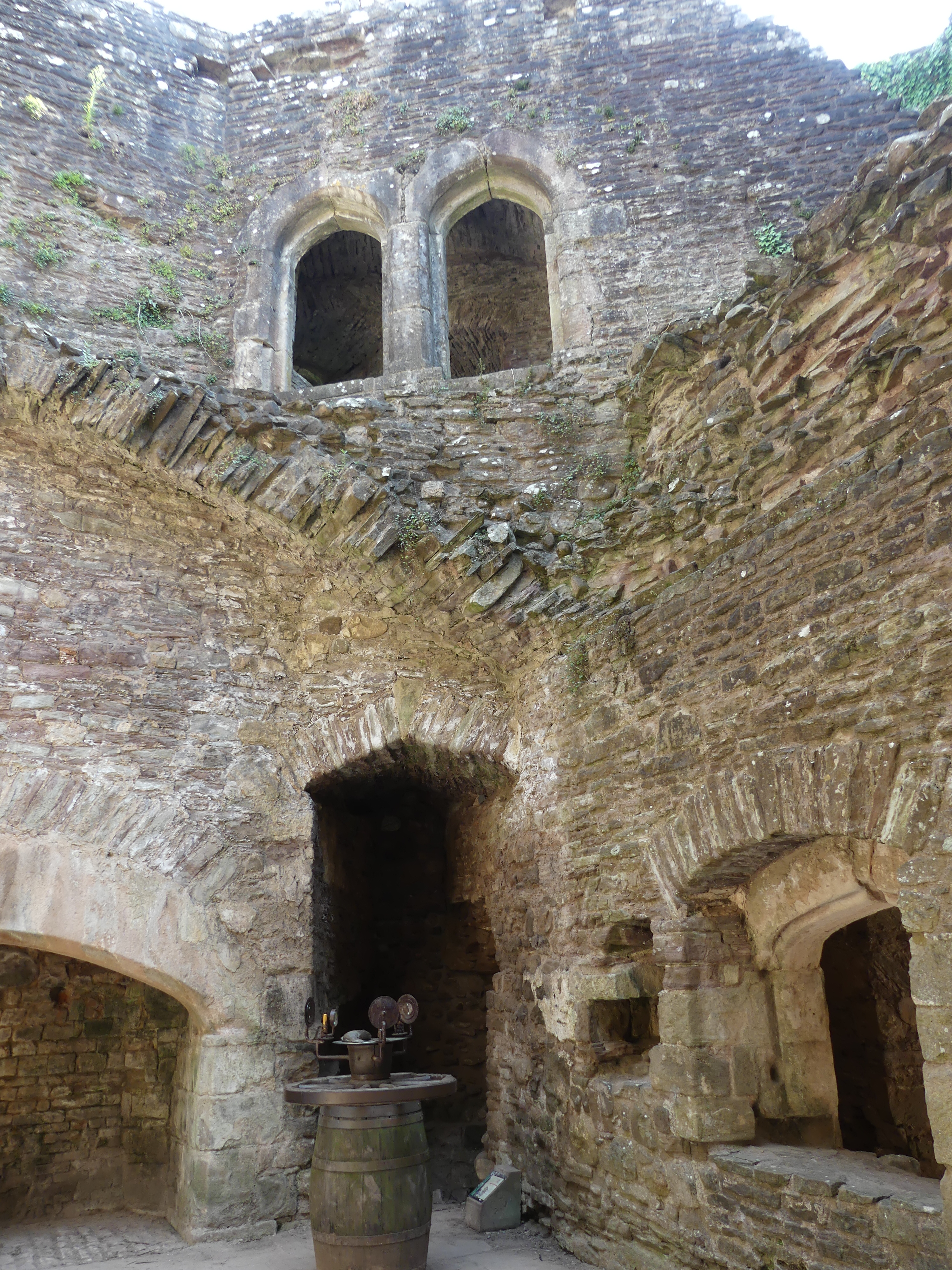
From there we tracked our way to Raglan Castle. Raglan Castle is a late medieval castle located just north of the village of Raglan in the county of Monmouthshire in southeast Wales. The modern castle dates from between the 15th and early 17th centuries, when the successive ruling families of the Herberts and the Somersets created a luxurious, fortified castle, complete with a large hexagonal keep, known as the Great Tower or the Yellow Tower of Gwent. During the First English Civil War, Raglan was occupied by a Royalist garrison on behalf of Charles I but it was taken by Parliamentarian forces in 1646 and its walls slighted or deliberately put beyond military use. After the Stuart Restoration in 1660, the Somersets declined to restore it and it became first a source of local building materials, then a romantic ruin. It is now a tourist attraction. We spent time going through the ruins and sought refreshment, but the café was well hidden. We finally found the cafe – outside of the castle allotment in the courtyard of the neighbouring house. We sat down in the shade and then caused a minor disturbance because the waiter took the order incorrectly but to their credit, they admitted their error and provided us with a refund for the mistake. My photos of the ruins and the café follow including the CADW brochure.

Blaenafon Ironworks.

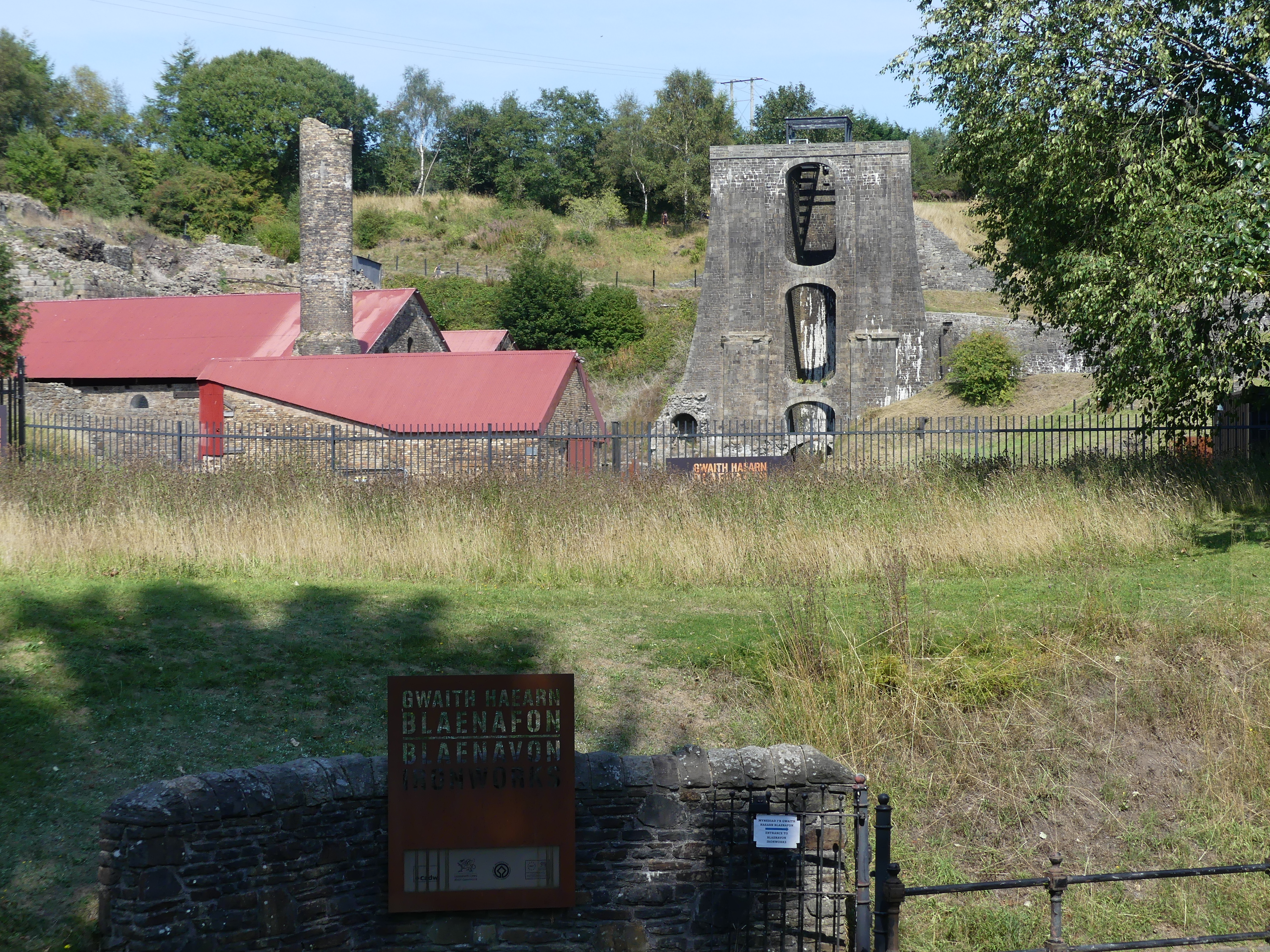
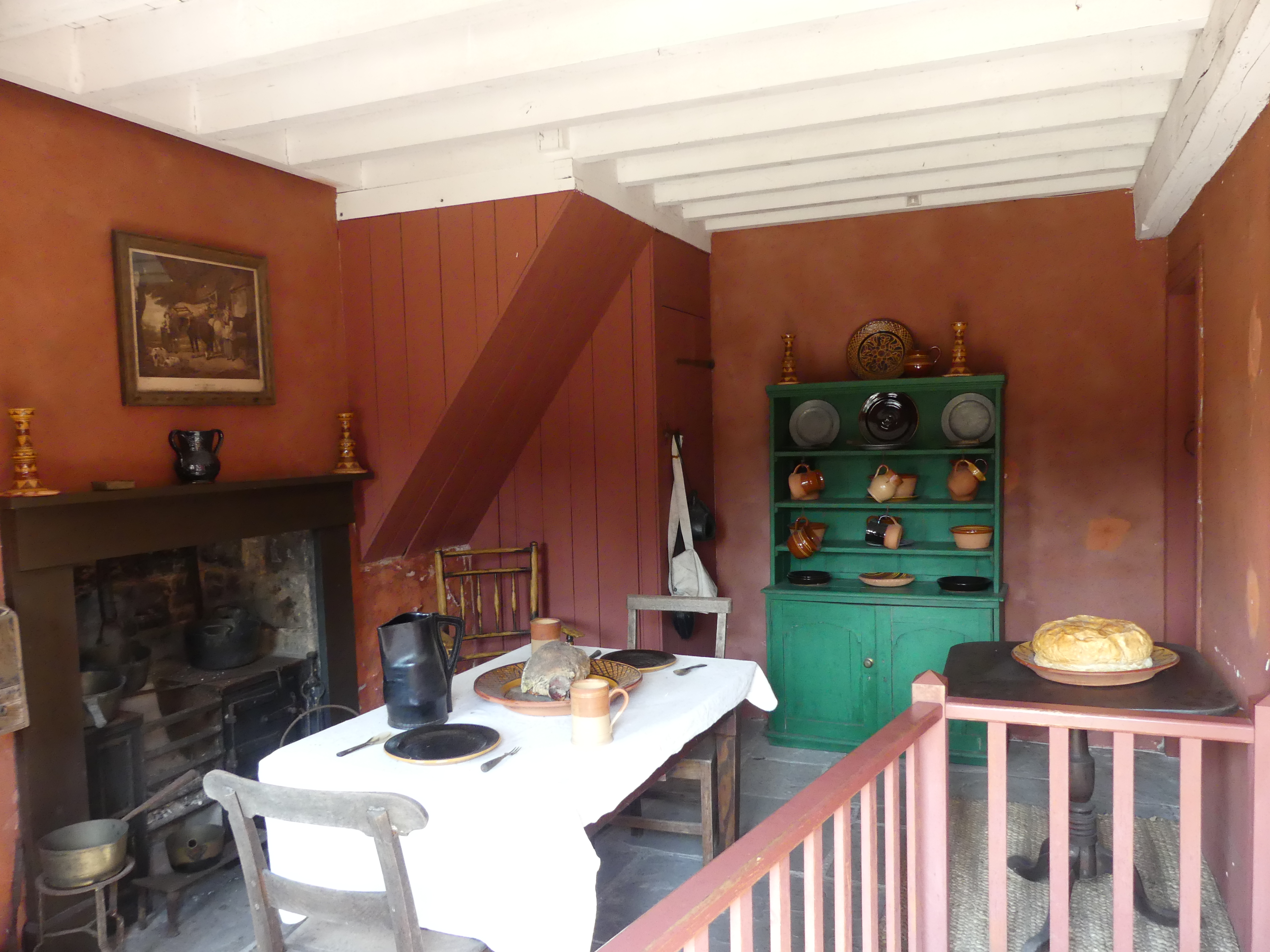
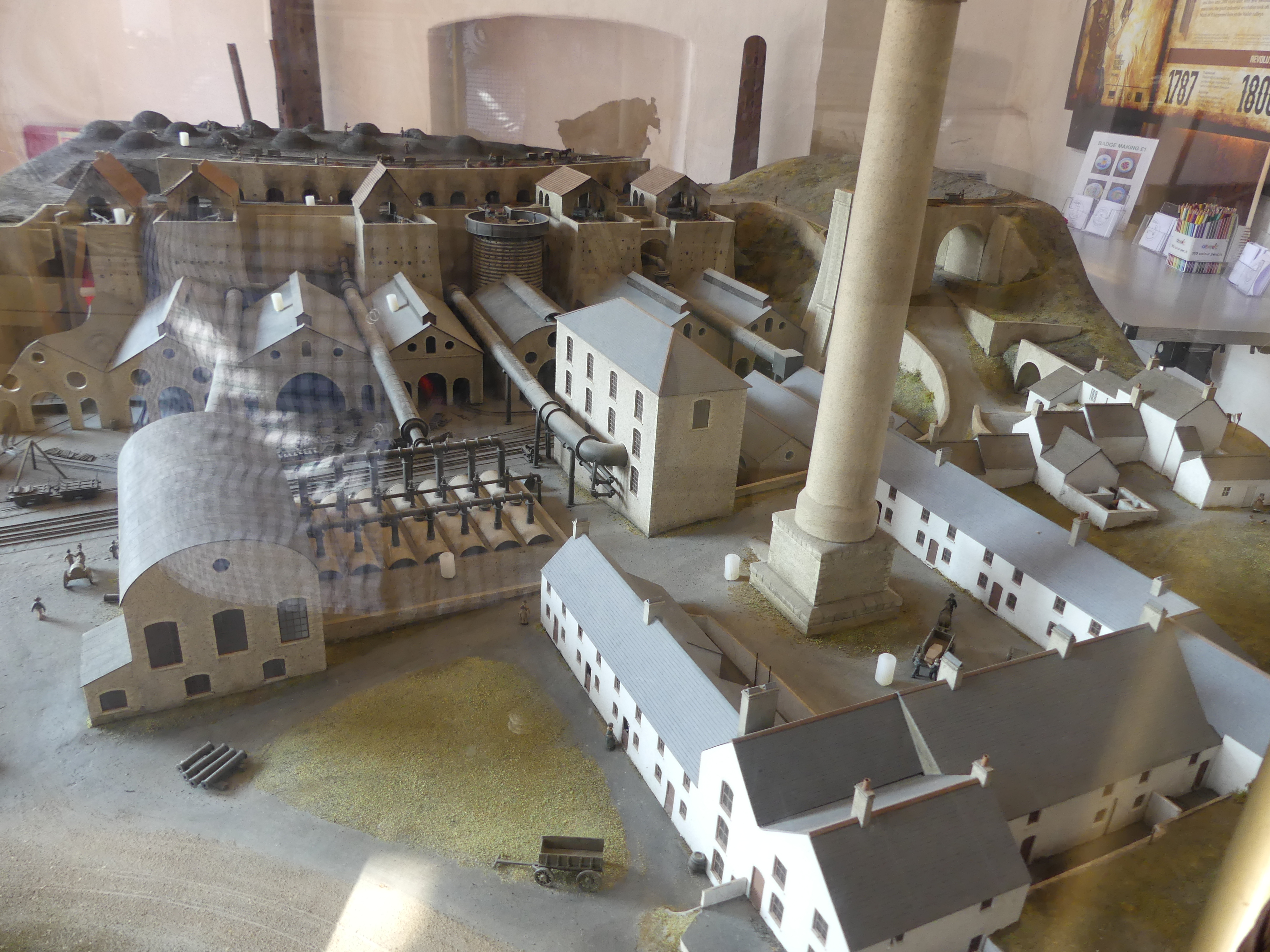
We traveled back through the Brecon Beacons National Park to visit the Ironworks and as it was a different road we encountered a local swimming hole surrounded by people and sheep. The photo is below. It was late afternoon when we arrived at the Ironworks largely hidden by overgrowth of the surrounding trees. This is one of the steel mills ever present through out Wales during its industrial years. The entry was tiny and manned by a husband-and-wife team. She was clearly American, and they recently returned to Wales and took up this position. Seemed an odd fit. However, the recreation of life for the workers in the preserved ironworks was excellent.

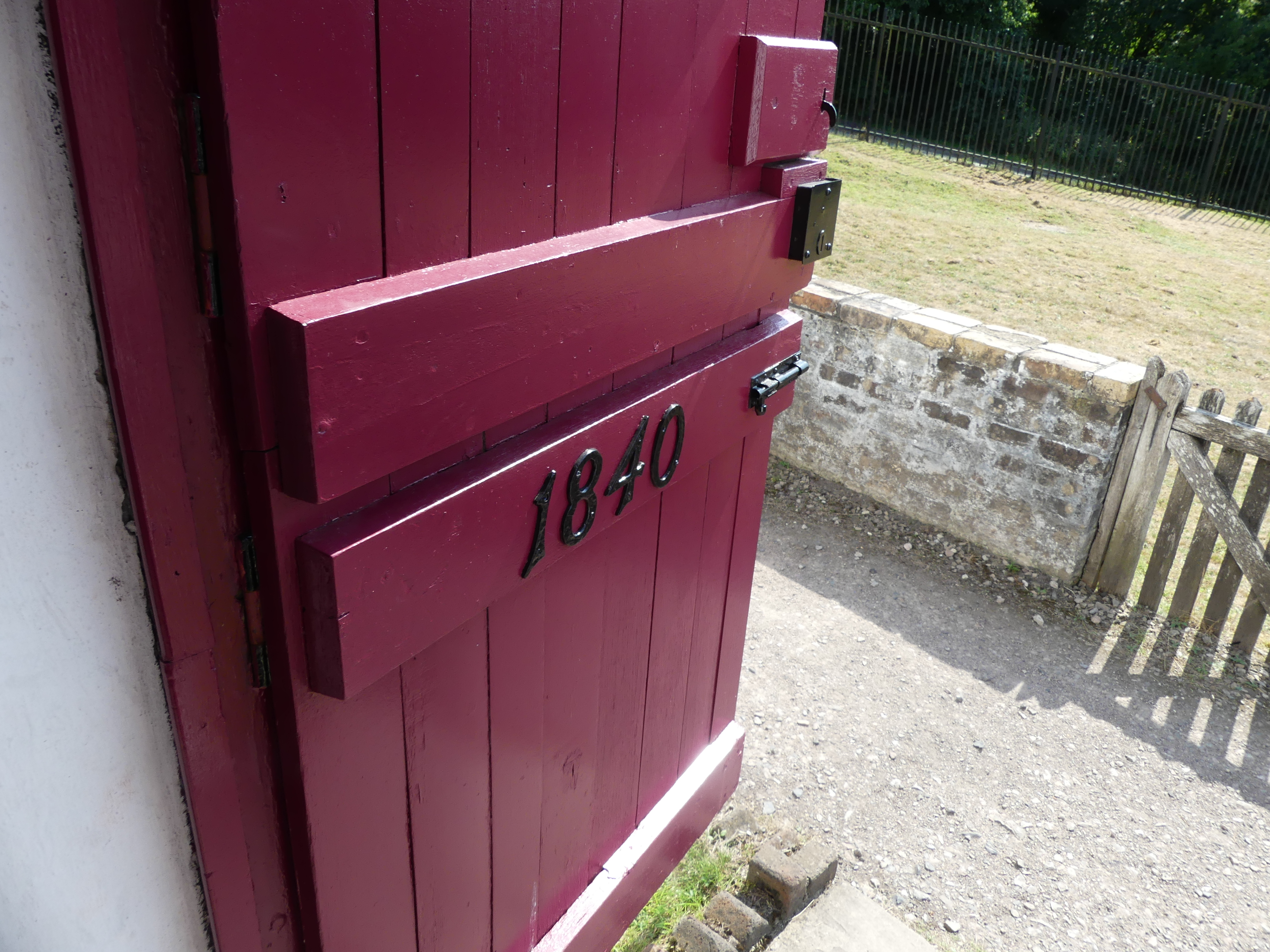
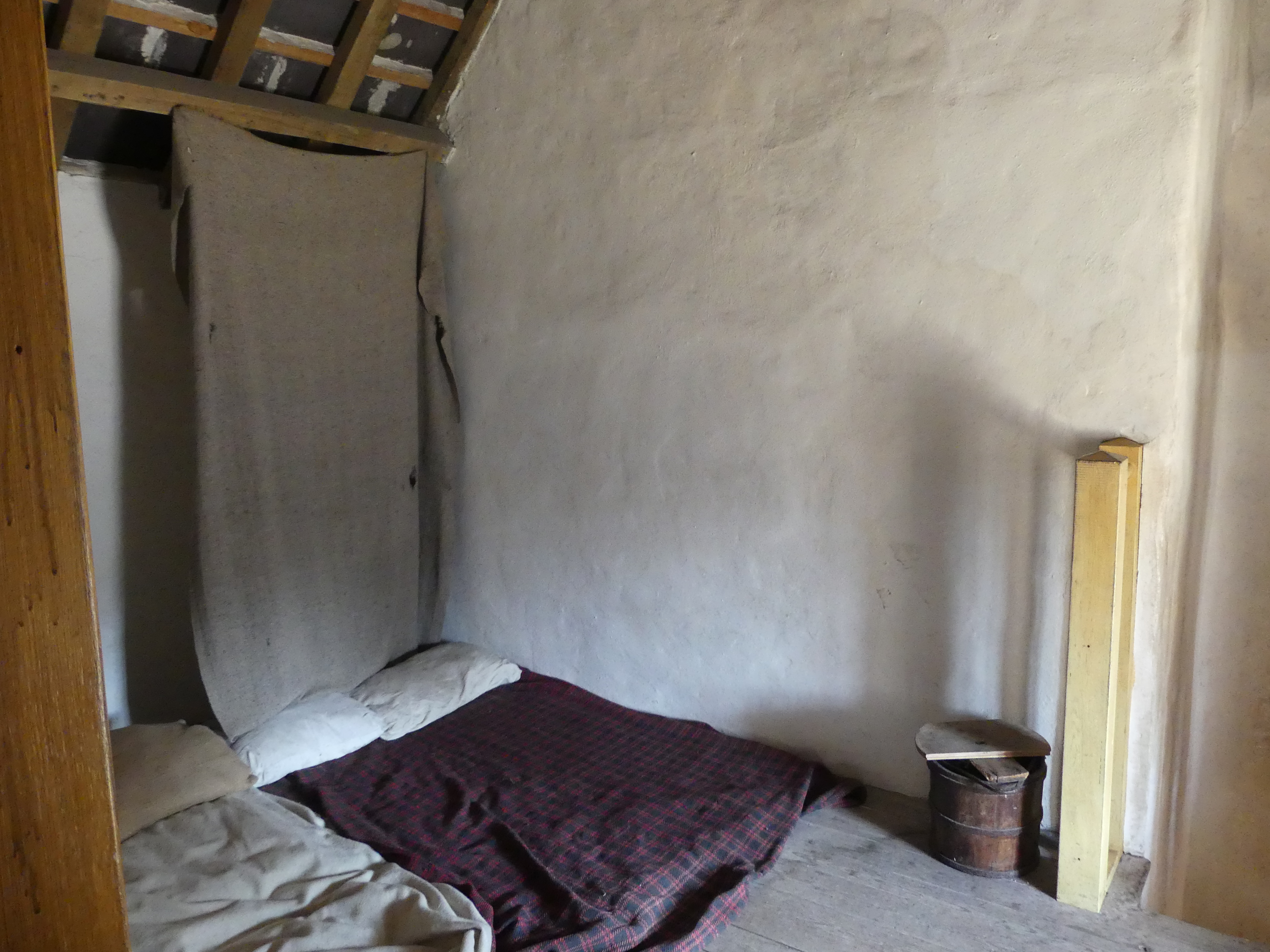
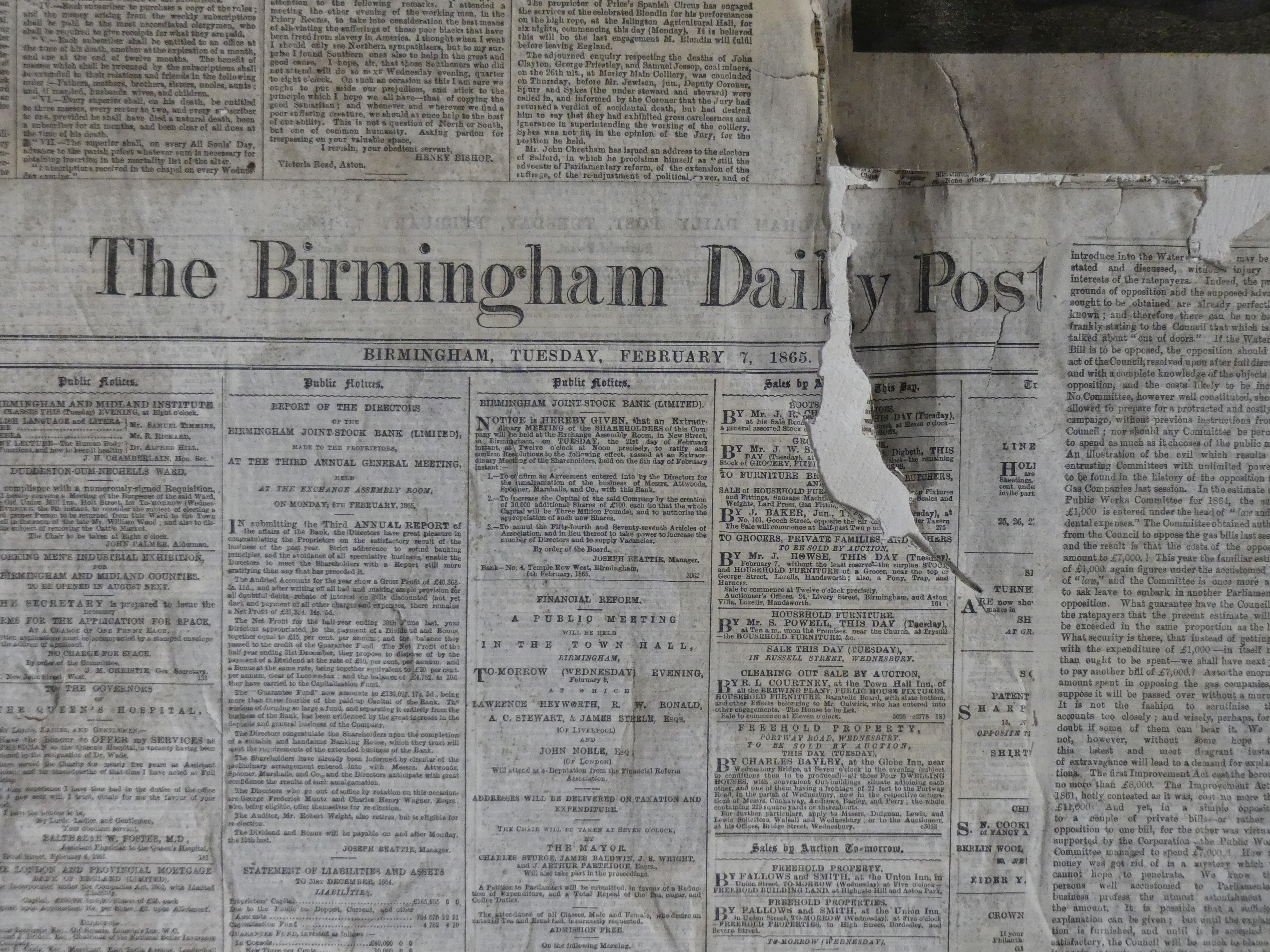
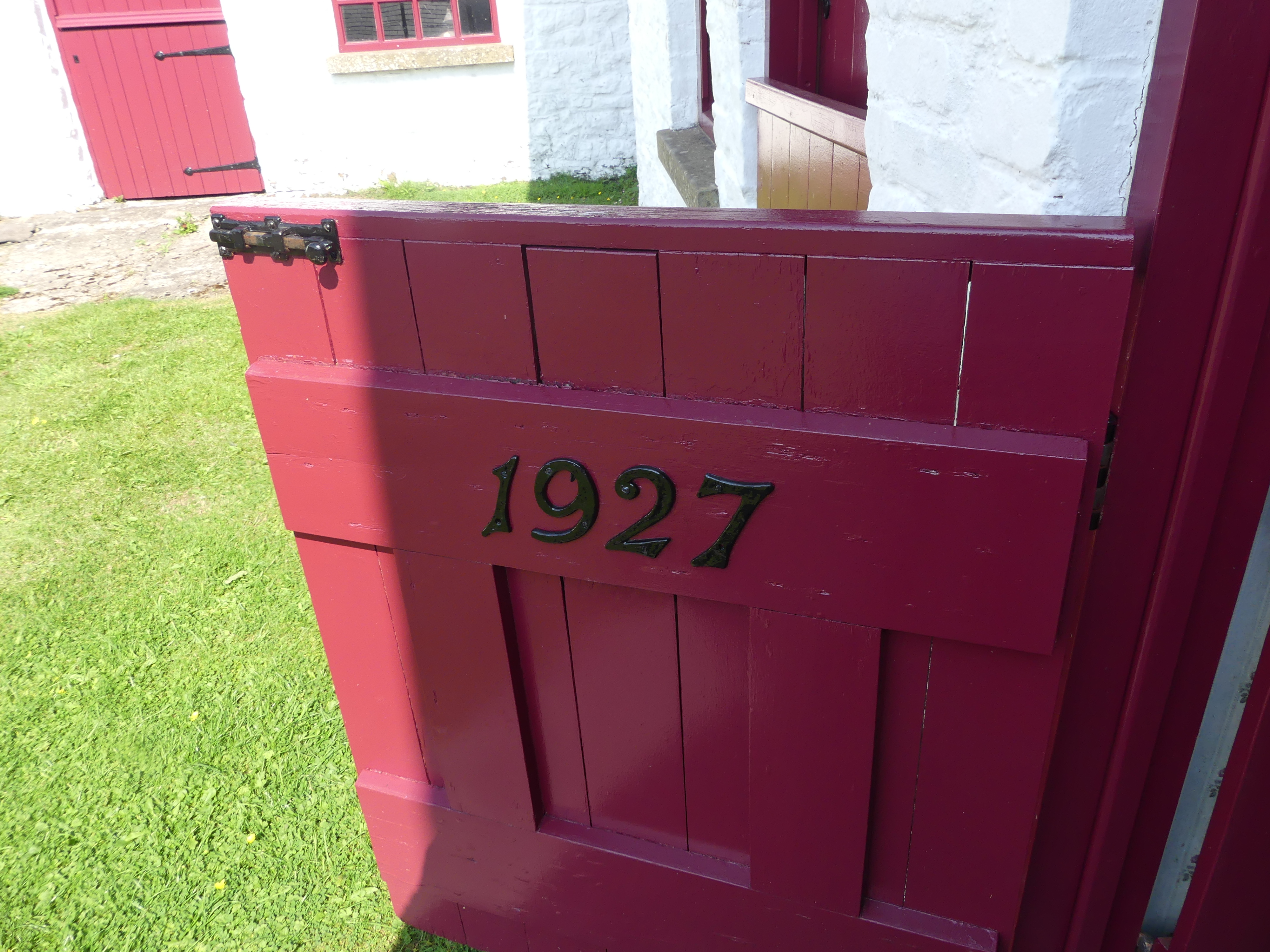
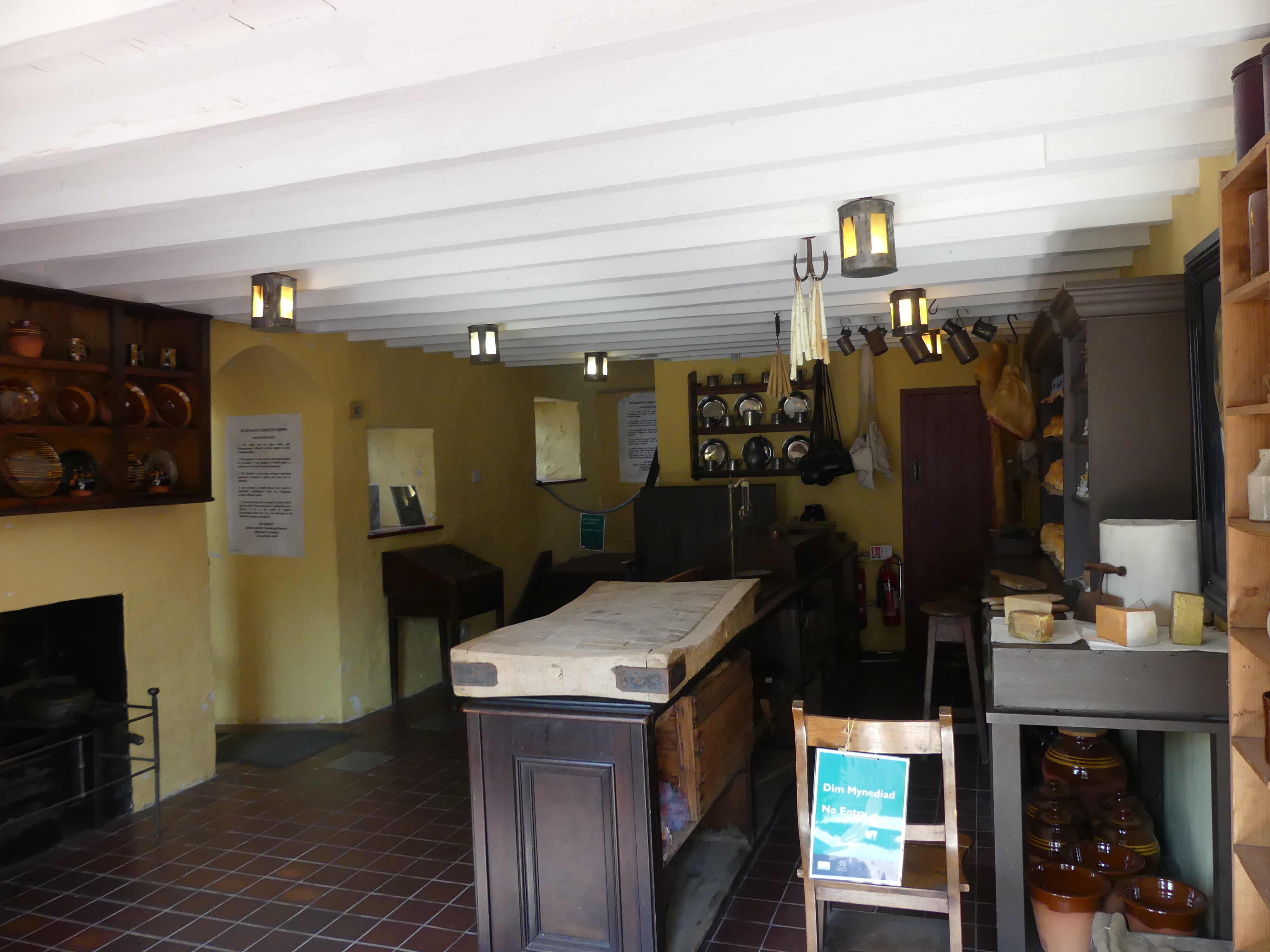
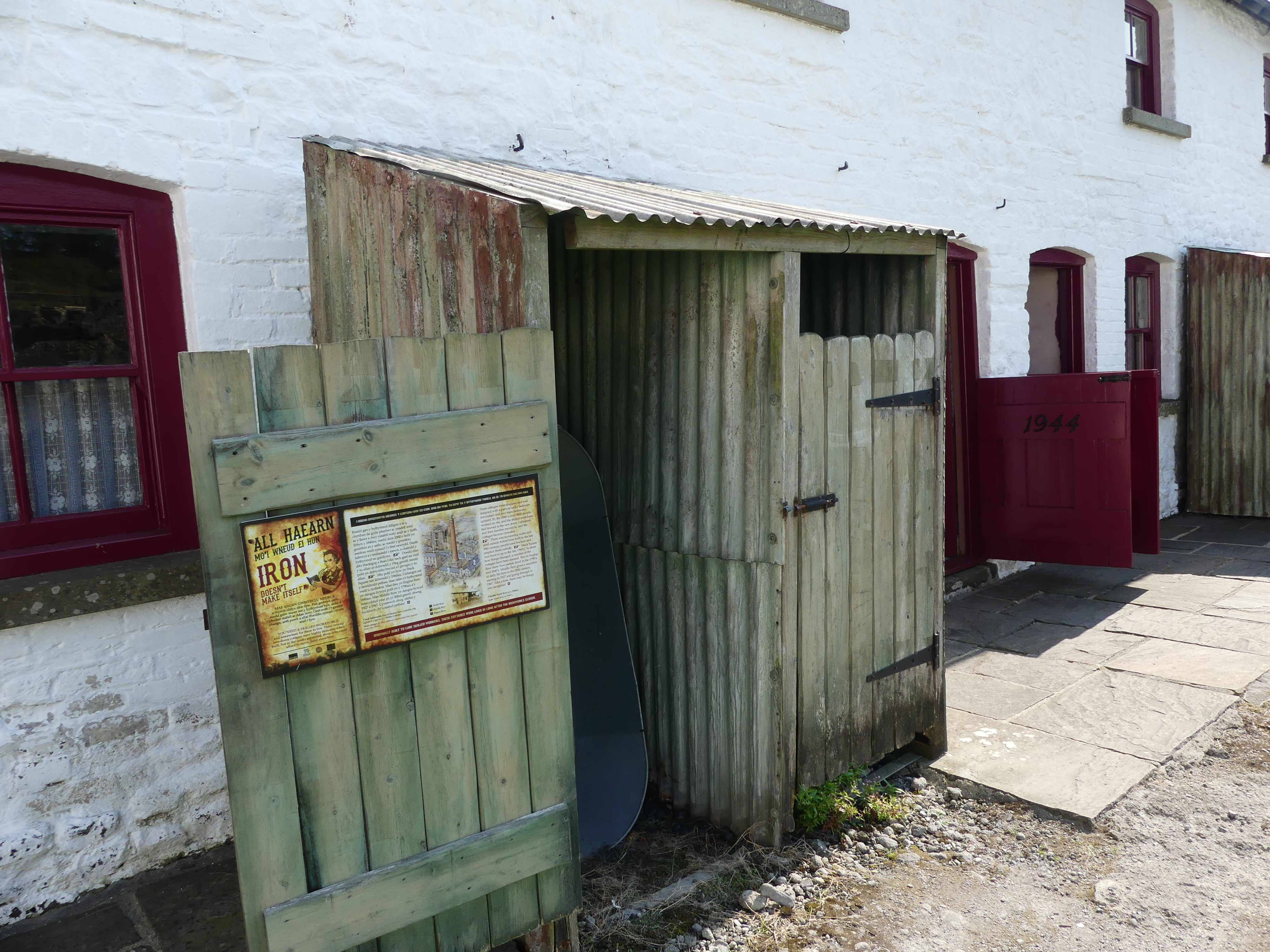
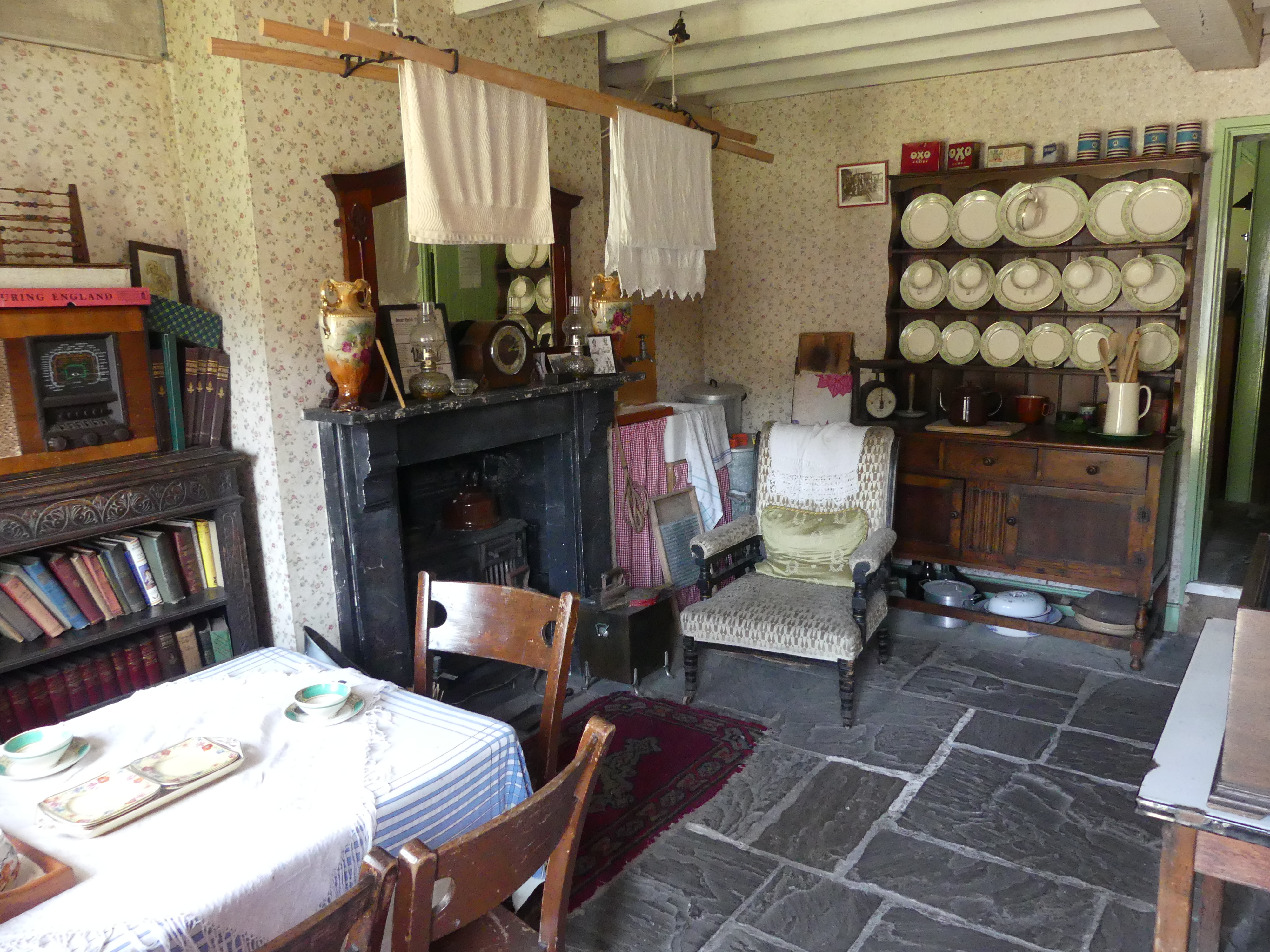
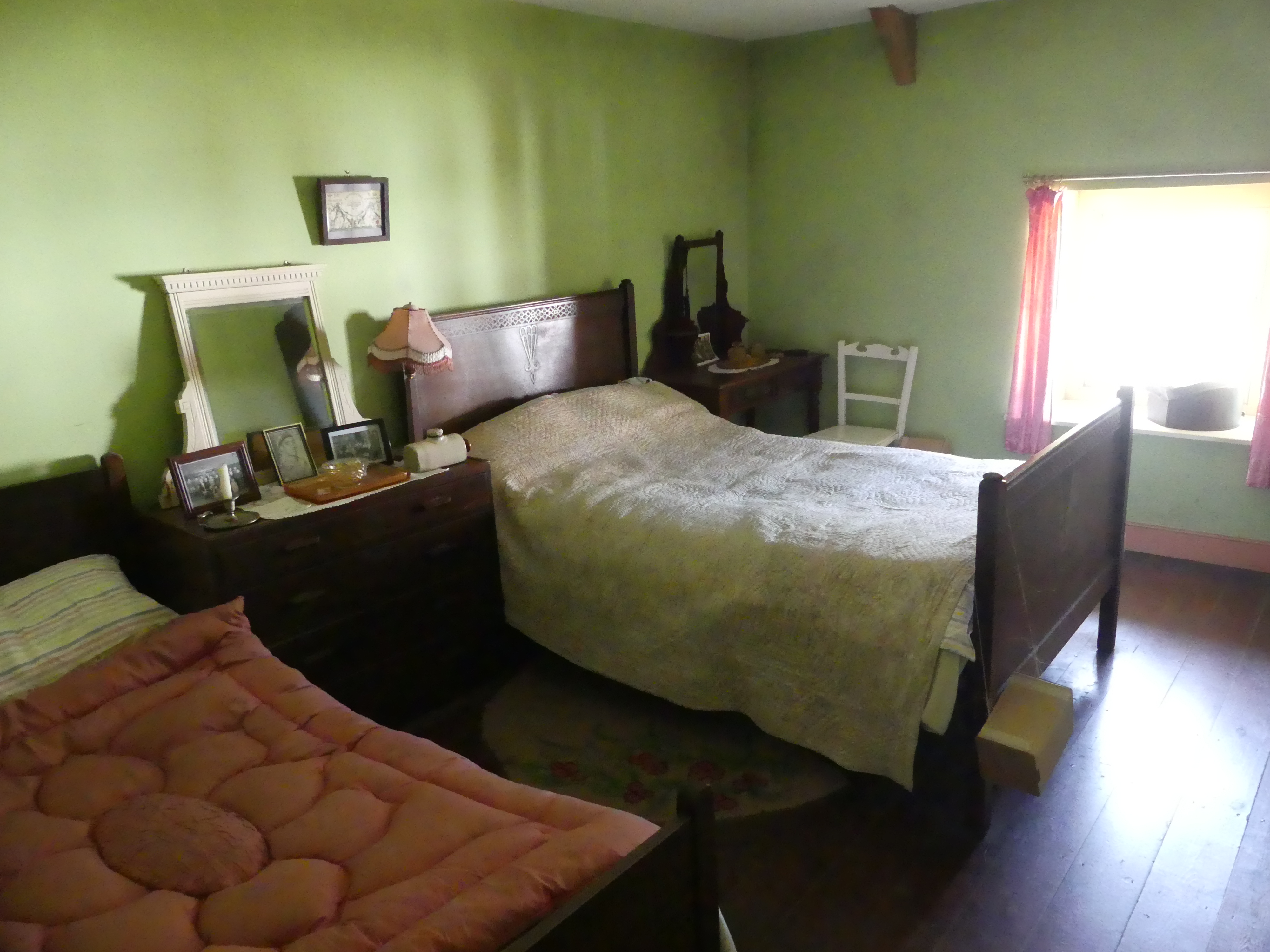
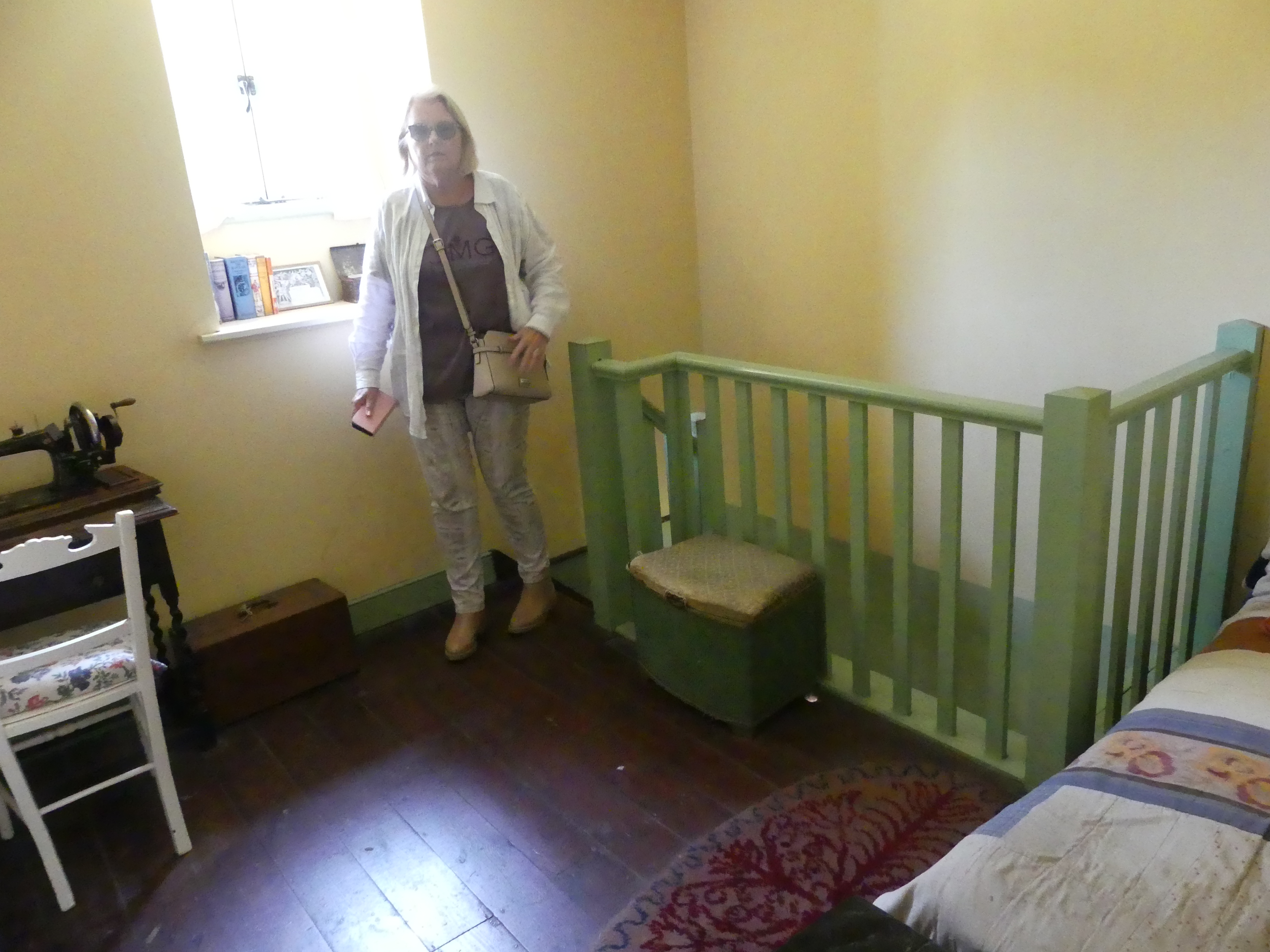
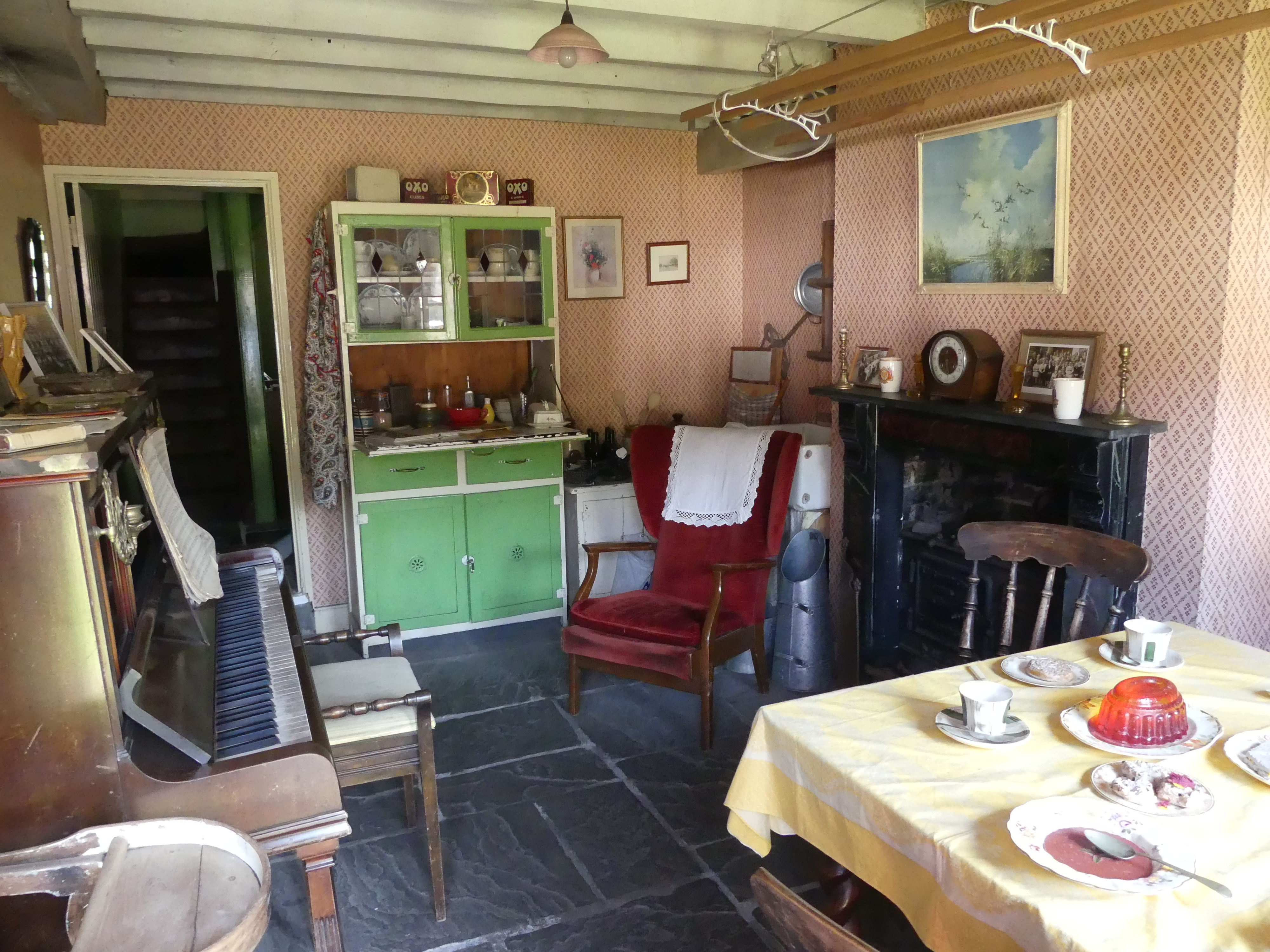
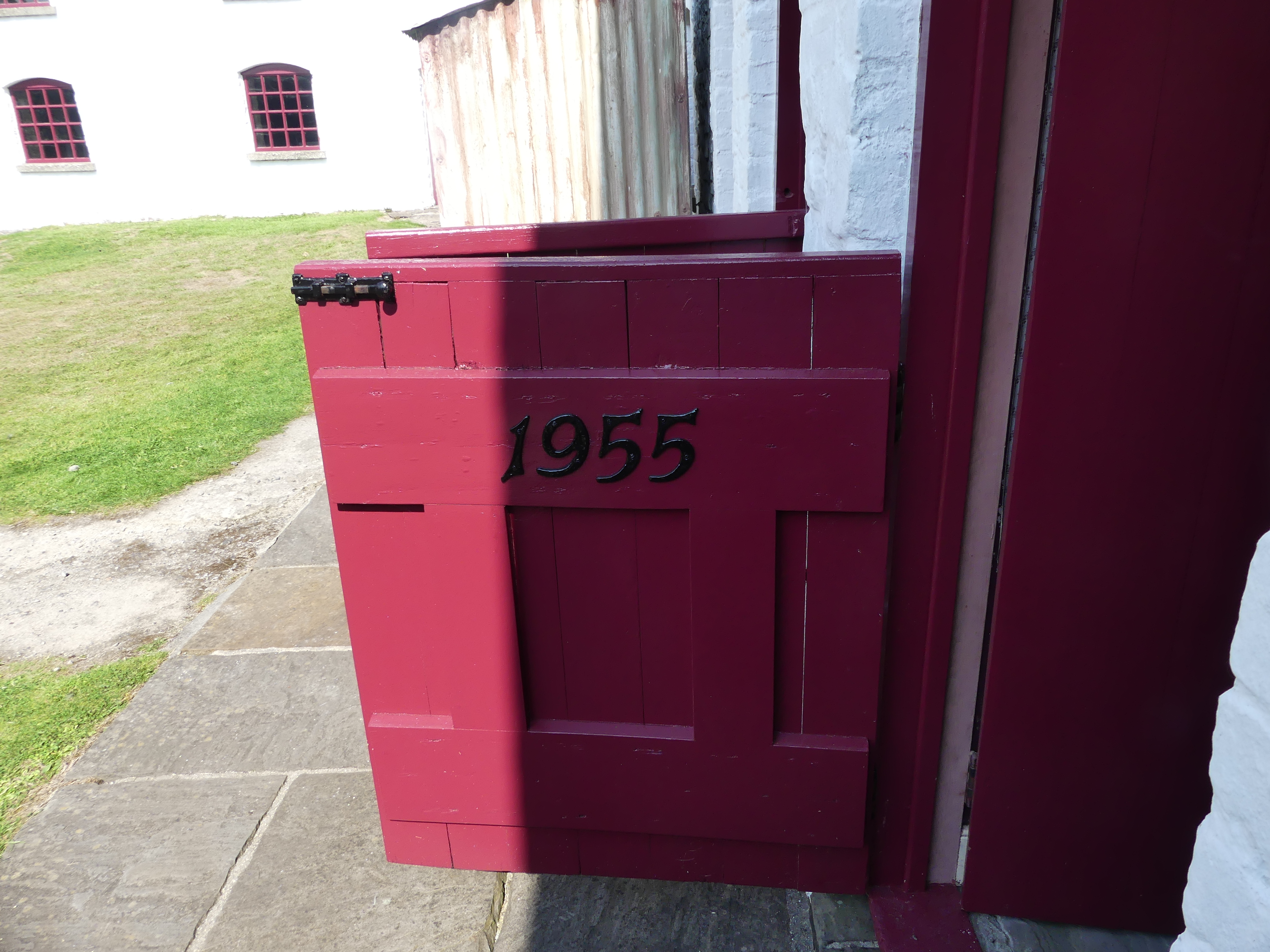
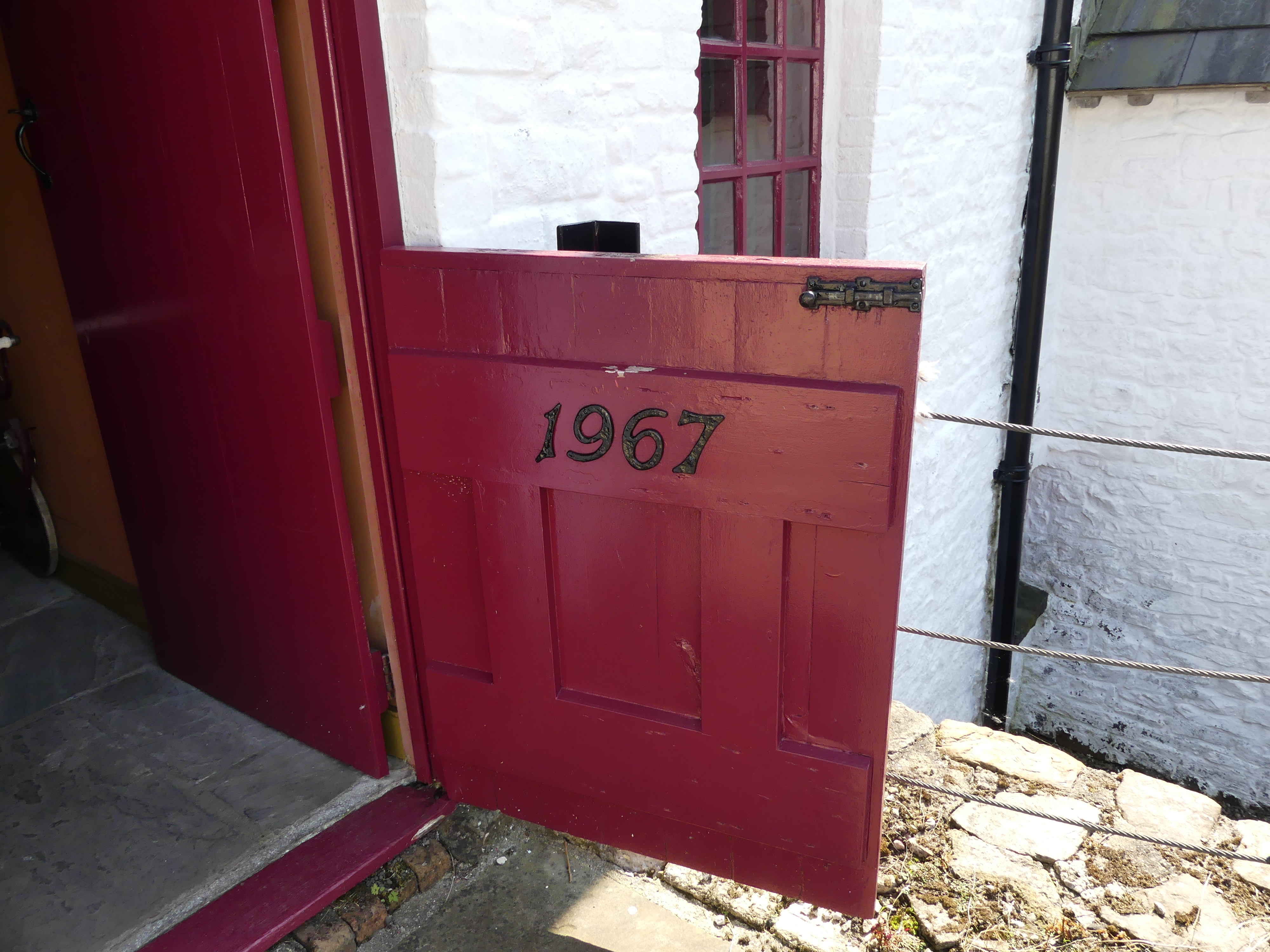
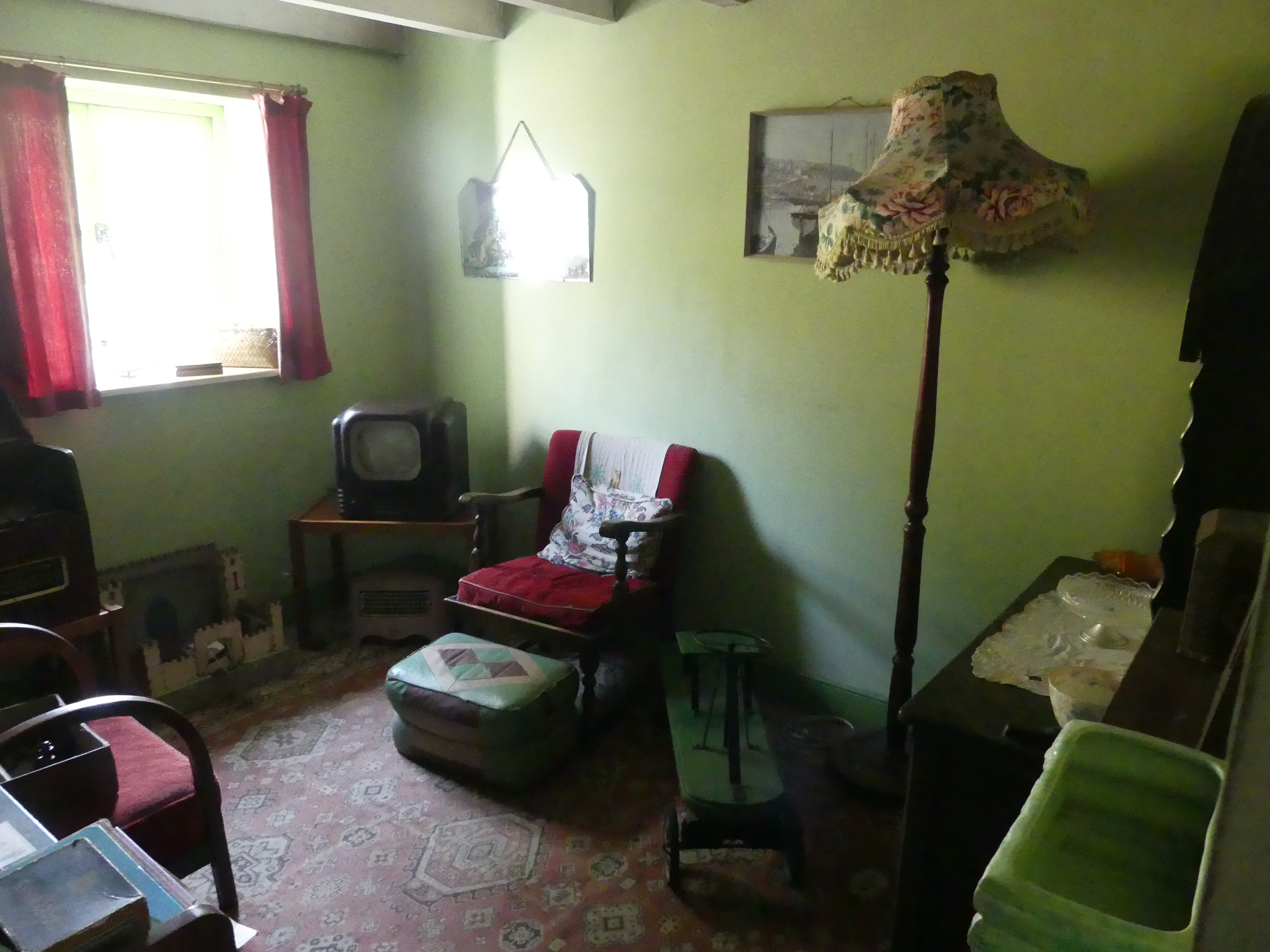
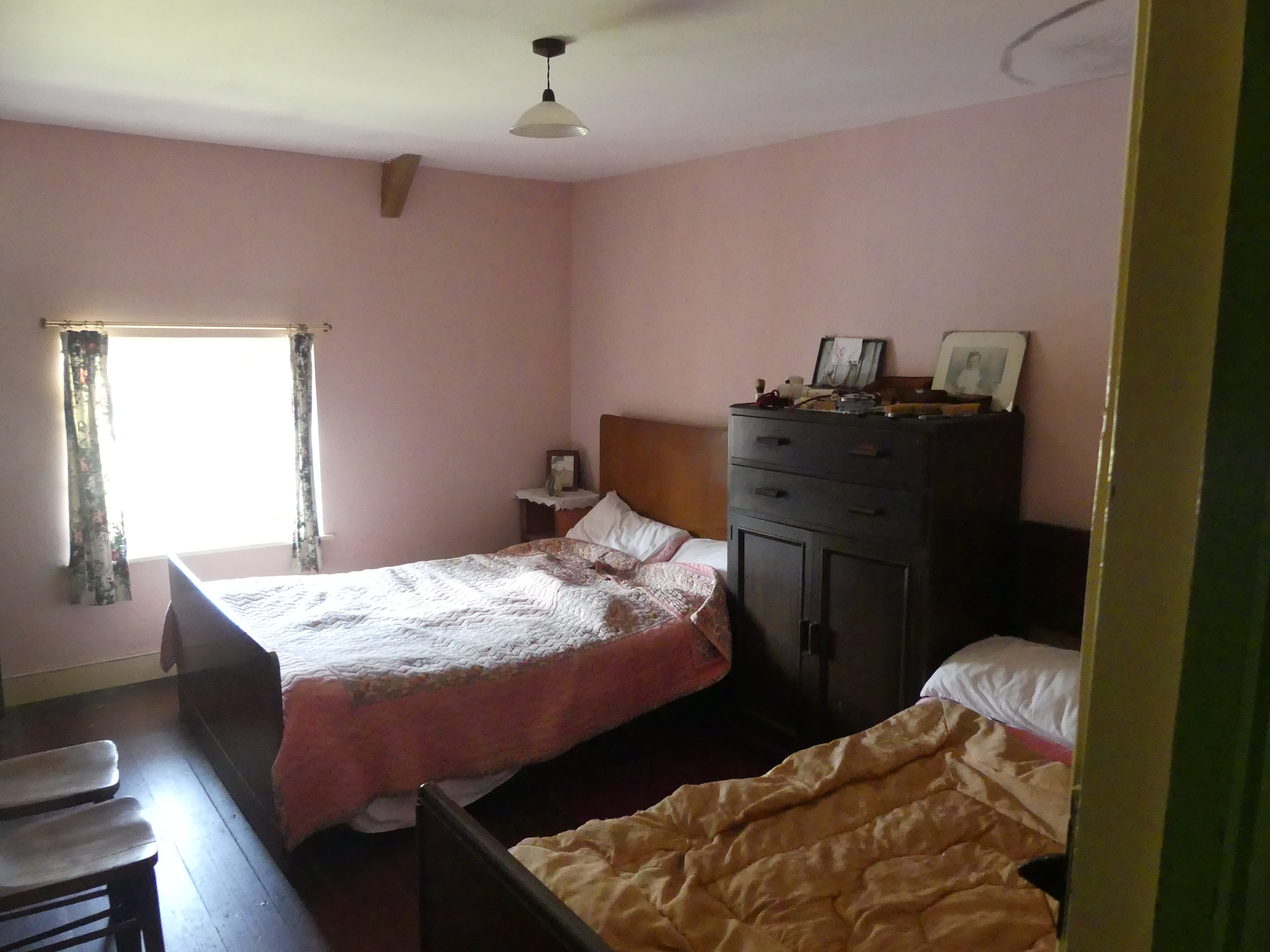
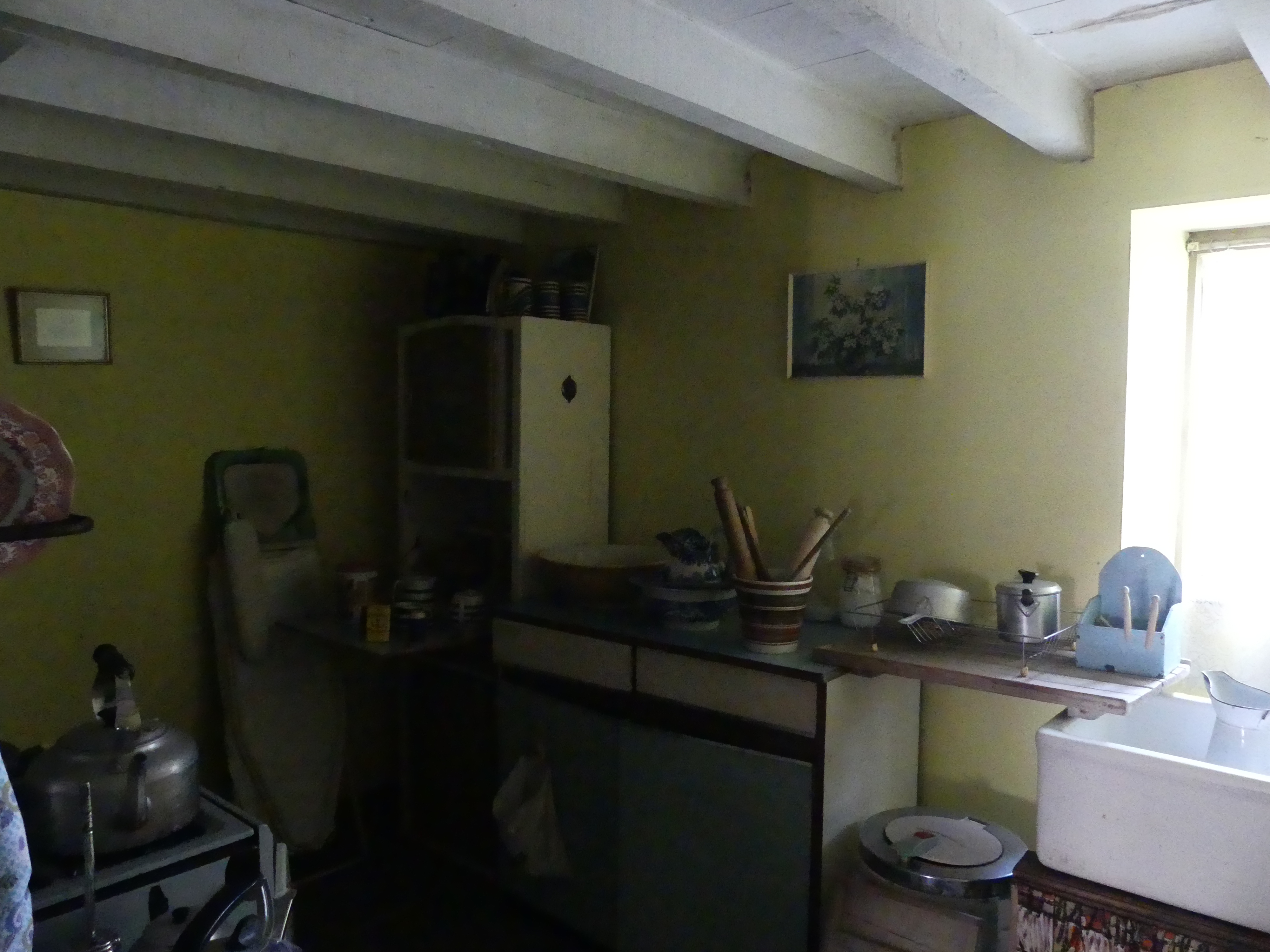
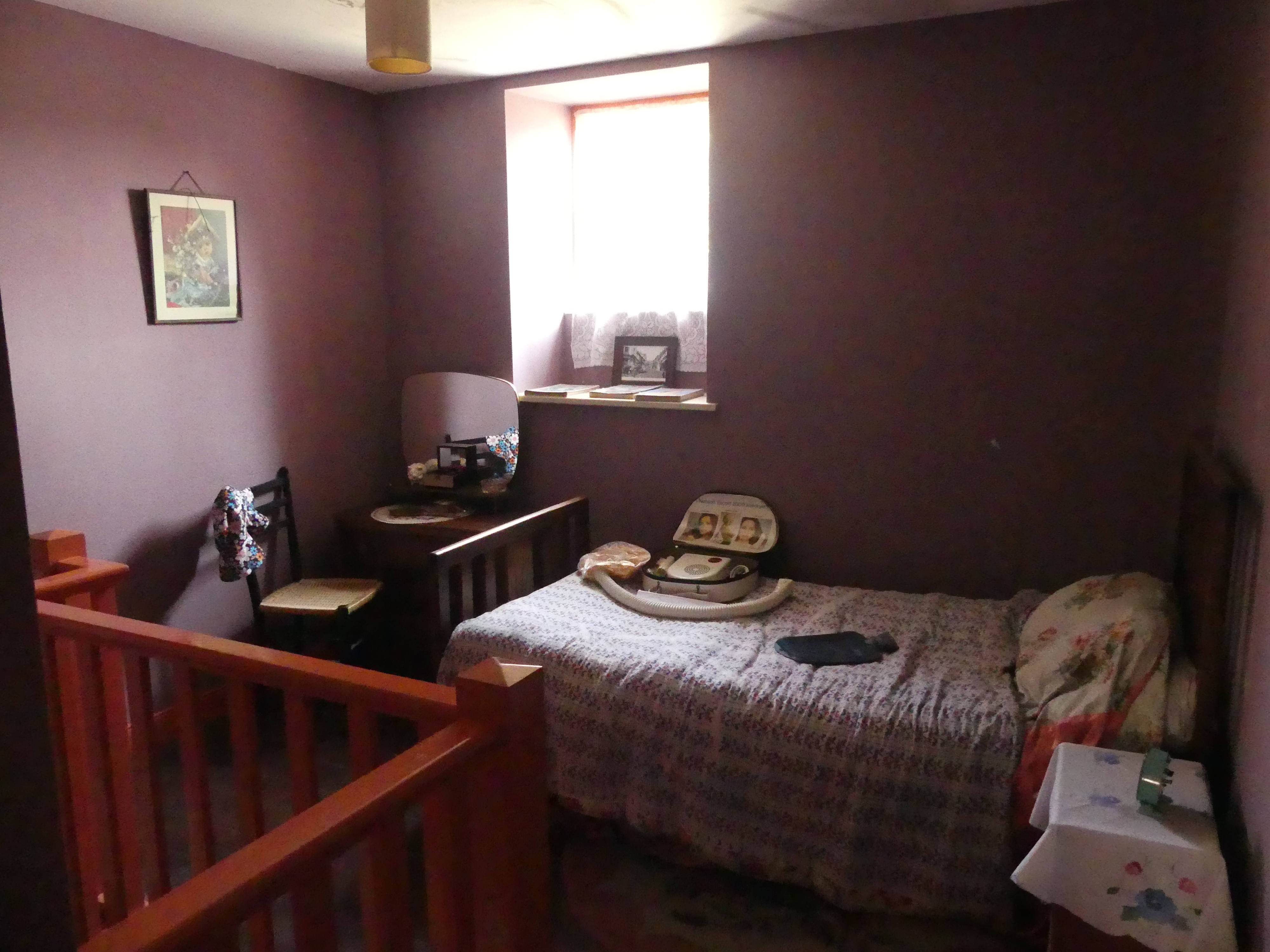
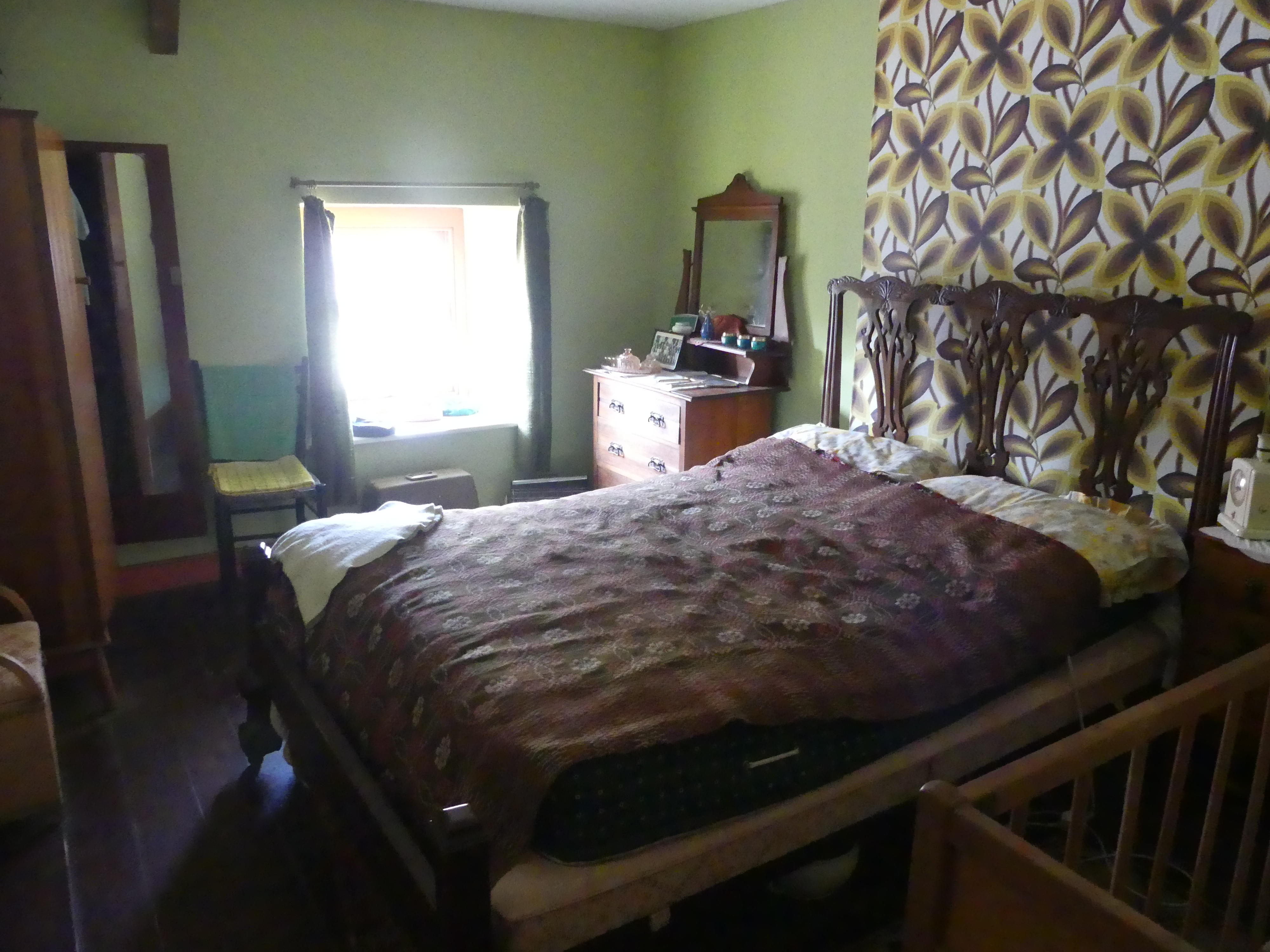
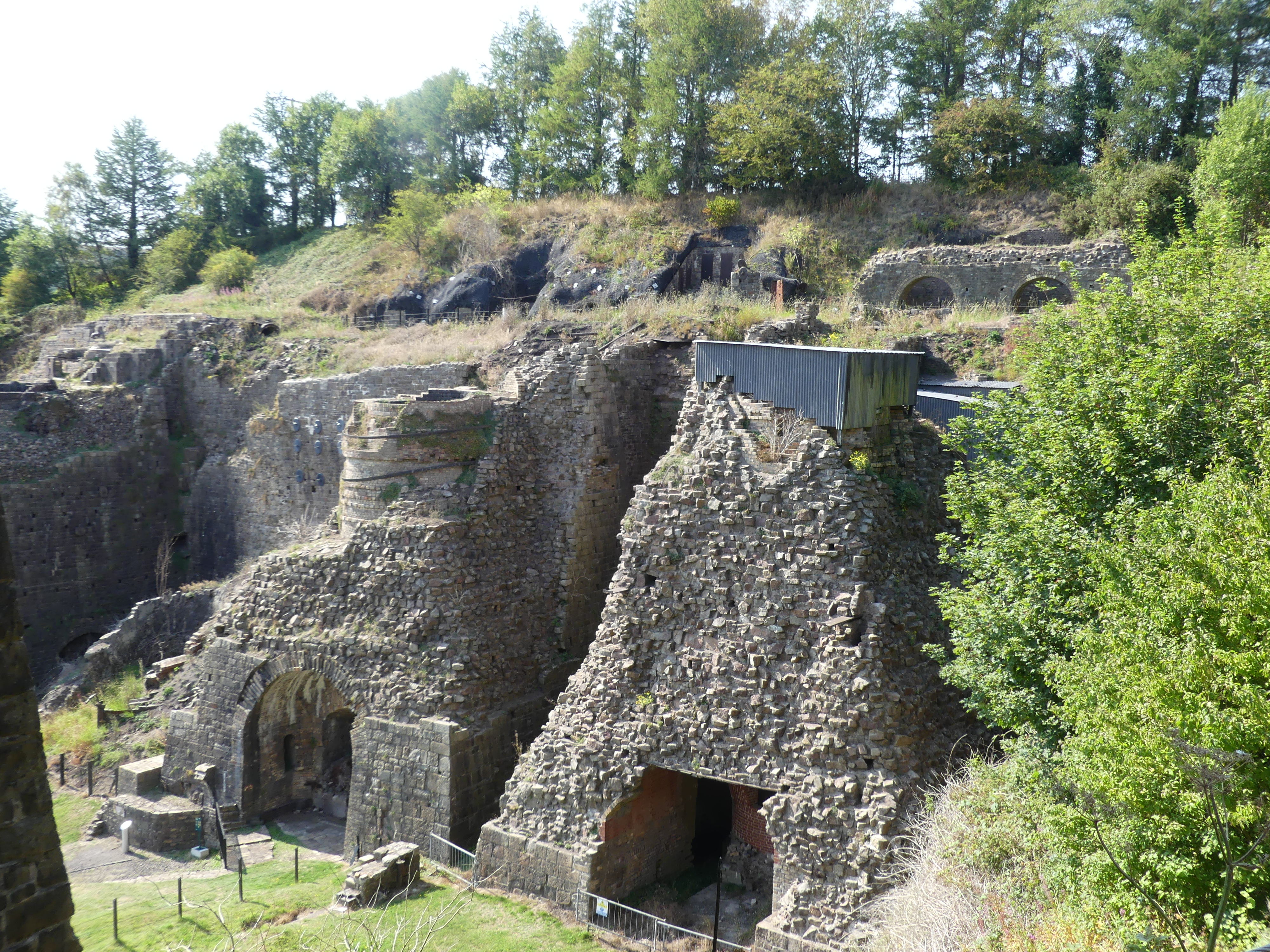
The Ironworks is a former industrial site which is now a museum. It was of crucial importance in the development of the ability to use cheap, low quality, high sulphur iron ores worldwide. It was the site of the experiments by Sidney Gilchrist Thomas and his cousin Percy Gilchrist that led to “the basic steel process” or “Gilchrist–Thomas process”. In 1904 the Ironworks ceased production completely. Work restarted briefly in 1924 but was commercially unviable. The forges at the site were still being used and helped with the production of steel shell during both world wars but was mostly used as a storage yard for the National Coal Board. One of the remarkable things is that some of the workers lodgings have been restored to present certain periods from 18th century through to the 20th century. I thought this might be an uninspiring attraction but quite the contrary it presented considerable history of industrial Wales.

Time to move on from the Best Western as we were due at Chateau Rhianfa Plas Rhianfa, in Anglesey – a far cry from the Best Western. On the way we will look at Harlech Castle before finding our way to Chateau Rhianfa Plas Rhianfa, Glyngarth Menaii Bridge Read on in my next blog “THE RETIREES GO AROUND THE WORLD – CRICKHOWELL (Ebbw Vale) TO CHATEAU RHIANFA PLAS RHIANFA, GLYNGARTH MENAII BRIDGE.”