“THE RETIREES GO AROUND THE WORLD – DAY 10 SS NIEUW STATENDAM – Cork“

After sailing from the Isle of Man, we headed toward a former British dependancy – Eire and the city of Cork. We have been to Ireland previously but despite it being tiny compared to home, 4 weeks was not enough to get everywhere and Cork was one of those places. We have become quite adept at finding our own way. But it becomes tiring so we took the easy way with the hop on hop off bus. I have attached our map of Cork – things to see and do in Cork. We had been to Blarney castle and I had kissed the “Barney stone”. Its supposed to give the kisser the gift of elequence – some might consider that to be an overkill in my case. And thats why we did not go to Cork – we went to the castle only all those years ago.

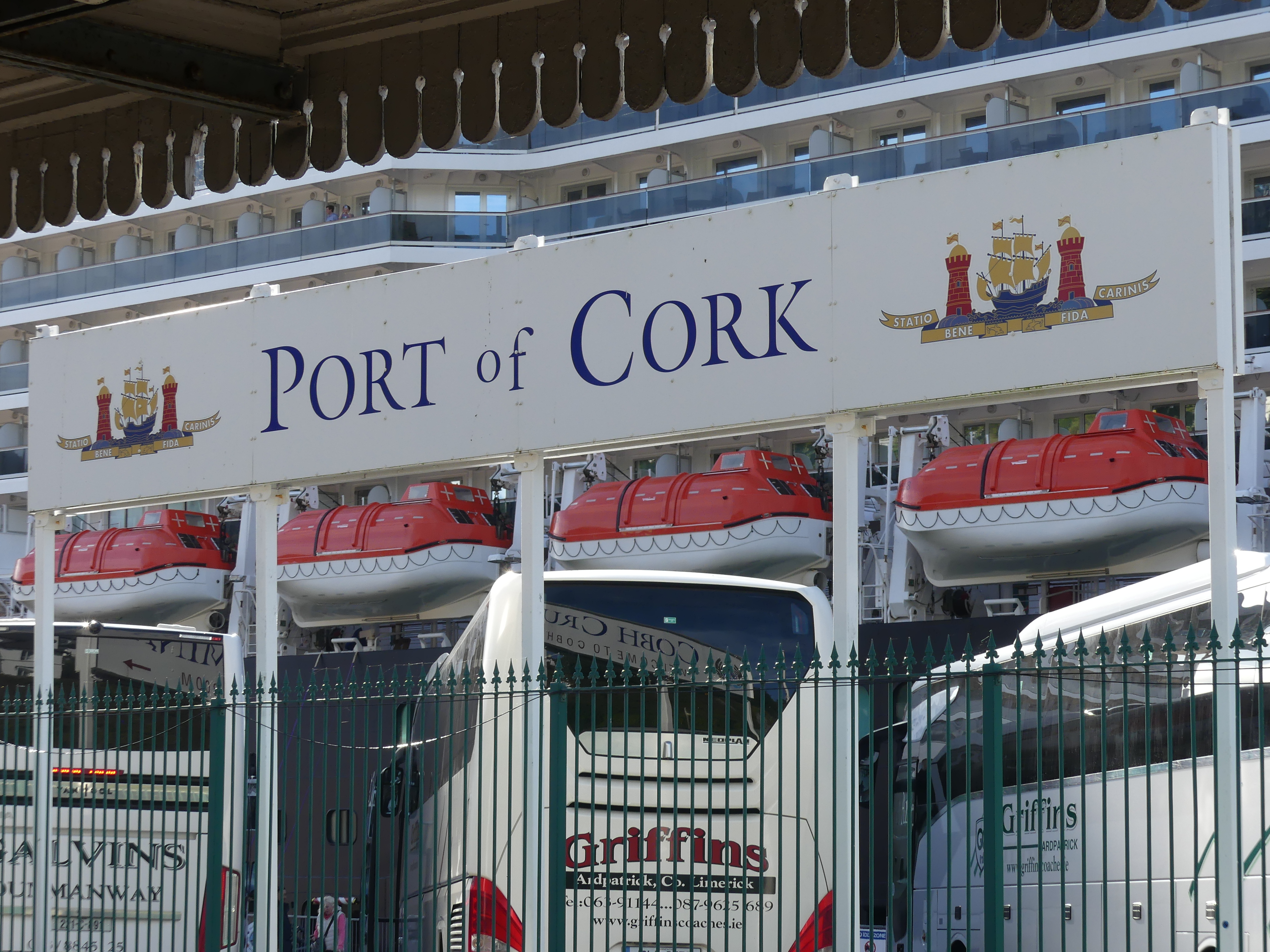
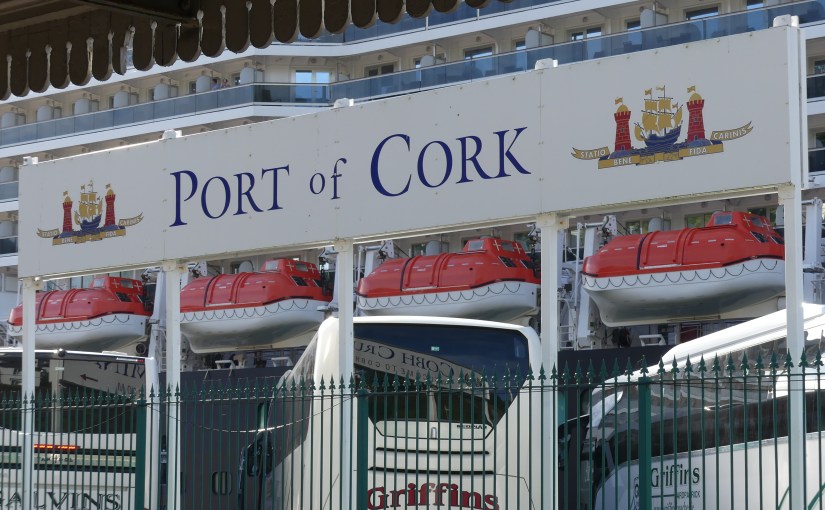
The port for Cork is actually a town called Cobh and a pretty town it is with a good connection to Cork by rail. So our day started with a train ride. The ship passed some of the pretty houses as it docked but once we docked and entered the Port of Cork we then had to pass through the Cobh Cruise Terminal – now that’s Irish. On arriving at Cork rail terminal we crossed the road to Station View Tavern (it looks at the station) and awaited the hop on hop off bus.
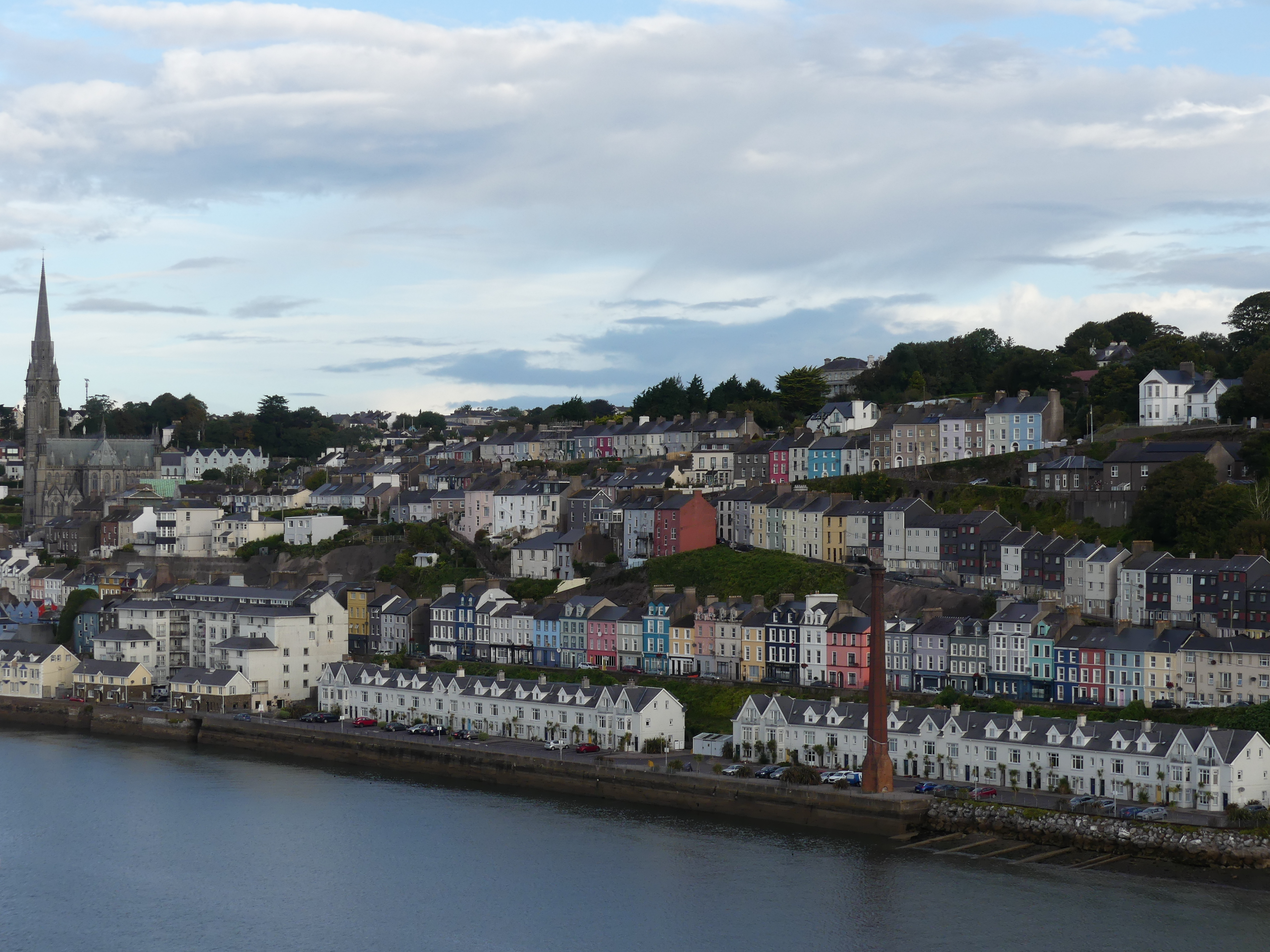
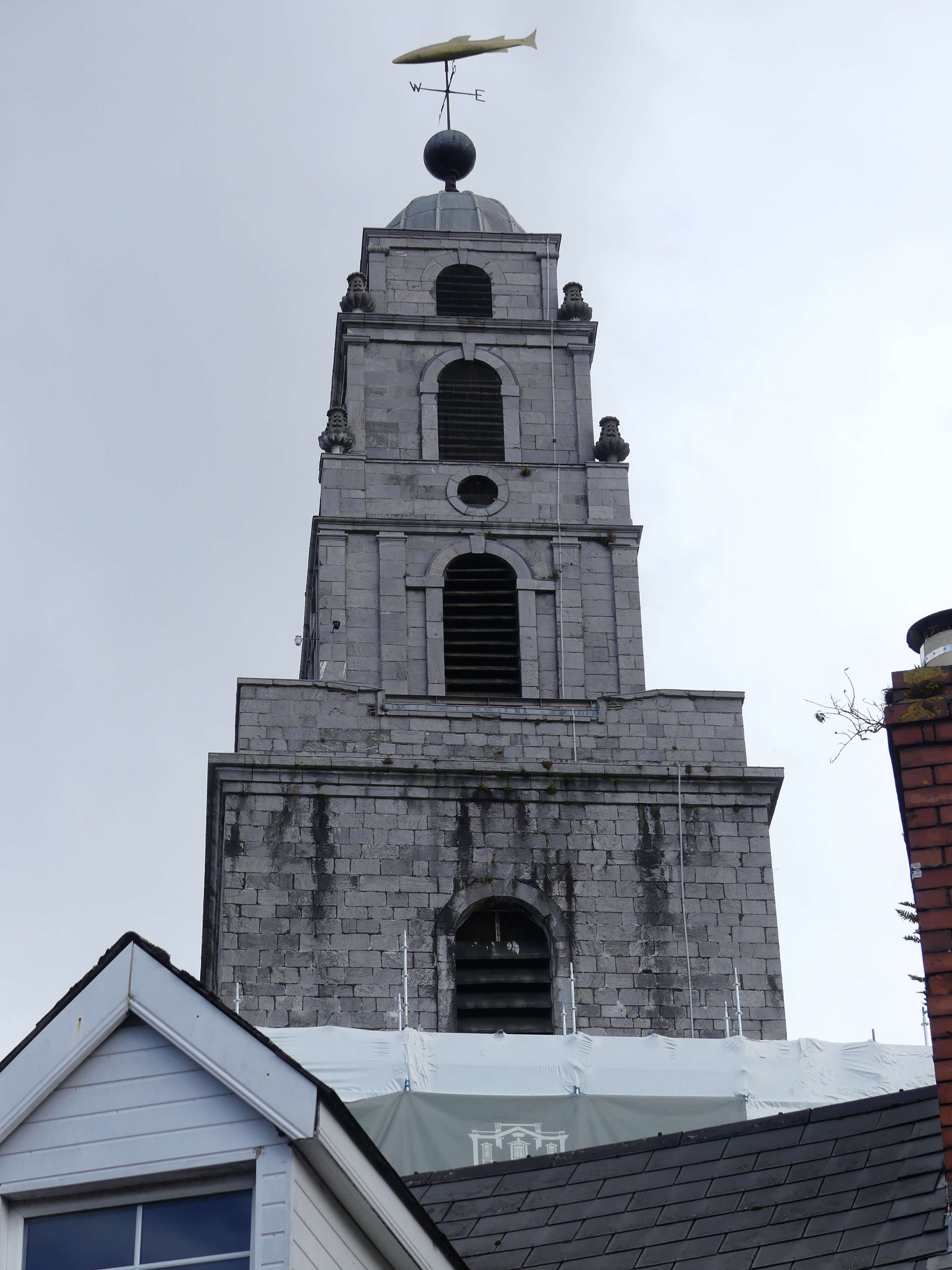
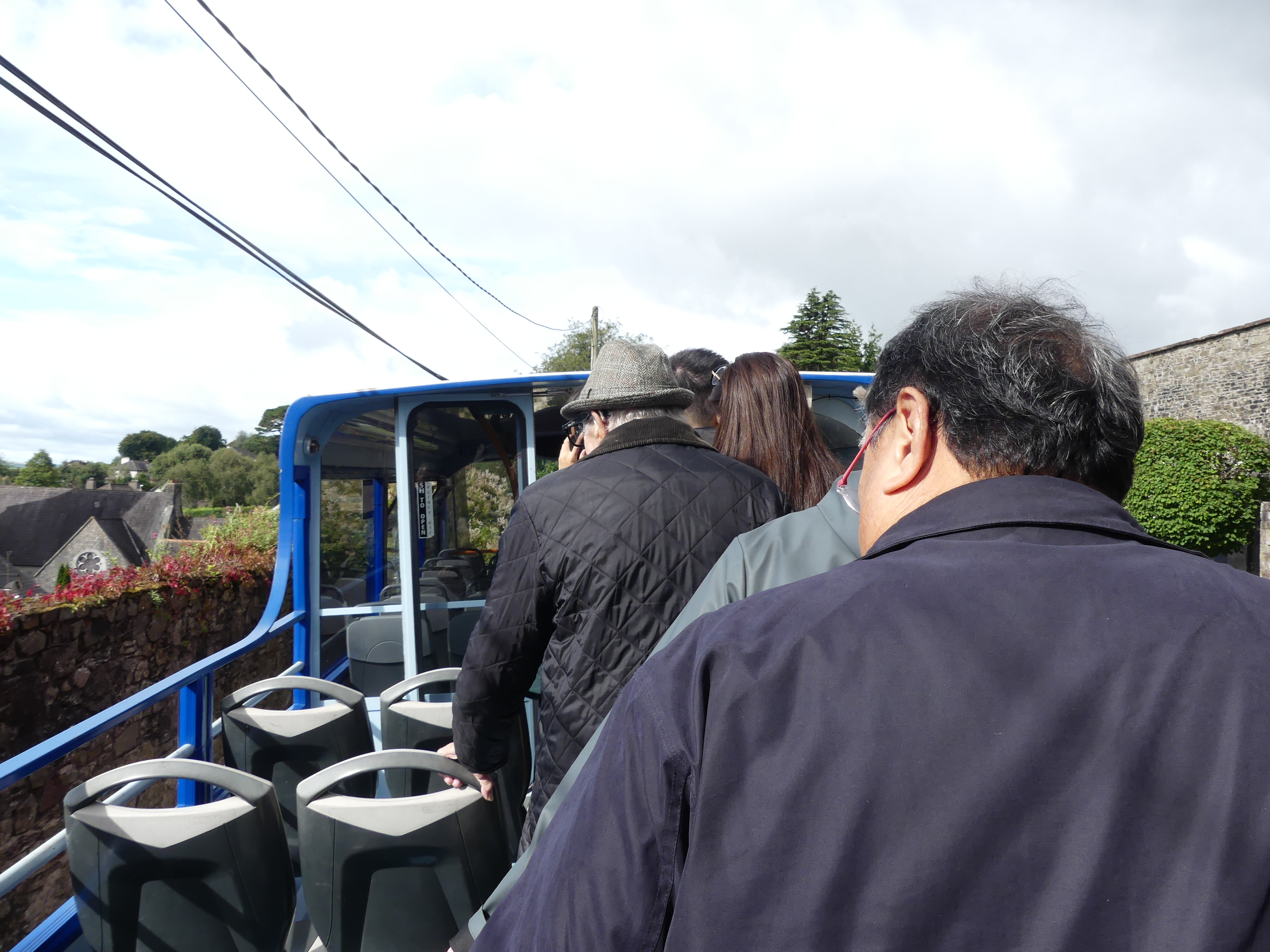
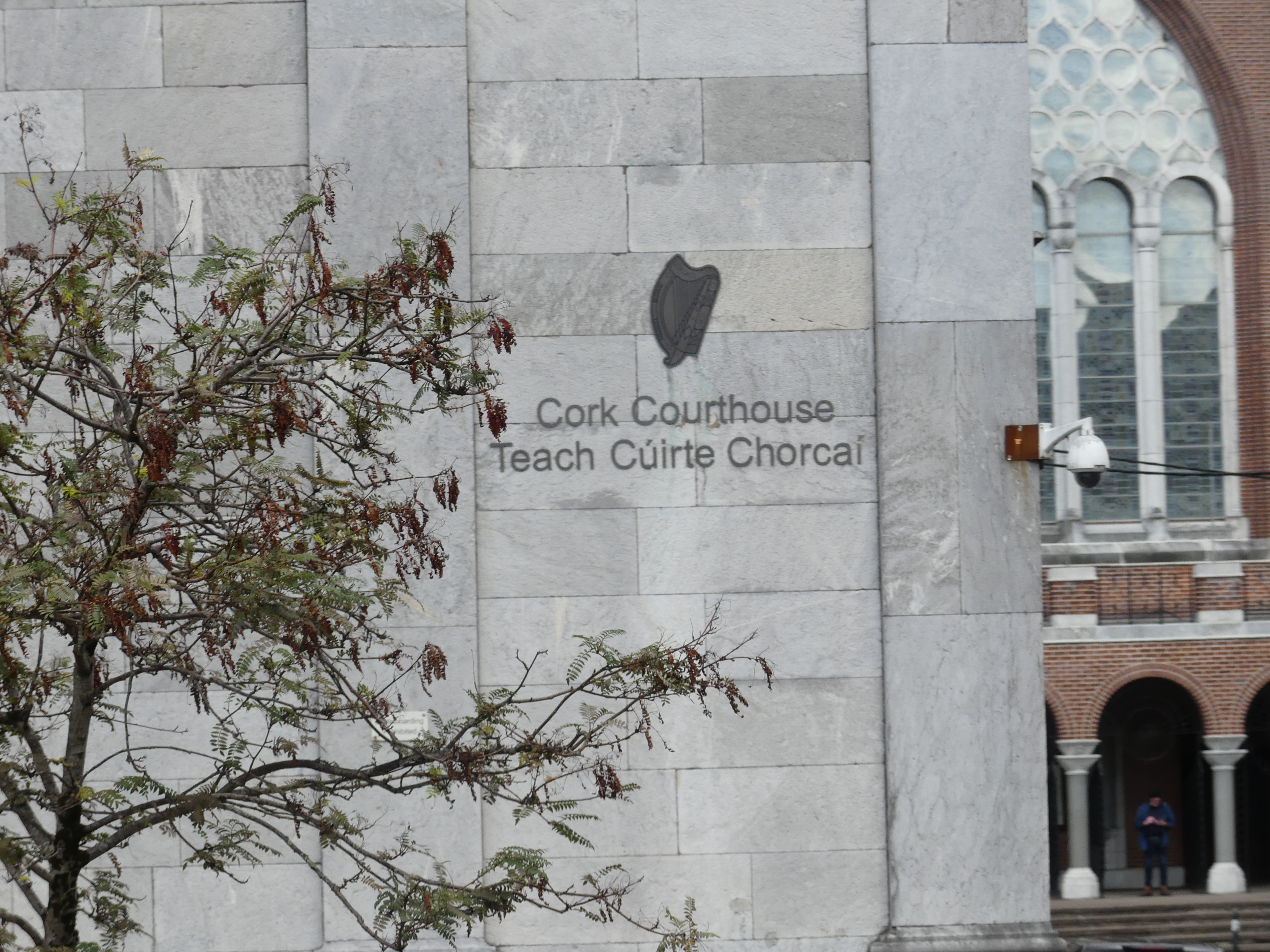
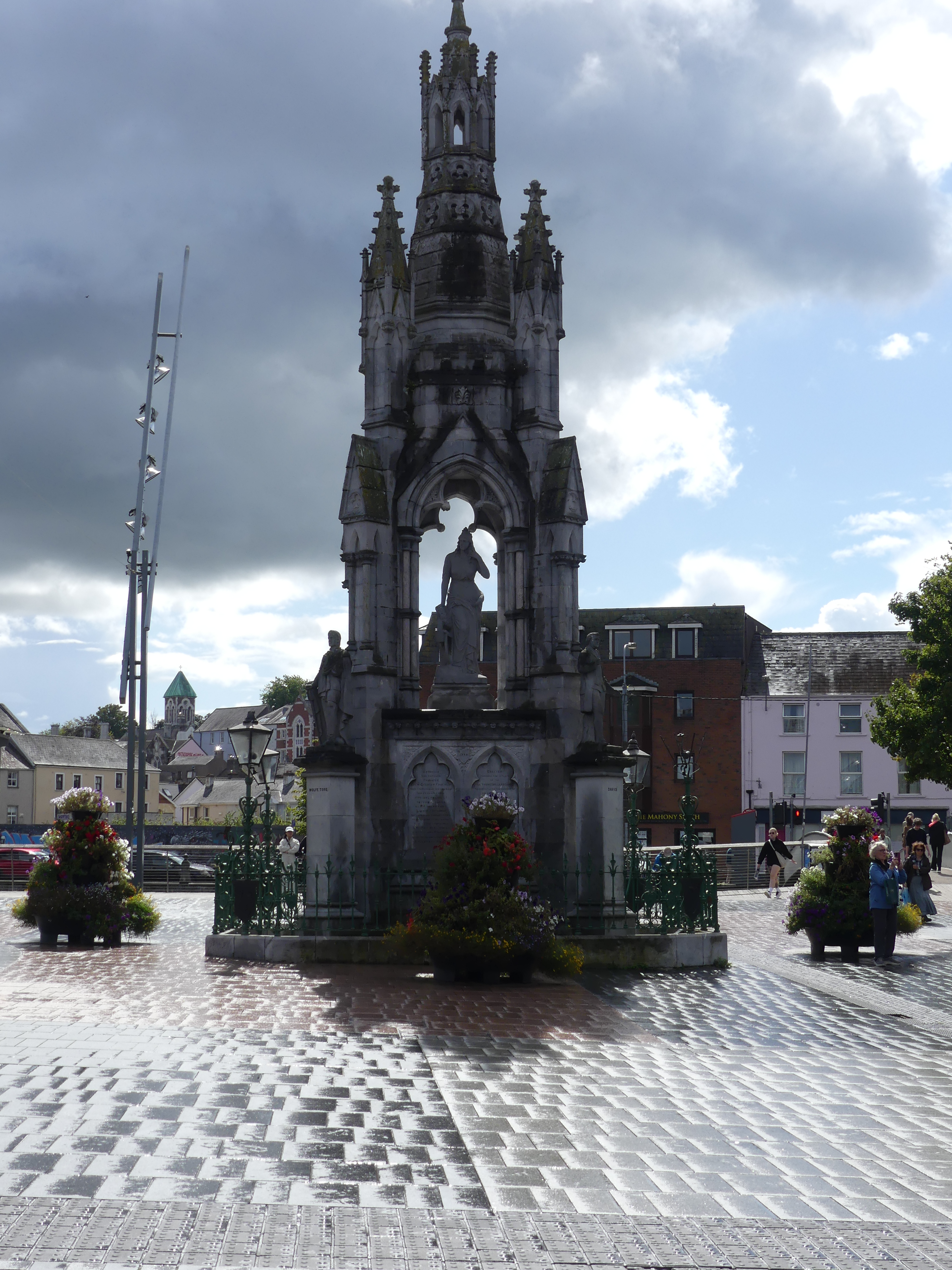
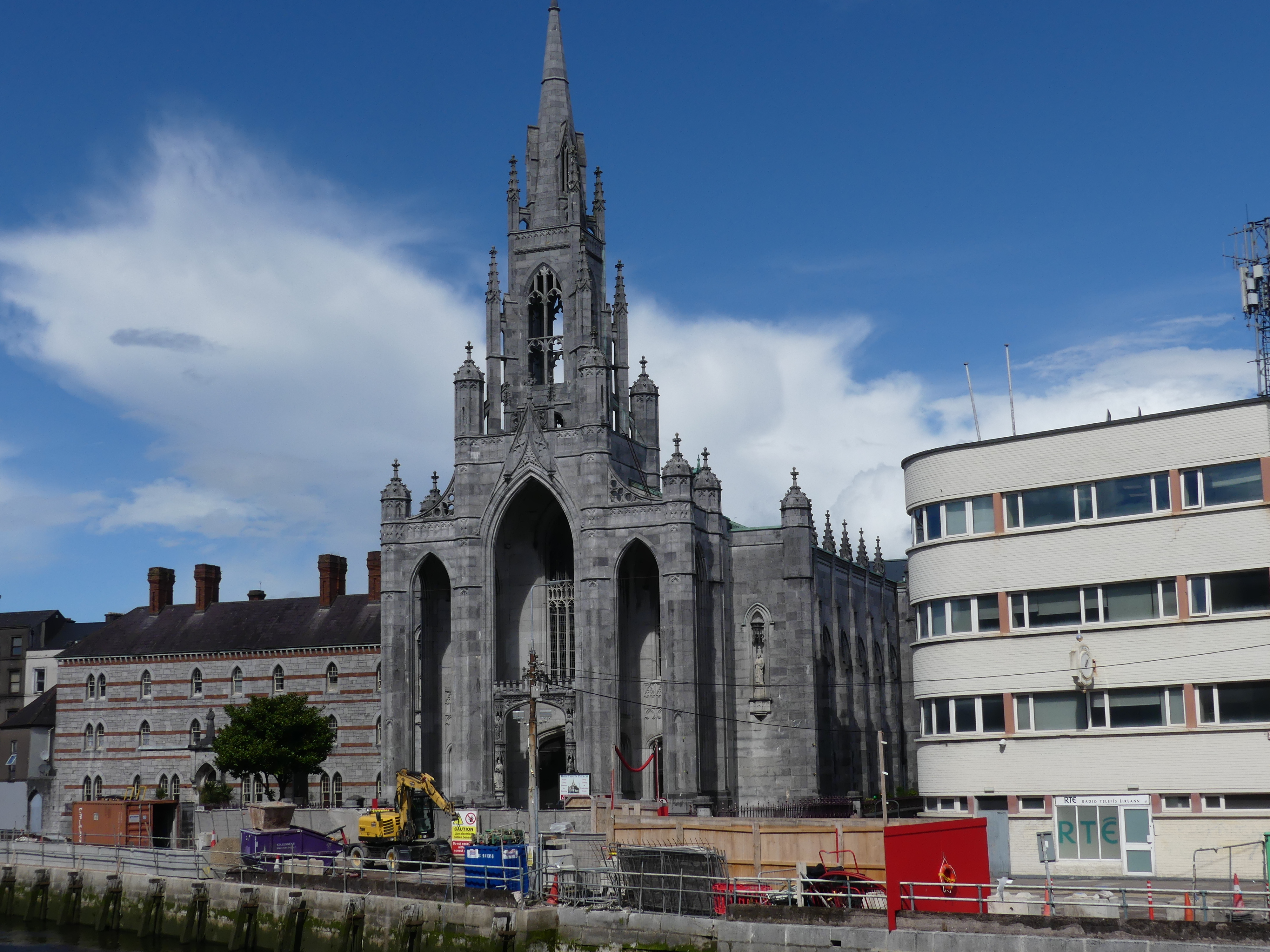
Having boarded the bus, we occupied seats on the open roof of the bus. The following photos follow the ride. Firstly we moved through the docks area to an old bridge which had street lighting where all the lights appeared to be arching over the road similating dockside cranes. There were church spires on the horizon some like the one photographed below adorned with a sign of the occupation of its parishoners – in this case a fish atop the weather vane. We had no particular things we wished to see so we were taking the full tour before deciding. We came to the entrance of the old gaol and the bus had an exagerated lean towards the footpath. After some passengers got off the bus the cry went out, “Stand up and move over on top”. Well that had me puzzled until I realised the bus had to be righted so that it could leave its parking place – you see all of us moving as instructed. The bus then carefully made its way to the Courthouse.

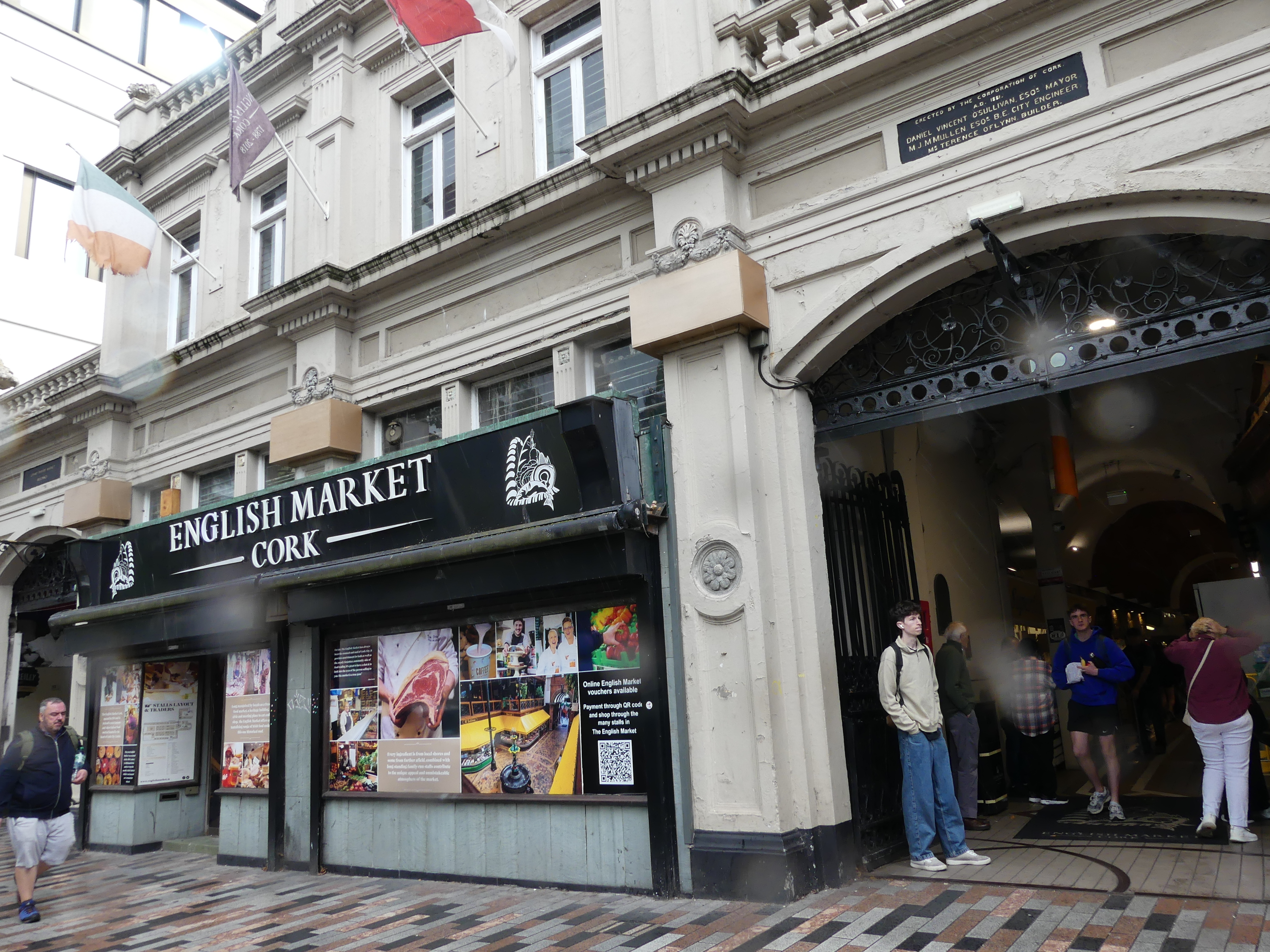
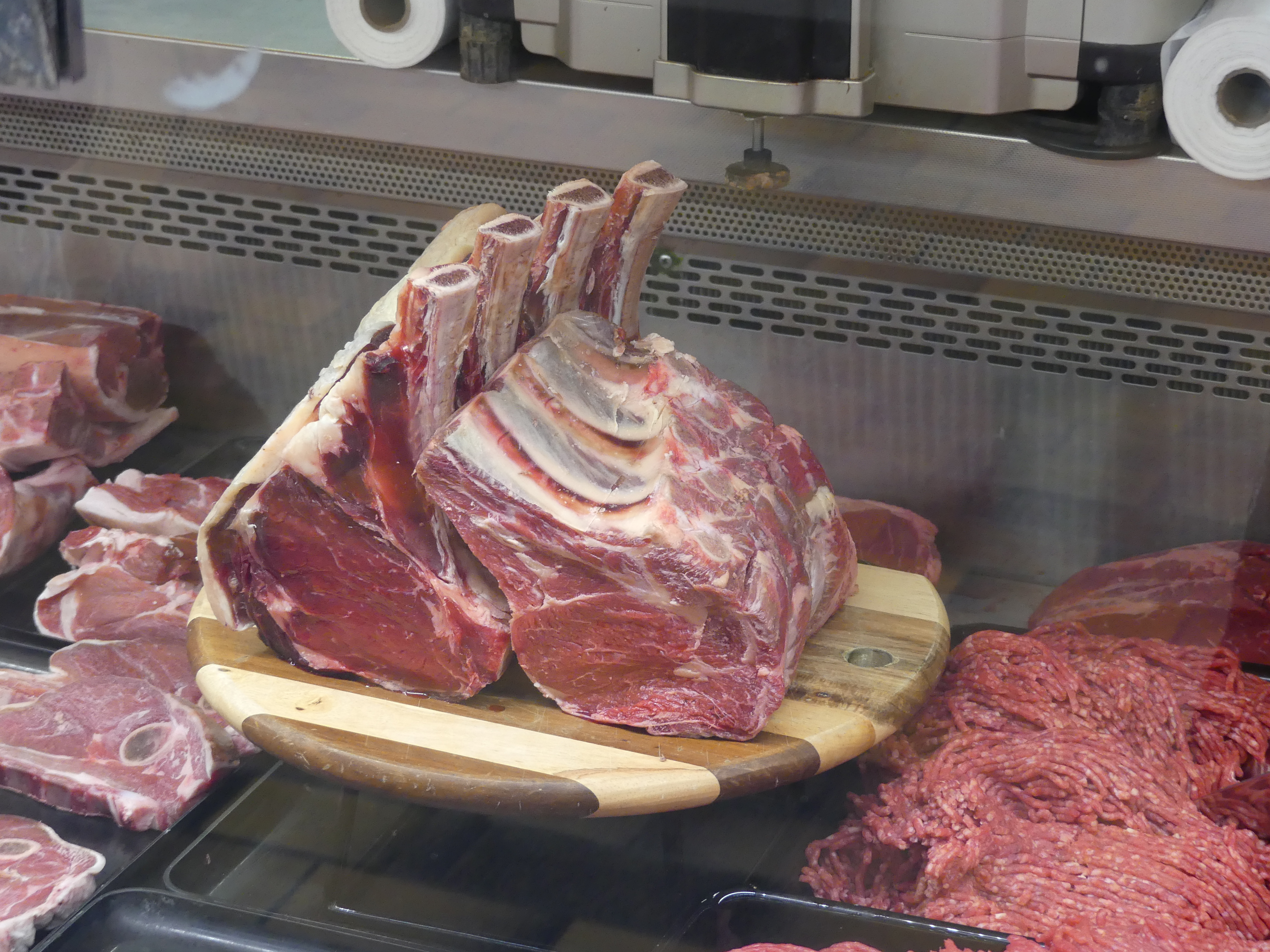
We planned to hop off the bus at the English Market. We passed some graffitti on the way – some in the street style and then a full size portrait but there was little else of interest before reaching the Market. I am not sure what we were hoping to find. As the name implies its a market and there was nothing that we could take back to the ship.

We left the market and waited in the square for our bus. Kerry stopped a local bike rider for some directions. We felt like fools (I was taking the picture).

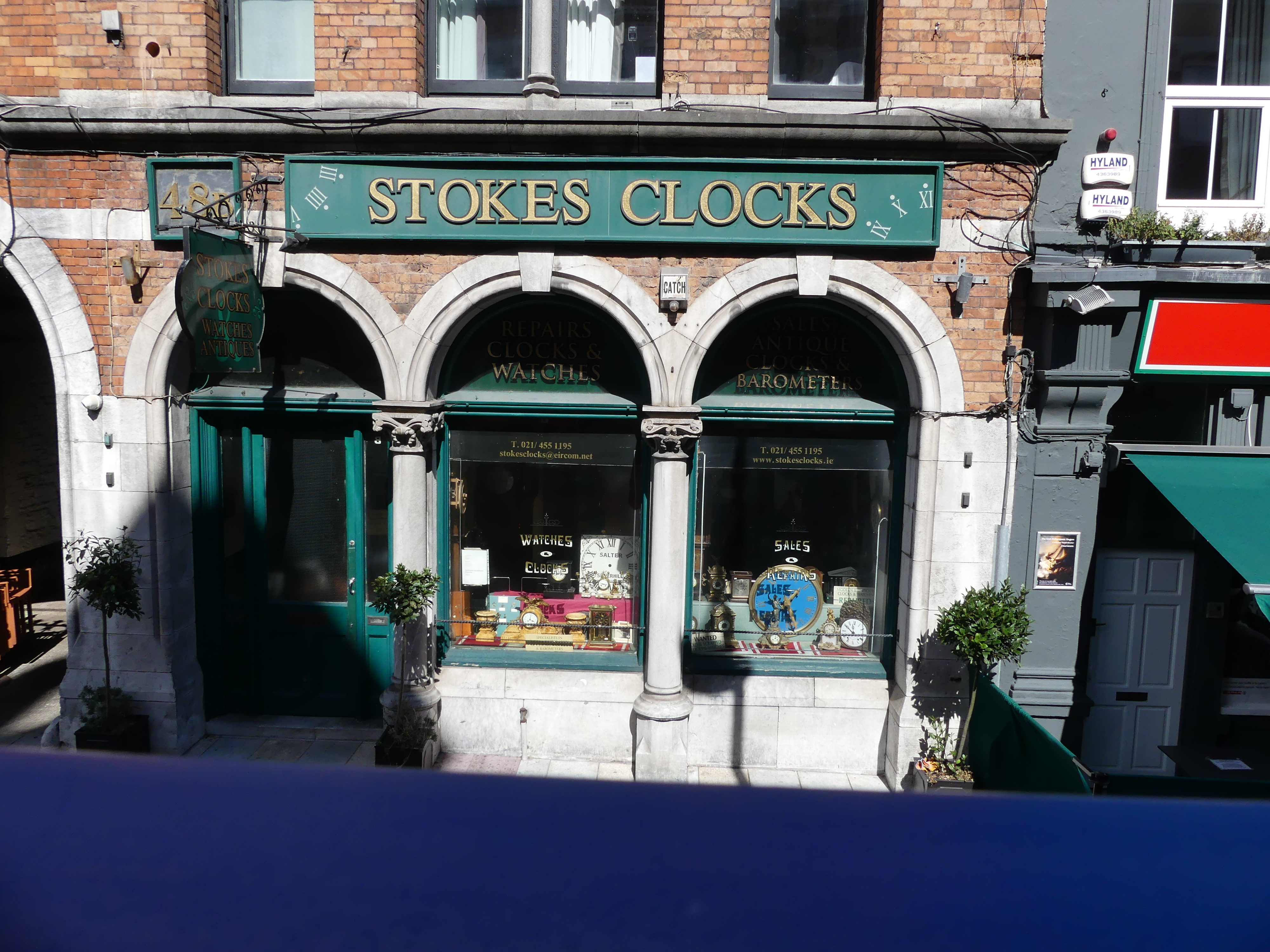
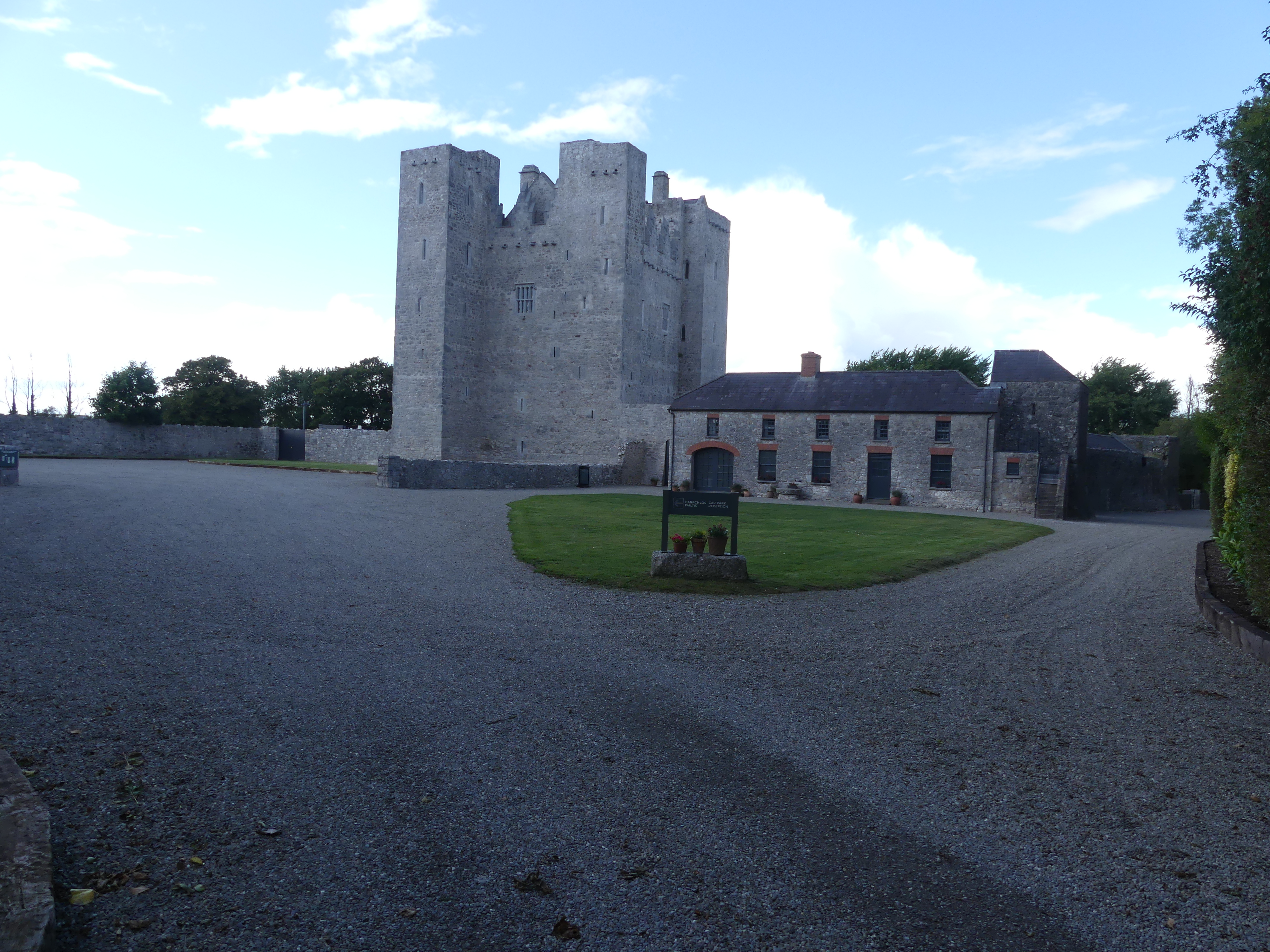
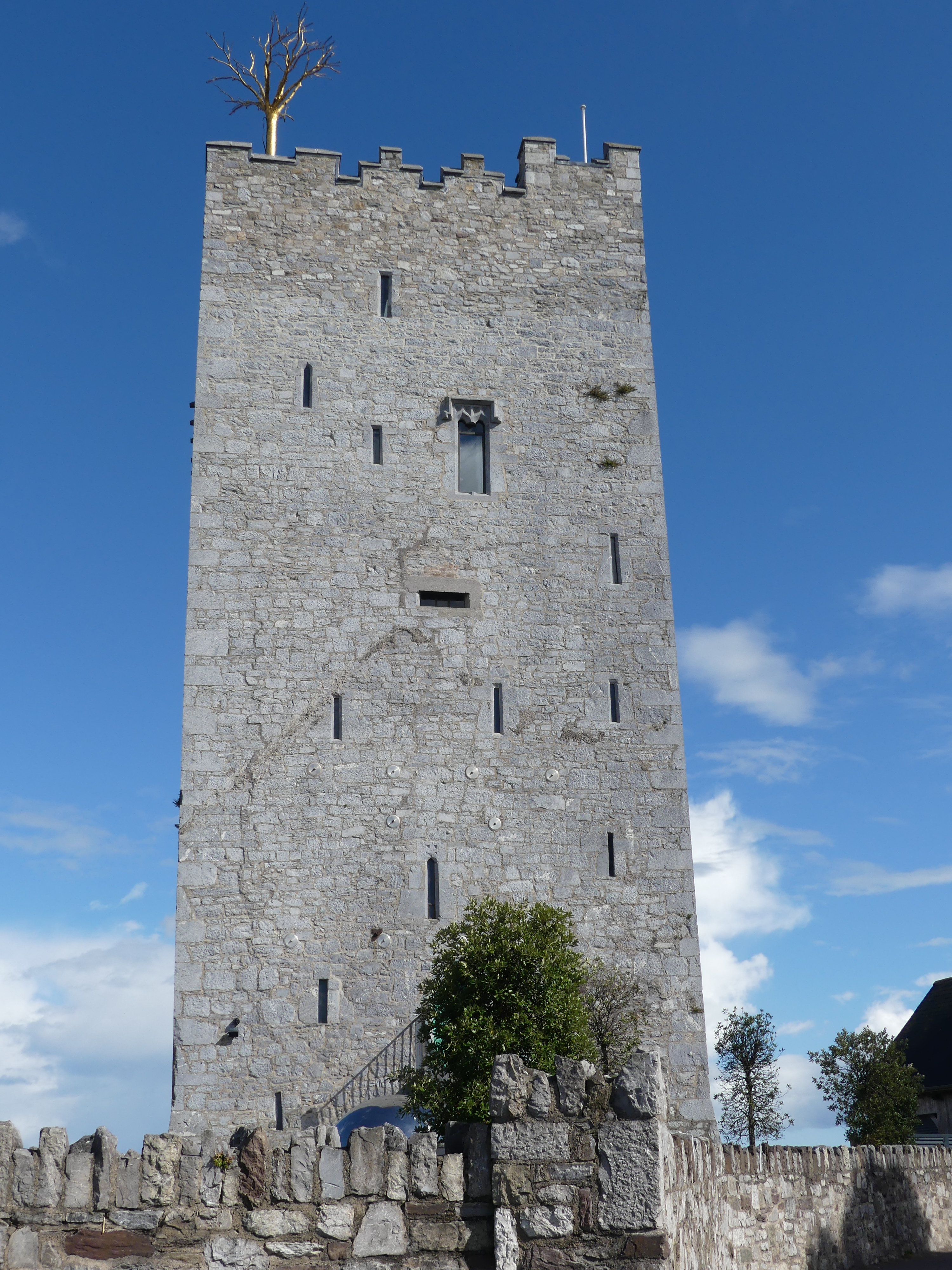
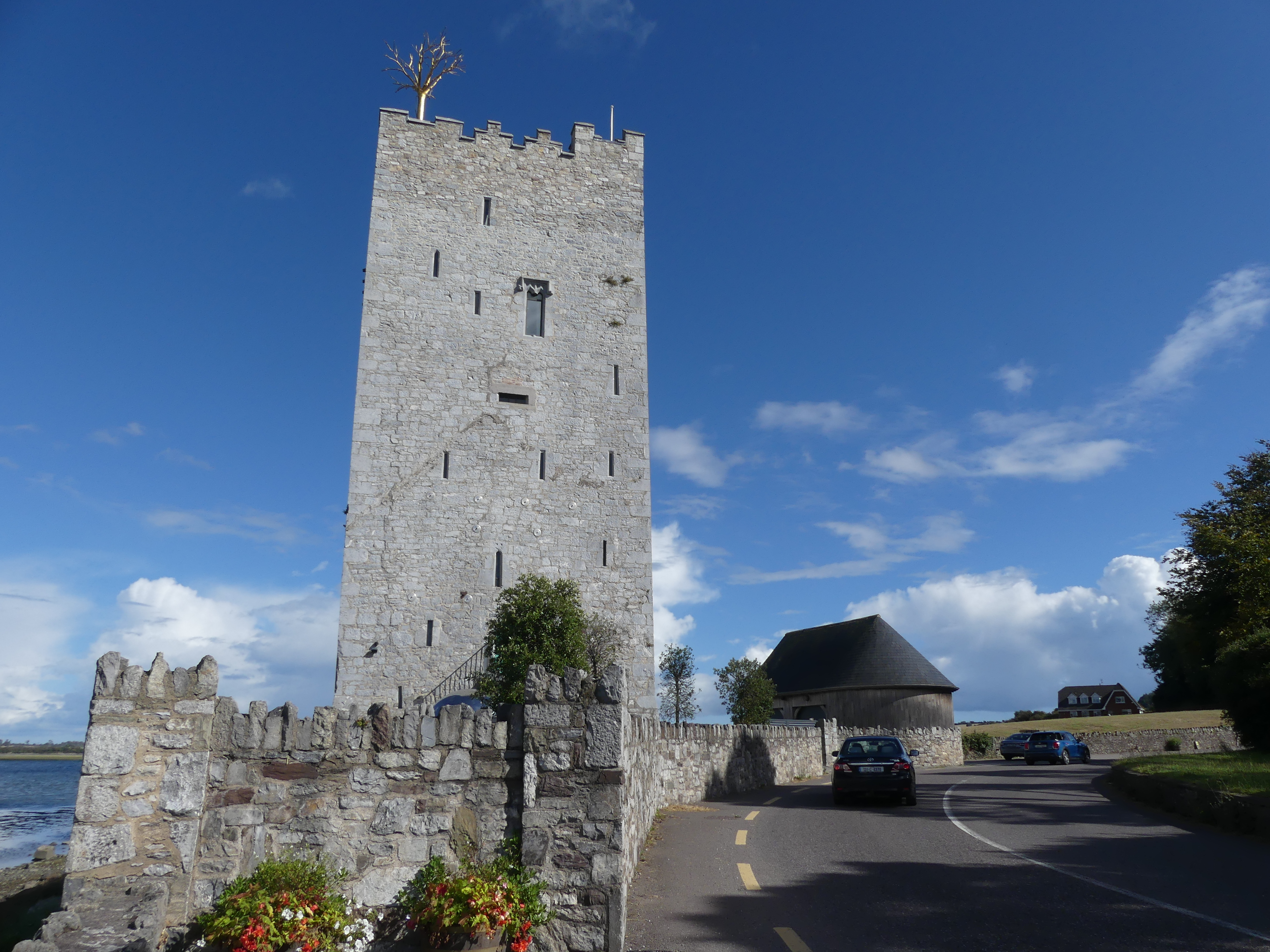
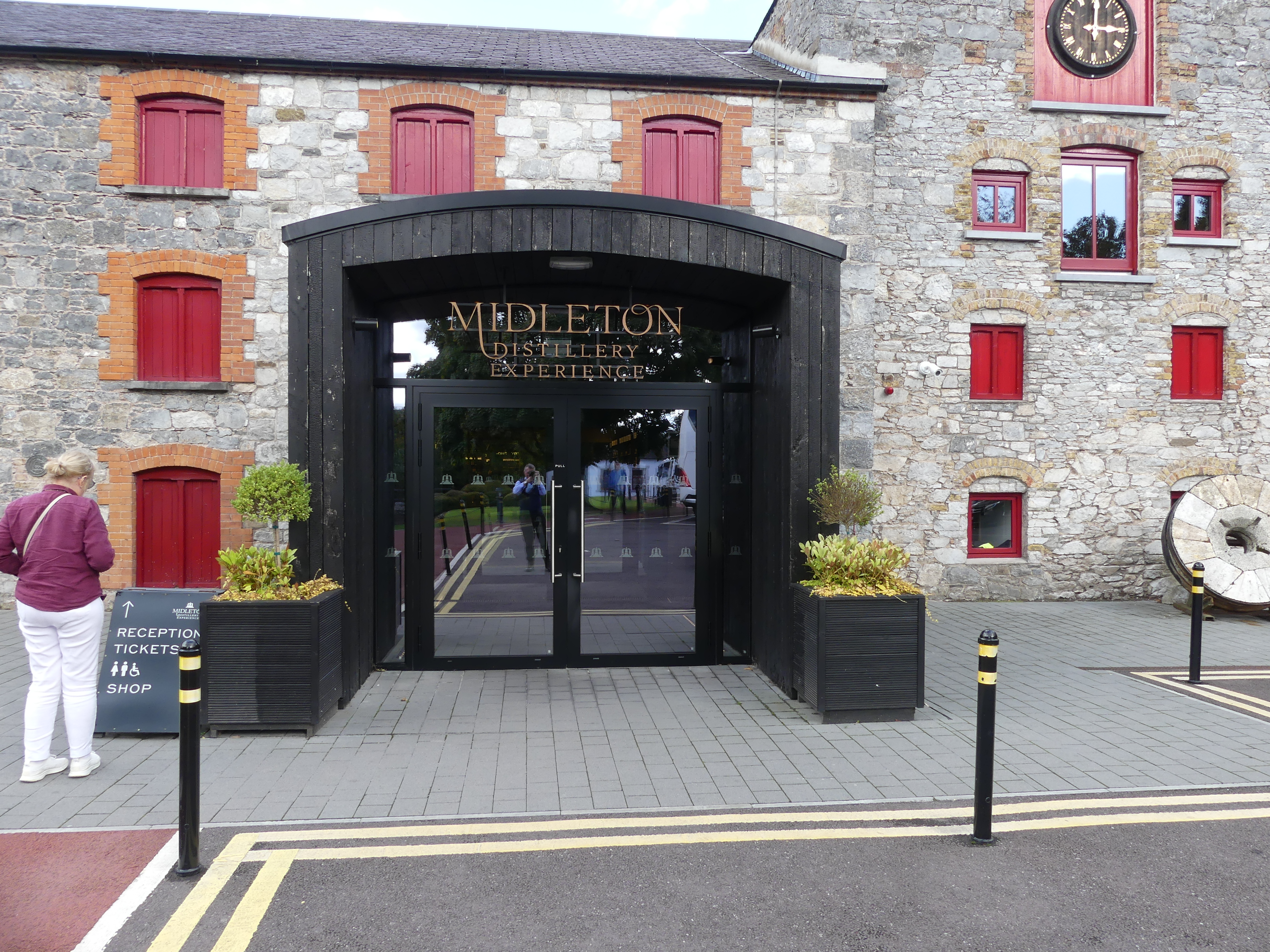
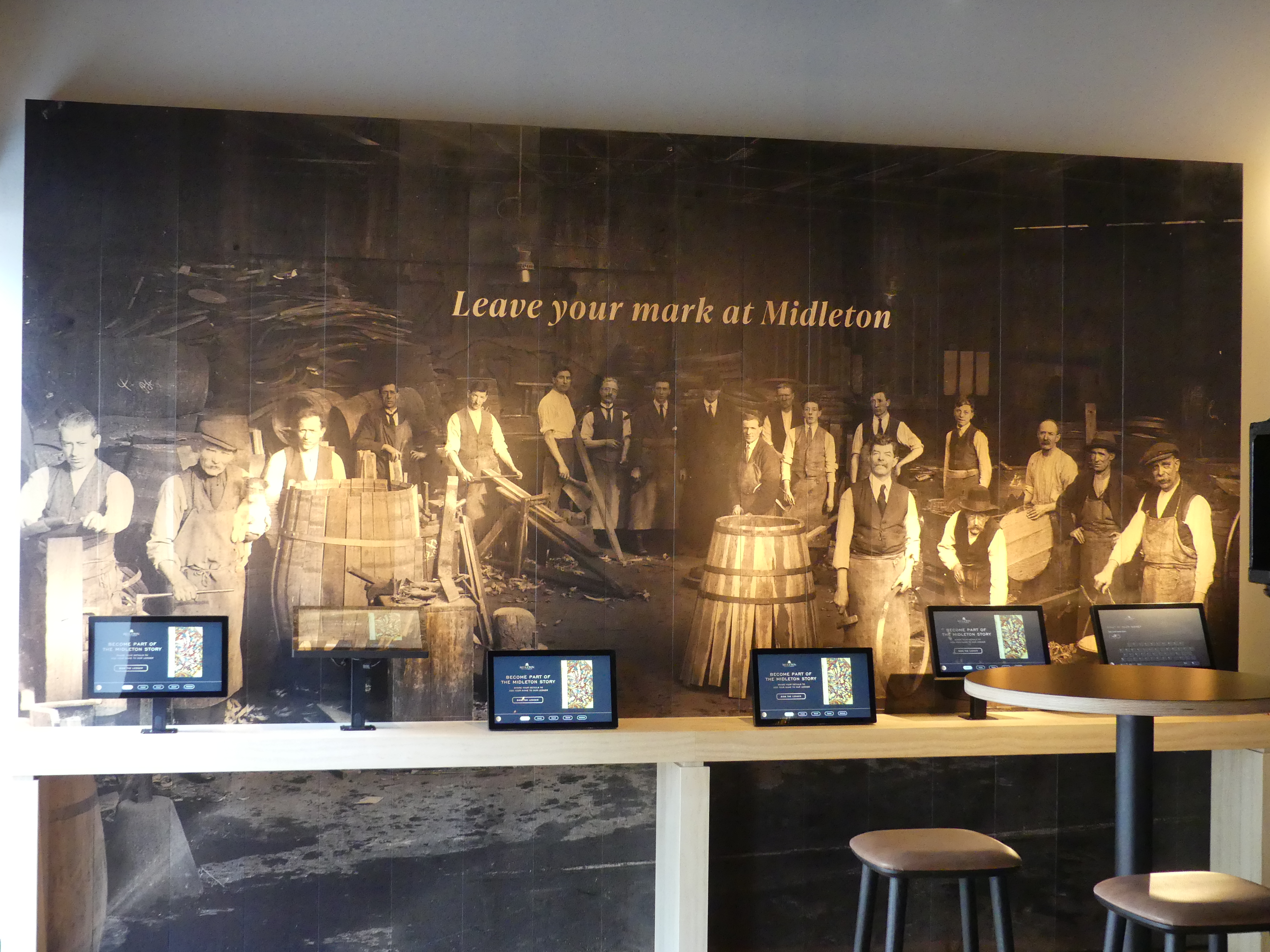
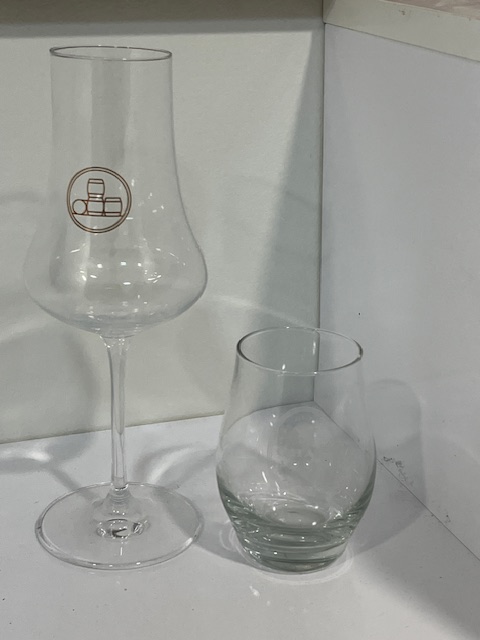
There was some time wasted waiting for the bus. I took some further photos of surrounding buildings and ultimately the bus arrived. Our tour was coming to an end. We got off at the Station View Tavern and then returned on the train to the port. Nothing much to do when Kerry noticed the cabs lined up offering tours and one was to the Jameson Distillery. That sounded promising. We climbed into the cab and shot off expecting this would be nearby. Well we were wrong. Firstly he stopped to show us a castle tower converted into a dwelling before turning into a place called Middletons which turns out to be the maker of Jamiesons Whiskey and some other labels. They offered tasting paddles at a price of course but I picked up a bottle of Redbreast single pot stilled 12 year old whiskey and saved paying for the paddle. I also obtained a whiskey taster. Many years ago, probably 10 years ago, Doug and Neirda travelled with us to Oban and Doug and I did the tour and obtained an “Oban” labeled taster. So I also obtained a Jamieson’s taster. I have shown both tasters below.
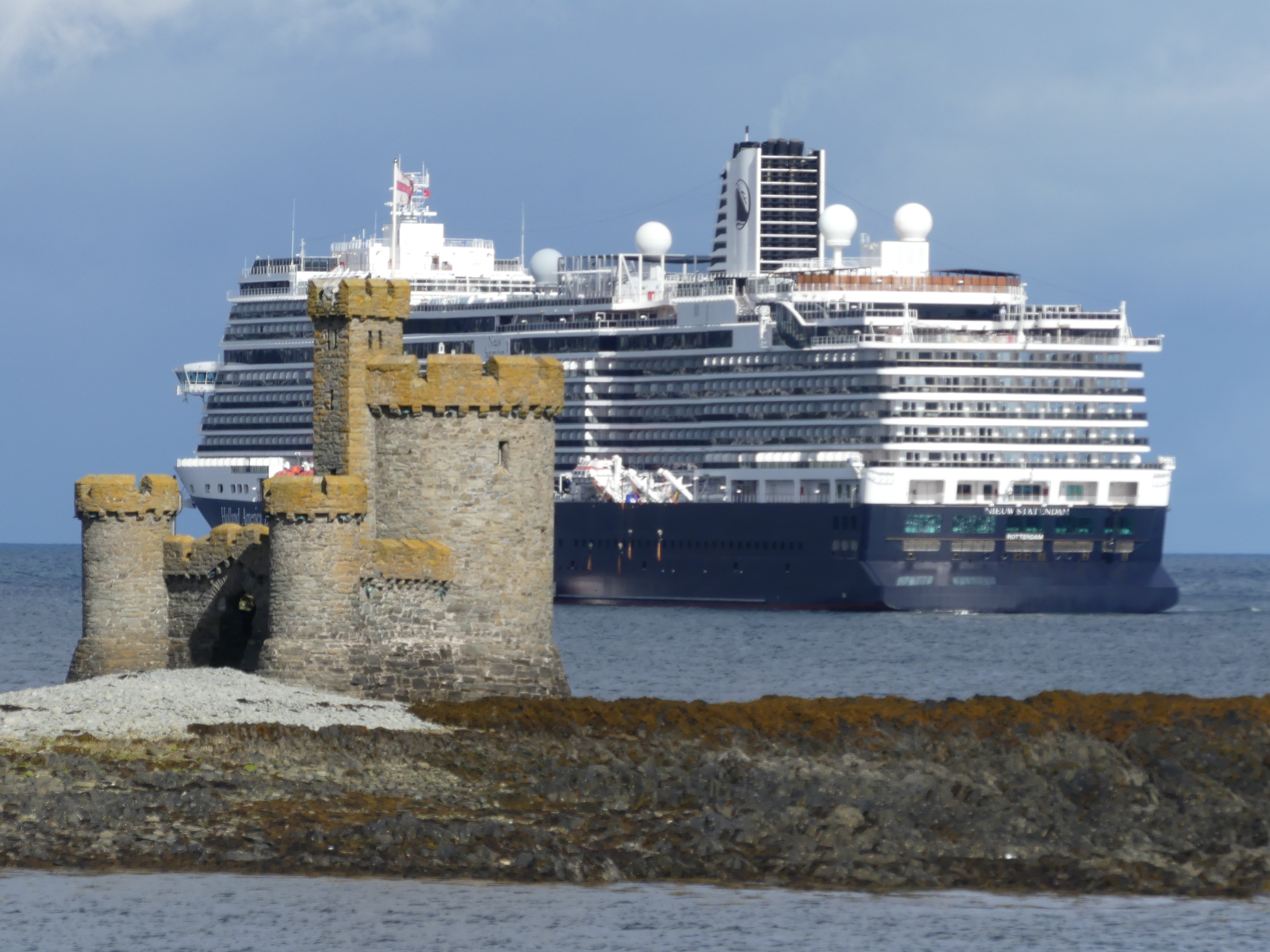
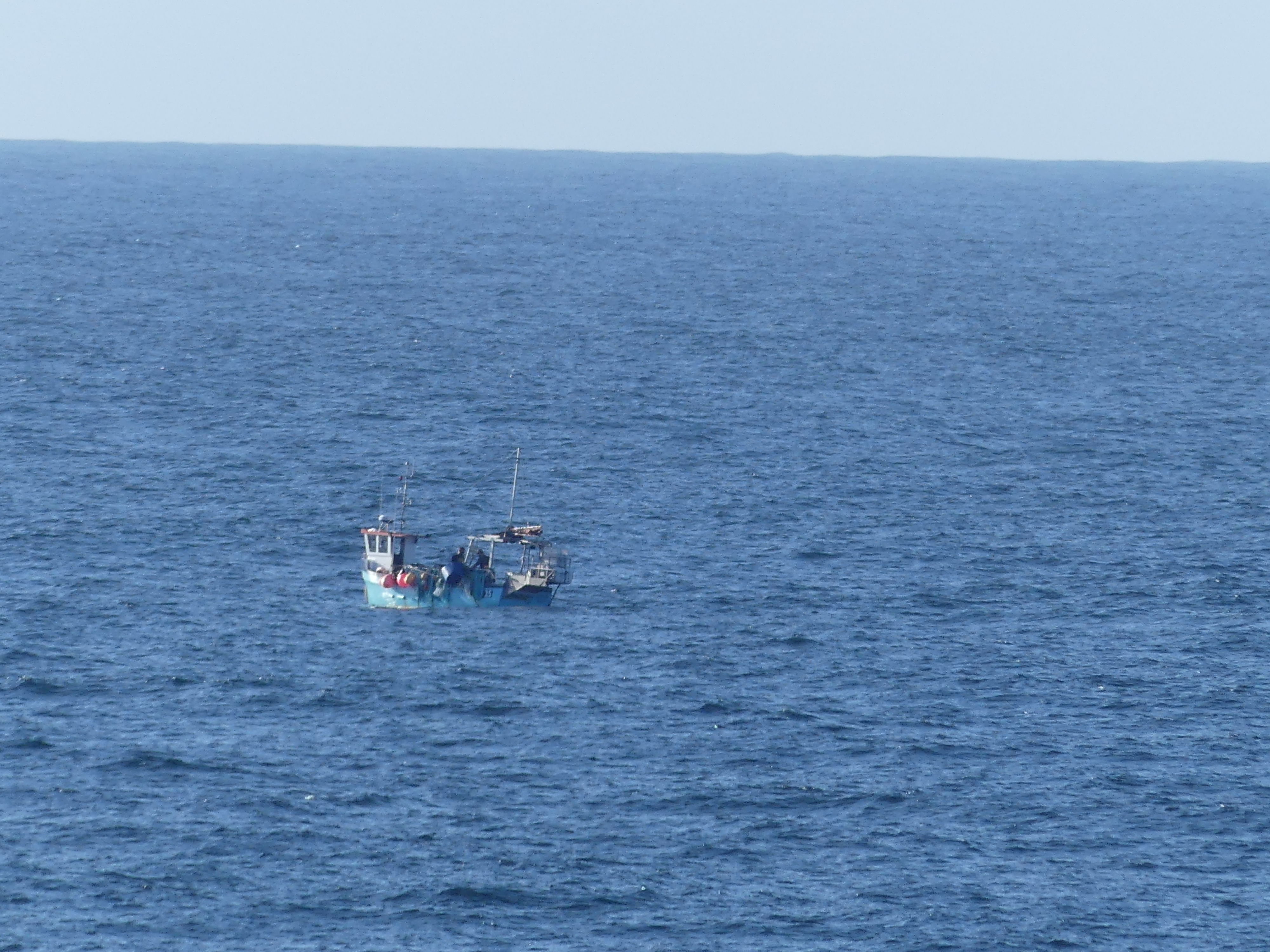
We were returned to the dock in Cobh and boarded the ship with our booty. Tomorrow would be at sea and our last day would result in our returning to Dover and disembarking. So this is what its like to be at sea. The only vessel we passed between Cobh and Dover.
We had planned to take a taxi to our hotel in Heathrow following which we would fly to Singapore for a short stay before travelling home. However, the ship was providing a bus to Heathrow which meant we could make a saving of over 100 pounds and a more reliable way to travel or so we thought. My next blog we return to Heathrow Airport then go to Singapore. Stay tuned for the trip home – “THE RETIREES GO AROUND THE WORLD – Heathrow overnight and arrive in Singapore“
“THE RETIREES GO AROUND THE WORLD – DAY 9 SS NIEUW STATENDAM – Isle of Man“

Thanks to Wikipedia here are a few facts I have learnt from my visit to the Isle of Man and reading Simon Winchester’s book on the Remains of Empire.

The Isle of Man (Manx: Mannin) is a self-governing British Crown Dependency in the Irish Sea, known for its Celtic and Viking heritage, rugged landscapes, and unique status as not being part of the UK but under the British Crown. It boasts its own parliament (Tynwald), laws, and distinct culture, symbolized by the three-legged triskelion and motto, “Whichever way you throw it, it will stand”. The capital is Douglas, and famous for the annual TT motorcycle race and its thriving finance sector. Crown Dependency, with internal self-governance; the UK handles defense and foreign relations. Head of State: King Charles III, holding the title Lord of Mann. Official Languages: English and Manx (Gaelic). Symbols: The Three Legs of Man (triskelion) and the motto Quocunque Jeceris Stabit (Wherever you throw it, it shall stand).

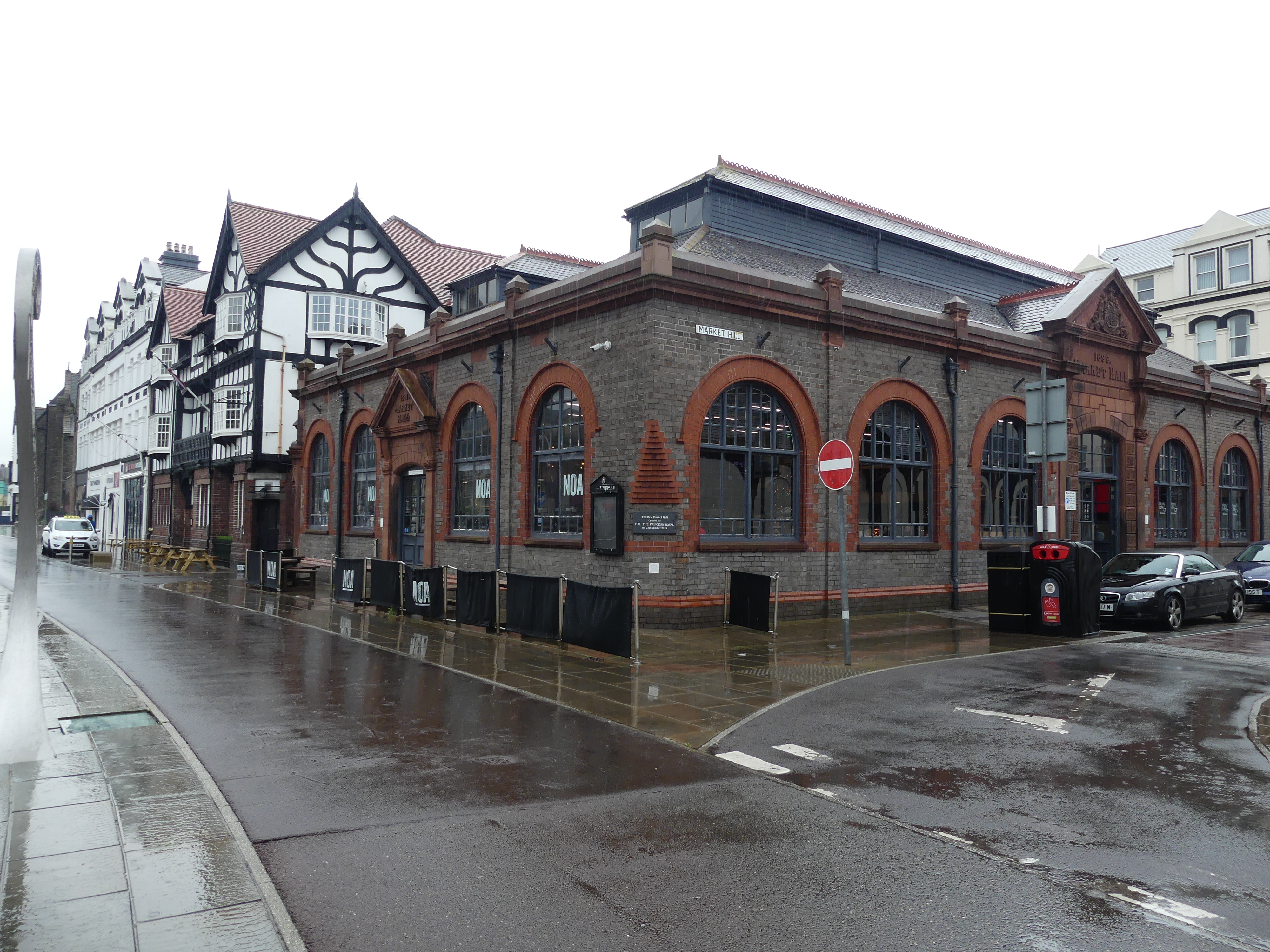
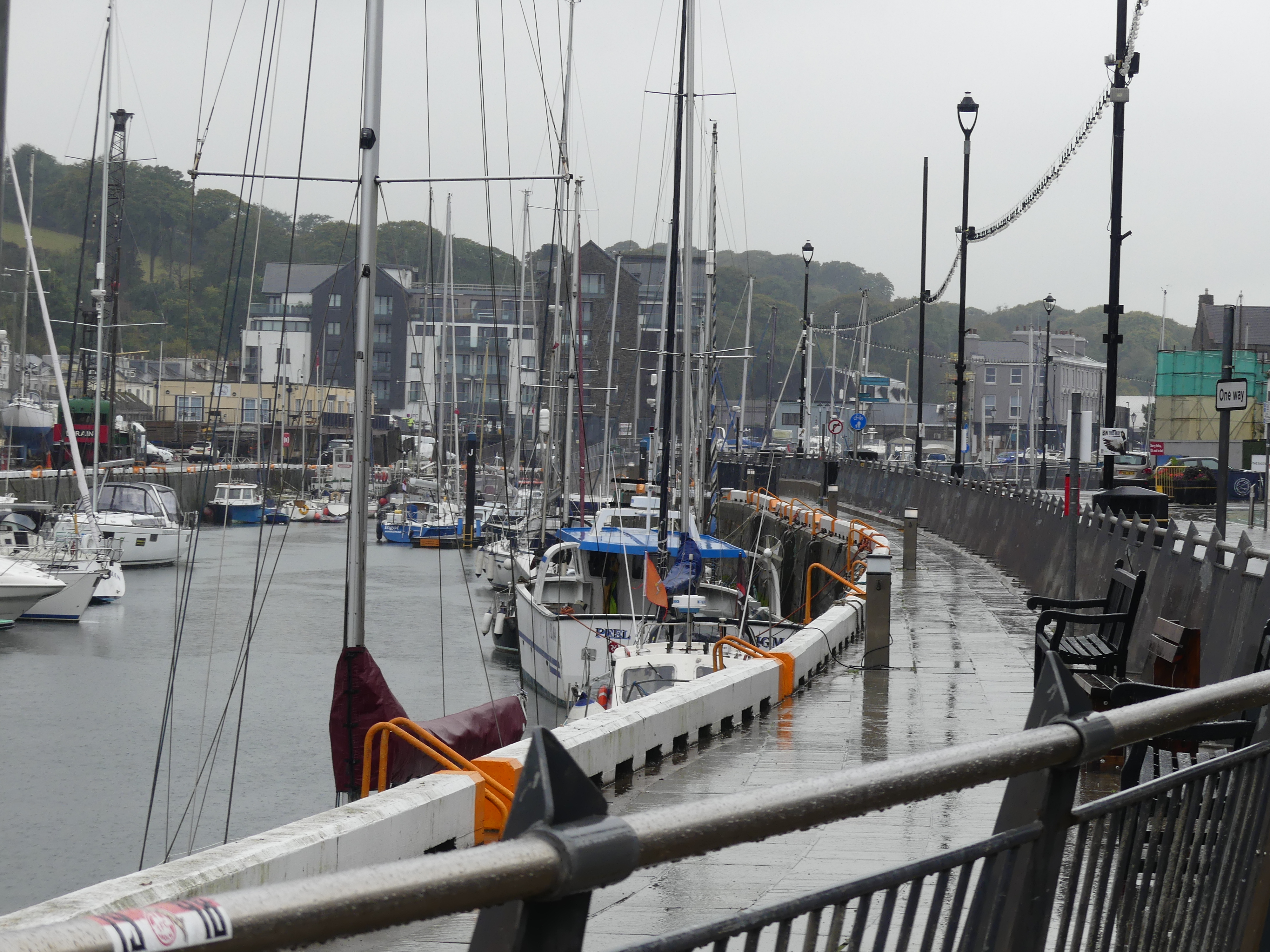
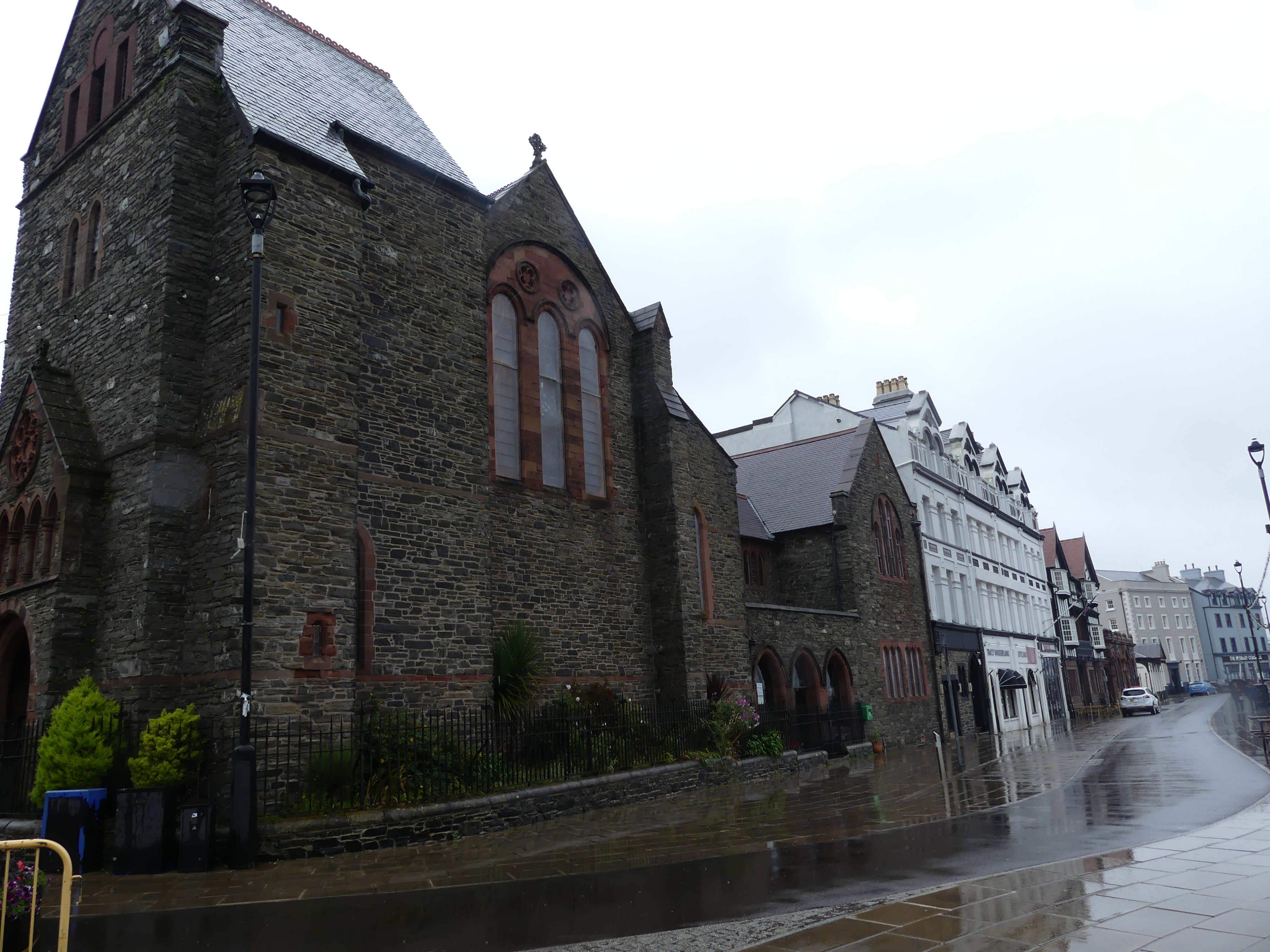
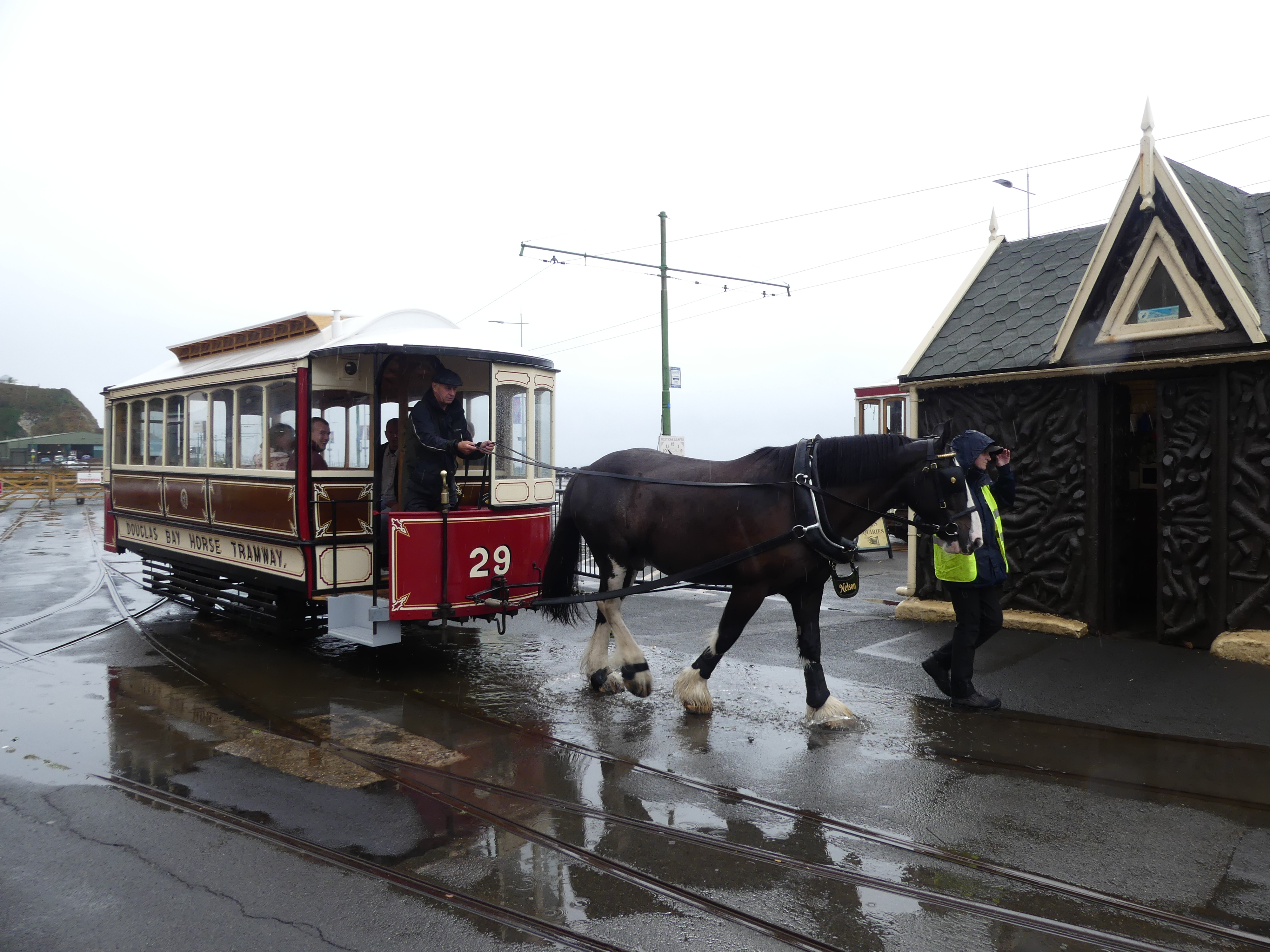
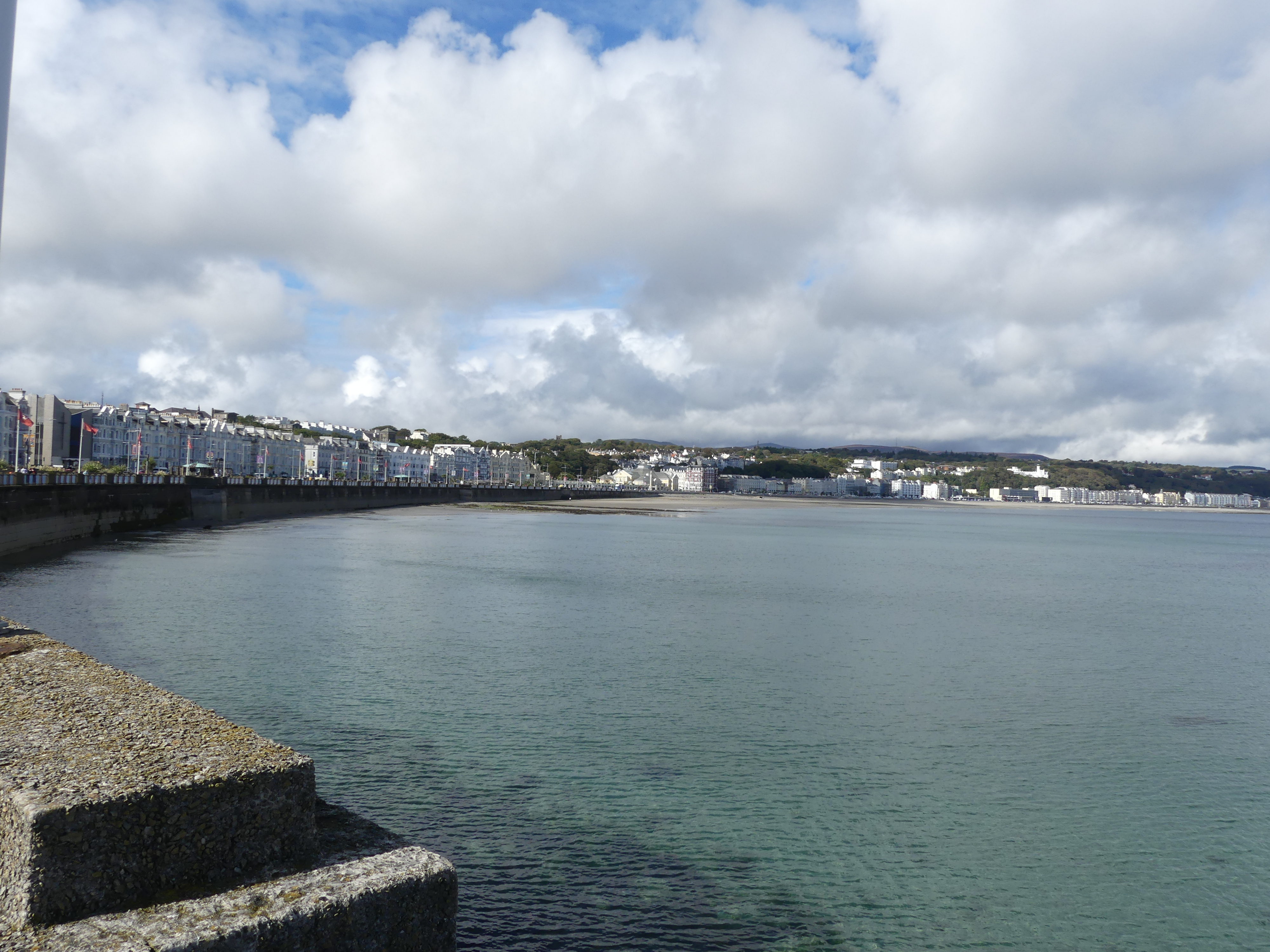
The capital is the city of Douglas. I have scanned and placed below part of the brochure from our visit and to help you understand the things we did. First after docking we made our way through the customs terminal for Man then worked our way around to the railway station planning to take a horse drawn tram then a train to Ramsey in the north.

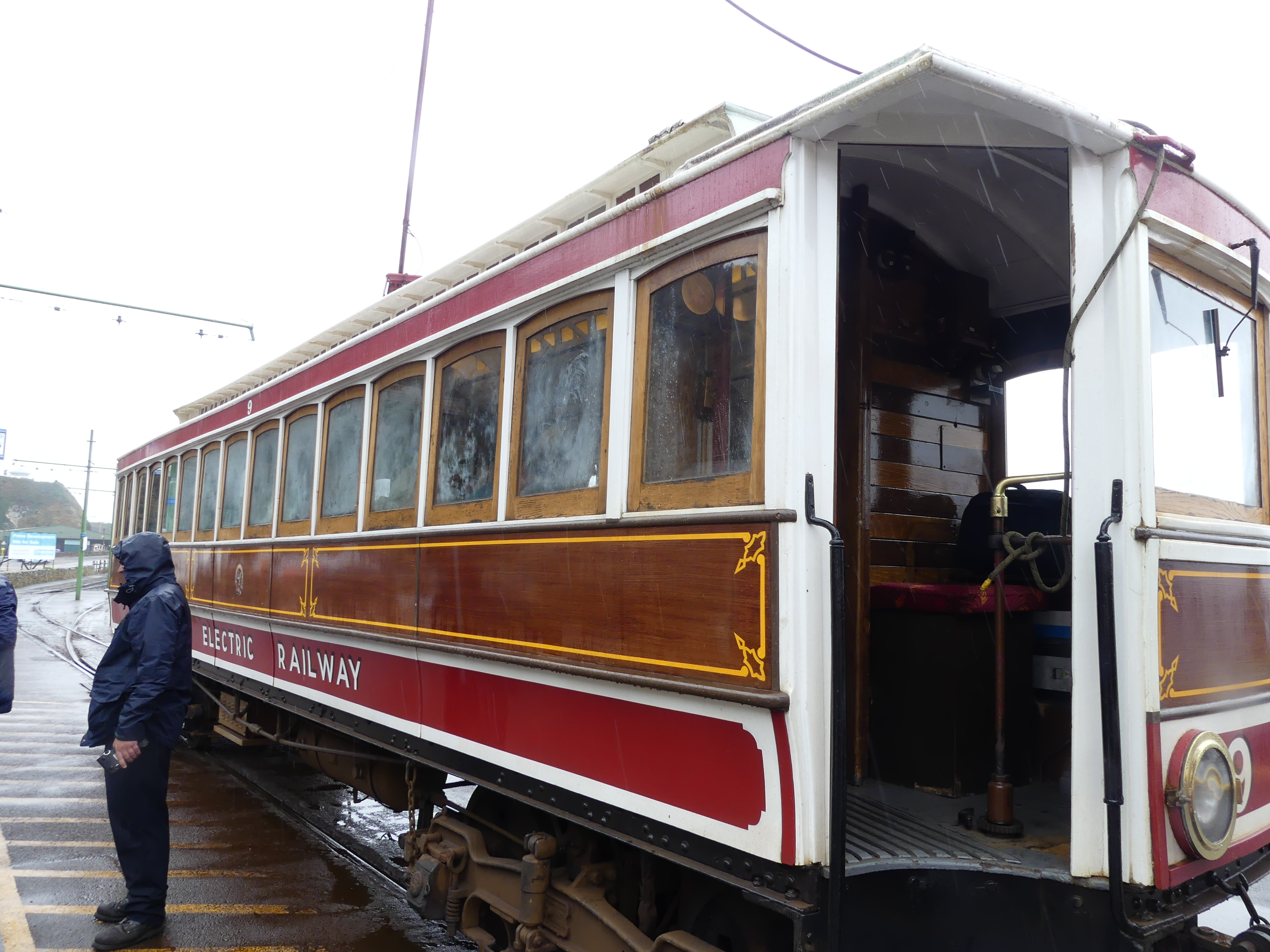
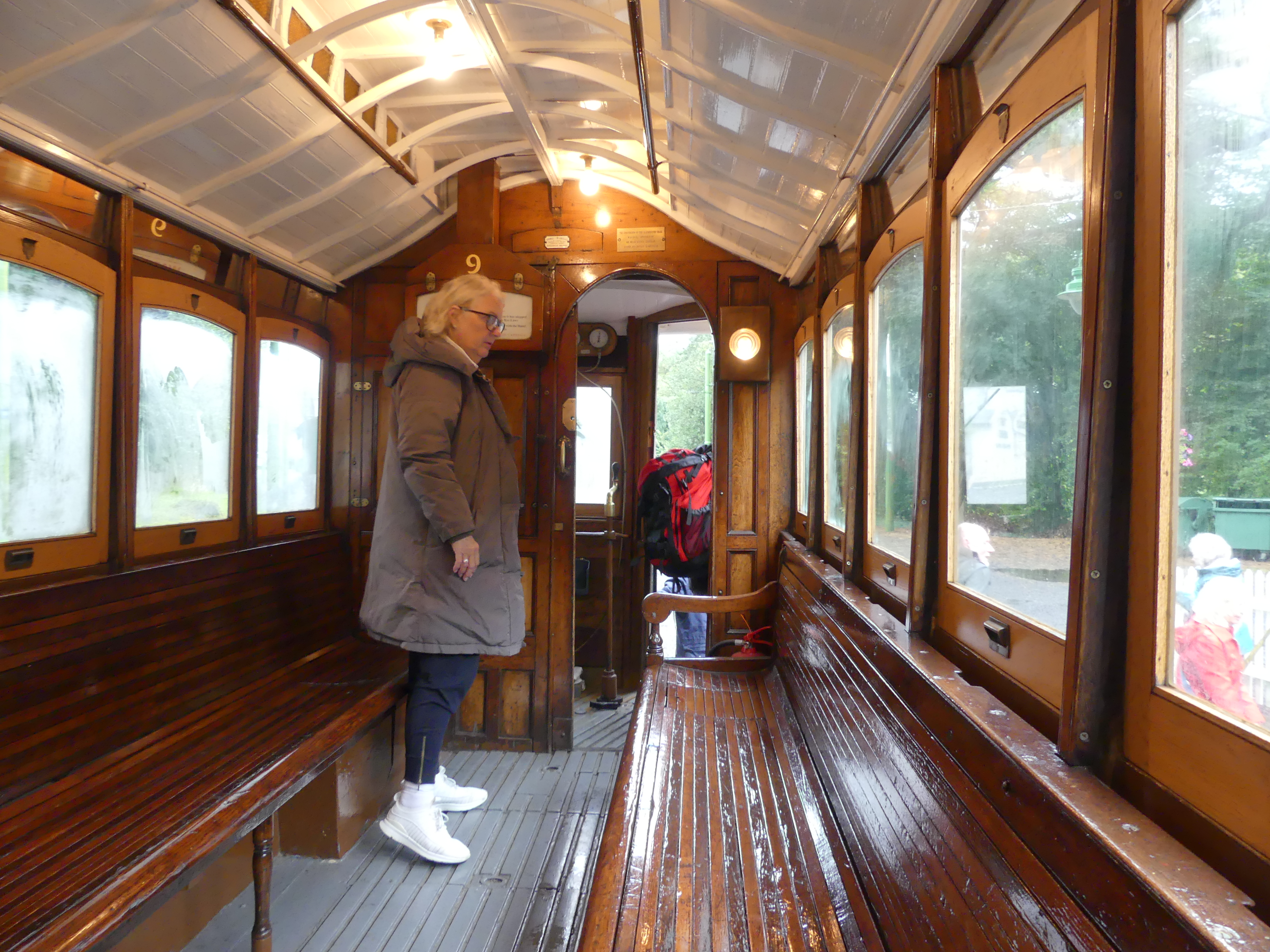
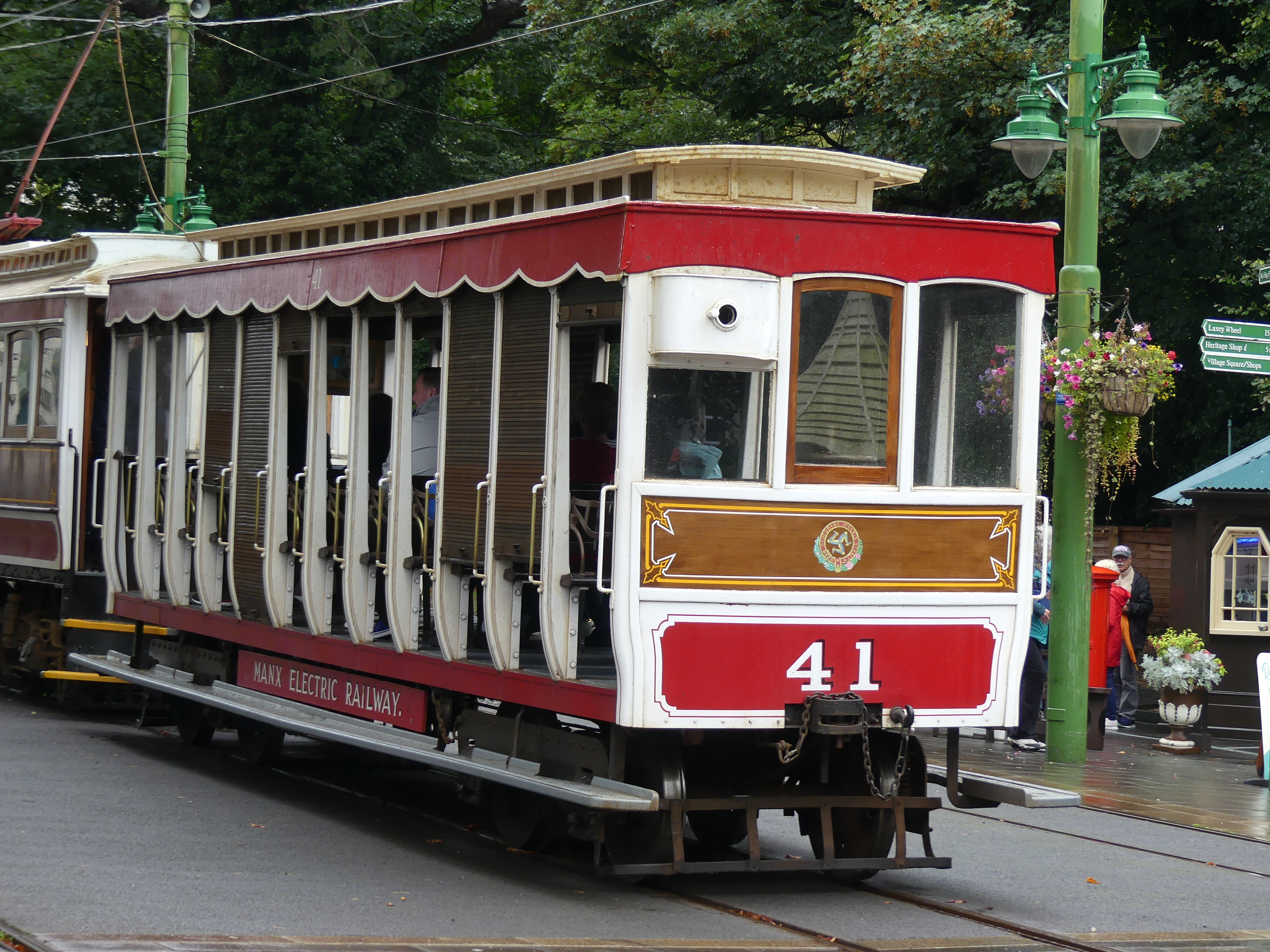
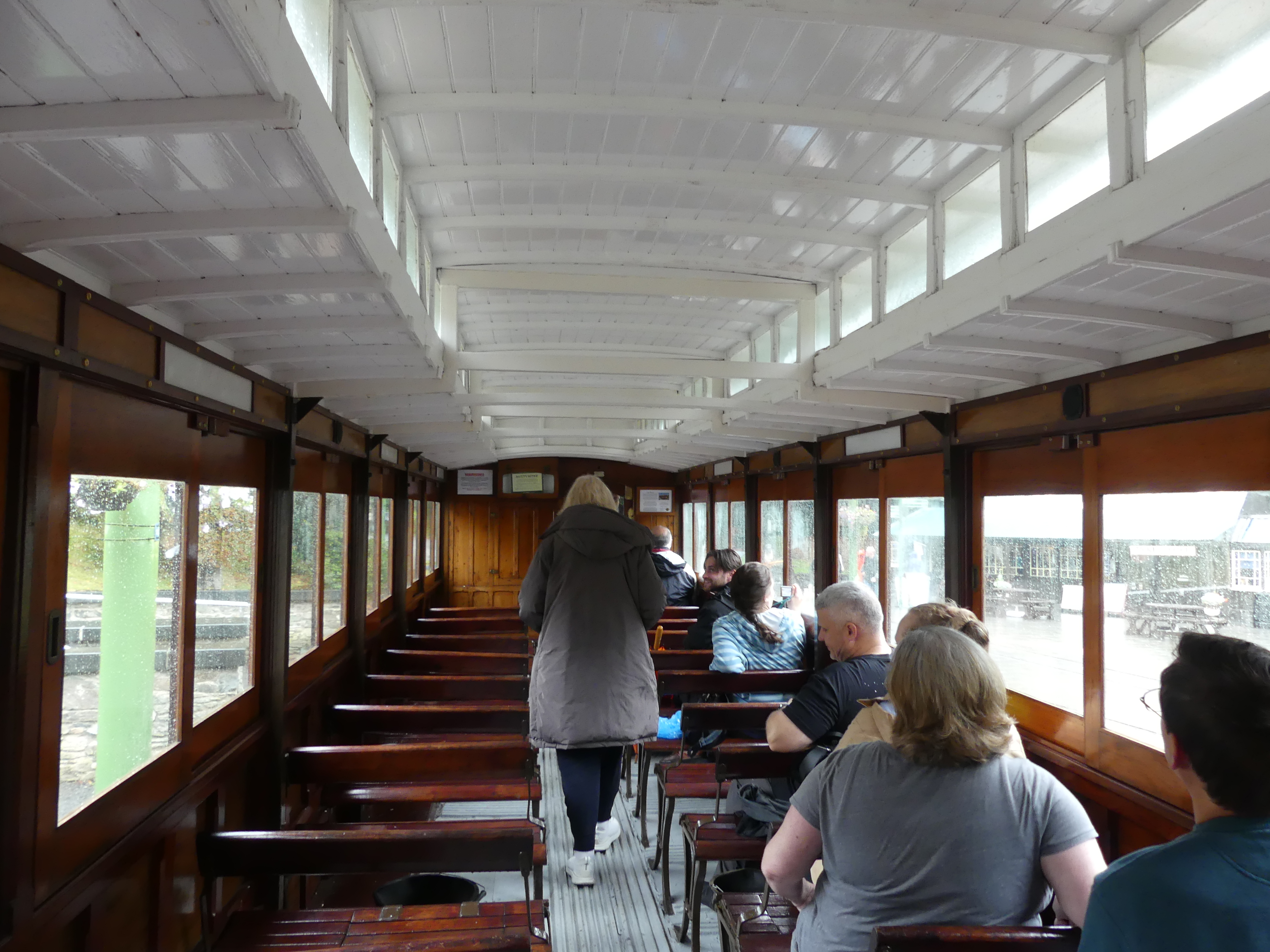
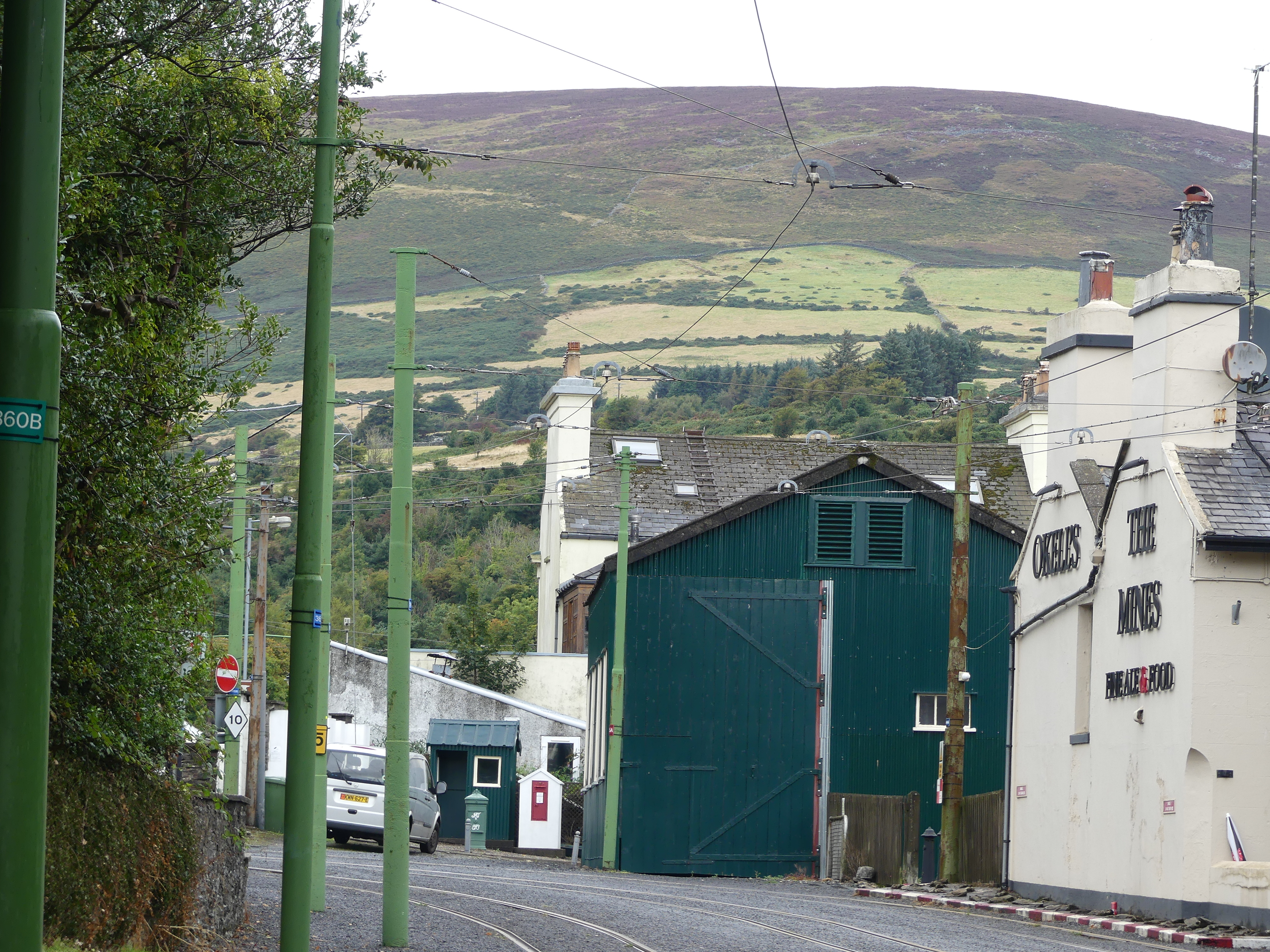
As you can see, it was not fair weather and we sheltered under a tiny umbrella. On arriving at the station disappointment awaited us – no trains. What we wanted was on the otherside of the city, so we hunted down a taxi and made our way to the horse drawn tram which would take us on the first part of our adventure. On arrival at the rail station we left the horse and carriage and transitioned to the Manx Electric Railway and then we had to make a decision – do we take to the Snaefell Mountain Railway or take the Manx Electric Railway to Ramsey. We decided to do both.

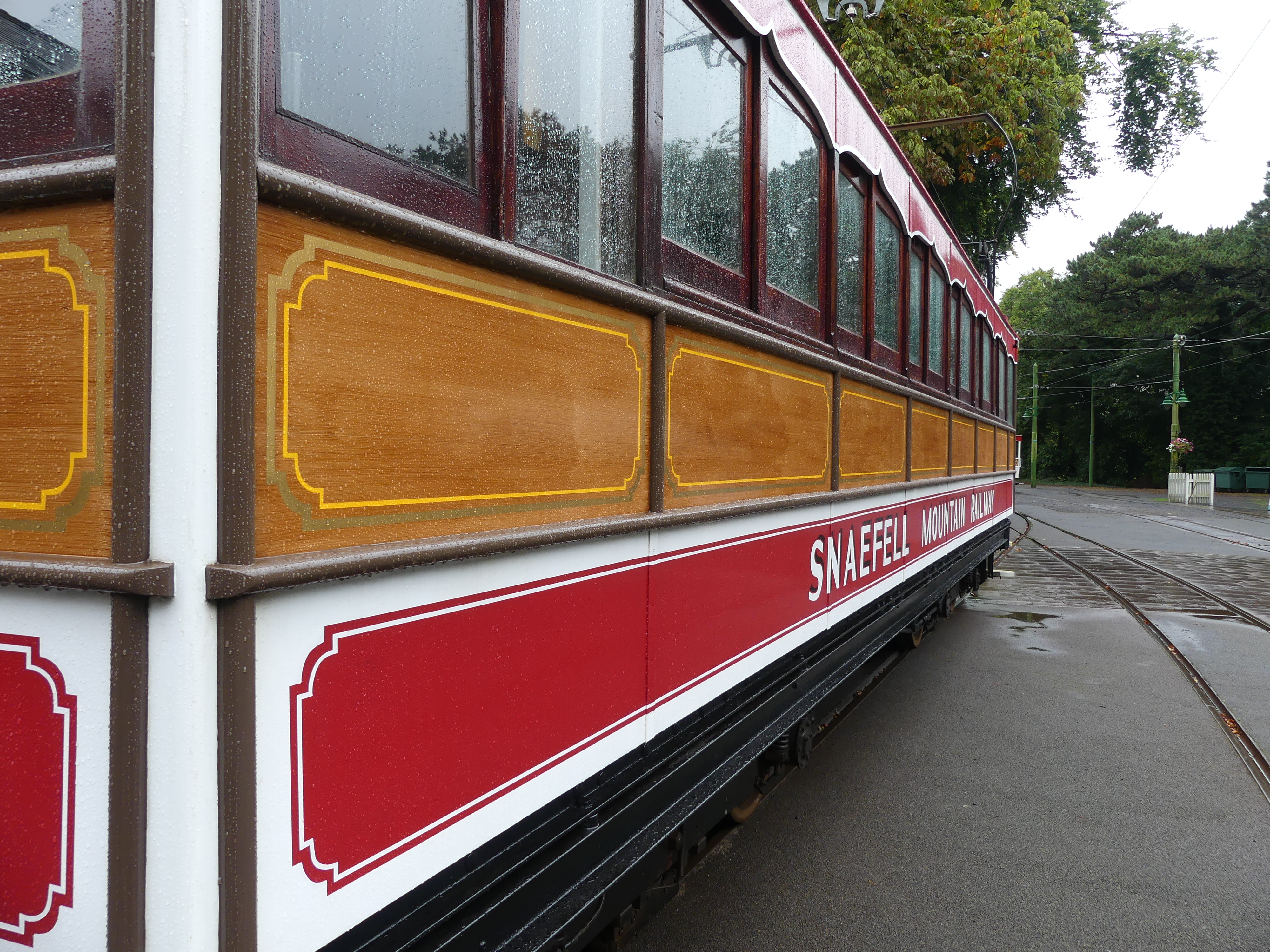
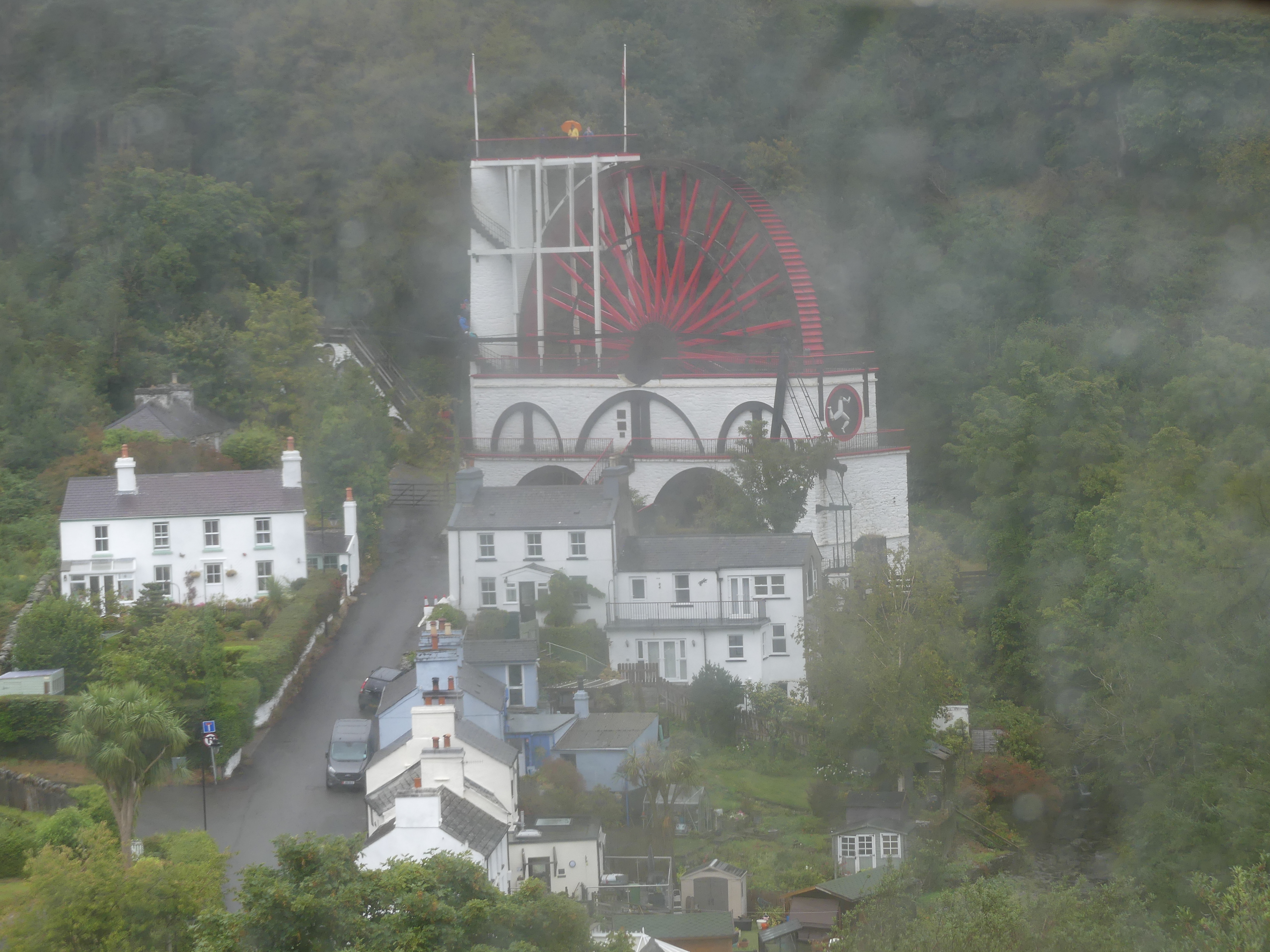
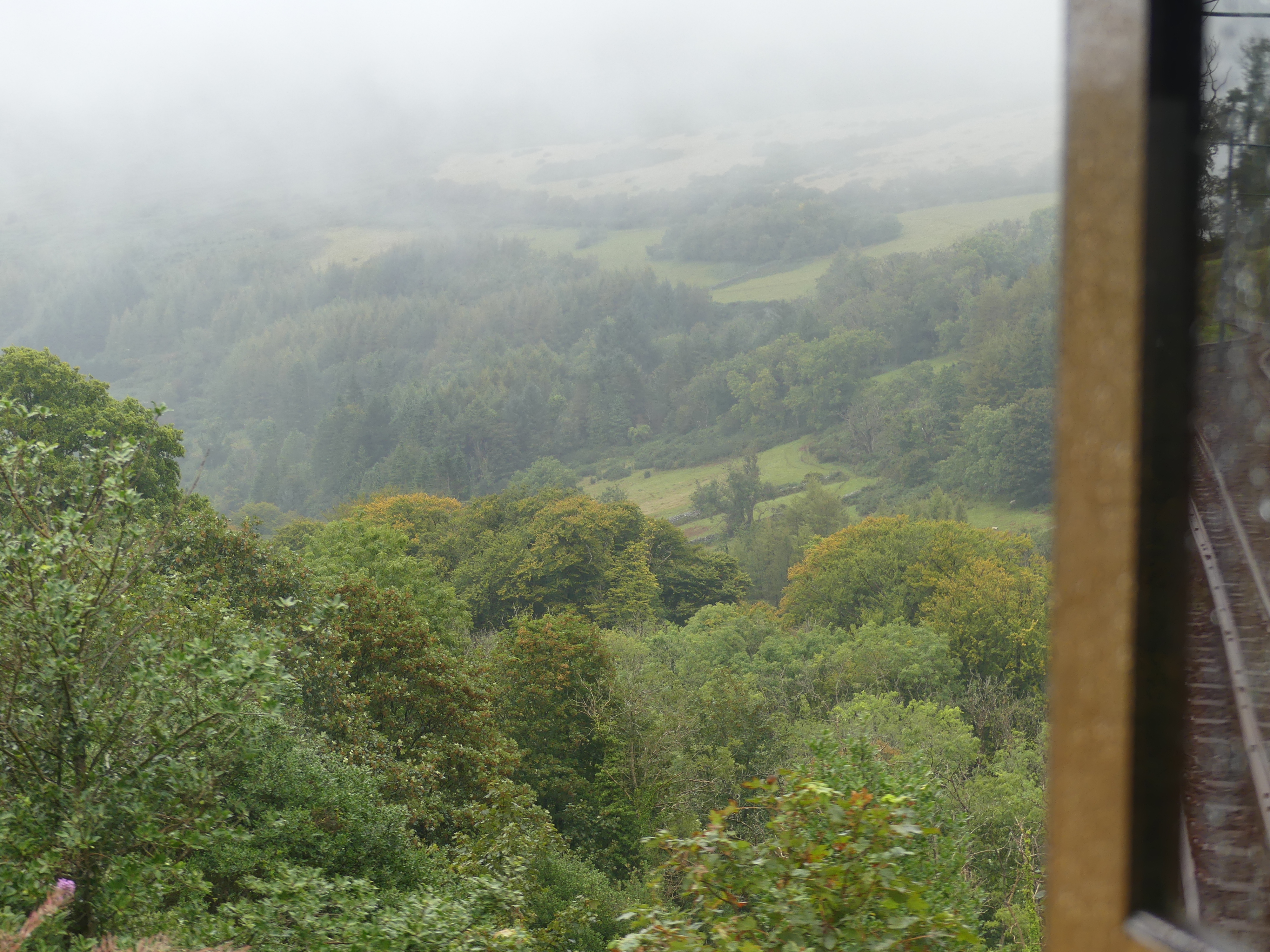
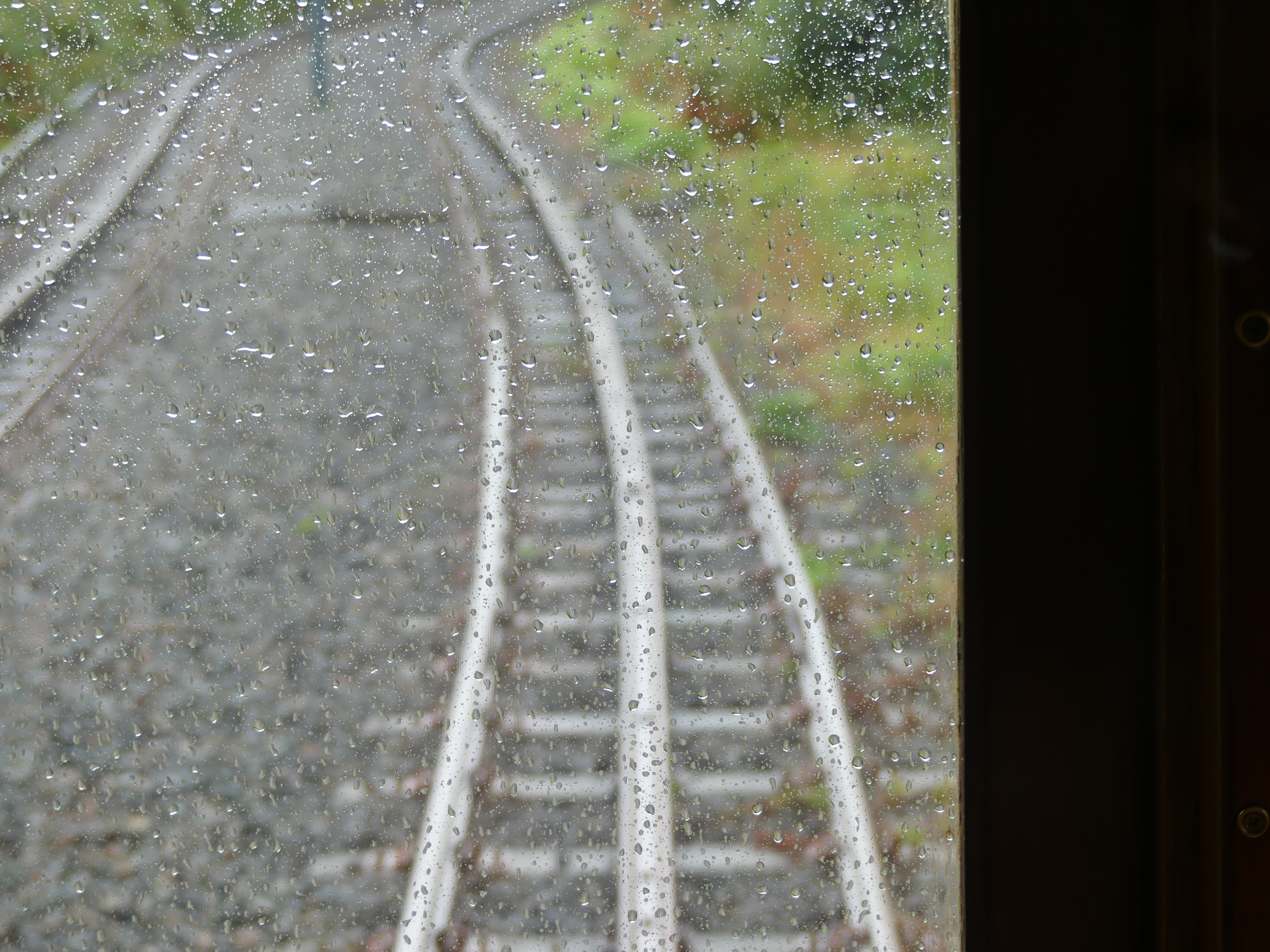
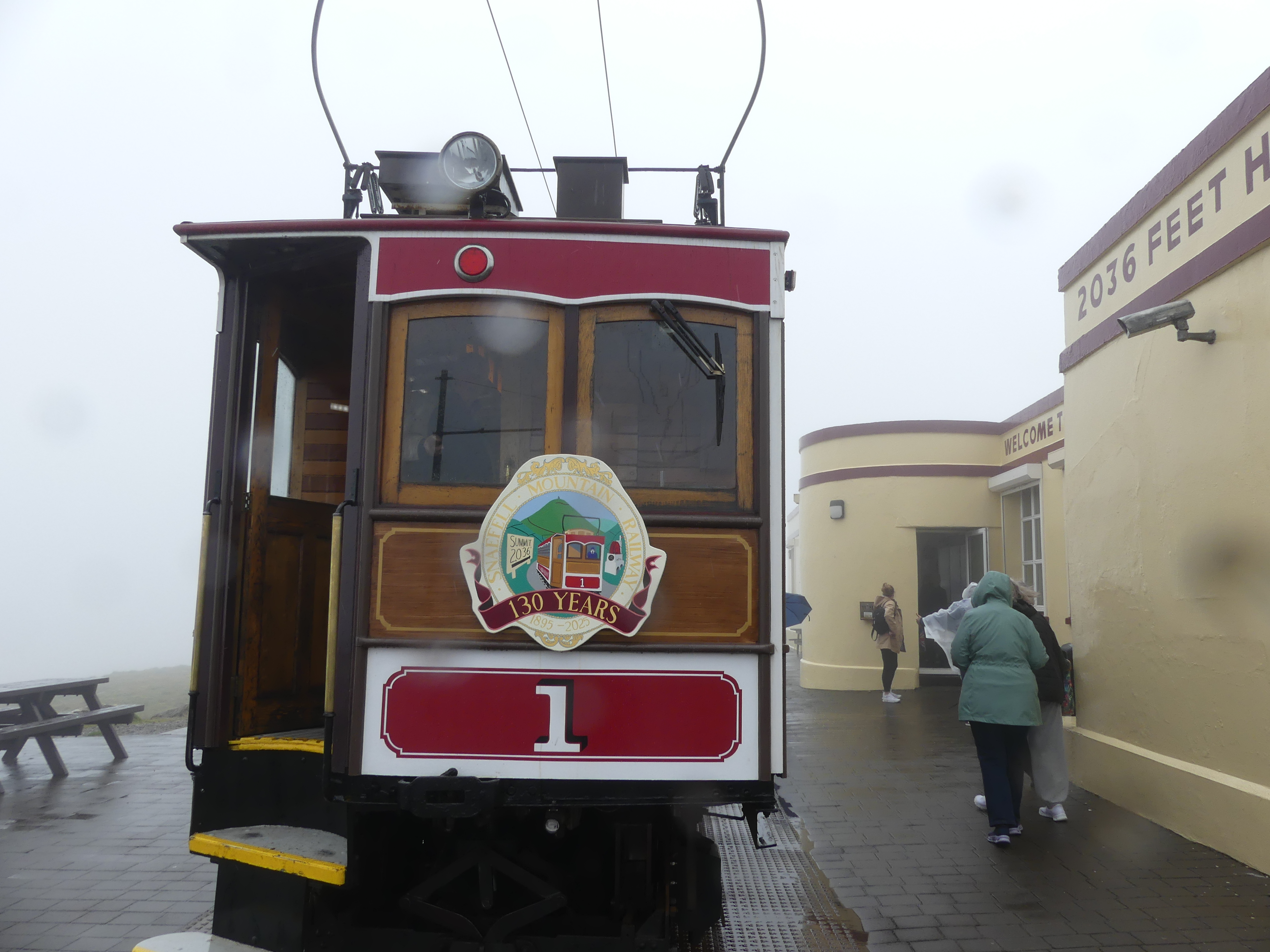
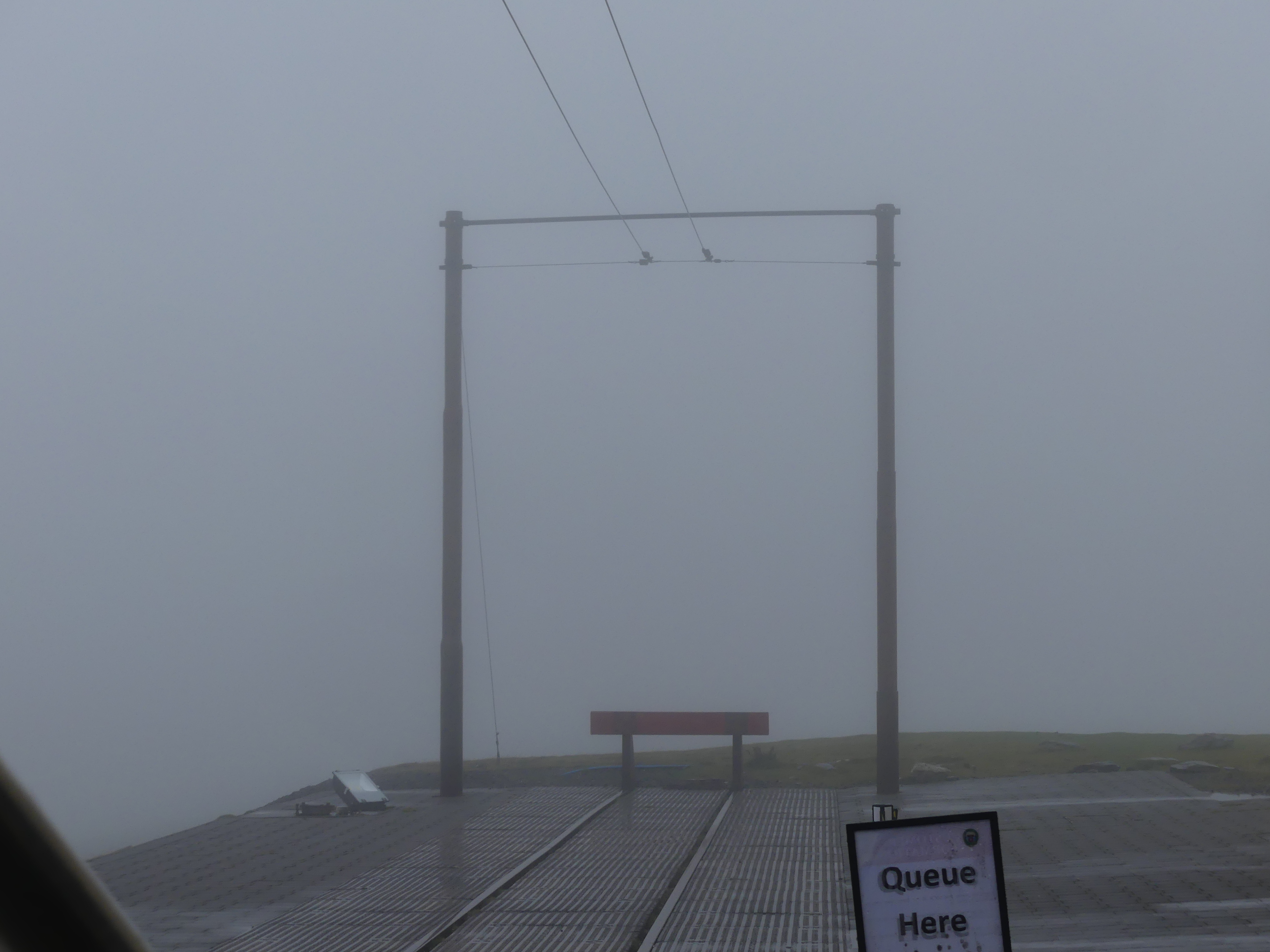
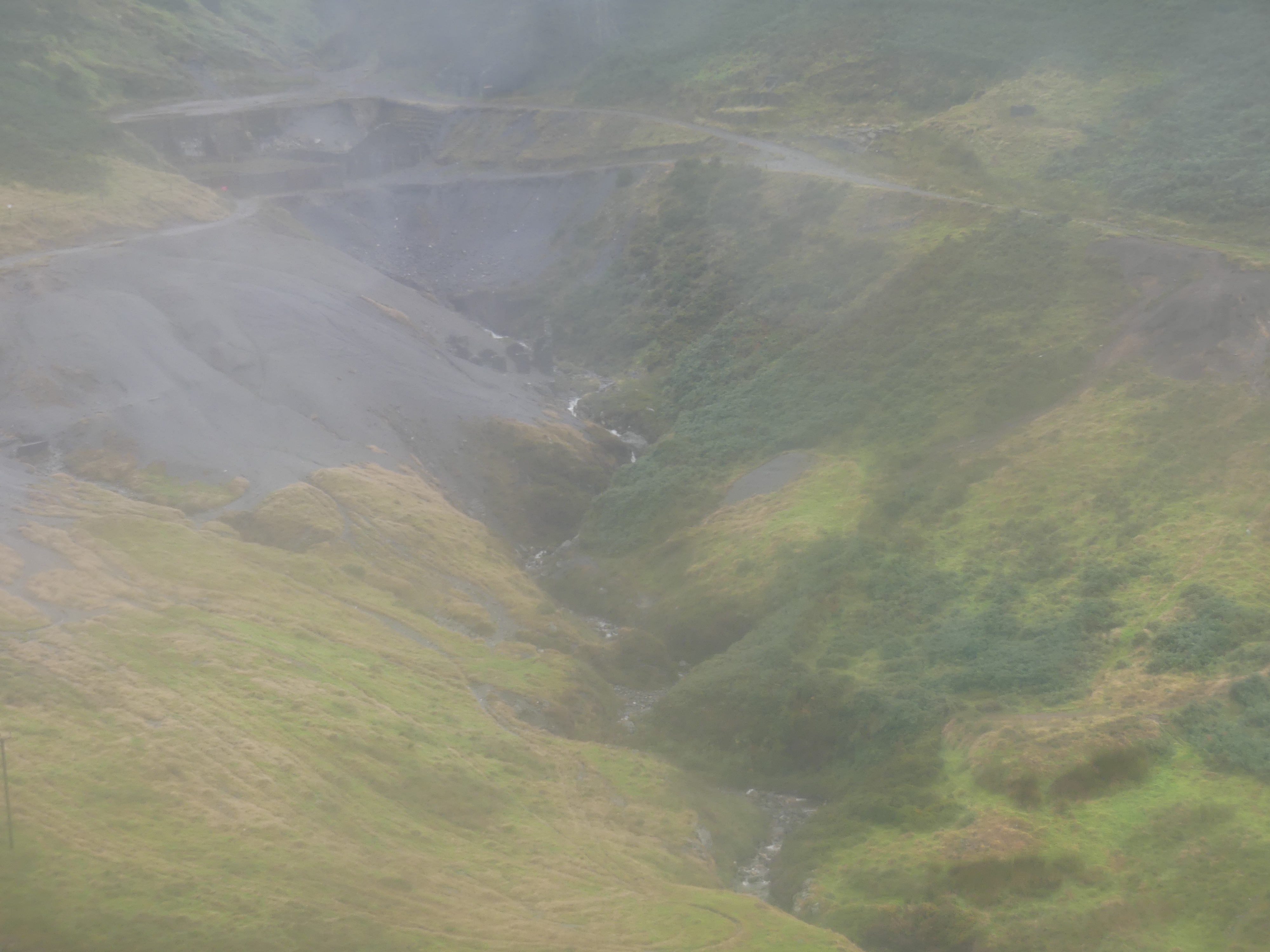
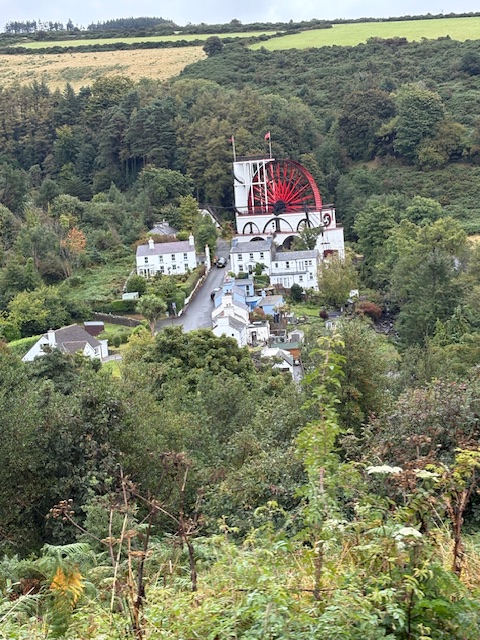
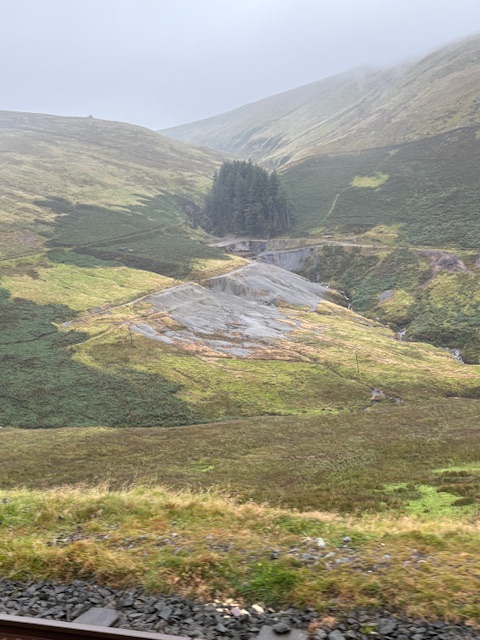
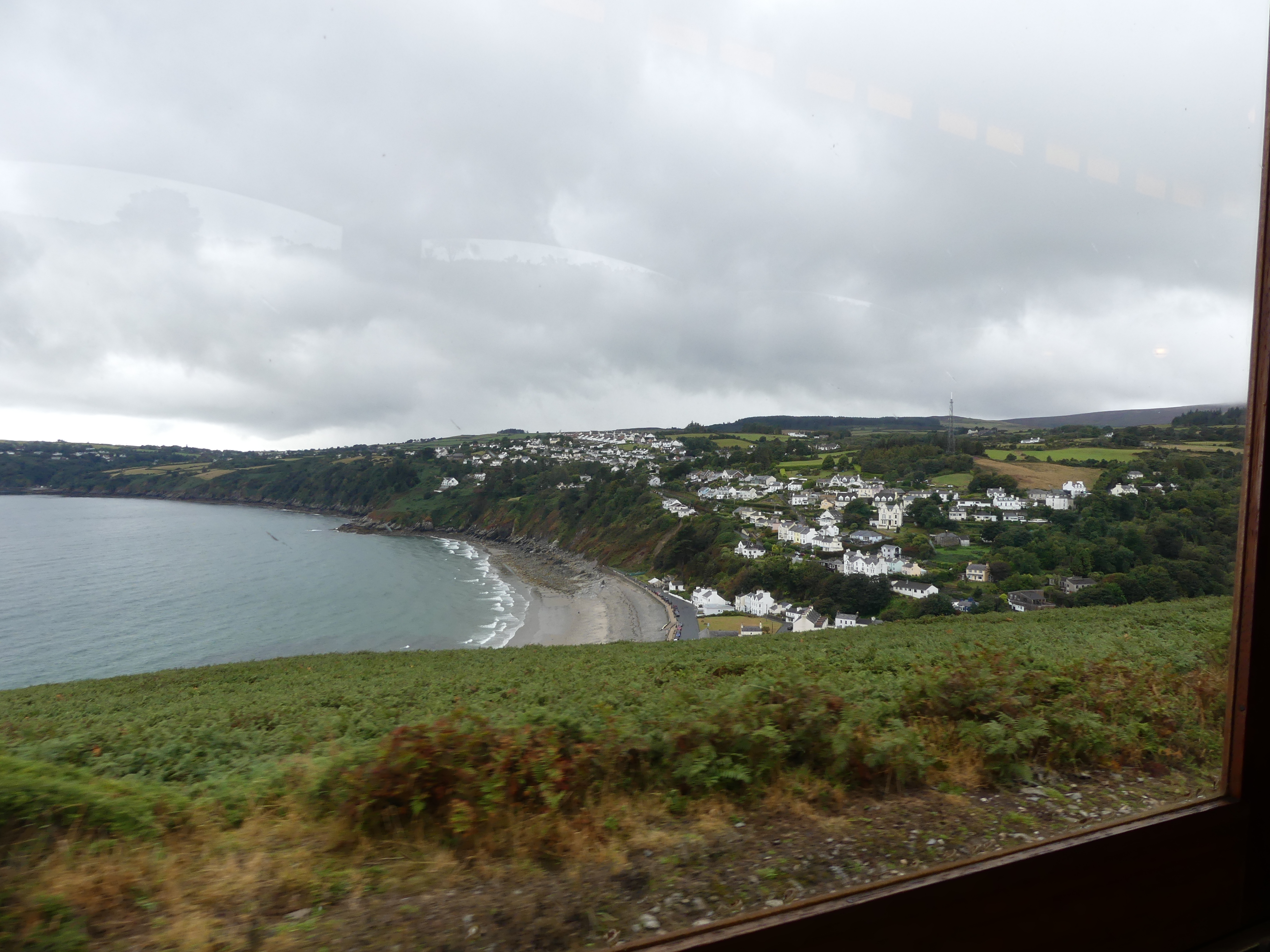
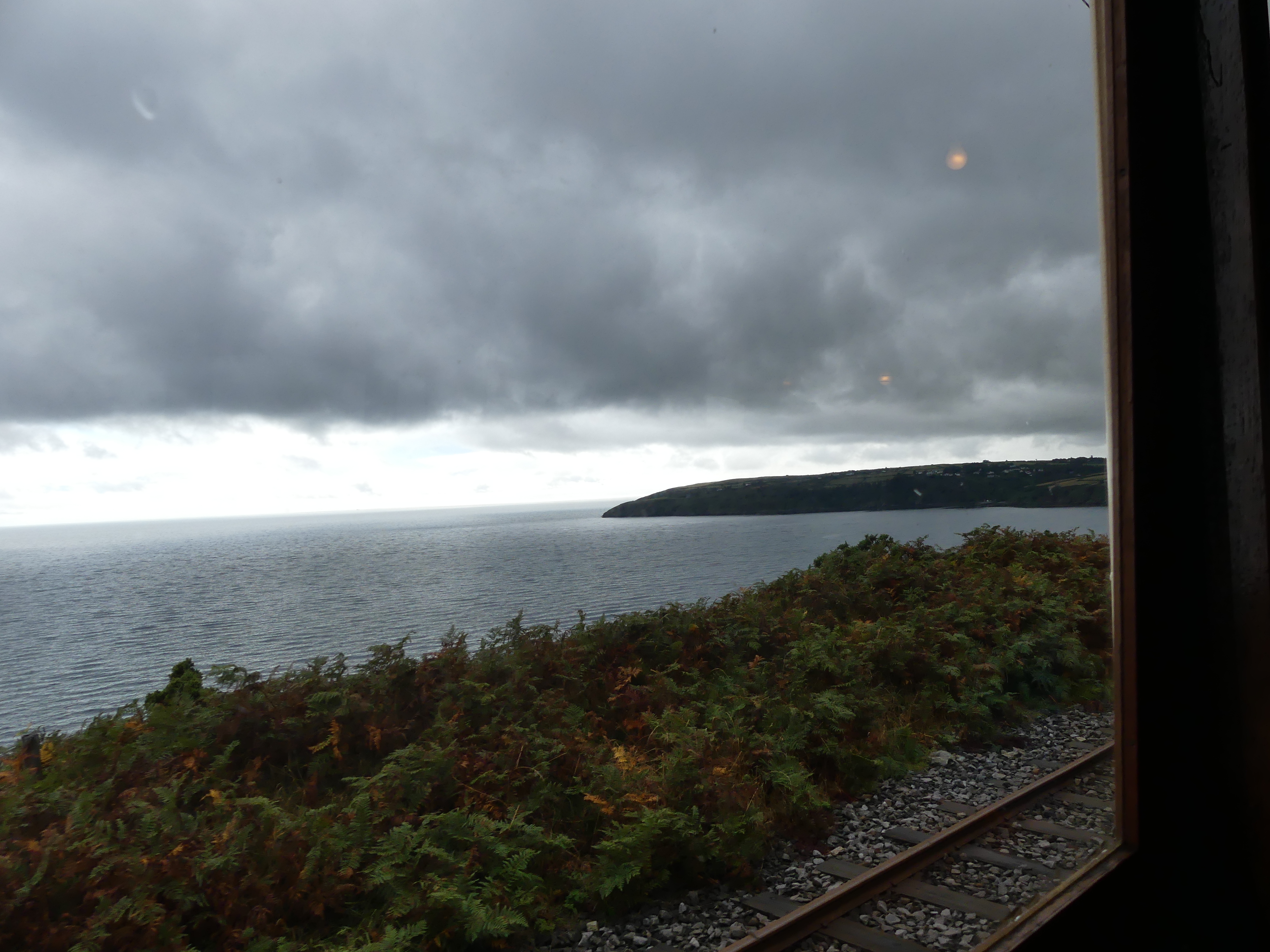
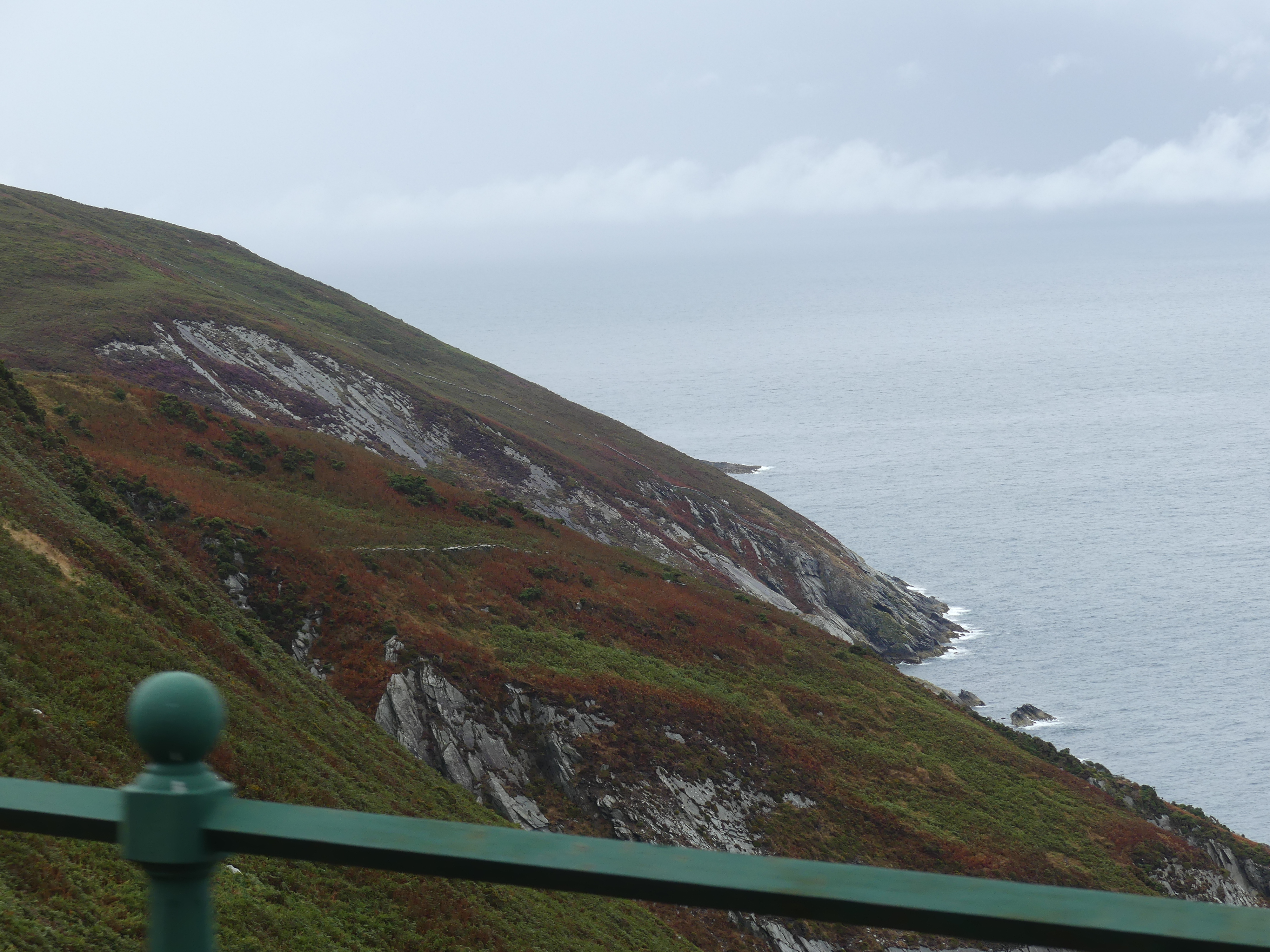
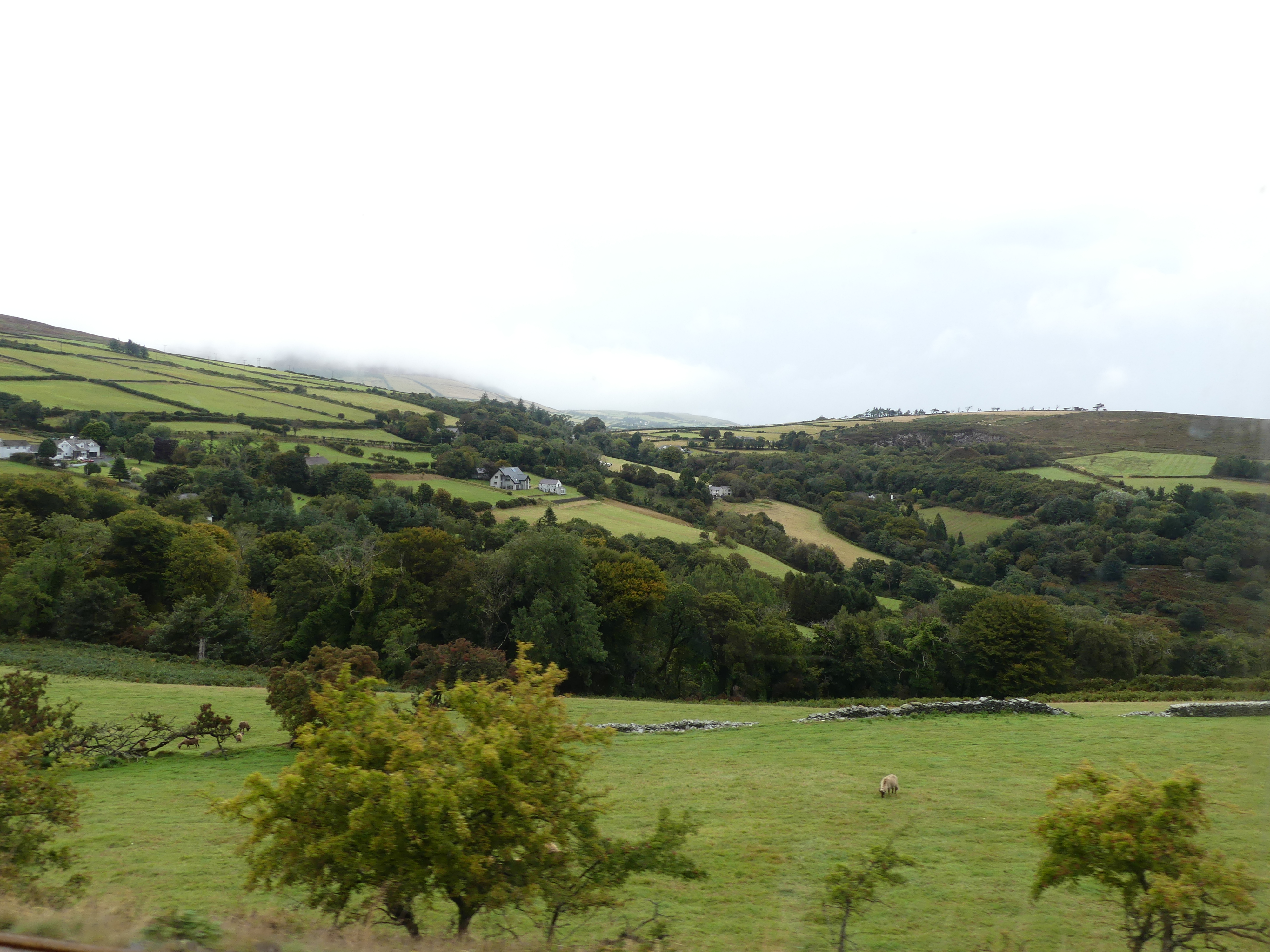
We boarded the Snaefell Mountain Train with its “third or centre line”. The summit of Snaefell, at 2,036 feet (621 m) above sea level is the highest point on the island. It connects with the Manx Electric Railway (MER) in Laxey. The line is 5 miles (8 km) long, is built to 3 ft 6 in (1,067 mm) gauge and uses a Fell Incline Railway System centre rail for braking on the steep gradients. Unfortunately the weather remain cloudy and damp and I gave up trying to take clear photos. That did not stop Kerry who took some good photos showing how miserable the weather was on the highest peak. The photos appear below. The first shows the Great Laxey Wheel which is the largest surviving original working waterwheel in the world. The remaining photos show the cloudy ride to the top, the third rail, the whiteout at the top and the cloudy return.

Kerry’s Photos: lunch atop Mt Snaefell, Laxey Water Wheel and vista from half way.

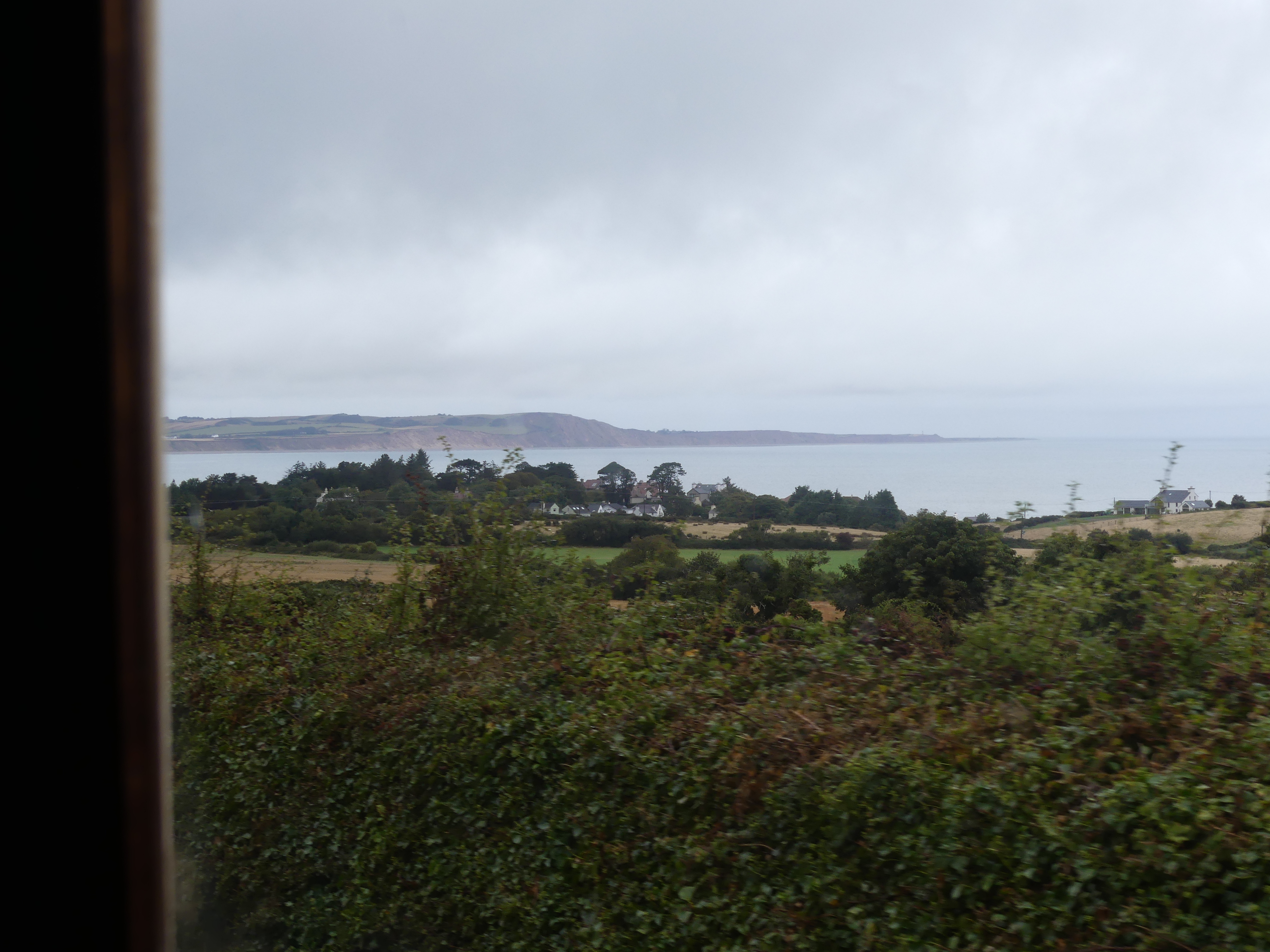
Back in Laxey we travelled onto Ramsay passing through a village having the name “Dreemskerry”. How cute is that?

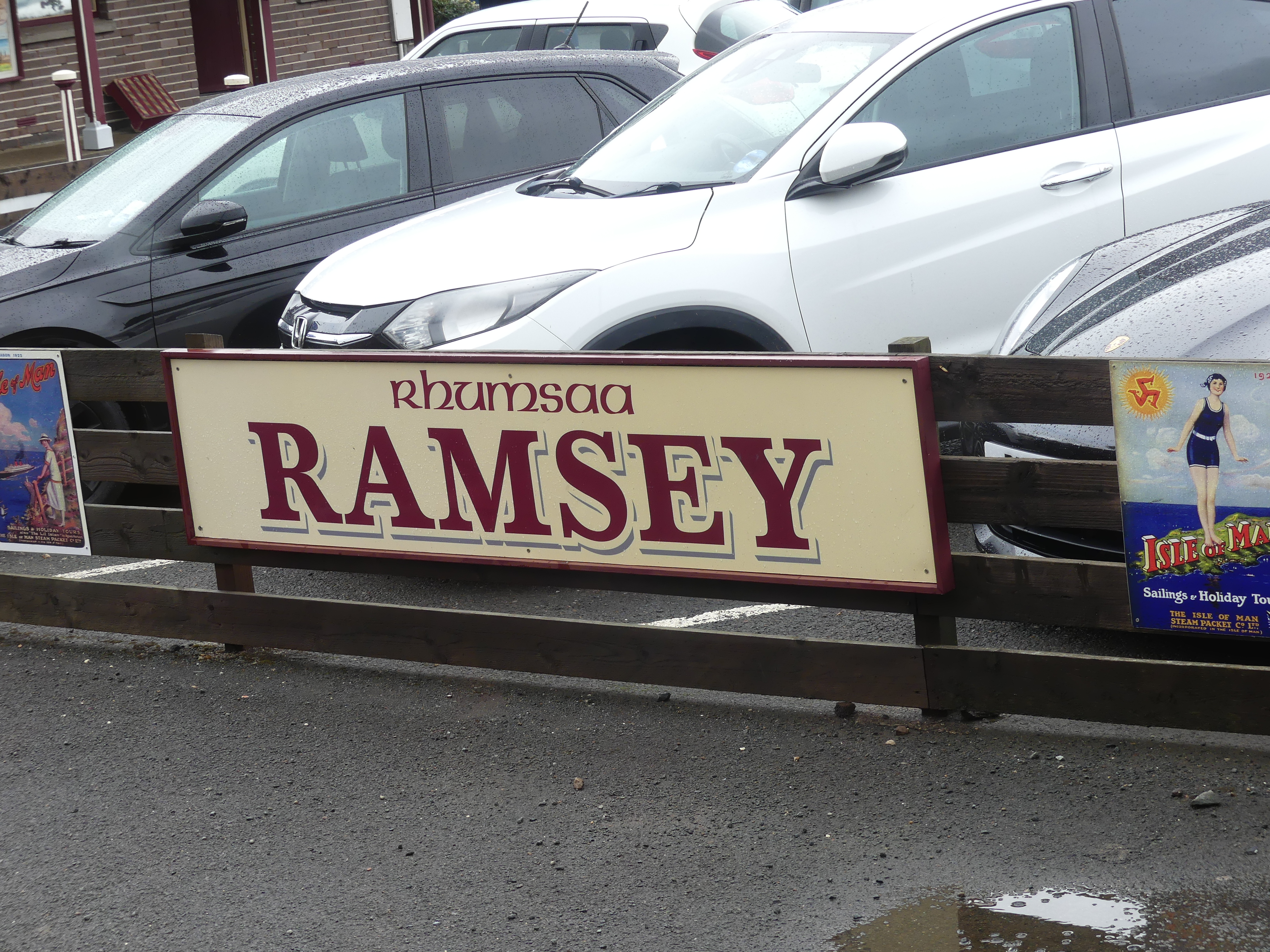
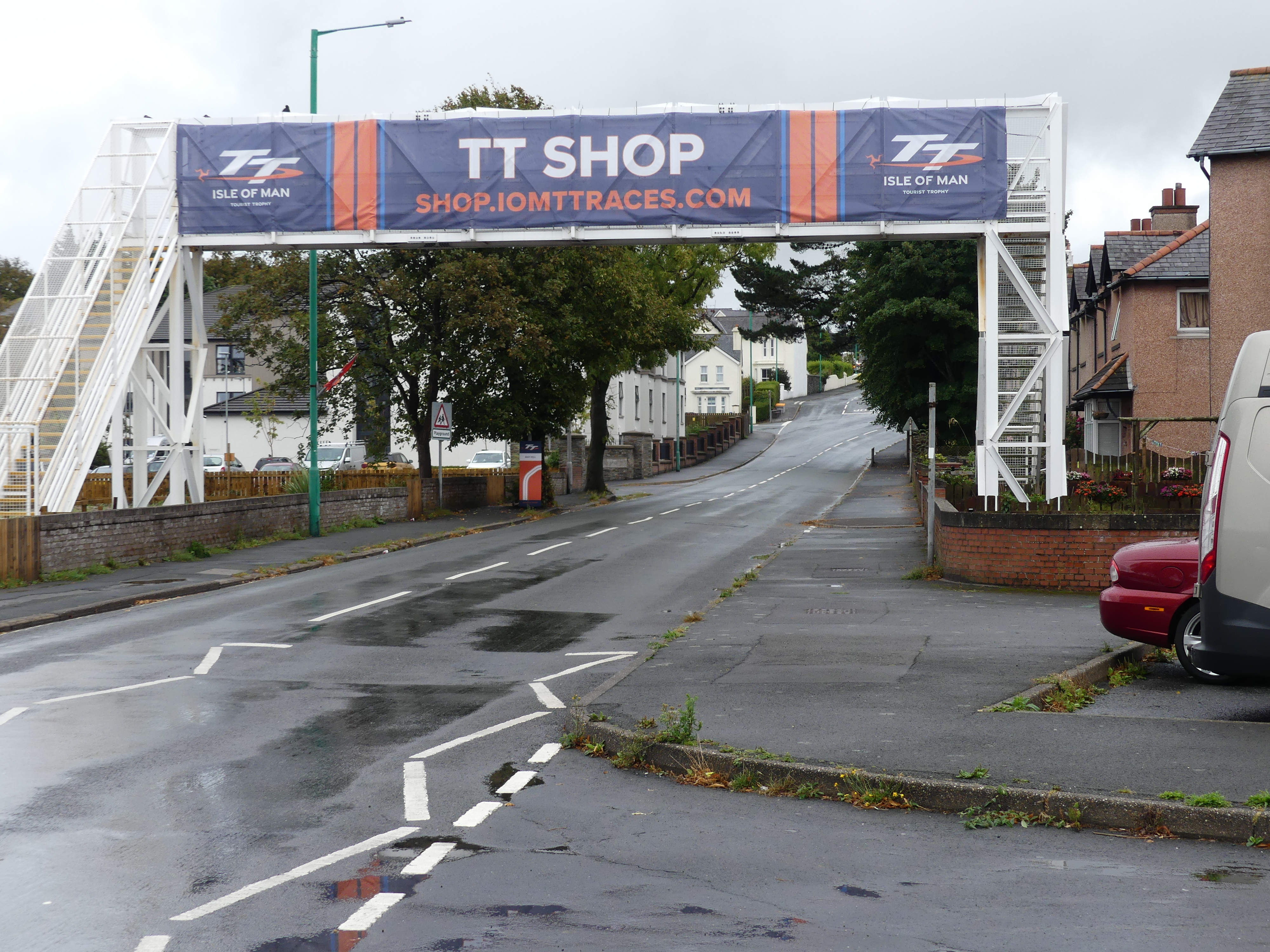
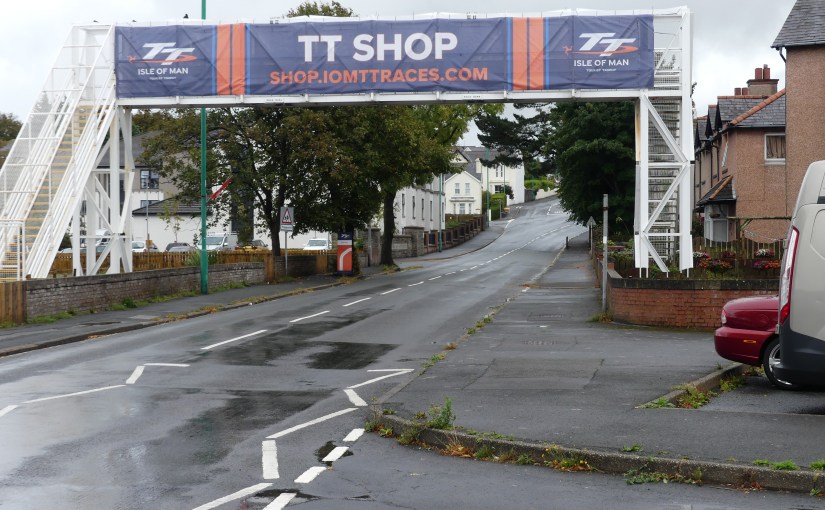
We arrivied in Ramsey and knew we would need to get back to Douglas if we were going to reboard the ship. We made our way to the Bus Station and there in the same street was evidence of the big event on Man – The Isle of Man TT or Tourist Trophy races. An annual motorcycle racing event held on the Isle of Man in May and June of mostly every year since its inaugural race in 1907. The two week event is sanctioned by the Auto Cycle Union, which also organises the event through its commercial arm known as Auto-Cycle Union Events Ltd. The Manx government owns the rights to, and promotes the event.

The Isle of Man TT is a series of time-trial format races, run on public roads closed for racing. The event consists of one week of practice and qualifying sessions, followed by one week of racing. The closed public roads form the Snaefell Mountain Course, a 37.73 mile route containing 219 turns that traverses through a mix of urban and rural areas. The event currently features 5 different classes of road racing, each competing in two races over the course of the racing week. Since the inaugural Isle of Man TT in 1907, the event has been held mostly every year since, with seasons being cancelled only due to war or disease outbreak. The TT has become part of the local culture and economy of the Isle of Man with more than 40,000 visitors annually traveling to the island for the event.

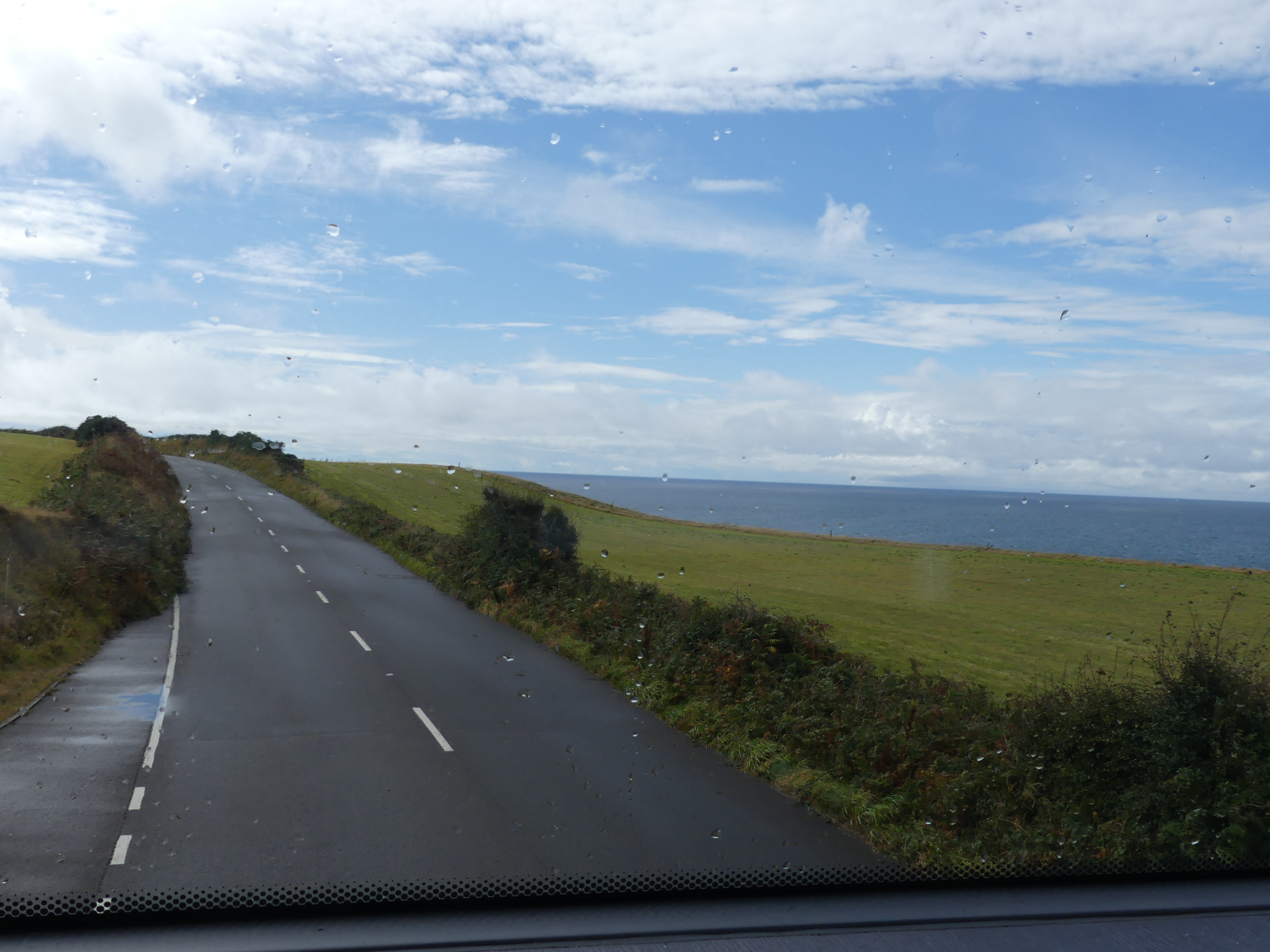
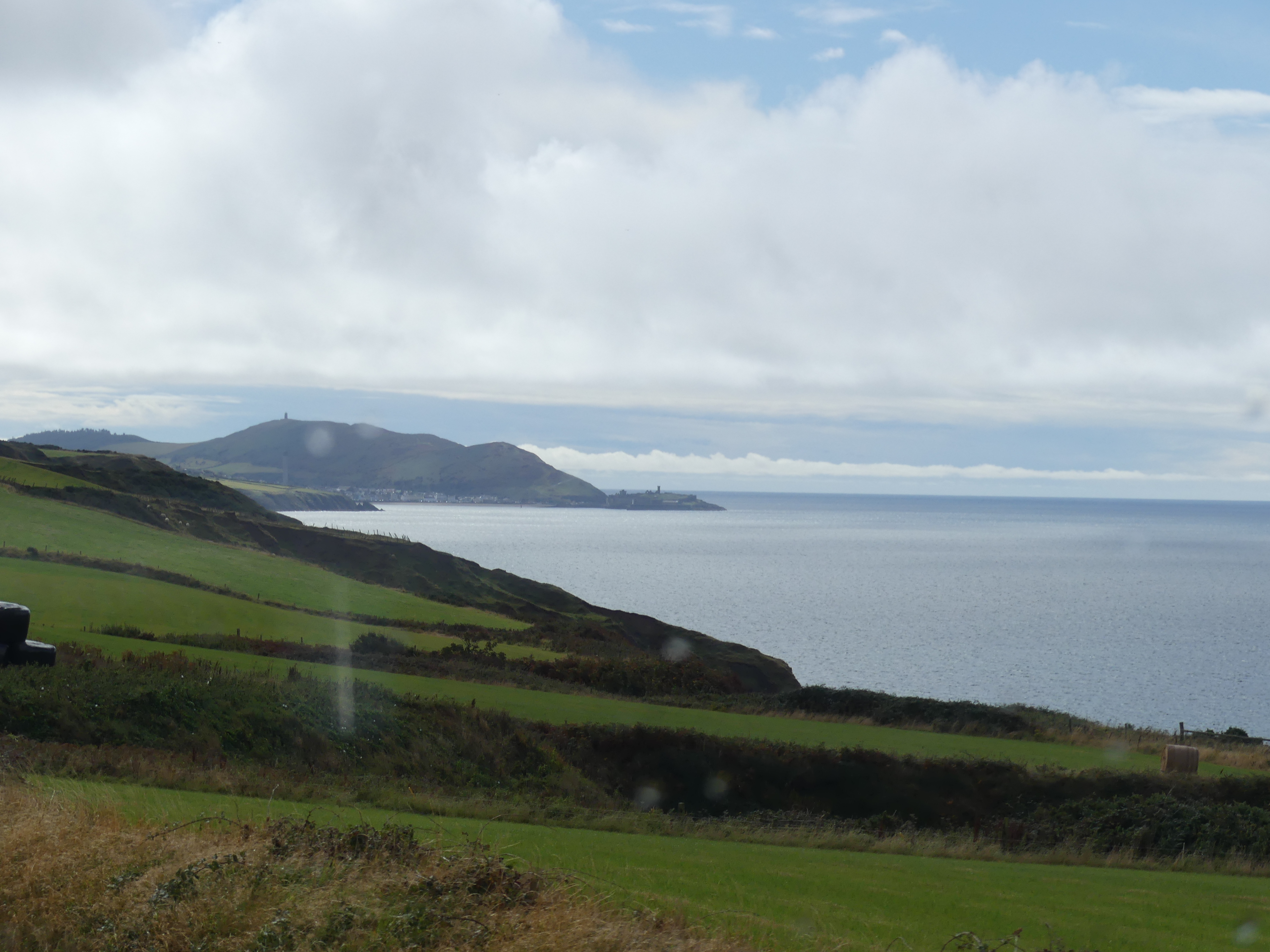
We caught the double decker bus returning to Douglas via Peel and chose to ride in the front seats upstairs – not a good chose. I think the driver was in training for the next TT event with the bus lurching down narrow country roads at excessive speed. There were a few occassions where I thought I was on a roller coaster. Of course we arrived in one piece and in time for me to buy the island T-shirt and then to catch the next tender to the ship.

Another day of excitement but we were both worn out by the gripping of the rail in the bus. Tomorrow we sail west to Cork in the Republic of Ireland. We have been around Ireland both north and south so we would need to think of something to do that we have done. Read about what we discovered in my next blog “THE RETIREES GO AROUND THE WORLD – DAY 10 SS NIEUW STATENDAM – Cork Eire”