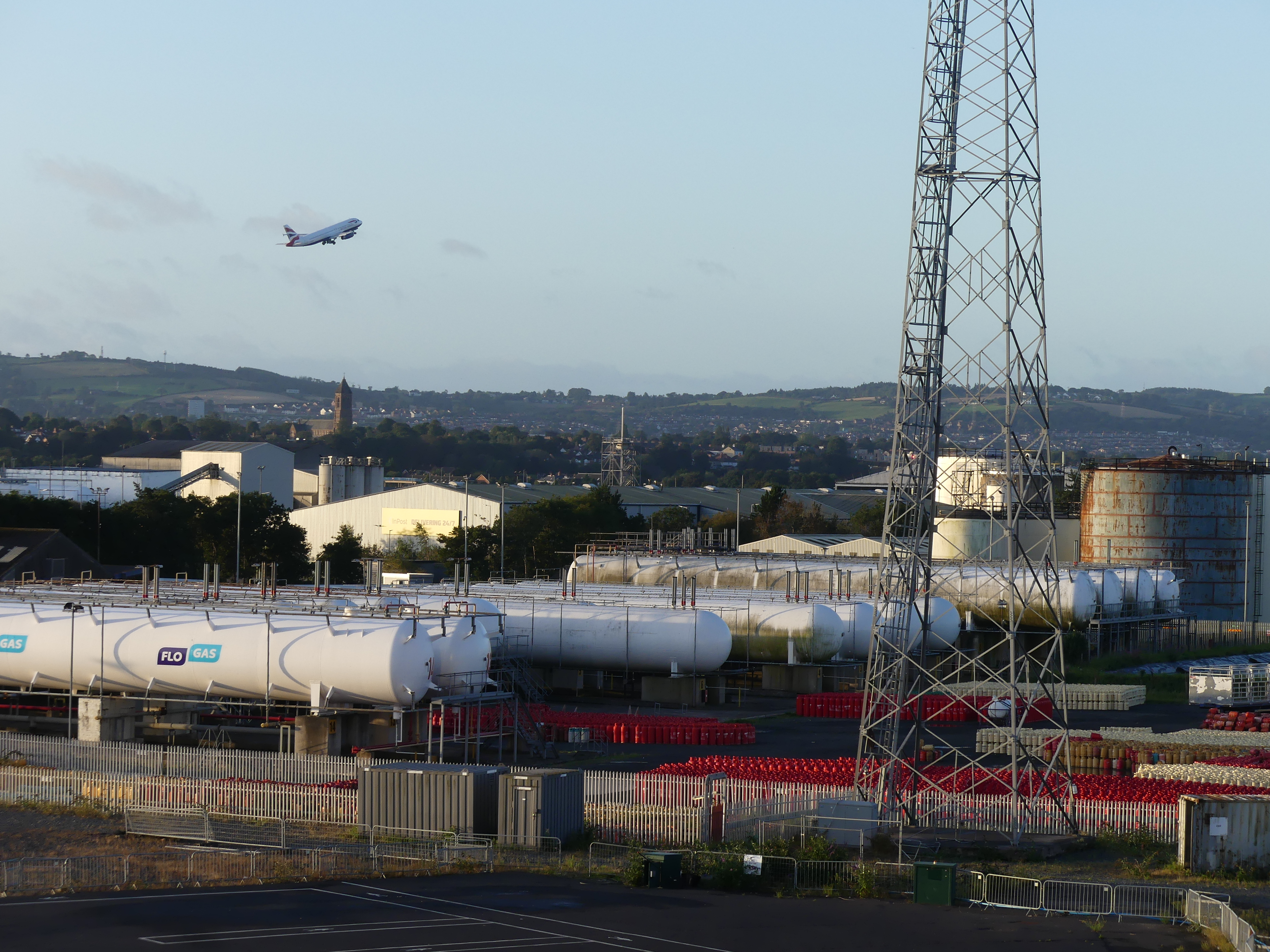
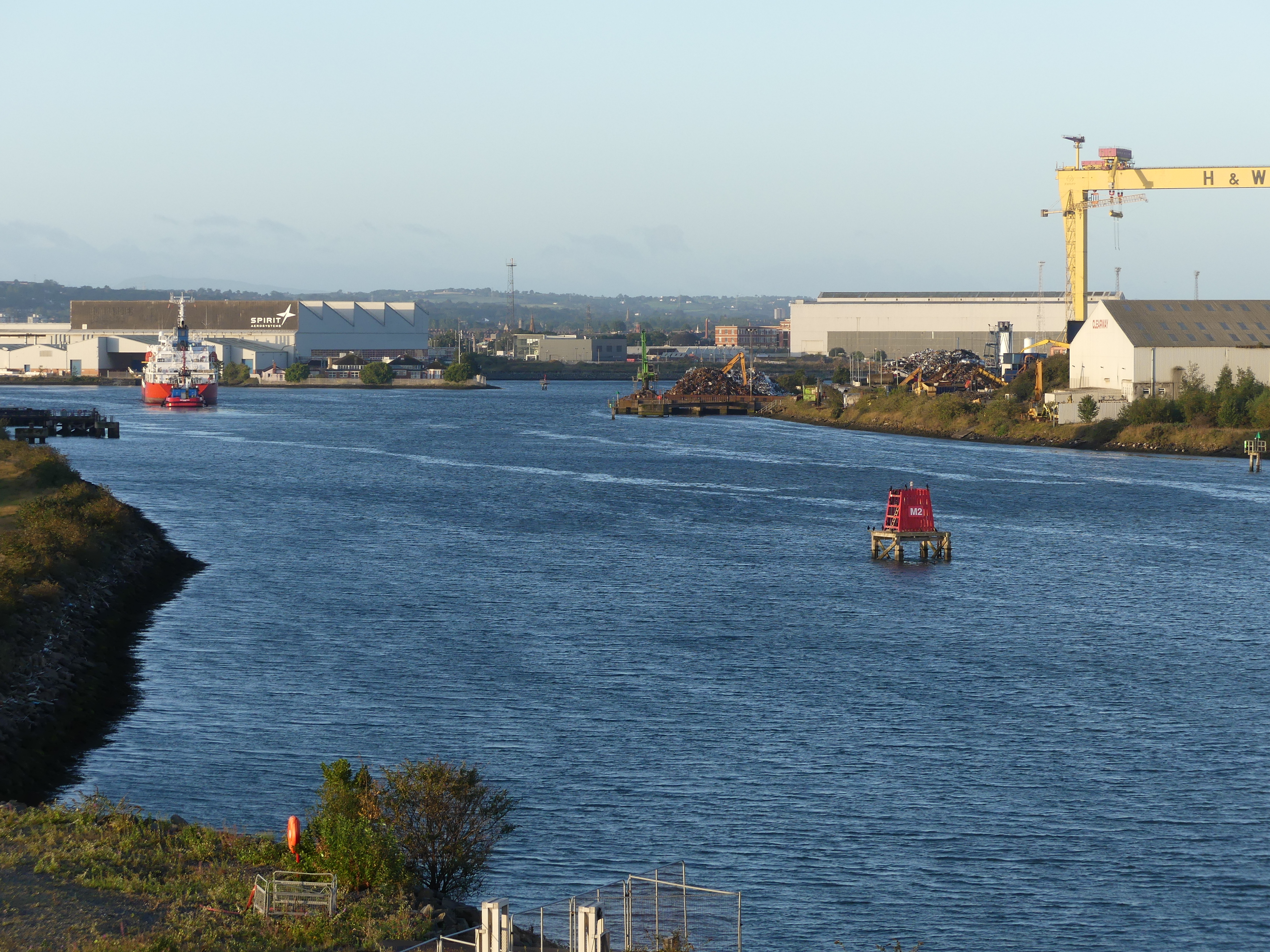
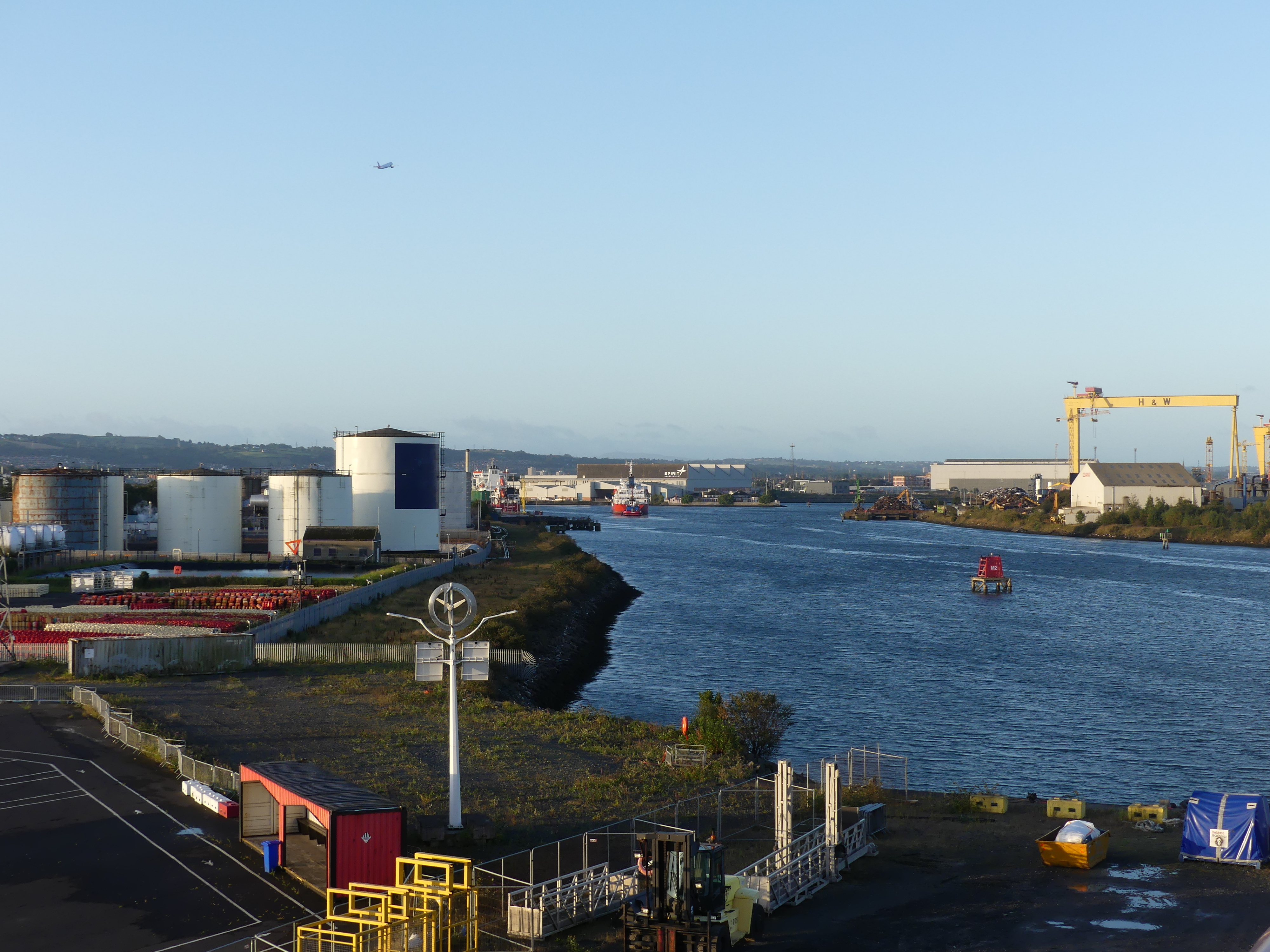
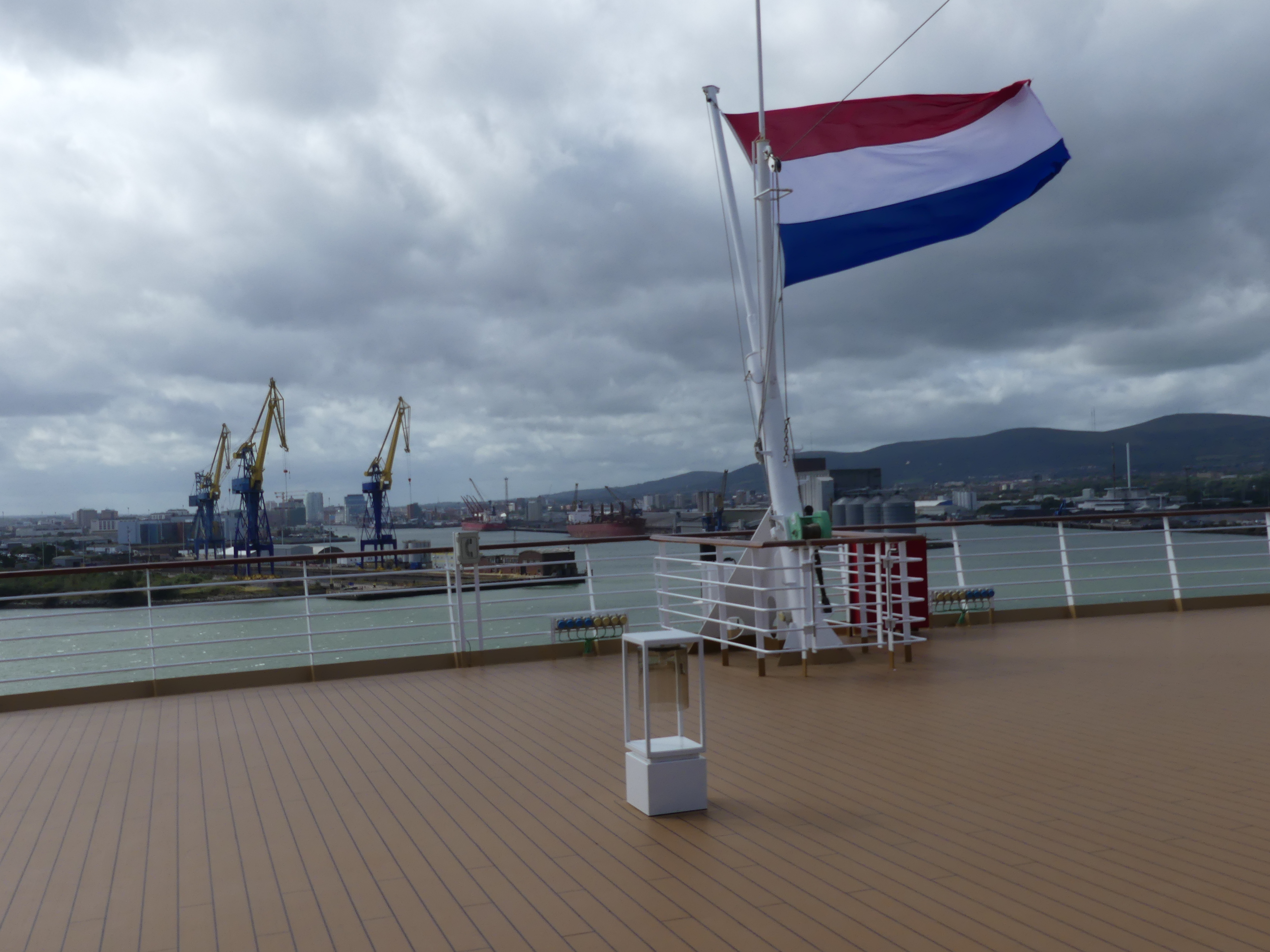
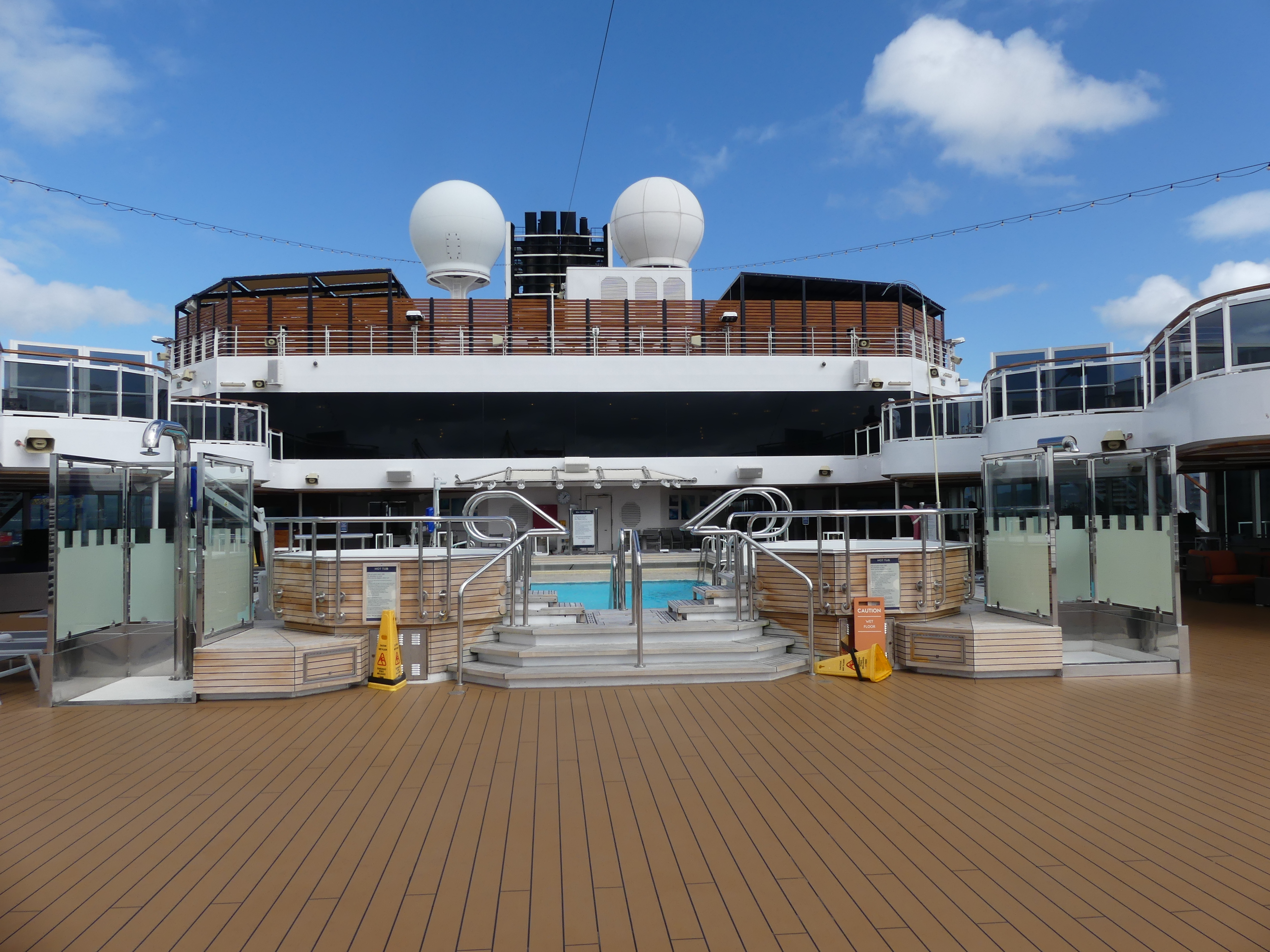
As stated in my last blog concerning Outer Hebredies, we had visited Belfast previously and felt like a day off, staying on the ship. We docked on a grey morning and this seemed an omen that we had made the correct choice but by breakfast the sky was clearing. It remained chilly – certainly too chilly for the pool so we relaxed reading books and found the games room later in the day. We took an afternoon stroll and I have included photos of the day in port. Notice the empty pool.
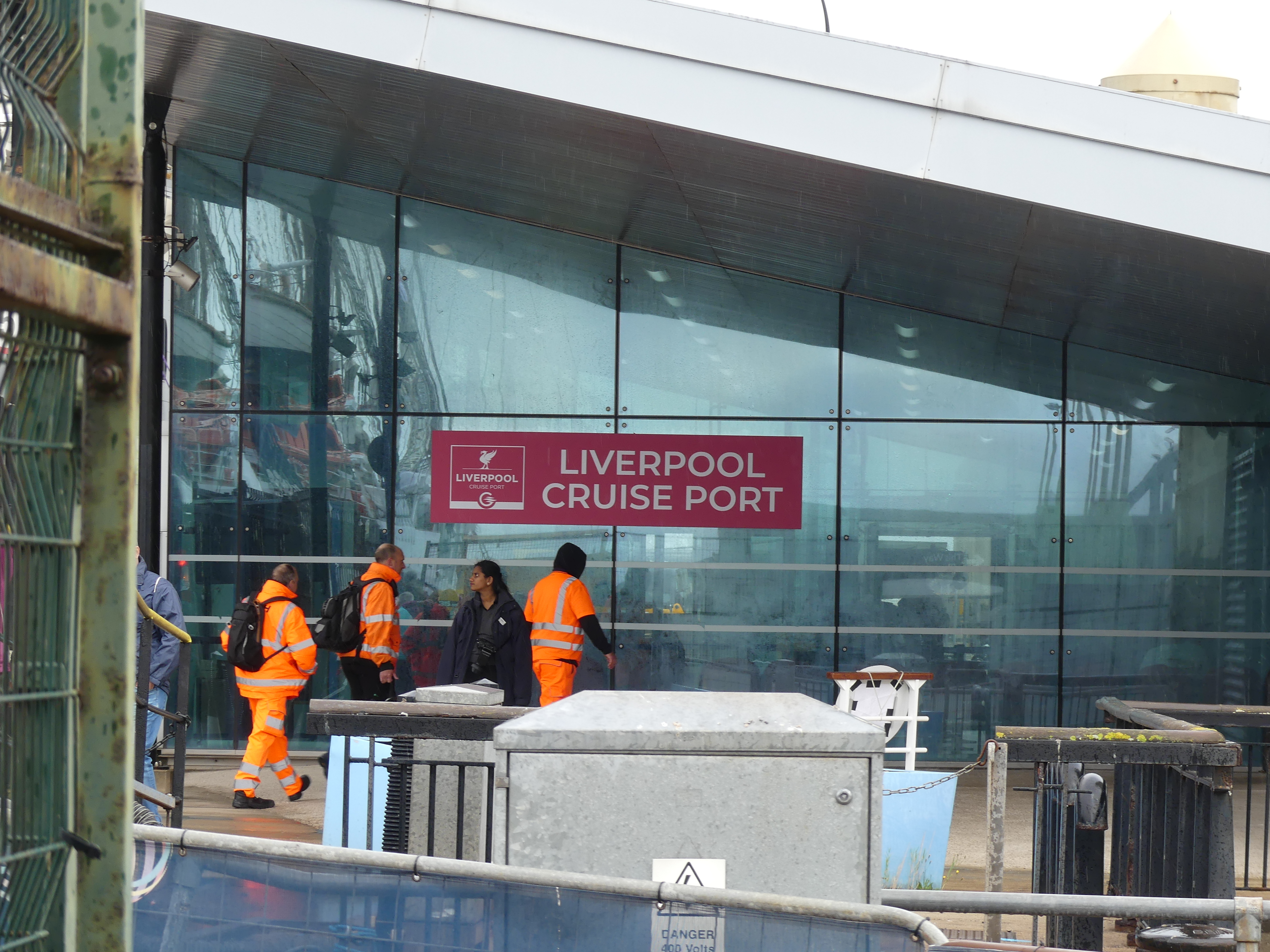
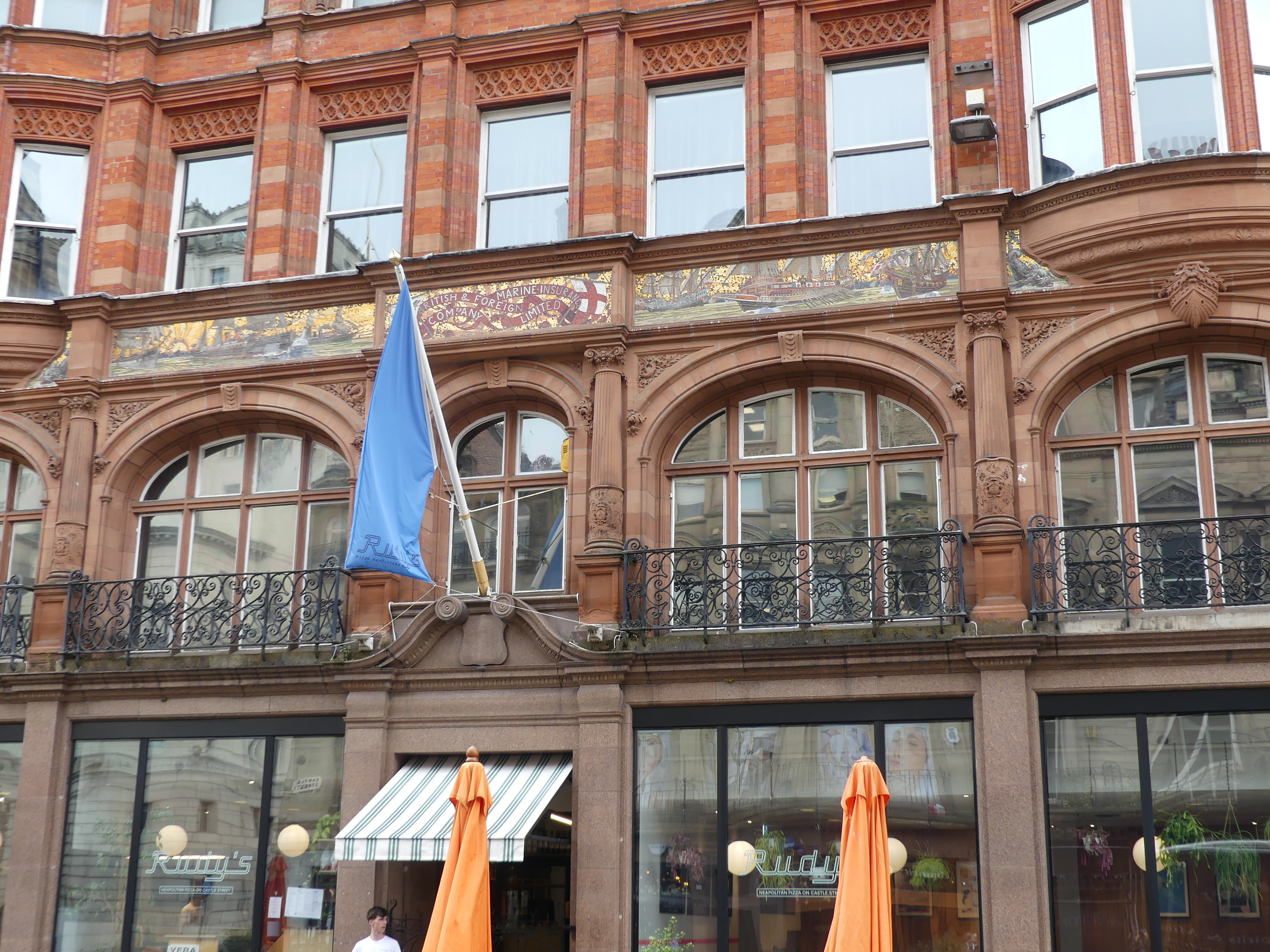
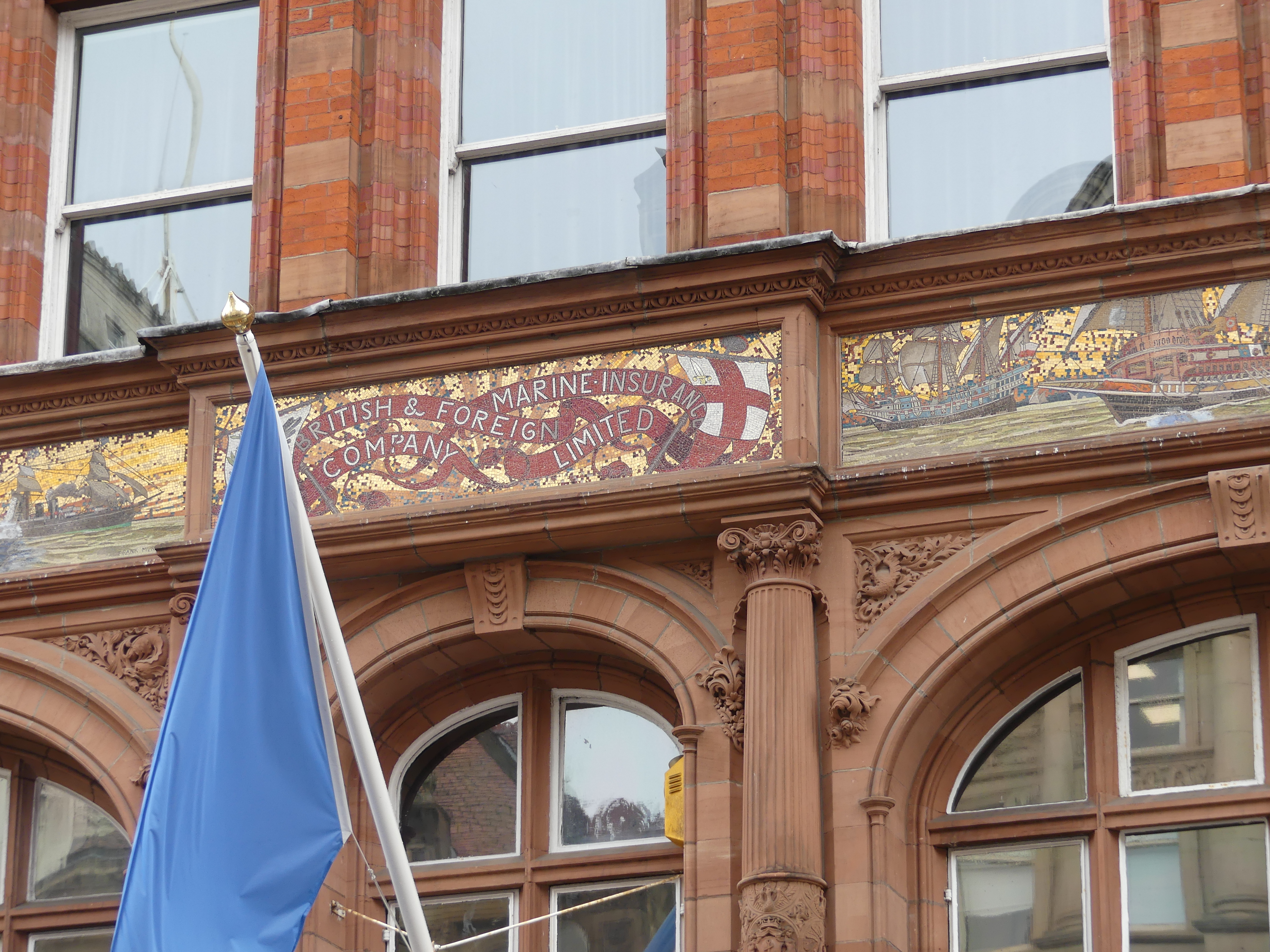
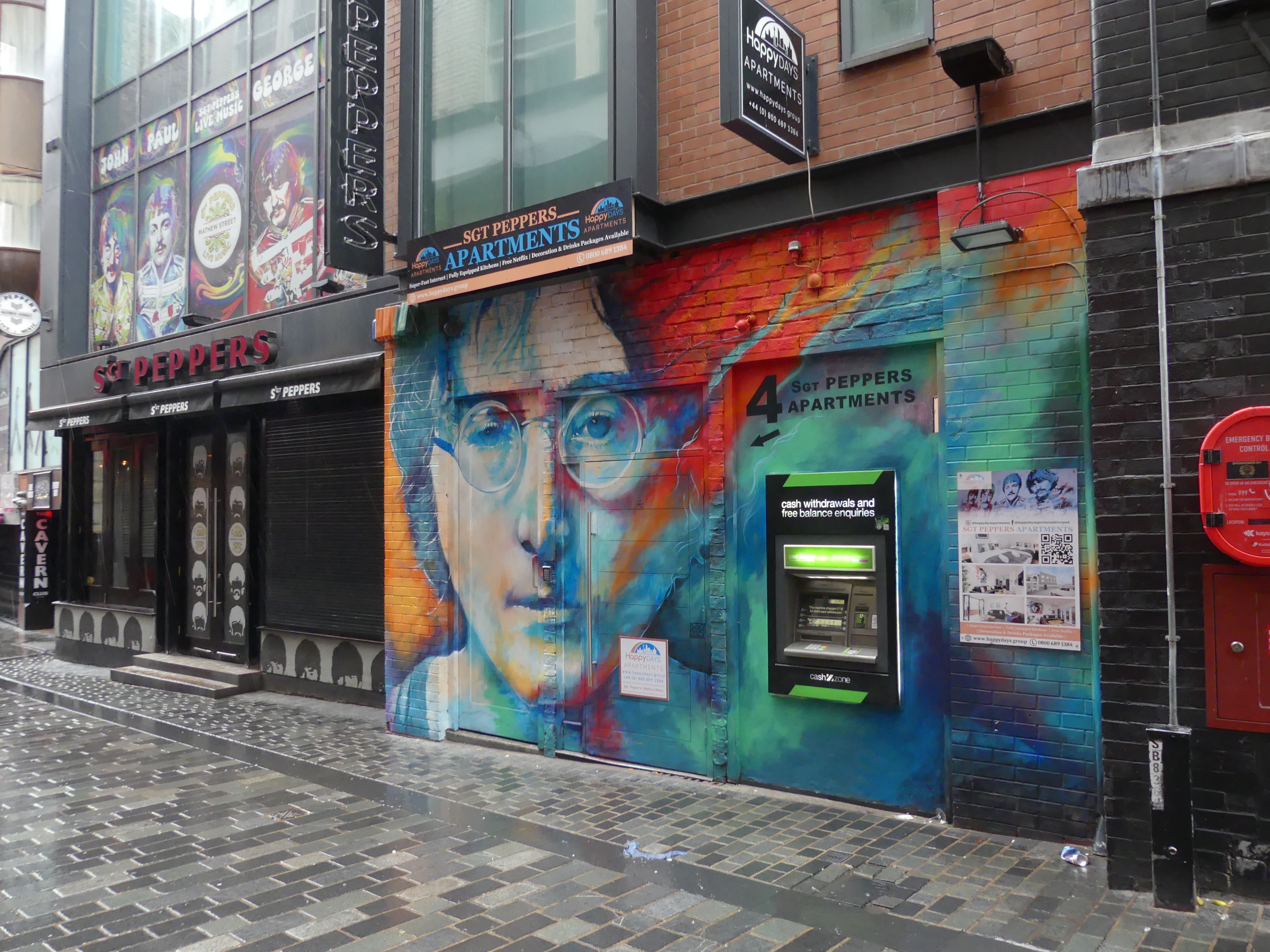
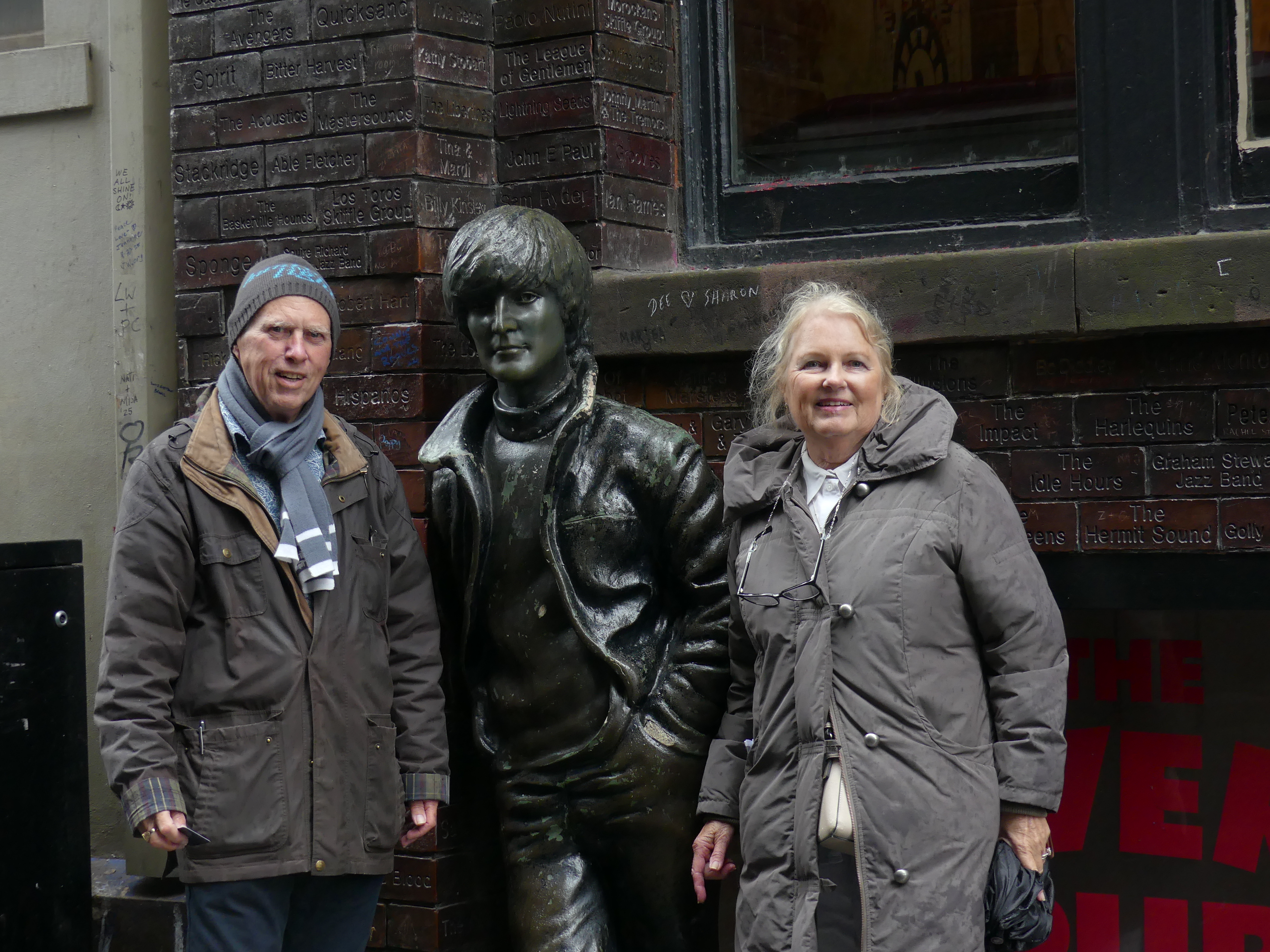
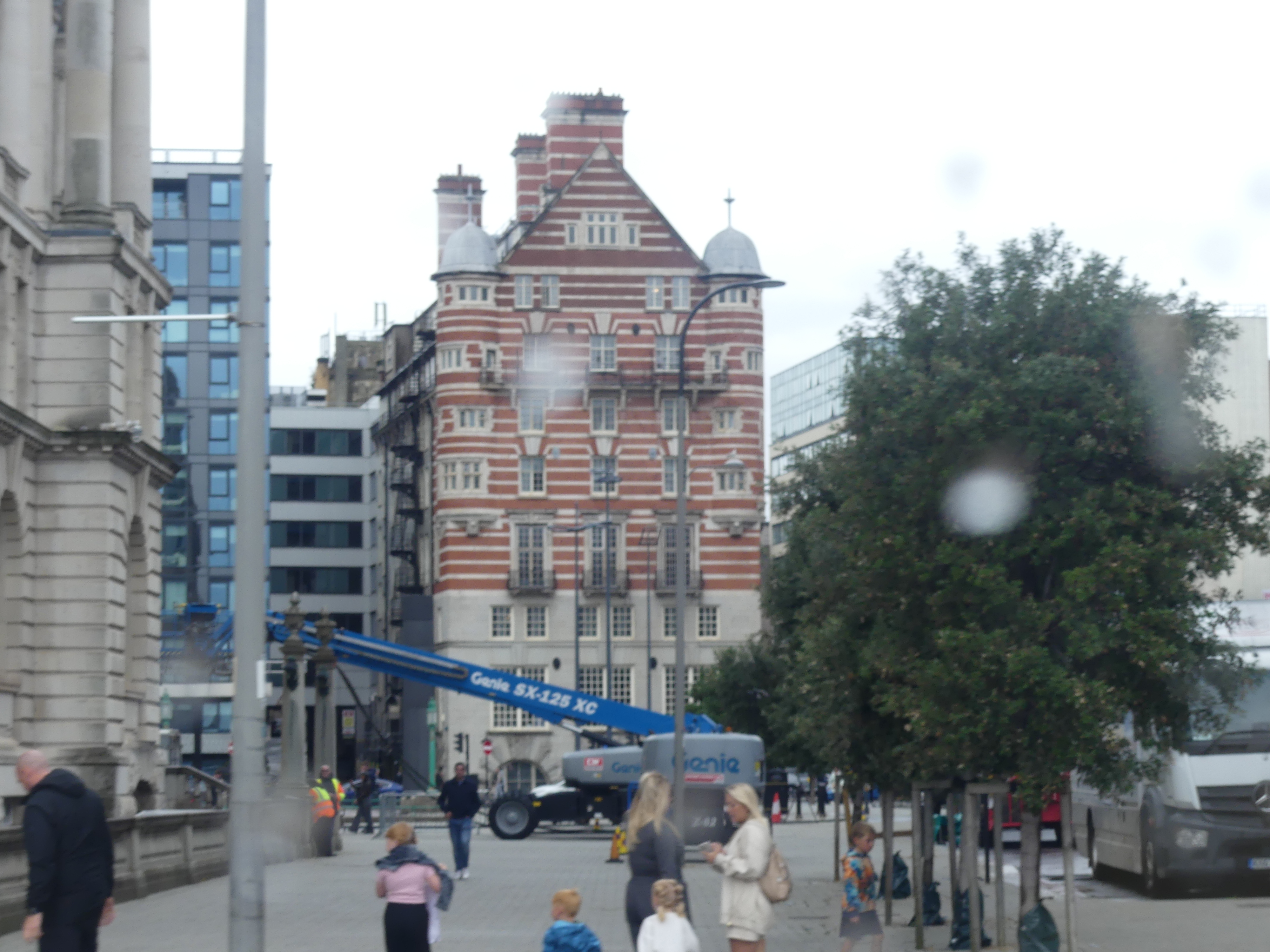
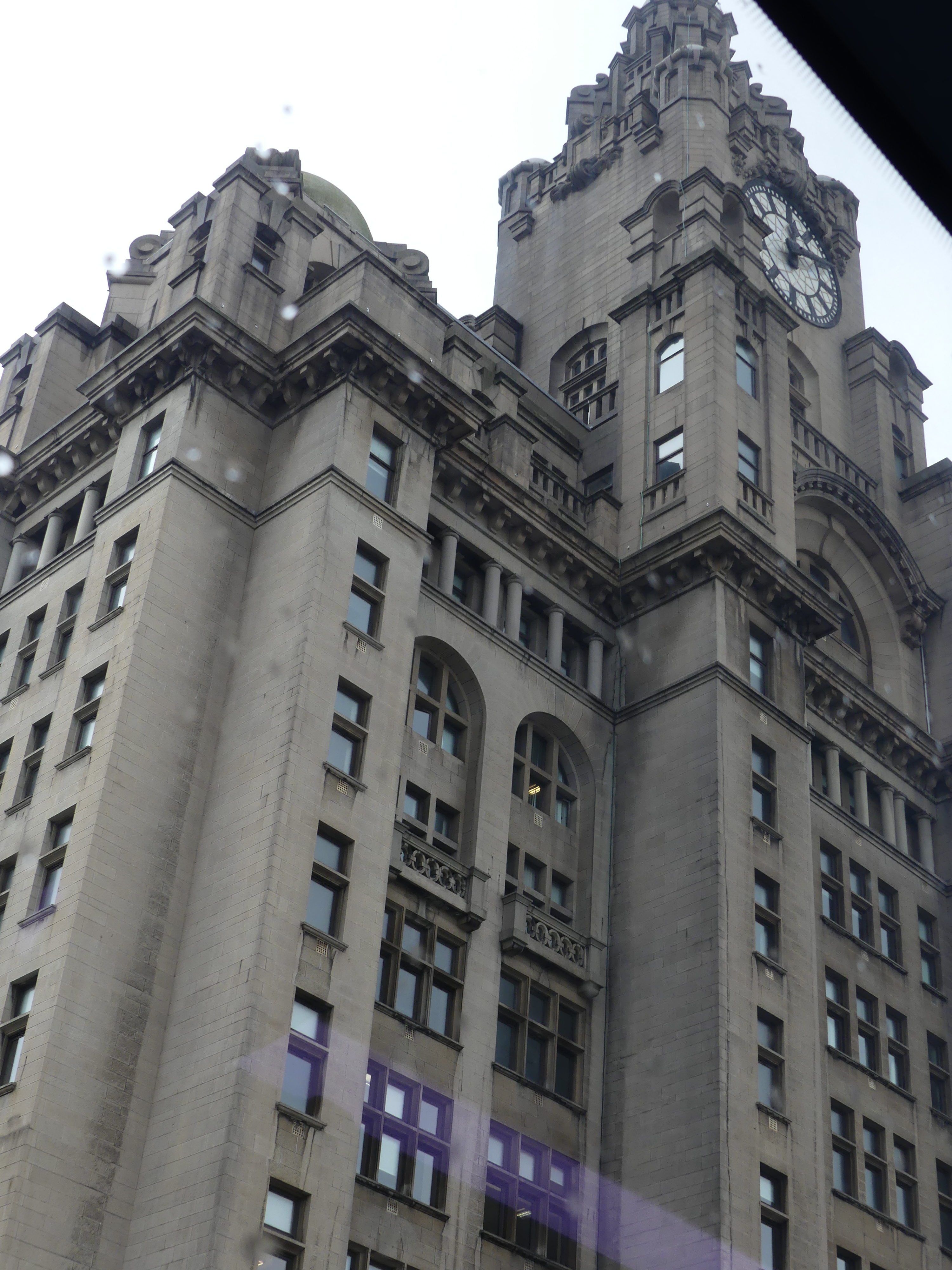
Moving onto Liverpool we were also familiar from previous trips with the sights of Liverpool but we decided we would take the hop on hop off bus – no strenuous activity as we caught up with rest. As usual we departed the ship through the cruise terminal onto the Albert Docks. In front of us is the Liver Building Liverpool’s iconic waterfront landmark, famous for its twin clock towers topped with mythical Liver Birds (Bertie & Bella), built in 1911, and known as one of the “Three Graces” with the Cunard & Port of Liverpool Buildings. Further along at Pier Head The Museum of Liverpool. We had visited this last time we were in Liverpool and found it a fascinating museum both for its architecture and for the history it holds. It tells the story of Liverpool and its people, and reflects the city’s global significance. It opened in 2011 as newest addition to the National Museums Liverpool group. As we continued our exploation past City Hall we found a grand old insurance building. Located just blocks from Albert Dock and adjacent to Liverpool Town Hall, this building on the east side of Castle Street was designed in 1889 by G.E. Grayson and housed the British and Foreign Marine Insurance Company for almost 70 years. We were making our way to the Cavern Club some time home of the Beatles and many a tribute band. The lane with its protrait of John and his statue brought back memories of our previous visit.
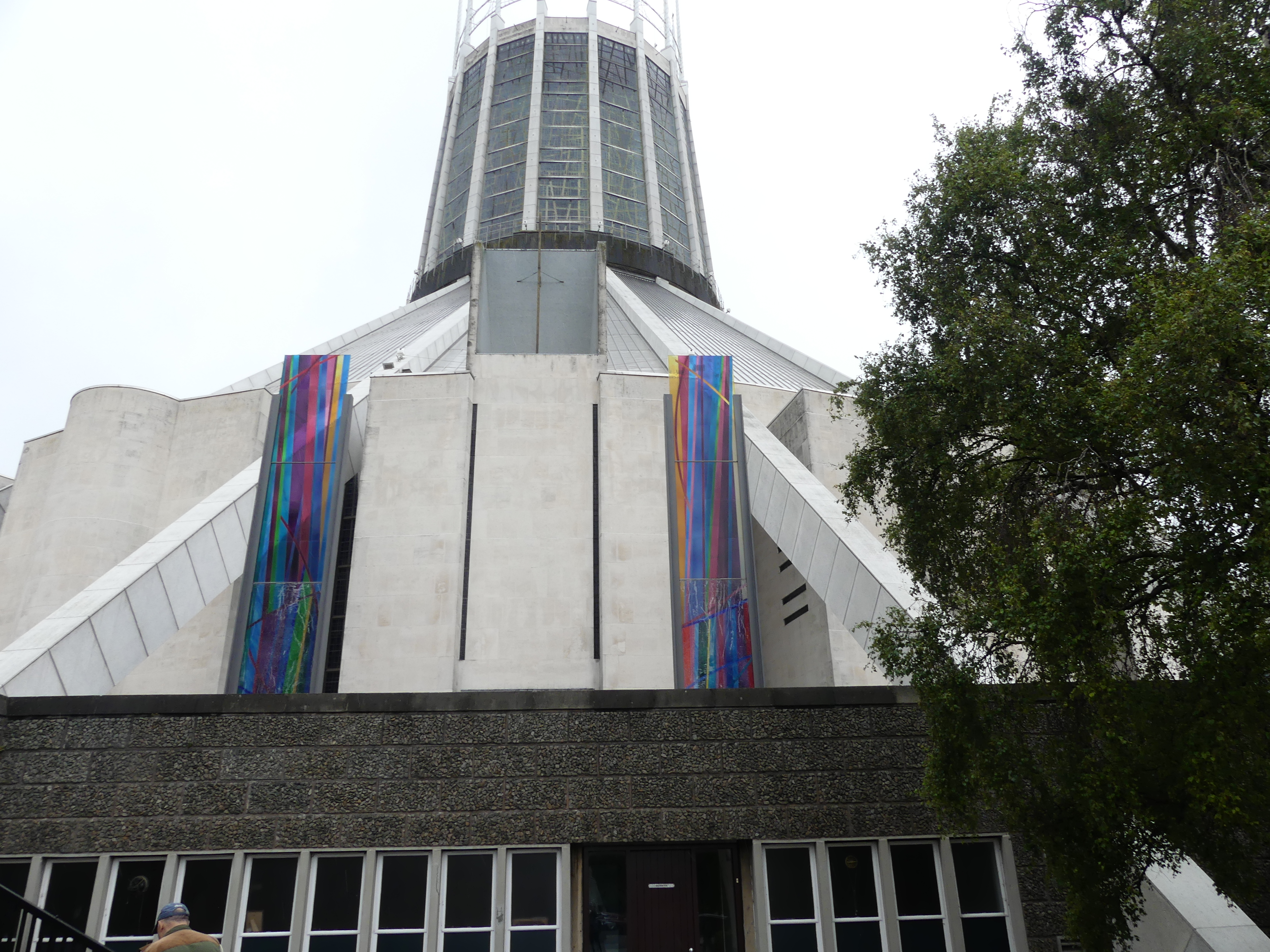
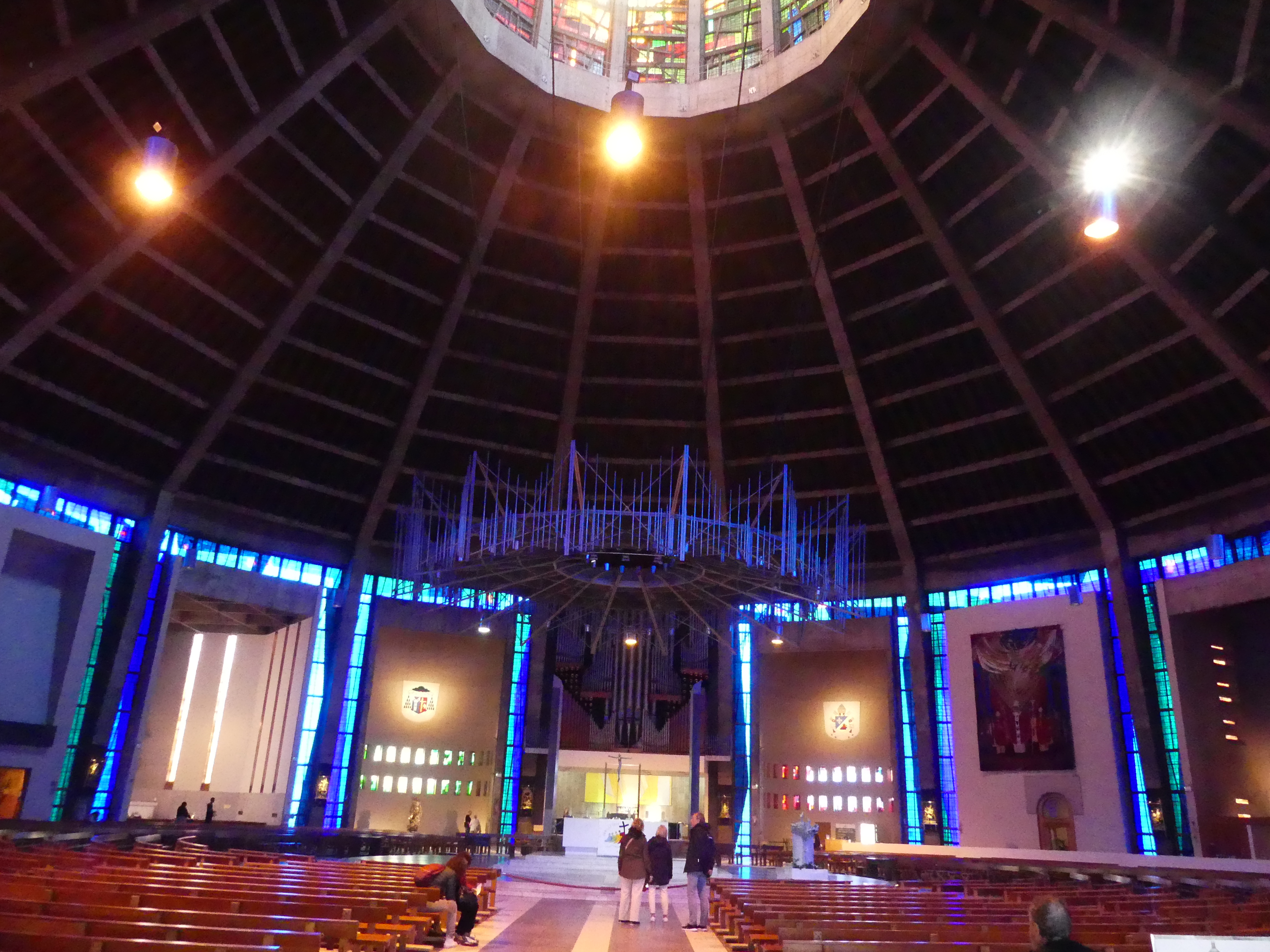
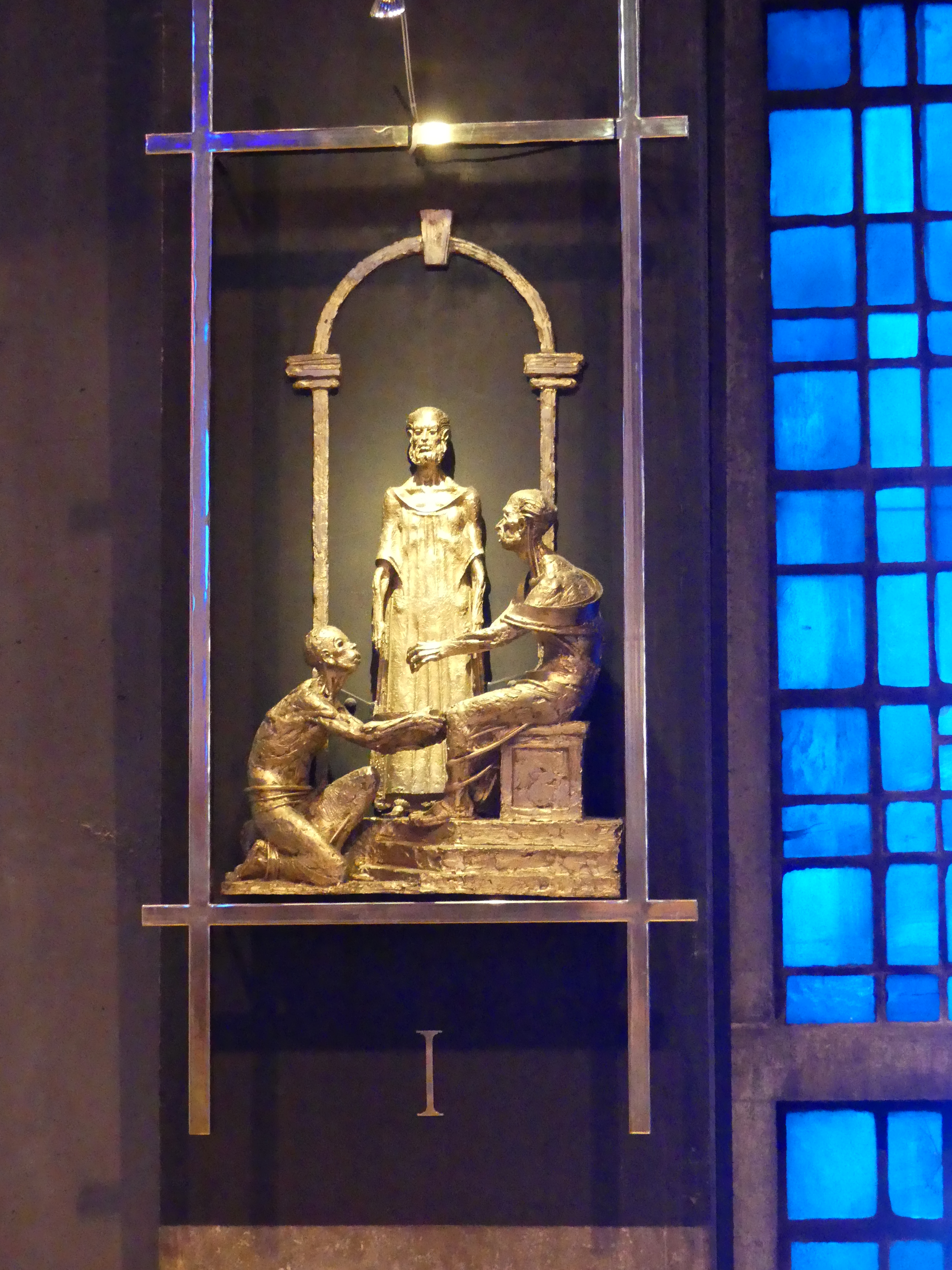
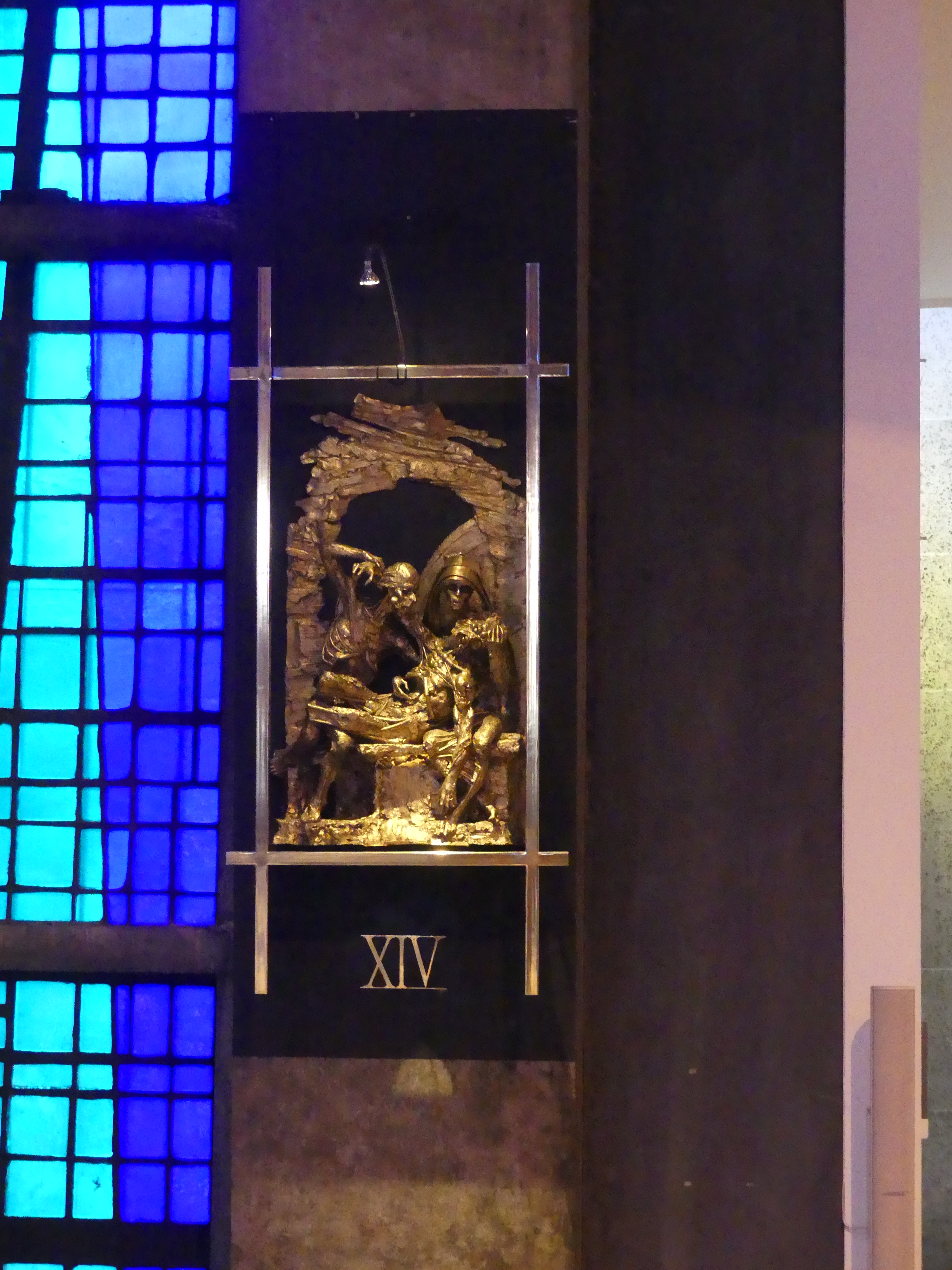
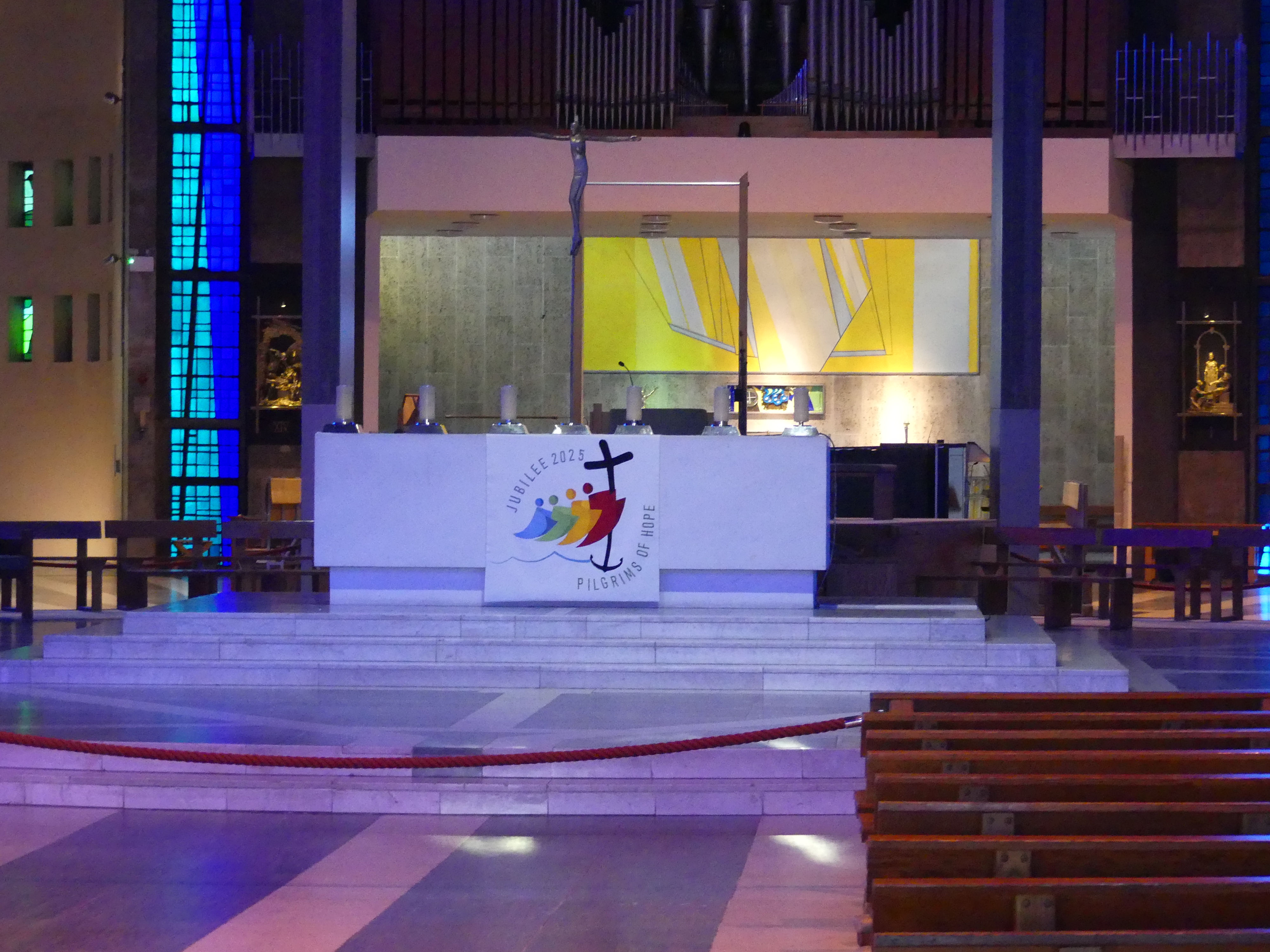
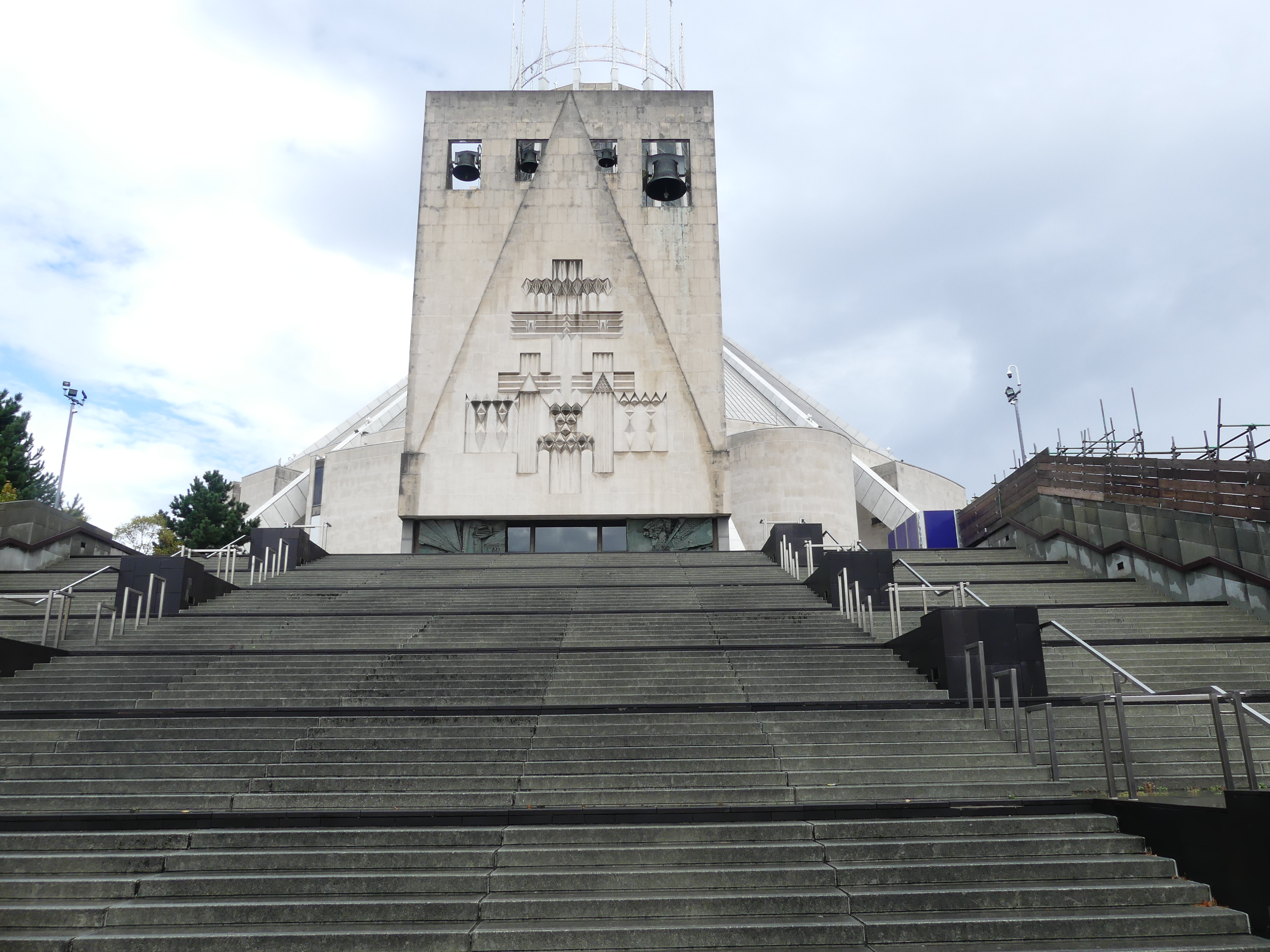
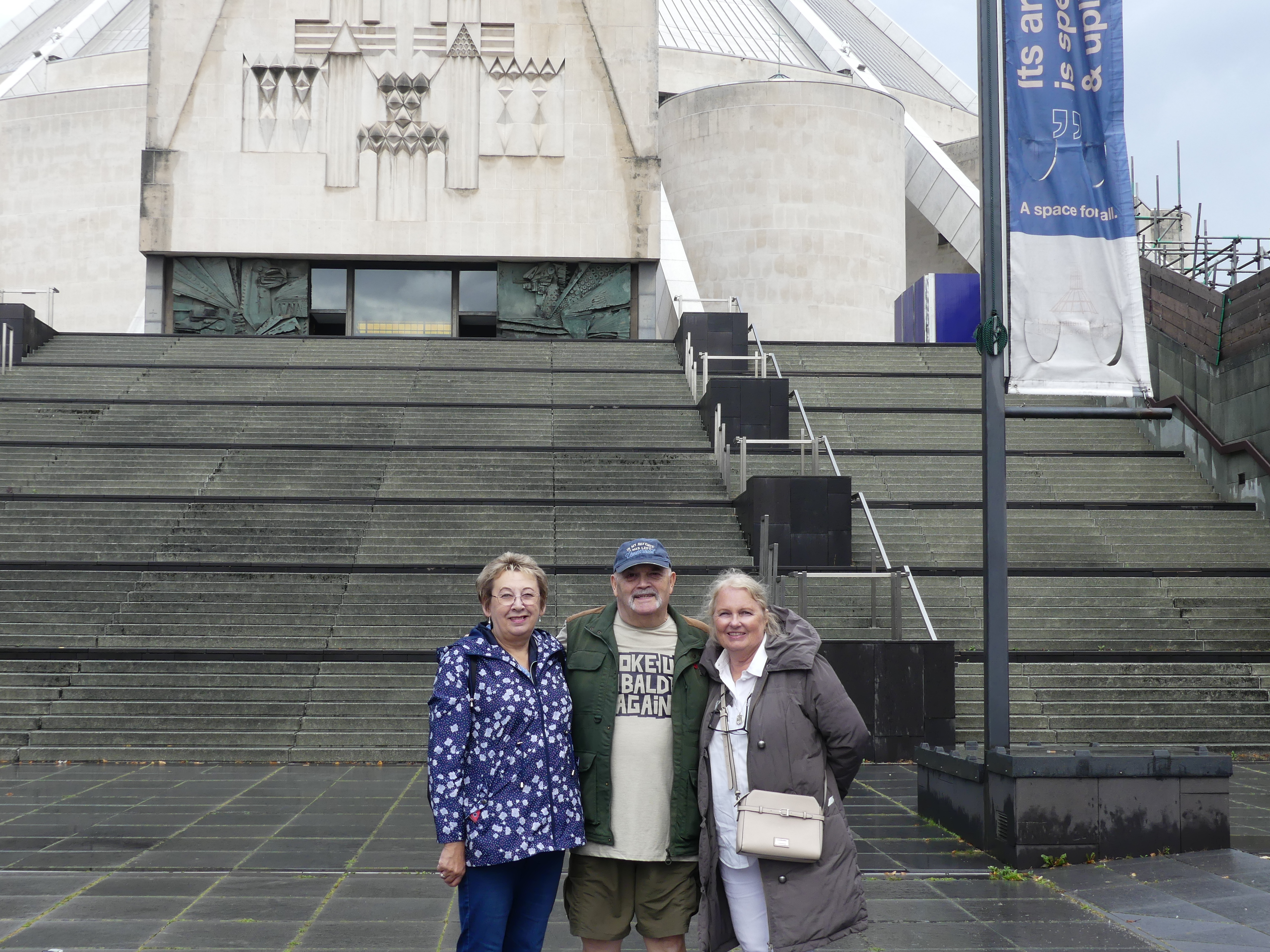
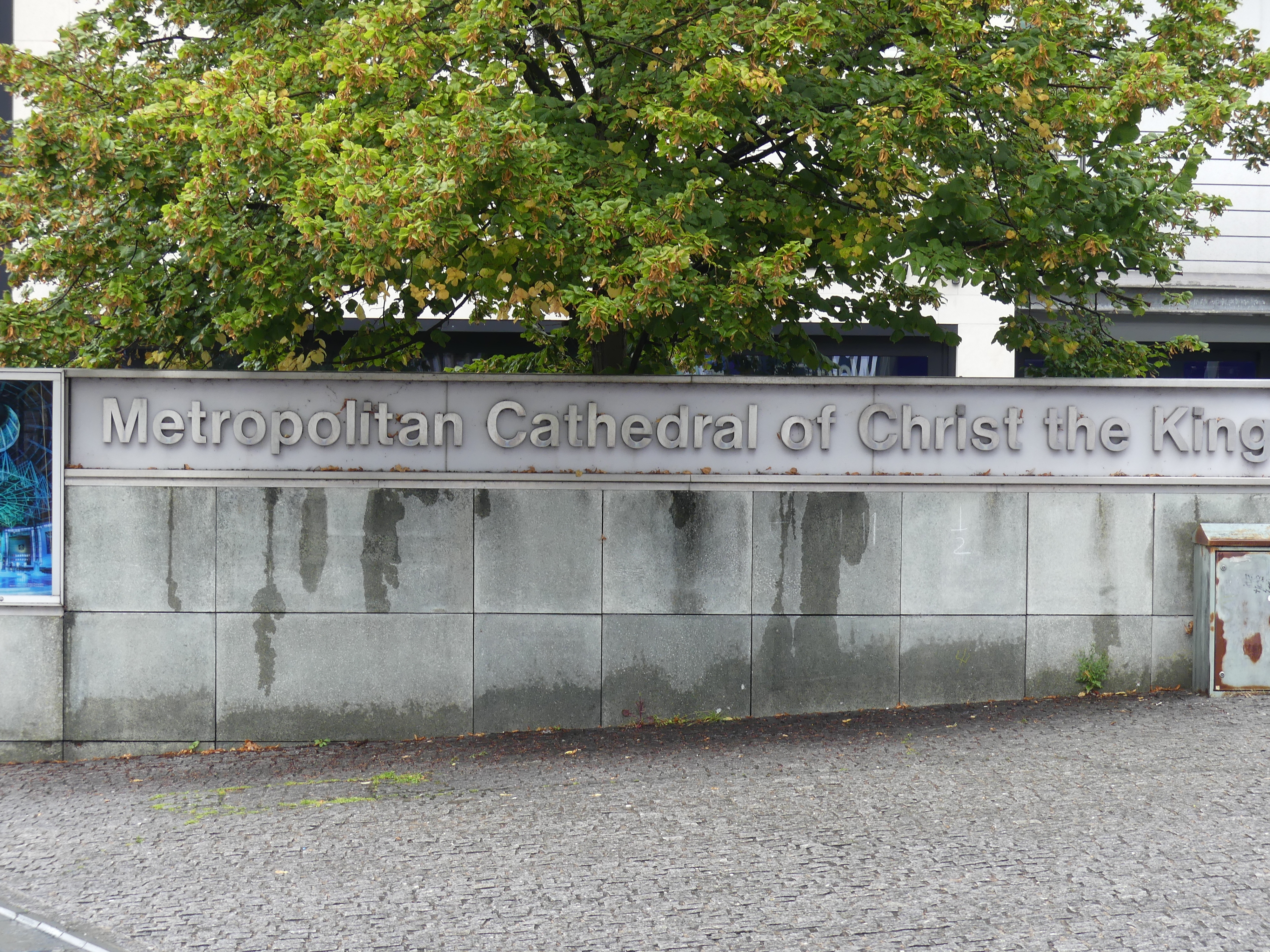
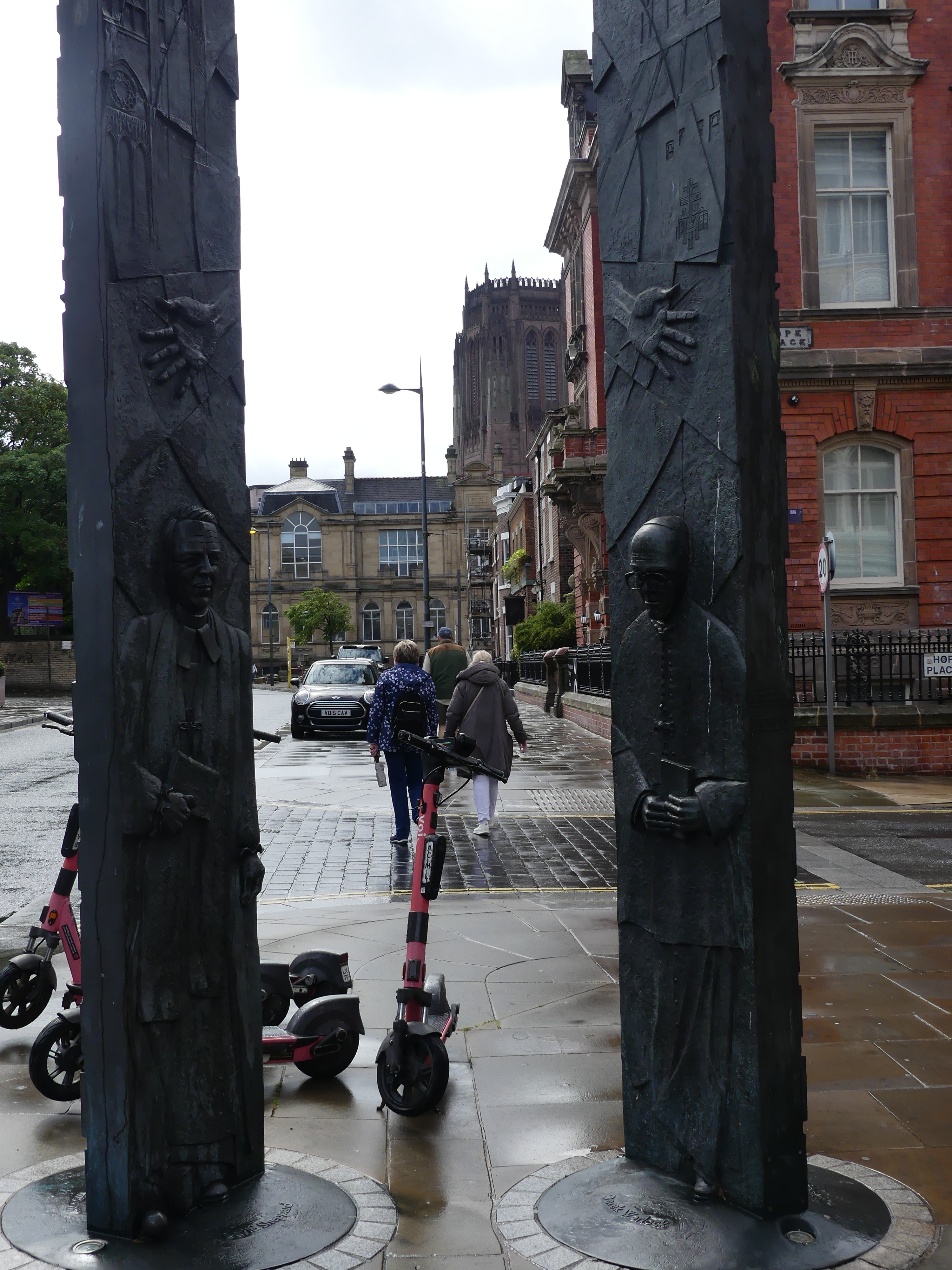
We met friends Martin and Christine from Manchester to catch up for lunch and ride the bus with us. Even though they lived only 1 hour away from Liverpool they had never been tourists in the city. They joined us and we were all surprised by the Liverpool Metropolitan Cathedral. The Cathedral is a dramatic icon of faith, architecture, and human endeavour. An awe-inspiring landmark on the Liverpool skyline. (from the website of the Cathedral) The exterior and interior were both awe inspring. Based on a circular design the layout of the interior was amazing. Multiple small chapels adjoined the centre of the church and the stations of the cross were unique in their design. The guide book suggested that the church was a response to the Anglican endeavours which we subsequently visited. There are two photos of the Anglican church below but it was a traditional design like many others we have seen through Britain and Europe.
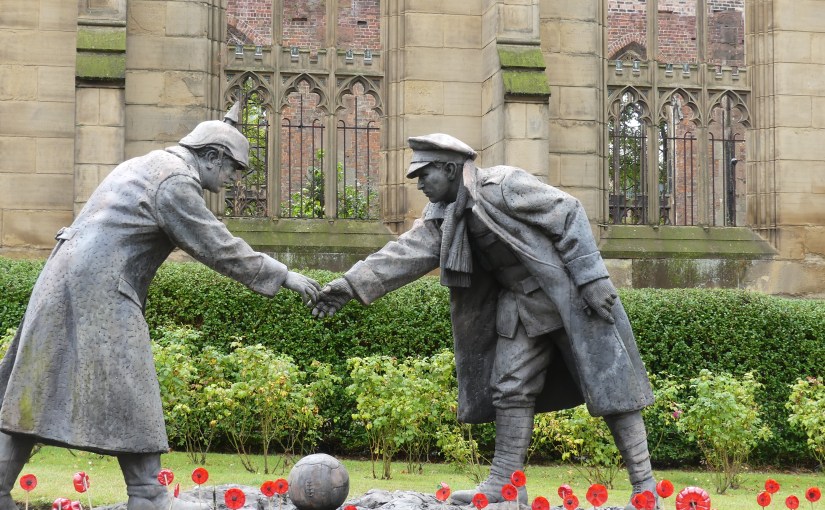
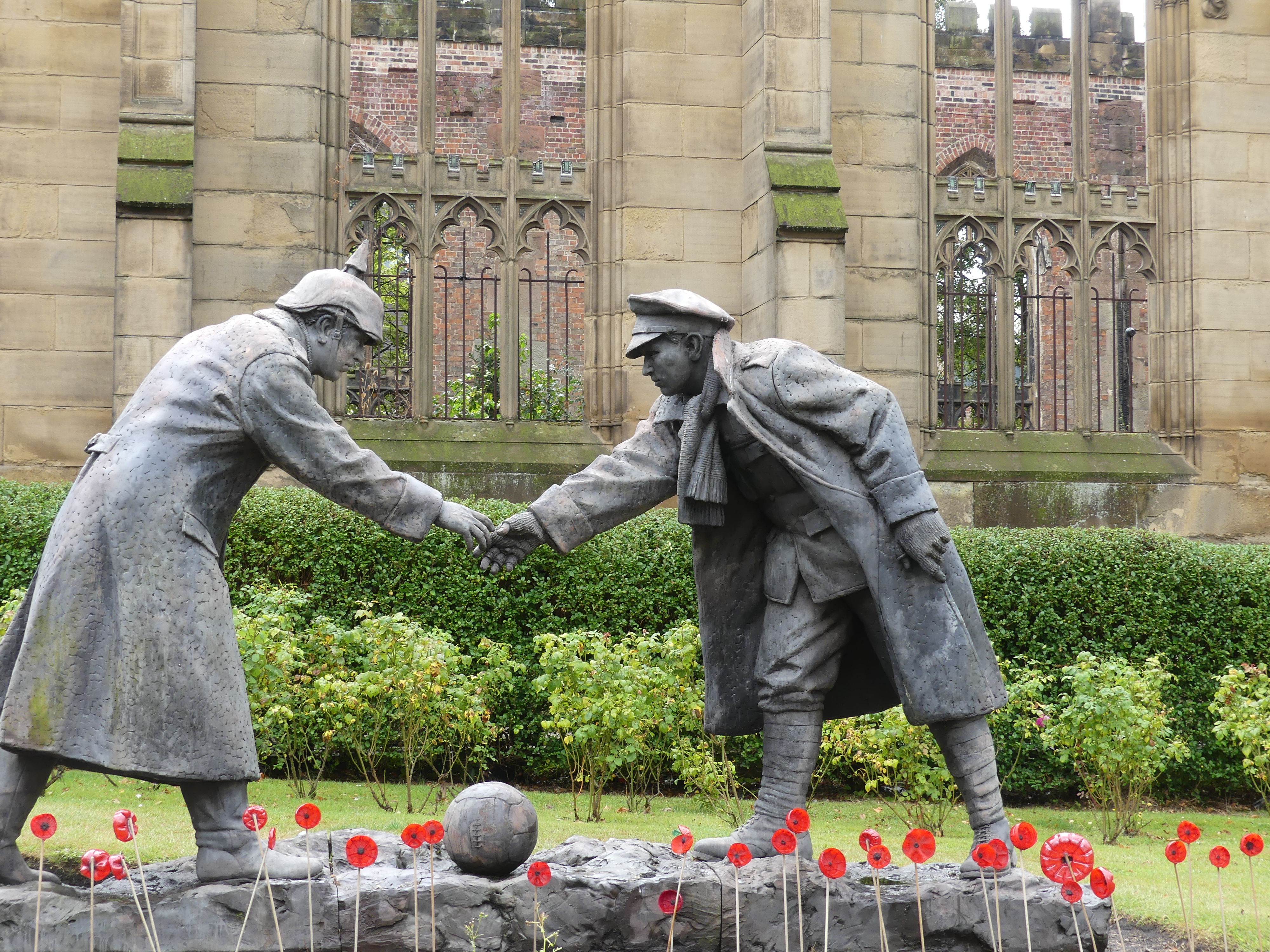
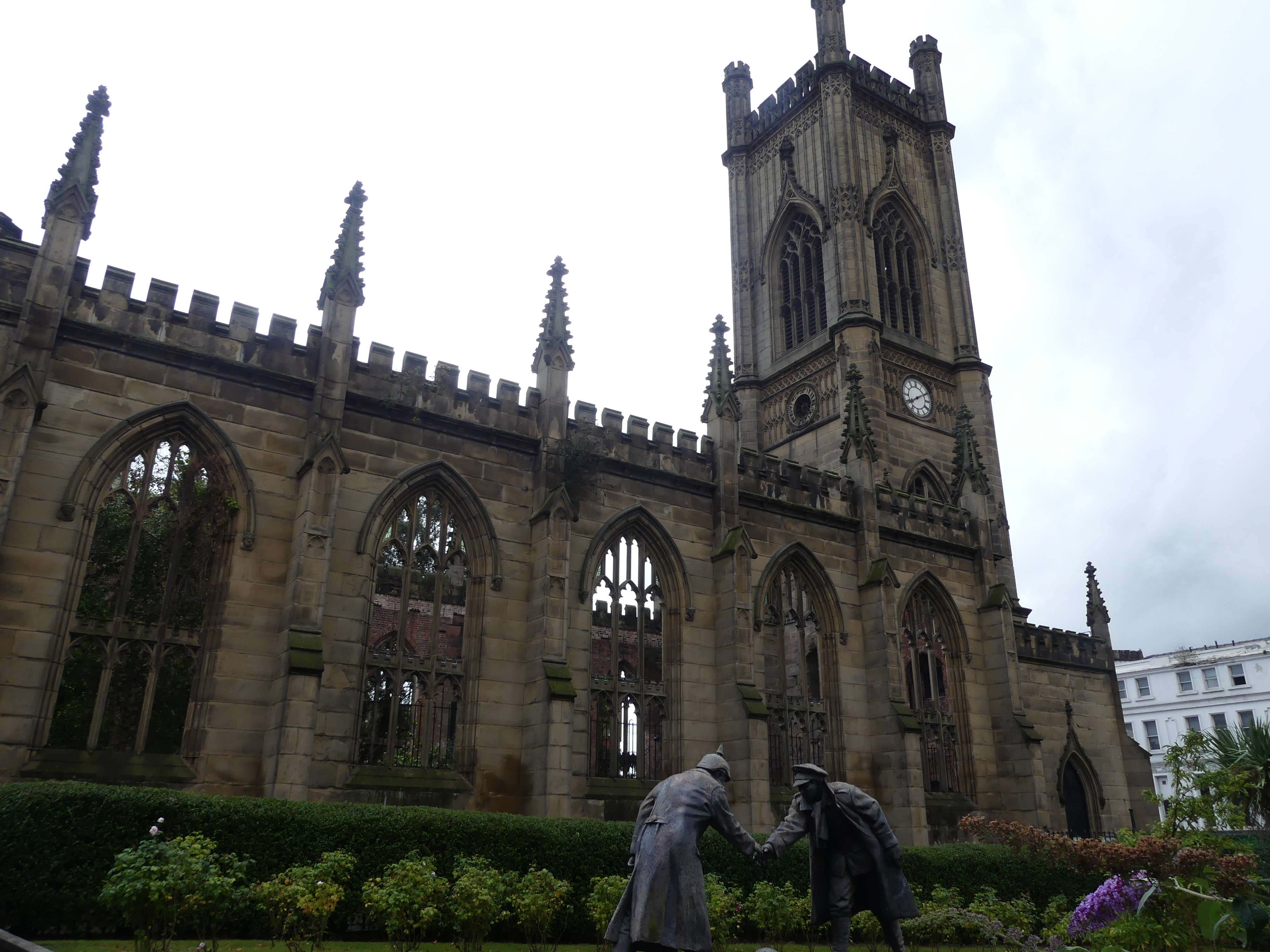
We made it back to the tour bus station to take us to a sculpture commemorating the World War One Christmas truce. Two soldiers, about to shake hands, capture the moment British and German soldiers stopped fighting and played football on Christmas Day 1914. The statue is entitled “All Together Now”. The statue was on display at St Luke’s Church, which faces down Bold Street. The statue, designed by Andy Edwards, is on display at Liverpool’s St Luke’s Church which is itself a bombed-out church, a monument to the 1941 Blitz on Liverpool. BBC News had a story on the monuments on 15th December 2014 and reported that “The sculpture will be on display at the church for a week before being transported to Flanders in Belgium where it will be displayed.” This is 2025 and the statue is back.
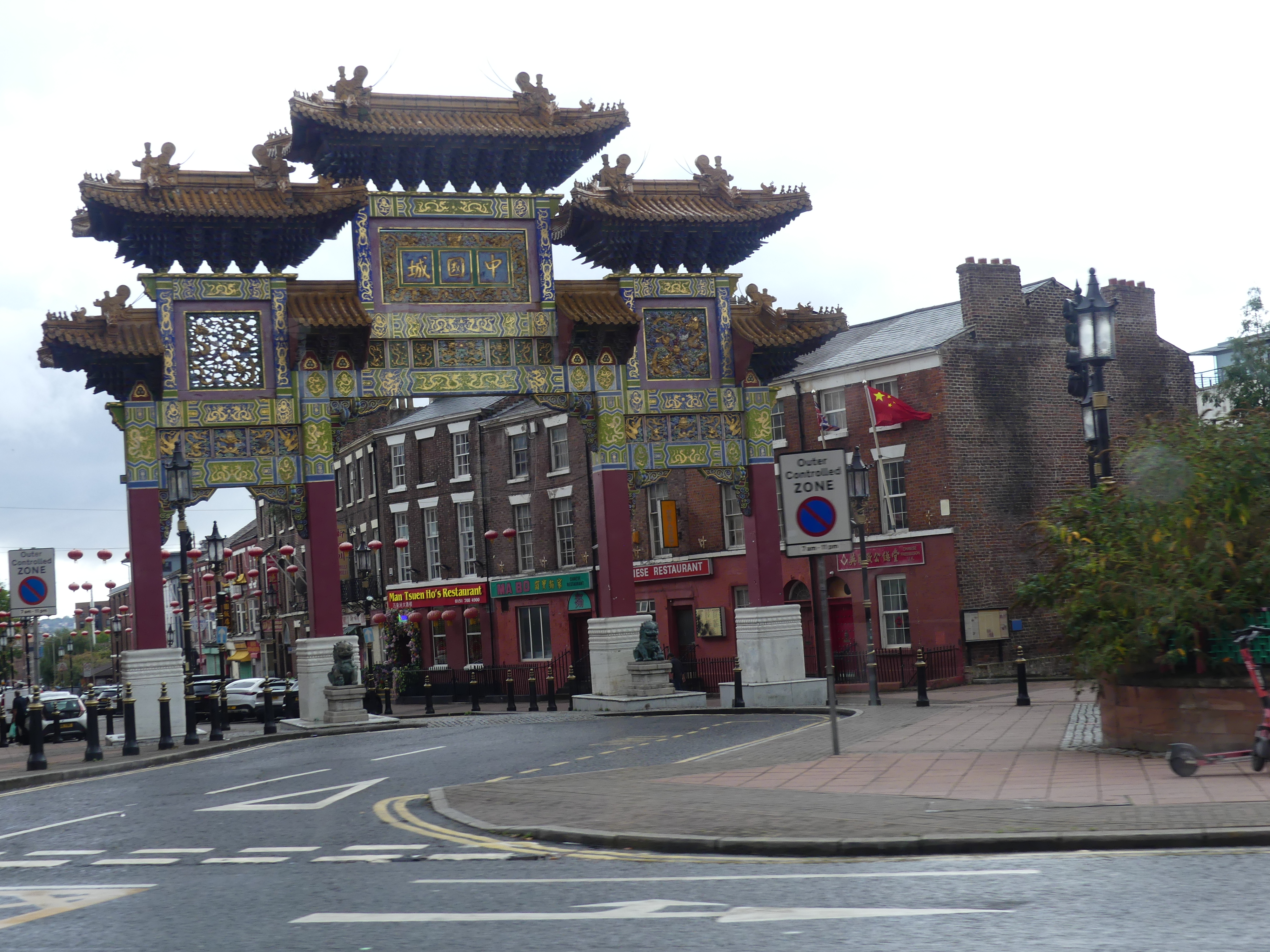
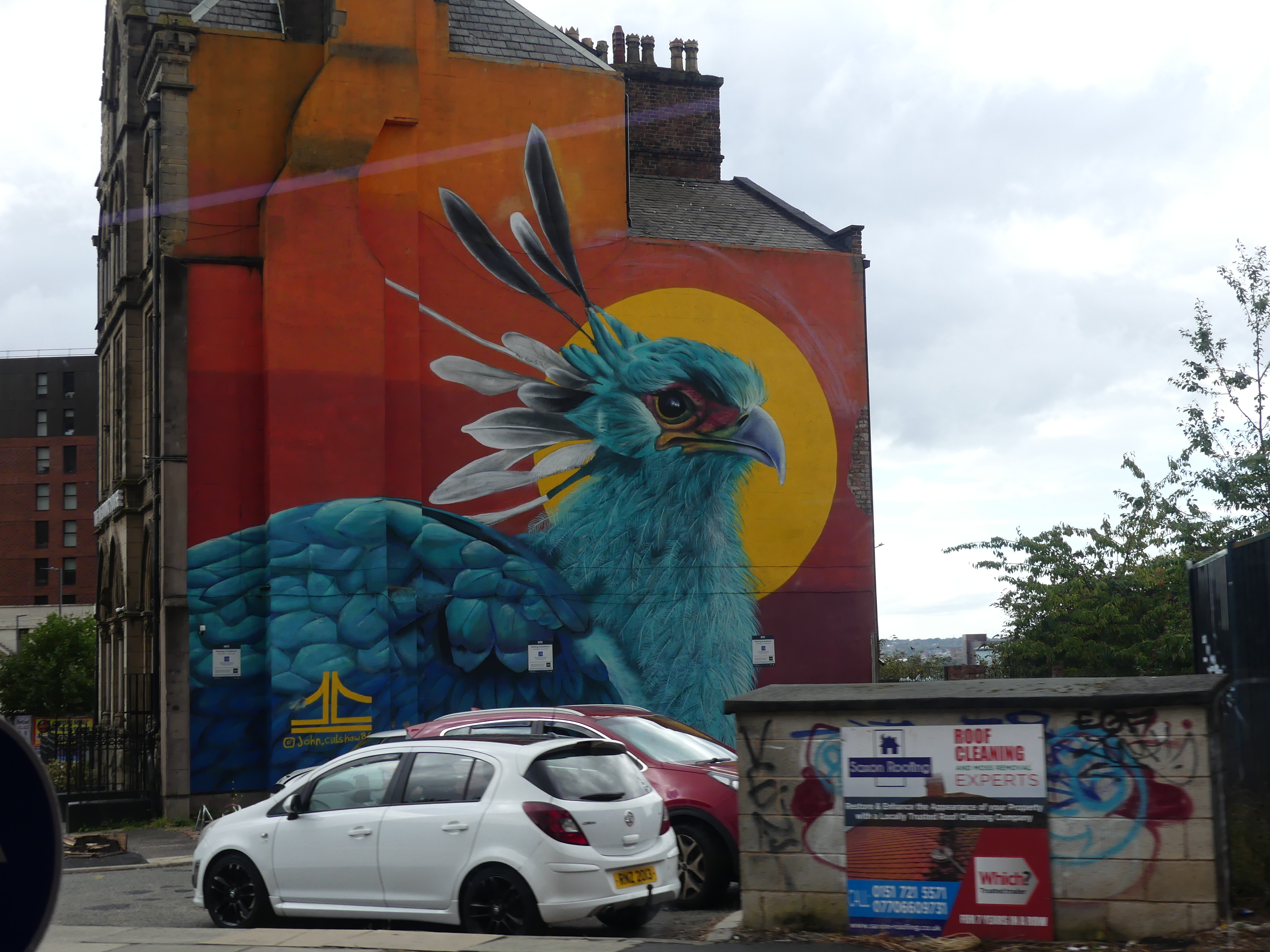
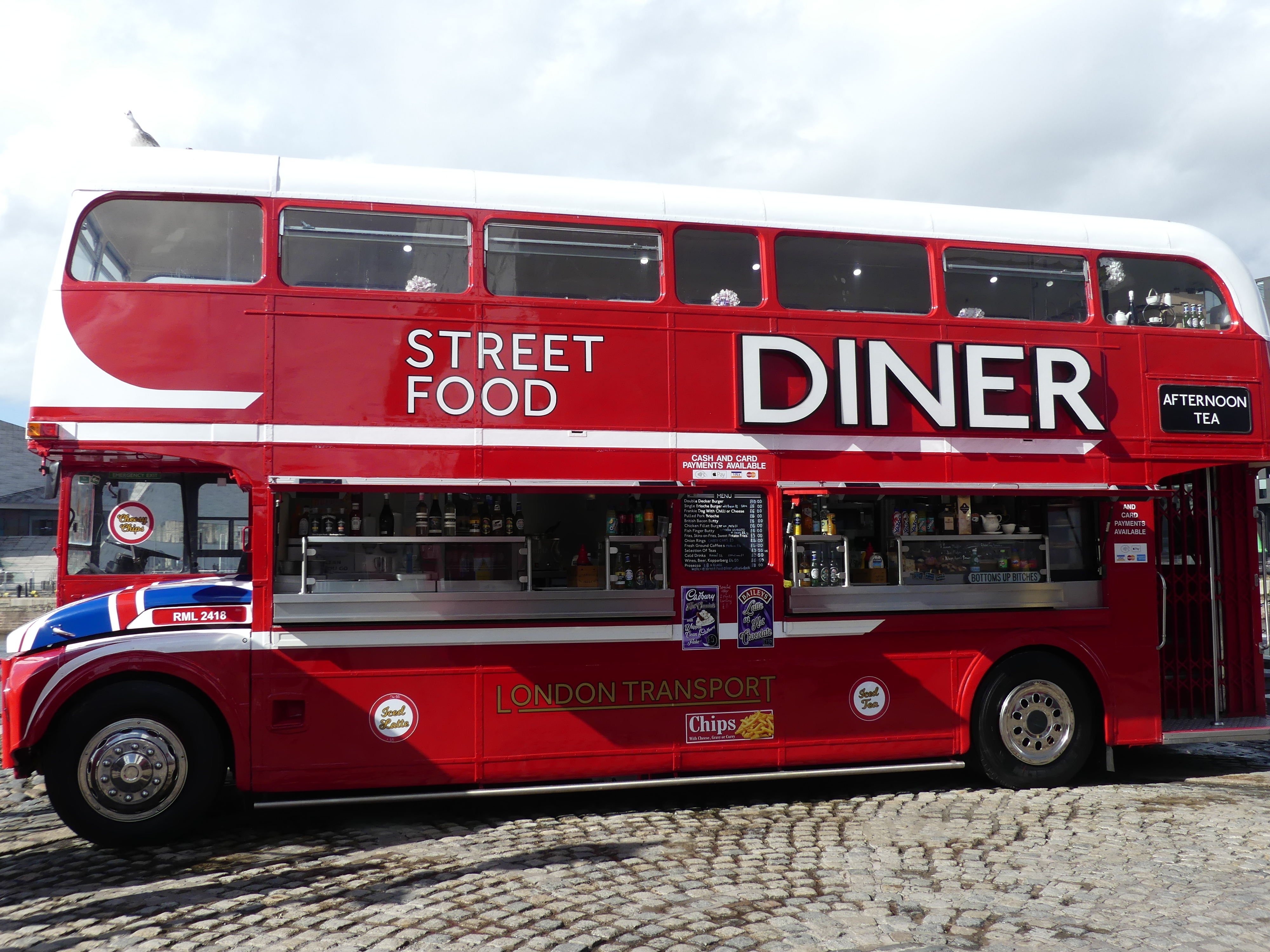
We continued on the tour passed a very eleaborate gate to Chinatown and an impressive street art drawing of a hawk of some description onto the wharf area again. It was time for lunch and we ended up in a pub near the Three Graces not the curbside takeaway in my photos. With a warm fire and some English ales we warmed up and told stories of the things we had done.
Martin and Christine had travelled by train and they wanted to catch the train home before the rush hour and our ship was close by. Parting knowing that we may not have an opportunity to catch up again brought home the reality that we were both getting older.
I cannot remember what we did once we returned to the ship but we were tired. It had been cold all day and we did a lot of walking so my guess is our bed was calling. Next blog is “THE RETIREES GO AROUND THE WORLD – DAYS 8 SS NIEUW STATENDAM – Greenoch and Glasgow Scotland “. We never made it as far as Glasgow because we found a positive gem in Greenock – The Scottish Fire and Rescue Service Museum and Heritage Center. Enjoy our journey and explorations.
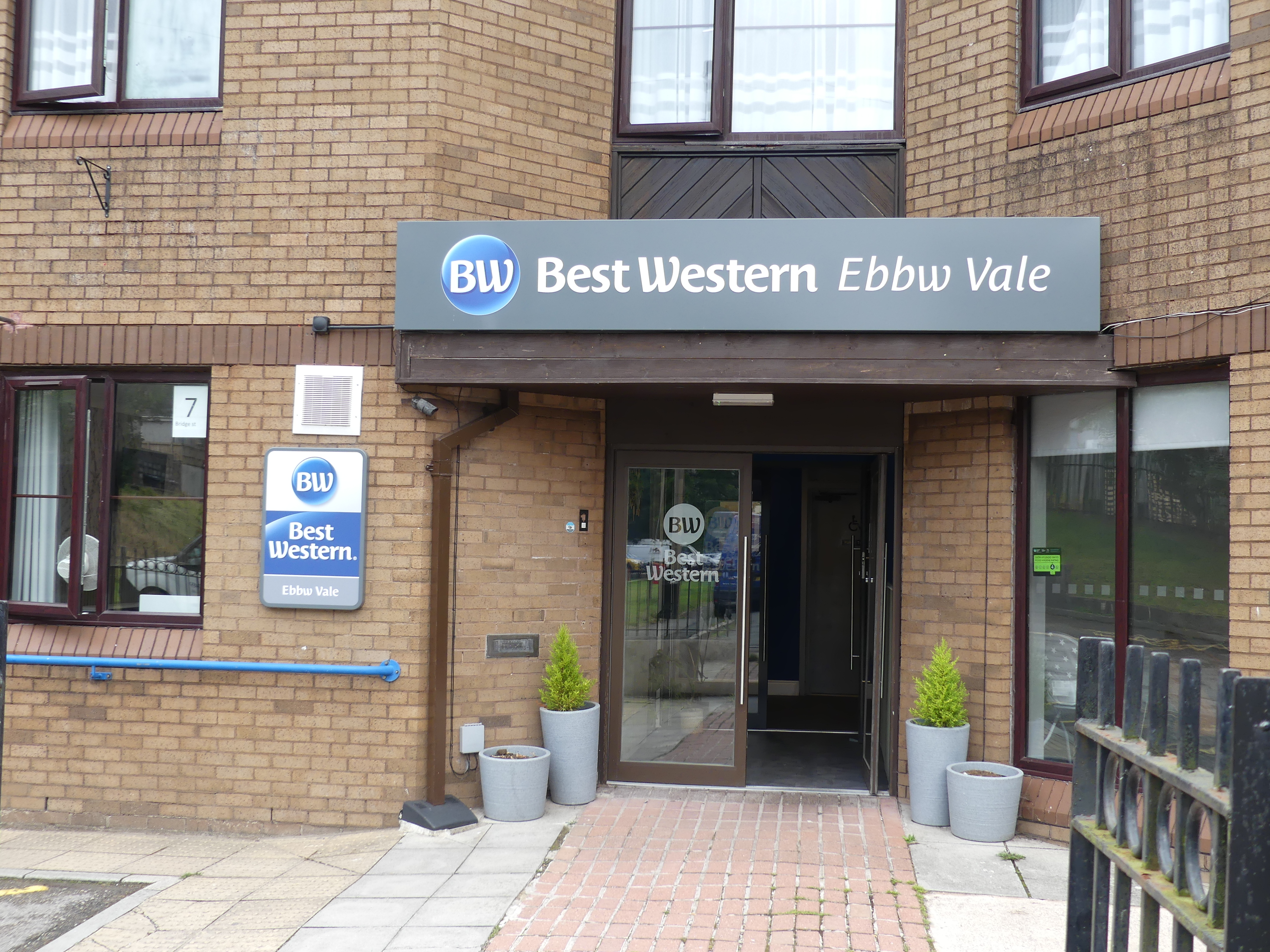
We leave Pembroke to find our way to Best Western Hotel at Ebbw Vale. This proves to be an effort as the hotel is a former Government Health Services building and our GPS cannot find it. With a bit of guess work we strike it lucky and the proof can be seen below. This is a strange configuration, and our room is tiny with a view of the remaining health service building entrance to look at. After moving our bags into the room I find I have a water leak beside my bed but not significant enough to warrant moving rooms even if there were a room available. The good news is we have internet, but the bad news is there is no coffee making facilities or fridge in the room. Good news they don’t mind if we prepare our breakfast in the breakfast room. Management and staff are very easy going but the hotel leaves a lot to be desired. It will do for a few days. The photos below are from Ebbw Vale – not a lot of interesting things. We had chosen the town for accommodation not for sites to see.
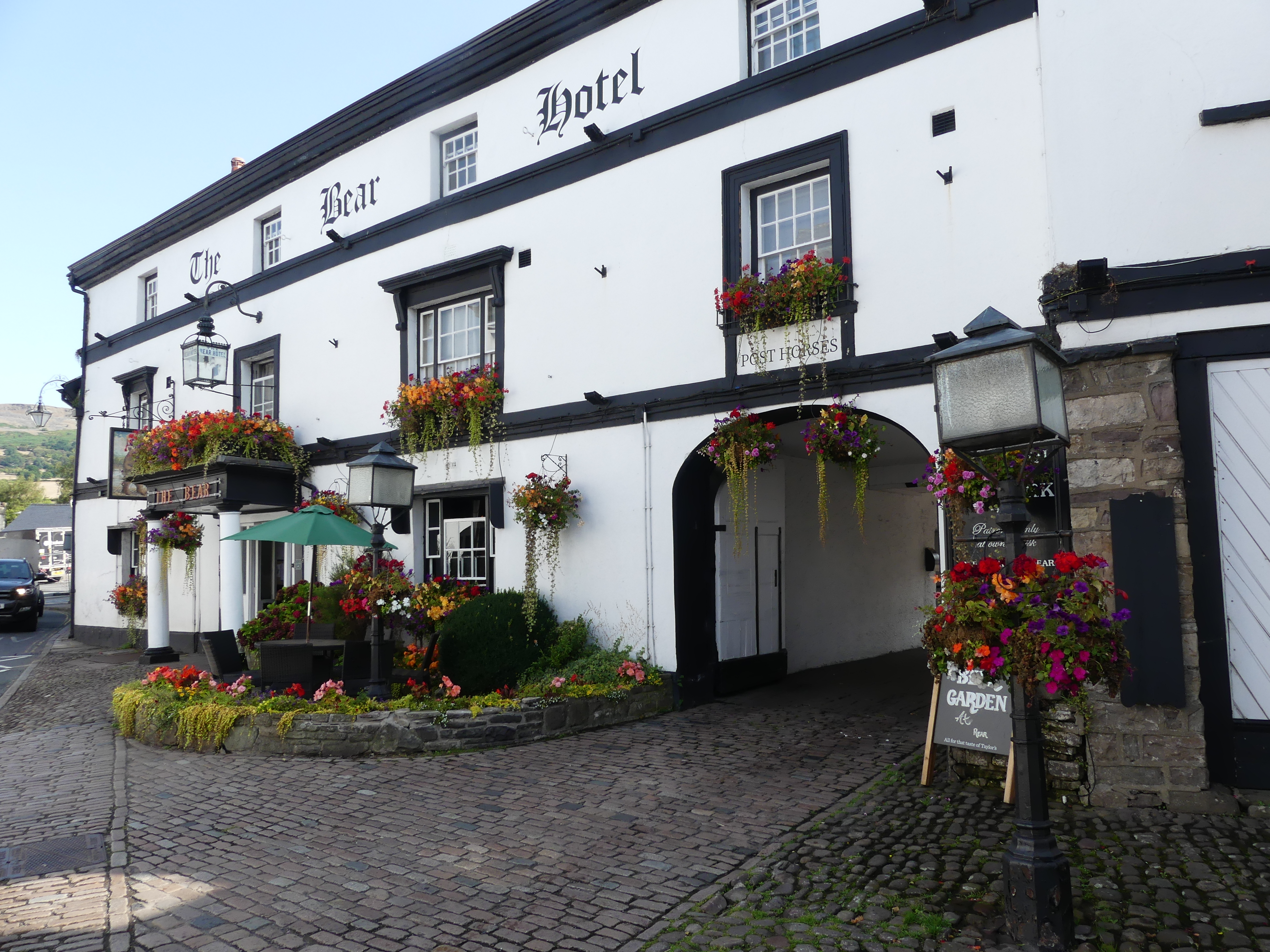
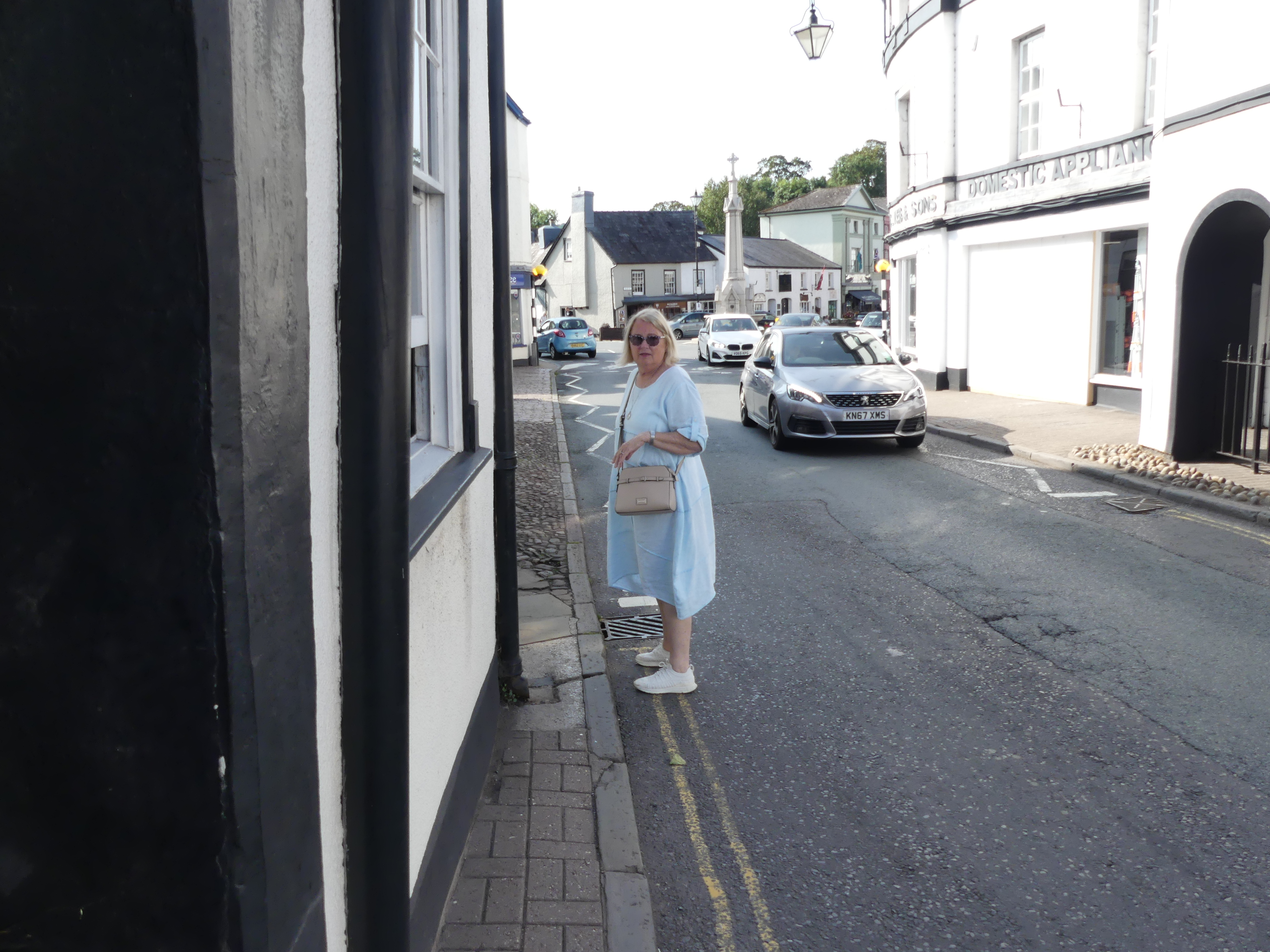
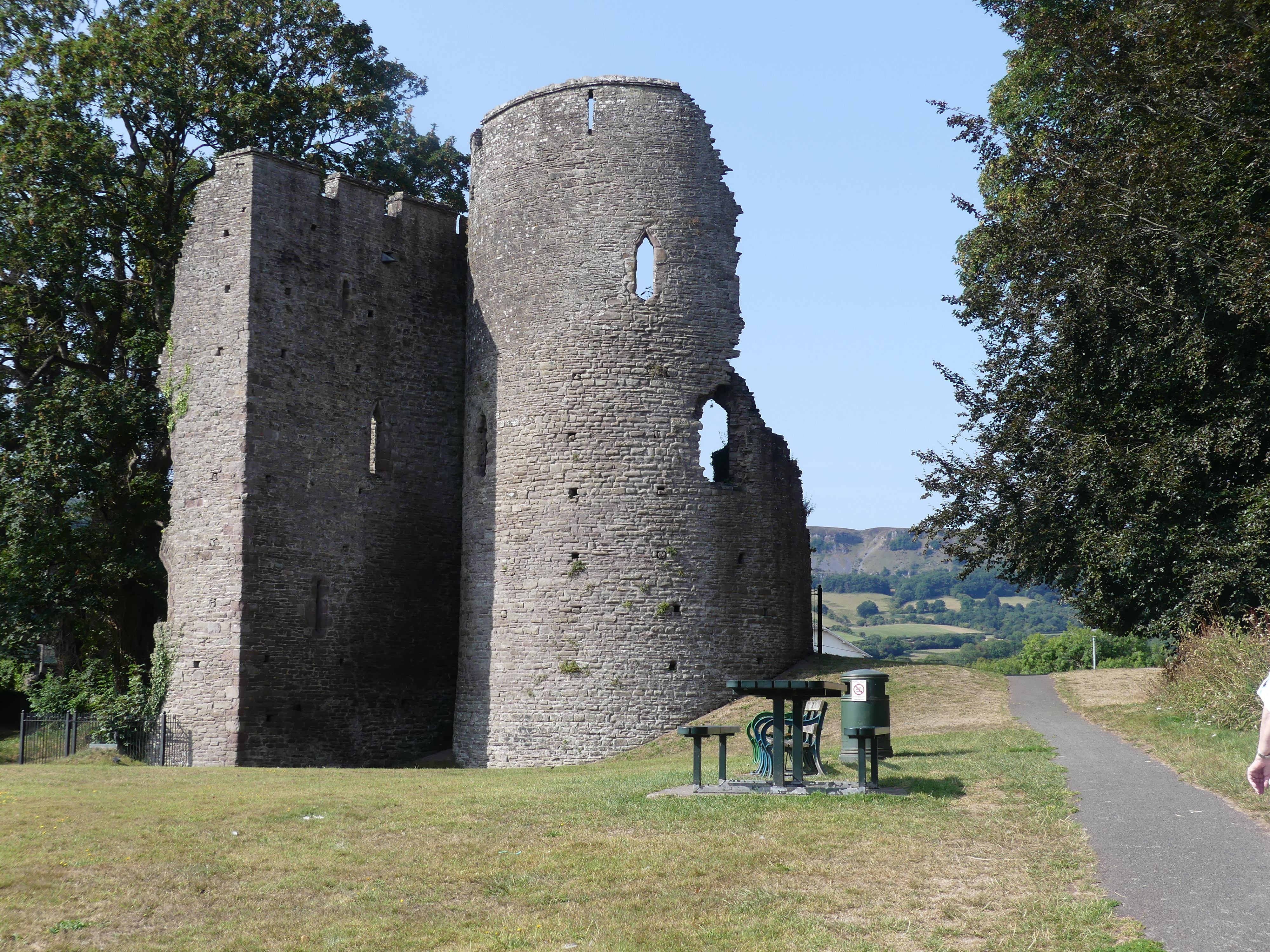
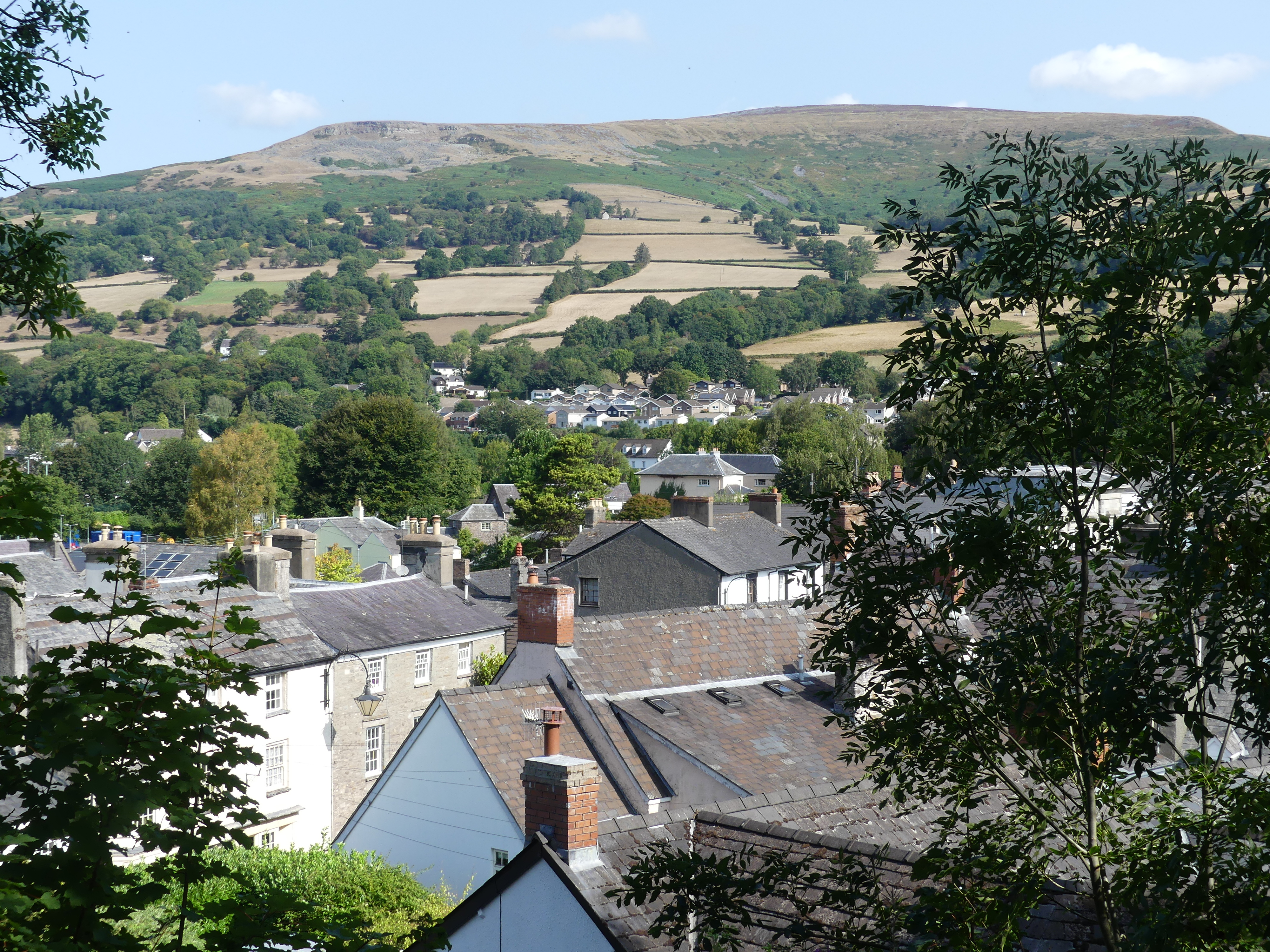
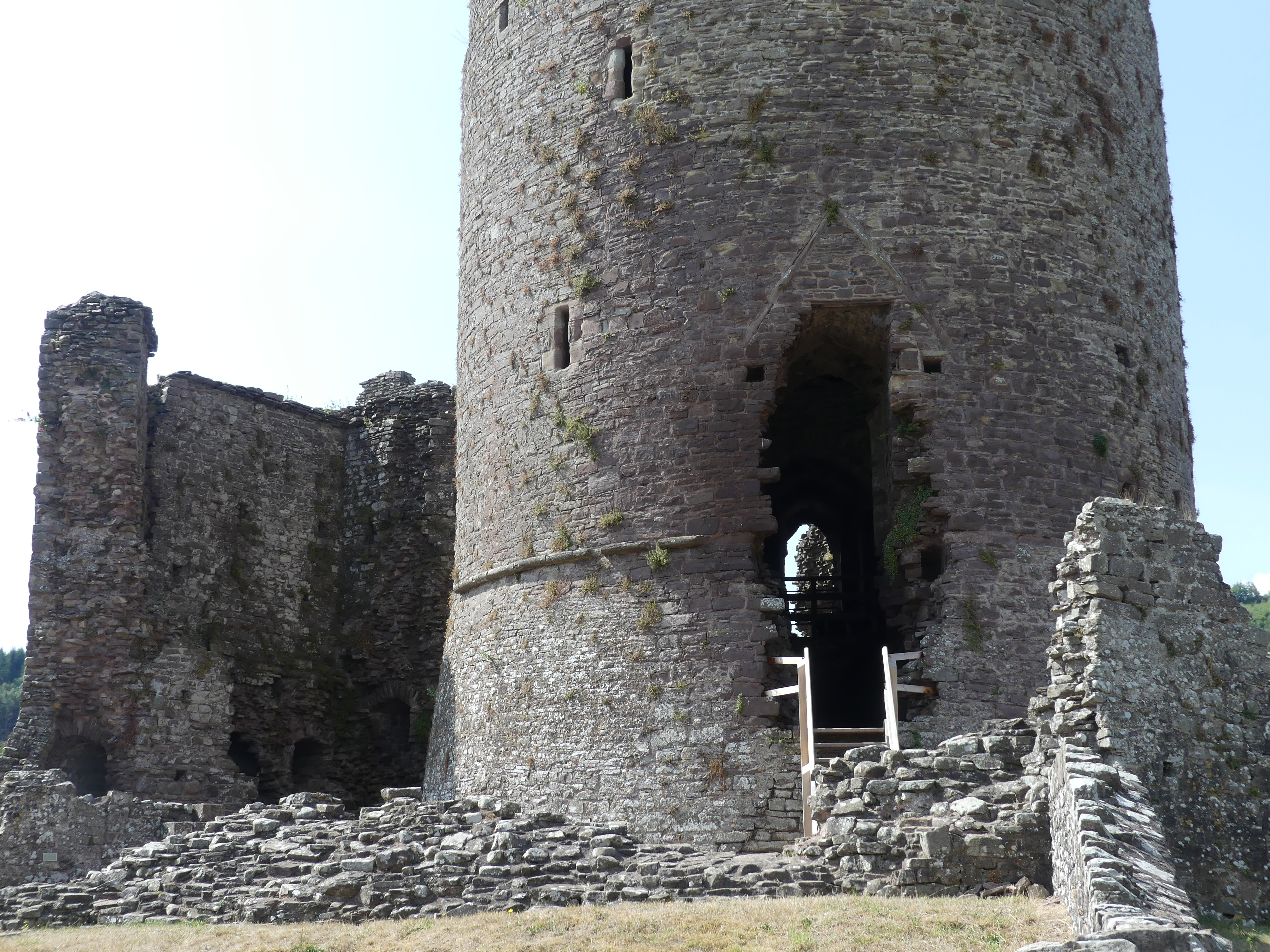
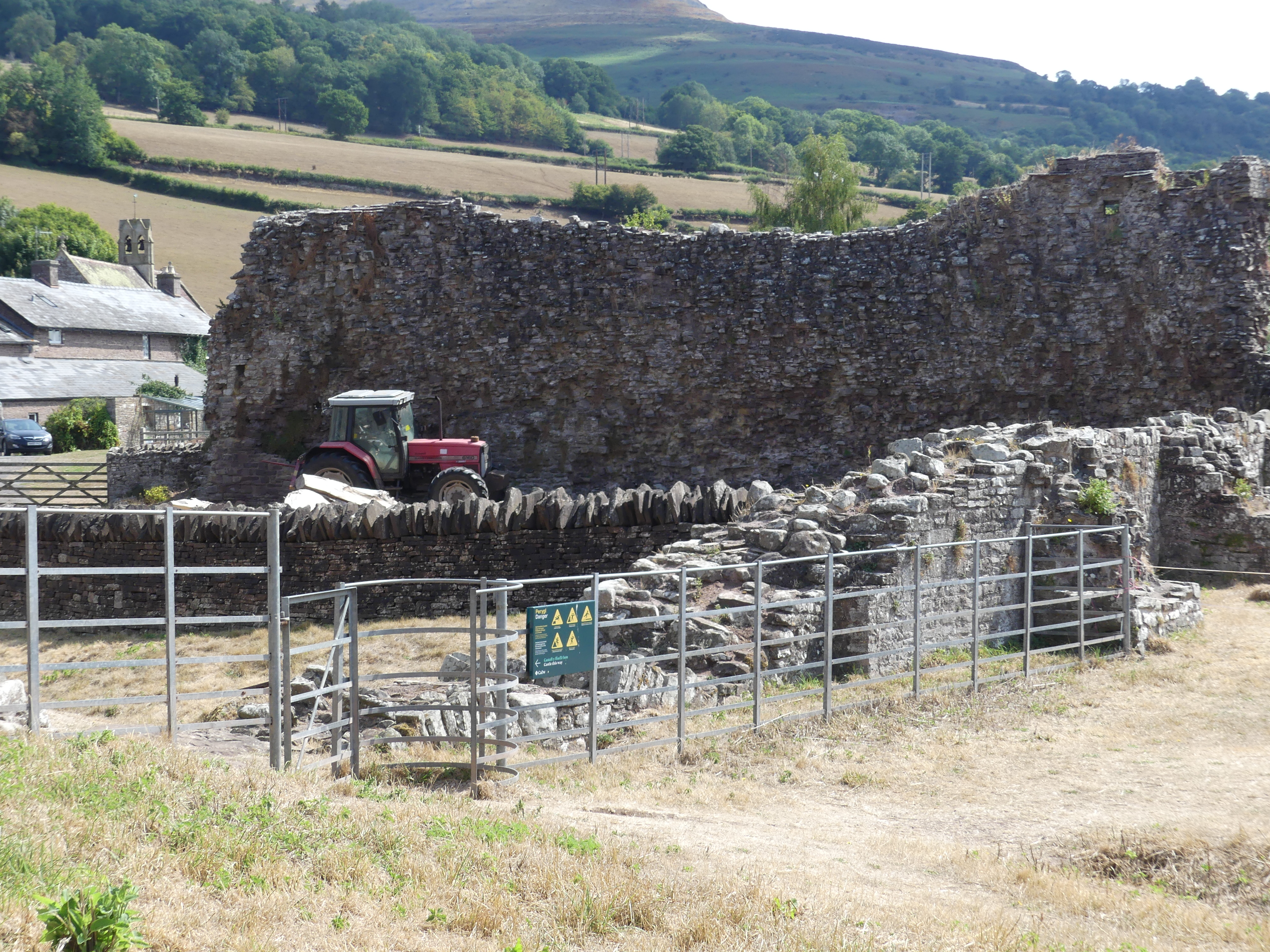
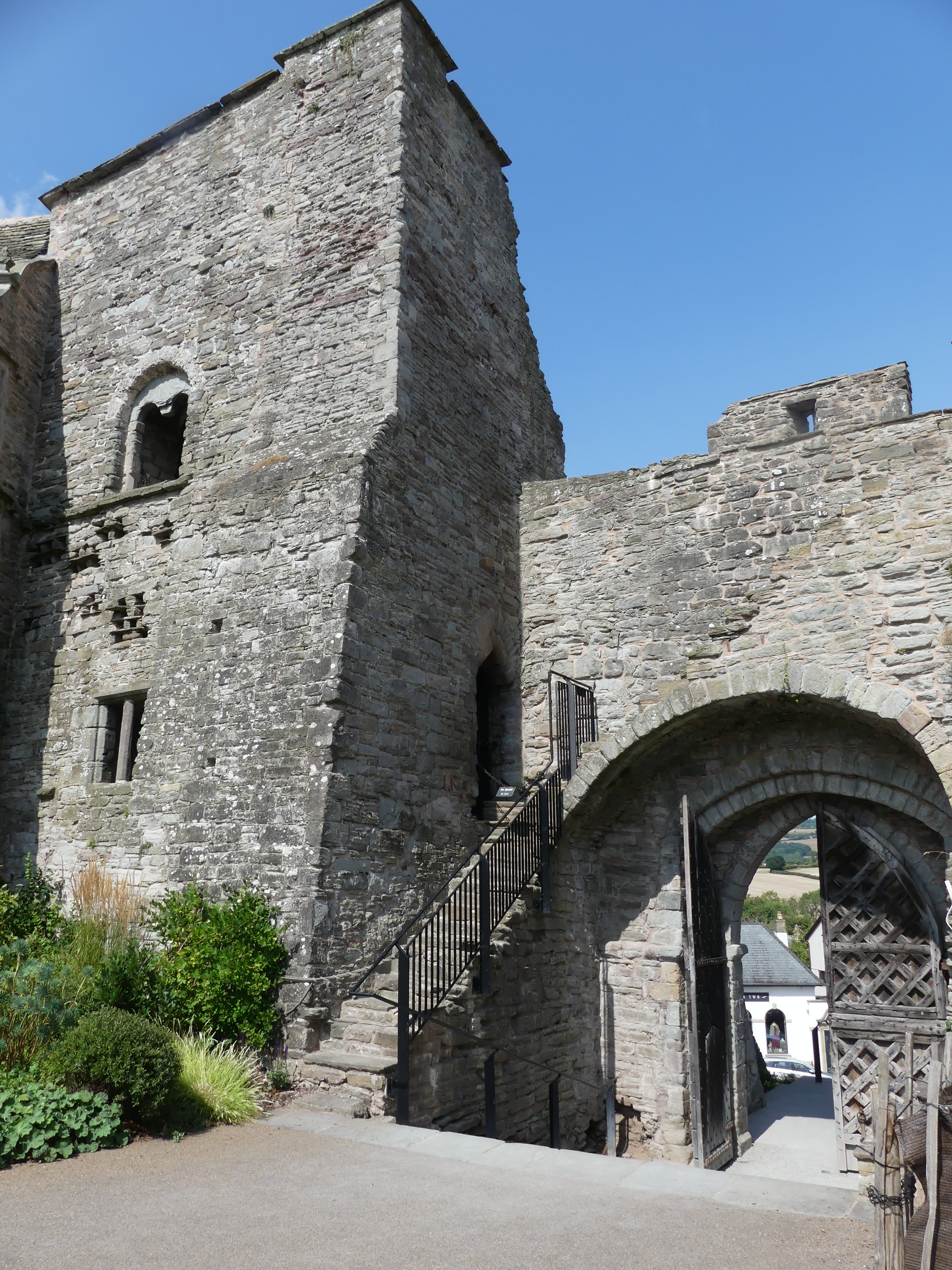
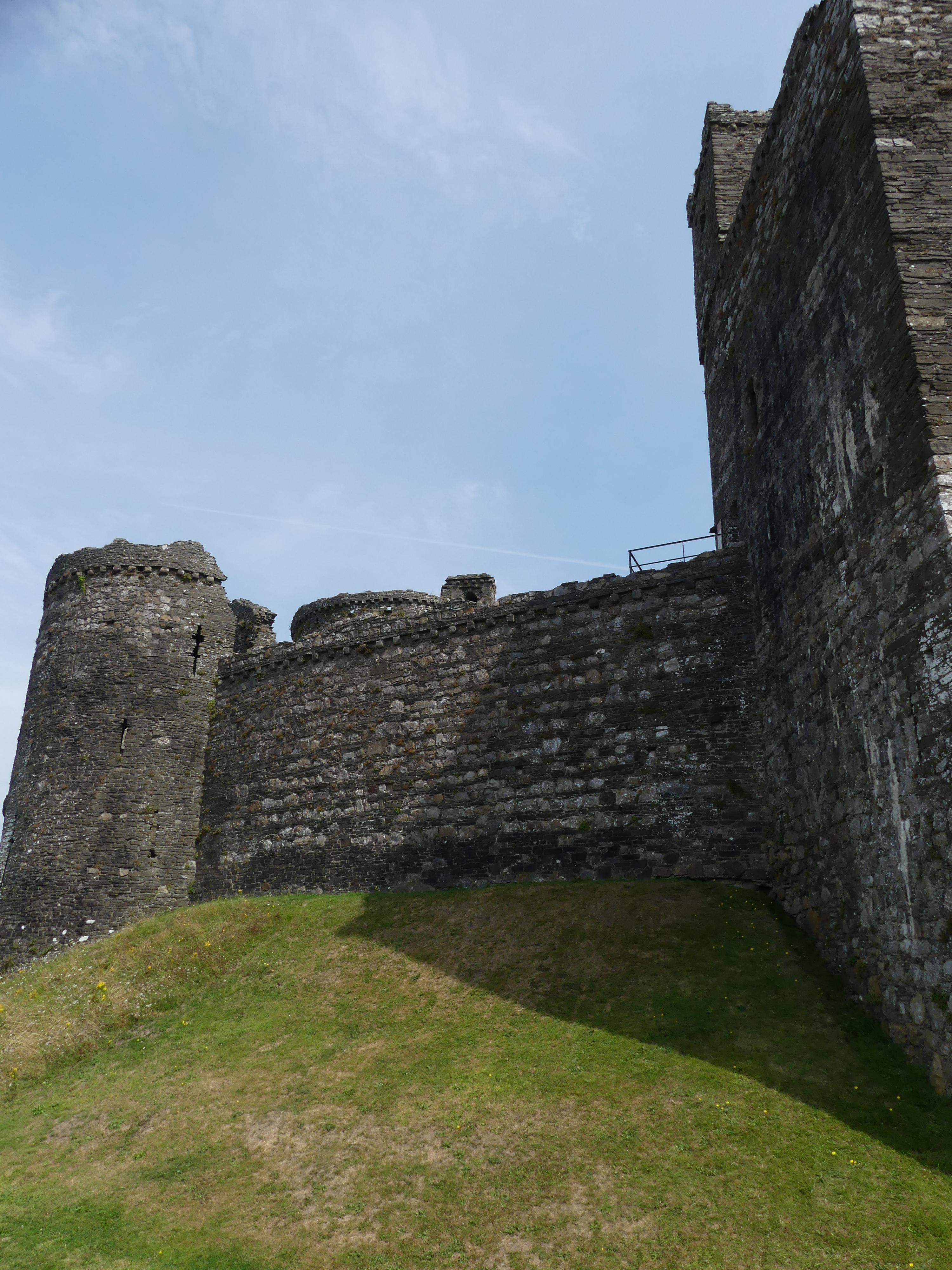
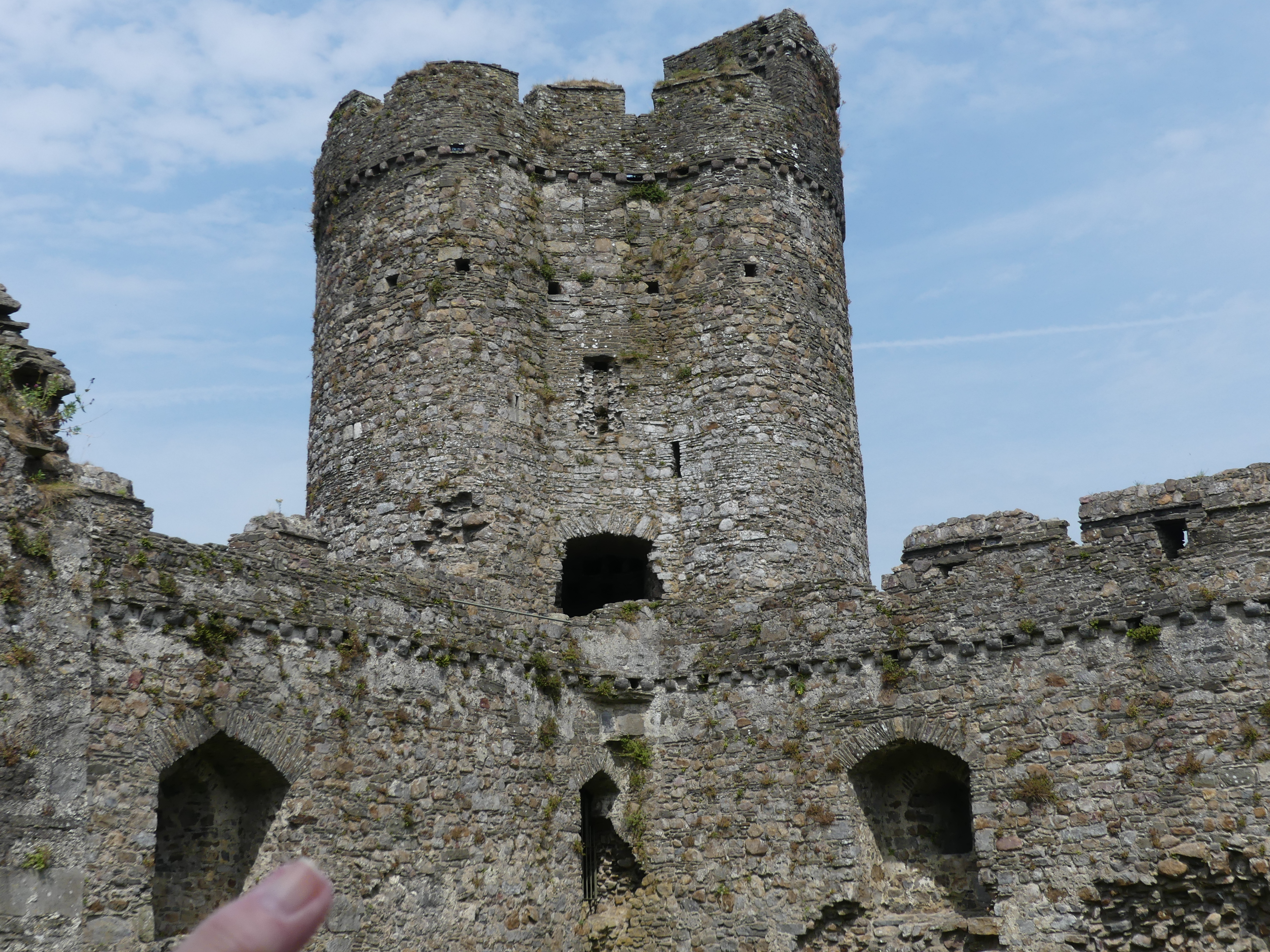
After our hearty breakfast of cereal and coffee/tea we prepared a picnic (we brought our own flask, Vegemite, honey and butter which we keep cold on the window sill whilst putting our milk in the Hotel’s kitchen fridge). We drive to Crickhowell the epicenter of this region. We parked behind the information centre and were confronted by the call to arms for the Rotary Duck Race (note the venue “Bull Pit Meadow” how rural is that) after which we walked the main street of the village – from the Bear Hotel to the castle ruins. The streets are narrow (Kerry has to step onto the road to continue on the footpath) and the castle is a ruin and now the centre piece of the kids playground in the community park. There are bits and pieces of the castle, its keep and defensive wall within the village. The photos show part of a tower, a disconnected part of the wall set 3 m above part of the inner keep and a section of a second tower. From the top of the inner keep we have a view over the whole of the town into the hills.
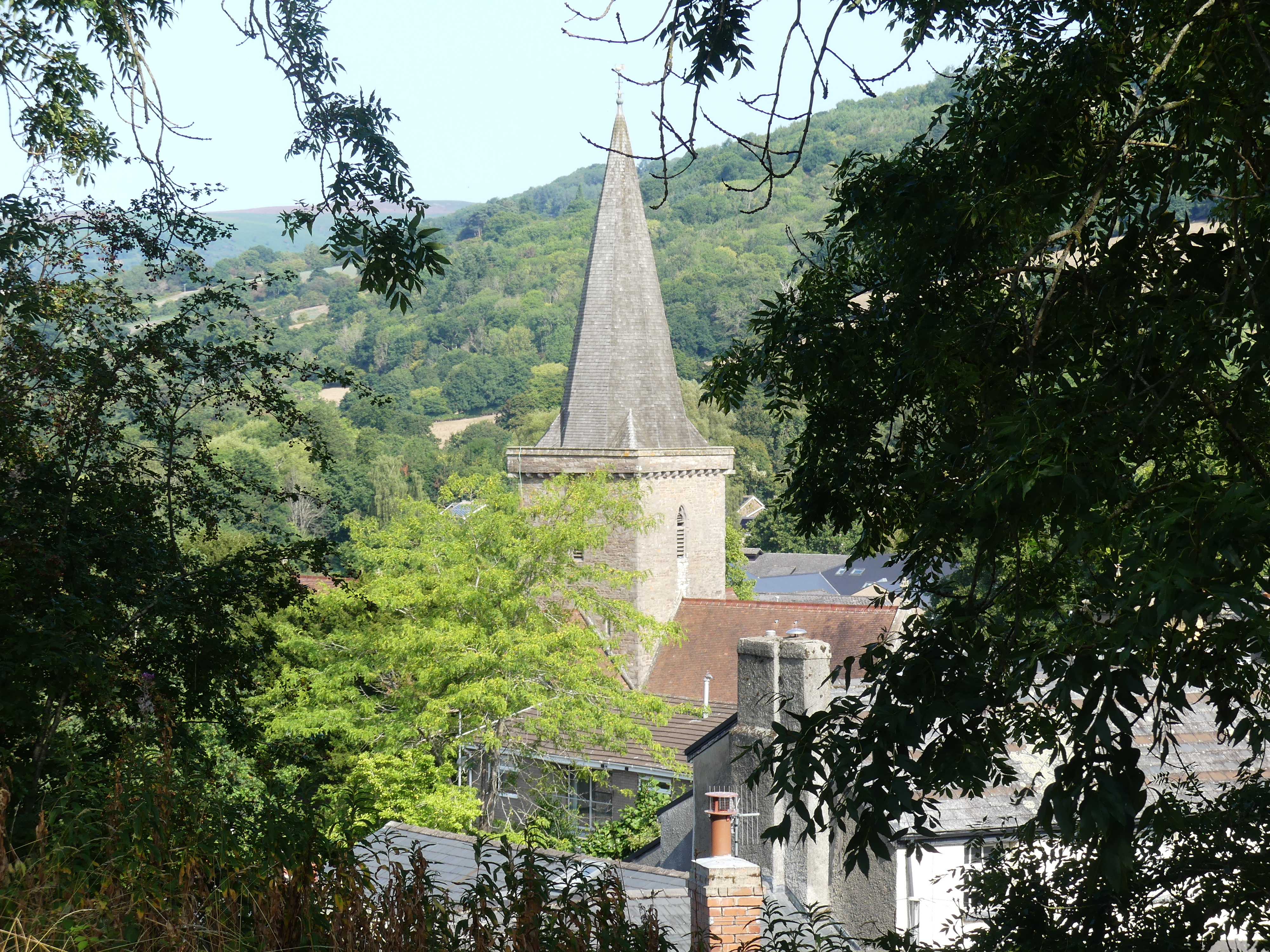
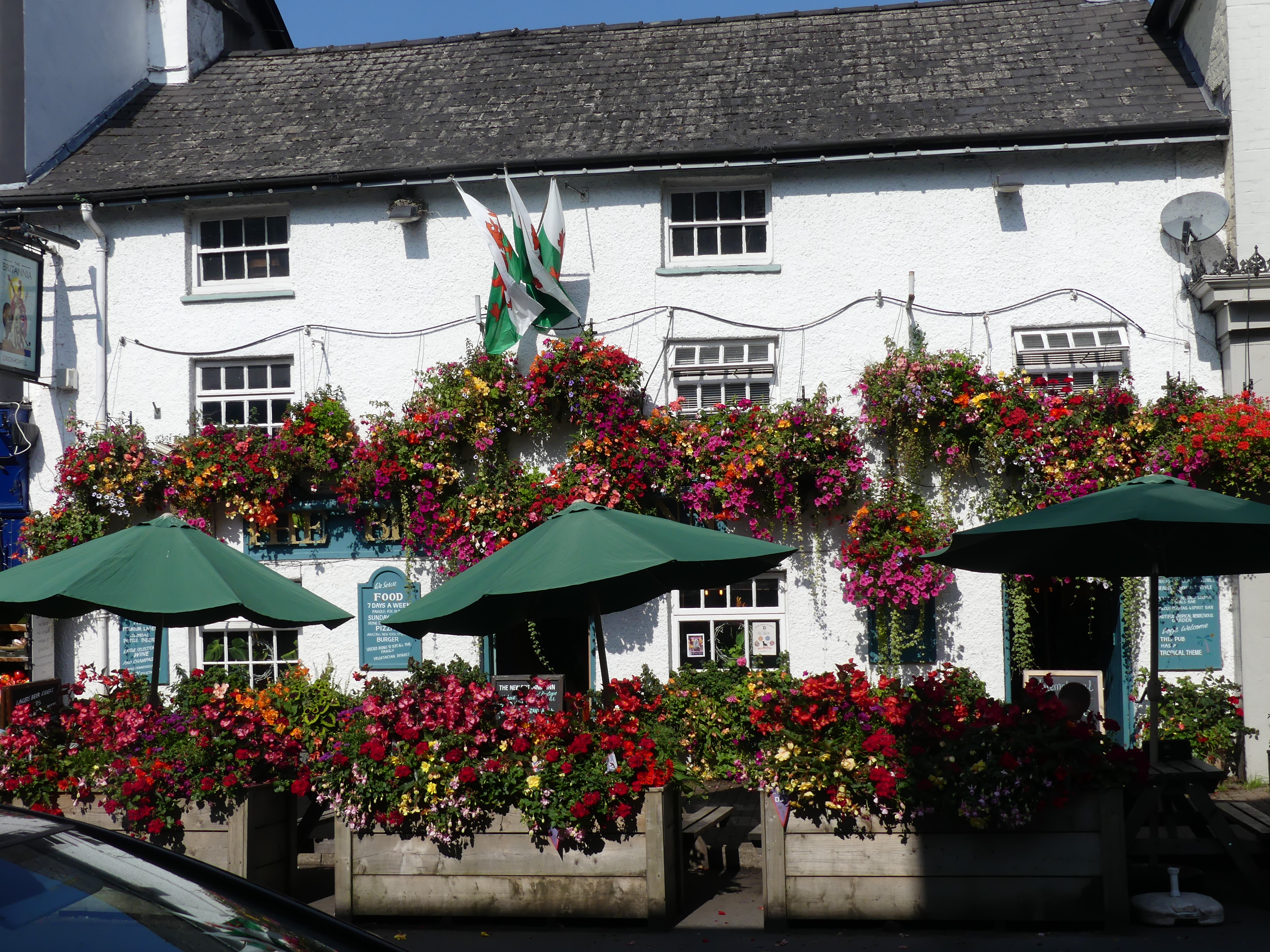
We spy the spire of the local church and return past the old Bear Hotel where we find another part of the defensive walls being used as part of their front fence. Very quaint. We move onto the church we had seen from the ruins which turned out to be St. Edmund’s Church (Eglwys Sant Emyr). Inside the church is a record of the early history of life in Crickhowell – 3 sarcophaguses with death images formed on the top of the container – time had rendered the dates of the internment and identities illegible. The interior of the church was simple and dignified. In the church yard the former members of the community having passed over are recorded and remembered.
The countryside was vibrant and green. I am certain we had a coffee and cake before we returned to the carpark. My photo below is the countryside – don’t go searching for us drinking coffee.
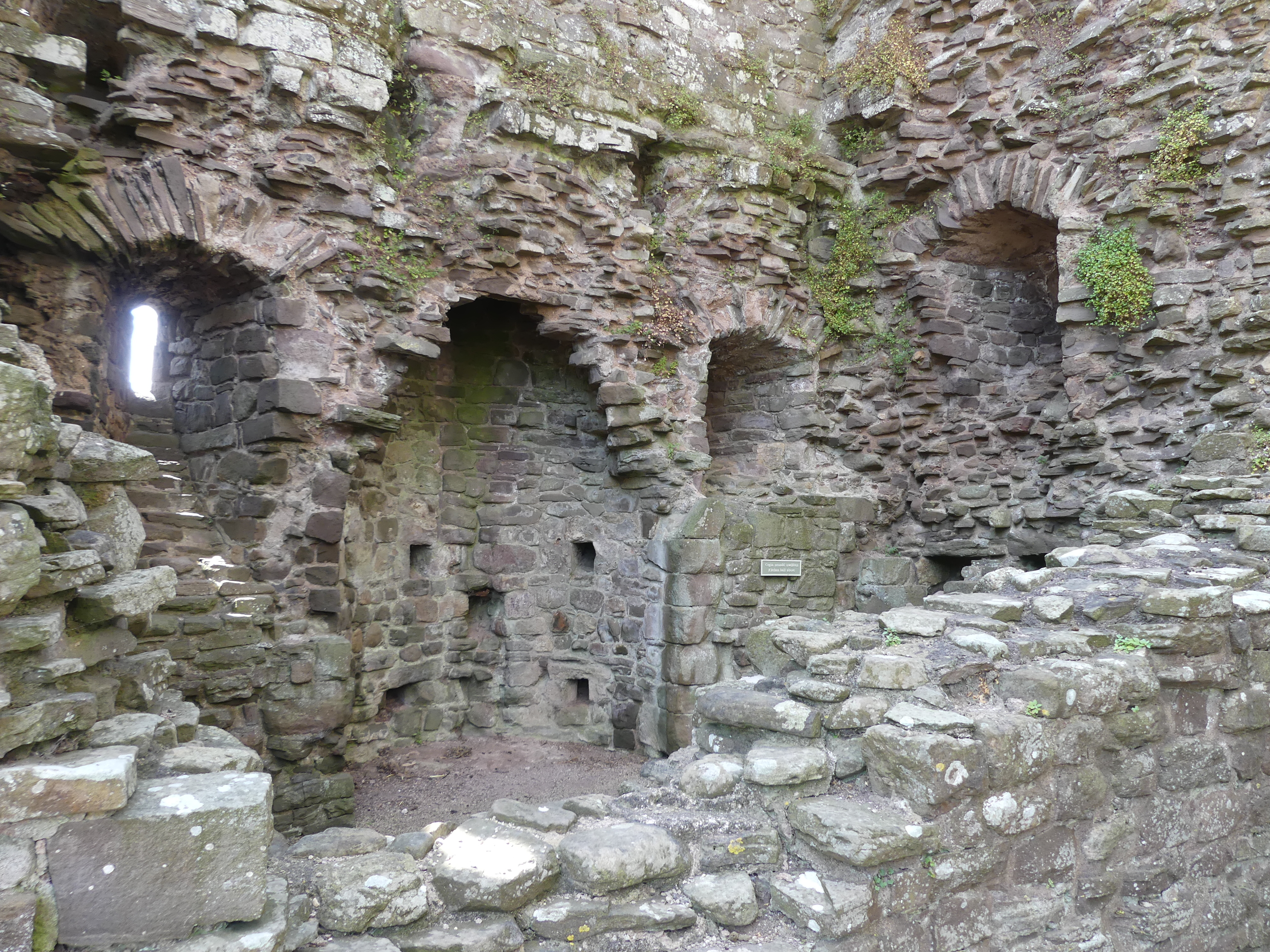
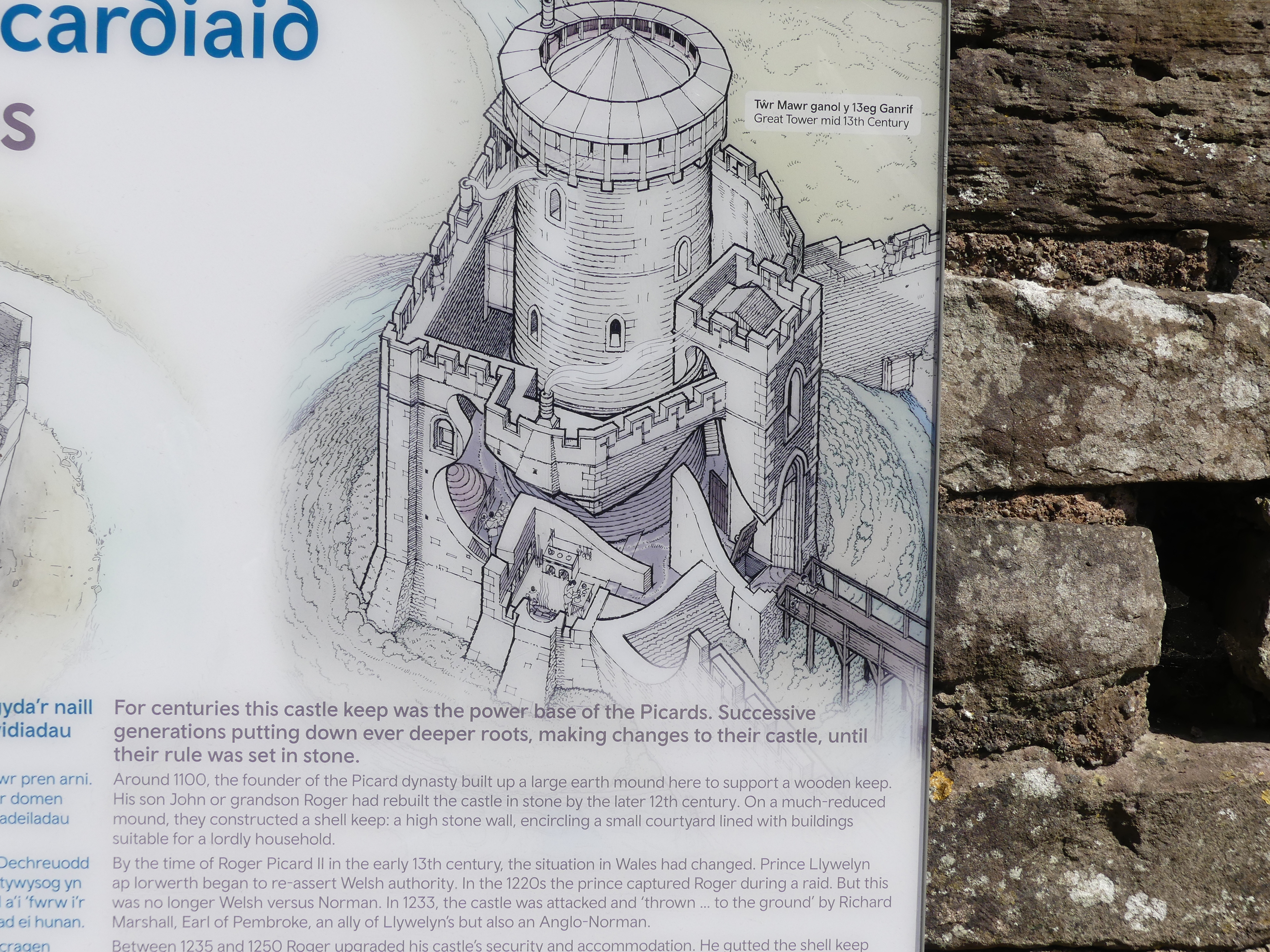
Part of our reason for coming to the Wye River valley is to visit Hay on Wye famous for the bookshops that can be found in the village. However, I was not expecting to accidentally come across another ruin just off the country road. A moat and bailey castle from Norman times – it has likely been slowly demolished by farmers pillaging its stone until the ruin was included in the Cadw Trust. It turns out to be the ruins of Tretower Castle.
The internet tells me that the “Picard dynasty” in Wales refers to the family who held control of Tretower Castle in Powys after the Norman conquest in the late 11th century, founded by a Norman knight named Picard and continued by his descendants, including his son and grandson, who developed the castle into its stone form. After the Picard family, the property passed to other families, including the Vaughans and Bloets.
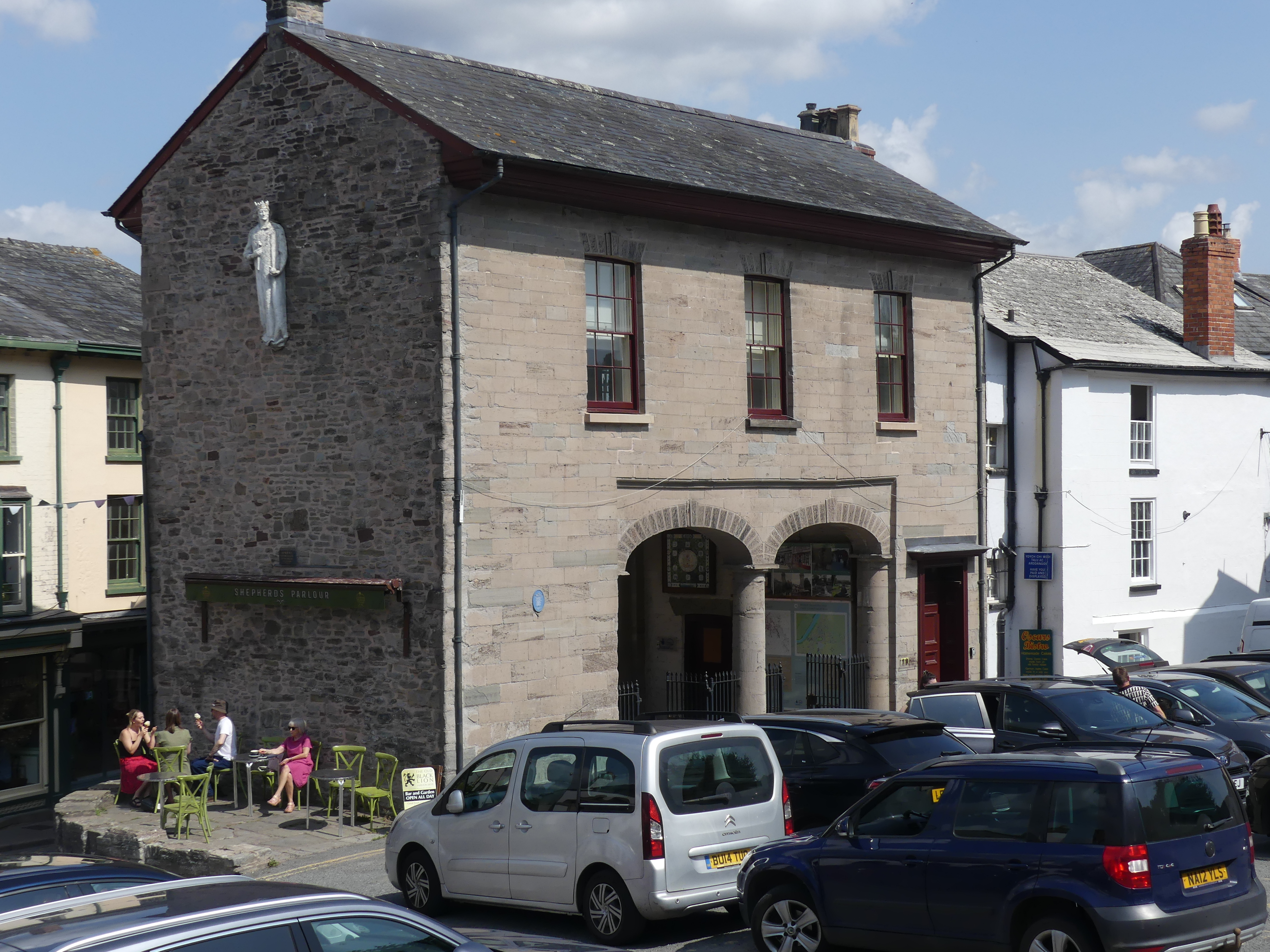
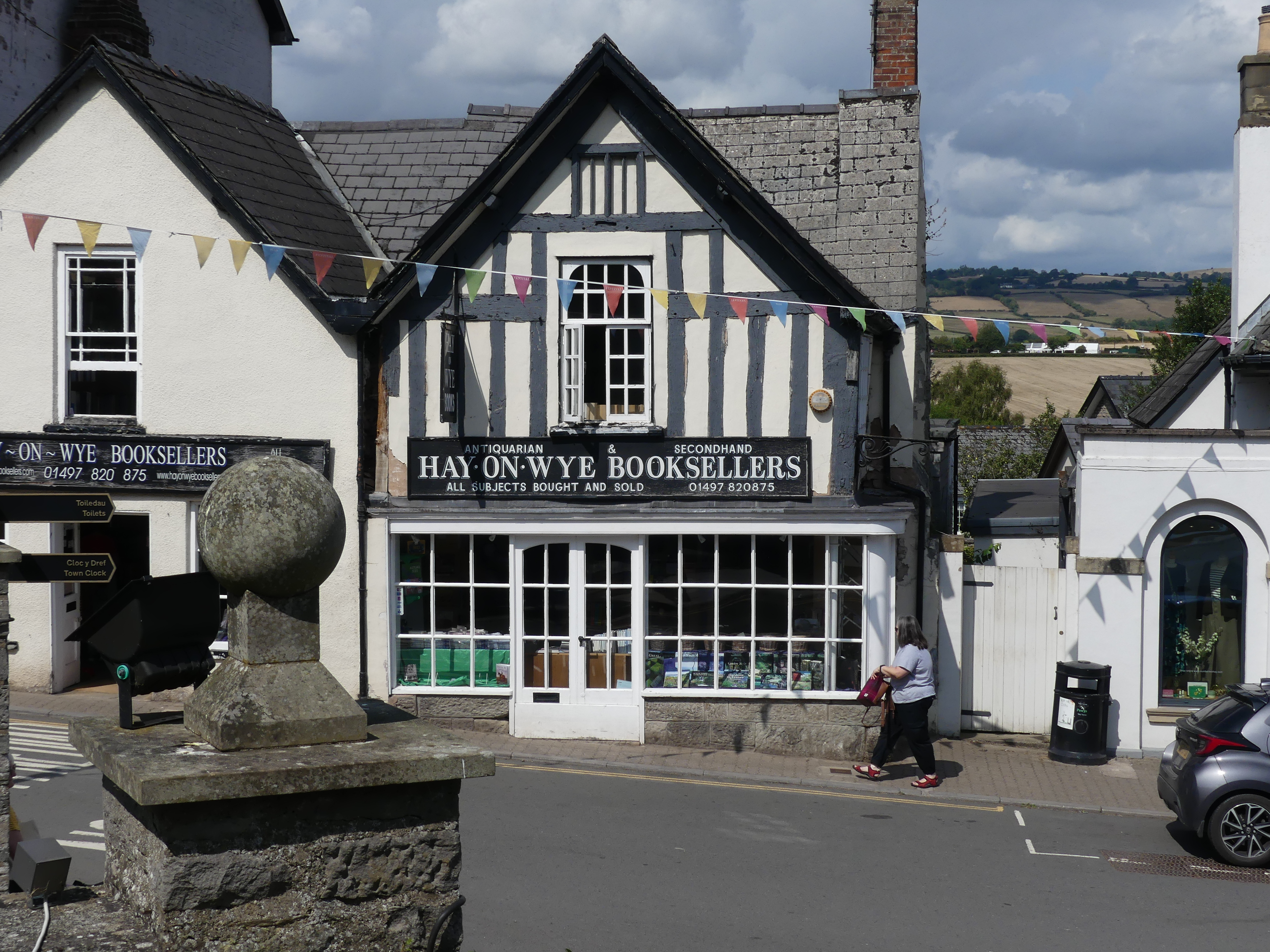
After this interlude we continued onto Hay on Wye. A small village on the banks of the River Wye with touches of its Roman origin still apparent, and like all these villages parking within the village is limited. We parked down near the old, abandoned cattle yards. There is a public book exchange and many different genre of bookshops. The castle that once was home to a minor knight, has been converted to a domestic residence. The market is still used and provides a place in the sun for coffee lovers. My photos include all of these.
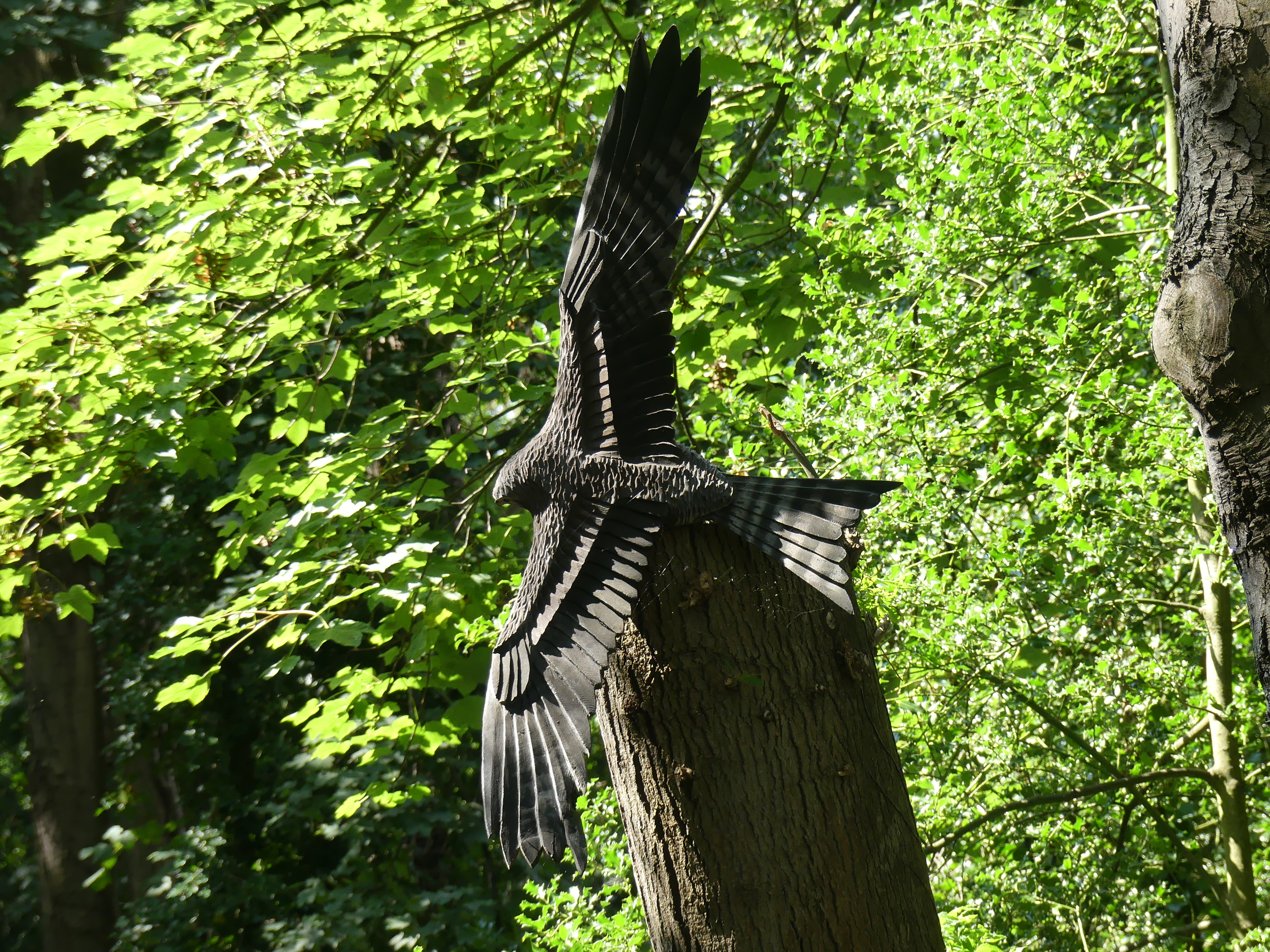
It was very warm, and we decided to have our picnic down on the river. Unfortunately, the flask was not sealing properly and had leaked in the bag. Still we enjoyed our Vegemite sandwiches and coffee. Sitting in the shade of the bushy banks of the river, we cooled off quietly and met some other locals doing the same. One of the surprises was someone had carved in the stumps of dead trees images of local birds of prey. By the way we “forgot” to take the flask when we left the Best Western.
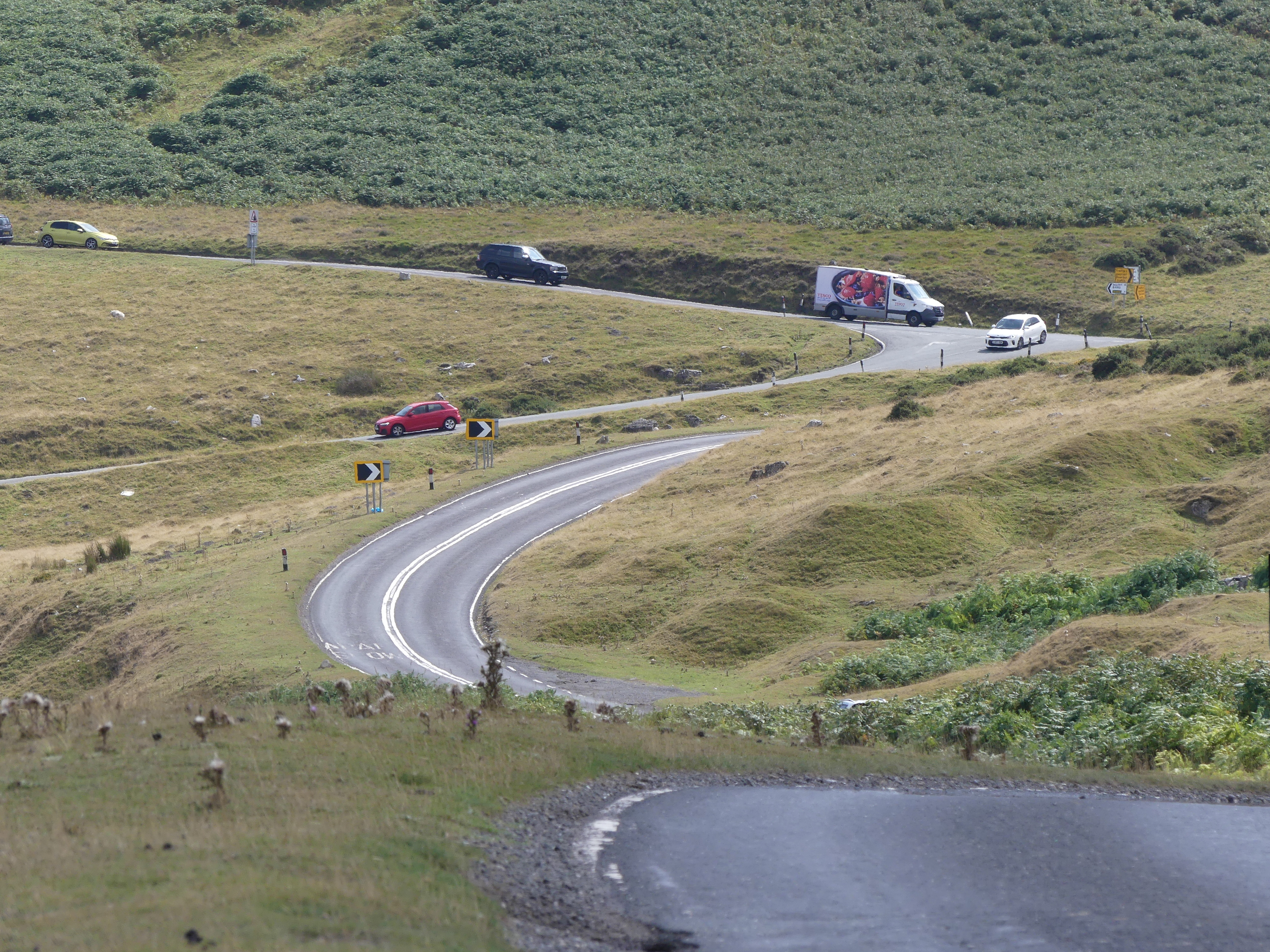
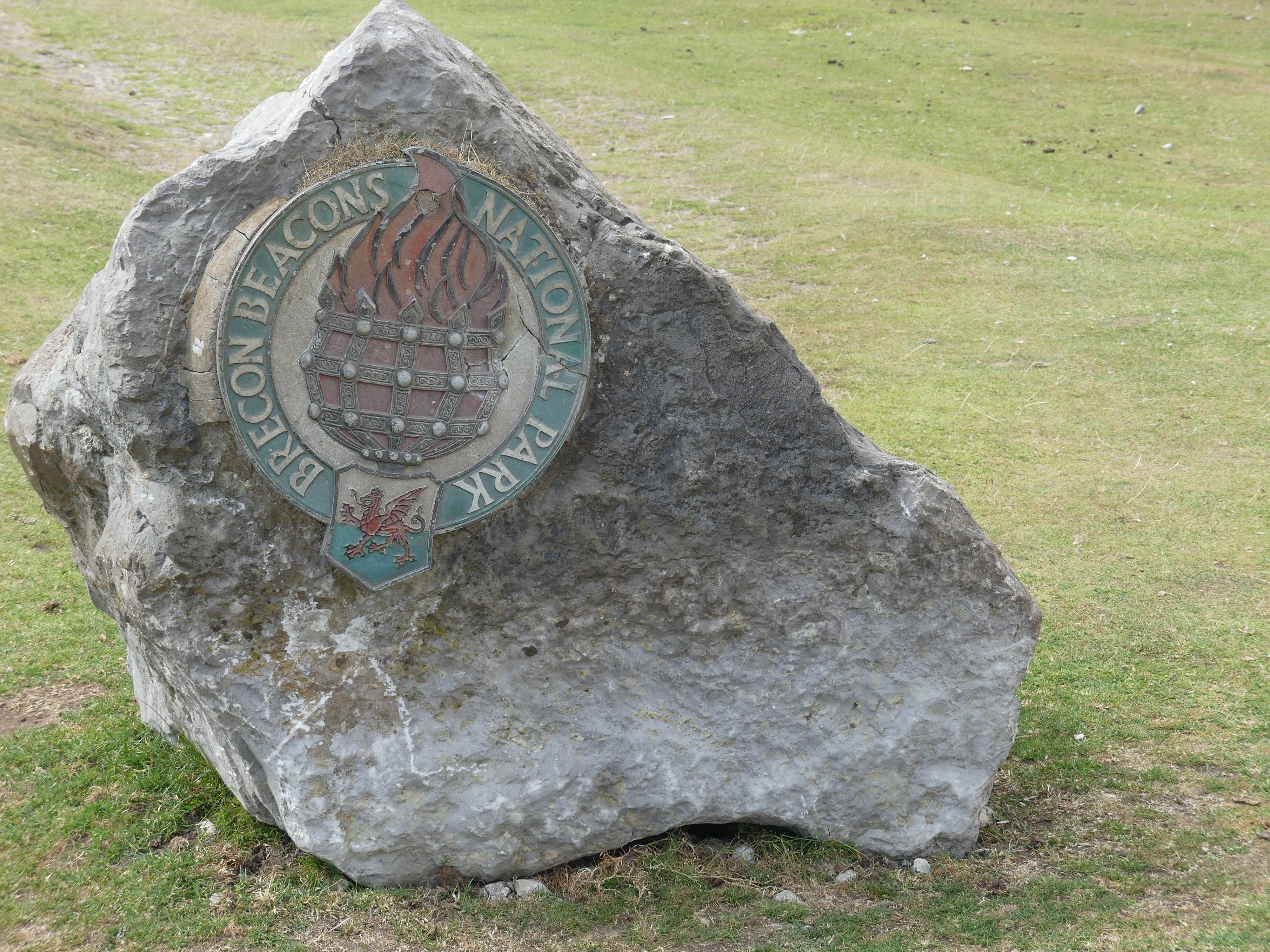
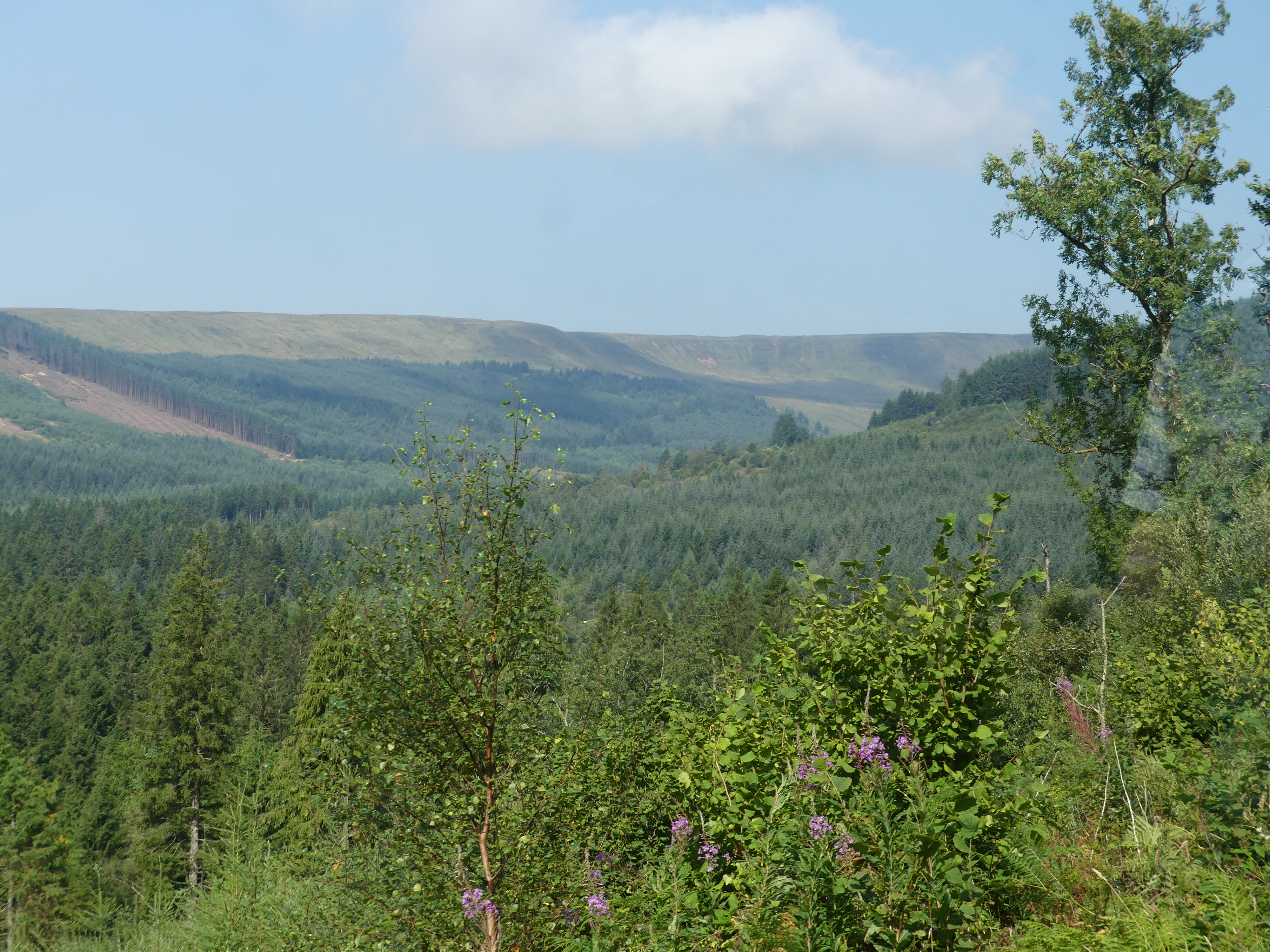
As we returned to our Best Western, we found ourselves crossing Brecons Beacon National Park. It is a national park named after the Brecon Beacons (Welsh: Bannau Brycheiniog), the mountain range at its centre. The national park includes the highest mountain in South Wales, Pen y Fan, which has an elevation of 886 metres (2,907 ft). Stunning picturesque views of rural Wales. We thought we had stumbled across an ice cream van stopped at the top of the peak but were disappointed – he was selling coffee.
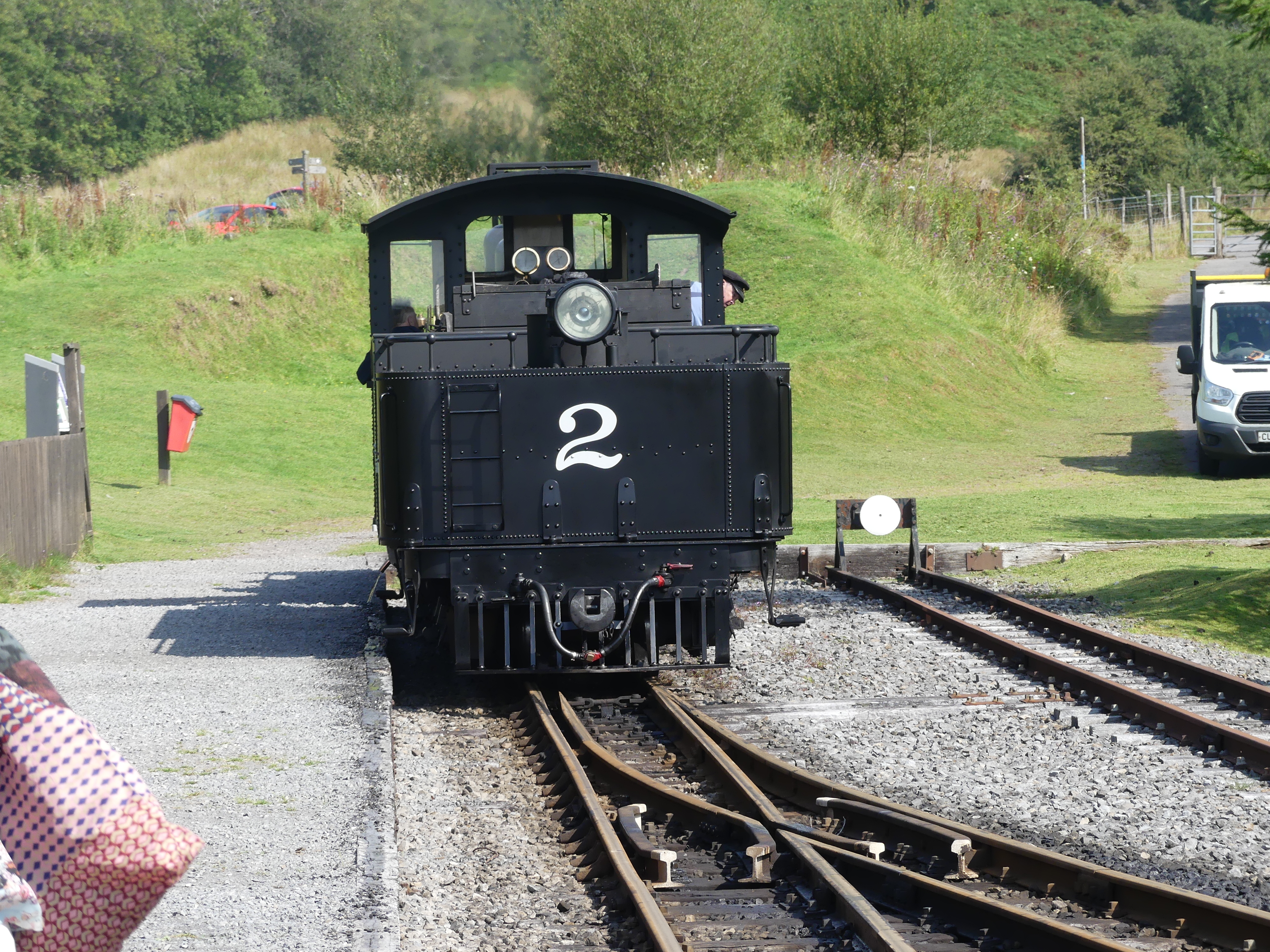
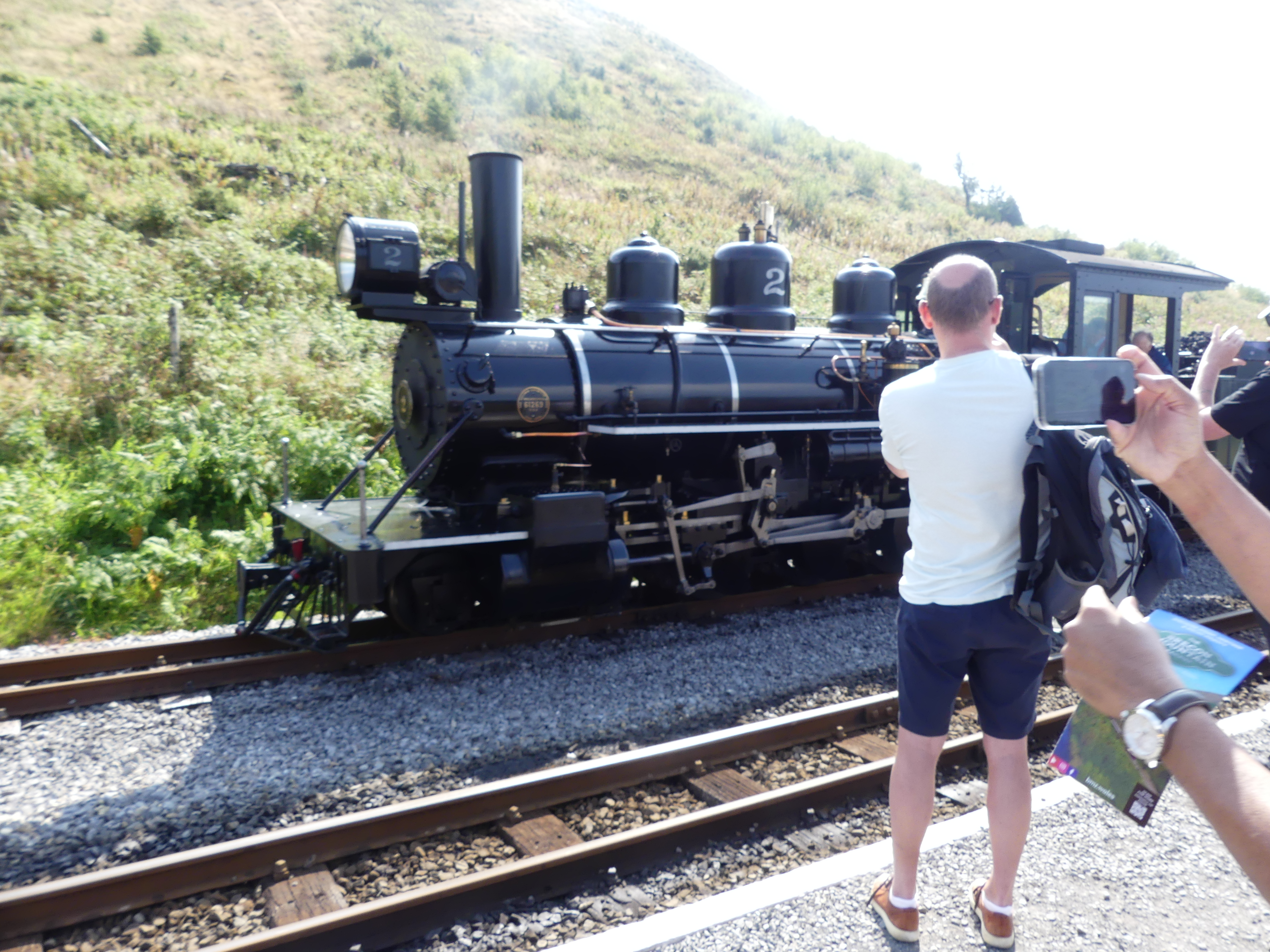
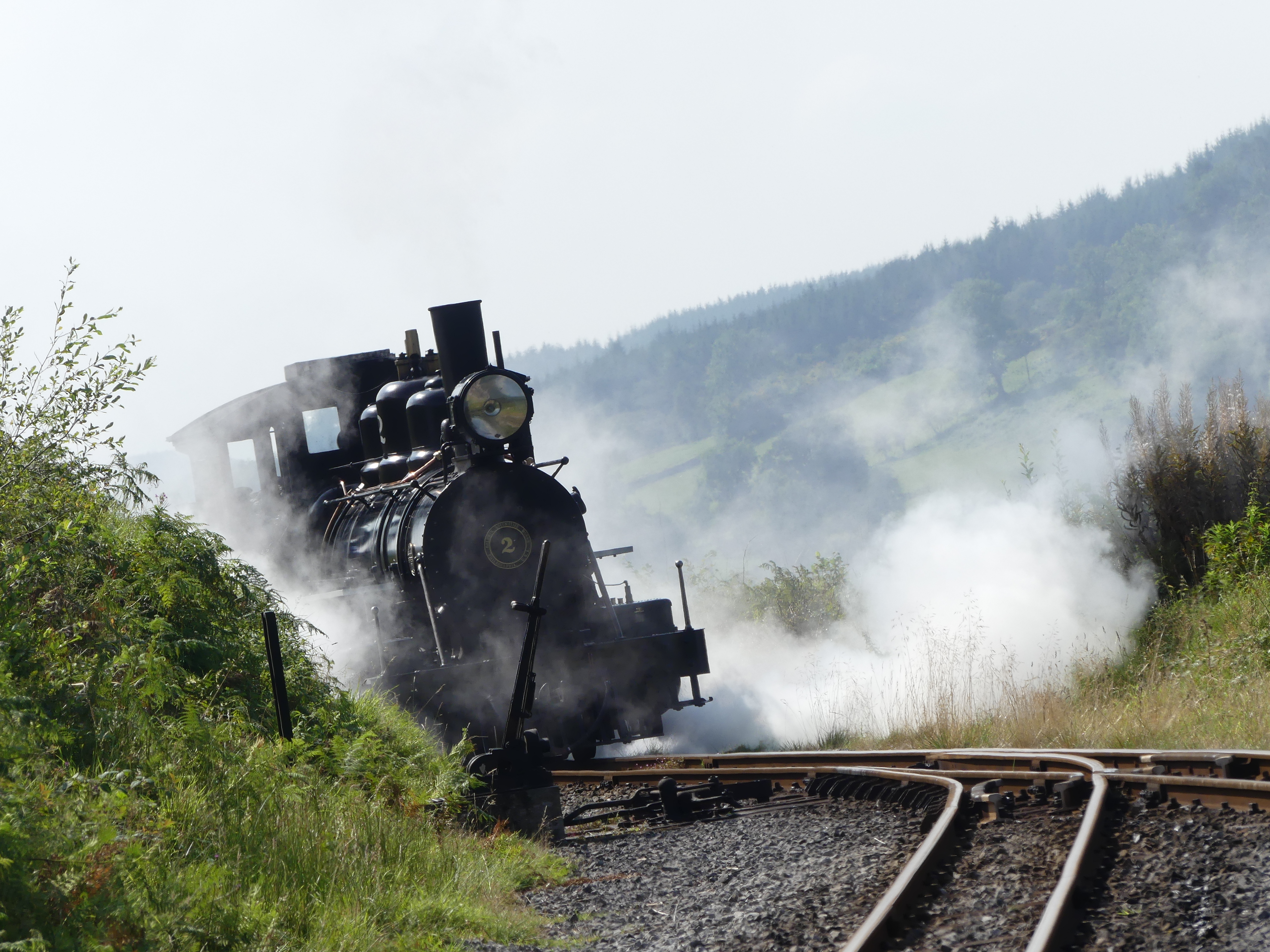
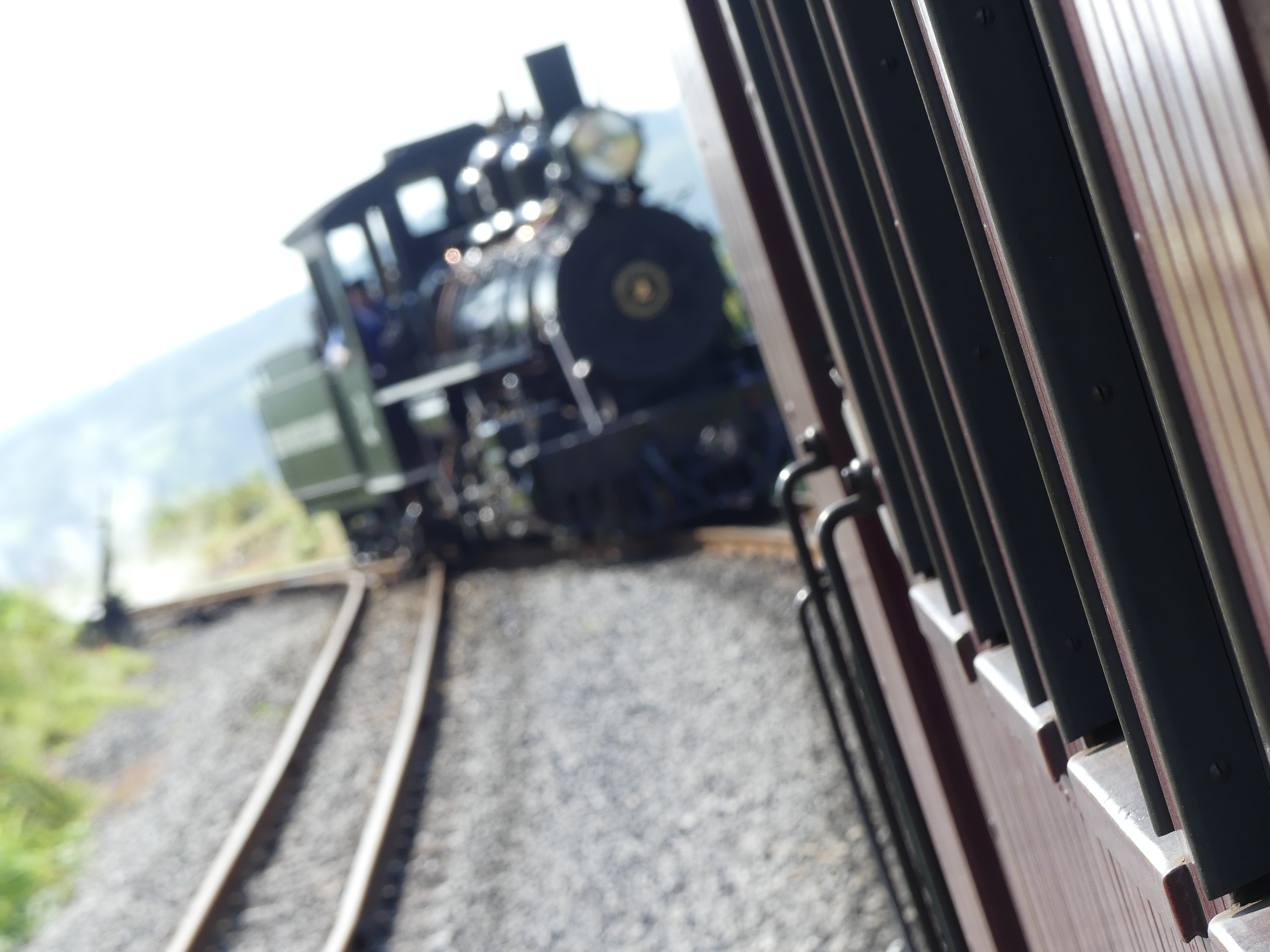
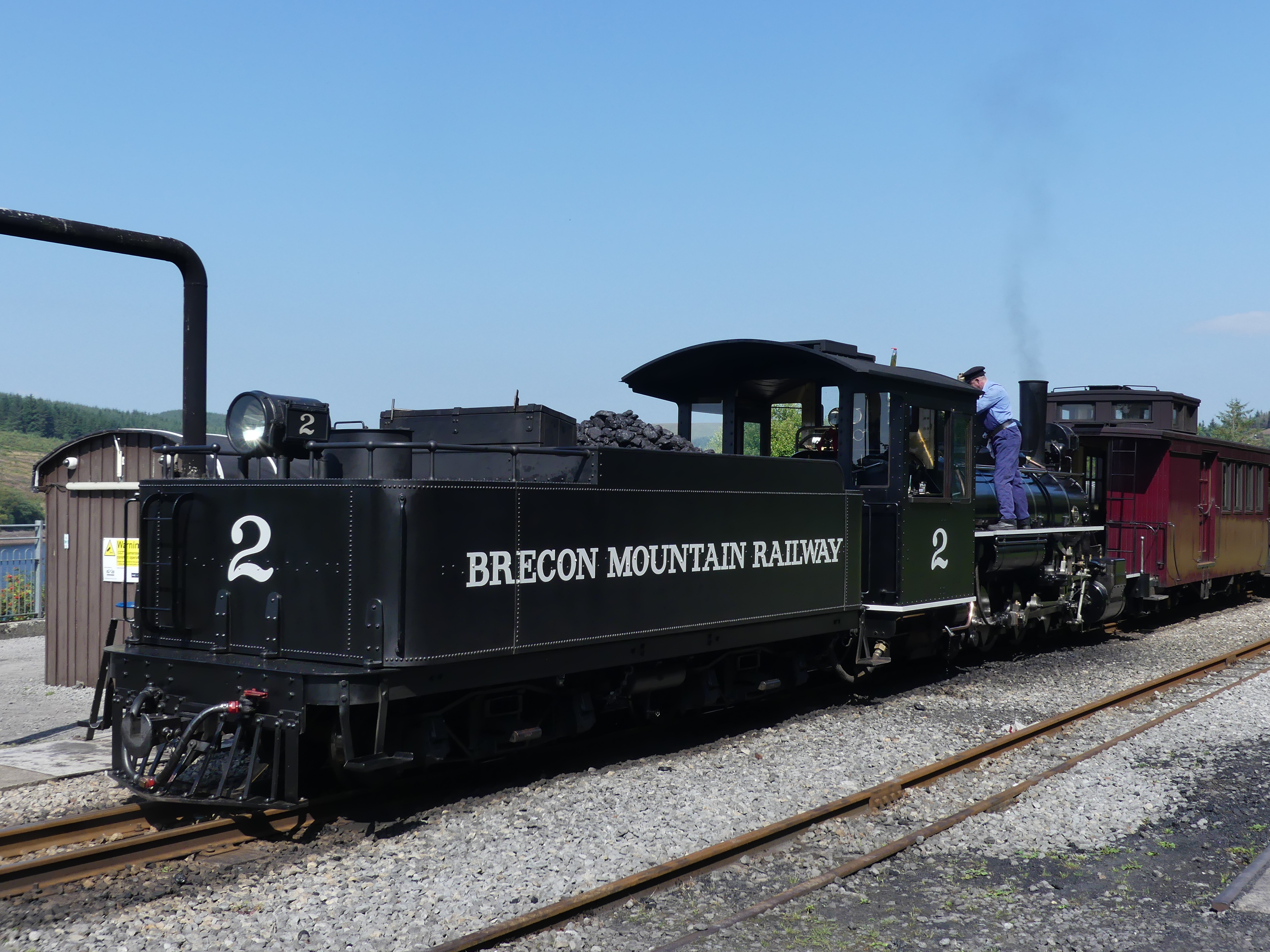
We then traveled on and accidently stumbled across the Brecon Mountain Railway. The Brecon Mountain Railway is a 1 ft 11+3⁄4 in (603 mm) narrow gauge tourist railway on the south side of the Brecon Beacons in Wales. It climbs northwards from Pant along the full length of the Pontsticill Reservoir and continues past the adjoining Pentwyn Reservoir to Torpantau railway station. The railway’s starting point at Pant is located two miles (3 km) north of the town centre of Merthyr Tydfil, Merthyr Tydfil County Borough, South-East Wales. It is very popular so booking in advance is necessary. We booked our tickets for the following day.
We returned to our hotel and as I recall we went for a walk through the town and had dinner at a pub. Nothing flash although the locals thought it a bit of a posh nosh.
The following morning, we returned to the railway and here are our photos of the ride. Thanks to Wikipedia the history of the Railway follows.
“The Brecon Mountain Railway was founded in the mid-1970s, by Tony Hills (1937–2015). Hills was a long time railway enthusiast who by 1970, had established a base at Gilfach Ddu on the Llanberis Lake Railway where he stored the locomotives he purchased. In 1977, he purchased five miles of trackbed of the abandoned Brecon & Merthyr Railway at Pant and moved his collection there. Construction of the BMR started in 1978, with the grant of a Light Railway Order in 1980. Track was laid between Pant and Pontsticill in 1979–80. At Pontsticill the station house was renovated, the old waiting room was converted into a small workshop and a storage shed was built. Seven bridges were repaired or replaced. The railway opened to passengers in June 1980 using the engine Sybil and one carriage.
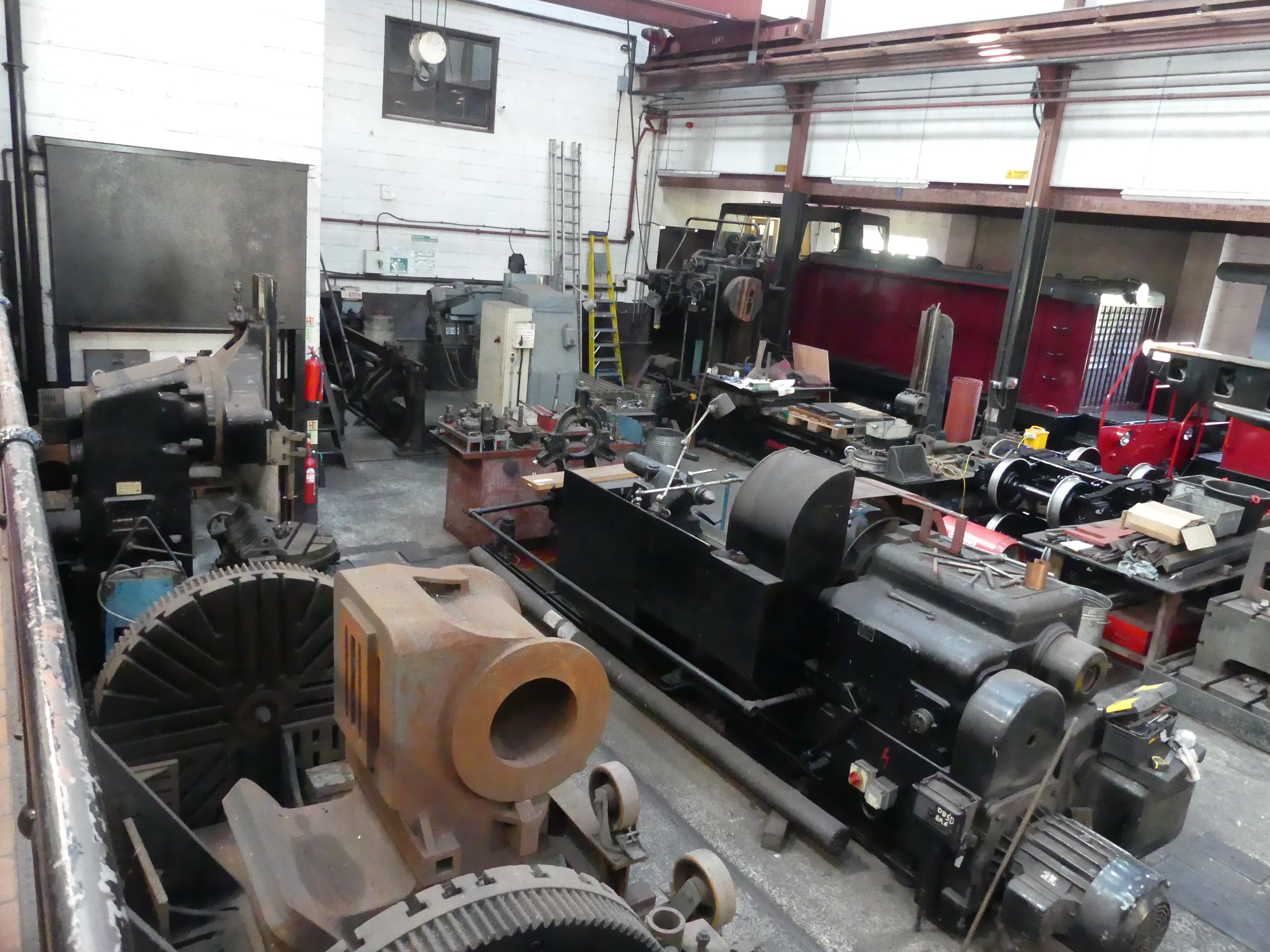
Between 1982 and 1996, a large station and workshop were built at Pant. These provide passenger facilities including toilets, cafe, shop and booking office as well as the extensive workshop used to build and maintain the railway locomotives, carriages and wagons.
A 1+1⁄2 miles (2.4 km) extension from Pontsticill to Dol-y-Gaer opened in 1995. The railway was further extended to Torpantau, just short of the southern entrance of the Torpantau Tunnel, with passenger services commencing 1 April 2014.
By 2016, the original waiting room building at Pontsticill, which had served as a workshop for a period, was converted into a steam museum housing various stationary steam engines and three of the smaller locomotives. All of the stationary units were connected up to a steam distribution header and boiler, which in 2017 was still awaiting commissioning.”
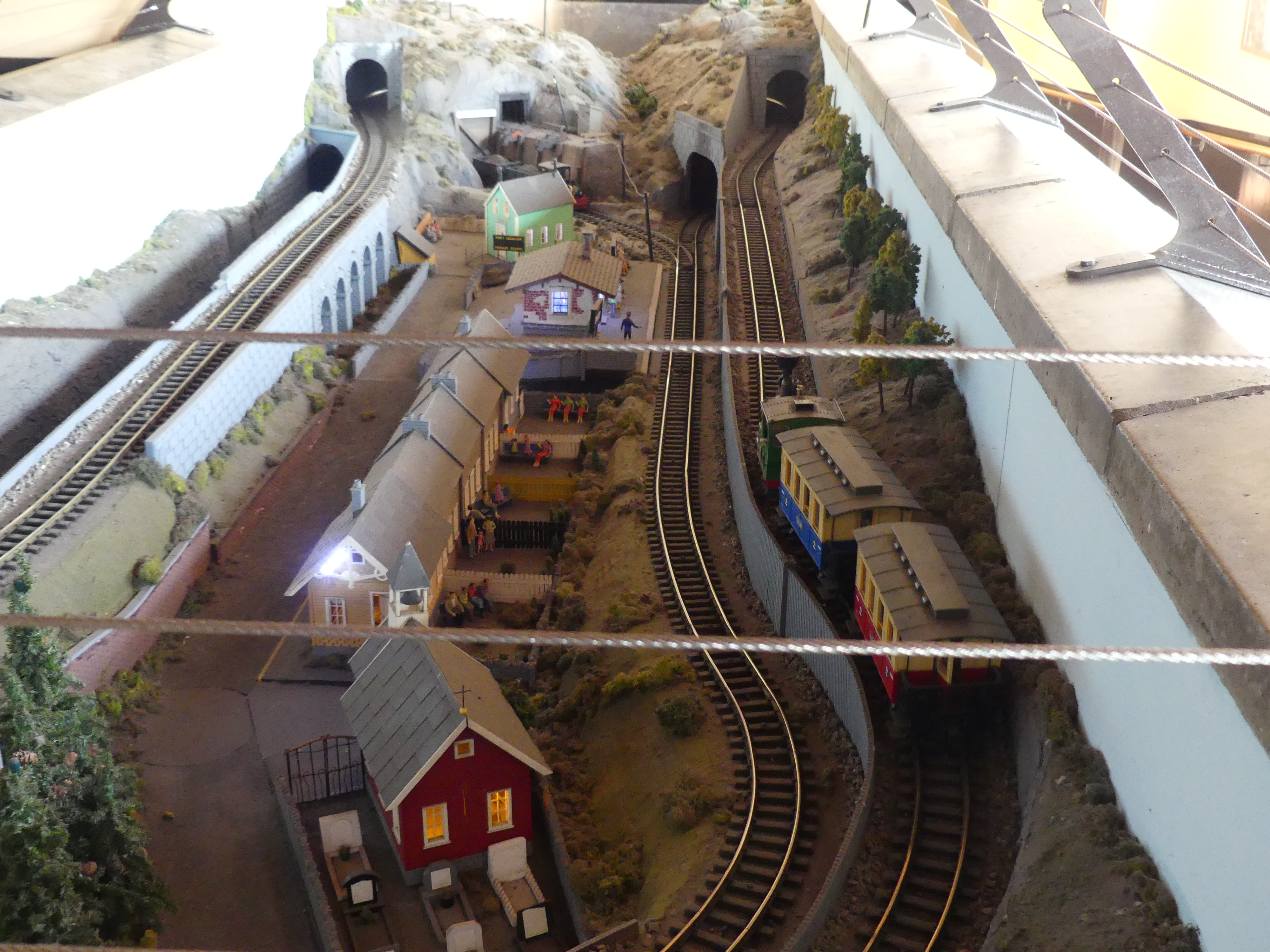
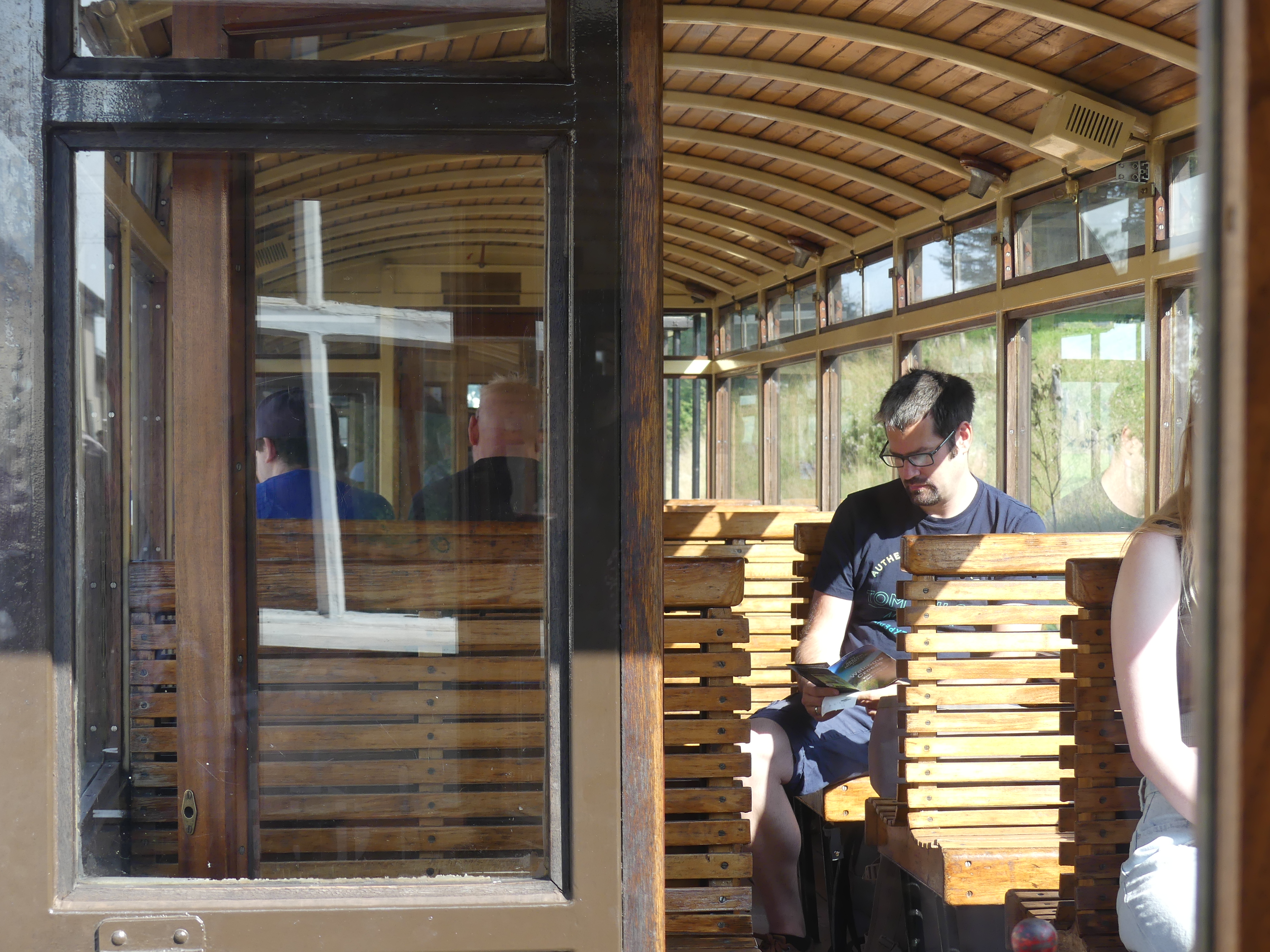
My photos show the station at Pontsticill with the attach museum and workshop, and the trip up to Torpantau. There the train disengages turns around and takes us back to Dol-y-Gaer where converted carriages serve as cafe and refreshment stop. My photo shows Kerry in the queue.
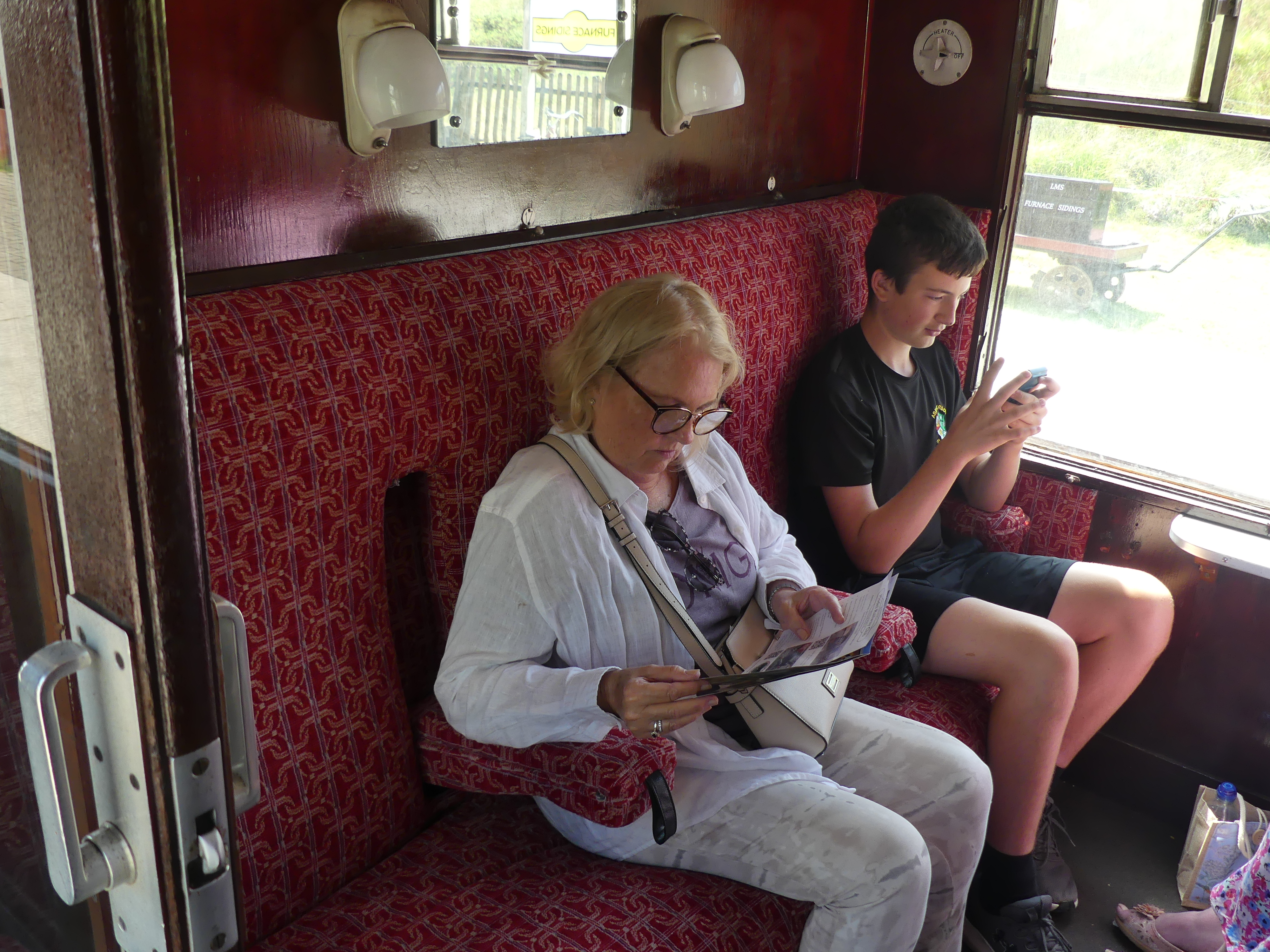
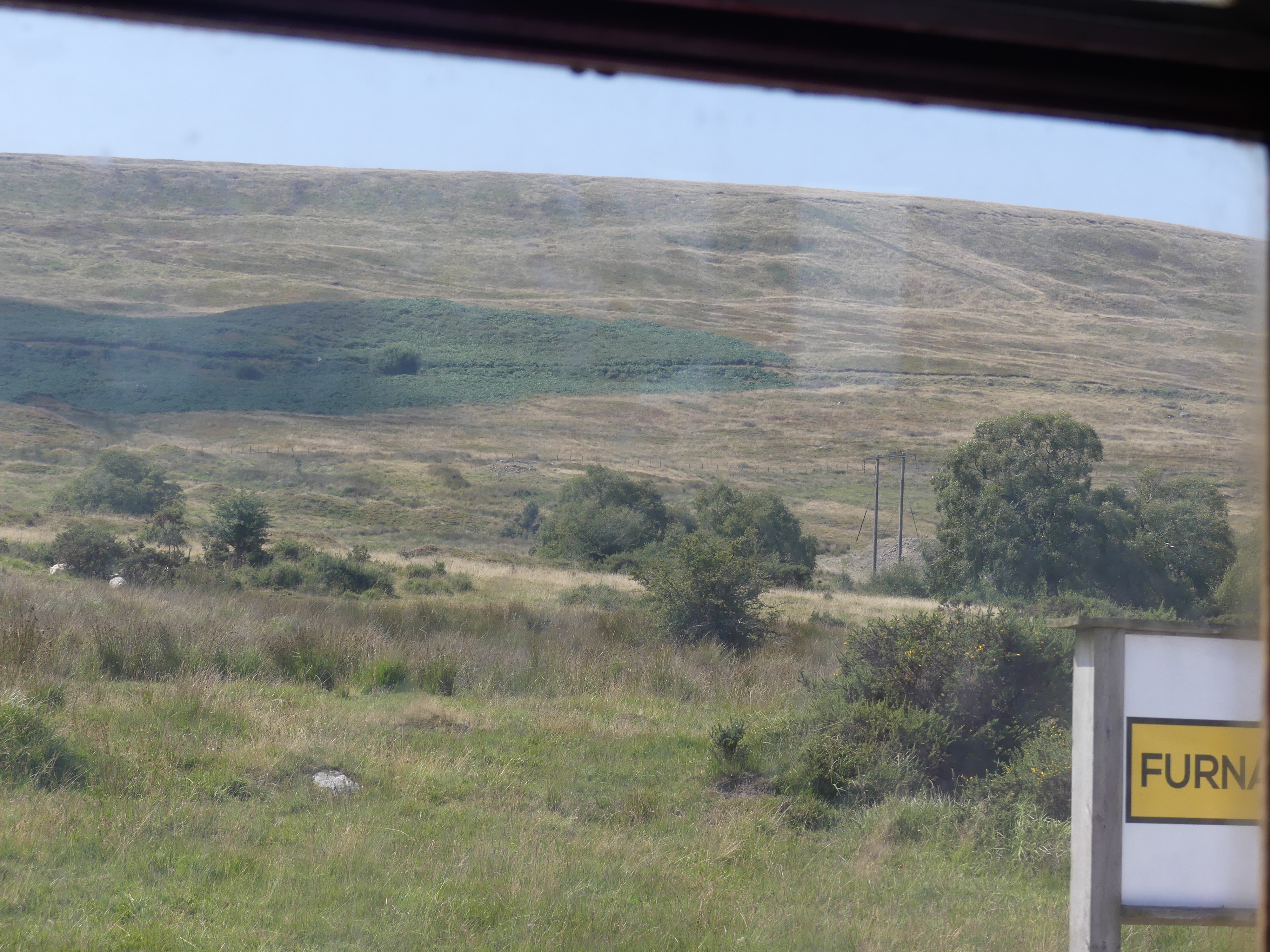
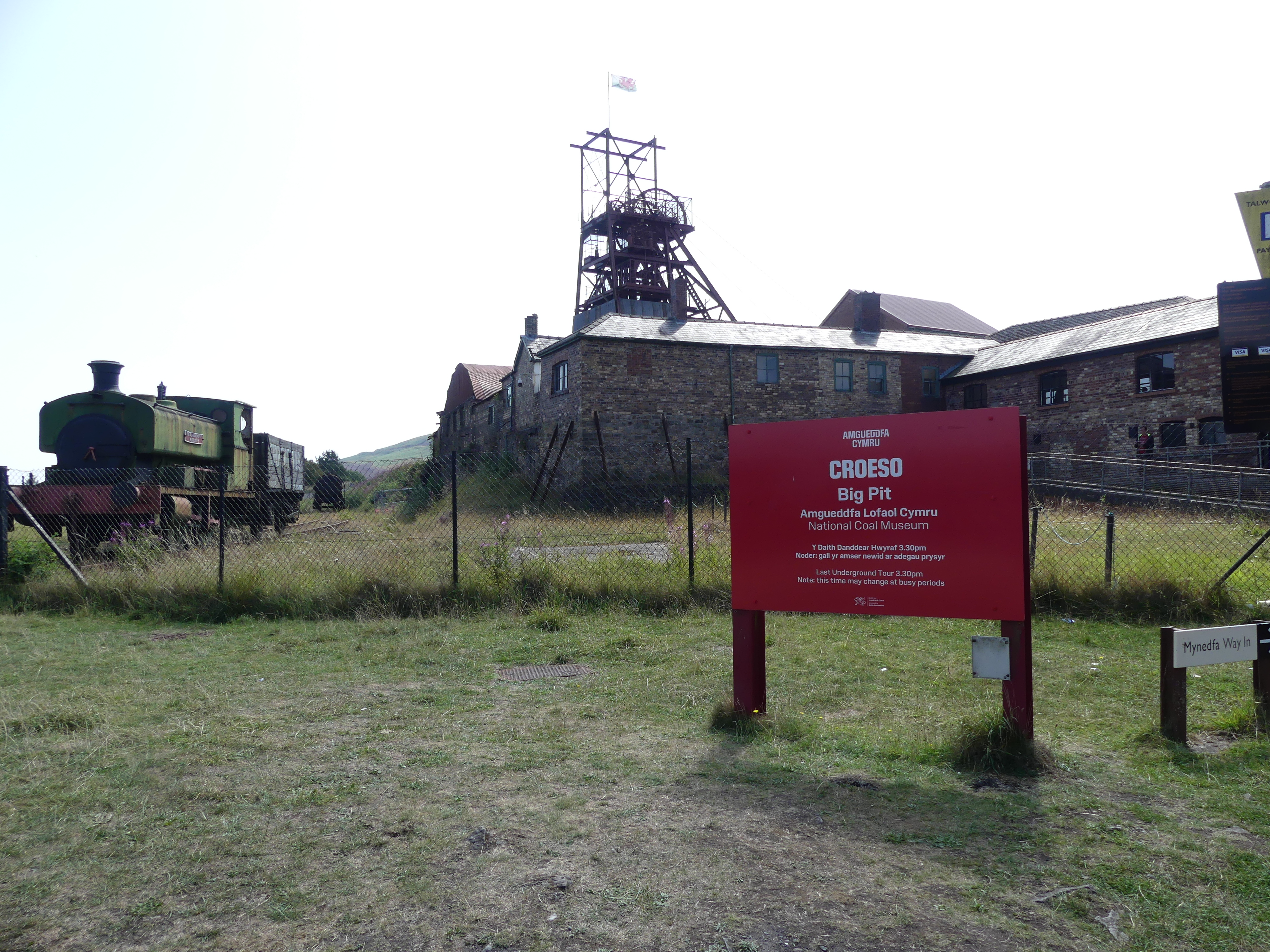
The trip and drive took most of the day. Overnight we investigated visiting the Big Pit and the Blaenavon Heritage Railway the next day. Unlike the Brecon Railway this one is an all-volunteer association keeping the steam train running and it incidentally used to service the Big Pit so whilst the train goes to the Big Pit it’s not synchronized with what is happening with the Big Pit. The railway visits 4 stations in a round trip of about 1 hour. One of the stops is the Big Pit. We knew nothing of these arrangements and learned as we went. The stations are Big Pit Halt along a short branch line then back to Furnace Sidings Halt where we bought our ticket and then two more stations (they call them “Halts”) Whistle Inn Halt and Blaenavon. We caught the train to the Big Pit and on reboarding the train we eventually did the whole of the train ride.
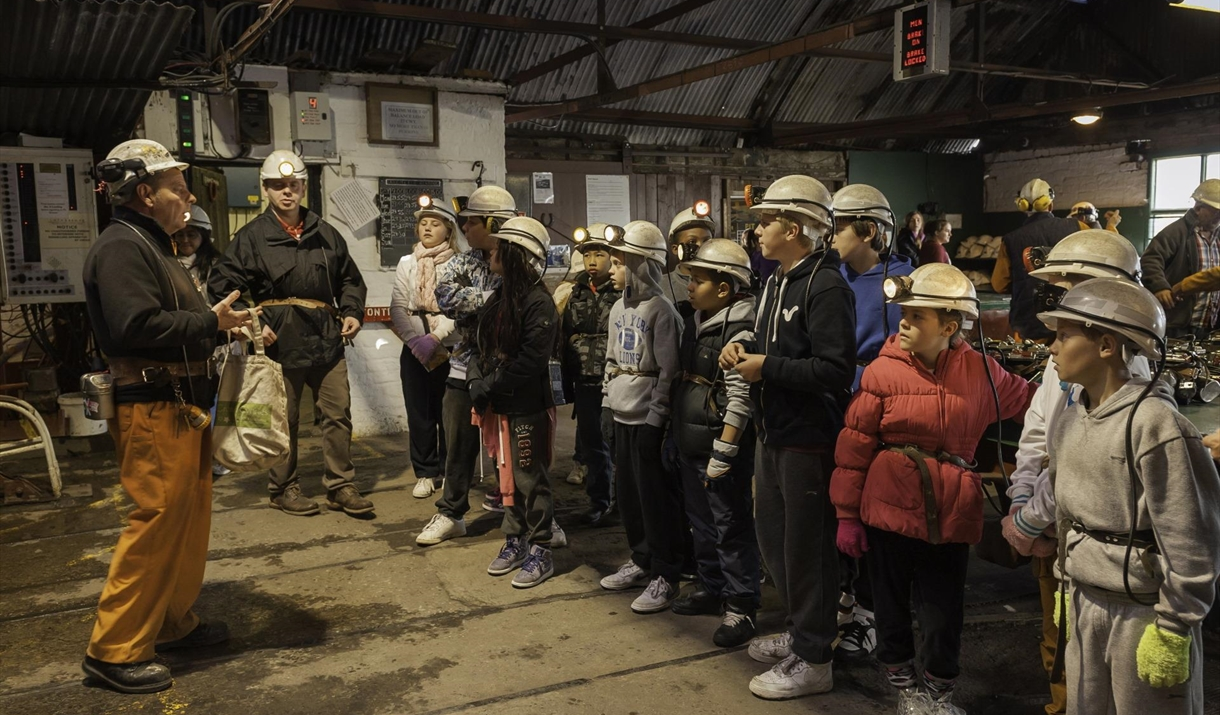
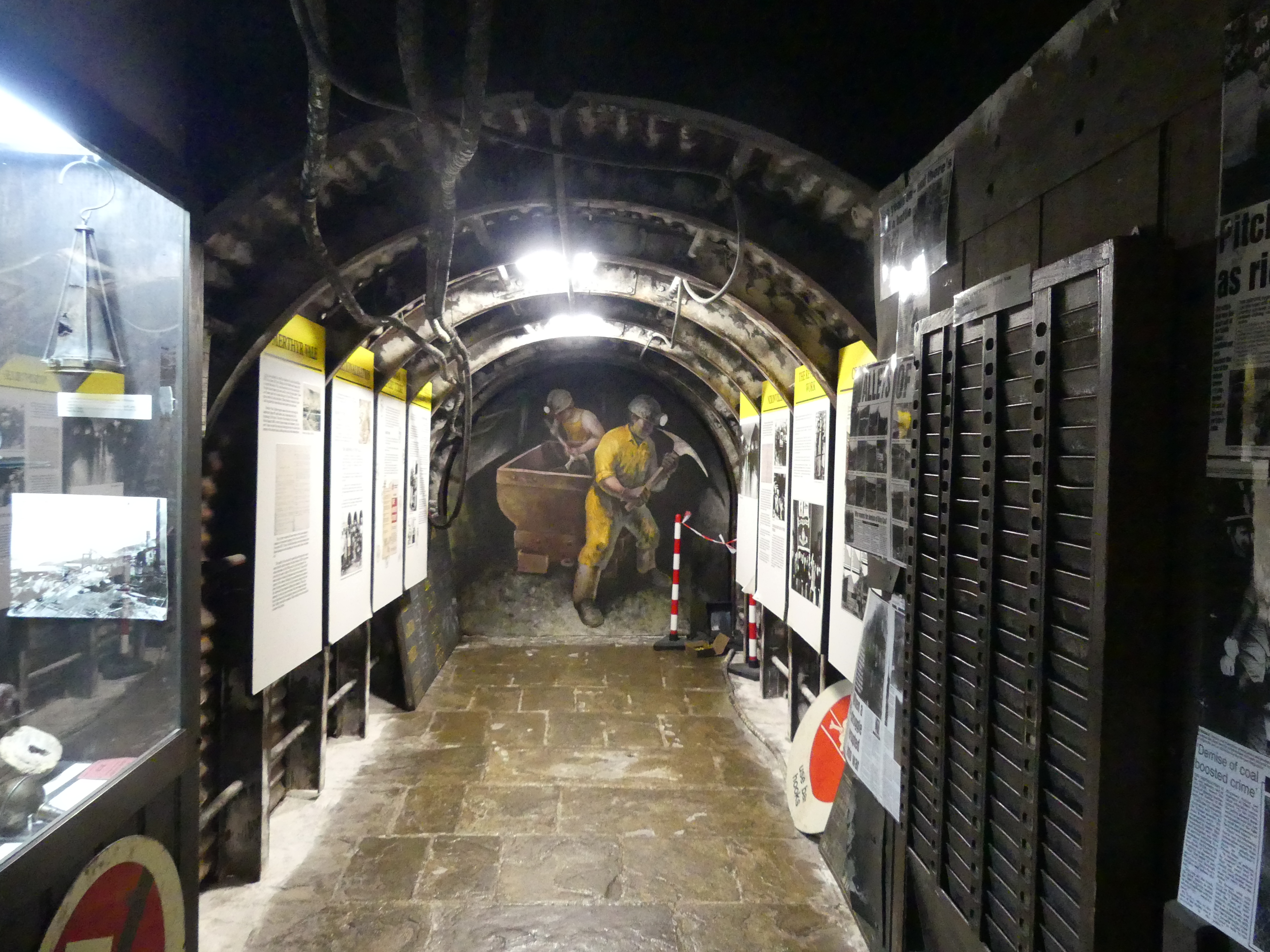
The Big Pit is a short walk from the branch line station and after entering the Big Pit recetion area we were directed to the waiting room. There we awaited our guide who takes a group of about 10 people to a preparation area where we were fitted out with safety gear and handed in our phones and cameras.You won’t see any photos of the mine tunnels as photos underground are prohibited. Then the group enter an elevator to descend 300 feet or 90 m underground to experience “mining”. The trip was very sobering. This was a tough life more than I could understand without experiencing this tour. We learnt about the darkness of the tunnel, the risks of suffocation from dangerous gases, the heat and uncomfortable environment in which to work the long hours of the miners, their children, who often worked with them, and the horses which lived in the mines quite often Shetland ponies. The tour lasted at least an hour and half. This was longer than we had allowed so we were concerned that we did not miss our return train ride back to the station to where we had parked the car. We need not have worried. After a short period standing on the station, we got the train and finished the whole journey and returned to where we had left the car. Below is a picture of the preparation area. I used what was available on the web site – don’t bother looking for us.
We returned to Ebbw Vale and our hotel to prepare for the following day.
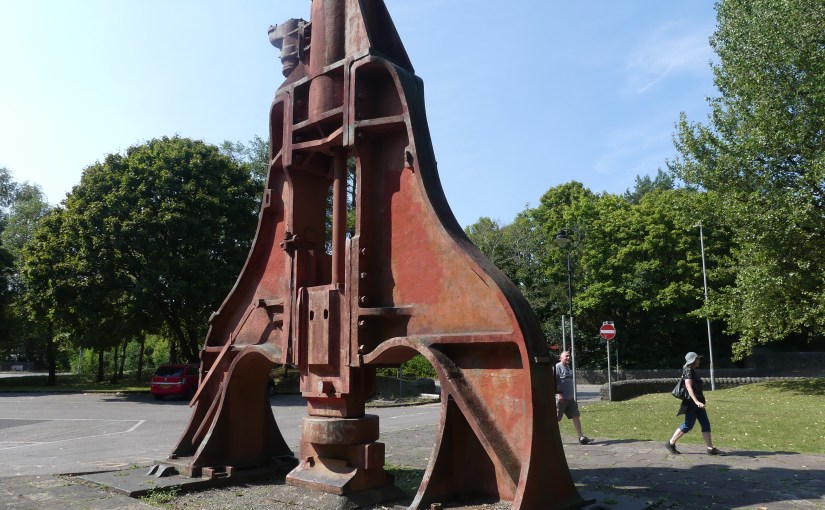
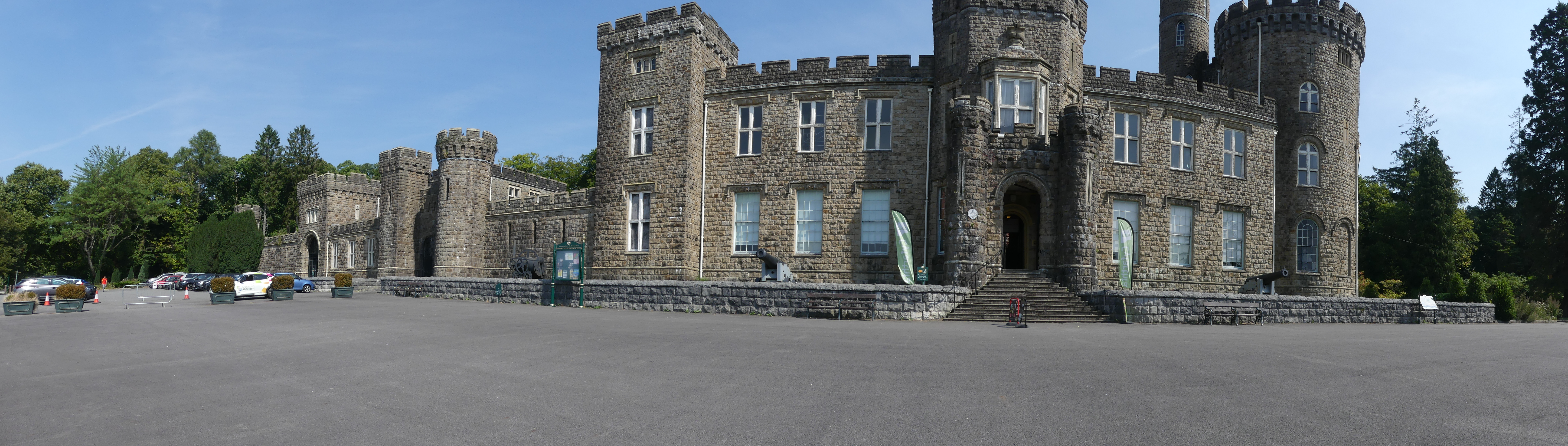
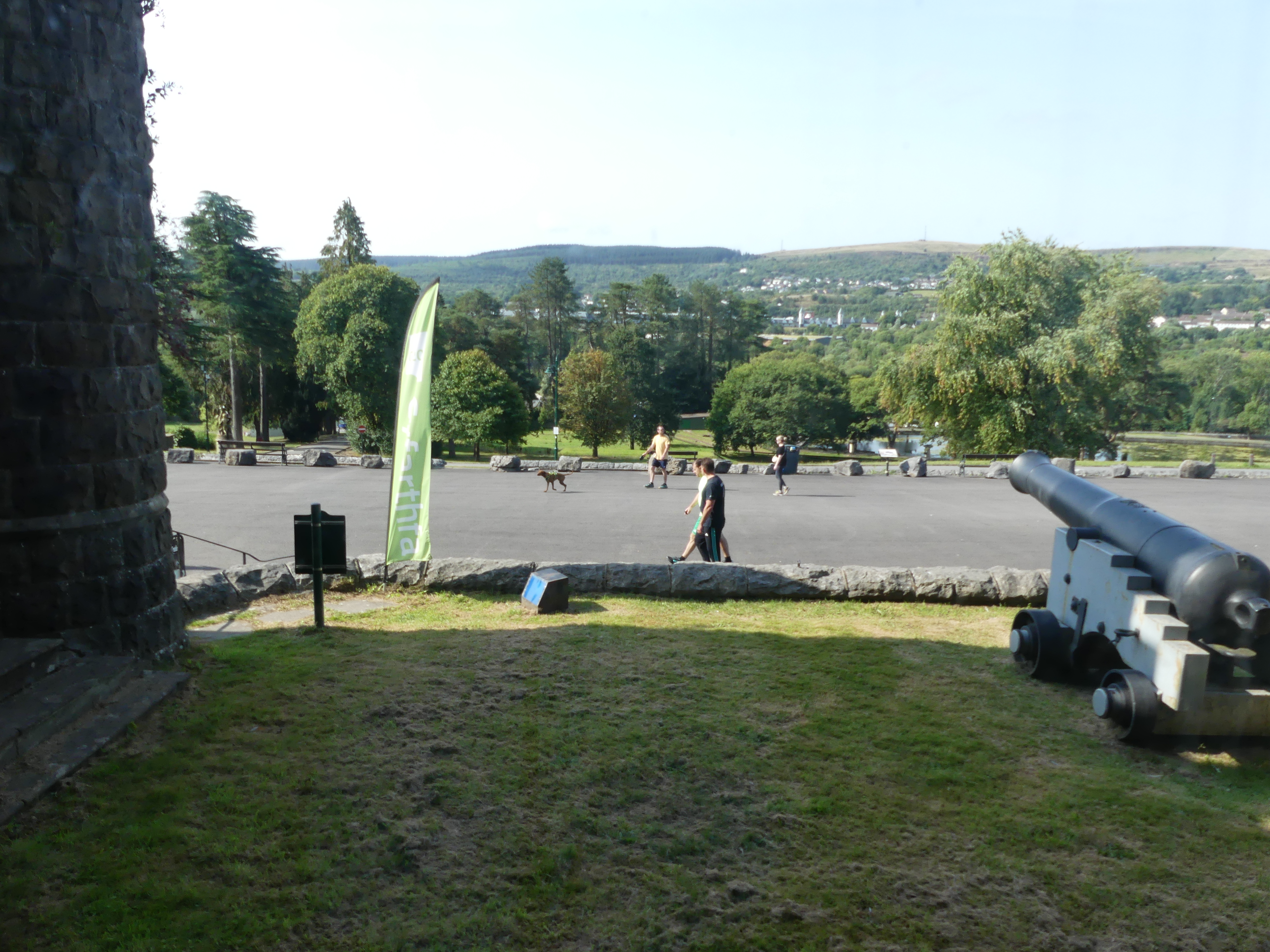
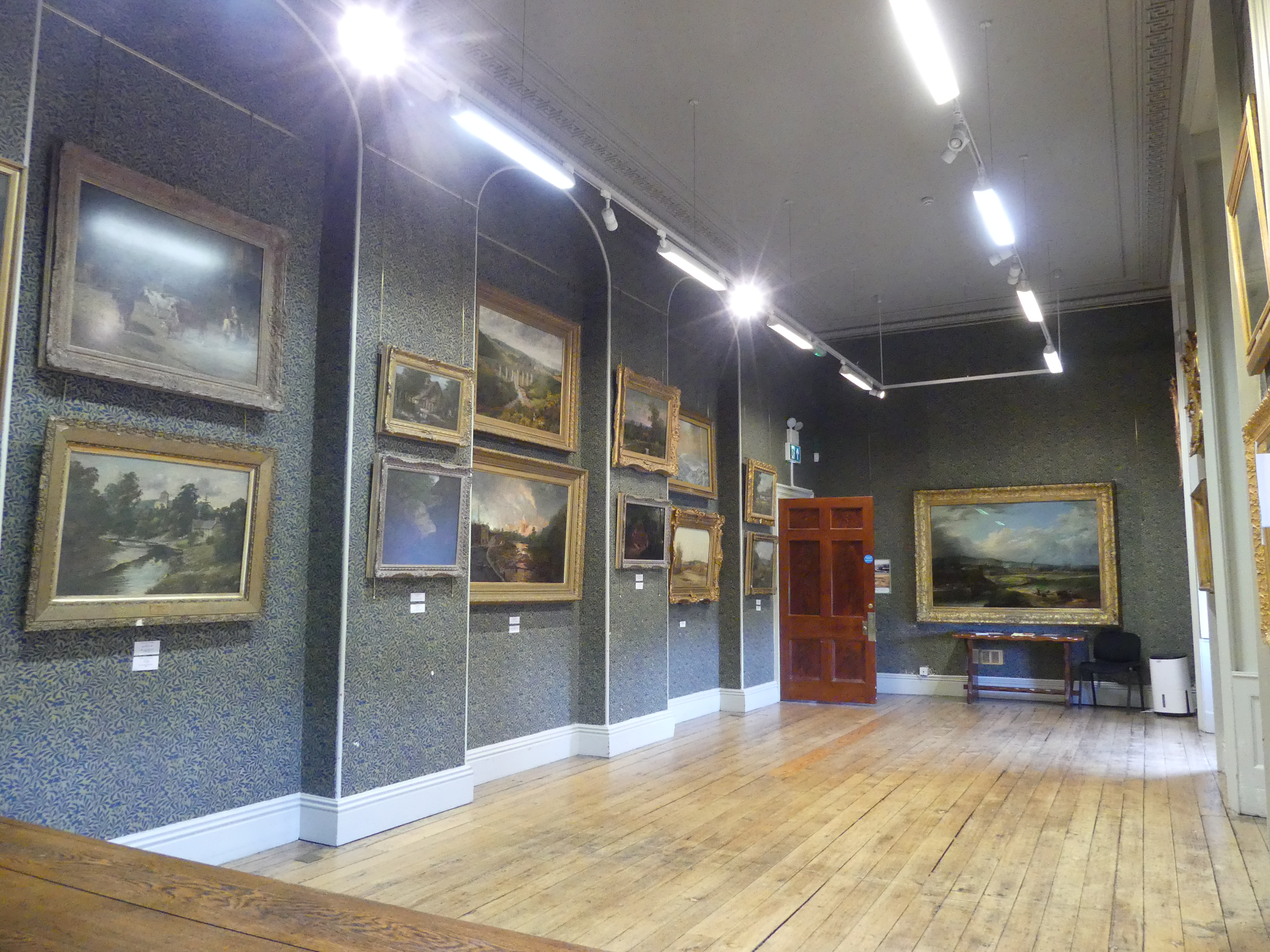
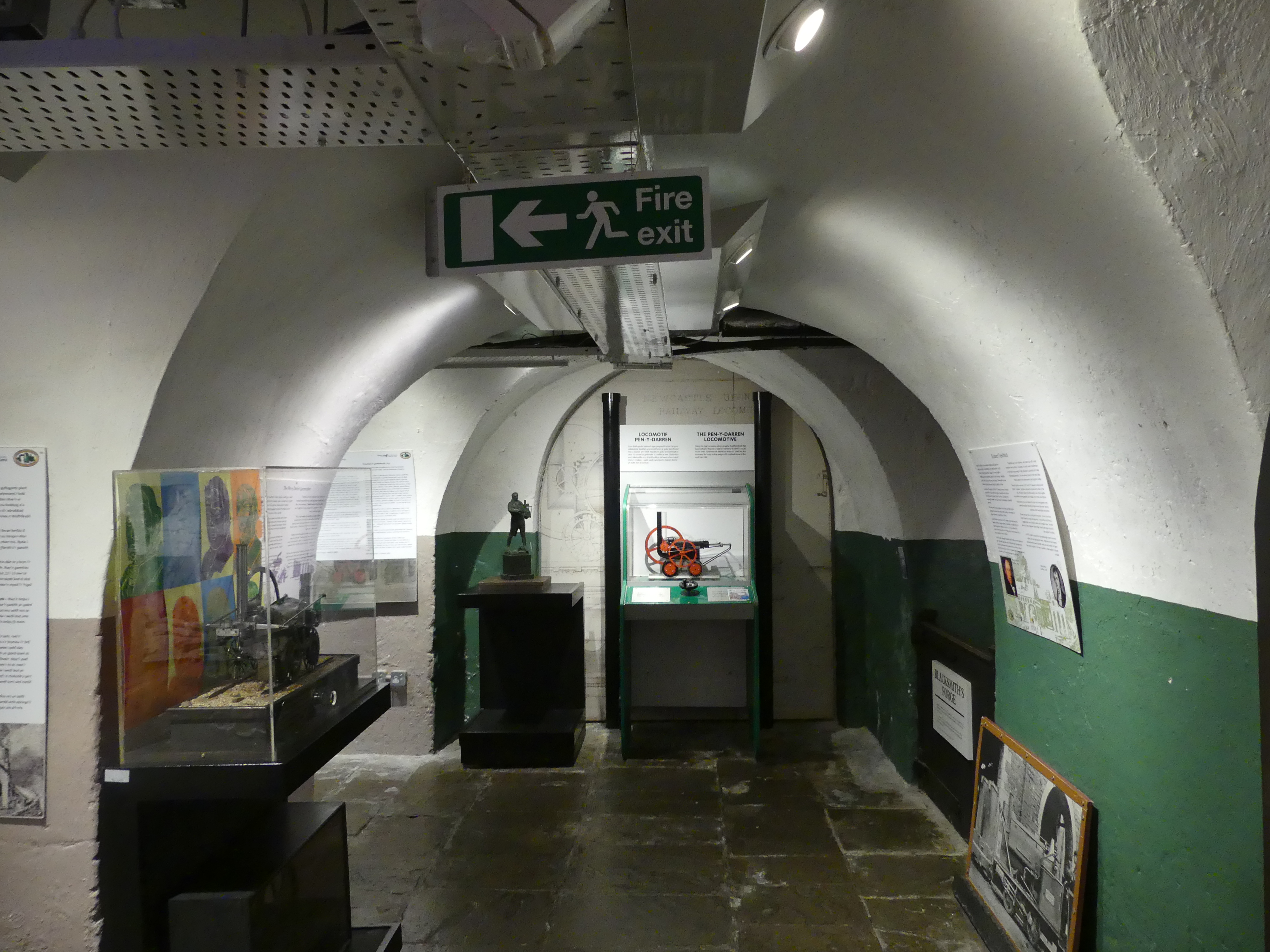
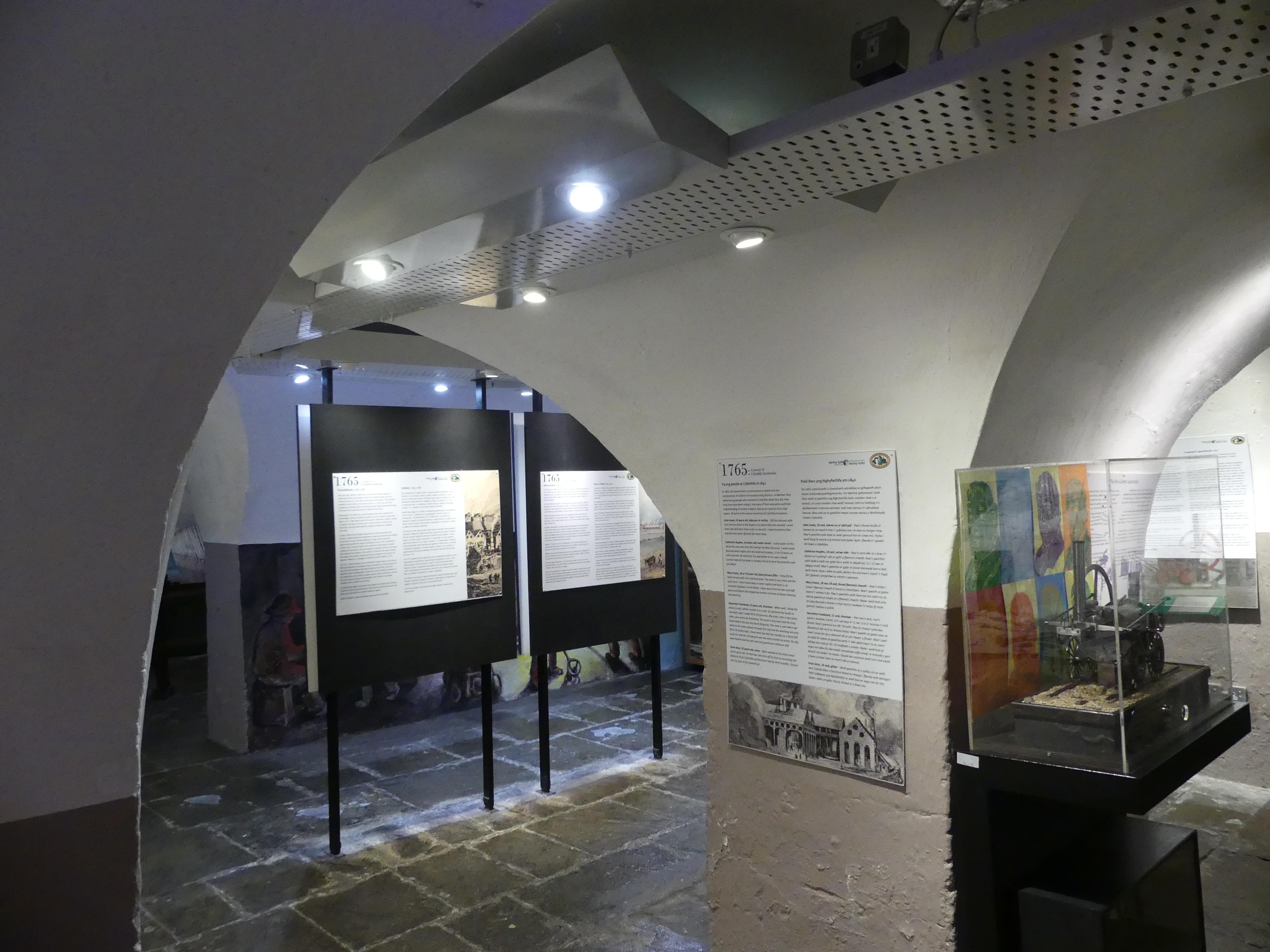
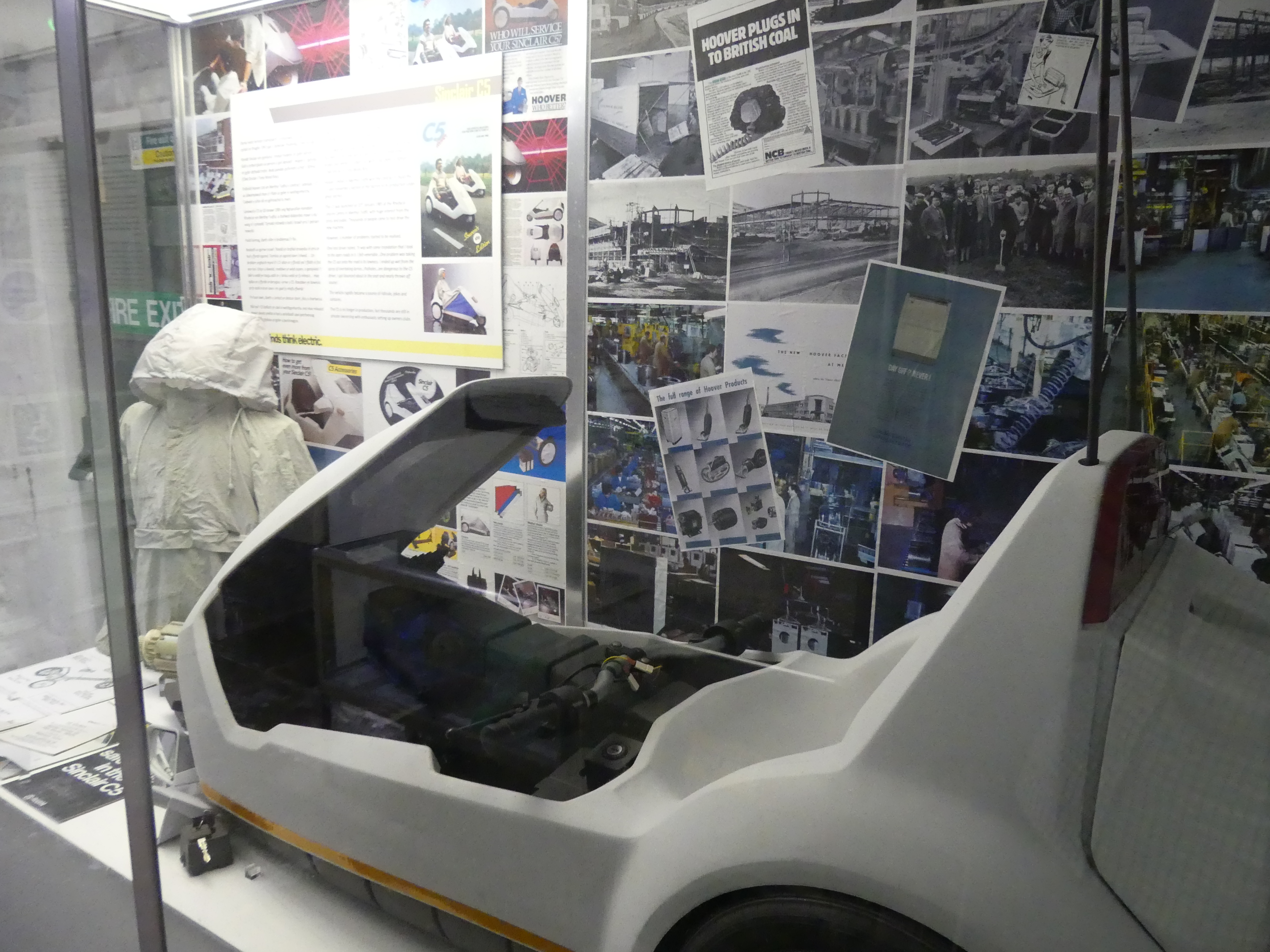
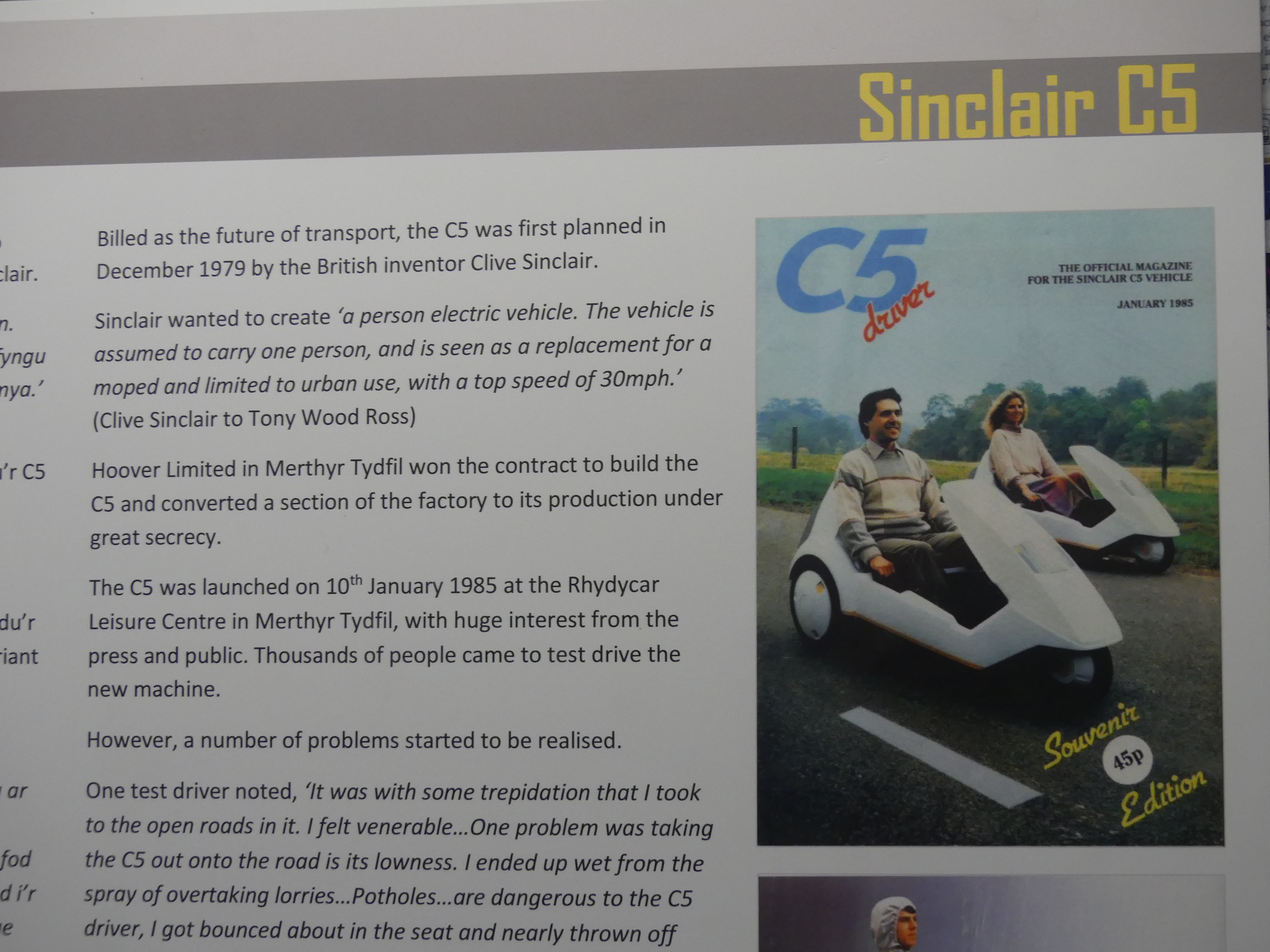
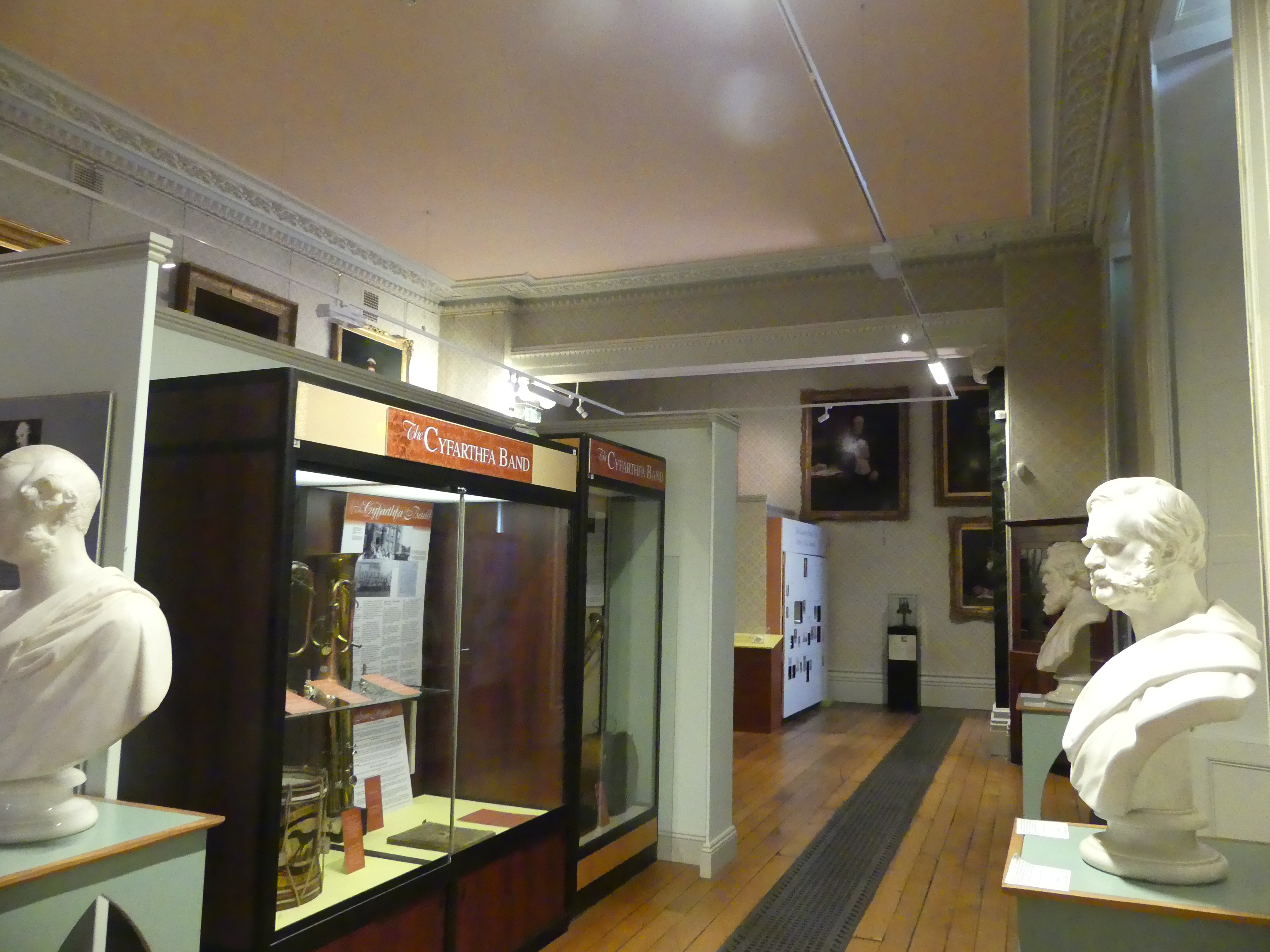
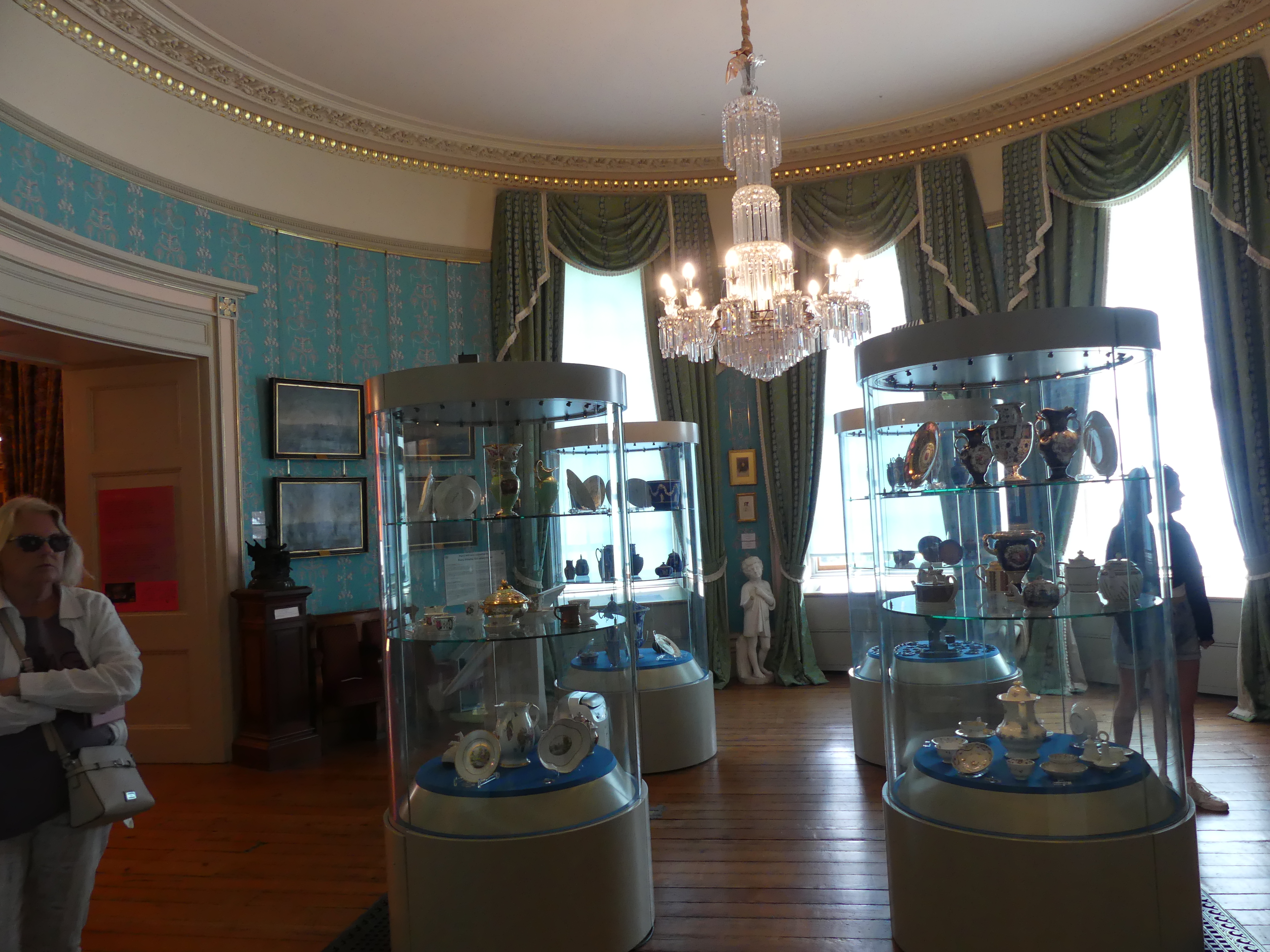
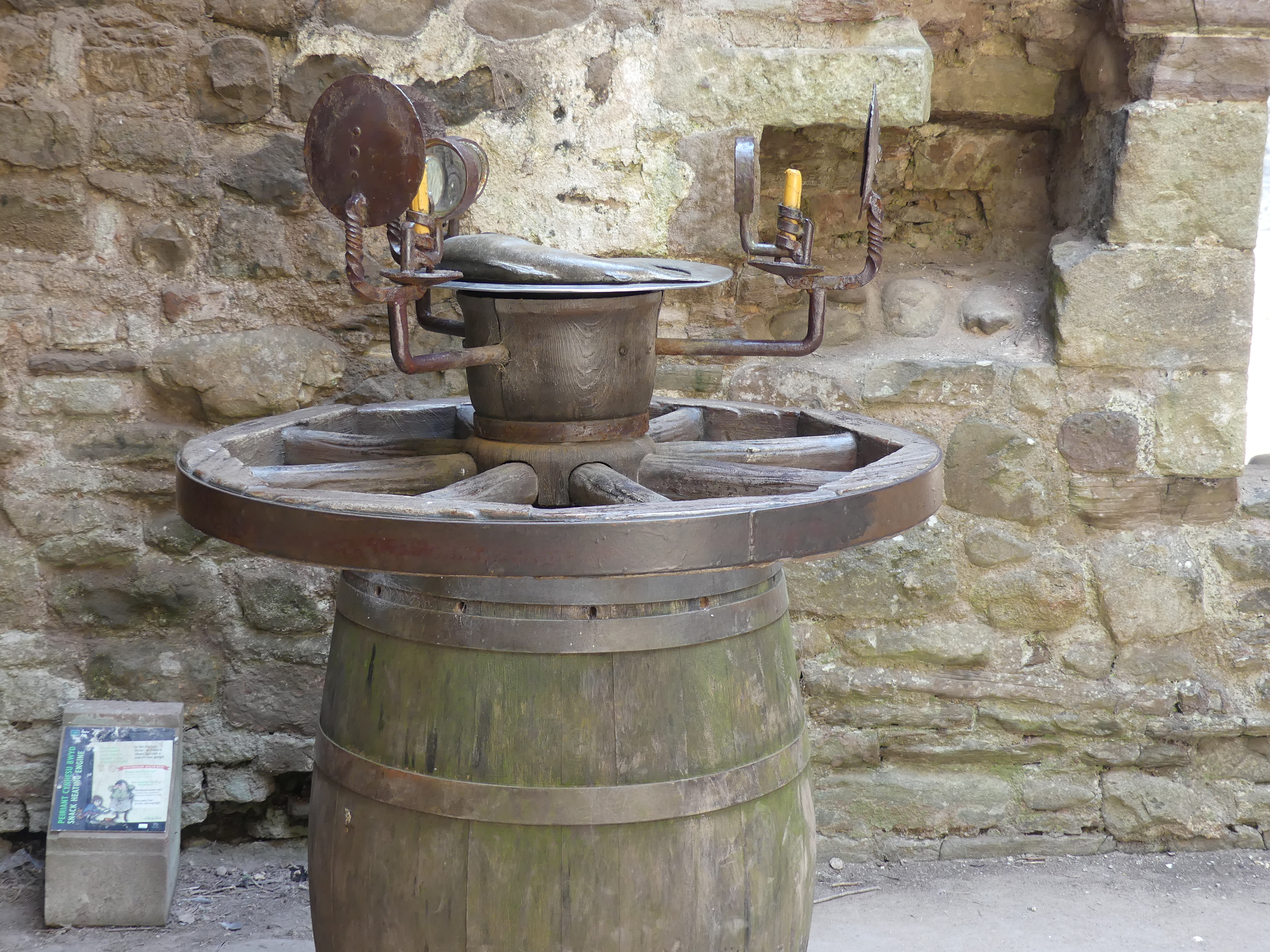
The following day we visited Cyfarthafa Castle and Blaenafon Ironworks ( the featured picture above shows one of the iron presses from Blaenafon Ironworks). Cyfarthfa Castle is a castellated mansion that was the home of the Crawshay family, ironmasters of Cyfarthfa Ironworks in Park, Merthyr Tydfil, Wales. The castle was sold in 1908 to the local council, who decided to use part of the ground floor for a museum, which still operates. The museum includes paintings, including two by James Inskipp. The rest of the building became a secondary school, and it was opened in 1913, operating as separate boys’ and girls’ schools. In 1945, they amalgamated, and in accordance with government policy the school was redesignated as a Grammar school under the name of Cyfarthfa Castle Grammar School. It became a comprehensive school in 1970, under the name Cyfarthfa High School. My photos are below.
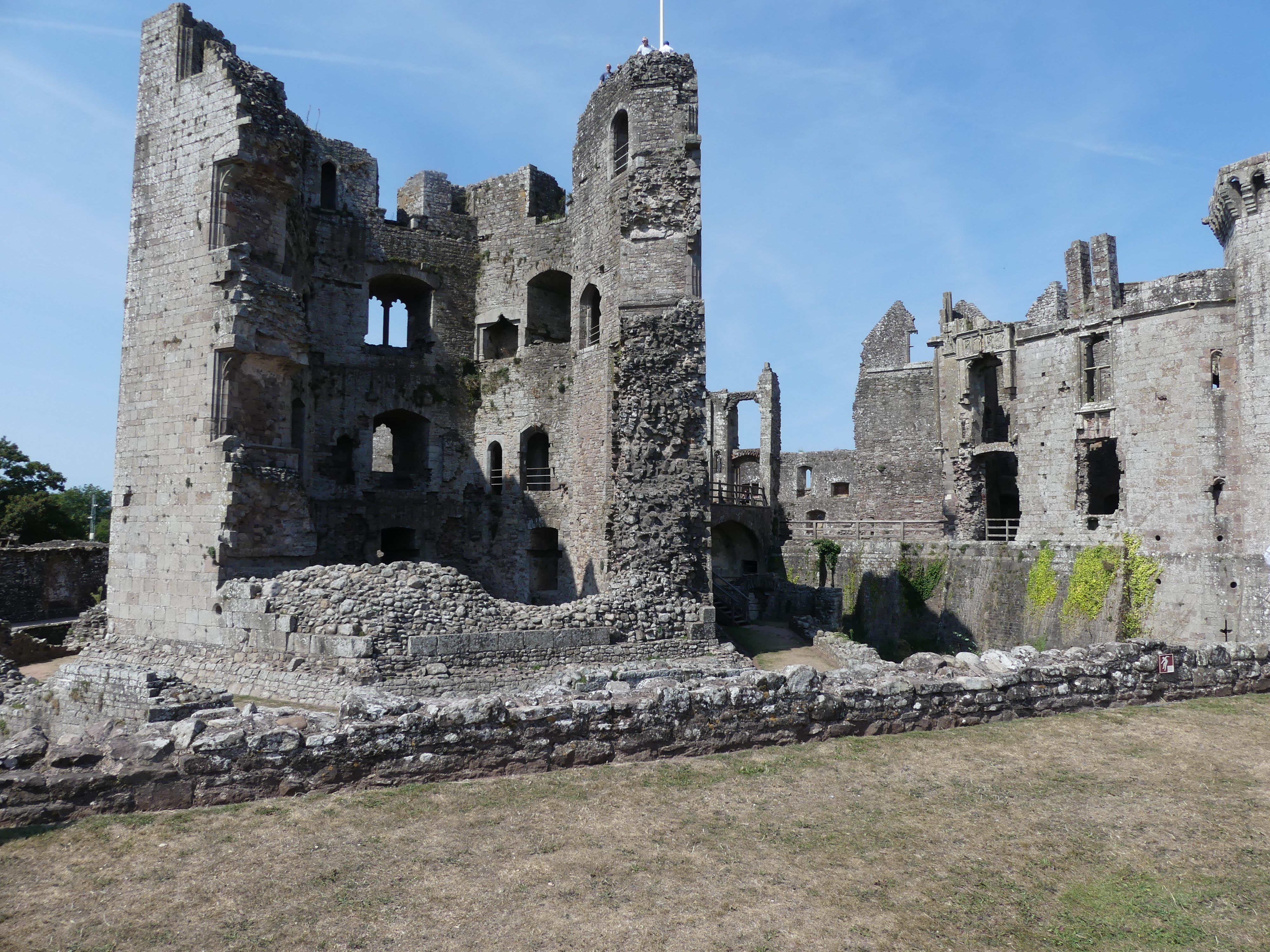
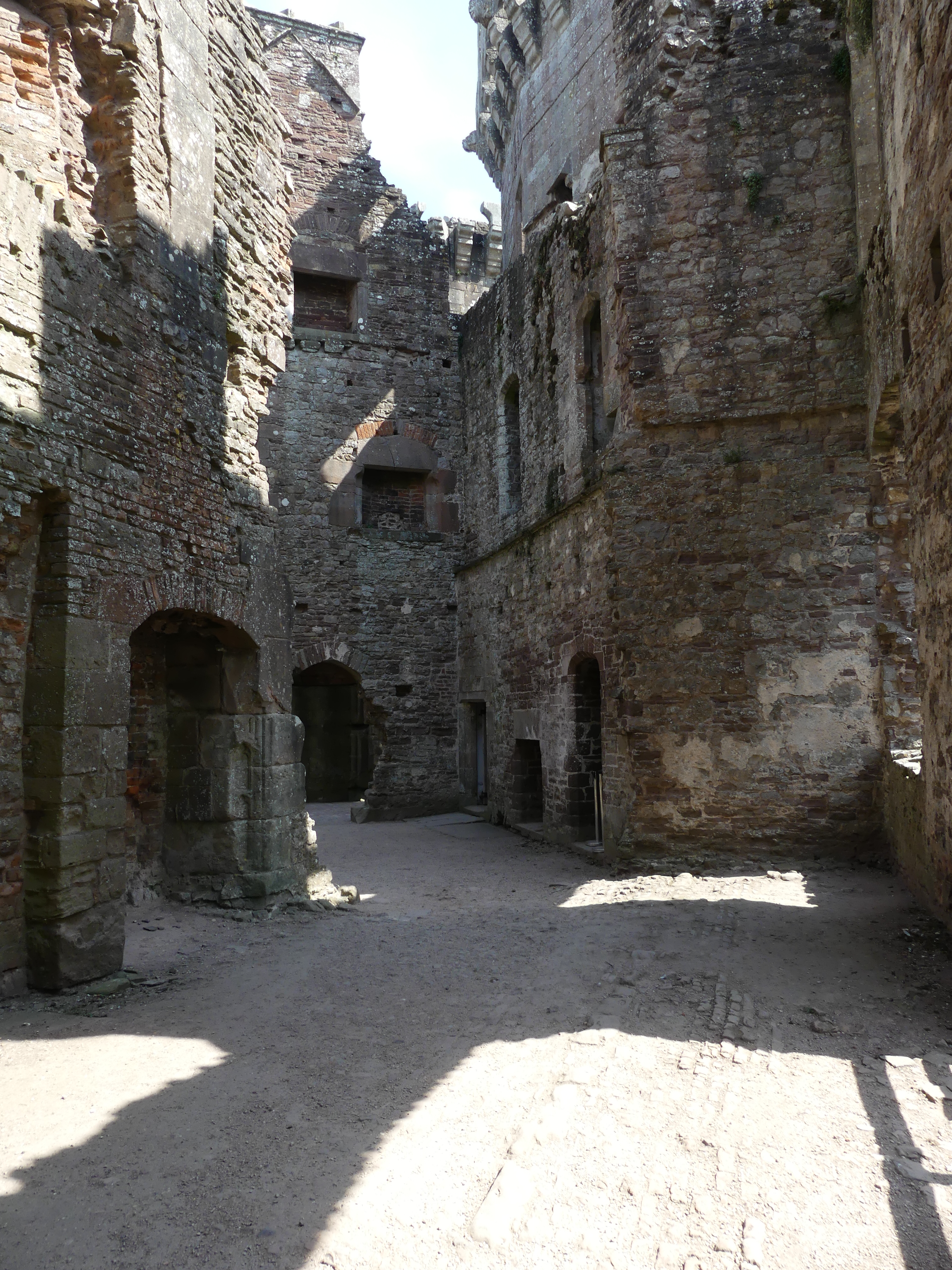
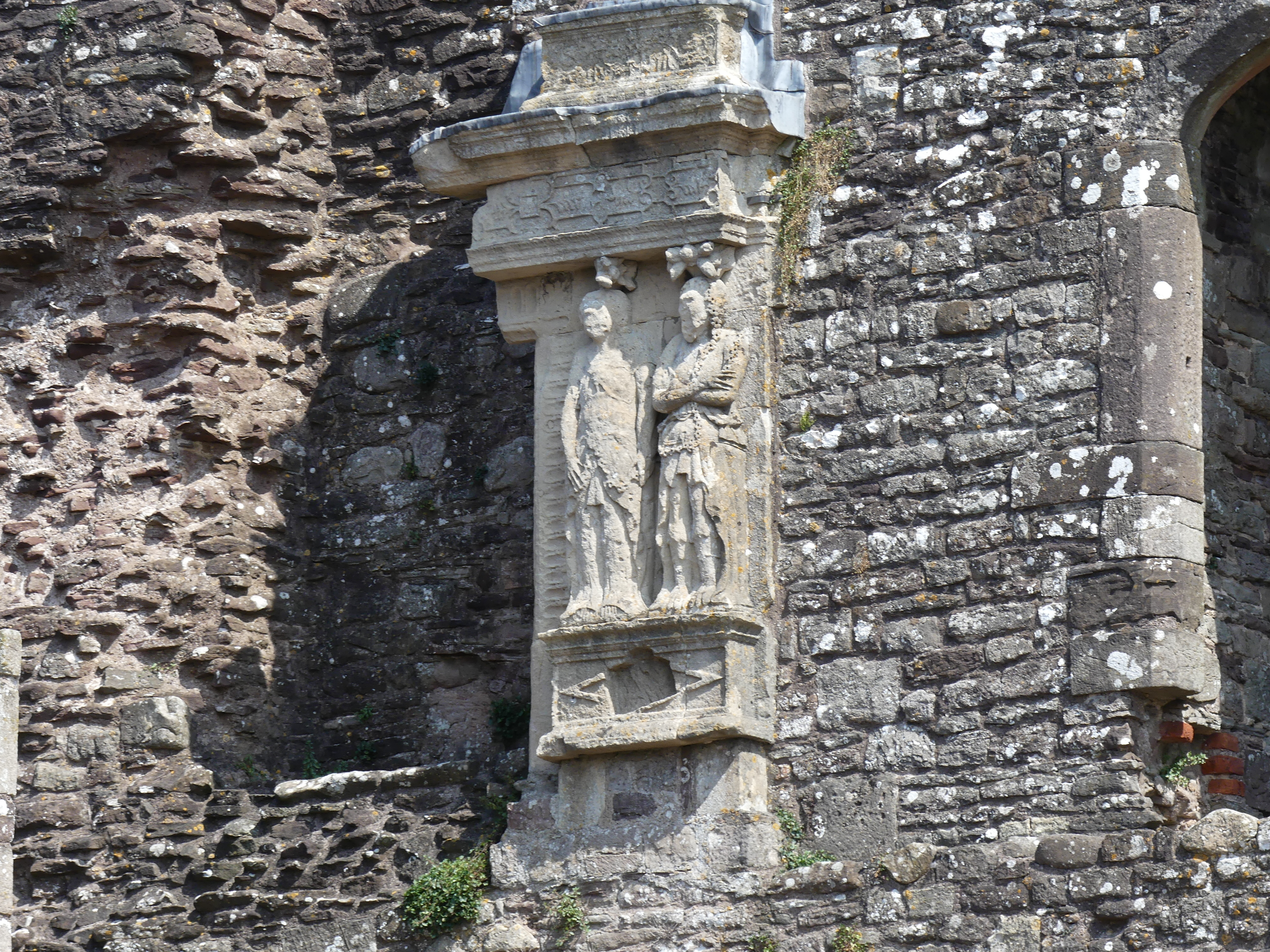
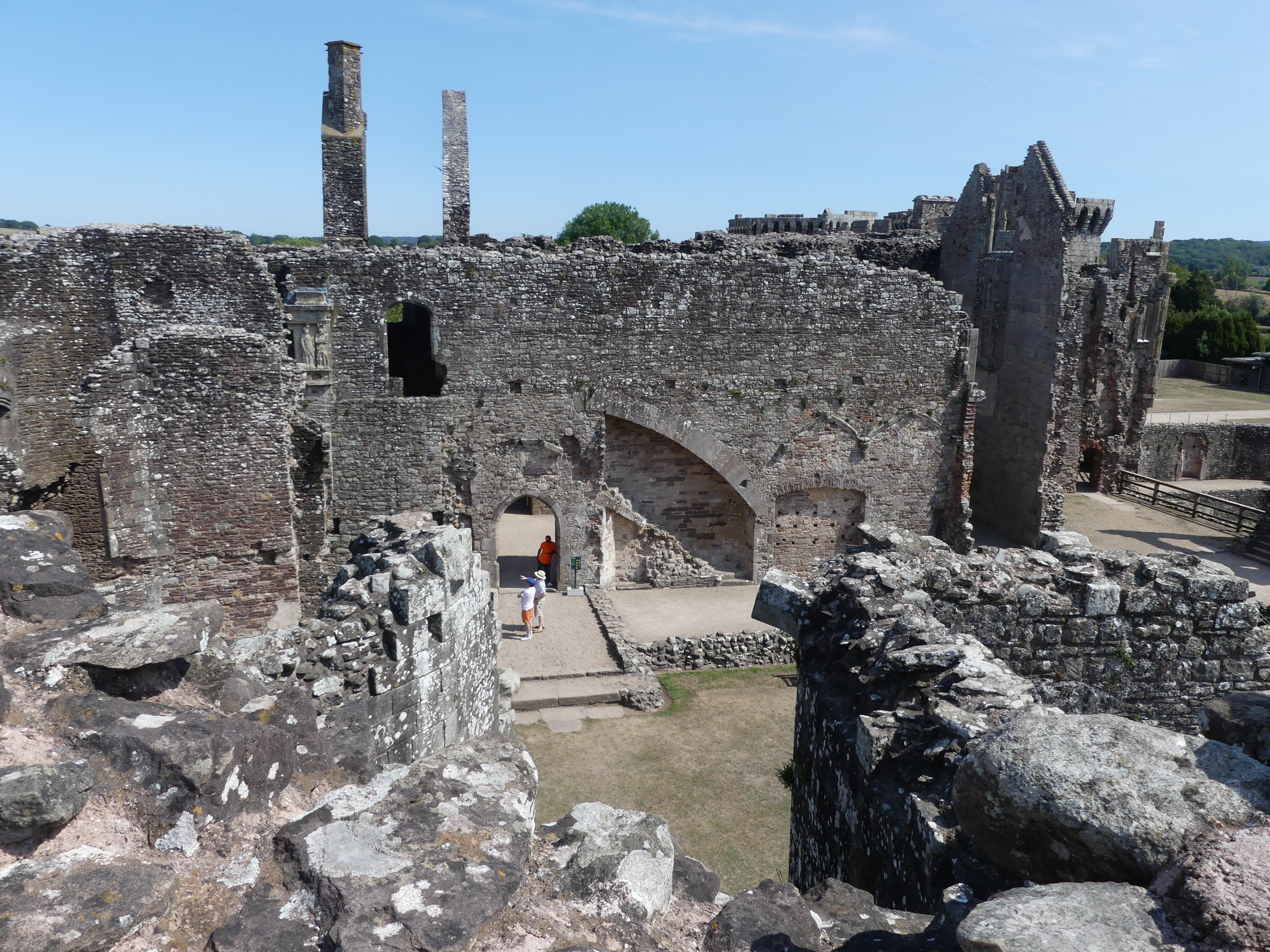
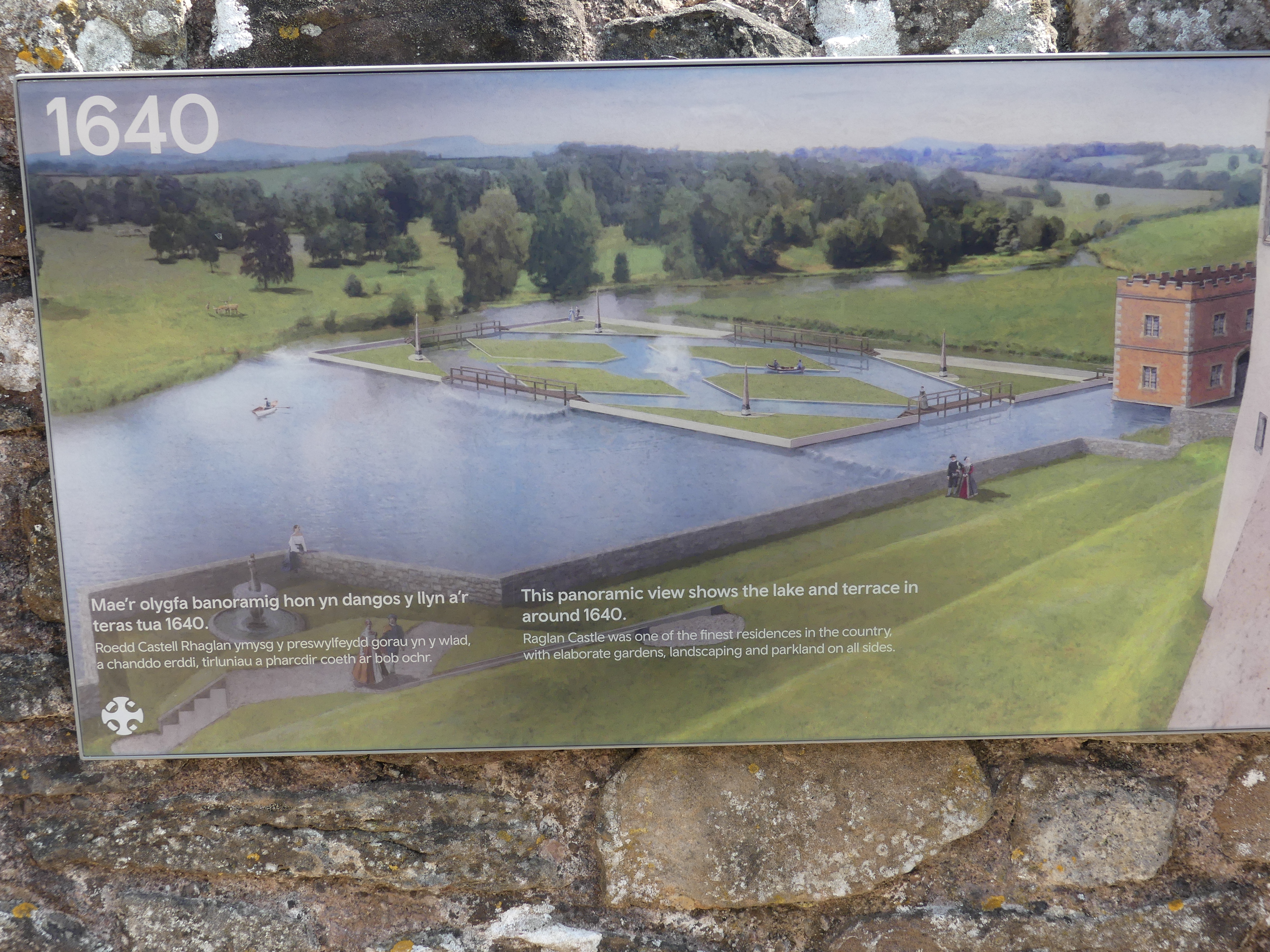
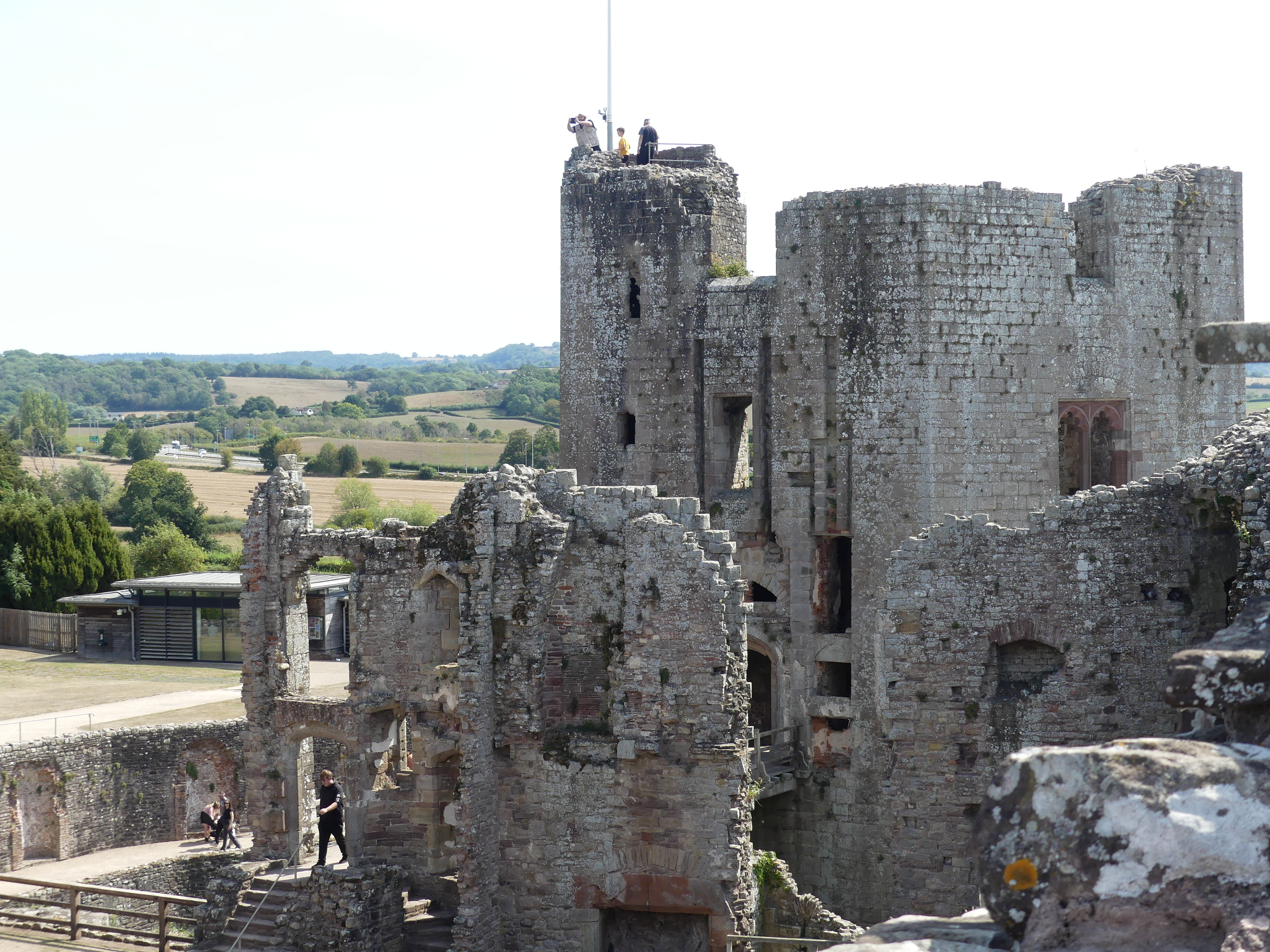
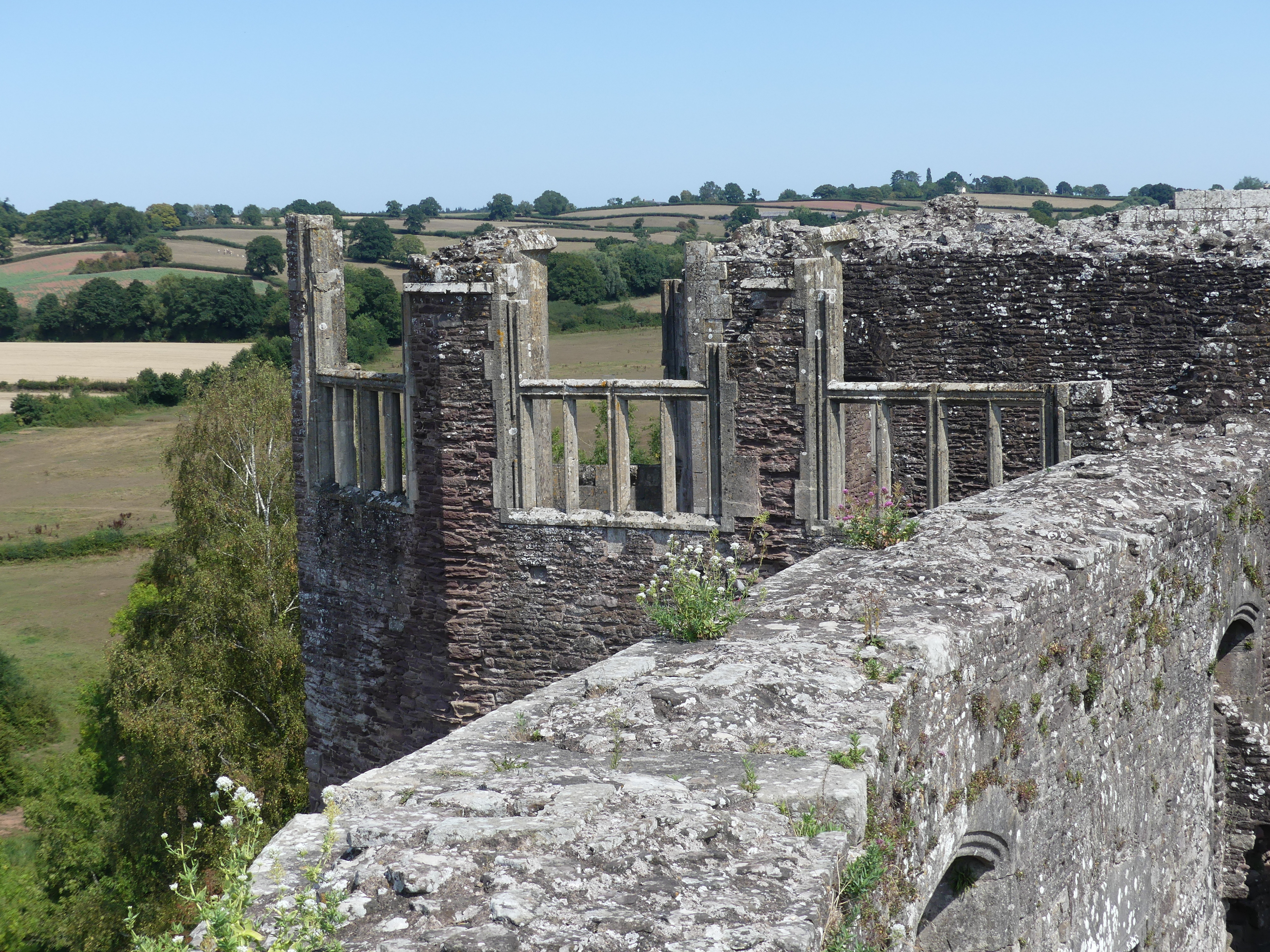
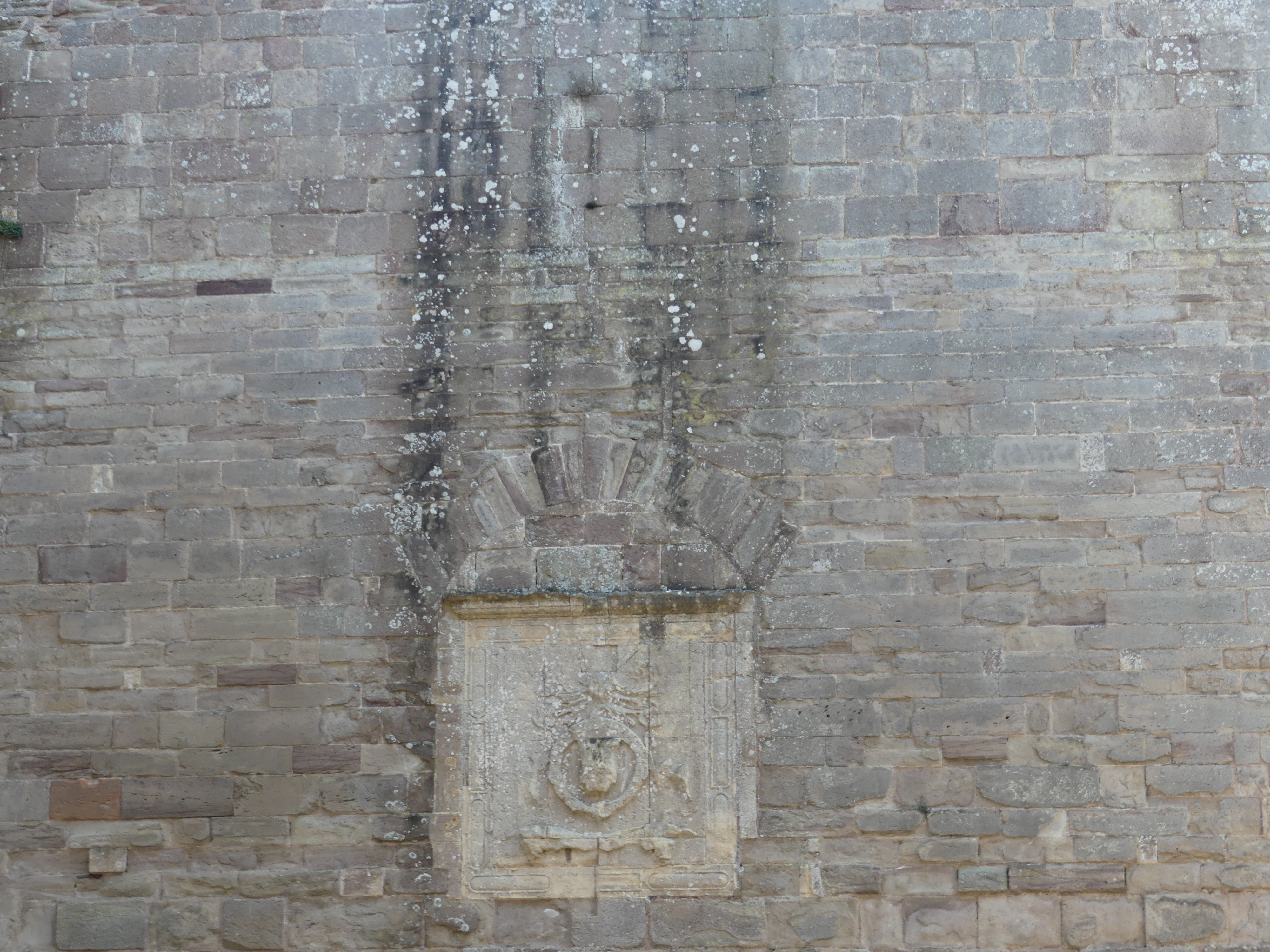
From there we tracked our way to Raglan Castle. Raglan Castle is a late medieval castle located just north of the village of Raglan in the county of Monmouthshire in southeast Wales. The modern castle dates from between the 15th and early 17th centuries, when the successive ruling families of the Herberts and the Somersets created a luxurious, fortified castle, complete with a large hexagonal keep, known as the Great Tower or the Yellow Tower of Gwent. During the First English Civil War, Raglan was occupied by a Royalist garrison on behalf of Charles I but it was taken by Parliamentarian forces in 1646 and its walls slighted or deliberately put beyond military use. After the Stuart Restoration in 1660, the Somersets declined to restore it and it became first a source of local building materials, then a romantic ruin. It is now a tourist attraction. We spent time going through the ruins and sought refreshment, but the café was well hidden. We finally found the cafe – outside of the castle allotment in the courtyard of the neighbouring house. We sat down in the shade and then caused a minor disturbance because the waiter took the order incorrectly but to their credit, they admitted their error and provided us with a refund for the mistake. My photos of the ruins and the café follow including the CADW brochure.
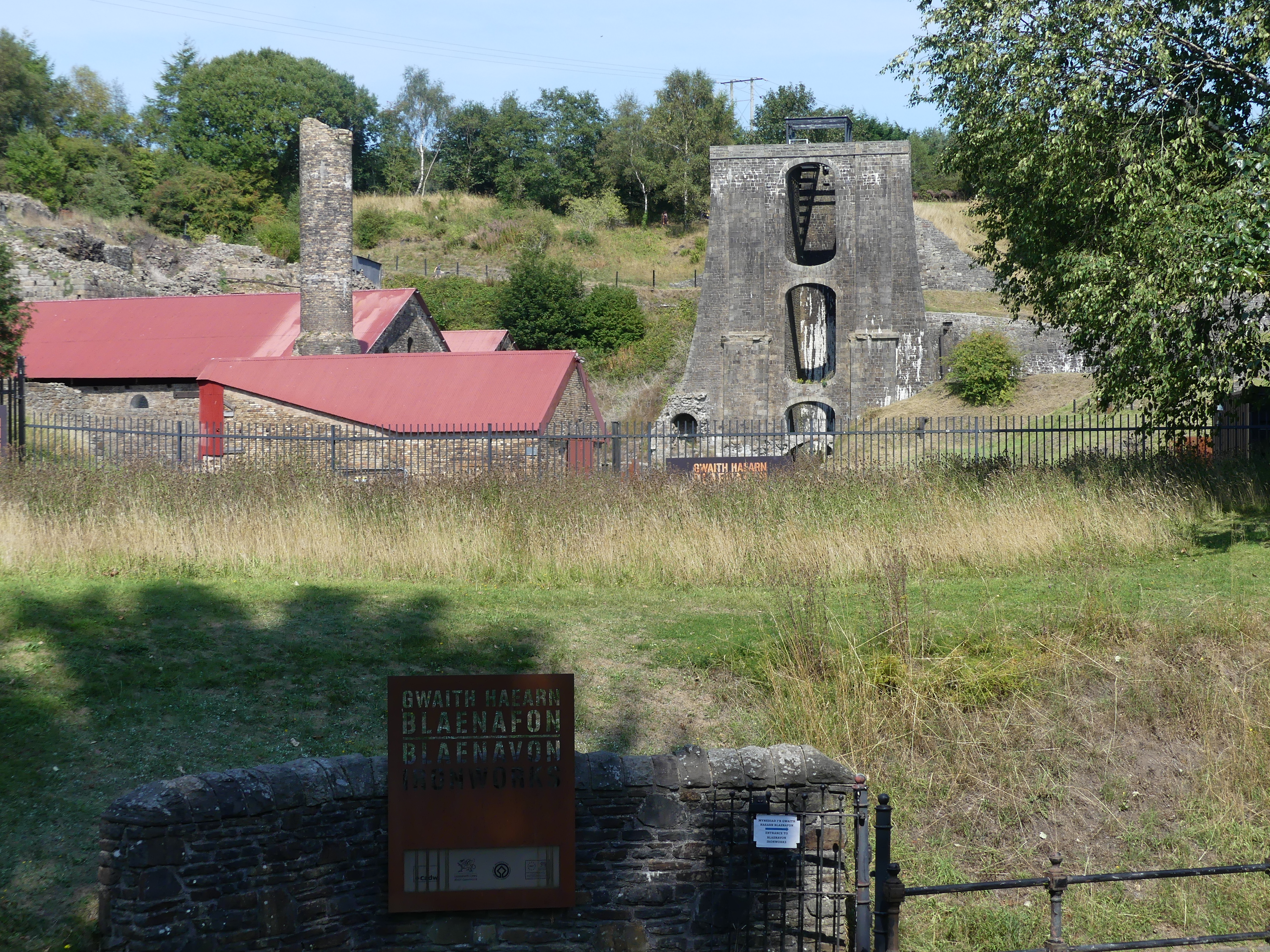
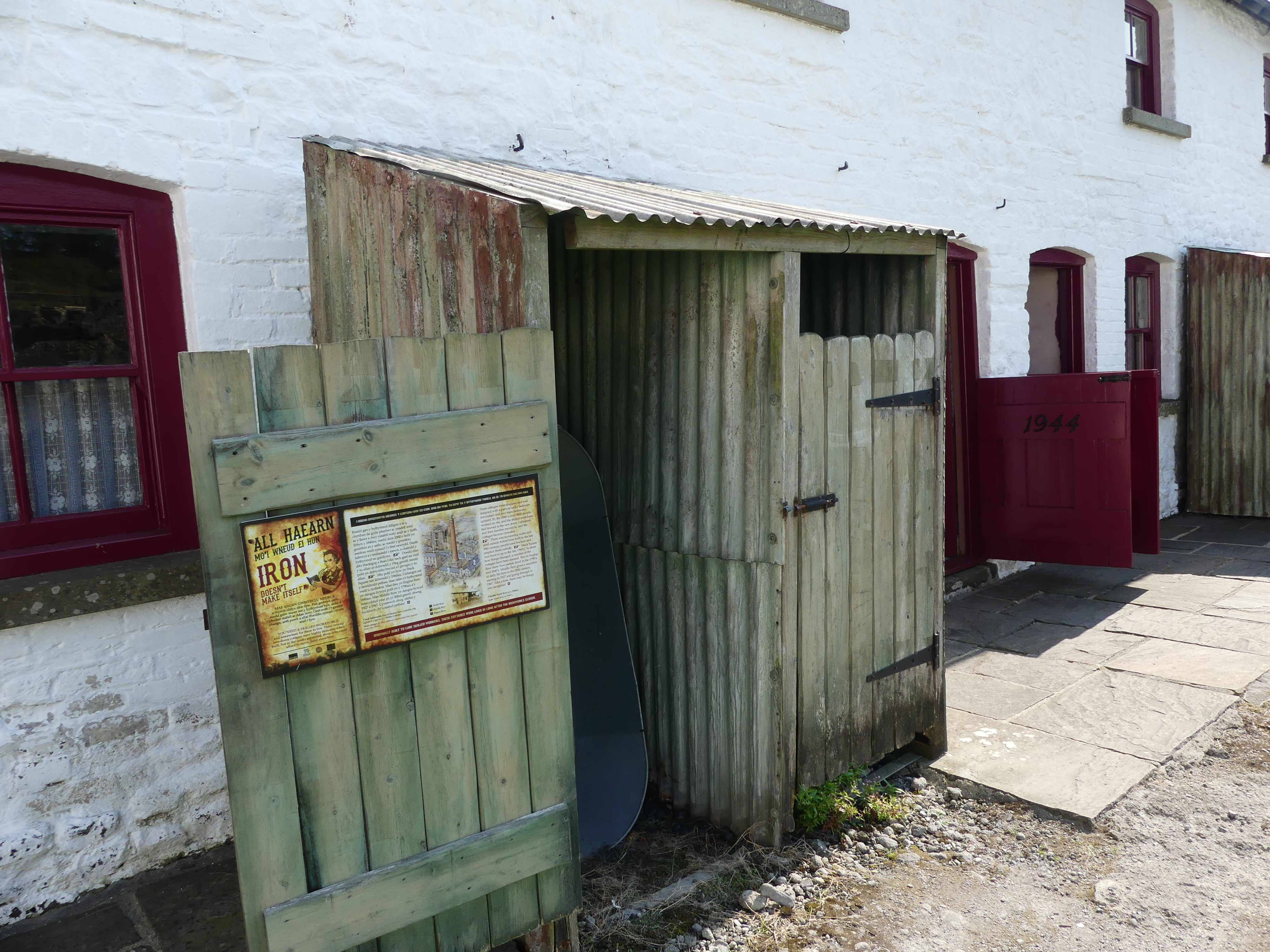
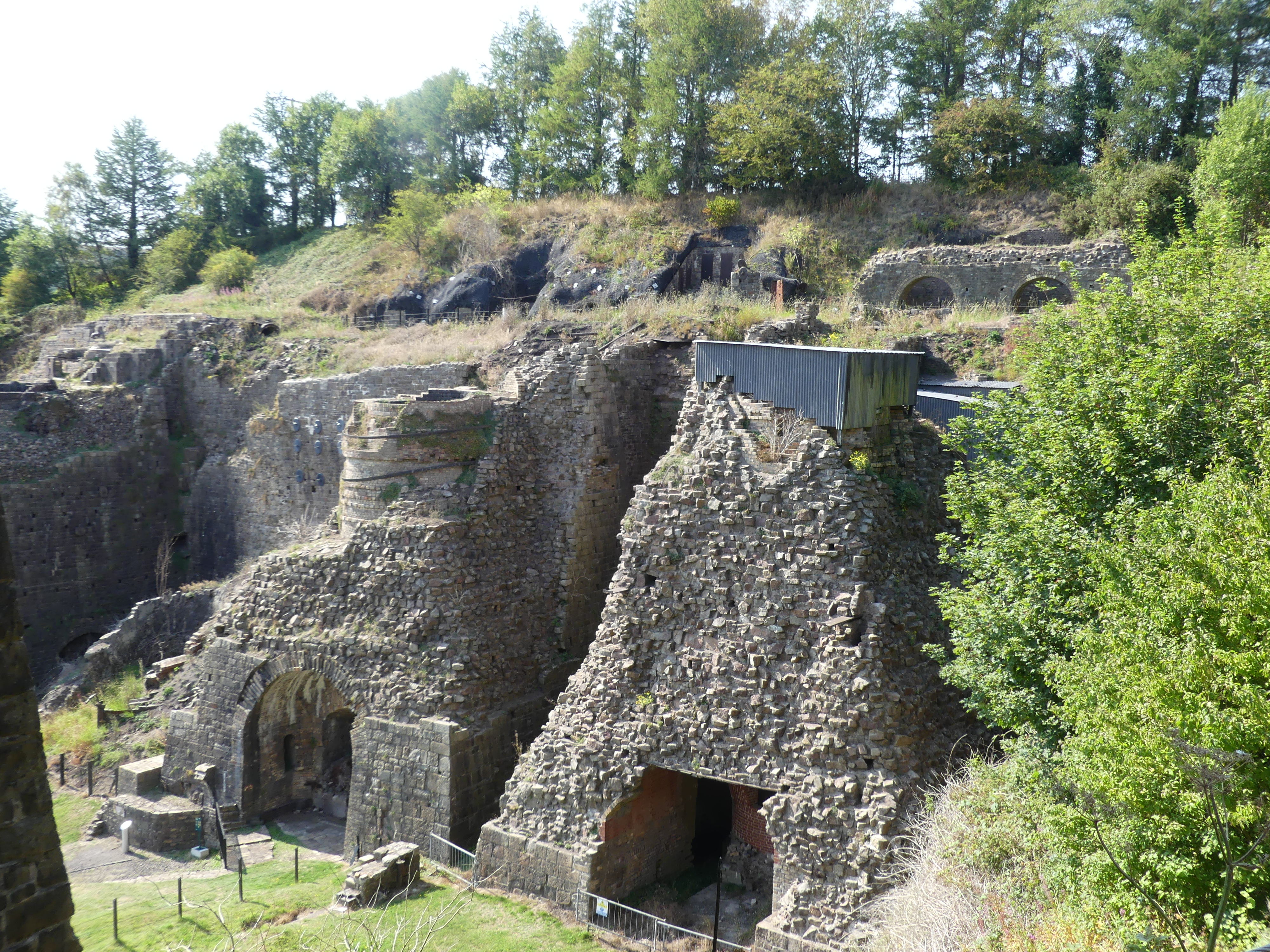
We traveled back through the Brecon Beacons National Park to visit the Ironworks and as it was a different road we encountered a local swimming hole surrounded by people and sheep. The photo is below. It was late afternoon when we arrived at the Ironworks largely hidden by overgrowth of the surrounding trees. This is one of the steel mills ever present through out Wales during its industrial years. The entry was tiny and manned by a husband-and-wife team. She was clearly American, and they recently returned to Wales and took up this position. Seemed an odd fit. However, the recreation of life for the workers in the preserved ironworks was excellent.
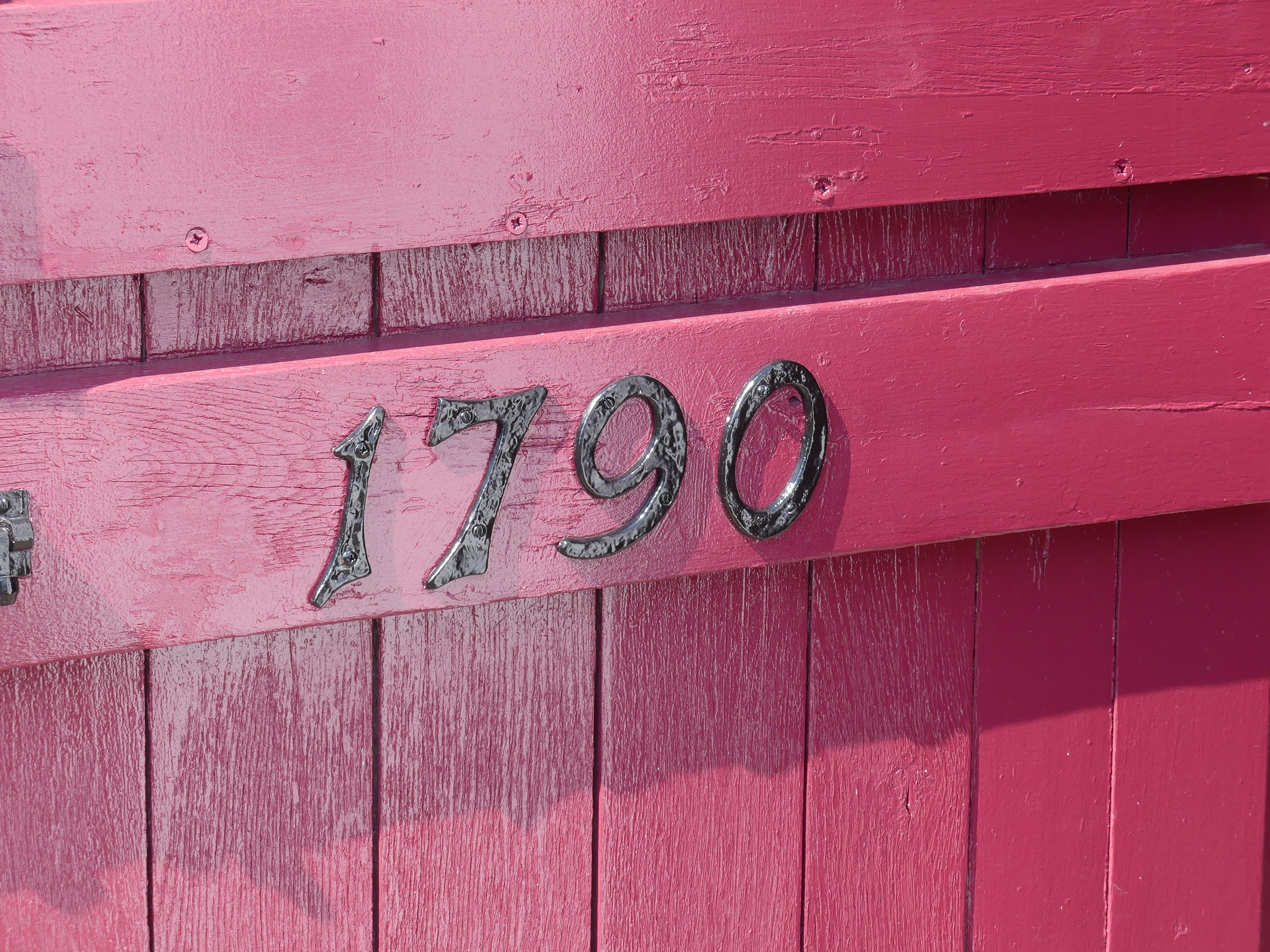
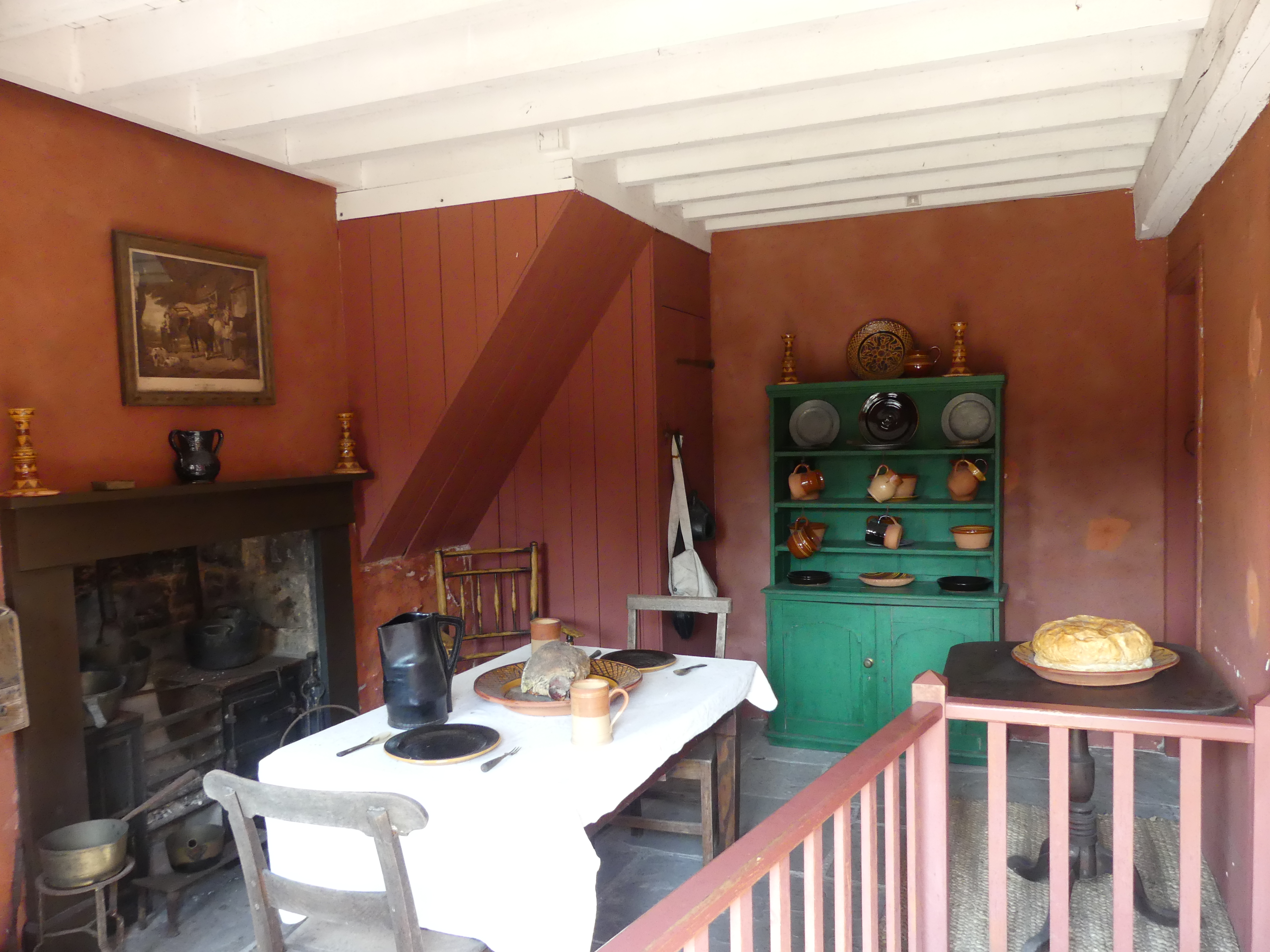
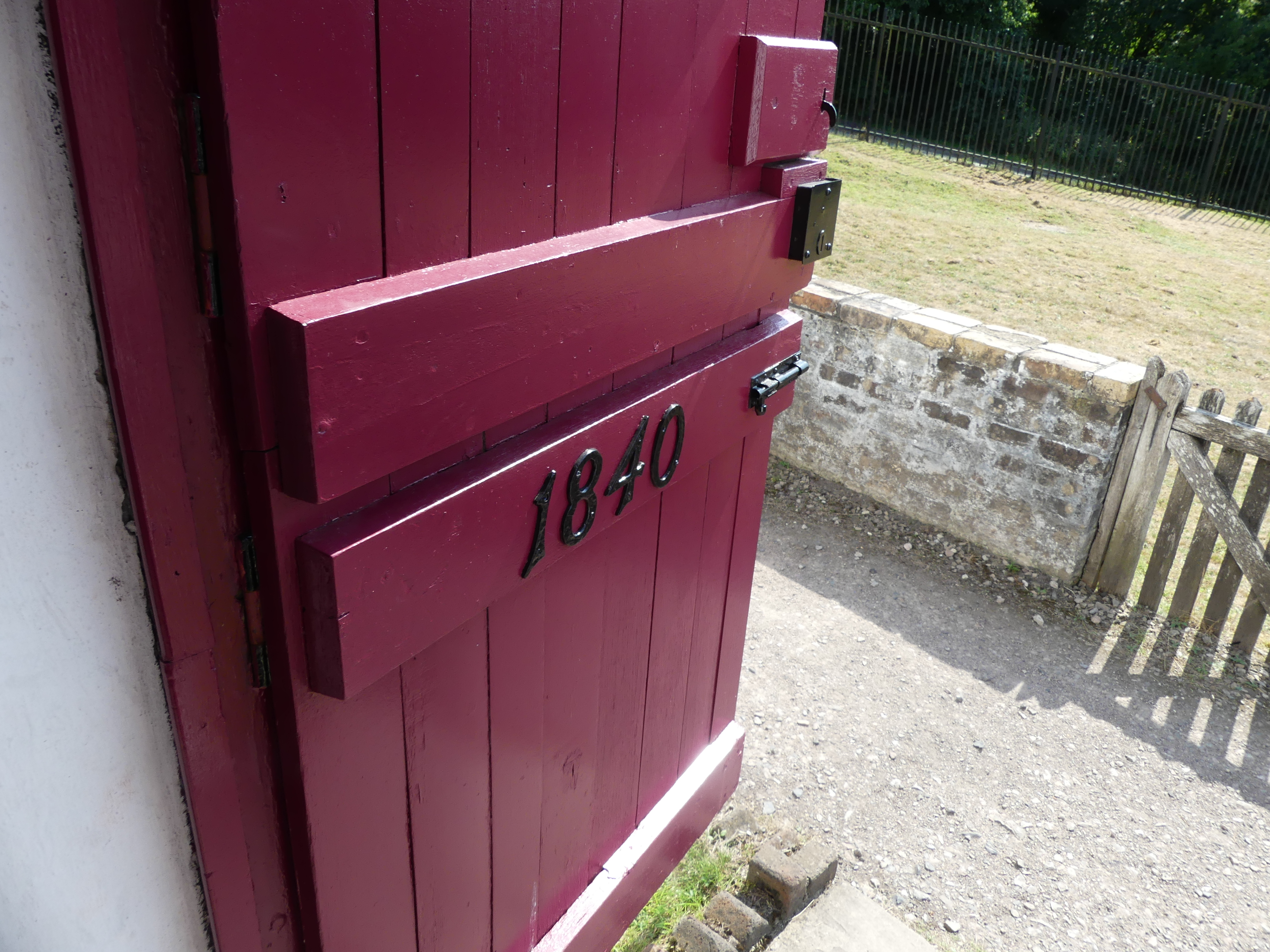
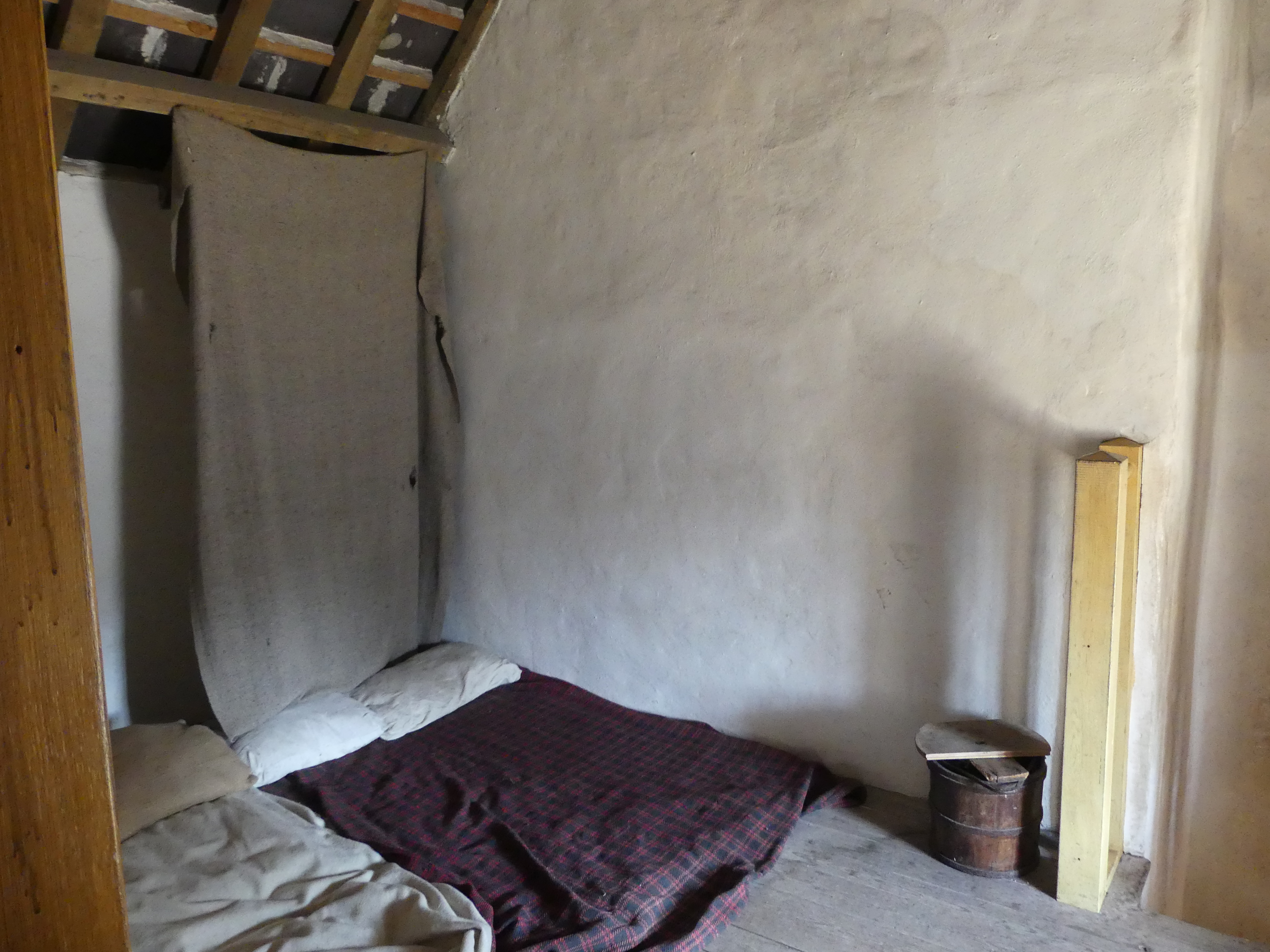
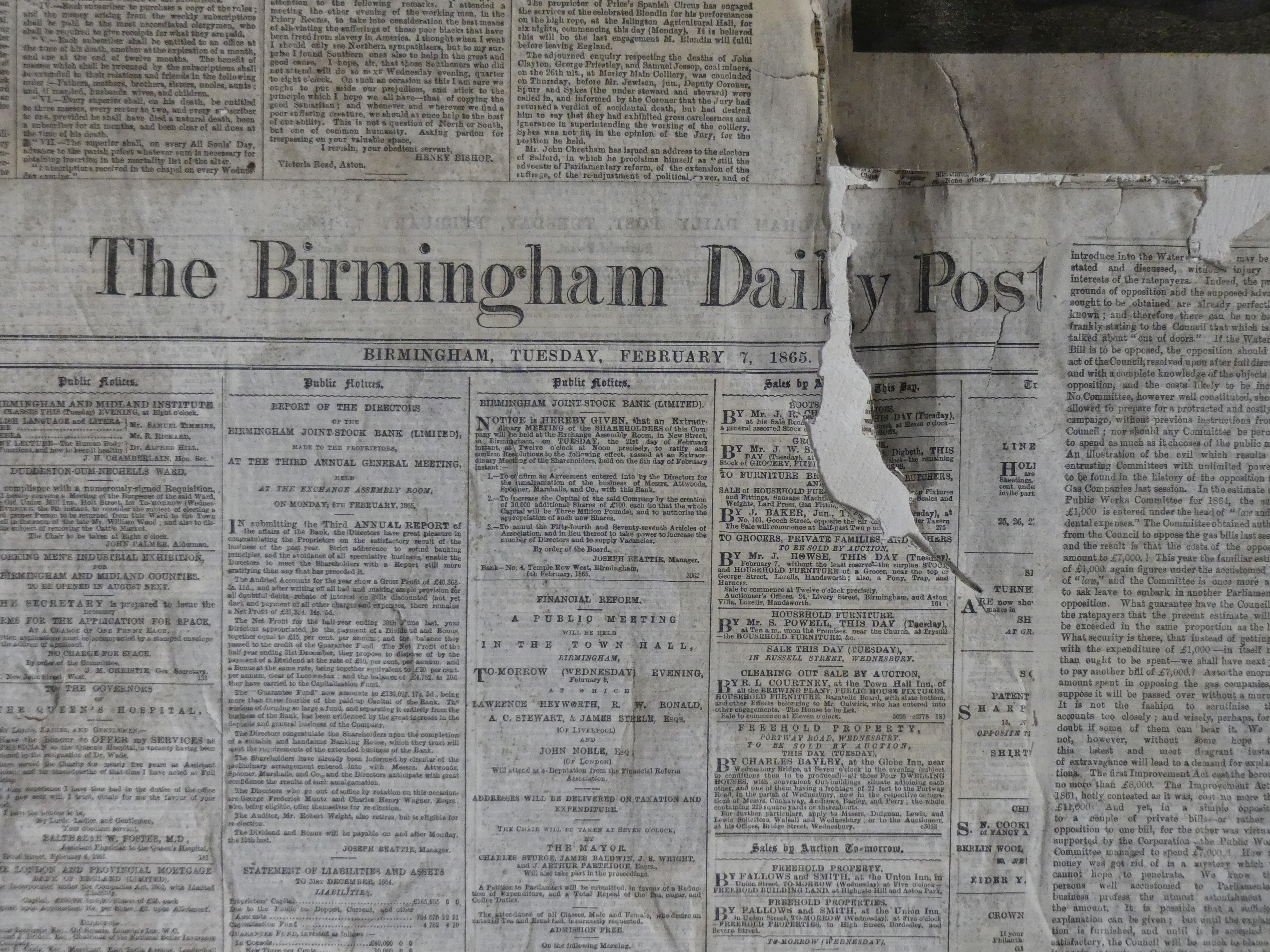
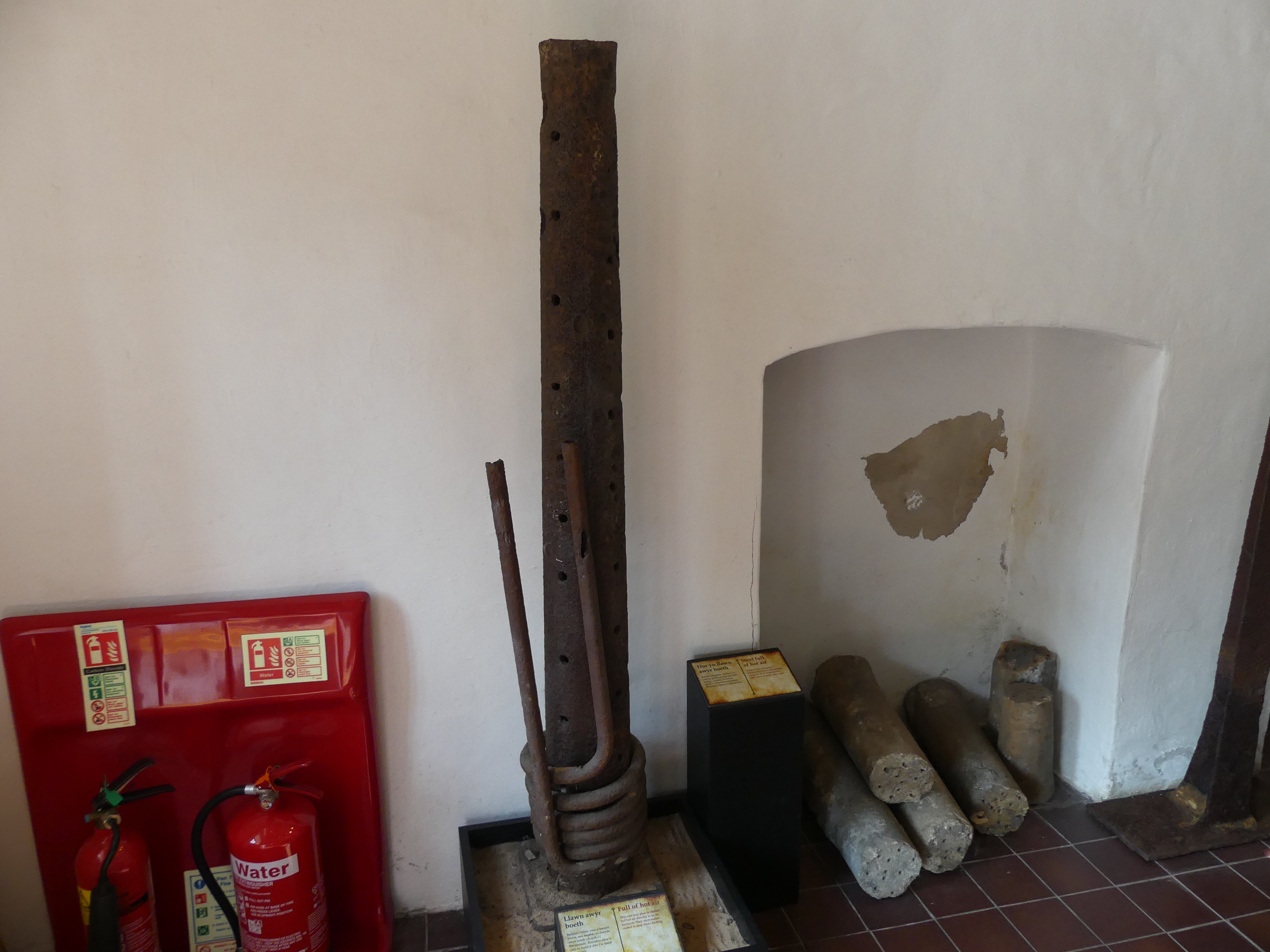
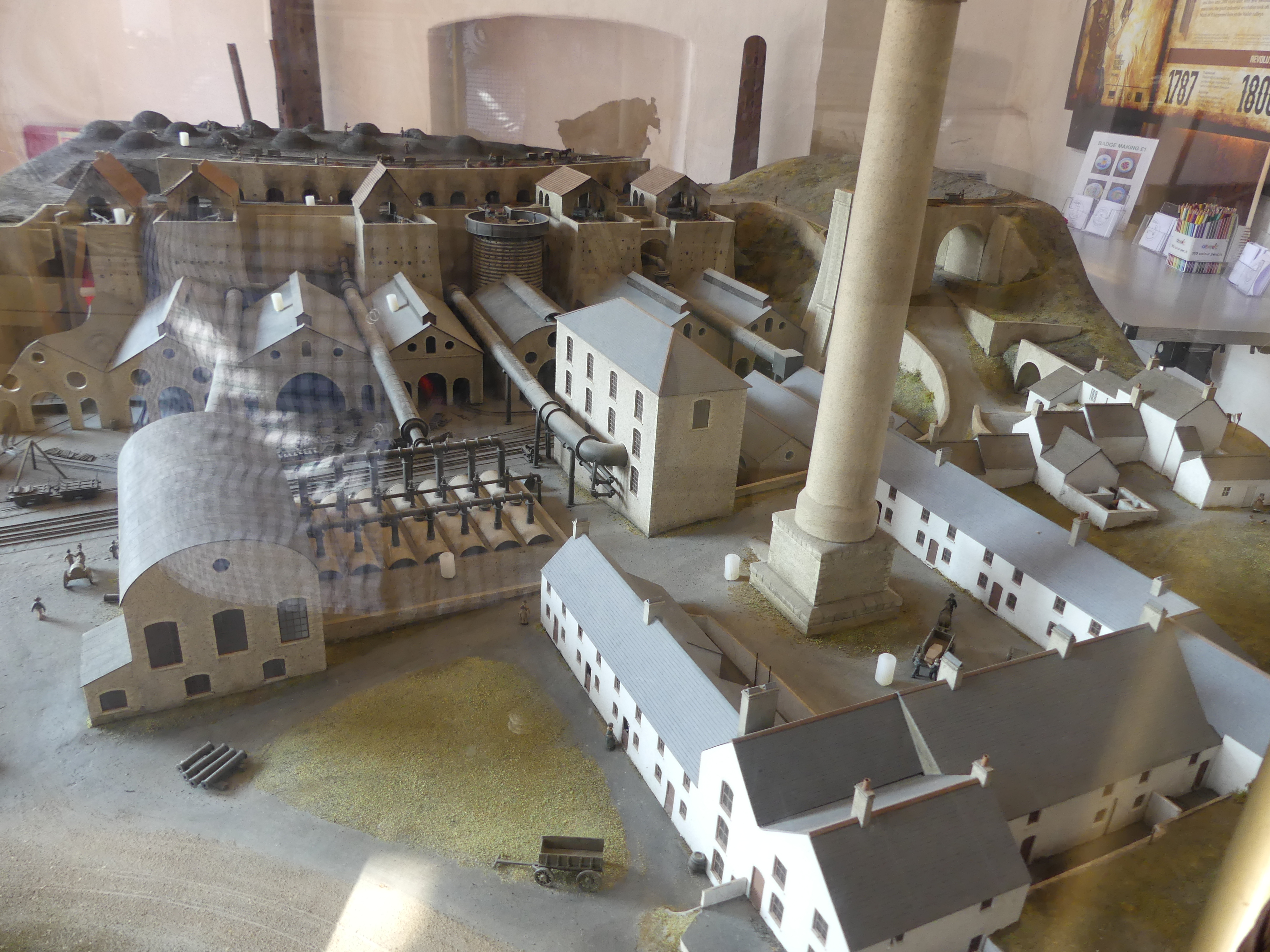
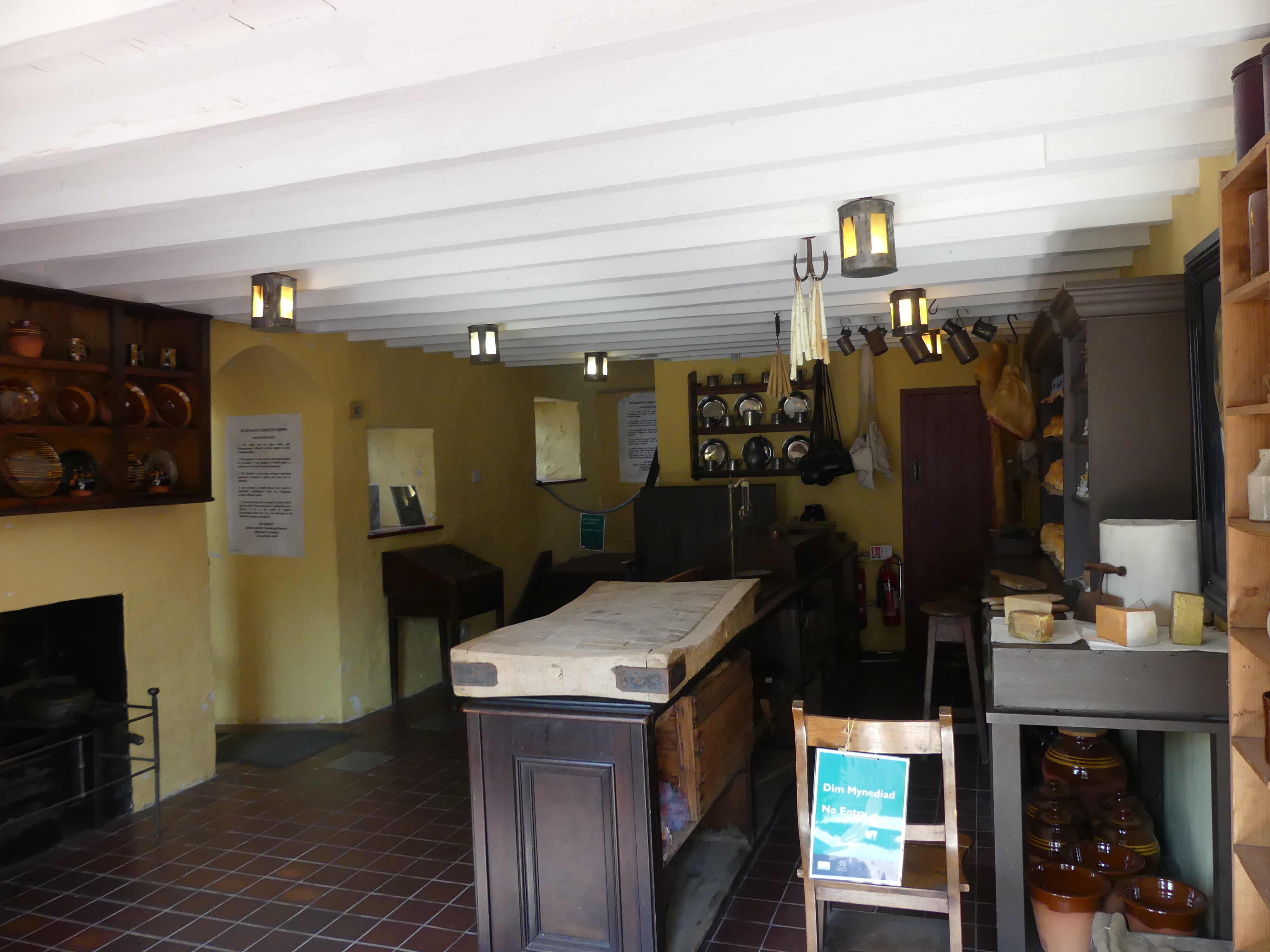
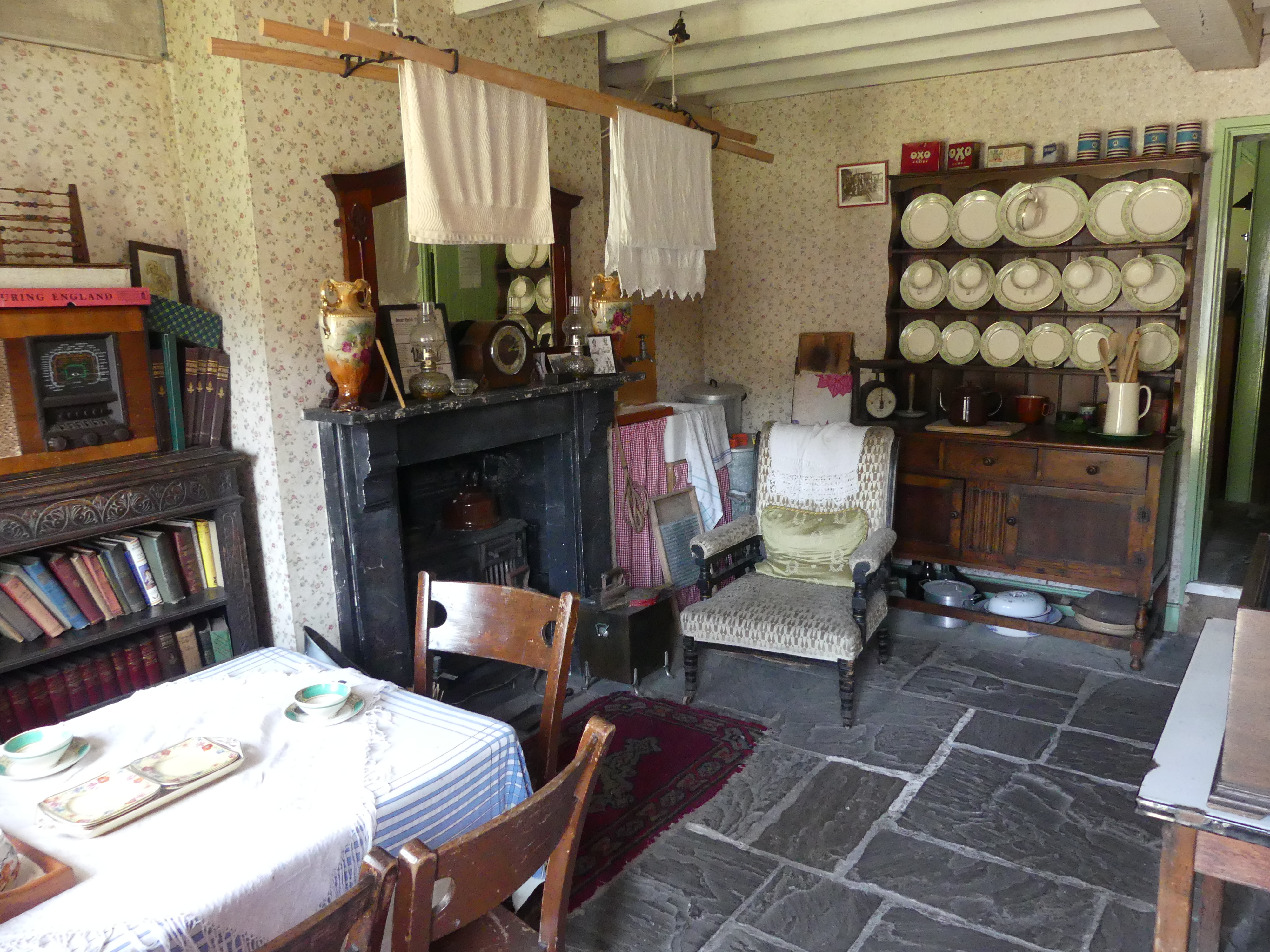
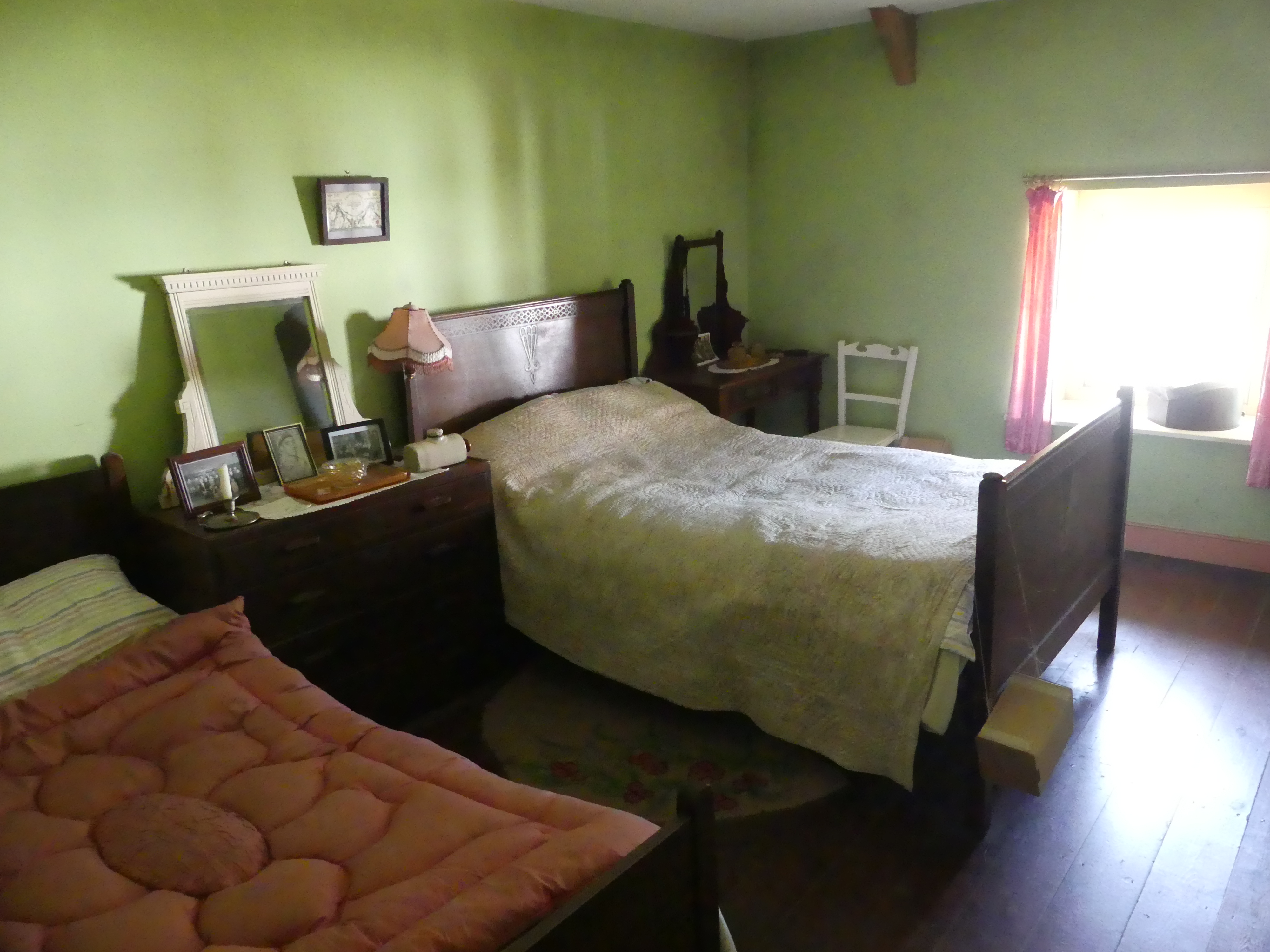
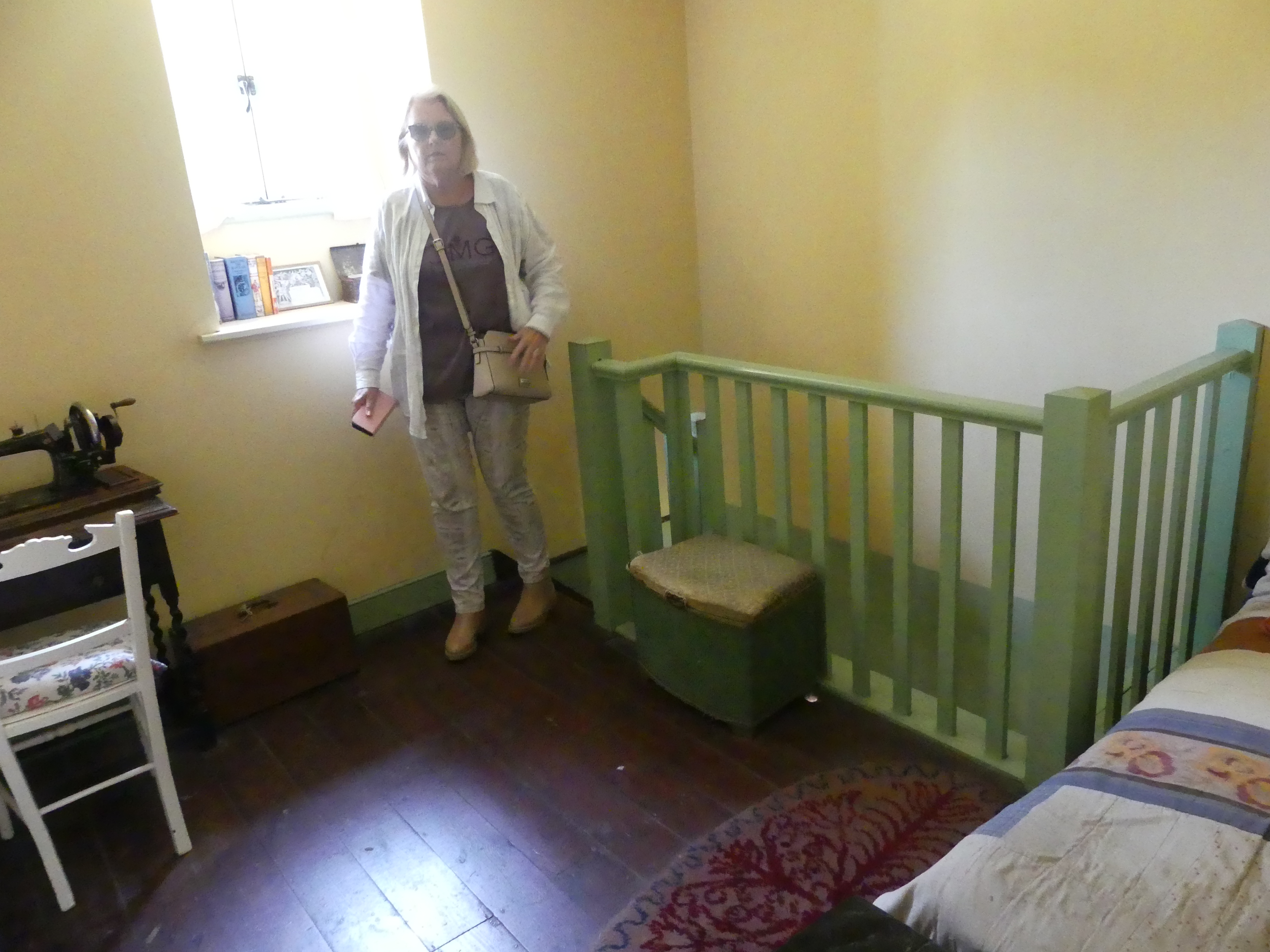
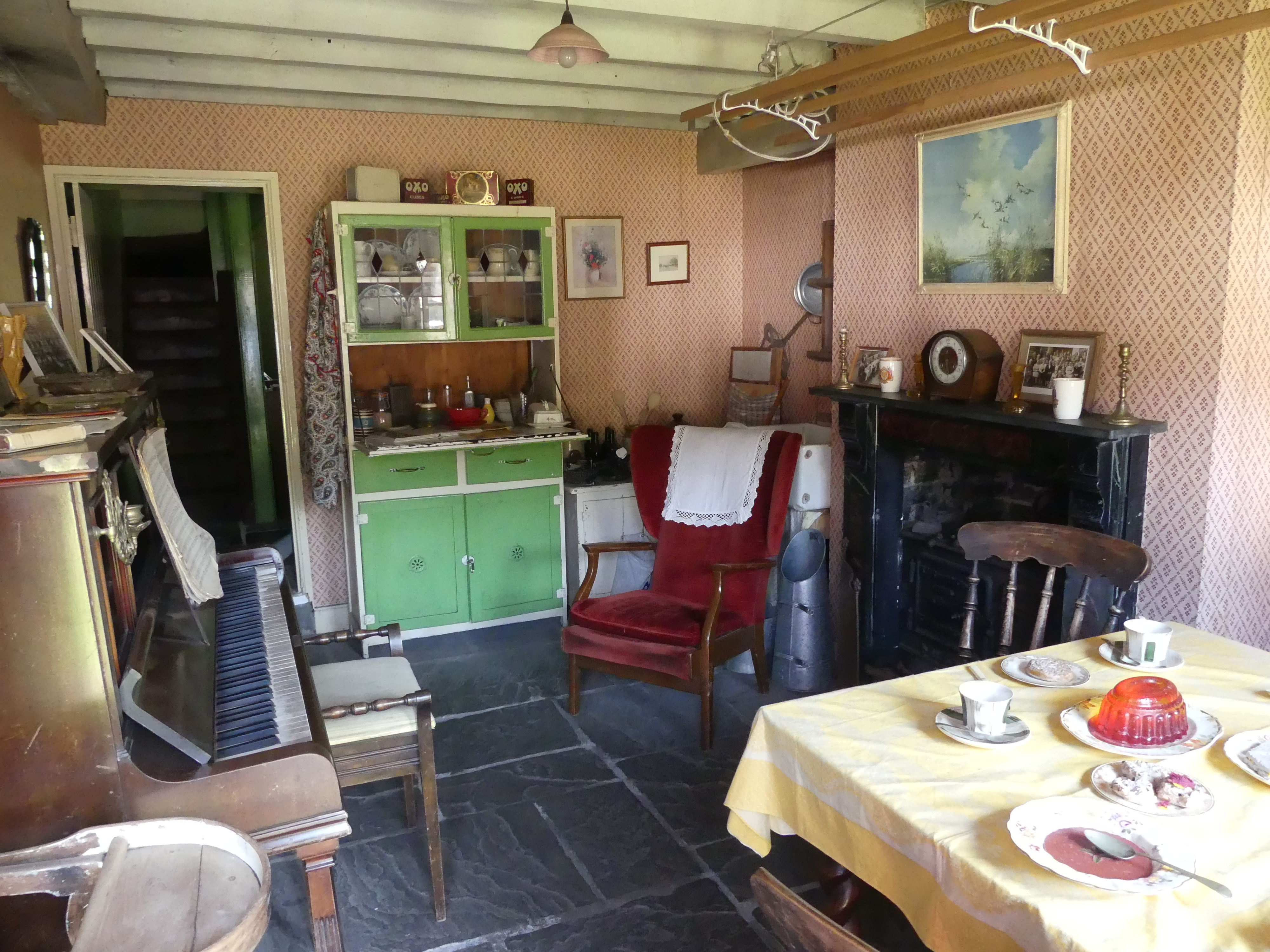
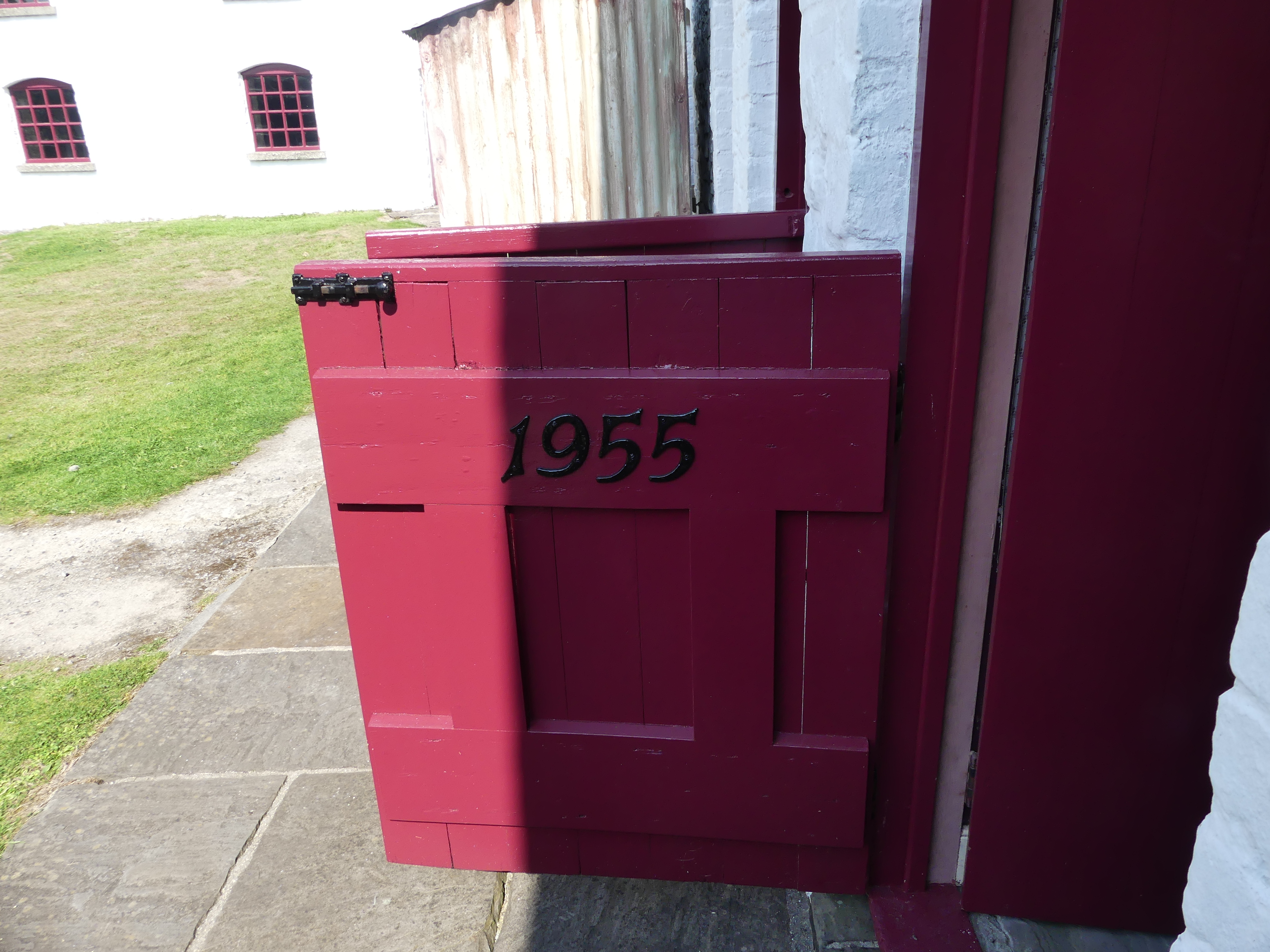
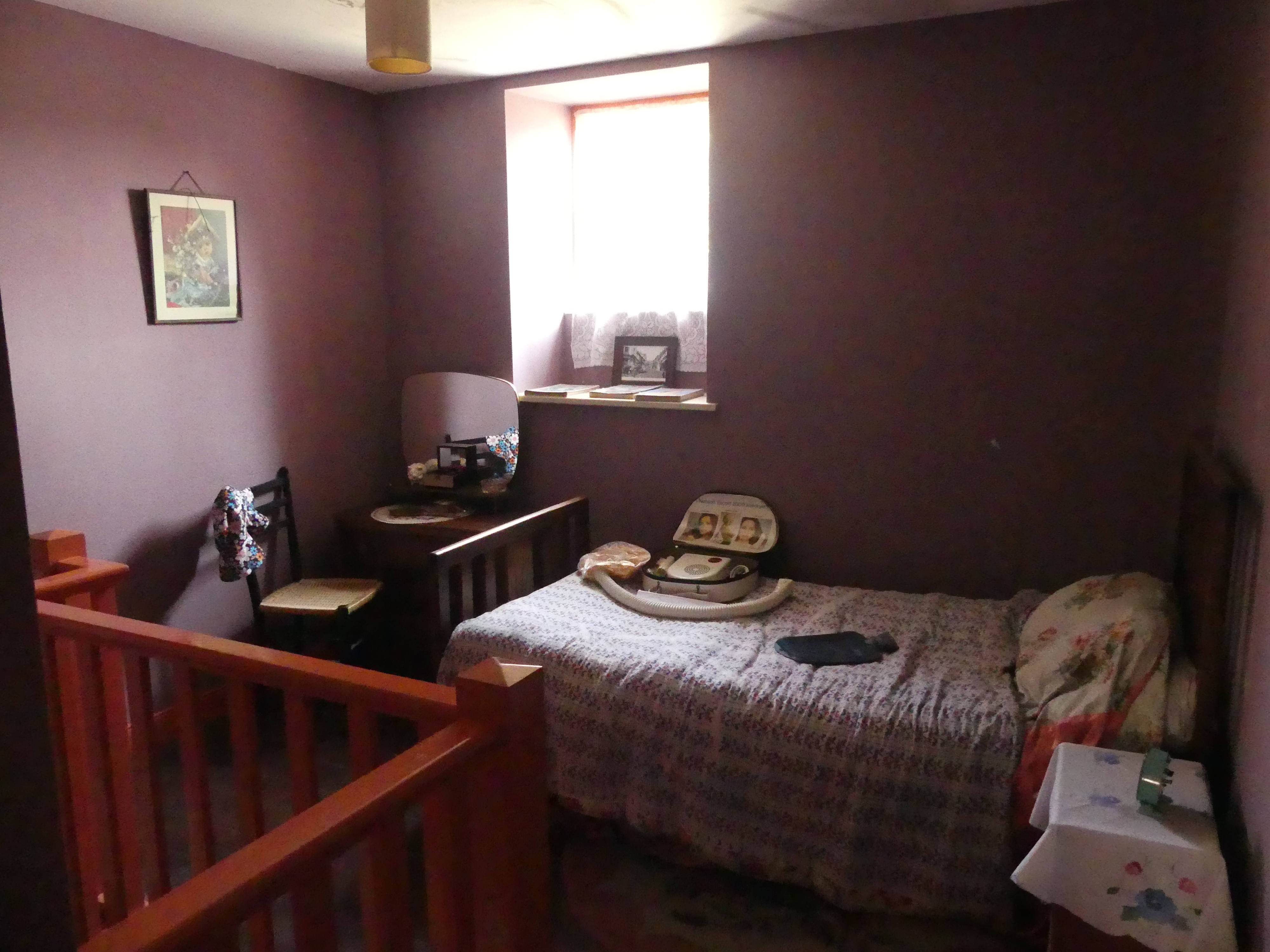
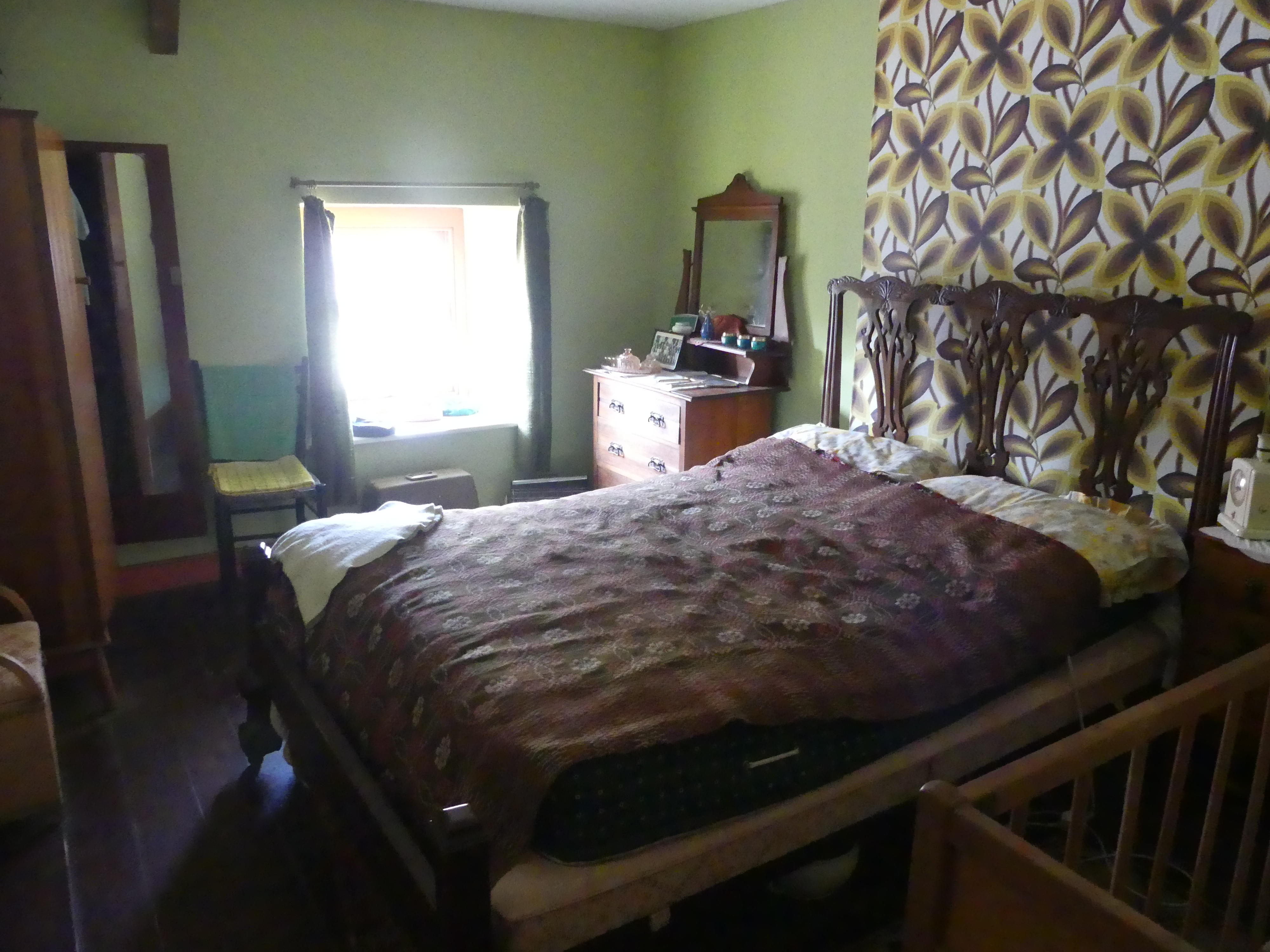
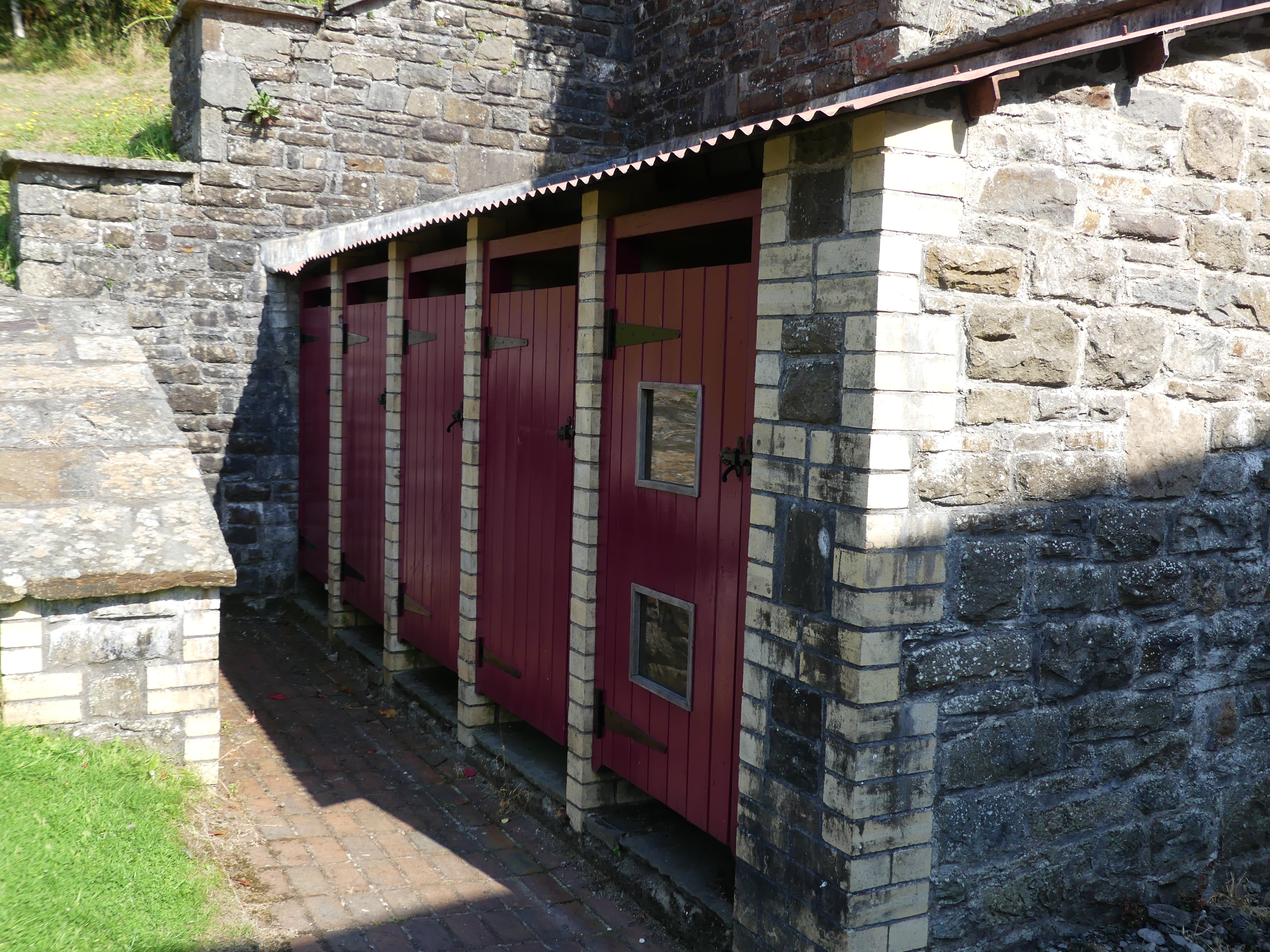
The Ironworks is a former industrial site which is now a museum. It was of crucial importance in the development of the ability to use cheap, low quality, high sulphur iron ores worldwide. It was the site of the experiments by Sidney Gilchrist Thomas and his cousin Percy Gilchrist that led to “the basic steel process” or “Gilchrist–Thomas process”. In 1904 the Ironworks ceased production completely. Work restarted briefly in 1924 but was commercially unviable. The forges at the site were still being used and helped with the production of steel shell during both world wars but was mostly used as a storage yard for the National Coal Board. One of the remarkable things is that some of the workers lodgings have been restored to present certain periods from 18th century through to the 20th century. I thought this might be an uninspiring attraction but quite the contrary it presented considerable history of industrial Wales.
Time to move on from the Best Western as we were due at Chateau Rhianfa Plas Rhianfa, in Anglesey – a far cry from the Best Western. On the way we will look at Harlech Castle before finding our way to Chateau Rhianfa Plas Rhianfa, Glyngarth Menaii Bridge Read on in my next blog “THE RETIREES GO AROUND THE WORLD – CRICKHOWELL (Ebbw Vale)TO CHATEAU RHIANFA PLAS RHIANFA, GLYNGARTH MENAII BRIDGE.”
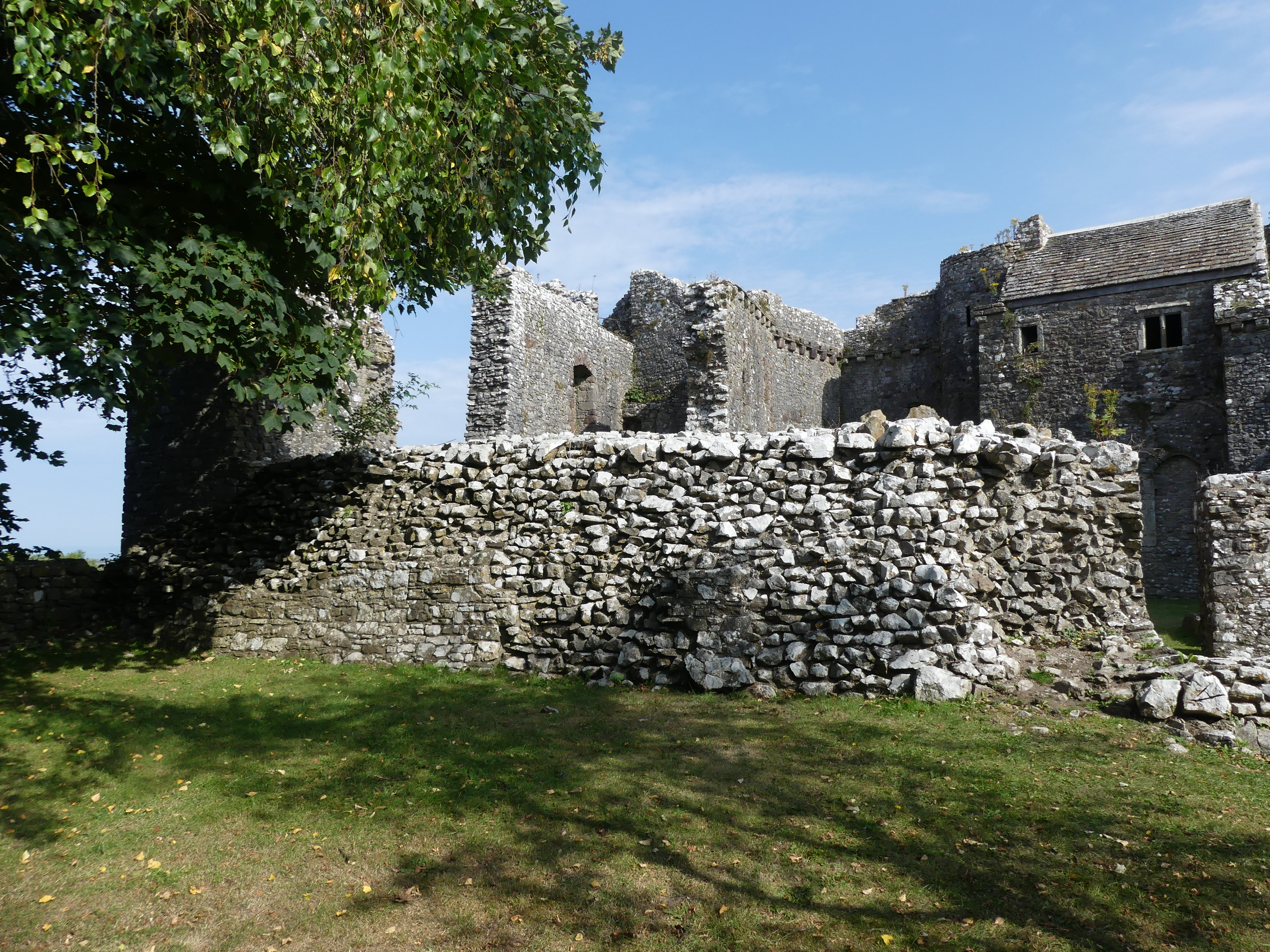
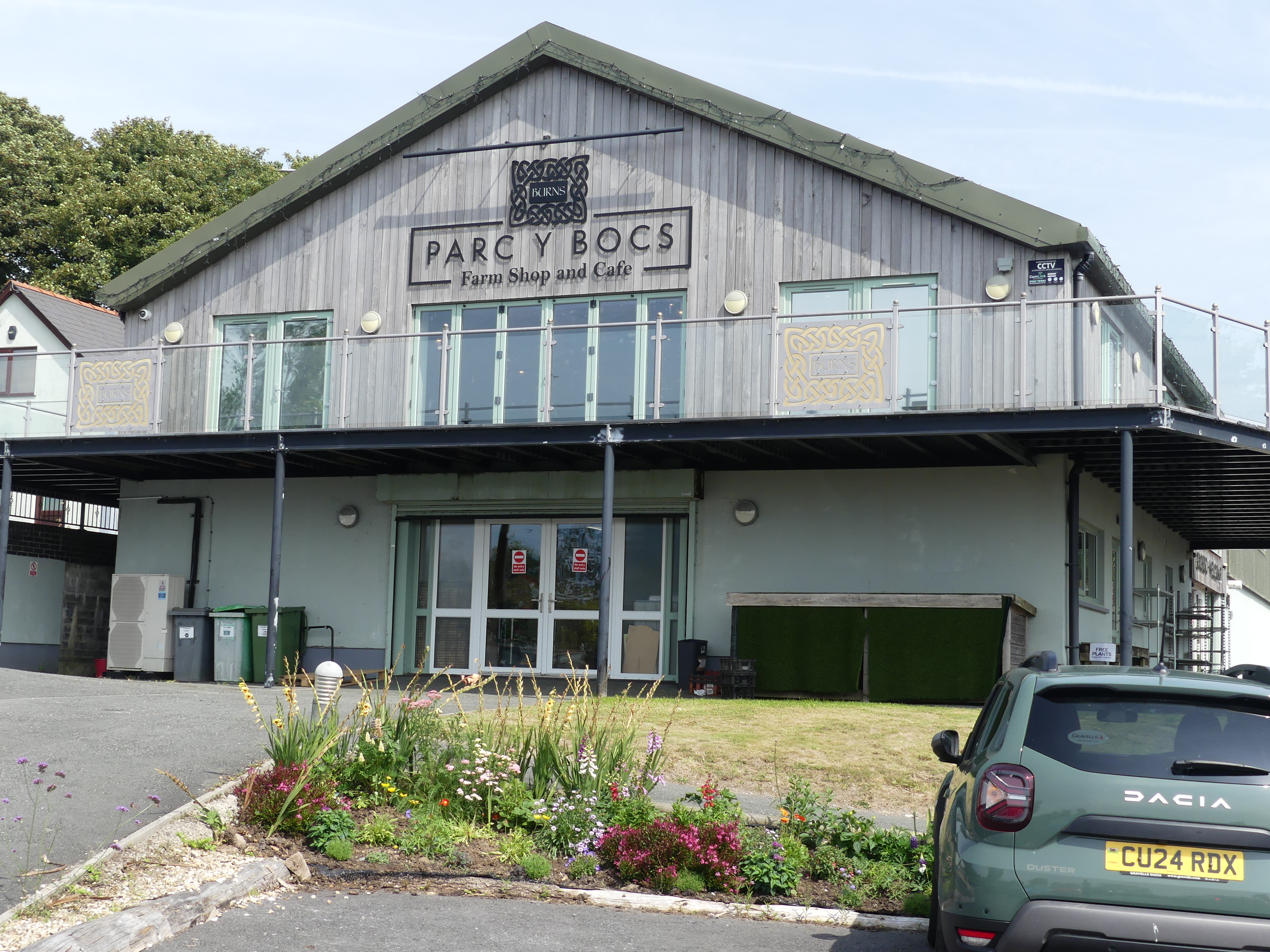
One of the things I enjoy is to move off the beaten track and find the strange, unusual and forgotten. This is what happened when we were traveling between Cardiff and Pembroke. We earmarked Swansea as a place to take a break on the drive. I cannot recall if Weobly Castle was planned or just happened. I also cannot recall whether it was on the Cadw free list but I think not as no-one was looking after this place to any degree. Anyway, we ended up pulling onto a side road and passed Parc V Blocs farm shop and onto a sheep farm.
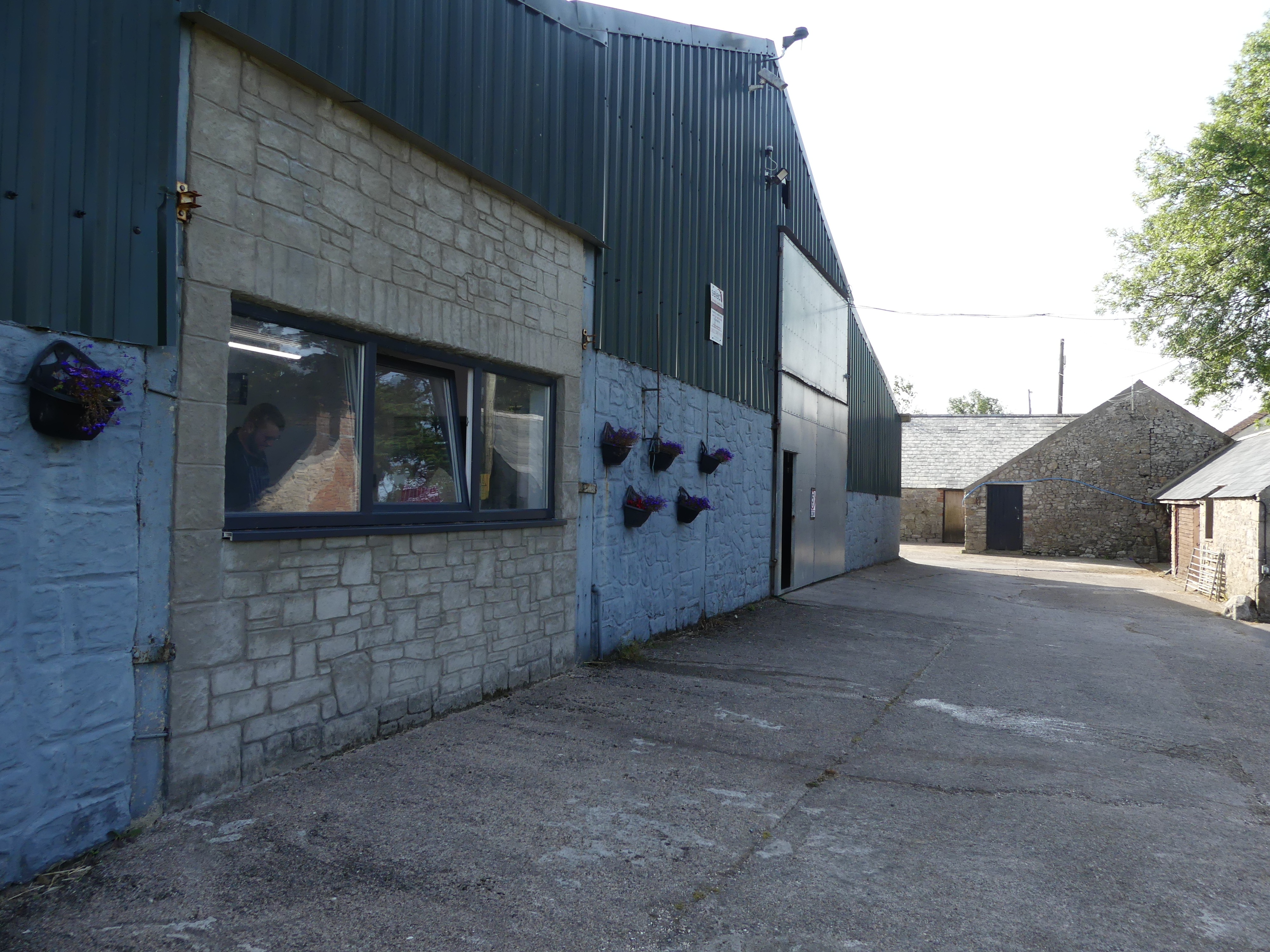
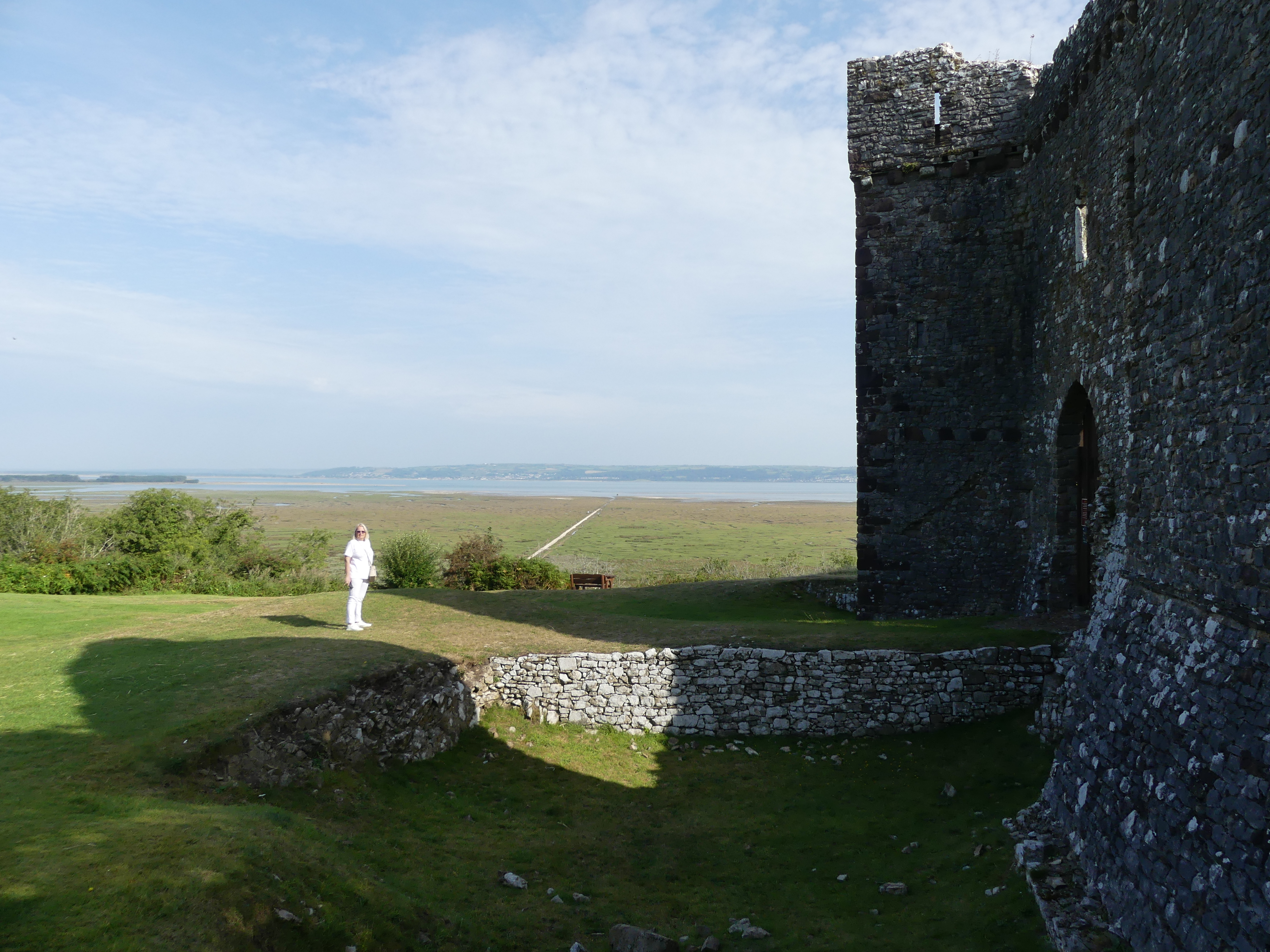
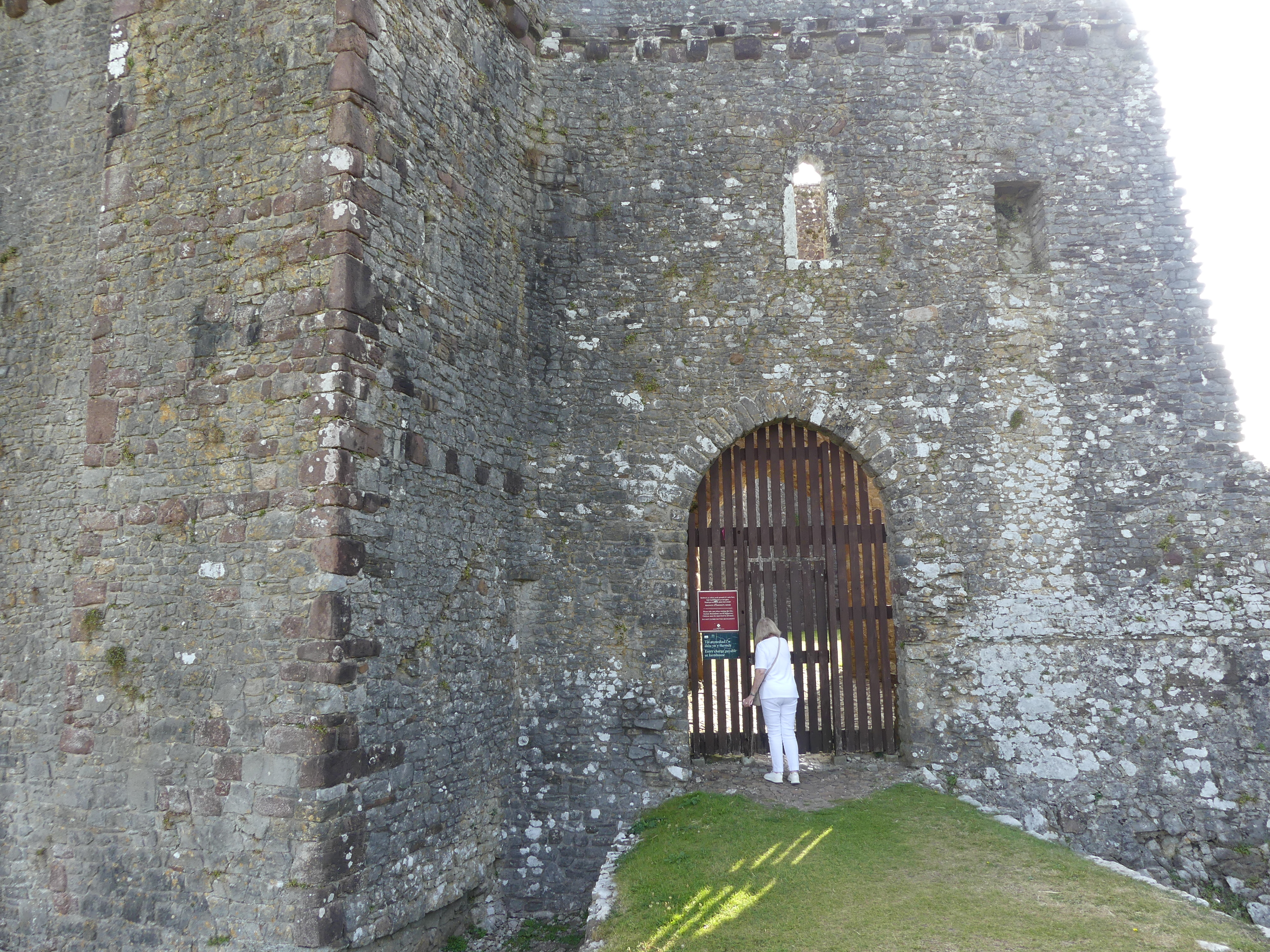
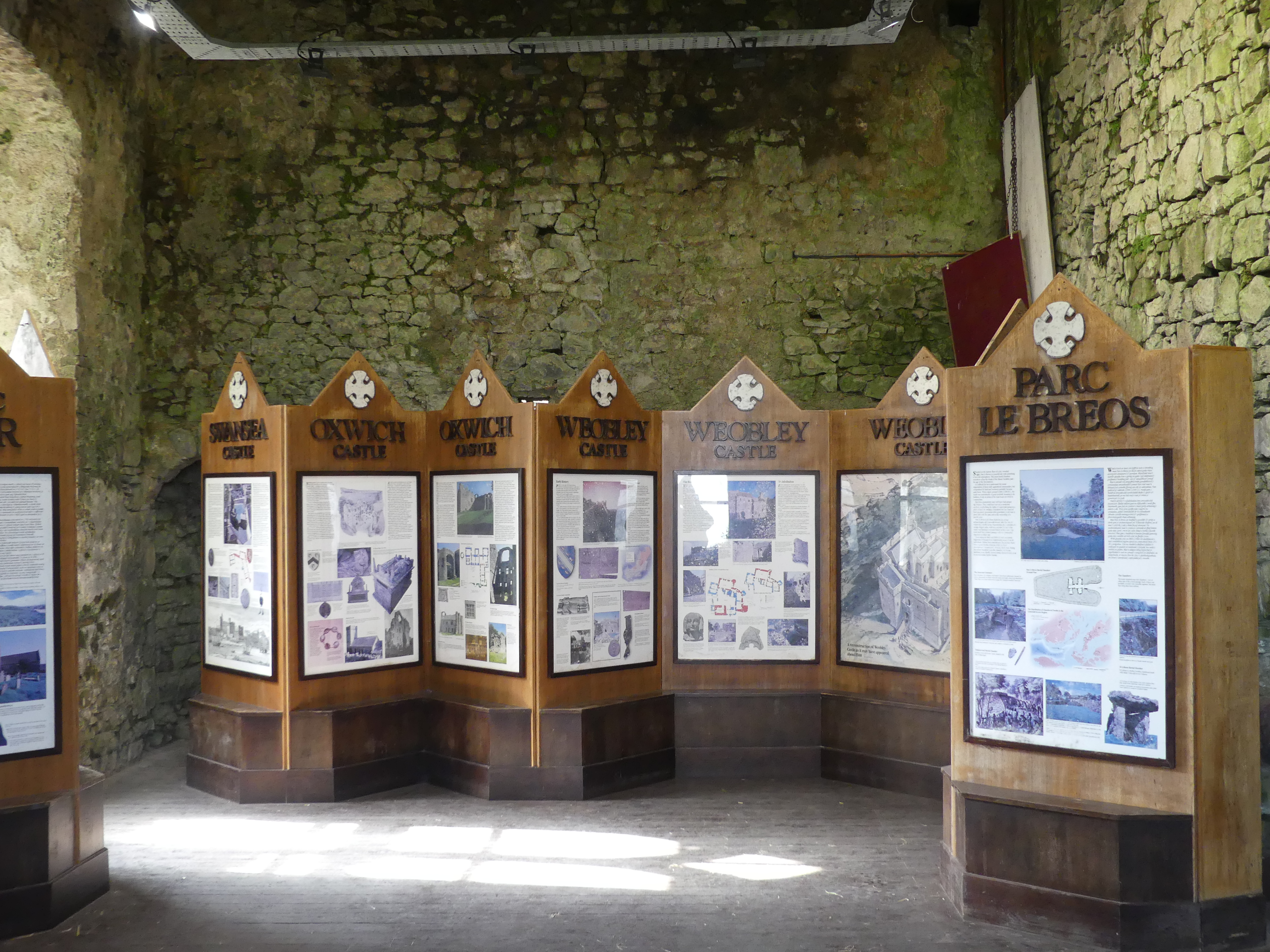
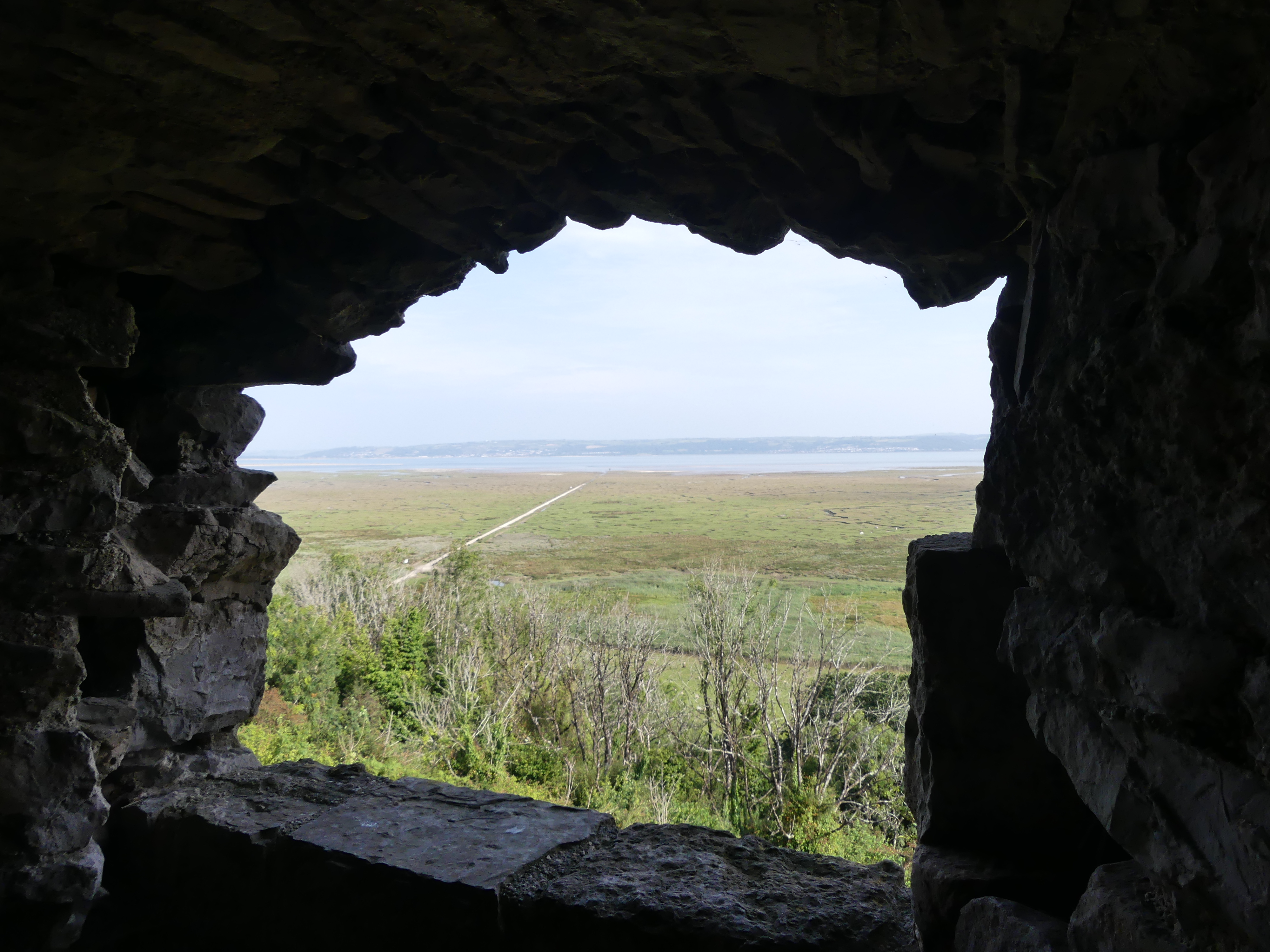
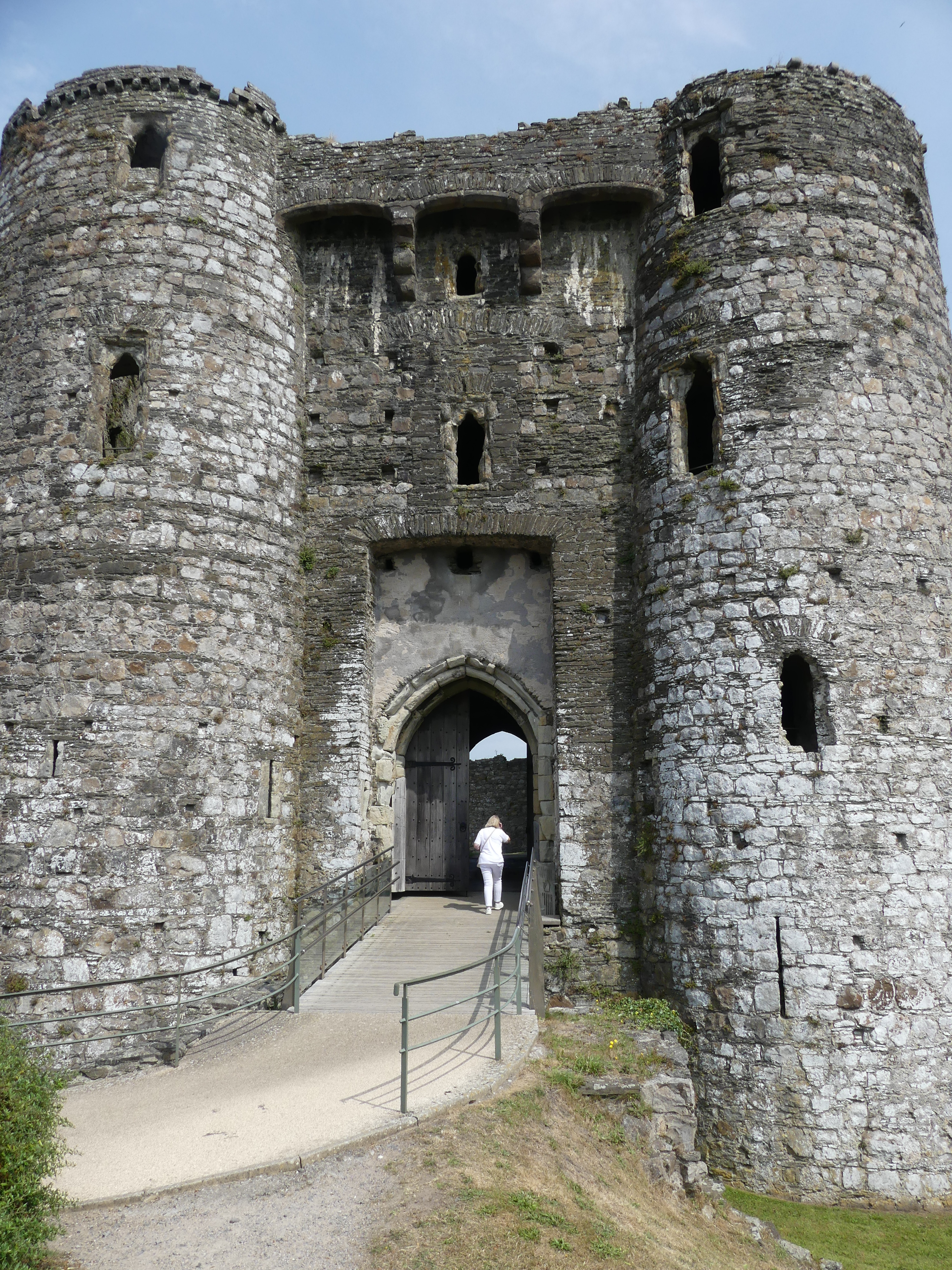
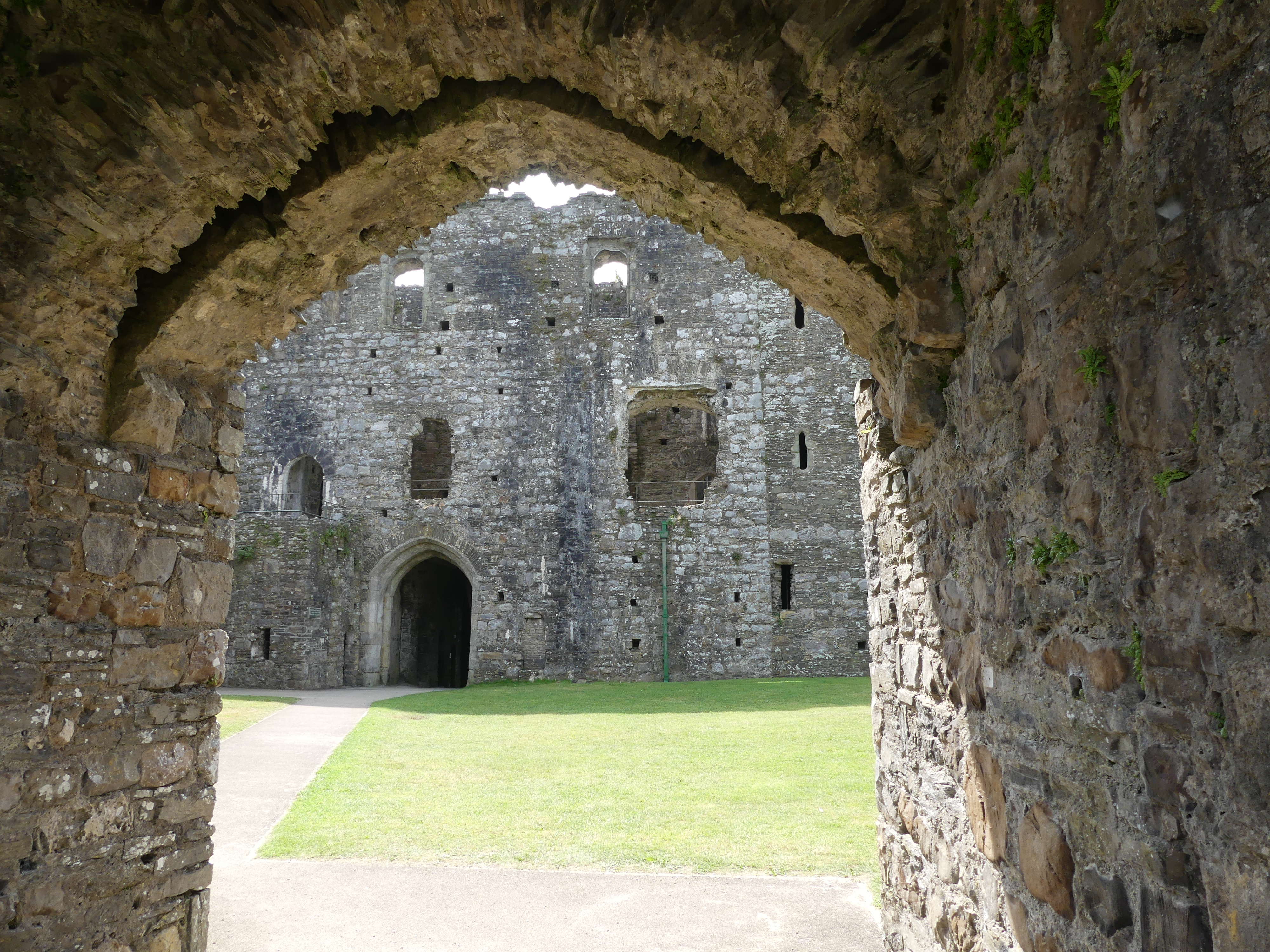
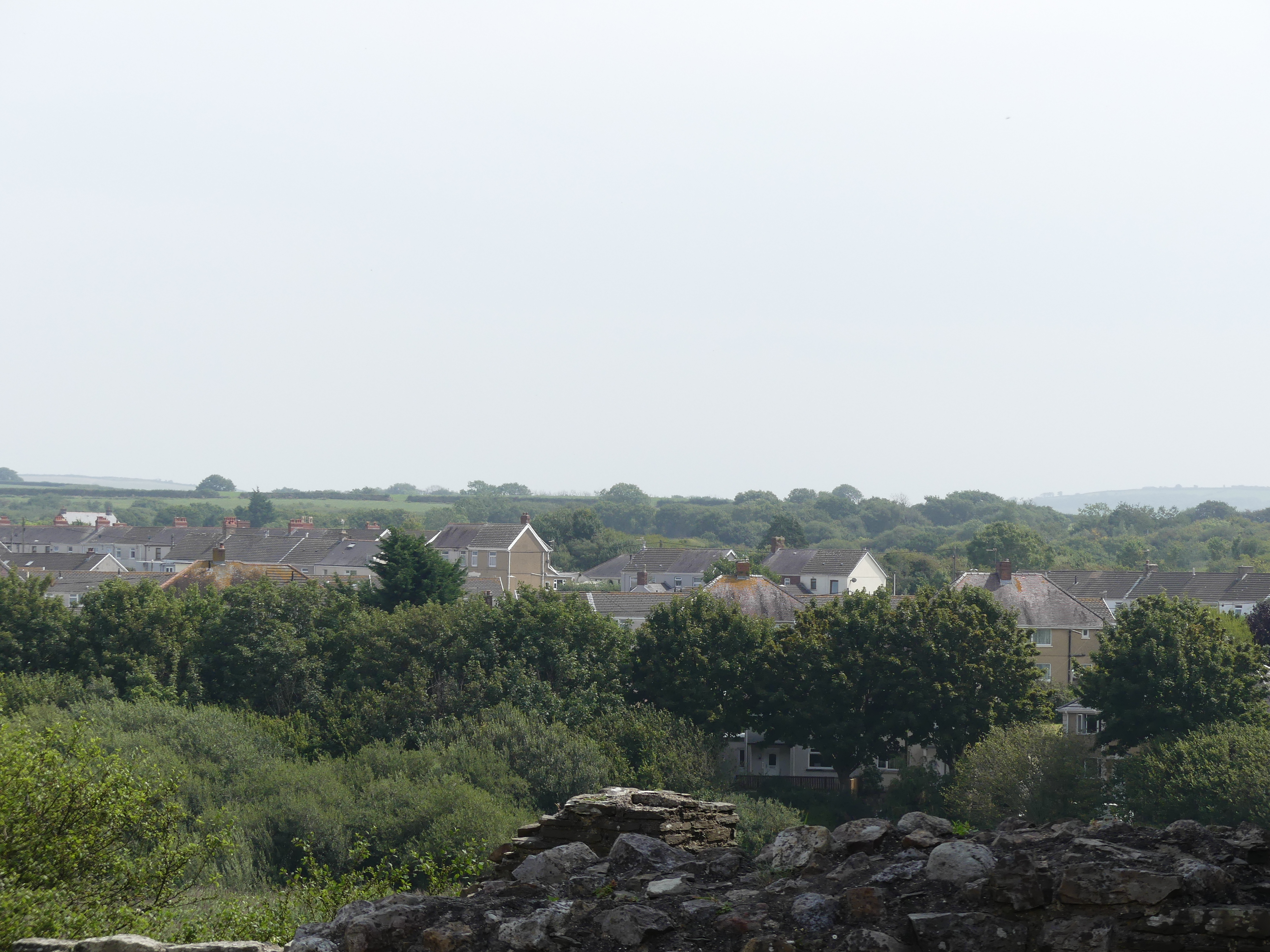
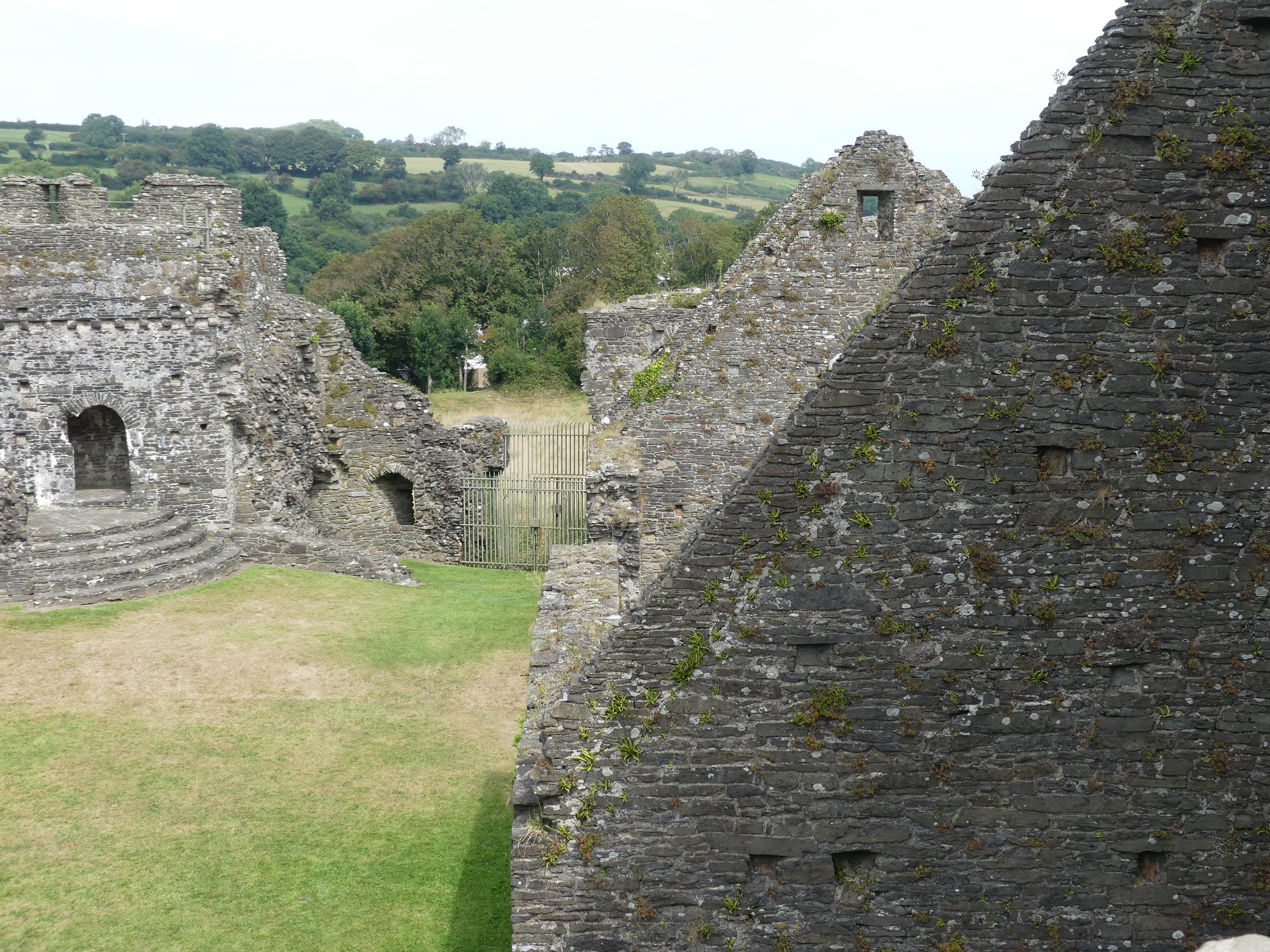
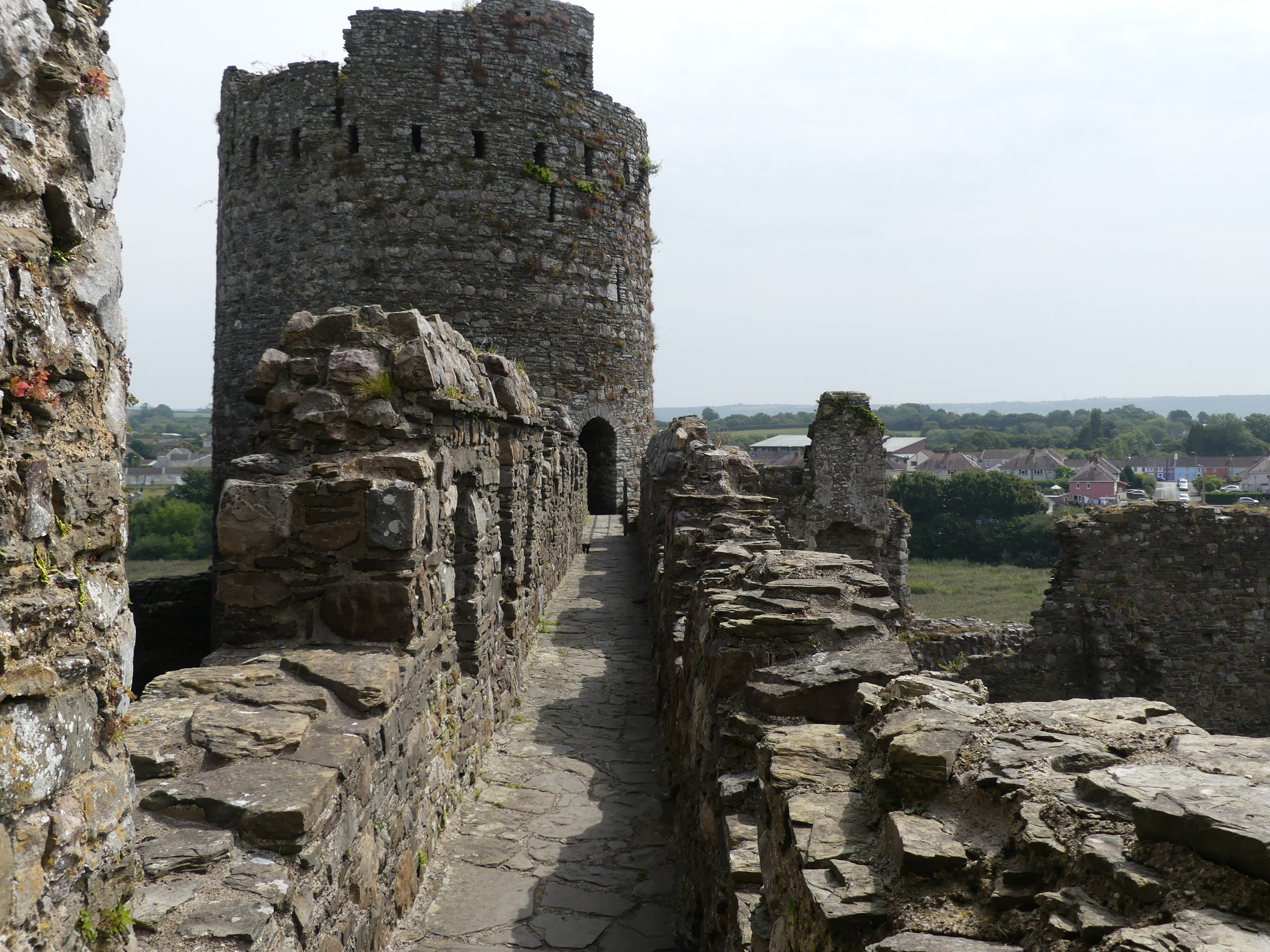
The remains of Weobley Castle remaining upon the farm. As we entered the site a sign notified us that we had to go to the shop to order our lamb and pay admission to the castle. The shop was an attachment to the farmhouse and the castle ruins stood beyond the shop standing on the edge of a precipice running down to the flood plain of a river and the sea. The grazing sheep and cattle looked the size of toys. If this was an important place to have a castle, then it was well positioned. My photos show the view from the floor of the castle and generally around all that remains whilst also showing you where they slaughter and dress the sheep carcasses. It felt like we had discovered somewhere forgotten.
We returned to Parc V Bloc for lunch and wondered just who would visit this place. Despite its business description it was a small supermarket café functional hall and pet barn all in one. Outside in the grounds was playground equipment and picnic tables – all in all I even expected used cars and farm equipment but that is going too far.
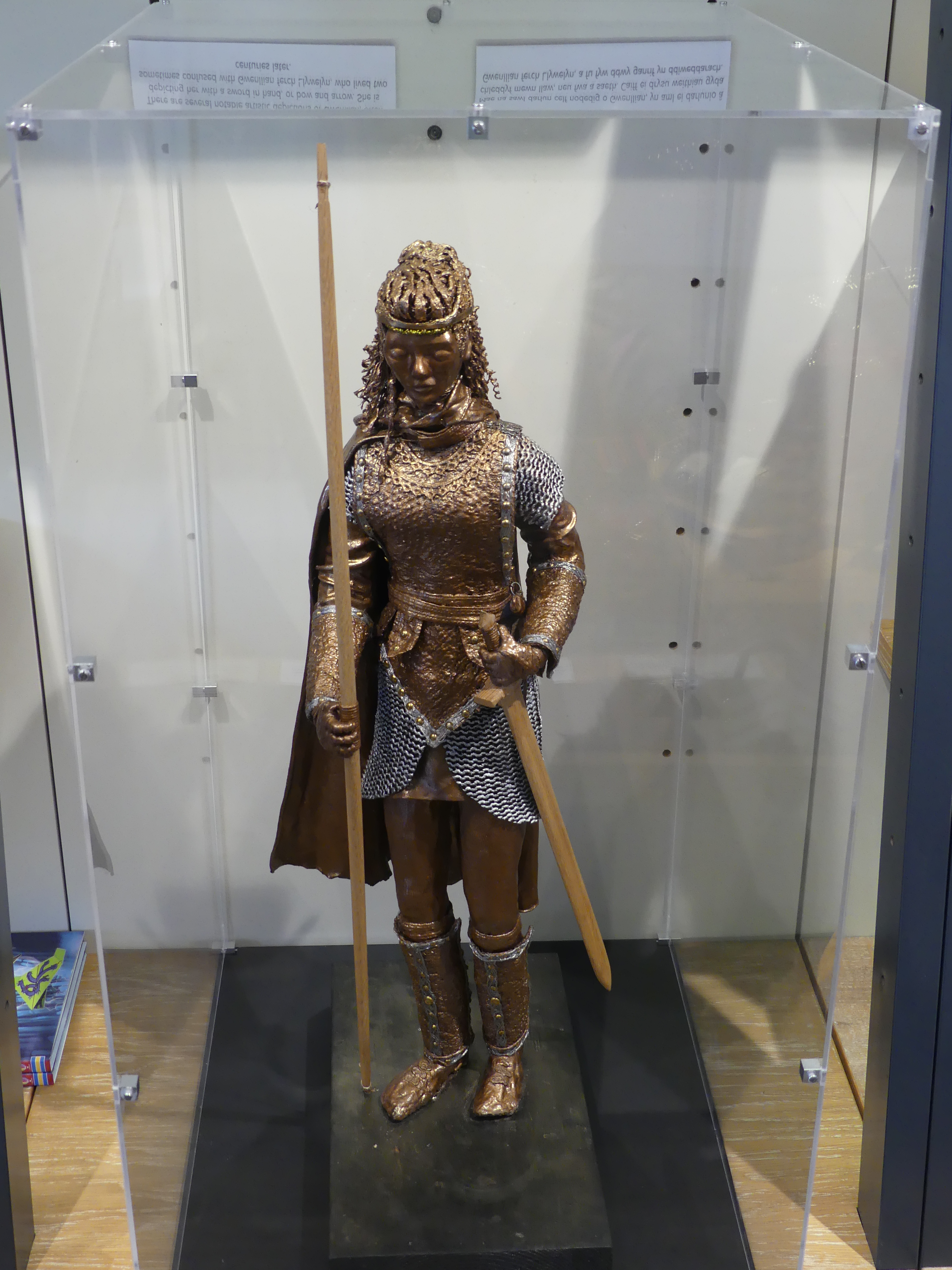
Next stop was Kidwelly Castle as a break in the trip to Tenby and Pembroke. This one was on our Cadw 7-day ticket and as my photos show it largely ruins except when the Queen is on her throne. As we were leaving the ticket office/gift shop a warrior queen in a glass case stood proudly challenging all passersby and reminded us of Celestial Starfall festivals.
We had heard about some Roman ruins just outside of Cardiff and the Museum – “Roman Legionary Museum”. We have visited Rome and roman ruins in Rome, Verona, Pizza and Cesi and Carsulae outside Terni Italy plus Hadrian’s Wall and Littlecote Roman Villa in Wiltshire, so we were not expecting to be surprised but we were.
The town is a pretty Welsh village. Entry is gained through a single lane bridge, and the main street is clean and interesting. After parking in front of the site of the Roman Bath House at the back of a very popular local pub, we strolled through the village waiting for the building to open.
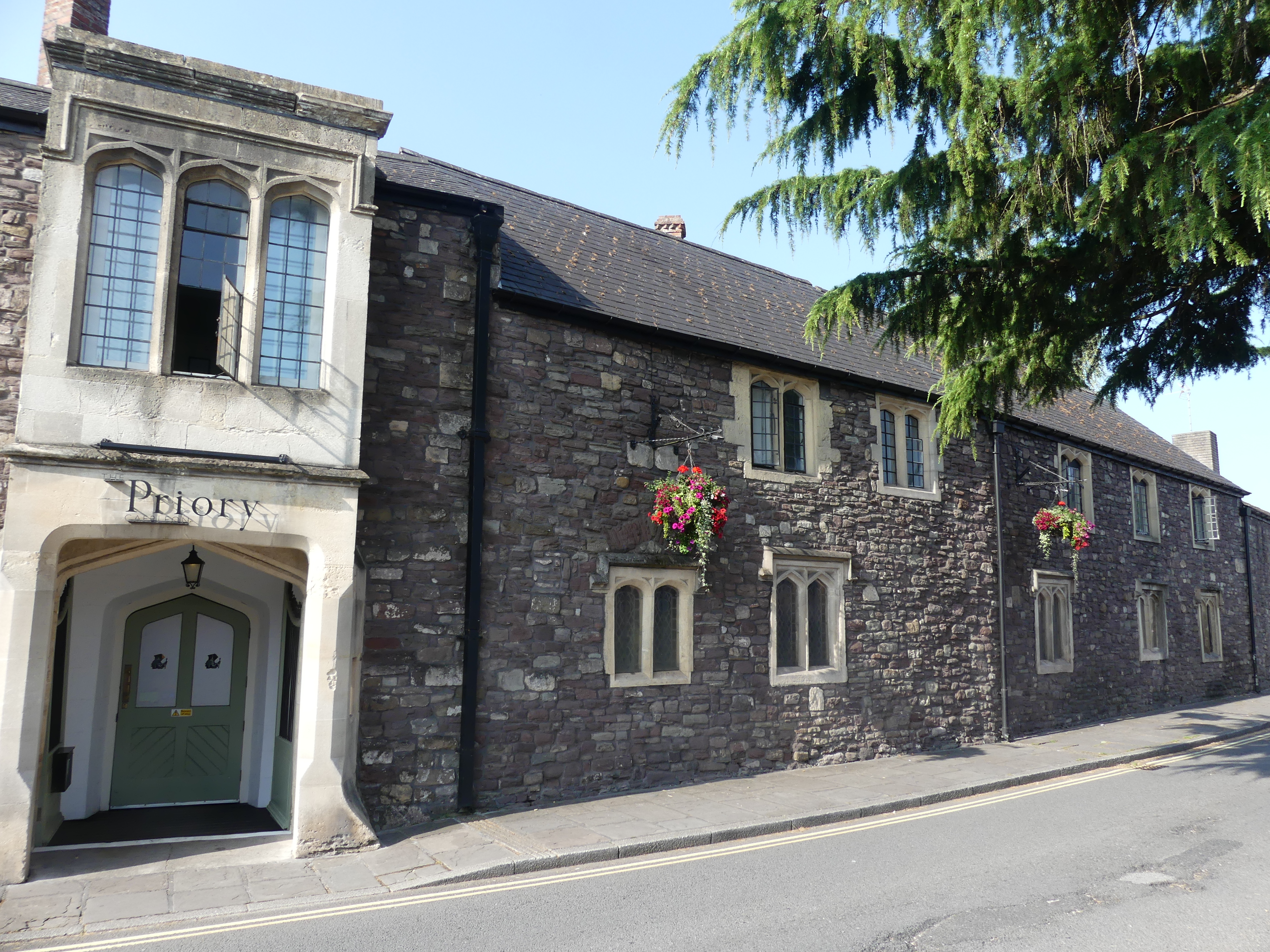
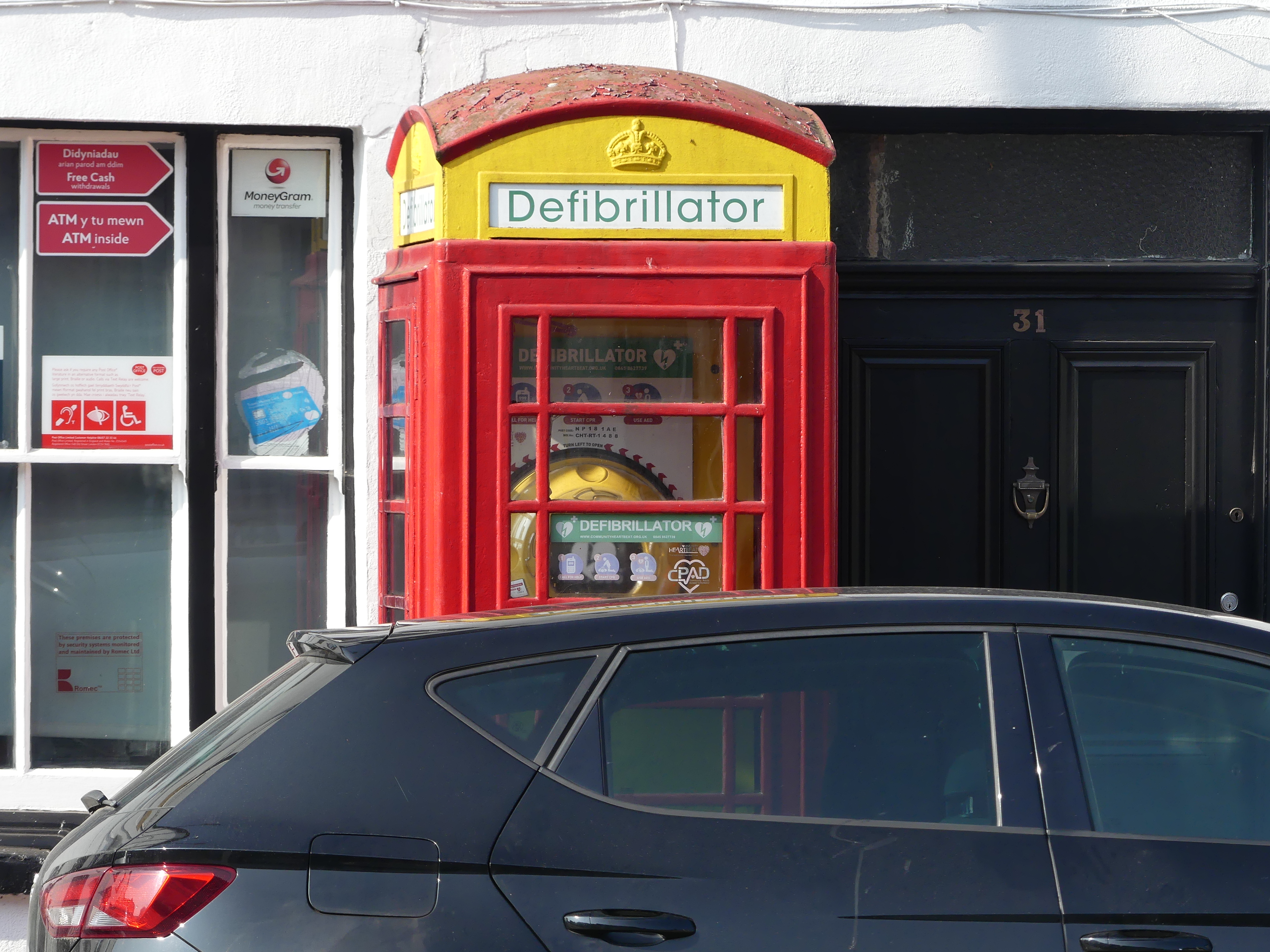
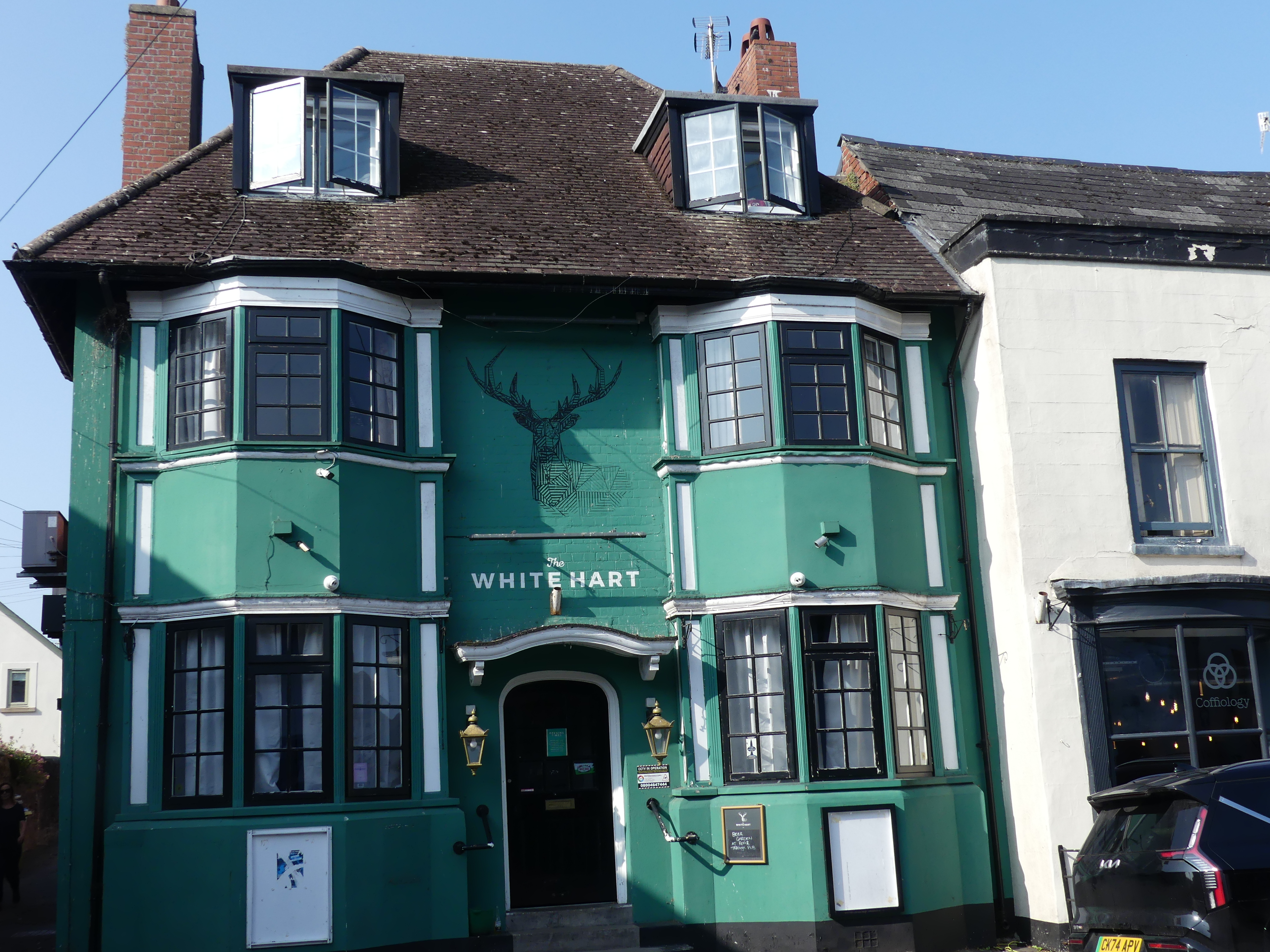
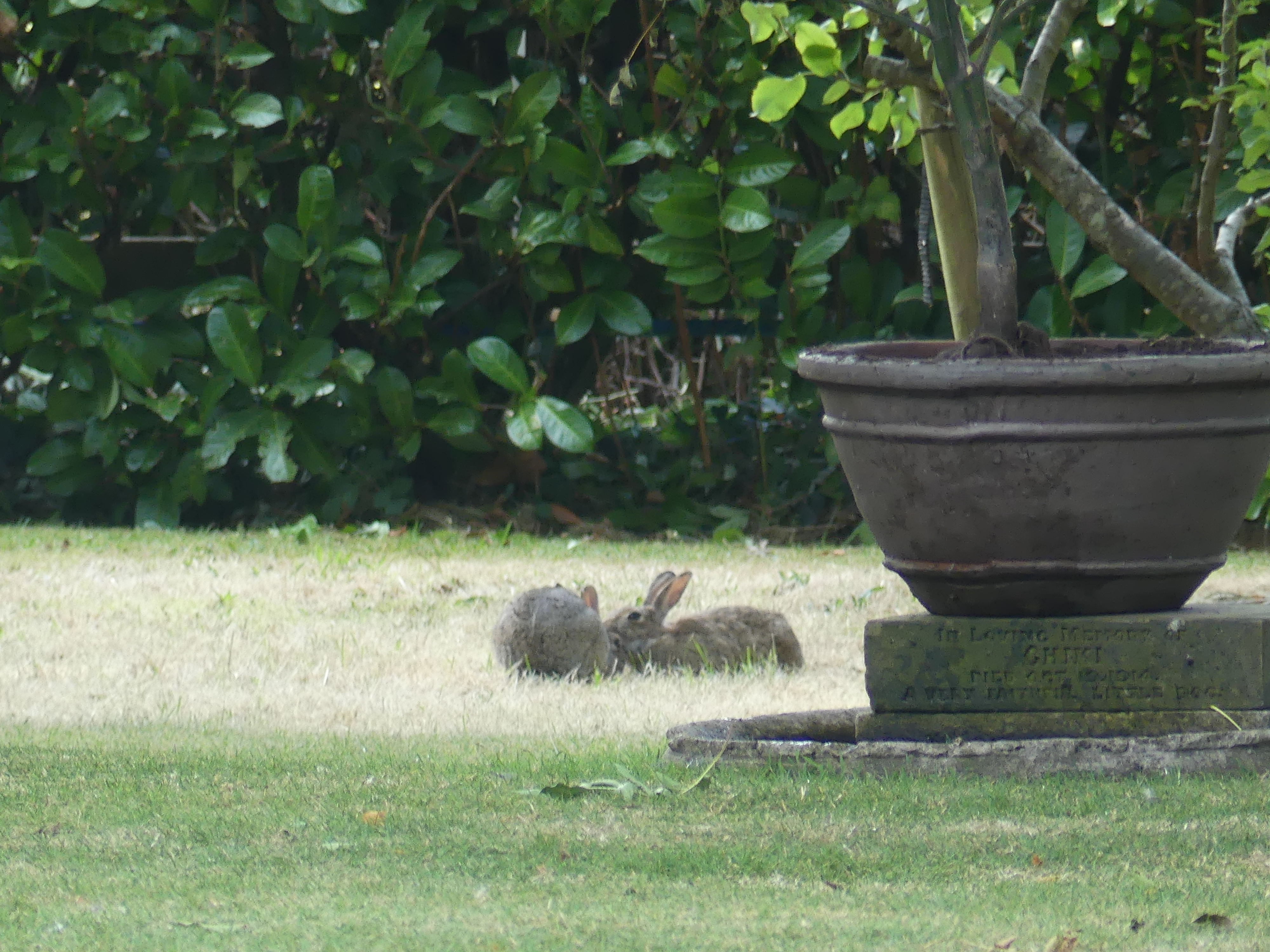
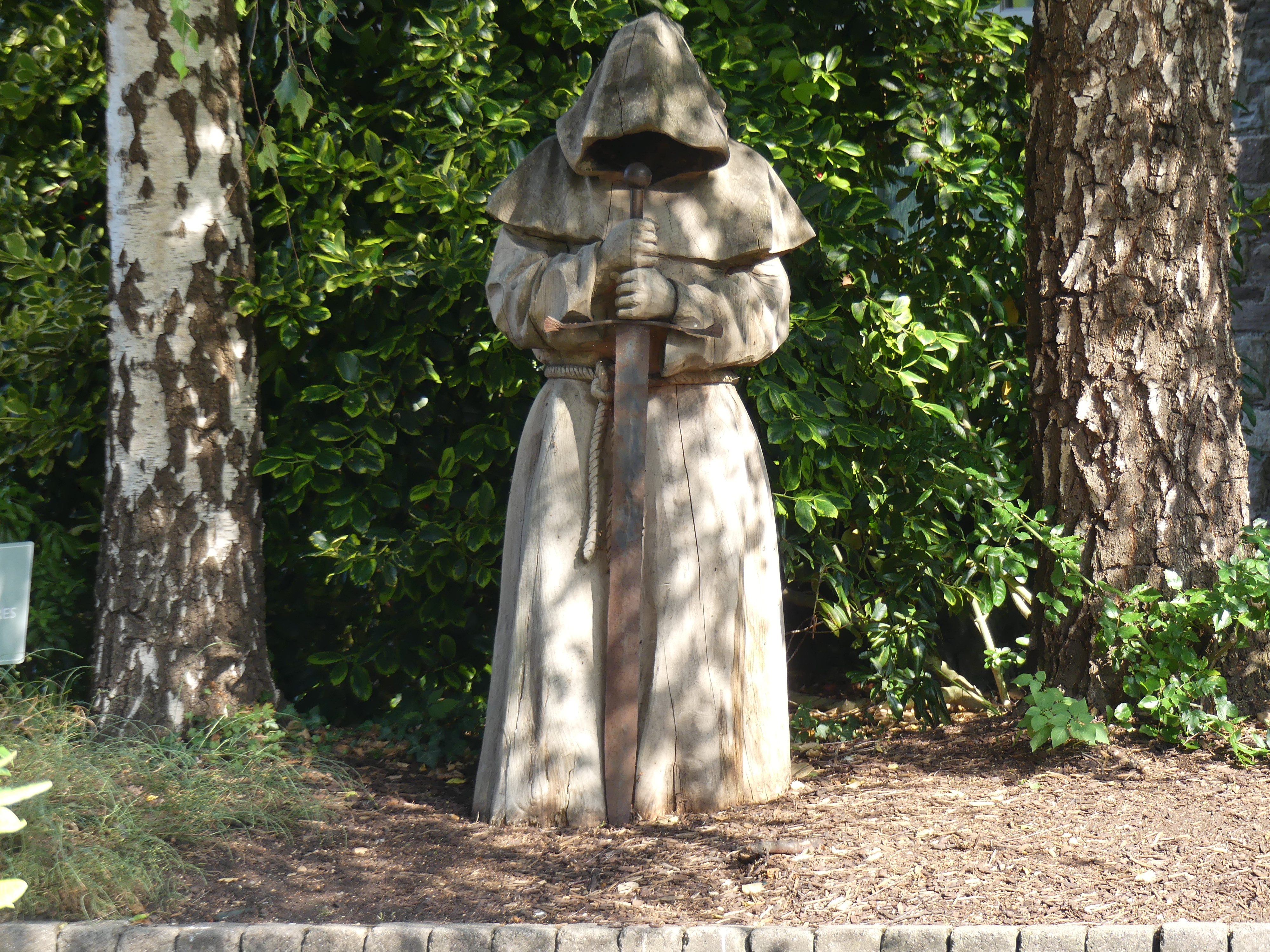
The pictures below take you on that stroll. First is the Priory – now an accommodation hotel but retaining the features of the former Priory with a pair of hares in the back yard. There are some interest wood carvings of a forest gnome, a priory student in cloche and priory guardian. Then there is the pub, a reused telephone box to house a defibrillator, a pretty pub, and the museum entrance.
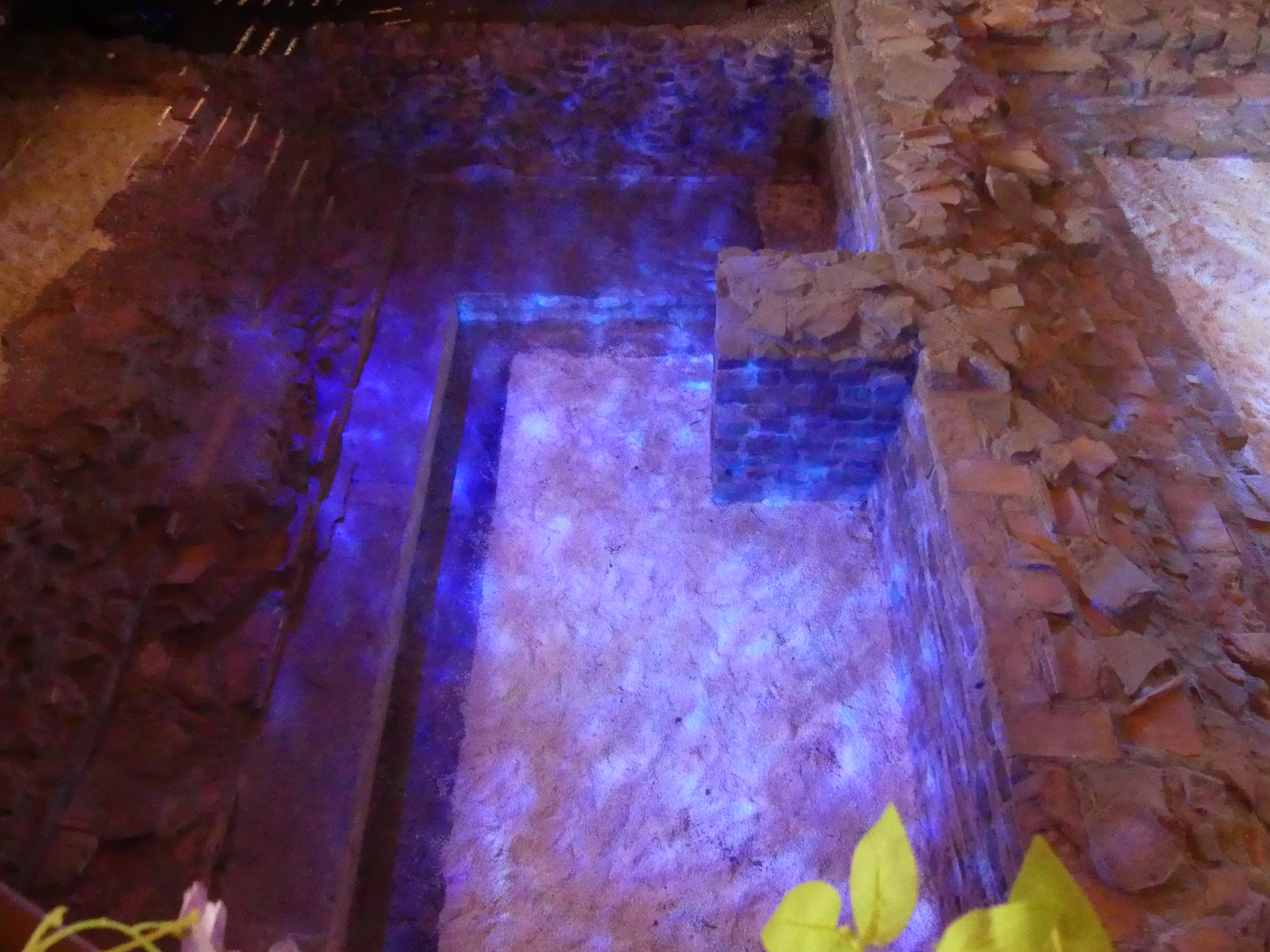
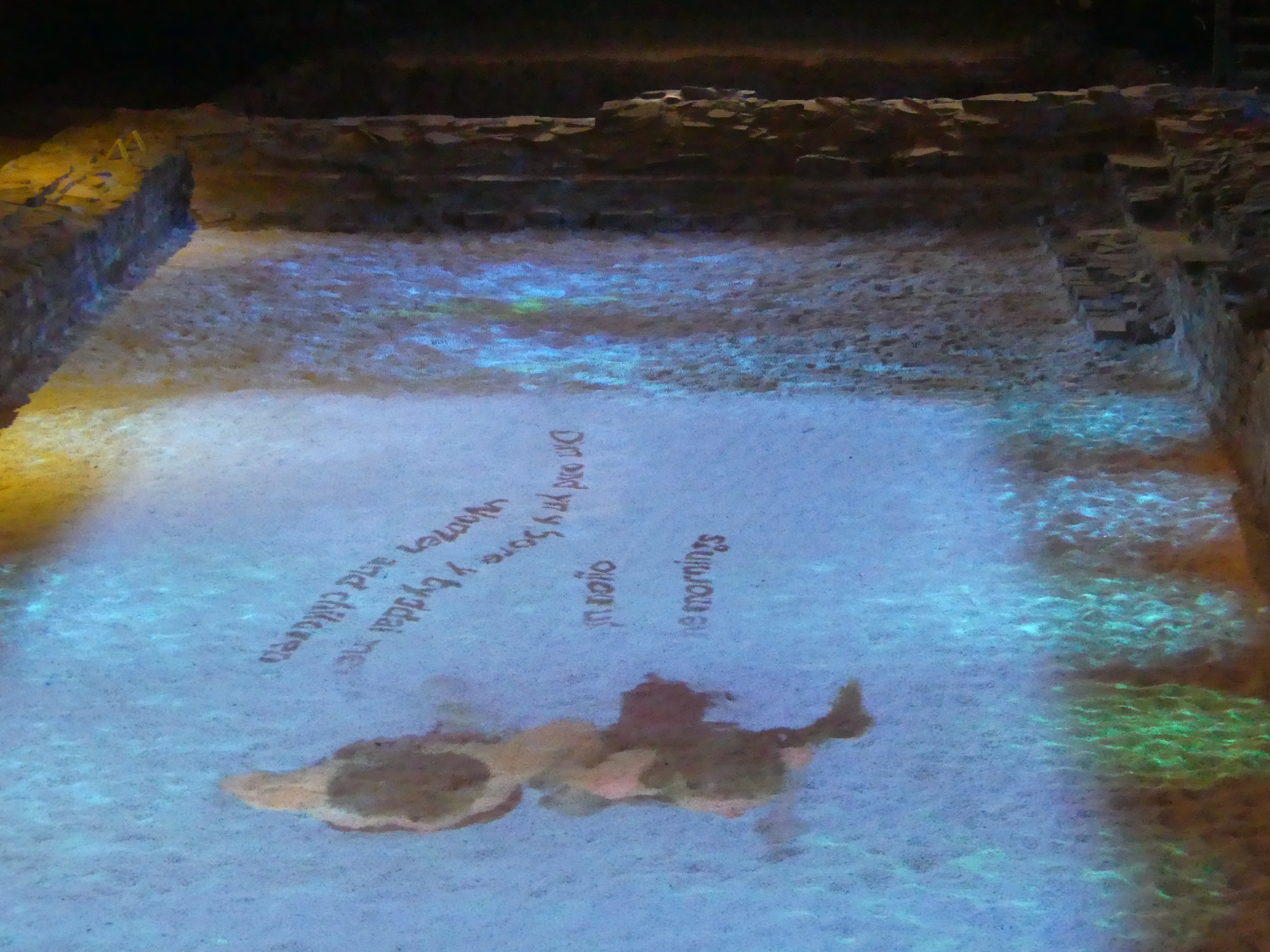
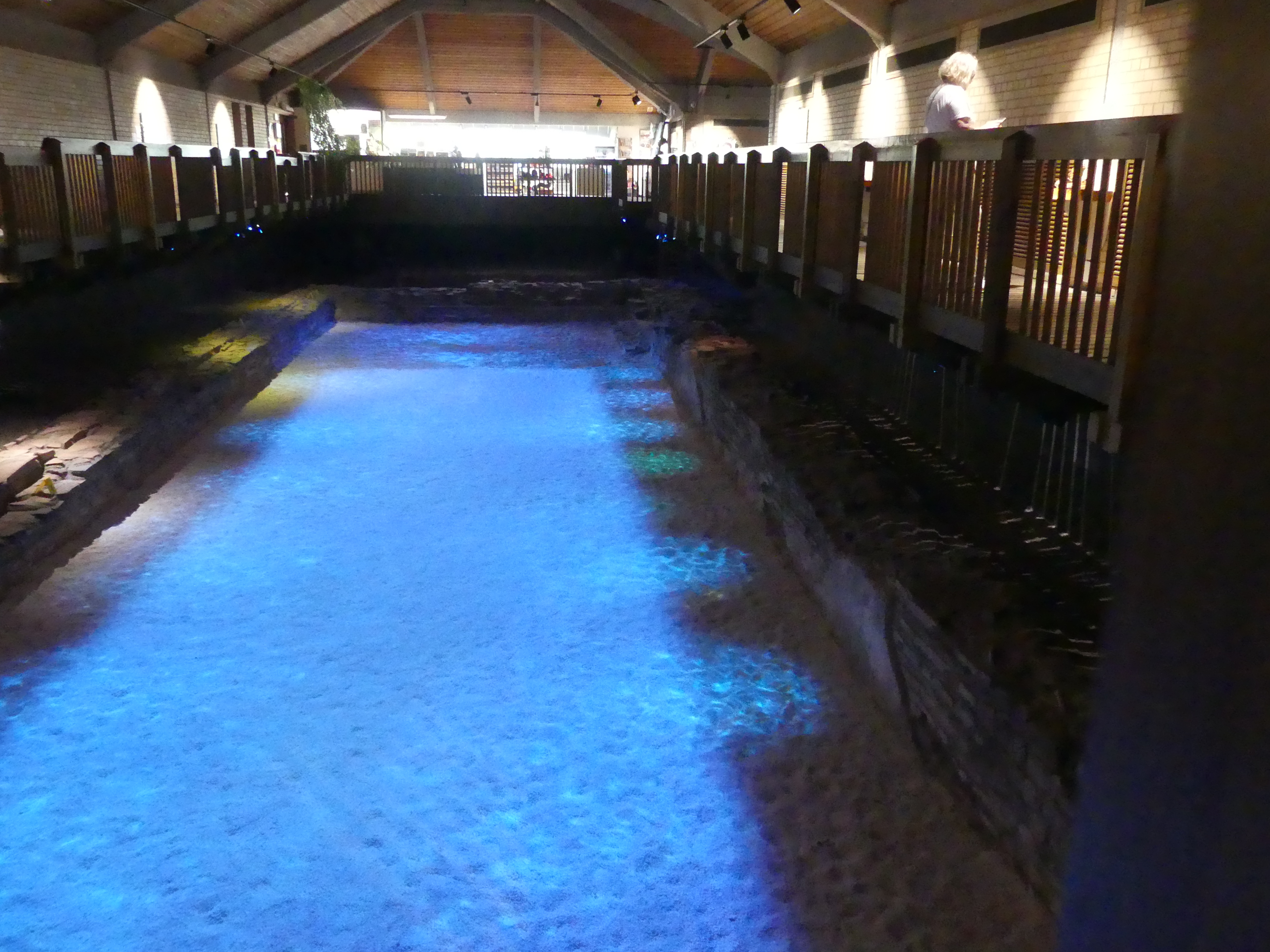
The site is the location of the main Roman legion and fort for the subjugation of the Welsh tribes. Life at the edge of the Roman Empire could be short, hard and dangerous so this fort provided the legionaries a place for rest and relaxation, and it was also their barracks. I have included two of the pages from a comic book containing images of the likely appearance of the building, the interior of the enclosed pools, and the garrison. The baths comprised the hot room (“caldarium”), the warm room (“tepidarium”) and the cold room (“frigidarium”) – you can see the English words in the Latin description.
The pictures of the bathes with imagery of soldiers relaxing and using the spa follow. Photos of the replicas displayed in the Exhibition Hall are below.
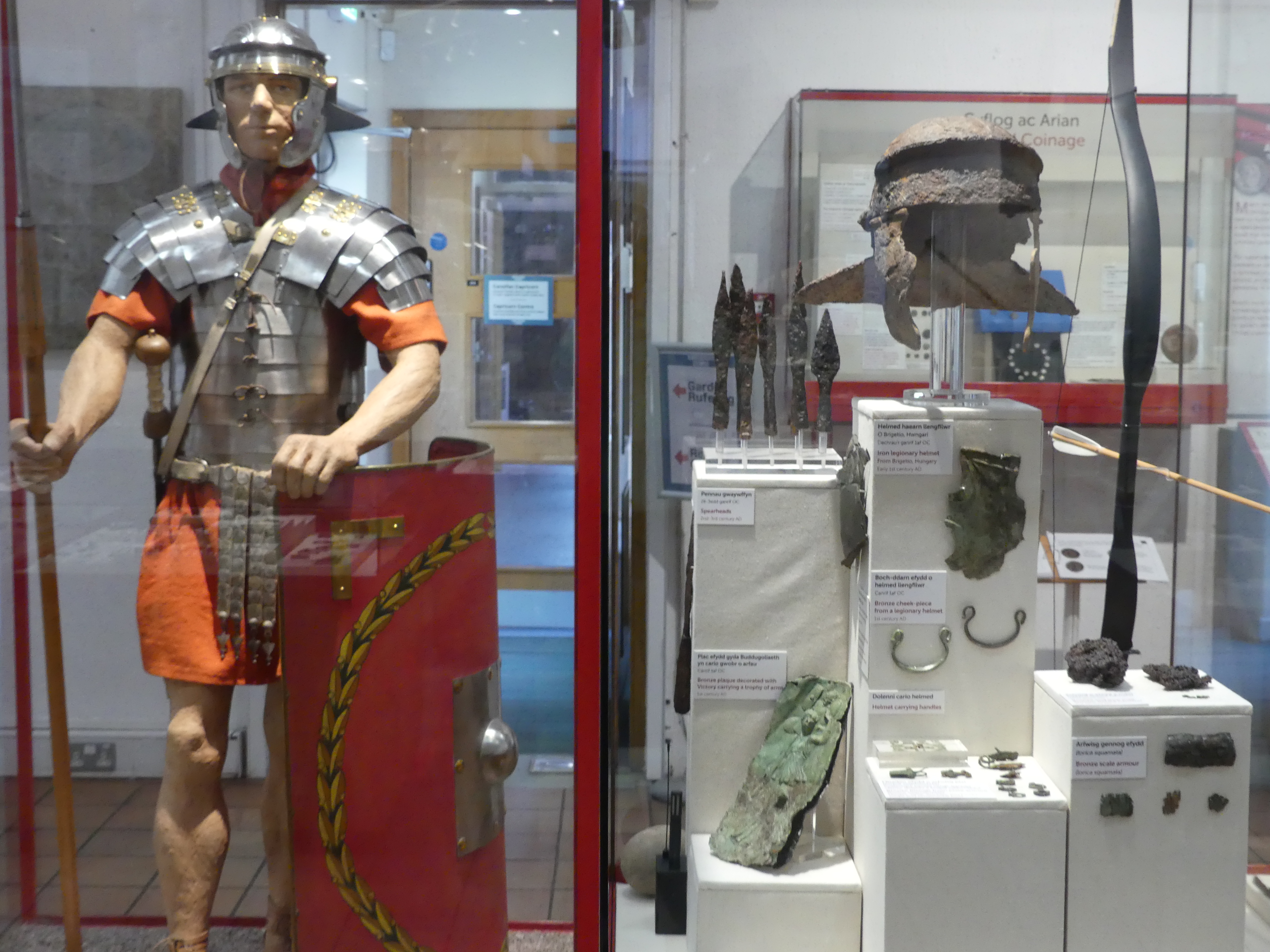
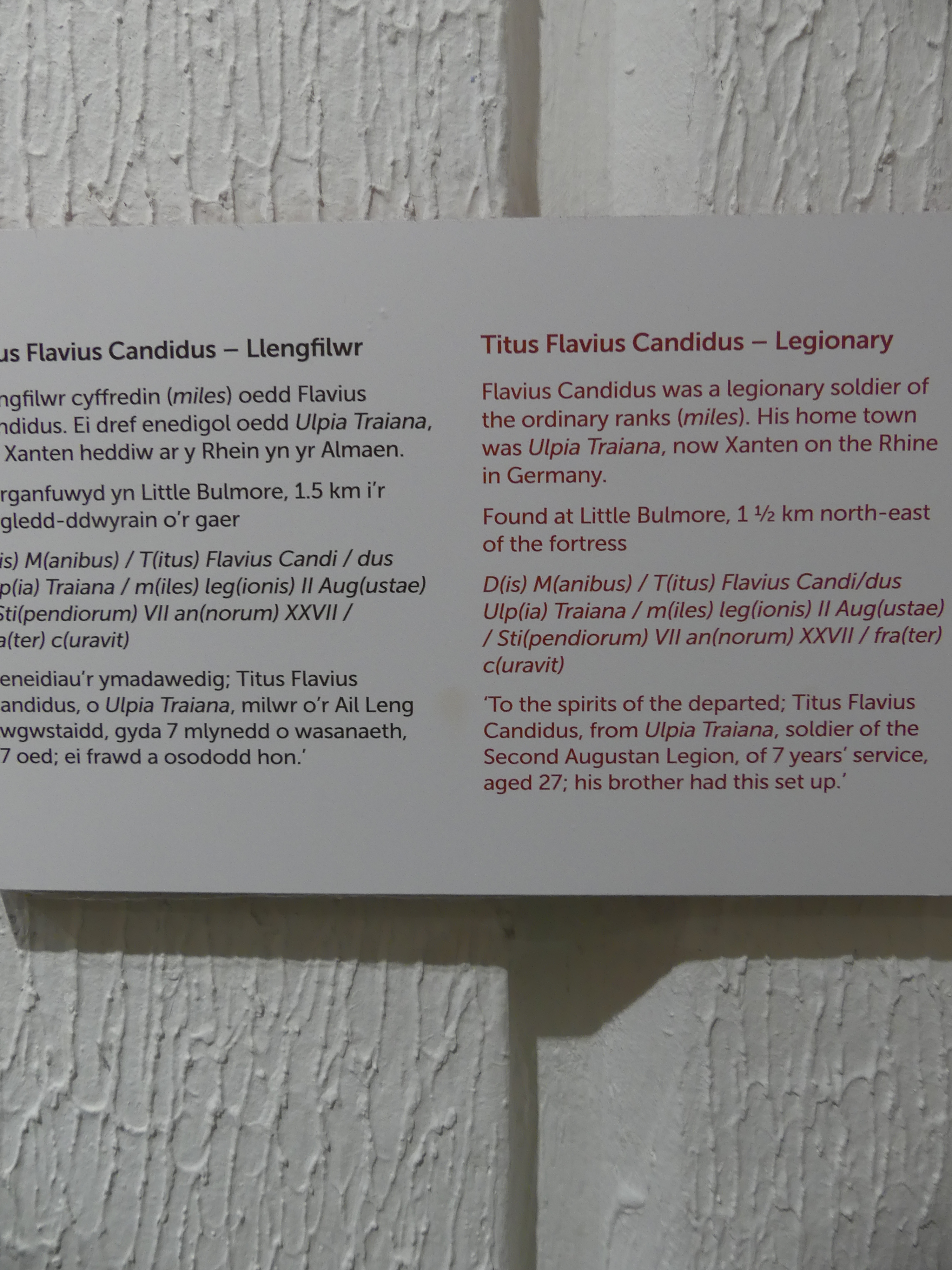
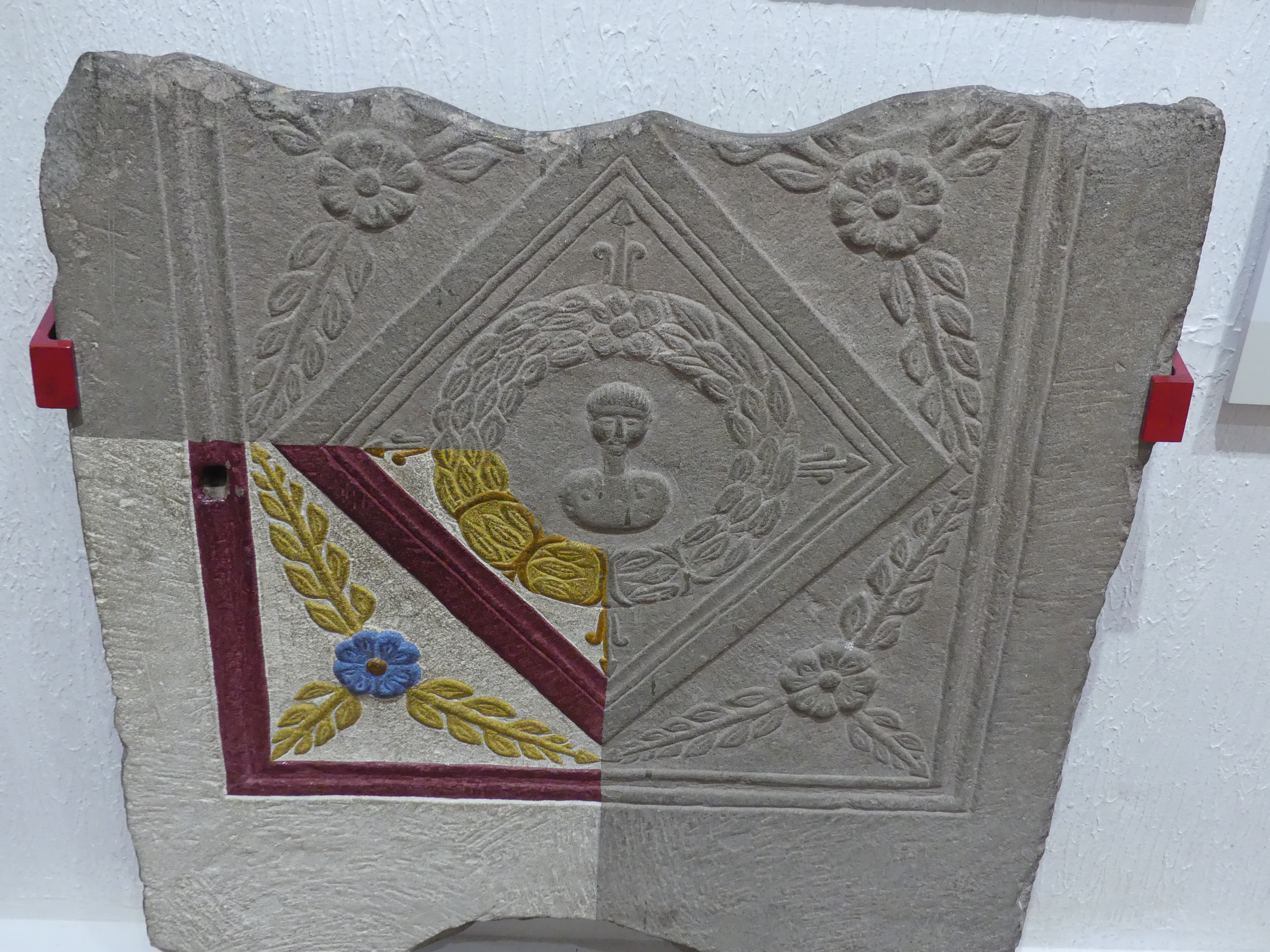
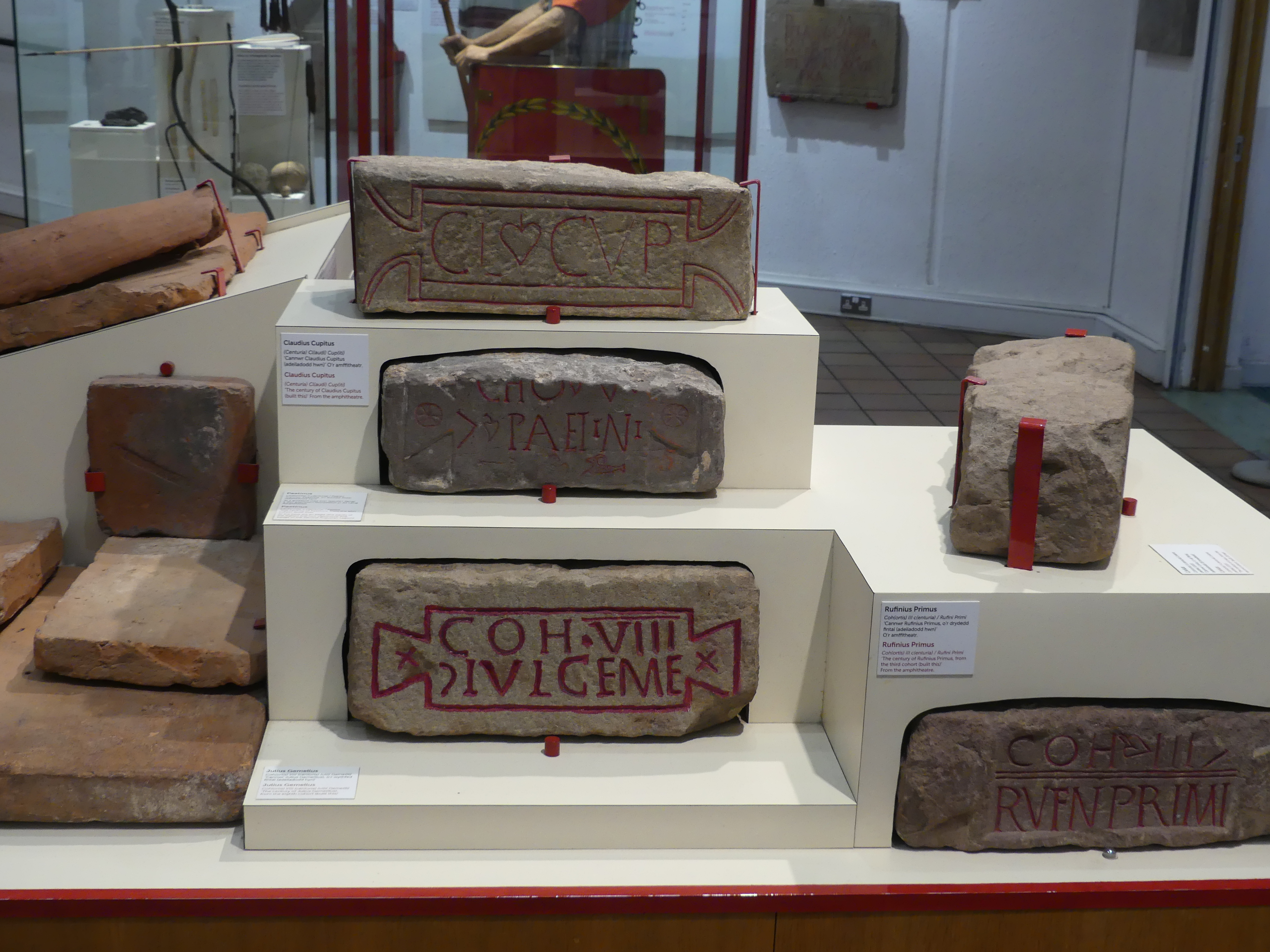
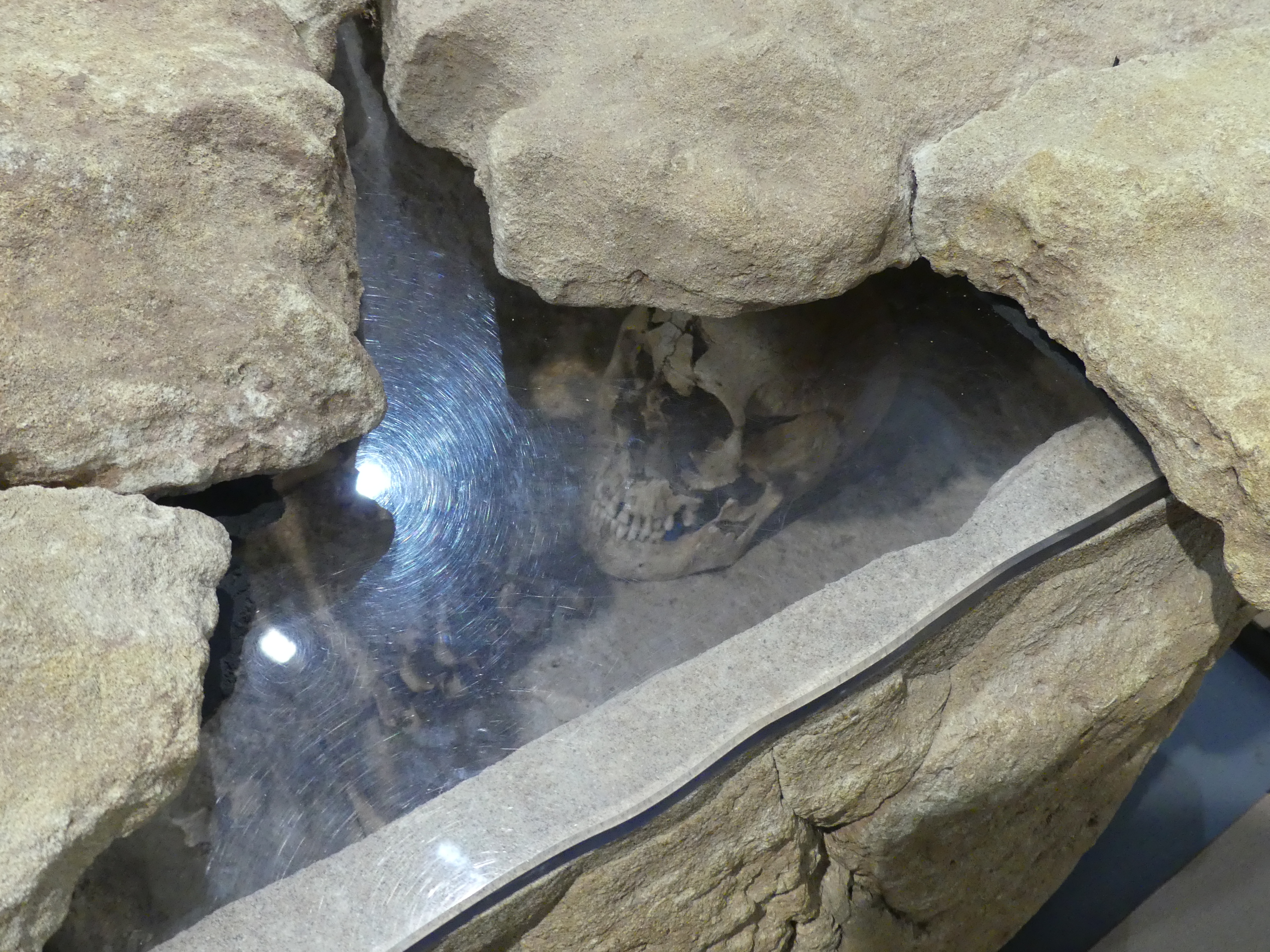
Our entry fee included a visit to the museum. I have included photos of some of the exhibits. The building materials surprised me – properly design pipes and building blocks. They also had the epithets or headstones of graves and cremations. A stone casket. Partially restored tiles exhibited the beauty of the decorations.
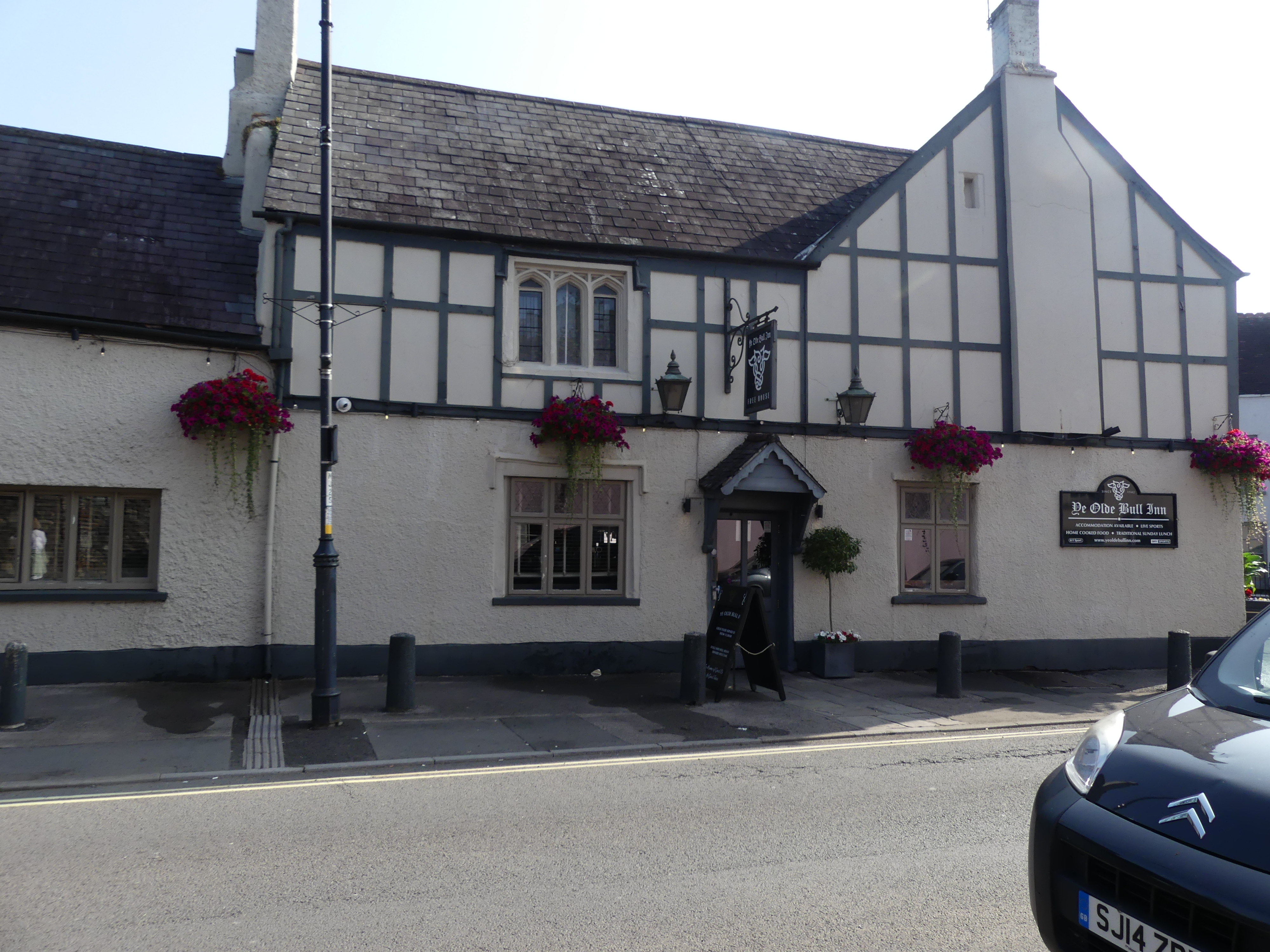
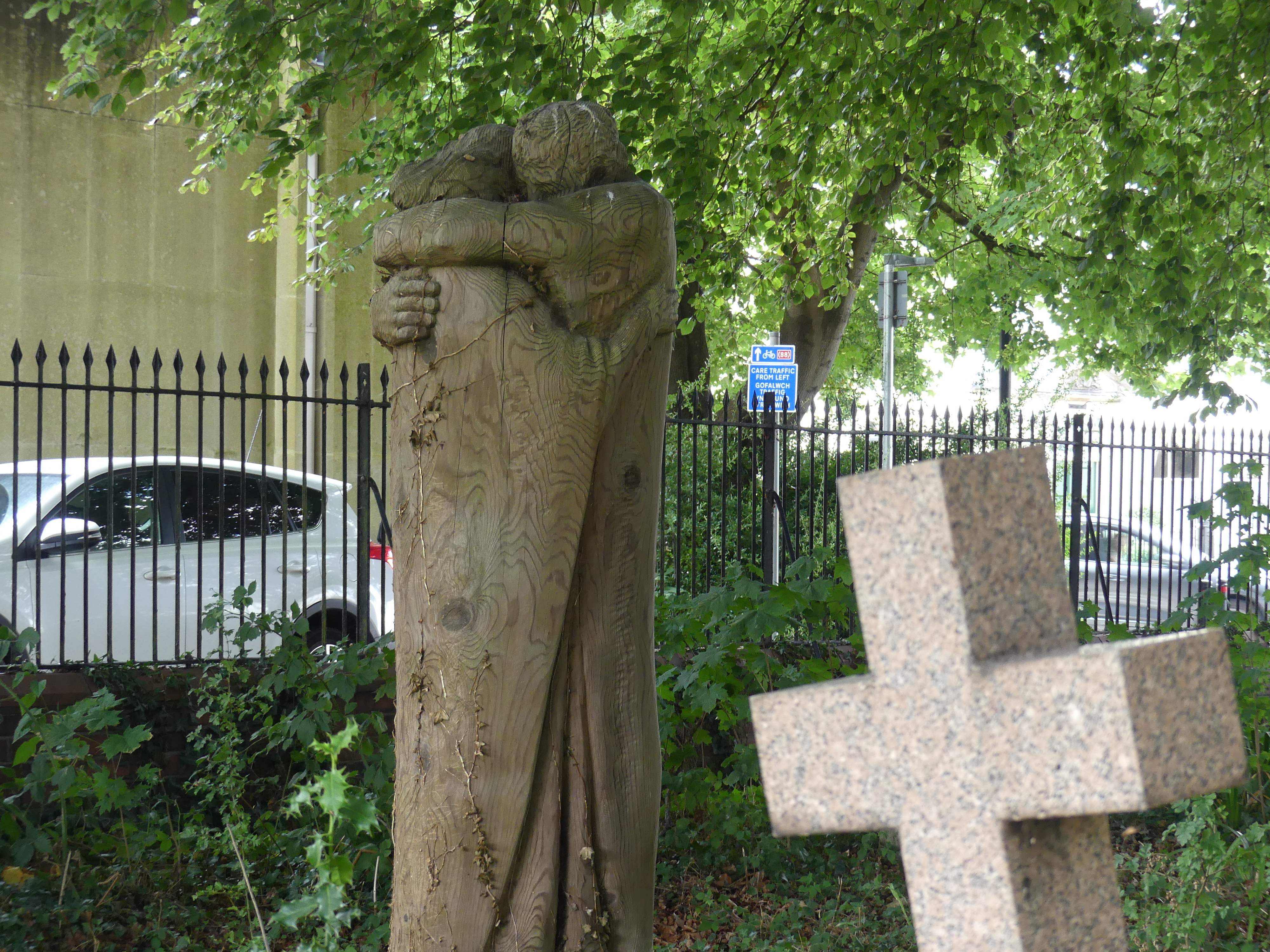
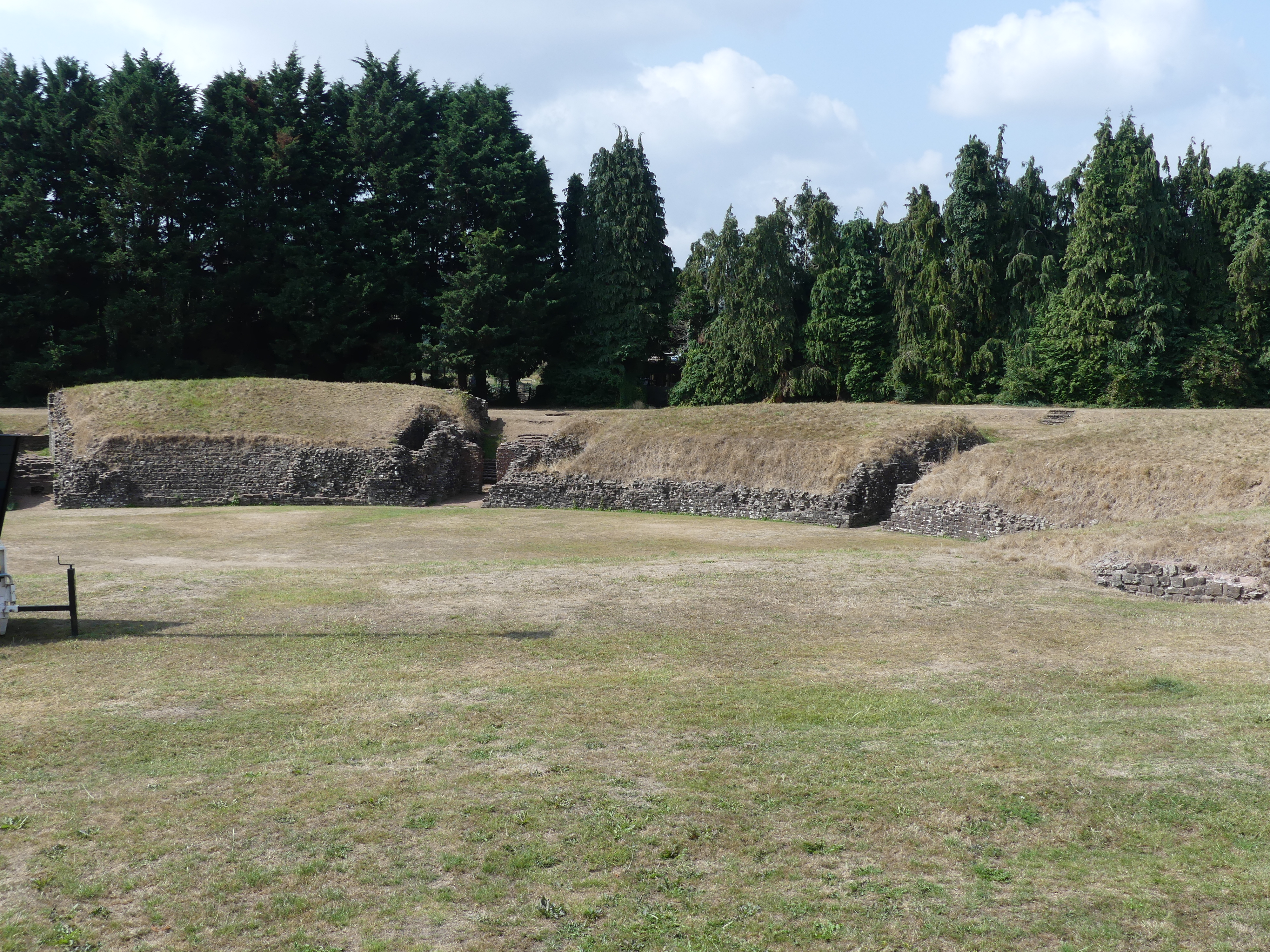
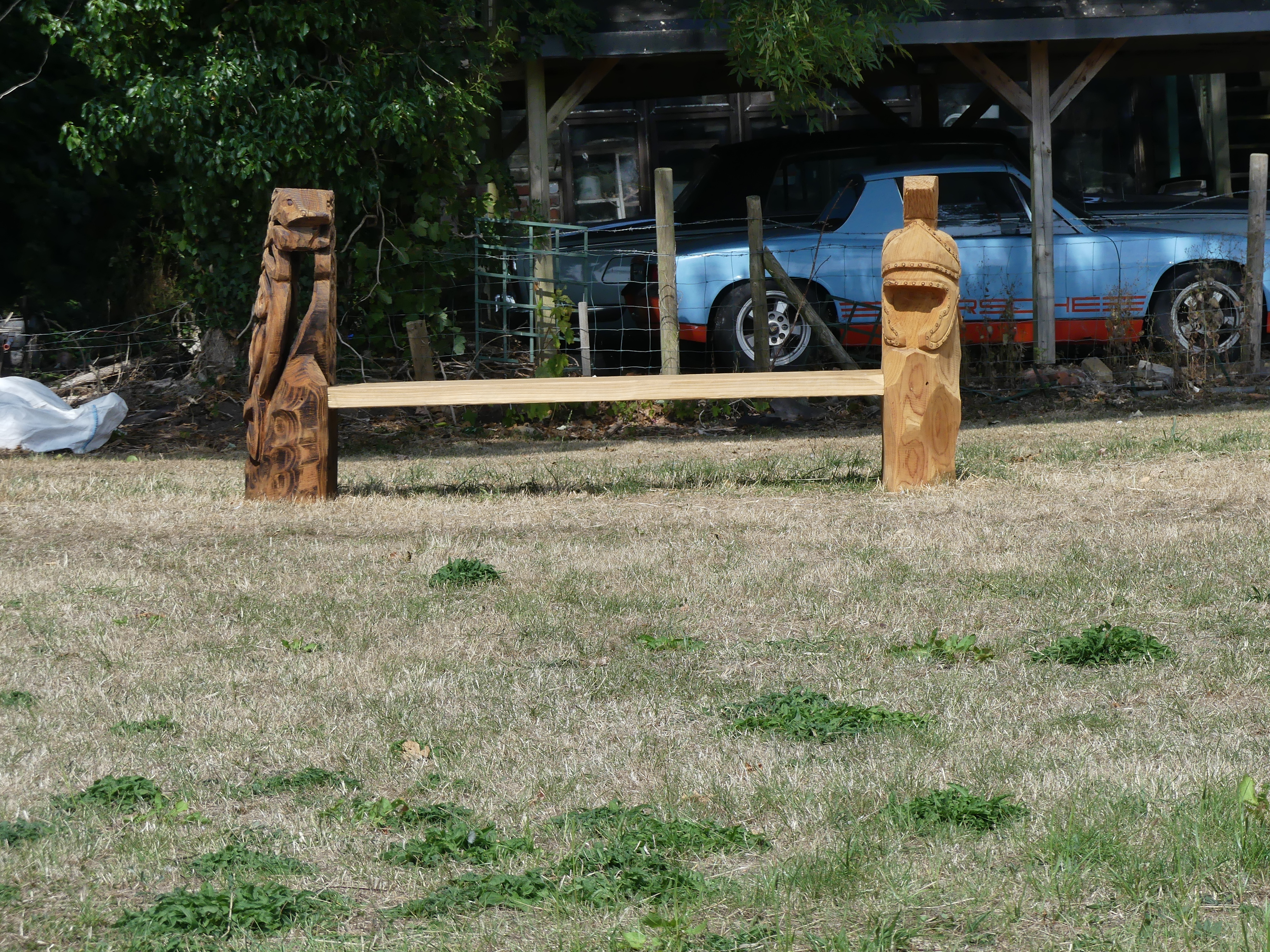
We stopped at the Bull Inn for lunch and encountered Jeremy Clarkson and his farm products. Other things of interest appear in the following photos. St Cadocs’ Church and graveyard. The remains of the Roman amphitheatre and the carvings in the park. An annual event in the village produces these wonderful carvings.
Returning to Cardiff, Kerry, being ever thoughtful, thought she had found another castle – Castle Hensol. We used the GPS in our car and the postcodes for the destination to find everything and it worked perfectly, even on this occasion. Time brings about change and so it was with Castle Hensol. It was now the centre piece of a gated residential development and golf course. The wine tasting that the advertising had promised had led us on a wild goose chase. After a lot of guessing we found our way only to be disappointed. We needed a booking.
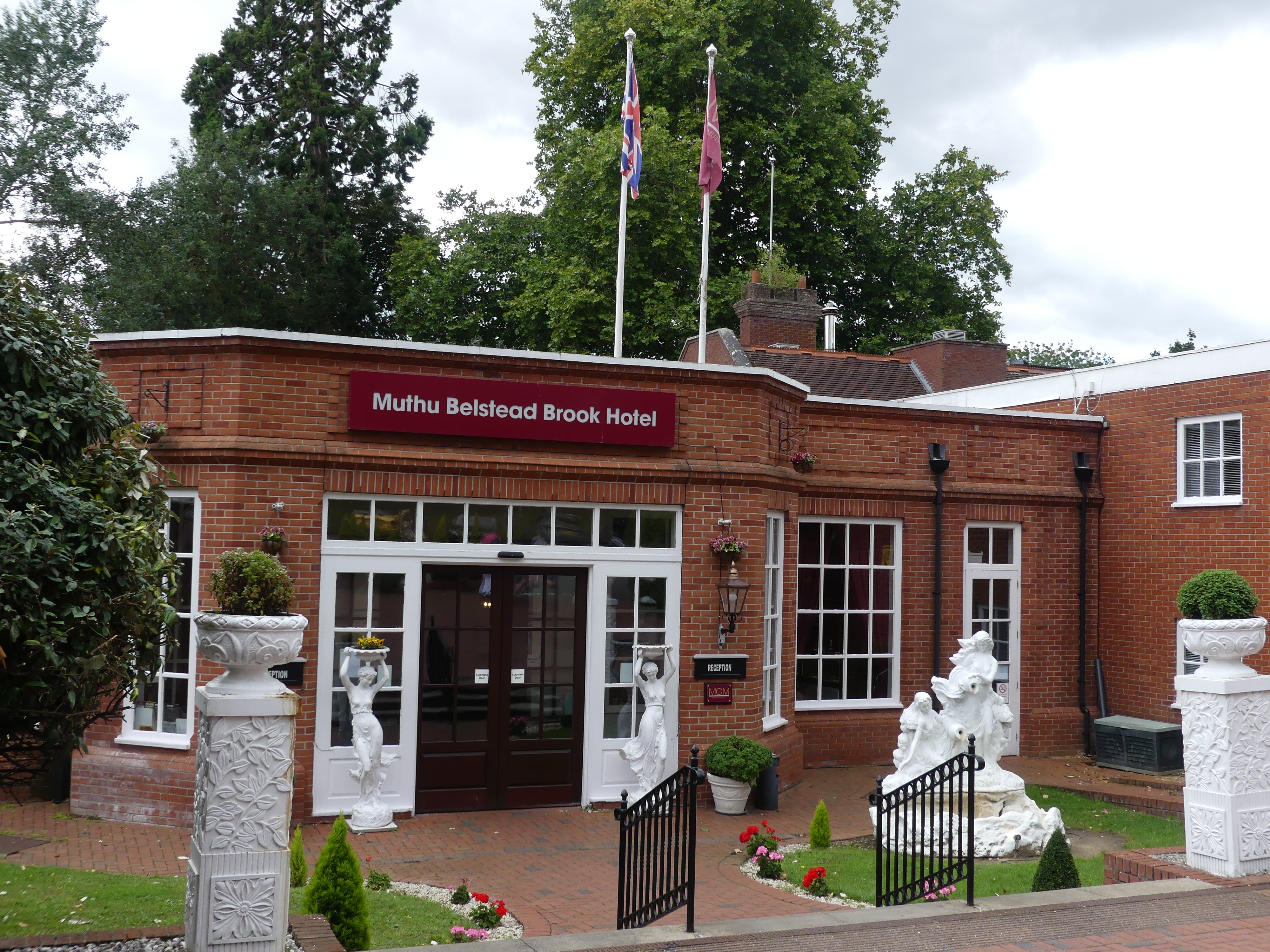
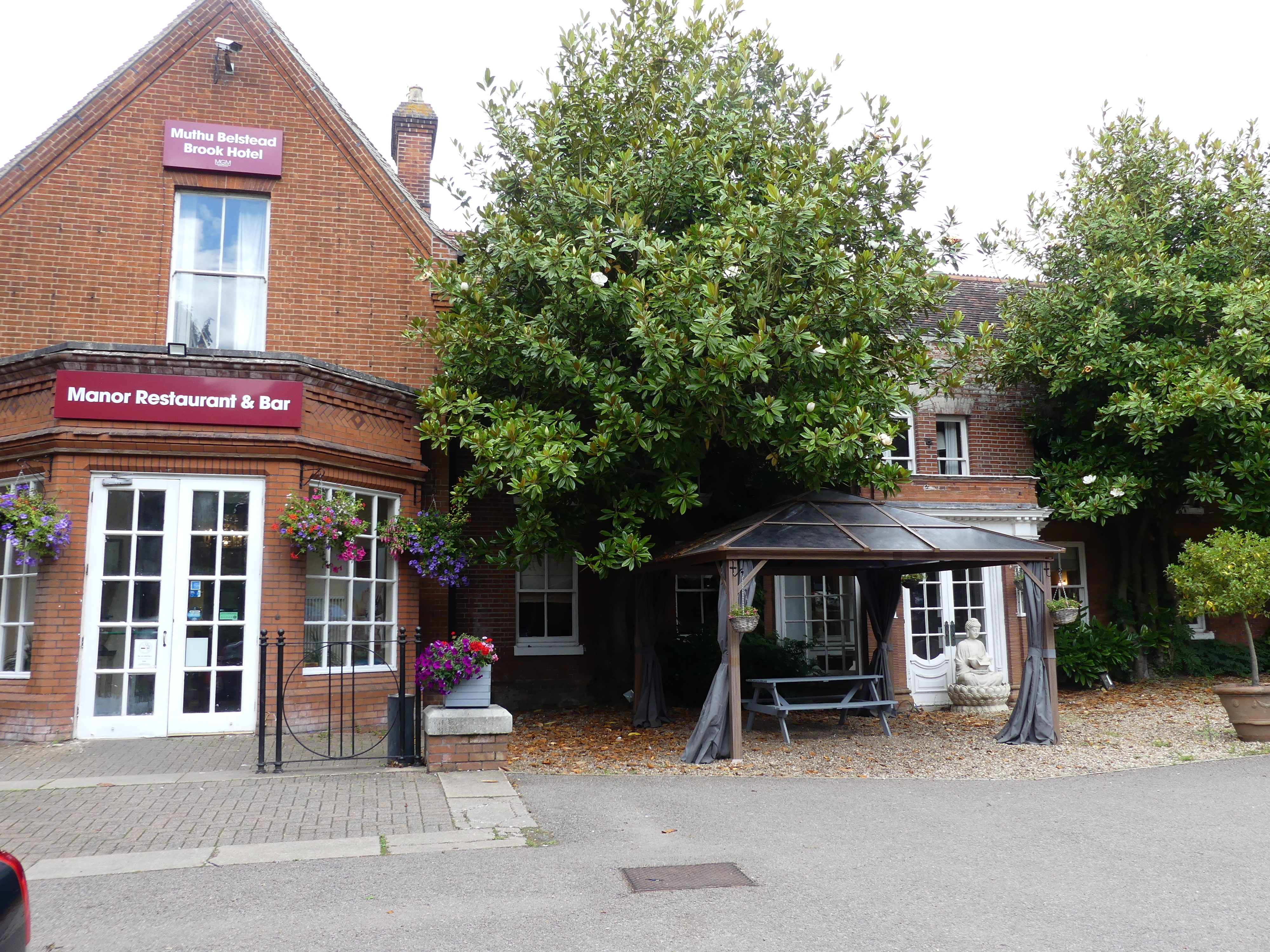
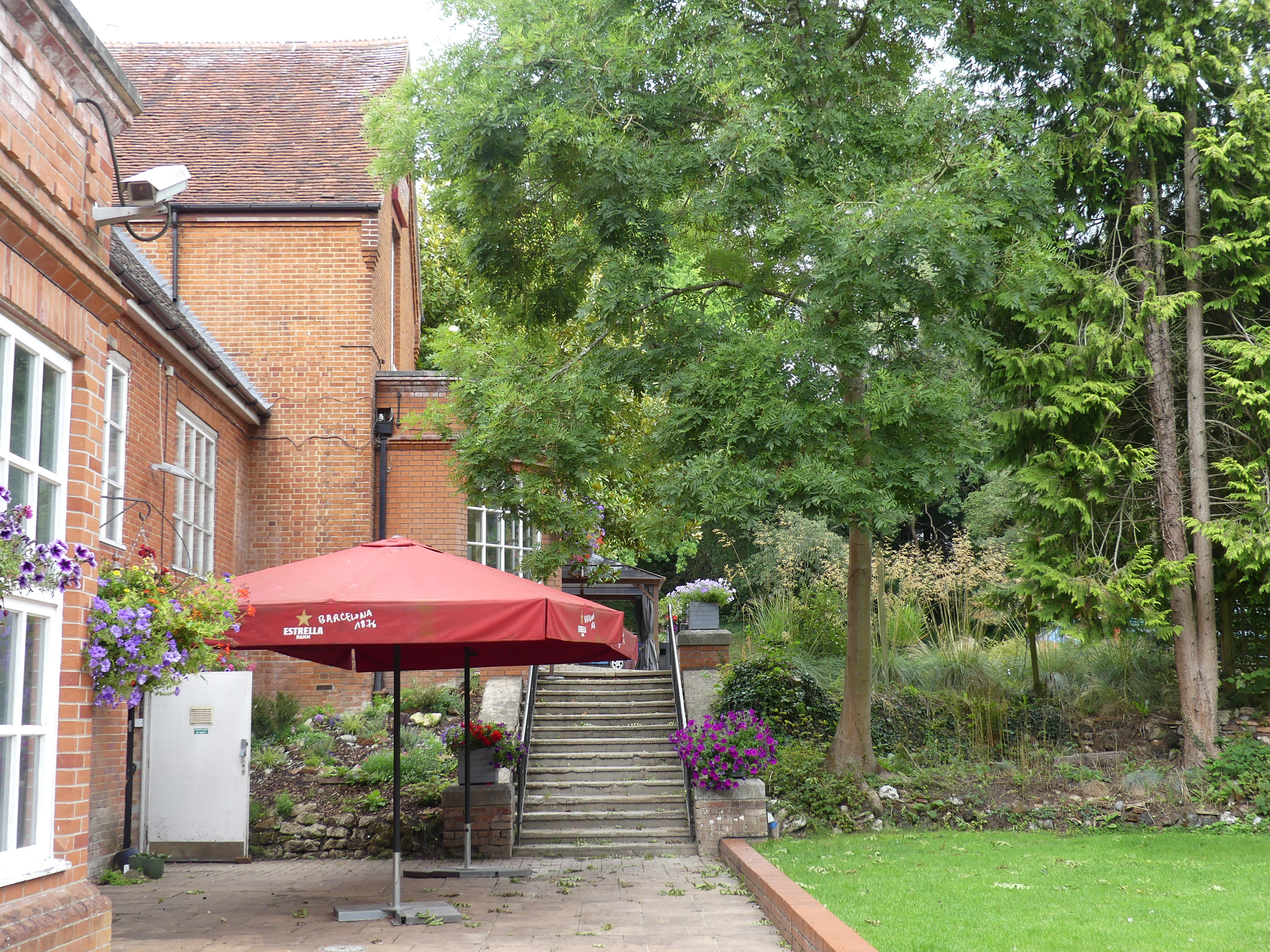
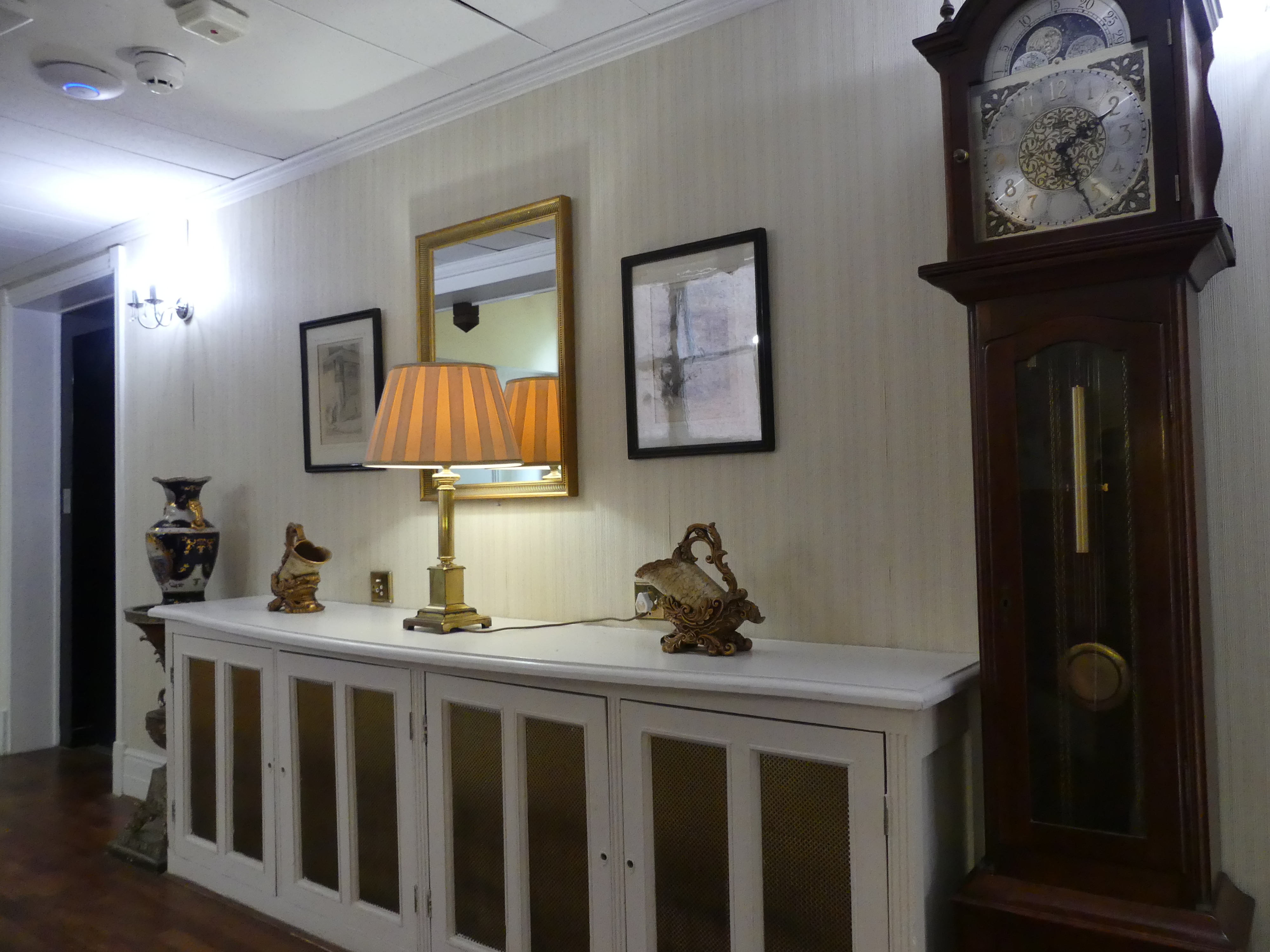
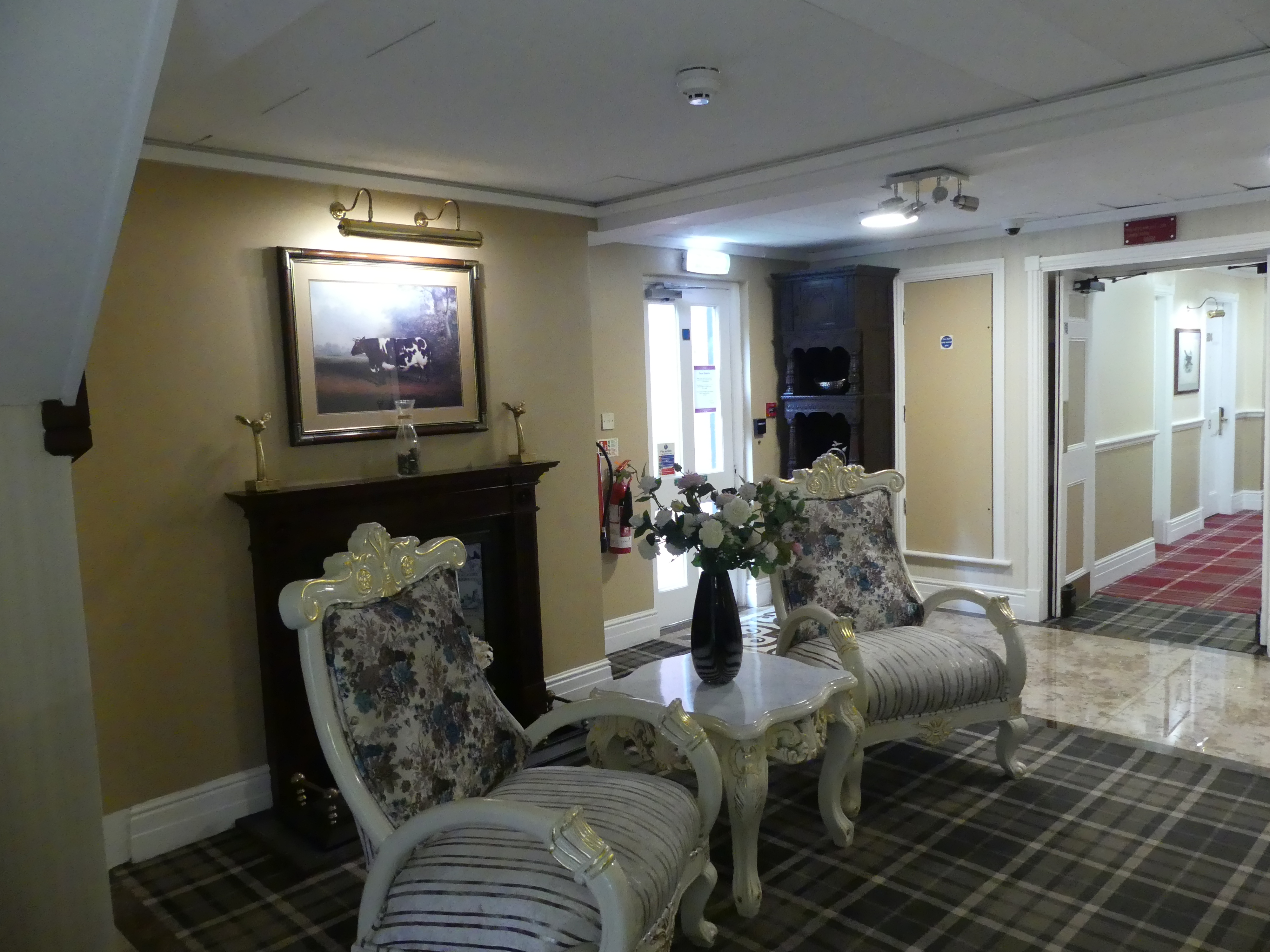
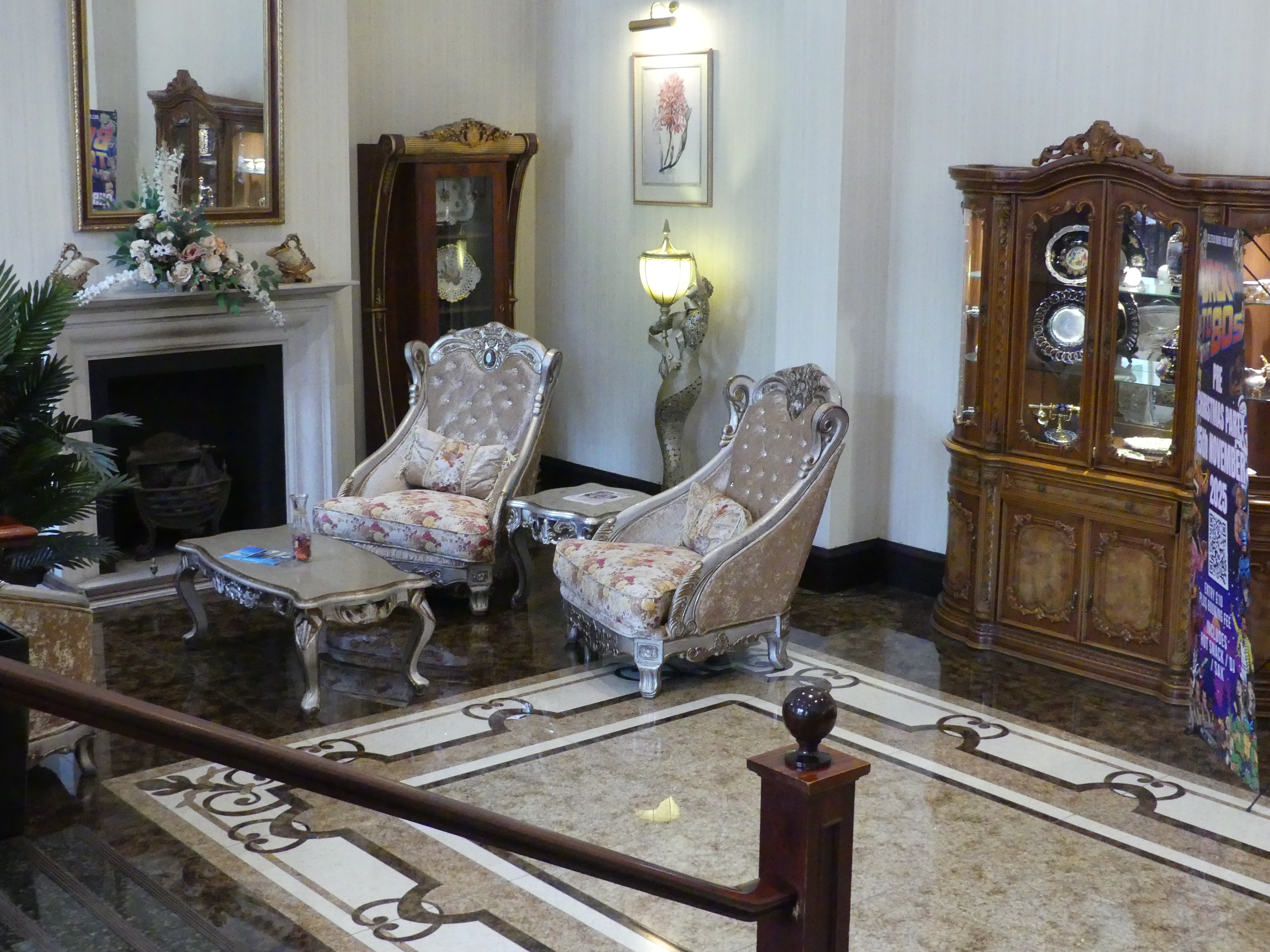
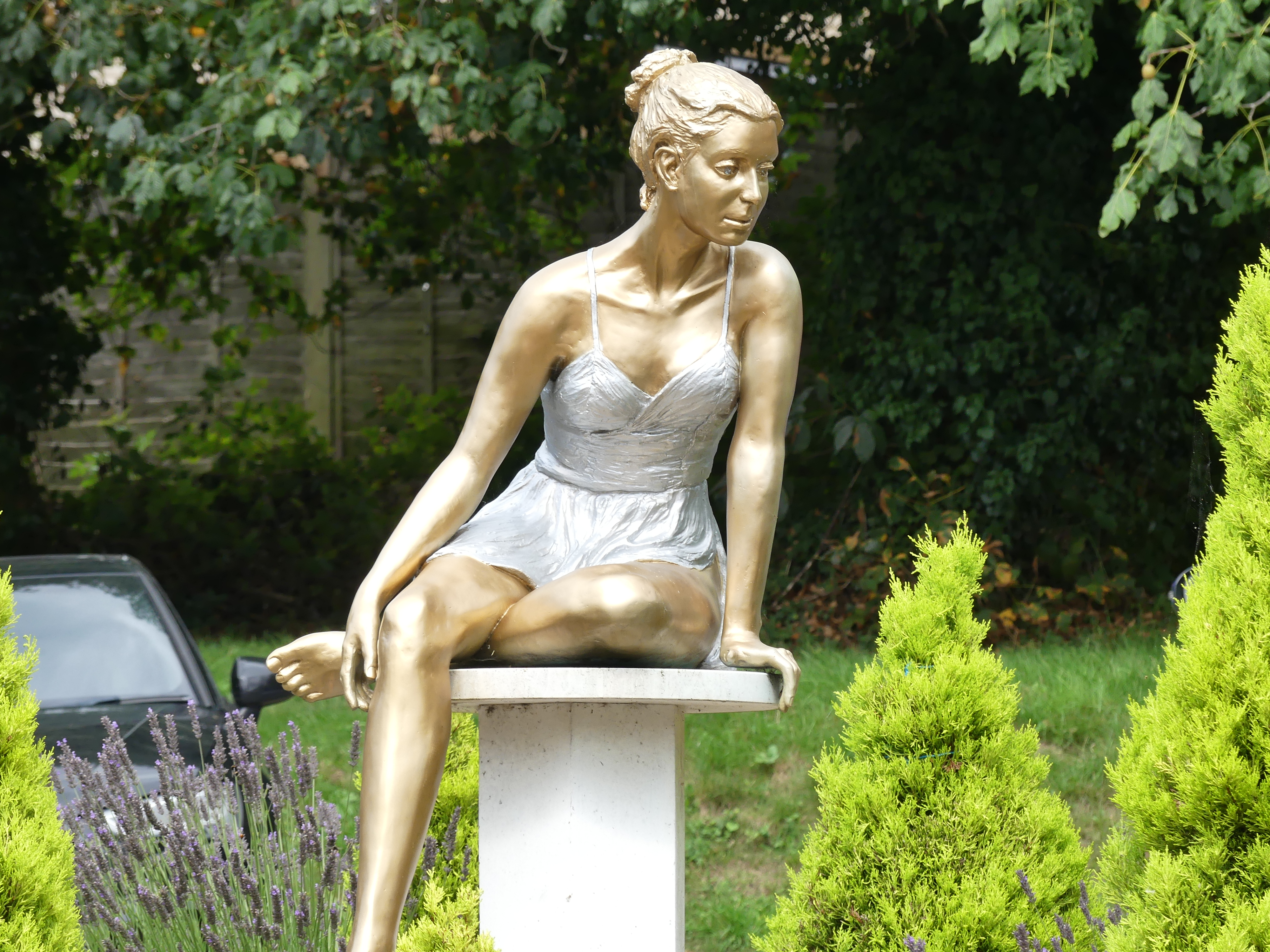
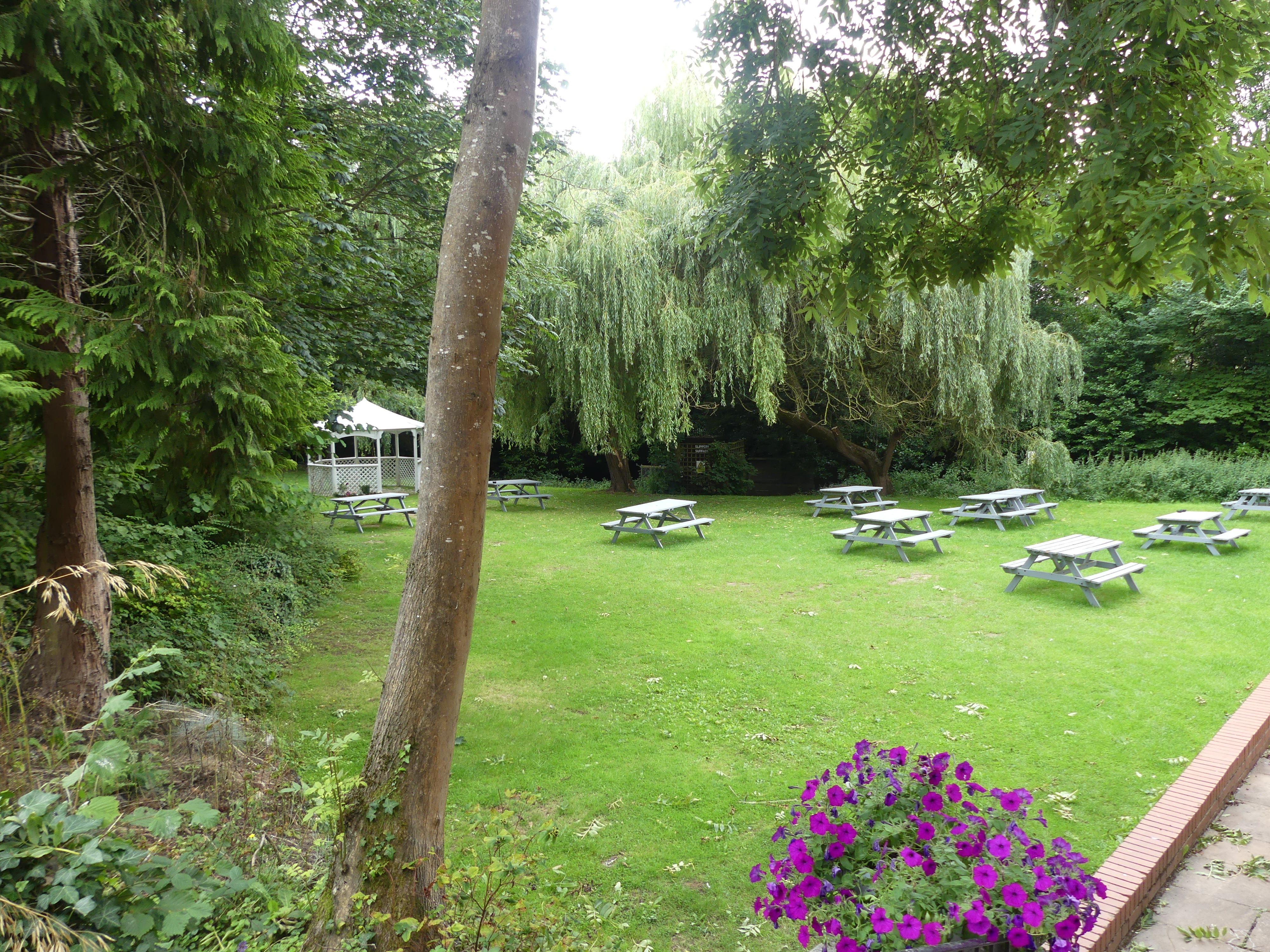
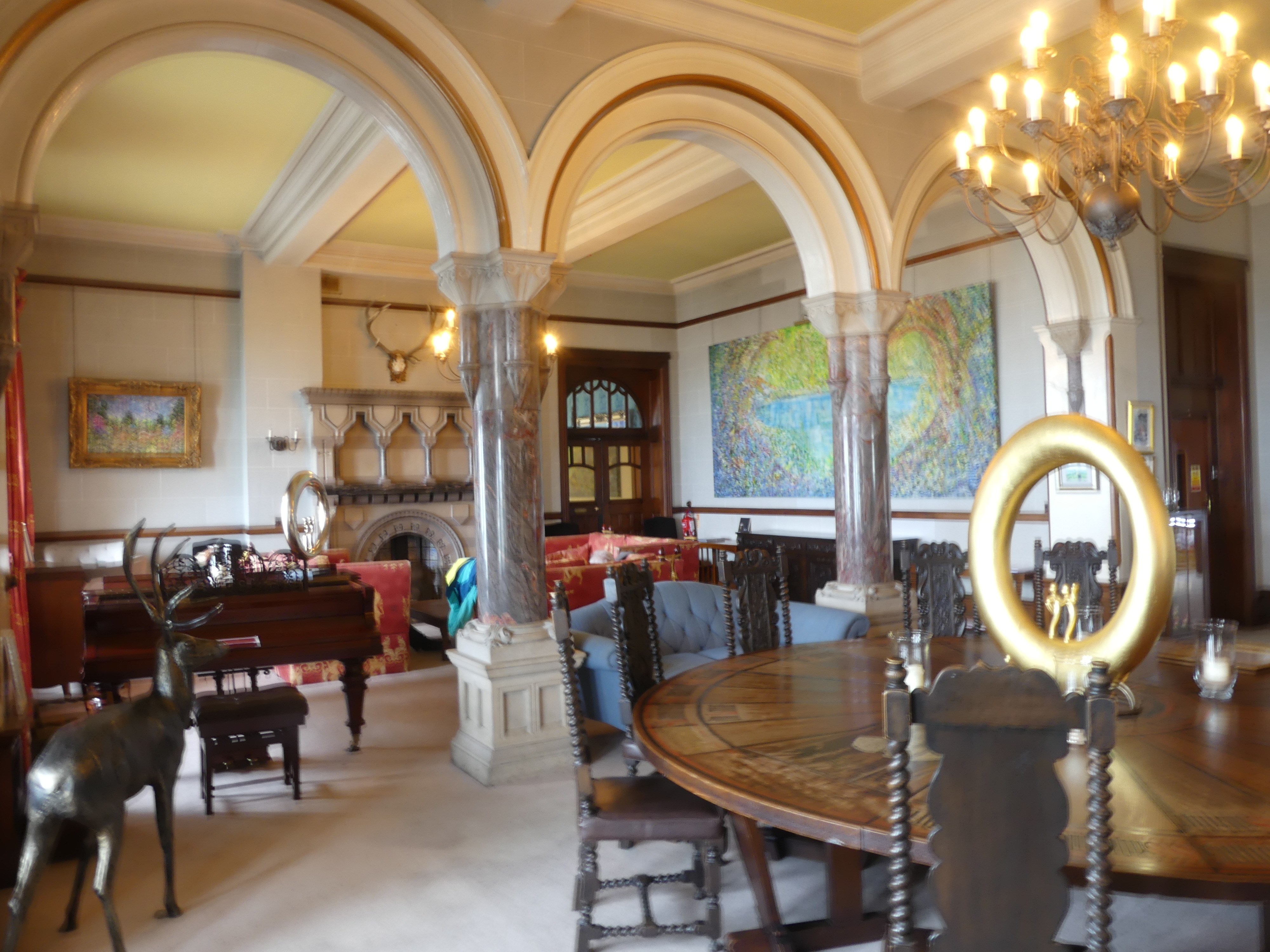
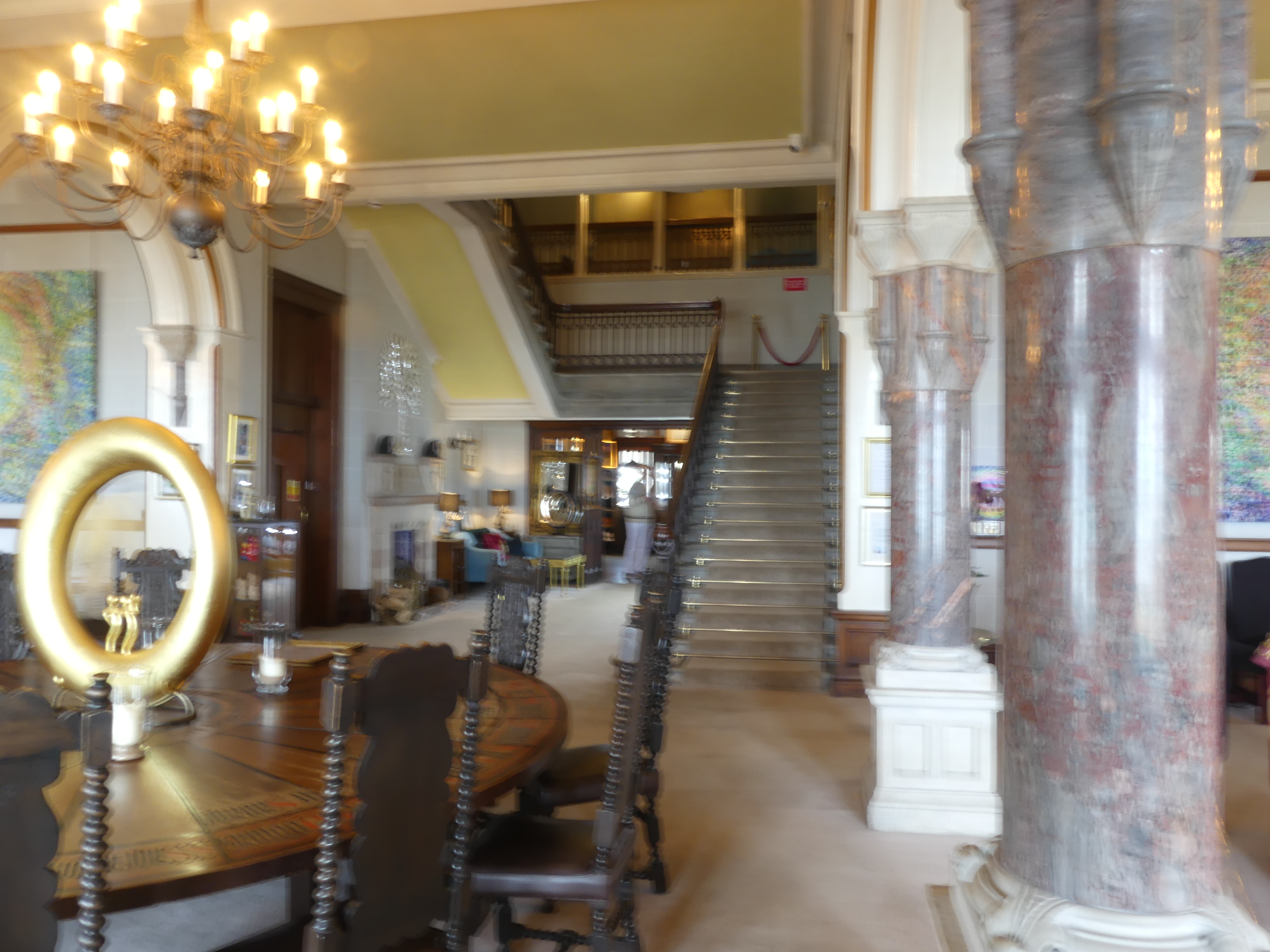
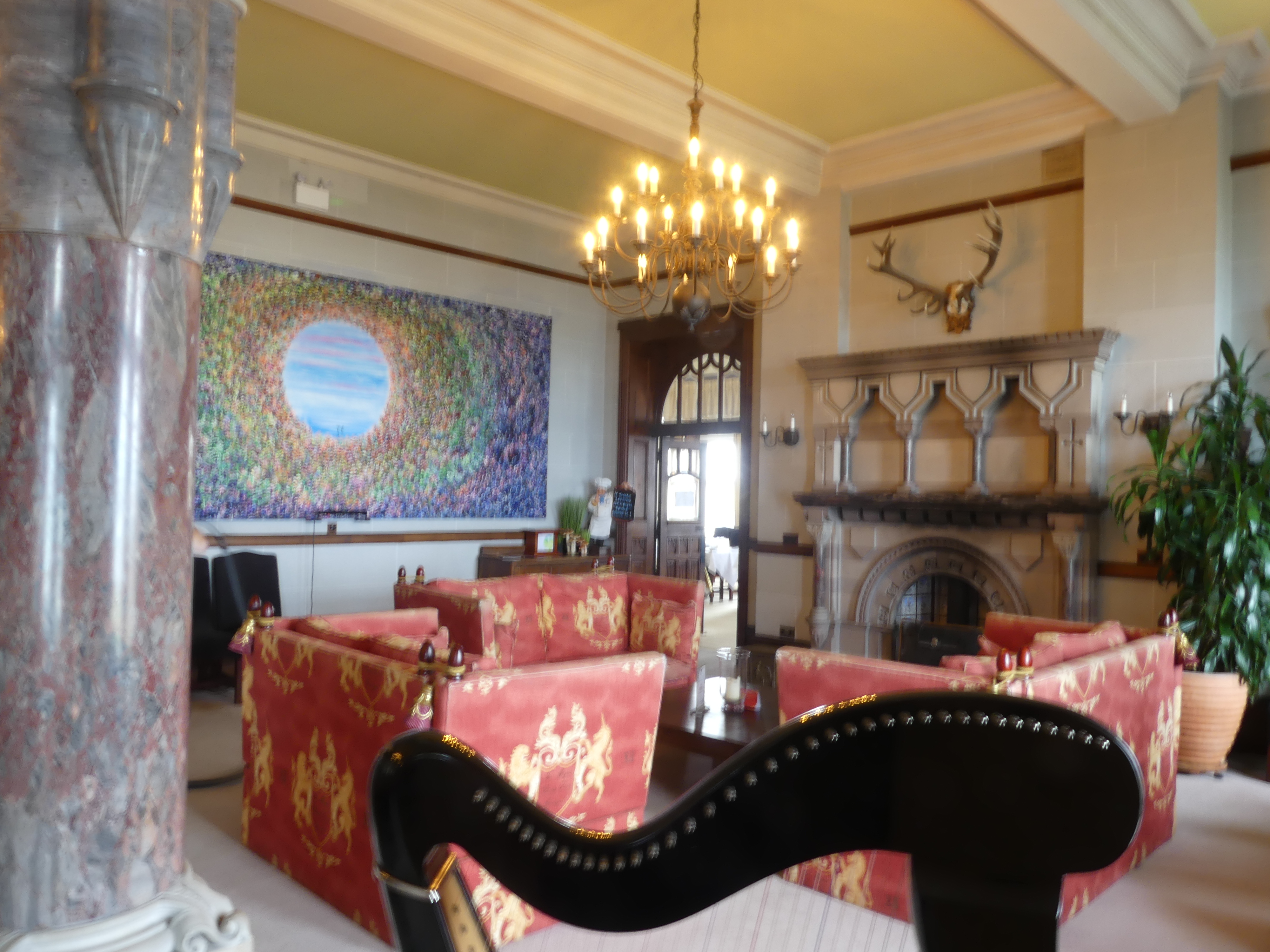
We left the Best Western Chicago and I had forgotten I took this picture of our accommodation for our overnight stay in Chicago for comparison with our Hotel in Ipswich UK. Our accommodation in Ipswich was actually outside of Ipswich in a suburb called Pinewood nestled on a brook surrounded by a suburban setting. Called the Muthu Belstead Brook Hotel it presented as a restored manor with appropriate furniture and appeared very comfortable, but we had lost 1 night of our booking through the American Airline stuff ups. The external appearance reminded me of a health resort, but the internal furniture appeared to be styled in Victorian/Edwardian style.
After checking in we walked around the property and booked dinner in the main restaurant where we enjoyed drinks before dinner then pasta for me and pork belly for Kerry. I had my appetite for a change and emptied my plate. Kerry was unable to finish her dinner. Kerry had been driving for the most part of the day and we were both tired and needed a good night’s rest. Before bed we organised our suitcases for the following morning. A quick walk around at the setting for the hotel, a visit by an inquisitive squirrel then off to bed – tomorrow Sutton Hoo.
We were early to rise ate a hearty breakfast then drove to Sutton Hoo. We had lost a whole day through airline stuff ups so there was some urgency about getting to Sutton Hoo and then to Cardiff.
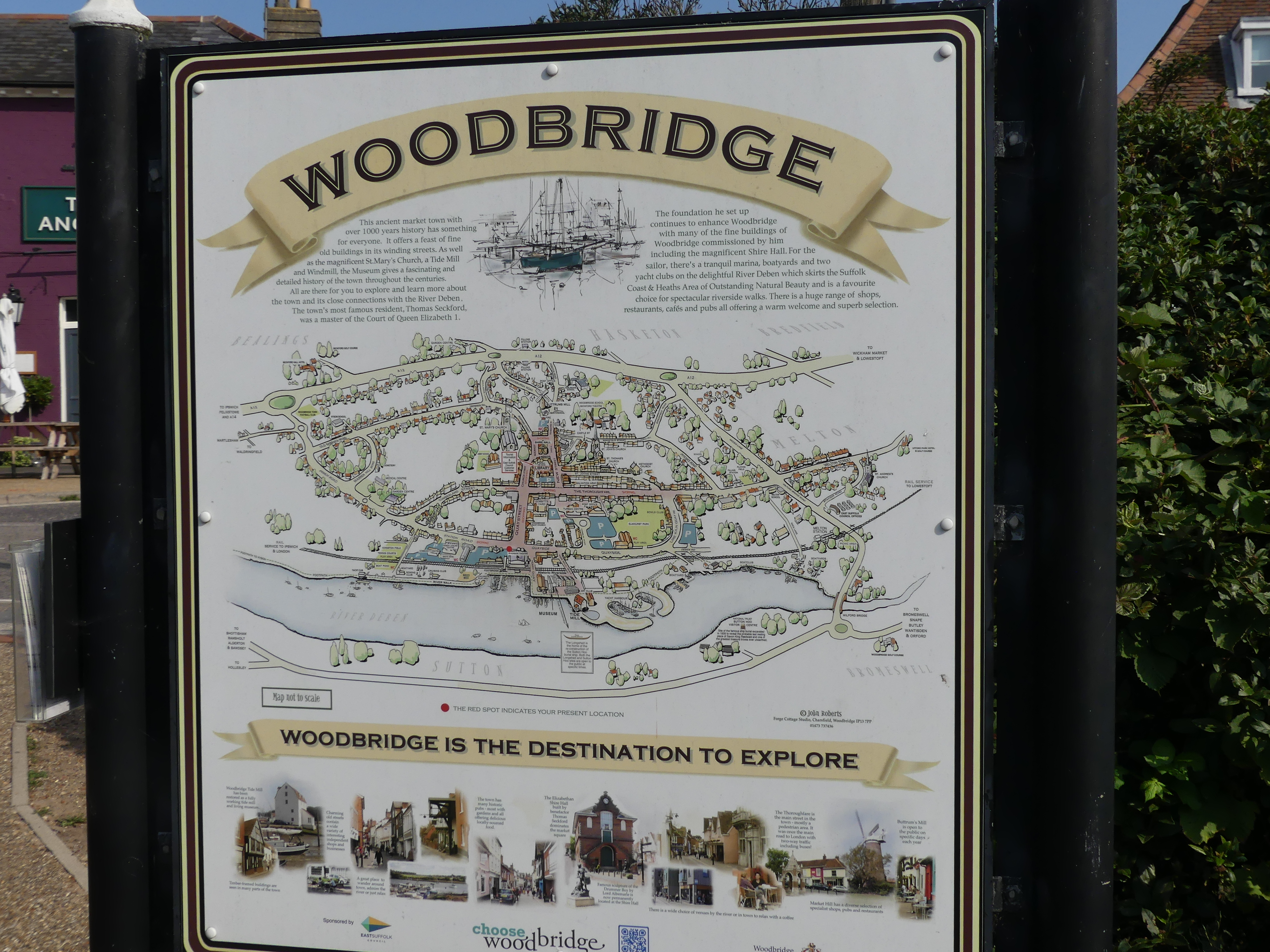
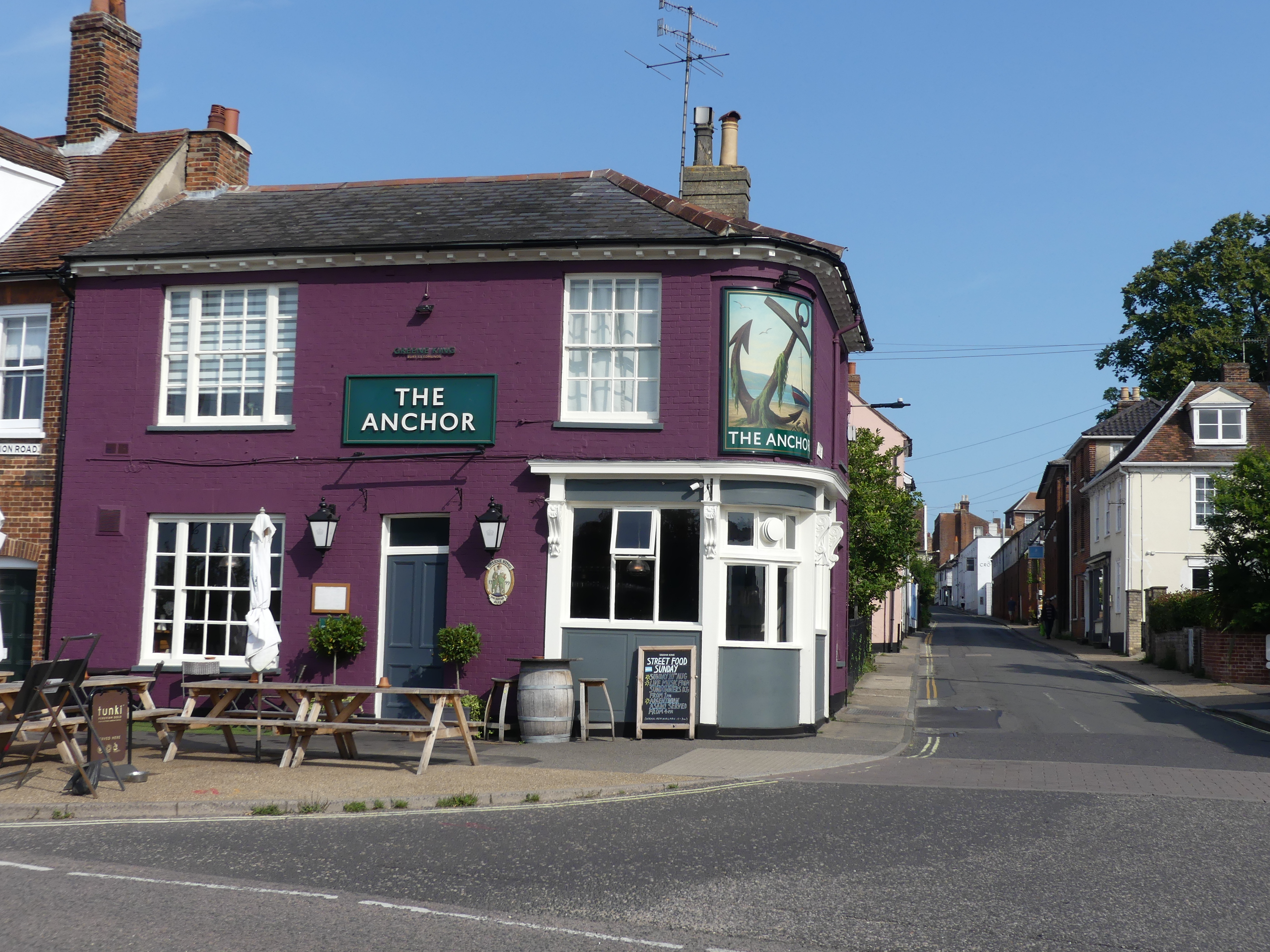
Where we had been in suburbia, Sutton Hoo was in farmland. We turned up at the front gate at 8.00 am and it was closed. We could see others entering by a side or staff entrance so we worked out we would have to come back. What to do – we decided to go back to Woodbridge the closest village and have a look around and we are glad we did. Narrow winding streets as usual but they had given the entrance streets including the High St some thought and made each one way reducing the road blockage by removing tightly parked cars and only permitting parking by permit holders. We had seen advertising that a restored water mill could be visited near the marina on the river. However, we were too early by a month, so we decided on a coffee stop. The photos following commencing with the Red Lion Hotel, followed by the rail station, a local resident going to the railway station (he volunteered for a photo), a sign board about the village history, the Anchor Hotel in bright colours, the marina, and a sign board about the Tide Mill (an early example of green technology).
Whilst enjoying coffee in the sun a local woman sitting at the opposite table had started talking to Kerry telling her about a local tradesman reconstructing an Anglo-Saxon long boat by hand. It was a tossup – the long boat or Sutton Hoo – Sutton Hoo won.
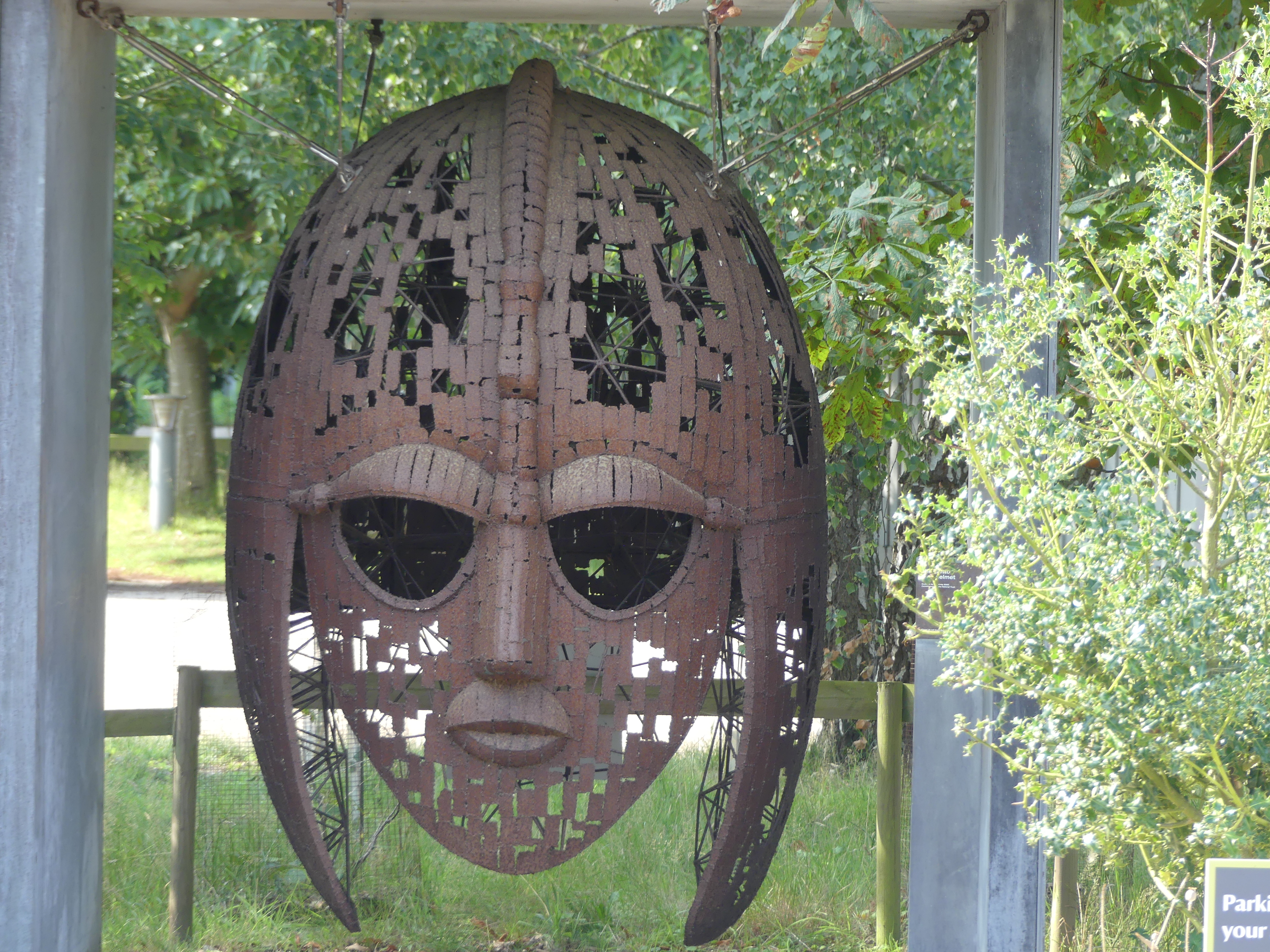
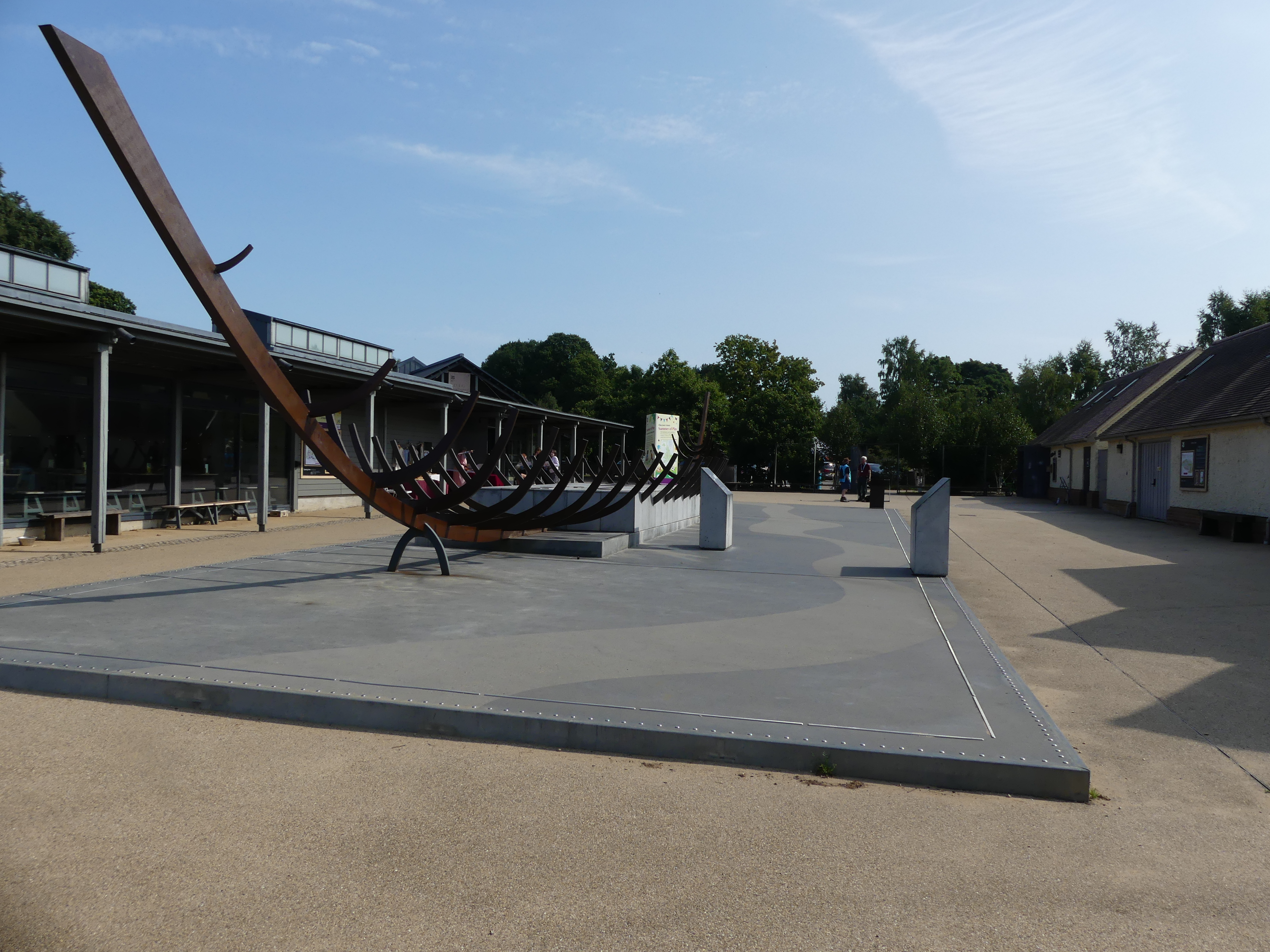
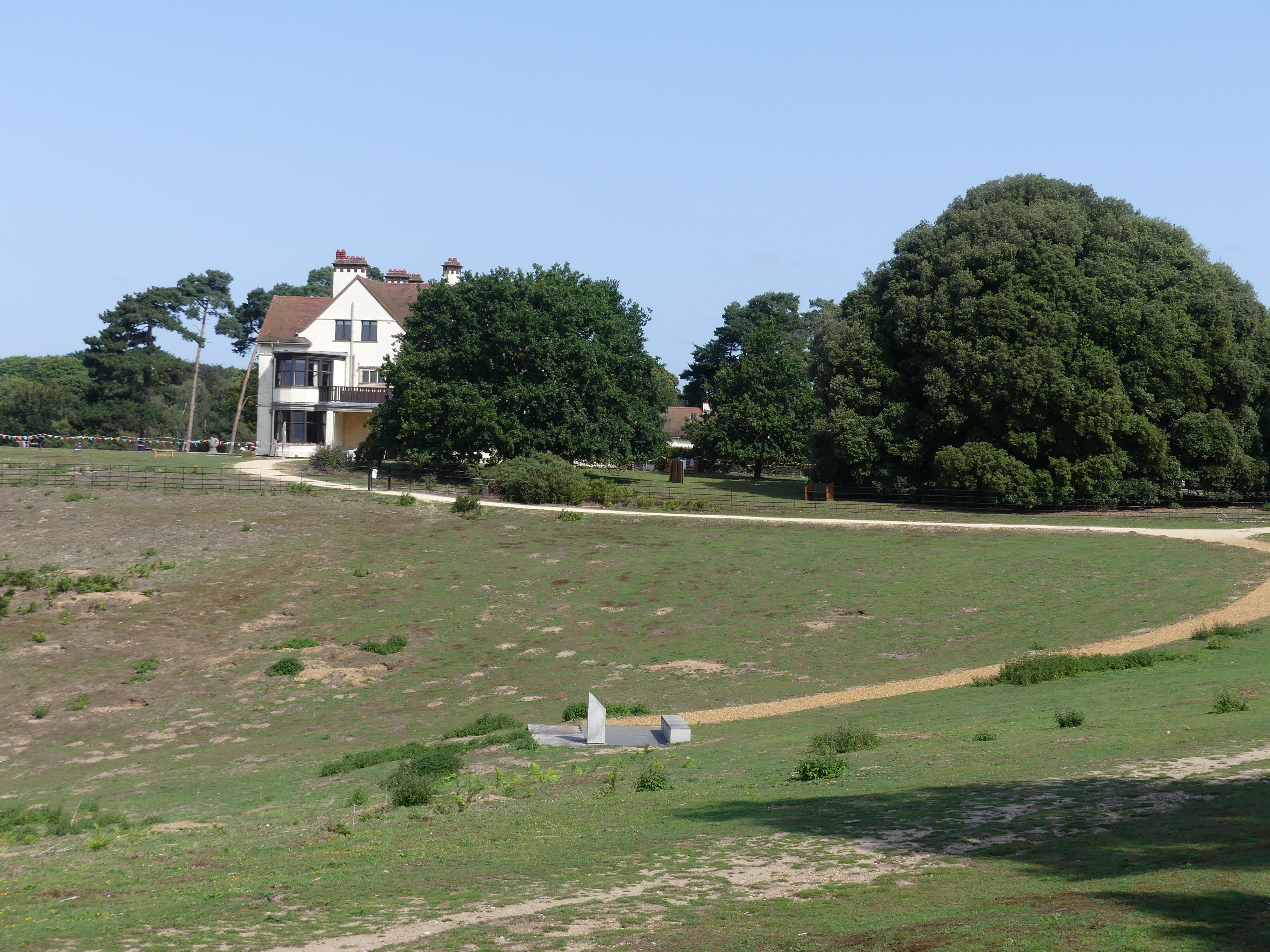
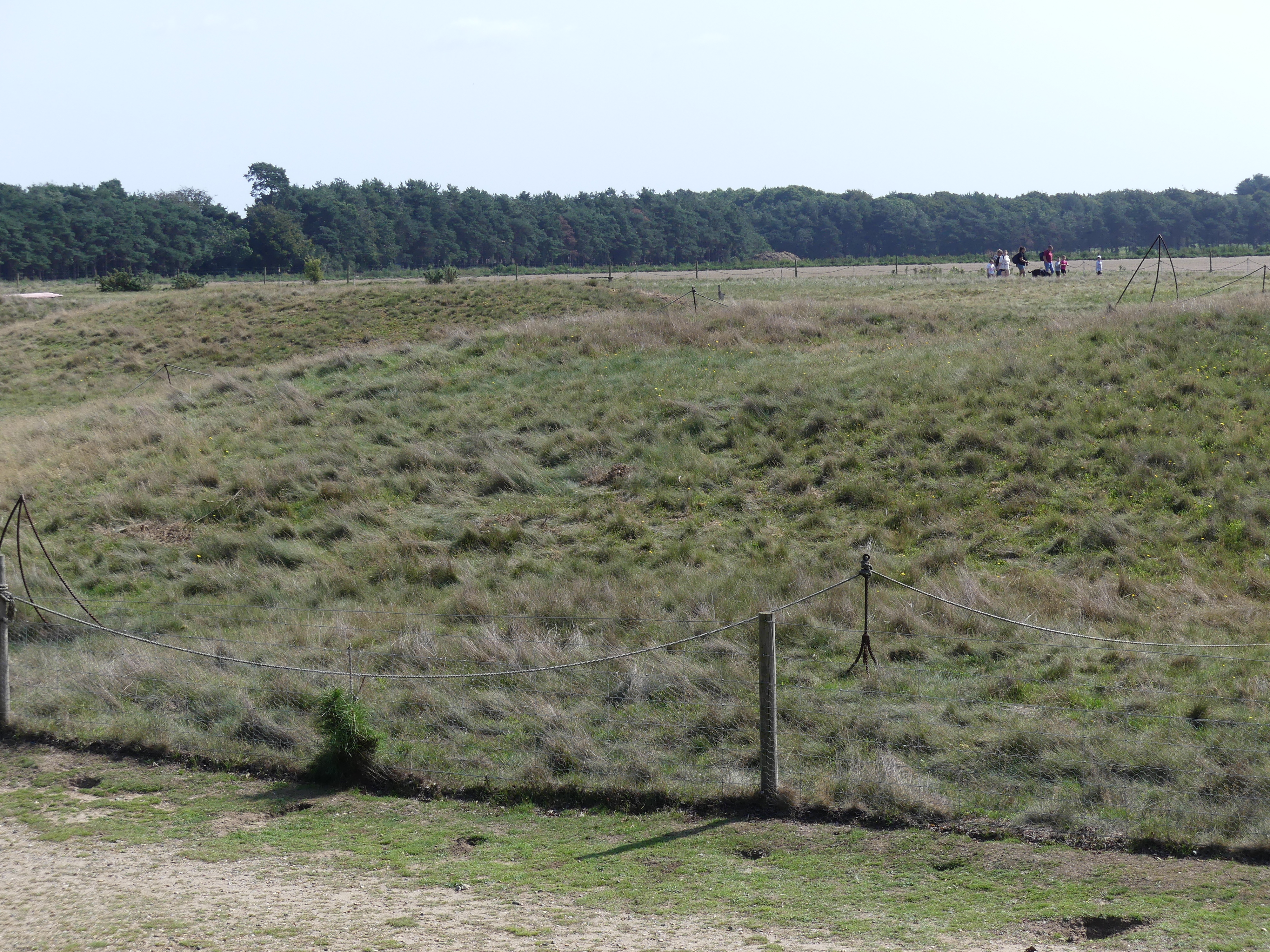
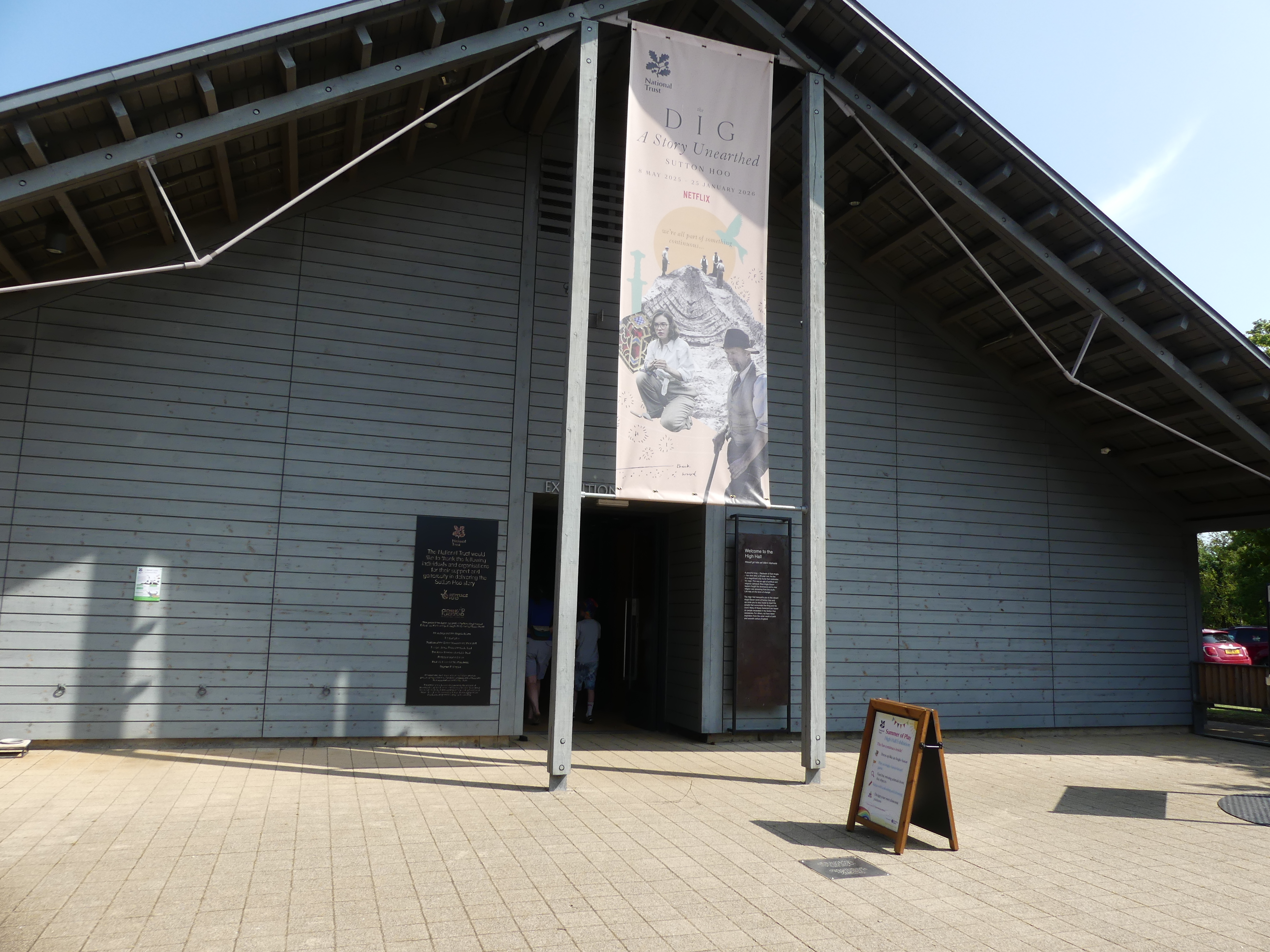
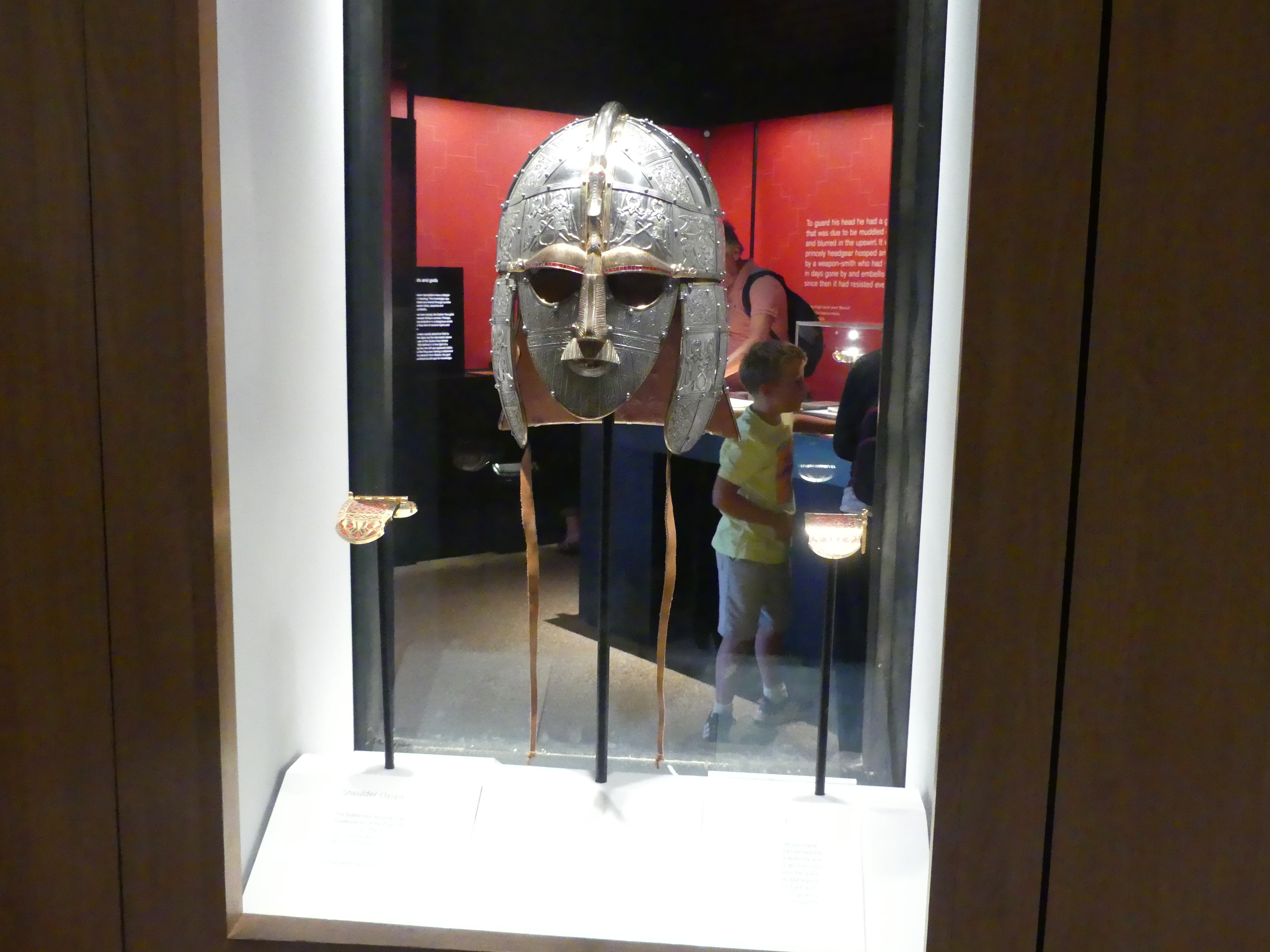
Arriving for the 2nd time a few minutes after 10.00 am we found that there was already a dozen or more families parking up and headed for the entrance. We joined the rush and were greeted by an enlarged recreation of the dead Kings war bonnet now widely recognised as the symbol for Sutton Hoo. The site and displays are controlled by Britain’s National Trust and most of everyone else were Trust members returning to the site. The ticket office is in one of the restored farm buildings and encircling it are the main exhibition hall, the gift shop and the cafeteria. In the fore court is a reconstruction of the Kings war boat based on the impression of the boat left in the mud of the burial mounds (the boat being made of timber it had disintegrated some time ago leaving only its impression). Our time was divided into visiting all exhibits in 2 hours, so we made our way to the burial mounds about 10 minutes’ walk away. Following a dirt path there are a few exhibits to inspect on the way to the burial mounds, one of which was this up turned bow of a boat and “throne” within it. Trekking through the field gave me a clear view of the farmhouse which we would visit before leaving. There is a viewing tower (4 stories high with no lift) overlooking the burial mounds which you can no longer inspect – they are all enclosed away from prying fingers as there are still some to be opened and things to find. Information stations lead the visitor through the exhibits.
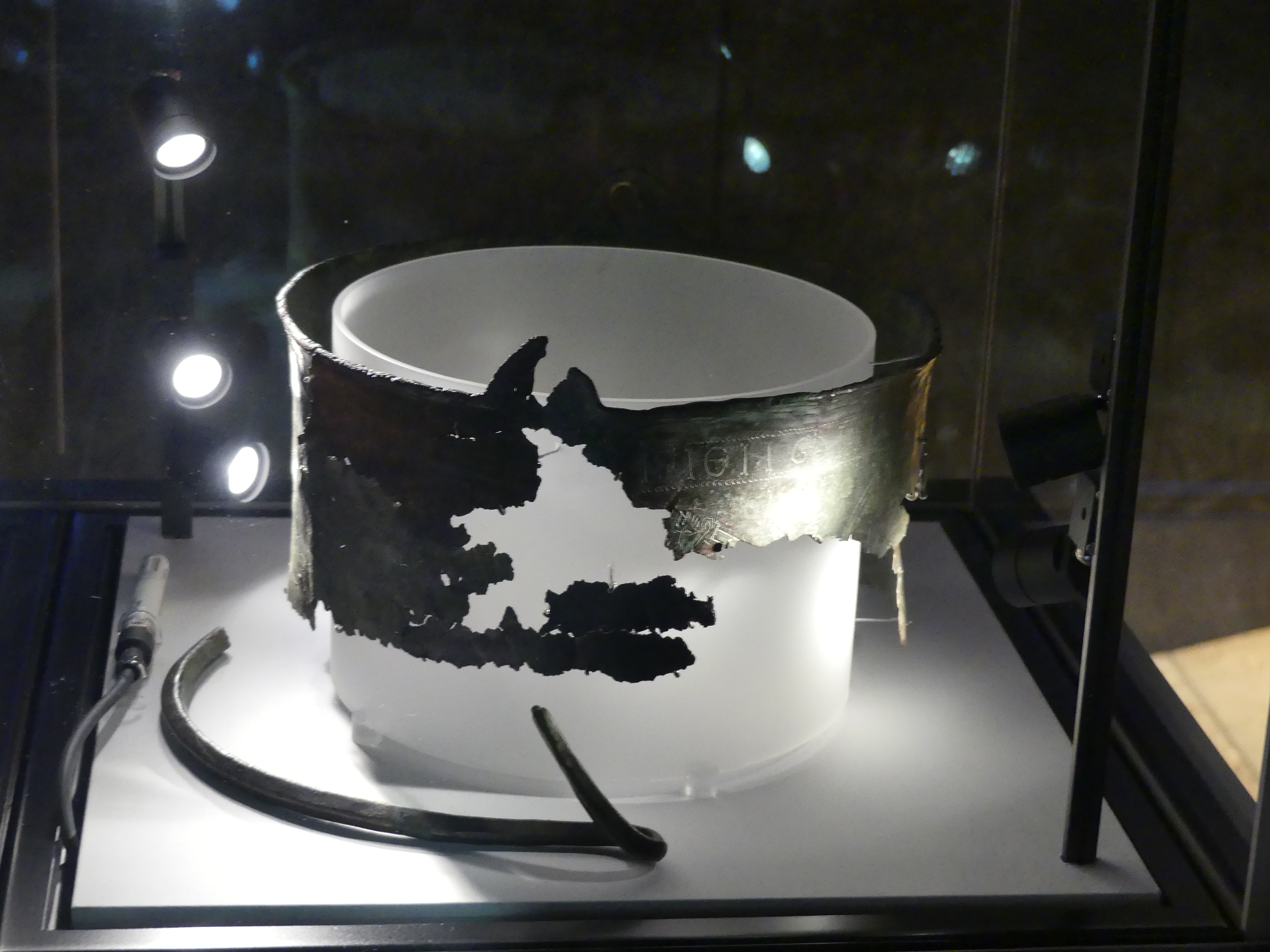
The viewing of the mounds left us about 1 and 1/2 hours to view the exhibition hall and the house. I was feeling some disappointment by this time. I had hoped to have access to the burial chamber. All the mounds are fenced off and the ones that have been opened have been resealed. So, when we got to the exhibition hall the small amount of the contents discovered has been moved to the British Museum and some mint stuff was available on loan. For example, the disintegrating pail shown in the photos below, whilst other imitation relics were on display. My photos follow.
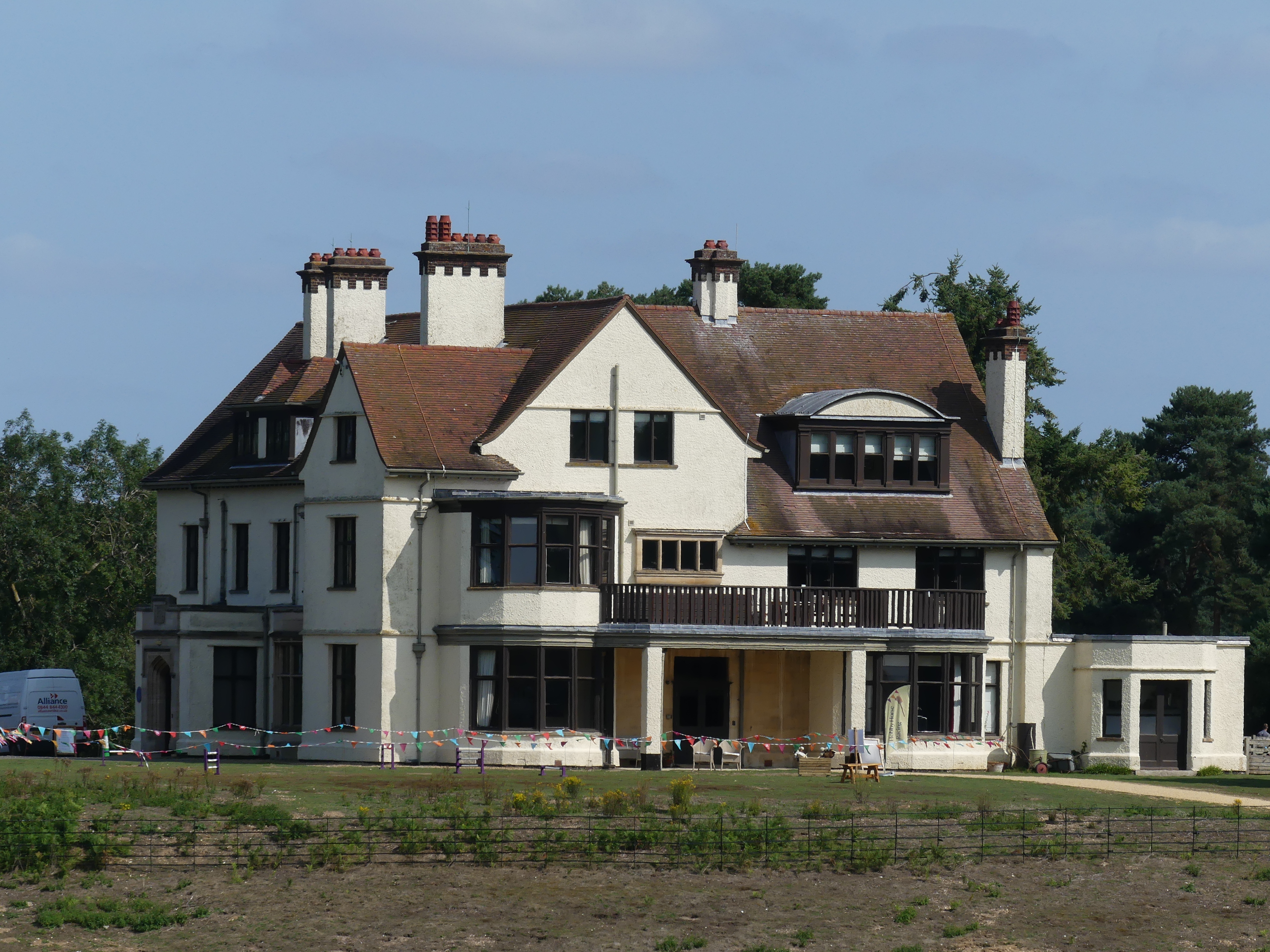
I visited the house owned by Mr & Mrs Pretty, who were the owners when local gardener and amateur archaeologist Basil Brown started unearthing the most important find of 6th to 7th century Anglo-Saxon burial practices. It is filled with artifacts of the time of excavation, newspaper articles photographs and include working rooms for the Trust workers and archaeologists working on the site. A movie of the discovery and excavation has been made, and I believe it is still available, and it is a most interesting story.
Our time was up as we must be in Cardiff tonight. Keep an eye open for my further blogs when THE RETIREES GO AROUND THE WORLD – SUTTON HOO UK to CARDIFF WALES UK.
Kerry continued the driving and returned the car to Green Motion, where we caught the shuttle to Heathrow terminal 3 and caught the National Bus to Nottingham. I thought the bus ride would be a bit nostalgic, but time has brought about change and the bus route had numerous stops at Luton, Luton Airport, Milton Keynes, Leicester before finally delivering us to Broadmarsh Bus Station in Nottingham. When we left Nottingham in 2015 the Bus Station was connected to an old shopping Centre called Broadmarsh but now the Centre is partially demolished a new Bus Station built and the skeleton of Broadmarsh is partially standing as thought awaiting a decision as to what’s next. We dragged our suitcases up the hill to the Ibis Hotel. The room was small but did the job. The reception was a combination of café and reception with the receptionist sitting amongst the shop customers – novel.
It was drizzling rain and cold, but we still ventured out to reacquaint ourselves with the city. Martin & Christine were due to visit us tomorrow and we had lined up how and when we would catch up. Dinner that night proved a bit different. We made for the restaurant that our friend Pam had shown us last visit but it was booked solid and the directed us to the neighbouring restaurant with the same result. Things were getting a bit desperate – we may need to get fish ‘n chips. We were both interested to find out what the place across the road offered – it is called “the Alchemist”. The interior was decorated with bottles and shelves like an old-style alchemist with images of a changing geometric designs projected on a wall making it a different style of venue. After a small selection of entrees, a glass of wine for Kerry and a Guinness for me we retired to bed. The bus trip had been tiring, and the hauling of the luggage tipped us over the edge of tiredness.
Nottingham Castle:
The following day at our arranged rendezvous we caught up with Martin and Christine. We had met on a river cruise from Cologne Fr. to Rüdesheim am Rhein Ger. and remained in contact since. They had traveled over from Manchester and stayed overnight at the Premier Inn in town, so we decided to go with my first choice of place to visit – Nottingham Castle.
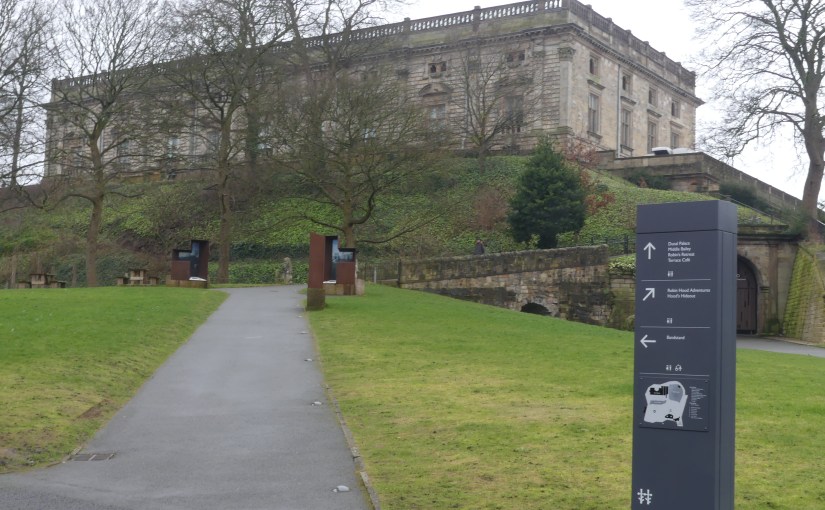
On the way to the castle we called into the Town Hall. We were unable to look through the hall due to Council meetings being held there that day. So we moved onto the castle. We had been there previously so knew what to expect. Martin thought he was in for a full-on old castle experience. Not so. The castle had been demolished by the people of Nottingham after the restoration of the Charles the Second to the throne of England. The castle had the reputation of being impregnable hence Charles the First had used the castle as the place to raise his standard against the Roundheads starting the English Civil War. Once the War ended Cromwell ultimately took control of England and with the restoration, the people of Nottingham tore down the castle for fear that the castle may be used again as a power base in the midlands. Martin was disappointed to learn that the Duke of Norfolk had purchased the ruined site to build his country home which he continued to call “Nottingham Castle” which remains its name to the present. It is filled with artistic treasures and a memorial to the local regiment of the British Army “the Foresters”. Martin was not impressed with the castle but was taken with the memorial having served in the army in the military police.
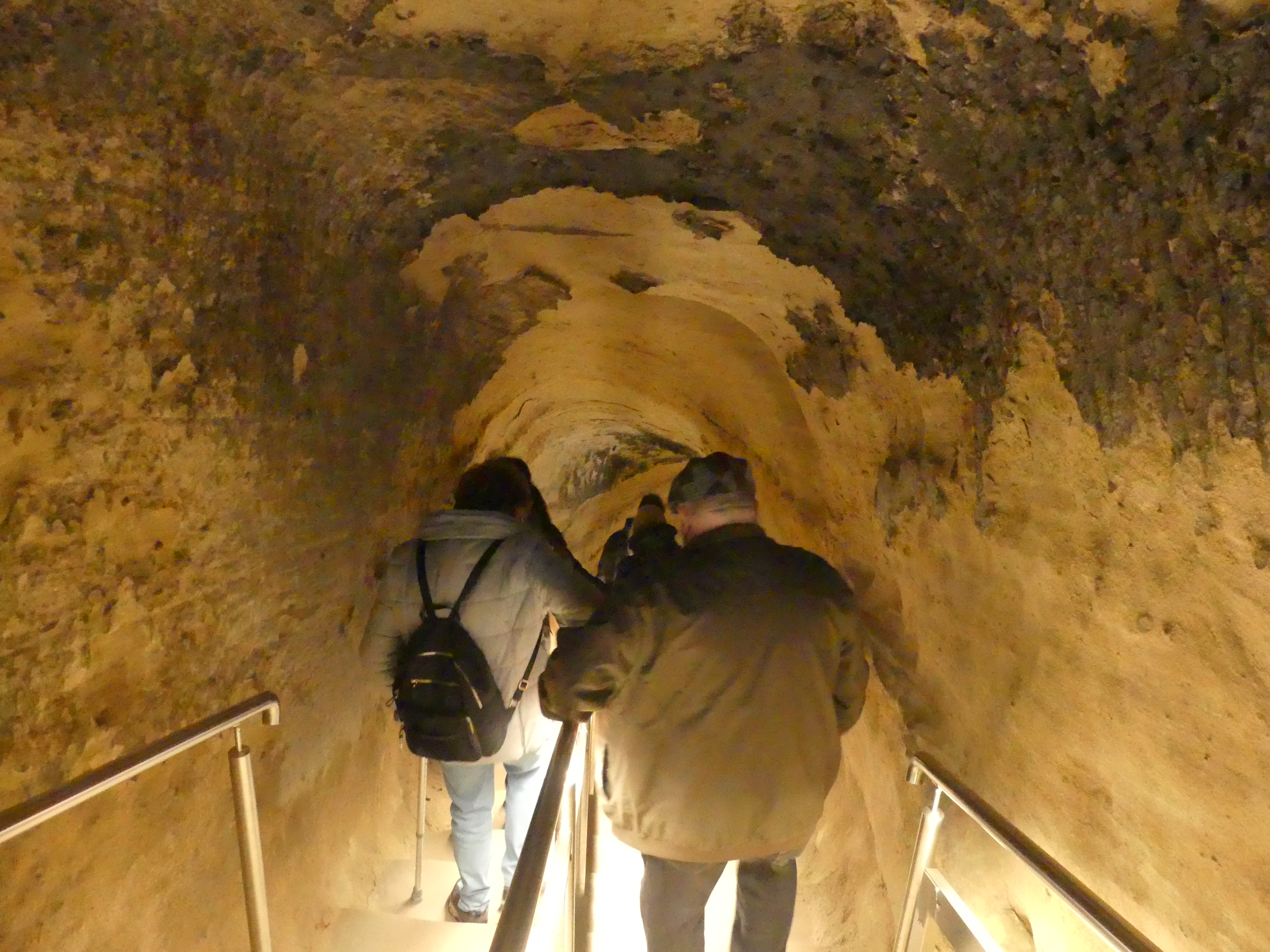
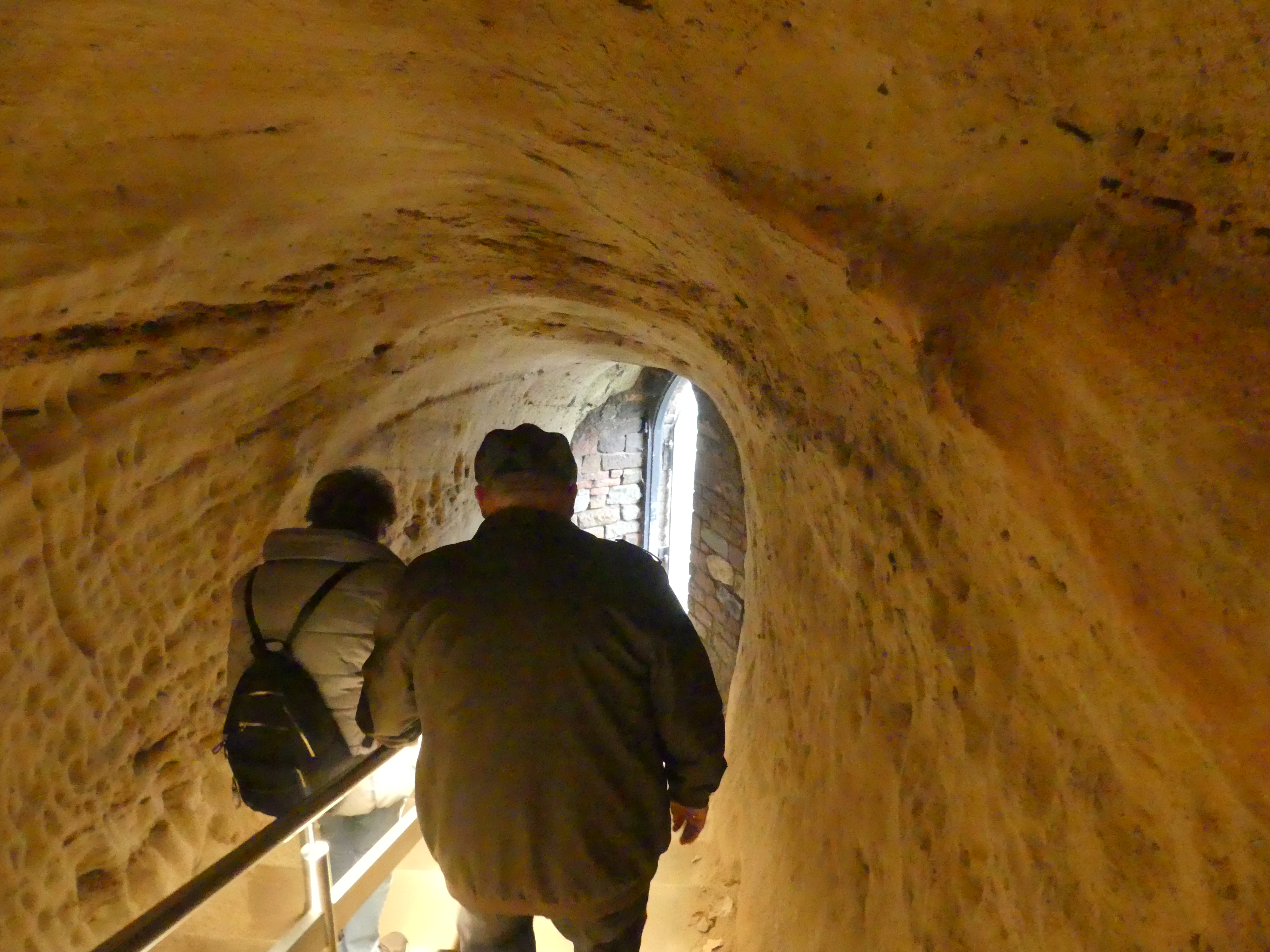
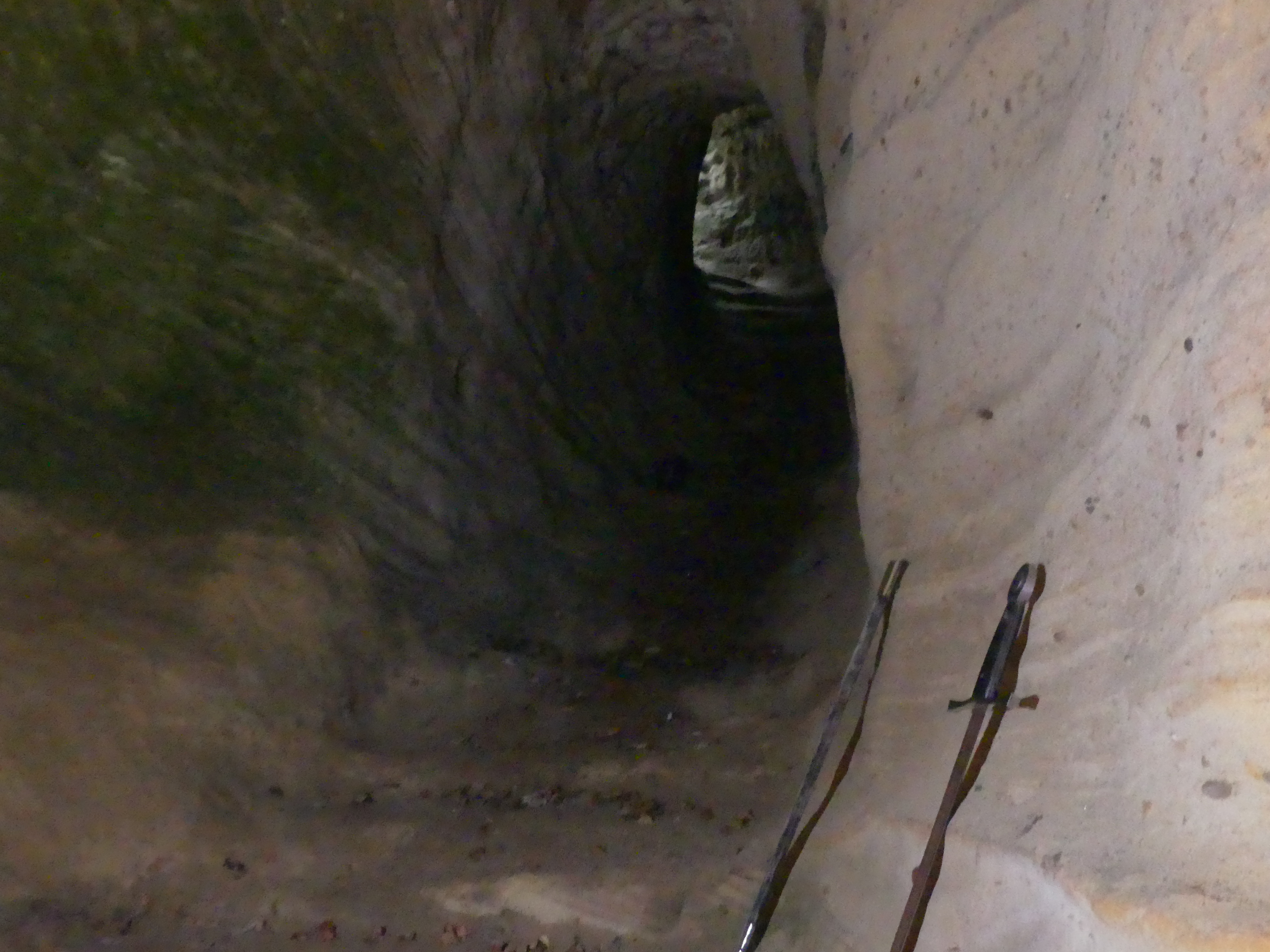
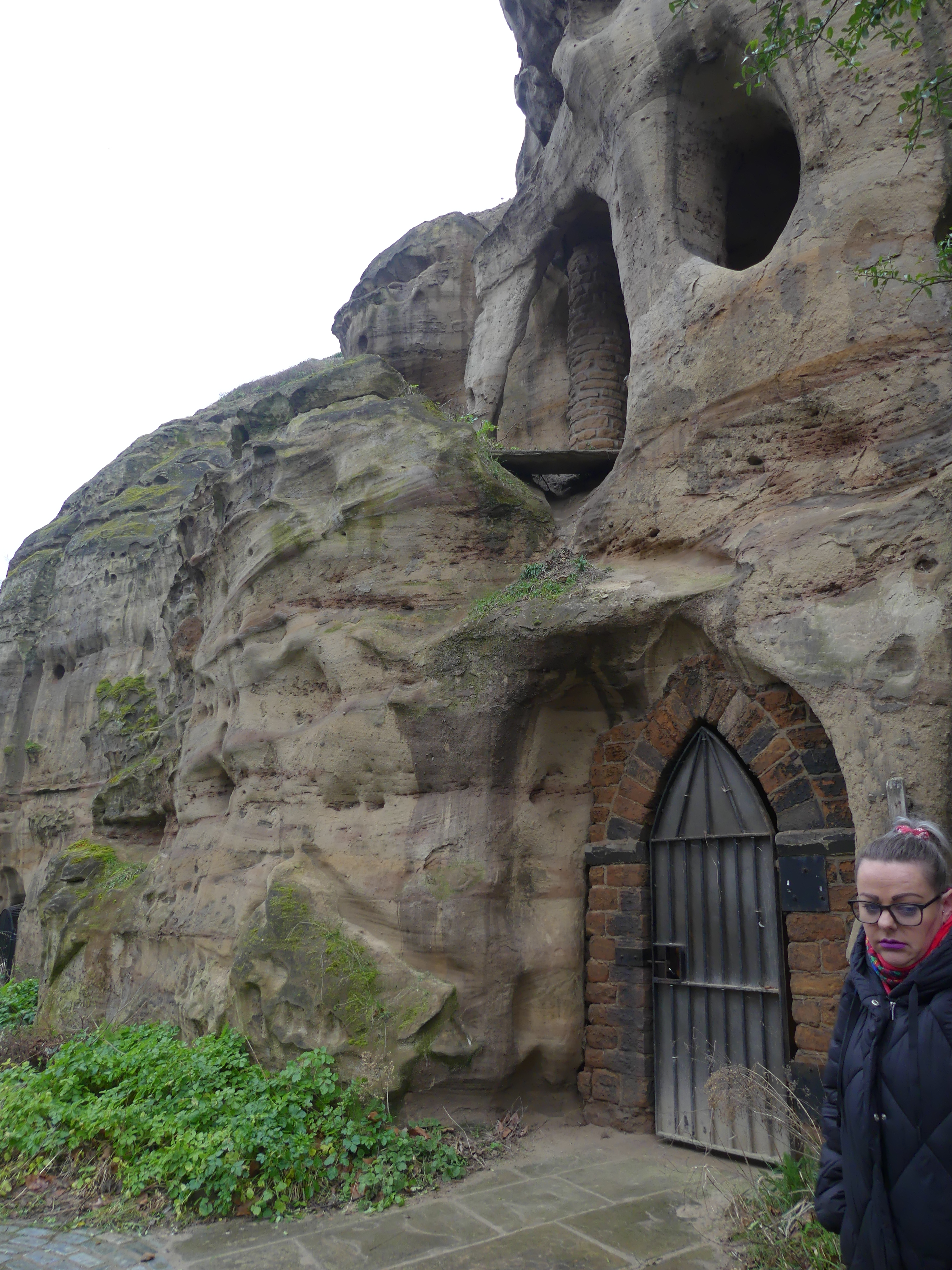
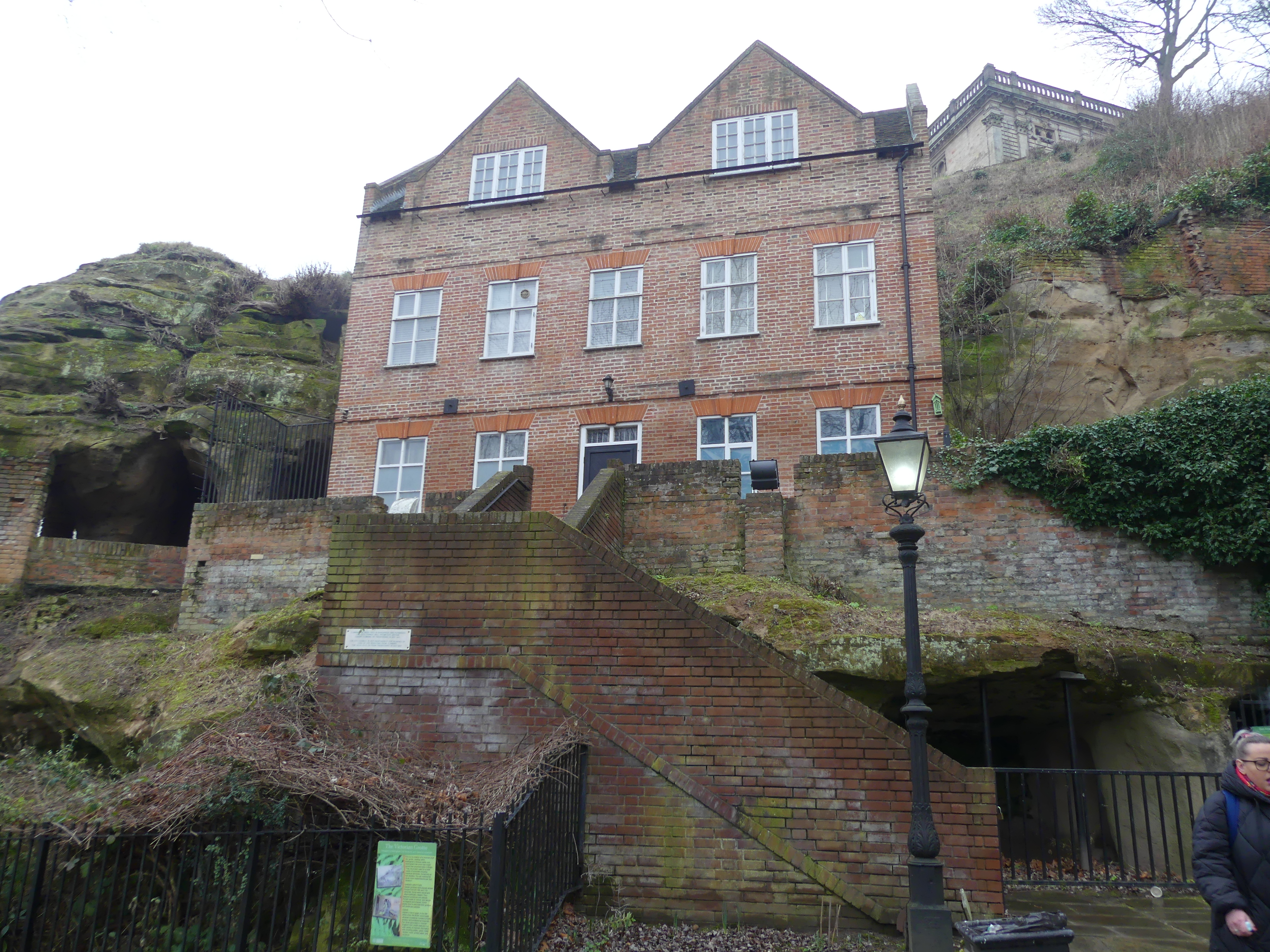
Part of a visit to the castle is to visit the caves constructed to provide a hidden access to the castle and from the castle to the pub Ye Olde Trip to Jerusalem claimed as the oldest remaining in the UK from the 12th century.
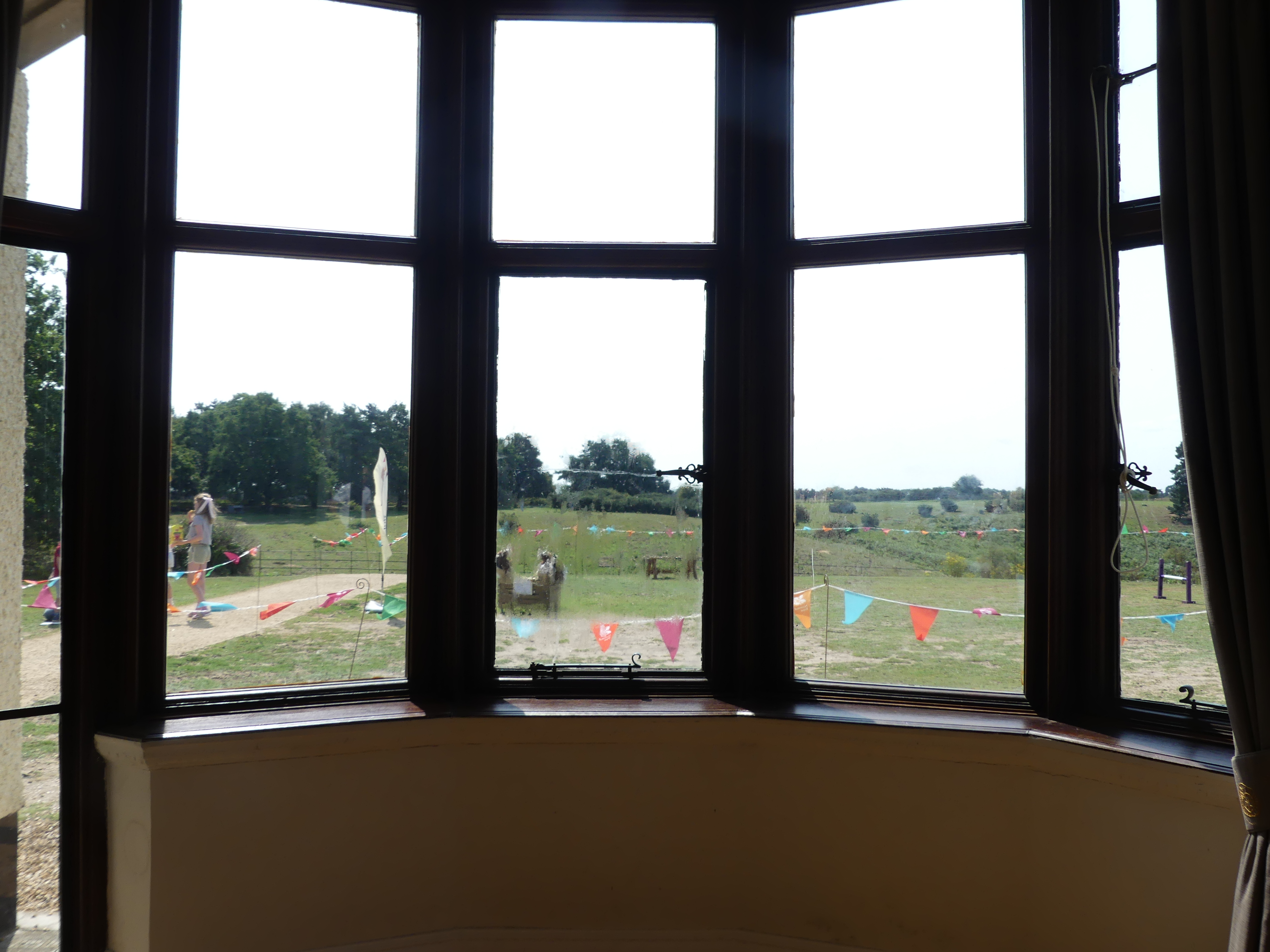
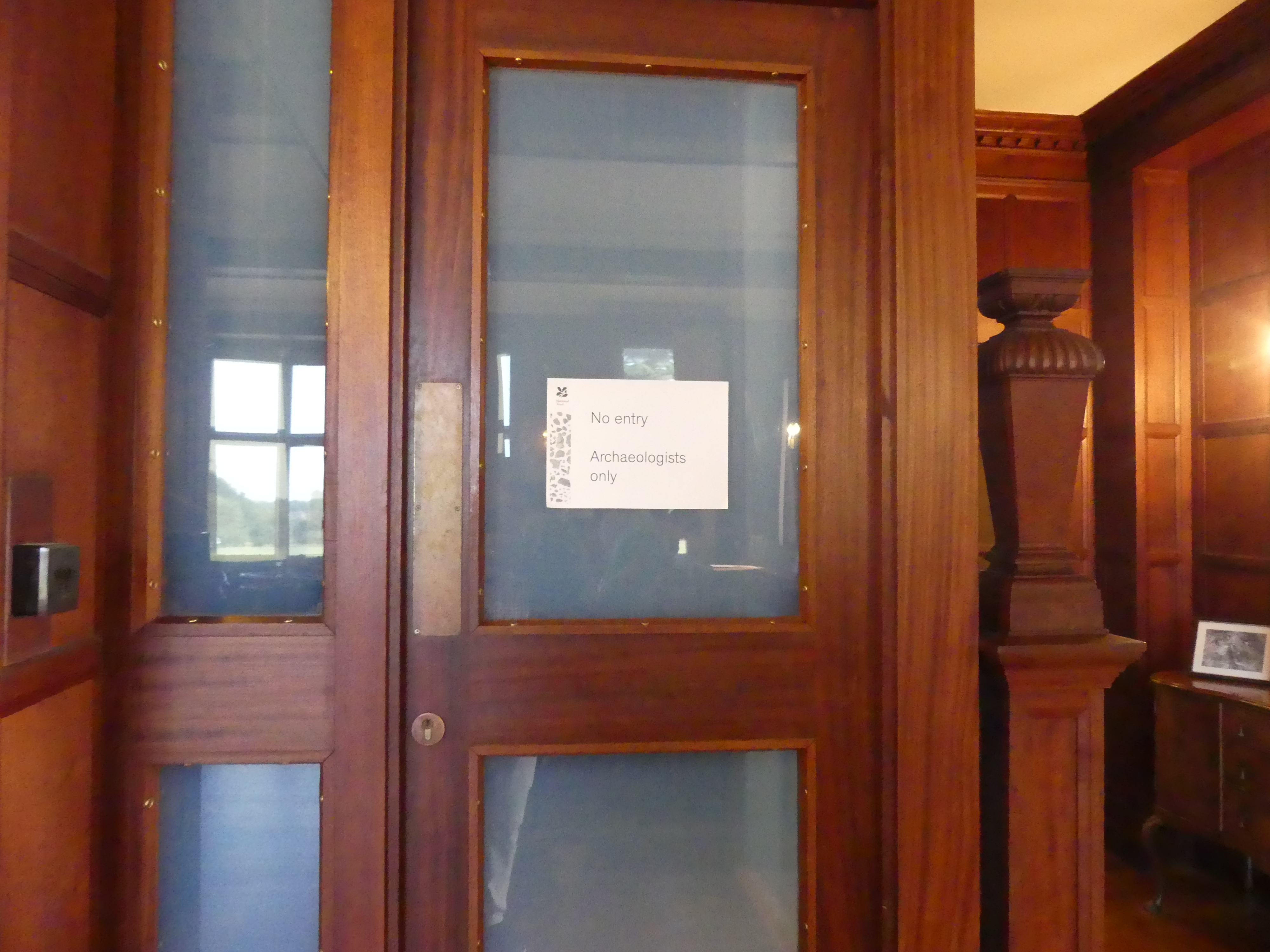
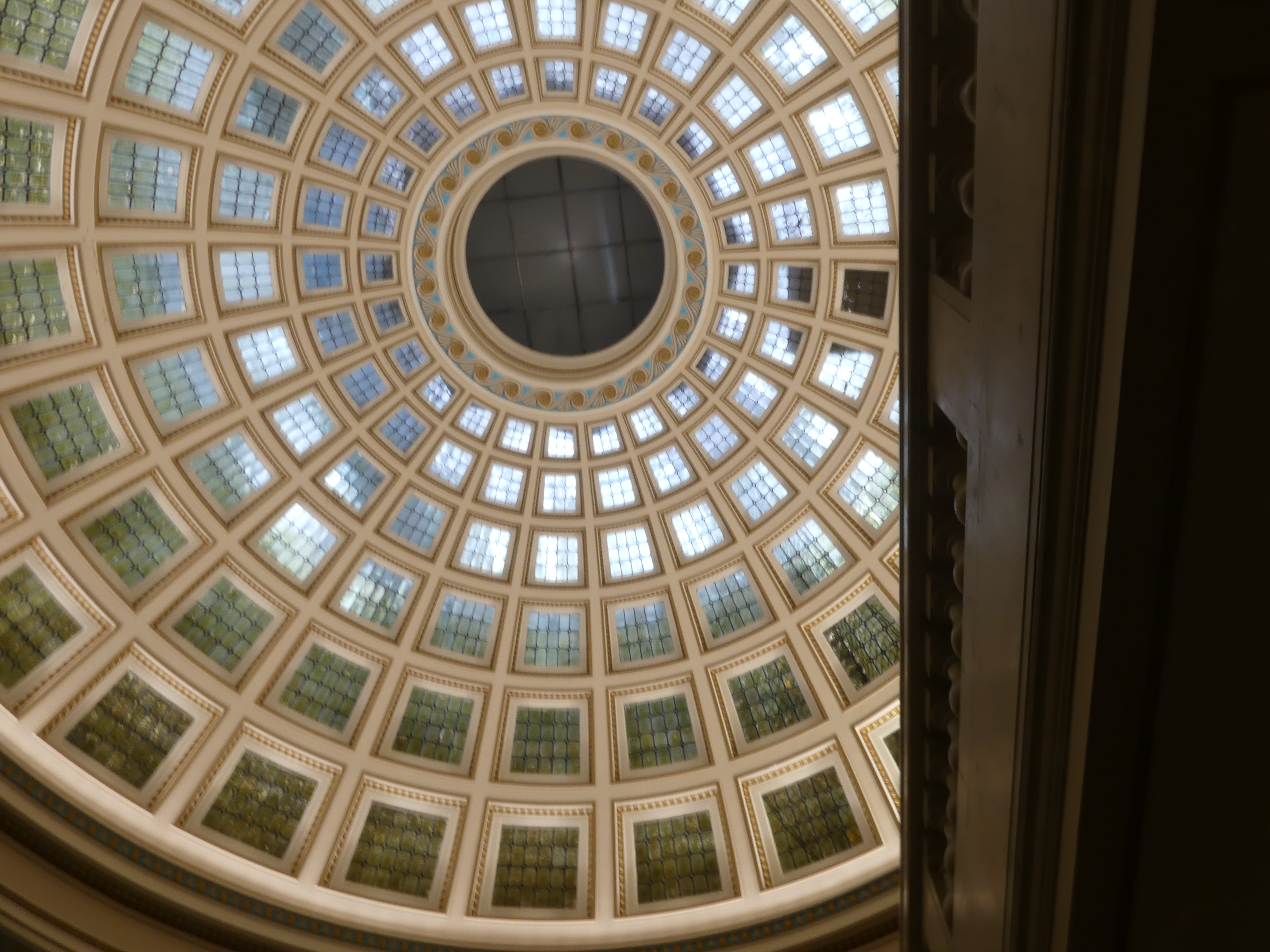
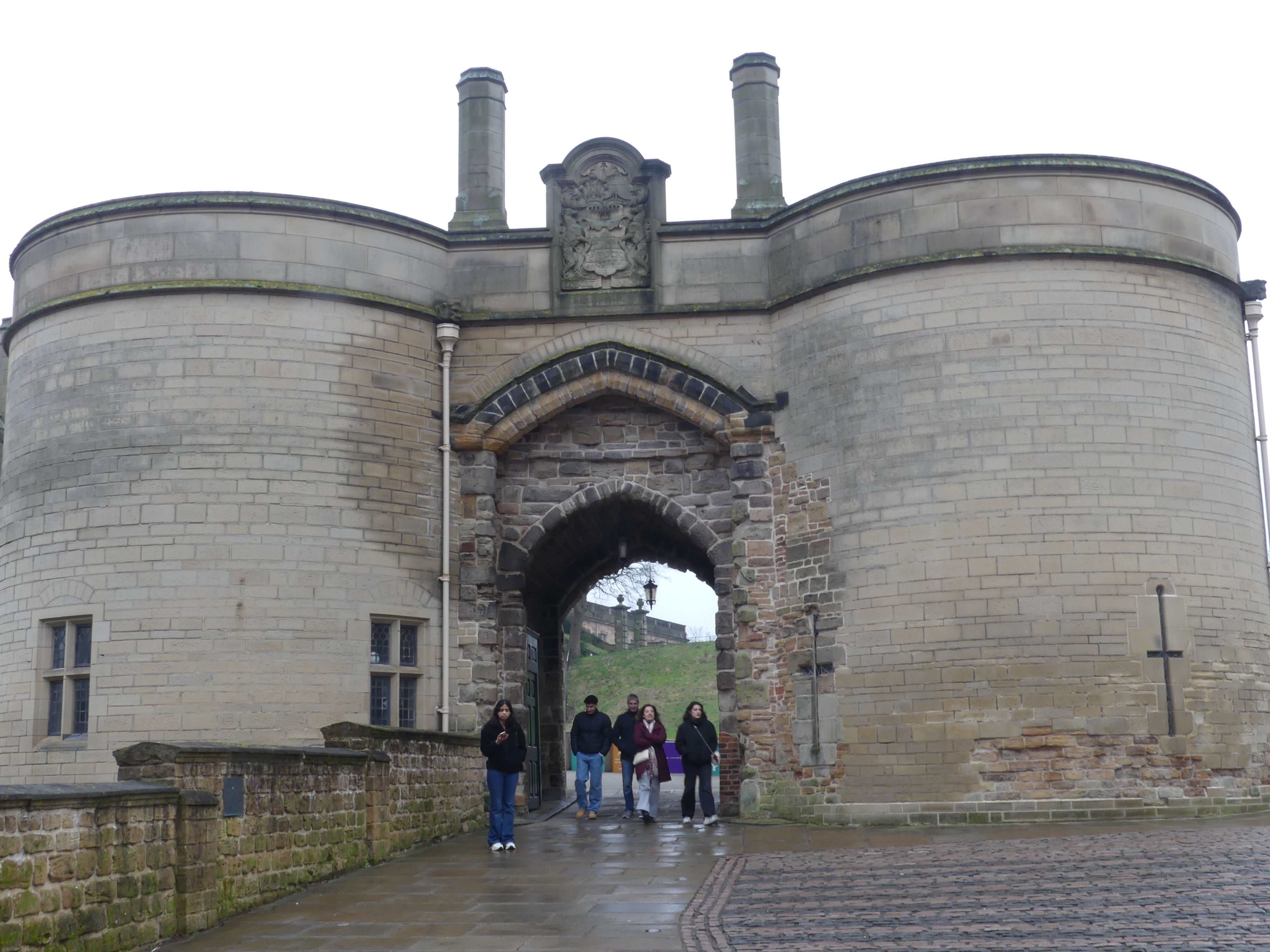
The first 2 pictures are in Town Hall. Then follows the picture of “Nottingham Castle” and its gate. No photos are permitted inside the castle but the formidable gate gives a fair idea of what the castle may have looked like. Then follows the photos of the caves – the toy fox marks the way down. Of course the pathway has been prepared for today’s tourist but when it was used for its original purpose it would have been rough and ready. When you exit the caves you get a better idea of the nature of the development. At the foot of the hill is an array of the housing for the ordinary folk of the time close by the pub.
The second part of my plan – to visit the pub unraveled as after doing the tour of the caves we found the pub full to overflowing. Martin came to my rescue and suggested we go to the Navigation Hotel just nearby.
Visit to the Navigation Inn at Castle Lock Nottingham
There is a canal runs through Nottingham separating the old town from the newer part of town and the Navigation Hotel was a leftover from times when the canal was in commercial use. Old building charm with nostalgic decoration in the interior and no crowds. So, we settled in for some lunch and drinks finishing late in the afternoon. The picture below is part of the interior and outside is the canal. Martin and Christine had planned to return to Manchester the following day so after some sad farewells we retired to our hotel and later braved the cold to find a place for dinner. Somewhere during those two days Kerry made a call to Nick Smith the owner of the business supplying stretch fringing to Glitter and Dance. So it was arranged for the following day that we would have lunch with Nick and Selina at country manor outside the city.
Visit to Nick & Selina Smith
Nick had given Kerry the opportunity to open her business in the UK and though Glitter and Dance UK has not survived Nick has continued to supply stretch fringing to G & D. We called an Uber to take us to this destination nominated by Nick which he said was nearby. Like hell it was – we seemed to meander for miles through countryside until we suddenly turned left at an obscured turning, and we had arrived. It is an old Country Manor of some past minor gentry for the area now operating as a club style meeting place. There was a fixed menu and no choices which did not suit me at all but nothing to be done but soldier on. It was all very pleasant but expensive as I was unable to eat most of the meal. Nick and Selina ran us home to the city as it turned out they are living in Derby these days and they had to drive through Nottingham anyway.
Visit to Bob & Cilla, phone call to Pam and visit to RC Nottingham
It is now Monday. Kerry has organized for us to meet with Bob and Cilla later that morning and we have had a chat with Pam by phone. Pam has had some oral surgery and does not want visitors at present but she was able to inform us that she had resolved the trouble she had with the publisher of her first children’s book which problem had seemed to have depressed her the last few years.
I had been struggling with a cold the last week and I had now run out of antibiotic tablets that we had brought with us as a precaution. So, before we caught the bus to Attenborough, we had rung around some medical practices to get a new script with no luck. When we made it to Bob and Cilla’s house, we had a lovely catch up and were surprised by a visit from one of our fellow gardeners. We had met Cilla at the local church and our friendship had grown from there. One thing led to another about my health and Bob and Cilla were of considerable help with resolving the problem. They were both in good health and there is a chance we may catch up in NZ when they next visit their daughter and family.
After returning to the hotel, we prepared for our Rotary meeting at our other club – Rotary Club of Nottingham. We made our way to the meeting place and were greeted by a lot of old familiar faces and some new faces. It was like old times and a great surprise for many of the members. The Club remains robust and maintaining its membership.
Travel National Bus to Heathrow London – Depart London to Rome
Our return trip to Heathrow went as planned and we soon landed in Rome. Rome and the area around Terminii Station is now a familiar precinct so catching the train at Fumincino Airport to Terminii felt familiar even though it was 11.00 o’clock at night. Once at Terminii the short stroll to the front door of Dream Station was like coming home. We inserted the code and the big front door (no doubt once the doors to a forecourt in its early days) and now an obstacle track for guests coming to stay. Th elevator is big enough for two persons or 1 person and suitcase. Kerry went ahead and I followed next time round. So, we were now ready for bed in Rome.
So, until my next blog “THE RETIREES GO AROUND THE WORLD – “ROME, CESI, BARI, NAPLES and back to ROME” – keep on following our journey.
I recall that it was almost sunny on our way to Cornwall and our stop in Dorchester was welcome to stretch our legs.
Dorchester
It is situated between Poole and Bridport on the A35 trunk route. A historic market town, Dorchester is on the banks of the River Frome to the south of the Dorset Downs and north of the South Dorset Ridgeway that separates the area from Weymouth, 7 miles (11 km) to the south. In the 17th and 18th centuries Dorchester suffered several serious fires. Only a few of the town’s early buildings have survived to the present day. Dorchester remained a compact town within the boundaries of the old town walls until the latter part of the 19th century because all land immediately adjacent to the west, south and east was owned by the Duchy of Cornwall.
This was a stopover to have lunch and break our trip. Despite the many attractions trumpeted by the local visitors bureau we were limited to dining in a quirky coffee shop and wandering through the quirky building in which the coffee shop was located.
Truro
We arrived at our B & B “The Fielding” late in the afternoon. To our delight onsite parking was included at no cost but a little bit squeezy. The premises are an Edwardian style two/three story house with two accommodation rooms and the couple who own it living on site – breakfast was included. I am certain this pair were older than us by 10 years and still running a B & B.
The accommodation was comfortable, and we spent little time in it, so it did the trick. A group of workers was staying at the premises whilst they fixed whatever needed fixing around about and we shared breakfast in the dining room. Then they would leave for their days work and we had no problem with the parking arrangements.
St Ives and Penzance.
Our first journey involved a visit to St Ives.
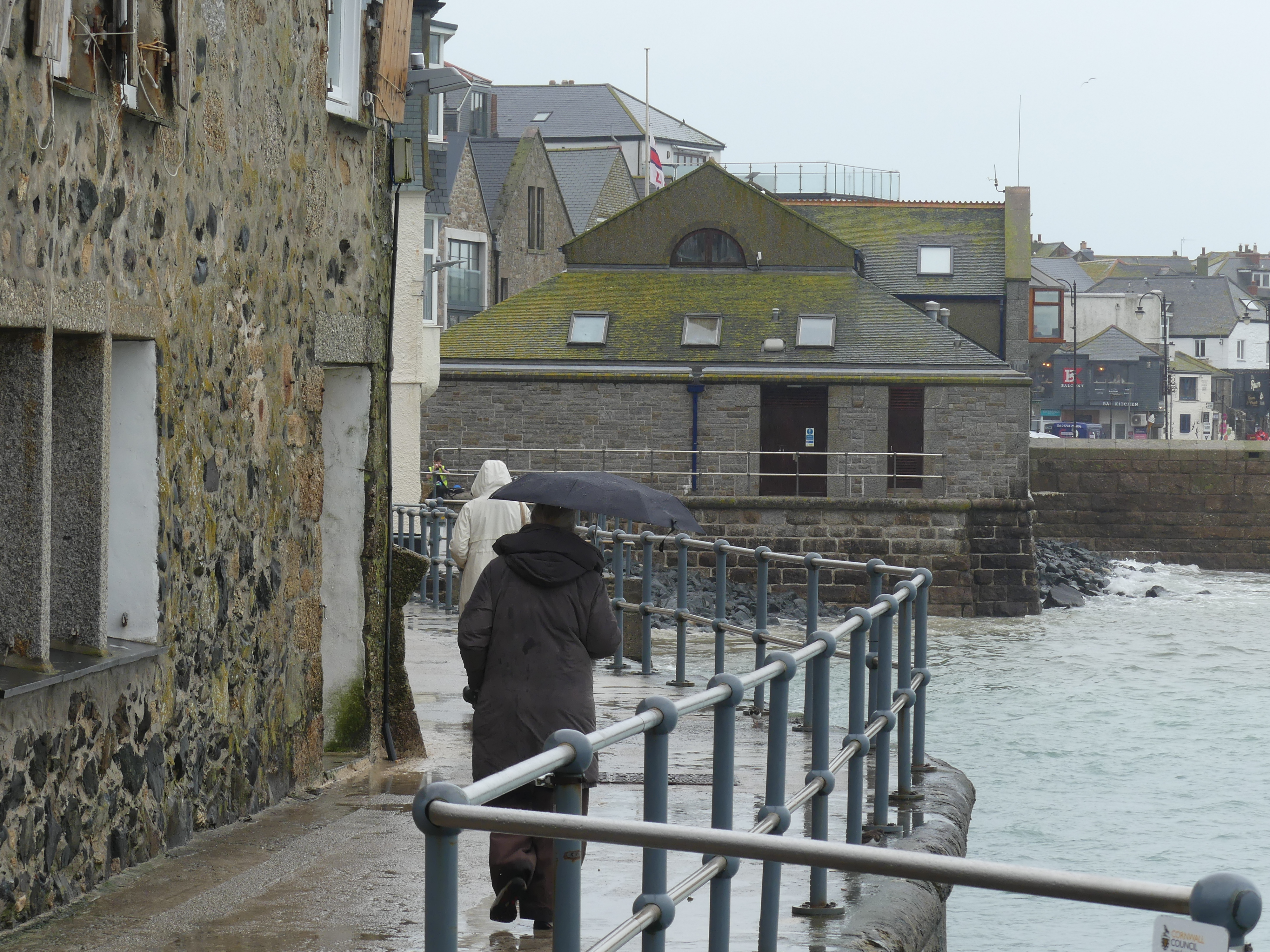
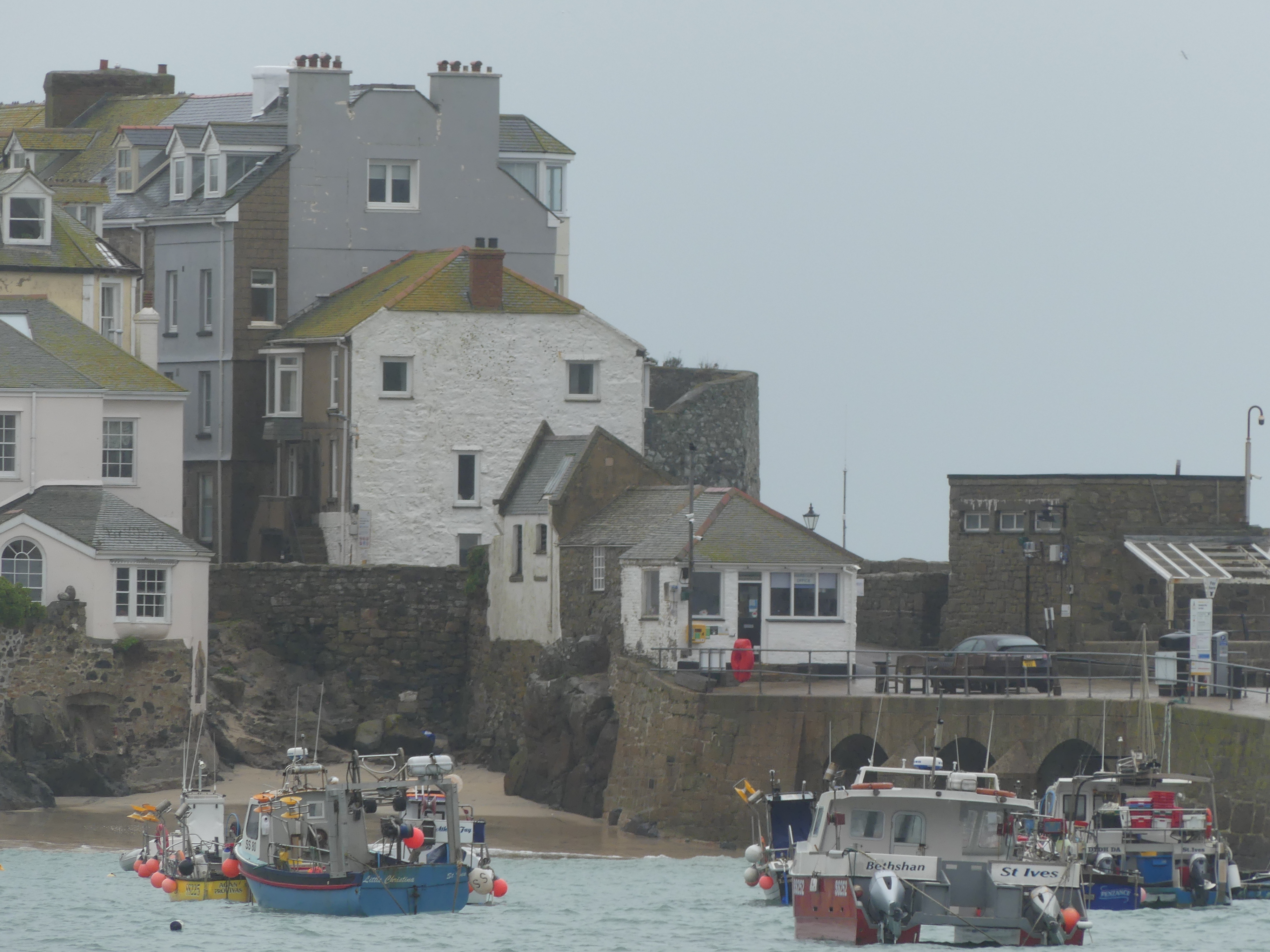
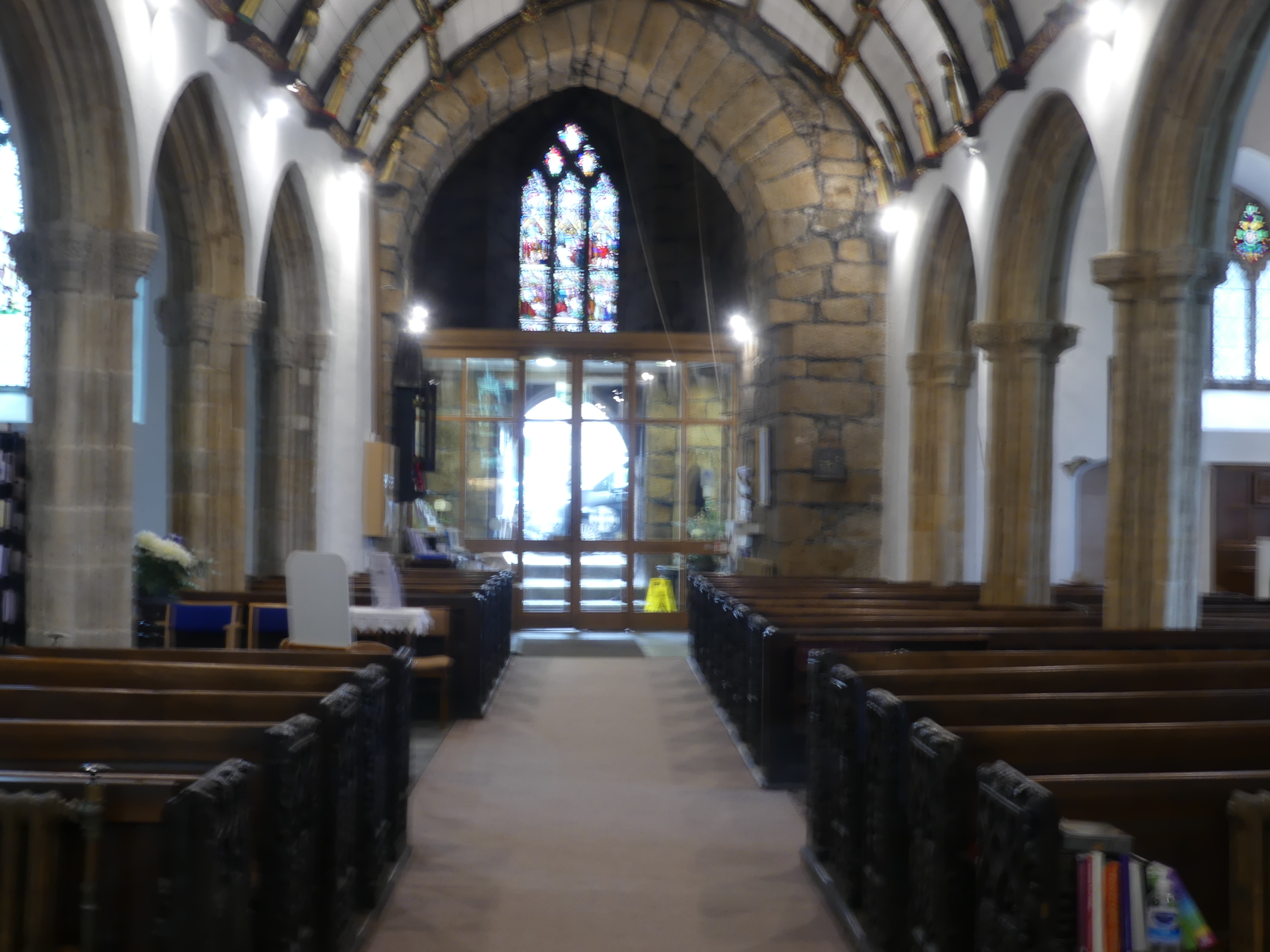
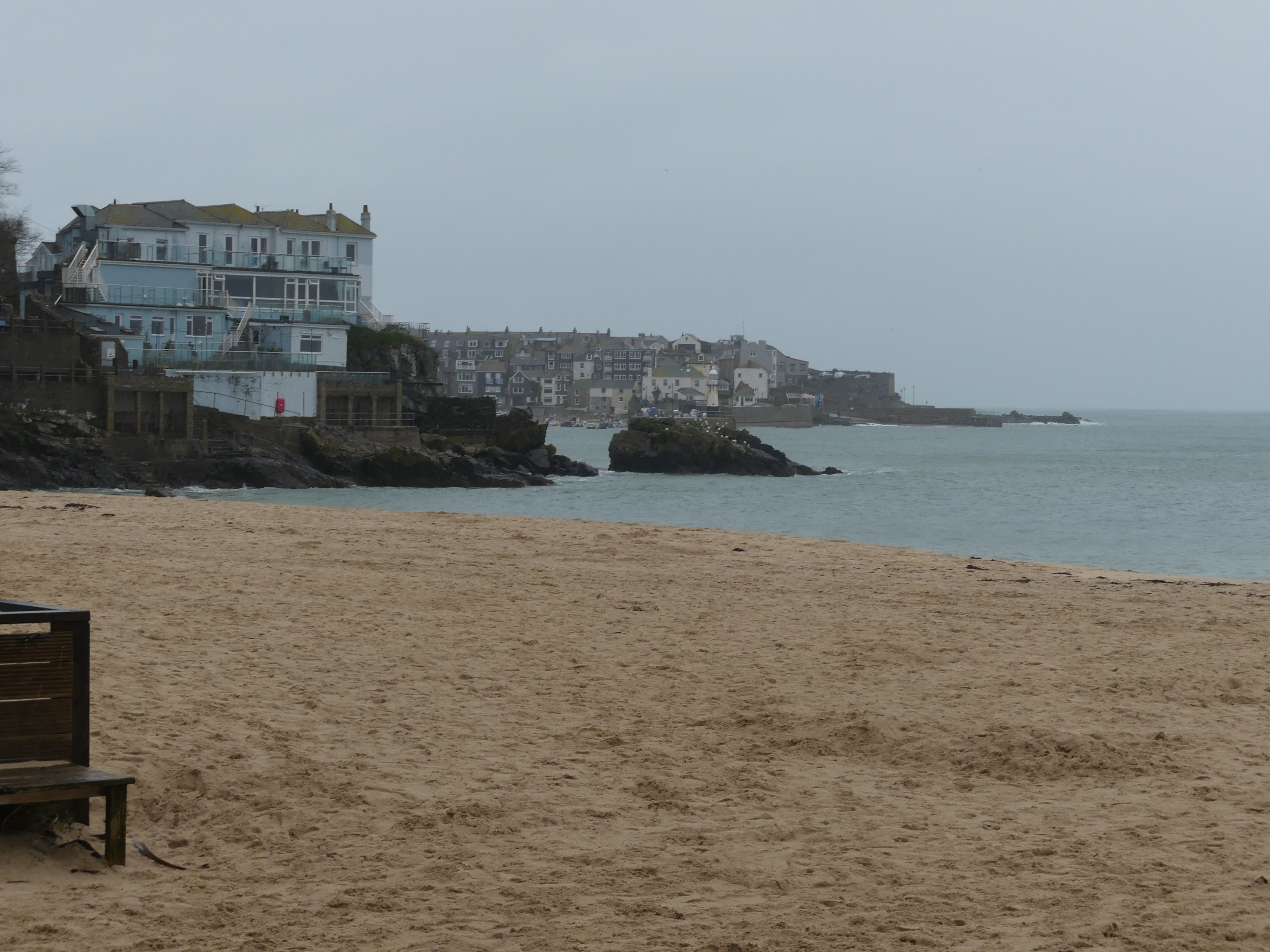
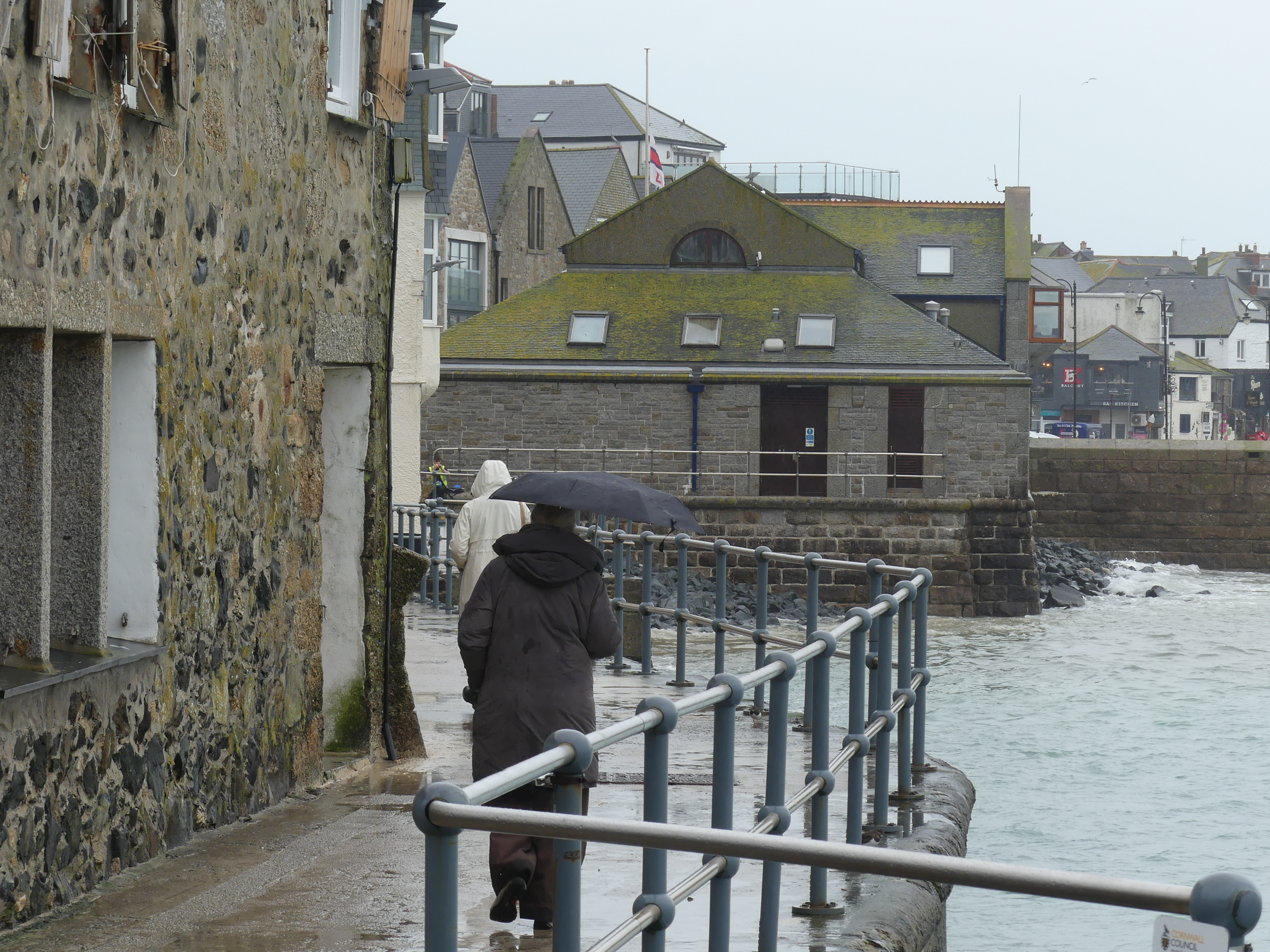
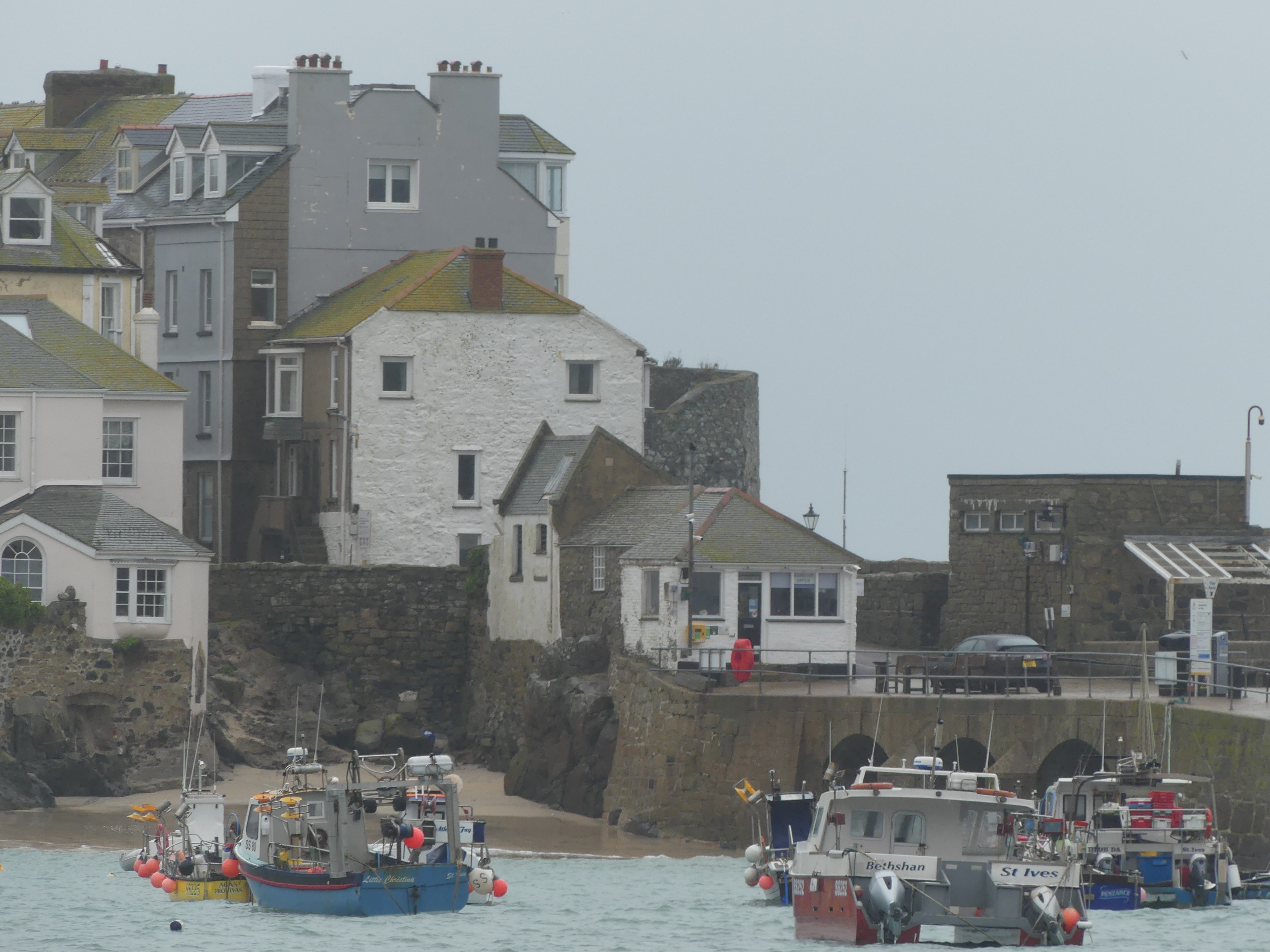
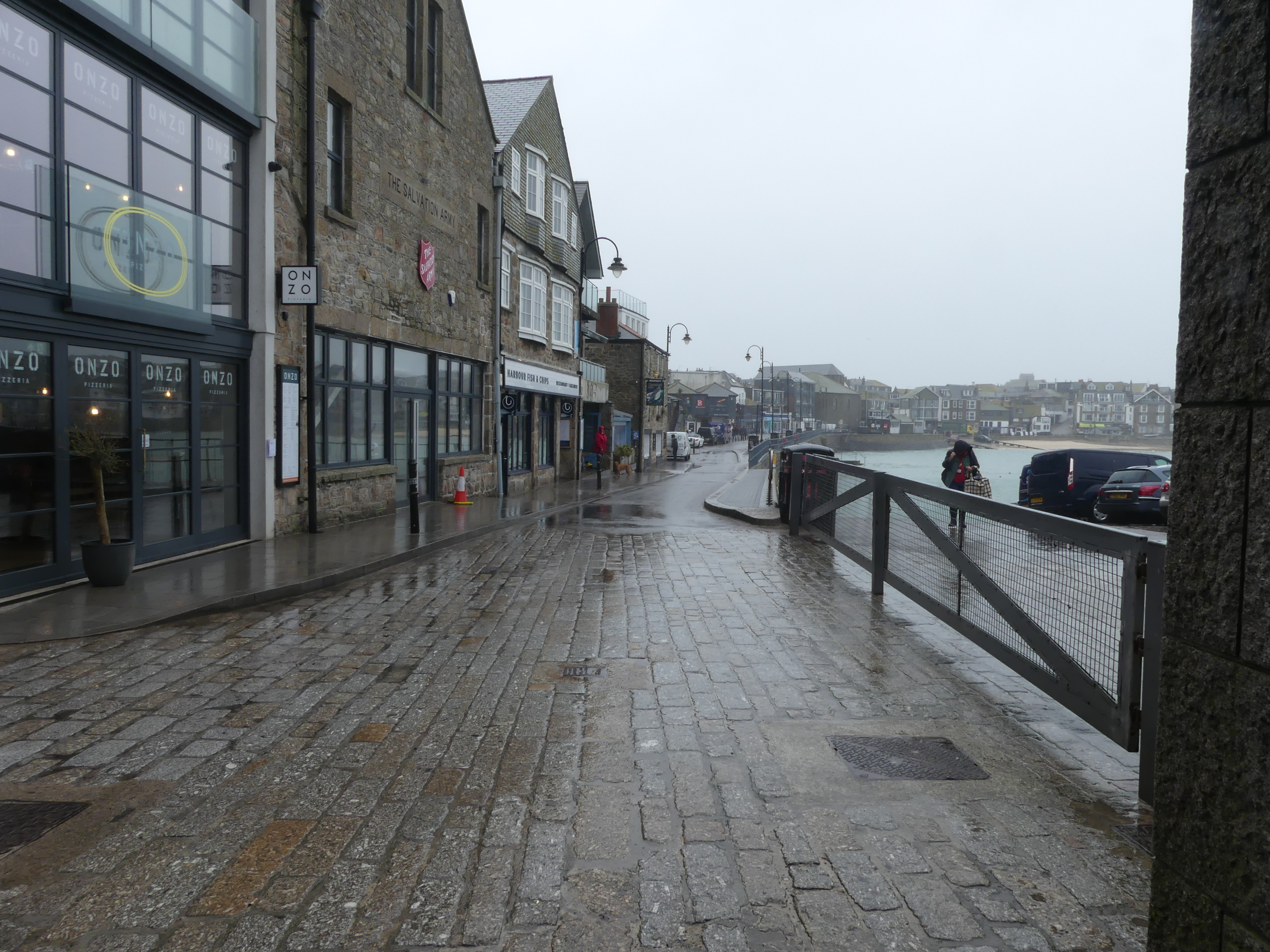
St Ives is a seaside town, and port in Cornwall. The town lies north of Penzance on the coast of the Celtic Sea. In former times, it was commercially dependent on fishing. The decline in fishing, however, caused a shift in commercial emphasis, and the town is now primarily a popular seaside resort. It is notable in achieving the title of Best UK Seaside Town and named best seaside town of 2007 by The Guardian newspaper. We kept to the waterfront and were lucky to find parking on one of the shoreline parking areas. Unfortunately, it was a showery day but not miserable. We made our way from the car park to the seafront in the town’s centre and found the mariner’s church. On the way we encountered St Ive’s Church. St Ives is a parish church on the waterfront in St Ives. The church is dedicated to the Virgin, also known as Ives, supposedly an Irish holy woman of the 5th or 6th century. The current building dates to the reign of King Henry V of England (1413 to 1422 AD).
A small “A” frame sign beckoned us to enter with the word “Café” – yes inside in one of the wings of the church was a modest coffee shop offering a free service for those who could not afford a coffee. I believe it had a volunteer operating it so we stopped had a coffee and cake and paid forward for the next two people in need to receive a coffee. What a great idea!
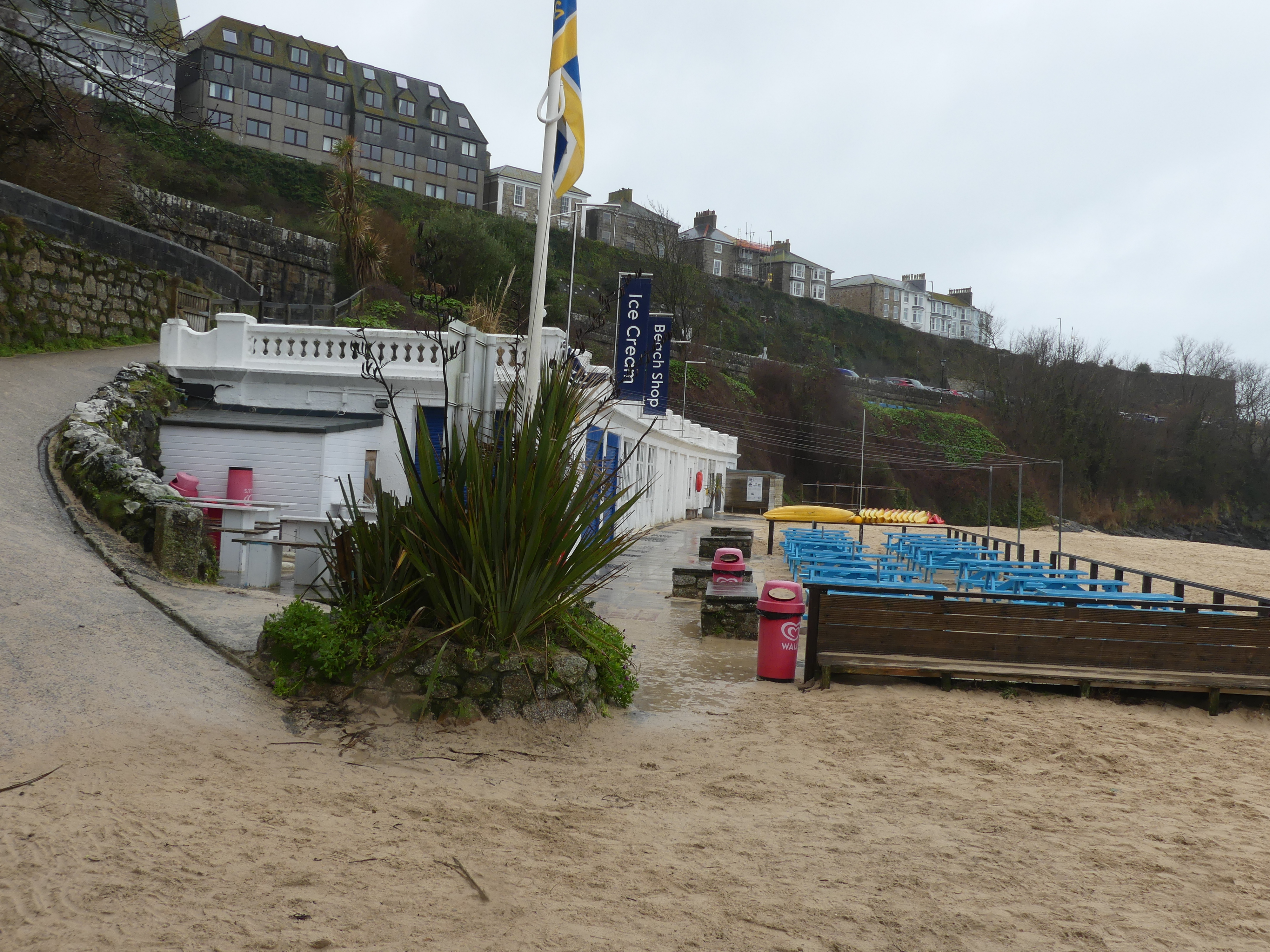
We continued our walk keeping to the waterfront. The weather remained overcast and rained intermittently so there was not much excitement – so we moved onto Penzance.
It is the westernmost major town in Cornwall. Situated in the shelter of Mount’s Bay, the town faces south-east onto the English Channel. Penzance’s Chapel Street has a number of interesting features, including The Admiral Benbow public house (home to a real life 1800s smuggling gang and allegedly the inspiration for Treasure Island’s “Admiral Benbow Inn). It is also the base of the pirates in Gilbert and Sullivan’s comic opera “The Pirates of Penzance”. Exploring the town we came upon Rotary Shop in New Street. We stopped off to check it out and Kerry introduced herself. The Rotary Shop is unique among local Charity Shops. The shop raises funds specifically to assist local groups and charities by selling goods donated by the community.
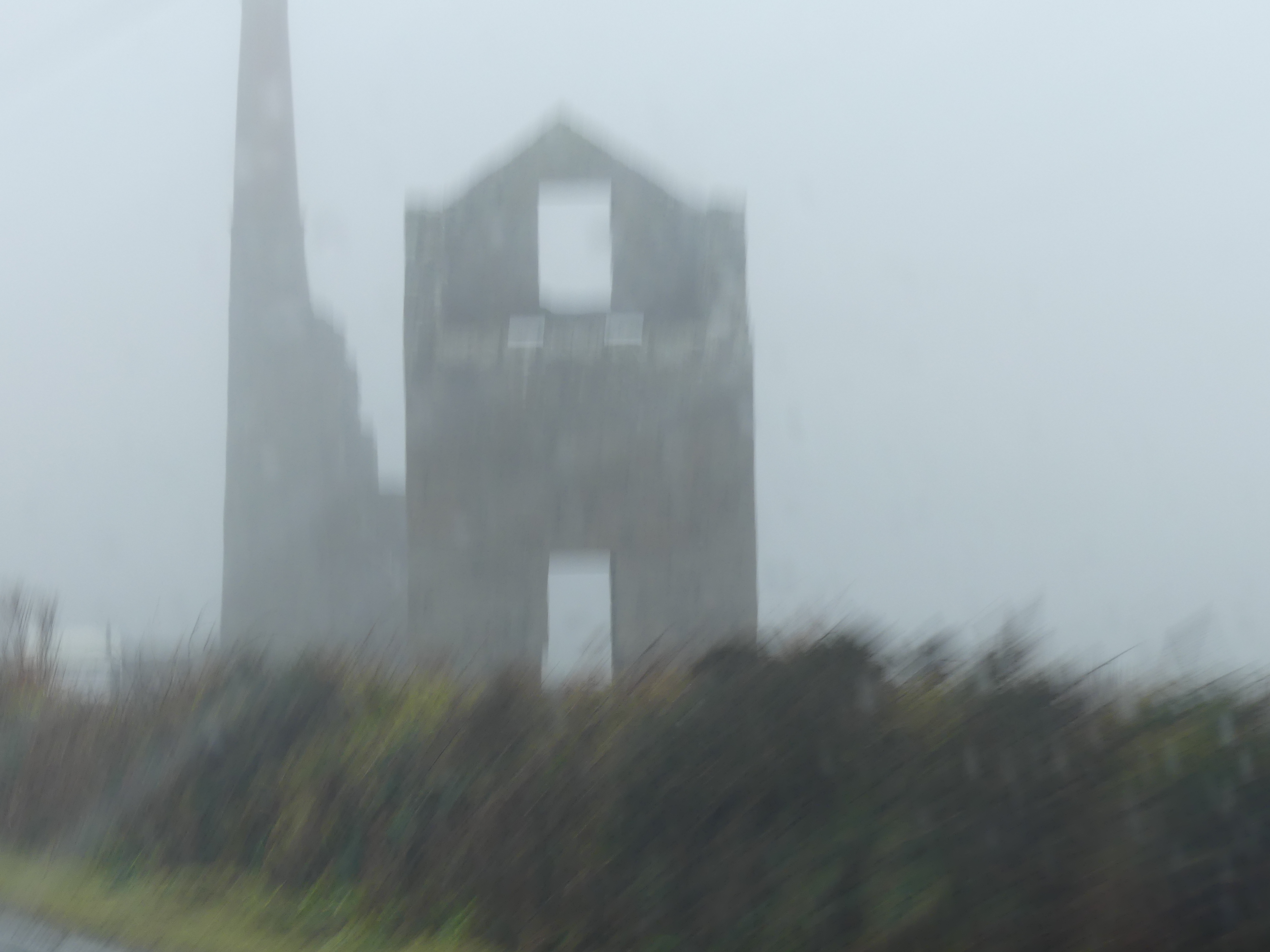
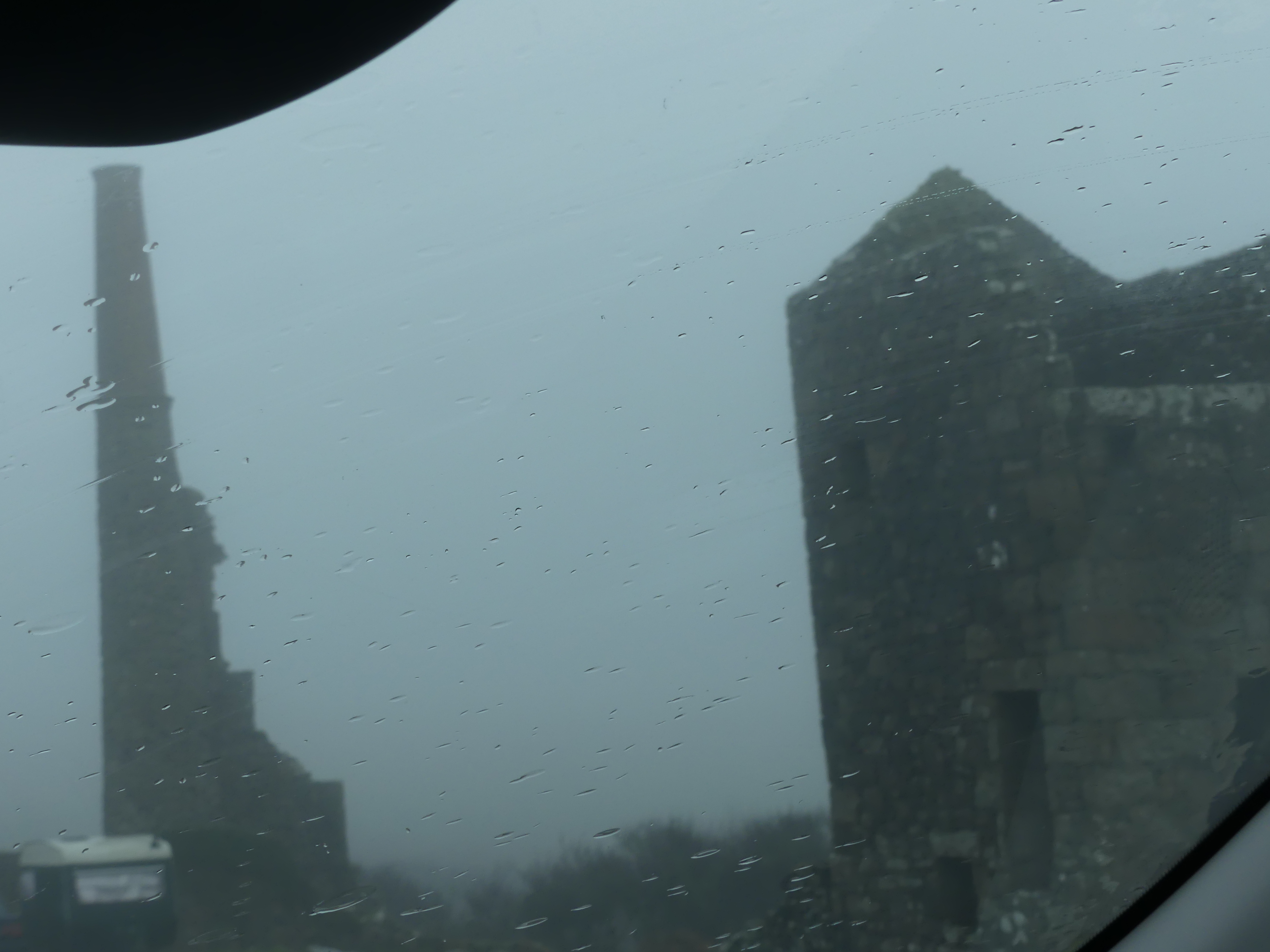
From Penzance we went to find Land’s End. Land’s End is a headland in western Cornwall, on the Penwith peninsula about eight miles (13 km) west-south-west of Penzance at the western end of the A30 road. To the east of it is the English Channel, and to the west the Celtic Sea. However, we followed the route given to us by our maps on my phone. This proved to be a mistake as there are two ways to Land’s End – one along the A30 to the end and the other being the route we took, through farm roads and lanes to a vacant paddock with a sign saying, “Land’s End – 800 metres”. It had been raining for several days, and the paddock was a bog, so we turned around to return from whence we had come, and there was a garbage truck in our way. Kerry managed to get passed (I don’t understand how) and we got to the A30 saw the sign to Land’s End and decided we didn’t need to see it at all. So we decided to push on to St Micheal’s Mount. The following photos show how the weather deteriorated and the narrowness of the lanes. This building is part of a tin processing plant from ages gone by.
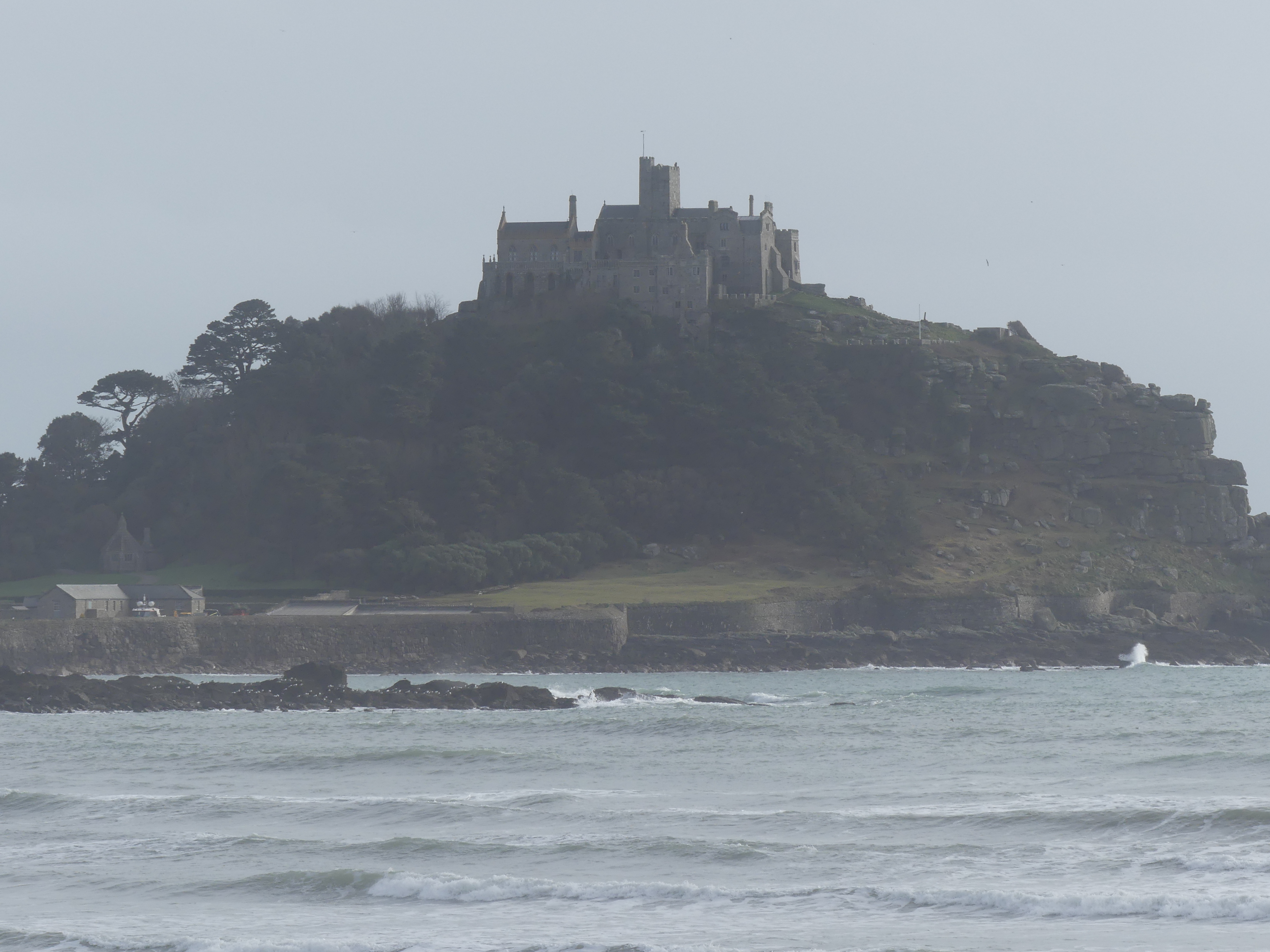
We arrived at St Micheal’s Mount where the tide was out. It is a tidal island rising high out of the surrounding water, topped by a towering stone castle complete with battlements, a church, and a museum. I remembered the French version Mont St Michael, its steep steps and defibrillator at the top awaiting you. The castle is also the home of the St Aubyn family, who have owned the island for nearly 400 years. At the base of St Michael’s Mount is a small village with a harbour with charming eateries and picnic areas. Whilst it was appealing, with the tide out we were not going to get across the causeway and the light was fading. Next time.
We returned to Truro for the evening and rest as tomorrow we planned to find Port Issac and Tintagel Castle.
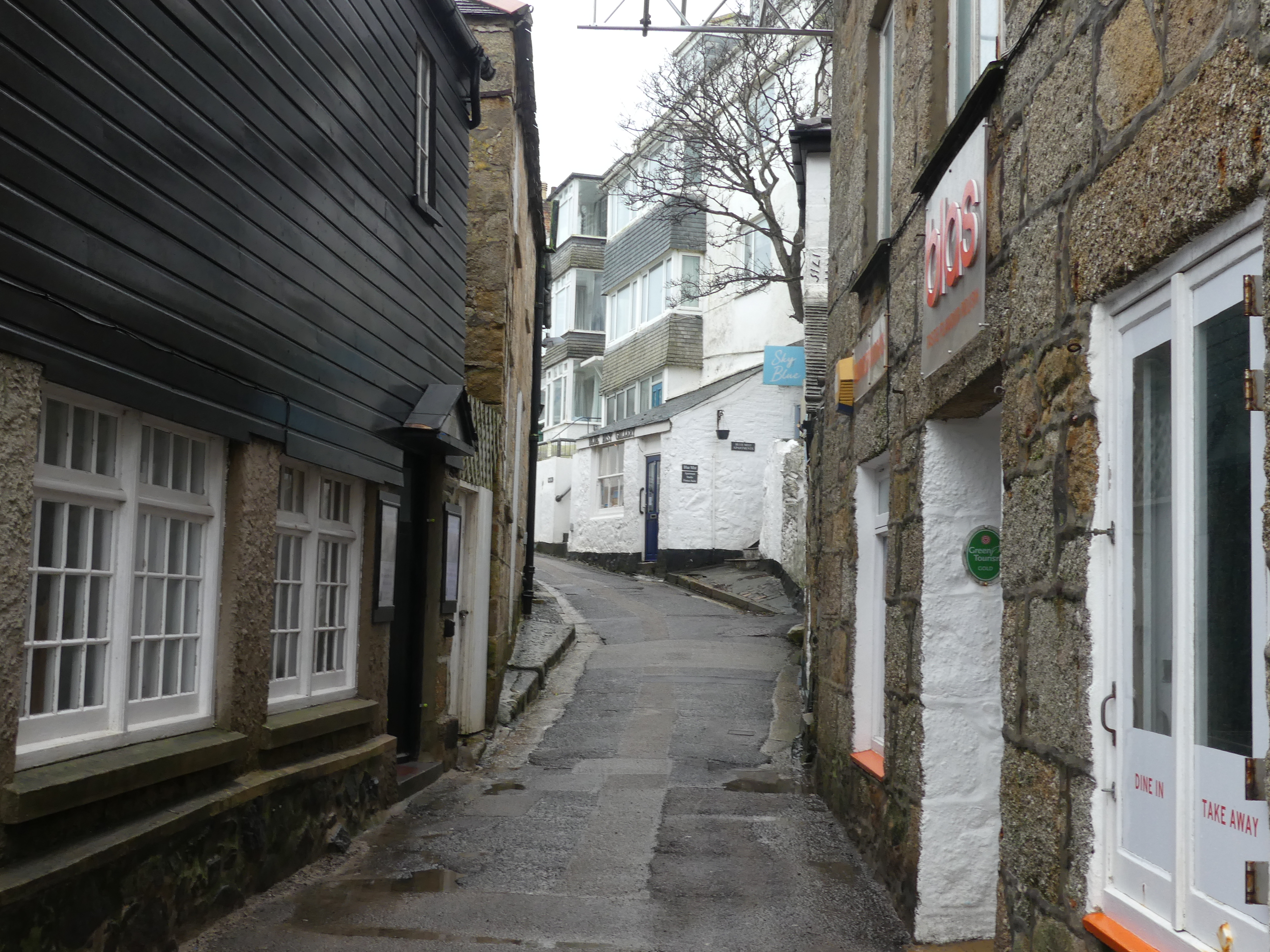
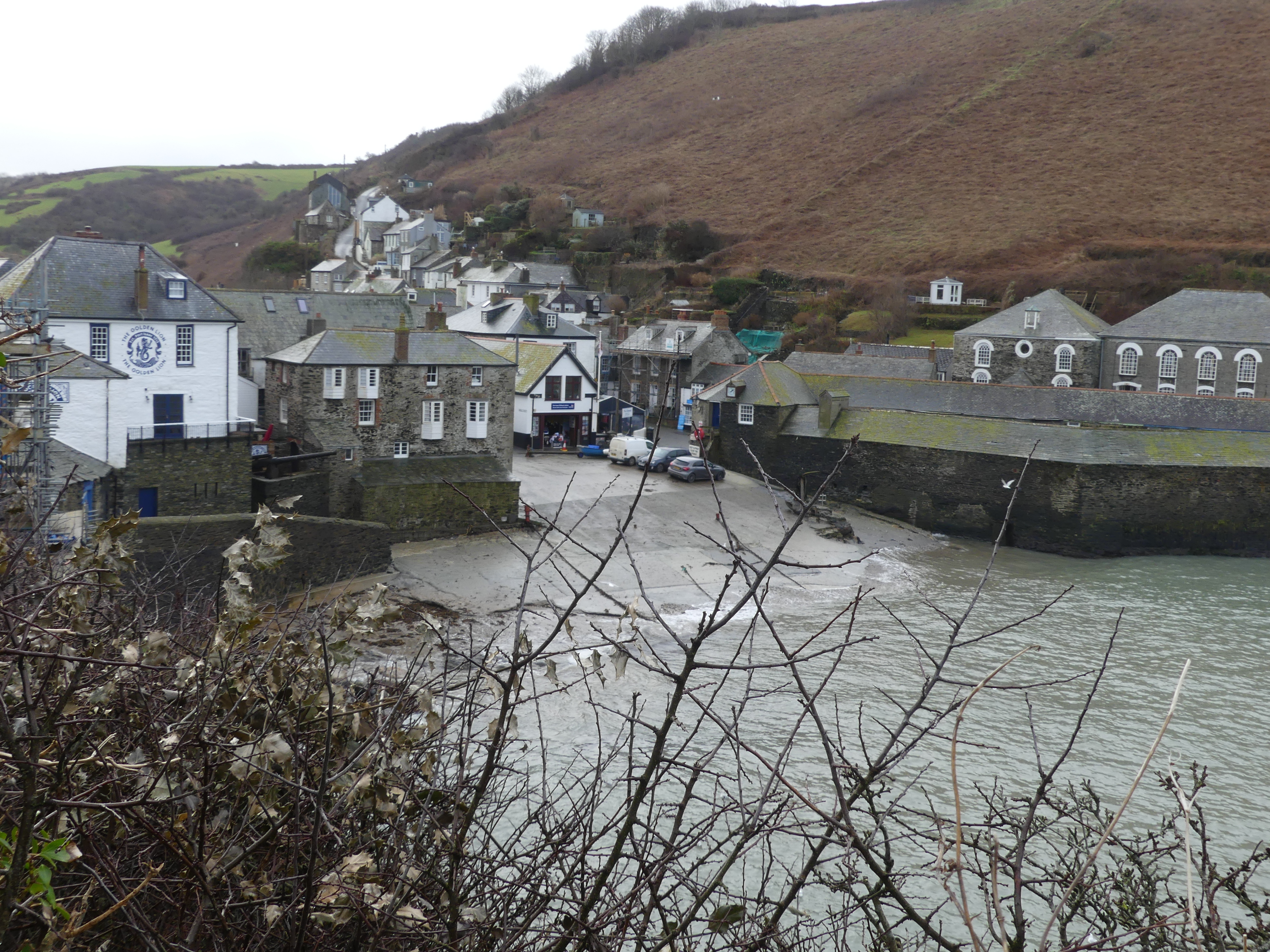
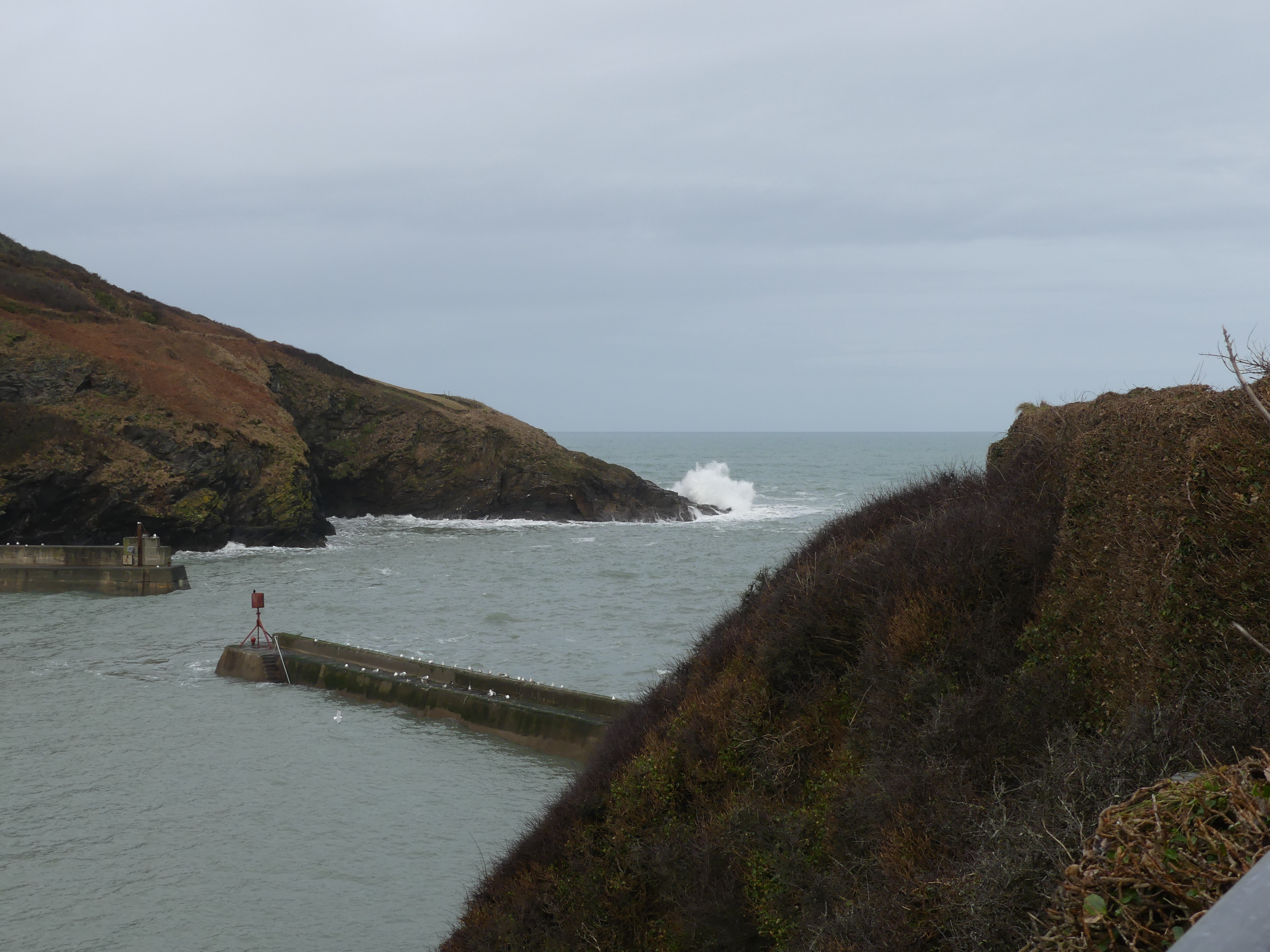
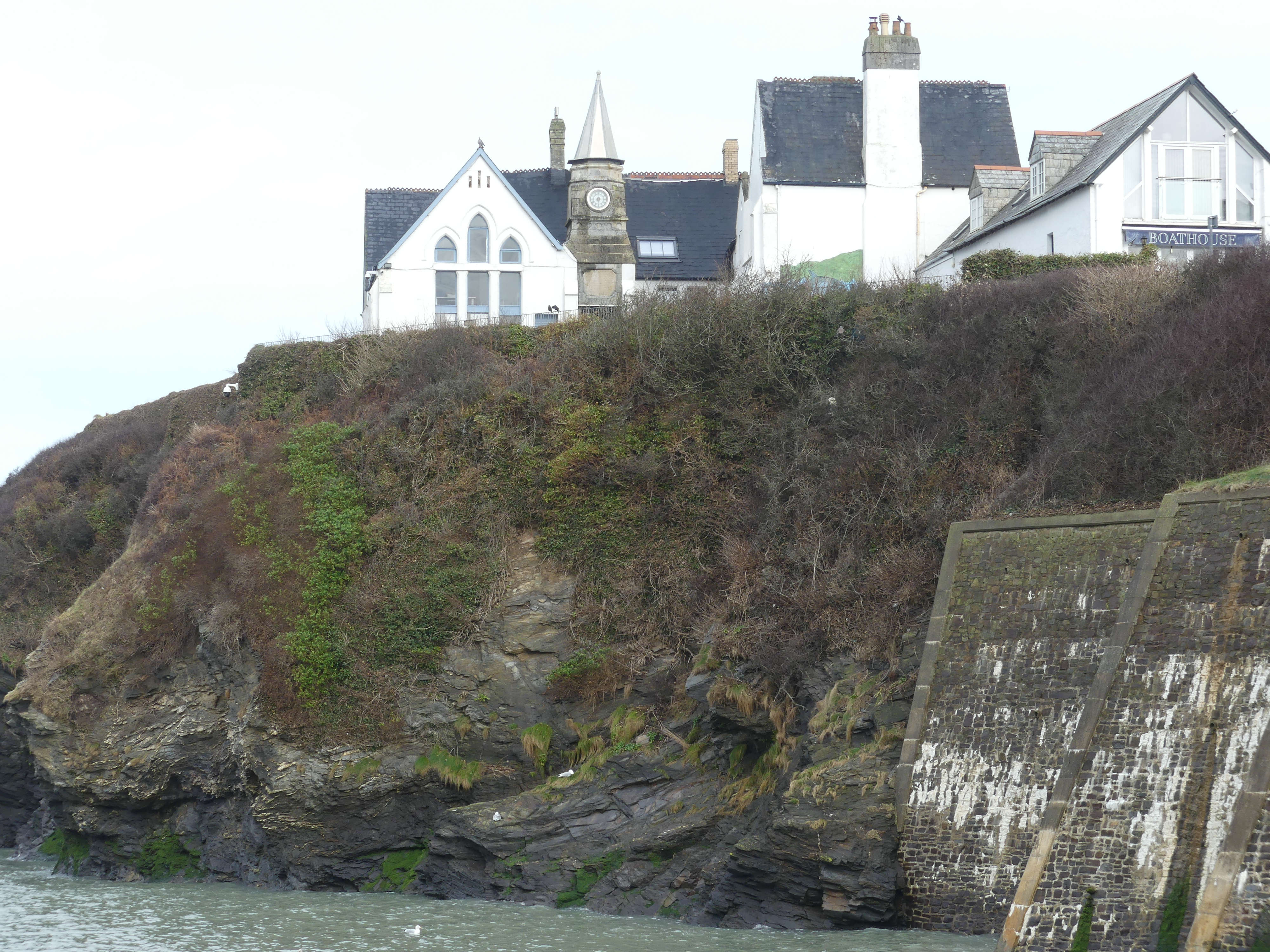
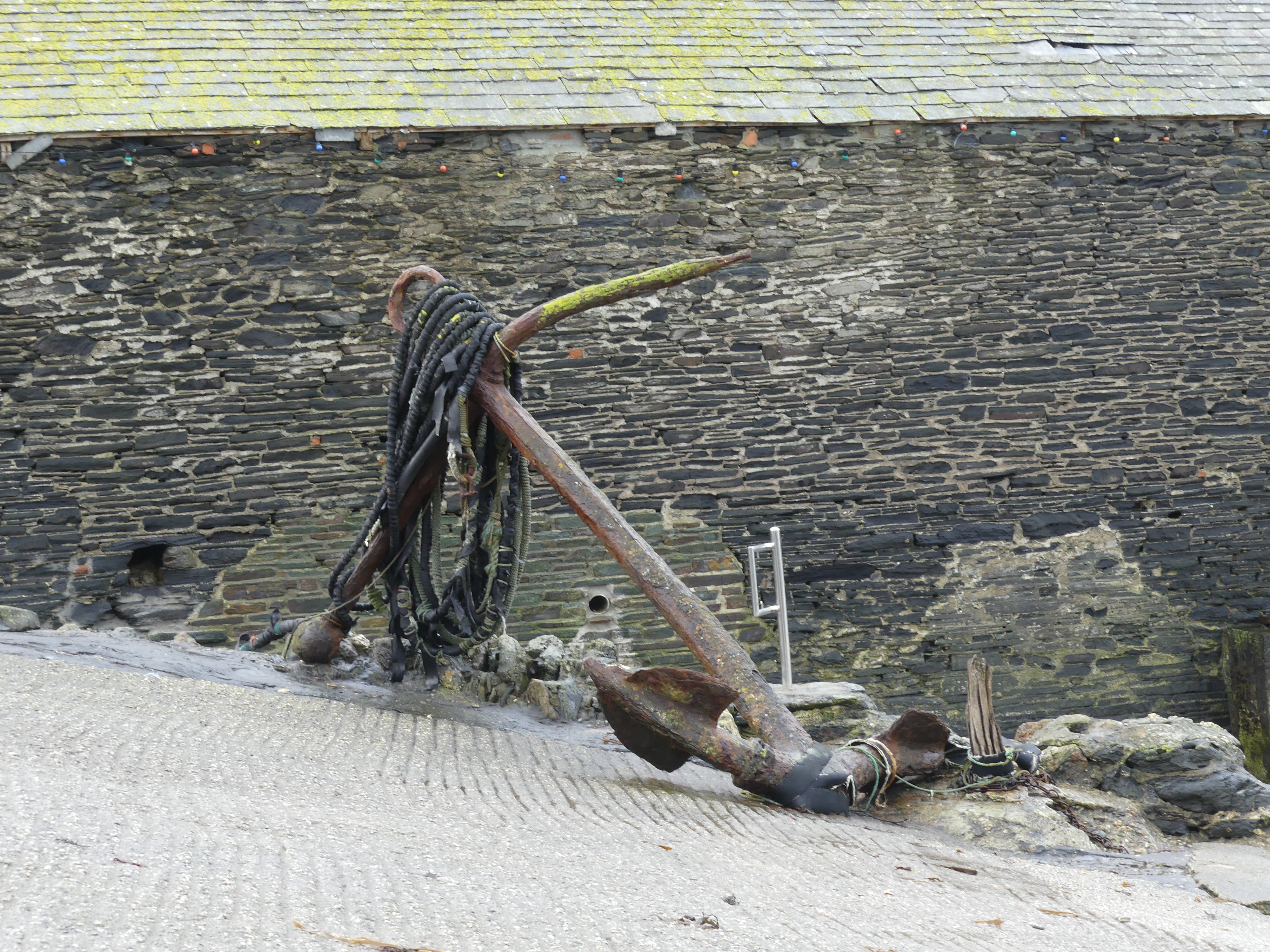
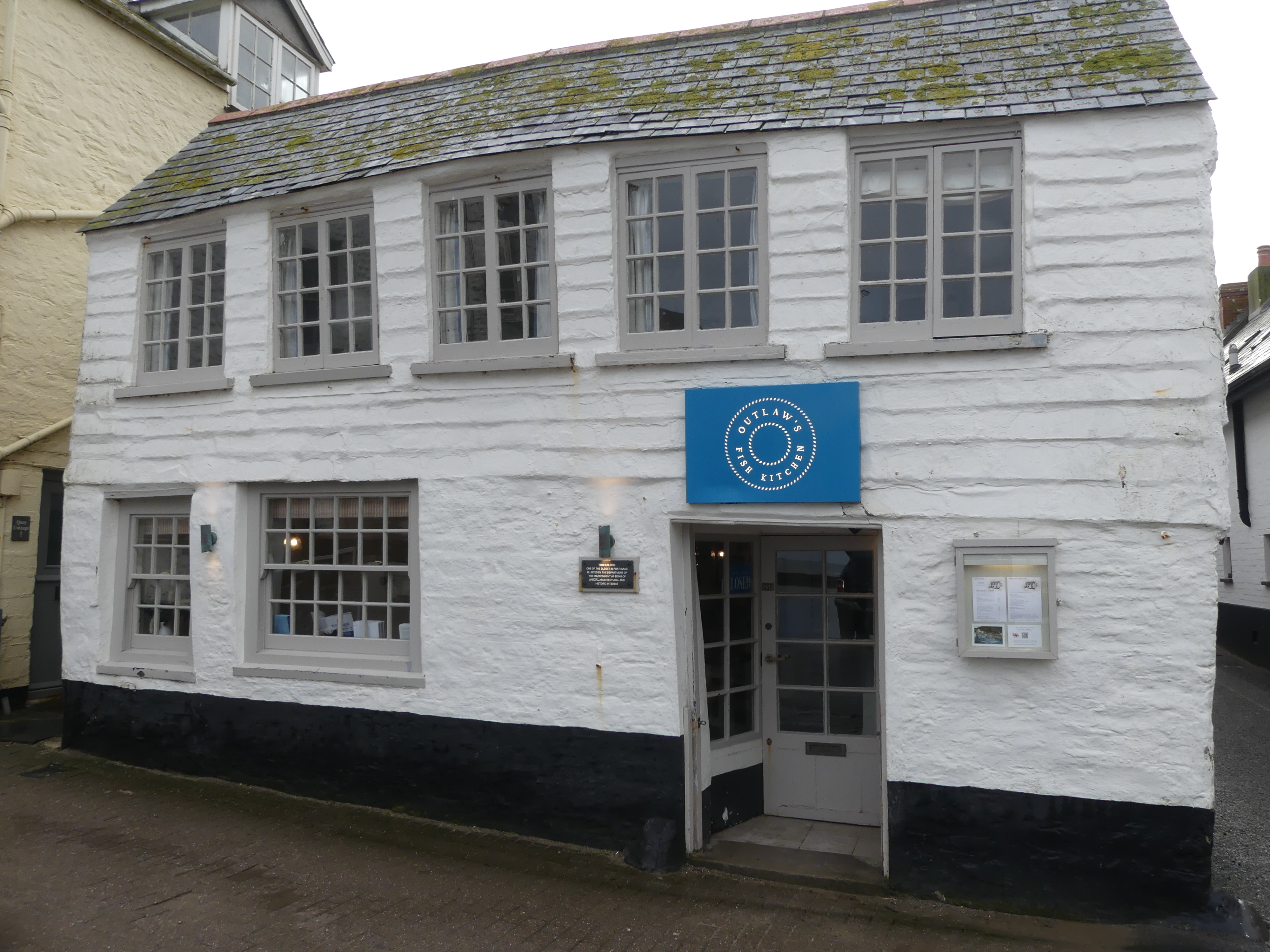
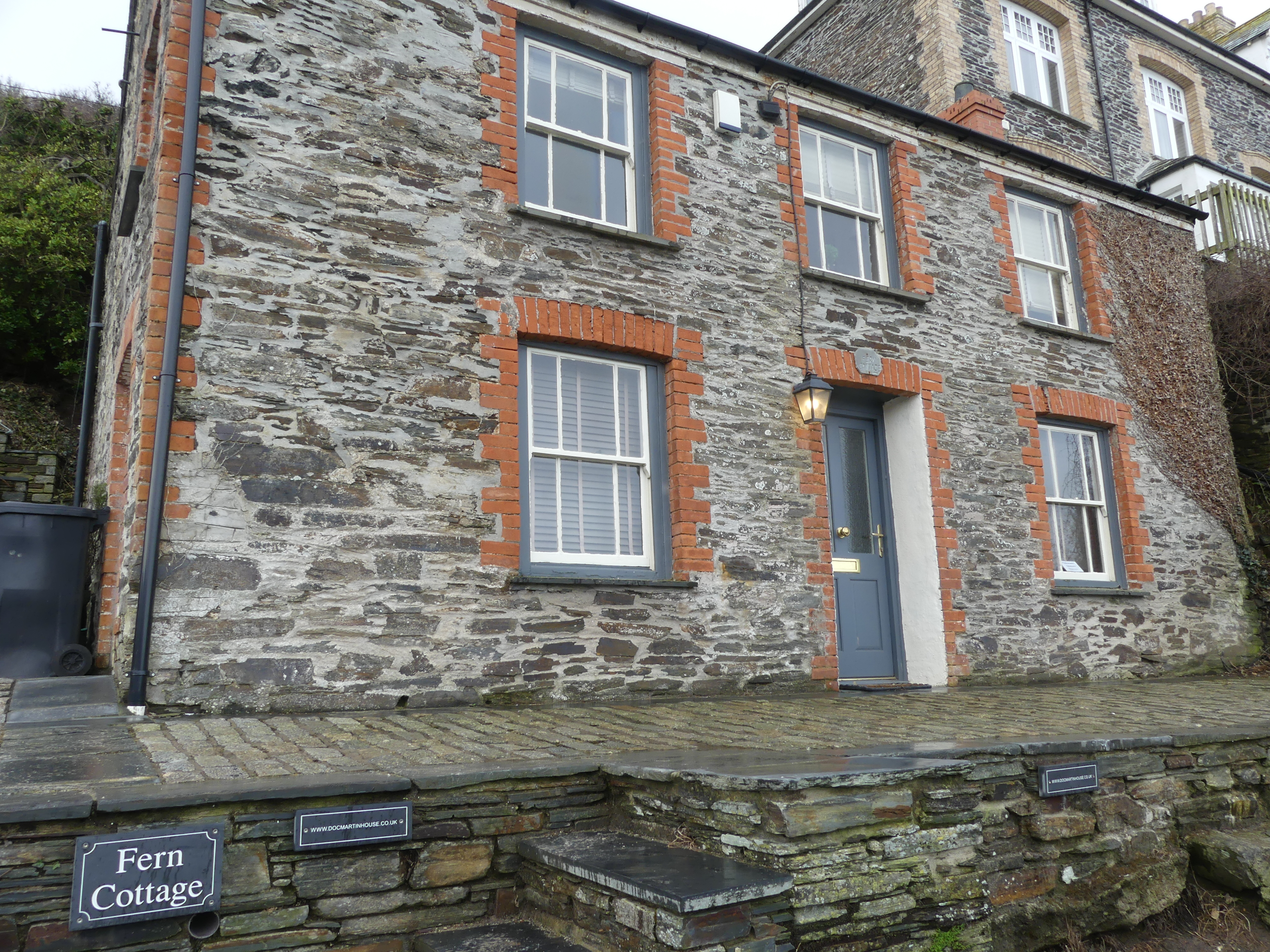
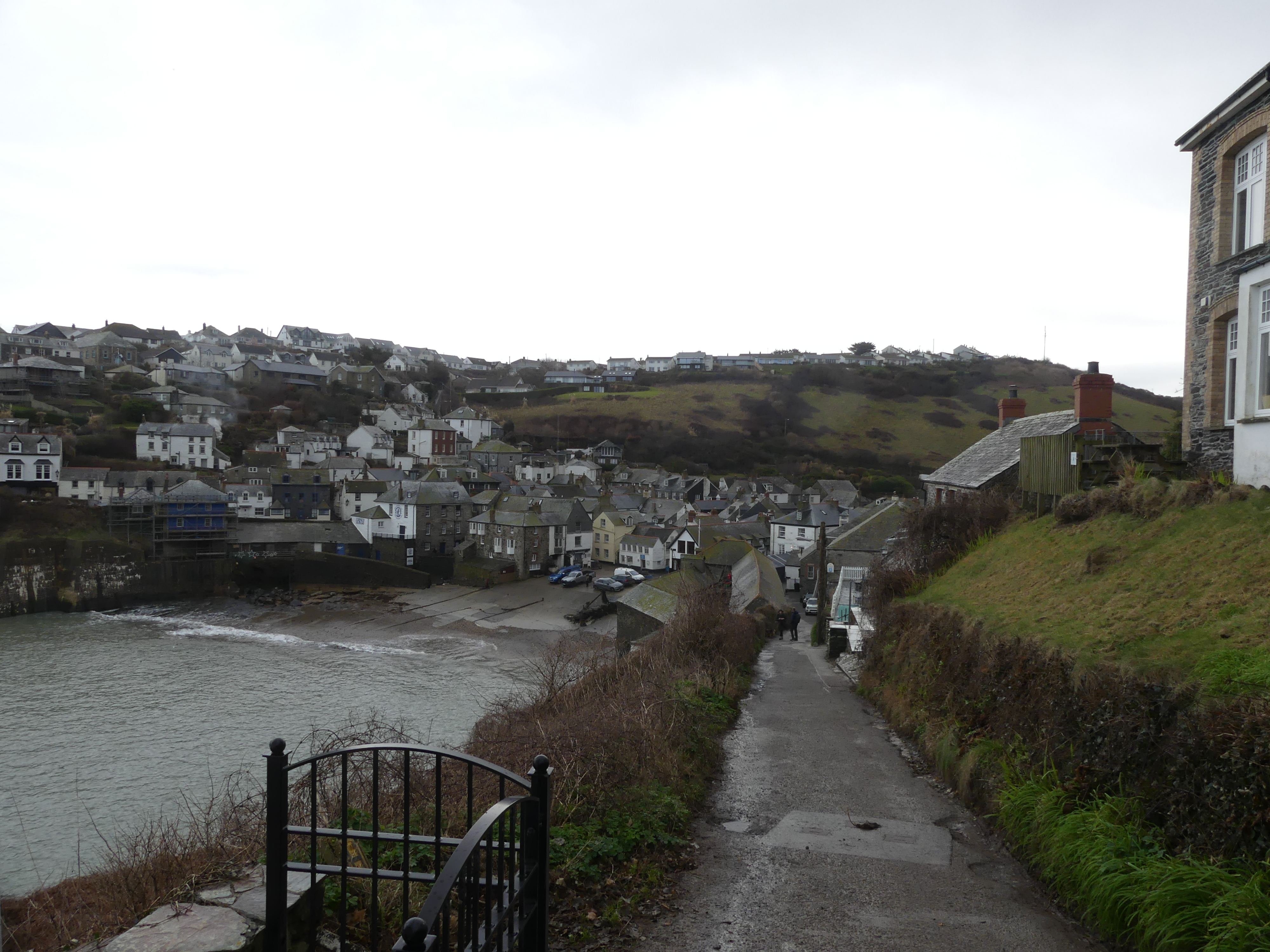
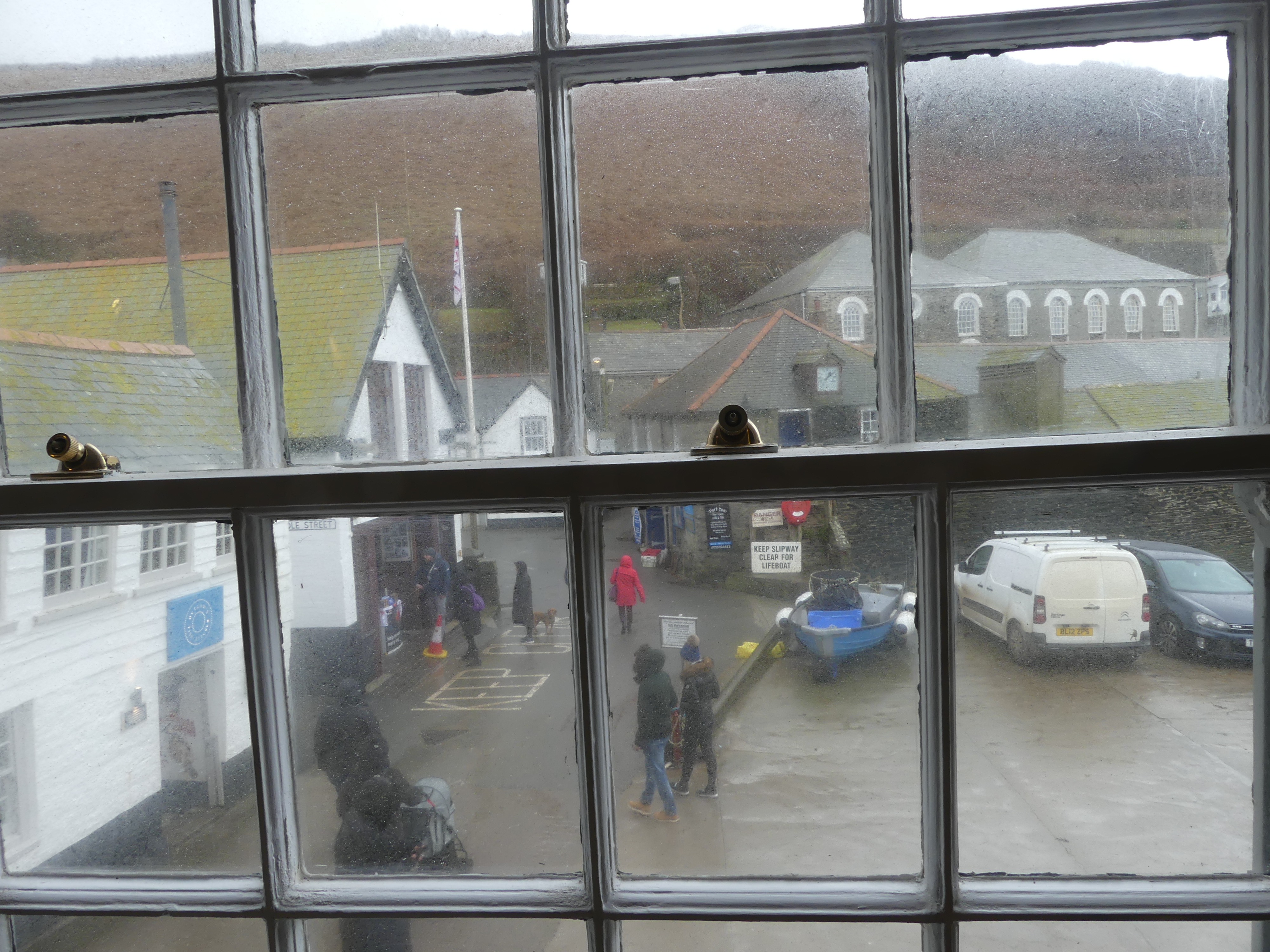
Port Isaac is a small fishing village on the Atlantic coast of north Cornwall. From 2004 to 2022, the village served as the backdrop to the ITV television series Doc Martin. It also is home to the sea-shanty singing group Fisherman’s Friends. For those who don’t know Fisherman’s Friend is an all-male a cappella group (a group who sing unaccompanied by instruments) who sing sea shanties. Just as Doc Martyn became a popular TV series a movie made about Fisherman’s Friends in 2019 and its sequel Fisherman’s Friends: One and All in 2022 has kept Port Issac as a popular tourist destination. The trip through the countryside was pleasant and as we approached Port Issac we noticed of course, we are here in winter, and the place is very quiet with lot’s of maintenance being done for the spring and summer. We could not park in the village itself but the walk down to the the village centre showed us some of the unusual building styles. We saw the school house and the bay, the oldest building housing the boat rescue crew, Doc Martyn’s house and surgery and where we had coffee.
Still, we had a great time locating and identifying things from the TV series. We have seen the first of the Fisherman’s Friend movies but all we could recognize there was fishing nets and boats. We enjoyed a coffee in the restaurant/café closest to the boat ramp. It felt special being in the place as seen on TV. After coffee we moved on to the village of Tintagel and the ruins of Tintagel Castle.
Tintagel Castle is a medieval fortification located on the peninsula of Tintagel Island adjacent to the village of Tintagel. No Roman-era structure has been proven to have existed there. It was settled during the early medieval period and a castle was built on the site by Richard, 1st Earl of Cornwall in the 13th century, during the High Middle Ages. Archaeological investigation into the site began in the 19th century but later digs exposed significant traces of a much earlier high-status settlement, which had trading links with the Mediterranean world during the Late Roman period. Two digs in 2016 and 2017 at Tintagel Castle uncovered the outlines of a palace from the 5th or early 6th century (the early medieval period), with evidence of writing and of articles brought in from Spain and from the eastern end of the Mediterranean Sea. Investigation is continuing.
The castle has a long association with legends related to King Arthur. This was first recorded in the 12th century when Geoffrey of Monmouth described Tintagel as the place of Arthur’s conception in his mythological account of British history, Historia Regum Britanniae. Geoffrey told the story that Arthur’s father, King Uther Pendragon, was disguised by Merlin’s sorcery to look like Gorlois, Duke of Cornwall, the husband of Igraine, Arthur’s mother Cornwall and managed by English Heritage.
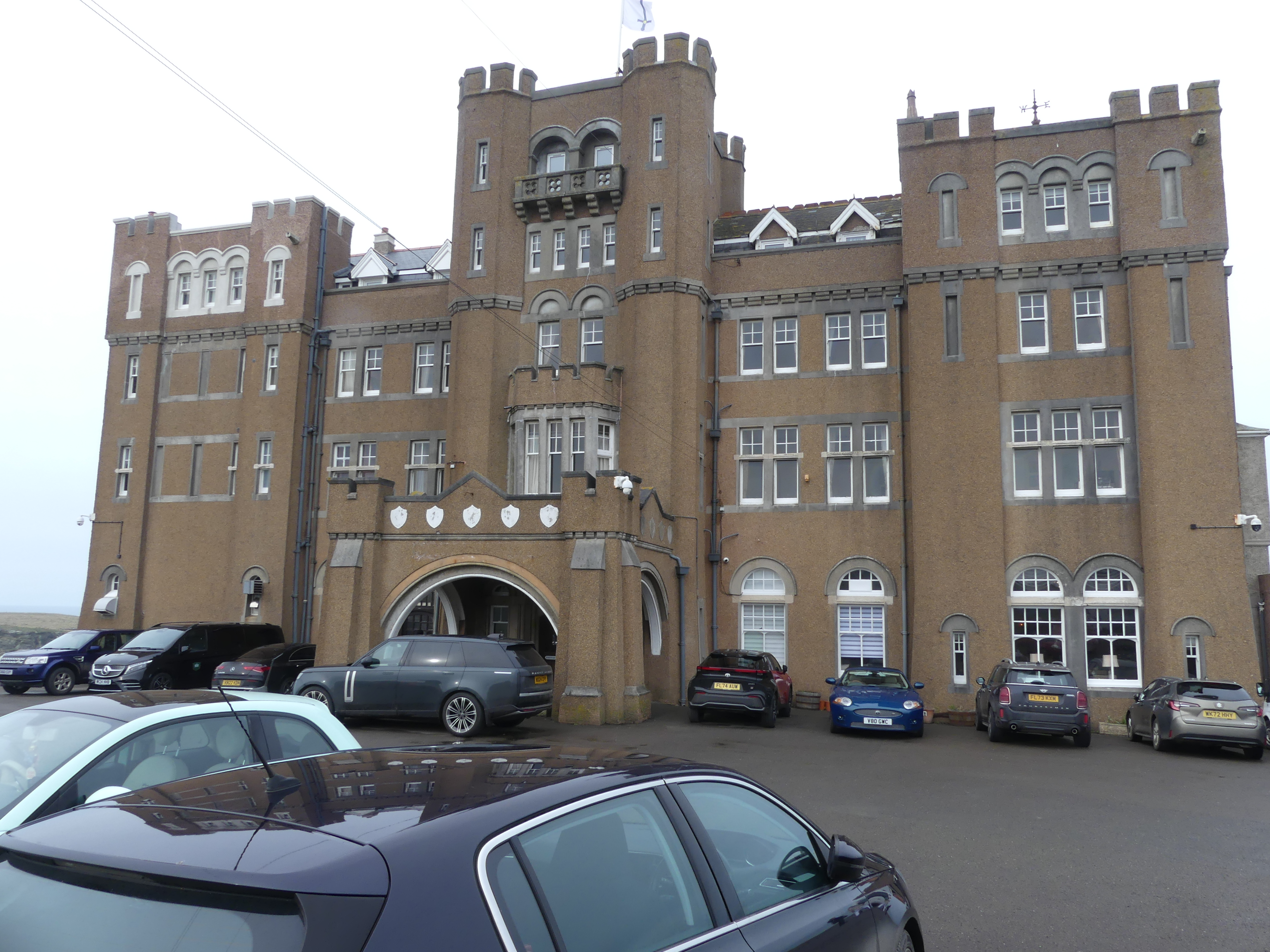
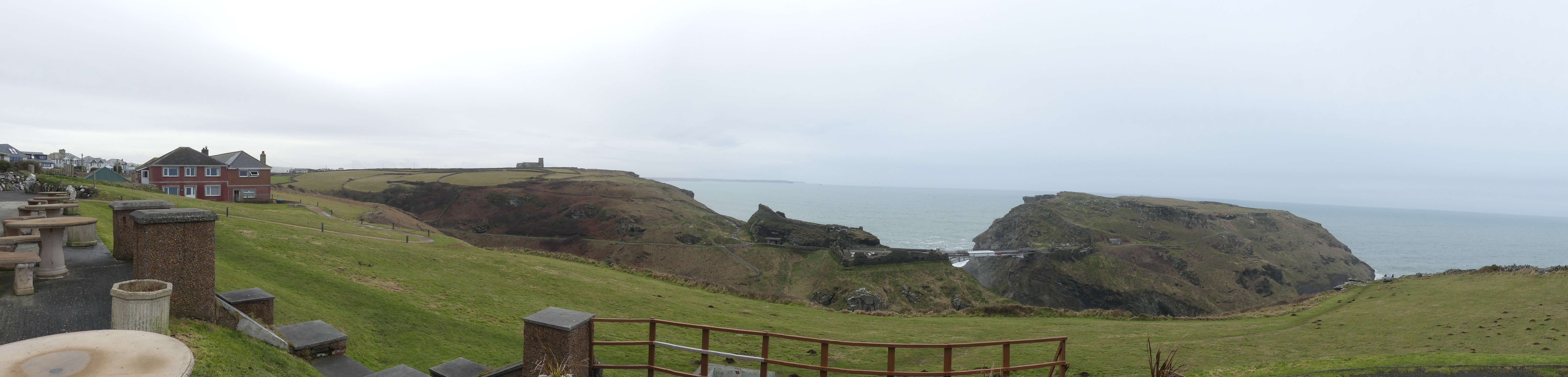
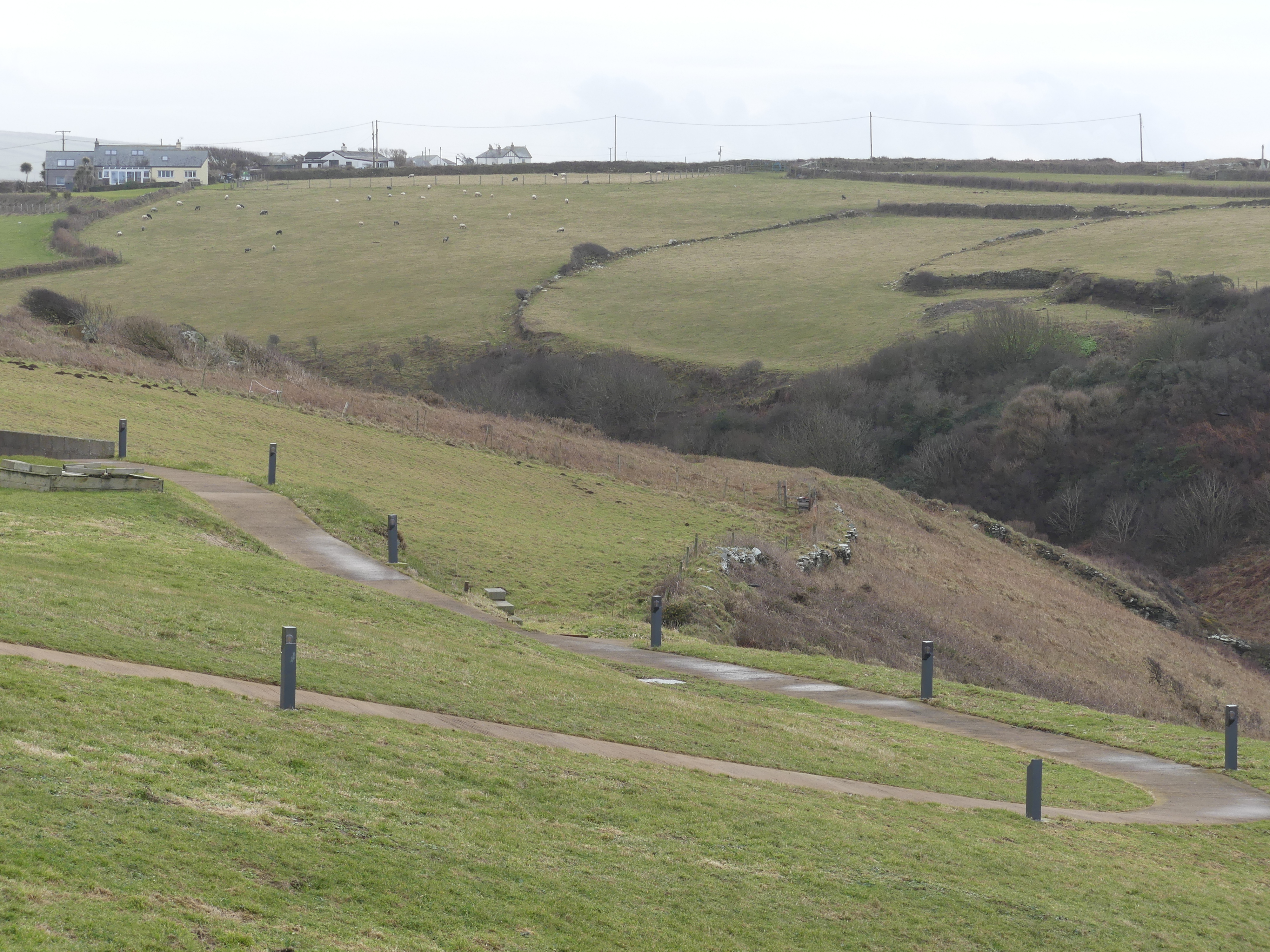
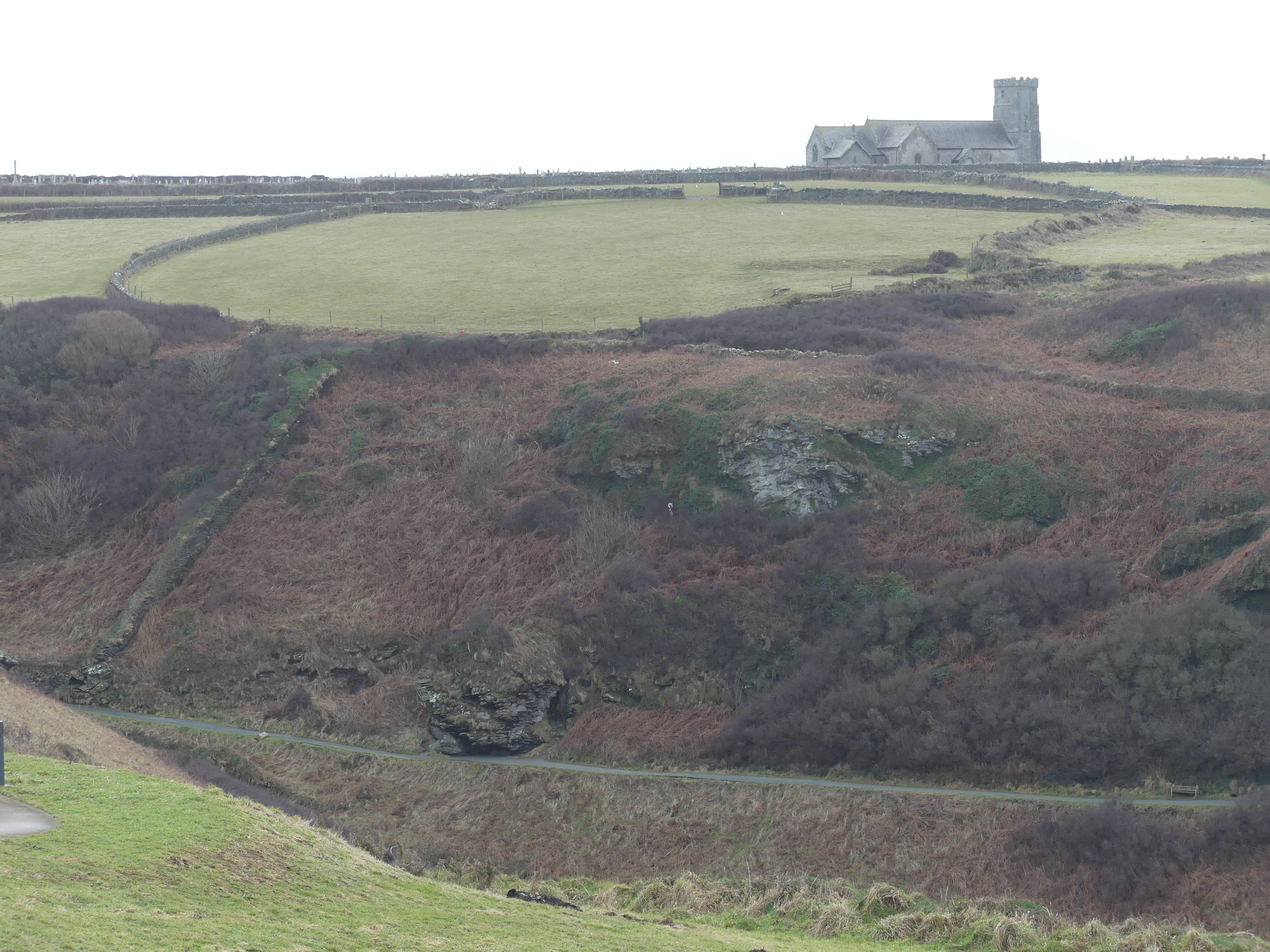
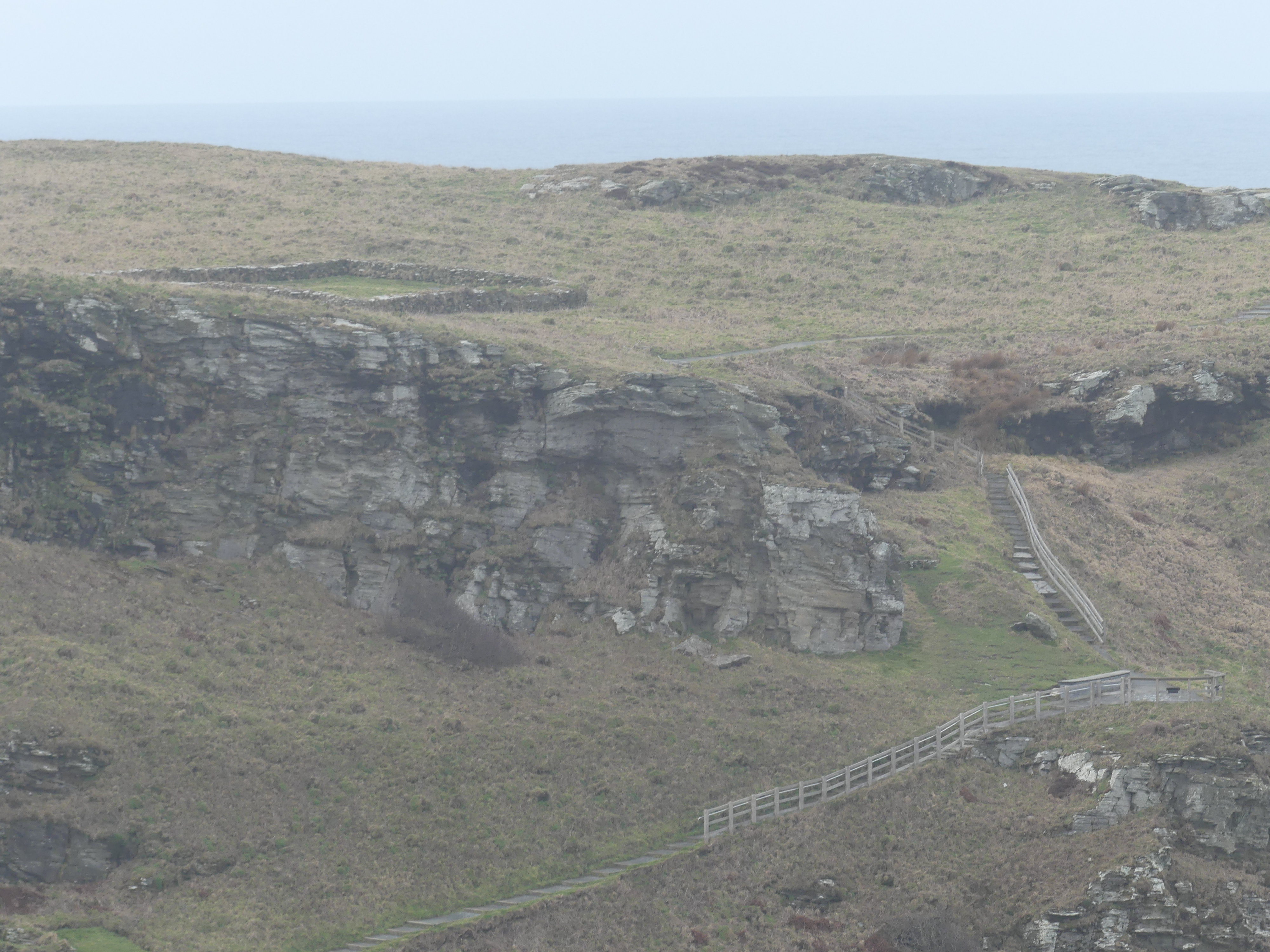
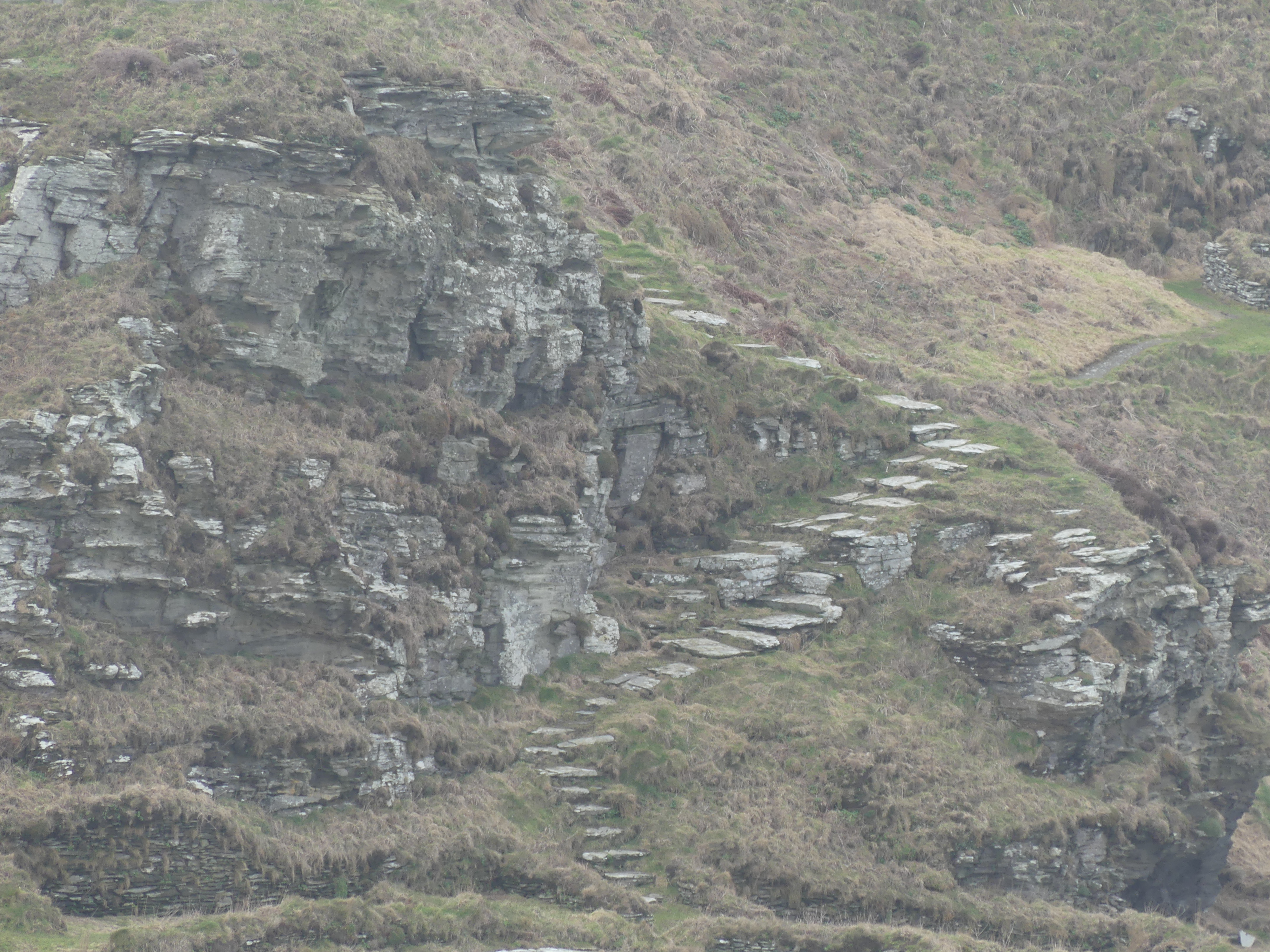
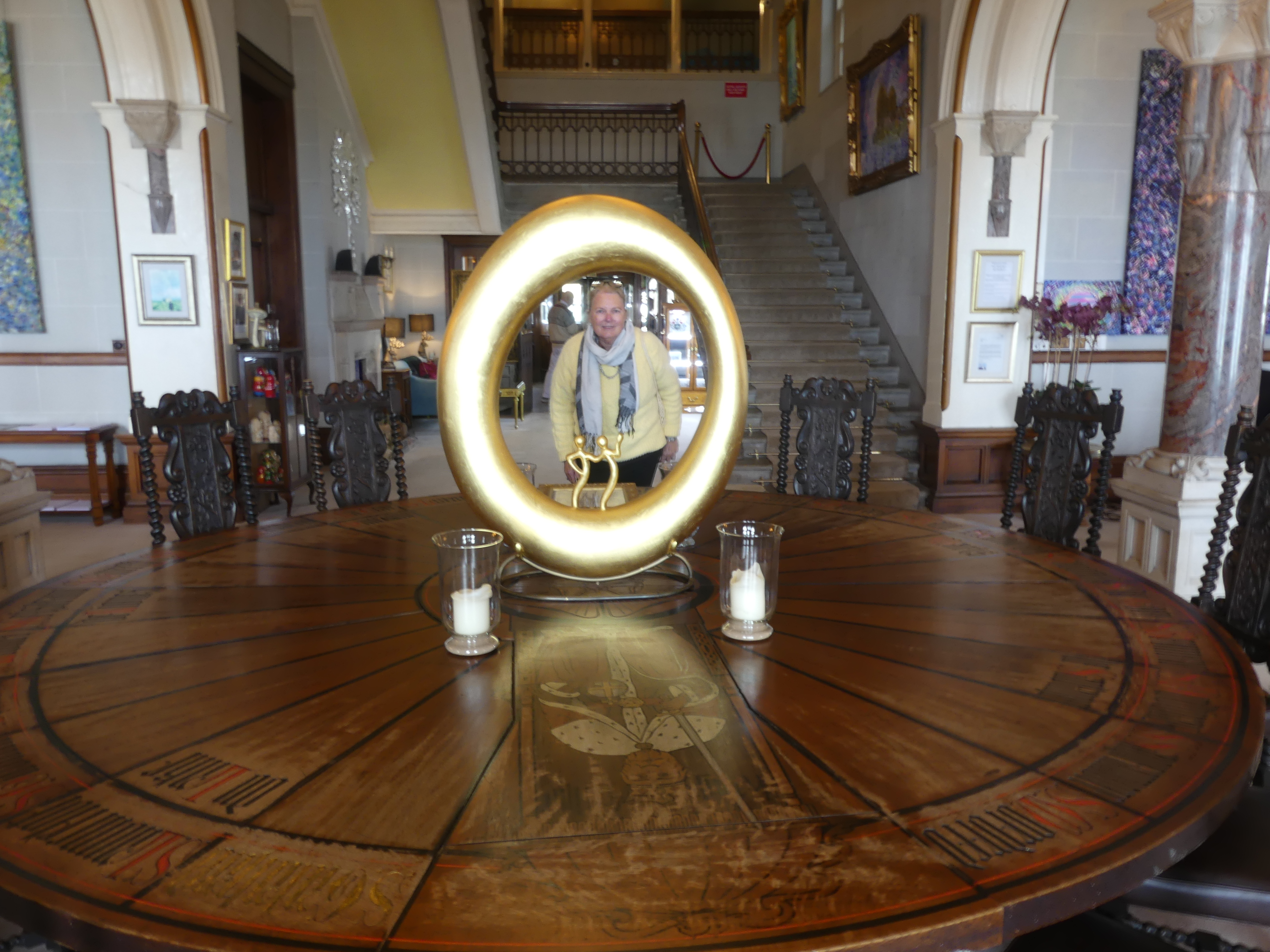
As we drove into Tintagel, we noticed there were numerous signs directing the visitor to parking. Some were remote from the ruins and the closest we found was the rear yard of a pub which was still 1 klm away along a rough path from the ruins. We ended up finding Camelot Castle Hotel (see below) situated above the ruins of Tintagel Castle. It is a grand Victorian building built in 1899 and has been a popular destination for artists (check out the painted car) and travelers for decades since. The hotel sits on a clifftop overlooking Tintagel bridge and the island beyond, offering panoramic views its stunning views of the castle ruins and the coastline. It continues the Arthurian theme with the Round table (Kerry was amused by the Merlin circle on the table). We could clearly see the ruins but as with everything else it was closed due to maintenance on the bridge crossing to the island. Apart from the pictures below we didn’t get to the site, but we had a cozy drink and some lunch before moving on.
We had realised after arriving in Truro that a return trip to Heathrow and catching the bus to Nottingham would prove a challenge so we had a change of plans – we would leave Truro a day earlier and travel to Amesbury then onto to Heathrow return the car before bussing it to Nottingham – an overnight stop at Amesbury was required.
Amesbury
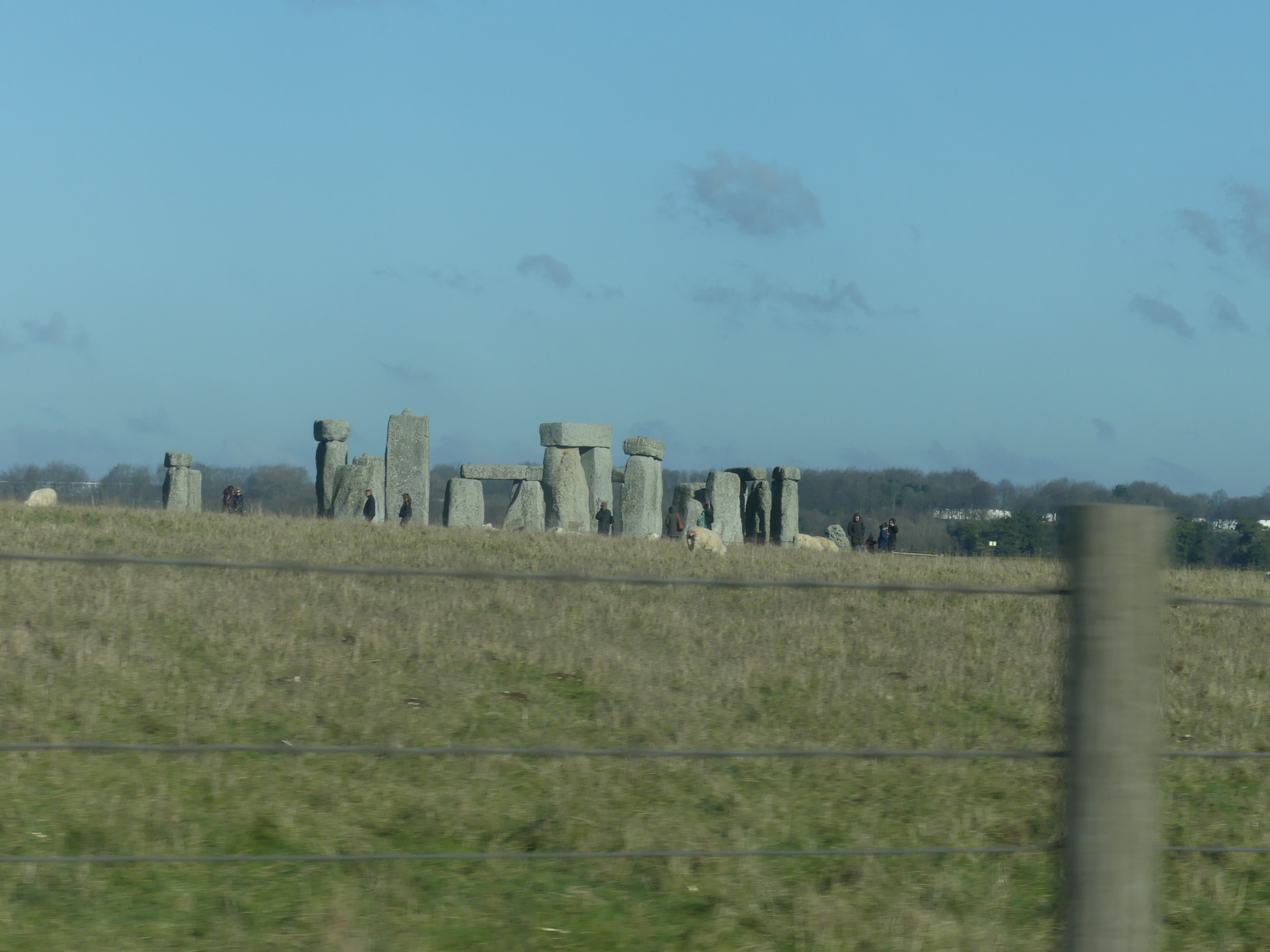
Amesbury is a town in Wiltshire, best known for the prehistoric monument of Stonehenge which we passed on our way to our hotel.
The town is claimed to be the oldest occupied settlement in Great Britain, having been first settled around 8820 BC. Amesbury is also associated with the Arthurian legend: the convent to which Guinevere retired was said to have been the one at Amesbury. Our hotel was in the centre of the town, and it too had history most notably the many additions over time such as in the hallways where the halls weaved and rose and fell without any rhyme or reason.
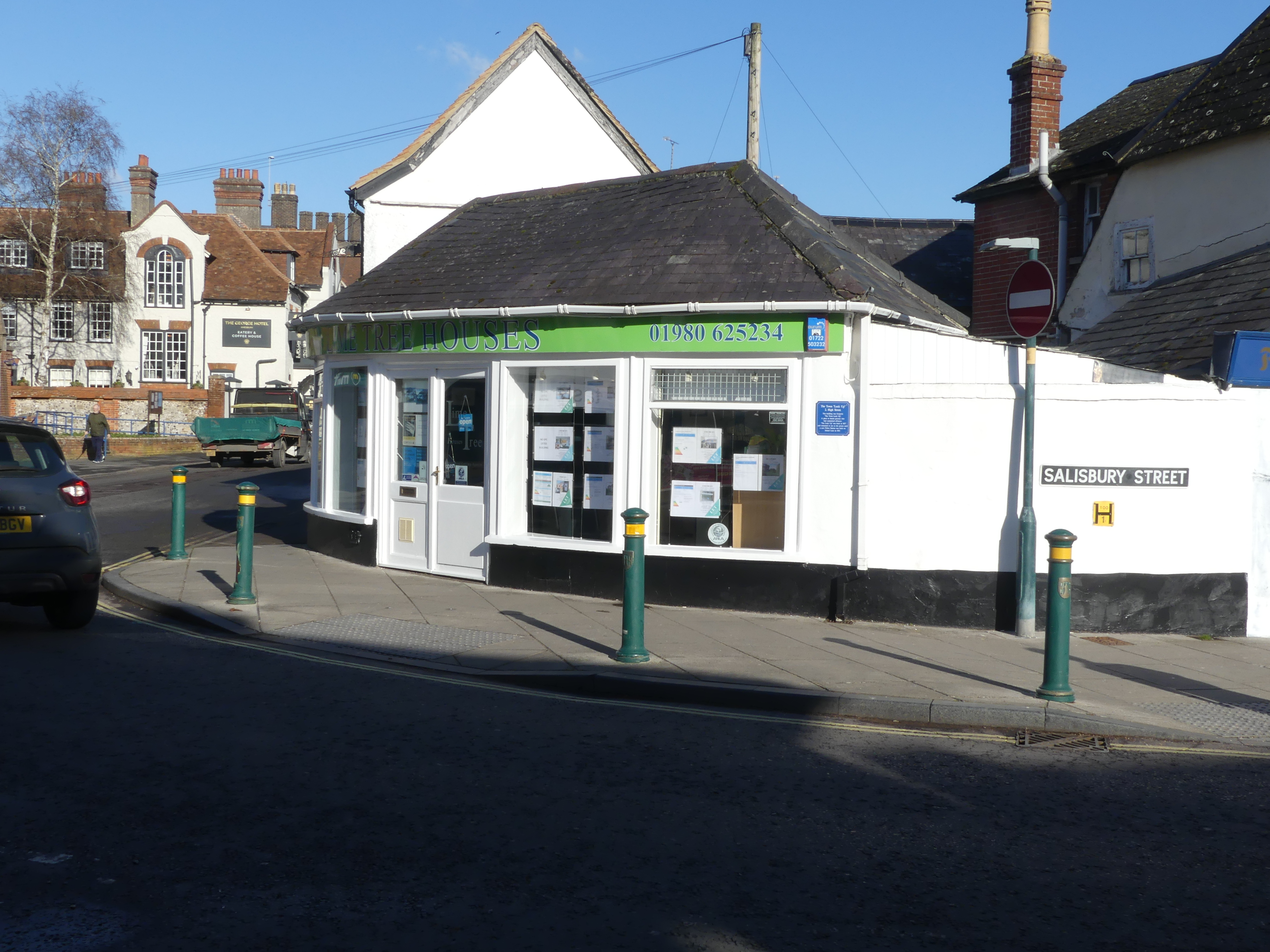
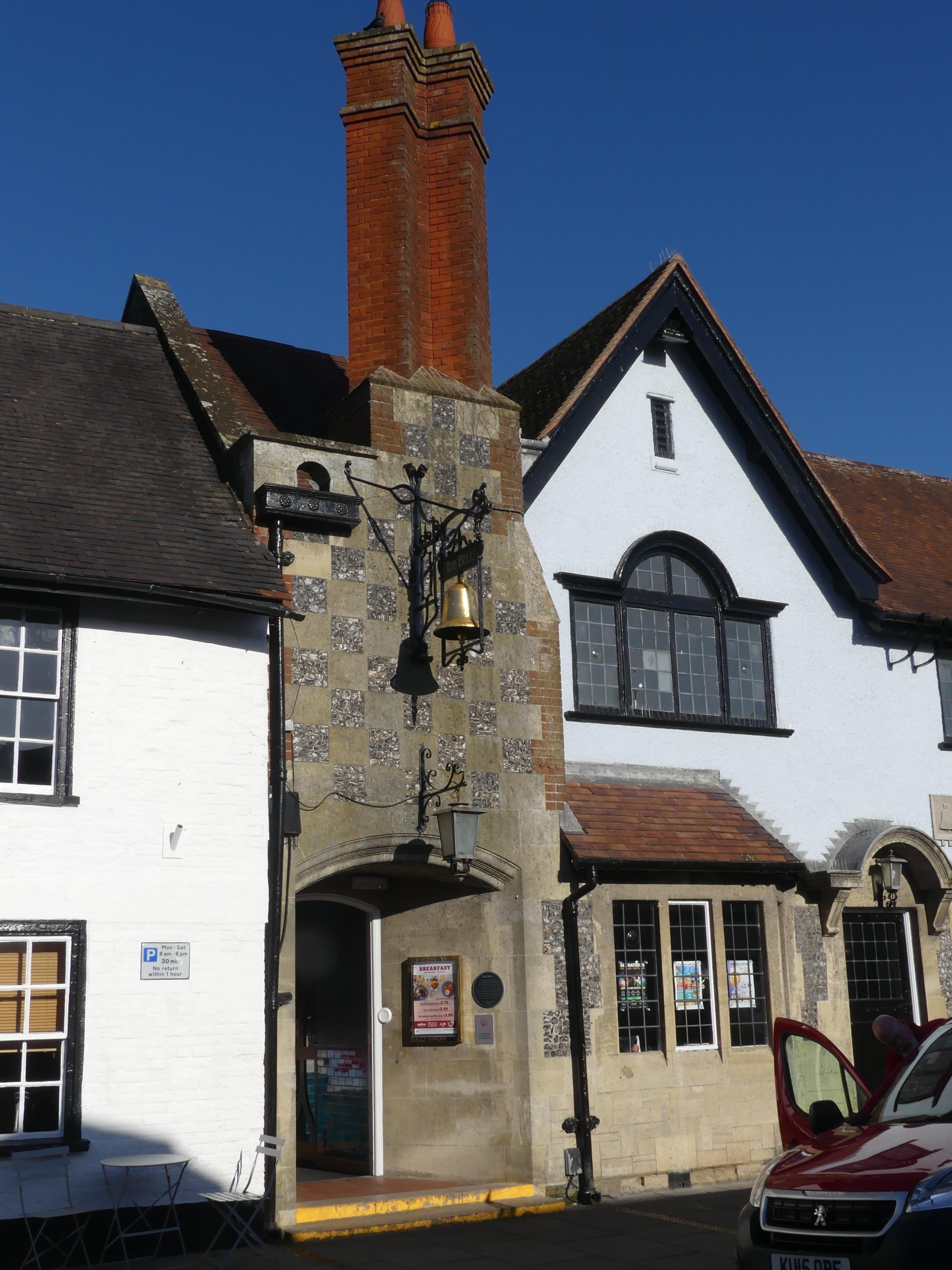
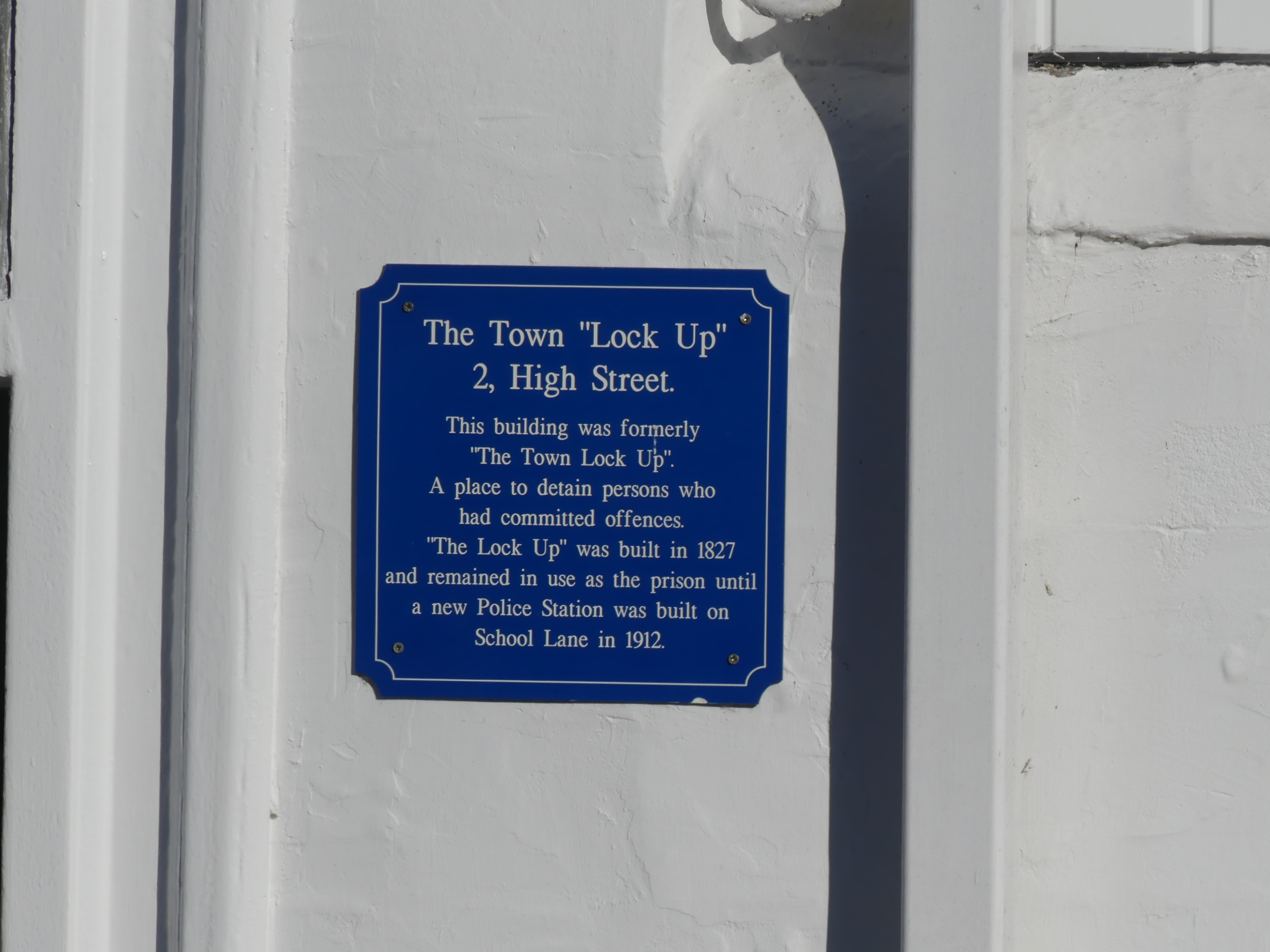
A walk around the town was hardly exciting but we were able to find a few treasures – our photos are below.
That brings us to the end of our Cornwall adventure, so, until my next blog “THE RETIREES GO AROUND THE WORLD –CORNWALL UK/NOTTINGHAM UK” – keep on following our tour.
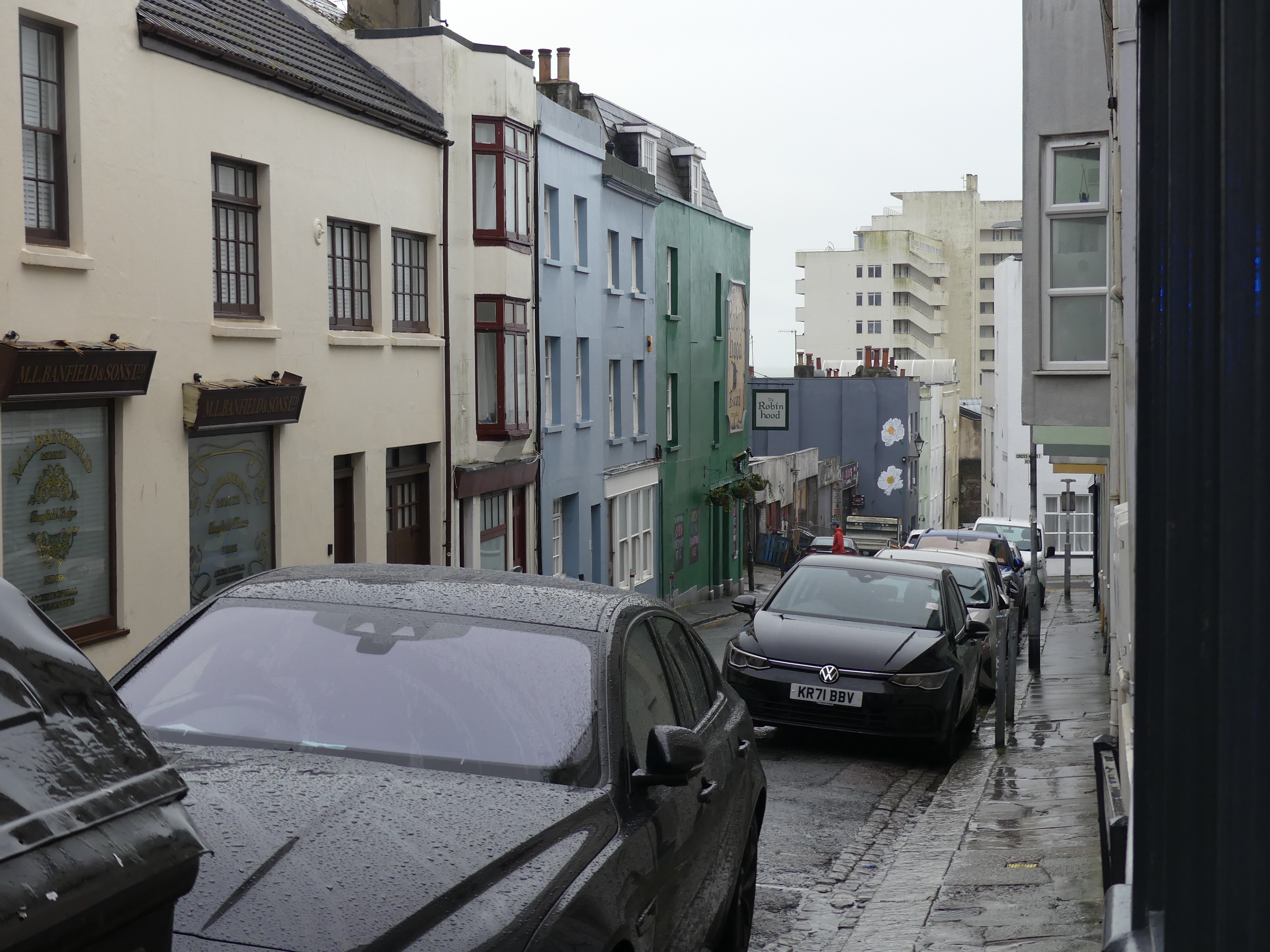
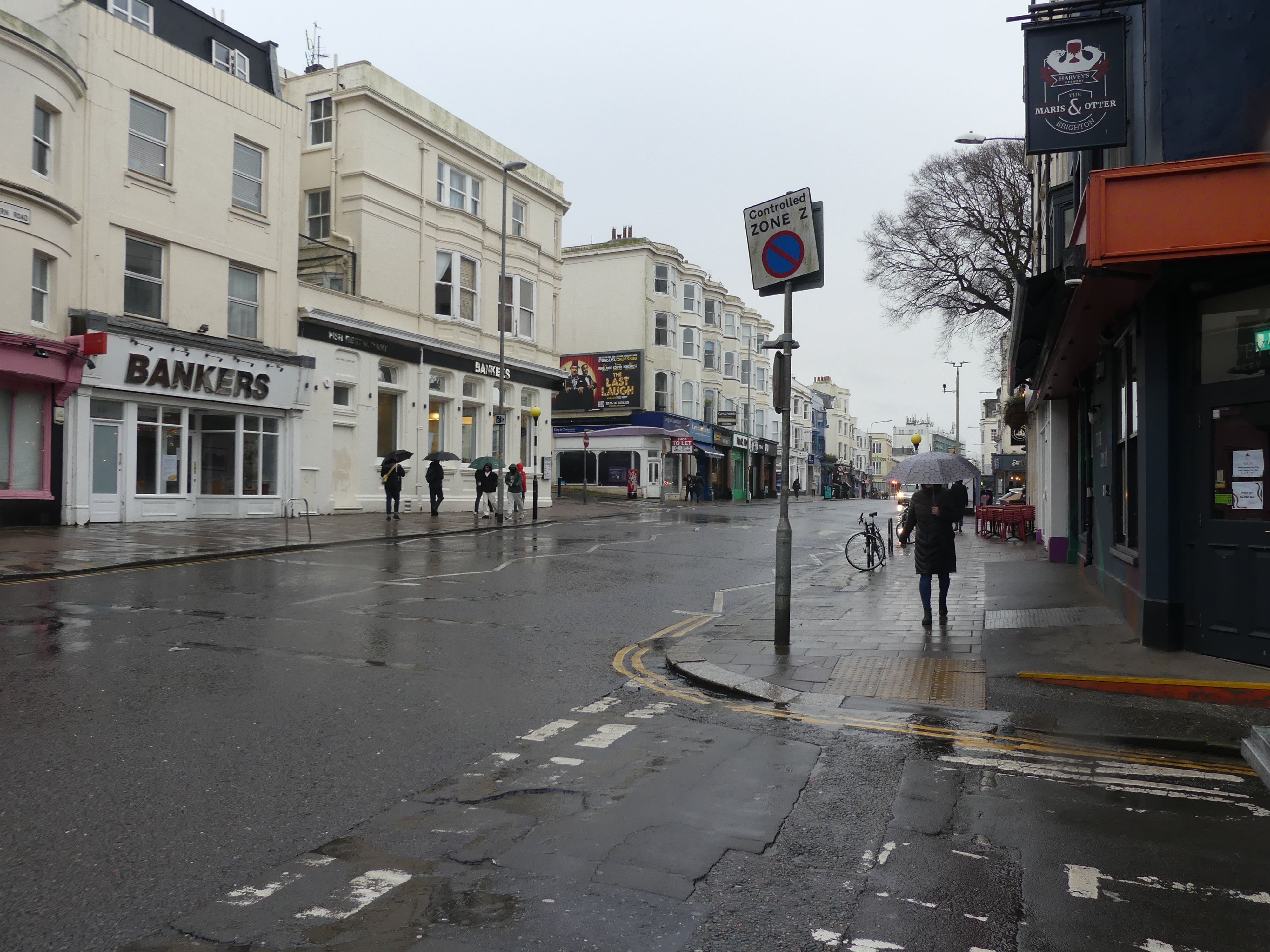
The B&B (pictured above) was well located on the road that marked the exact boundary between the two towns (Brighton and Hove), and you would not have known the difference save for a sign on a building at the end of the road announcing the boundary. Upstairs It had two bedrooms both with an ensuite and downstairs a powder room kitchen lounge room and a dining table in the middle. Enough room for us but no garage. The missing garage came as quite a shock. The hiring of the car was based on the B&B having “private parking”. Our strategy was to spend the day traveling around and hope to find a space at night when it was free to park on the streets. Mick and Terri had joined us.
Mick had in his younger days worked in or owned a garage at the end of the street with a “lady of the night” working from the building across the road and the Robin Hood Pub on the opposite corner. The garage has gone, and the Lady has moved on but the pub was still there.
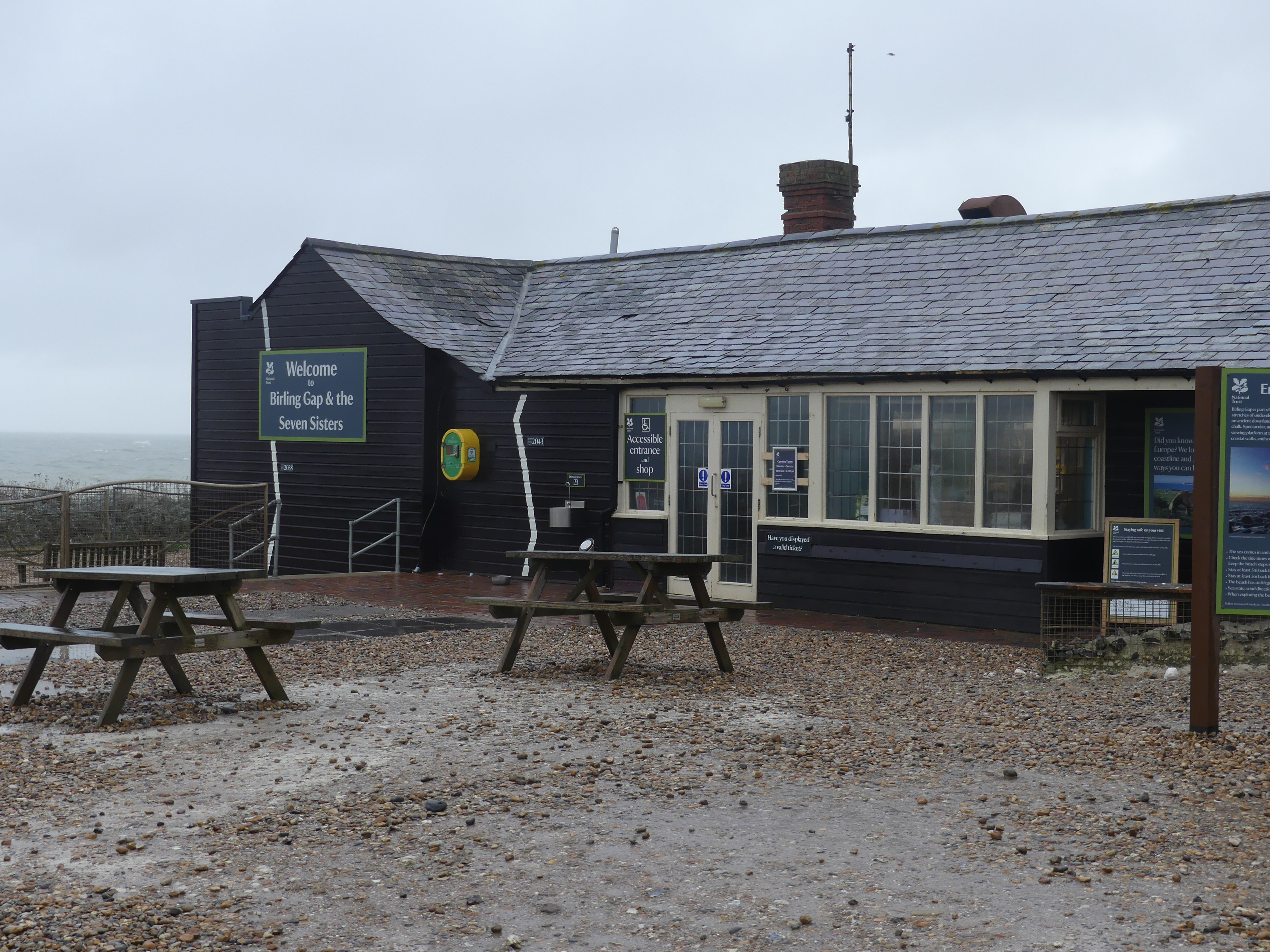
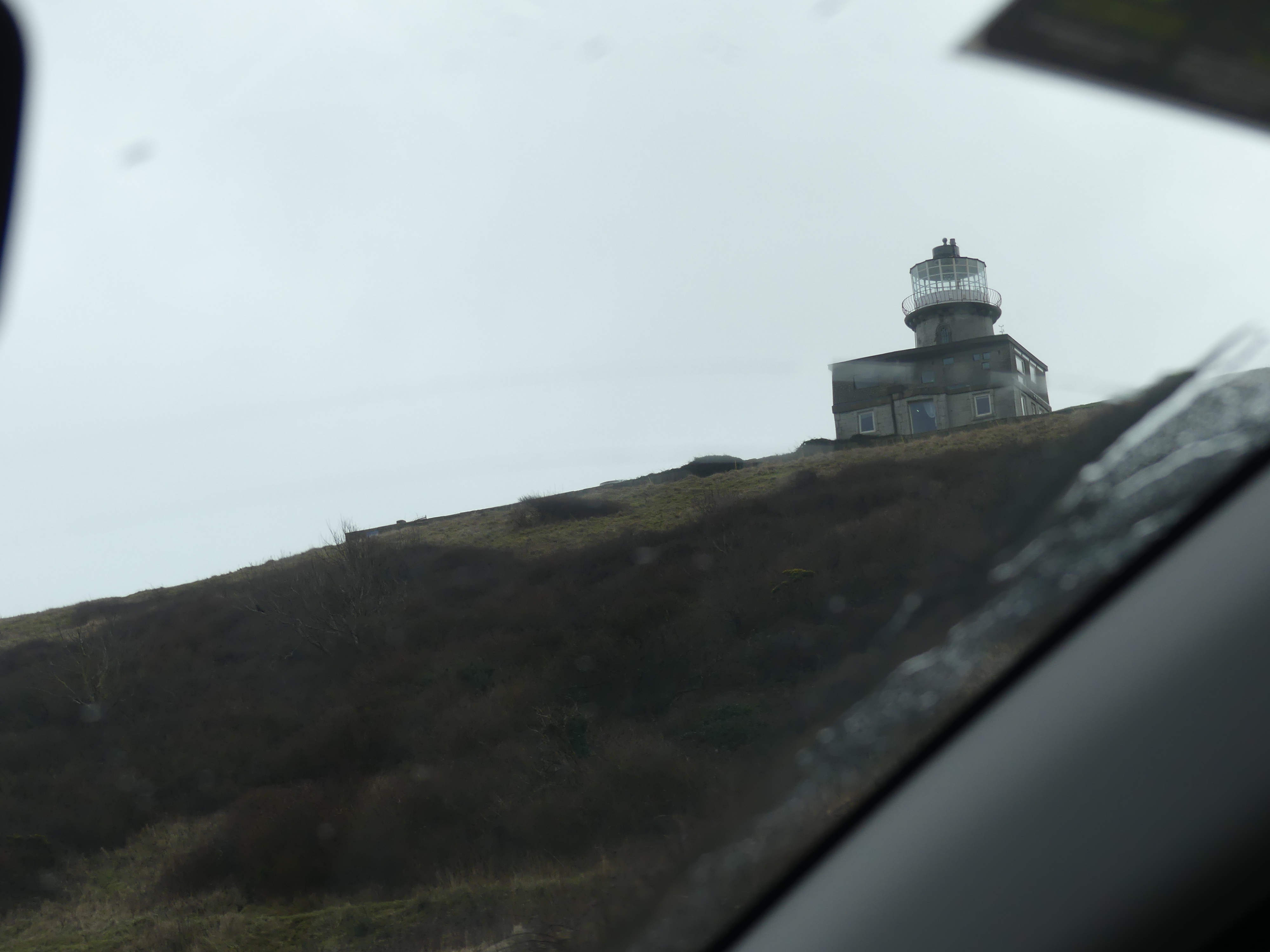
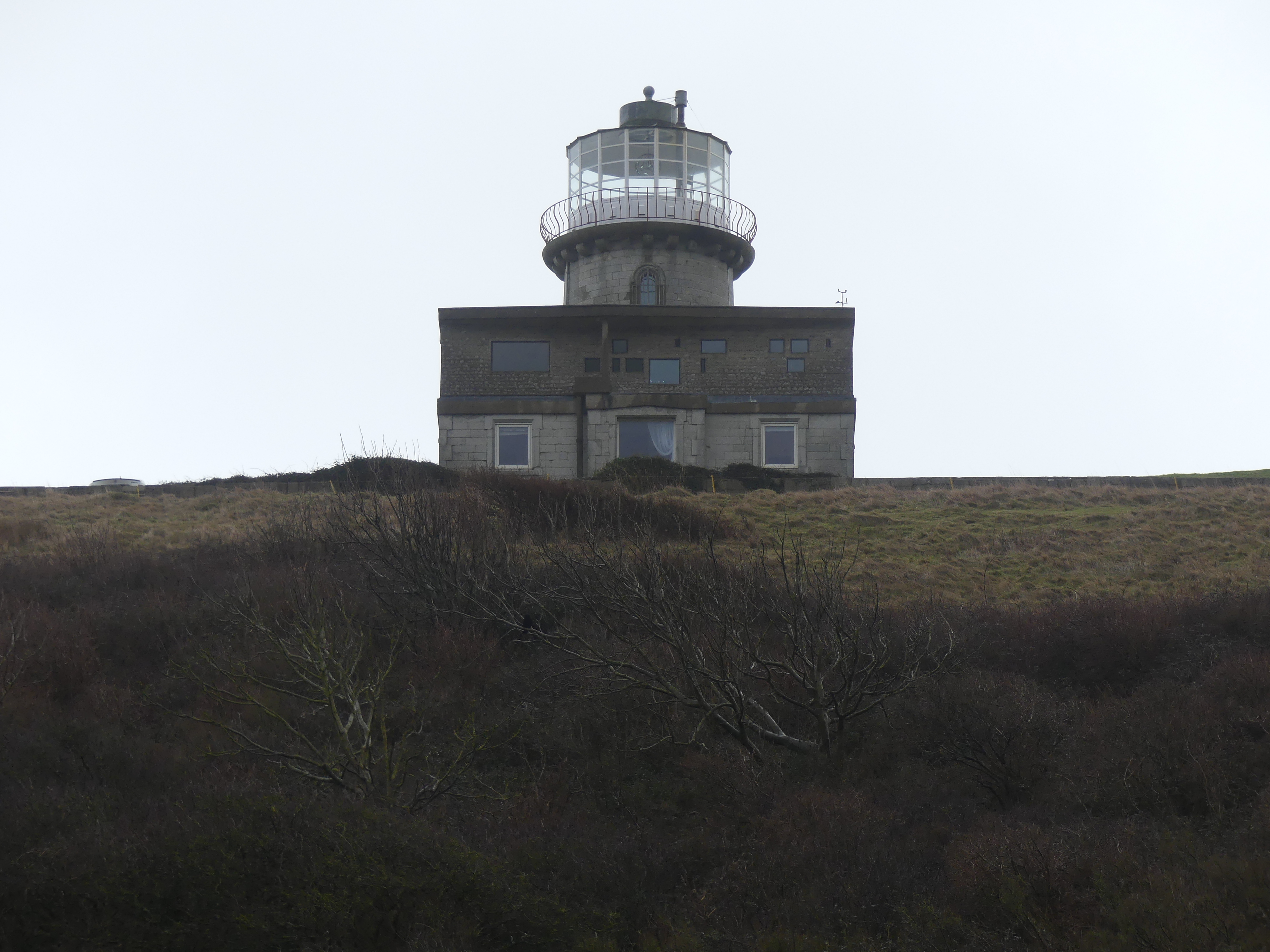
I had prepared an itinerary and planned to drag Terri and Mick around. Despite the itinerary we got side tracked on our way to Battle Abbey and Battlefield. We visited Beach Head and the suburbs of Eastbourne to allow Mick to catch up with an old friend. The wind was howling this day and sea mist blanked out the sun. The coastline is a continuation of the white cliffs of Dover and towered over the beach. It’s known for its dramatic, 531-foot (162-meter) high cliffs being the highest chalk cliffs in England and offers stunning views of the coastline and the English Channel. Beachy Head is part of the Seven Sisters Country Park. The visitor centre measures the distance from the edge of the cliffs to the centre and predicts that the centre will be lost over the cliff by 2050. We drove to the highest point and stepped out to take photos and were close to being blown away. The first picture is the visitors centre which will one day be in the sea as they lose a portion of the cliffs each year. The little lighthouse is further along the coast until you come to the highest point which is the last photo.
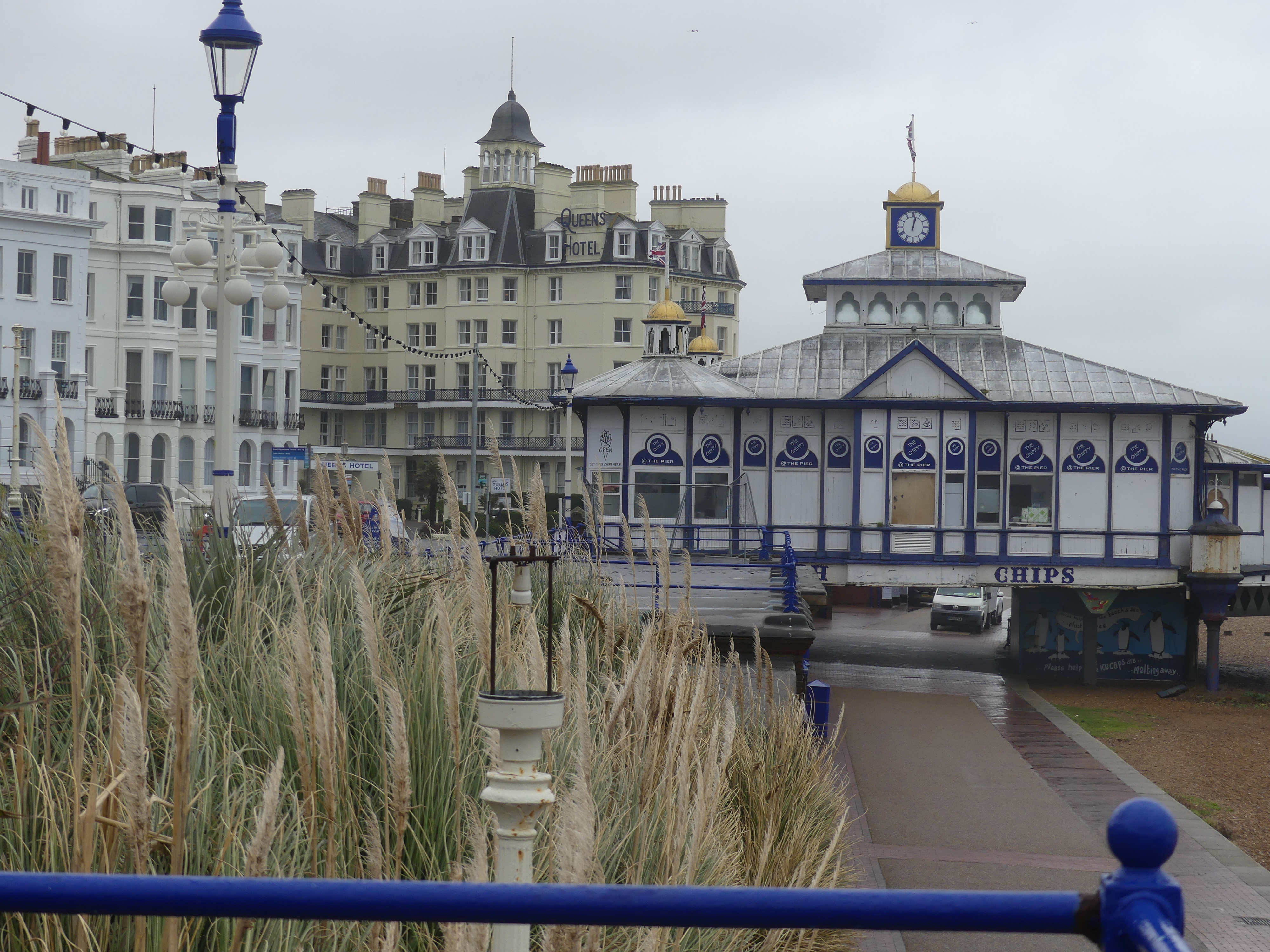
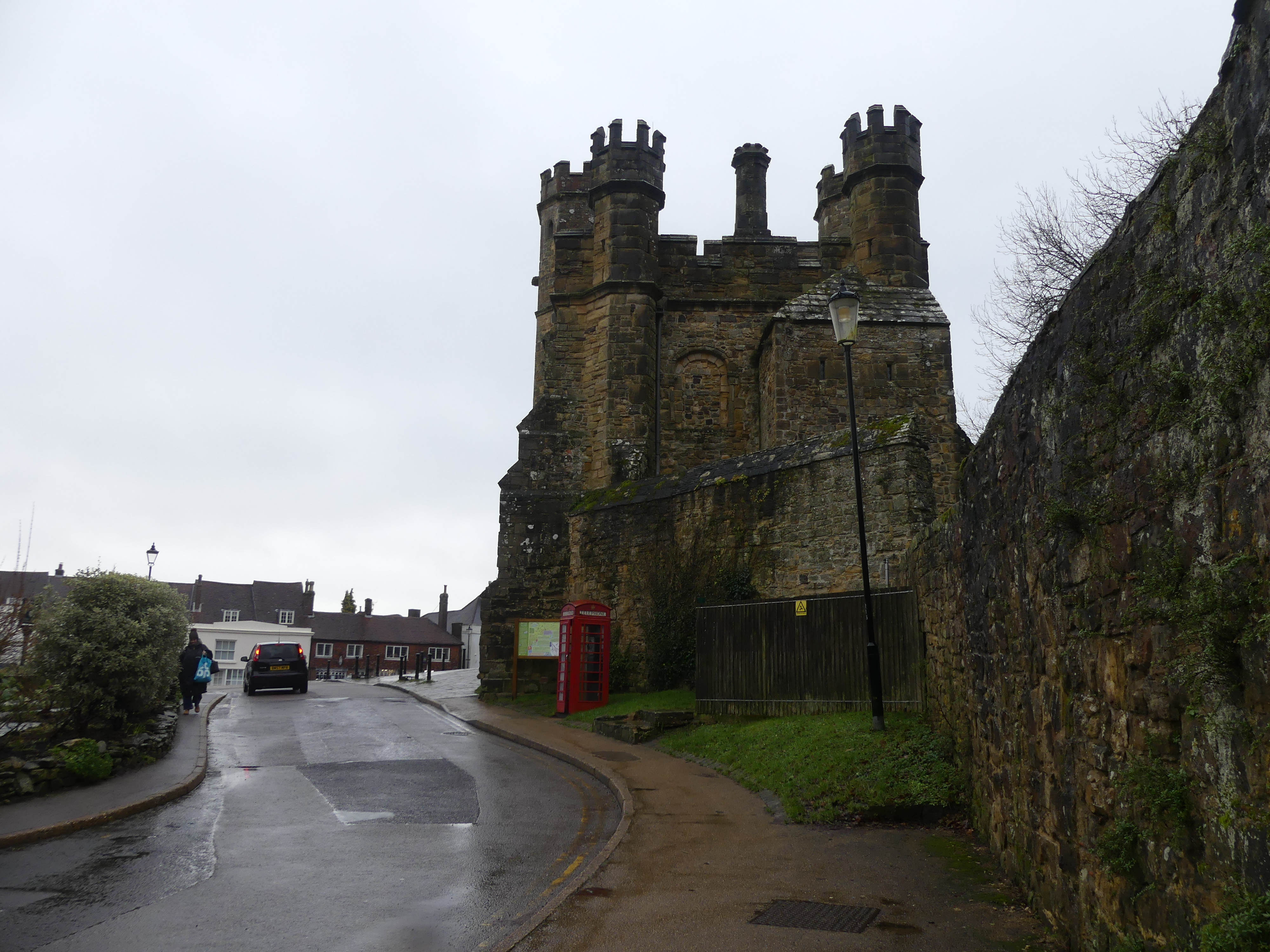
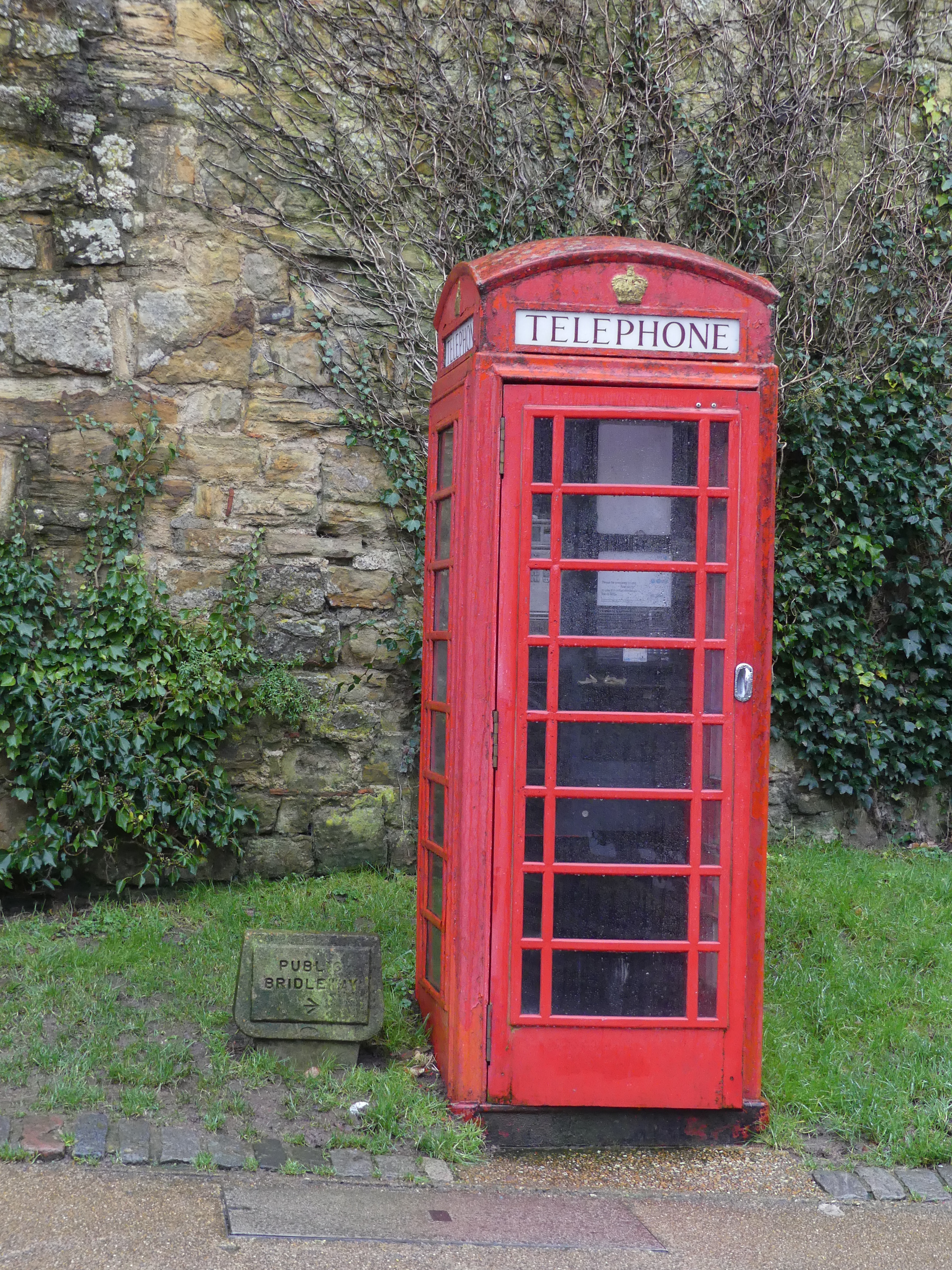
We moved on through Eastbourne to the town of Battle and parked behind Battle Abbey at the monastery car park. Terri had put the money in the meter and we moved onto the Abbey which was closed – it was Sunday. Disappointed we walked through the village and found somewhere warm for lunch. We paid no further attention to the parking meter until we received a rude email from the car hire people. We paid the administration fee but never received the fine – its in the mail. The first two pictures are Eastbourne Pier and its “shop” followed by the advertisement for a re-enactment of the battle on the carpark wall in Battle. The last picture is the phone box outside the Abbey from which King Harold rang home to tell his Queen he may be late for dinner. The battle with William in 1066 AD took place in this area.
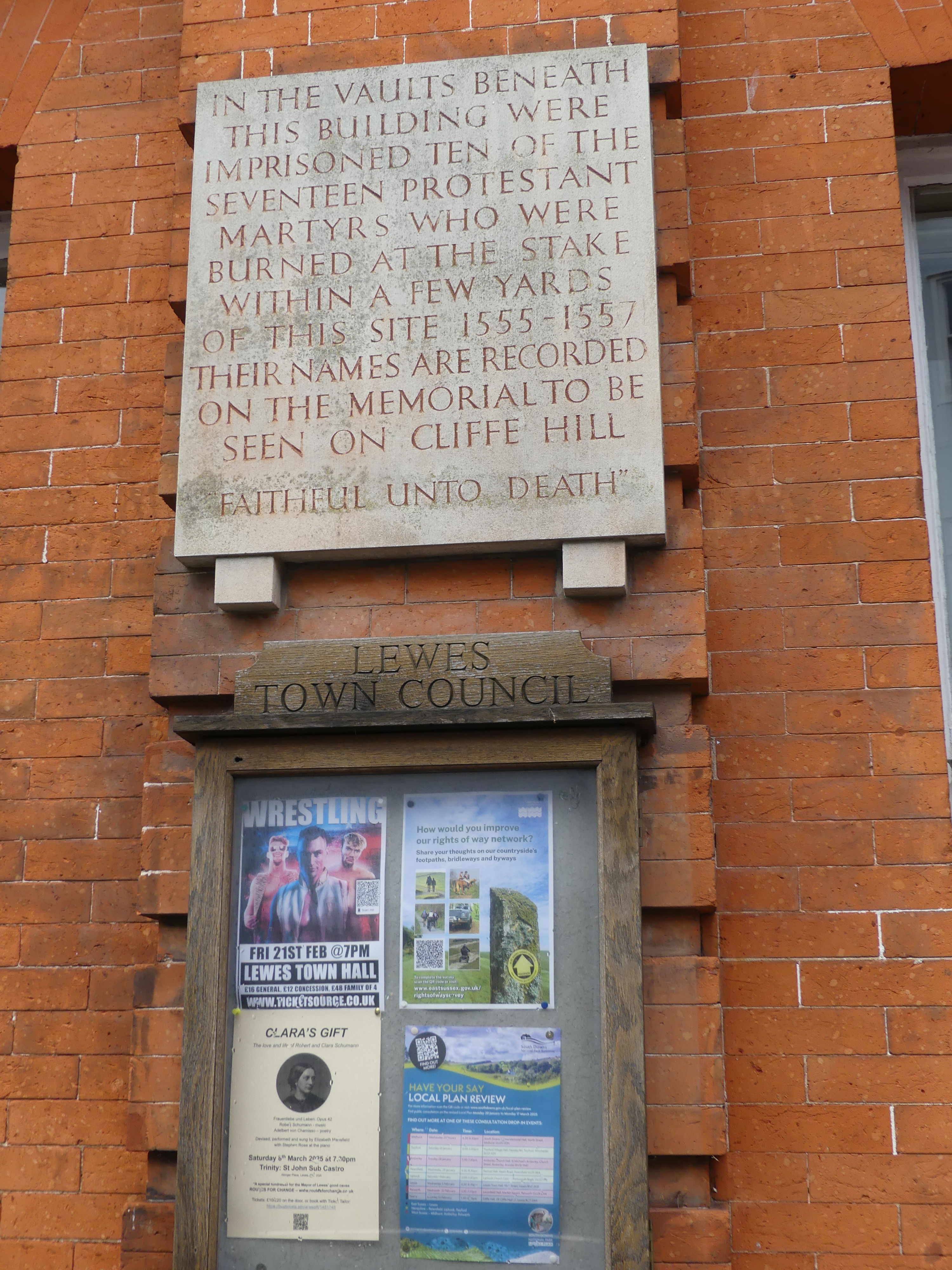
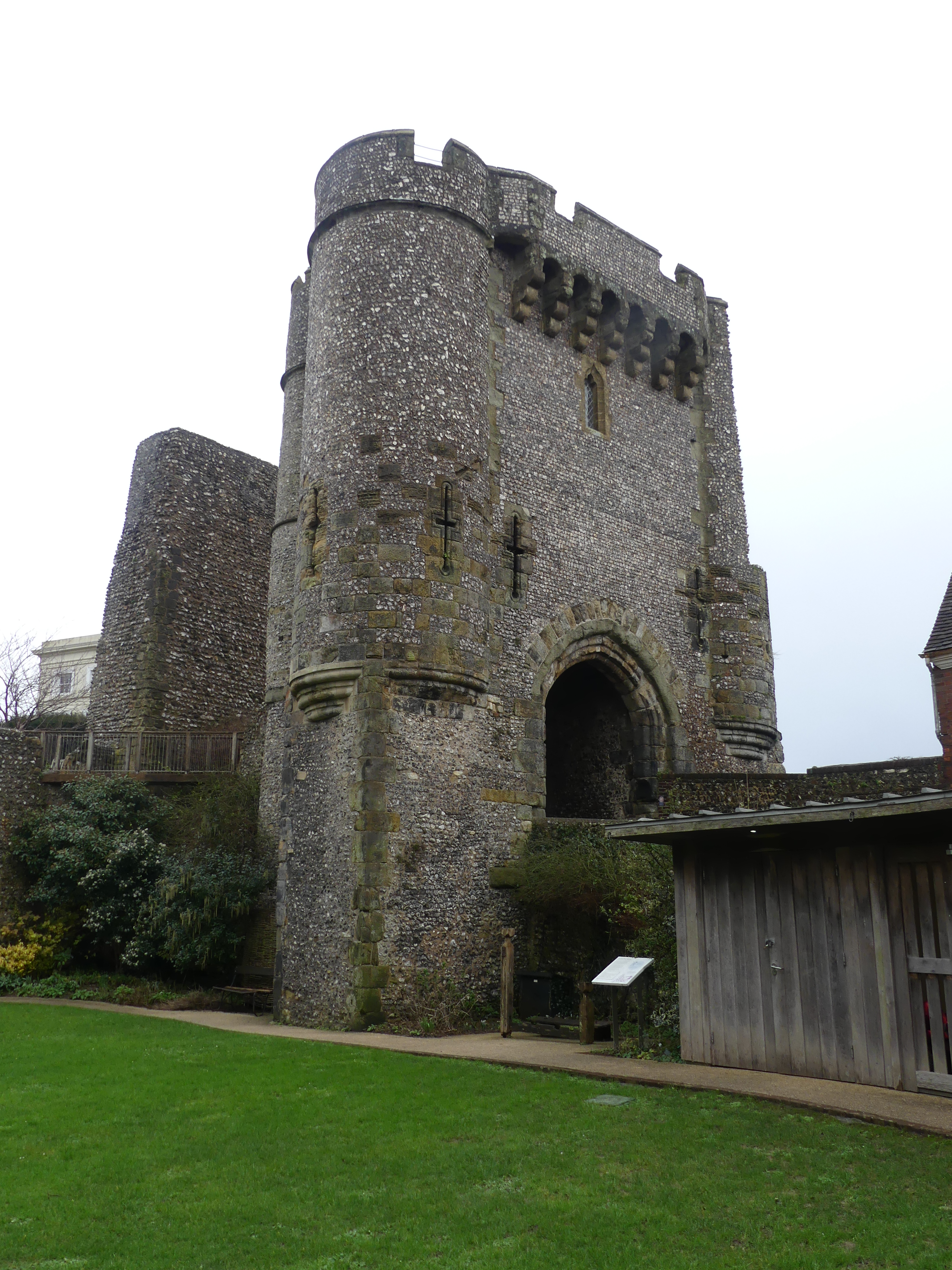
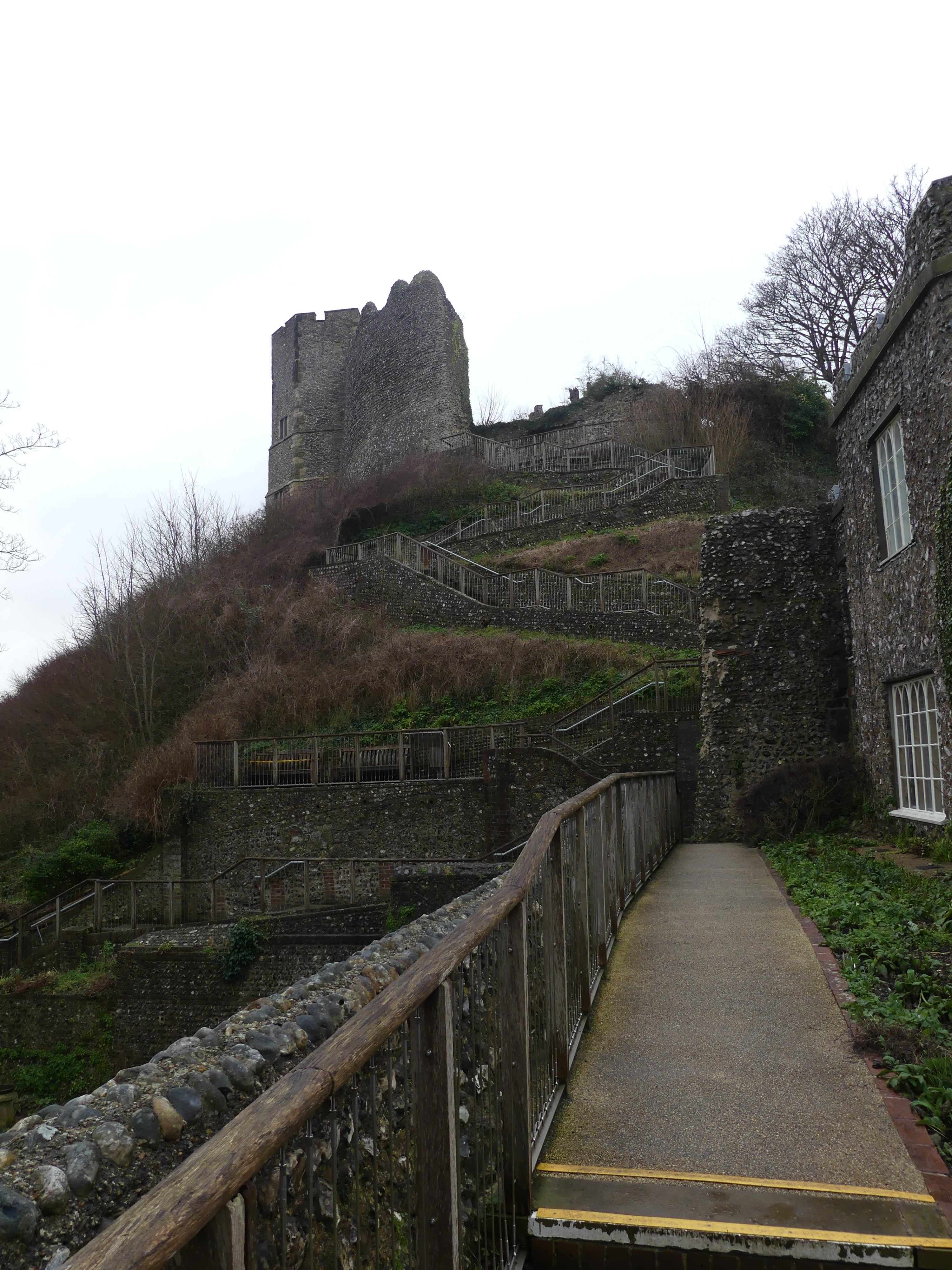
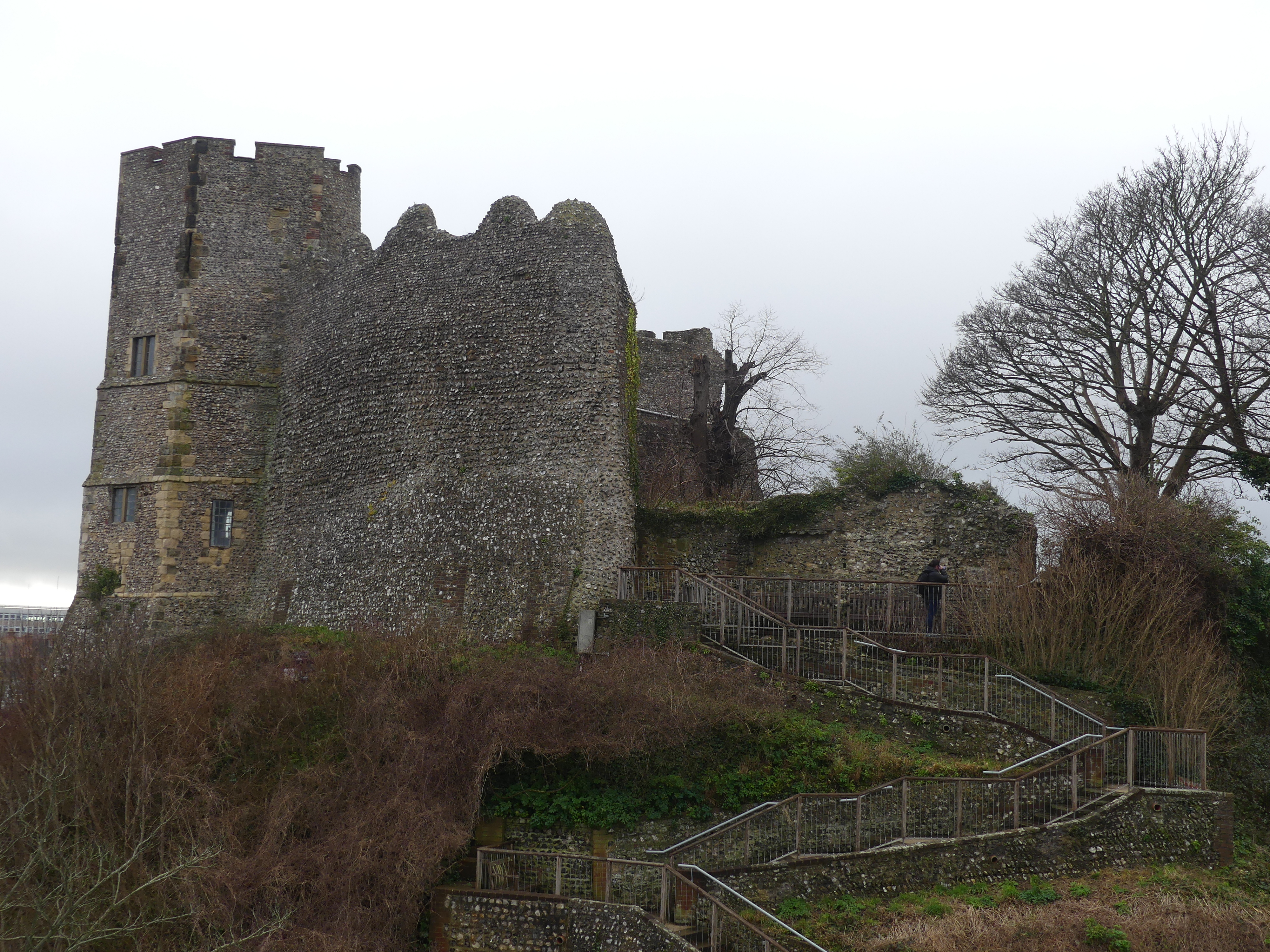
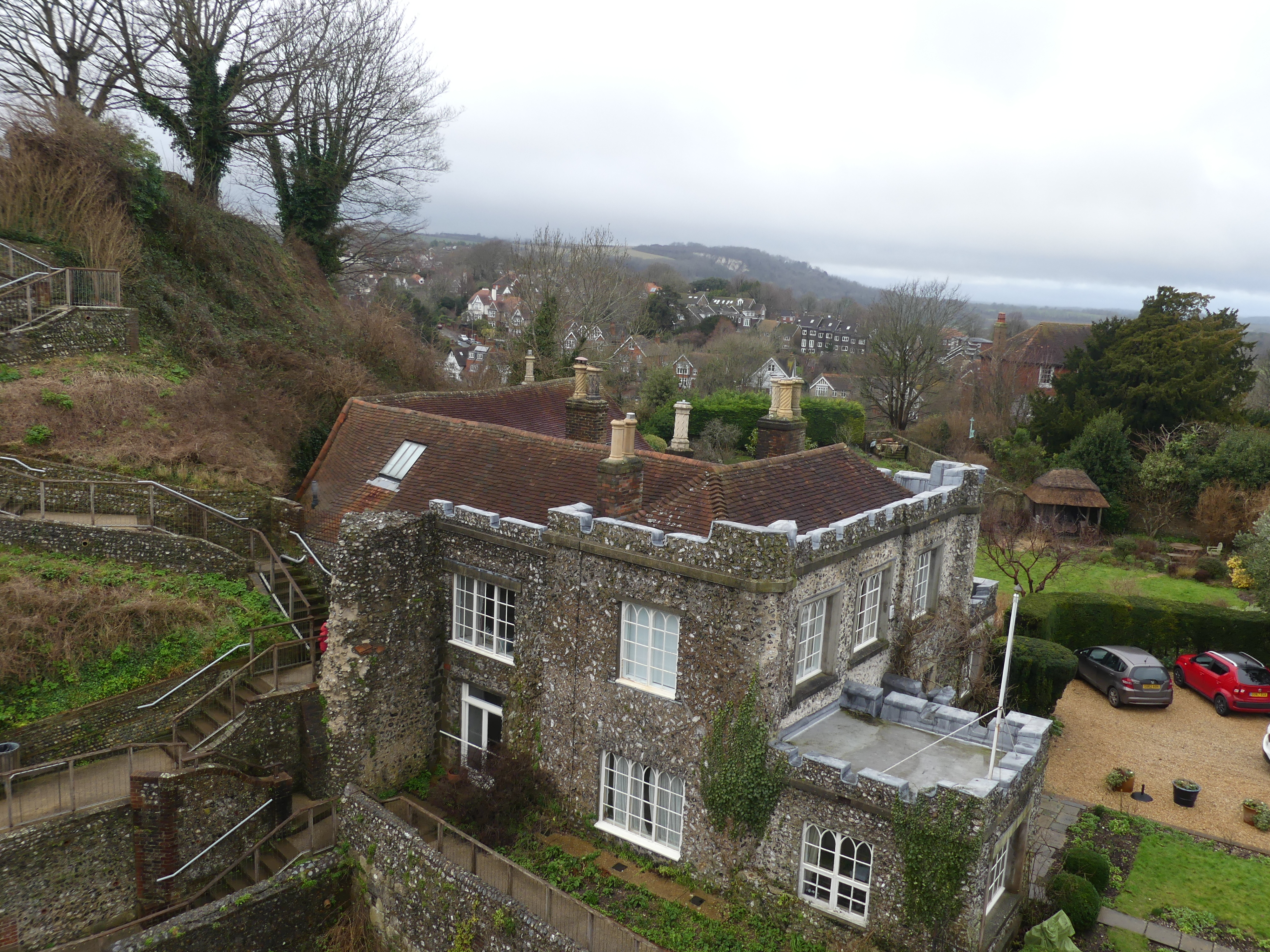
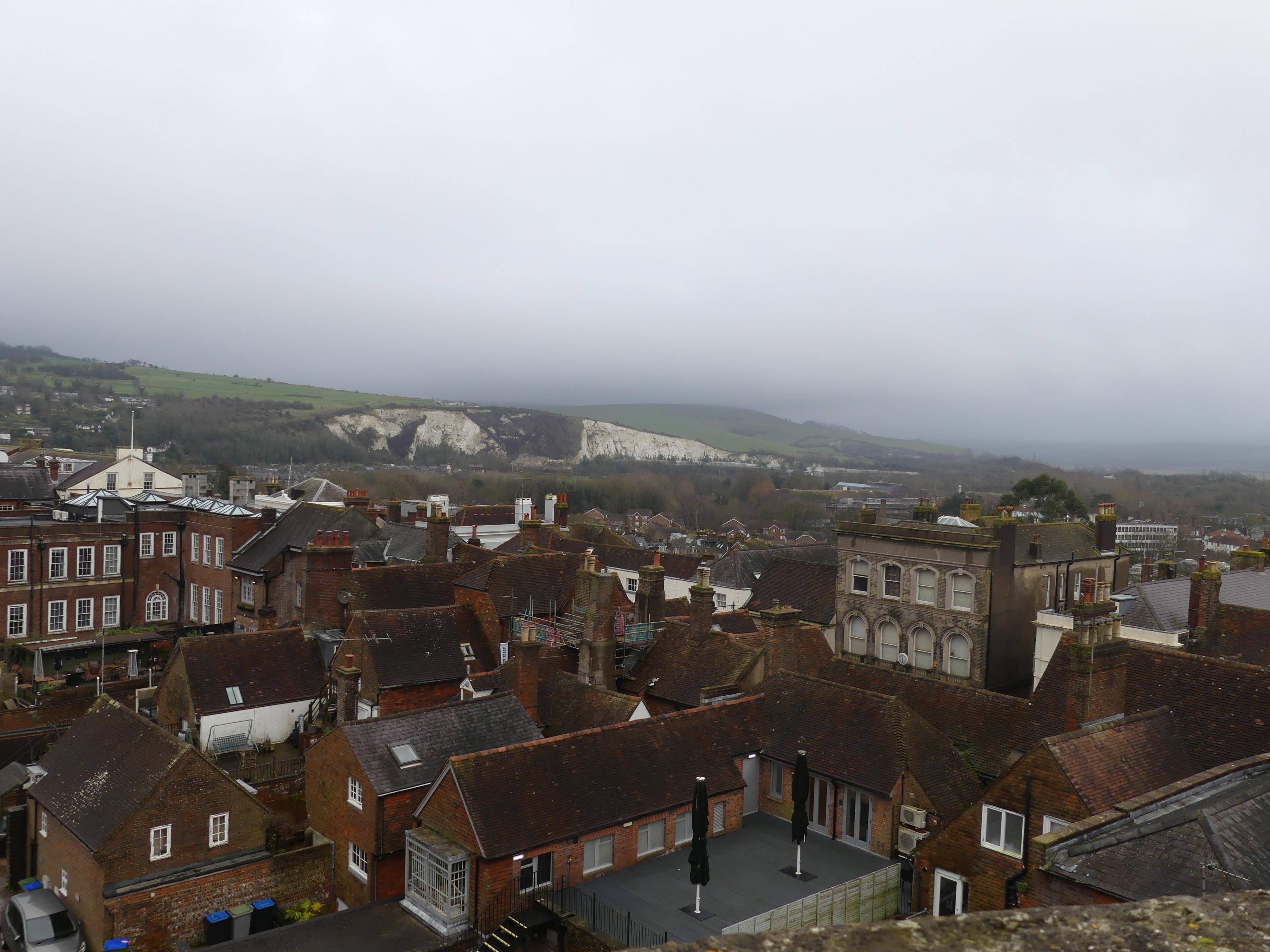
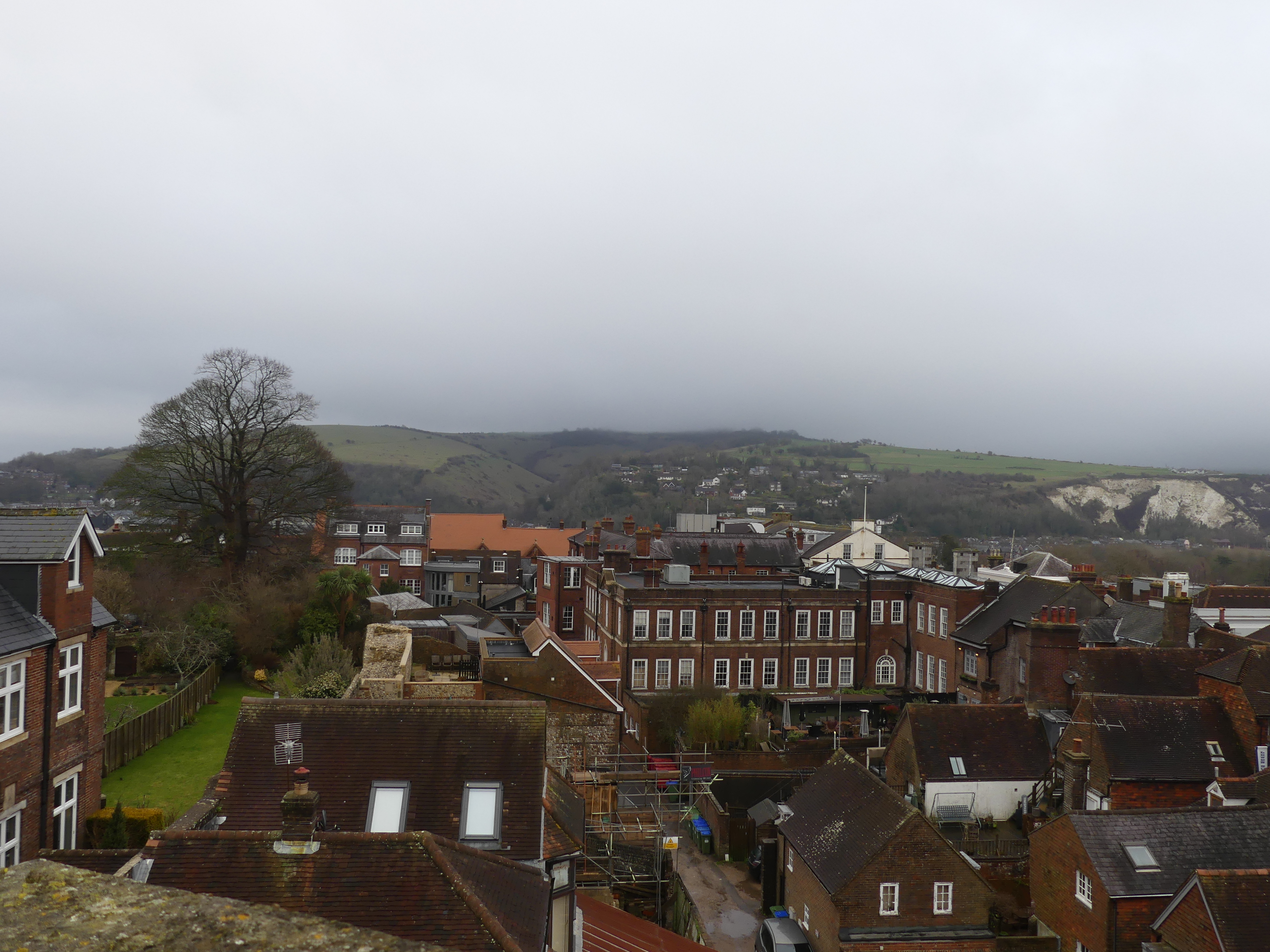
With the Abbey closed our afternoon was free so we headed to Lewes and Lewes Castle and Museum of Sussex Archaeology. The town was buzzing, and the only parking space was the council car park near the river Ouse 500m away from the castle and museum. The castle is largely a ruin with a castle gate and some other buildings remaining. Still, it was very interesting. Lewes Castle is a medieval Norman castle originally called Bray Castle. it occupies a commanding position guarding the gap in the South Downs cut by the River Ouse and occupied by the towns of Lewes and Cliffe. It stands on a man-made mount just to the north of the high street in Lewes and is constructed from local limestone and flint blocks. The Barbican gate is mostly intact and can be accessed. The sign on the wall in the photo below tells the passerby that ten of the seventeen protestant martyrs were imprisoned in the vault below this building and burned at the stake a few metres from this site in 1555 to 1557.
This tour ended our day, and we returned to Hove to find a car space, a place to eat and a warm space to retire.
My niece Louise, who is presently managing the race days for Formula 1 Racing around the world, took time out of her busy schedule to come down by train to Hove and arrange for more of my relatives to meet us. Louise, Trish (Terri’s sister and my cousin) and her daughter Sarah arranged for dinner at the Connaught Hotel in the heart of Hove. We parked in the Aldi parking station and walked on to the Connaught Hotel – large and noisy hotel and a table of 7.
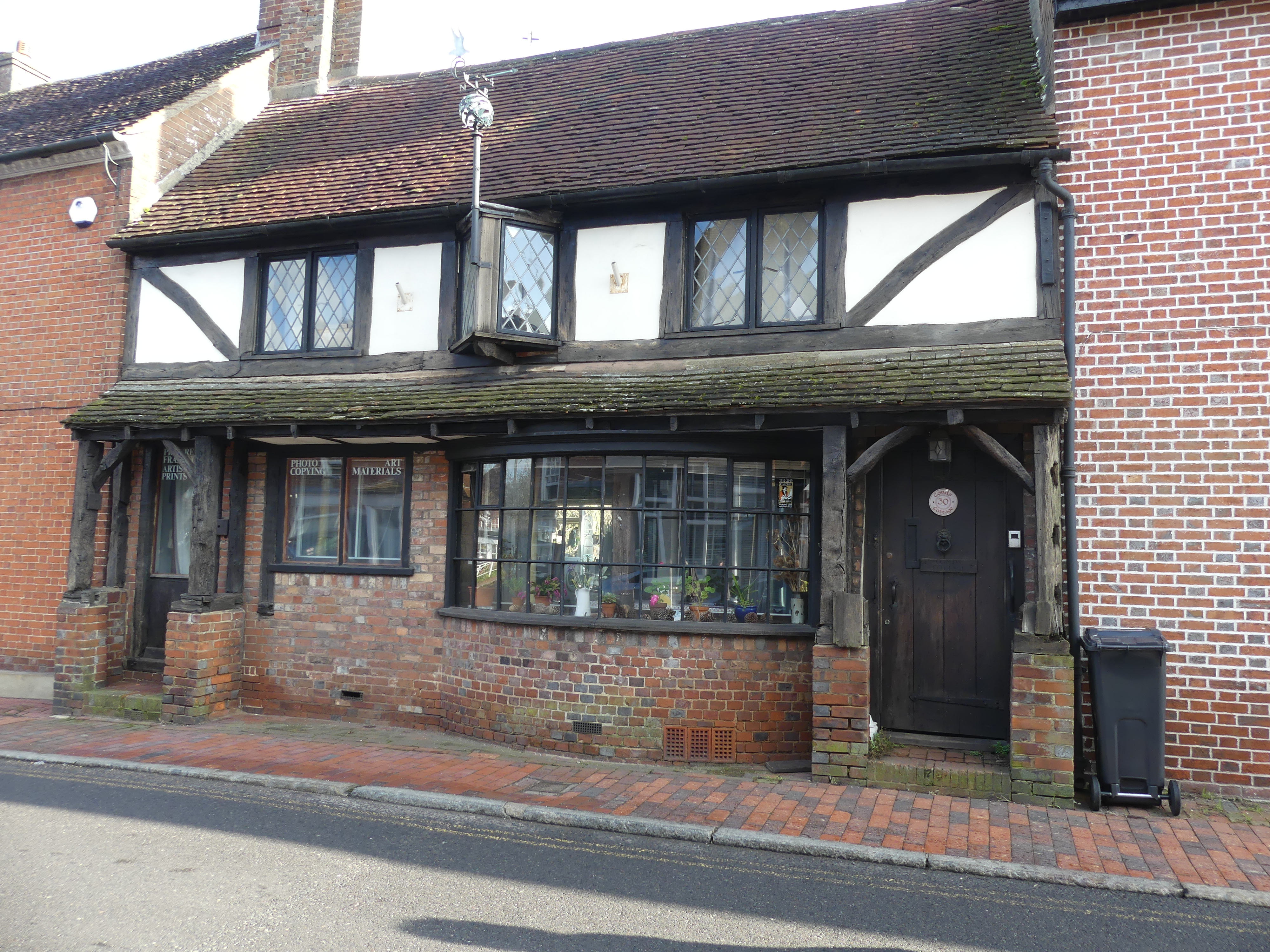
We also managed to fit in a visit to Ditchling a very small village with a lot of history. Even so the place was busy with visitors, and we ended up parking in a puddle in a dead-end lane – the only park we could find. It brought into the churchyard and as is typical of English churches we also passed through the cemetery finding a very quaint grave with its own font. Some of the buildings look to be from the Tudor era but the pub was warm and cozy. On the way to Ditchling we passed through some pretty country as you will see below. In the village itself the church stood out as the centre of the village and the buildings all to be very early or Georgian built.
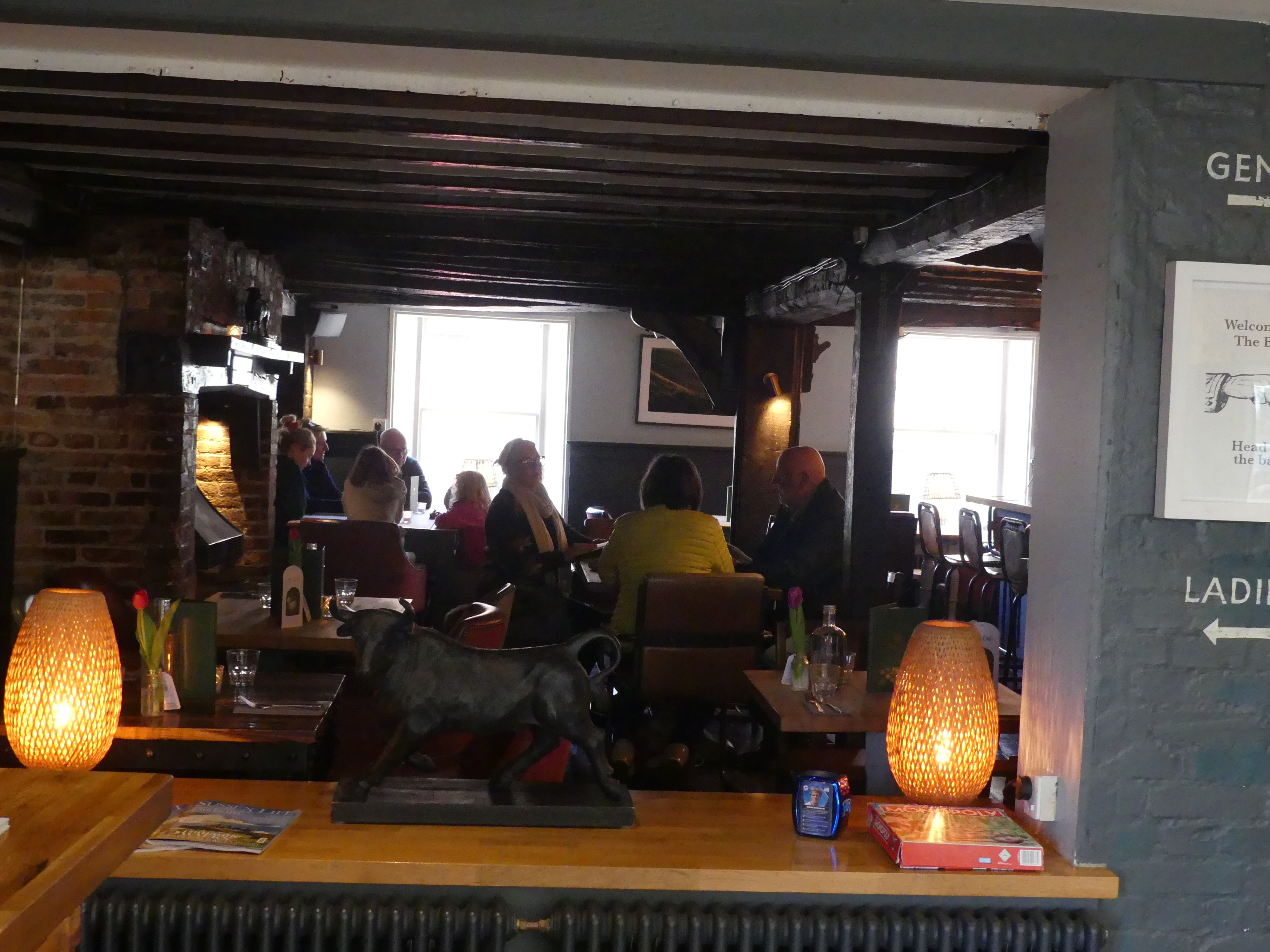
After spending the morning in Ditchling we returned to Hove and the “Nevell” an old haunt for Mick and we met up with one of Terri’s sons for a drink and get together. The following day we continued our visits to beach side towns and the photos following show a mariners church where the sailors went to sea after visiting the church.
We had a lovely time renewing friendships meeting more of my father’s family in the UK and visiting new things in Brighton Hove. Our time in Brighton Hove had come to an end and we had the discussion as to when we might catch up again before we headed off to Truro in Cornwall. We had not visited places like Port Issac where Doc Martin had his practice (the TV show) and King Arthur’s alleged castle at Tintagel. The drive would take over 4.5 hours so we scheduled a stopover in Dorchester for a break and some lunch.
Read on in my next blog “THE RETIREES GO AROUND THE WORLD – BRIGHTON HOVE UK/ CORNWALL UK.




































































































































































 glendon1954