THE RETIREES GO AROUND THE WORLD – SAN FRANCISCO USA

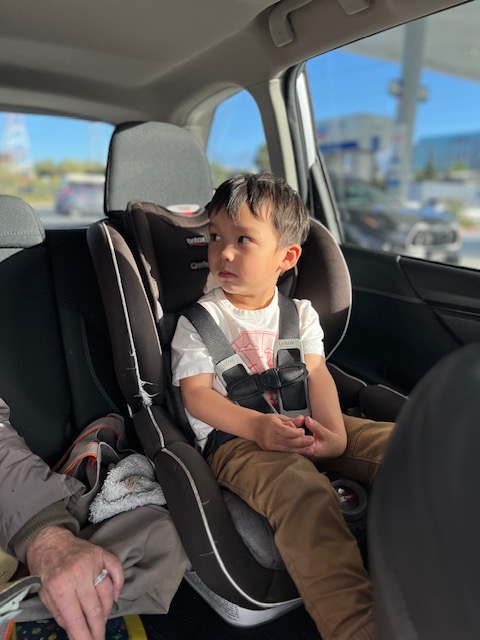
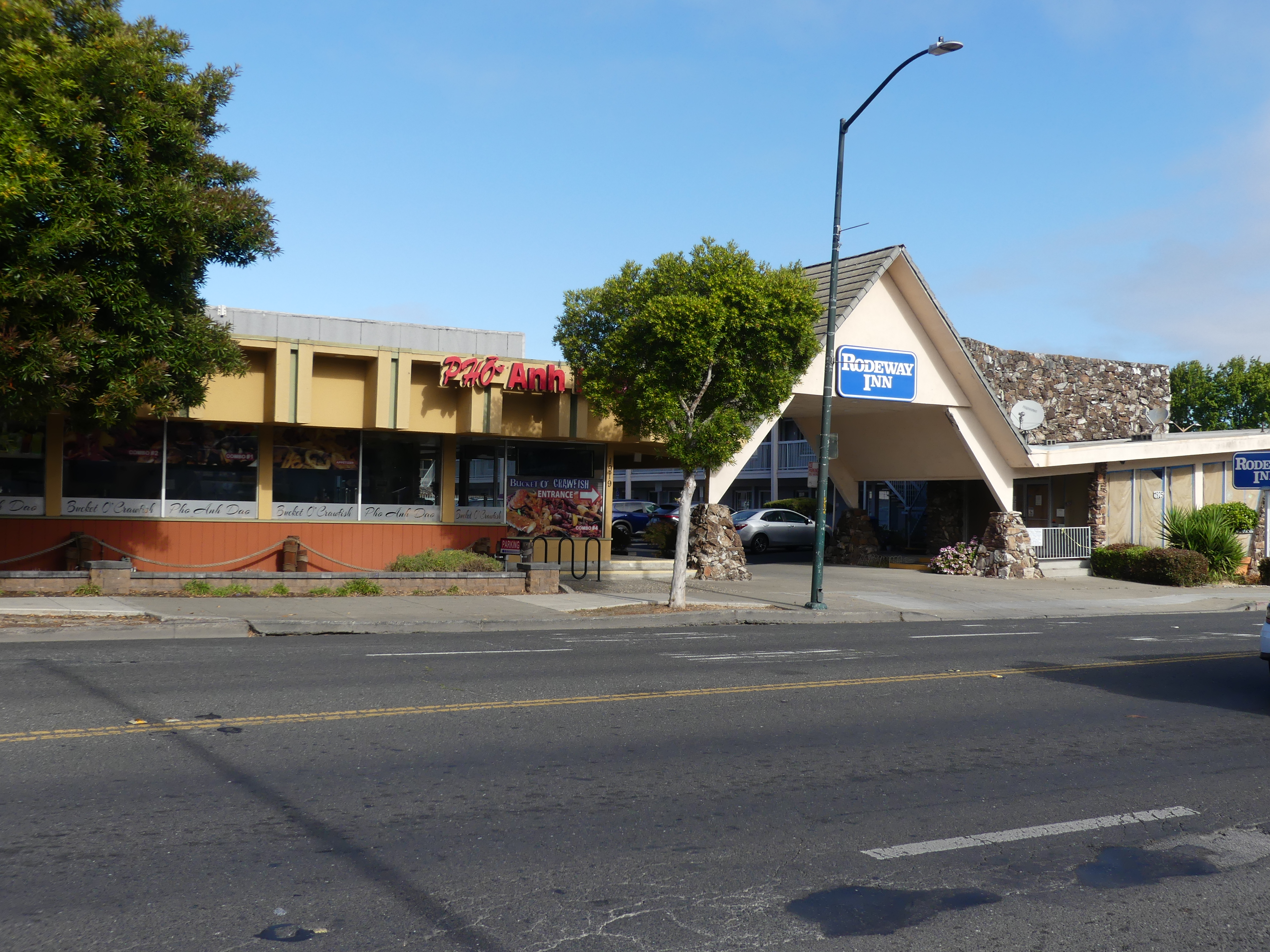
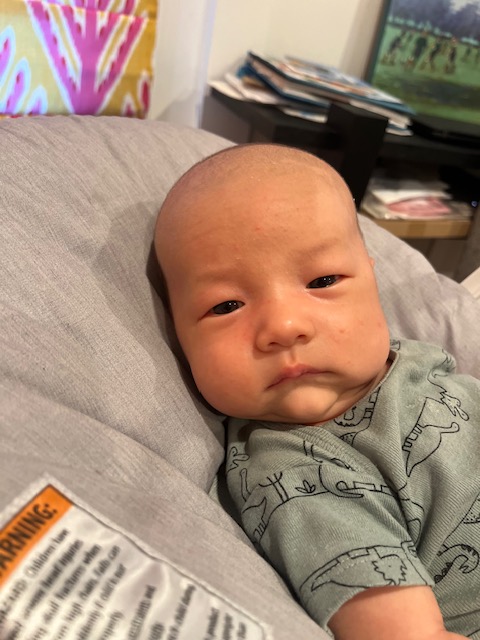
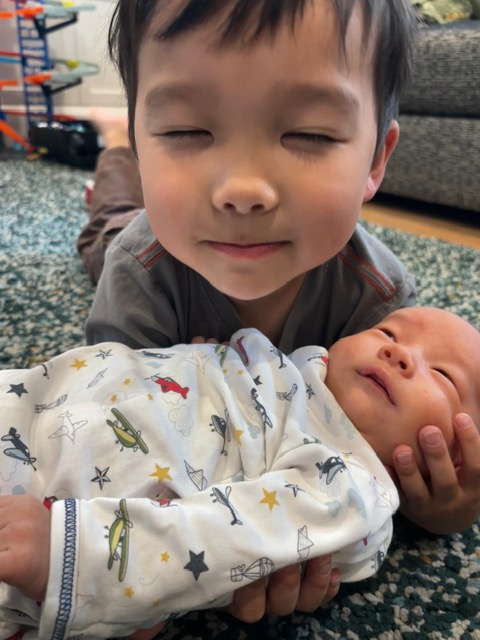
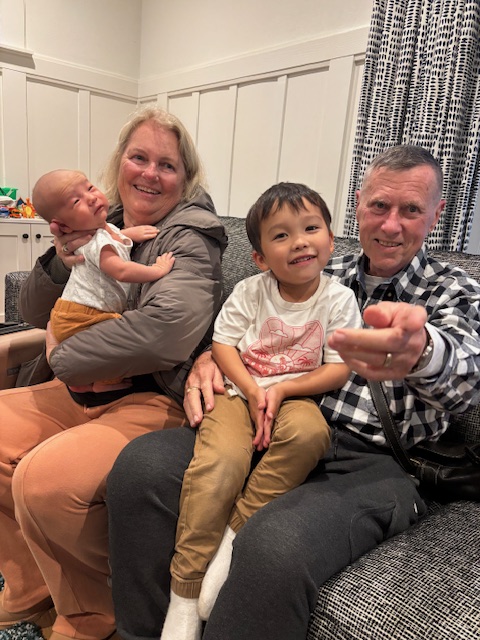
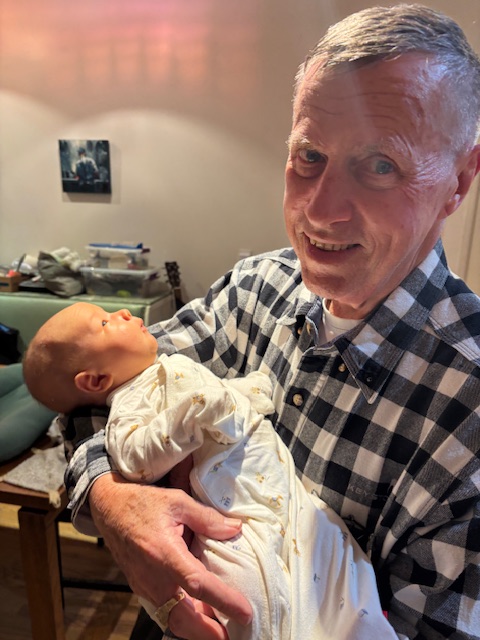
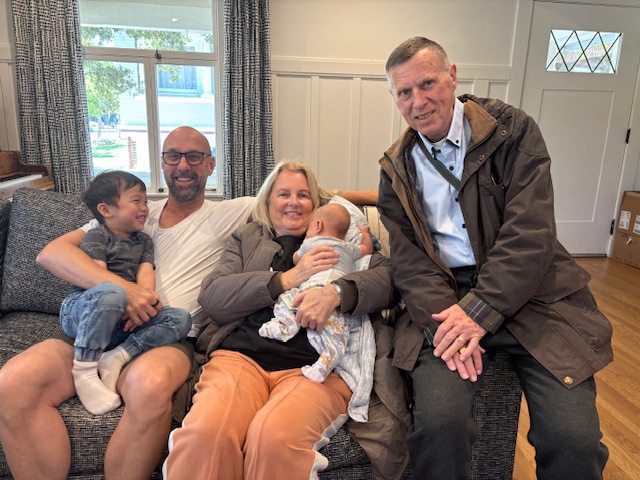
We arrived in San Francisco on time and ready to start our holiday. Our son Ben arrived at the airport as planned and Angus is with him to greet us. It is great to see both and during the ride to their home we hear all the gossip about Felix George our 1-month-old grandson number 9 amongst grandchildren. Angus is a little uncertain as we drive to their home. We are having a brief stay so that we don’t disturb their routine greatly. Part of the plan is to stay at the motel shown below for a couple of days and catch up with them each day. Peet’s coffee is nearby and we make use of that along with Taco Bell which we gave a big swerve. Felix at 1 month.

Jee greets us with Felix in her arms, and it is a great start to our holiday. Angus introduces Felix to us and I share some toast with Angus – peanut paste and honey I recall. Kerry gets as many cuddles as she can with Felix.
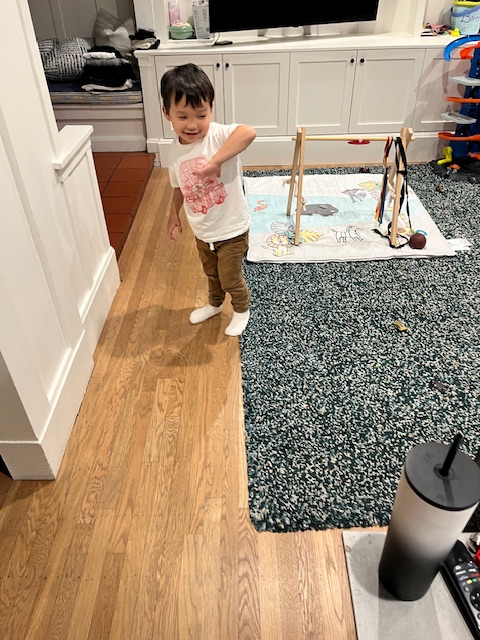
The few days fly quickly, lunch with Dad (Ben) at his new work (well a café near work really) and playing with Angus who loves building forts and racing his cars through the fort and knocking it all down, but we now have a game of “lets clean up”. Next is a jigsaw puzzle then cleaning up out in the yard. Kerry is cleaning the leaves off the back deck, and I am helping but Gus wants to help so he gets the broom, and we all play let’s clean up.

And so it goes, nothing special just being together.

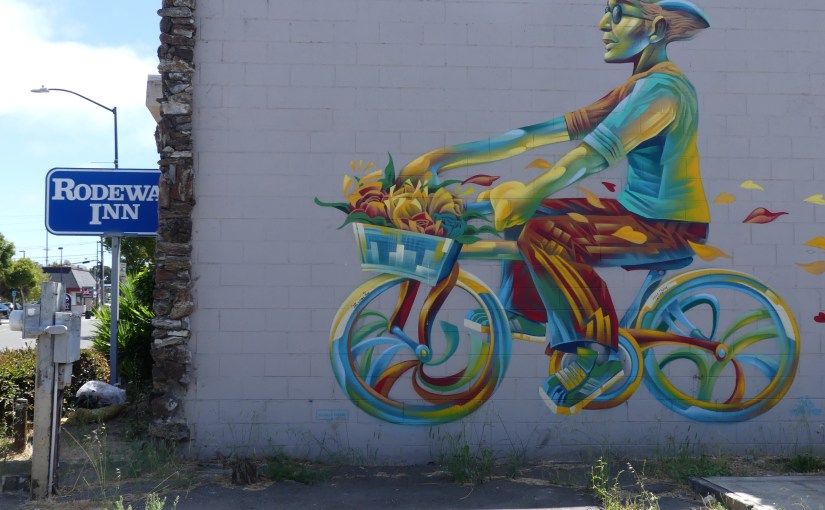
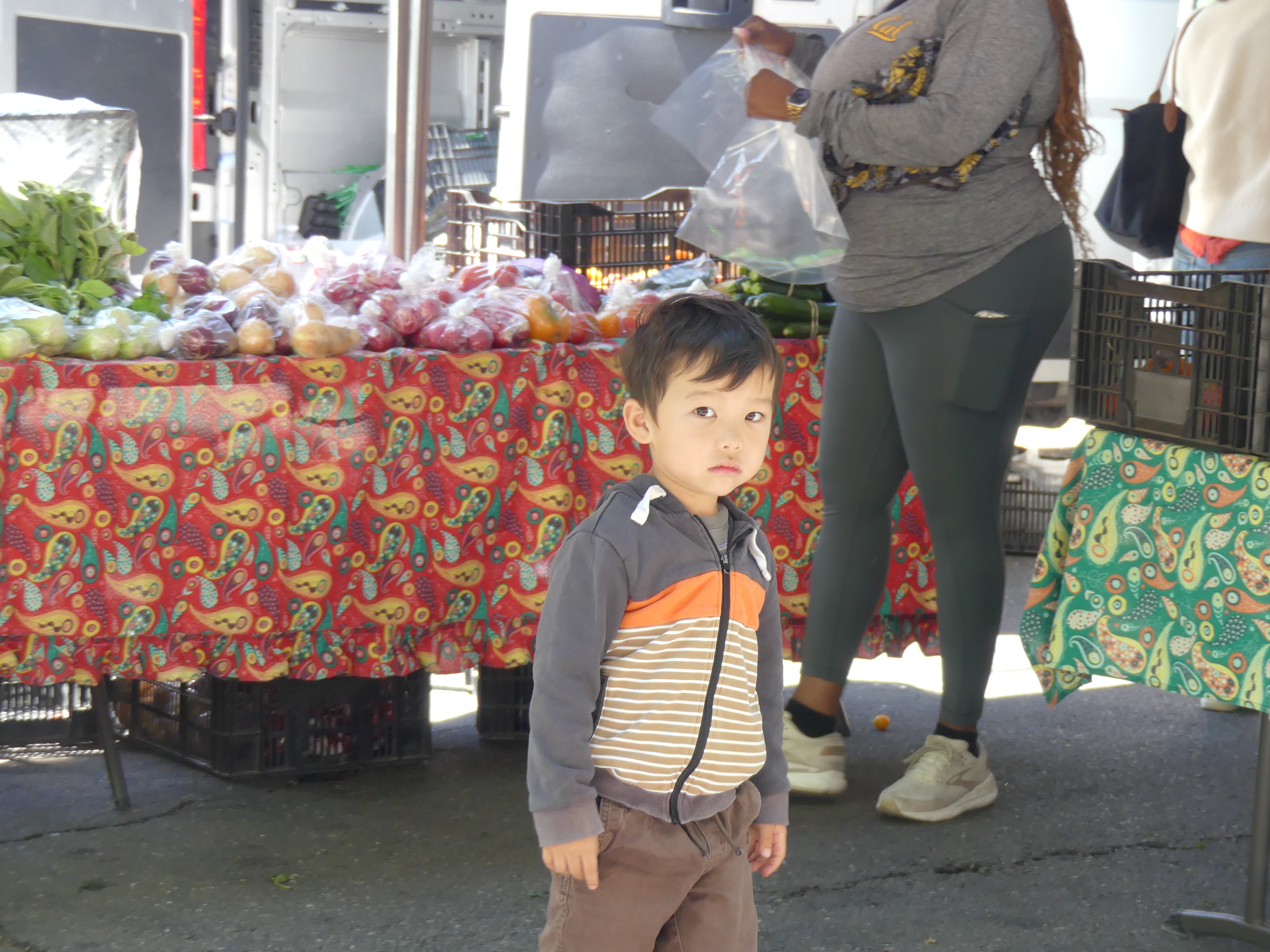
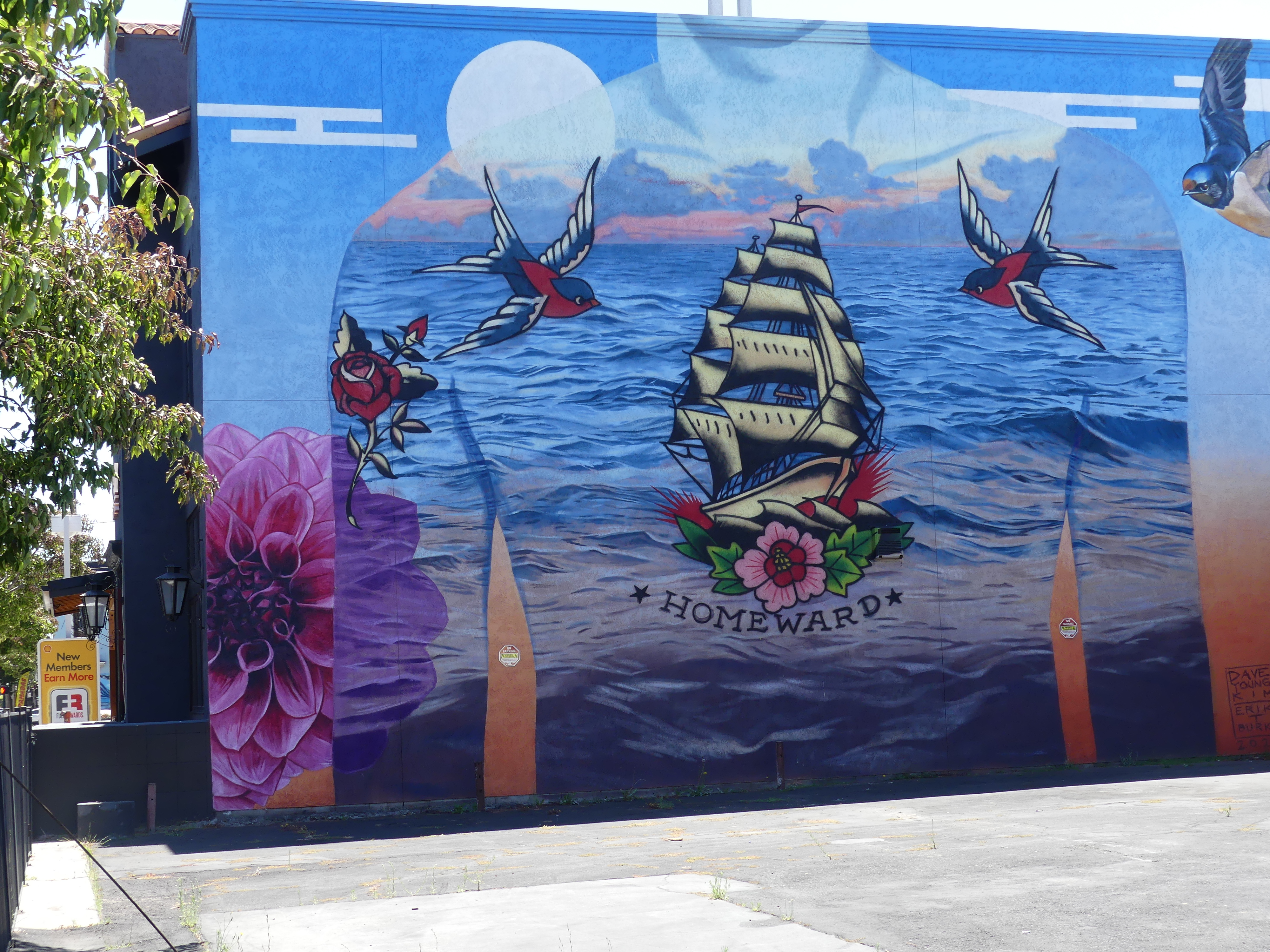
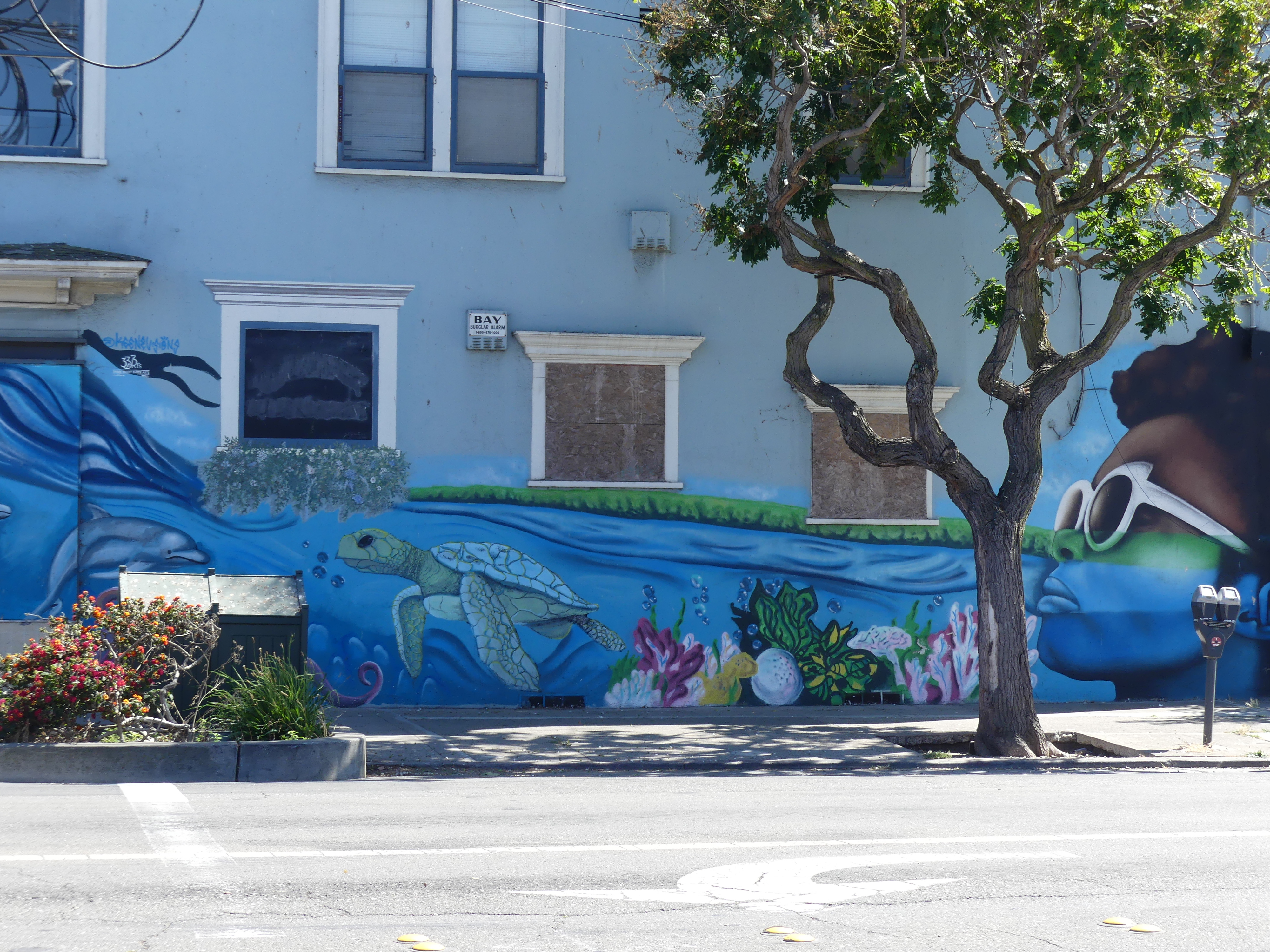
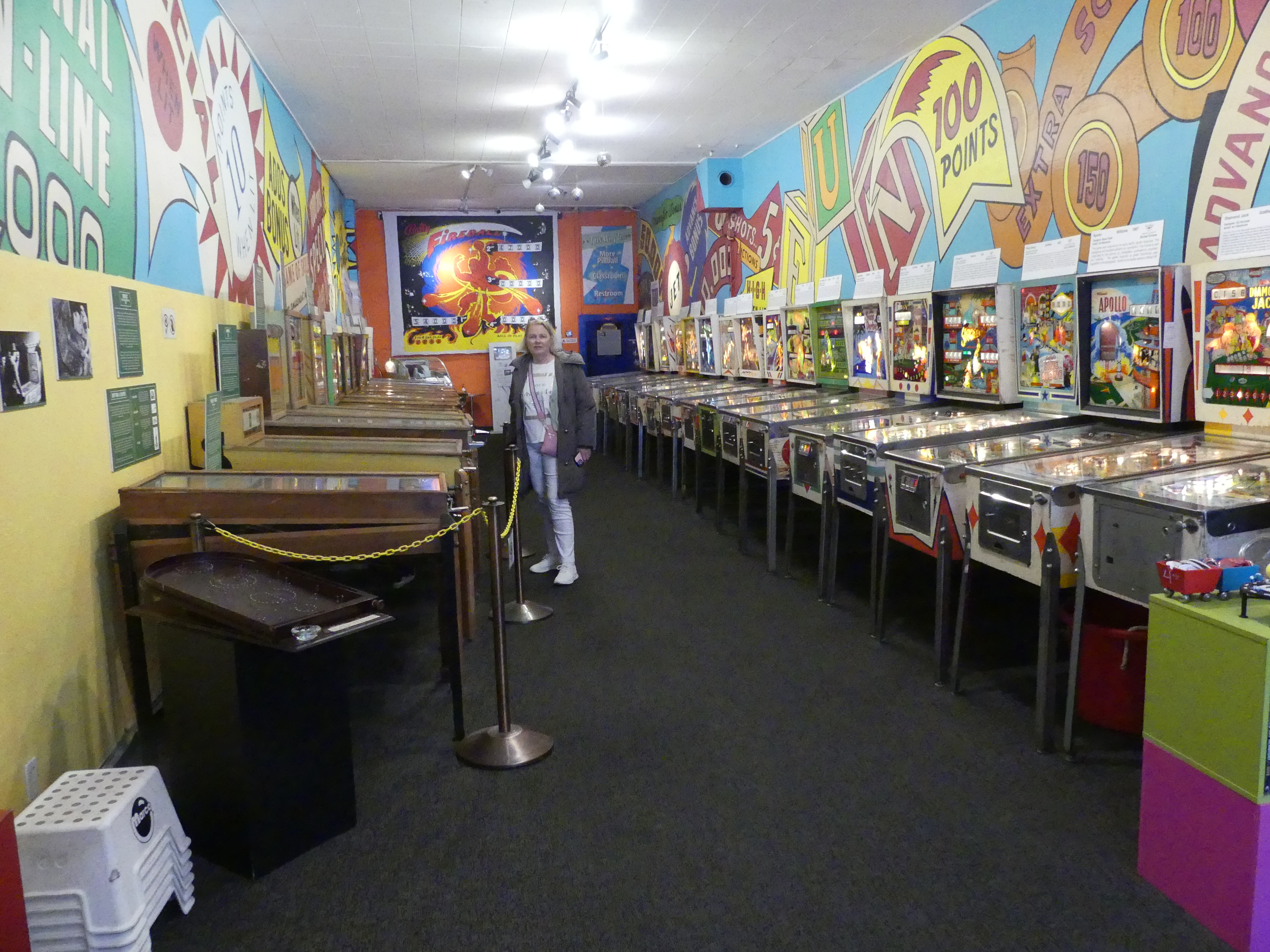
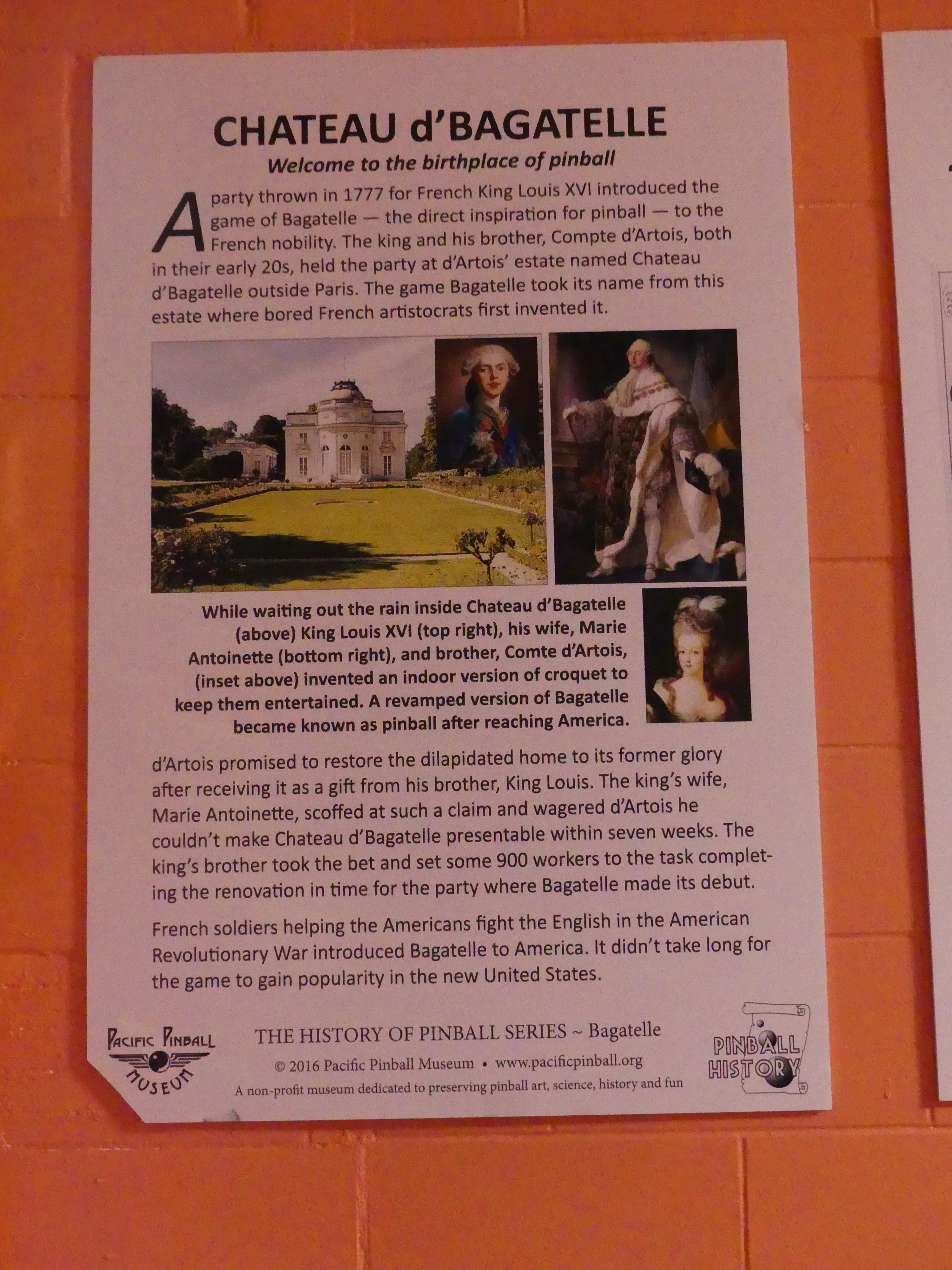
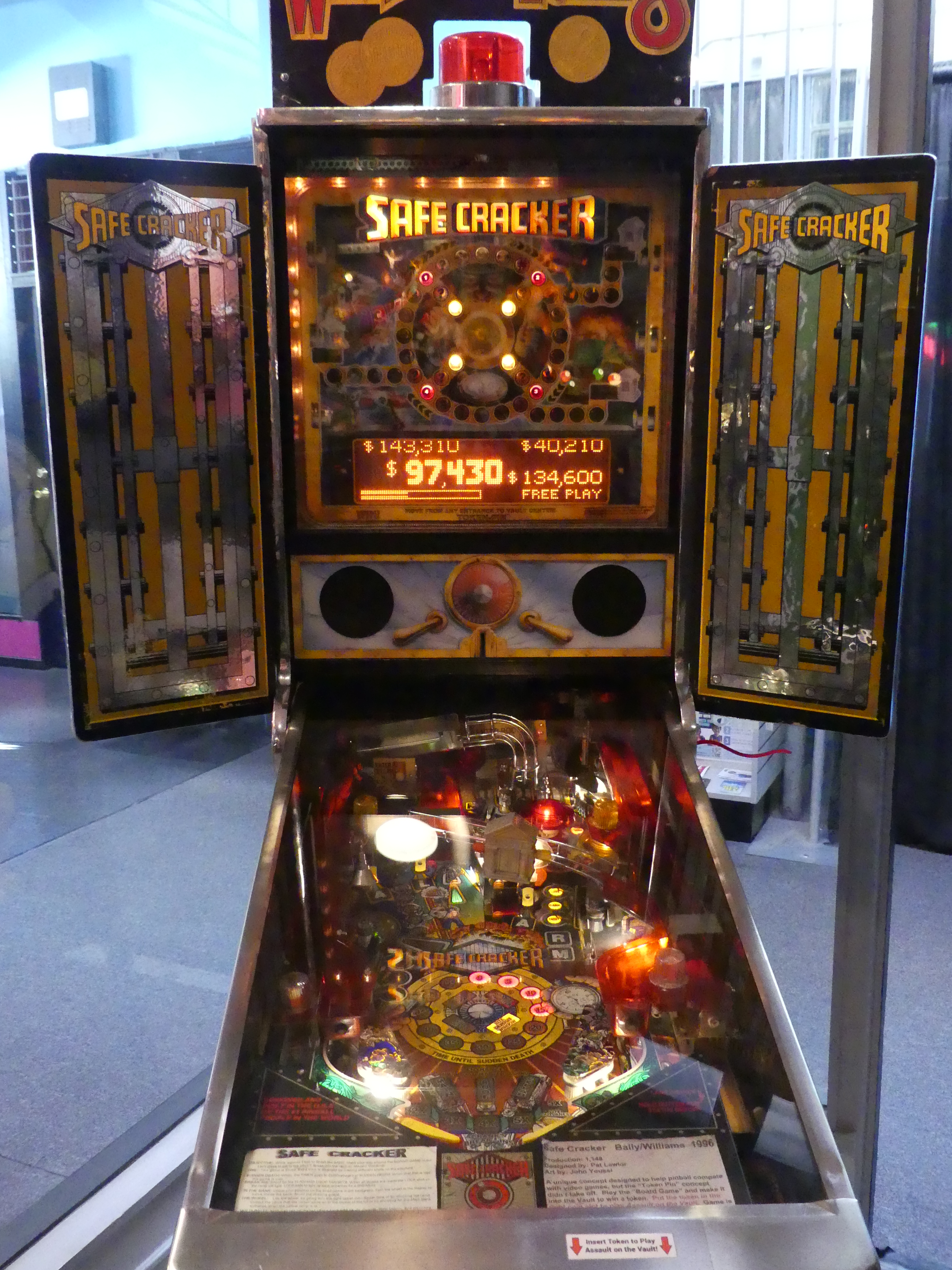
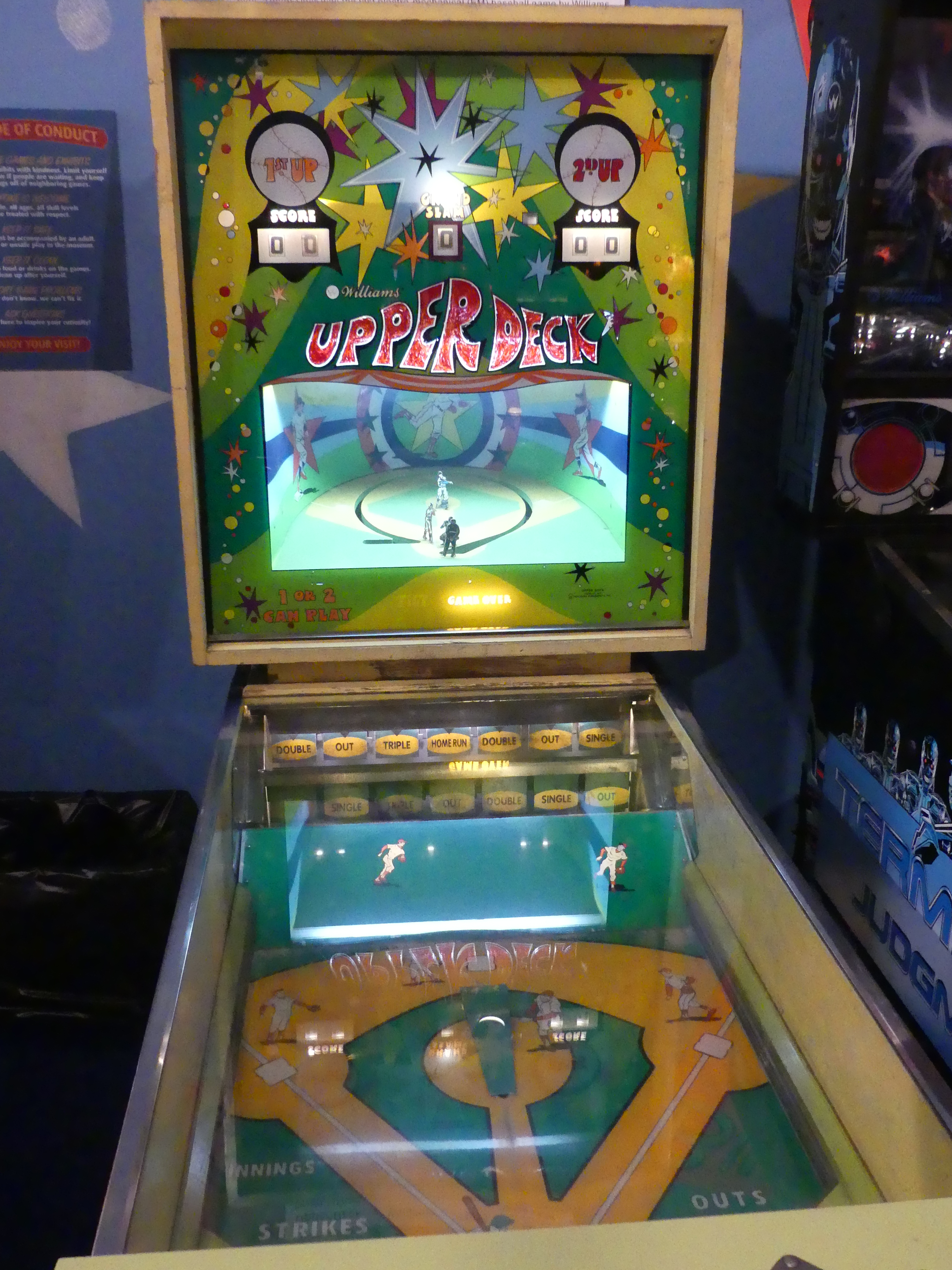
We visited the local “Farmers Market”. Angus was somewhat disturbed by the spider on the wall of this house. Whilst there we notice there is a lot of street art in downtown Alameda and we captured a few to show you. Kerry and I took a walk through Alameda and stumbled across a museum of pinball machines from their inception to today. Every kind of machine I have seen and many I had never seen. We took photos to record our visit and spoke with the owner who serves behind the counter and gave us the run down on how it all started with the purchase of some of the earliest machines.

All in all, a couple of special days. On our last day Ben picked us up from the Motel to visit Jee with Gus and Felix for final farewells and then dropped us at the airport with plenty of time to catch our flight to London via Chicago, but it would prove not a smooth transition. Our flight departure is delayed then our flight arrival is also delayed by a plane broken down in the air gate meant for us to dock. Read about it all in my next blog “THE RETIREES GO AROUND THE WORLD – SAN FRANCISCO USA to LONDON HEATHROW UK”

THE RETIREES GO AROUND THE WORLD – TOKYO TO ABURATASU, PORT NARE AND PORT NAHA OKINAWA

Days 1 & 2 At Sea

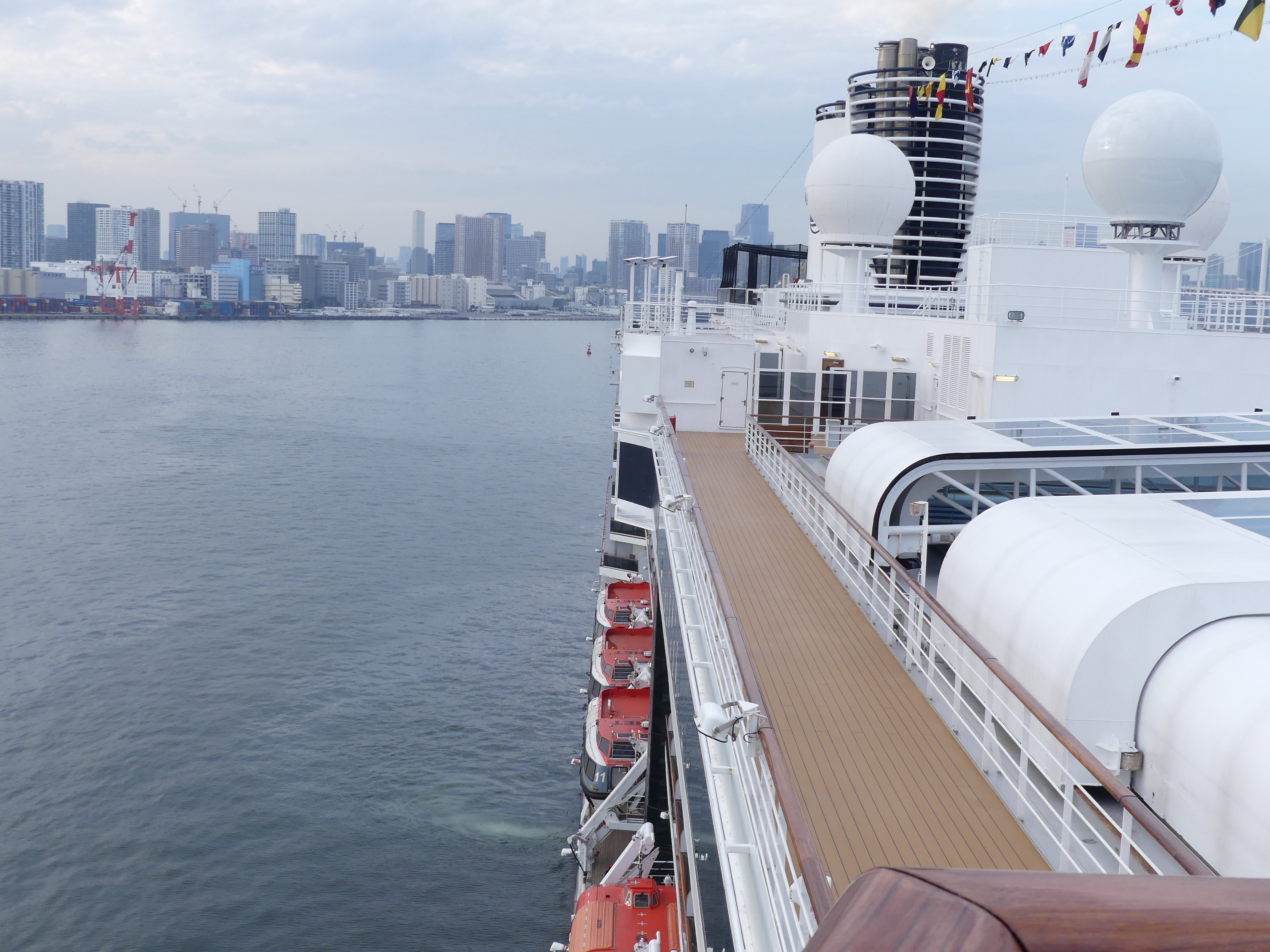
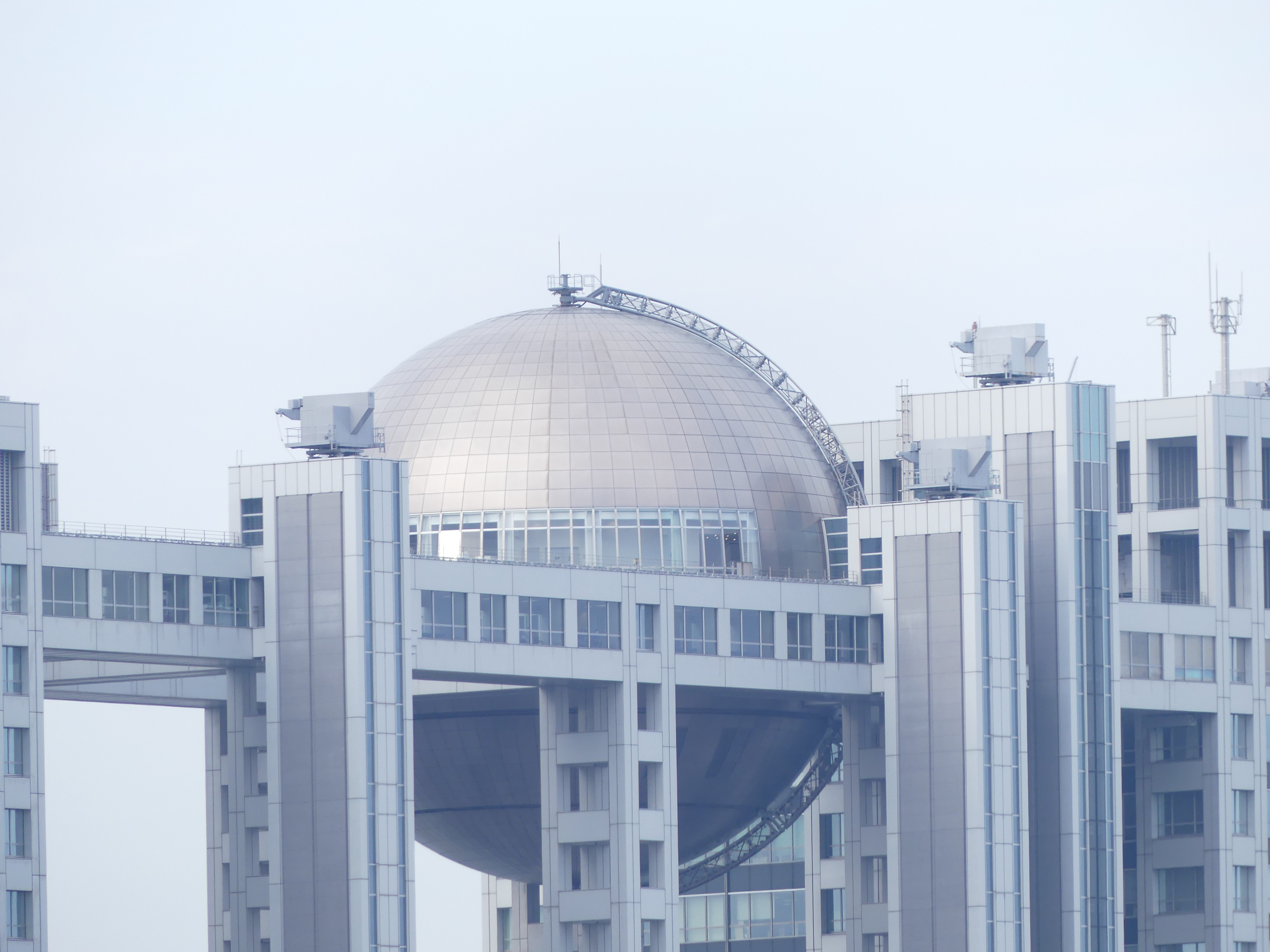
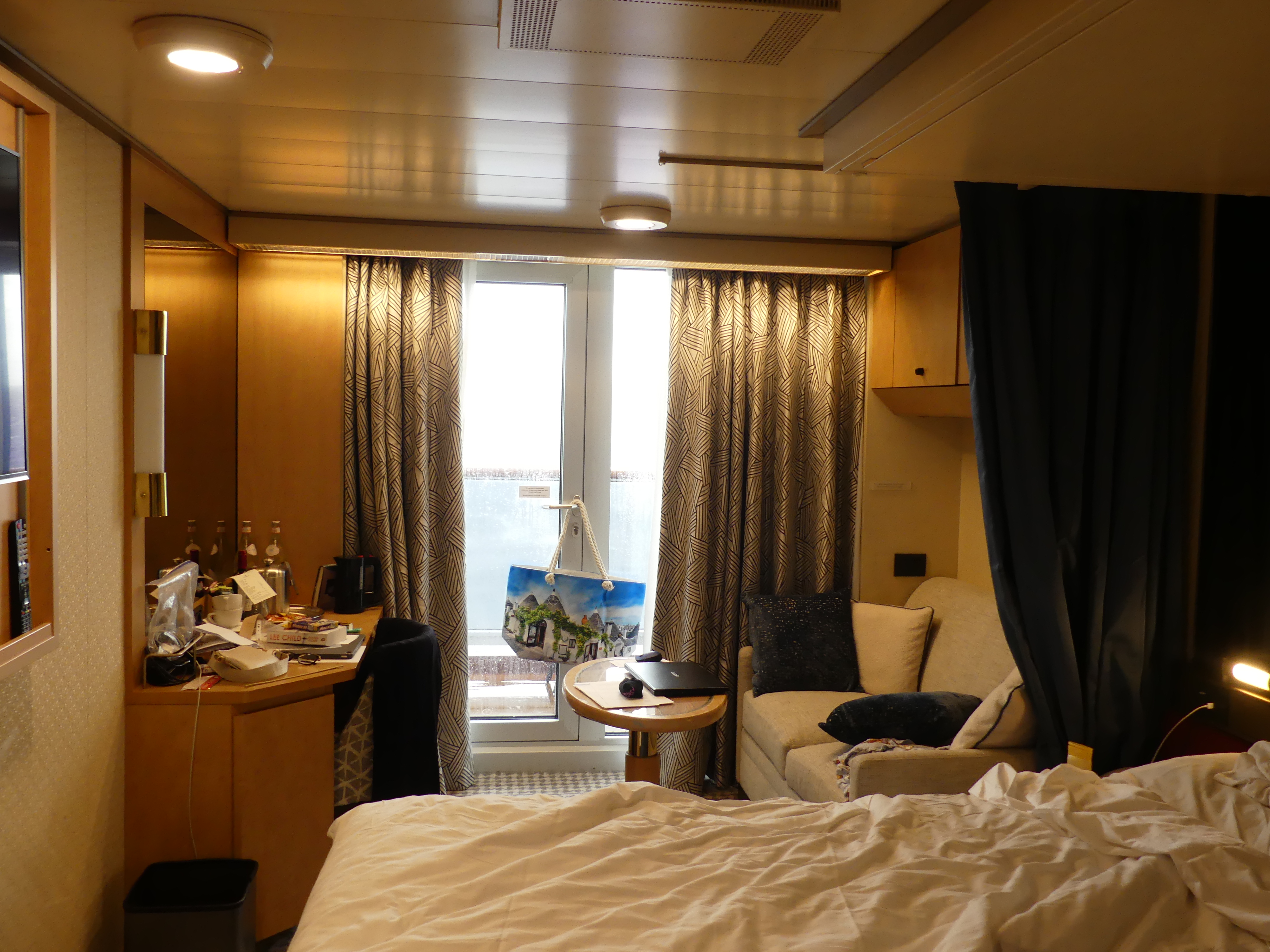
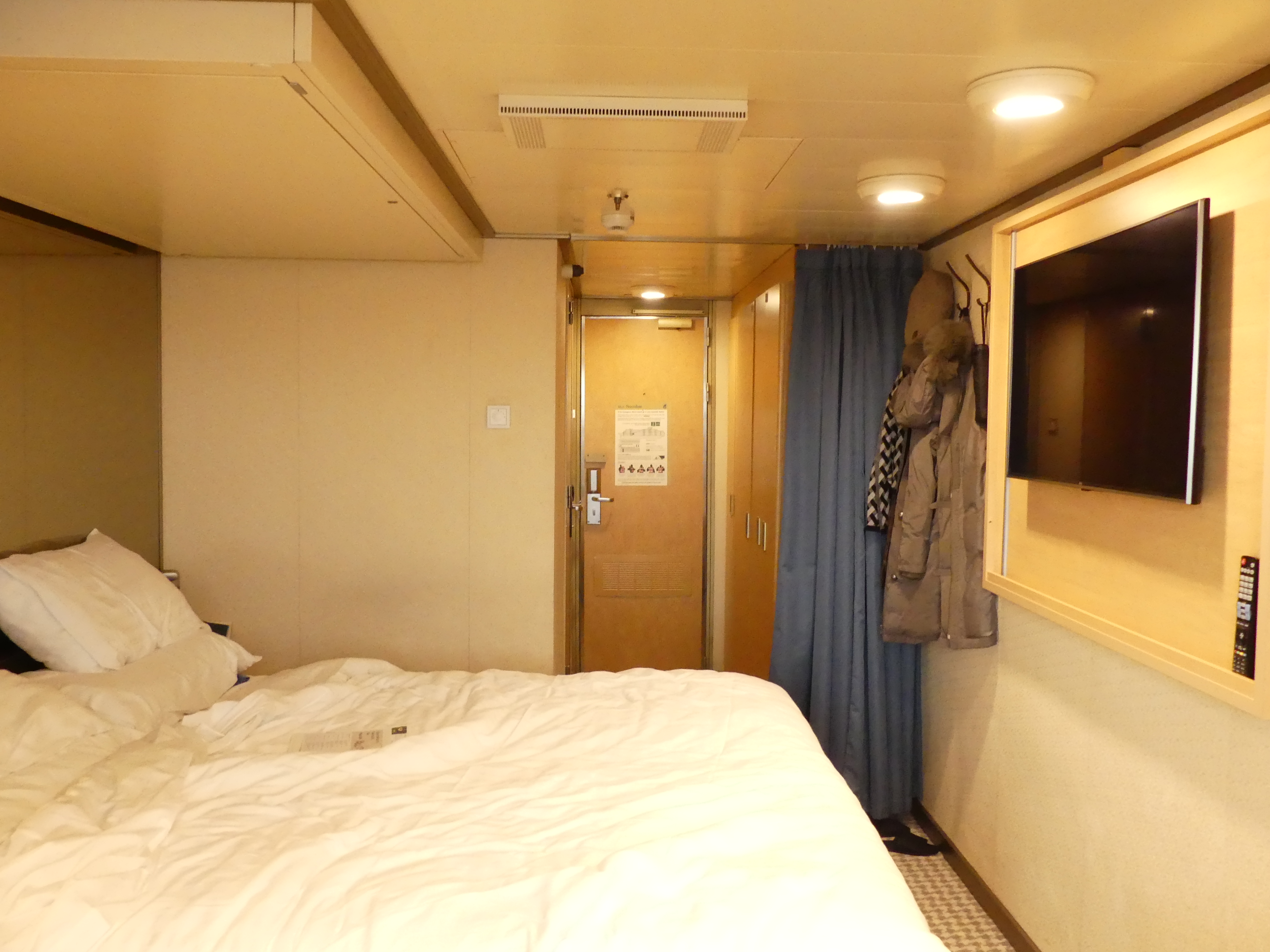
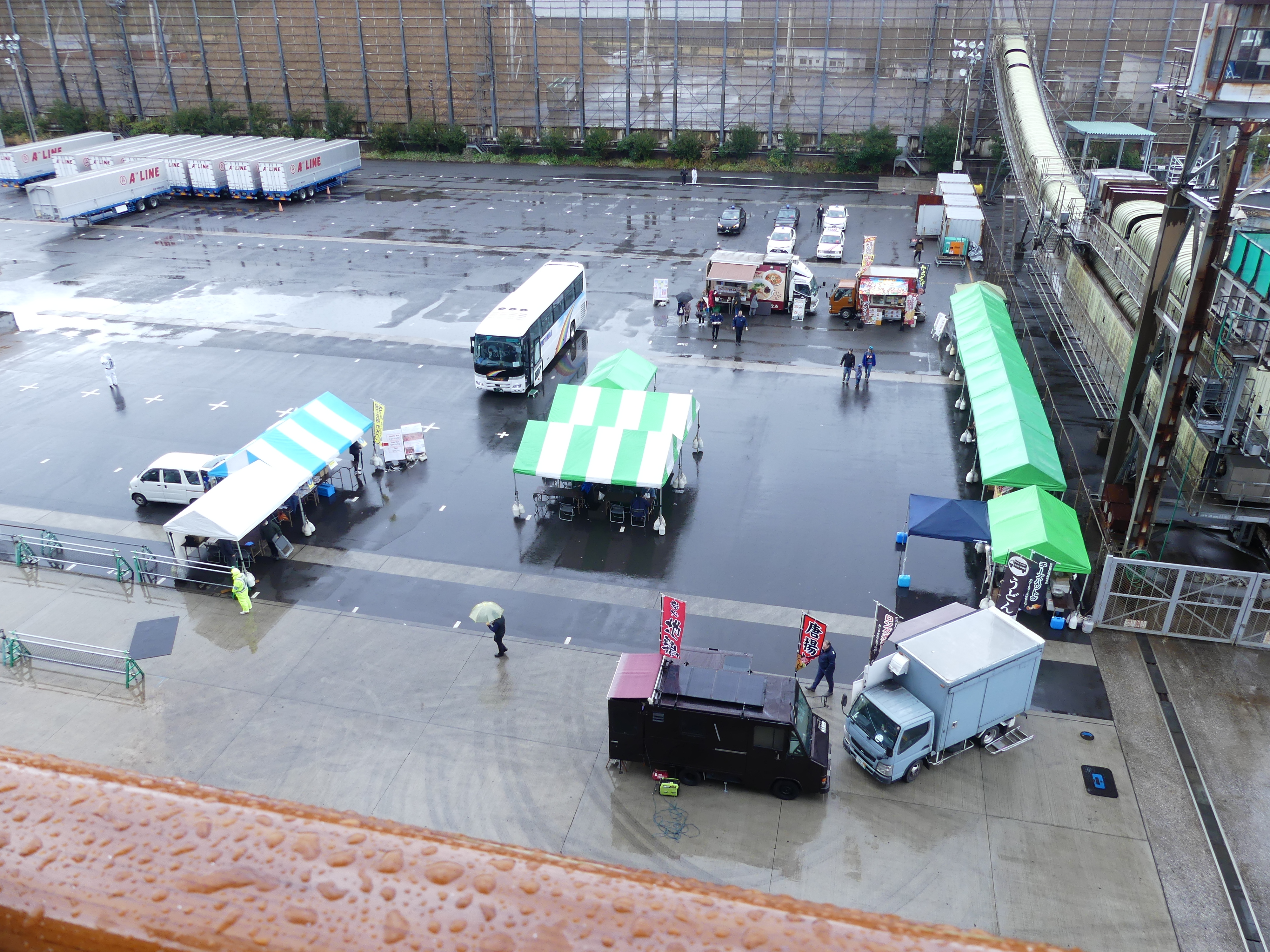
After the drama of finding the terminal, we cruised off that afternoon drinks in hand looking over the stern of the MS Noordam. The pictures below show the terminal, the crowd tucking into the welcoming drinks, some of the surrounding buildings and our stateroom. Later photos will give you a view of our deck but as you will note it was raining.

Day 3 Aburatsu

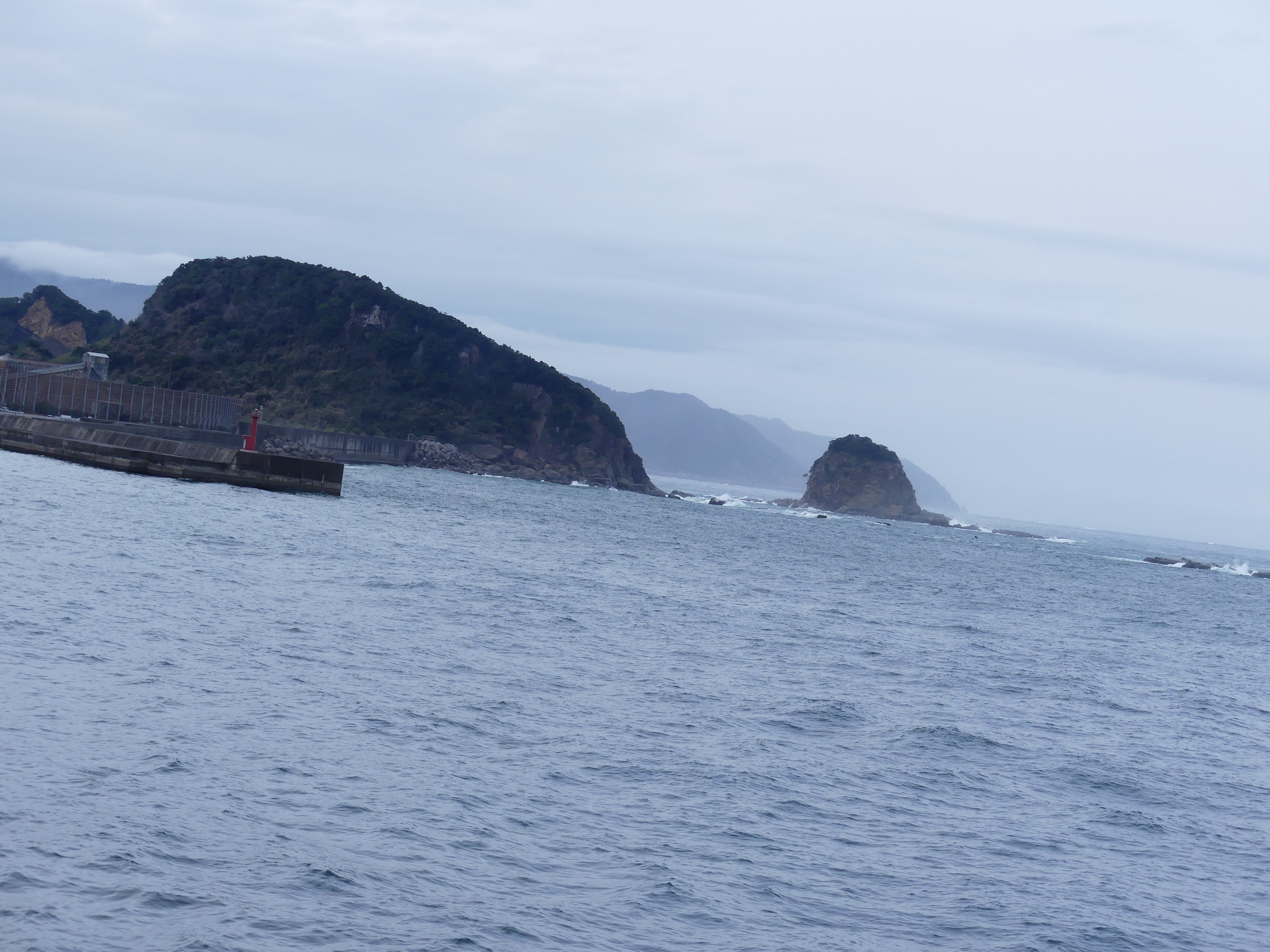
We were exhausted from rushing here and there. The tours/excursions did not excite us so we were not enticed to go ashore. The previous day and night had been choppy, and we decided it was great to just relax. The weather continued to be overcast and showery from time to time. So, we watched as several passengers filled the awaiting buses and thought of a good book and rest. Amongst the photos below you will see the harbour is fenced off by rocky outcrops and the channels out of the harbour had to be marked by lighthouses when the ship sailed.

Day 4 Port Naze

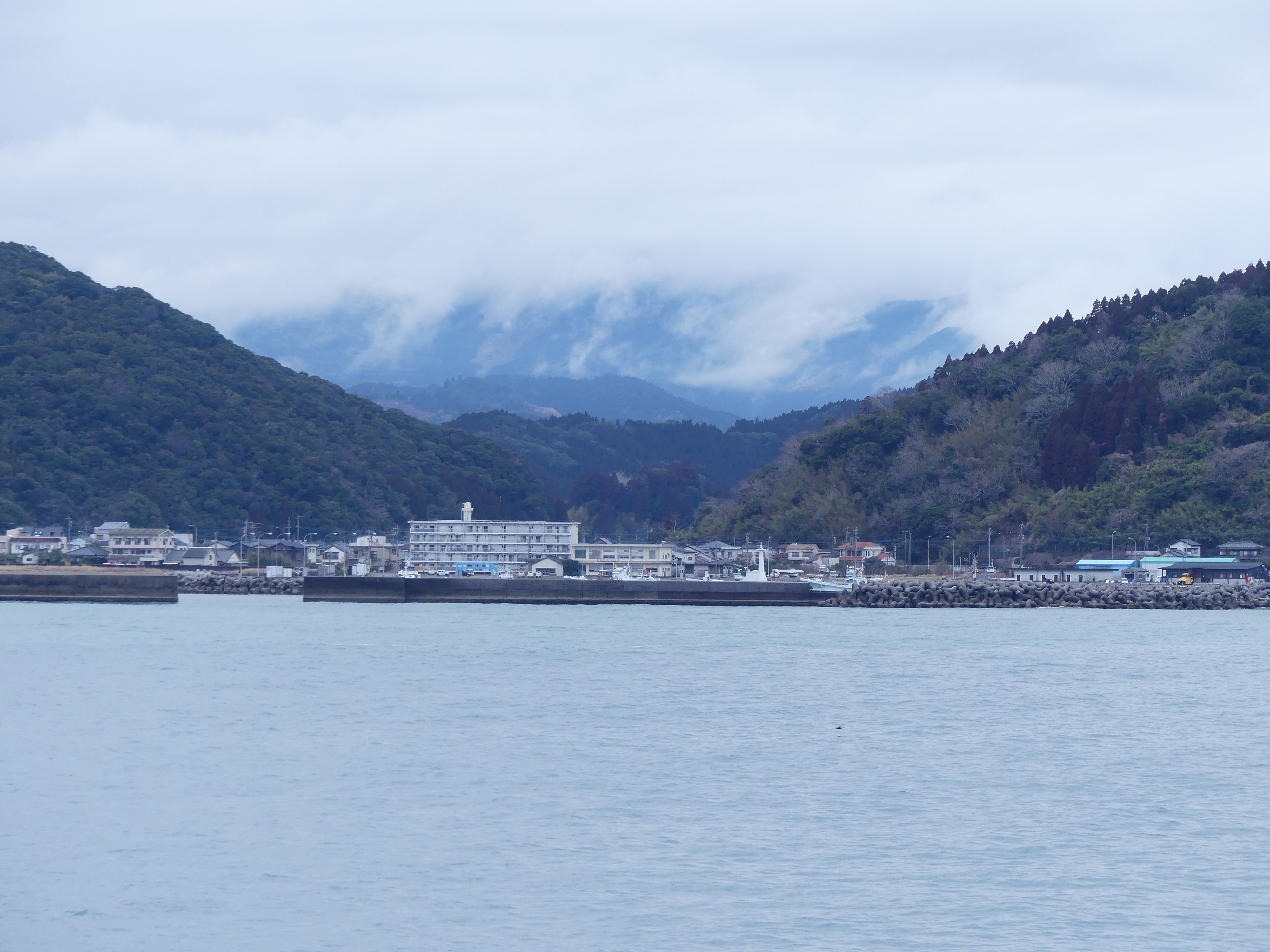
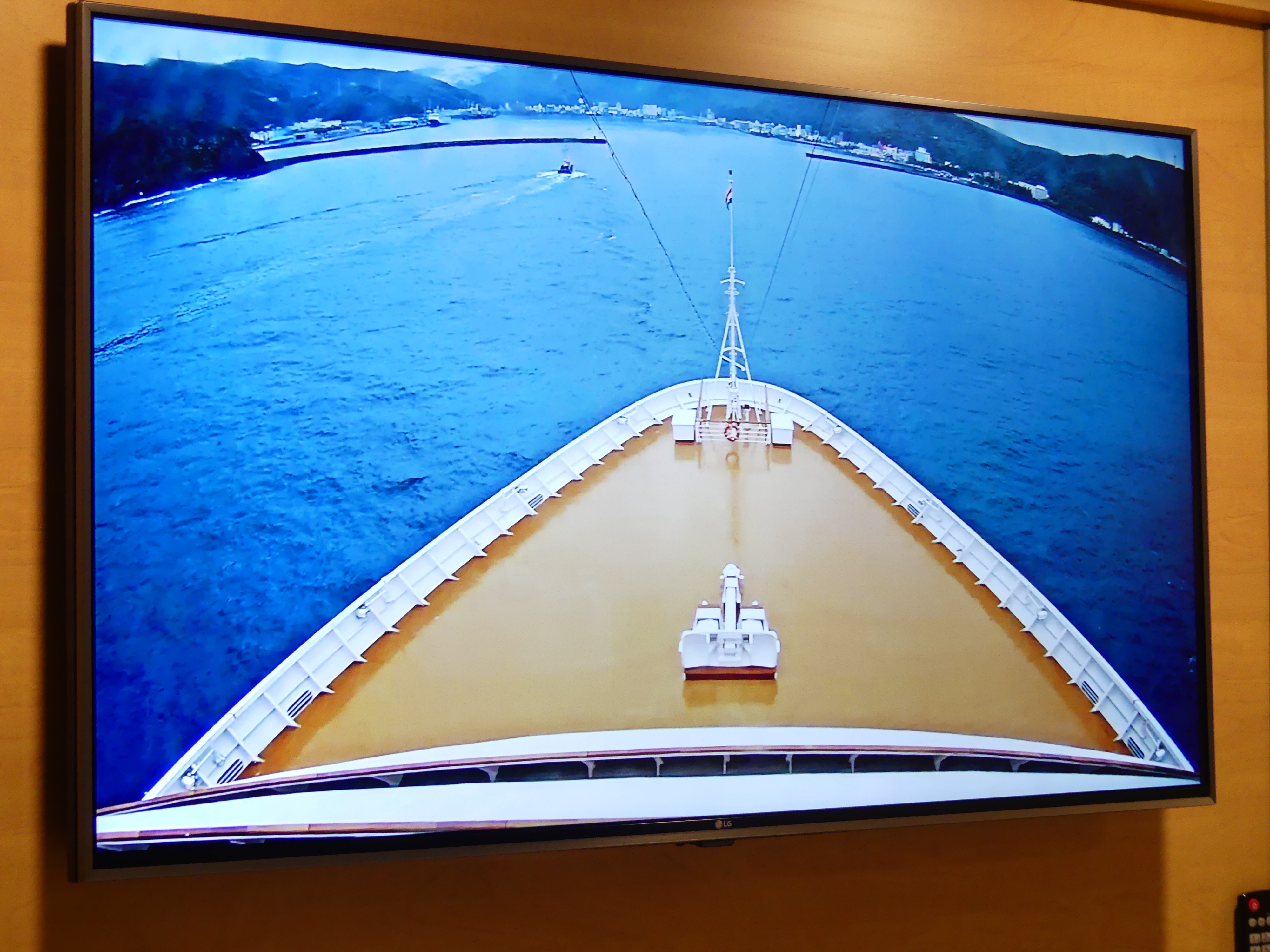
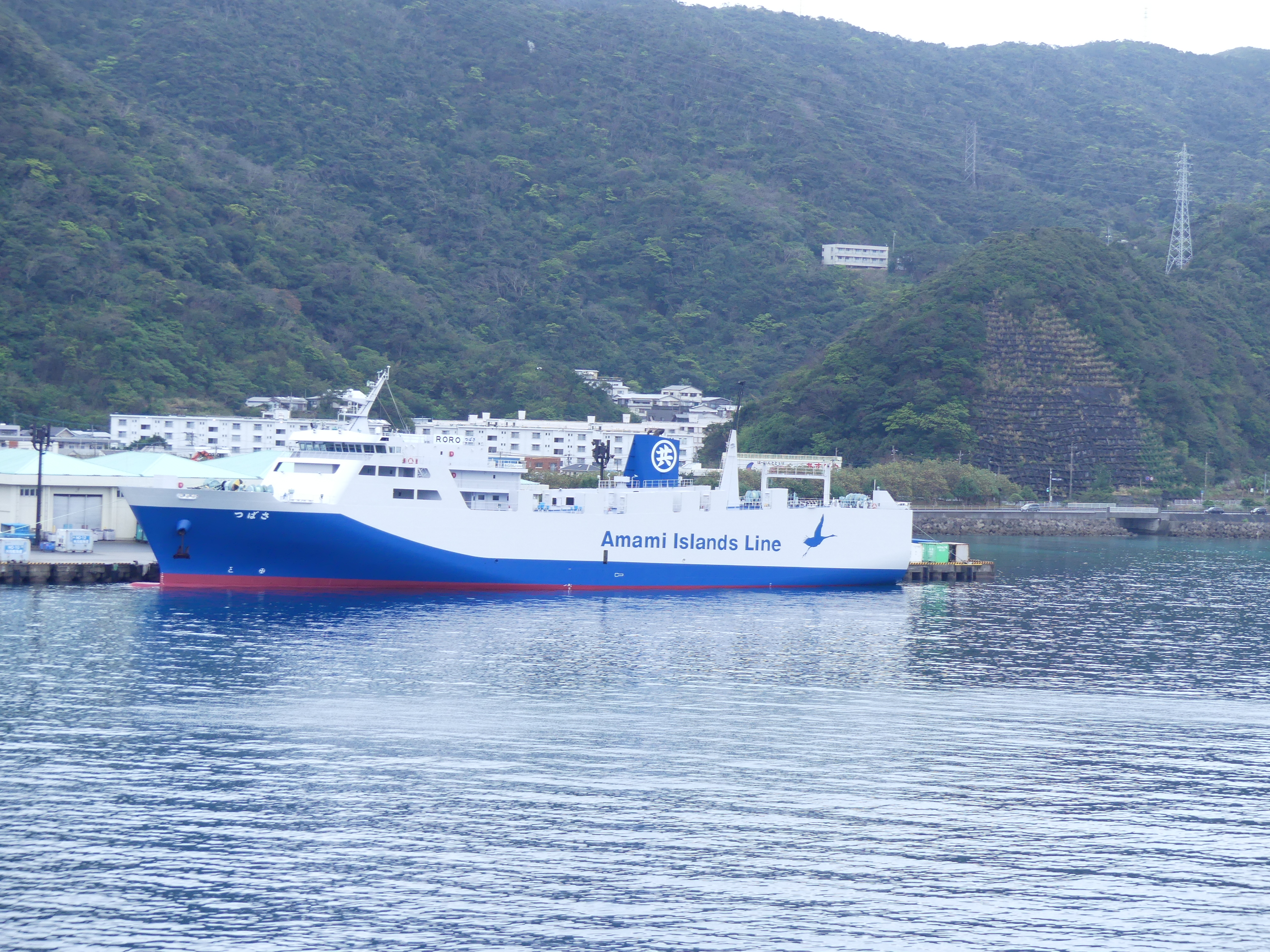
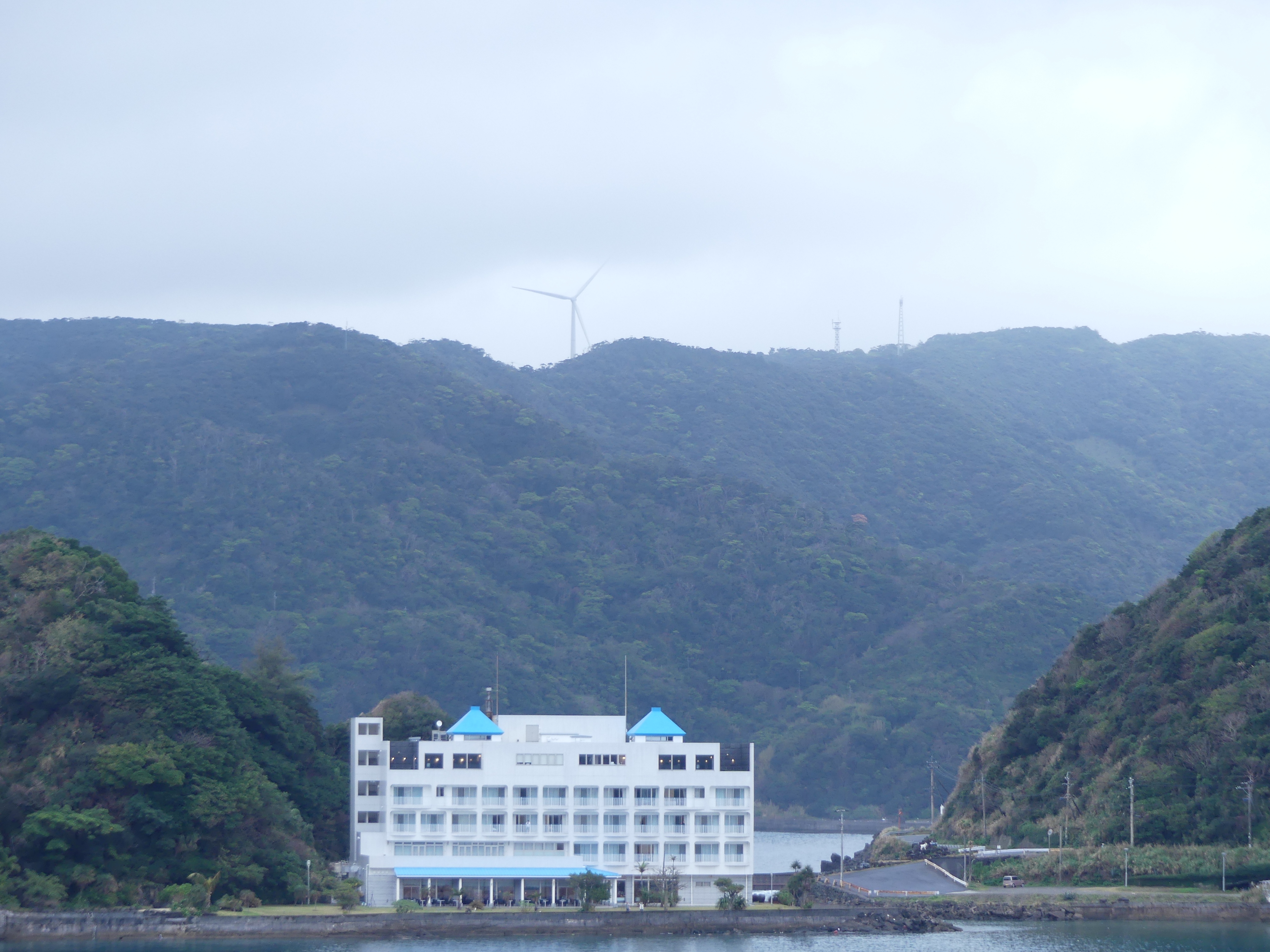
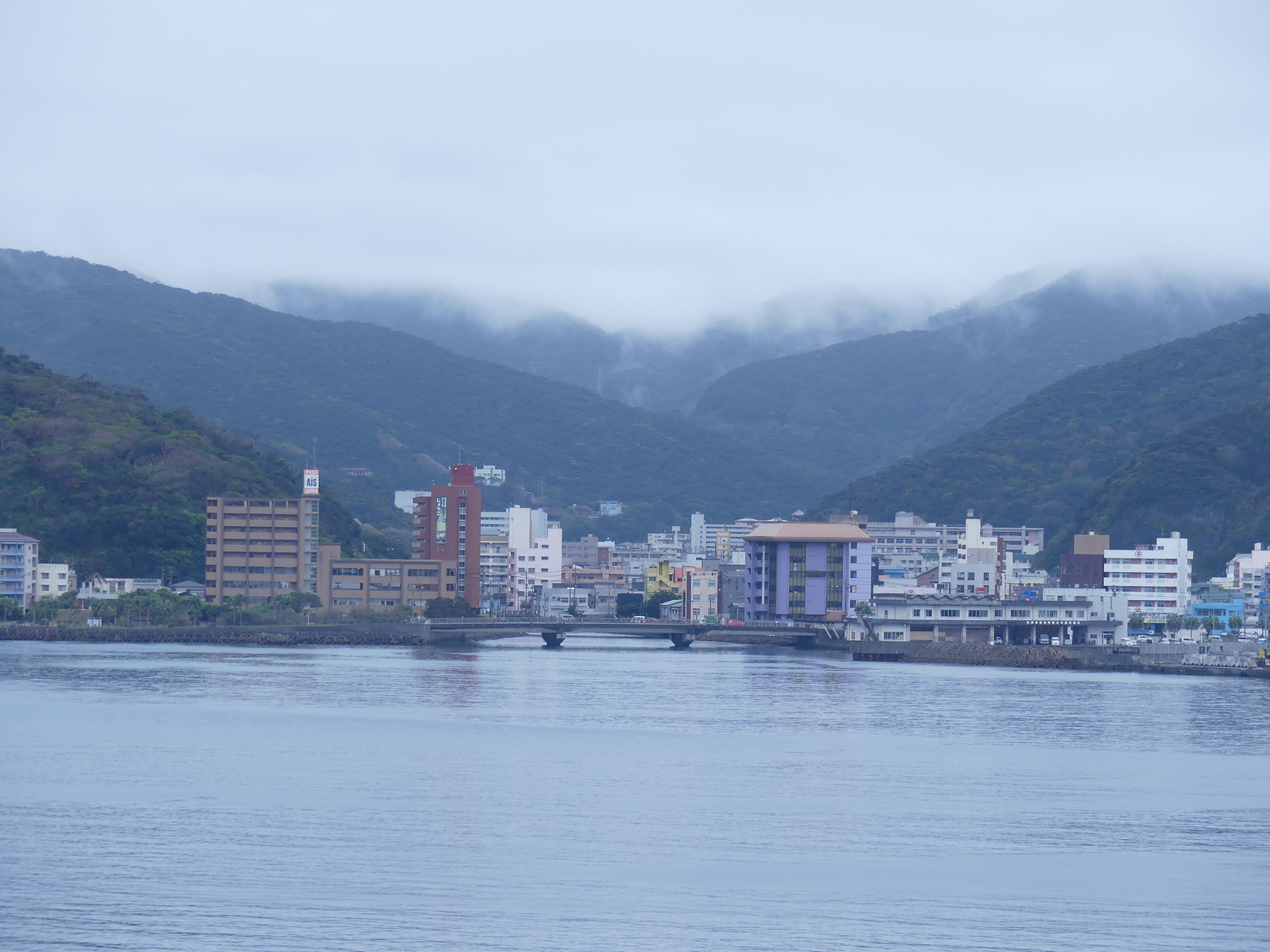
It was overcast once again. We had paid for one of the excursions, so we were wide awake watching the ship come into the dock and noting the heavy vegetation around the town. Our TV was connected to the ships bow camera, so we did not need to take a step outside to know its was still overcast. Once again there was a seawall to protect the harbour and a ferry service servicing the nearby islands. The town seemed about to be swallowed by the surrounding vegetation.

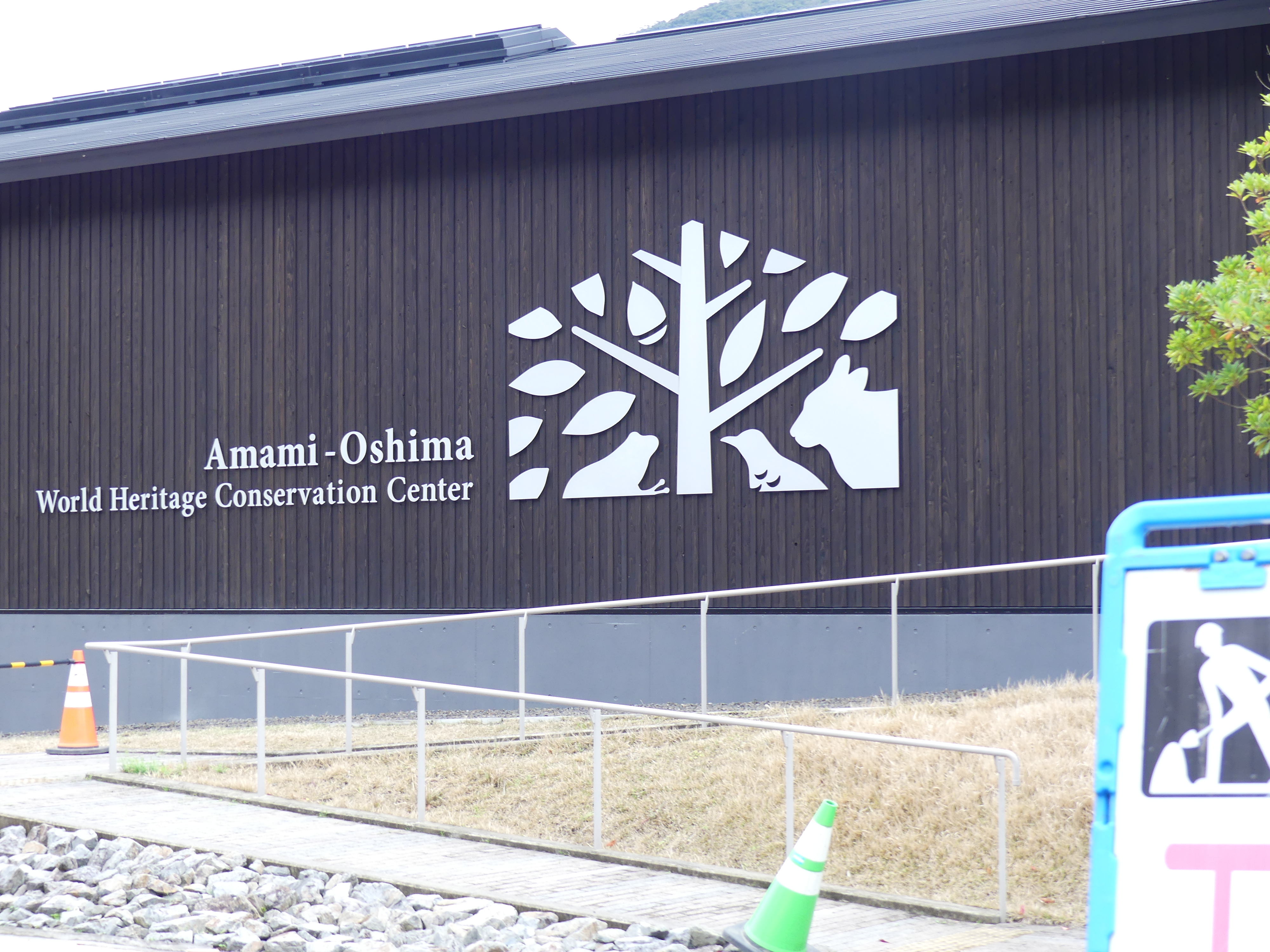
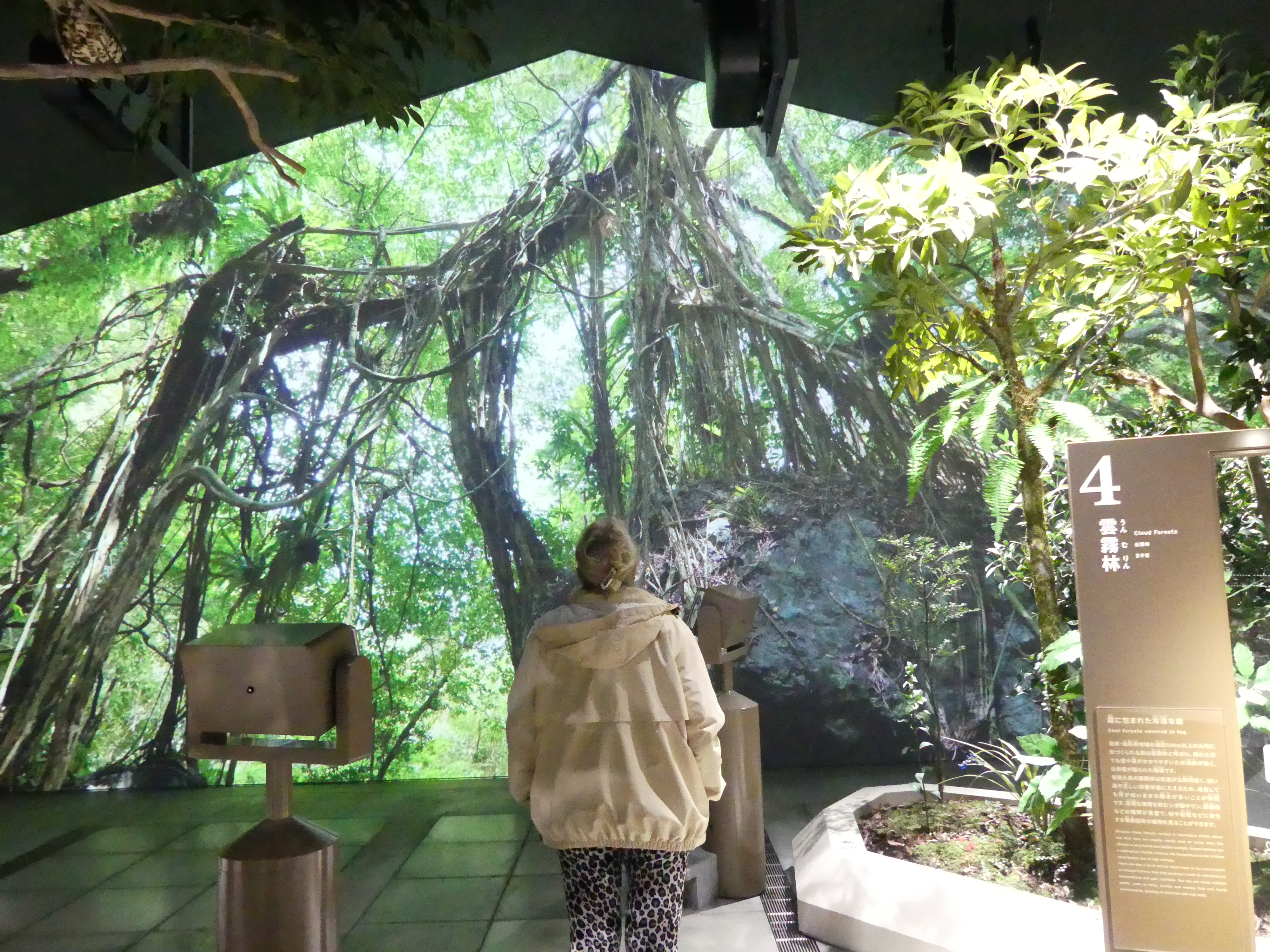
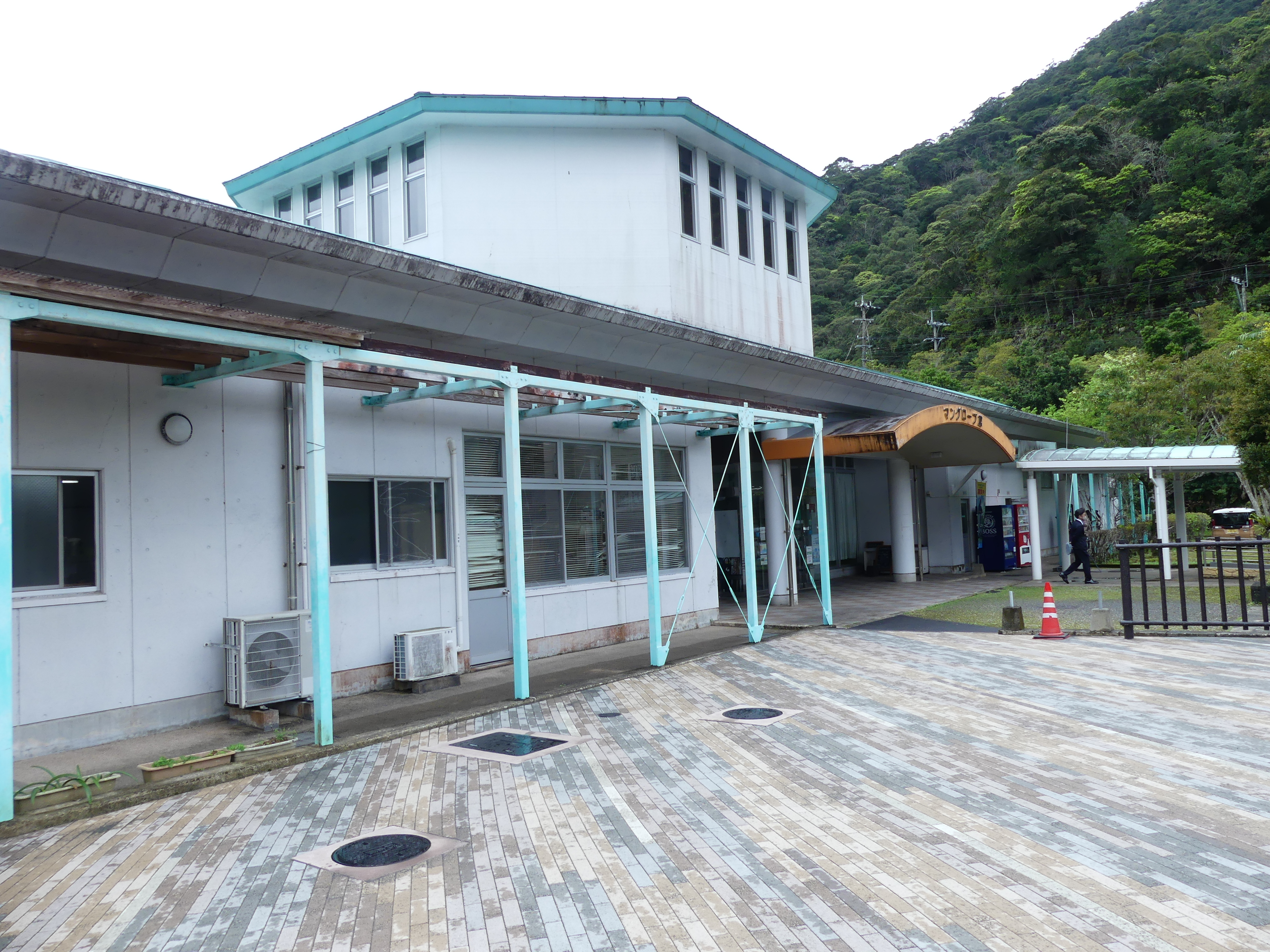
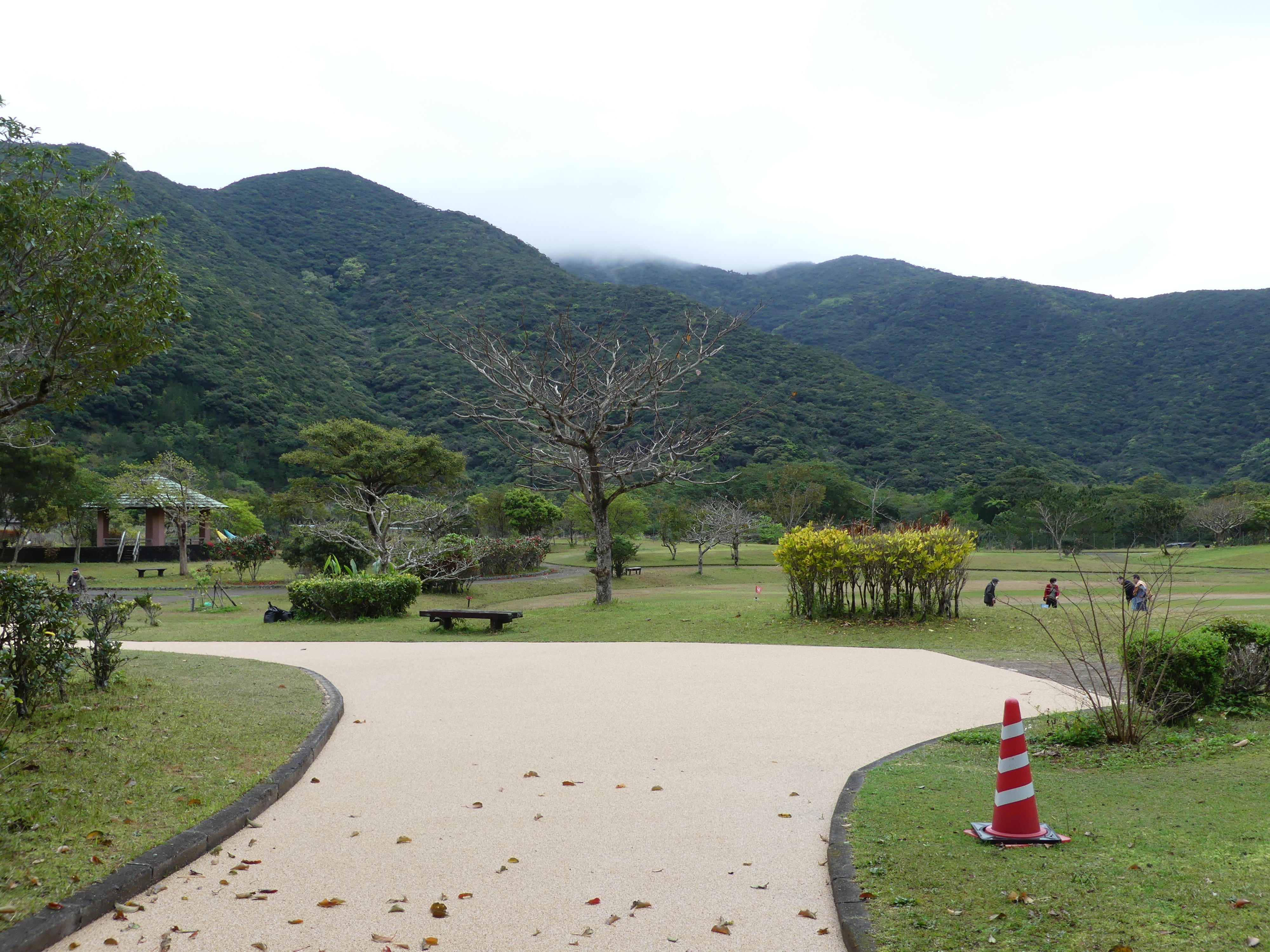
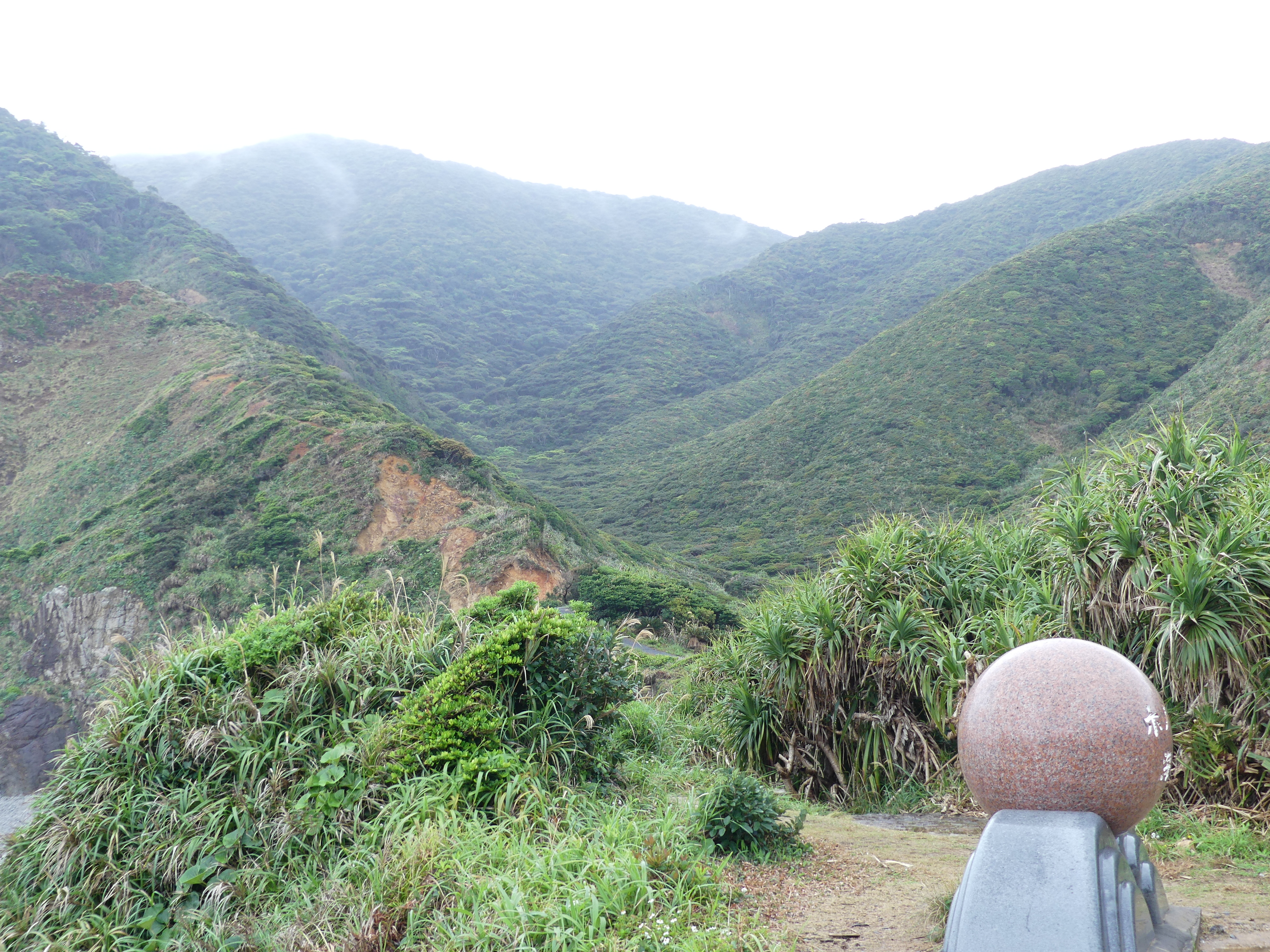
We boarded a bus and started our journey to the Amami – Oshima Conservation Reserve with its diverse flora and fauna of Amami Oshimas’ subtropical forests, from its labyrinthine mangroves to its widespread laurel forests. The exhibition room has life-sized dioramas of forest vegetation and rare animal species such as the Amami rabbit. The Amami rabbit is a relic species with short ears, dark fur, and hunched back only found on Amami Oshima and neighbouring Tokunoshima Island. Interestingly there is a golf course alongside the Centre.
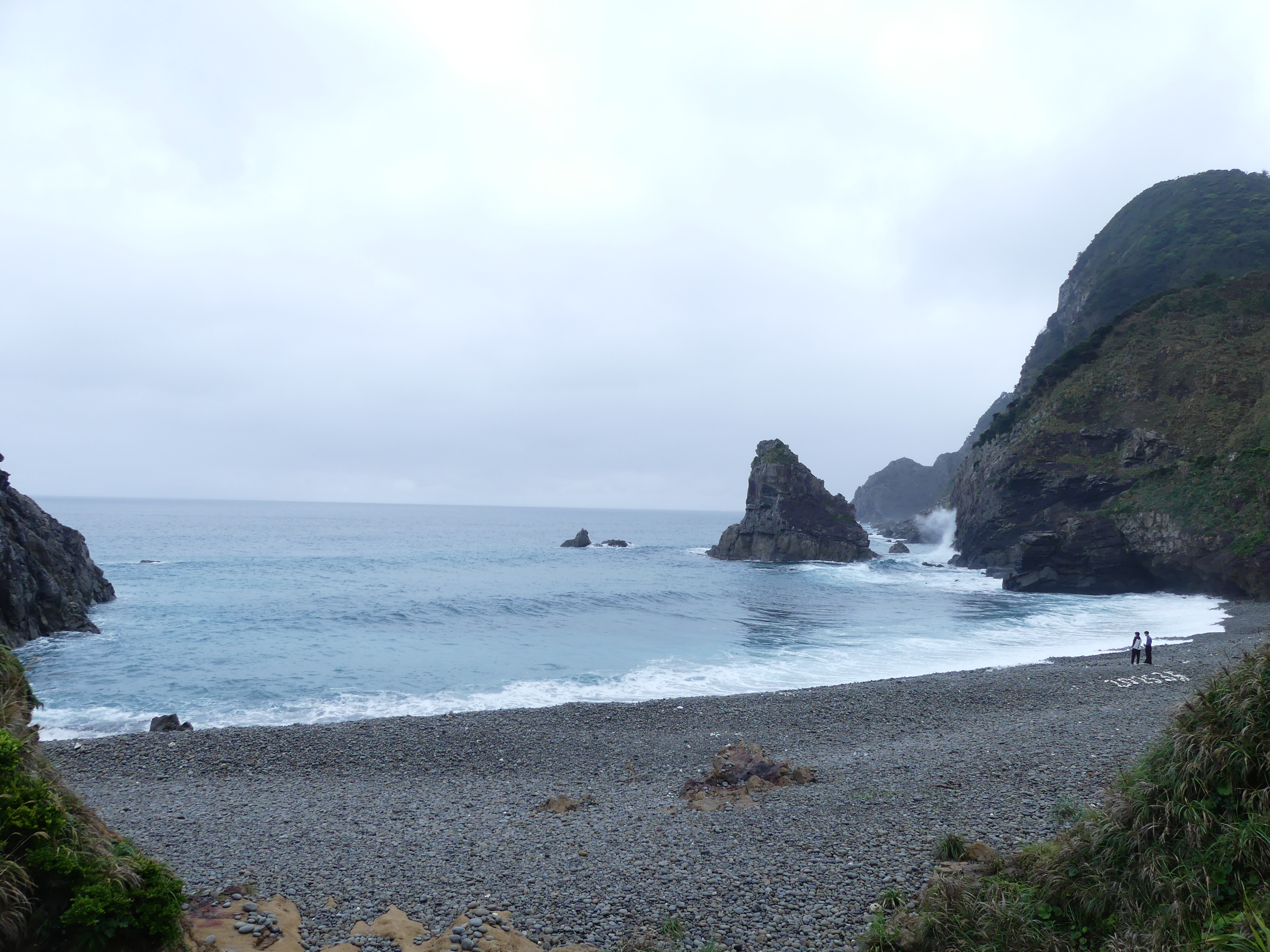
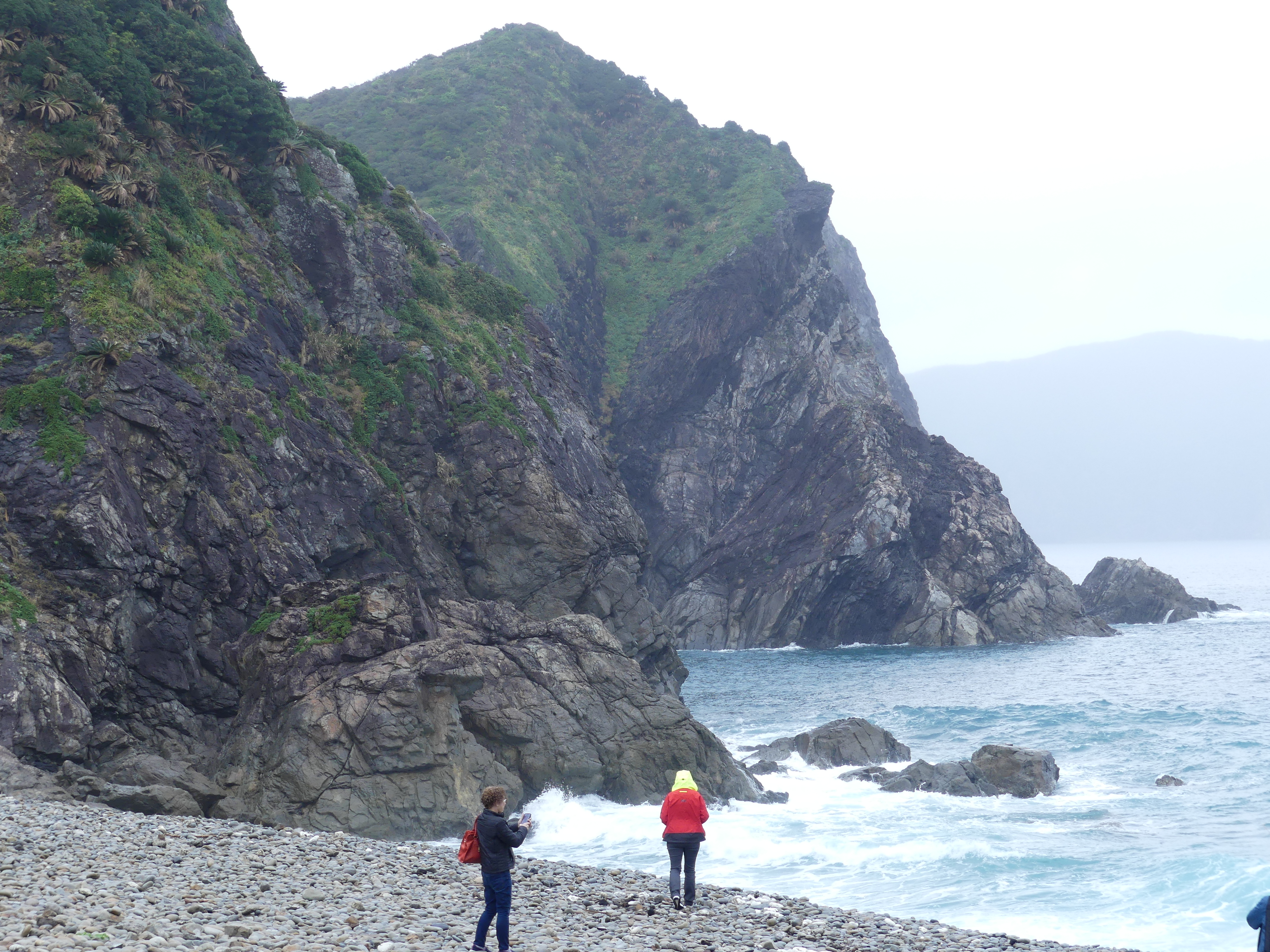
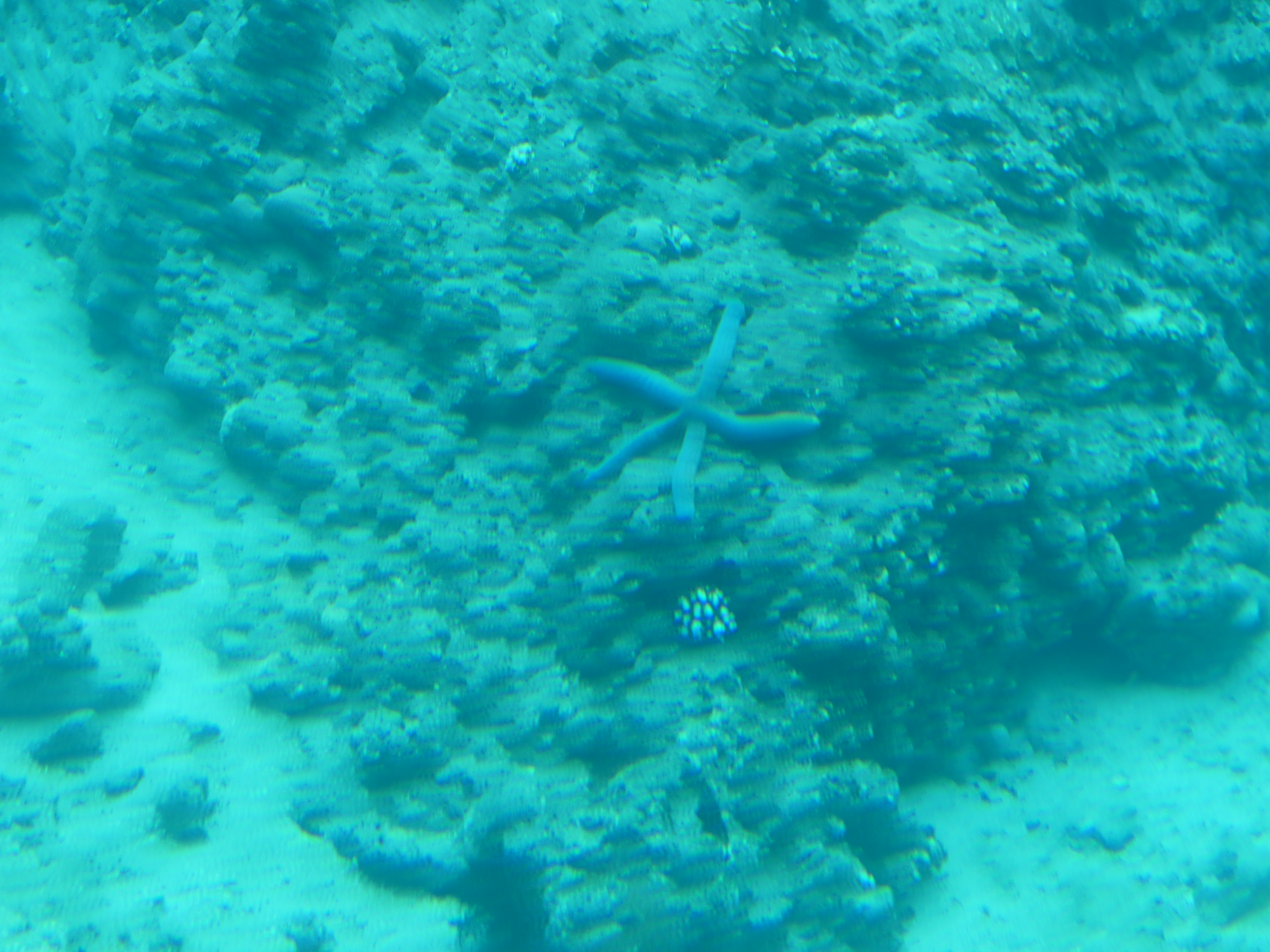
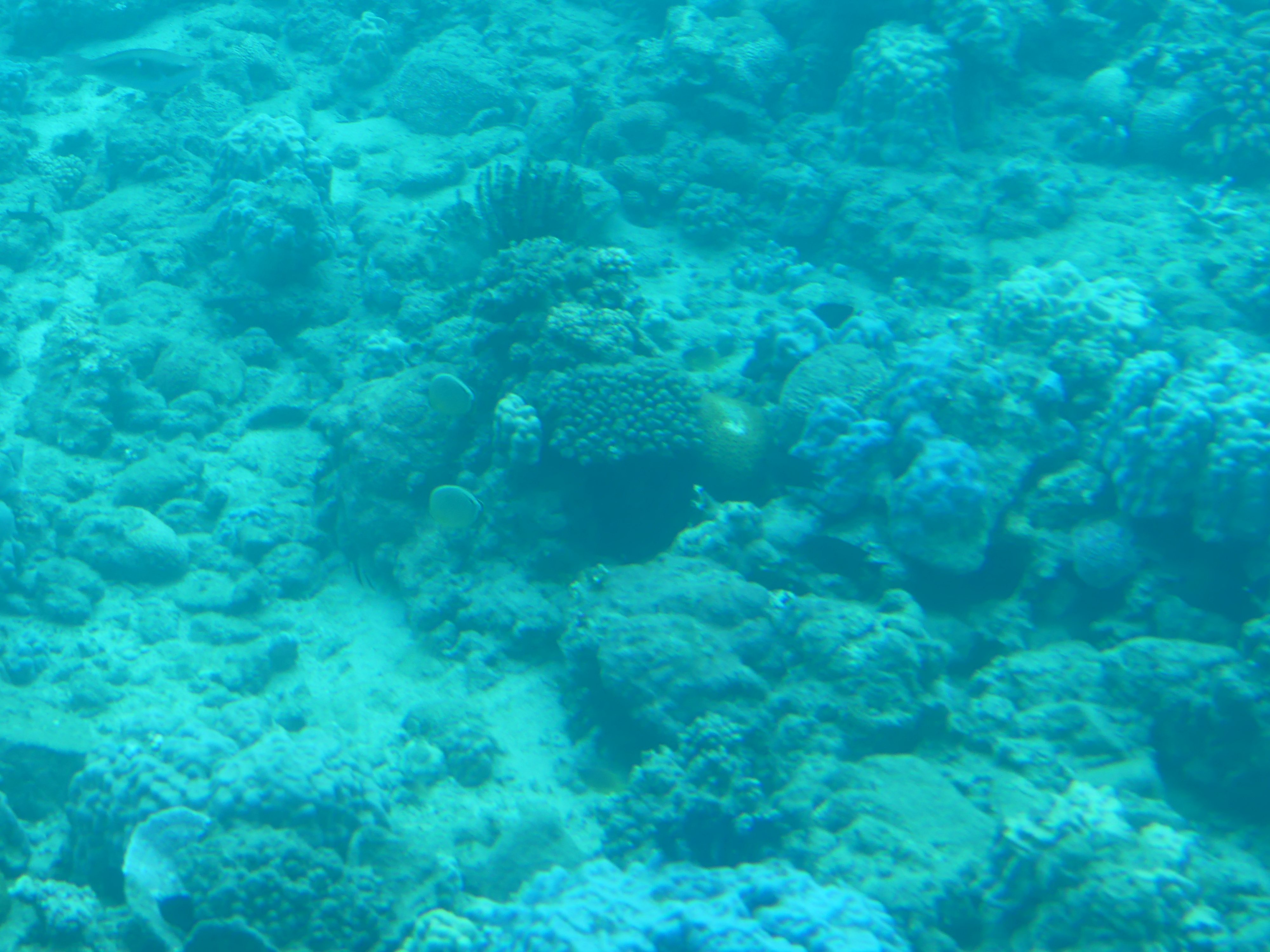
Next, we went to Honohoshi Beach. It showed the volcanic past of Japan and its islands. I think this is a stop to allow the glass bottom boat to deal with each wave of tourists as there was little of interest, but our tourist guide managed to keep talking.

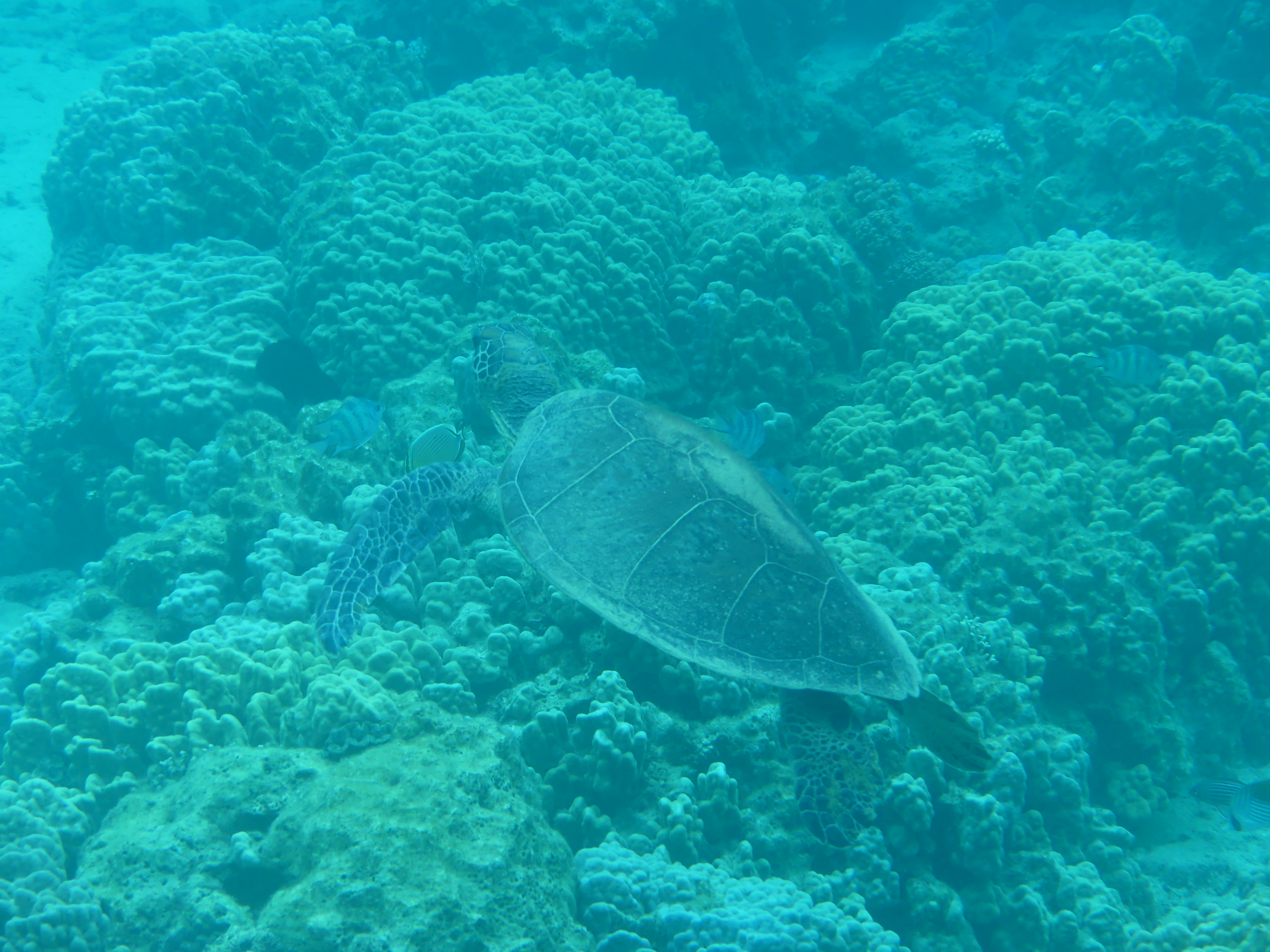
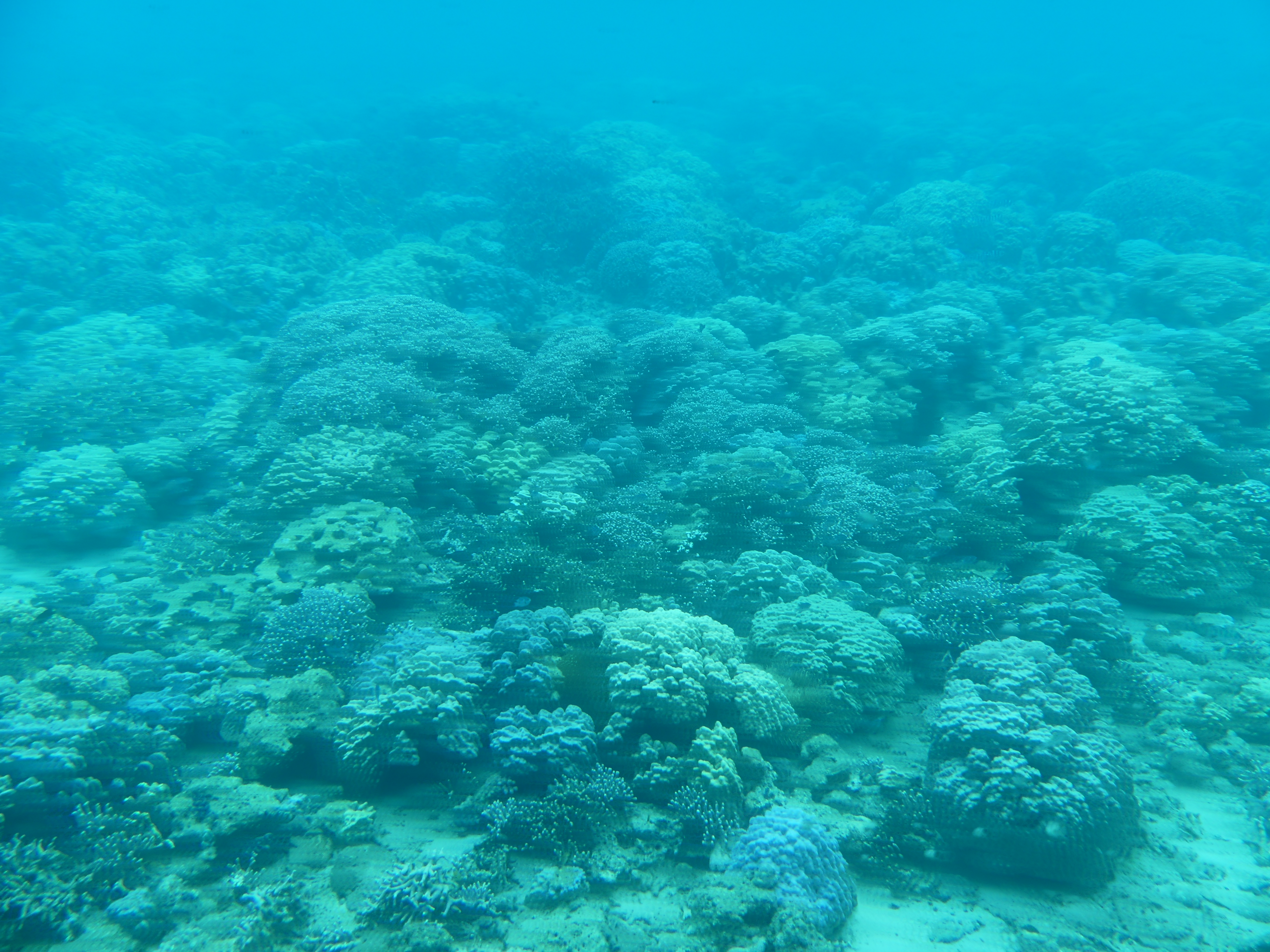
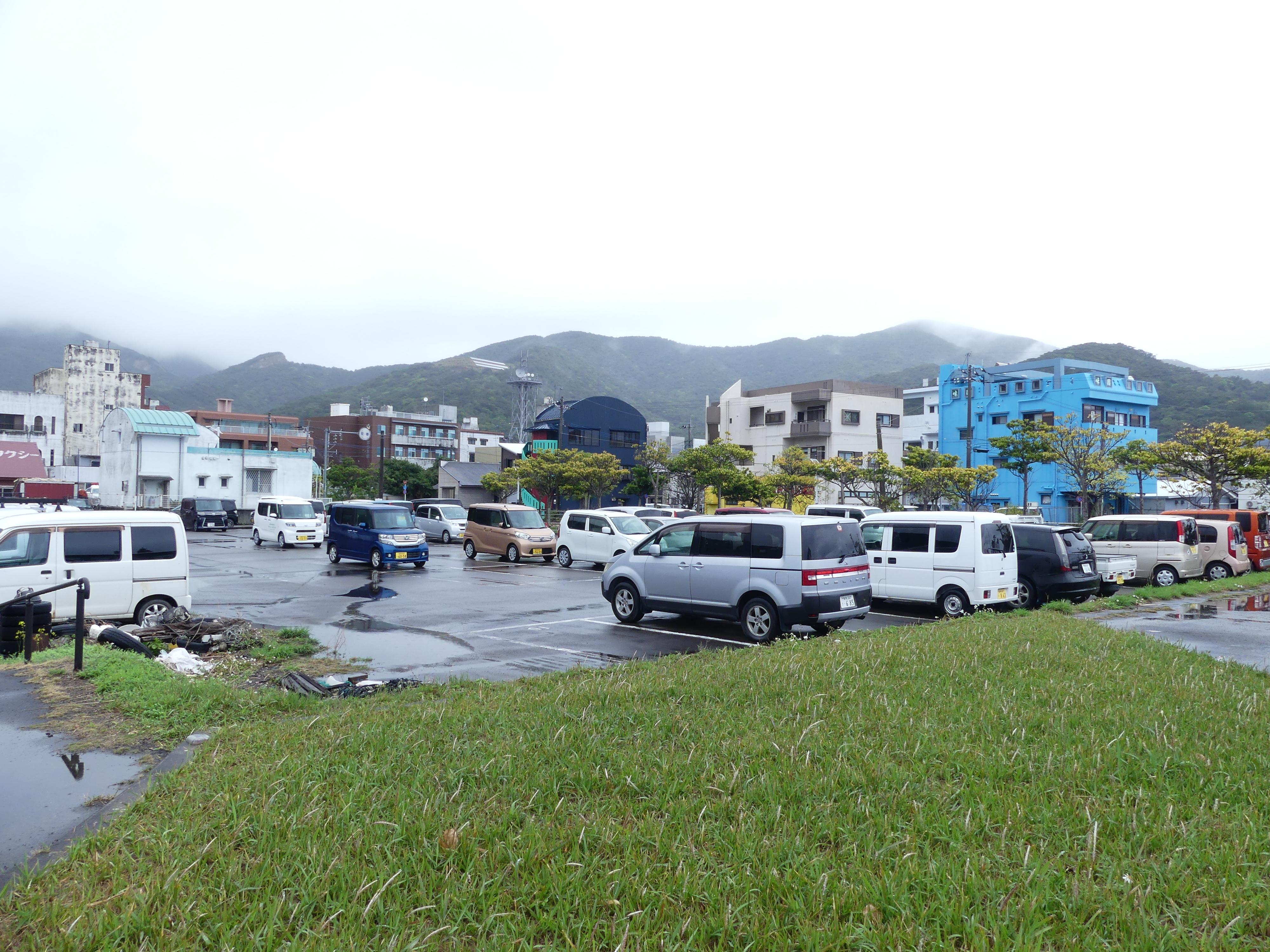
The reason that motivated me to take this excursion was the glass bottom boat and the reef viewing. Having been spoilt by the Great Barrier Reef, I could only be disappointed and I was. I have given you a selection of photos none of which are particularly good but that is just what it looked like. The final picture of the parking lot and the town centre give you an idea that this is nothing out of ordinary and little has changed over time. Perhaps the big surprise is how popular the square box car design is in all the island localities. They are everywhere we go.
Day 5 Port Naha Okinawa

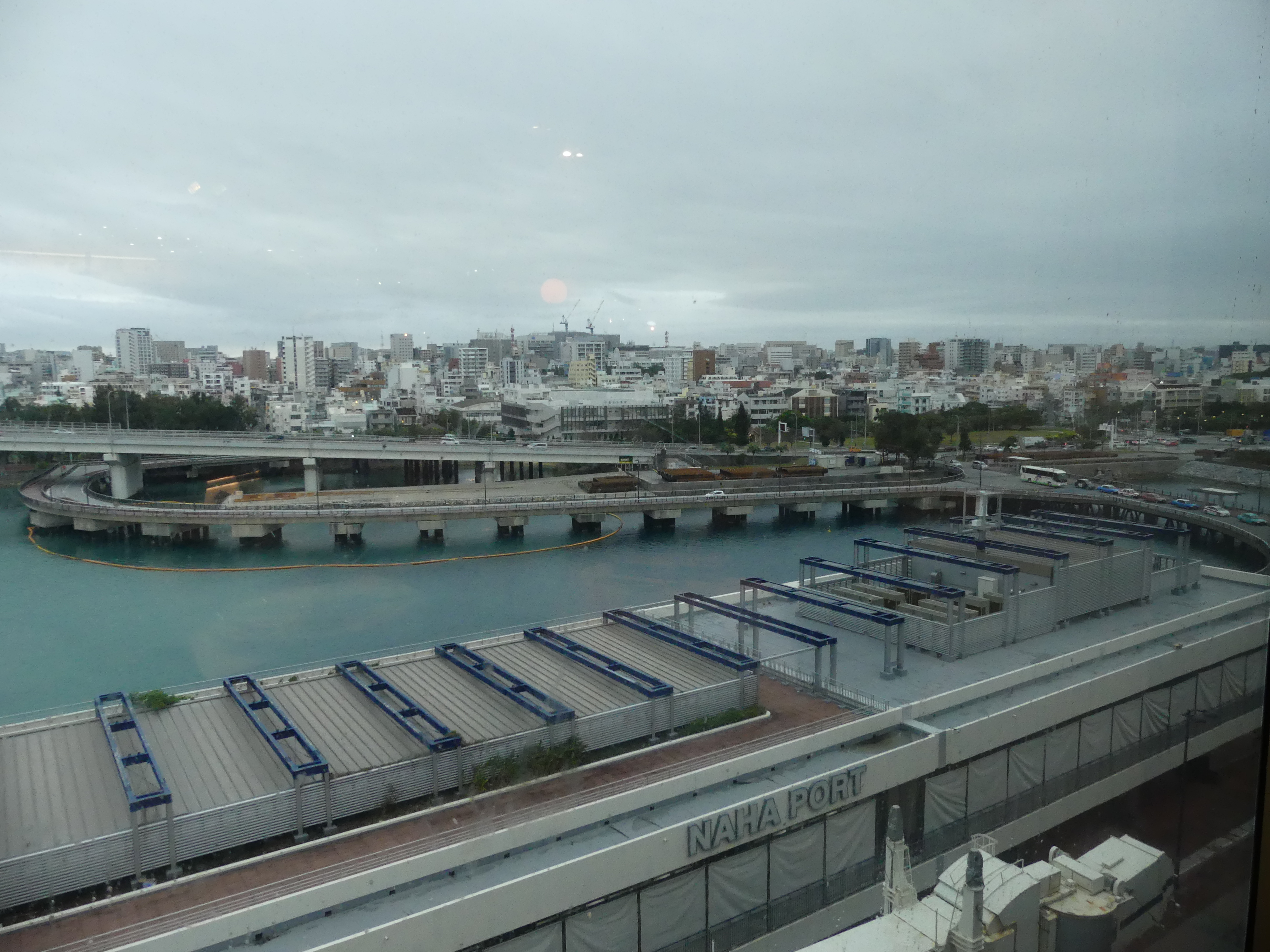
We docked at Port Naha. Naha is the capital and largest city of Okinawa, formerly ruled by the Ryukyu Kingdom from 1429 and unofficially annexed by Japan after the invasion of Ryukyu in 1609. Okinawa was officially founded in 1879 by the Empire of Japan after seven years as the Ryukyu Domain, the last domain of the Han system. Okinawa was occupied by the United States during the Allied occupation of Japan after World War II and was governed by the Military Government of the Ryukyu Islands from 1945 to 1950 and Civil Administration of the Ryukyu Islands from 1950 until the prefecture was returned to Japan in 1972. Okinawa comprises just 0.6 percent of Japan’s total land mass, but about 26,000 (75%) of United States Forces Japanese personnel are assigned to the prefecture; the continued U.S. military presence in Okinawa is controversial.

It is odd in my view that given this recent history and the continued occupation by the USA that Okinawa Peace Memorial has been established here. It was the scene of the decimation of the Japanese Army and civilian population so in that sense the memorial makes sense. The continuation of the occupation must irk the locals.

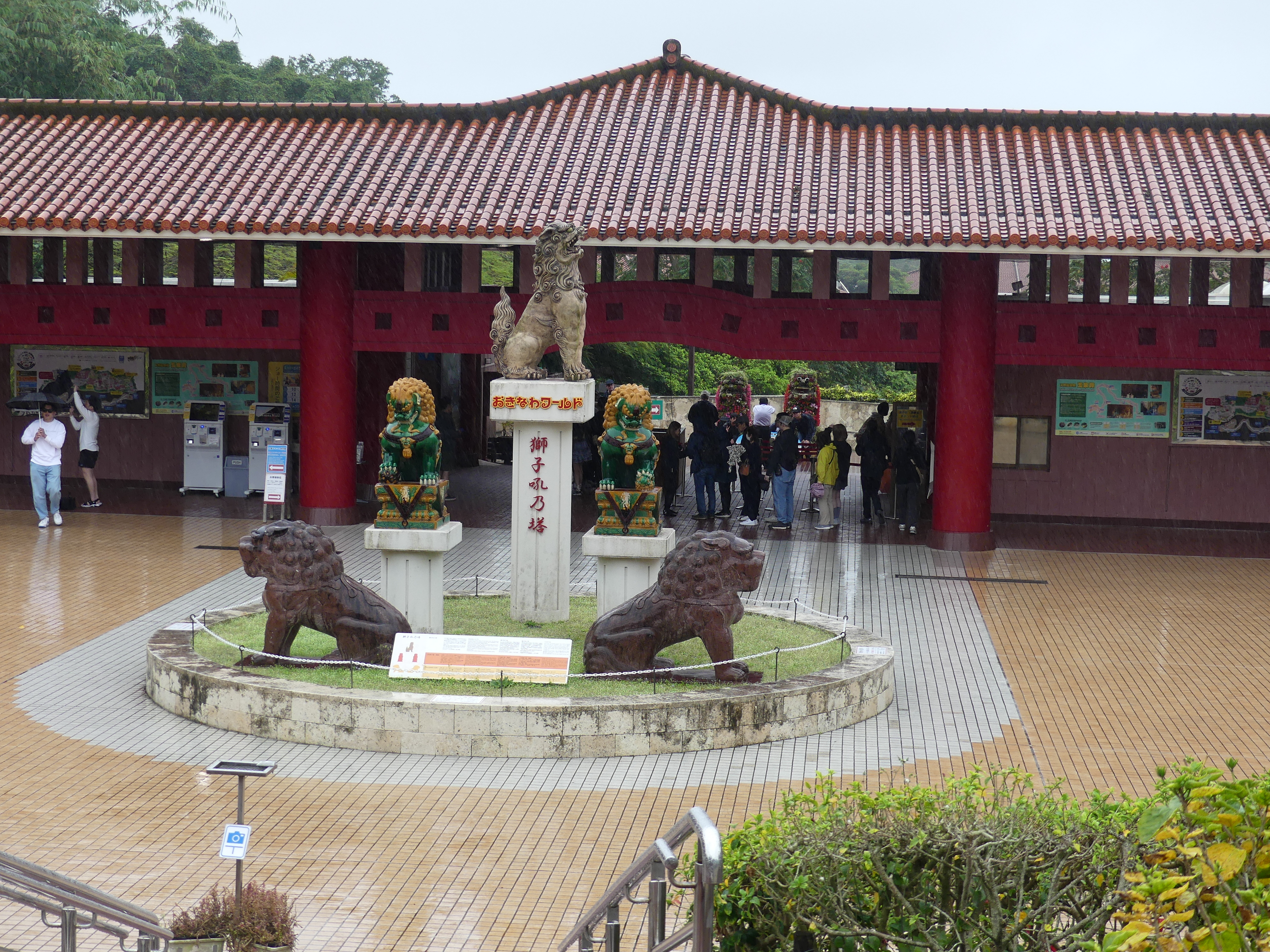
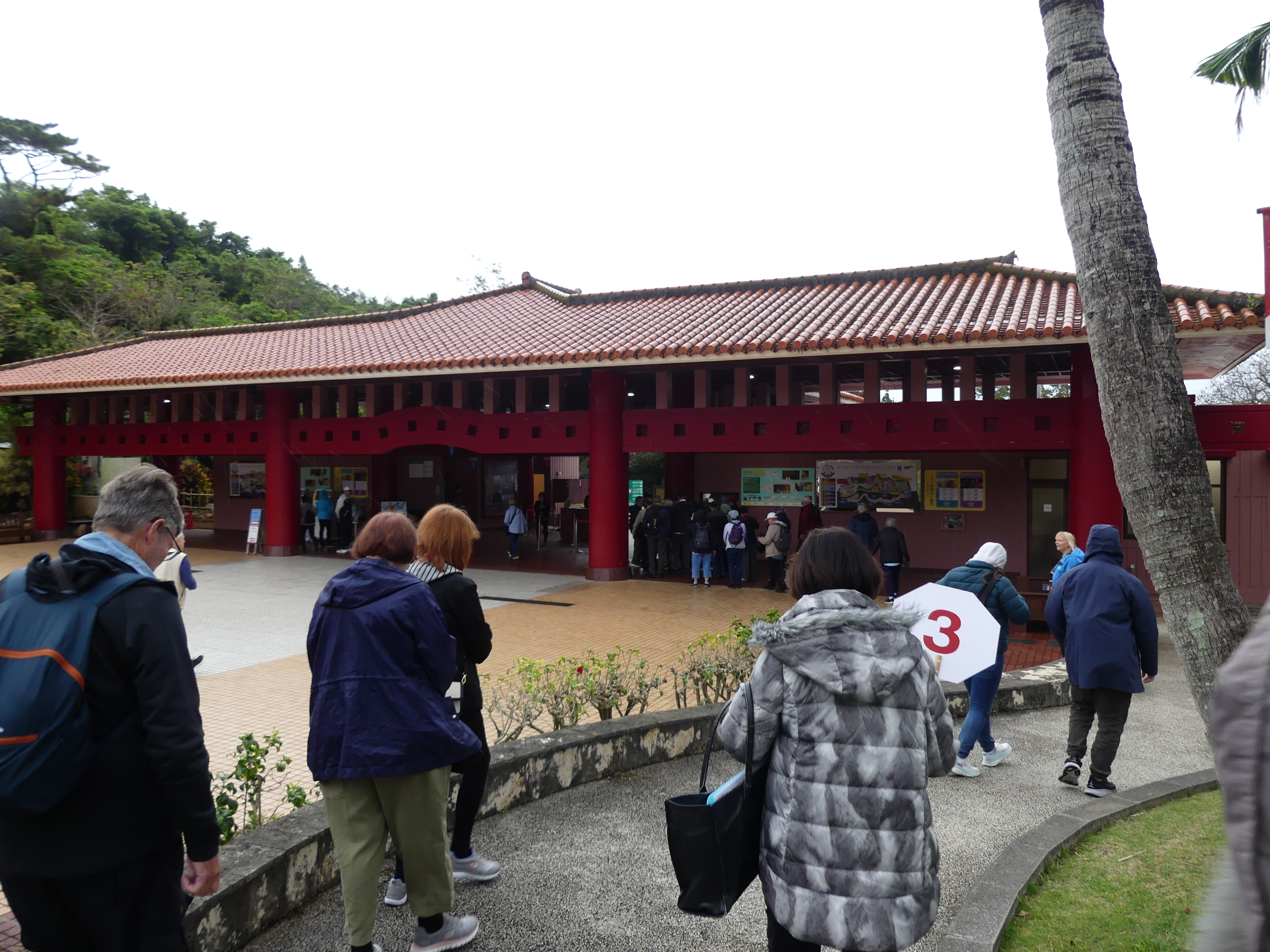
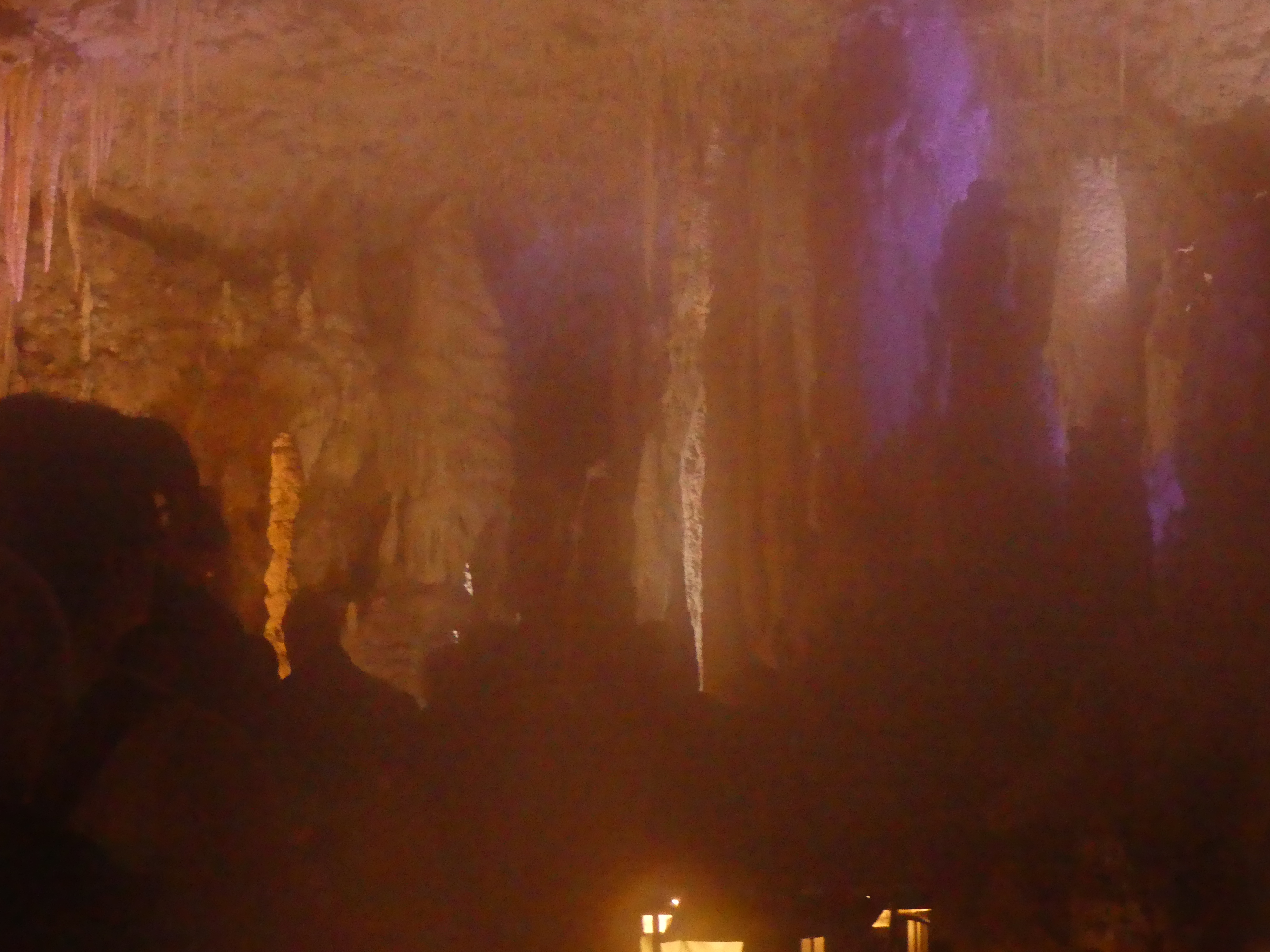
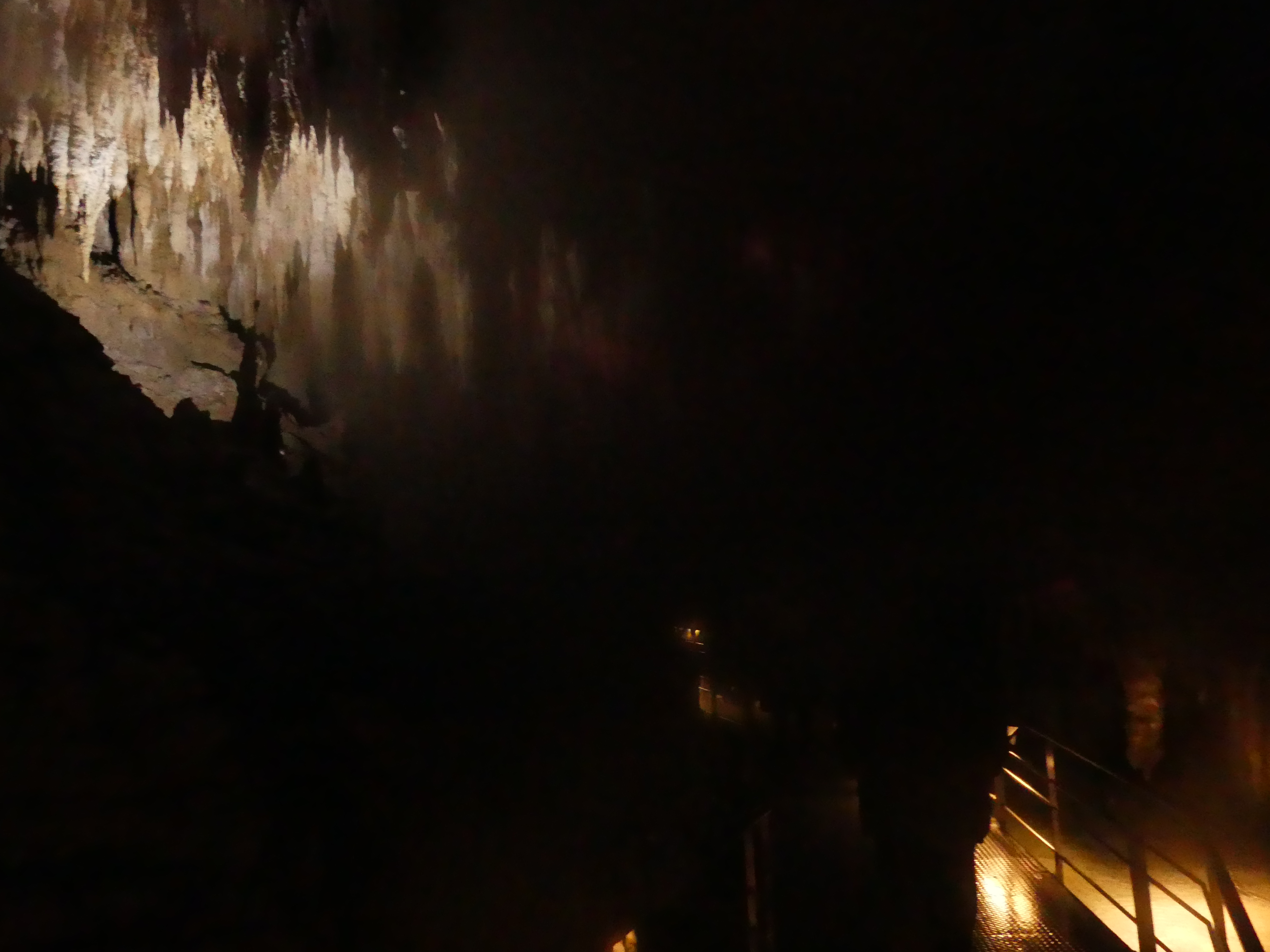
At the terminal we boarded a bus to Gyokusendo Cave, our first stop on the way to the Peace Memorial. Having seen many similar caves from Europe to England to Western Australia & Tasmania I was surprised at the interference with the natural features of the caves. From an artificial concrete entrance to chain sawing through stalagmite outcrops to create a path through the caves I was disappointed. Further the natural temperature seemed to be interfered with, and the lighting was poor. One thing I can applaud though is the escalator at the end of the walk through the cave. Our last cave experience in Margaret River WA there was more than 300 steps to climb out – not happy Jan.

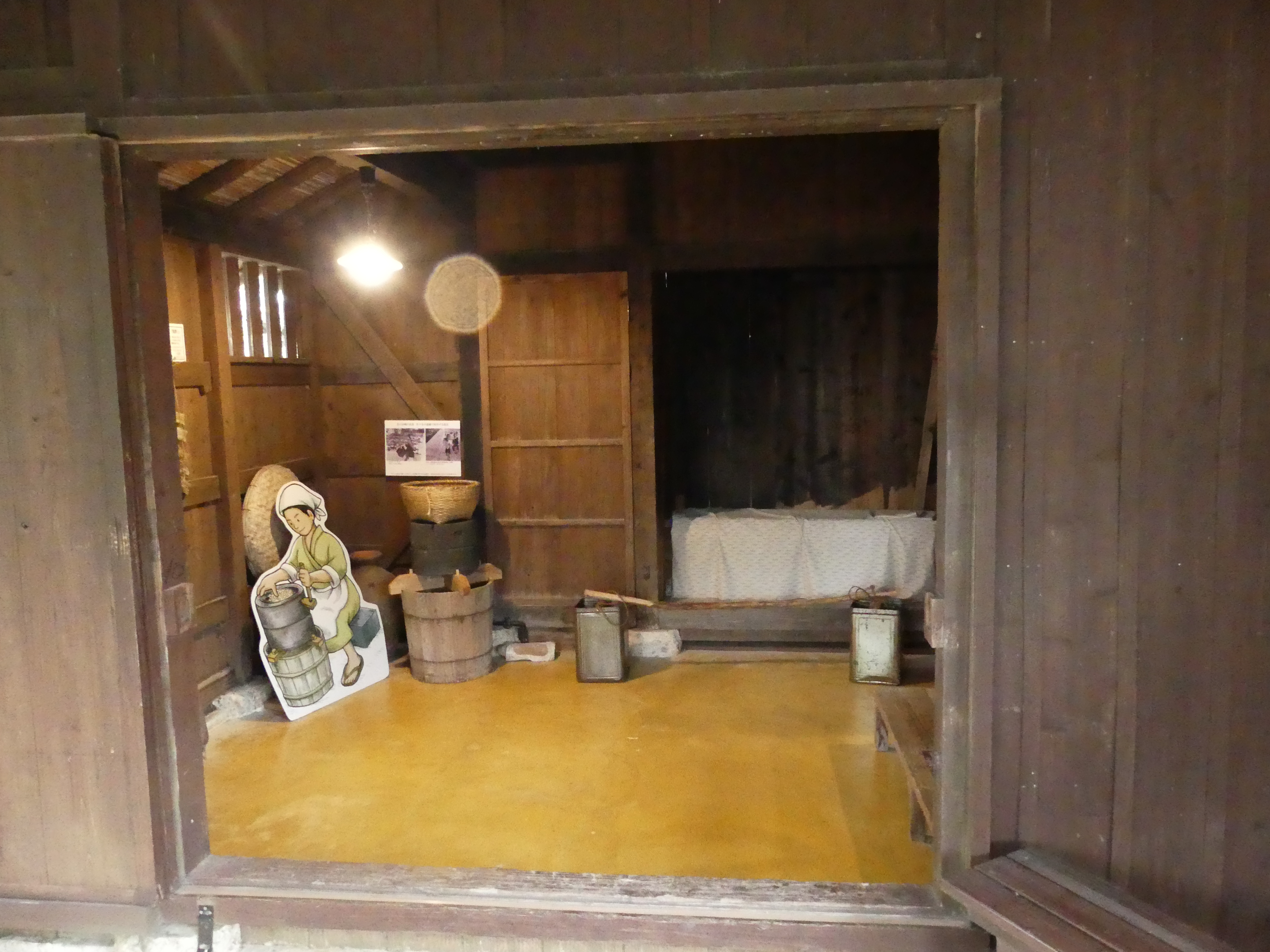
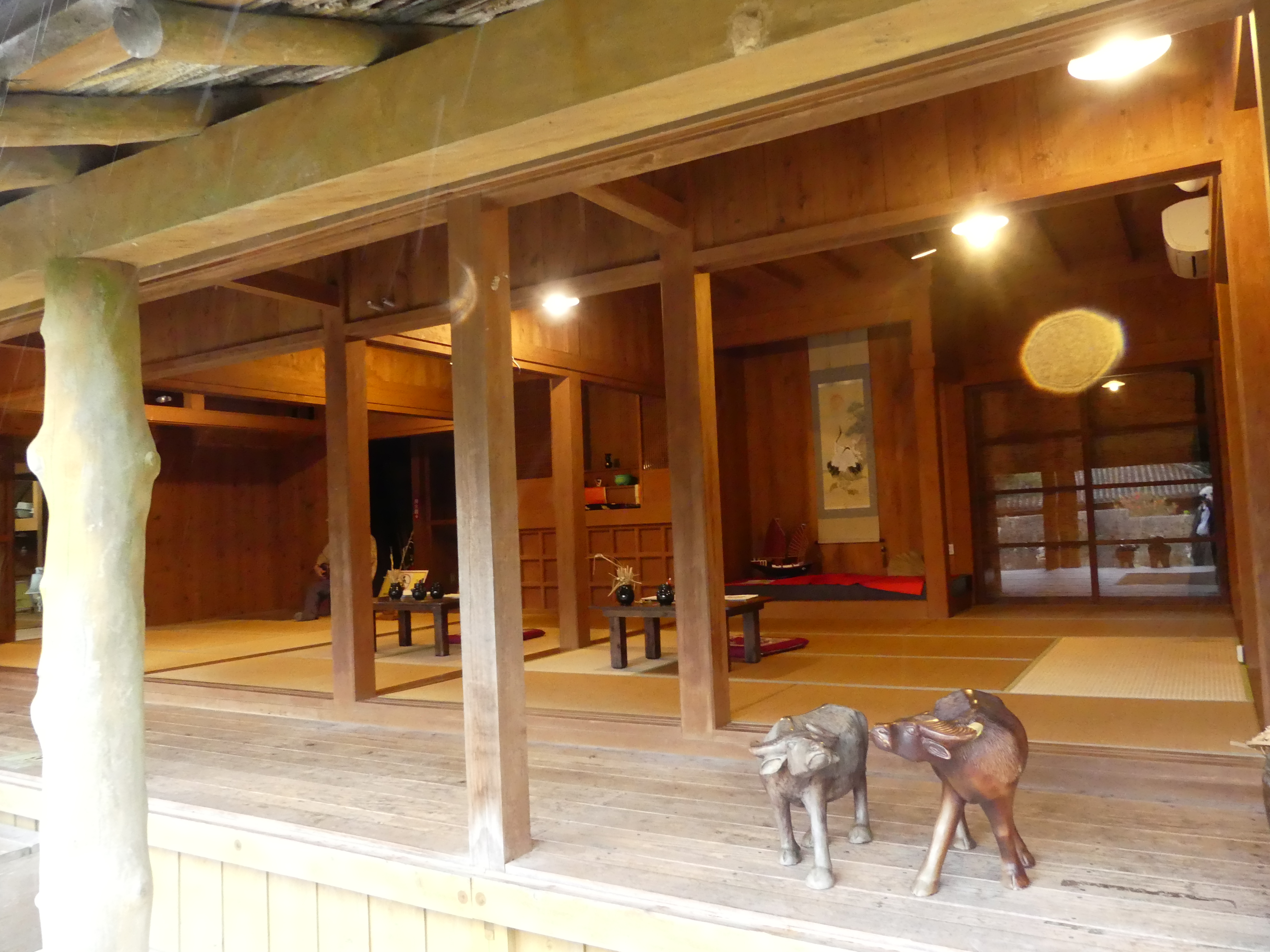
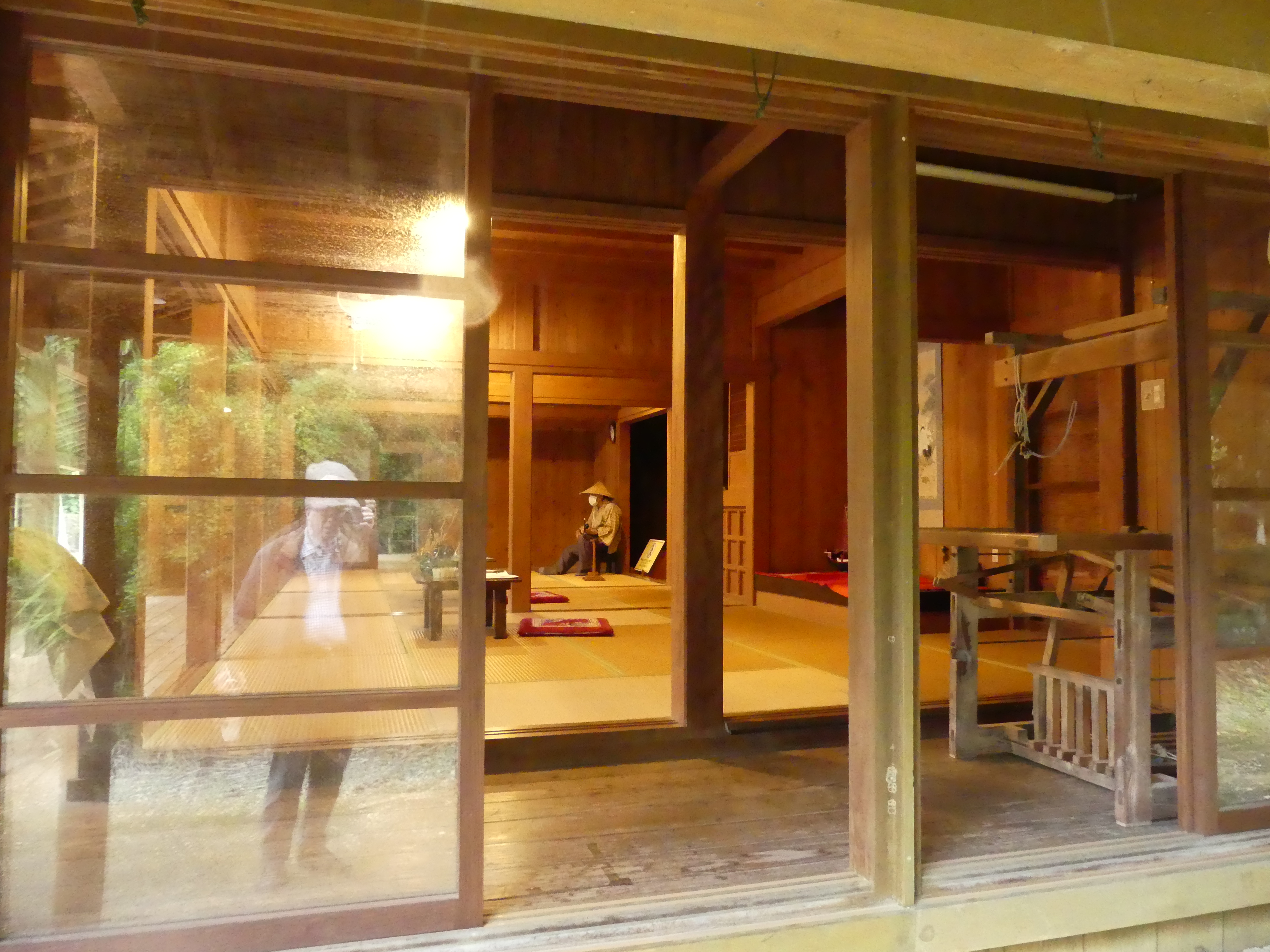
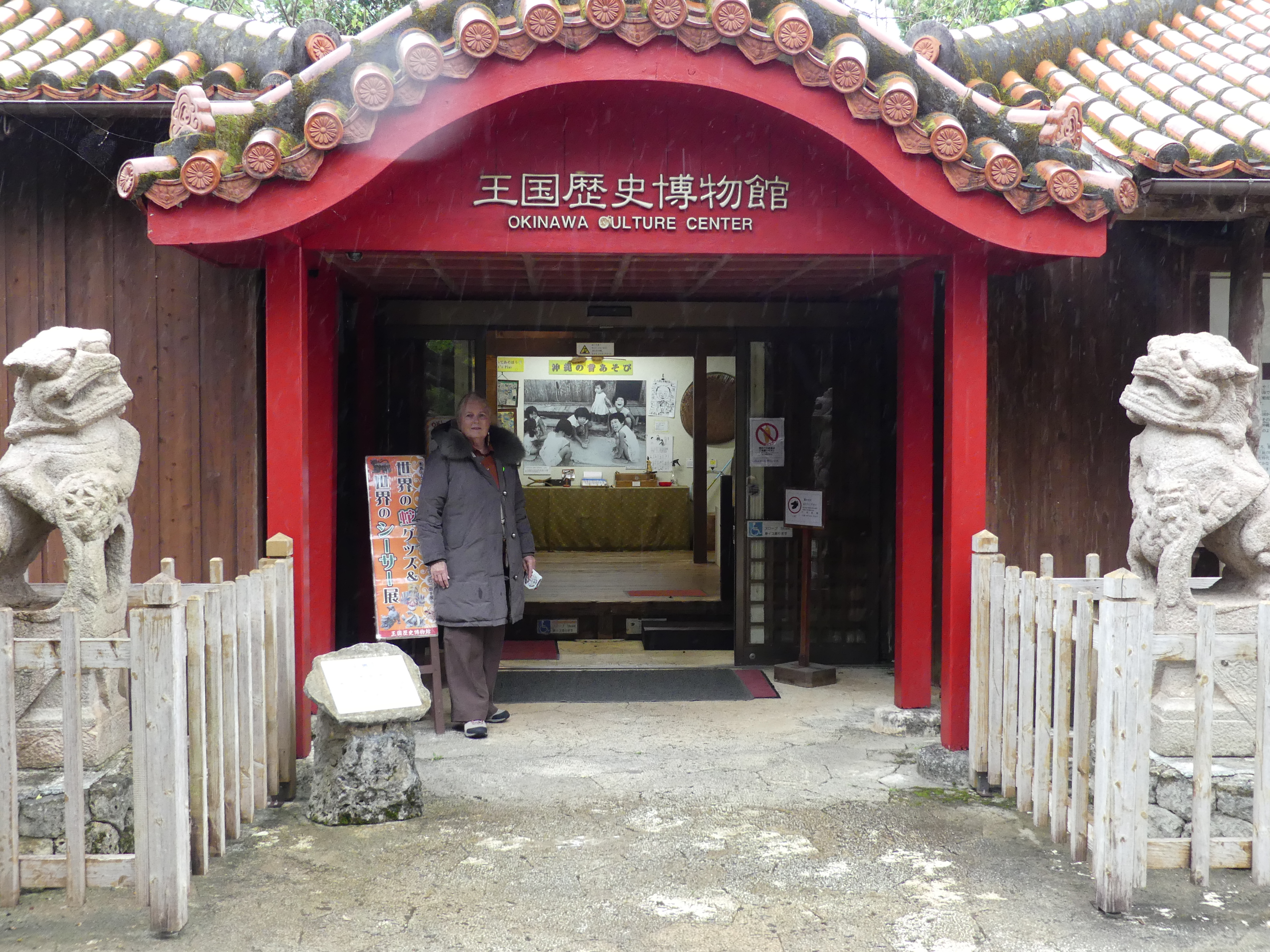
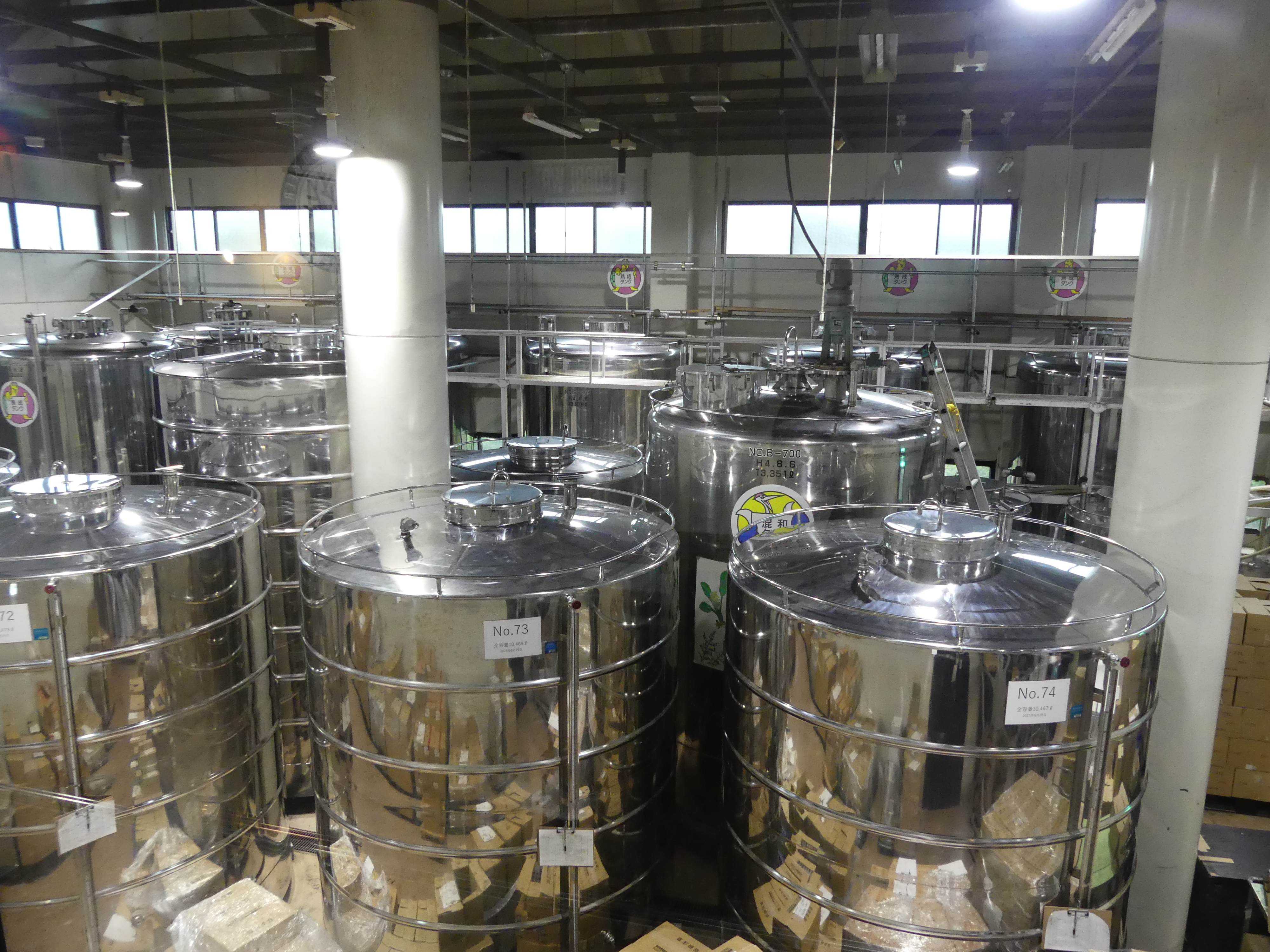
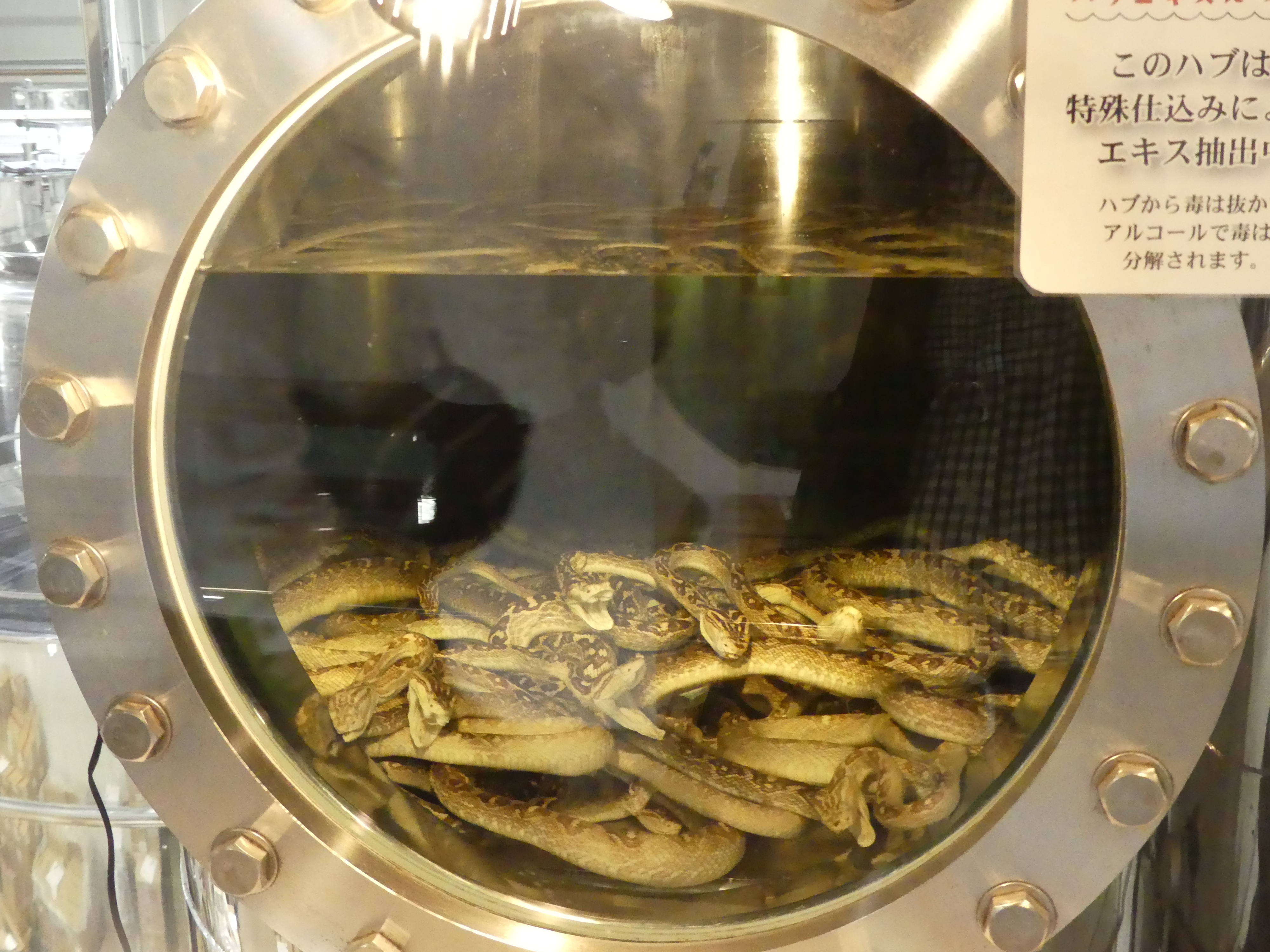
The caves are underneath what appears to be the recreation of an old Japanese village, and this was interesting. Open plan living with bamboo walls! There is also a culture centre. Remembering that Okinawa has not always been part of a united Japan it was interesting to view some of their differences. The Japanese have developed a reputation for beer making but there are some secrets to their difference. In this centre there is a modern mini brewery brewing beer with bite. The bite comes from the ingredients – snakes – no sale at the souvenir shop for me. We moved through the centre and back to the bus with a nasty taste in my mouth thinking about the snakes and then I thought the Mexicans put a worm in their Tequila – I don’t drink Tequila either.

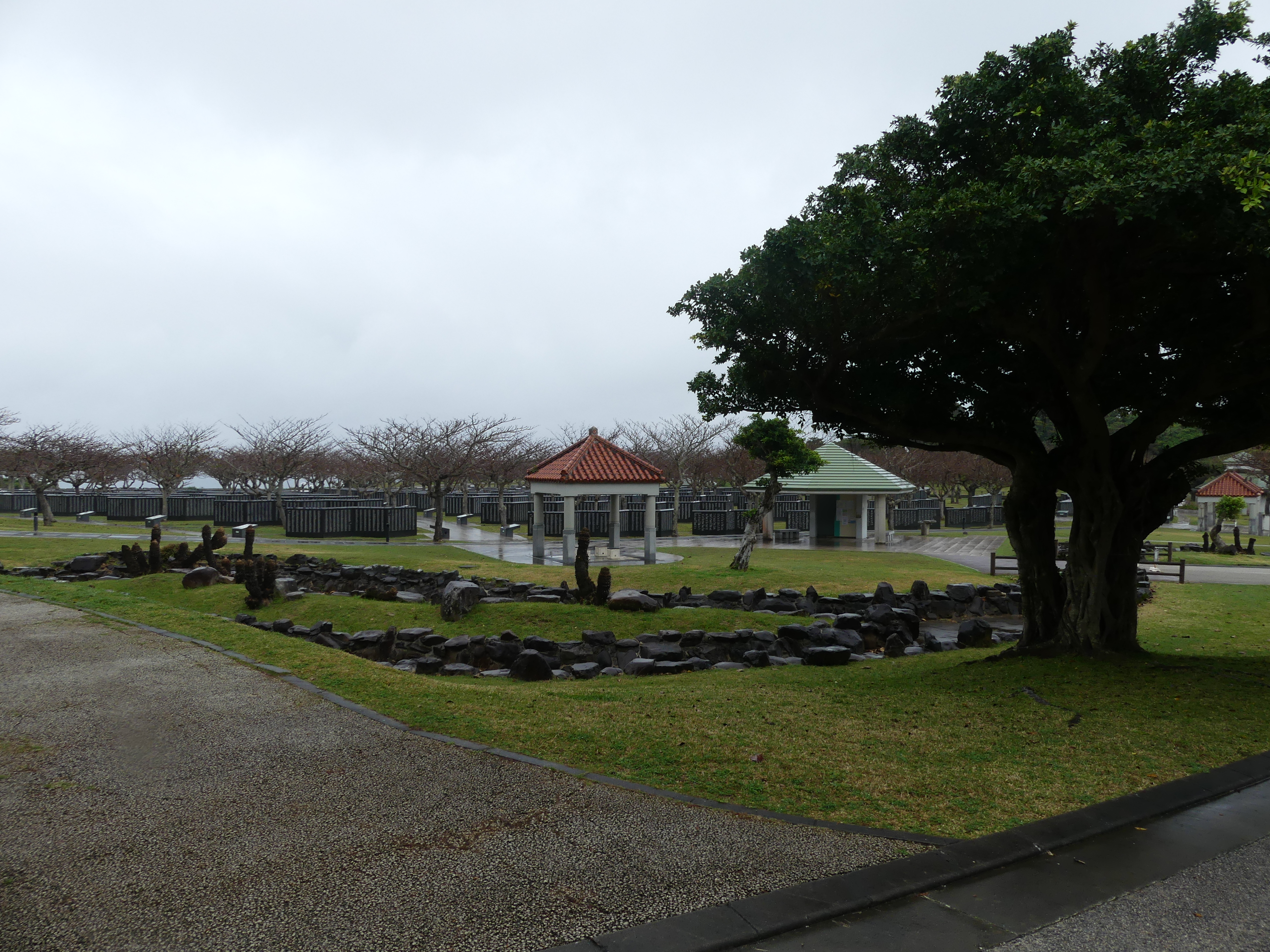
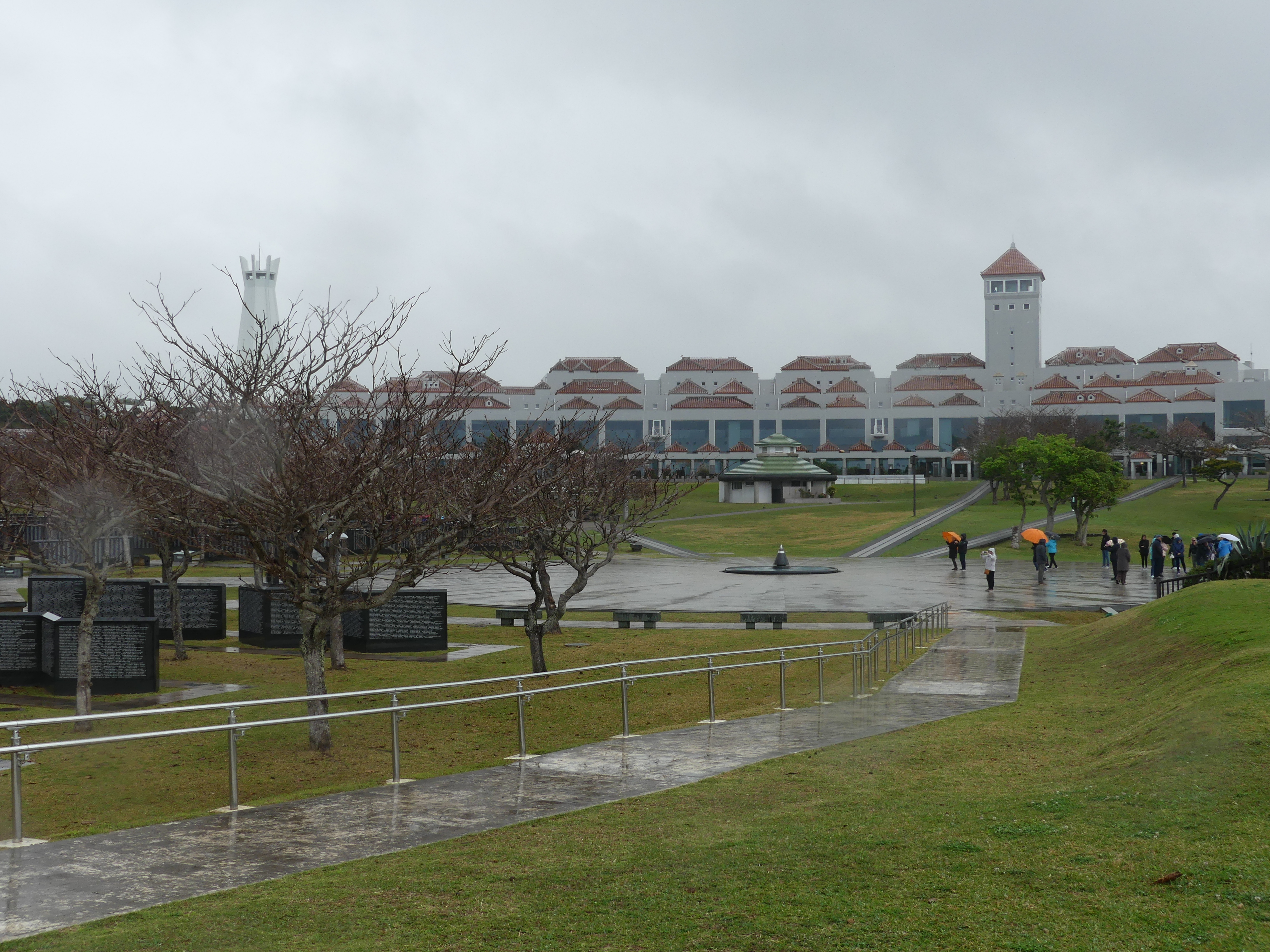
Our next stop was the Okinawa Prefecture Peace Memorial Museum. On April 1, 1945, the U.S. Army and Marine Corps launched an invasion of Okinawa with 185,000 troops. They were faced with fanatical resistance from the Japanese defenders. A third of Okinawa’s civilian population were killed during the ensuing fighting. The dead, of all nationalities, are commemorated at the Cornerstone of Peace. The Battle of Okinawa was a fierce battle lasting 3 months and killing more than 100,000 civilians and a similar number of soldiers followed by a USA administration for 27 years followed by the Treaty of Mutual Cooperation and Security between the United States and Japan, United States Forces Japan (USFJ) have maintained a large military presence. On May 15, 1972, the U.S. government returned the islands to Japan following the signing of the 1971 Okinawa Reversion Agreement. In 2006, some 8,000 U.S. Marines were removed from the island and relocated to Guam. The move to Marine Corps Base Camp Blaz was expected to be completed in 2023 but as of 1 January 2025 is still in process.

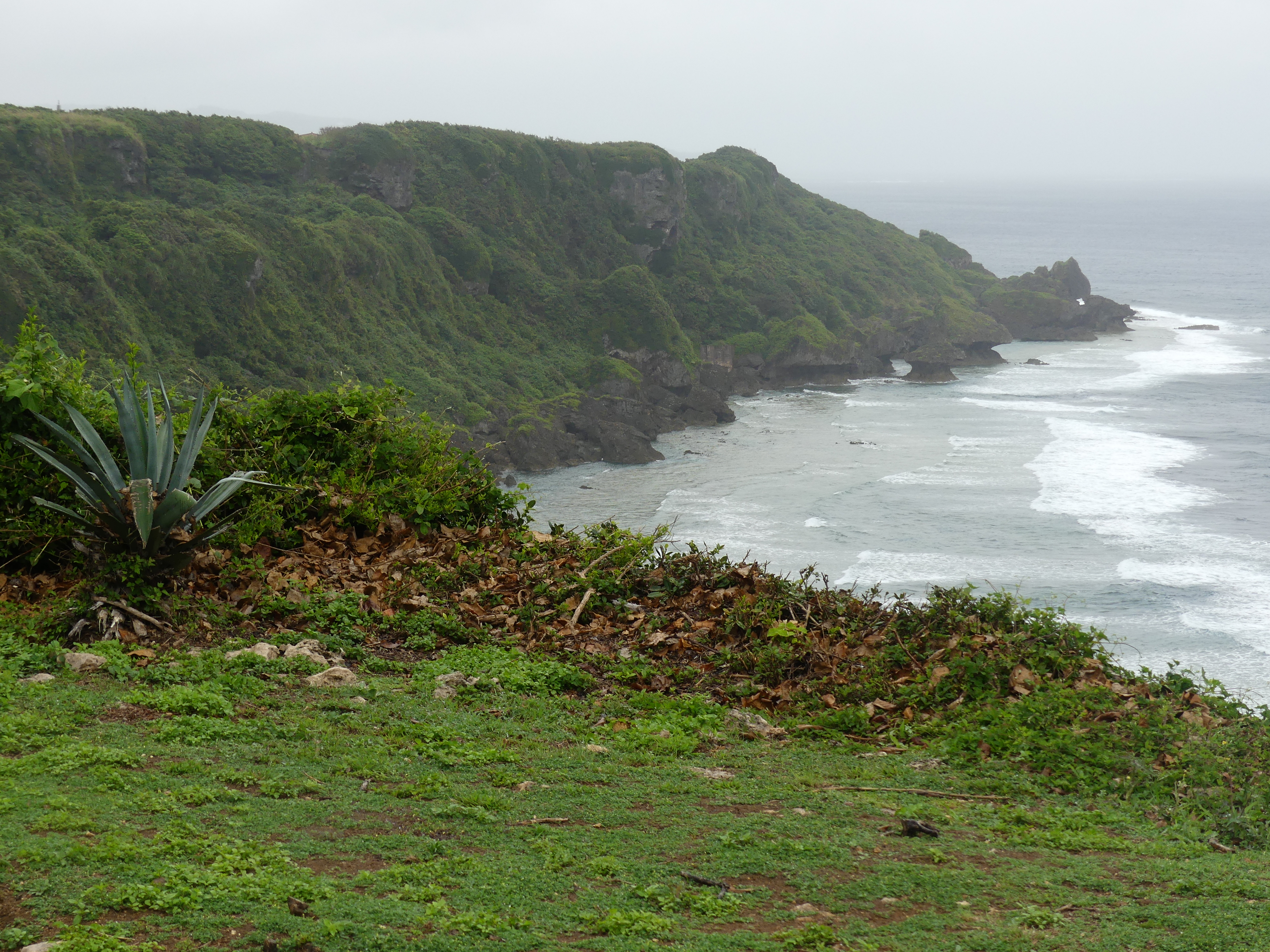
The memorial includes a teaching area for children occupying most of the ground floor whilst the upper level records the history of the Battle. I have posted below my photos of the memorial reciting the names of those killed, whether by action, starvation or suicide, on both sides of the conflict, the Cornerstone of Peace, its location by the sea and the Museum building. Has the investment caused anything to change?

It has been uplifting to see the aspirations of the survivors of the war, but the reality is war continues to lurk around Japan – North and South Korea remaining at loggerheads and China still determined to extinguish the Nationalists in Taiwan. We moved through the Peace Memorial, but I cannot help a feeling of helplessness that the memorial is in vain. Not a happy note to end on but we are glad to have had the privilege of visiting such an important memorial.

Keep reading and follow our path through the islands of Japan to Taiwan and return. The next chapter is “THE RETIREES GO AROUND THE WORLD – TOKYO TO ISHIGAKI JAPAN, HUALIEN TAIWAN, PORT KEELUNG & TAIPEI TAWAIN, & PORT NAGASAKI JAPAN”

“THE RETIREES GO AROUND THE WORLD – BARI to MATERA”

Matera

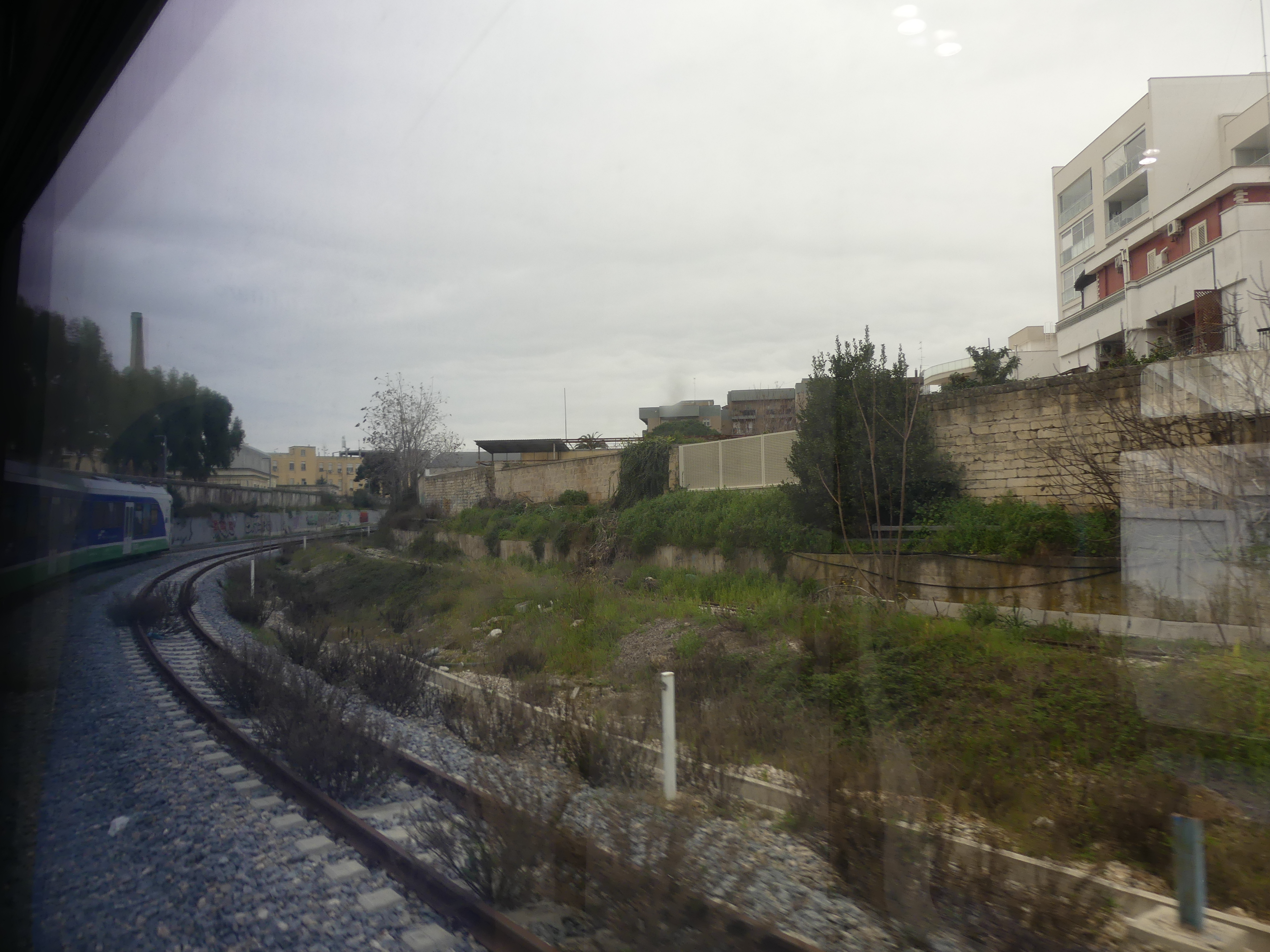
Robert wanted us to visit Matera as he thought it was so unique. The first unique thing was, it was accessible on a private rail line. Its station was beside the principal station in Bari but the line ran its own trains etc. So, a new railway experience – here is the train driver awaiting departure and on departing it soon became obvious we were going rural.

Before its integration into the modern Italian state, the city of Matera had experienced the rule of the Romans, Lombards, Arabs, Byzantine Greeks, Swabians, Angevins, Aragonese, and Bourbons. Matera is believed to have been settled since the Palaeolithic (10th millennium BC) times. This makes it potentially one of the oldest continually inhabited settlements in the world. Robert had two reasons to bring us here; to learn about and see the Sassi and for his own personal reasons that I cannot go into.

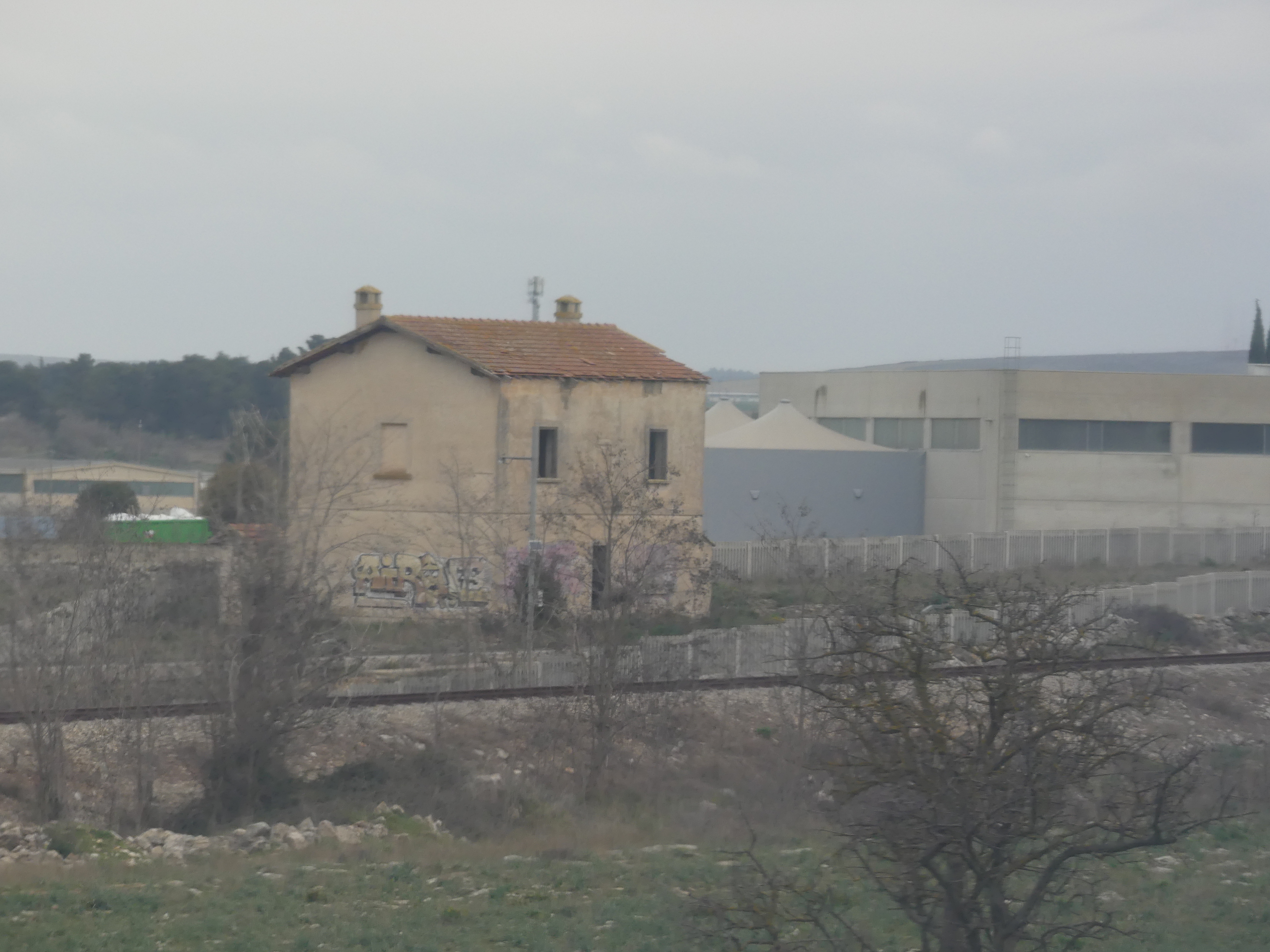
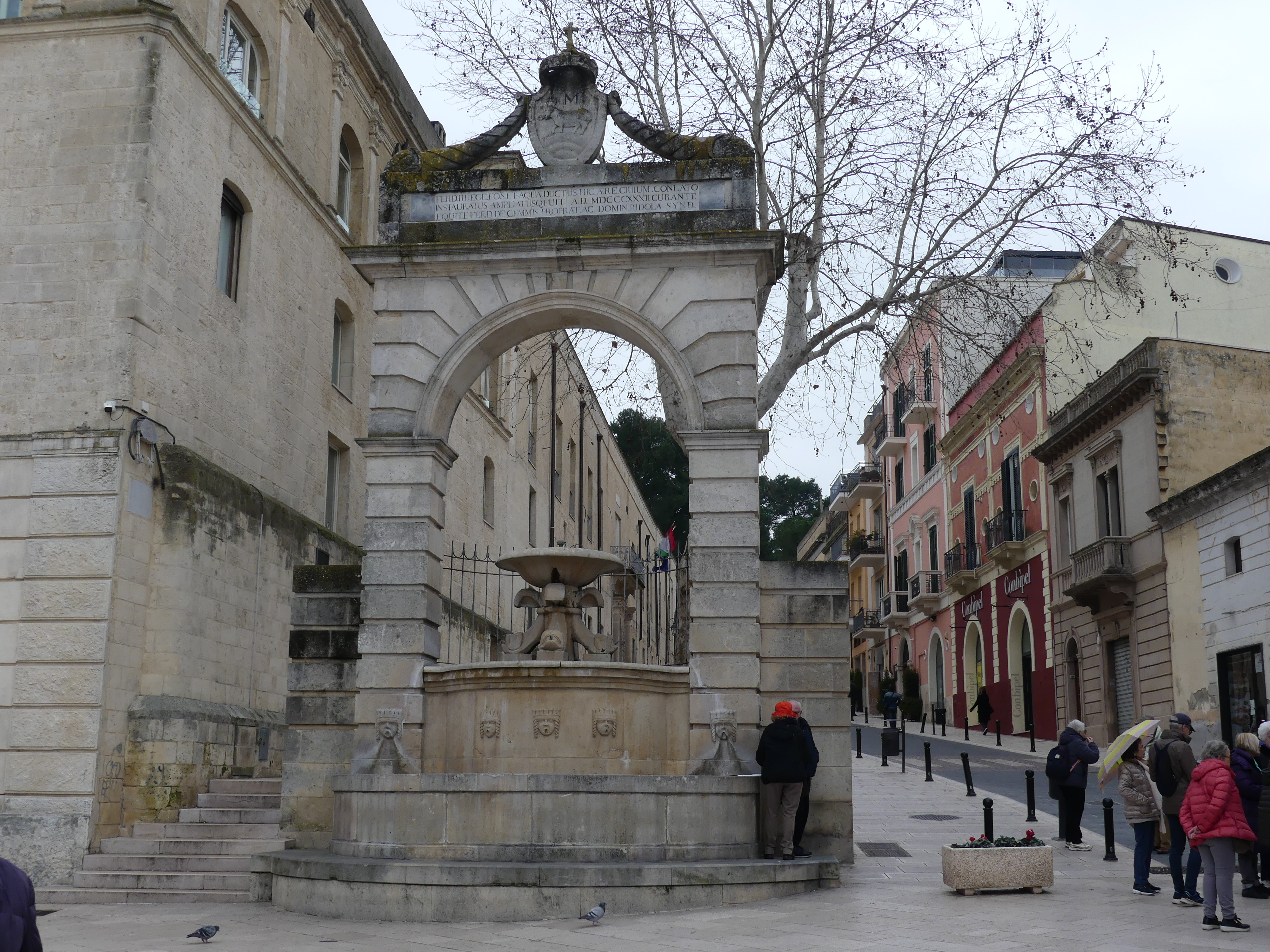
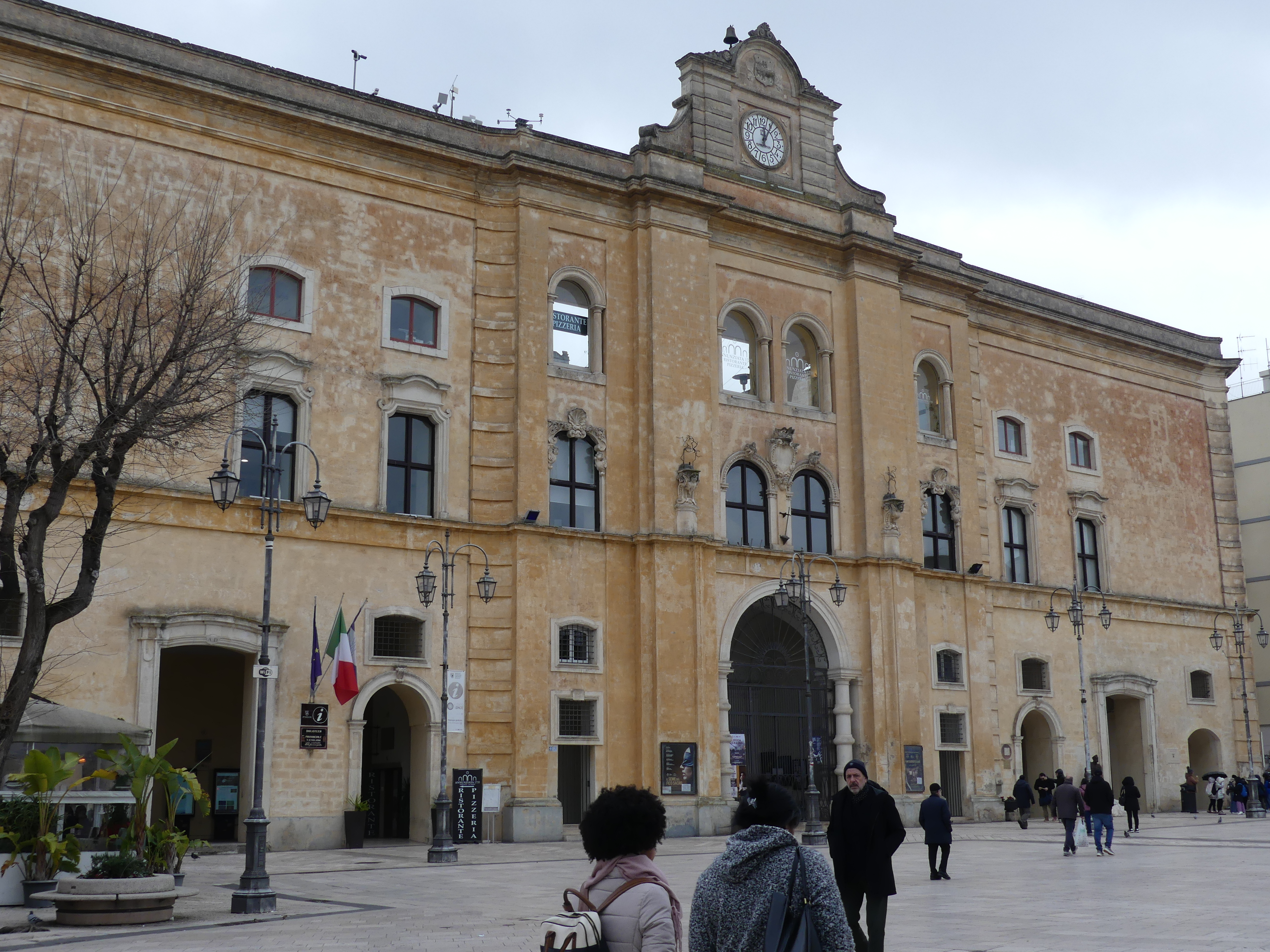
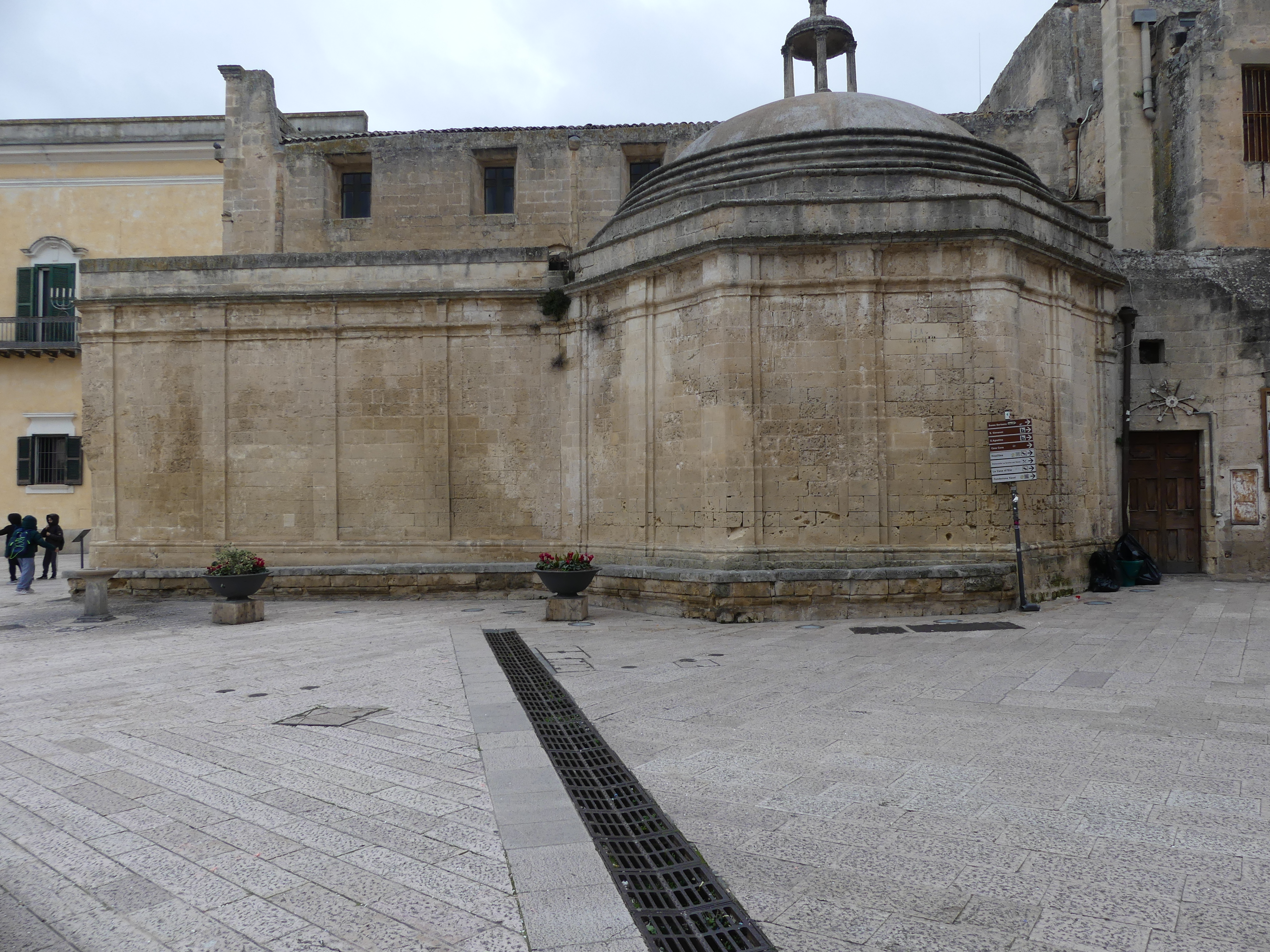
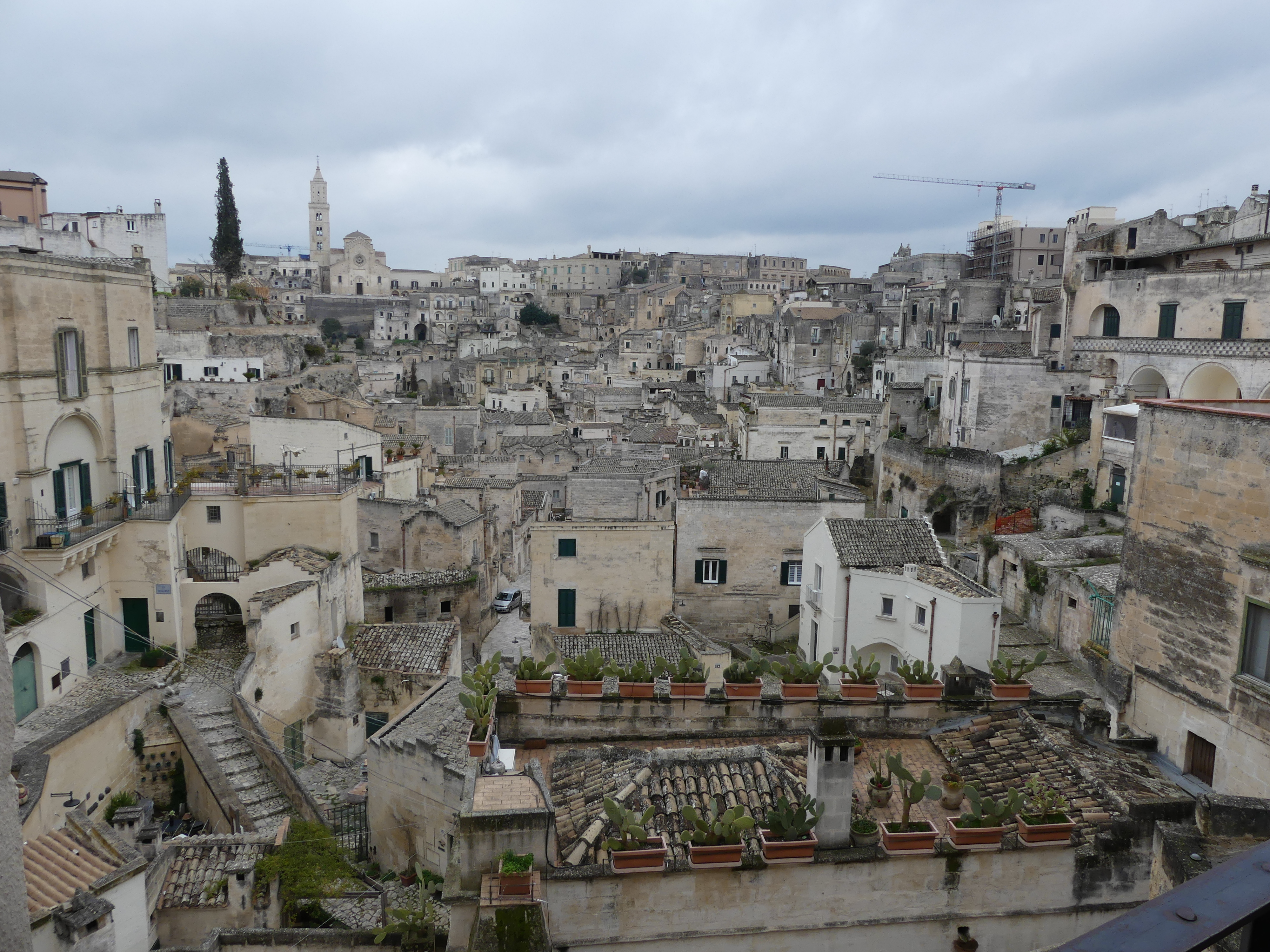
The train journey was through some impoverished looking rural countryside arriving at a modern station where the train turns around and goes back to Bari. Walking down to the old town we thought everything looked clean and reasonably modern, but it starts to change at the old well. Amid the town piazza, Piazza Vittorio Veneto was a pit to leading to Roman ruins and a viewing platform of the Sassi – we had no idea that this is what awaited us.

The ruins shown above are part of Roman settlement that has survived and beyond is the Sassi. The Sassi can be best viewed through a balcony which can be accessed through the ruins or through arches above the the ruins.

The view of this well of houses and streets stunned me but I had no idea what lay hidden amongst the houses, shops roads walkways and arcades. The Sassi are cave dwellings and consist of around twelve levels spanning the height of 380 m, connected by a network of paths, stairways, and courtyards (vicinati). The tripartite urban structure of Civita and the two Sassi, relatively isolated from each other, survived until the 16th century, when the centre of public life moved outside the walls to the Piazza Sedile in the open plain (the Piano) to the west, followed by the shift of the elite residences to the Piano from the 17th century onward. By the end of the 18th century, a physical class boundary separated the overcrowded Sassi of the peasants from the new spatial order of their social superiors in the Piano, and geographical elevation came to coincide with status more overtly than before, to the point where the two communities no longer interacted socially. Yet it was only at the turn of the 20th century that the Sassi were declared unfit for modern habitation, and the government relocation of all their inhabitants to new housing in the Piano followed between 1952 and the 1970. A new law in 1986 opened the path to restoration and reoccupation of the Sassi, for the benefit of the wealthy middle class. The recognition of the Sassi, labeled la città sotterranea (“the underground city”), together with the rupestrian churches across the Gravina as a UNESCO World Heritage Site in December 1993 has assisted in attracting tourism and accelerated the reclaiming of the site. In 2019, Matera was declared a European Capital of Culture from poverty and degradation to the flavour of the month.

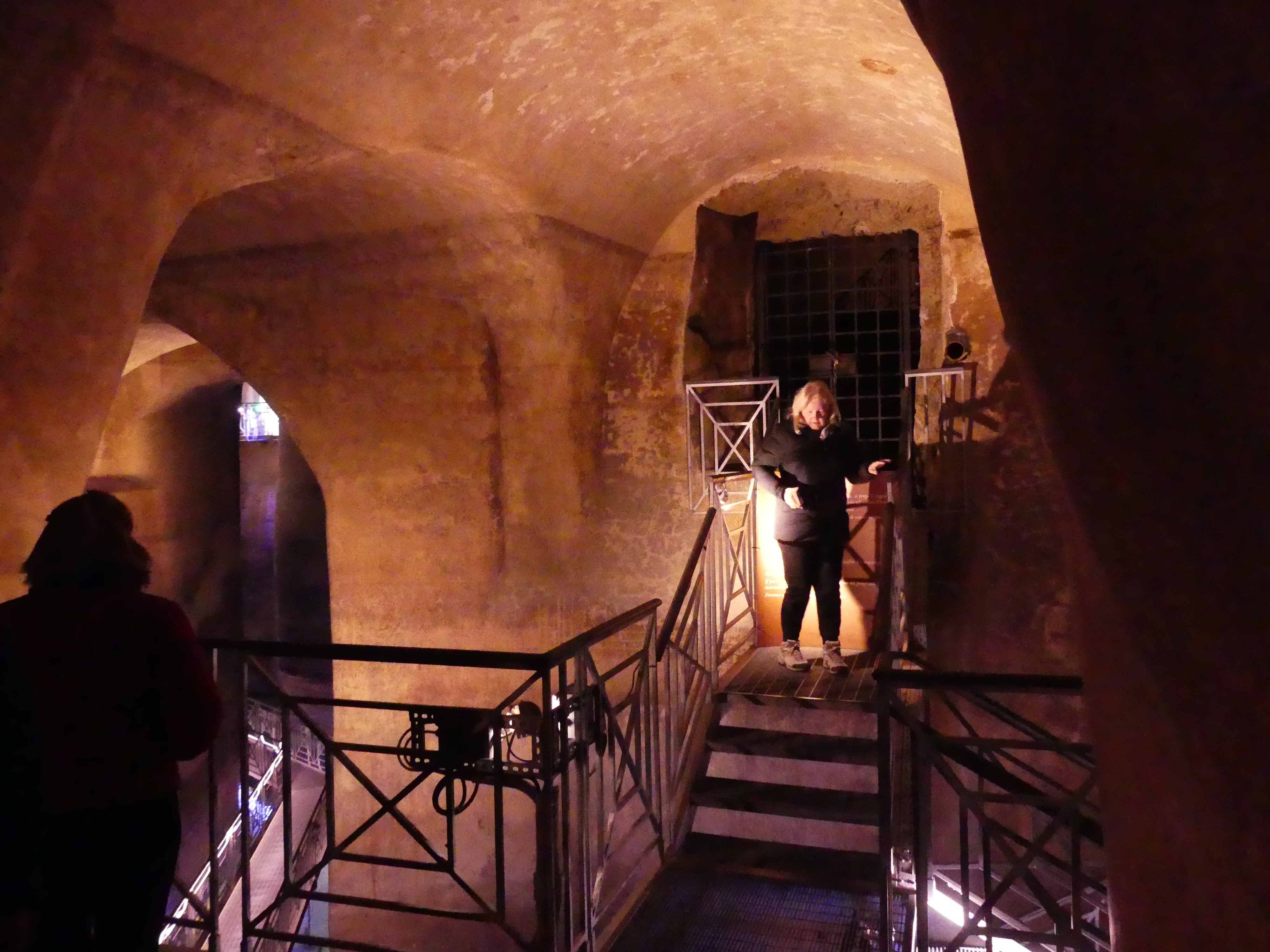
Firstly, we went to the Roman ruins. Below the ruins are cisterns. Early dwellers invested tremendous energy in building cisterns and systems of water channels. The largest cistern has been found under Piazza Vittorio Veneto, the Palombaro Lungo which was built in 1832. With its solid pillars carved from the rock and a vault height of more than fifteen metres, it is a veritable water cathedral, which is navigable by boat. Like other cisterns in the town, it collected rainwater that was filtered and flowed in a controlled way to the Sassi. Kerry and I walked through marveling at the depth which the water could fill up to.

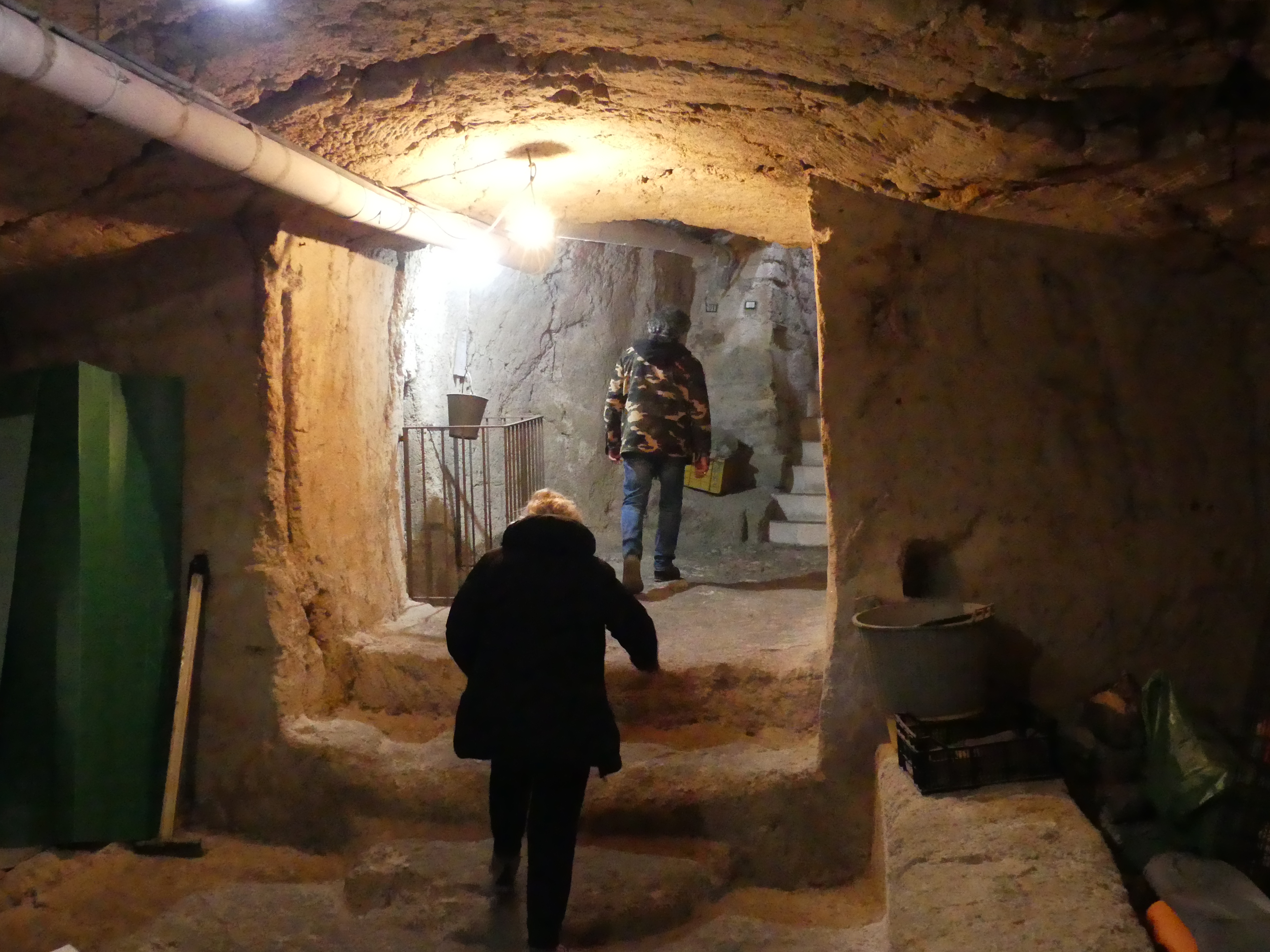
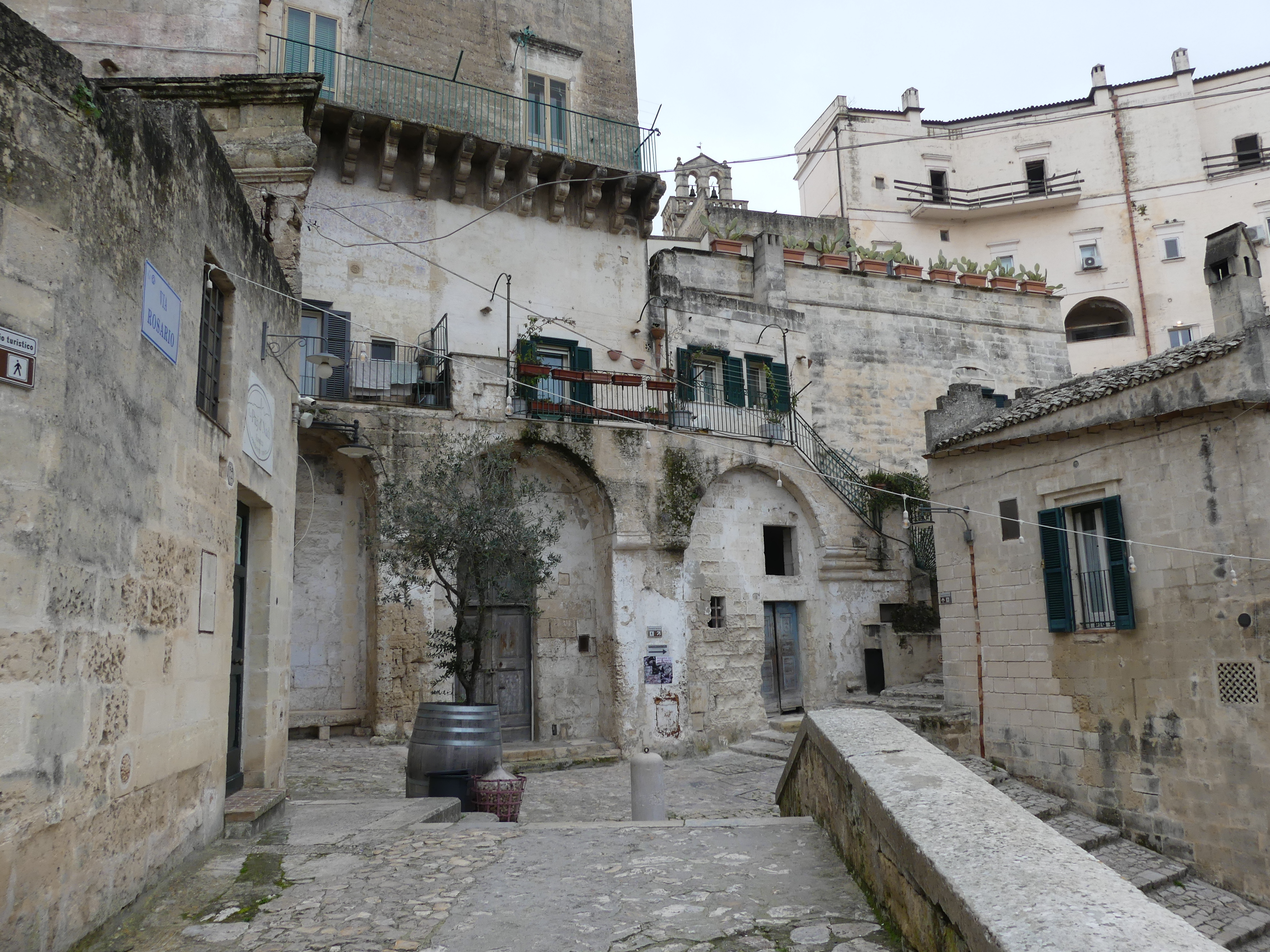
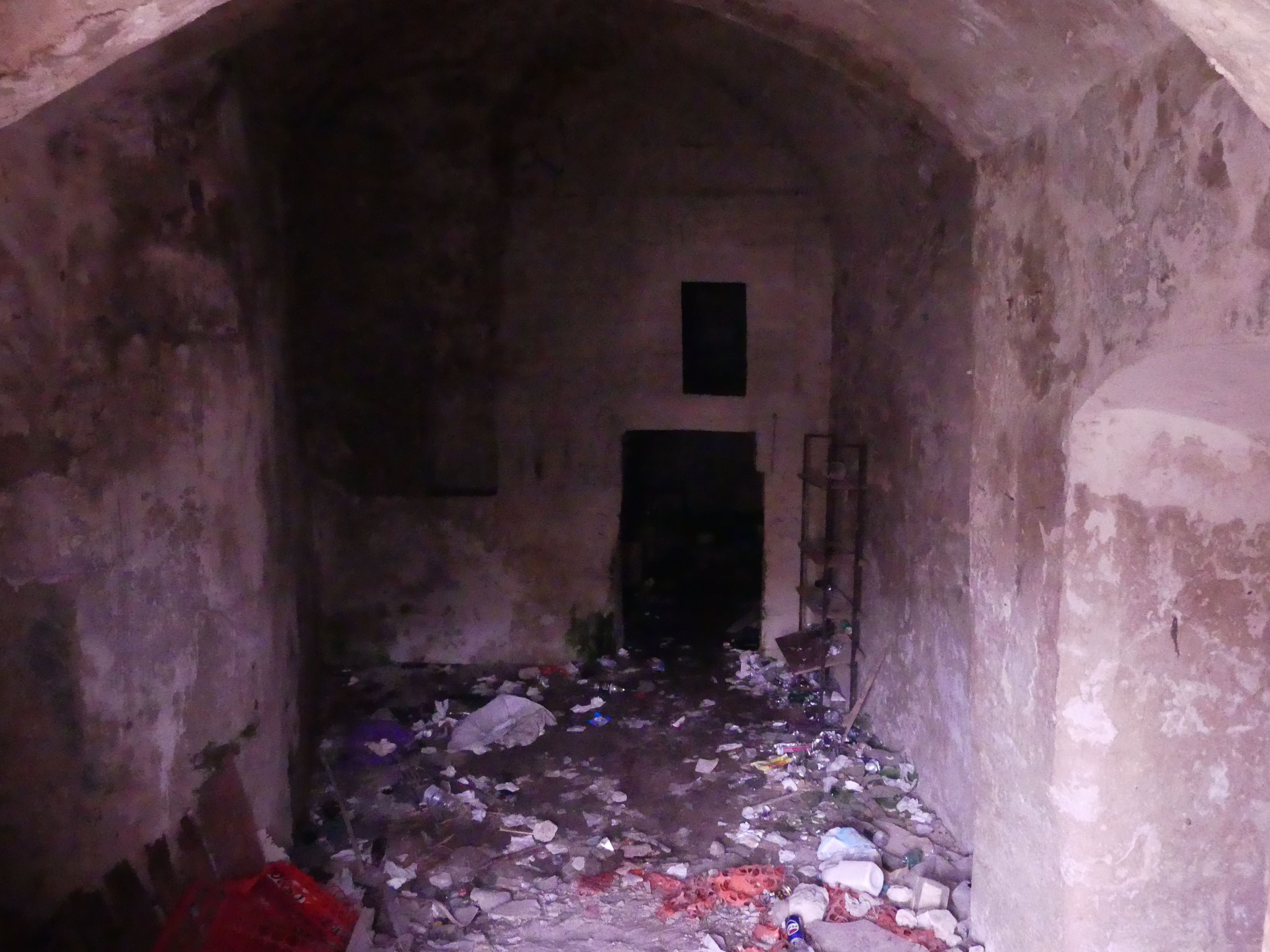
After exiting the cistern, we entered the Sassi through the ruins and commenced our decent into the Sassi which originated in a prehistoric troglodyte settlement, and these dwellings are thought to be among the first ever human settlements in what is now Italy. You will see in one picture bones have been used to support the rainwater gutters. I don’t know whether they are animal or human. We visited one of the dwellings open for tourist inspection. Inside the cave is the main bedroom, a loom, a place for the donkey (if you had one) and further down further space. Remember these were still in use in 1950. We left the cave to explore some more of the Sassi – there were some we did not want to explore. You will se Kerry and Robert viewing a cave once occupied and vacated in 1952. Close inspection was not possible by reason of the odour emanating from who knows what now occupies it.

 Amongst the jumble of buildings and at the bottom of the Sassi, we found an authentic Italian Restaurant Amore Crusco. The appealing landing was victim of the showers that followed us all day, but the interior was very pleasant and warm so here we enjoyed lunch. Everything that goes down must eventually come up so after lunch we clambered out of the Sassi and took in some of the newer parts above the Sassi. The pictures below are of our lunchtime repast. The climb back to the modern square knocked the wind out of Kerry and me after which I was ready for a nap.

Robert had personal reasons/plans for the evening in Matera, so being experienced train travelers, we caught the train home minus Robert. So our next trip was the last trip with Robert as our guide. We visit Alberobello, so be watching for “THE RETIREES GO AROUND THE WORLD – BARI to ALBEROBELLO”