

Star Date 29th July 2024
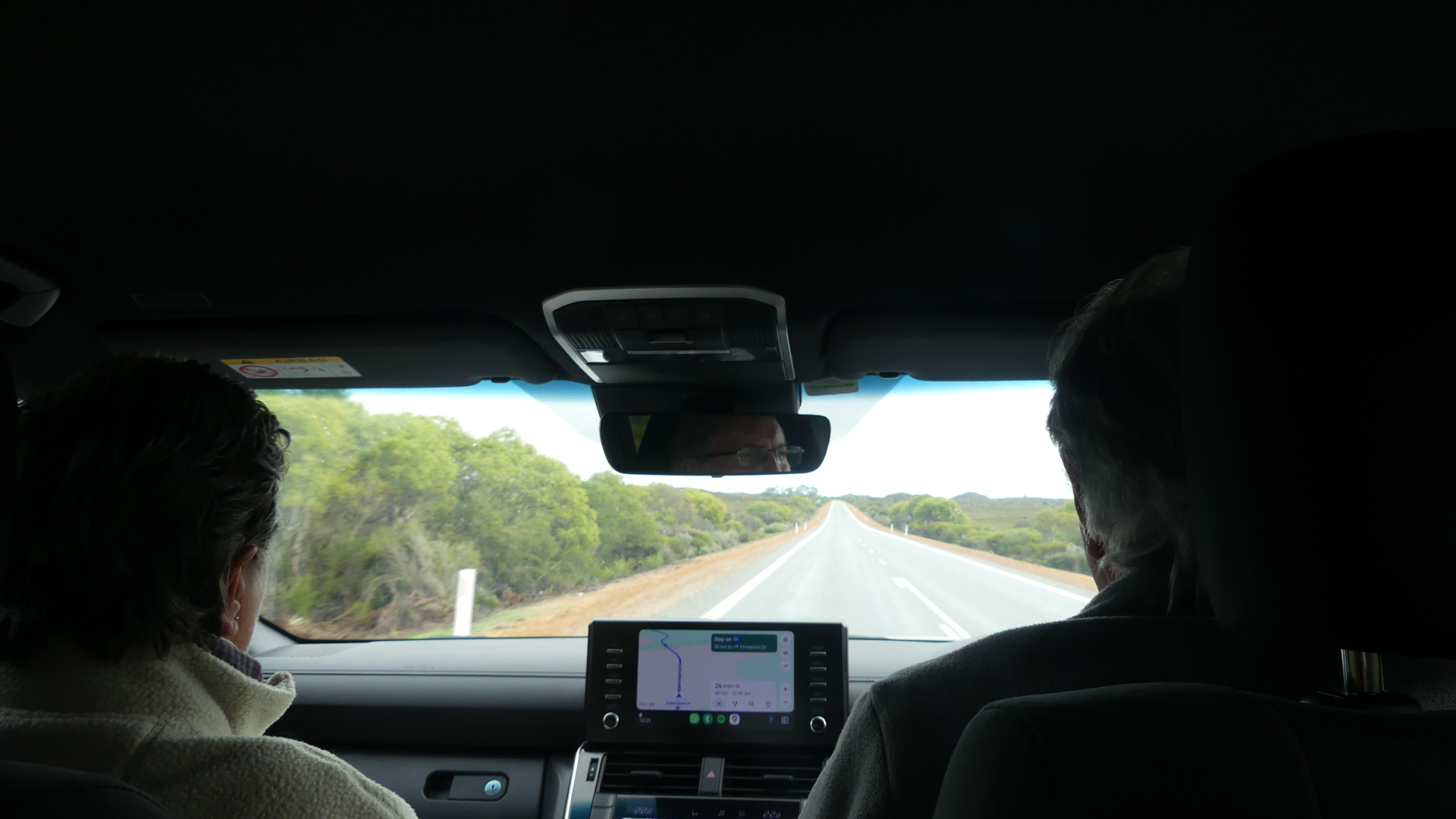
Dale and Zdravka have planned to go to the Pinnacles and without the use of Ken’s car we decided to hitch a ride. The Pinnacles are limestone formations within Nambung National Park, near the town of Cervantes, Western Australia 2 hours drive north of Perth. Dale had his trusty new Landcruiser at hand with plenty of space for all. The drive proved trouble free and we were treated to some unique countryside. Note the unique intrusion of the sand into the surrounding scrub in photos # 6 & 7 (reading left to right down the page).


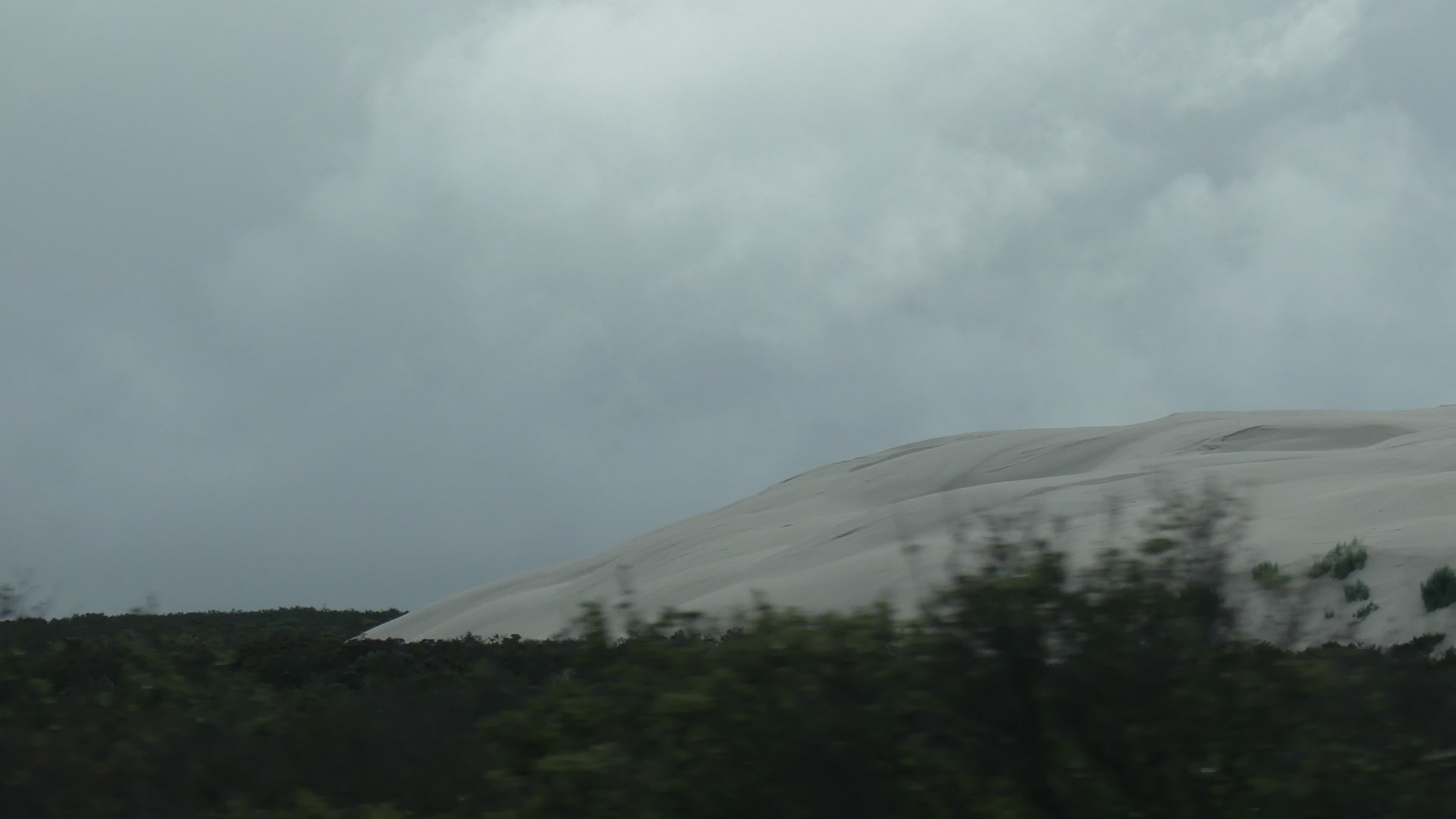
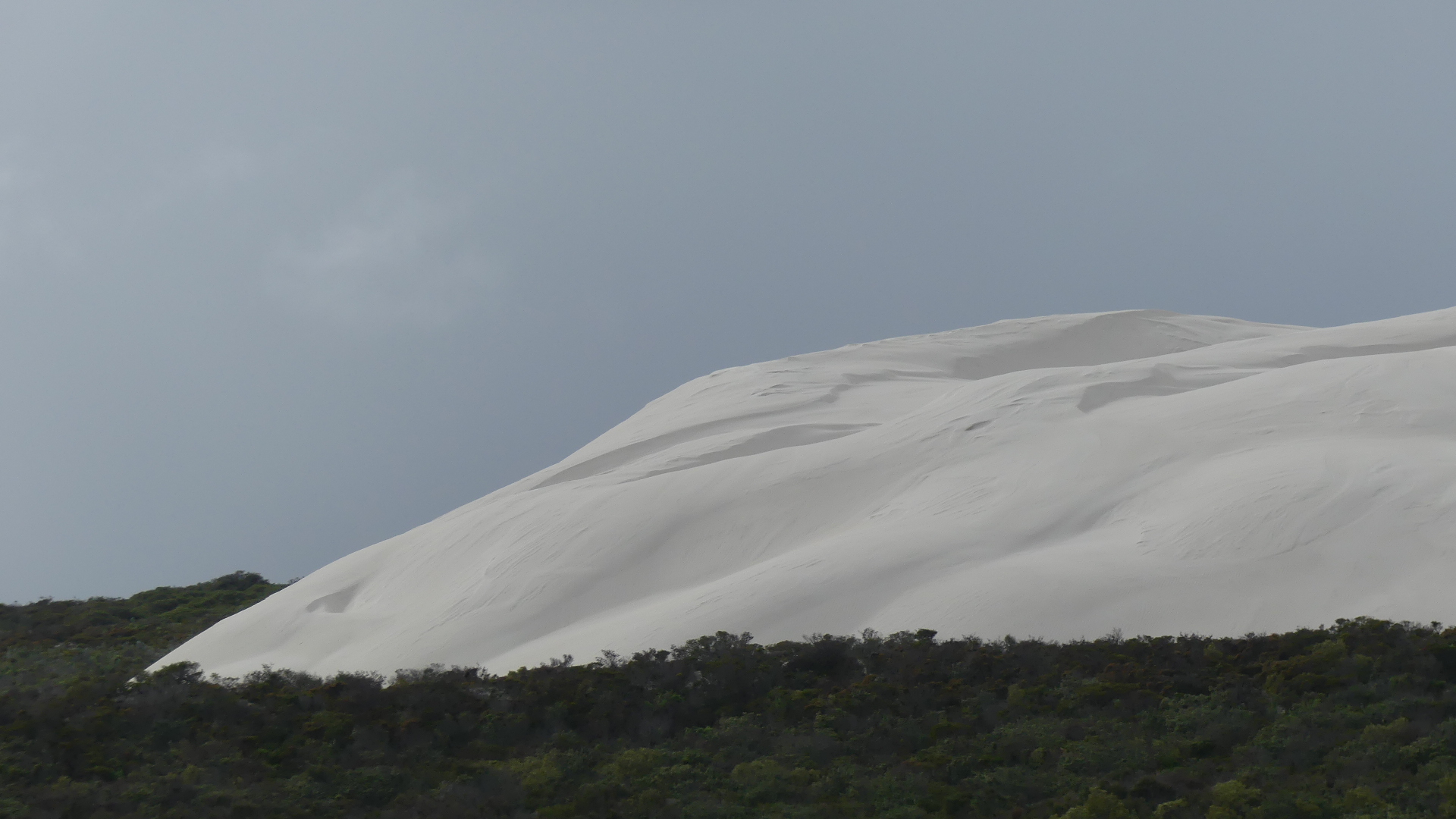
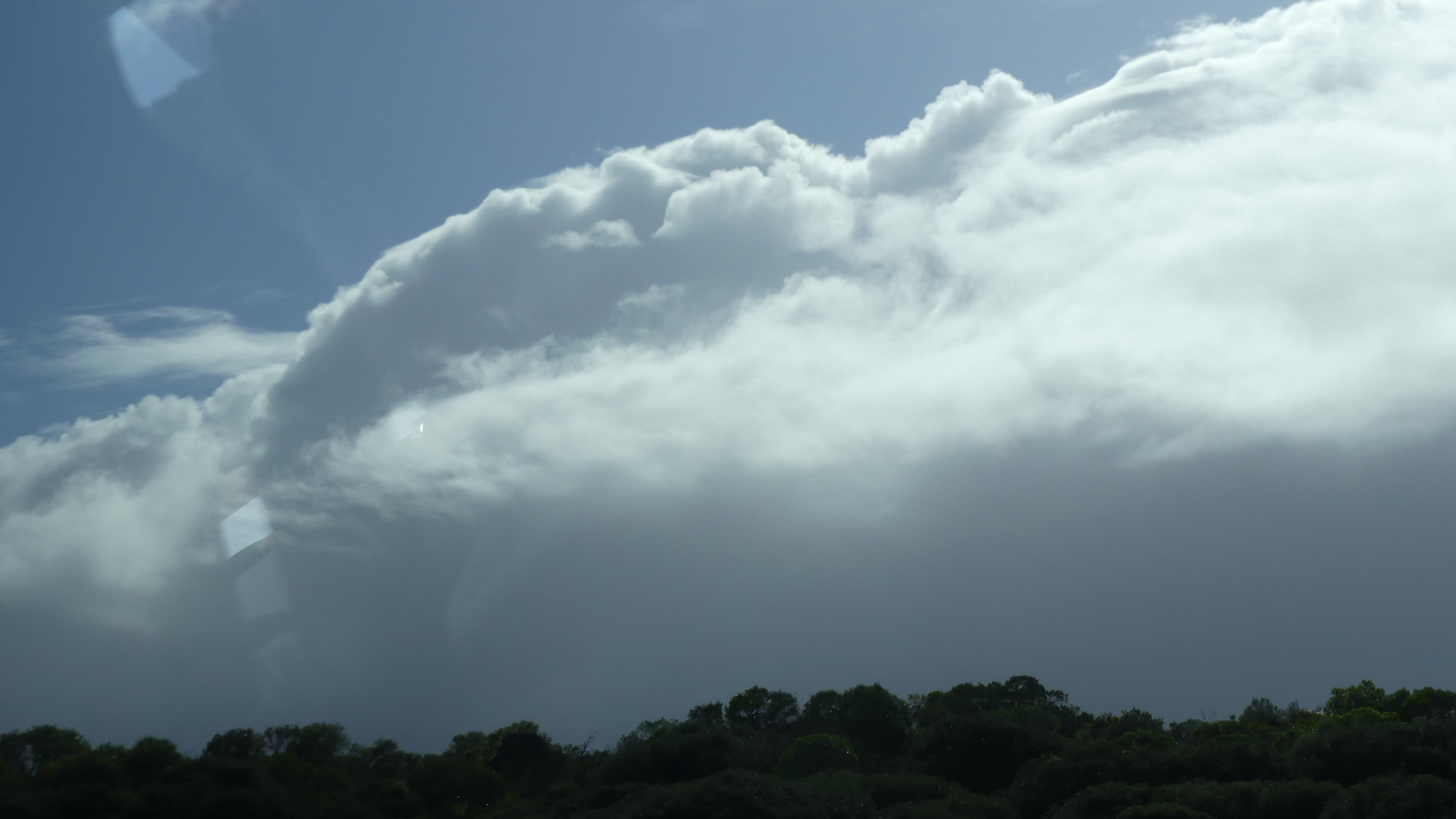
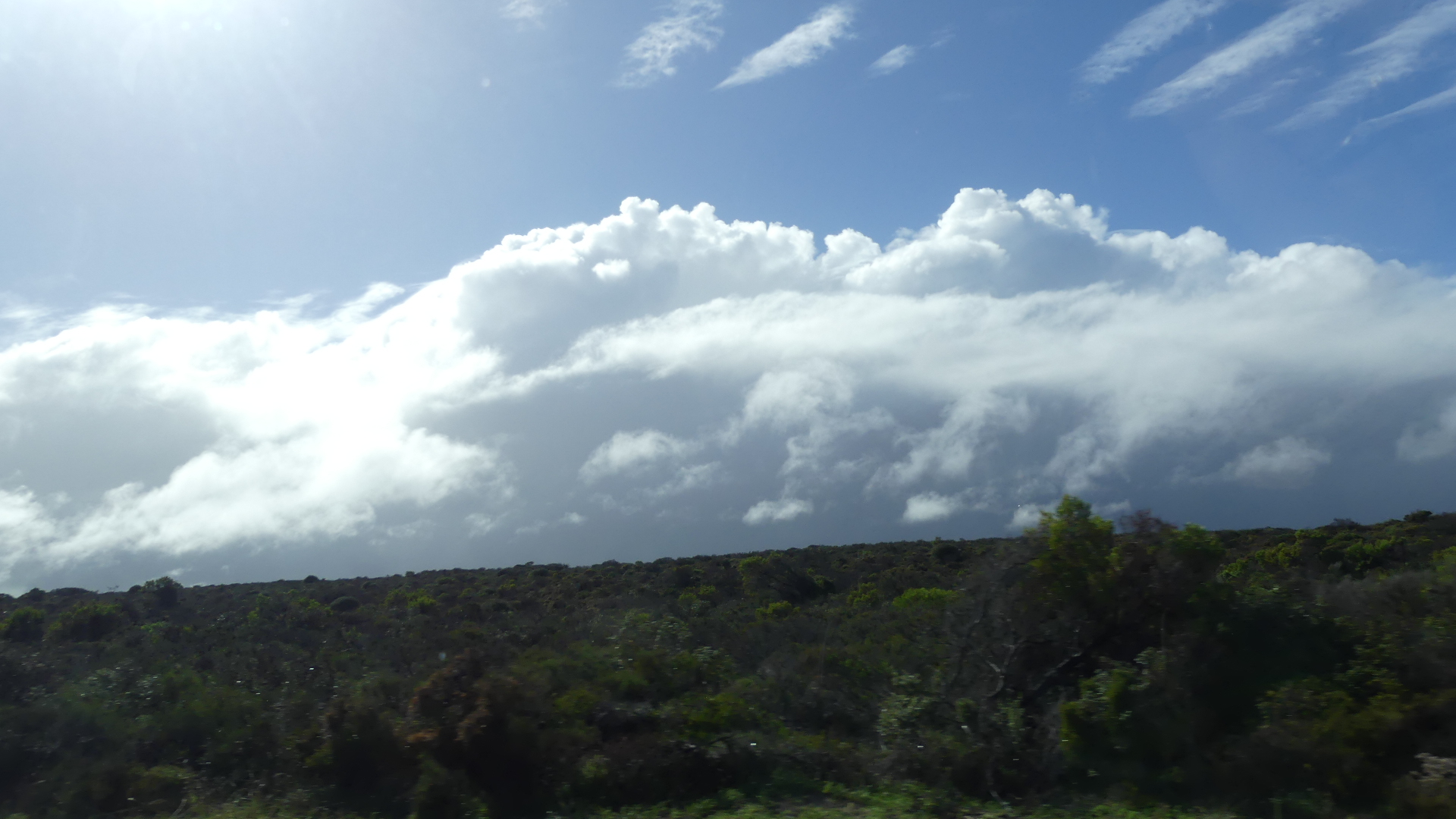
The weather was slightly overcast but the air-con was on and we were sweet. As we came closer to the area around Cervantes the country was flat with scrubby bushes but as we drawing nearer suddenly there were sand hills rolling in across the top of the scrub and to match the sand hills the clouds piled up promising rain at some stage. Below are pictures of the pinnacles. You can walk freely among the pinnacles and it reminds me of walking among headstones in a cemetery.
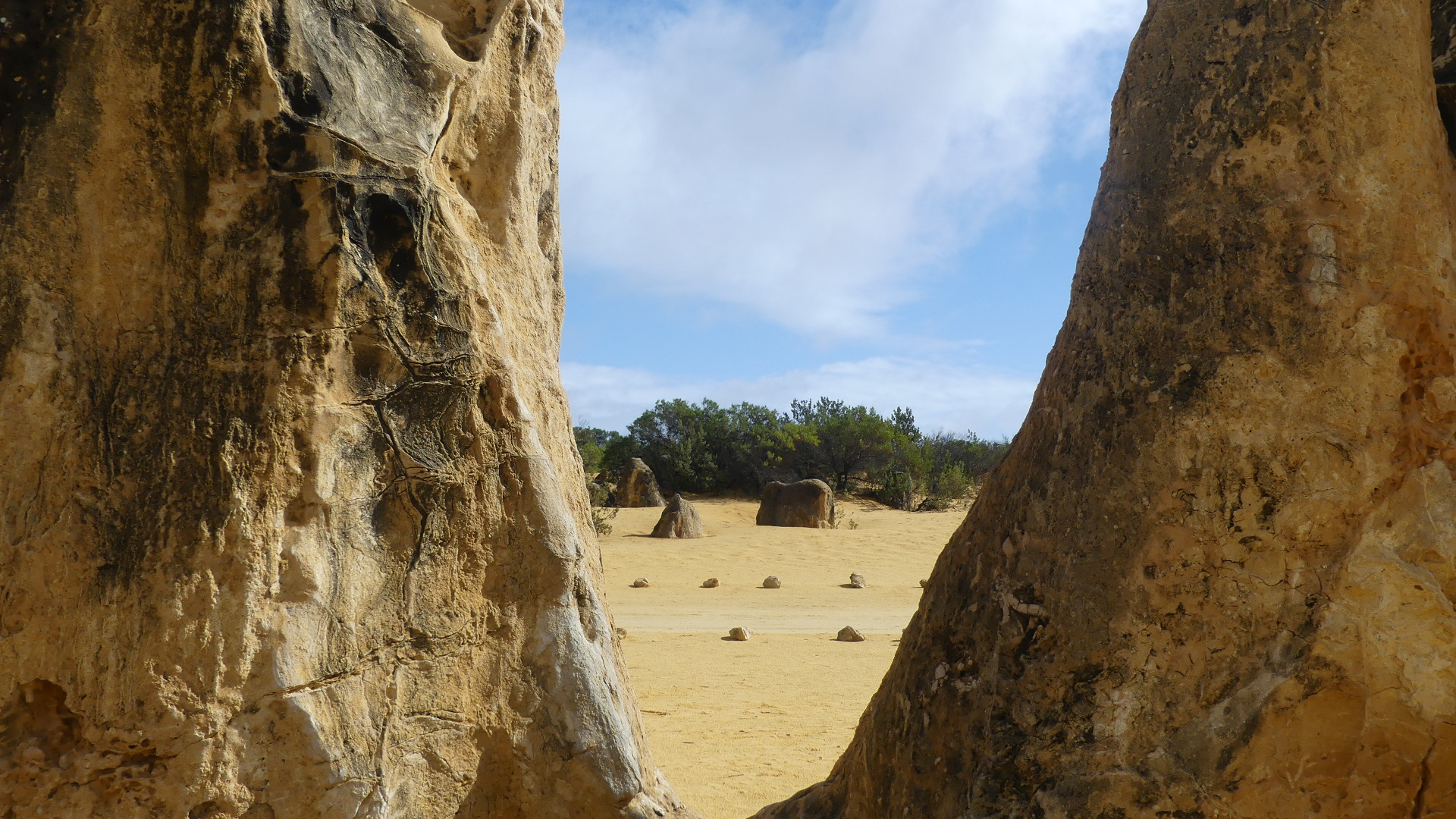


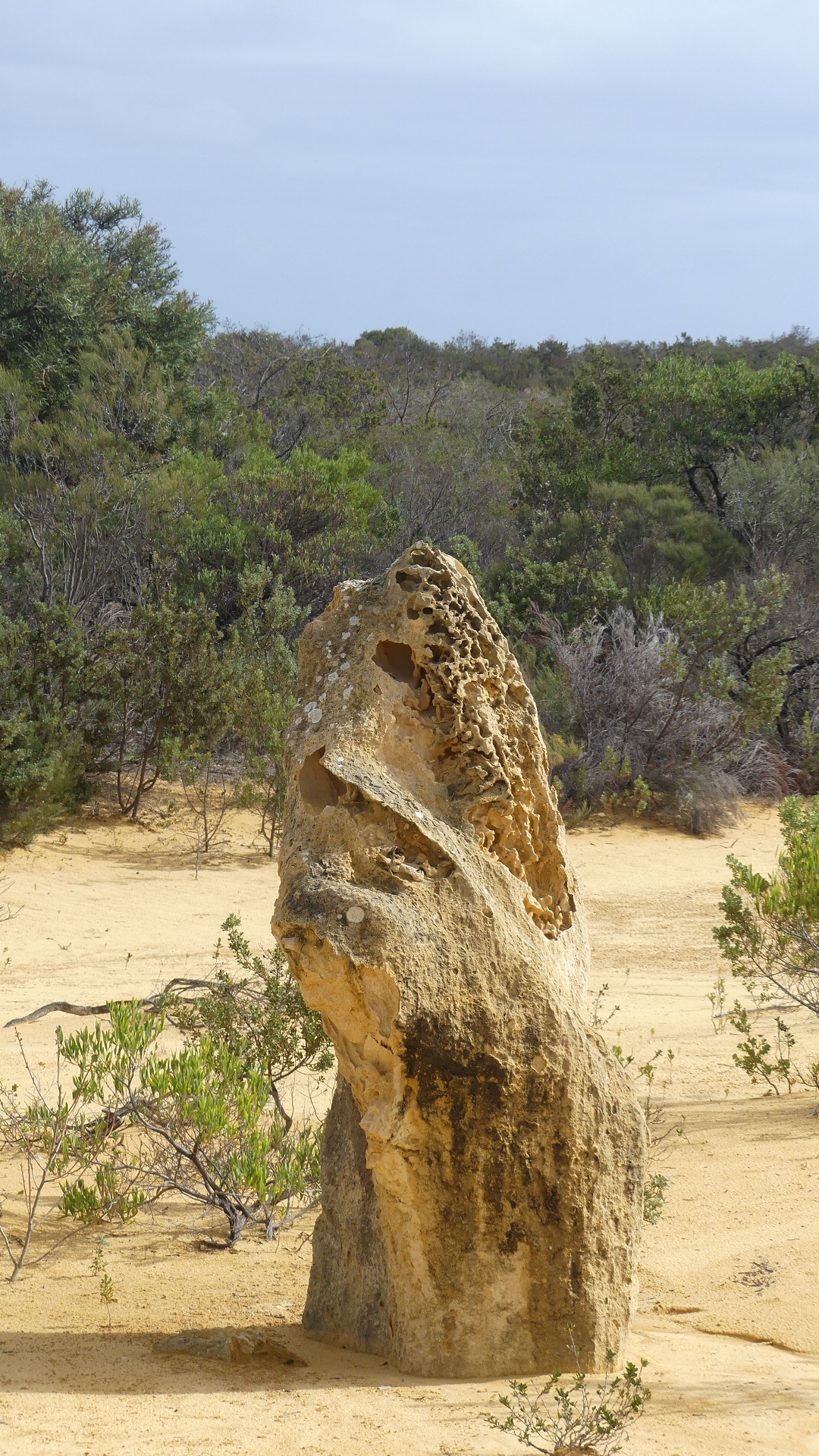


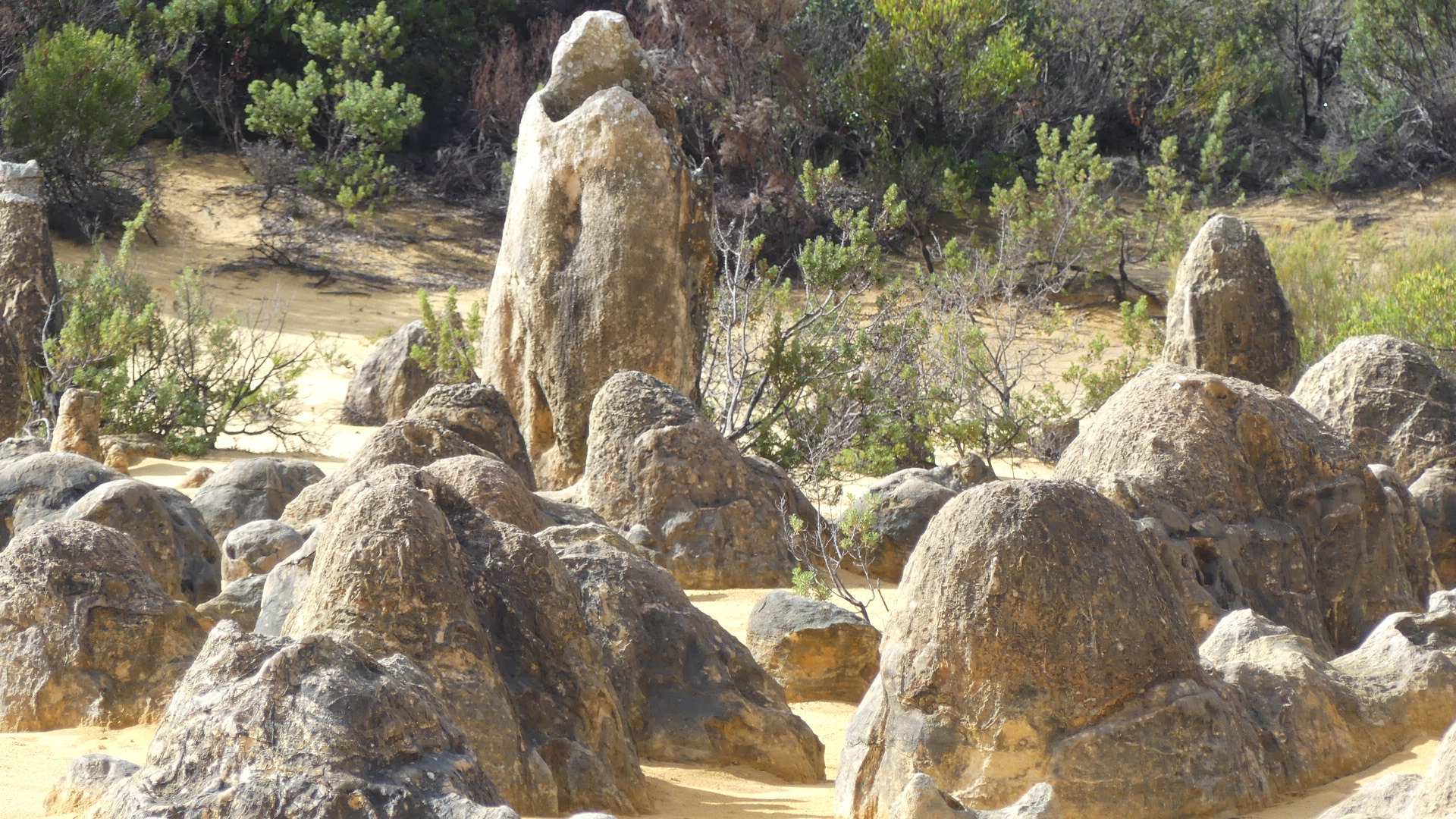
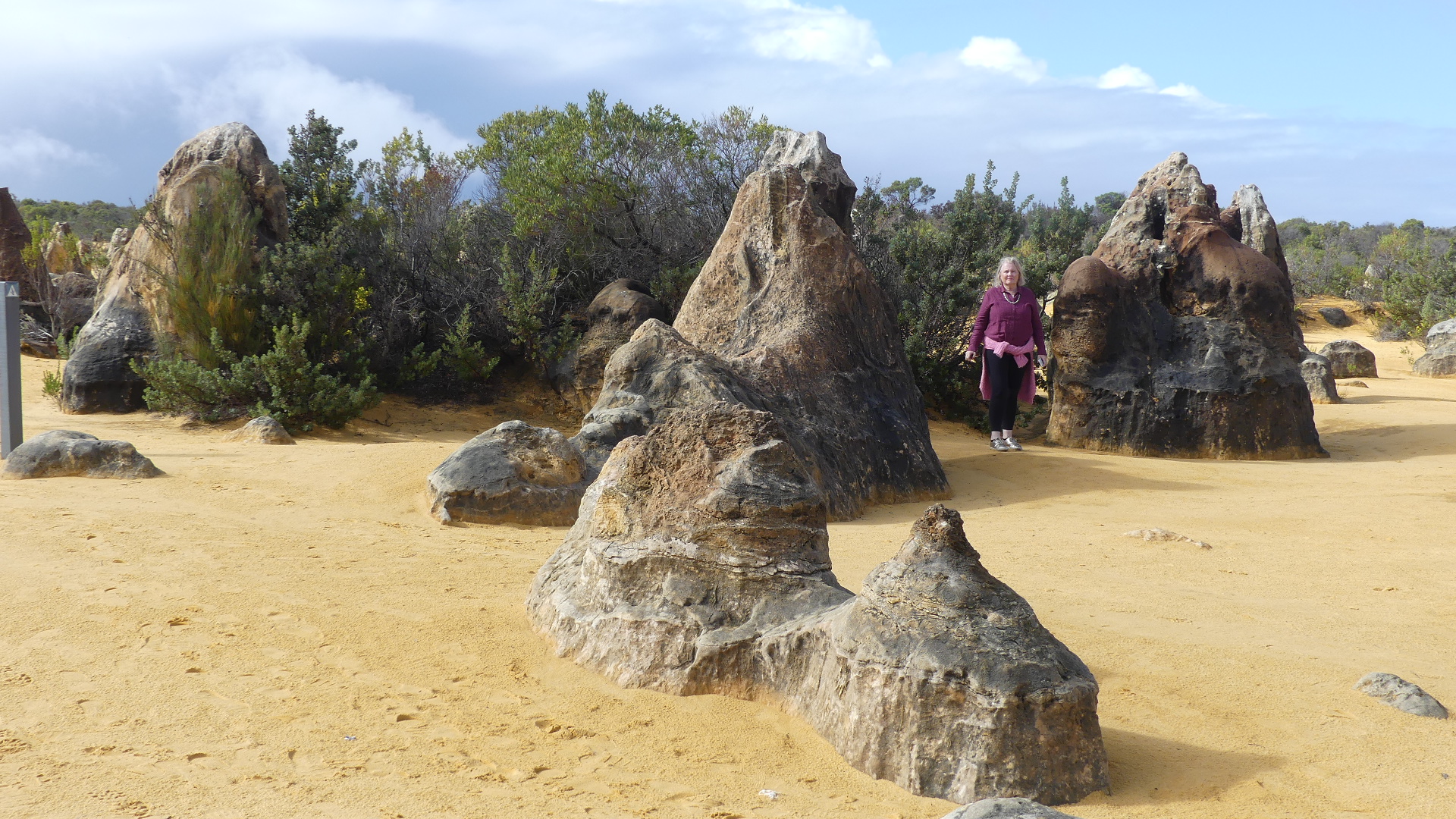


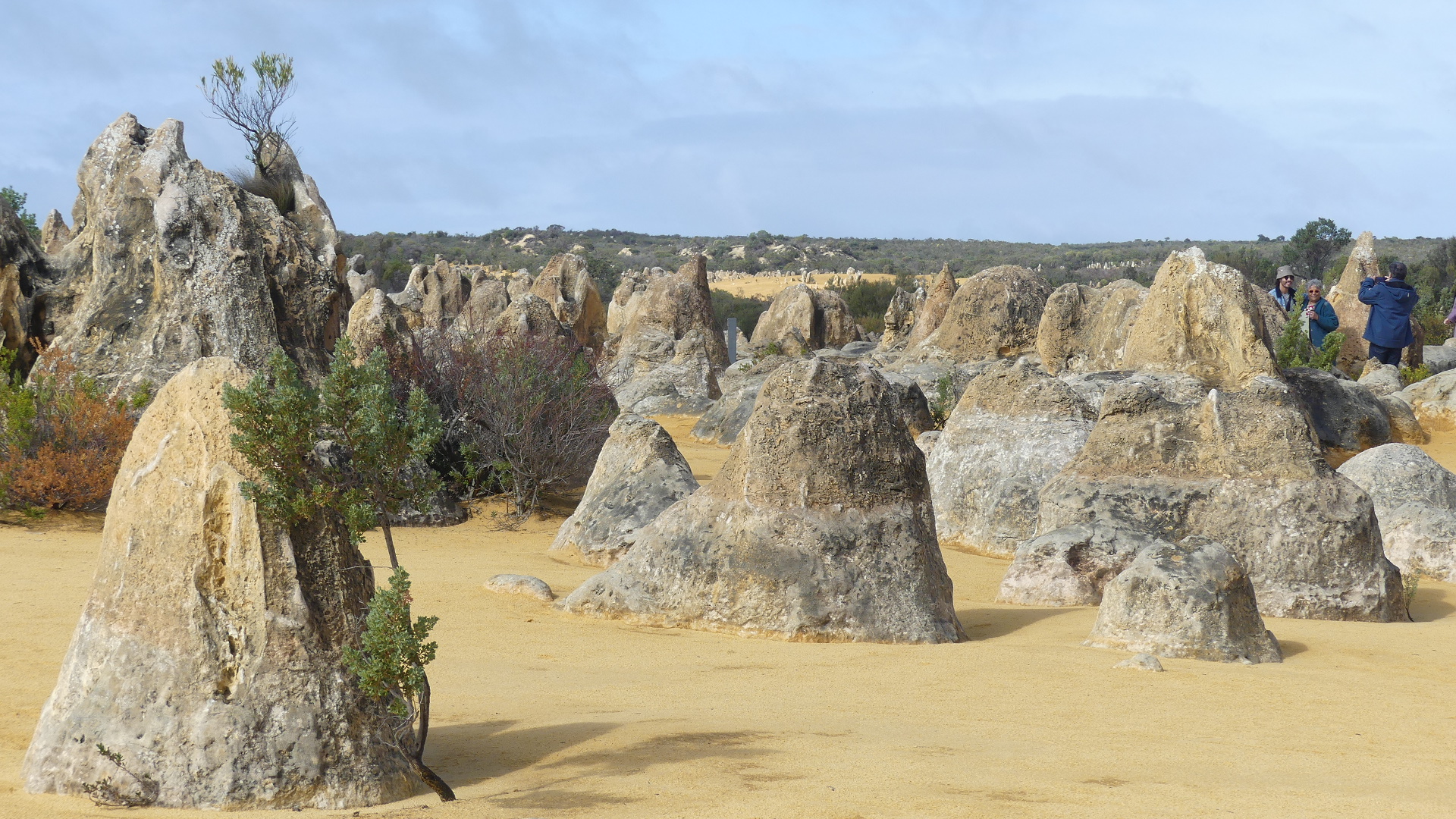

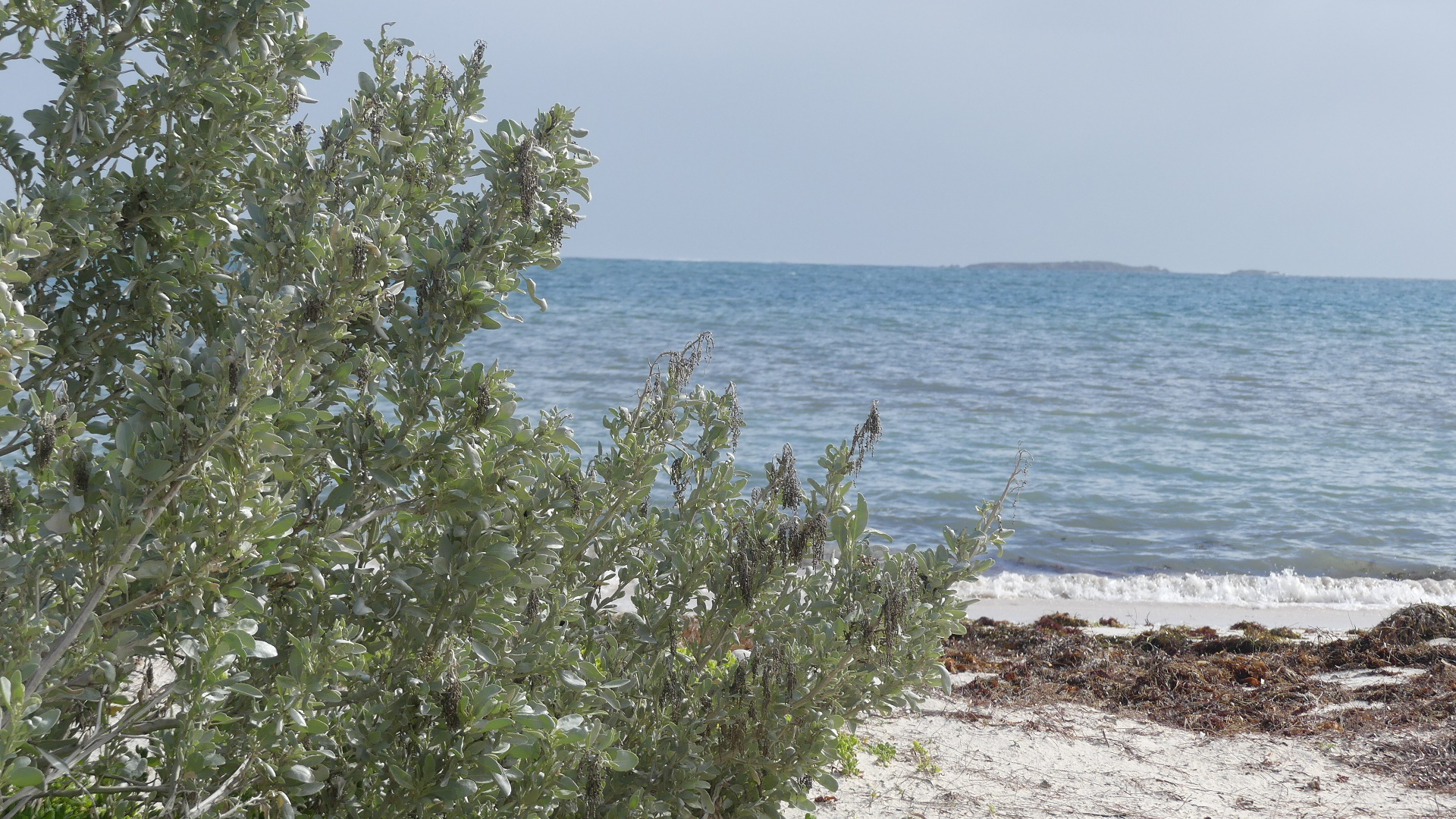
There was a visitor’s centre with an interesting museum on the wildlife and the Aboriginals tales about the origins of the Pinnacles – a bit more interesting than the speculation by the scientists about the creation of the rock formations. Fascinating to wander through and see how the animals and birds used them. Referring to our tour itinerary we decided it was time for the Lobster Shack in Cervantes for lunch. Zdravka had spent hours piecing together our tour making this a relaxing holiday for us in the back seat. Cervantes is named after a ship that was wrecked nearby. The ship, in turn, was named after Miguel de Cervantes, author of Don Quixote. The principal industry in the town is fishing particularly Lobster. The Pinnacles in nearby Nambung National Park and the saline Lake Thetis, which contains stromatolites, supports a small tourism industry which helps out the economy of the area. Firstly we stopped off at a beach and touched the Indian Ocean then into Cervantes and the Lobster Shack.



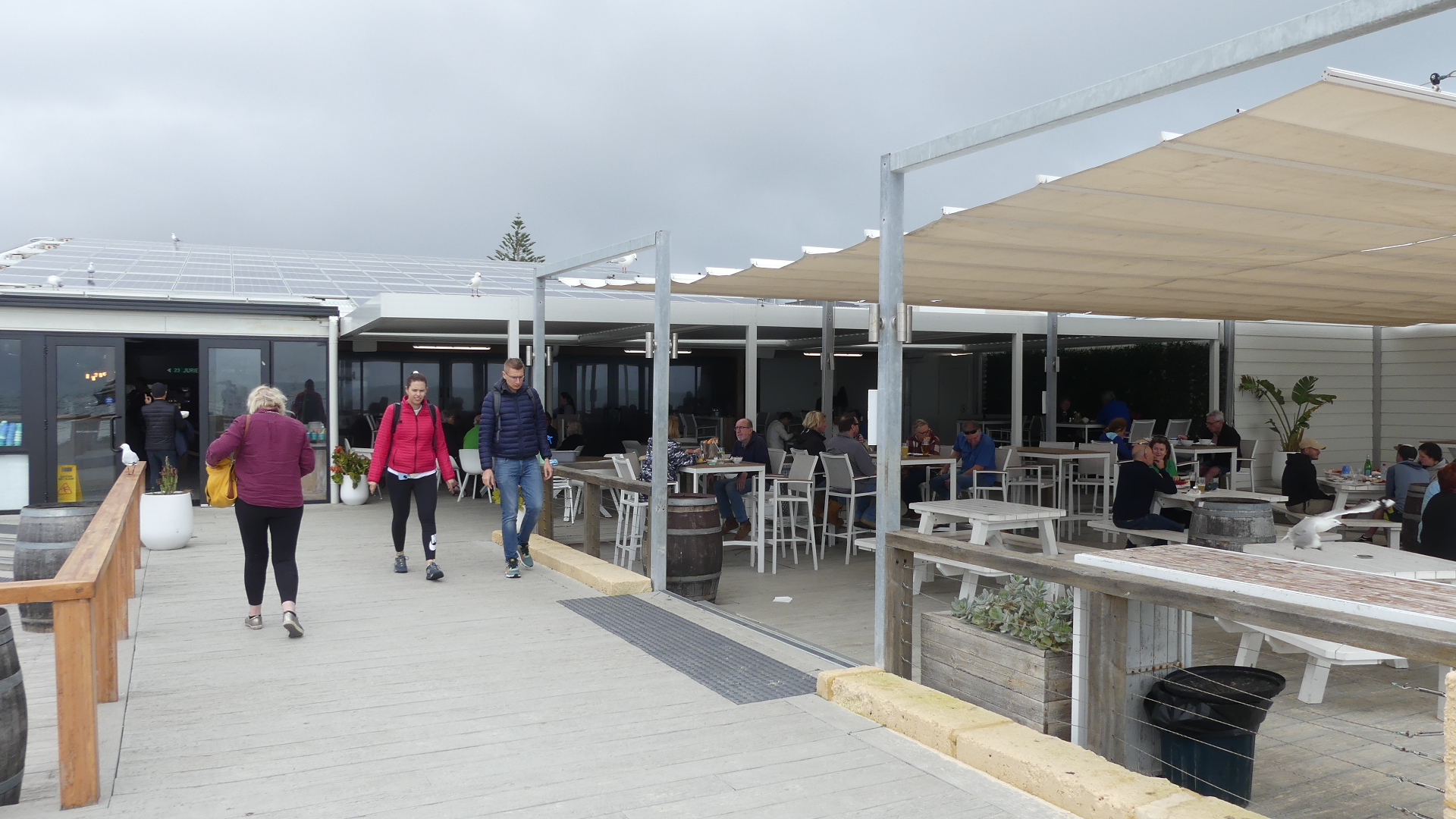
The Lobster shack – watch out for the robbing sea gulls.

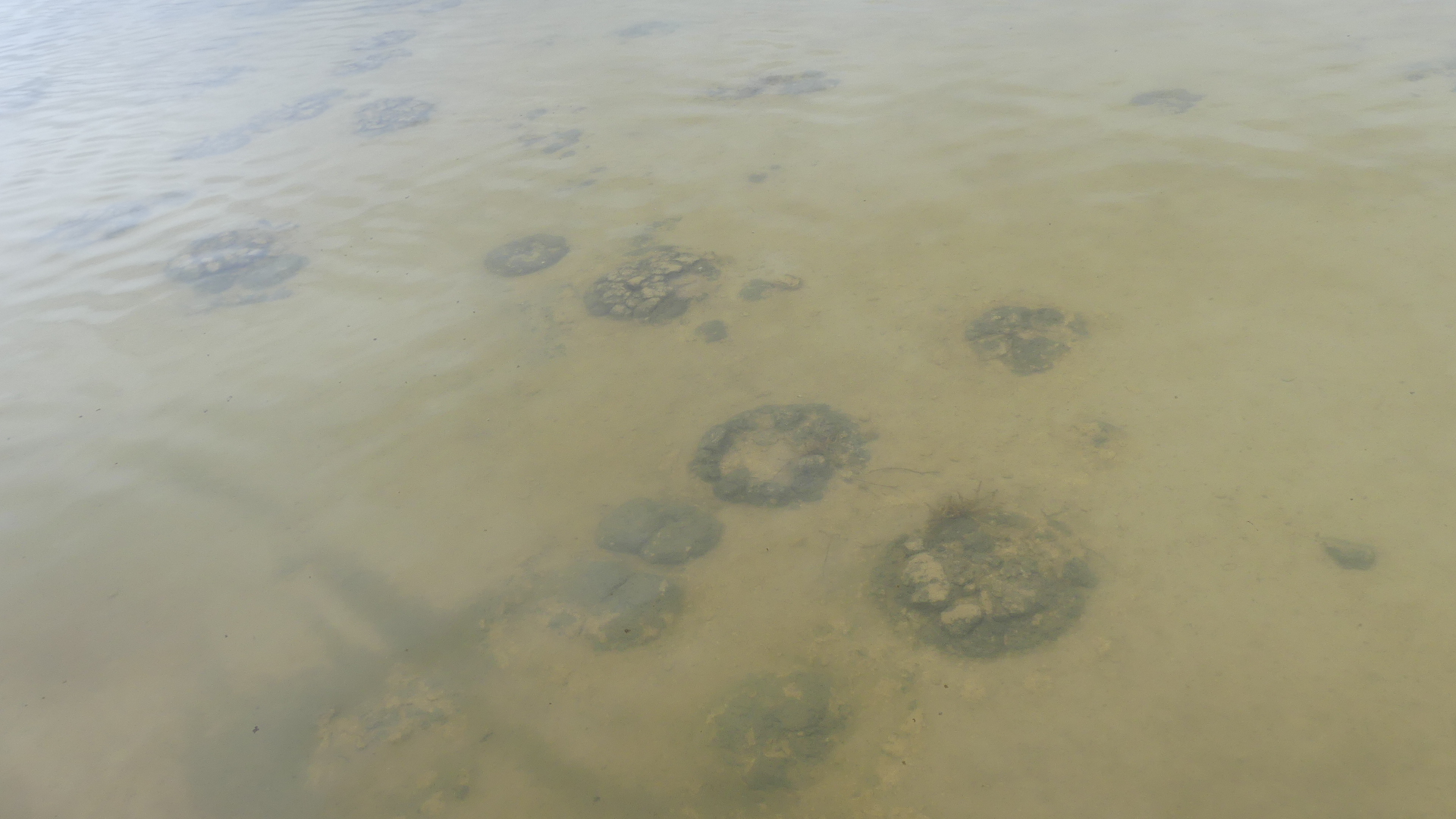
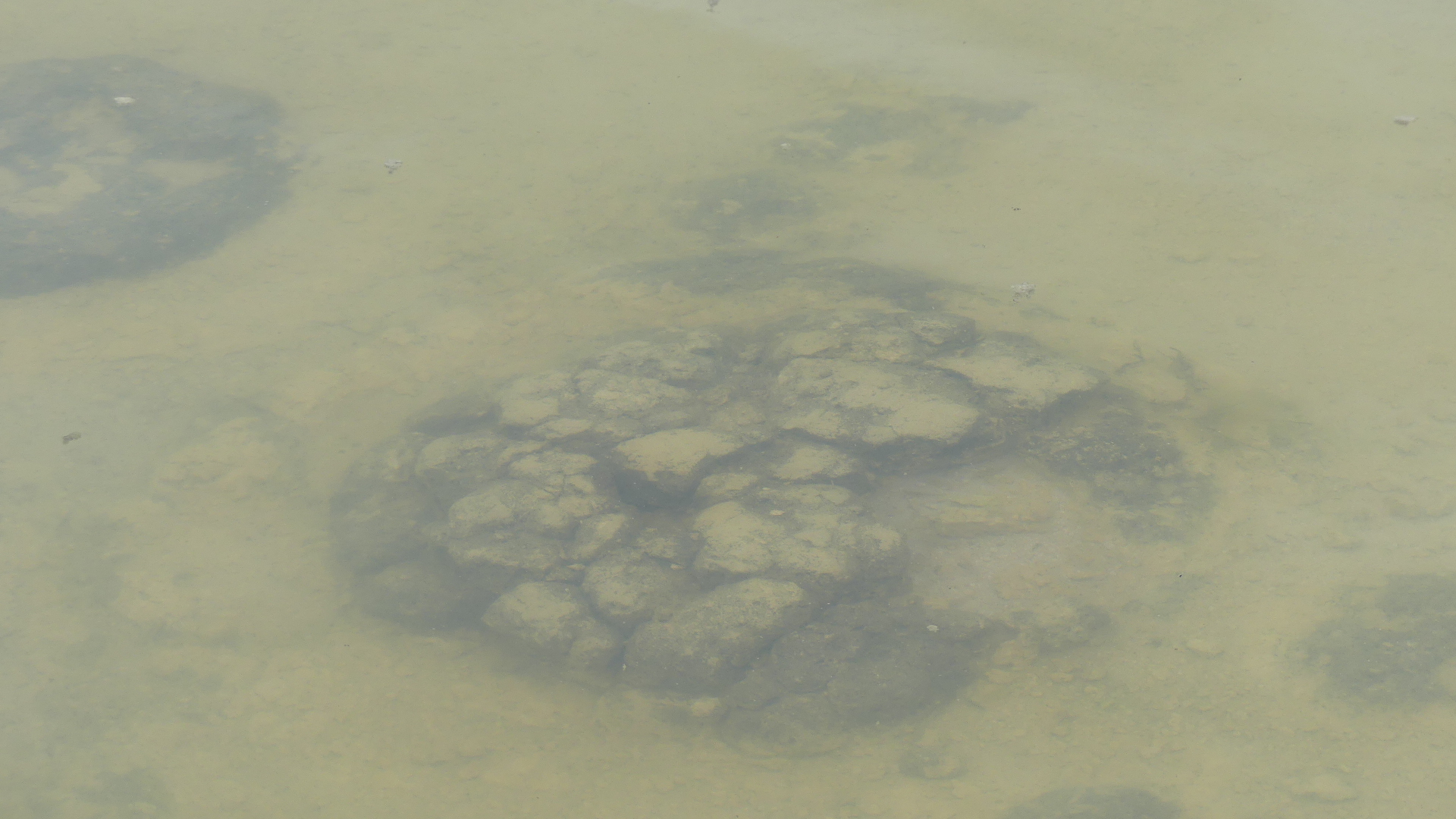
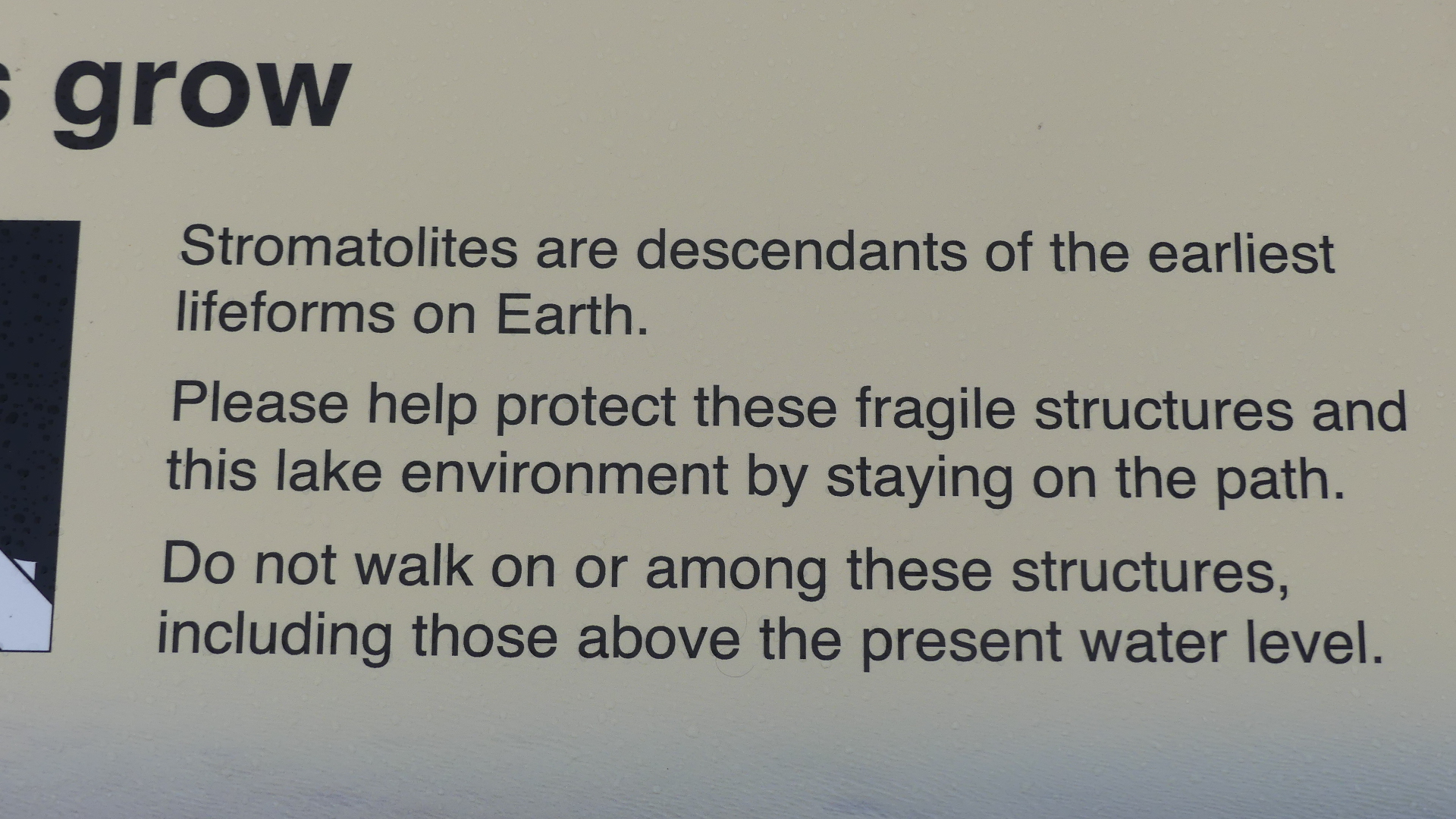
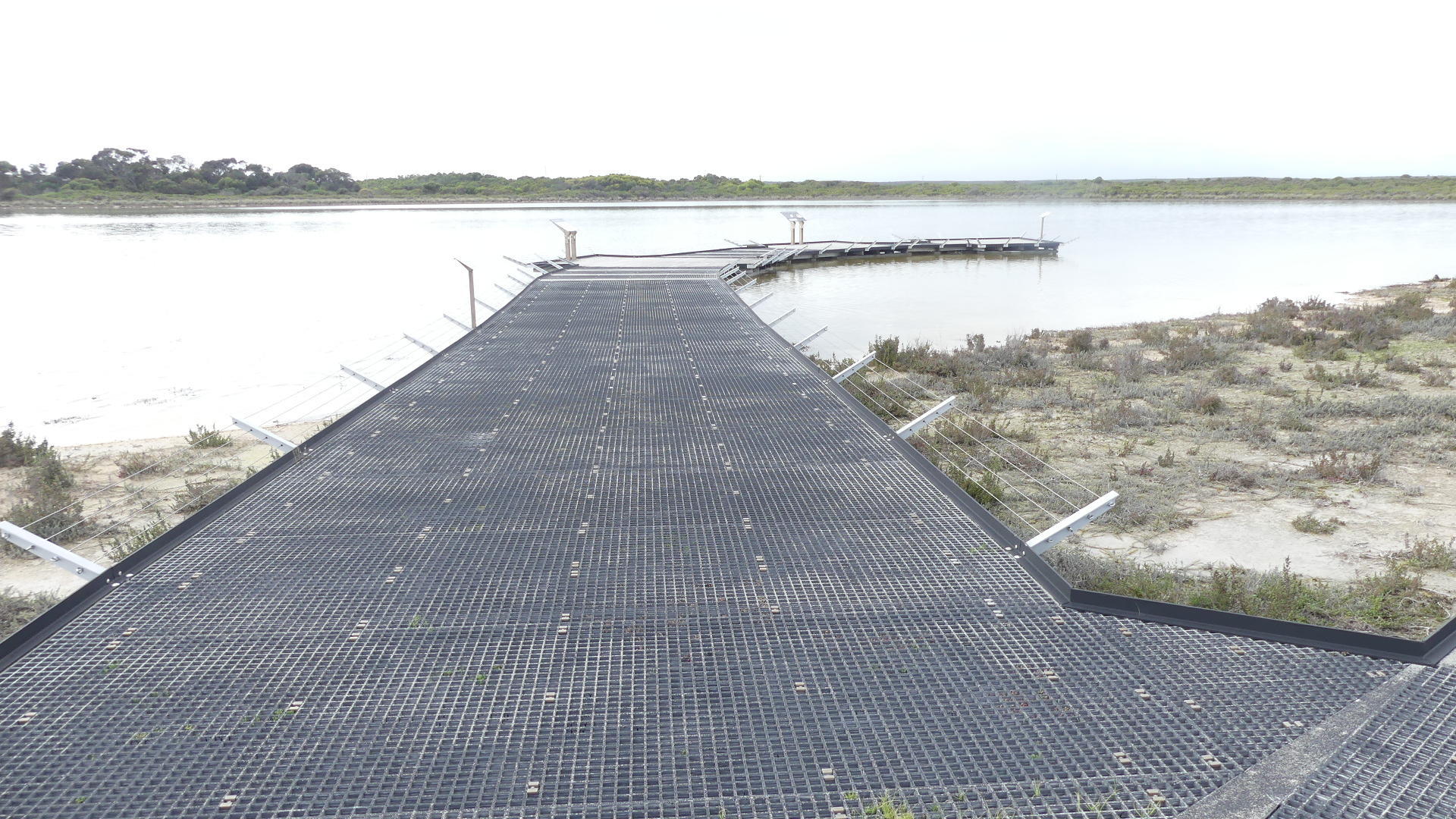
Leaving Cervantes and onto the saline Lake Thetis, which contains stromatolites. “Stromatolites – Greek for ‘layered rock’ – are microbial reefs created by cyanobacteria”. These deposits built up very slowly: a single 1m structure may be 2,000 to 3,000 years old. But the tiny microbes that make up modern Stromatolites are similar to organism that existed 3.5 billion years ago! What’s more, Stromatolites are the reason why we’re alive today! Before cyanobacteria the air was only 1% oxygen. Then, for 2 billion years, photosynthesising Stromatolites pumped oxygen into the oceans (like underwater trees, before trees existed). When the oceans’ waters were saturated, oxygen was released into the air, and with around 20% of oxygen in the air, life was able to flourish and evolve. For context, consider that the Earth itself has been around for 4.5 billion years, and that modern Homo sapiens have only been on Earth for 160,000 years.


Finally we had to climb this hill and look at the ocean to end our visit to Cervantes.
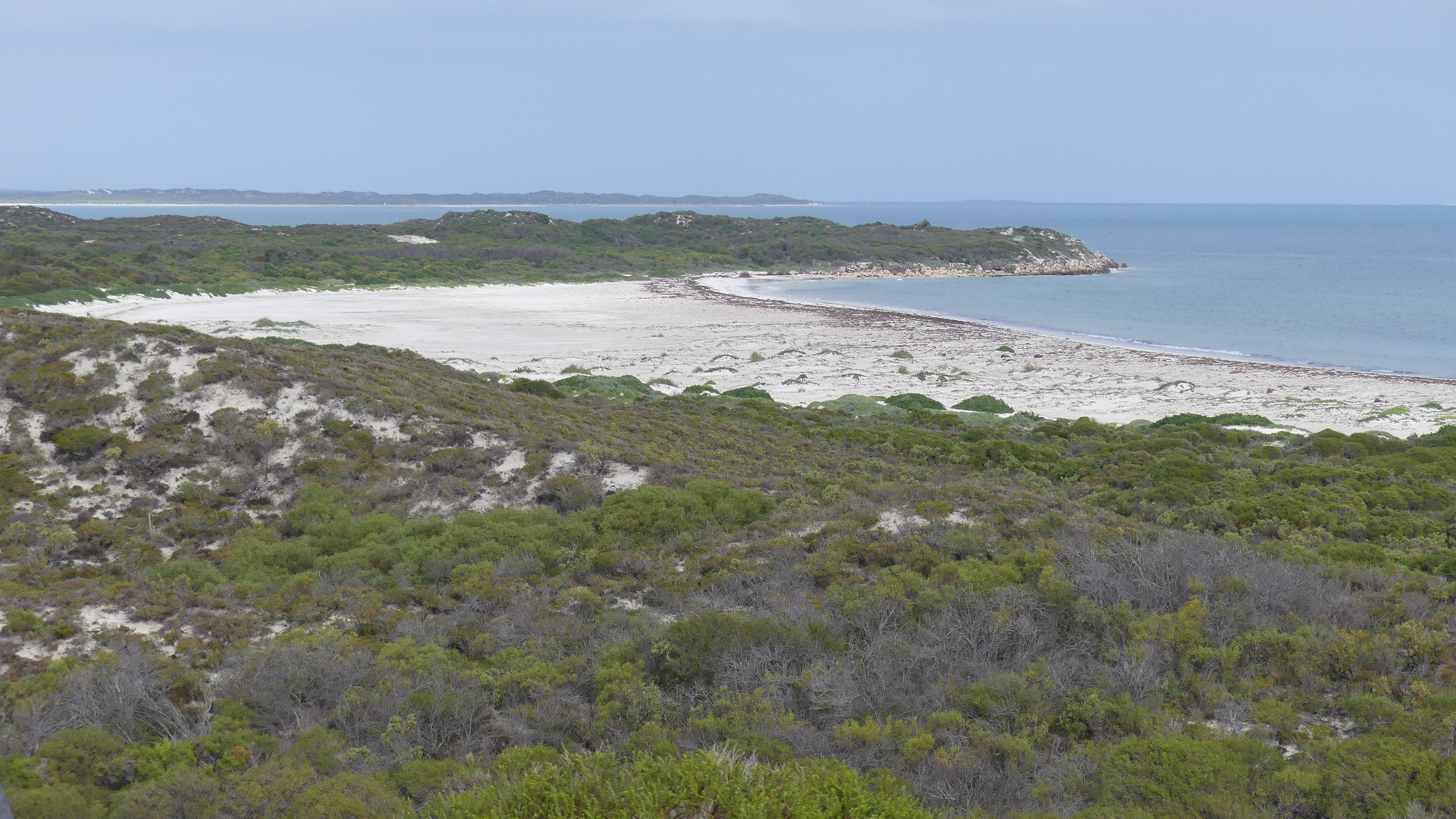
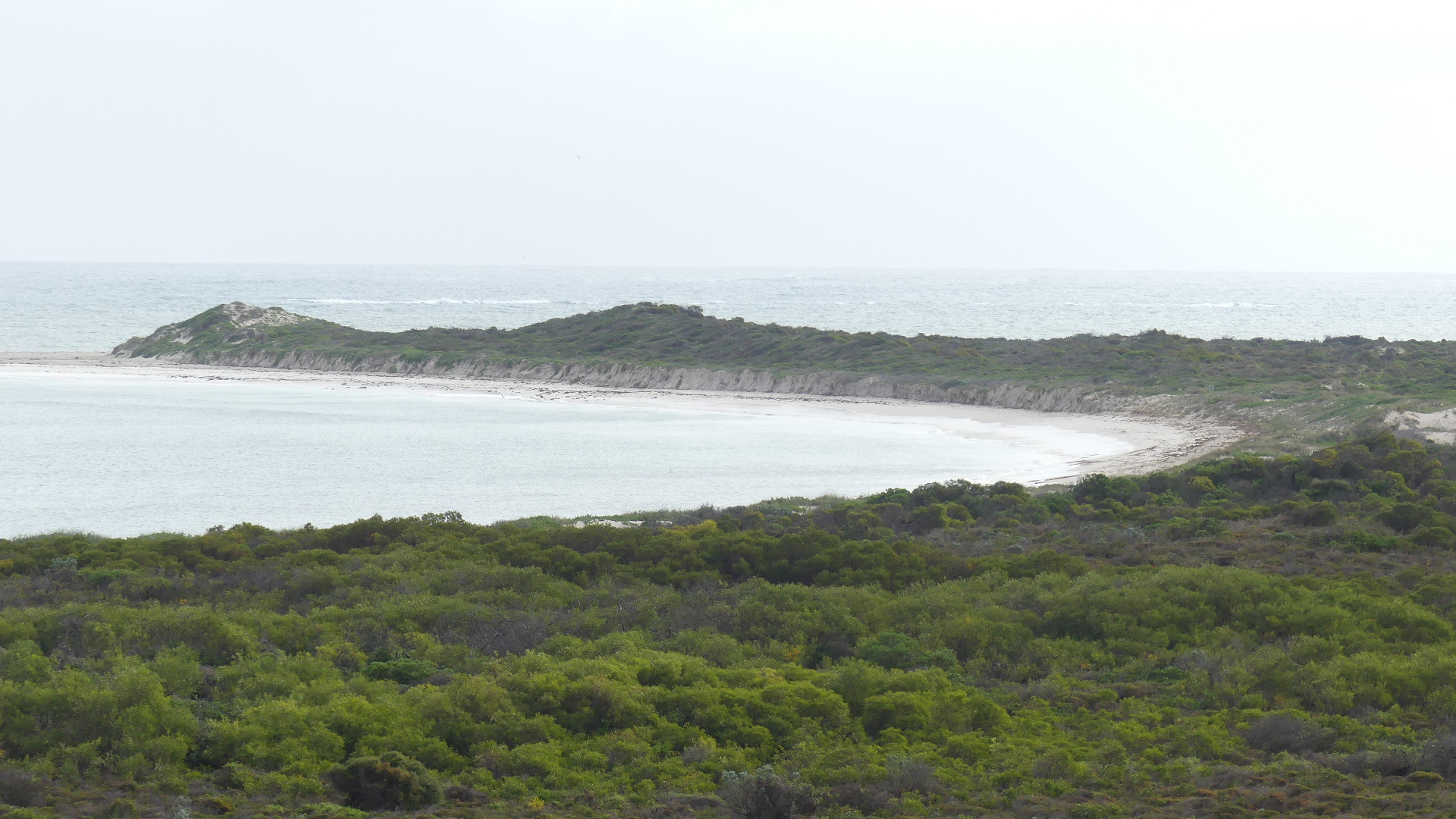
I may have nodded off on the way home- old people do that.
However it was the end to an enjoyable day. The Pinnacles presented a foreign landscape out of place until we experienced the Stramatolites of Lake Thetis and somehow it makes sense – billions of years have passed and this is the outcome.
 glendon1954