“THE RETIREES GO AROUND THE WORLD – DAYS 6 & 7 SS NIEUW STATENDAM – Belfast Northern Ireland and Liverpool England”

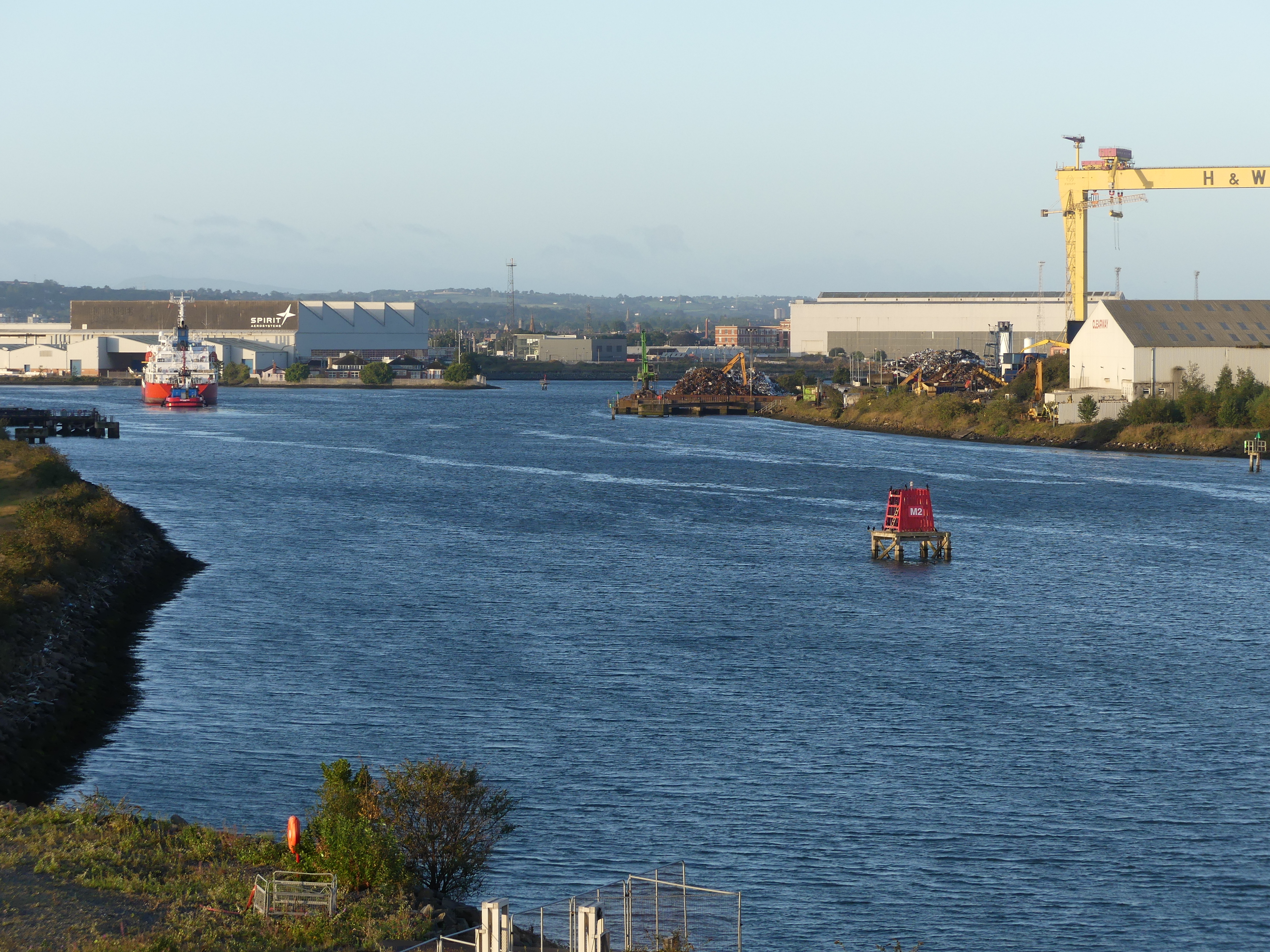
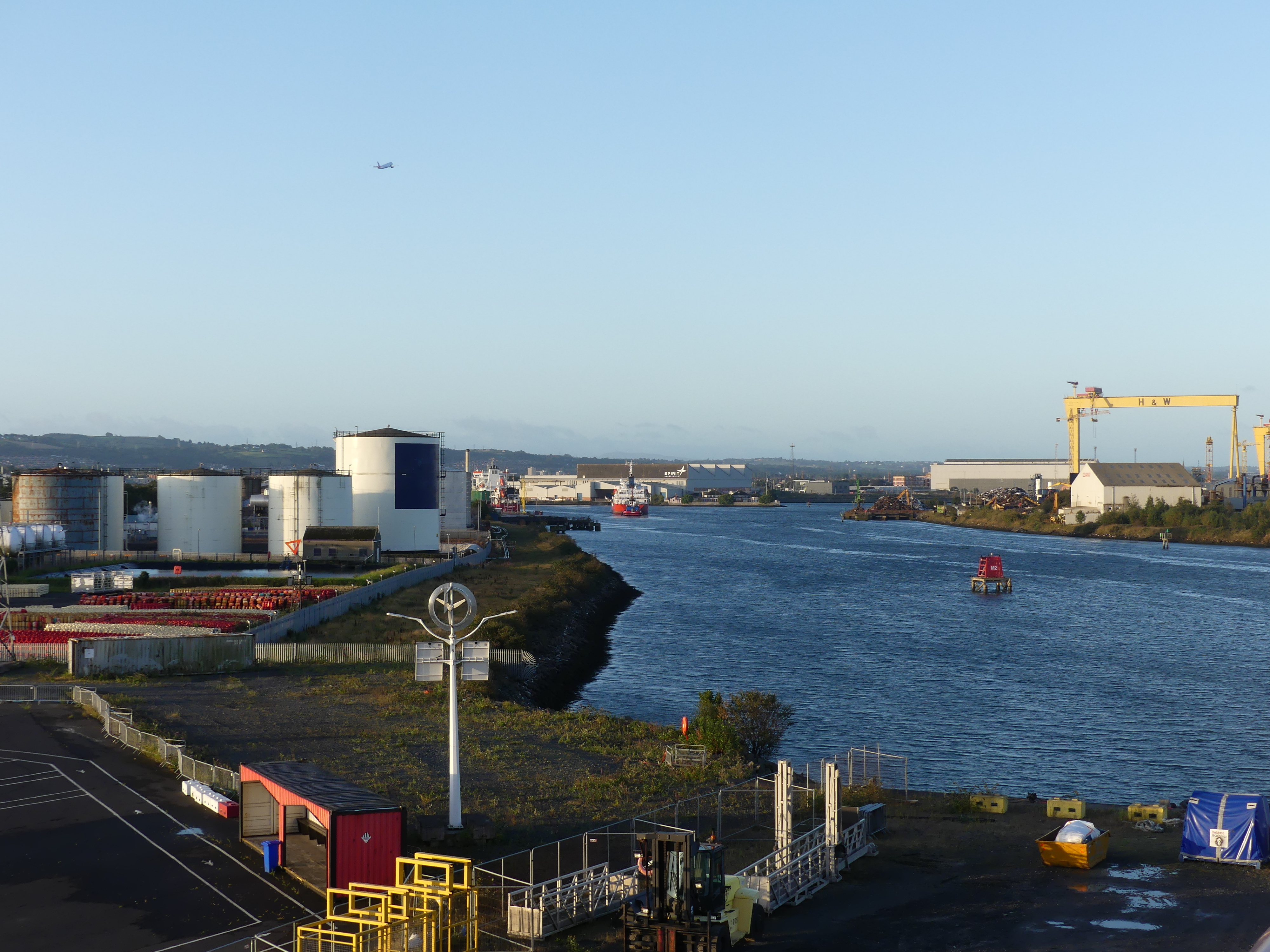
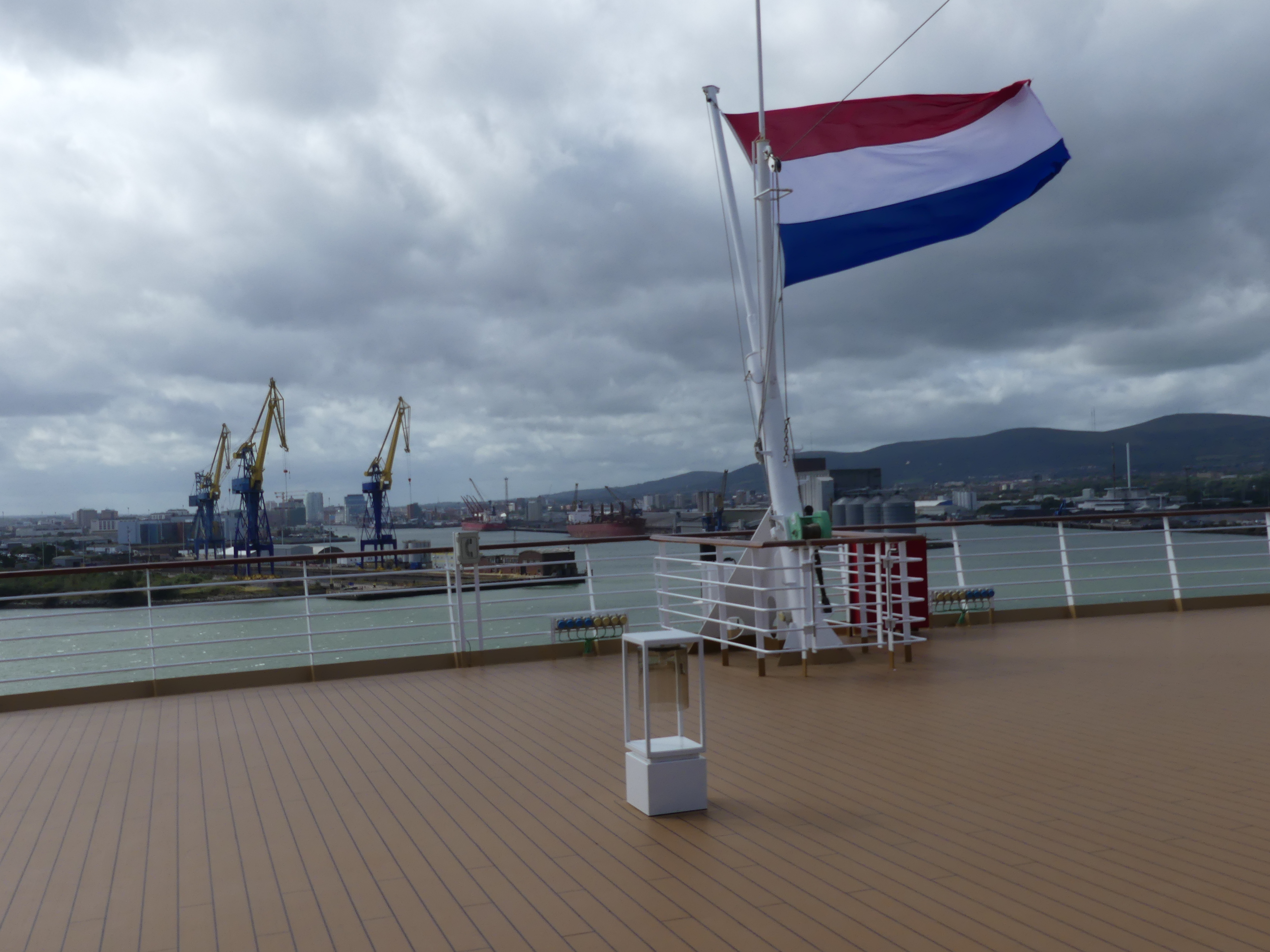
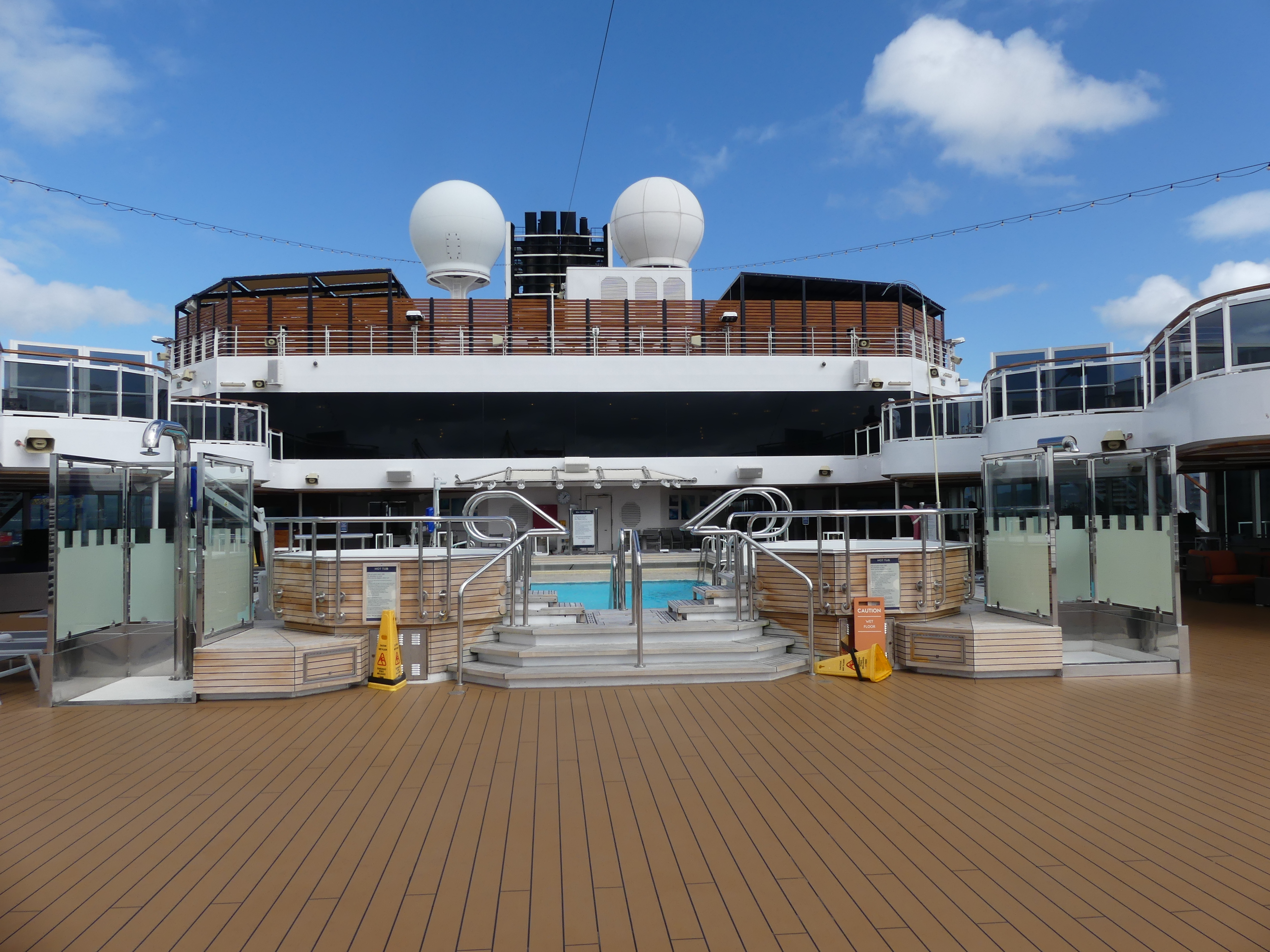
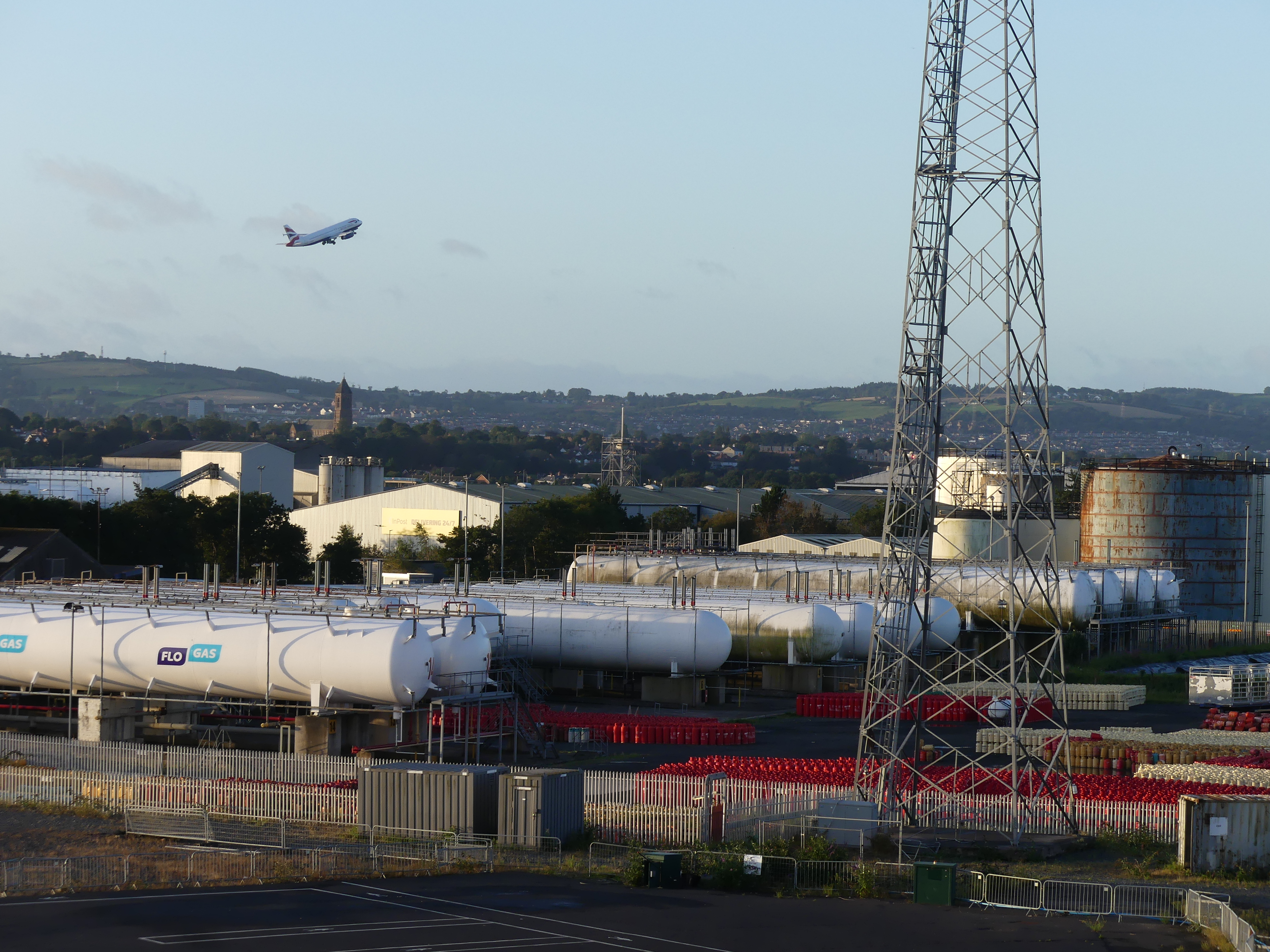
As stated in my last blog concerning Outer Hebredies, we had visited Belfast previously and felt like a day off, staying on the ship. We docked on a grey morning and this seemed an omen that we had made the correct choice but by breakfast the sky was clearing. It remained chilly – certainly too chilly for the pool so we relaxed reading books and found the games room later in the day. We took an afternoon stroll and I have included photos of the day in port. Notice the empty pool.

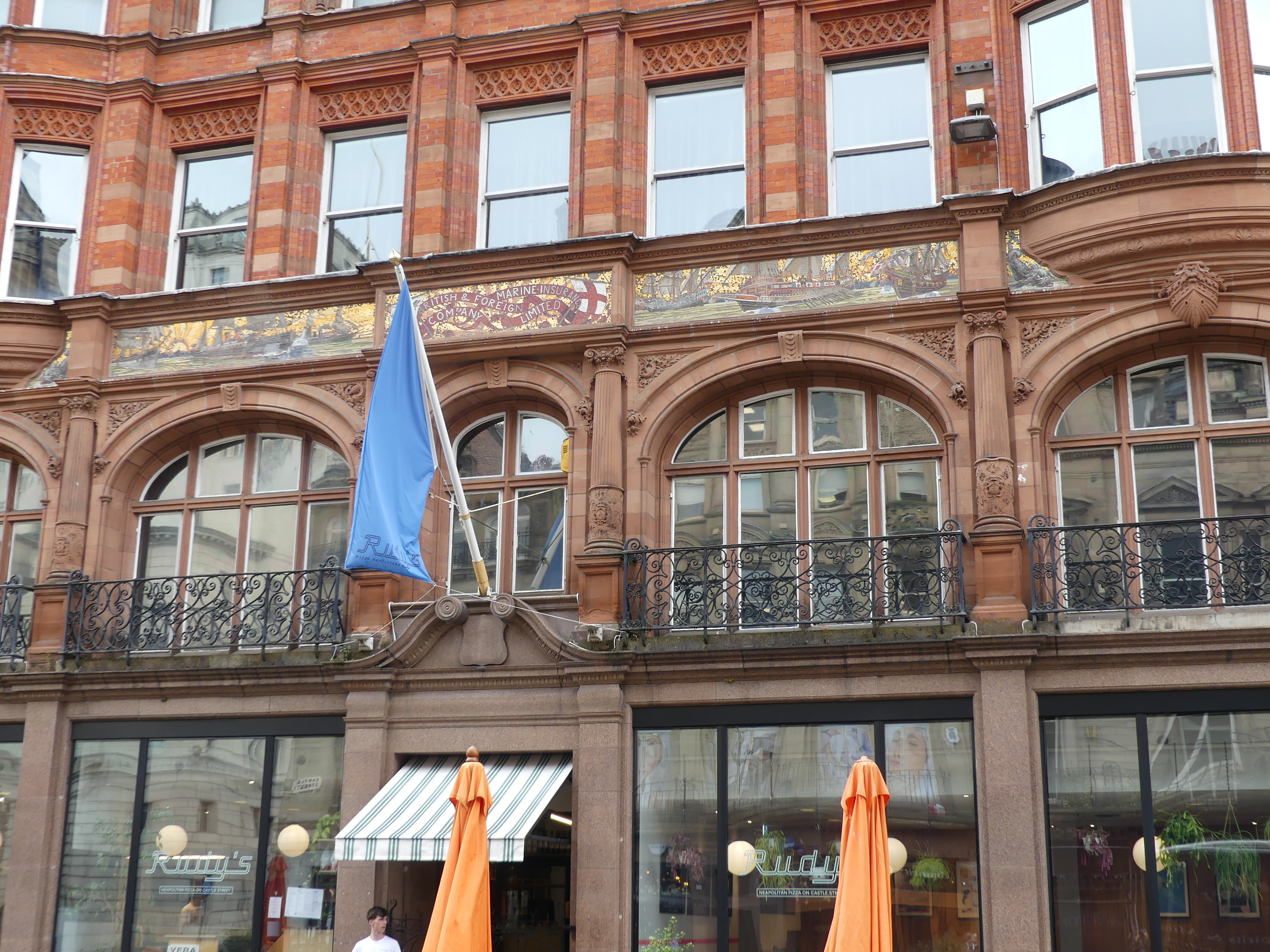
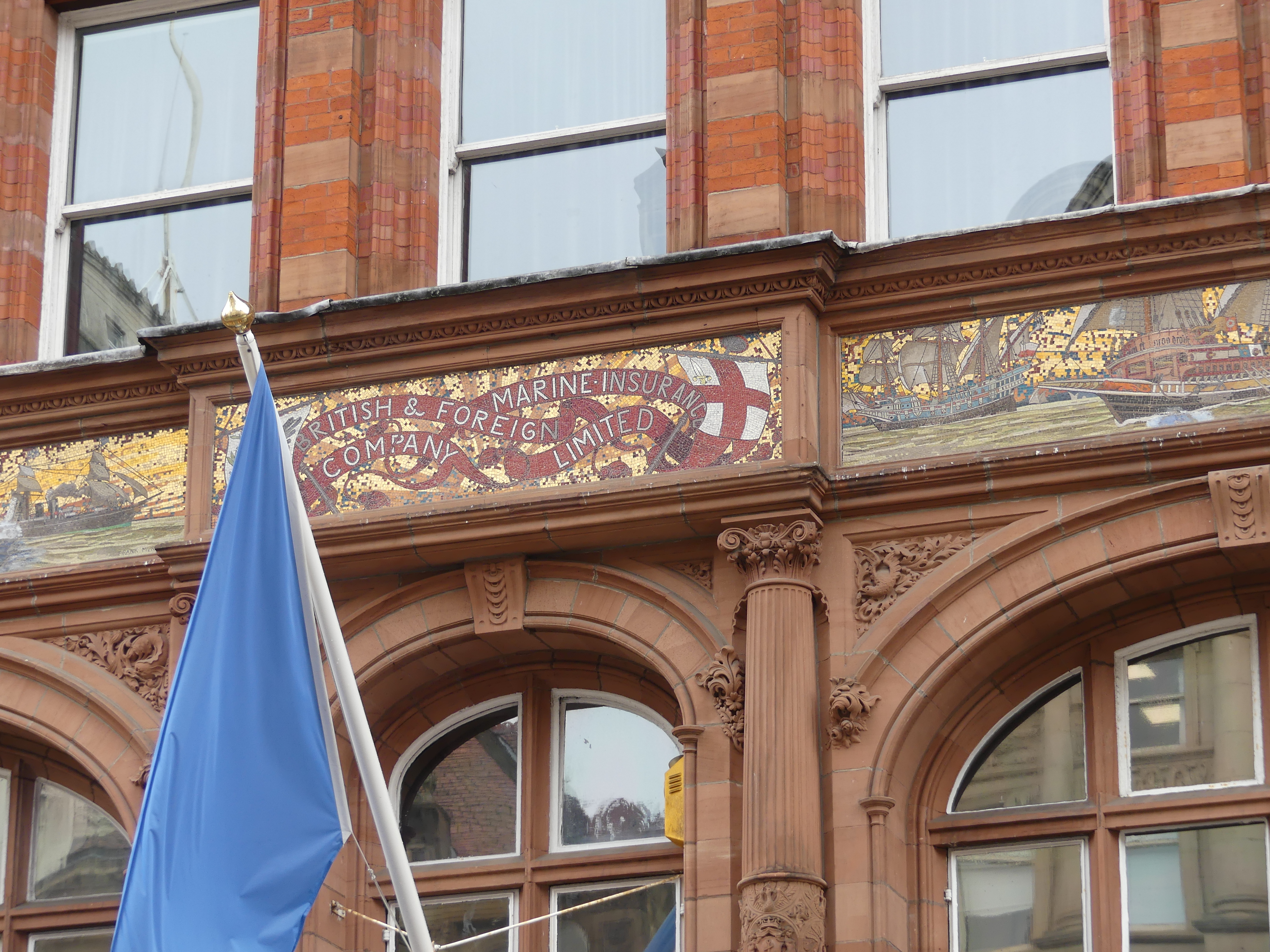
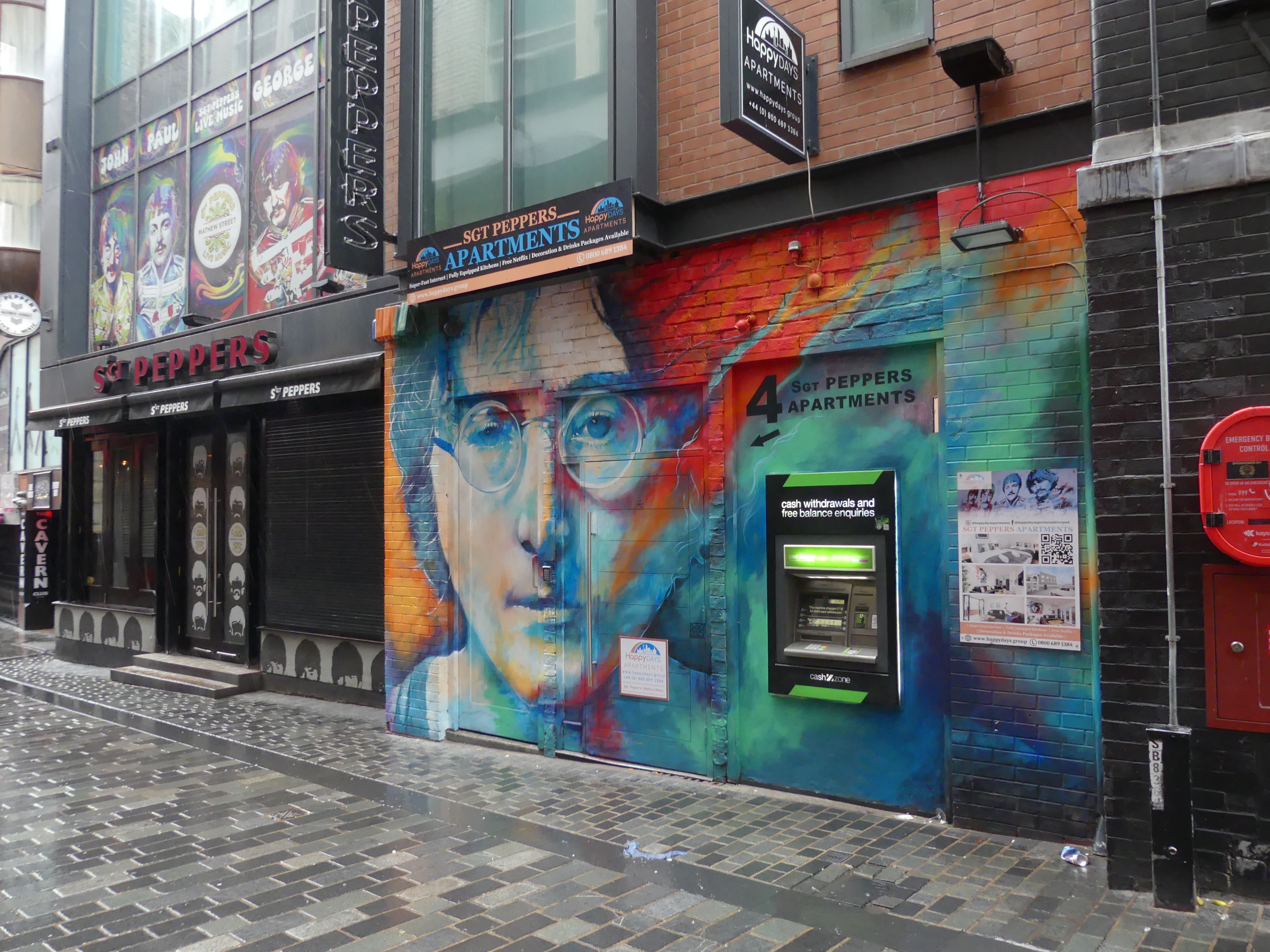
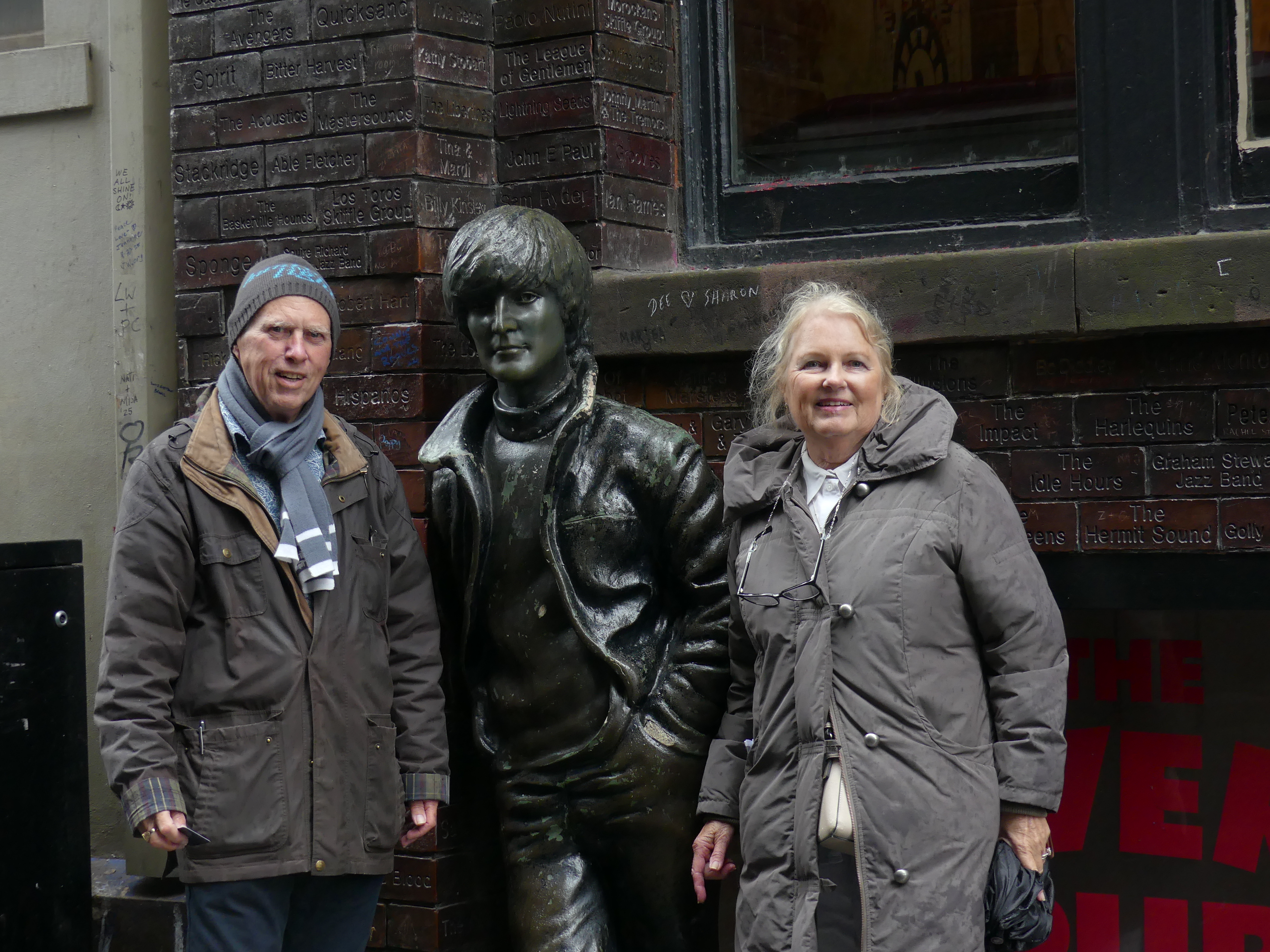
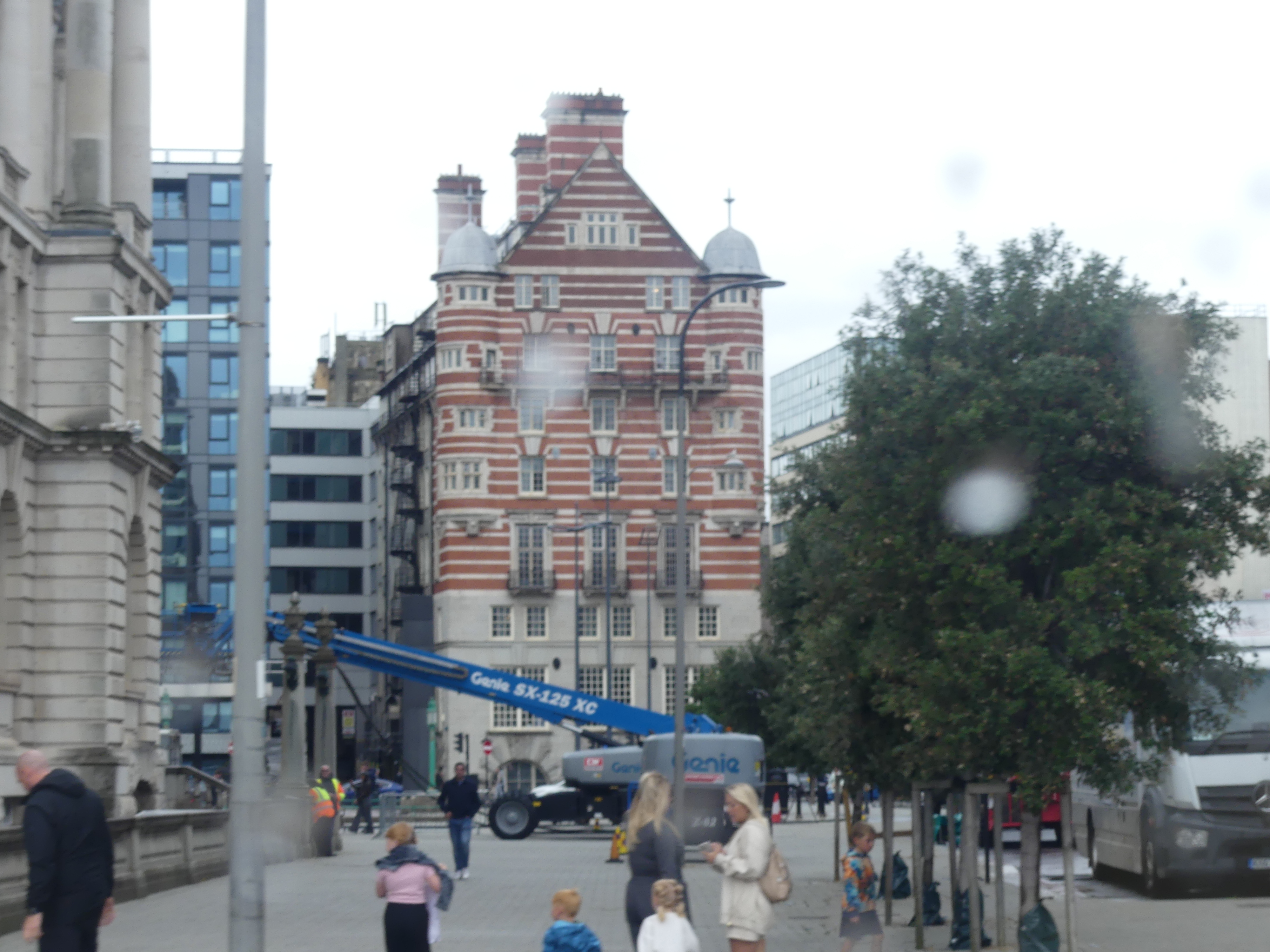
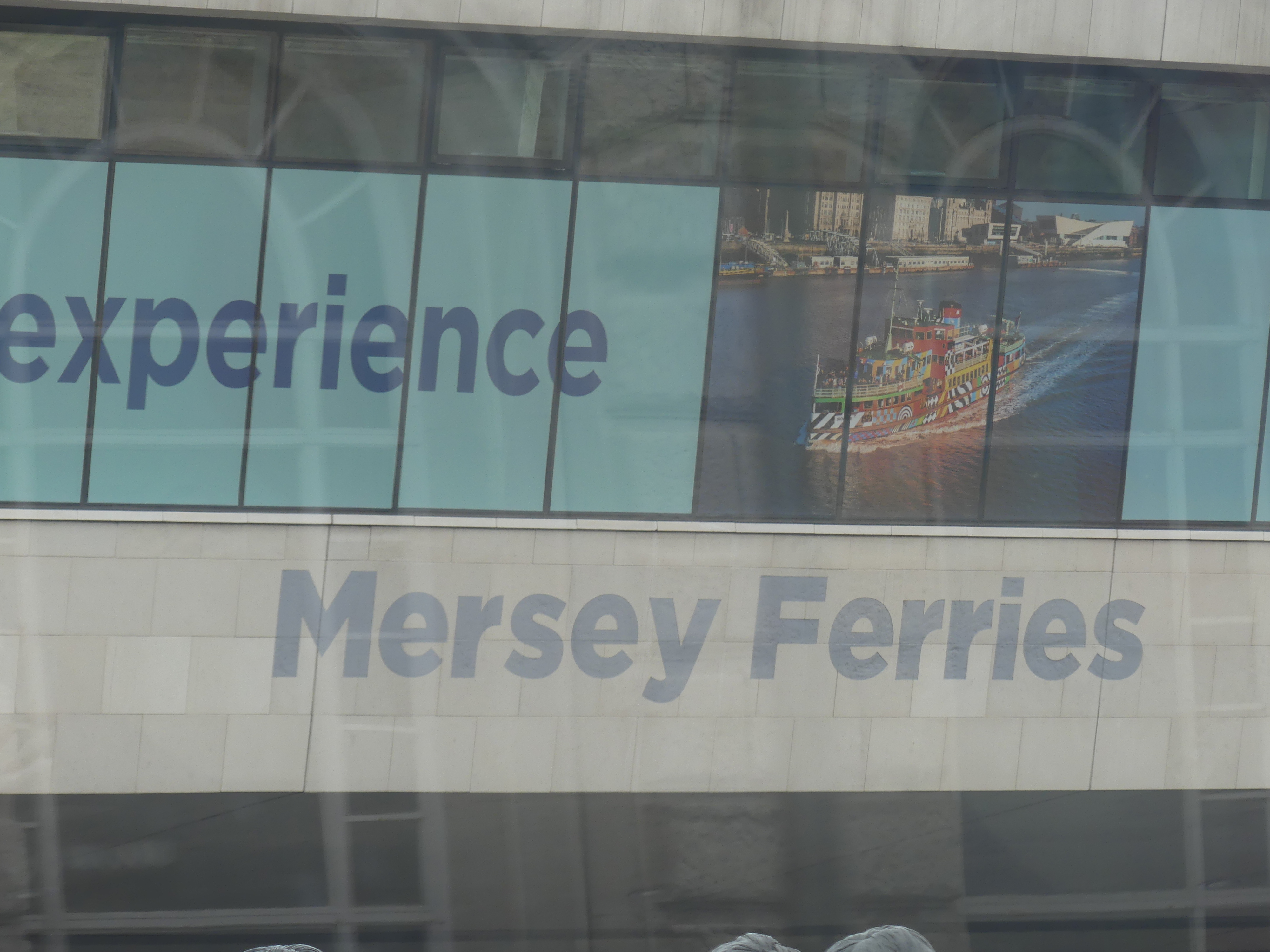
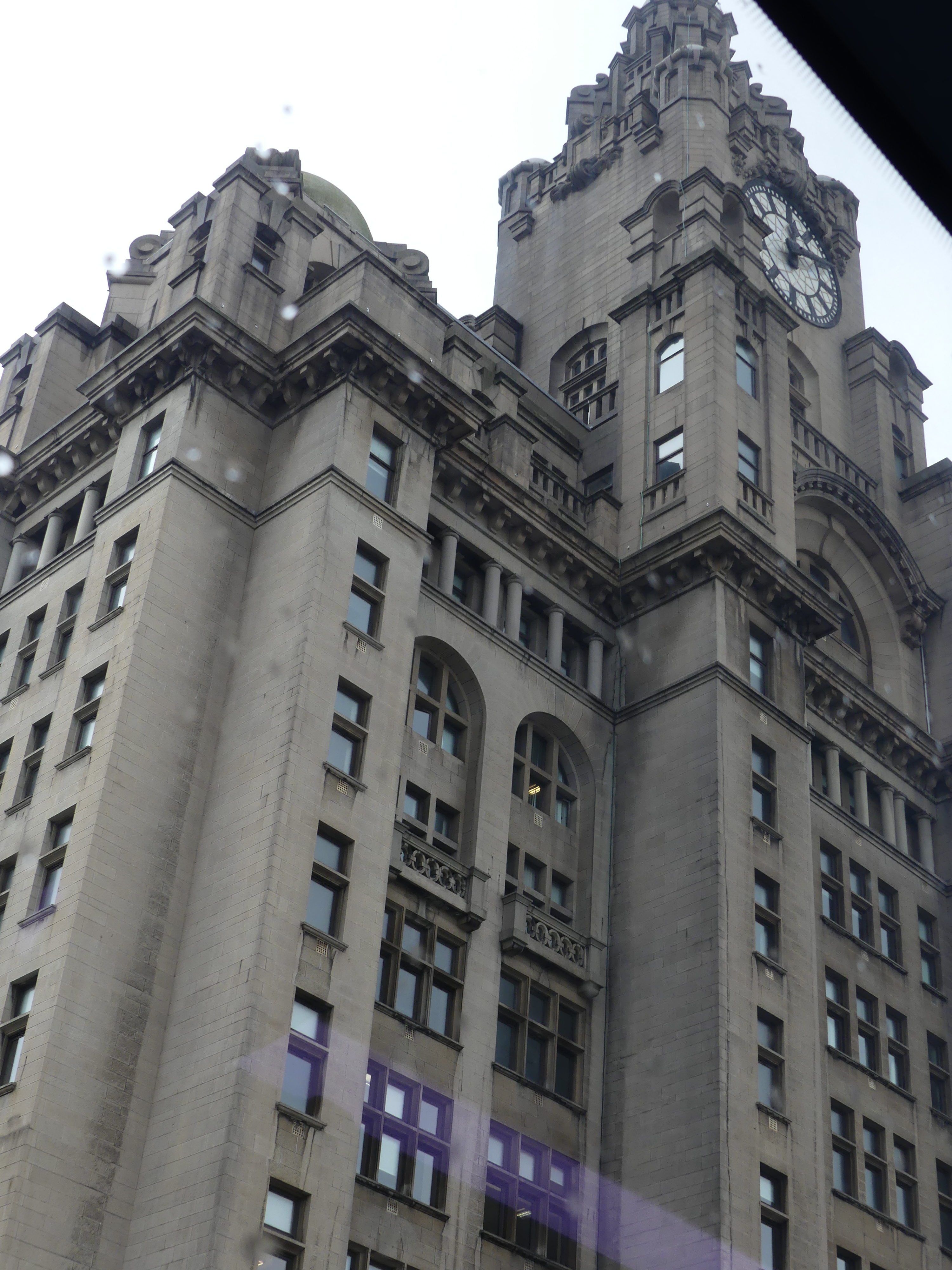
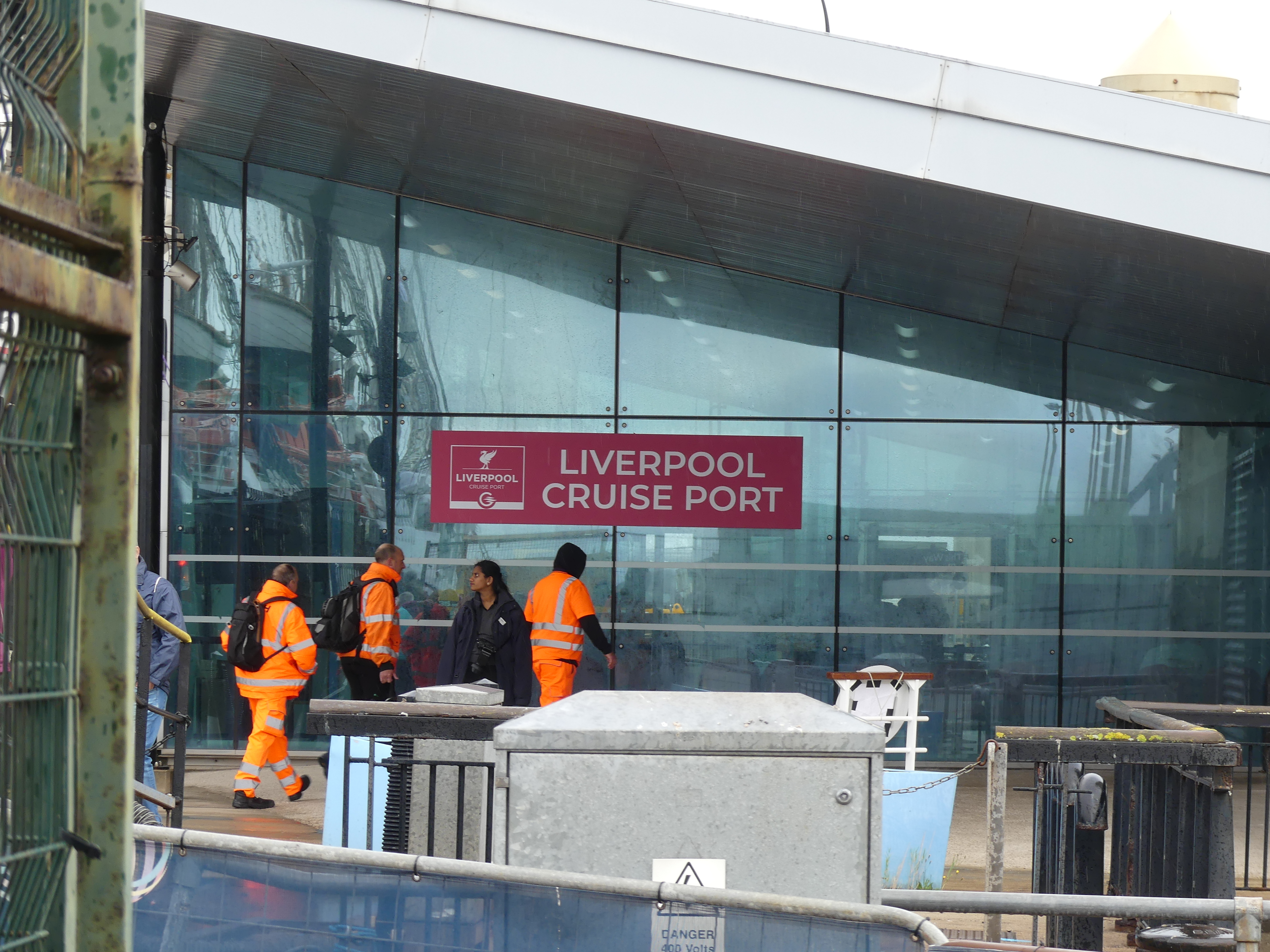
Moving onto Liverpool we were also familiar from previous trips with the sights of Liverpool but we decided we would take the hop on hop off bus – no strenuous activity as we caught up with rest. As usual we departed the ship through the cruise terminal onto the Albert Docks. In front of us is the Liver Building Liverpool’s iconic waterfront landmark, famous for its twin clock towers topped with mythical Liver Birds (Bertie & Bella), built in 1911, and known as one of the “Three Graces” with the Cunard & Port of Liverpool Buildings. Further along at Pier Head The Museum of Liverpool. We had visited this last time we were in Liverpool and found it a fascinating museum both for its architecture and for the history it holds. It tells the story of Liverpool and its people, and reflects the city’s global significance. It opened in 2011 as newest addition to the National Museums Liverpool group. As we continued our exploation past City Hall we found a grand old insurance building. Located just blocks from Albert Dock and adjacent to Liverpool Town Hall, this building on the east side of Castle Street was designed in 1889 by G.E. Grayson and housed the British and Foreign Marine Insurance Company for almost 70 years. We were making our way to the Cavern Club some time home of the Beatles and many a tribute band. The lane with its protrait of John and his statue brought back memories of our previous visit.

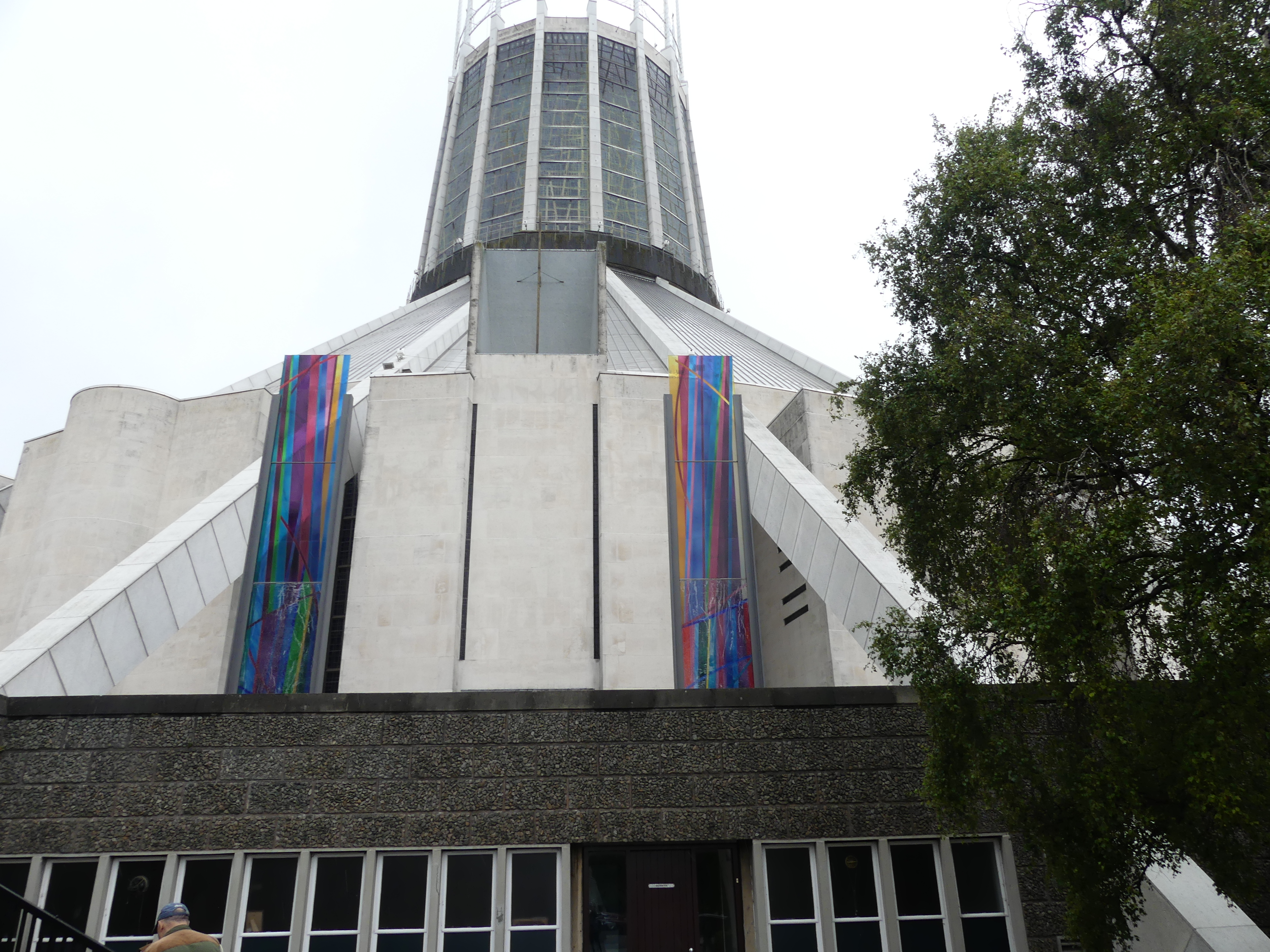
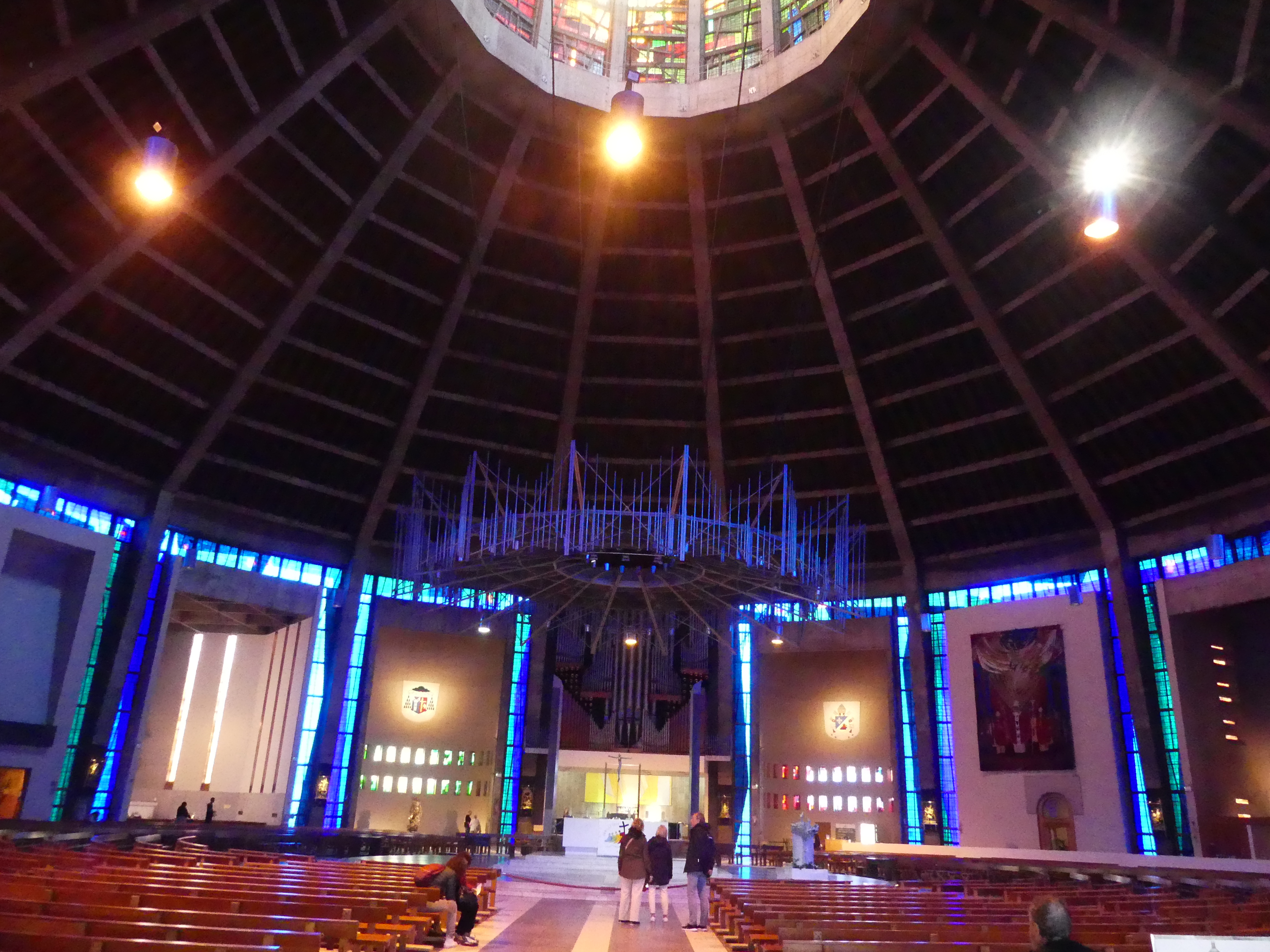
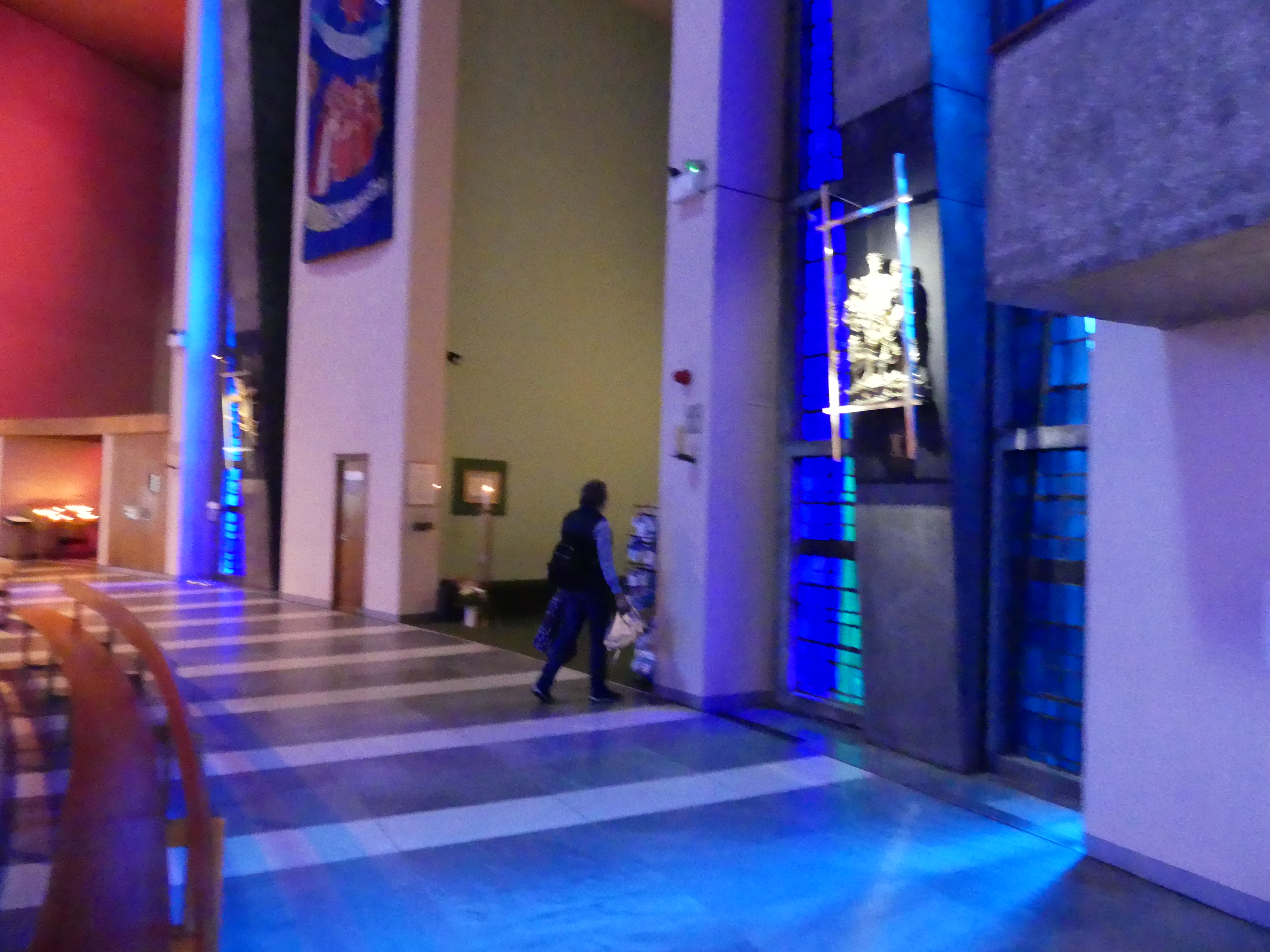
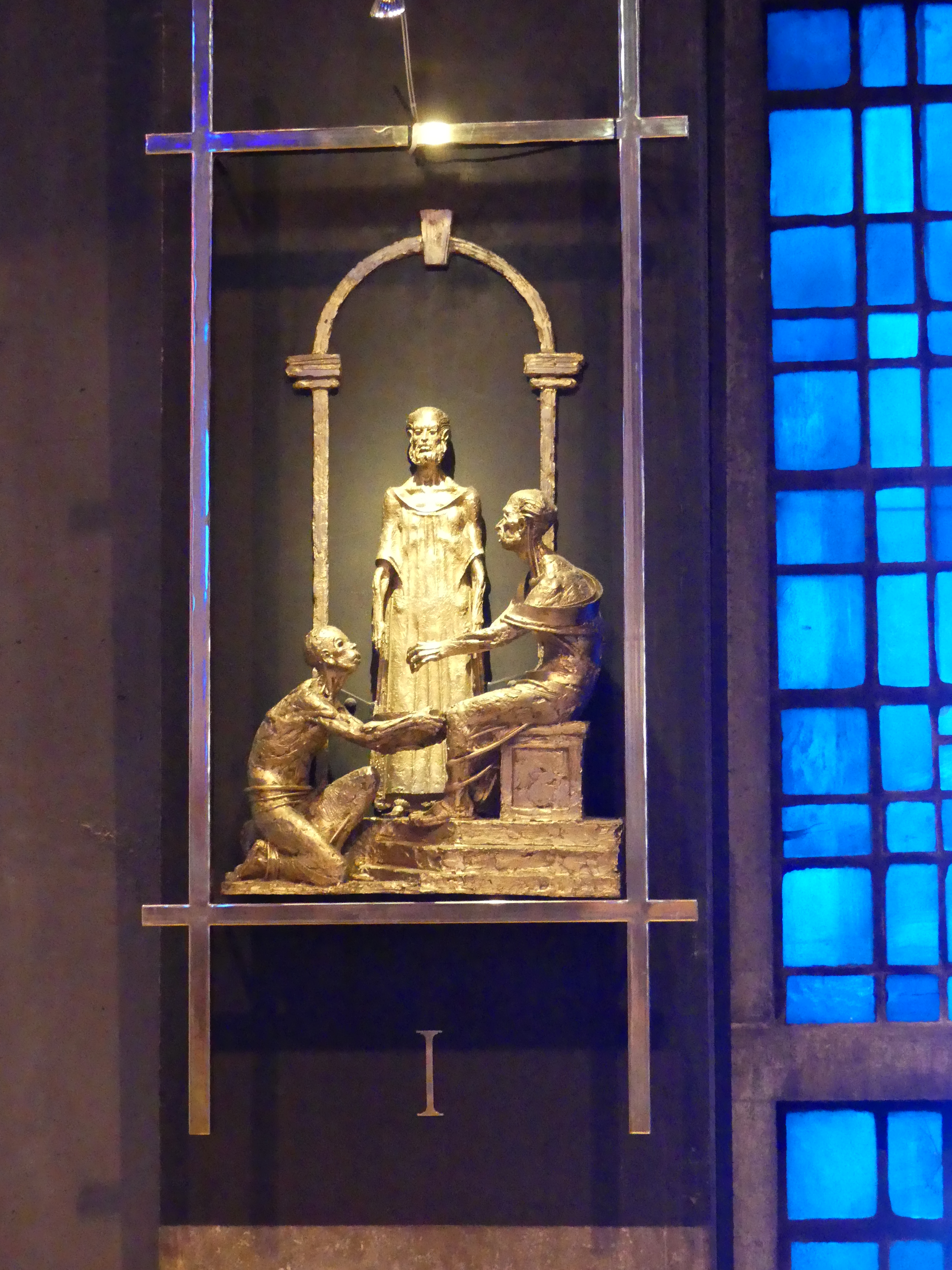
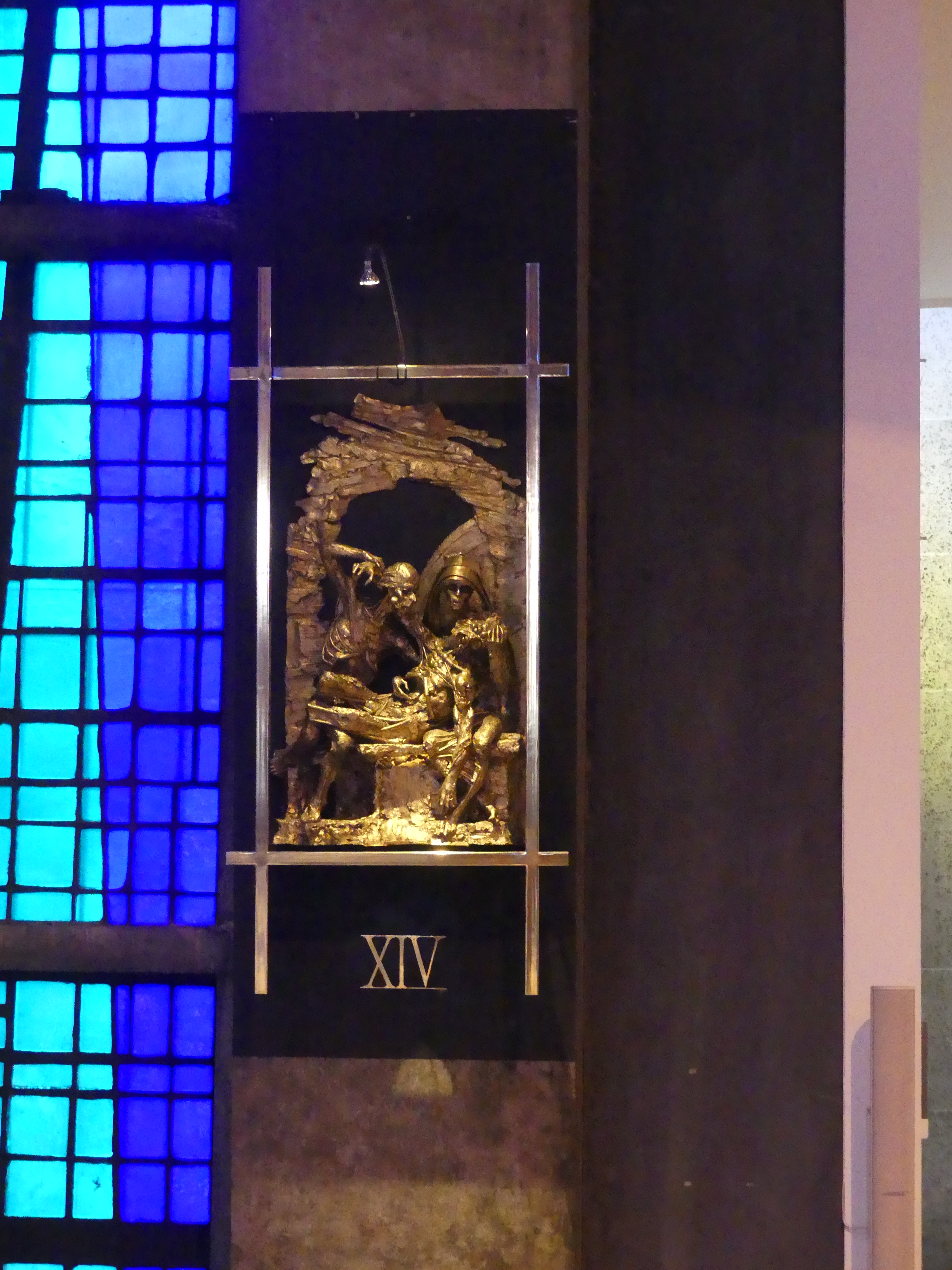
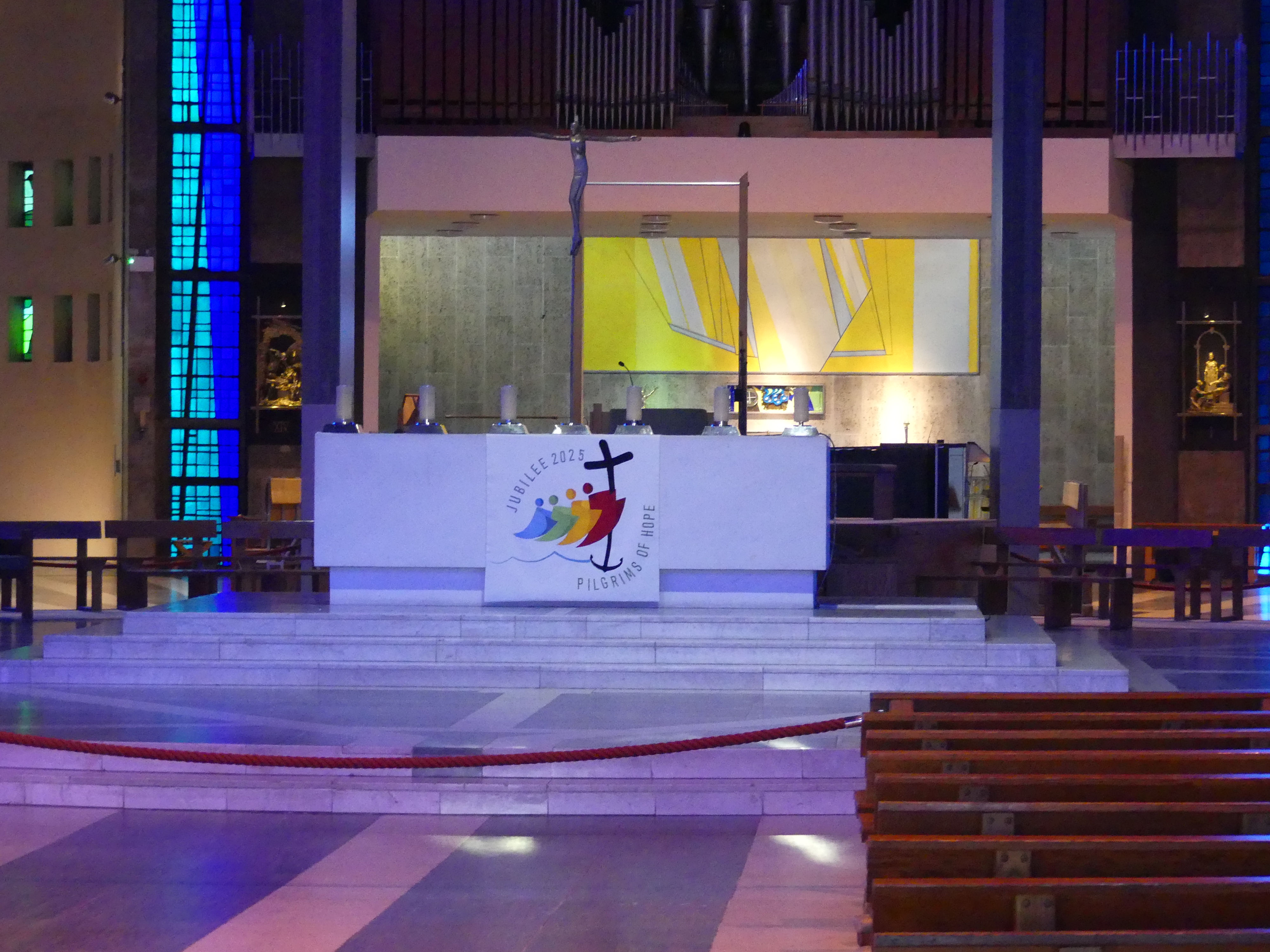
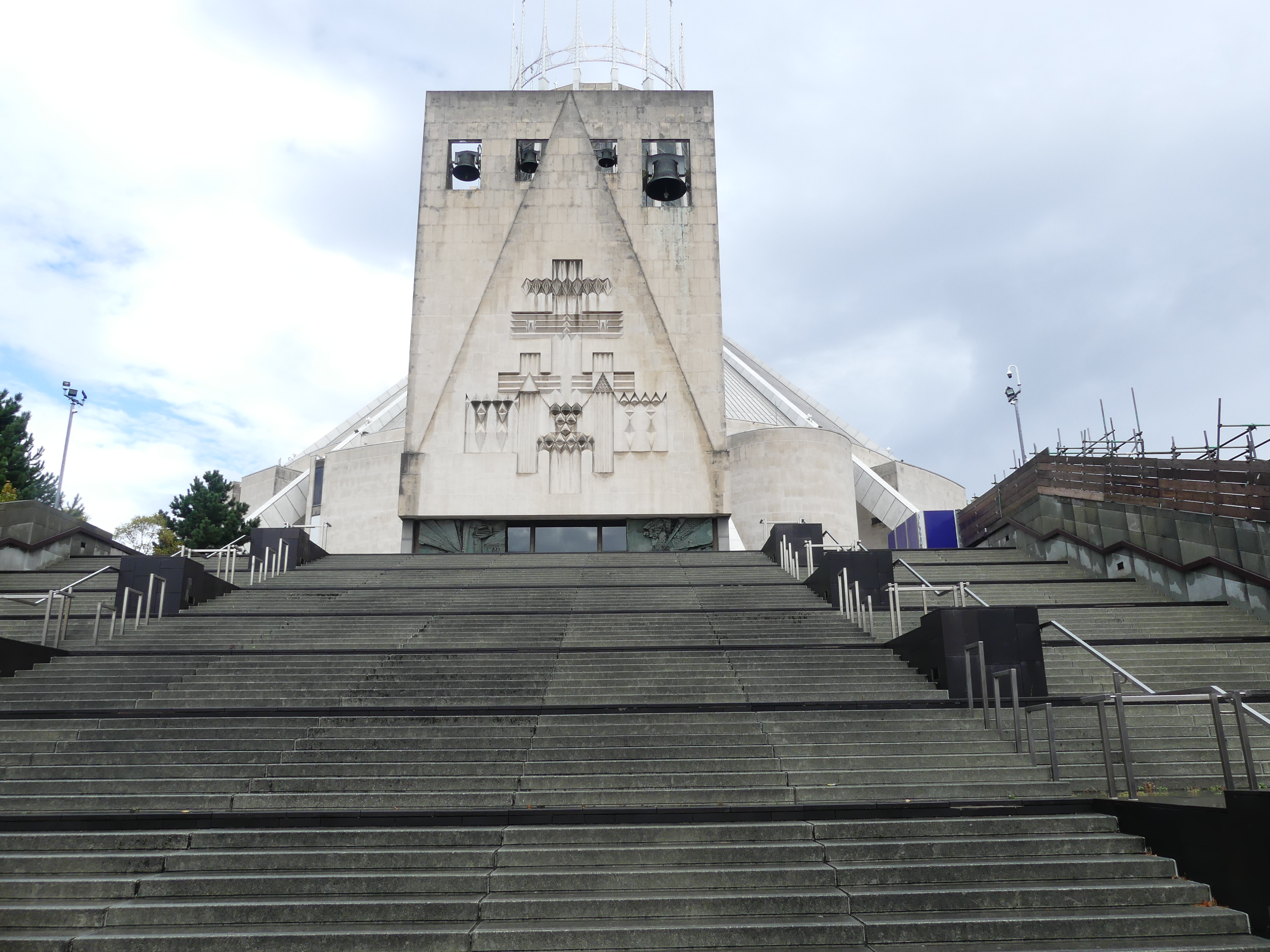
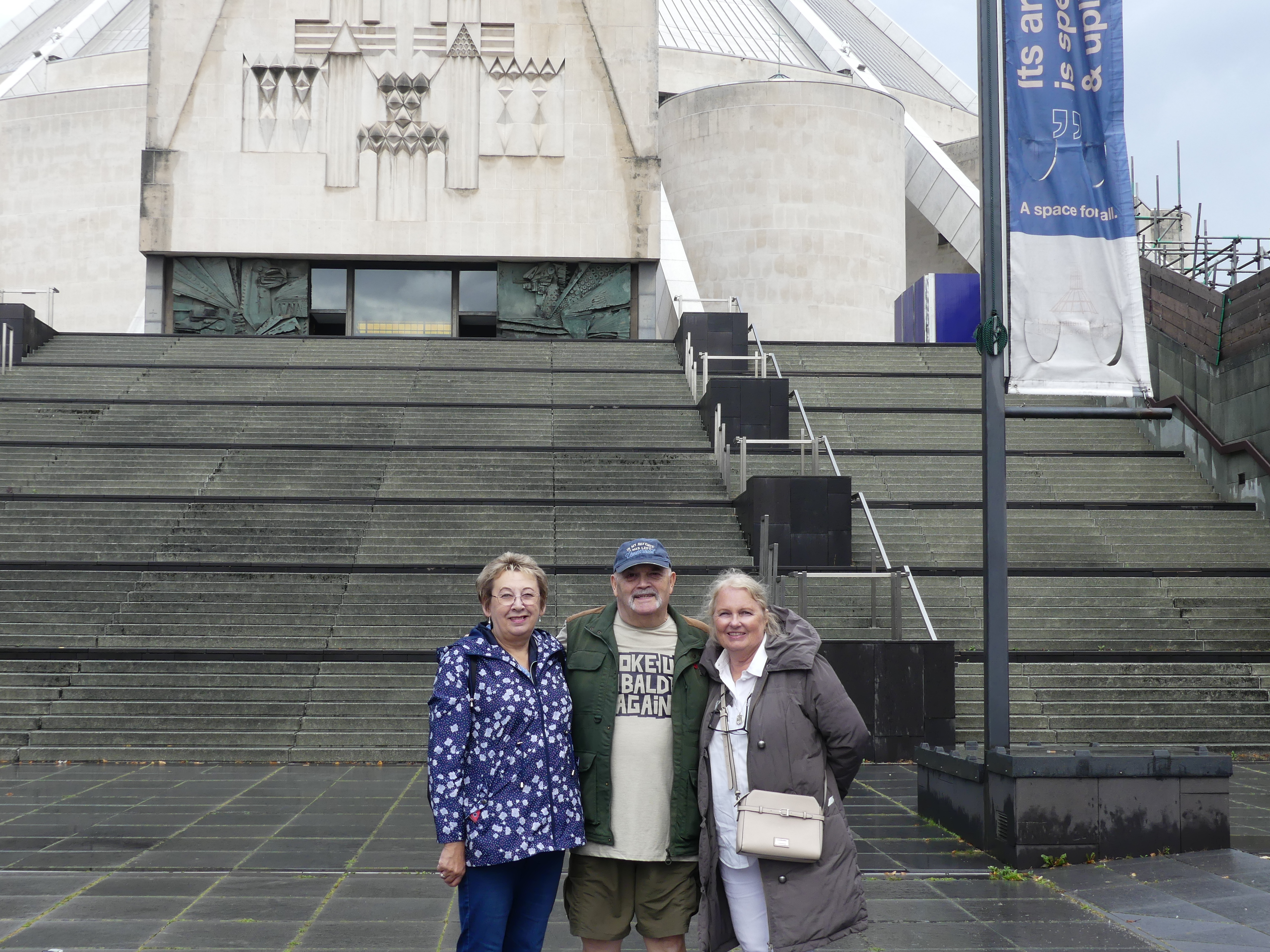
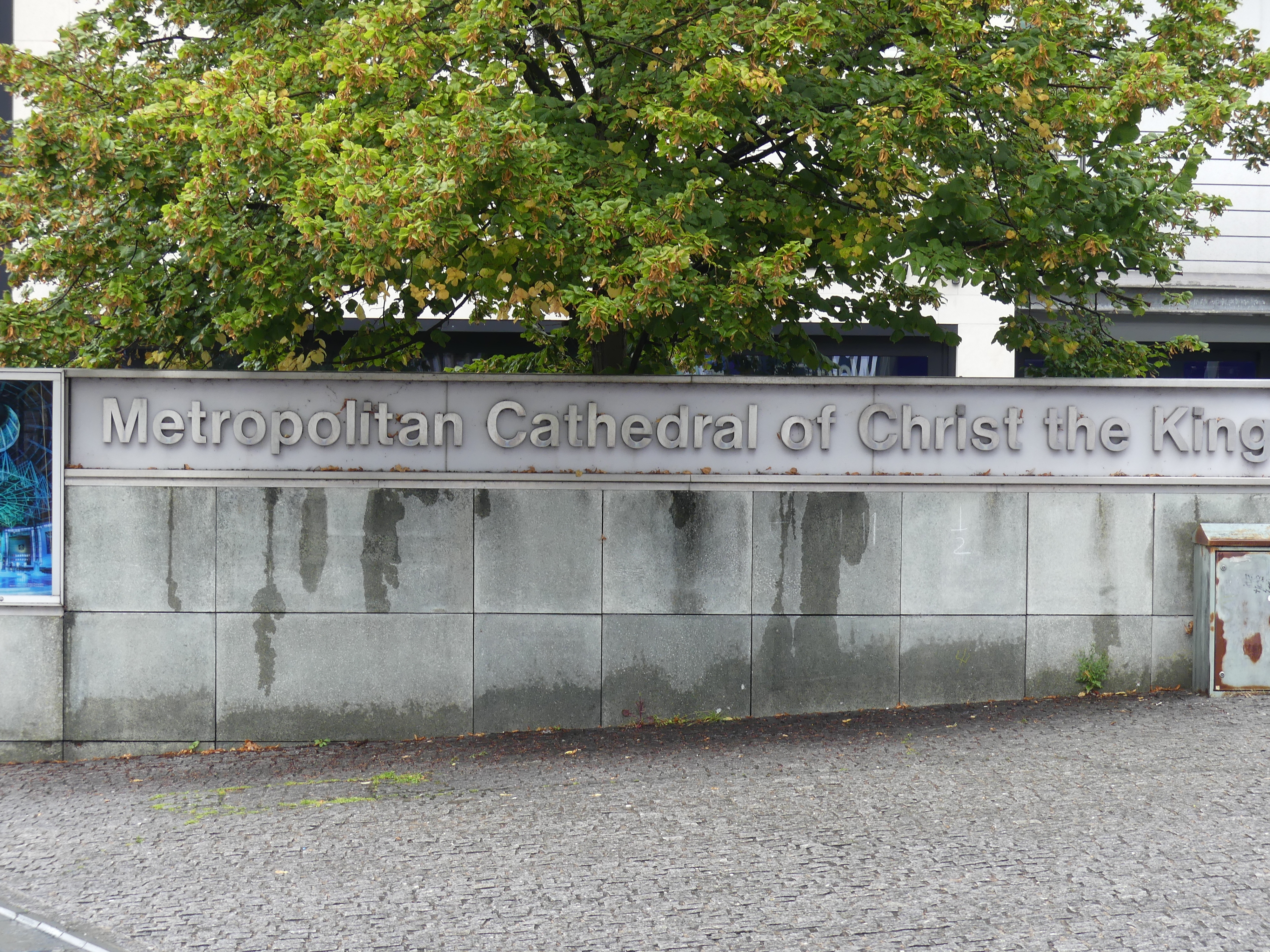
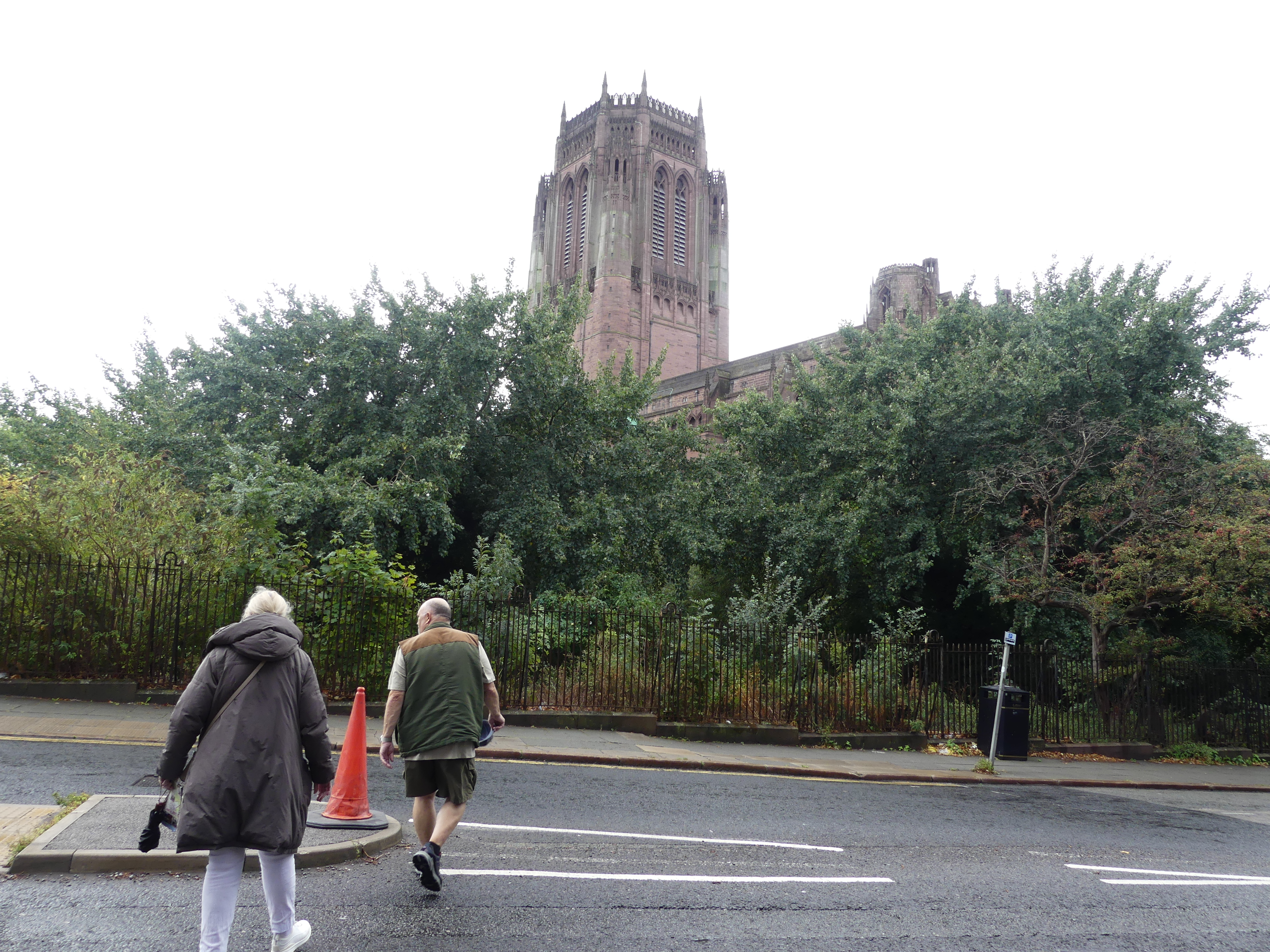
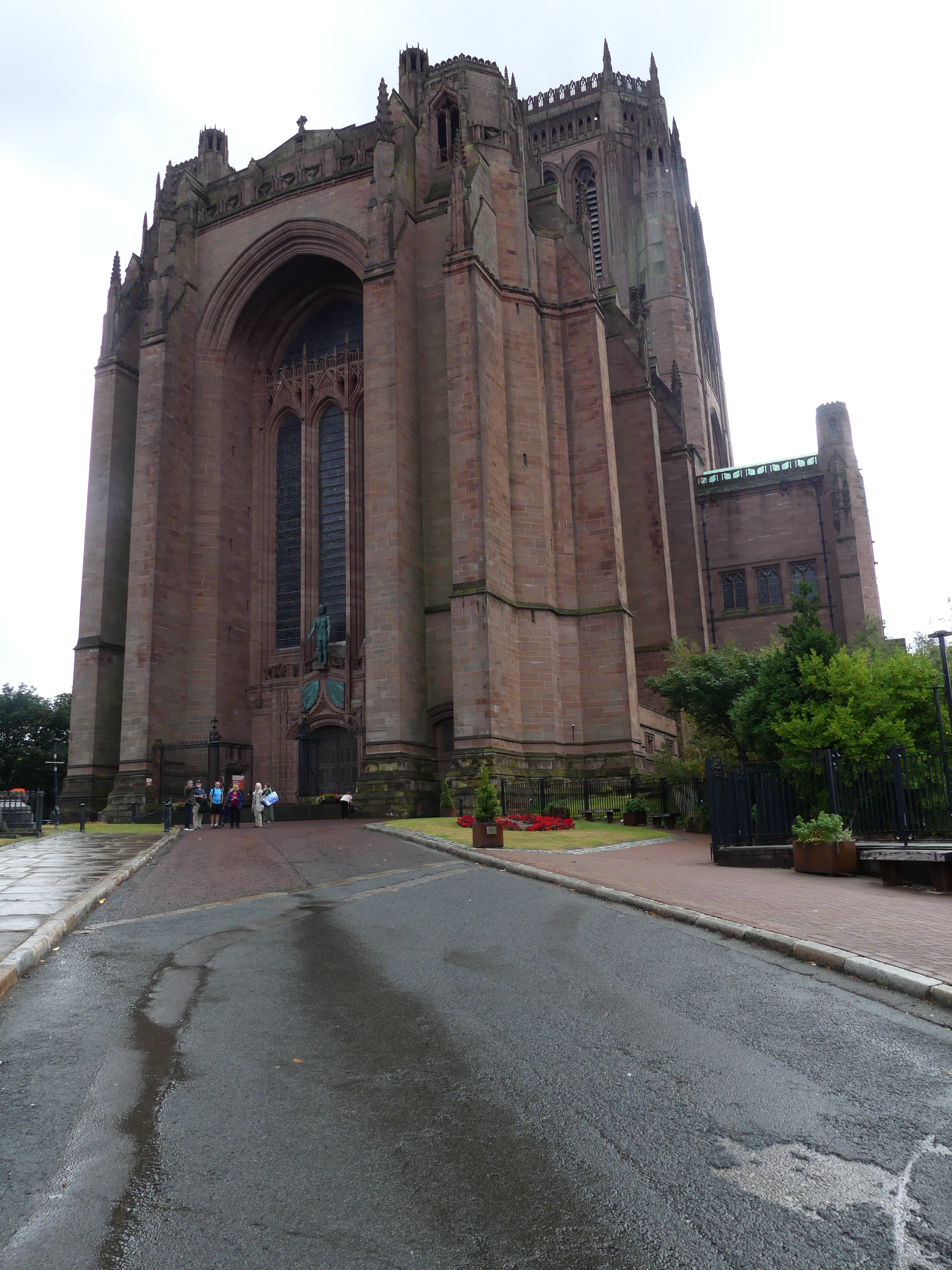
We met friends Martin and Christine from Manchester to catch up for lunch and ride the bus with us. Even though they lived only 1 hour away from Liverpool they had never been tourists in the city. They joined us and we were all surprised by the Liverpool Metropolitan Cathedral. The Cathedral is a dramatic icon of faith, architecture, and human endeavour. An awe-inspiring landmark on the Liverpool skyline. (from the website of the Cathedral) The exterior and interior were both awe inspring. Based on a circular design the layout of the interior was amazing. Multiple small chapels adjoined the centre of the church and the stations of the cross were unique in their design. The guide book suggested that the church was a response to the Anglican endeavours which we subsequently visited. There are two photos of the Anglican church below but it was a traditional design like many others we have seen through Britain and Europe.

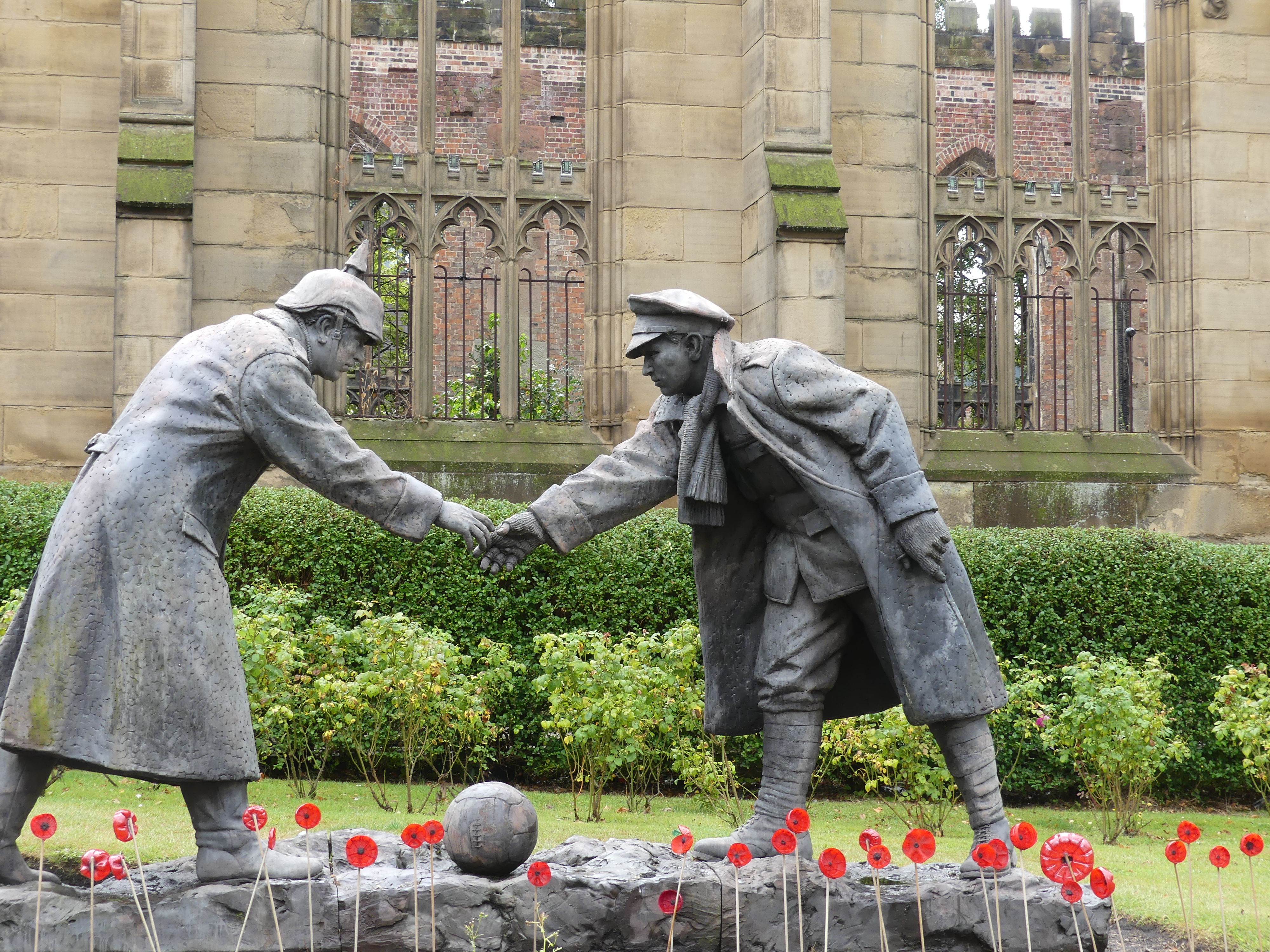
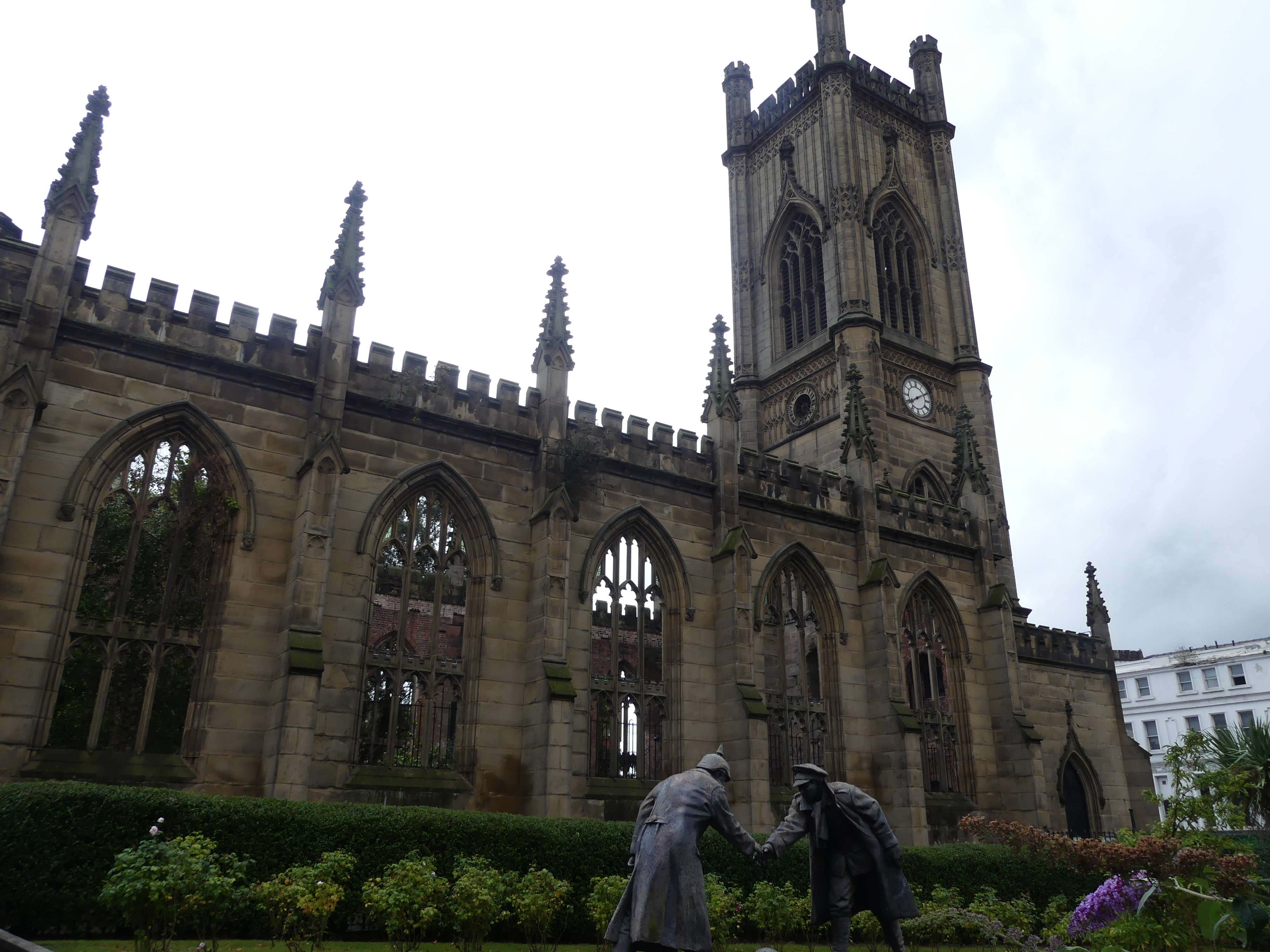
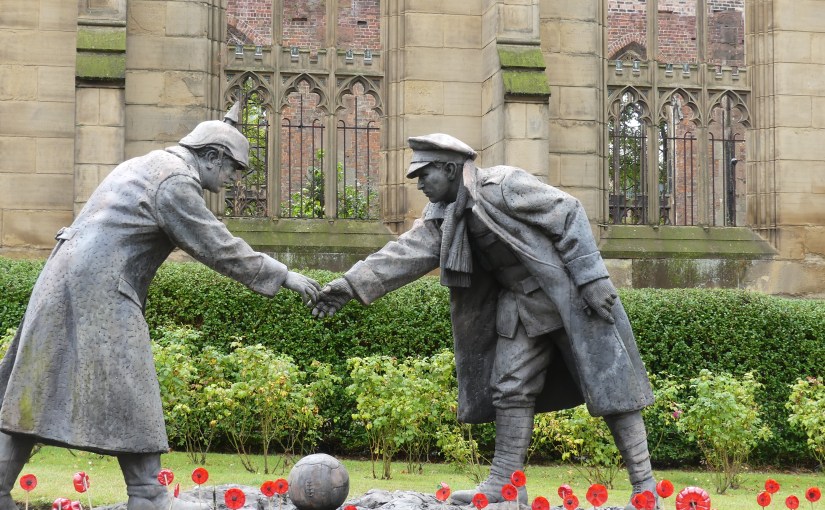
We made it back to the tour bus station to take us to a sculpture commemorating the World War One Christmas truce. Two soldiers, about to shake hands, capture the moment British and German soldiers stopped fighting and played football on Christmas Day 1914. The statue is entitled “All Together Now”. The statue was on display at St Luke’s Church, which faces down Bold Street. The statue, designed by Andy Edwards, is on display at Liverpool’s St Luke’s Church which is itself a bombed-out church, a monument to the 1941 Blitz on Liverpool. BBC News had a story on the monuments on 15th December 2014 and reported that “The sculpture will be on display at the church for a week before being transported to Flanders in Belgium where it will be displayed.” This is 2025 and the statue is back.

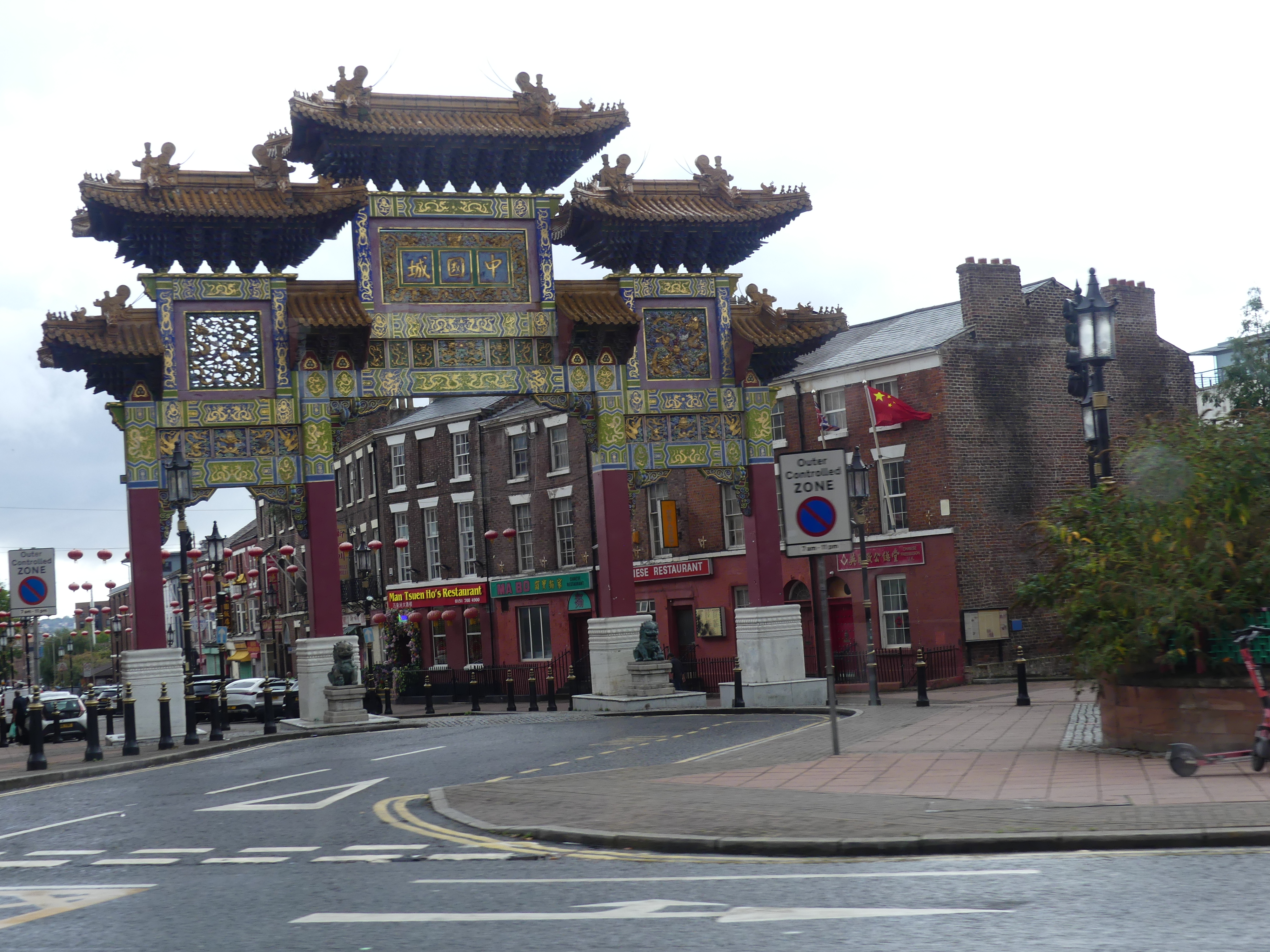
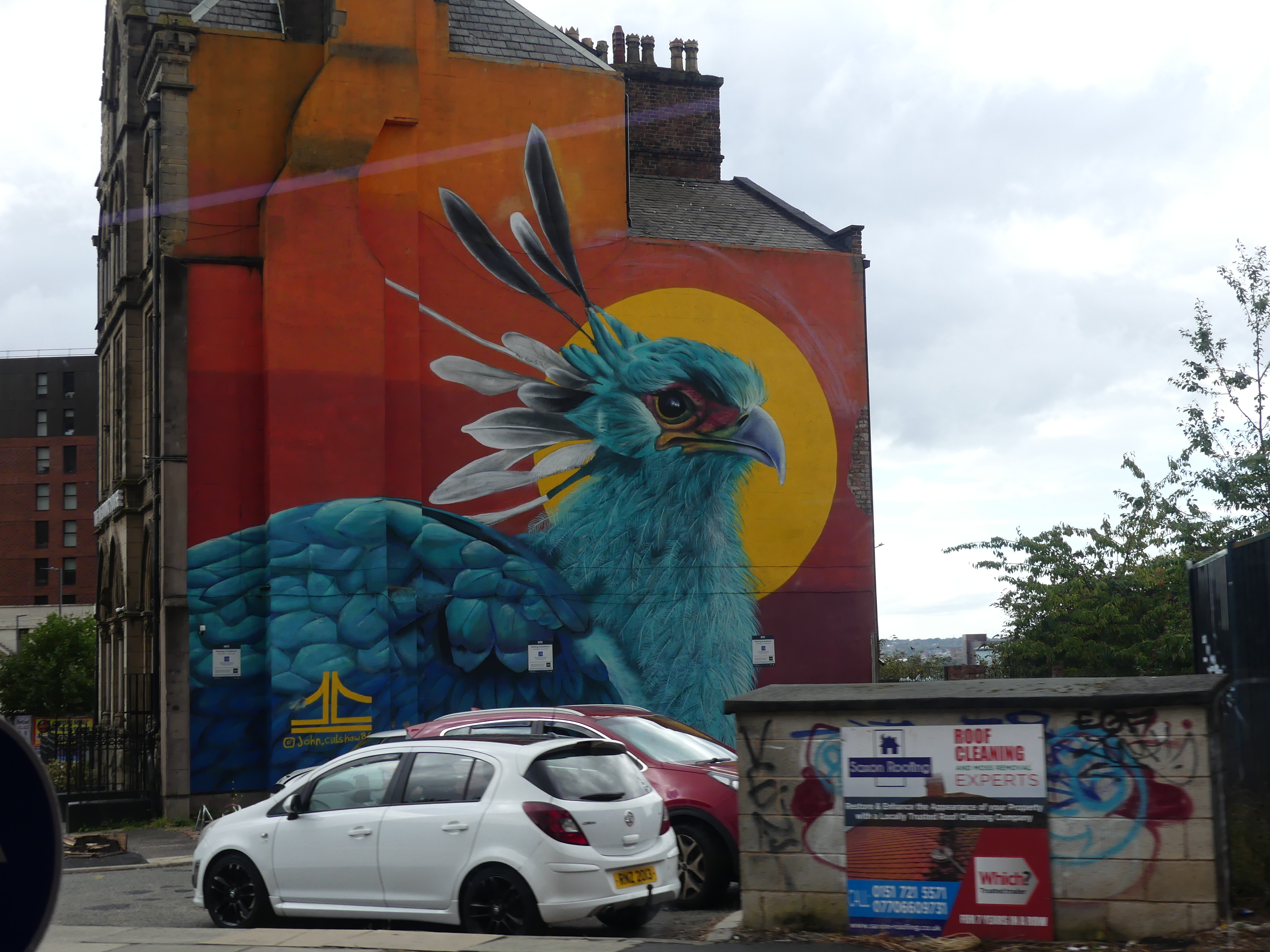
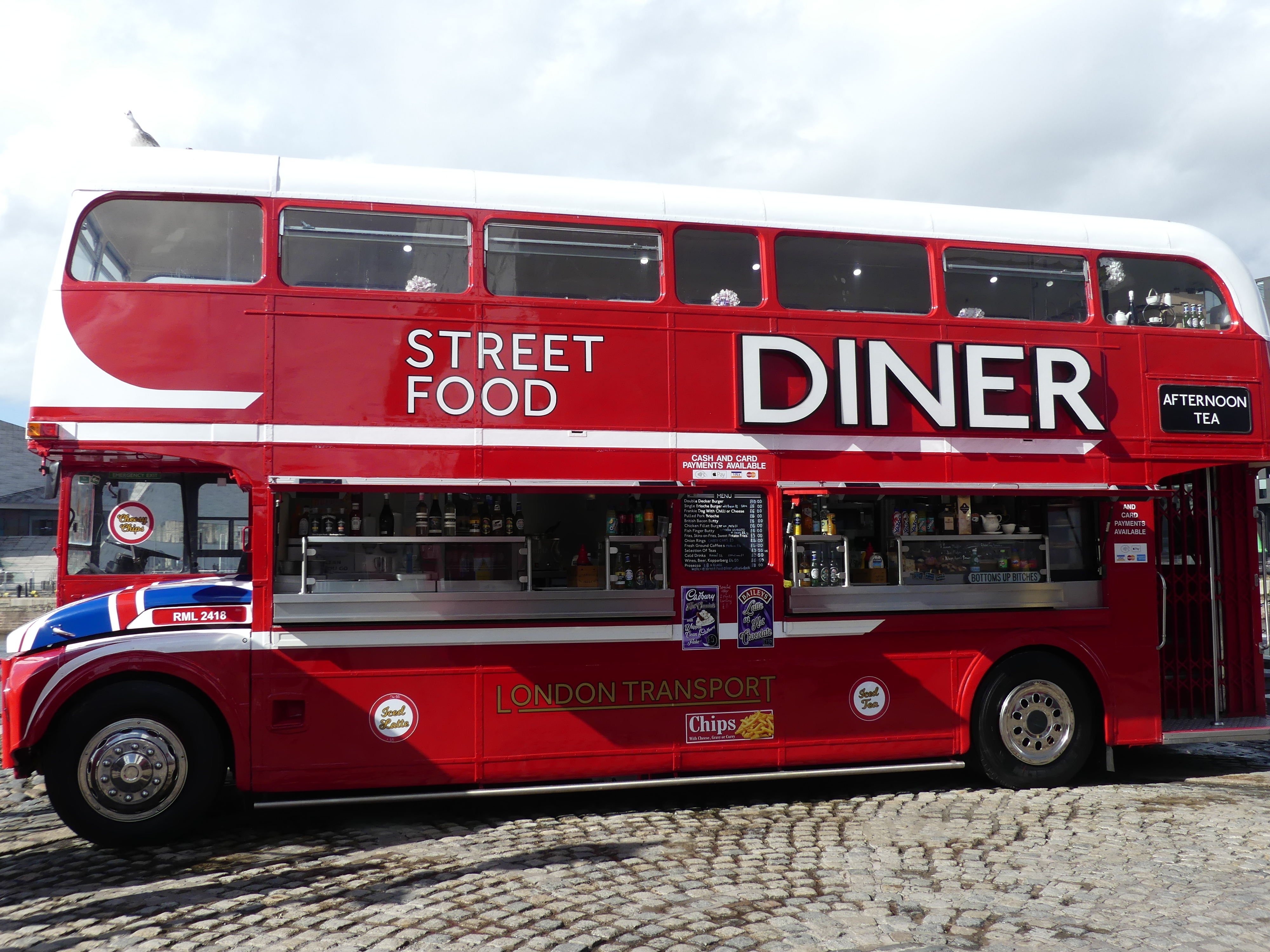
We continued on the tour passed a very eleaborate gate to Chinatown and an impressive street art drawing of a hawk of some description onto the wharf area again. It was time for lunch and we ended up in a pub near the Three Graces not the curbside takeaway in my photos. With a warm fire and some English ales we warmed up and told stories of the things we had done.

Martin and Christine had travelled by train and they wanted to catch the train home before the rush hour and our ship was close by. Parting knowing that we may not have an opportunity to catch up again brought home the reality that we were both getting older.
I cannot remember what we did once we returned to the ship but we were tired. It had been cold all day and we did a lot of walking so my guess is our bed was calling. Next blog is “THE RETIREES GO AROUND THE WORLD – DAYS 8 SS NIEUW STATENDAM – Greenoch and Glasgow Scotland “. We never made it as far as Glasgow because we found a positive gem in Greenock – The Scottish Fire and Rescue Service Museum and Heritage Center. Enjoy our journey and explorations.

The Retirees go Abroad –  2 Nights three days in Liverpool

Since returning to Nottingham we have taken it easy. David and Veronica have arranged to visit friends Anne and Dave in Preston and before too long Kerry has planned another trip – this time to Liverpool. Now Liverpool is not very far away provided that there is no road work on the M6, and no delays at the Manchester Airport turnoff. Of course we encountered both. Fortunately the hot weather has finished (we decided to fit a new air con pump to the car and so the weather goes from sub-tropical heat and humidity to chilling gale force winds).

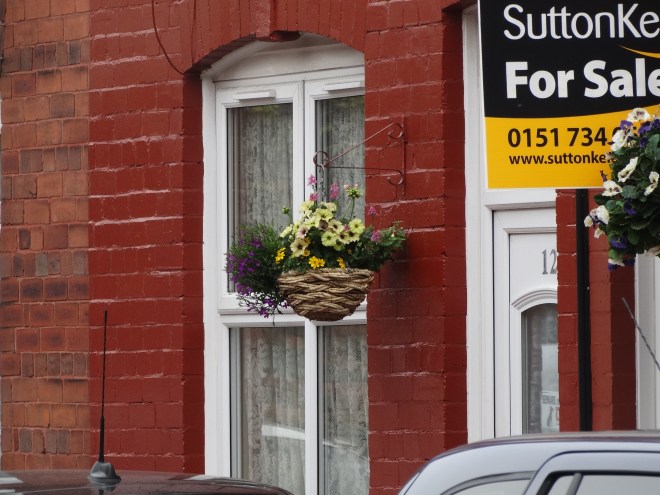
On arriving at Liverpool we have some fun and games finding our apartment so David and Veronica head off for Lime Street Station and a train to Preston while we try to find our apartment. Soon we work out that it is a doorway off the mall with reception on the 1st floor. Tidy apartment but there was little natural air flow and the apartment was somewhat stifling. After dumping the suitcase we head off for Albert docks the restored dock area of Liverpool. We quickly spotted some pretty startling buildings and some canal boats. The weather was treating us kindly. Although there was a strong breeze it was delightful in the sun.

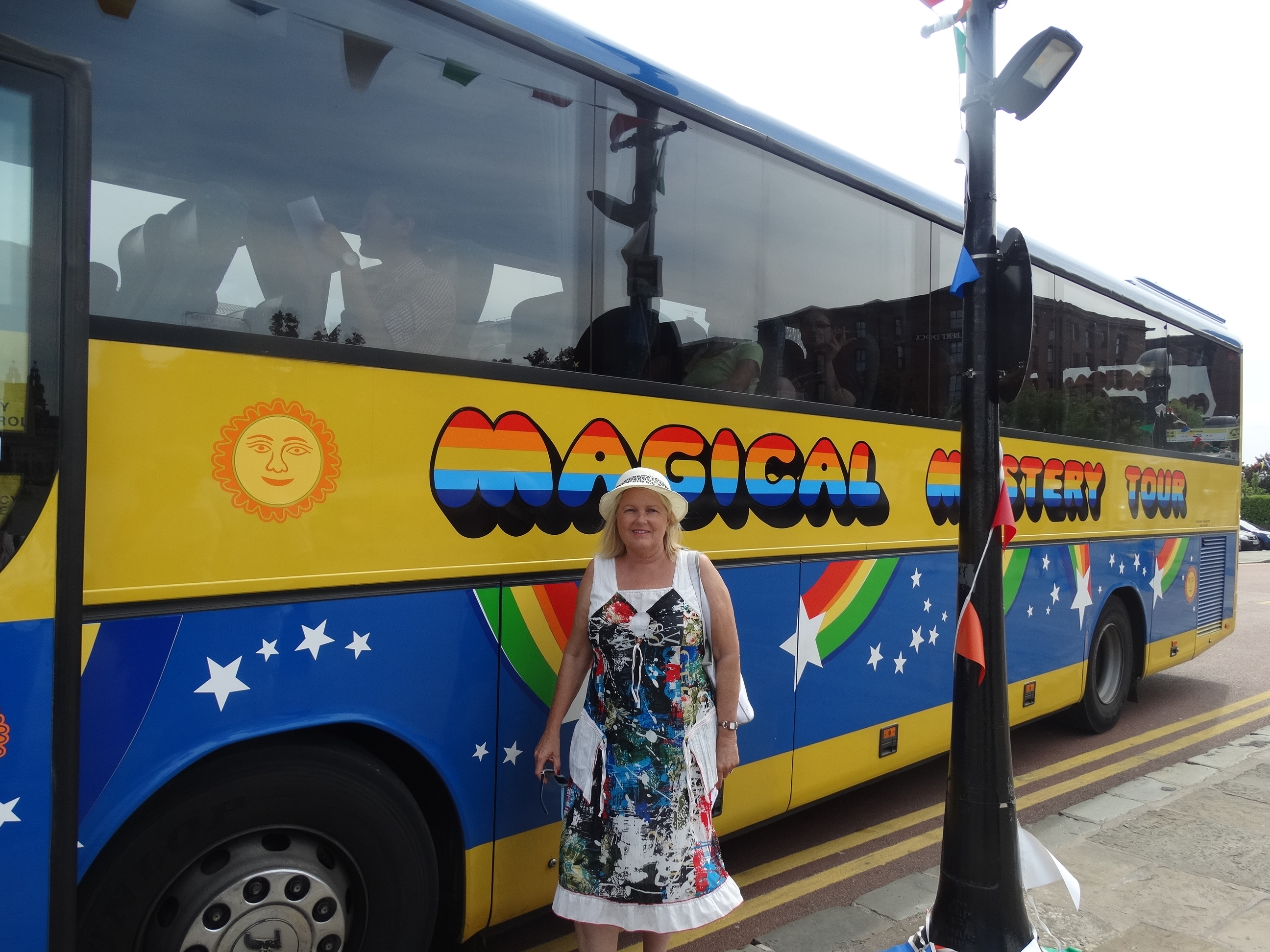
We found the tourist information centre by accident. I wanted a hot dog and Kerry was not prepared to wait while one attendant tried to serve too many people. That brought us to the Tuk tuks and that in turn lead us to the Tour Centre. We learned that Liverpool was celebrating 175 years of Cunard history with a visit from the QM2 (RMS Queen Mary 2) and there would be all sorts of entertainment food and people including 2000+ from the ship wanting the attractions of Liverpool. This made us decide very quickly to take the 4.00pm Magical Mystery Tour of the history of the Beatles with free entry to the Cavern Club at the end of the tour. Perfect we will do the tour and have dinner at the Cavern club and walk home.

DSC06583

The tour started on a bus with the guide proclaiming a connection to the lead singer of Frankie Goes to Hollywood – he is his brother. So he says this makes him well qualified to guide the tour. We will see.

Throughout the tour we had music by the Beatles of course and the groups that inspired them and a track by Frankie Goes to Hollywood. So it was a swinging time. First we hear about the unfortunate Pete Best and how Ringo got the gig, Ringo’s life growing up and see the derelict housing estate in which he grew up (still preserved whilst people fight about one of them – Ringo’s house.).

Next is Penny Lane. The Beatles wrote about where they lived and came from so Penny Lane is a story of the community the different occupations and buildings.

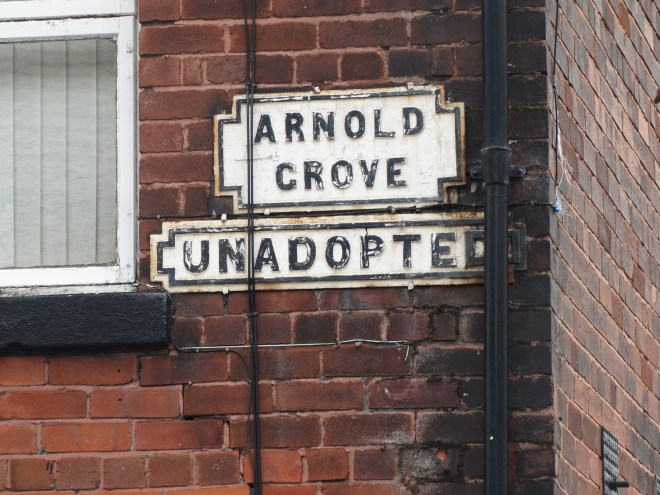
After Penny Lane we visit the house where George grew up. He was the youngest Beatle and probably from the poorest background. His house still exists but it is one of a number of unremarkable house down an alley called Arnold Grove fronted by a car repair shop. By the way “Unadopted” on the street sign means the Council did not have responsibility to maintain any of the services. That has changed to day but it shows the impoverished circumstances from which George became famous.


From there we went to the hall where the Beatles first started to perform as the Beatles and the graveyard containing the grave of Eleanor Rigby. Down the road we stop at the gate of Strawberry Fields which in the early sixties was a girls’ orphanage which John used to visit to spy on the girls from a tree. The orphanage has closed now of course but the song reminds us of the boyhood adventures for John.

We move to John’s house where he lived with his Aunt. It now has a blue plaque as John has died and it is deemed to be a significant site. Paul’s house is nearby as the crow flies and has been bought by the National Trust and can be visited by appointment. It is said that Paul returns there each year for Xmas to remember his mother Mary.

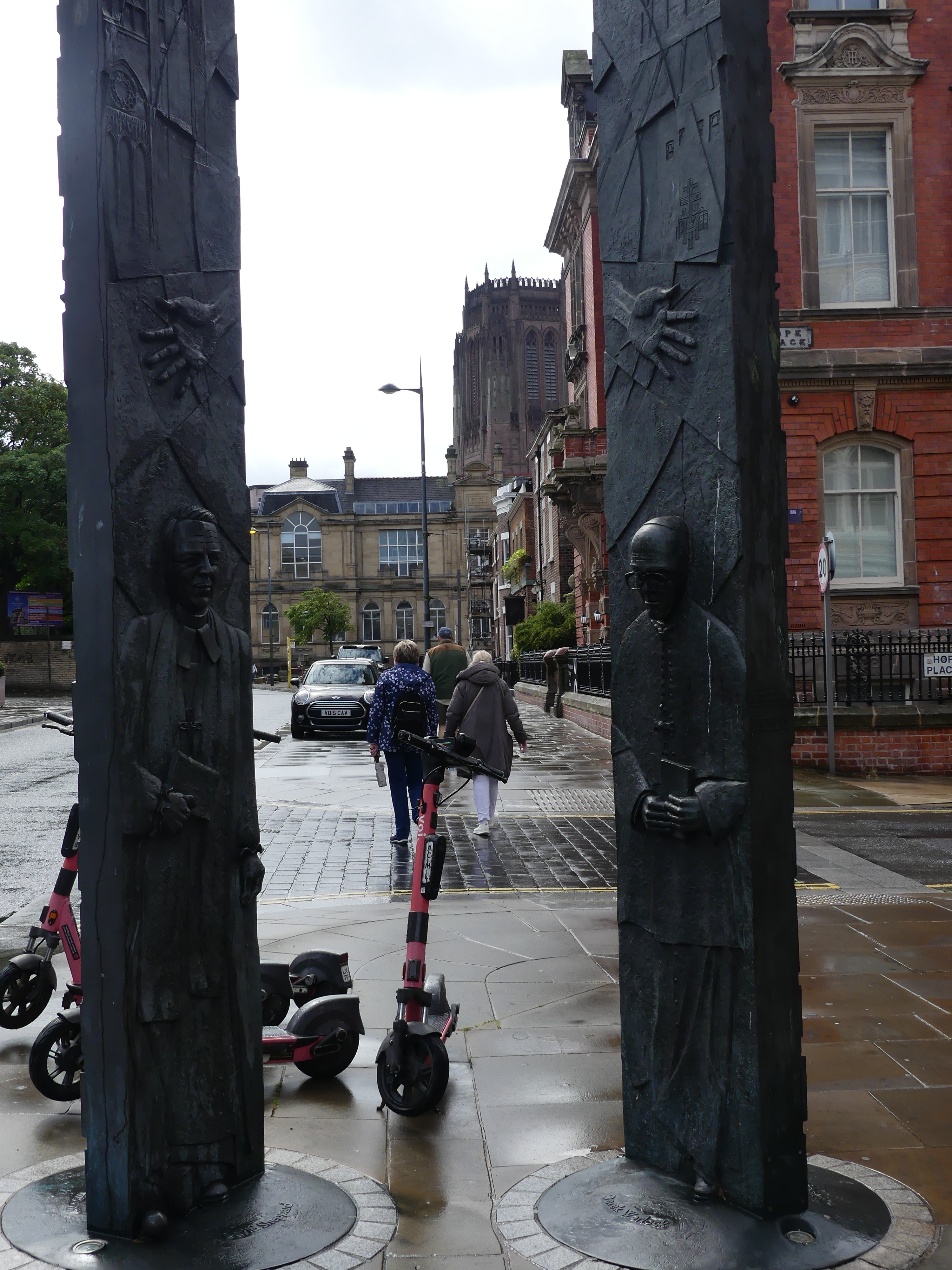
On the way back to the city now we pass the art school in Hope St attended by Paul and John which Paul has purchased and established a trust to run the school for future students. Nearby is the Liverpool Philharmonic, the Anglican Cathedral and the RC Cathedral.

As promised we were dropped at the Cavern Club and given free admission. It is 3 stories below Matthew St and it is where the Beatles played 274 times before stardom. The Club continues to promote new talent and of course the Mersey sound. The night we were there a Kinks tribute band was playing so for £10 each we stayed for the entertainment and entertained we were.

Although after midnight we had no trouble walking back to our apartment and sleep.

The next morning we ventured off to see the QM2. It was only 10 minutes walk away and we became celebrities posing for the Liverpool Echo taking a selfy in front of the ship. We also met David Fawkner one of the official artists for the Festival doing a water colour of the ship. David spoke freely about his life in the Merchant Marines before trying his hand late in life at maritime drawing and painting. He said he had some little success and mainly did it for his own enjoyment. He allowed us a photo and told us of his family connection with Australia. The Fawkner’s were one of the early settlers in Melbourne (which I remembered from my grade 6 Social Studies) and later Harry Hawker (another of the Fawkner family he said) returned to the UK to work as chief design engineer at Sopwith and when that company failed and the owners reformed to design the Hurricane for the Brits during WW2, they named it and the company after Harry – Hawker Hurricane by Hawker De Havilland.

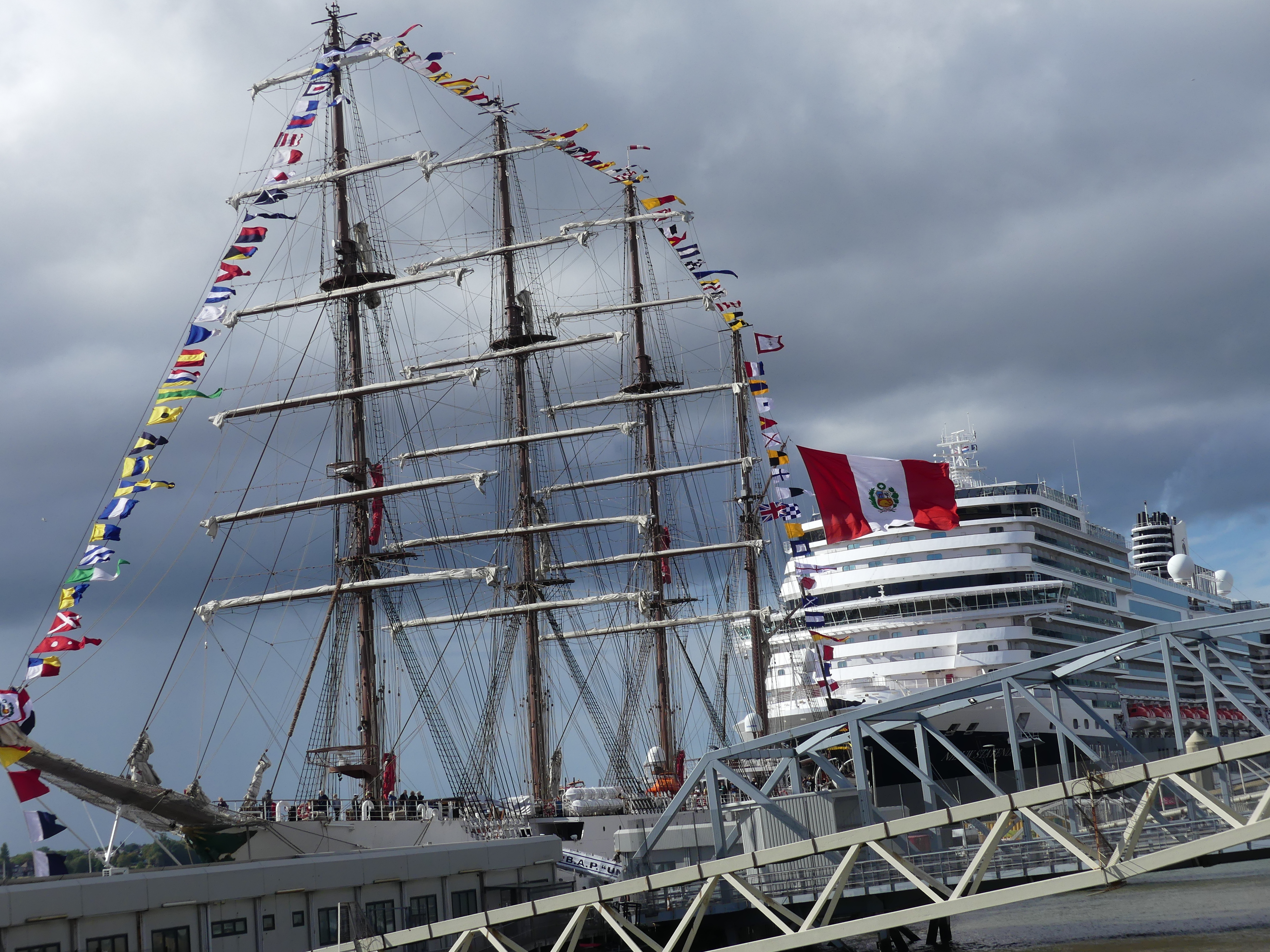
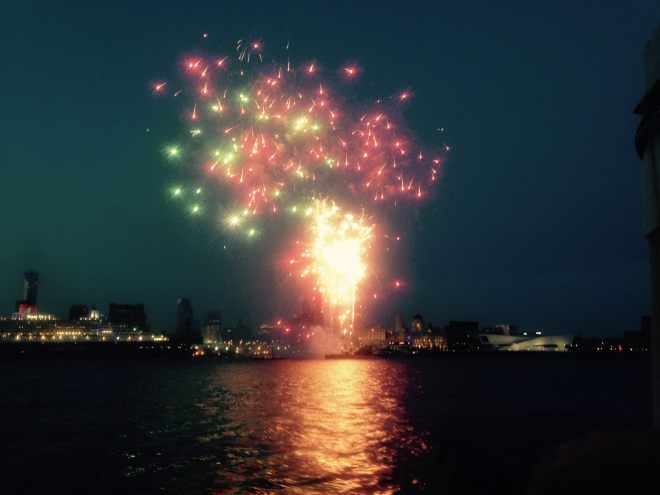
We continued our walk and some days later we followed the QM2 out to sea and watched the fireworks farewell.


We saw the three Graces – three buildings of note one of which was once the Cunard HQ and visited the food festival the antiques festival and the Museum of Liverpool.

It was a full on 3 days and we finished by picking up David and Veronica and driving them back to Long Eaton through the Derby Dales.

Go back

Your message has been sent

Warning
Warning
Warning
Warning

Warning.

The Retirees go Abroad Trent and Erewash Canals


People over here and at home often ask why we chose Long Eaton as our base. Well I think I can safely say Long Eaton chose us. Business brought us here but the diversity, centrality and hidden history of the area have kept us here. The history may not be momentous but it involves ordinary people and the development of life as we know it today.

Take the canal that runs behind our flat. Today it is a recreational waterway and walk connecting with the River Trent and the canal network that criss-crosses the UK. This canal has been my subject earlier so I won’t repeat the history. But once you get to the River Trent, the story just goes on – to Liverpool, Hull just about anywhere.

Here is a series of photographs of our recent walk and a bit of the story around the canals and the people who lived and worked on the canal. On this day we set out along the canal and stopped at the Steamboat for refreshment.

For us our walk of discovery started at the Steamboat now a pub but once serving the canal people.


Beside the Steamboat is the Teahouse. Built in 1783 it still operates today providing tasty food and beverages. Its history includes a lockup. Underneath the shop was a cell used to hold people arrested on the canal. The cell is no longer there but the lock and key from the cell can be seen on the wall in the shop. This shop is crammed with memorabilia from the great days of canal industry.

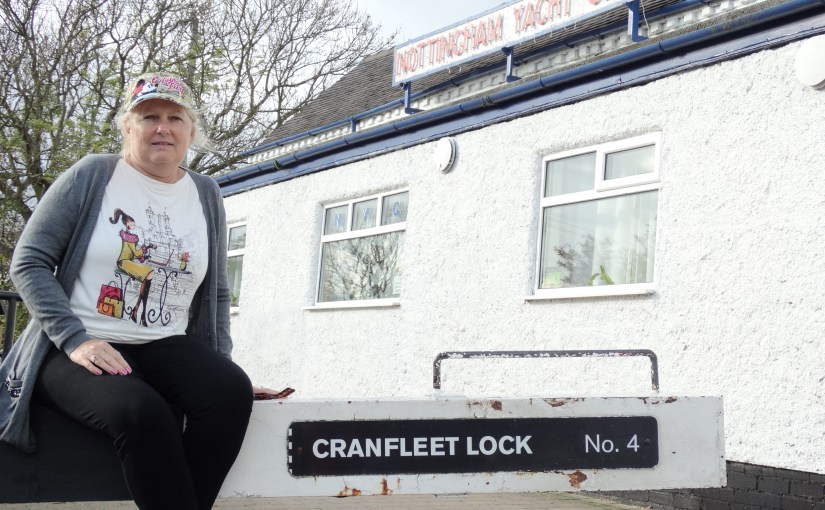
Across the Trent is the boat club and rowing club and in the background the steaming pots of the power station may be seen. We follow the river toward Nottingham. It is possible to walk all the way but not today. After 40minutes we get to Cranfleet Lock; one of the many locks along the Trent and the River Soar. As we sit in the sun a narrow boat arrives to pass through the lock. It is a young family holidaying on the canal and we look and help as they enter the lock, release the water and sink down for the next leg of their journey.

Job done we turn around and walk home – a trip of 90 minutes.

Go back

Your message has been sent

Warning
Warning
Warning
Warning

Warning.