

We left the Best Western Chicago and I had forgotten I took this picture of our accommodation for our overnight stay in Chicago for comparison with our Hotel in Ipswich UK. Our accommodation in Ipswich was actually outside of Ipswich in a suburb called Pinewood nestled on a brook surrounded by a suburban setting. Called the Muthu Belstead Brook Hotel it presented as a restored manor with appropriate furniture and appeared very comfortable, but we had lost 1 night of our booking through the American Airline stuff ups. The external appearance reminded me of a health resort, but the internal furniture appeared to be styled in Victorian/Edwardian style.
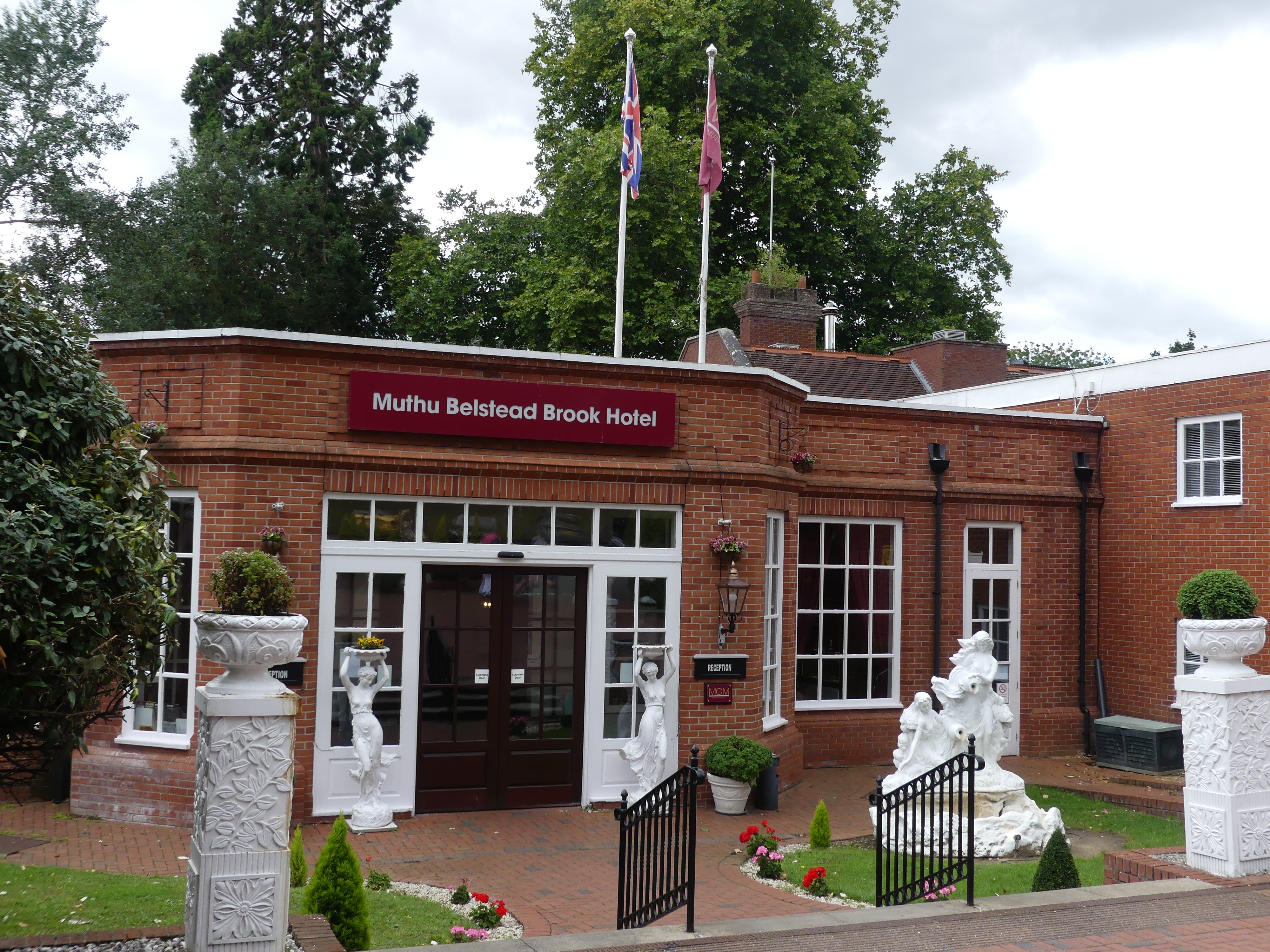

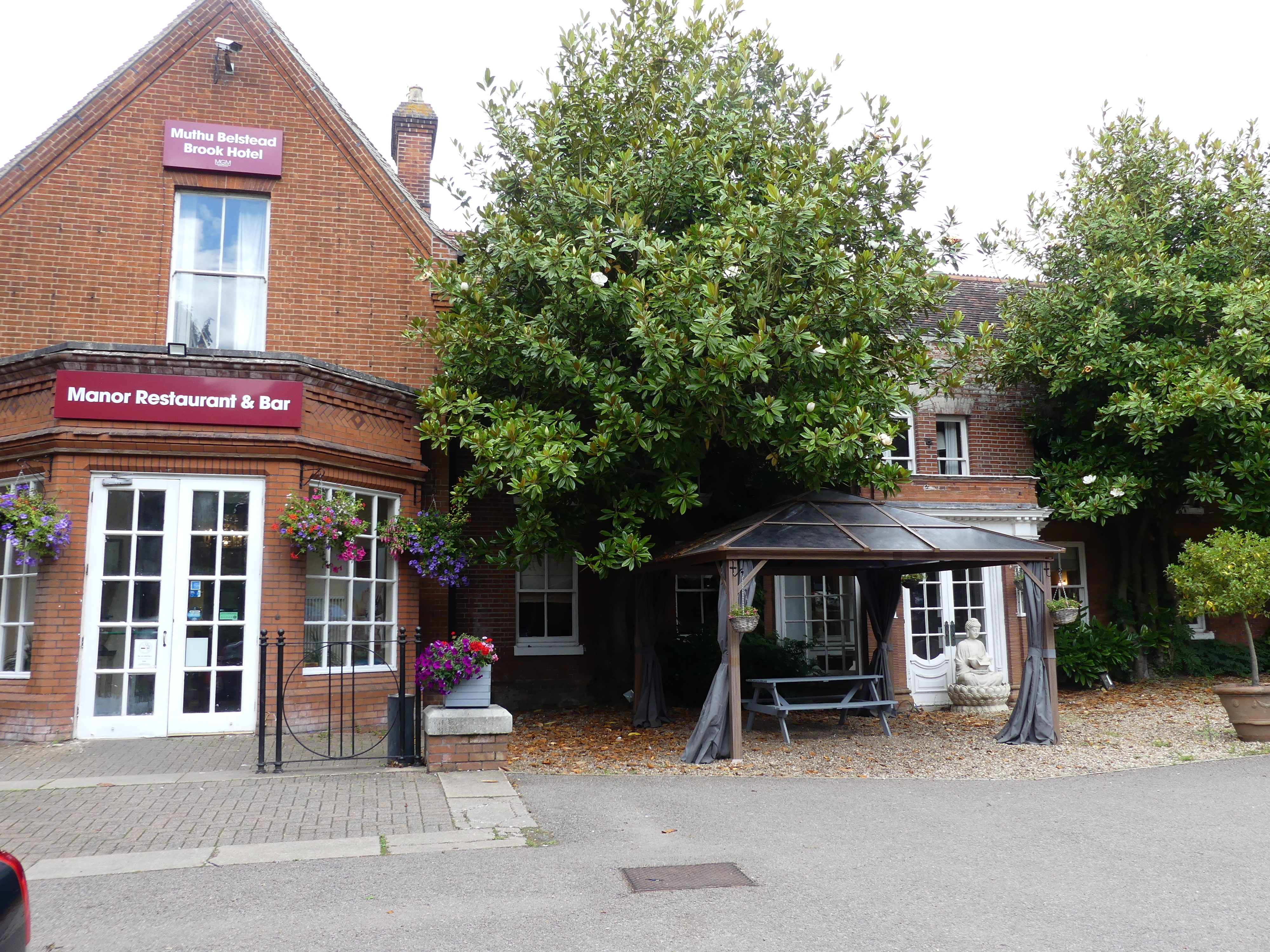
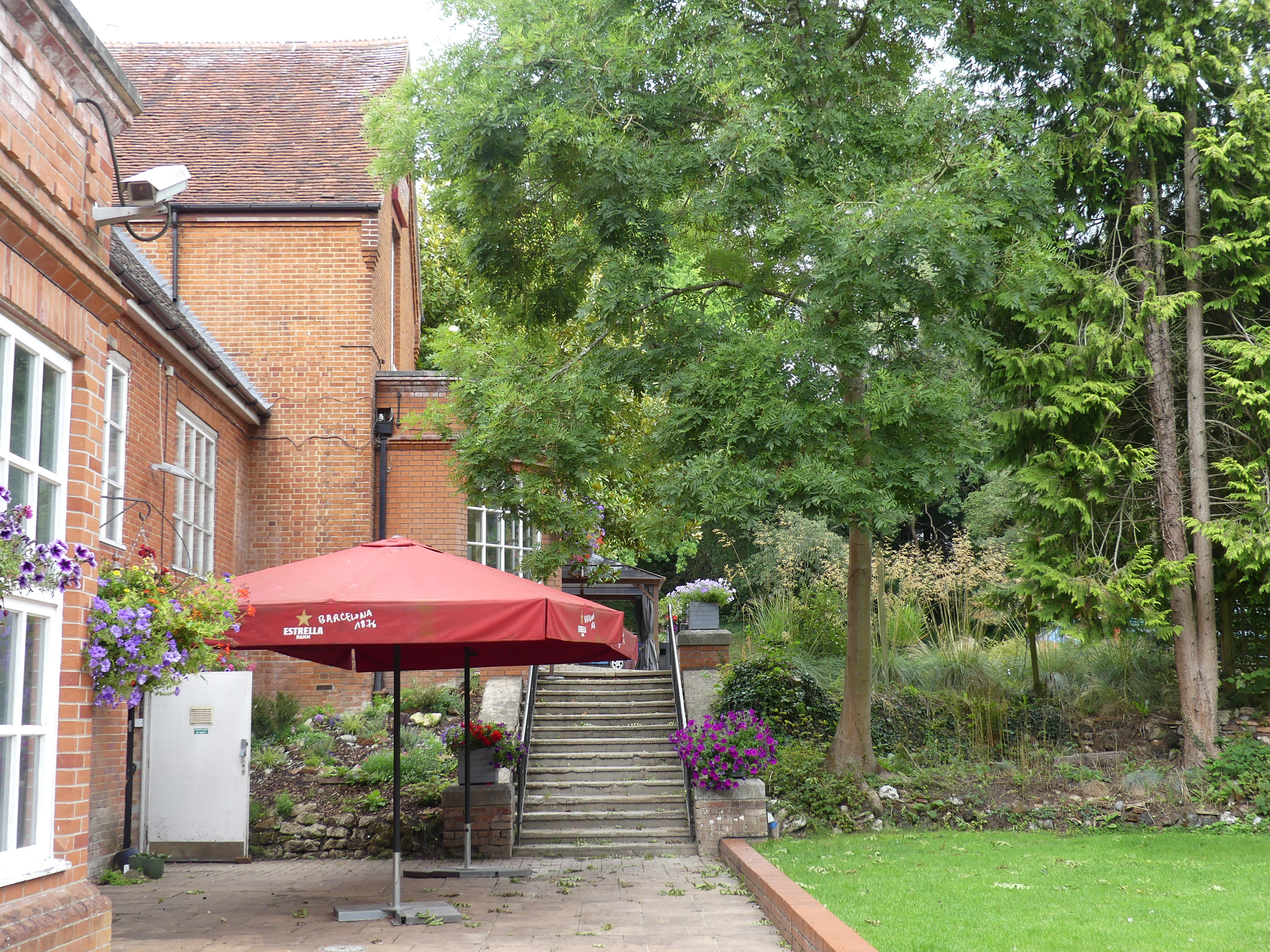

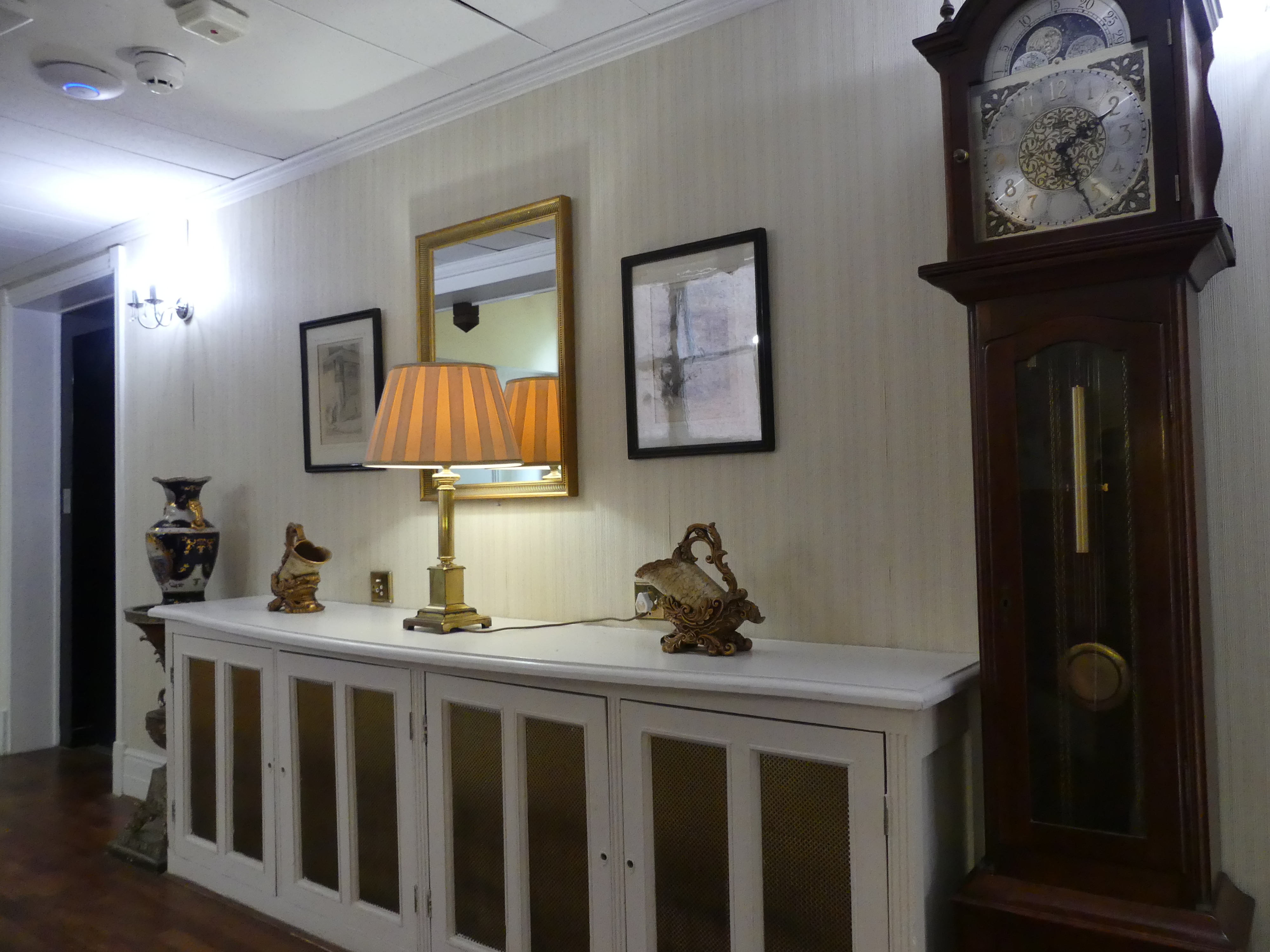
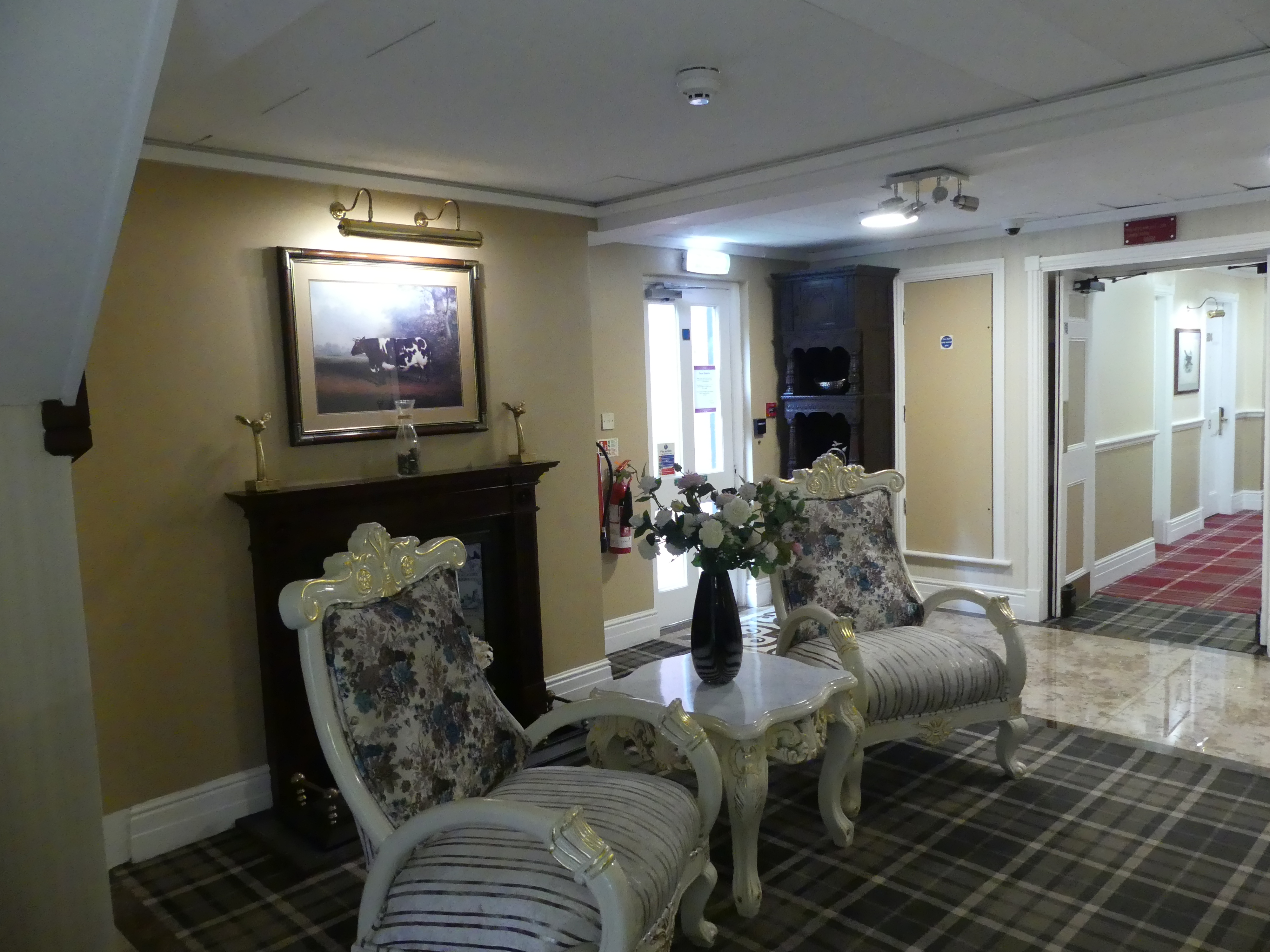
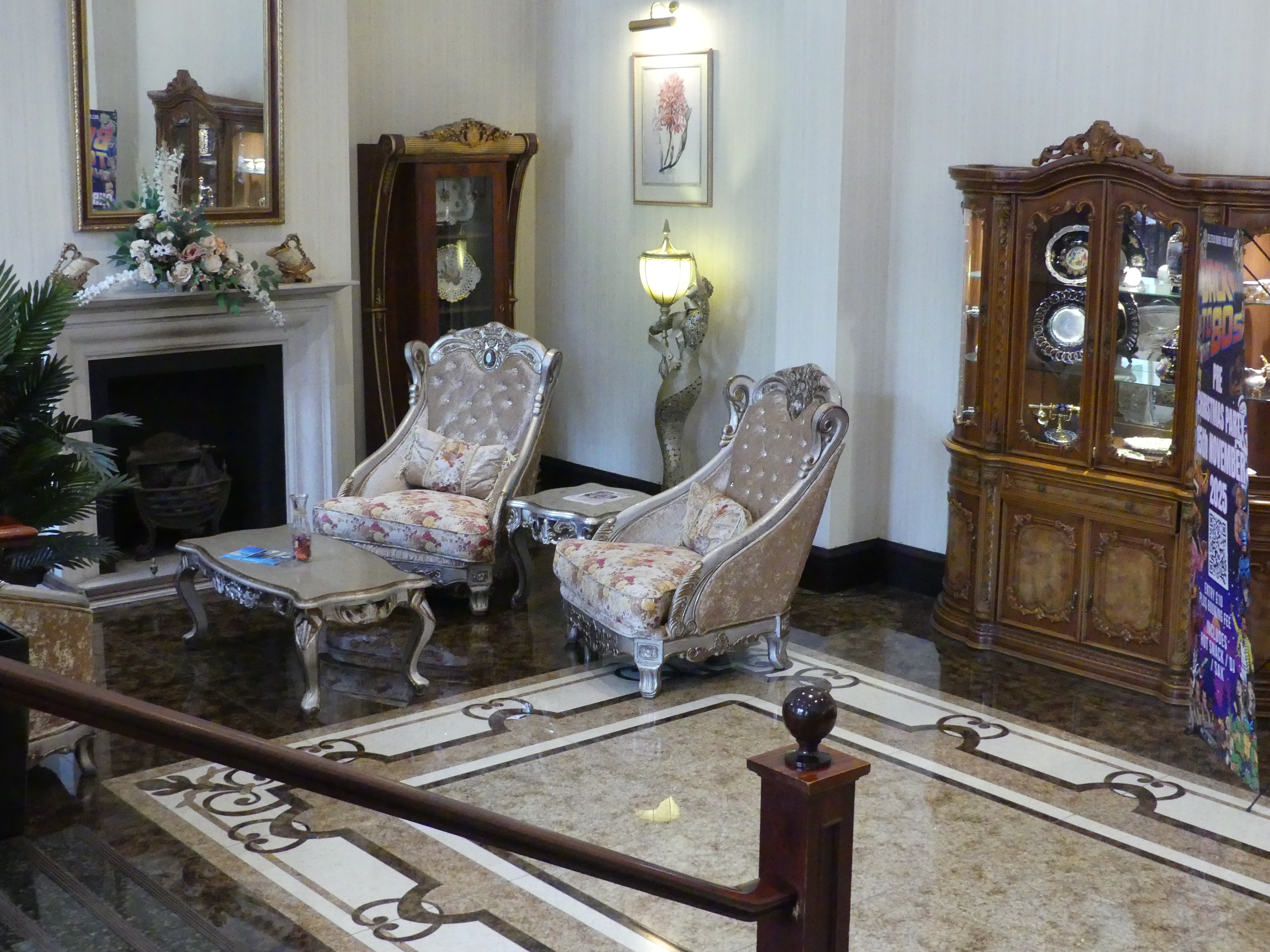

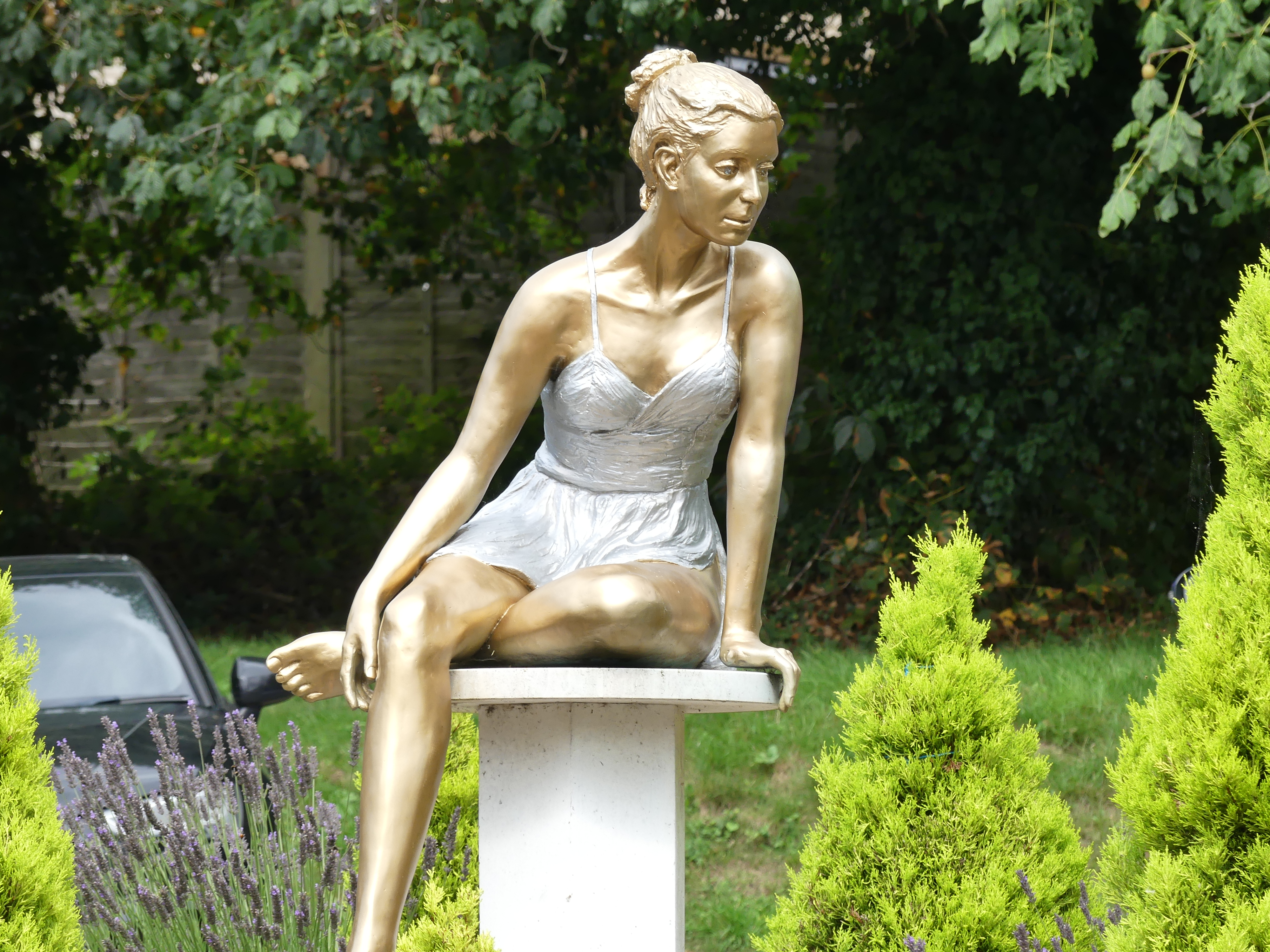

After checking in we walked around the property and booked dinner in the main restaurant where we enjoyed drinks before dinner then pasta for me and pork belly for Kerry. I had my appetite for a change and emptied my plate. Kerry was unable to finish her dinner. Kerry had been driving for the most part of the day and we were both tired and needed a good night’s rest. Before bed we organised our suitcases for the following morning. A quick walk around at the setting for the hotel, a visit by an inquisitive squirrel then off to bed – tomorrow Sutton Hoo.
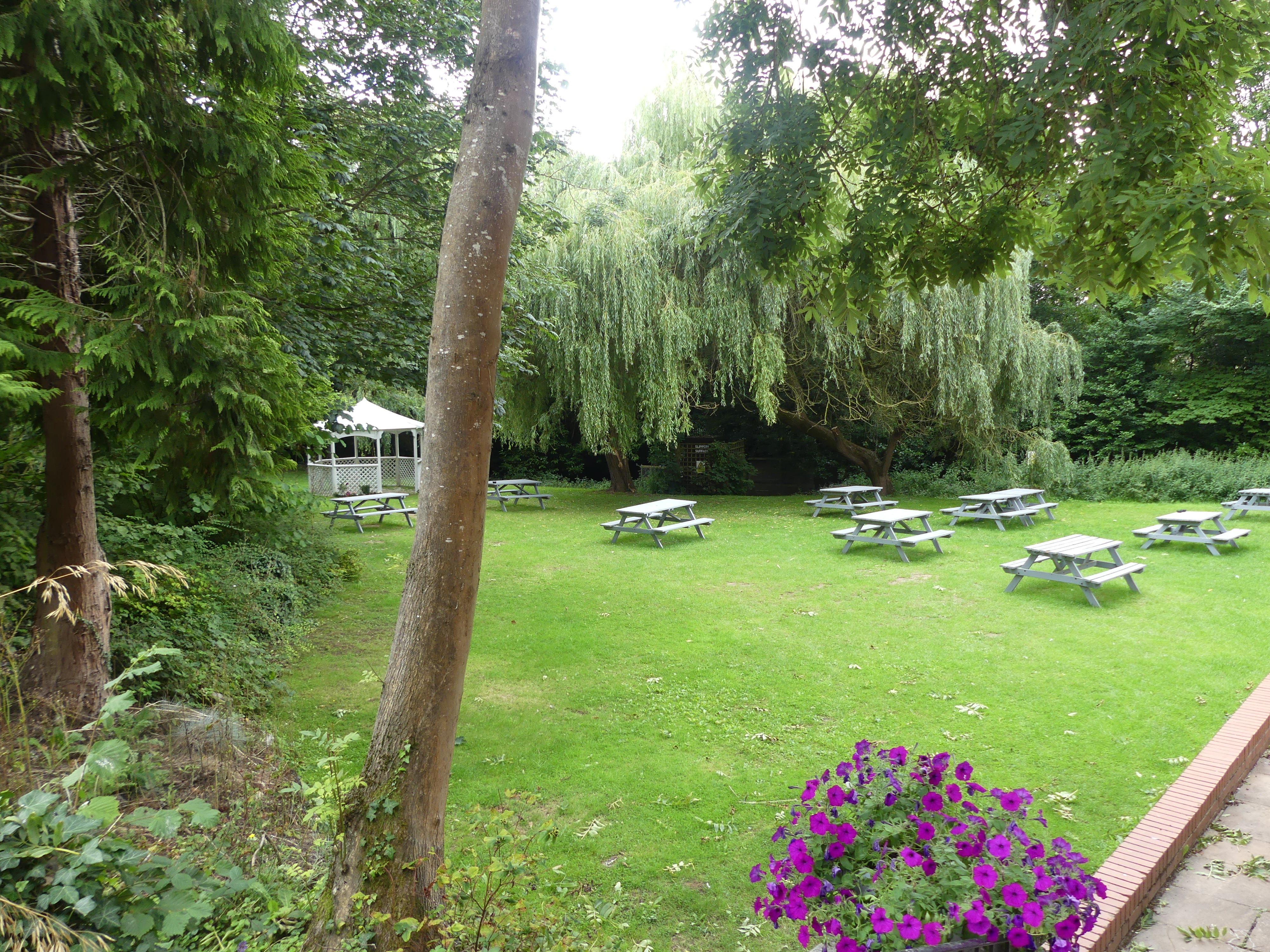

We were early to rise ate a hearty breakfast then drove to Sutton Hoo. We had lost a whole day through airline stuff ups so there was some urgency about getting to Sutton Hoo and then to Cardiff.
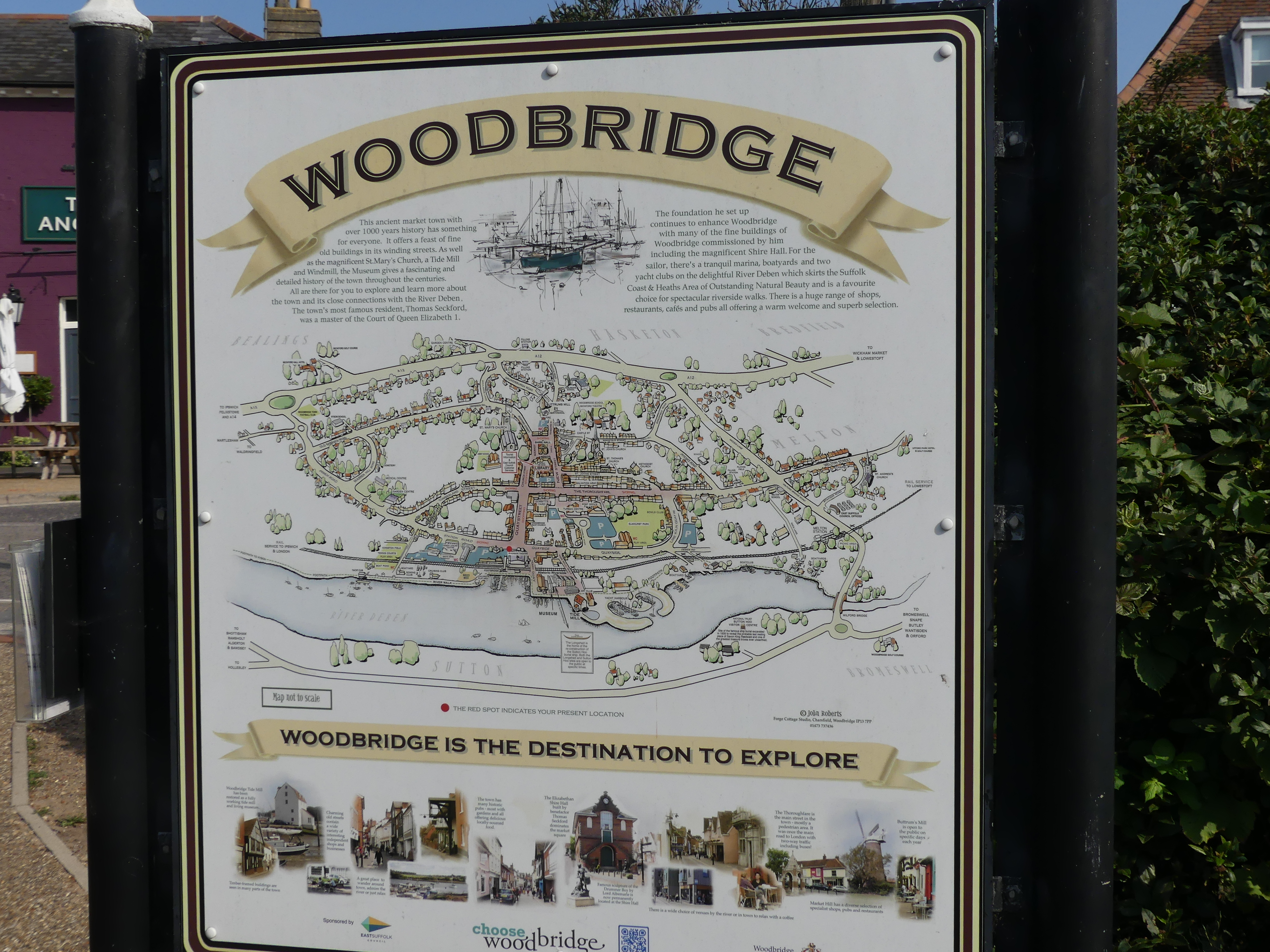
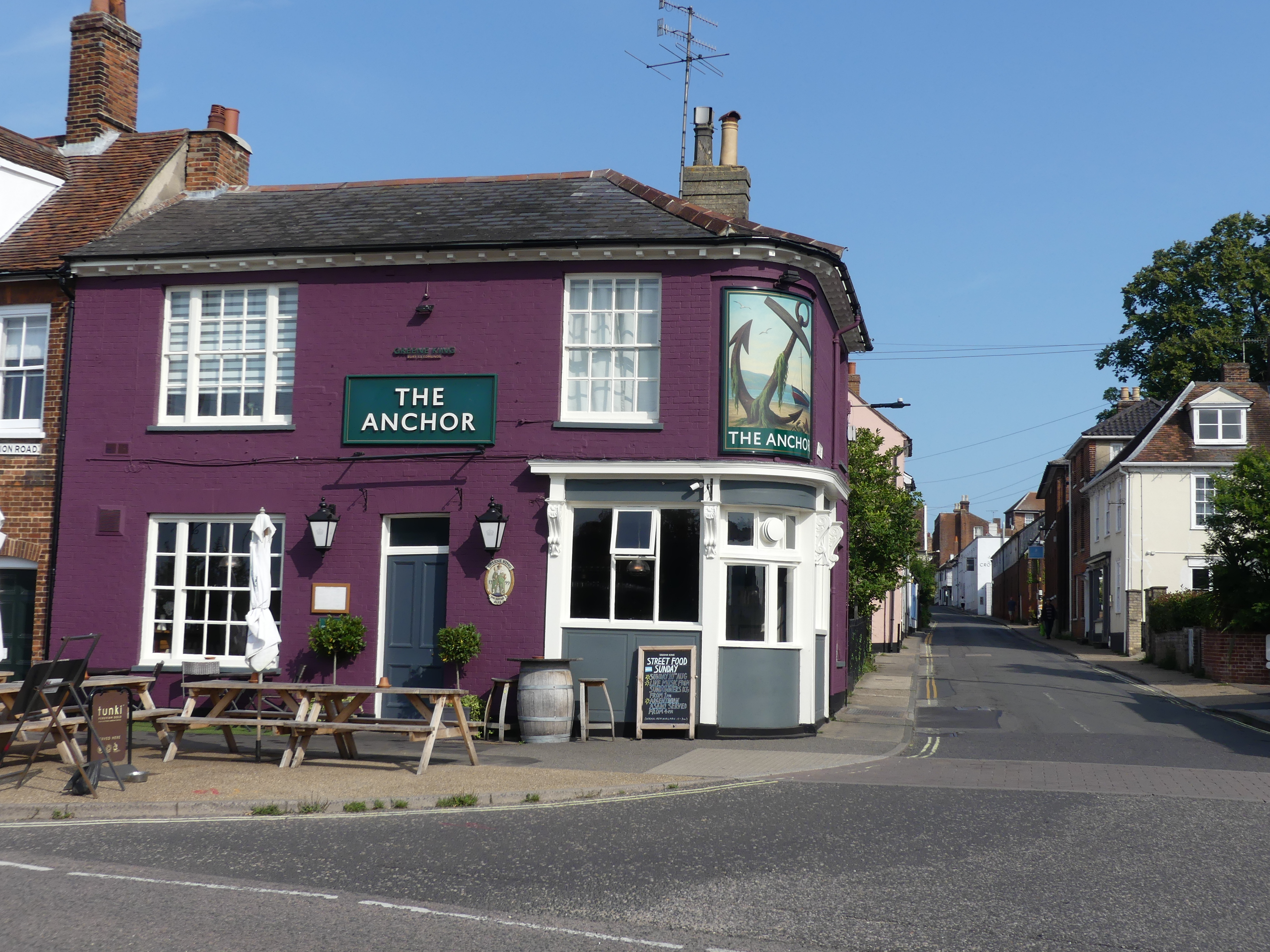
Where we had been in suburbia, Sutton Hoo was in farmland. We turned up at the front gate at 8.00 am and it was closed. We could see others entering by a side or staff entrance so we worked out we would have to come back. What to do – we decided to go back to Woodbridge the closest village and have a look around and we are glad we did. Narrow winding streets as usual but they had given the entrance streets including the High St some thought and made each one way reducing the road blockage by removing tightly parked cars and only permitting parking by permit holders. We had seen advertising that a restored water mill could be visited near the marina on the river. However, we were too early by a month, so we decided on a coffee stop. The photos following commencing with the Red Lion Hotel, followed by the rail station, a local resident going to the railway station (he volunteered for a photo), a sign board about the village history, the Anchor Hotel in bright colours, the marina, and a sign board about the Tide Mill (an early example of green technology).




Whilst enjoying coffee in the sun a local woman sitting at the opposite table had started talking to Kerry telling her about a local tradesman reconstructing an Anglo-Saxon long boat by hand. It was a tossup – the long boat or Sutton Hoo – Sutton Hoo won.
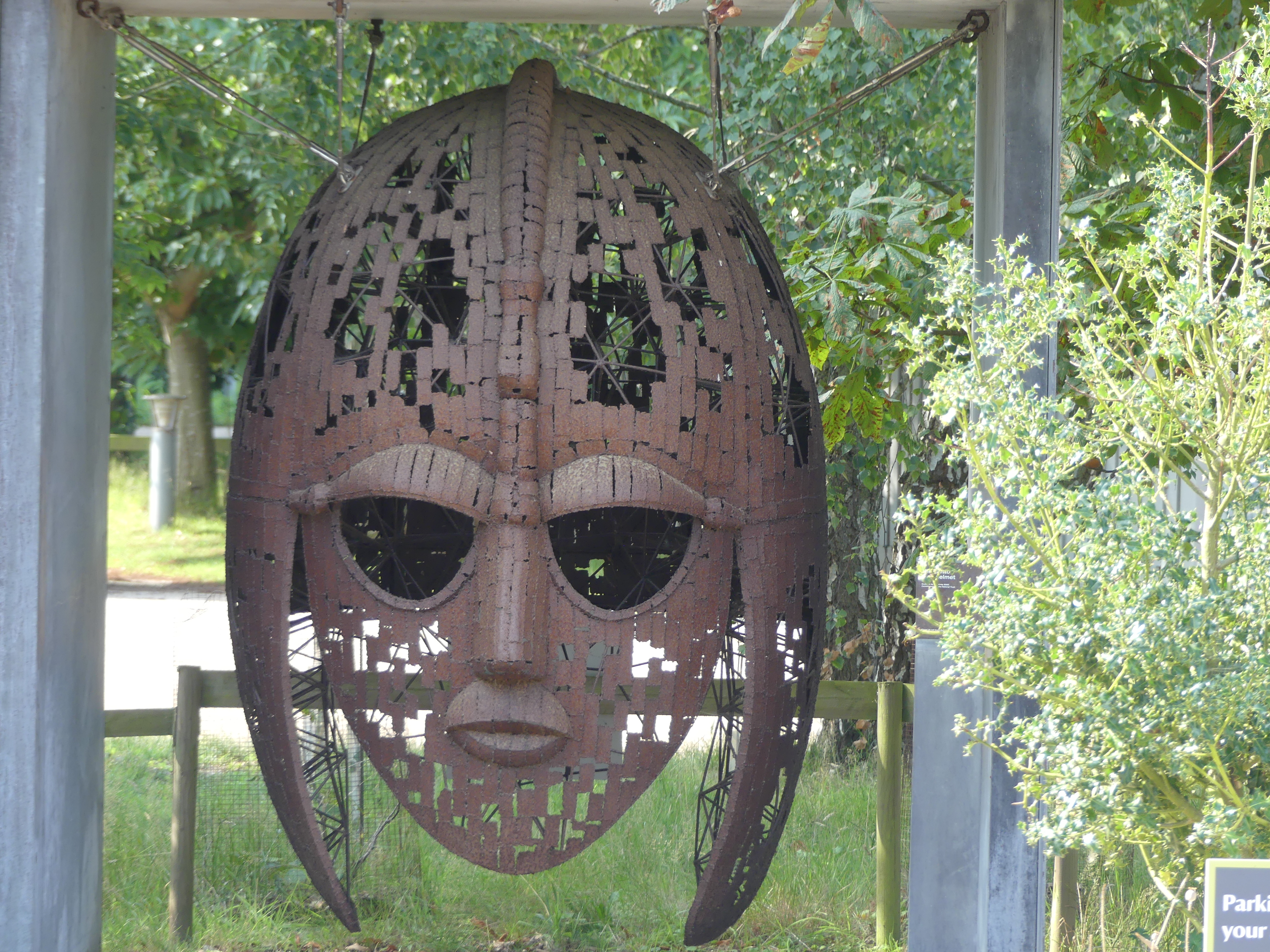
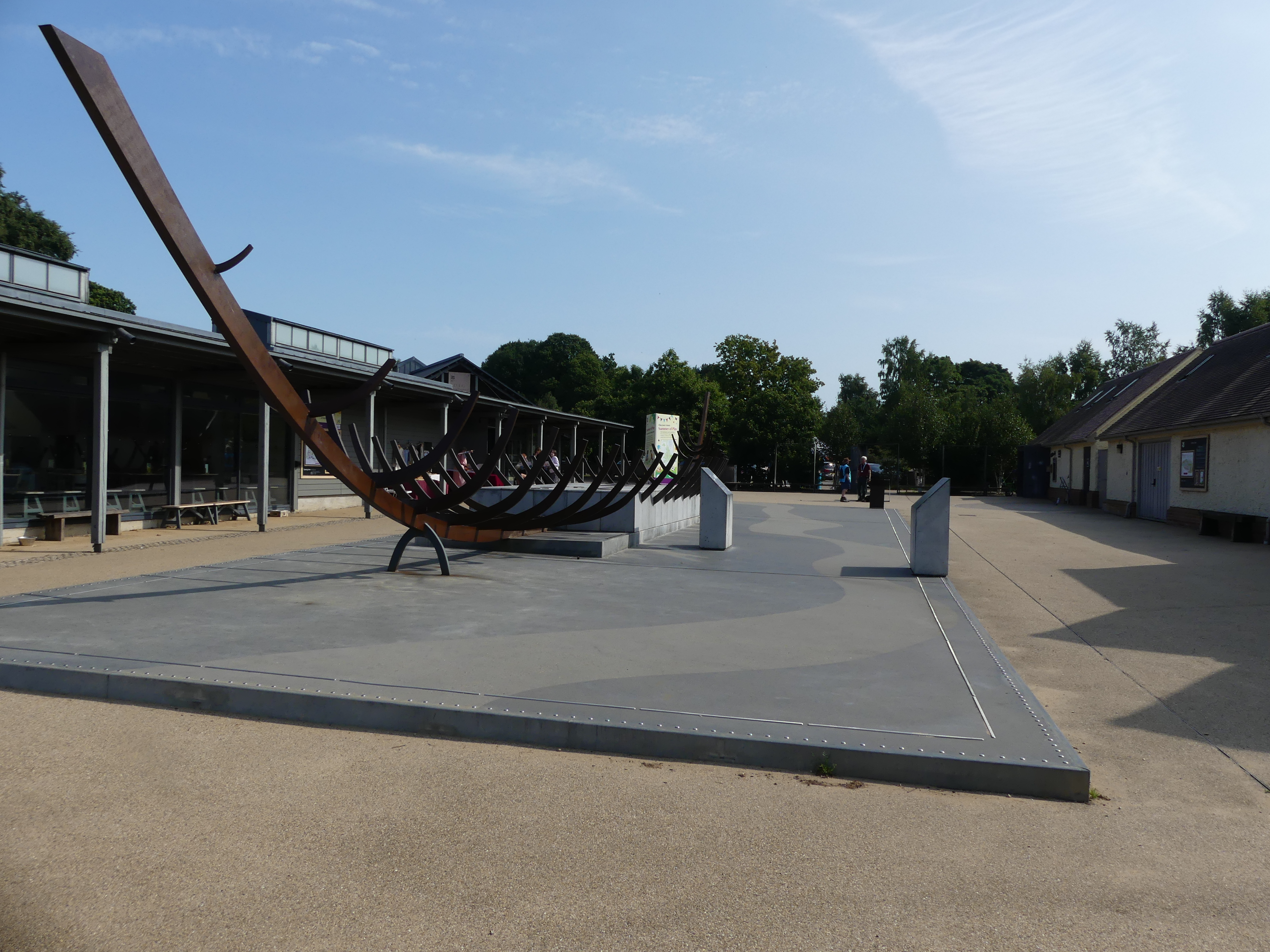
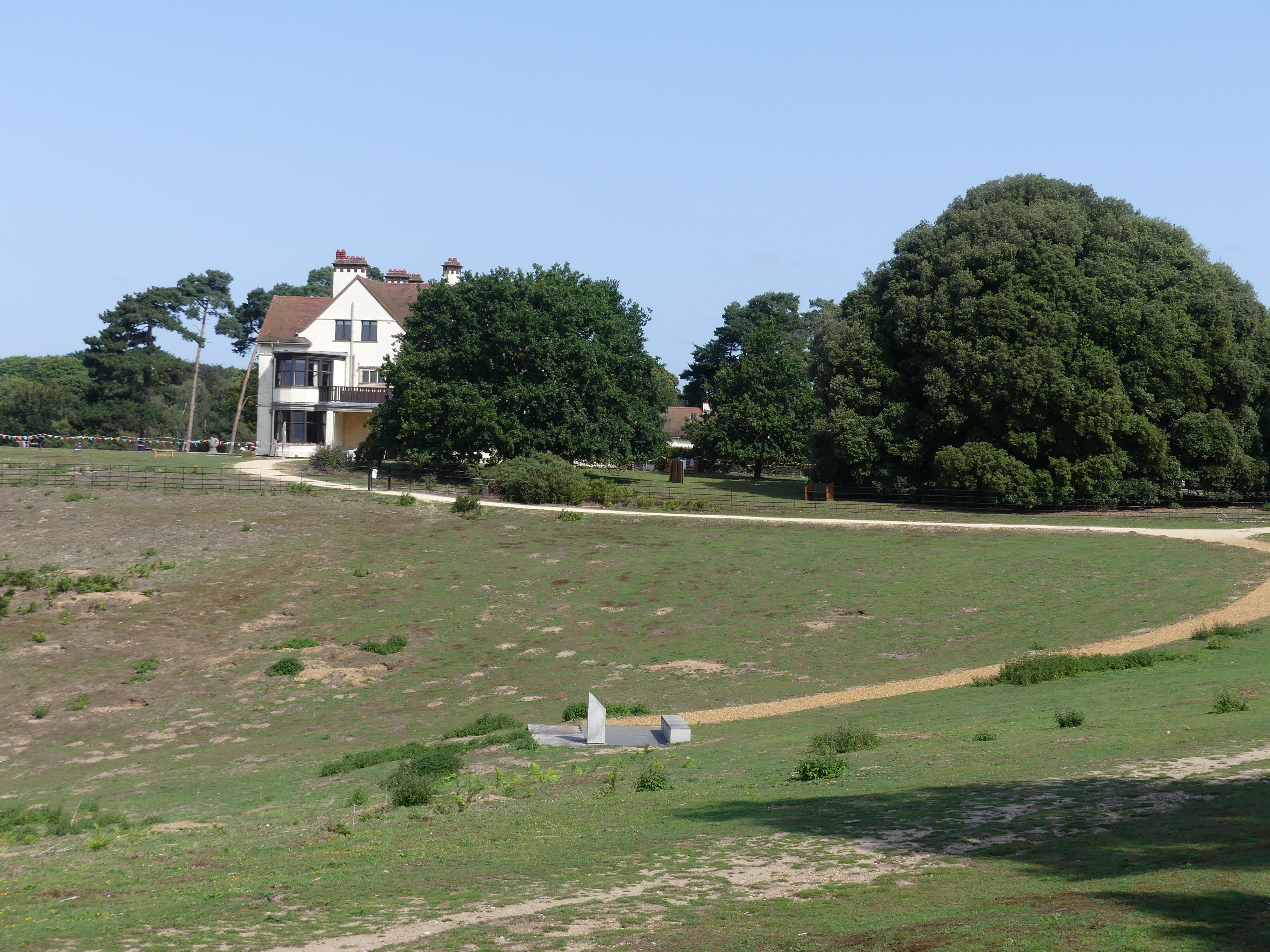
Arriving for the 2nd time a few minutes after 10.00 am we found that there was already a dozen or more families parking up and headed for the entrance. We joined the rush and were greeted by an enlarged recreation of the dead Kings war bonnet now widely recognised as the symbol for Sutton Hoo. The site and displays are controlled by Britain’s National Trust and most of everyone else were Trust members returning to the site. The ticket office is in one of the restored farm buildings and encircling it are the main exhibition hall, the gift shop and the cafeteria. In the fore court is a reconstruction of the Kings war boat based on the impression of the boat left in the mud of the burial mounds (the boat being made of timber it had disintegrated some time ago leaving only its impression). Our time was divided into visiting all exhibits in 2 hours, so we made our way to the burial mounds about 10 minutes’ walk away. Following a dirt path there are a few exhibits to inspect on the way to the burial mounds, one of which was this up turned bow of a boat and “throne” within it. Trekking through the field gave me a clear view of the farmhouse which we would visit before leaving. There is a viewing tower (4 stories high with no lift) overlooking the burial mounds which you can no longer inspect – they are all enclosed away from prying fingers as there are still some to be opened and things to find. Information stations lead the visitor through the exhibits.



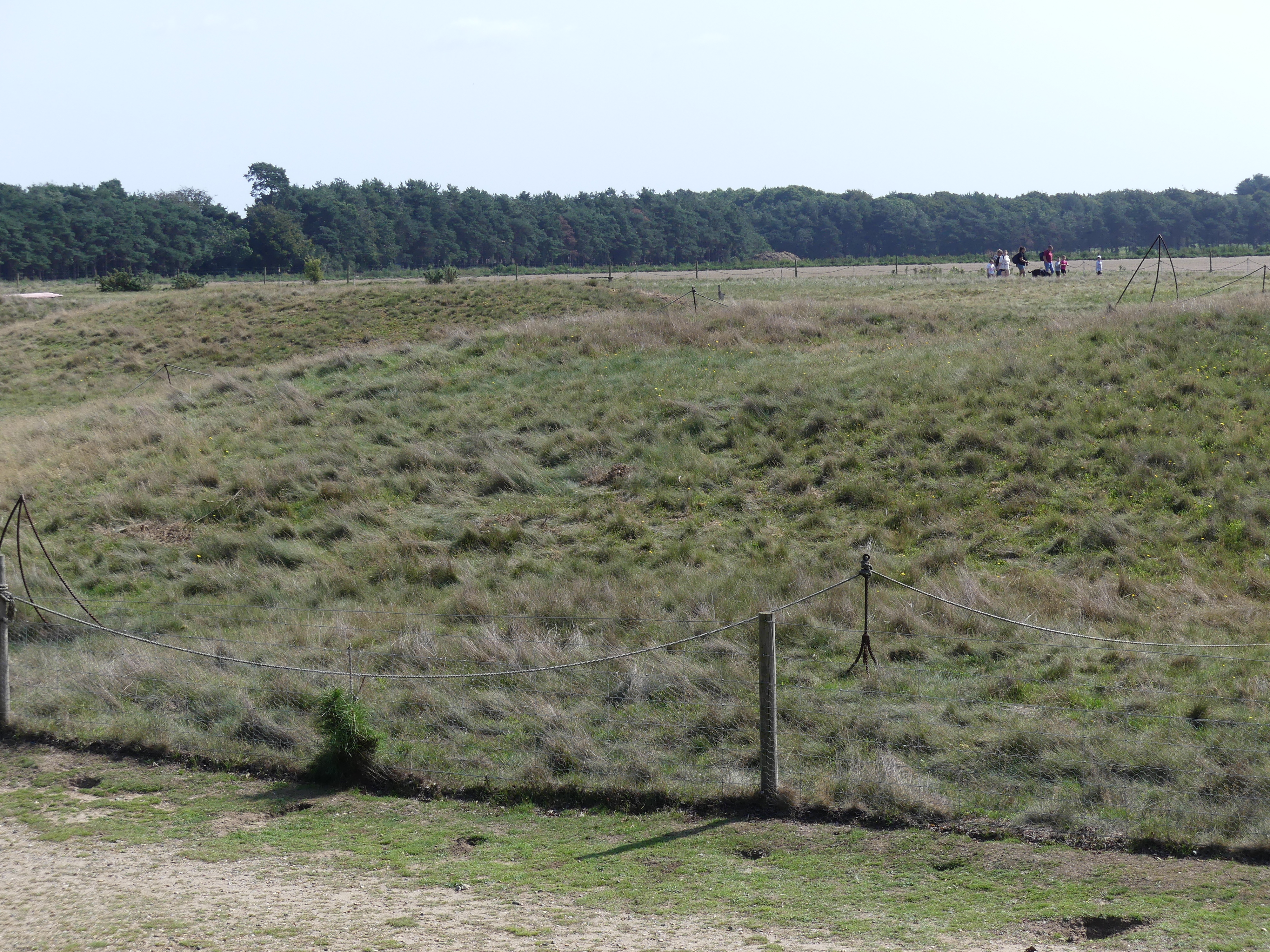

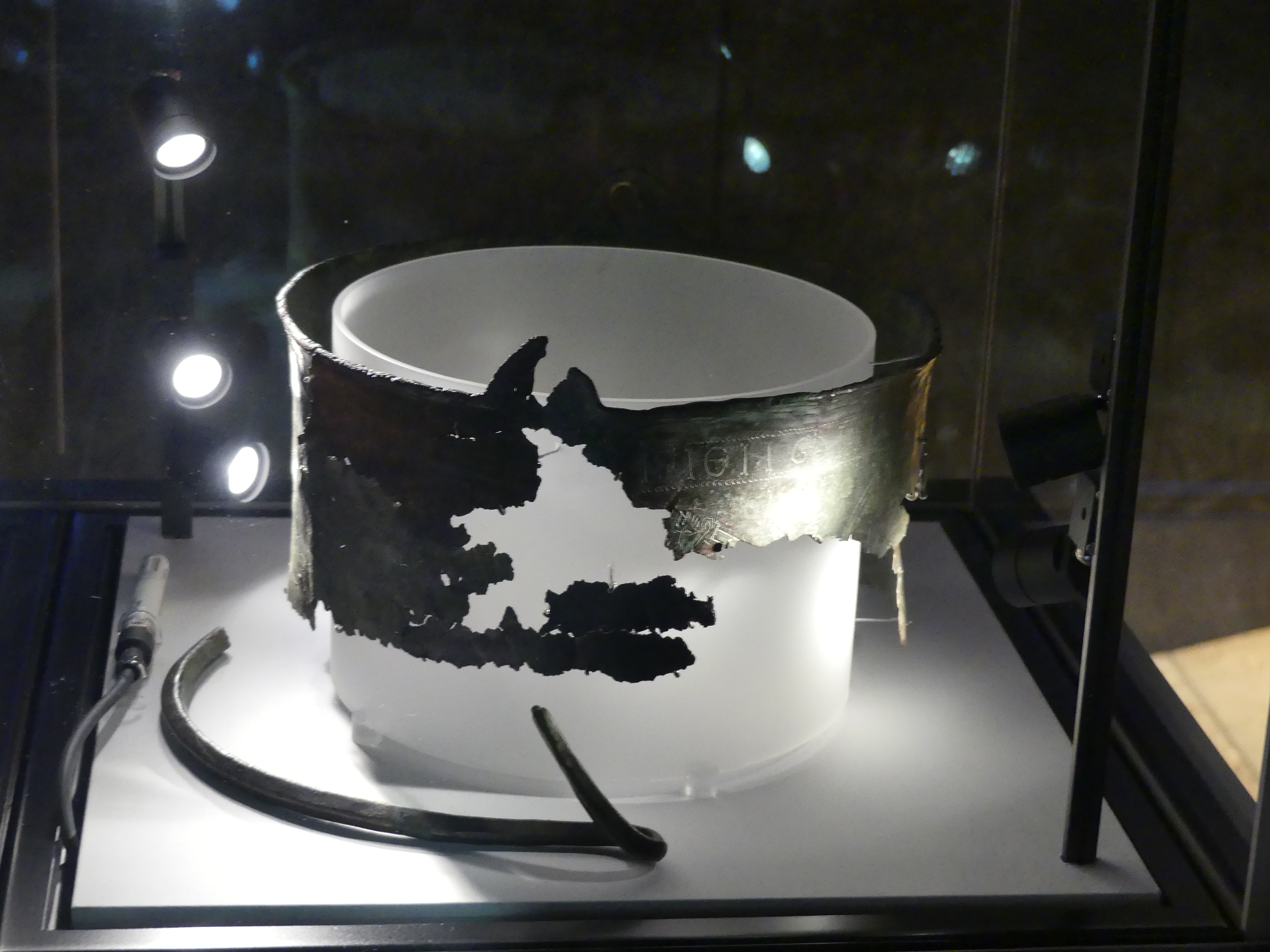
The viewing of the mounds left us about 1 and 1/2 hours to view the exhibition hall and the house. I was feeling some disappointment by this time. I had hoped to have access to the burial chamber. All the mounds are fenced off and the ones that have been opened have been resealed. So, when we got to the exhibition hall the small amount of the contents discovered has been moved to the British Museum and some mint stuff was available on loan. For example, the disintegrating pail shown in the photos below, whilst other imitation relics were on display. My photos follow.
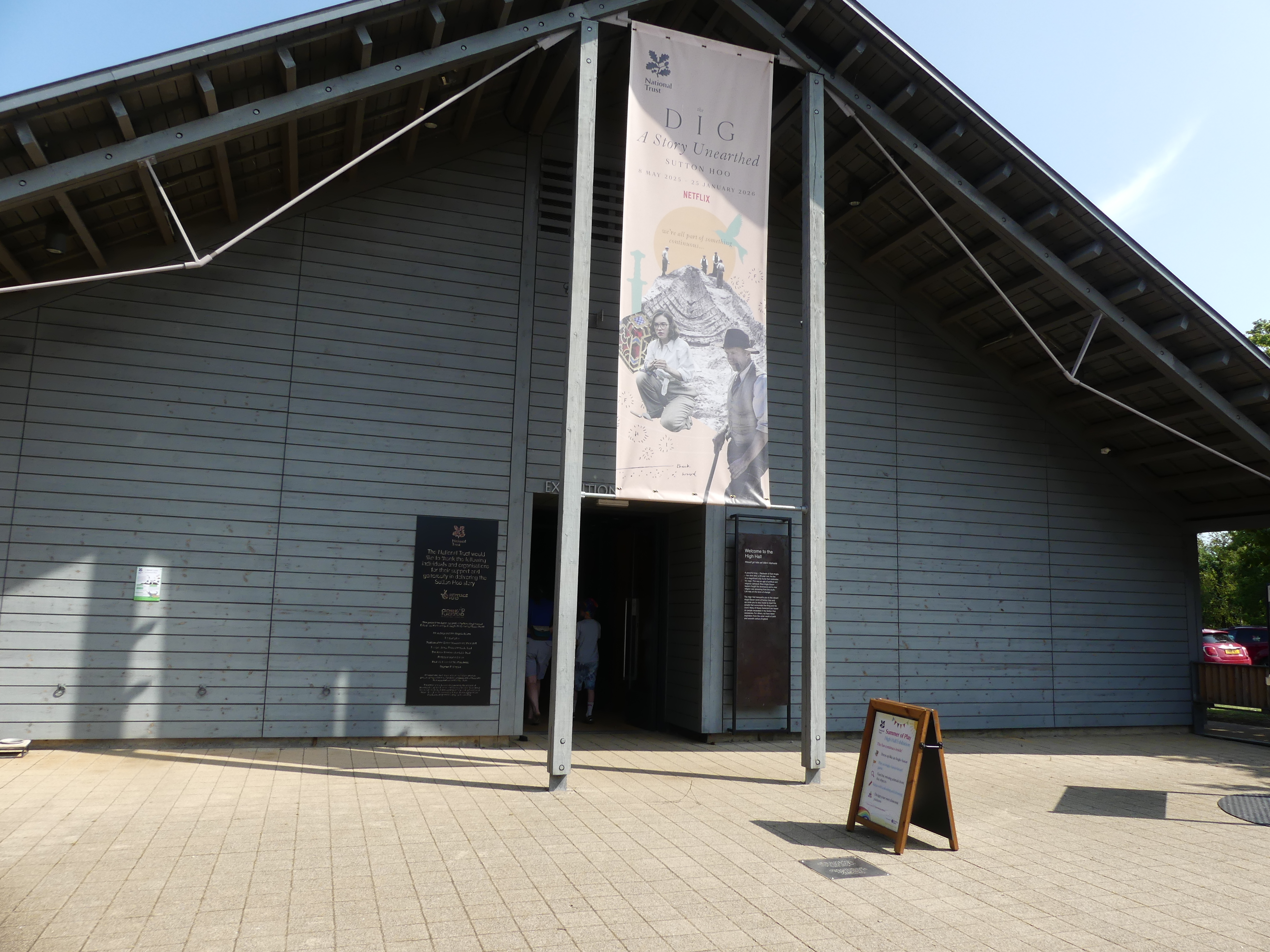


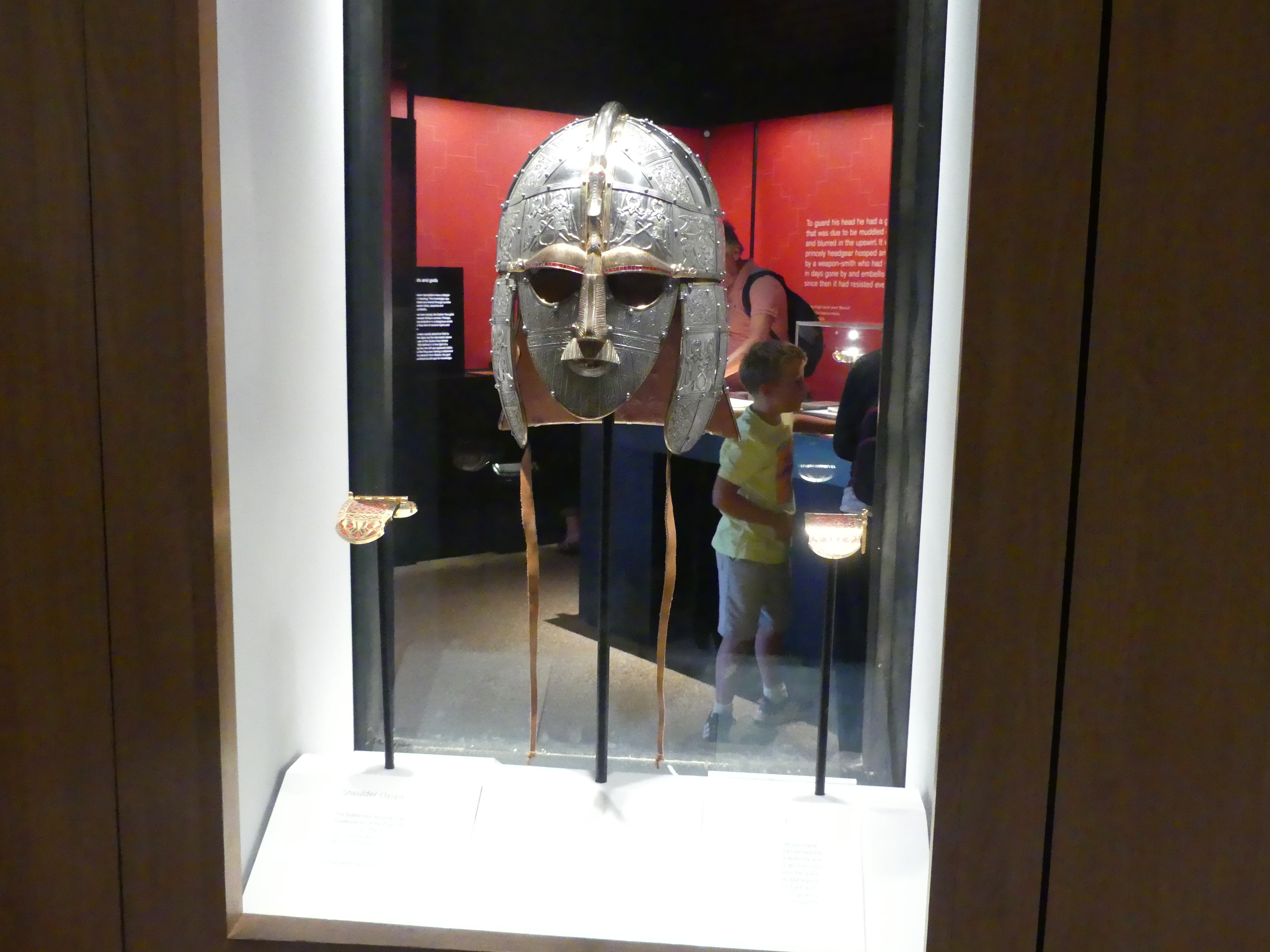


I visited the house owned by Mr & Mrs Pretty, who were the owners when local gardener and amateur archaeologist Basil Brown started unearthing the most important find of 6th to 7th century Anglo-Saxon burial practices. It is filled with artifacts of the time of excavation, newspaper articles photographs and include working rooms for the Trust workers and archaeologists working on the site. A movie of the discovery and excavation has been made, and I believe it is still available, and it is a most interesting story.

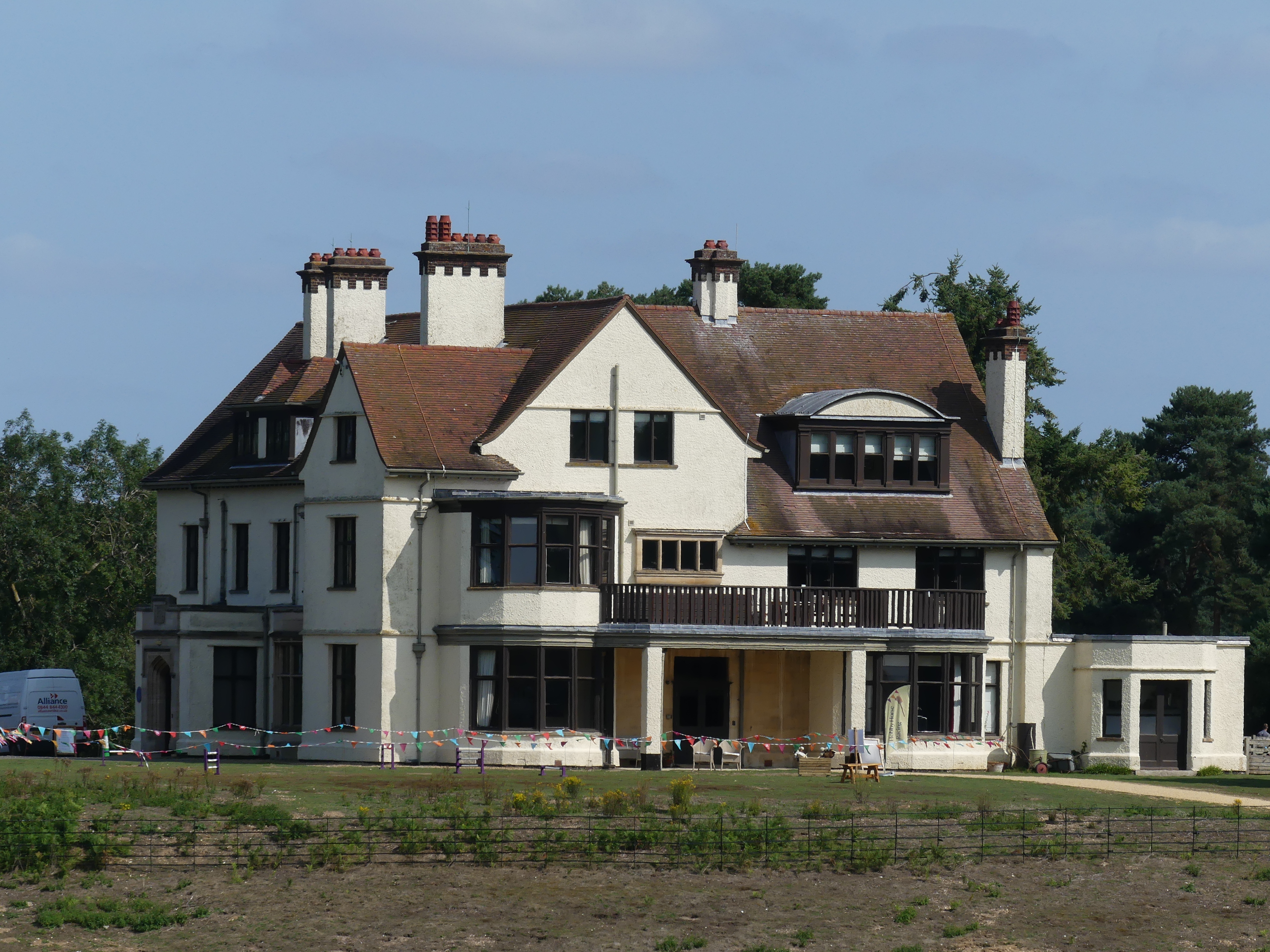


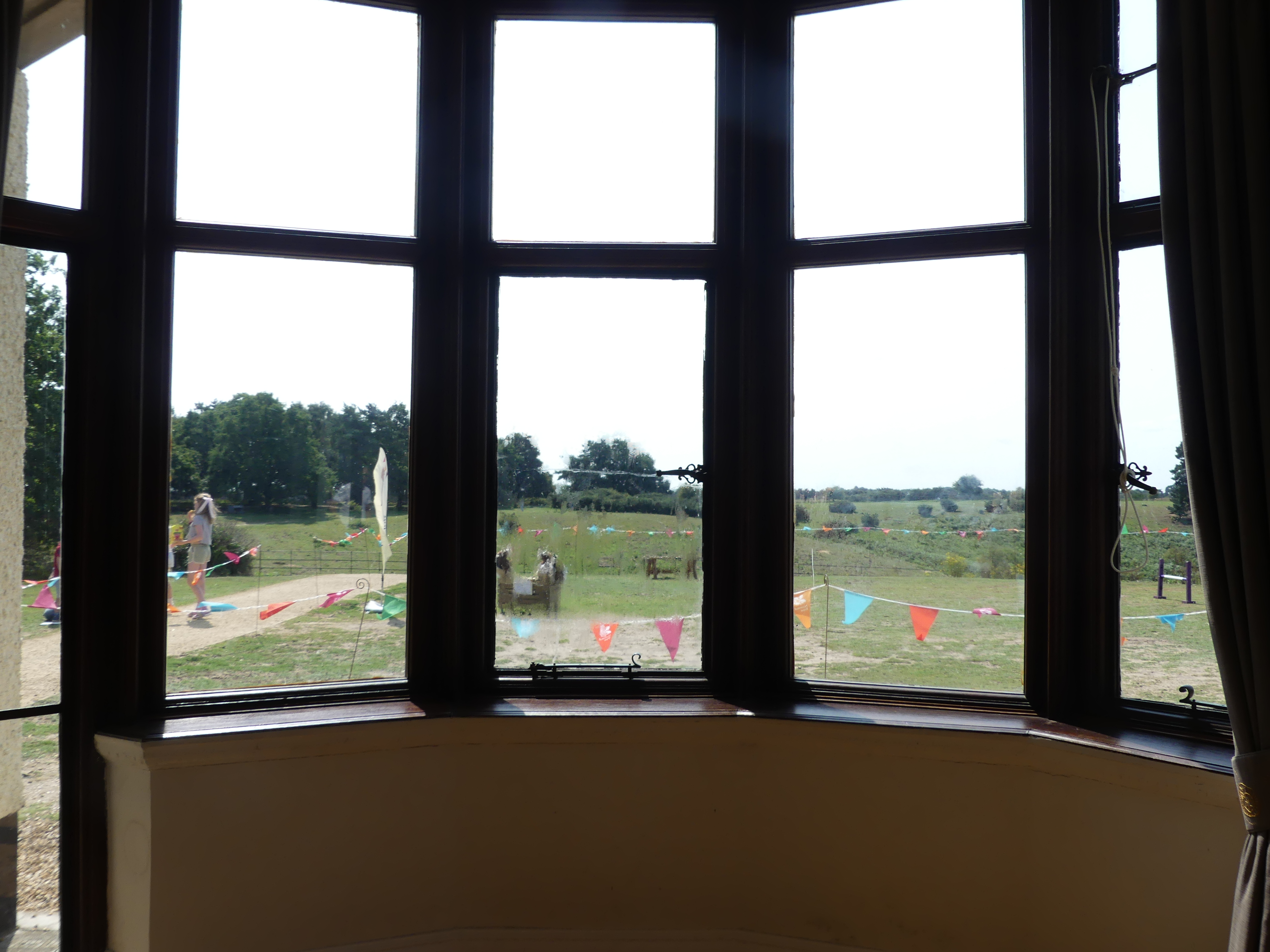

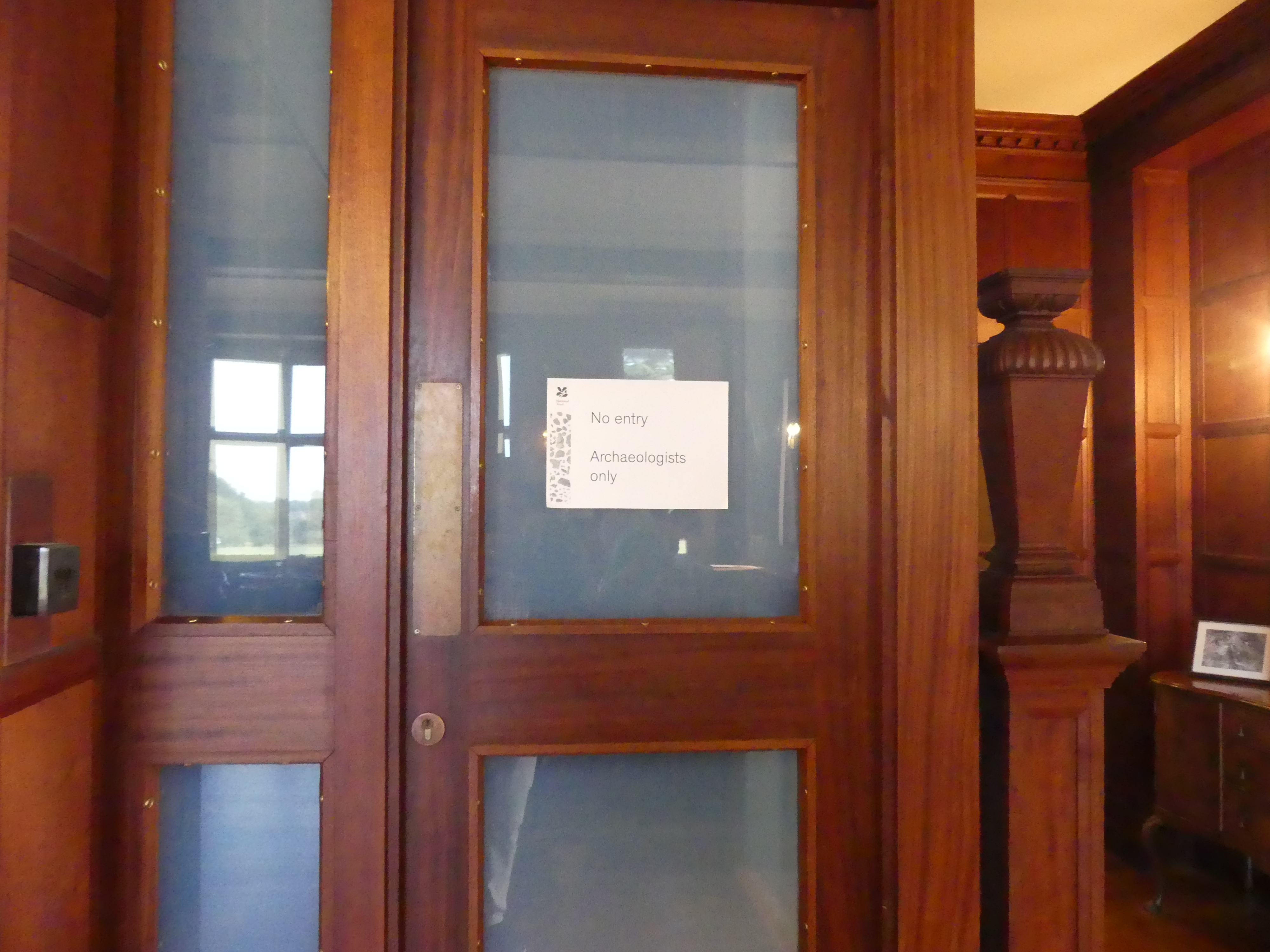
Our time was up as we must be in Cardiff tonight. Keep an eye open for my further blogs when THE RETIREES GO AROUND THE WORLD – SUTTON HOO UK to CARDIFF WALES UK.
 glendon1954