

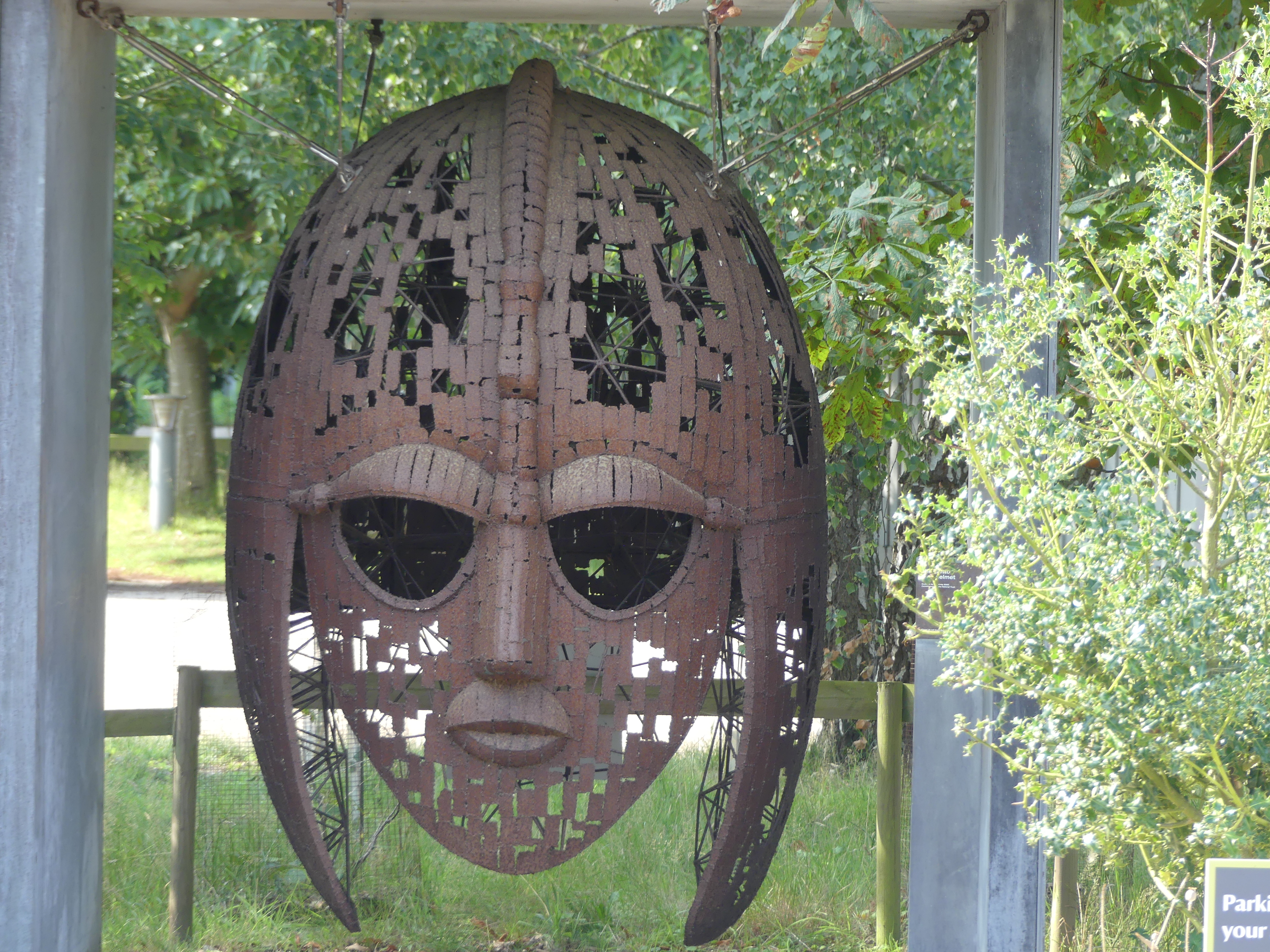
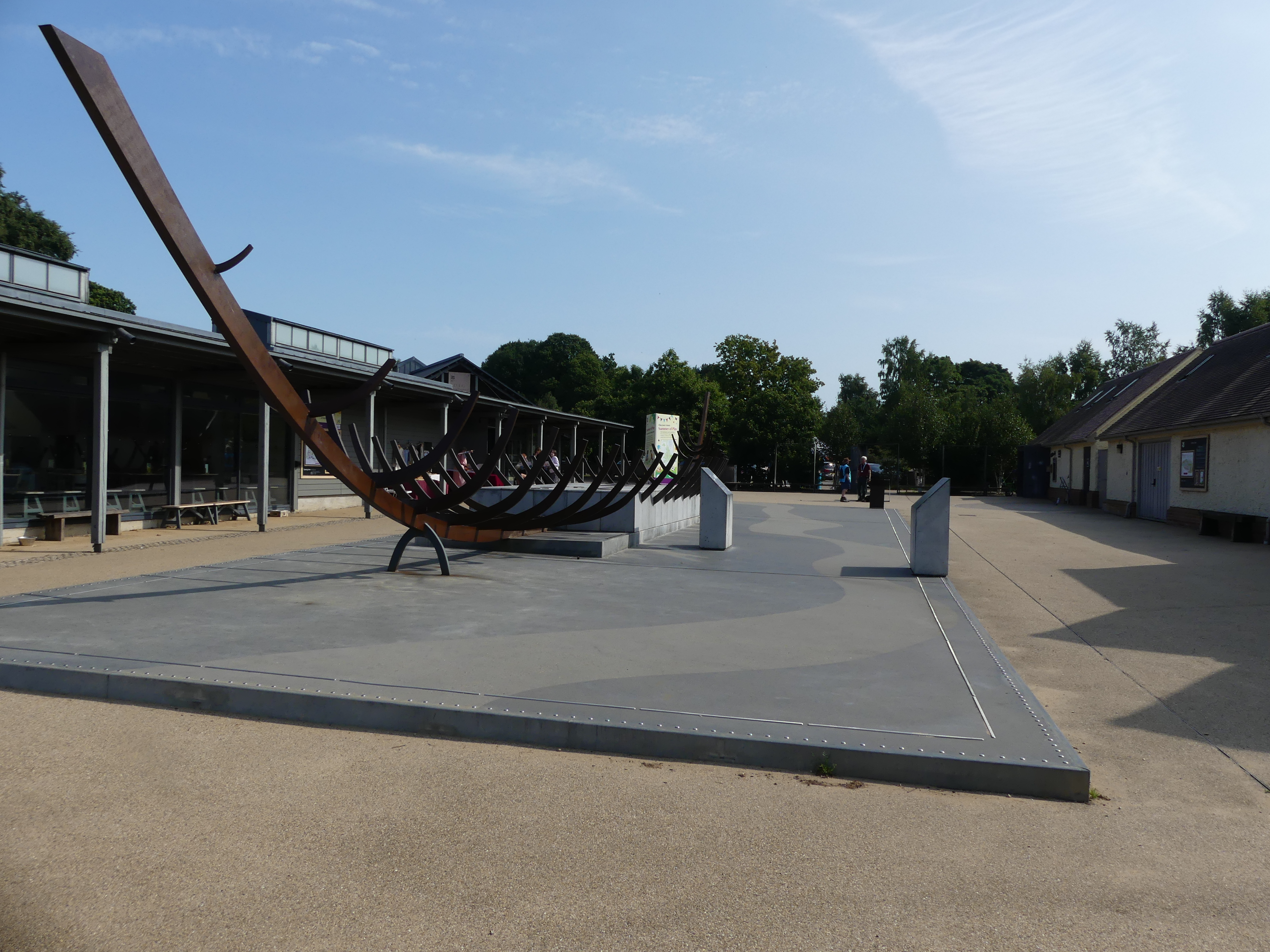
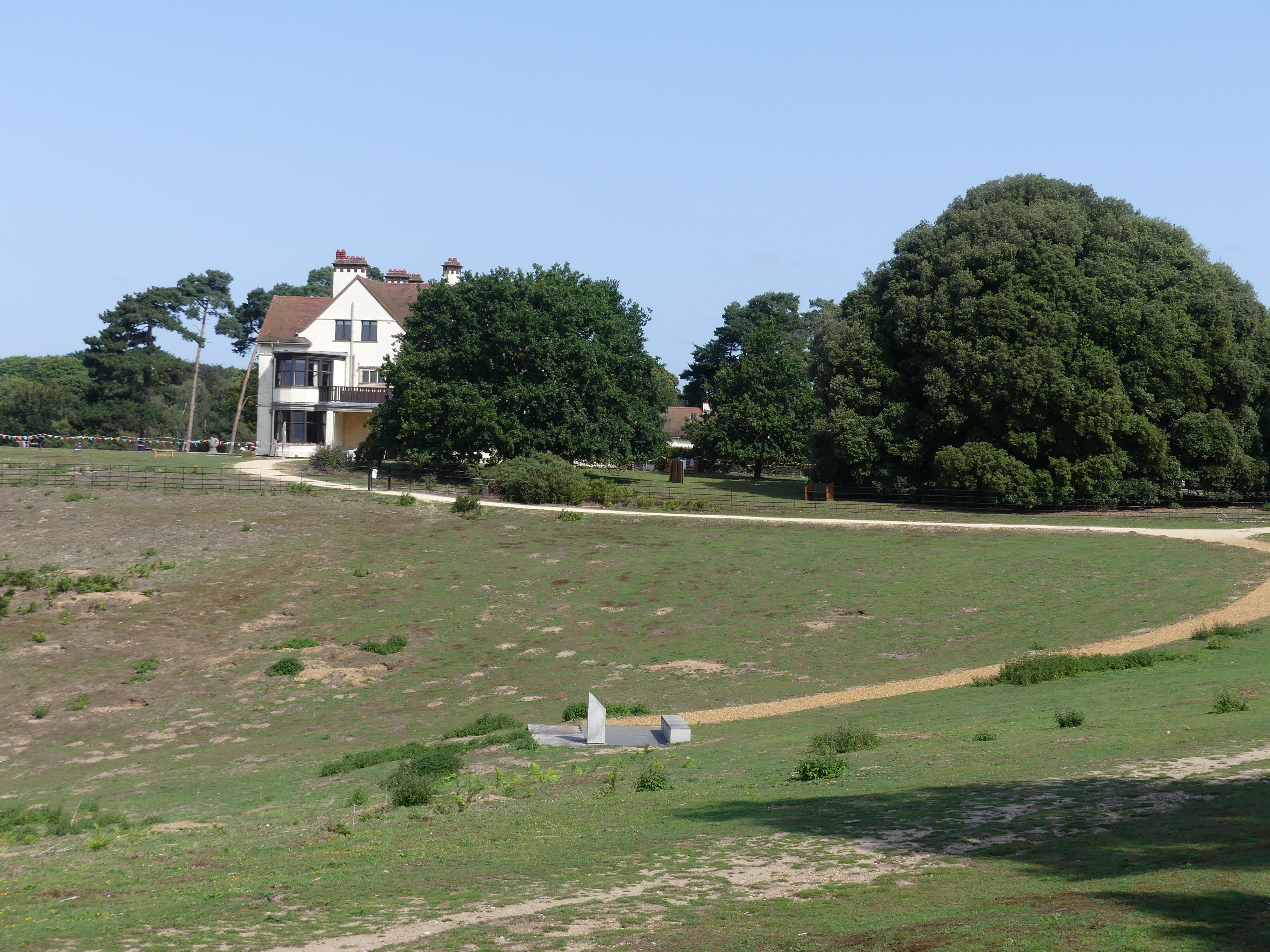
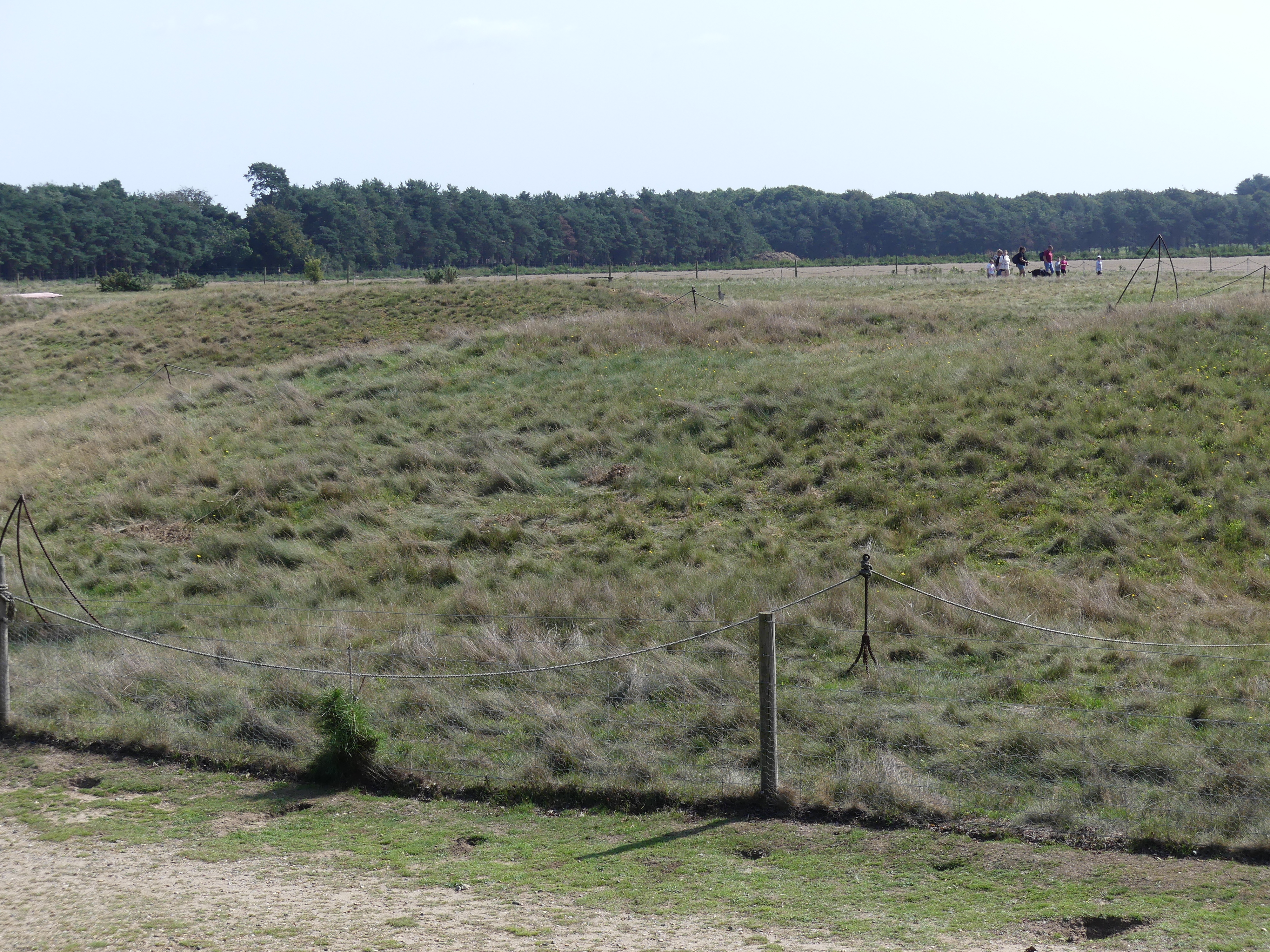
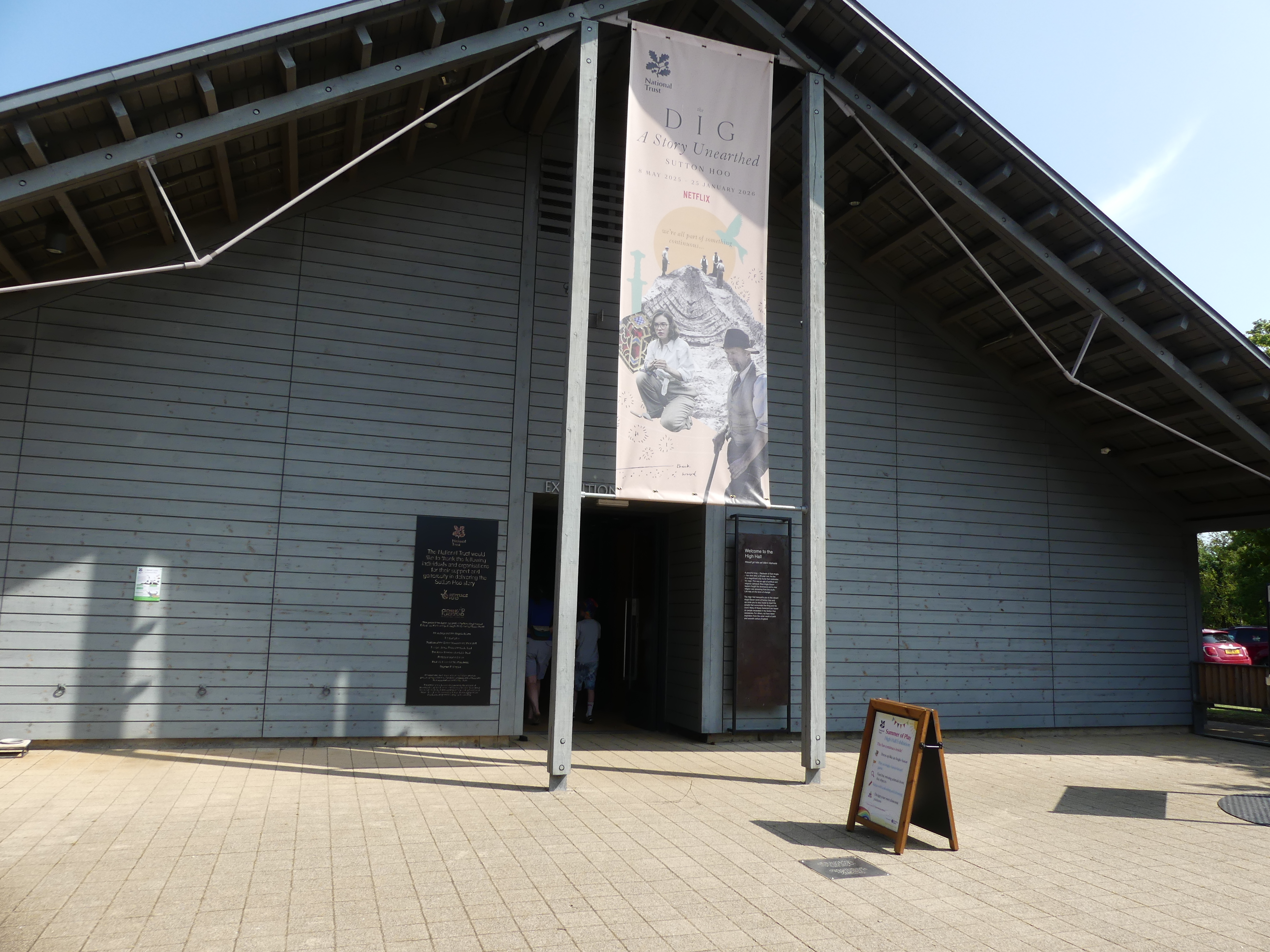
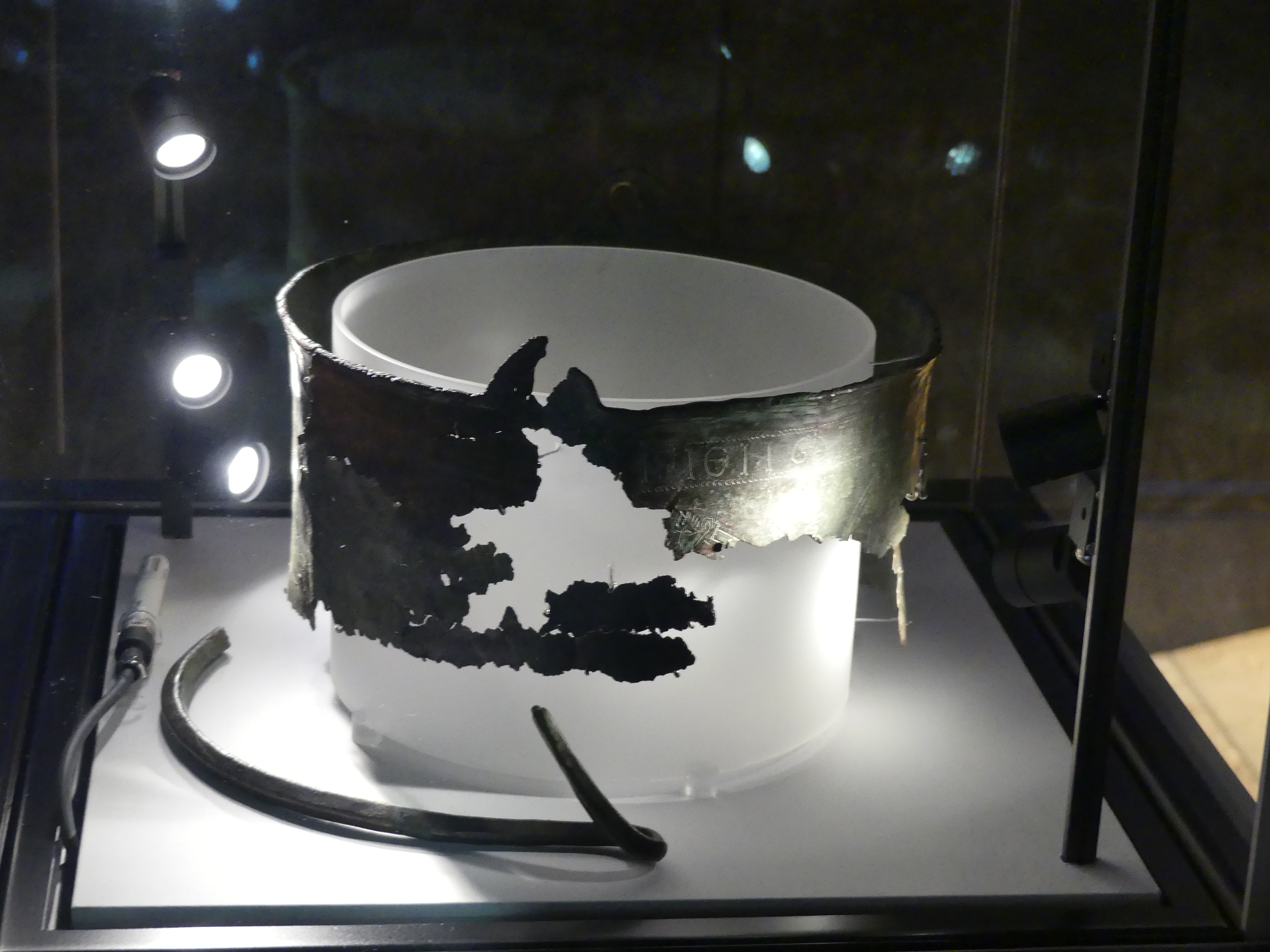
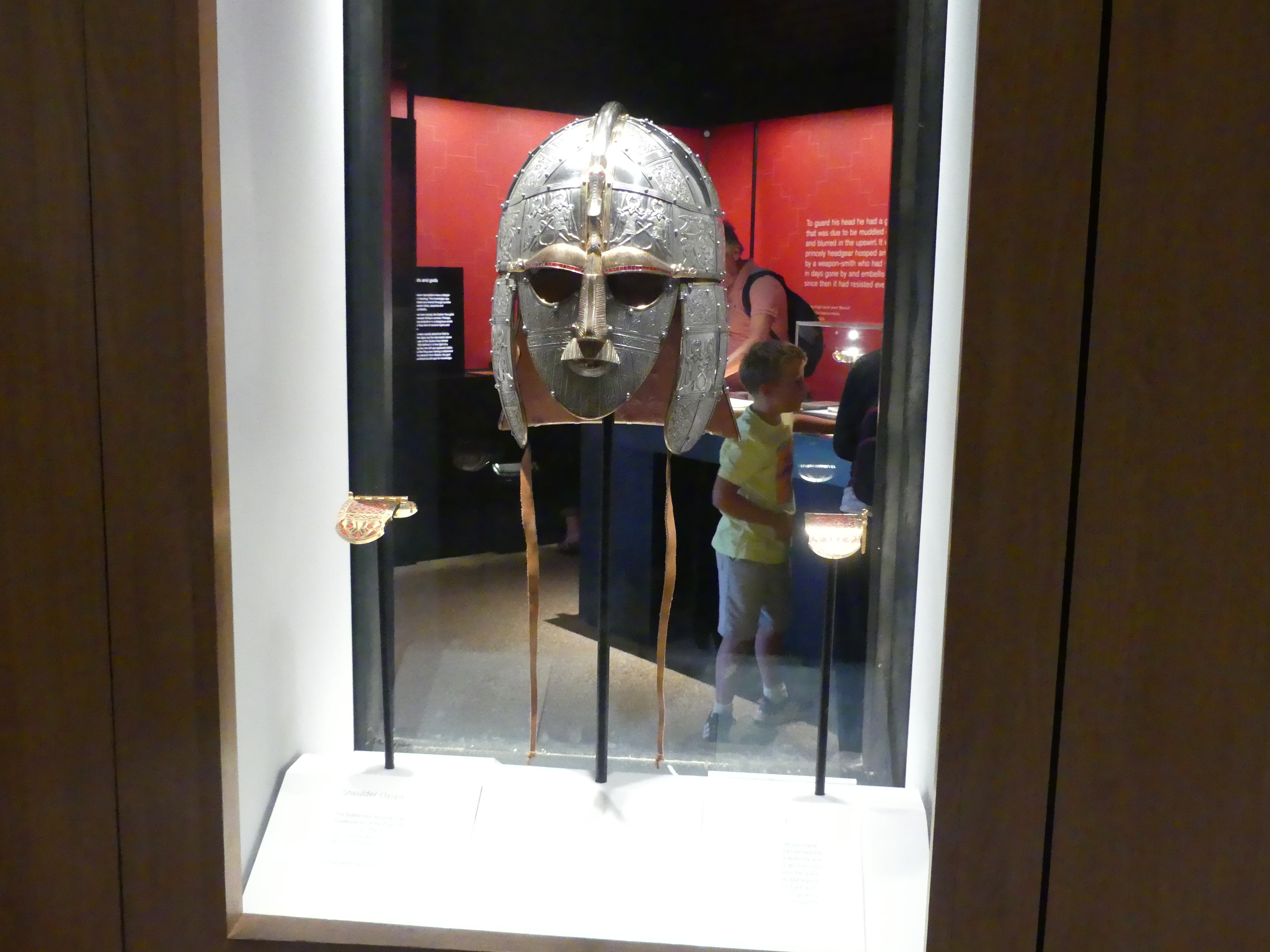
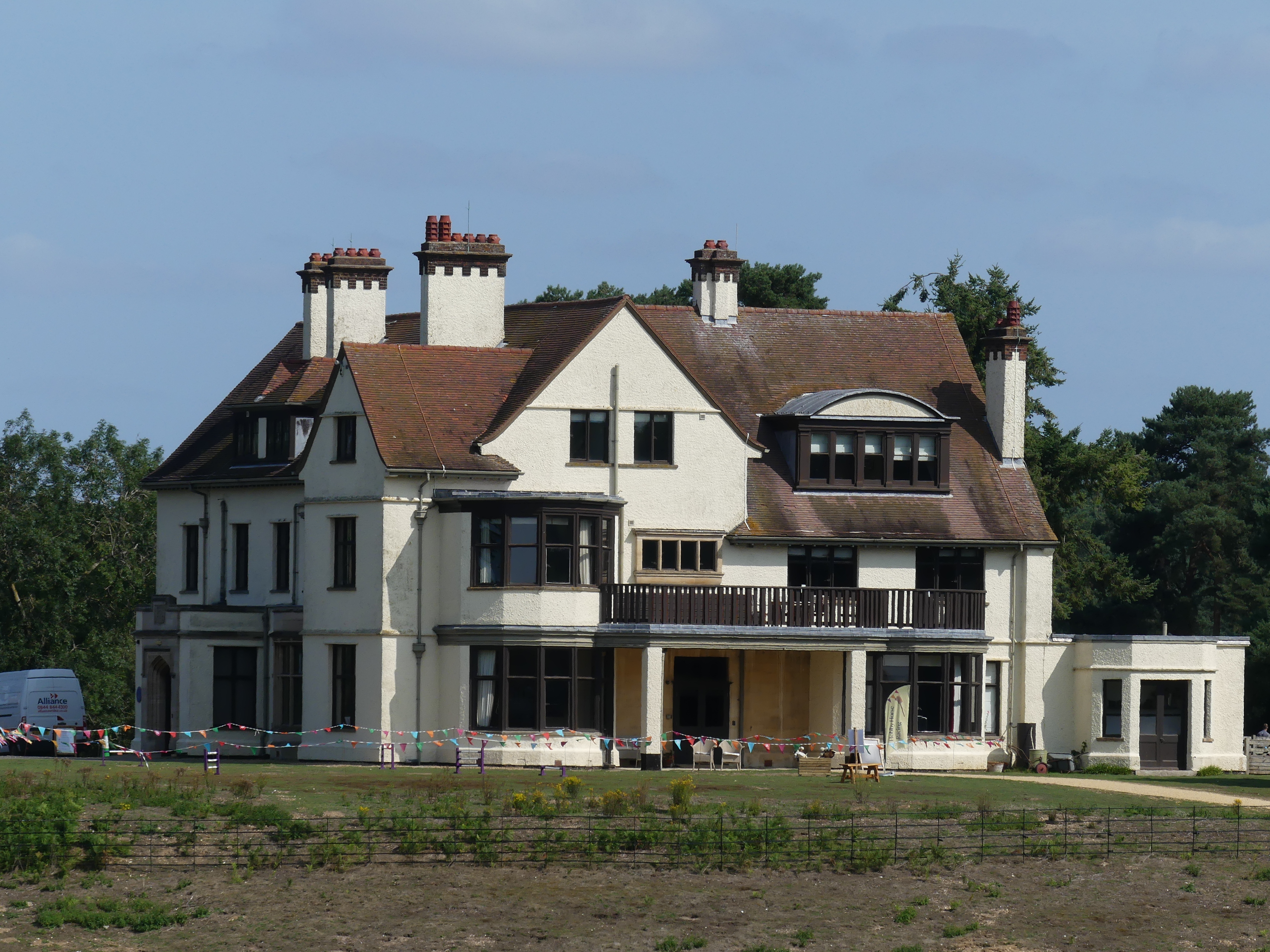
The journey from Sutton Hoo to Cardiff is about 4 hours if the Gods are kind. We had a short stopover
Finding the address of your B&B is a bit difficult but we found the GPS in the car extremely good using postcodes to find our goal. However, we never really got a good understanding of the functionality or how to properly use the search function – the space bar could not be found which is ok for post codes awful for an address. The entrance into Cardiff is across a grand bridge but you have to get used to everything being written in Welsh with English subtitles. I found this very off-putting, and I don’t know why – in Europe it is like that everywhere.


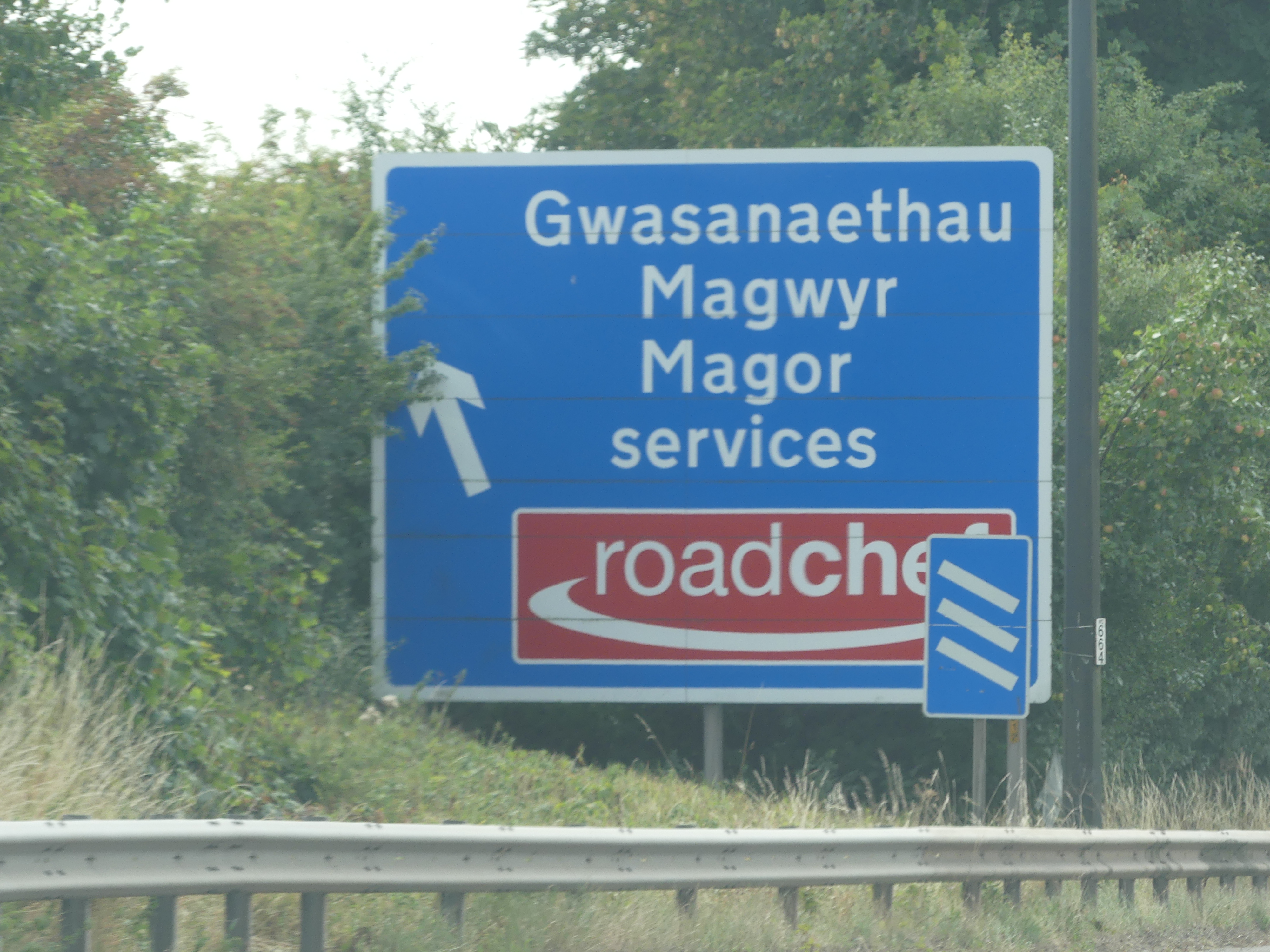
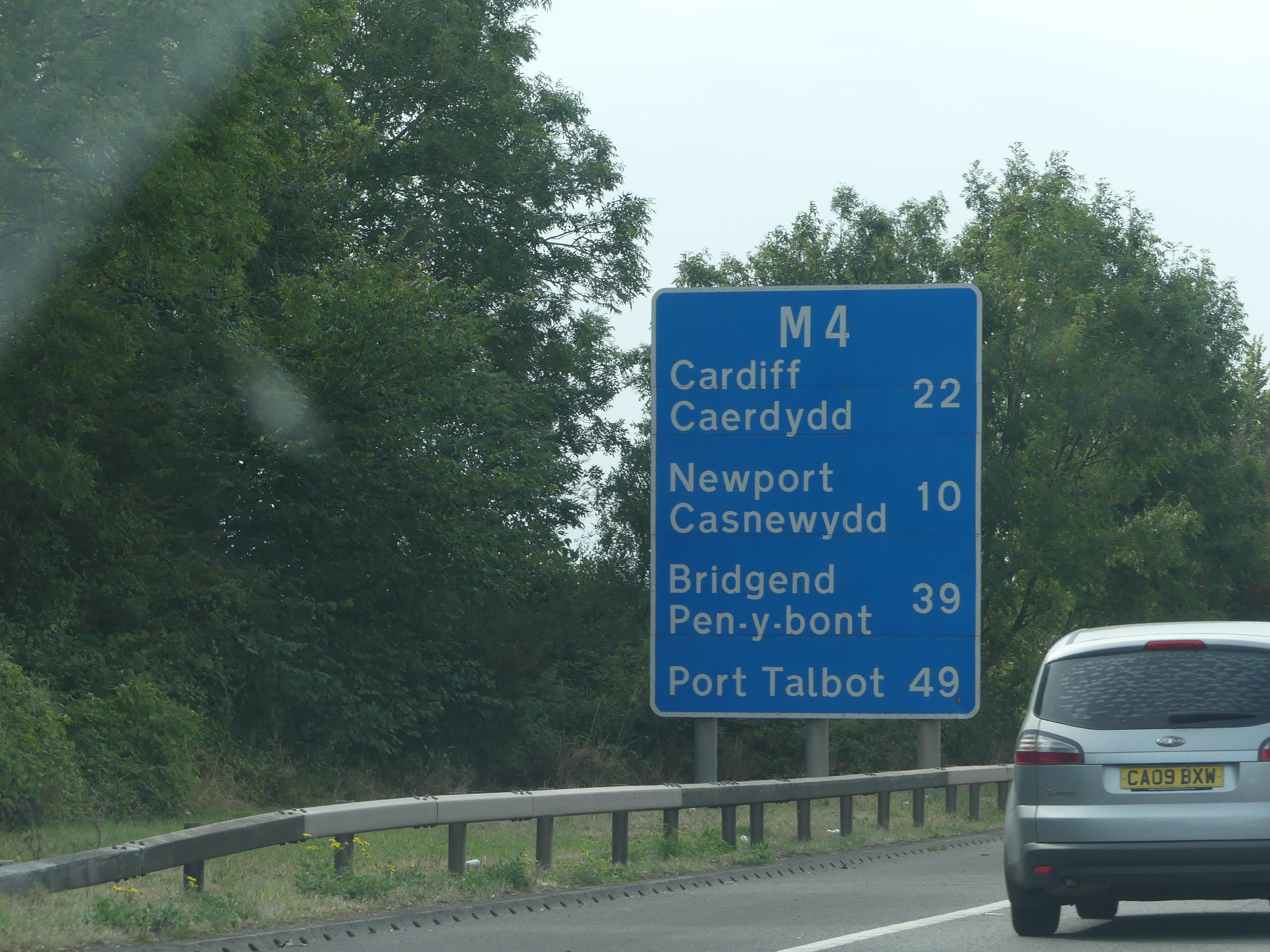
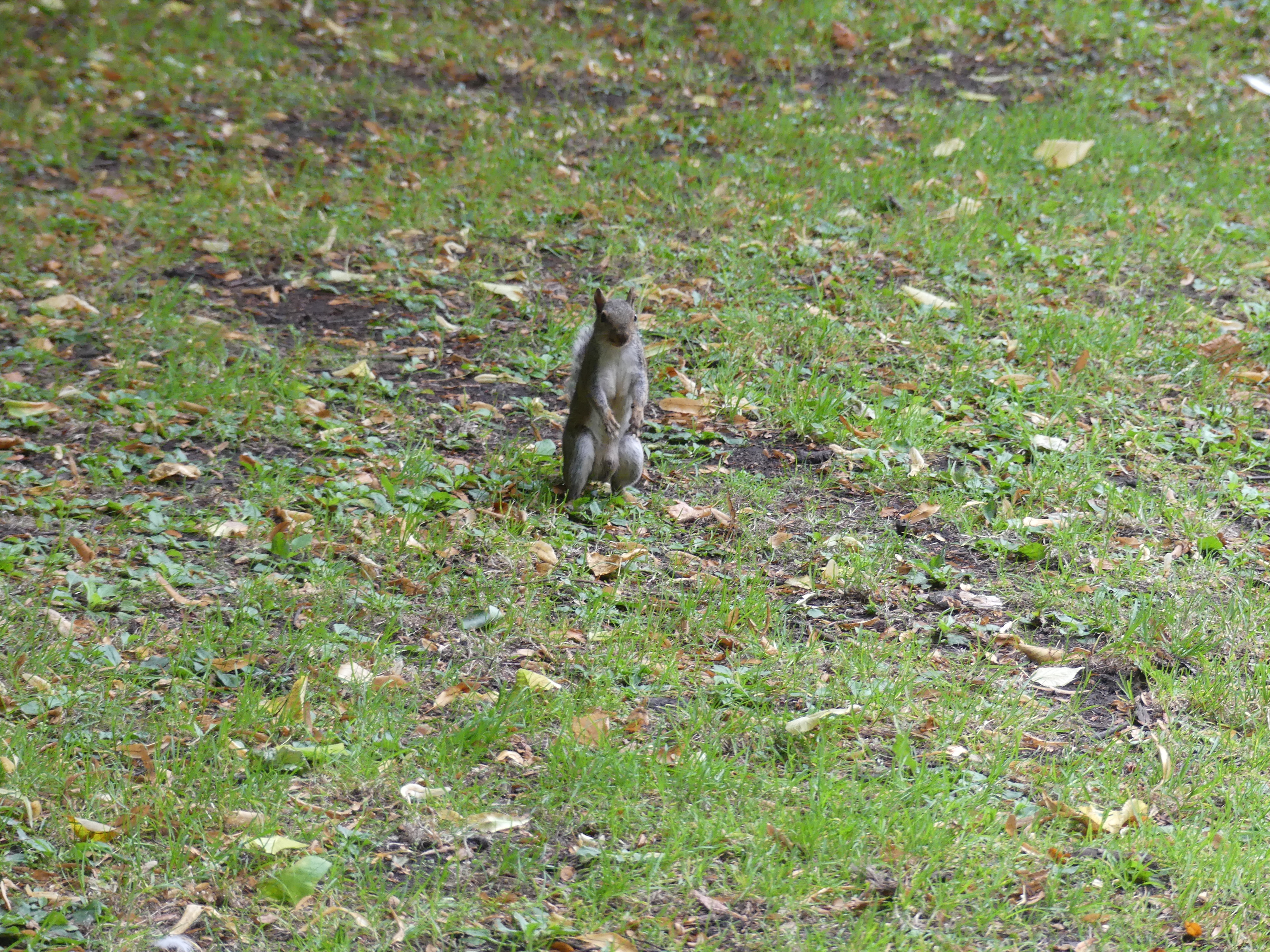
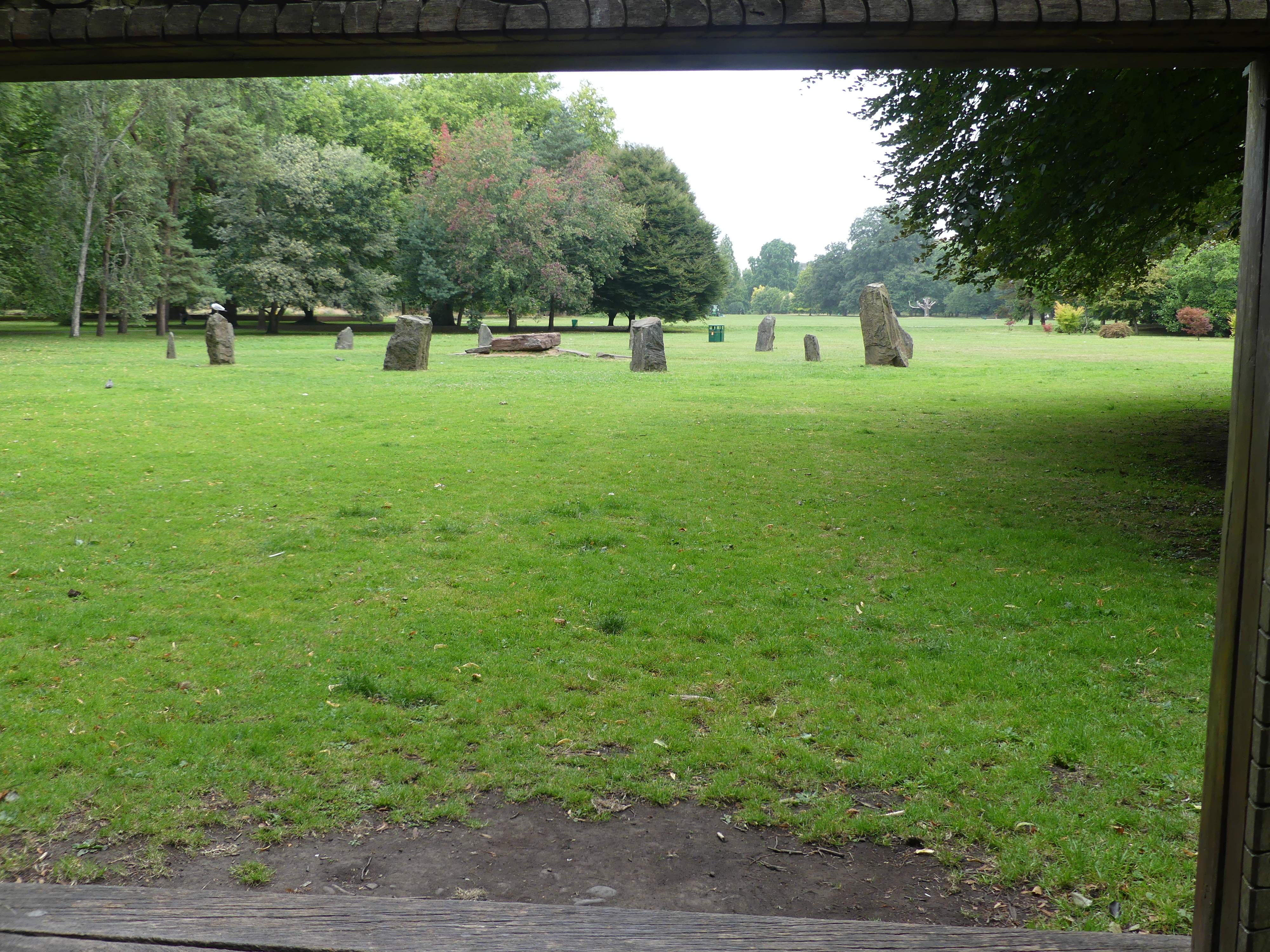
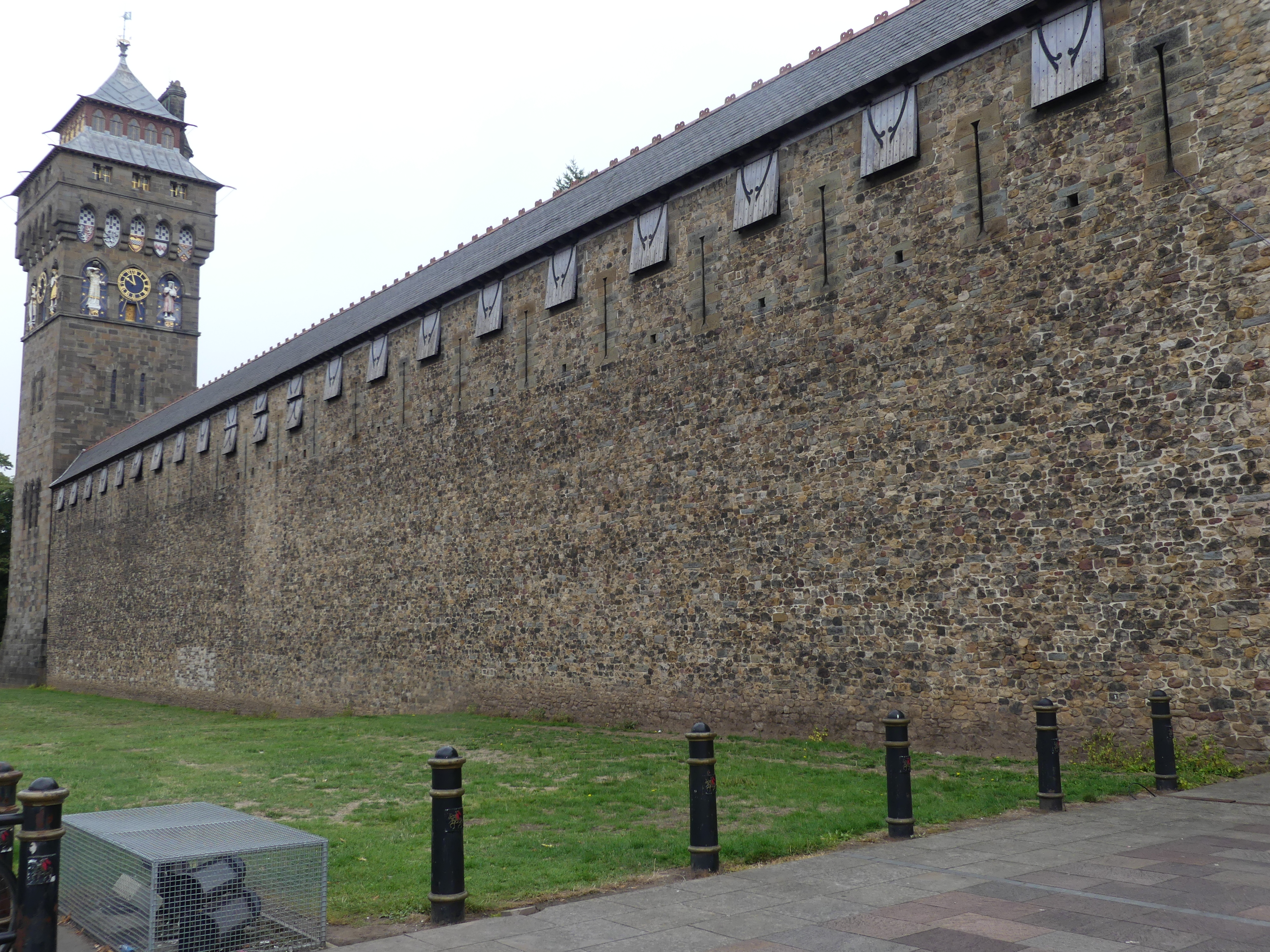
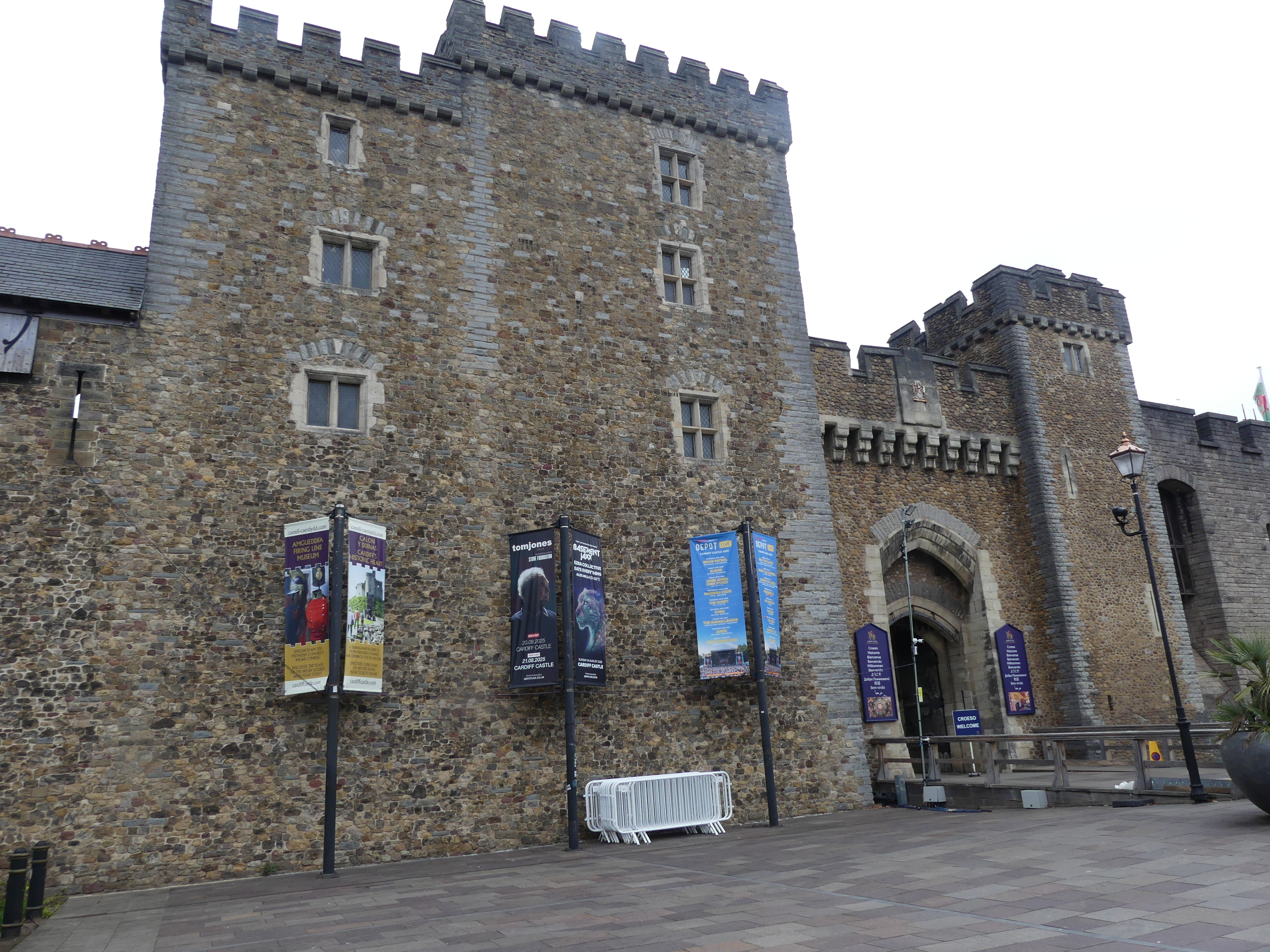
The Landlord had organised a parking permit for us which meant we could park anywhere in the street and Neville Street proved to be a major throughfare to the city centre. We ventured to catch a bus – 3 different routes run through Neville St. So when in doubt ask a stranger on the street. This stranger was very helpful walking us to the point where the city centre was at the end of the second street around the corner from our B&B. The castle wall of Cardiff Castle extends to encircle a gloriously wild park, and the former gatehouse has become a coffee shop – very twenty-first century. There are gray squirrels and standing stones and the western gate that is not used anymore.



The wall from the gatehouse to the castle is adorned with animal sculptures but at this time I only photographed the twin lions on a gate to another side entrance being used for a wedding. We planned a visit to the castle and this occasion was a general walk around to learn where we might find various things. The castle walls are intact and dominate this part of town. The following day we went on a more formal visit and bought tickets to go inside. The castle is still in use but not for its original defensive purposes but more of a museum. There is a memorial to all the Welsh regiments raised for King and Country from the Welsh population in one basement area. Very comprehensive and explanatory but equally underlining futility of war. There is a dedication to the 7 VC awarded to soldiers in the Boer War for instance. Along with “modern” memorabilia there is a remnant of the Roman occupation in the form of a wall uncovered in preparation of the basement for this military memorial. The inserted sculptures are modern in the form of Roman sculptures around the time of the construction of the wall.


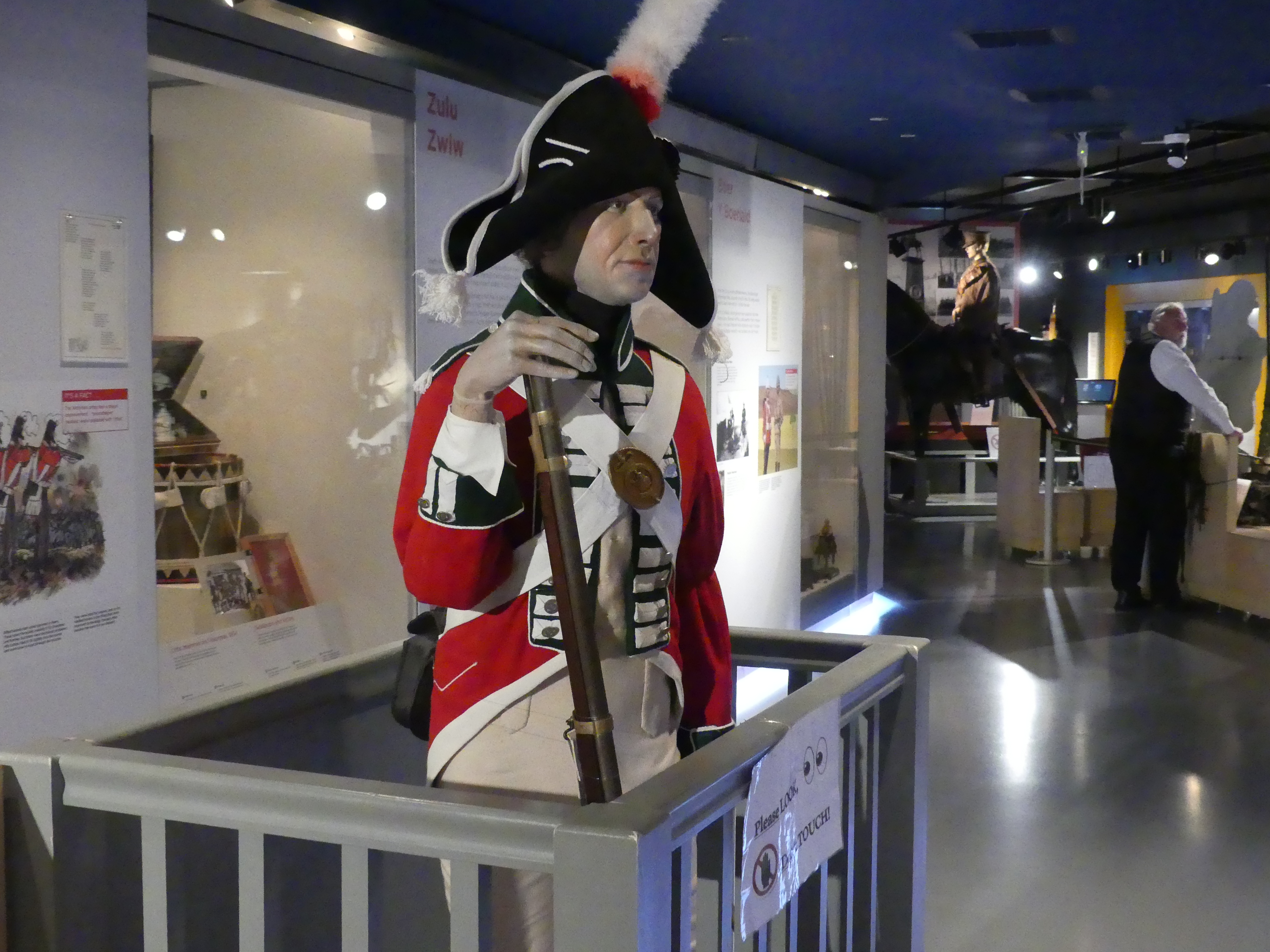
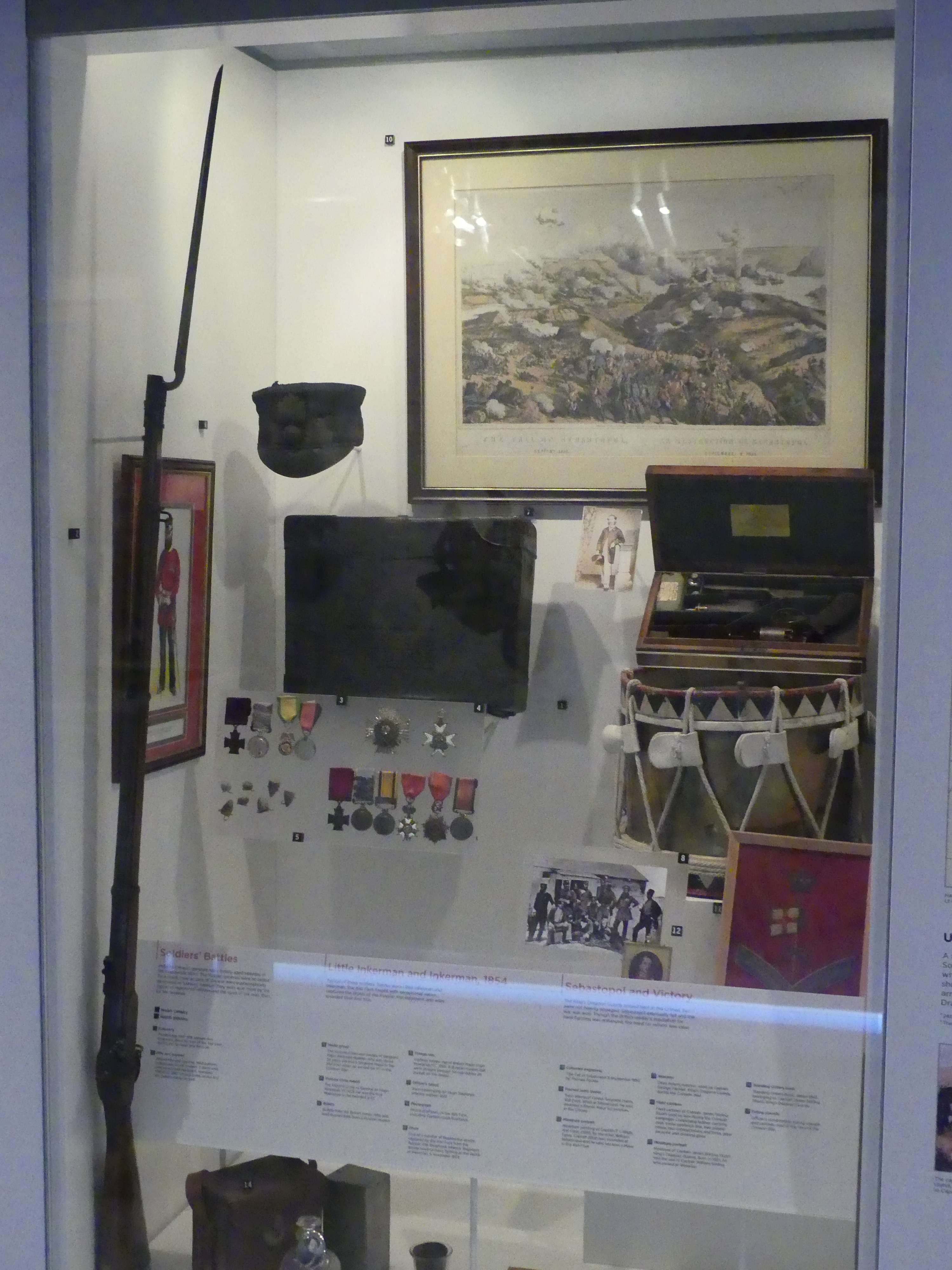

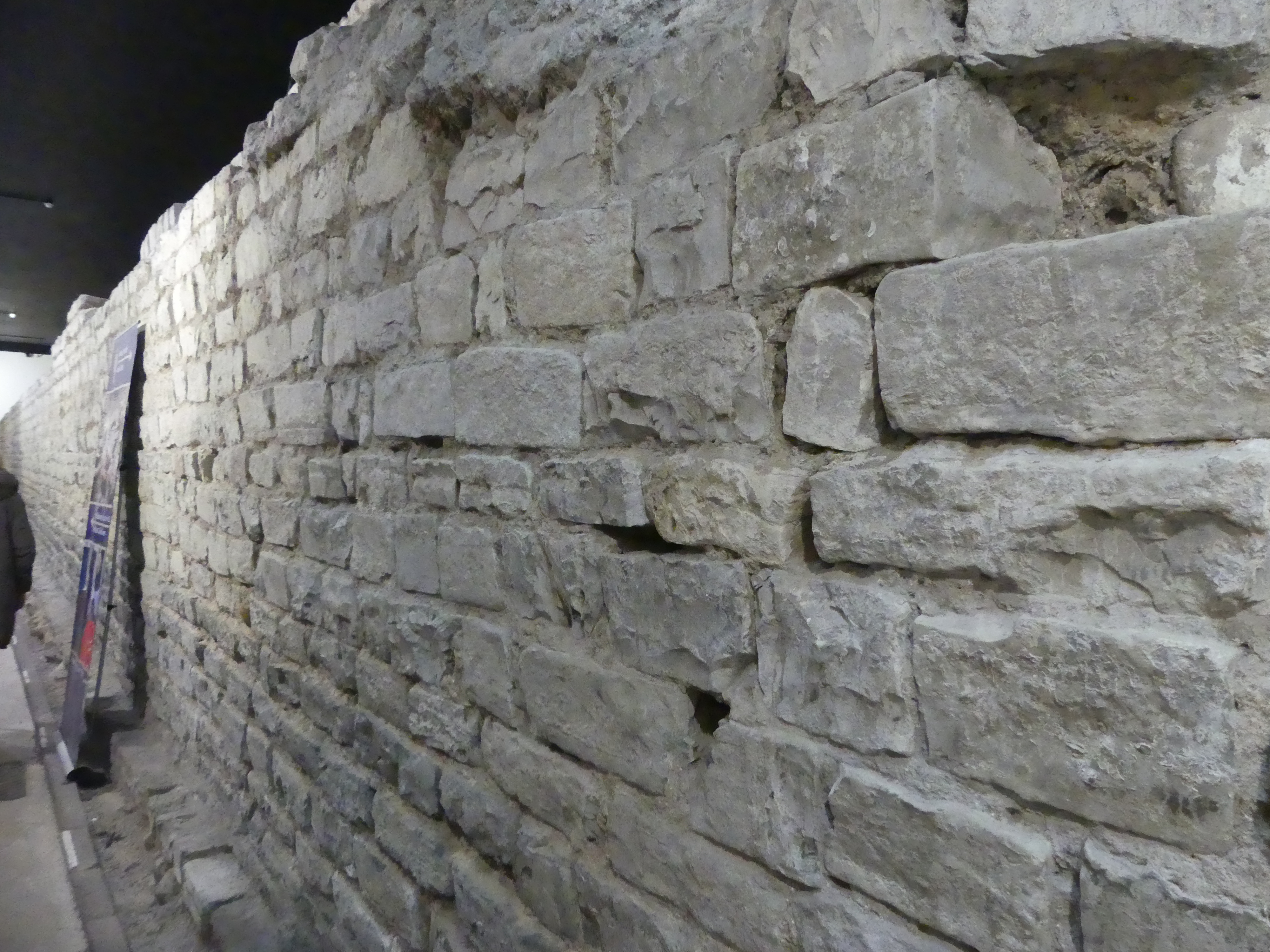
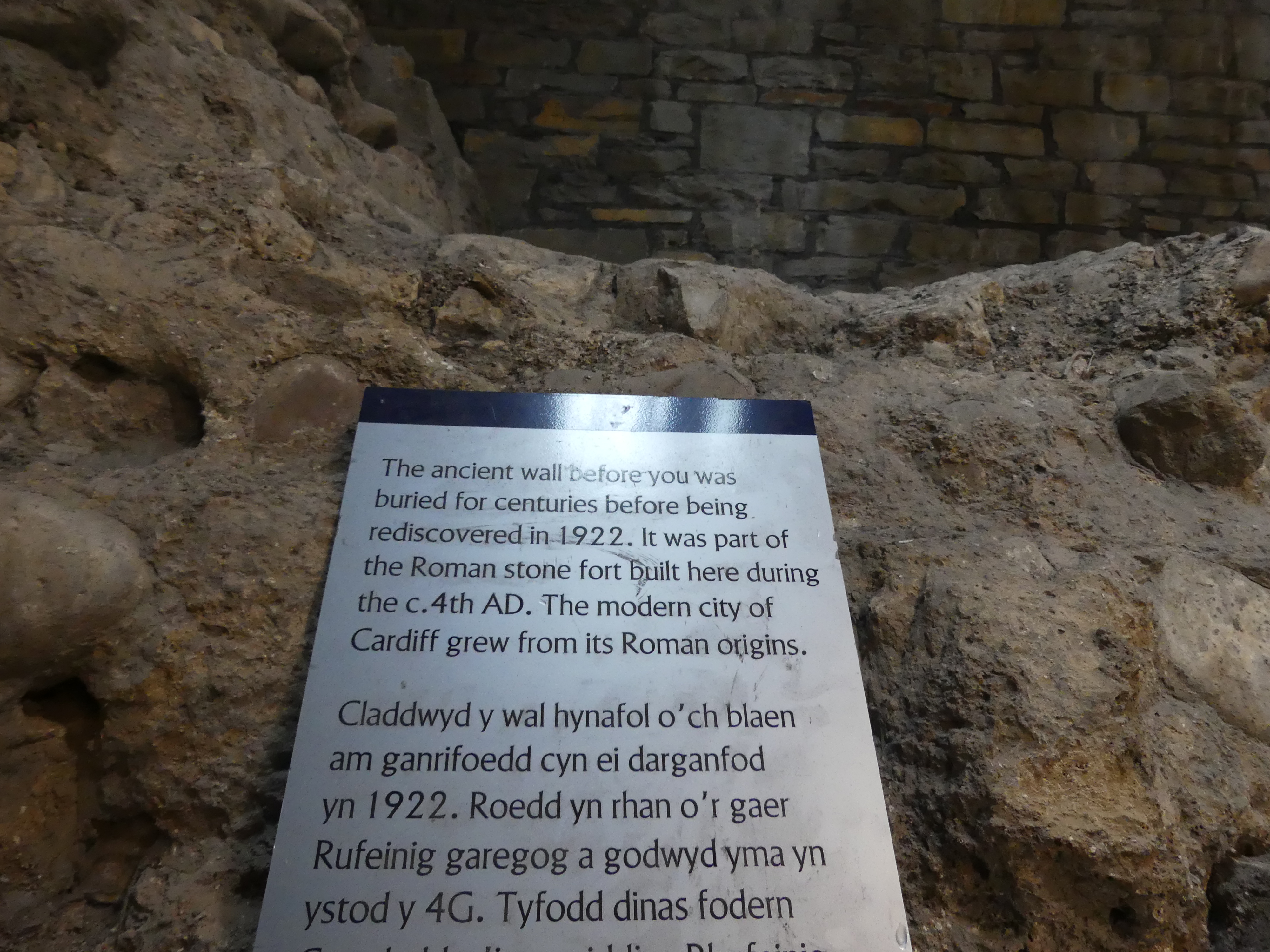


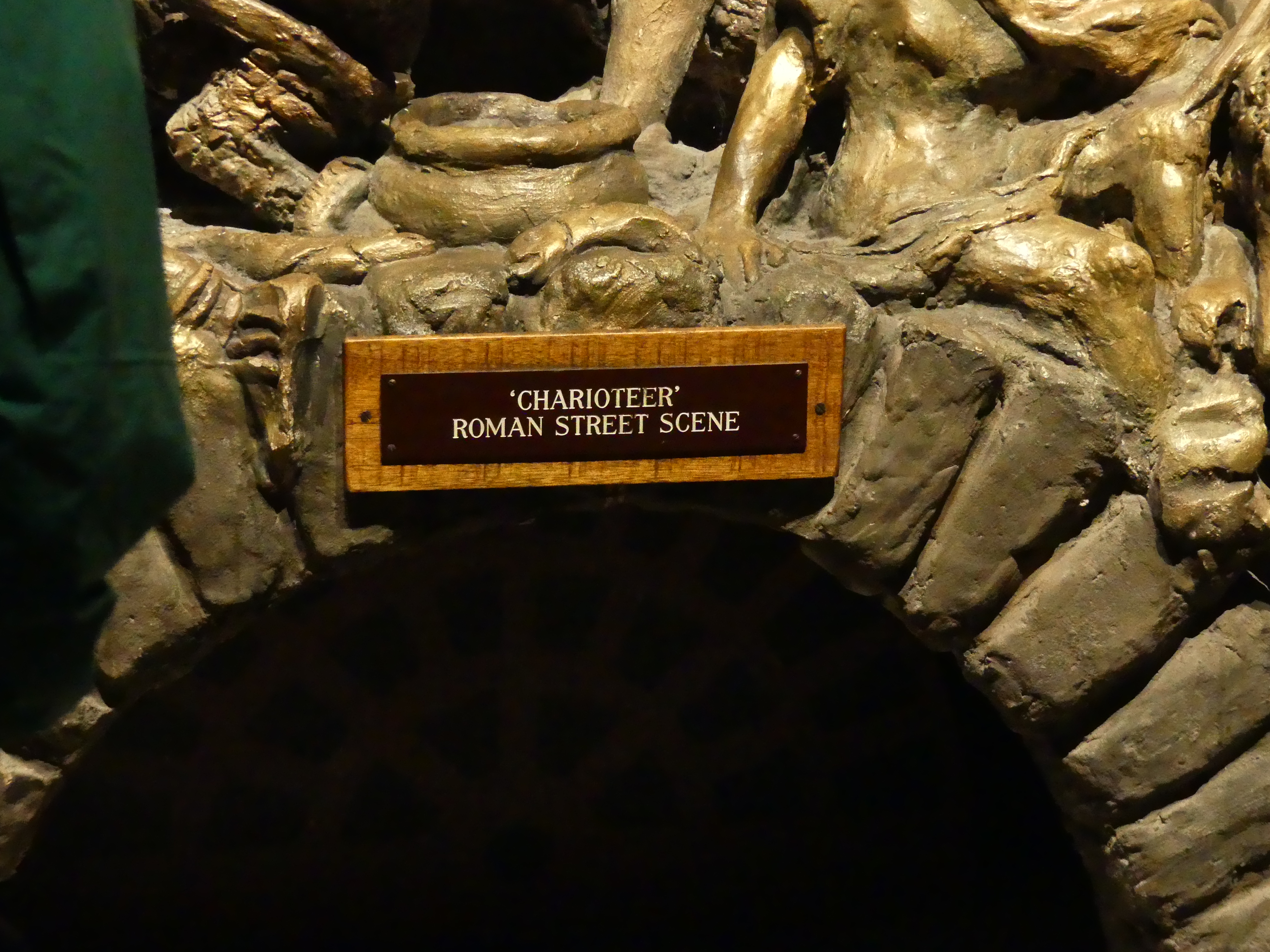
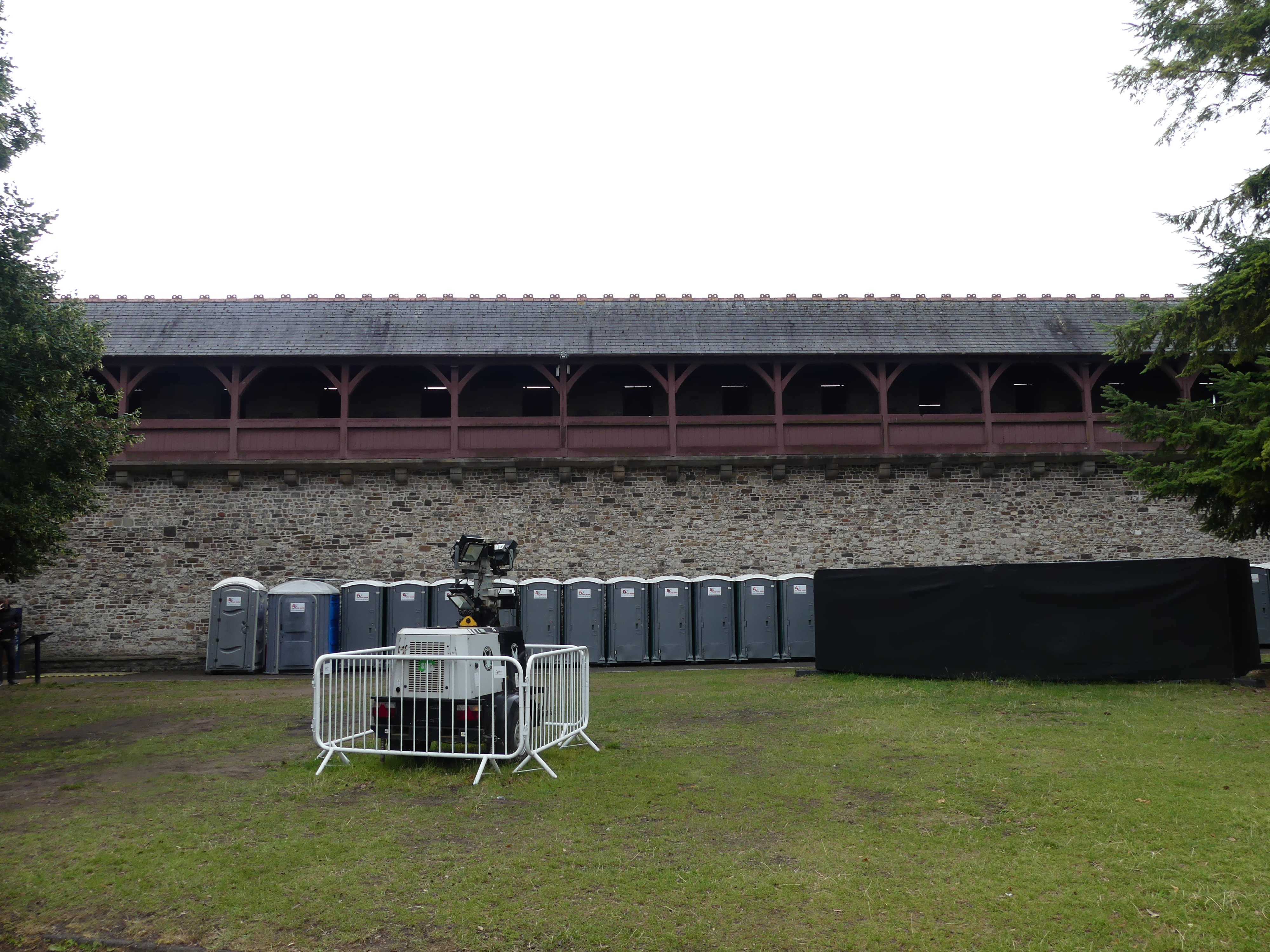
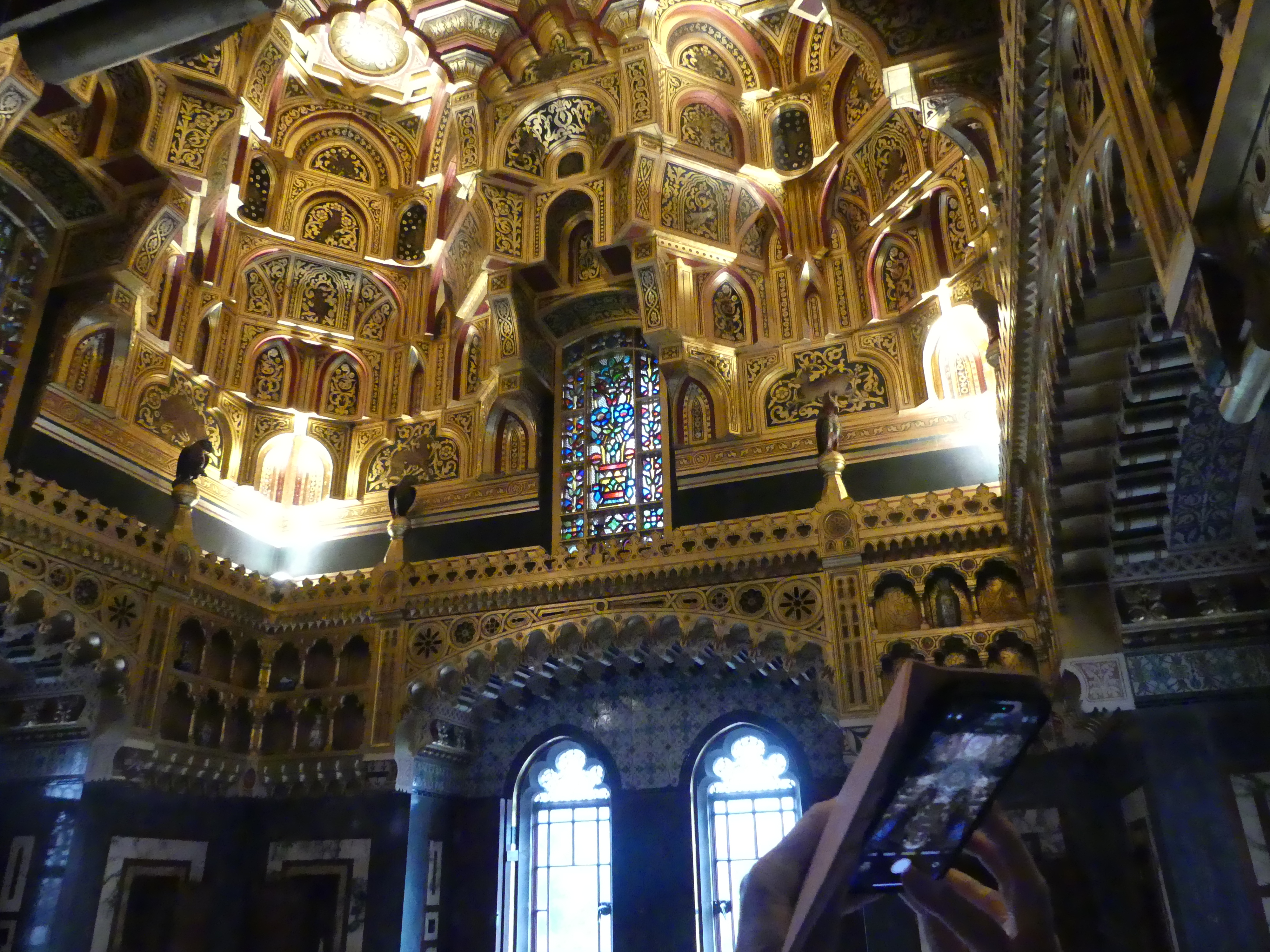
After that sobering visit Kerry found a friend to share his seat whilst I went across to the most ancient part of the castle- the Norman Keep. The sheltered walkways on the walls of the castle have been reconstructed but where they once connected to the much later constructed residence they are not open into the house unless you pay for the tour. Before visiting the Keep, Kerry and I took in the rooms of the house that are open to visitors. They have been decorated in the style that might have adorned the house when first built.
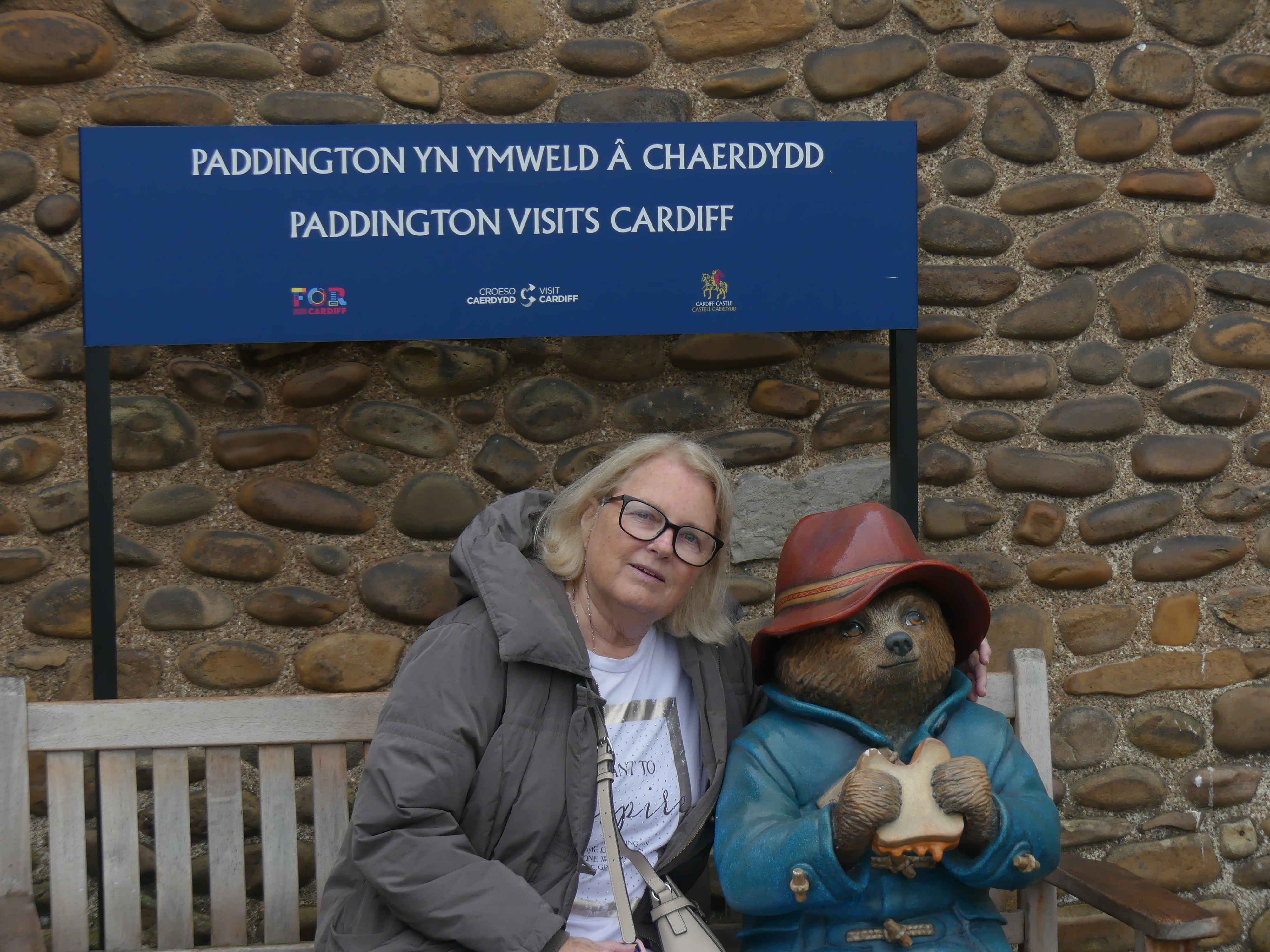
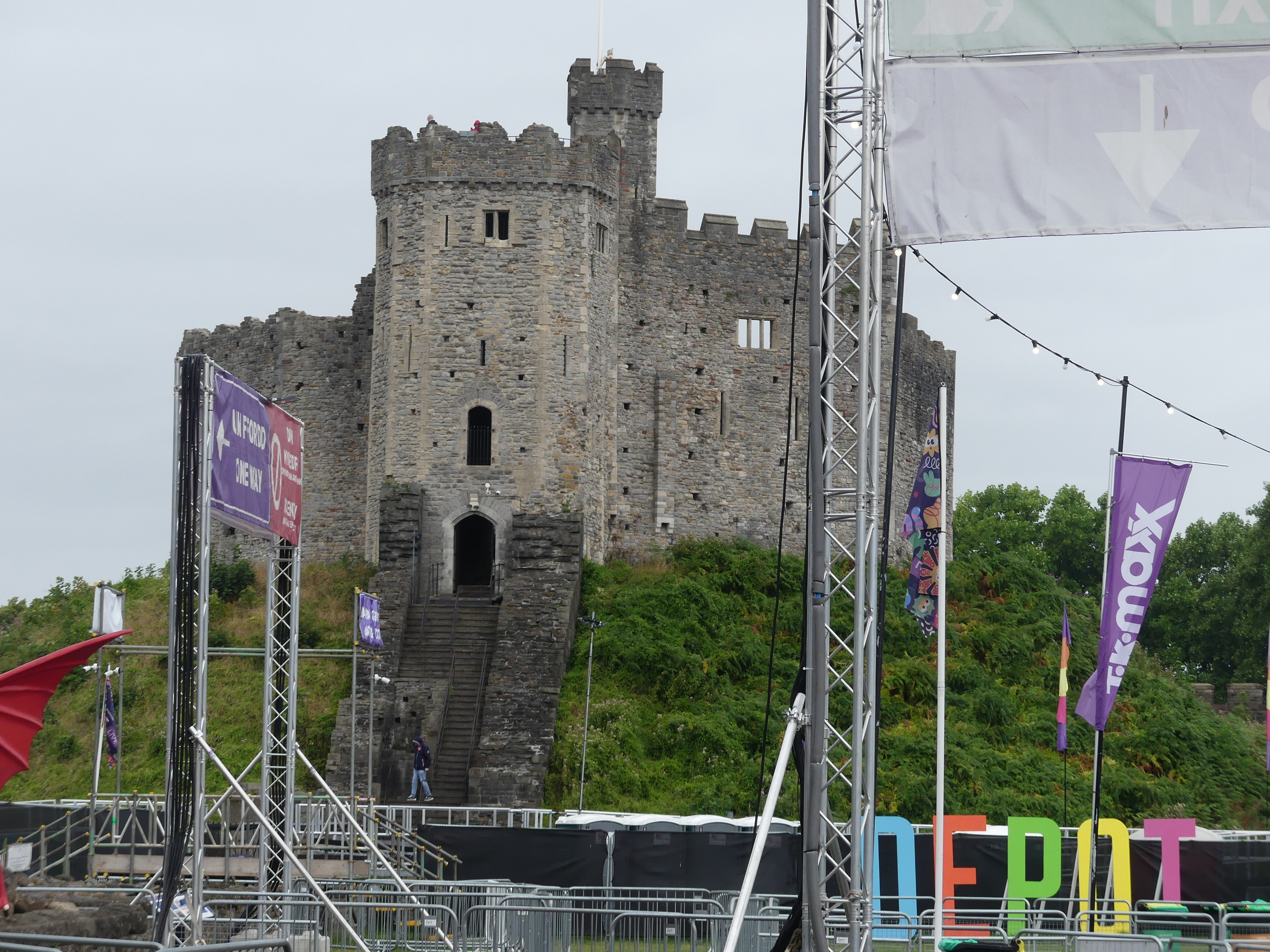
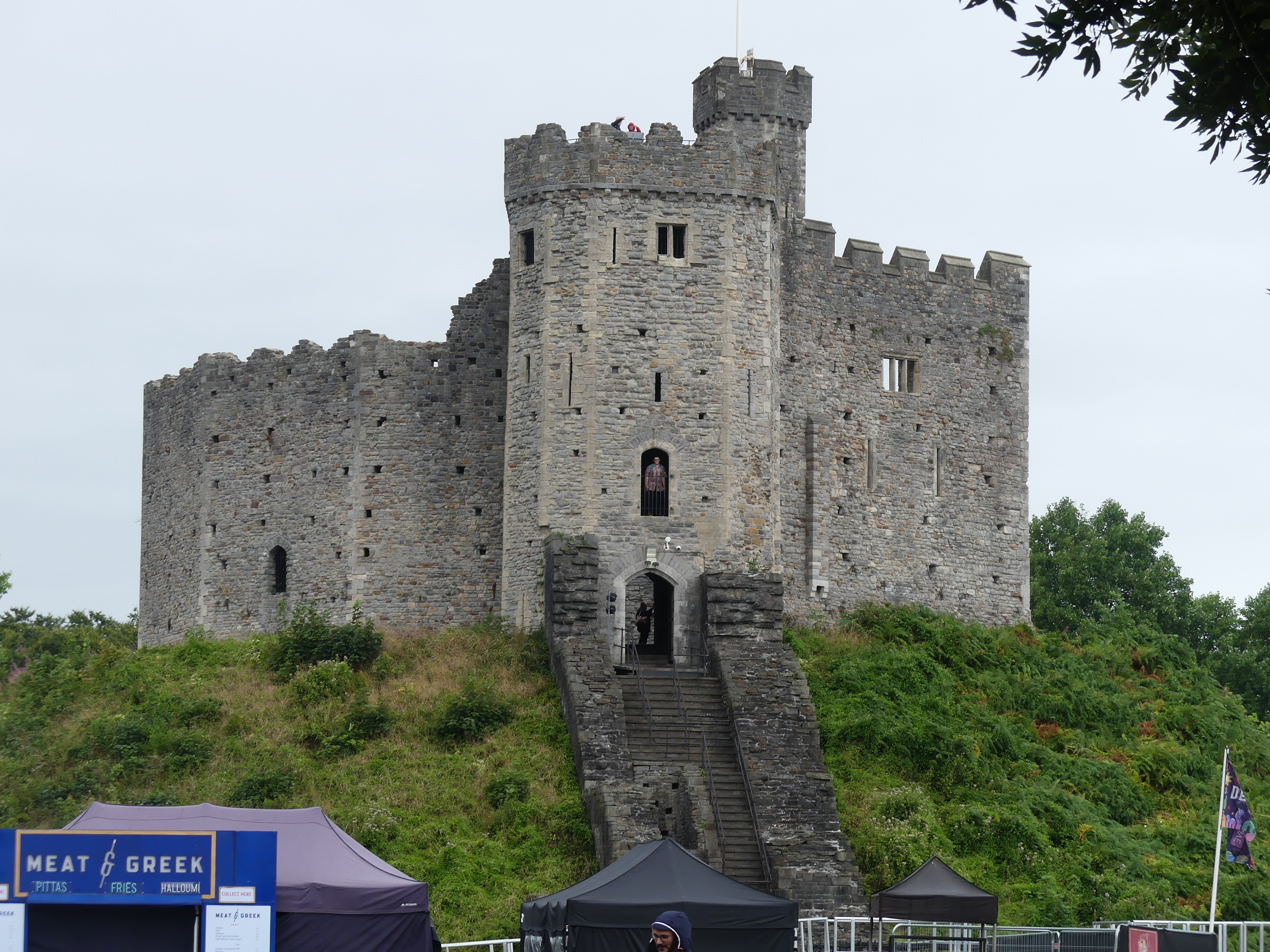


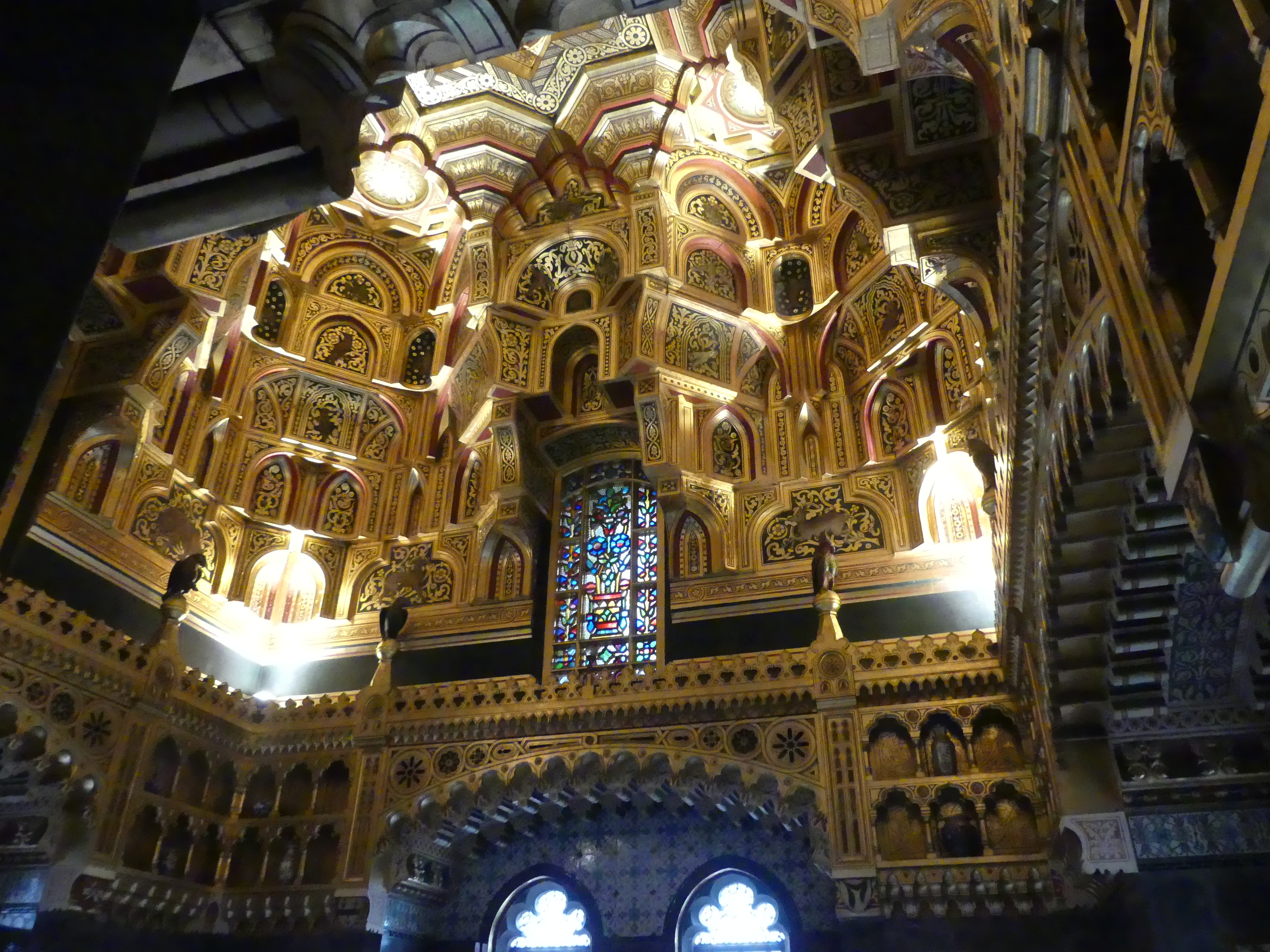
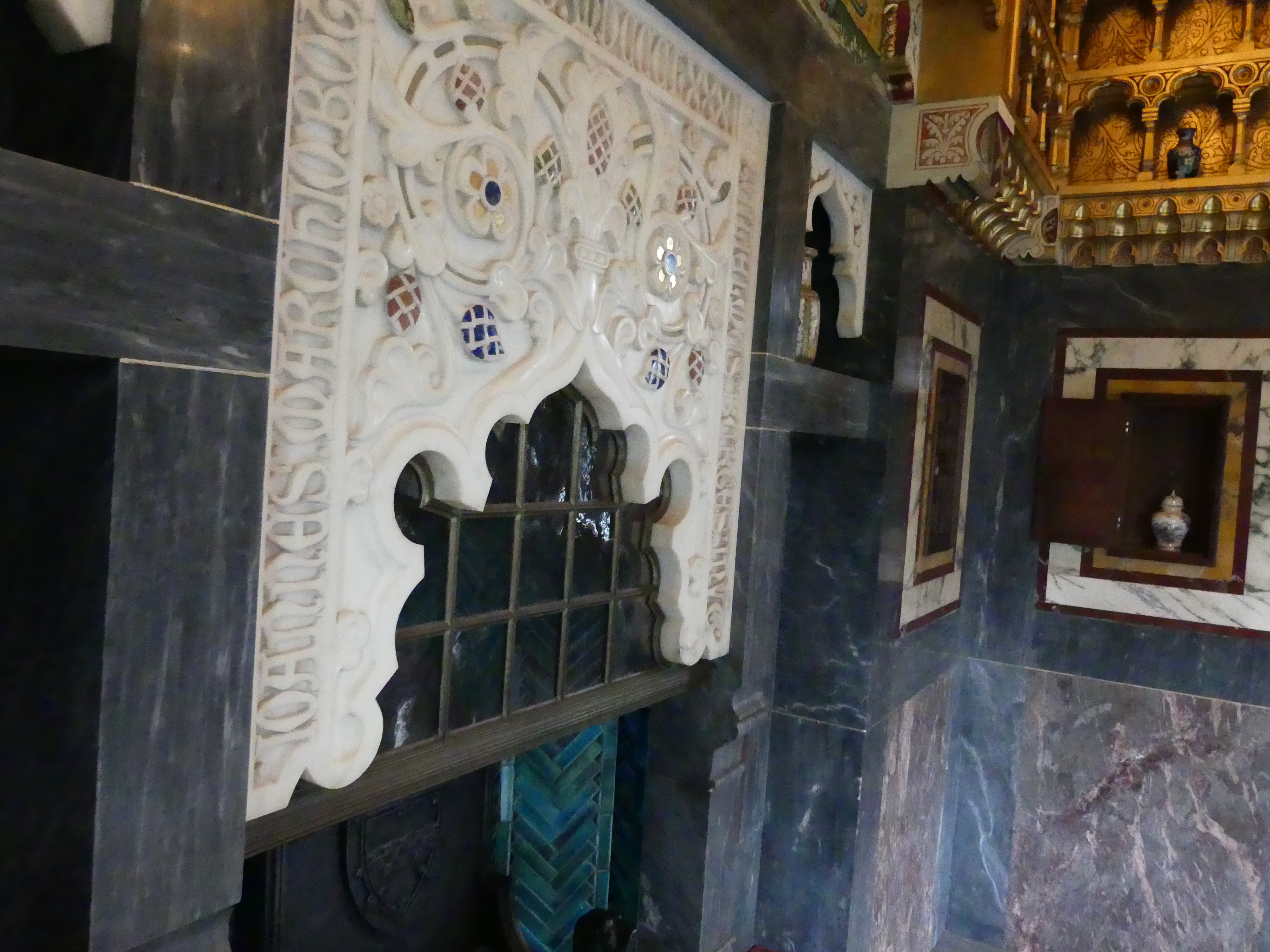
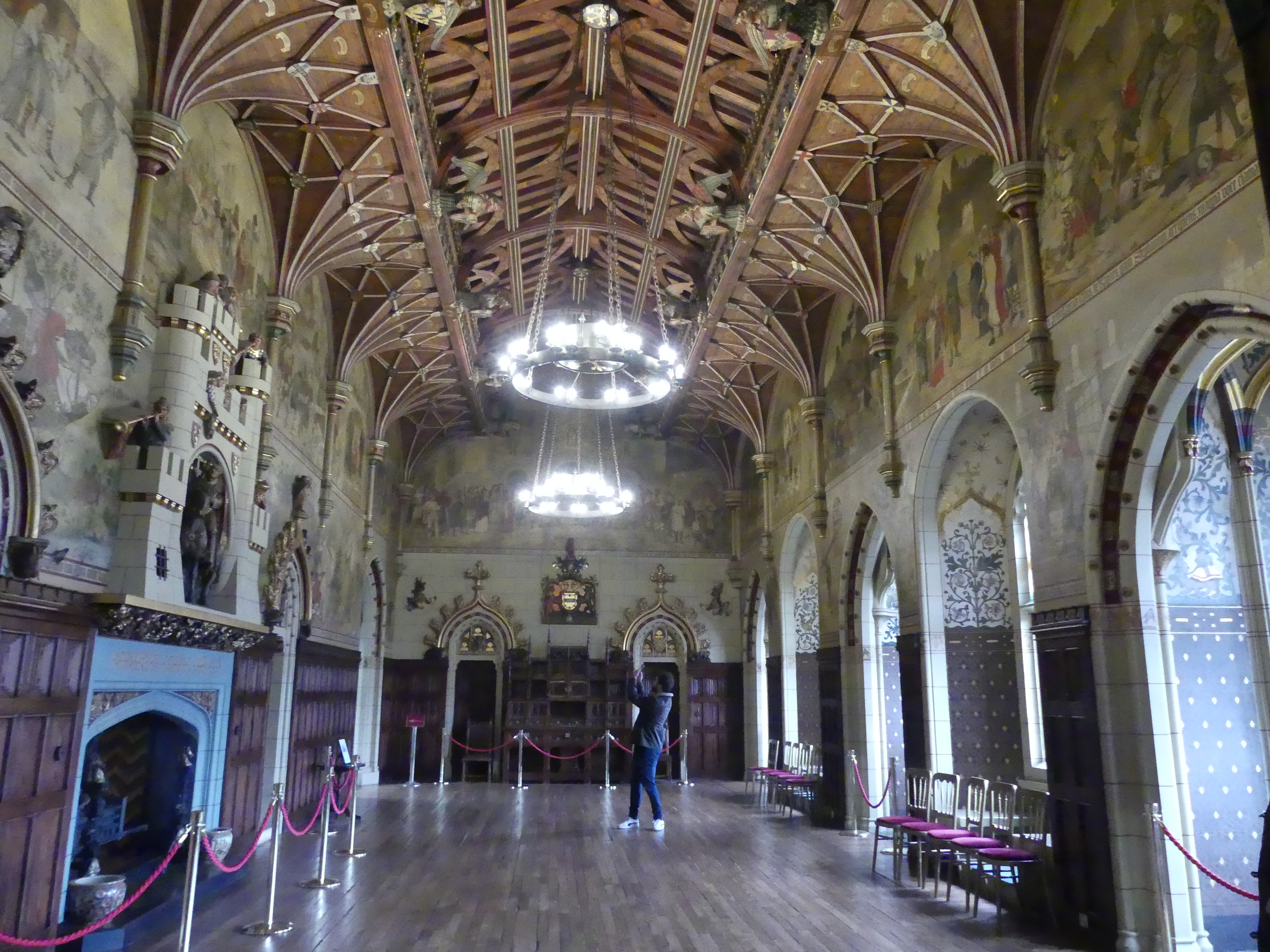
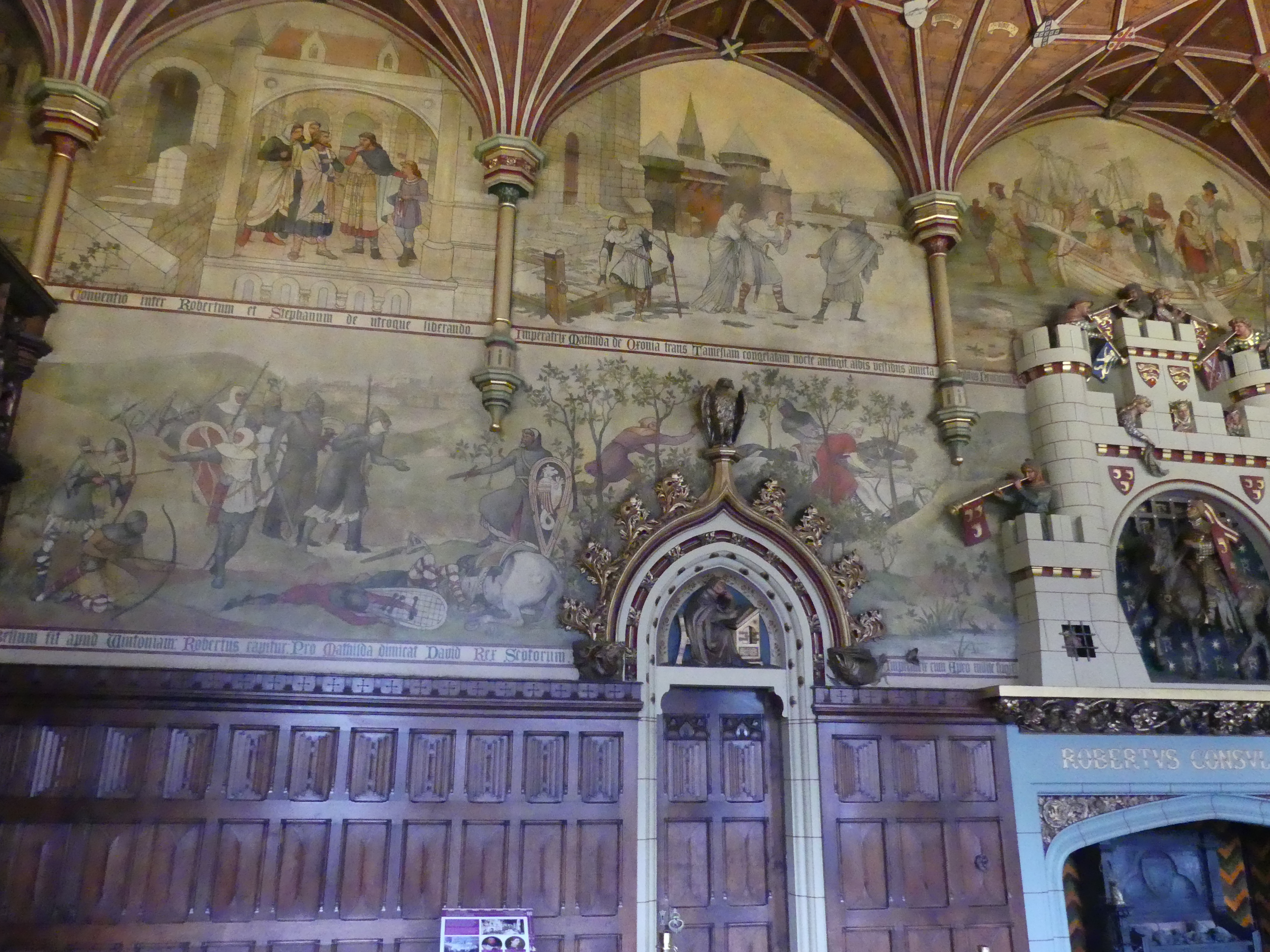

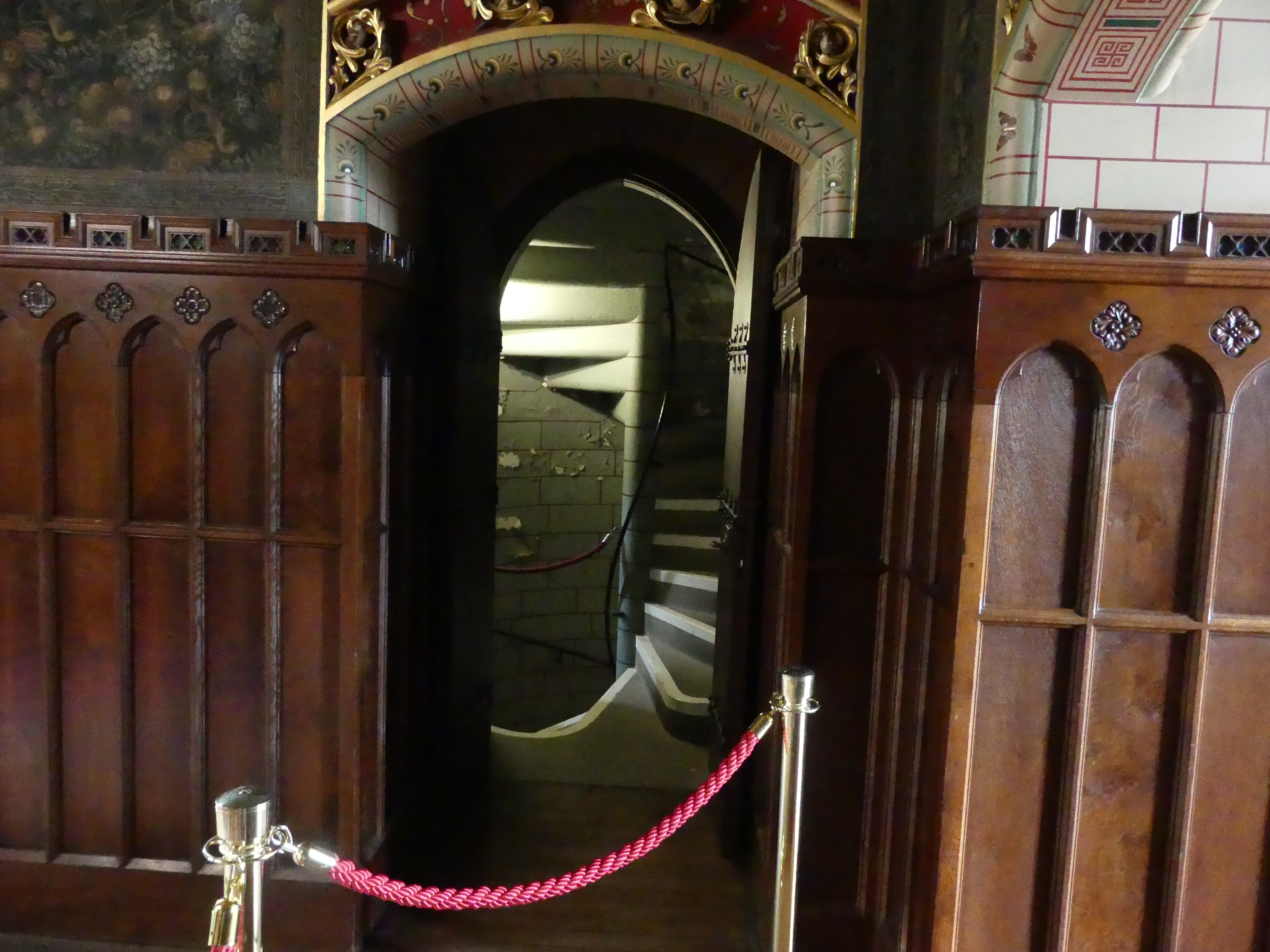
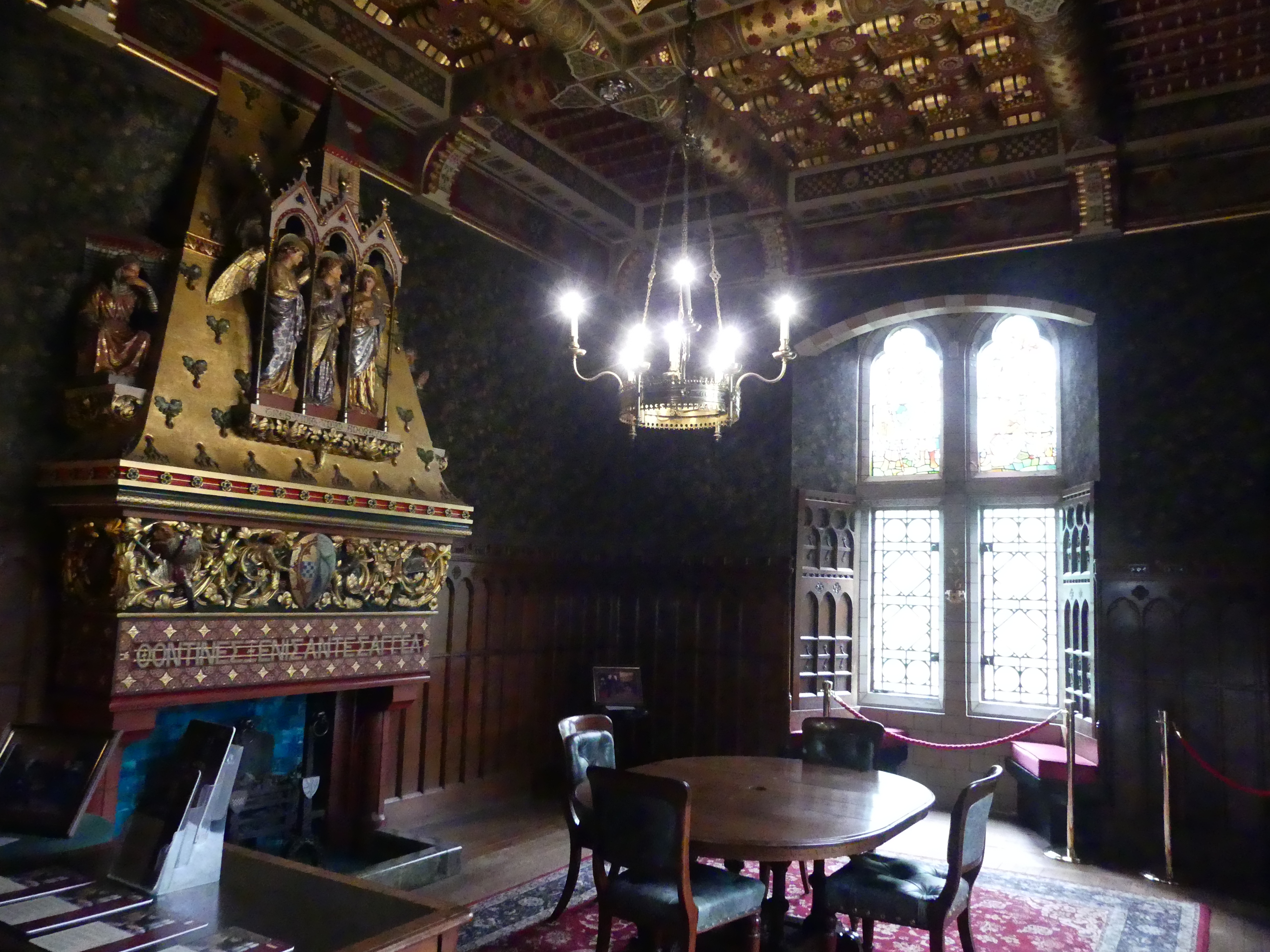
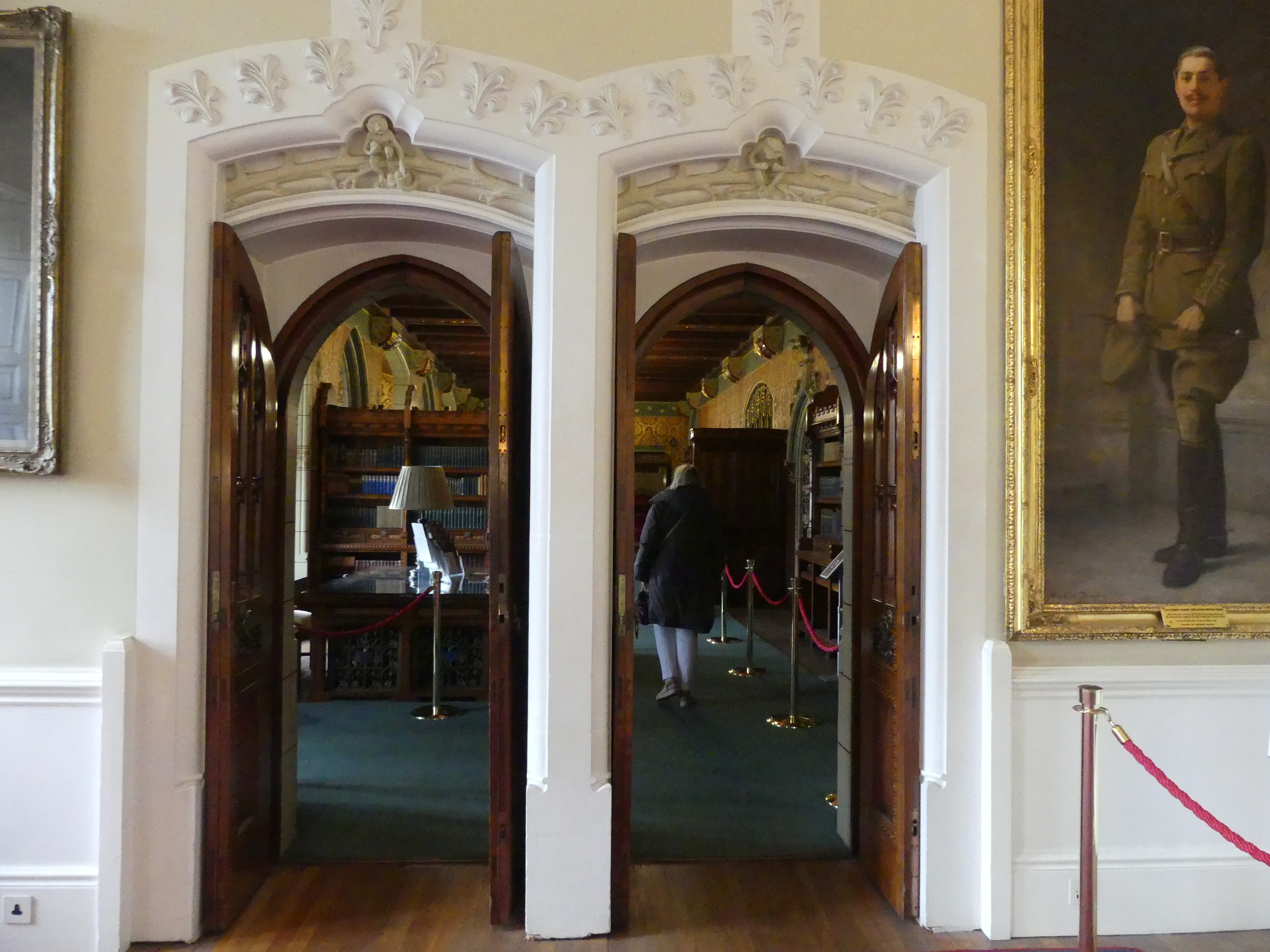

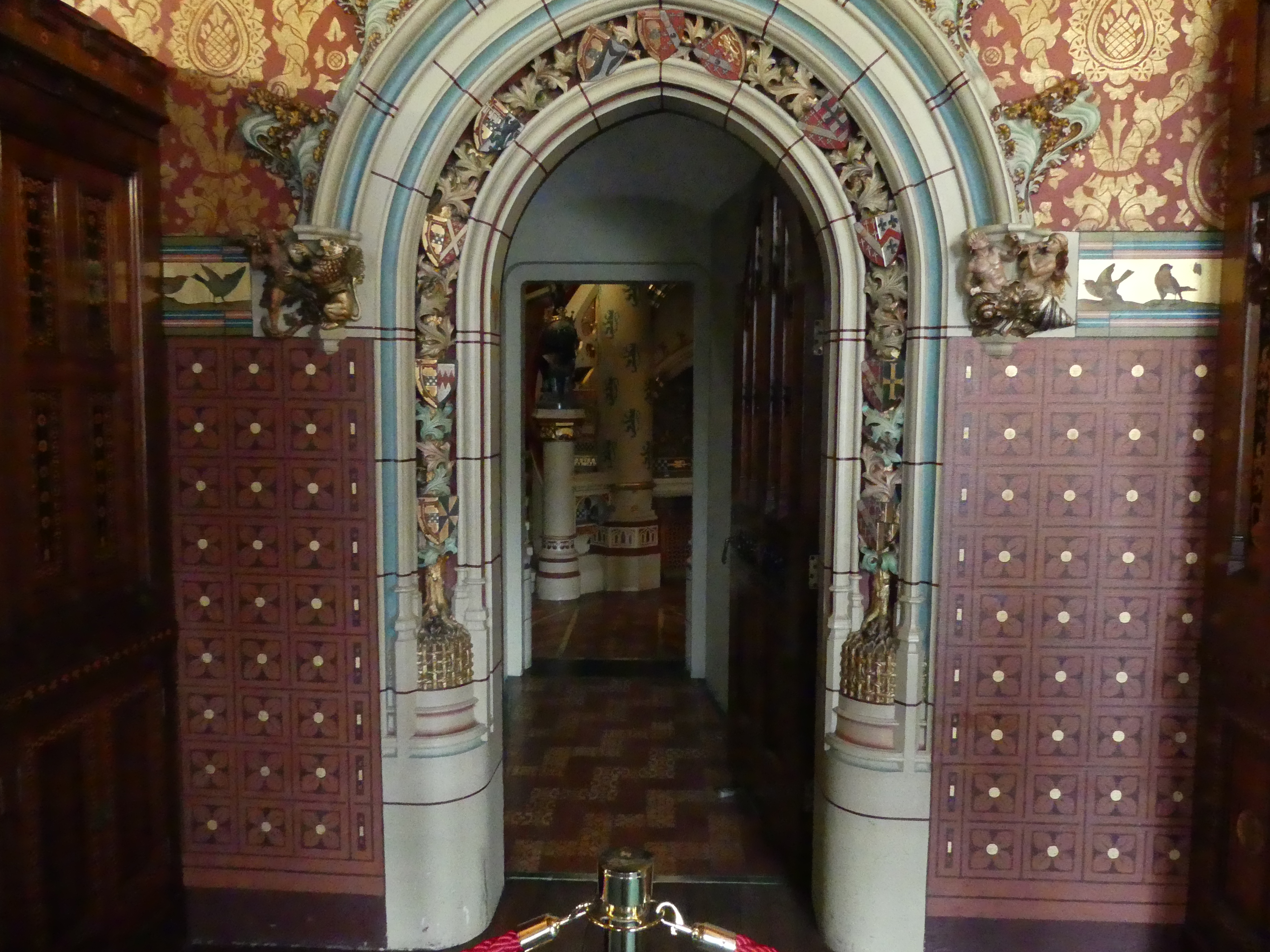
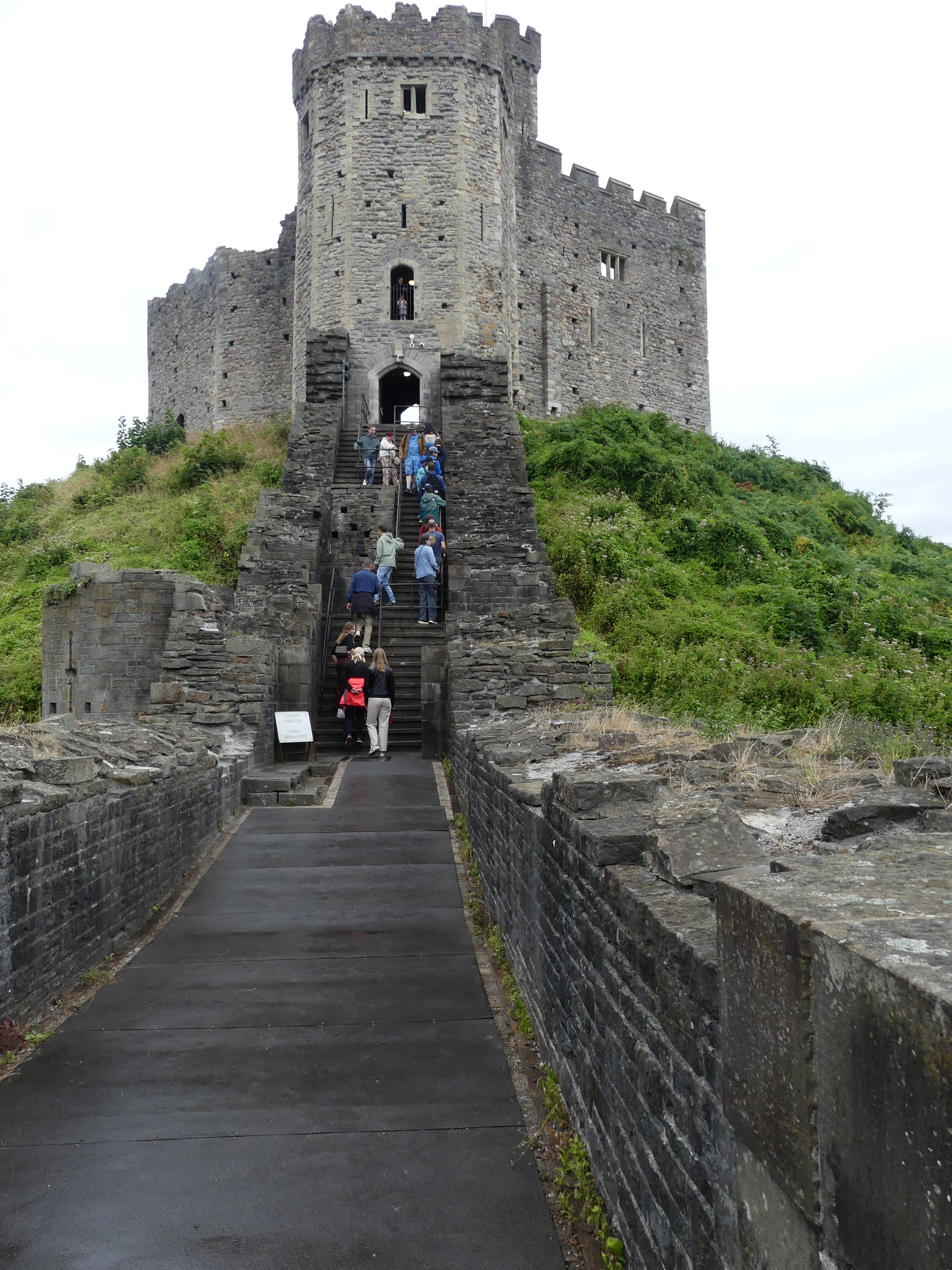


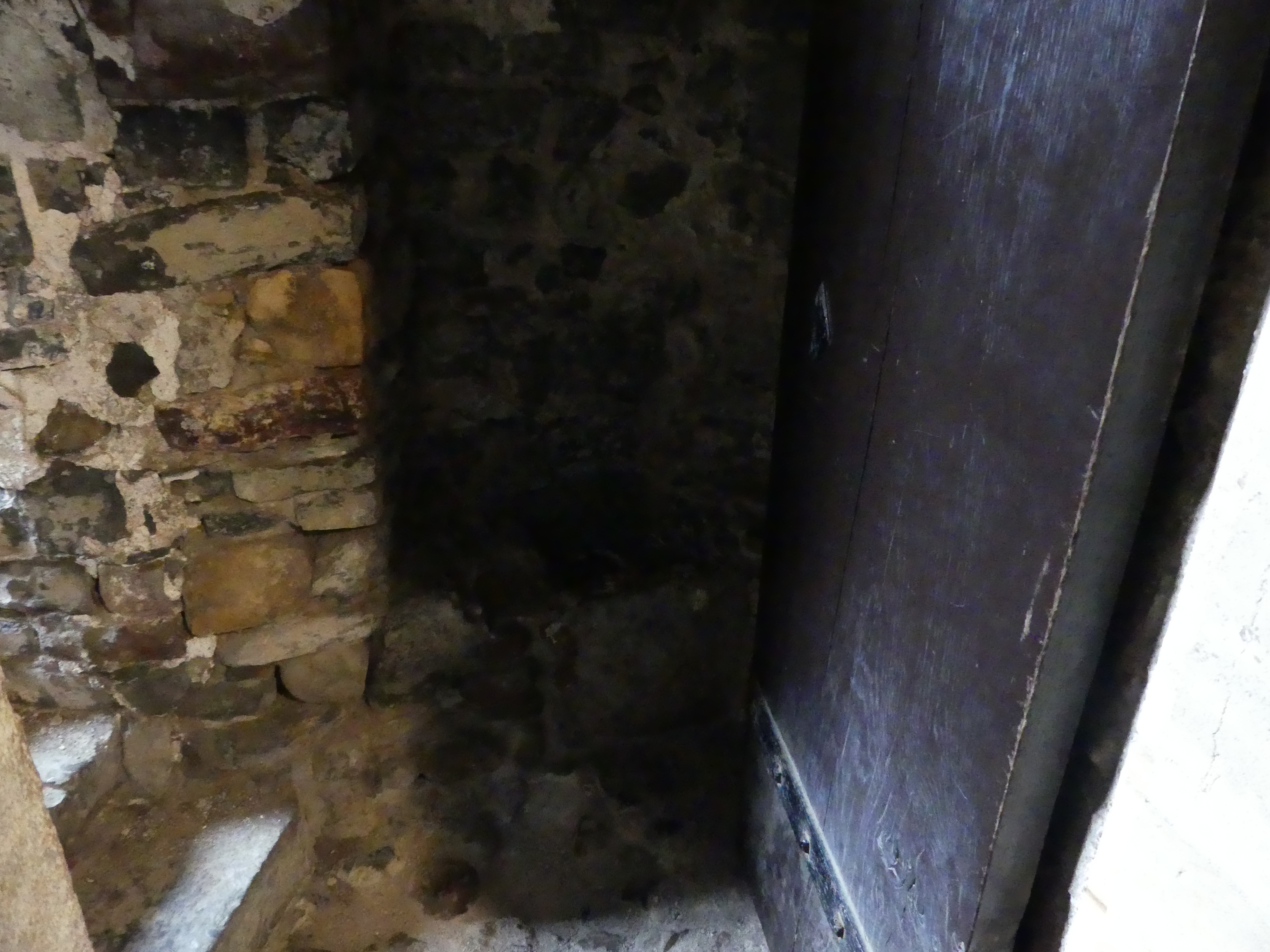
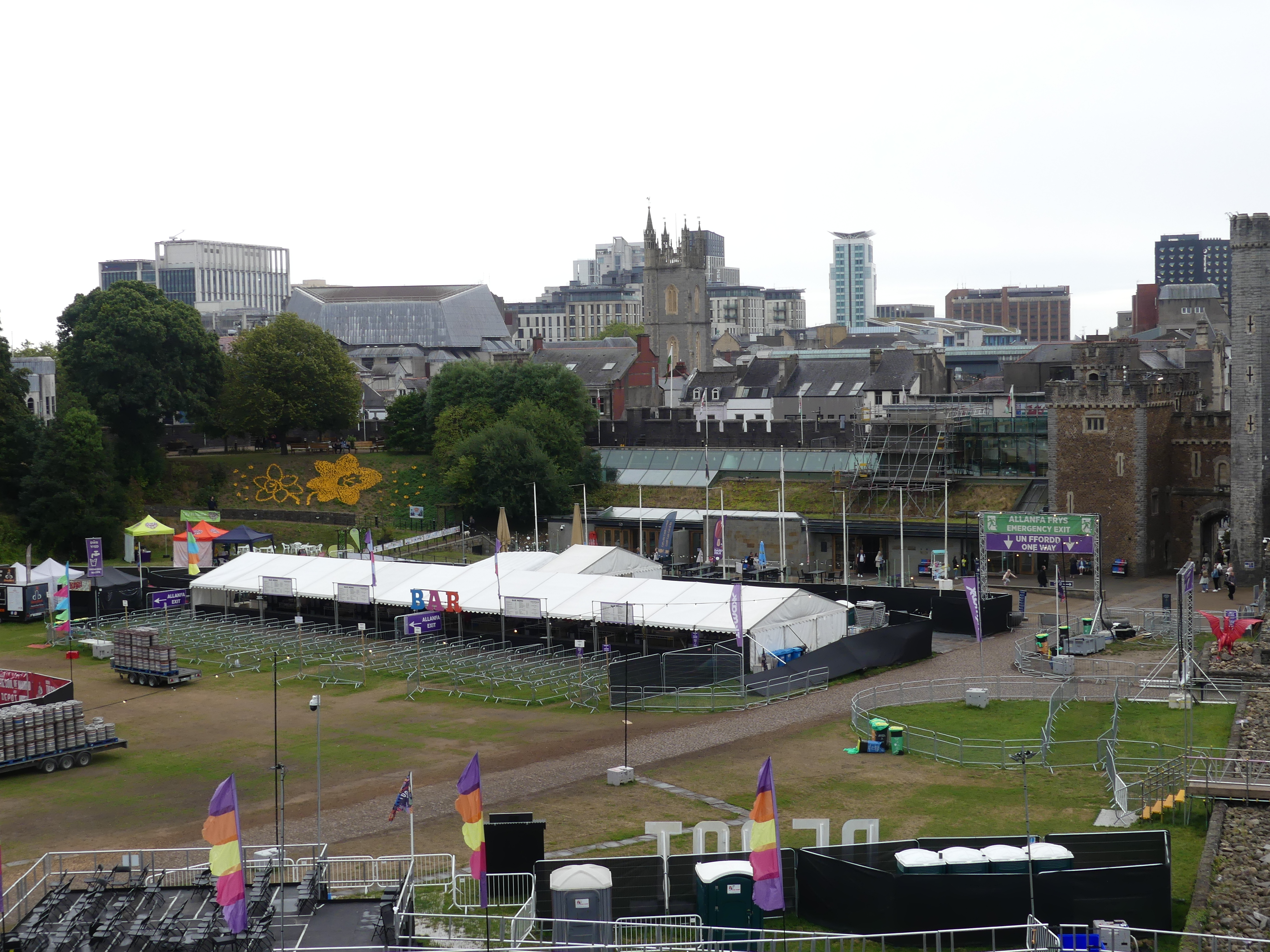
Kerry returned to her seat with Paddington whilst I challenged myself with a walk up the stairs of the Norman Keep. Rough and uneven, the stairs were a challenge but no defribulator at the top to help me recover. My photos below take you through the remaining parts of the towers (including the long drop that passes for a loo) – and the scenery around the tower and its walls.
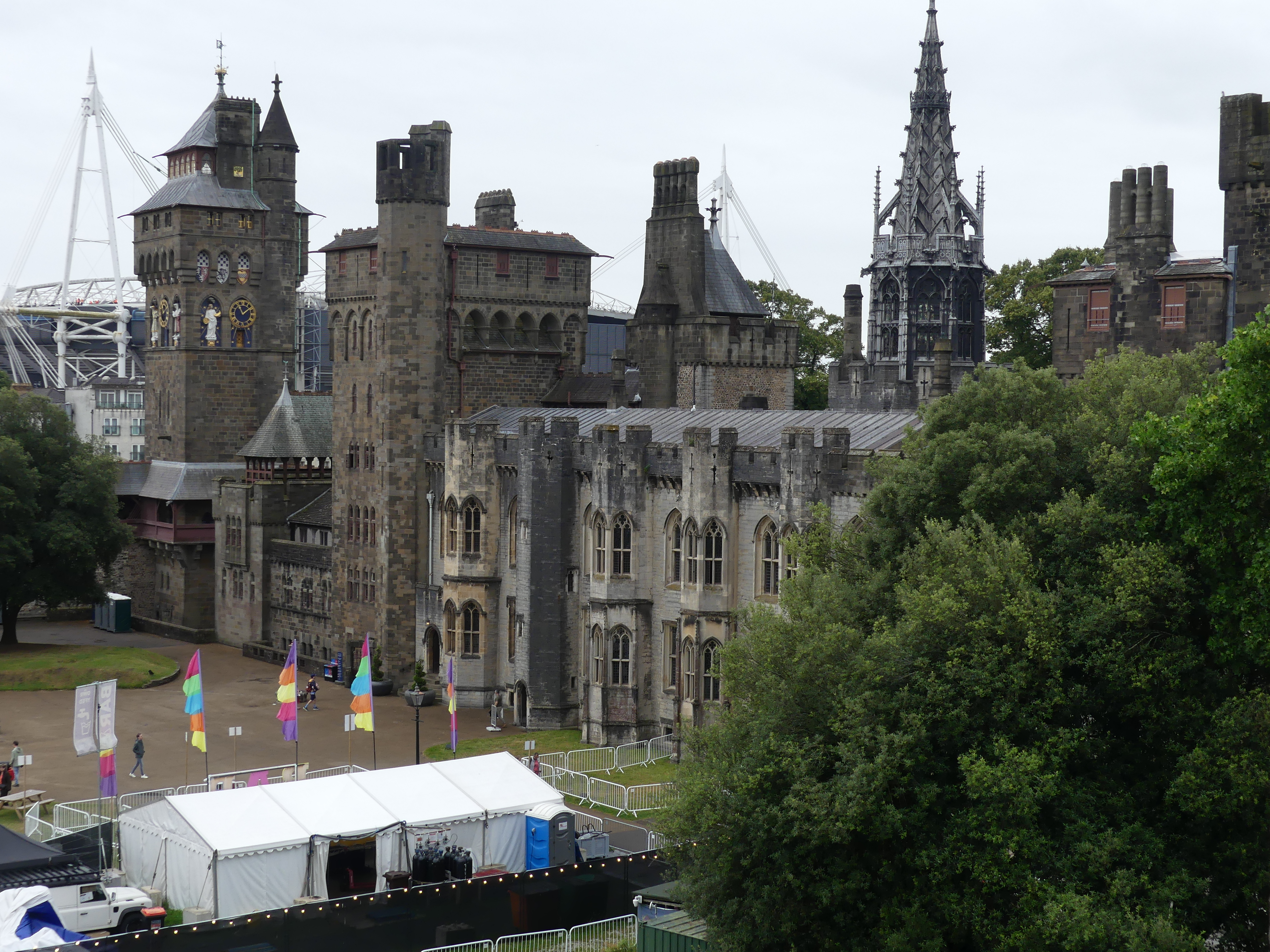
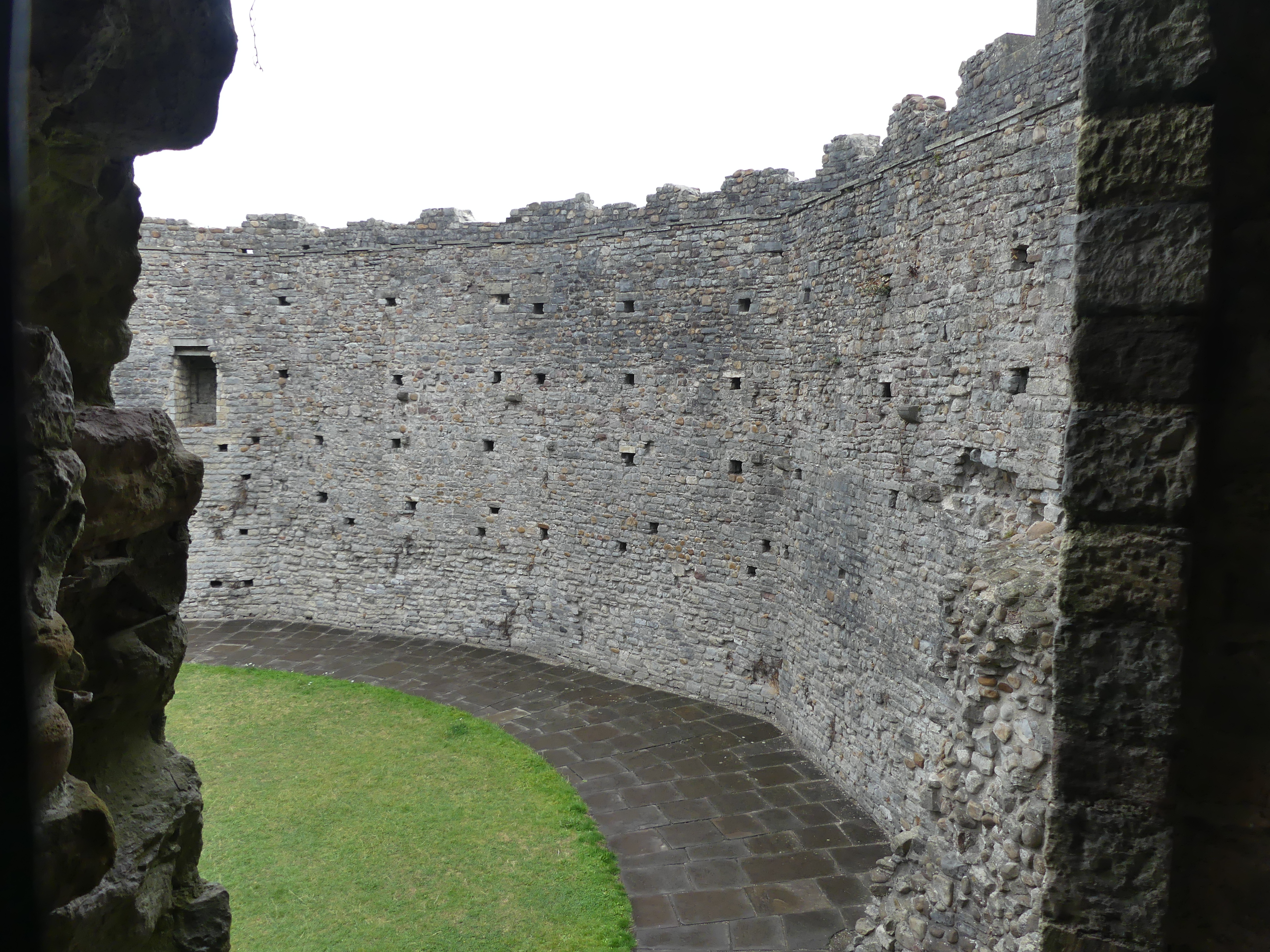
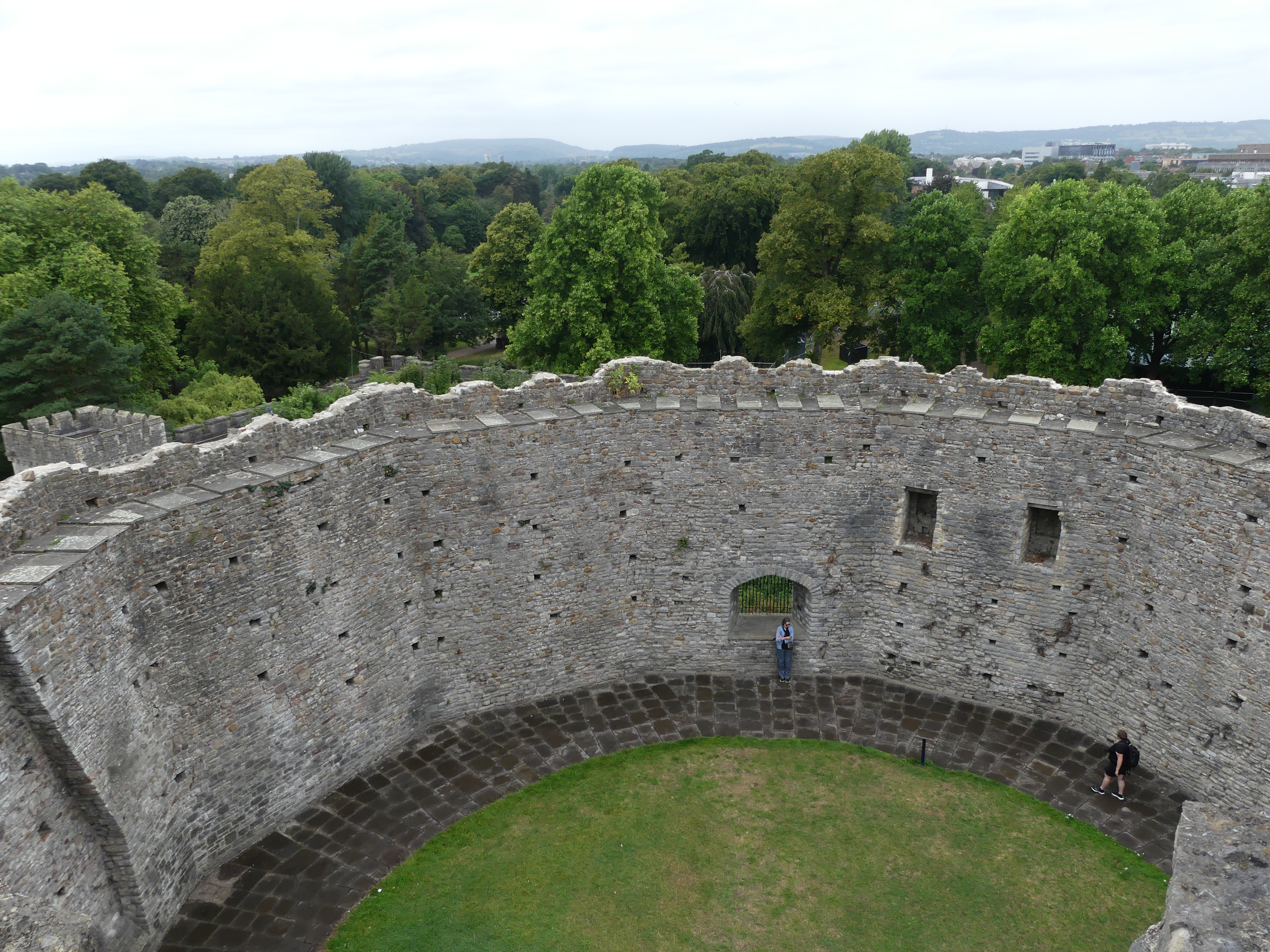



Below is the floor plan of sorts for the castle.
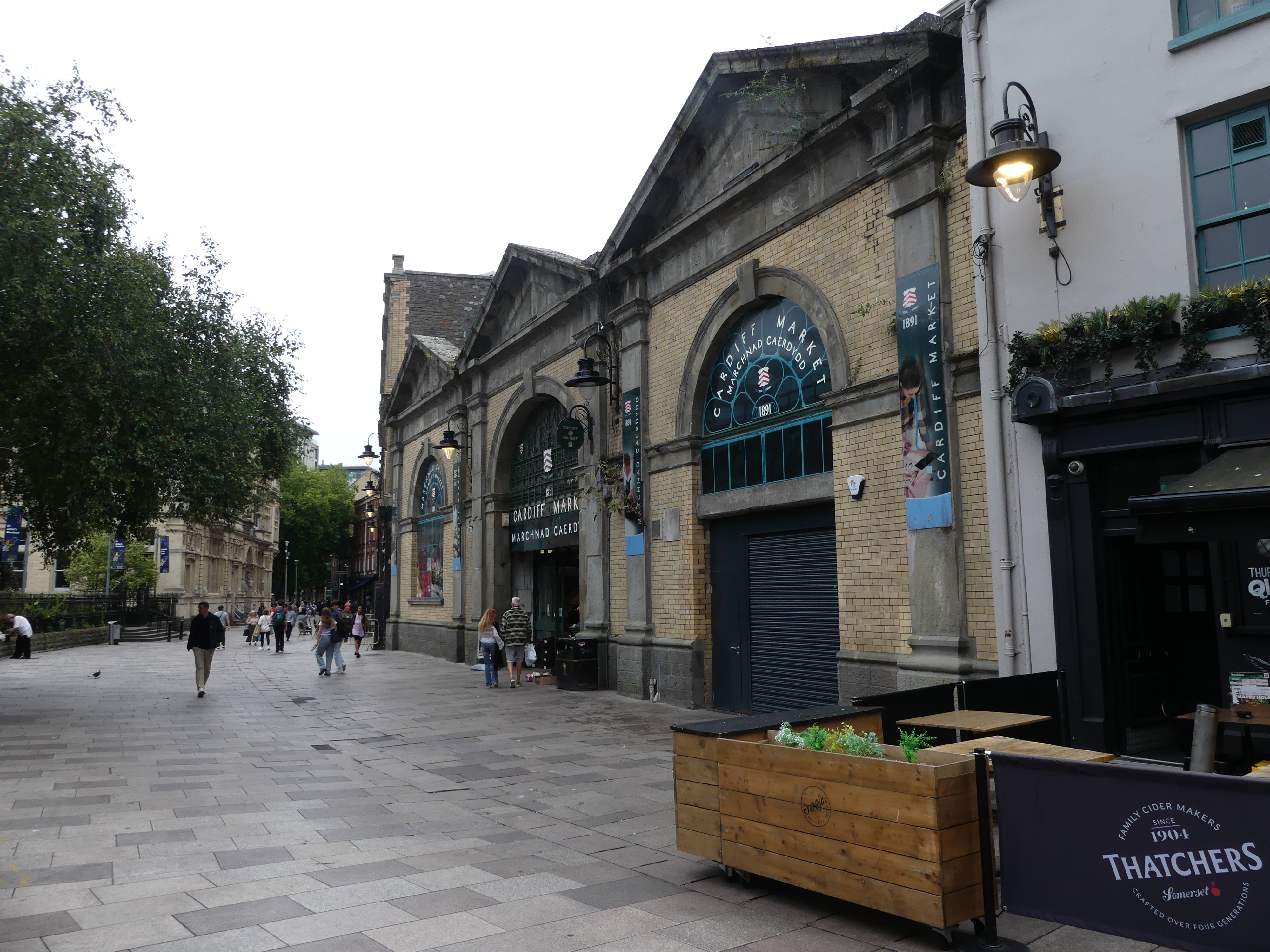
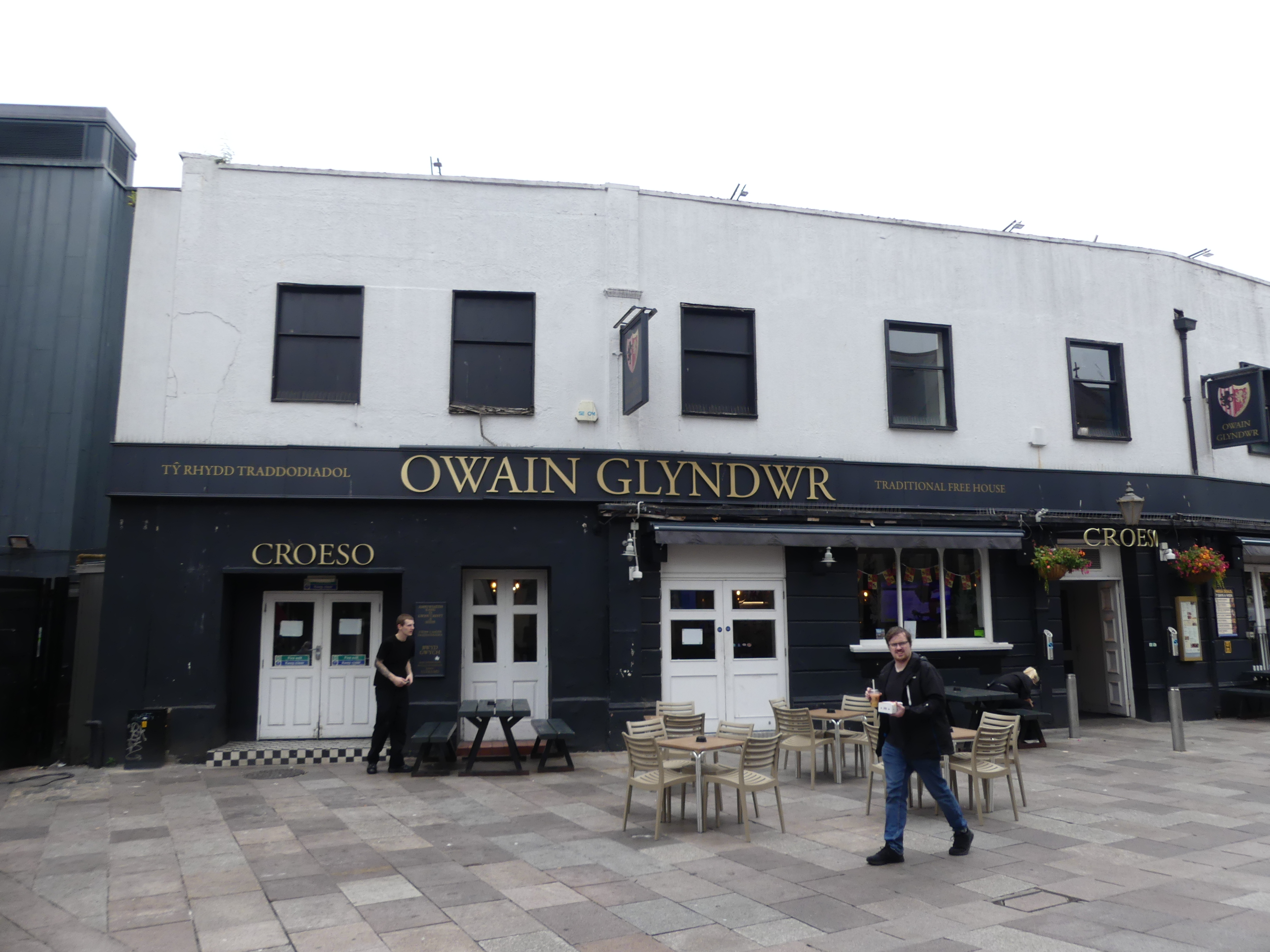
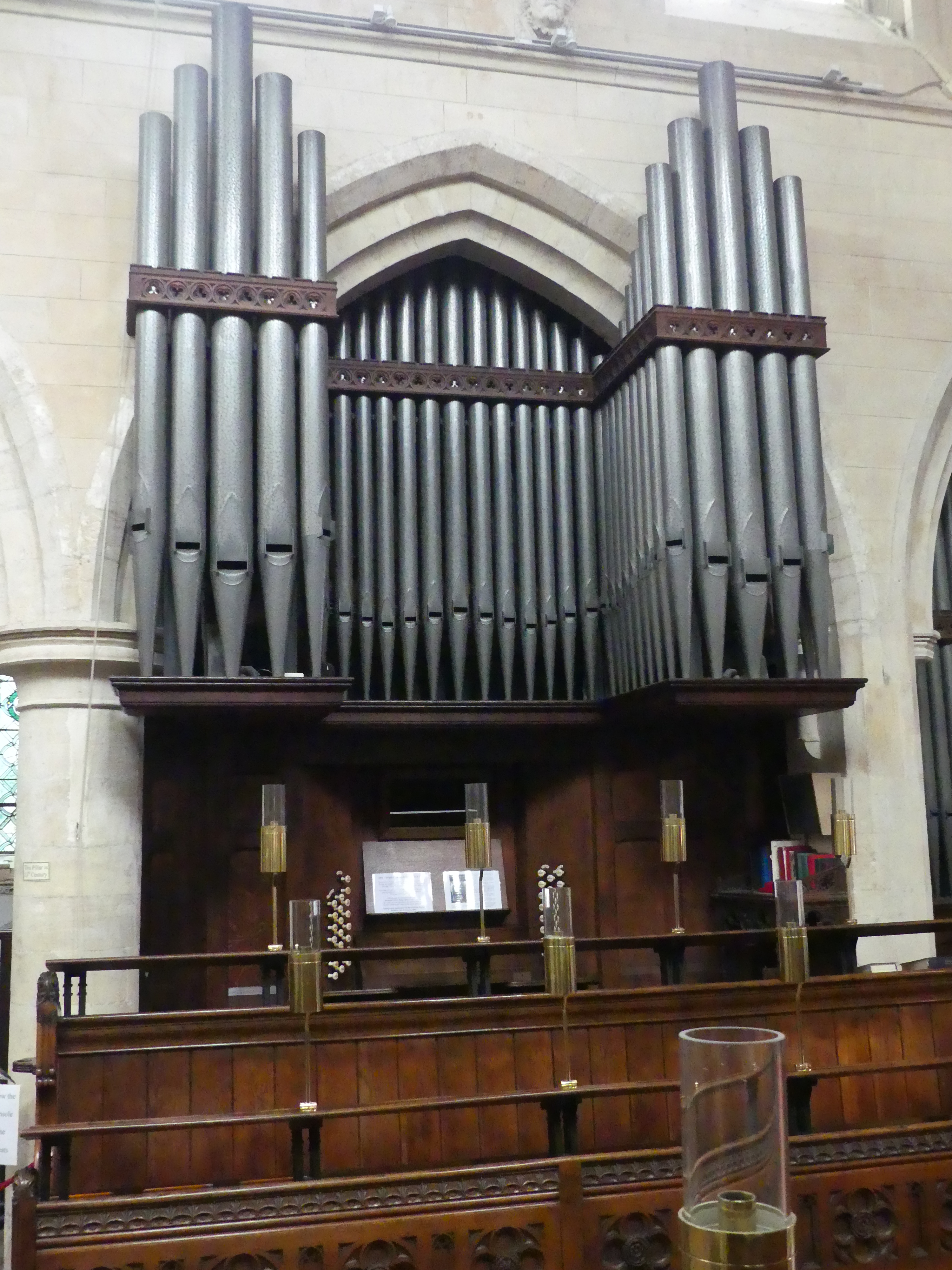
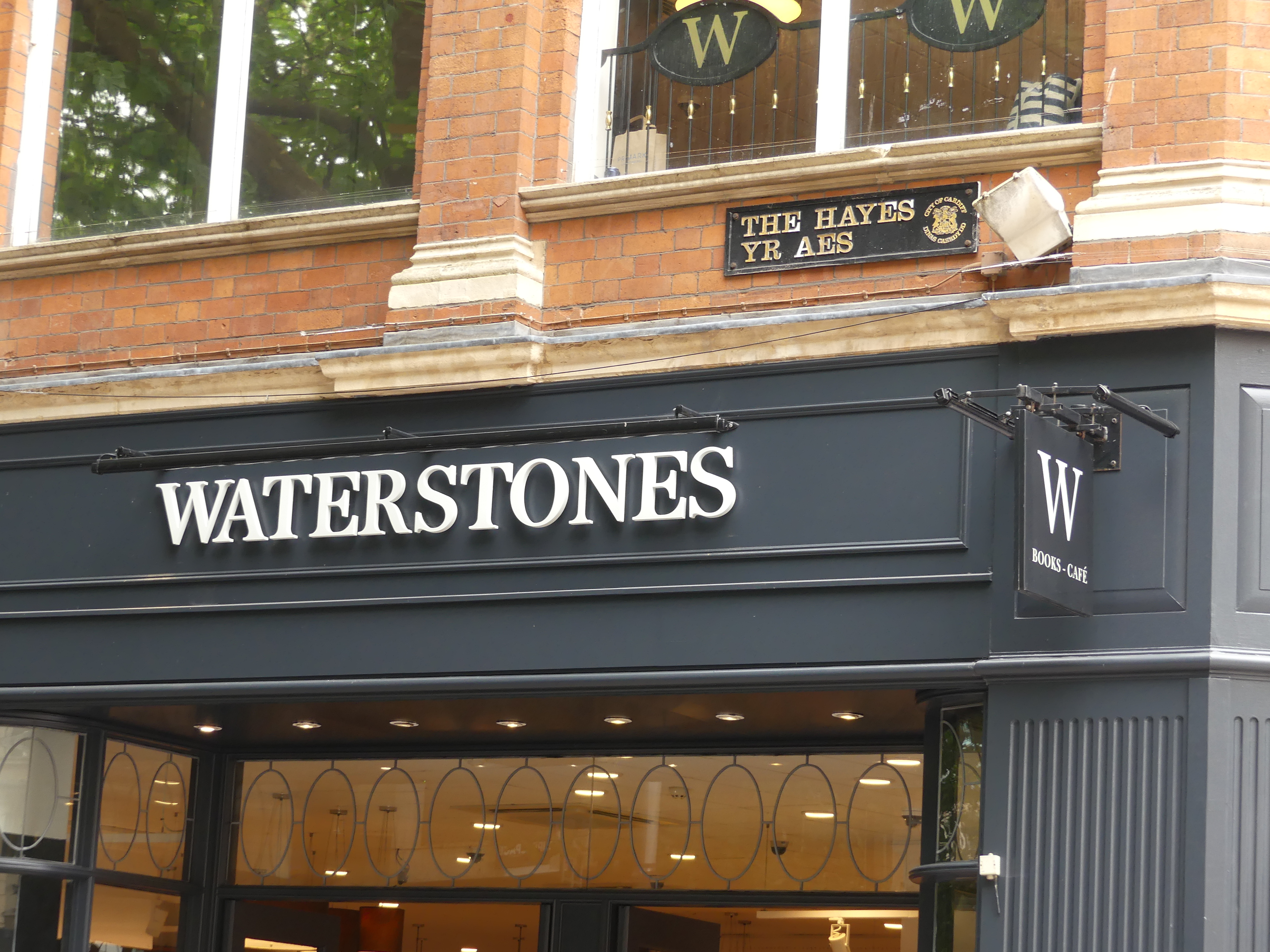
We had both had enough of castles for the day and took time to look around the “High St” of the old town and some of the street art, the church, some of the colourful pubs and a street named “Hayes” Street. On the way home I photographed the walls of the castle decorated with various non-indigenous animals.




Our first day concluded with a walk home and a good night’s rest. The following morning was a new adventure, and you will need to read on to learn about THE RETIREES GO AROUND THE WORLD – SUTTON HOO UK to CARDIFF WALES – CARDIFF CASTLE.



















 glendon1954