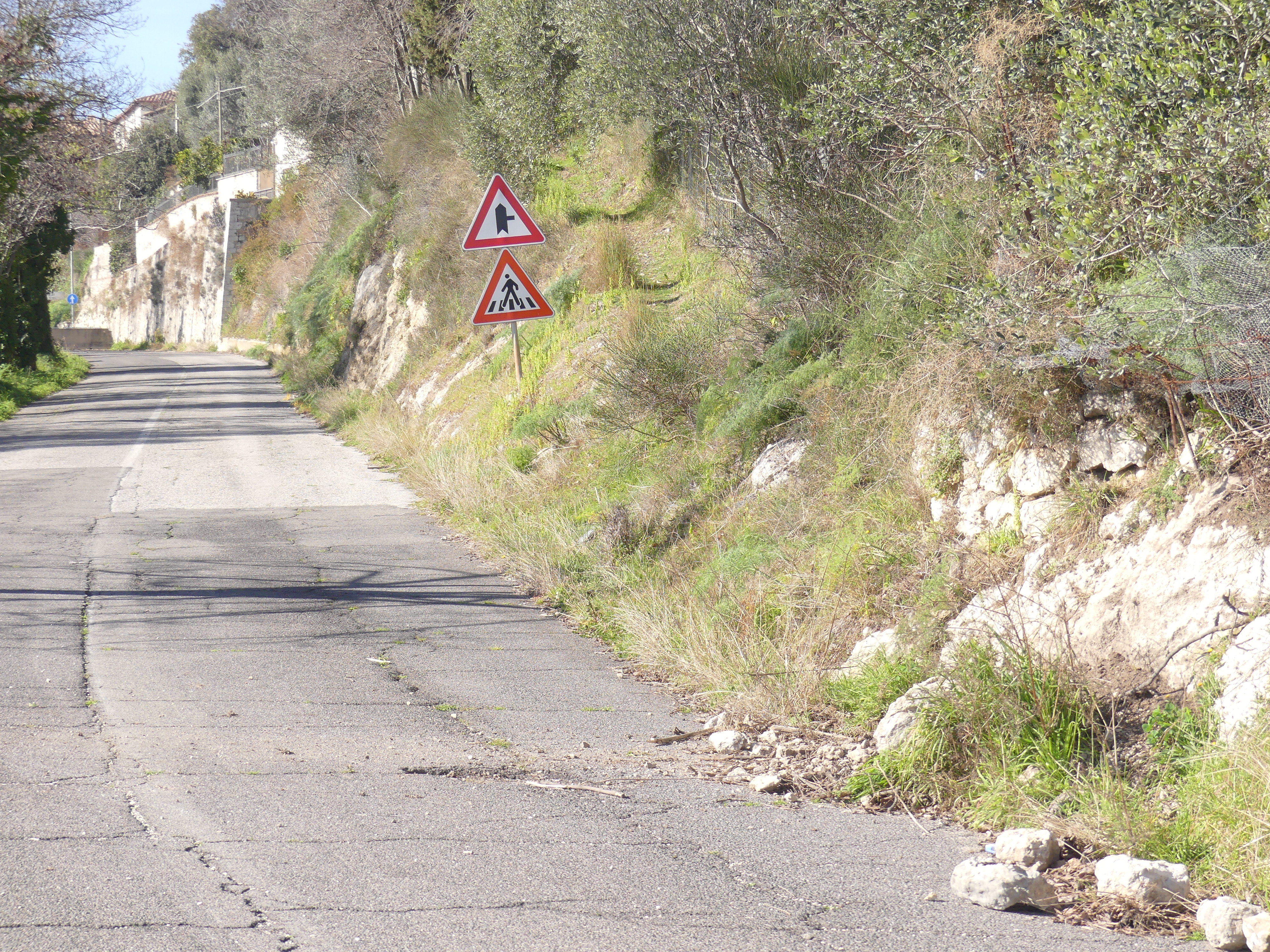
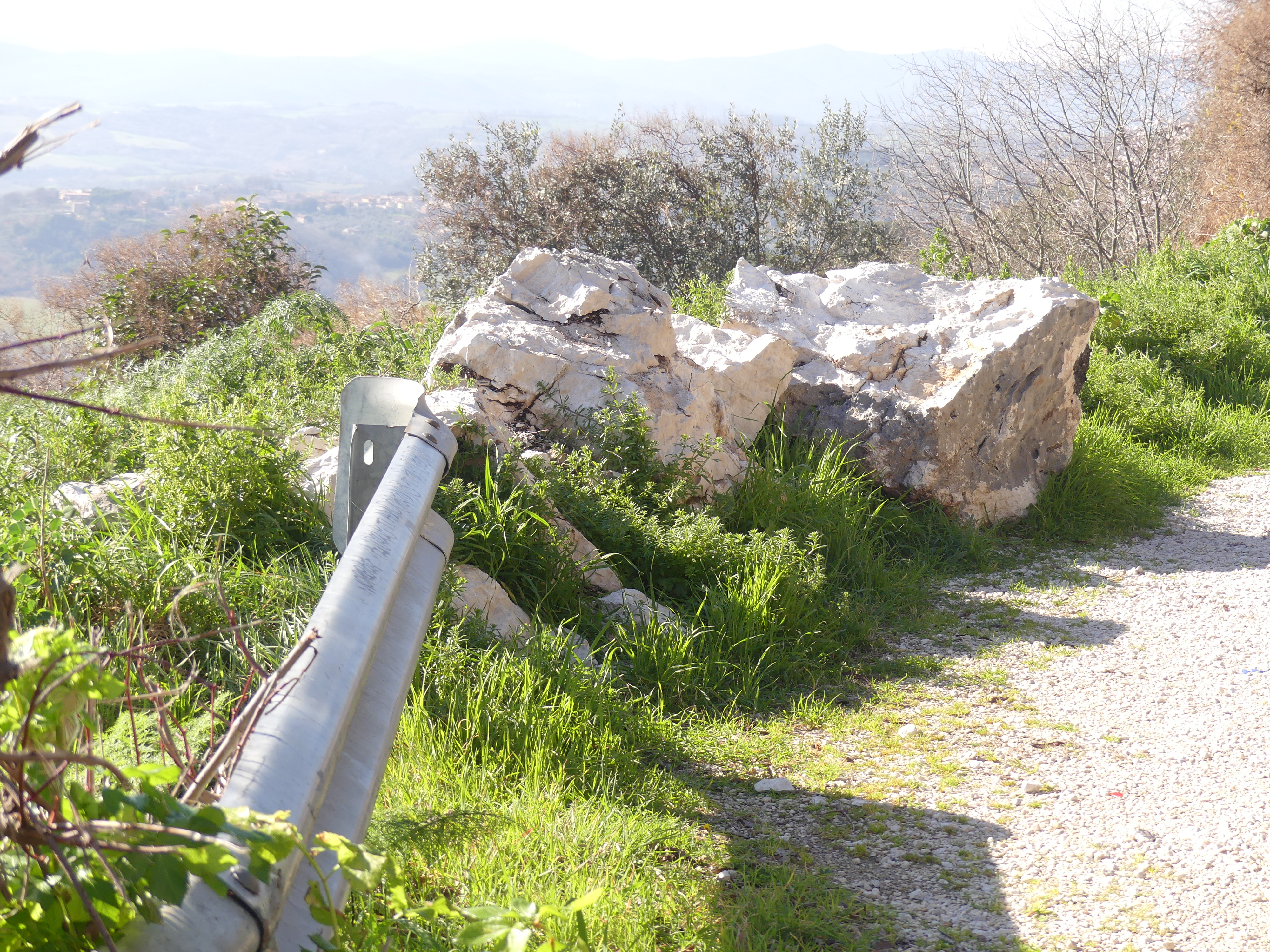
Our trip continued the next day with a train ride to Terni and a stay with Robert in the village of Cesi an ancient village 400 metres above Terni. Things had changed in Cesi (Cesi formerly the site of Clusiolum) is dated back to 6th century BCE. A land slide had closed off the main road up the mountain, so the usual bus was not traveling the road but the ever resourceful Robert made other arrangements with a community bus to give us a lift from Terni to Cesi on the pretext I was an invalid and so my wearing the appropriate neck brace validated his story for the need of the community bus. Our plan was to spend about 5 days in and around Cesi and then to visit Bari and Naples by train with excursions by train to the villages nearby.
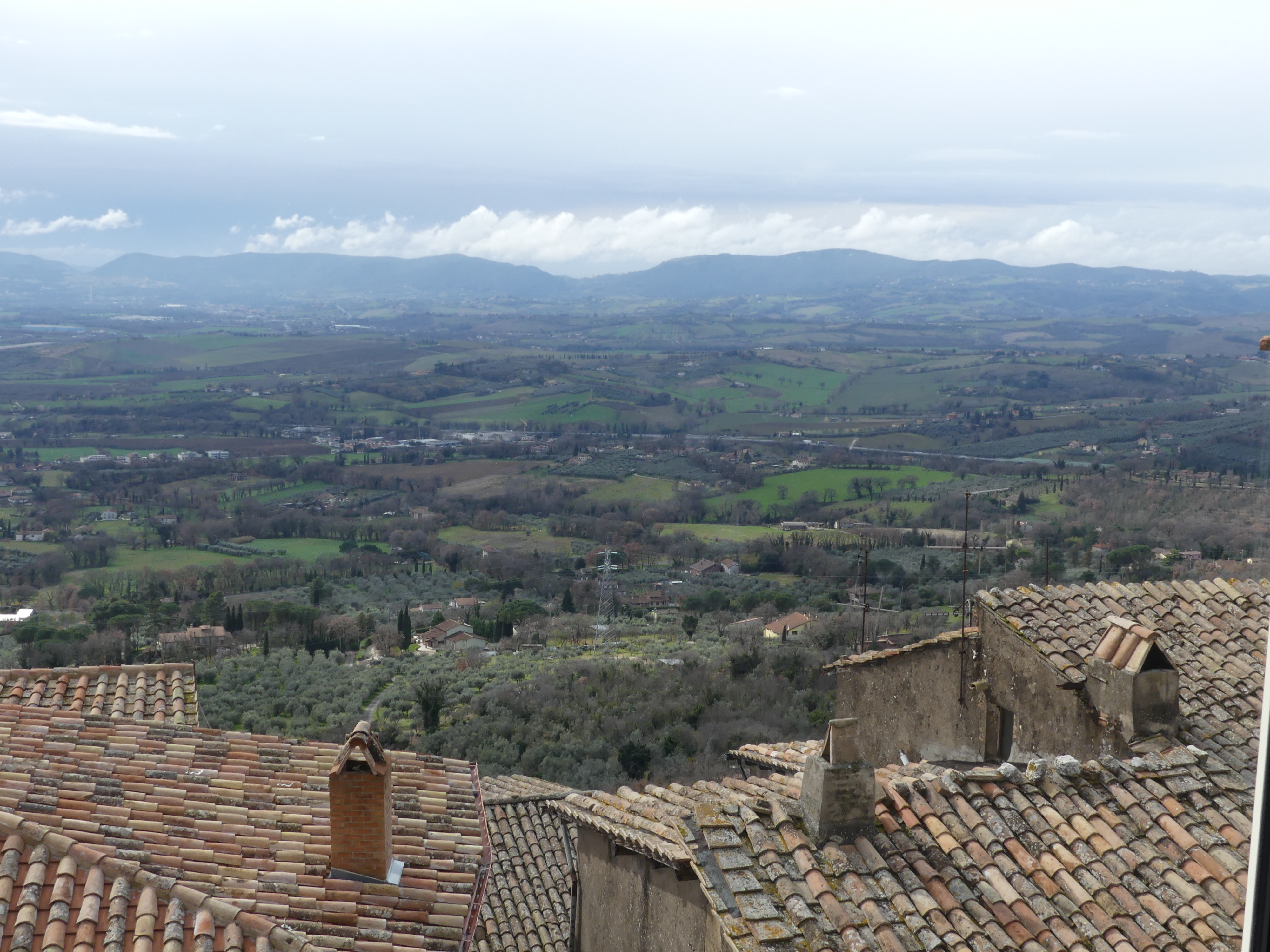
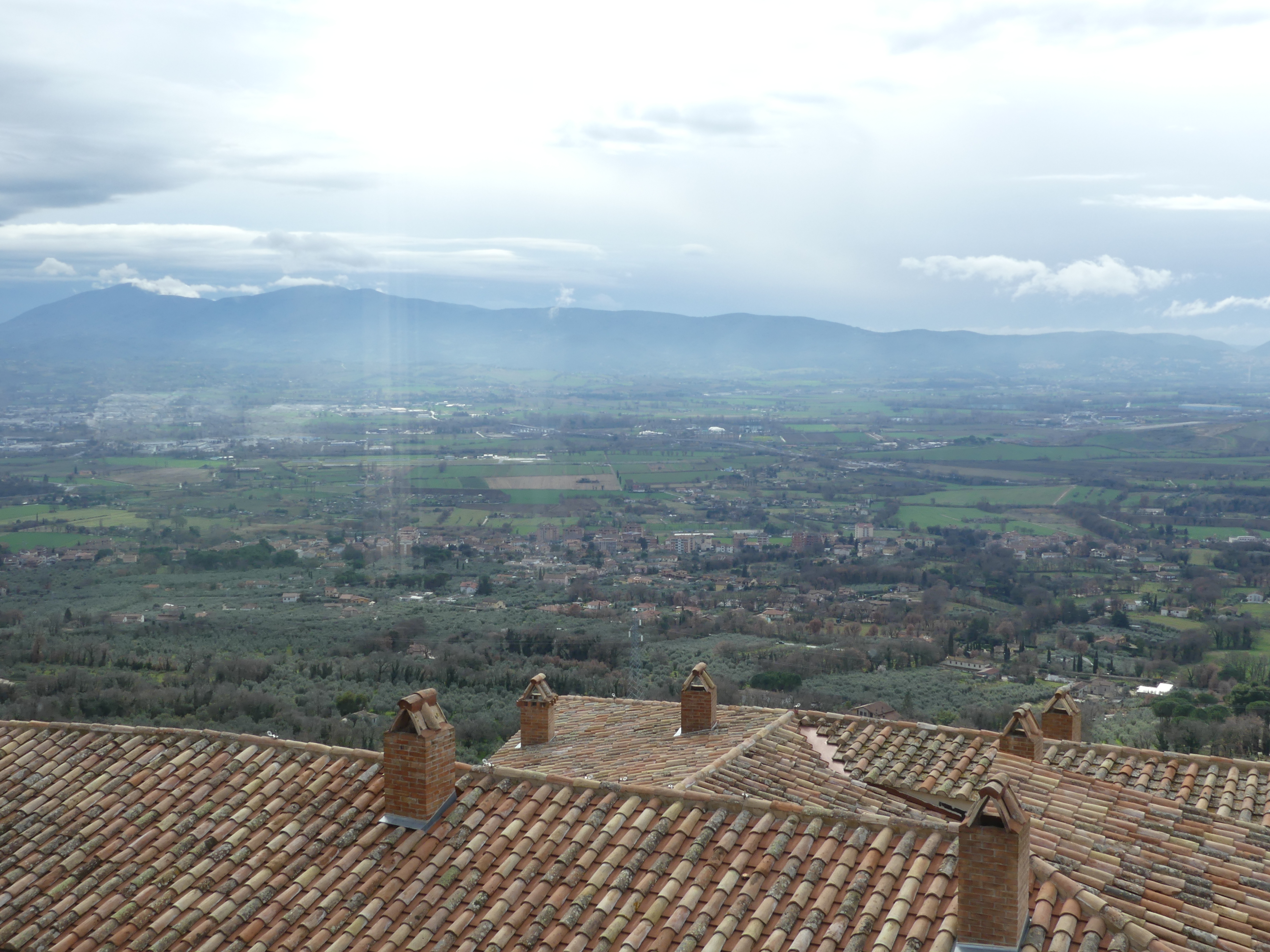
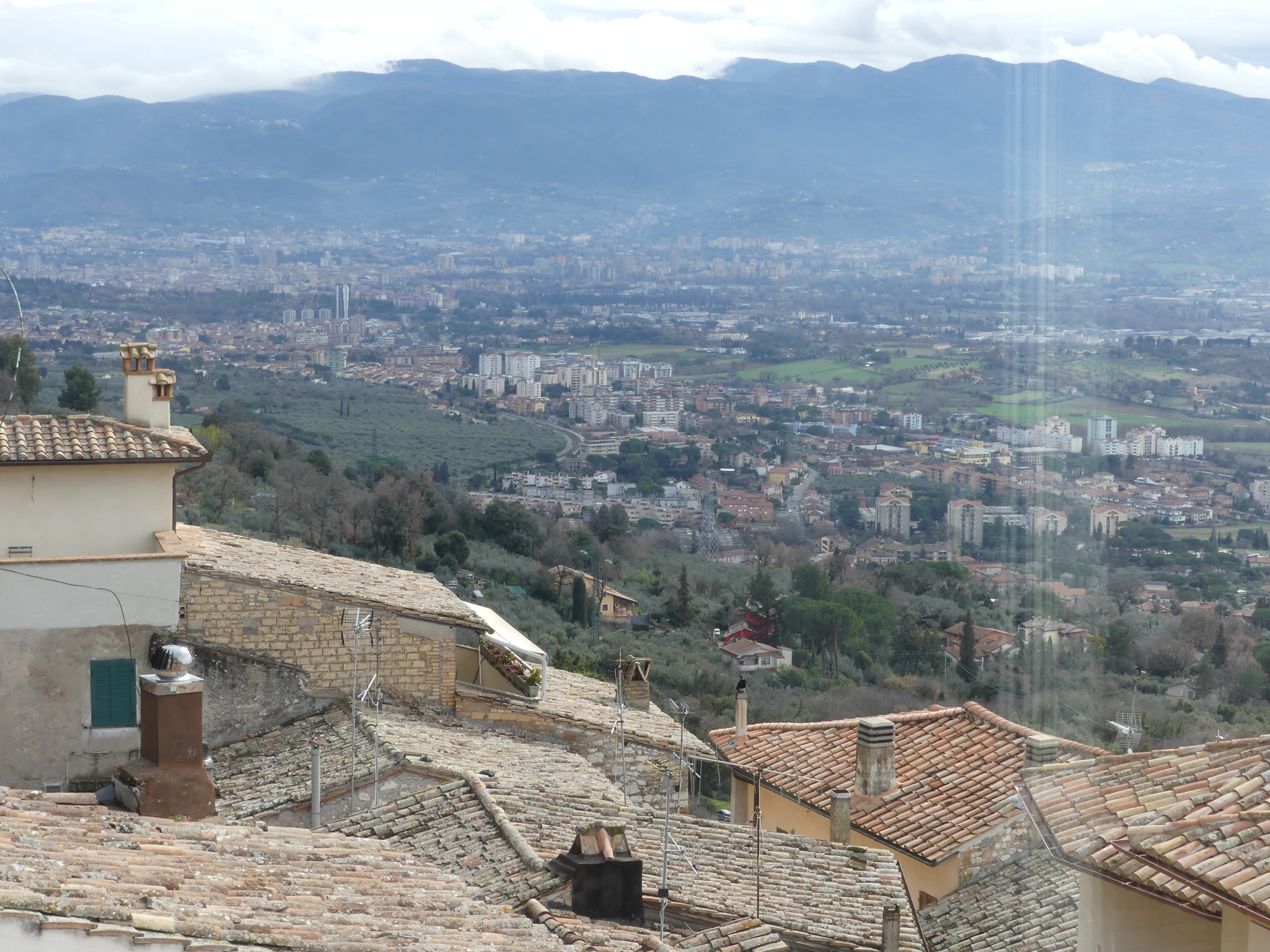
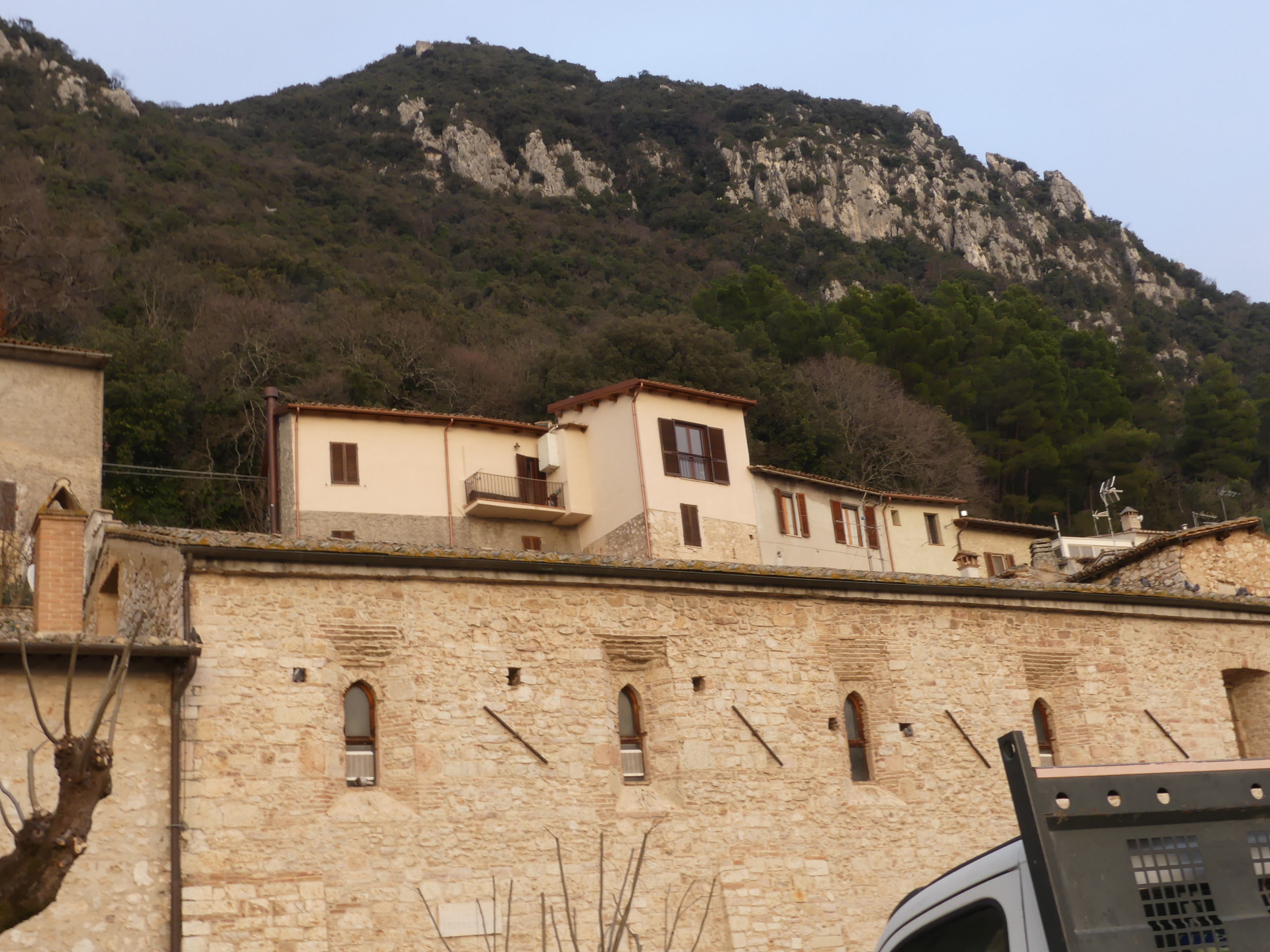
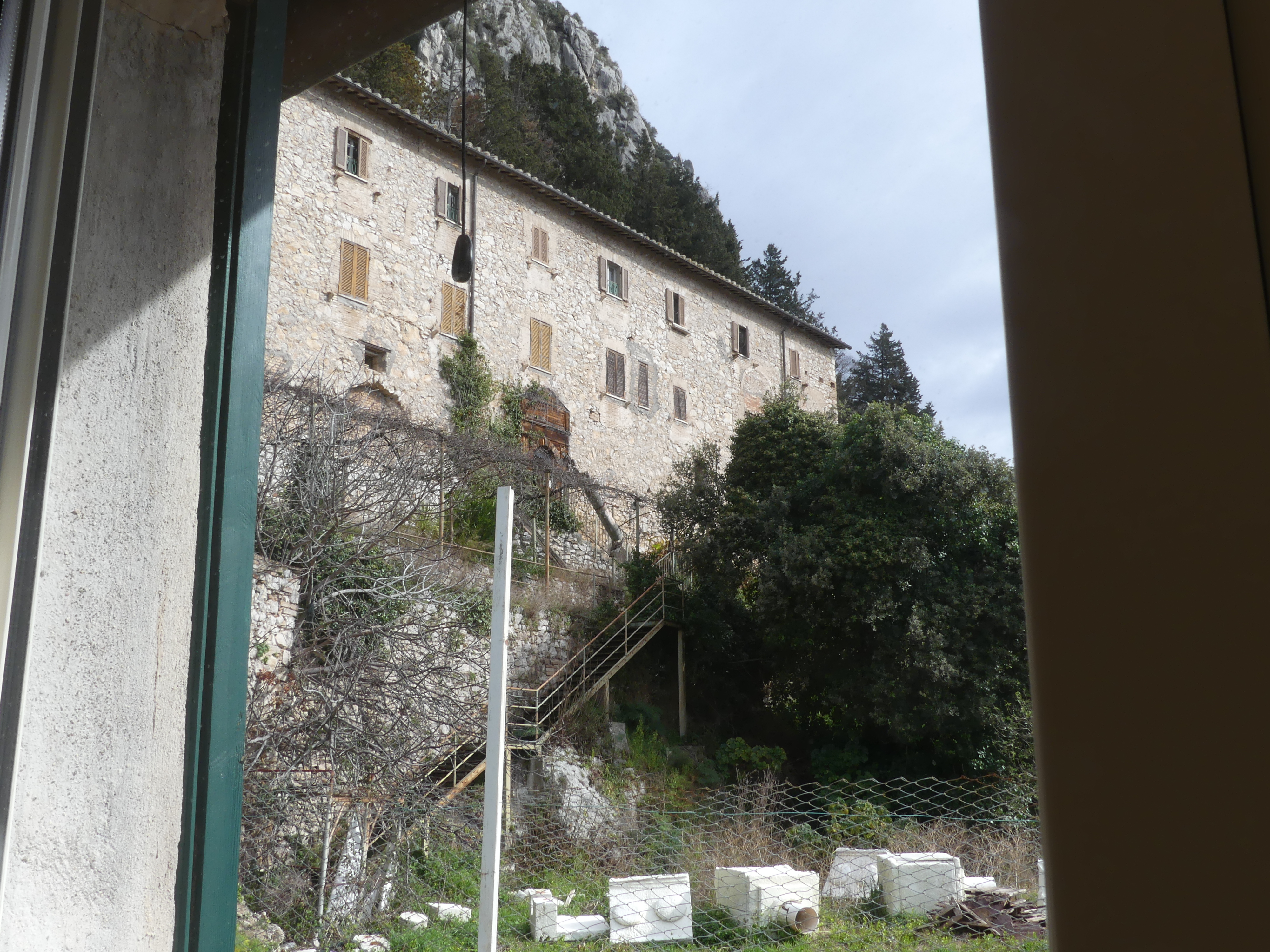
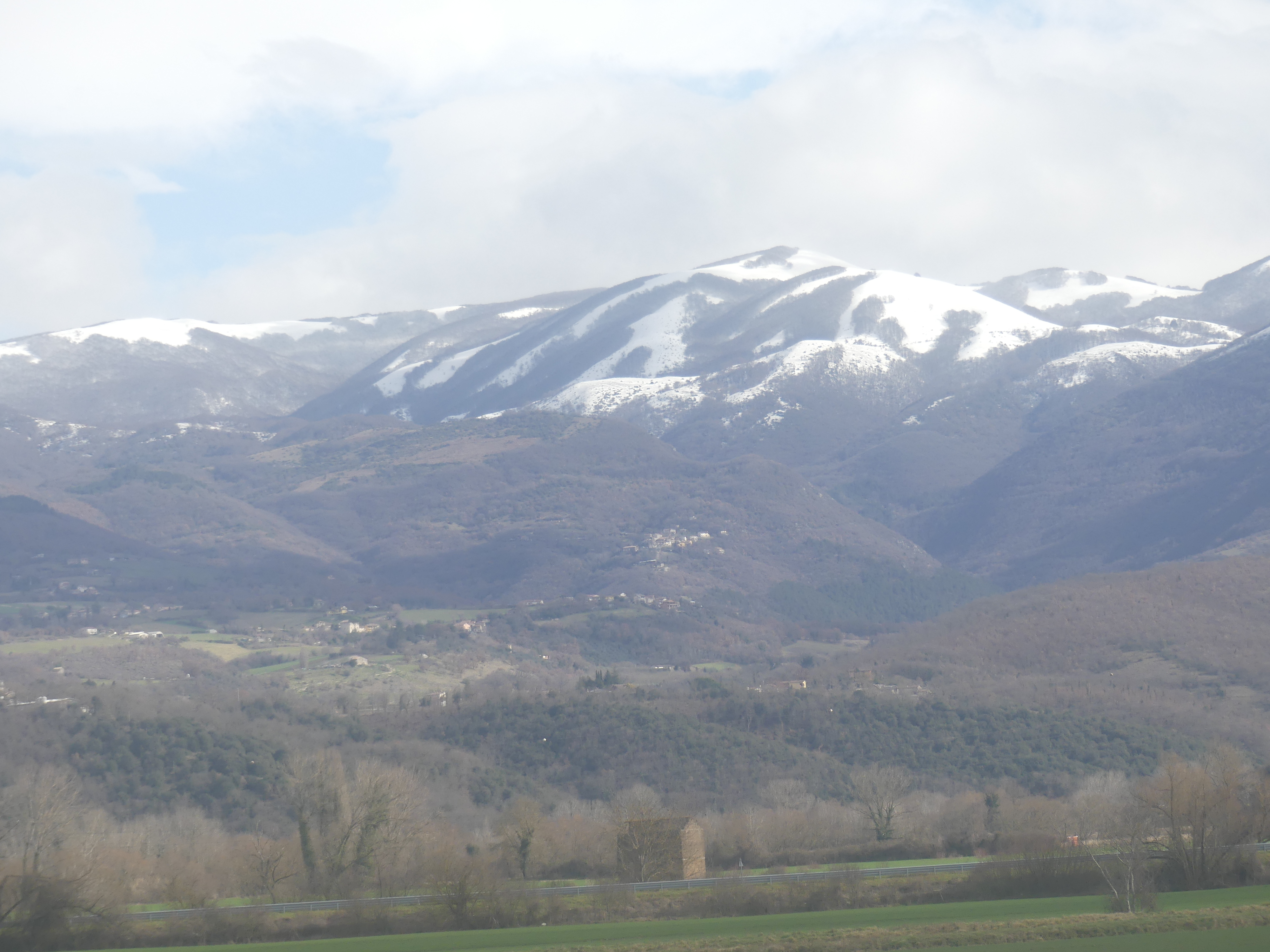
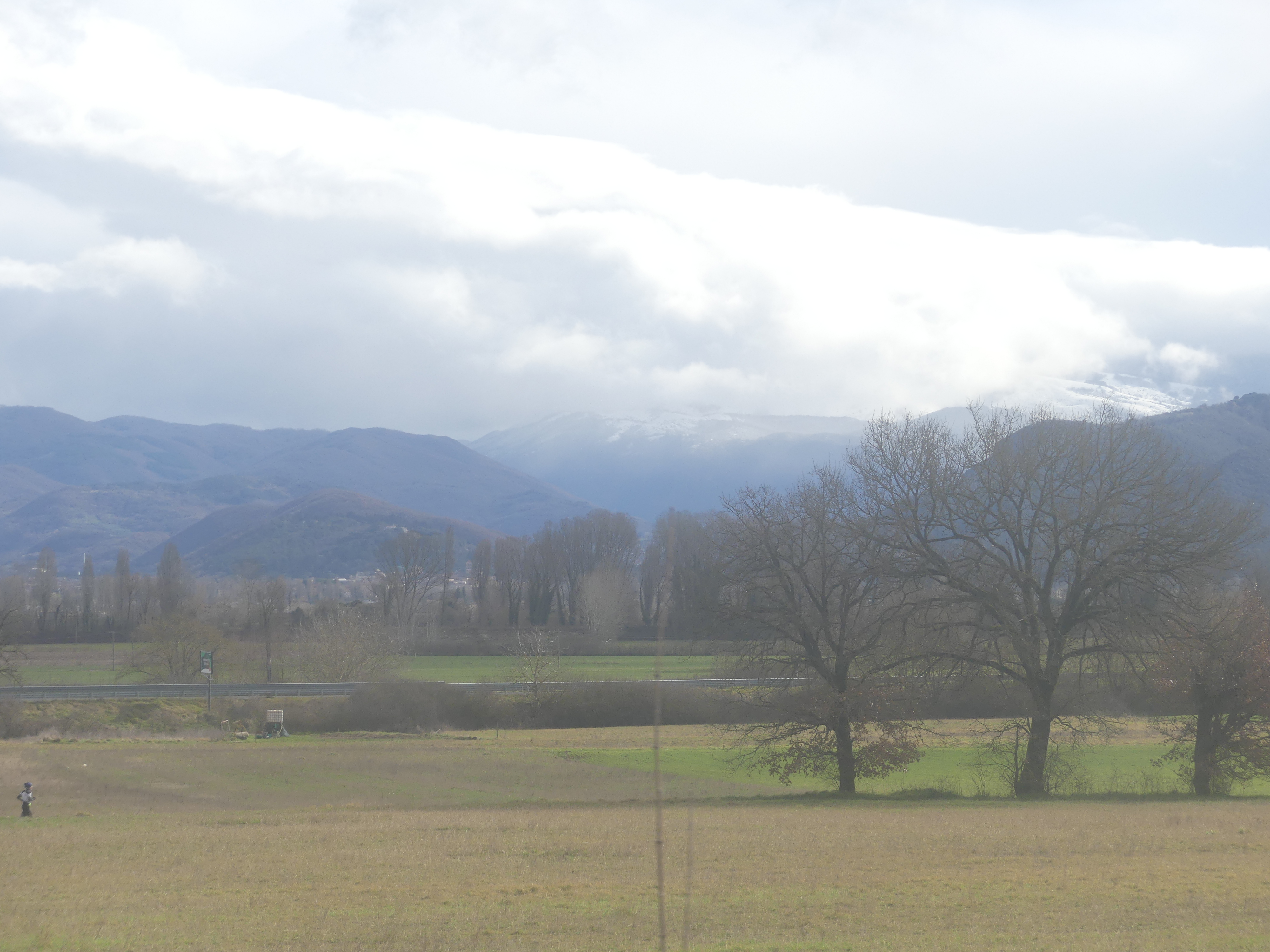
Robert has some of the most dramatic views of the valley below and to the mountains beyond. Even though it was overcast most days the view is extensive and includes the city (Terni) to country. The photos that follow speak for themselves.
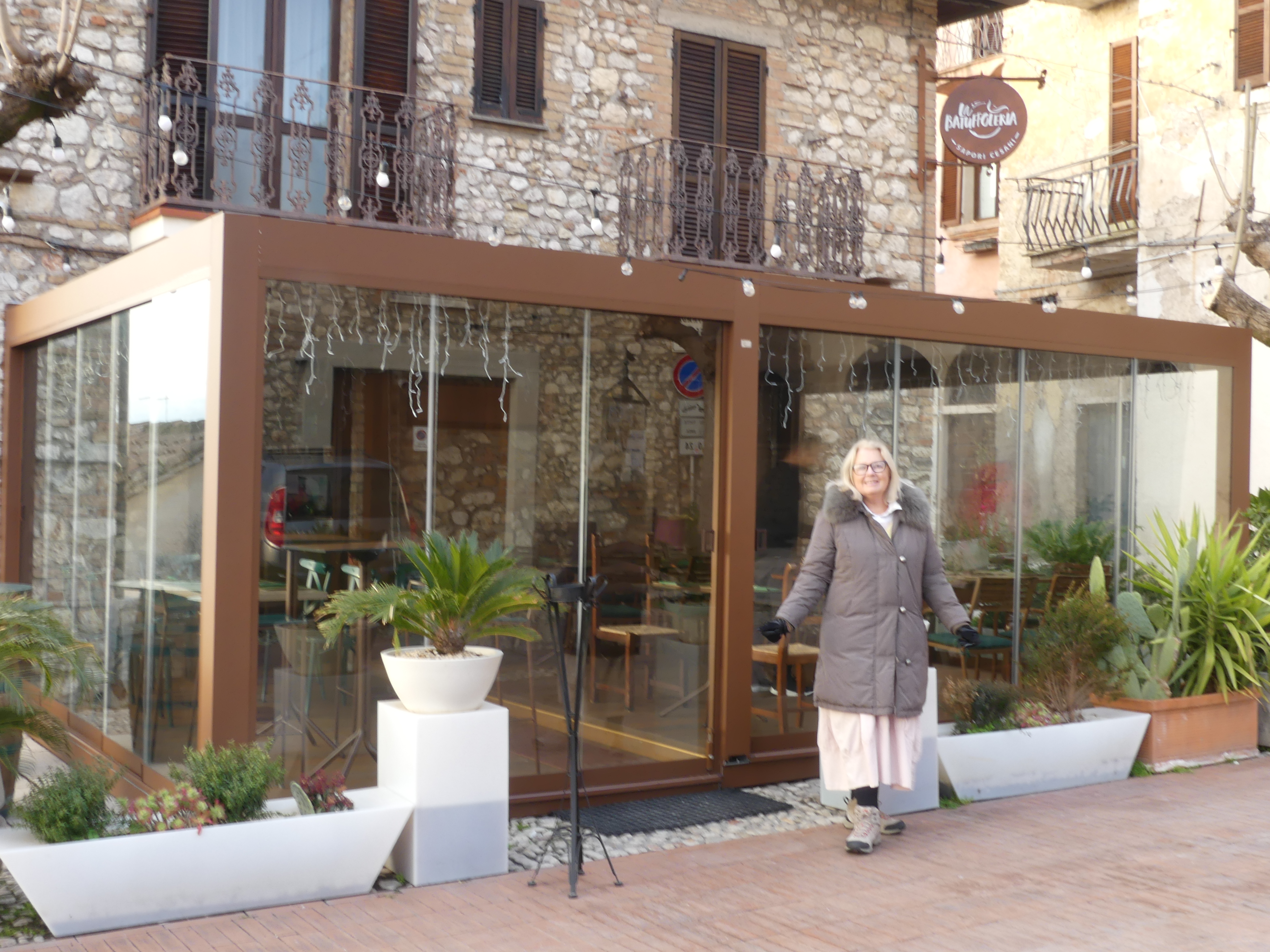
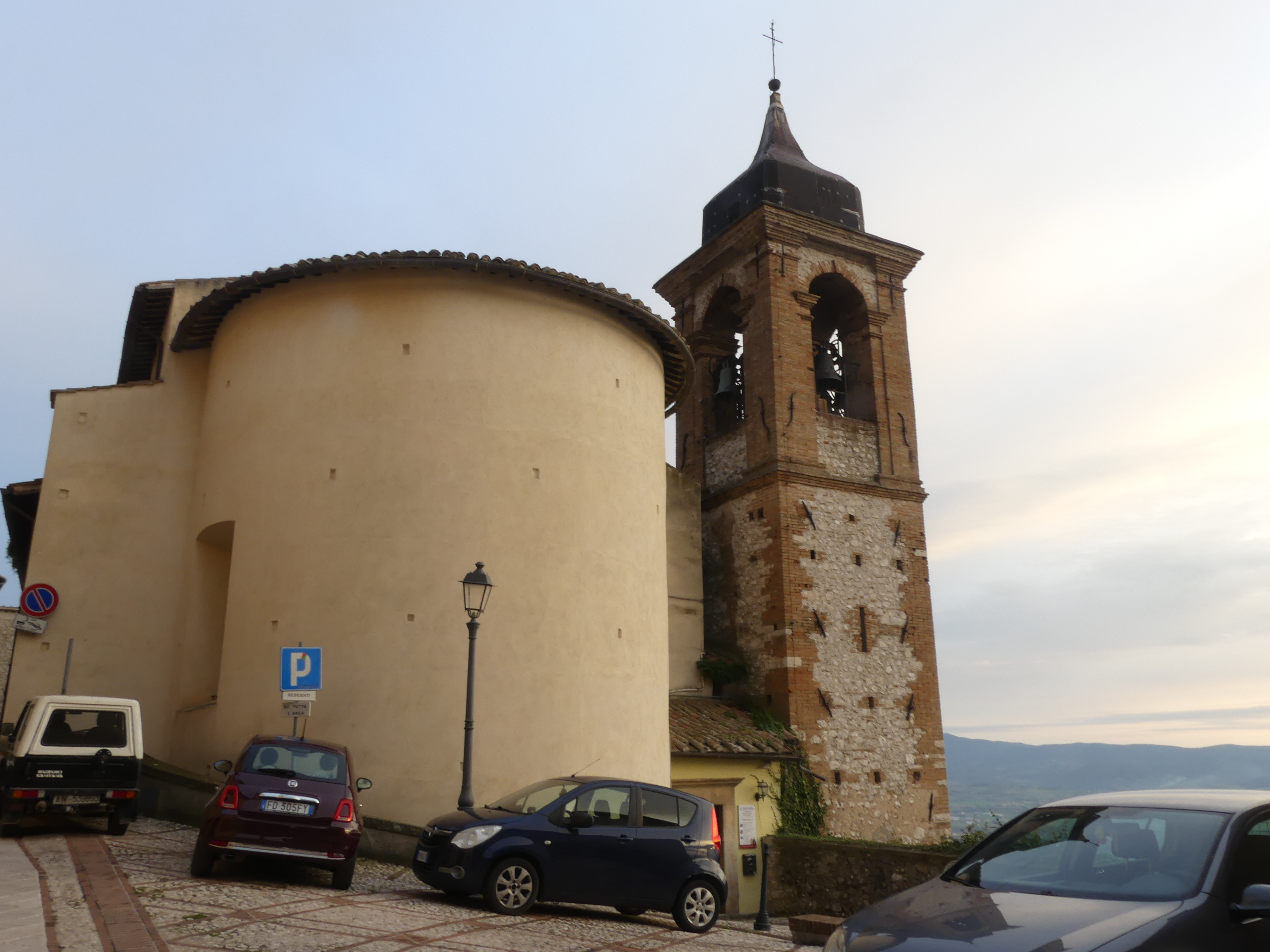
Another change for Cesi is the restaurant that has opened in the village. Beside the church is a modern restaurant sharing the fabulous views and the tucker isn’t too bad at all. The price is affordable, and the ambiance is a mixture of ancient village and modern restaurant. Kerry (photo bombing again) enjoyed it particularly outside the restaurant the views of the valley and surrounds, and at nighttime the view from the restaurant.
On the face of the building across the road from the restaurant is an ancient Sundial. The Latin inscription reads “Hora fugit, ne tardes.” (“The hour flees, don’t be late.”). Very interesting even if you cannot tell the time using it. The one remaining church along side the restaurant is the only building still in use as a church with the other former places of worship now performing community duties.
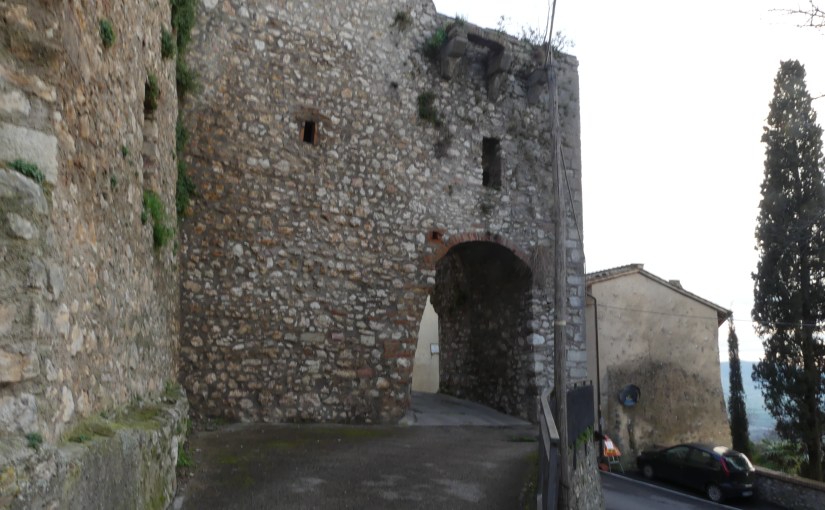
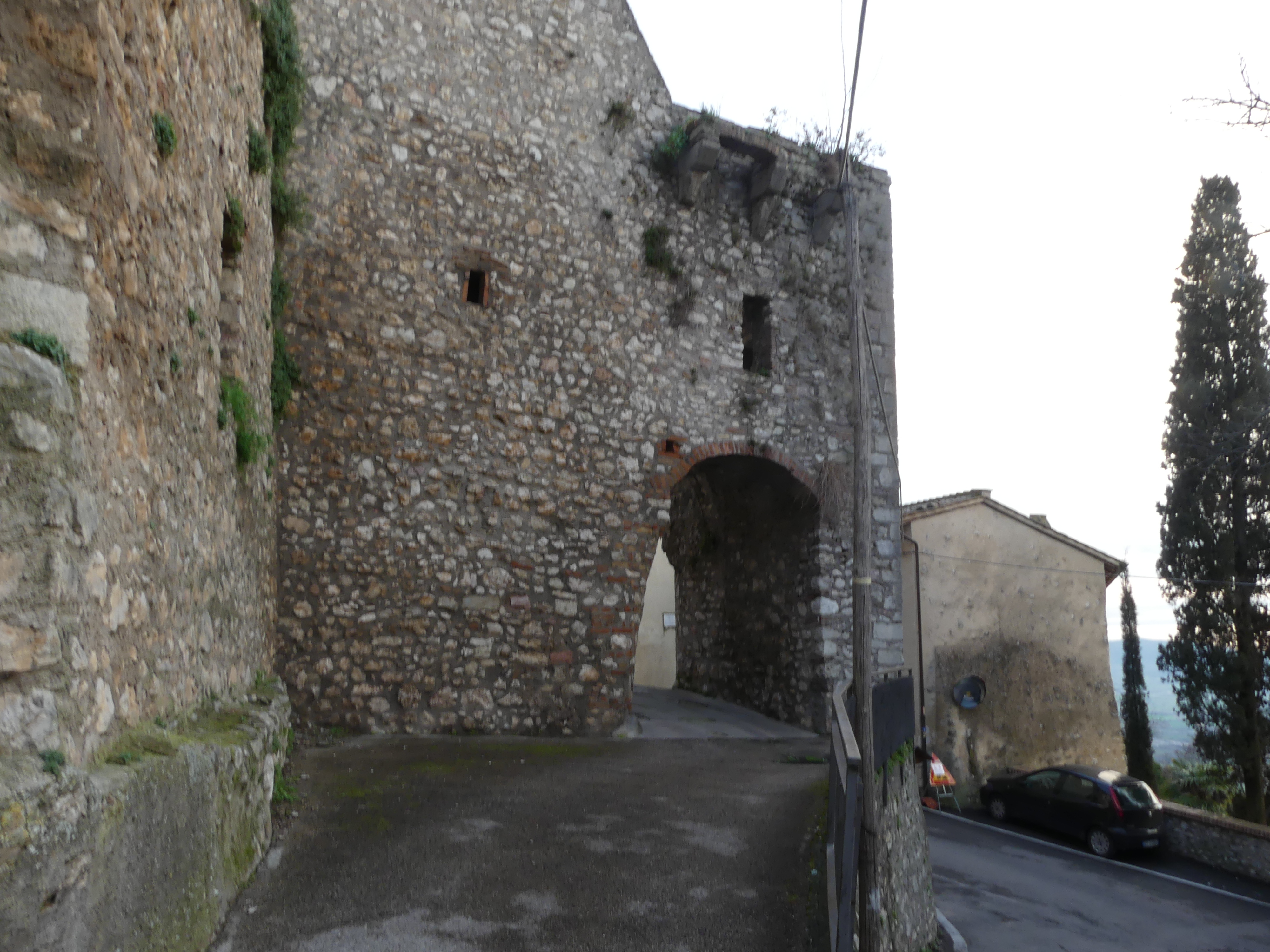
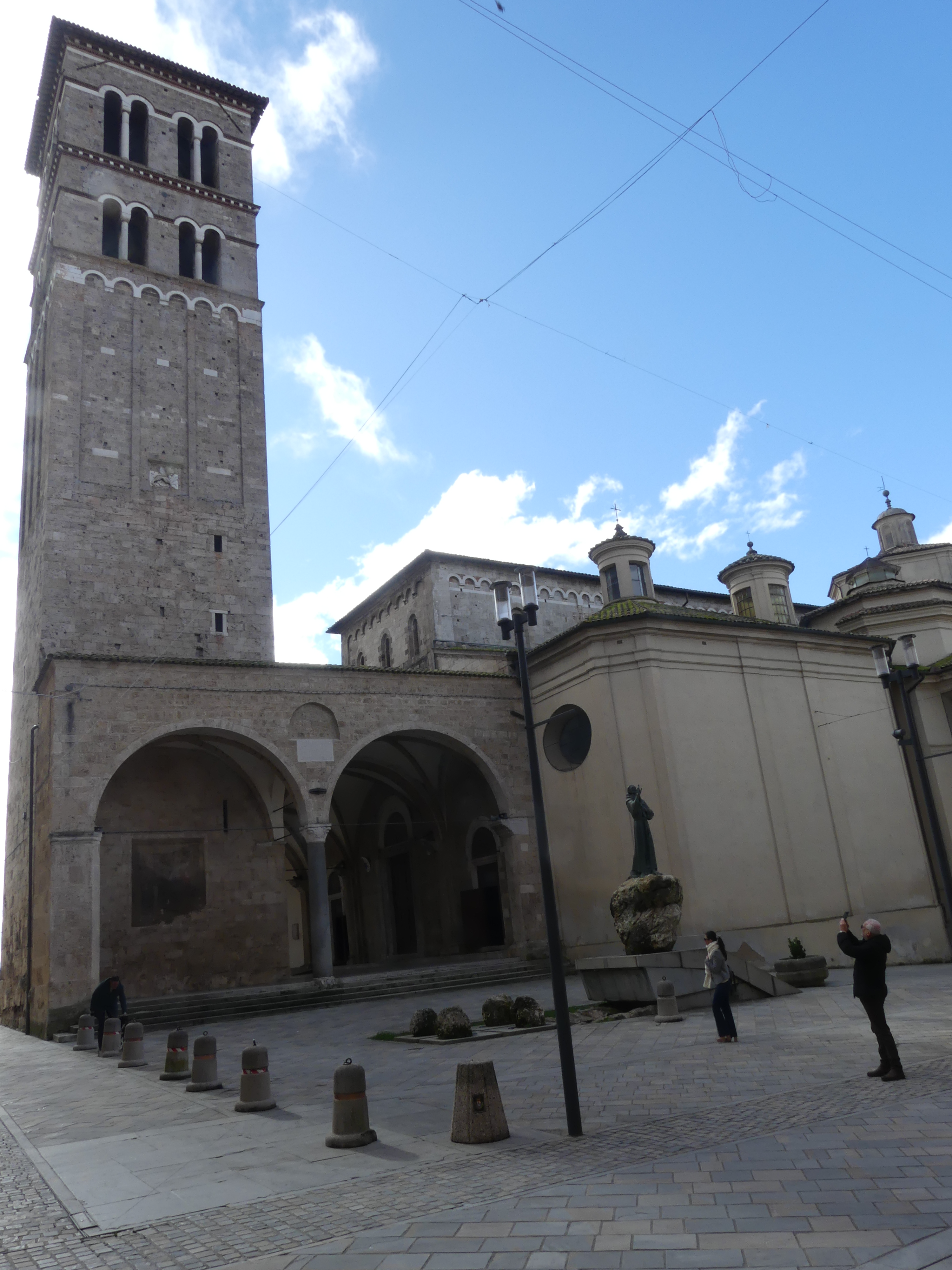
There are a couple of sections of the old town walls, and the photo below shows the northern city gate. As we circulated around the village, other features are the church and its bell tower, the former town house and its verandas, and ooh Robert walking the dog (this is another change – the dog is pregnant and although not belonging to him he insists on walking and feeding it – it gave birth to its litter after we had left)
Terni
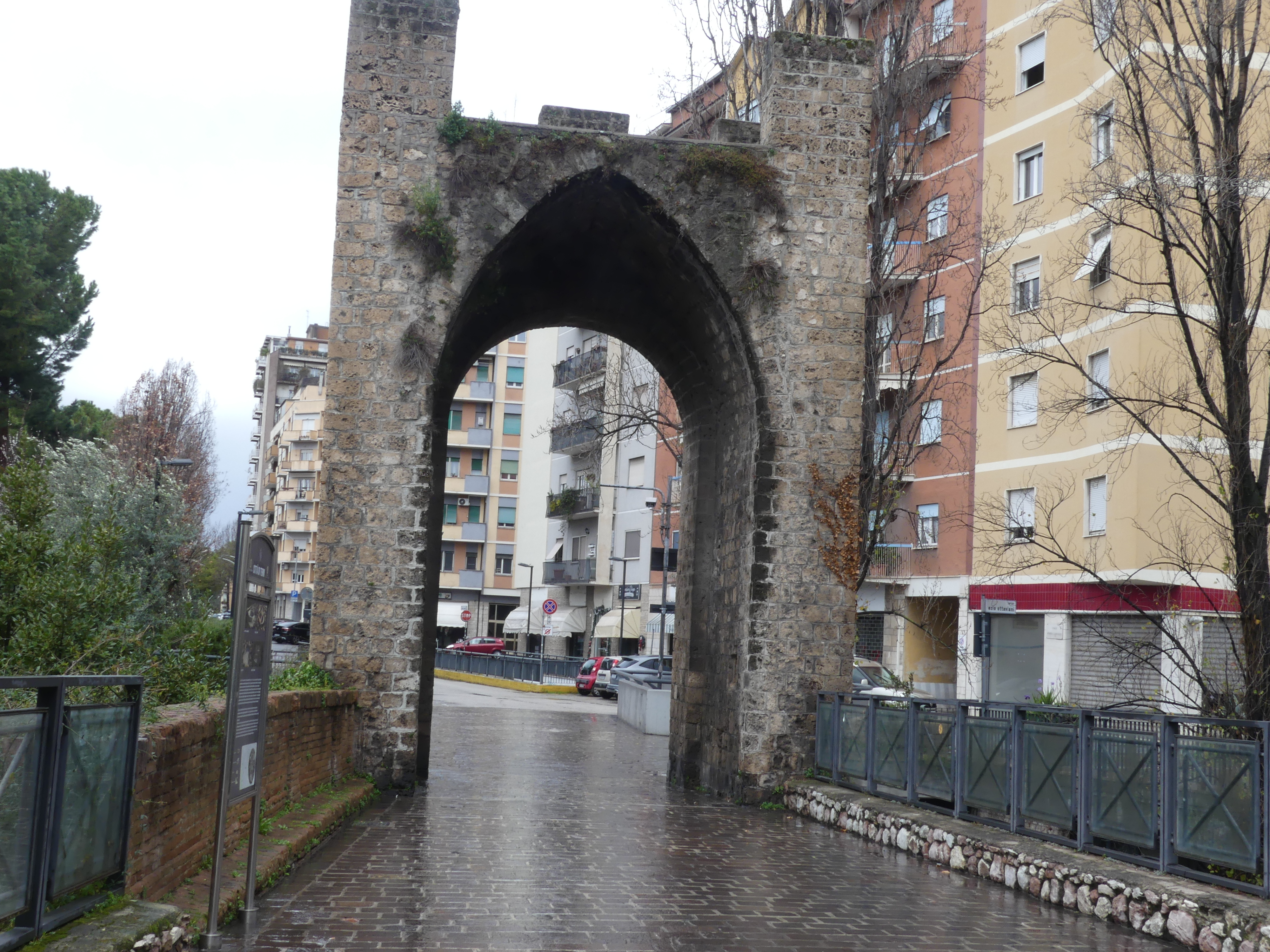
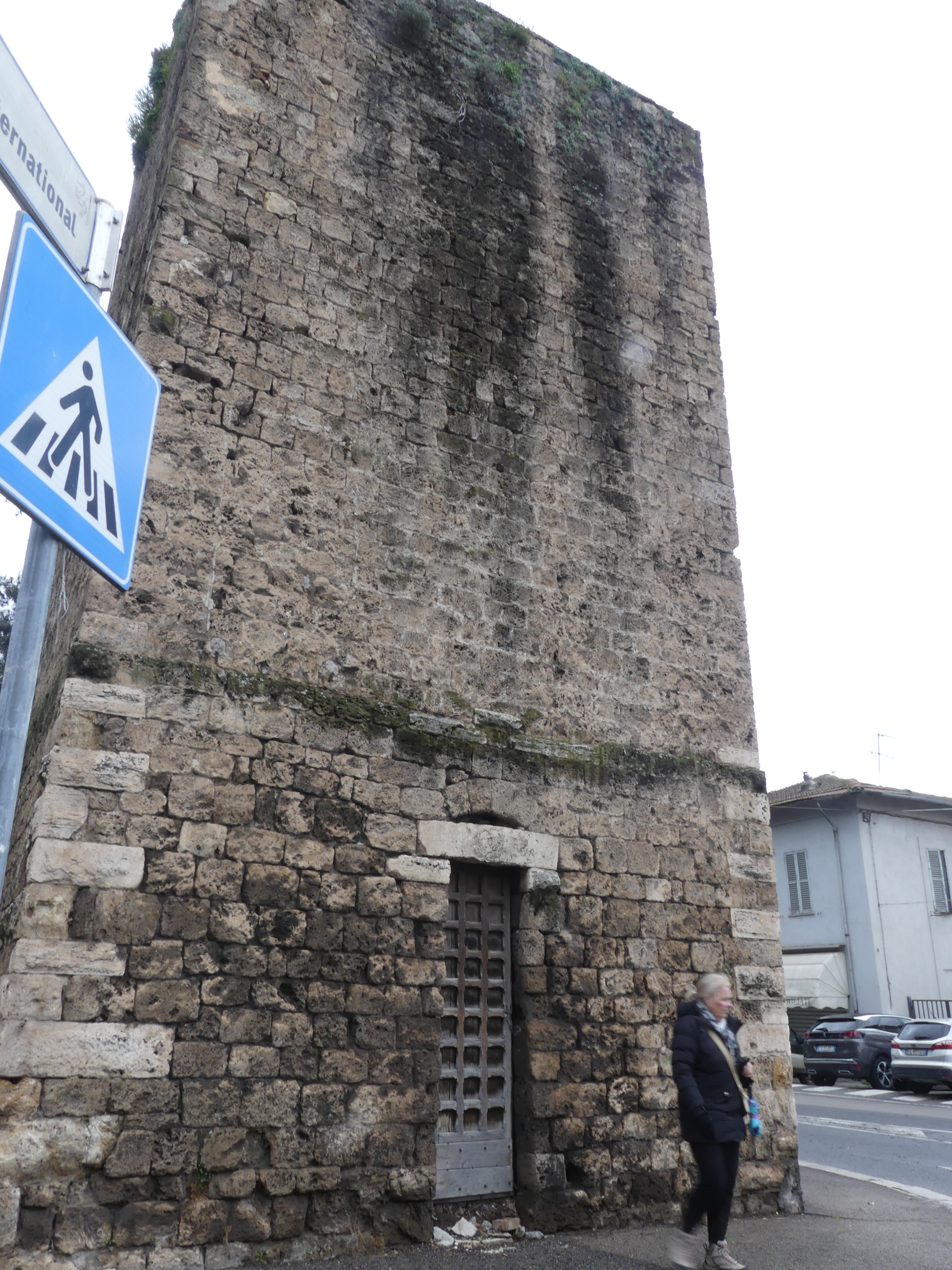
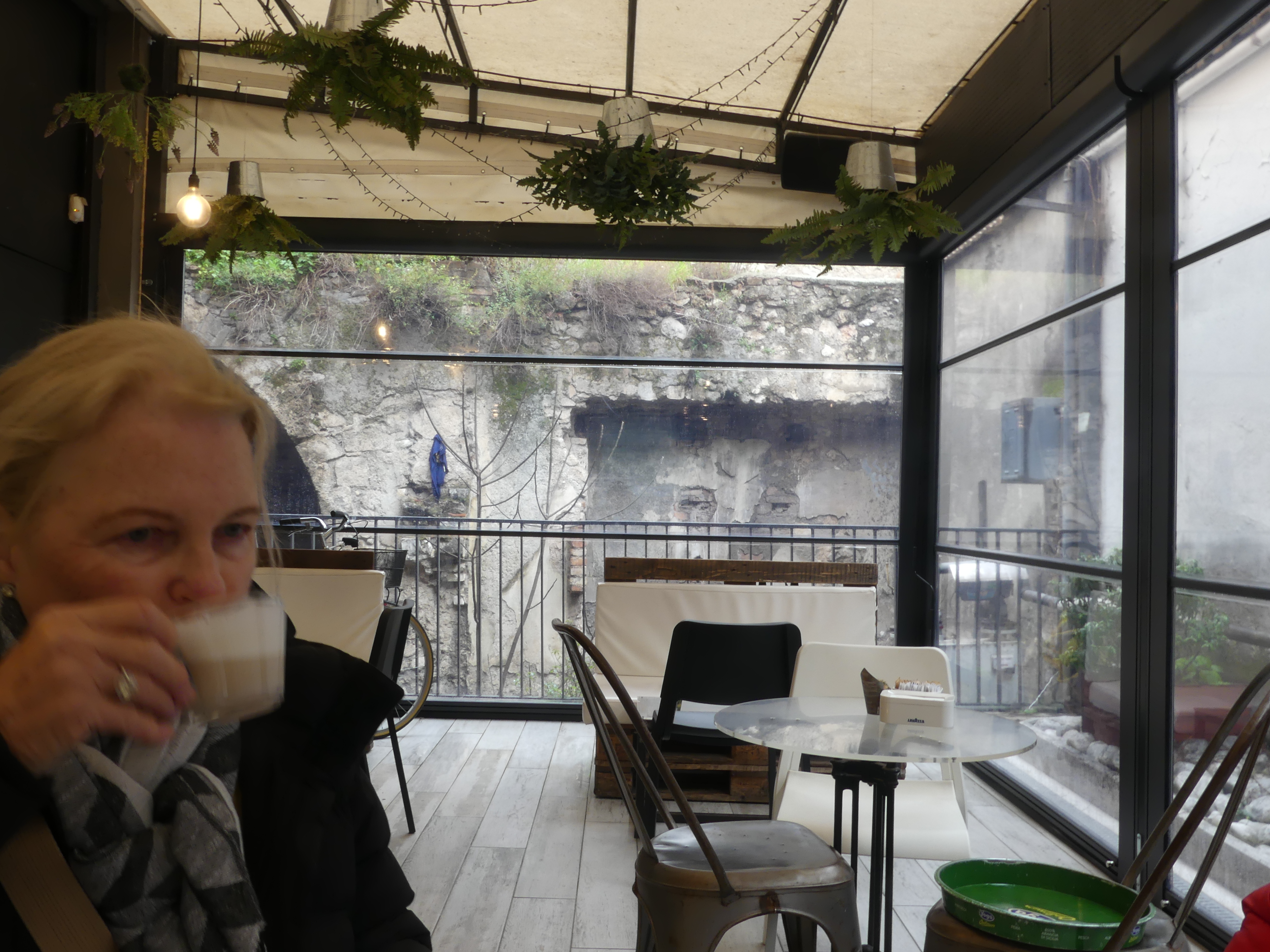
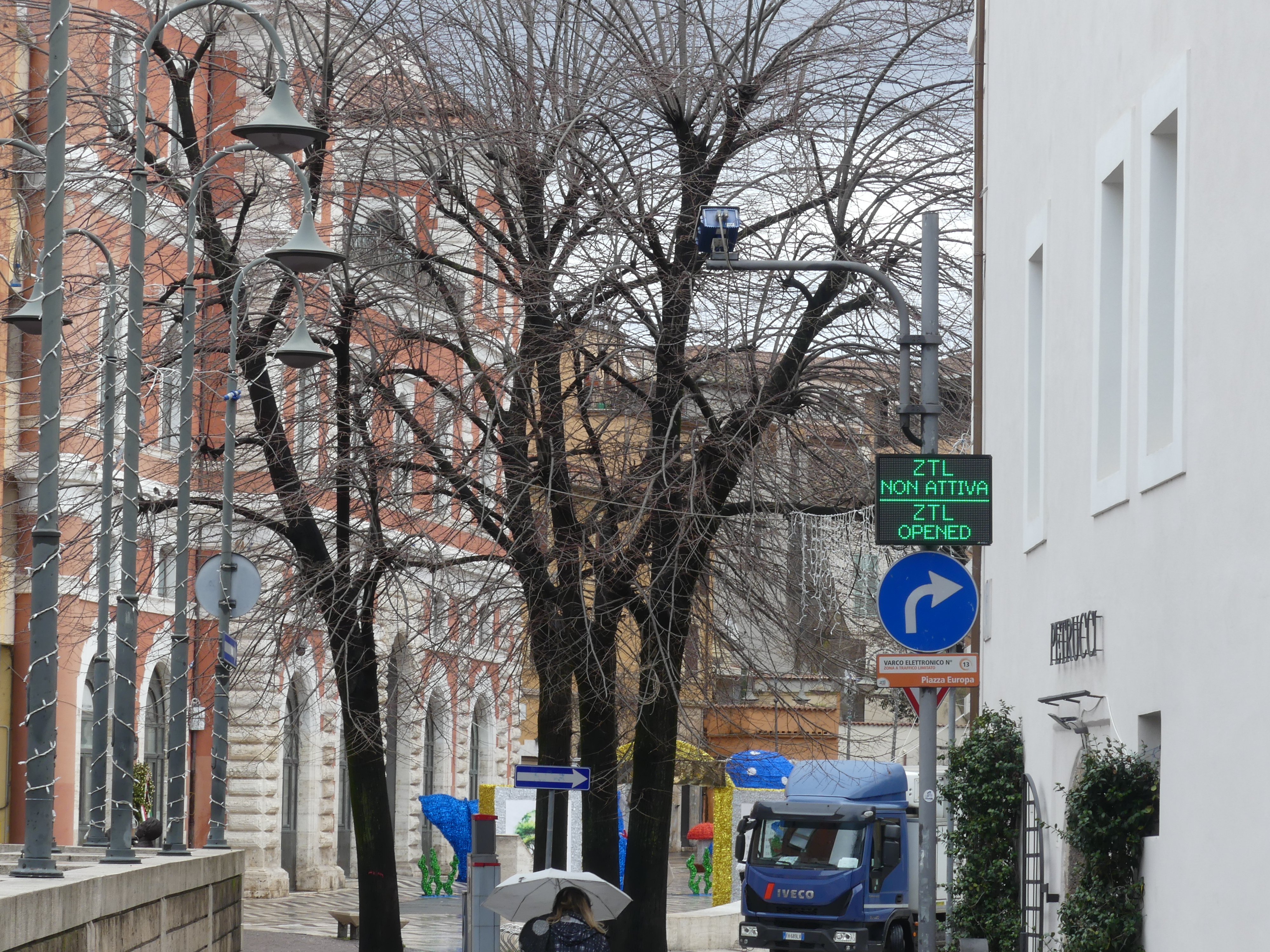
One morning we visited Terni and what remains of its old town. Because of its industrial past the British bombed the crap out of Terni during WW2 so to find pieces of its old town walls was very surprising. We found 2 remaining city gates and bits and pieces of the city walls. Kerry and I stopped for mid-morning coffee and there behind us is part of the old town in rubble and ruin.
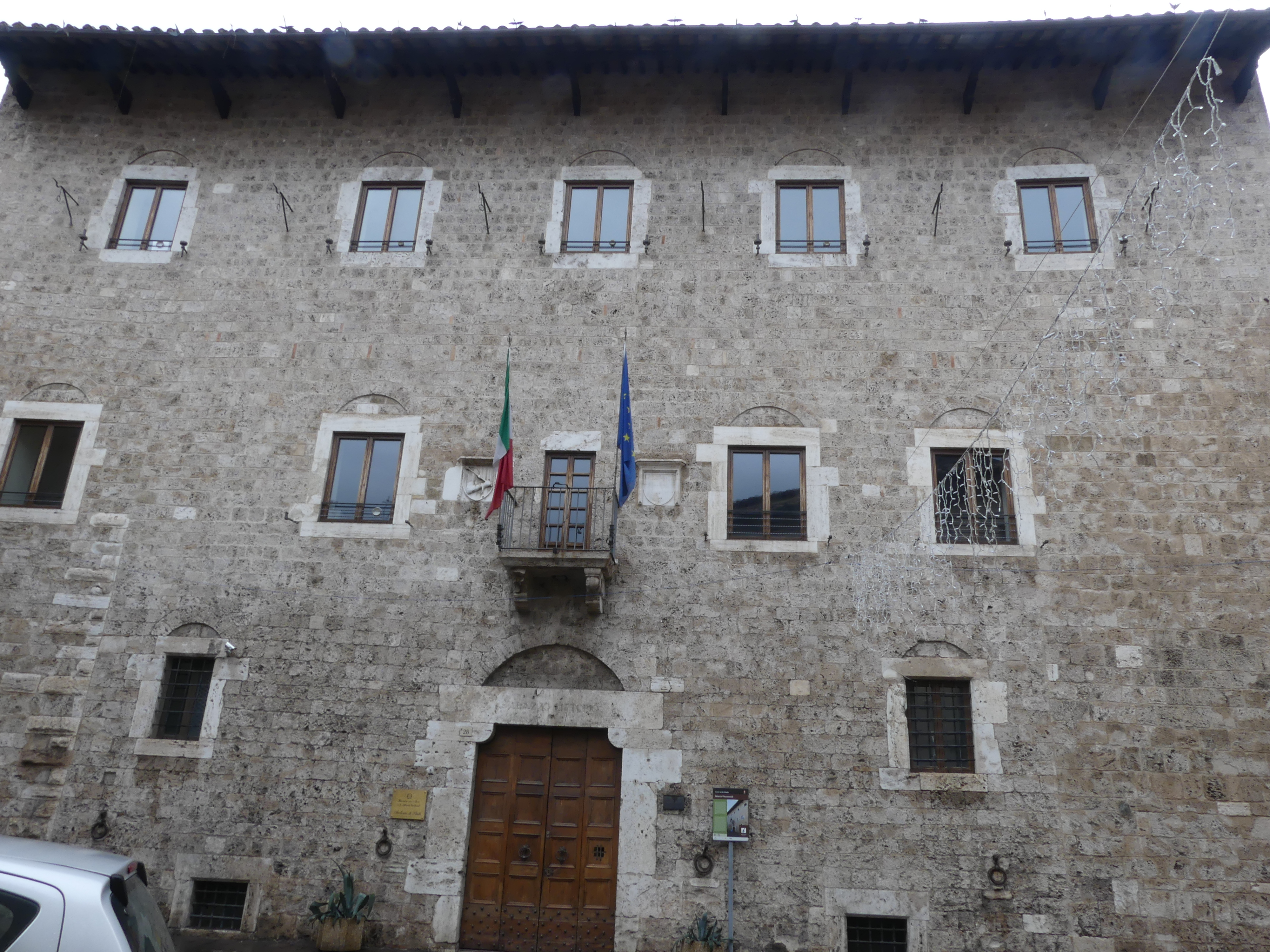
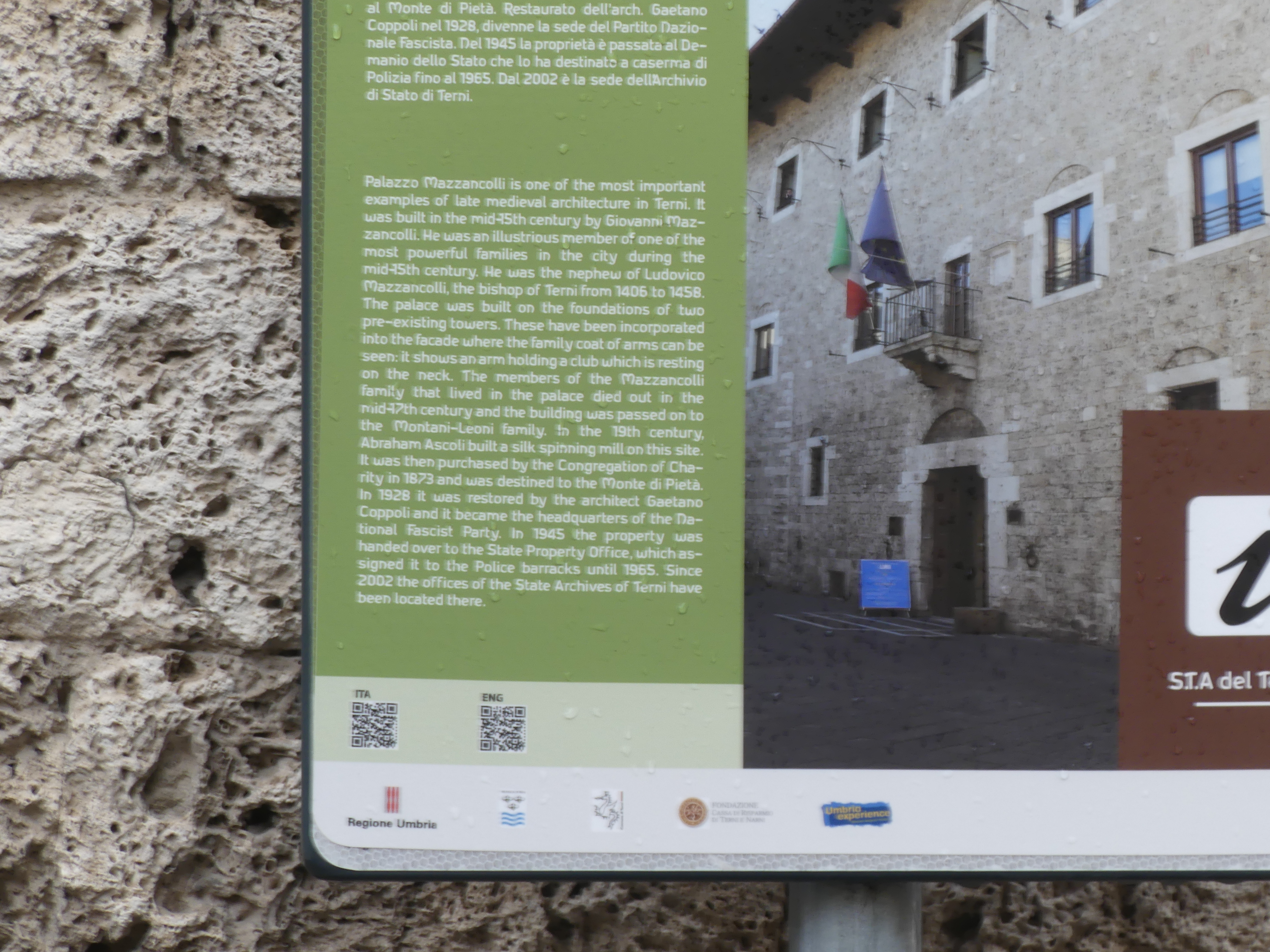
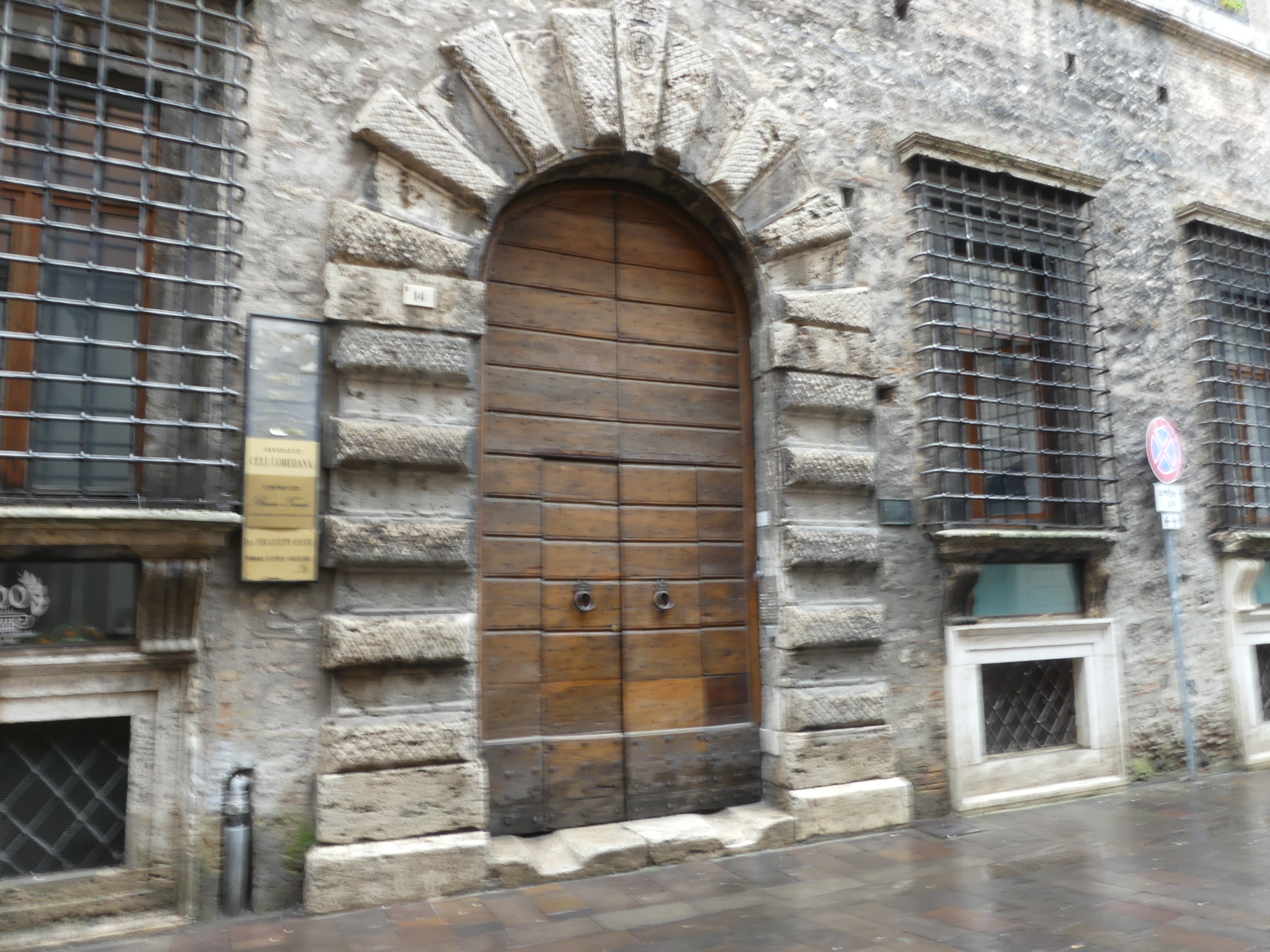
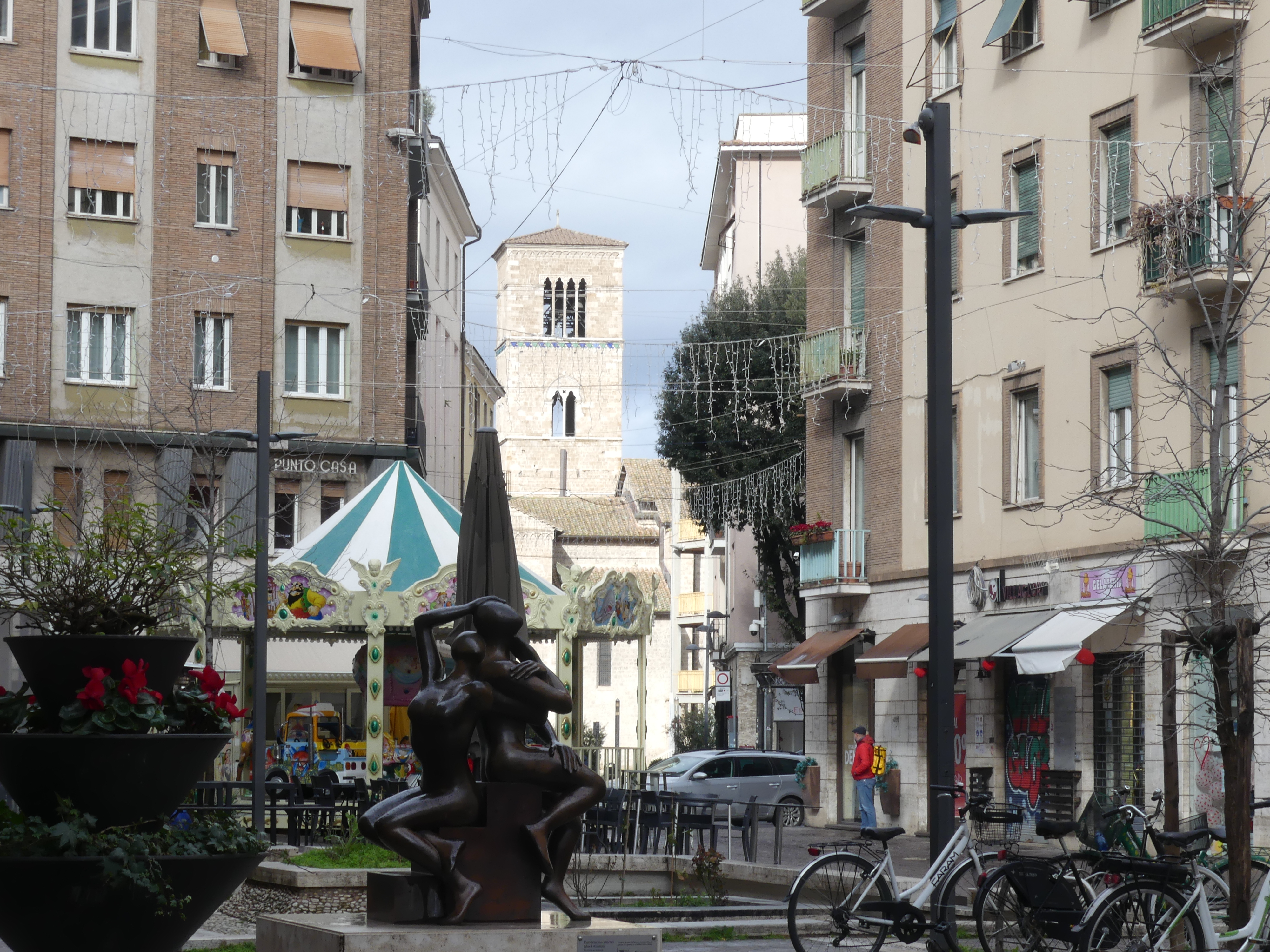
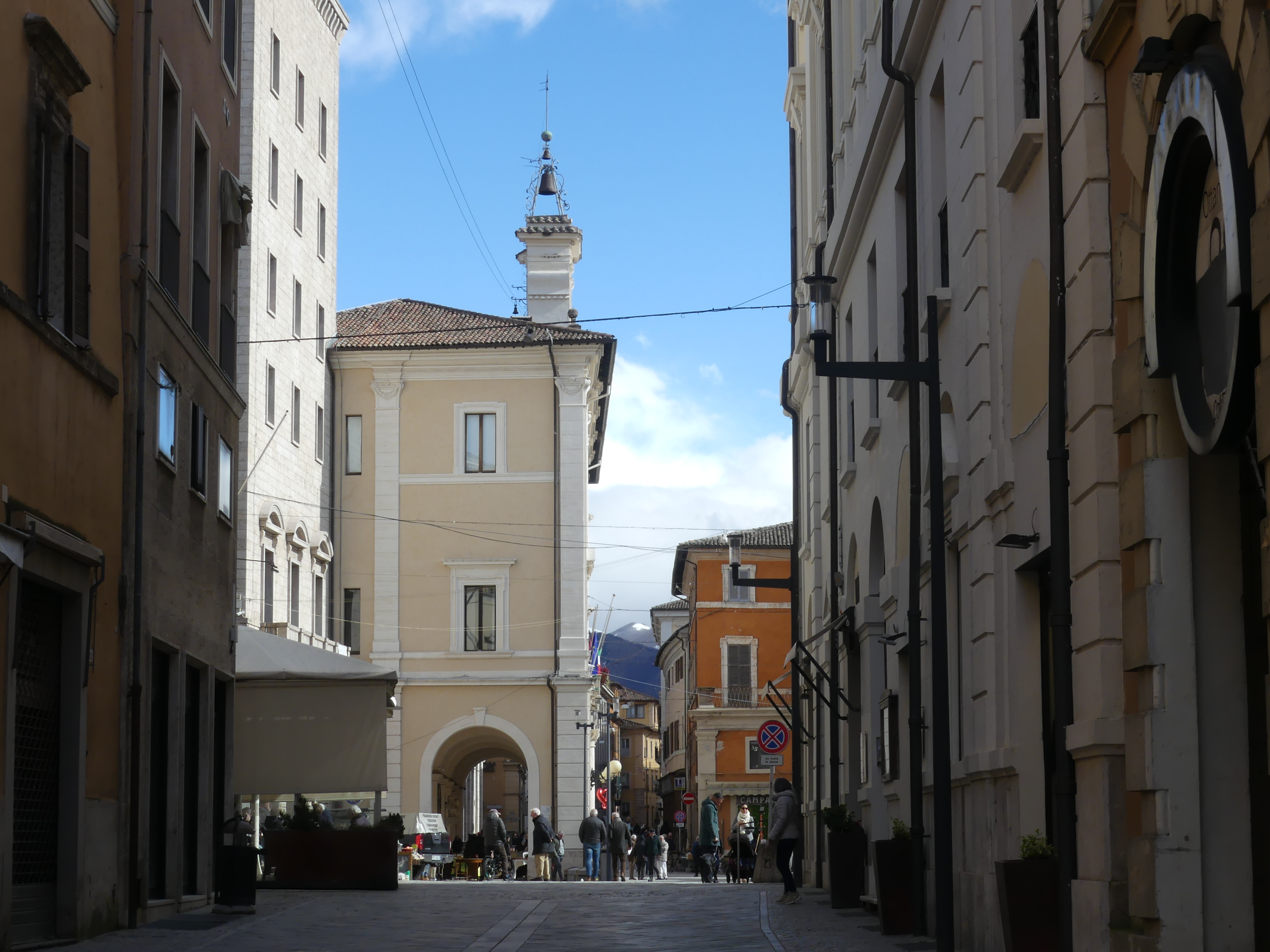
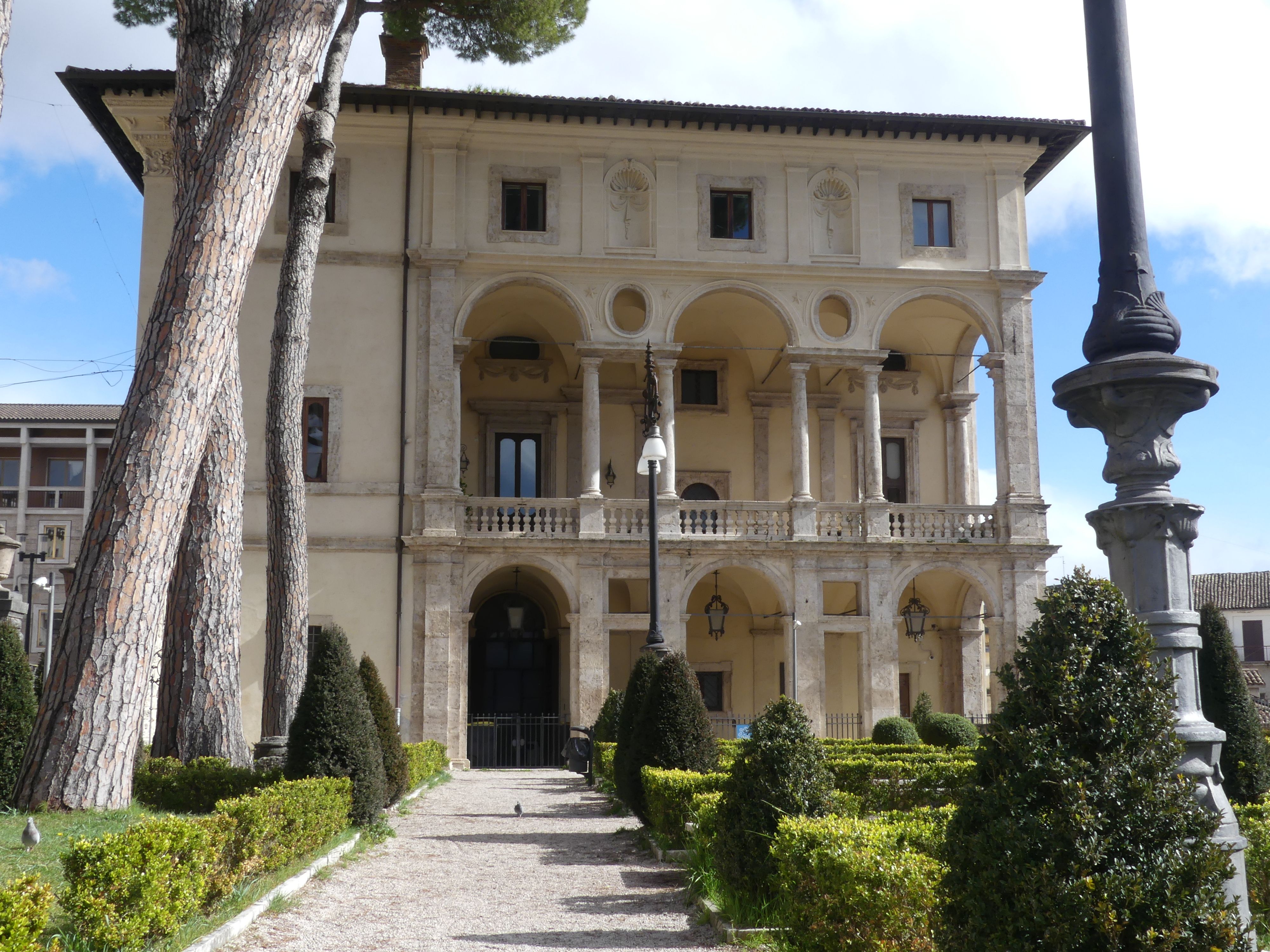
Its market day in Terni. The markets are set up in the streets amongst the remaining old buildings of the old town and the rebuilt town replacements built after the end of WW2. Below are some market scenes. We found the State Archives (built as Palazzo Mazzincolli in 15th century), Palazzo del Governo (Town Hall) and the central church for the town.
We had sought Robert’s local knowledge on places to go in drafting our itinerary but Robert saw our itinerary as fluid. So our next trip was not on our itinerary. We took a train to L’Aquila. We caught the train through a valley bordered by high snow capped mountains in an old two carriage rail motor containing first class and second class (of course we rode in “first class”). We arrived and stumbled off into a pretty, and well organised and clean square with an old church with a relatively unadorned interior, but some old frescoes had been exposed to show its age. The design of all these old villages is that it sits atop a hill, and we found the hill.
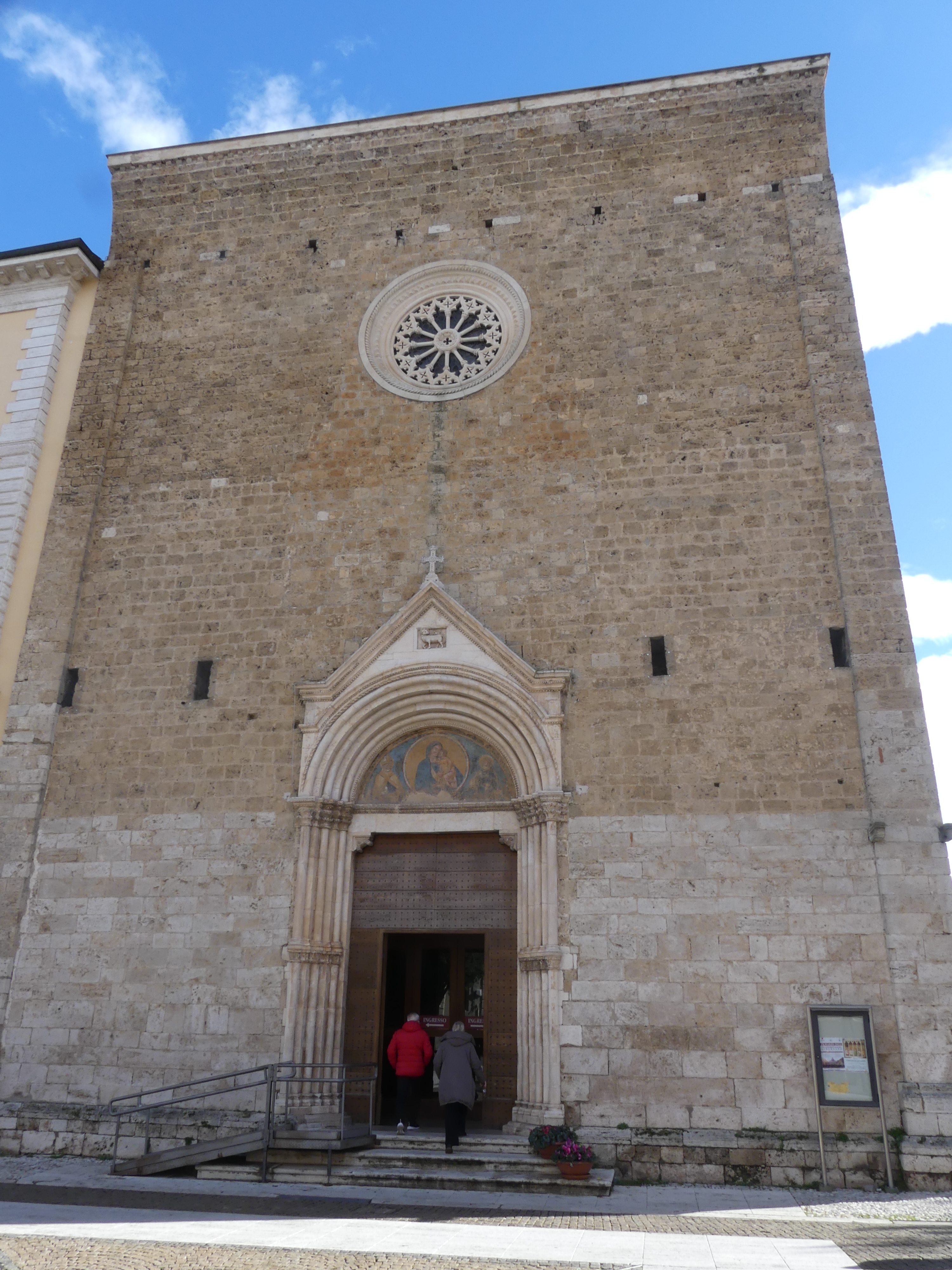
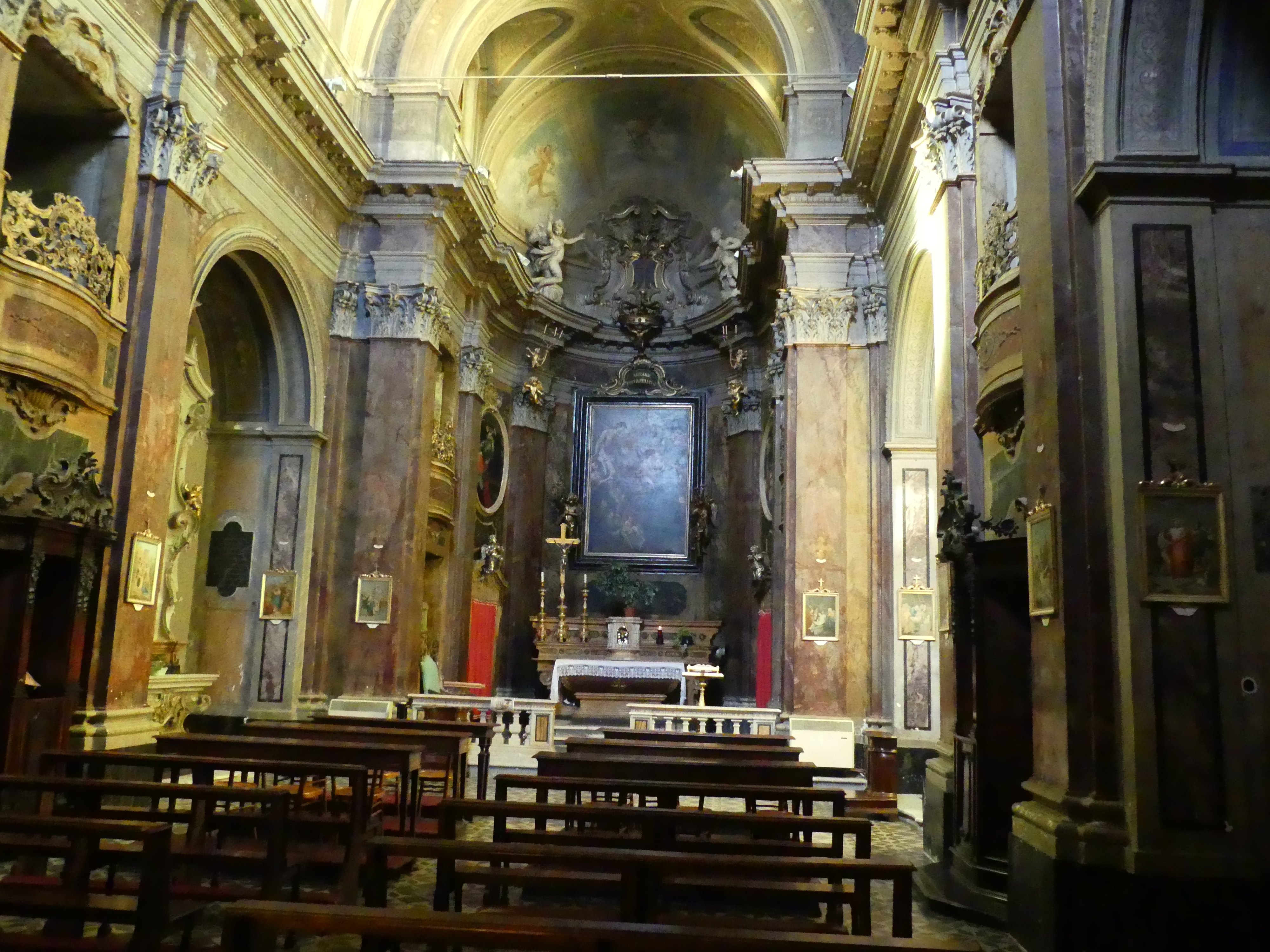
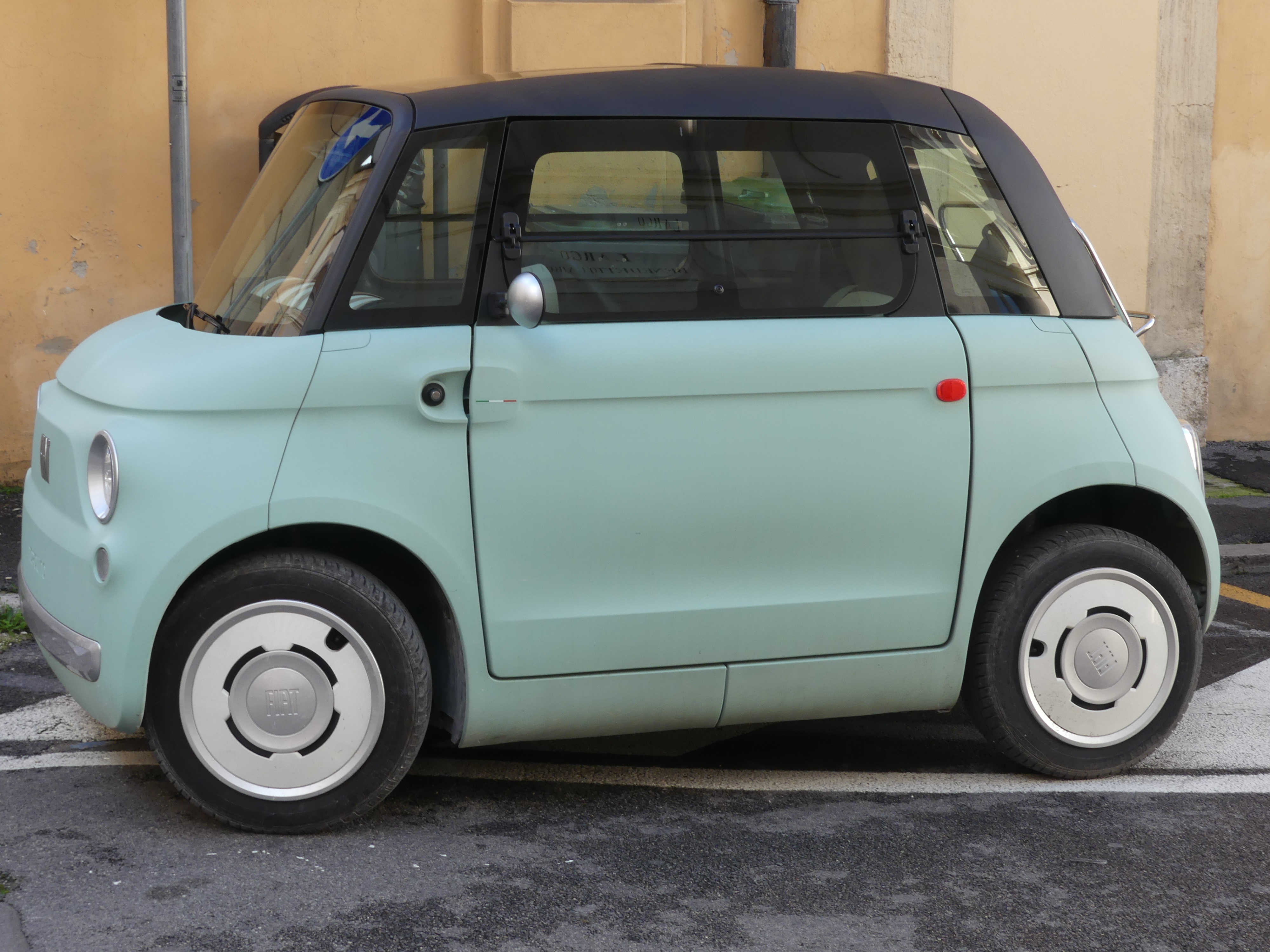
Atop the hill was market day, and this seemed to be the reason we were here also (I suspect Robert had a rendezvous lined up). After the rather plain church in the square, here located in this small enclave of the old town was a huge church with its Nativity scene still on show. As we explored around the church (it was not open to tourists) we found what was on the other side of the hill – not such a small village. Then we discovered tucked away nearby was the “ordinary folks” chapel used by the residents with some interesting but not pretty décor. The priest had parked outside – a plastic Fiat. I couldn’t believe it, but it was the real deal just in plastic.
One of the shops offered a product that seemed out of place. So I obtained this photo that all is possible where ever you are.
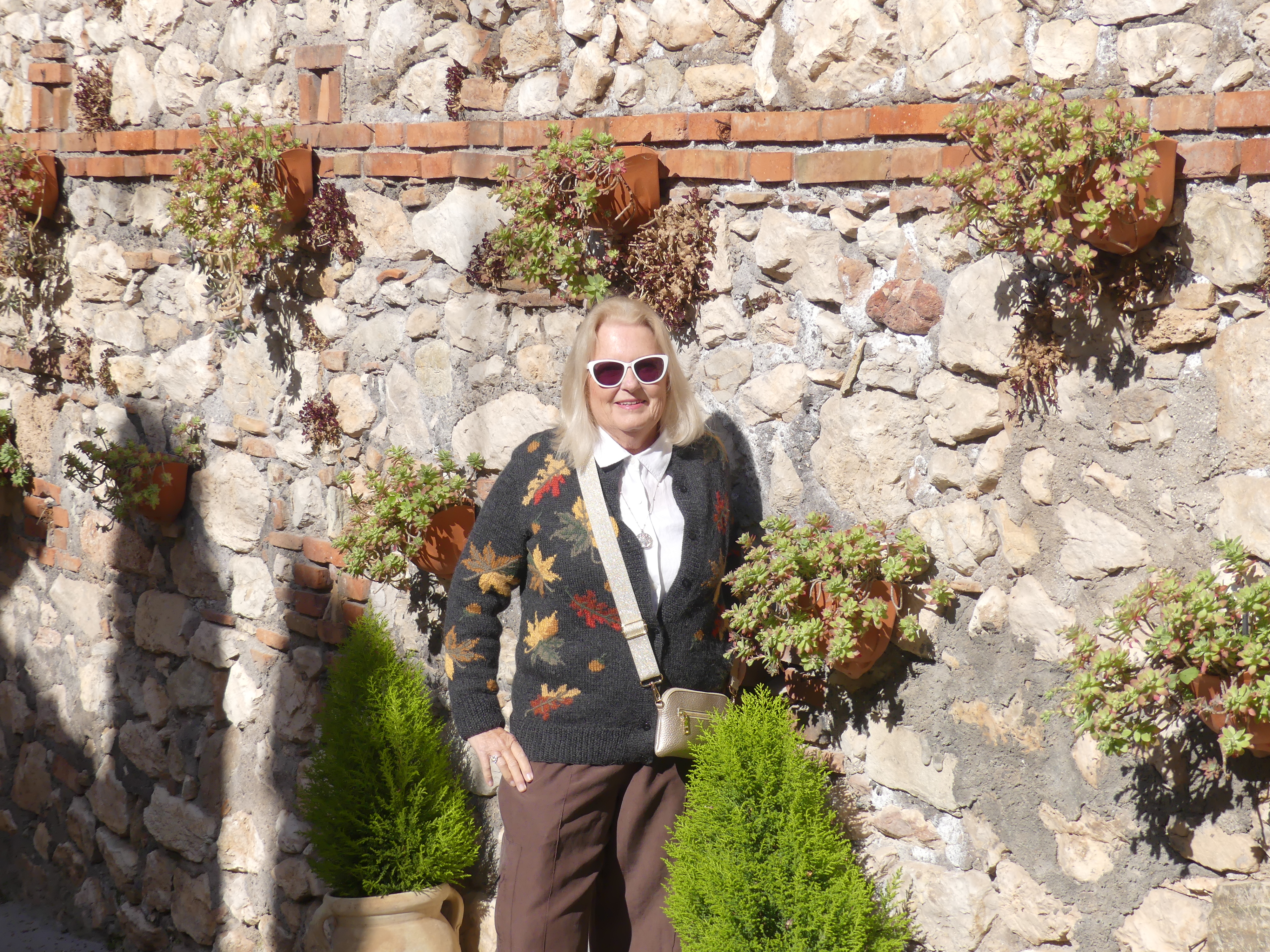
The day had developed from cloudy to sunny although Kerry’s jumper tells you it still was not warm – pictured below is a wall leading to Roberts front door. The next photo is Kerry in the restaurant again after which we visited the rock fall on the entrance road. It appears to be cleared but some further work needs to be done with retaining the rest of the mountain – nice to know.
Our time in Cesi was up and tomorrow we have an early train to Bari via Rome – it’s a shorter train trip to return to Rome and travel across to the east coast to Bari than to go to Bari directly from Cesi – go figure. Look out for the next chapter and our adventures in “THE RETIREES GO AROUND THE WORLD – “CESI to BARI”
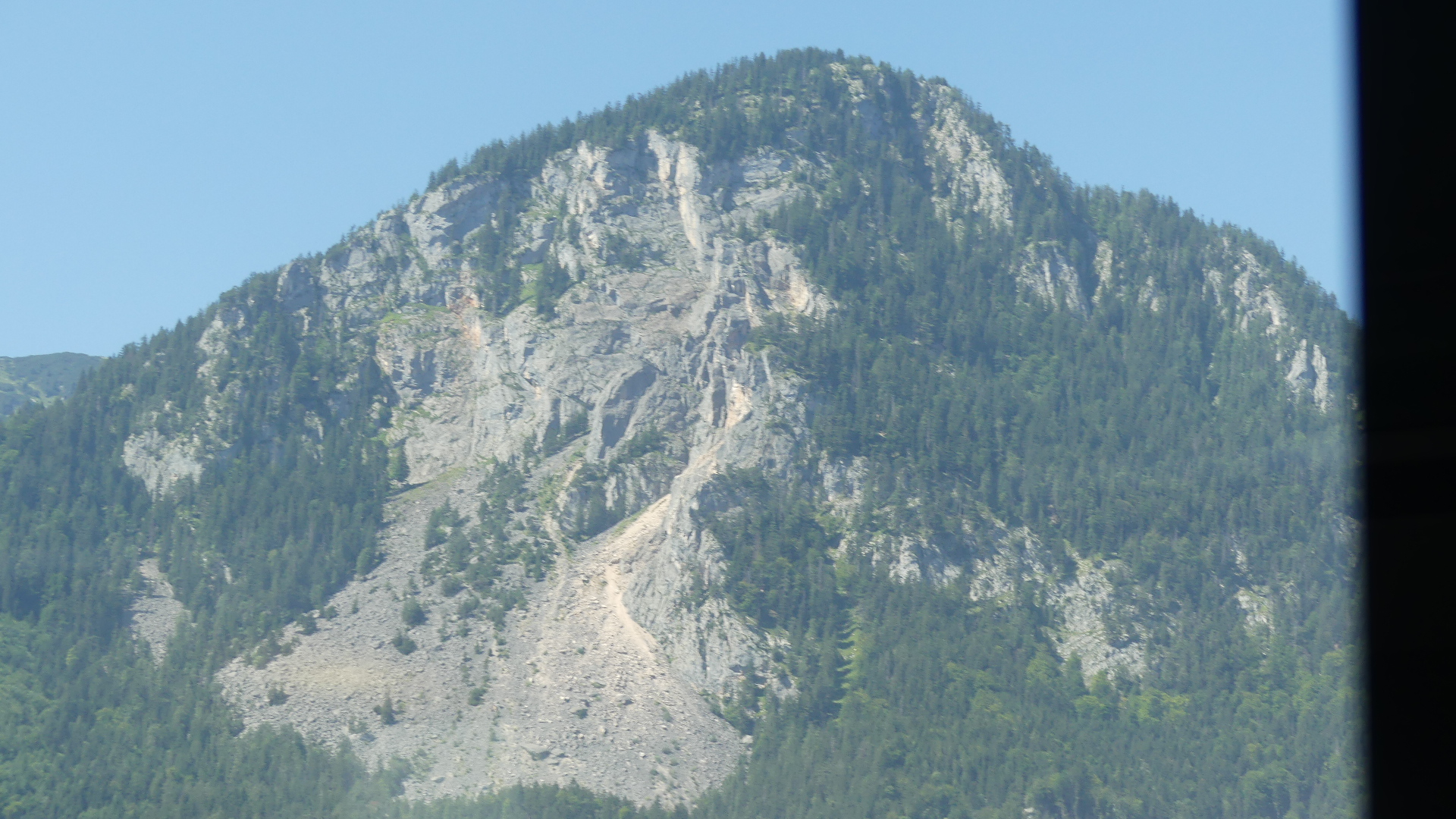
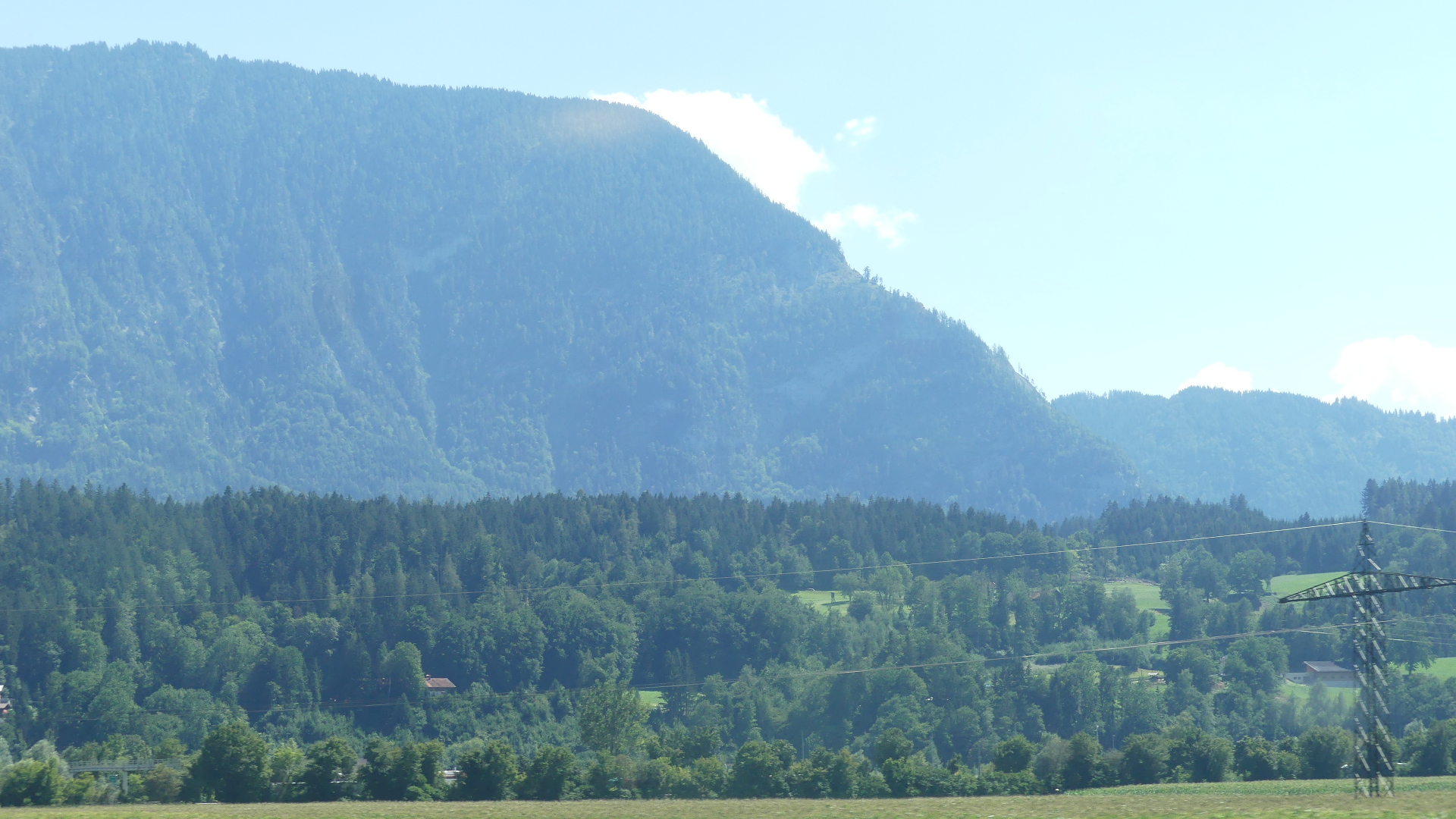
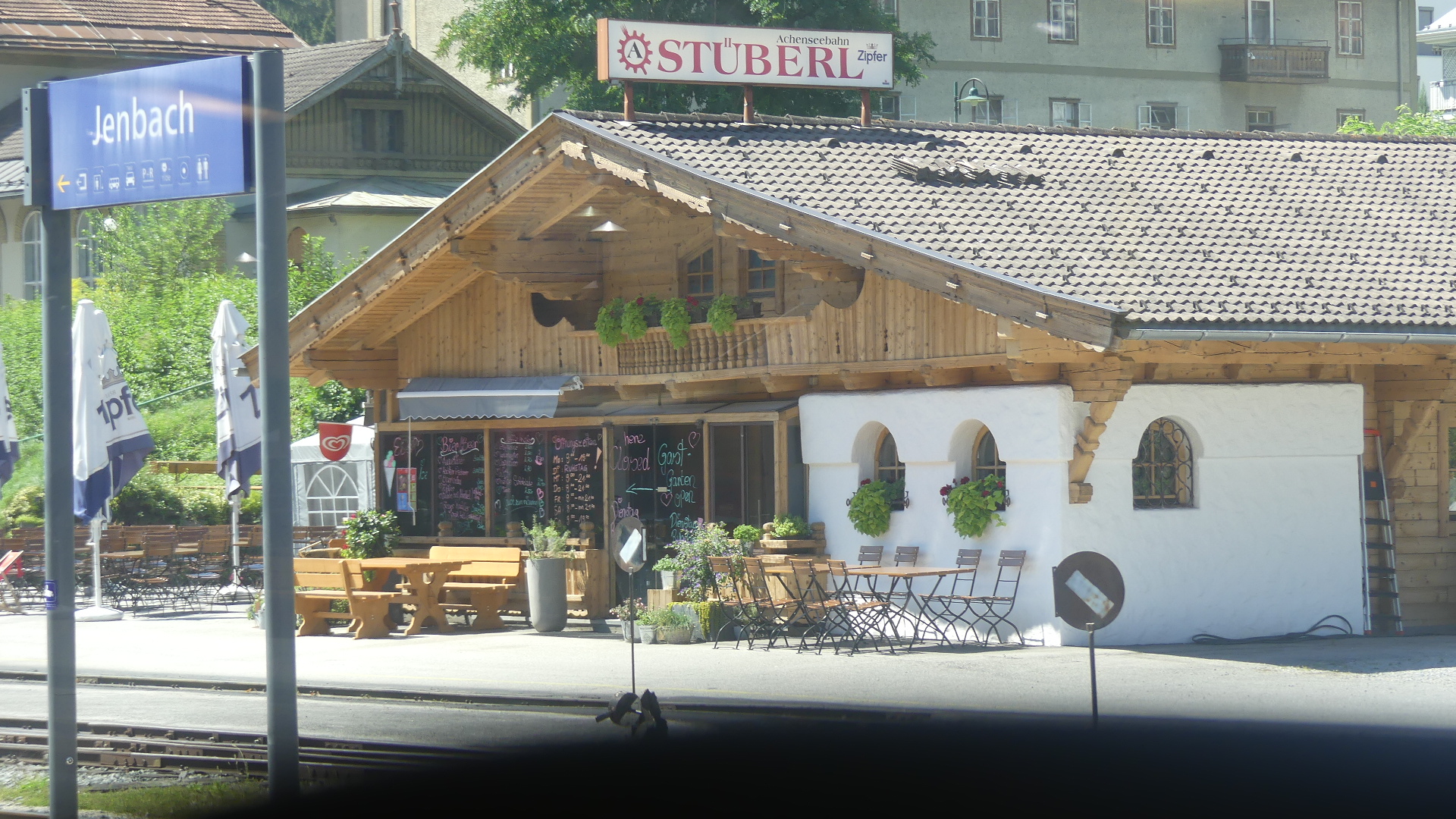
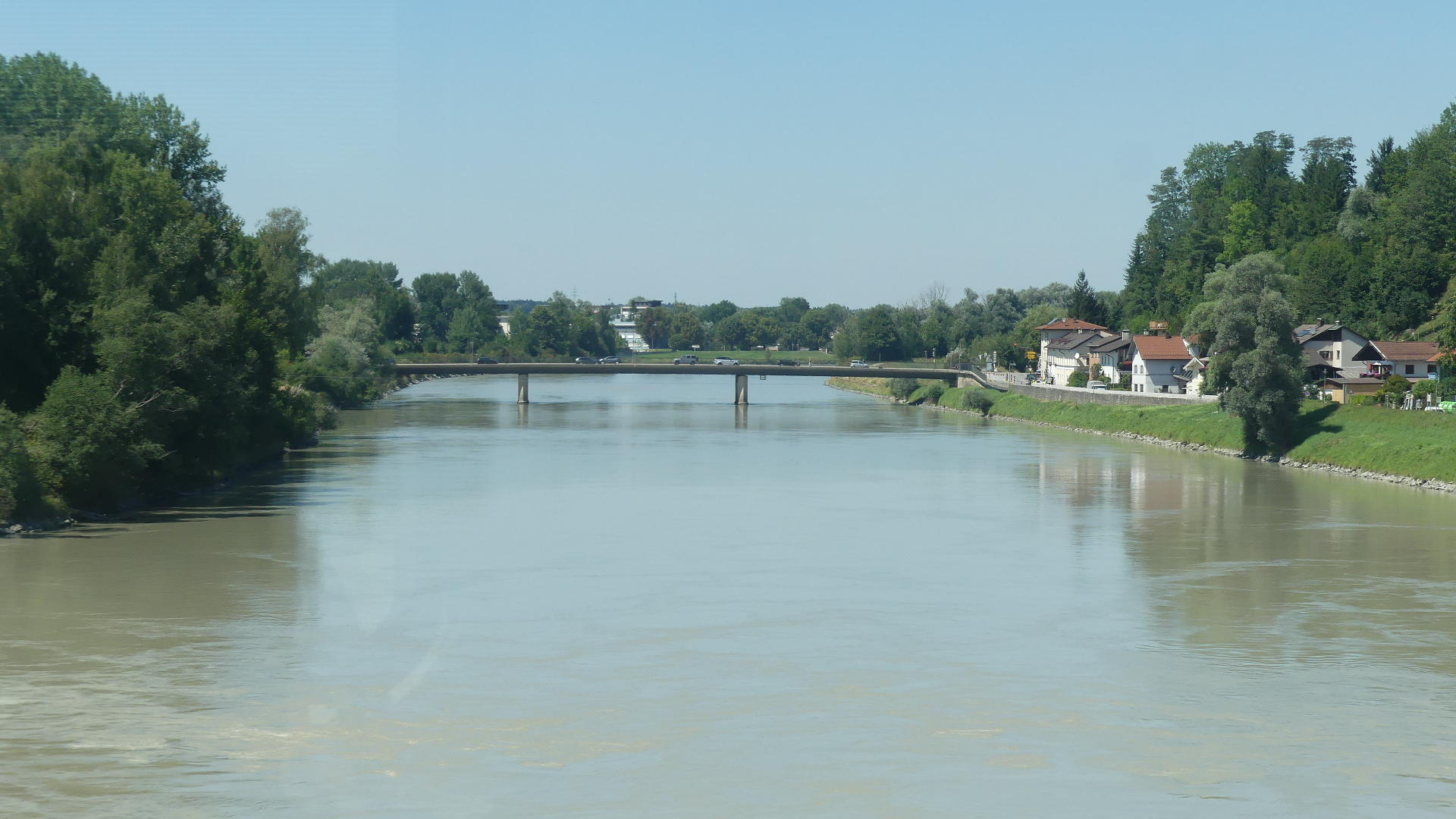
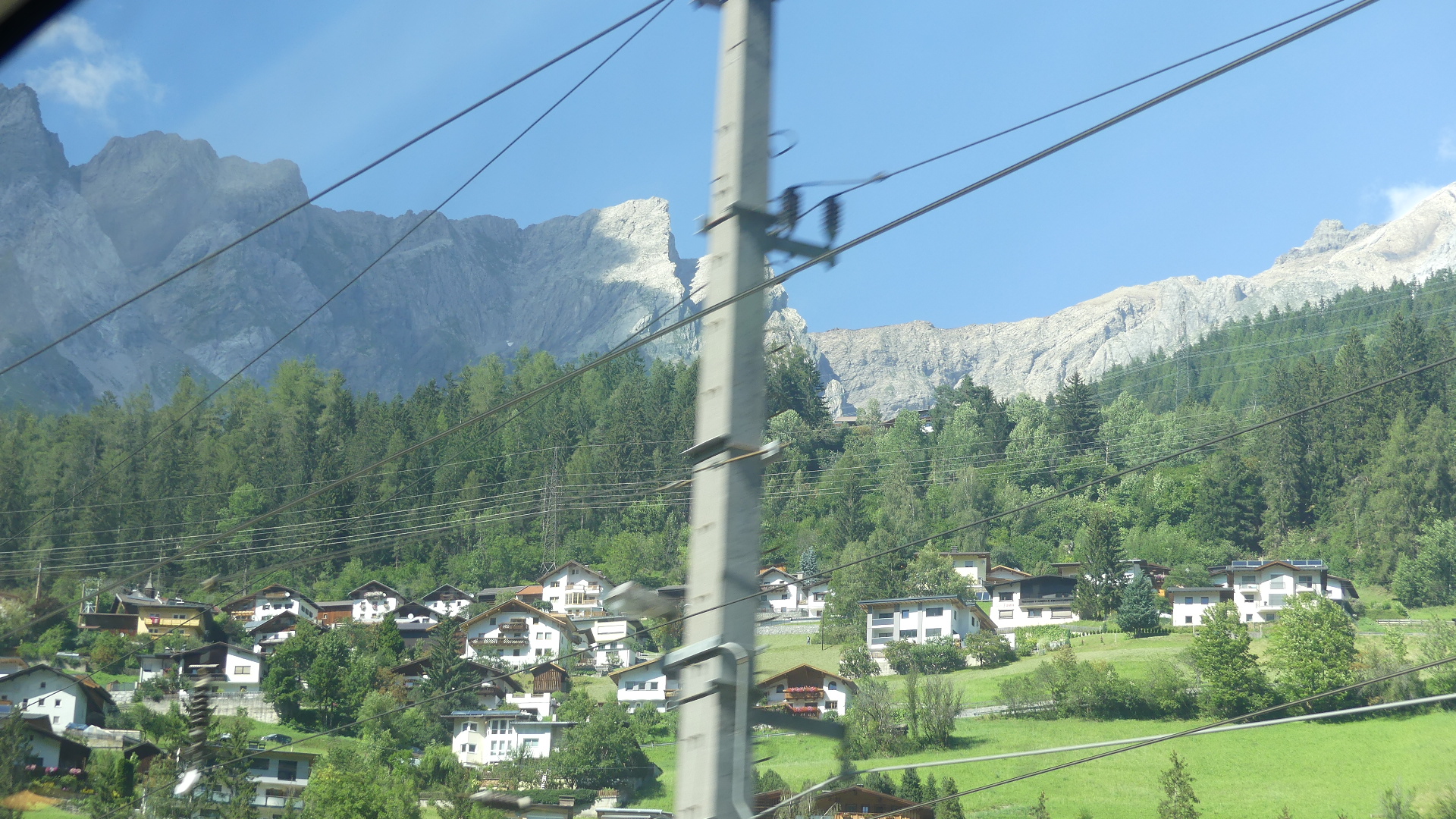
Goodbye Vienna. Our preplanning worked well and we might have caught the train on time if Kerry had not left her handbag in the train station waiting room. Literally she was stepping into the train when she realised it was not there. She ran back to the waiting room, but we knew we had missed our train. However, unlike aeroplanes we could catch the next one with our luggage and the EUrail pass gave us that flexibility. We had chosen first class seats because this is a 7 hour journey with no stops. There is a dining car, and we could order from the menu and get in seat service. The train reached speeds of 221kph and taking photos was often difficult, but we managed to capture some of the pleasant Austrian countryside and Austrian Alps. The following photos trace our journey from outside Vienna to Bregenz and you may notice the progression from plain to Alps in the west.
Photos
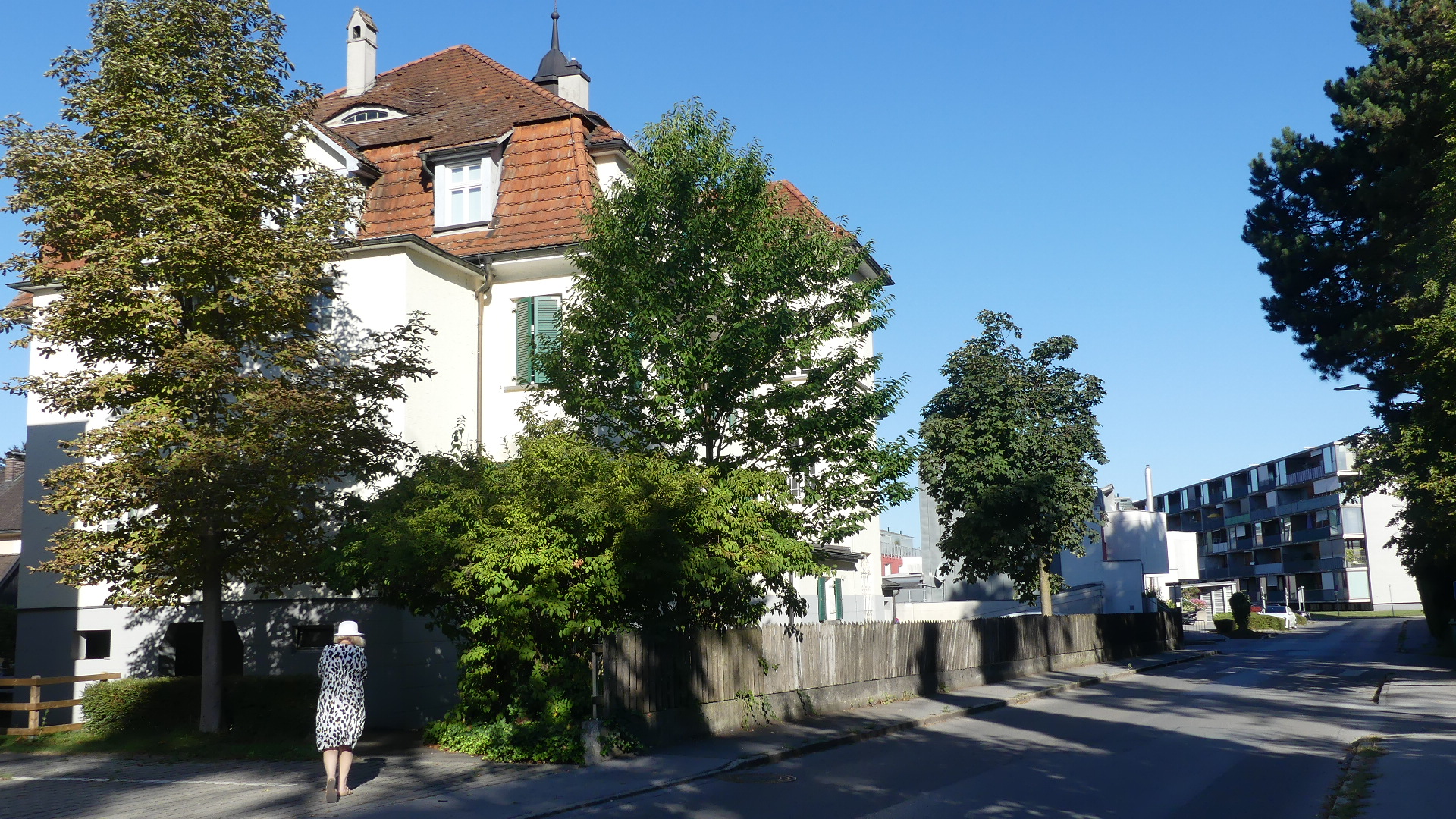
We arrived in Bregenz late afternoon and caught a cab to our accommodation which was outside of Bregenz and in a suburb/village called “Hard”. Very suburban and quiet but with not a lot of action either. It is a studio in a large house probably purpose built and clumsy in the way of east European architecture but suited our needs perfectly. The lines 15 and 17 bus to Bregenz Bahnhof (the main rail head) was under 5 minutes’ walk away and the buses ran every half hour – very convenient.
We walked up to the nearest supermarket “Billa” – about 20minutes away and bought some articles and two salads for dinner. After 7 hours on our bums the walk was needed. Bedtime was strange as sunset was about 8.30pm in the evening and this continued to disrupt our planning right up to the evening at the theatre when we arrived for a 7.00pm start only to find it was 9.00pm start as the theatre was open air. We knew it was open air and wondered how it was going to function in the bright afternoon light. Now we know – they wait till the sun goes down.
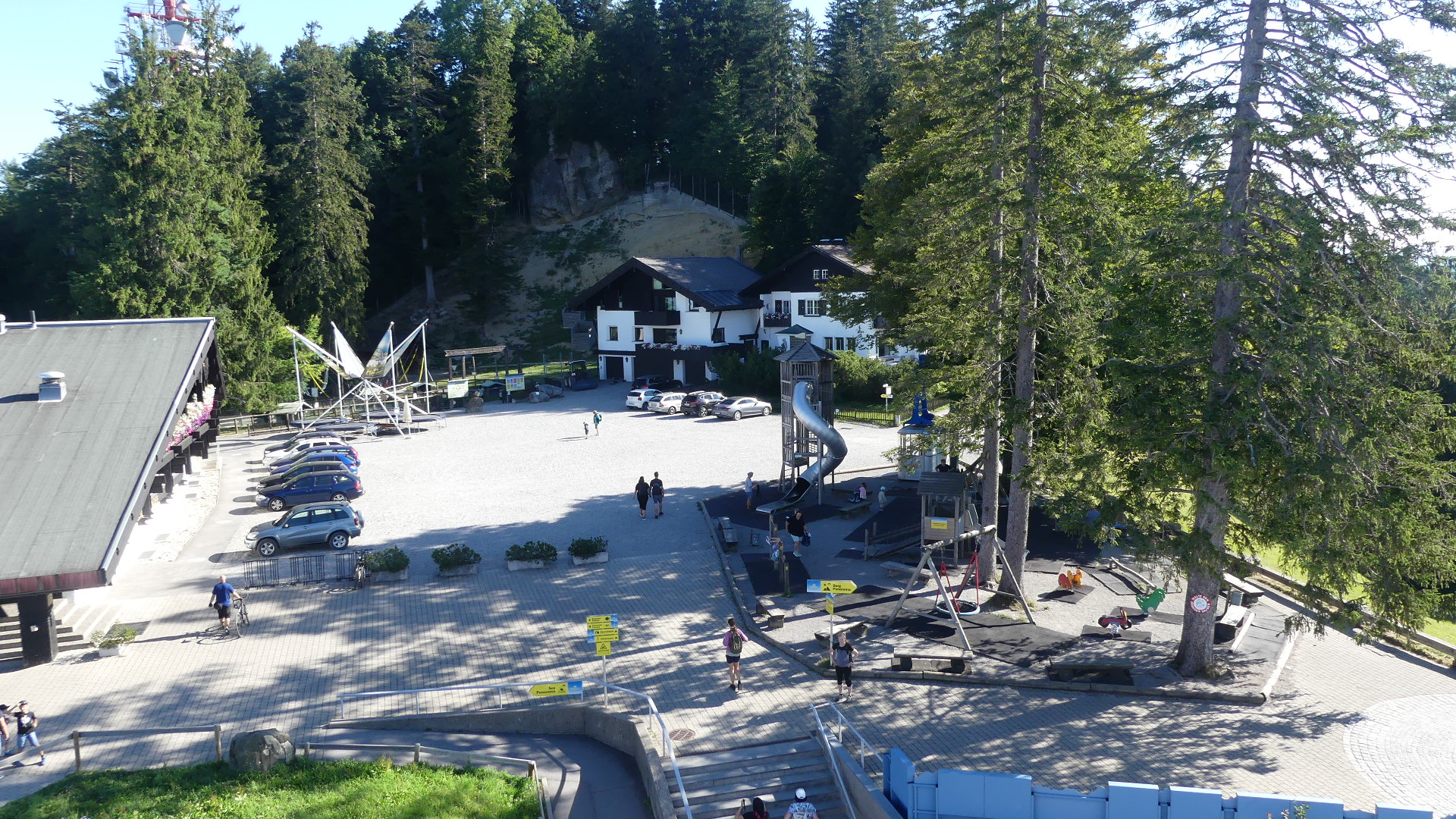
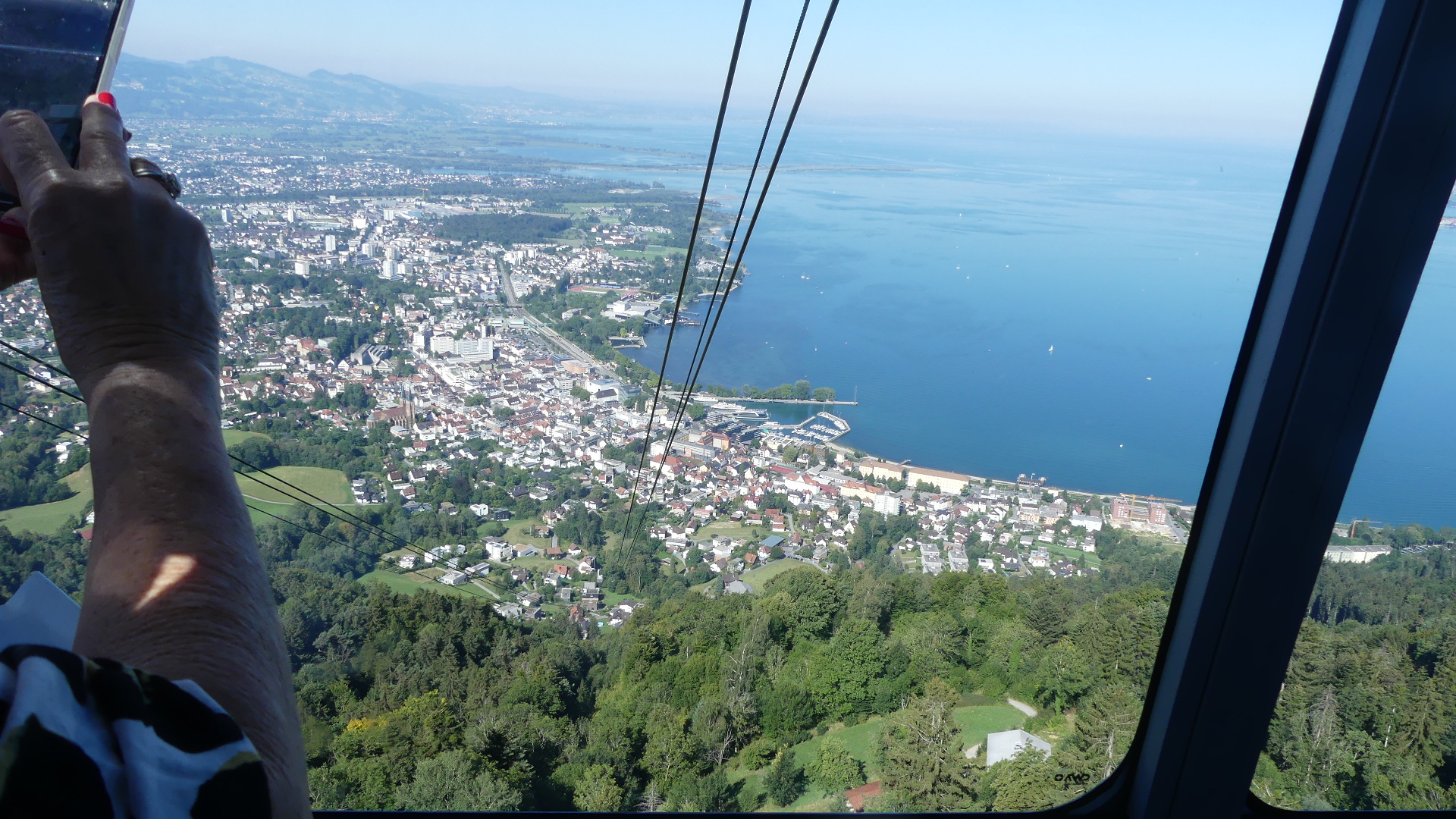
Bregenz is on the banks of Lake Constance Europe’s 2nd biggest Lake and the lake is the border for Austria Germany and Switzerland. The Austrian and Swiss Alps run up to the lake so Bregenz has Pfander mountain at its back. For our first visit to the city/old city we started with the board walk along the lake to the boat terminals and then walked to the cable car to ride to the top of Pfander.
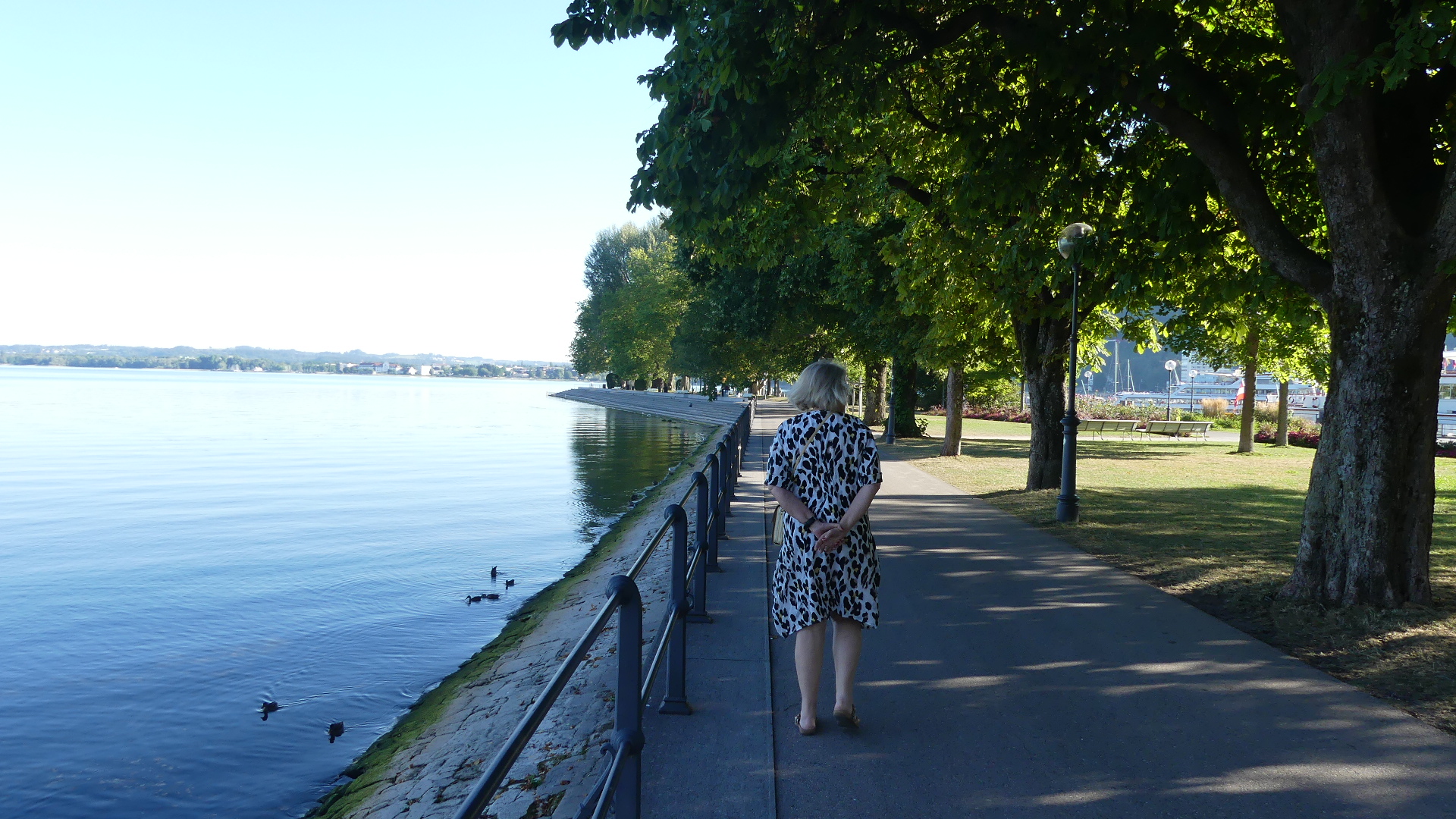
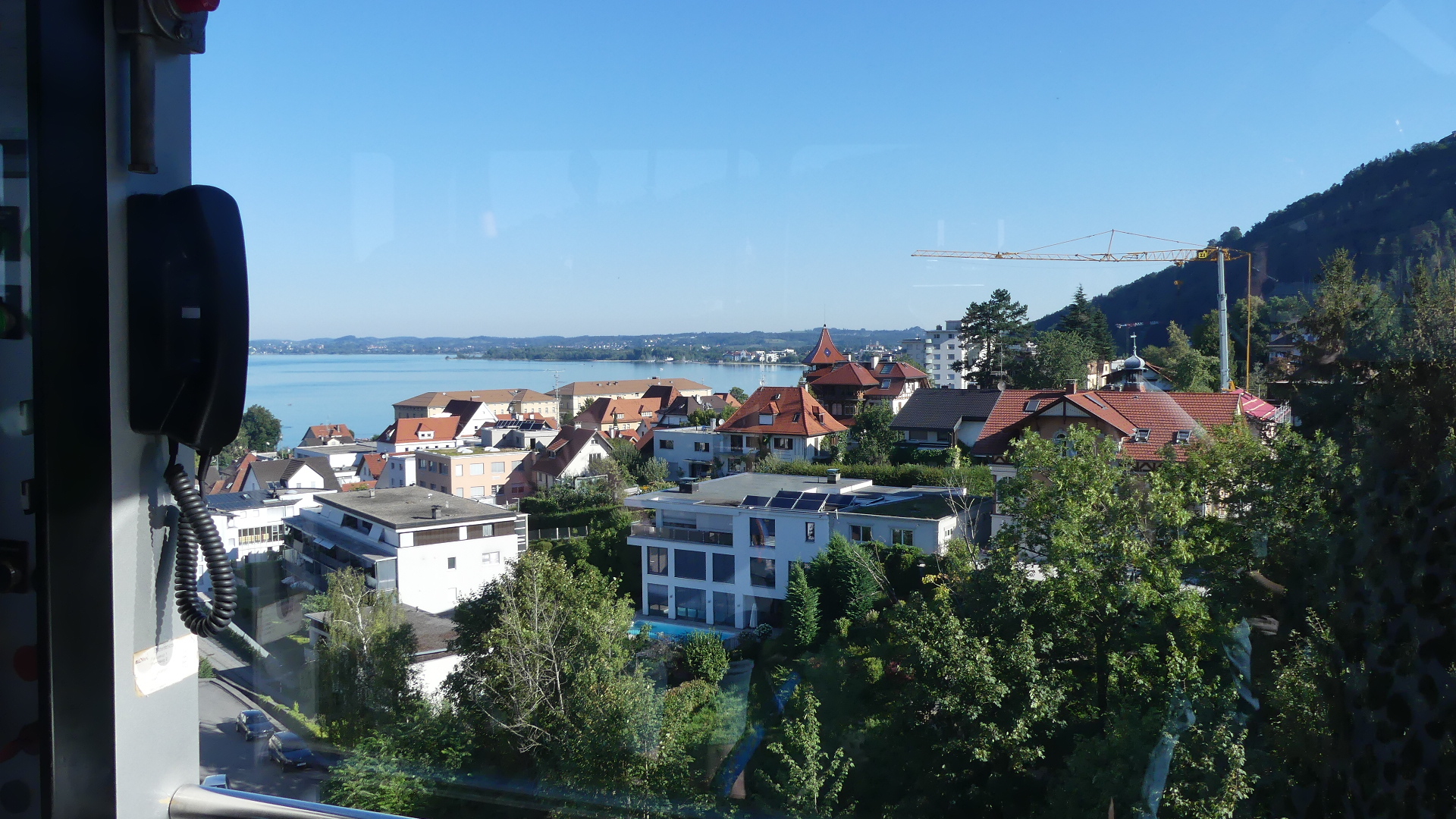
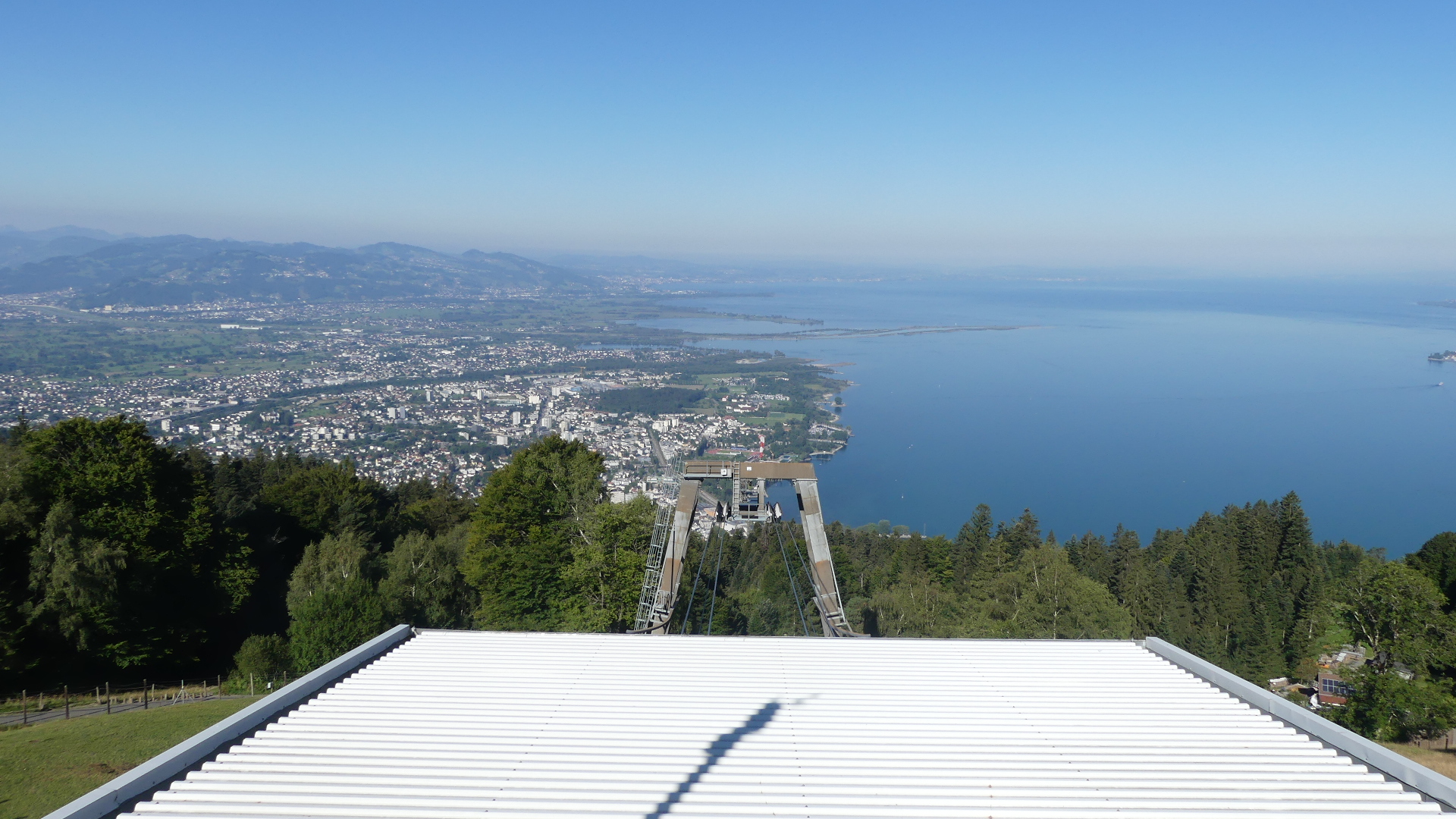
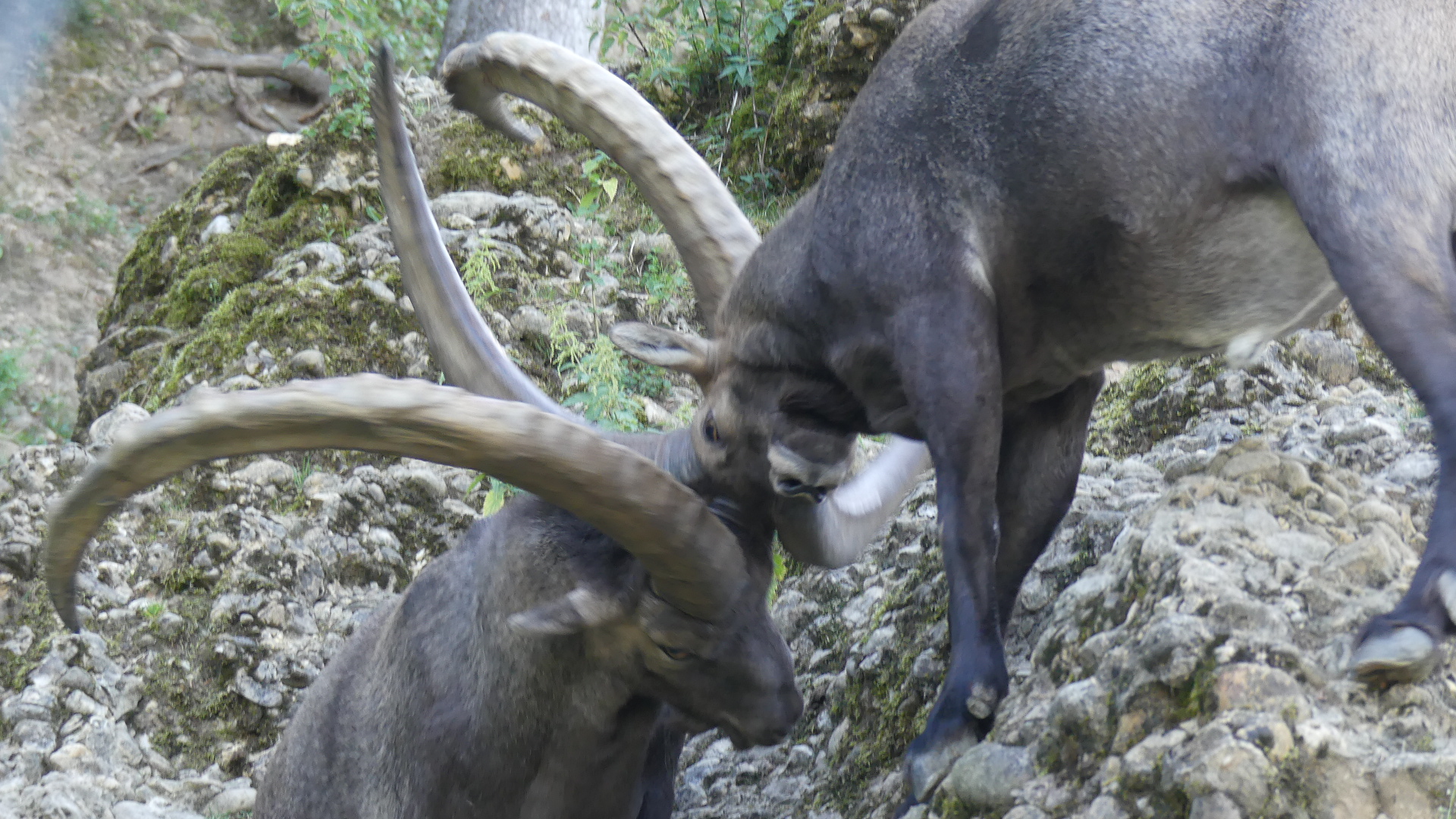
My first photo is Kerry on the boardwalk and then the ultramodern dinner boat called “Koningin” docked at the boardwalk. Then follows photos of the cable car ride up to Pfander, a view of Lindau Island Pfander, and rest area where there is a mini zoo of mountain animals. I have included a panorama showing the lake spreading away to the unknown. Views of the surrounding Alps and the facilities and animals of the zoo follow. The return journey gives a clear indication of the height of Pfander and how quickly it rises behind Bregenz. Watch out two of the jousting mountain goats have escaped from this gallery to the next gallery.
After returning to the town level, we walked along one of the streets bounding the old town so there was a mixture of old and new. Amongst the houses we encountered a parked car with a car cover over it clearly been there for years: so long in fact the town has declared it street art and posted a sign about the “artist”. It is all in German with no English note but our enquires lead us to understand that some local “artist” bought himself a new Porsche and was disappointed with it, so he put the cover over it and walked away. This was in 1947. His studio is beside it and an eclectic bunch of stuff sits in the yard of the studio.
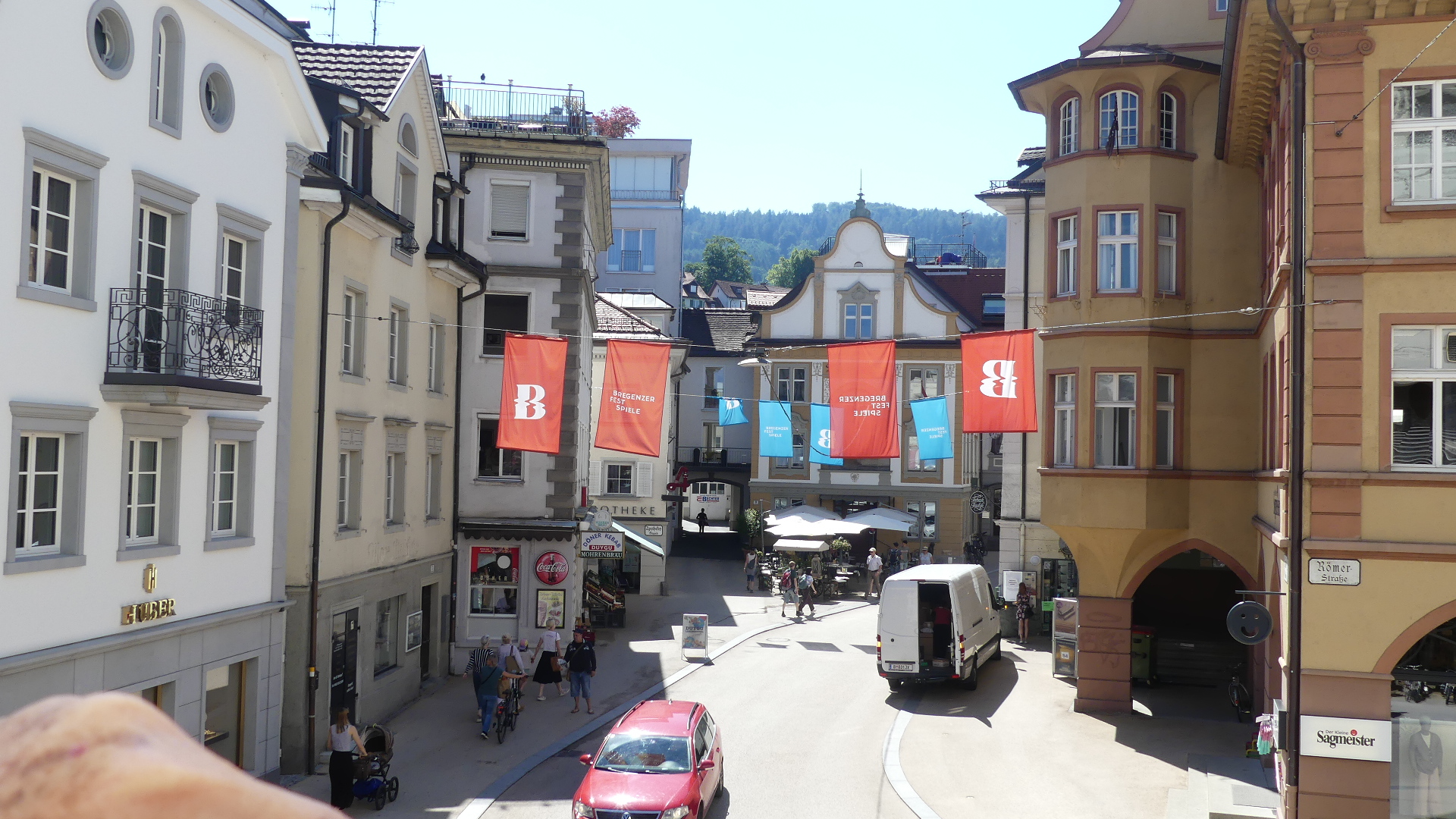
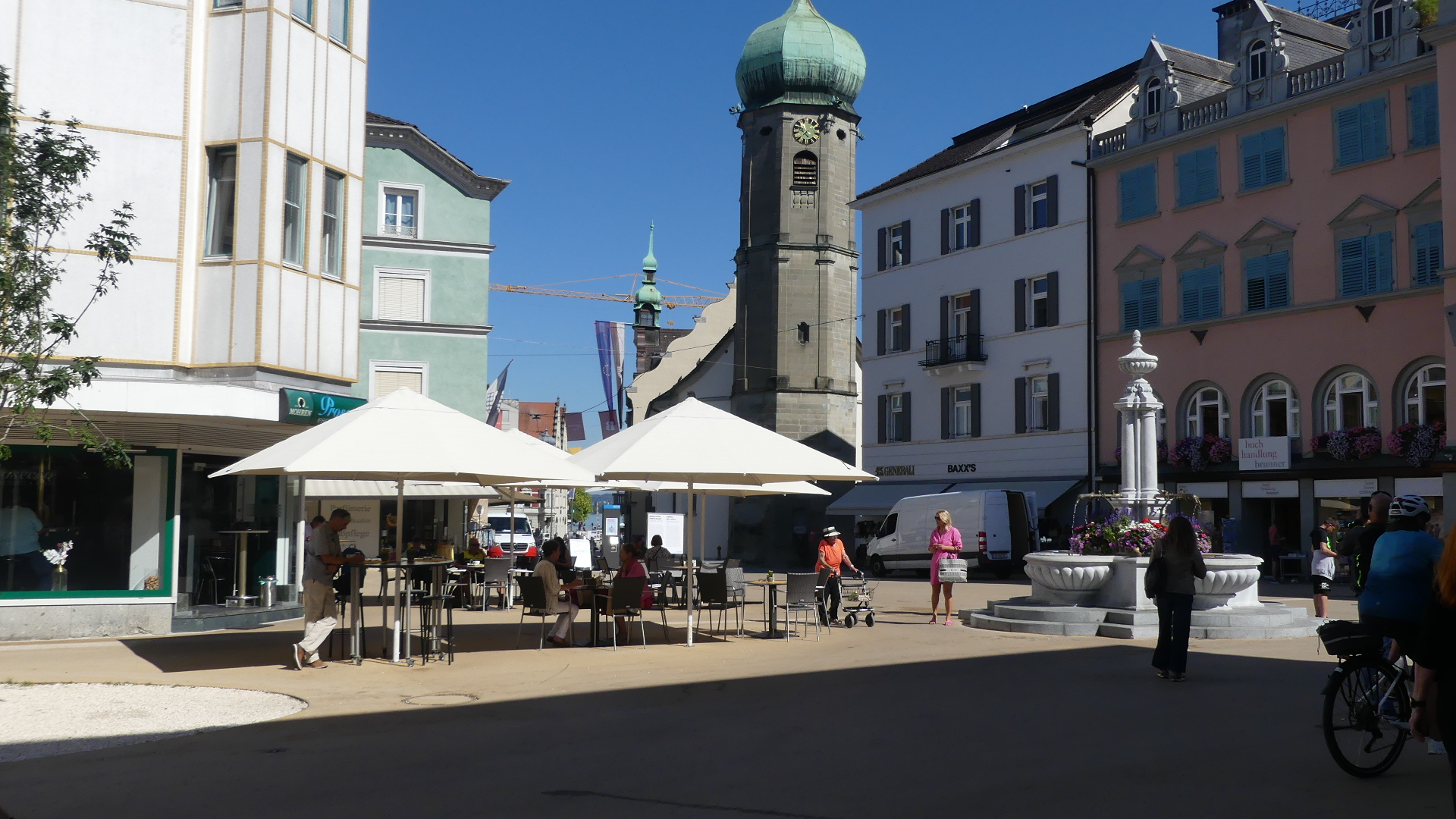
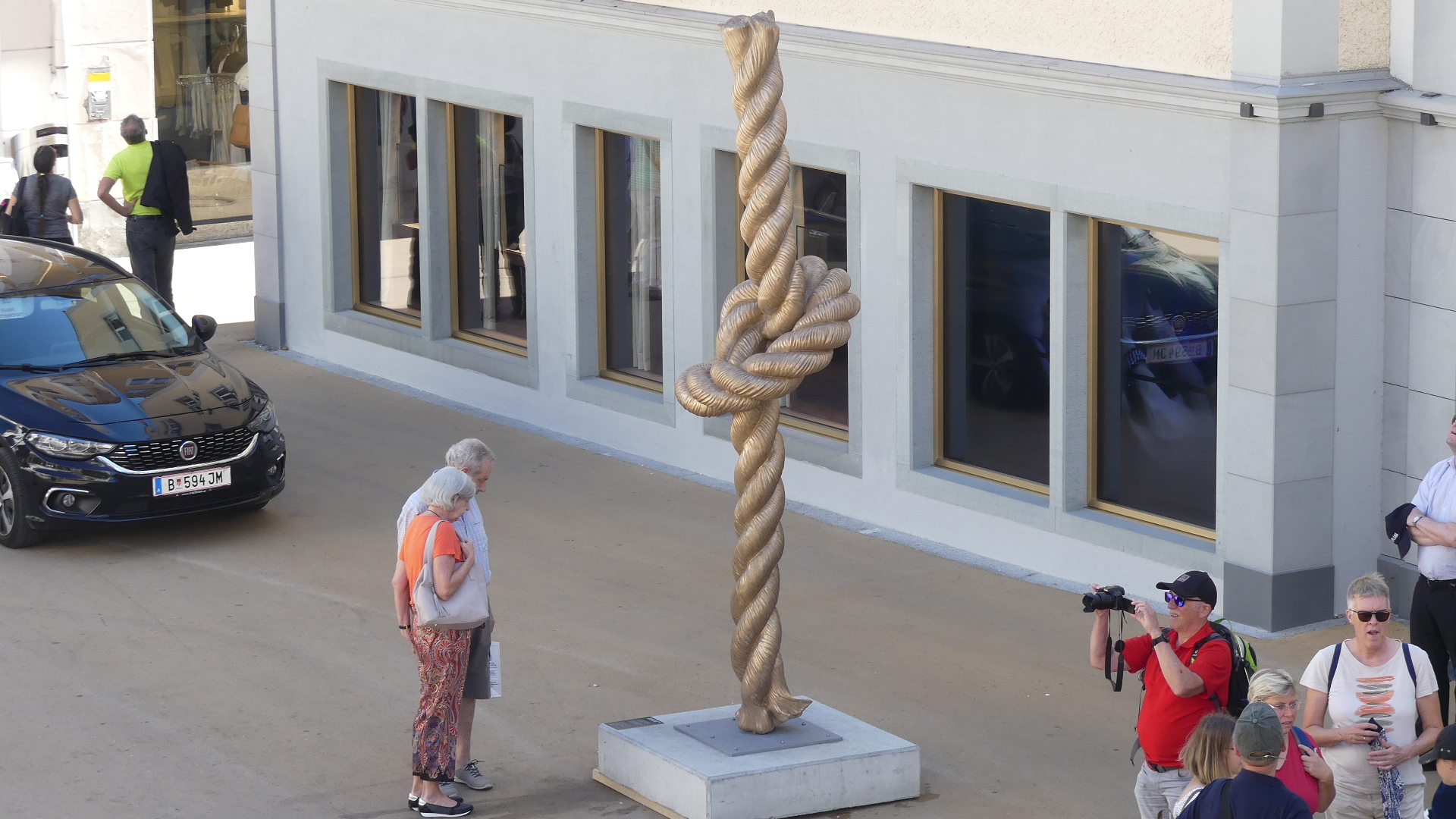
Several of the old town buildings are decorated with art works some portraying the first use of the building. In the main square stands the local parish church constructed with the eastern Christian church “onion” dome. Bregenz Summer Festival is on, so the streets are decorated with flags declaring that to be the case. In the case of these photos, they were taken when we had coffee at a restaurant above the square in one of the modern buildings which looks abhorrent and out of place. Like the monument to Indian Snake Charmers – the knotted rope statuary. No photo of the abhorrent building.
My library of photos has been overtaken by some sparring mountain goats left out of the previous photo gallery. don’t pay too much attention and they will be fine. The next photo is a historic house then the “porsche under cover”.
We had some reason to visit the Apothoke (Chemist). We found the Apothoke shop just off the main square. The interior was a museum perhaps of a 19th century shop.
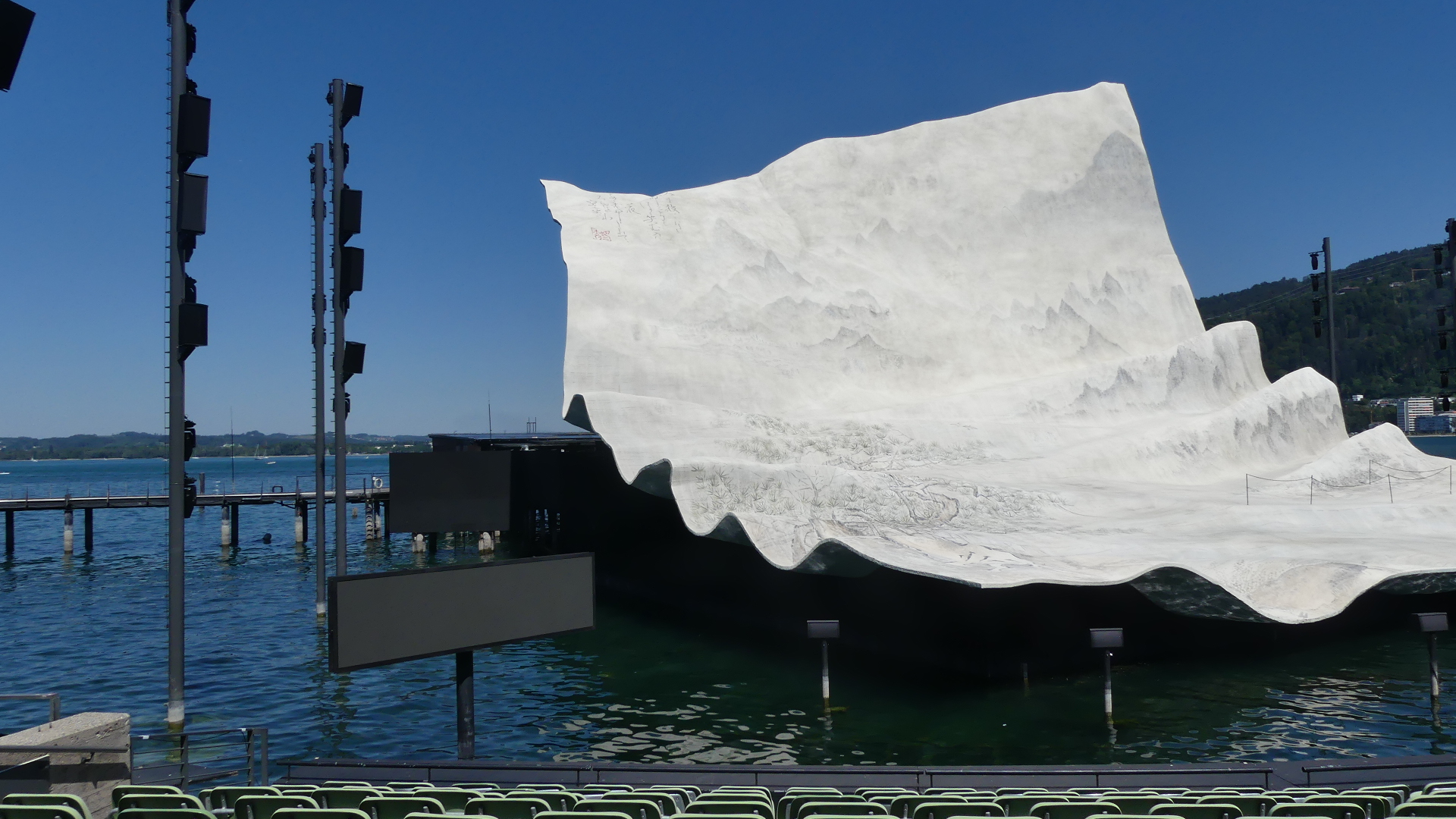
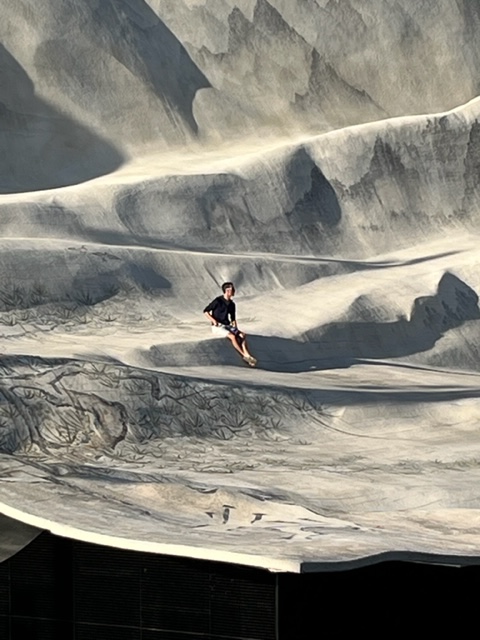
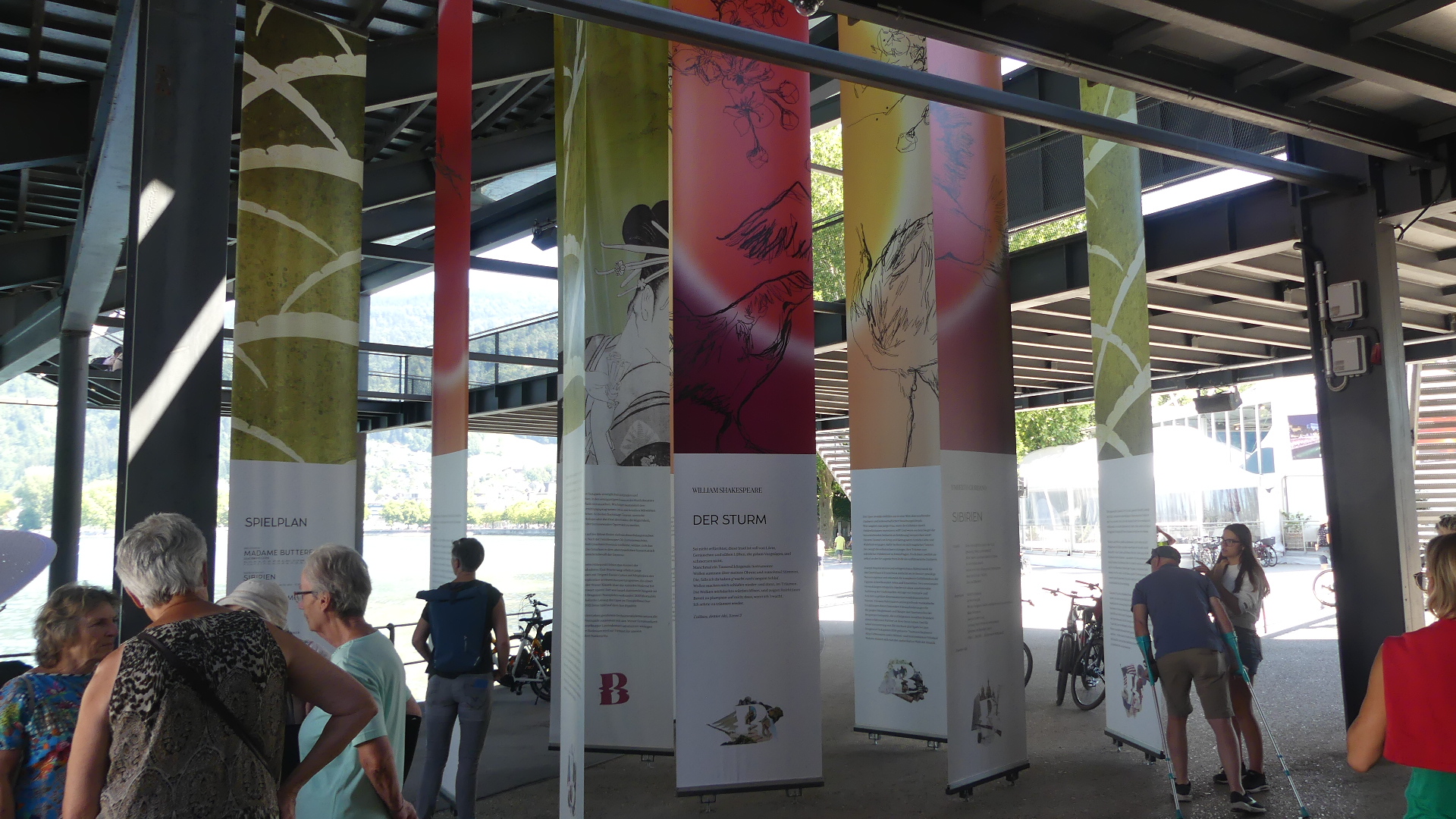
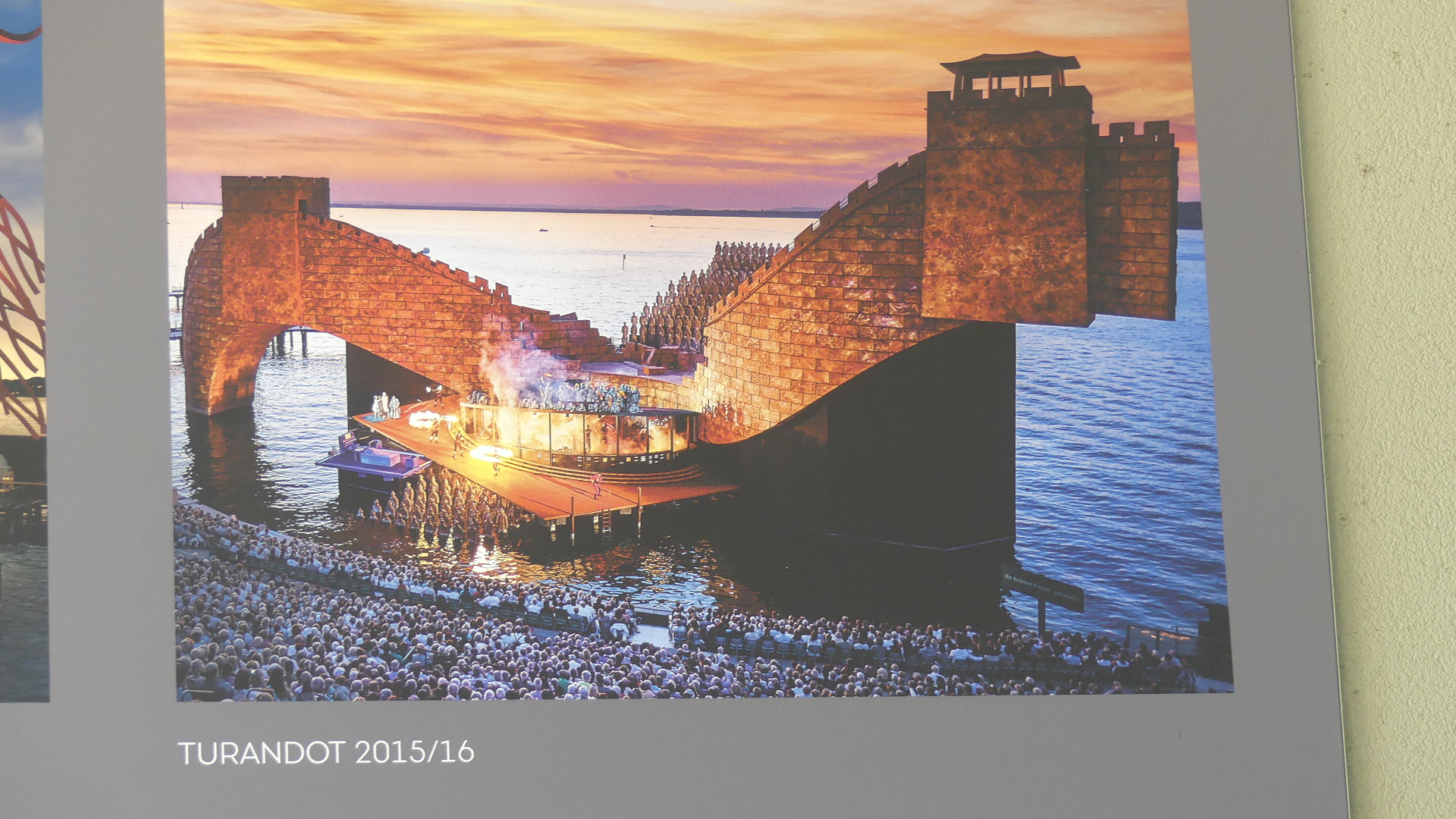
We are here for our wedding anniversary. Kerry promised herself to return and see a show at the Bregenz Theatre in the Lake after we had stumbled across it in 2015. In 2015 the Opera was “Turandot” and the stage was the Great Wall of China and the Terracotta Army. This year it was Puccini’s opera “Madame Butterfly”. The stage is a deceptively simple white background with hidden stairs doorways and a hole for an enormous flagpole. Under the stage (rows F, G & H) banners advertising the show and pictures of the previous stages hence the photo of the stage which we saw being constructed. This magnificent stage is built at the western end of the lakeside walkway with Bregenz Bahnhof (train station) behind it. There is no orchestra pit but rather the orchestra plays on a sound stage inside the auditorium behind the patrons seating. This outdoor seating is erected leaving space between seating and stage for boats containing parts of the stage scenery to sail past during the performance.
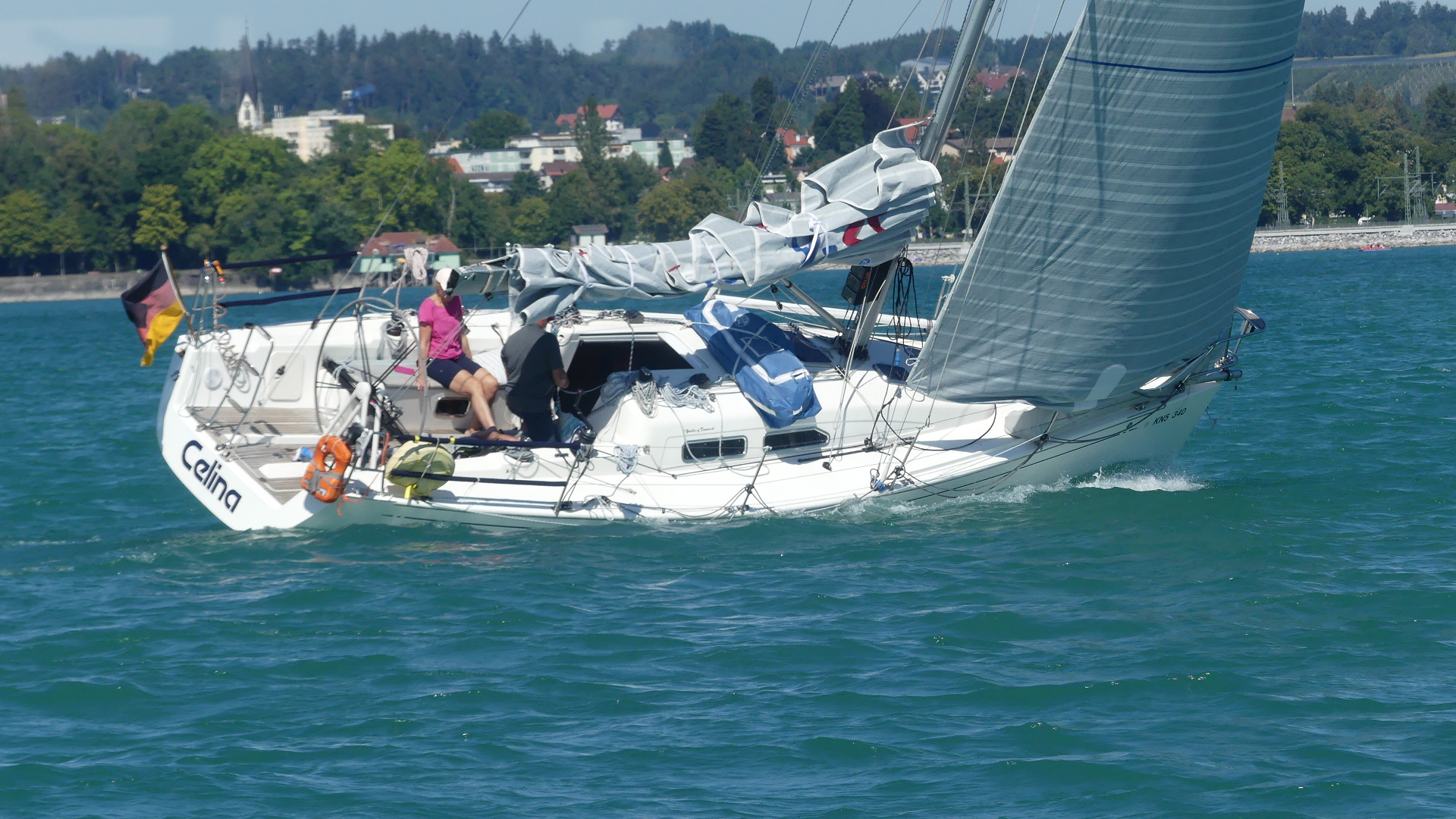
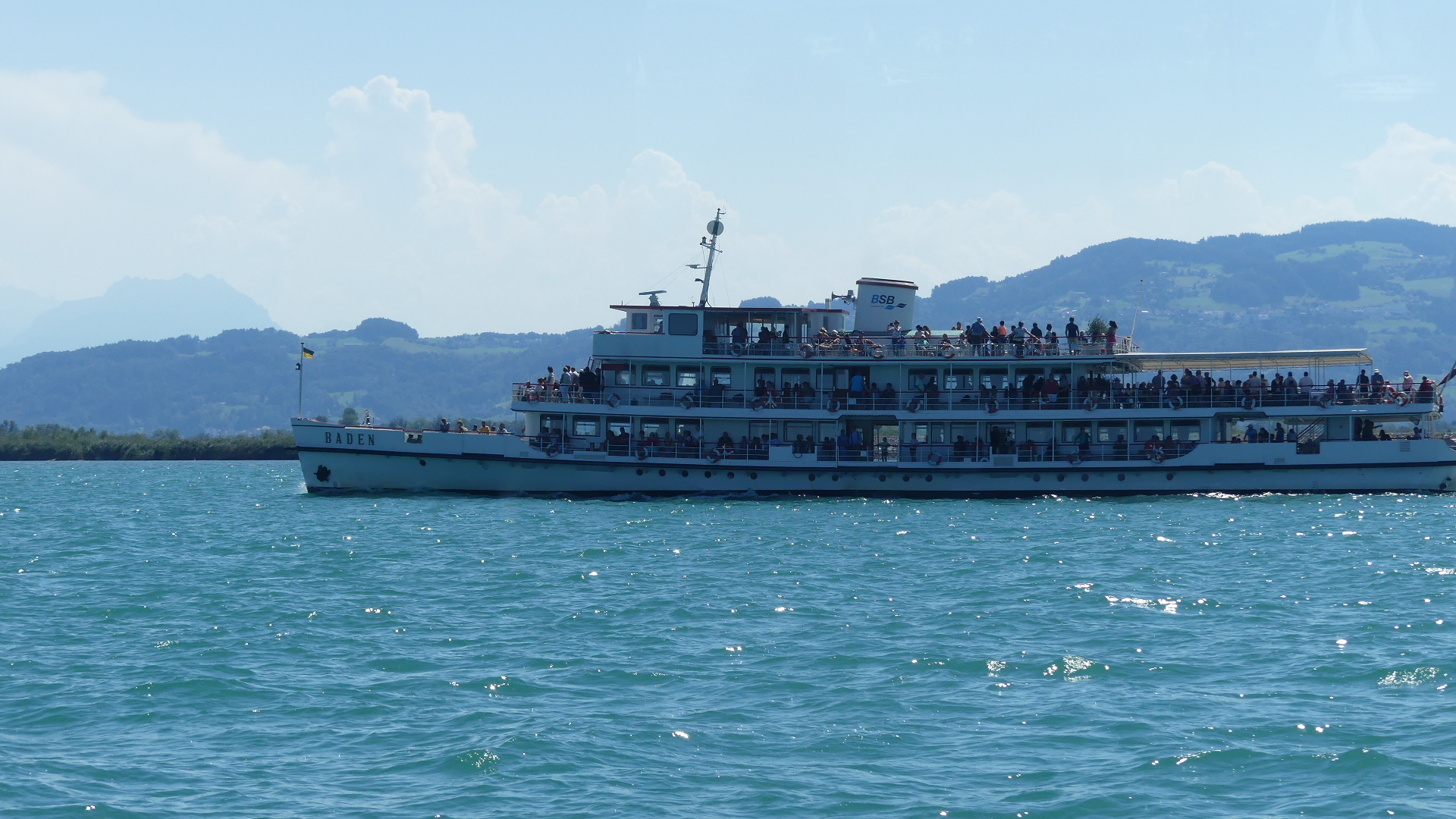
One of the entertaining things to do in Bregenz is to travel on the lake and visit different countries or so you might think. Well, there are no tours as such, but you can sail aimlessly around for 1 or 2 hours (we did the 2 hour trip) looking at the different countries. The following photos give you 2 hours of excitement.
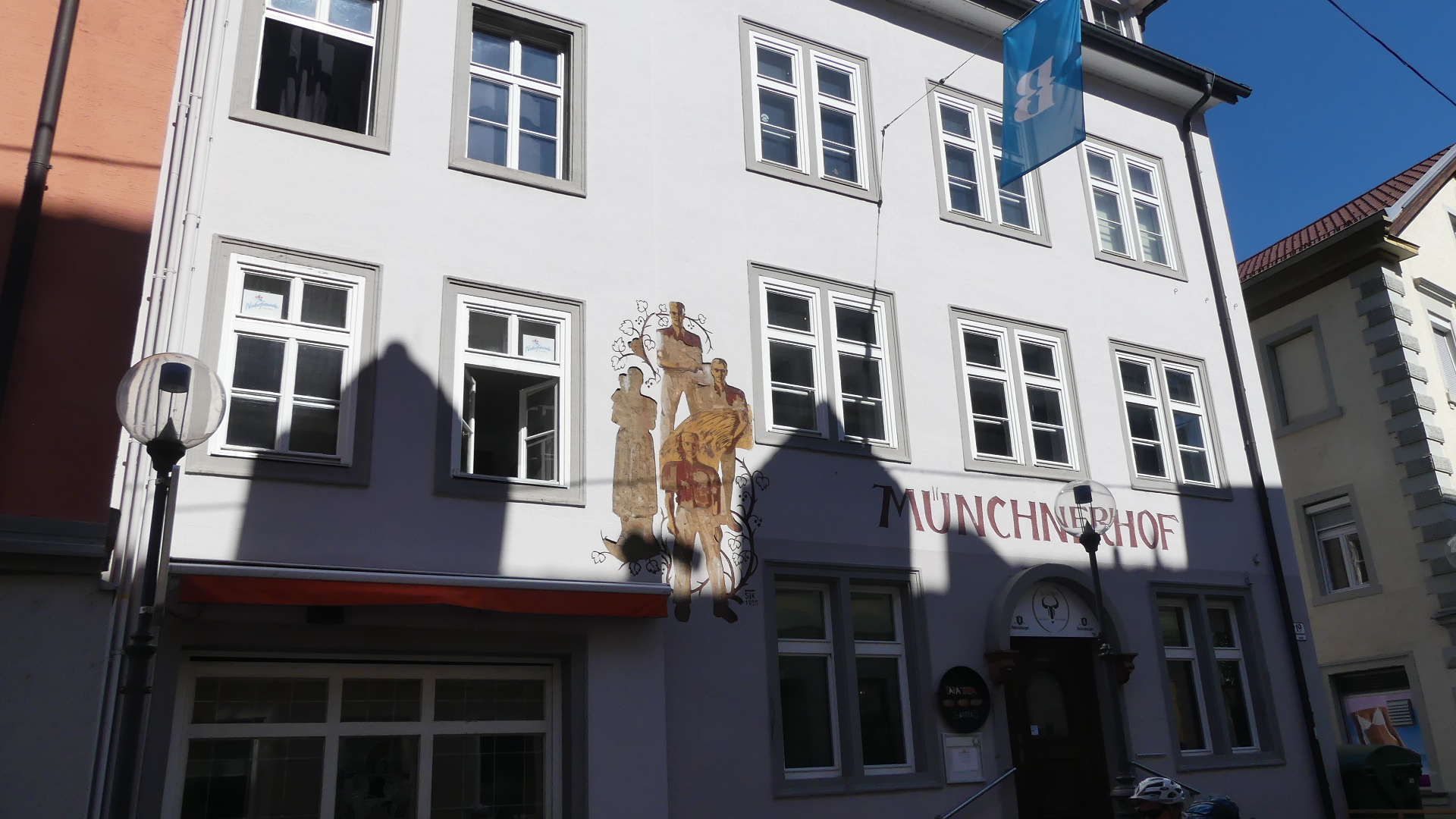
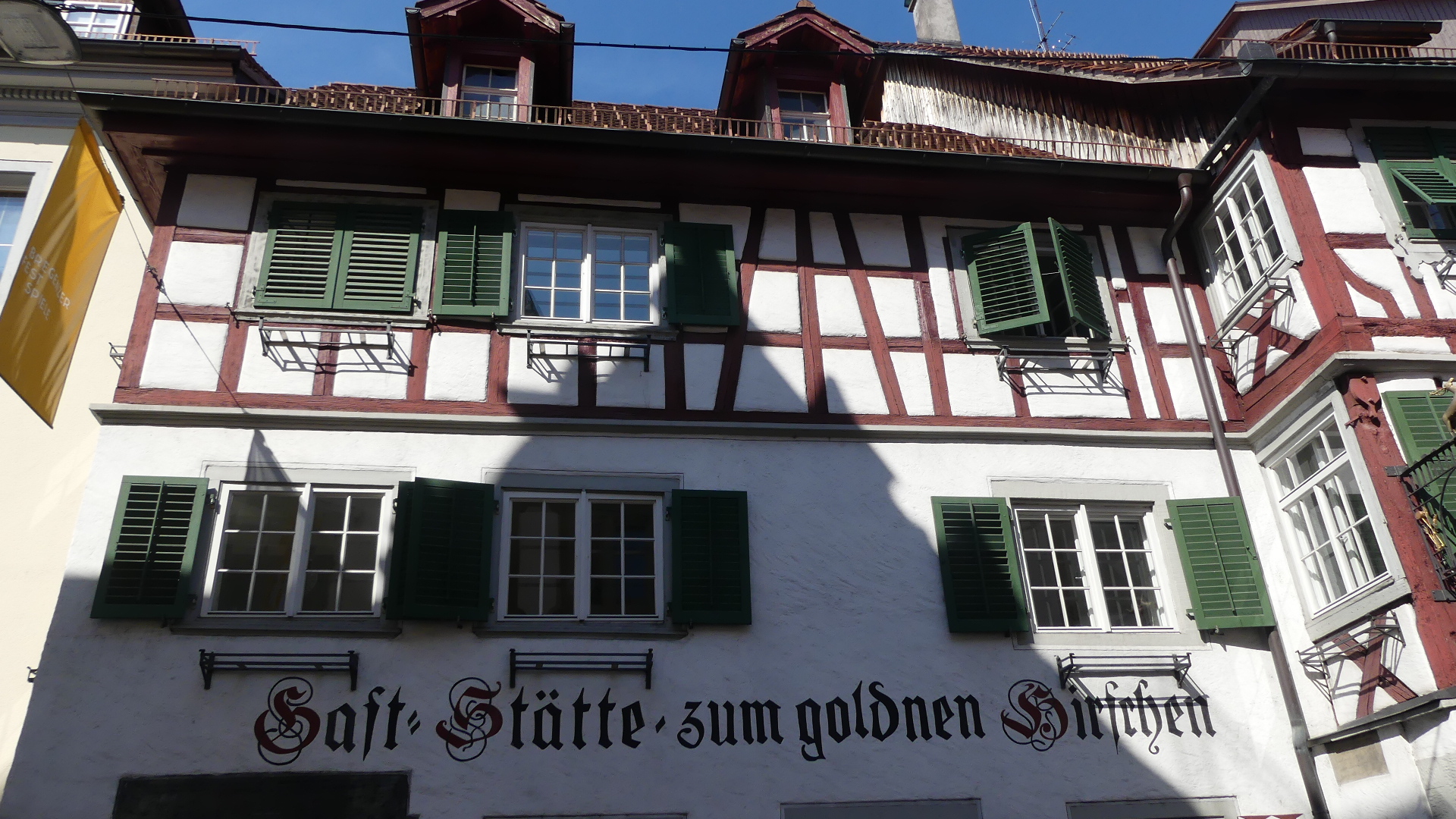
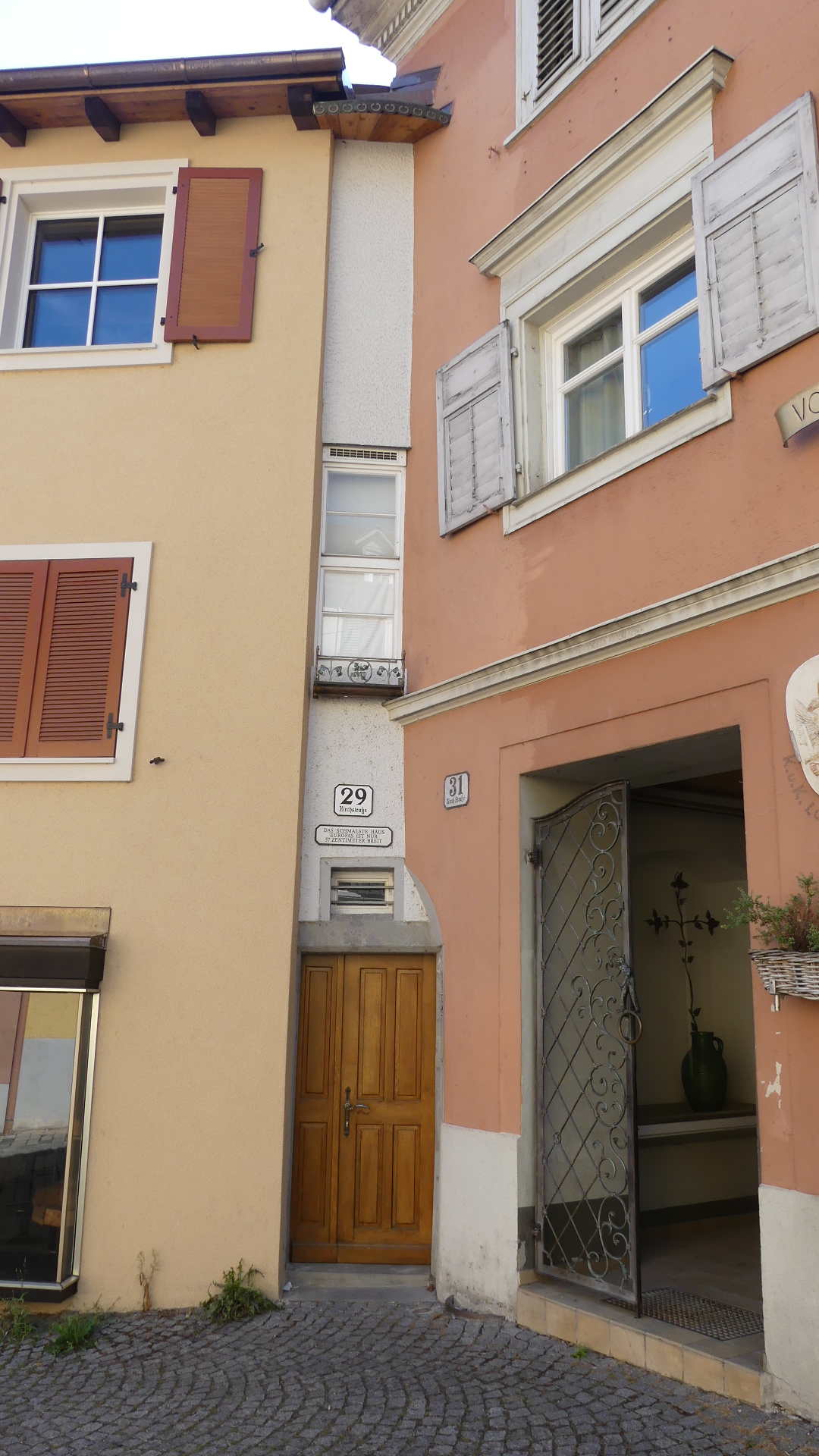
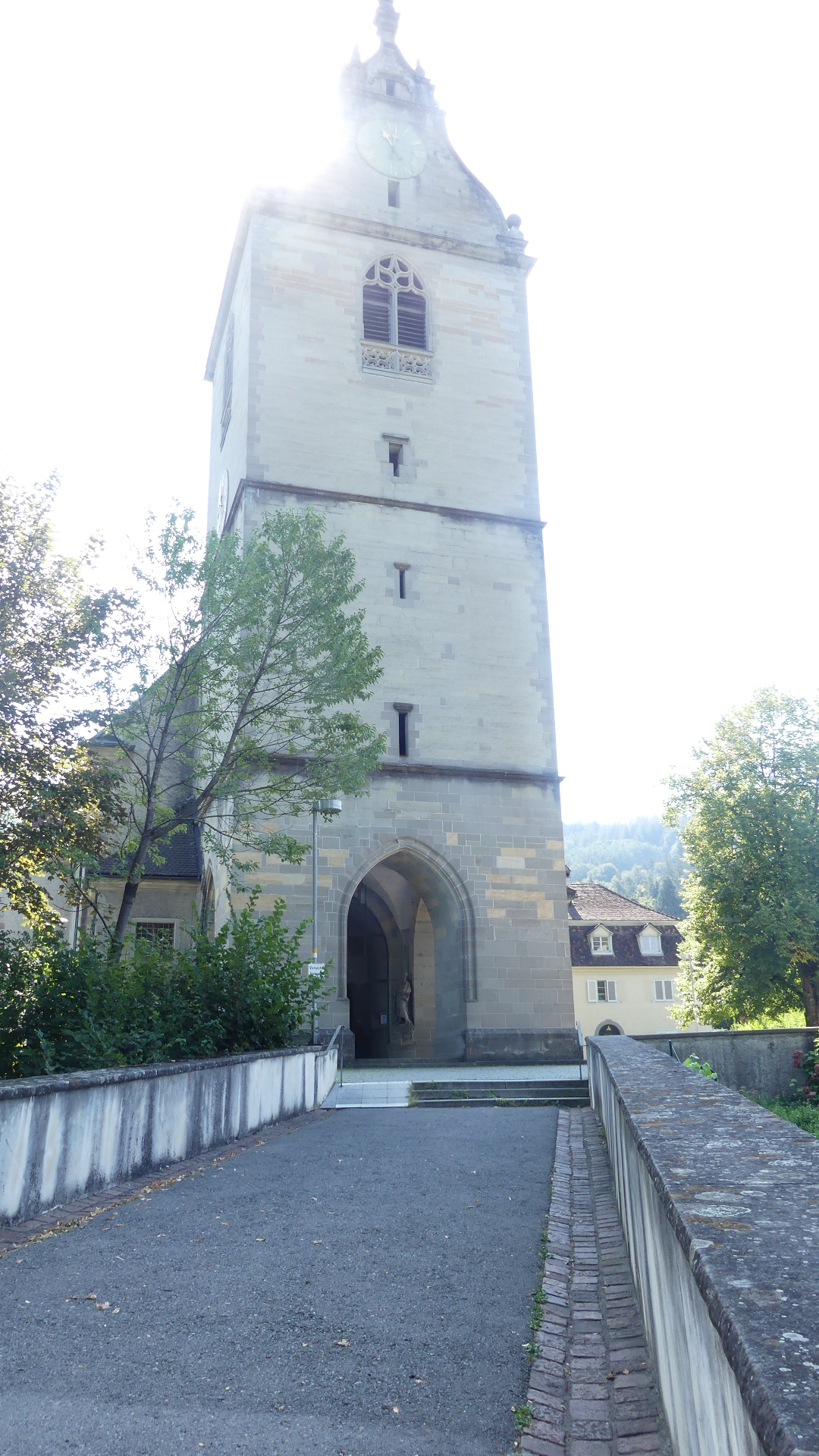
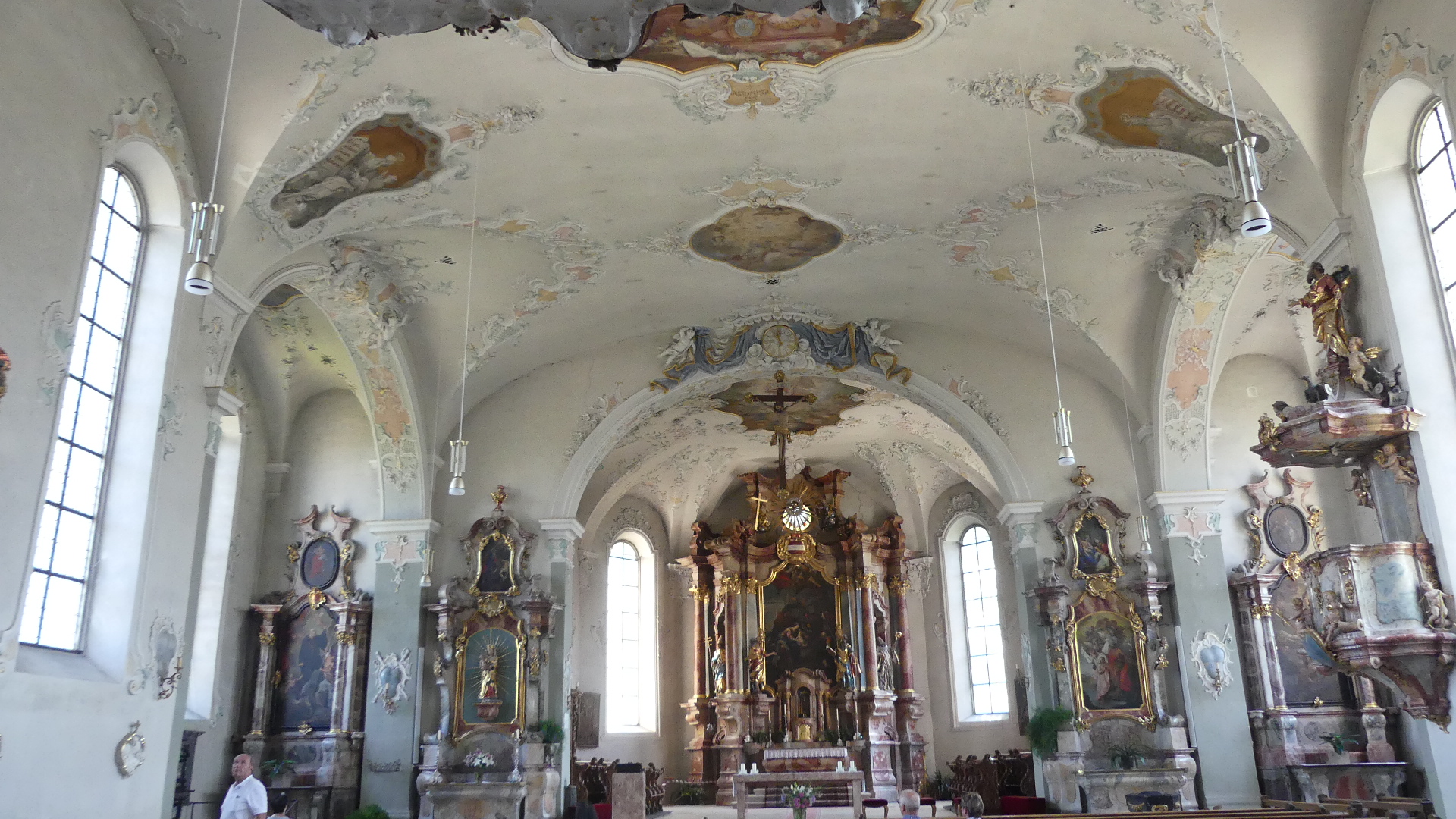
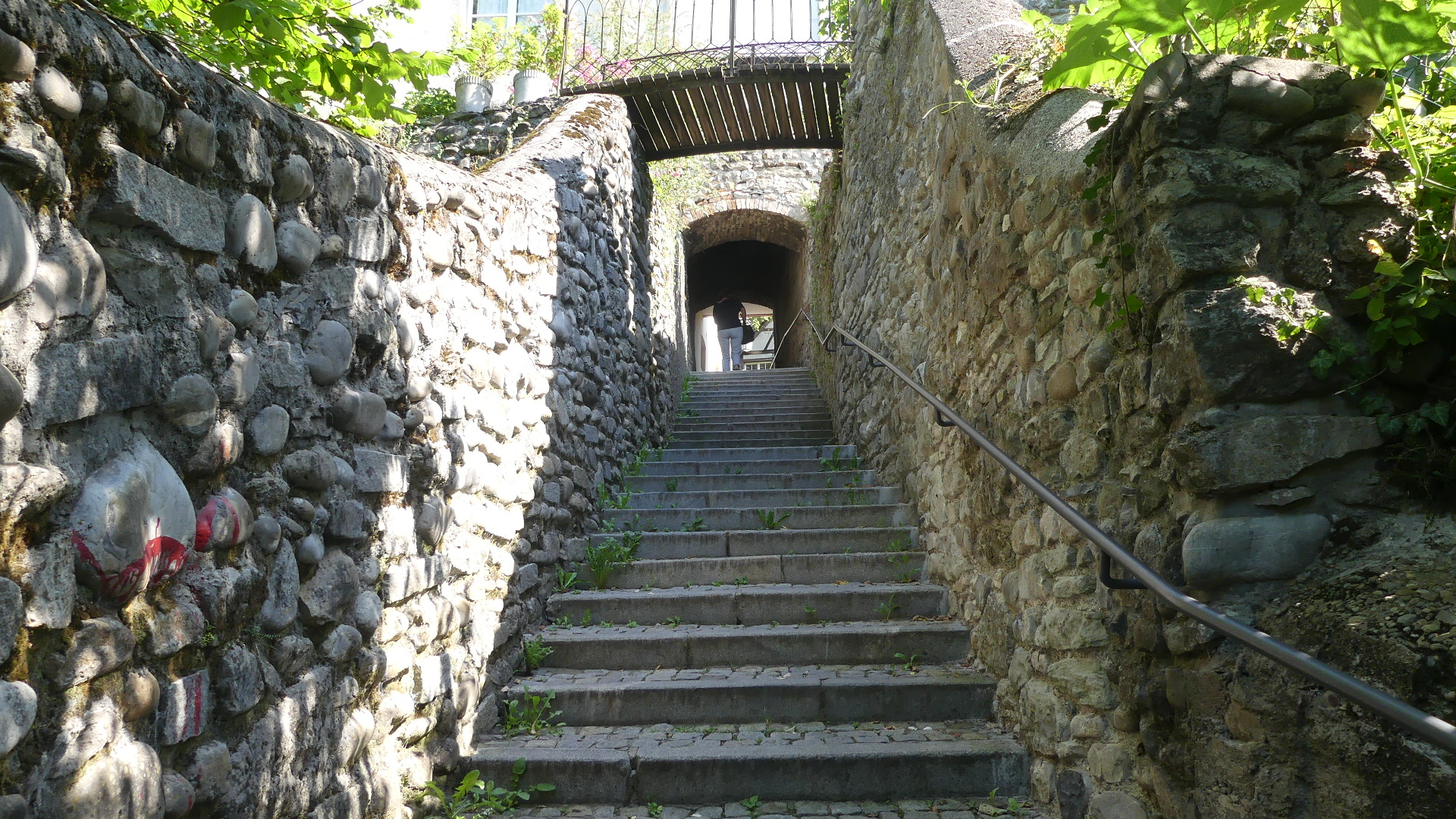
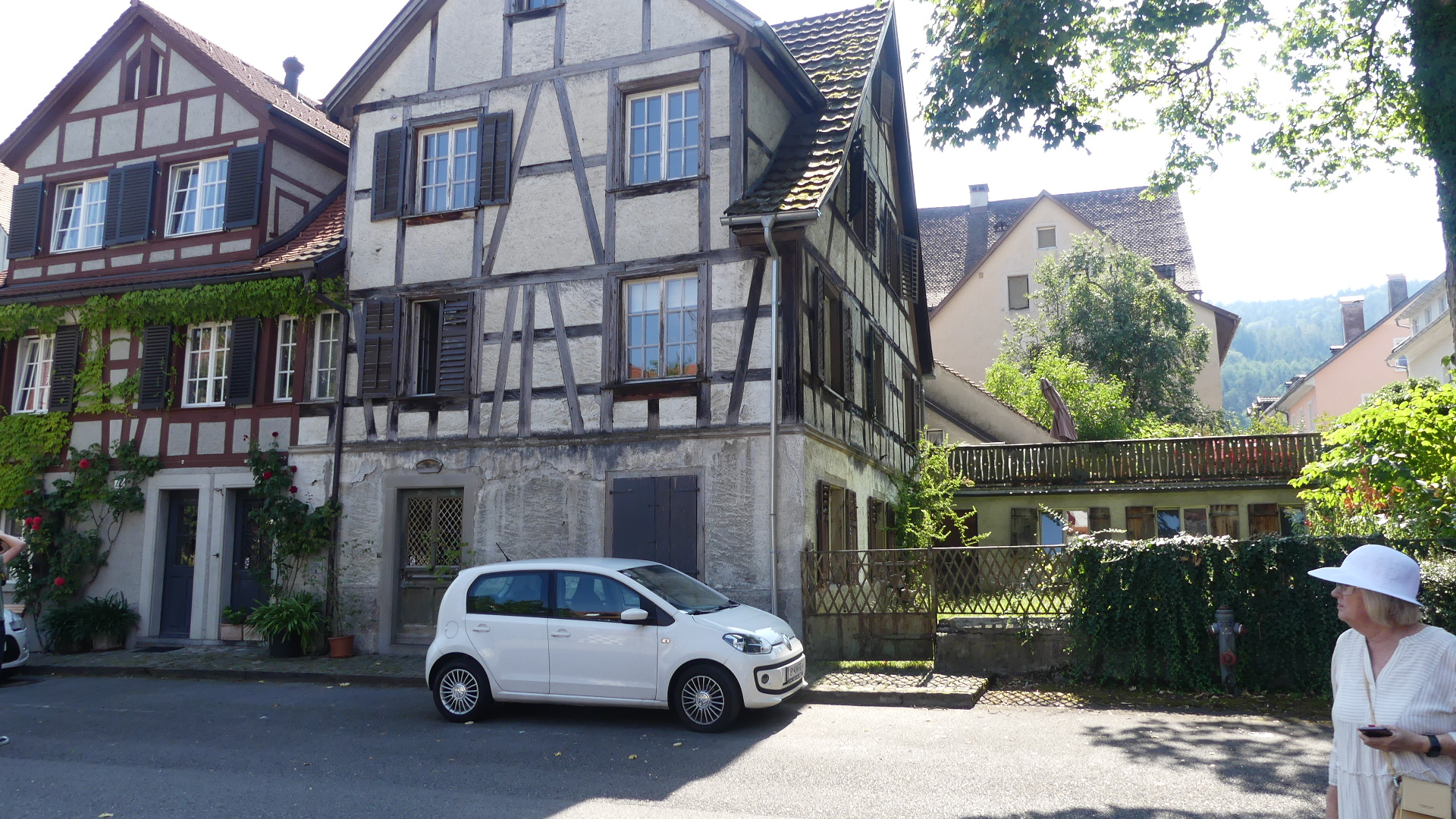
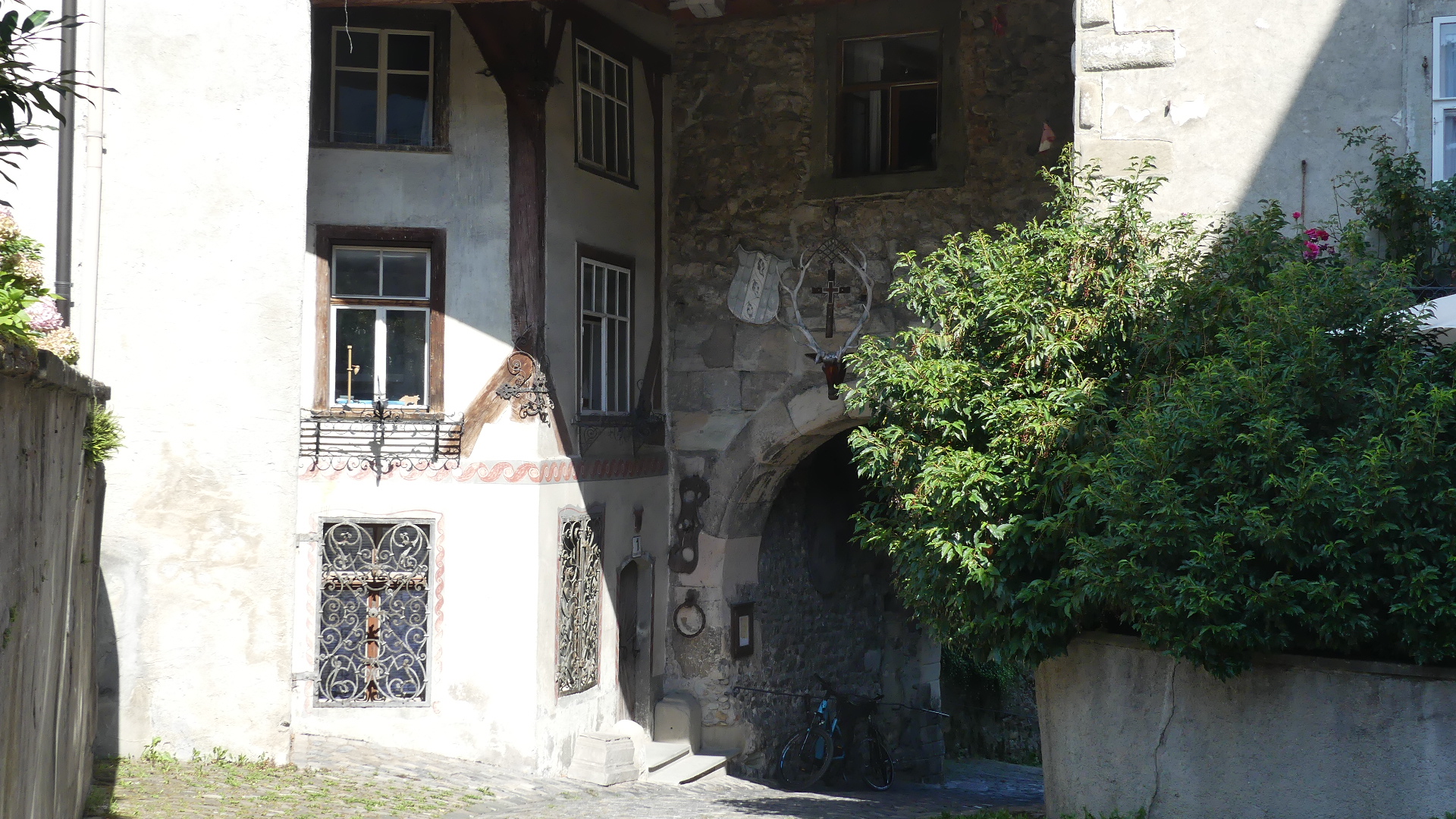
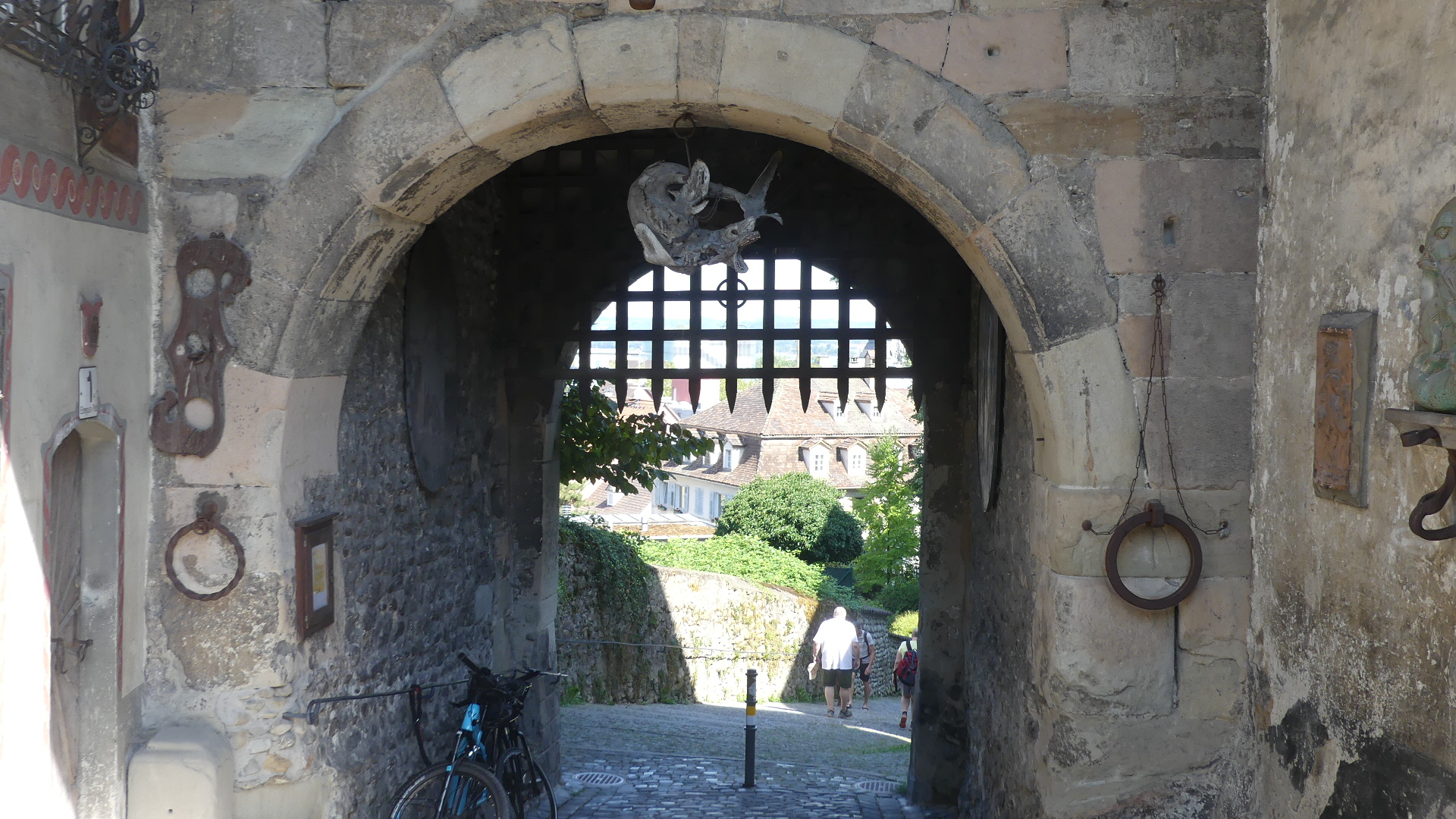
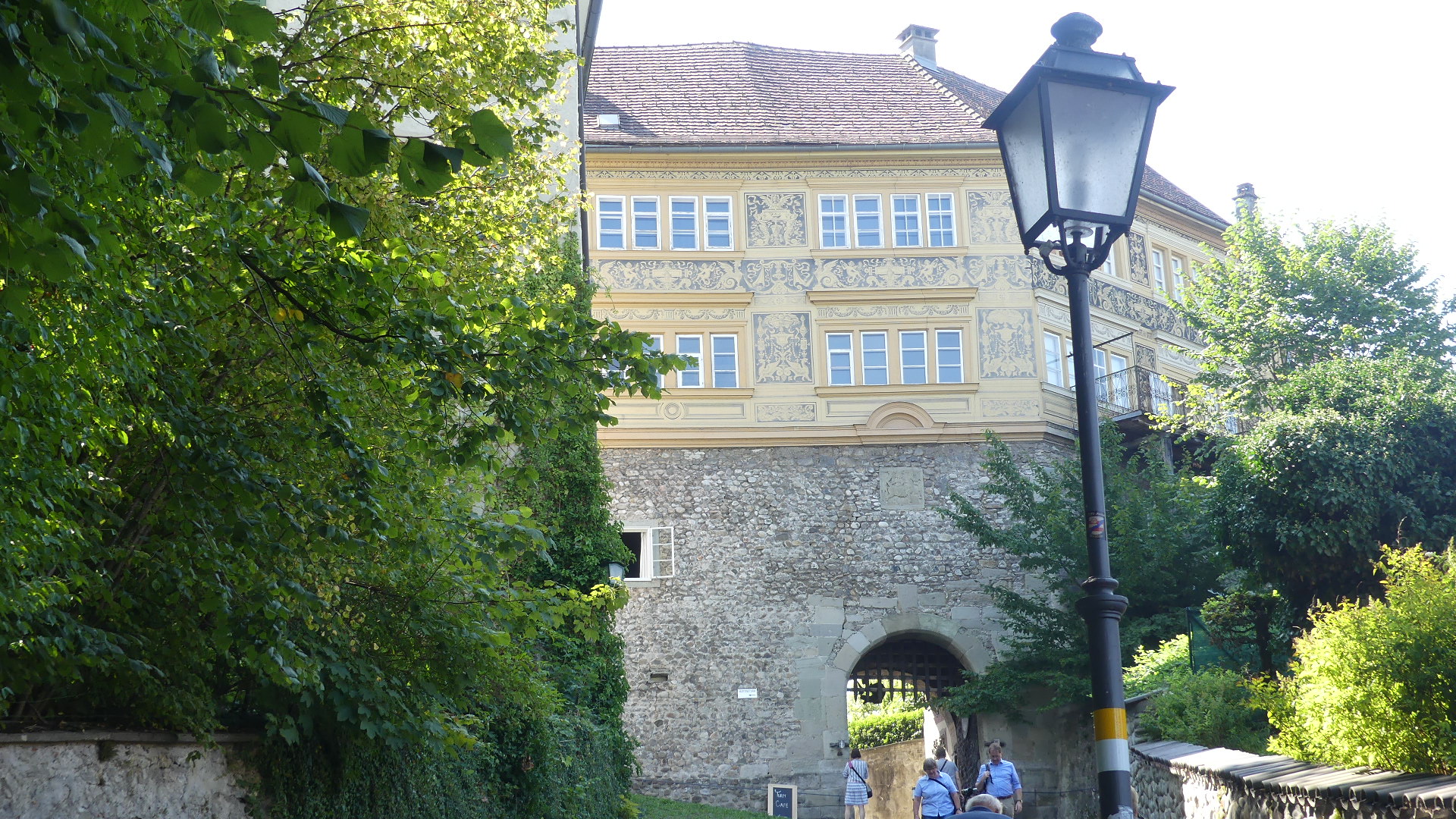
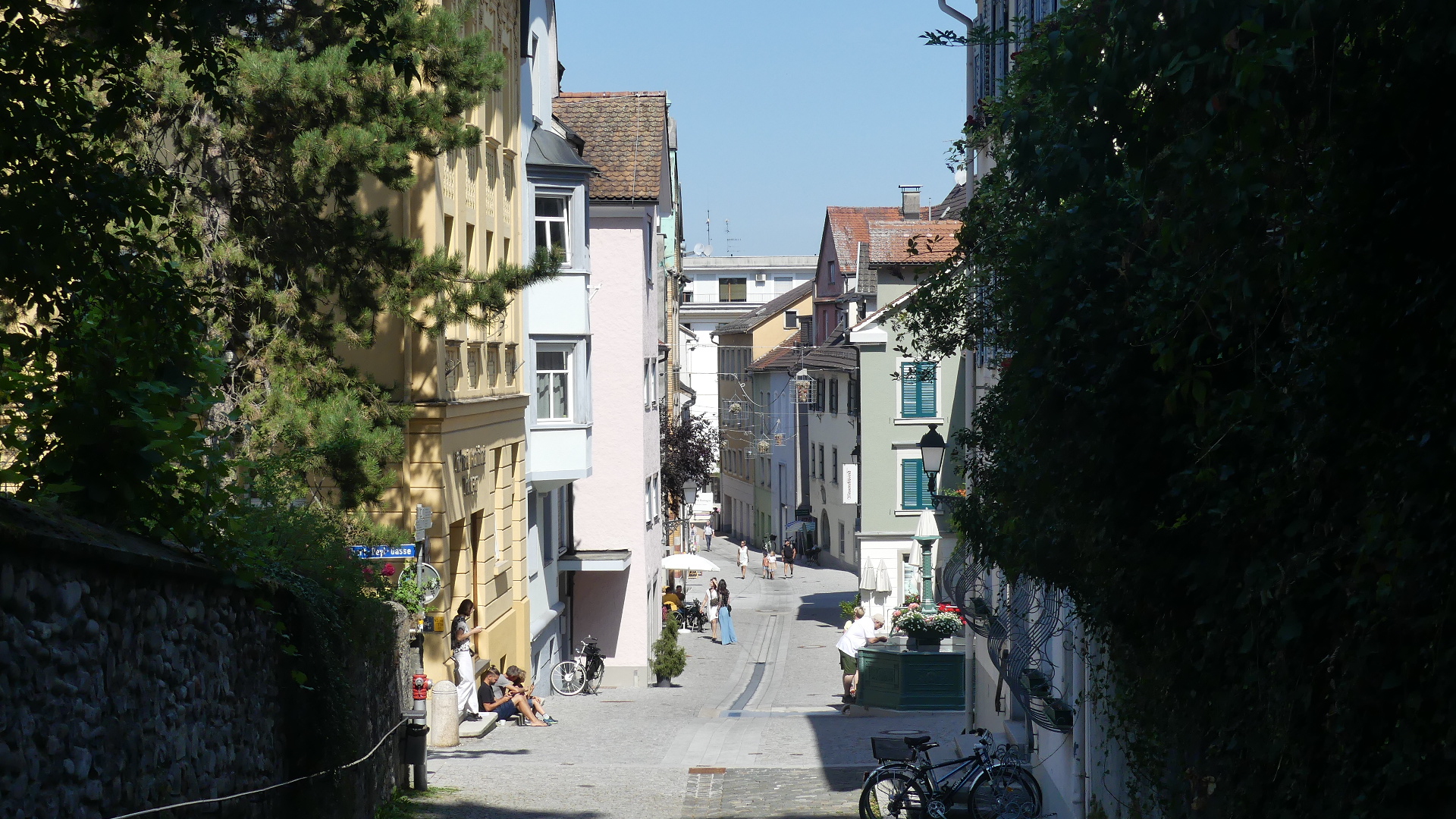
After the excitement of the boat trip, we decided to follow the self-guided tour provided by the Tourist Information Centre. Now the first stop was a shop selling various forms of alcohol. See the first photo below. Here I was persuaded to sample a Swedish single malt whisky (or do you spell it the Irish way “Whiskey”) and purchase 500ml of the brew – many of my friends will be clamouring for this. The next few photos depict some of the older buildings in the narrow streets of the old town. But number 5 is the front door of a residence which is little more than 1 metre wide at its entry – Bregenz’s smallest residence. Next is the adjoining building which appears to have been a type of craftsman’s lodge judging by the figurines displayed on the exterior. By the time we had climbed to the oldest part of the town we came across what might have been a moat around a fortified residence which proved to be a former monastery. The parish church although not connected was on the outside of the former moat but separated from surrounding land by its own moat. Inside was a clean and fresh-looking church and of course it had a confessional (you know whom I am referring to VC). After leaving the church we found a set of stairs which now allows movement between church and monastery which has been separated from the residences constructed where once monks would have toiled. The old castle gate remains with it an open portcullis and the track down to the town. In the town we found this strange feature on one block of residences – it looks like someone was buried but manage to stick their arm out of the coffin.
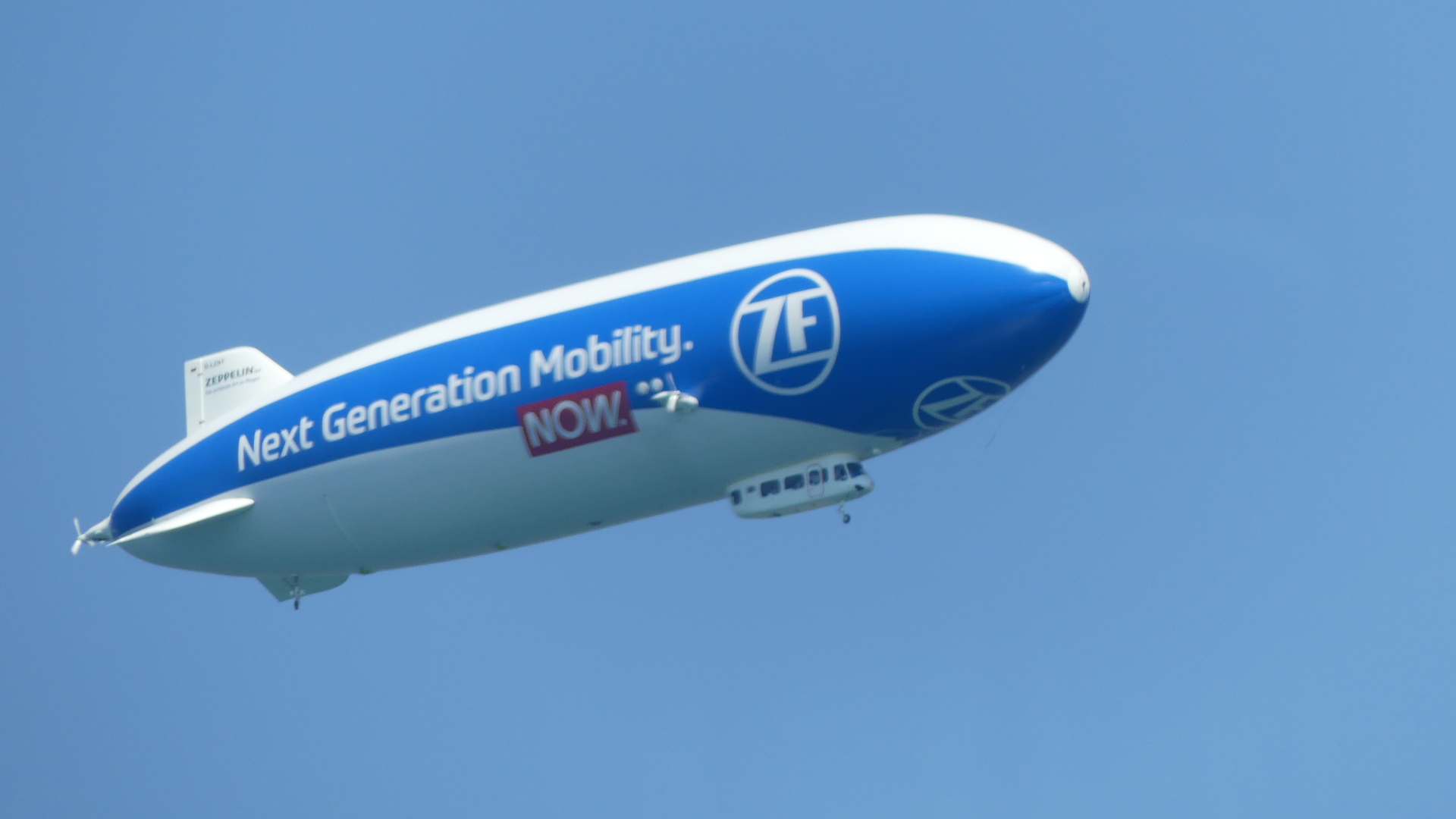
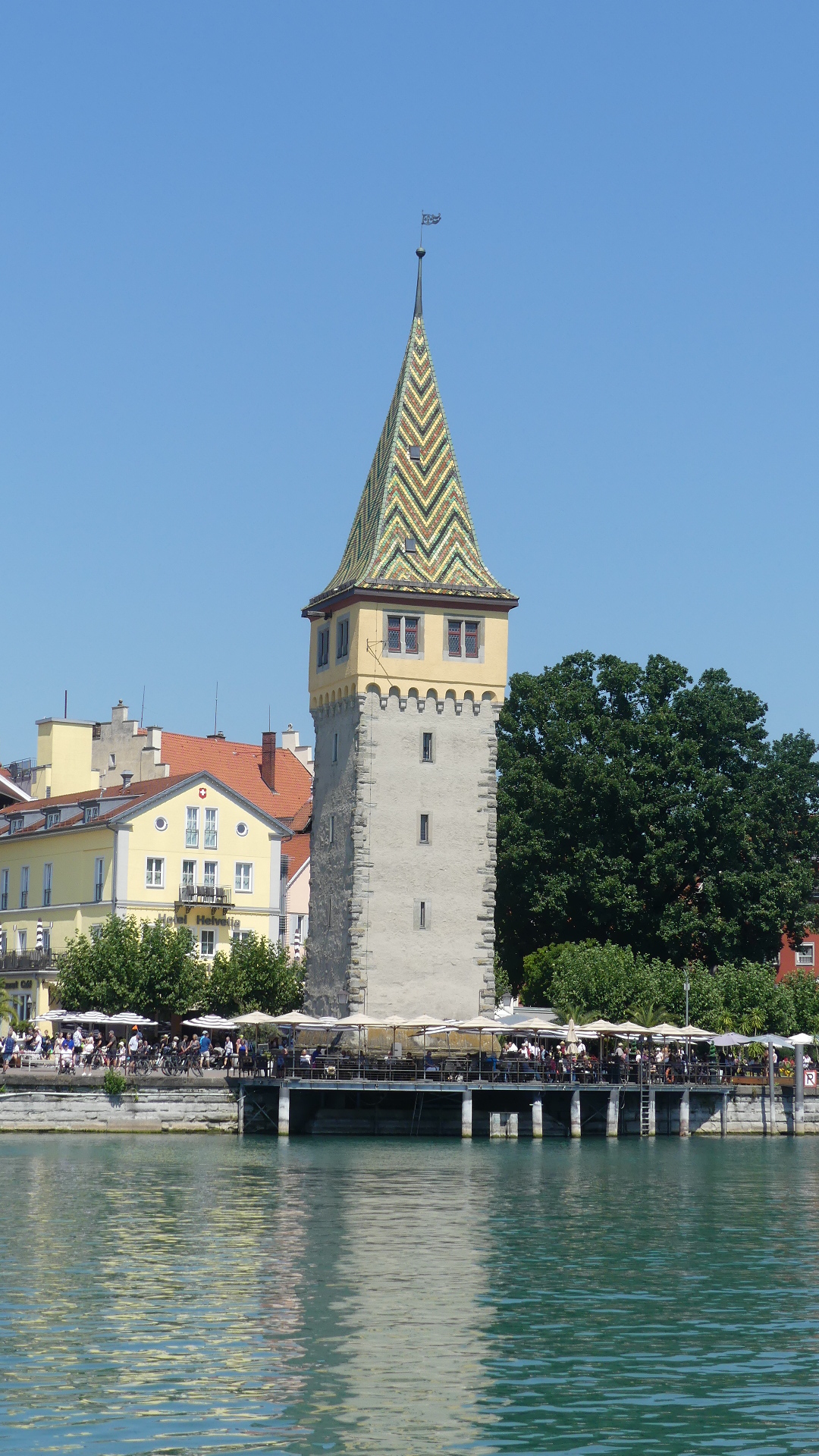
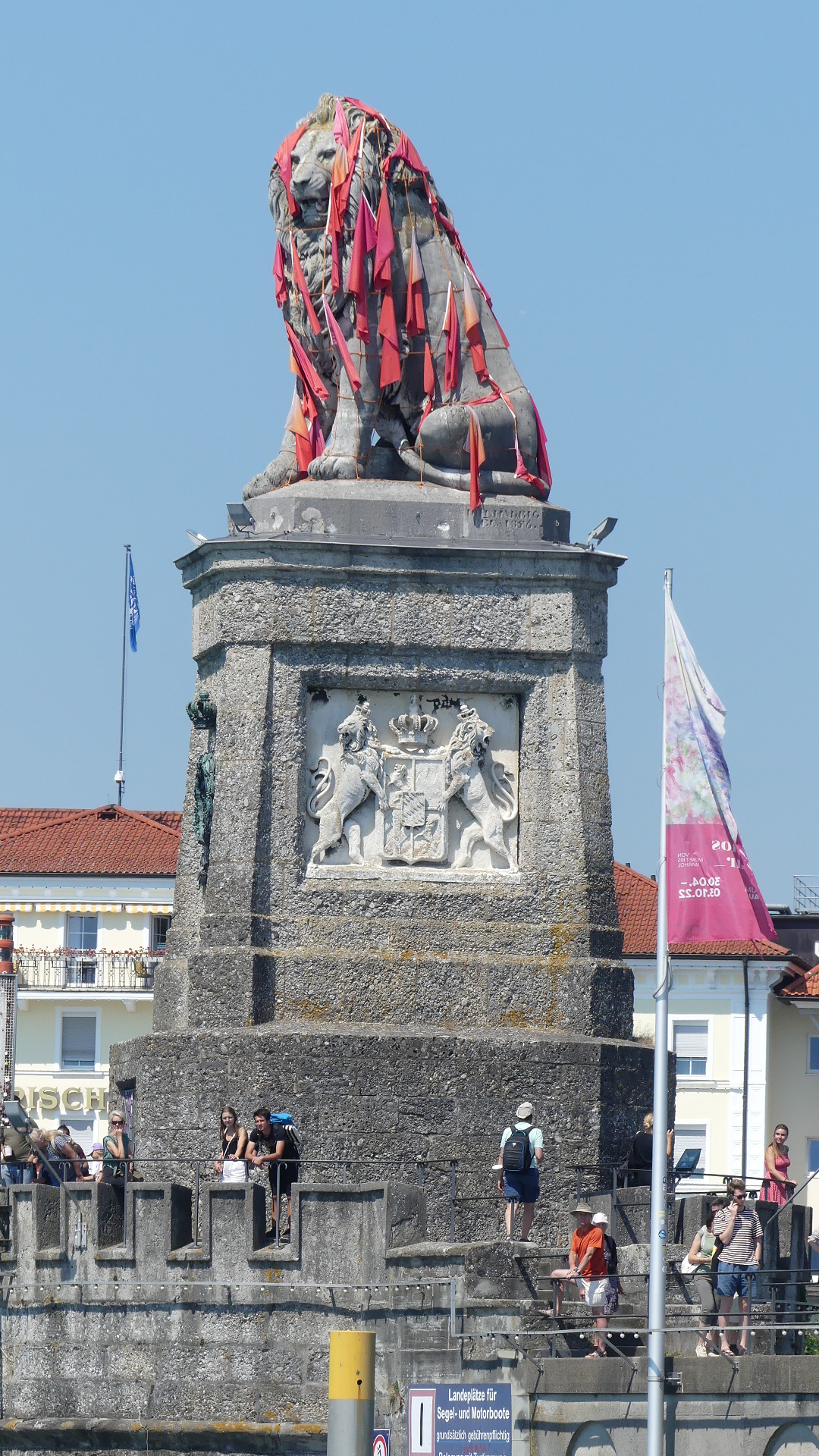
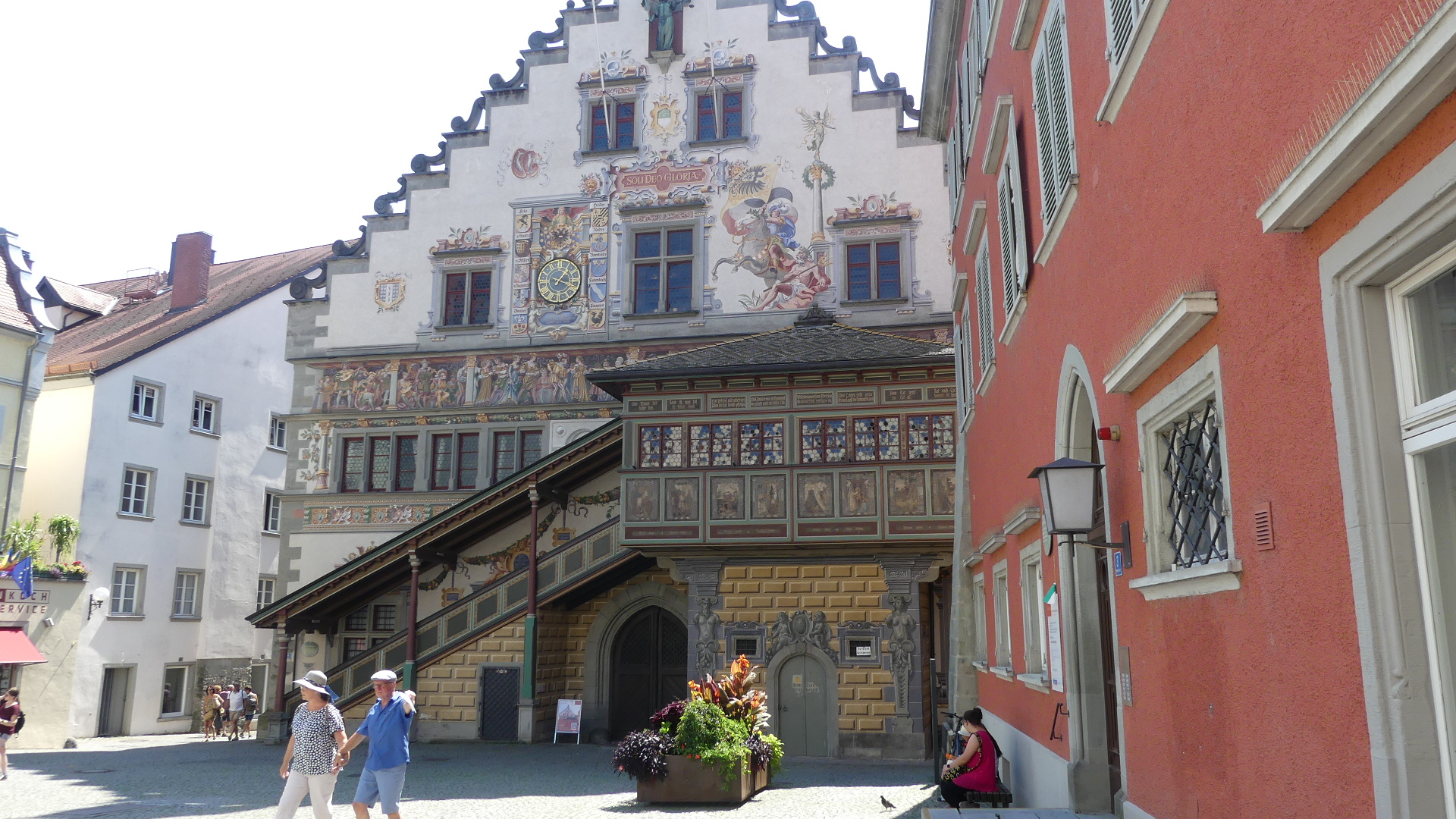
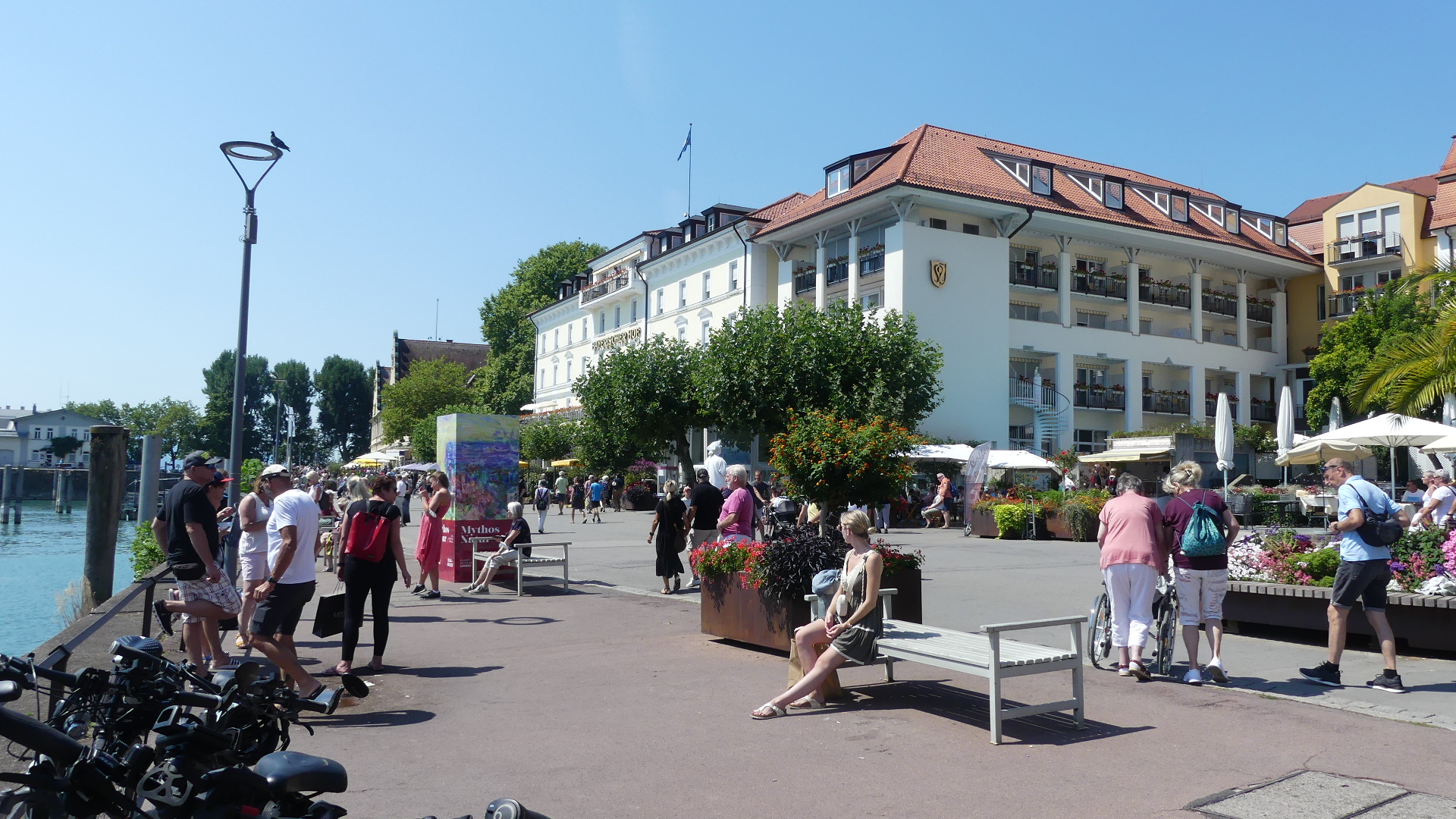
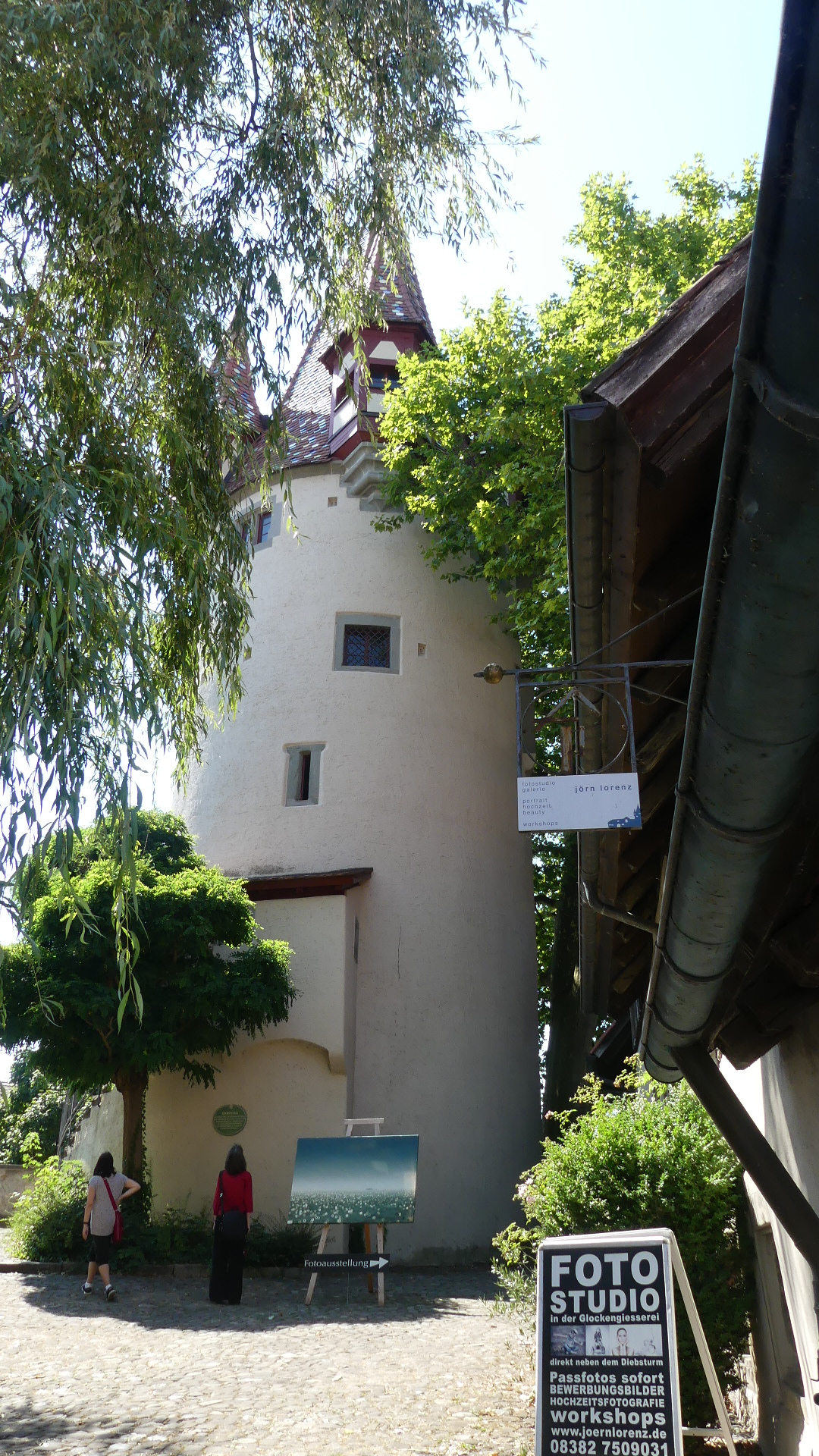
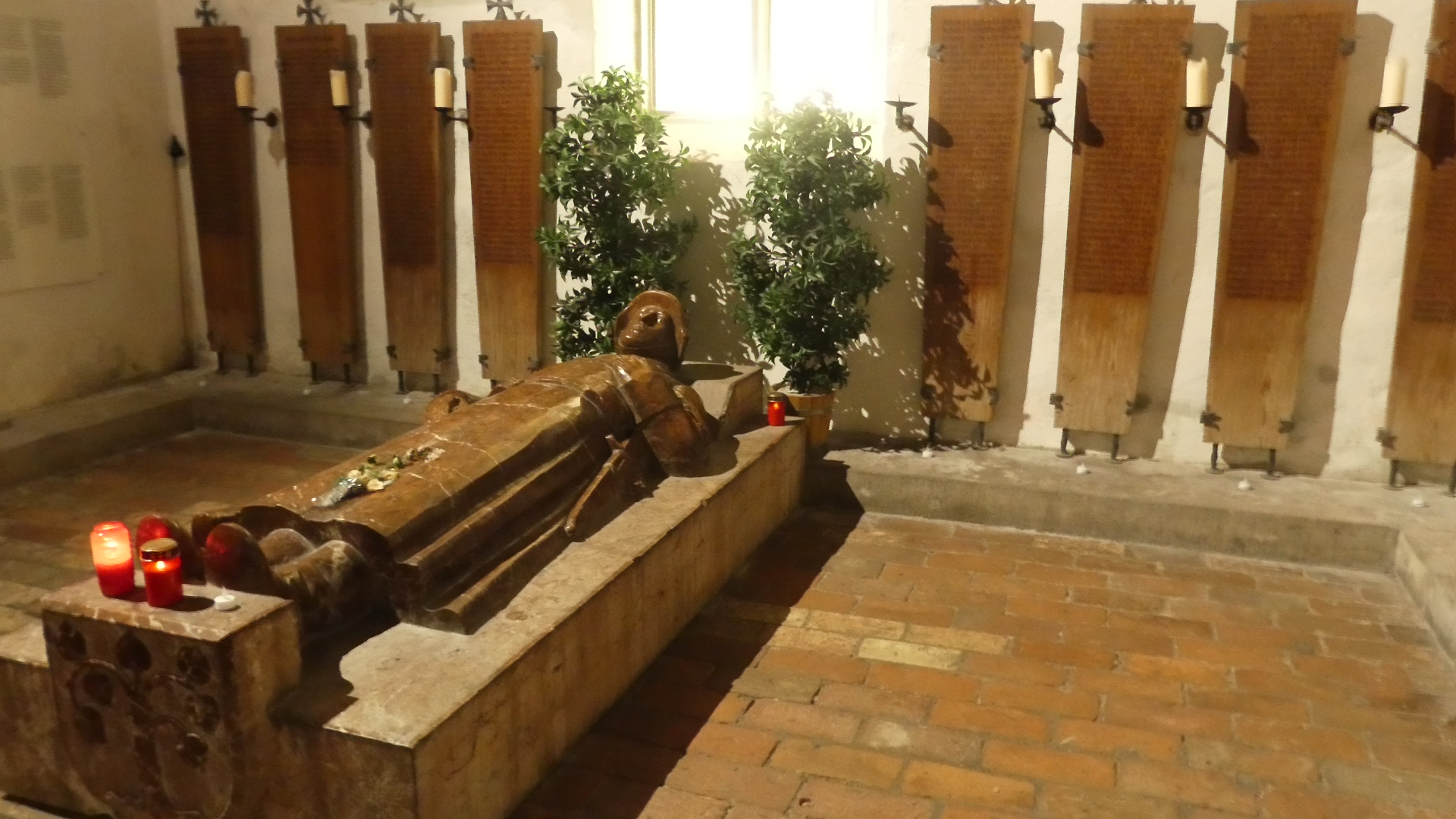
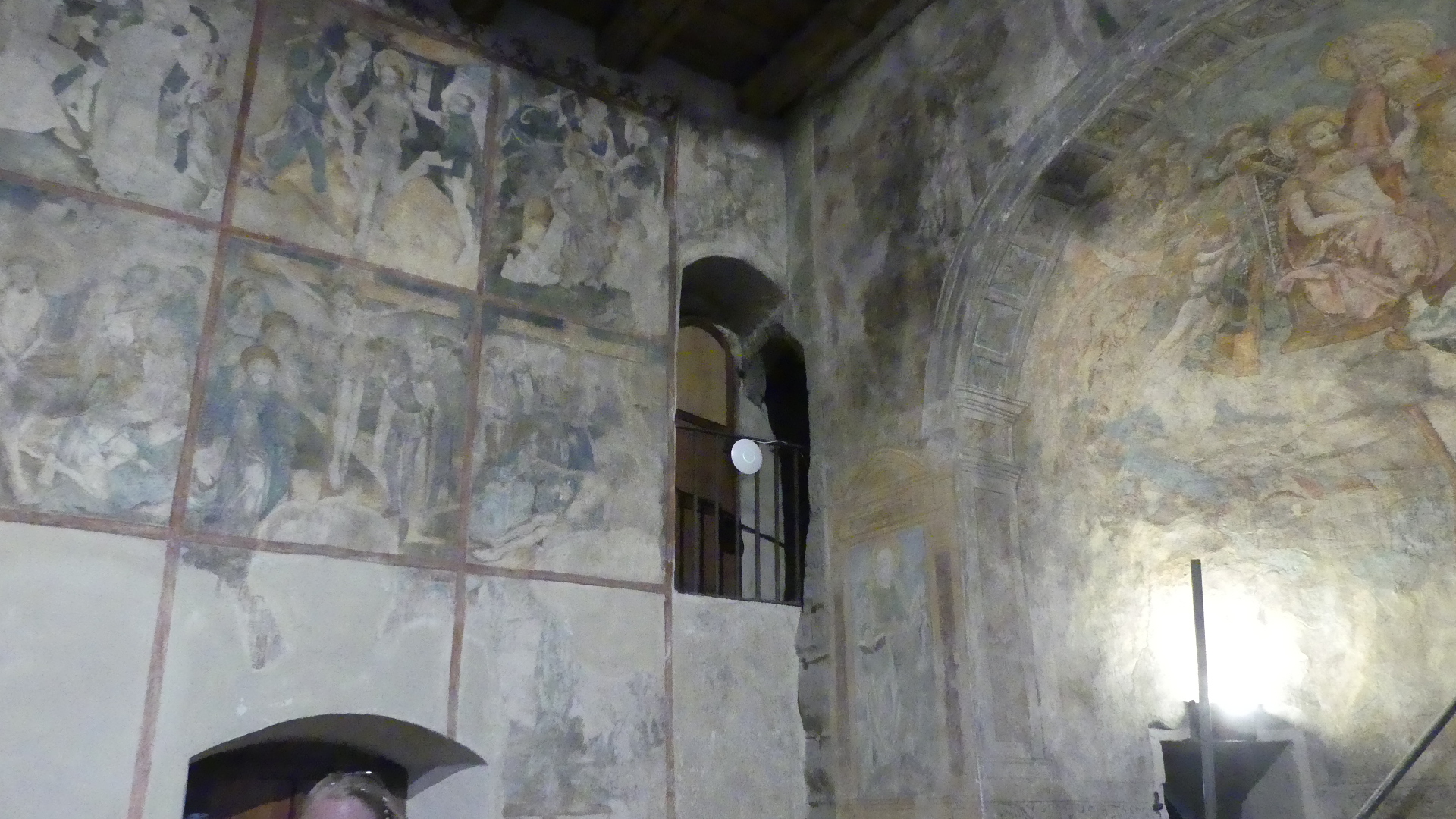
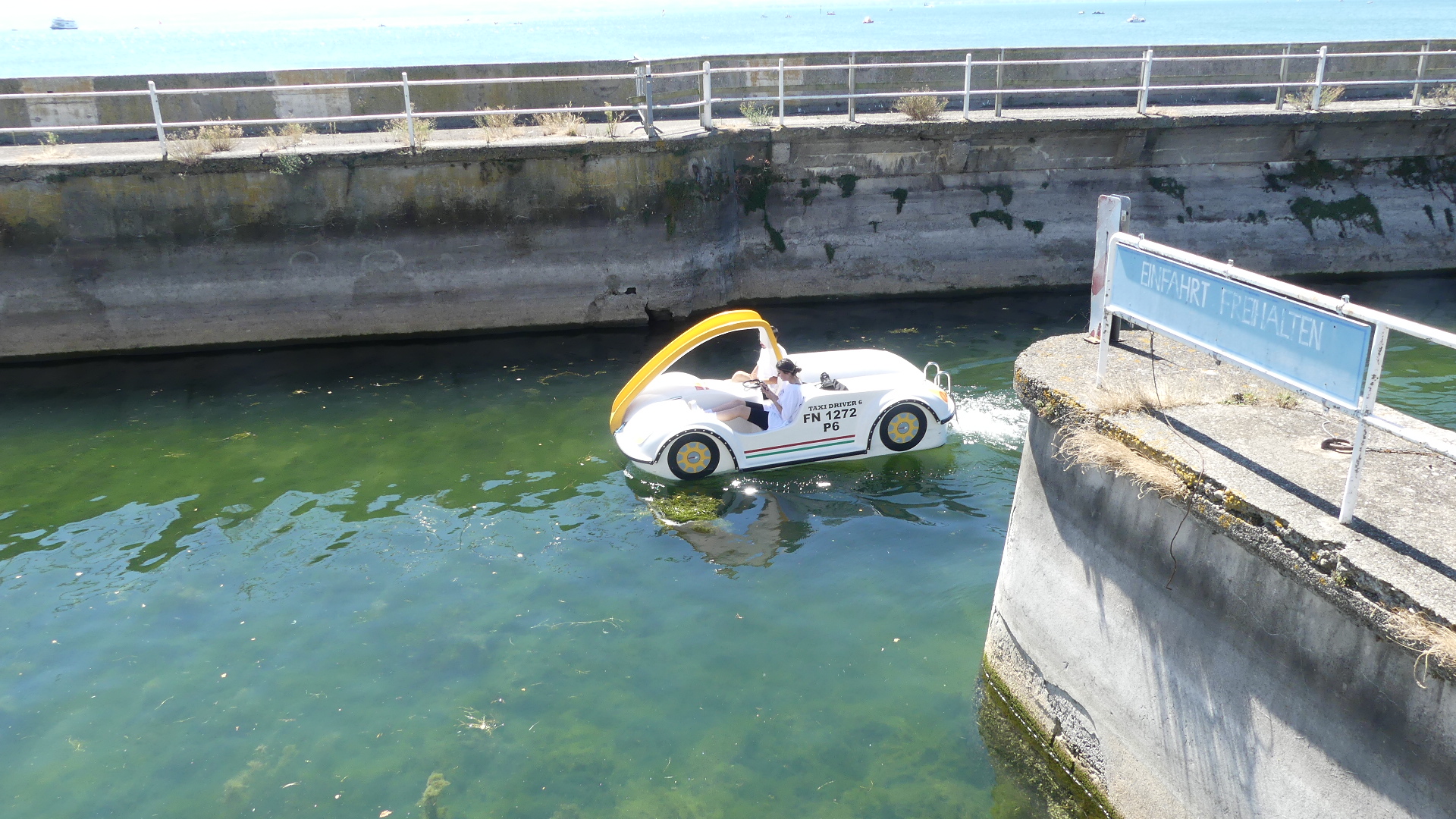
We had not been impressed with the boat tour so the following day we tried direct travel to selected places; Lindau Isel (Lindau Island) and Fredrickschafen in the Bavarian-Swabian part of Germany. By ferry Bregenz to Lindau Isel takes 1 hour and 2 hours to Friedrichshafen and we were to find out only 20 minutes by train to Lindau. We purchased a return journey on the ferry to Lindau and on the trip, we spotted a modern Zepplin (Dirigible balloon). Arriving at Lindau Is. visitors are greeted by a resting lion and lighthouse from the early days of trading between villages. A tower which formed part of the defences of the harbour also remains. The foreshore is hotels and restaurants, and everyone had the same idea as us to visit the island. The pictured building is the Rathaus or Local Government Hall. The other photos are general street scenes. This is an island, and it is connected by a causeway to the mainland. Near that causeway bridge we found the remnants of a church predating the 11th century. The Peterskirche is the oldest sacred building in the city of Lindau. The essentially Romanesque church goes back to the 11th century and is of supraregional importance due to late Gothic wall paintings often attributed to Hans Holbein the Elder. It stands on the western outskirts of the old town and has housed a war memorial in the form of a WW1 German soldier since the 1920s.
We enjoyed the trip but really the ferry was a pain, so we decided to experiment with the train and found it to be superior and without so many tourists
We then circled back to the harbour but our next ferry was some time off arriving. We decided to try catching the train home. Not only was it cheaper but less than half the travel time.
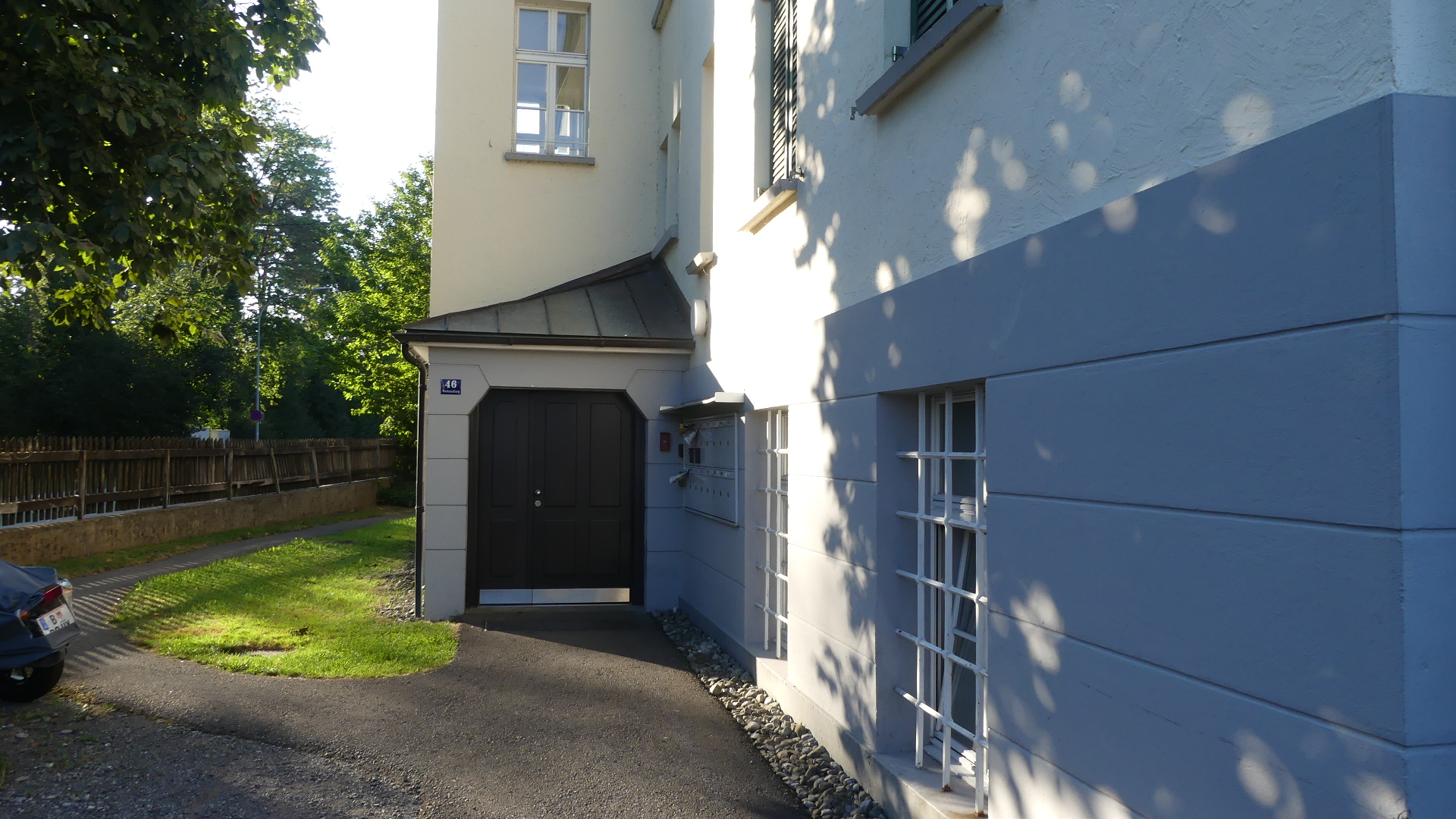
I think I need to say something about our accommodation in Bregenz. Whilst not in the city centre and not near shops it was well serviced with buses and very quiet. I have inserted some photos of the exterior and the interior for your interest.
Our trip to Friedrichschafen in Germany was a gamble in that we knew nothing about it, other than it was a Bavarian town on Lake Constance.
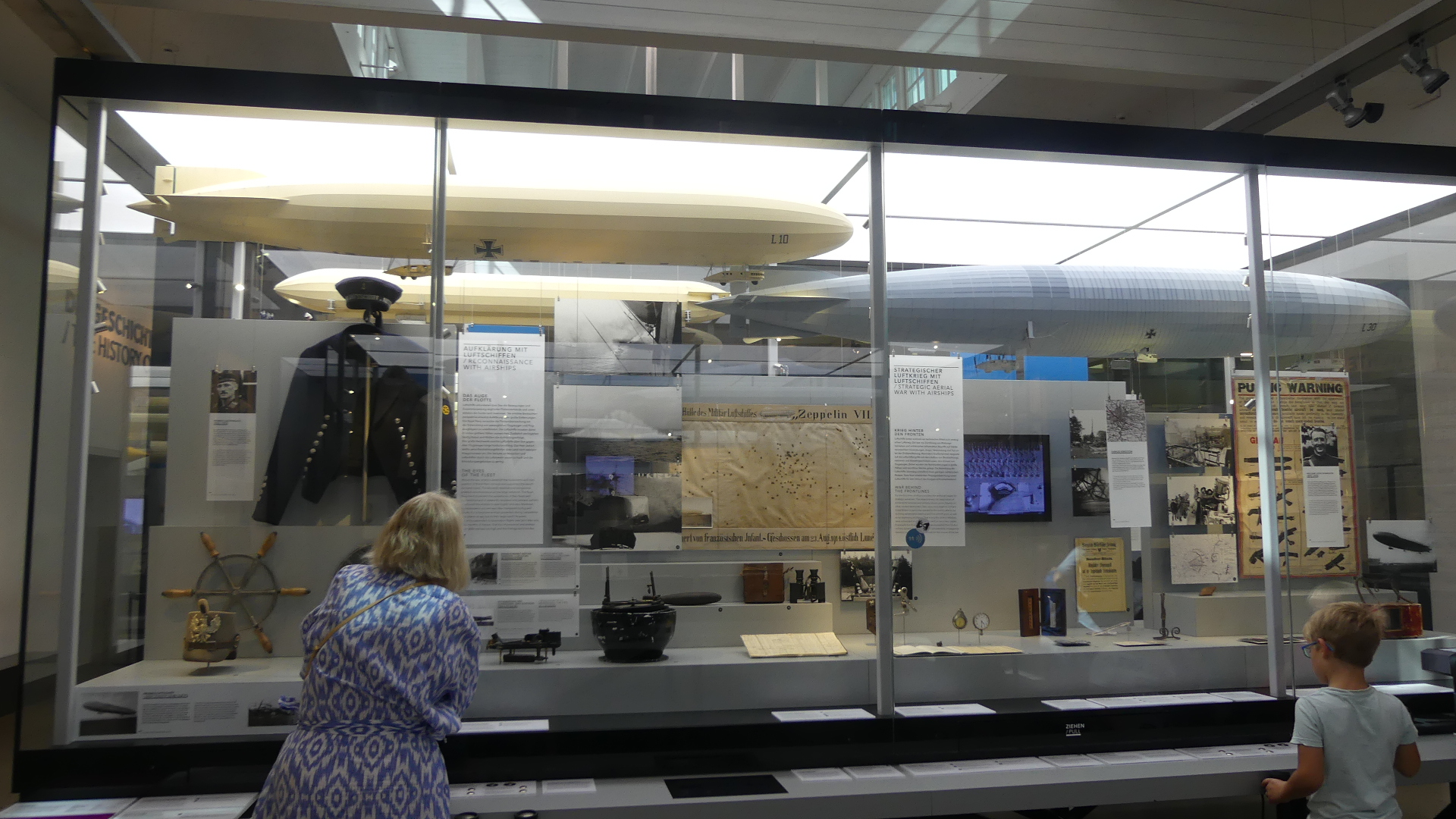
After docking we walked around checking the place out when we came upon the Graf Zepplin Museum. The Zeppelin Museum Friedrichshafen is there because Friedrichshafen is the birthplace of the Zeppelin airship. The museum houses the world’s largest aviation collection concerning dirigible airships and chronicles the history of the Zeppelin airships. In addition, it is the only museum in Germany that combines technology and art. The museum has been in its current location at the Hafenbahnhof (harbour railway station) since it was reopened in 1996.
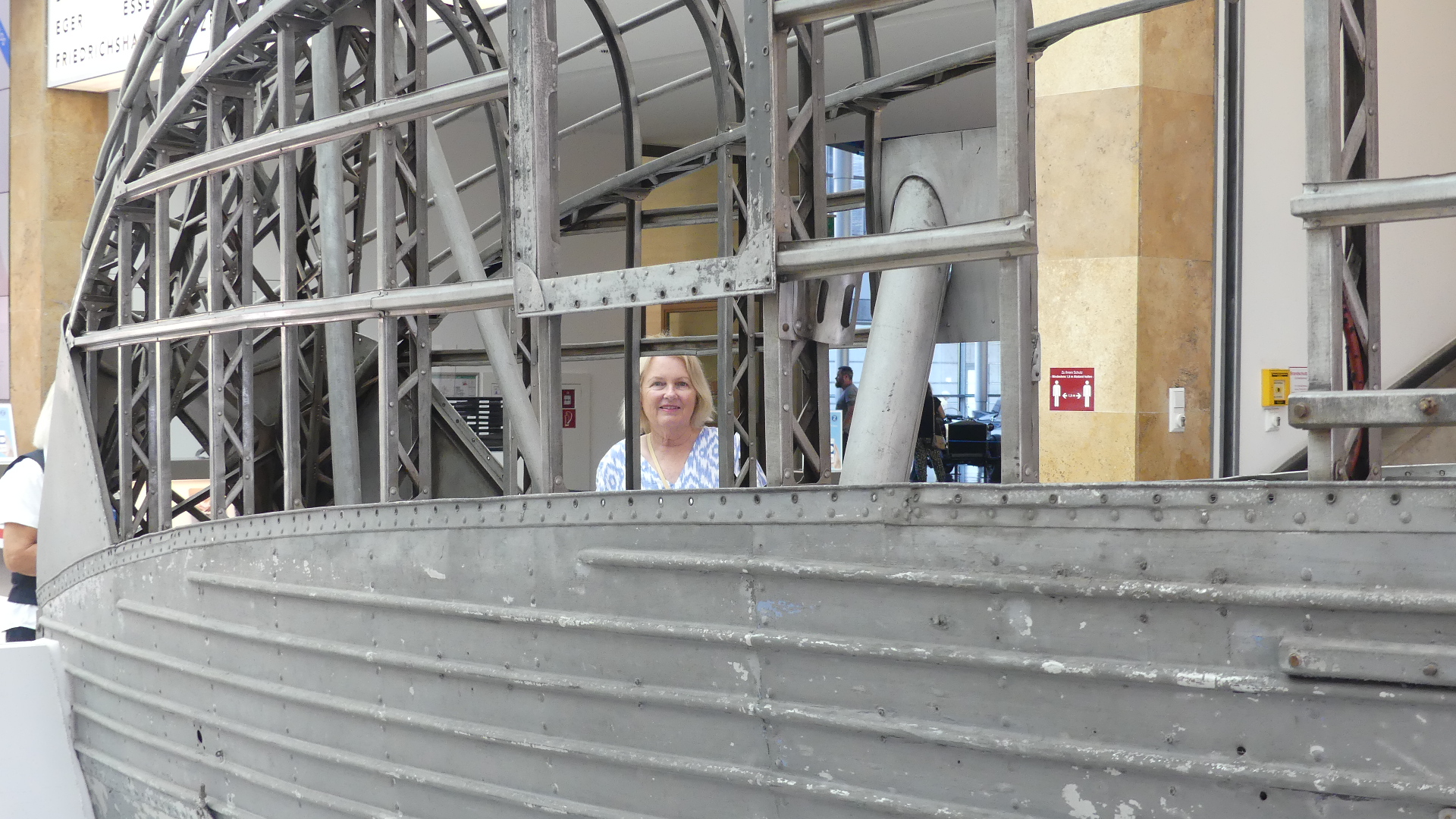
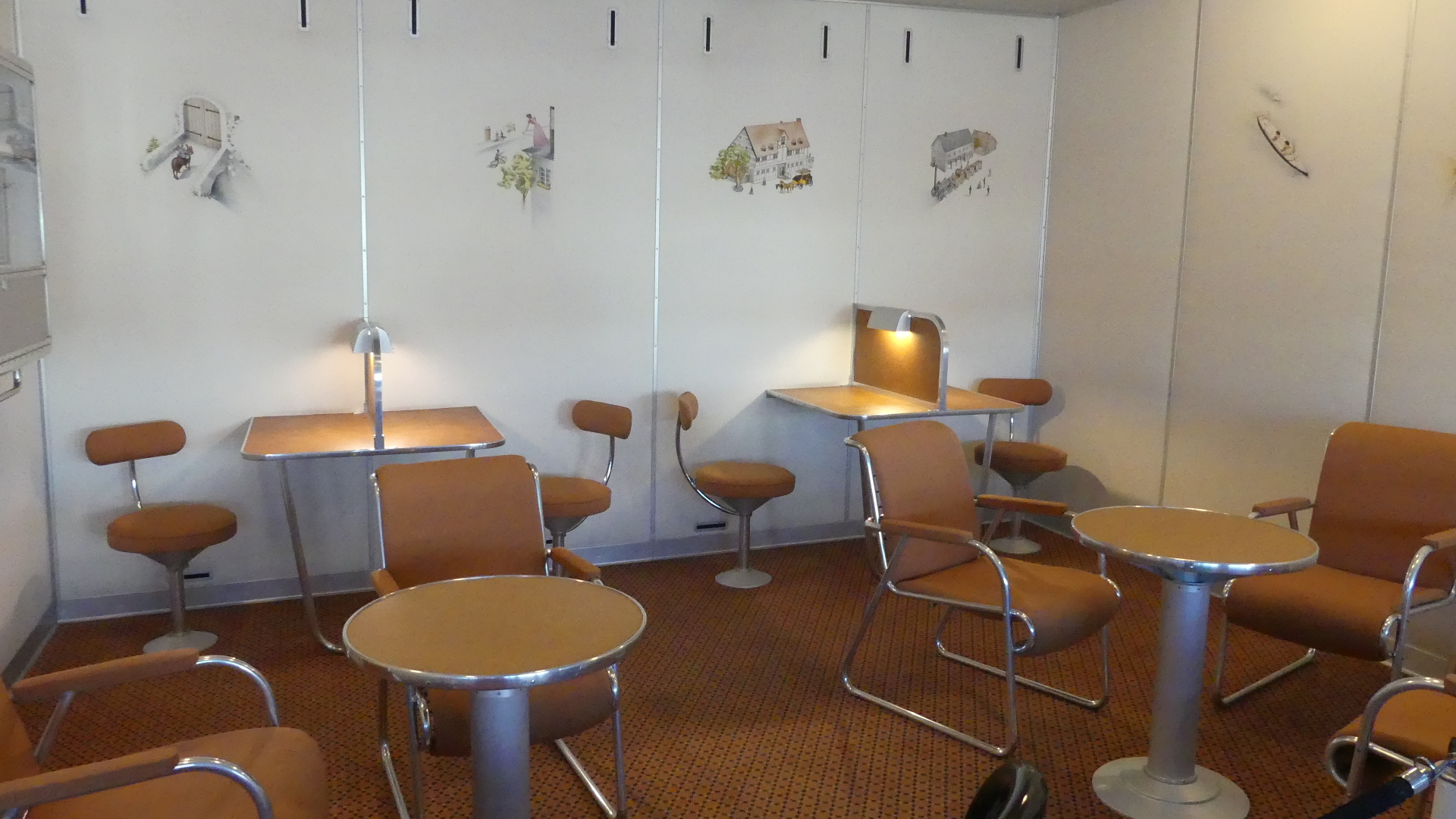
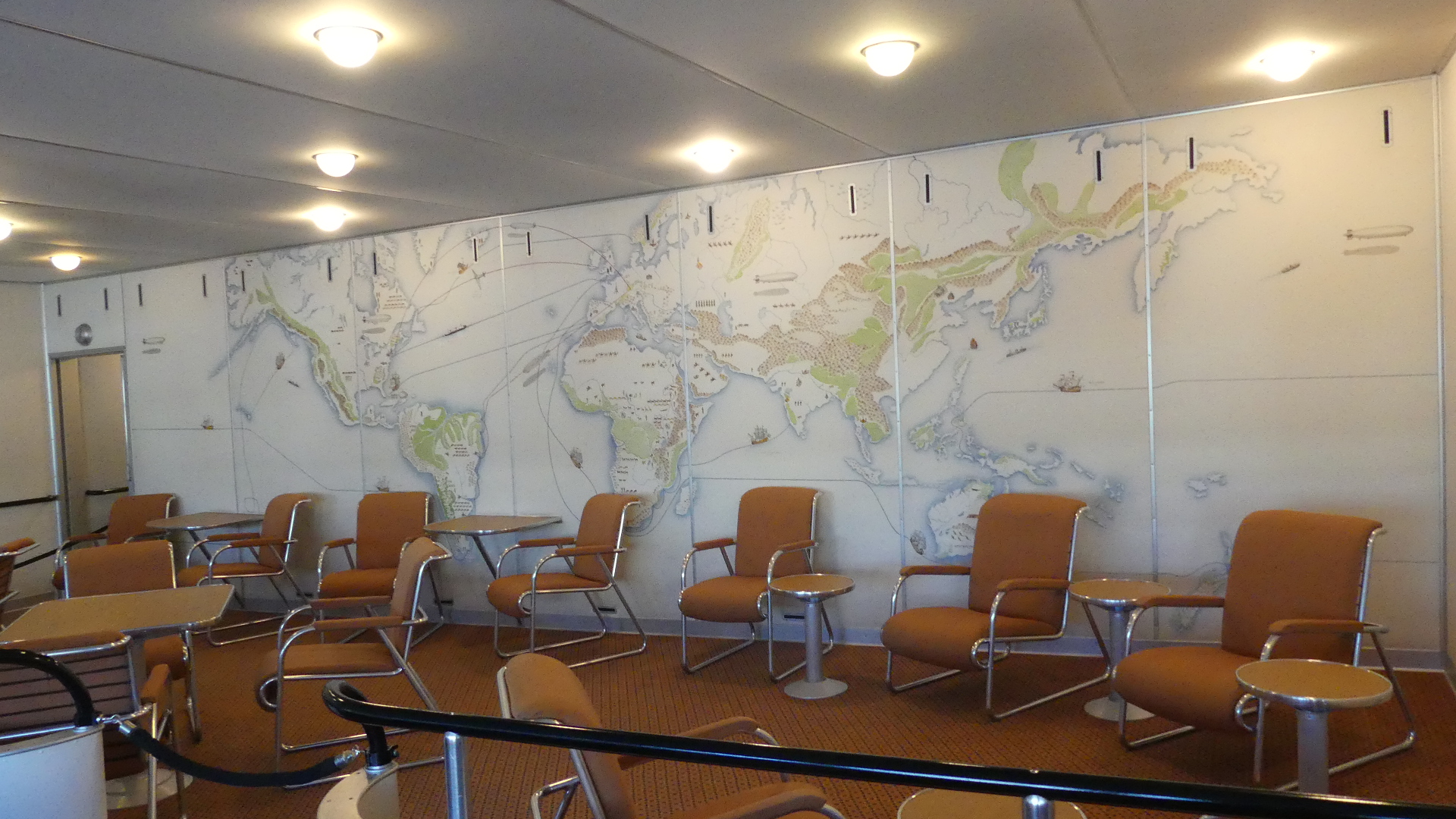
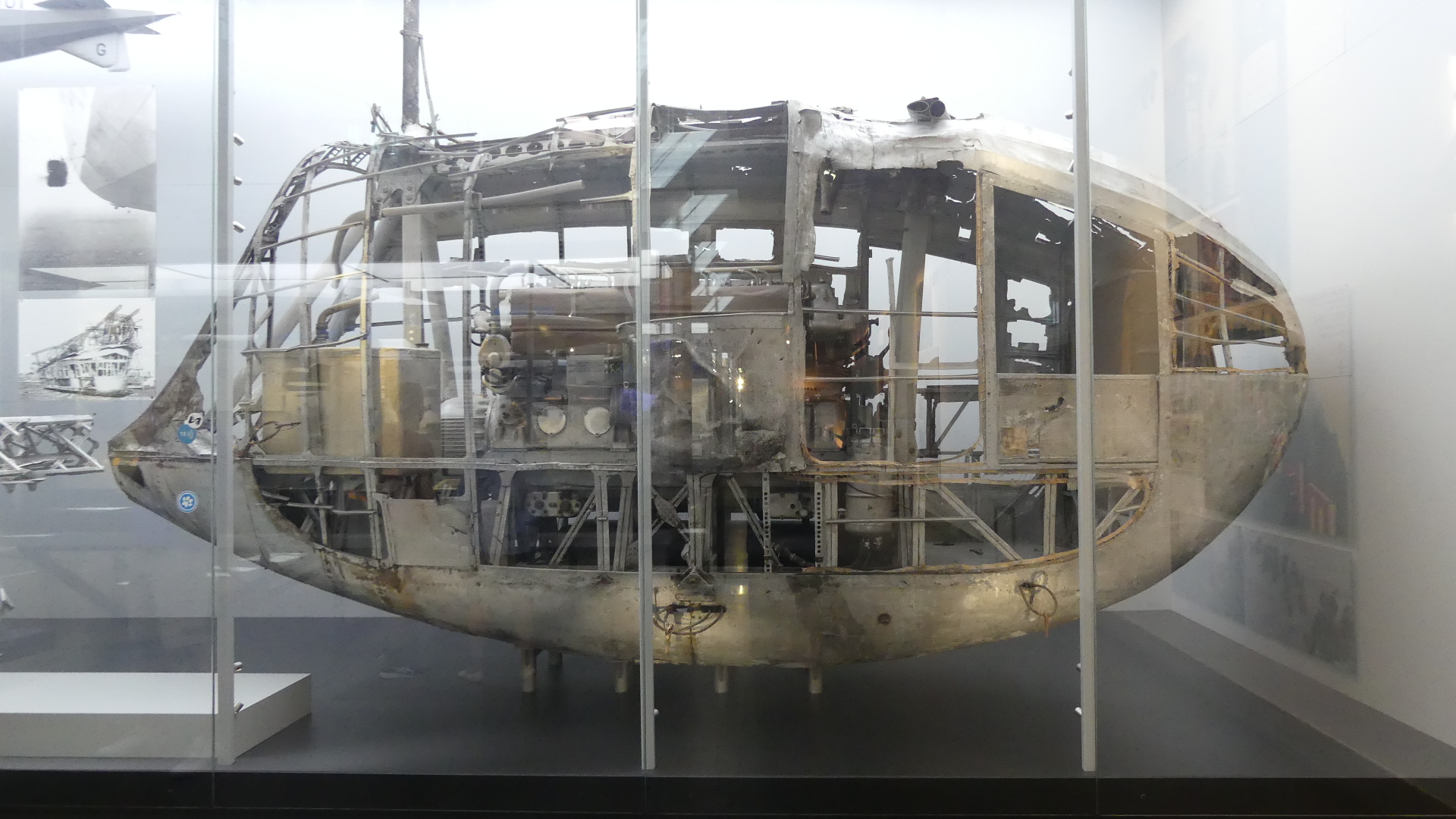
The centerpiece of the zeppelin displays is a full-scale, partial model of the airship LZ 129 Hindenburg. The exhibition also includes an original engine nacelle of the LZ 127 Graf Zeppelin airship. A great number of airship models, not only from Germany, are also on display in the technology department. There is a full-scale recreated Cabin Lounge of Zeppelin Hindenburg, the centrepiece of the Zeppelin airship and a partial replica of the LZ 129 Hindenburg, which was reproduced true to the original and authentically furnished. It is 33 m in length, large enough to convey an idea of the enormous dimensions of the original airship. The Hindenburg was 245 m long and had a maximum diameter of 41.2 m. It was propelled by four Daimler Benz diesel engines with a capacity of 772.3 kW (1050 hp) each, and reached a maximum speed of about 130 km/h.
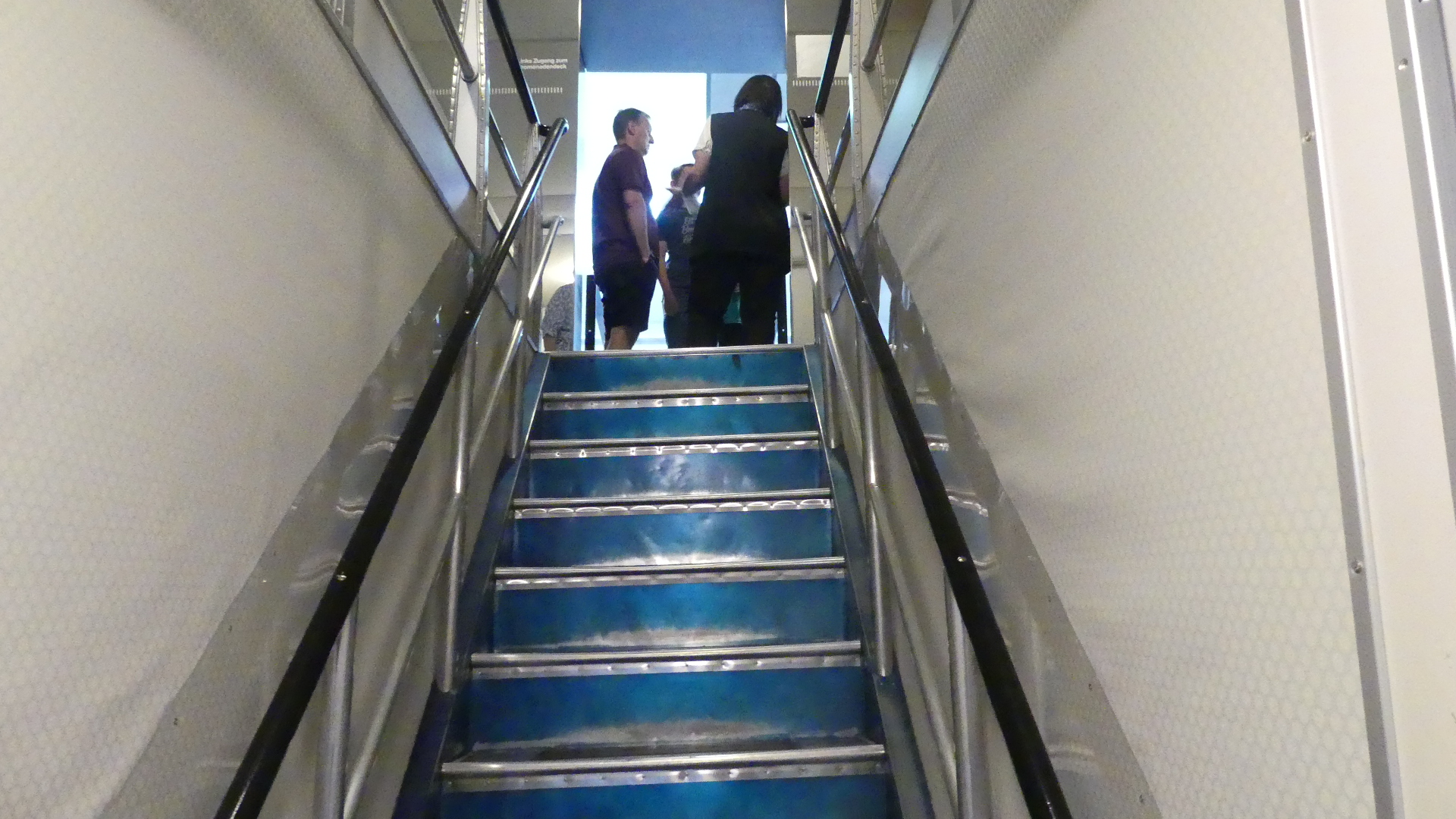
After the impressive overview of the partial model from the outside, the folded-down retractable aluminium stepladder invites visitors to go on board. It leads into the lower deck, the B-deck, which has a bar, a smokers’ lounge, and toilets. The passenger cabins are arranged on two decks, stacked one on top of the other. In the cabins, visitors can experience the special inside ambience of a 1930s airship and get to know the technical aspects of this aircraft. The beds inside the cabins are made of aluminium. Every cabin has a wall-hung wash basin (with running hot and cold water from a tap), a curtained wardrobe niche, a folding table, a stool, and a ladder for climbing into the upper bunk. The cabins also have electrical lighting and are ventilated and heated.
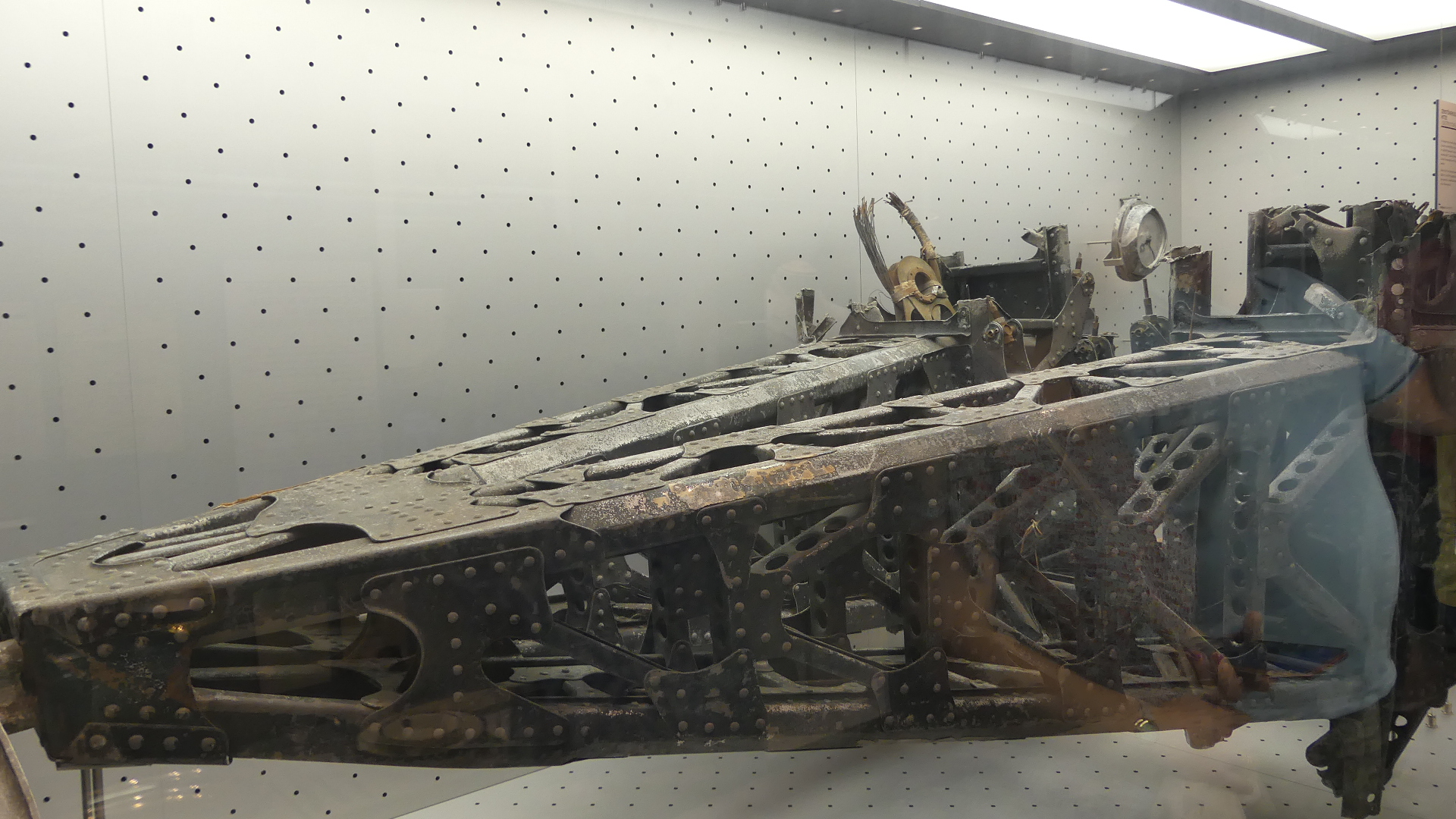
The Hindenburg travelled 18 times to North and South America. On 6 May 1937, while landing in Lakehurst, New Jersey, the airship burst into flames just before touch-down and crashed killing numerous passengers and crew. Some of that wreckage was also on display.
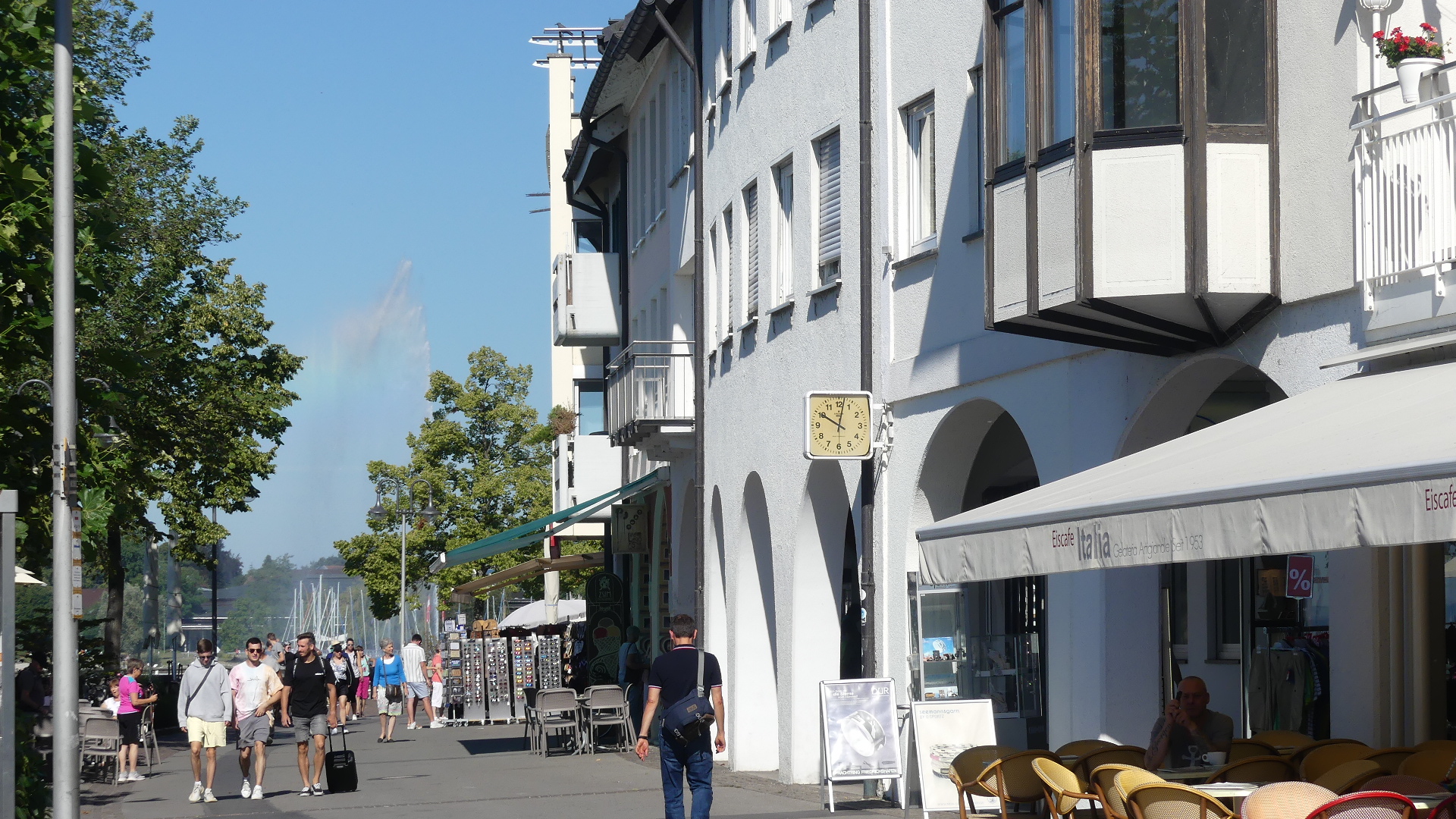
My photos start with the view across the bay when alighting from the train. We walked around the bay for some distance before we encountered the waterfront. The only evidence of a commercial past is the derrick amongst the cafe umbellas. Then we encountered the Zepplin Museum.
Truly worth while visiting this museum. I had no idea of the extent of Zepplin history or that Friedrichschafen is home to the Zepplin factory today and is one of the largest employers in the town.
There was not much else different about the town. The waterfront was all cafes and very busy. Of course this was a little bit different.
We returned home to our apartment in Hard without any plans for tomorrow.
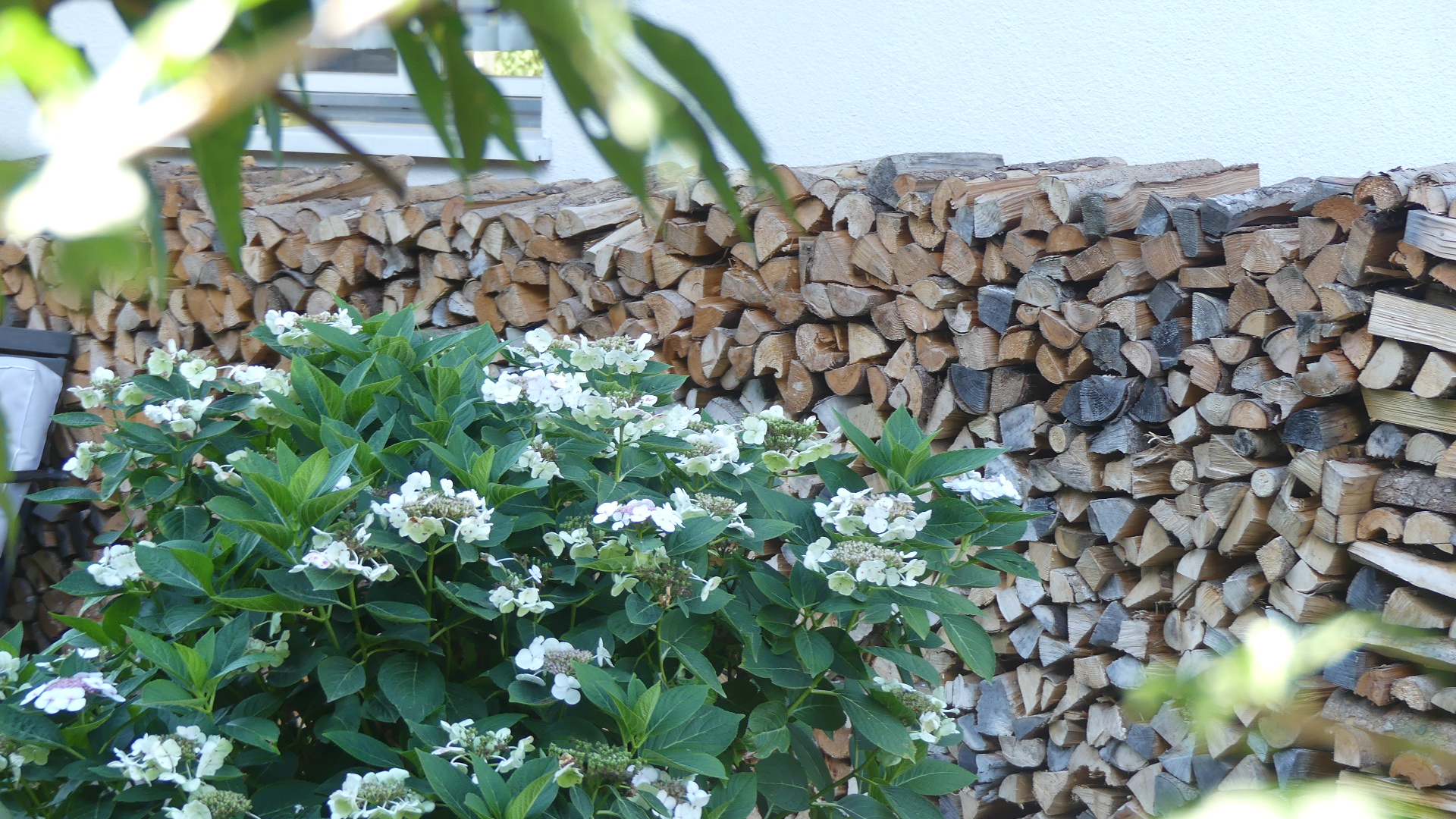
We had been informed that there were supposed to be 2 restaurants nearby and that we could gain access to a beach nearby. So, our plan for the next day was to find the beach and restaurants. We set off to find the beach and restaurants. Opposite our apartment is bush land and in that green space several trails and a football field. We tried following one of the trails ending up following a bitumen road with no sign of any beach however we did pass a restaurant which was not yet opened for the day. It had a colourful old buggy full of flowers in front which gave it some charm. During this walk we noticed that every household had wood stockpiles standing in their yards and on some occasions the stockpile formed the “fence” between neighbours – a sure sign that the winters are cold.
Our purpose in coming to Bregenz was to witness an opera perform on the Lake stage and Saturday evening was the date. We had difficulty finding the opening time and were impatient and anxious to get there. So, on the basis that the show would commence at 7.00pm we caught the bus into the city and walked to the theatre. Too early! We had arrived about 5.30pm and we learned the show started after sunset at 9.00pm, so we found seats and settled down at the Sunset Bar (a Rotunda on the end of a short pier in the lake) with a drink to wait for the show to commence at 9.00pm – yes I certainly got that wrong. We had a big lunch at that restaurant we found so we weren’t hungry, but it was going to be a long wait and as the wind picked up a cool evening. We even went and sat in our seats to wait for the show but that did not last long through boredom. Finally, about 8.30pm there was some movement to get the show on the road with the arrival of passengers from the cruise boats. We had purchased a souvenir blanket to keep out the cold wind that was rising and lined up to take our seats. There must have been over 1,000 people who finally took their seats and the show started at 9.00pm.
A very moving performance across a very functional stage portraying the arrival of the American ship with Pinkerton on board and the arrival of Butterfly and her entourage and assistant Coco, the British official Wilkinson and the other players. There were vessels arriving and passing through the channel between the stage and the audience and the opera although not familiar to me was very moving. Two hours passed quickly. Unfortunately, no photos. Home by 11.15pm and up by 5.00am to catch the train to Luzern.
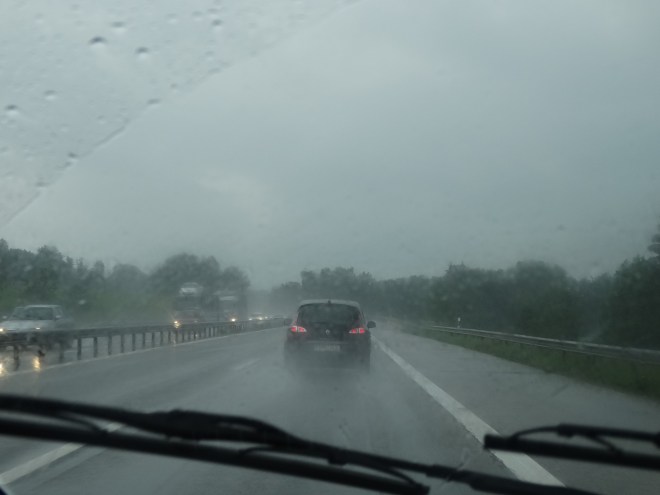
Whilst it had been raining on and off during our stay in Salzburg it really turned it on the day we left. Pouring rain followed us all the way to Bregenz. Bregenz is the capital of Vorarlberg, the westernmost federal state of Austria. The city is located on the eastern shores of Lake Constance, the third-largest freshwater lake in Central Europe, between Switzerland in the west and Germany in the northwest. The city is situated on the junction of the arterial roads from the Rhine valley to the German Alpine foothills. It is especially famous for the annual summer music festival Bregenzer Festspiele.
The day was grey the atmosphere damp and cold and the traffic was difficult at times. Finding our Ibis Hotel was not made easier by the IPhone but we got there. After checking in, Kerry wanted to check out an outdoor amphitheatre over the Lake with a floating stage and the Casino. We thought the weather had broken and that we would not need an umbrella. So we walked from our hotel only 100m or so and we found ourselves crossing over the rail line to the casino and the theatre. Some interesting graffiti appeared on a wall along the way.
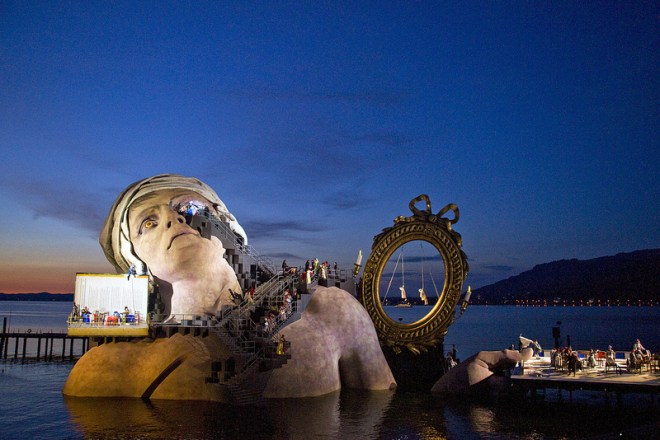
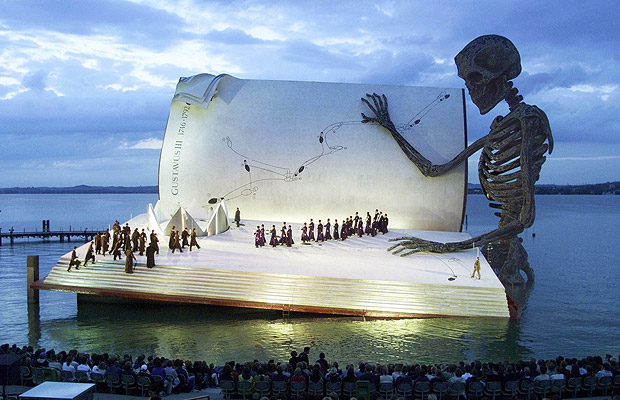
Well you cannot call it a theatre. In fact I don’t know what to call it other than fantastic. They were preparing for a presentation of Puccini’s Turandot in a Chinese setting with the clay soldiers rising from the water and the great wall crossing the stage. The whole building was remarkable and a landmark.
I have copied pictures of two previous presentations to give you the idea of the surreal atmosphere this stage presents.
We also went to the Casino. Reasonably swish and pleasant. We lost about 15€ on the pokies and for Sharna at Easts they used the card system and it was quite successful. We then decided to take in the air and walk along the lake edge until it started to rain and we scurried into the old town to buy some croissants for breakfast. There was a fabulous bandstand on a pier on the lake and quaint colourful buildings in the old town (including tractors in the main street). And of course some lavender for Ron. We had dinner on the Lake and it was bloody cold and wet but better than a pizza in the room.
Next morning it was still raining for our trip to Villeneuve.














































































 glendon1954