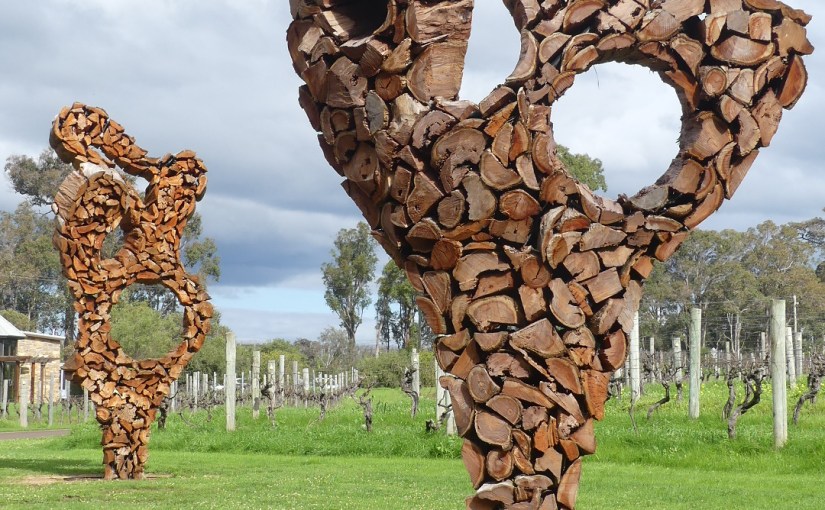
THE RETIREES AND FRIENDS VISIT PERTH AND MARGARET RIVER – day 8 Back to our Itinerary in Margaret River

Star Date 1st August 2024

The mornings were quite crisp so the fire was lit whilst we fed the birds and had breakfast. We had word that the Markets were on this morning. Nothing like the word “Markets” to wet the palate so the plan to go to Cape Leeuwin Lighthouse took a slight deviation to the local school grounds for the Markets. A short drive to the other end of the village and there it lay – the Markets – a collection of all strange things and smells a bit like early explorers we lay anchor in the crowded carpark and moved amongst the natives. There was a lonely busker plying his trade before an uncaring audience wound up in the goods on sale. Now I tired very quickly – once around the tents was enough. So I became the buskers sole fan but I was soon joined by Dale and we sat patiently like dogs on a lead waiting for the madam to return.

Once the shopping flea had been scratched the girls returned to collect us and on the road again.

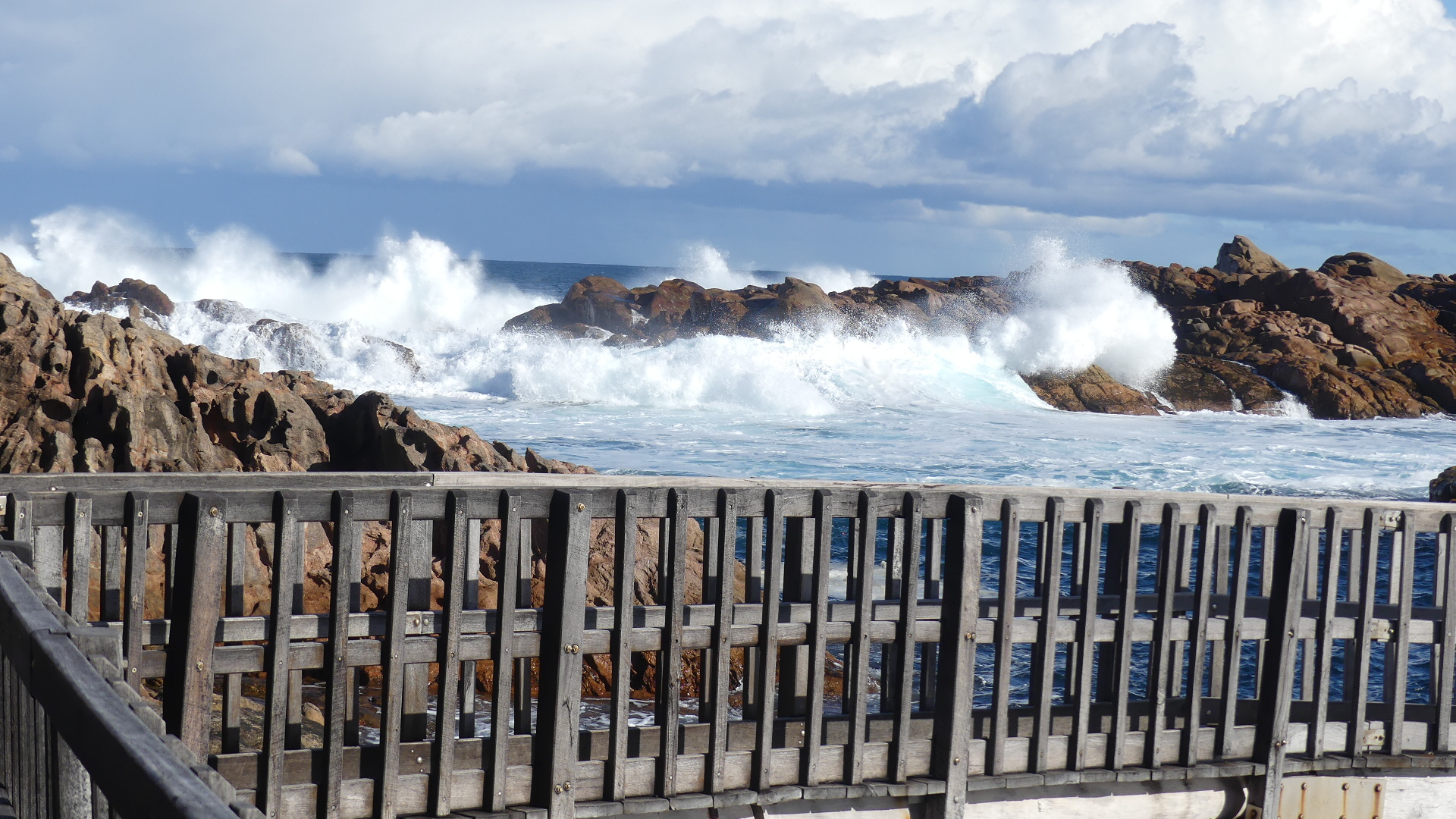
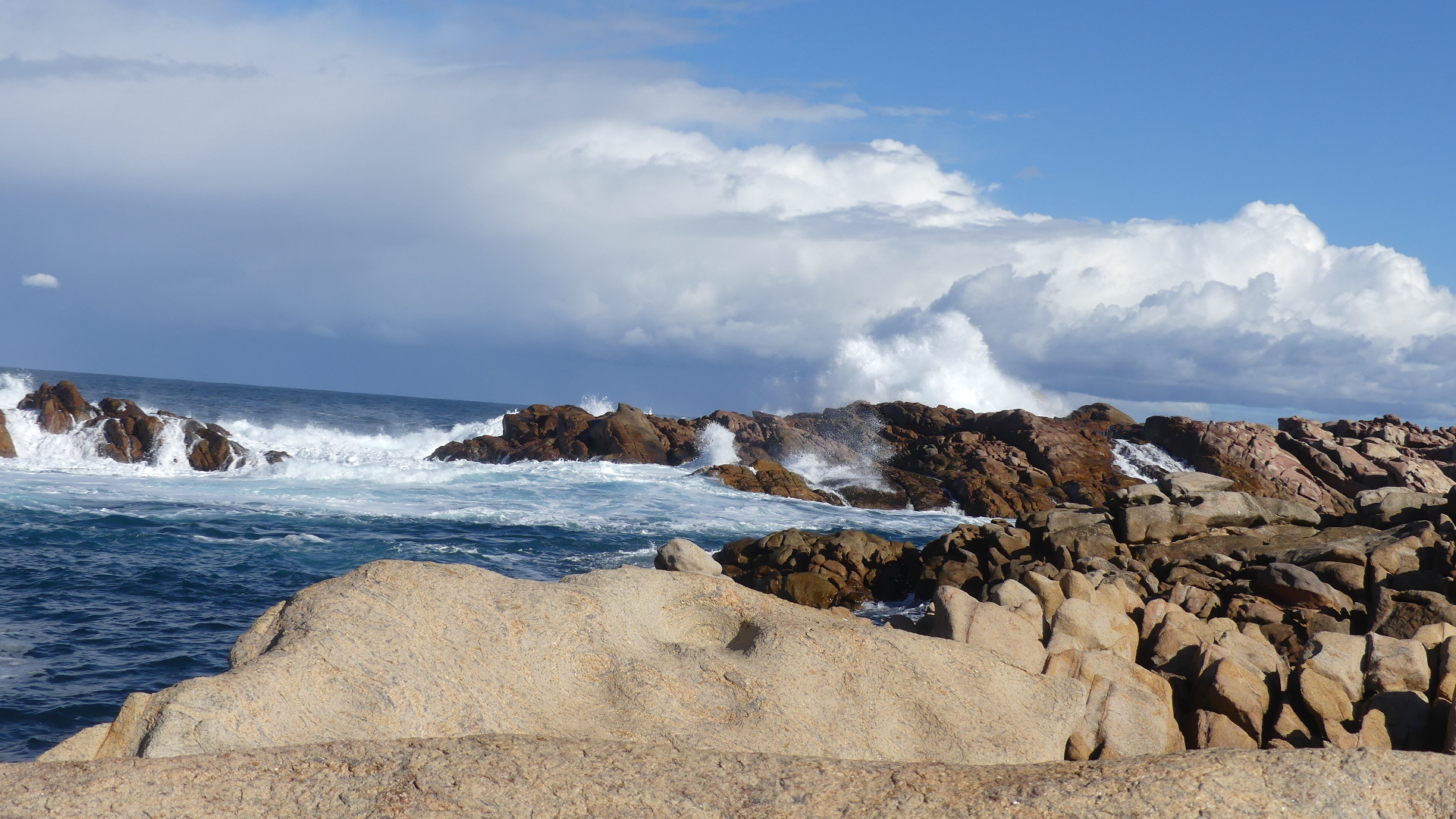
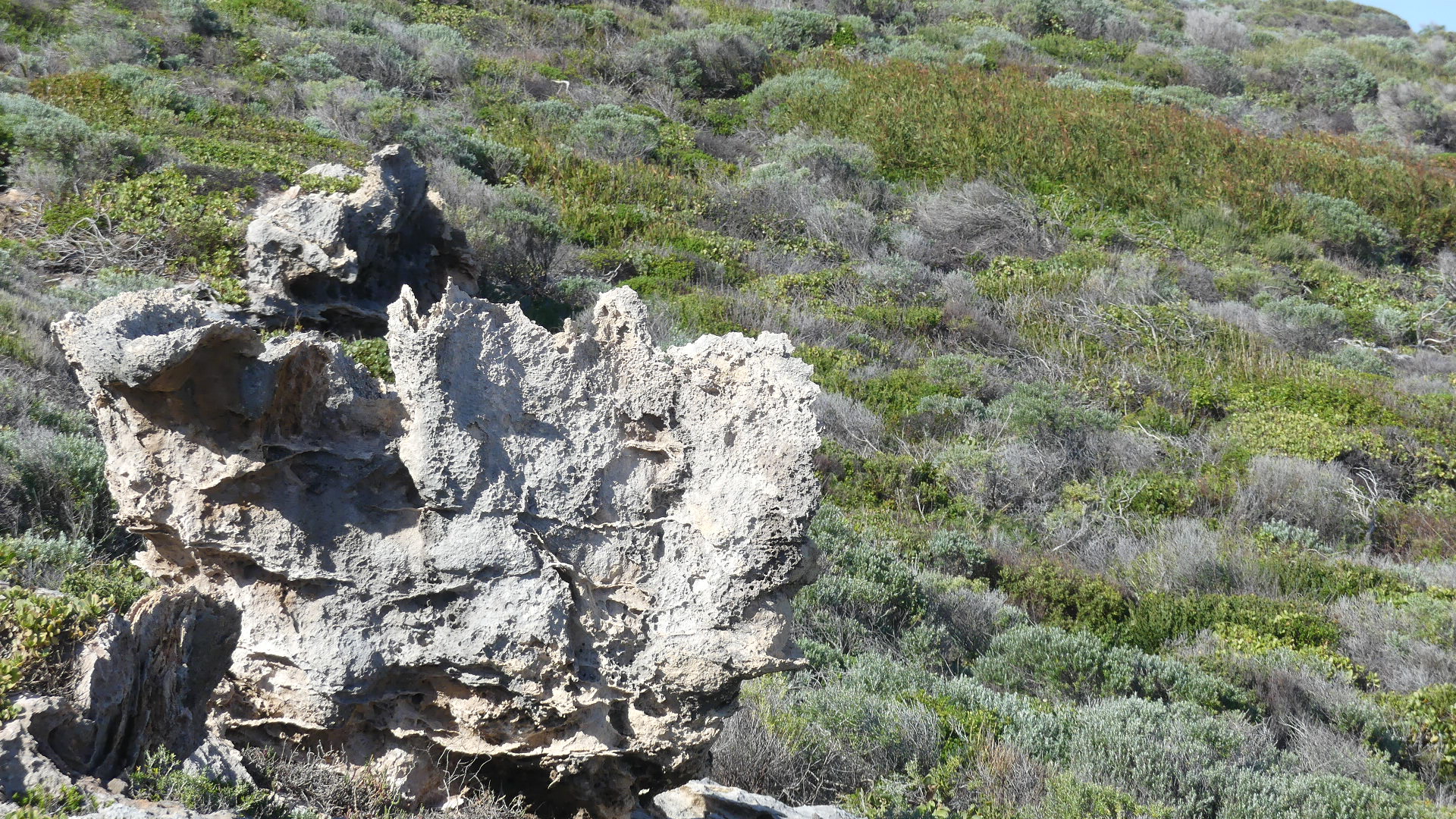
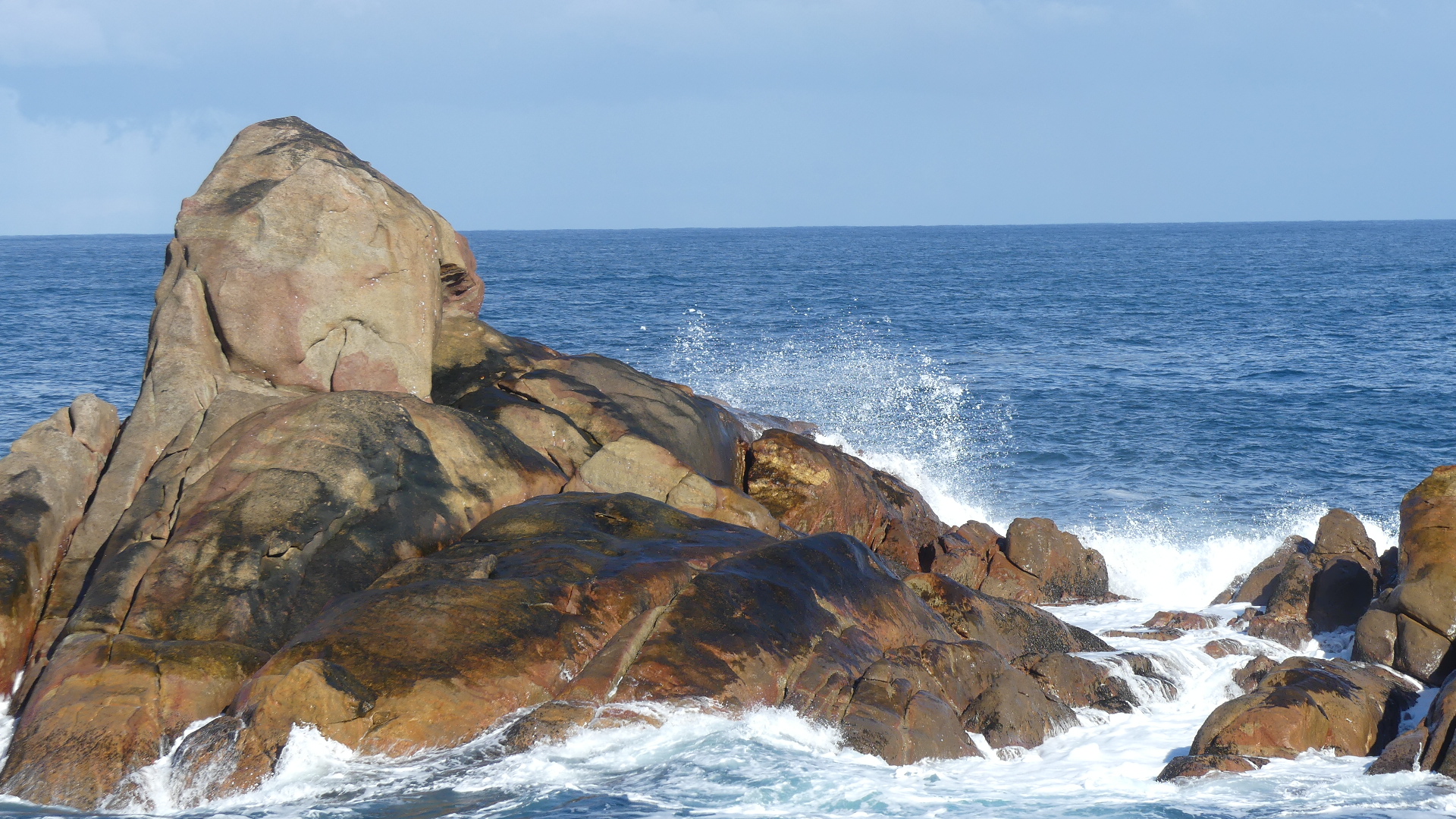
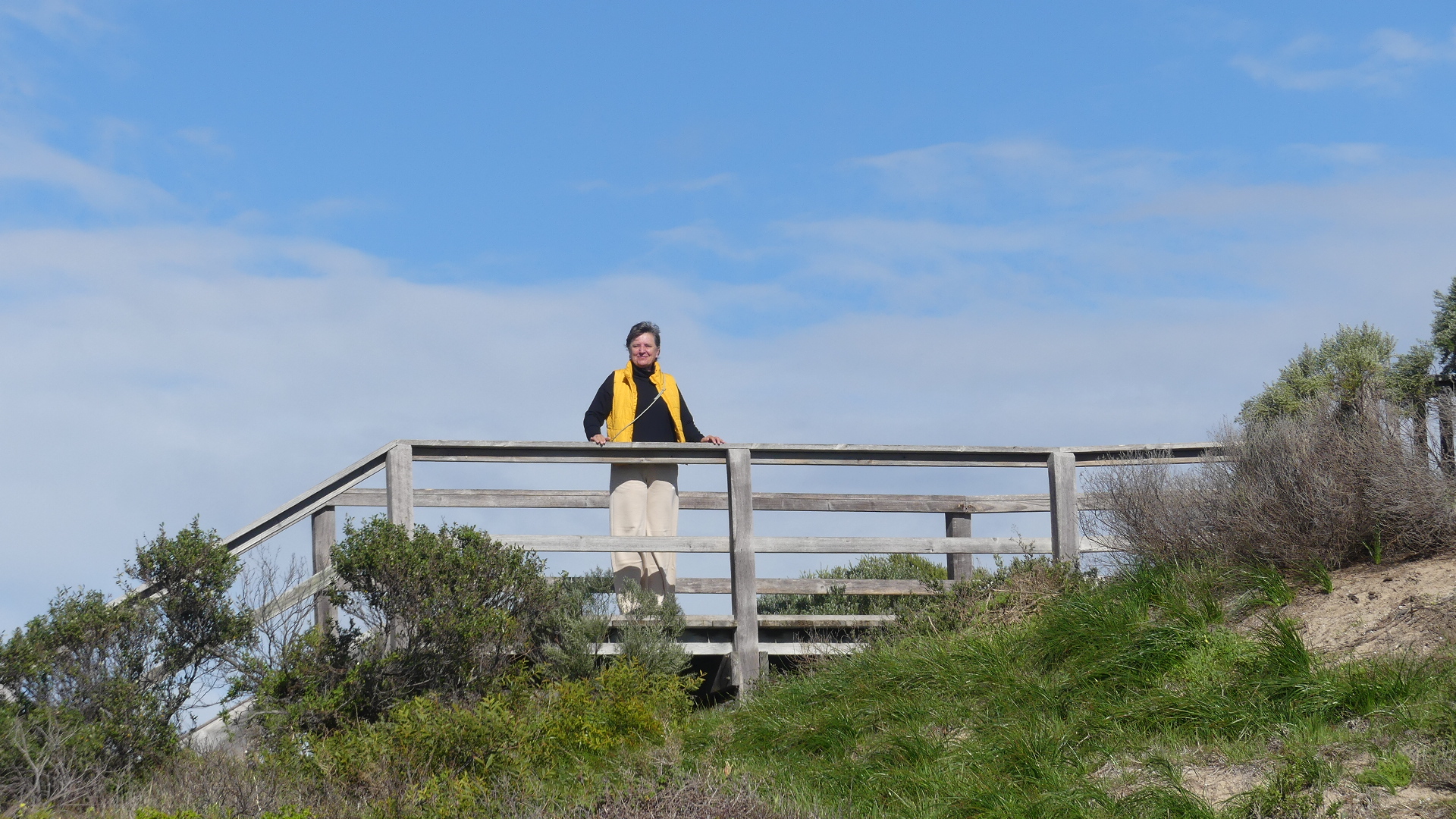
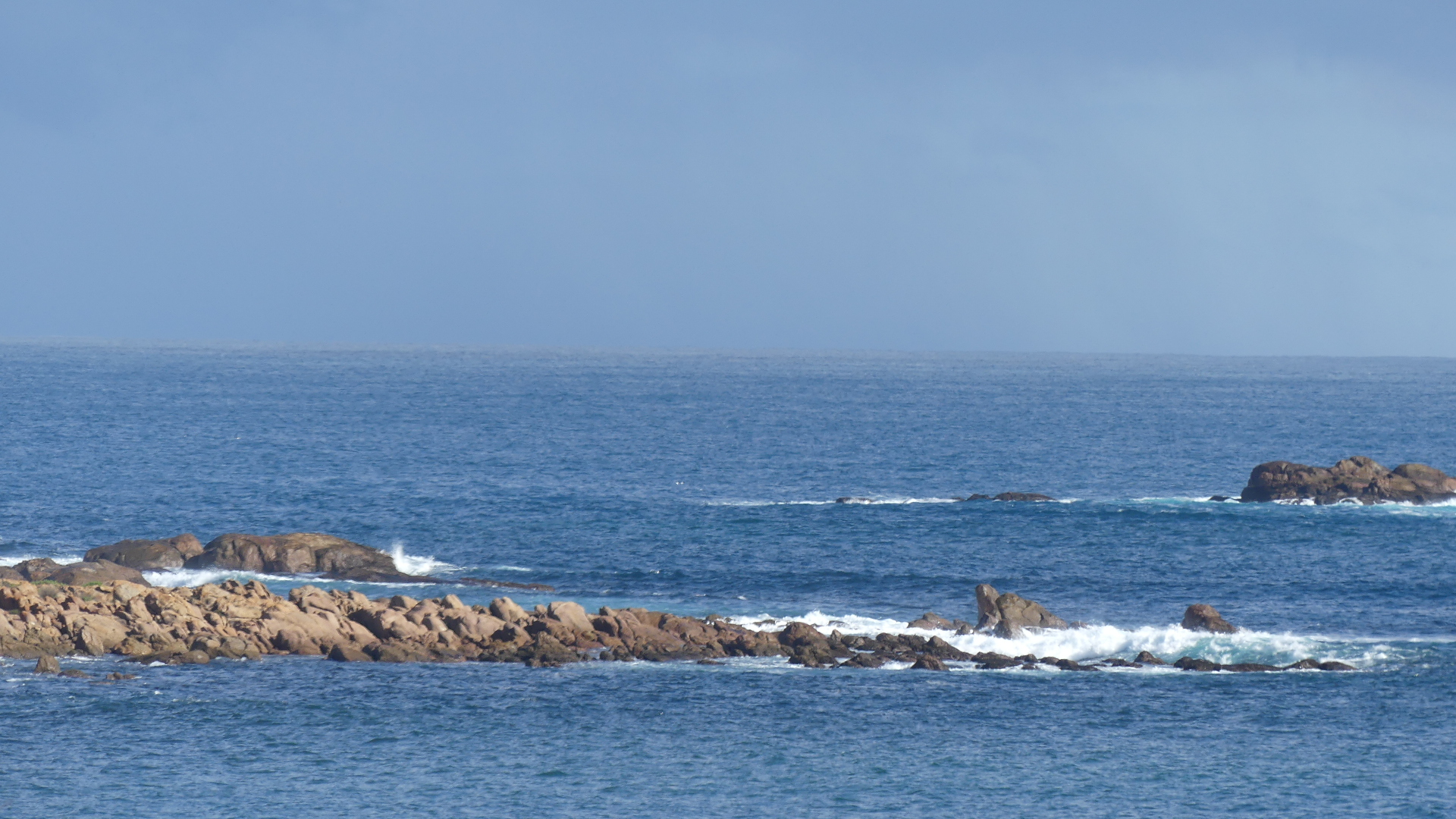
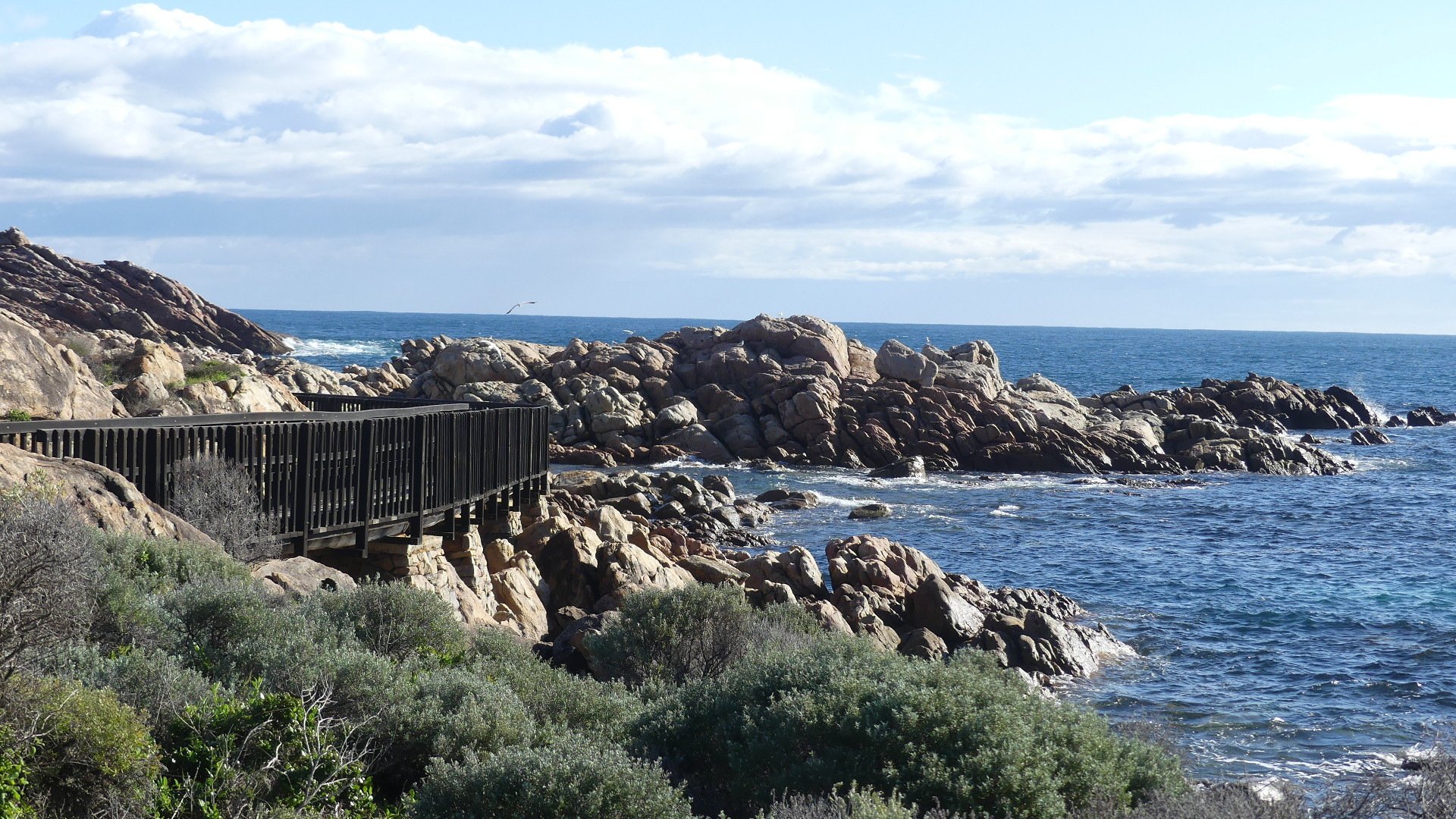
On our way to the lighthouse we had a few other points of interest to visit and the first of these was Canal Rocks – a rocky headland outcrop with interesting formation and wind weathered rocks. The wind was strong but the rocks tell you how strong they can get.

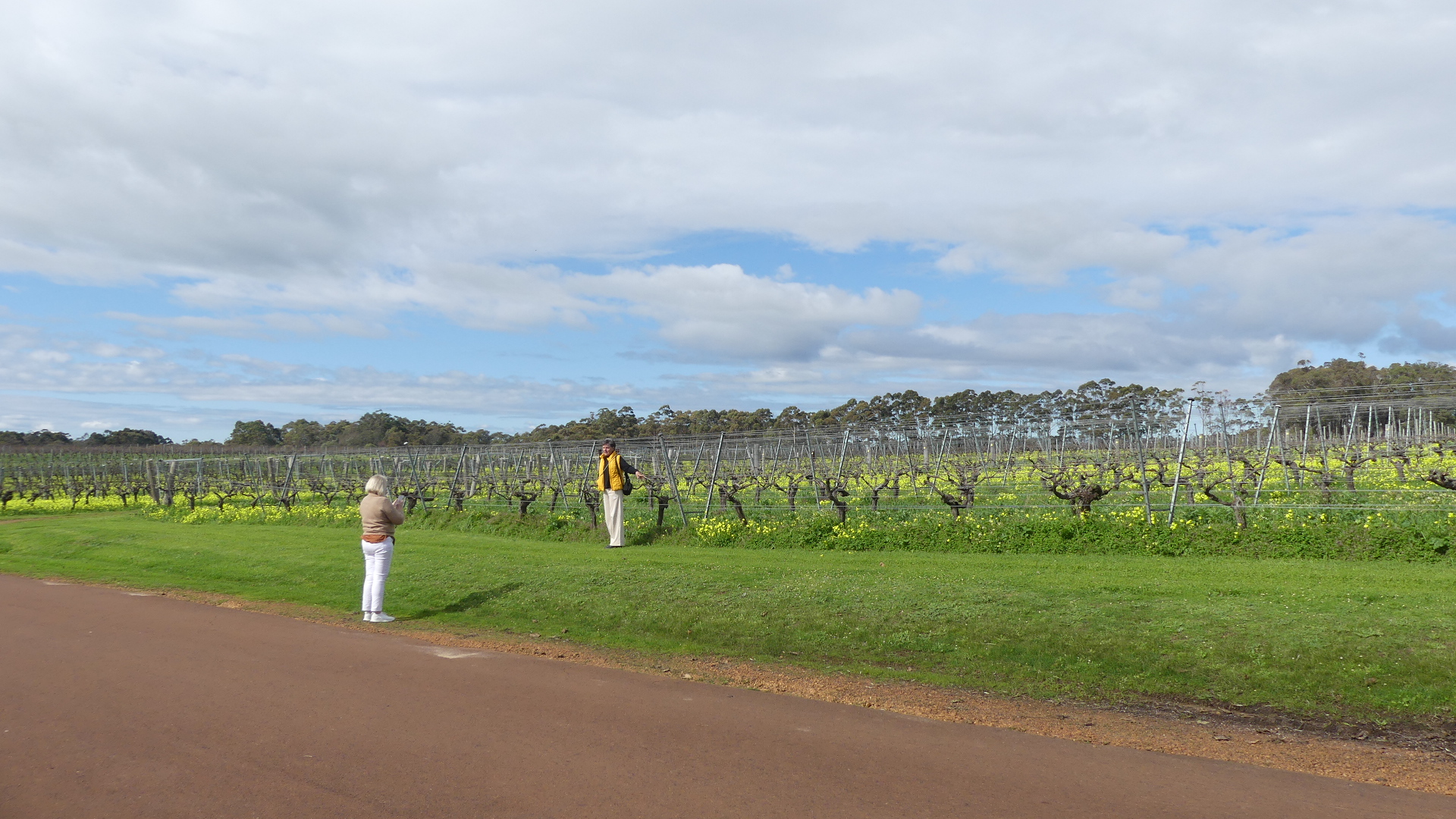
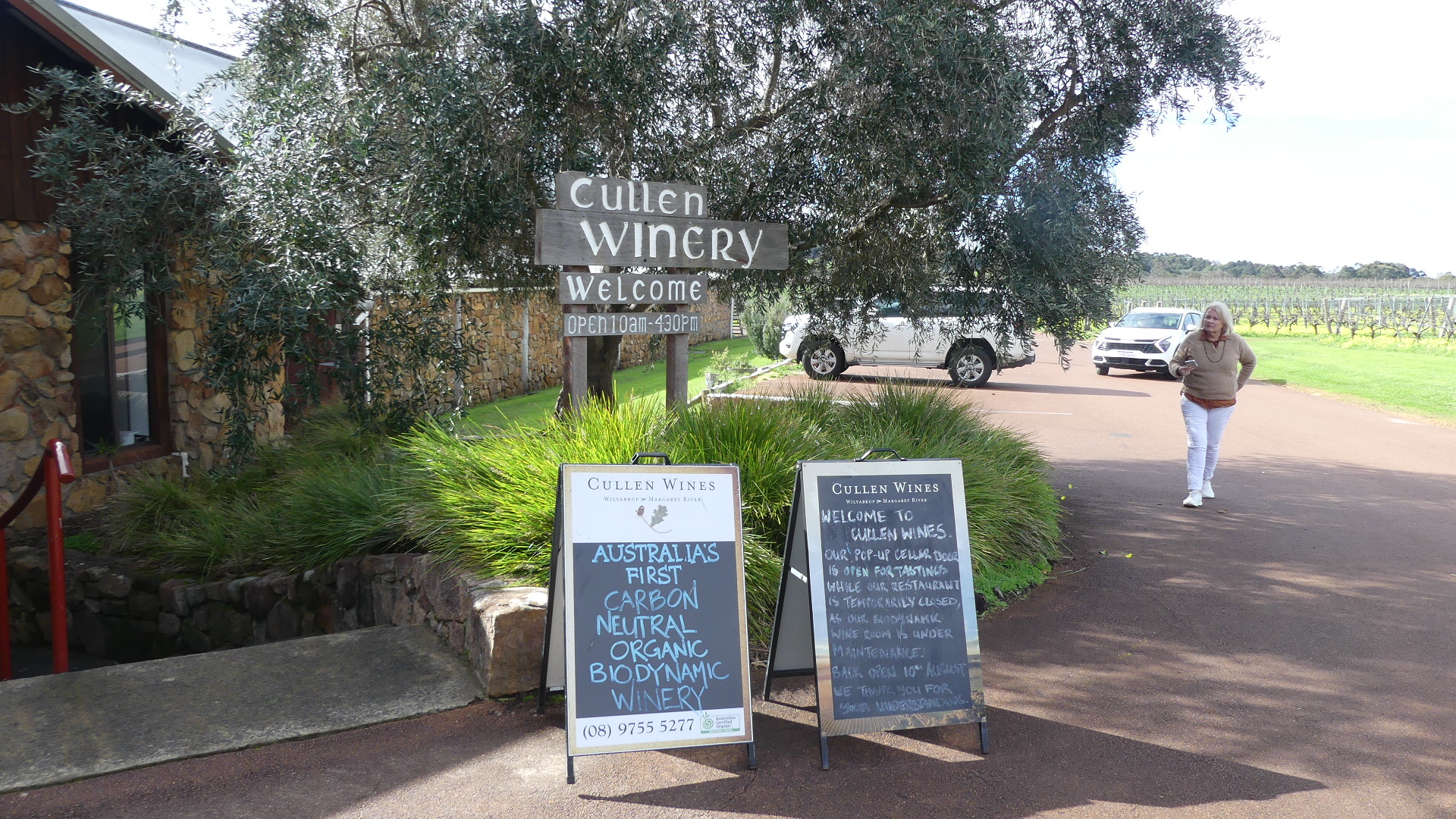
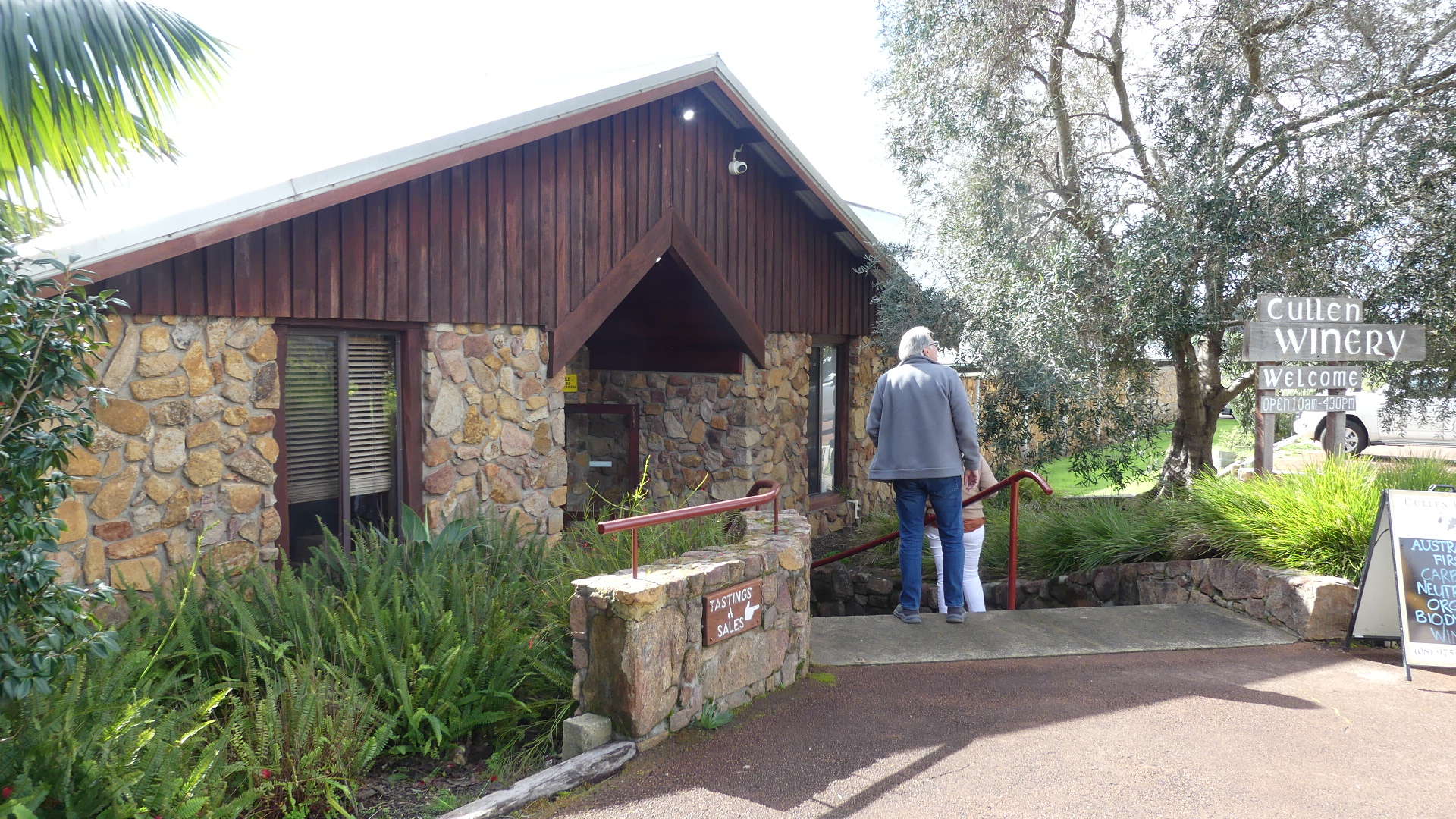
It was still early by the time we arrived at Cullens Wines Cellar Door and vineyard. Our thoughts ran to a hot coffee and a bun but the cellar door was under renovation and the staff disinterested so we basically looked around and moved on.
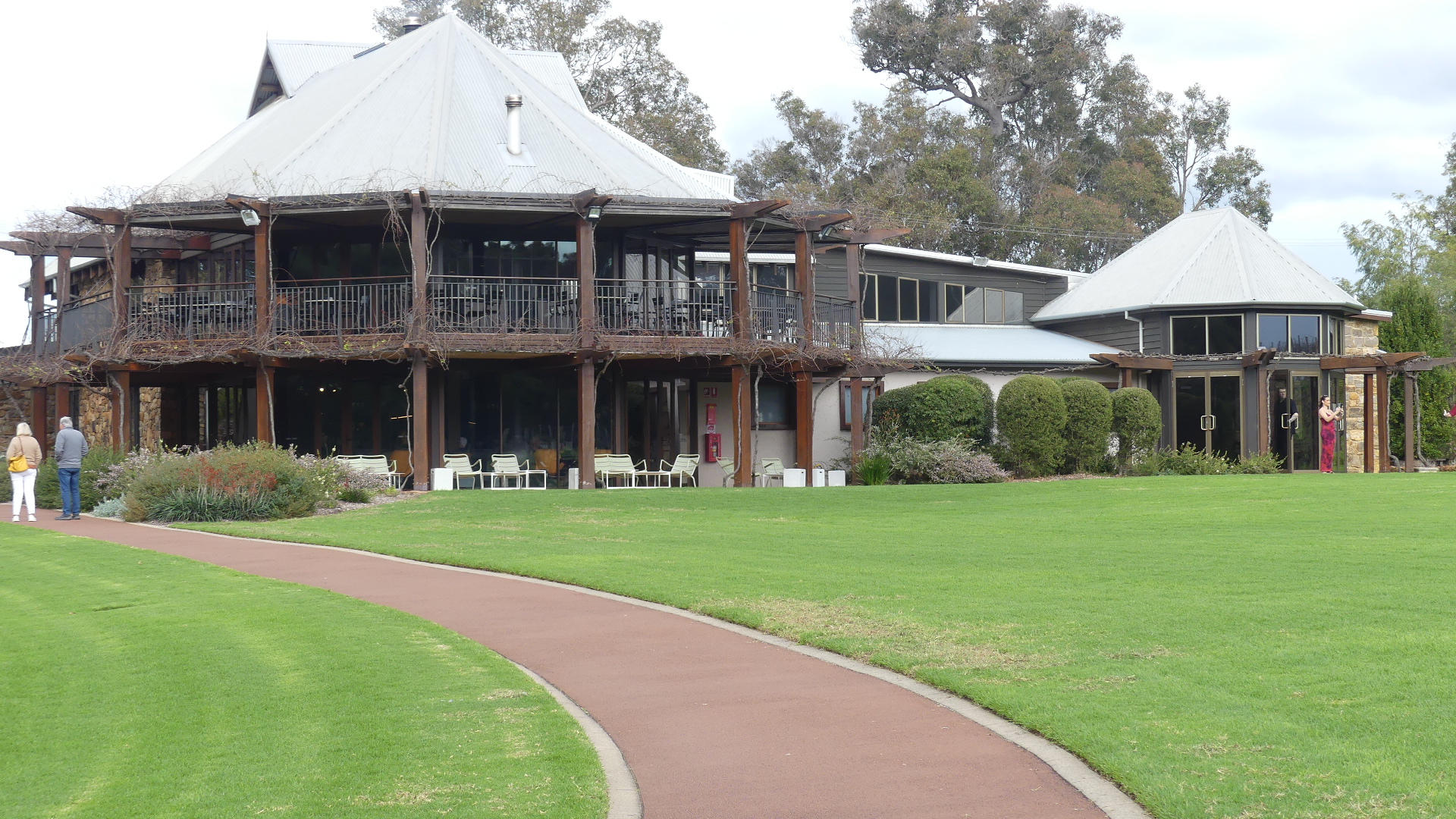
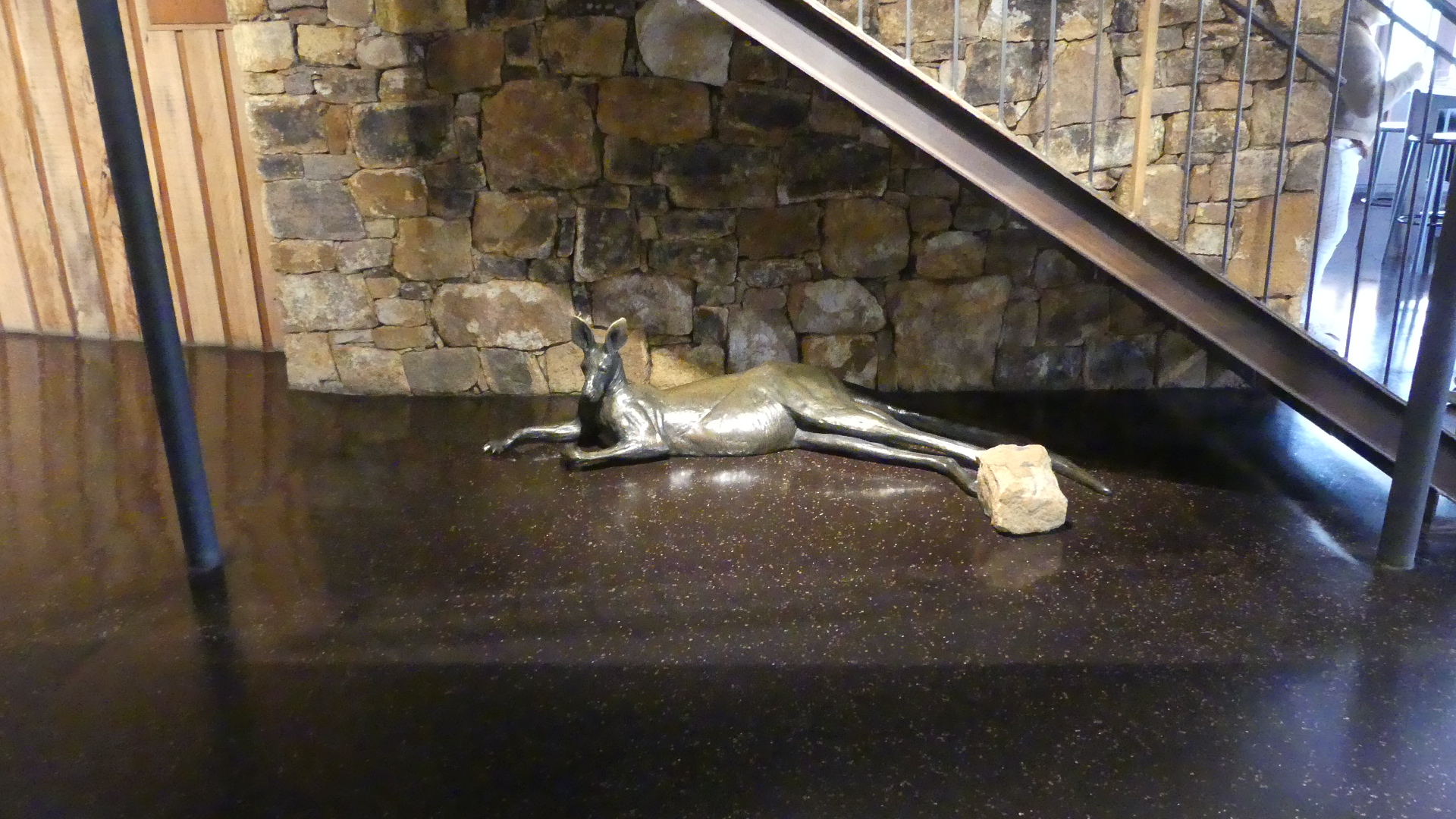
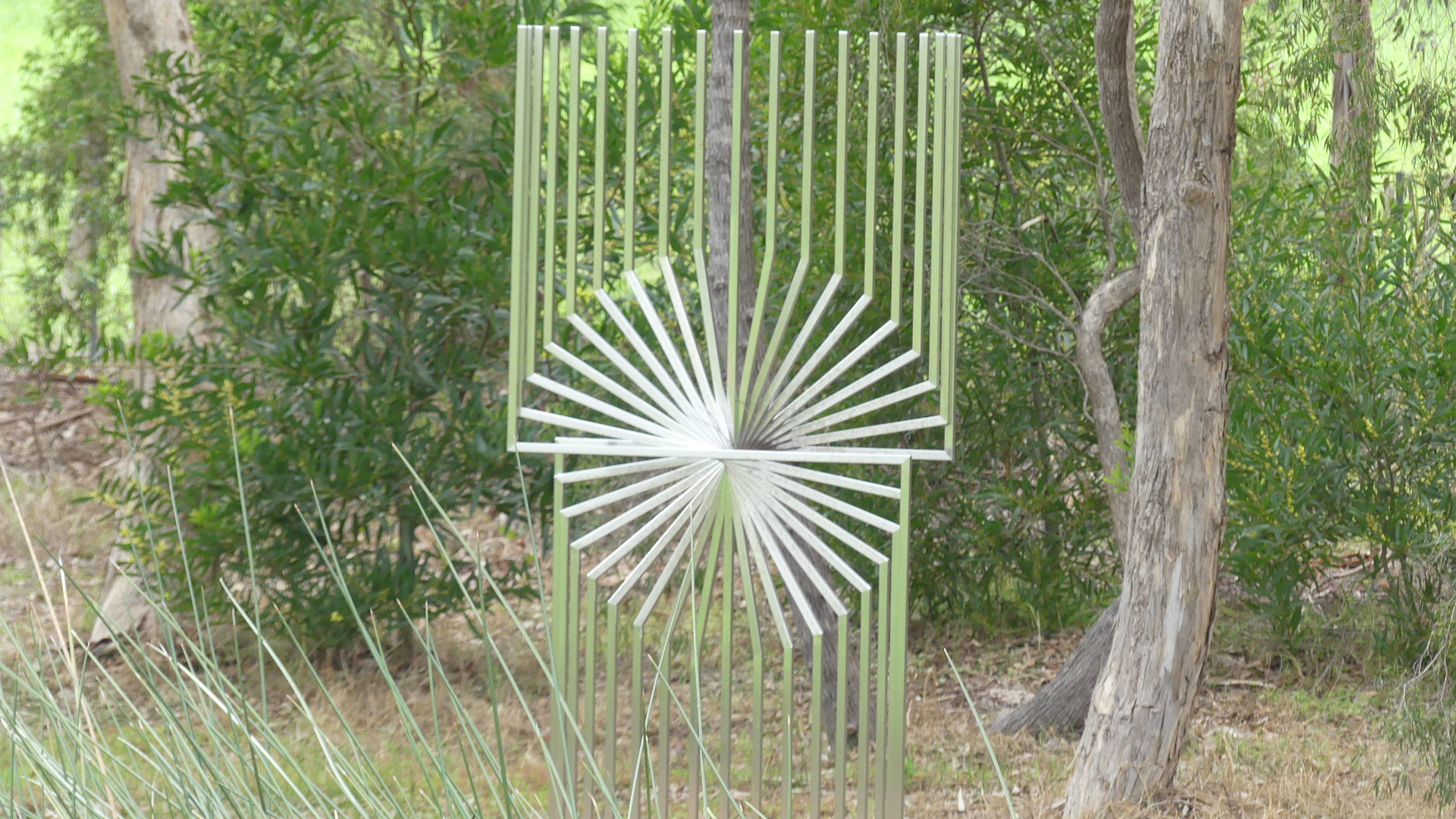
Next winery Vasse Felix. Founded by Dr Thomas Cullity in 1967, its first vintage in 1971, David Gregg appointed winemaker in 1973, the Gregg Family acquire the vineyard in 1984, and the vineyard and cellar door were acquired by the Holmes a Court Family in 1987 and remain the owners today. The cellar door is picturesque and the top of the range in Australian cellar doors. The entrance is manicured with a large well maintained carpark so much so that an odd looking home made vehicle stands out like a sore thumb. Sculptures decorate the entrance walkway with gracious trees and landscaping – the carpark is worth visiting!

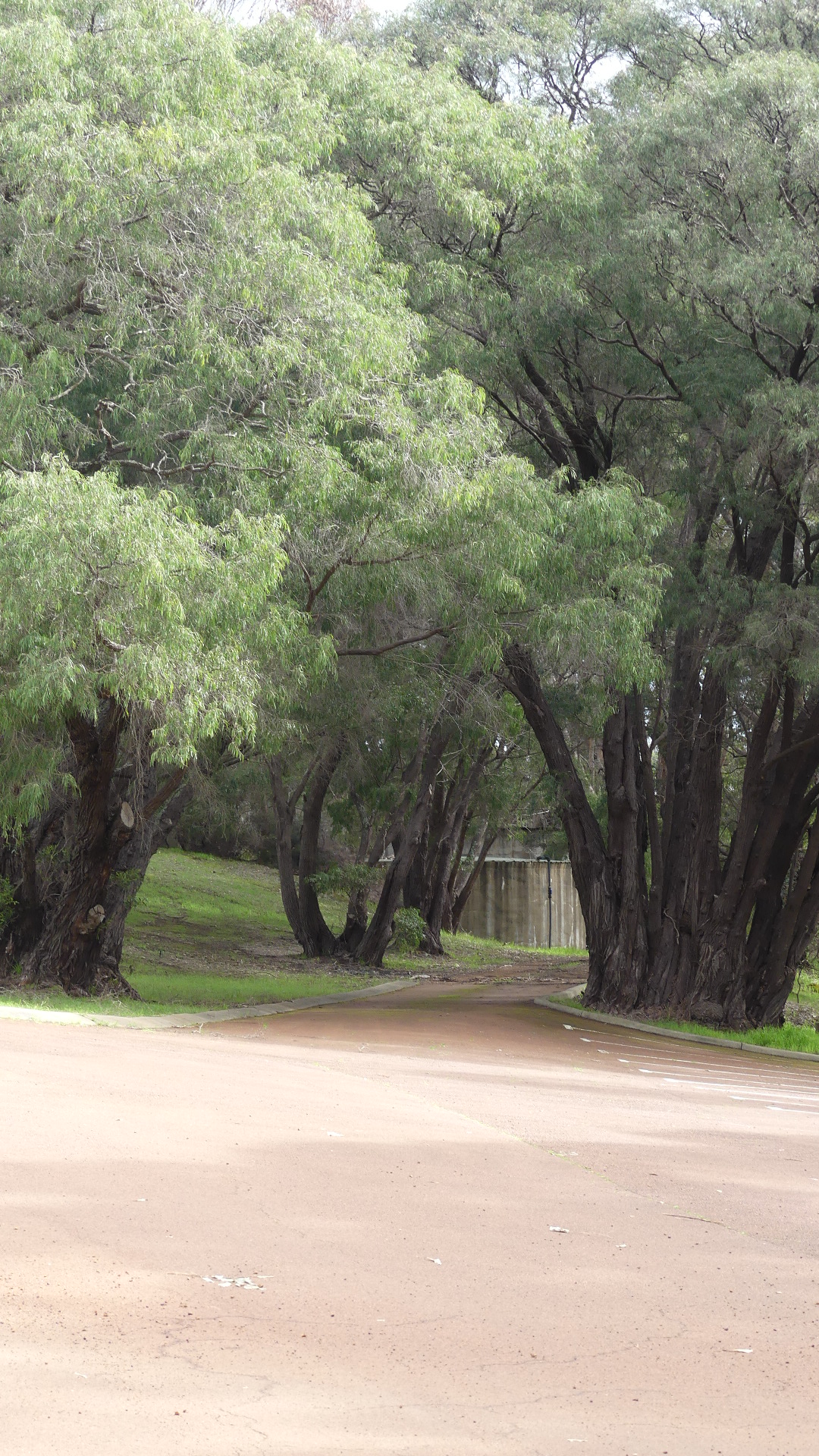
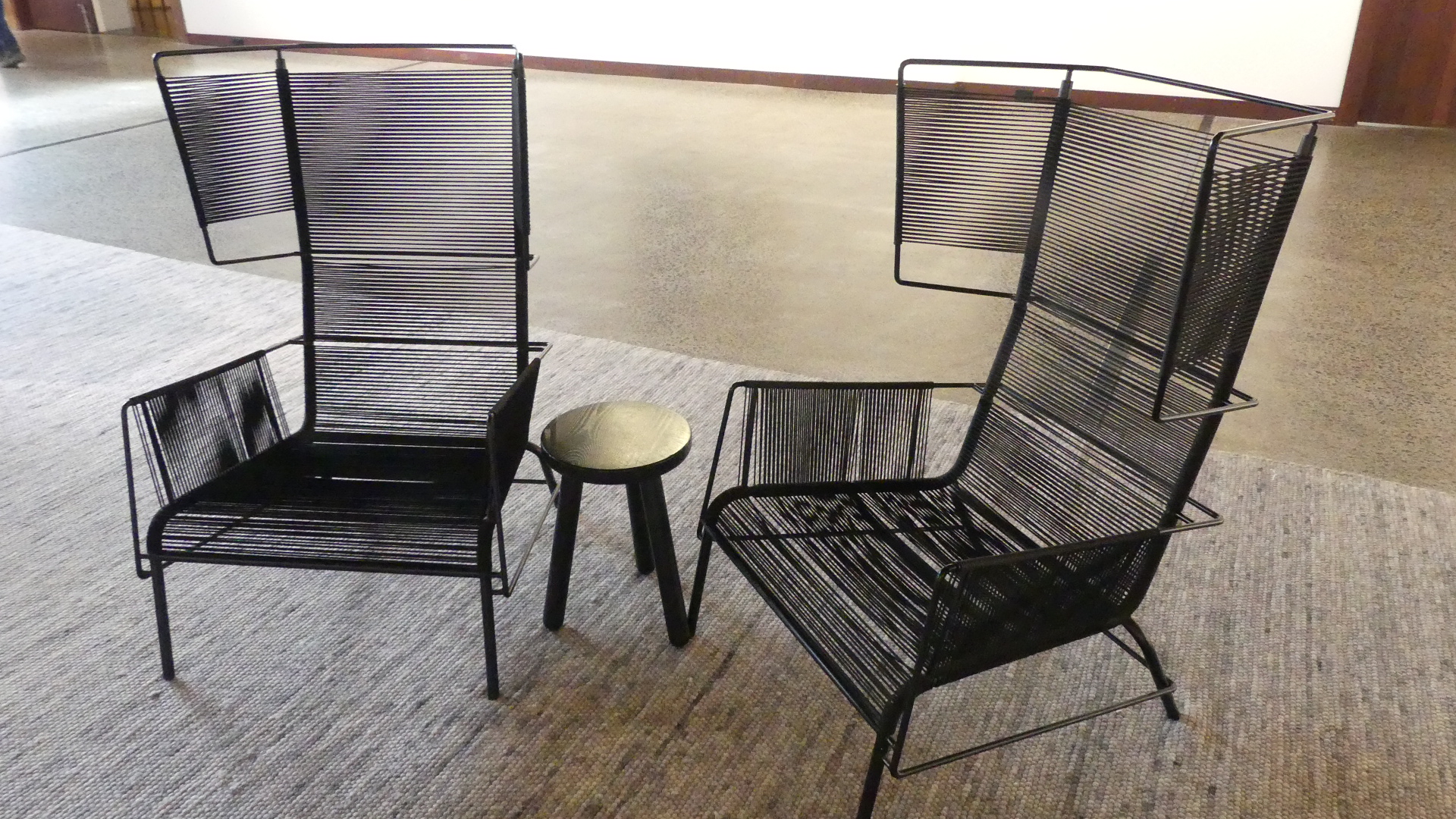
Stepping inside is an experience in its self. There is a gallery behind the enormous doors shown below and only two chairs to sit an admire the art. There is a cellar of the very best Vasse Felix wines above which is the wine tasting area and cafe and outstanding pieces of sculpture and art then upstairs is the restaurant exuding an opulence of elegance with an Australian flavour. The dining room was full of guests and I felt like a pervert spying on them so I declined to photograph the dining room. As we left we were followed by birdsong.

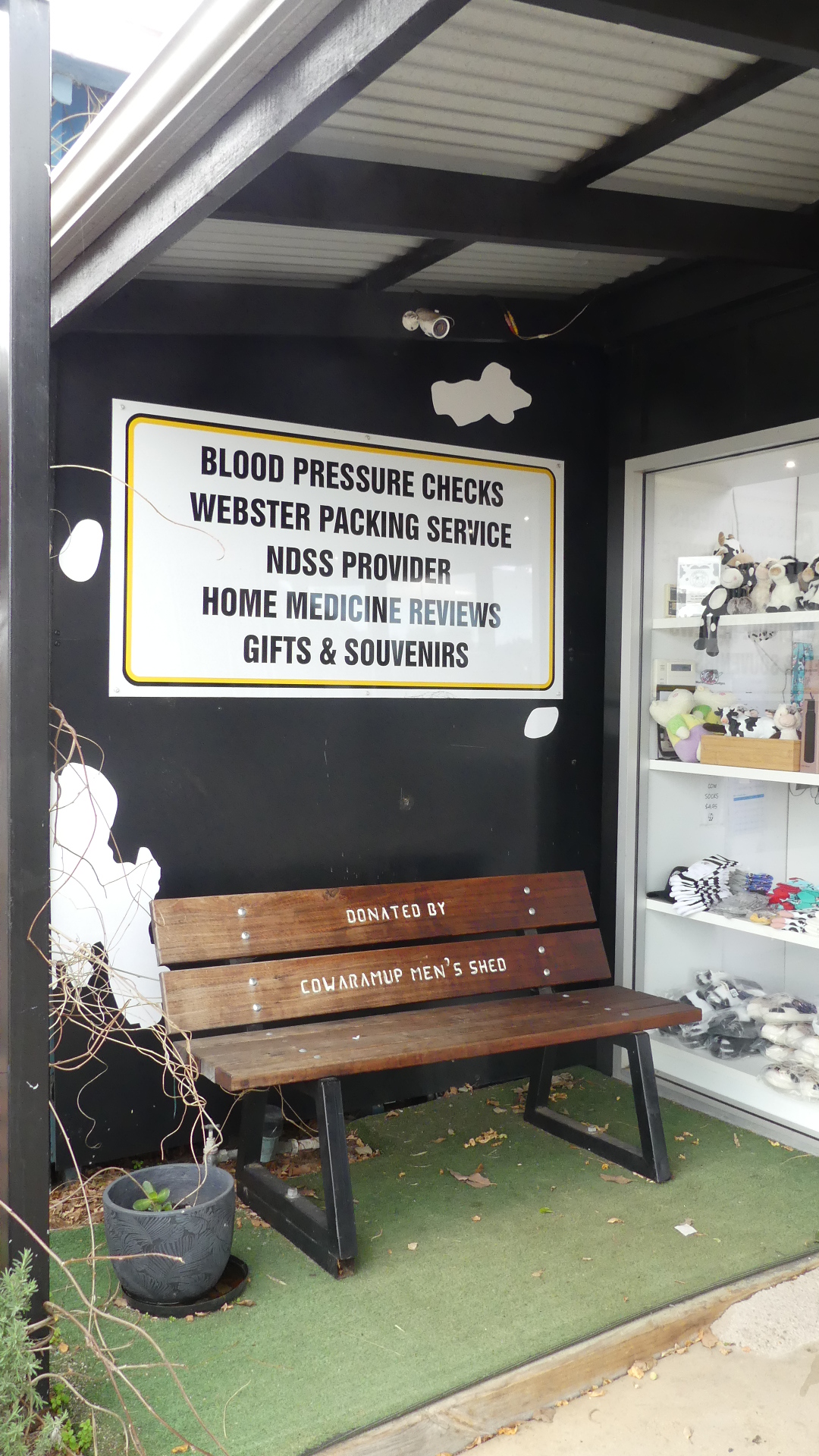
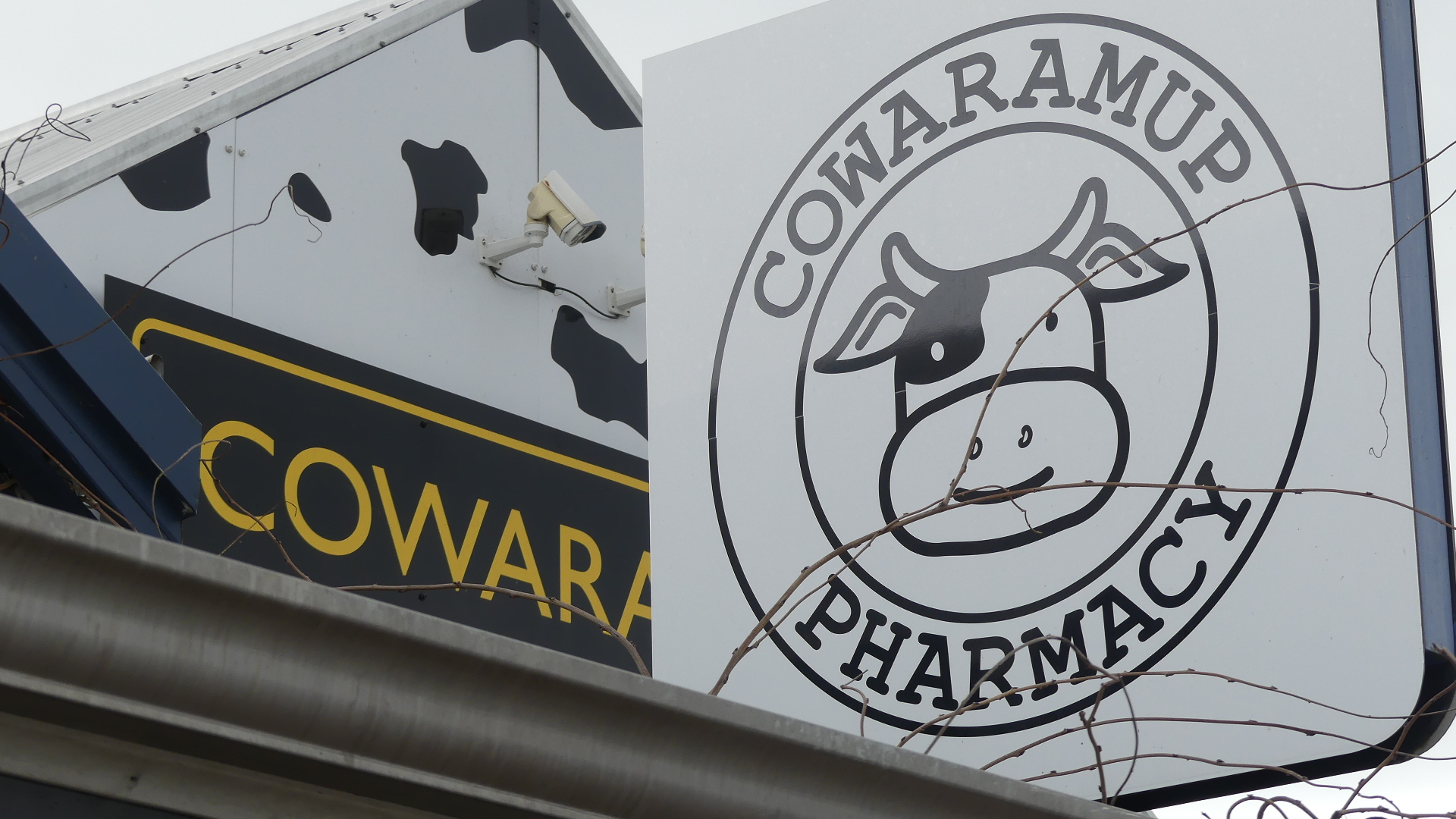
Finally time to return home but not before we visited Cowaramup; a village just up the road from Margaret River paying homage to the dairy cow. These fibre glass cows and calves adorn the footpaths and shop fronts throughout the village adding significantly to the character of the place. The pharmacy was particularly caught up in the mad cow disease.
There were a number of shops we had to visit and fortunately 1 was the French bakery where we obtained lunch then a Curiosity shop (I found it curious we were in there) and the sweet shop – I missed that having been caught up in curiosity. We were now close to our home and the fireplace and bottle of wine was calling – no sorry that was the birds for their afternoon feed.

We will be back on the road tomorrow this time going to the most south-westerly point on the mainland Australia.

December 2024
THE RETIREES AND FRIENDS VISIT PERTH AND MARGARET RIVER – THE FOUR MUSKETEERS IN SWAN VALLEY – 2024 DAY 5

Star Date 29th July 2024.

Batteries fully recharged – the camera of course.

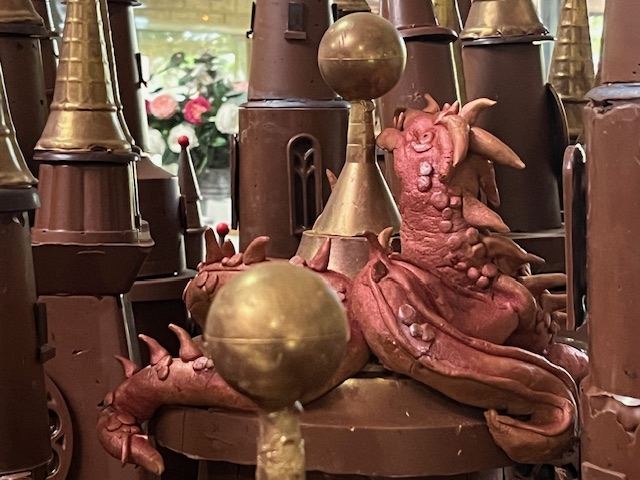
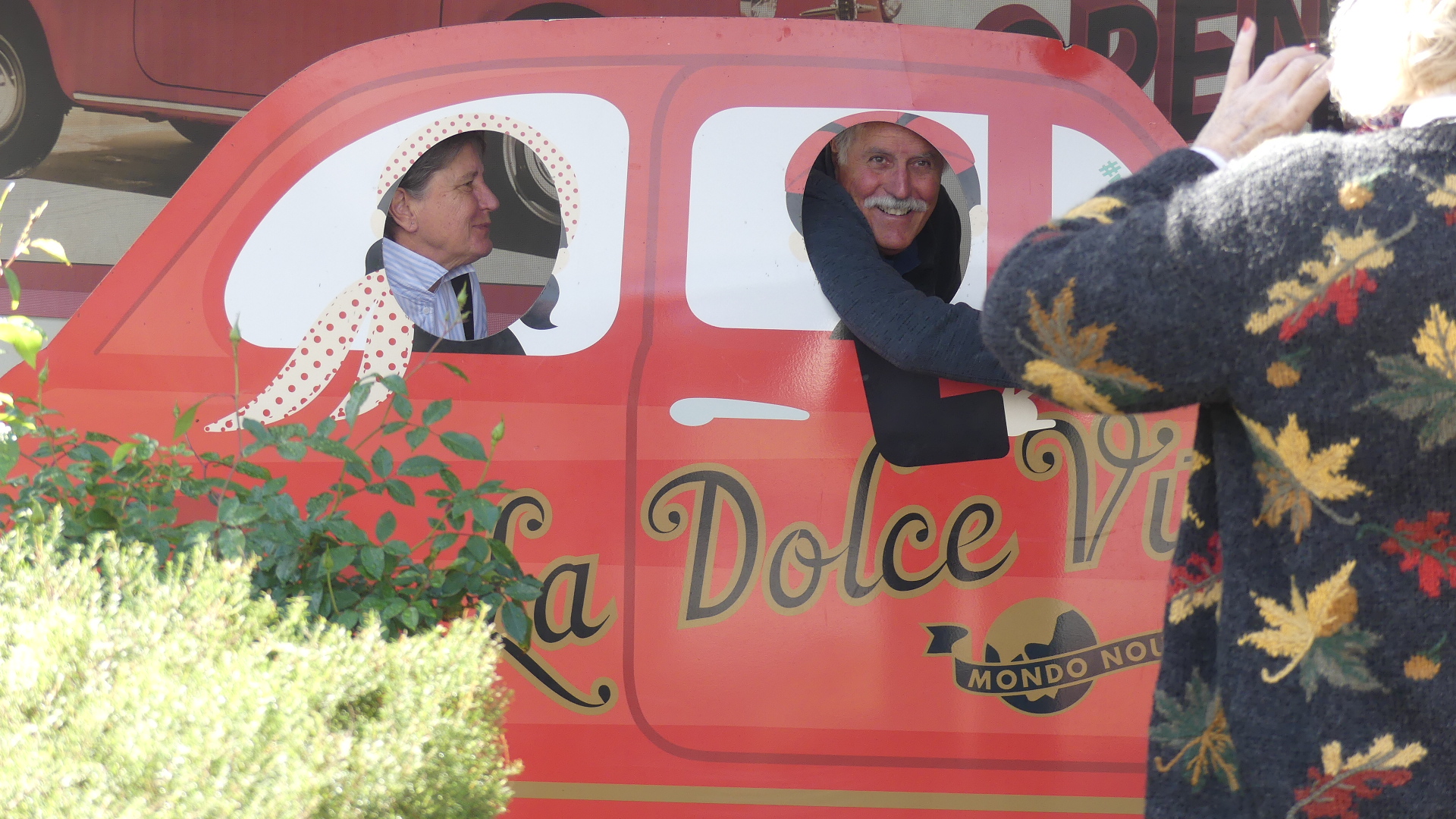
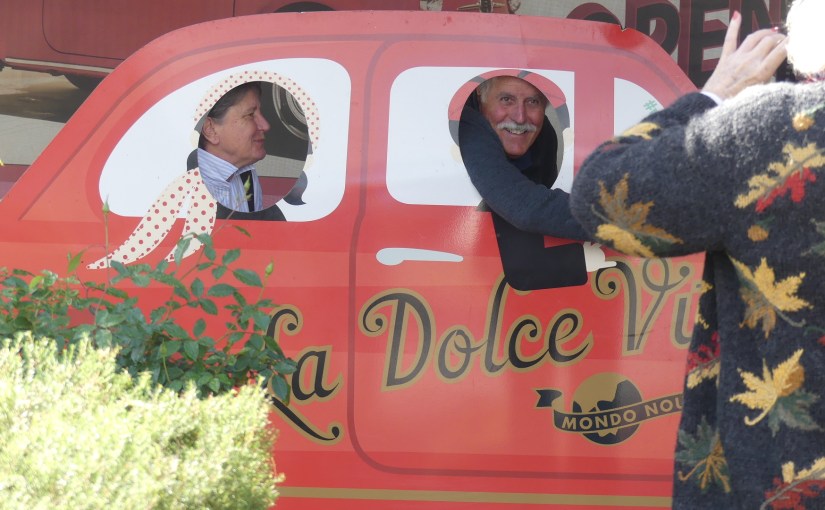
Did I tell you we handed the car back to cousin Ken which meant that we got the opportunity to unite our efforts to explore this big wide land or at least Swan Valley. After feeding the birds and ourselves we picked up the tourist map provided by the Tourist Information Centre and Zdravka’s itinerary and headed out for adventure. First Stop – the chocolate shops. Oh, the Morish Nuts shop was worth a stop for a photo too.

Then we moved onto the House of honey – a sticky situation developed.

We continued our exploration of the waterholes and camp spots finding delights wherever we went.

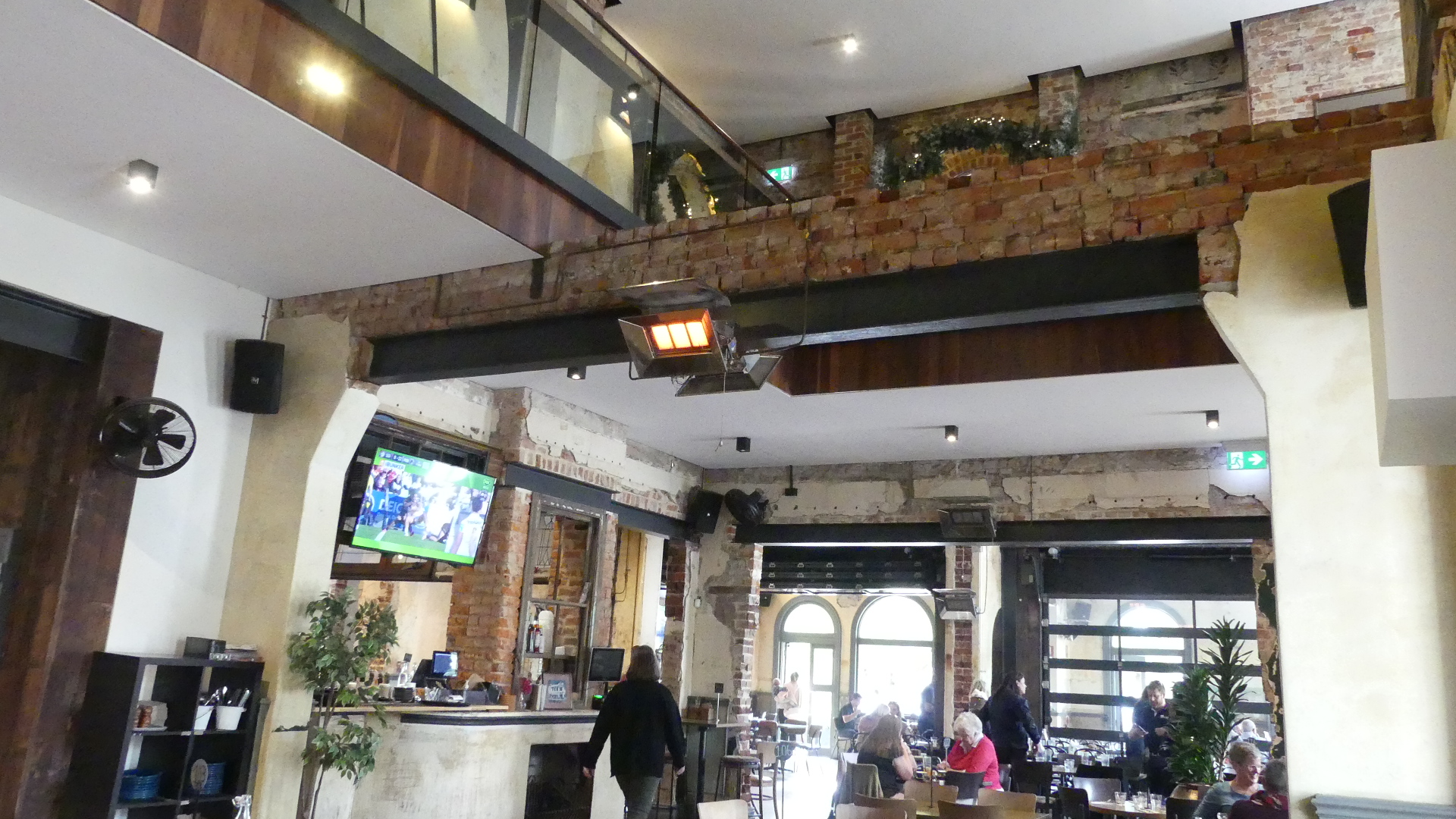
After filling the morning with all the delights of the valley we returned to Guildford and the selection of somewhere to get lunch. Now there are a number of pubs near the centre of the old town – The Rose and Crown – well we had been there, the Stirling Arms built in 1852, or the Guildford Hotel which had been the subject of a fire and we decided to go to the last one Guildford Hotel to see what they had done to the menu and whether it was all burnt up. The reno looked positive so fingers crossed for the menu.

With our bellys full we decided to slow the pace and take a walk in the park – Stirling Park on the other side of the rail line. To get to the park we had to cross the rail line in Meadows St and we encountered the first of a number of memorials to the Tenth Light Horse Regiment. The first is the Guildford Town War Memorial, then Guildford’s Artillery Guns and the Memorial Gates. The Guildford Town War Memorial remembers the many men who served in World War 1, the 25 pound Artillery pieces are replacements for two earlier guns, a captured Howitzer from WW1 and a twenty five pounder from WW2 and the Memorial Gates originally from Perth Railway Station presented to the town to honour the men of the Tenth Light Horse Regiment.

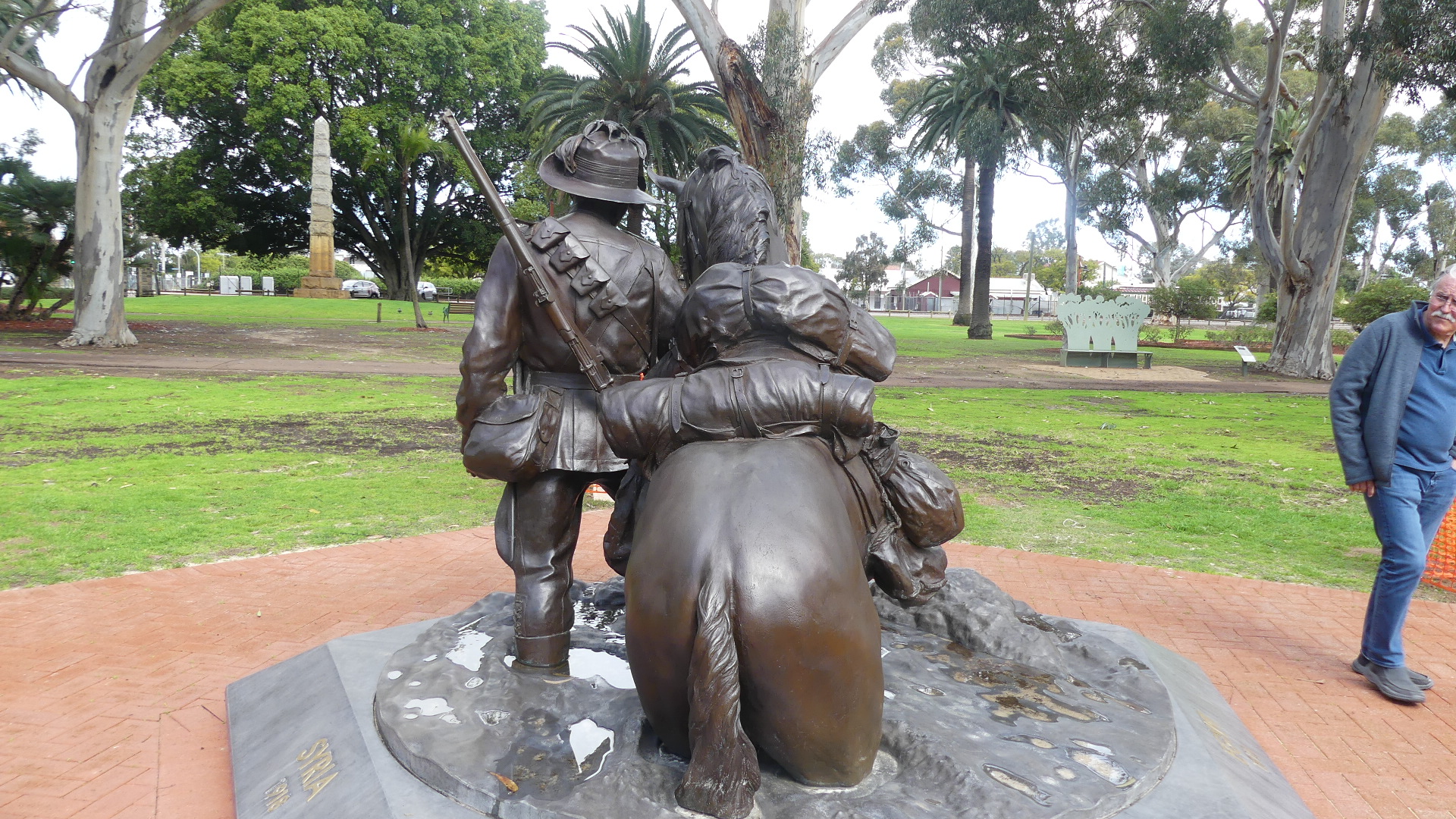
There are a number of other memorials but I was very taken by the Tenth Light Horse Statue developed by Charles Robb as part of a community initiative again in remembrance of the Tenth Light Horse Regiment raised in the town in 1914. It acknowledges the bond between horse and Trooper and support of indigenous horse breakers. None of the horses returned to Australia.

There is more to the park than war memorials, there are the white cockatoos nesting in the caverns in the gum trees.

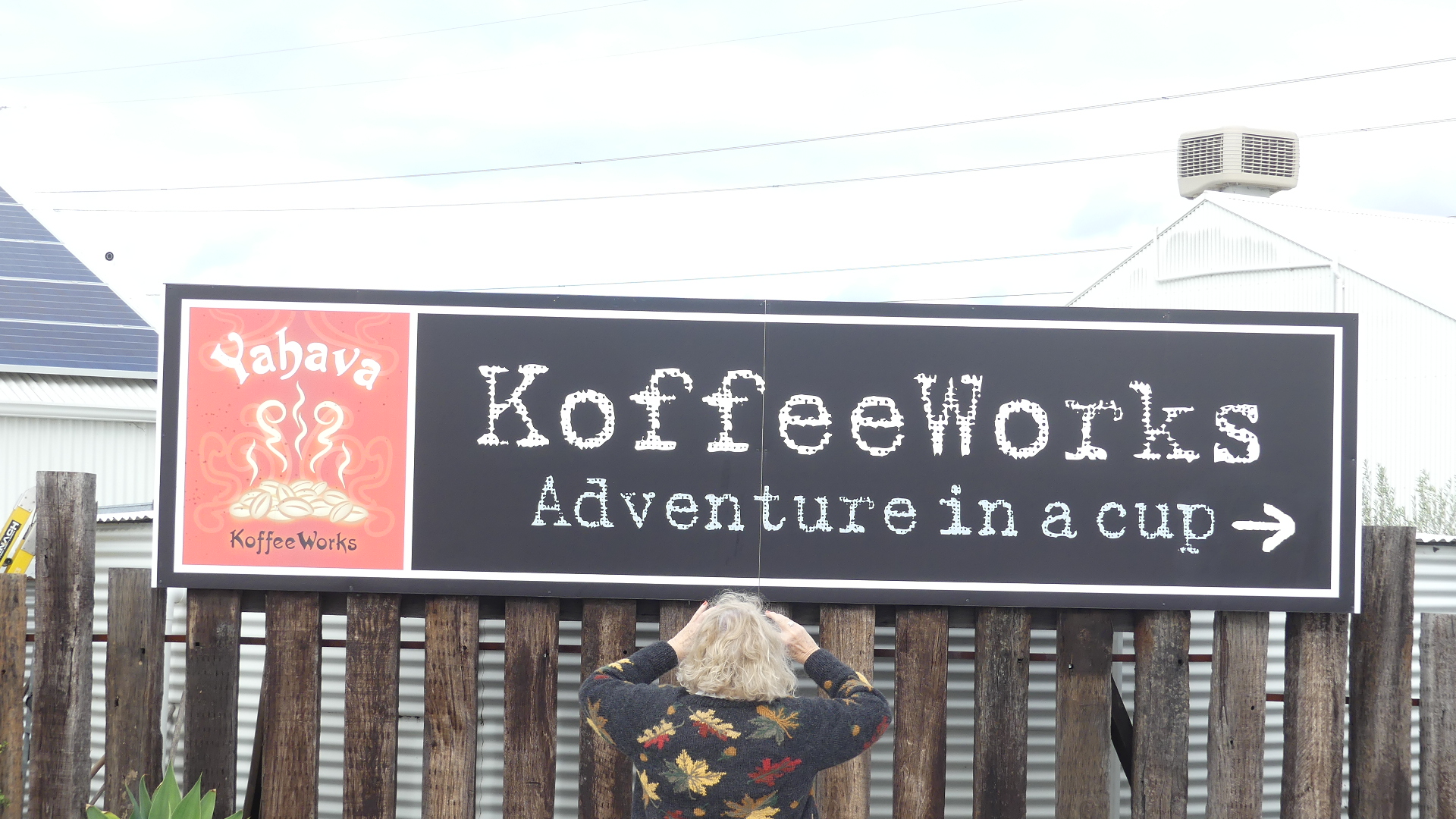
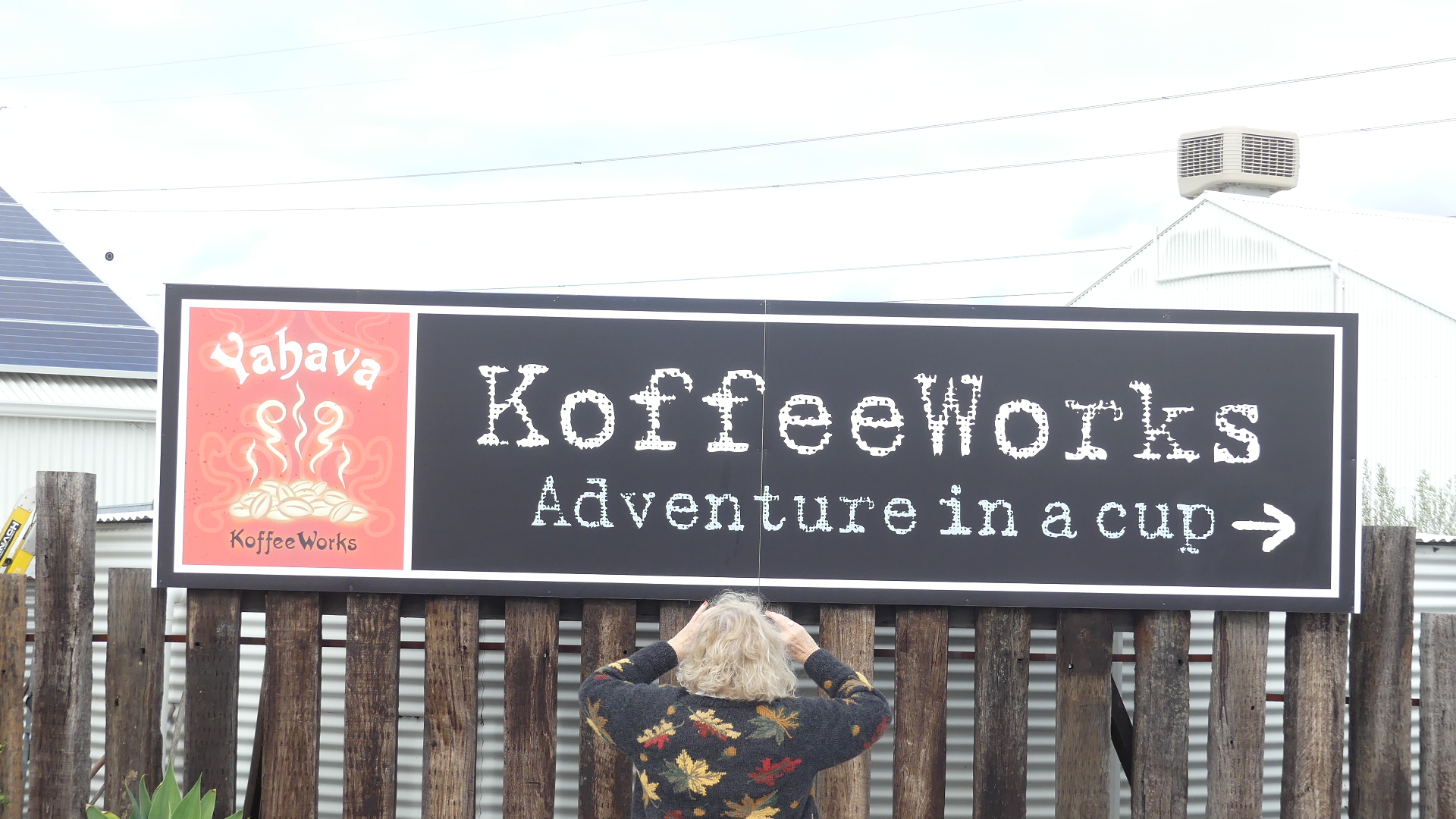
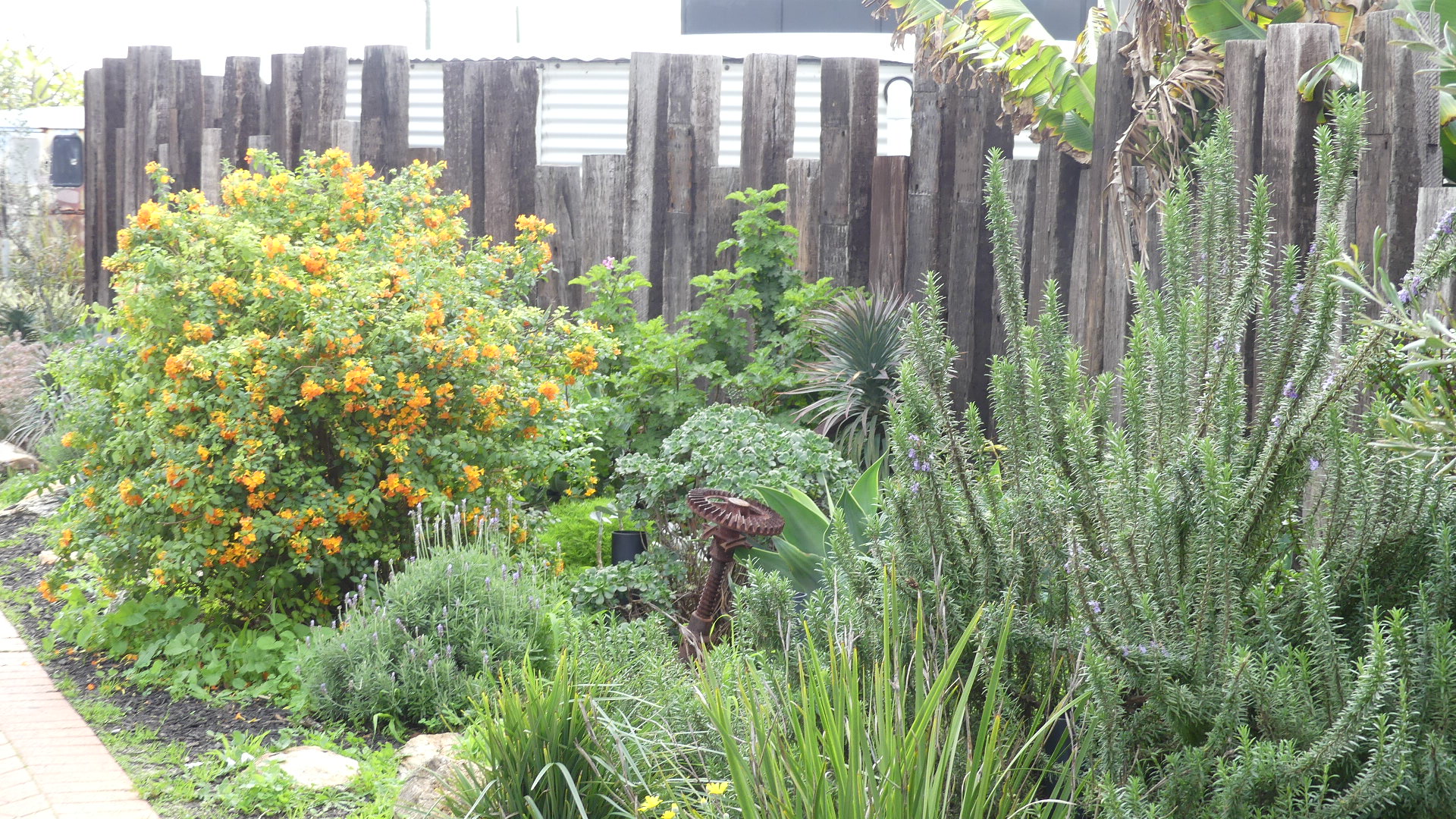
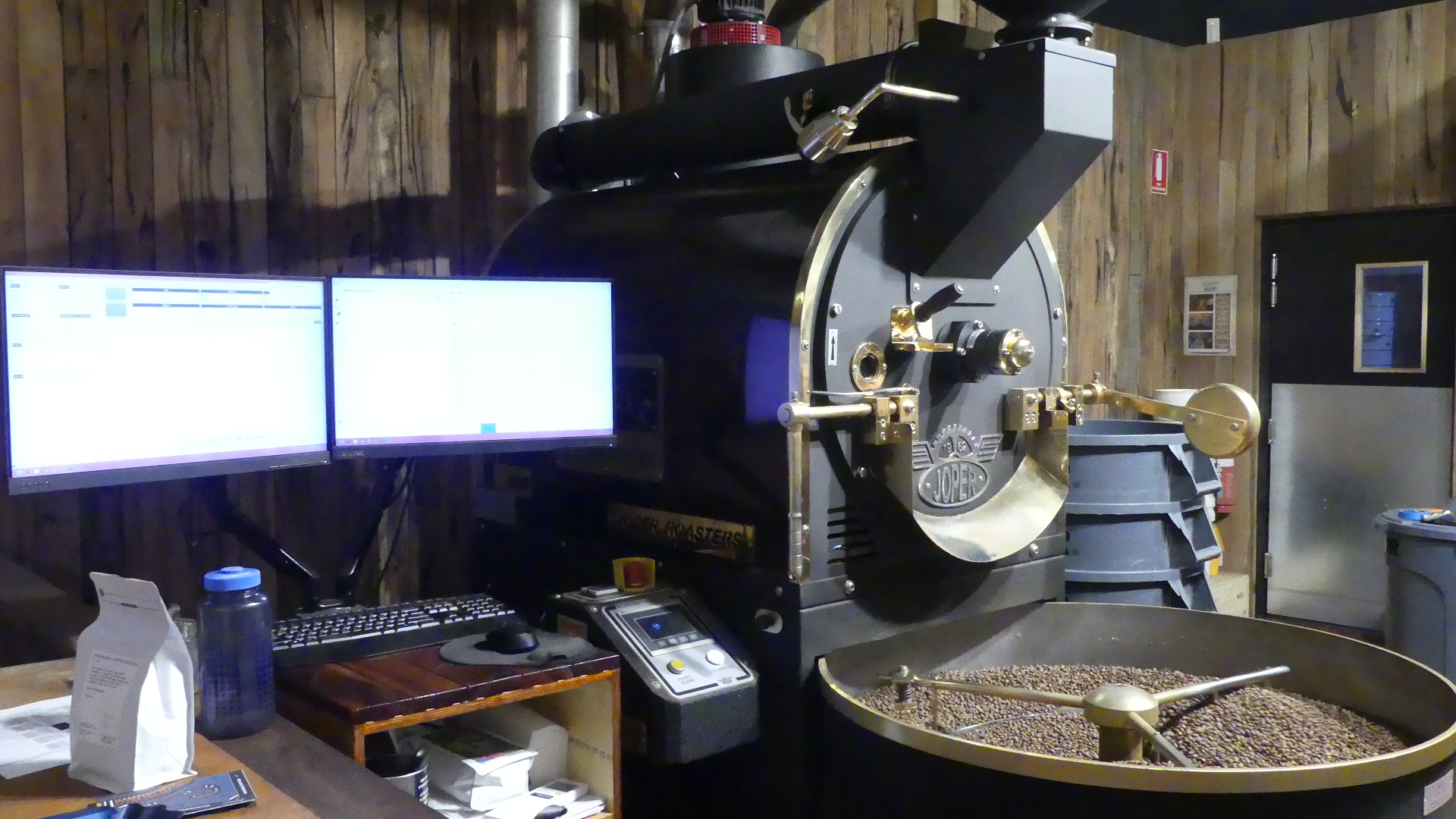
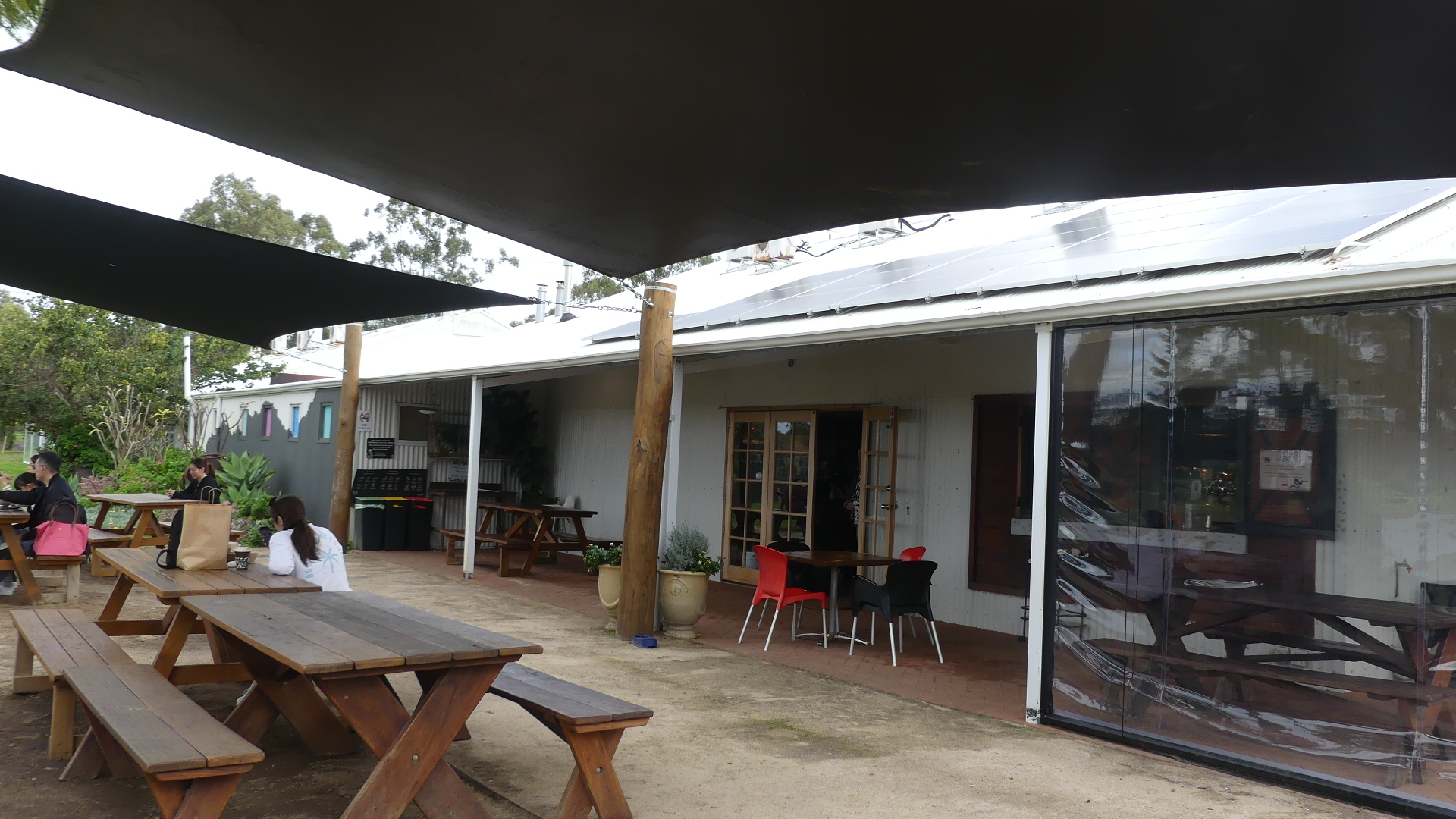
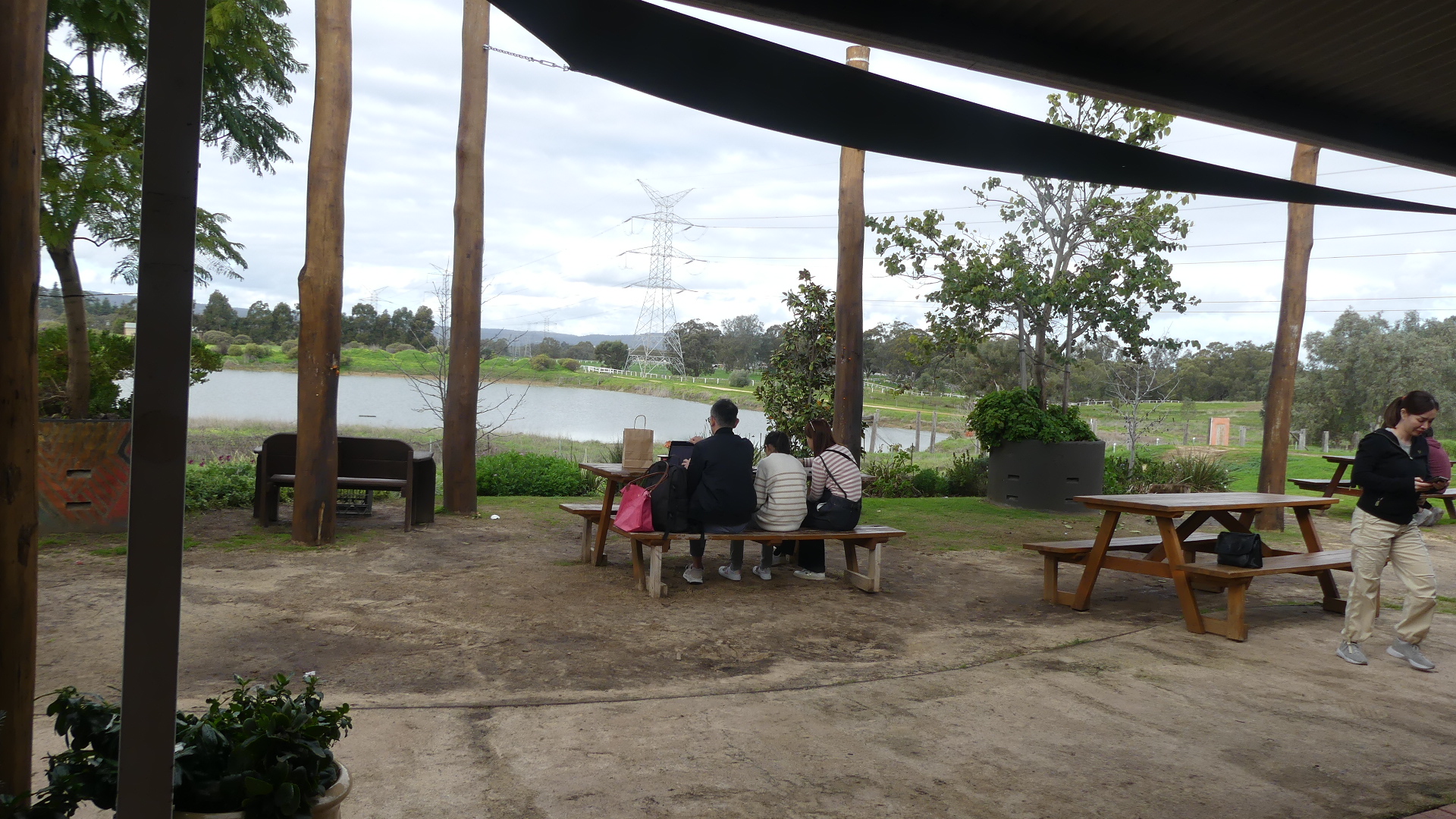
After a walk in the park we thought about a cup of coffee and recalled Yahava Koffeeworks that we had driven passed. It was on the way home so we called in. In the carpark we found an old Toyota – someone enjoyed the coffee and decided to stay. The garden was pretty but I think I may have been getting bored at this time. Inside they were roasting beans and there was every known apparatus for drinking the brew. They even had a water view to enjoy the brew and finally there was the bird bath – bye bye birdee.

I was pretty tired by then and so we ended the day in front of the fire at home with a glass and watching the Olympics. We have picked up some local products and decided that between the wine and local product that was it for the night. Tomorrow is another day, more fire wood to be chopped and Galahs (the birds) to be fed so I would need my kip.

November 2024
THE RETIREES AND FRIENDS VISIT PERTH AND MARGARET RIVER – days 8 & 9 Back to our Itinerary in Margaret River

Star Date 2nd August 2024

Our next destination was the Cape Leeuwin Lighthouse located on the headland of the most south-westerly point on the mainland Australia.

The light tower which is built of local stone was originally designed to show two lights – a higher white light and a lower red light. Although the foundations were completed, the lower light was never installed. It was opened with great ceremony in 1895. Until June 1982 the lens was rotated by a counter weight driving clockwork mechanism, and the beacon was a pressure kerosene mantle type. A radio navigation beacon was commissioned in 1955 and operated until 1992. The lighthouse was automated in 1982. The lighthouse, besides being a navigational aid, serves as an important automatic weather station. The lighthouse’s buildings and grounds are now vested in the local tourism body and the single (1960s) and double (1980s) communications towers that were north-west of the lighthouse, seen in older photographs of Cape Leeuwin, have been removed.

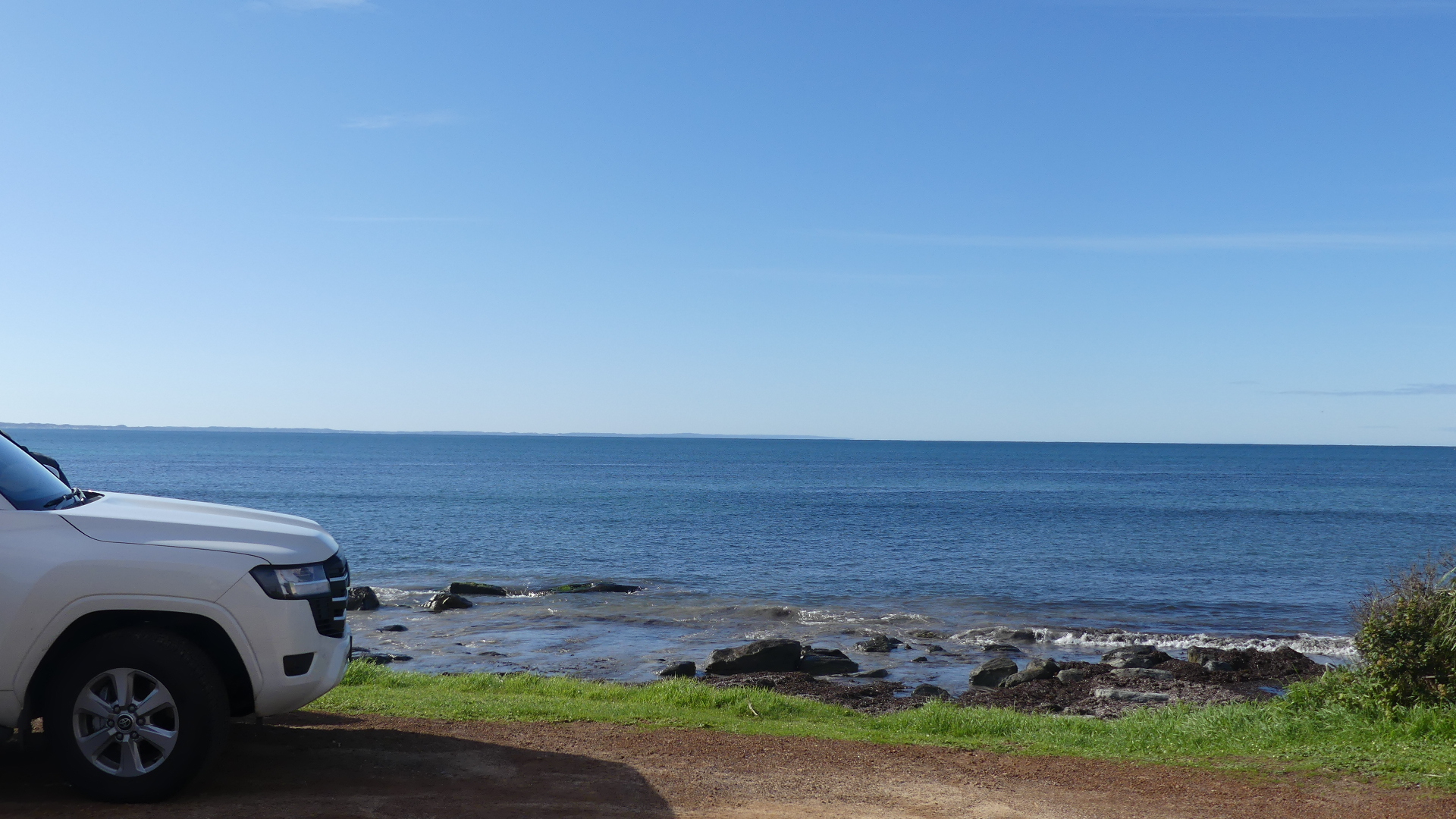
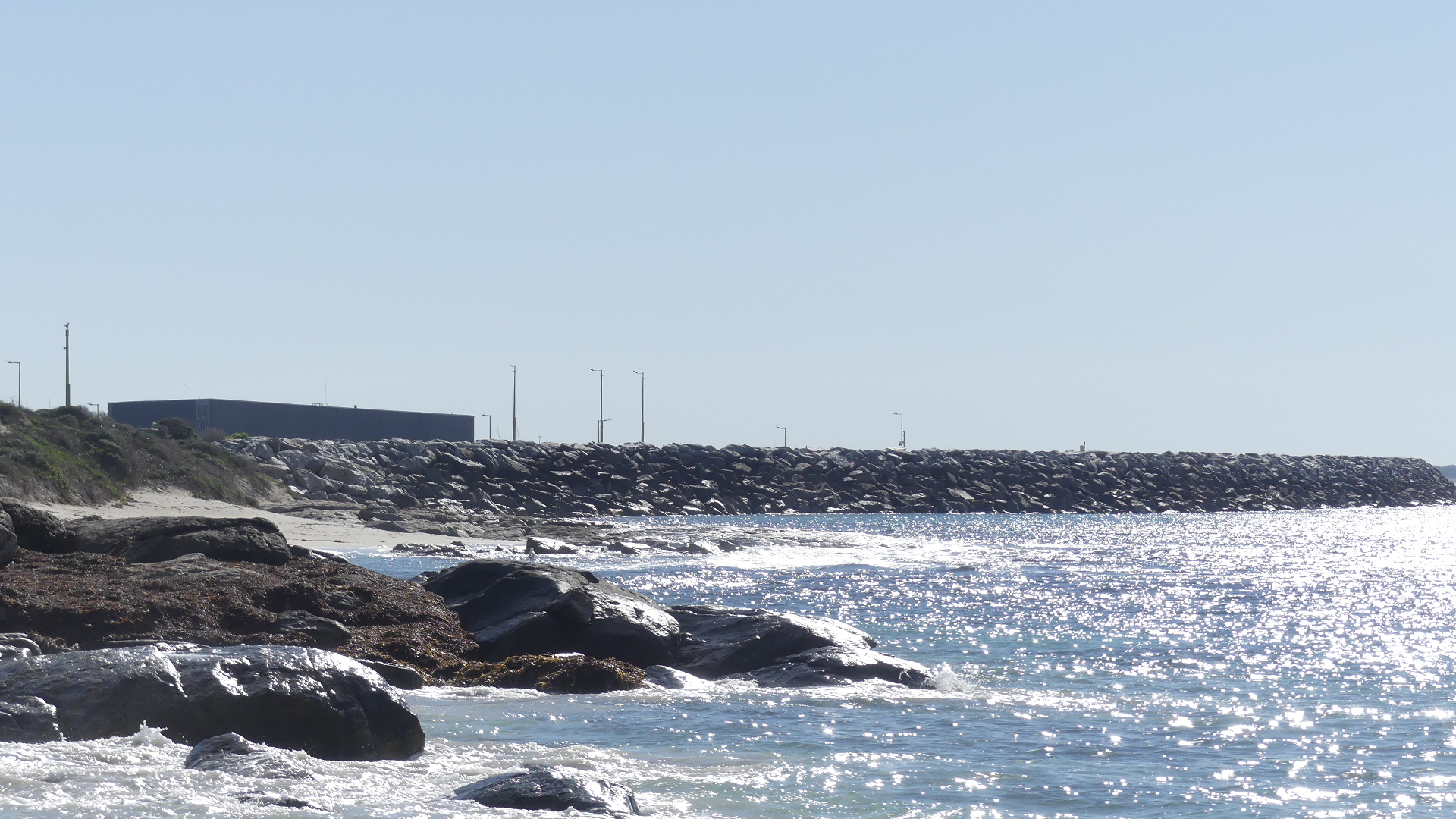
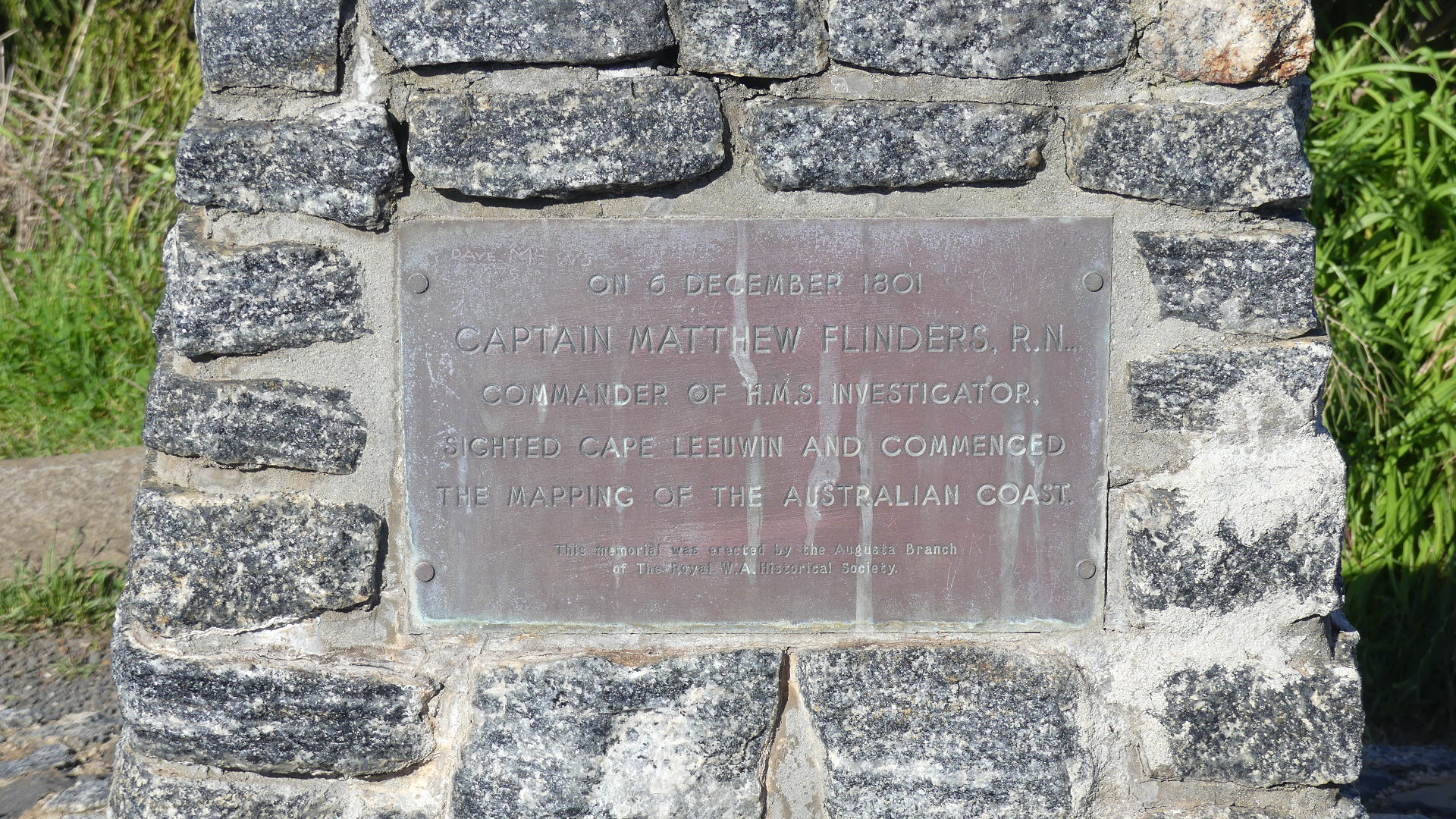
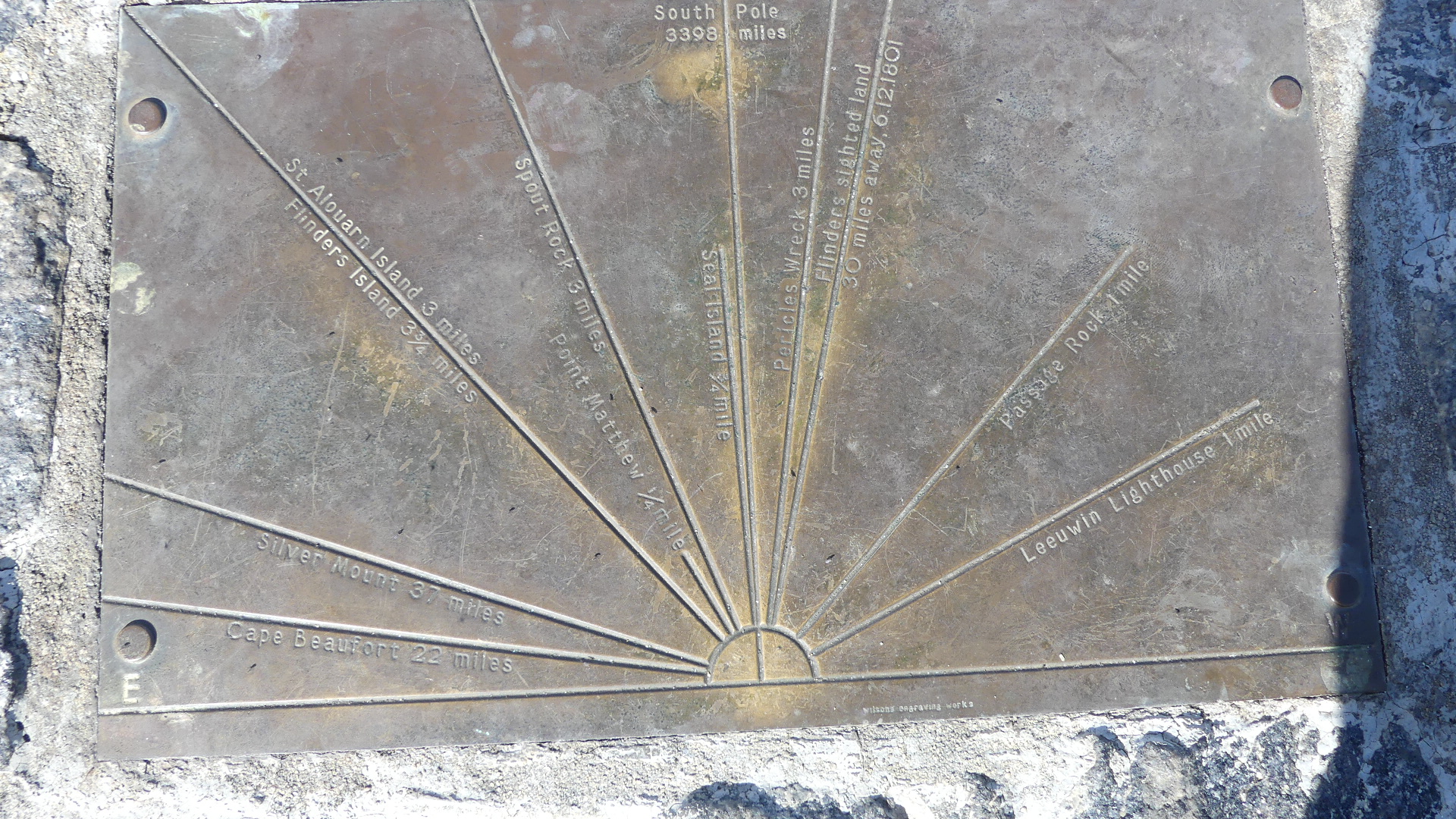
We approached the lighthouse from Augusta. The rock below commemorates the landing of the first settlers in 1830 from the Brig Emily Taylor . From that point you look out across a broad bay and behind us you can see the rock walls protecting the new marina. Immediately behind the memorial is a rock shelf decorated with the seaweed washed ashore. A bit further along is another memorial this time to Capt. Matthew Flinders RN aboard the HMS Investigator 6th December 1801 when he sighted Cape Leeuwin and commenced mapping the coast of Australia. Atop of the memorial are the features that can be sighted from this point such as the conjunction of the Indian Ocean and the Great Southern Ocean.

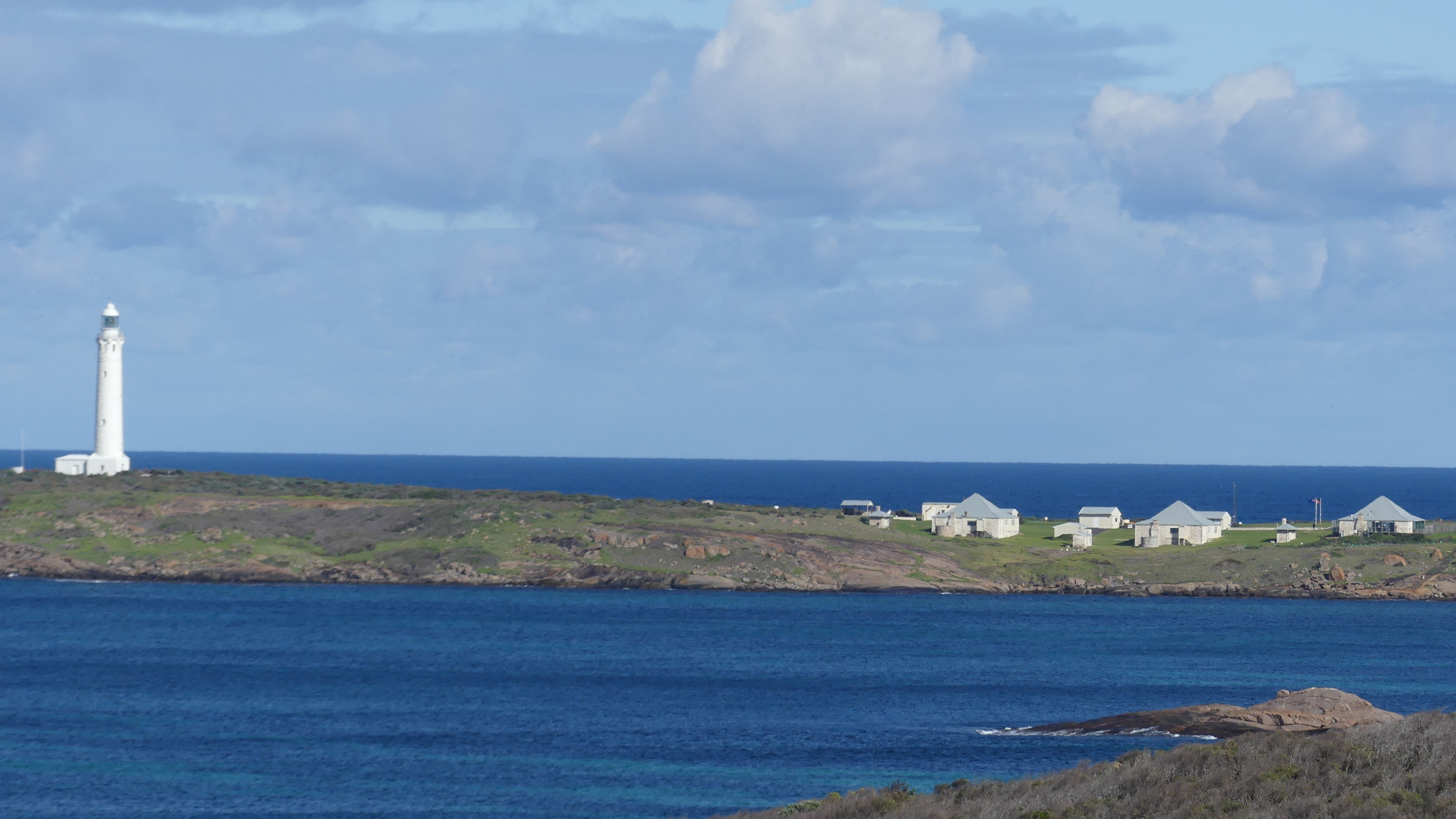
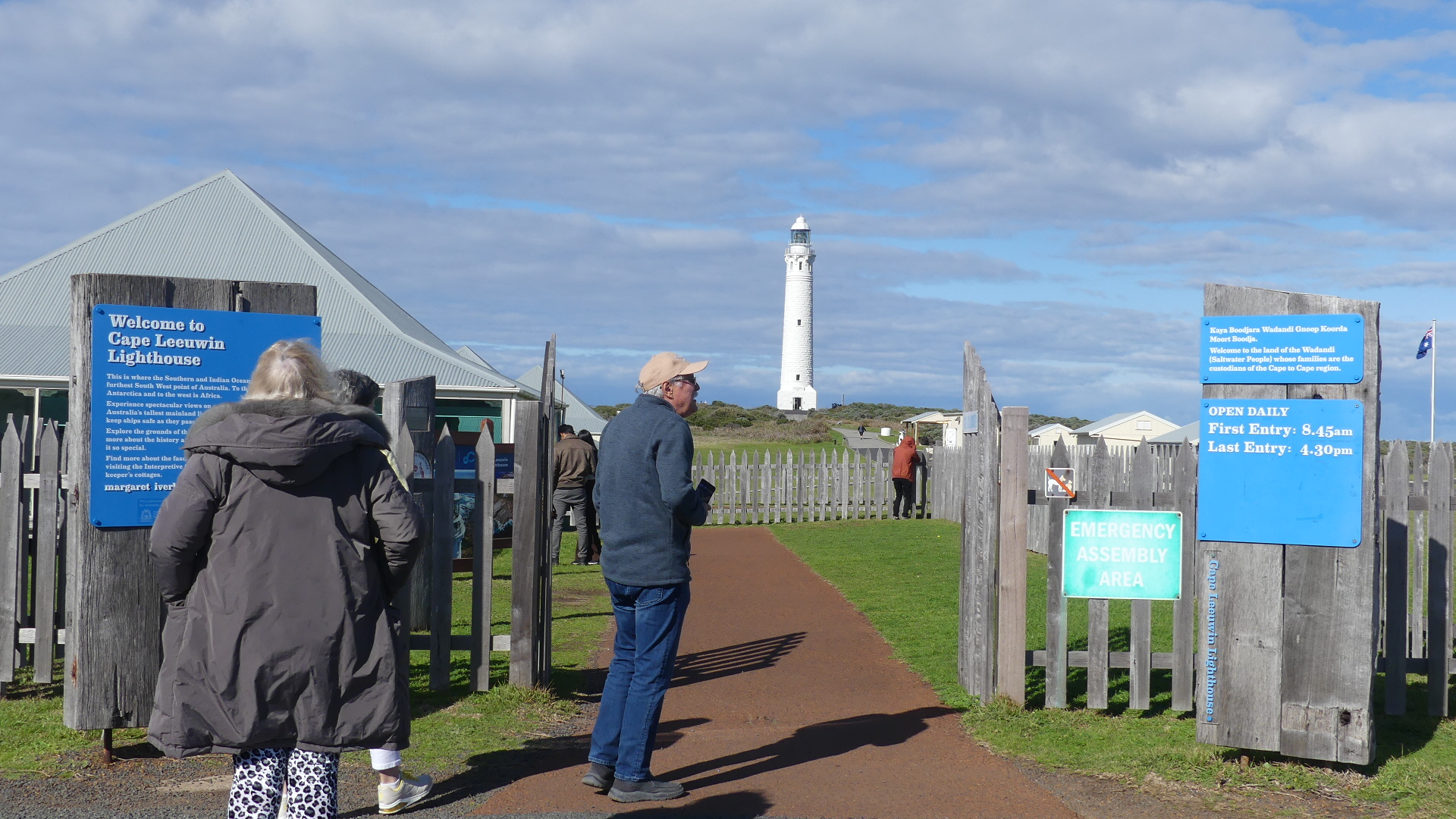
The reason we came this way – I don’t recall but the vista of the lighthouse emphasises the remoteness of this point. The light keepers house and other out buildings and water tanks can be seen on the right hand side of the photos. The entrance takes you into the coffee shop and gift shop and then you make your way through each of the following buildings with museums and artifacts all of which i think is to disguise how far you have to walk to get to the lighthouse. Finally we got to the reason for coming here today – to see the meeting of the two oceans

The climb to the viewing deck of the lighthouse consists of 176 steps. Enough said.

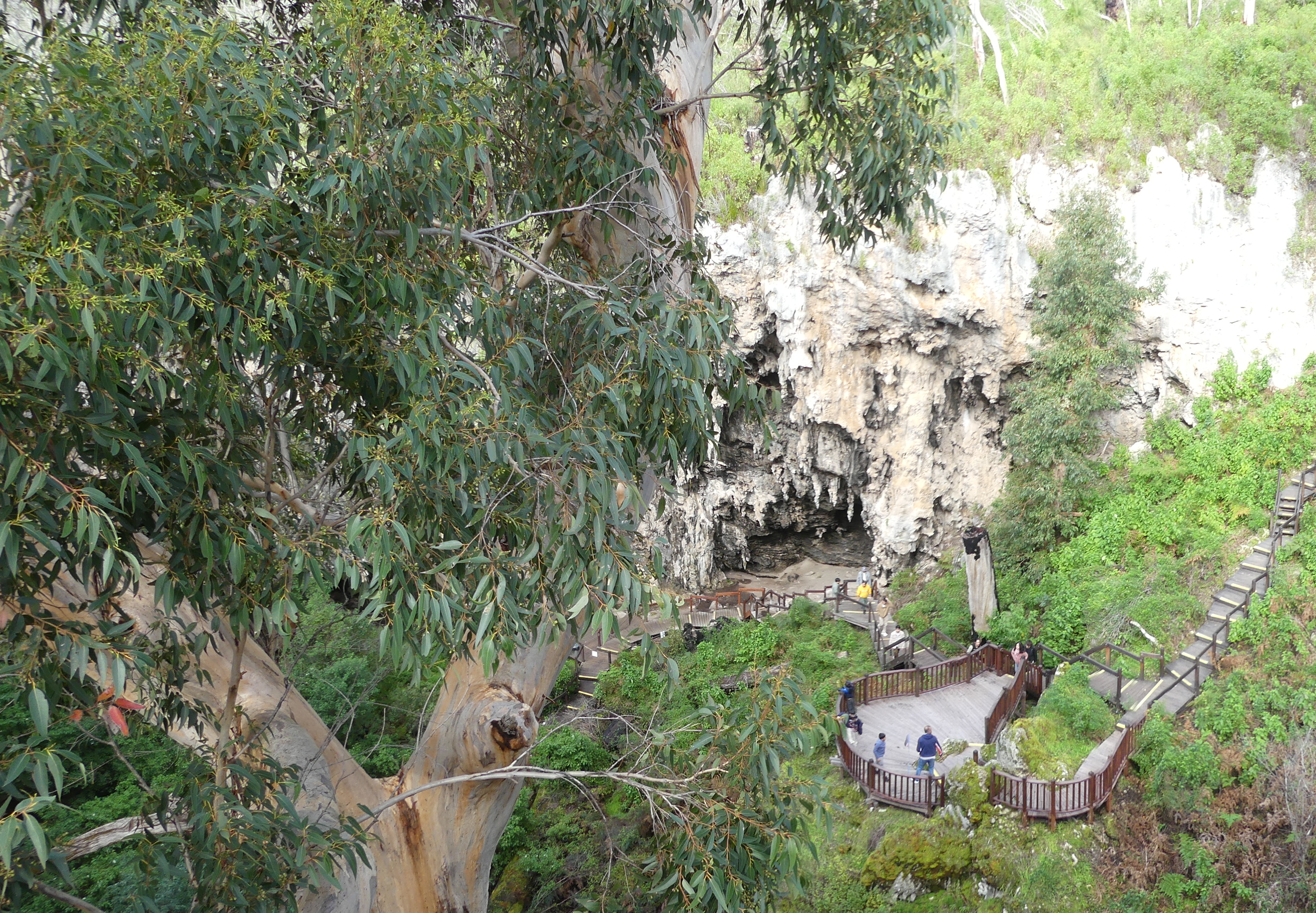
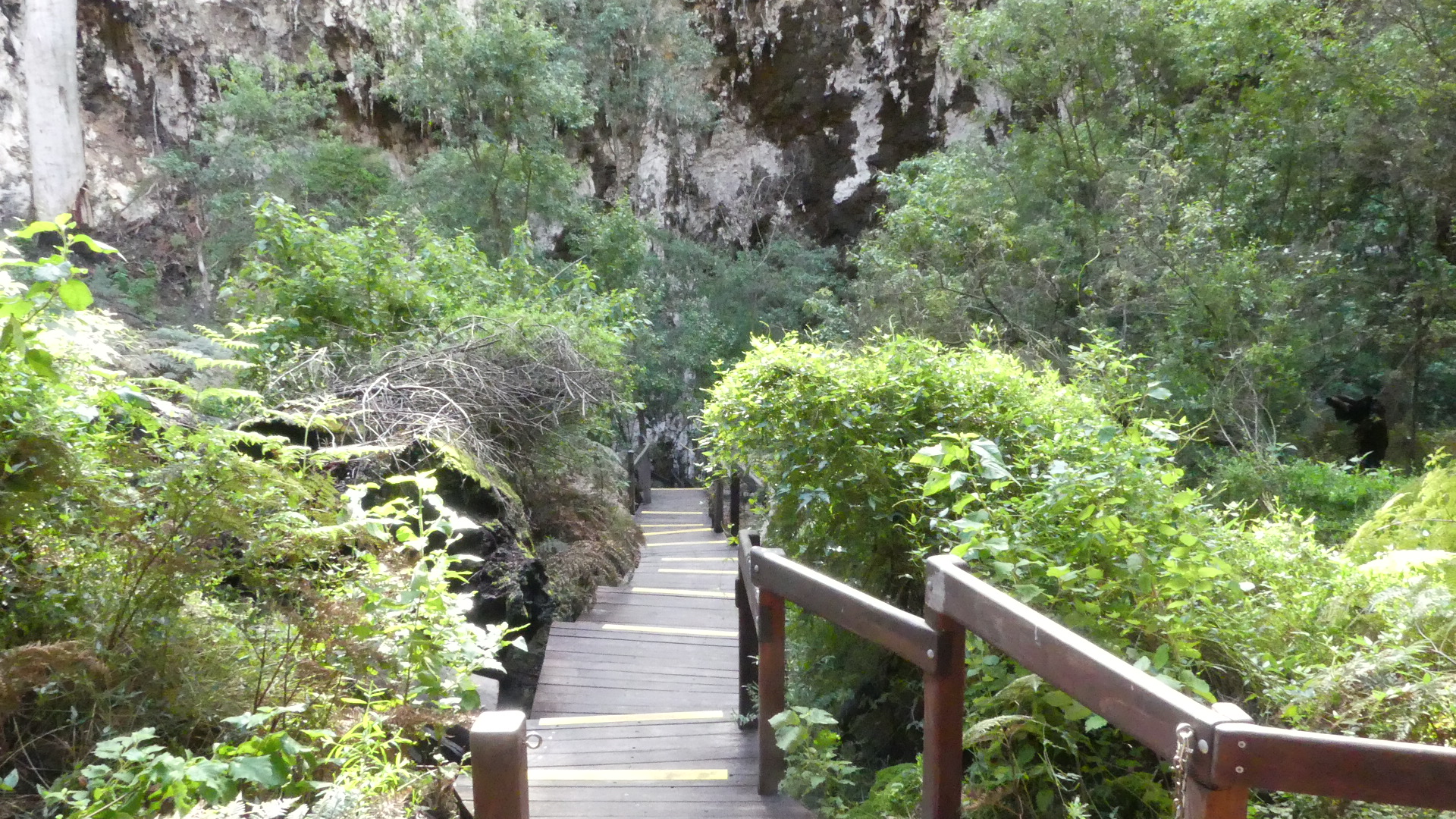
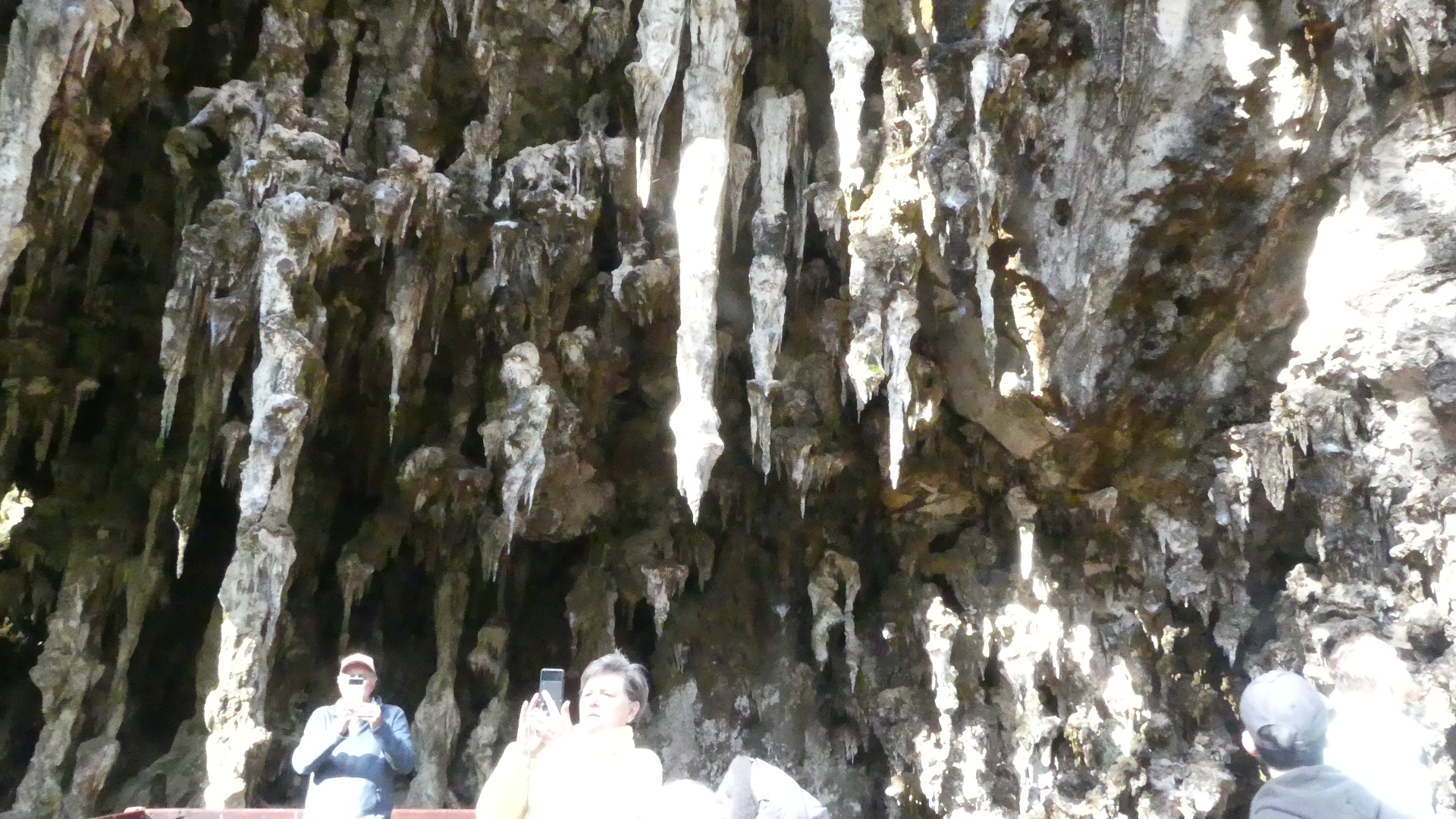
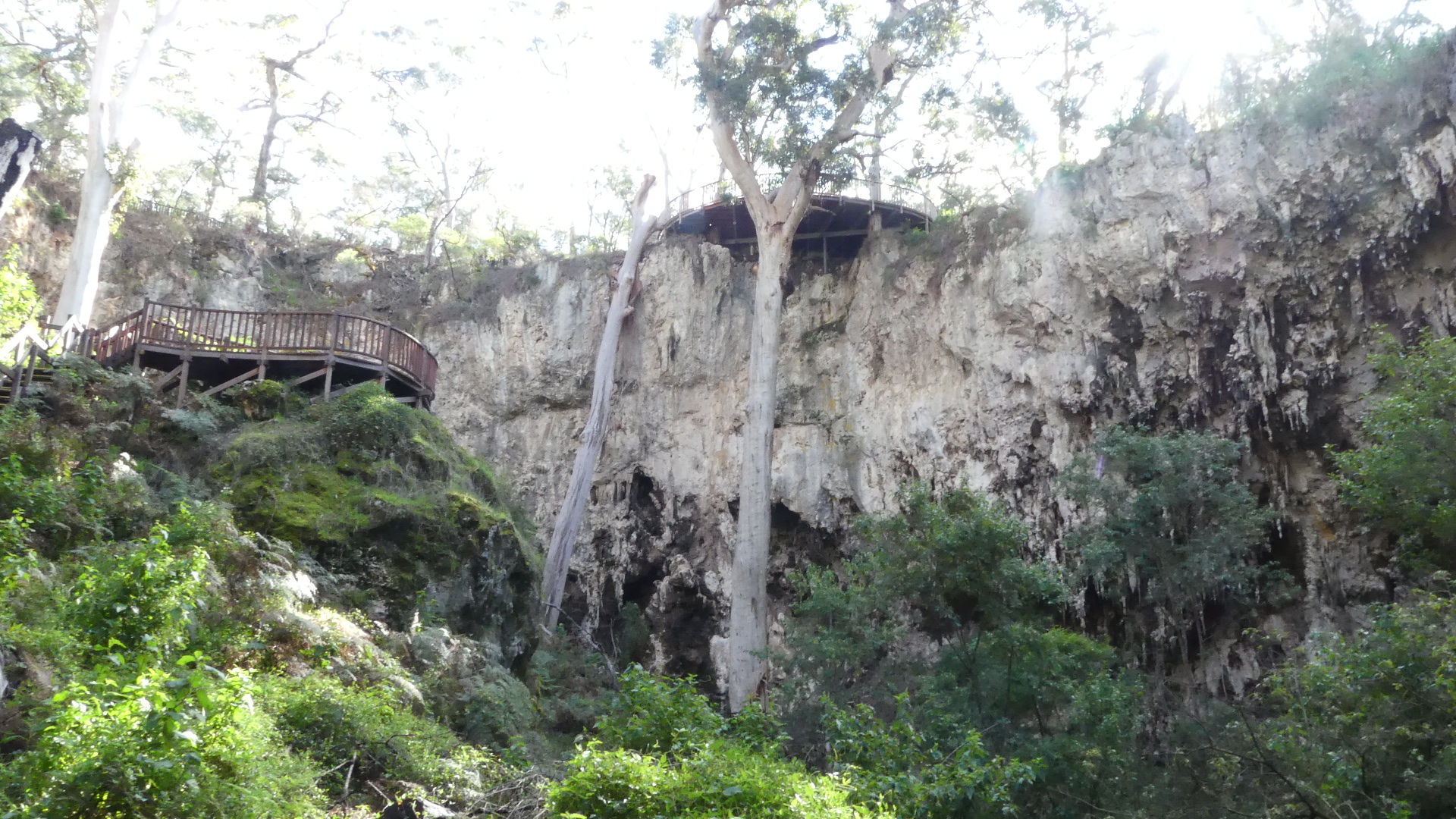
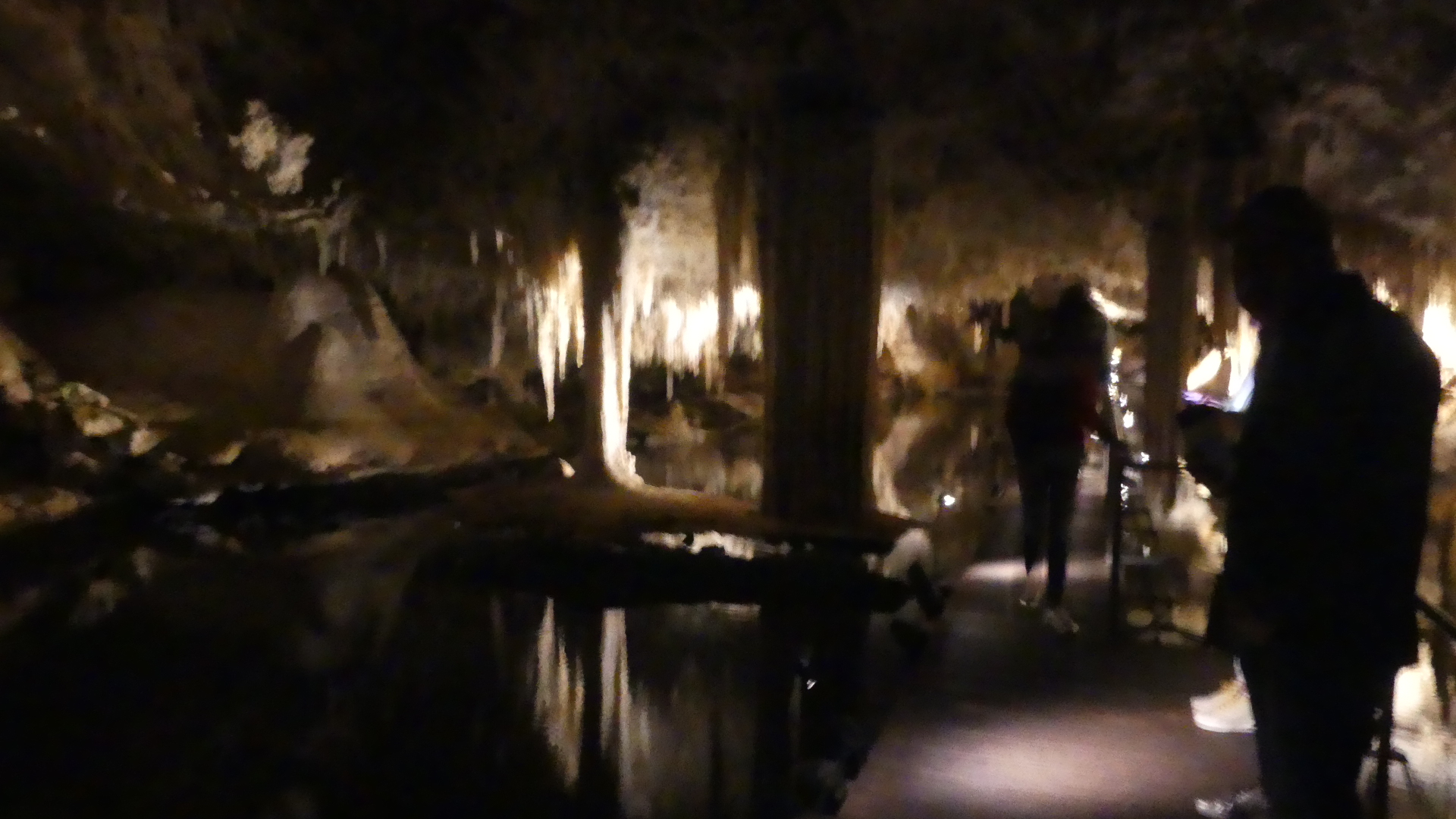
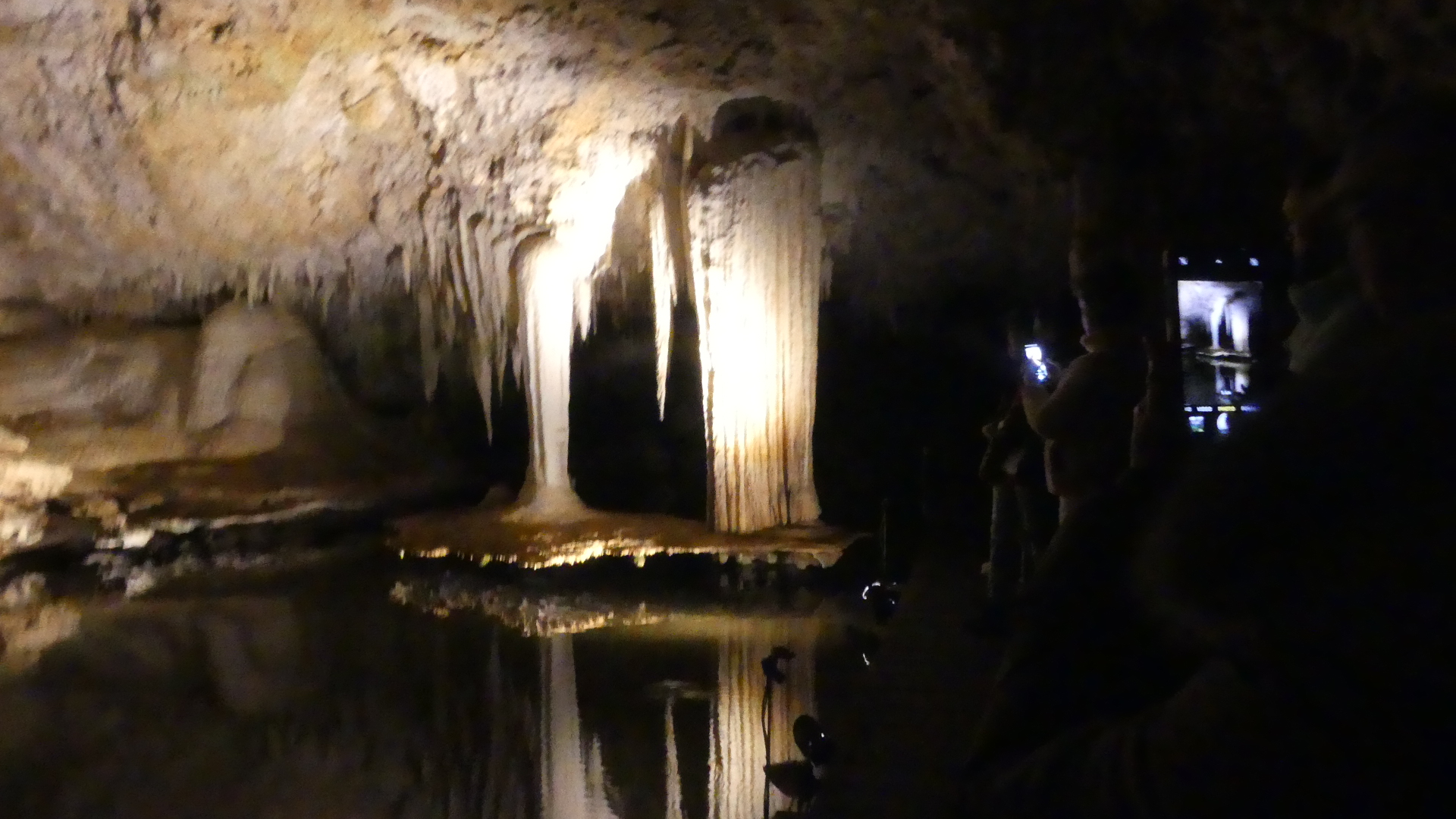
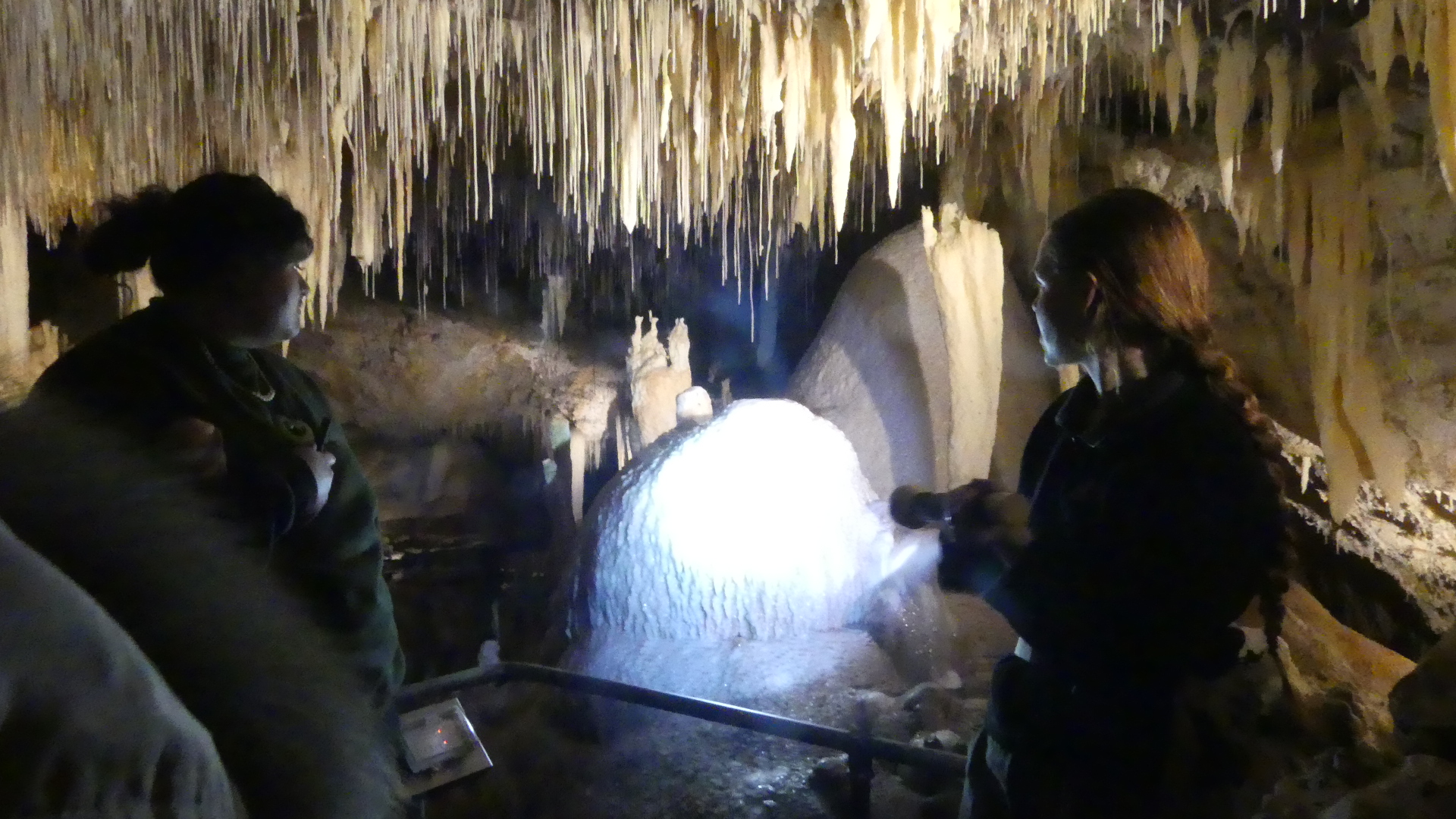
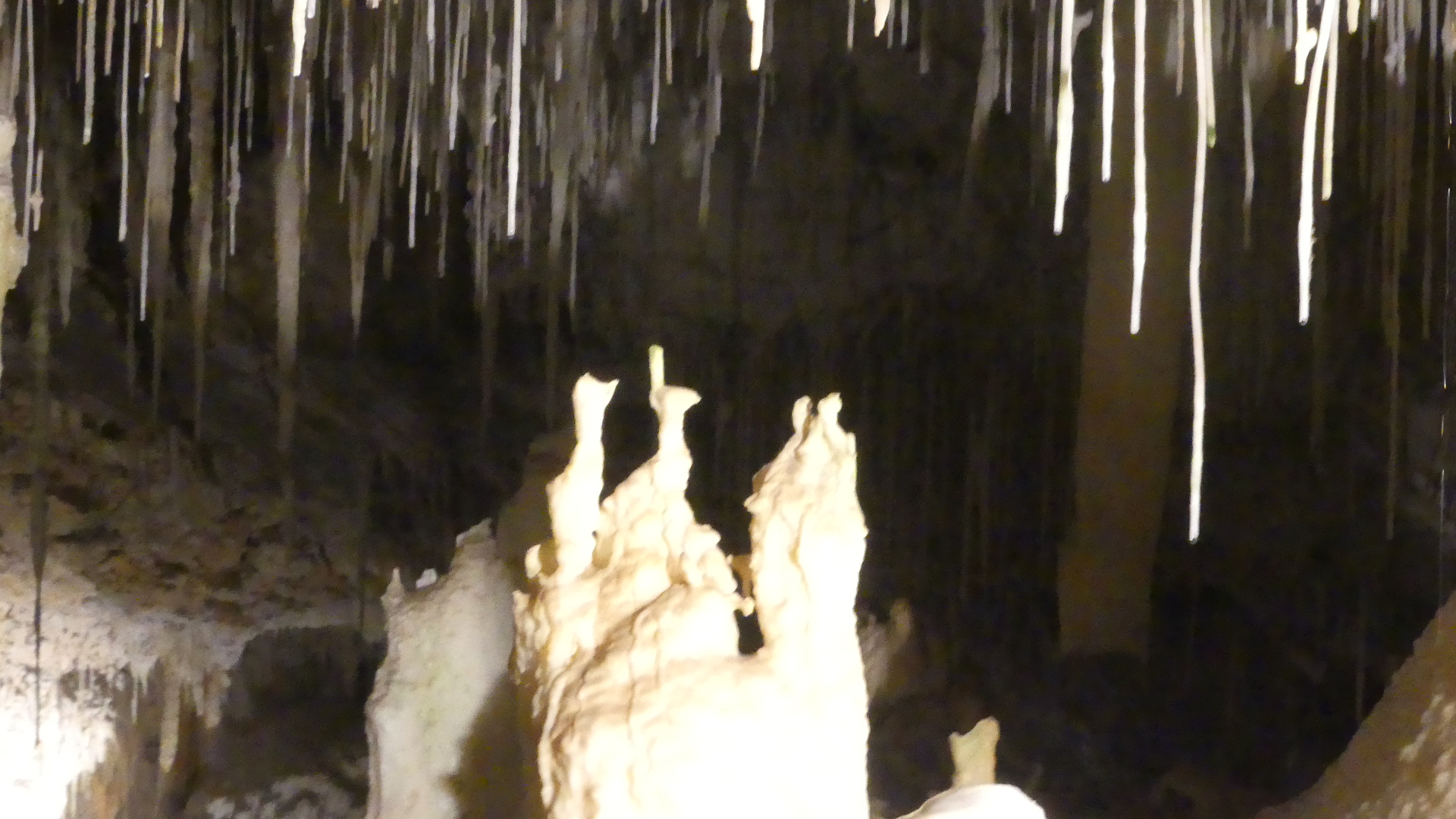
Returning north along Caves Rd we encountered the Lake Cave. It is a stunning crystal wonderland, situated deep beneath the earth. The entrance of the cave lies at the base of a spectacular sinkhole. Visitors descend a staircase through an ancient sinkhole called a doline, gazing up at the towering karri trees from the floor of the sunken forest. Inside the cave a tranquil lake reflects the delicate crystal formations that grow from the cave ceiling and dazzling crystal formations dominate the cave roof, while the unique ‘Suspended Table’ is perfectly reflected in the tranquil water below.

Droplets hang from the tips of straws and stalactites before dropping to the cave floor or into the lake creating ripples in the water’s reflections. The unique ‘Suspended Table’ formation, which weighs several tonnes and seems to defy gravity as it hovers above the clear lake water is one of the unique features within the cave. We took a guided. They say there is moderate physical exertion required to enter this cave. Don’t believe it for a minute – easy going down but when you make your way back up the staircase of the magnificent doline do it at your own pace.

Looking at the photos we start at the Visitors centre and from there you walk out onto a deck above a huge sinkhole – you have to see it to believe it. As you go down there are a number of changes in direction and this has alot to do with the return journey being exhausting. You will see a large rock lying on its side (from the left down photo 8) and this is a staligmite that collsaped during a recent bush fire almost sealing off the entrance to the cave. The photo to the right of the staligmite is the hole it came from. The inside the cave is like a fairyland. Photos 10 and 11 show you the suspended table formed by flood waters through the cave. The final photo #17 is the doorway to the tunnel that was drilled to release the flood water to preserve the cave.

Well we have visited many caves around the world, but we were about to encounter the worst return to the Visitors Centre – up the stairs. Well I don’t know how many stairs but both Kerry and I took at least half an hour to climb out of the hole and that was it for us that day. Dale and Zdravka patiently awaited our climb and I may have had a nanny nap going home. Tomorrow we will go north again to Busselton – no stairs.