

Star Date 5th August 2024
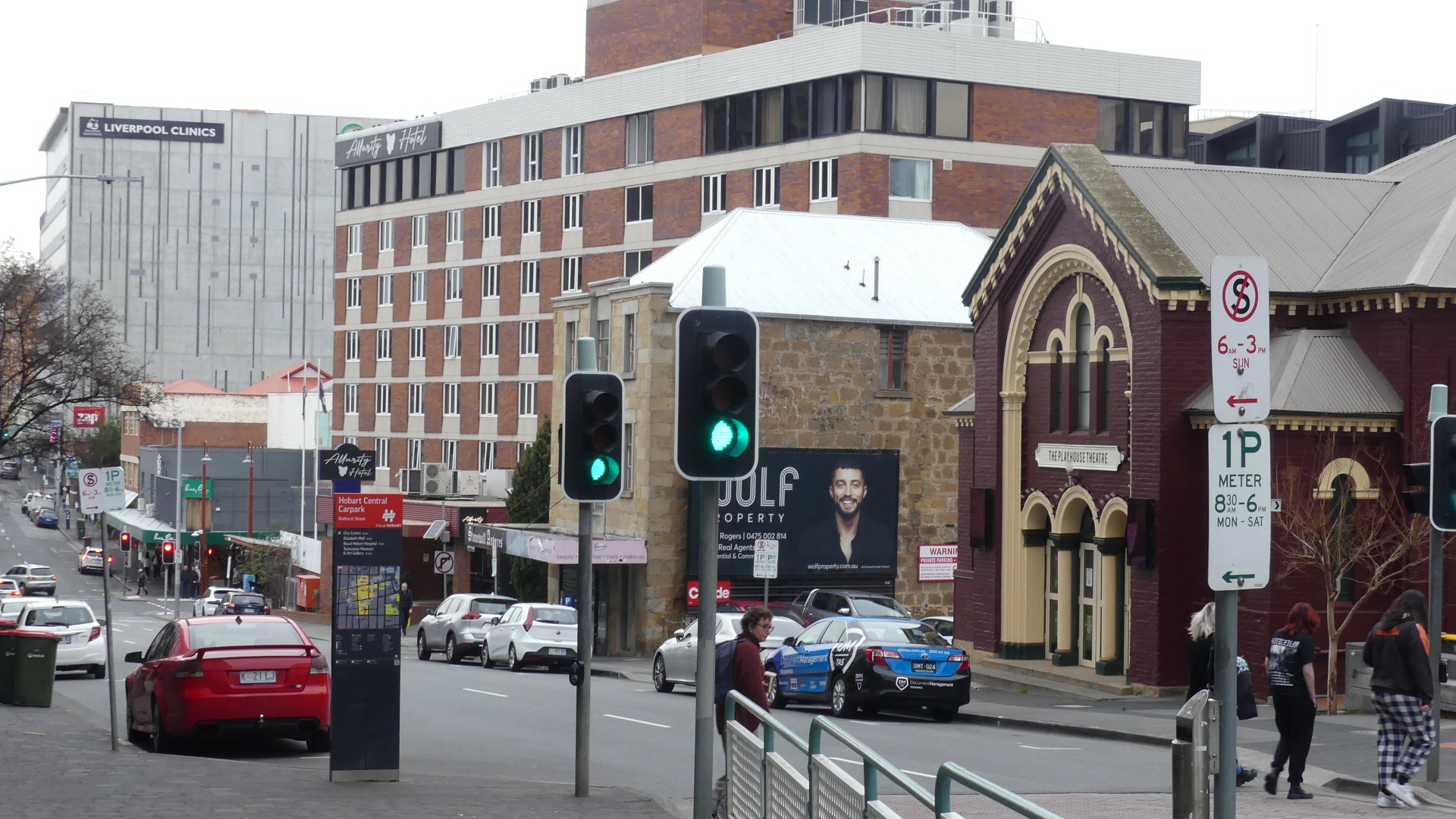
We were staying in the Allurity Hotel in Bathurst St and had dined nearby. It was a regular school day for Lola and a working day for Paul, so we decided to look around for a breakfast joint. Photo #1 (looking left to right) is the view from our bedroom window – the building had been converted from its former use of an office building to a hotel, and it had an unusual arrangement for the shower and toilet, but the bed was comfortable, and we were close to the CBD.
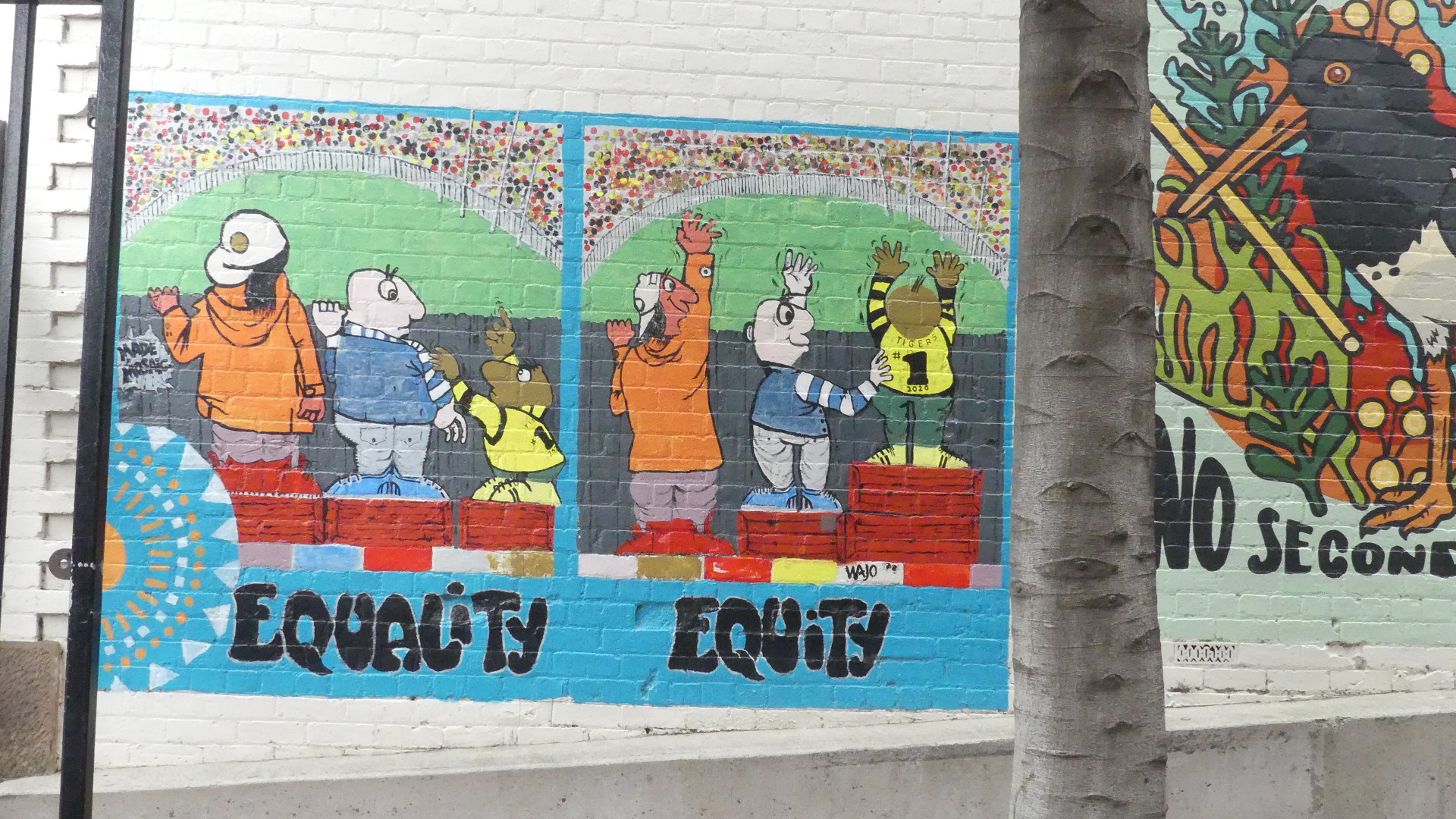
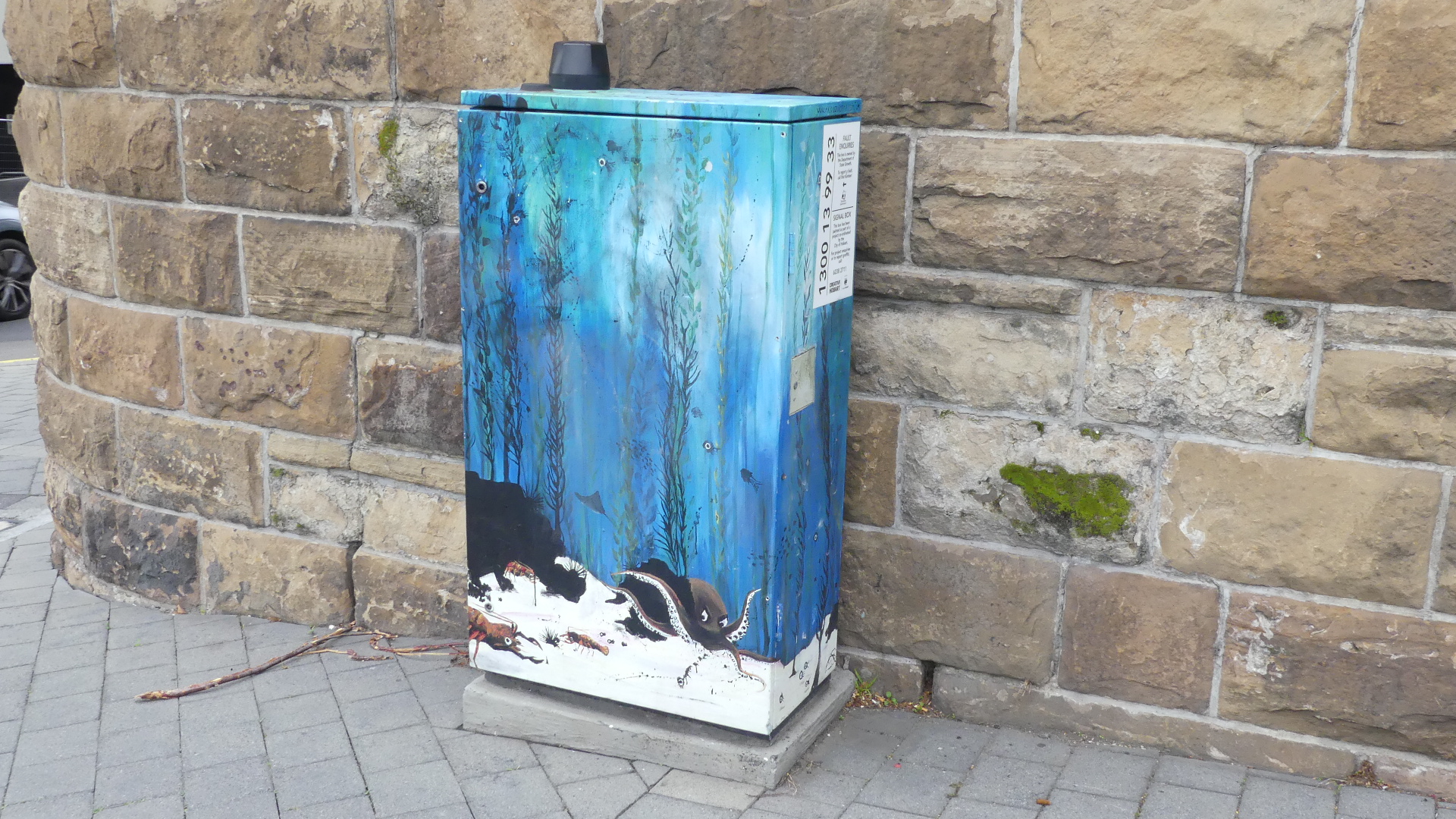
At first we walked up Bathurst St in the direction we had gone the night before and were pleasantly surprised by some of the street art. Photo #4 is the hotel and photos #2, 5, 6, & 7 some of the street art. Photo 7 is in a narrow lane and getting a clear picture a challenge.
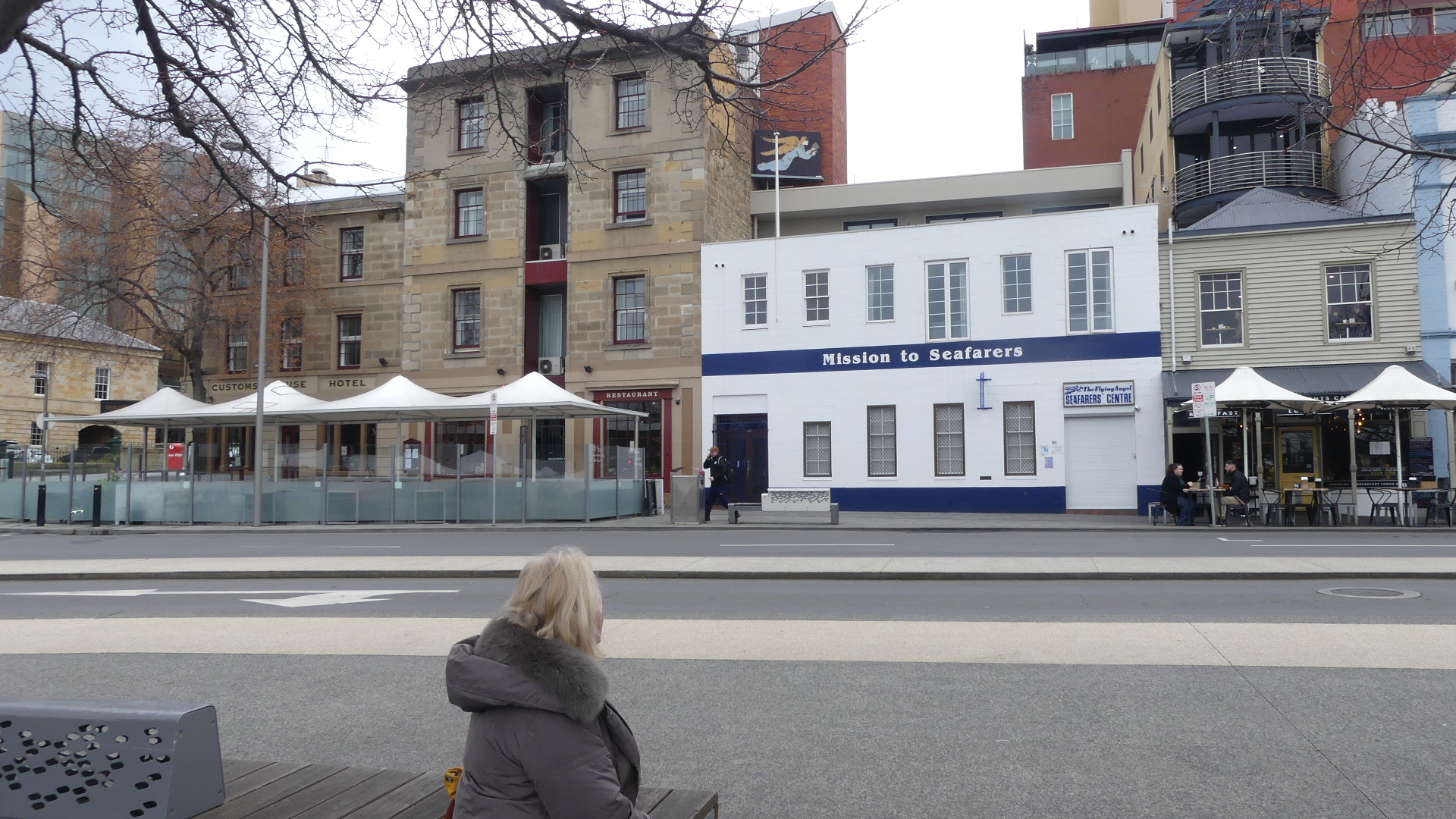
We found a cafe serving breakfast and then moved onto towards and into Salamanca Markets which were not open but it meant there were no crowds. We walked down Elizabeth St passed the Post Office – a 19th century styled building, and onto the Seafarers Centre and the Mission to Seafarers in the midst of Salamanca its Custom House, wharves and chandleries. A piece of history of sailing ship and sailors lost in many cities Photos 9, 10, & 11. What has helped preserve the history is the construction behind the historic buildings providing residences and work places photos 12, 13, & 14.
We found the site of the American Embassy from the times of the sailing ships in one of those lanes but apart from the plaque and the story it told there is nothing of the embassy.
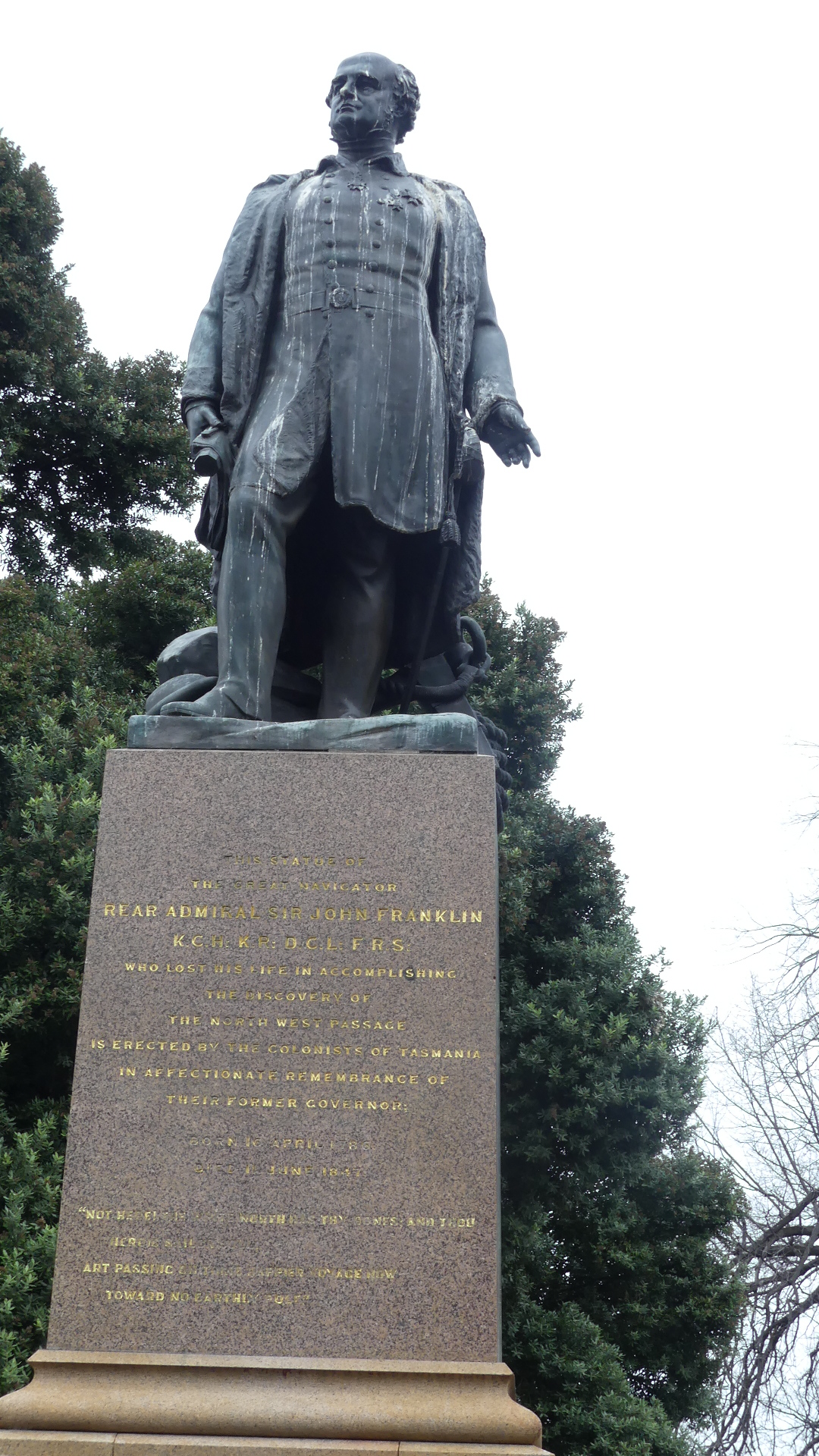
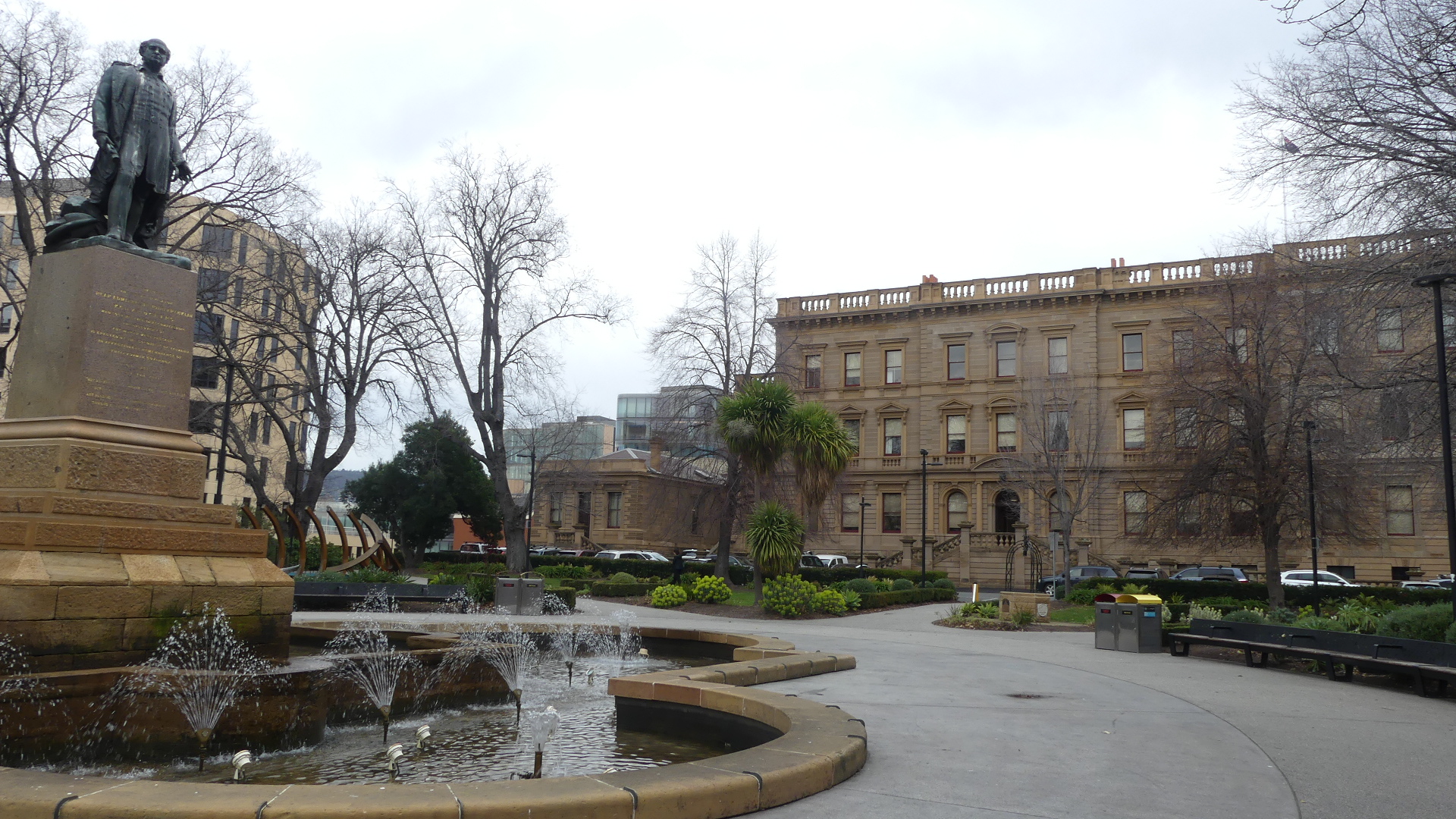
As we made our way back to our hotel we walked through the park Franklin Square which we had passed by going to Salamanca. Who was it that is remembered by the statue in the park photos 15, & 16. The statue commemorates Sir John Franklin (1786-1847), Lieutenant Governor of Van Dieman’s land. Sir John Franklin was appointed Lieutenant-Governor of Van Dieman`s Land in 1837. Sir John established a State education system, founded the Tasmanian Natural History Society (which became the first scientific Royal Society to be established outside Britain) and subsidised the Tasmanian Journal of Natural History. During his period in office, Tasmania became the intellectual hub of the Australian colonies. There may be some doubt about that claim but that is what I found out on Monument Australia – https://monumentaustralia.org.au/.
After his Tasmanian appointment he conducted two significant polar explorations, the first in 1845 and the second in 1847 in his attempt to discover the North West Passage. The statue was intended to commemorate the governorship of Tasmania by the great Arctic navigator, Sir John Franklin.
In 1847, Franklin reminded the Admiralty of its promise that his having held a civil post should not debar him from further naval service. The Admiralty kept its word. At 59 he was too old for Arctic exploration and died on this expedition, in the HMS Erebus, which was beset in the ice-pack off the coast of King William’s Land, on 11 June 1847, in sight of the North-West Passage which he had first set out to find nearly thirty years before. Franklin and 128 sailors aboard the HMS Erebus and HMS Terror perished in the Royal Navy’s worst polar expedition disaster.





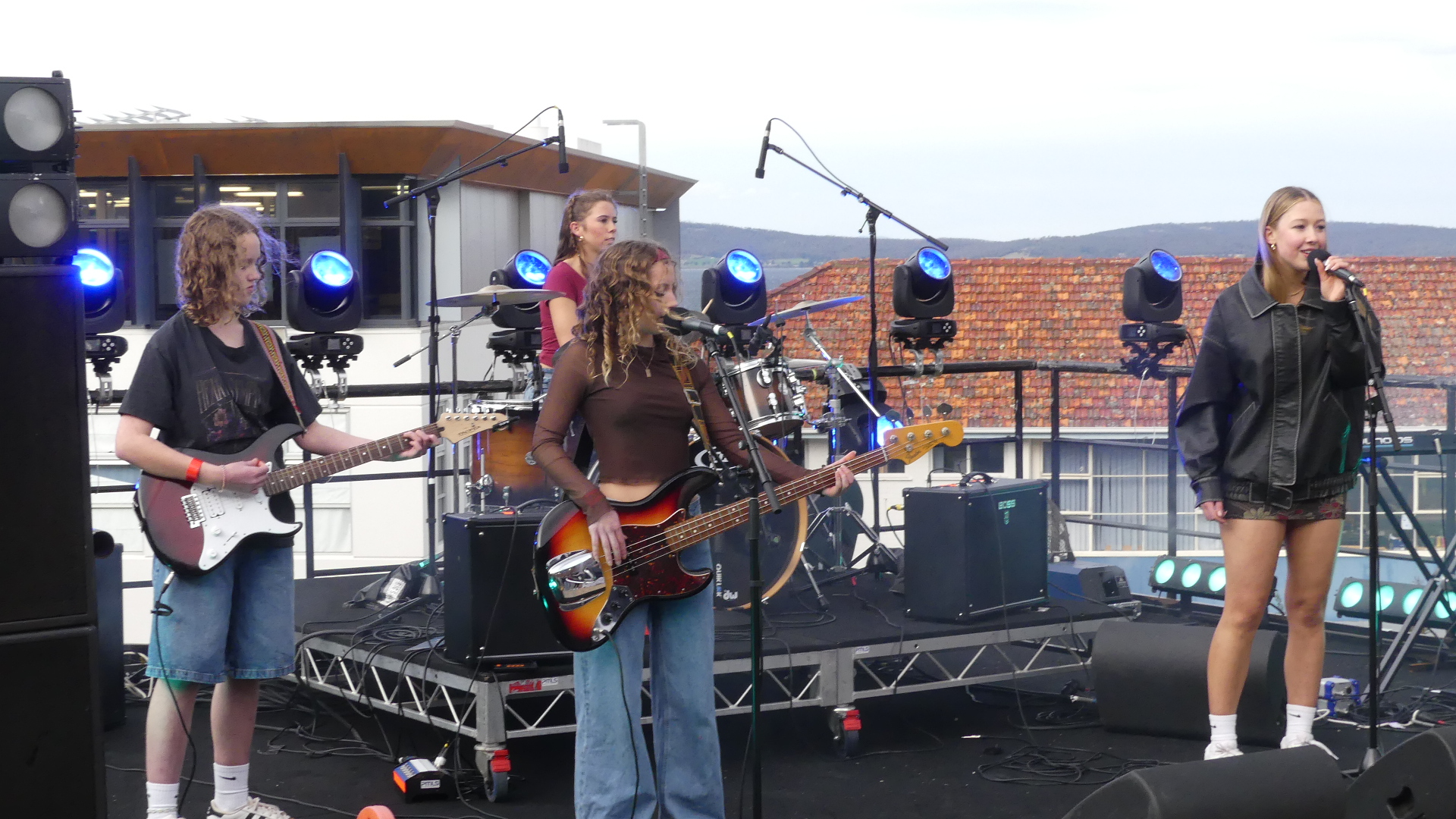
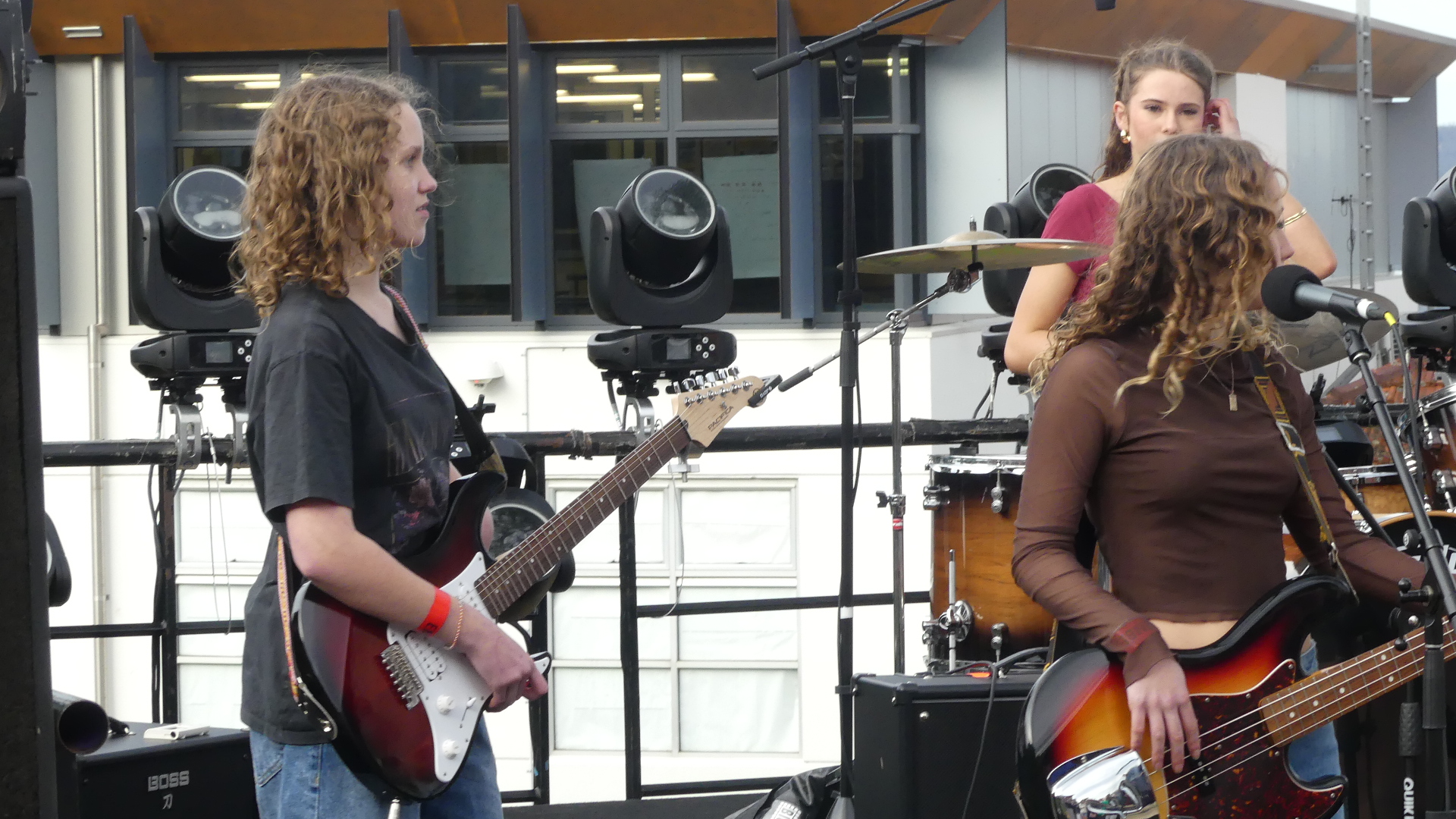
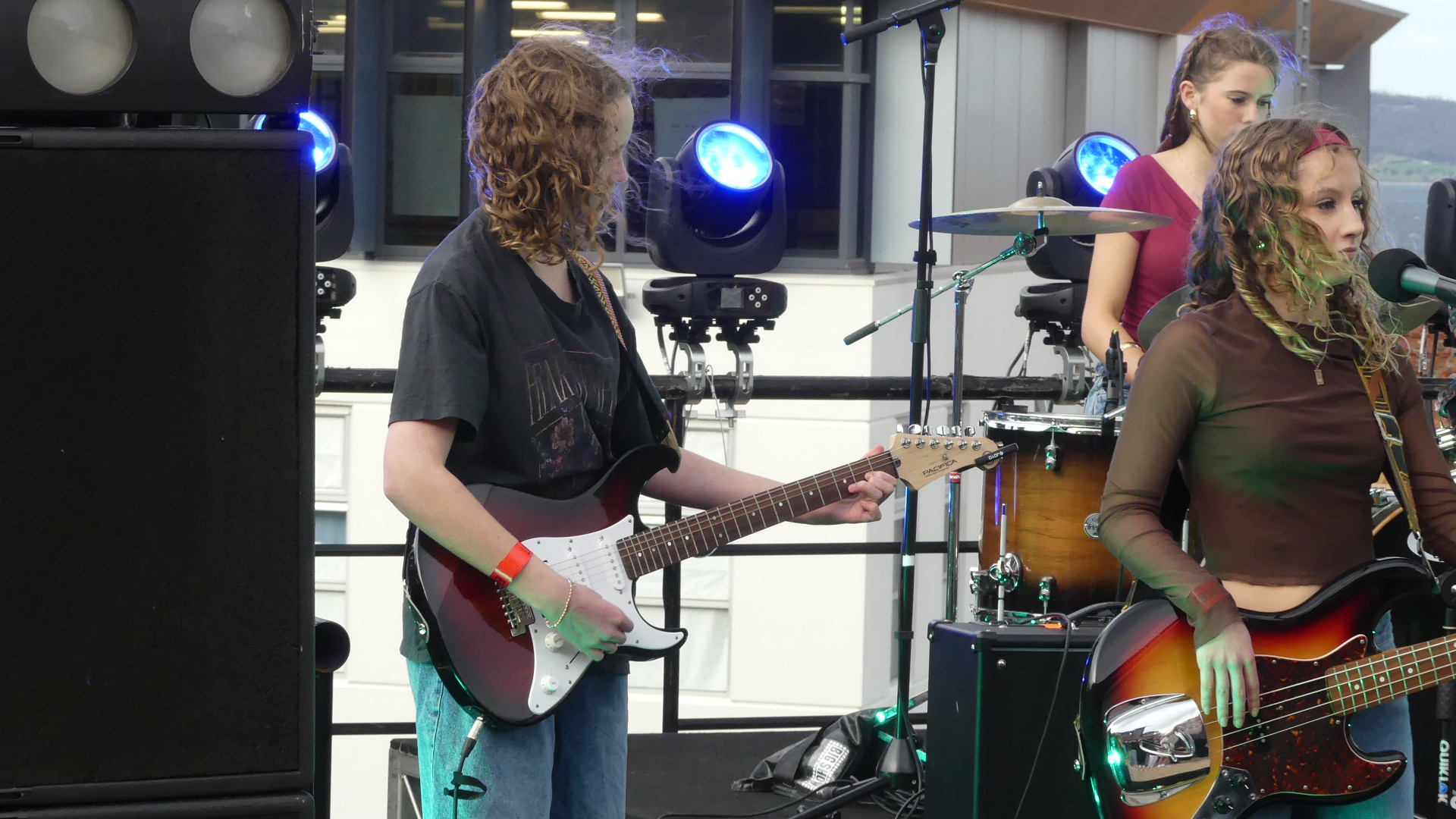
We had a rest while waiting for Paul to call to take us to Lola’s performance. Lola attends Taroon State High School situated on picturesque Little Sandy Bay near Dixon’s Beach. You can see through the headlands at the mouth of the Derwent River and that means you look directly south to Antarctica and the winds from the south howl through – bloody cold. The programme was arranged so that each band played two numbers and whilst they were playing the next band was setting up at stage 2. The band sounded quite good and were roundly applauded by their school mates and thank god it was over quickly – we were not dressed for this weather. We left Lola Paul, her mum Emily and sister there to enjoy the celebrations that followed returning to the hotel. Paul and Lola would later pick us up for dinner.



Next morning we had booked a tour to take us to Tahune Forest on the Huon River.
Tasmania is known for towering trees. In fact, the second tallest tree in the world lives here (according to the Tasmanian Tourist Bureau and Tahune Adventures. So it’s no surprise that the Tasmanian government went through the trouble to build the Tahune Airwalk.
Built amongst the treetops in the Huon River Valley, the Tahune Airwalk takes you 50 metres above the forest floor. From here, you’ll be able to see across the verdant valleys that earn Tasmania the nickname ‘Apple Island.’
The morning did not start well with Kerry needing a day off. So on my lonesome I walked up the hill to the pick up missed the pickup but saved the day by a phone call to the operators of the tour – Tahune Adventures – http://www.tahuneadventures.com.au.
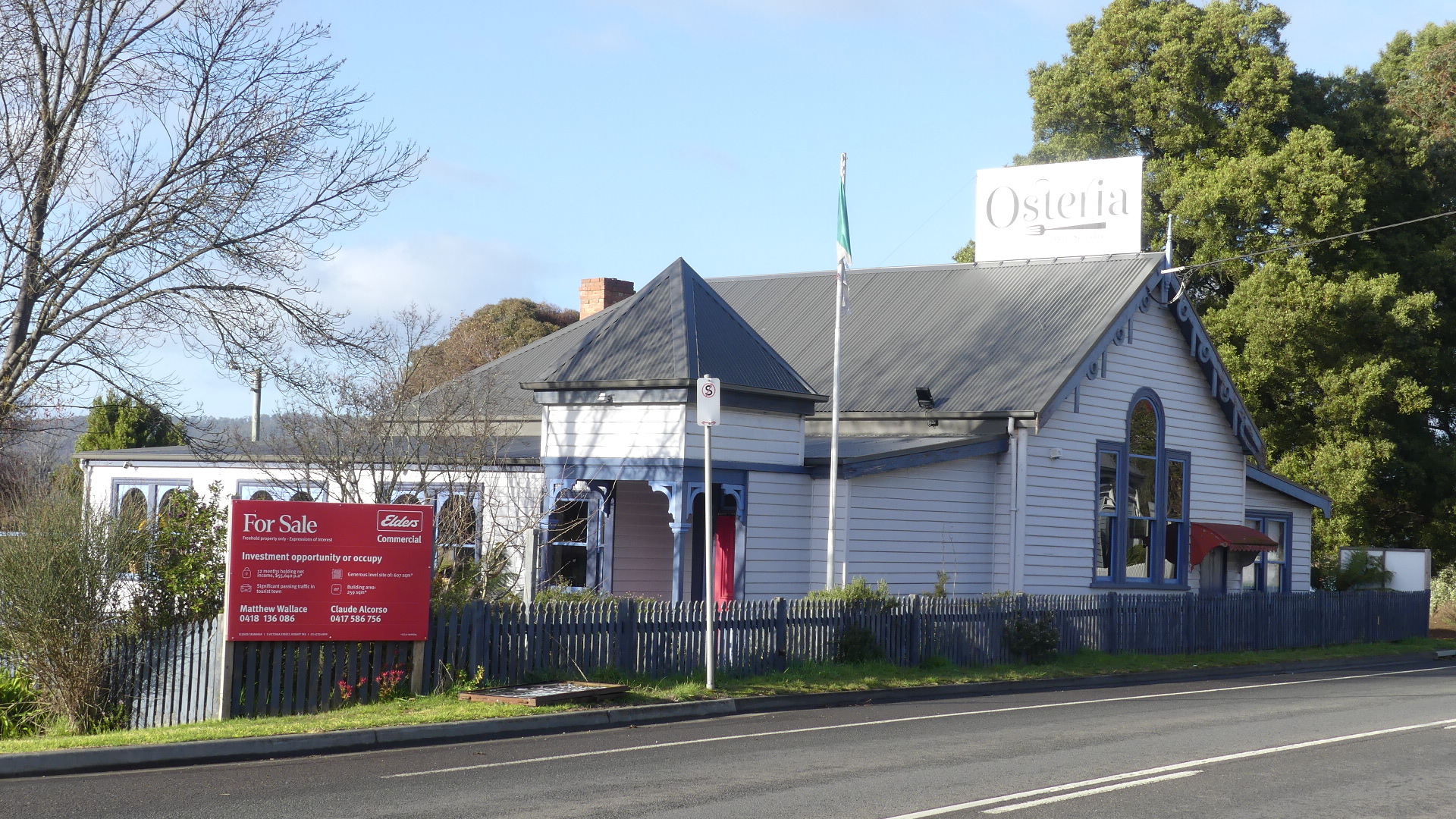
It was a small bus with some obvious tourists aboard like me with my camera around my neck who awaited the round trip to pick me up. We left Hobart traveling to Taroona (yes past the school I visited yesterday) hung a right turn and headed to Huonville and into Franklin. On the way I noticed a sign about a cafe in Franklin that raised a legal heckle on my neck – Osteria – cafe of petty sessions.
The phrase “petty sessions” in Australia, historically referred to a lower-level court that dealt with minor criminal offenses and civil matters, akin to what is now typically handled by Magistrates’ Courts. Petty Sessions courts primarily handled summary offenses—minor cases such as traffic violations, petty theft, or public order issues—where quick decisions were appropriate. These courts operated in a more informal setting than higher courts, with magistrates often presiding over cases without juries. The term “petty sessions” has largely fallen out of common use. So I was interested to check it out when we stopped in Franklin.
Franklin, is a small town in Tasmania’s Huon Valley, with a rich history tied closely to Tasmania’s maritime heritage, agriculture, and early settlement. Named after Lady Jane Franklin, the wife of Sir John Franklin (yes Sir John Franklin, the fellow immortalised by the statue in Franklin Square, who was the governor of Van Dieman’s Land (now Tasmania) from 1837 to 1843. Franklin was initially established as an agricultural and timber town in the 19th century.
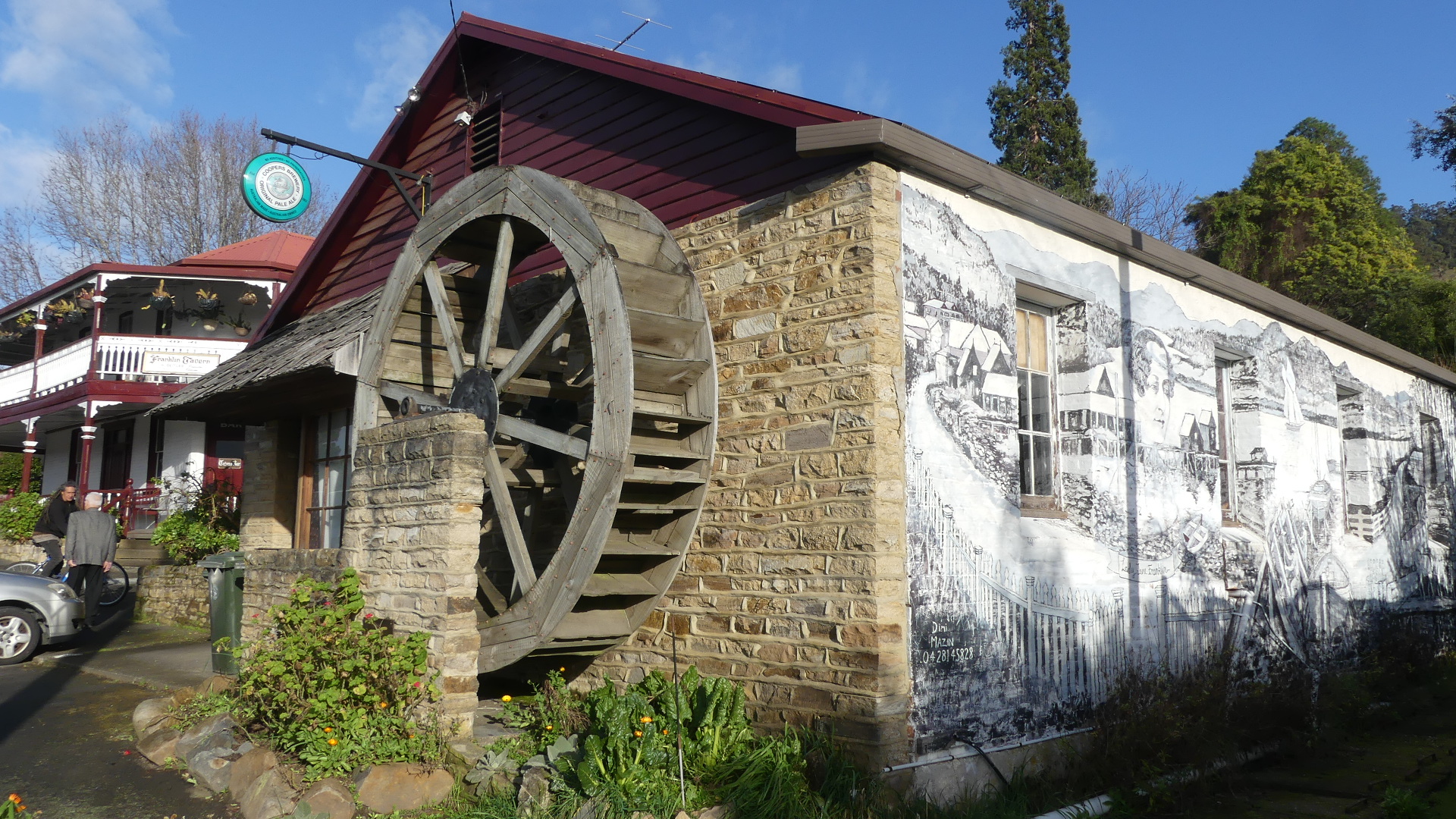
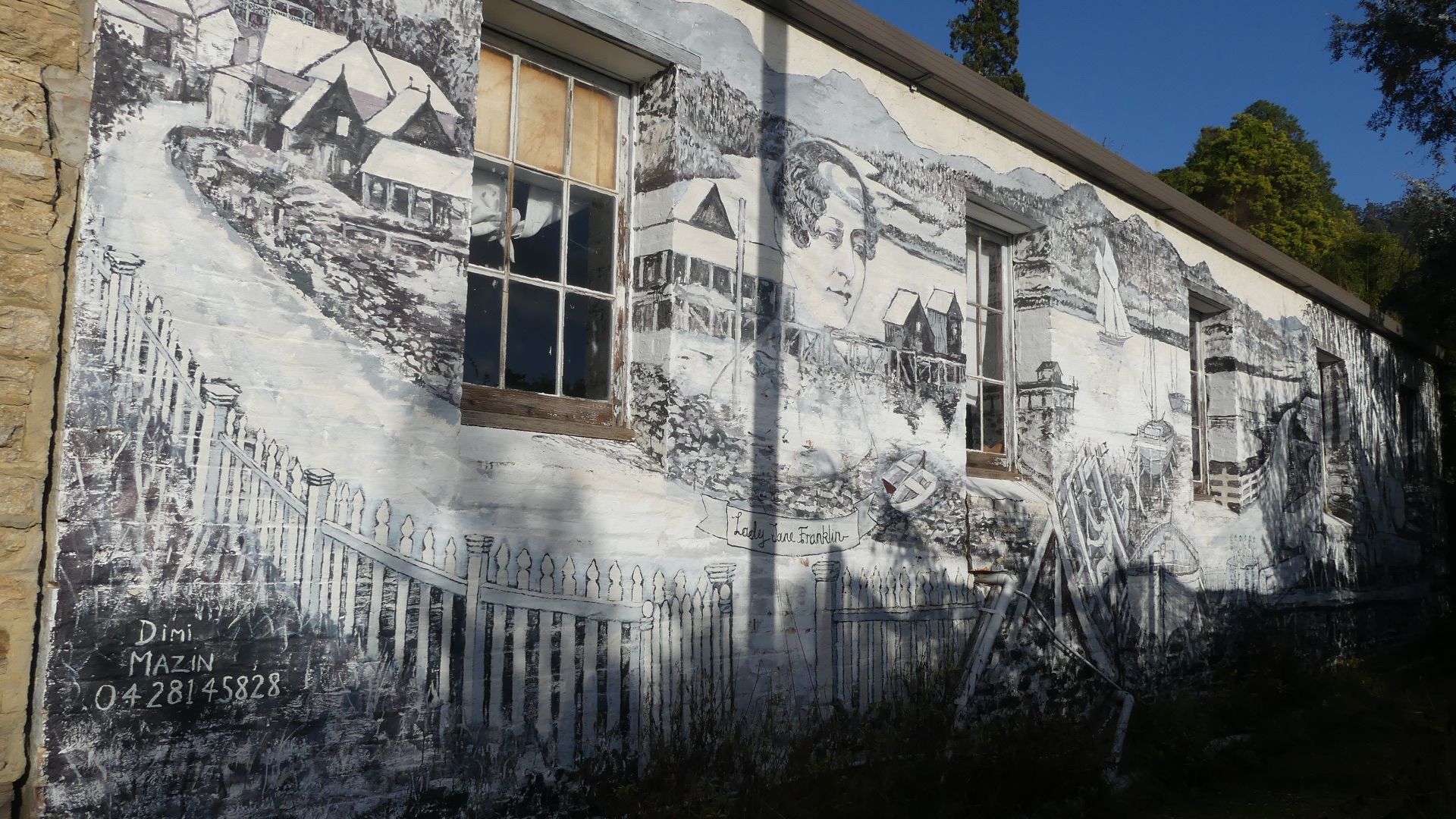
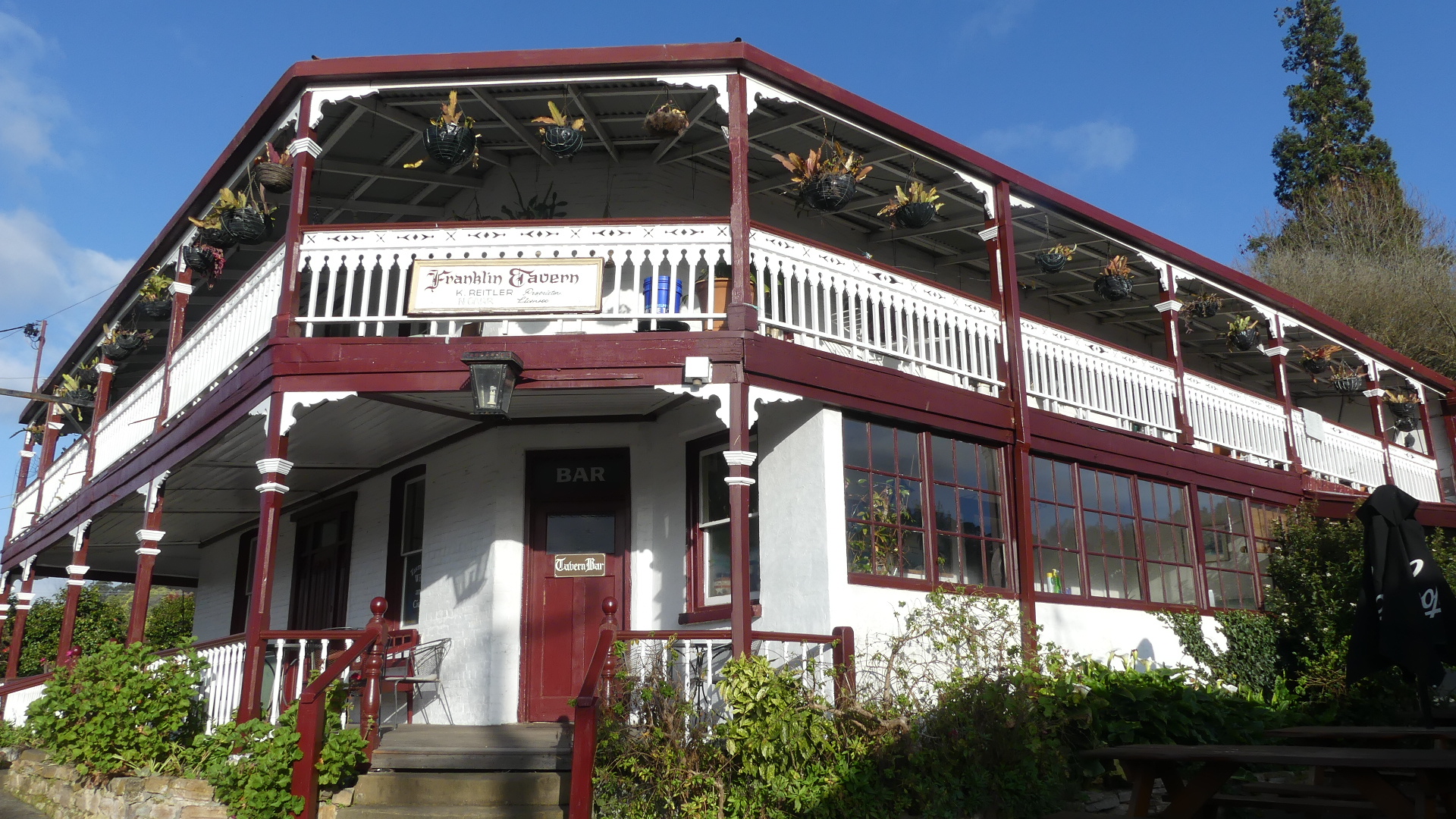
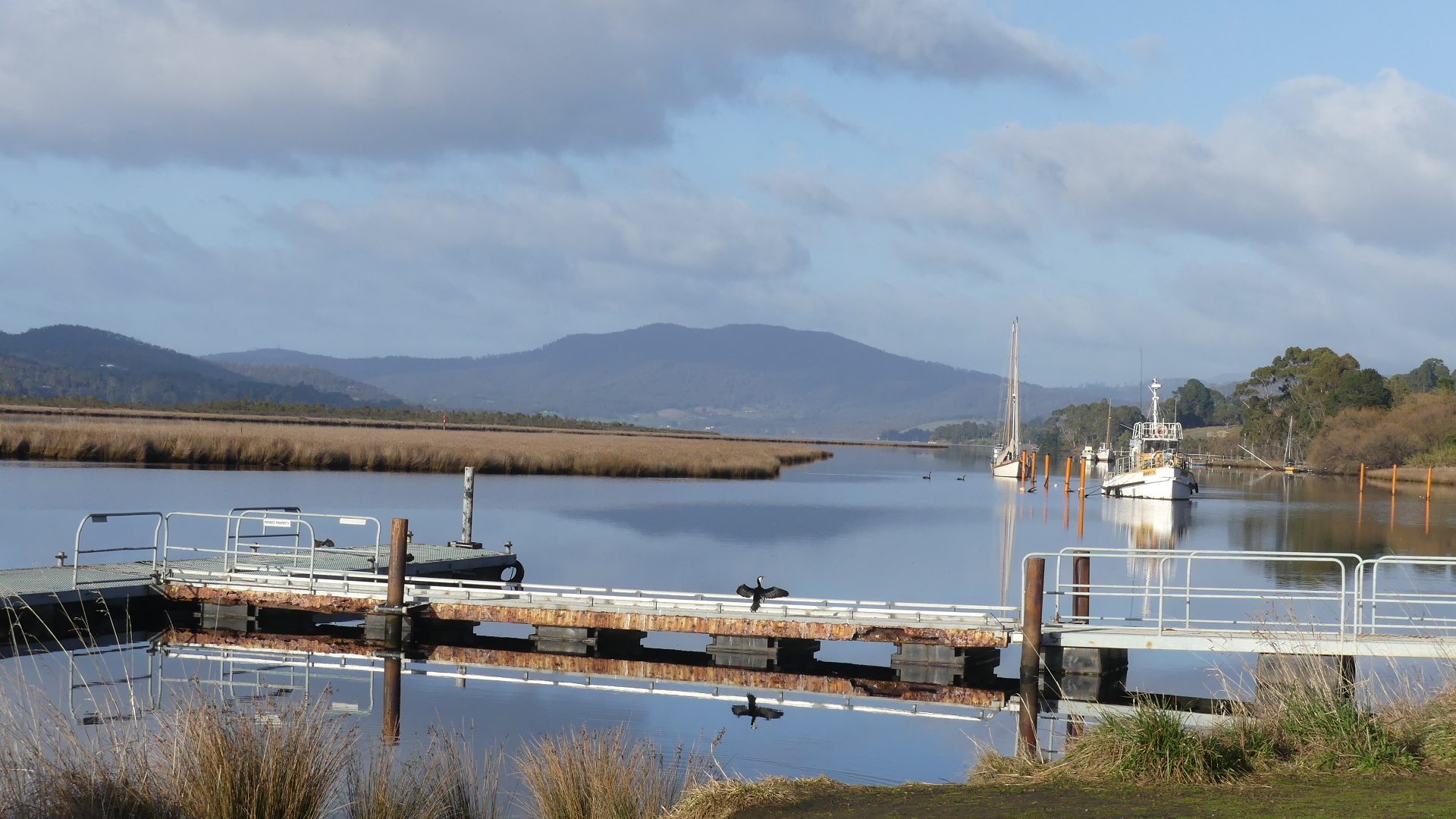
With its riverfront location, Franklin is historically known for its wooden boat-building industry. The town’s rich maritime heritage continues today with the presence of the Wooden Boat Centre, a workshop and museum dedicated to traditional boat-building skills ( unfortunately closed this day). Franklin’s location along the Huon River made it a prime spot for riverboat transport. The riverboats played a critical role in transporting goods to and from Hobart and surrounding settlements, and the Huon River became a lifeline for local communities. Photos #1 & 2 (left to right below) picture the Cafe of petty sessions which Photo # 3 identifies as the former police station, court house, Gaol, and residence for the Franklin area. Photos #4 & 5 identify the water mill and the painting depicting an earlier time in Franklin’s history and alongside is one of the pub’s (suitably located across the road from the former court and police station). Finally photo 7 provides a view of the harbour on the Huon River. Our break was quickly over and we were on the road again to Geeveston where we took a right hand turn to follow the river into the hills and its headwaters.


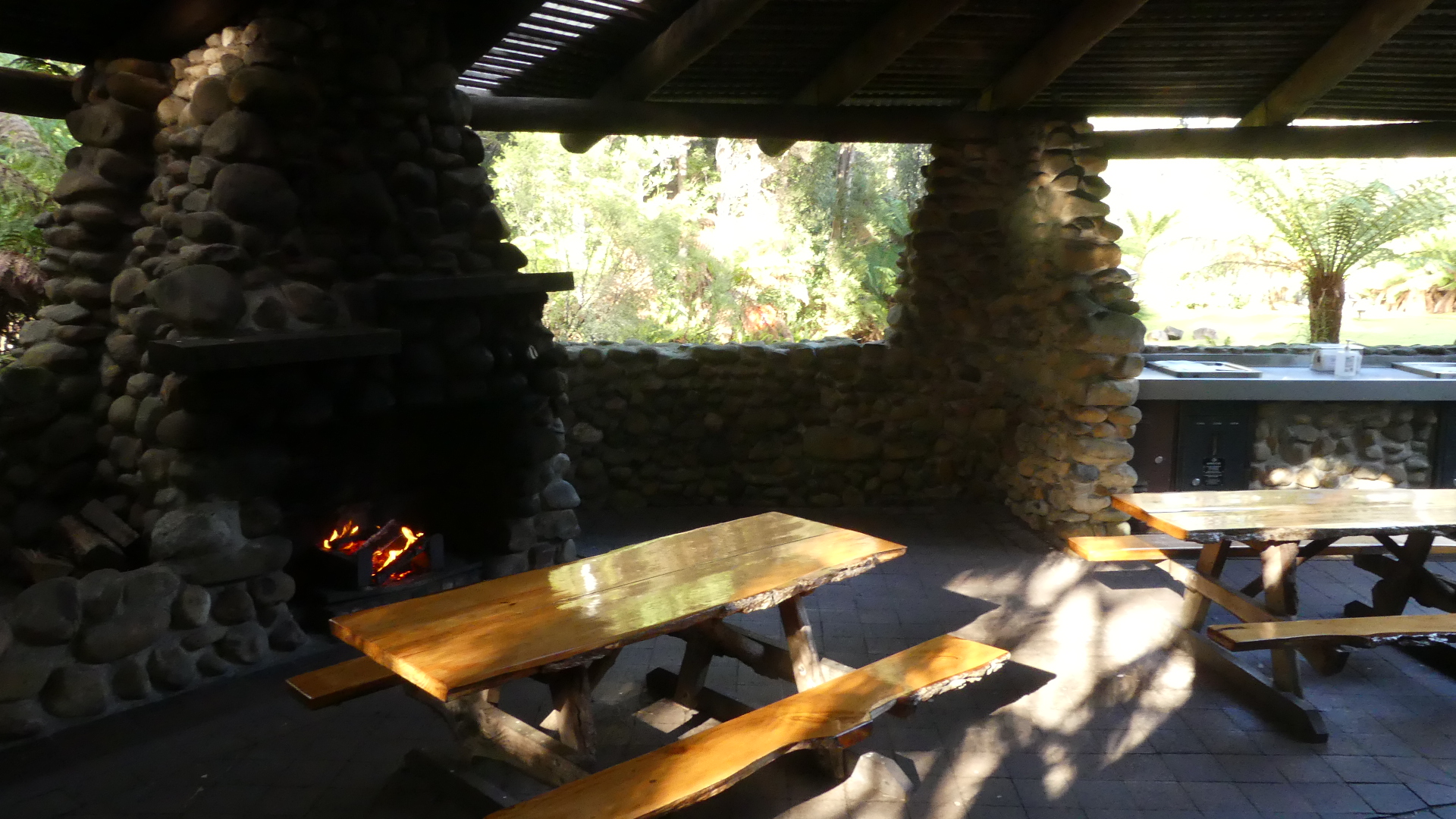
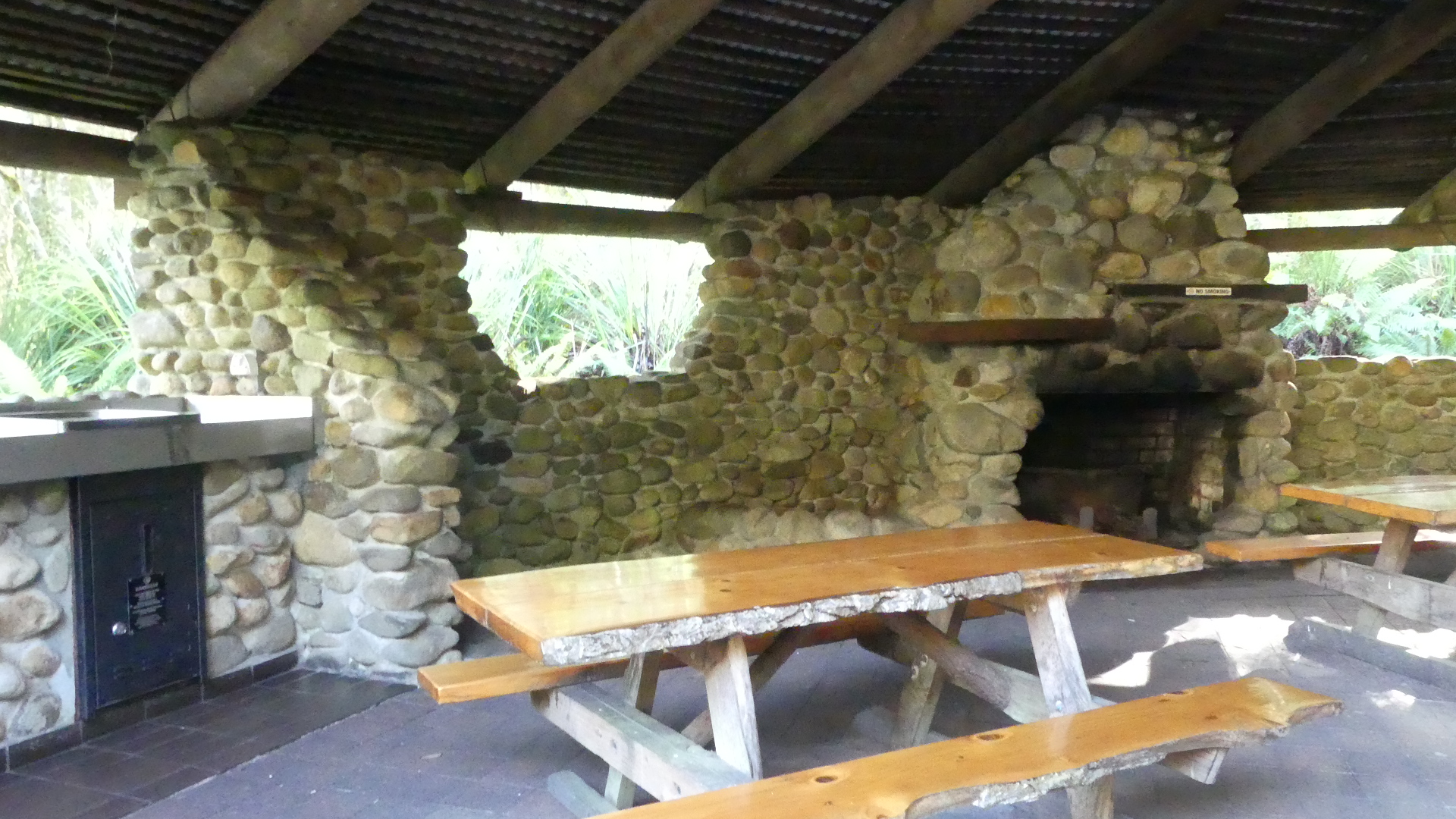
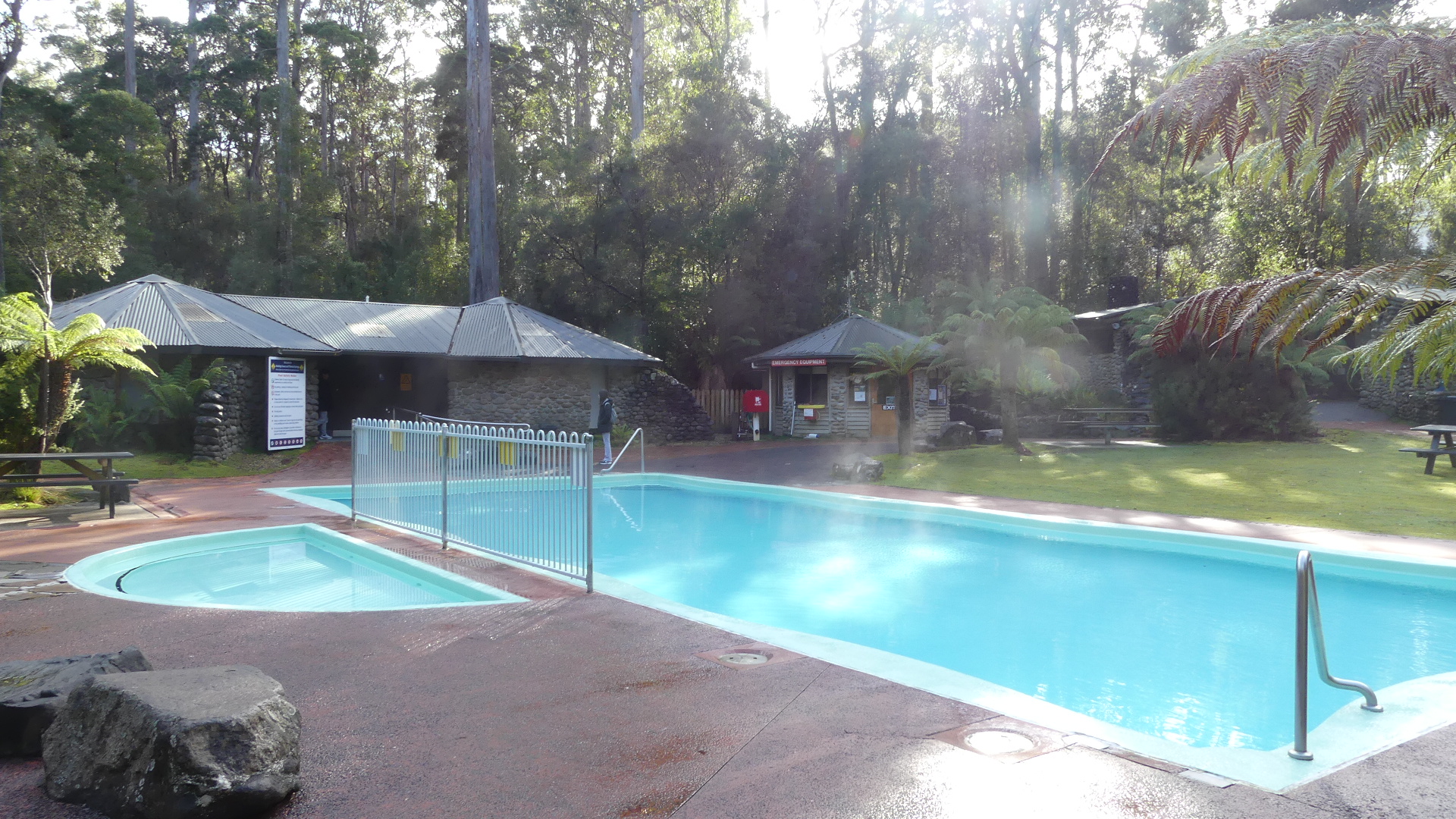
We had chosen this tour to see Newdegate Cave and the Tahune Skywalk. On arriving at the tourist centre I learned about everything else that was available but this was a tour no changes permitted. Photos # 1 to 3 (viewed left to right) is the entrance to the carpark, and the Tourist Information Centre. Newdegate is one set of caves in the Hasting Caves area. Firstly we explored thermal hot spring Photo # 7 (yes the water runs into the swimming pool – not very natural), the picnic area, photos #4 to 6 (one of the smaller trees provides the centre pole) and the entrance to two short walks – photo #8. After killing time doing those things we started the march to the cave entrance.
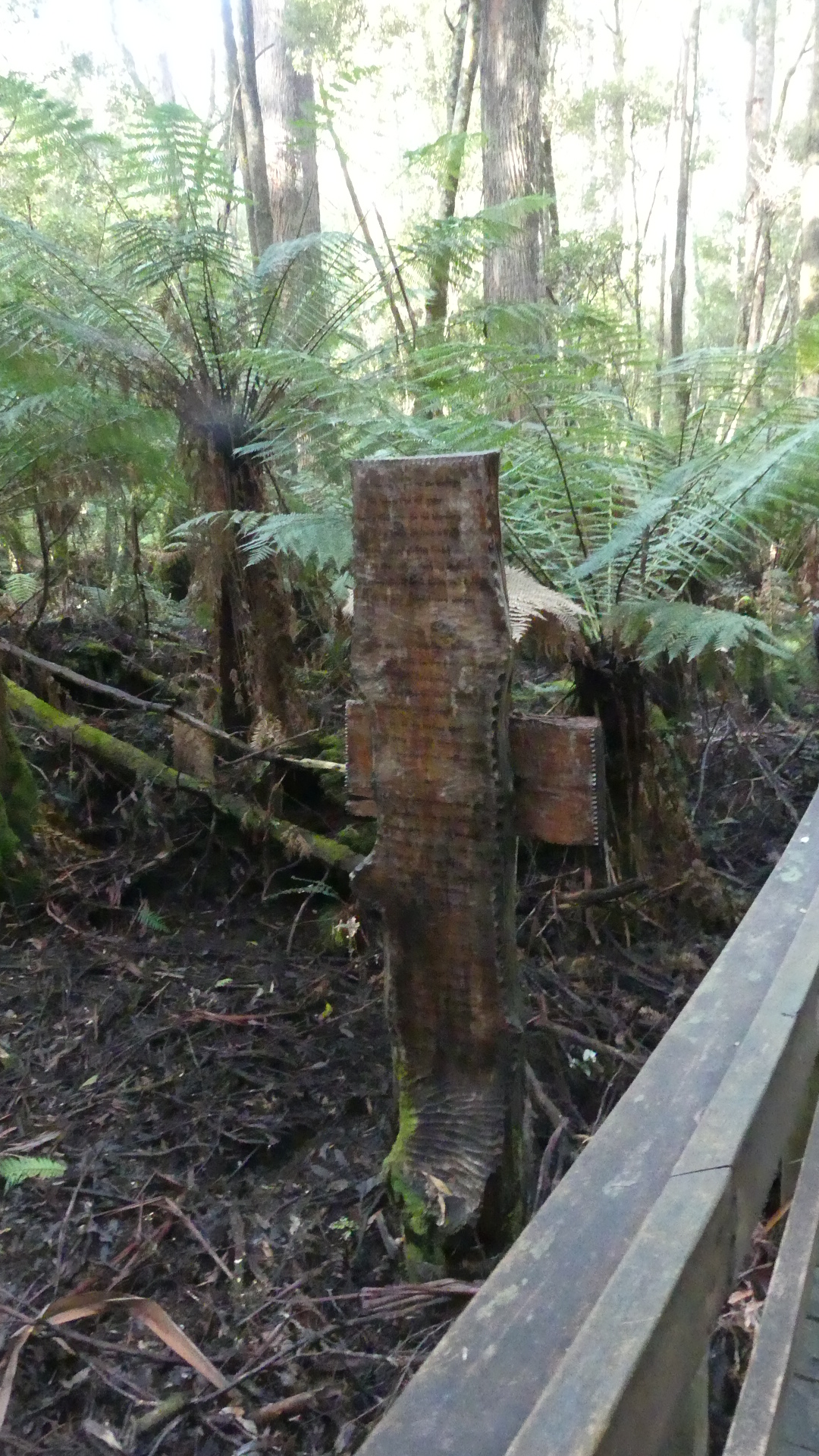
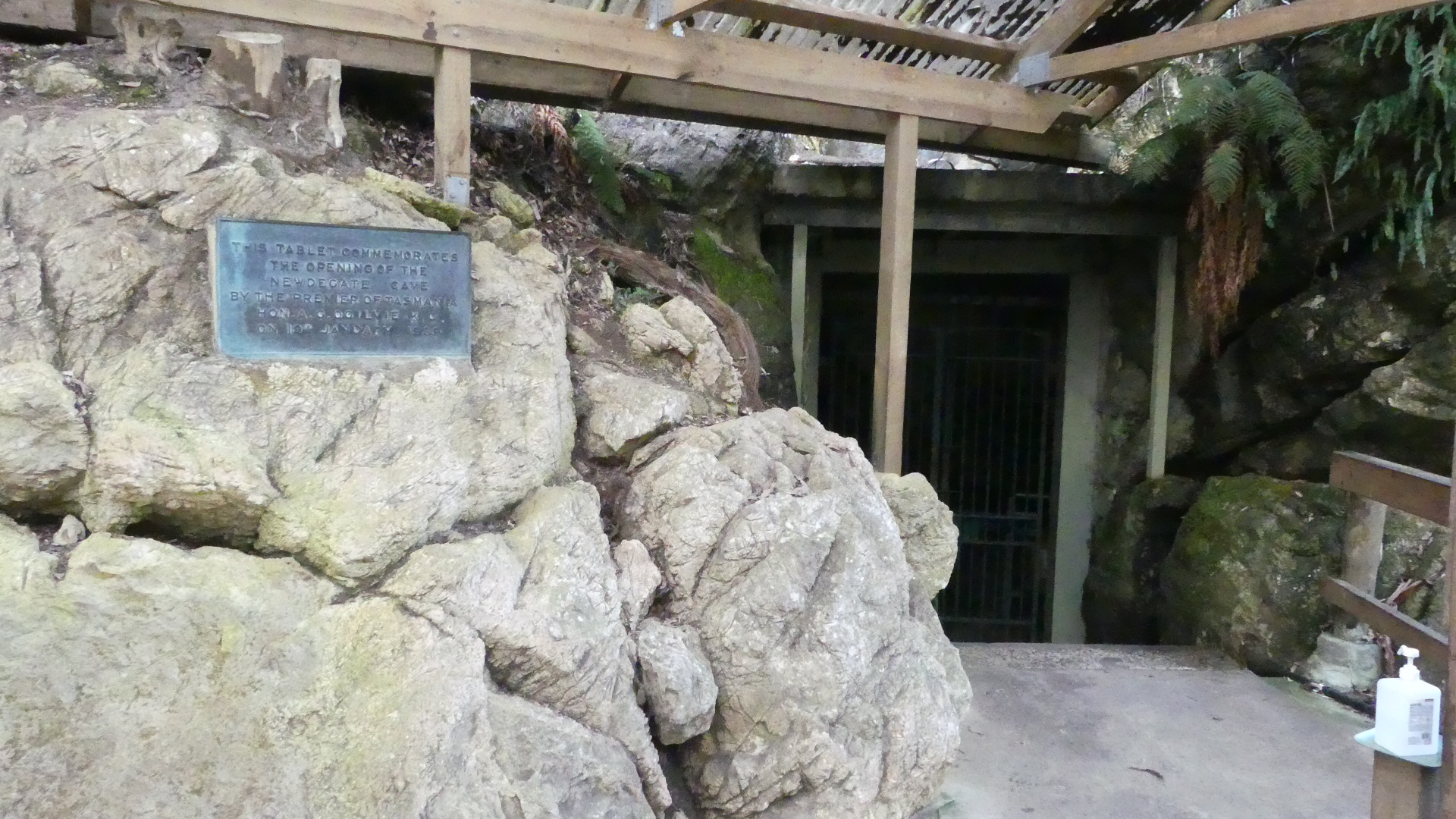
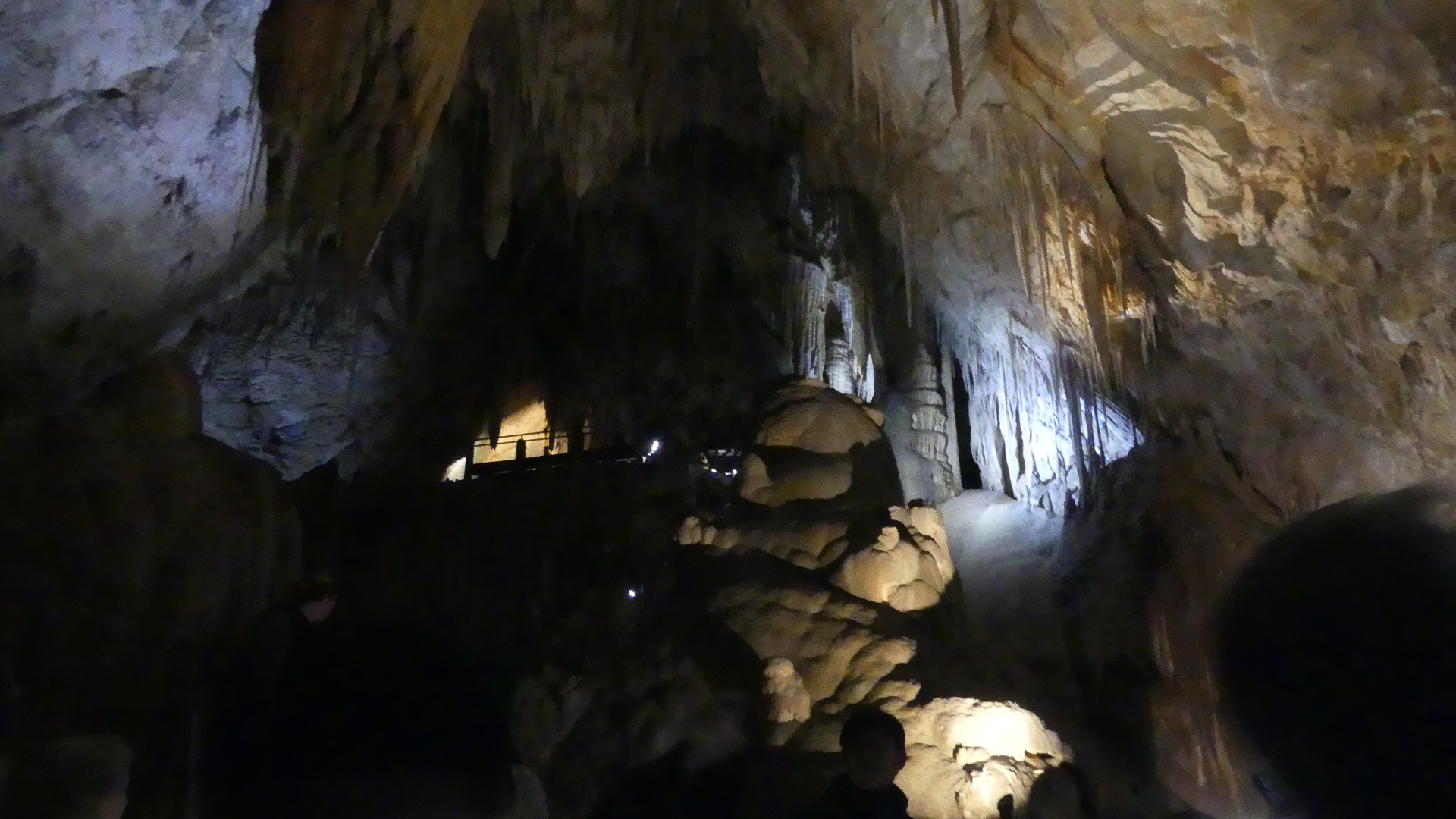
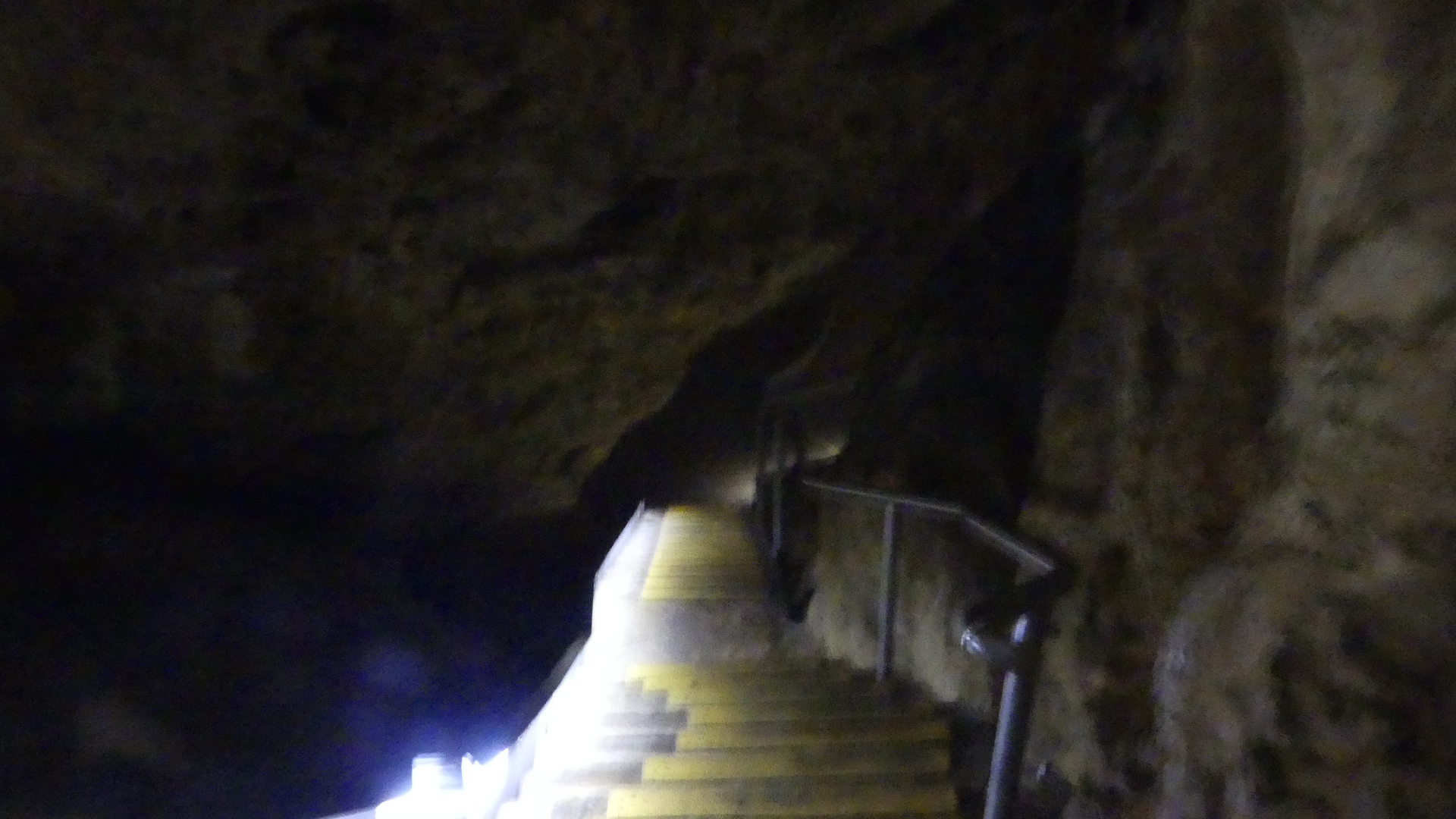
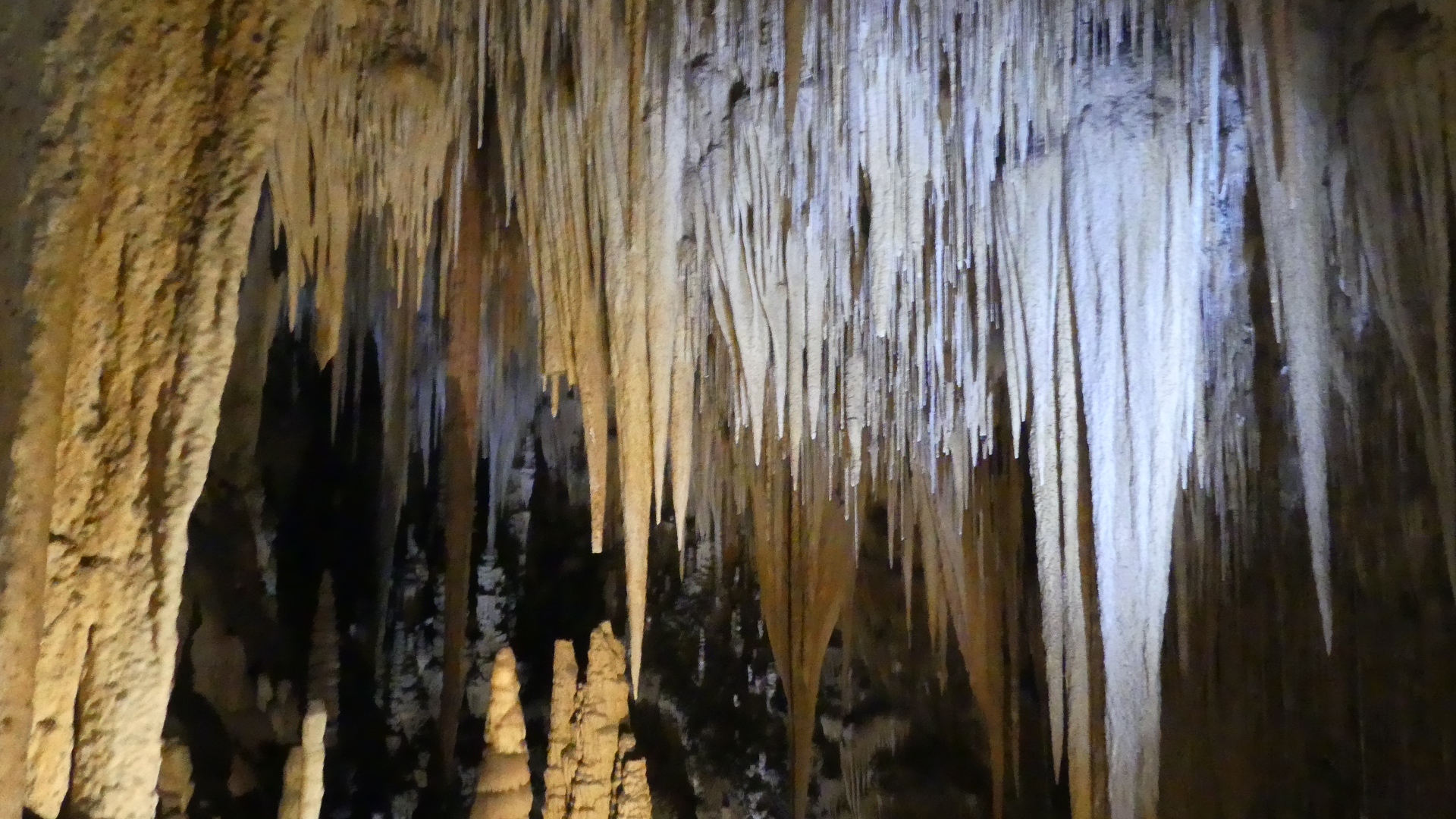
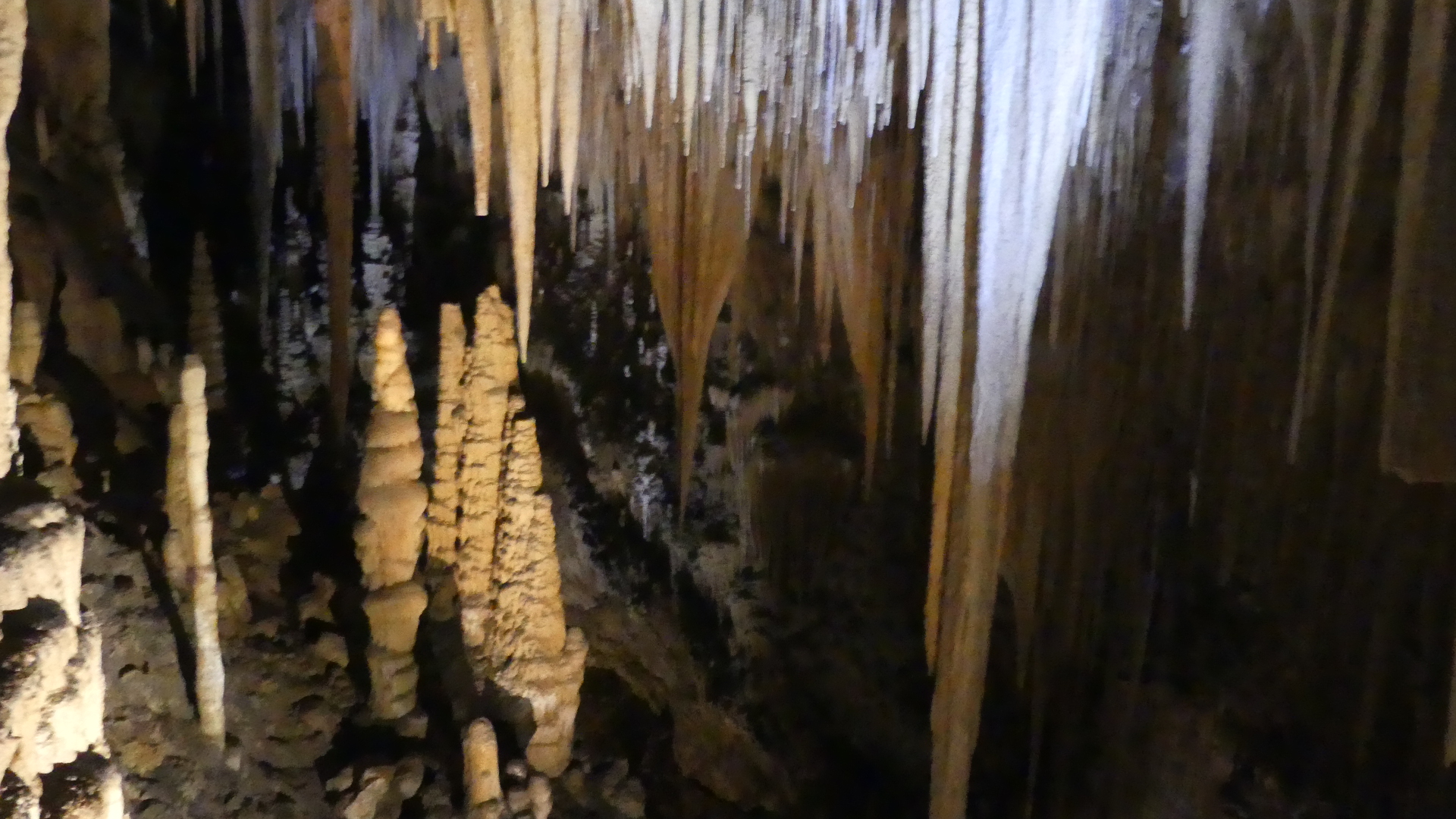
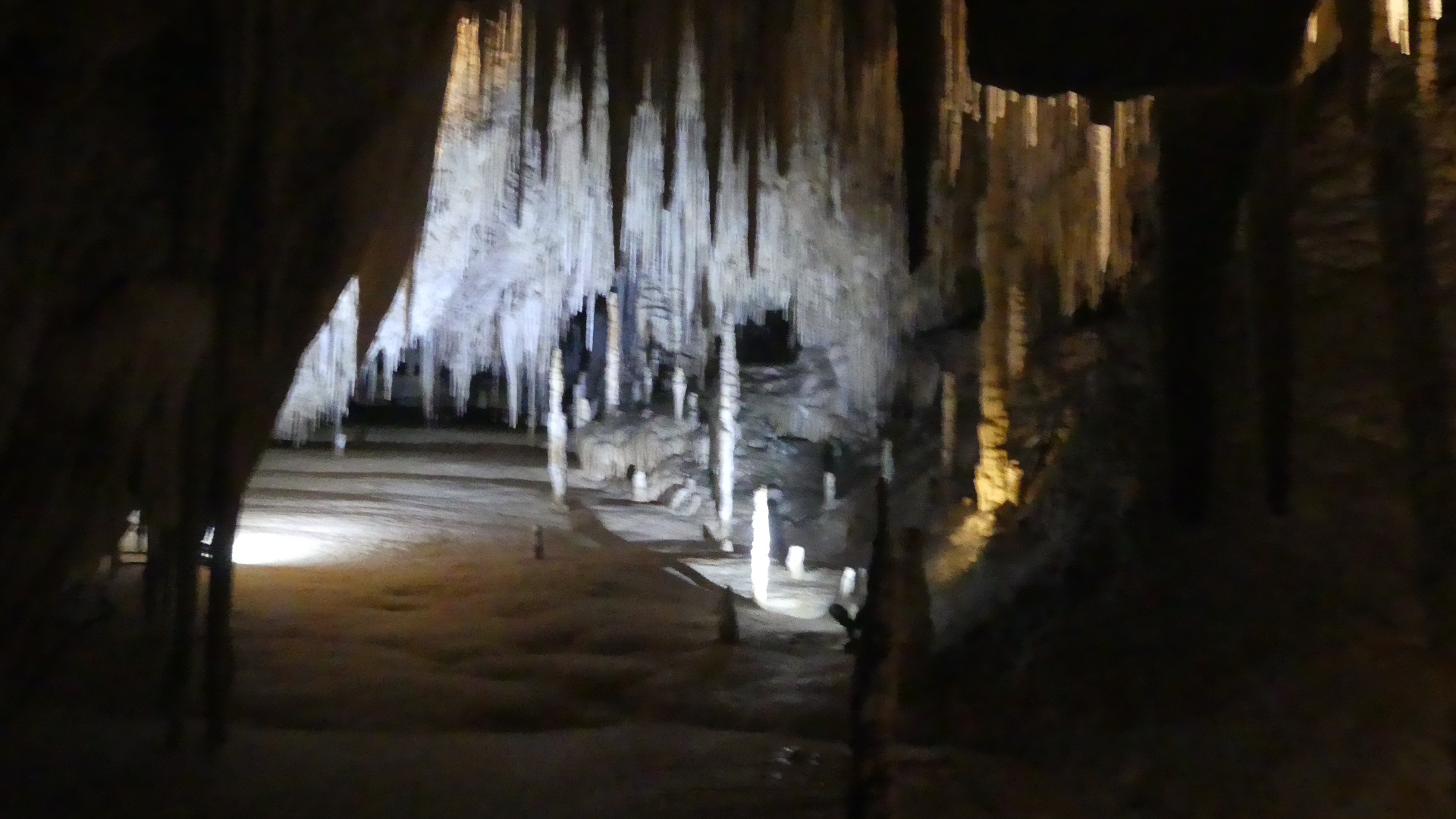
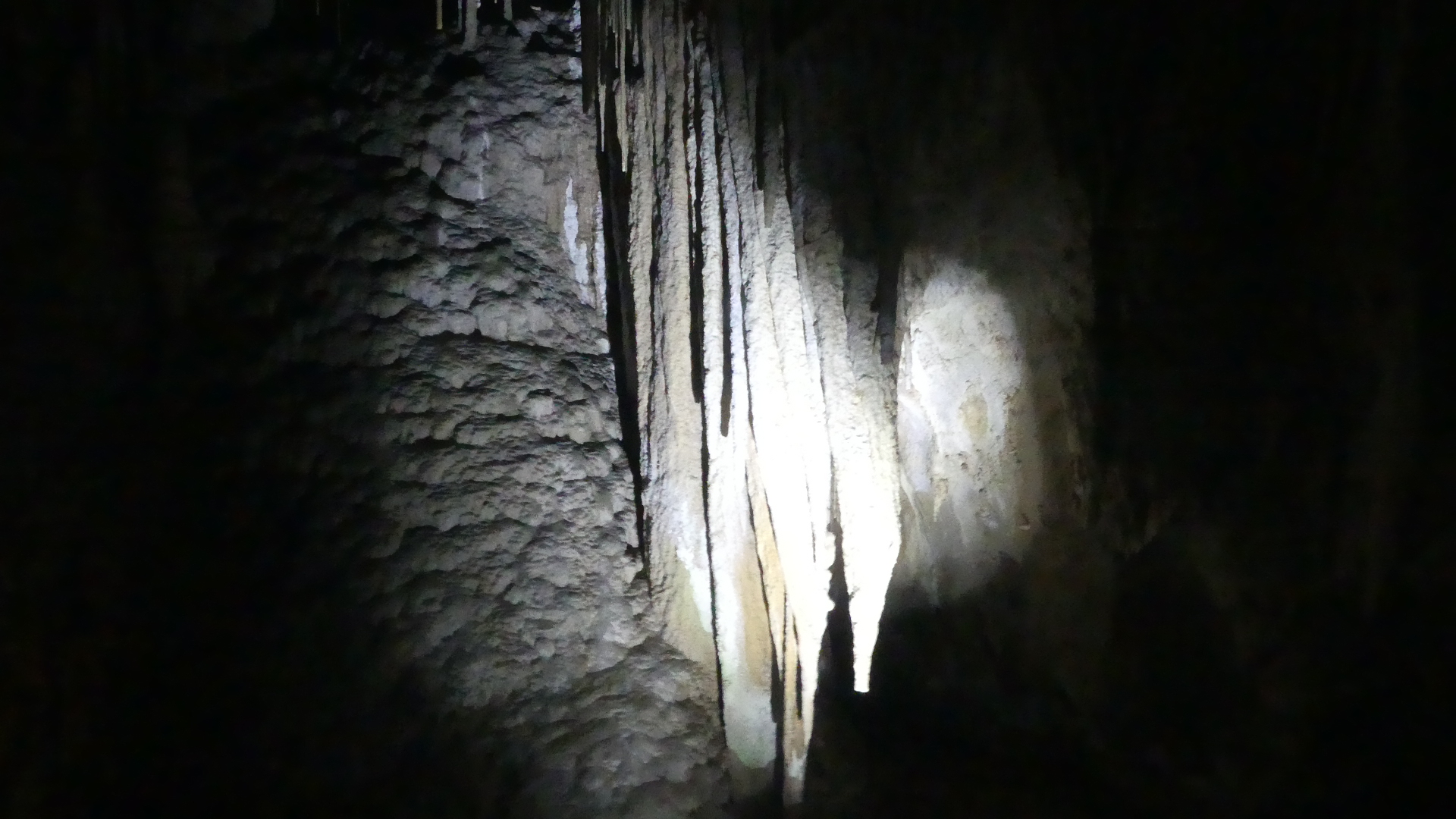
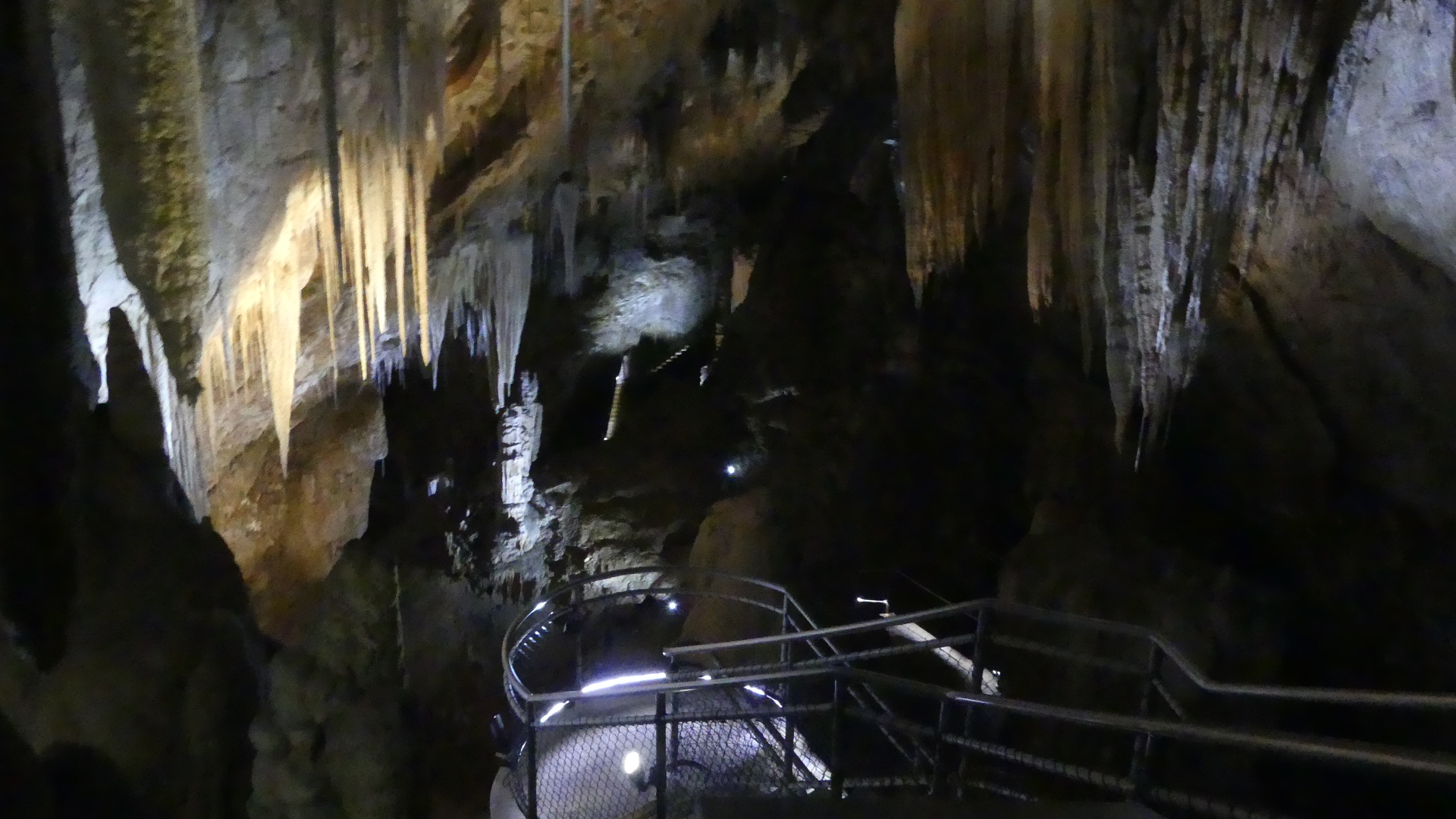
Photos #9 to 12 are photos of the walk along with two feature notice poles which could not be read to to the weathering and photo #13 is the cave entrance. Photos #14 to 26 are all from the interior of the cave which was dry in the sense there was no stream running through it.
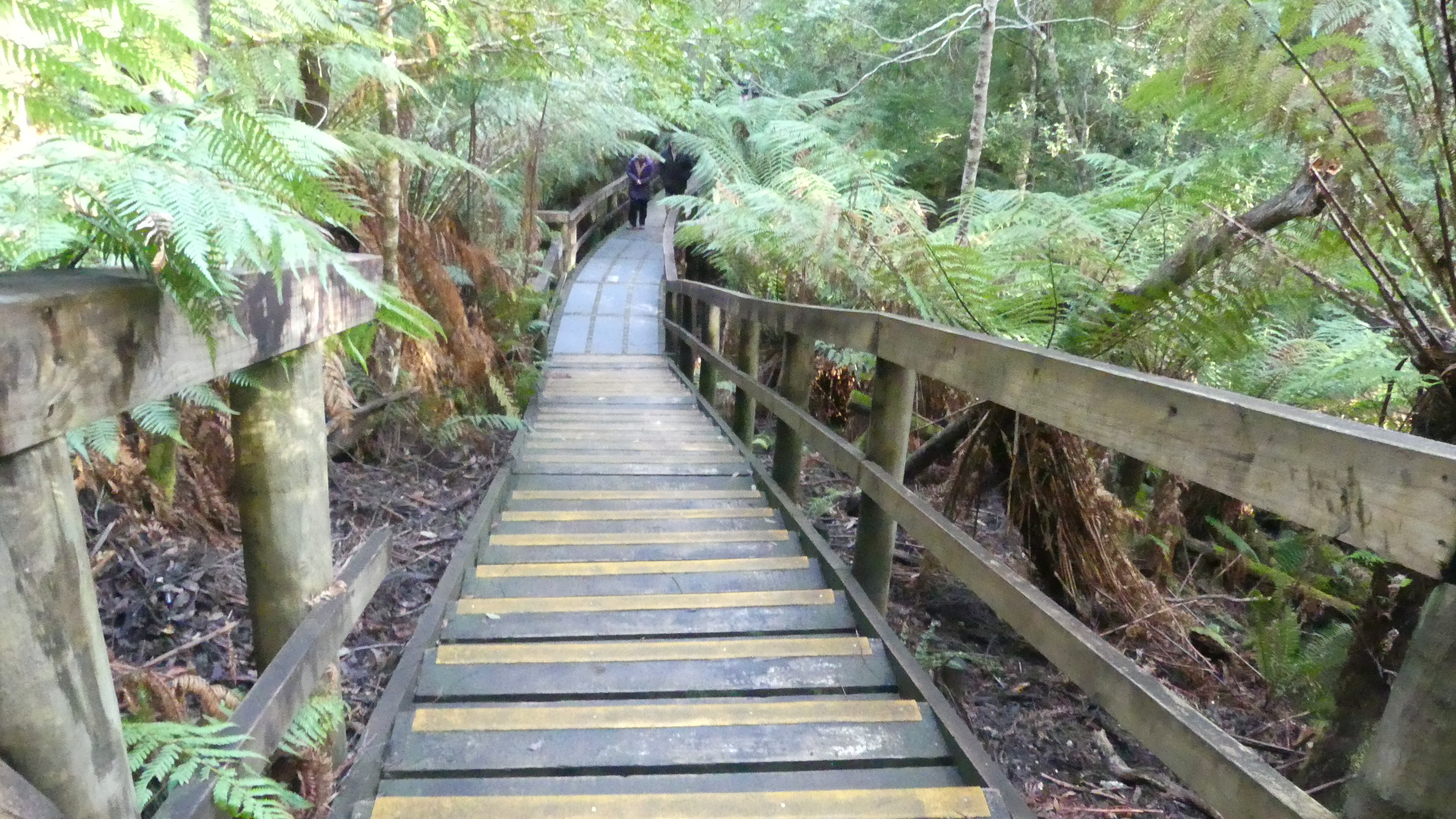
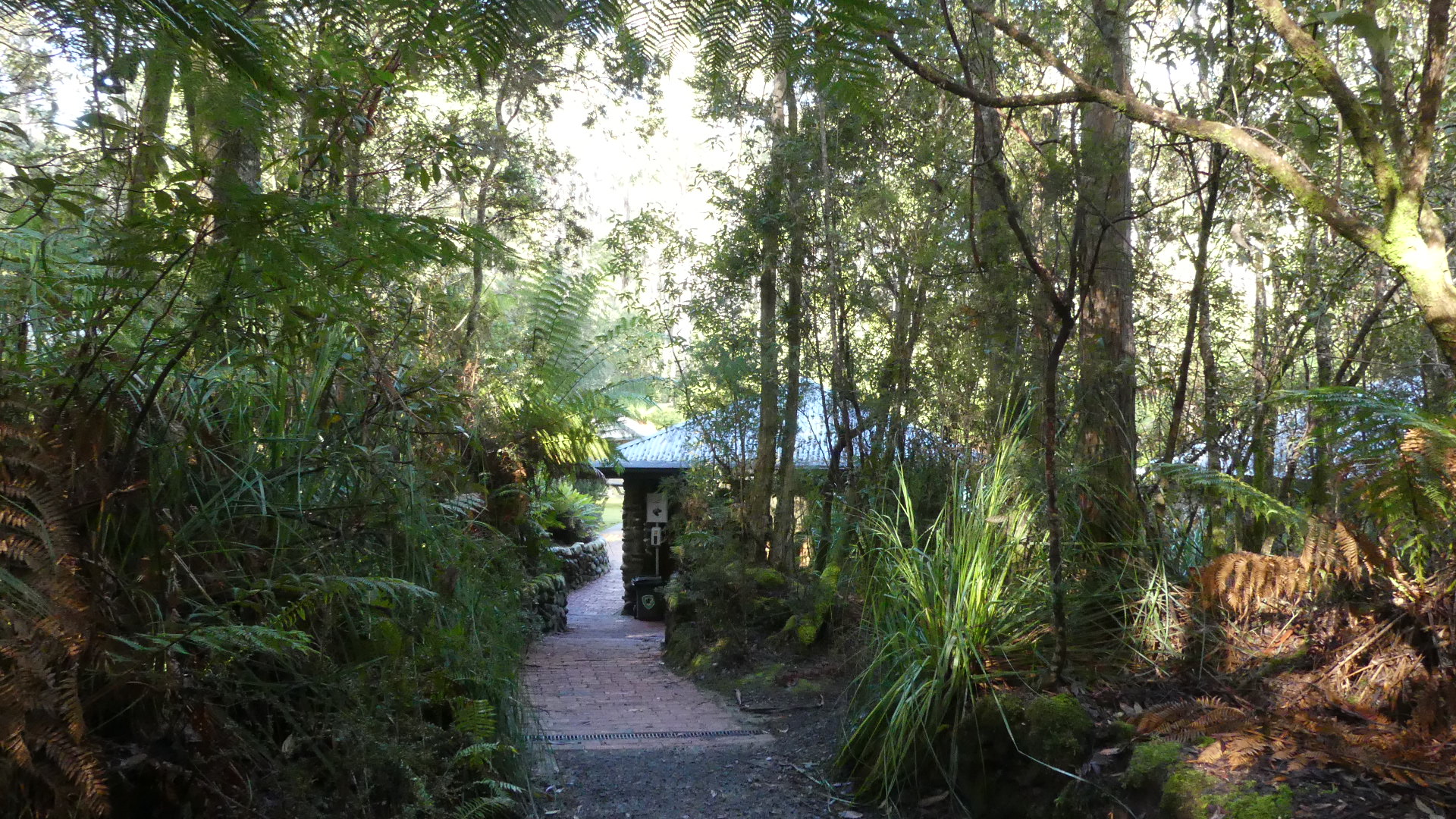
After completing the cave we returned to the Tour centre and took a different path to the Forest walk. Photos #27 to 30 show the lodge front and back then the bridge across the Huon River. Then the climb started until we go to the entrance to the Sky Bridge – photos #31 to 33. The walk is made up of a circuit and then a viewing platform over the Houn and Picton River conjunction – photos 34 to 42 and the final photo is the view back to the tourist centre. The journey concludes at a cantilever sitting high above the intersection of the Huon and Picton Rivers to give you breathtaking views. There’s no better way to experience the healthy natural abundance of the Tasmanian island.




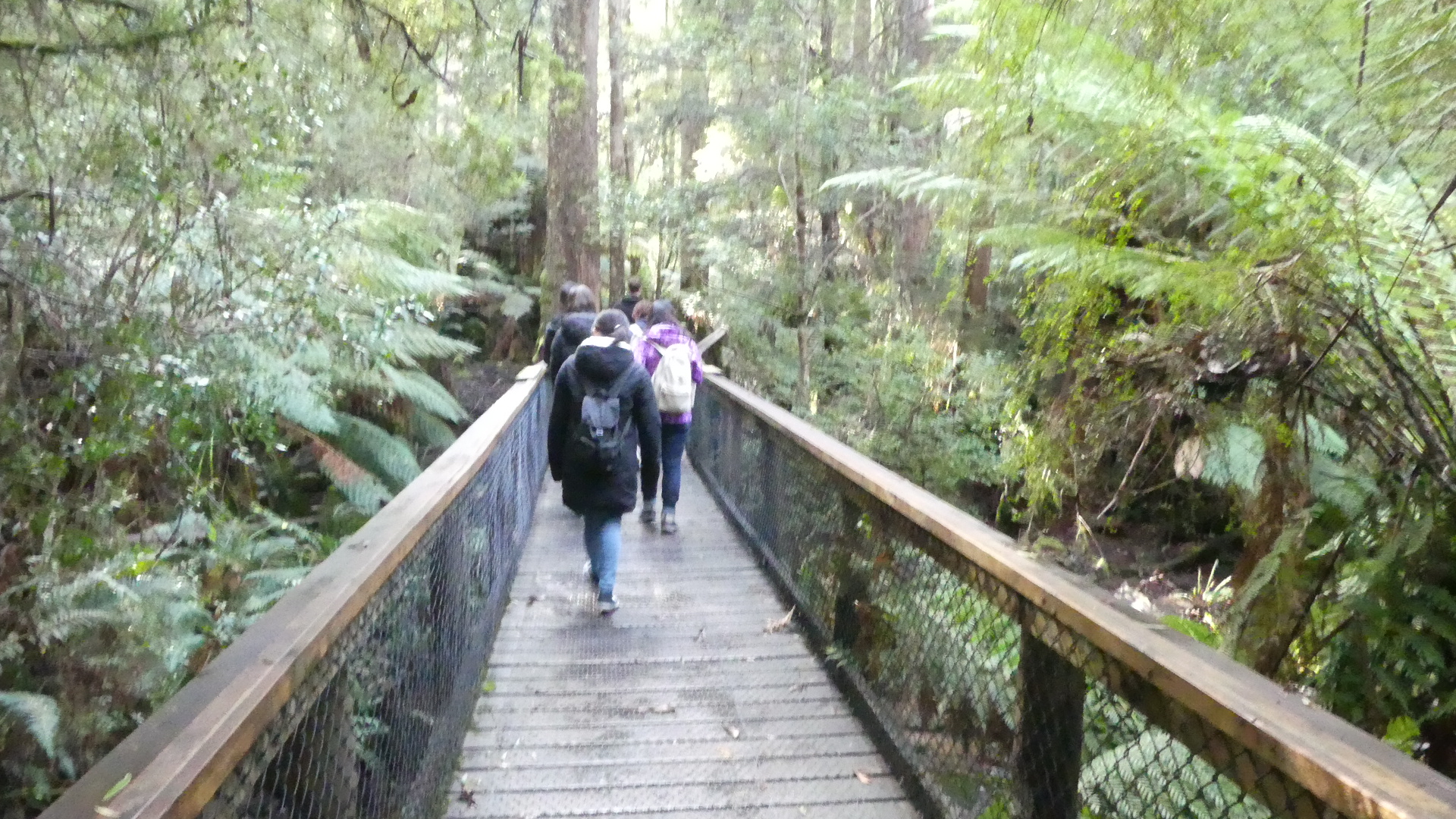









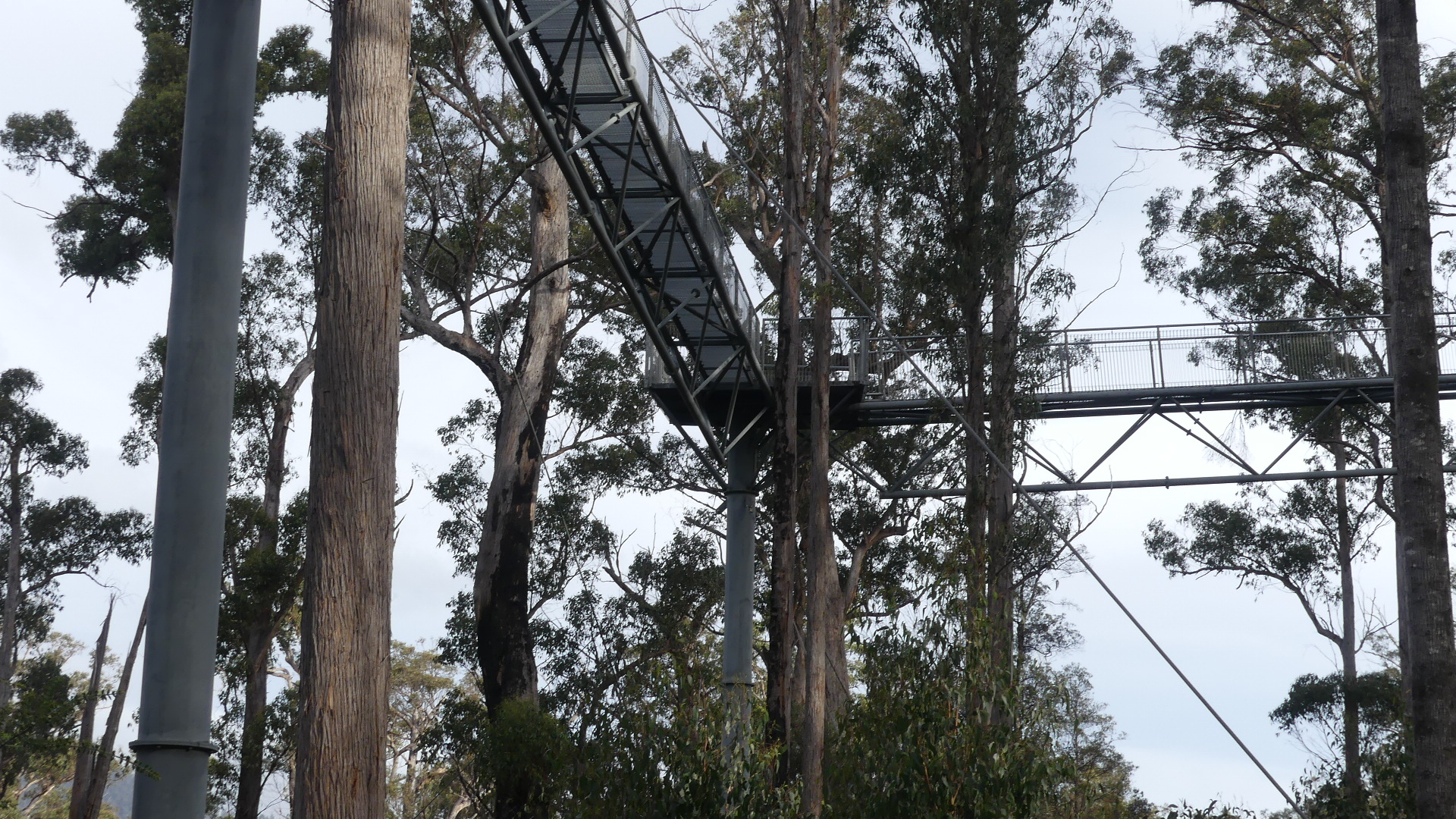
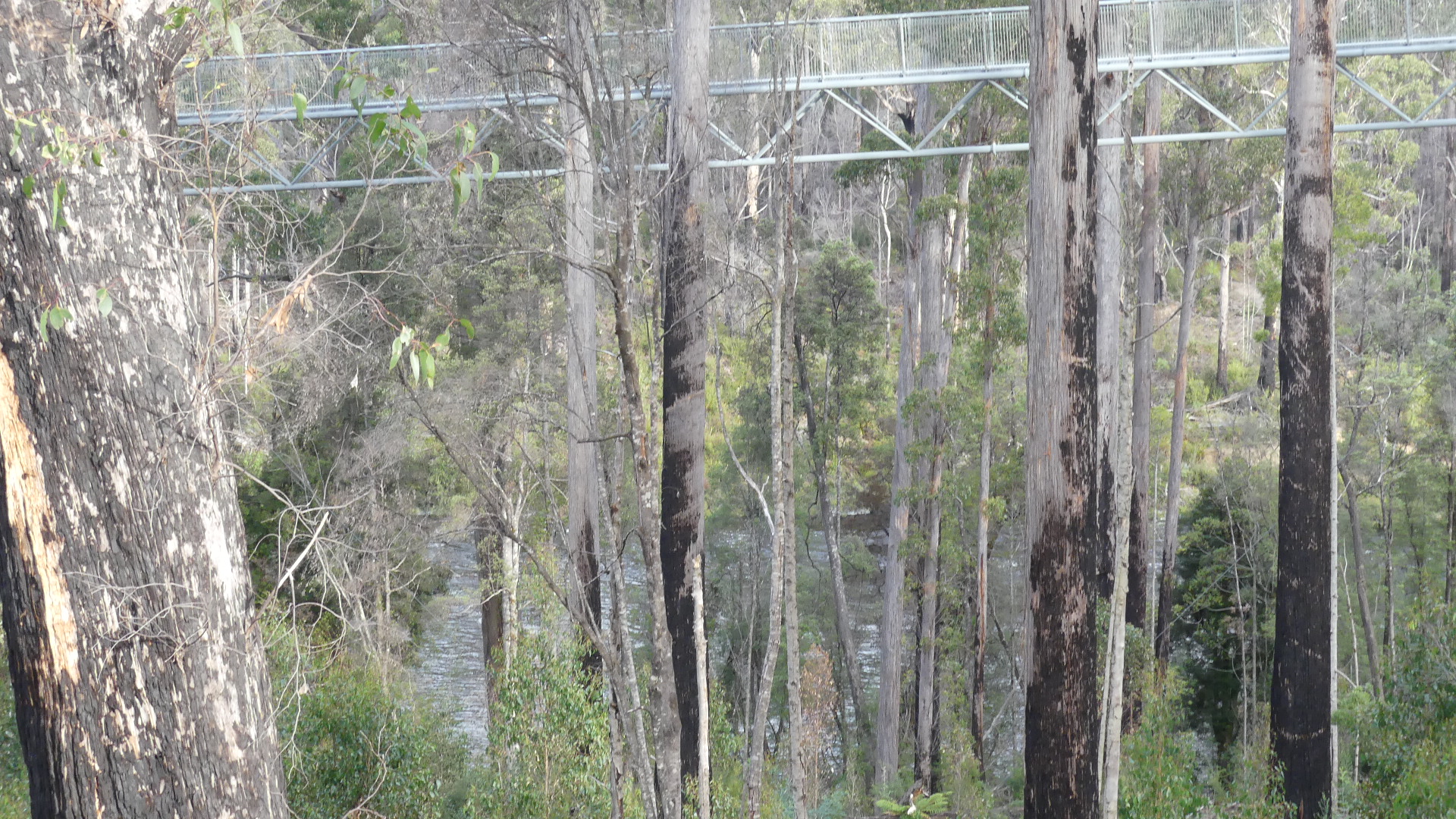
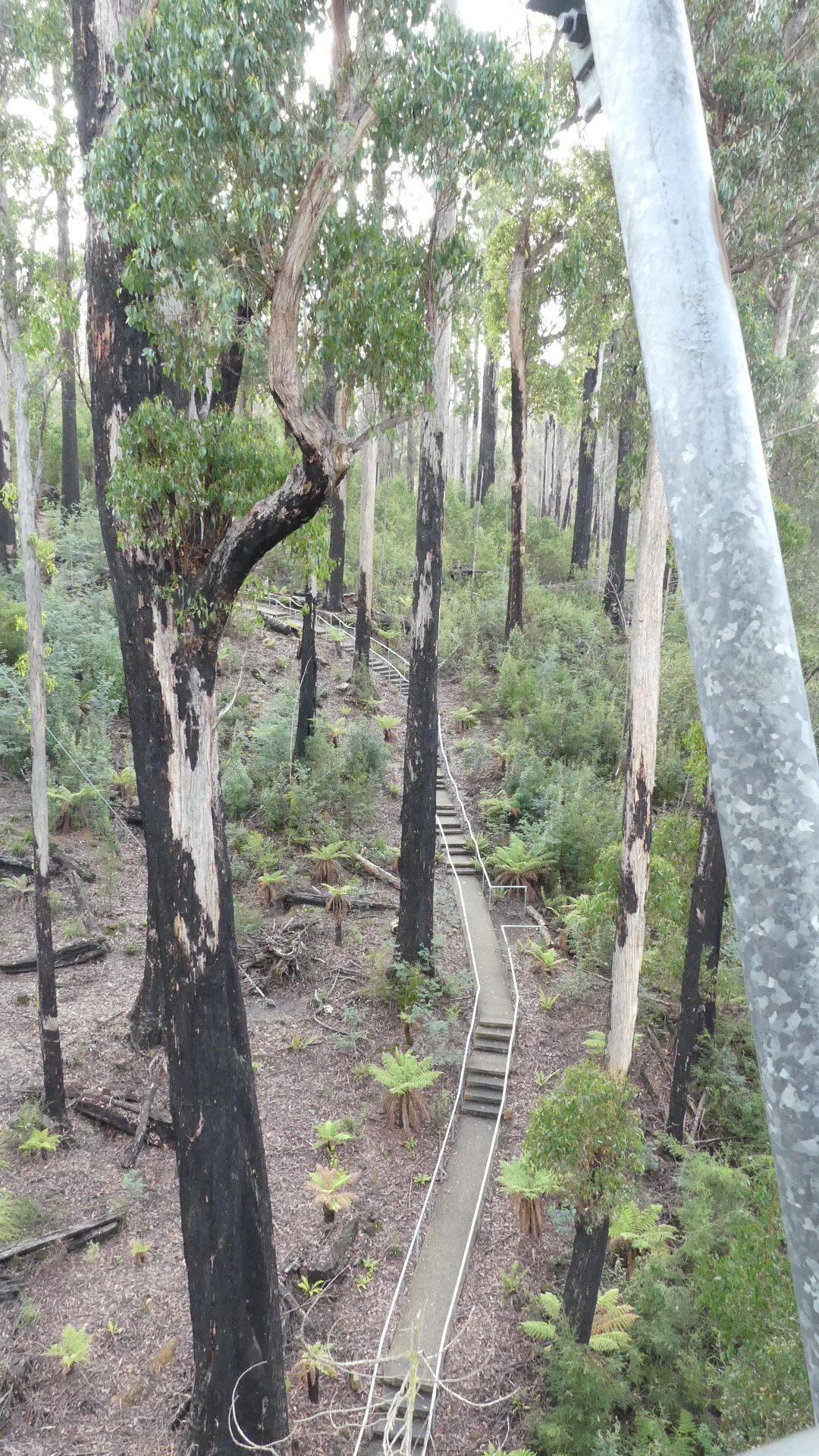

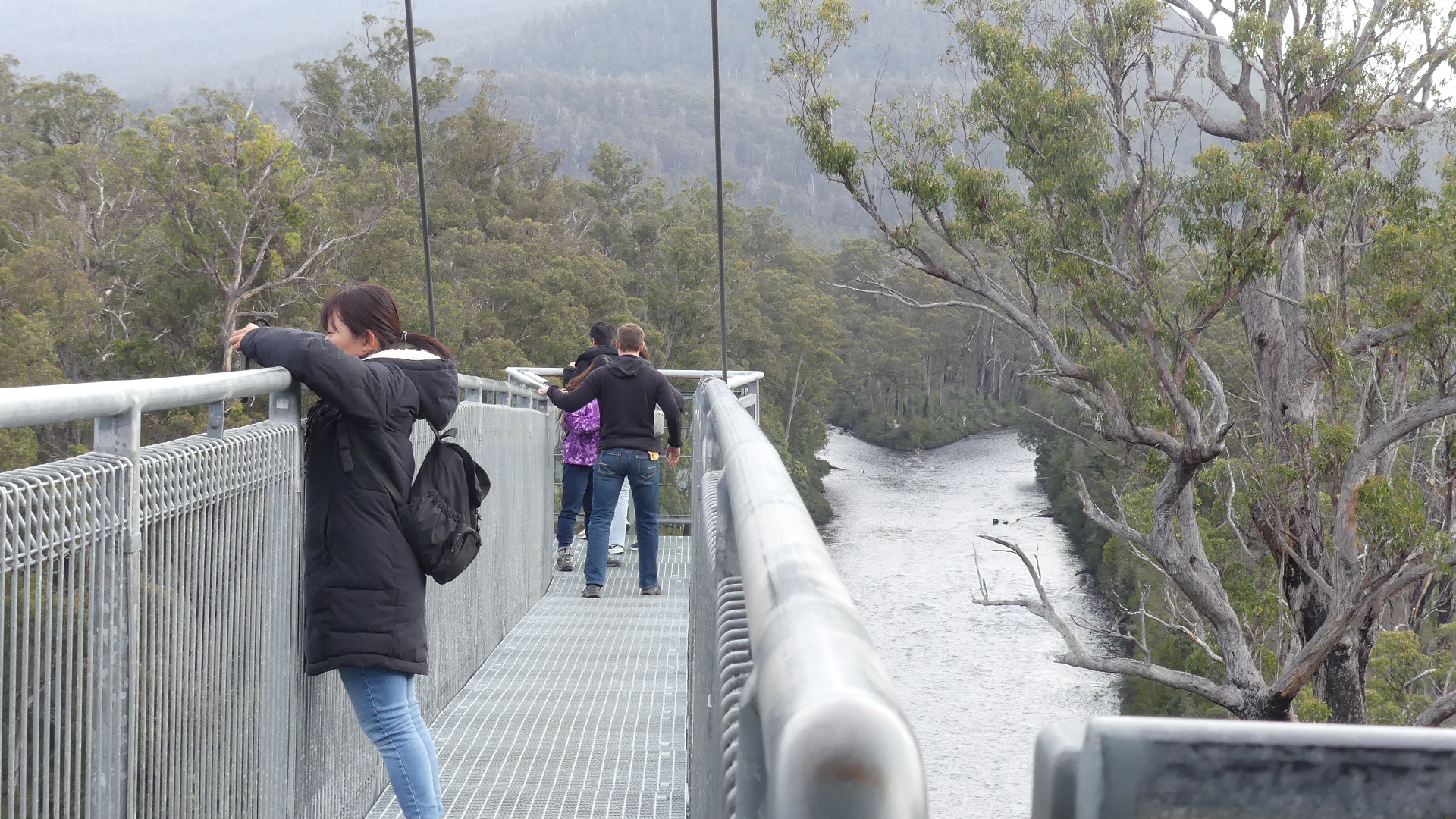
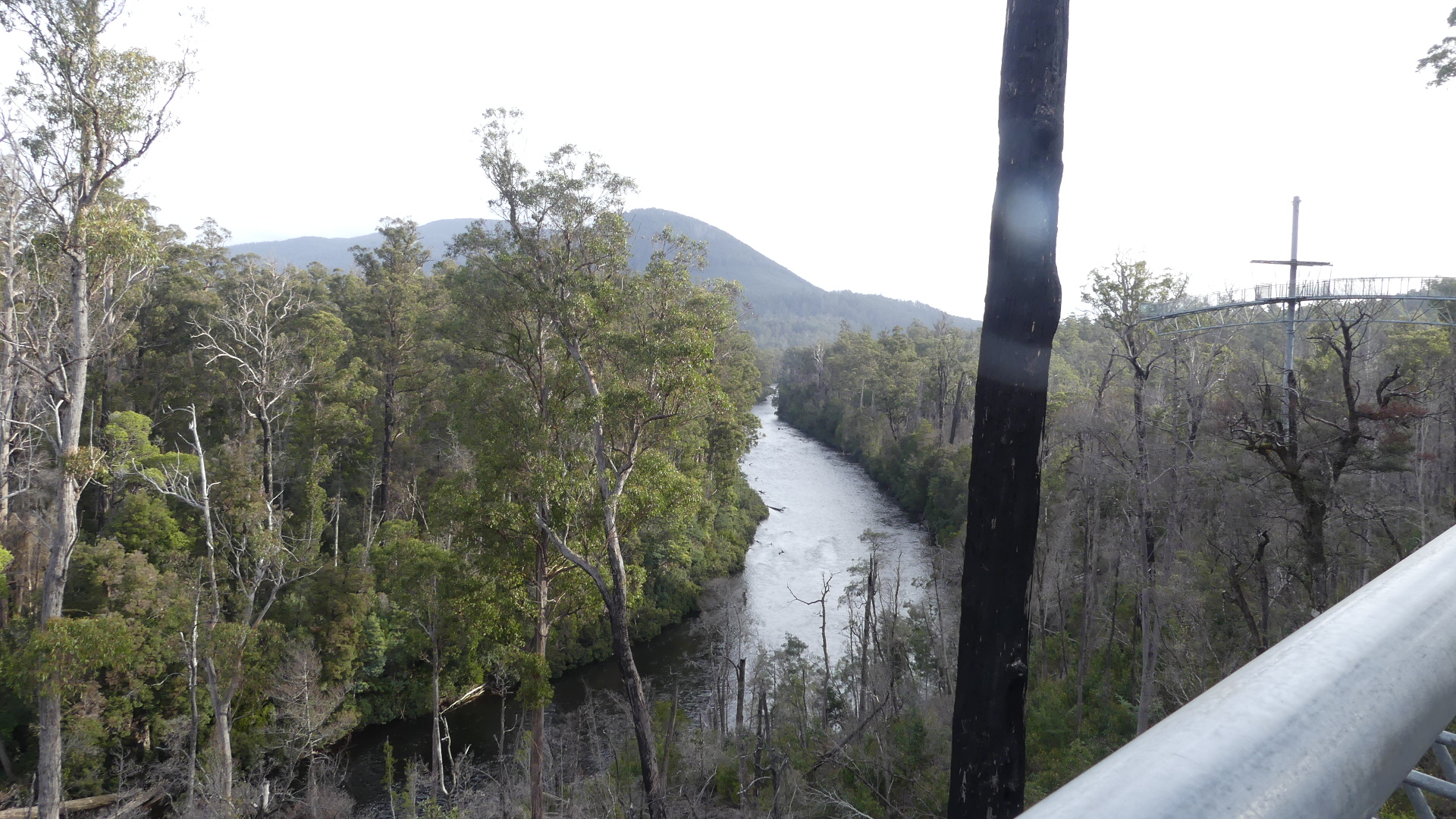
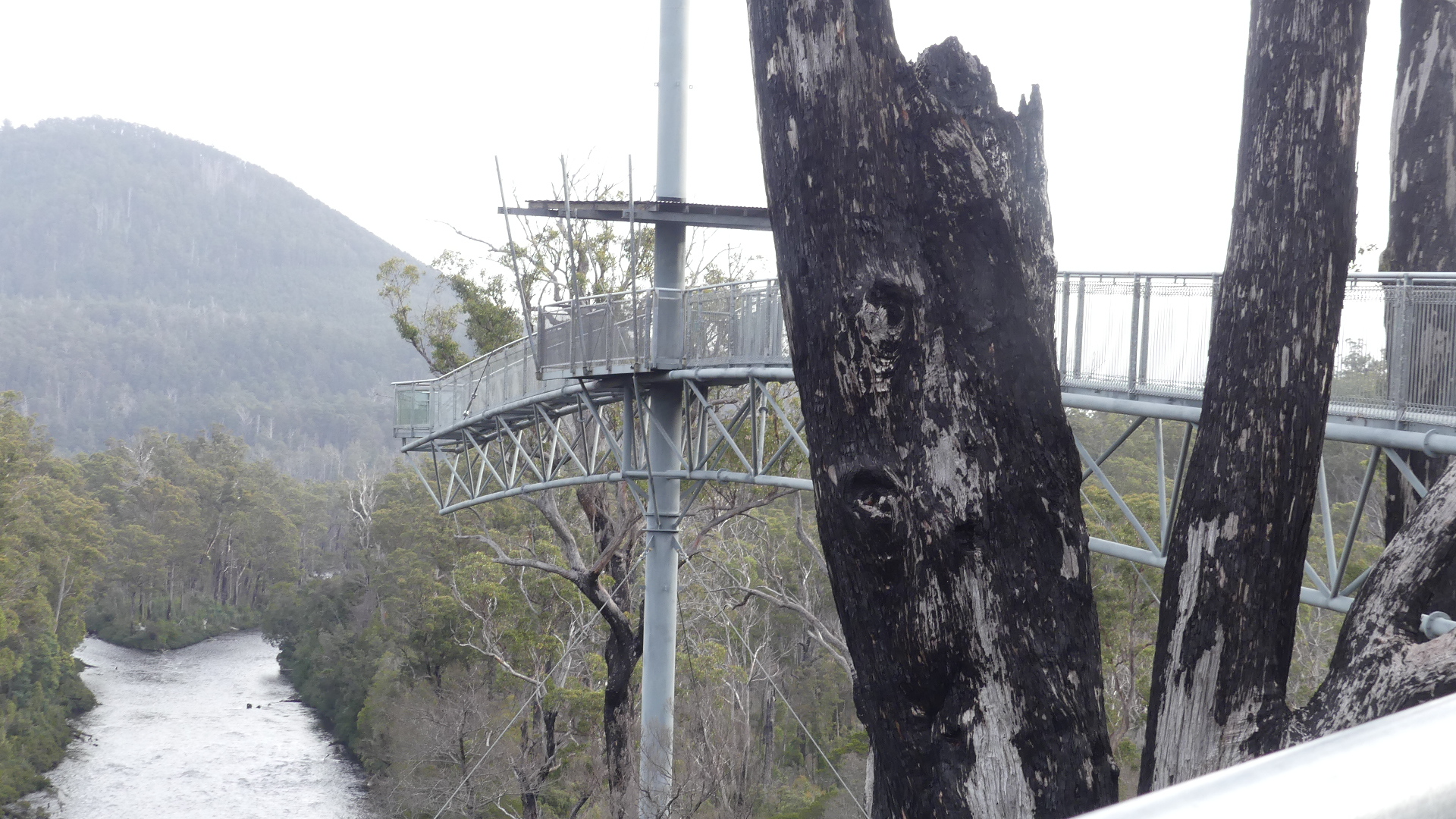
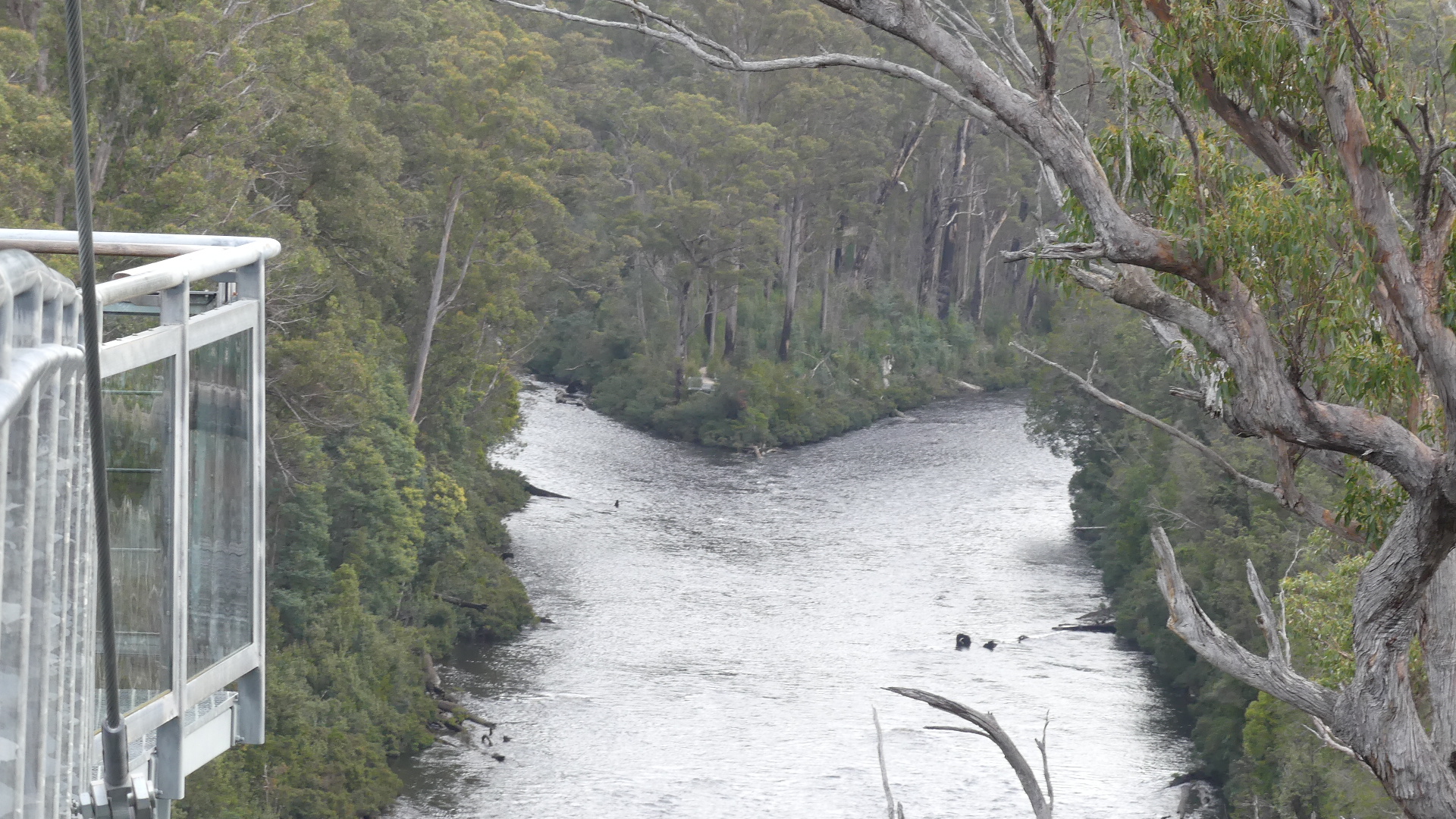

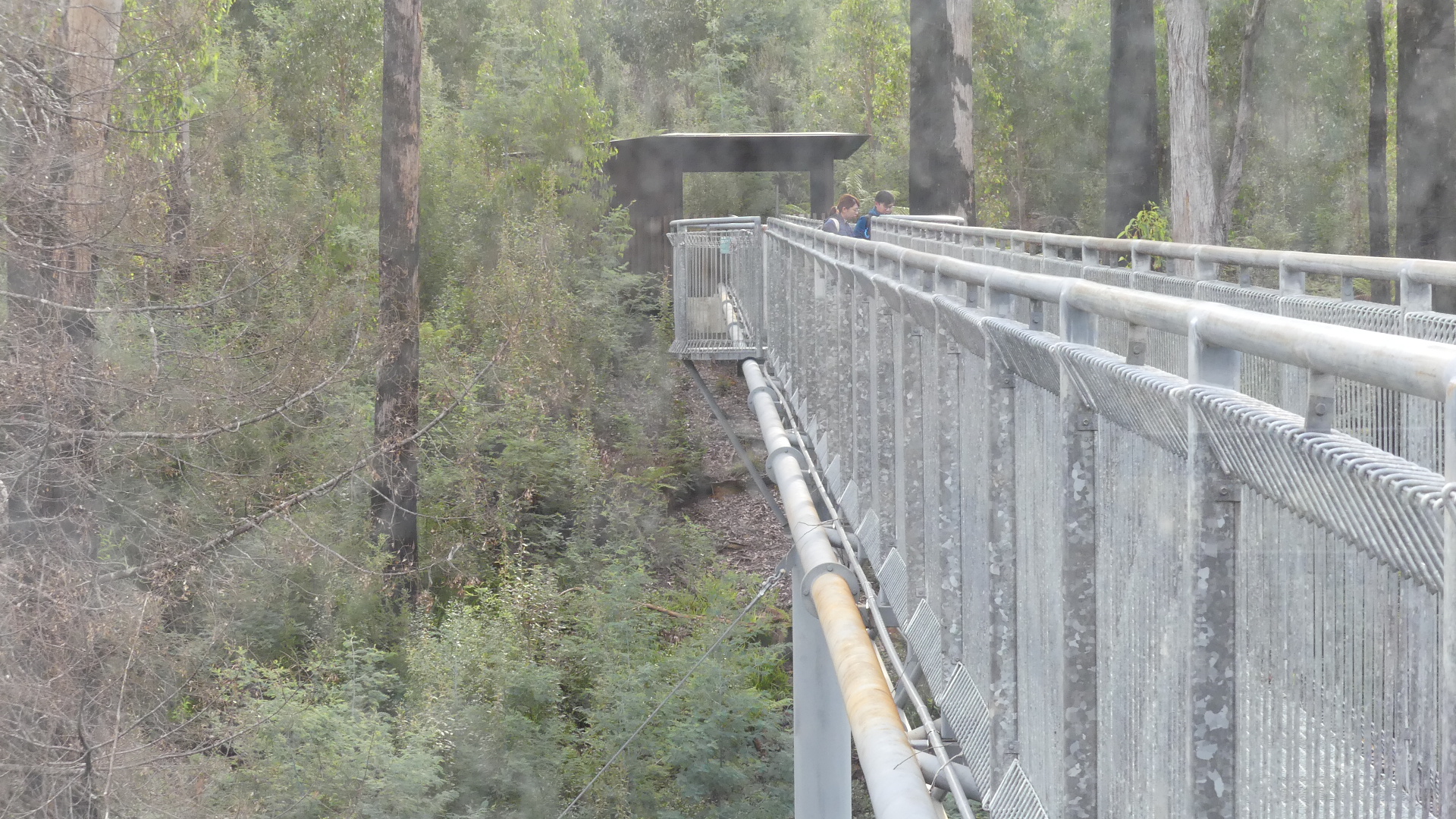
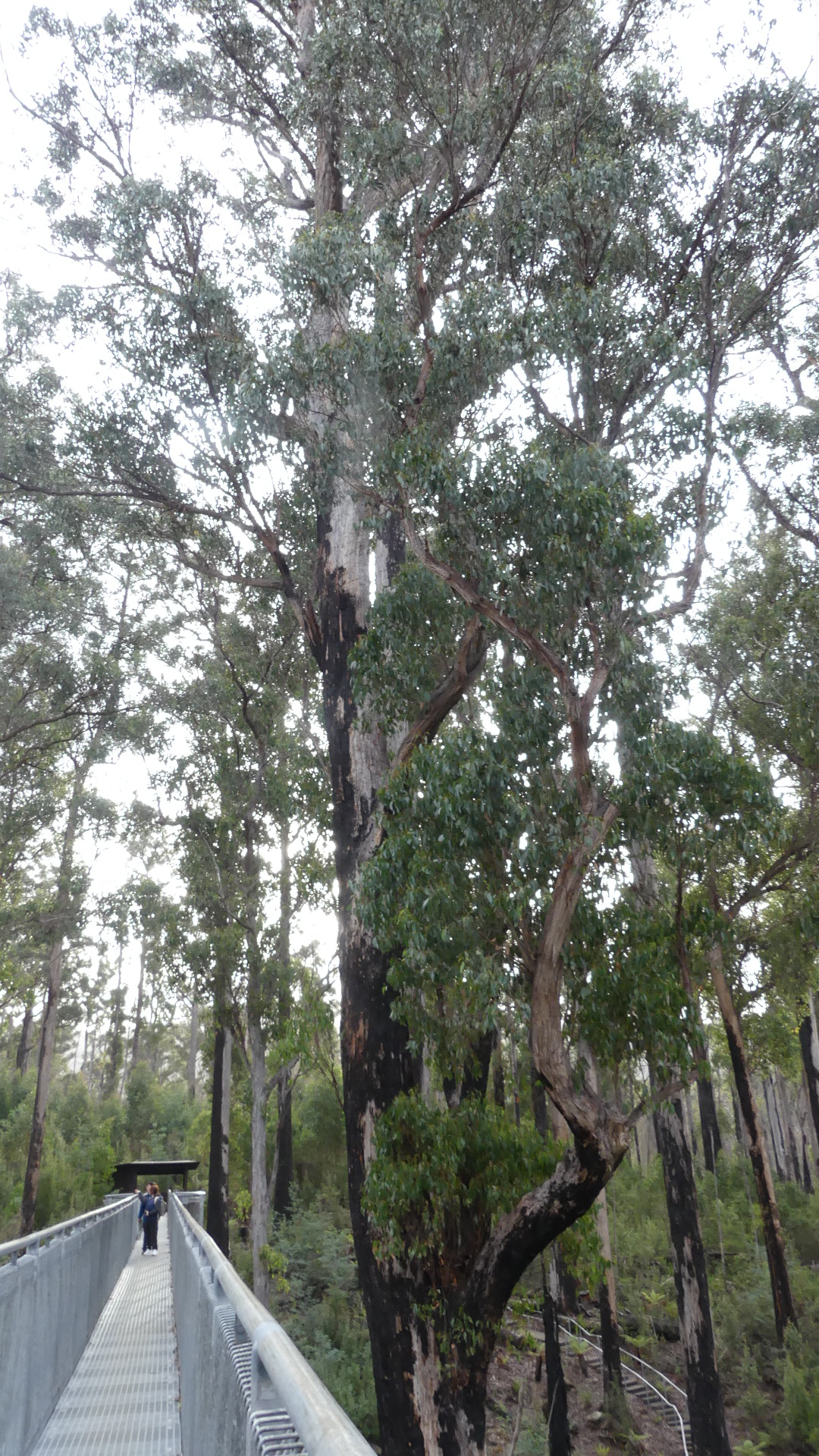
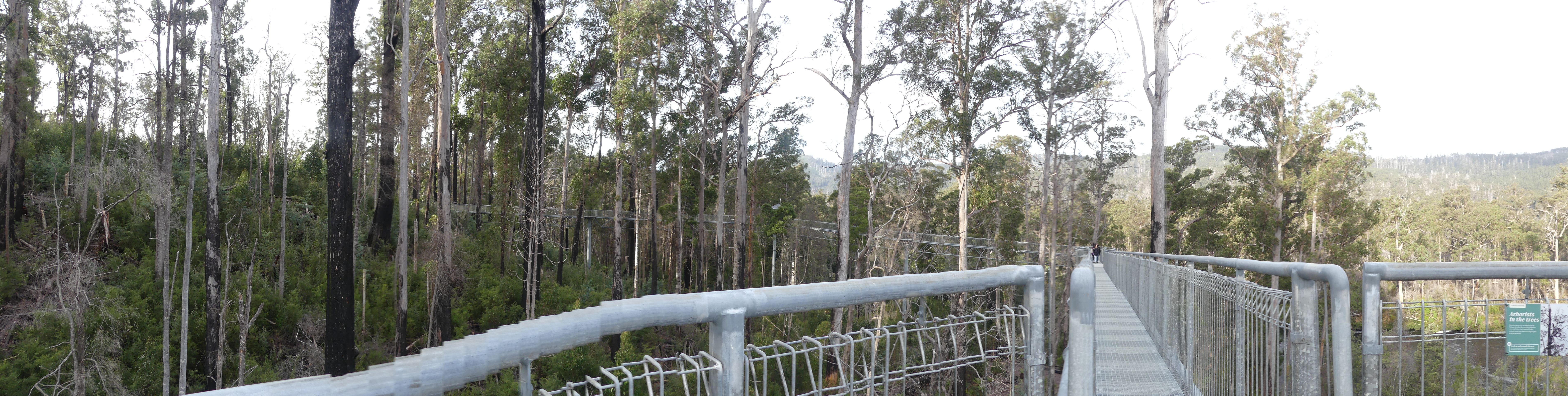

We were offered the opportunity to take the long walk or short walk back to the bus. The long walk had the attraction of a swinging bridge whereas the short walk had the bus, so I took the short walk. Good thing too, the driver came with me while the rest went on the long walk so I could rest while the driver panicked when the group did not come back by the designated time. I offered to stay with the bus and after two abortive attempts to find them, the group turned up oblivious to the time – did I say they were Japanese & Korean? On the road again and it was lunch time – we were stopping at Kermandie Hotel Port Huon on the mouth of the Huon River.
Port Huon, a small town on the Huon River, has a rich history tied to its role as a key port and hub for the apple and timber industries. Located around 40 km southwest of Hobart, it developed in the 19th century, mainly to support the bustling timber trade and the apple industry, both crucial to Tasmania’s economy. During World War II, Port Huon played a role in military logistics. The Australian and U.S. navies used the nearby waters for strategic operations, and the port served as a repair and refueling station. In recent decades, the area around Port Huon has seen significant growth in the aquaculture industry, particularly salmon farming, which has become a major part of Tasmania’s economy. This industry now provides employment and supports the local economy.
Today, Port Huon is known for its scenic beauty, with views over the Huon River and surrounding hills, and draws visitors interested in Tasmania’s natural environment and local produce, especially apples and seafood. Its history as a port, agricultural hub, and center for timber and salmon farming remains an important part of its character.
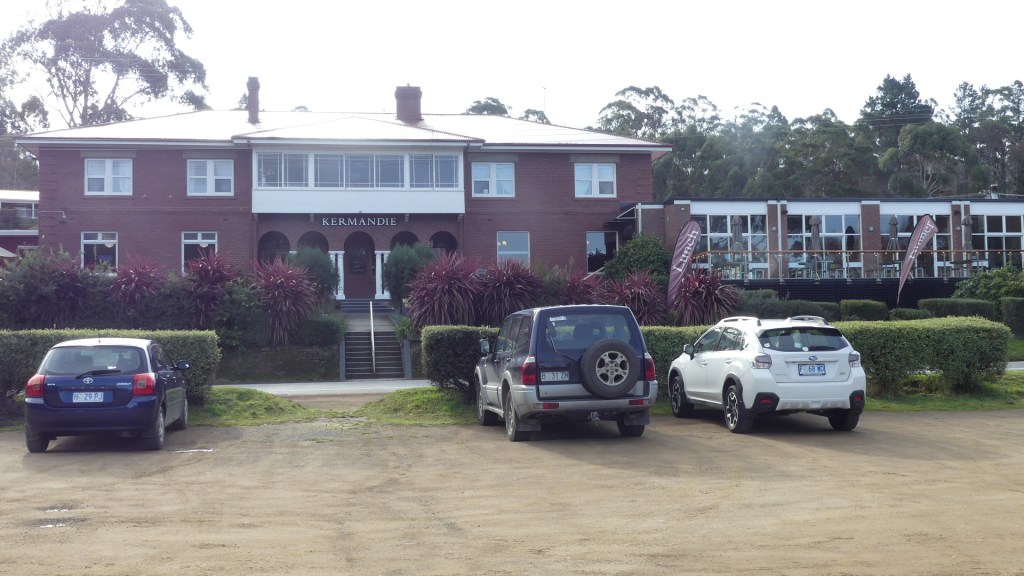
We stopped at the Kermandie Hotel. Charming old building decorated with the history of French exploration. The notable French expeditions to the region were led by explorers such as Bruni d’Entrecasteaux and Nicolas Baudin. In 1792 and 1793, Rear Admiral Antoine Raymond Joseph de Bruni d’Entrecasteaux was sent by the French government to search for the lost expedition of fellow explorer Jean-François de Galaup, comte de Lapérouse. While searching, d’Entrecasteaux charted much of Tasmania’s coastline.The Huon River and subsequently Port Huon were named after Vice-Admiral Jean-Michel Huon de Kermadec, one of the expedition’s officers.
Nicolas Baudin arrived in Tasmanian waters in 1802. This expedition also mapped various parts of Tasmania and was significant in gathering scientific data. The French naturalists and artists aboard Baudin’s ships, including François Péron and Charles-Alexandre Lesueur, extensively documented the plants, animals, and landscapes, leaving a rich archive of illustrations and descriptions. The expedition anchored in areas around the Huon Valley and the channel, further solidifying French influence on place names in the area.
The hotel carries this history on its walls. Although the exterior may disappoint the interior has a 19th century charm.



Loaded with all accounted for, we headed back the way we had come to the Tahune Forest. One beer and a meal meant nap time for me so whilst the others prattled on in their own languages, I spent a little time walking amongst the stars. Safely home I found Kerry rested in bed and restless to do something as usual. So, I took her for dinner.
Our time on tour over we flew back to Brisbane and planning for our next voyage off the beaten track.
December 2024















 glendon1954