THE RETIREES VISIT THE SOUTH ISLAND ACROSS THE DITCH blog 495 Episode 7

19TH MAY TO 10TH JUNE 2026

Day 17 Nelson

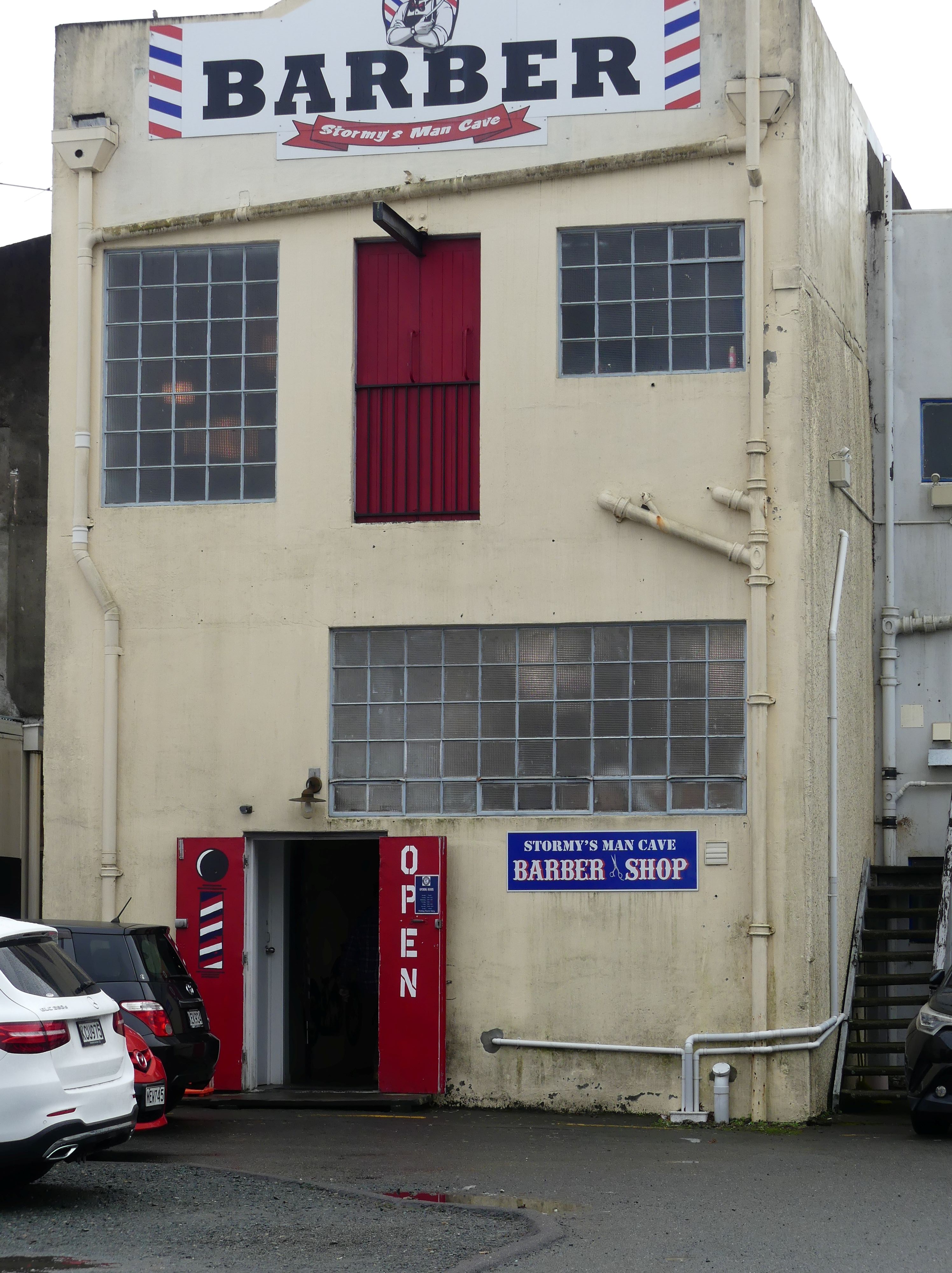
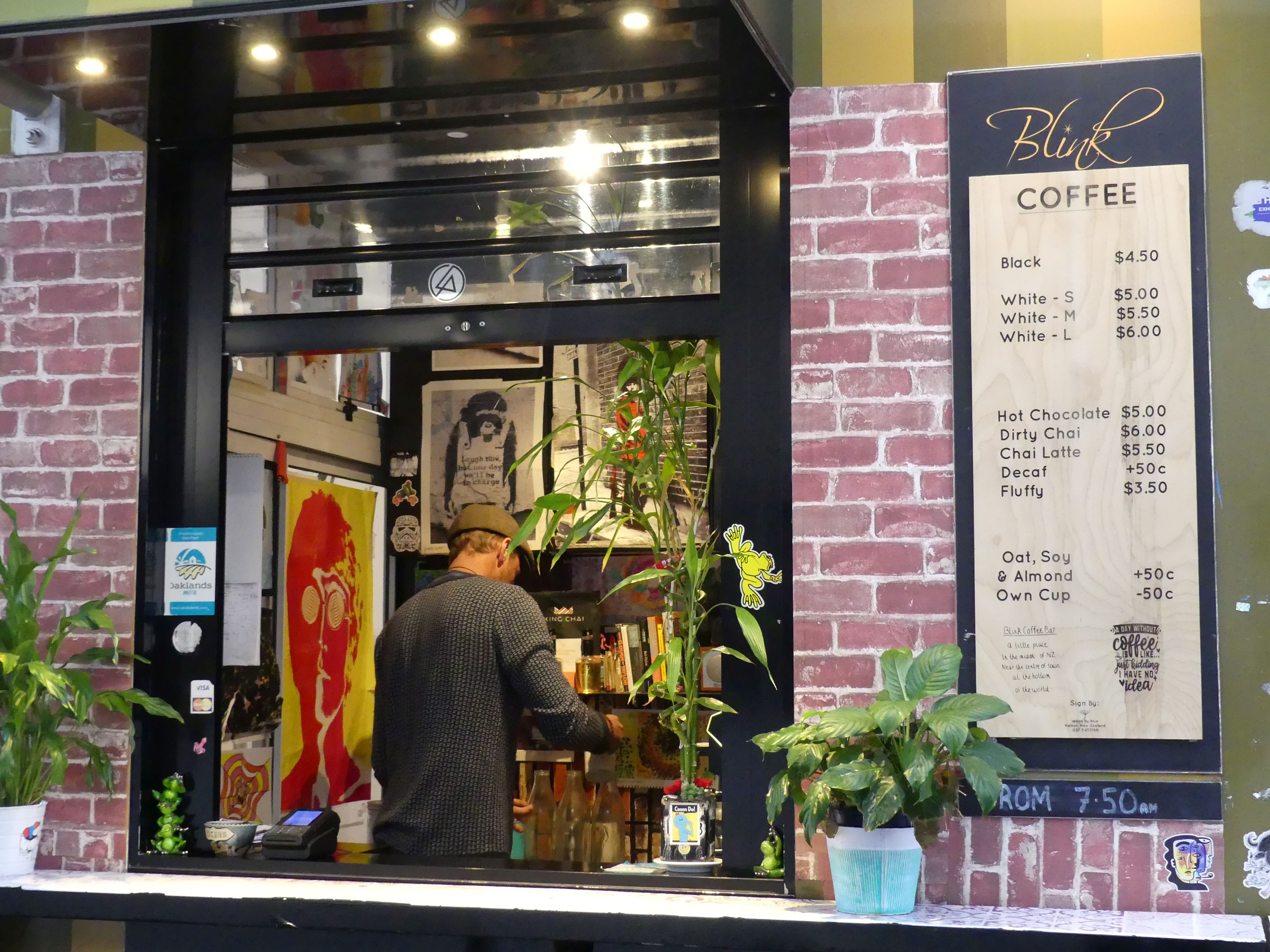
Our accommodation was just on the outer edge of the centre of town. We had not made any forward plan about the next day beyond looking around the CBD and we would take it as we found it. We awoke and decided that we would eat breakfast at a café. The CBD was close but not that close so we bundled into the car and parked where we could and started the exploration of Nelson but the shops were in most cases closed for the weekend. We were on the hunt for a cafe and noted the town centre was interconnected with arcades. The town’s designers must have had the notion that arcades were the retail design of the future. Travelling through just one arcade we came to what would have to be one of the smallest of coffee shops – takeaway only. That would not suit so across the road and down the end of another arcade we found our breakfast destination. Finishing breakfast, I noticed a neighbouring building – a two-story barber’s shop with a delivery hoist on the first floor. I thought that was unique but in a heritage sense maintaining a disused warehouse.

Photos             tiny coffee shop, and barber’s shop.
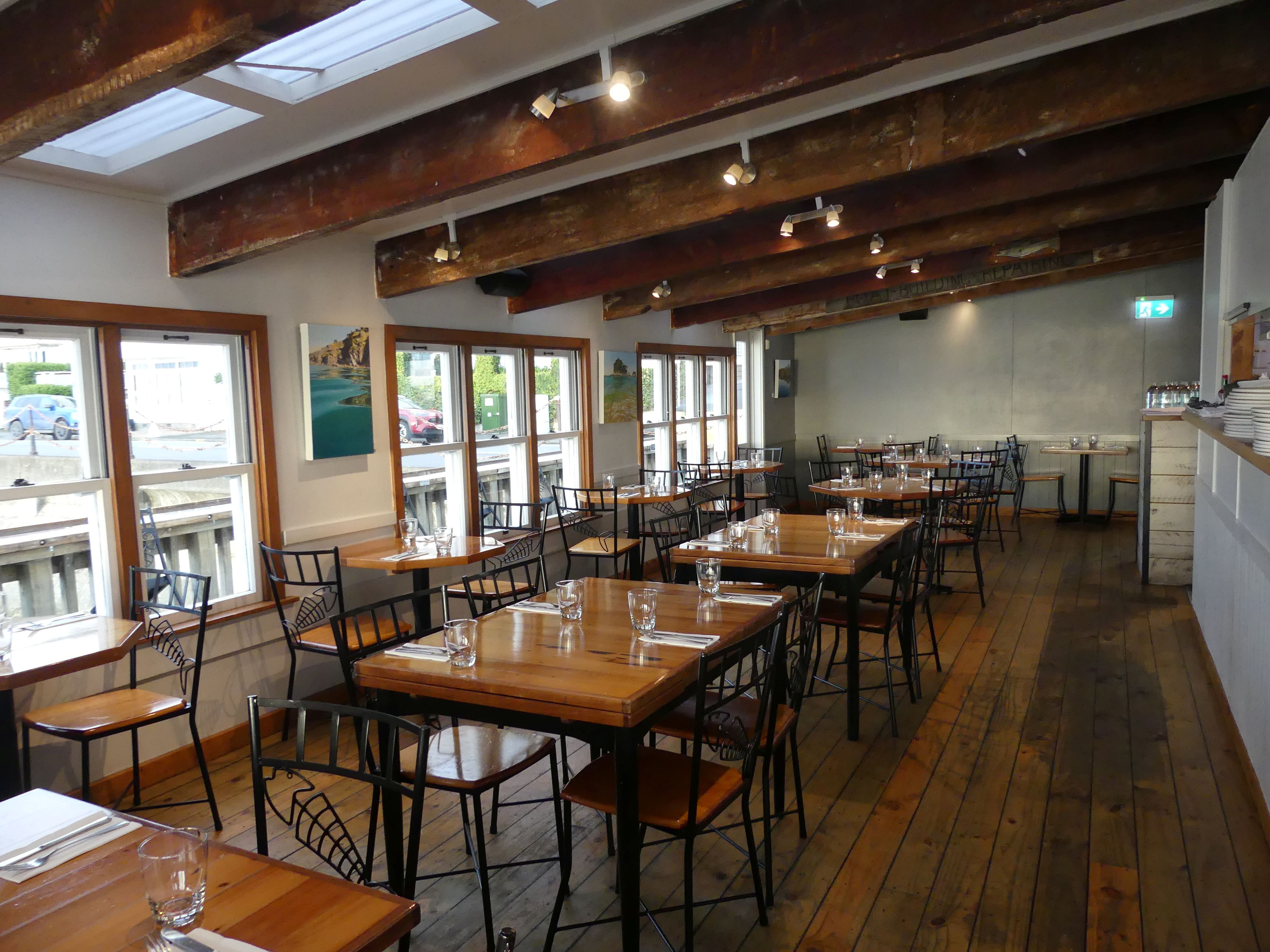
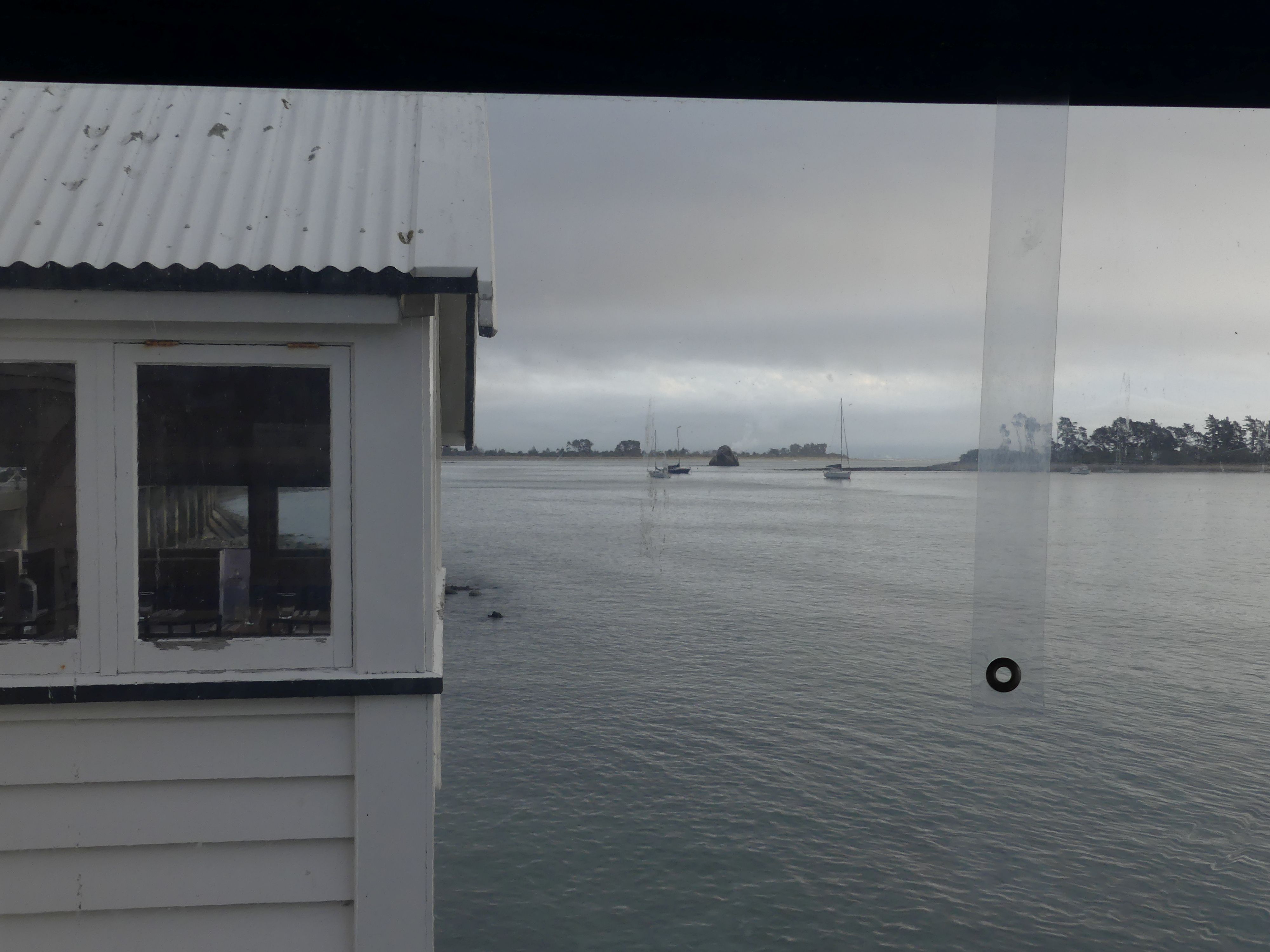
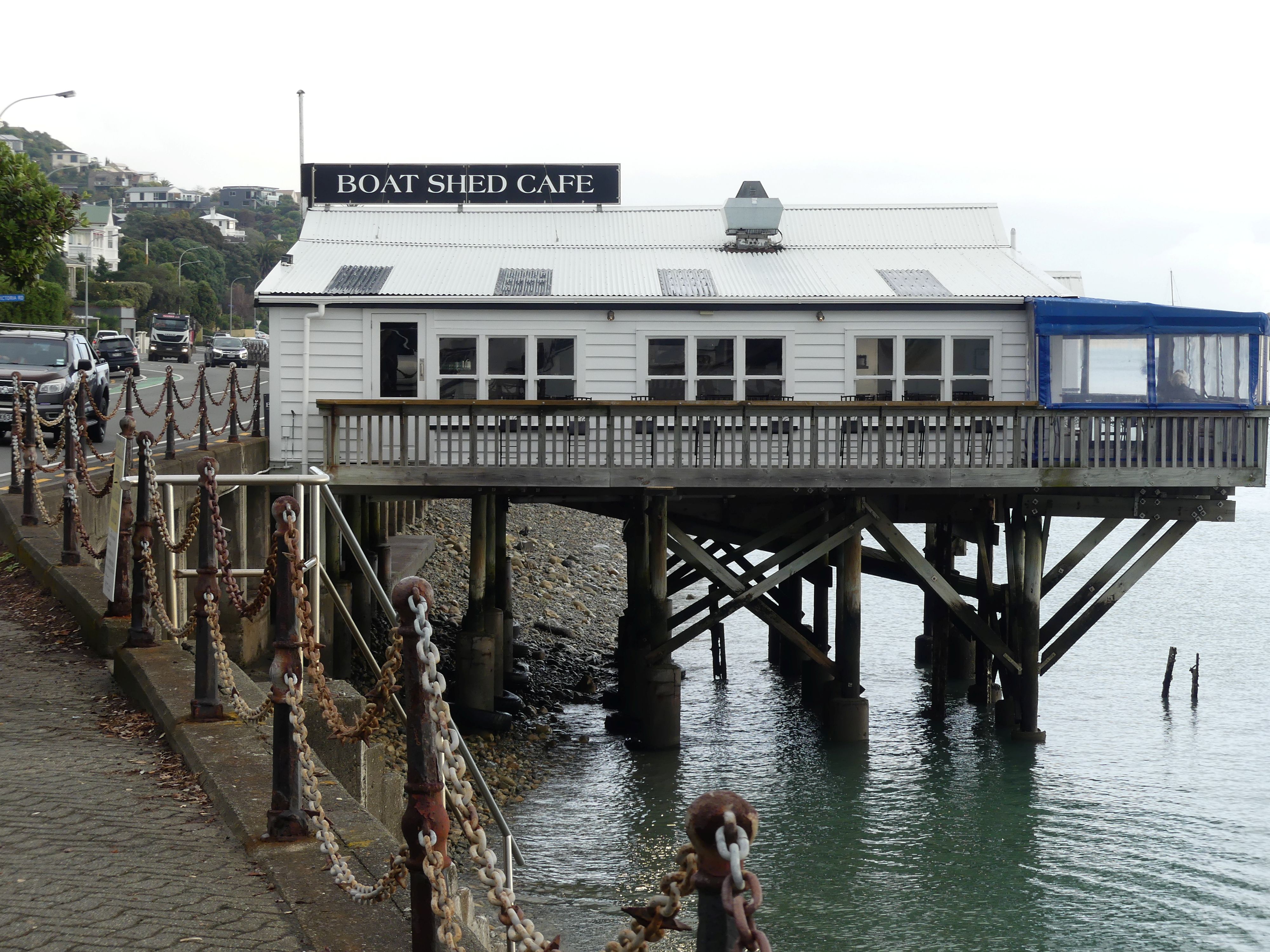
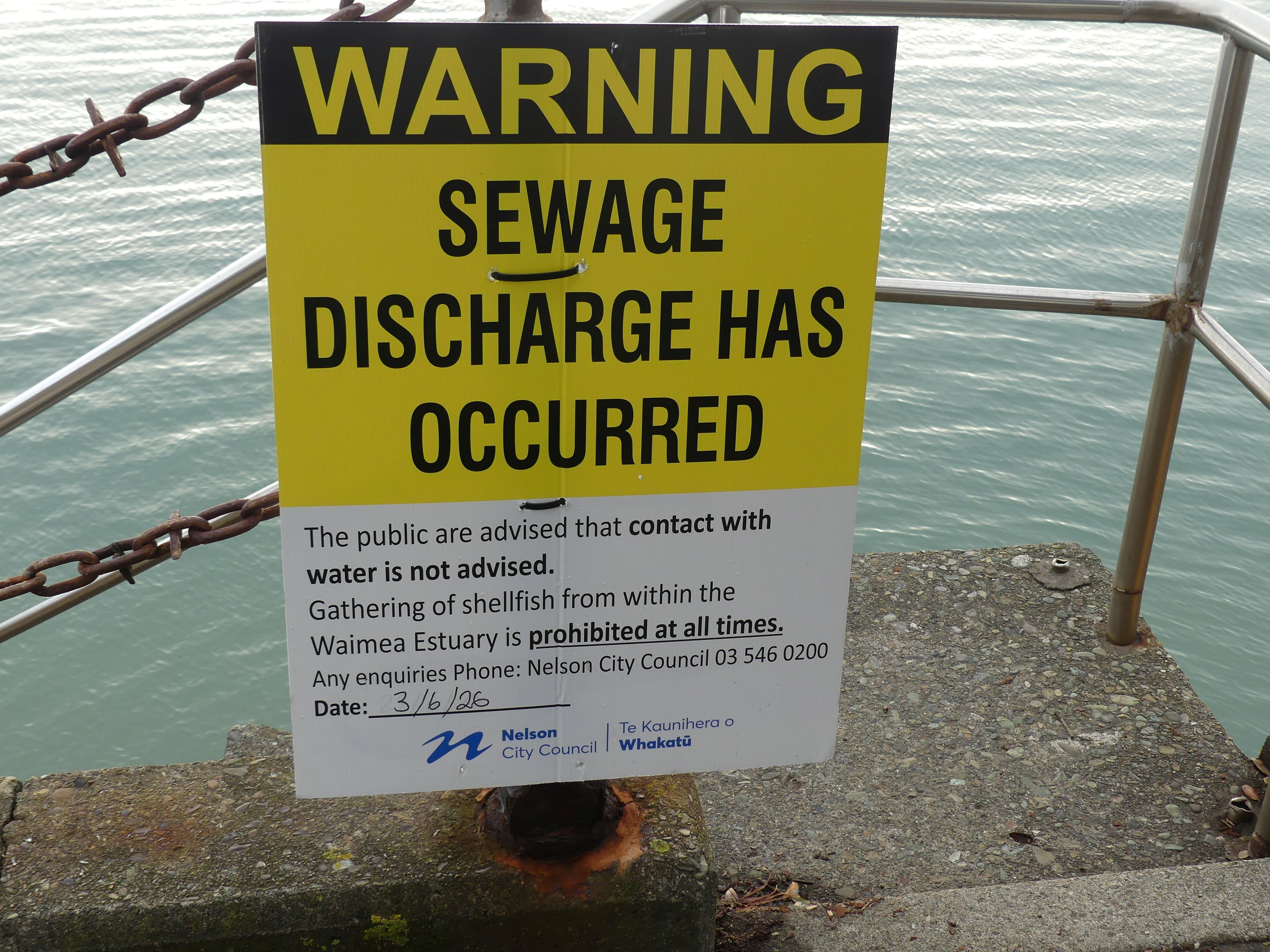
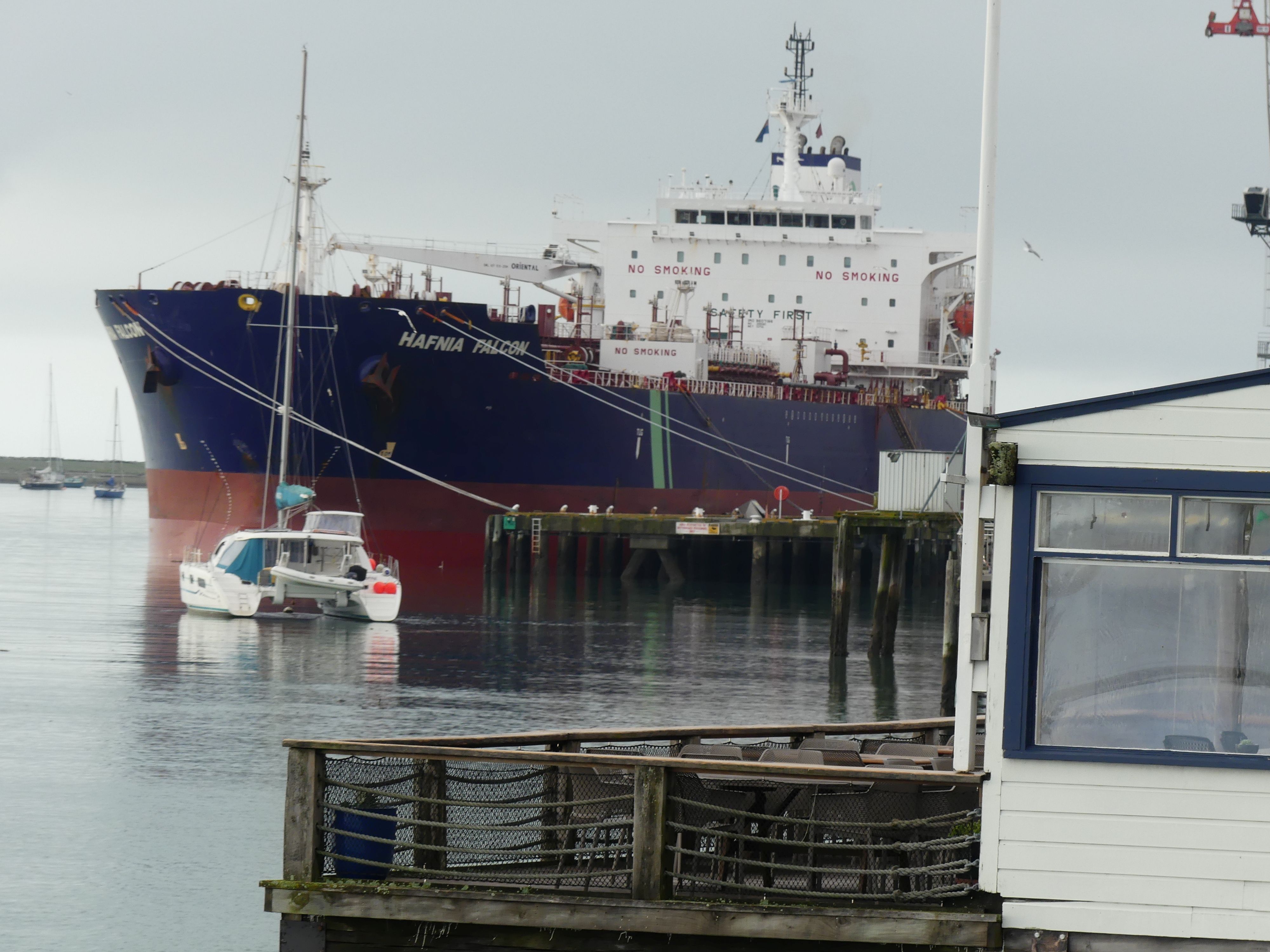
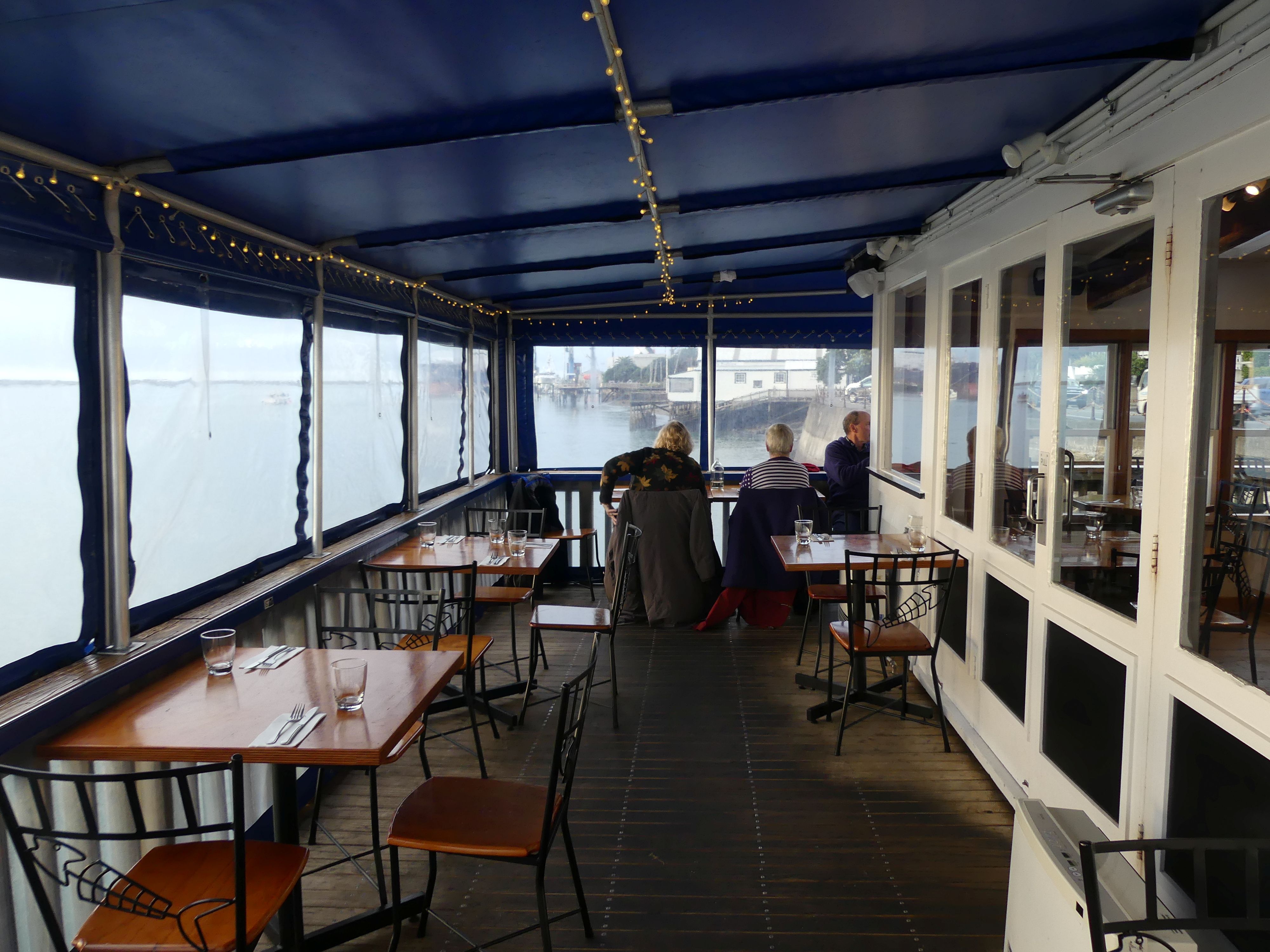
We motored around Nelson then drove along Queen Elizabeth II Dve, toward Picton, and then back to Wakefield Quay and Rocks Rd. At some point we turned around to head back to the motel and in doing so we noticed the Boat Shed in Wakefield Quay. I don’t know how we missed it earlier particularly with a container ship tied up nearby. We pulled off the road to visit the café and faced a public warning notice on the handrail announcing that there had been a sewerage spill and that contact with the water was not advised. Well, we had no intention of swimming, but we would check where the café drew its water. On entering the café, we became aware this was a restaurant. They were happy to serve coffee so long as we finished by 5.30pm. Also, they assured us their water didn’t come from the harbour – what a relief. A picturesque site but the menu was a bit rich for us, so we moved on to obtain our dinner elsewhere.

Boat Shed Cafe inside the Shed and view to the strait container ship, and public notice, .
Day 18               Nelson to Kaikoura   

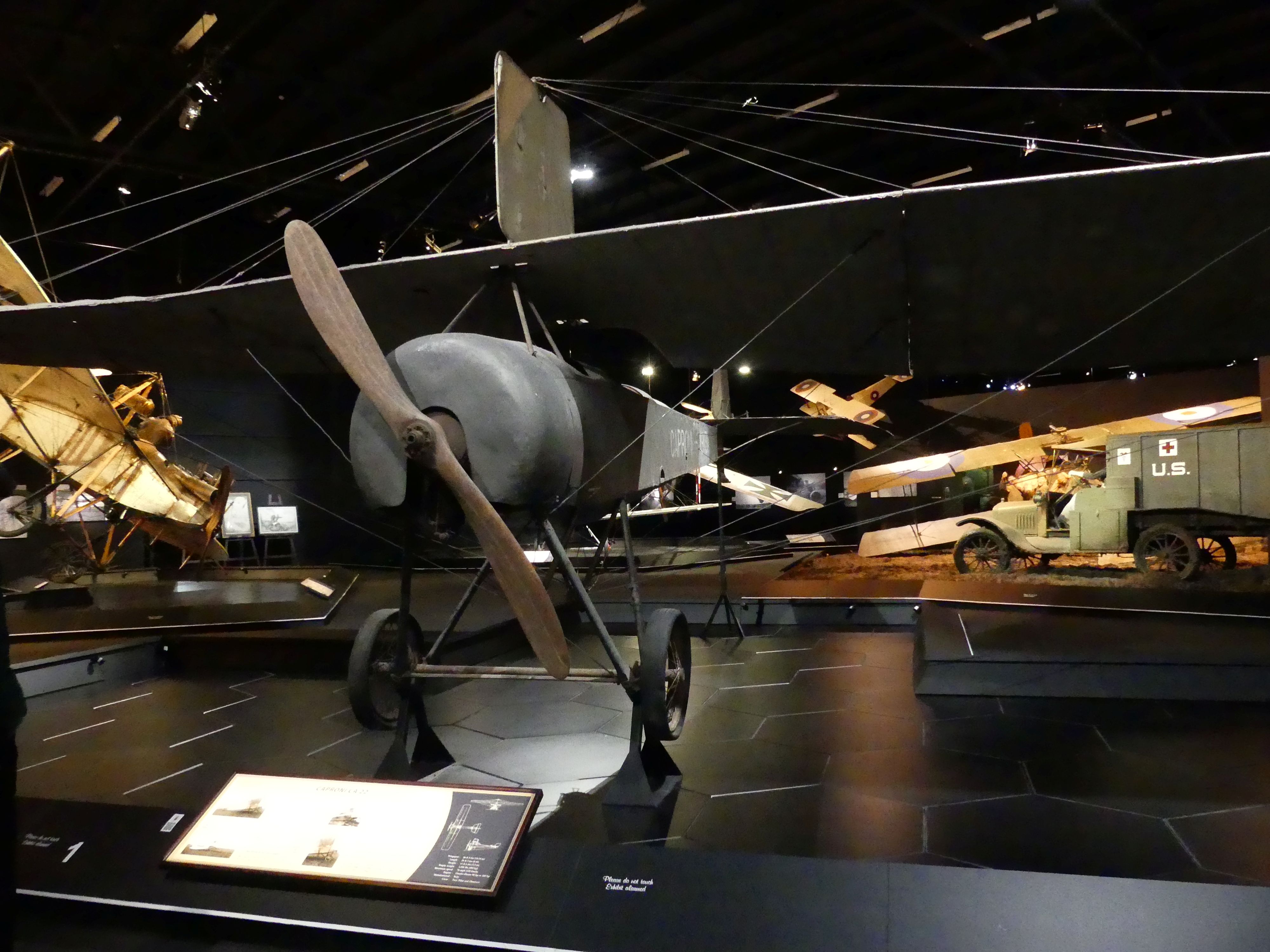
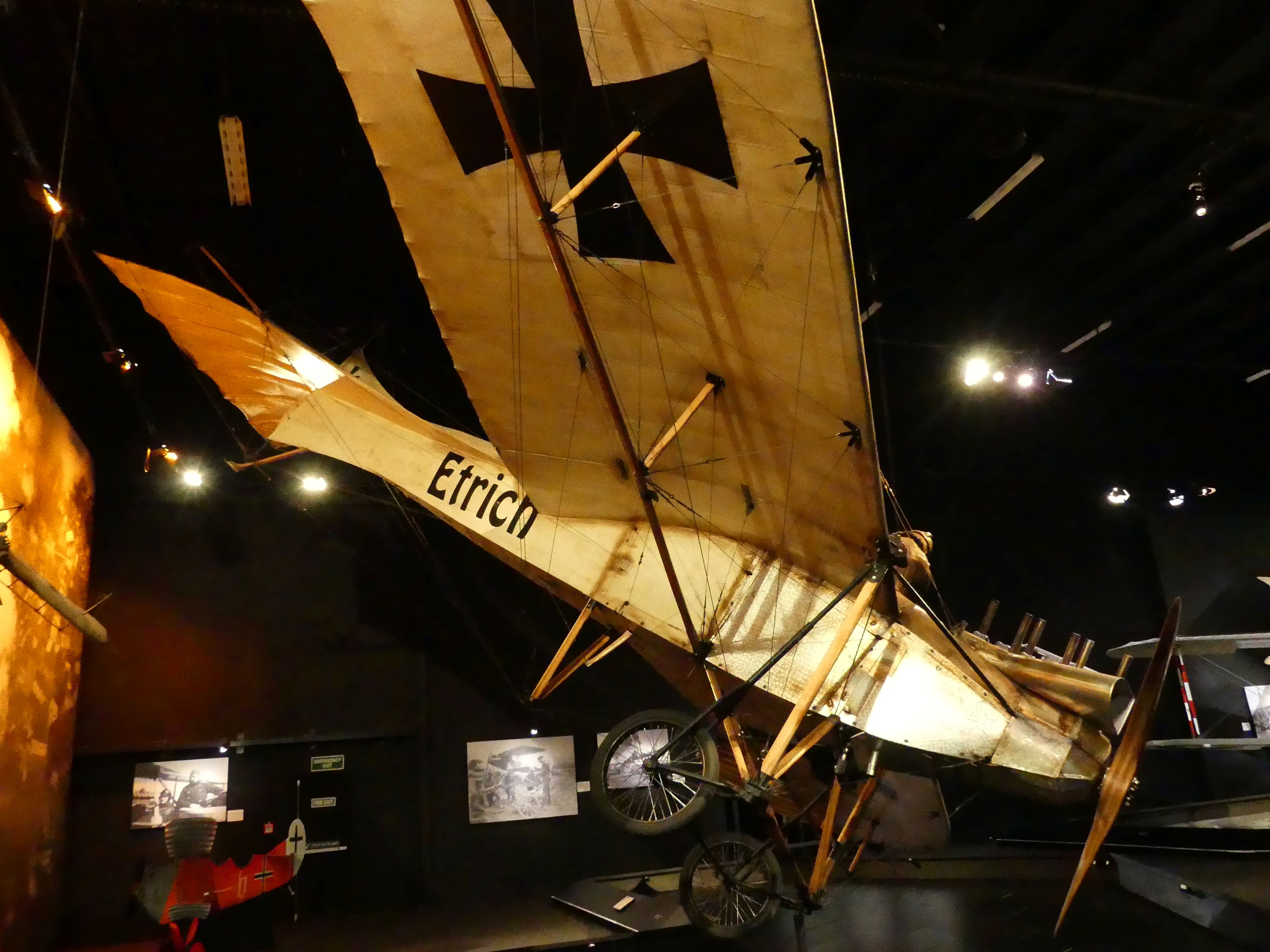
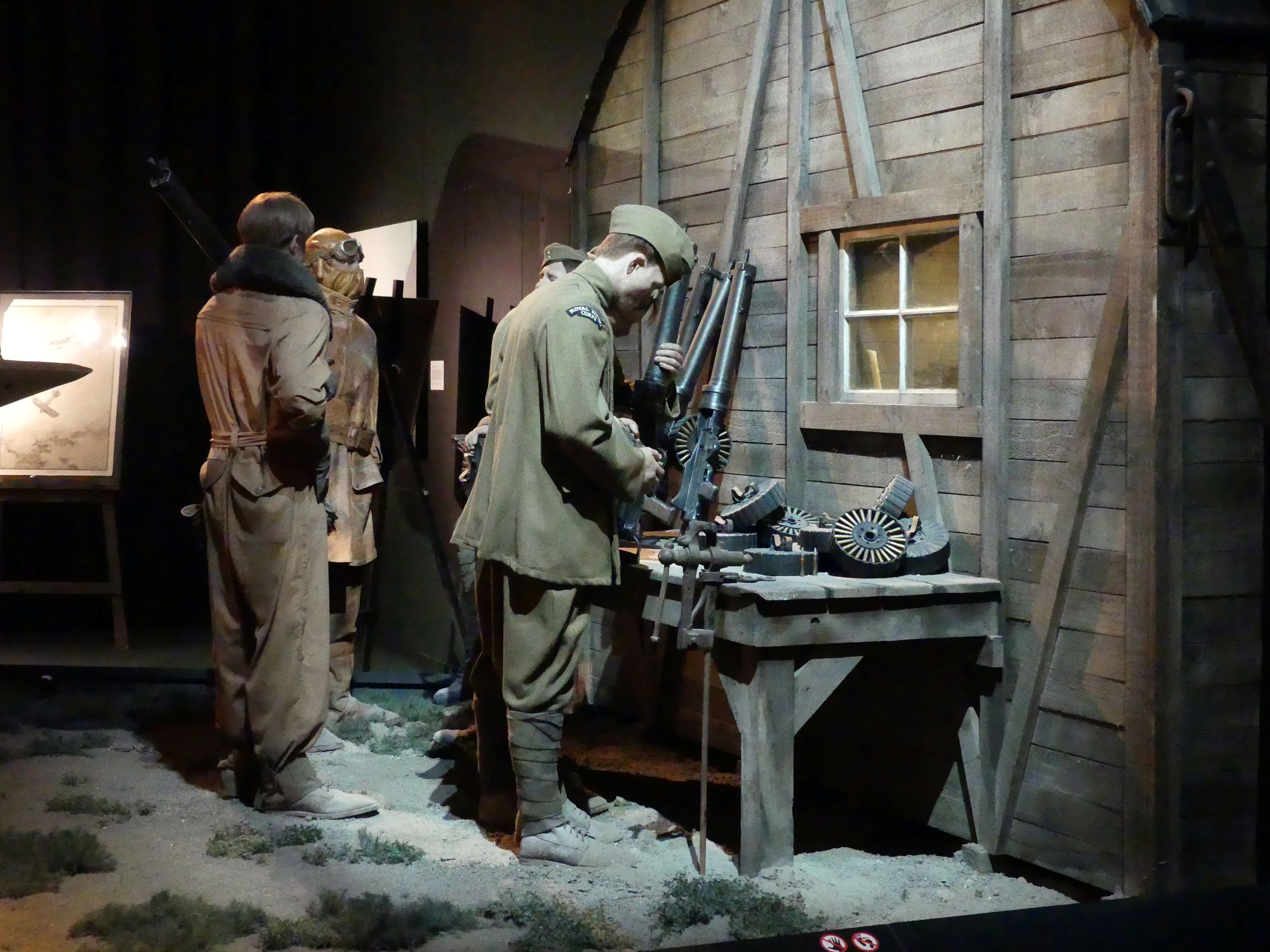
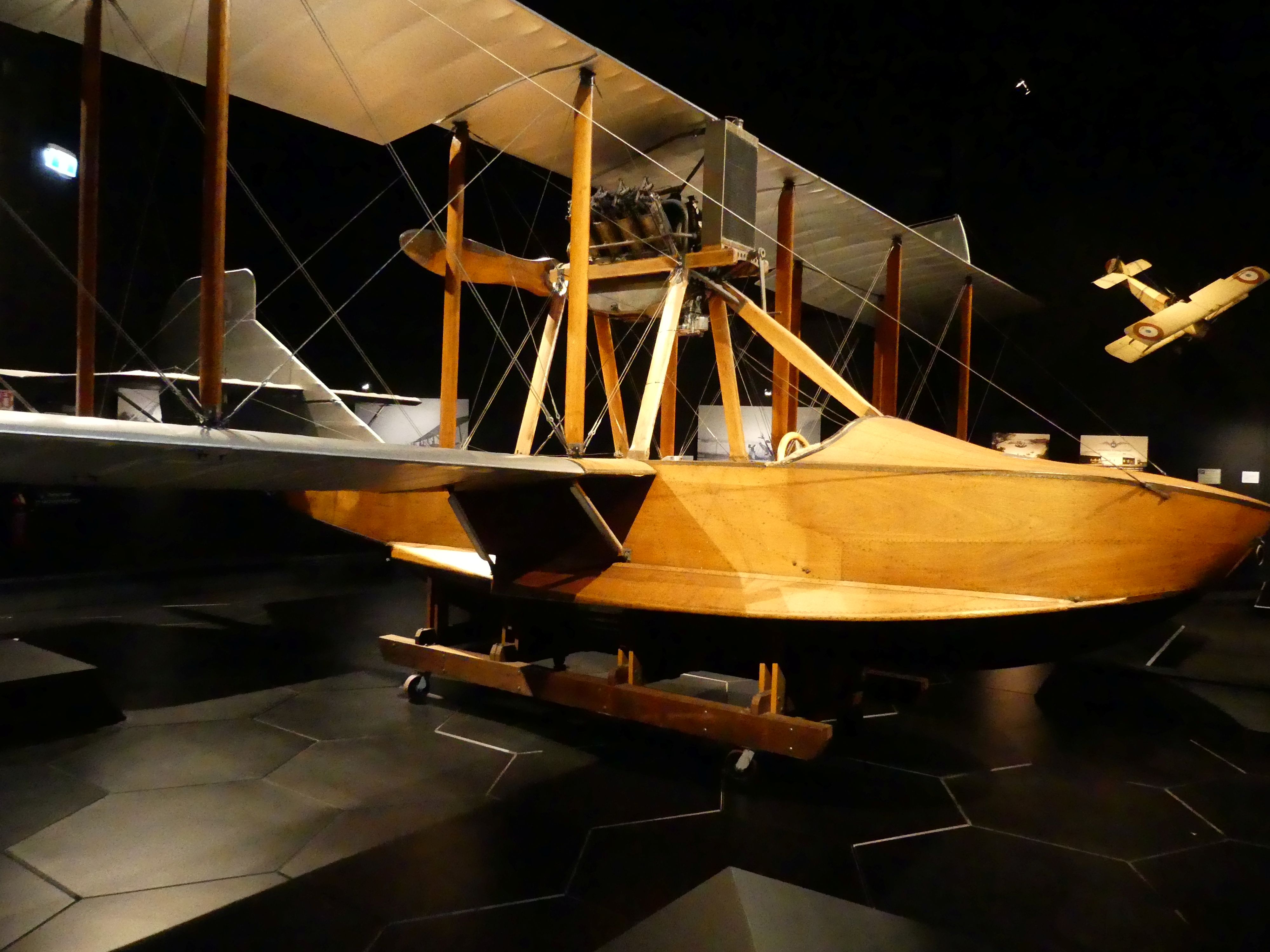
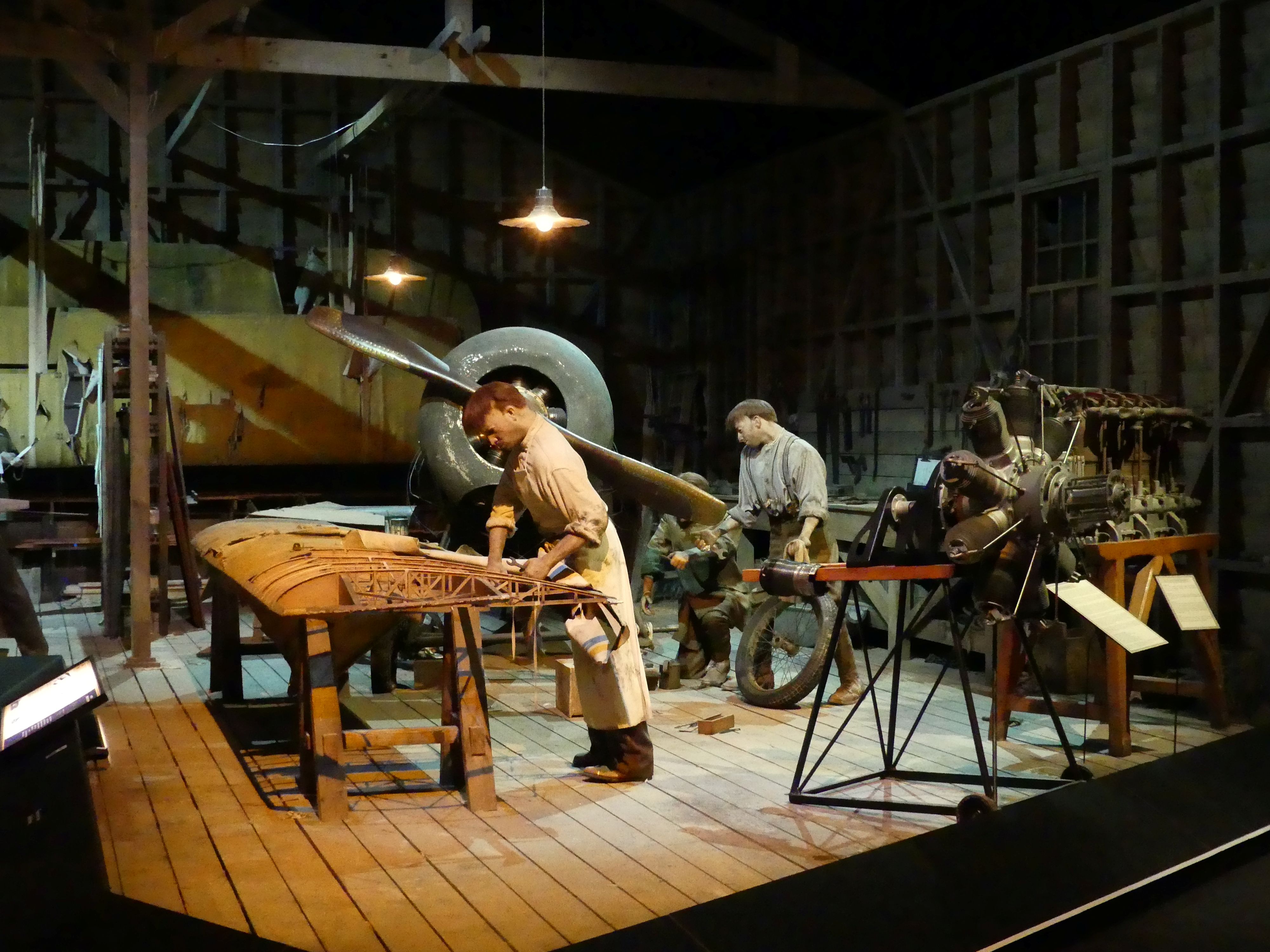
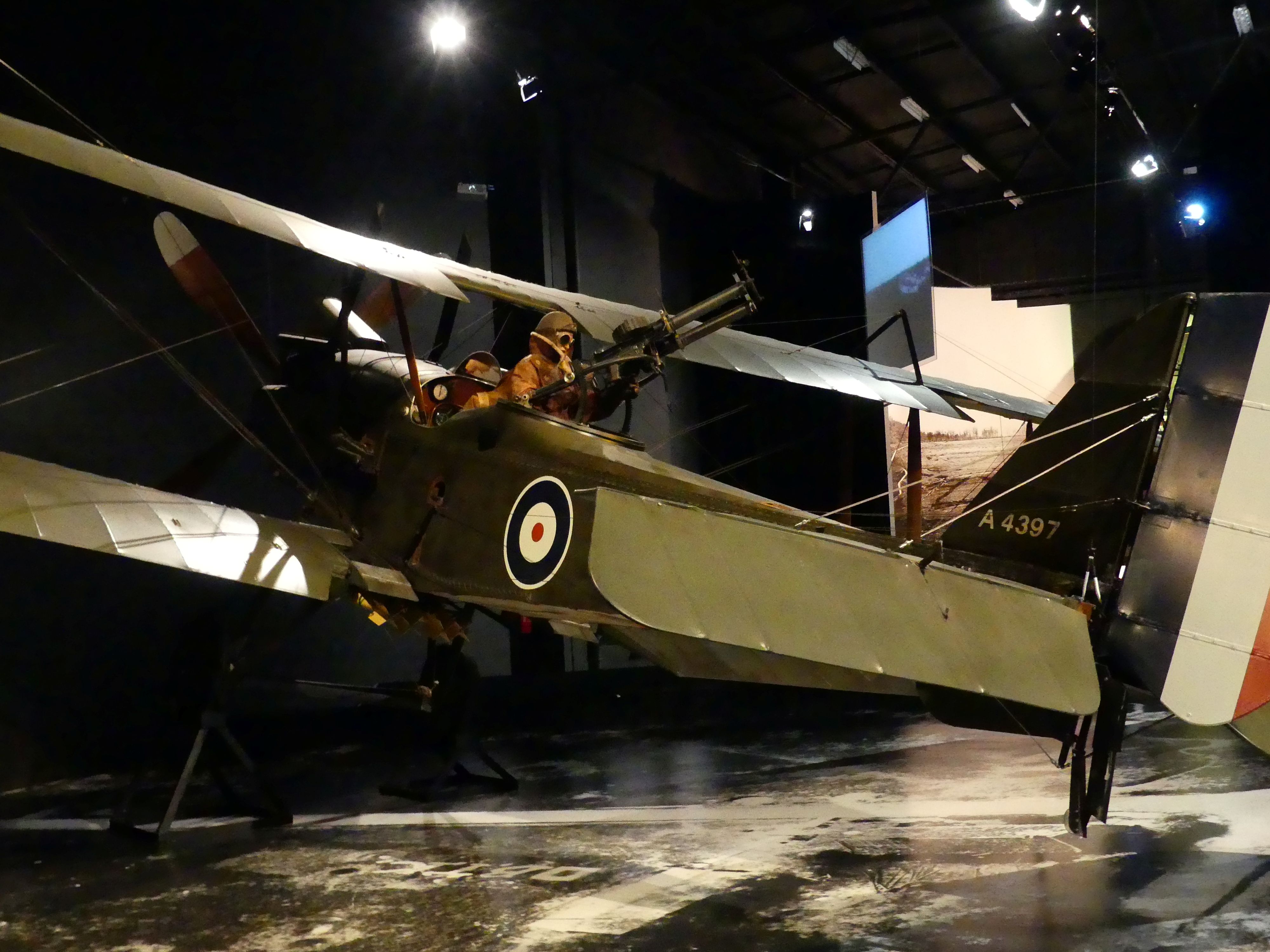
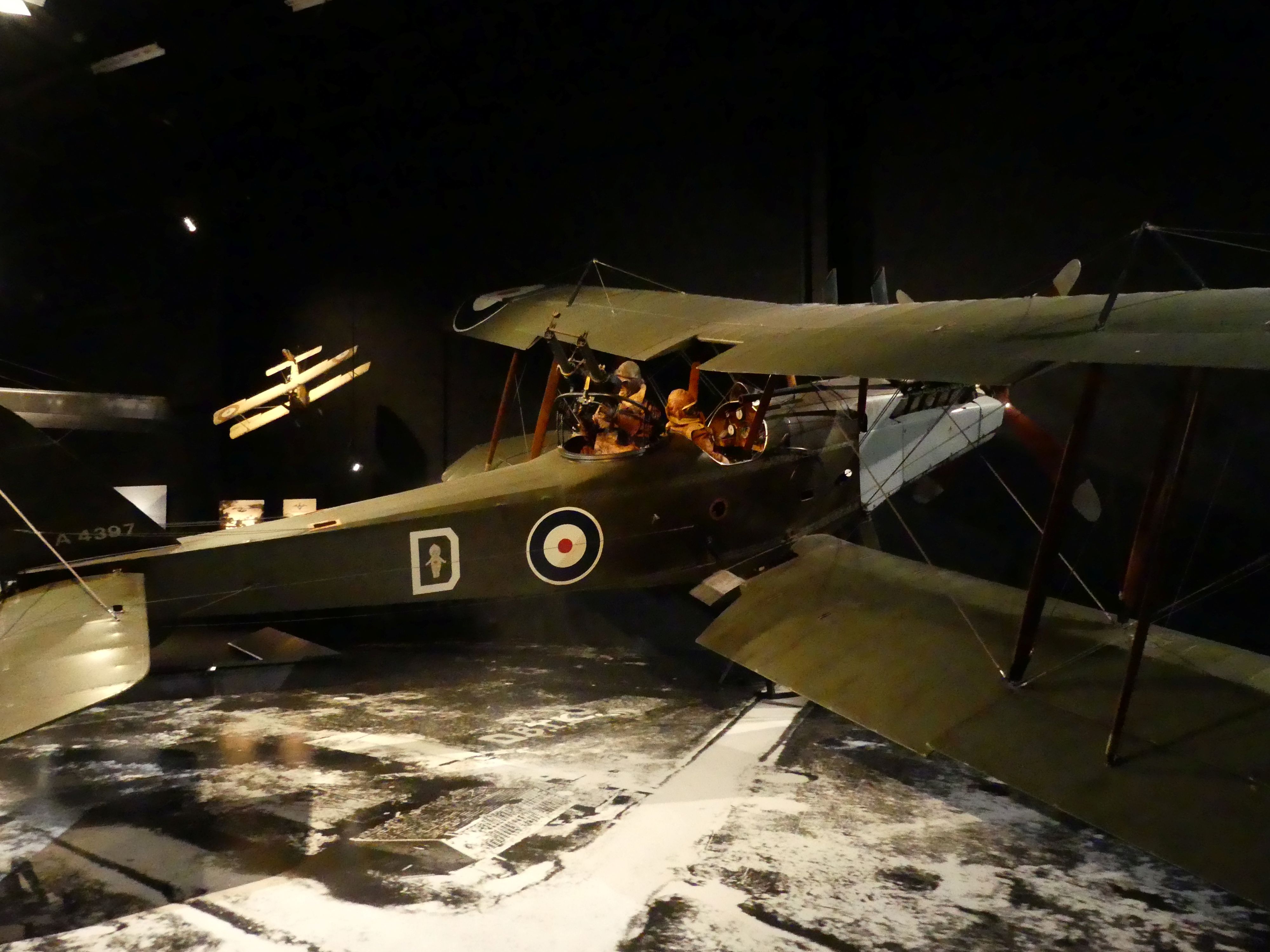
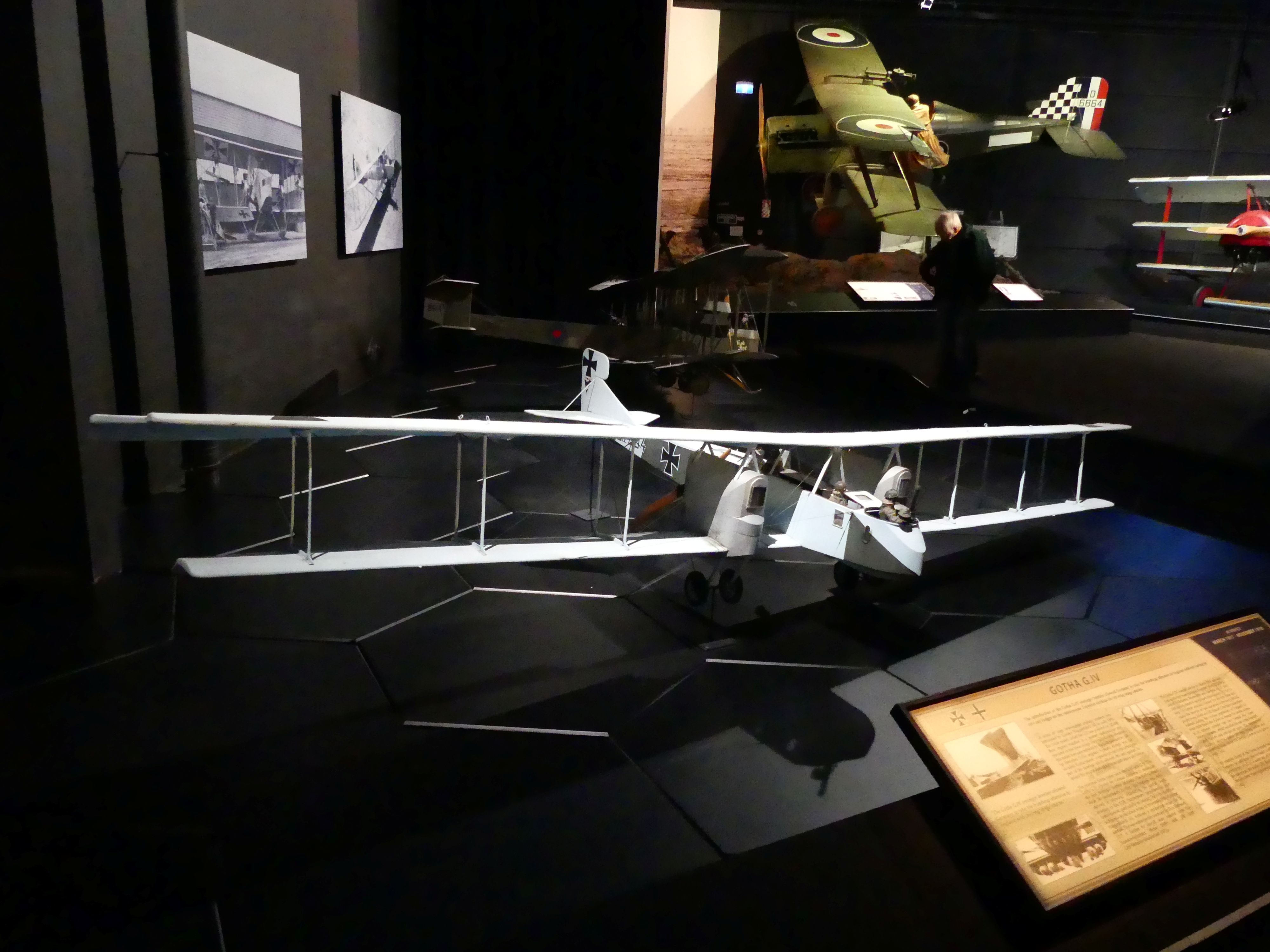
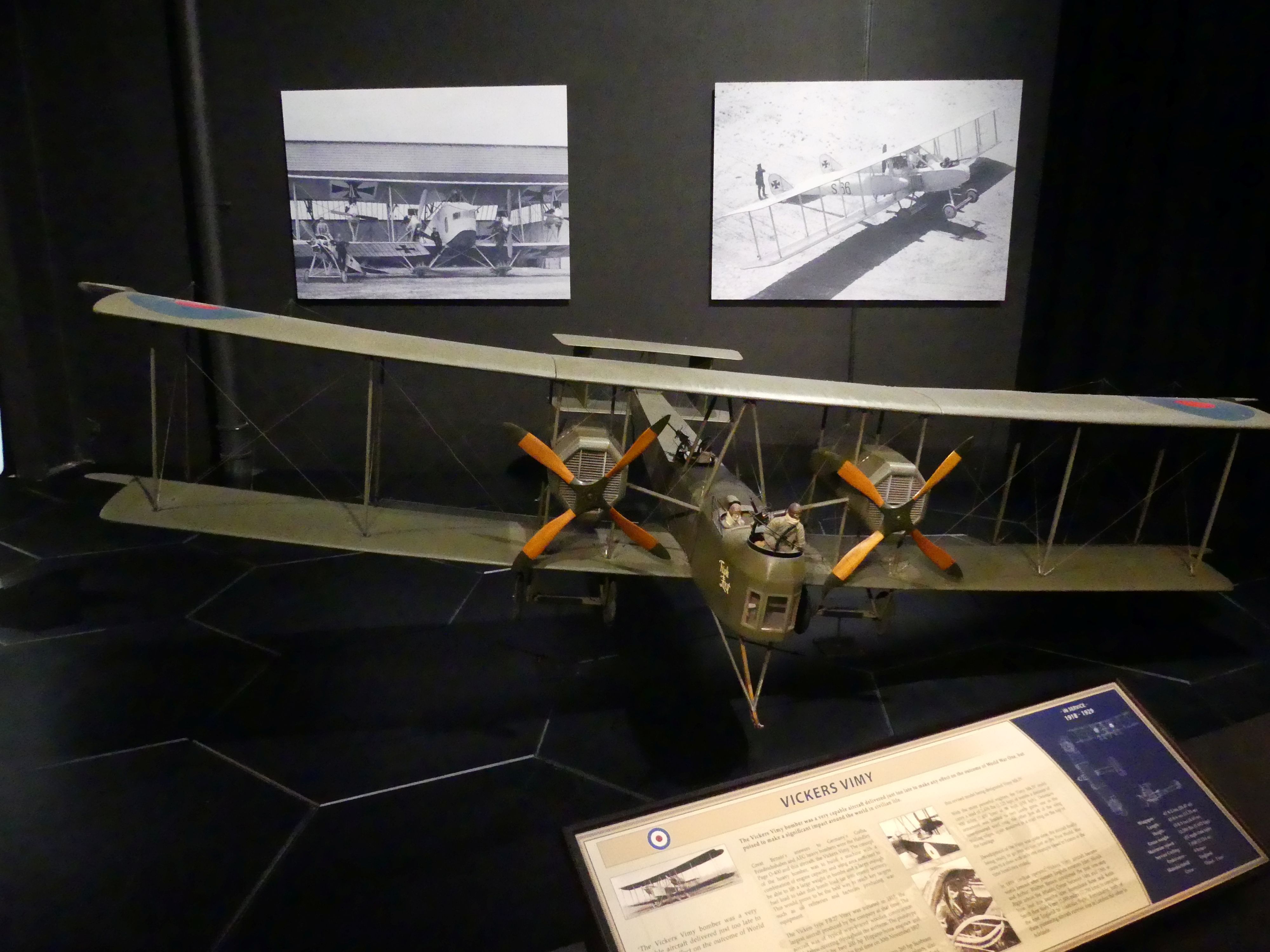
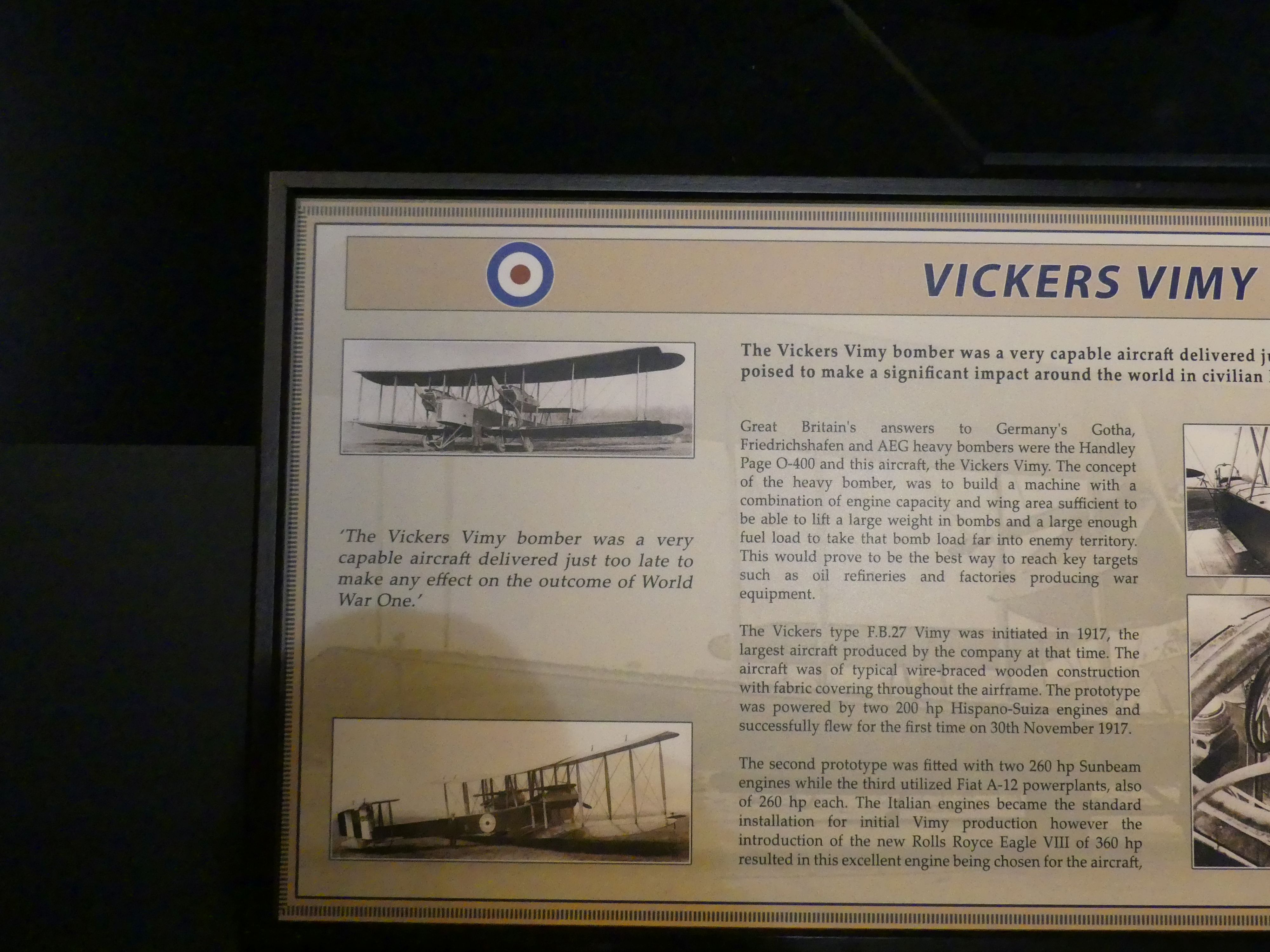
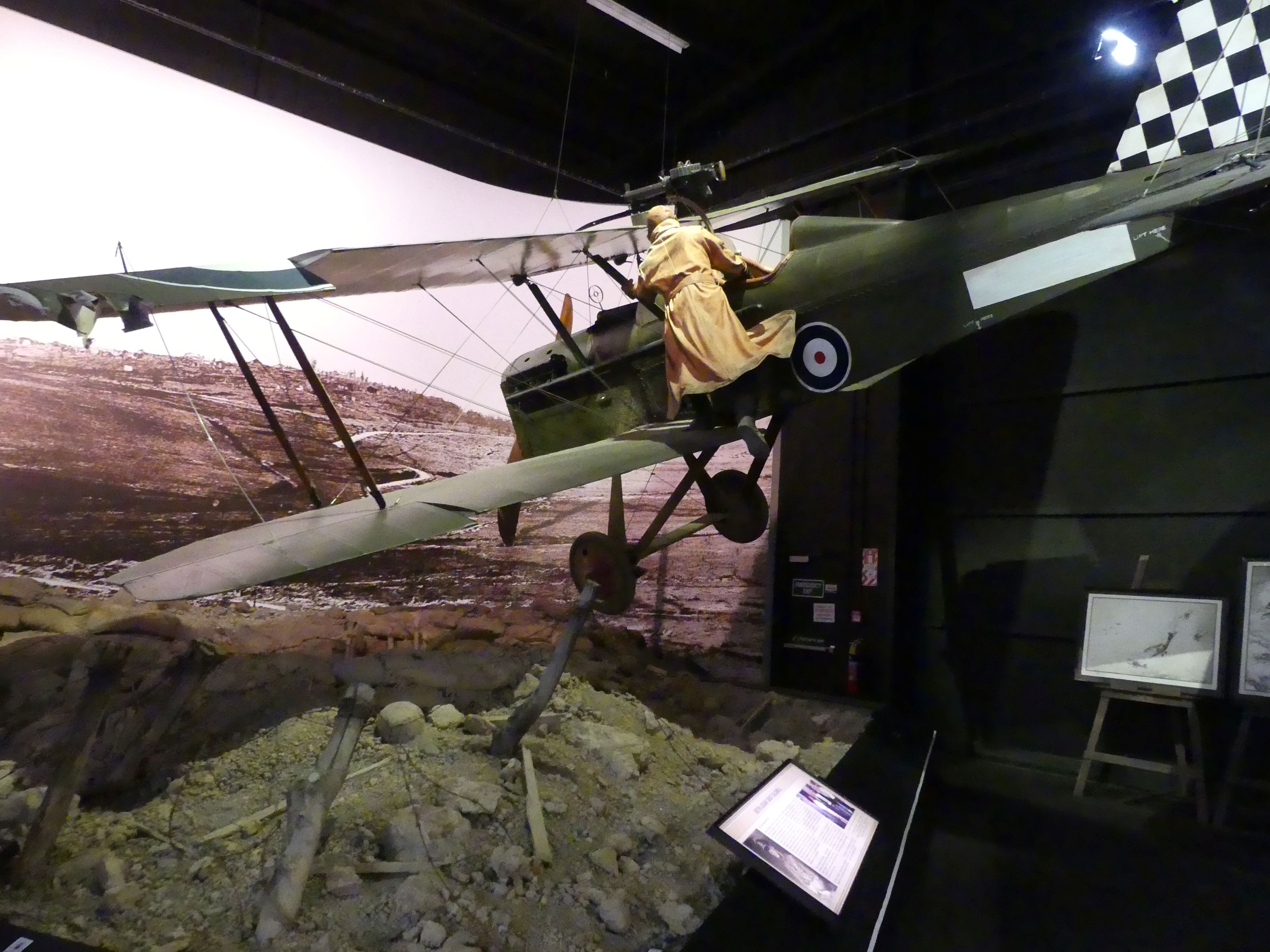
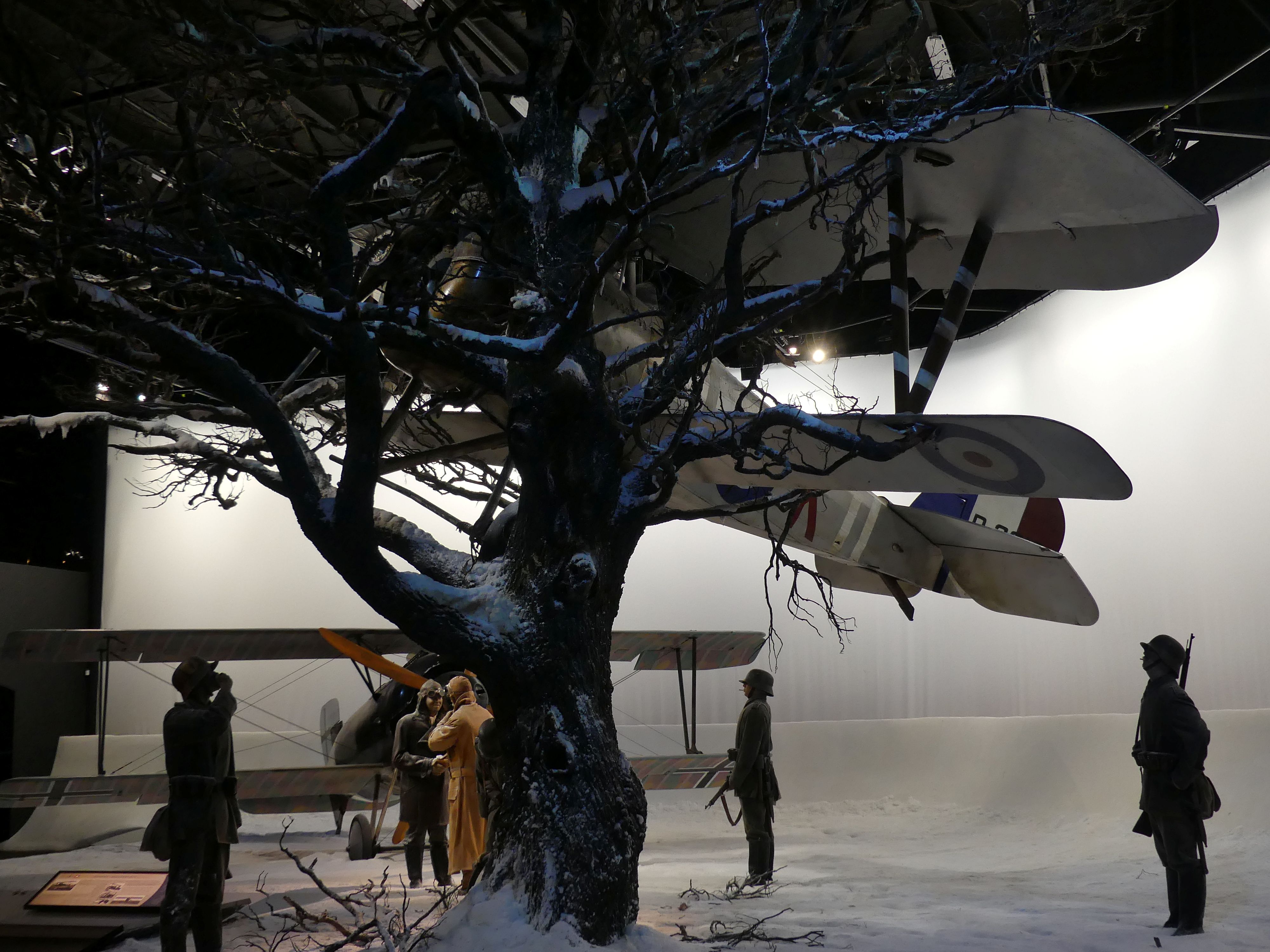
We left Nelson and travelled into the Marlborough district and vineyards. There were a few things we wanted to do on the way to Kaikoura one being to visit the Omaka Aviation Heritage Centre at Blenheim. Located in a hangar in Omaka aerodrome on the outskirts of Blenheim, Omaka Aviation Heritage Centre houses an astonishing collection of World War I and World War II fighter planes, along with artefacts and possessions from the battlefields of Europe. Inside, the story of the people who fought on both sides of the lines are brought to life through a series of stunning displays and dioramas. Covering everything from legendary heroes, like Eddie Rickenbacker and Manfred von Richthofen, to local New Zealanders who travelled back to Europe to defend the crown, the museum’s two exhibitions are fascinating and sobering.

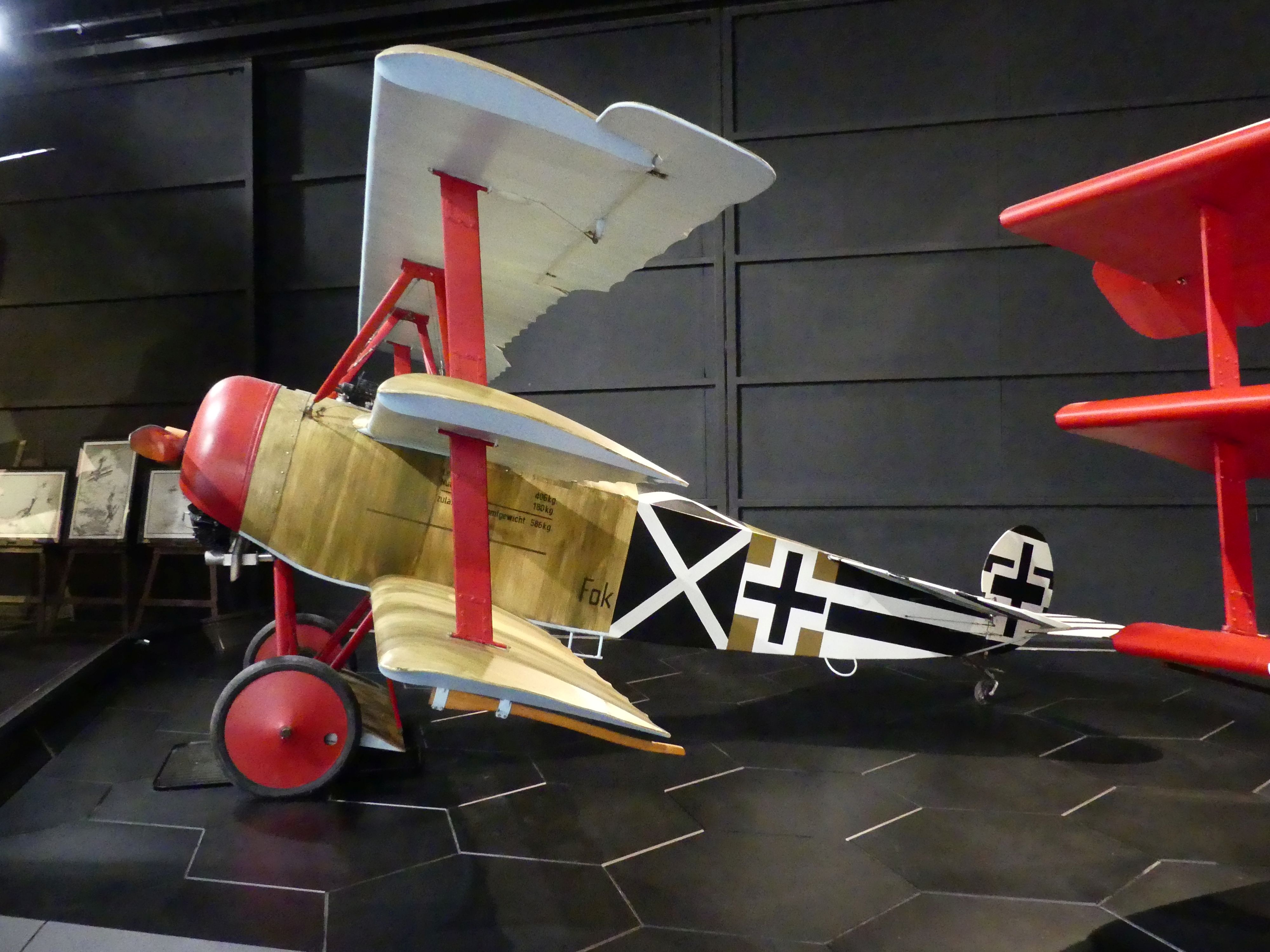
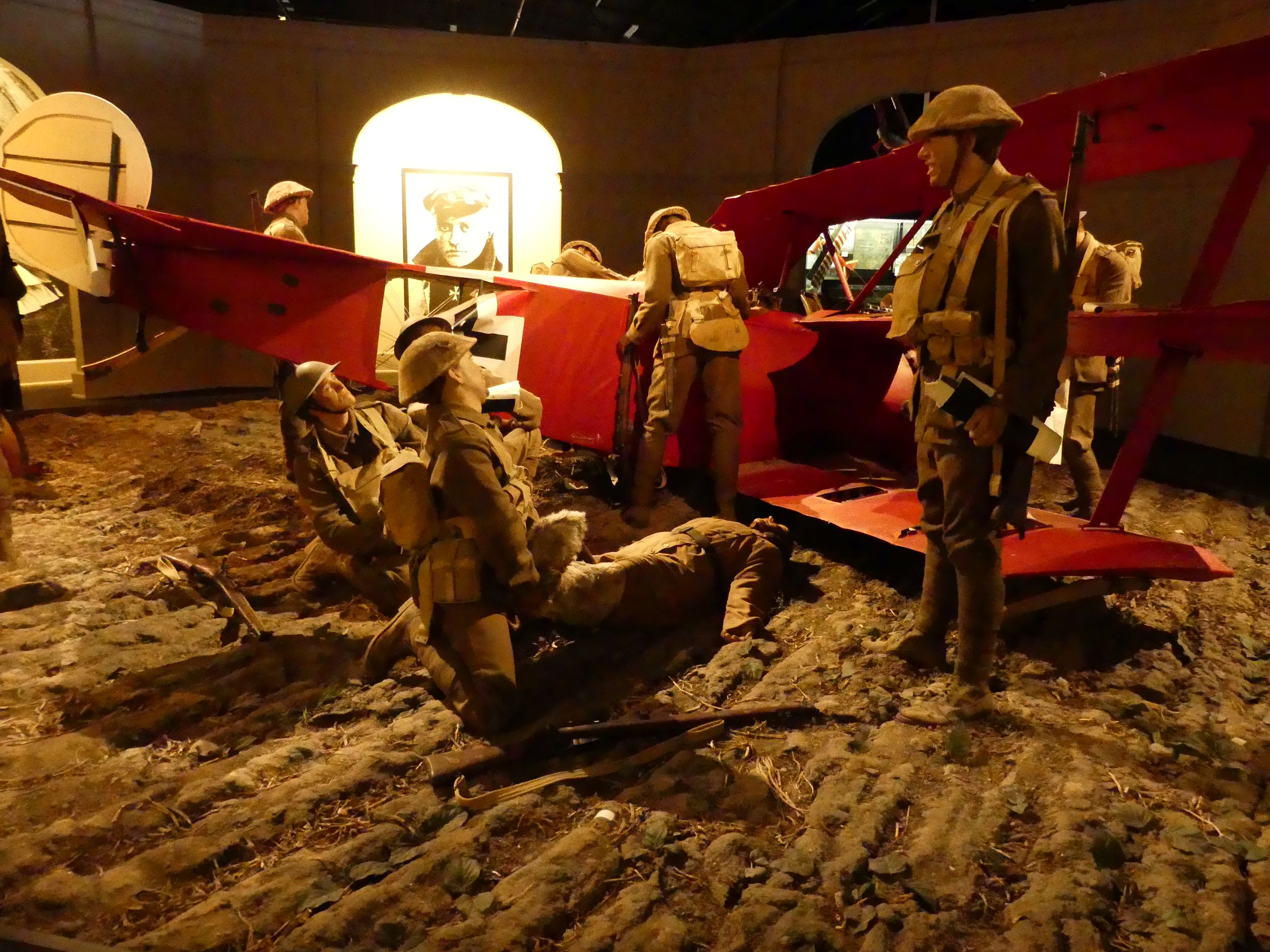
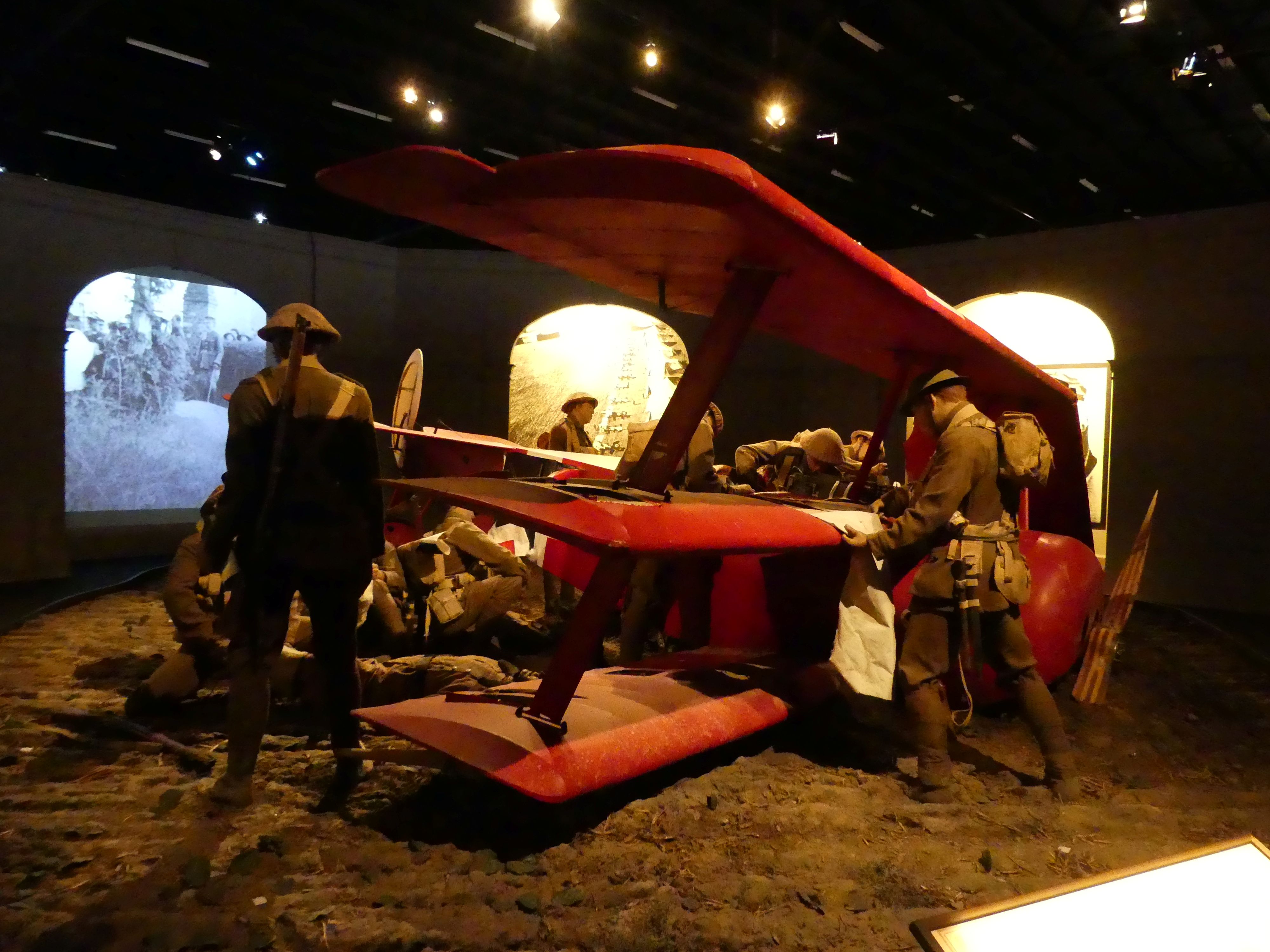
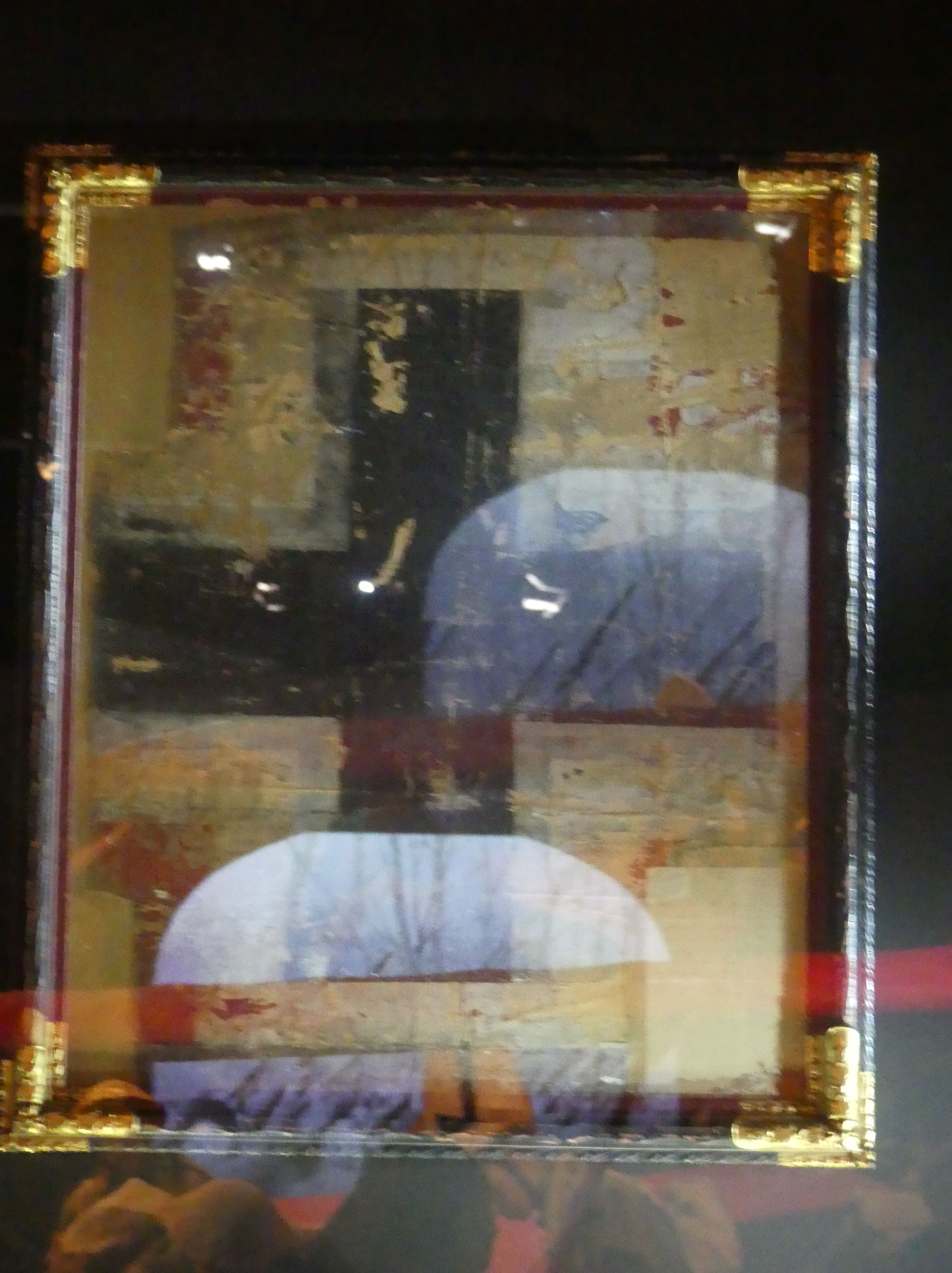
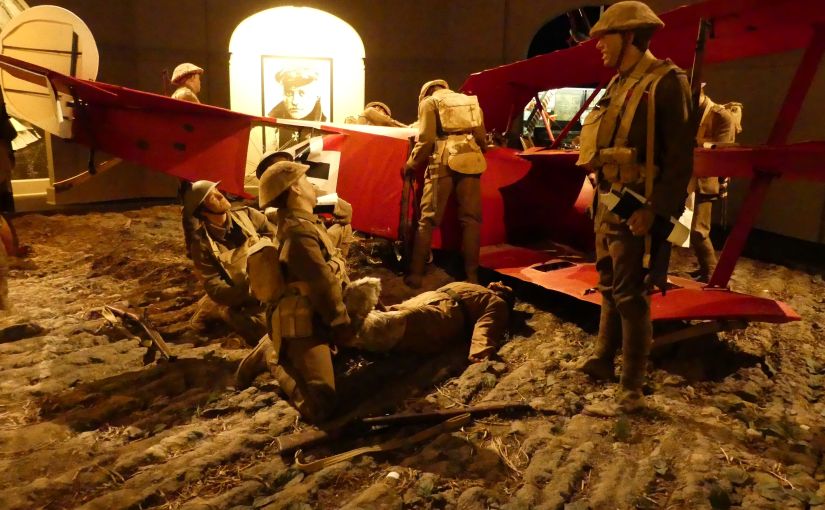
Lord of the Rings director, Peter Jackson, brings his personal collection of war memorabilia to life in the stunning Knights of the Sky exhibition. The exhibition features several re-enactments of real-life WWI battles, with each scene being brought back to life with unerring realism through dioramas produced by Wingnut films, accompanied by unbelievably believable mannequins from award-winning special effects company Weta Workshops. There is a picture of Captain Clive Franklyn Collett MC (28 August 1886 – 23 December 1917) in the museum. He was a World War I flying ace from New Zealand credited with 11 aerial victories. He was the first British or Commonwealth military pilot to use a parachute, in a test. While serving as a test pilot, he crashed to his death in a captured German fighter. There is a diorama of the Australian soldiers having shot down the Red Baron’s Fokker Triplane stealing his boots and later the original fabric fuselage cross cut from the side of the Red Baron’s Fokker Triplane displayed in the museum.

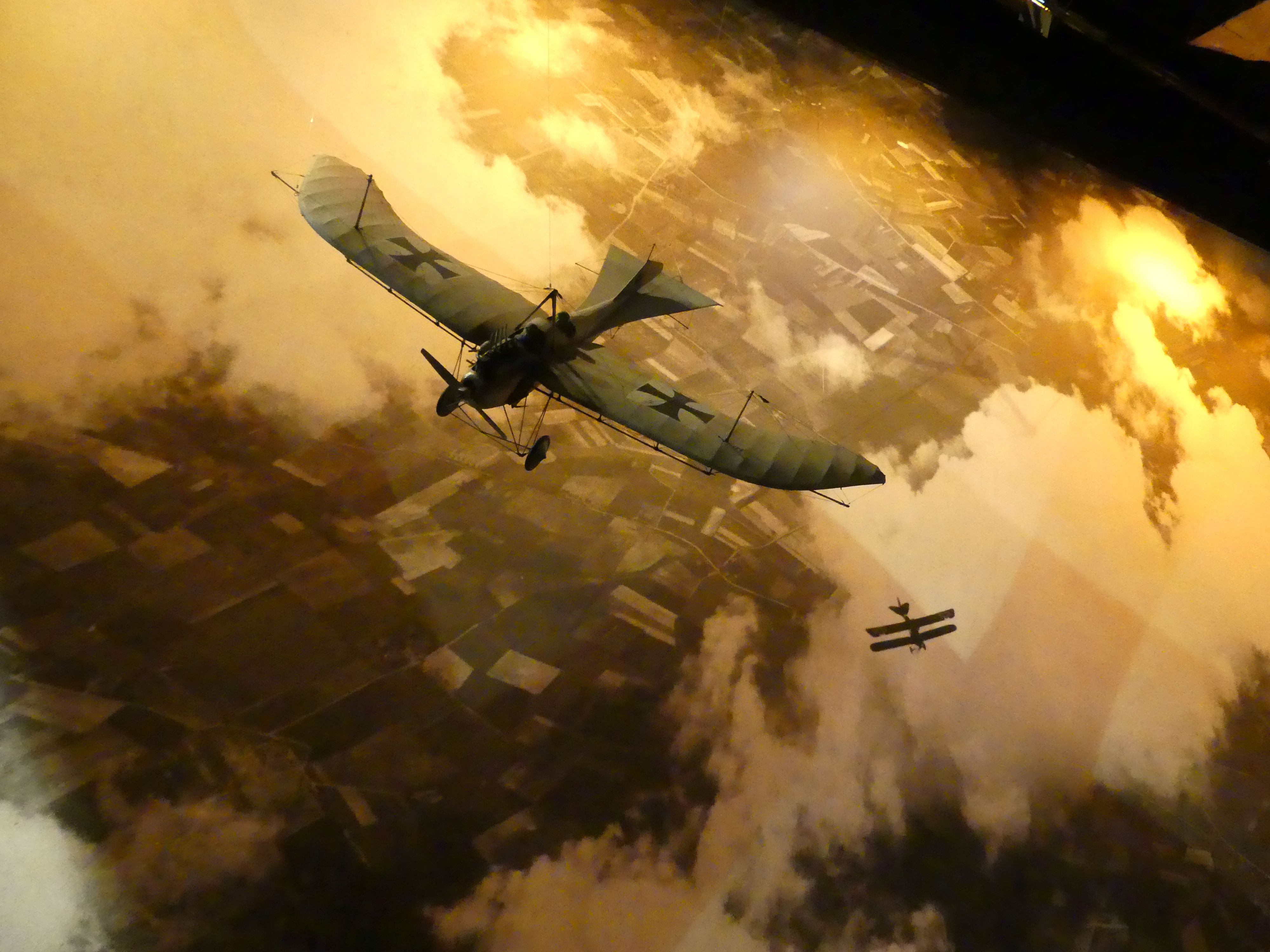
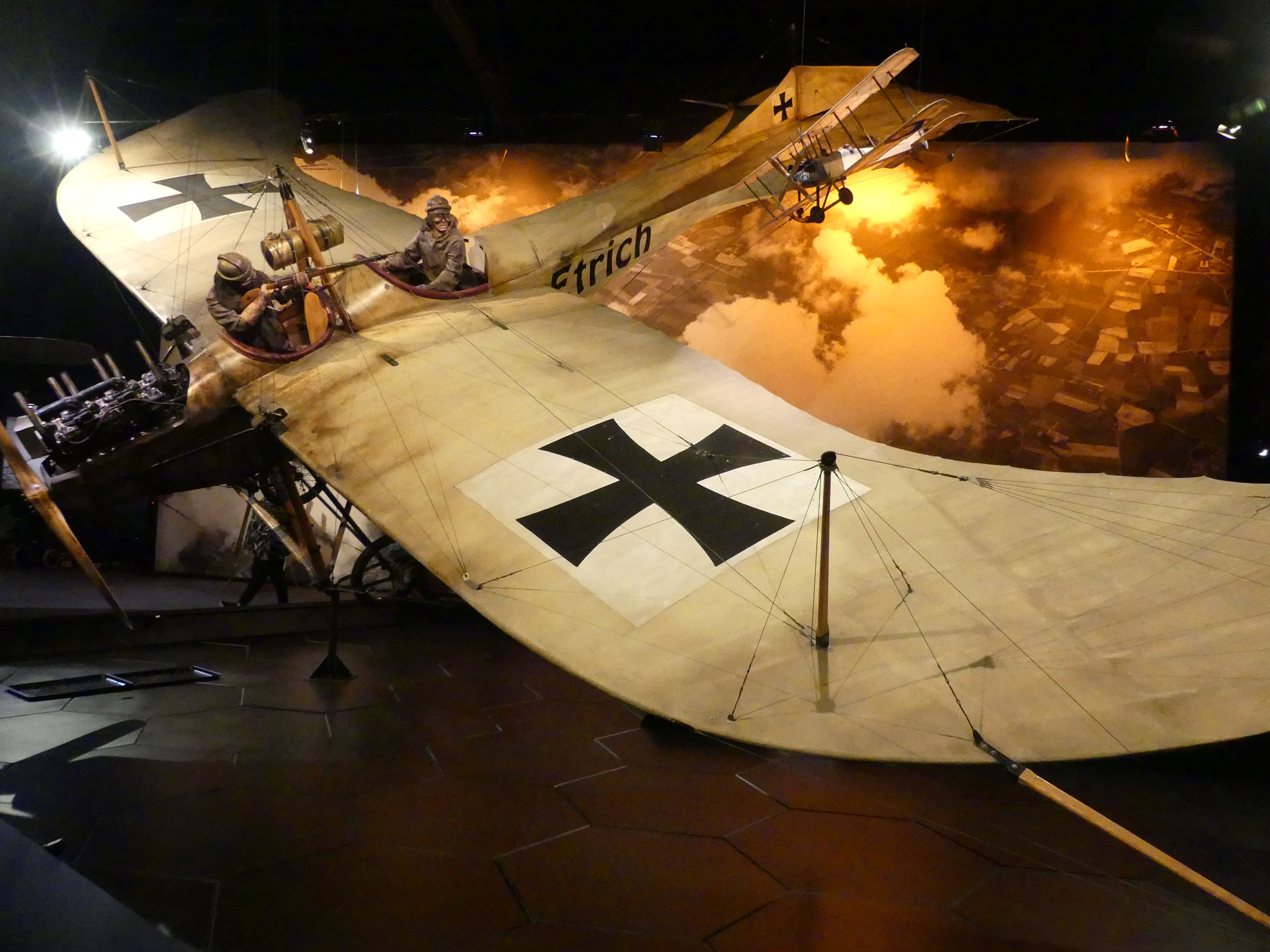
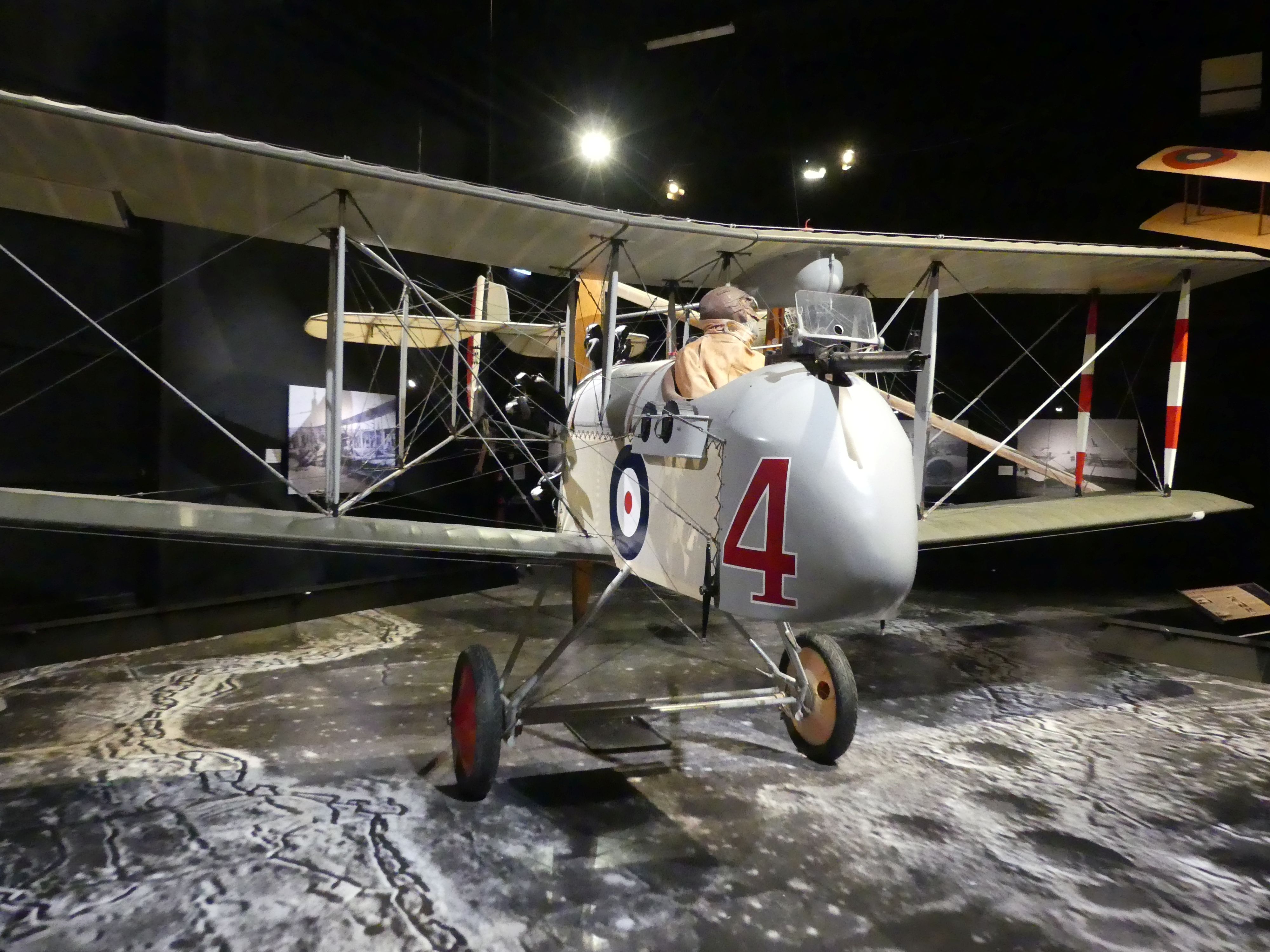
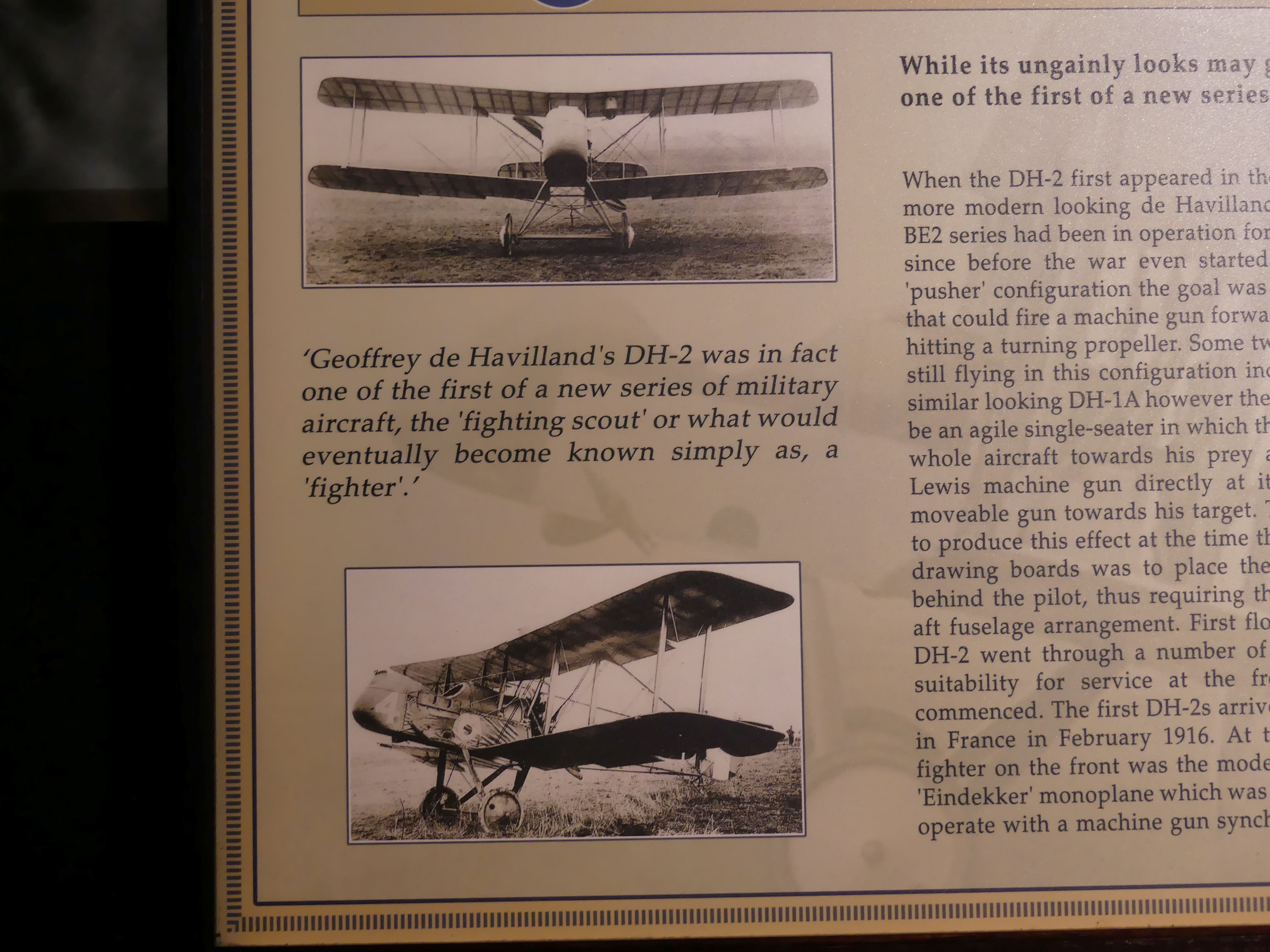
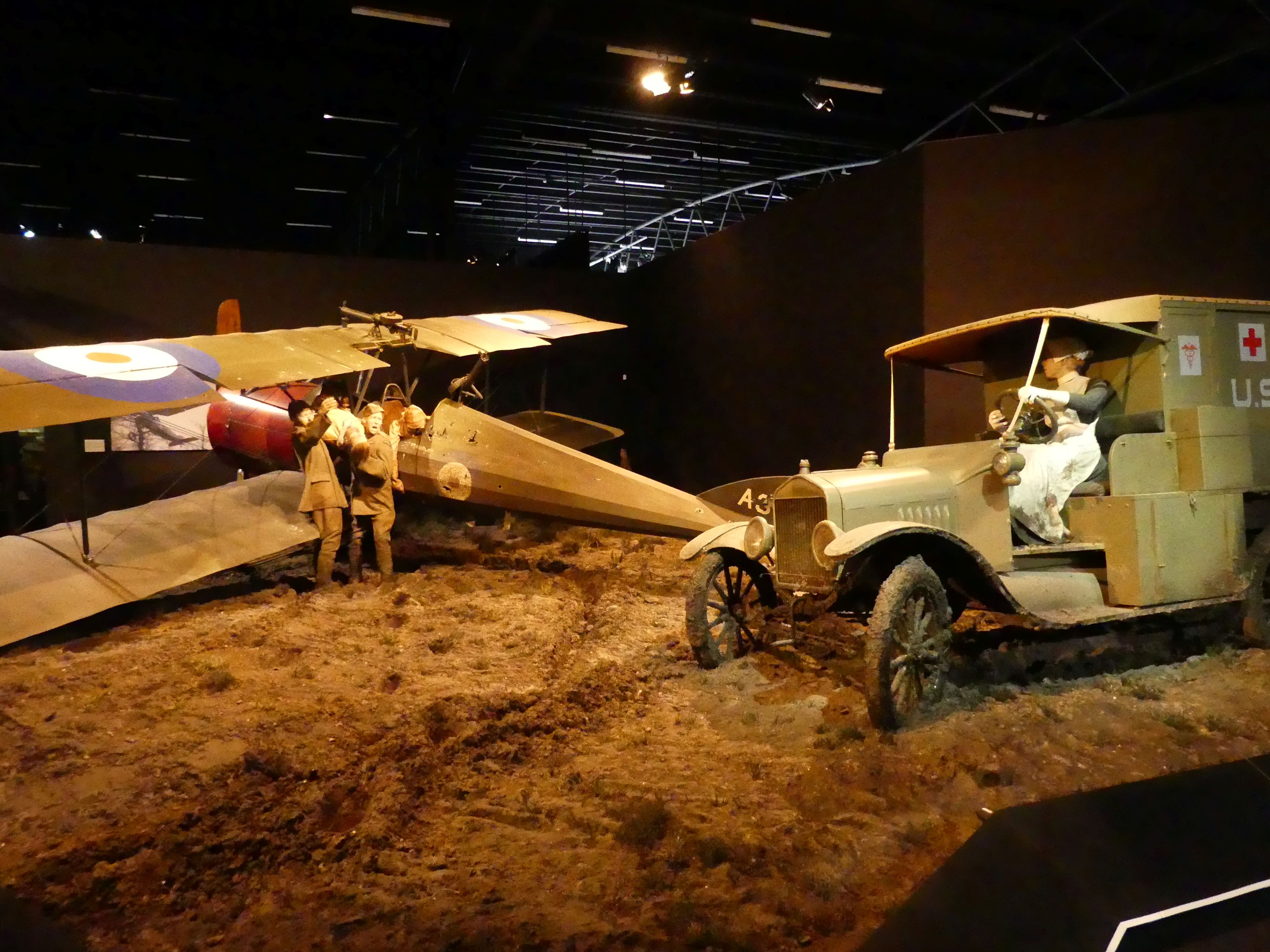
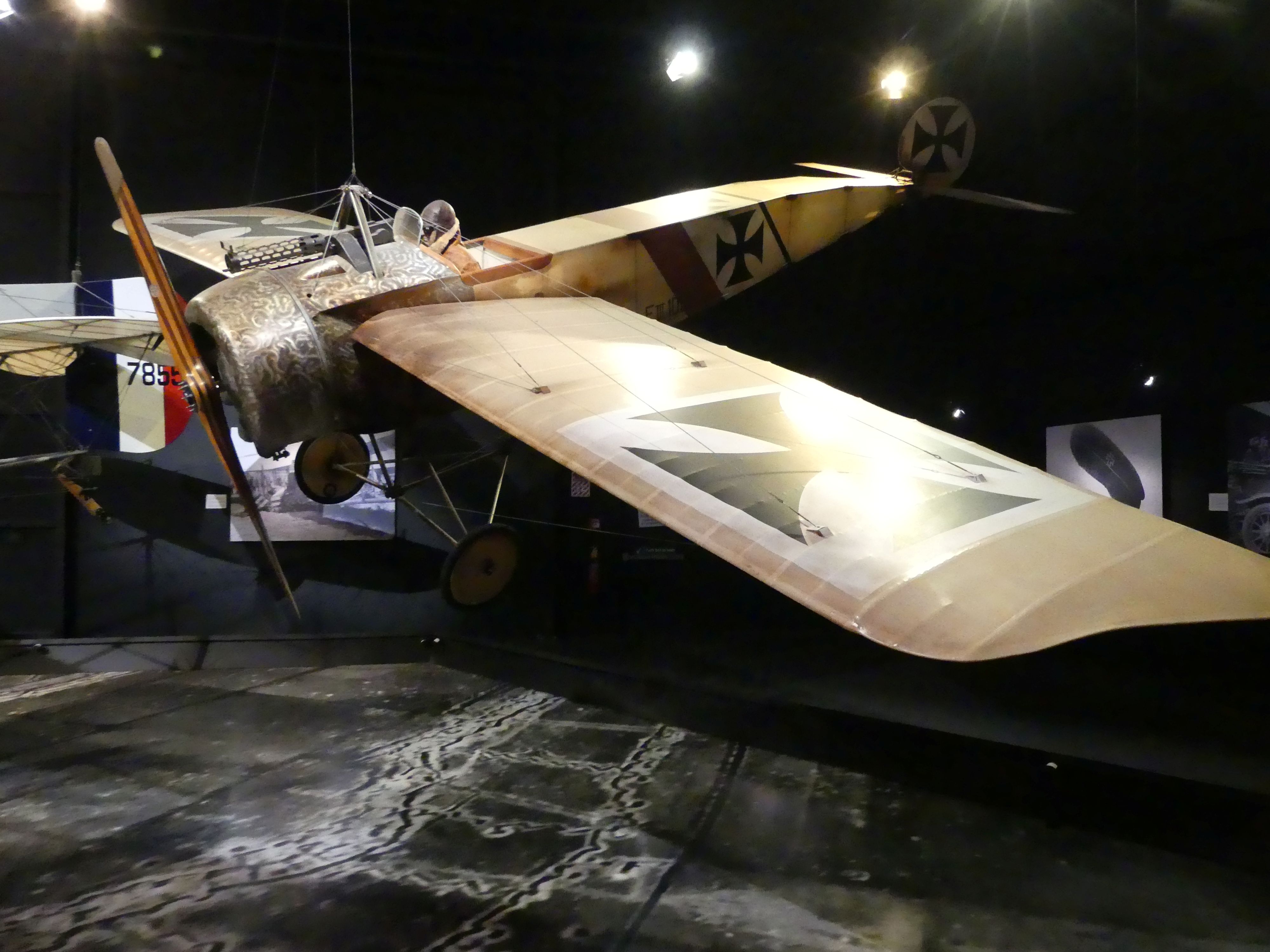
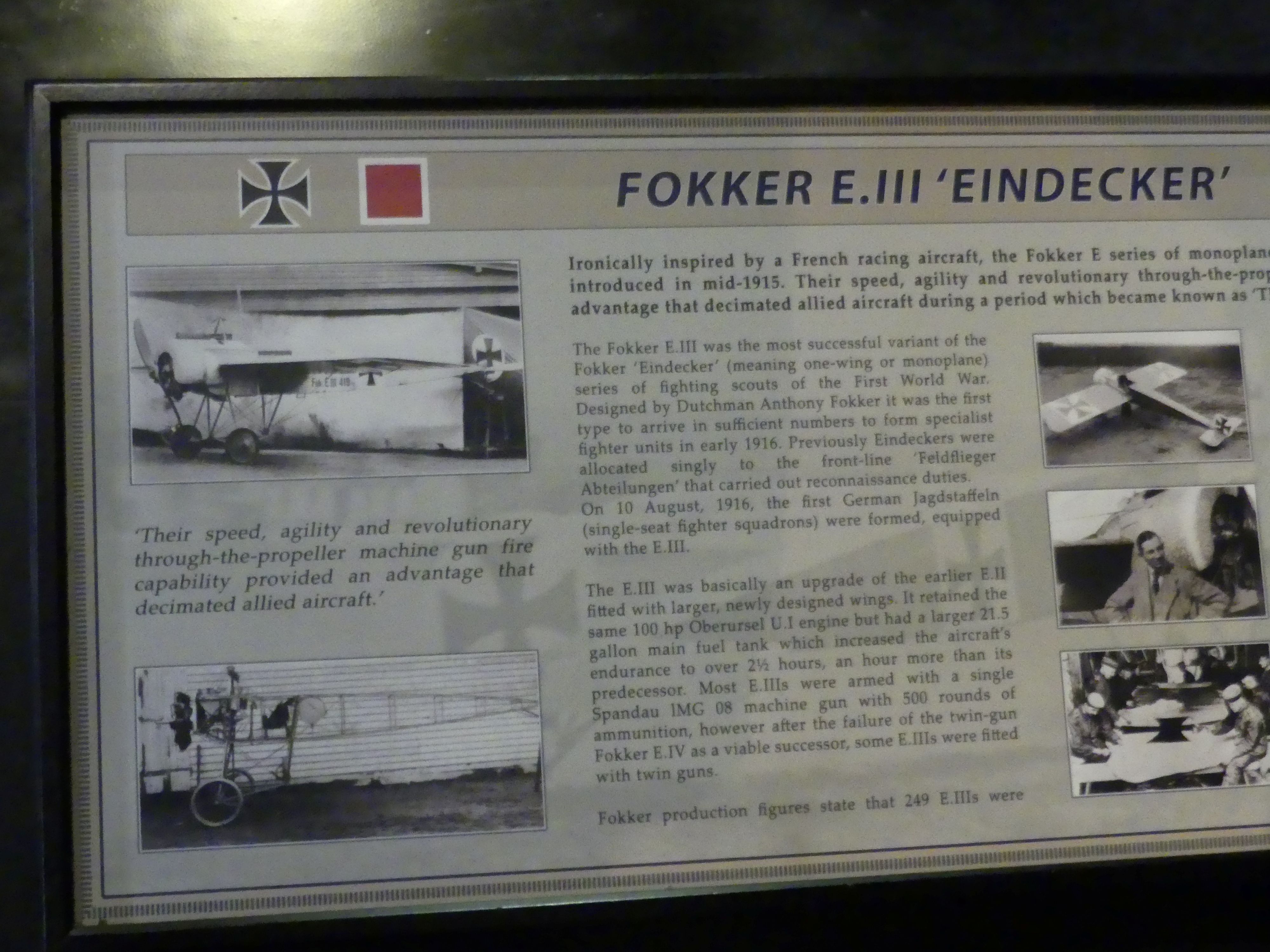
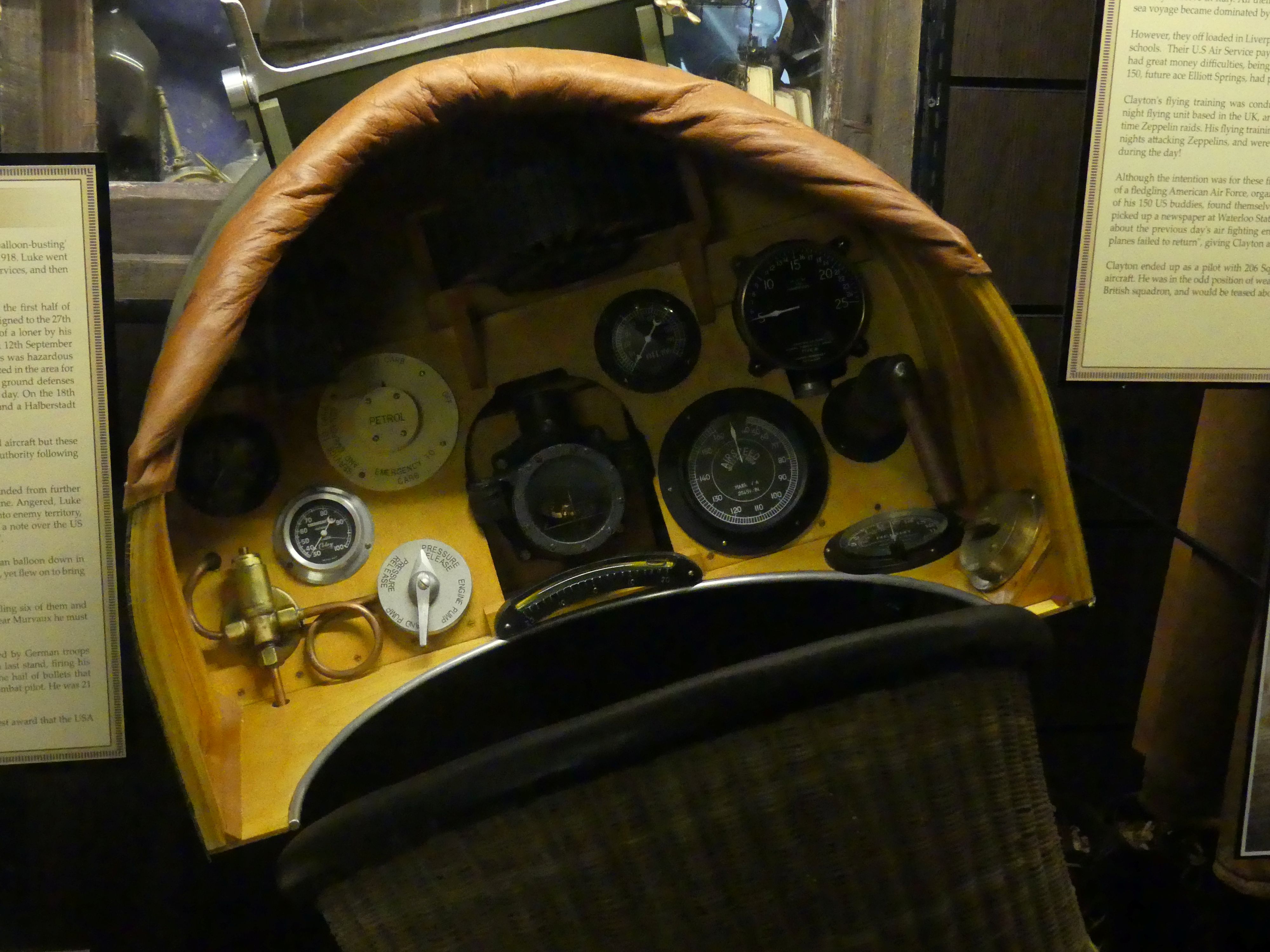
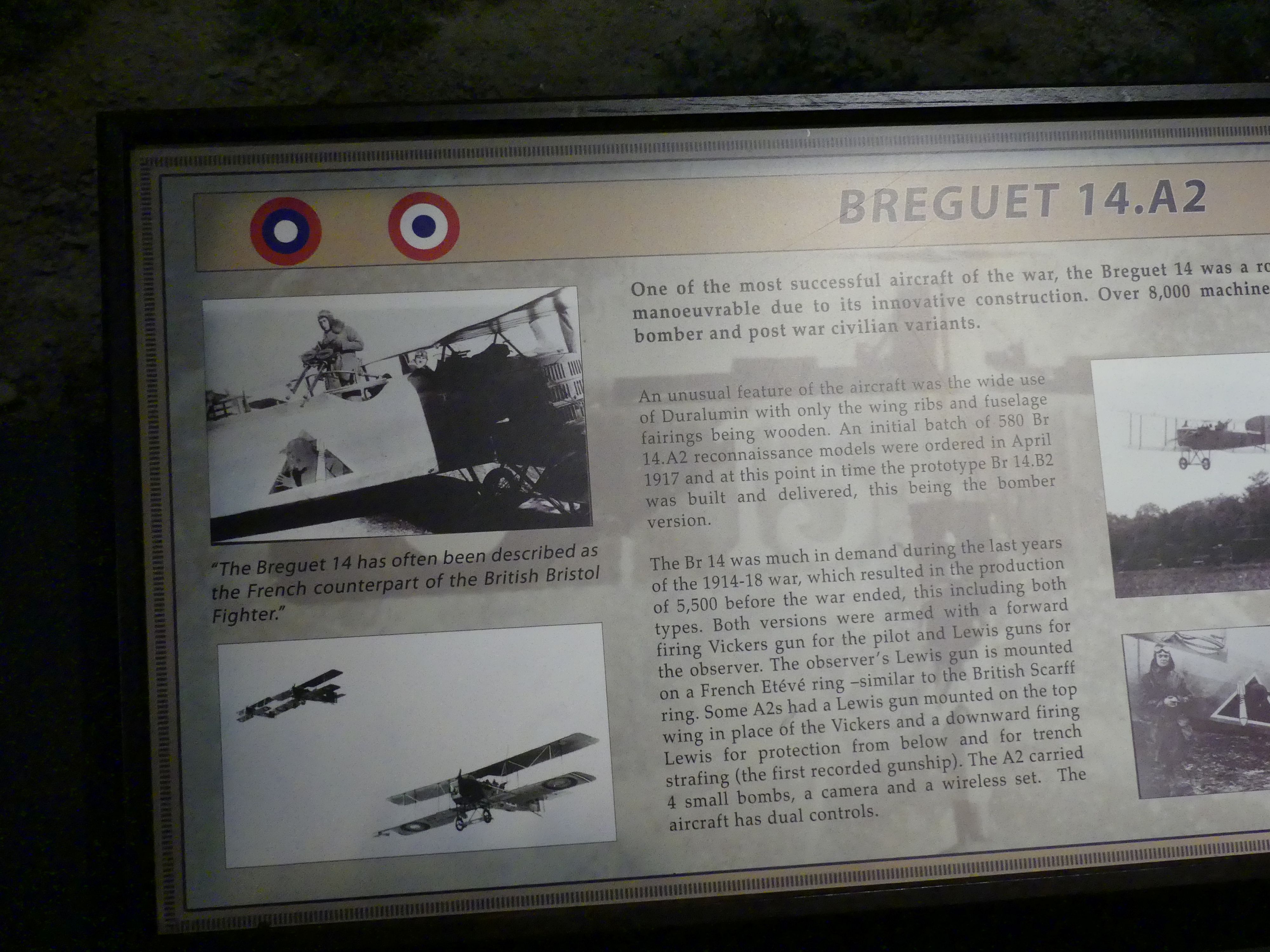
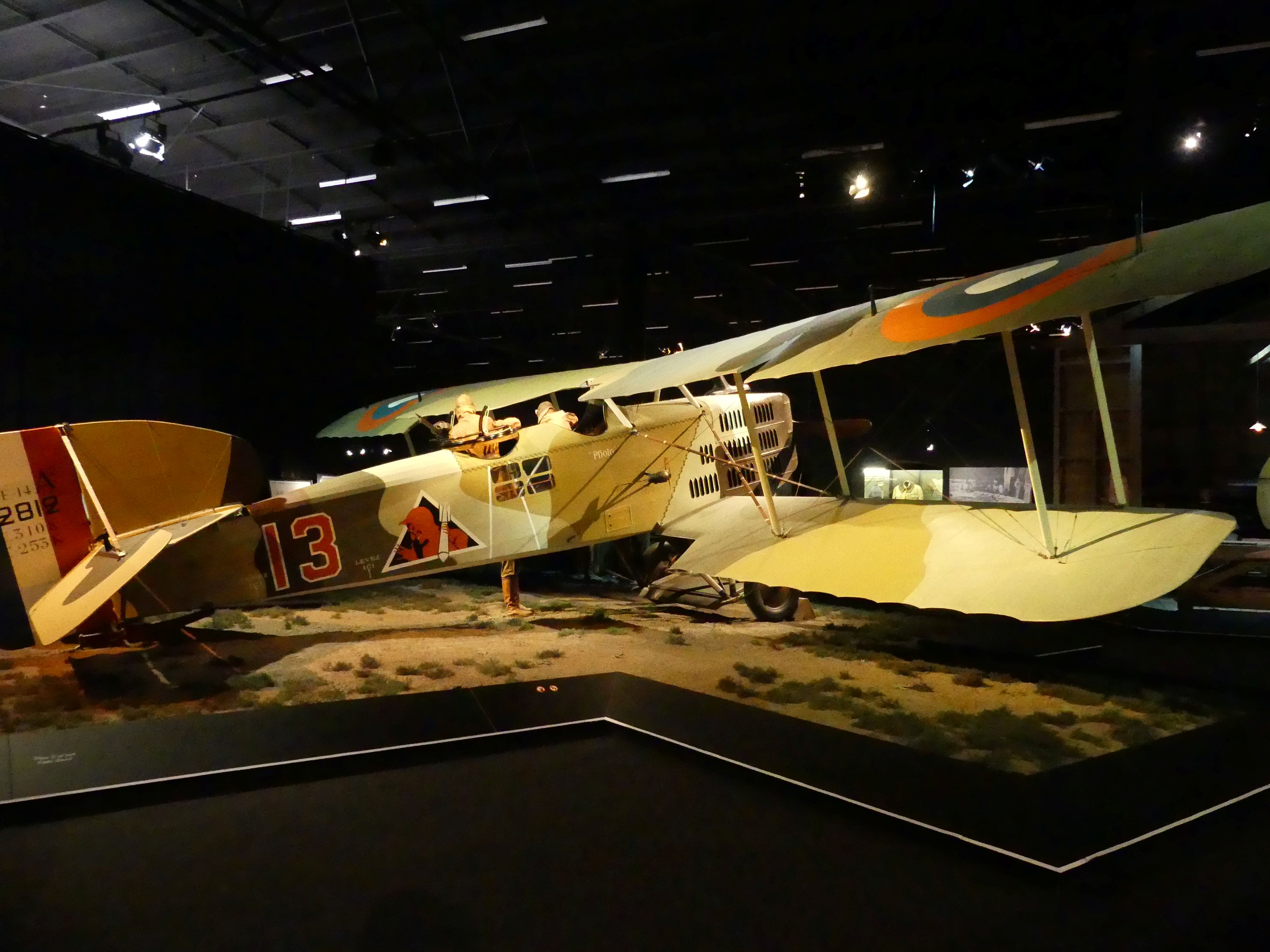
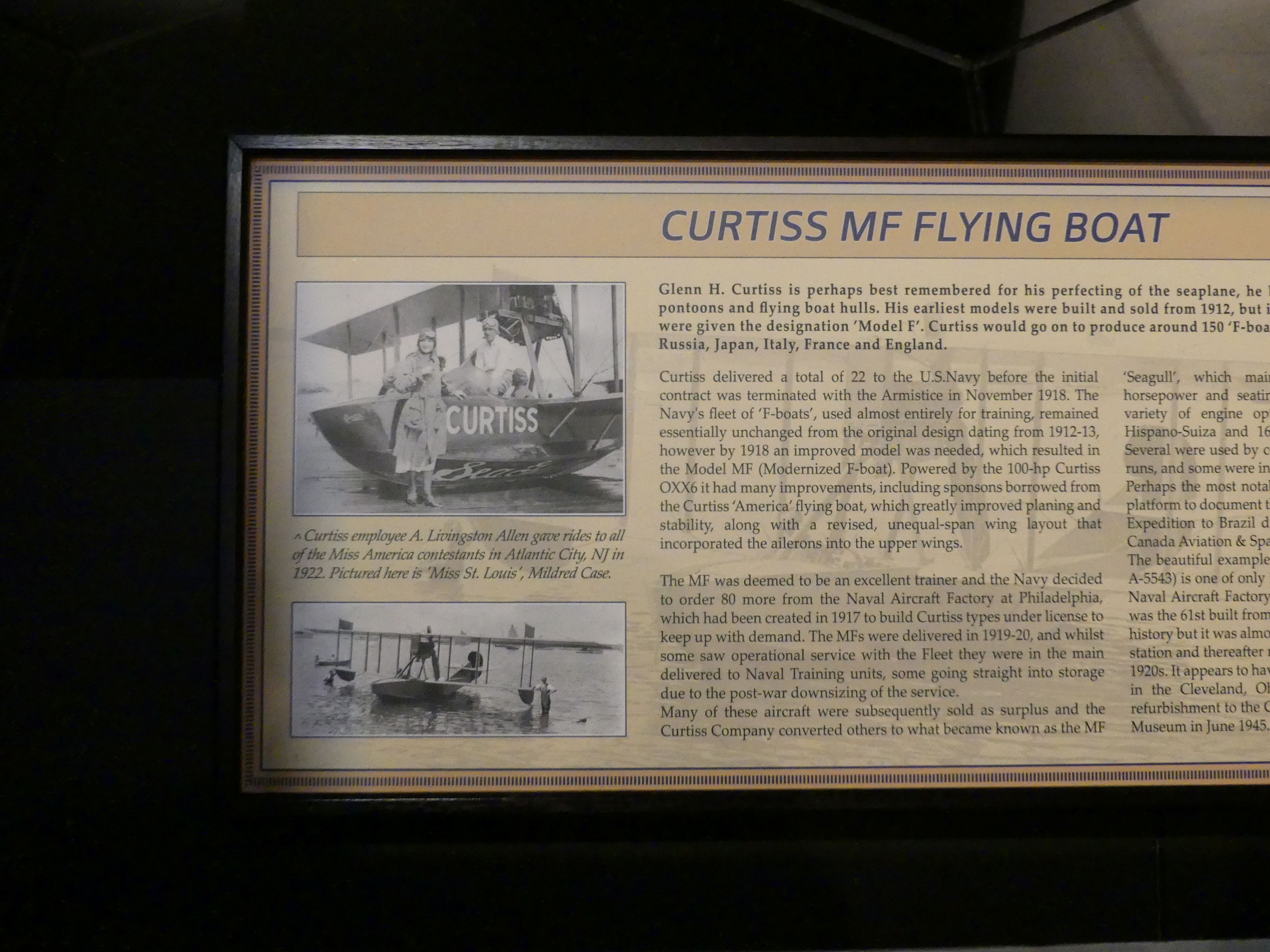
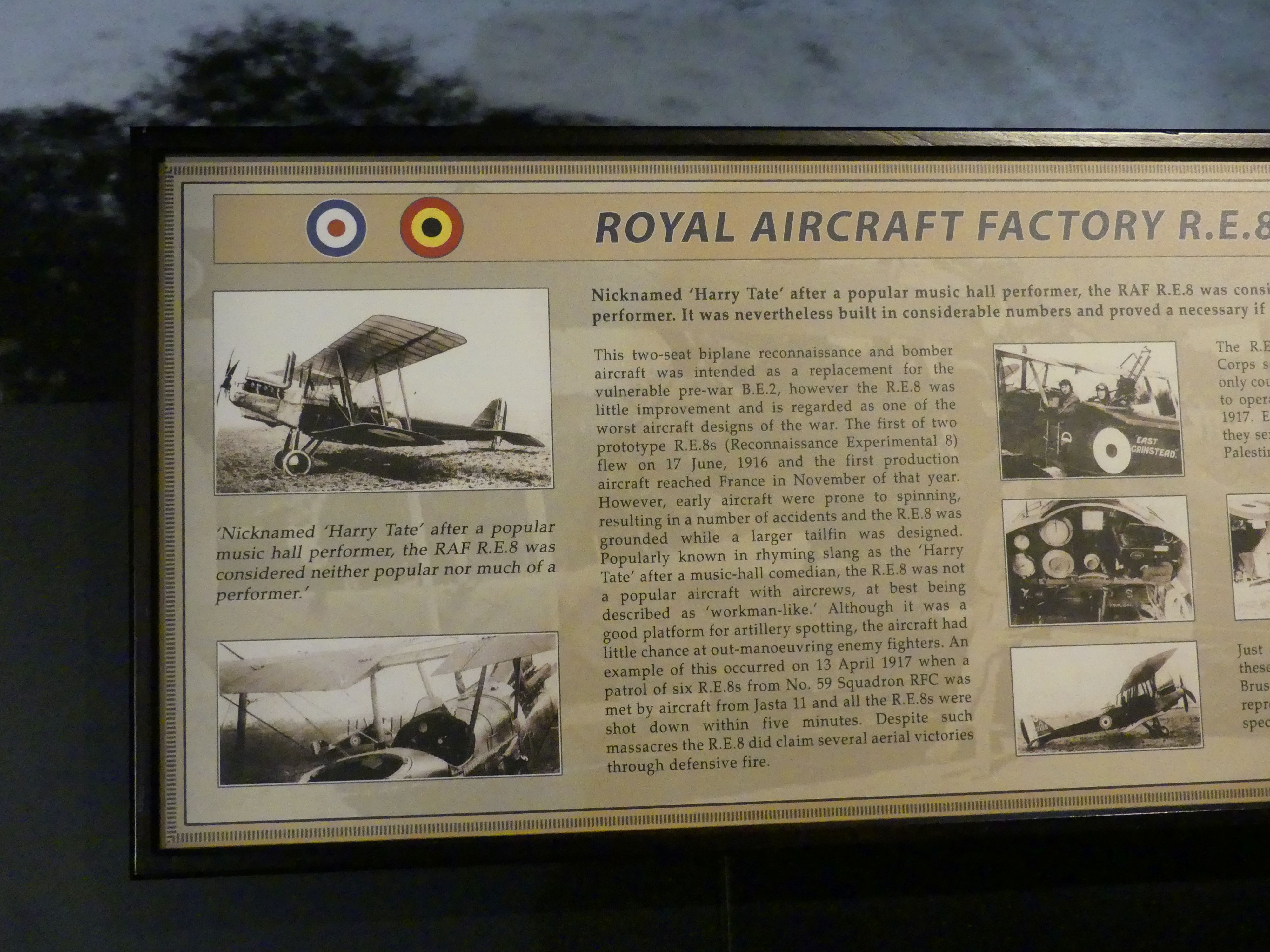
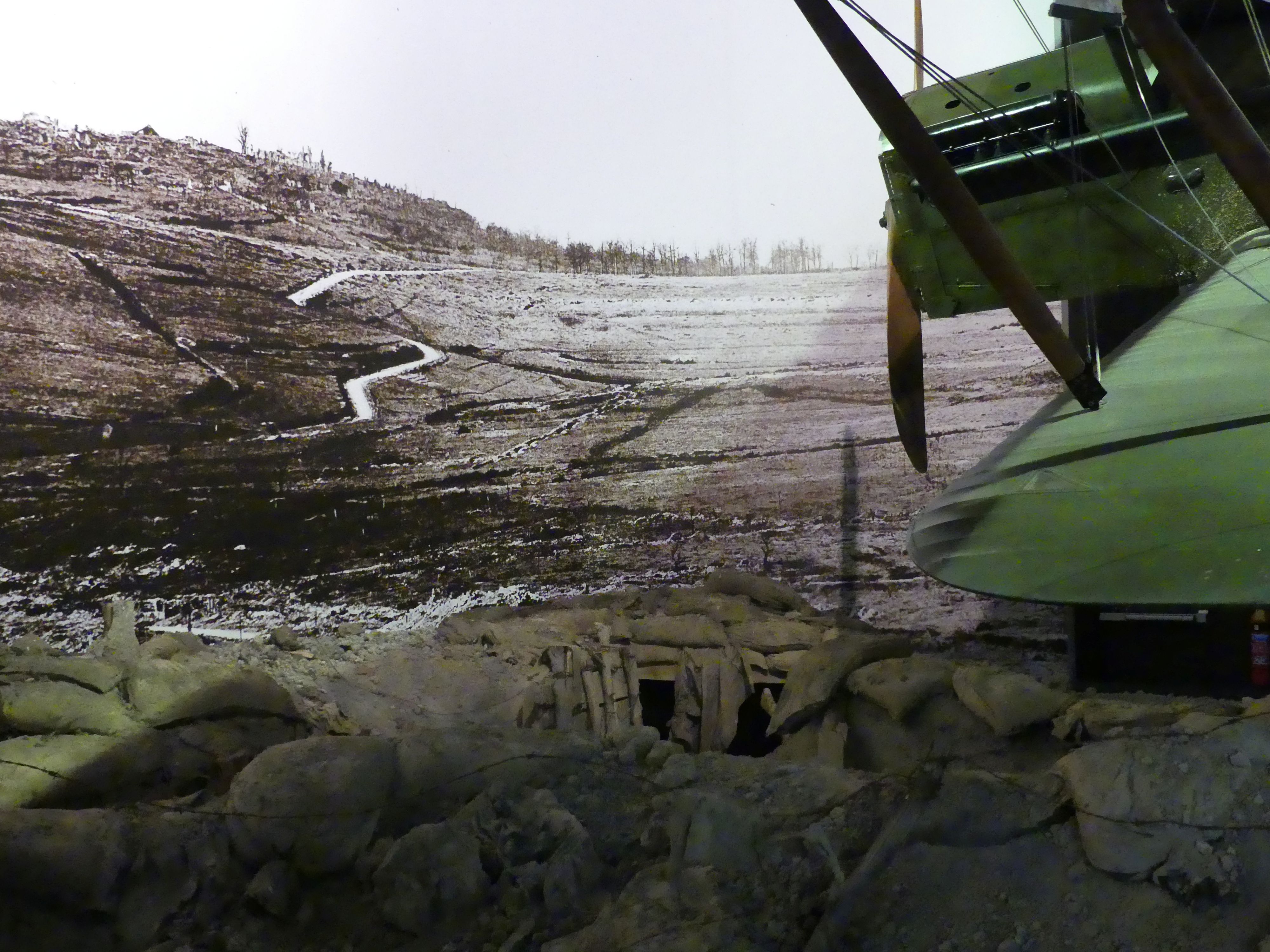
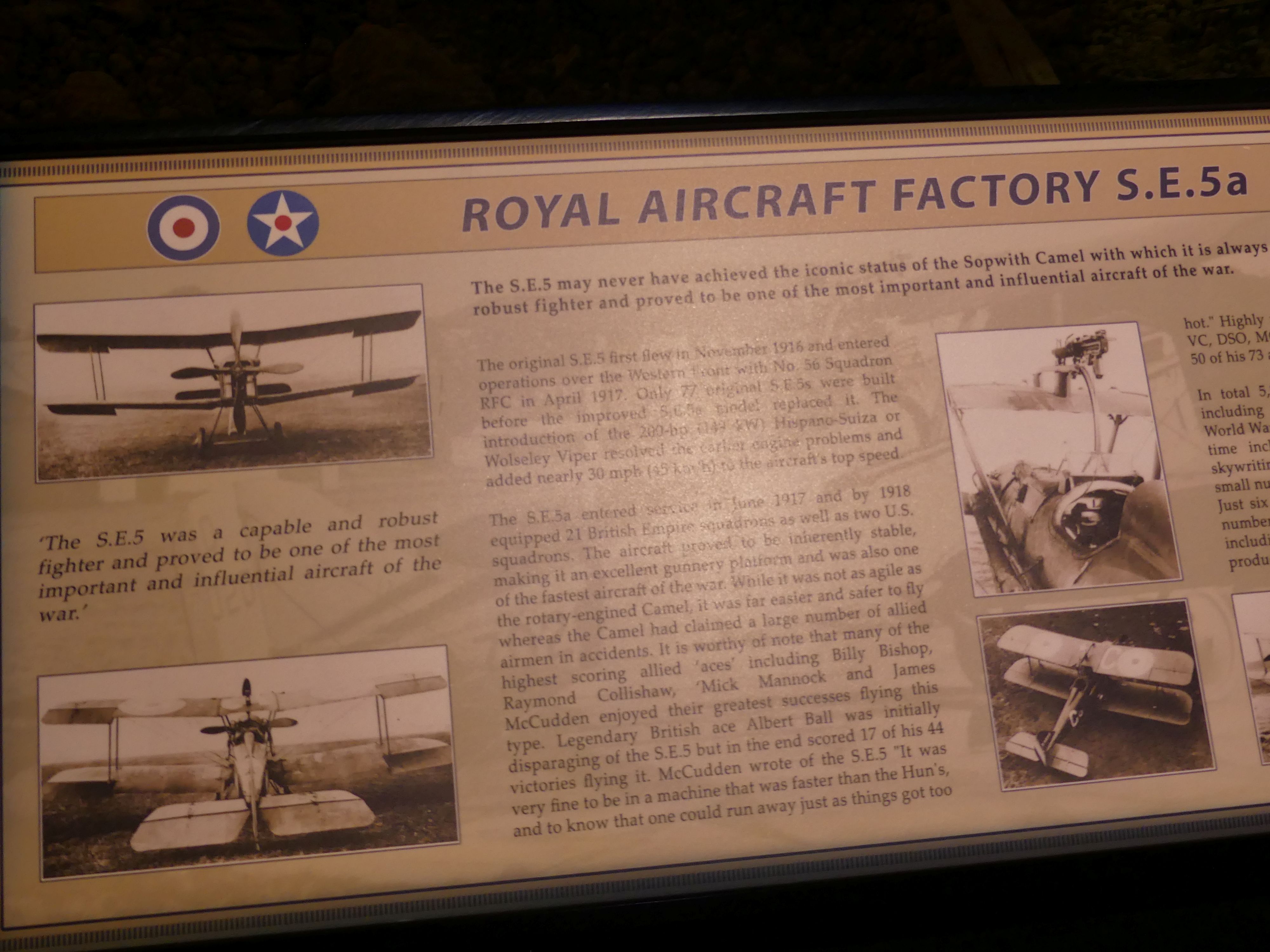
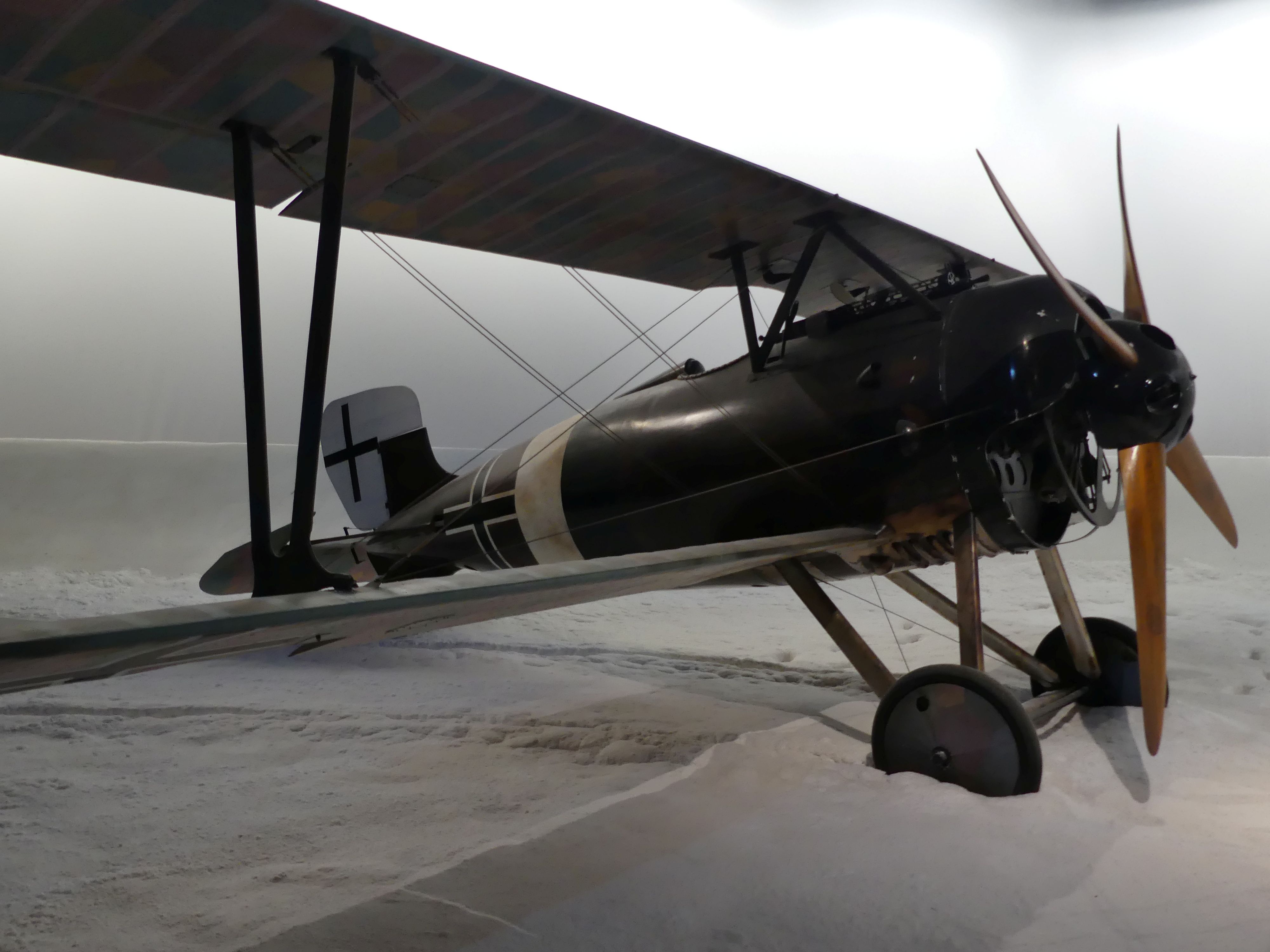
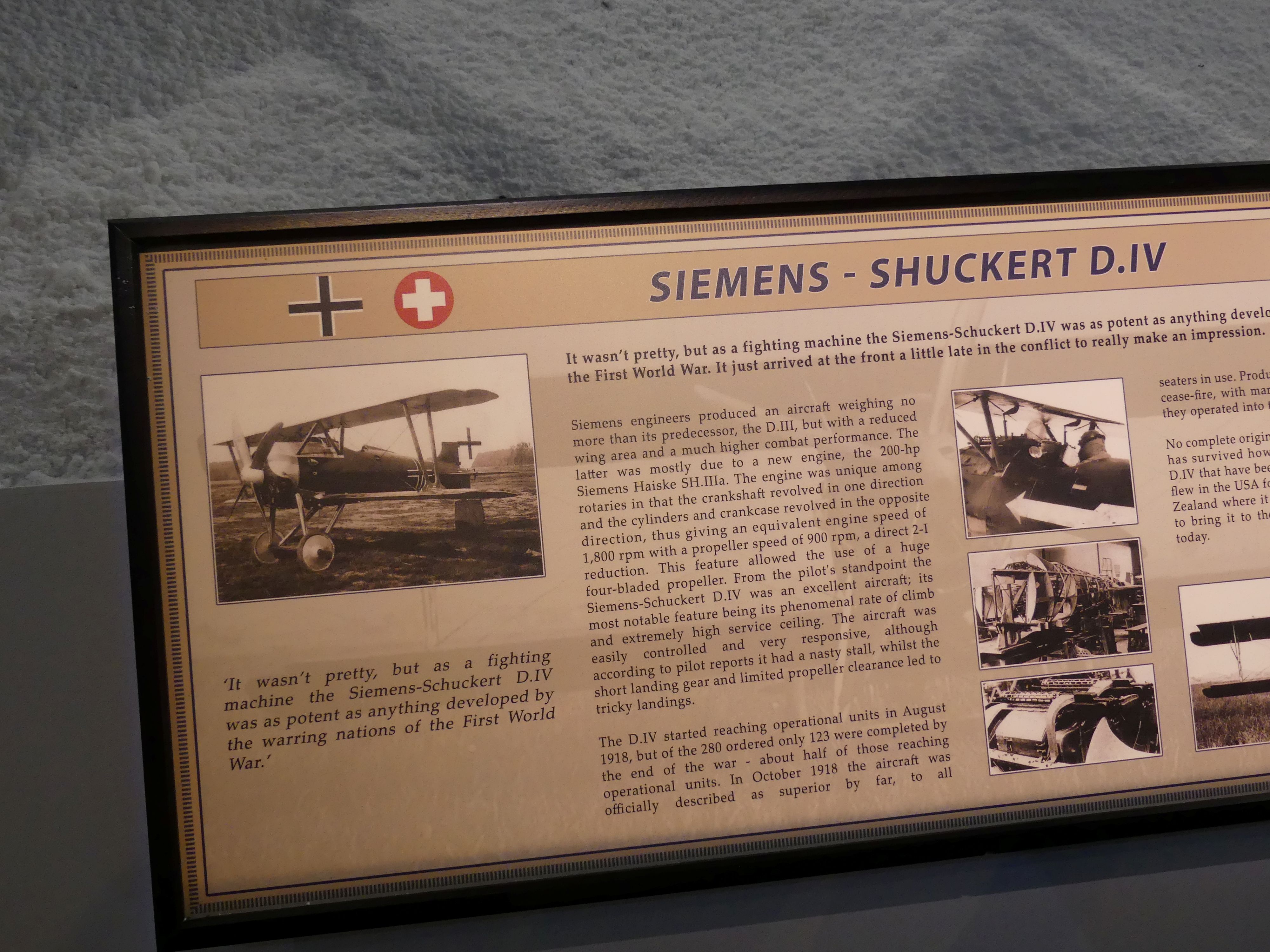
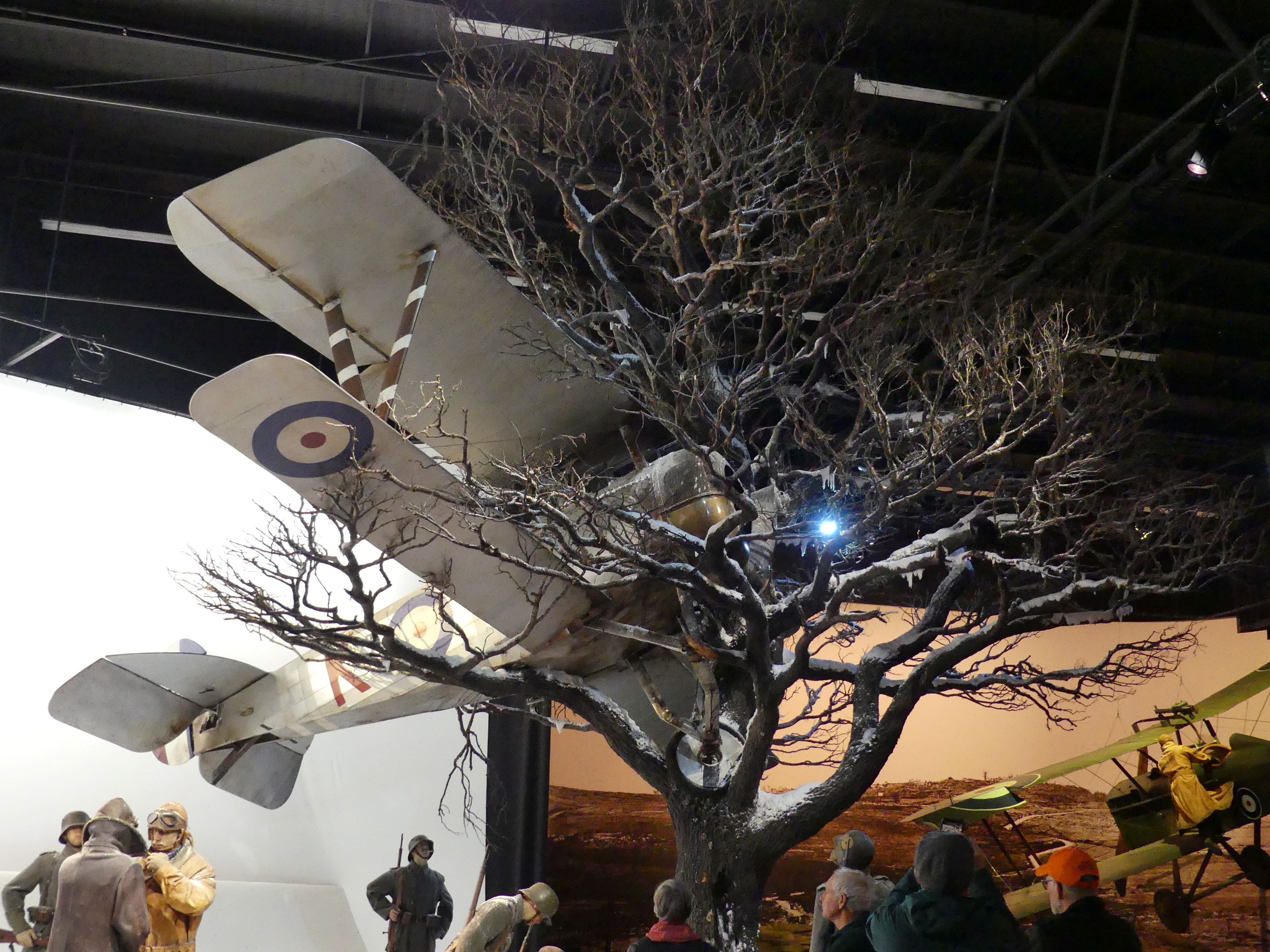
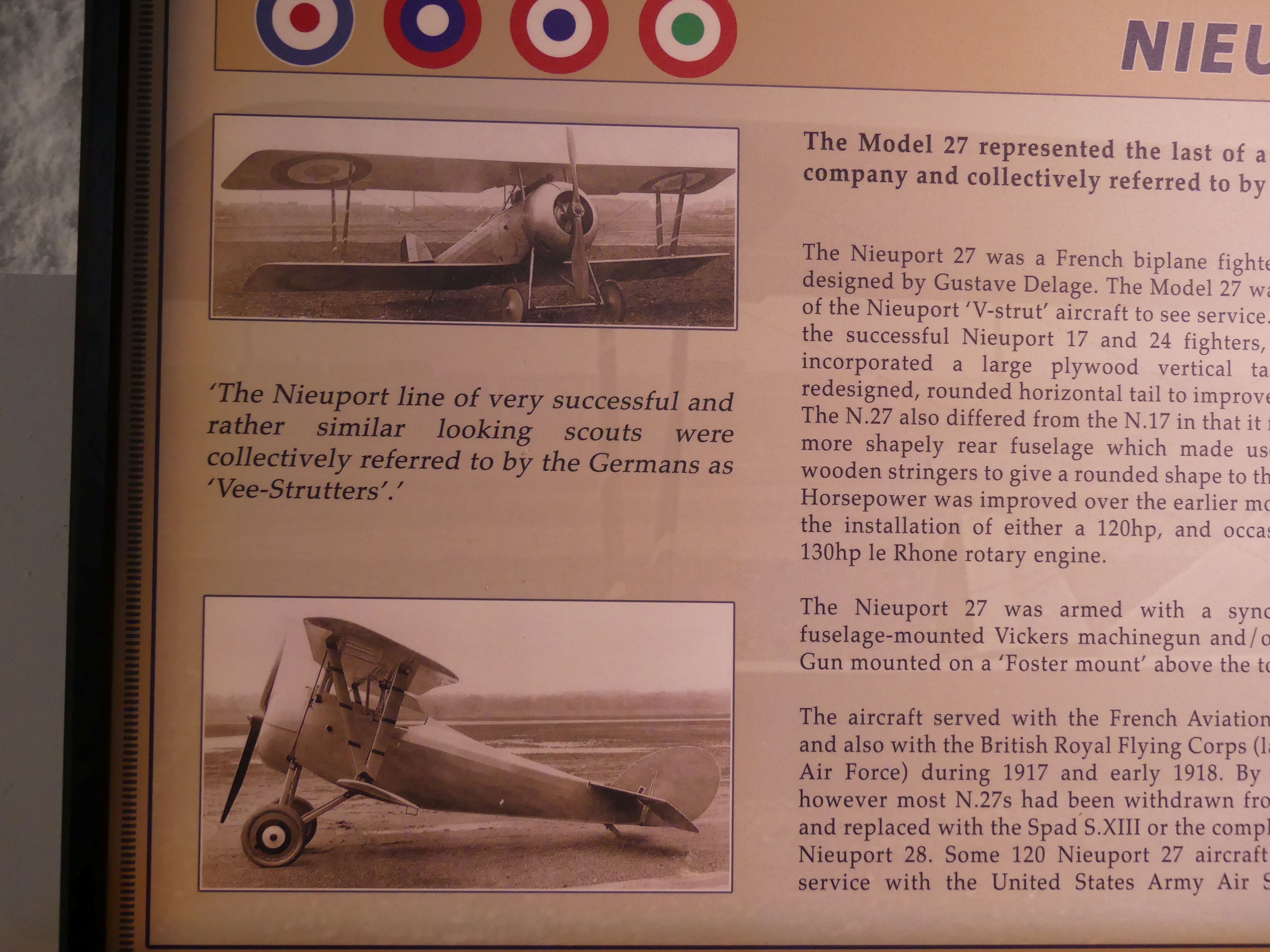
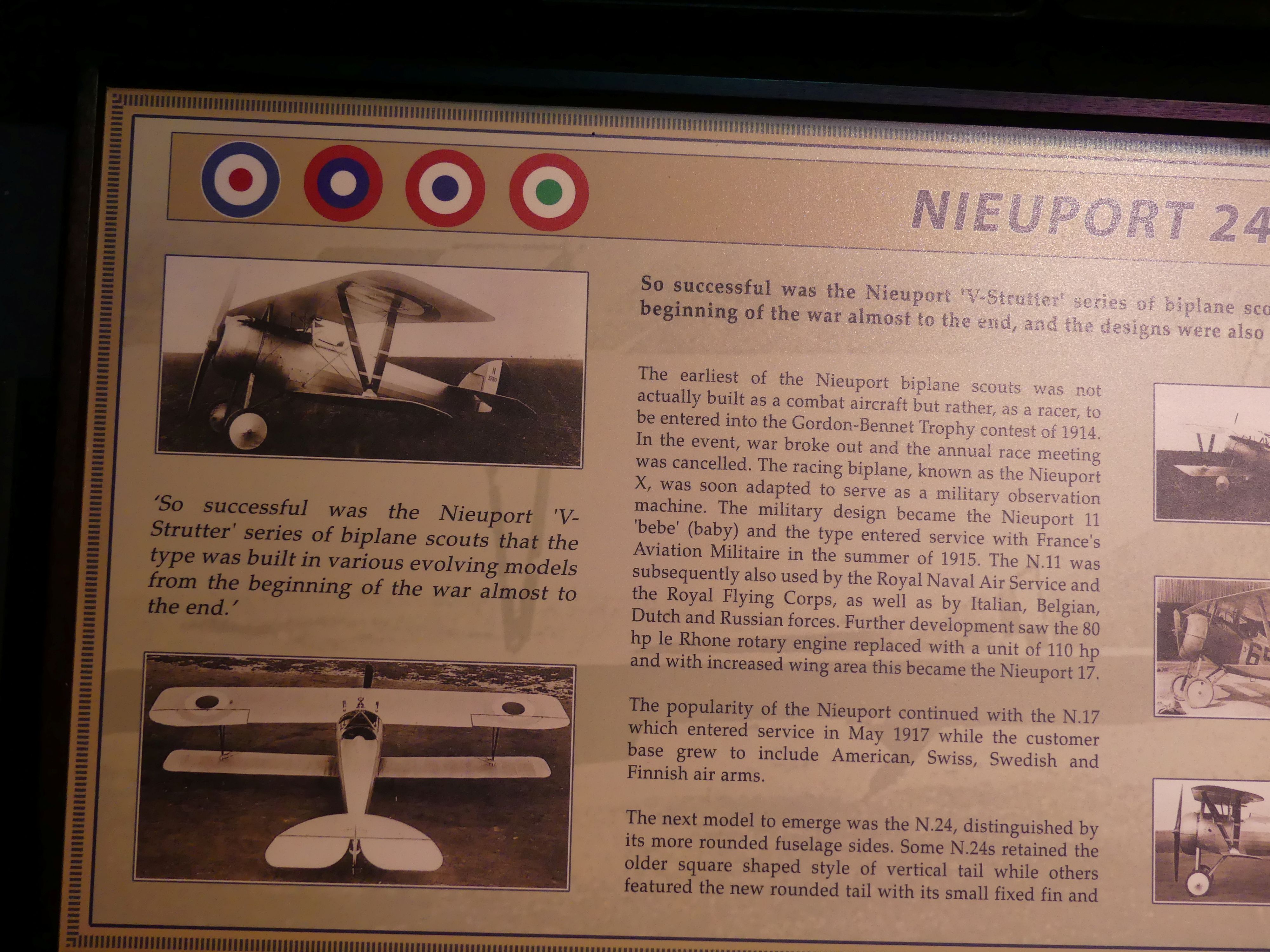
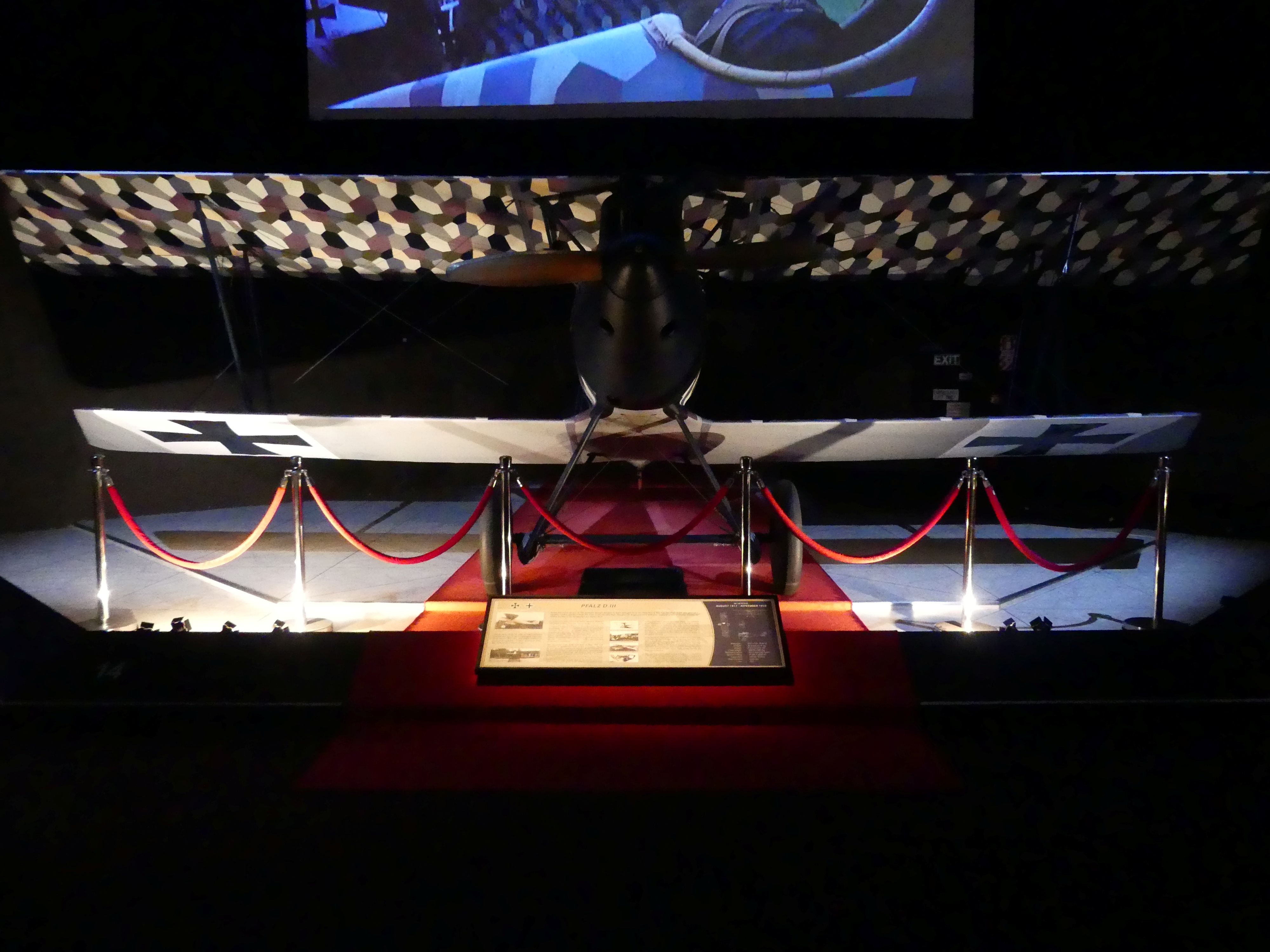
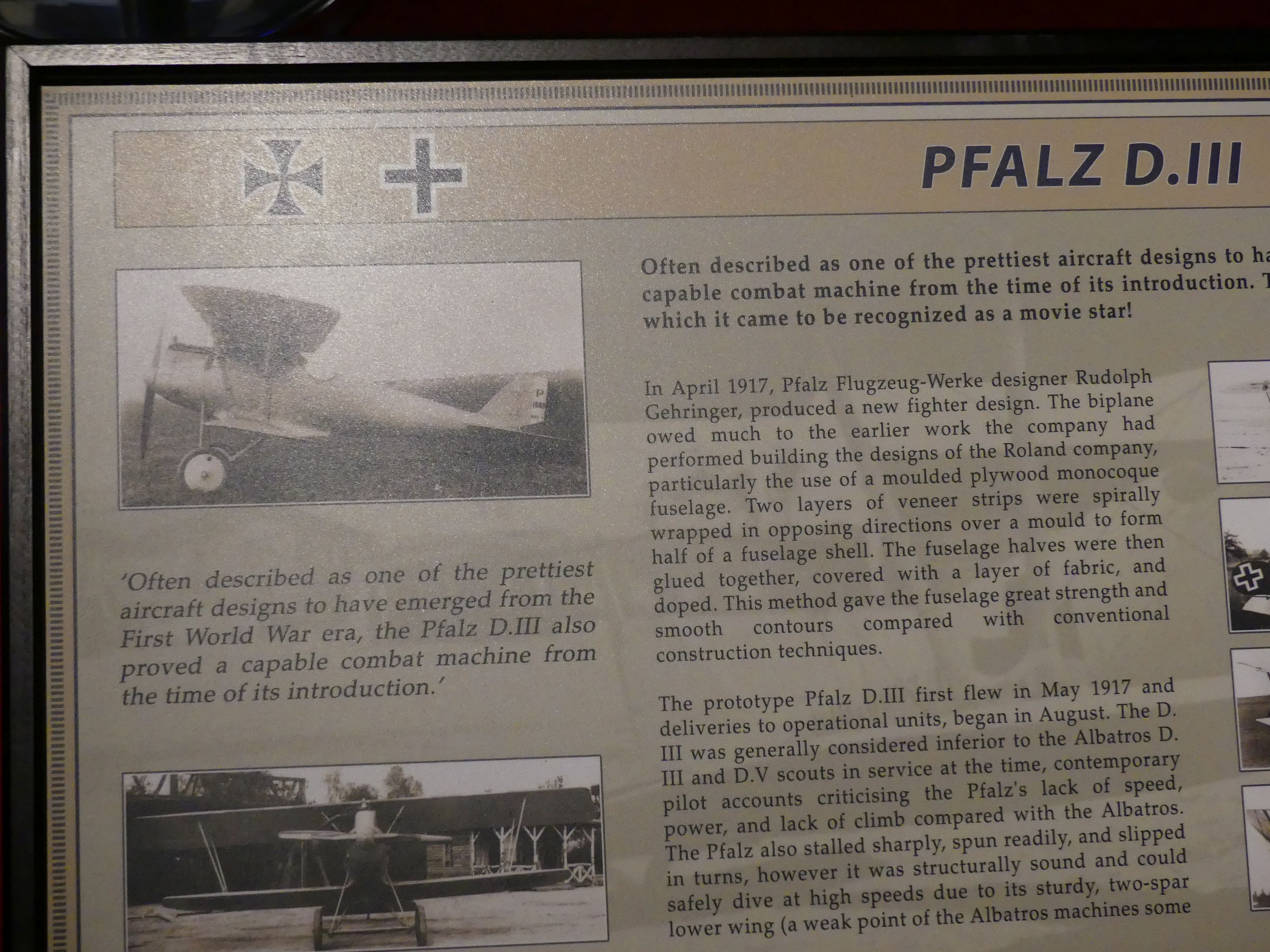
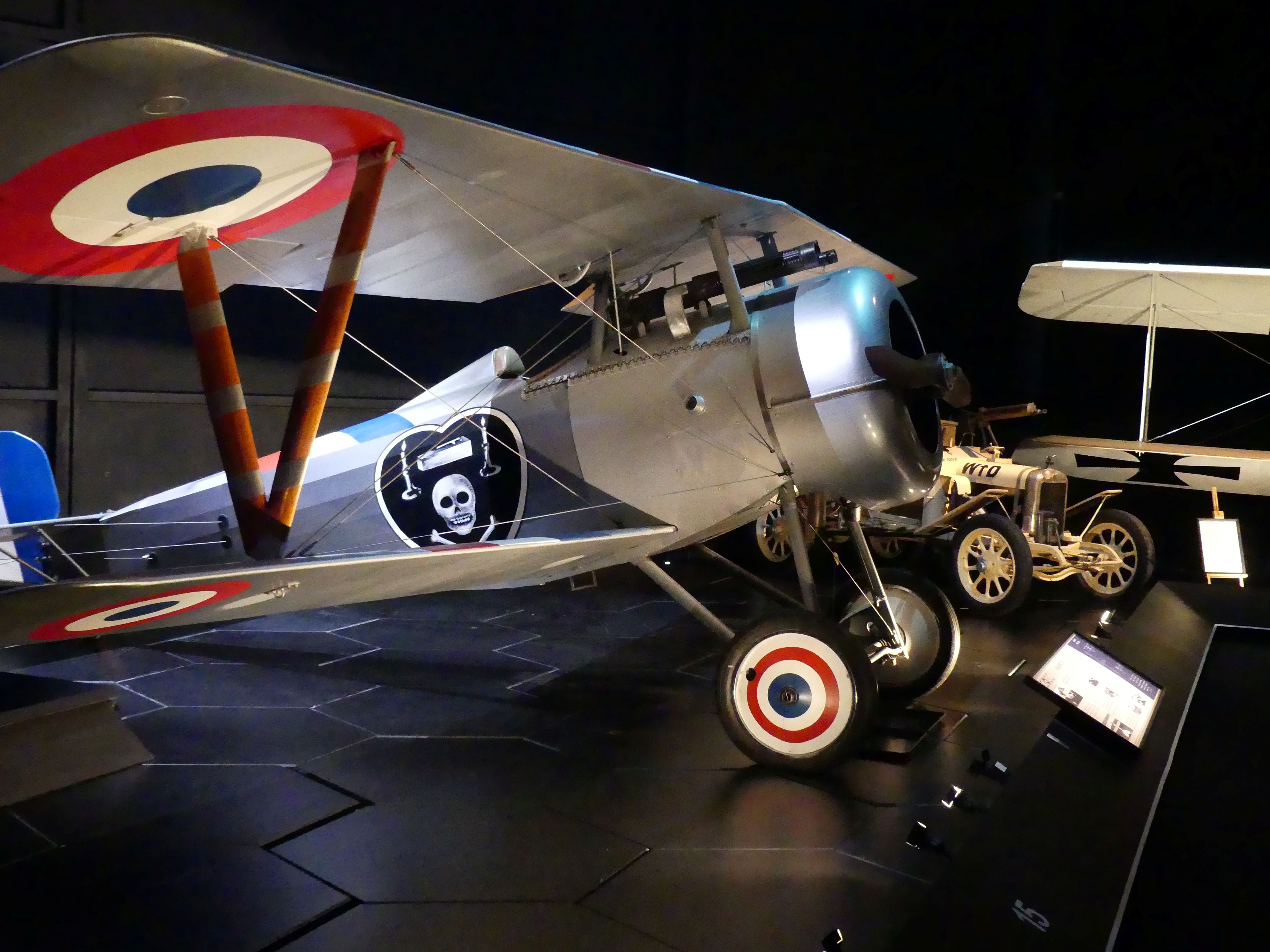
The Museum, the DC3, the café, the planes, diorama of German plane in flight, life size German plane, more planes, de Havilland DH2 “Scout”, British plane and USA ambulance, Fokker E III Ein decker, French Breguet 14 A2, bomber, Curtiss MF Flying Boat, British fighter plane RAF R.E.8, planes, British Vickers Vimy, 2 x diorama “Over the trenches” RAF S.E.5a, diorama “Crashed in a tree”, German Siemens – Schuckert D.IV, French biplane Nieuport model 27 and Nieuport 24, diorama “Australians down the Red Baron”, Pfalz D III, British De Havilland DH4, Halberstadt D.IV, early machine gun carrier, Captain Clive Franklyn Collett MC (28 August 1886 – 23 December 1917) tries his parachute, original fabric fuselage cross, cut from the side of the Red Baron’s Fokker Triplane.
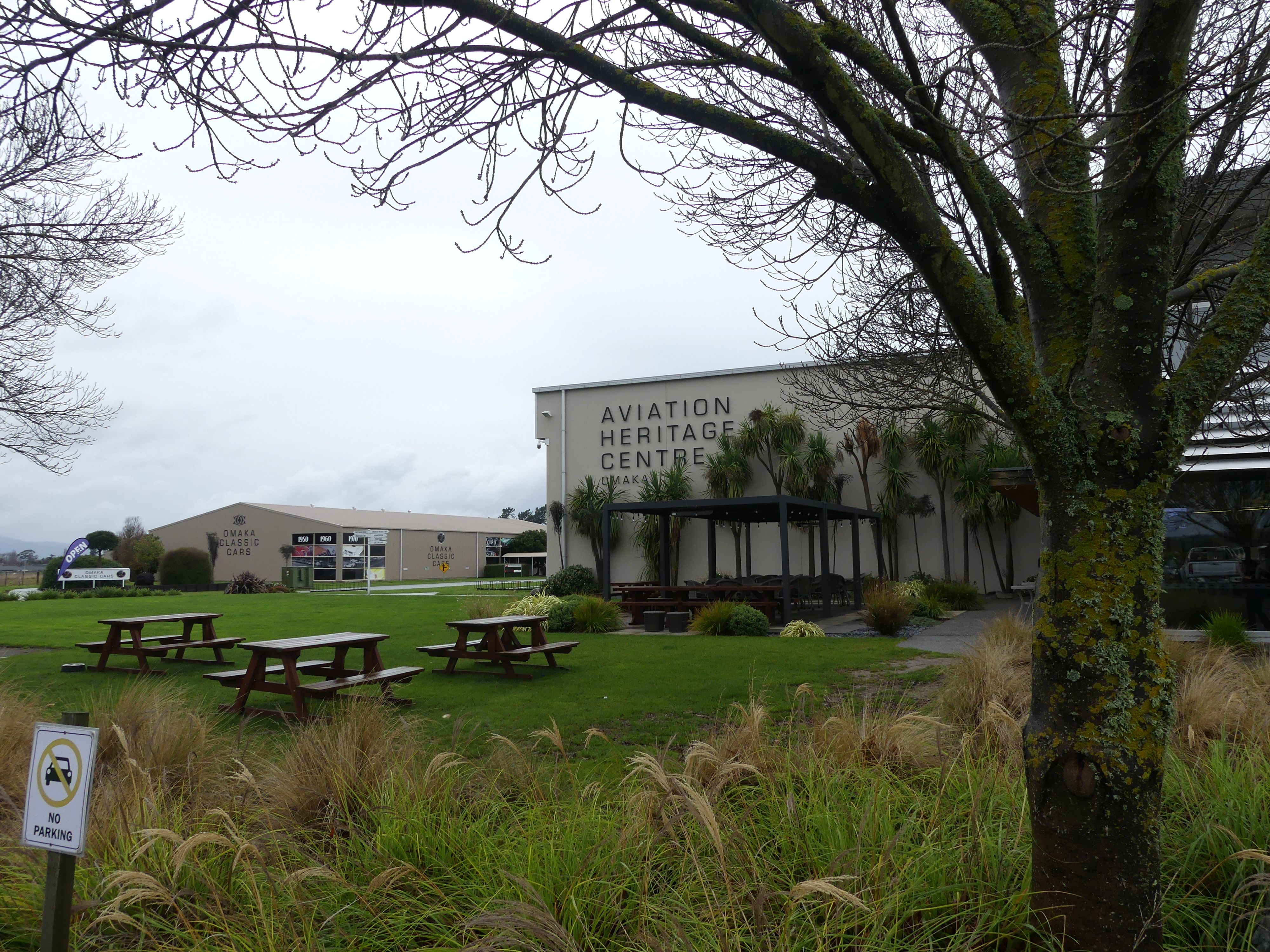
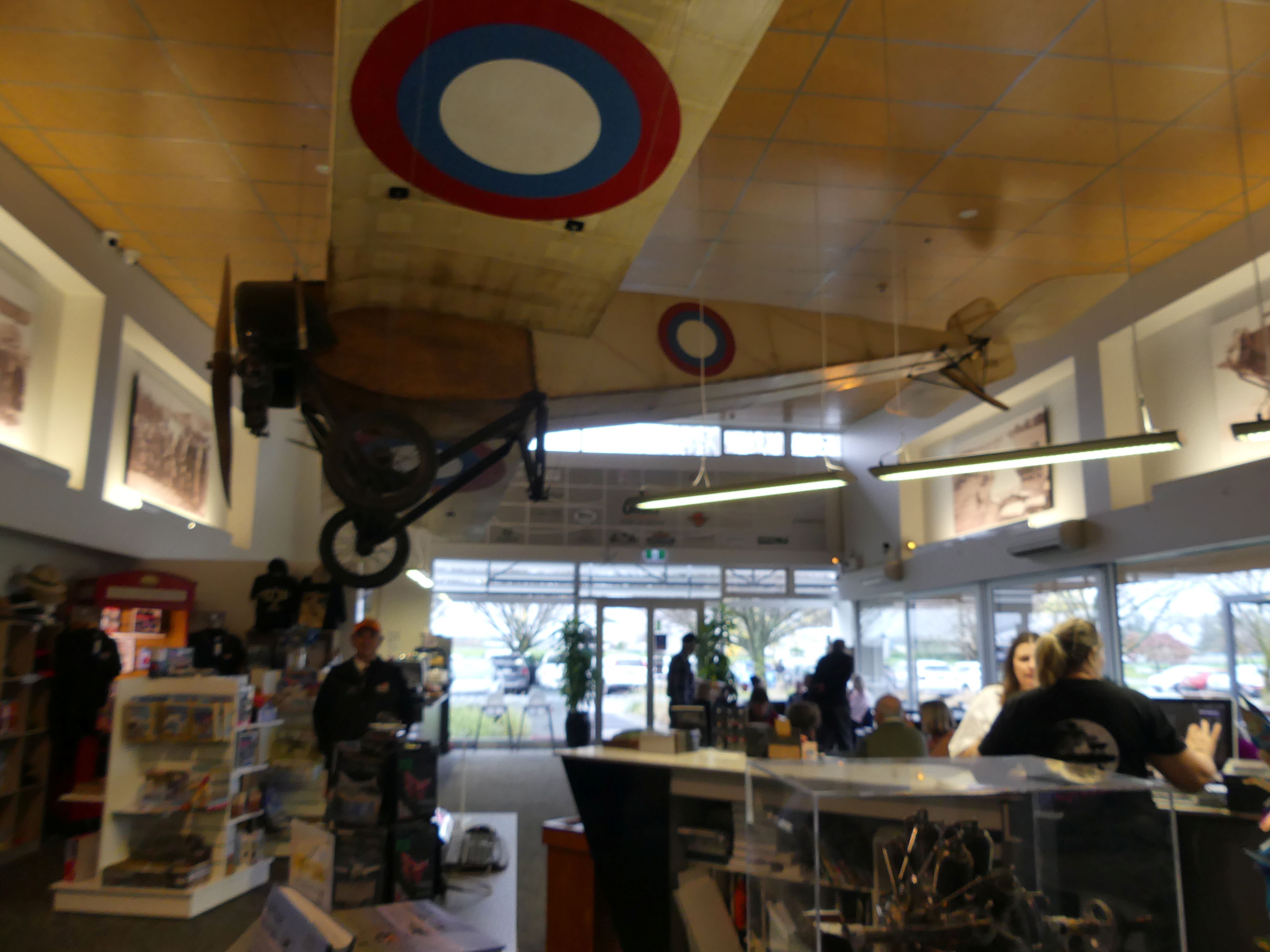
You can tell how impressive this museum is by the photos I have taken. History presented vividly. I have not included Pfalz D III, British De Havilland DH4, Halberstadt D.IV, early machine gun carrier, Captain Clive Franklyn Collett MC (28 August 1886 – 23 December 1917) tries his parachute. I don’t know why but those pictures when posted are viewed in landscape.

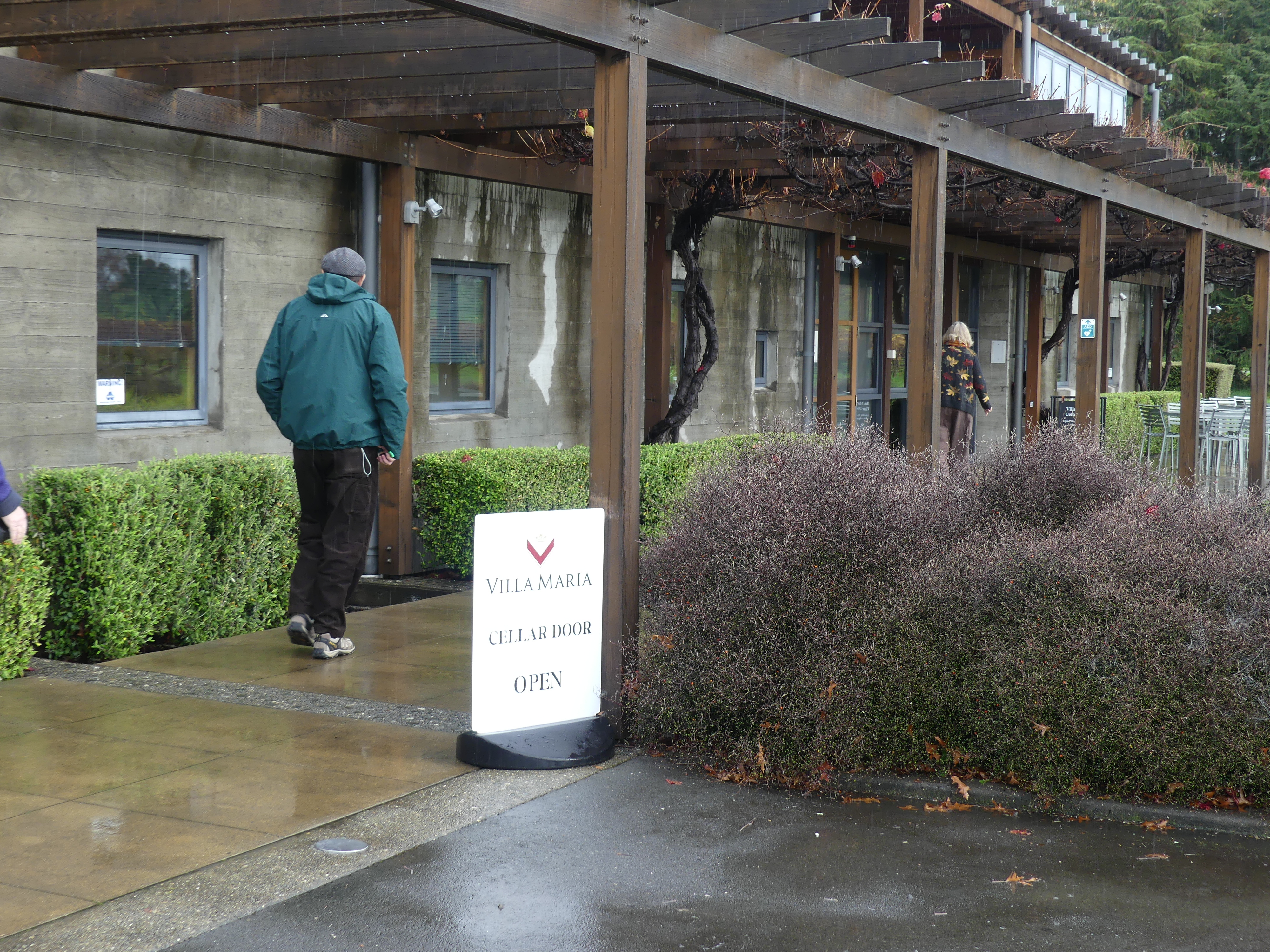
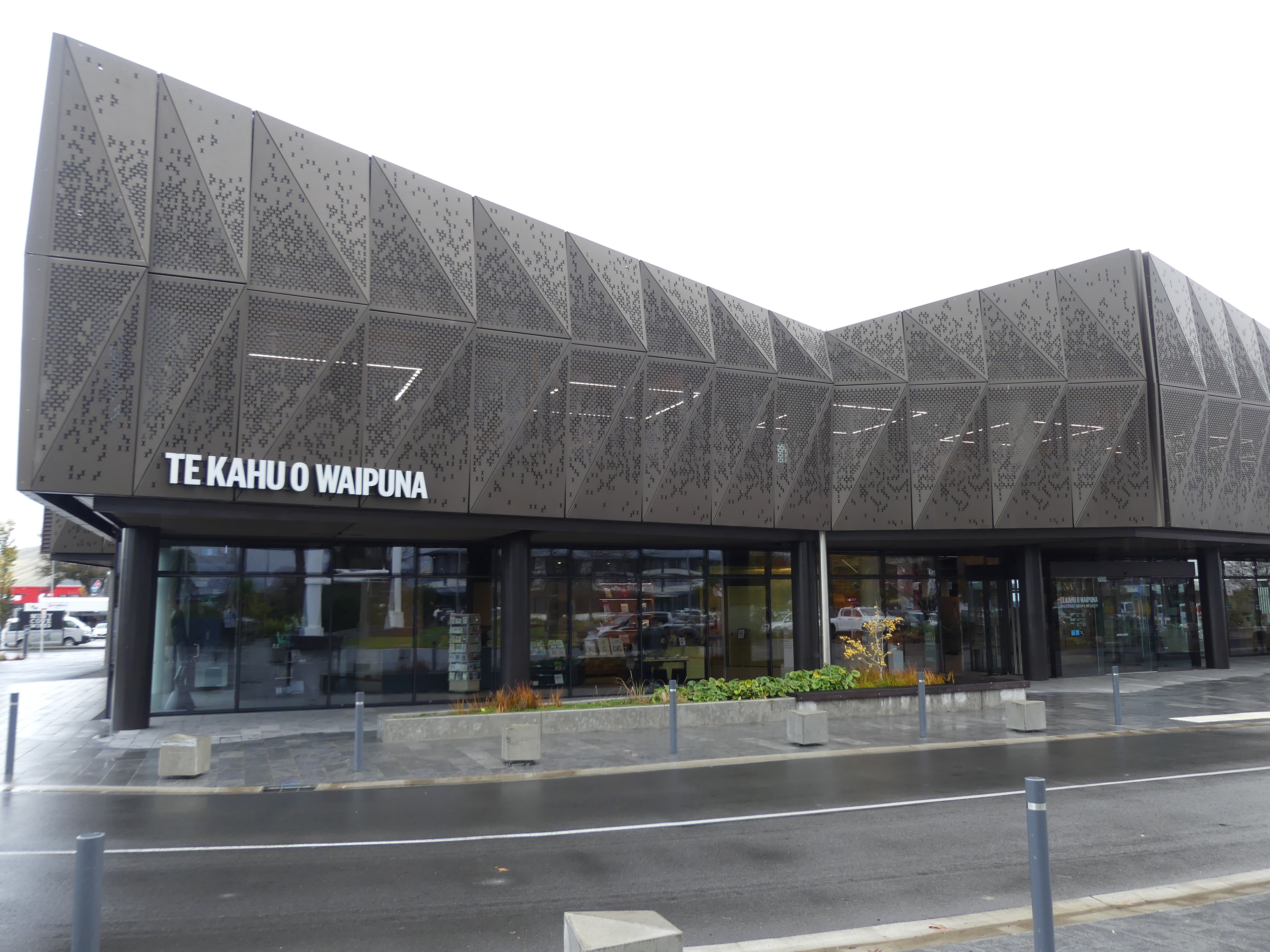
We then called in at Villa Maria Vineyard Cellar door where we did a wine tasting and picked up two bottles of Sauvignon Blanc for our card games, followed by Tekahu O Waipuna Library and Art Gallery.

After lunch in the café, we journeyed onto Kaikoura and our apartment at Waves Kaikoura Waterfront Apartment. Easier said than done. Finding how to access our apartment was not so easy. To gain access saw Kerry running around trying to interpret the means of gaining access. After an hour of stuffing around we finally had the formula to access the keys and codes to get in up 2 flights of stairs.
The apartment was quite acceptable for us to share. So we had a few hands of cards then off to bed so that we were up bright and early for the THE RETIREES VISIT THE SOUTH ISLAND ACROSS THE DITCH blog 495 Episode 8.
“THE RETIREES GO AROUND THE WORLD – BARI to MONOPLI.”

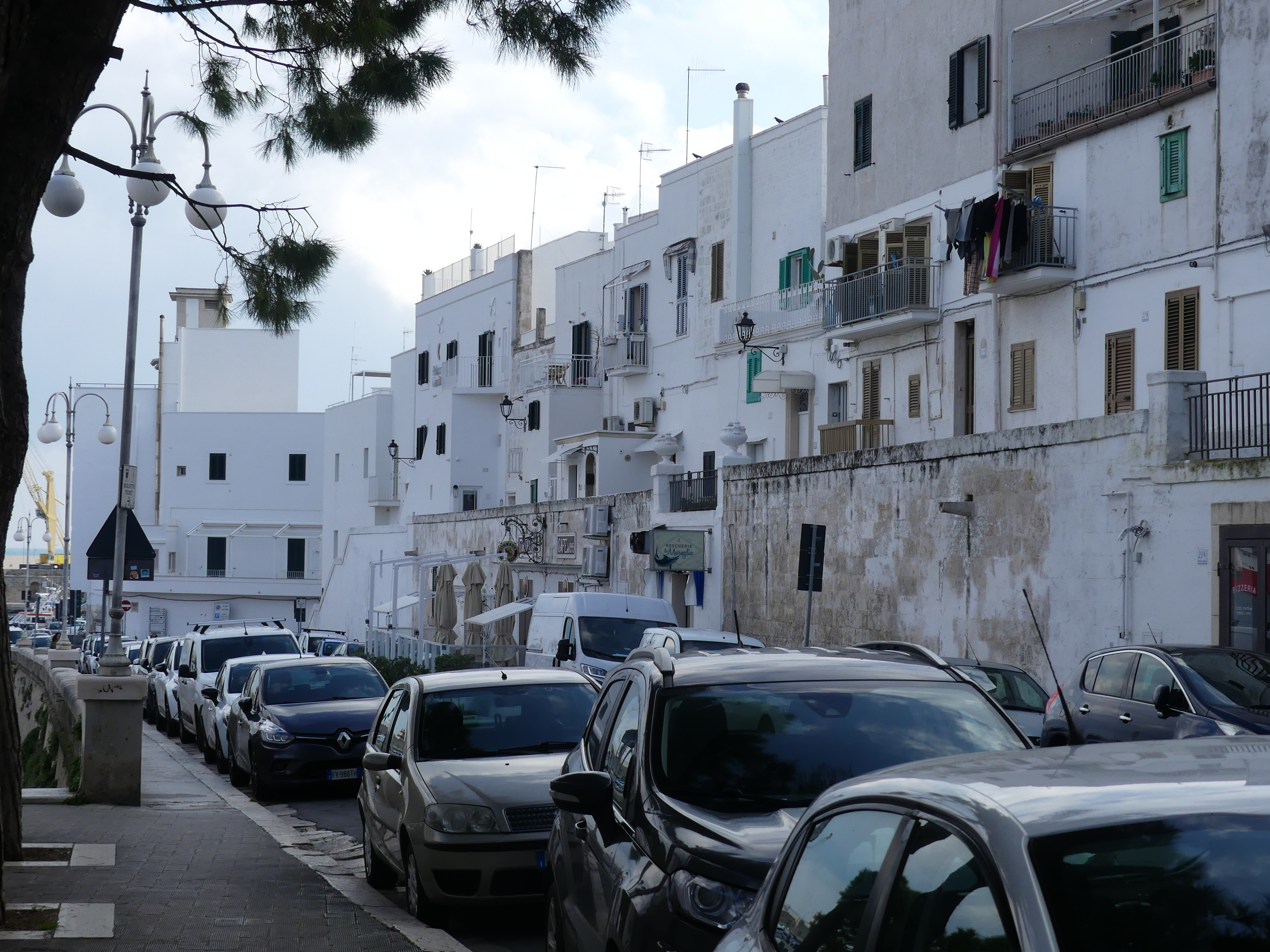
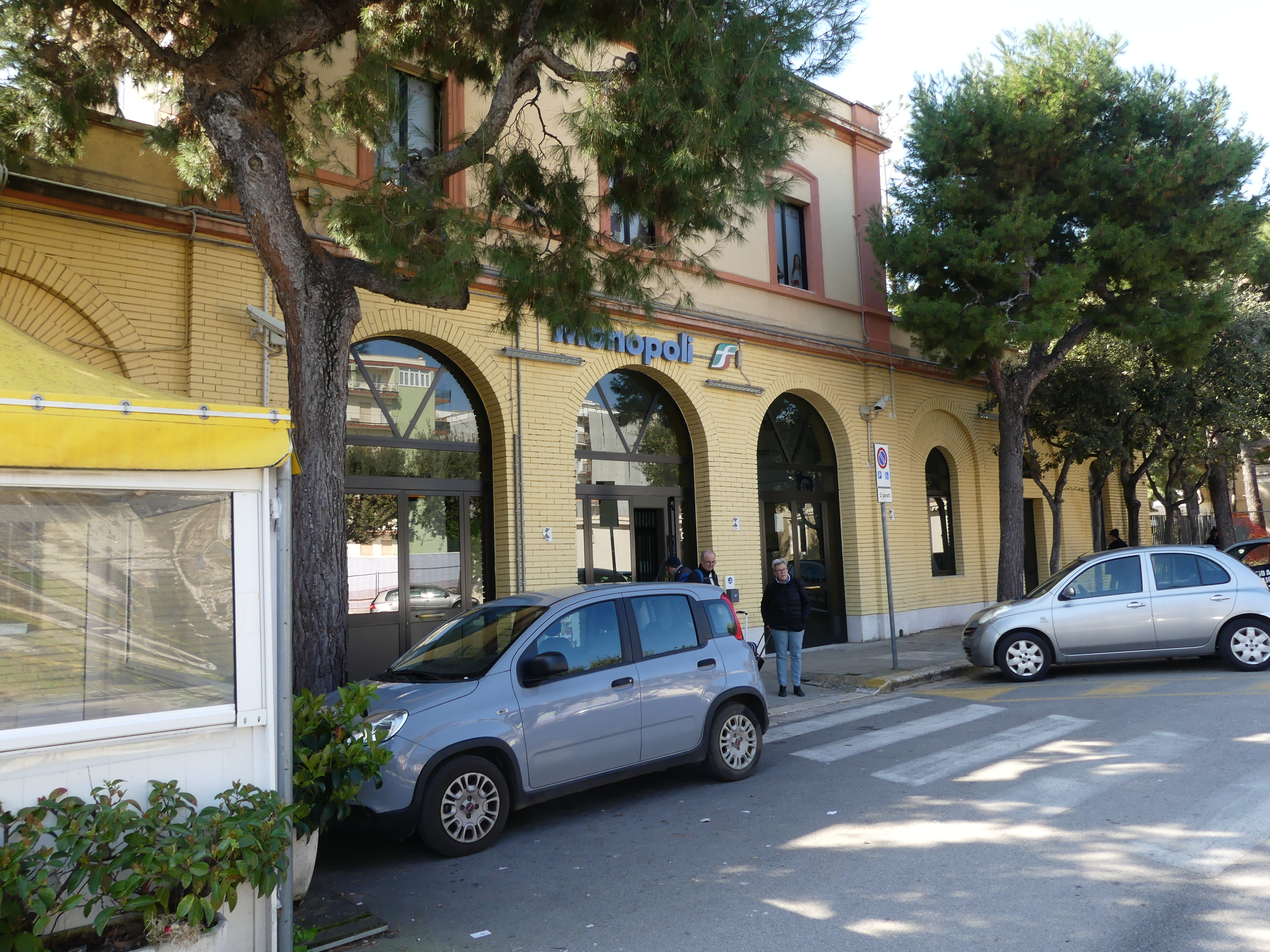
This town was not on my itinerary either but that was part of Robert’s plans/expertise – to know what he wanted to do and drag us to these spots. It was quite exciting guessing his motivations. Monopoli is on the coast of the Adriatic Sea in the Metropolitan City of Bari and region of Apulia. As we strolled through the town towards the port, Robert guided us into a church quite different to the gaudy monuments typically found in Italy. Plain unimposing exterior with a very clean line inside leading to its purpose of prayer in the Christian faith. My first photo is the back of Robert’s head and the train directory identifying our station. Note his yellow jacket. Workplace Health and Safety dictates that he is clearly visible. You will observe this when we visit the church.
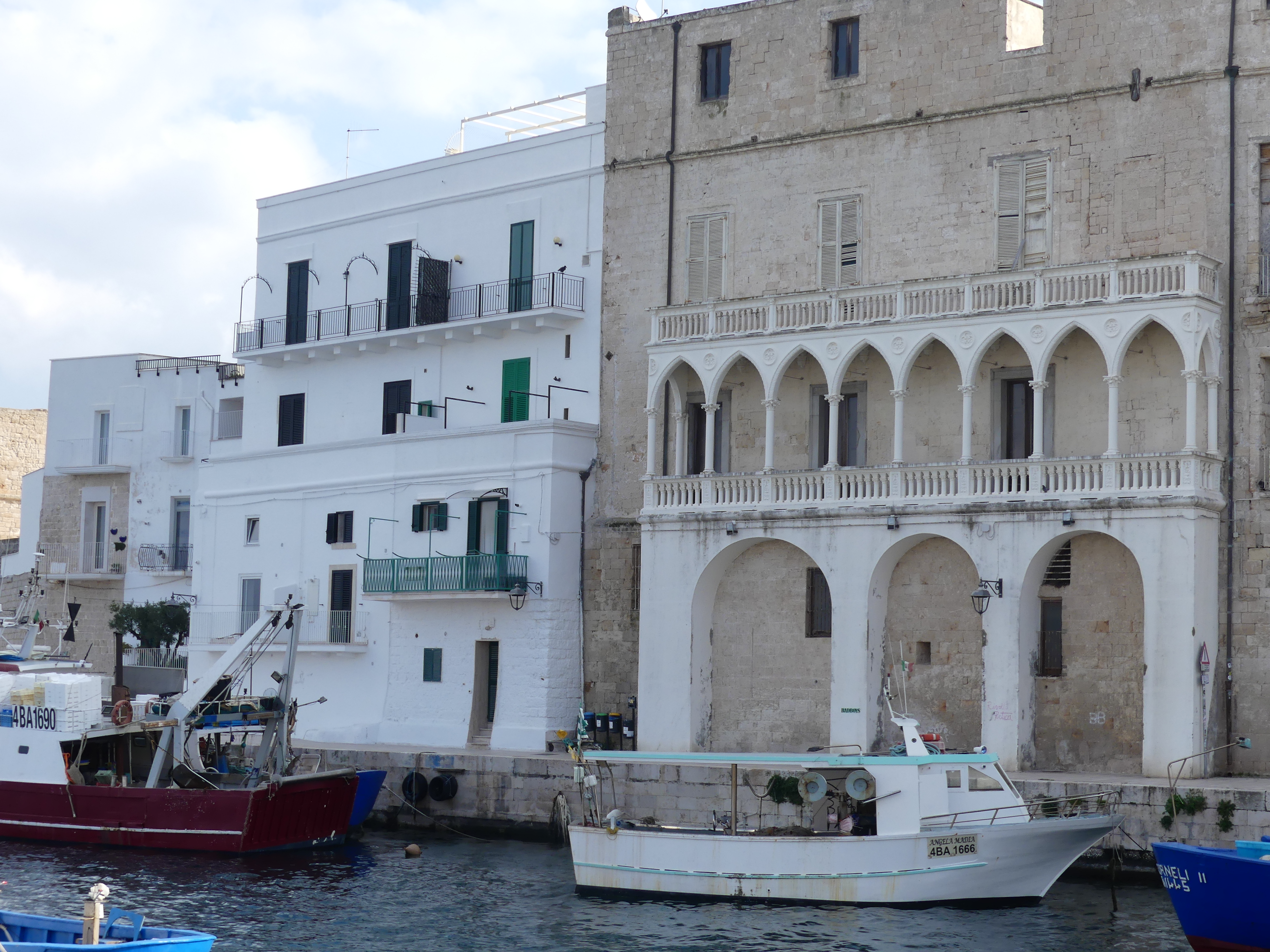
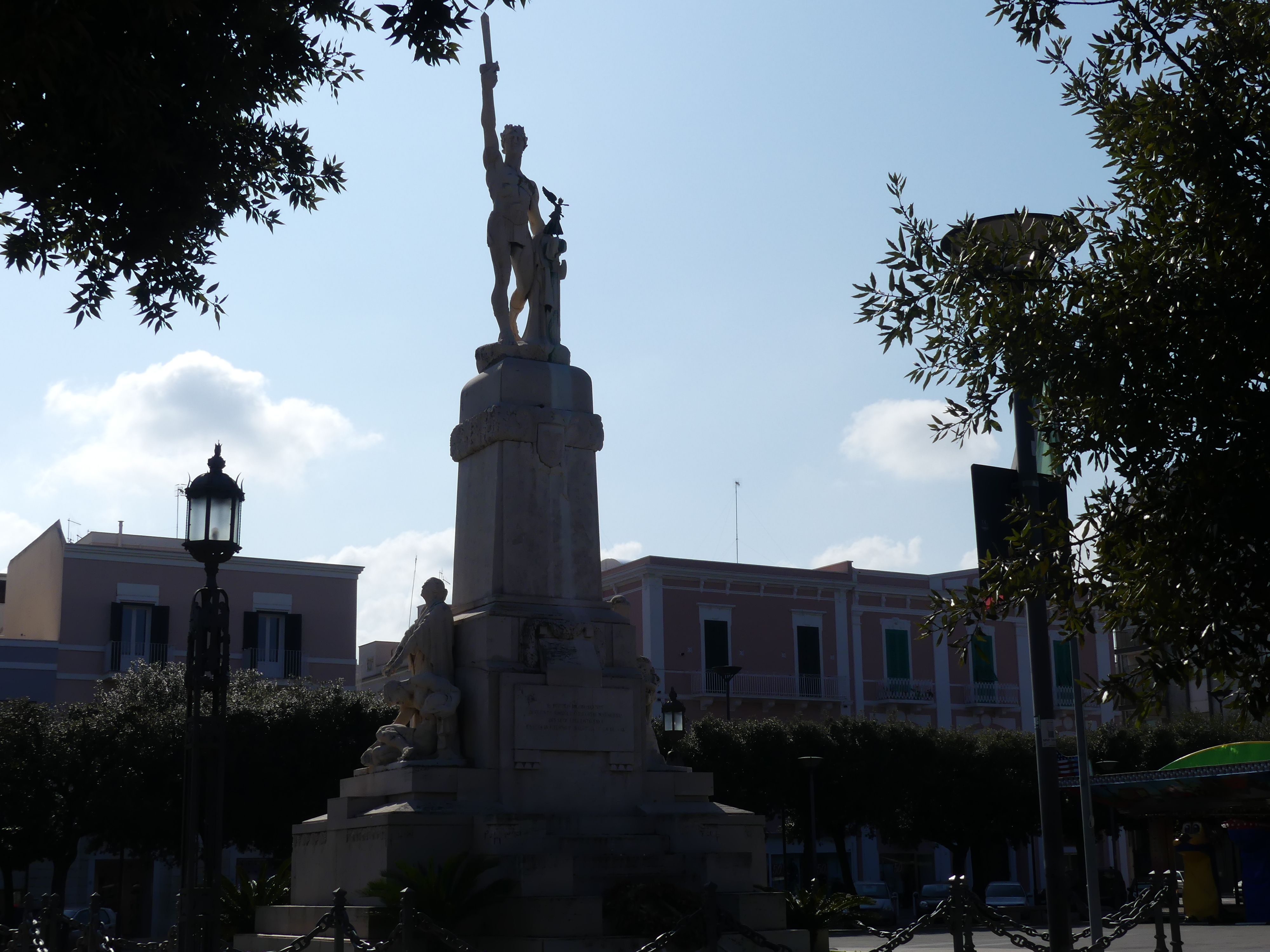
Monopoli was to provide quite a few unexpected sights. We crossed the town square and entered the port side where waterside apartments, fishing vessels, cargo ships, and expensive looking waterside houses of various eras hidden down narrow lane ways could be found. The last photo below is part of the square but on the opposite side to the fountain – a very large square for the town.

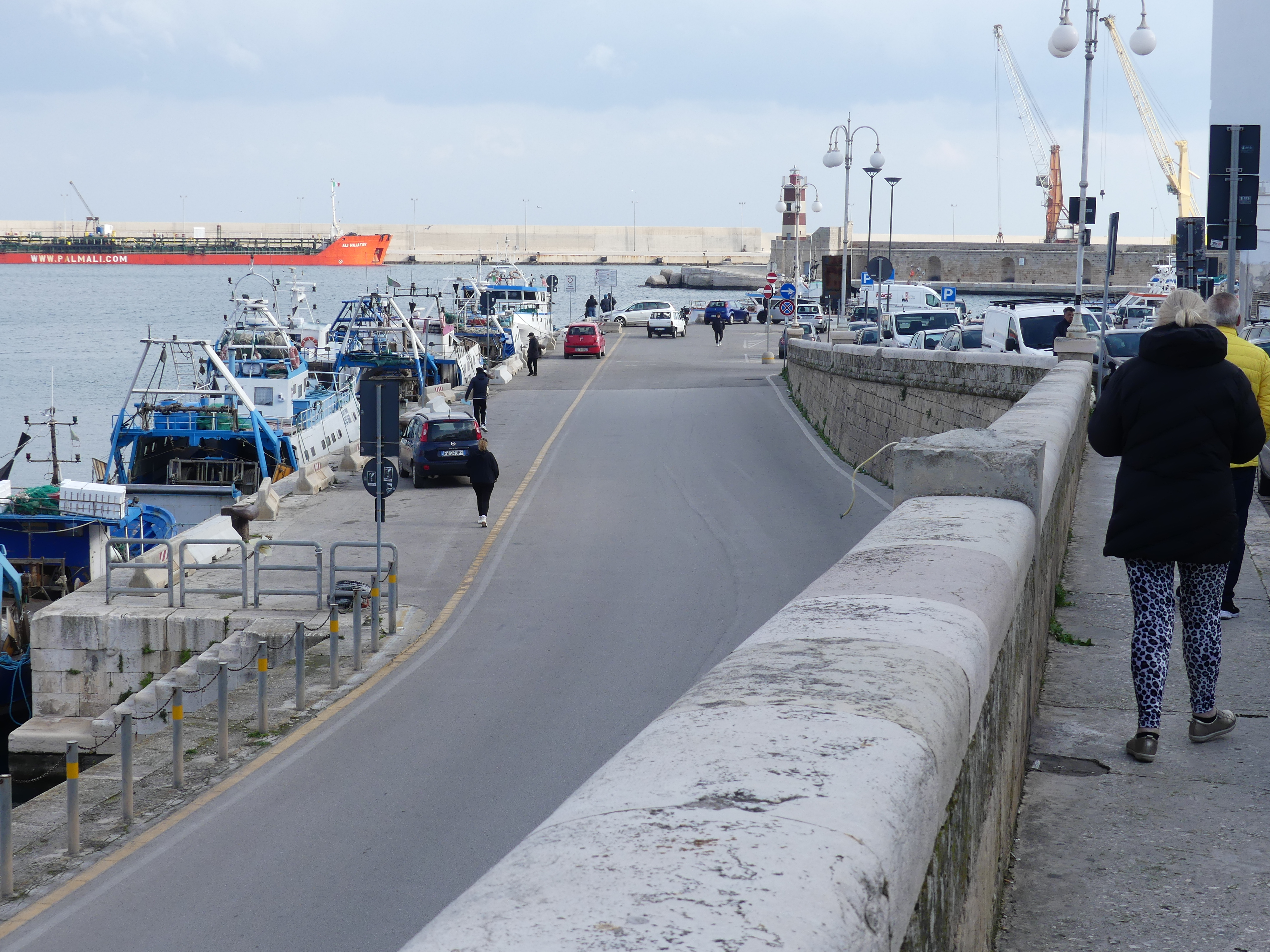
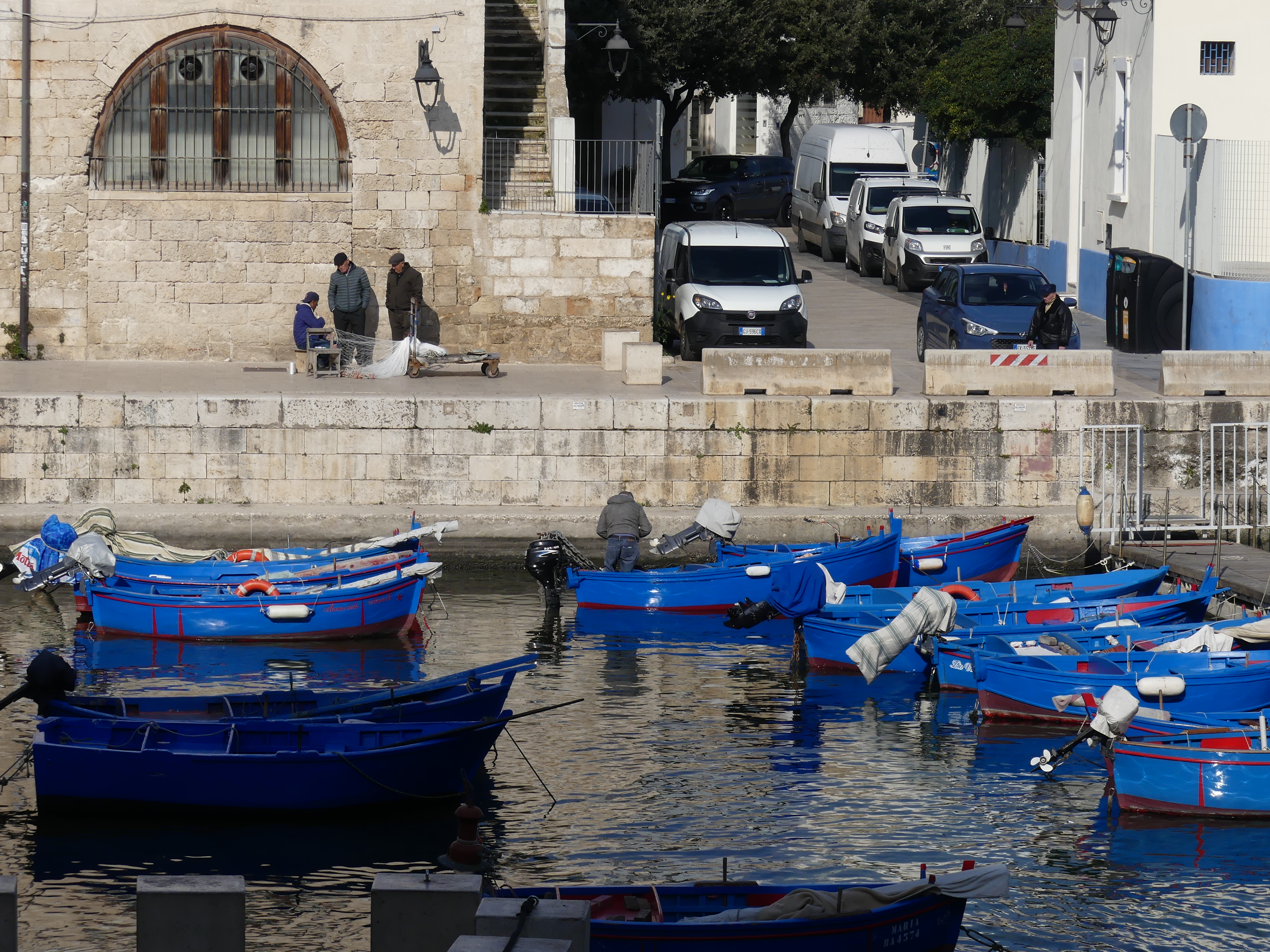
Once we had entered the port area it was quite obvious that the old and new sat comfortably together. Fishing continues to be an occupation in Monopoli and walking along the edge of the port we came upon a sight I was not expecting – a local fisherman repairing his nets on the port side surrounded by his mates chattering away and him focused on getting the nets ready to go fishing.

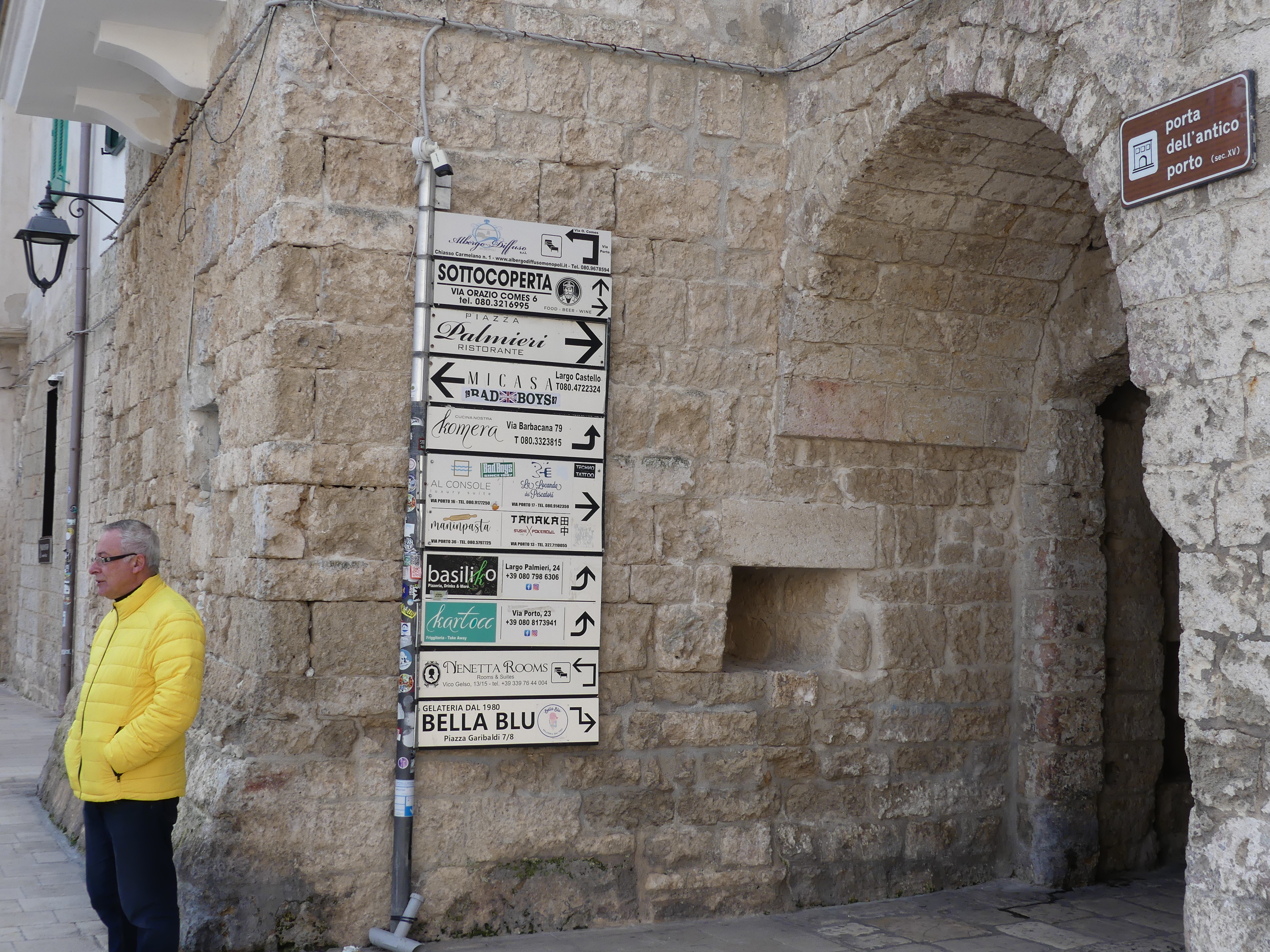
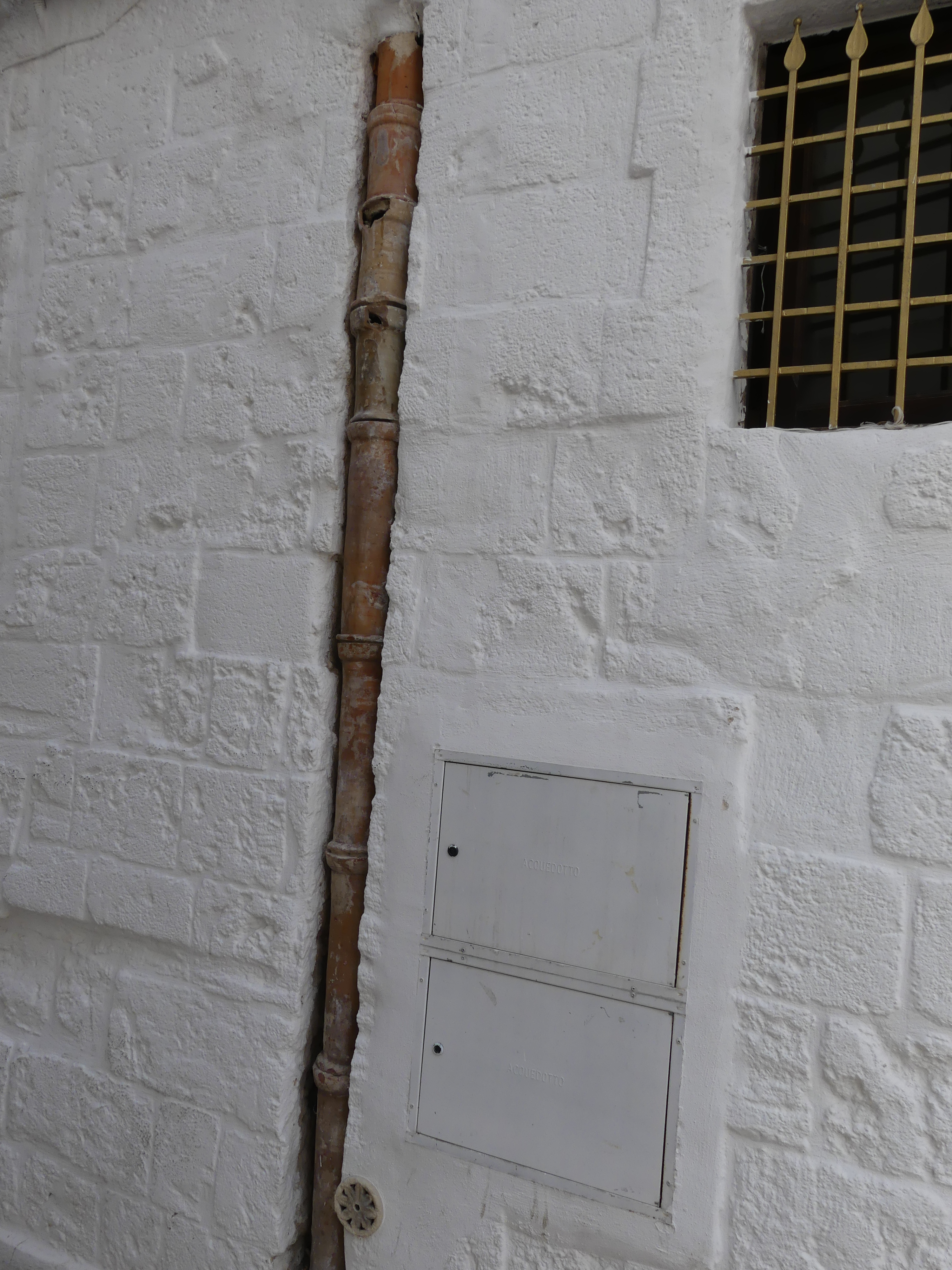
We are here out of season, so all the blue tourist boats are in the harbour. Our guide, wearing the brightest yellow jacket (it was cool, but he had to be seen), worked our way through the narrow lane ways filled with shops and apartments. The sign board below is but a few of the shops. The wine shop had its door handle made to represent its products. Check out the photo of the ancient downpipe set into the newly painted brick wall

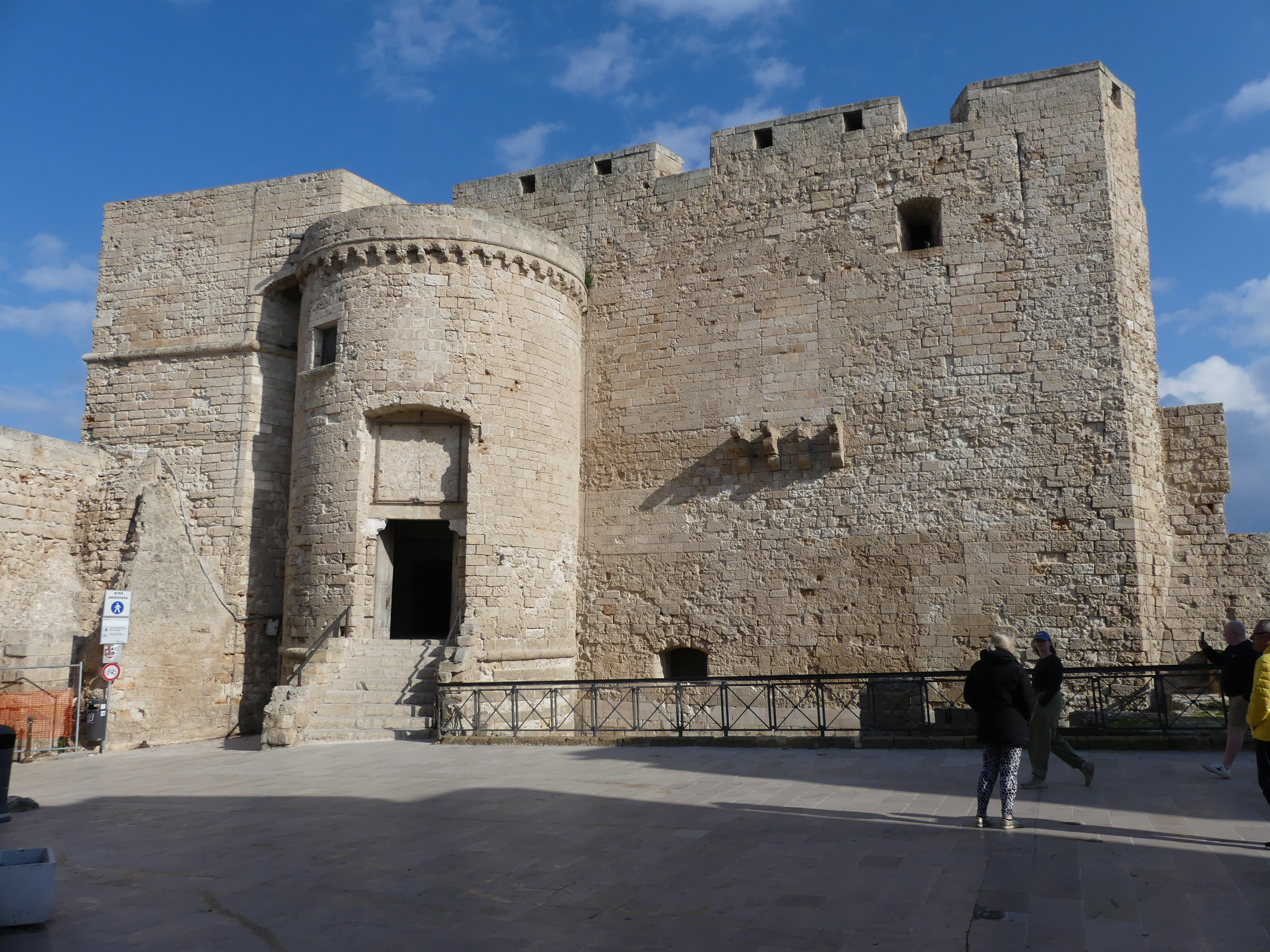
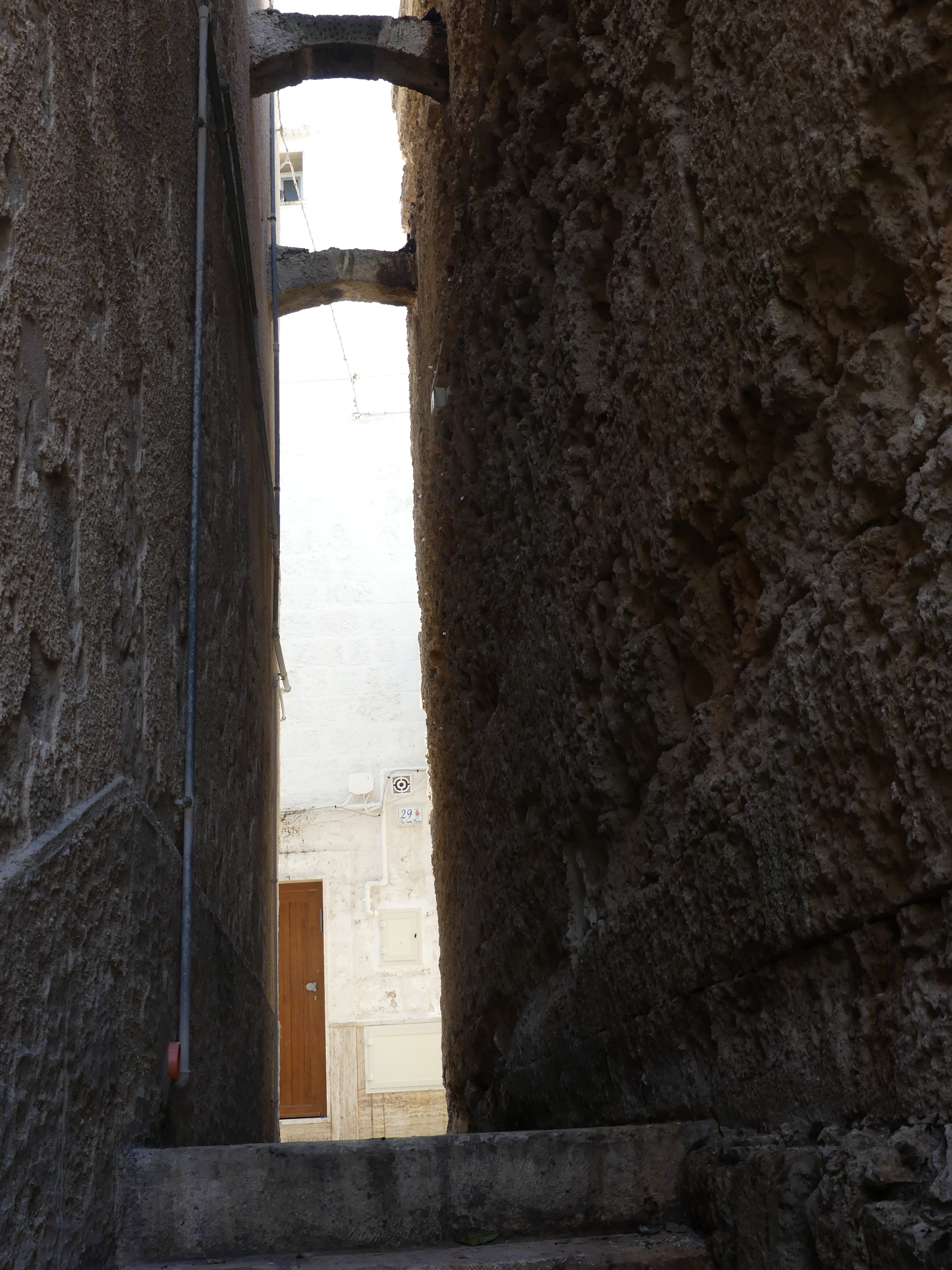
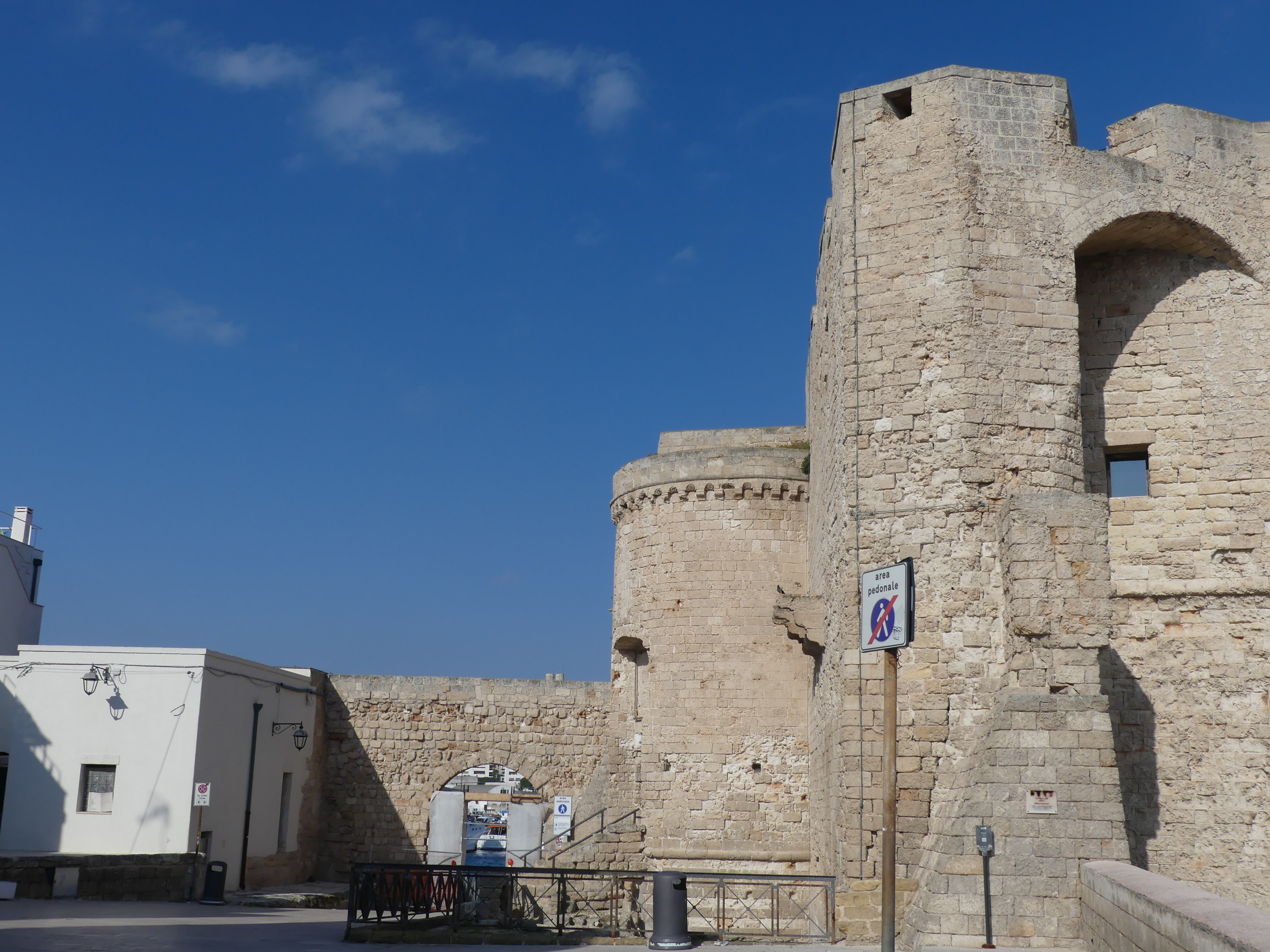
Every turn he took we seemed to be losing our way but he always seemed to come back to the waterfront, always finding something old and something new side by side along the way. The garrison castle on the waterfront, now abandoned, told us something of the need to fortify against water borne menaces such as pirates and invaders. We could only access one part of the fort.

We could tell this was off season – there was no washing hanging from the lines between the holiday apartments. During off season repairs are performed. Actually there were times when our guide was reference the gps to find our way.

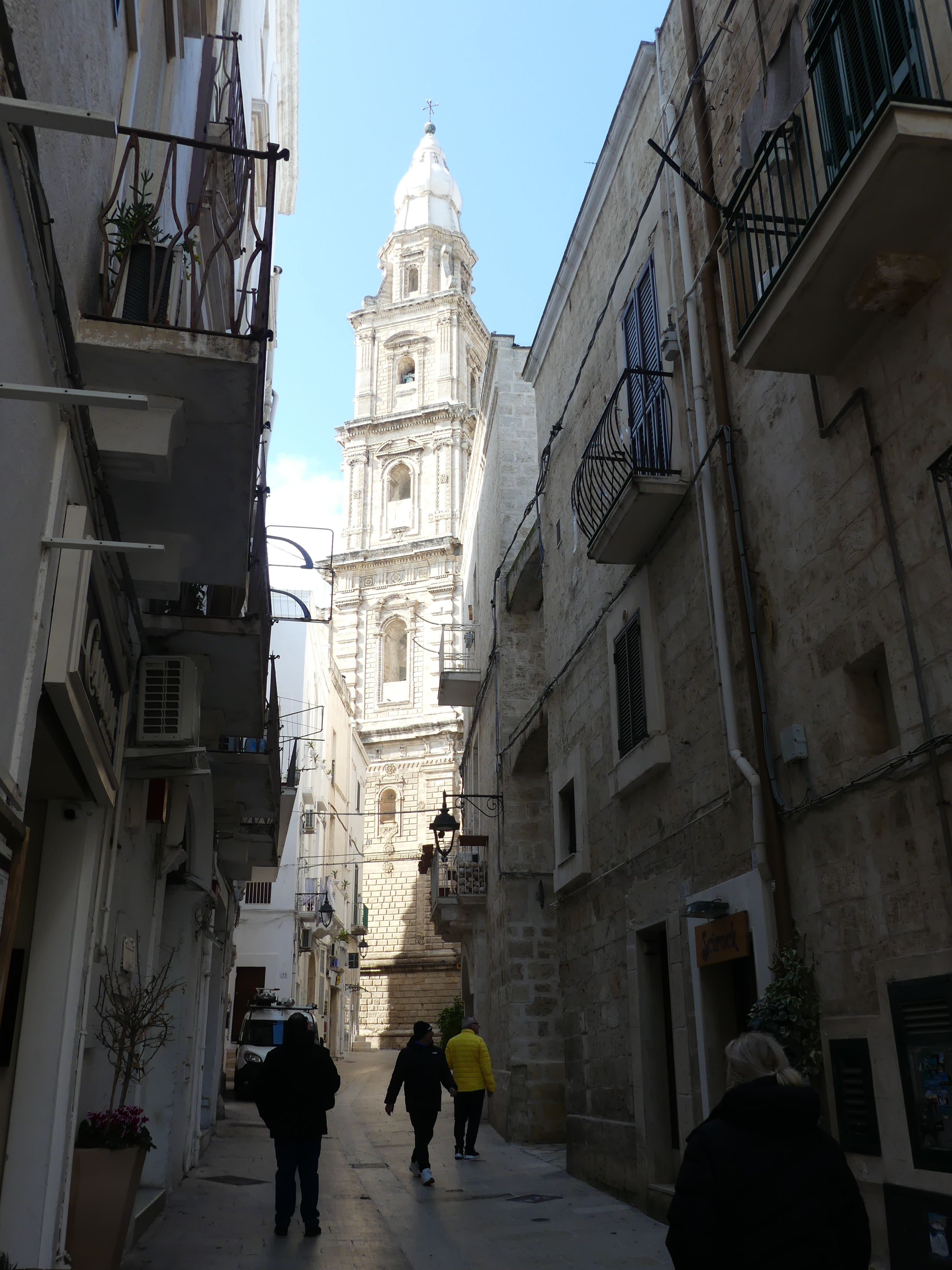
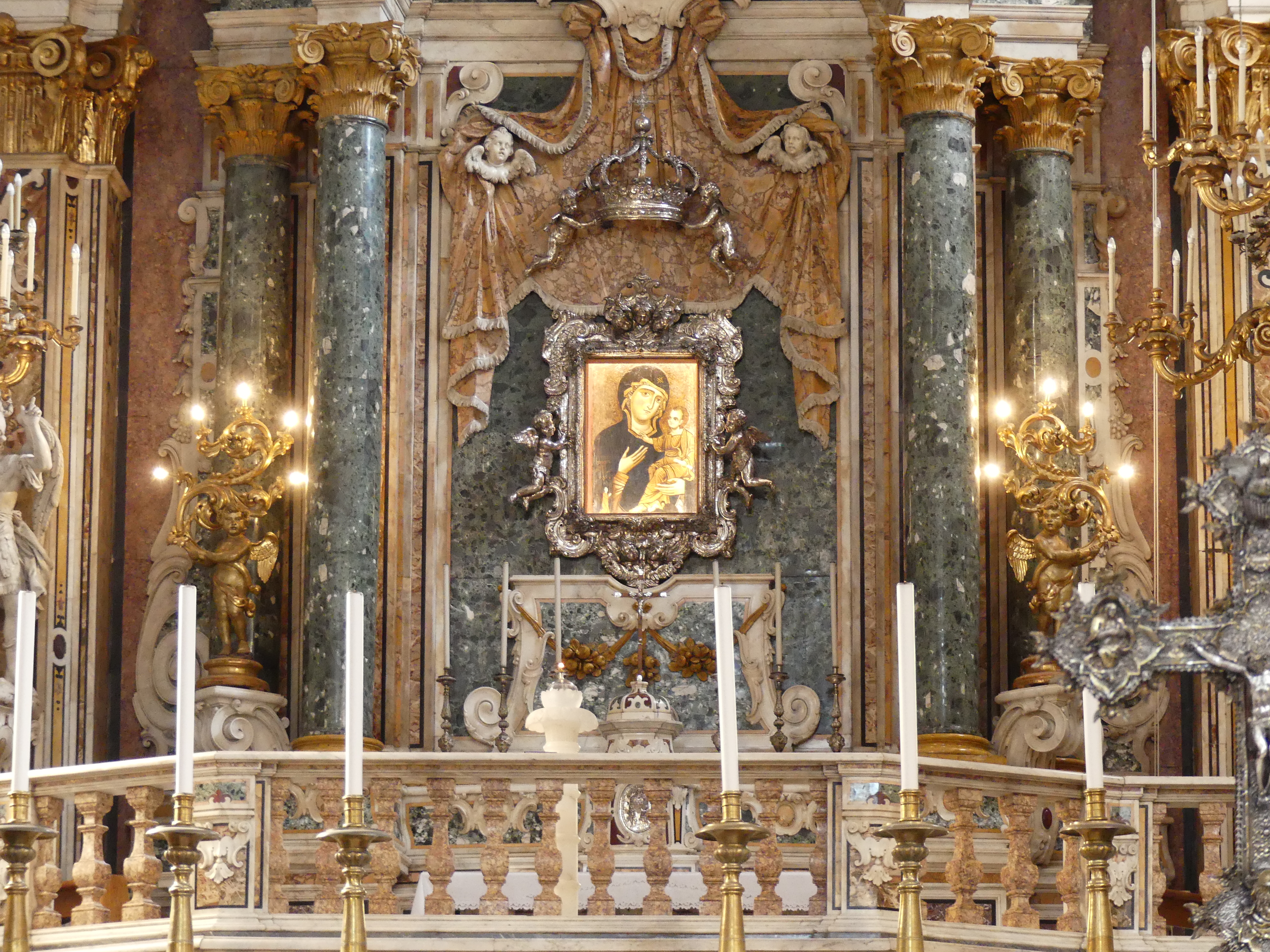
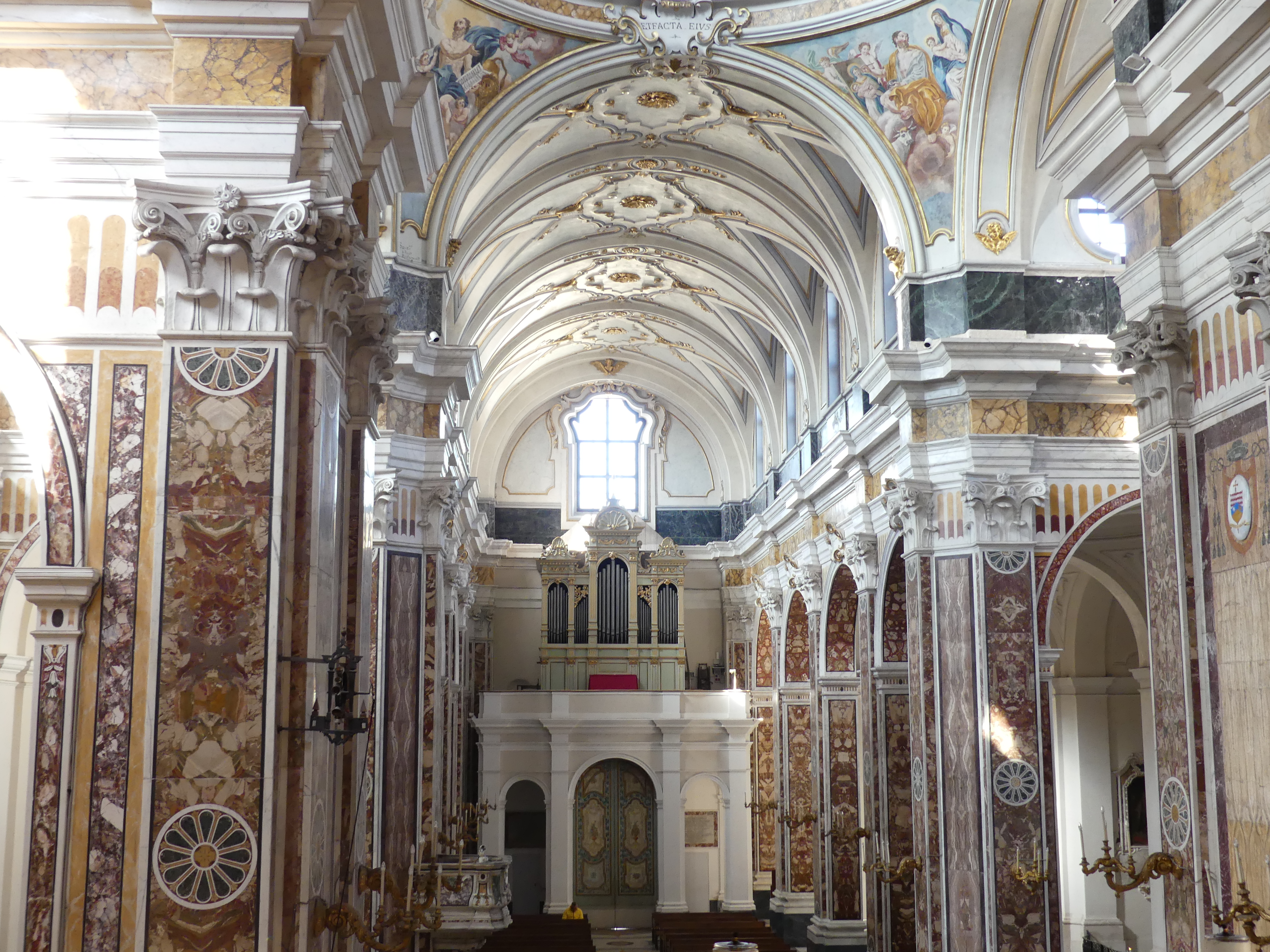
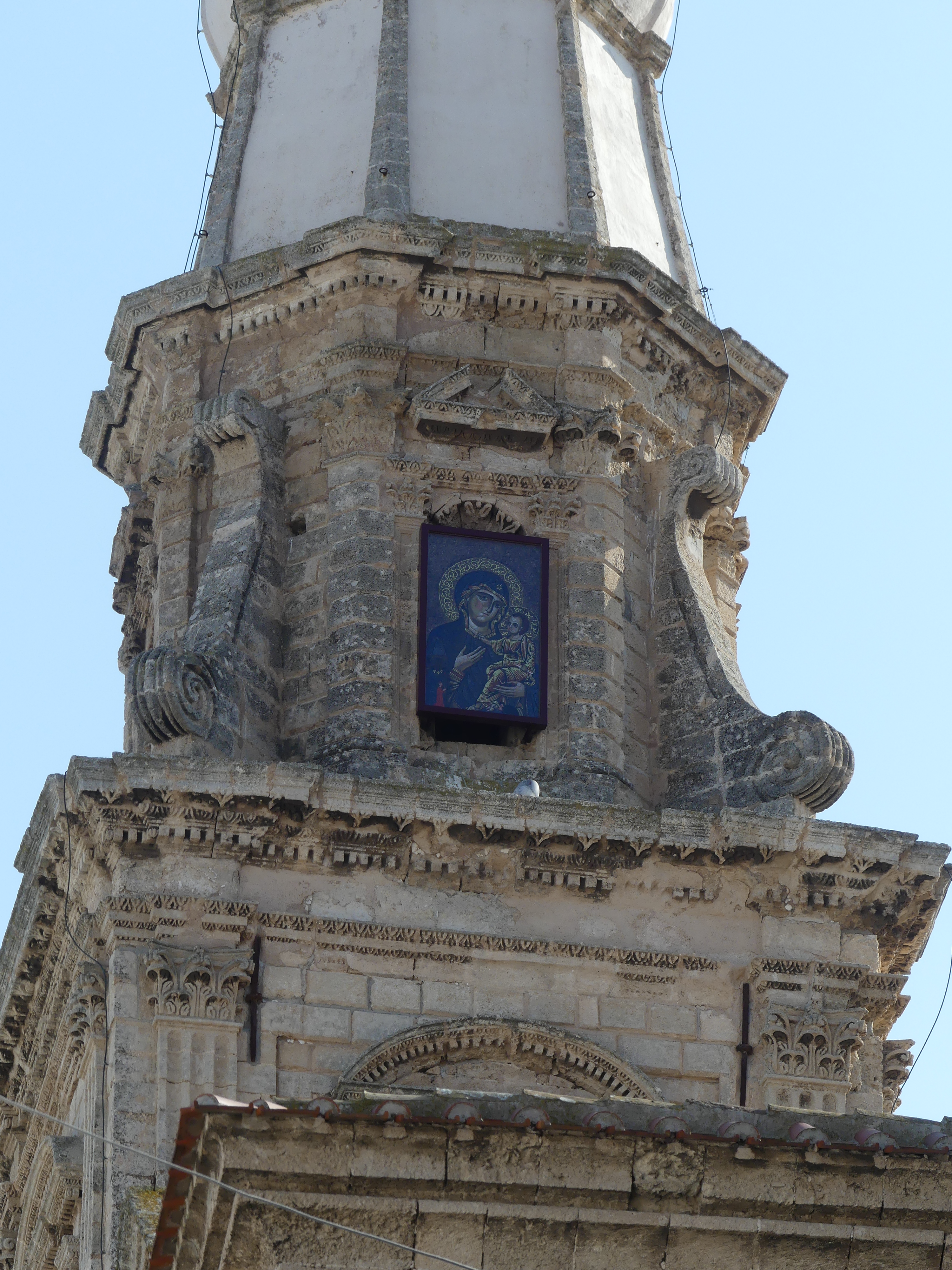
In the photo above you will notice a cathedral, the Basilica Cathedrale of Madonna della Madia in the background. It’s grandeur drew us to it. Our guide, distracted by his phone, missed the house with farmyard doors which appeared entirely out of place. The Basilica of the Madonna della Madia or Santa Maria della Madia was granted the status of a minor basilica in 1921. It is dedicated to the Virgin Mary under the title of the Madonna della Madia, after an icon kept here. It shows the former wealth of the town with its ornate interior.

It seemed like hours that we had been ducking in and out of little lanes and not one coffee shop was open. Finally as we left the Basilica our eagle scout smelt or spotted an inviting coffee shop and it was time for a cuppa which got Kerry very excited and Robert curious as to why he had not found this place previously. Refreshed we headed back to the station and returned to Terni.

Well we were well and truly knackered particularly knowing we would do it all again tomorrow at Polignano a Mare. Stay tuned for “THE RETIREES GO AROUND THE WORLD – BARI to POLIGNANO A MARE”

THE RETIREES AND FRIENDS VISIT PERTH AND MARGARET RIVER – days 10 & 11 Back to our Itinerary in Margaret River

Star Date 3rd & 4th August 2024

Busselton a city in the South West region of Western Australia approximately 220 km (140 mi) south-west of Perth was home to the Noongar Aboriginal people was one of the earliest settlements in Western Australia. John Bussell was granted land in the area in July 1832 and the settlers moved there in April 1834. The present name of Busselton derives from the Bussell family. It was first officially used in June 1835. Busselton soon established itself as a leading port. In 1850, being in close proximity to the tall timber country, timber was being exported and the small town prospered. Jetties for this purpose were built at Wonnerup, Busselton, and Quindalup but of these, only the Busselton Jetty remains. During the 1850s, Busselton began to receive convicts who were beginning to arrive in Western Australia; they particularly helped with the timber industry.

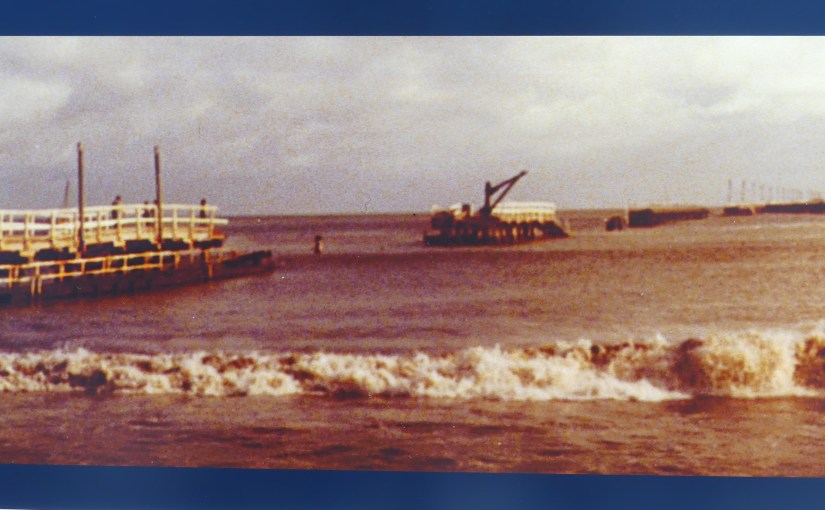
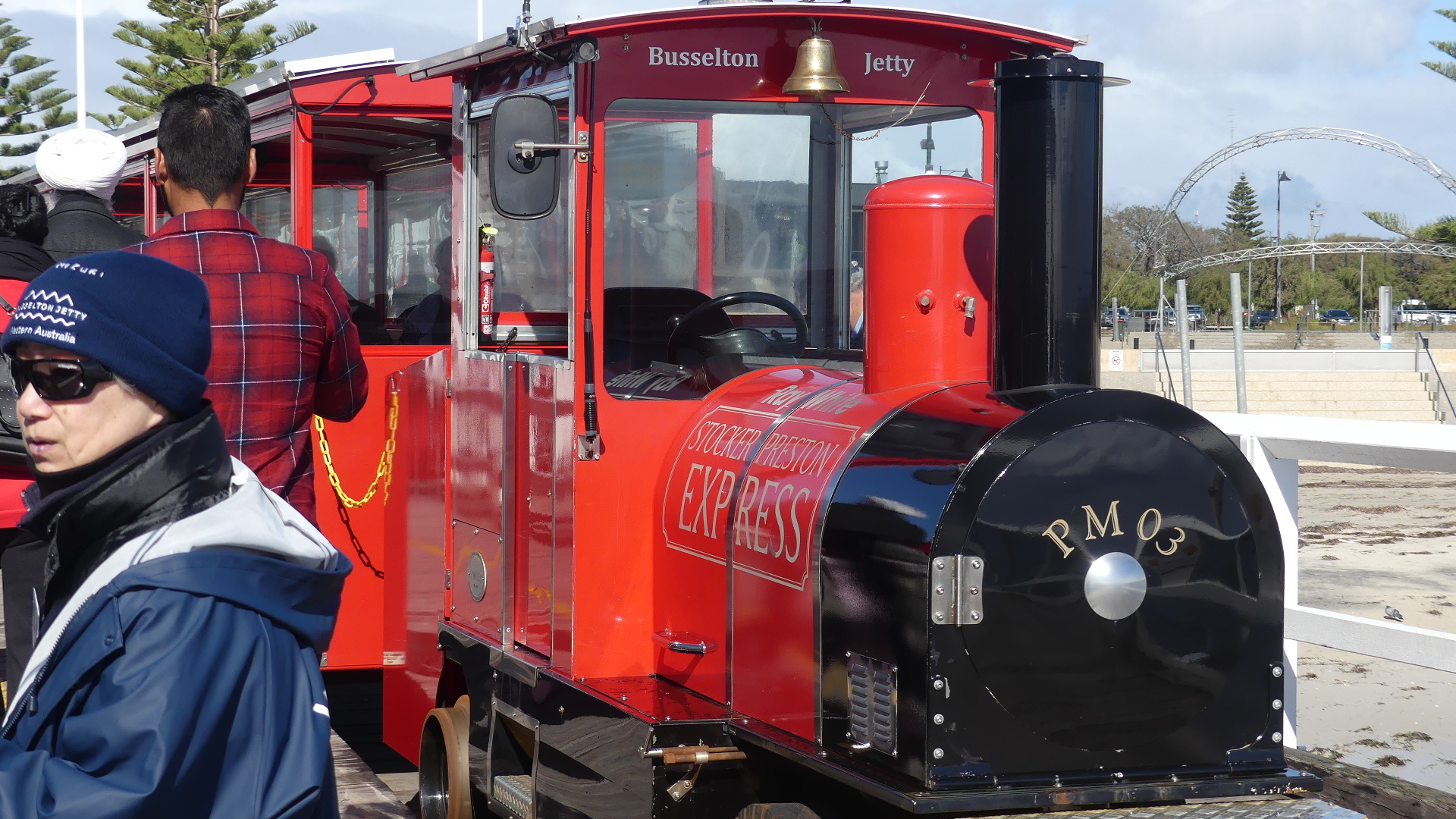
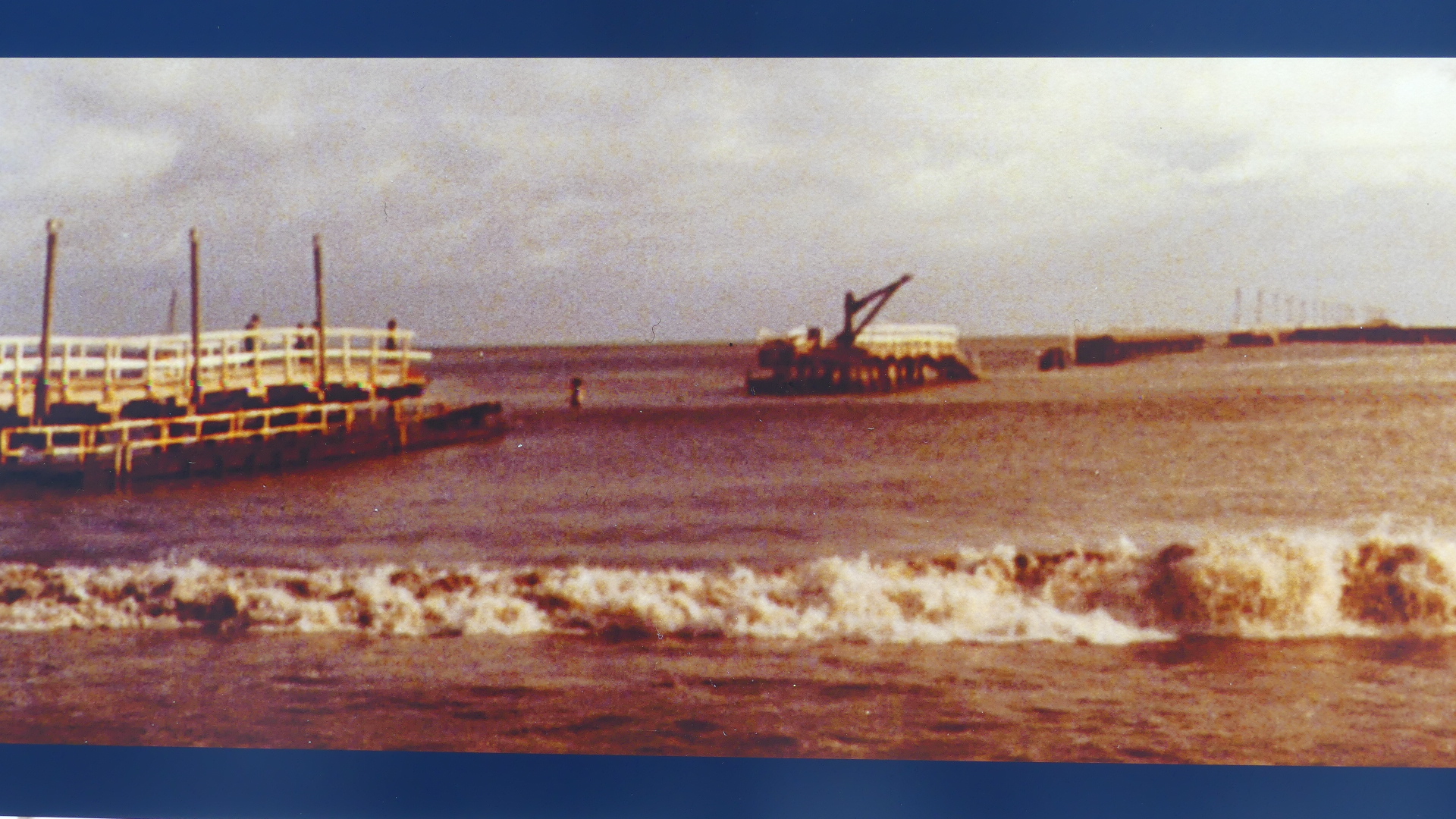
The 1960s saw the beginnings of the professional fishing industry and, in particular, the Margaret River wine region, which greatly increased tourist numbers in and around Busselton. Busselton’s nearest city is Bunbury named after Lieutenant Henry Bunbury who led a contingent of troops stationed at Wonnerup. Bunbury is 52 kilometres (32 mi) north-east of Busselton. Busselton is home to the longest wooden jetty (pier) in the Southern Hemisphere, stretching 1,841 metres (6,040 ft) out to sea. Construction of the jetty began in 1864 and it was continually extended until the 1960s, when it reached its current length. It was closed to shipping in 1972, and maintenance was discontinued for a time. Following major damage caused by Cyclone Alby in 1978 and a fire in 1999, it was restored and improved. Since 2003, the jetty has offered visitors a tourist train ride, an underwater observatory, and an interpretive centre.

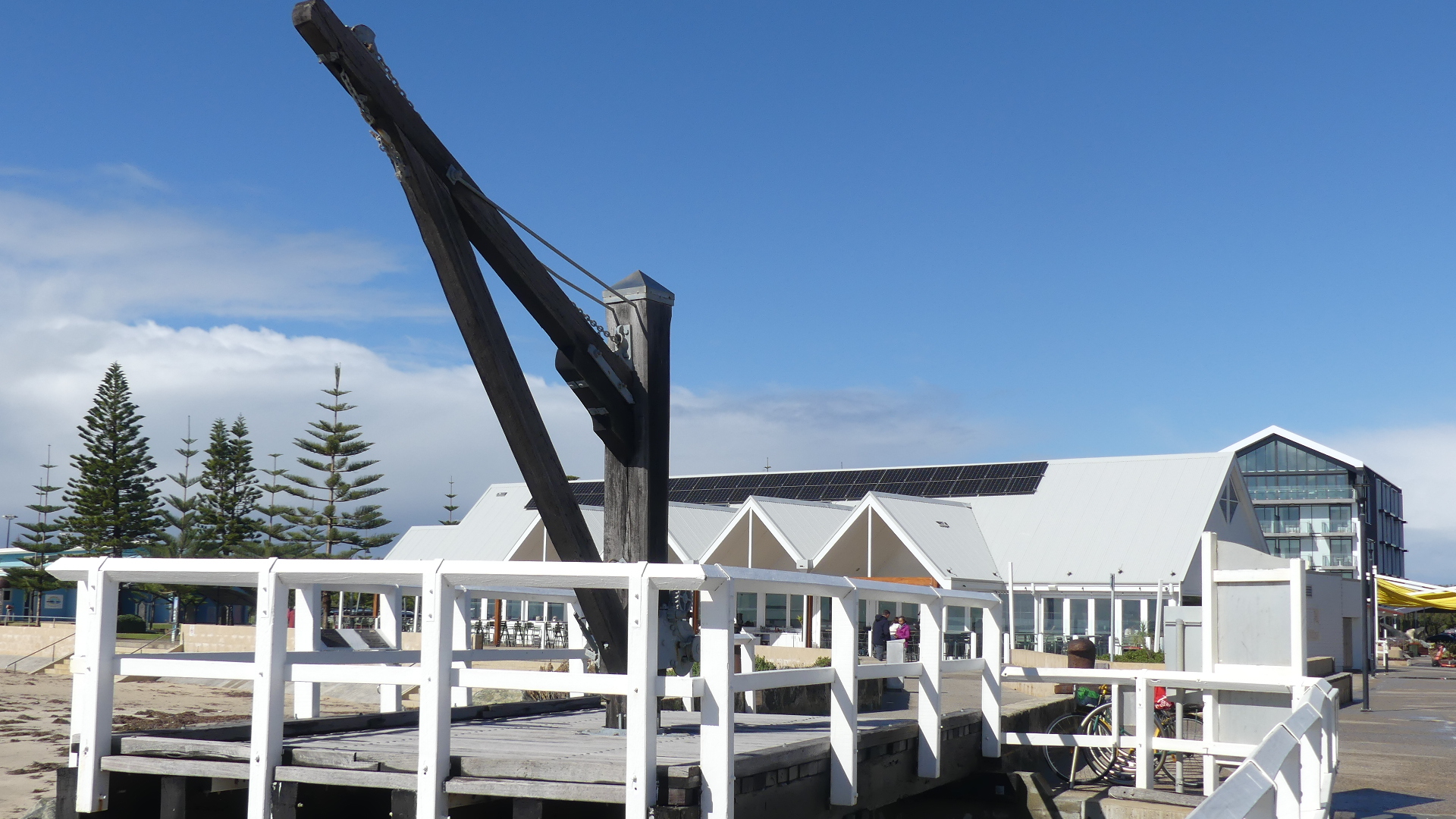
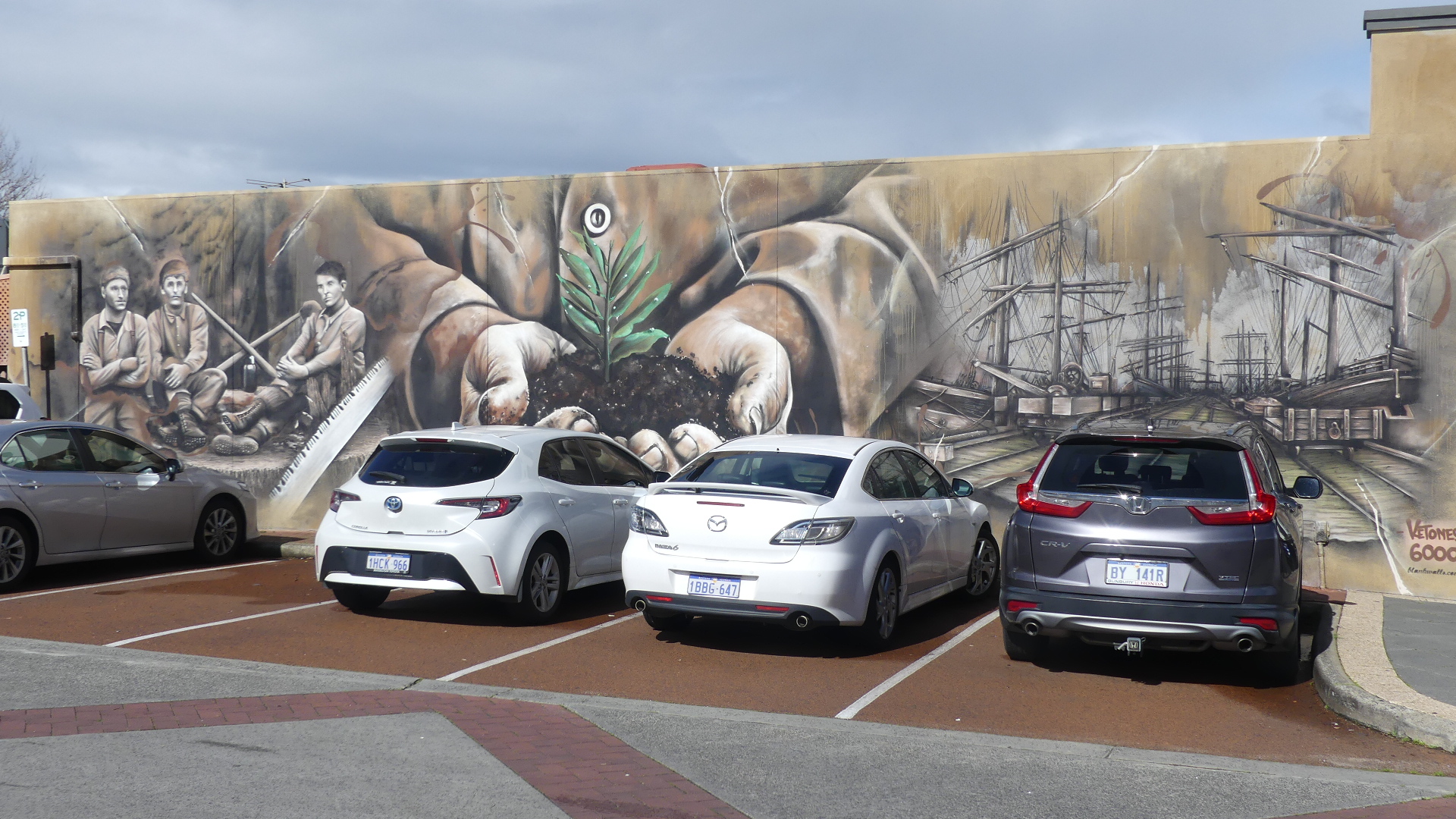
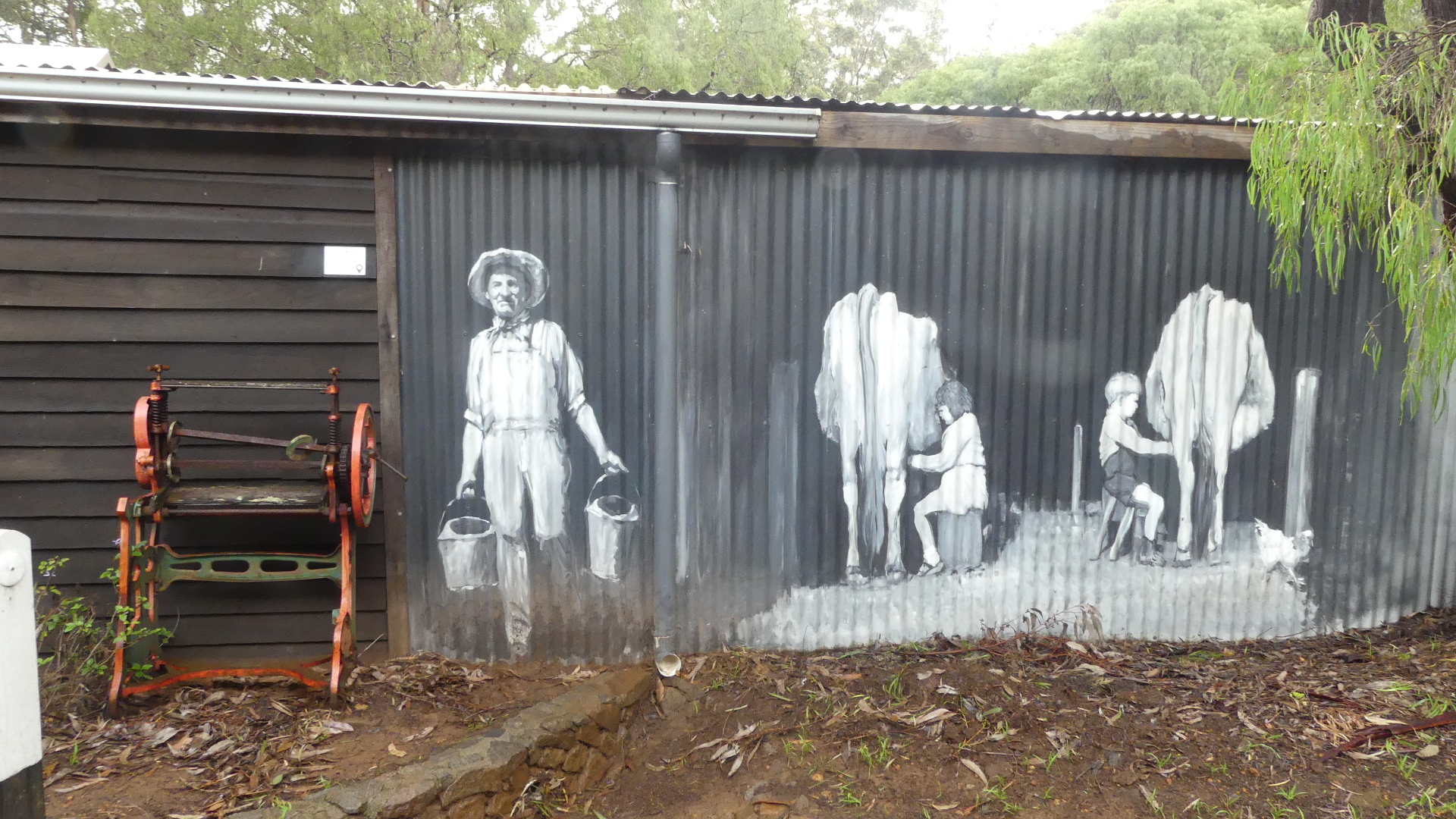
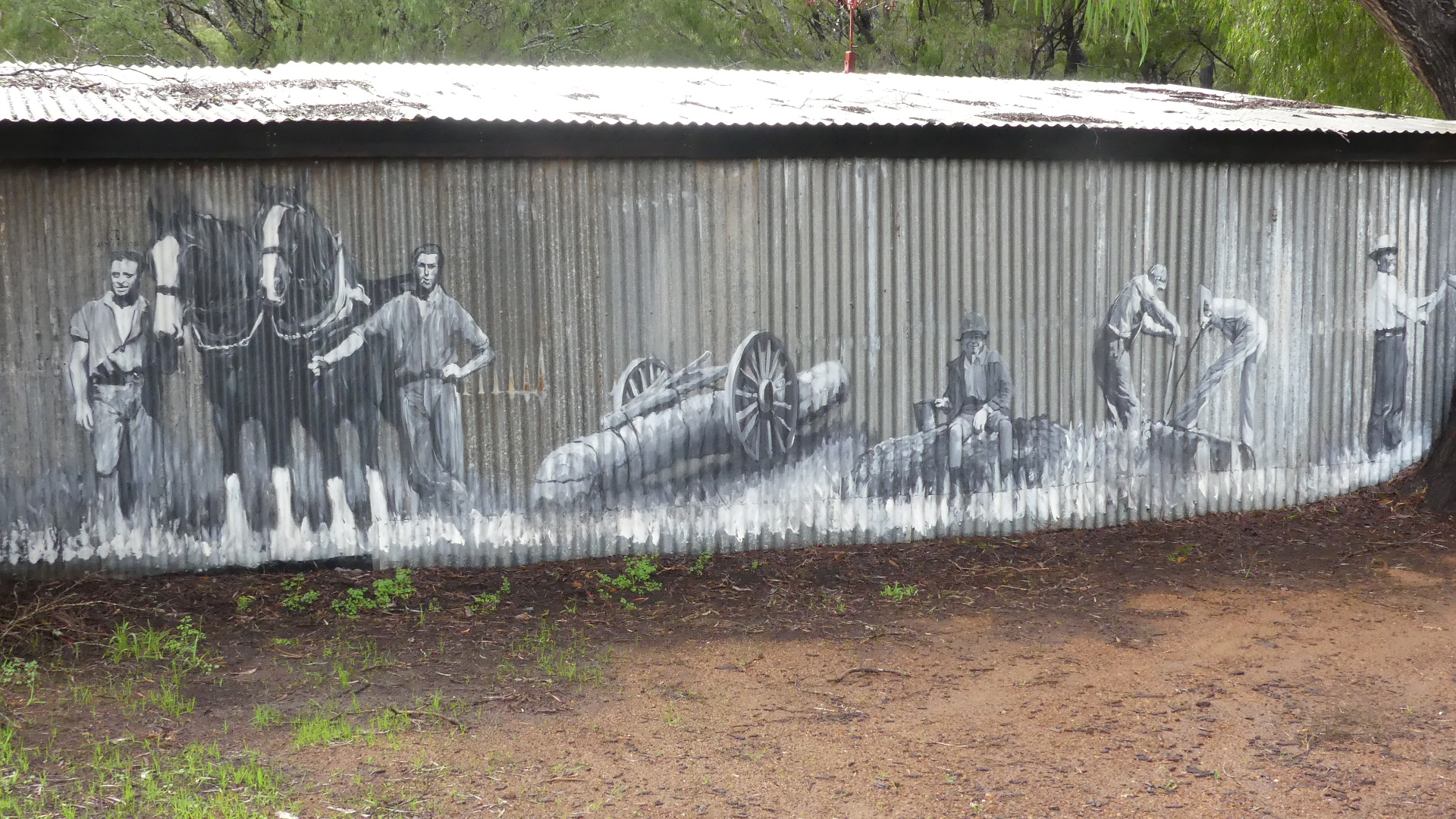
Photo #1 from the top left is the Visitors Centre, Gift Shop and train terminus. The train is rubber tyred but the carriages run on the rails. Photo #5 two gulls nesting – this is a remnant of an earlier part of the pier providing nesting spots for the gulls. We rode the train out and then walked back to the new building you can see in photo #2 for lunch and a lot of other people had the same idea. There are reminders of Busselton’s past in muriels on building walls such as the picture below. After Cyclone Alby.

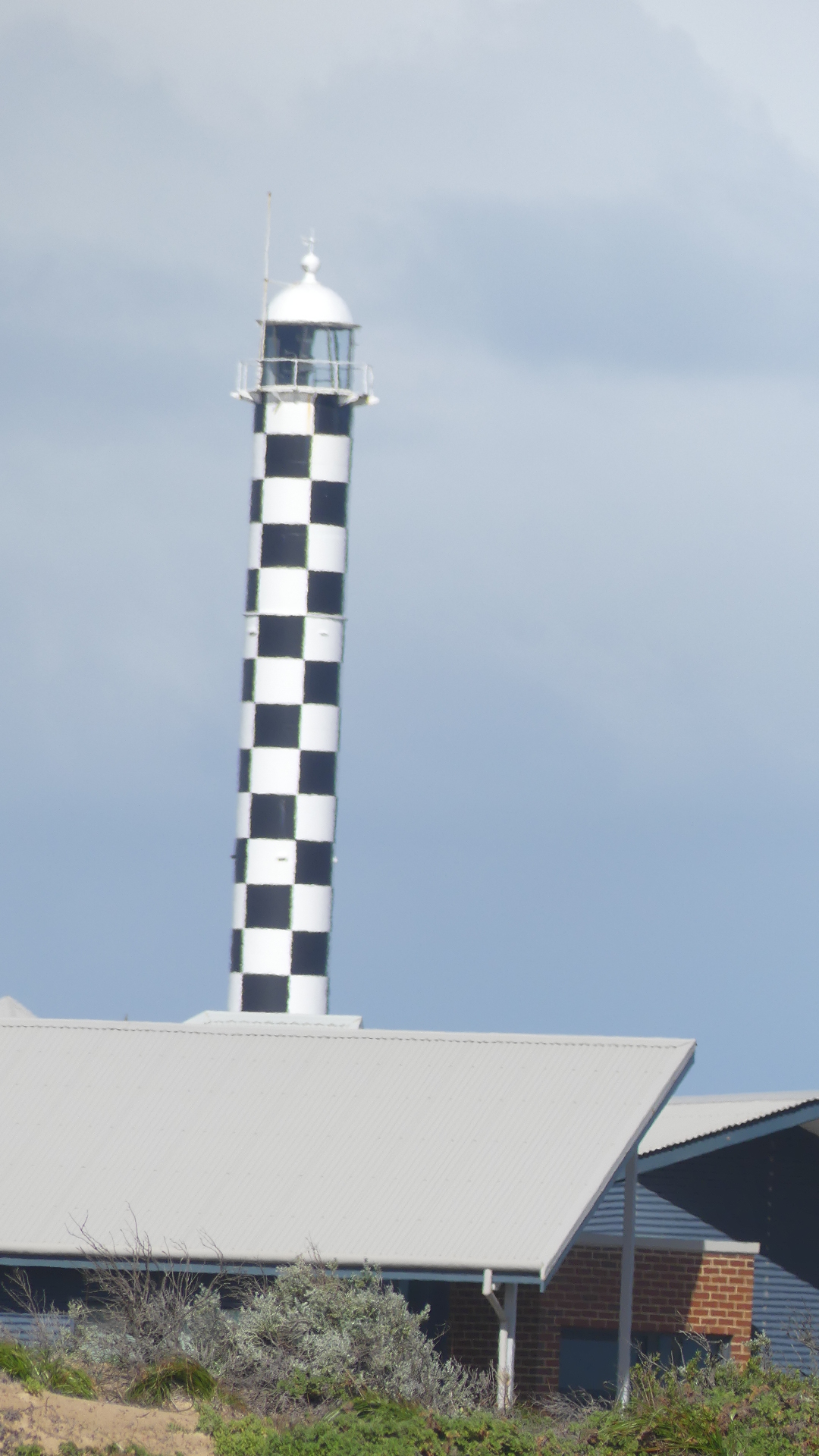
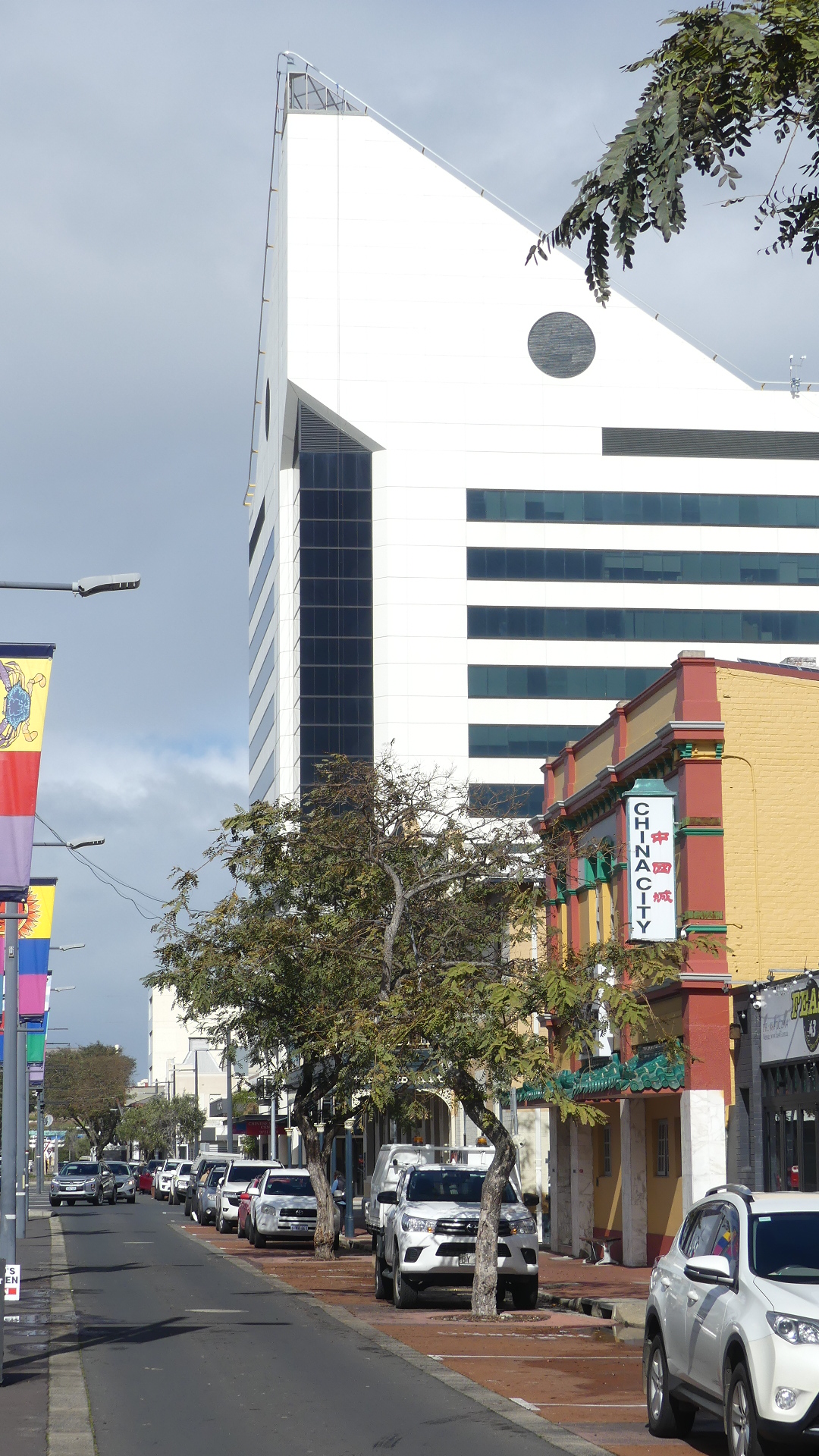
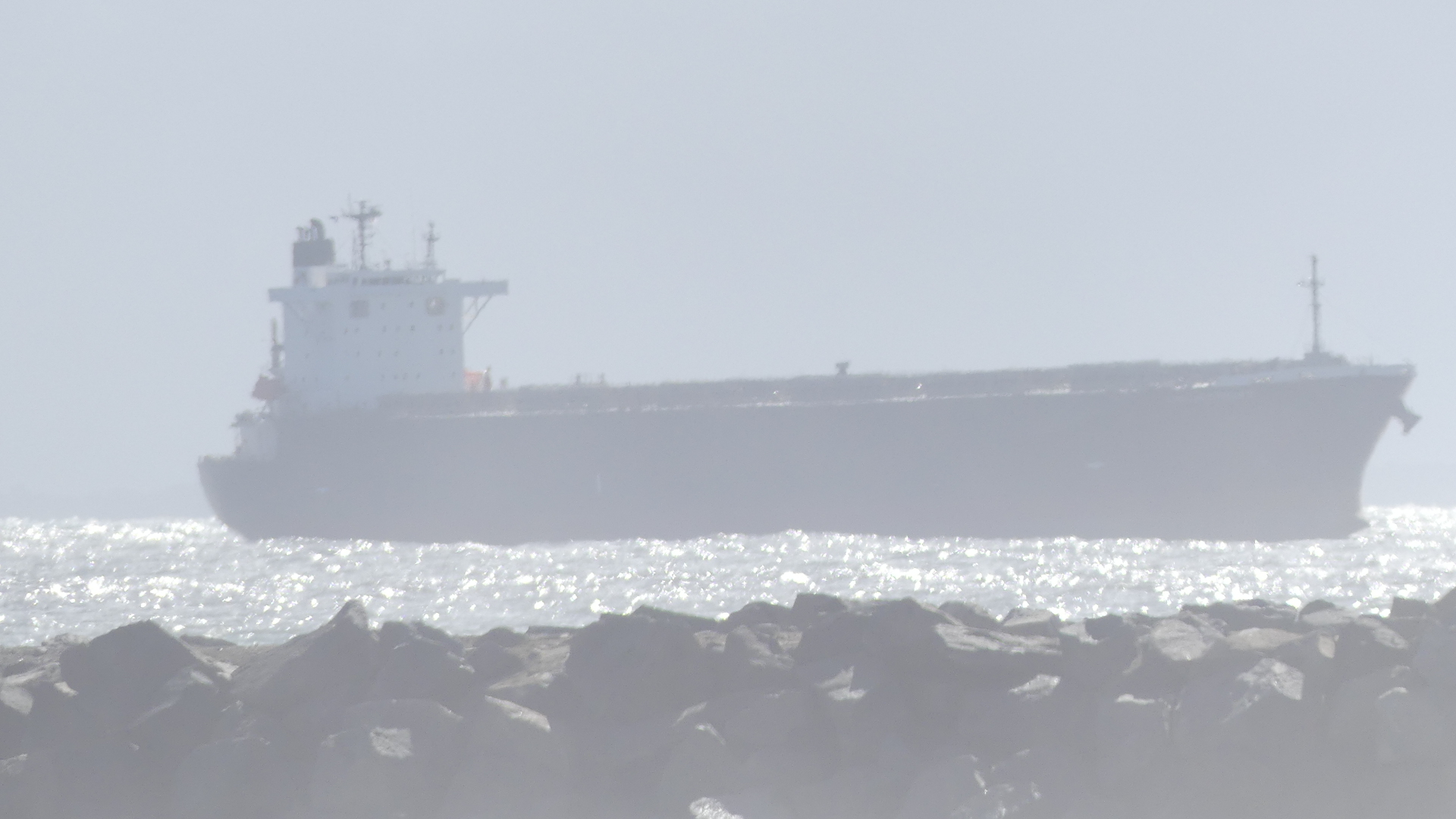
Prior to the visit to the pier we visited a number of different spots in town. It remains a port city as seen in photos #1 to 3, with lighthouses sited amongst the residences. Surprisingly there is a lot of historic street art to admire as well as seen in photo #11.

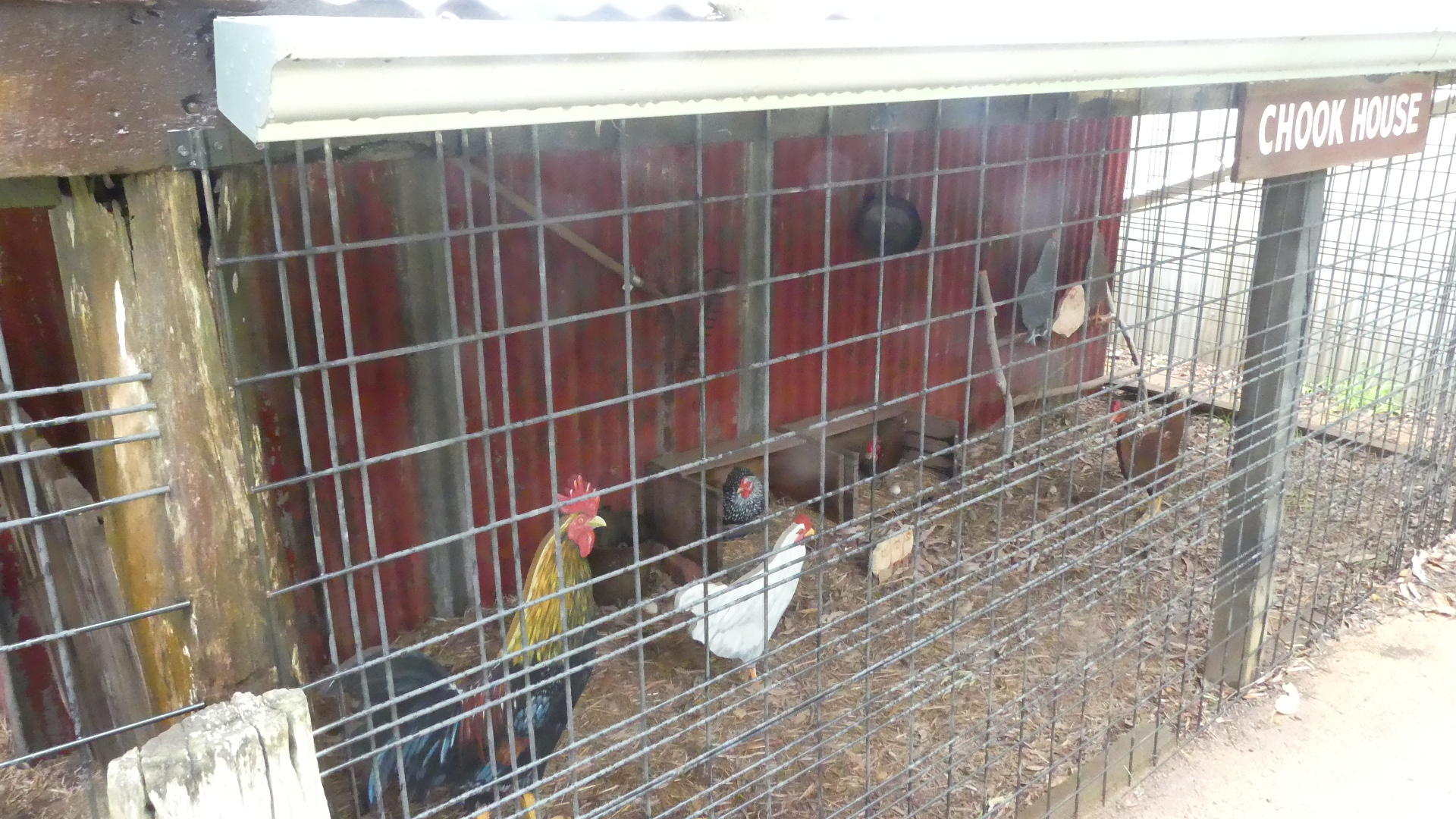
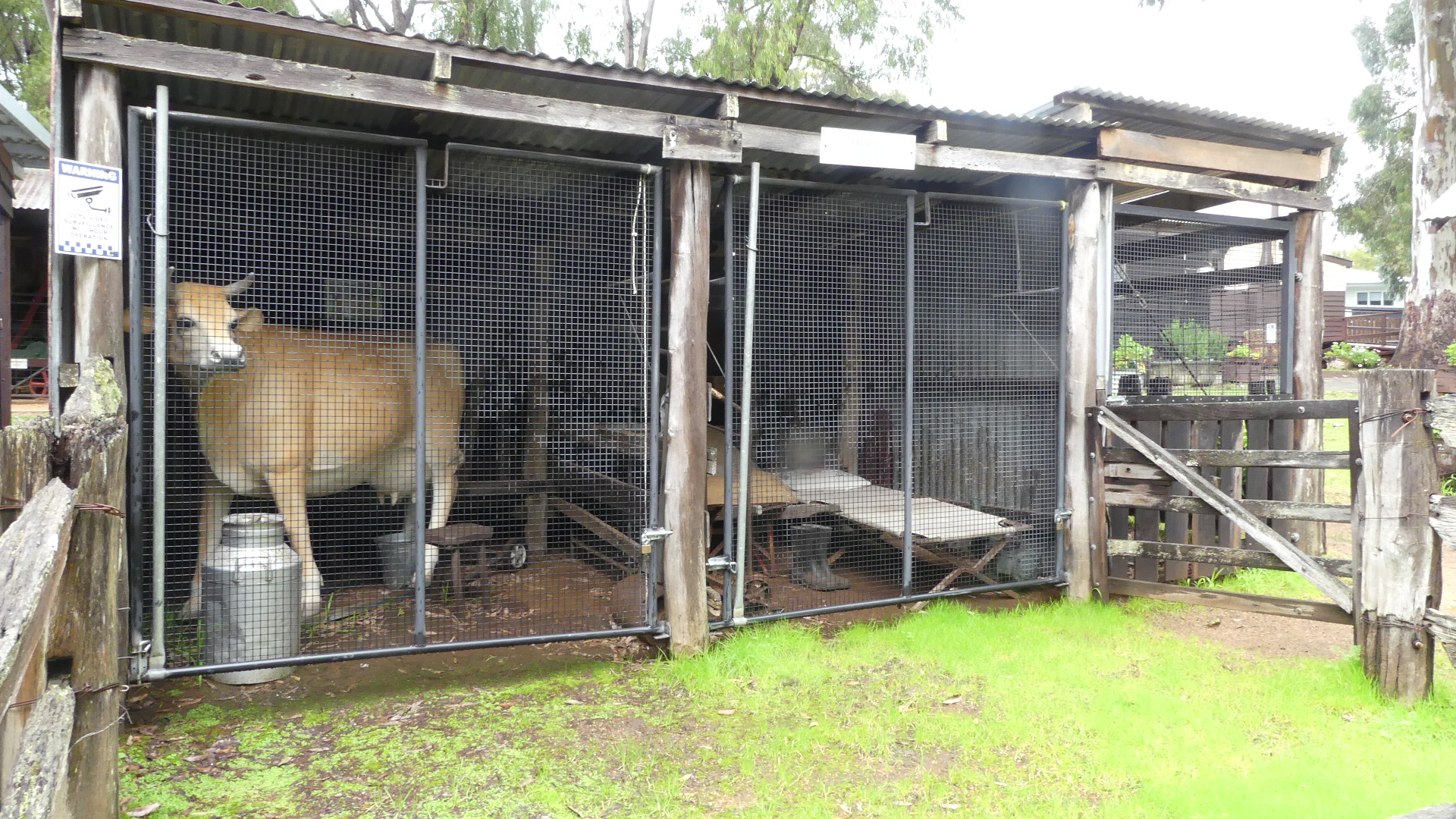
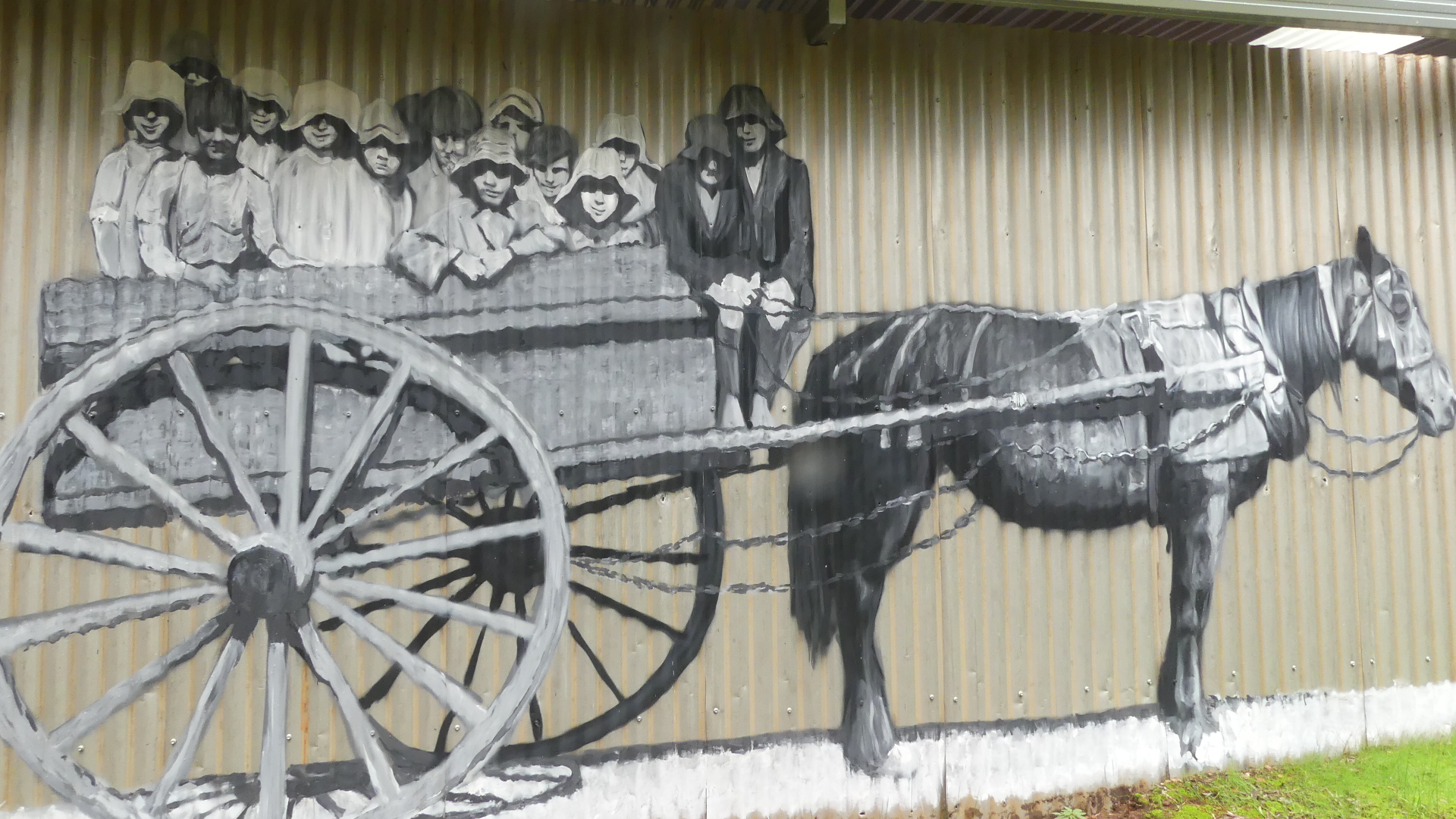
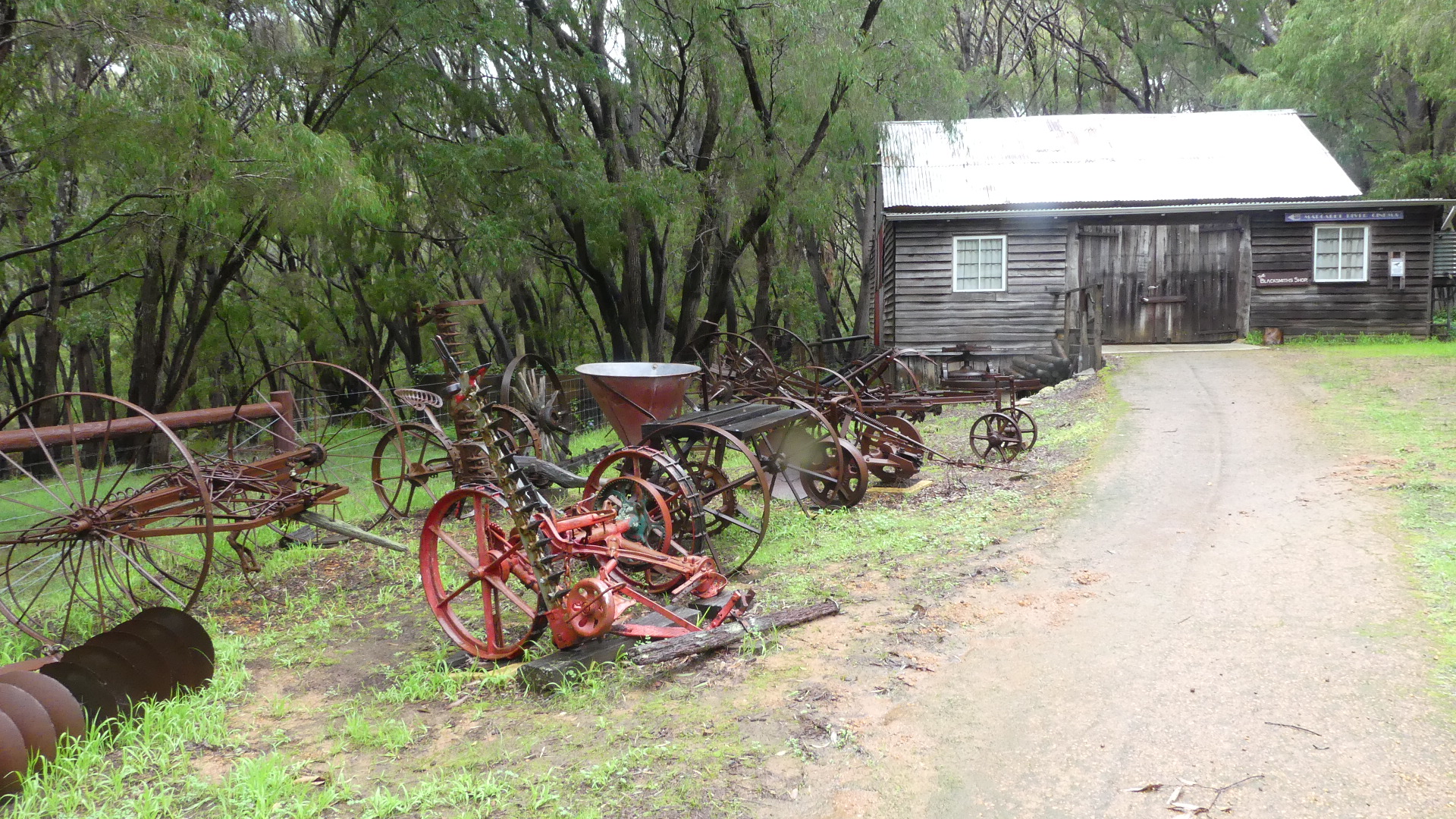
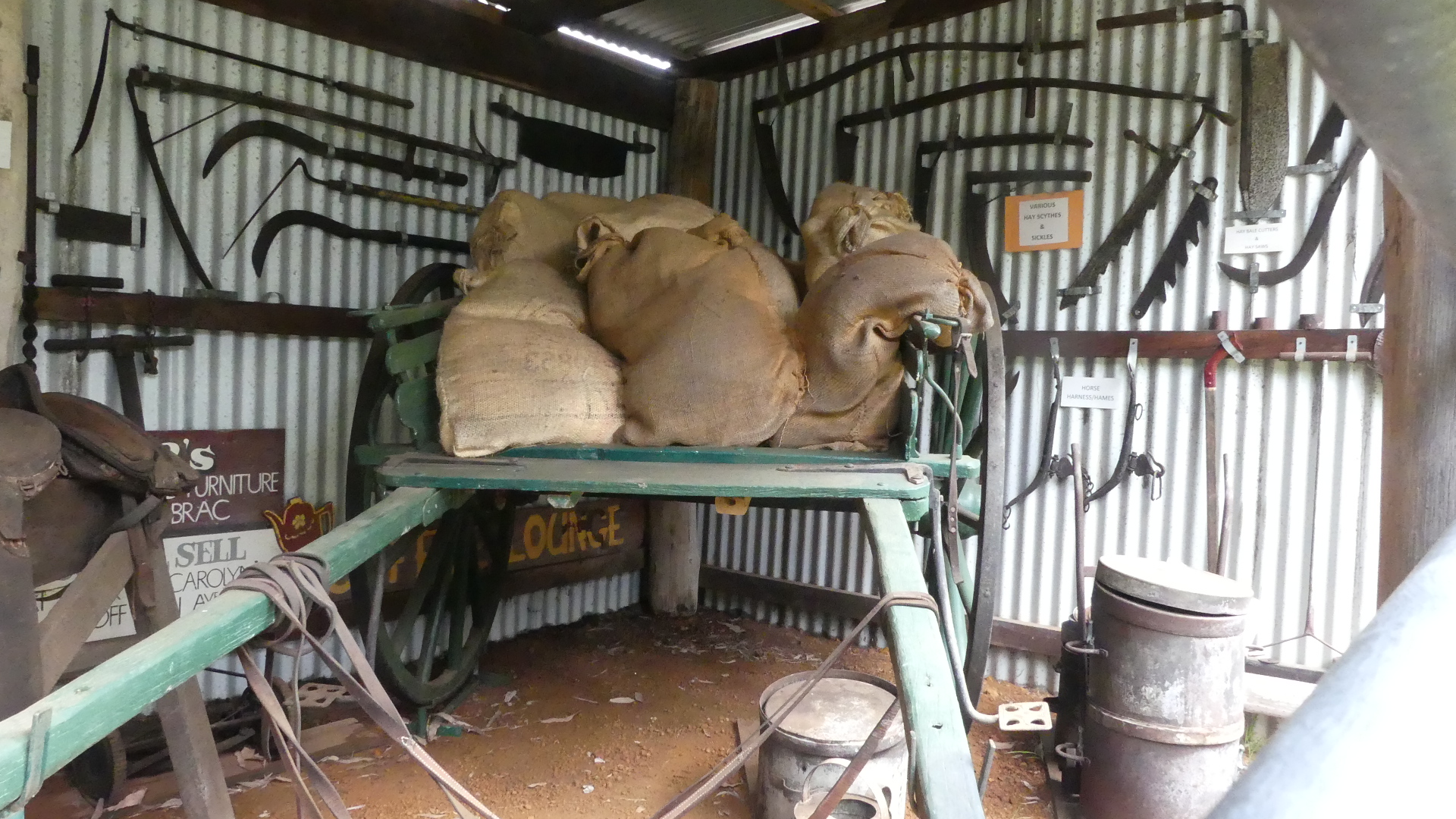
We made our way home but both arriving we noticed the historic buildings at the northern end of Margaret River Village. It had blown up windy with sprinkles of rain so while it seemed miserable we were not going to miss this opportunity. Once again the pictorial artwork was terrific to see images of the past.

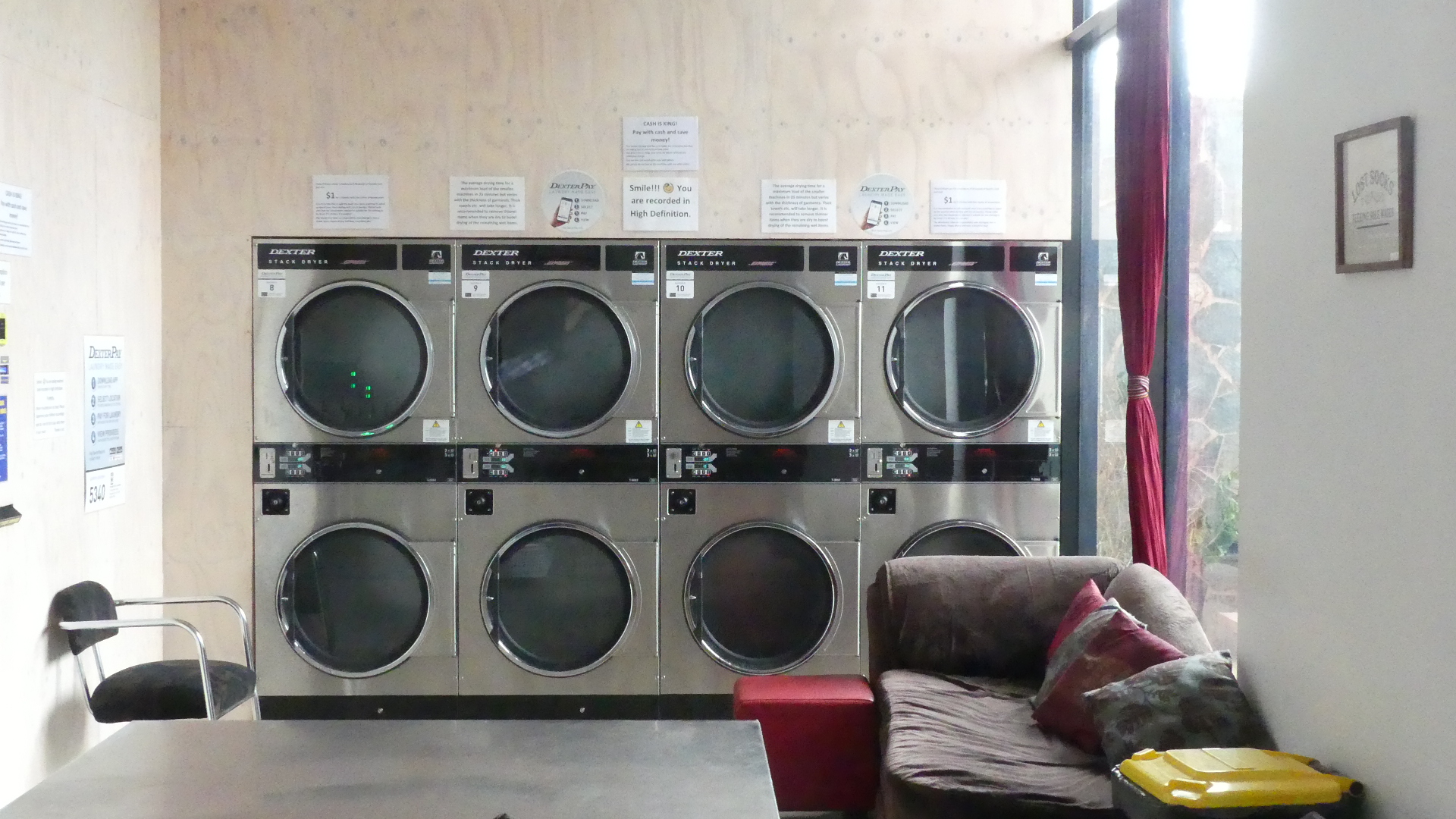
Well tomorrow we board the bus to Perth Airport so time to do some washing. Although there is a laundry in the house/home we decided to use the local laundromat – cannot recall why at the present but here’s the proof – the dryers and the lost and found basket.

The following morning 5th August we drove down to the bus stop in the darkness and sat in the shelter until the bus arrived. Dale and Zdravka protested that they would drive us to the airport but we won out and stayed for the bus. It was both cold and dark but gradually the sun peeped over the horizon, the street lights disappeared and the bus arrived. There would be one change before arriving at our accommodation at the airport. Now if you remember in my first of these blogs we had intended to meet Kerry’s cousin Ken and his wife Yena. Yena’s mother passed away suddenly and as she lived in Bali Ken and Yena had left Perth the morning of our arrival. So on our return journey we arranged to catch up that evening.

Our bus took us on an interesting circuit on the way to the accommodation – in this world of FIFO we went to every small aircraft operator providing FIFO travel taking men and women to work. Interesting!

After showering and pulling on some of those clean clothes we went to the inhouse restaurant to meet Ken and Yena. Reminded me a bit like Star Wars and the bar on Tatoon but fortunately Jaba was not in. Ken and Yena arrived and we caught up on everything from Ken’s father Barry passing away to Yena’s mother passing – a characteristic of getting old. Here is Ken and Yena.

Well after farewelling Ken and Yena we dragged ourselves to bed. We were scheduled to travel with the FIFO workers to the airport and what a shock. The bus transfer was a true shuttle with everyone jostling for space and once we got to the departure terminals all of the shuttles were converging and spewing passengers into the terminal. We were stunned but we had allowed plenty of time fortunately. We were not going to Brisbane but to Hobart to catchup with our youngest son Paul and his family. Whilst we booked a direct flight the plane took us firstly to Sydney then to Hobart where caught an Uber to our hotel. Having found our way to the hotel we arranged to catch up for dinner at a local eatery. The reason for our visit was tomorrow our granddaughter Lola was to perform in a school band.

December 2024