“THE RETIREES GO AROUND THE WORLD – BARI to MATERA”

Matera

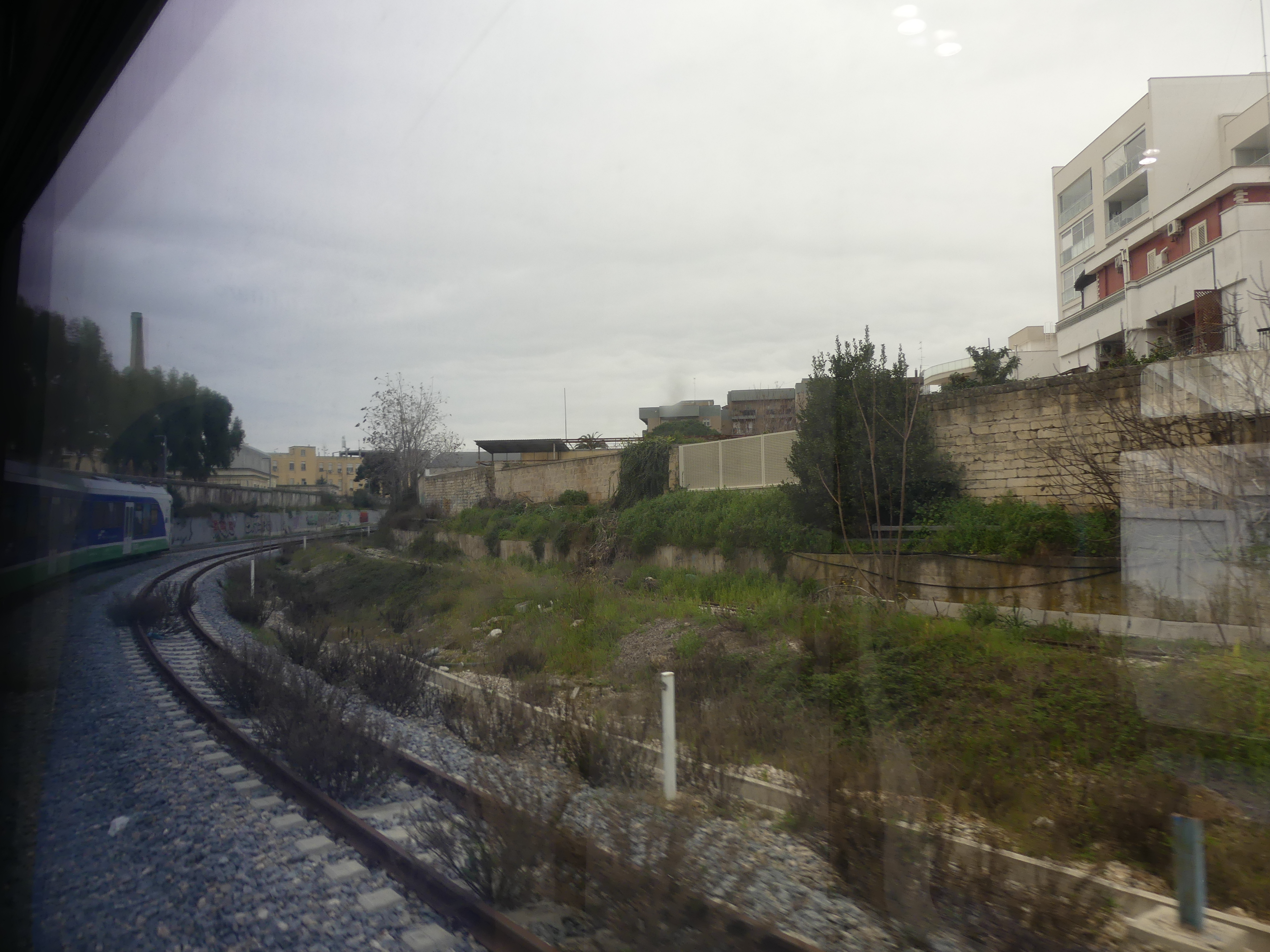
Robert wanted us to visit Matera as he thought it was so unique. The first unique thing was, it was accessible on a private rail line. Its station was beside the principal station in Bari but the line ran its own trains etc. So, a new railway experience – here is the train driver awaiting departure and on departing it soon became obvious we were going rural.

Before its integration into the modern Italian state, the city of Matera had experienced the rule of the Romans, Lombards, Arabs, Byzantine Greeks, Swabians, Angevins, Aragonese, and Bourbons. Matera is believed to have been settled since the Palaeolithic (10th millennium BC) times. This makes it potentially one of the oldest continually inhabited settlements in the world. Robert had two reasons to bring us here; to learn about and see the Sassi and for his own personal reasons that I cannot go into.

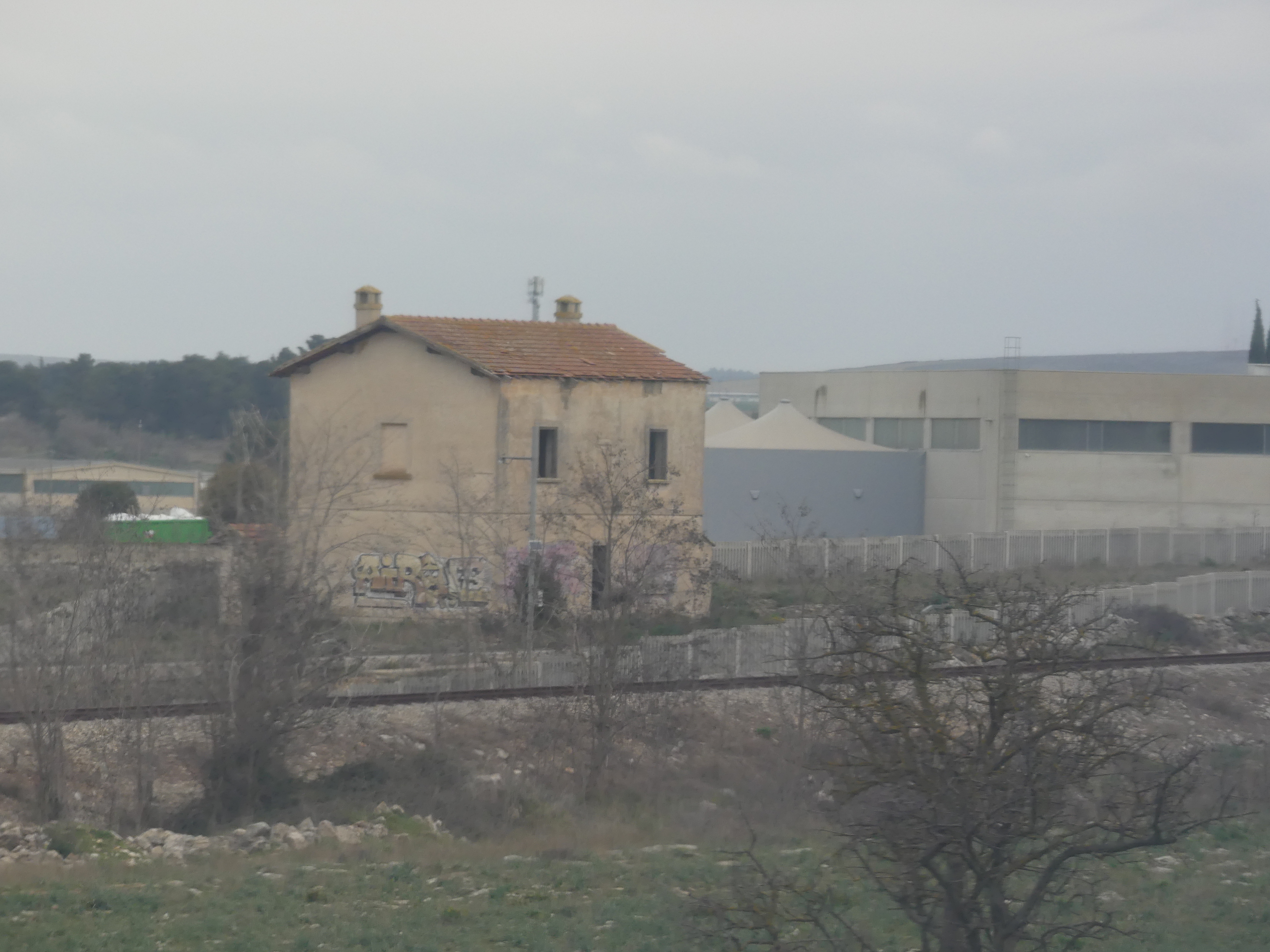
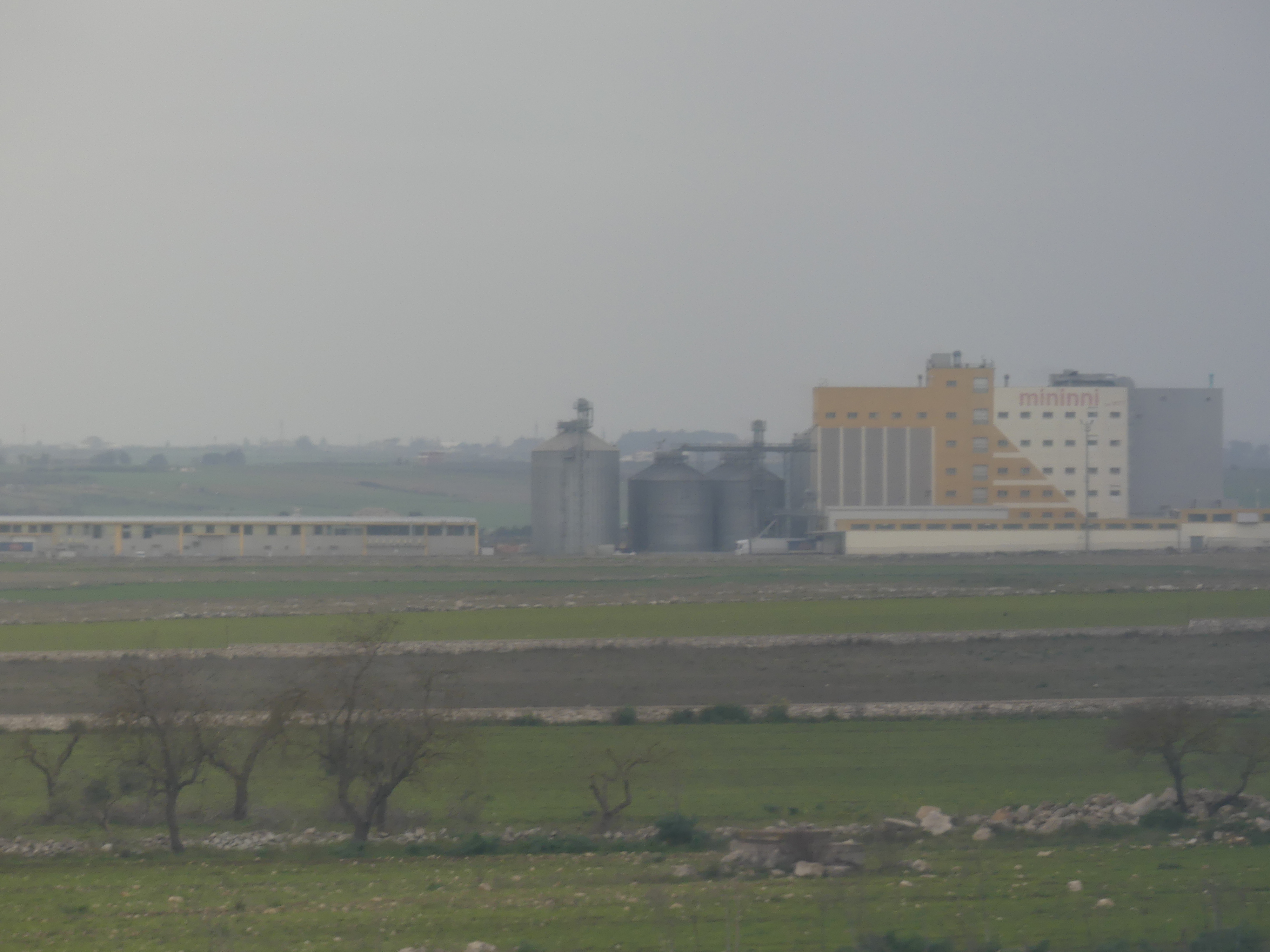
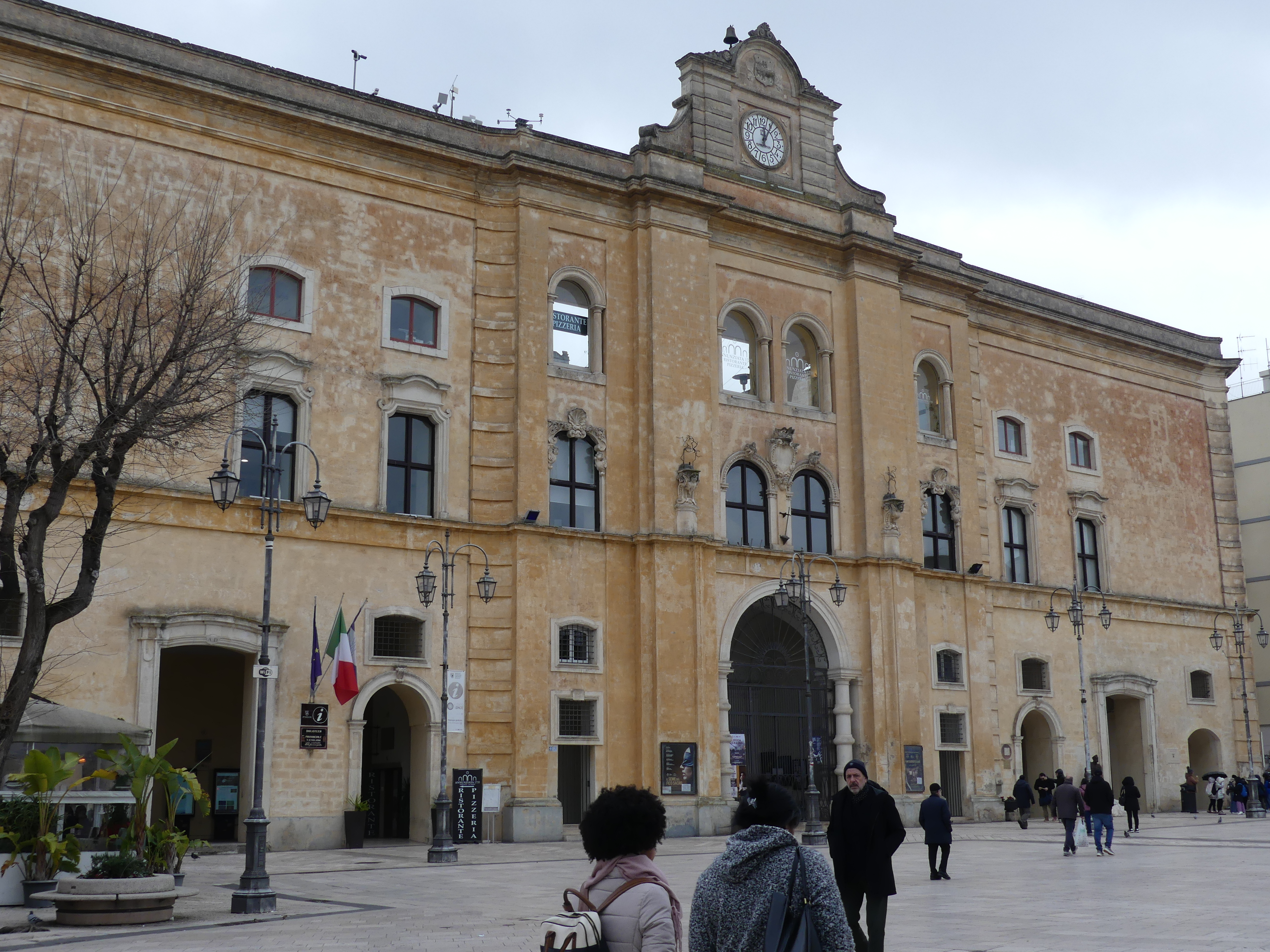
The train journey was through some impoverished looking rural countryside arriving at a modern station where the train turns around and goes back to Bari. Walking down to the old town we thought everything looked clean and reasonably modern, but it starts to change at the old well. Amid the town piazza, Piazza Vittorio Veneto was a pit to leading to Roman ruins and a viewing platform of the Sassi – we had no idea that this is what awaited us.

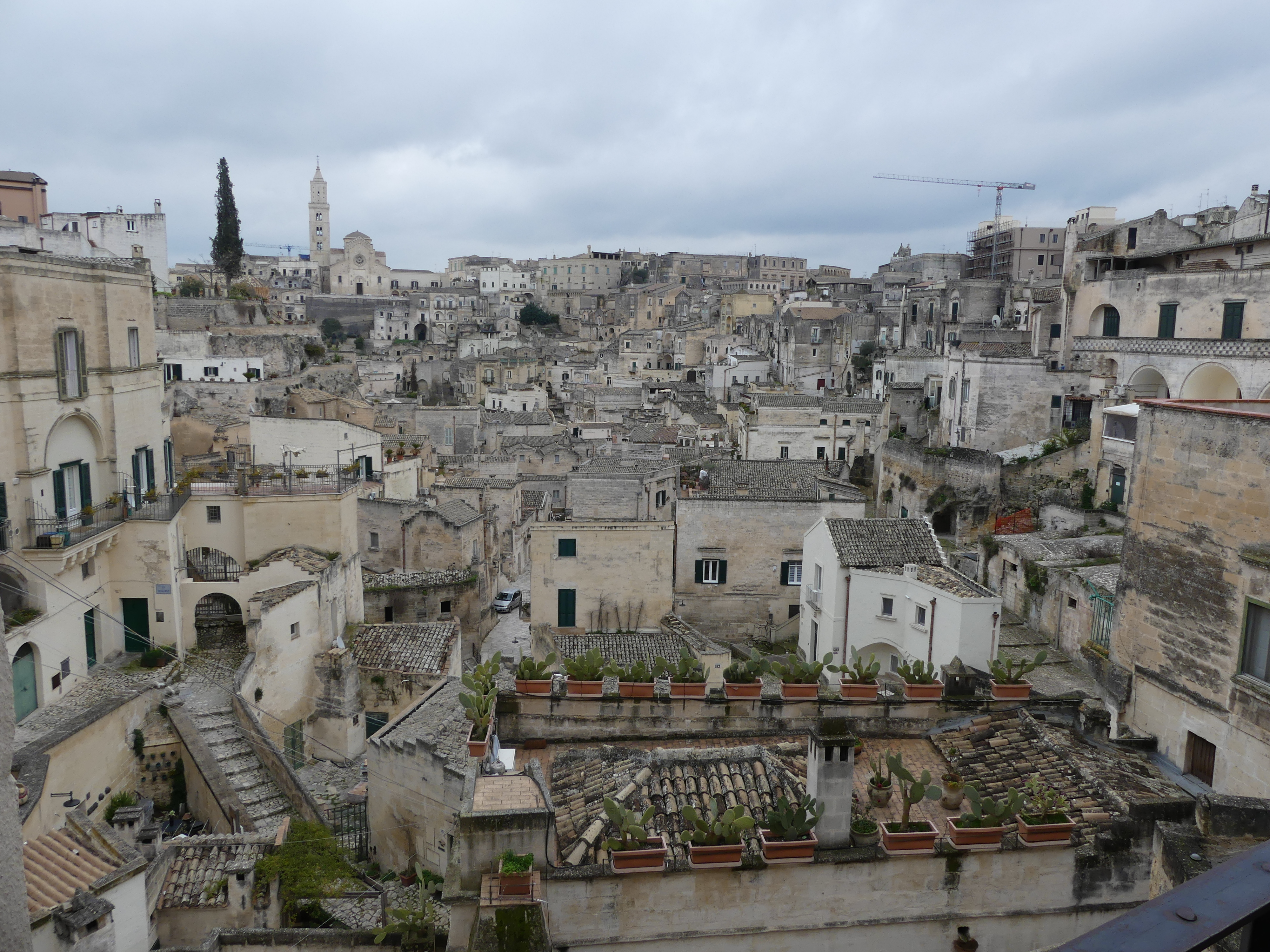
The ruins shown above are part of Roman settlement that has survived and beyond is the Sassi. The Sassi can be best viewed through a balcony which can be accessed through the ruins or through arches above the the ruins.

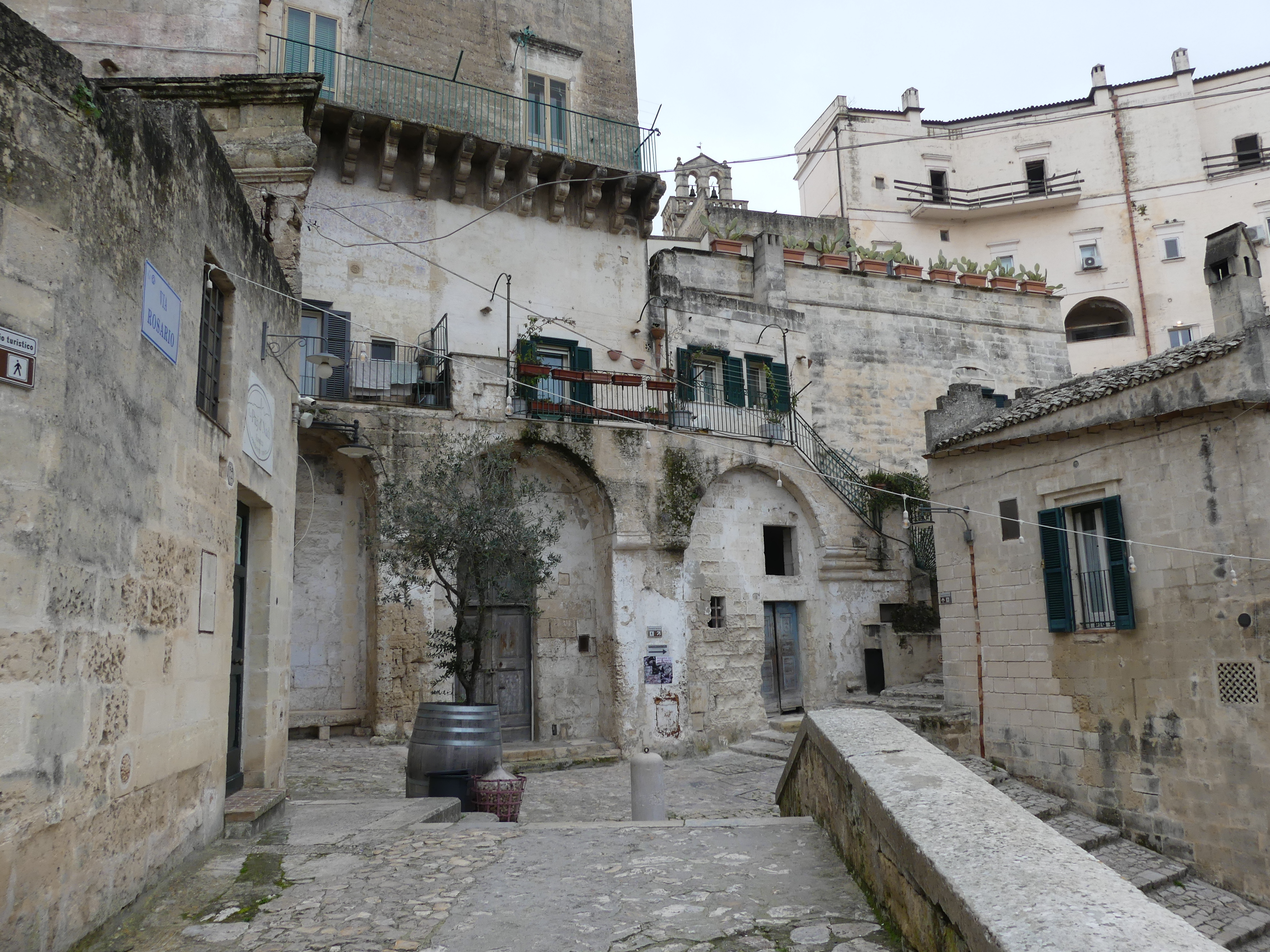
The view of this well of houses and streets stunned me but I had no idea what lay hidden amongst the houses, shops roads walkways and arcades. The Sassi are cave dwellings and consist of around twelve levels spanning the height of 380 m, connected by a network of paths, stairways, and courtyards (vicinati). The tripartite urban structure of Civita and the two Sassi, relatively isolated from each other, survived until the 16th century, when the centre of public life moved outside the walls to the Piazza Sedile in the open plain (the Piano) to the west, followed by the shift of the elite residences to the Piano from the 17th century onward. By the end of the 18th century, a physical class boundary separated the overcrowded Sassi of the peasants from the new spatial order of their social superiors in the Piano, and geographical elevation came to coincide with status more overtly than before, to the point where the two communities no longer interacted socially. Yet it was only at the turn of the 20th century that the Sassi were declared unfit for modern habitation, and the government relocation of all their inhabitants to new housing in the Piano followed between 1952 and the 1970. A new law in 1986 opened the path to restoration and reoccupation of the Sassi, for the benefit of the wealthy middle class. The recognition of the Sassi, labeled la città sotterranea (“the underground city”), together with the rupestrian churches across the Gravina as a UNESCO World Heritage Site in December 1993 has assisted in attracting tourism and accelerated the reclaiming of the site. In 2019, Matera was declared a European Capital of Culture from poverty and degradation to the flavour of the month.

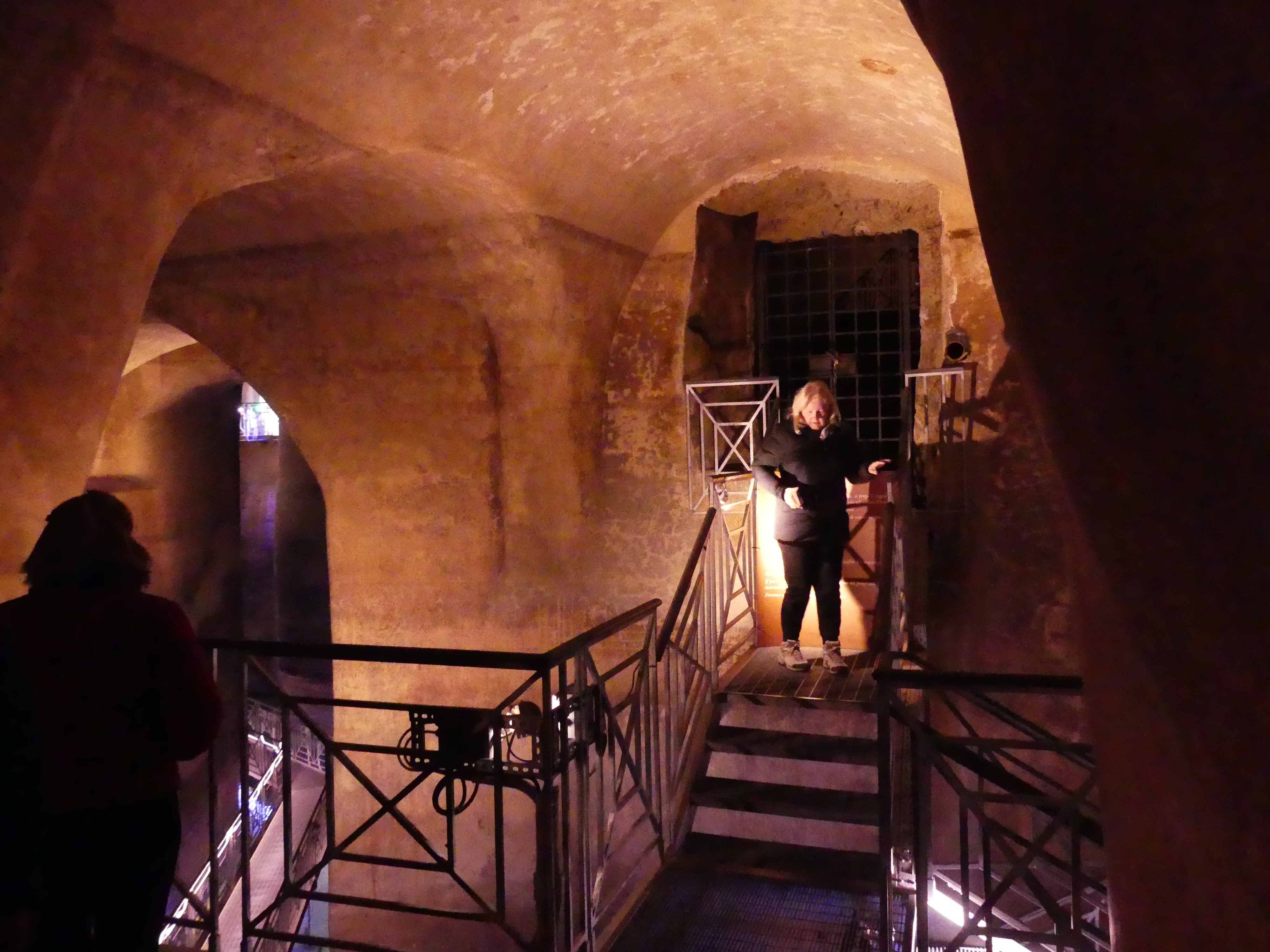
Firstly, we went to the Roman ruins. Below the ruins are cisterns. Early dwellers invested tremendous energy in building cisterns and systems of water channels. The largest cistern has been found under Piazza Vittorio Veneto, the Palombaro Lungo which was built in 1832. With its solid pillars carved from the rock and a vault height of more than fifteen metres, it is a veritable water cathedral, which is navigable by boat. Like other cisterns in the town, it collected rainwater that was filtered and flowed in a controlled way to the Sassi. Kerry and I walked through marveling at the depth which the water could fill up to.

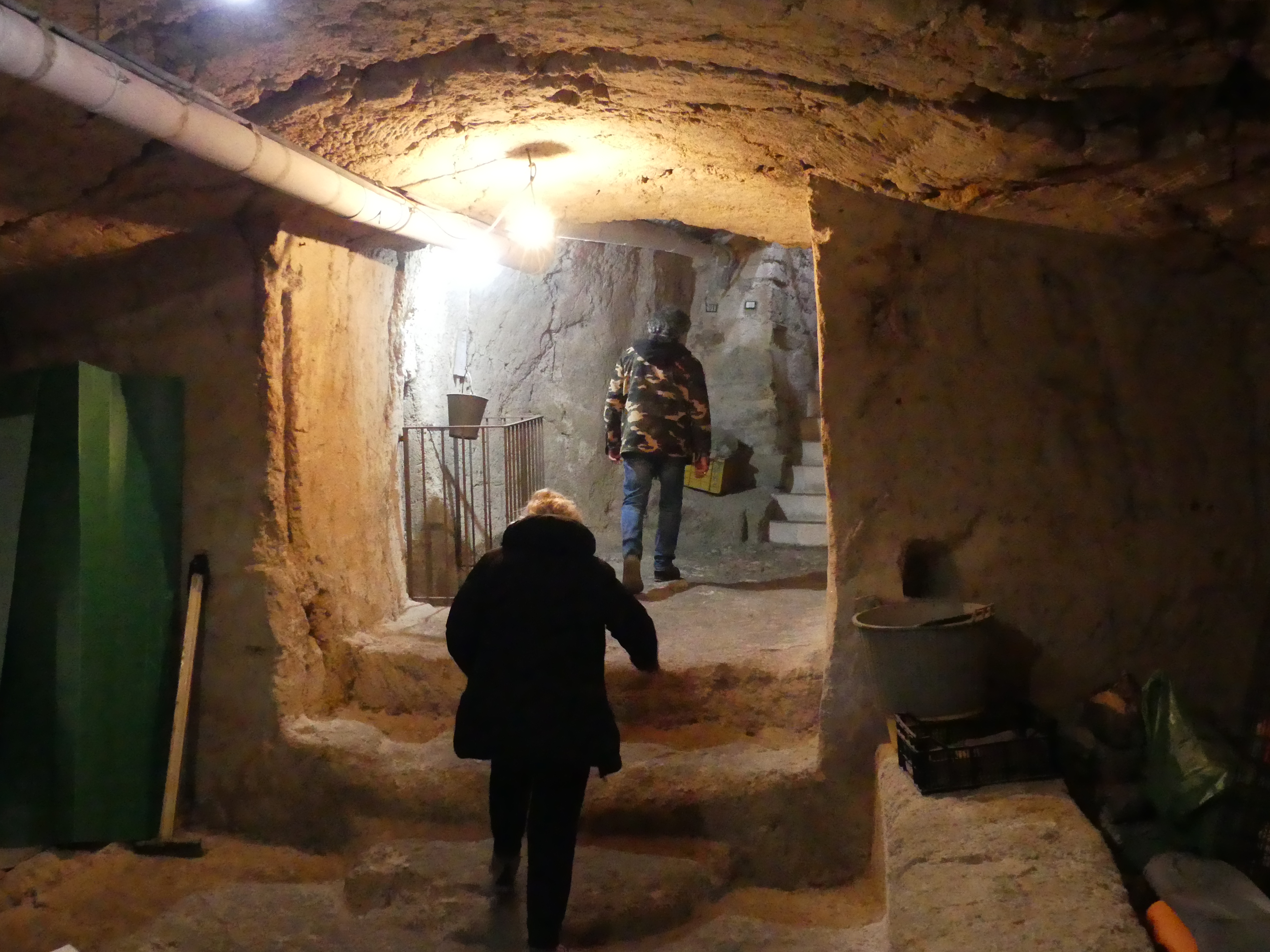
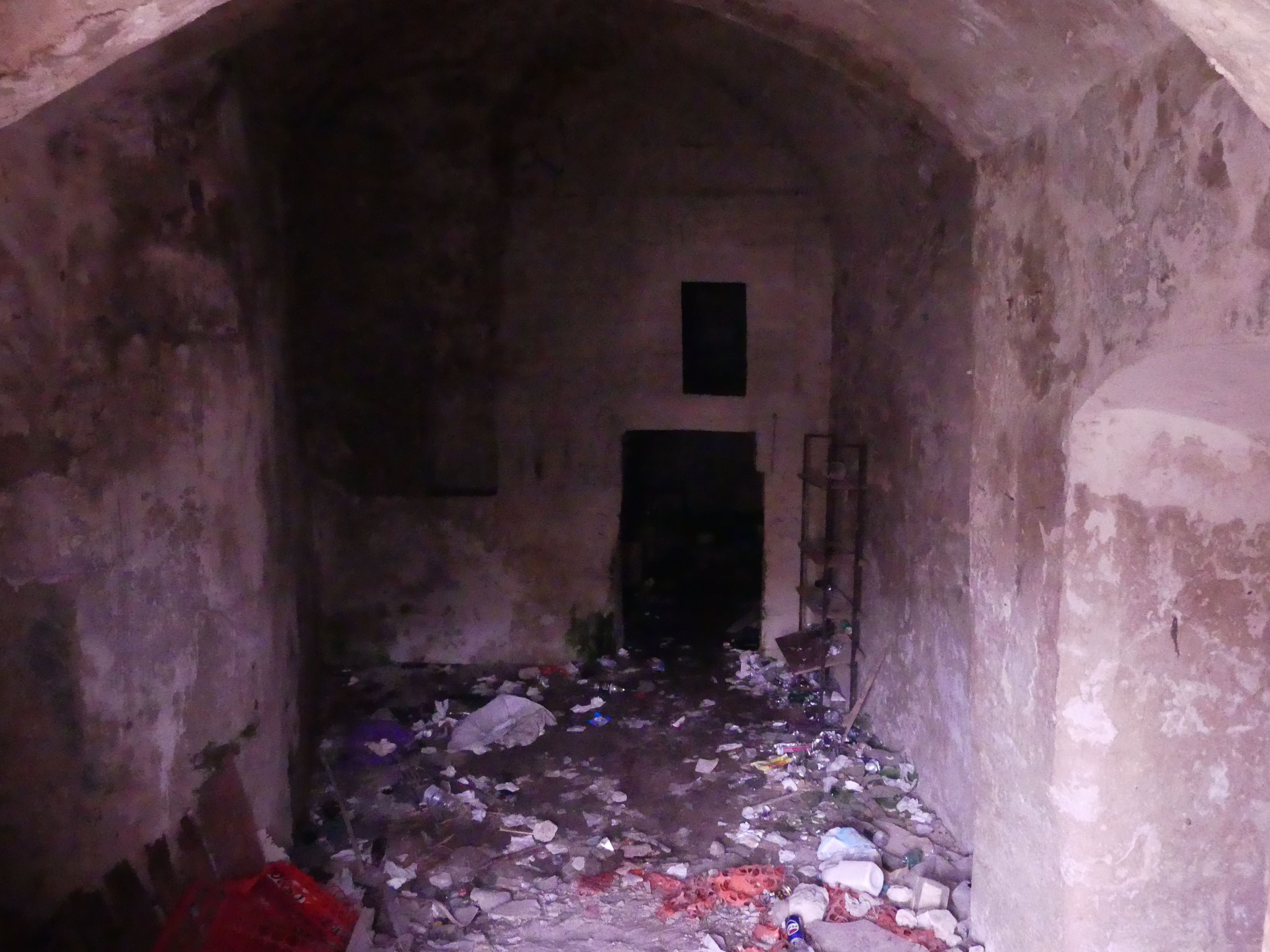
After exiting the cistern, we entered the Sassi through the ruins and commenced our decent into the Sassi which originated in a prehistoric troglodyte settlement, and these dwellings are thought to be among the first ever human settlements in what is now Italy. You will see in one picture bones have been used to support the rainwater gutters. I don’t know whether they are animal or human. We visited one of the dwellings open for tourist inspection. Inside the cave is the main bedroom, a loom, a place for the donkey (if you had one) and further down further space. Remember these were still in use in 1950. We left the cave to explore some more of the Sassi – there were some we did not want to explore. You will se Kerry and Robert viewing a cave once occupied and vacated in 1952. Close inspection was not possible by reason of the odour emanating from who knows what now occupies it.

 Amongst the jumble of buildings and at the bottom of the Sassi, we found an authentic Italian Restaurant Amore Crusco. The appealing landing was victim of the showers that followed us all day, but the interior was very pleasant and warm so here we enjoyed lunch. Everything that goes down must eventually come up so after lunch we clambered out of the Sassi and took in some of the newer parts above the Sassi. The pictures below are of our lunchtime repast. The climb back to the modern square knocked the wind out of Kerry and me after which I was ready for a nap.

Robert had personal reasons/plans for the evening in Matera, so being experienced train travelers, we caught the train home minus Robert. So our next trip was the last trip with Robert as our guide. We visit Alberobello, so be watching for “THE RETIREES GO AROUND THE WORLD – BARI to ALBEROBELLO”

“THE RETIREES GO AROUND THE WORLD – BARI TO POLIGNANO A MARE”

POLIGNANO A MARE

This town was one of the towns we wished to visit. Our research showed that it had many points of interest and it was on the itinerary prepared by Chat GPT. Irresistible wouldn’t you say. Robert thought so and agreed it was worth a visit. Our train was loaded with beach goers and we were concerned that we were going to be crowded out.

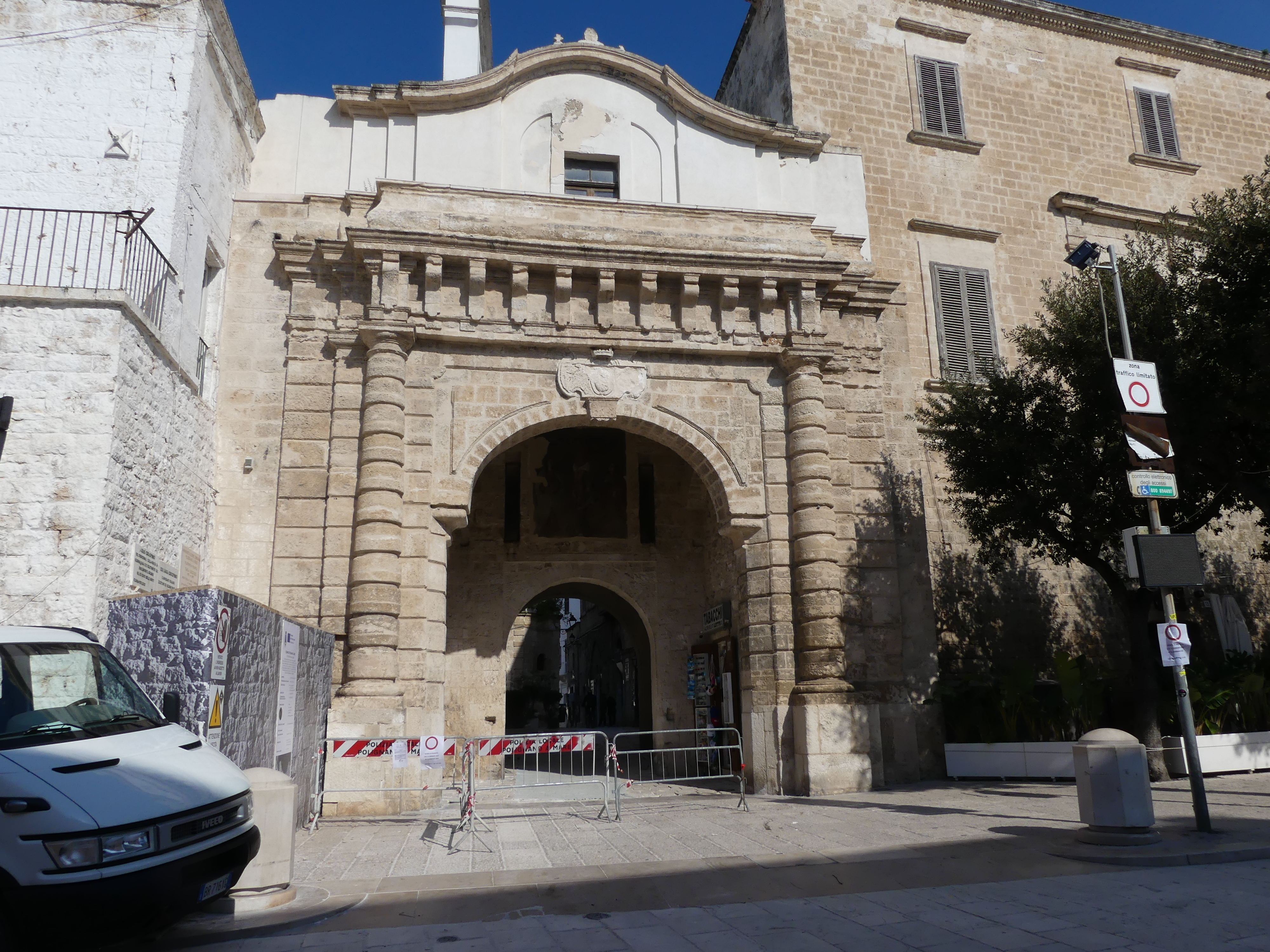
It is a town in the municipality of Metropolitan City of Bari, Puglia southern Italy, located on the Adriatic Sea. My research showed there is a tour of sea caves by boat that can be taken from the town. That interested me but as I have said before we were there in winter and out of season, so it was closed for the season. After arriving on the train there was a short walk to the city gate – oops it was closed also but then it’s not really in operation anymore.

The area has been settled since prehistoric times. It is believed to be the site of the ancient Greek city of Neapolis of Apulia. Thanks to its strategic position on the Adriatic Sea, it soon became a trade centre. The Byzantine Empire, in the 6th century, turned it into a municipal structure; subsequently, it was dominated by the Normans. Under the Aragonese crown, Polignano reached its peak in both economic and cultural terms.

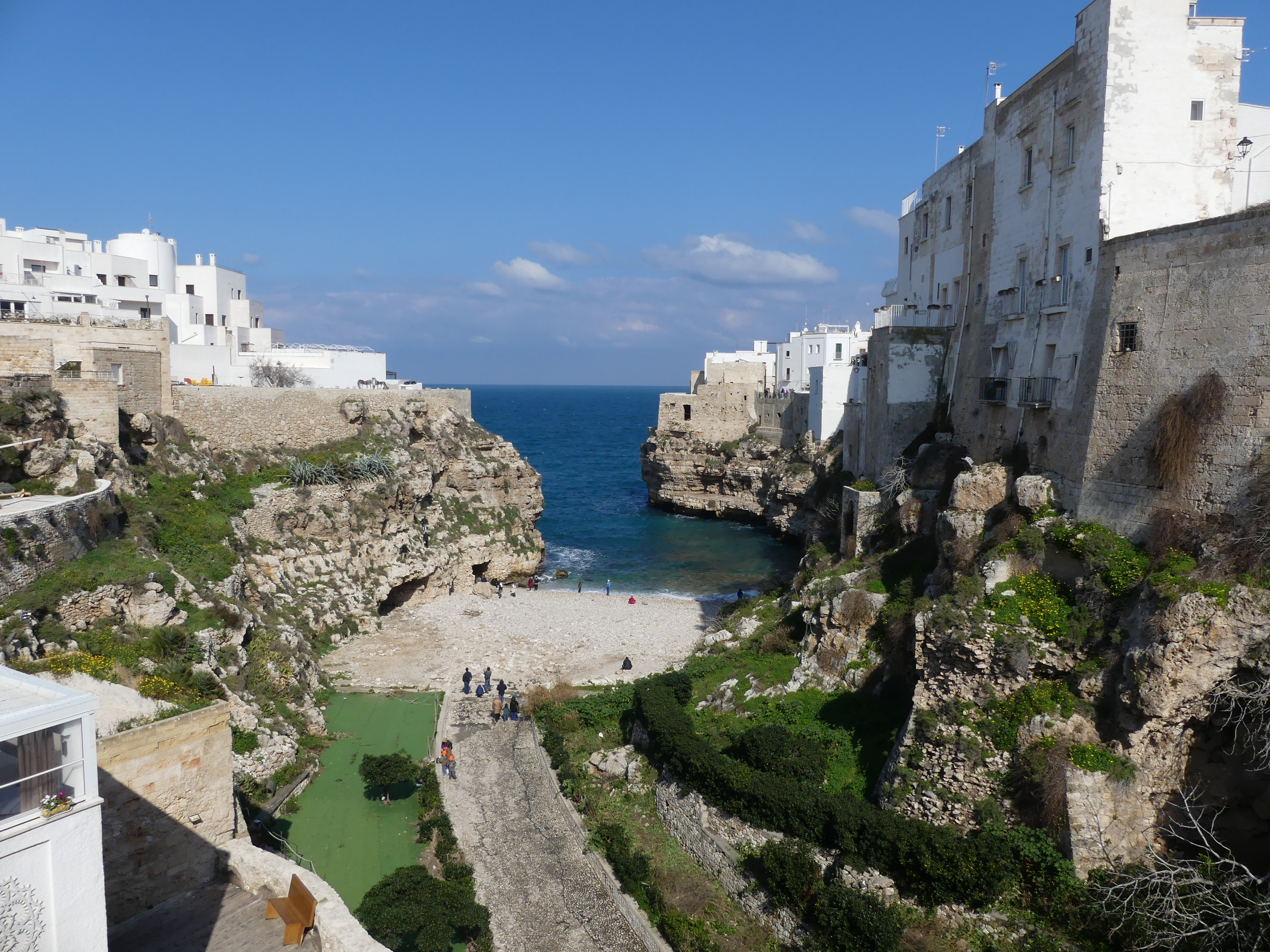
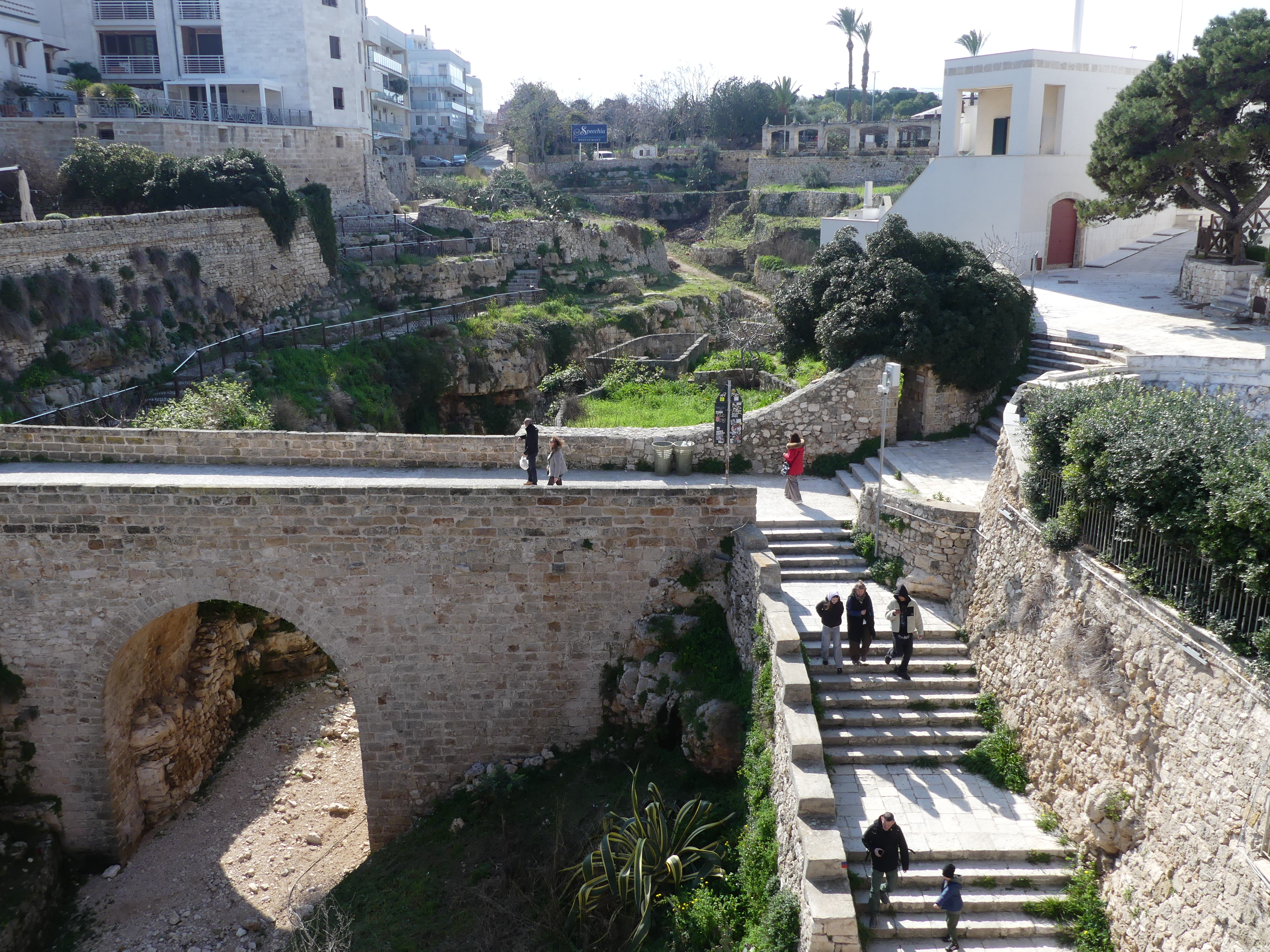
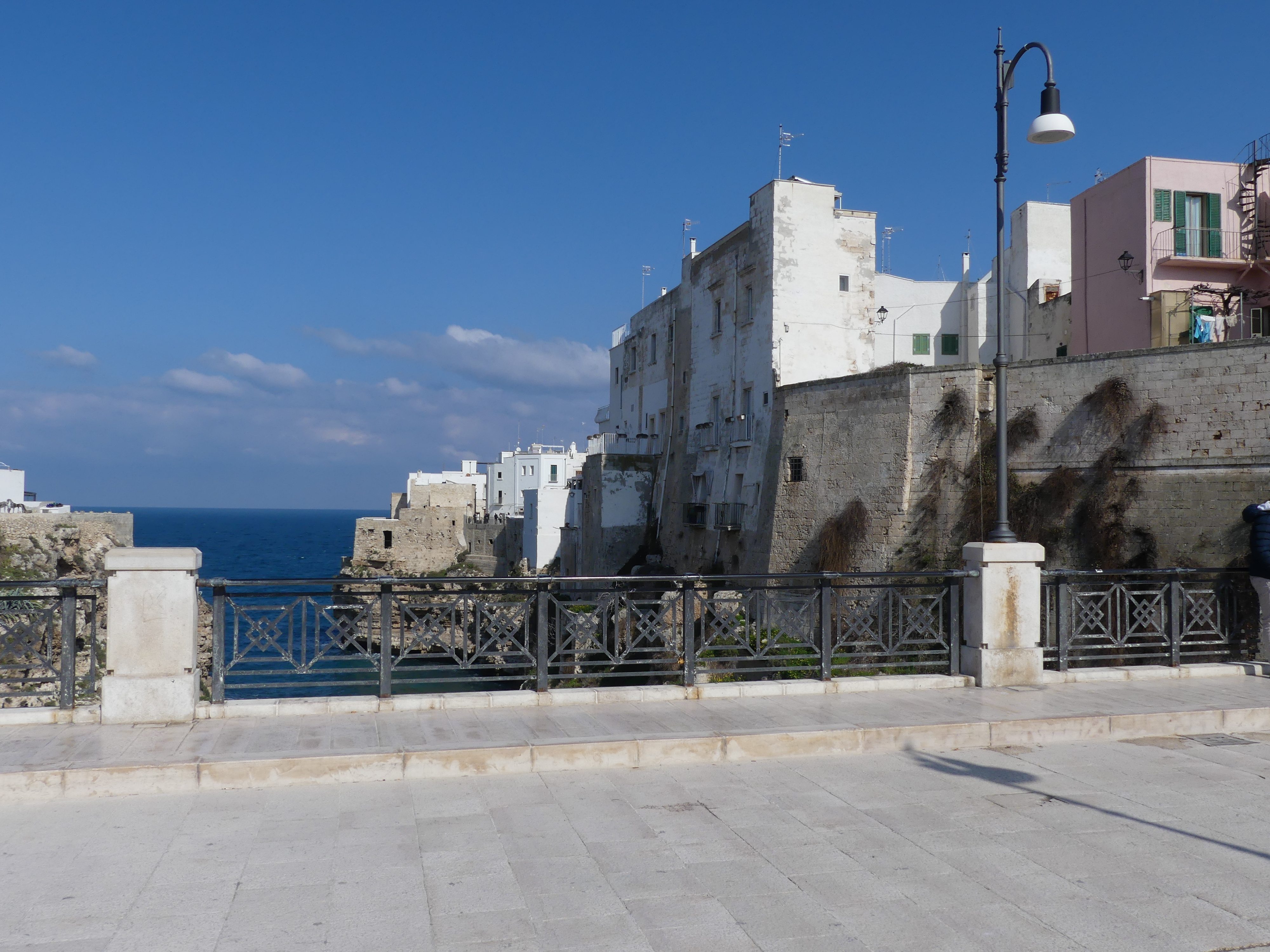
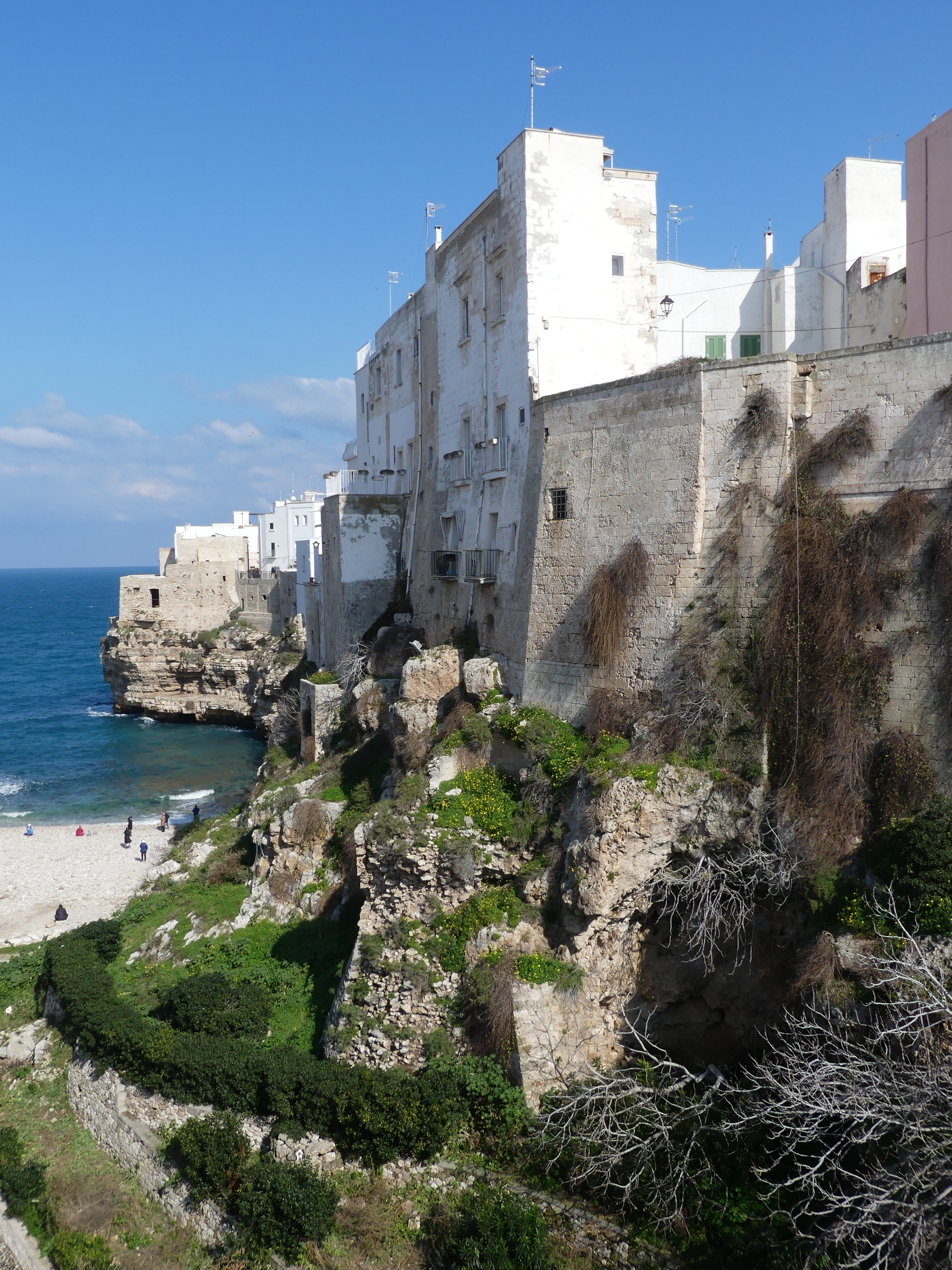
Not to worry, the crowd who came on the train with us showed us the way into town and moved on quickly down the road until reaching a bridge showing exactly why people come to here – the breath taking vista out to sea, not the black cat on the rock ledge but rather the natural rock walls holding the town out of the sea. People do live here – notice the washing on the line and the altana on the roof (Italian roof top terraces). Everywhere in town brings you back to the coastline.

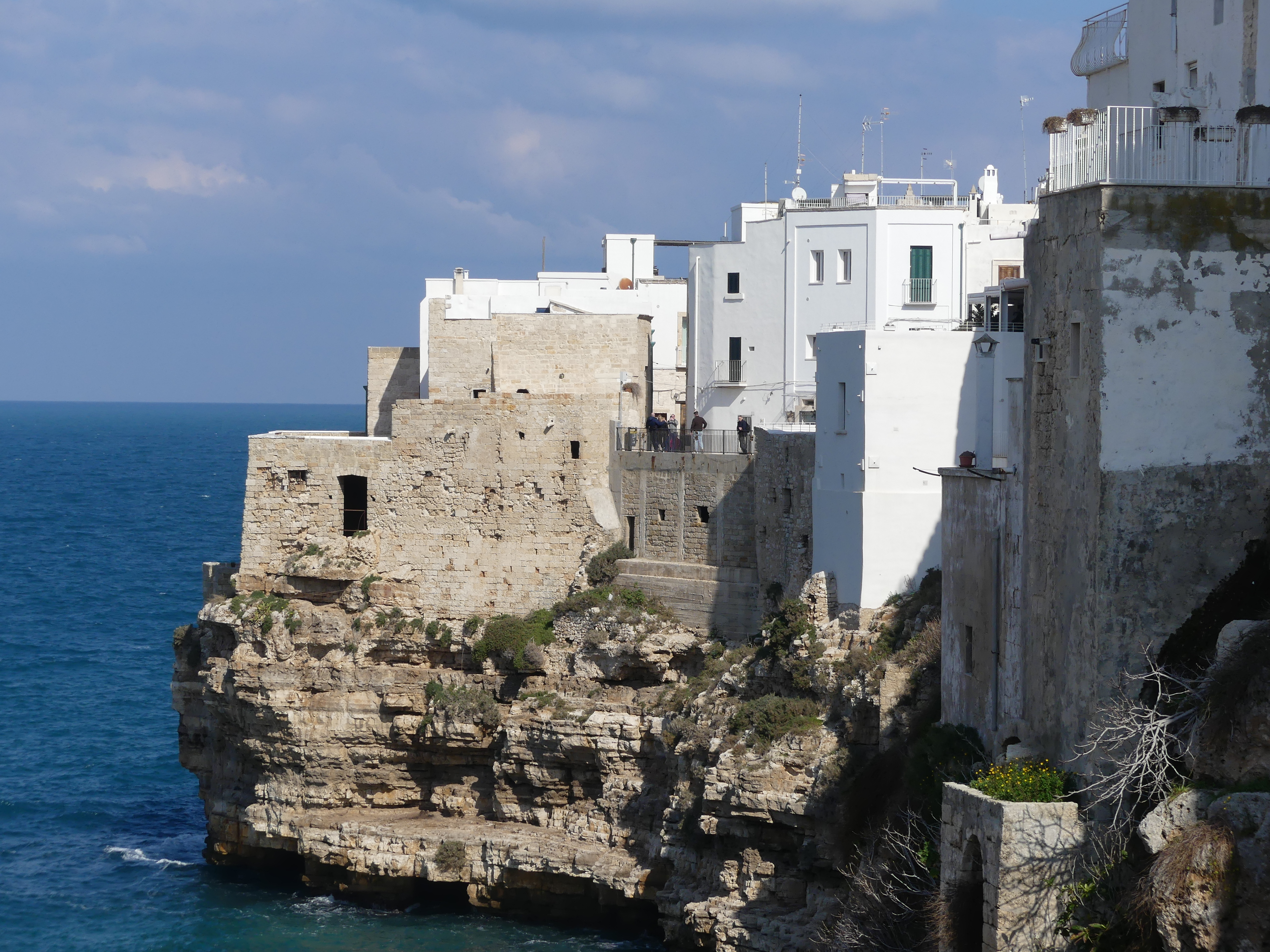
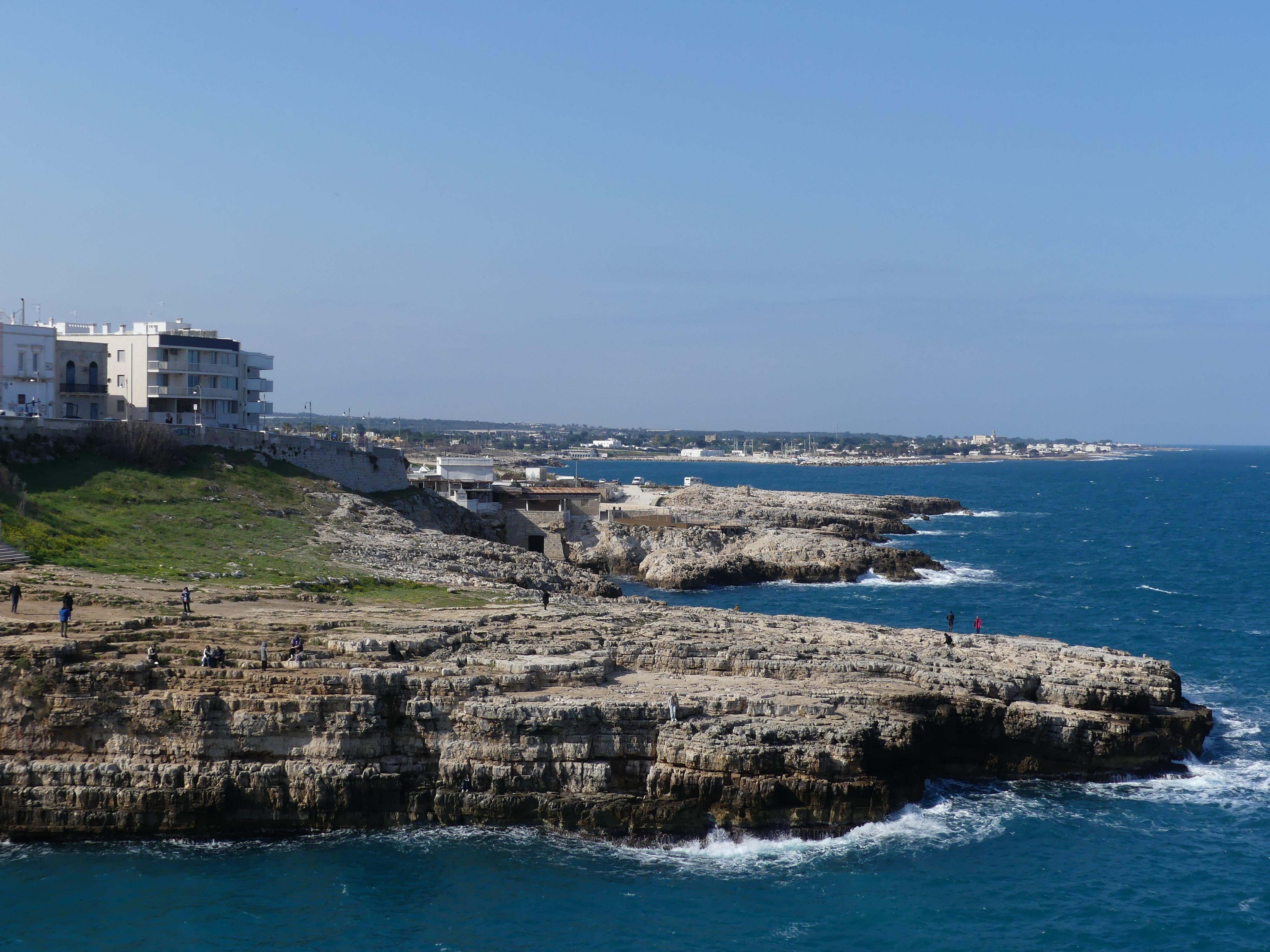
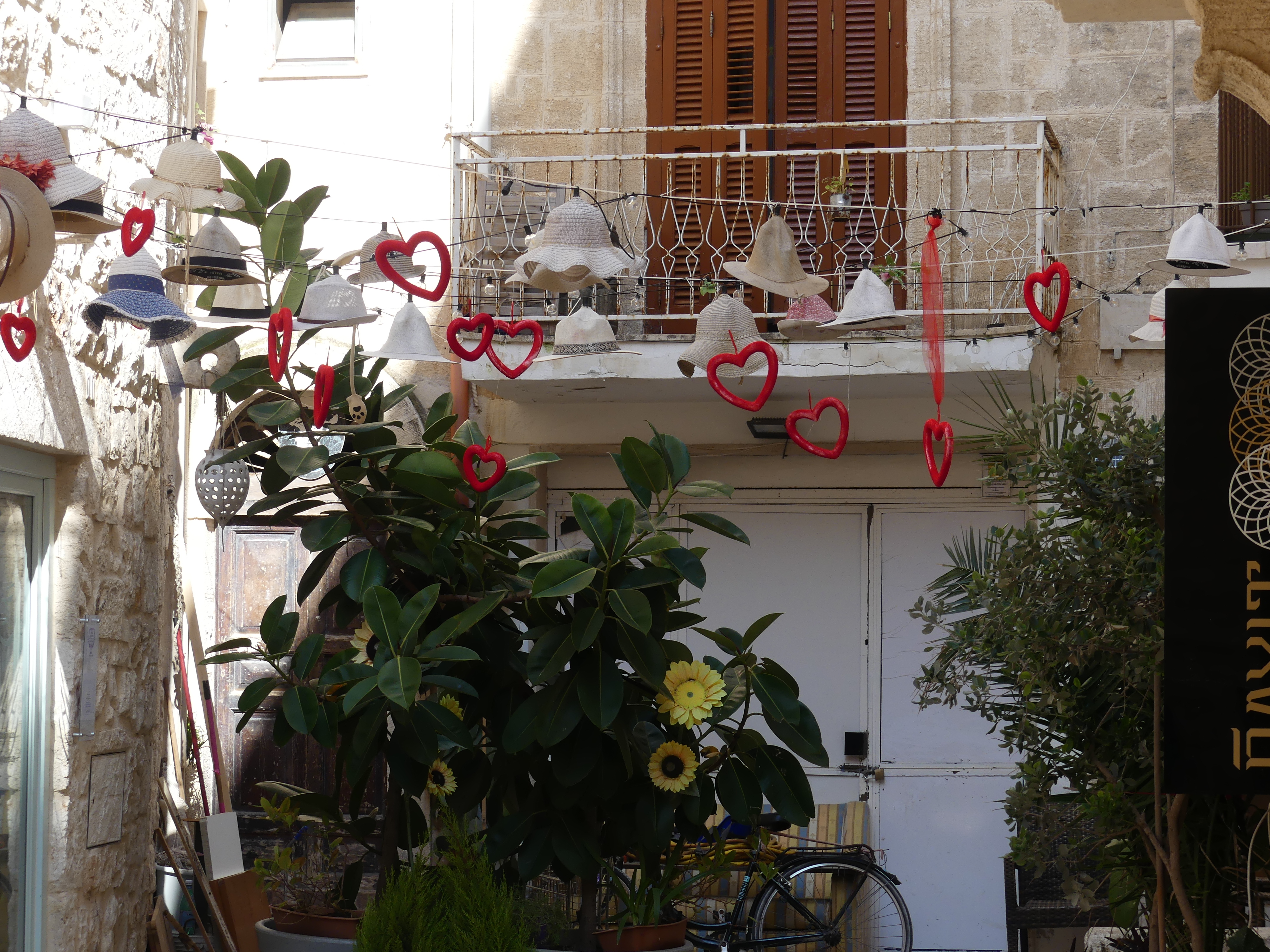
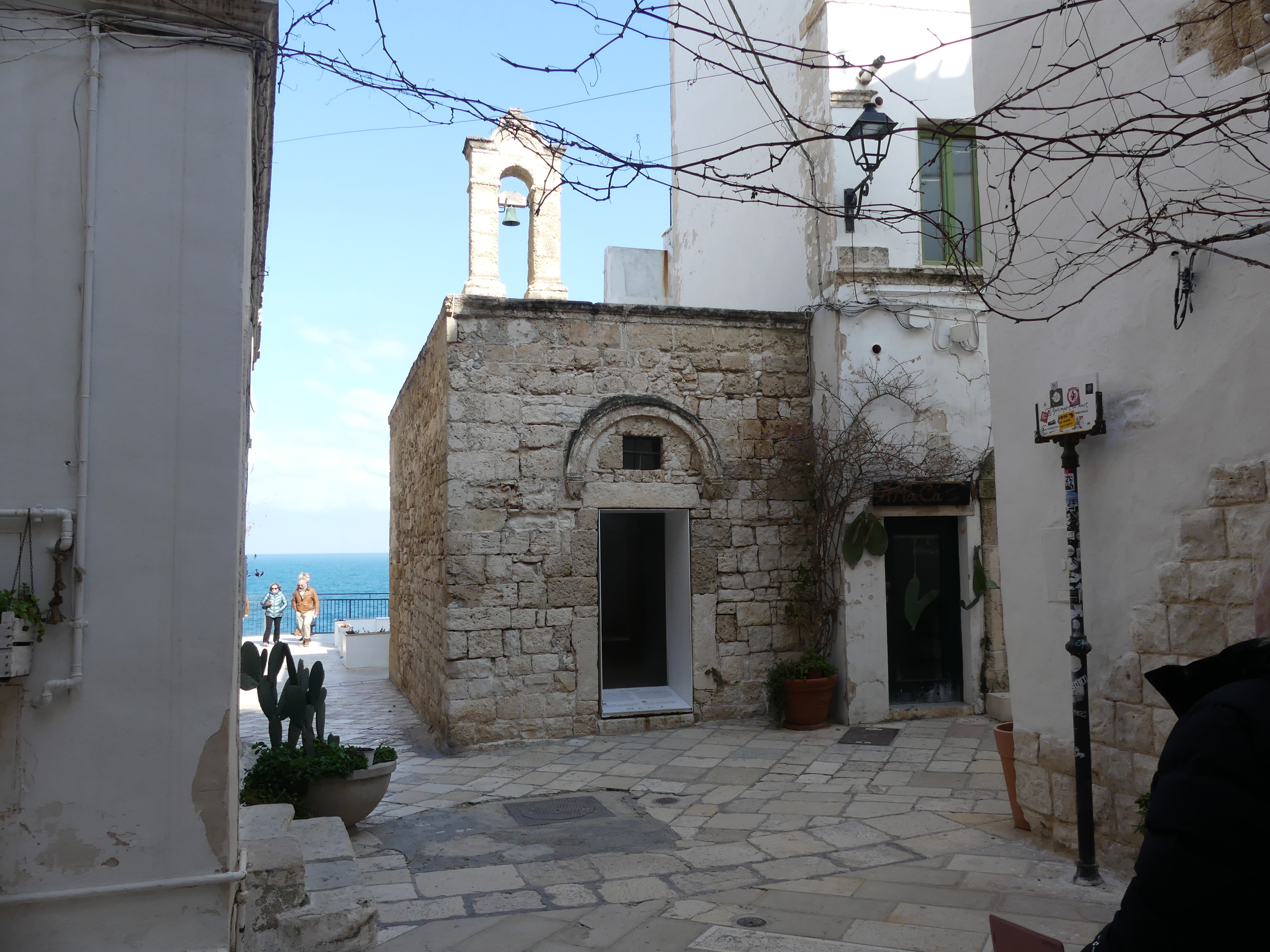
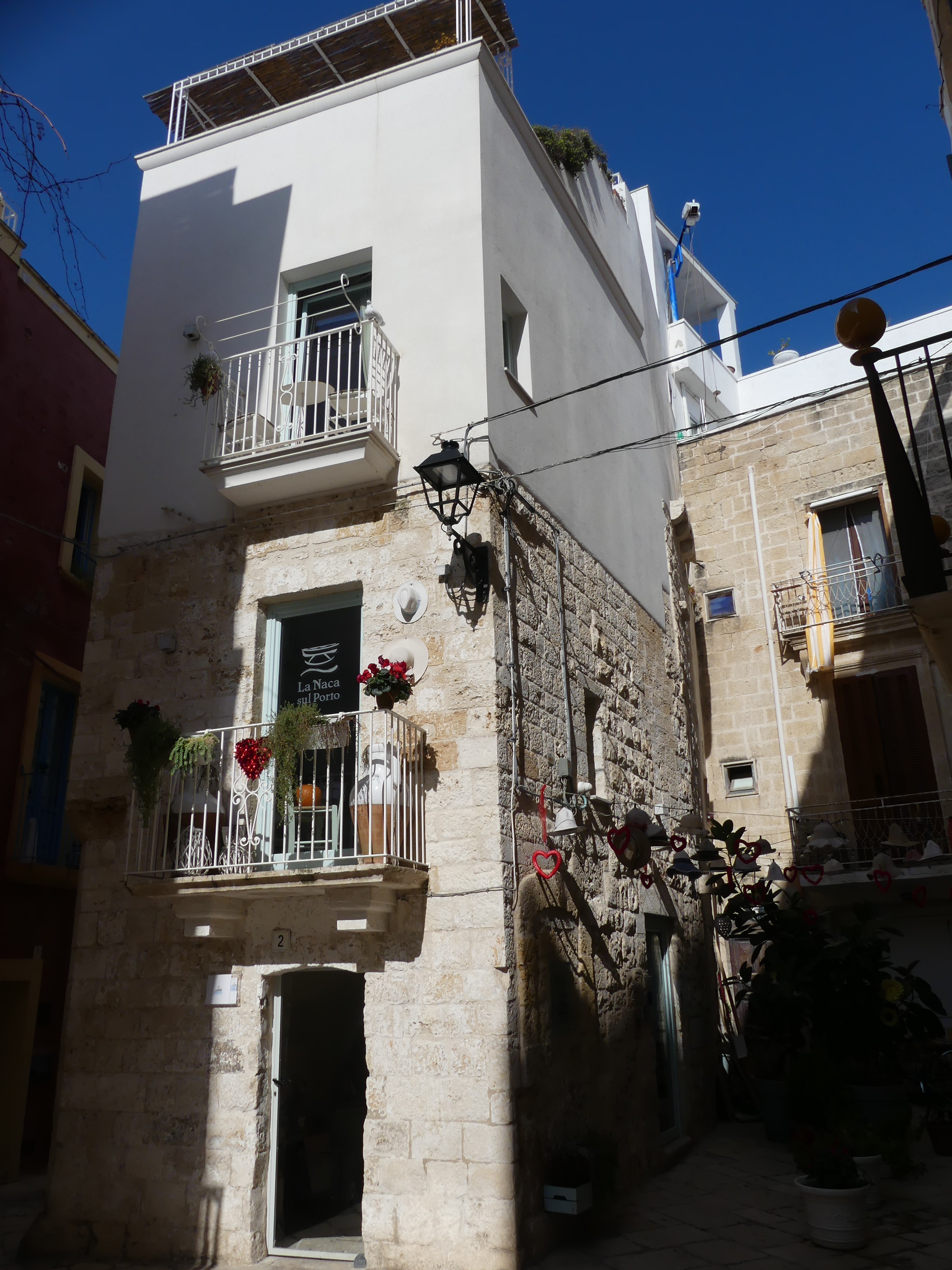
Excited by the movement above us we went back to the City gate and found a passage onto the rocky escarpment above us into the houses on the cliffs. The views were fantastic – all along the coastline houses and building clung to the cliff face, even into the inlet below. The sea caves were quite obvious but the tours were not running so further disappointment that we had chosen the wrong season. We had hoped to have lunch at a restaurant in the walls of the cliff face but it was closed of course for the winter season. You can see the entrance to the restaurant in the photos below. Still we were able to weave in and out of the passage ways all appearing to be alive with lights and decorations. We stopped for lunch after which I was weary and we decided to make our way back to the station.

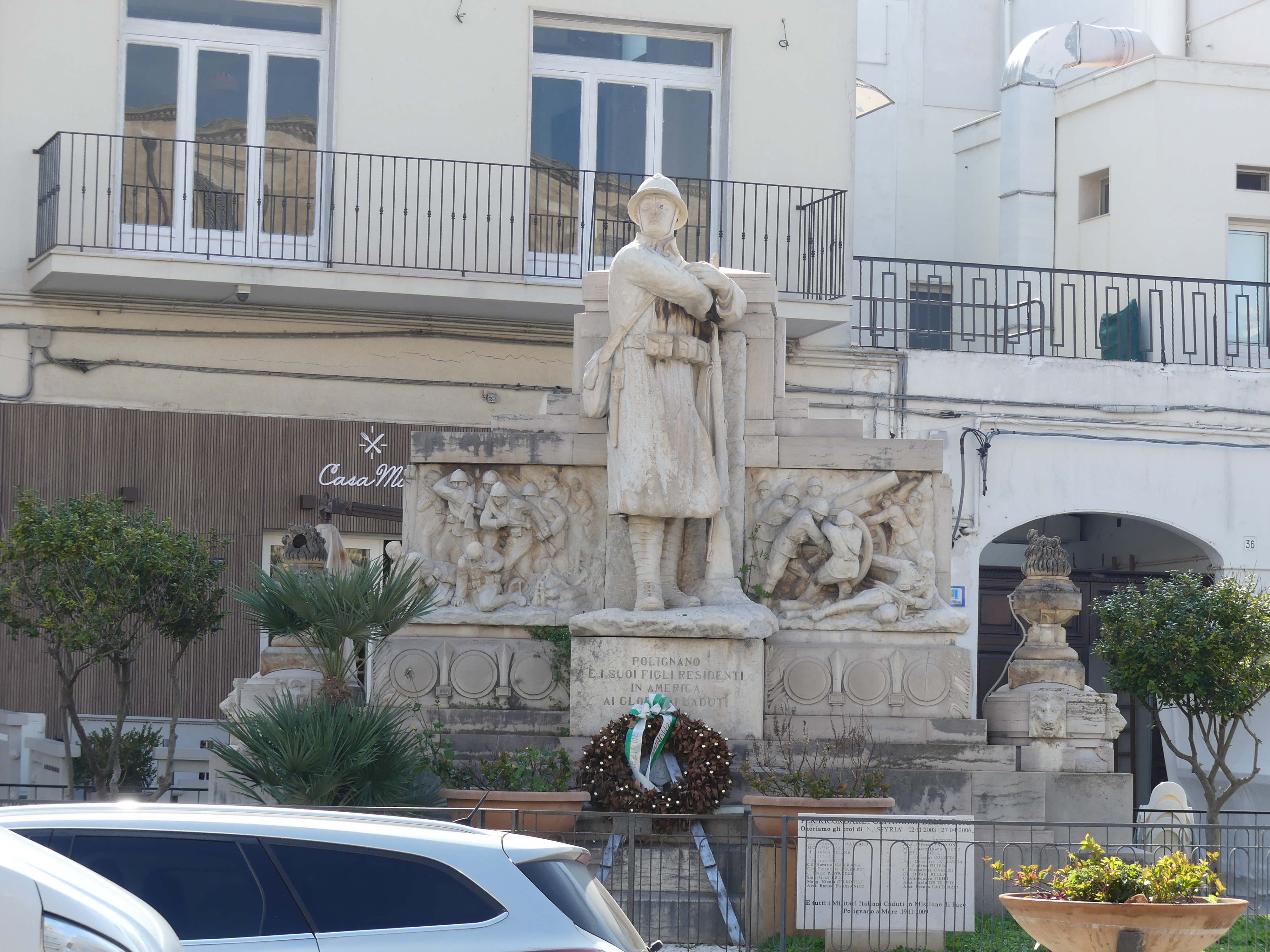
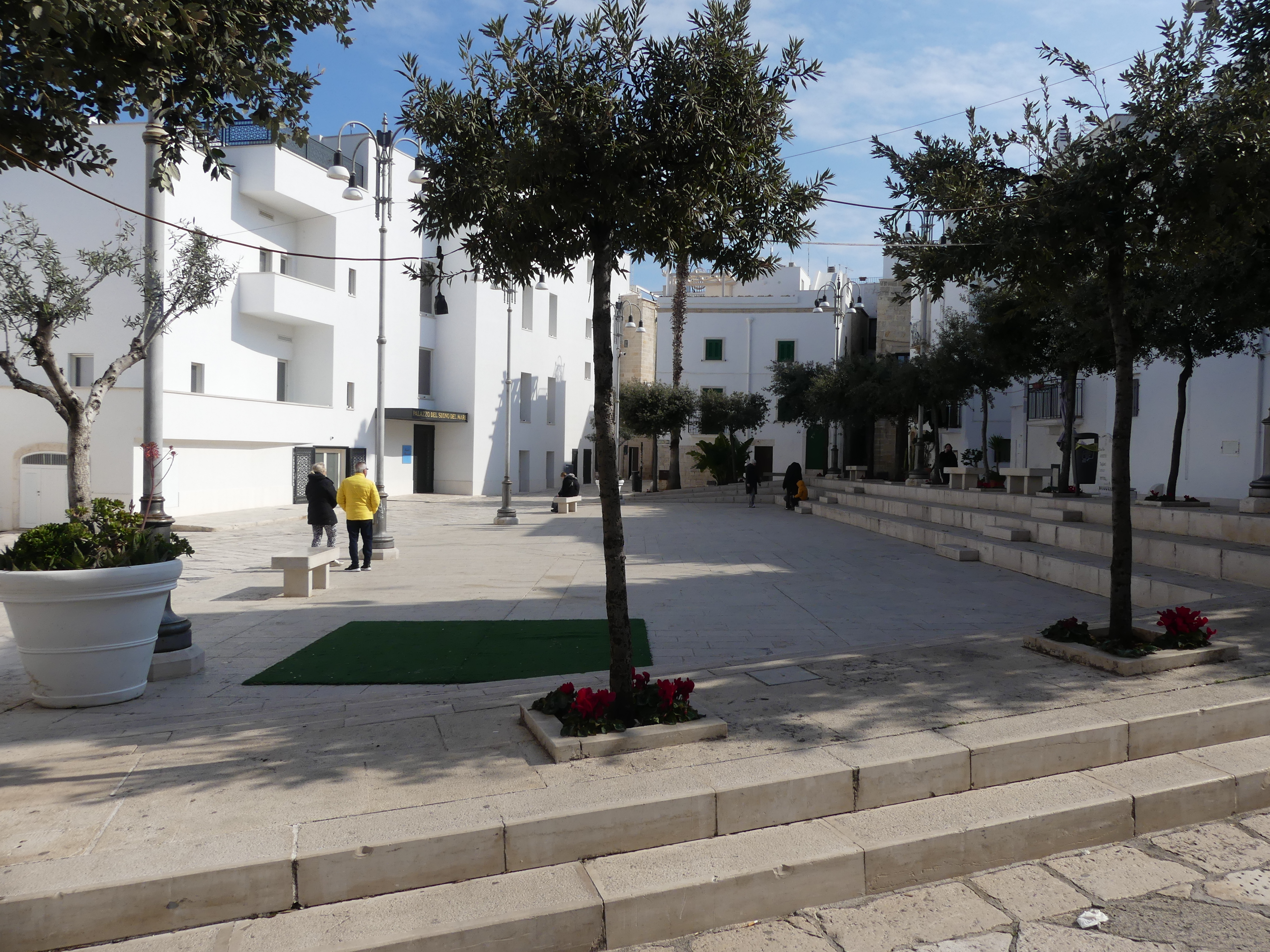
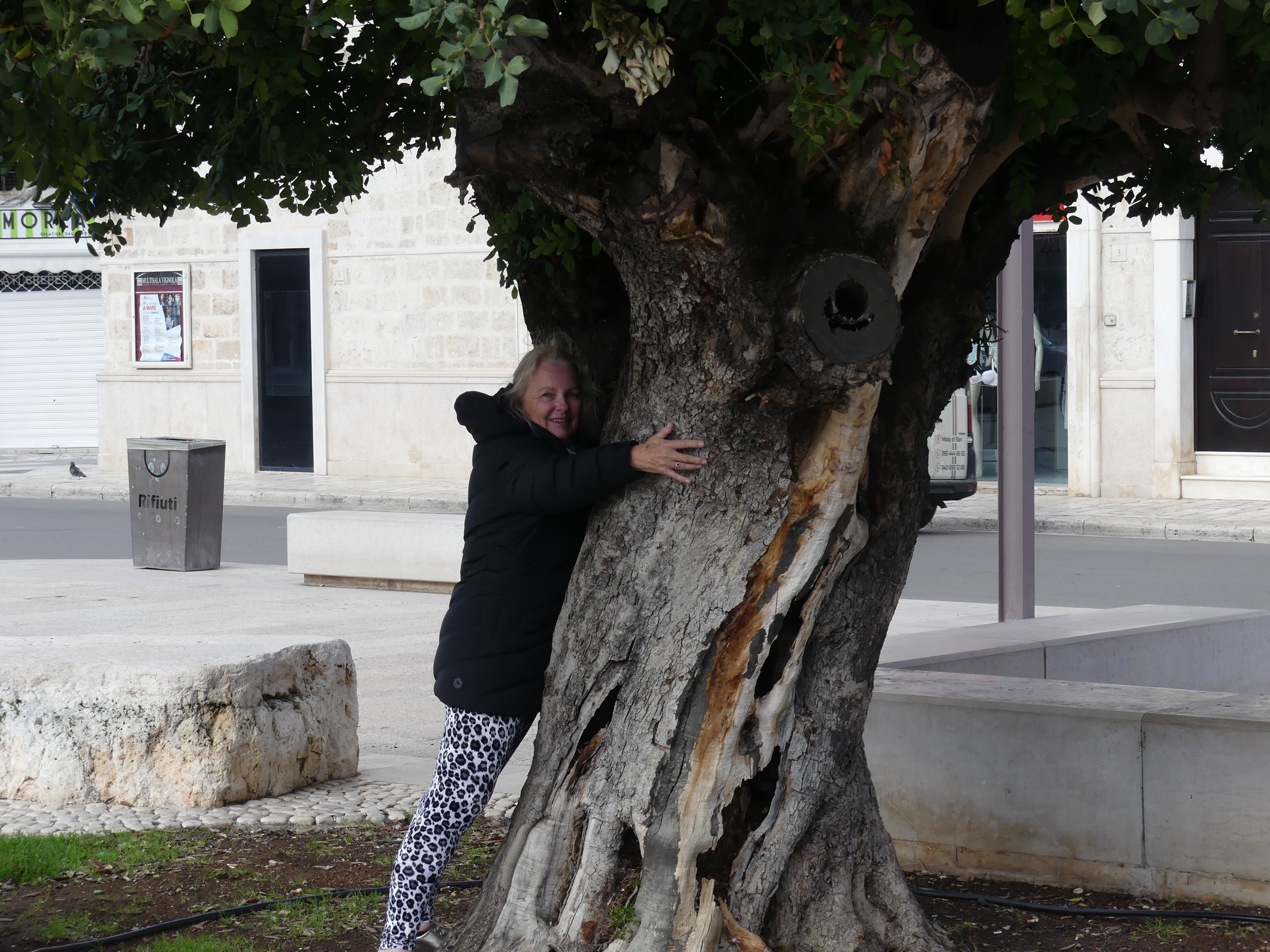
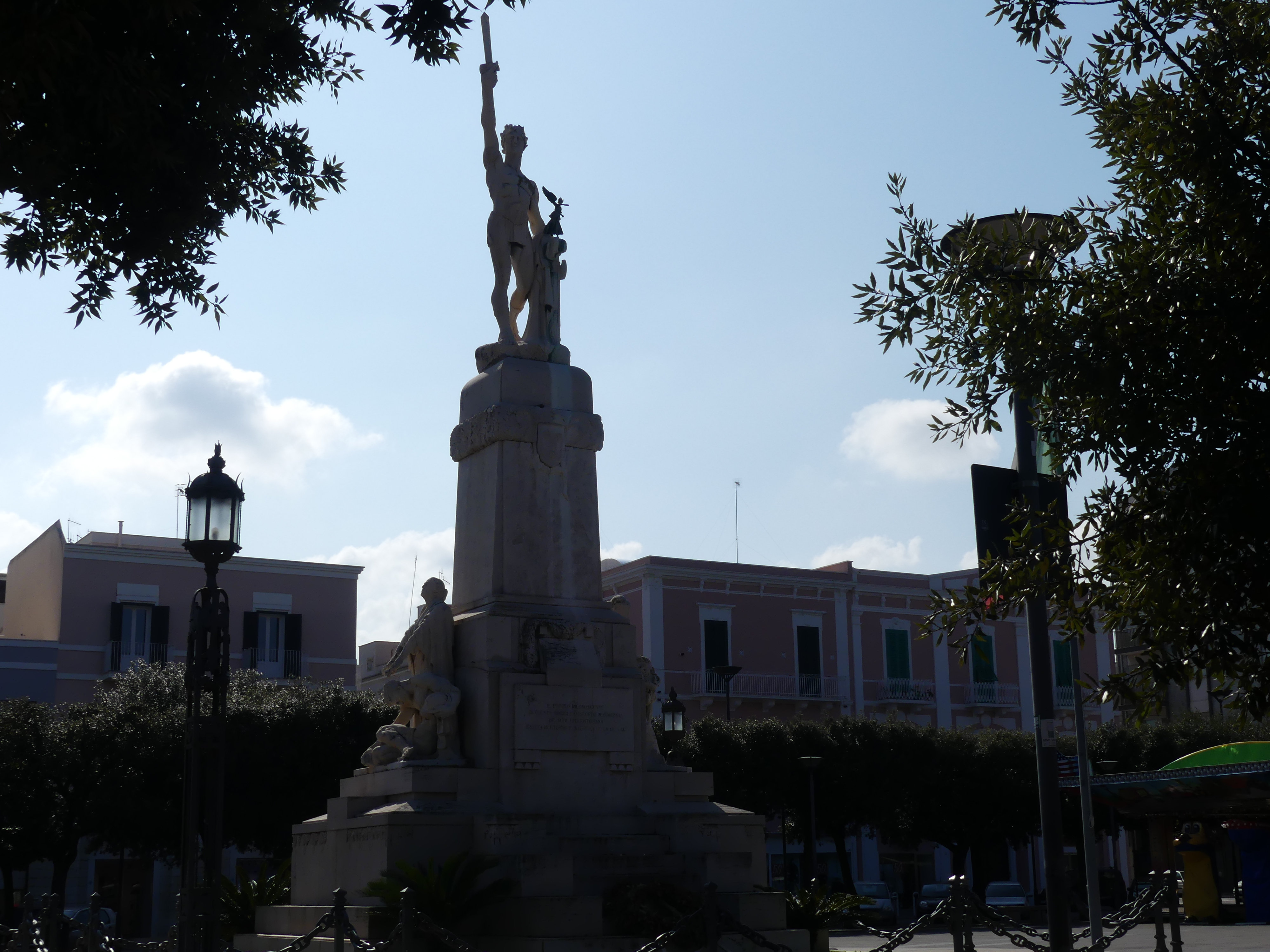
In one of the piazzas, we discovered a memorial to the soldiers lost in WW1 & WW2 – not often have I seen these memorials in rural Italy. Kerry found one of the oldest olive trees we had seen so she gave it a hug for good luck.

The trip on the train to Bari was comfortable and I even had a nap – the photos don’t tell you how far we would walk through these towns and I can tell you I needed the nap. Tomorrow will be a very big day with a trip to Taranto in the very south of the Italian peninsula so be on the lookout for “THE RETIREES GO AROUND THE WORLD – BARI TO TARANTO”
“THE RETIREES GO AROUND THE WORLD – BARI to MONOPLI.”

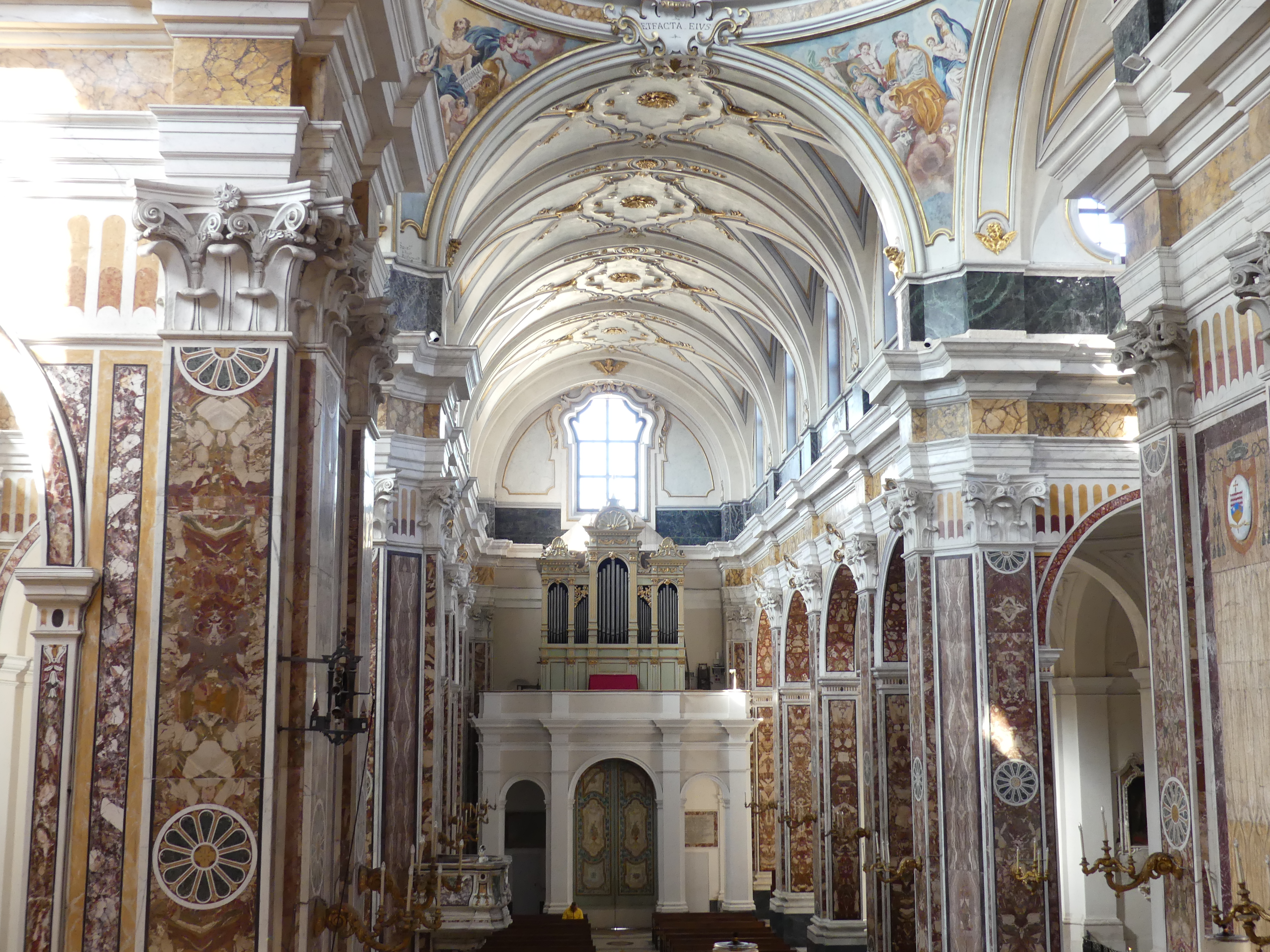
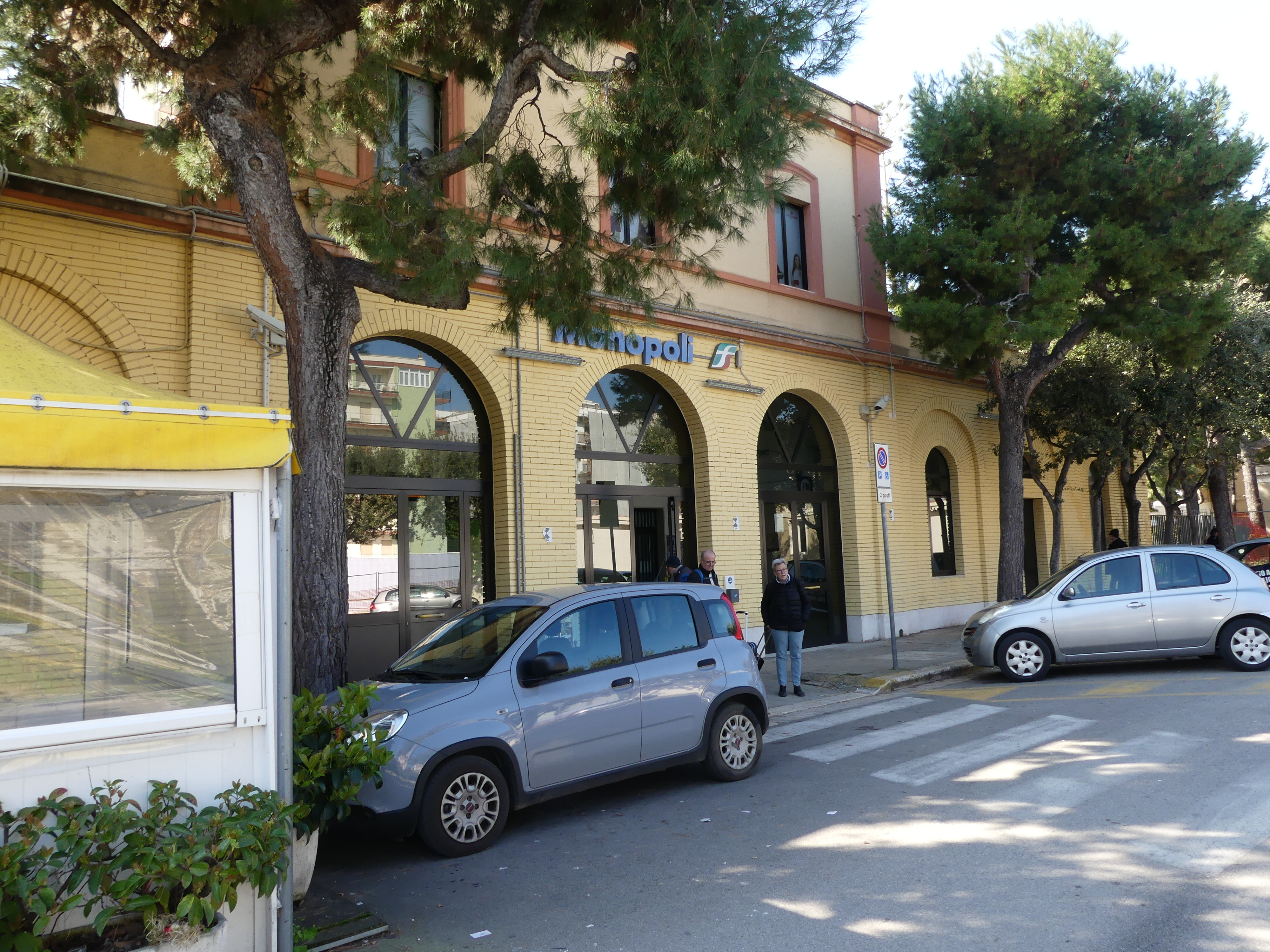
This town was not on my itinerary either but that was part of Robert’s plans/expertise – to know what he wanted to do and drag us to these spots. It was quite exciting guessing his motivations. Monopoli is on the coast of the Adriatic Sea in the Metropolitan City of Bari and region of Apulia. As we strolled through the town towards the port, Robert guided us into a church quite different to the gaudy monuments typically found in Italy. Plain unimposing exterior with a very clean line inside leading to its purpose of prayer in the Christian faith. My first photo is the back of Robert’s head and the train directory identifying our station. Note his yellow jacket. Workplace Health and Safety dictates that he is clearly visible. You will observe this when we visit the church.

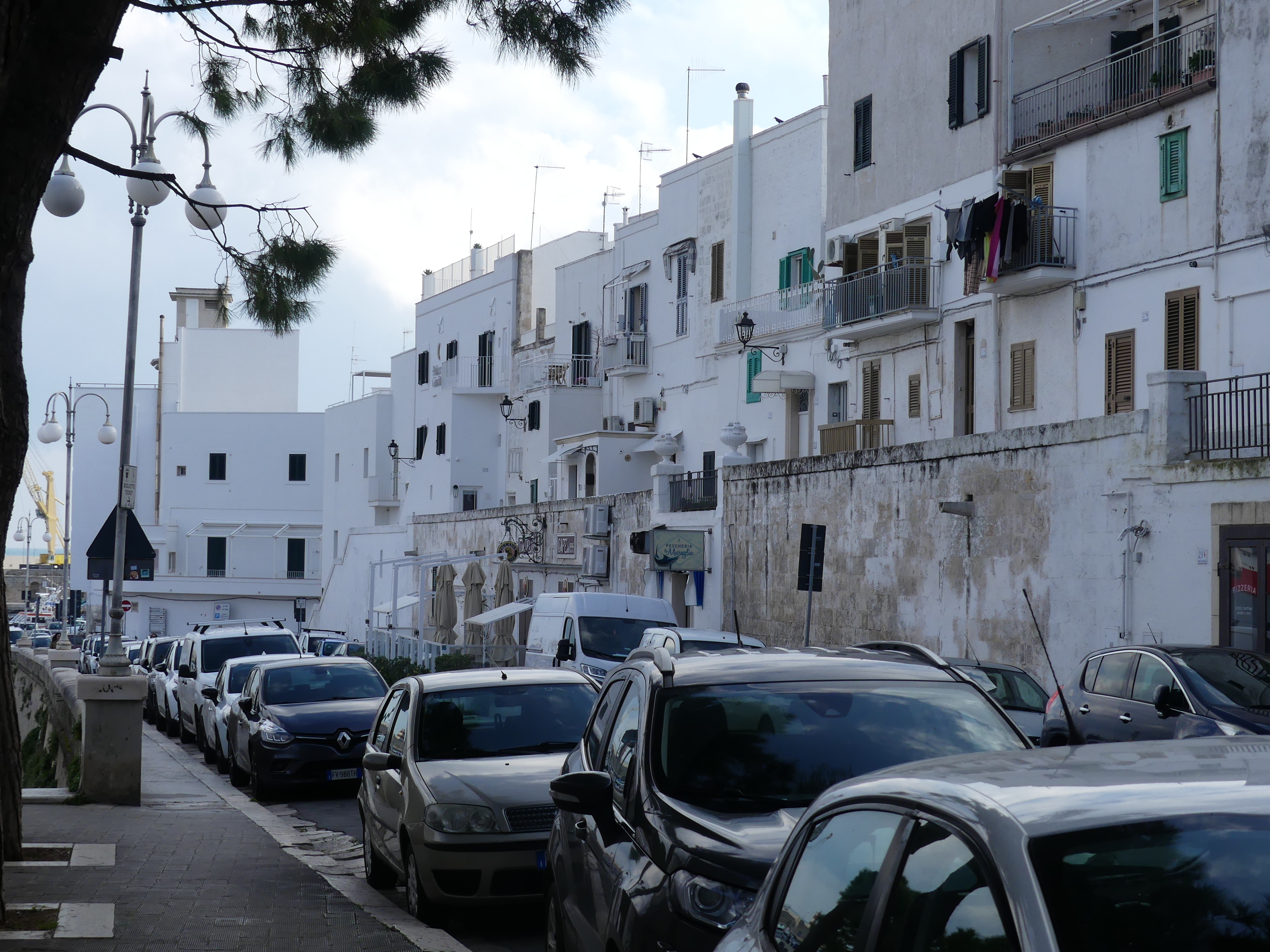
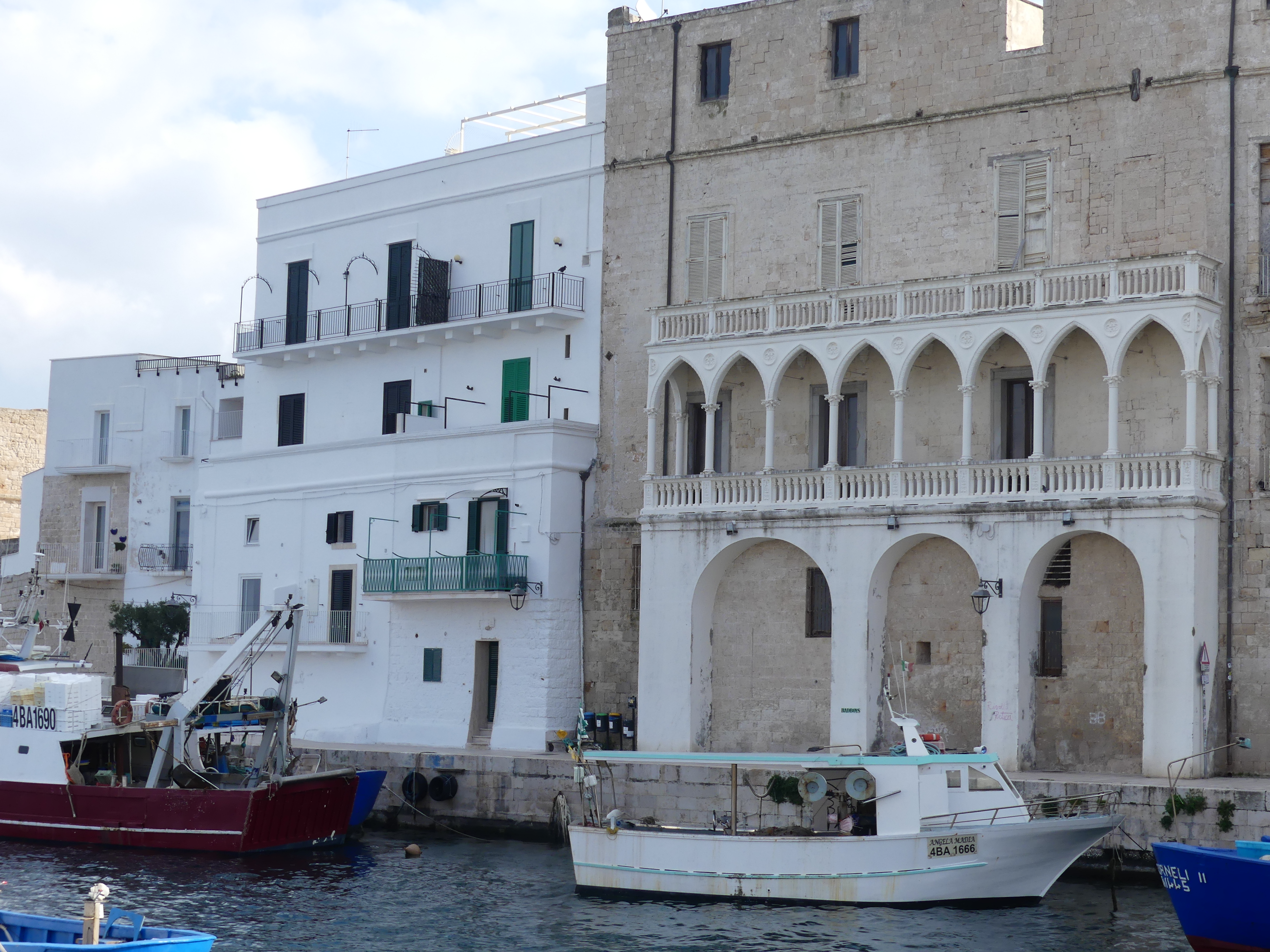
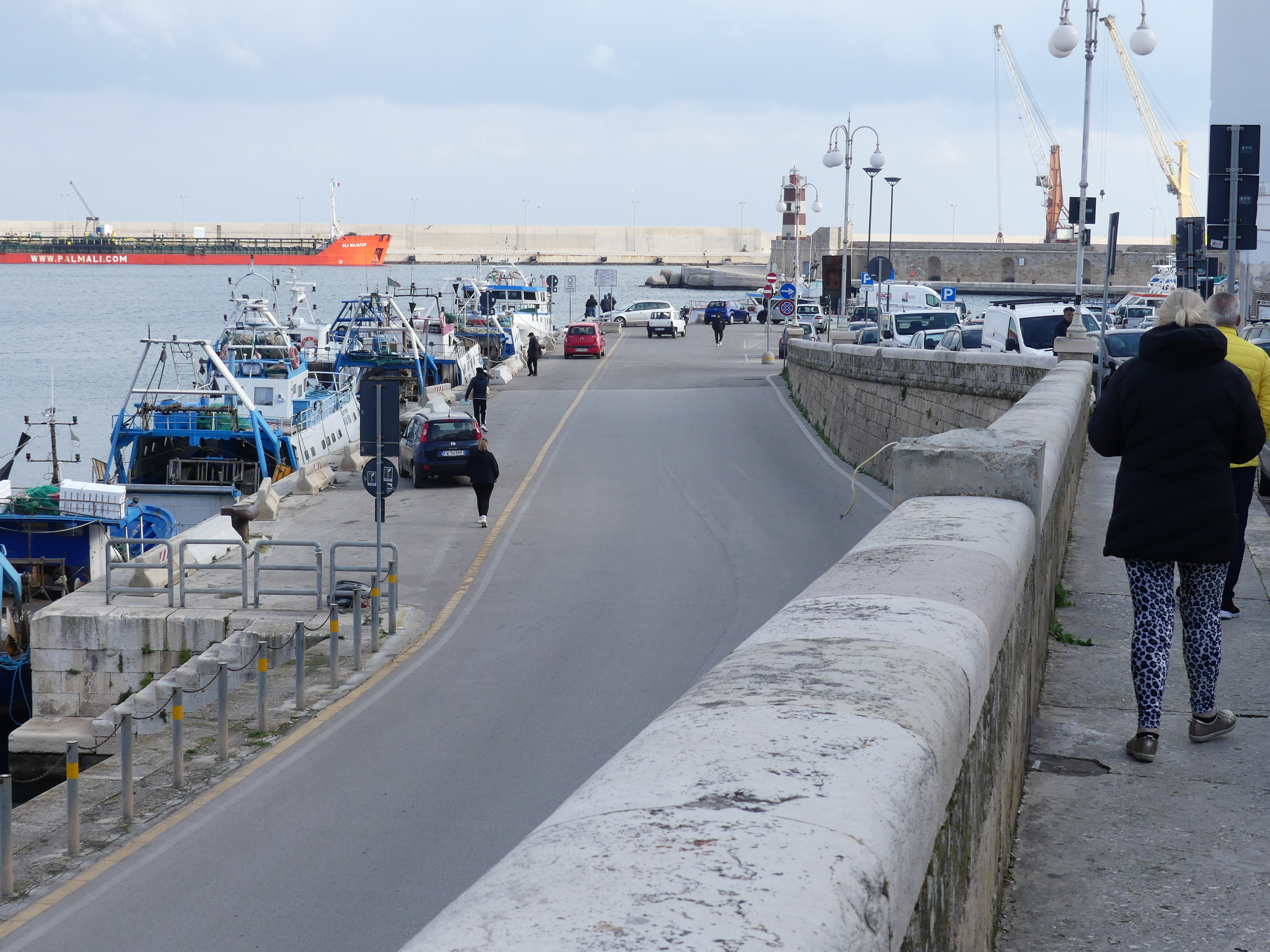
Monopoli was to provide quite a few unexpected sights. We crossed the town square and entered the port side where waterside apartments, fishing vessels, cargo ships, and expensive looking waterside houses of various eras hidden down narrow lane ways could be found. The last photo below is part of the square but on the opposite side to the fountain – a very large square for the town.

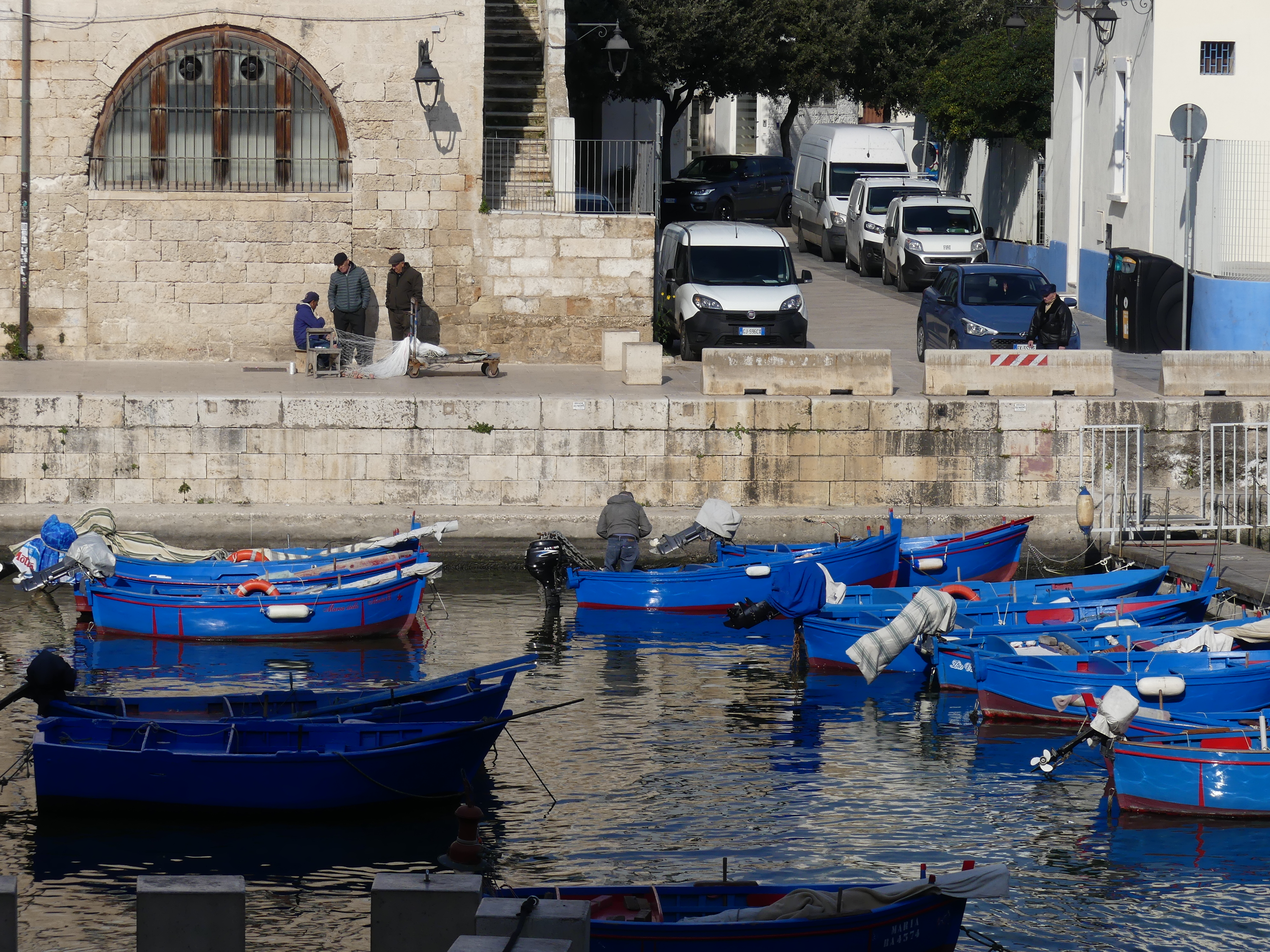
Once we had entered the port area it was quite obvious that the old and new sat comfortably together. Fishing continues to be an occupation in Monopoli and walking along the edge of the port we came upon a sight I was not expecting – a local fisherman repairing his nets on the port side surrounded by his mates chattering away and him focused on getting the nets ready to go fishing.

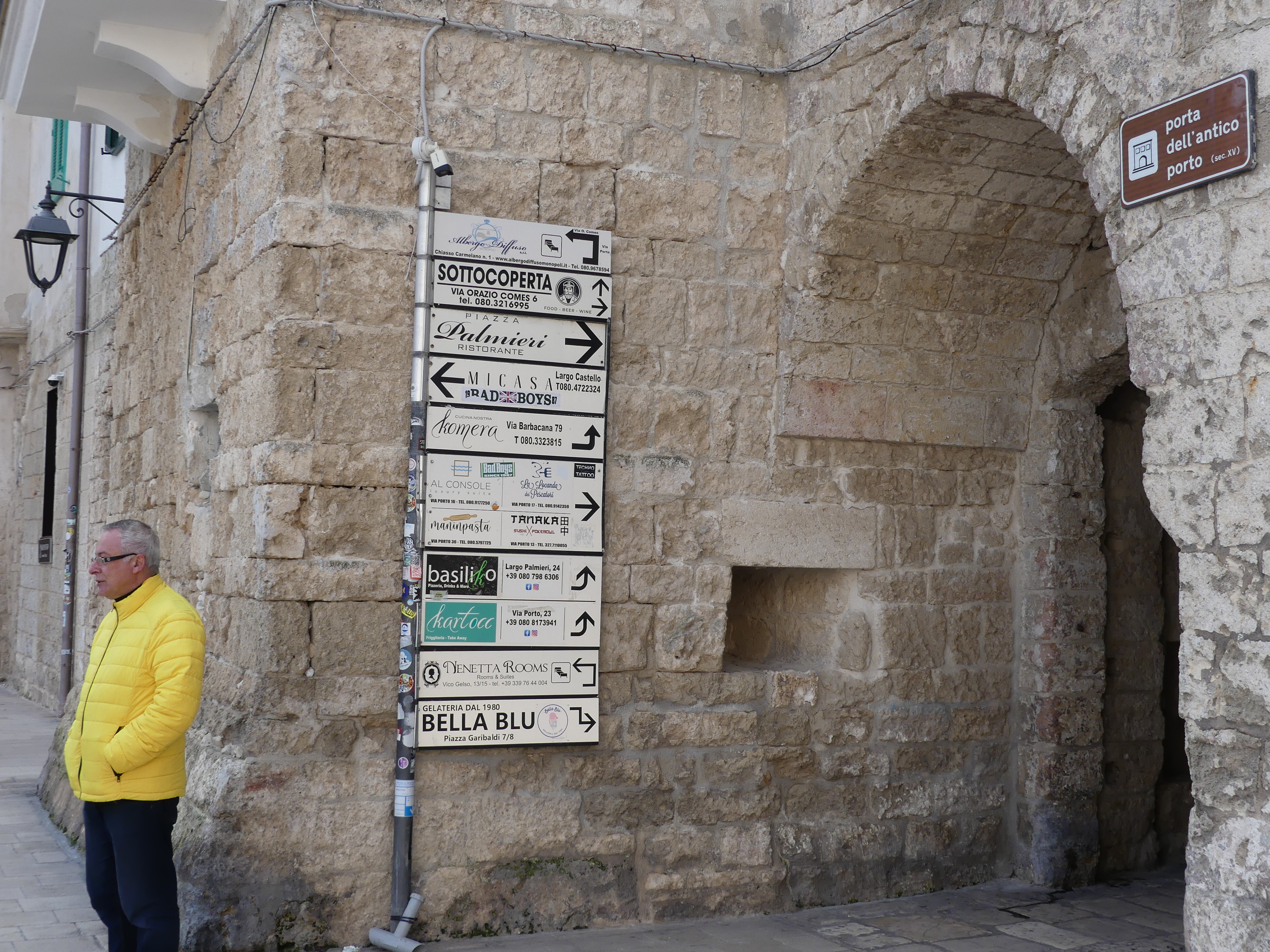
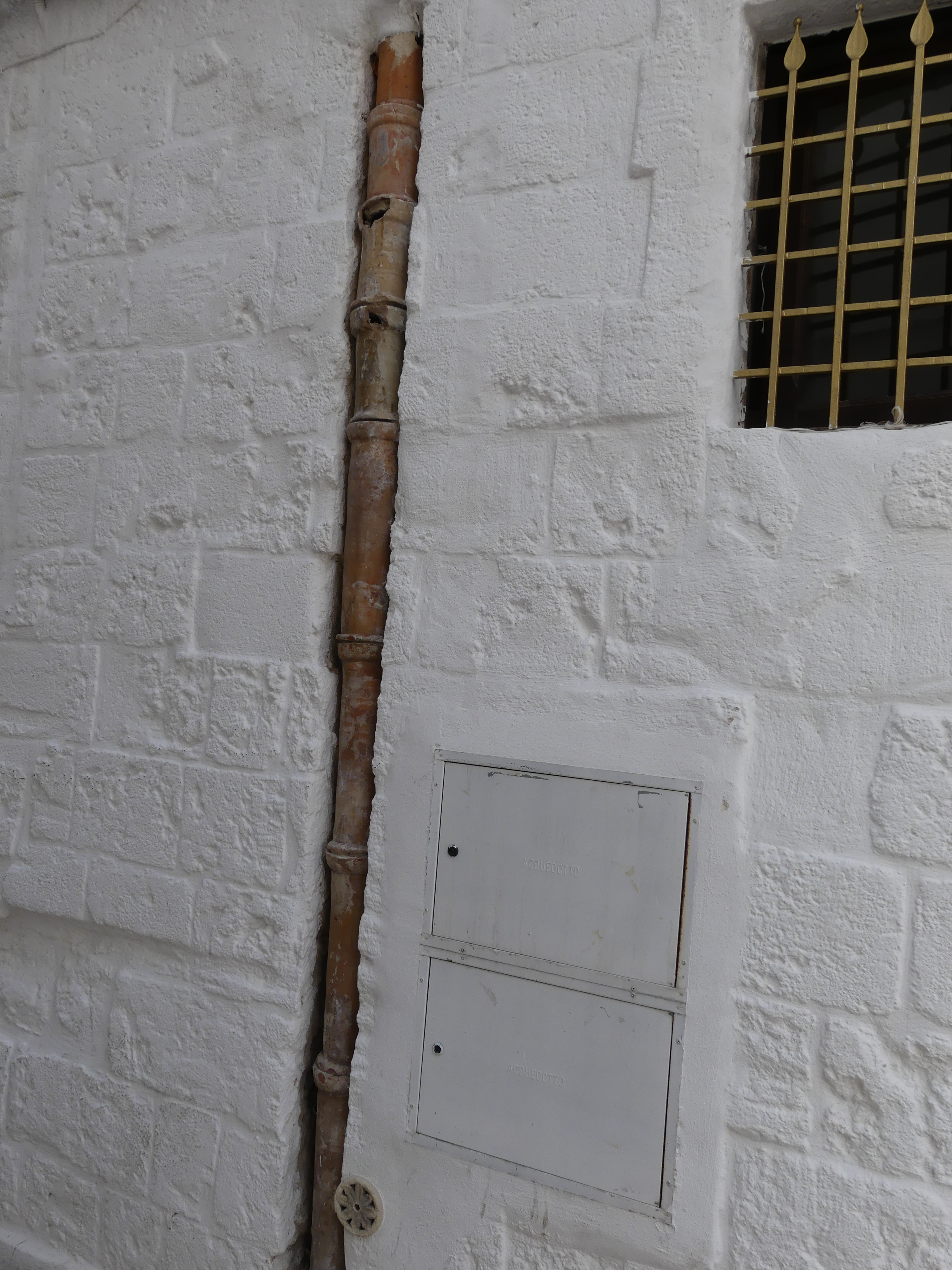
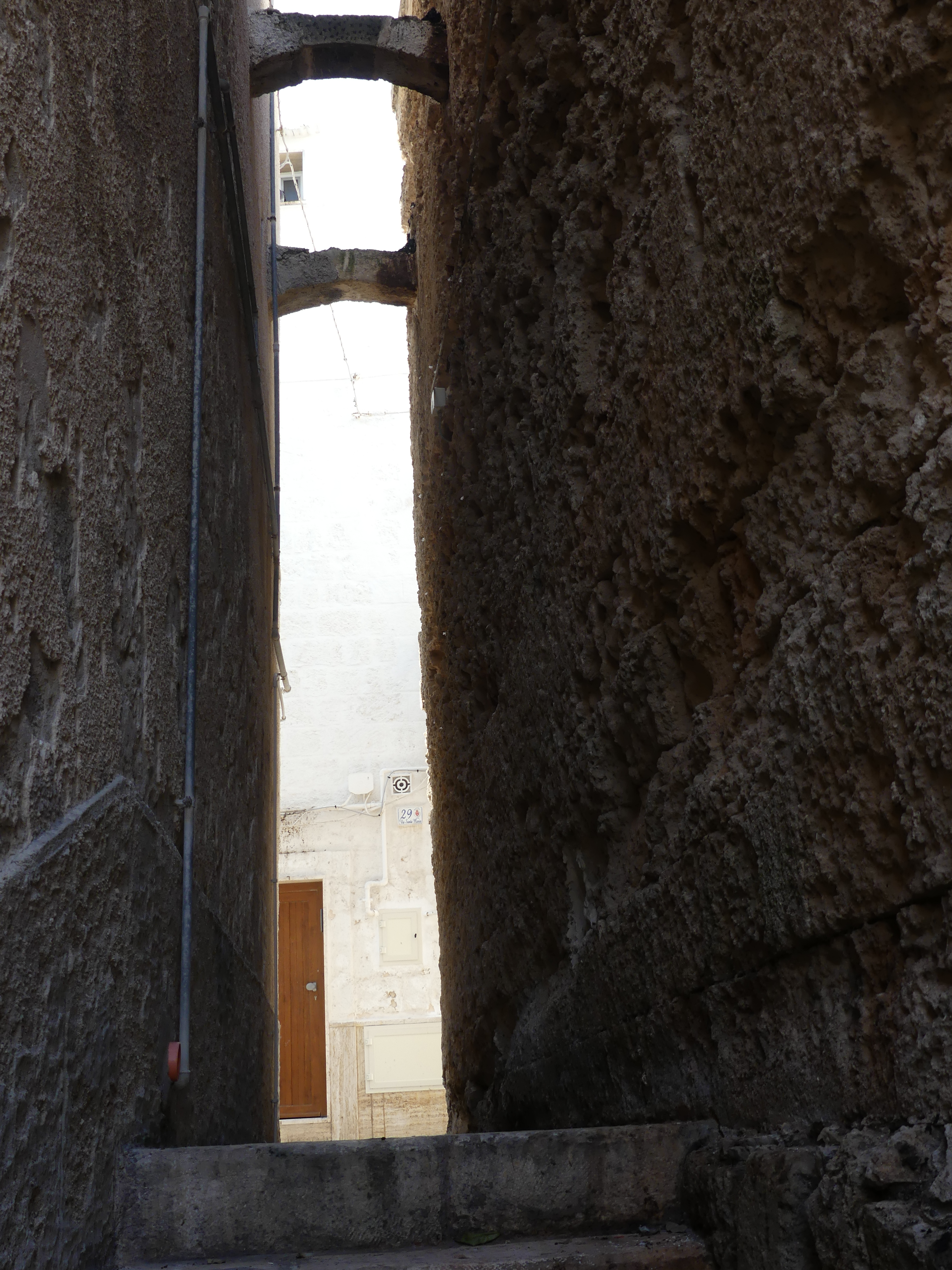
We are here out of season, so all the blue tourist boats are in the harbour. Our guide, wearing the brightest yellow jacket (it was cool, but he had to be seen), worked our way through the narrow lane ways filled with shops and apartments. The sign board below is but a few of the shops. The wine shop had its door handle made to represent its products. Check out the photo of the ancient downpipe set into the newly painted brick wall

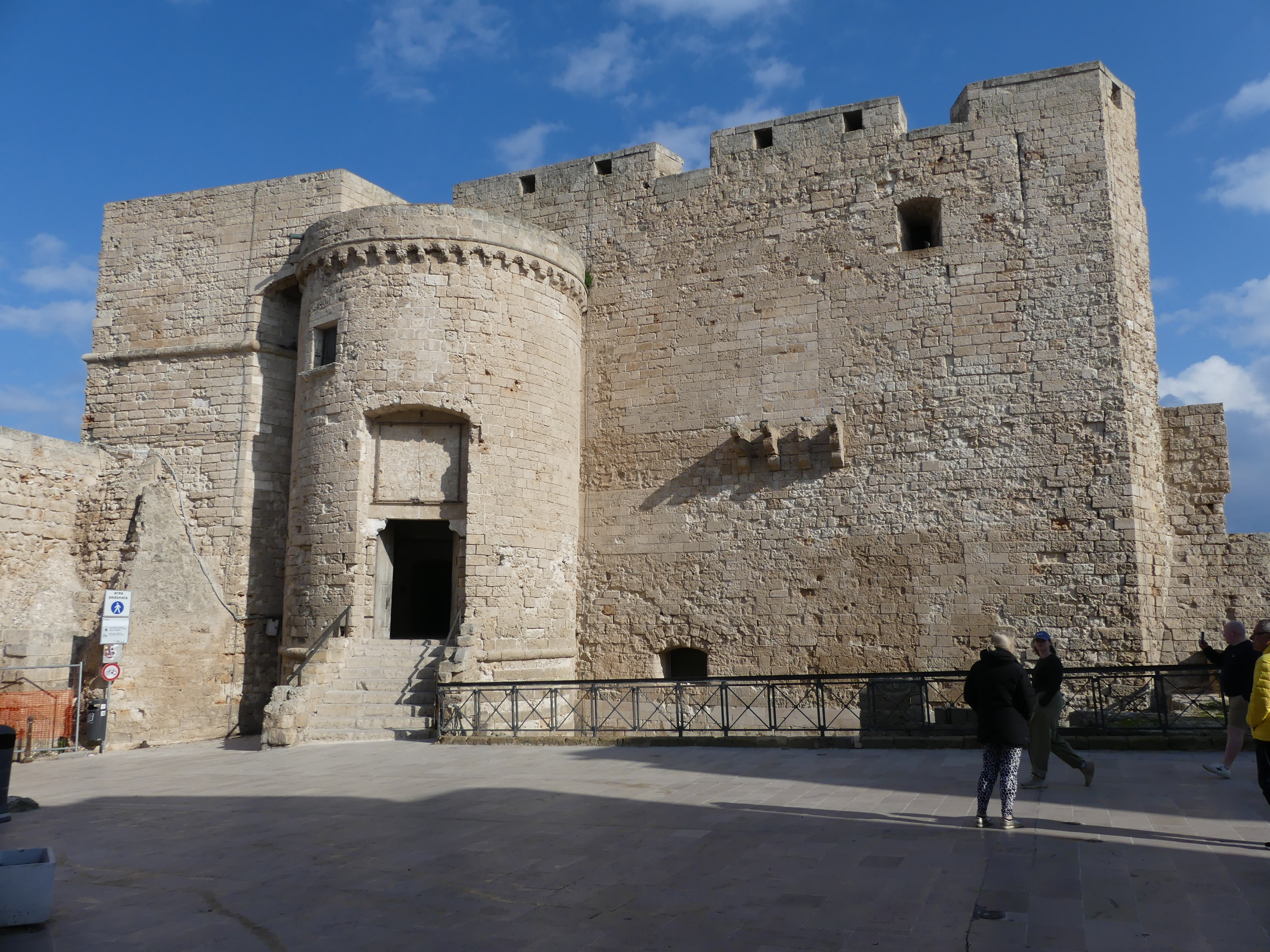
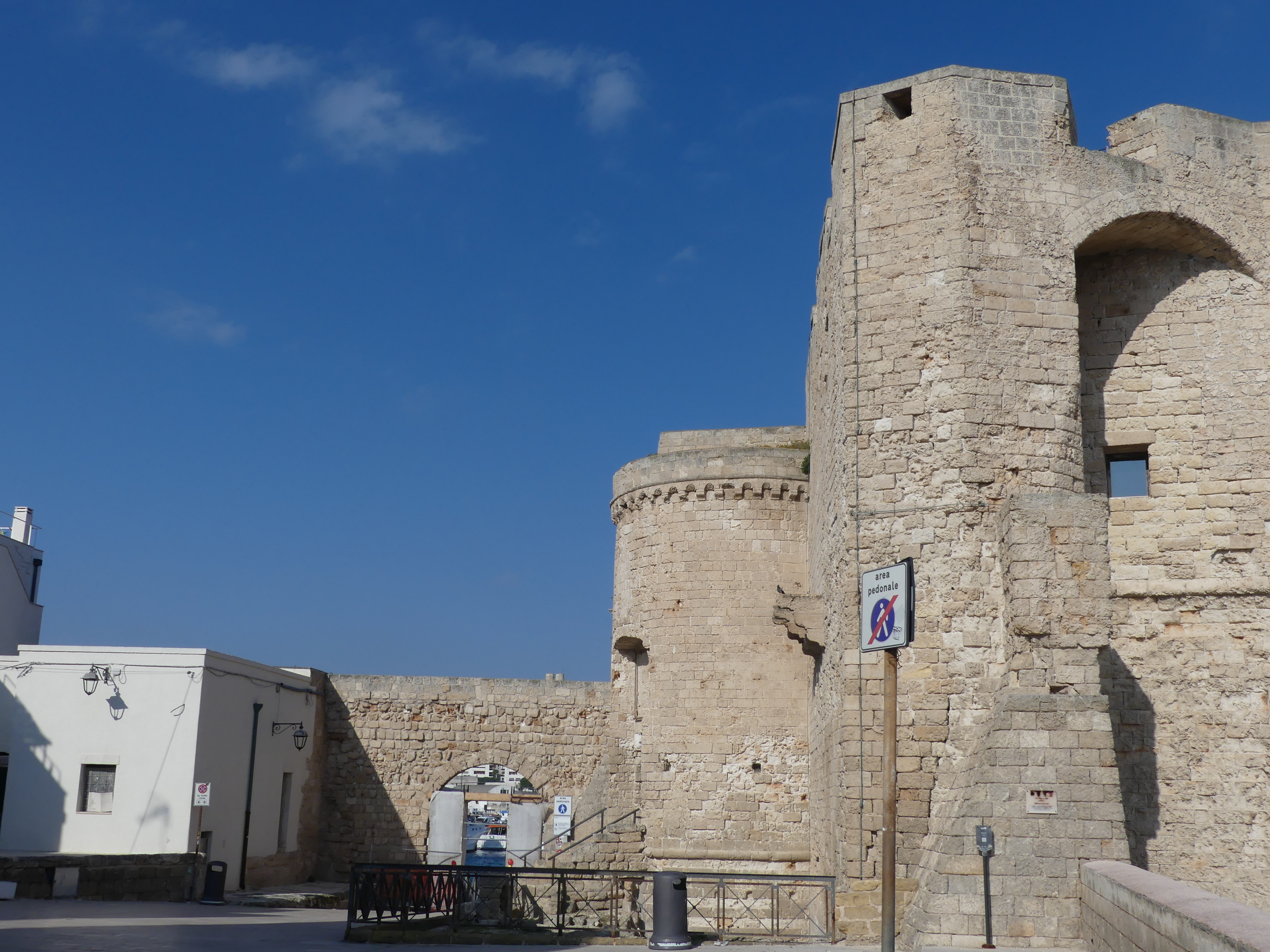
Every turn he took we seemed to be losing our way but he always seemed to come back to the waterfront, always finding something old and something new side by side along the way. The garrison castle on the waterfront, now abandoned, told us something of the need to fortify against water borne menaces such as pirates and invaders. We could only access one part of the fort.

We could tell this was off season – there was no washing hanging from the lines between the holiday apartments. During off season repairs are performed. Actually there were times when our guide was reference the gps to find our way.

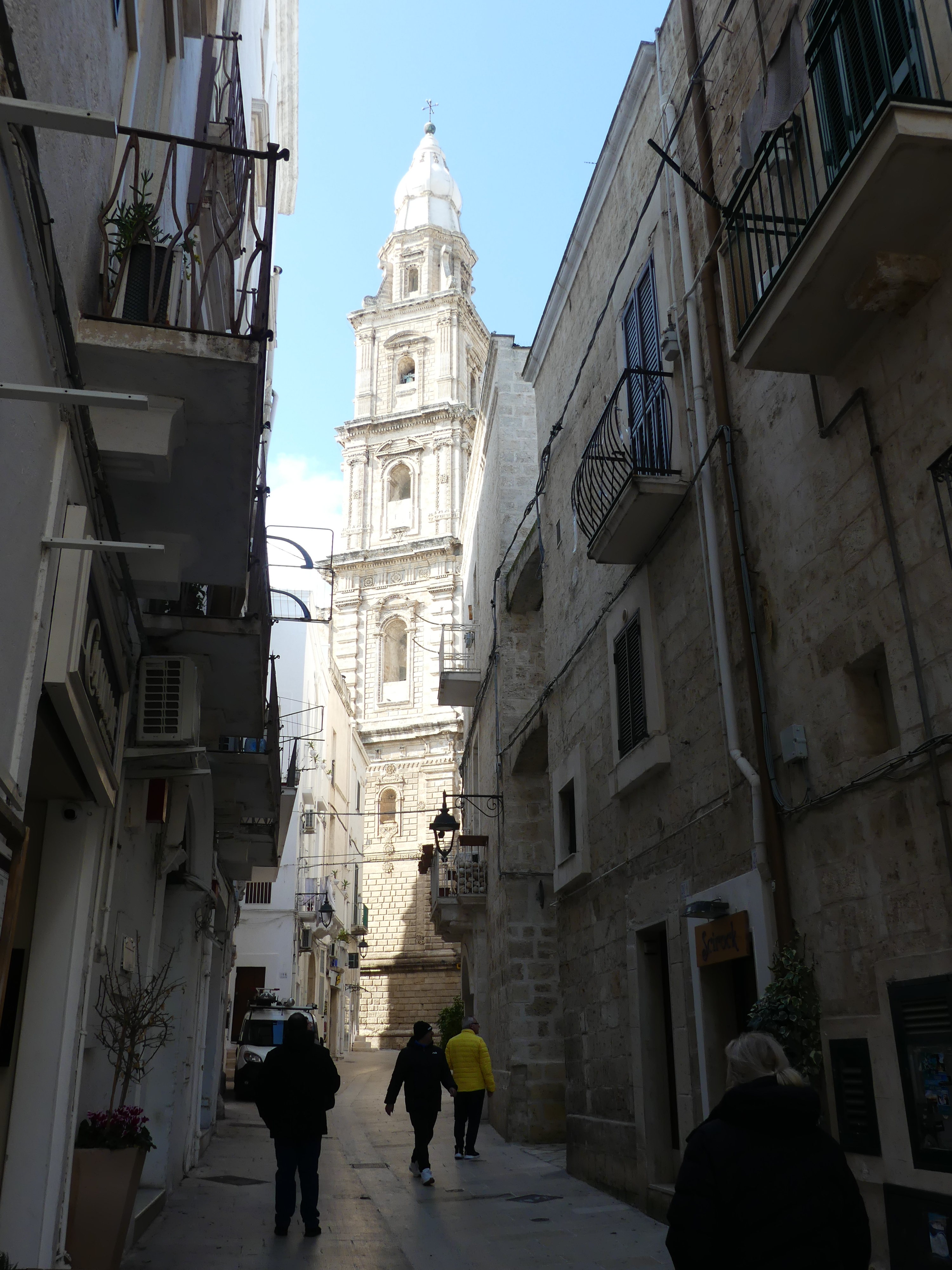
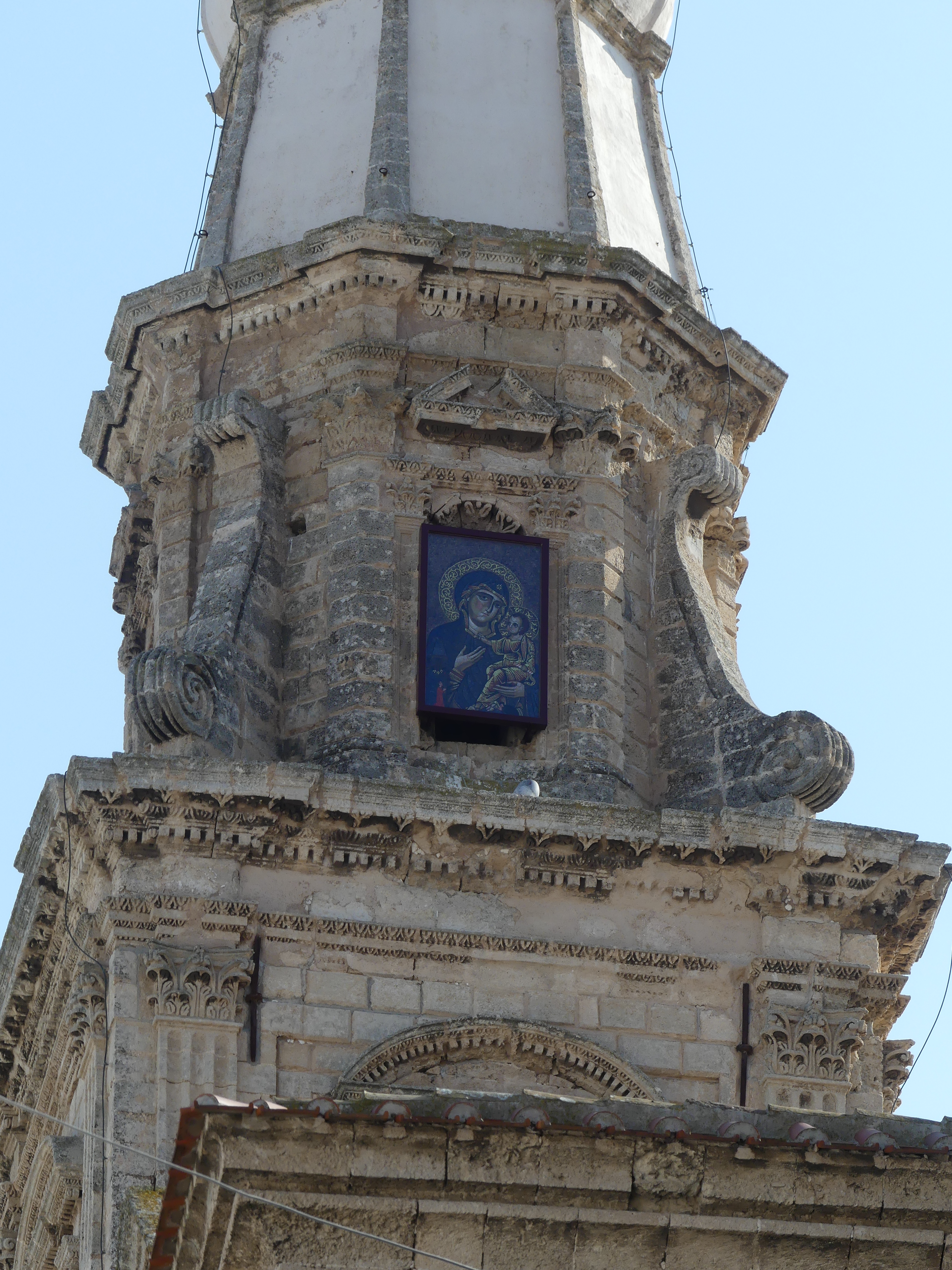
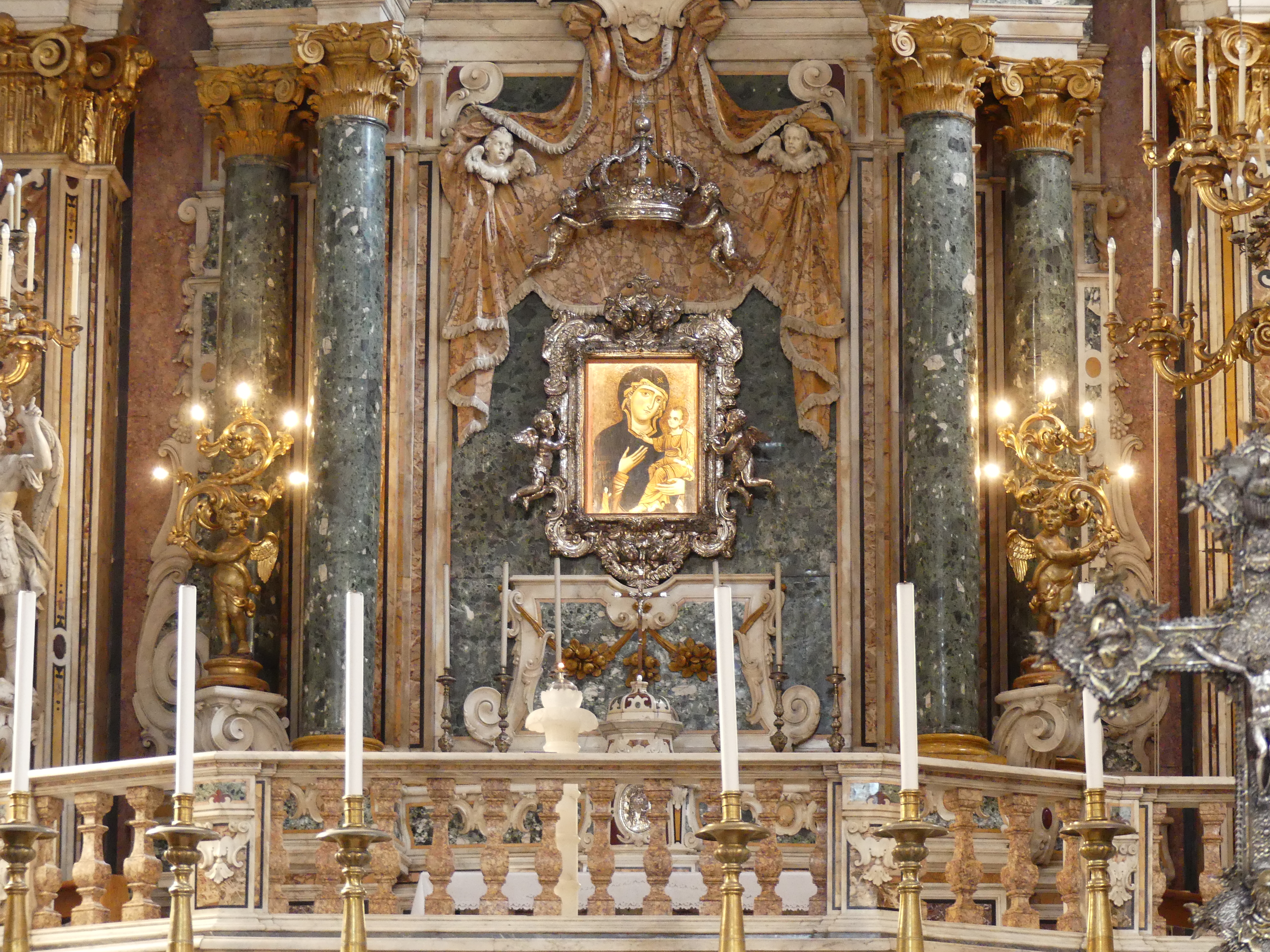
In the photo above you will notice a cathedral, the Basilica Cathedrale of Madonna della Madia in the background. It’s grandeur drew us to it. Our guide, distracted by his phone, missed the house with farmyard doors which appeared entirely out of place. The Basilica of the Madonna della Madia or Santa Maria della Madia was granted the status of a minor basilica in 1921. It is dedicated to the Virgin Mary under the title of the Madonna della Madia, after an icon kept here. It shows the former wealth of the town with its ornate interior.

It seemed like hours that we had been ducking in and out of little lanes and not one coffee shop was open. Finally as we left the Basilica our eagle scout smelt or spotted an inviting coffee shop and it was time for a cuppa which got Kerry very excited and Robert curious as to why he had not found this place previously. Refreshed we headed back to the station and returned to Terni.

Well we were well and truly knackered particularly knowing we would do it all again tomorrow at Polignano a Mare. Stay tuned for “THE RETIREES GO AROUND THE WORLD – BARI to POLIGNANO A MARE”

“THE RETIREES GO AROUND THE WORLD – “CESI to BARI”

Bari, Bari Vecchia (Old Town)

Bari is a large port town on the Adriatic Sea/east coast. We had a short visit some years ago as a day tour from a cruise ship. The town has a long history from Roman times through a period of occupation by an Islamic states and remains the largest port town for southern Italy with a population of over 300,000. It was intended by us as the jump off point to other small villages/towns, so we had selected a B&B near the railway station and the old town of Bari.

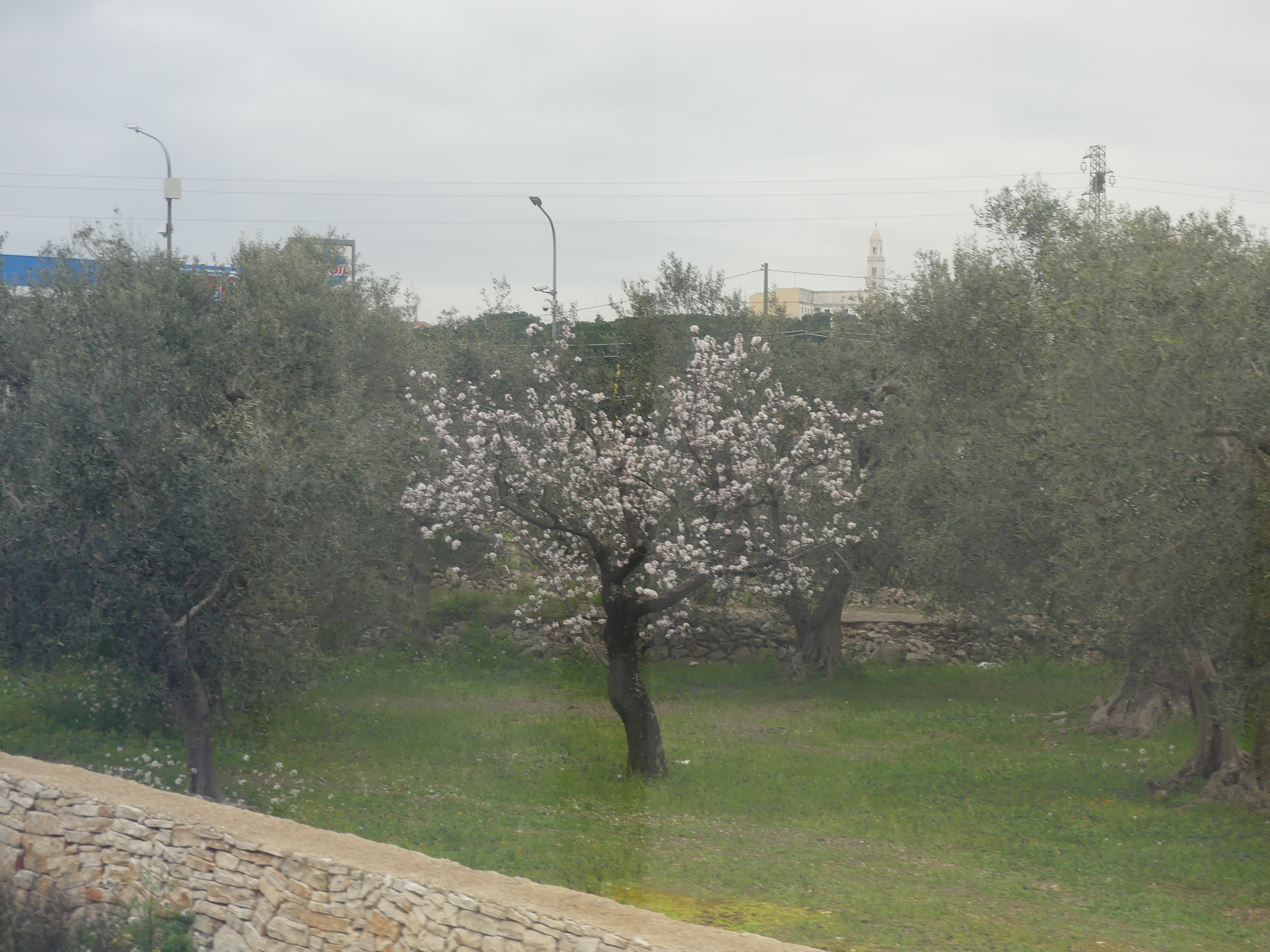
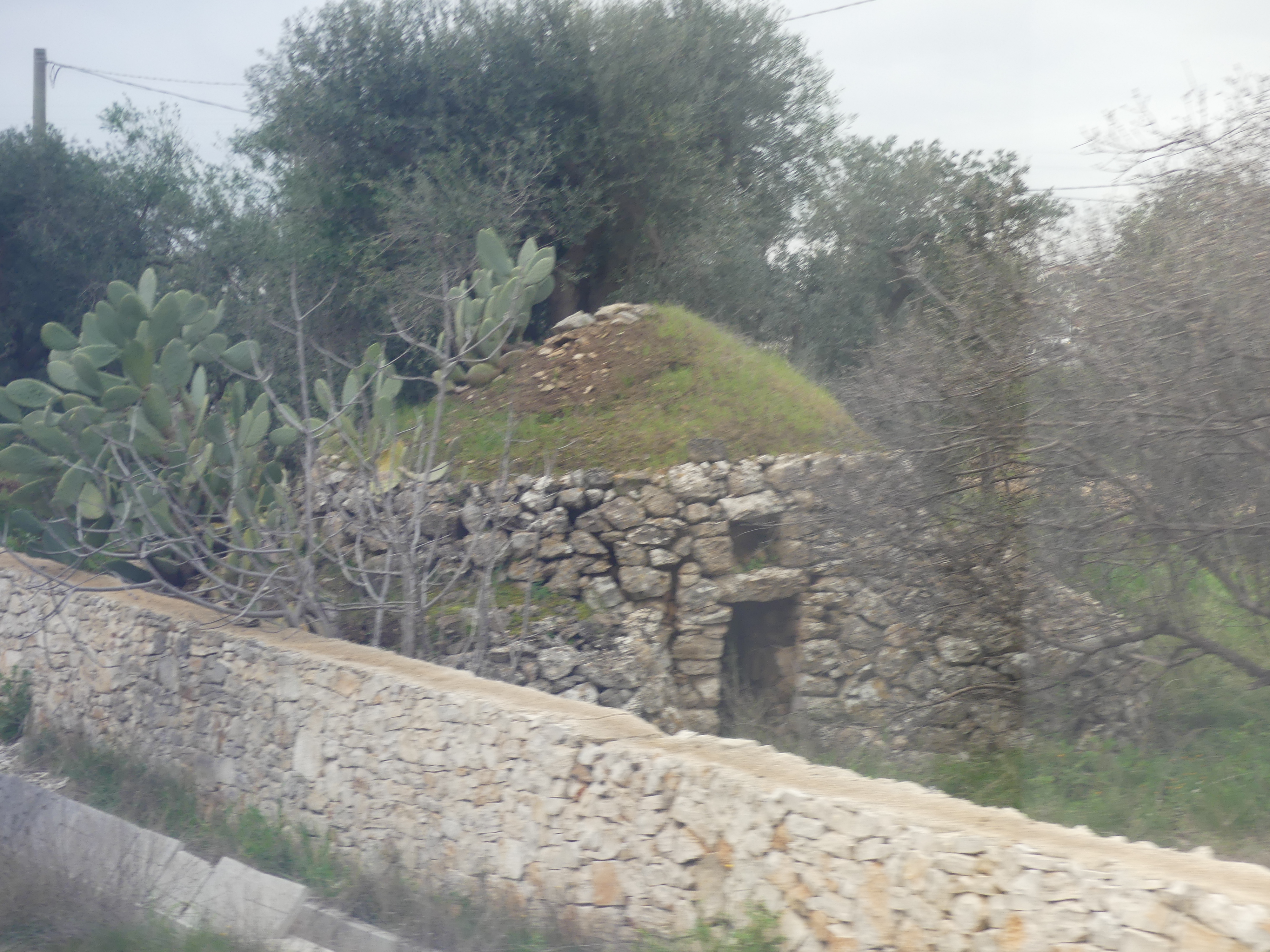
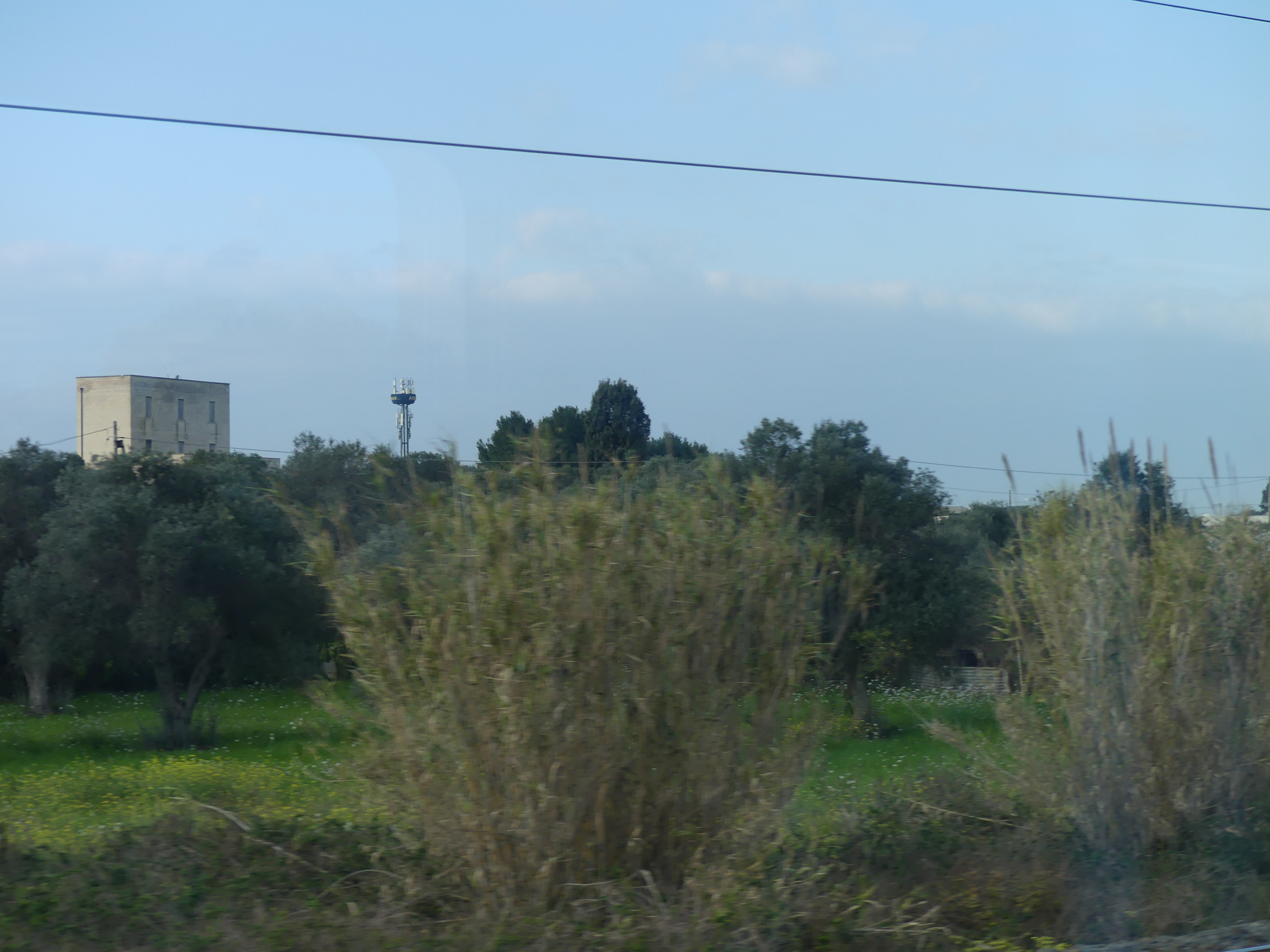
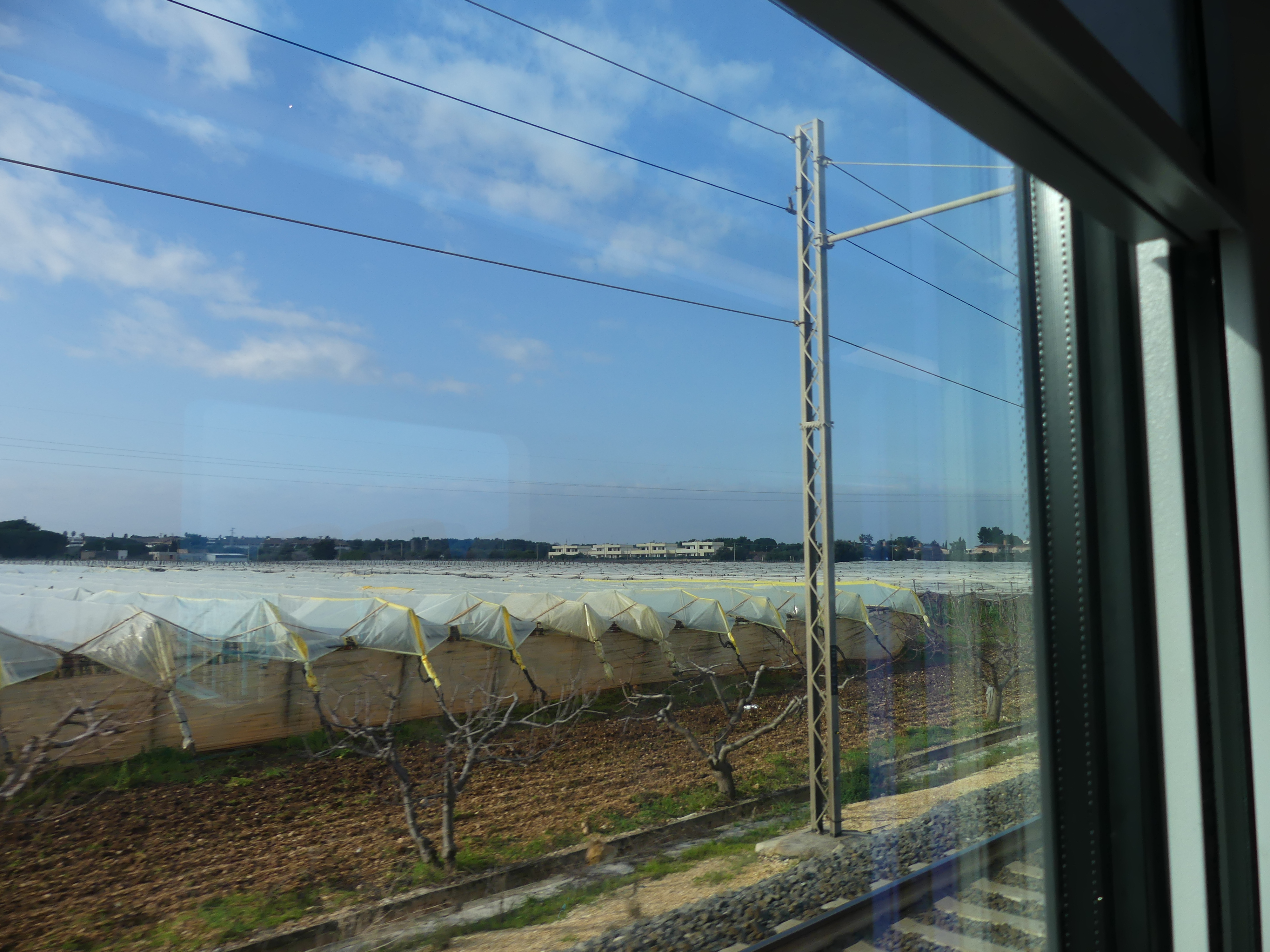
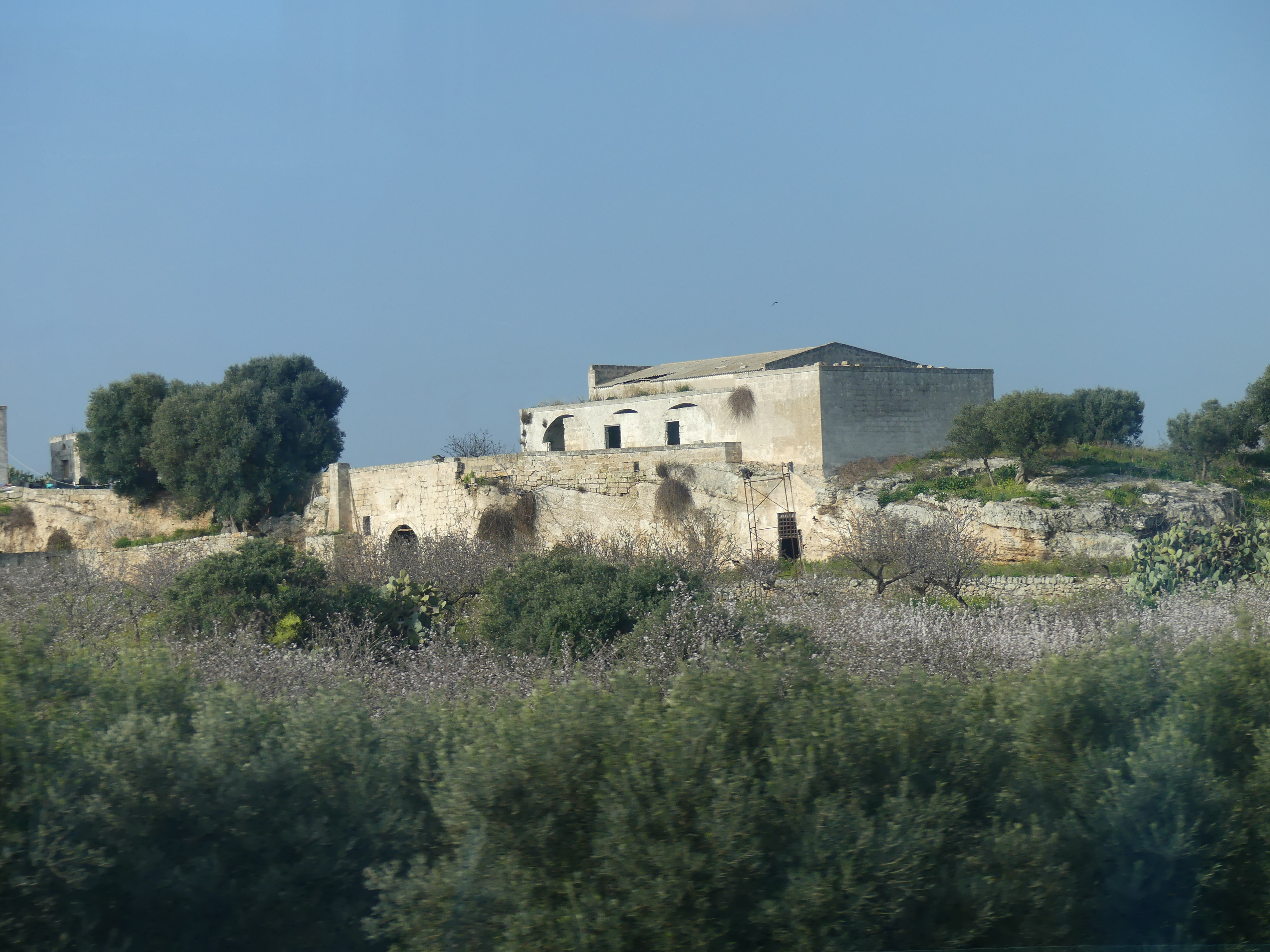
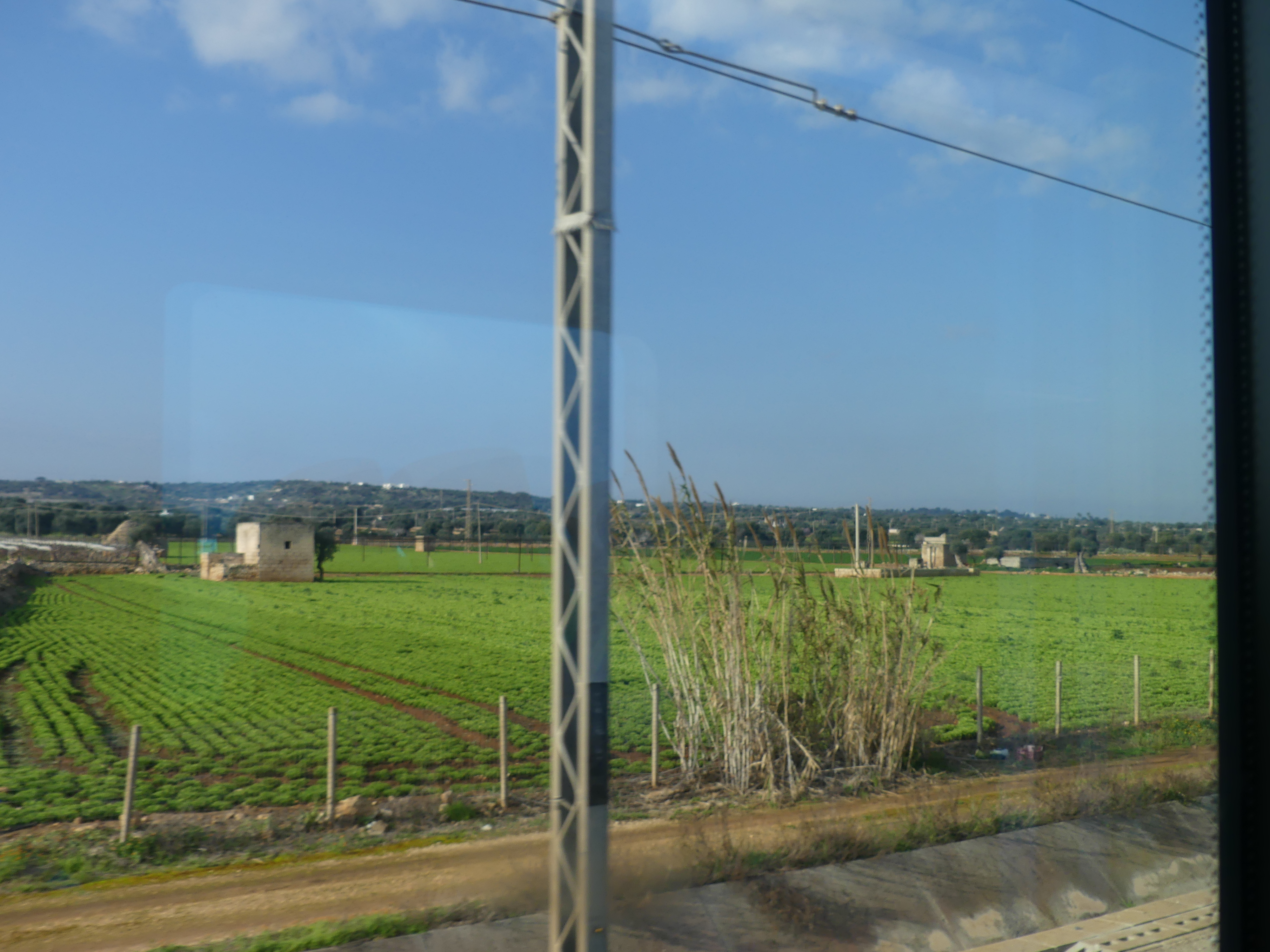
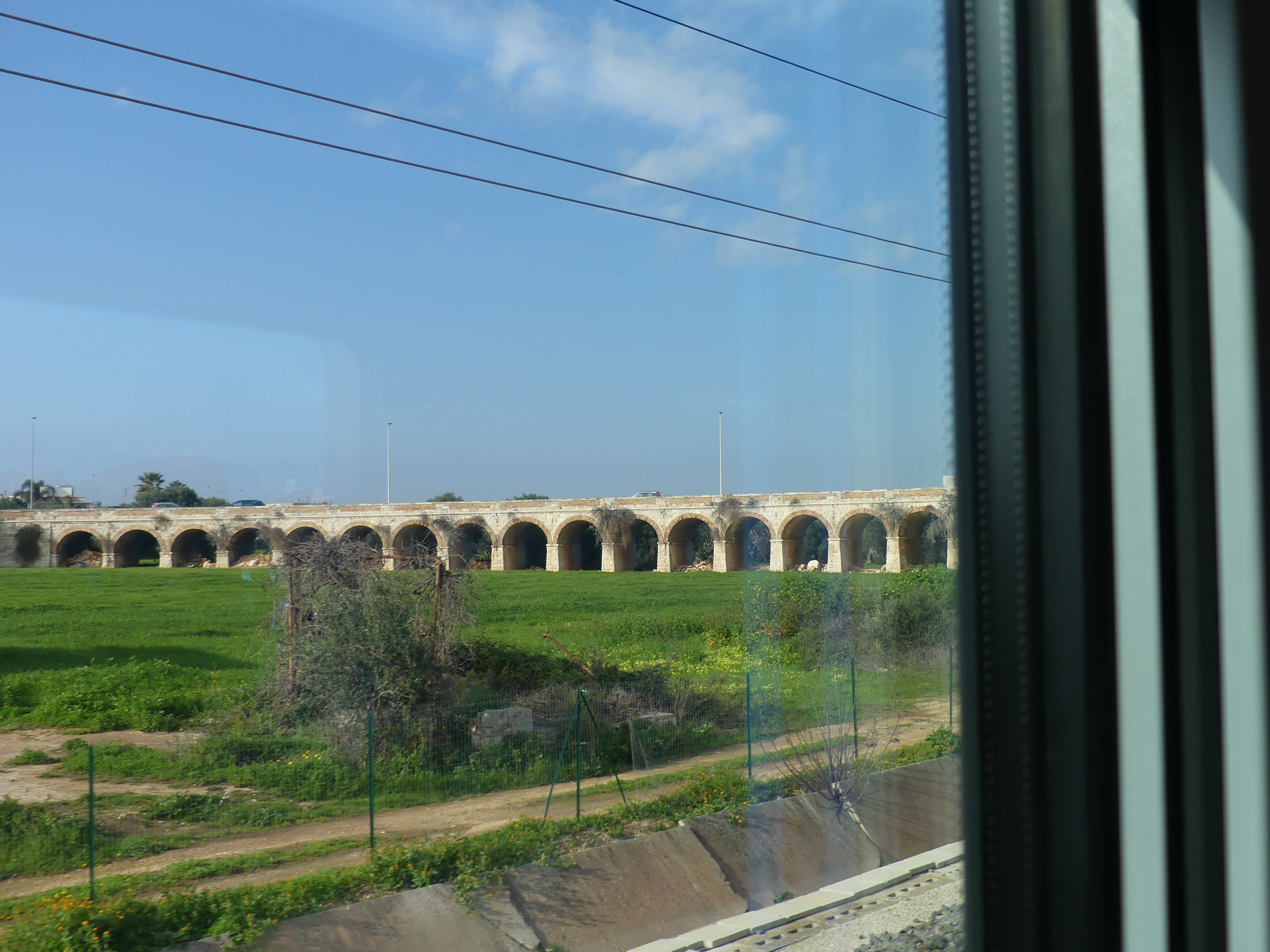
The trip into Bari showed the area to be a major agricultural area particularly for olives and grapes and the long settlement of the area with ramshackle rural areas to modern suburban outskirts. The pictures below show these features.

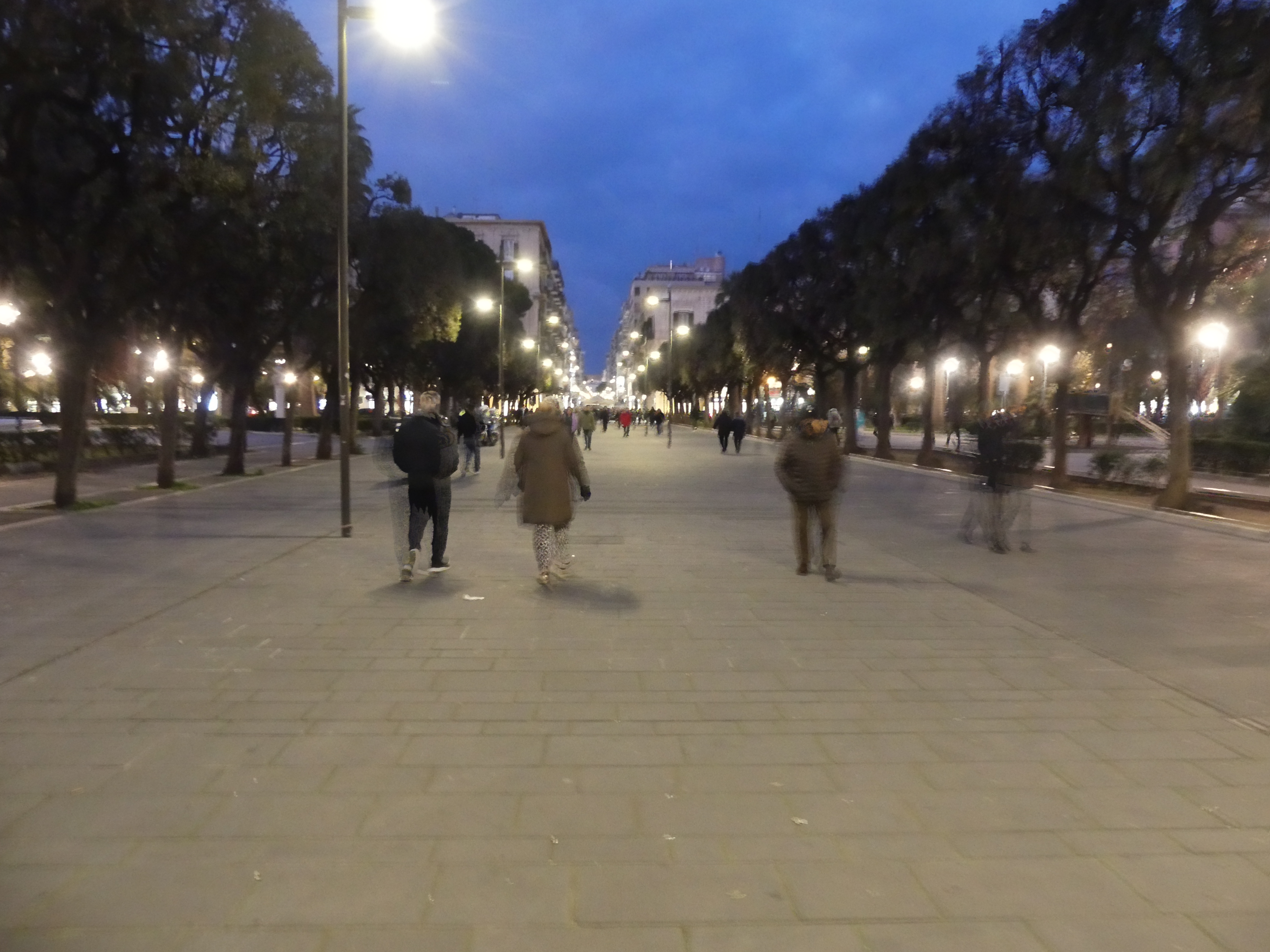
We walked to our accommodation which we found to be well located to the CBD, rail station and the old Town over the next few days. The first night we went to the grand piazza (sorry about the terrible picture but it turned out to be better than the others I had taken)

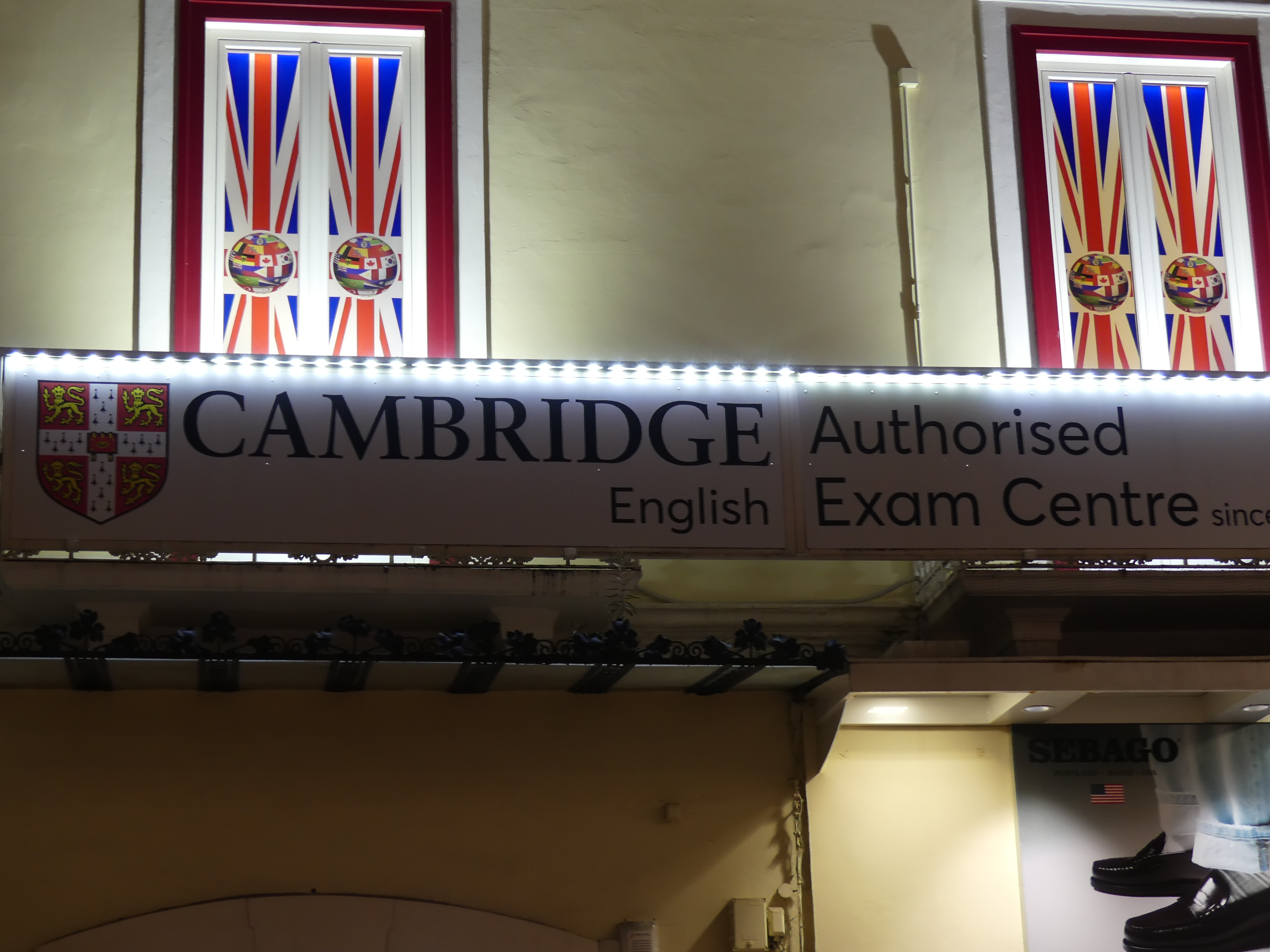
The piazza leads to the retail district which like any CBD is a hive of activity. English was promoted as the language to be learnt but I don’t know if this is a genuine UK institution.

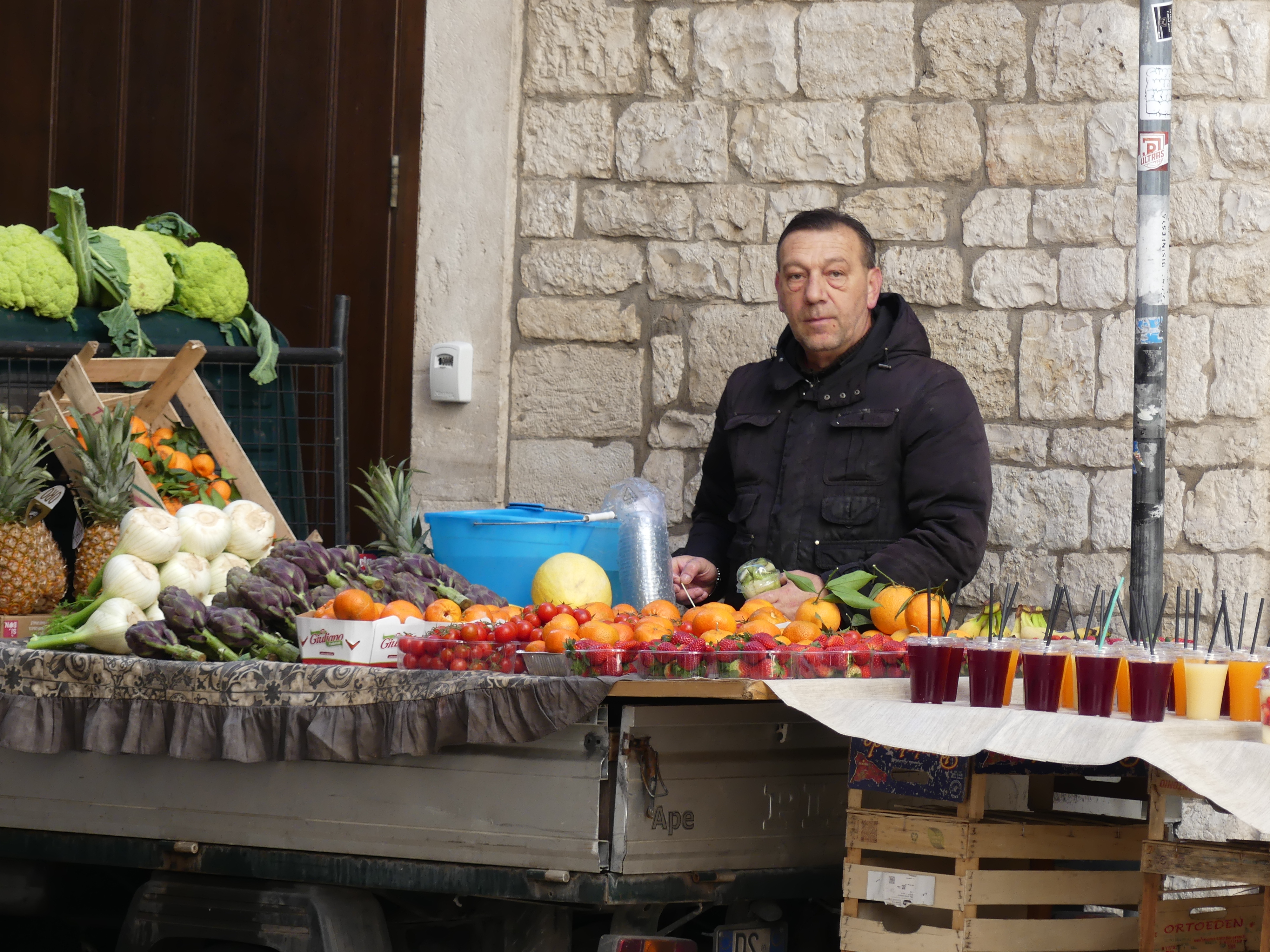
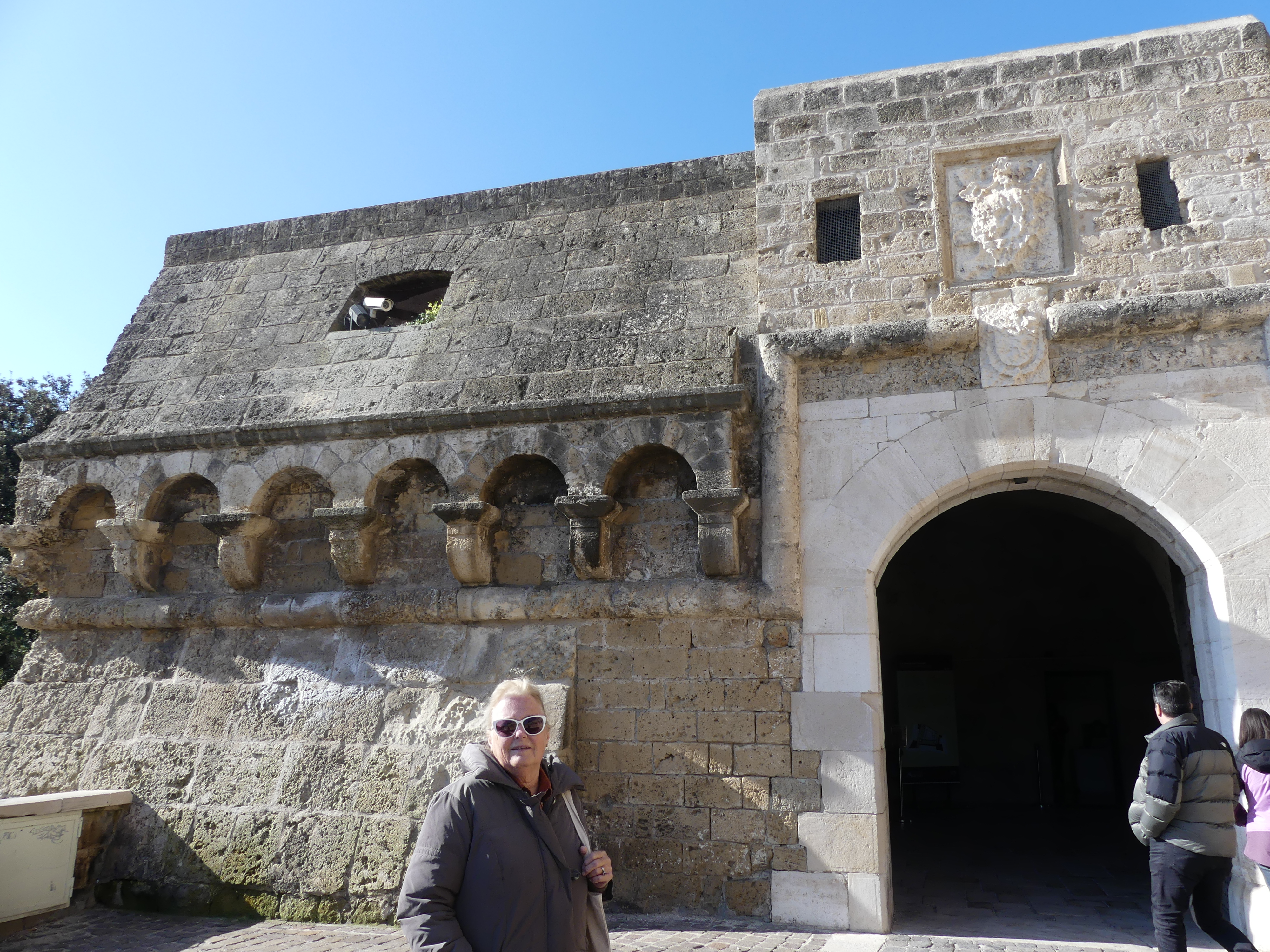
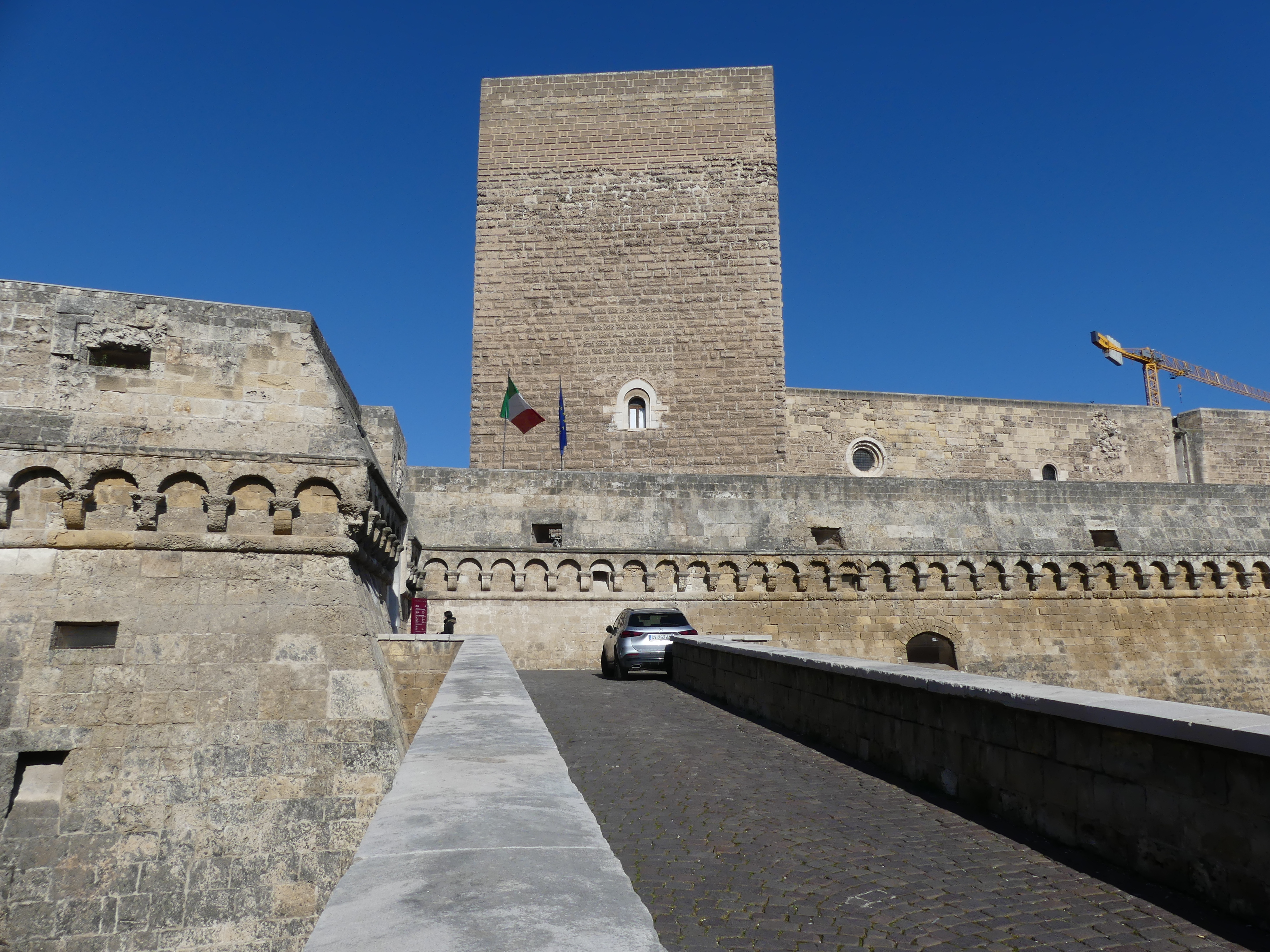
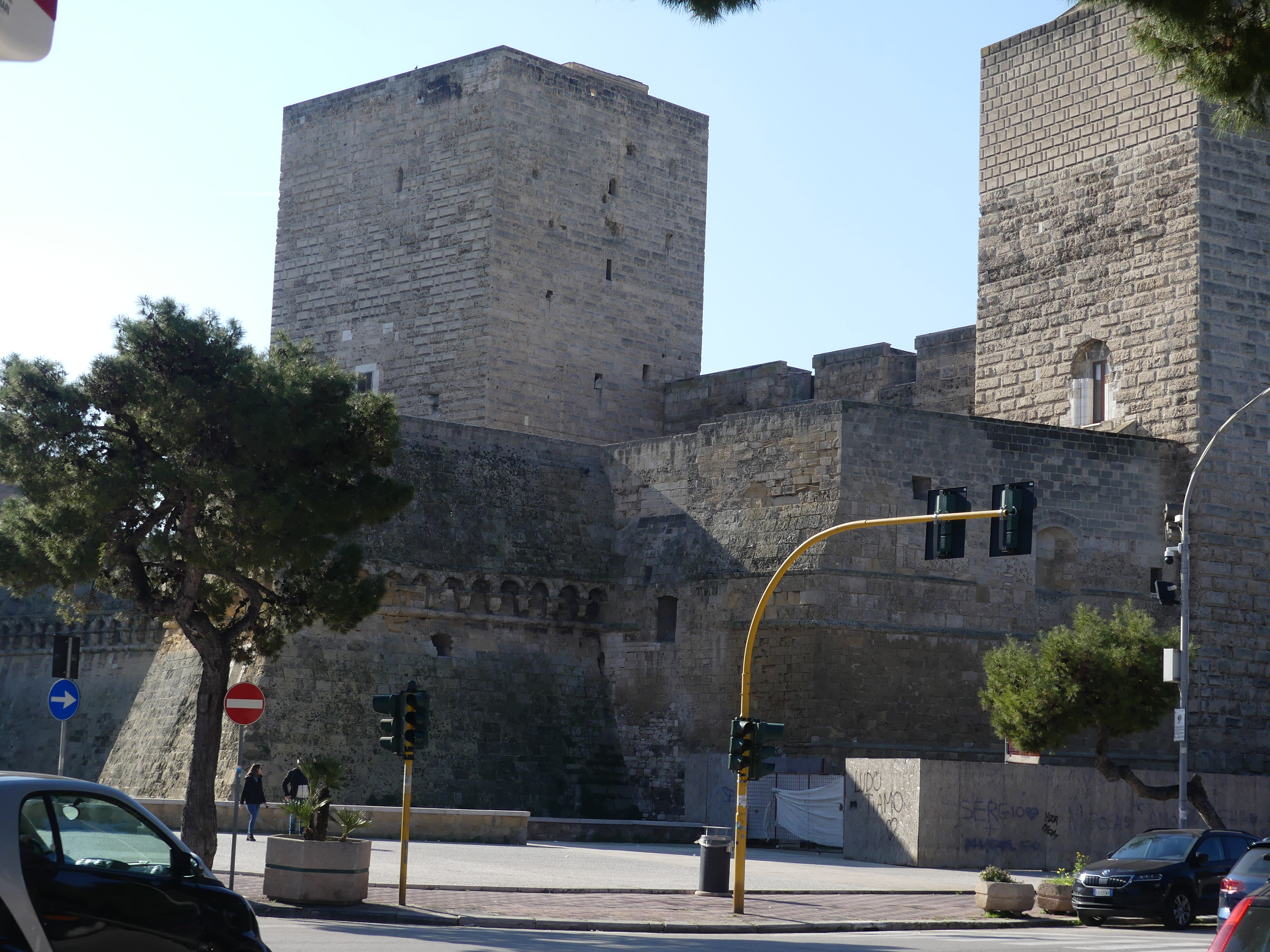
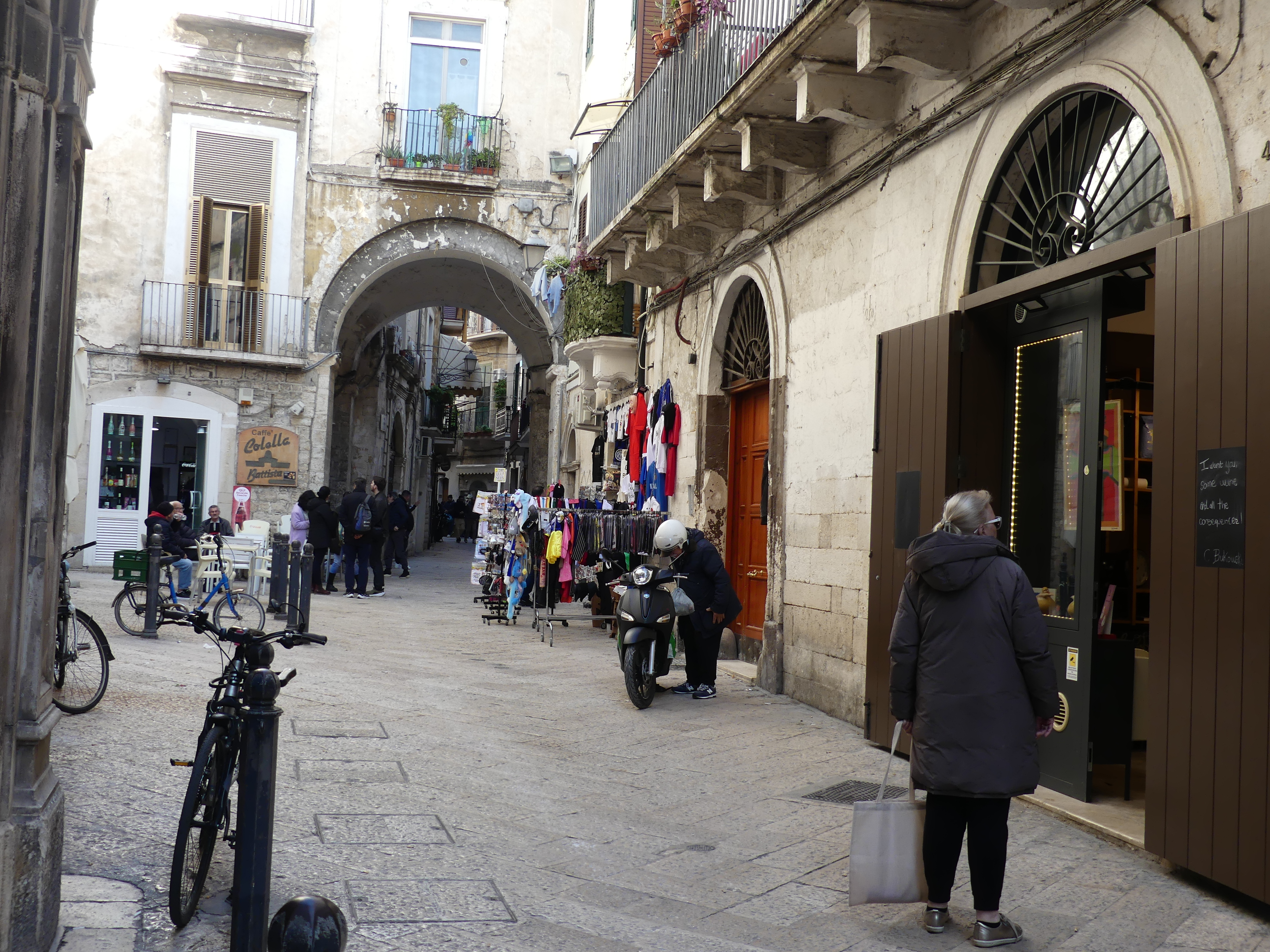
Beyond the retail district the old town commences and sprawls down to the harbour, the castle and the port. Below are pictures of the streets and a vendor selling cold drinks and vegetables. As we came through the street the castle loomed large in front of us. It was not open for visitors which we found frustrating as this is summer no reason to turn away inquisitive tourists.

From the castle we made our way to the port. This is what Bari is famous for a good harbour. Car ferries were popular and likely transporting to Croatia just a hop skip and jump across the Adriatic. I loved the portraits on the silos reminding me of the silos in the south west of Queensland.

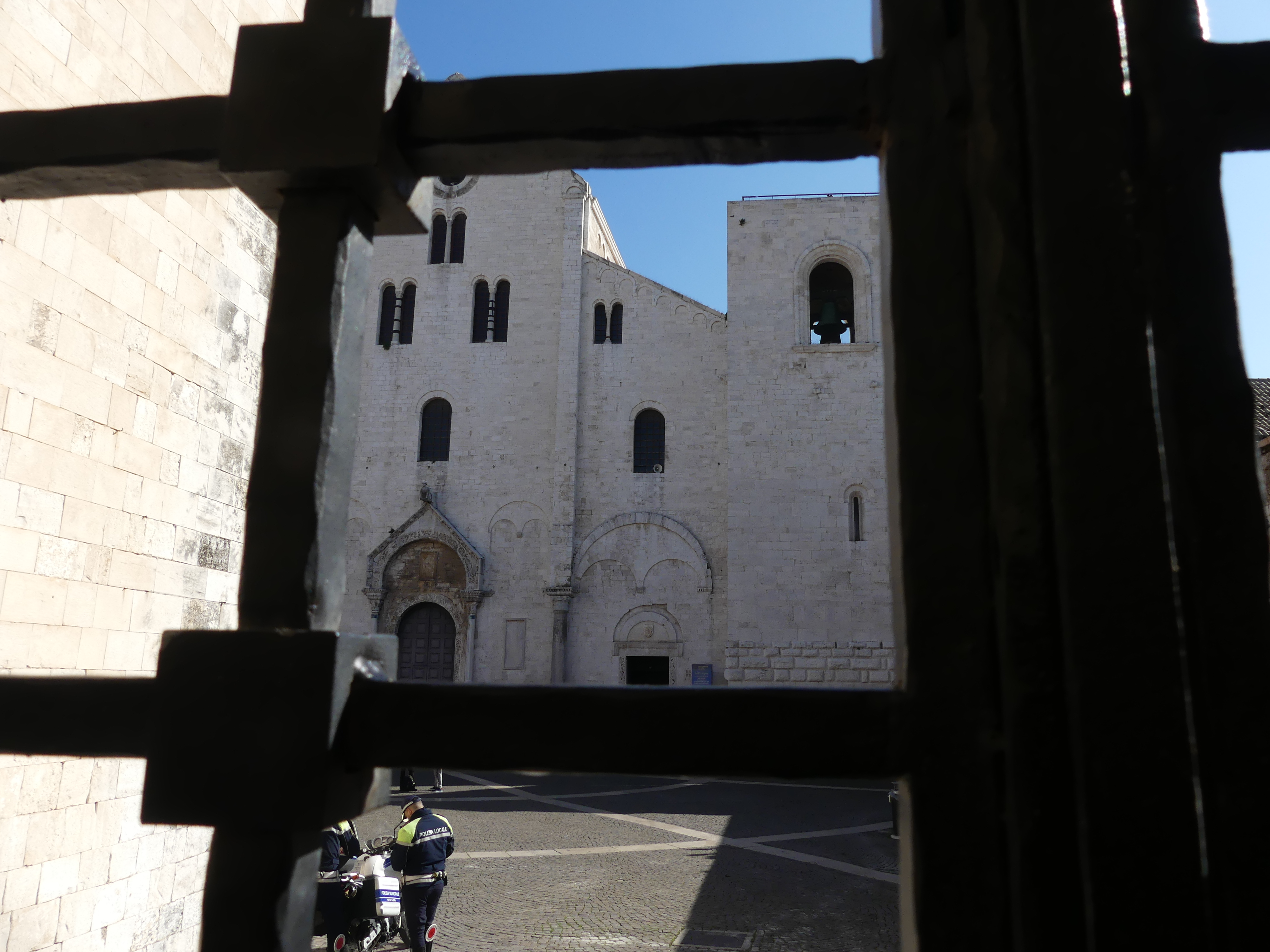
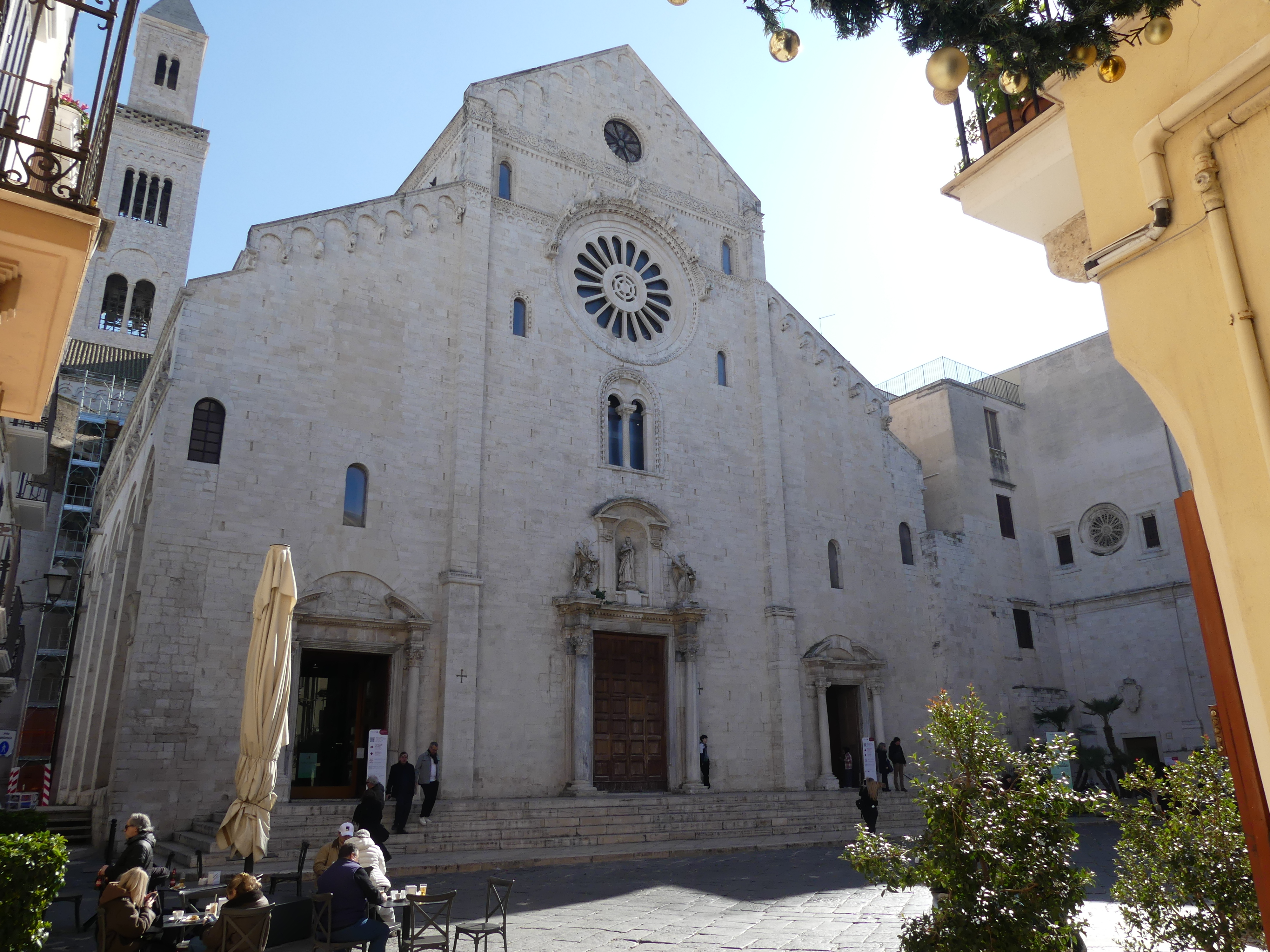
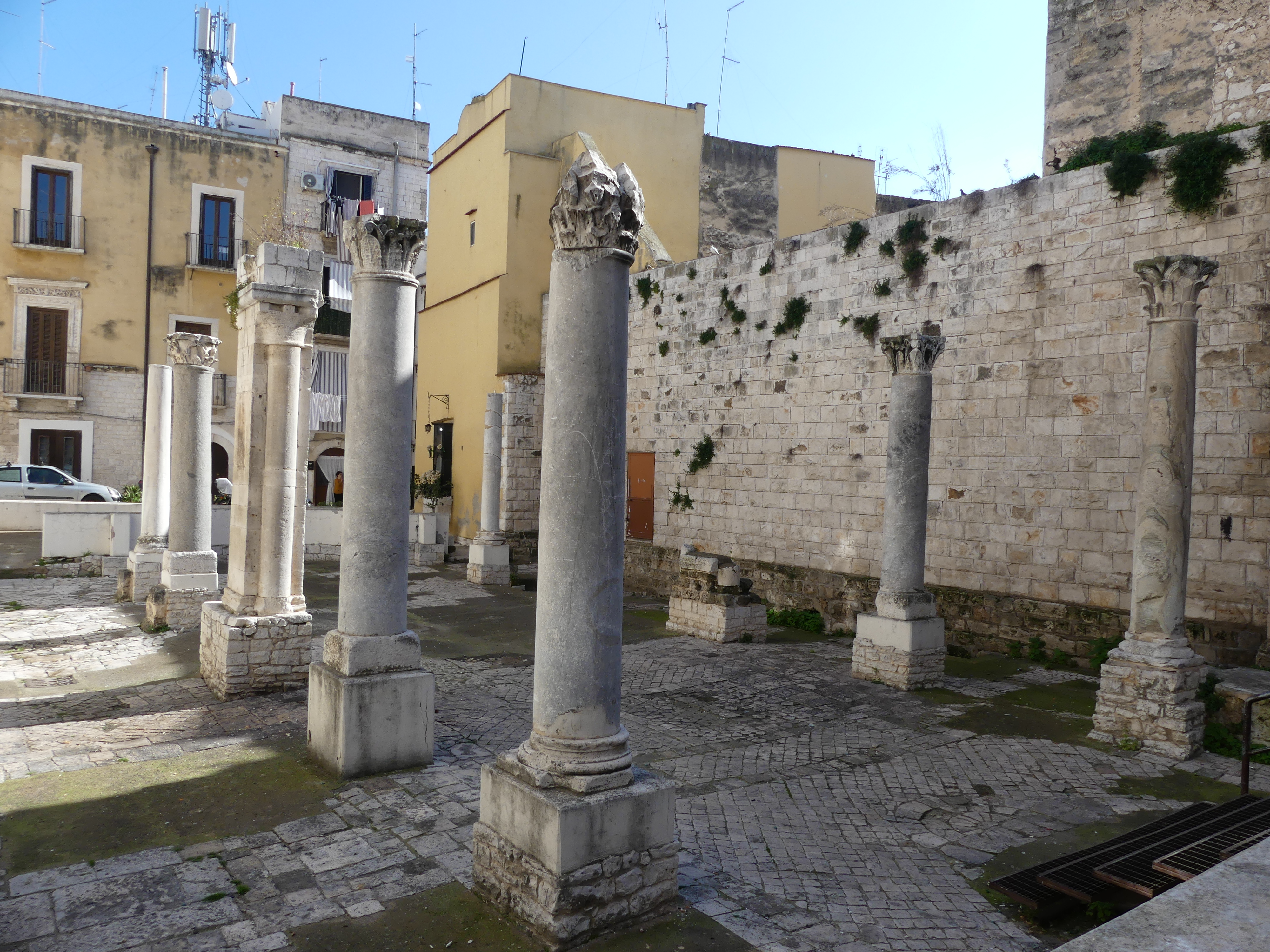
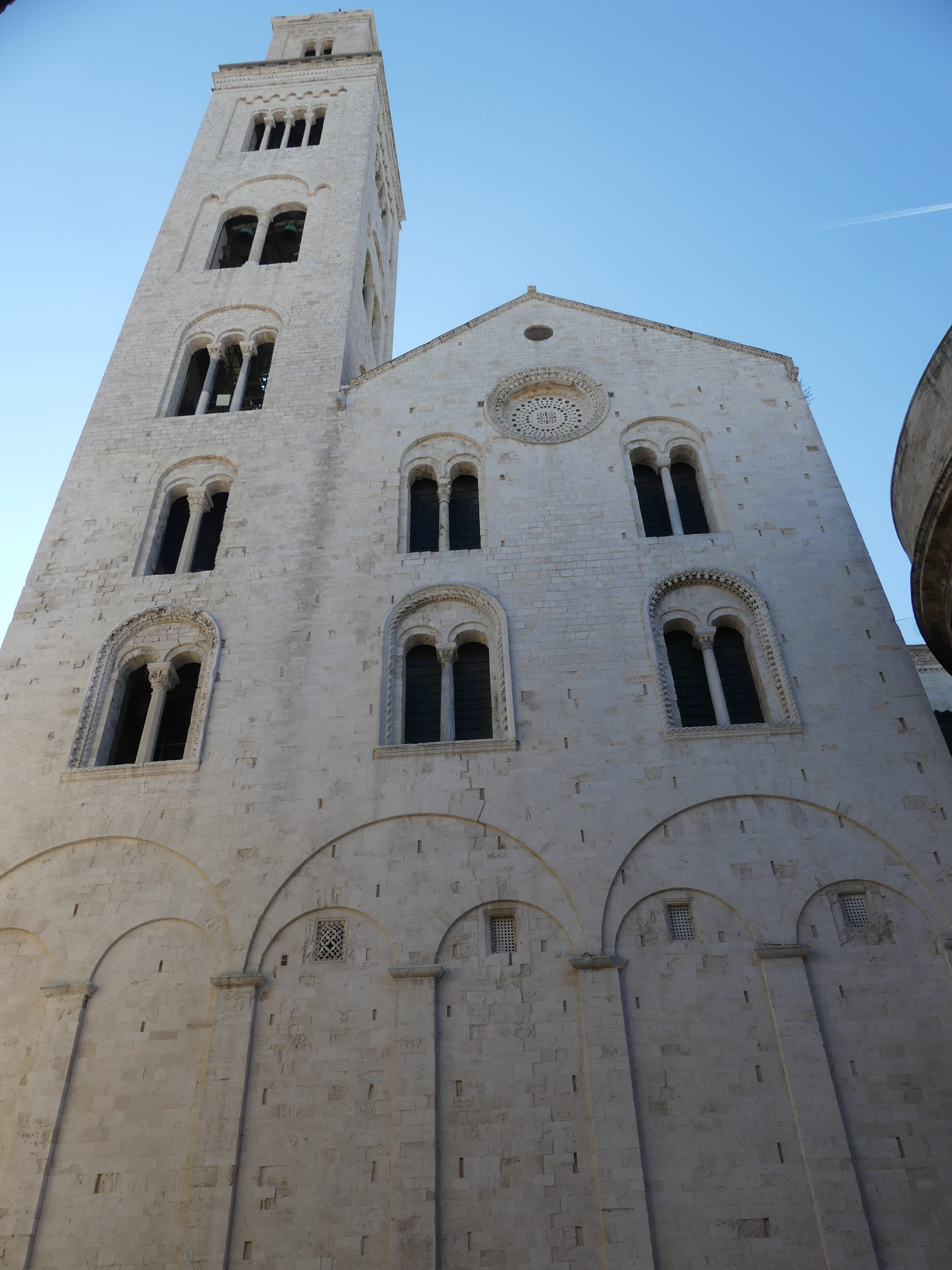
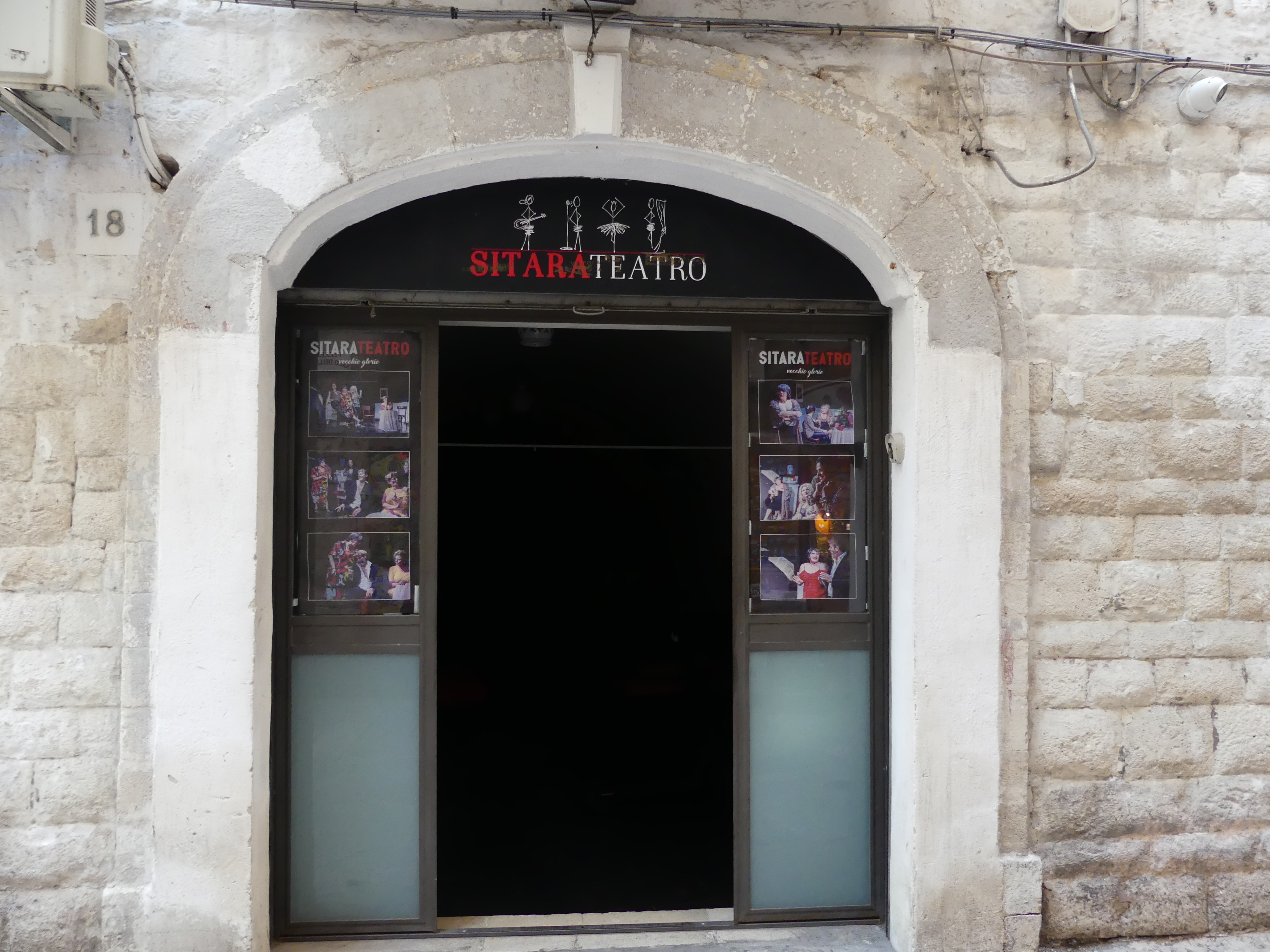
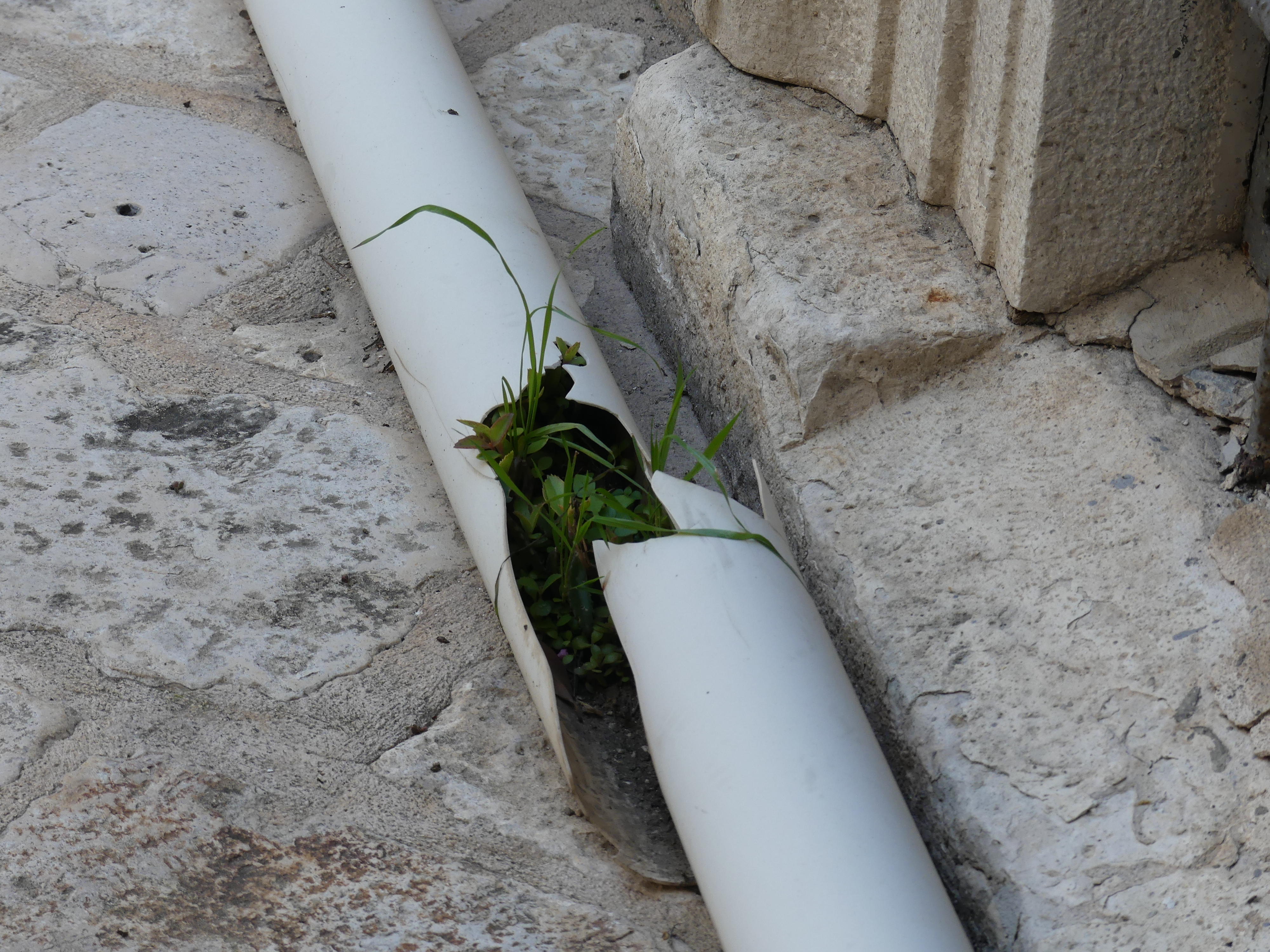
We continued to explore. We were puzzled about what we did when we visited the Port of Bari all those years ago so we set about to find where we had spent our time when we had not even heard of Bari. We could recall visiting a square with a famous church in it. We could not recall the name of the church we visited but after some wandering and searching we found it – Basilica Pontificia San Nicola. I have inserted photos of the church and its square below. In our search we discovered Roman ruins – a piazza with broken columns and tiled floor quietly reminding us of the grandeur of the past. As we continued to explore we came across the large Cathedral shown below and the community theatre open for business. Last but not least some modern plumbing not having the strength of the Roman structures.

Overall, it was a tidy town, always bustling and busy and a great place to see the countryside around it. Next stop/village is Monopoli so look out “THE RETIREES GO AROUND THE WORLD – “ BARI to MONOPOLI”