
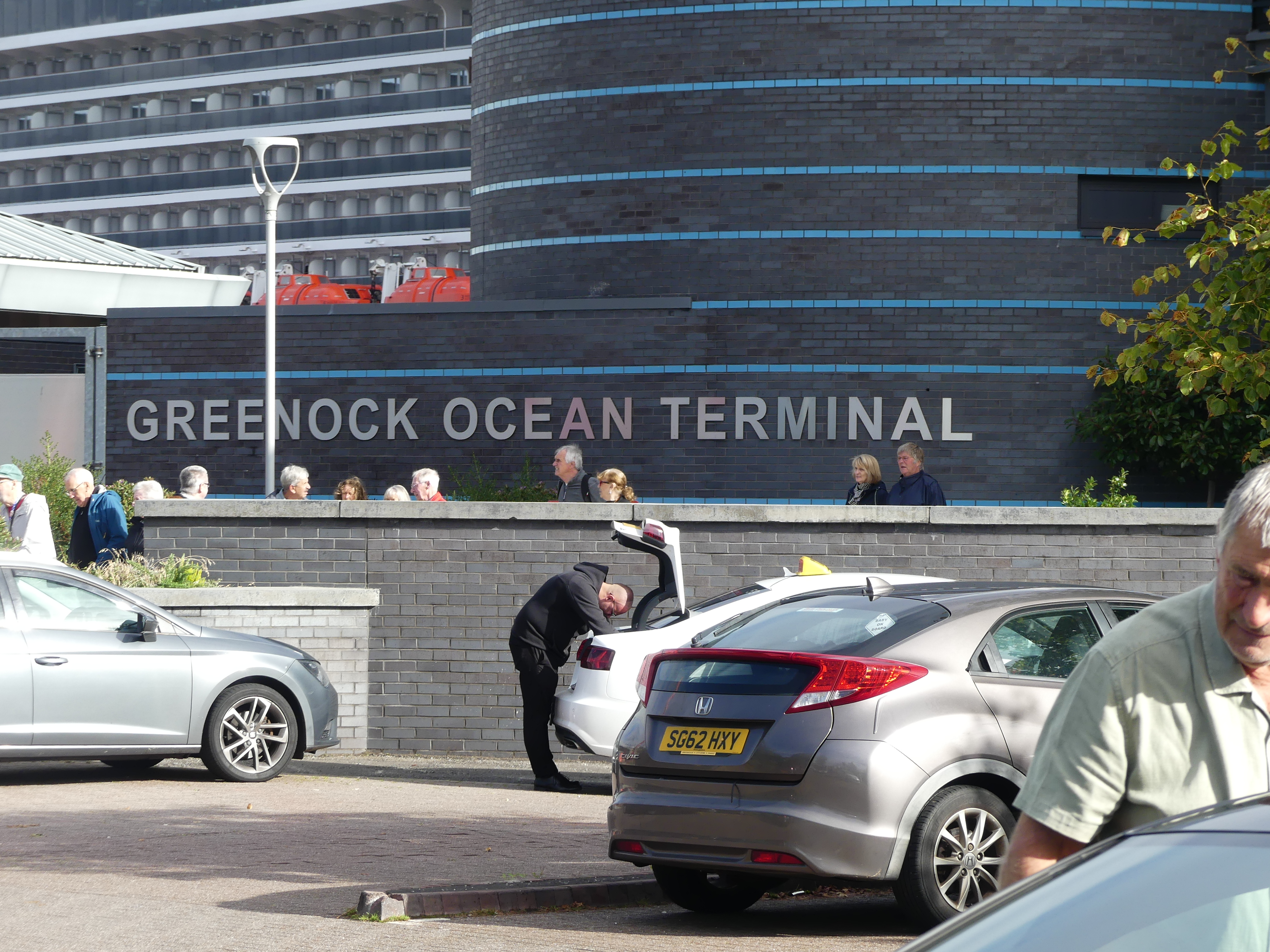
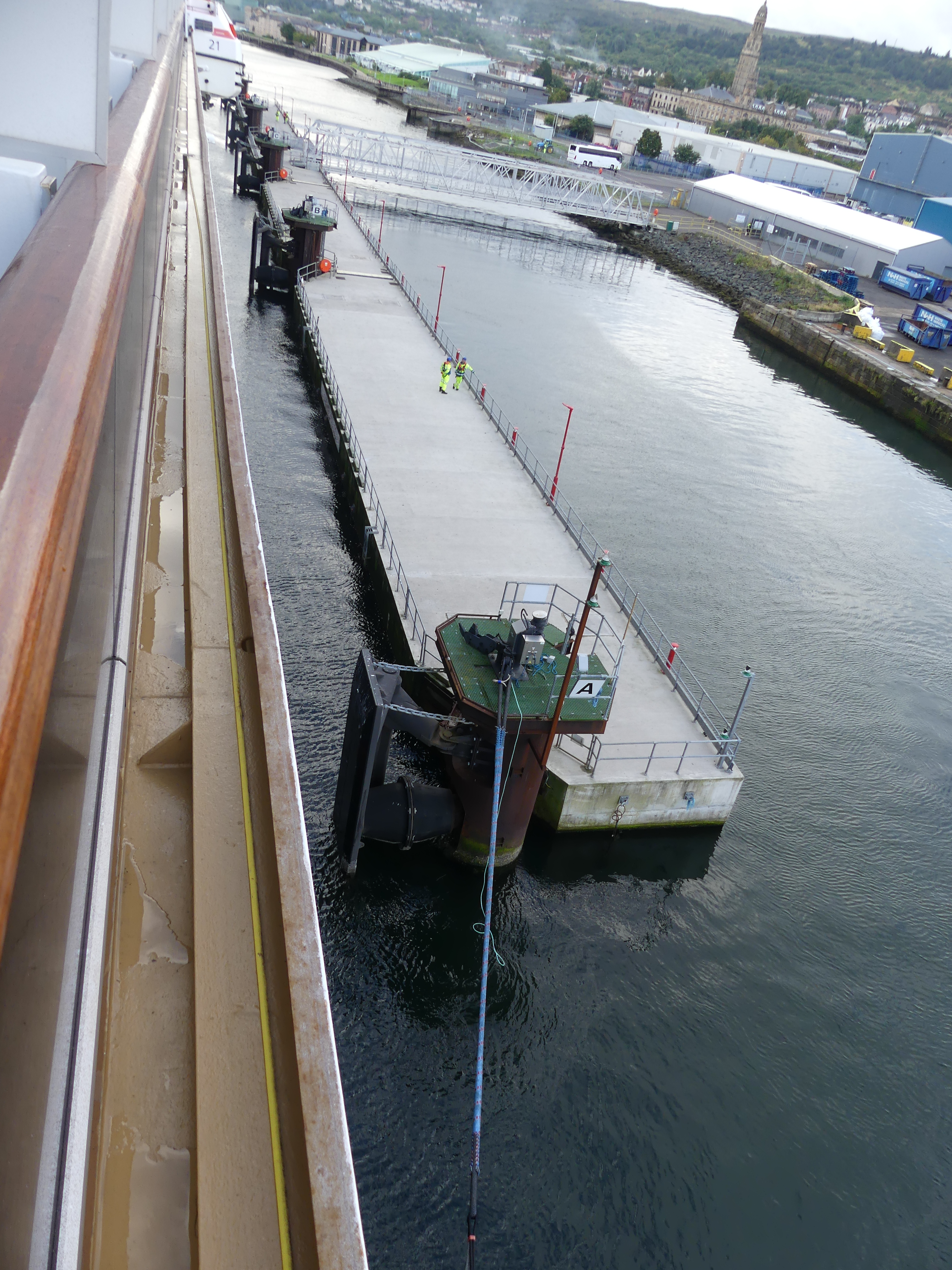
Leaving Liverpool we sailed north again to visit Glasgow but as all you geographers know Glasgow is not on the coast and our ship was far too large to be sailing up the wee little river (River Clyde) on which the city is located. No other explanation was given as to why we docked in Greenock which is on the western coast. What ever the reason we landed in Greenock. So I did a bit of research and this is what I found:
“Greenock is a town in Inverclyde, Scotland, located in the west central Lowlands of Scotland. The town is the administrative centre of Inverclyde Council. It is a former burgh within the historic county of Renfrewshire, and forms part of a contiguous urban area with Gourock to the west and Port Glasgow to the east.” Wikipedia
Still none the wiser we followed the crowd and disembarked. Later when we returned further research showed the reason why cruise ships docked at Greenock. “Strategically positioned along major maritime routes, it is a key stop for Northern European and British Isles cruise itineraries, offering travelers a perfect blend of cultural heritage and natural beauty.” Still didn’t help my understanding but we found a reason why all travellers should stop there. I’ll let you know shortly. The photos show the terminal which does nothing to help understand the attraction.

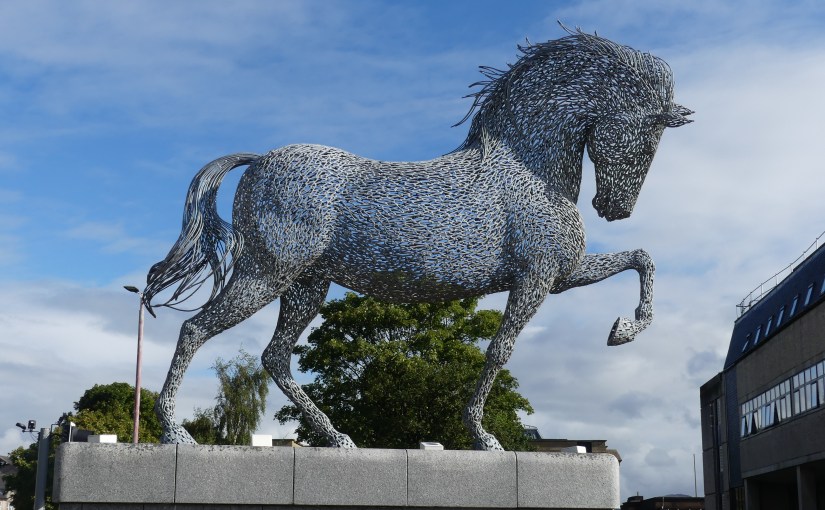
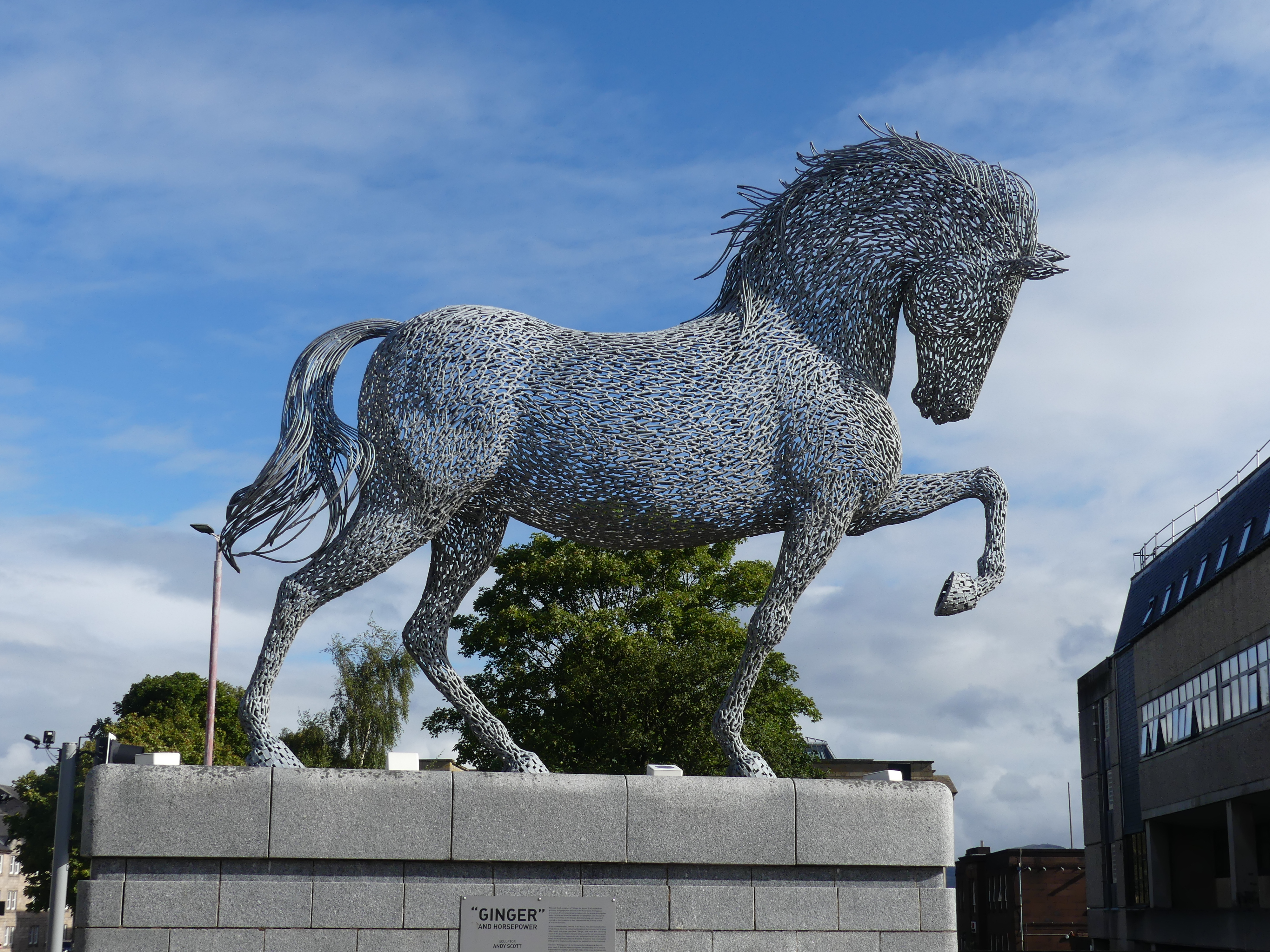
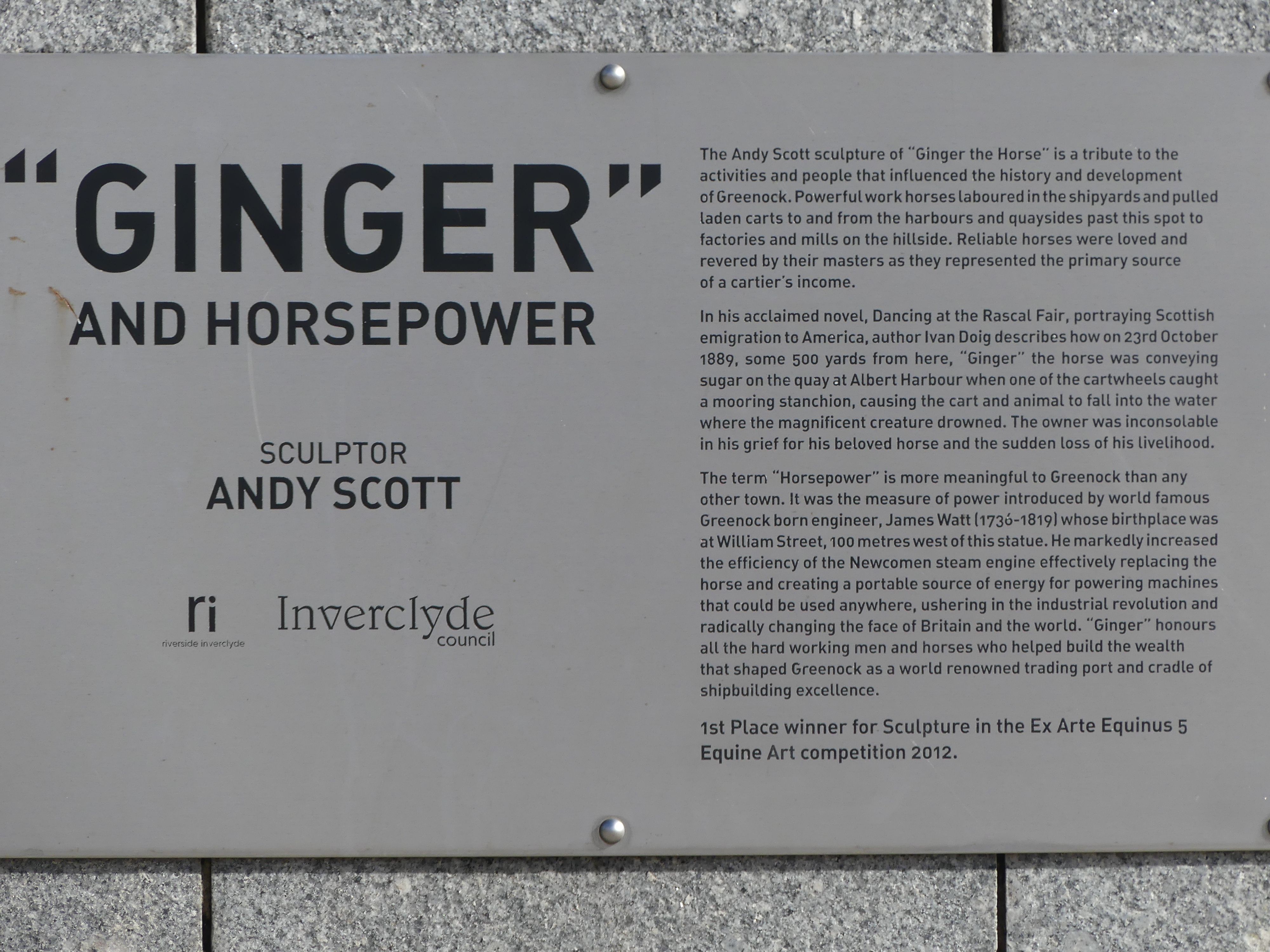
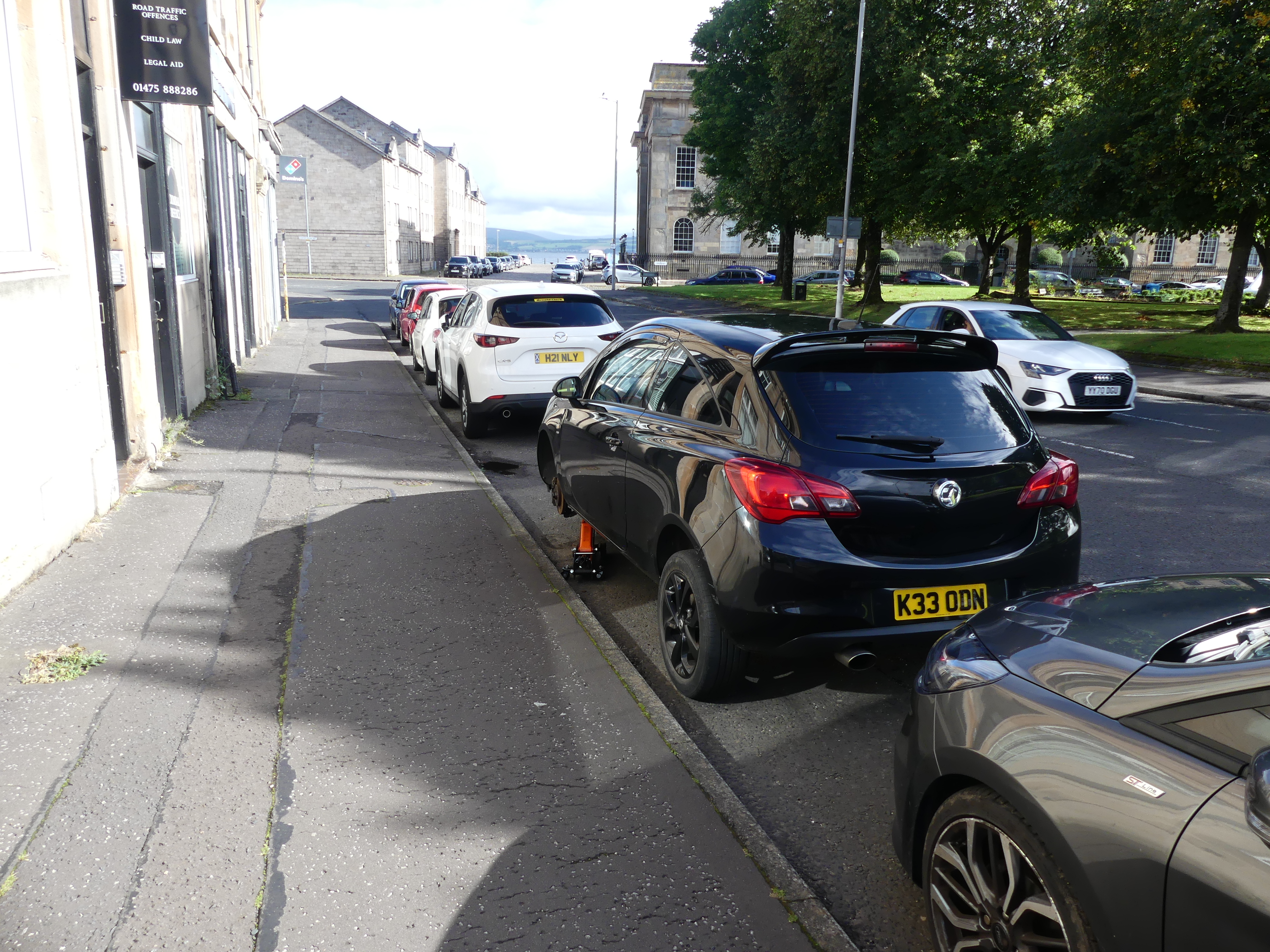
We walked from the ship toward the central business district. We passed a car missing its front wheel but didn’t know if it was well equipped thieves or someone without a spare tyre. After passing an Aldi supermarket we came to a major road crossing with an imposing statue on the other side of the road. It was “Ginger” a sculpture by Andy Scott designed to represent all the cart horses which pulled carts during the area’s great shipbuilding and maritime history. Inverclyde was once one of the most important shipbuilding ports in the world. When Greenock engineer James Watt wanted to describe the measure of power, he invented the term “horsepower” which is still used to this day. The name Ginger comes from an actual horse which drowned while transporting sugar on the quay at Albert Harbour in Greenock. A very emotive monument to the industry of Greenock.
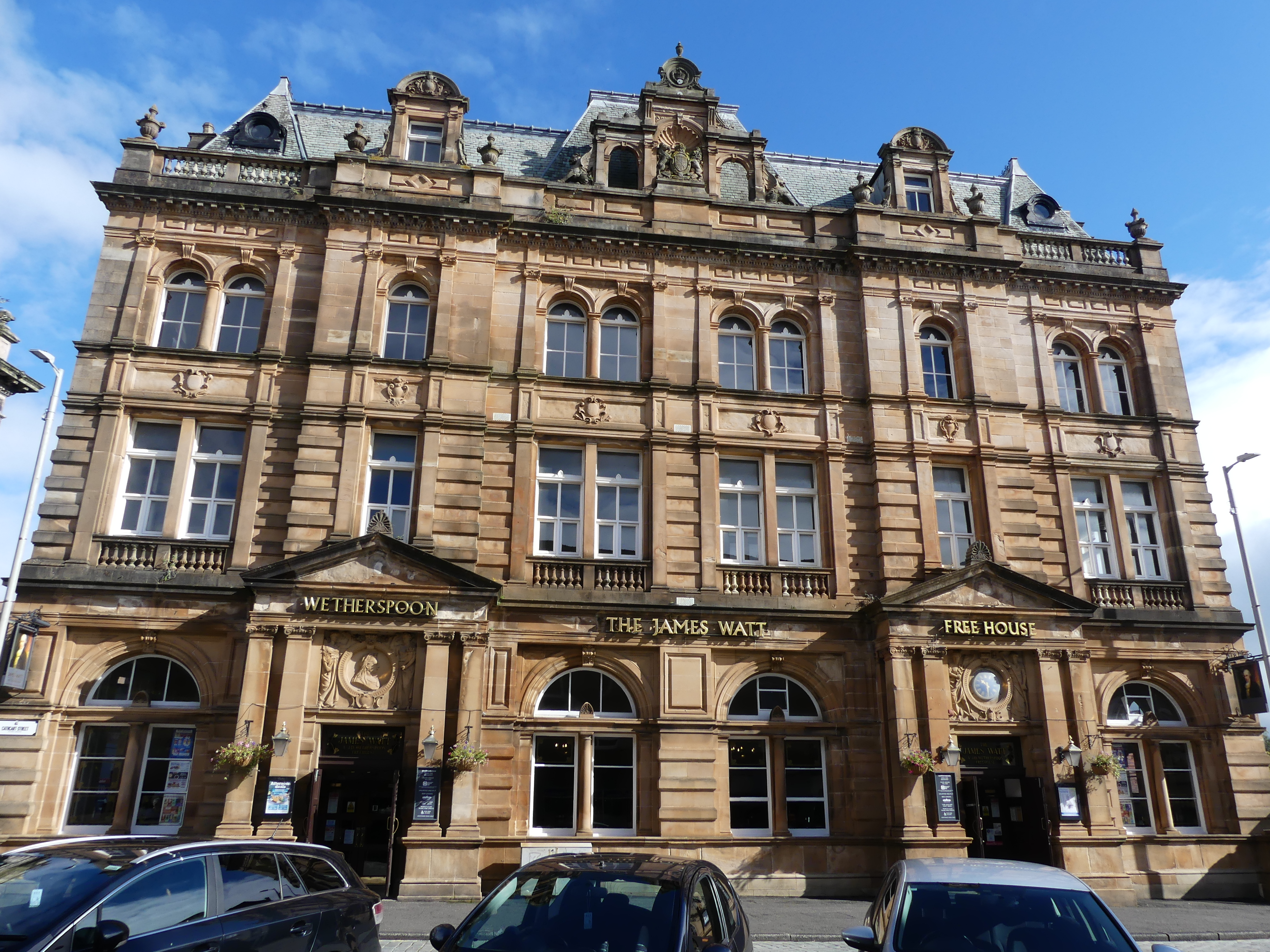
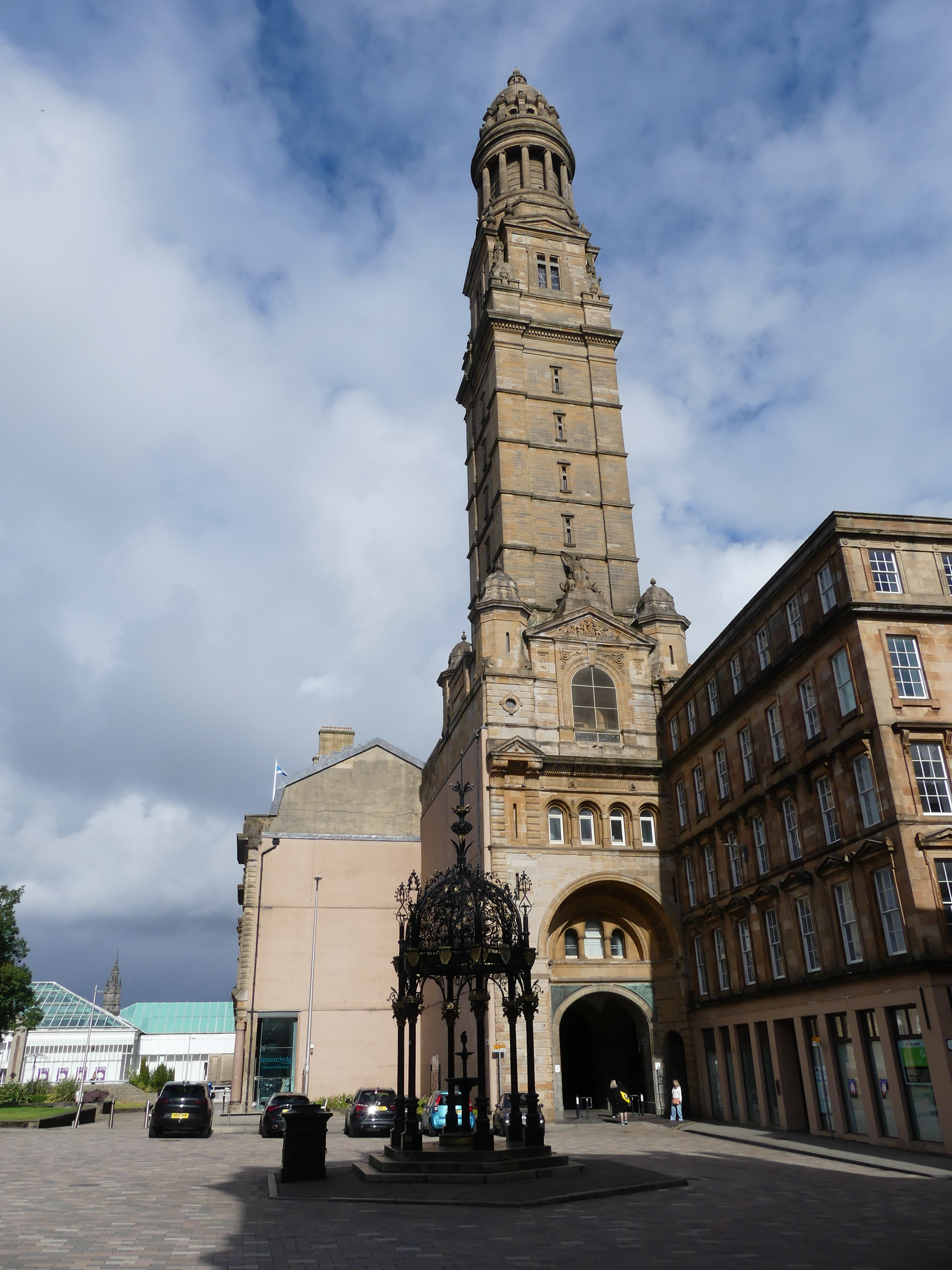
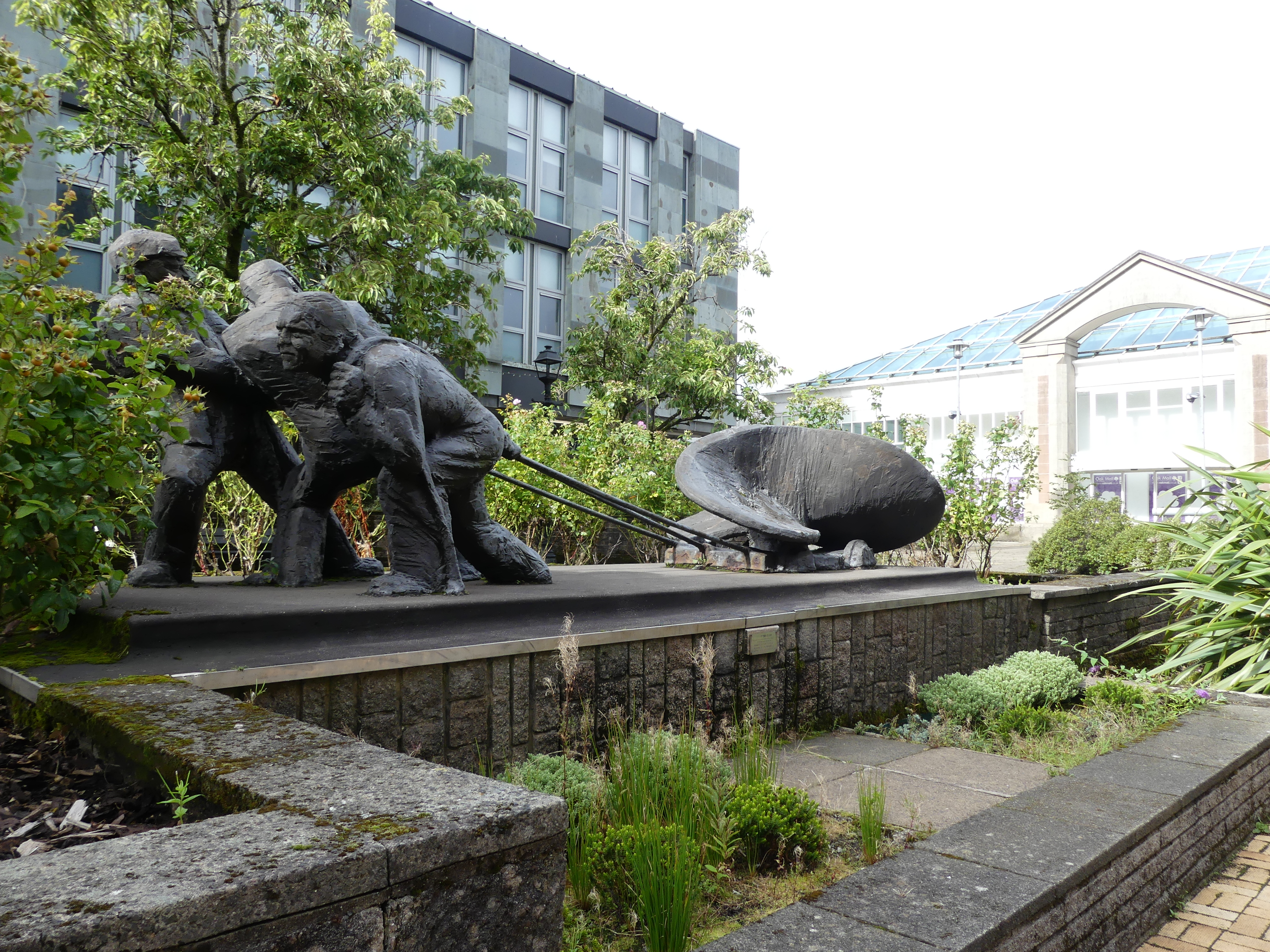
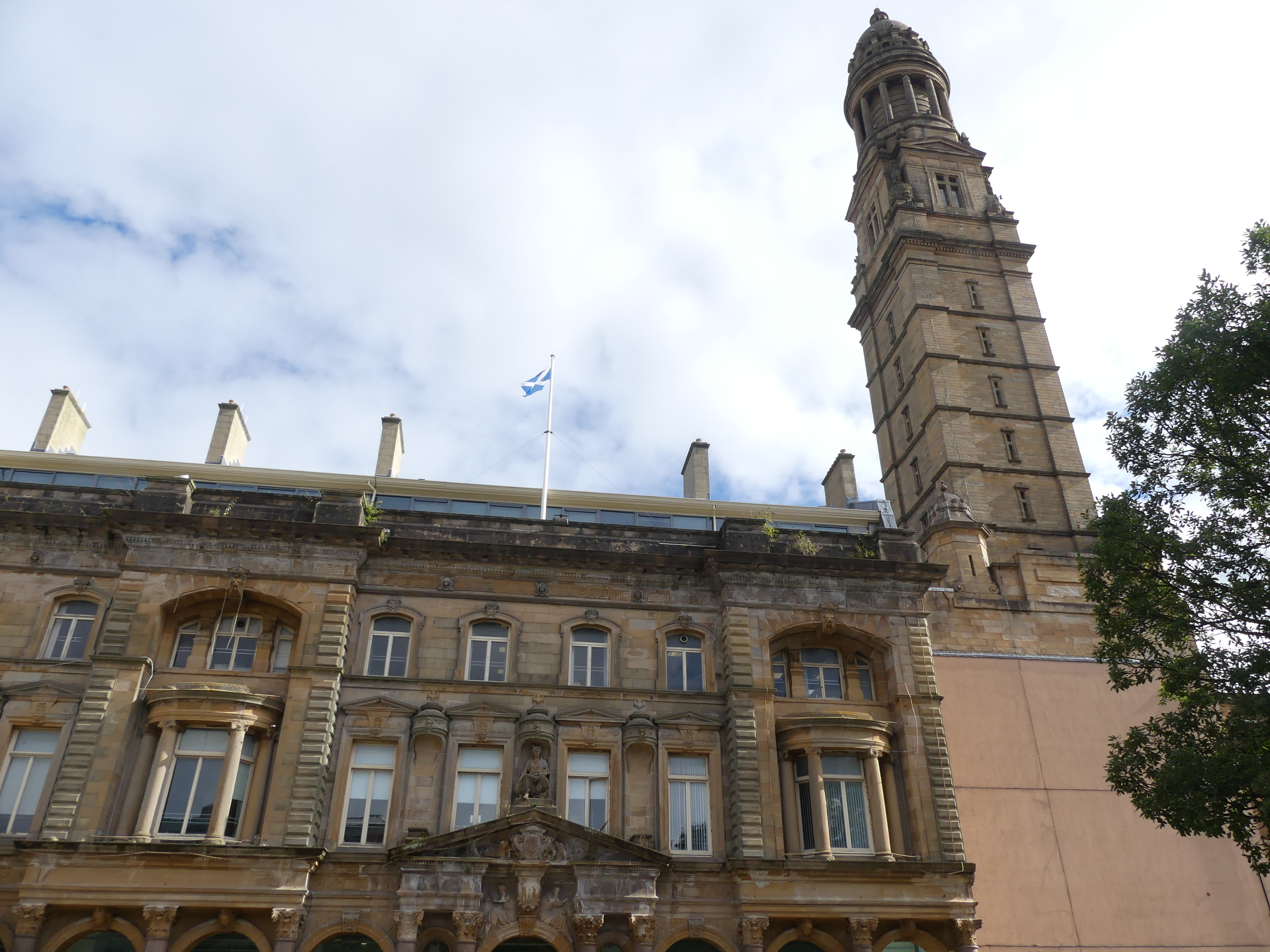
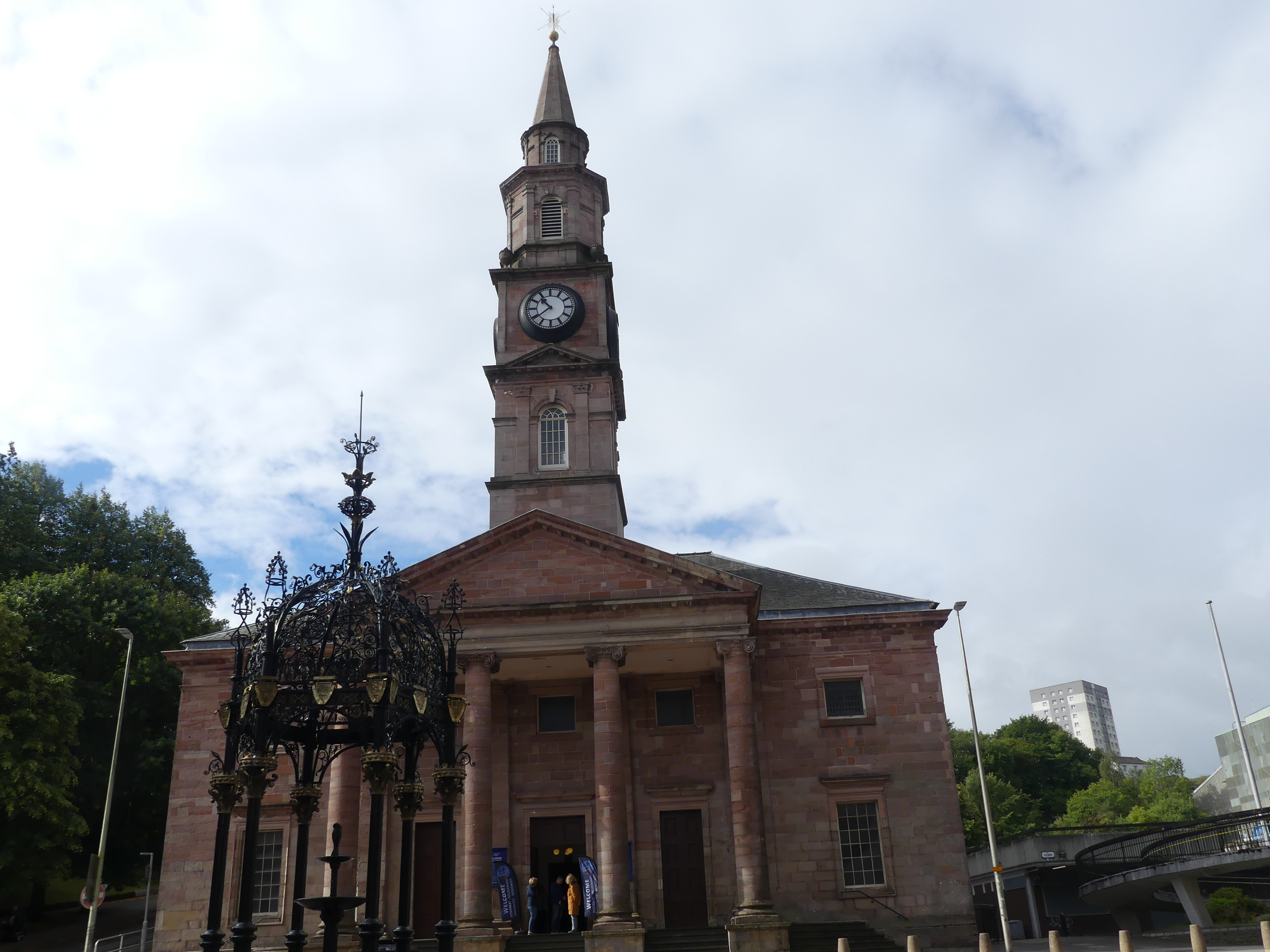
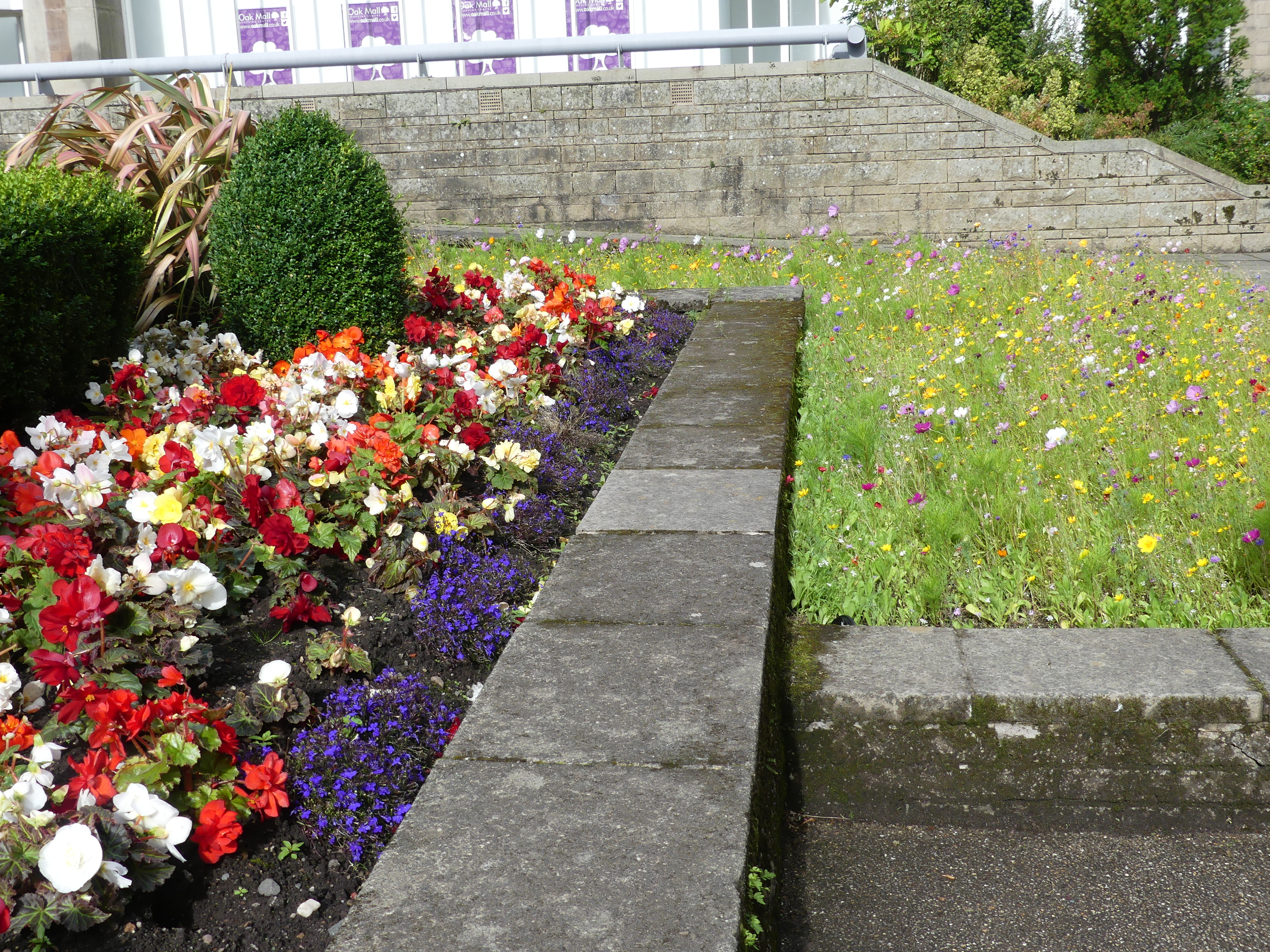
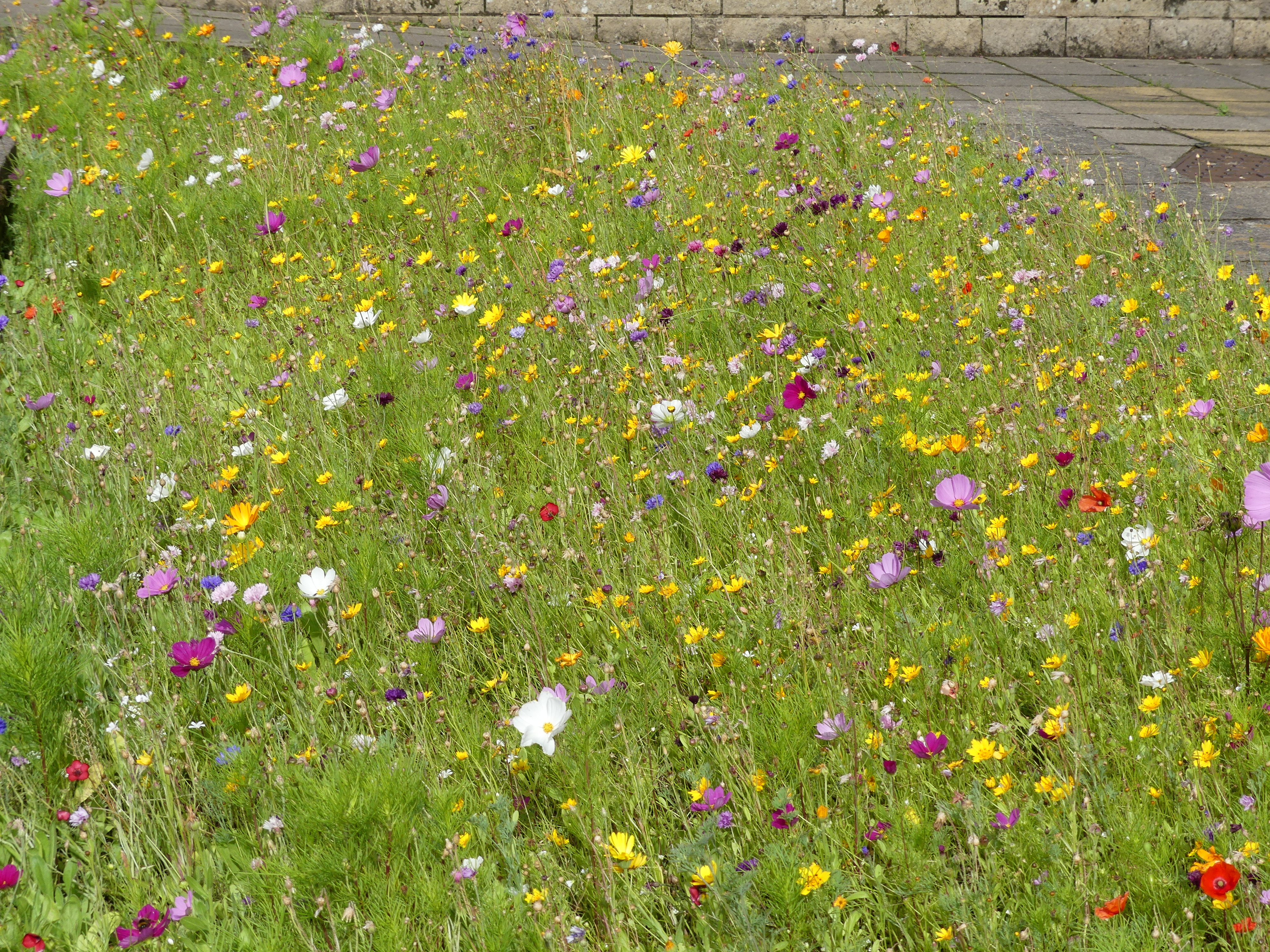
We continued our exploration following the road to the CBD passing some very impressive buildings of the nineteenth century including one converted to a Weatherspoons Pub named “the James Watt Building”, the Town Hall and the square in front of the hall. The sculpture of workmen dragging a newly forged propeller again references the industrial history of the town. The harshness of the stone and mortar is softened by the wild flowers and grasses in the garden.


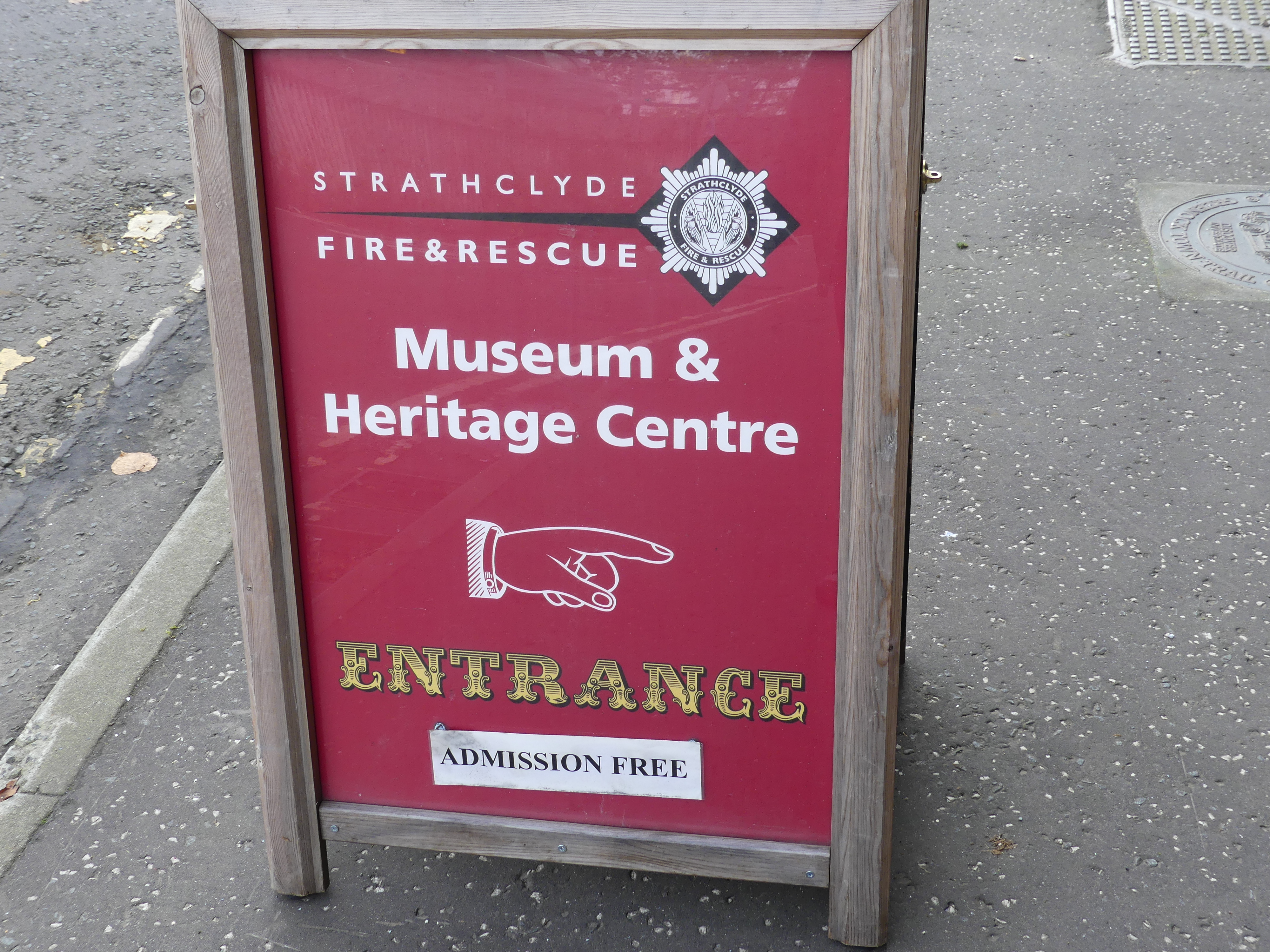
I cannot recall what drew us toward an A fold sign in Wallace Place but I’m glad it did. Here in the old Fire Station the Scottish Fire and Rescue Service Museum has been established by a Trust of the same name. It is a museum dedicated to the history of Scotland’s fire and rescue service. It houses a wide range of artefacts and stories from the service’s long history with displays on the history of firefighting, the development of fire safety in Scotland, and the history of the building. Many of the exhibits have been gathered from around Scotland as the station closed in 1960 before it was reopened as by the Strathclyde Fire & Rescue Museum 52 years later. The video story is fascinating and a must see should you visit it. My photos give you a snipet of what you will find.
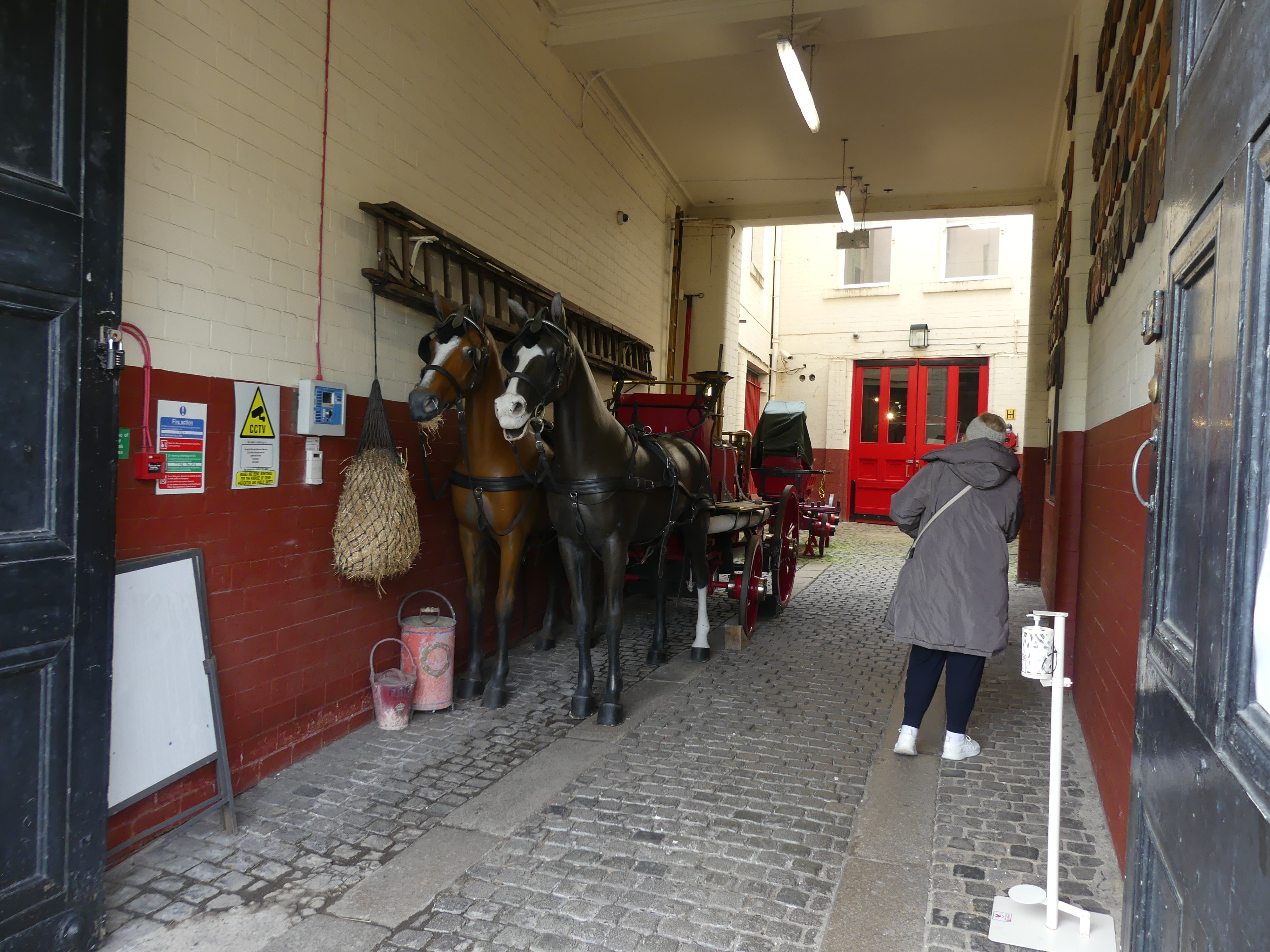
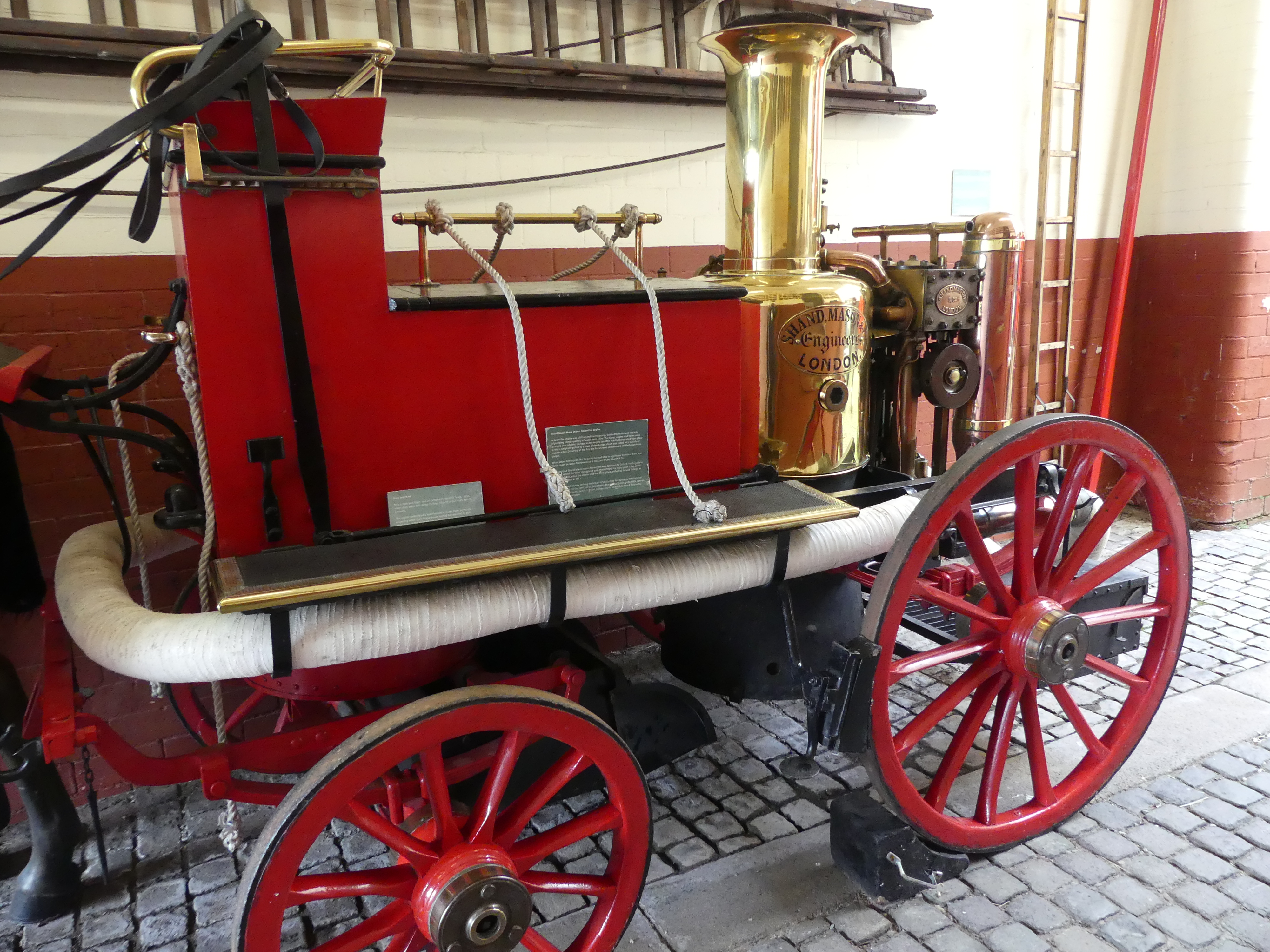
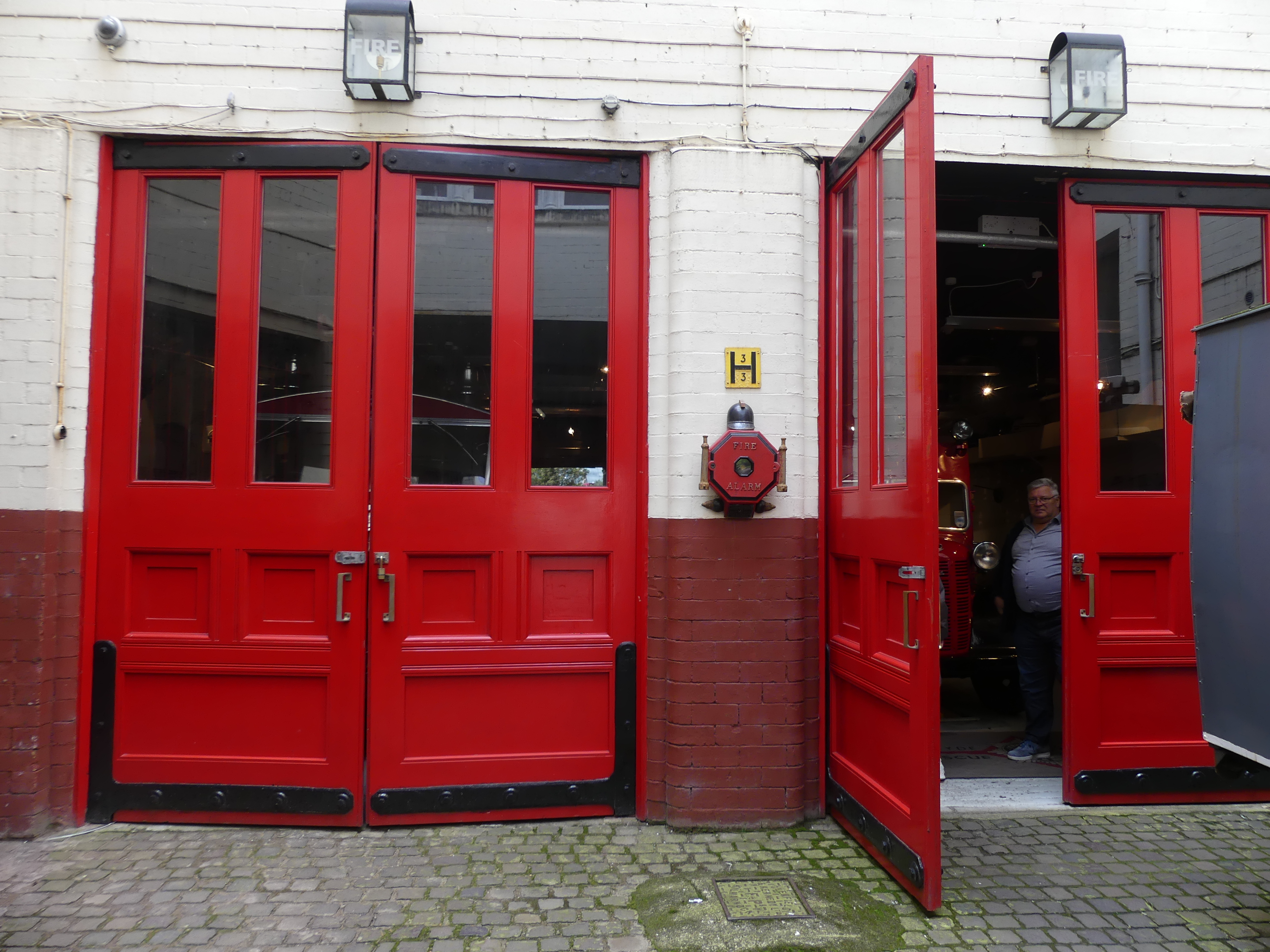
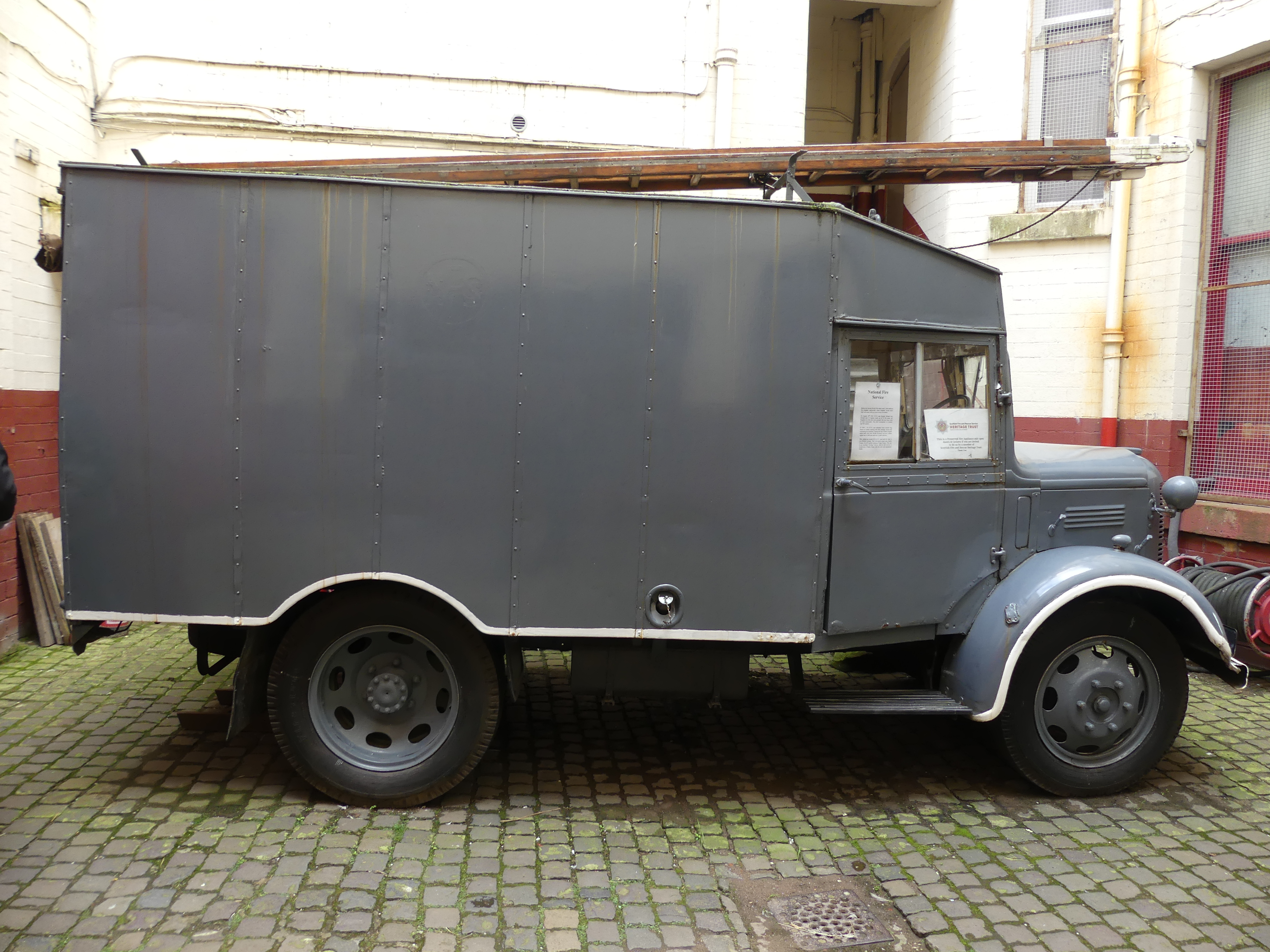
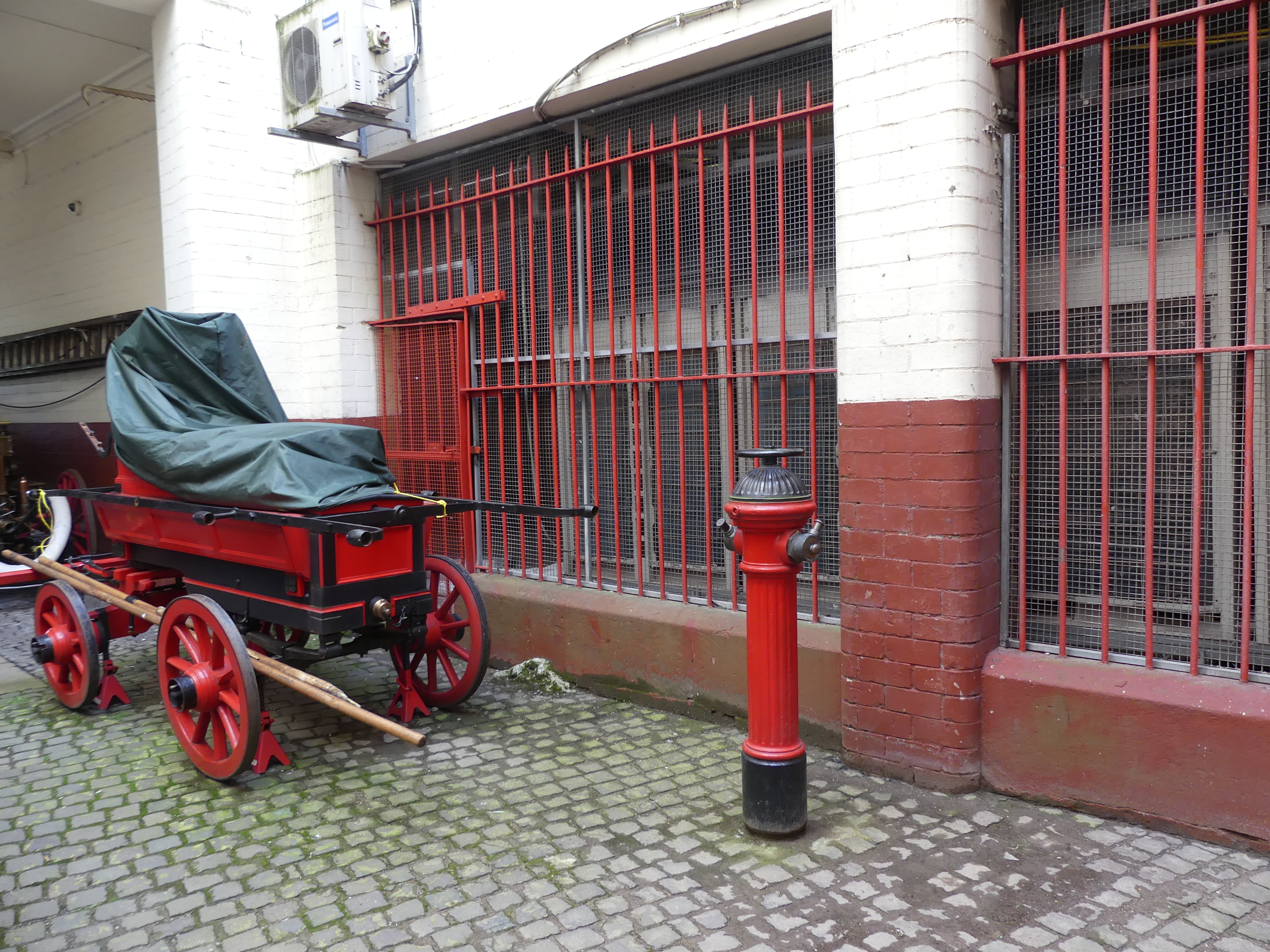
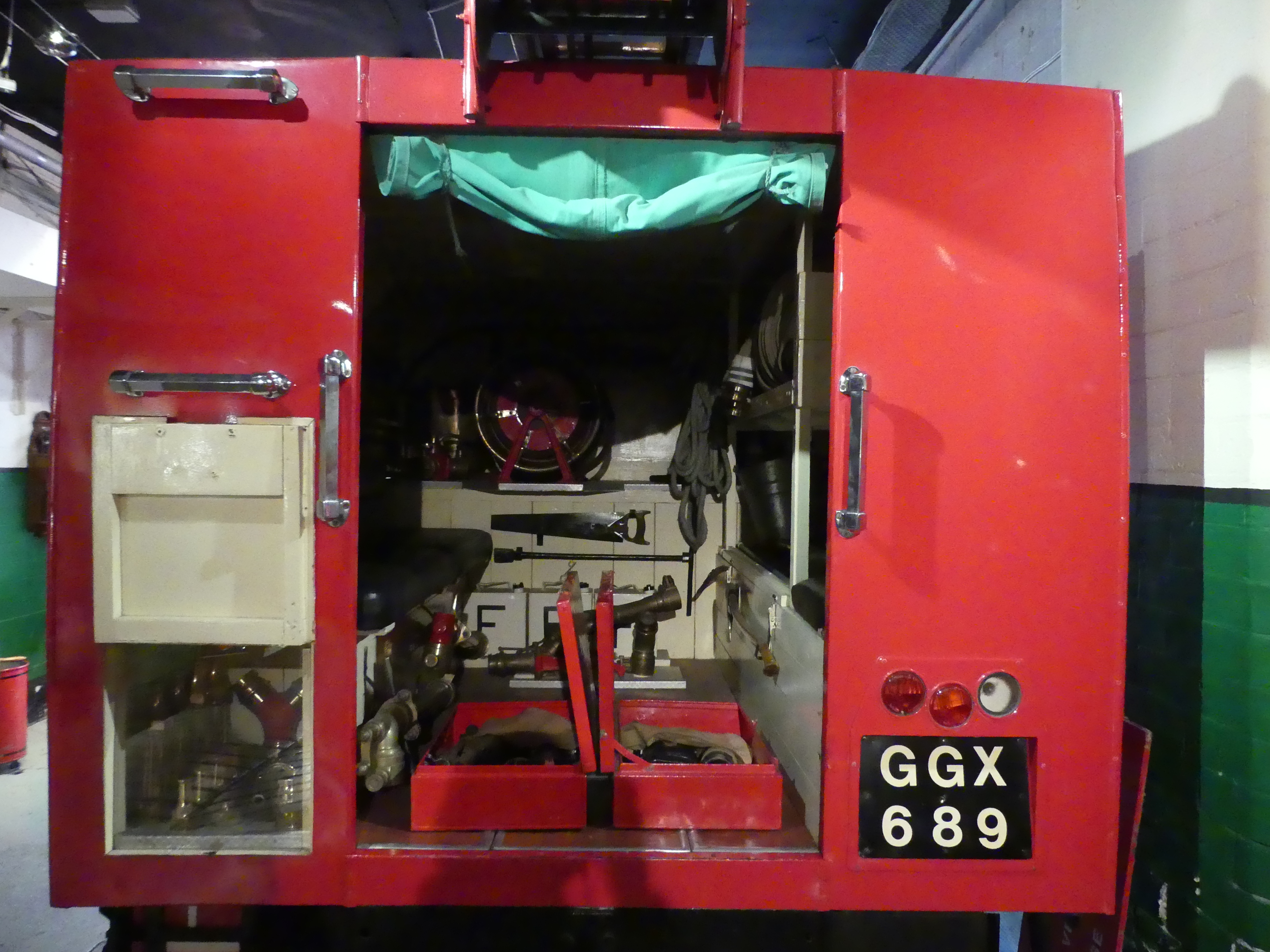
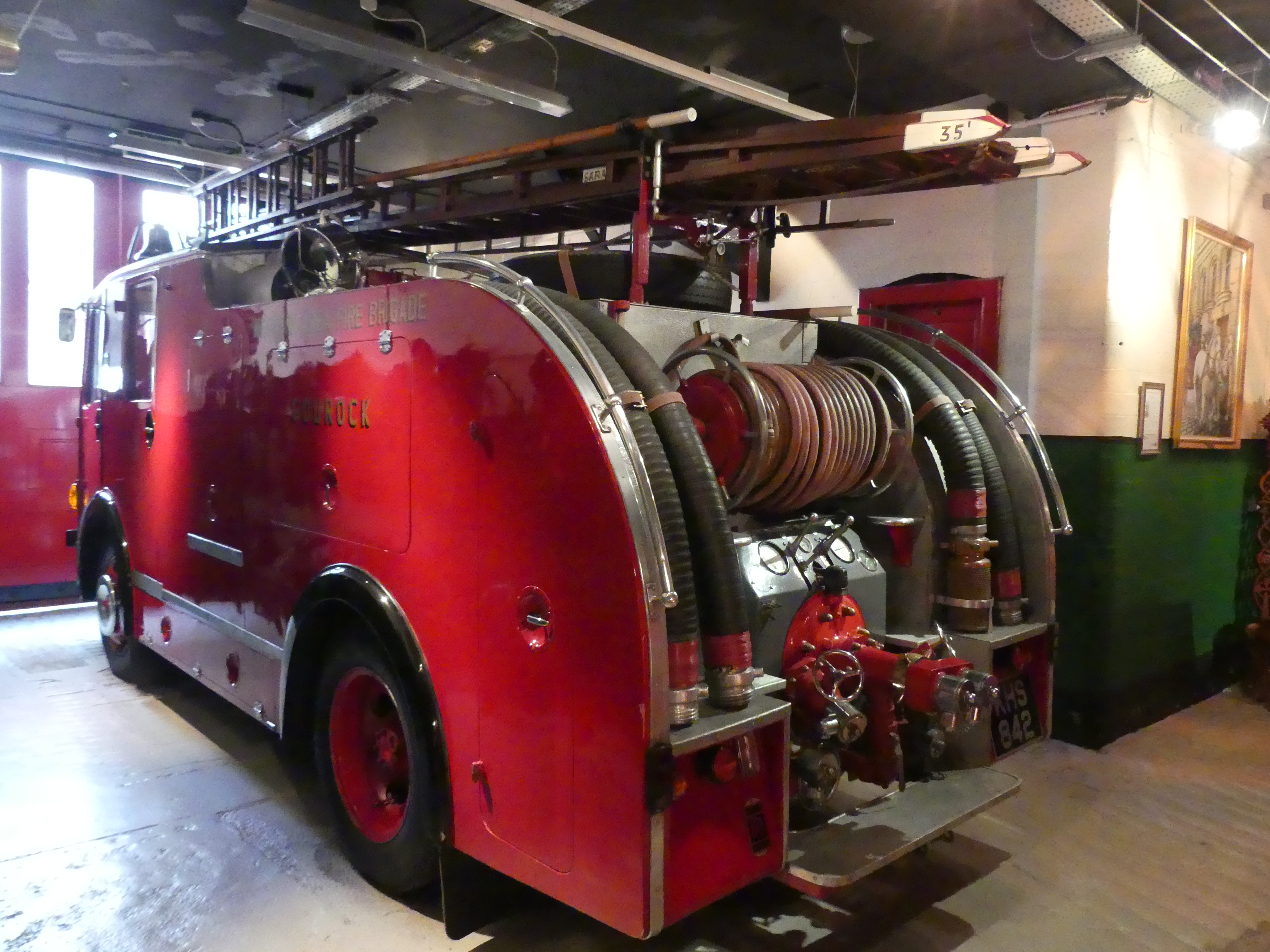
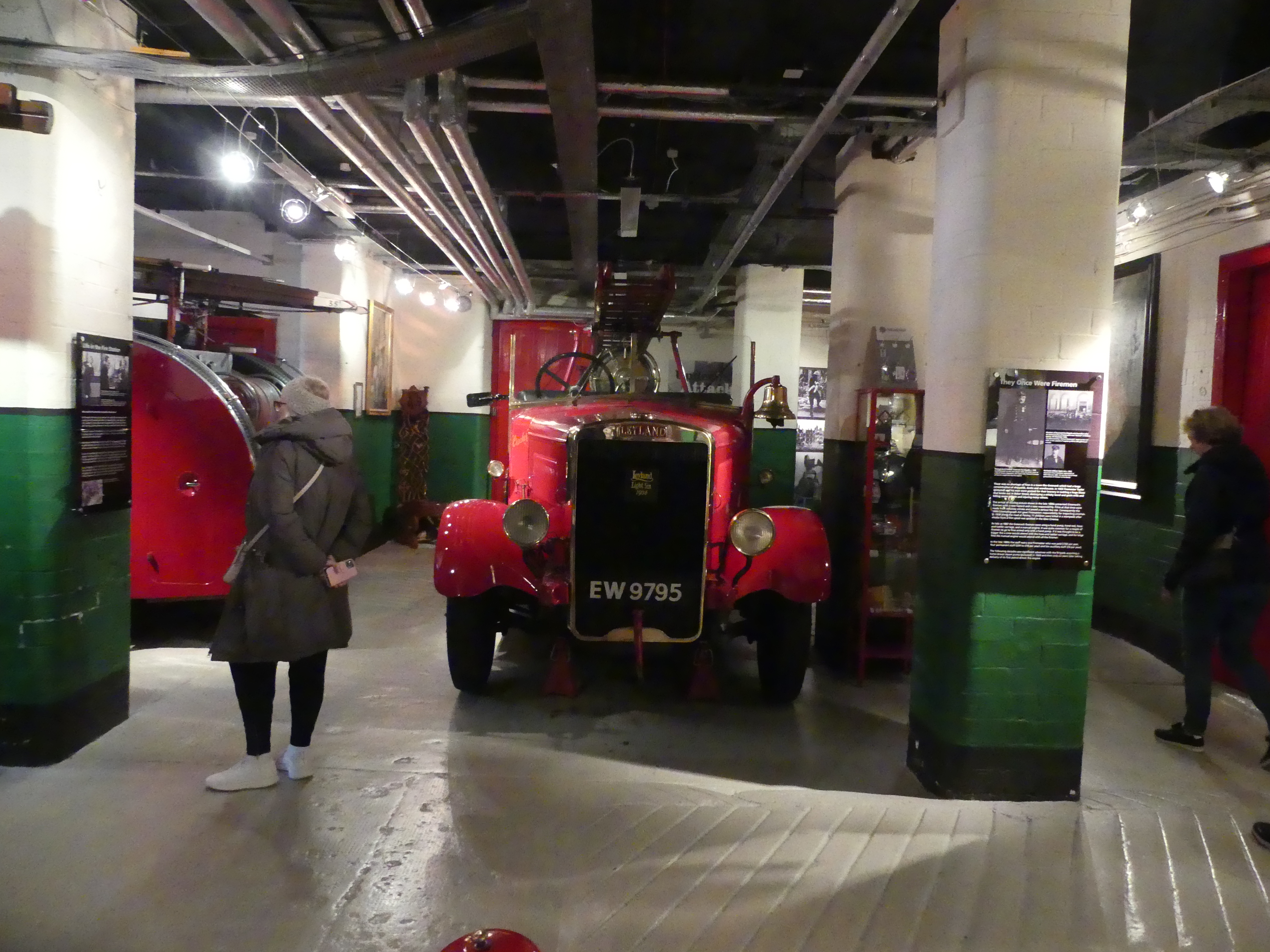
I have also scanned the brochure on the museum and attached its 4 pages are here.
We spent most of our visit in this museum before returning to the ship. There must be a reason why such an interesting and important museum has been hidden away in Greenock and we only found it by accident. However that is the way I like it – something undiscovered brought to life in my blogs. Our travels then took us to the 4th Island “THE RETIREES GO AROUND THE WORLD – DAY 9 SS NIEUW STATENDAM – Isle of Mann “. A few interesting facts around this limb of the Empire so you will need to read on.


 glendon1954