“THE RETIREES GO AROUND THE WORLD – BARI to NAPLES”

Naples

Full of vibrant culture, food, and history: Founded by Greeks in the first millennium BC, Naples is one of the oldest continuously inhabited urban areas in the world. Robert had returned to Cesi and we made our way to Naples by train. On arriving at the central railway station in Naples, Stazione di Napoli Centrale (Napoli Centrale), located in Piazza Giuseppe Garibaldi we set off in search of the hotel. It is the main rail terminus and station for Naples, 25 tracks, serving about 137,000 people per day. It was massive and intimidating just as Terminii in Rome was the first time.

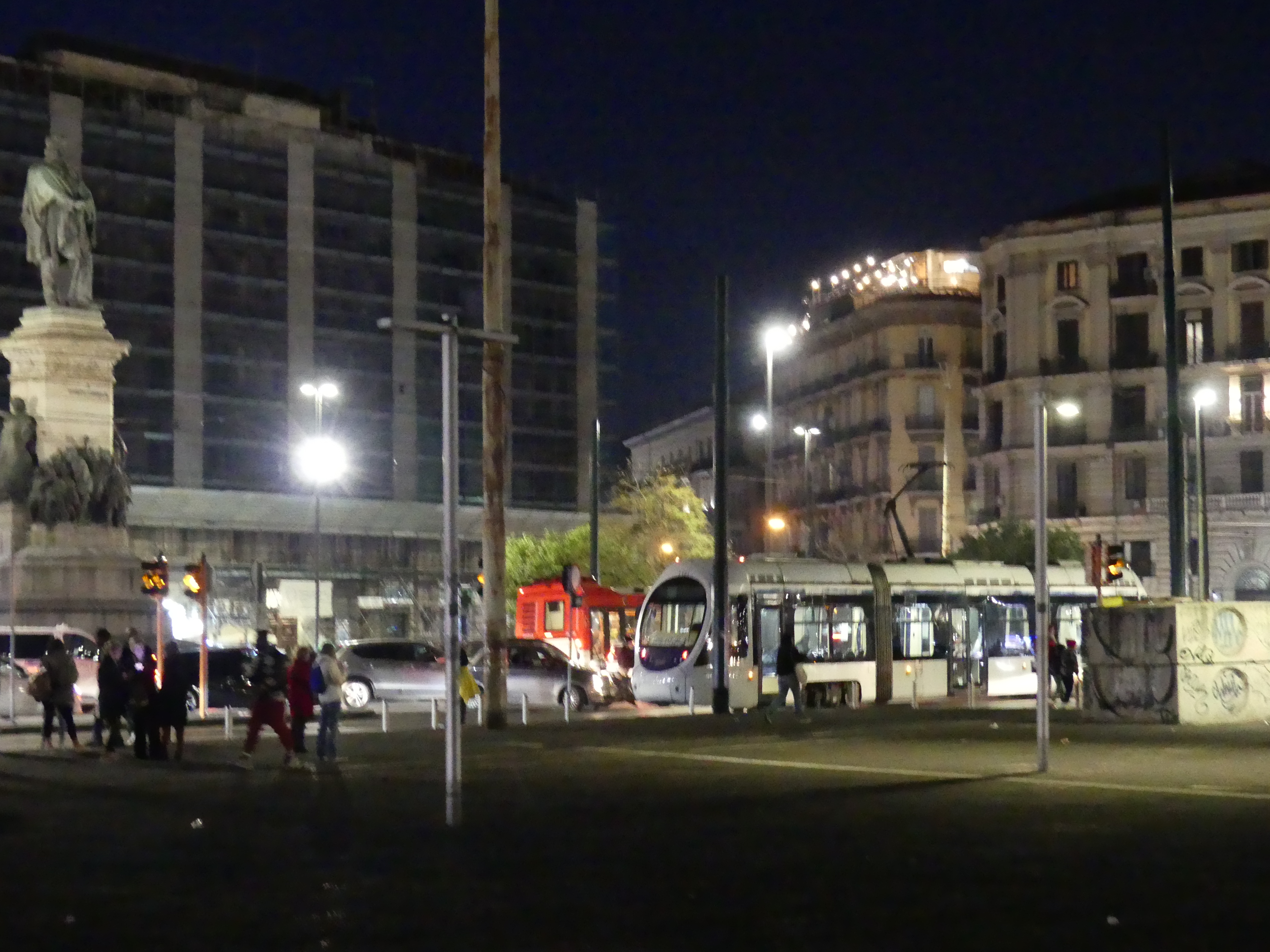
Kerry piloted us out onto Piazza Giuseppe Garibaldi in search of our hotel, Hotel Vergilius Billia which I am certain is a Mormon hotel with open bibles placed strategically in the hotel. The Piazza is 4 city blocks long and 3 blocks wide with a subterranean passage below us. The hotel was difficult to find at first in Via Guiseppe Pica but ultimately proved to be quite central. Clean and quiet with breakfast included we were well settled.

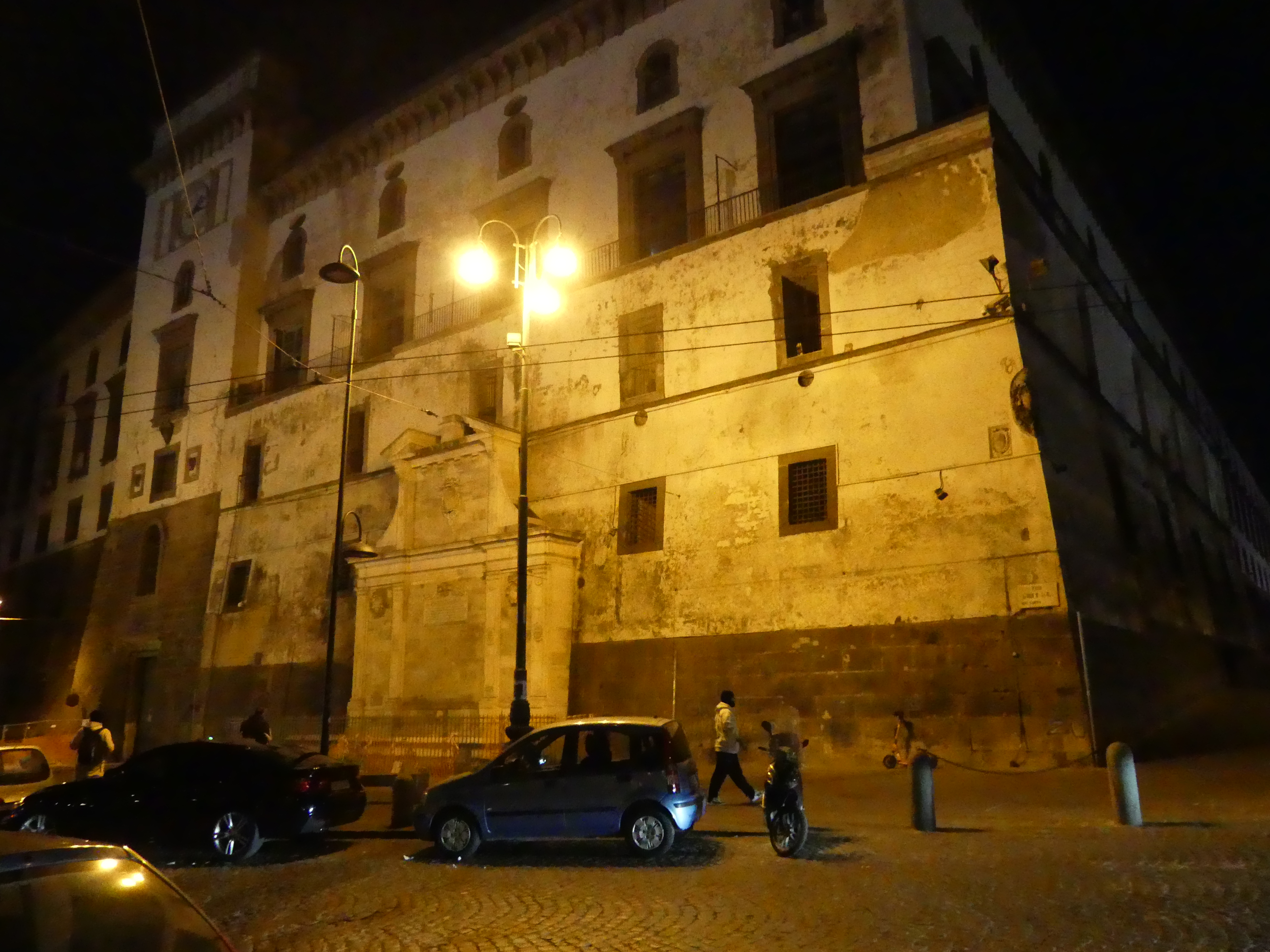
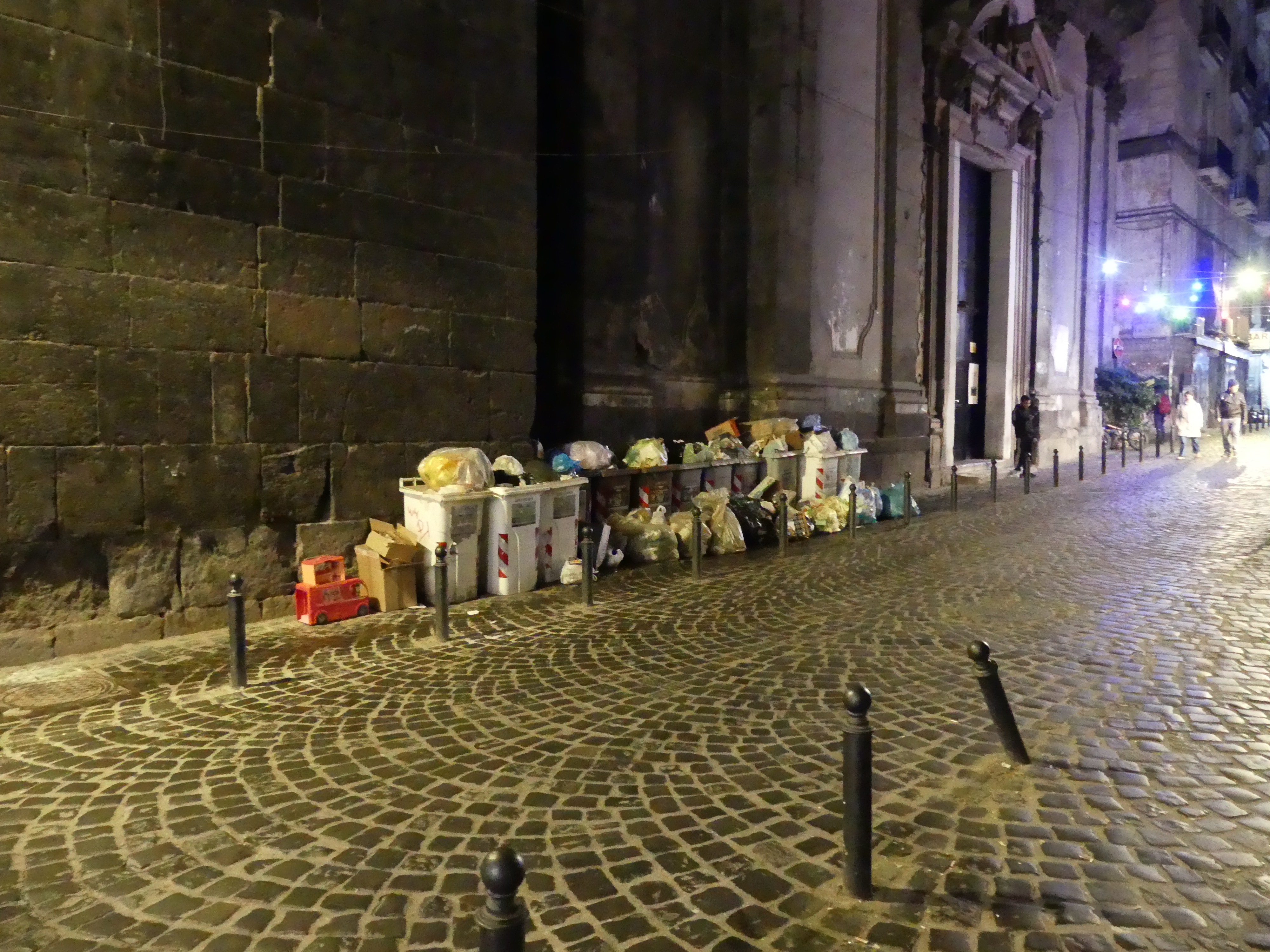
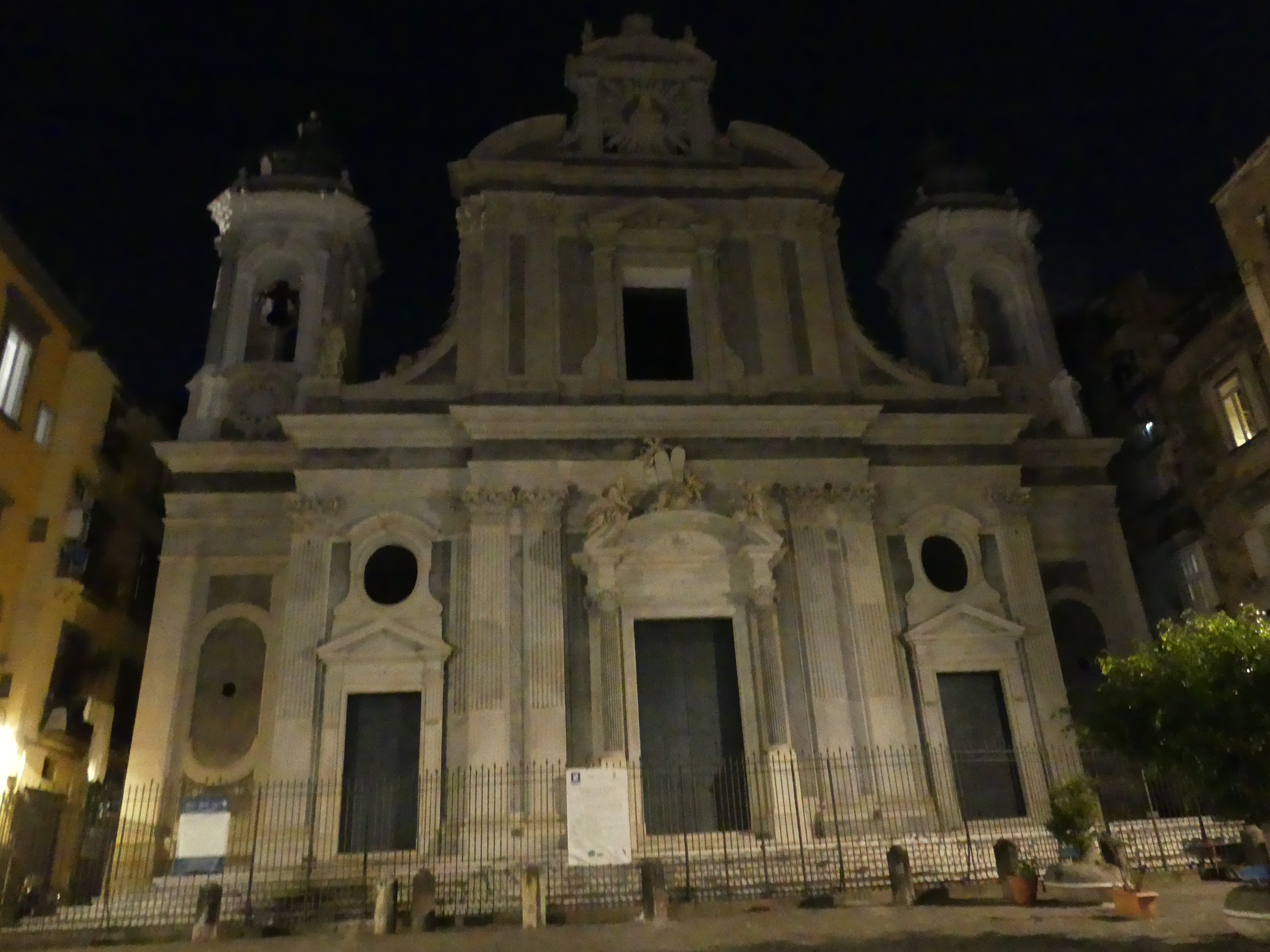
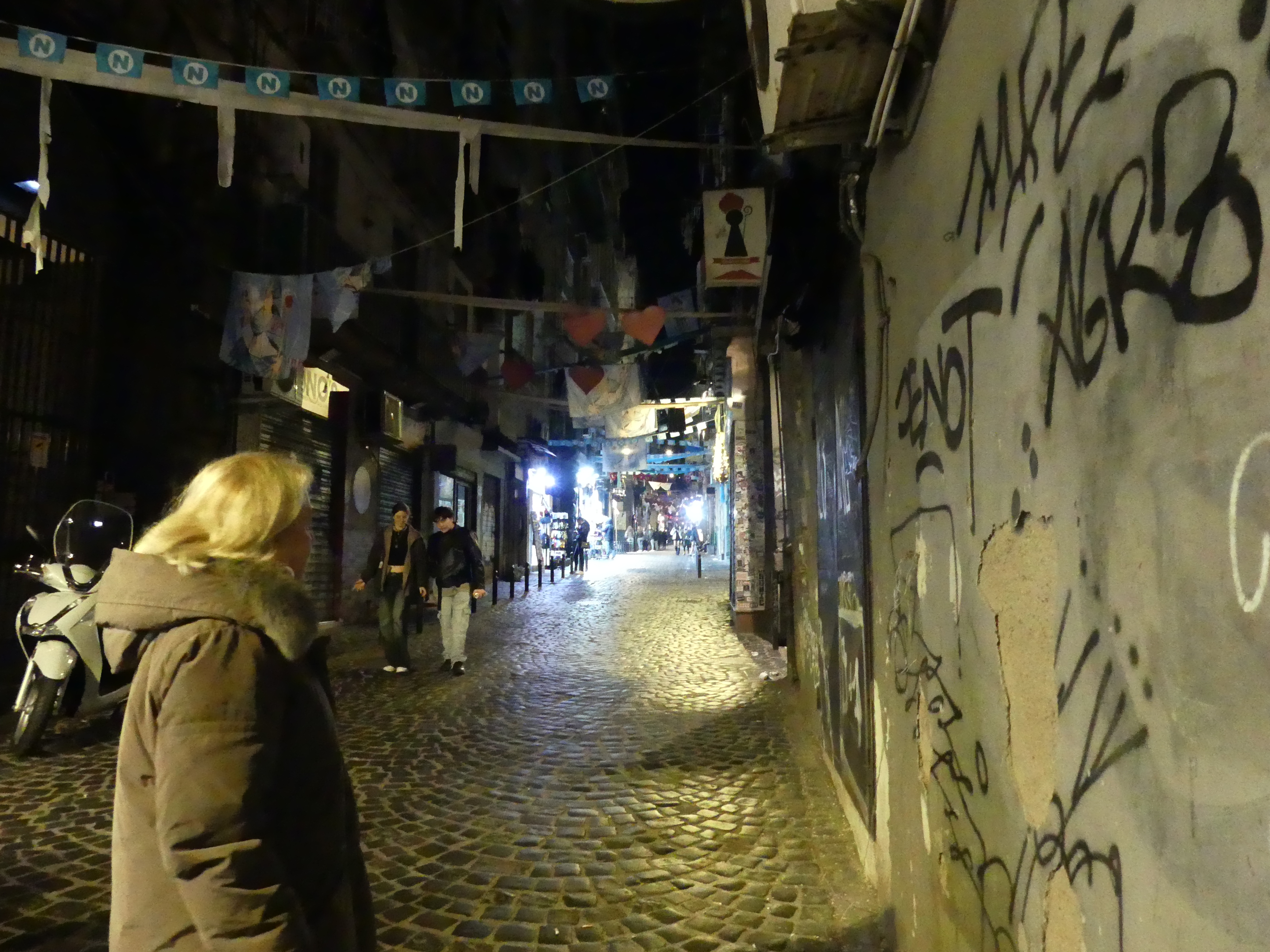
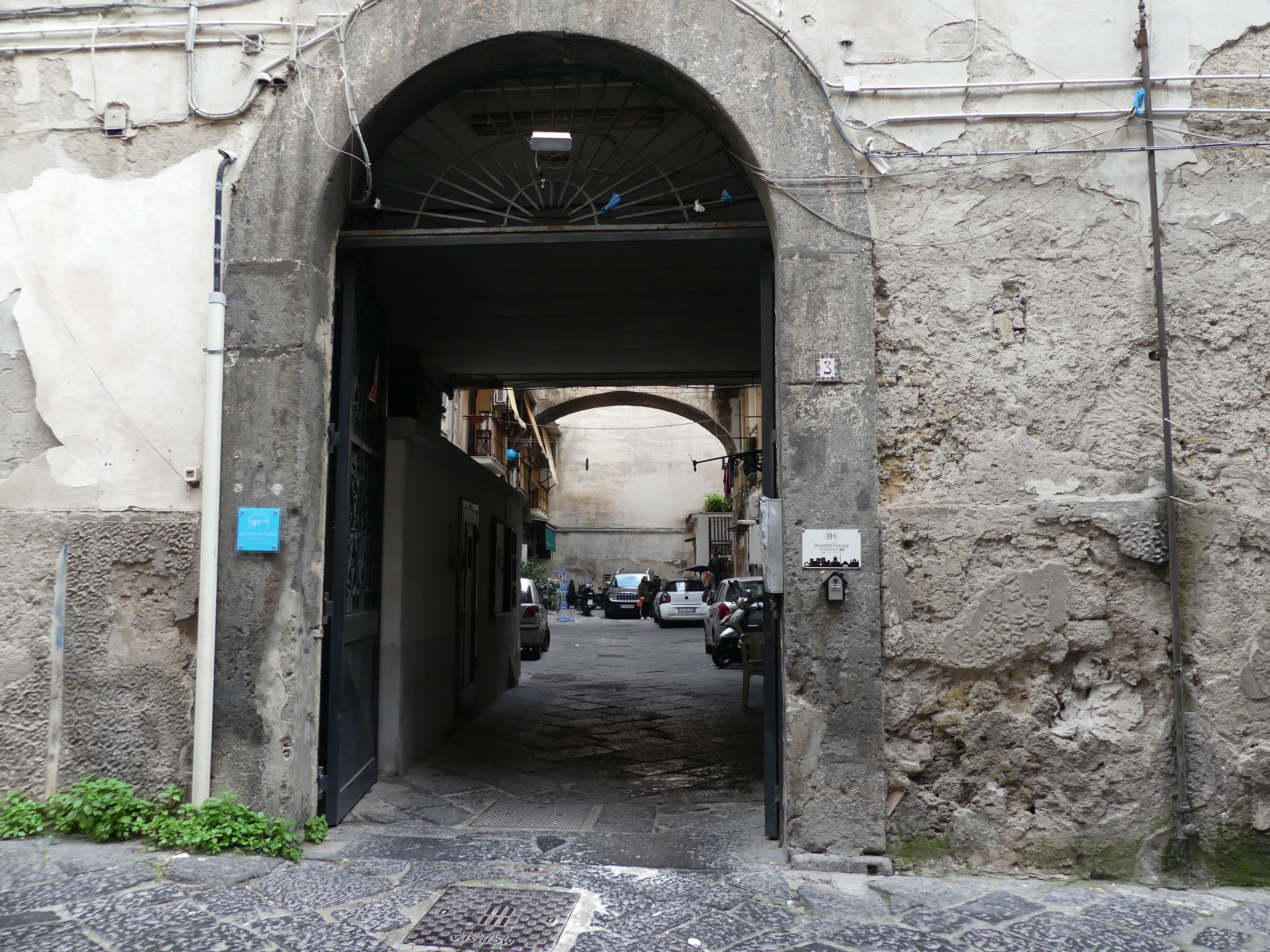
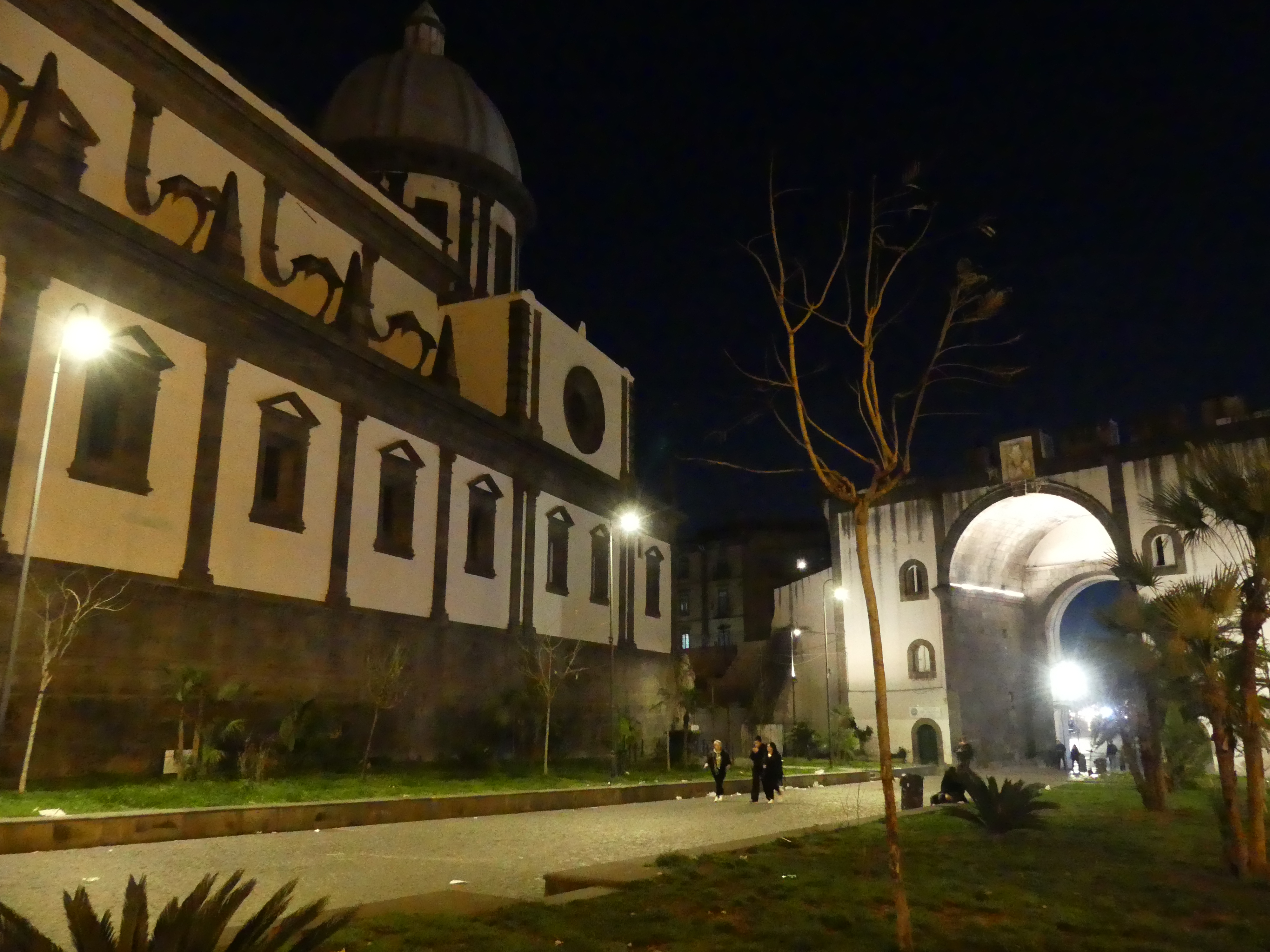
Our plan here was to visit the old city and particularly visit the underground tunnels and cisterns built by the Greeks and Romans. After booking into our hotel, we visited the old town by night particularly the historic centre of the city in Via dei Tribunali. We crossed the piazza past a church and attached monastery past the walls of a castle and into Via dei Tribunali. The first thing we noticed was how dirty it is and how alive it is with people, scooters and cars down this narrow alley. In a doorway we found the tell-tale sign of a recent birth – a boy. Here is a selection of photos going to the old town and in the old town itself.
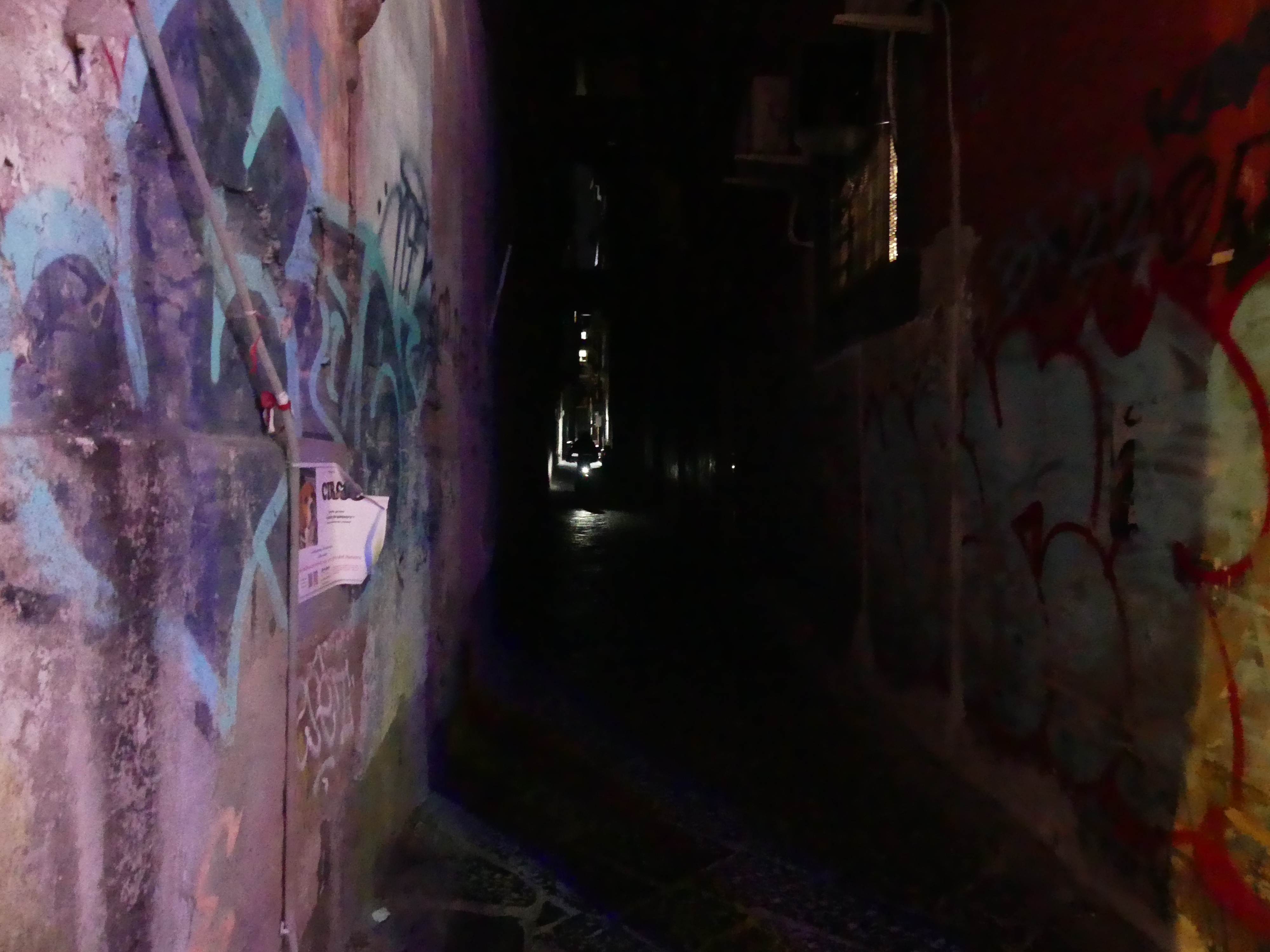
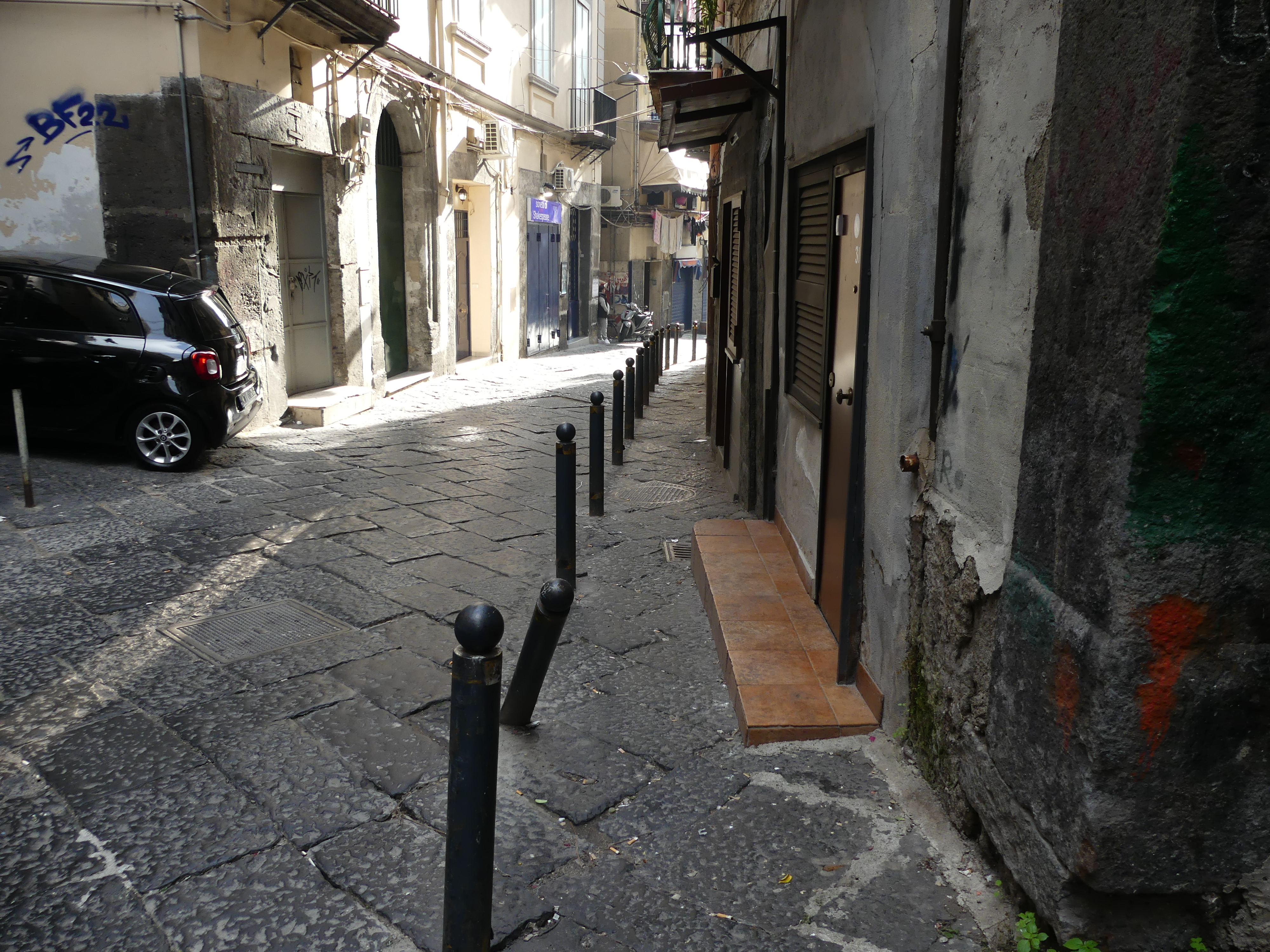
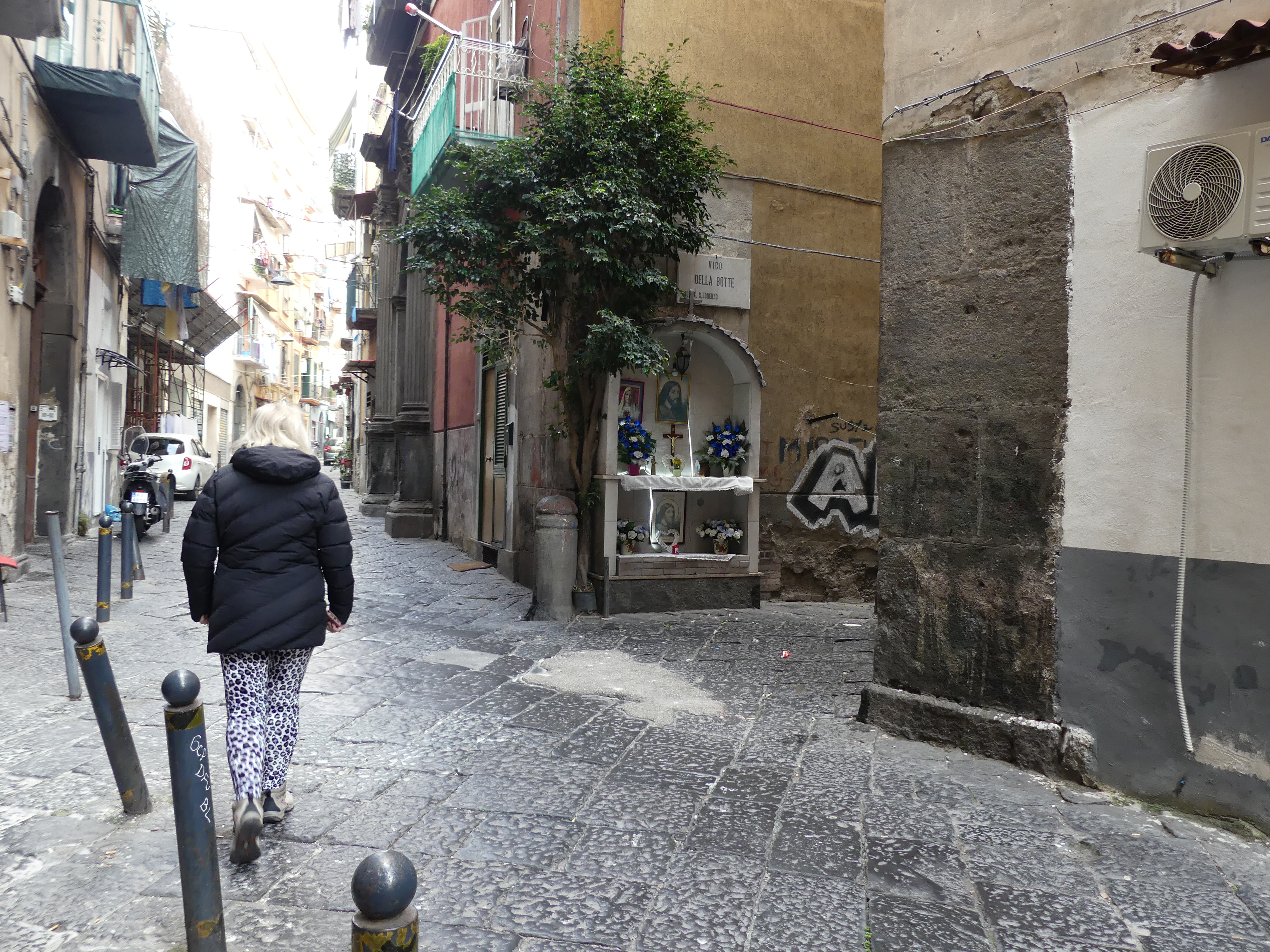
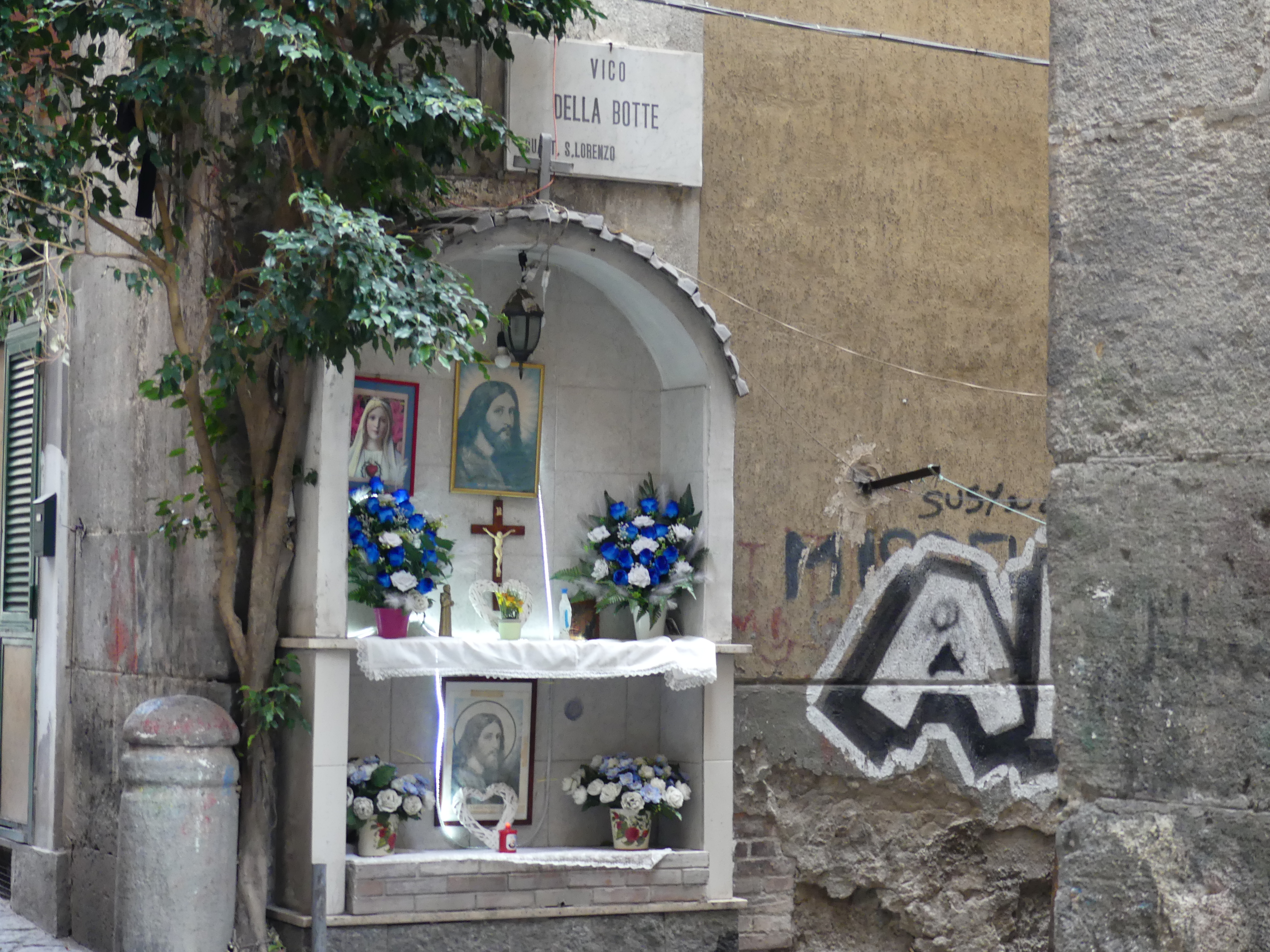
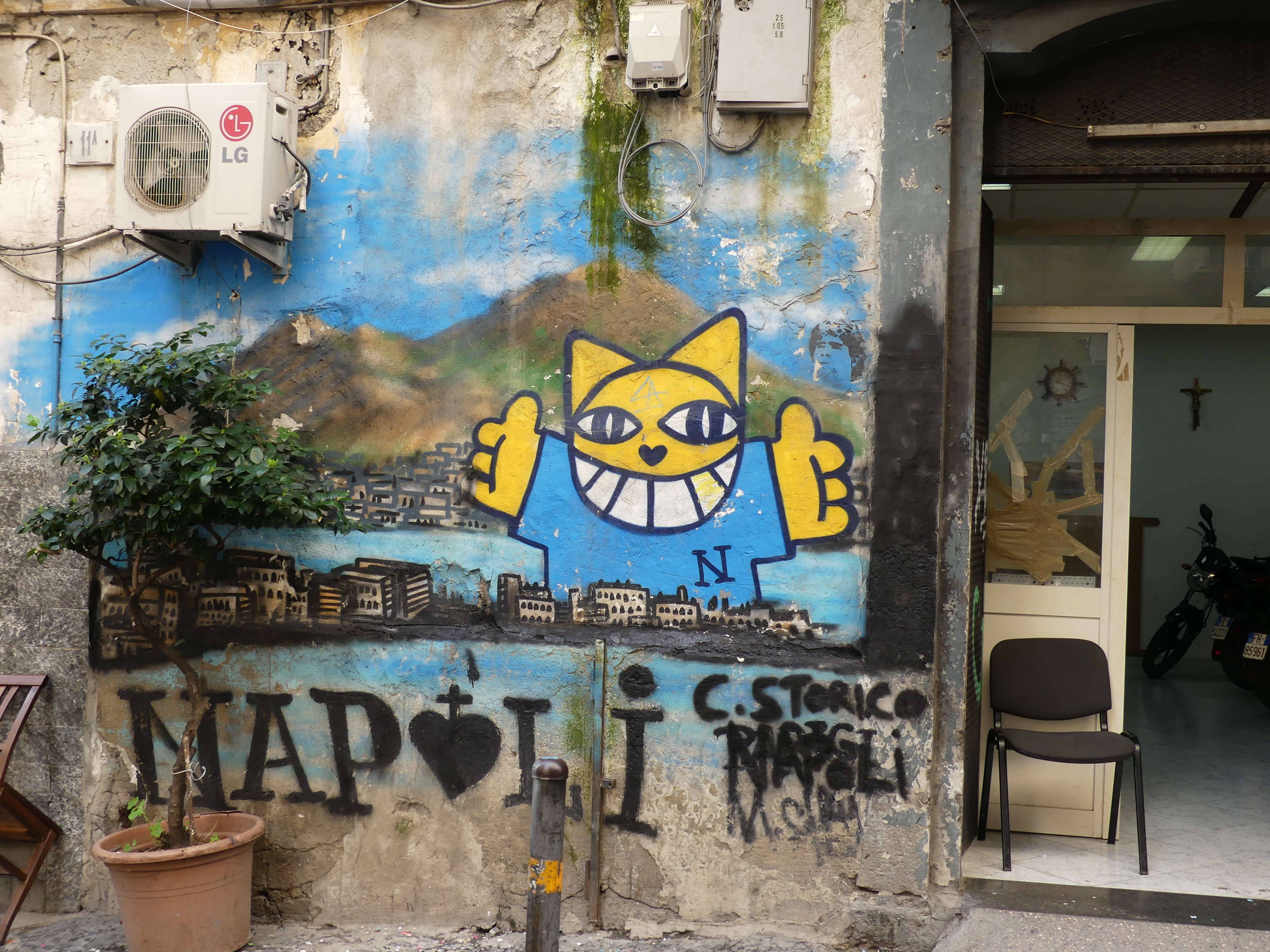
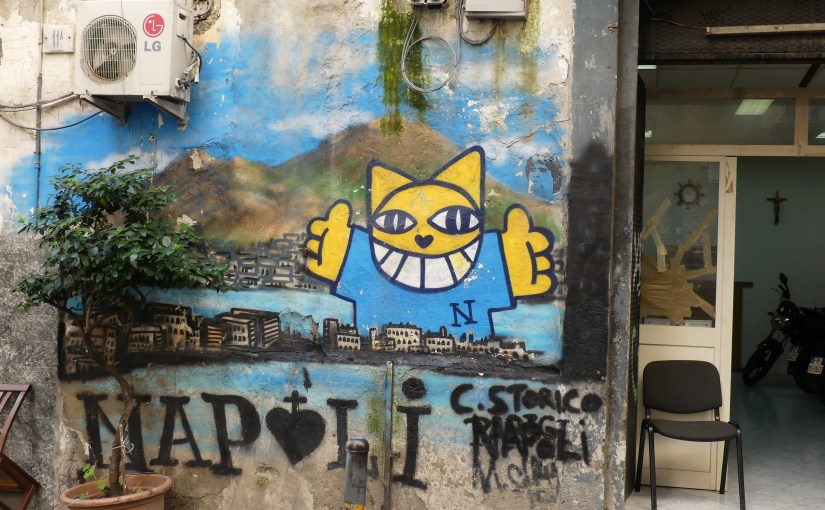
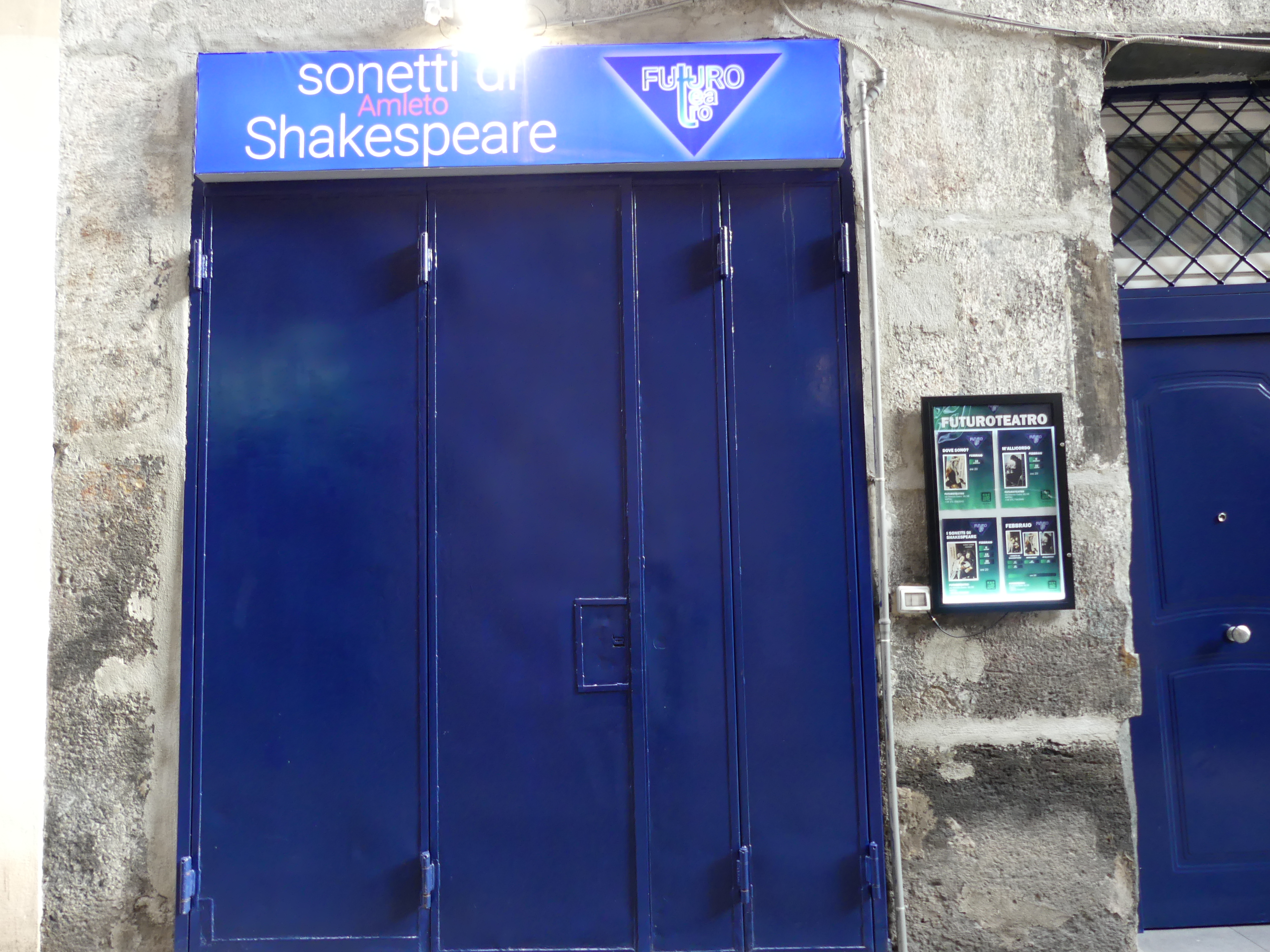
The following morning it was breakfast first before our big day in the old town. One of the first shops we encountered was the Italian Bunnings hardware store. A further surprise awaited us when we passed a theatre presenting Sonetti de Amleto (Sonnets of Hamlet). Shakespeare in Naples. The streets were narrow and the buildings dirty and tired sometimes decorated with street art or a chapel for worship.

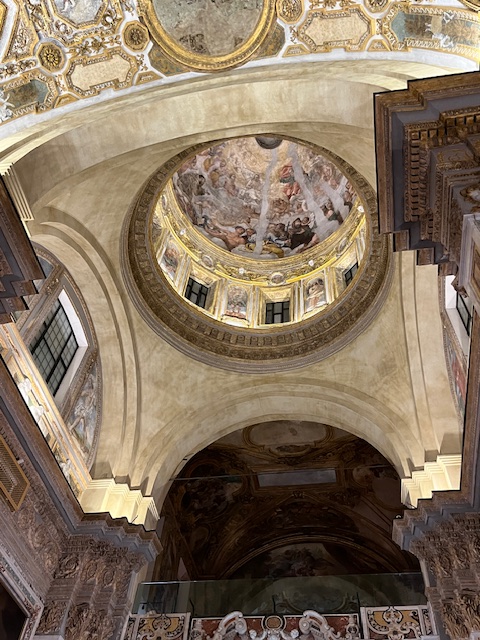
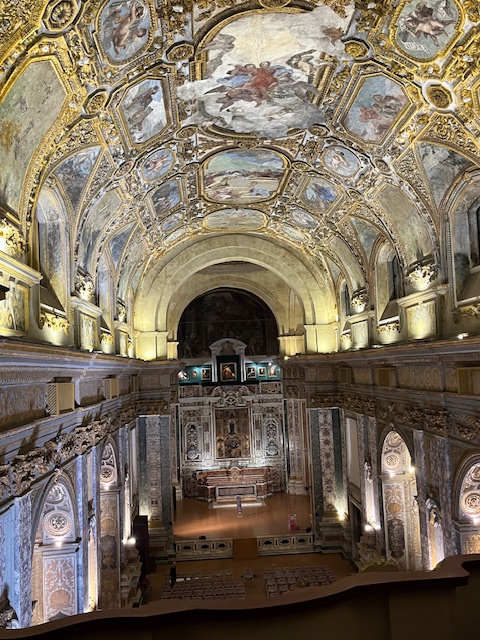
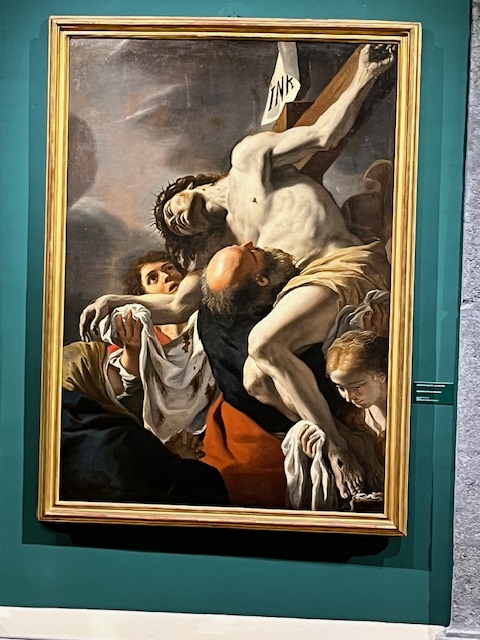
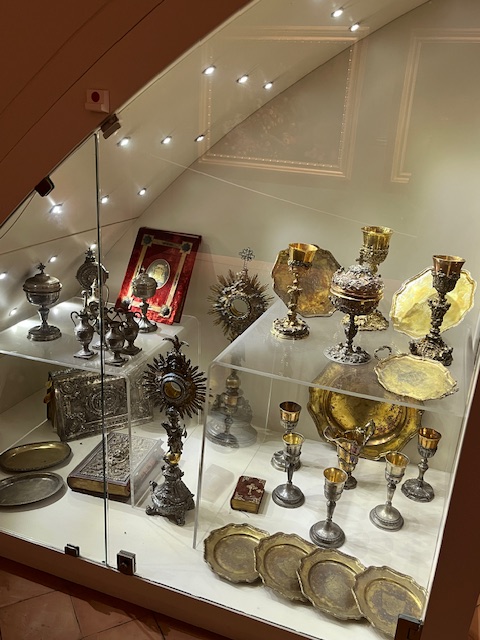
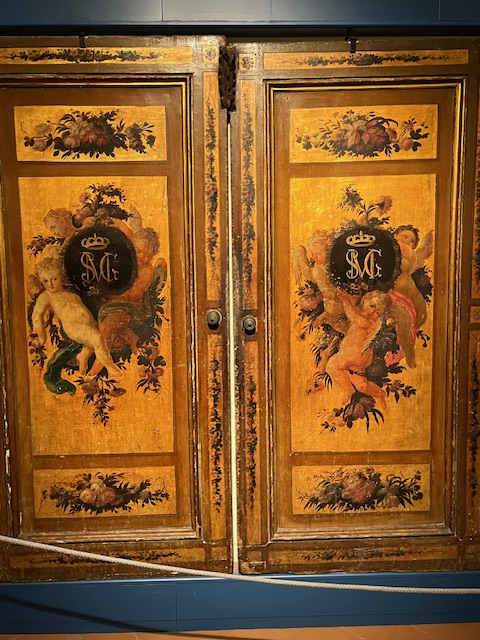
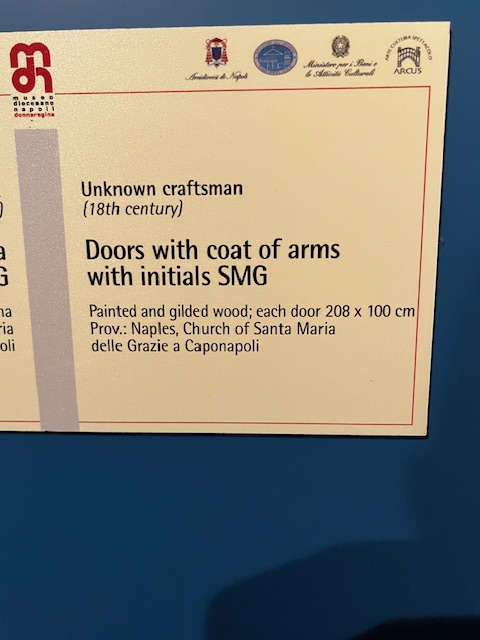
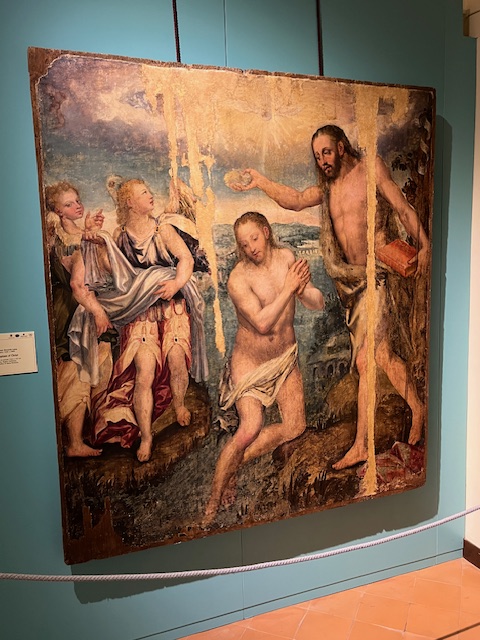
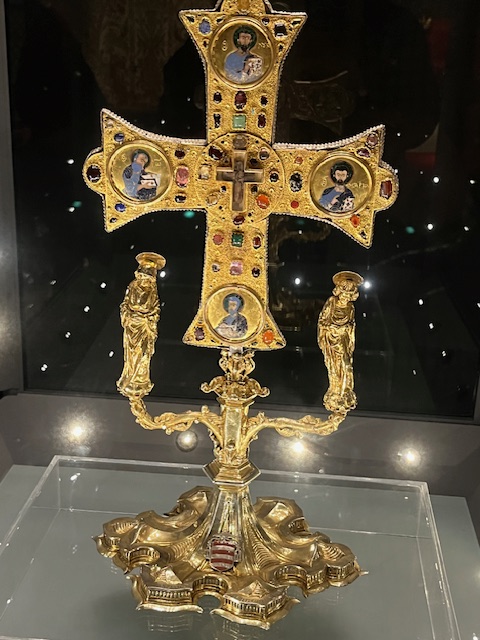
But then we encountered Museo Donna Regina. The monumental complex of Donna Regina represents a unique example in the panorama of the historic centre of Naples. In this Franciscan monastic insula, there are preserved testimonies of the ancient convent and of the two original churches, the medieval one and the seventeenth-century together conceived as one, until the 1930 s, conceived as a single structure with a corridor that, like a sort of umbilical cord, united the buildings, in addition to the apses, the past and the present, allowing the Poor Clares to move without leaving the places of cloister.

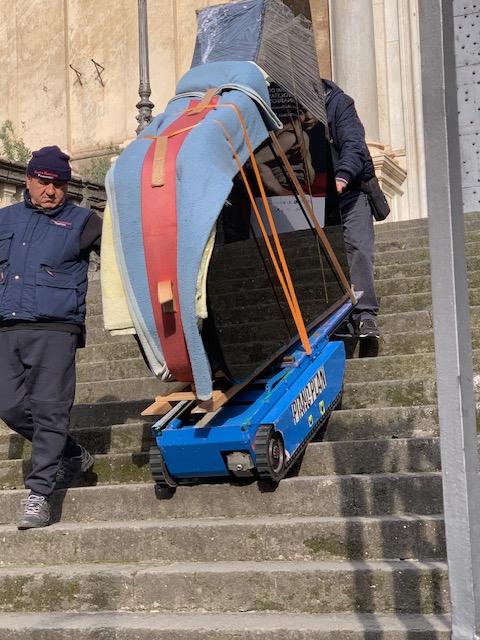
Today, through the original architecture and decorations, we can find rare examples of the history of Neapolitan art and the Franciscan order. It also provides space for classical concerts. As we entered a grand piano was be carried down the front stairs by a tracked robot to be loaded onto a truck following a performance the previous night. If you wish to read more about this unique museum, then proceed to http://www.museodiocesanonapoli.com/il-complesso-museo-diocesano/.

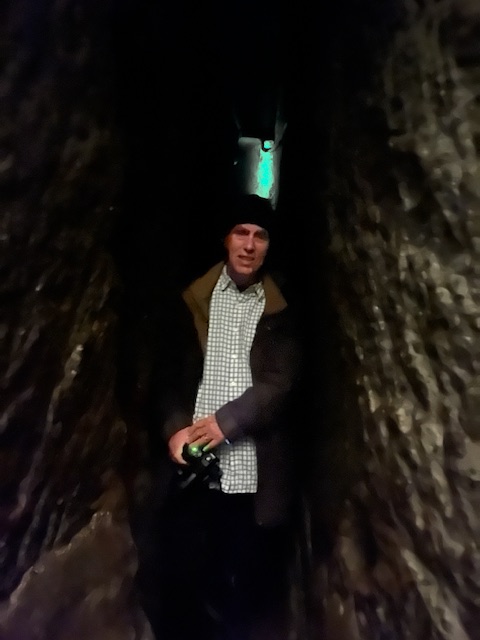
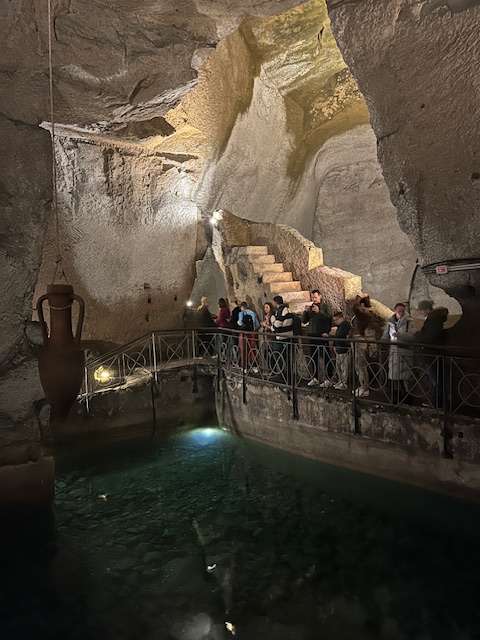
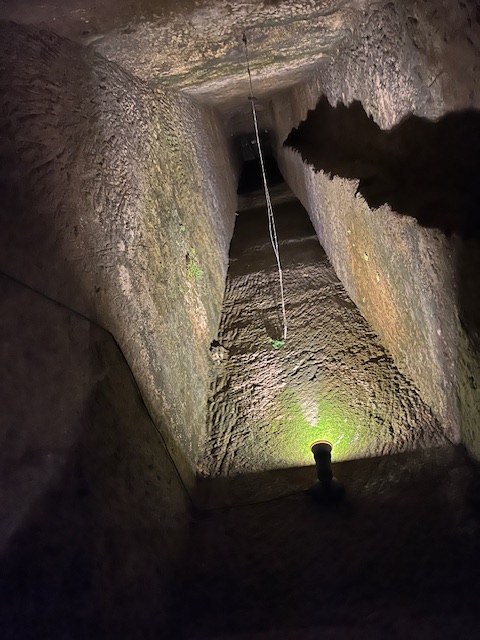
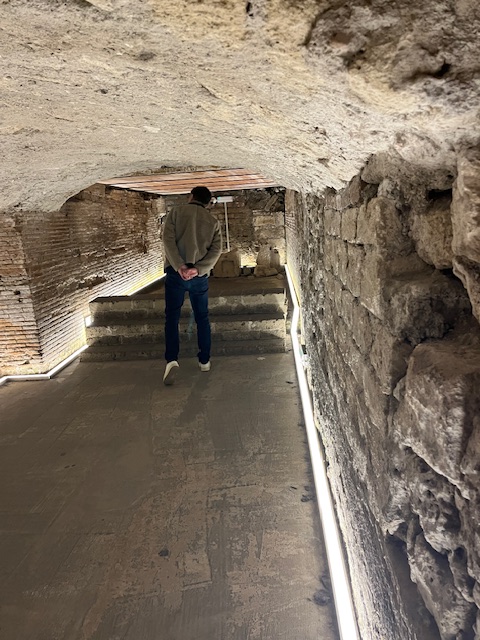
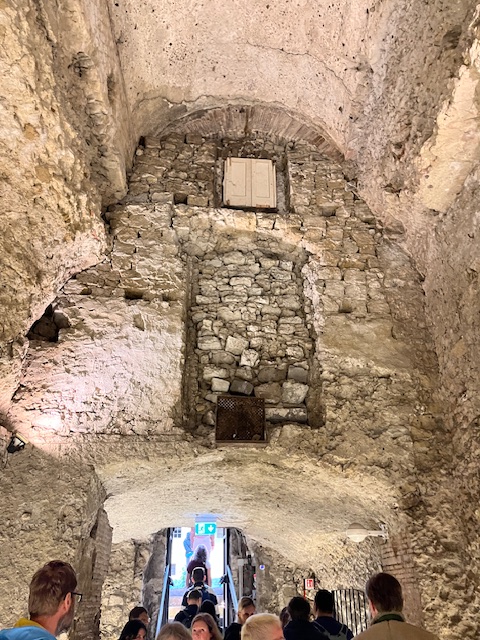
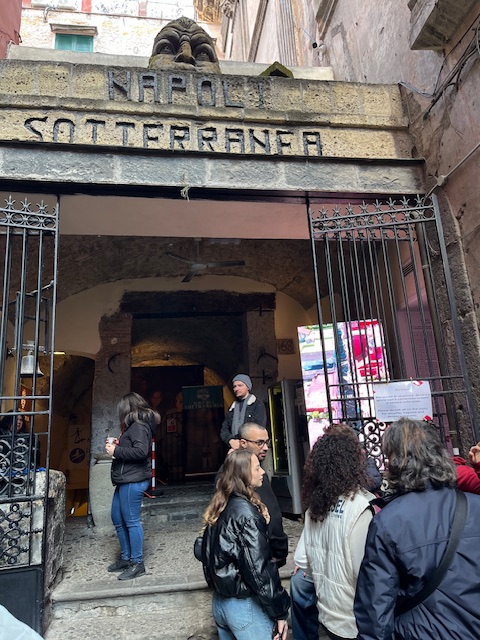
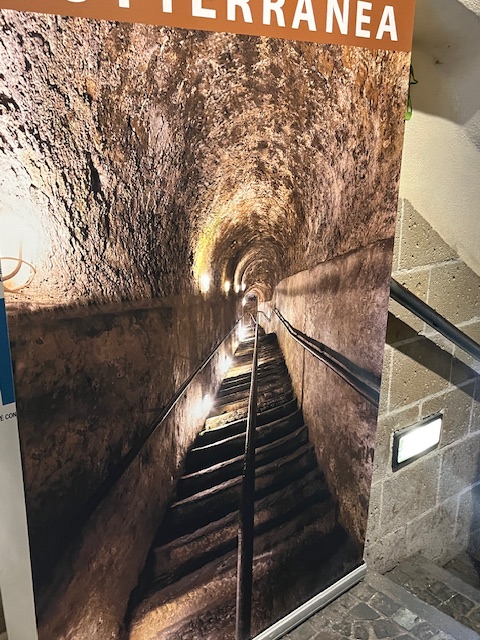
Underneath Naples are several ancient Greco-Roman reservoirs dug out from the soft tufo stone on which, and from which, much of the city is built. Approximately one kilometre (0.62 miles) of the many kilometres of tunnels under the city can be visited from the Napoli Sotteranea, this system of tunnels and cisterns underlies most of the city and lies approximately 30 metres (98 ft) below ground level. During World War II, these tunnels were used as air-raid shelters, and there are inscriptions on the walls depicting the suffering endured by the refugees of that era. We were here to visit those tunnels. My photographs show us entering and following the stairs underground for a long way. God only know how they got a tank down here or why they would keep unexploded munitions down here. The pictures of the narrow tunnels are in fact passageways for water and very easy to get lost as I almost did. At the end of the tour, we exited to visit the remains of Nero’s lost theatre rediscovered after restoration of the reservoirs.
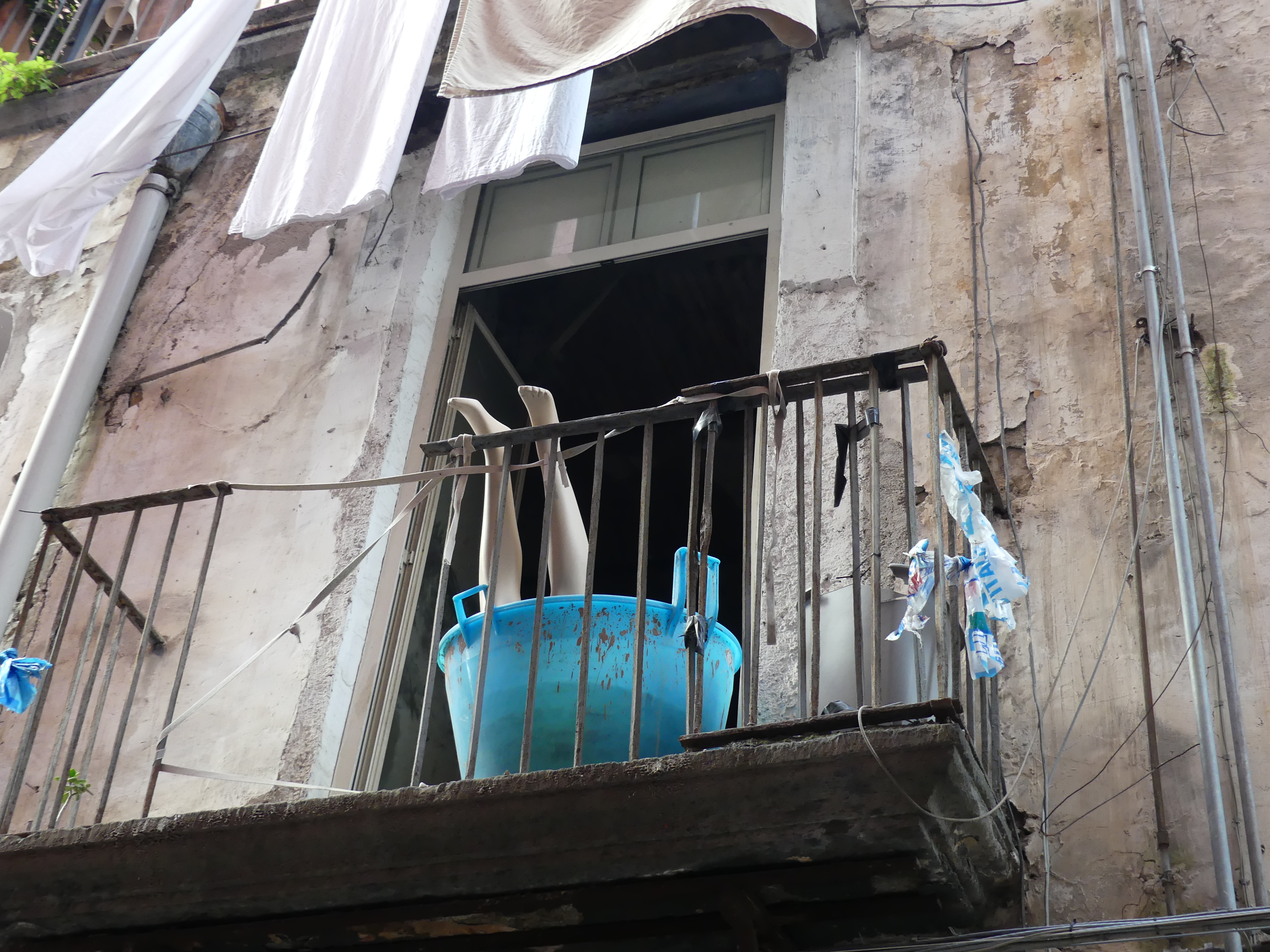
Some joker had prepared a frightening image of what awaits outside the reservoir. It was hot thirsty work down there This pop-up liquor shop had just the answer as we made our way home. Mauling mannequins seemed to have some appeal in Naples.
The surrounding area is an underground geothermal zone and this geothermal area is present generally from Mount Vesuvius beneath a wide area including Pompei, Herculaneum, and from the volcanic area of Campi Flegrei beneath Naples and over to Pozzuoli and the coastal Baia area. The resulting cavities beneath the city can now be divided up into several major categories Aqueducts and sewer tunnels; Rainwater cisterns, reservoirs and aqueduct diversionary channels; Caverns left from quarrying of tuff; the remains of Nero’s “lost” theatre; Greco-Roman businesses, such as the remains of an ancient forum that was preserved in a mud slide; Other voids from removal of sand and other types of materials; Interconnecting tunnels and passageways among caverns; Places of worship, including catacombs and pre-Christian hypogea (cult burial chambers);Major ancient and modern roadway tunnels, and rail and subway tunnels.

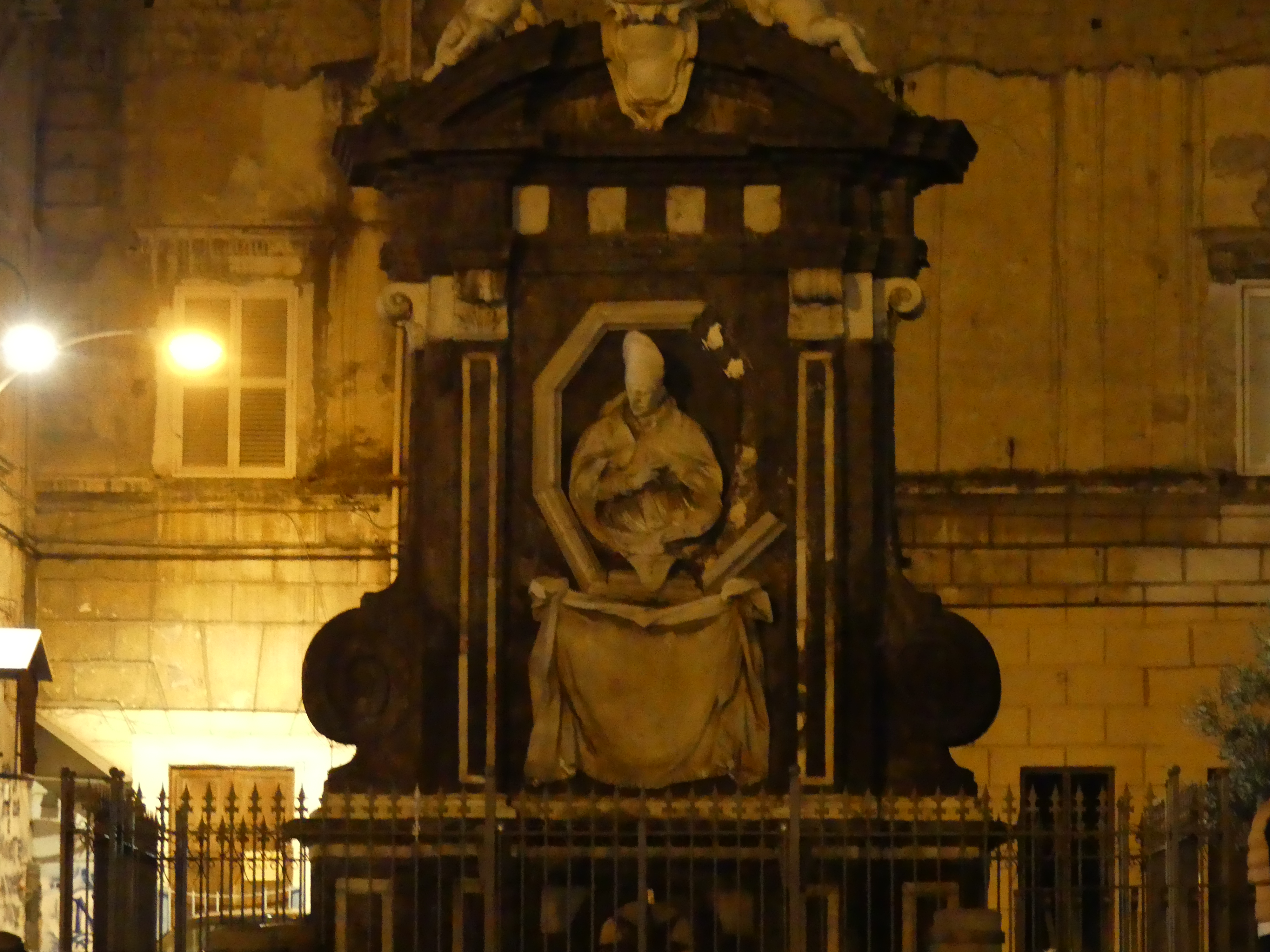
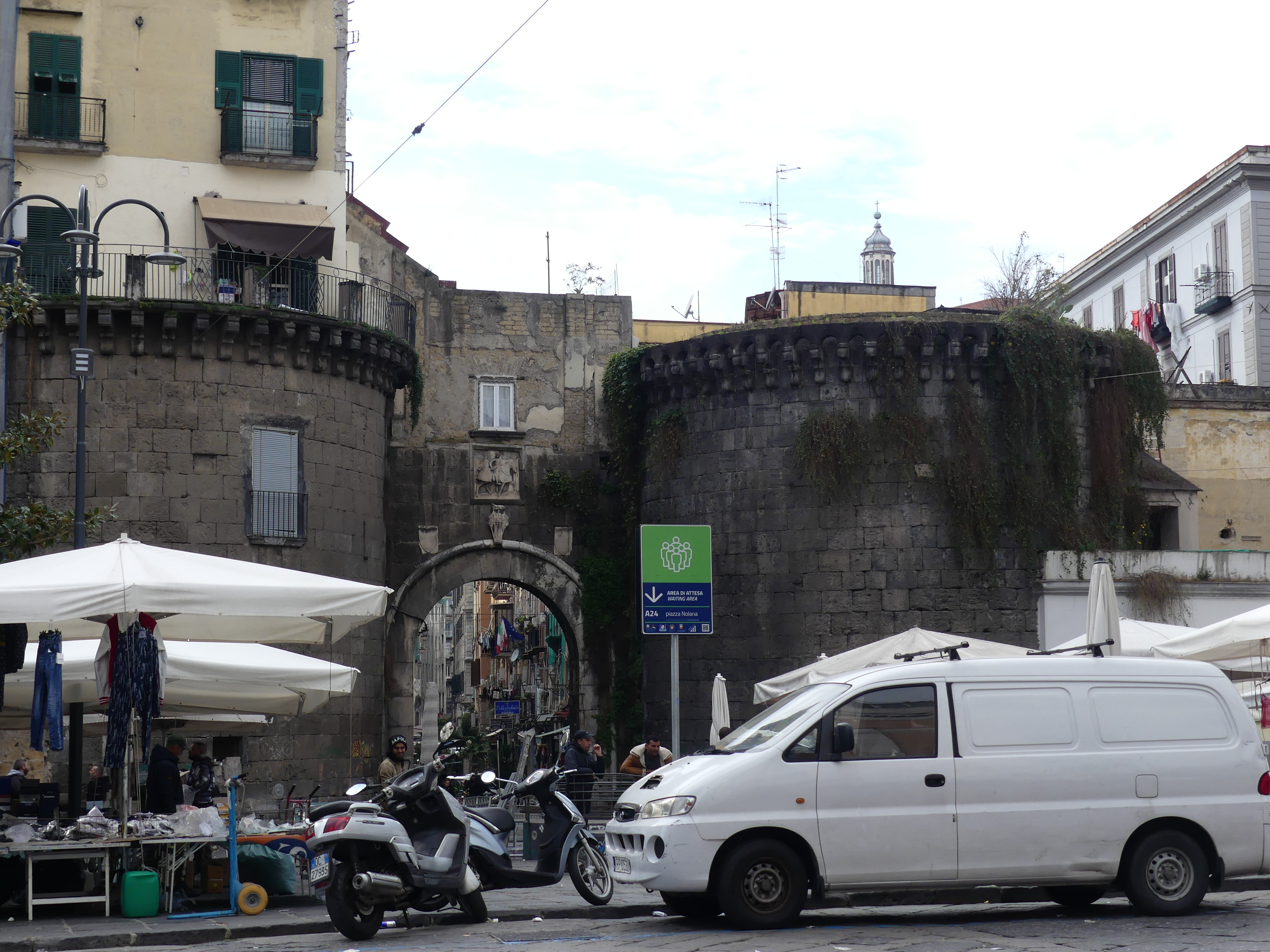
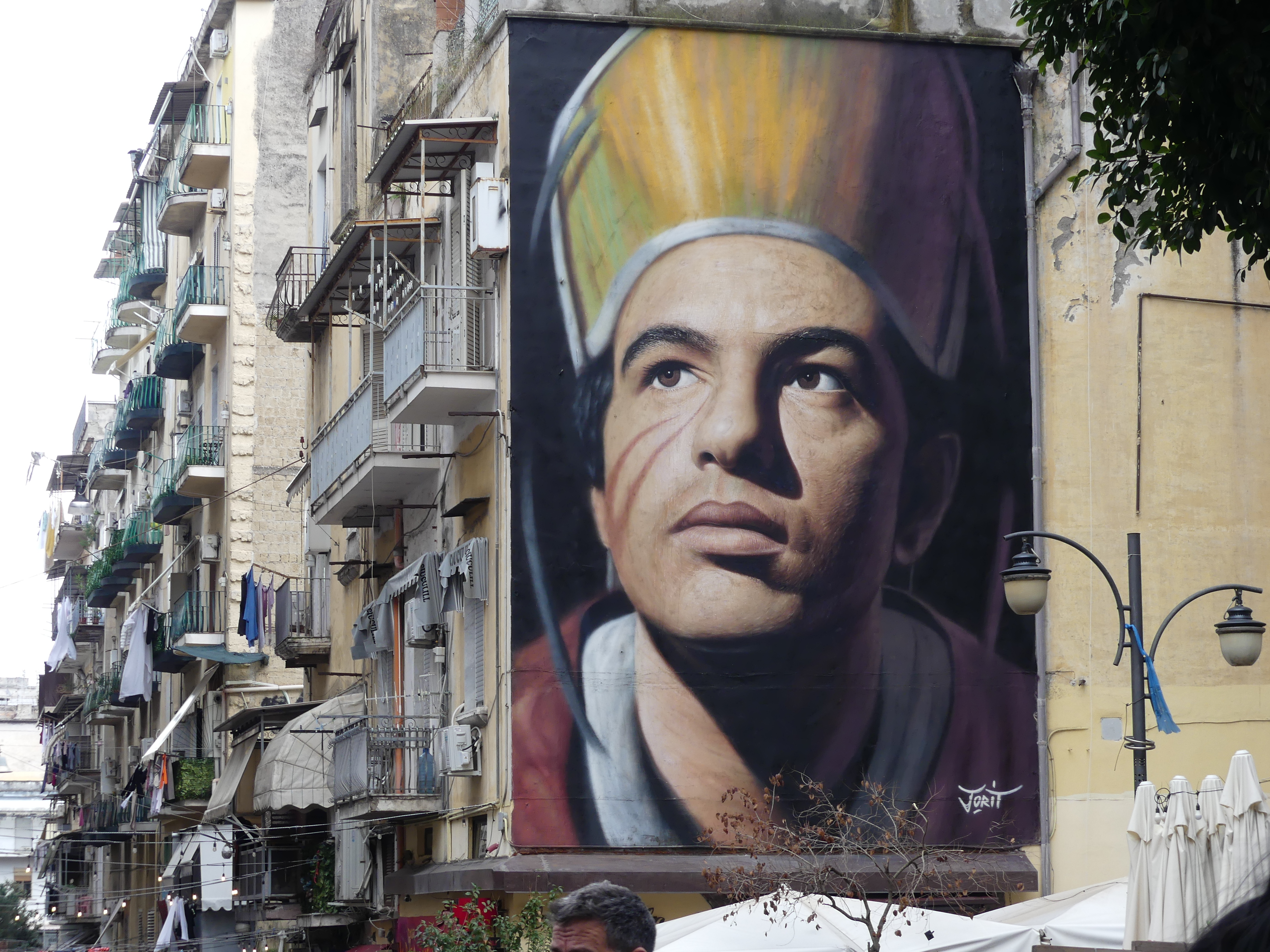
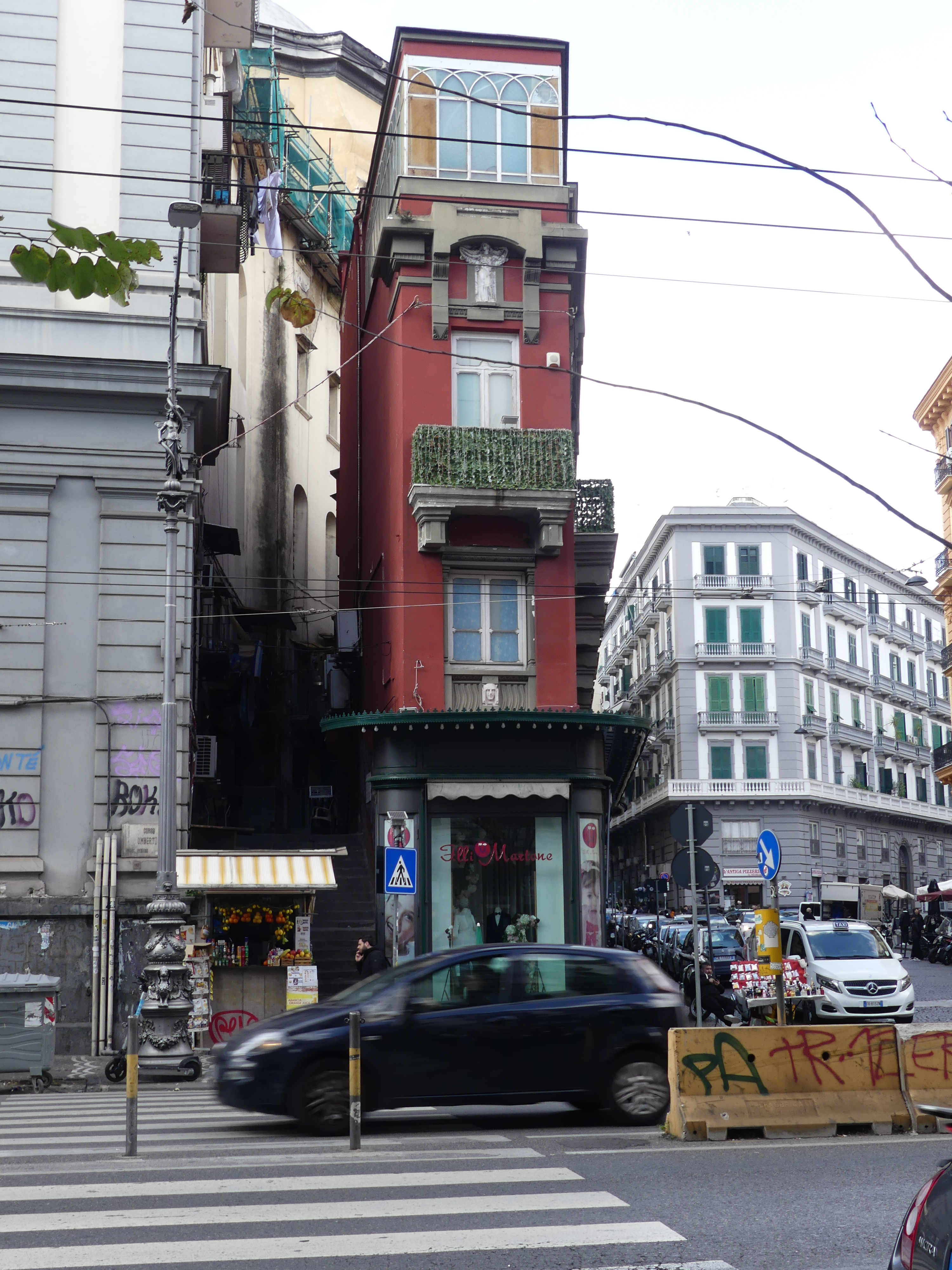
As commented about some walls being “decorated” with “street art” – we came across this portrait of a bishop – very impressive. The church however seemed to have walls collapsing into the chapel. As we made our way back to Hotel Vergilius Billia we took a different route came across an ancient gate of the city and disjointed buildings with openings and windows in odd places but still in use. Here are some photos of a narrow but long building and an ancient gate surrounded by merchants.
After having experienced the old city, we thought a visit to one of the nearby coastal towns would be interesting. We chose Sorrento and again used the train to get there. Hold onto your seat as my next blog is “THE RETIREES GO AROUND THE WORLD – NAPLES to SORRENTO”.
The Retirees Go Abroad – Amazing Pompeii and the Opera


We had decided that we would visit the ruins of Pompeii rather than the nearby Ostia Antica (which we were assured was just as impressive as Pompeii) even though it was some 3 hours by bus to get to Pompeii. Pompeii is something of legend. A Roman town destroyed by a volcano in 79AD leaving an intact record of life at that time for all generations to see.

This was a full day and we had to be at our rendezvous Enjoy Rome by 7.30am. We had on a previous day searched out the offices of Enjoy Rome and it was a good thing we did. It was located in a house near Terminii Rail station but due to a large tree the sign identifying it was obscured. It took us an hour to locate it and then identify the easiest route for our Wednesday trip. So through good planning we arrived a Terminii for breakfast and were able to make our rendezvous with 15 minutes to spare. There were 17 of us on the bus plus guide and driver. The bus trip took 3 hours broken by a stop at Monte Cassino a spot that should have been well known to the Americans with us because of the battles with the Germans during WW2 to liberate Italy and the bombing of the Abbey of Monte Cassino.

Our guide was an Ecuadorian immigrant who basically marshalled us and introduced us to our Pompeiian guide Andrew (anglicised version of his name I guess). We were equipped with radio and given strict instructions on when to return for the bus and then set free.

“The eruption of Vesuvius killed the city’s inhabitants and buried it under tons of ash. Evidence for the destruction originally came from a surviving letter by Pliny the Younger, who saw the eruption from a distance and described the death of his uncle Pliny the Elder, an admiral of the Roman fleet, who tried to rescue citizens. The site was lost for about 1,500 years until its initial rediscovery in 1599 and broader rediscovery almost 150 years later by Spanish engineer Rocque Joaquin de Alcubierre in 1748.” (Wikipedia – http://en.wikipedia.org/wiki/Pompeii)

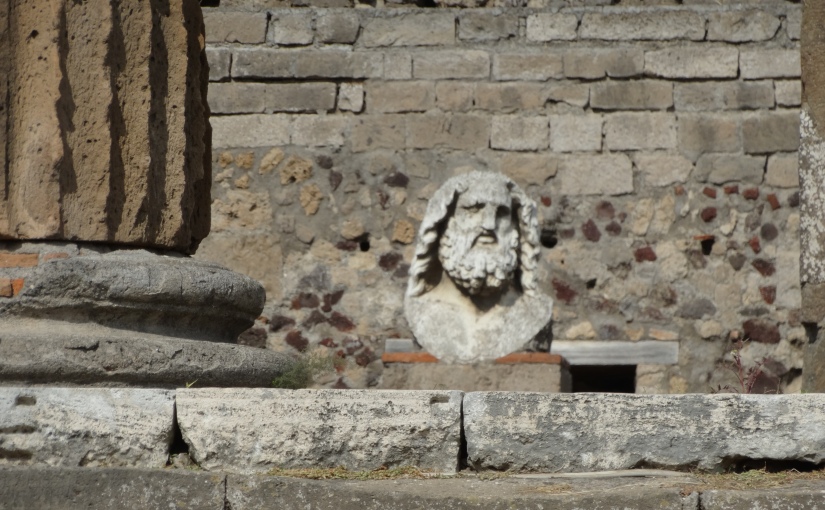
Our tour started with a short history lesson as we walked along a modern path past some of the ruins to the entry through the Gladiator Barracks (which looks more like a college square with the barracks along one side and a portico along another. Andrew was of the view that it is unlikely that Gladiators lived and trained here and that it was more likely an assembly area for the theatre and the “barracks” storerooms/prop rooms for the theatre. From here we moved into the large theatre which was remarkable as it demonstrated the transition from an auditorium with a pit to an auditorium with a pit and stage.


We exited onto an area that looked like the sort of exercise track we have today only used by Fred Flintstone (everything in stone) – running track etc. beside the ruins of a Greek (yes Greek) church. Now I may not get this exactly correct but by my reckoning this was the Temple of Isis and from there we moved onto one of the minor roads in the city to visit a “modern brothel” (modern in the sense that language was no barrier – you pointed to a picture on the wall displaying the type of transaction you wished to conduct and believe me they were all portrayed, a bit faded with time but legible). Now the sex industry must have been a big business as there were quite a few buildings dedicated to this purpose and they seemed to be landmarked by large phalluses and scrotums in stone in the footpath and walls of buildings. I was tempted to suggest Biggus Dickus was one of the proprietors, but resisted. (Since visiting Pompeii I have seen a BBC documentary on Pompeii and they put a different interpretation on the graphics on the brothel walls and the numerous phalluses around the city)

Throughout the ruins were water fountains. Our Bus guide warned us about drinking the water from these fountains but as though he knew the challenge had been made Andrew made a point of drinking form a fountain and inviting us to do likewise.

We made our way into the Forum. Andrew pointed out that this was not only the political hub of the city but the community hub as well with a temple to Zeus, a fish market, granary and store. Here we also saw the first of the human casts made by the volcanic ash. It was here that we became aware that there were 5 Aussies out of the 17 member tour and two were from Mt Gravatt.

We visited the central baths, the House of the Vettii, and the house of the Faun with Andrew. He pointed out that small business existed even then showing us a BBQ with residence attached where the proprietor would sell BBQ products (the start of the “lamb sandwich”) and the family live in one or two rooms behind. He pointed out the difference between commercial and domestic dwellings and the “green” credentials of the houses each with their own cistern for catching rain water. The House of the Faun is the largest of the homes in Pompeii, built during the 2 nd. century BC, and most impressive private residences in Pompeii. It is one of the most luxurious aristocratic houses from the Roman republic, and reflects this period better than most archaeological evidence found even in Rome itself The House of the Faun was named for the bronze statue of the dancing faun located, on a basin for catching rainwater. It also has many features such as floor murals and decorations to establish its opulence. (The BBC programme challenged this also showing an even grander ruin)

The baths were also fascinating as they showed just how ingenious these people were at finding solutions to providing services much the same as we enjoy today. They also had an understanding of “feng shui” with how they designed their living spaces. For instance in one house the largest room was a type of family room which encompassed dining and relaxation whilst the bedrooms were functional – just for sleeping. There were centre courts for light breeze and catching rain for the water cistern. (The BBC presenter made the point that there were no drains in the baths and that the water, although hot, was probably rancid with piss and sweat)

Although this tour was for two and one half hours, time passed very quickly and we found ourselves outside a renovated building (probably the only one) turned into a modern café and rest room. Andrew gave instructions to those hearty individuals who wanted to explore more on their own and bid us adieu.

Although the roads were paved time had made them fairly rough. The uneven roads, the heat of the day and the tedium of looking at piles of stone meant we did not seek to go beyond where tourists go but rather to look in more detail at things we had seen with Andrew. We went back to the forum and made our own way through the Temples of Jupiter, Apollo, and Venus down to Marina Gate. Here we ended our tour of the ruins and made our way to the Hotel Vittoria for a cup of coffee and a chat with our Australian comrades.

With the return of the bus we boarded for the return journey. Again we stopped at Monte Cassino and our bus tour guide relayed the story about the bombing of the Abbey. This was the site of 4 major battles both to liberate Italy but also to tie up German resources for the D Day landings. There were Americans, British, Ghurkha, New Zealand, Free French and Moroccan troops involved and the bombing of the Abbey turned out to be a complete blunder. The allies thought the Germans were using the Abbey for spotting when in fact they were not. The Allies sent over 140 planes to bomb the crap out of the Abbey which they did and then the German’s occupied the bombed site. There were 4 battles to push Hitler’s Tenth Army back to Rome.

After this stop we settled in for the journey home during which Kerry spotted some interesting buildings and monuments snapping pictures on the way.

Finally home around 9.00pm and the lights of the Jolly Pizza were still burning. Another enjoyable repast and off to bed. I have the early signs of a cold and we know that tomorrow we go to the opera returning home around 11.00 o’clock and having to get up at 5.00 am for an early start to the airport.

Next day was spent relaxing in our hotel room until late in the afternoon when we travelled into Terminii to visit Museo Nazionale Romano – Palazzo Massimo (closed Mondays). After having visited Pompeii this was dramatic with statuary, jewellery, frescos and architecture from that time. Well worth the visit and it closes later in the evening so no excuses for not going. If you cannot visit then visit the web site: http://archeoroma.beniculturali.it/en/museums/national-roman-museum-palazzo-massimo-alle-terme.

After the museum we went to the Teatro Dell’Opera Di Roma. Now I am not a fan of the opera but I do enjoy certain arias sung well. This was a performance of Rigoletto by some of the current best in Italy and was best quality. I was not feeling like being at the Opera but the performance was certainly worthwhile. I suggest that before visiting any opera that you research the story otherwise you will be lost in all the theatrics.

So ends the tale of our visit to Rome. We arrived home safely and the journey by bus was quite tolerable – better than 4 times the cost by taxi; we are pensioners now.

Go back

Your message has been sent

Warning
Warning
Warning
Warning

Warning.