THE RETIREES GO AROUND THE WORLD – SUTTON HOO UK to CARDIFF WALES – CAERLEON.

We had heard about some Roman ruins just outside of Cardiff and the Museum – “Roman Legionary Museum”. We have visited Rome and roman ruins in Rome, Verona, Pizza and Cesi and Carsulae outside Terni Italy plus Hadrian’s Wall and Littlecote Roman Villa in Wiltshire, so we were not expecting to be surprised but we were.

The town is a pretty Welsh village. Entry is gained through a single lane bridge, and the main street is clean and interesting. After parking in front of the site of the Roman Bath House at the back of a very popular local pub, we strolled through the village waiting for the building to open.

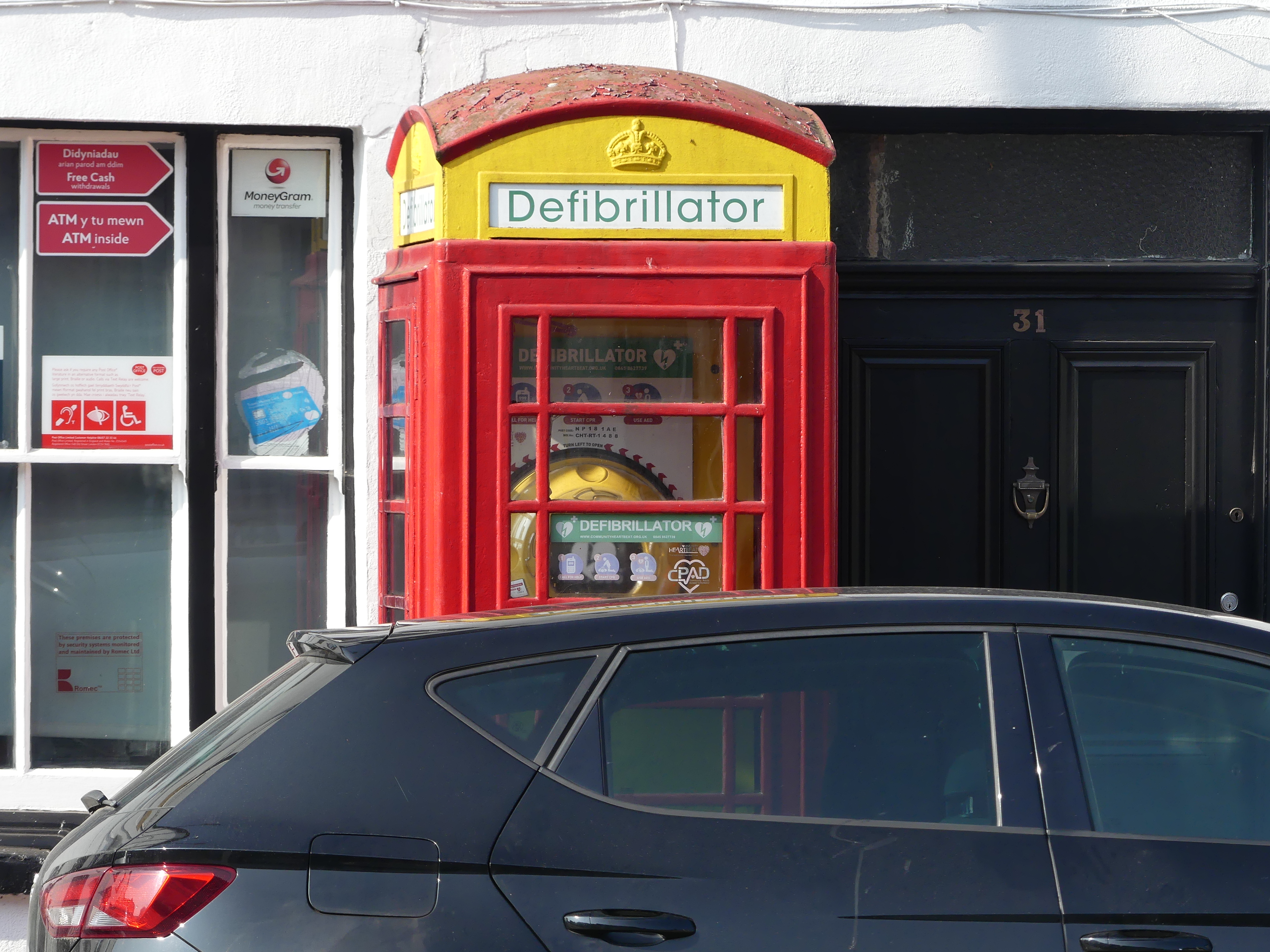
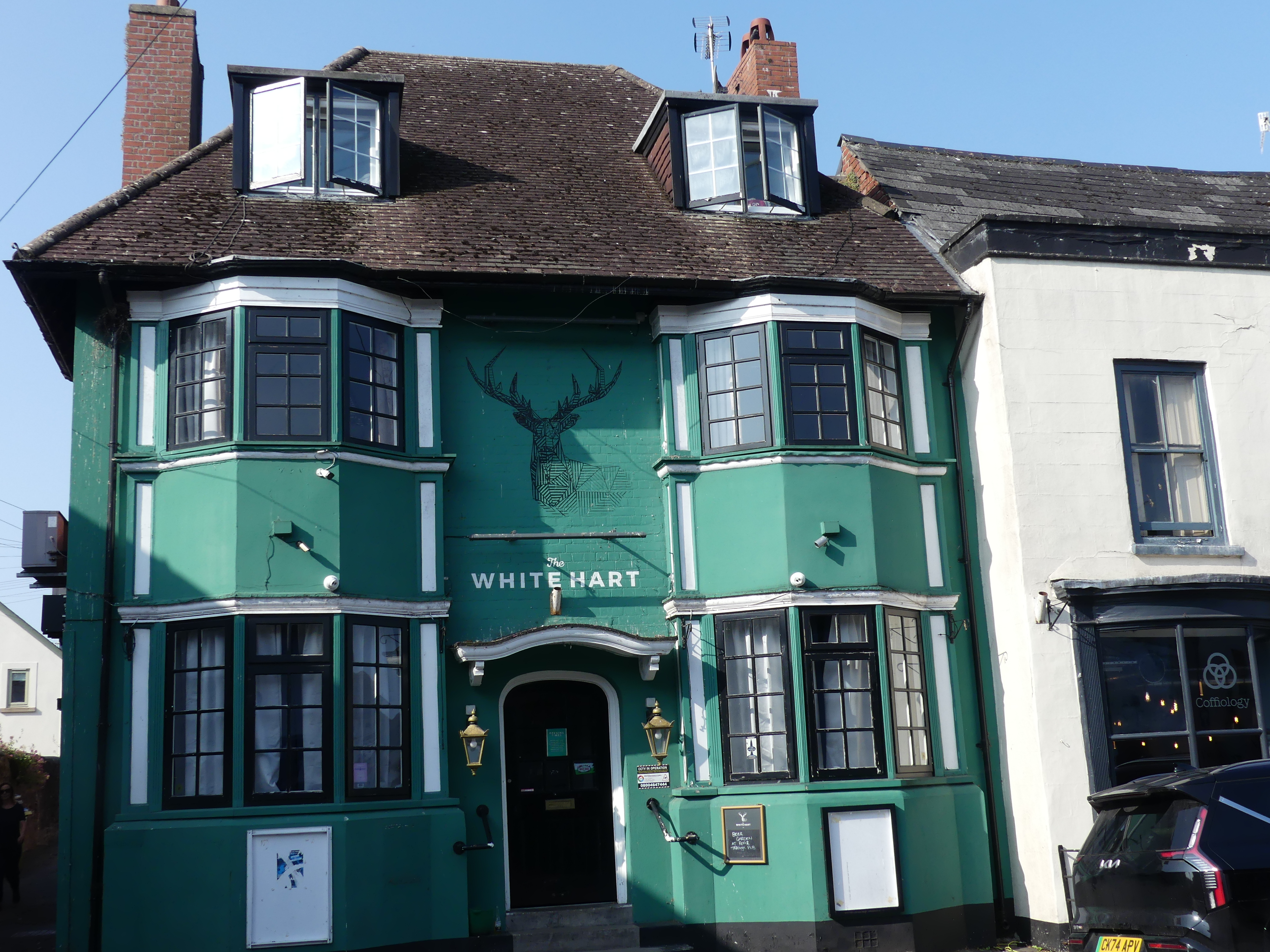
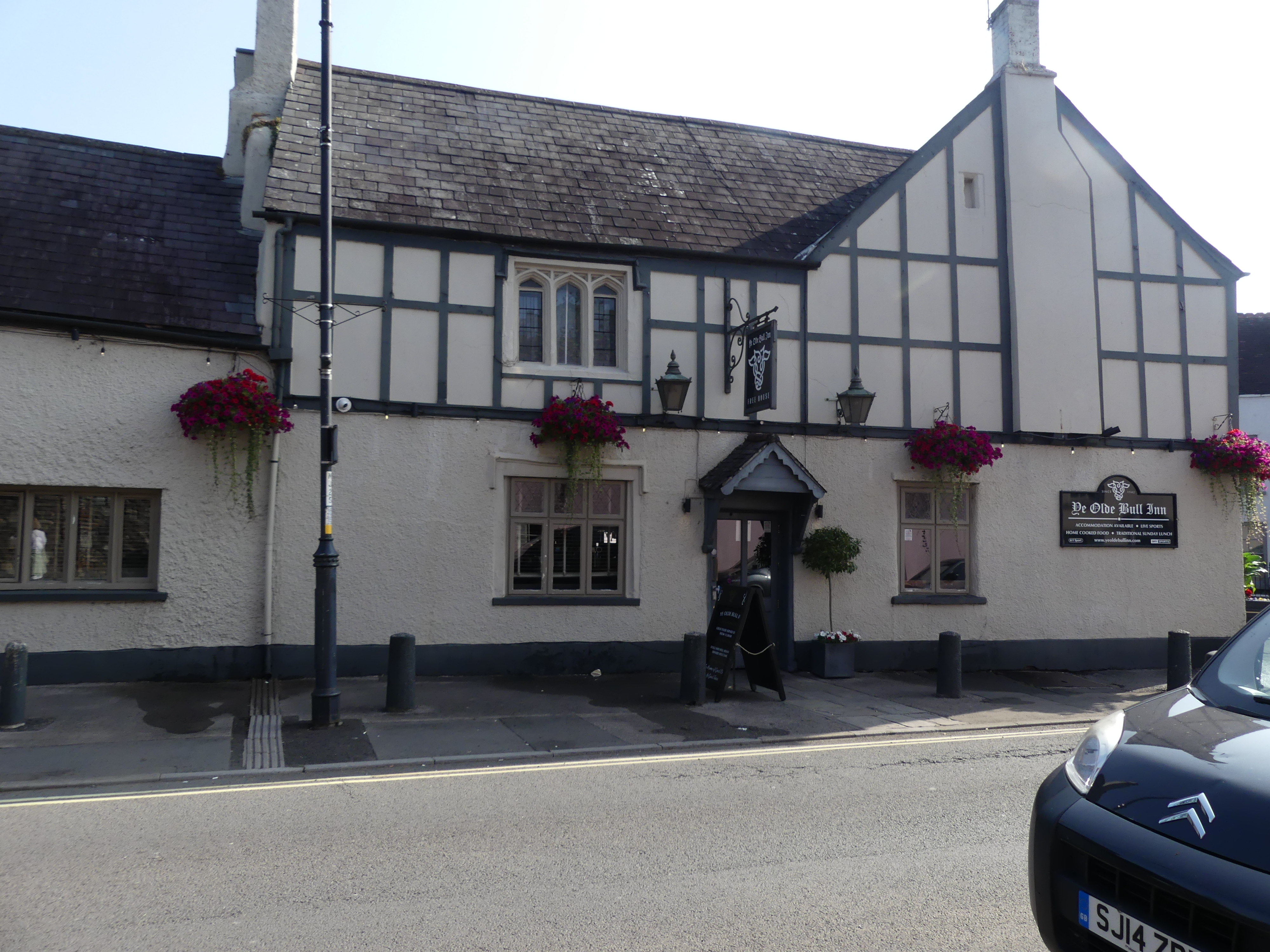
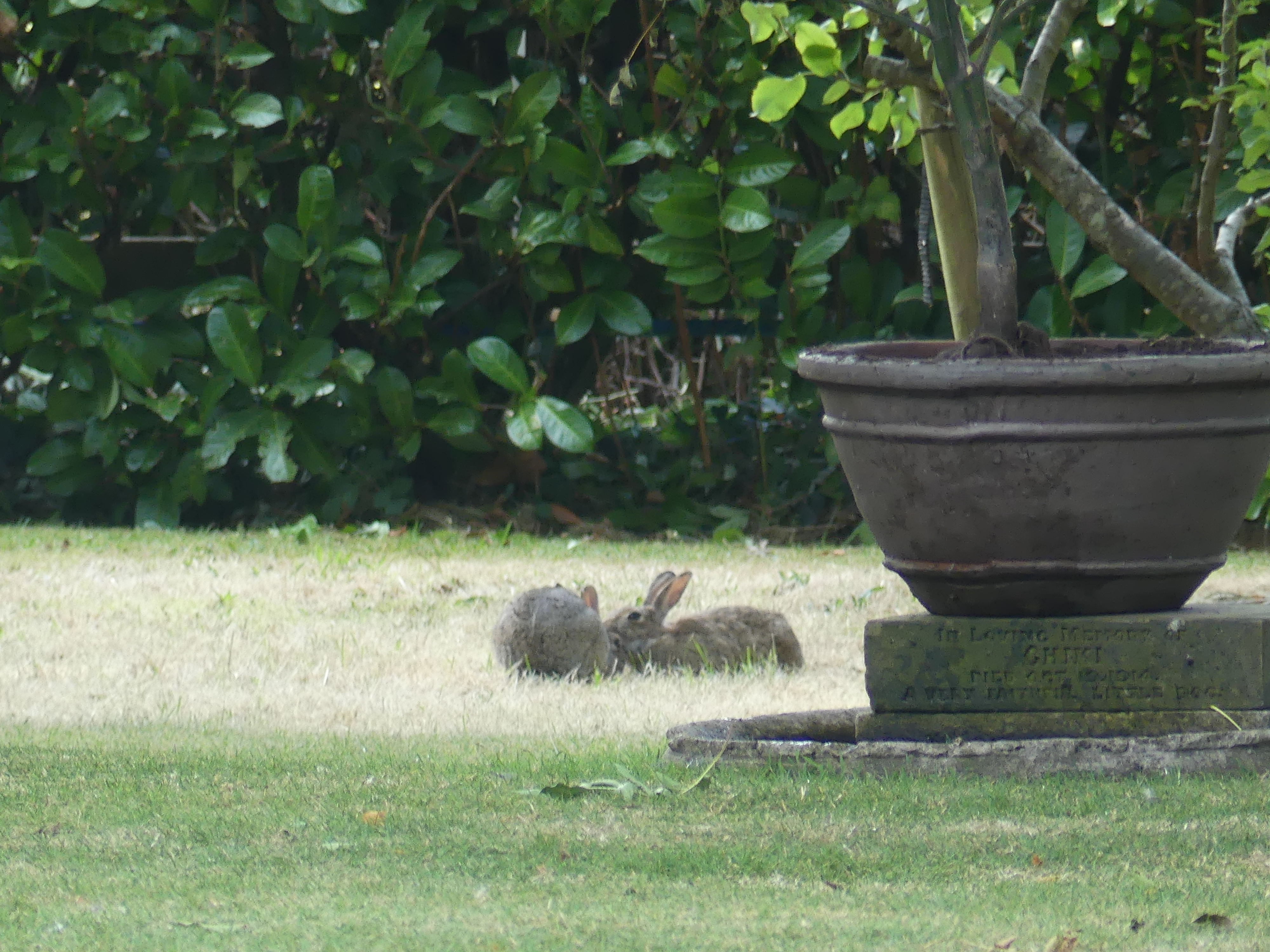
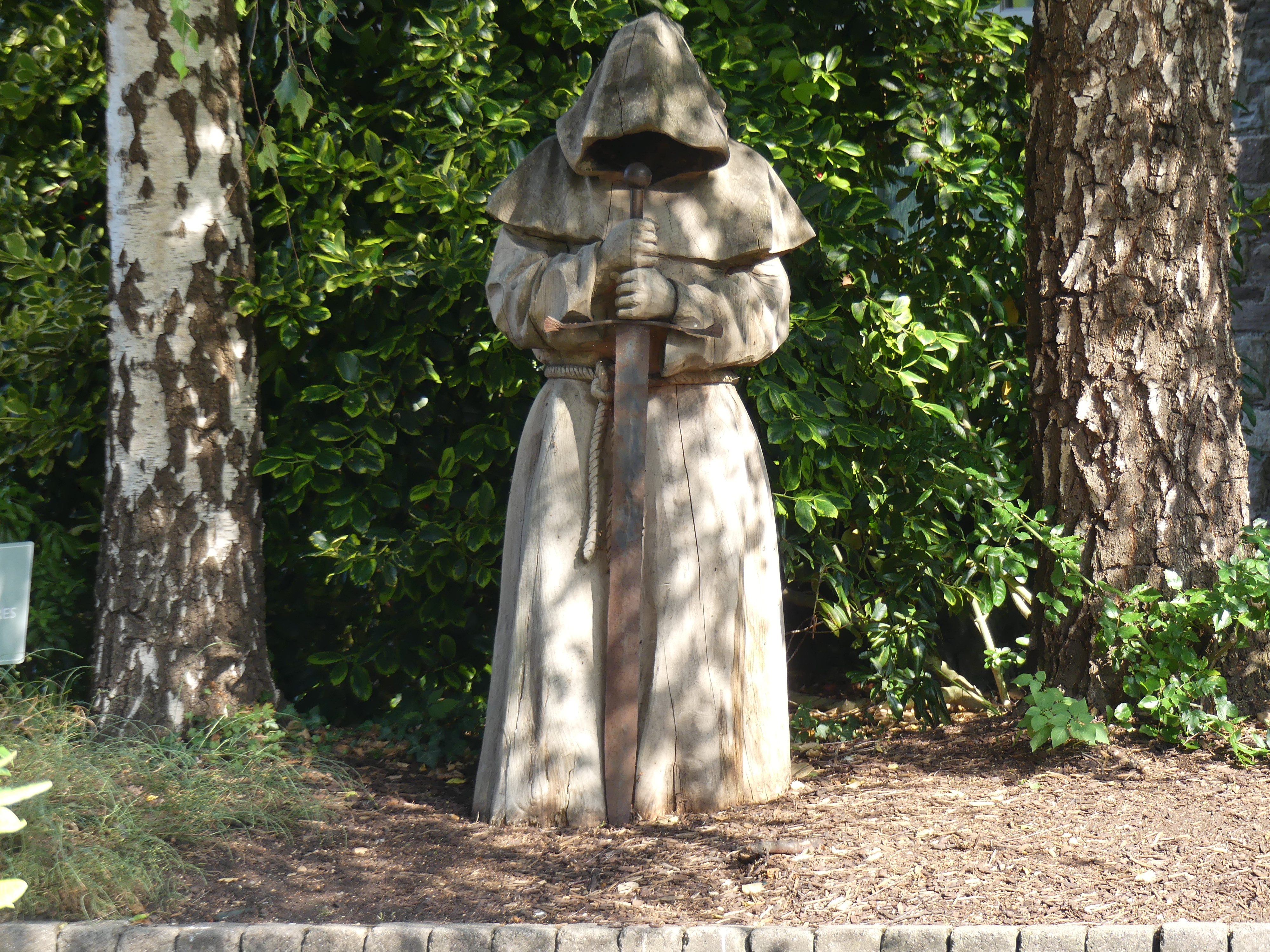
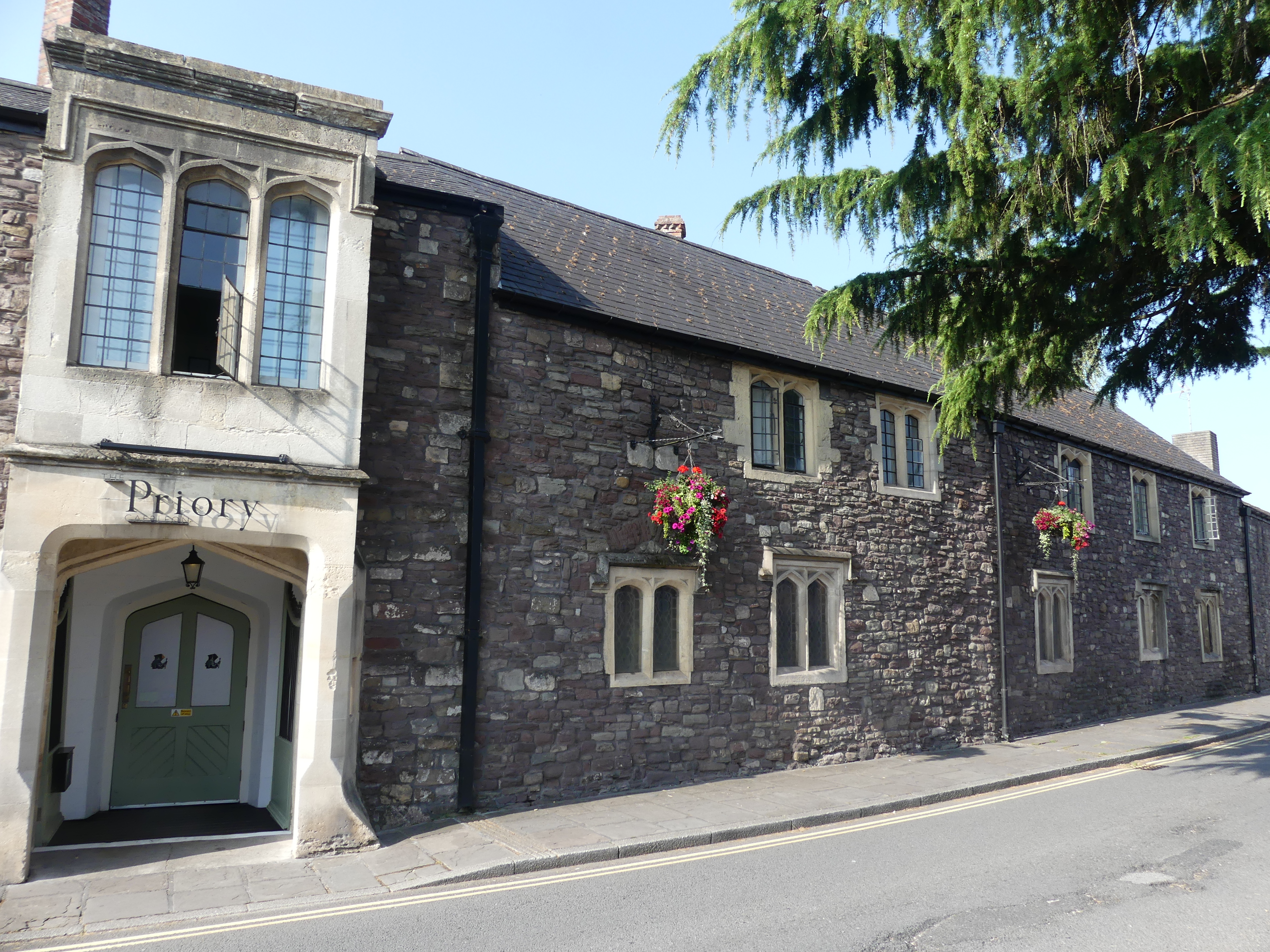
The pictures below take you on that stroll. First is the Priory – now an accommodation hotel but retaining the features of the former Priory with a pair of hares in the back yard. There are some interest wood carvings of a forest gnome, a priory student in cloche and priory guardian. Then there is the pub, a reused telephone box to house a defibrillator, a pretty pub, and the museum entrance.
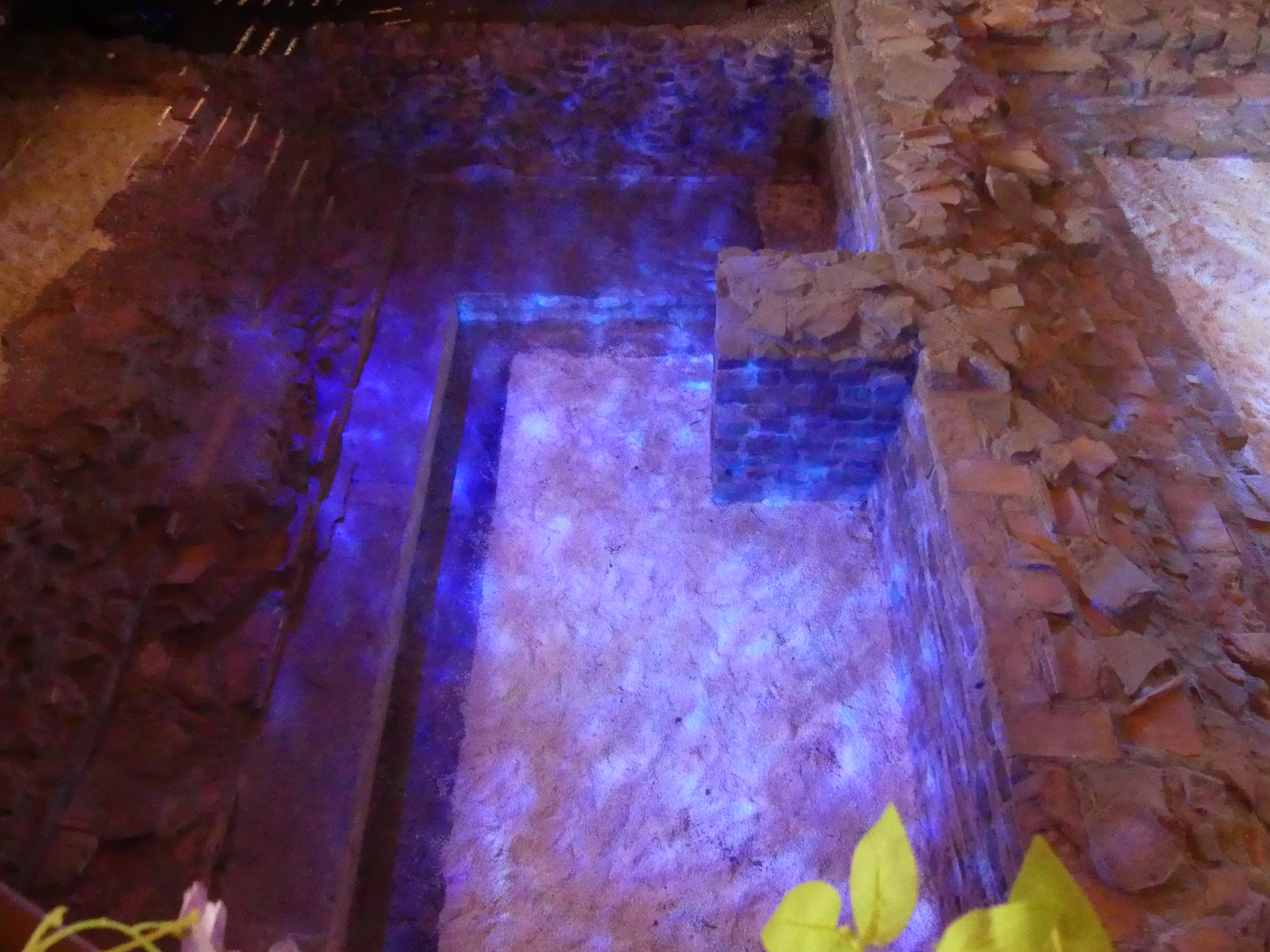
The site is the location of the main Roman legion and fort for the subjugation of the Welsh tribes. Life at the edge of the Roman Empire could be short, hard and dangerous so this fort provided the legionaries a place for rest and relaxation, and it was also their barracks. I have included two of the pages from a comic book containing images of the likely appearance of the building, the interior of the enclosed pools, and the garrison. The baths comprised the hot room (“caldarium”), the warm room (“tepidarium”) and the cold room (“frigidarium”) – you can see the English words in the Latin description.

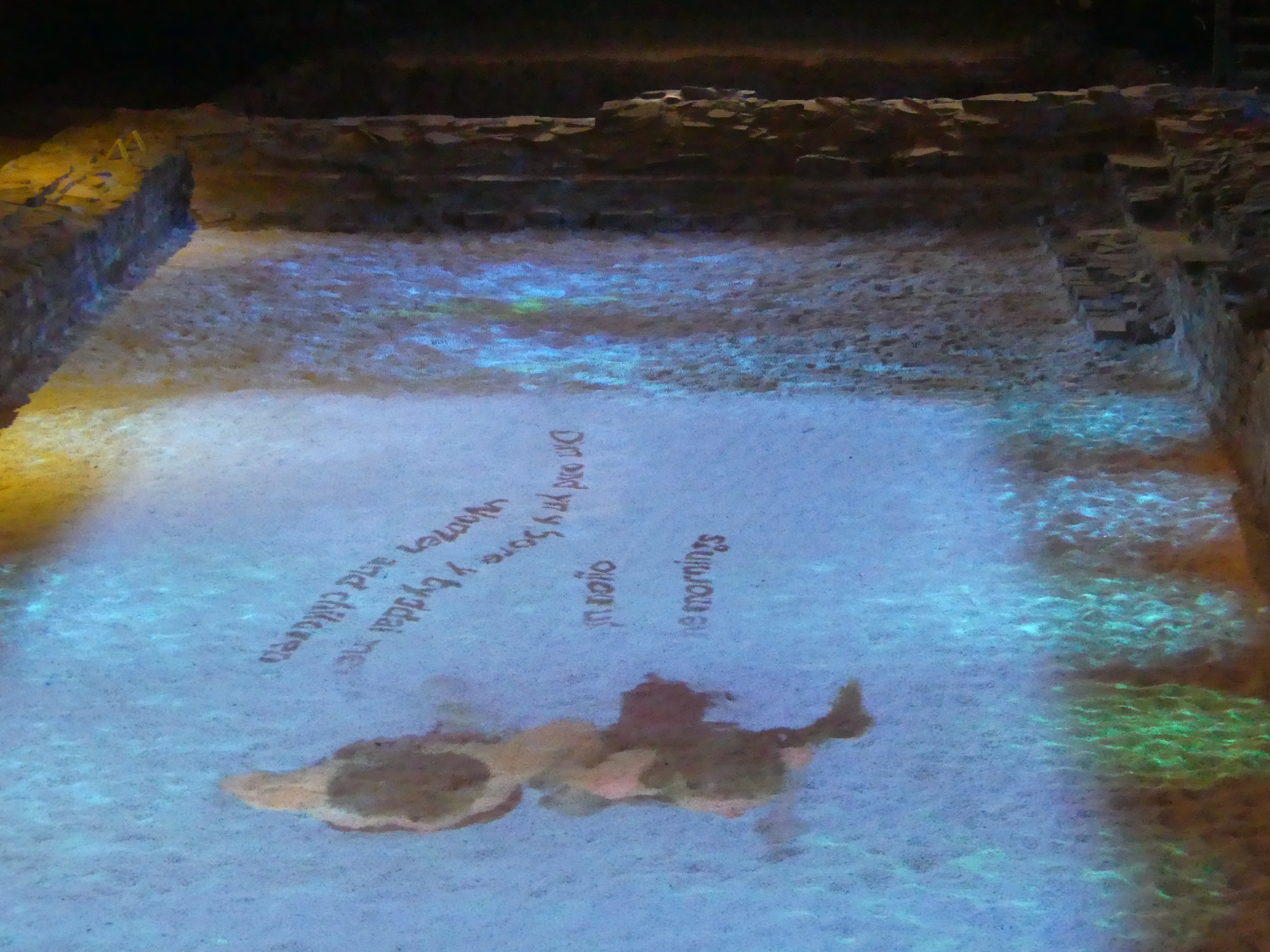
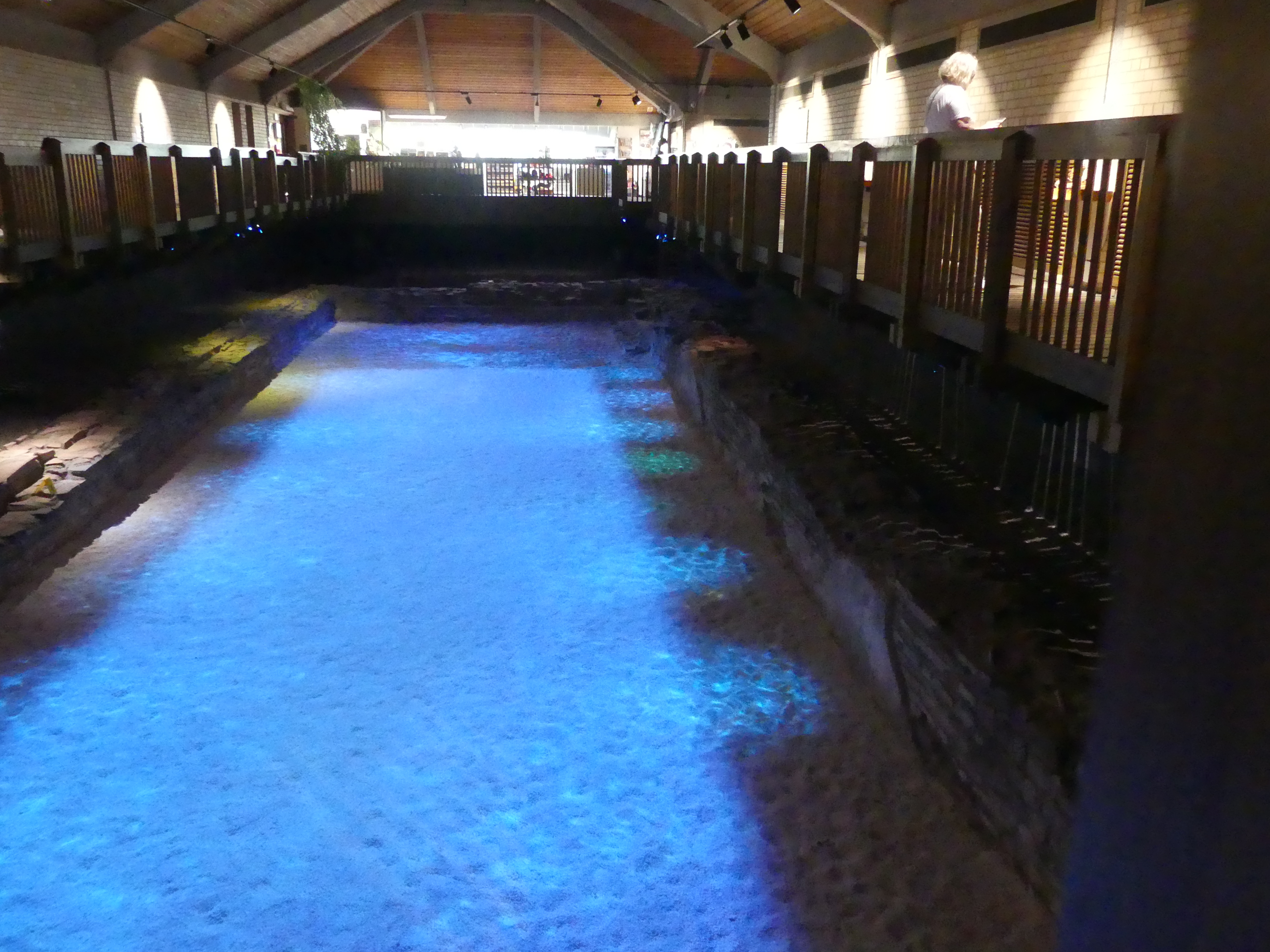
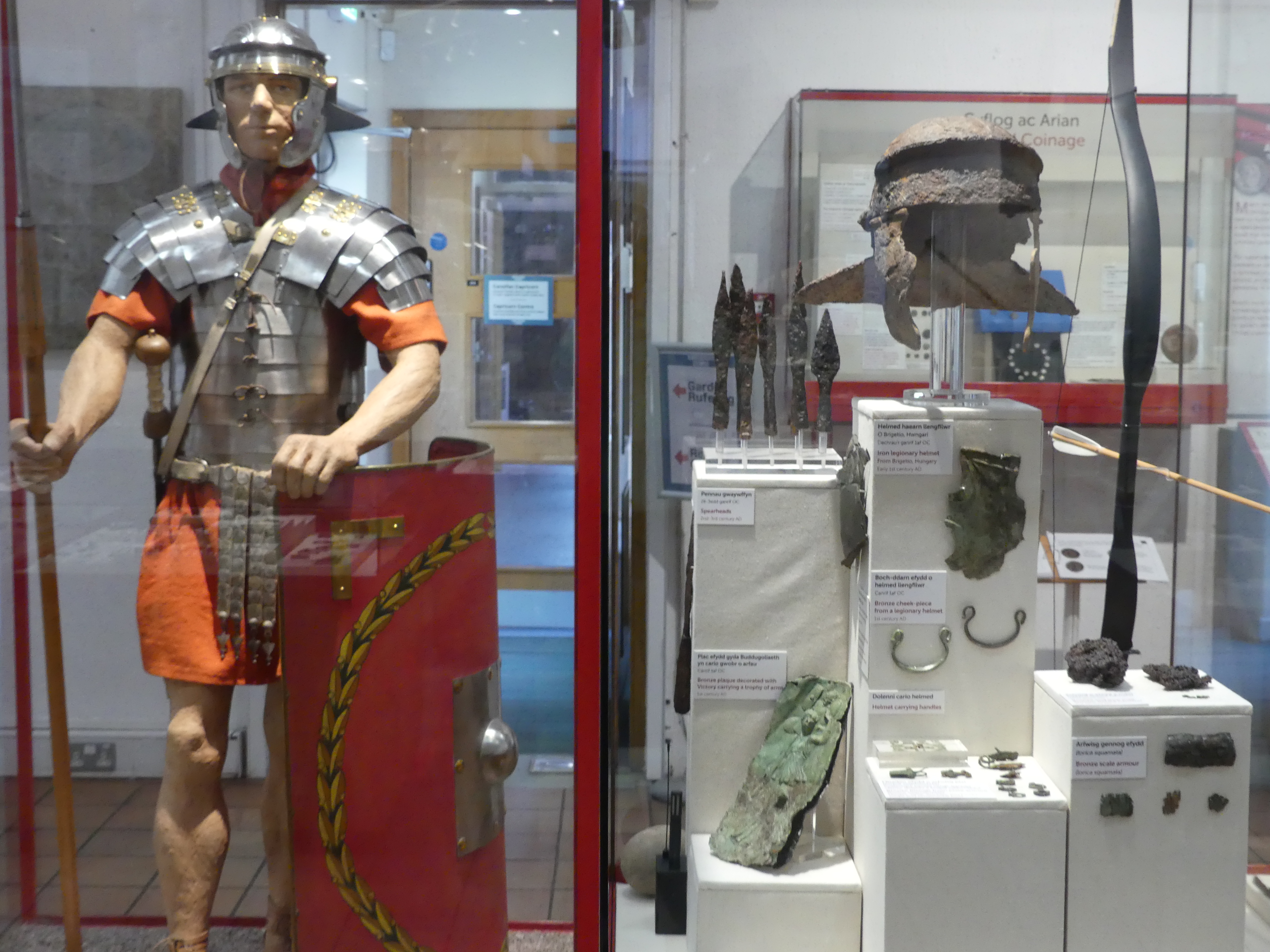
The pictures of the bathes with imagery of soldiers relaxing and using the spa follow. Photos of the replicas displayed in the Exhibition Hall are below.

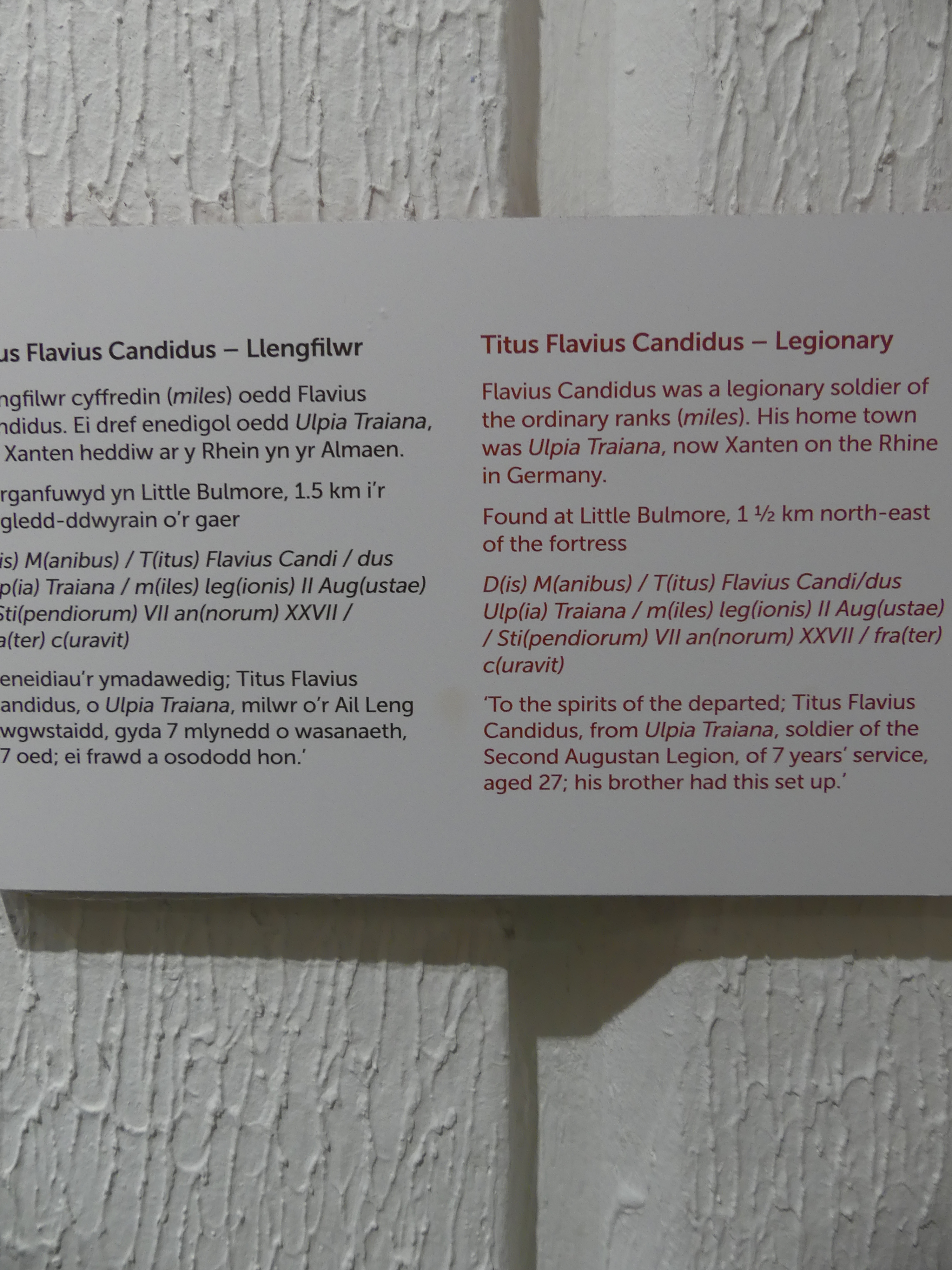
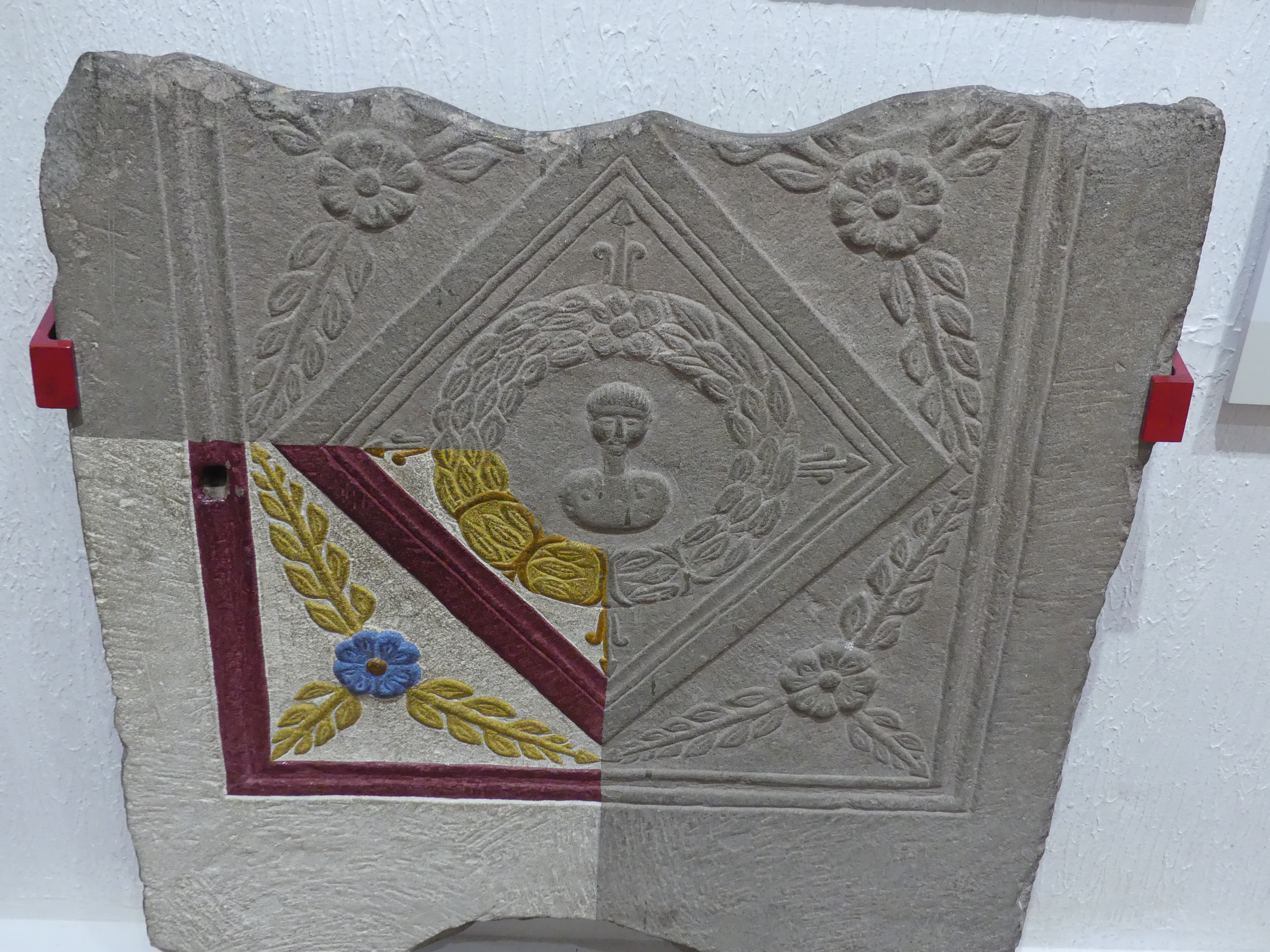
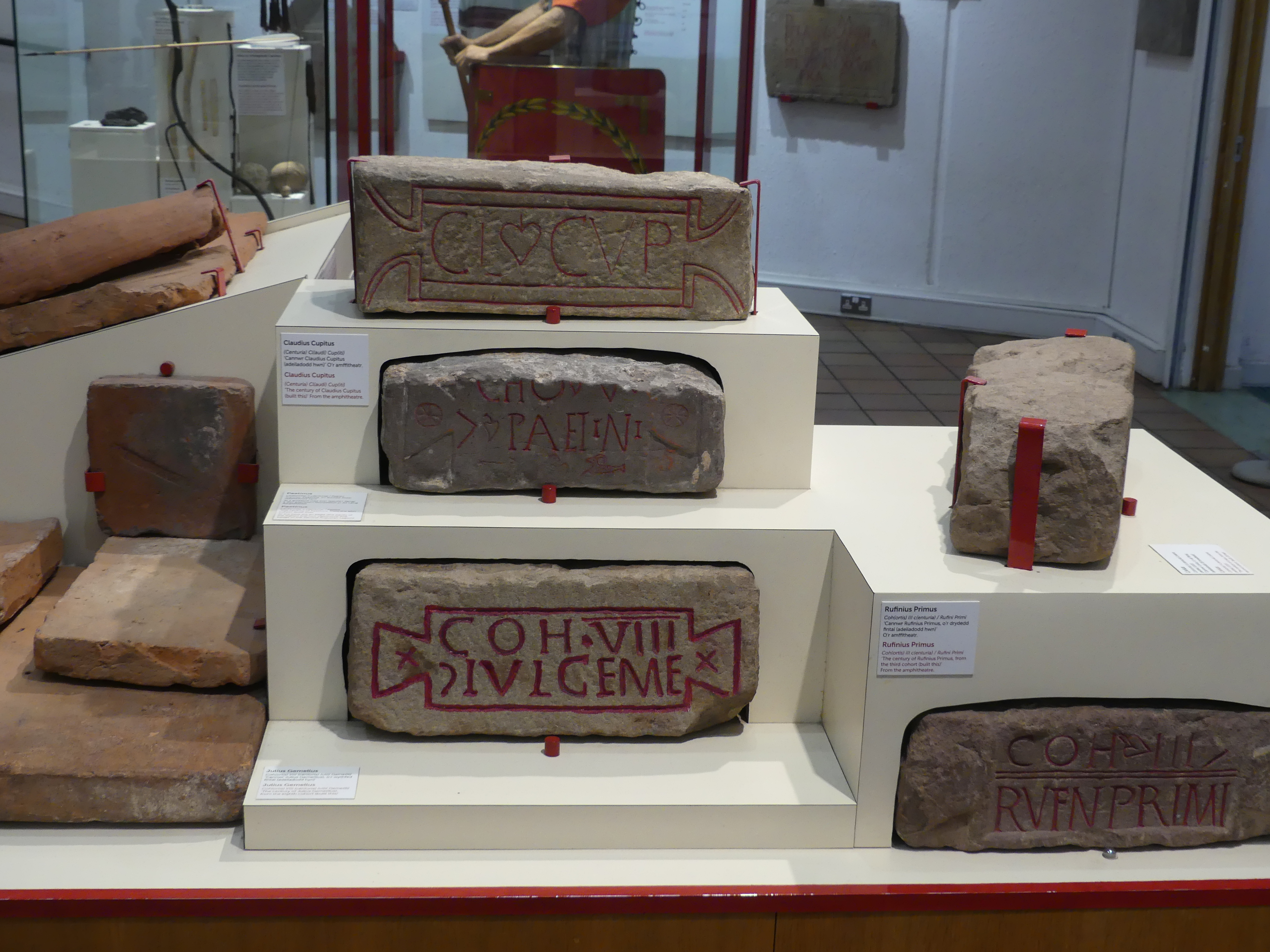
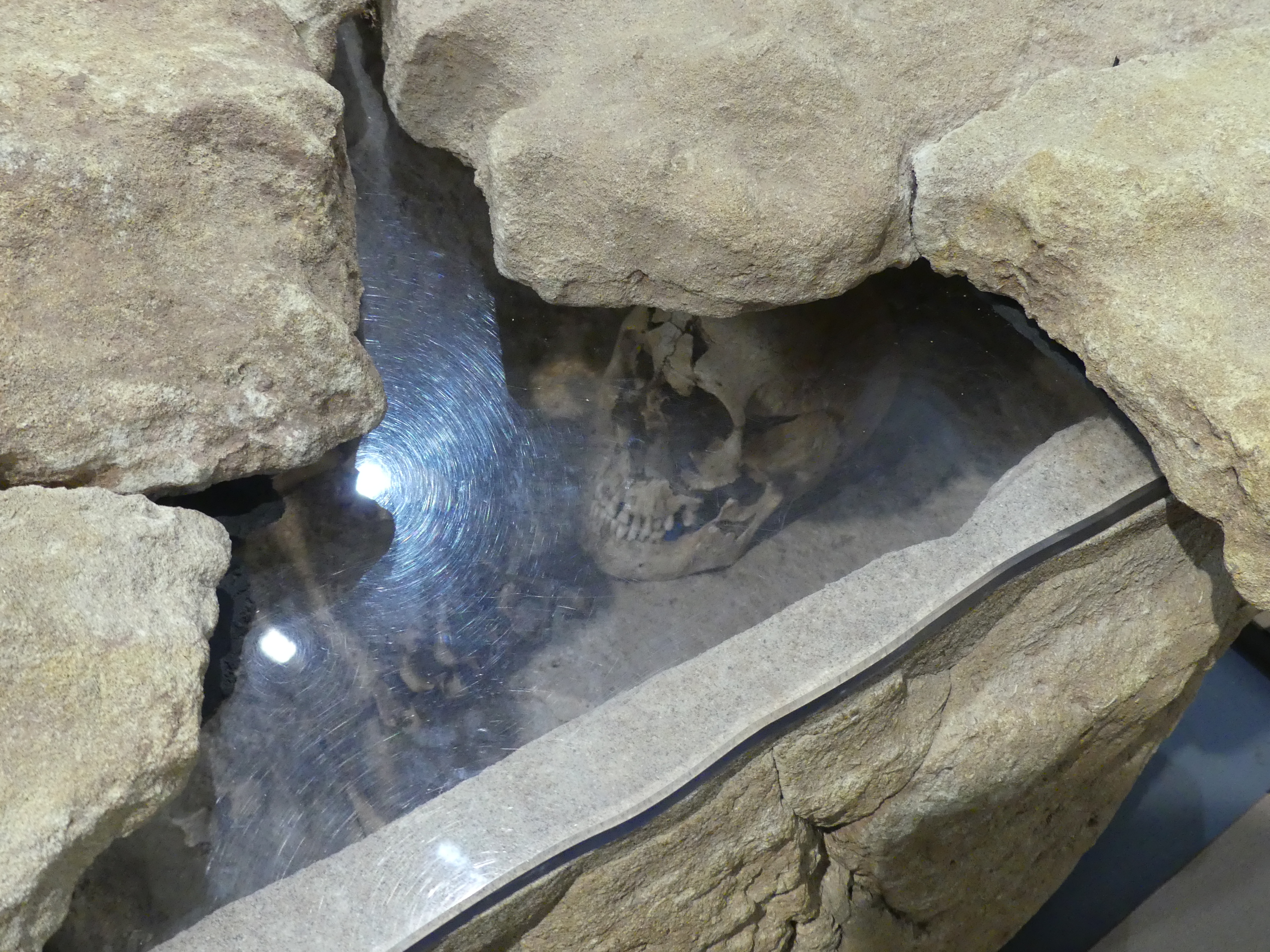
Our entry fee included a visit to the museum. I have included photos of some of the exhibits. The building materials surprised me – properly design pipes and building blocks. They also had the epithets or headstones of graves and cremations.  A stone casket. Partially restored tiles exhibited the beauty of the decorations.

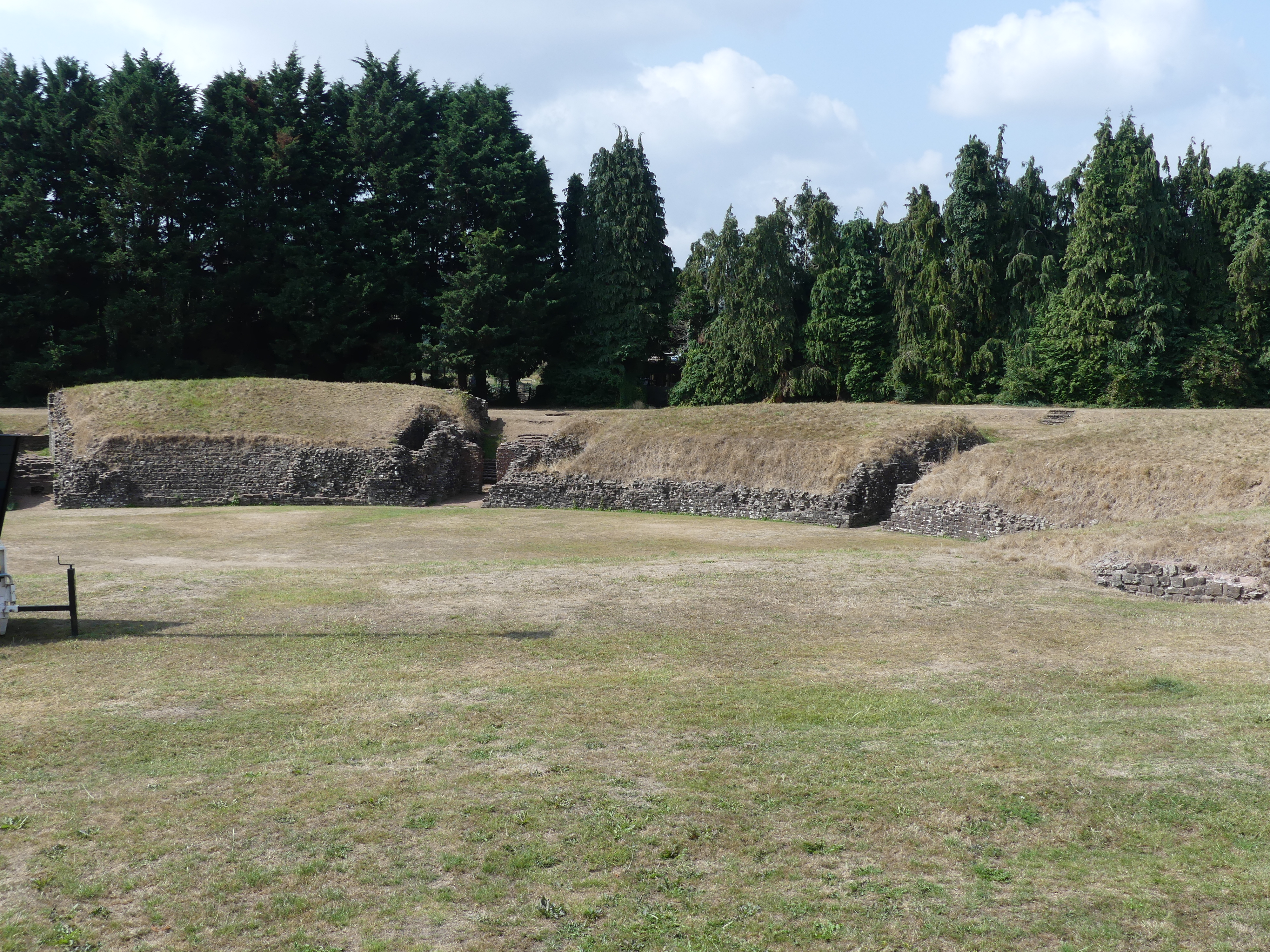
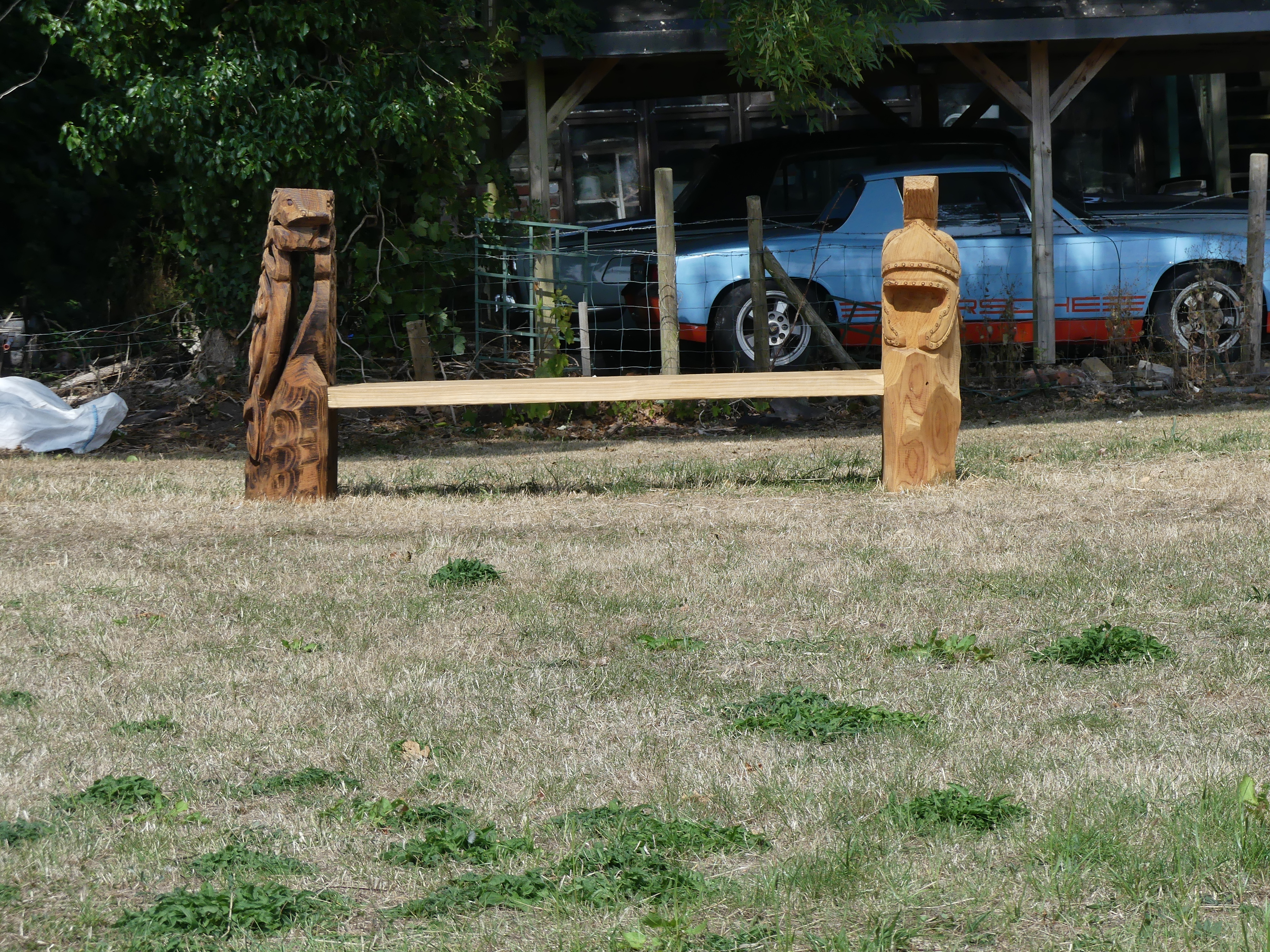
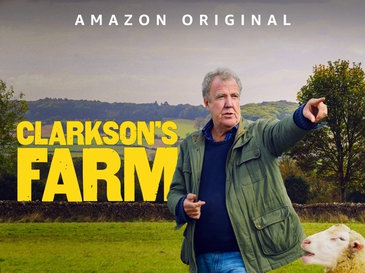
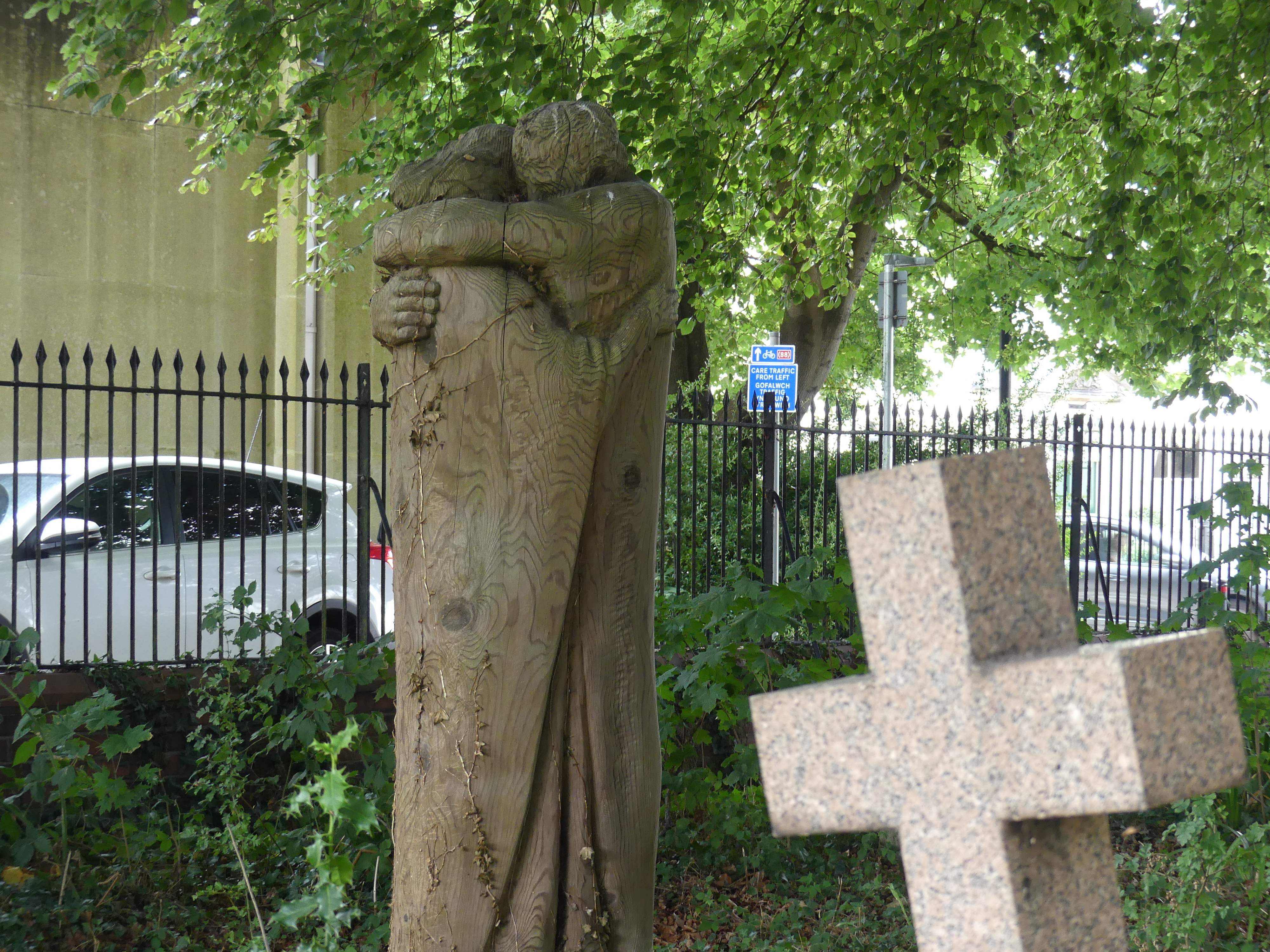
We stopped at the Bull Inn for lunch and encountered Jeremy Clarkson and his farm products. Other things of interest appear in the following photos. St Cadocs’ Church and graveyard. The remains of the Roman amphitheatre and the carvings in the park. An annual event in the village produces these wonderful carvings.
Returning to Cardiff, Kerry, being ever thoughtful, thought she had found another castle – Castle Hensol. We used the GPS in our car and the postcodes for the destination to find everything and it worked perfectly, even on this occasion.  Time brings about change and so it was with Castle Hensol. It was now the centre piece of a gated residential development and golf course. The wine tasting that the advertising had promised had led us on a wild goose chase. After a lot of guessing we found our way only to be disappointed. We needed a booking.

That ends another chapter in our around the world adventure. So, watch out for my next blog on THE RETIREES GO AROUND THE WORLD – CARDIFF to PEMBROKE WALES WEOBLEY CASTLE and KIDWELLY CASTLE.
“THE RETIREES GO AROUND THE WORLD – ” CESI and TERNI”

Cesi

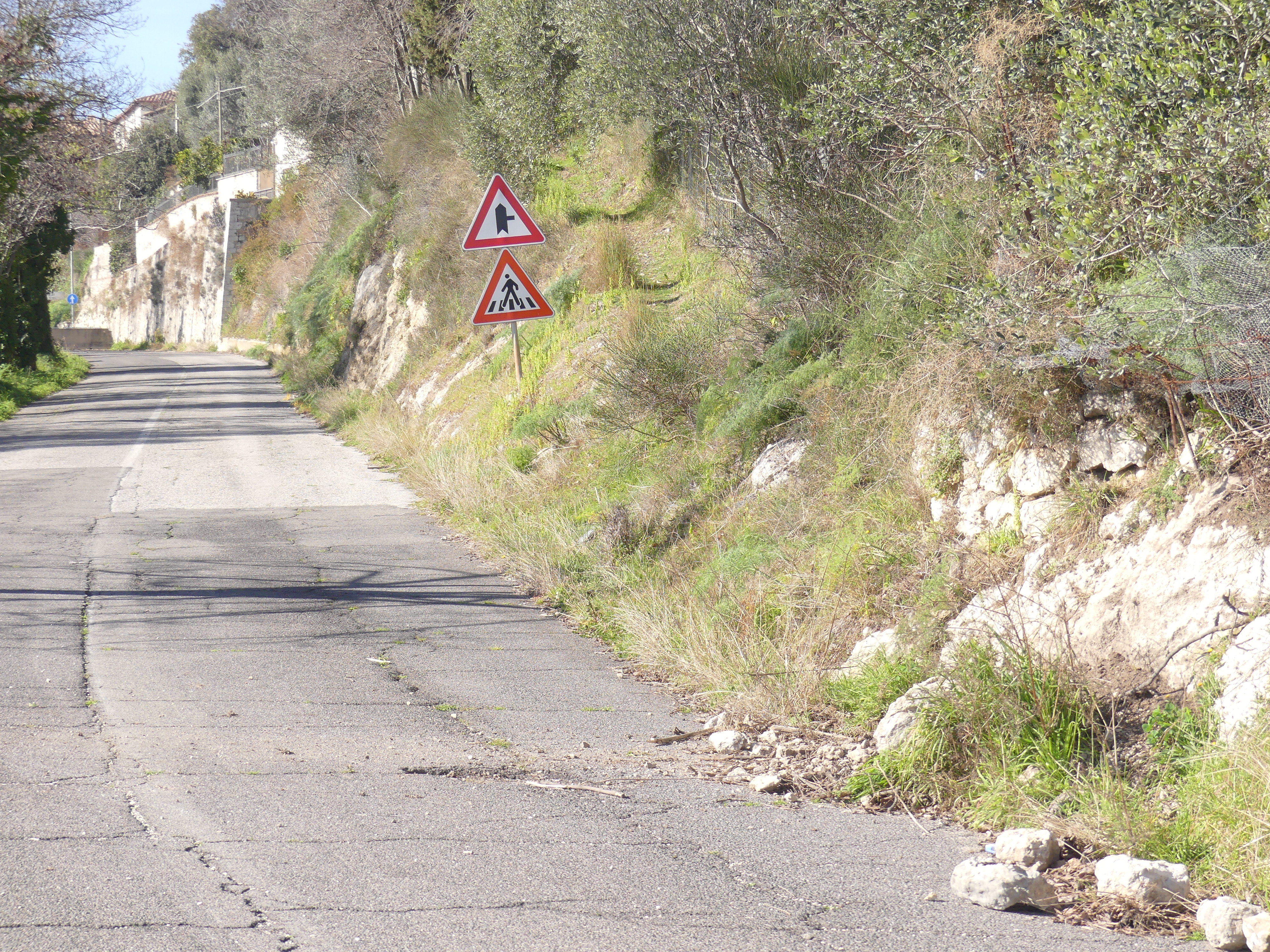
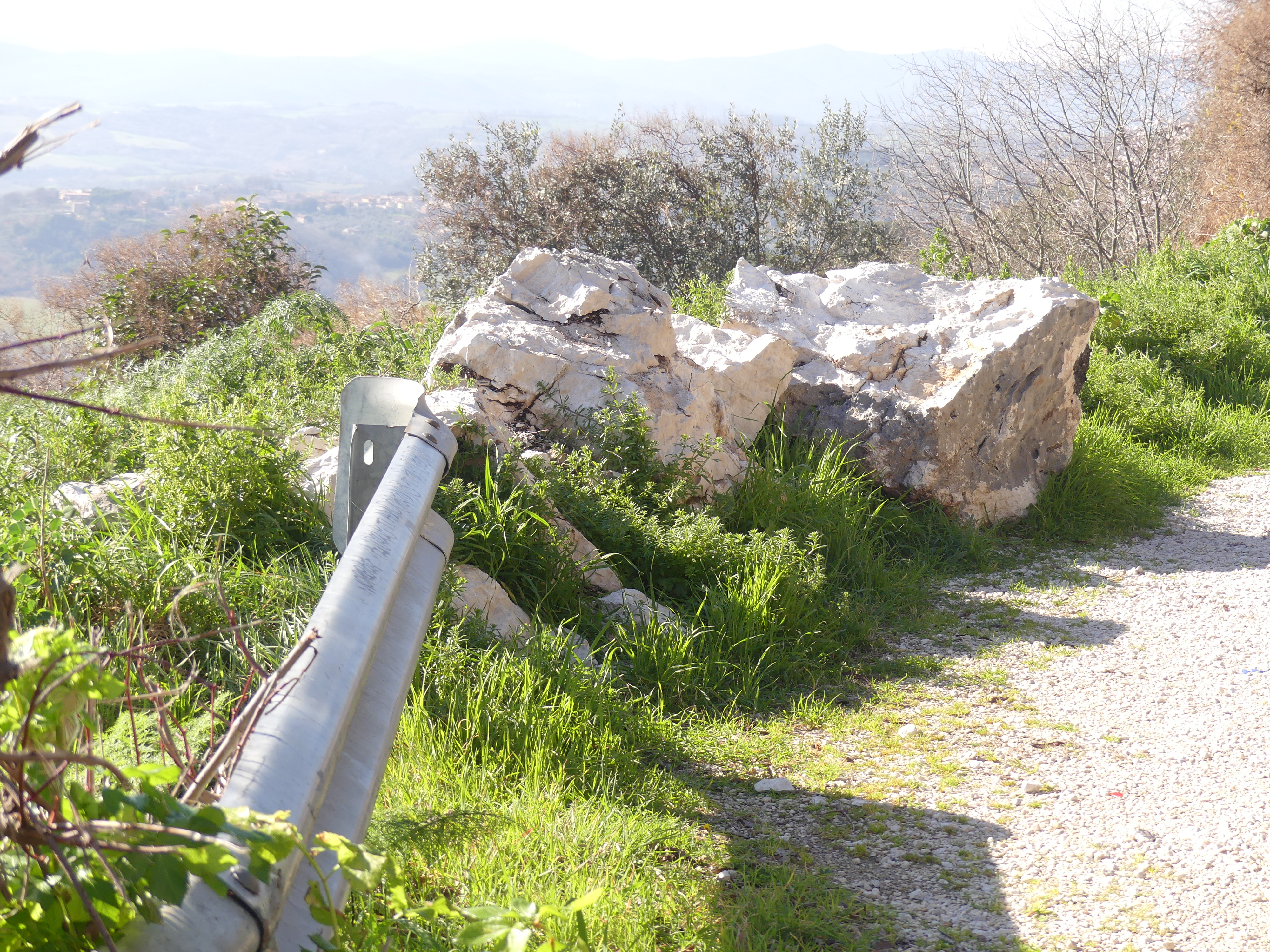
Our trip continued the next day with a train ride to Terni and a stay with Robert in the village of Cesi an ancient village 400 metres above Terni. Things had changed in Cesi (Cesi formerly the site of Clusiolum) is dated back to 6th century BCE. A land slide had closed off the main road up the mountain, so the usual bus was not traveling the road but the ever resourceful Robert made other arrangements with a community bus to give us a lift from Terni to Cesi on the pretext I was an invalid and so my wearing the appropriate neck brace validated his story for the need of the community bus. Our plan was to spend about 5 days in and around Cesi and then to visit Bari and Naples by train with excursions by train to the villages nearby.
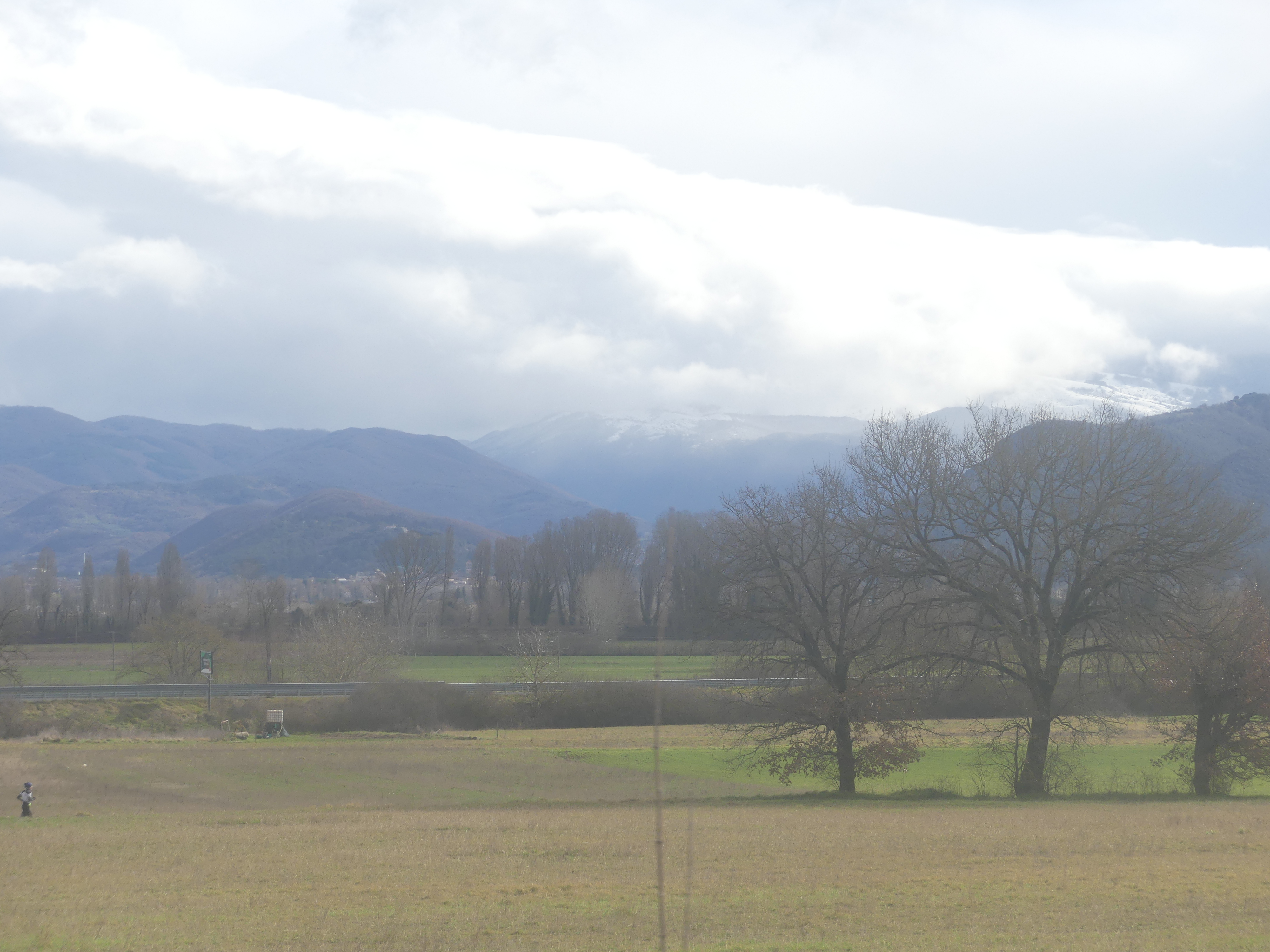
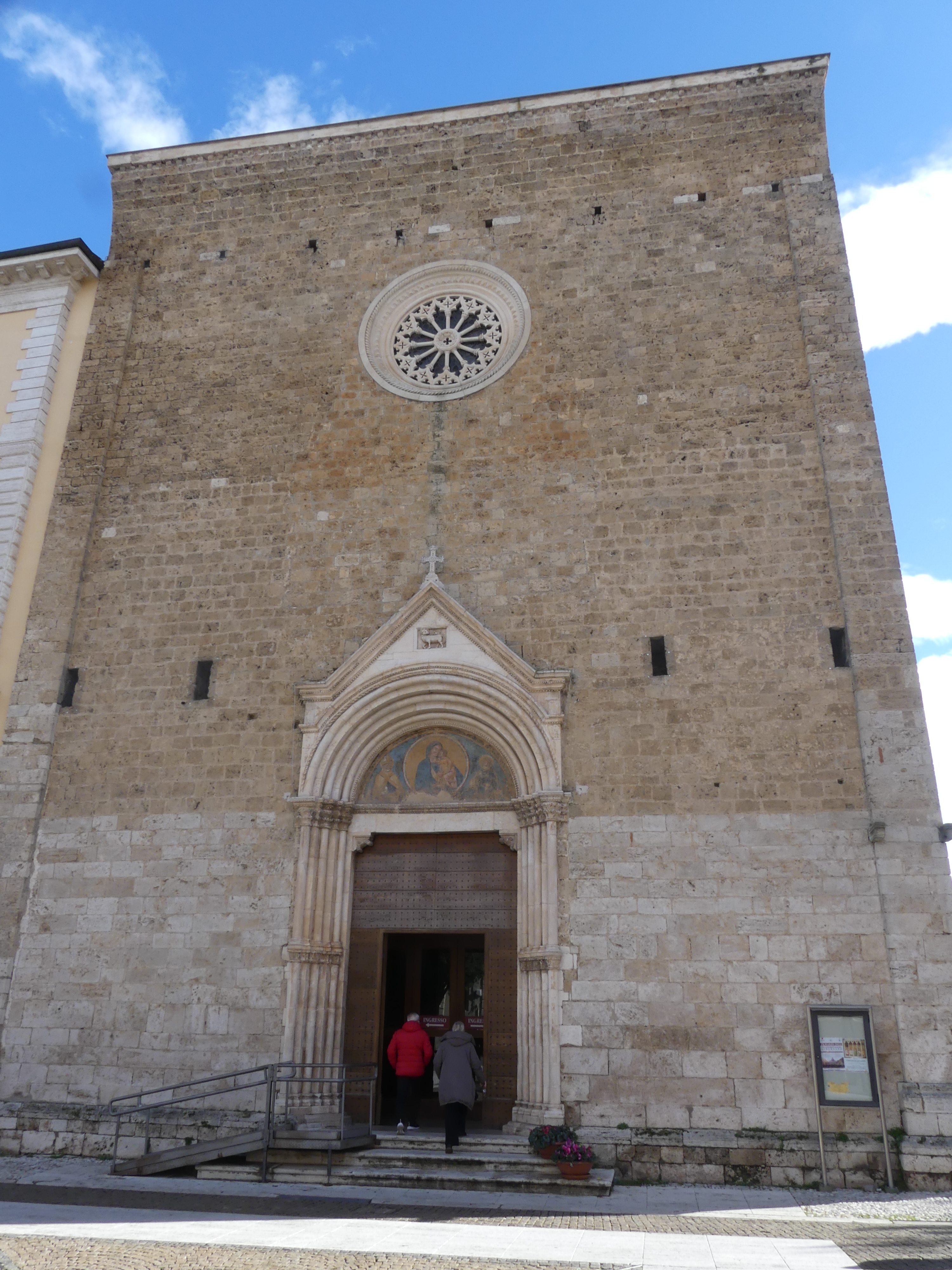
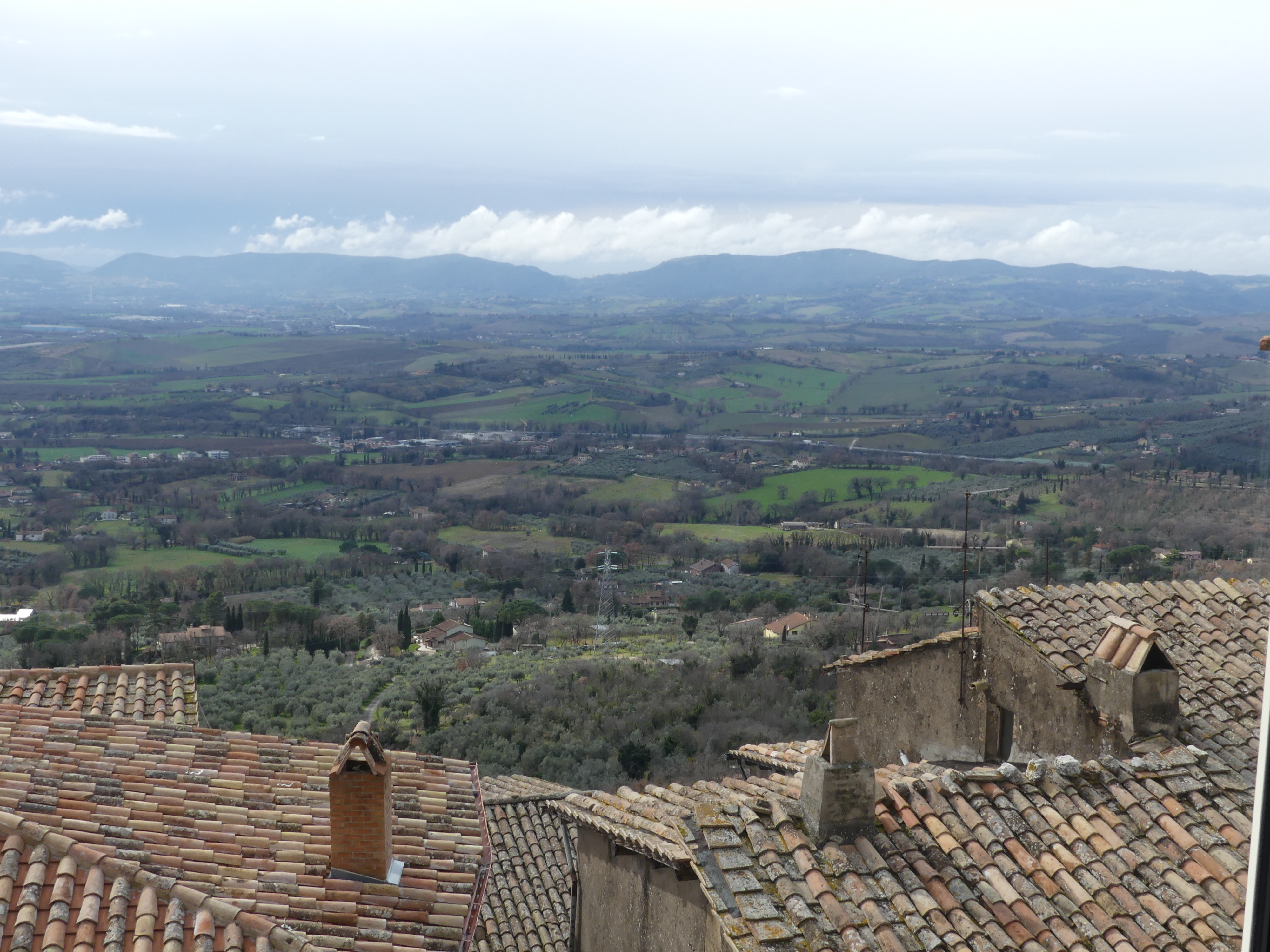
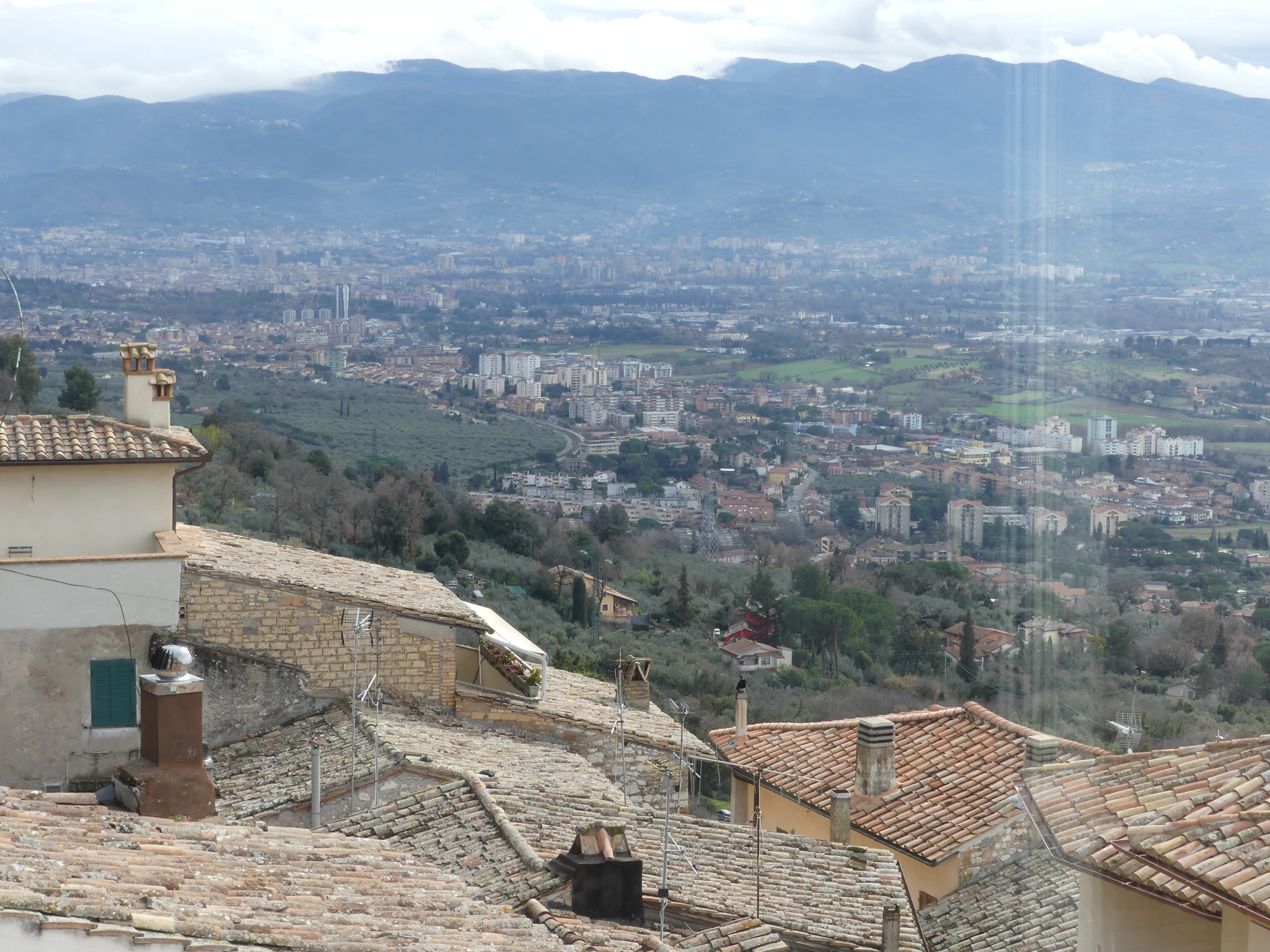
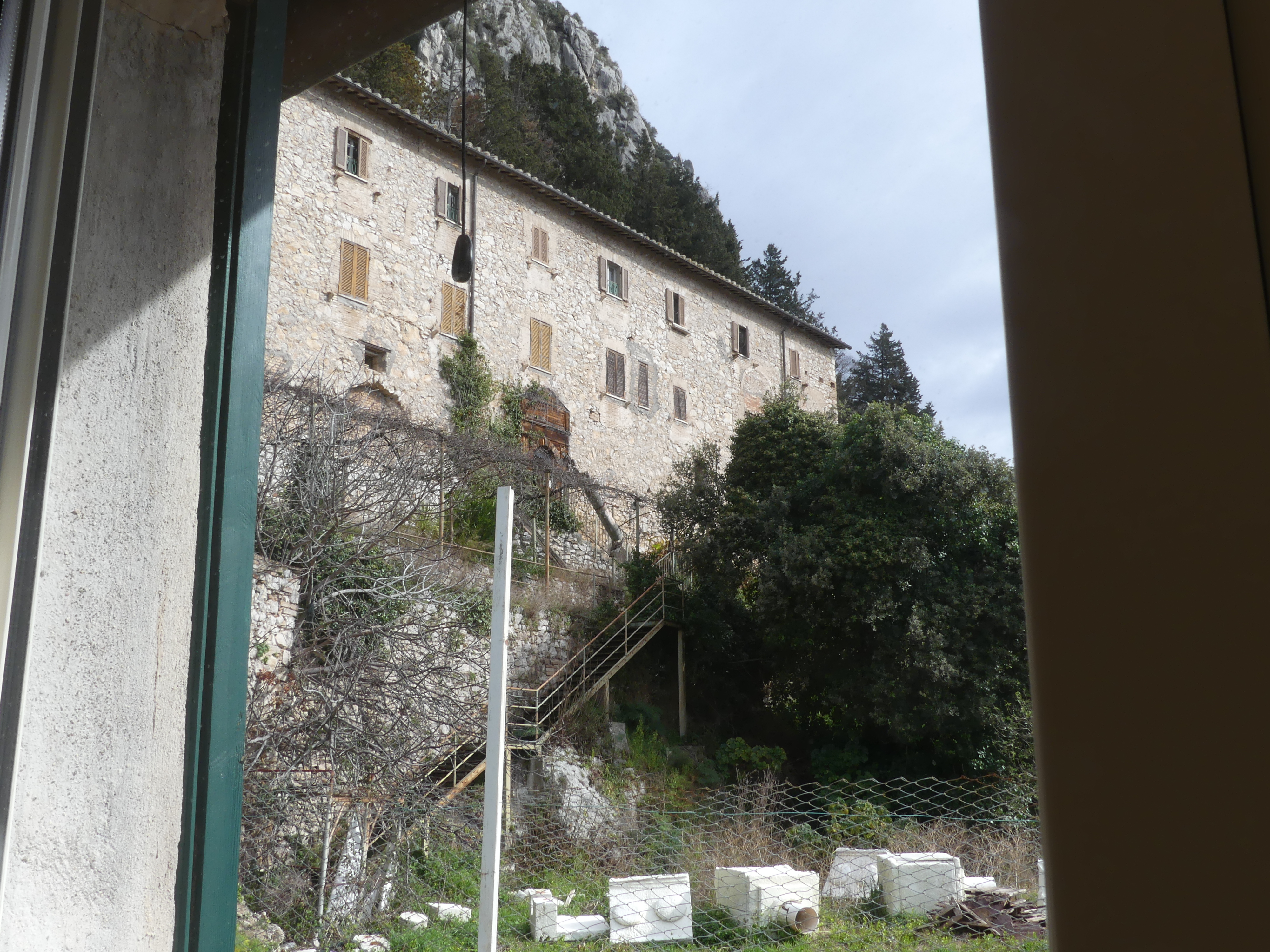
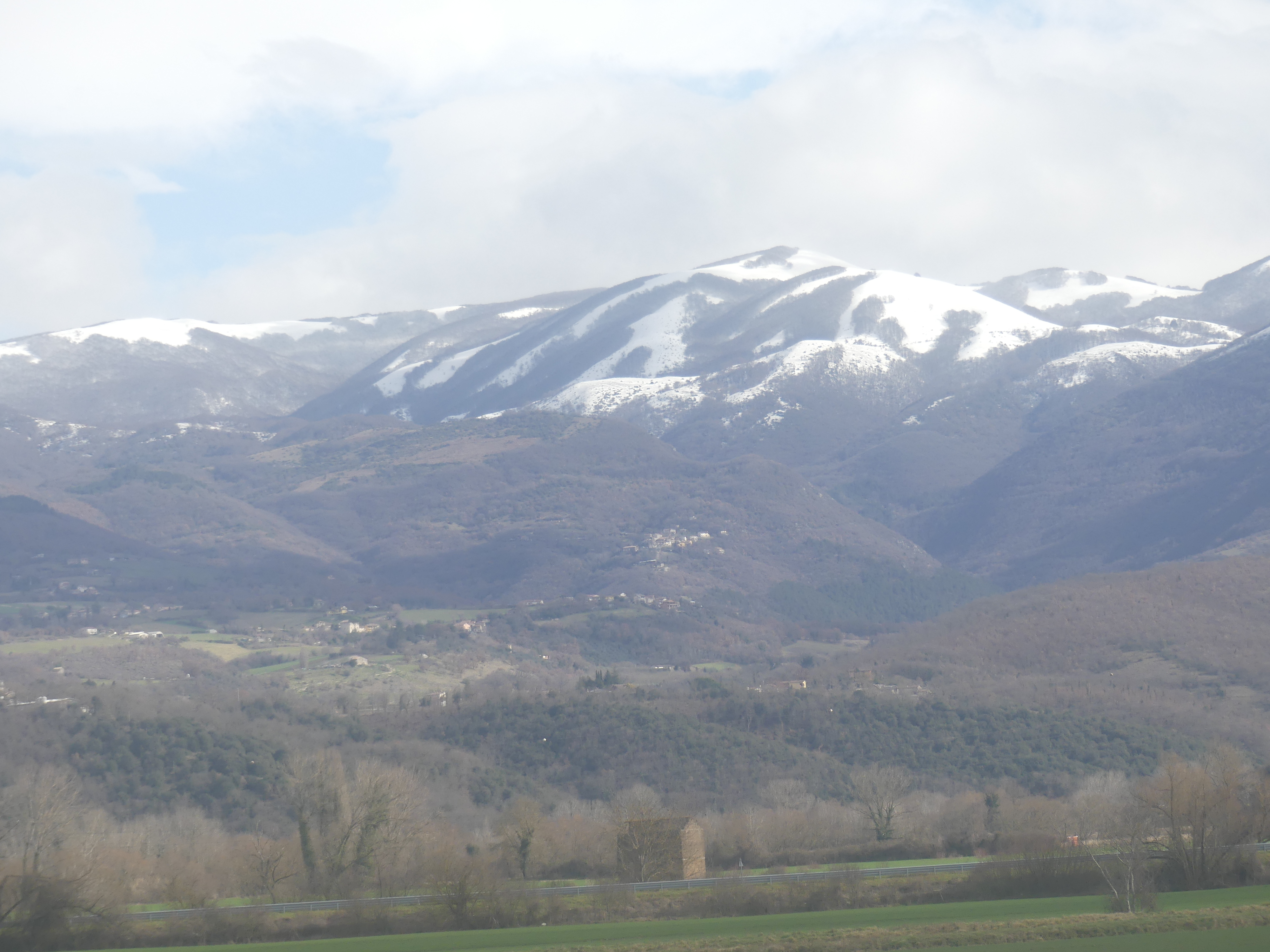
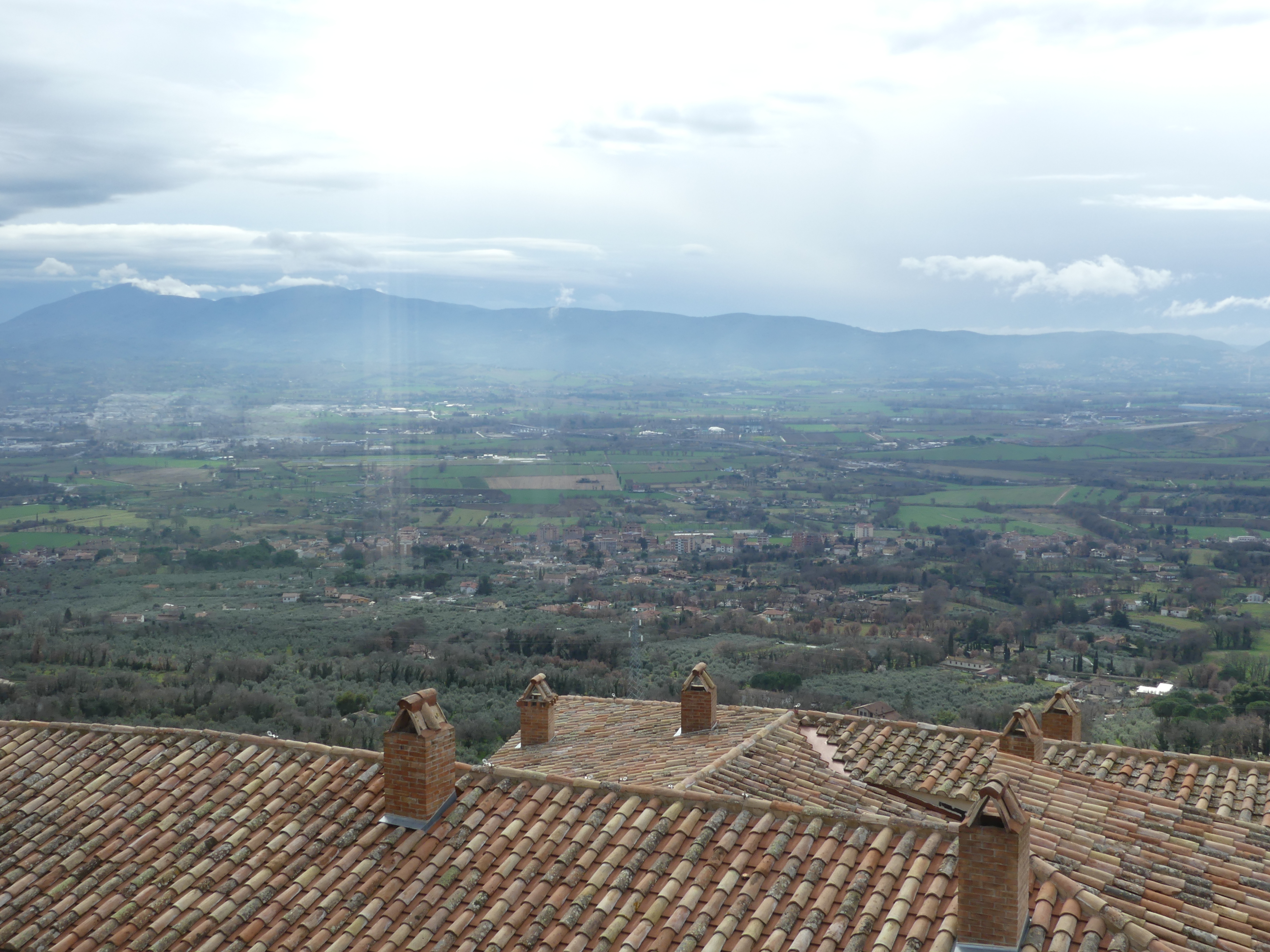
Robert has some of the most dramatic views of the valley below and to the mountains beyond. Even though it was overcast most days the view is extensive and includes the city (Terni) to country. The photos that follow speak for themselves.

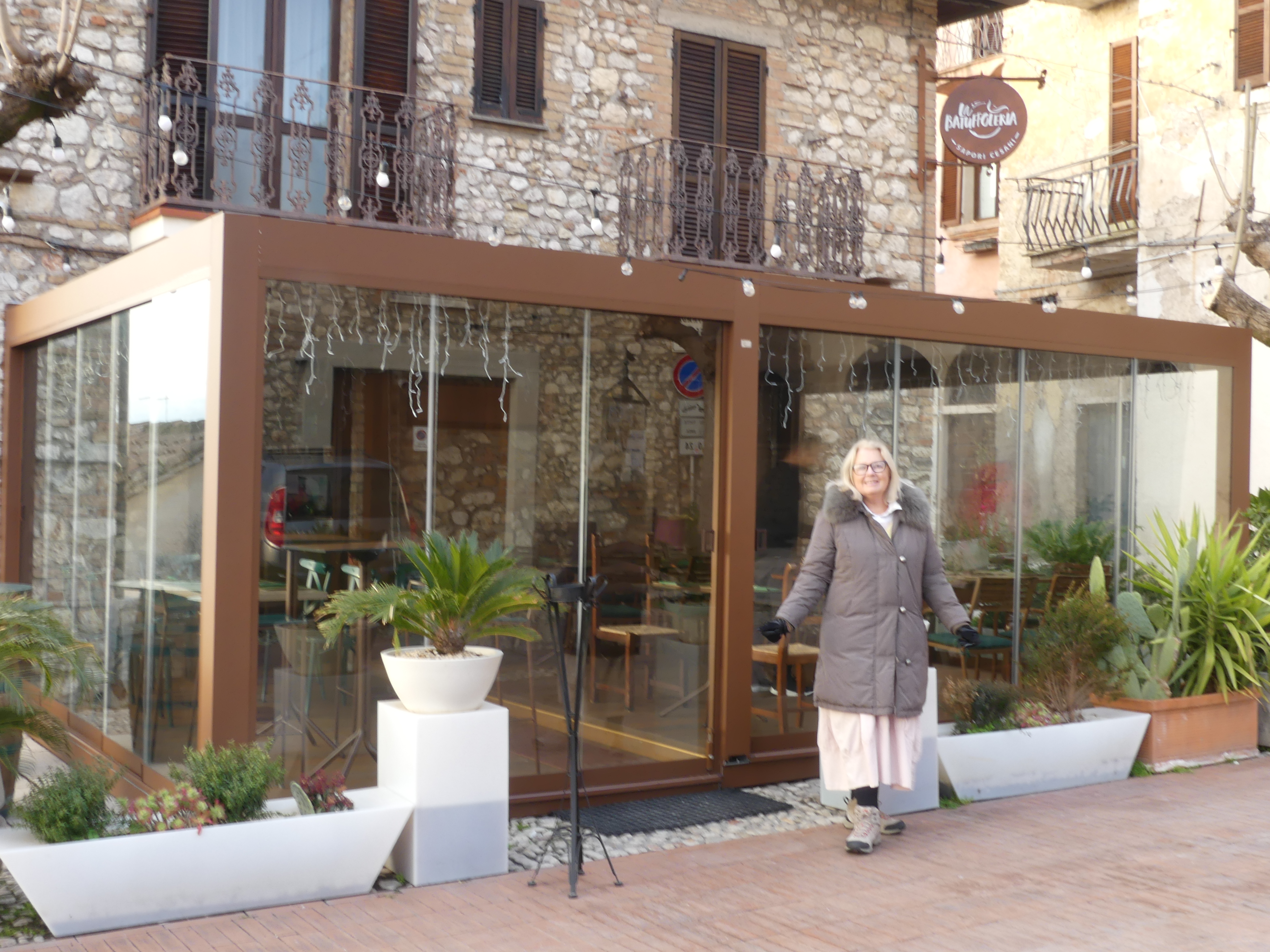
Another change for Cesi is the restaurant that has opened in the village. Beside the church is a modern restaurant sharing the fabulous views and the tucker isn’t too bad at all. The price is affordable, and the ambiance is a mixture of ancient village and modern restaurant. Kerry (photo bombing again) enjoyed it particularly outside the restaurant the views of the valley and surrounds, and at nighttime the view from the restaurant.

On the face of the building across the road from the restaurant is an ancient Sundial. The Latin inscription reads “Hora fugit, ne tardes.” (“The hour flees, don’t be late.”). Very interesting even if you cannot tell the time using it. The one remaining church along side the restaurant is the only building still in use as a church with the other former places of worship now performing community duties.

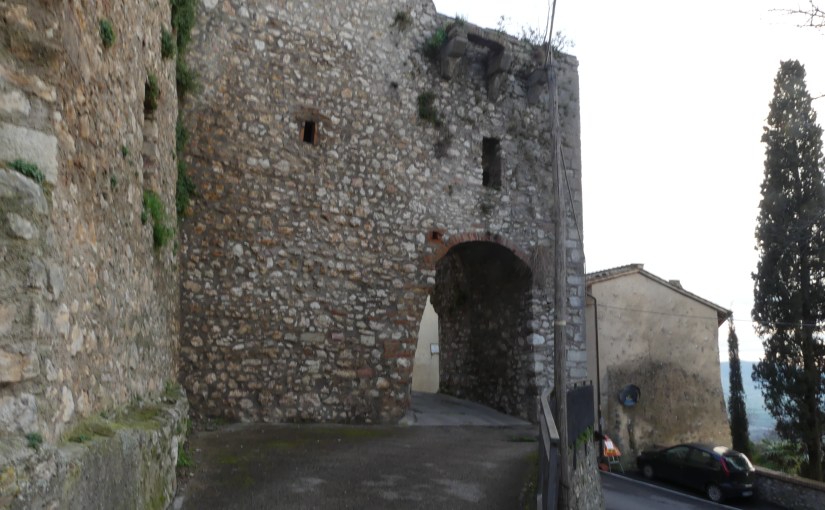
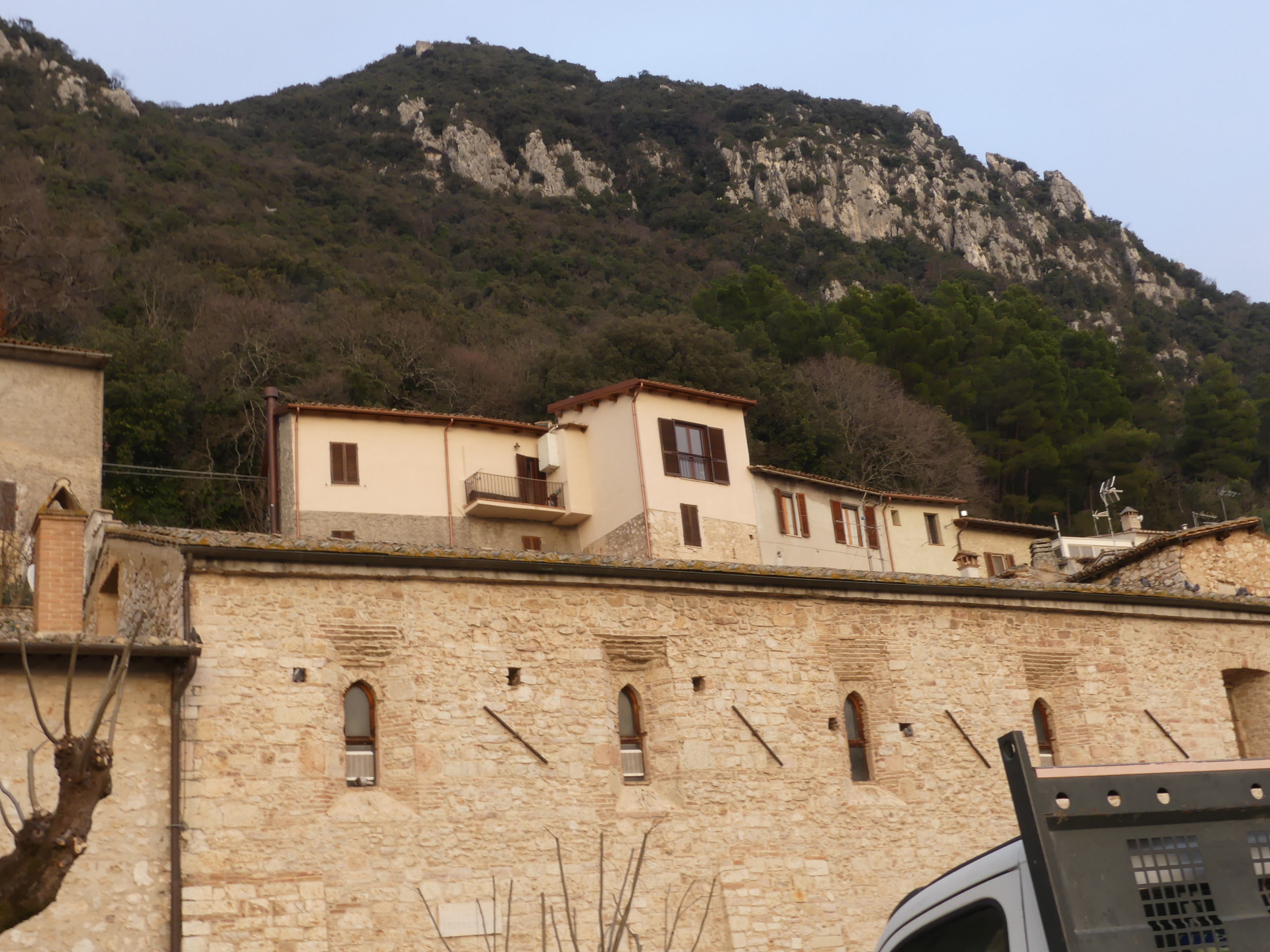
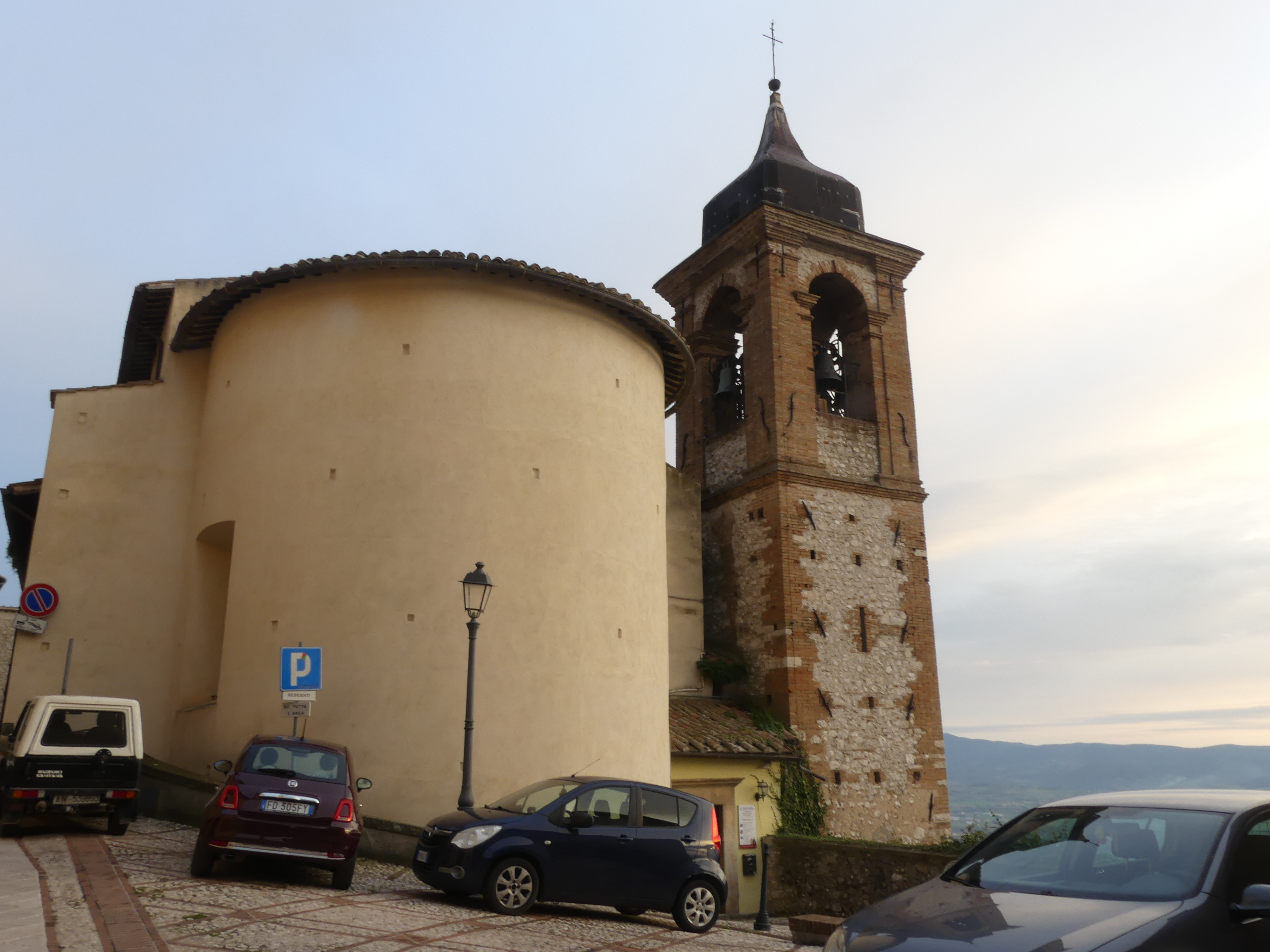
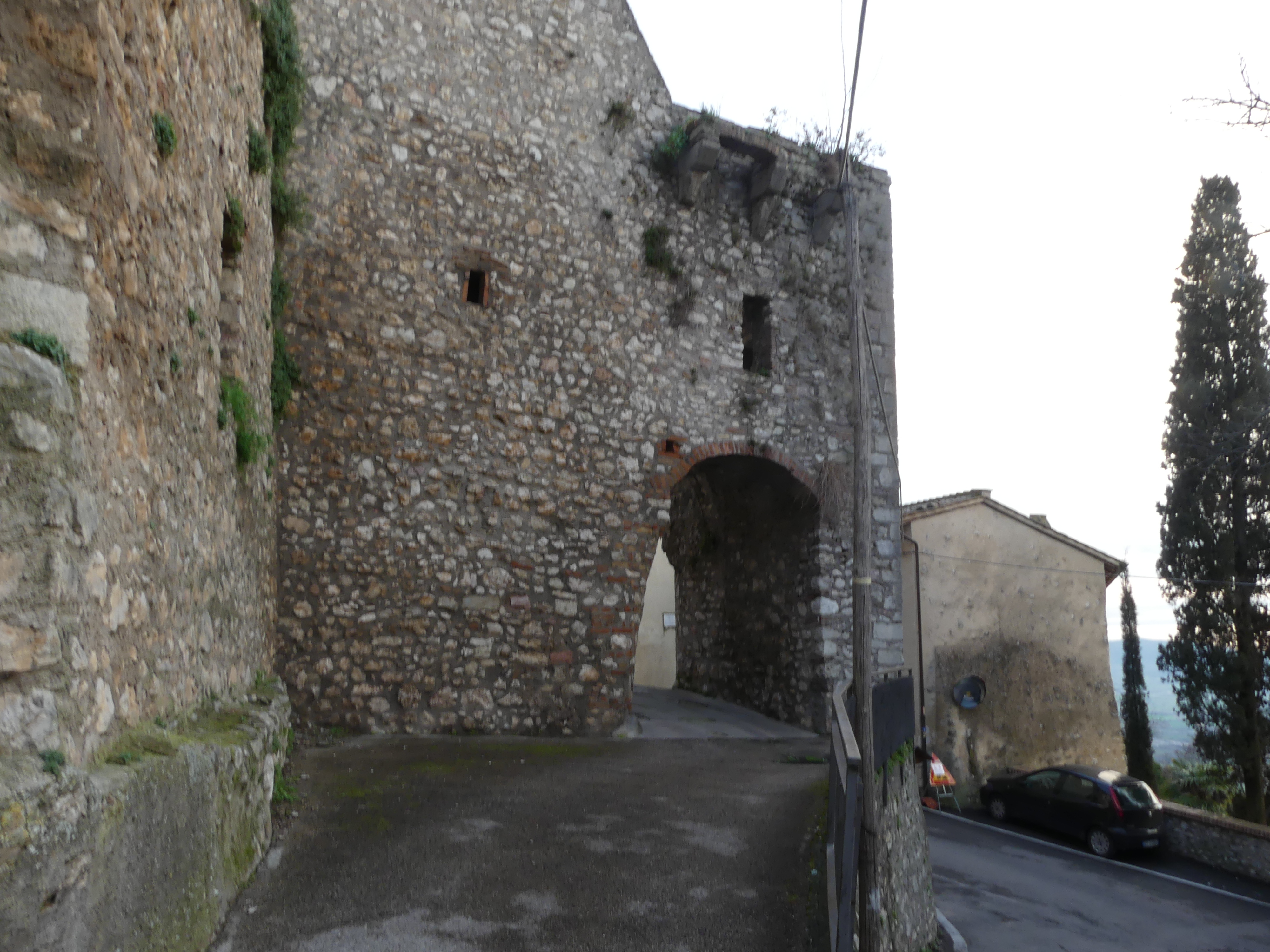
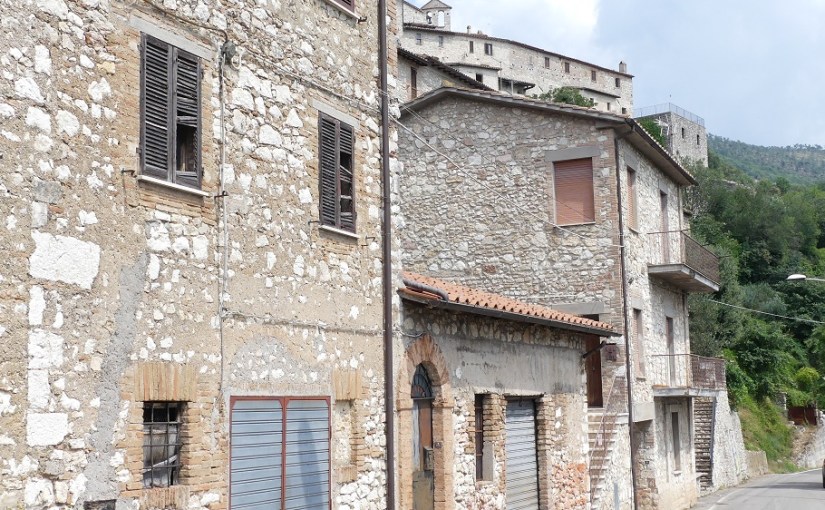
There are a couple of sections of the old town walls, and the photo below shows the northern city gate. As we circulated around the village, other features are the church and its bell tower, the former town house and its verandas, and ooh Robert walking the dog (this is another change – the dog is pregnant and although not belonging to him he insists on walking and feeding it – it gave birth to its litter after we had left)

Terni

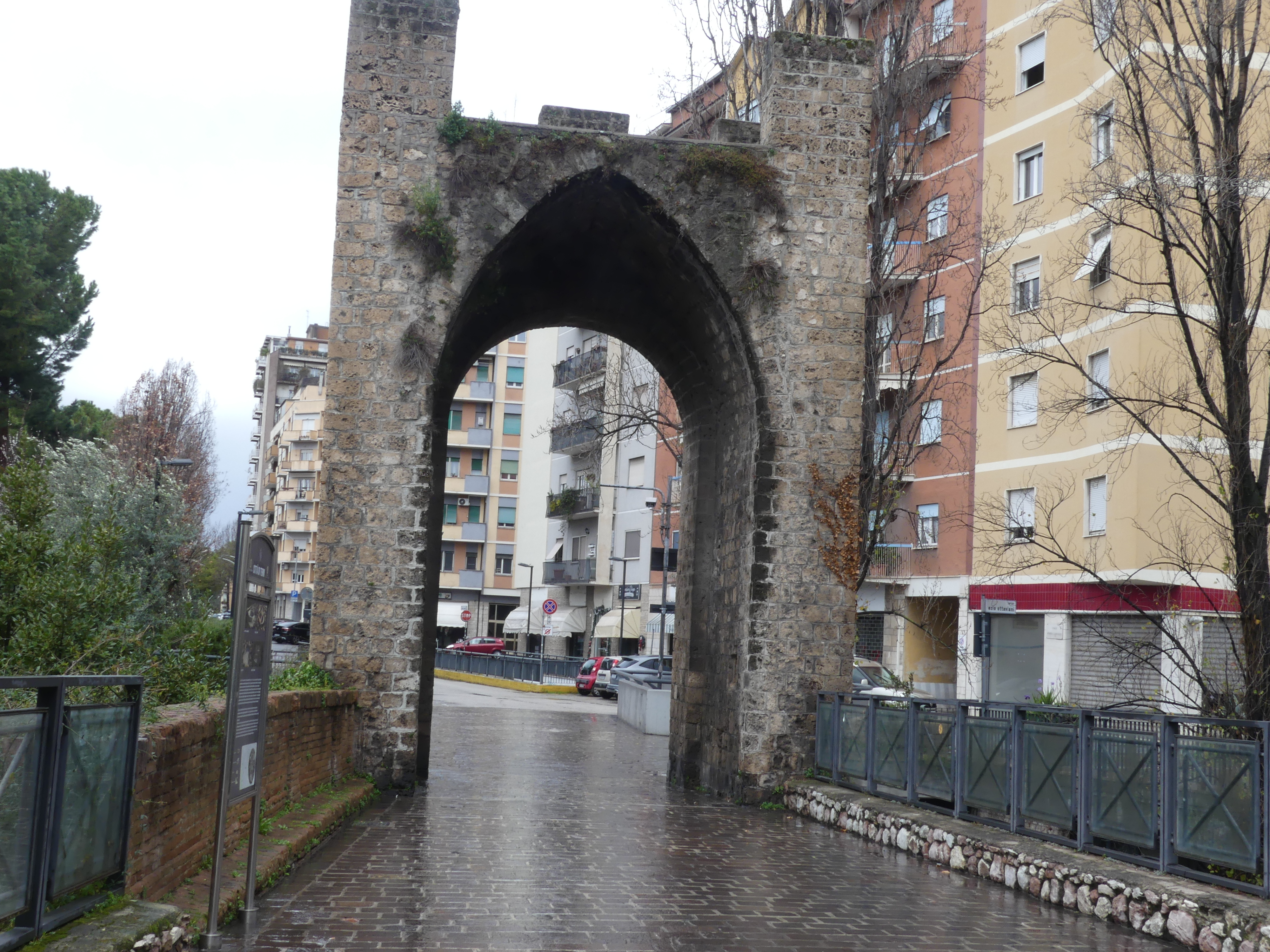
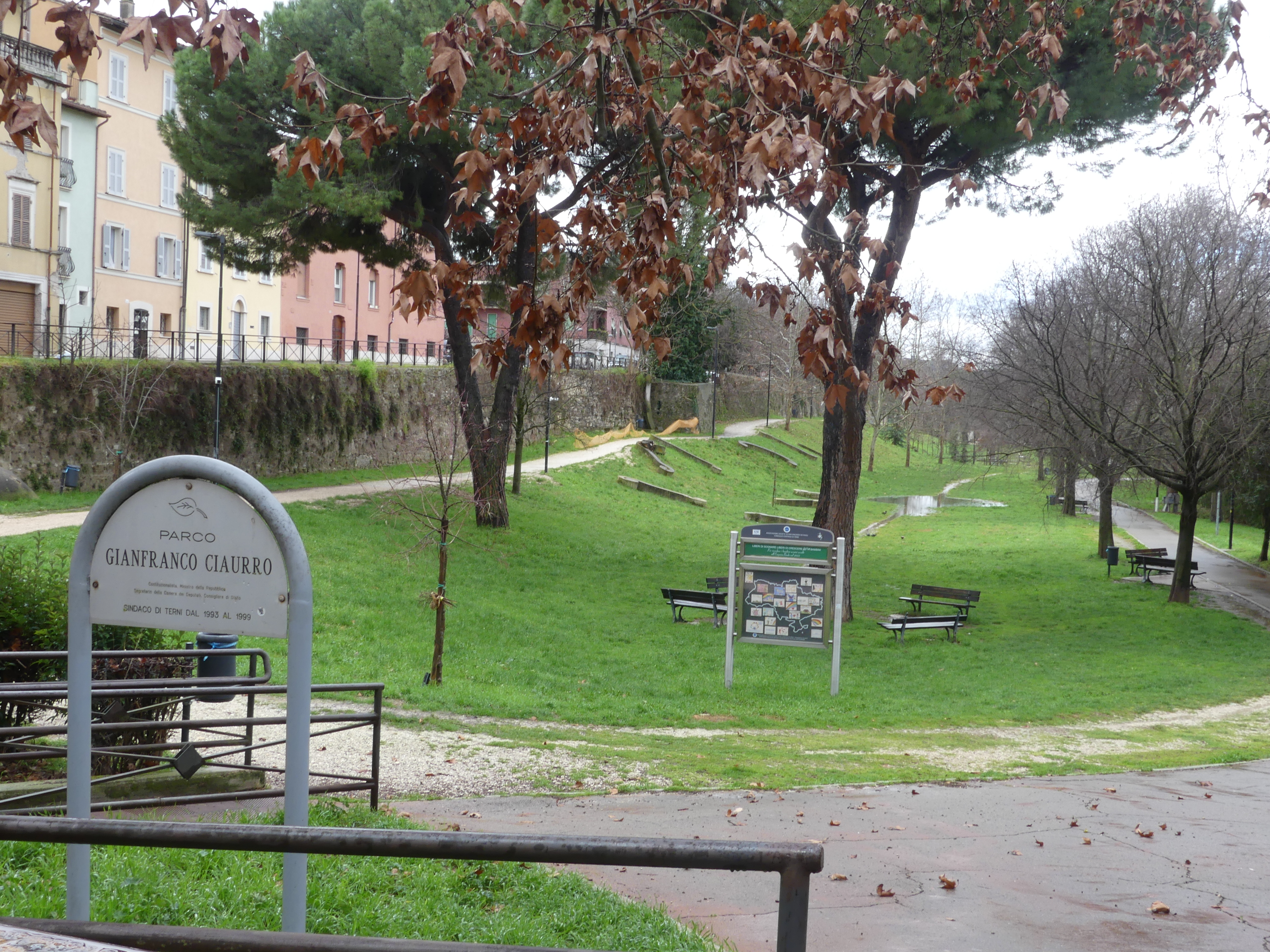
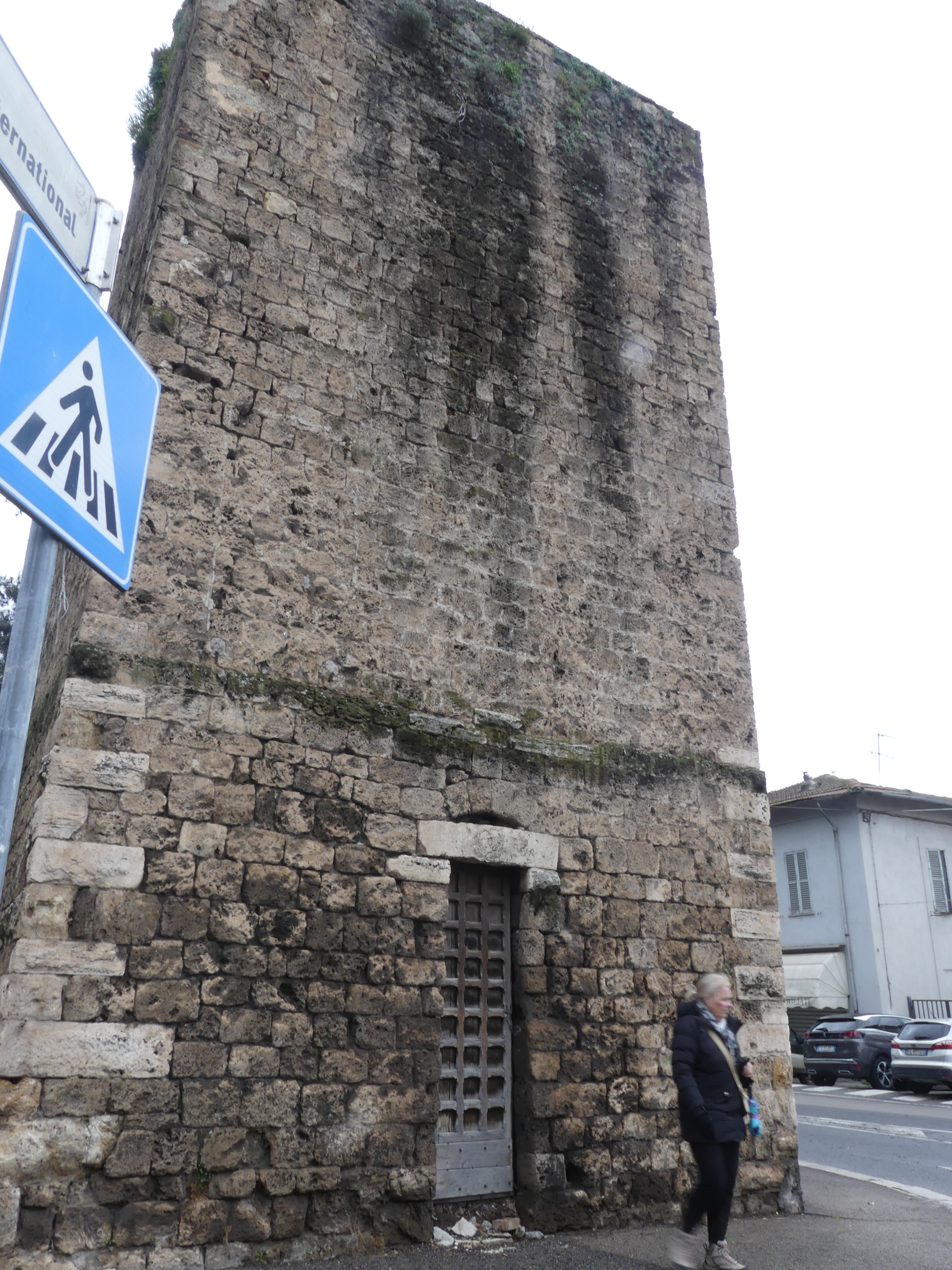
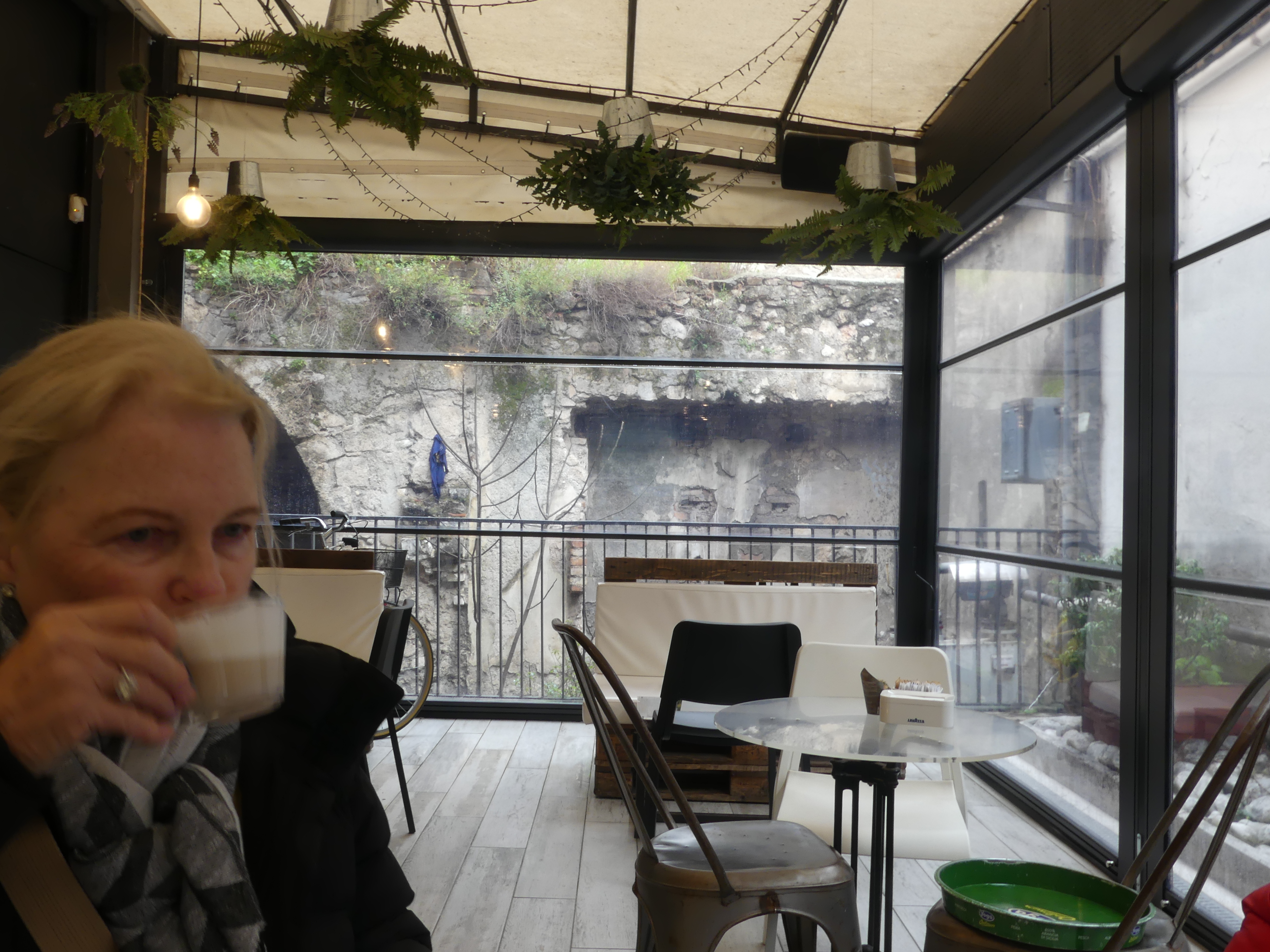
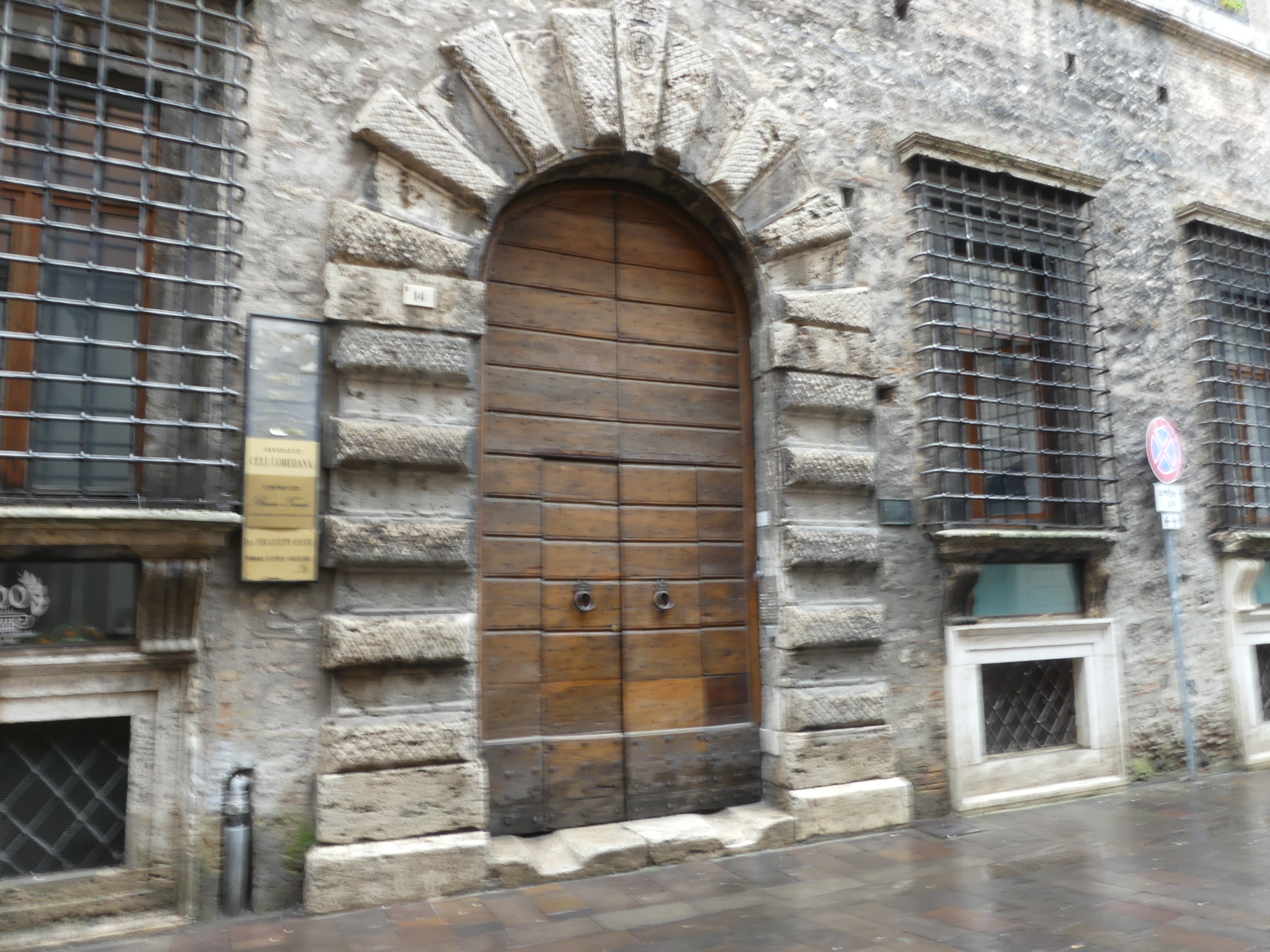
One morning we visited Terni and what remains of its old town. Because of its industrial past the British bombed the crap out of Terni during WW2 so to find pieces of its old town walls was very surprising. We found 2 remaining city gates and bits and pieces of the city walls. Kerry and I stopped for mid-morning coffee and there behind us is part of the old town in rubble and ruin.

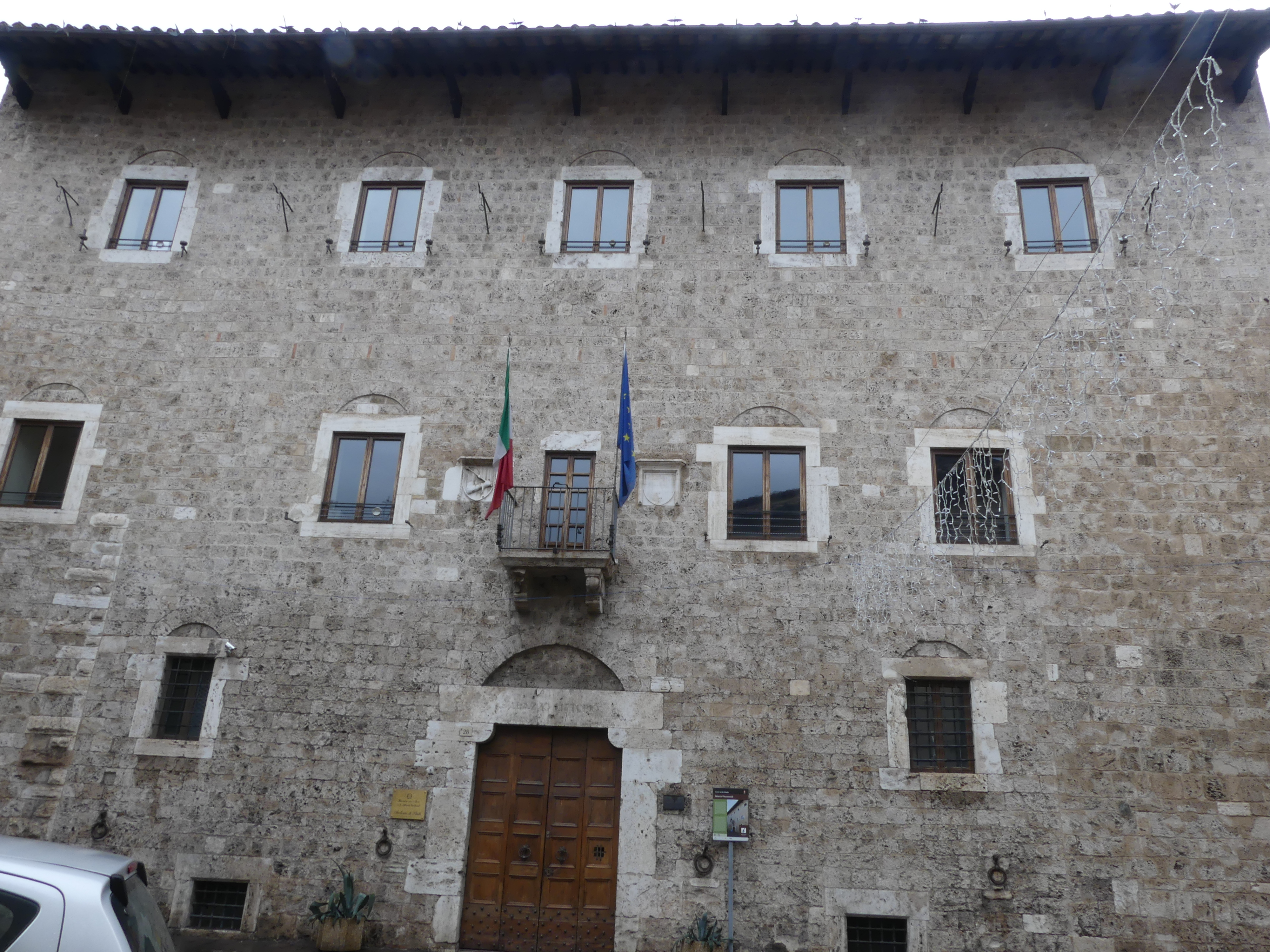
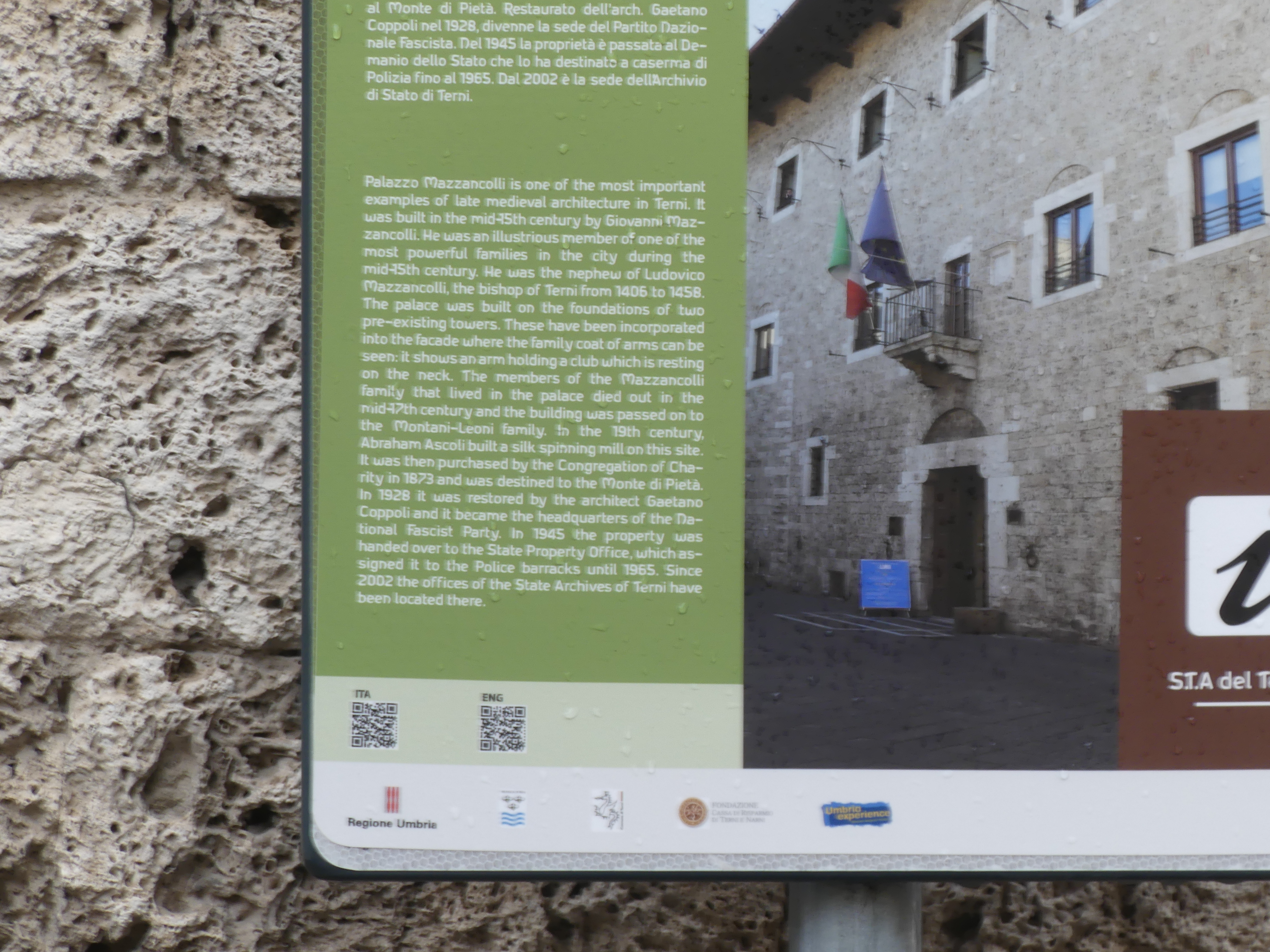
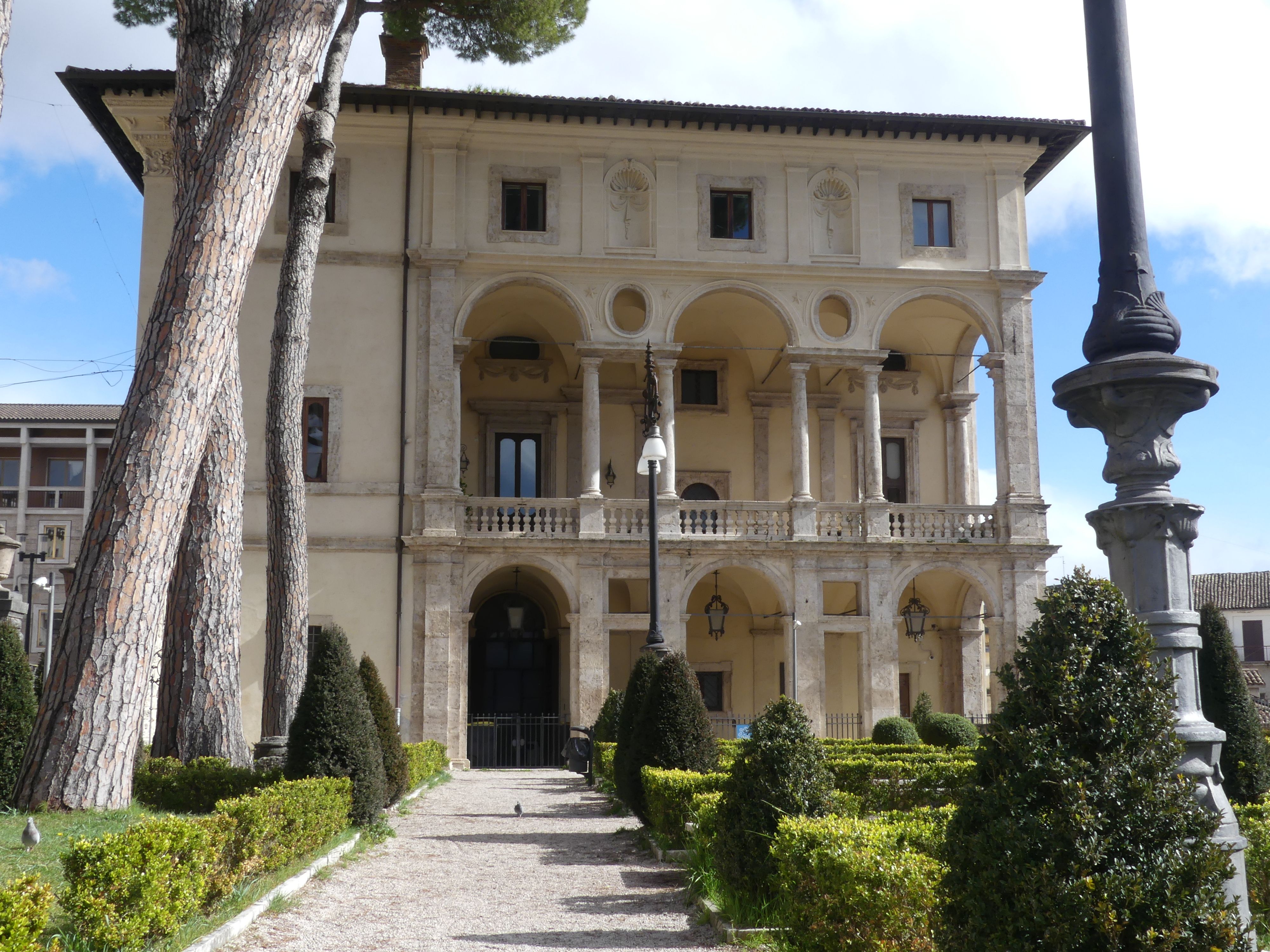
Its market day in Terni. The markets are set up in the streets amongst the remaining old buildings of the old town and the rebuilt town replacements built after the end of WW2. Below are some market scenes. We found the State Archives (built as Palazzo Mazzincolli in 15th century), Palazzo del Governo (Town Hall) and the central church for the town.

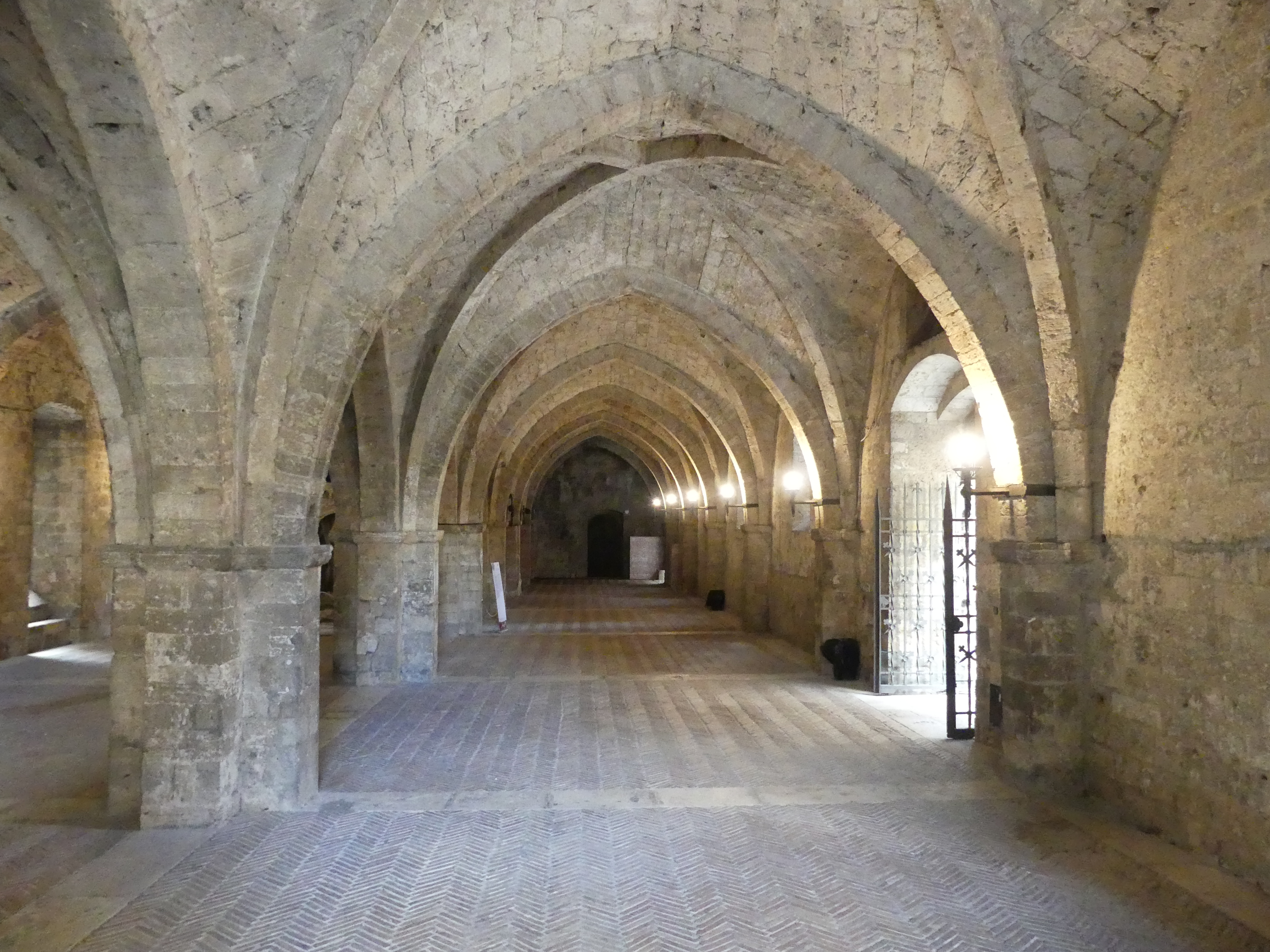
We had sought Robert’s local knowledge on places to go in drafting our itinerary but Robert saw our itinerary as fluid. So our next trip was not on our itinerary. We took a train to L’Aquila. We caught the train through a valley bordered by high snow capped mountains in an old two carriage rail motor containing first class and second class (of course we rode in “first class”). We arrived and stumbled off into a pretty, and well organised and clean square with an old church with a relatively unadorned interior, but some old frescoes had been exposed to show its age. The design of all these old villages is that it sits atop a hill, and we found the hill.

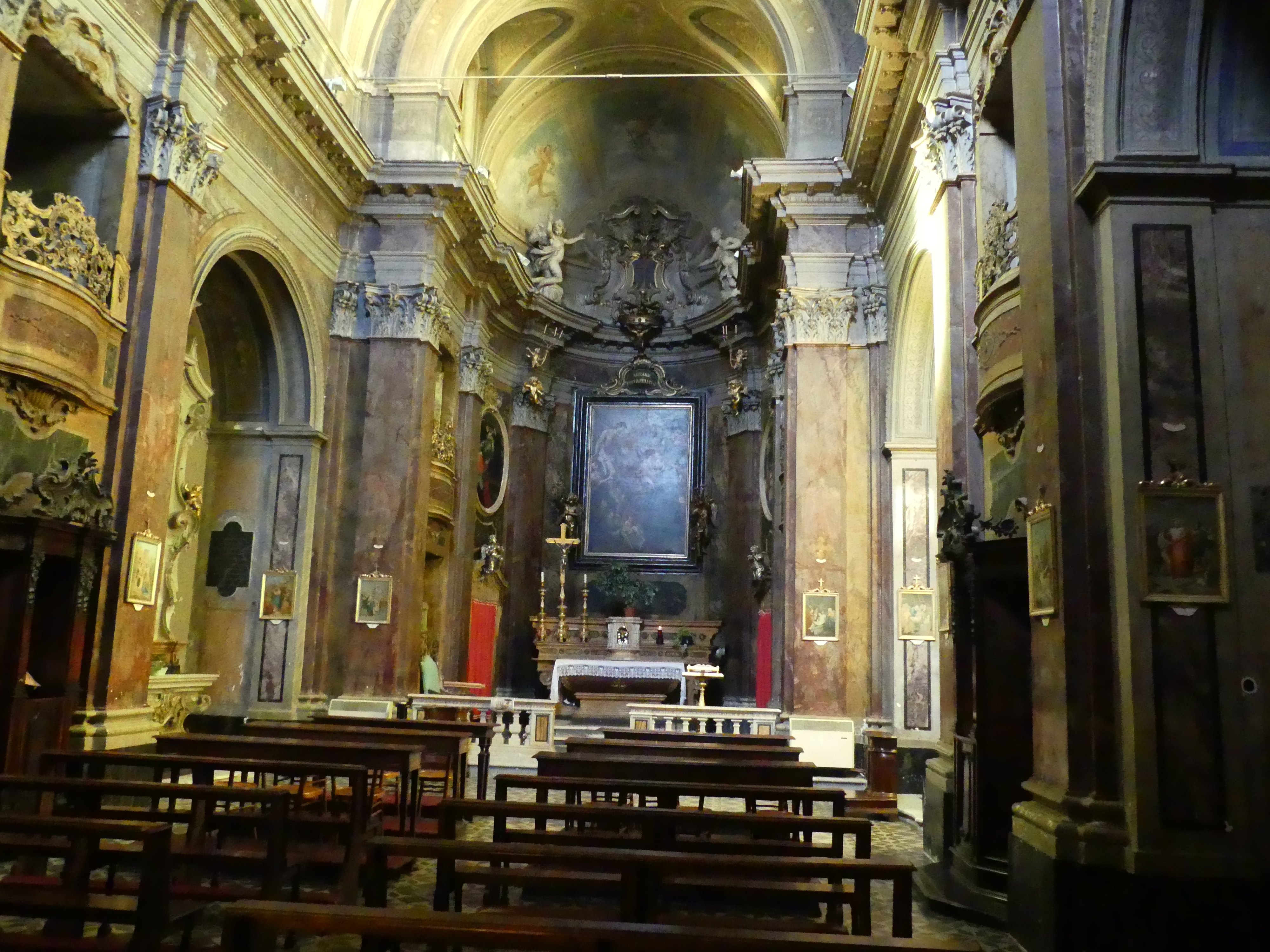
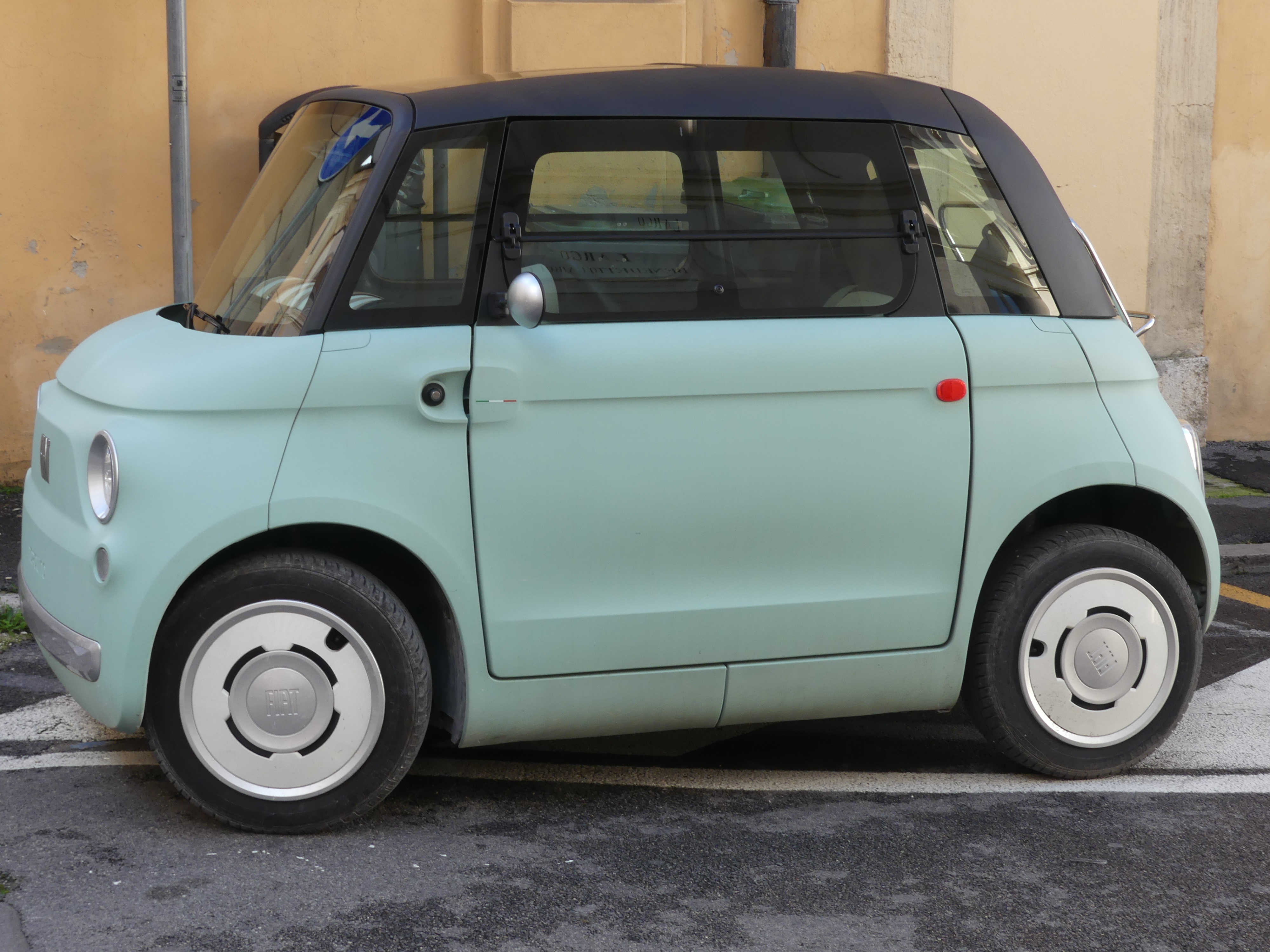
Atop the hill was market day, and this seemed to be the reason we were here also (I suspect Robert had a rendezvous lined up). After the rather plain church in the square, here located in this small enclave of the old town was a huge church with its Nativity scene still on show. As we explored around the church (it was not open to tourists) we found what was on the other side of the hill – not such a small village. Then we discovered tucked away nearby was the “ordinary folks” chapel used by the residents with some interesting but not pretty décor. The priest had parked outside – a plastic Fiat. I couldn’t believe it, but it was the real deal just in plastic.

One of the shops offered a product that seemed out of place. So I obtained this photo that all is possible where ever you are.

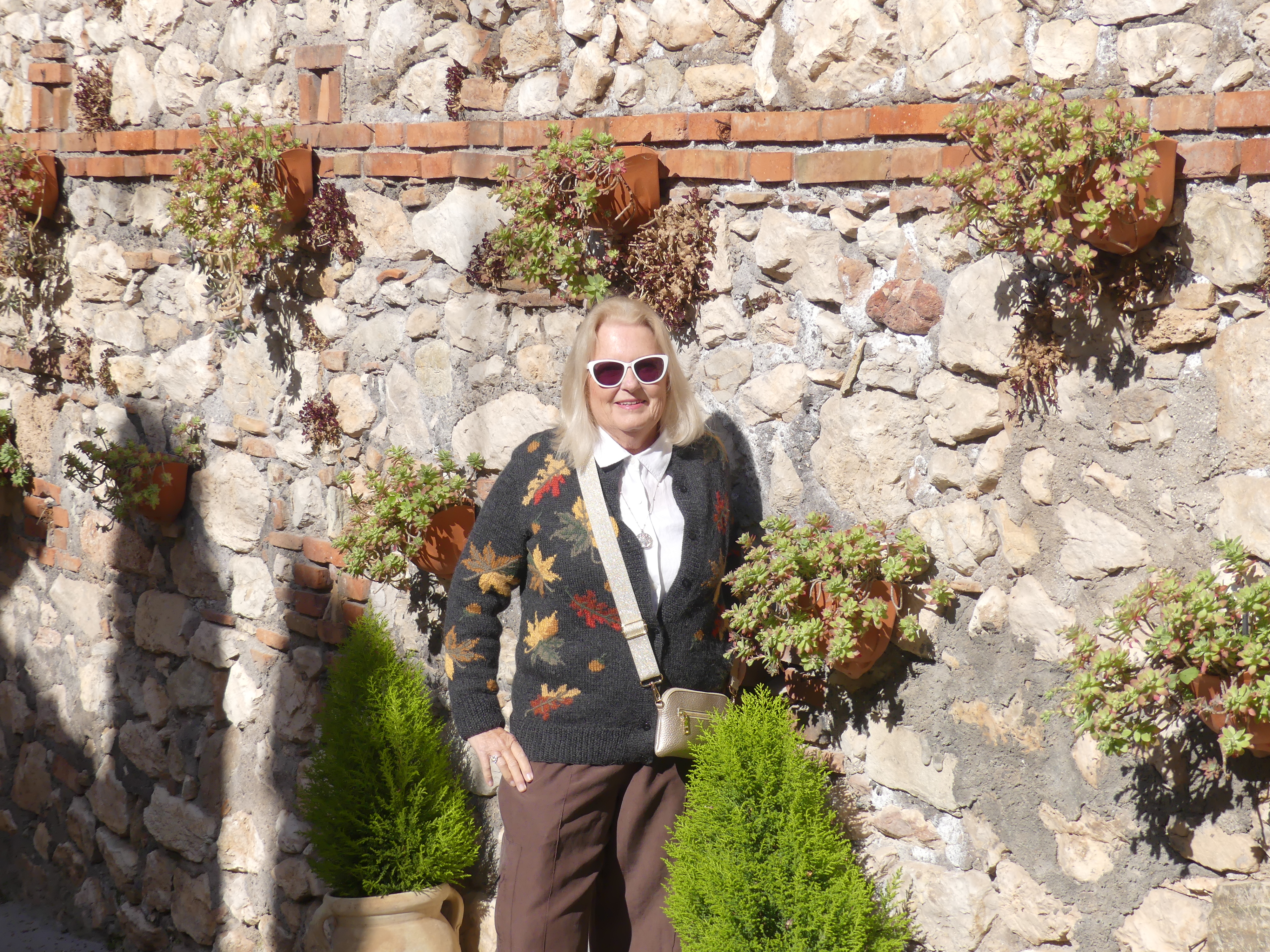
The day had developed from cloudy to sunny although Kerry’s jumper tells you it still was not warm – pictured below is a wall leading to Roberts front door. The next photo is Kerry in the restaurant again after which we visited the rock fall on the entrance road. It appears to be cleared but some further work needs to be done with retaining the rest of the mountain – nice to know.

Our time in Cesi was up and tomorrow we have an early train to Bari via Rome – it’s a shorter train trip to return to Rome and travel across to the east coast to Bari than to go to Bari directly from Cesi – go figure. Look out for the next chapter and our adventures in THE RETIREES GO AROUND THE WORLD – “CESI to BARI”

The Retirees visit Roberto in Cesi Italy

We flew to Rome landing at Ciampino Airport not Fumincino as we expected. This meant finding a way from an Airport we had never been to before to Terminii and our hotel. We located a bus which took paying passengers to Terminii – eventually. When we arrived the driver dropped us off at Terminii station. Now we have been here numerous times but the bus had dropped us on the opposite side to where we usually arrived. So we spent some time dragging the luggage up and down looking for the hotel Dreamstation B&B. After about an hour we located the hotel. A shower a change of clothes and a comfortable bed and it was dream time at the Dreamstation.

As planned after awaking we strolled across the road pushing our luggage and boarded the train to Terni Umbria. We were more relaxed than our first trip to Terni. We knew it was platform 1 and knew that it was a 20 minute walk dragging the luggage and that we had to validate the ticket. The trip takes over an hour but to compensate there is some interesting countryside once you leave Rome. The deeper into Umbria the more hilltop villages can be spotted. These villages are often 800 – 1,000 year old settlements and some of the inhabitants have had generations of ancestors making a living in the fields around the village.

On arrival nothing has changed form our last visit 2 years earlier. The fountain in the main square still had not been repaired. The heat of the day was intense. We moved to the taxi rank and as we were slow getting out of the train (the platform lift is still not repaired), all taxis (there is only one or two of them) were busy rushing their fare to a destination. I spotted a passing taxi and waved it down. “I thought all a passenger she had arrive, wheres ya wanta go? Said the moustached Italian driving the Skoda. “Cesi” we say. “Cesi?” said the cabbie eyeing us up and down. With a shrug of his shoulders “Cesi!” Off we go, and I asked about the route he was taking, and he says “roada works, we go thisa way”.

Our arrival at Cesi in the main square was quite deflating – no Robert to greet us and the driver was not interested in tackling the narrow streets to get closer to our destination. So with the sun turning up the heat we dragged the luggage up the hill to the town hall through the shadows of the crowded town houses (they gave some relief from the sun) and after two further hills we see a beaming Robert swanning out of the shadows of his villa complaining about the heat. F**k me what a welcome.

Aided with the luggage (Robert suggested I leave the heavy bags in the foyer downstairs) we were offered a refreshing libation (a cordial or something) and told he had booked a table at the restaurant at Portaria where he can purchase his favourite meal. S**t we felt wrung out and in need of a lie down but no onto the bus (we had to stand in the sun at the bus stop and the bloody rattletrap excuse of a bus (unairconditioned) finally decided to attempt the climb up the hill and across the range to Portaria. The season has changed since we were here last and outdoor dining is all the go – well outdoor in the sense that we sat under a crude lean to, against a stone rampart in an airless courtyard. The saving grace an icy beer with the hot lunch and a breeze hot enough to dry the sweat from my shirt. Finally, I could stand it no longer, so making some excuse I made a break for the eastern side of the village where there is deep shade of an afternoon and hopefully a breeze that does not feel it was produce by a fan forced oven.

The eastern gate opens onto the road that circles outside the town walls. Many of the residents park their cars out here and there is, as in many other places in the village, a little shrine with the Virgin seeking your prayers. The countryside is still green, but the heat has caused a haze adding to the feeling of oppression. Here are some photos of the gate, the Virgin, the road around the walls, the walls, the houses perched on top and the memorial to the lost youth of the village through fighting in both the first and second wars.

I walked up past the war memorial past the shuttered empty former restaurant in the town walls and spotted Kerry and Robert sitting in the shade of a (the only) cafe in the village which also serves as the bus stop. The return journey is not straight forward. We have to travel by the bus back out from the village onto the main hill road down to the town of Aquasparta to the bus terminus turn around and travel back to Cesi. This time the bus was air-conditioned and more modern. The sting of the sun was waning and we were feeling tiredness wrapping around us so the journey passed unnoticed. The final walk through the village to Robert’s Villa Contessa from the bus stop for the day saw us flake into the lounge and after showering off the dust of the road bed to sleep and dream.

Go back

Your message has been sent

Warning
Warning
Warning
Warning

Warning.

The Retirees return to Florence – Palazzo Pitti and the other side of the Arno

We were exhausted again and retired after dinner. Not to be kept down we rose early to walk to the other side of the Arno to visit Palazzo Pitti. This is the giant home created by Cosimo I for his wife who wanted a garden and then he wanted safe passage to work at Palazzo Vecchio on the other side of the Arno. We weren’t that interested to see another palace but I was interested to see how the Duke’s walkway connected as it had to pass across the top of the Ponte Vecchio, over private homes and into Palazzo Pitti. A gateway at the side of the palace allowed us to see the passage into the palace.

From the Palace, we could see the steeple of the Basilica di Santo Spirito so we took to the lanes past a cobbler’s shop and a man walking his dog (if you can call something the size of a rat a dog) and voila we entered Piazza Santo Spirito. The Basilica di Santo Spirito (“Basilica of the Holy Spirit”) is usually referred to simply as Santo Spirito, it is located in the Oltrarno quarter, facing the square with the same name. The interior of the building is one of the preeminent examples of Renaissance architecture. In 1252, the Augustinians started the church and the convent incorporating an old church of San Romolo in the complex. The convent had two cloisters, called Cloister of the Dead and Grand Cloister. The first takes its name from the great number of tombstone decorating its walls, and was built around 1600. The latter was constructed in 1564-1569.

The former convent also contains the great refectory (Cenacolo di Santo Spirito) with a large fresco portraying the Crucifixion over a fragmentary Last Supper (1360–1365). It is one of the rare examples of Late Gothic Art which can still be seen in Florence. Michelangelo, when he was seventeen years old, was allowed to make anatomical studies on the corpses coming from the convent’s hospital; in exchange, he sculpted a wooden crucifix which was placed over the high altar. Today the crucifix is in the octagonal sacristy that can be reached from the convent.  The only remaining wooden sculpture by Michelangelo. No photography permitted.

VvThus, ended our stay in Florence. The next morning we caught a taxi to the train station and a wait for the “fast train” to Rome occupied most of our morning, then the train trip (the train achieved a mere 250 klm per hour compared to the 430 klm per hour in Shanghai) to Rome and a quick turn around through the tunnel (which I wish we had known about when going to Fumacino from Civitavecchia) to catch the much more sedate train to Terni and a warm welcome from Robert at the train station (I think not – MIA). So a taxi to Cesi and dragging the suitcases up the steepest of streets in the village to be welcomed by Robert from his kitchen landing. An offer to help with the suitcases to drag them up the stairs and at last we can stand still and rest.

Go back

Your message has been sent

Warning
Warning
Warning
Warning

Warning.

The Retirees return to Italy – Marmore Waterfalls in Umbria

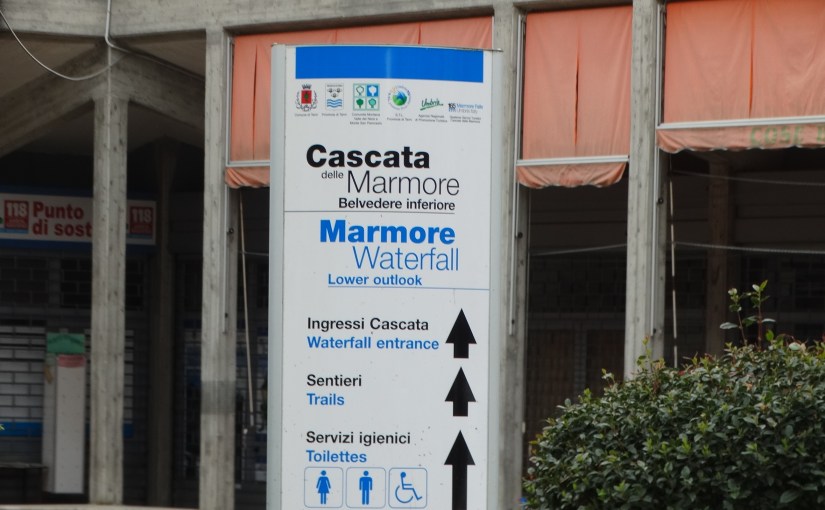
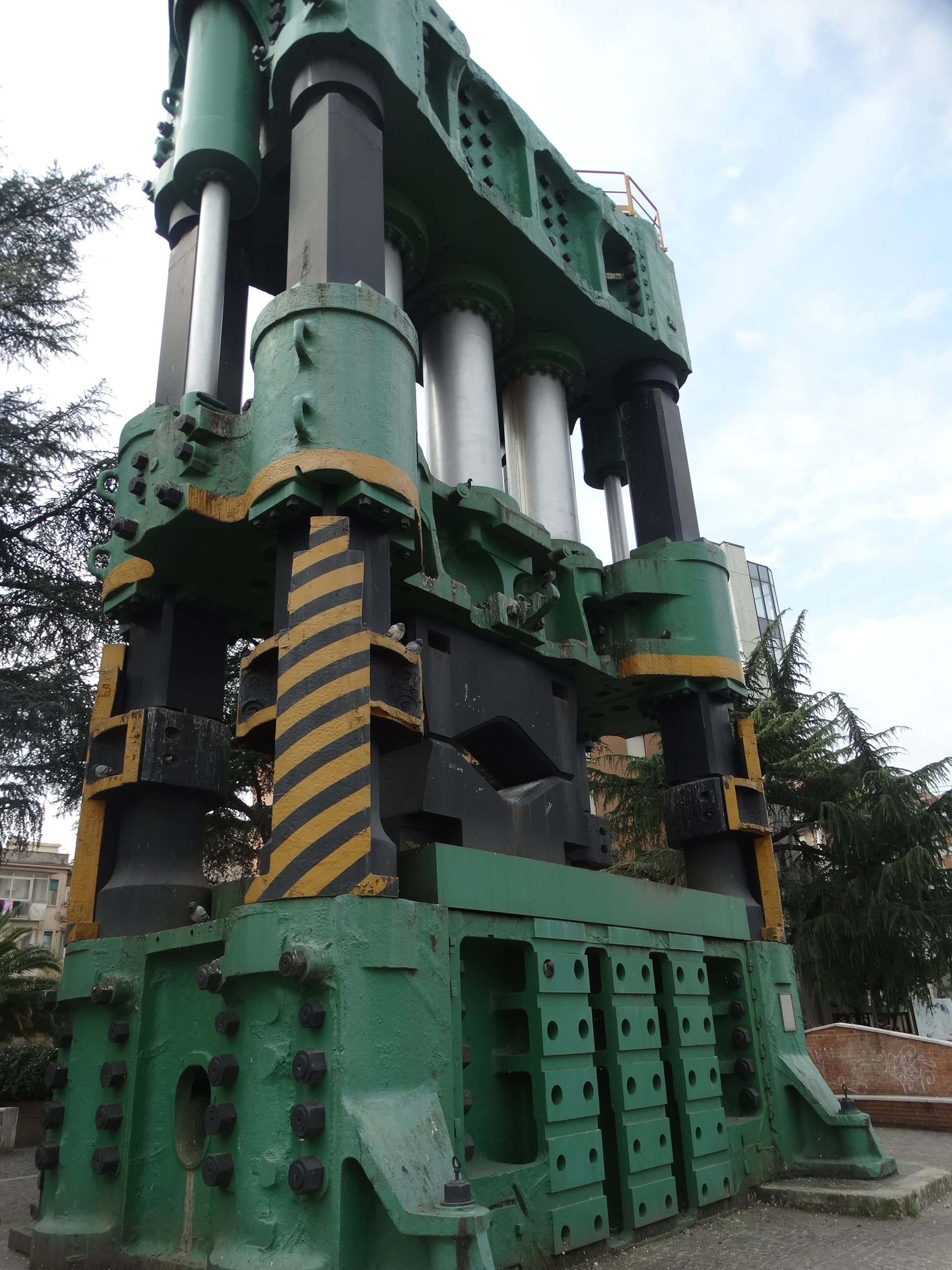
Once again, we bused down to Terni, this time getting out near the train station where we had arrived a few days earlier from Rome. We walked pasted the train station and a huge 12,000 ton press retired from service and positioned prominently to remind the residents of their industrial past.  Around the corner, we found ourselves in the bus terminus of Terni. We boarded the bus to Marmore Falls and the driver dropped us at the ticket office rather than the bus stop (the ticket office is in a non – descript industrial looking building 200 metres from the entrance to the Falls park). Fortunately, Roberto had been there before so we found our way easily.

The falls are fed by the waters from Piediluco della Largo and have been dammed to give control over the flow of the water for the purpose of the hydro power station in the valley below the falls. A wide and sealed path follows the rim of the valley into which the water falls empty and when we arrived the falls appeared a mere trickle.

We followed one of the paths (the longer path to the top of the falls was closed for construction) to the point where the lower falls merged and spilled into the valley below the walkway. Just as in the Michelangelo painting on the Cysteine Chapel, Roberto receives the phone from she who must be obeyed to take a photo.

When we returned to the valley floor we found a mossy and wet valley floor chill with the hanging moisture in the air.

All that was to change at 12.00 o’clock when the flood gates were opened and fortunately we were back on the path having lunch at a canteen with views of the falls. Even sitting 50 metres from the valley rim, we could feel the mist from the bloated falls (bloated with water released from the lake).

The weir was closed about 1.00 pm and the Falls slowly returned to their slumber until 12 noon tomorrow. We walked back to the ticket office to catch the bus finding the stop was opposite the entry to the Falls park. Then whilst waiting for the bus we were obscured from the oncoming bus by a parked car (Italians believe parking is a right and leave their cars wherever they choose) and but for my excited flagging of the bus driver we would still be there.

Go back

Your message has been sent

Warning
Warning
Warning
Warning

Warning.

The Retirees return to Italy – Terni and its origins

This morning before I awoke and we decided we would visit  Piediluco on the Lake via Terni on the way. Its like that here. You wake the weather is fine nothing to do so……

We caught the bus and in true Italian tradition the bus driver drove like a bat out of hell down the hill into Terni. Note the faces of the excited passengers in the picture below. While waiting for the bus we could see from our vantage point overlooking the Terni valley, one of the local marble quarries and the nearby village of St Gemini which we decided we would visit shortly.

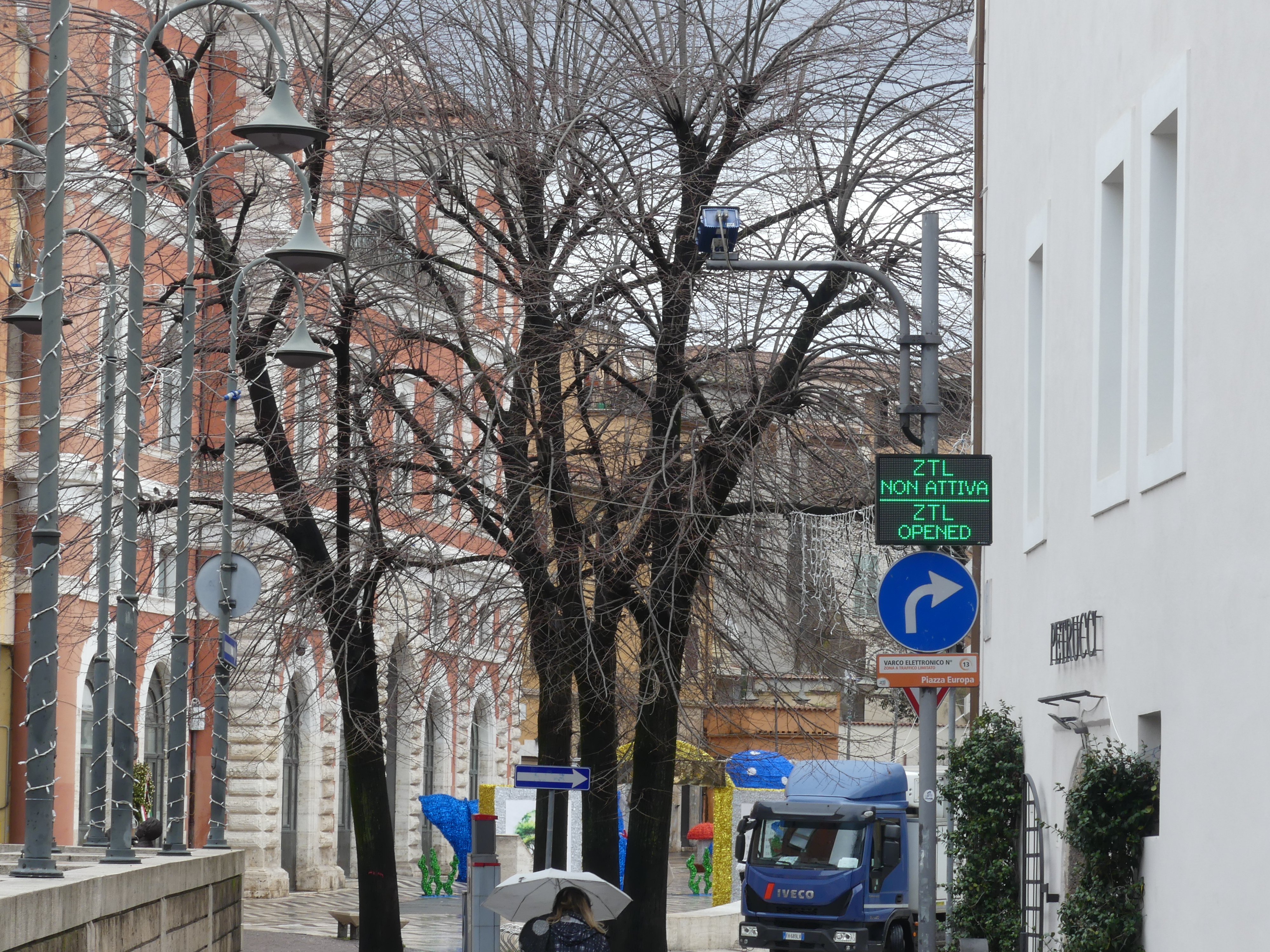
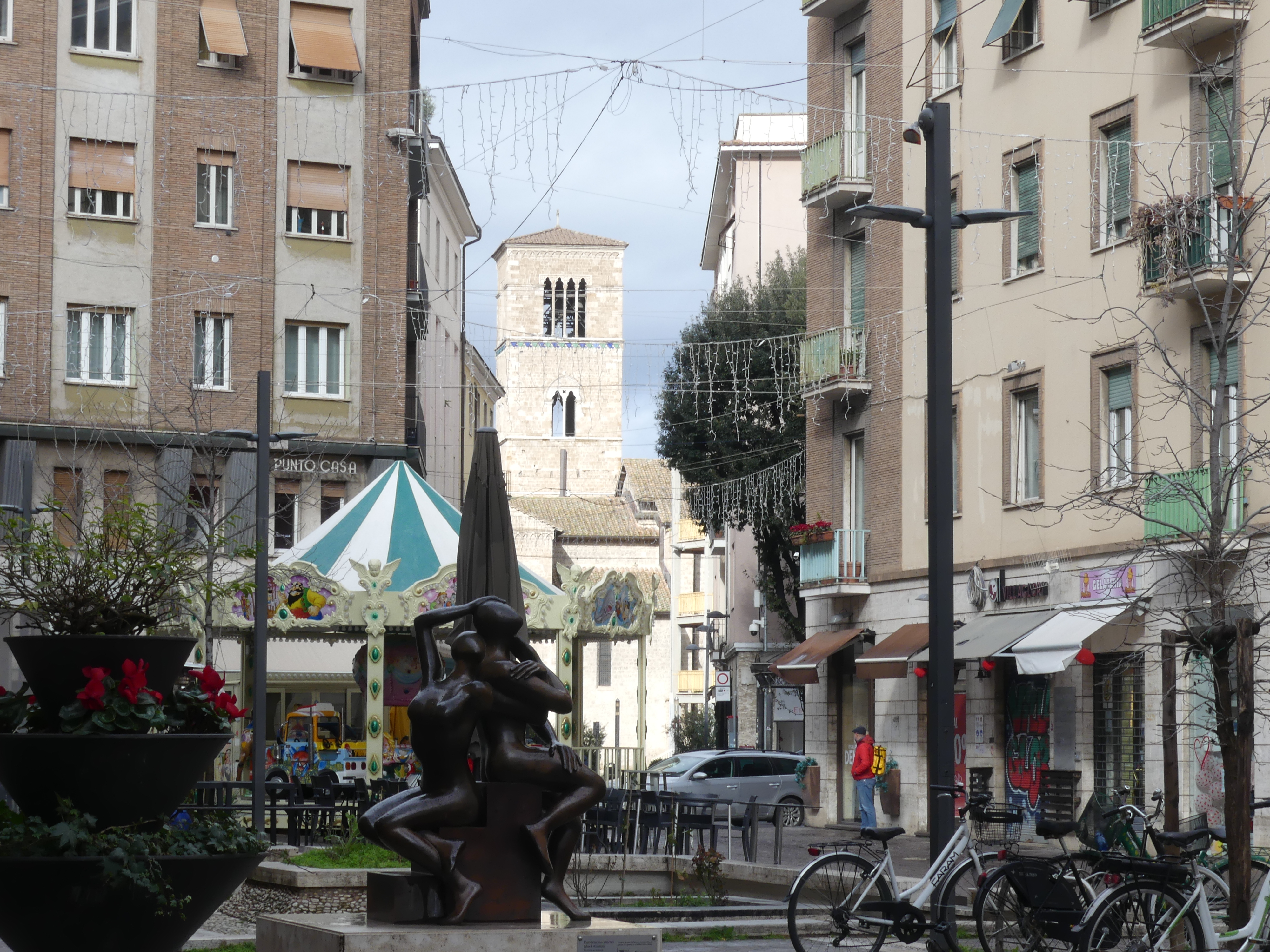
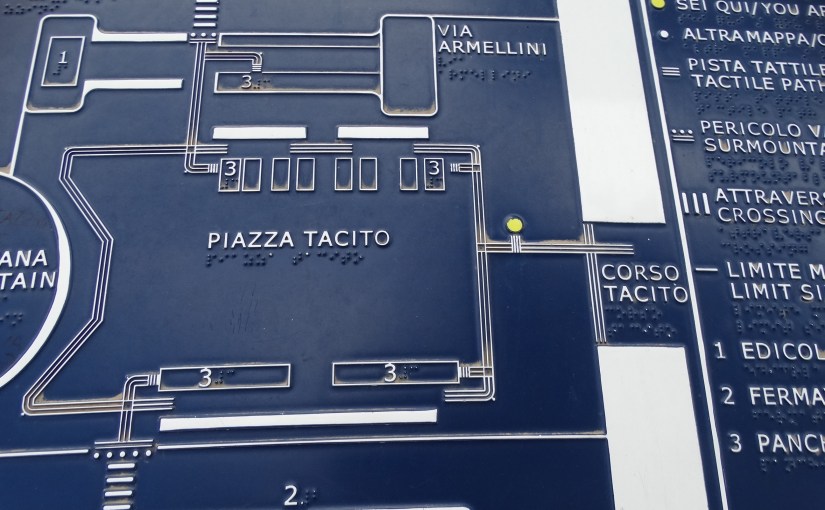
Twenty minutes later once the blood had returned to our knuckles, we left the bus and walked 50 metres to the main Piazza Tacito. It is largely paved for pedestrians but as usual you have to watch out for the cyclists and motor bikes. The hills surround the city and can be seen on all sides as you stroll down the mall. It is only the fact that many of the buildings appear of the modern era that remind you that on August 11, 1943, a massive allied bombardment devastated the city. It was the first of the 108 air strikes that destroyed 80% of Terni’s buildings. Despite this, Terni’s industrial environment increased quickly after the war. Some of the ancient city remains and some of those buildings have had a second life like the former church in the photo below.

Terni is a city in the southern portion of the Region of Umbria in central Italy. The city is the capital of the province of Terni, located in the plain of the Nera river. It is 104 kilometres (65 miles) northeast of Rome. It was founded as an Ancient Roman town.

During the 19th century, steel mills were introduced and led the city to have a role in the second industrial revolution in Italy. Because of its industrial importance, the city was heavily bombed during World War II by the Allies. It still remains an industrial hub, and has been nicknamed “The Steel City” and the “Italian Manchester”.

Terni also advertises itself as a “City of Lovers”, as its patron saint, Saint Valentine, was born and became a bishop here and his remains are preserved in the basilica. The city was founded around the 7th century BC by the Umbrians, in a territory inhabited (as testified by archaeological excavations of several necropolises) as early as the Bronze Age. In the 3rd century BC it was conquered by the Romans and soon became an important municipium lying on the Via Flaminia. The Roman name was Interamna, meaning “in between two rivers”. During the Roman Empire the city was enriched with several buildings, including aqueducts, walls, an amphitheater, a theater, temples and bridges.

After the Lombard conquest in 755 Terni lost prominence when it was reduced to a secondary town in the Duchy of Spoleto. In 1174 it was sacked by Frederick Barbarossa’s general, Archbishop Christian of Mainz. In the following century Terni was one of sites visited frequently by St. Francis to give sermons.

In the 14th century Terni issued its own constitution, and from 1353 the walls were enlarged, and new channels were opened. As with many of the Italian communes of the Late Middle Ages, it was beset by civil unrest between the partisans of the Guelphs and Ghibellines, and later between the Nobili and Banderari. Later it joined the Papal States. In 1580 an ironworks, the Ferriera, was introduced to work the iron ore mined in Monteleone di Spoleto, starting the traditional industrial connotation of the city. In the 17th century, however, the population of Terni declined further due to plagues and famines.

In the 19th century, Terni took advantage of the Industrial Revolution and of plentiful water sources in the area. New industries included a steelworks, a foundry, as well as weapons manufacture, jute and wool processing factories. In 1927 Terni became capital of the province. The presence of important industries made it a target for the Allied bombardments in World War II.

Go back

Your message has been sent

Warning
Warning
Warning
Warning

Warning.