THE RETIREES AND FRIENDS VISIT PERTH AND MARGARET RIVER – days 10 & 11 Back to our Itinerary in Margaret River

Star Date 3rd & 4th August 2024

Busselton a city in the South West region of Western Australia approximately 220 km (140 mi) south-west of Perth was home to the Noongar Aboriginal people was one of the earliest settlements in Western Australia. John Bussell was granted land in the area in July 1832 and the settlers moved there in April 1834. The present name of Busselton derives from the Bussell family. It was first officially used in June 1835. Busselton soon established itself as a leading port. In 1850, being in close proximity to the tall timber country, timber was being exported and the small town prospered. Jetties for this purpose were built at Wonnerup, Busselton, and Quindalup but of these, only the Busselton Jetty remains. During the 1850s, Busselton began to receive convicts who were beginning to arrive in Western Australia; they particularly helped with the timber industry.

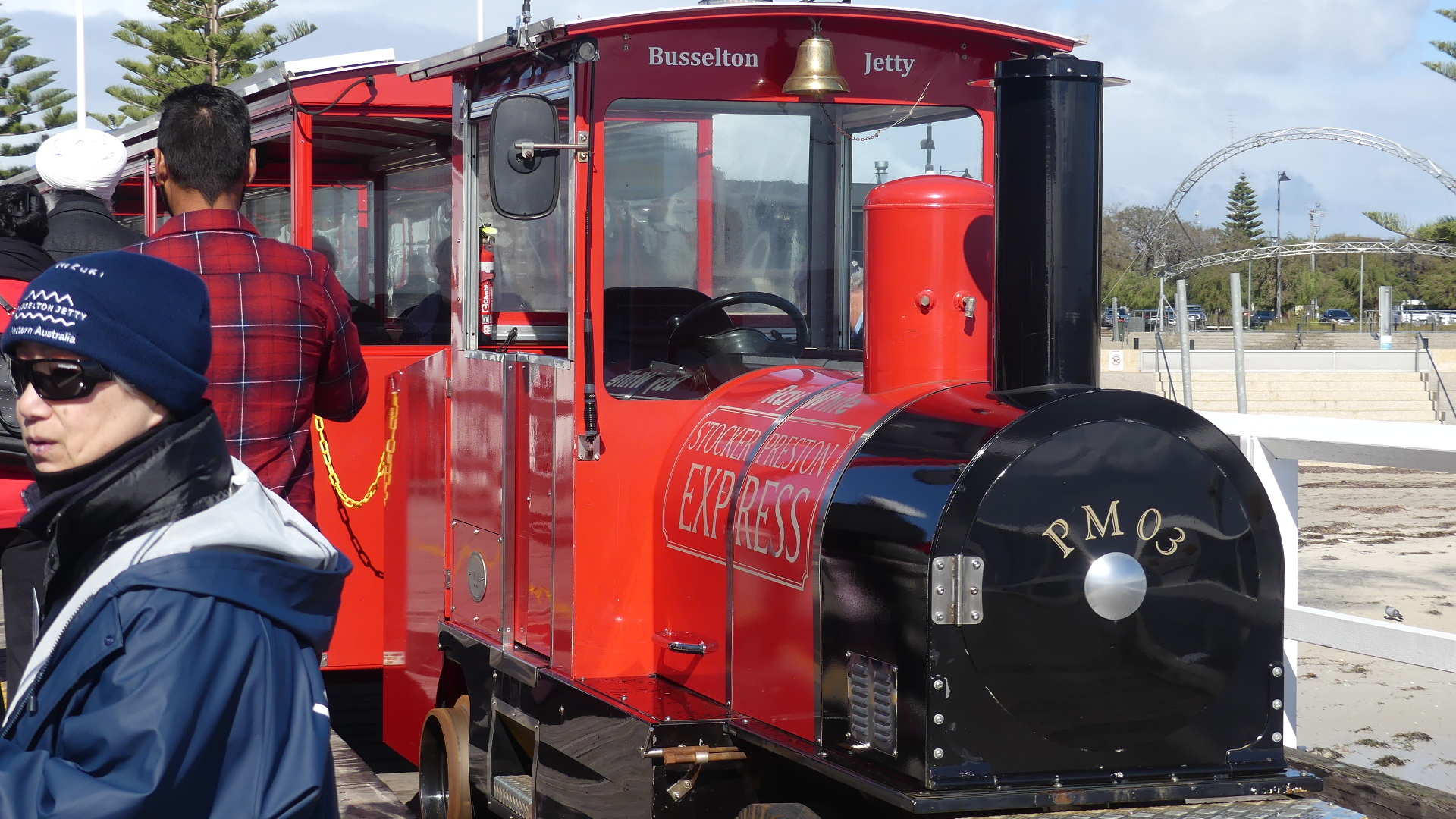
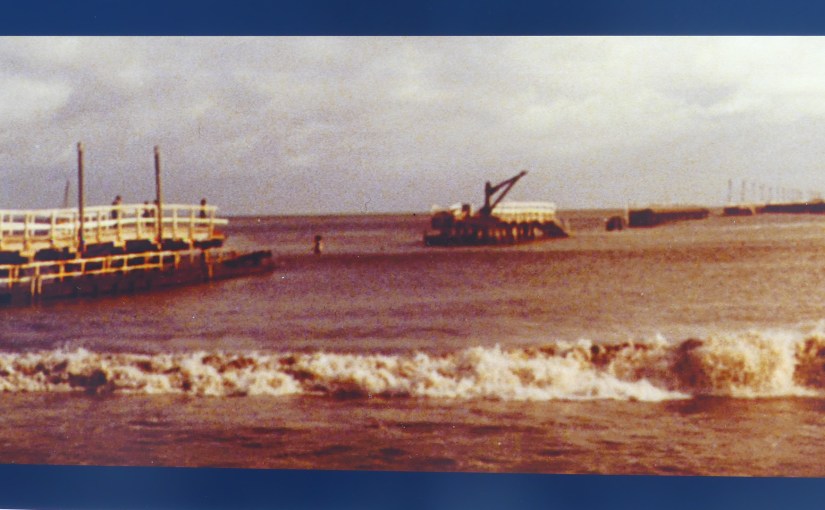
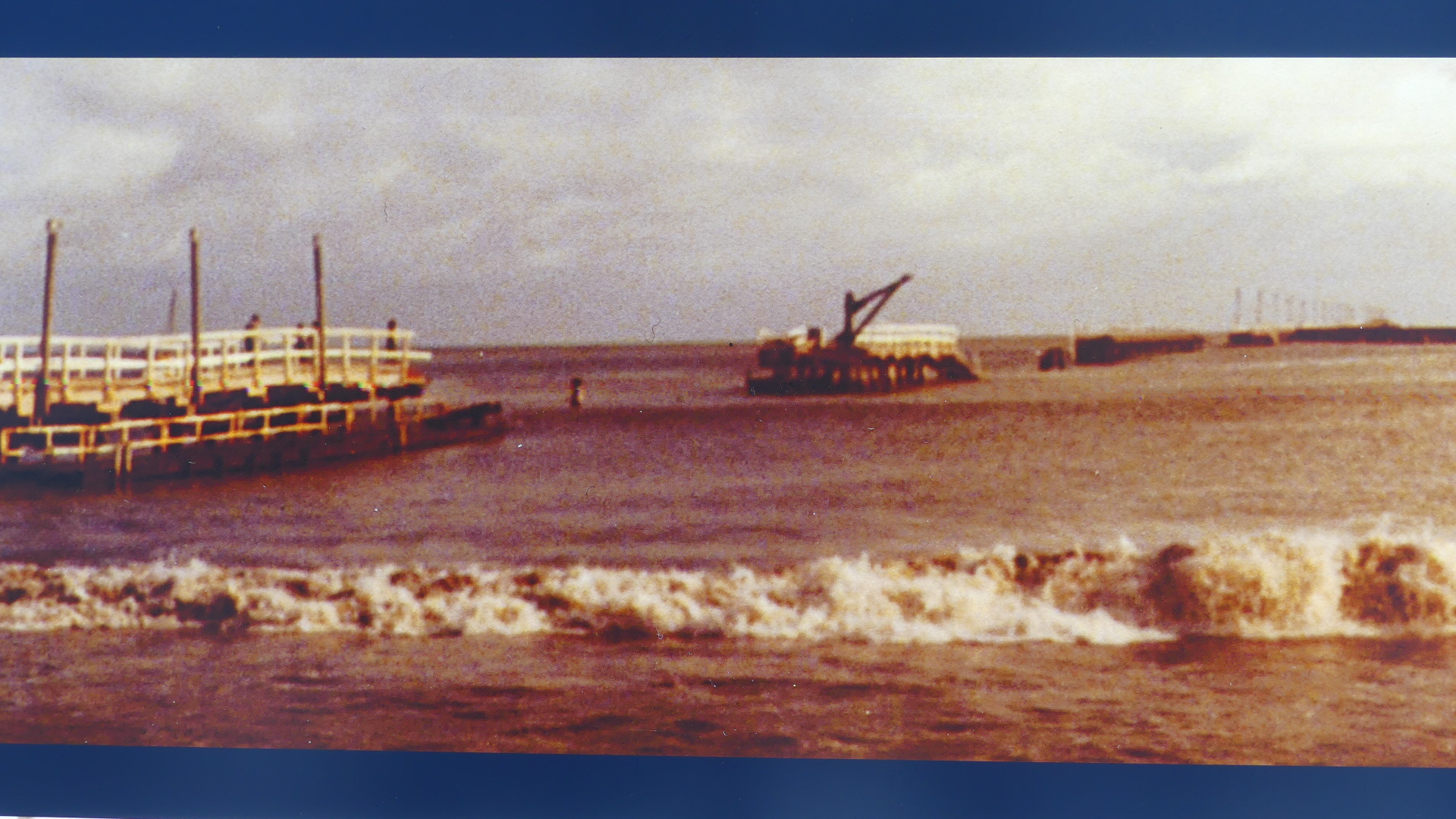
The 1960s saw the beginnings of the professional fishing industry and, in particular, the Margaret River wine region, which greatly increased tourist numbers in and around Busselton. Busselton’s nearest city is Bunbury named after Lieutenant Henry Bunbury who led a contingent of troops stationed at Wonnerup. Bunbury is 52 kilometres (32 mi) north-east of Busselton. Busselton is home to the longest wooden jetty (pier) in the Southern Hemisphere, stretching 1,841 metres (6,040 ft) out to sea. Construction of the jetty began in 1864 and it was continually extended until the 1960s, when it reached its current length. It was closed to shipping in 1972, and maintenance was discontinued for a time. Following major damage caused by Cyclone Alby in 1978 and a fire in 1999, it was restored and improved. Since 2003, the jetty has offered visitors a tourist train ride, an underwater observatory, and an interpretive centre.

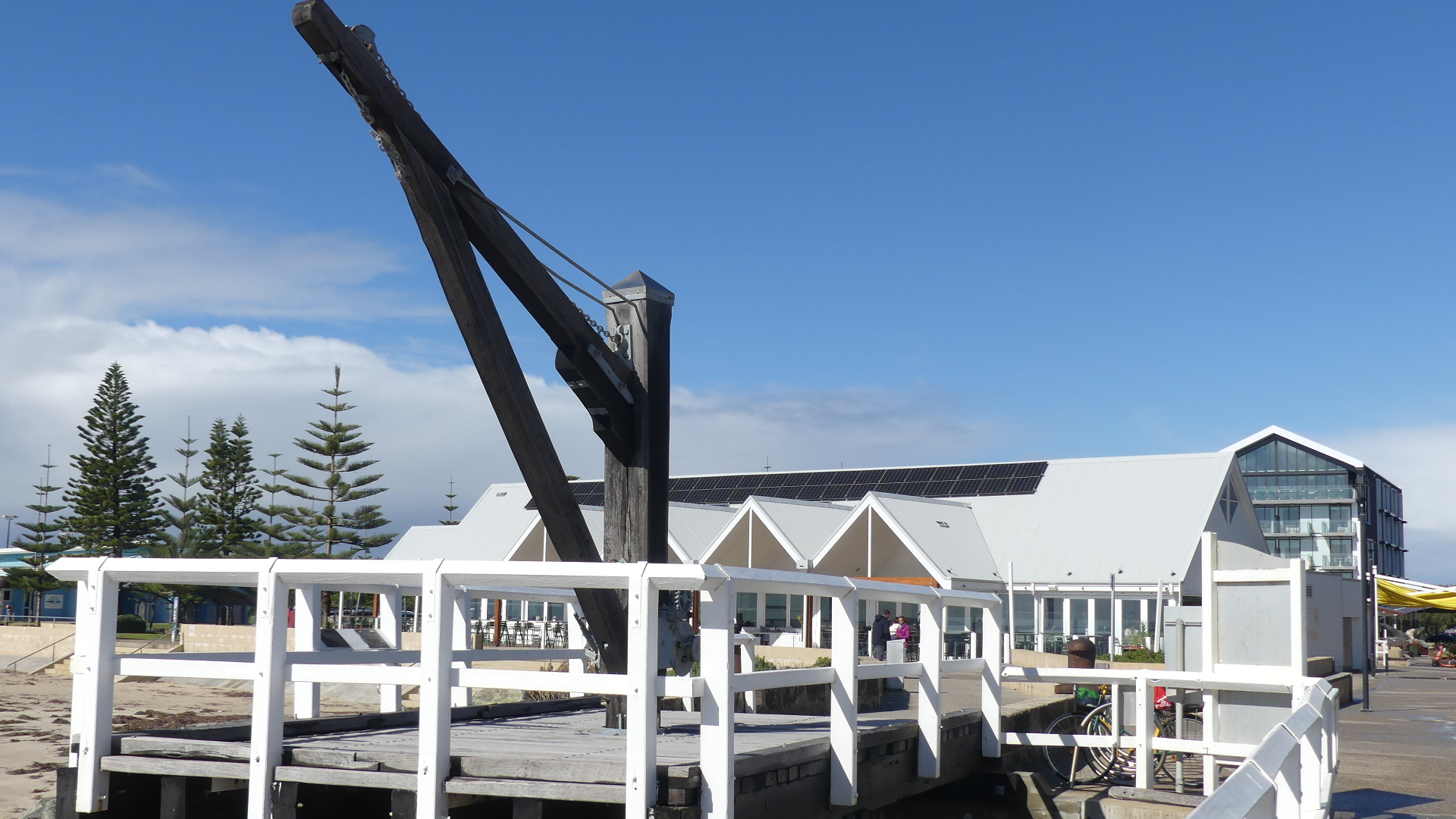
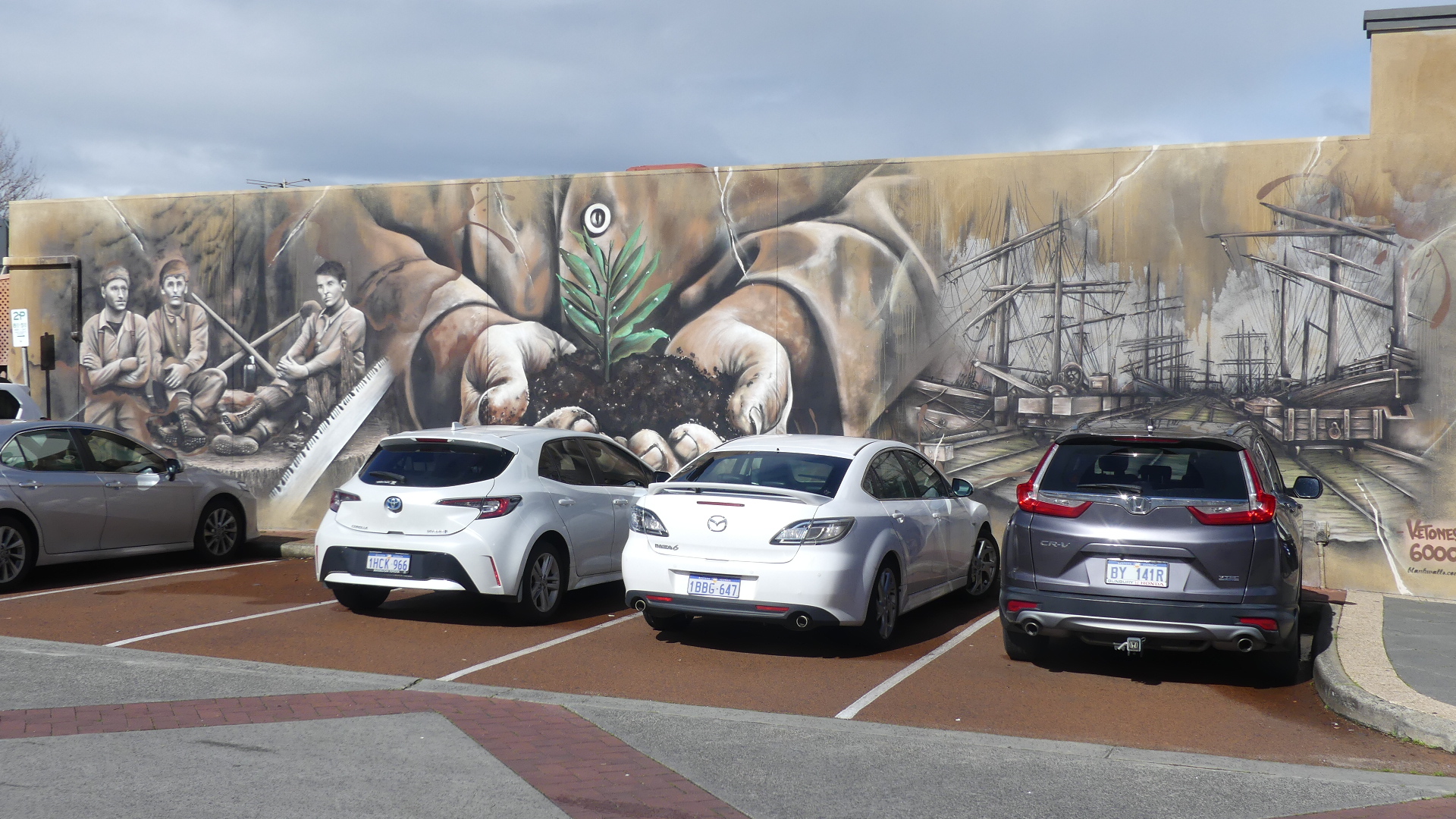
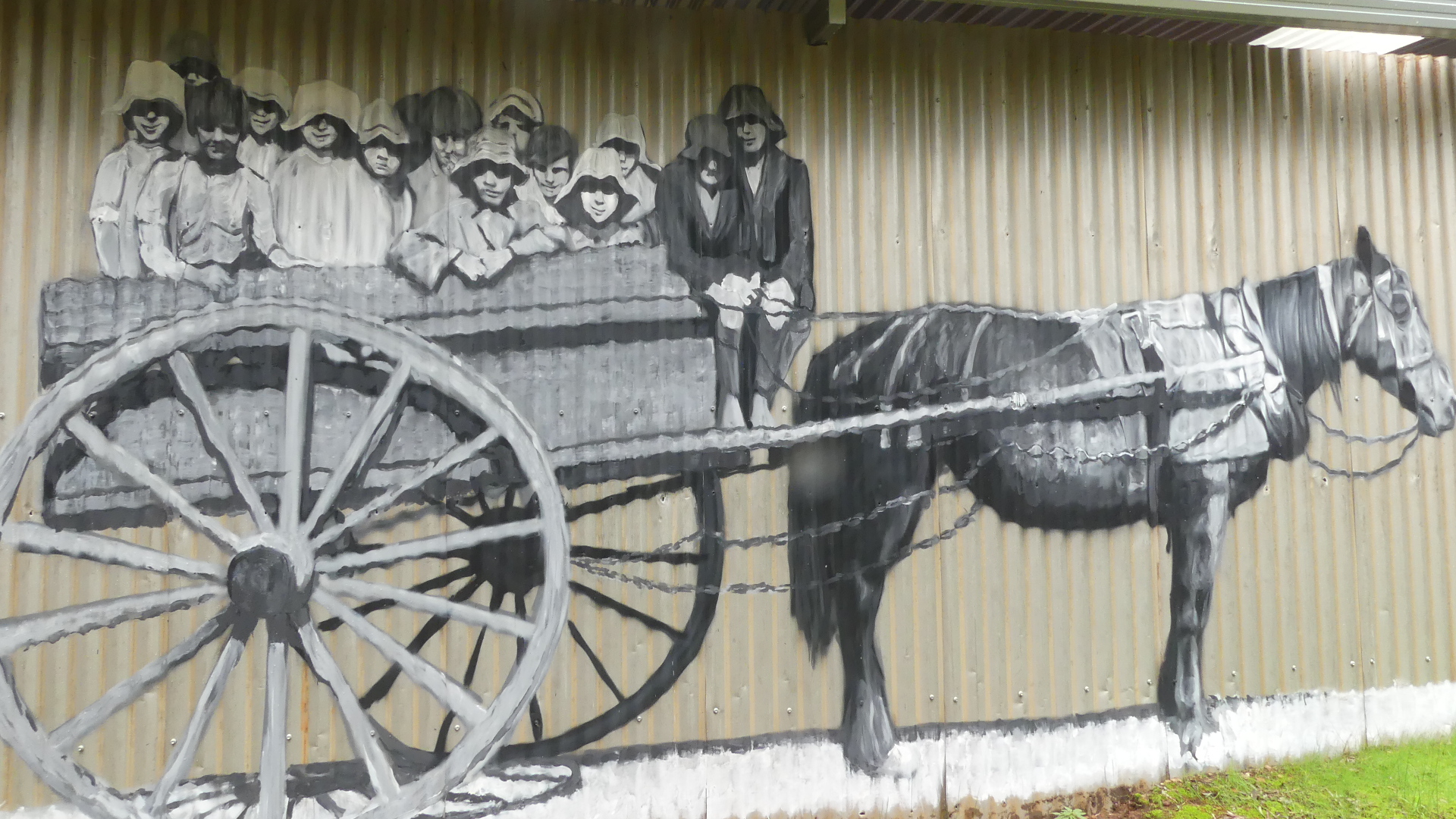
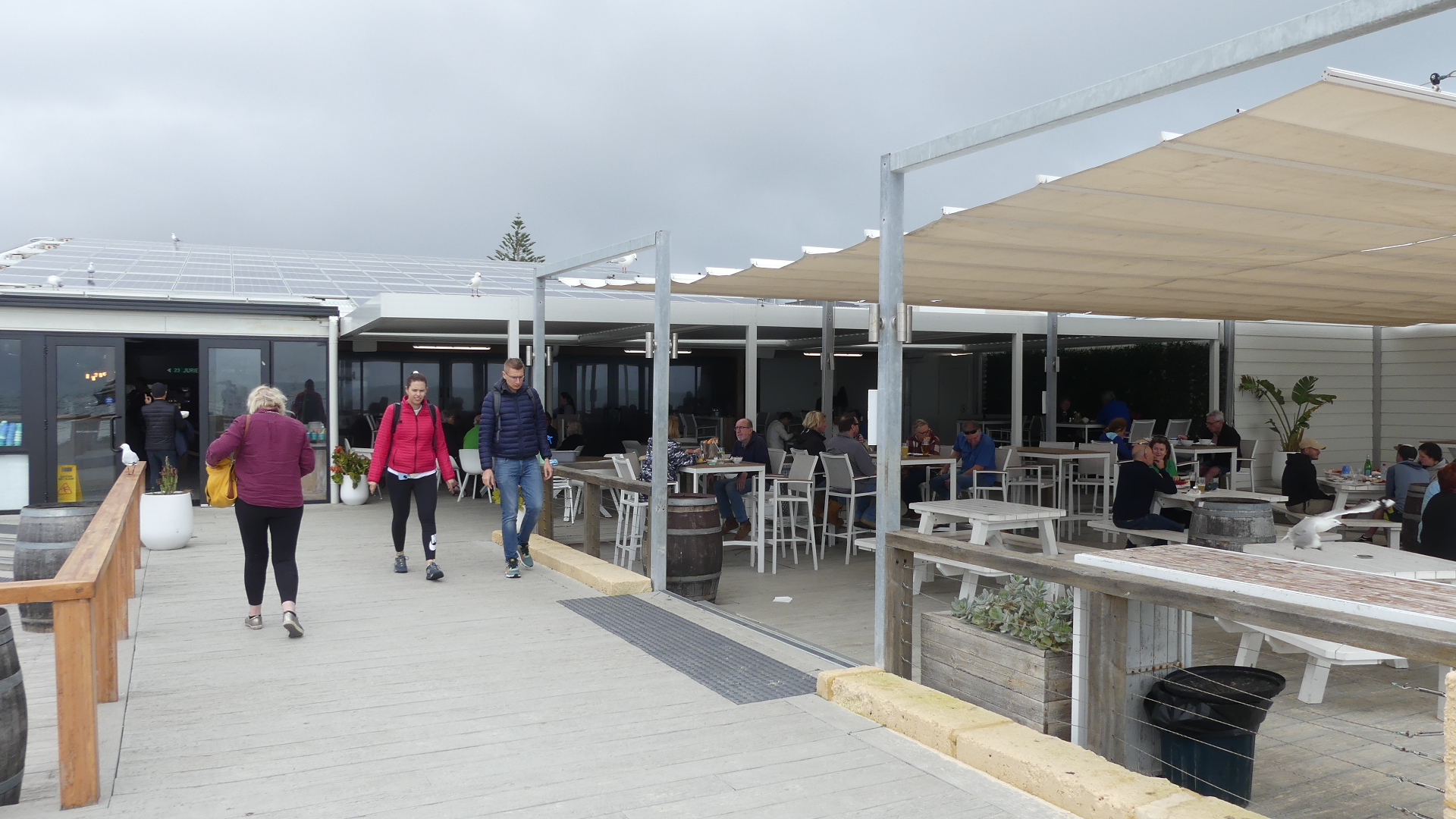
Photo #1 from the top left is the Visitors Centre, Gift Shop and train terminus. The train is rubber tyred but the carriages run on the rails. Photo #5 two gulls nesting – this is a remnant of an earlier part of the pier providing nesting spots for the gulls. We rode the train out and then walked back to the new building you can see in photo #2 for lunch and a lot of other people had the same idea. There are reminders of Busselton’s past in muriels on building walls such as the picture below. After Cyclone Alby.
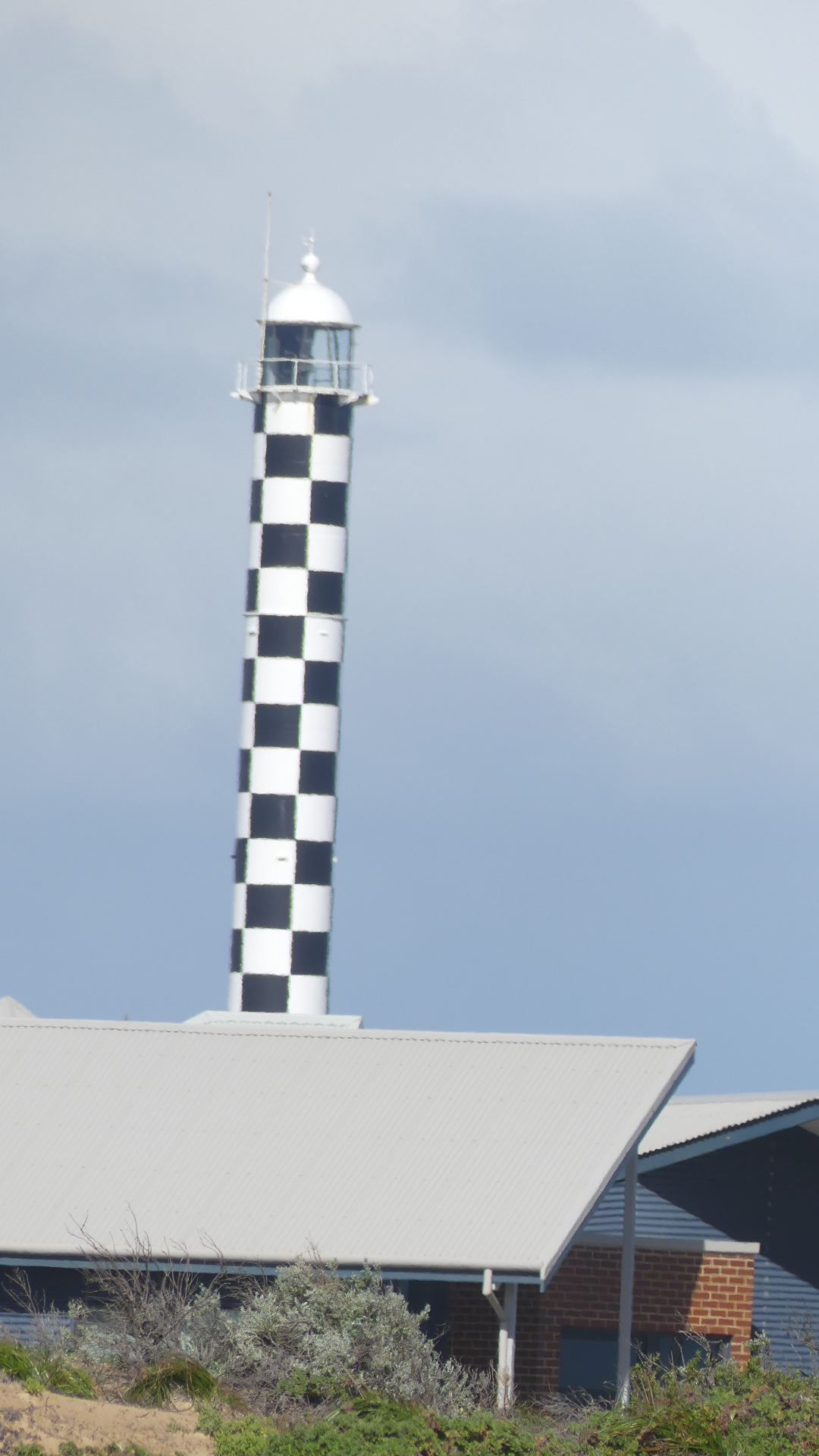
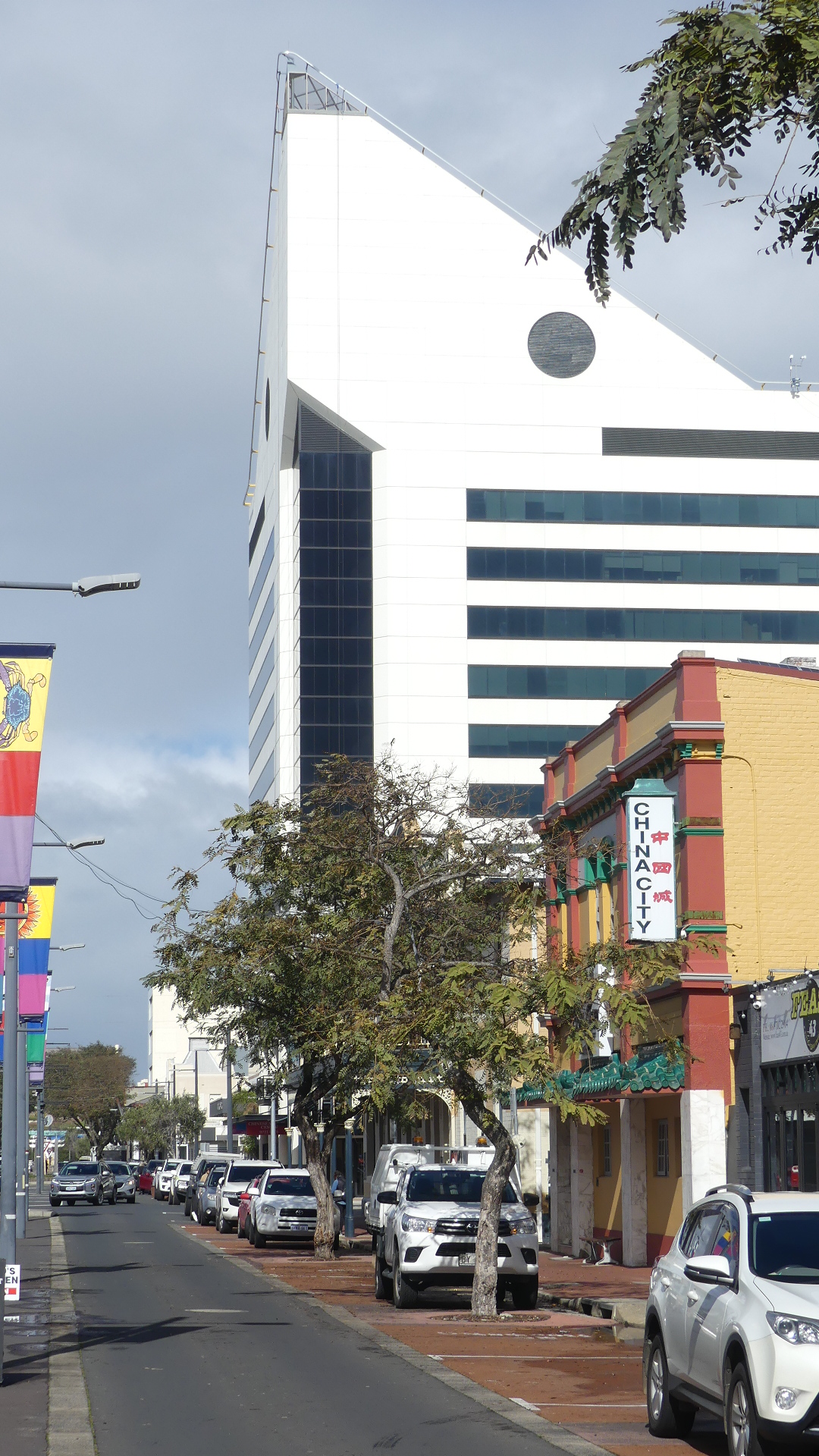
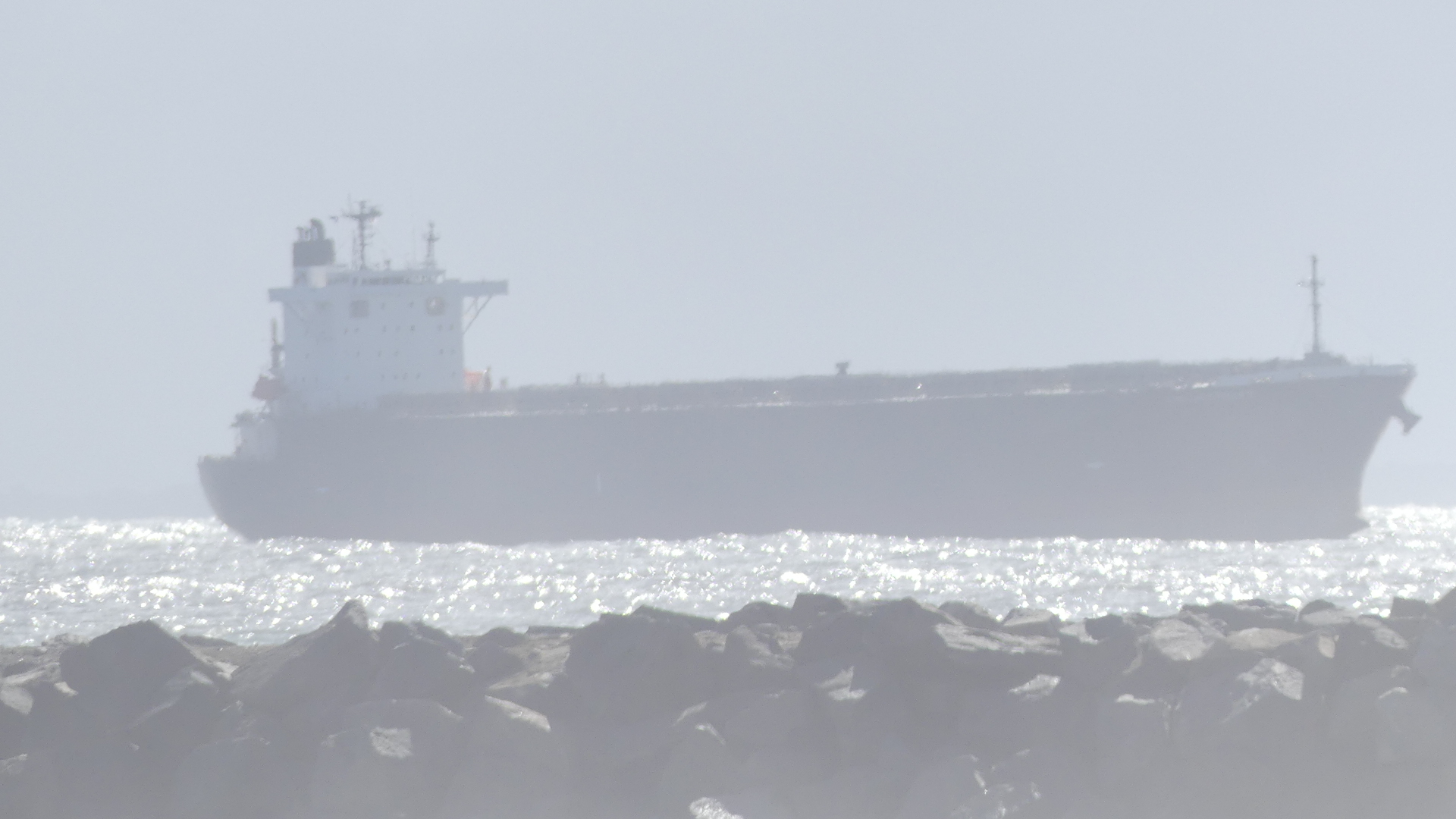
Prior to the visit to the pier we visited a number of different spots in town. It remains a port city as seen in photos #1 to 3, with lighthouses sited amongst the residences. Surprisingly there is a lot of historic street art to admire as well as seen in photo #11.

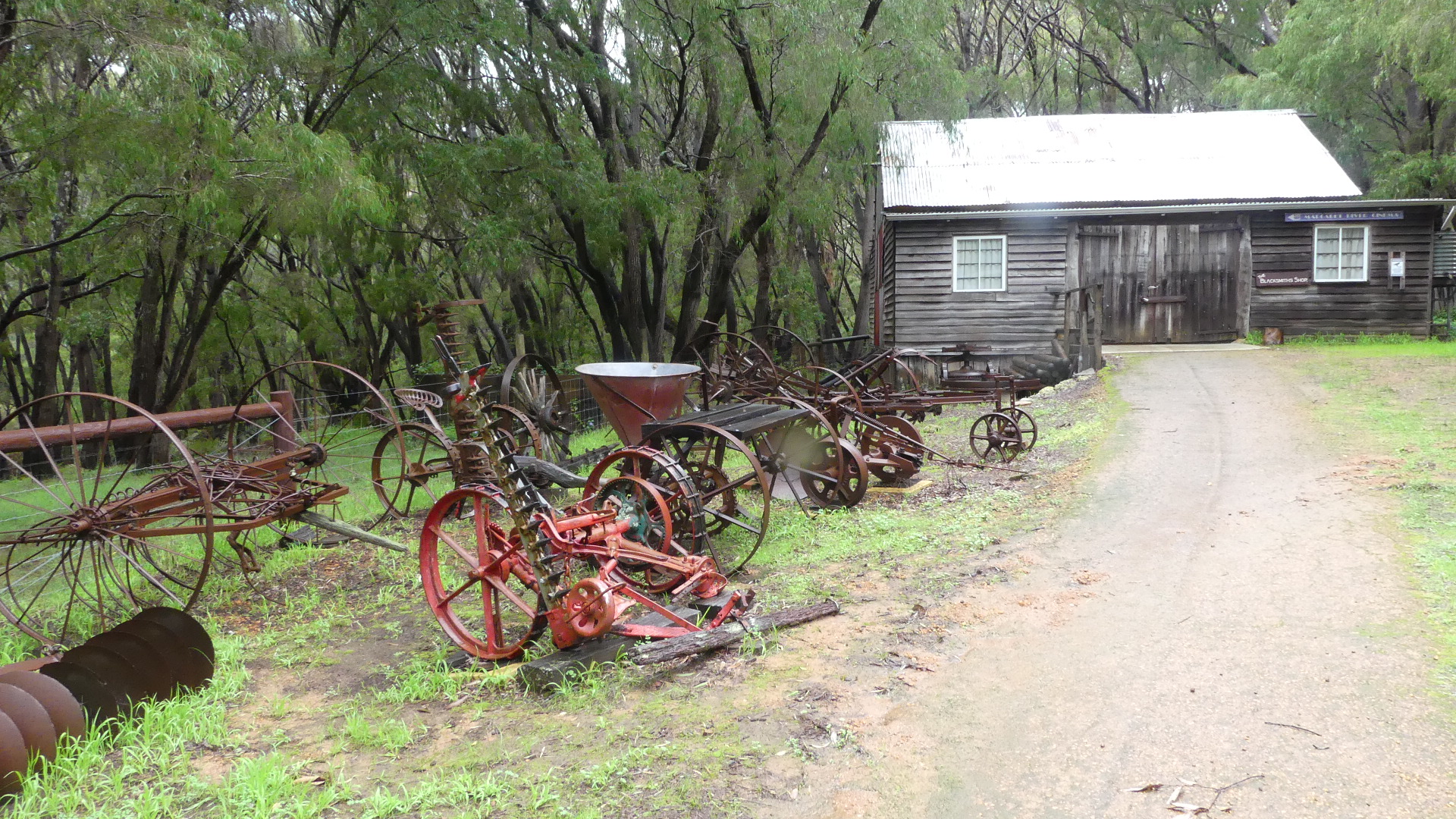
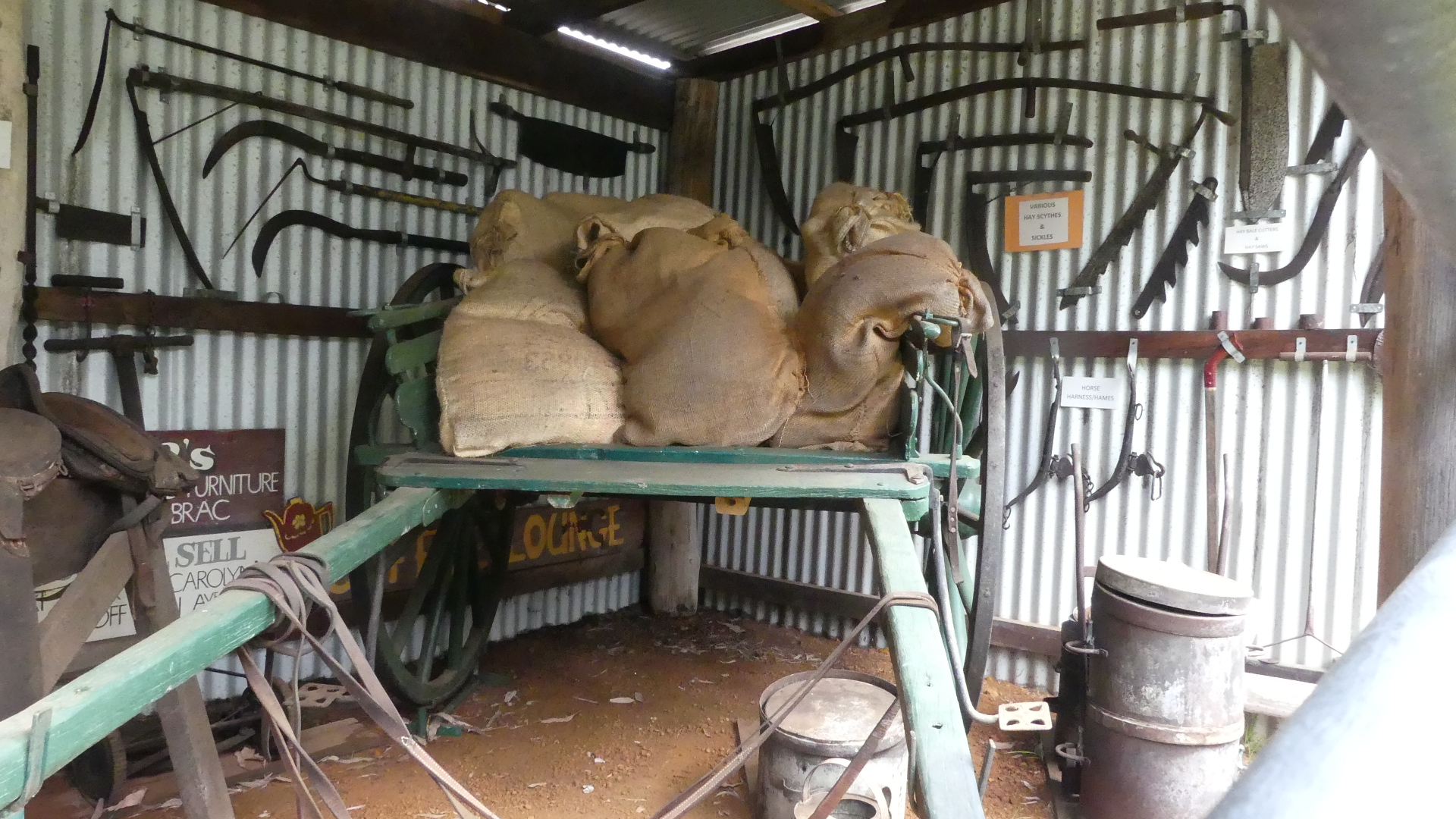
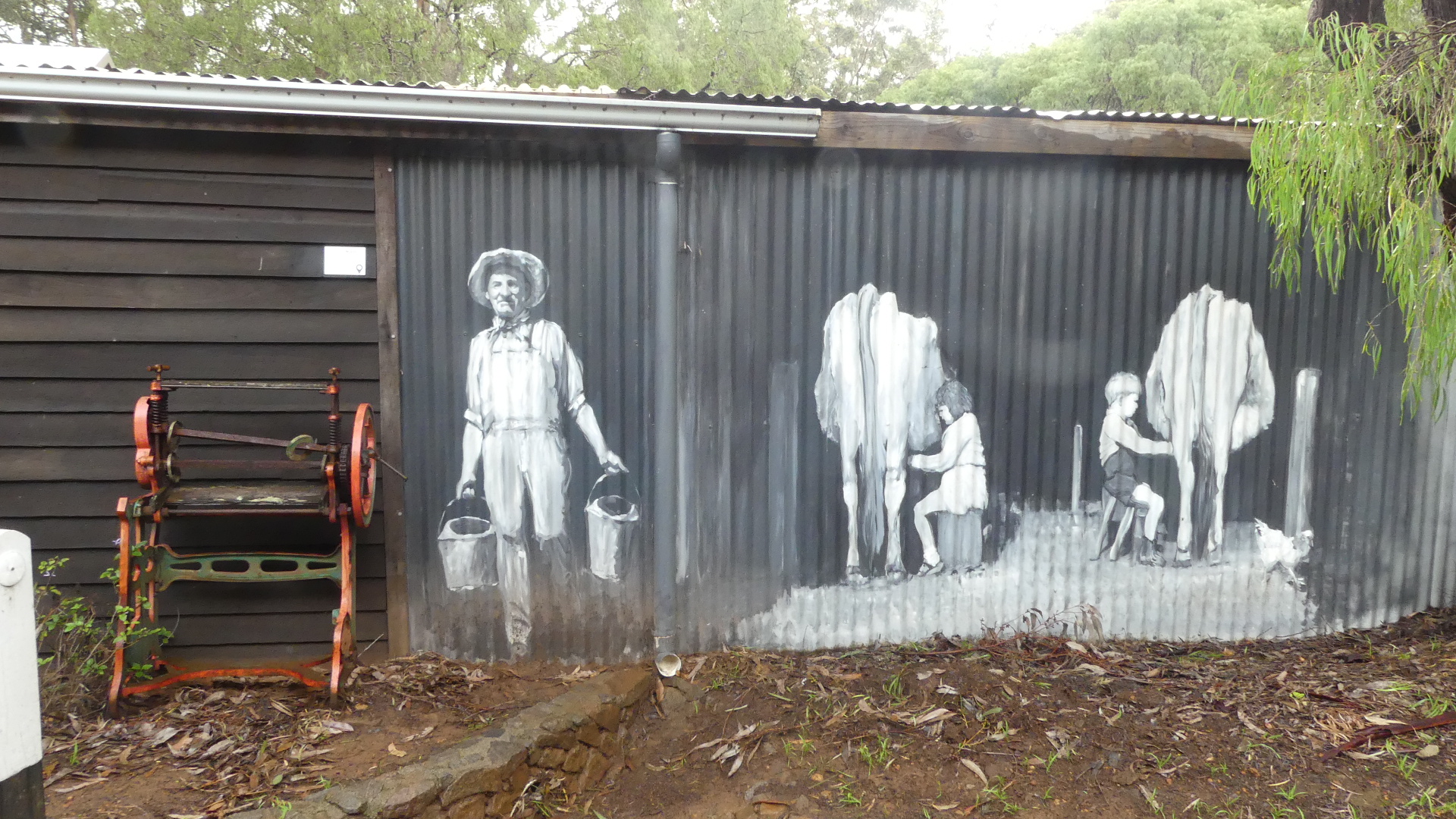
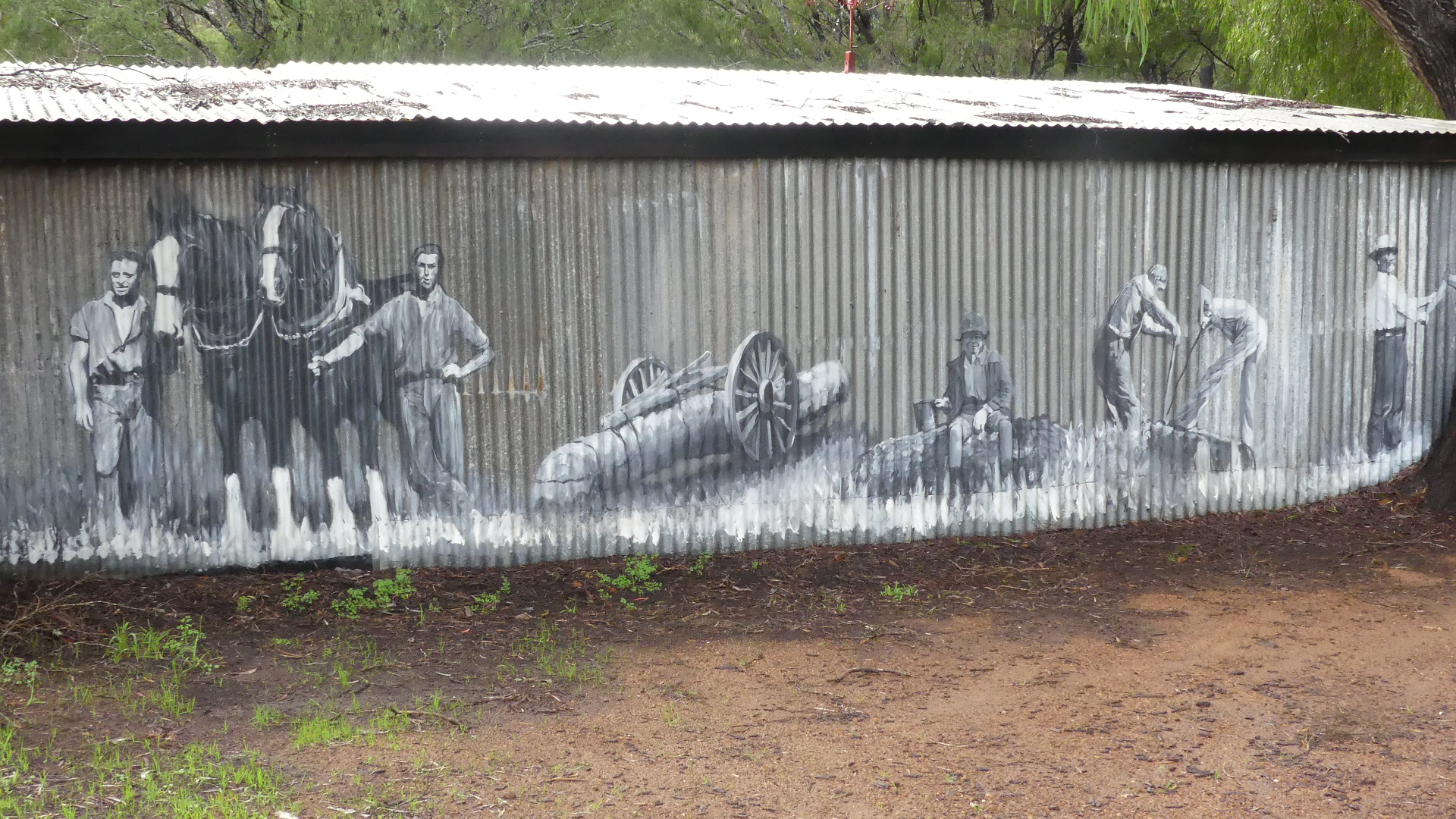
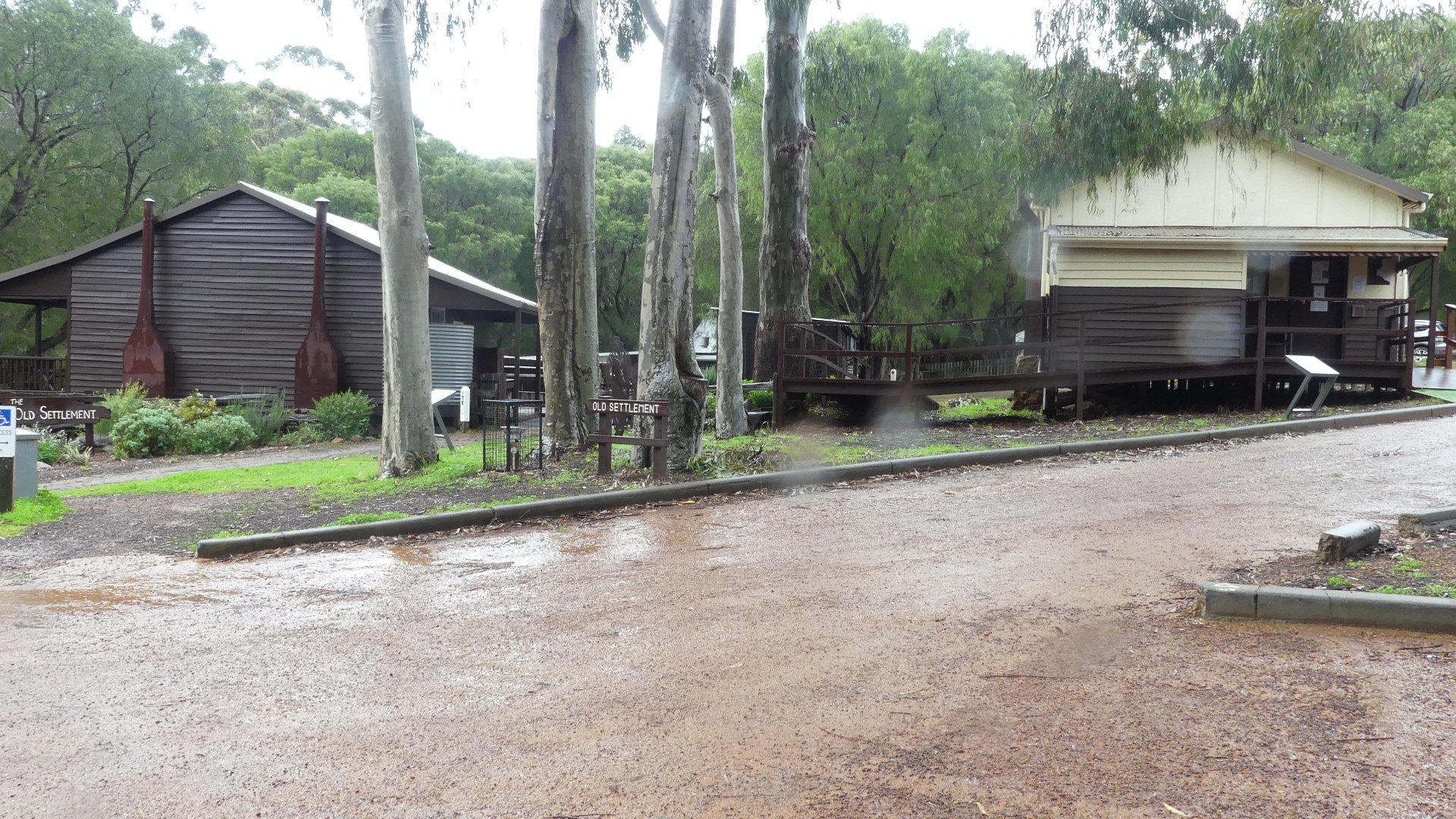
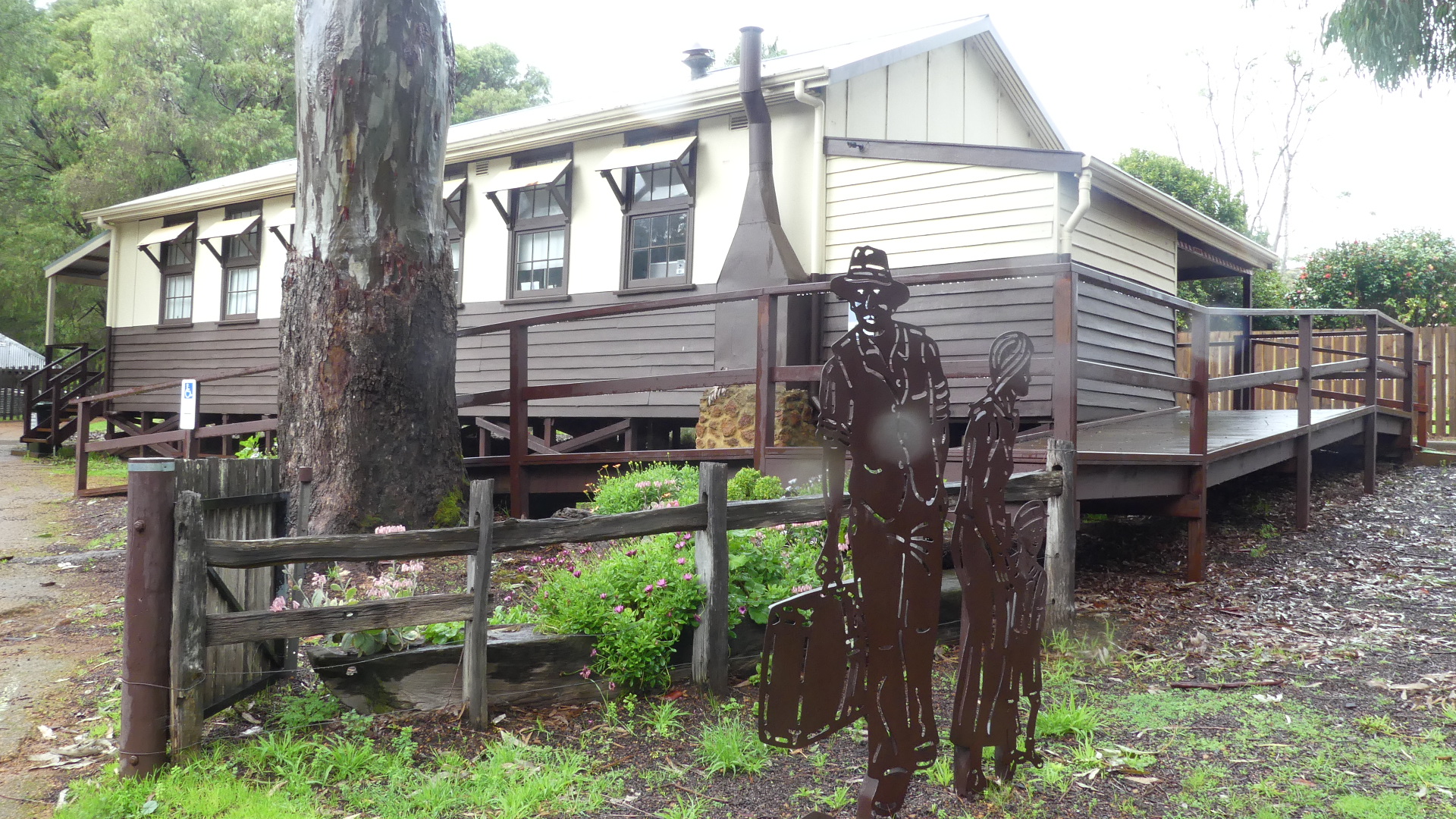
We made our way home but both arriving we noticed the historic buildings at the northern end of Margaret River Village. It had blown up windy with sprinkles of rain so while it seemed miserable we were not going to miss this opportunity. Once again the pictorial artwork was terrific to see images of the past.
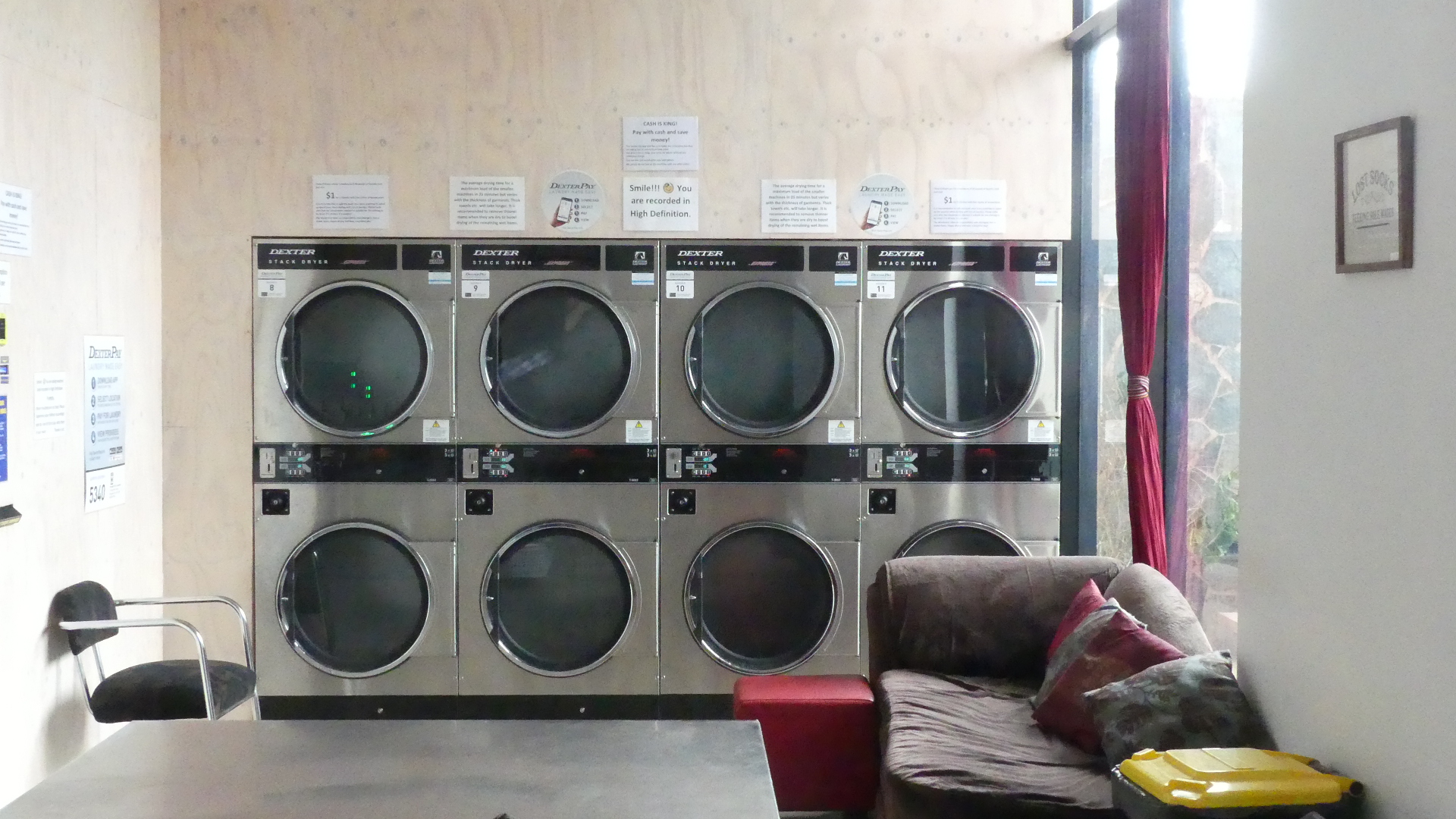
Well tomorrow we board the bus to Perth Airport so time to do some washing. Although there is a laundry in the house/home we decided to use the local laundromat – cannot recall why at the present but here’s the proof – the dryers and the lost and found basket.
The following morning 5th August we drove down to the bus stop in the darkness and sat in the shelter until the bus arrived. Dale and Zdravka protested that they would drive us to the airport but we won out and stayed for the bus. It was both cold and dark but gradually the sun peeped over the horizon, the street lights disappeared and the bus arrived. There would be one change before arriving at our accommodation at the airport. Now if you remember in my first of these blogs we had intended to meet Kerry’s cousin Ken and his wife Yena. Yena’s mother passed away suddenly and as she lived in Bali Ken and Yena had left Perth the morning of our arrival. So on our return journey we arranged to catch up that evening.

Our bus took us on an interesting circuit on the way to the accommodation – in this world of FIFO we went to every small aircraft operator providing FIFO travel taking men and women to work. Interesting!

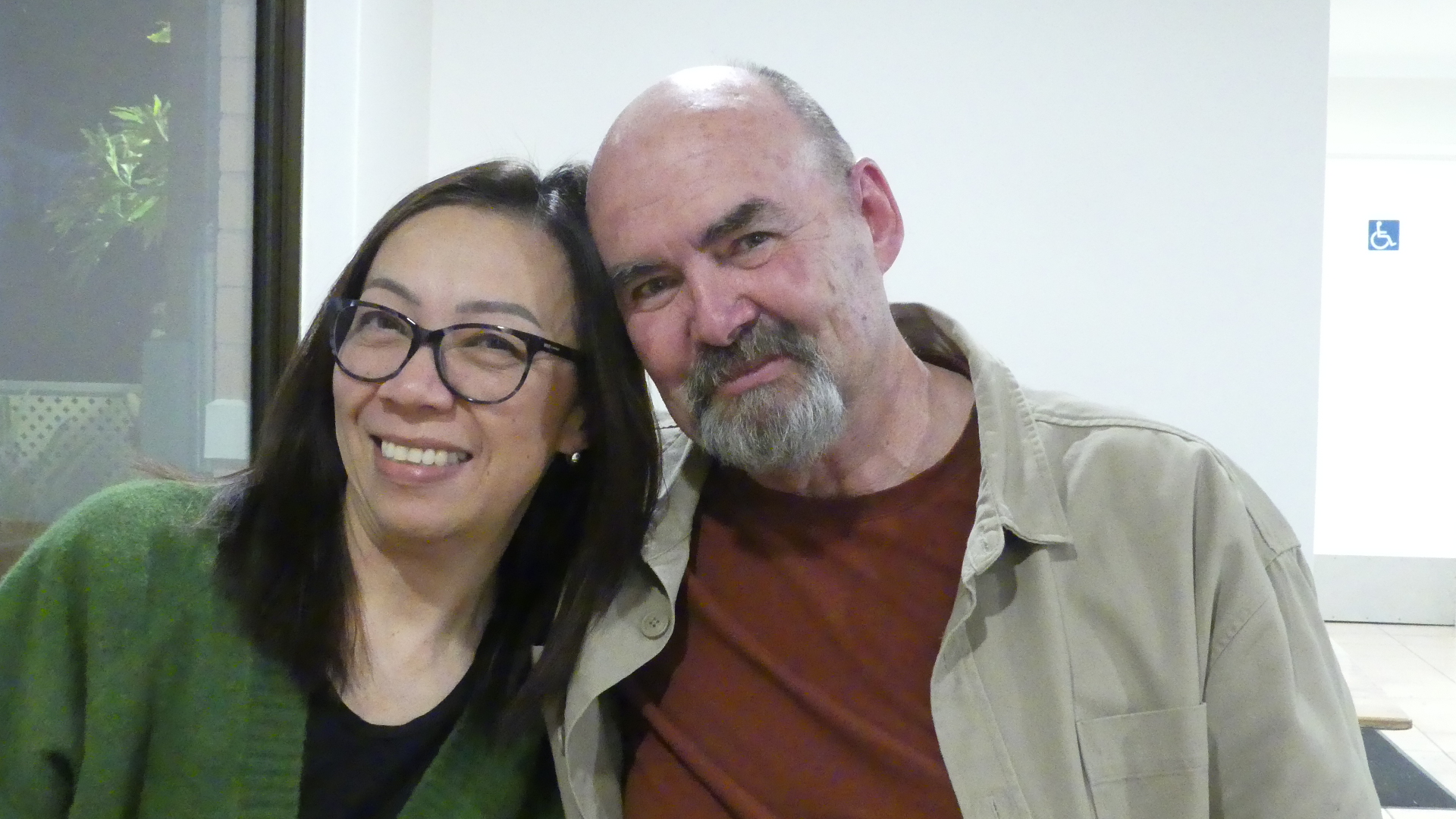
After showering and pulling on some of those clean clothes we went to the inhouse restaurant to meet Ken and Yena. Reminded me a bit like Star Wars and the bar on Tatoon but fortunately Jaba was not in. Ken and Yena arrived and we caught up on everything from Ken’s father Barry passing away to Yena’s mother passing – a characteristic of getting old. Here is Ken and Yena.
Well after farewelling Ken and Yena we dragged ourselves to bed. We were scheduled to travel with the FIFO workers to the airport and what a shock. The bus transfer was a true shuttle with everyone jostling for space and once we got to the departure terminals all of the shuttles were converging and spewing passengers into the terminal. We were stunned but we had allowed plenty of time fortunately. We were not going to Brisbane but to Hobart to catchup with our youngest son Paul and his family. Whilst we booked a direct flight the plane took us firstly to Sydney then to Hobart where caught an Uber to our hotel. Having found our way to the hotel we arranged to catch up for dinner at a local eatery. The reason for our visit was tomorrow our granddaughter Lola was to perform in a school band.

December 2024

THE RETIREES AND FRIENDS VISIT PERTH AND MARGARET RIVER – SWAN VALLEY – day 4 Back to our Itinerary

Star Date 29th July 2024

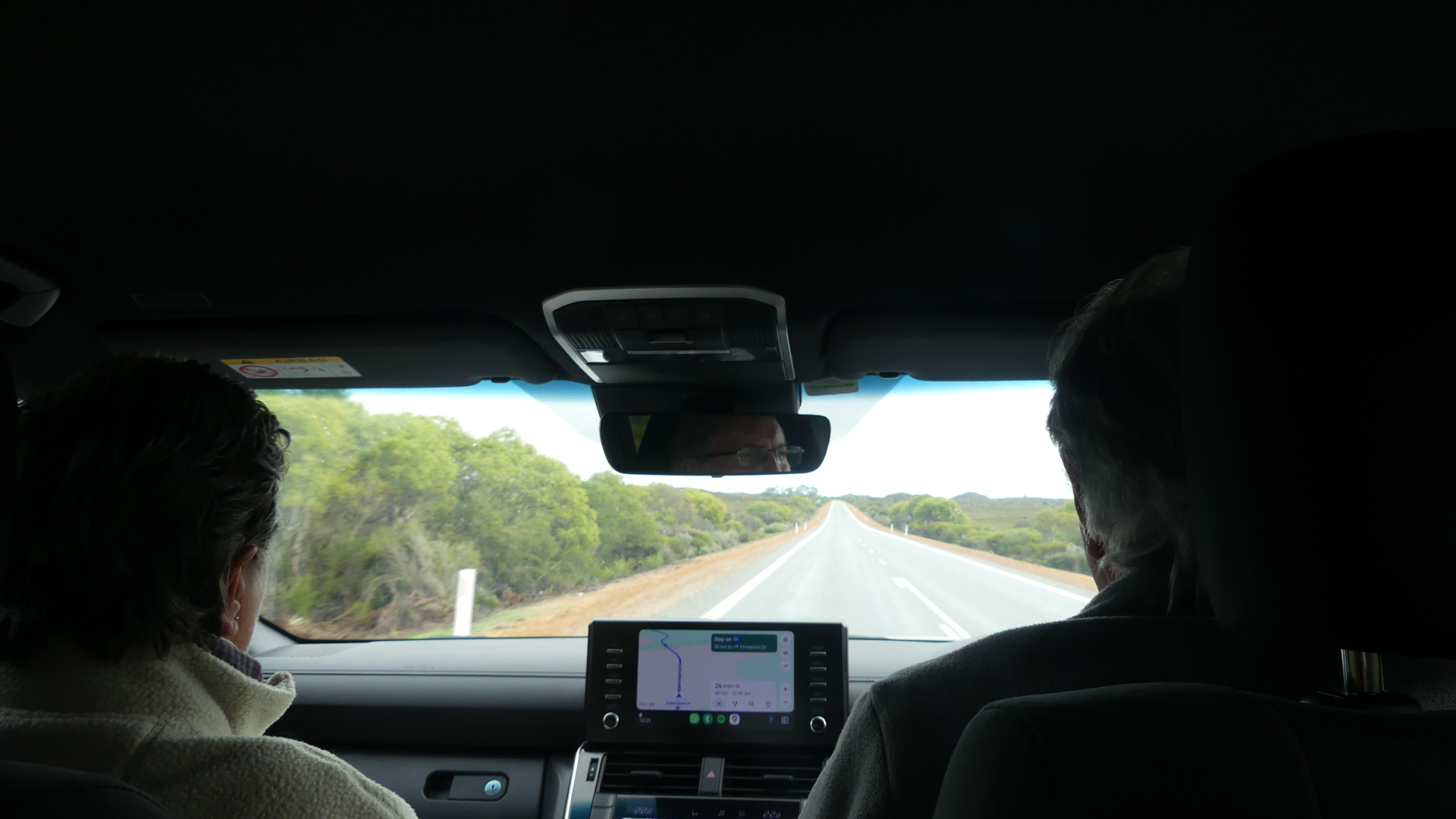
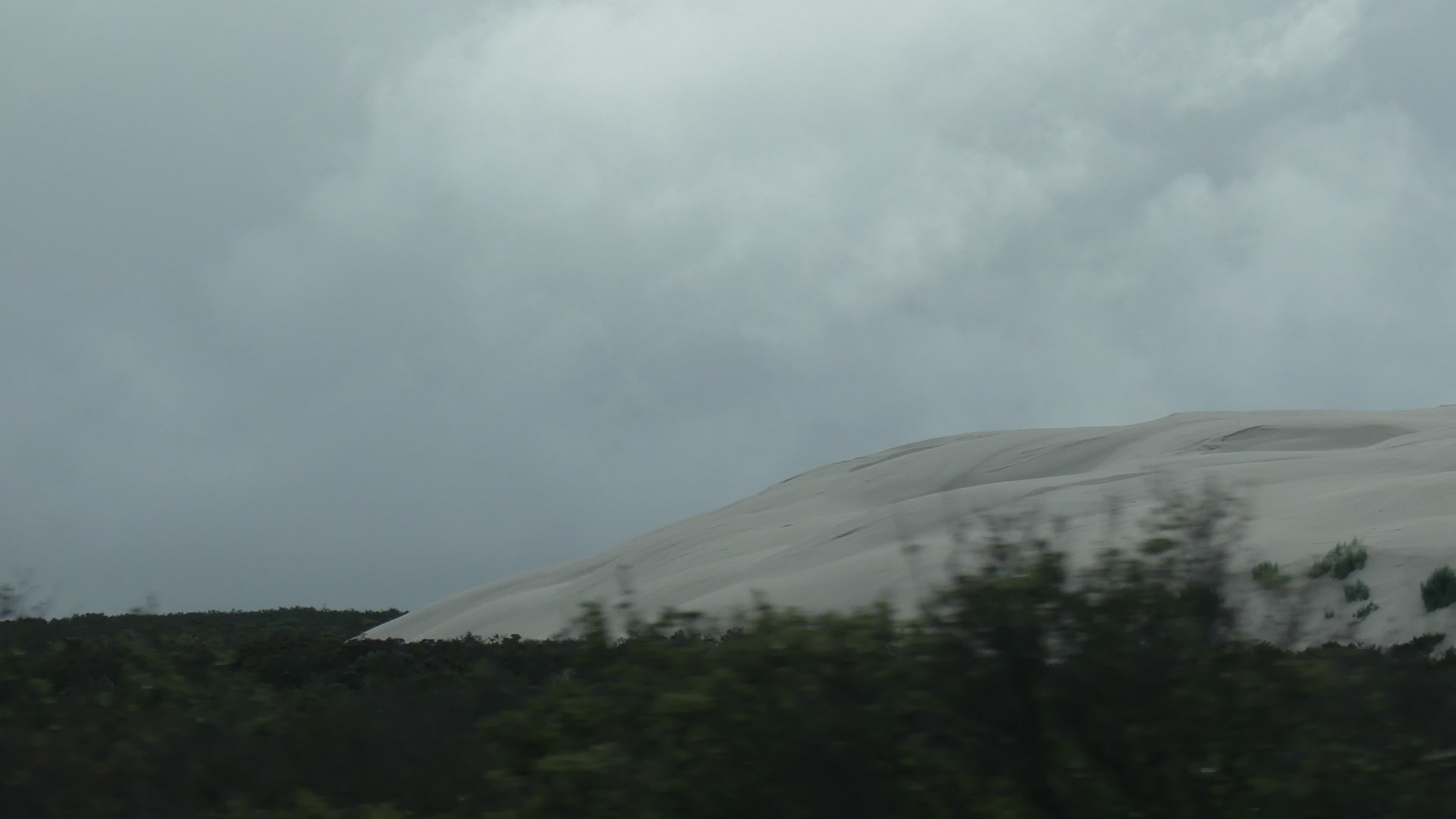
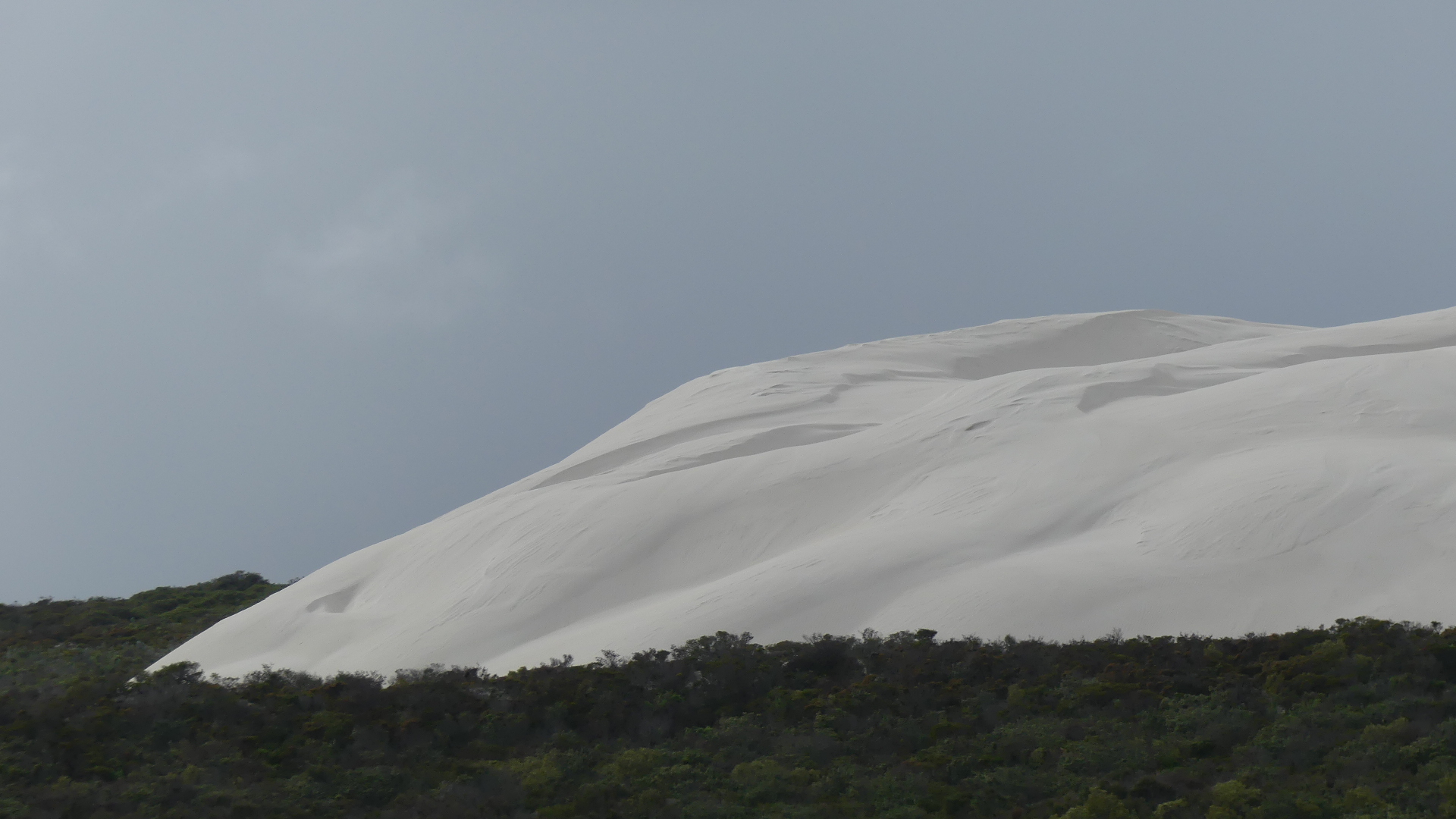
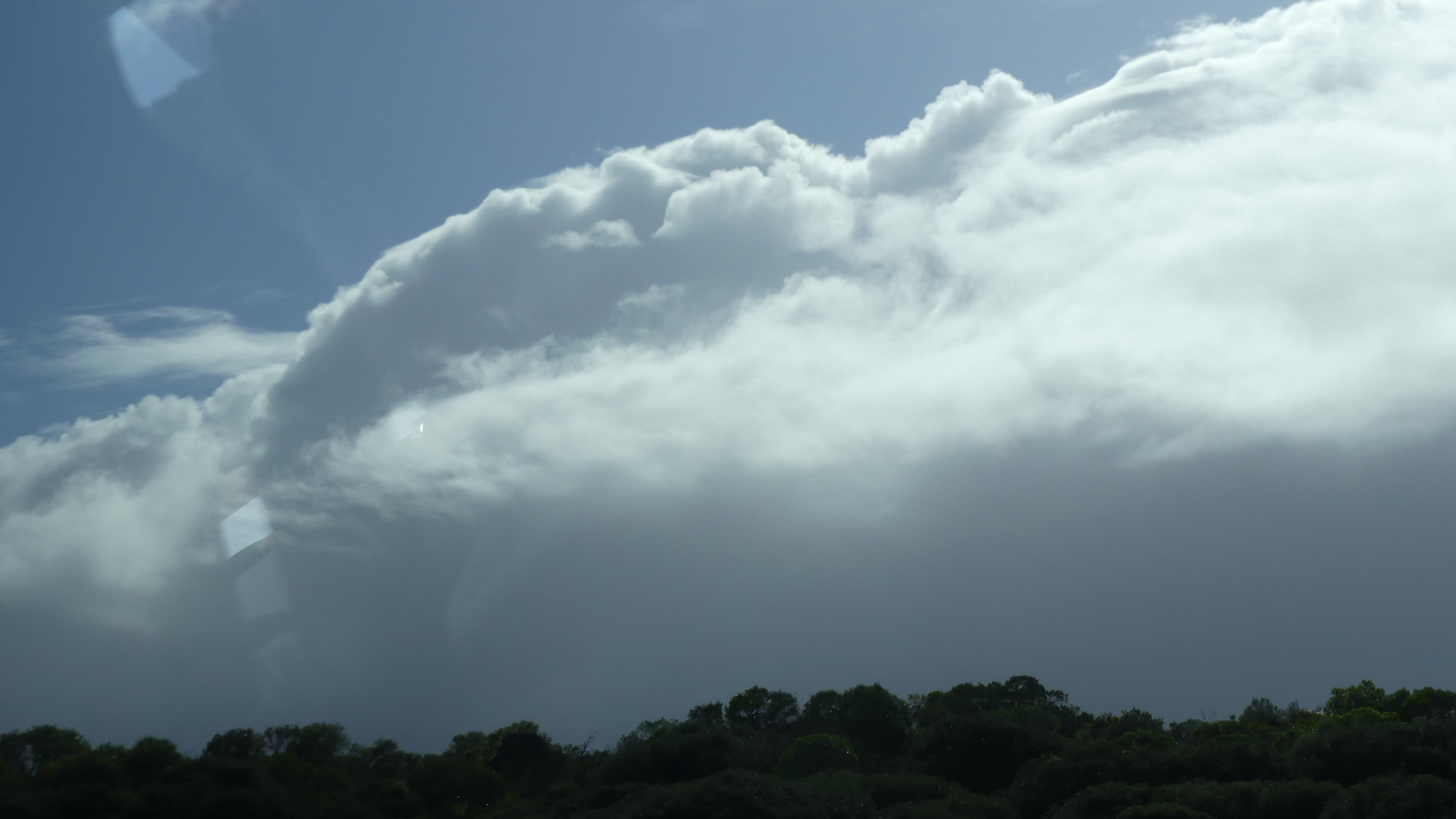
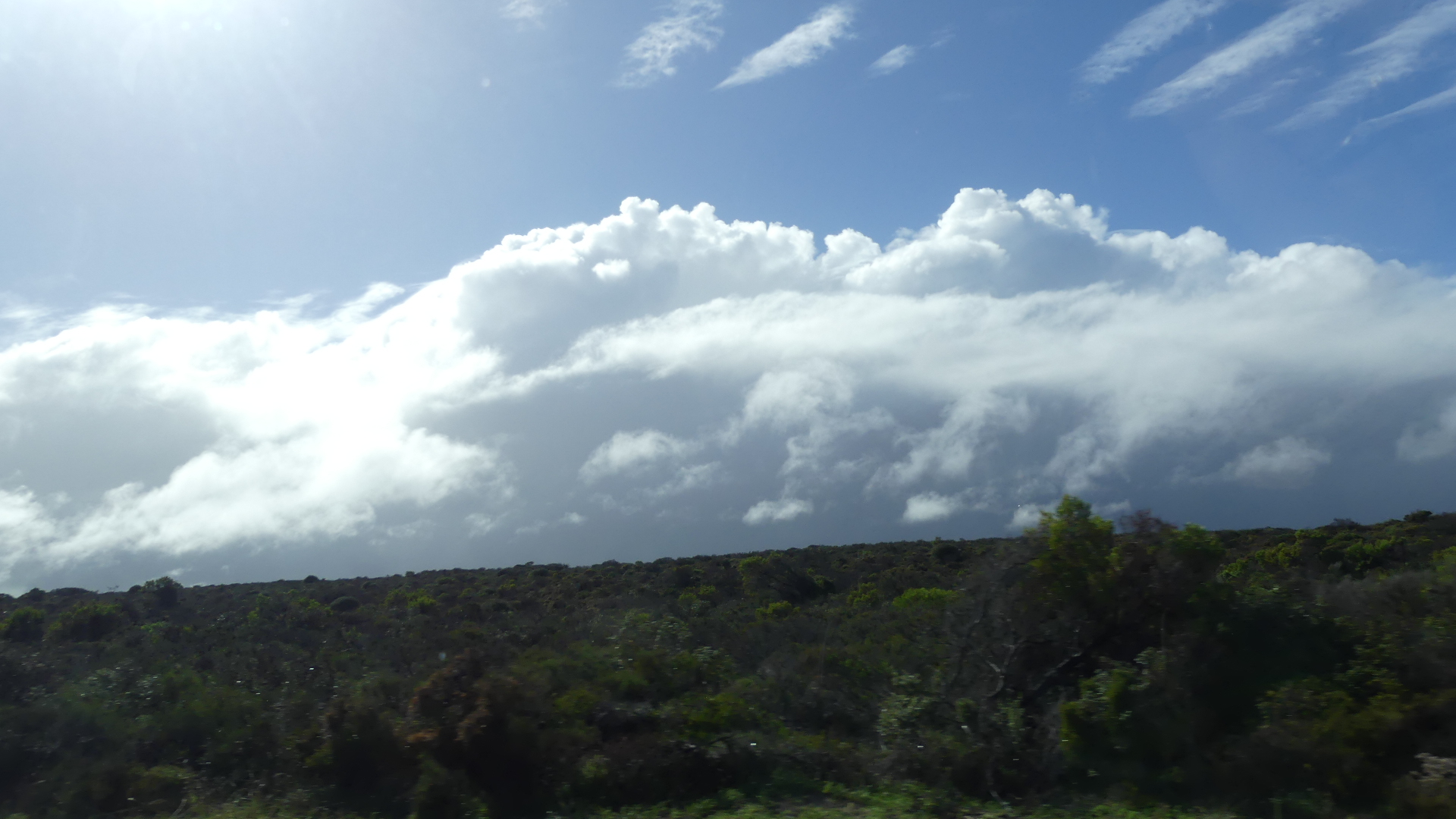
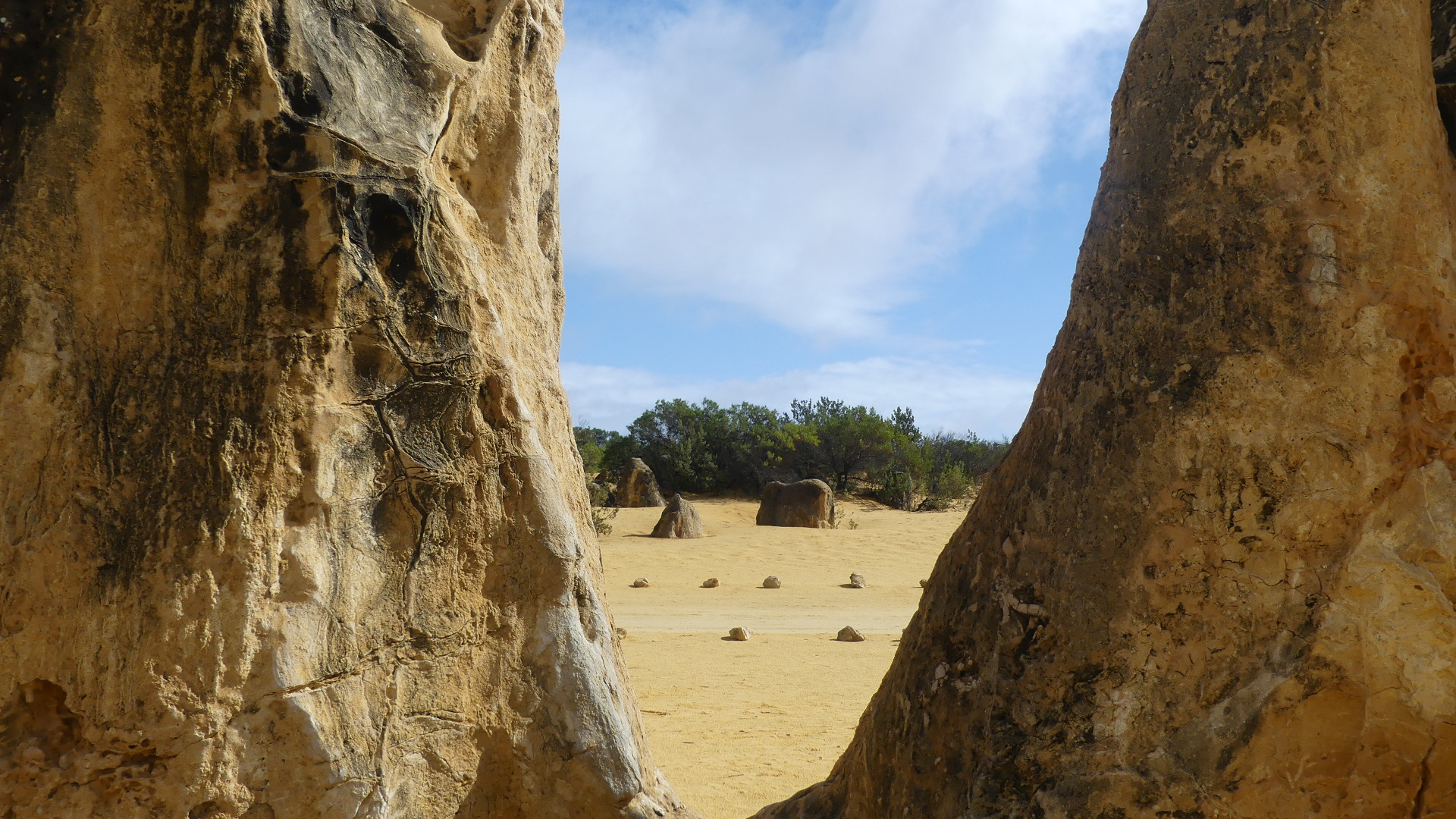
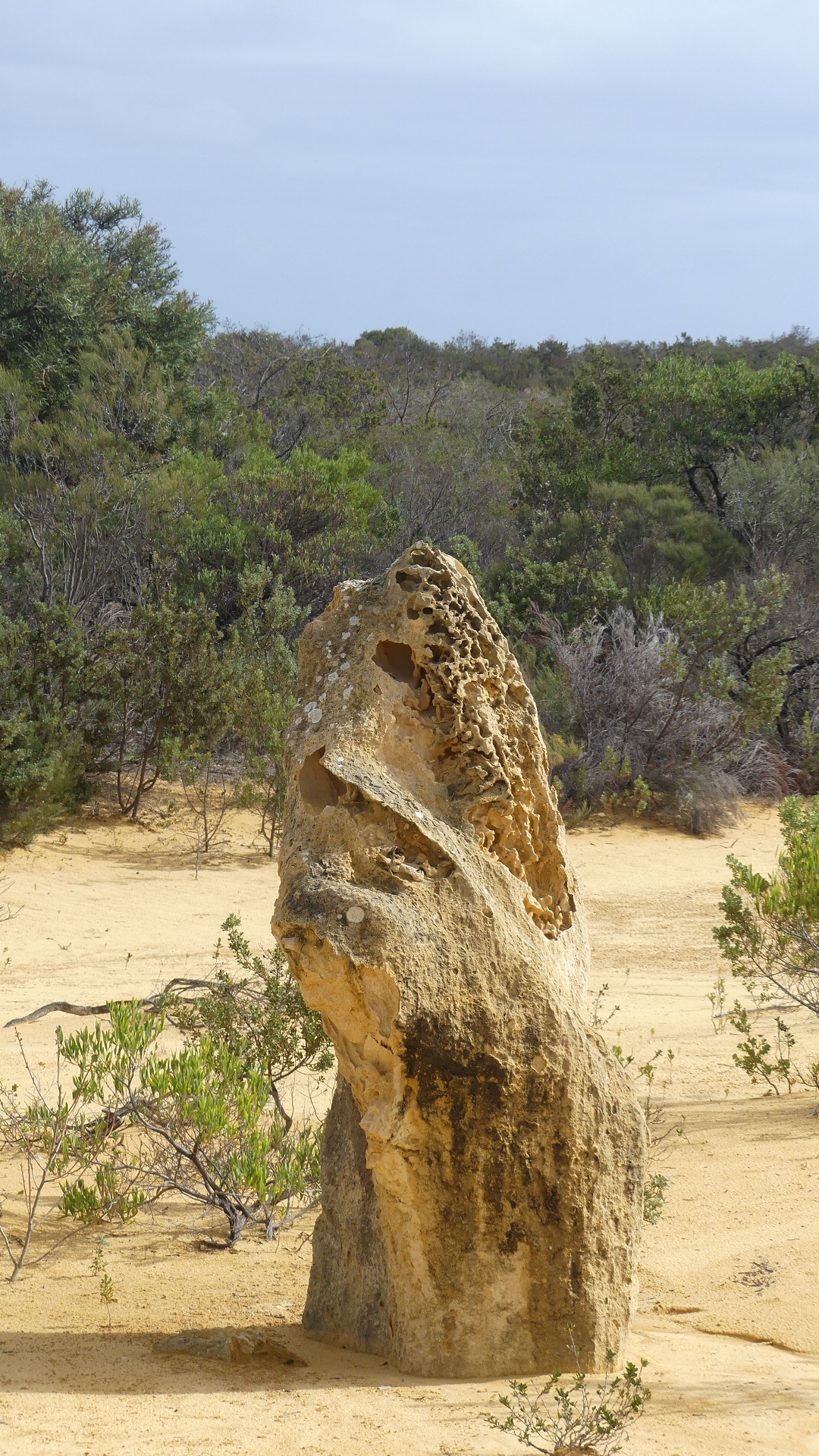
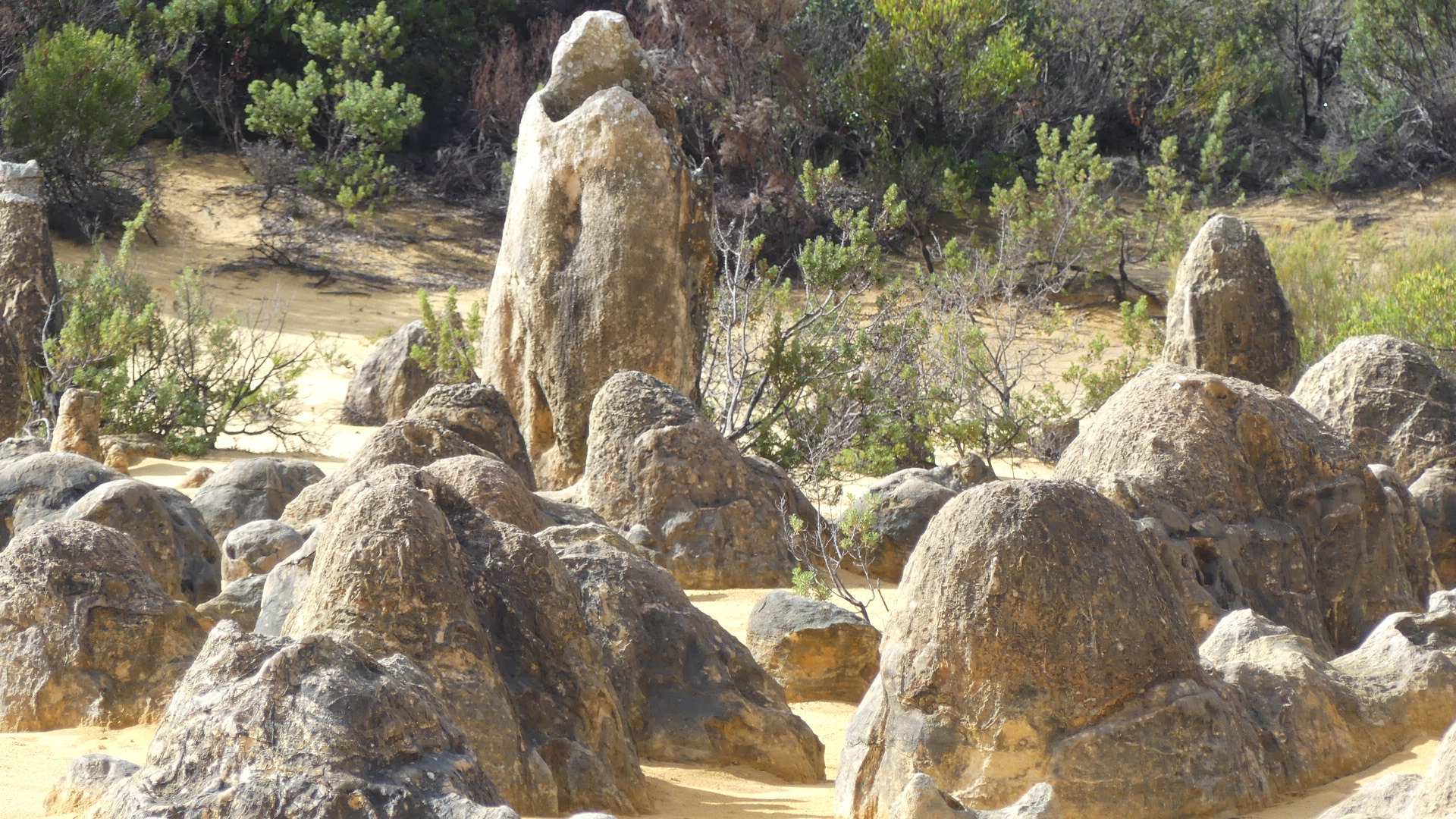
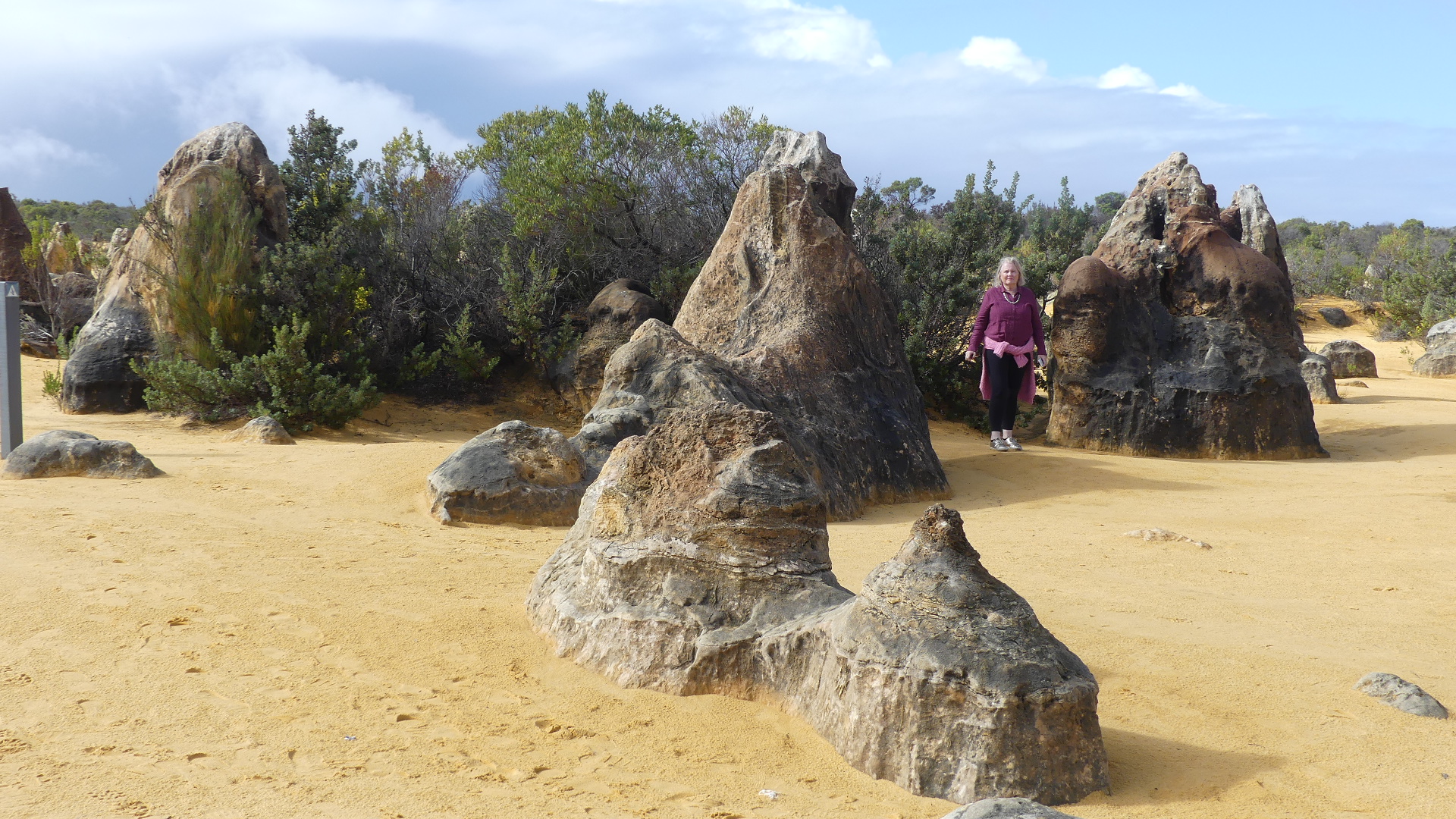
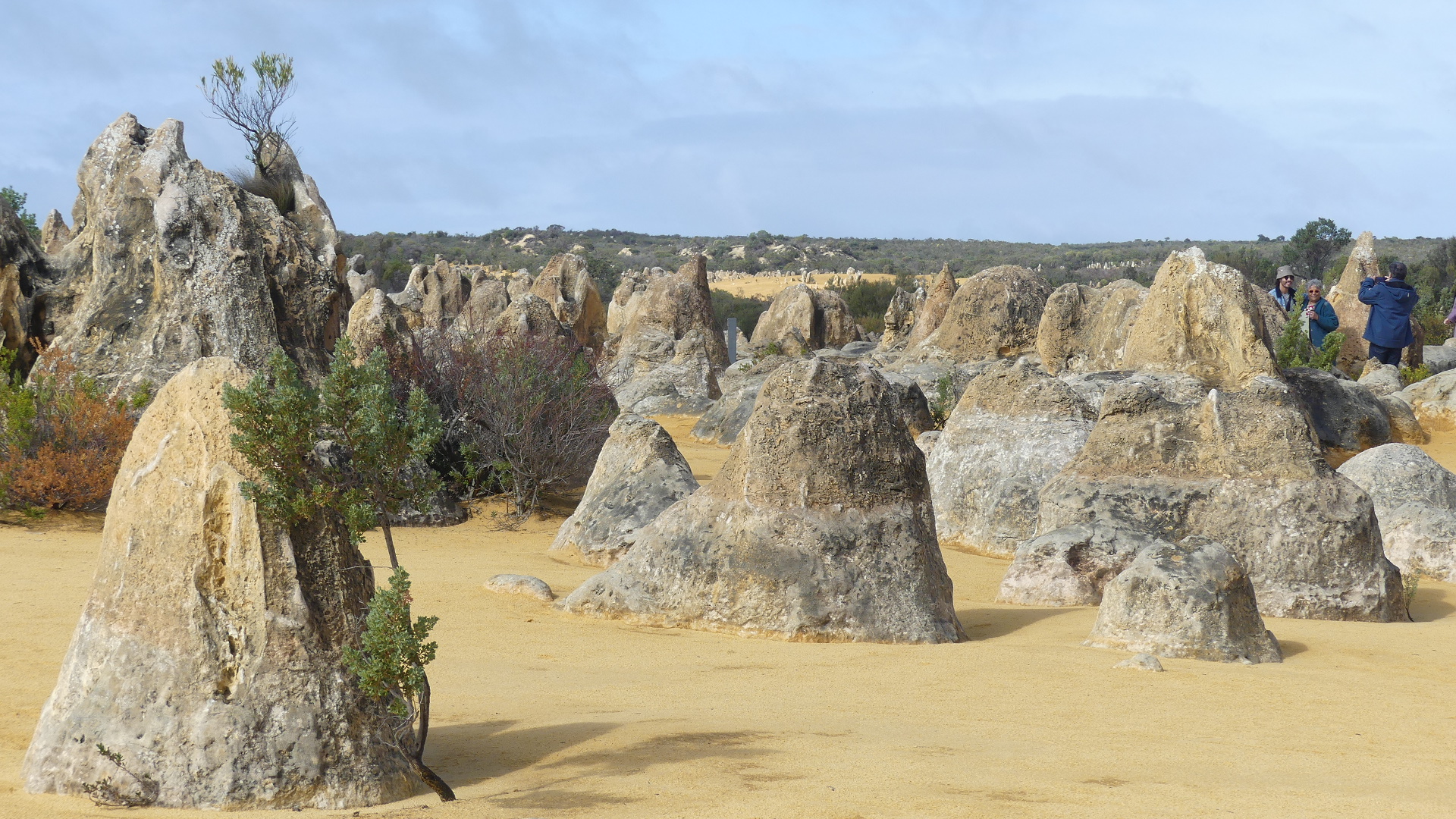
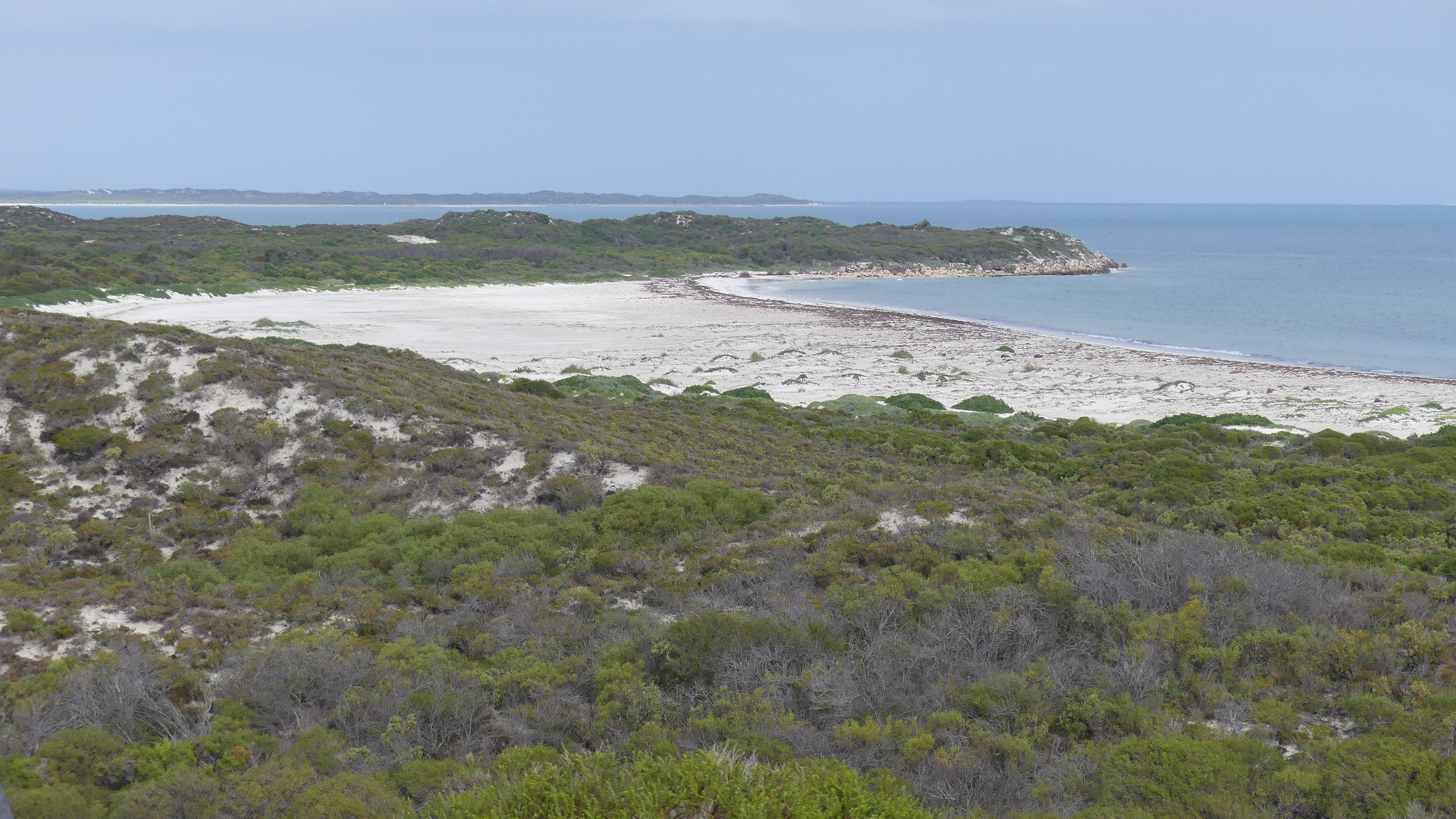
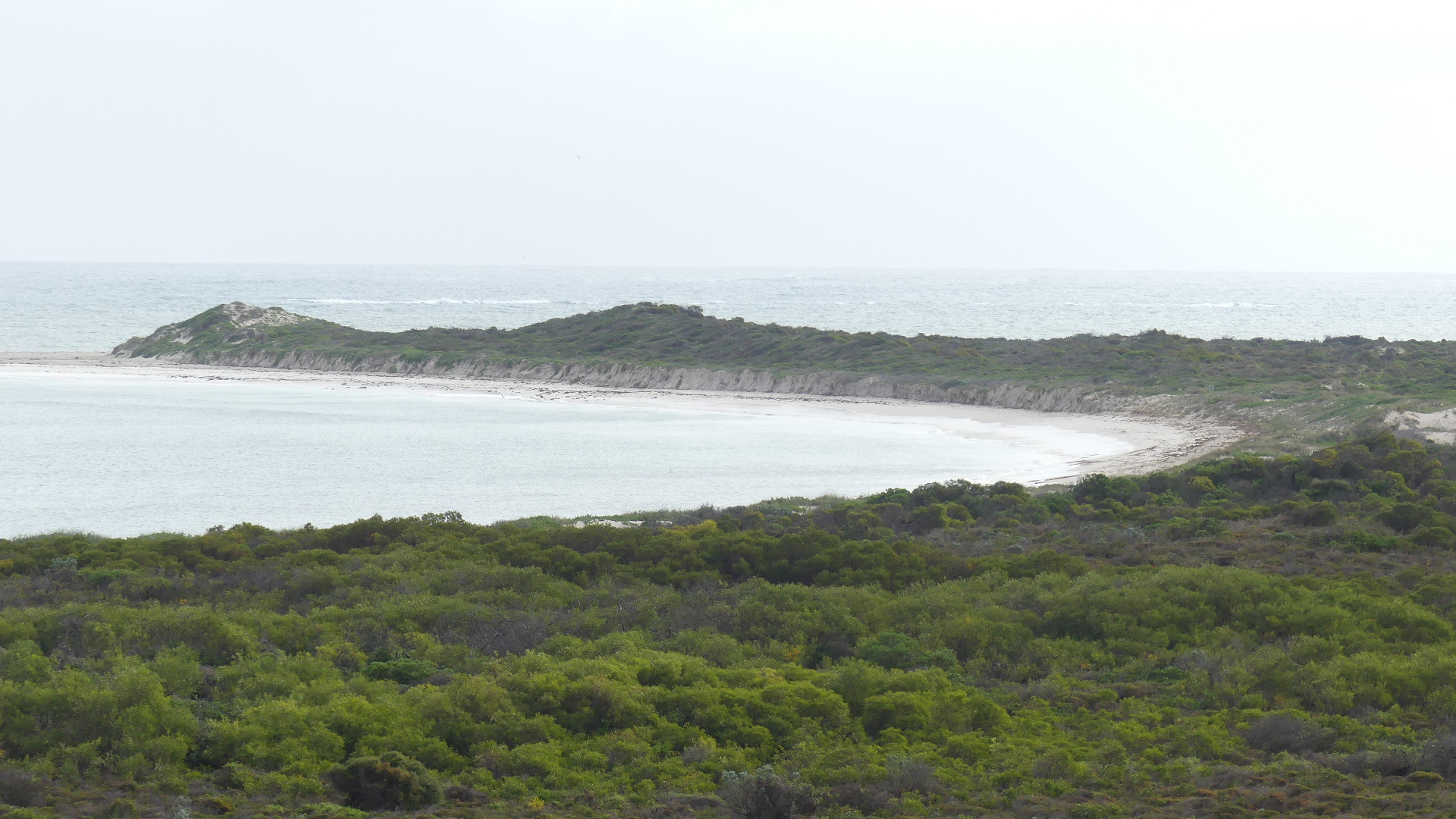
Dale and Zdravka have planned to go to the Pinnacles and without the use of Ken’s car we decided to hitch a ride. The Pinnacles are limestone formations within Nambung National Park, near the town of Cervantes, Western Australia 2 hours drive north of Perth. Dale had his trusty new Landcruiser at hand with plenty of space for all. The drive proved trouble free and we were treated to some unique countryside. Note the unique intrusion of the sand into the surrounding scrub in photos # 6 & 7 (reading left to right down the page).

The weather was slightly overcast but the air-con was on and we were sweet. As we came closer to the area around Cervantes the country was flat with scrubby bushes but as we drawing nearer suddenly there were sand hills rolling in across the top of the scrub and to match the sand hills the clouds piled up promising rain at some stage. Below are pictures of the pinnacles. You can walk freely among the pinnacles and it reminds me of walking among headstones in a cemetery.

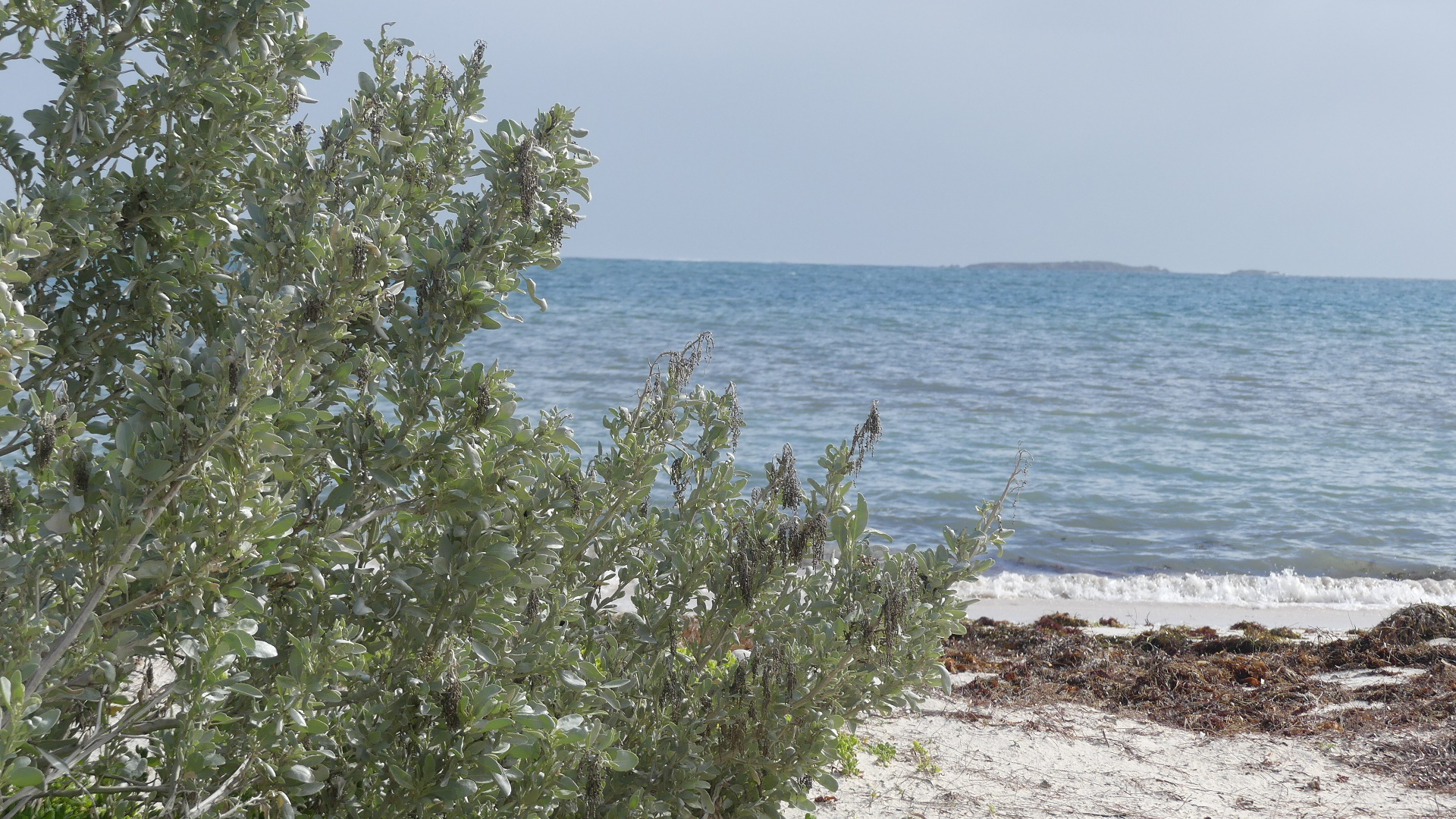
There was a visitor’s centre with an interesting museum on the wildlife and the Aboriginals tales about the origins of the Pinnacles – a bit more interesting than the speculation by the scientists about the creation of the rock formations. Fascinating to wander through and see how the animals and birds used them. Referring to our tour itinerary we decided it was time for the Lobster Shack in Cervantes for lunch. Zdravka had spent hours piecing together our tour making this a relaxing holiday for us in the back seat. Cervantes is named after a ship that was wrecked nearby. The ship, in turn, was named after Miguel de Cervantes, author of Don Quixote. The principal industry in the town is fishing particularly Lobster. The Pinnacles in nearby Nambung National Park and the saline Lake Thetis, which contains stromatolites, supports a small tourism industry which helps out the economy of the area. Firstly we stopped off at a beach and touched the Indian Ocean then into Cervantes and the Lobster Shack.

The Lobster shack – watch out for the robbing sea gulls.

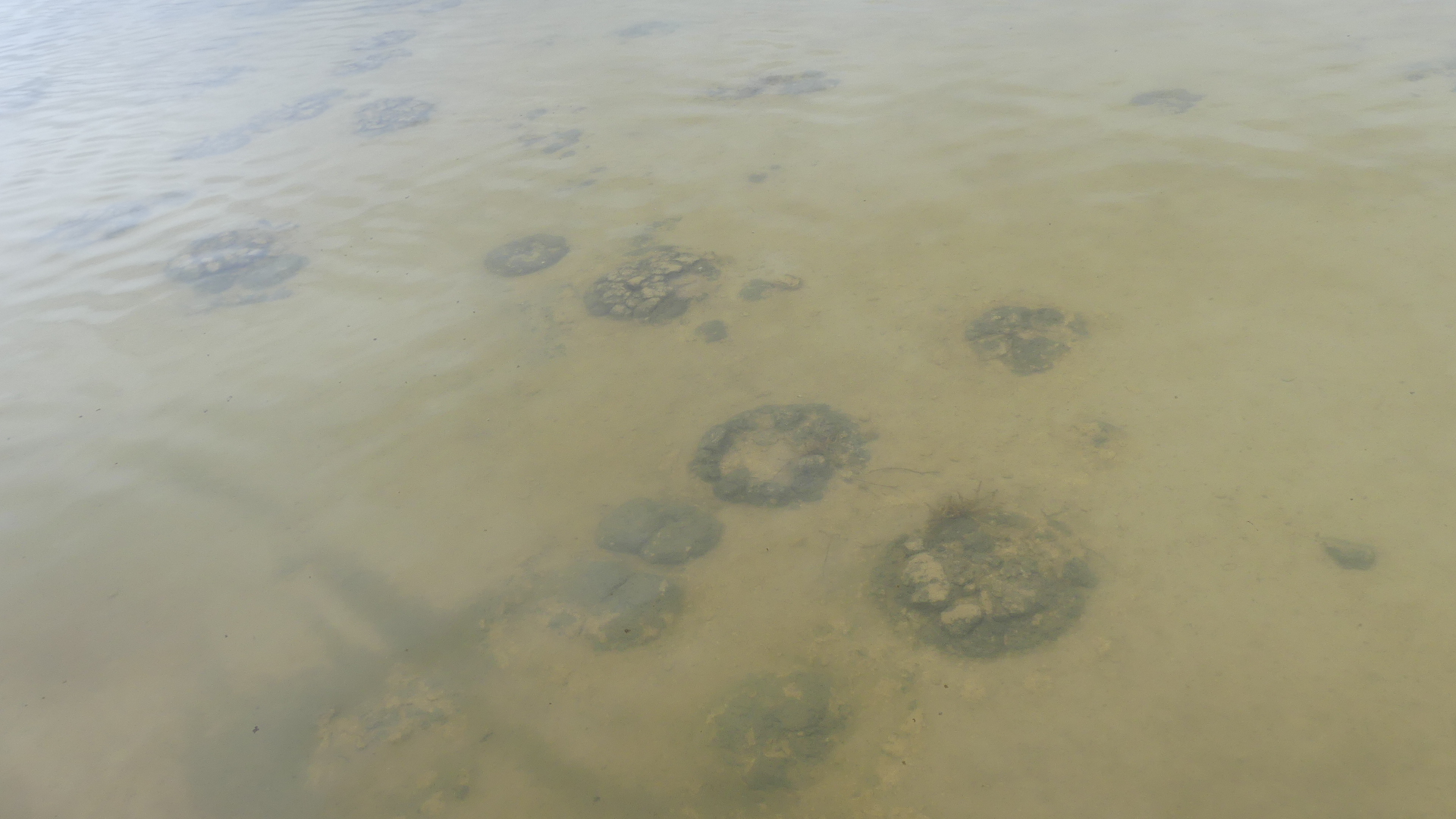
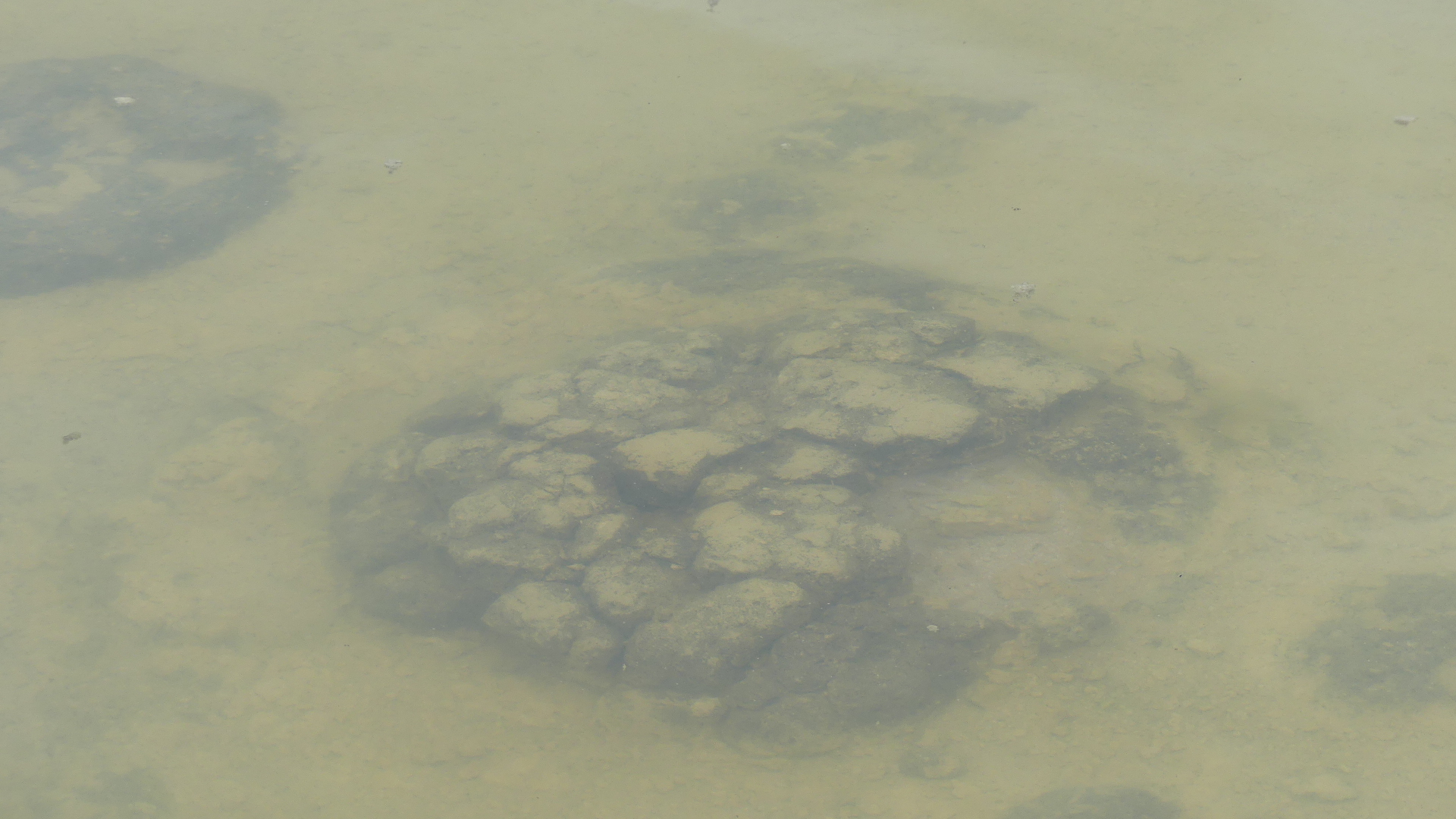
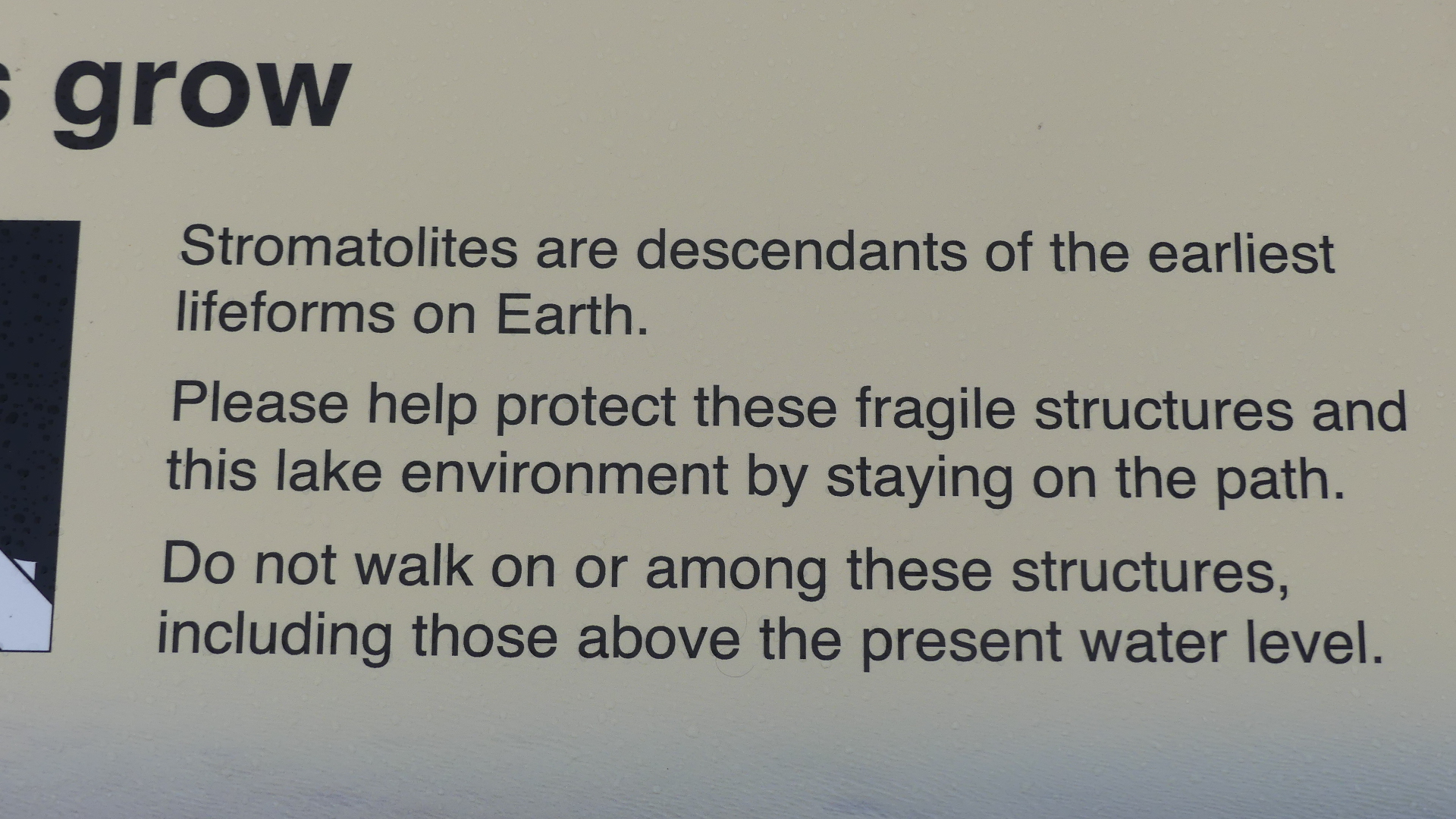
Leaving Cervantes and onto the saline Lake Thetis, which contains stromatolites. “Stromatolites – Greek for ‘layered rock’ – are microbial reefs created by cyanobacteria”. These deposits built up very slowly: a single 1m structure may be 2,000 to 3,000 years old. But the tiny microbes that make up modern Stromatolites are similar to organism that existed 3.5 billion years ago! What’s more, Stromatolites are the reason why we’re alive today! Before cyanobacteria the air was only 1% oxygen. Then, for 2 billion years, photosynthesising Stromatolites pumped oxygen into the oceans (like underwater trees, before trees existed). When the oceans’ waters were saturated, oxygen was released into the air, and with around 20% of oxygen in the air, life was able to flourish and evolve. For context, consider that the Earth itself has been around for 4.5 billion years, and that modern Homo sapiens have only been on Earth for 160,000 years.

Finally we had to climb this hill and look at the ocean to end our visit to Cervantes.

I may have nodded off on the way home- old people do that.

However it was the end to an enjoyable day. The Pinnacles presented a foreign landscape out of place until we experienced the Stramatolites of Lake Thetis and somehow it makes sense – billions of years have passed and this is the outcome.

THE RETIREES AND FRIENDS VISIT PERTH AND MARGARET RIVER – SWAN VALLEY – 2024 DAY 1
Star Date 26th July 2024.

It all started as a conversation over a coffee meeting. Dale and Zdravka (long term friends) were talking about an across country trip they were planning once they had taken delivery of their new Land Cruiser. Their plans to go skiing had expanded into driving across the Nullarbor through the eastern goldfields of Western Australia onto Perth because they had never been there before – as you do.

Now we saw an opportunity. Between breaking my neck, undergoing months of treatment, surgeries for that then surgery (a craniotomy) for my brain tumour discovered during the second operation to screw my head back on then radiology therapy and now chemotherapy, that we needed a holiday and a return visit to Swan Valley and Margaret River wine districts might be just the go. However, we were not ready to drive across the Nullarbor to get there.

As members of the Accor Vacation Club, we were able to book accommodation in Swan Valley so we did a deal that we would meet up in Swan Valley for a few days sharing accommodation and then travel with them to Margaret River to again share accommodation in exchange for which we would hitch a ride with them whilst we were together. As we were developing the itinerary our son Paul let it be known that our granddaughter was playing lead guitar in her school band and that generally coincided with the end of the WA adventure, so our planning then included a return trip through Tasmania.

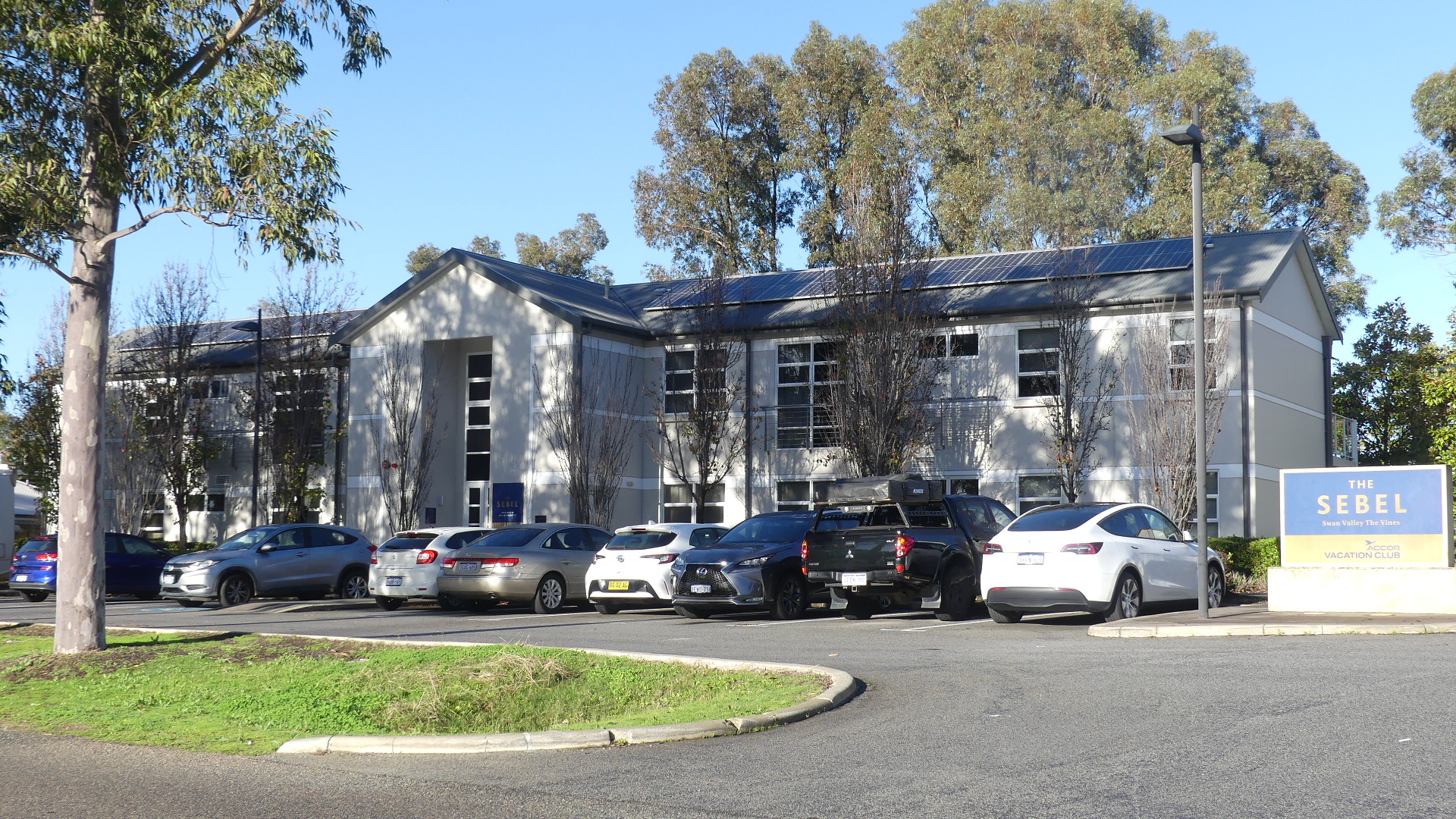
So, the fun of planning how to stitch these ideas together started resulting in Zdravka producing an elaborate itinerary which included us for part of their tour. The tour for us commenced with an early morning plane flight from Brisbane to Perth (a five-hour flight) then an Uber ride to Sebel Swan Valley.

              Home at Sebel  

We arrived in Perth just about the same time as we received a text from Kerry’s cousin Ken advising that his mother-in-law had passed away and he would not be at his home to greet us (Ken lives in Swan Valley). Even so Arden, Ken’s son, would be home and Ken offered us the use of his car. So, our Uber ride from the airport was shorter but not by much to pick up Ken’s car and catch up with Arden.

After collecting the car, we arrived at the Sebel before Dale and Zdravka. Fortunately, as it was somewhat of a puzzle to find the place. Despite its seclusion the amenities were very good. Surrounded by a golf course and a Novotel Hotel it was very comfortable and had some interesting WA neighbours.

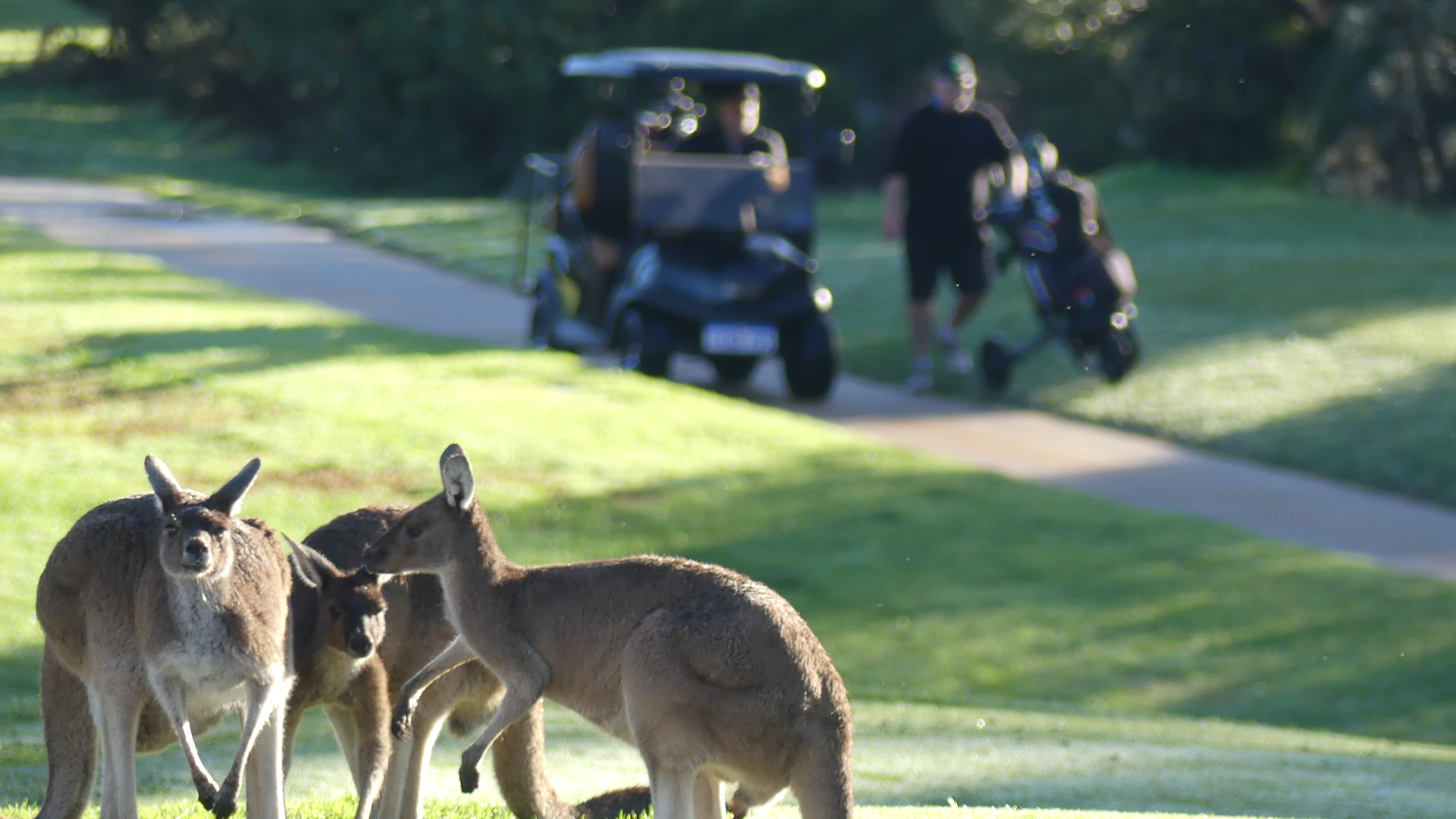
Our neighbours were very quiet, but they were not your usual types. A mob of kangaroos gathered in the back of the apartment on the edge of the green of one of the course holes. Even when I took a walk the following morning the mob was there. However right on 8.00am they would race from the course proper to the area behind our unit – rather obvious sign that someone is feeding them. Similarly, the local parrots which looked like the Lorikeets from the Currumbin Bird Sanctuary only predominantly green.

8.00am the mob arrives                       and loiters there all day local parrot

Dale and Zdravka arrived about midday and the usual preparations for a short stay commenced – a visit to the supermarket and bottle shop. The following morning, I was up and feeling good so I took a walk on the golf course where our neighbours were settling a minor dispute and haunting the golfers: –

A playful fist-a-cuffs, Haunting the green and a Xanthorrhoea in the fairway

Zdravka had their day planned and as we unexpectedly had a car, we decided to do something different from them. It was Friday so we took a drive and ended up in Guildford (the old town area) and spent most of the day exploring this earliest British settlement in Swan Valley. Guildford was founded in 1829 at the confluence of the Helena River and Swan River, being sited near a permanent fresh water supply and was one of the earliest settlements of the Swan River Colony. It is one of only three towns in the metropolitan area listed on the Register of the National Trust. Guildford was originally the centre of the Swan River Colony before Perth succeeded in being the dominant location on the Swan Coastal Plain.

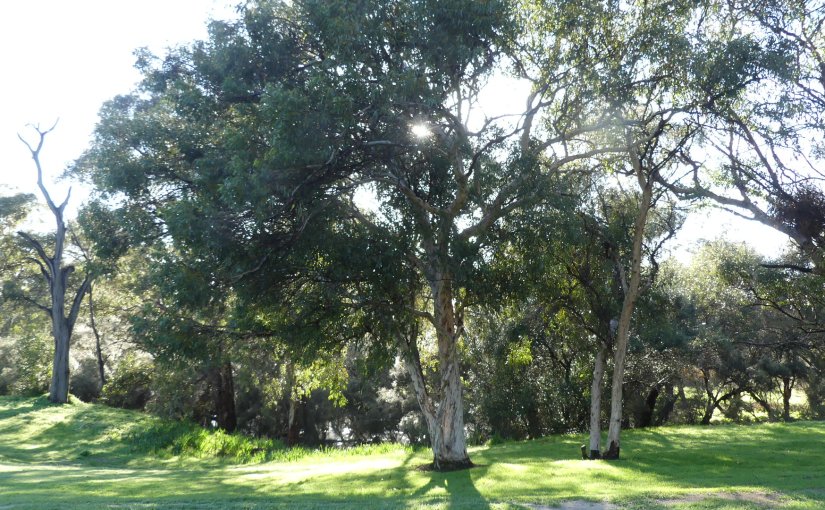
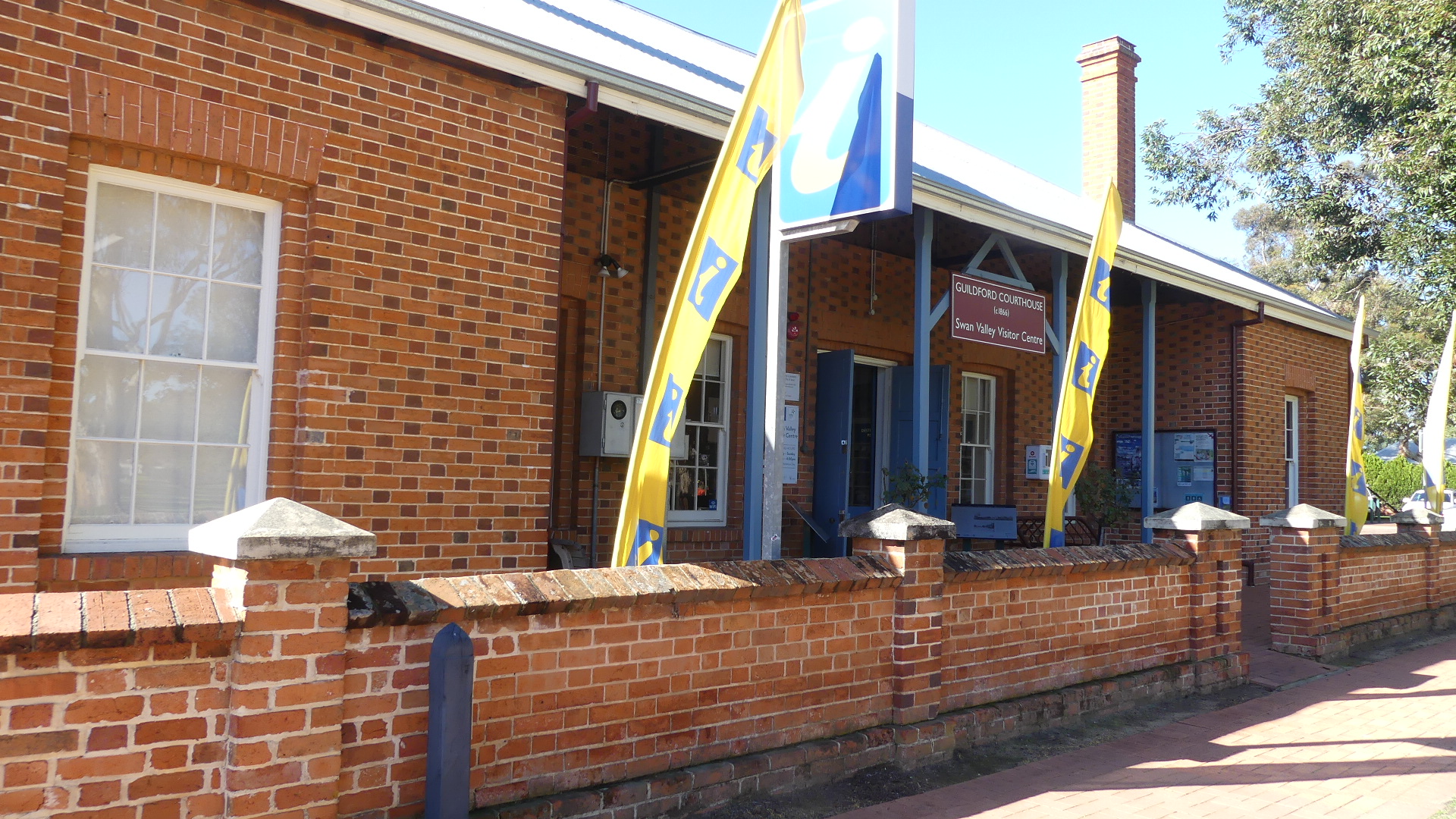
We found ourselves recalling the area from earlier visits but this time we stumbled across the Visitors Centre being the converted former Magistrates Court, Gaol house and a settlers cottage (relocated for its historic preservation). The Courthouse has a fabulous small museum on British settlement and some of the history of the 10th Australian Lighthouse Regiment that trained there before and during WW1 and still operates as a unit of the Australian Defence Force today. Across the road from the Courthouse is a relaxing park full of magnificent gum trees, cockatoos and memorials to the Regiment. We visited this later with Dale and Zdravka and I will return to it later.

               History board The old Magistrates Court now Visitors Centre

The old Gaol                                                       The curfew bell

The curfew bell has stood there since early settlement and no one thought to steal it until the twentieth century. A country of convicts in deed.

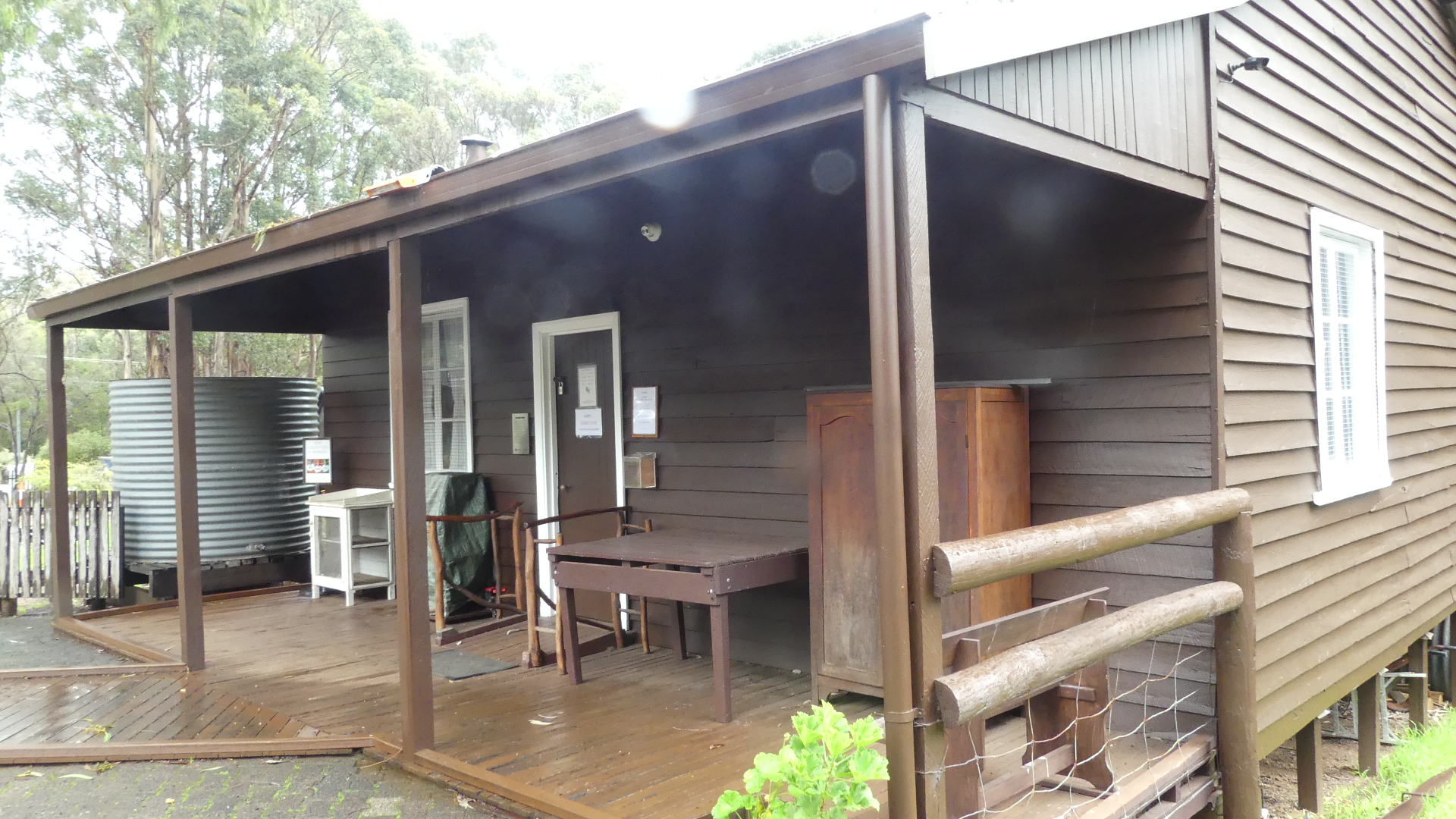
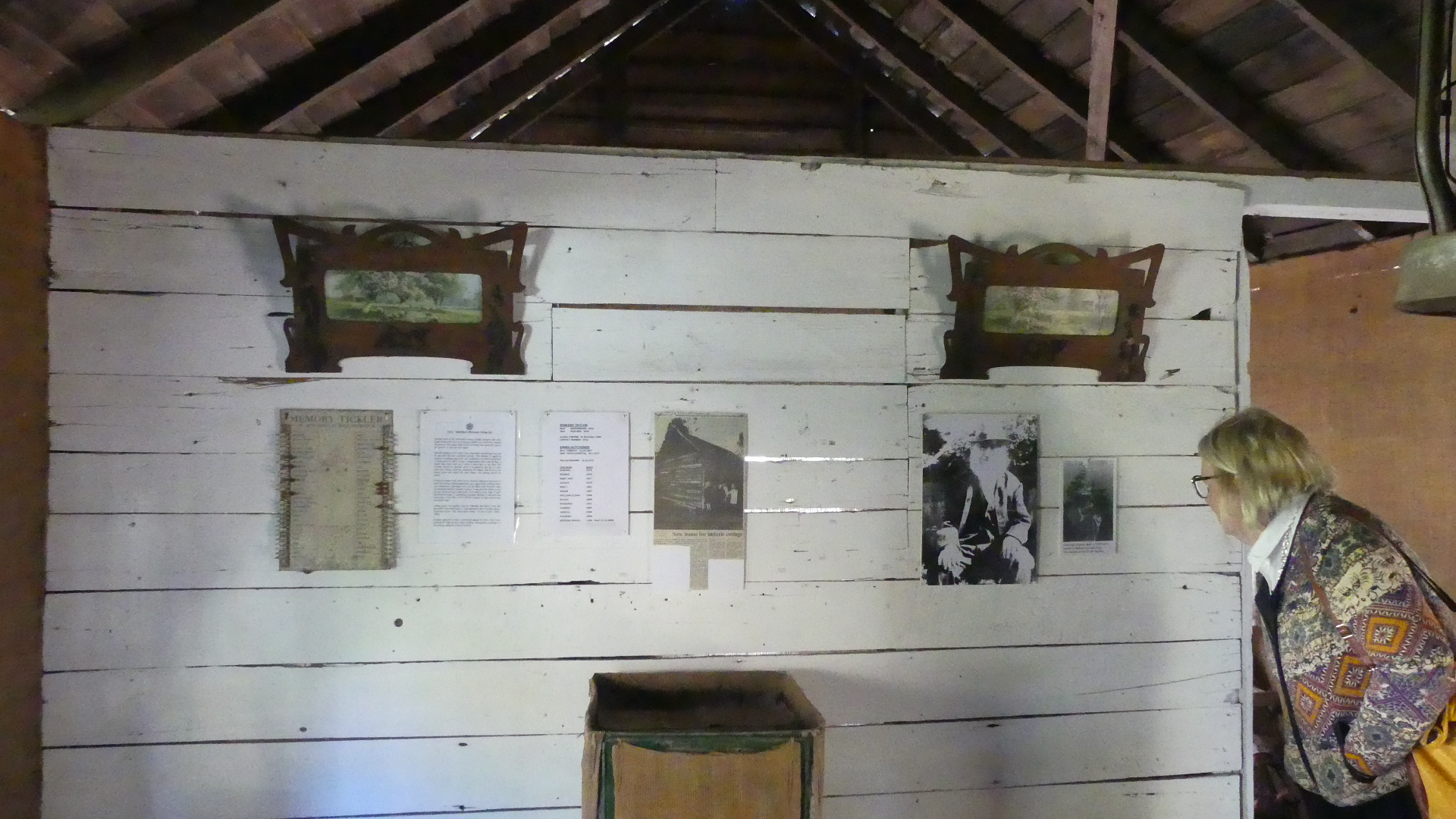
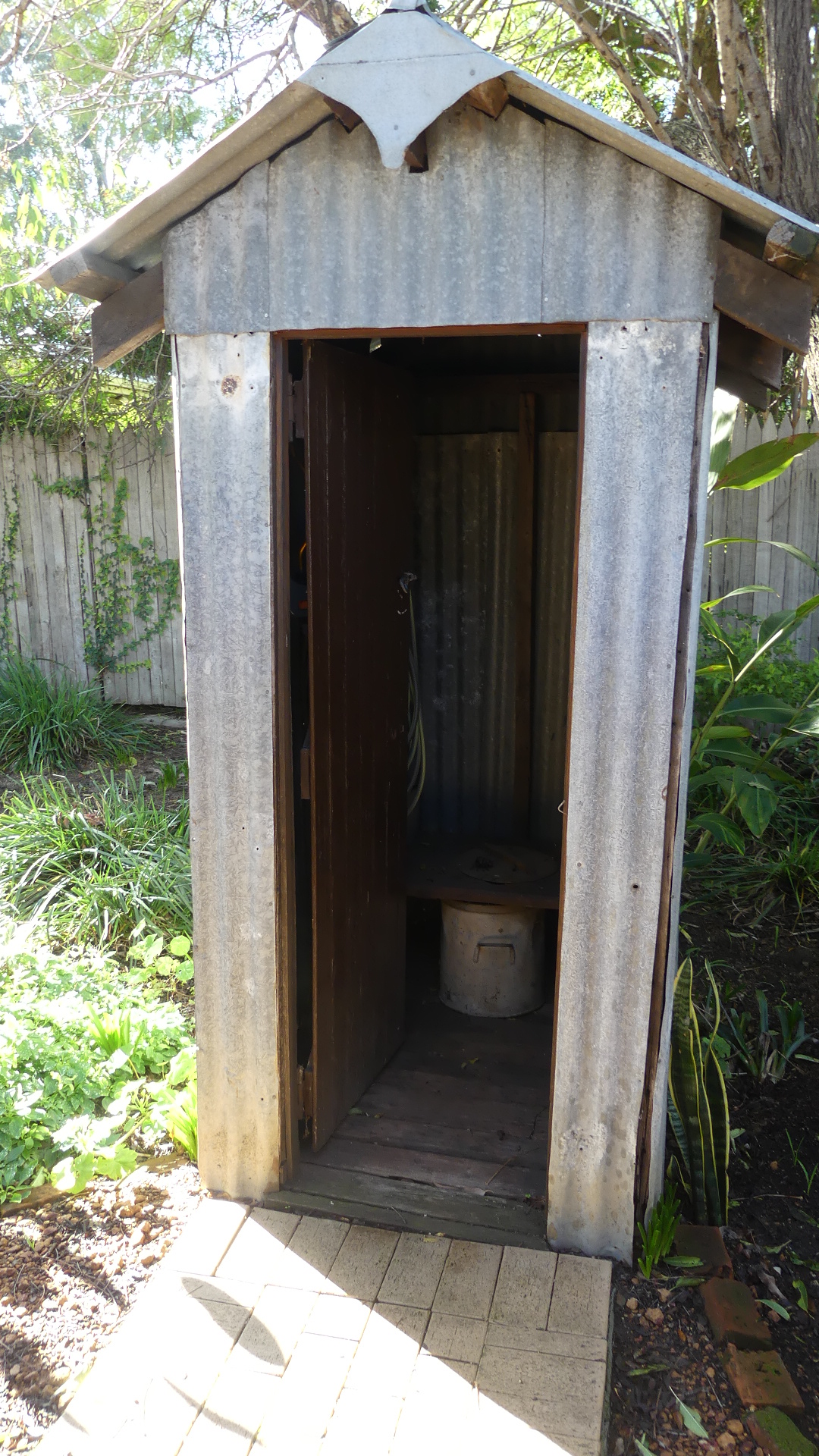
The “settler’s cottage” is a two-room shanty one room for sleeping and the main room was for kitchen, dining and everything else and was once the home of an early settler who had been transported as a convict. He and his wife raised 13 children in this home and outdoor dunny.

Kerry and our guide outside the shanty                    the only internal wall in the house.

The kitchen and below the bedroom.   The dunny

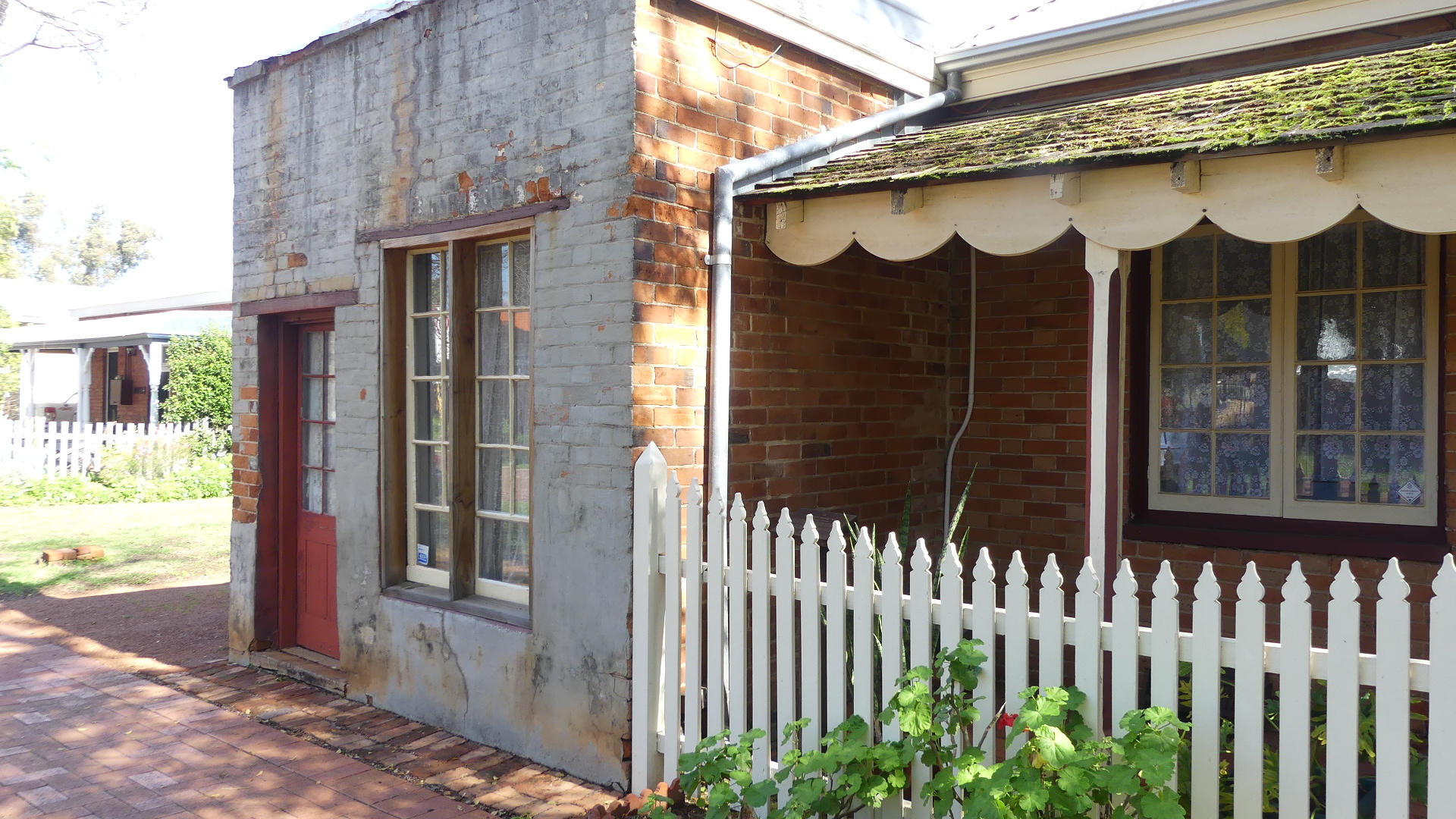
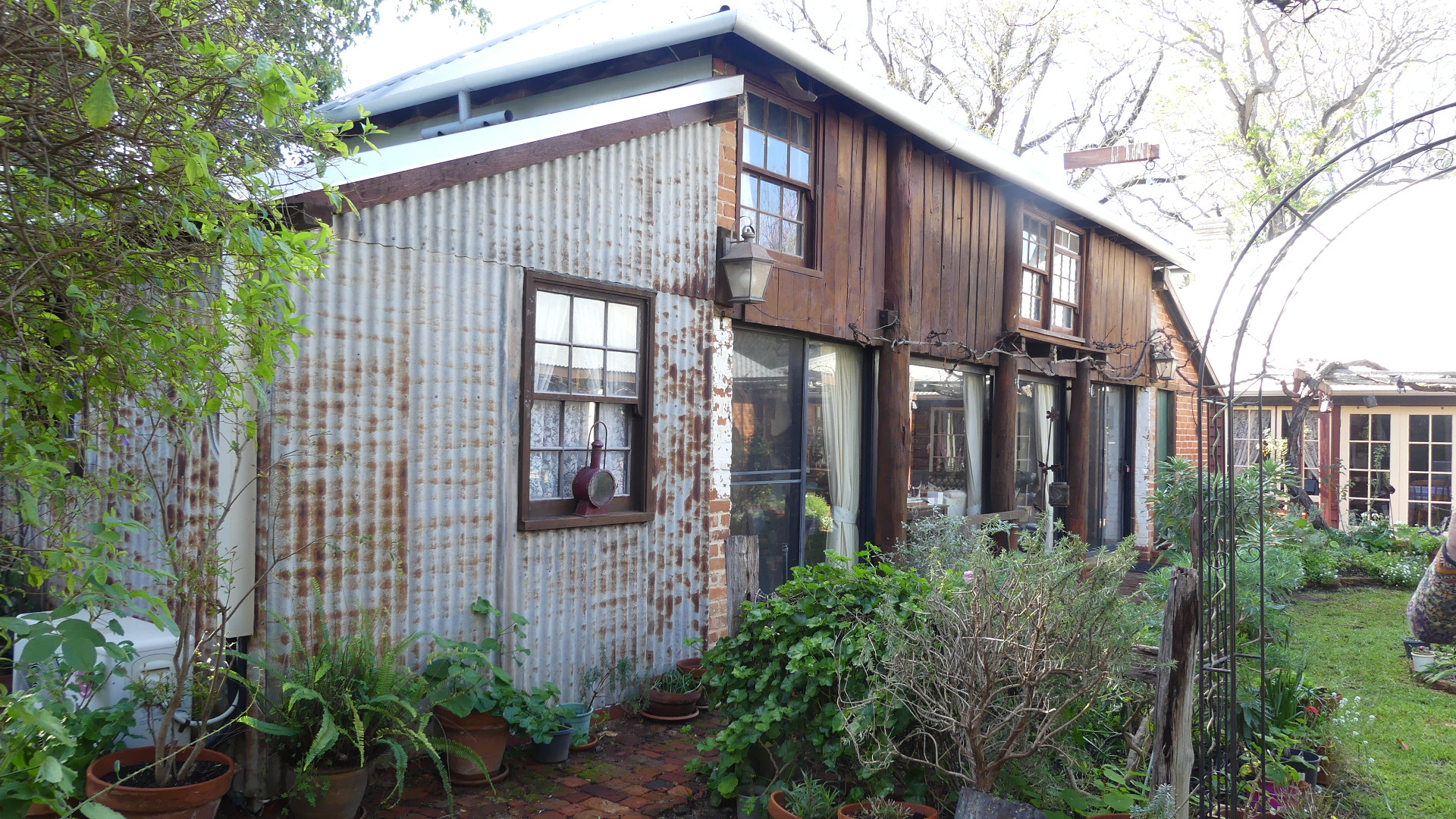
Our guide is a local teacher, who volunteers on weekends and her family has been living in Swan Valley for several generations in the same house 11 Meadow St built in the 1860s. If memory serves me, I think, her grandmother may have been the last family member to live there but the new owner is only too obliging to show the home and its historic features. The house was just down the road, and our guide told us to tell the new owners she had sent us to see the house. So, we strolled across the rail line passed the old local Council Chambers, the local theatre company, a large pub, and made an acquaintance with another resident in the street. Whilst Kerry was chatting with her new friend I was trying to find the house our guides grandmother had lived in, when I was rushed by our the new owner keen to show us the house. Very warm community. We were shown into the backyard where we met her partner doing some gardening and our host then pointed out the original house and its extensions.

The front of number 11                                             

The shed at the back and its extension A grape vine originally planted in 1860

The Dunny/garden shed                                           

Our guide had told us about the 10th Light Horse Regiment and how her grandfather (now deceased) was a veteran of WW1 and had been a member of the regiment. The town has remembered their service by providing each home where the veterans lived with a poppy to stand at the front of the house to remember them and their service.

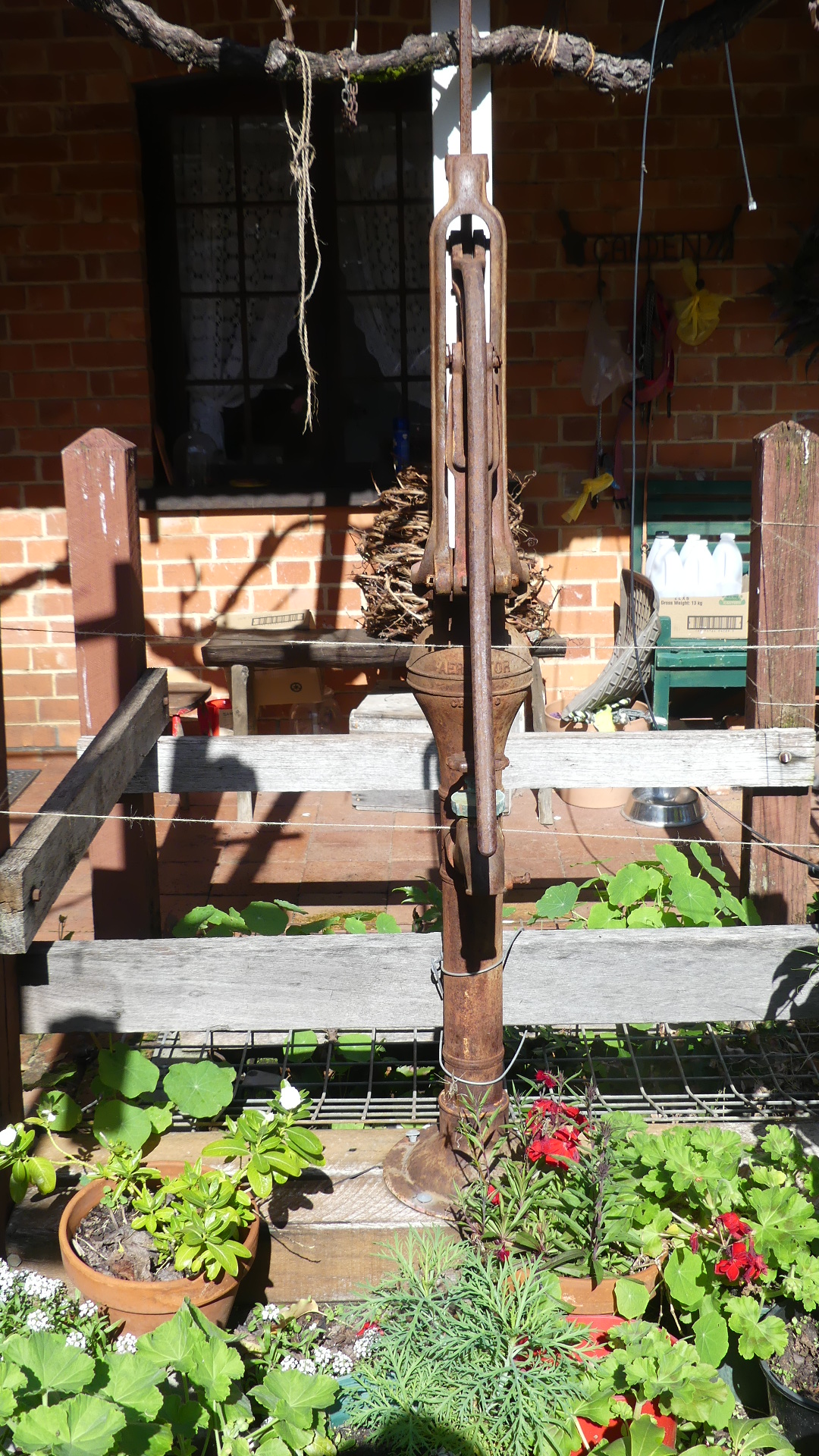
The original well with a modern accessory                Front door of No 11

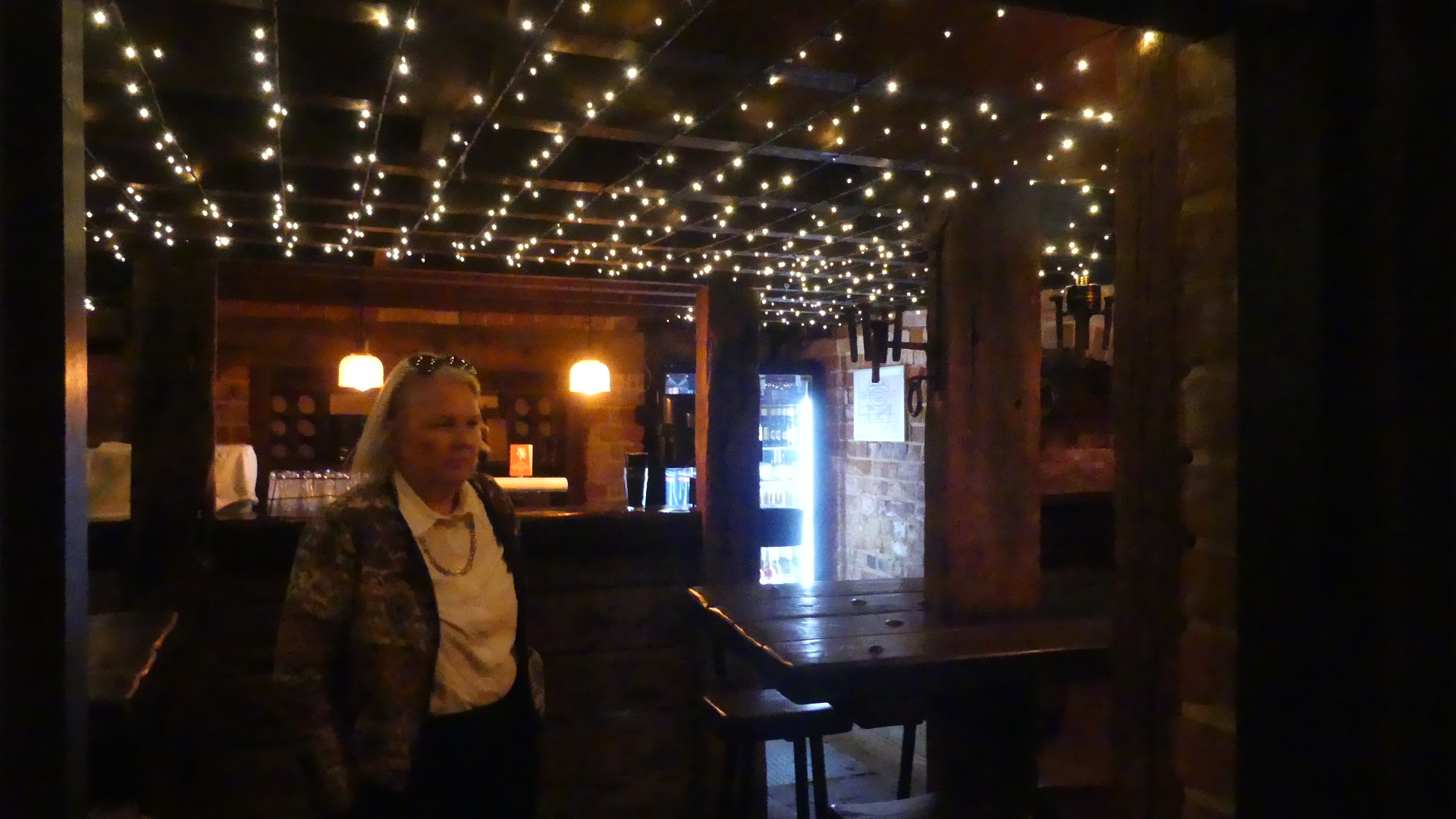
Well, feeling a bit sombre from this journey through history we needed a coffee so we headed to the oldest pub in town the Rose & Crown and the fable underground cellar. In the earliest days of settlement when the pub was catering to a much rougher crowd, they brought in their supplies of alcohol from sailing ships plying the Swan River through an underground tunnel which has today been transformed into a bar and night spot.

Cellar – this way Original fittings Dark and sinister bar

I have left writing this blog too long – I think we wandered a bit up the main street and then went home dragging Dale and Zdravka to the Rose and Crown for dinner that night.

September 2024