Retired Australian Lawyer having worked representing the innocent and the not so innocent in Australia and some of the remote parts of the world and having travelled widely through Europe, Western Russia, Canada, USA, New Zealand, Thailand Malaysia Solomon Islands northern China, Hong Kong and the UAE
So now that I have the time I am writing about my travels present and past. Hope you enjoy exploring off the beaten track.
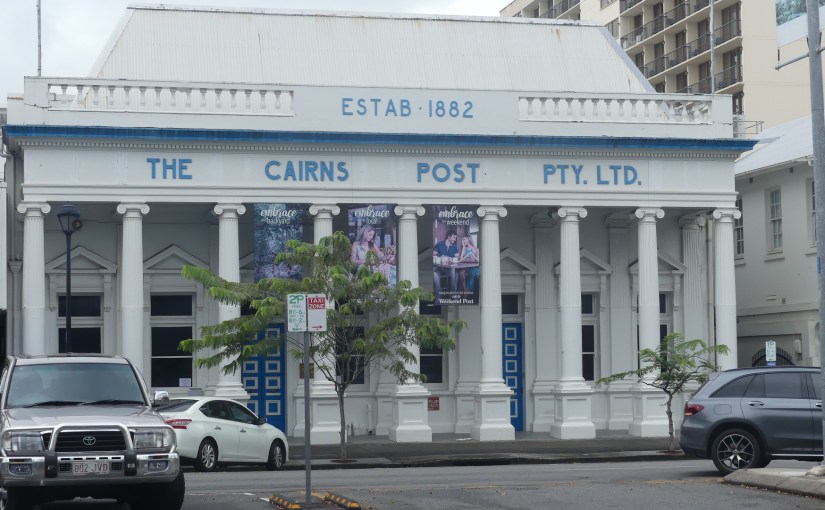
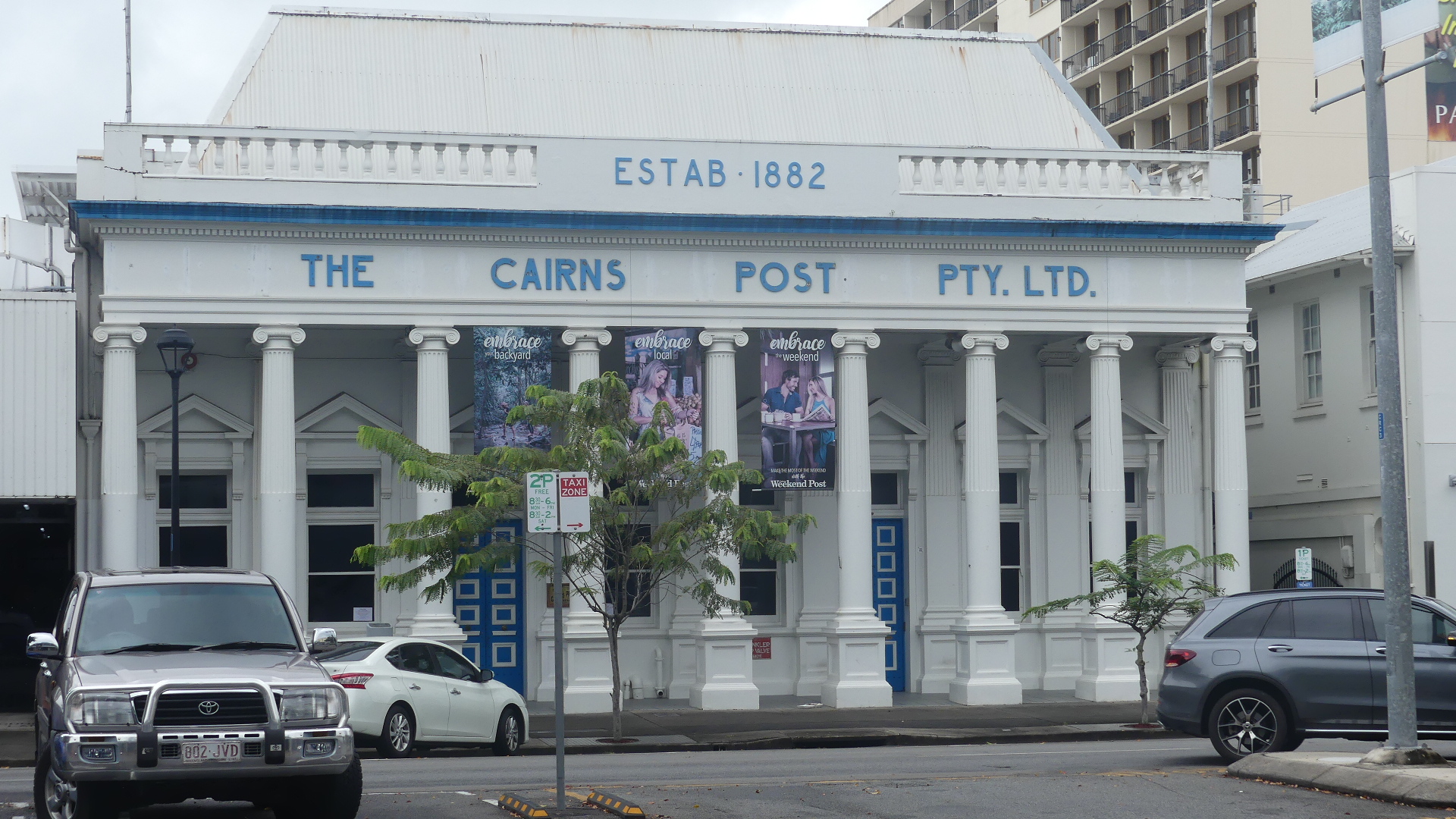
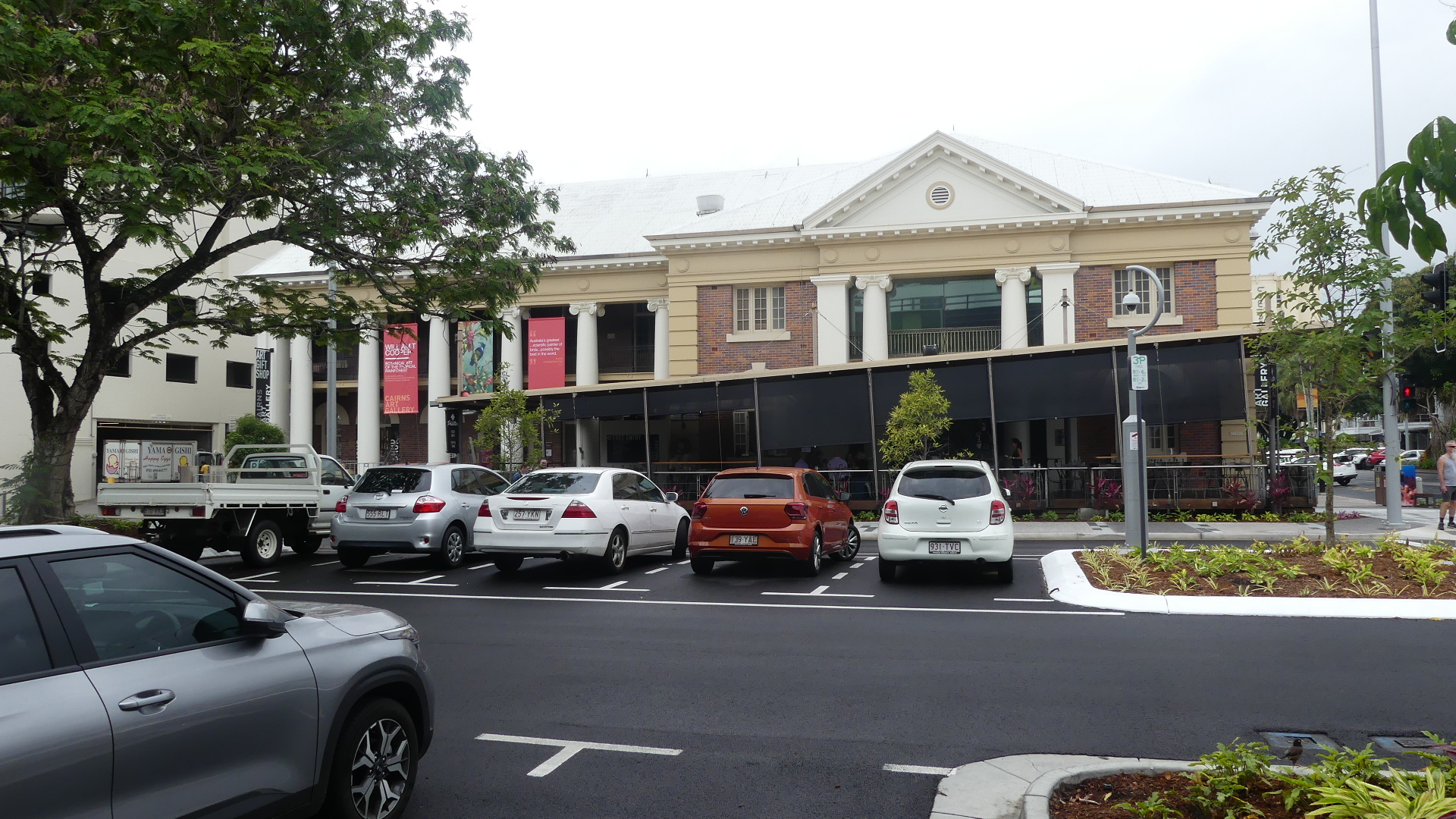
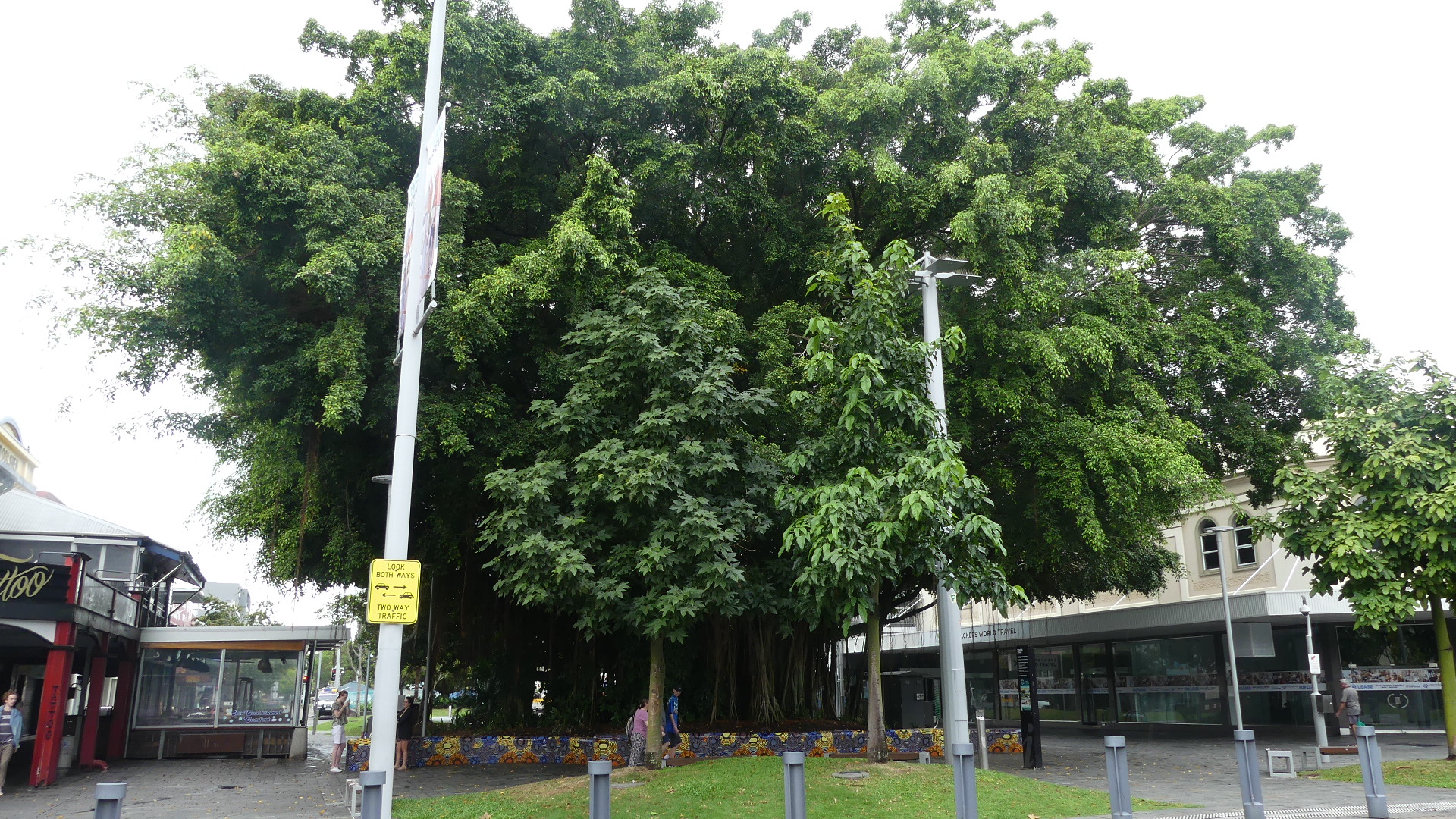
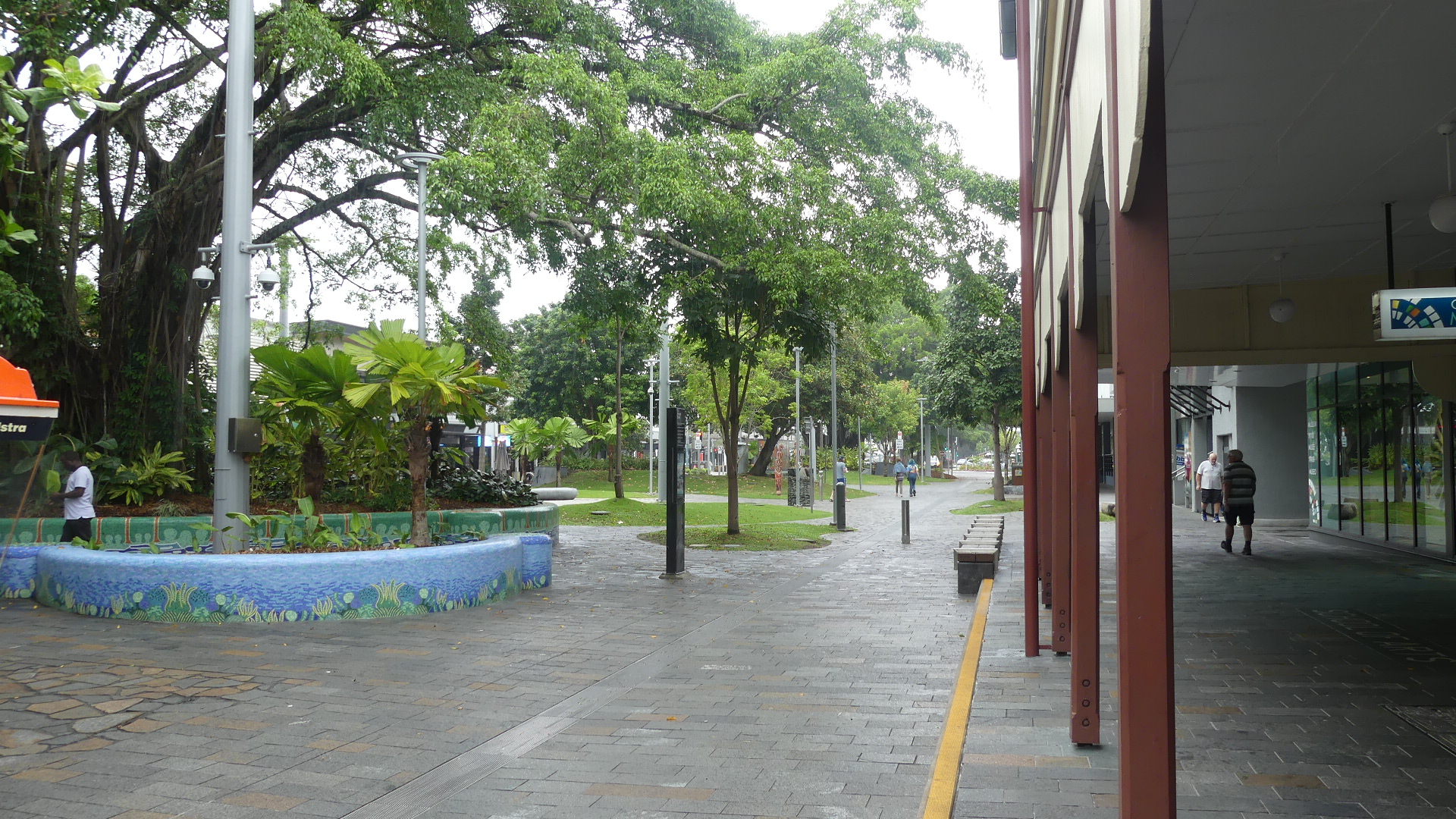
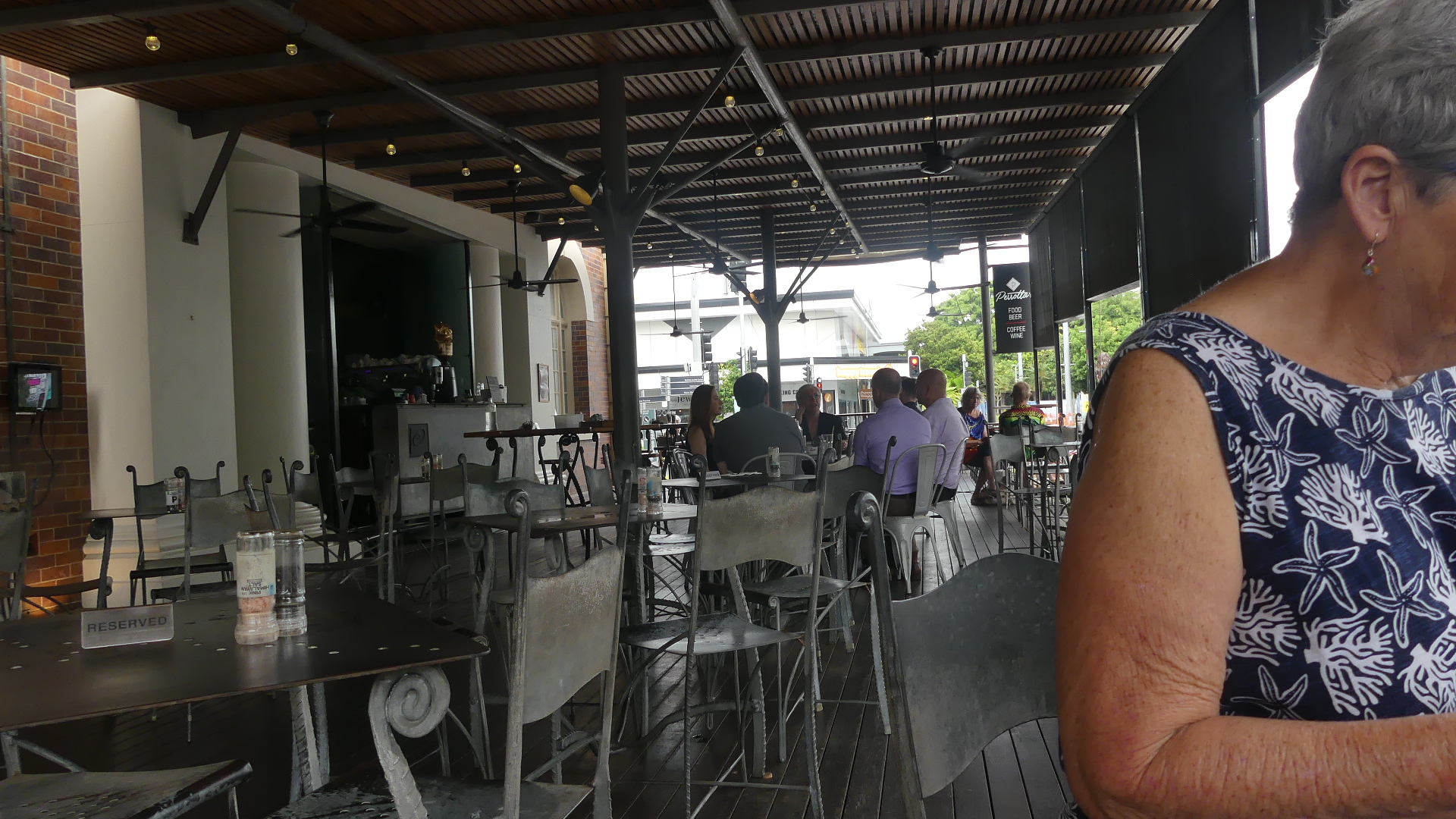
After a big day yesterday we decided to visit the big smoke – Cairns. Its 20minutes from Palm Cove to Cairns so we had a sleep in and did a few other things before winding up in front of the Post Office. The girls wanted some shopping therapy but were very disappointed. Many empty shops and only the tourist trinket shops seem to have survived the Covid restrictions. Last visit to Cairns work had just started on the foreshore beautification project and the development of the malls. The end result is quite pleasant. However not too many people are enjoying it. The Art Gallery has added a coffee shop which seemed busier than any where else in town.
The courthouse has had a change of use. Once the base for dispensing justice it now does various things other than dispensing of justice. Bored with everything we return to the Art Gallery for a morning coffee and piece of cake.
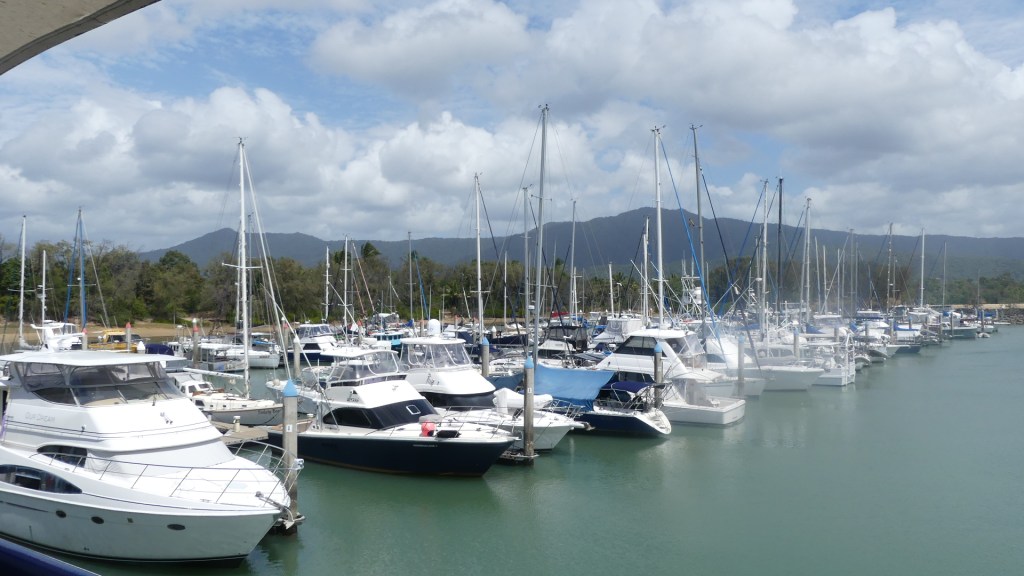
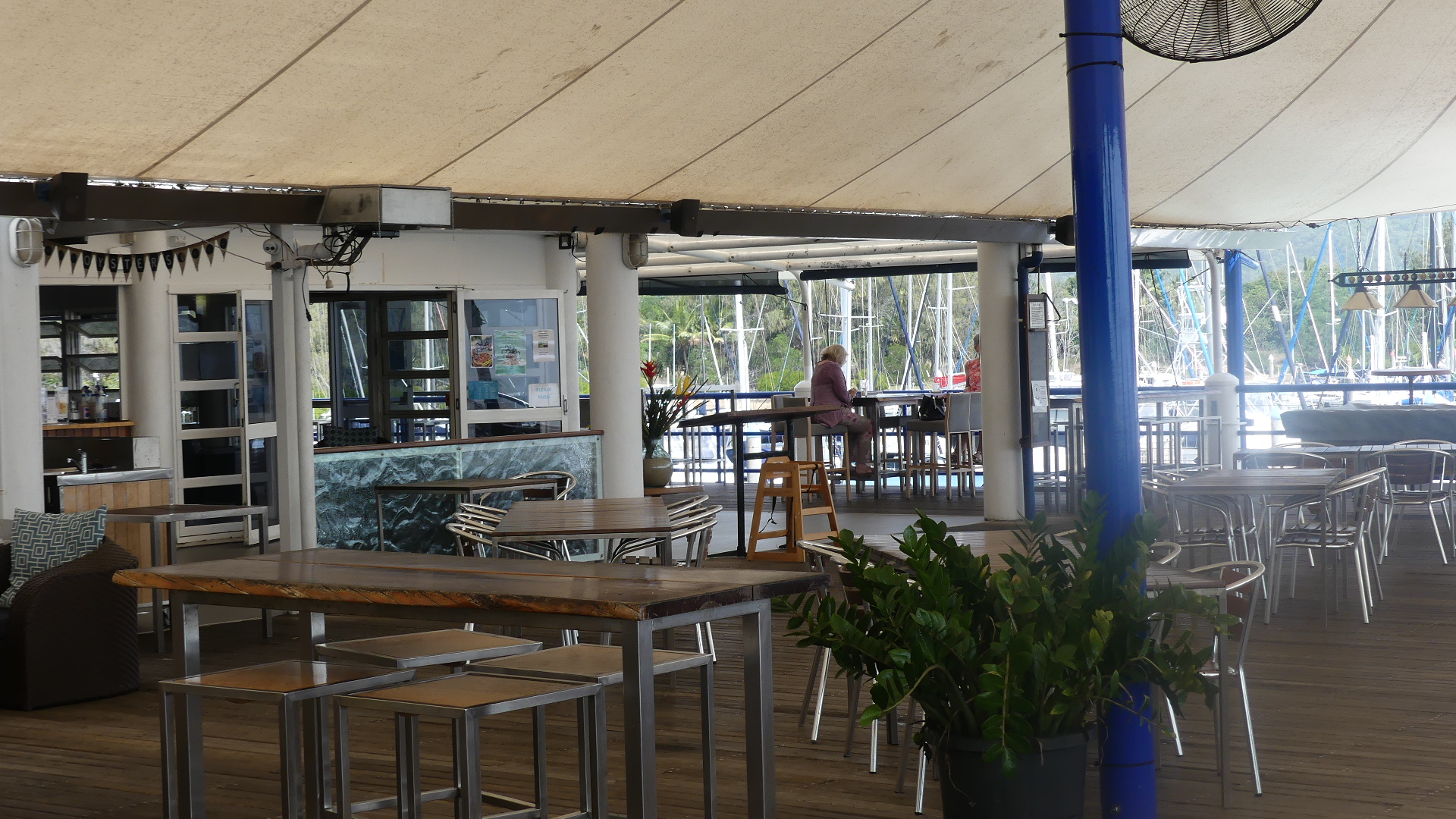
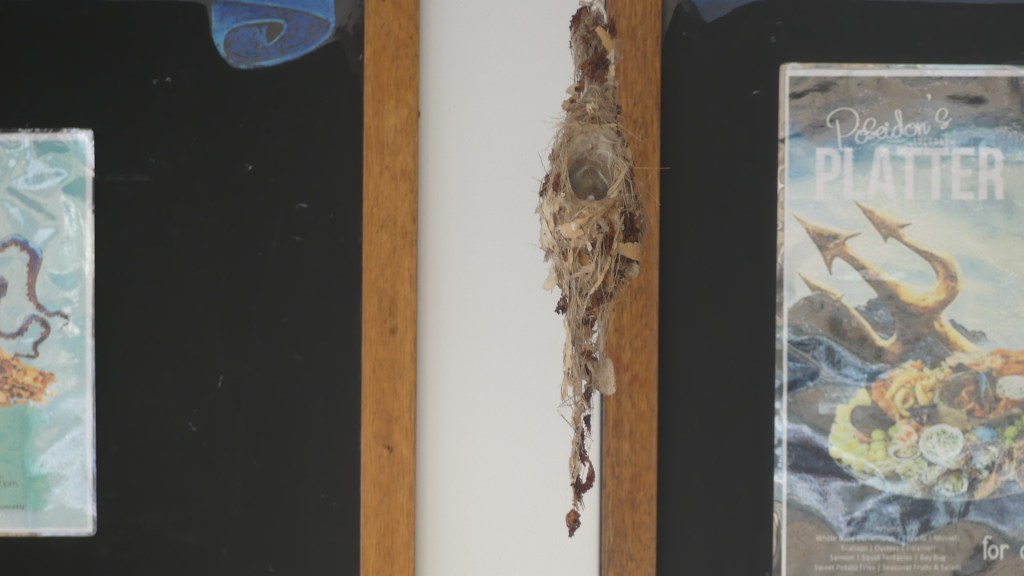
The weather is not very kind and its is threatening rain which in the tropics means it is muggy. I suggested we visit Yorkey’s Knob which was well received but we arrive at 10.00am and the yacht club has only just opened. We have the verandah to ourselves. We decided we will have lunch here but the kitchen doesn’t open till noon. Still a very pleasant place to do nothing but read the paper have a drink and watch the yachts go by. Lunch time arrives and we notice that the patrons were all arriving so we quickly order our lunch. We had chosen a spot with a breese, a view of the yacht harbour and the beach beyond and at the next table was a local dining alone. She started to throw her unwanted lunch in the water piece by piece and the fish below seemed to expect it turning up in schoals to make the water boil as they fought for the scraps. We joined in but very soon the the food was exhausted and the fish disaapear as quickly as they came. I think we were all just wanting to put our feet up so we ventured back to the apartment for an afternoon siesta. As we got up to leave a bird flew through the verandah straight to its nest. Lo and behold this long nest hanging in a corner of the verandah protected from curious visitors by the staff.
It may have seemed a disappointing day but on reflection it was a good wind down form the previous day.
We had planned to drive to Cooktown but this would be a 6 hour drive (3 up and 3 back) so the day is gone without any time to explore. So a change of plan – we will go crocodile hunting in the Daintree, Daintree forest walks, Daintree Village visit and Cape Tribulation in our little economy Skoda.
The road north winds along the coast making this a fabulous drive for the passengers (me and Sally). I took the oportunity to record the trip in pictures. The farther north the more sugar cane appeared and then the narrow gauge rail line for carting the cut cane to the mill. As we passed through Mossman we could identify the mill by its single stack and white smoke stream from the stack.
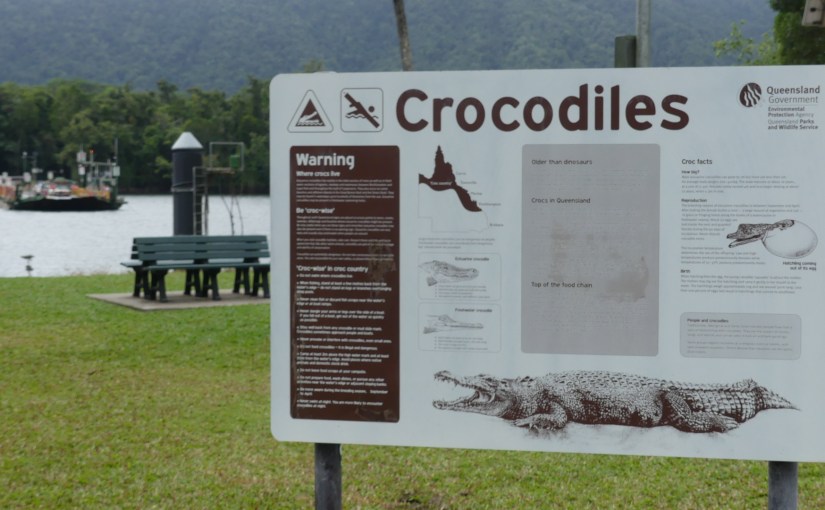
After Mossman and its canefileds we entered the lower Daintree and signs of crocodiles abound – I mean there were literally tens of signs offering cruises on the Daintree River. After noticing more and more of these signs and passing the turnoff to the Cape Tribulation ferry, we decided we had better choose one which we did and which we were very pleased with as to price and quality of the tour but I did not keep the name. One thing to note is that cash remains king as the wifi for the swipe machines is not always reliable.
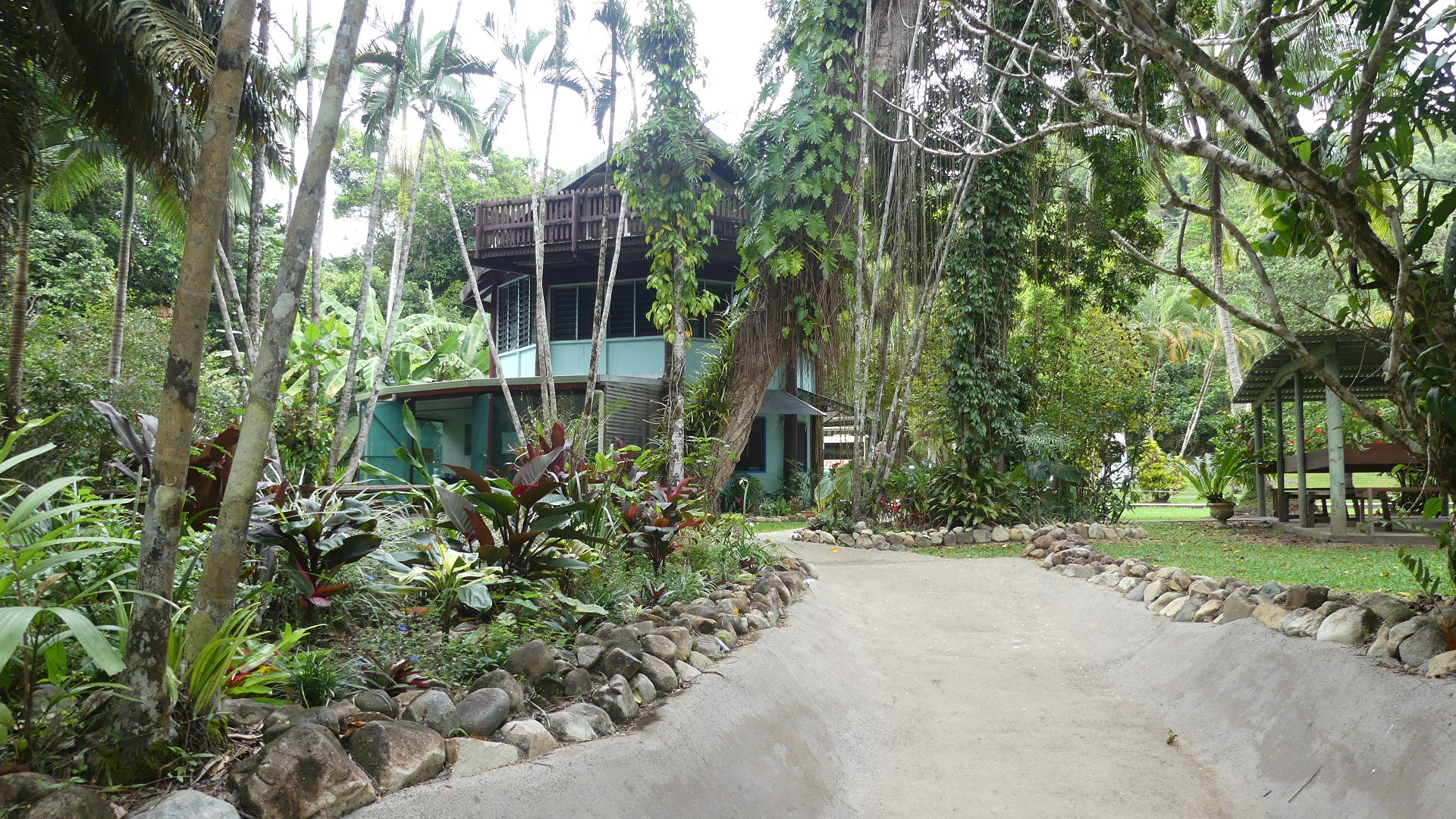
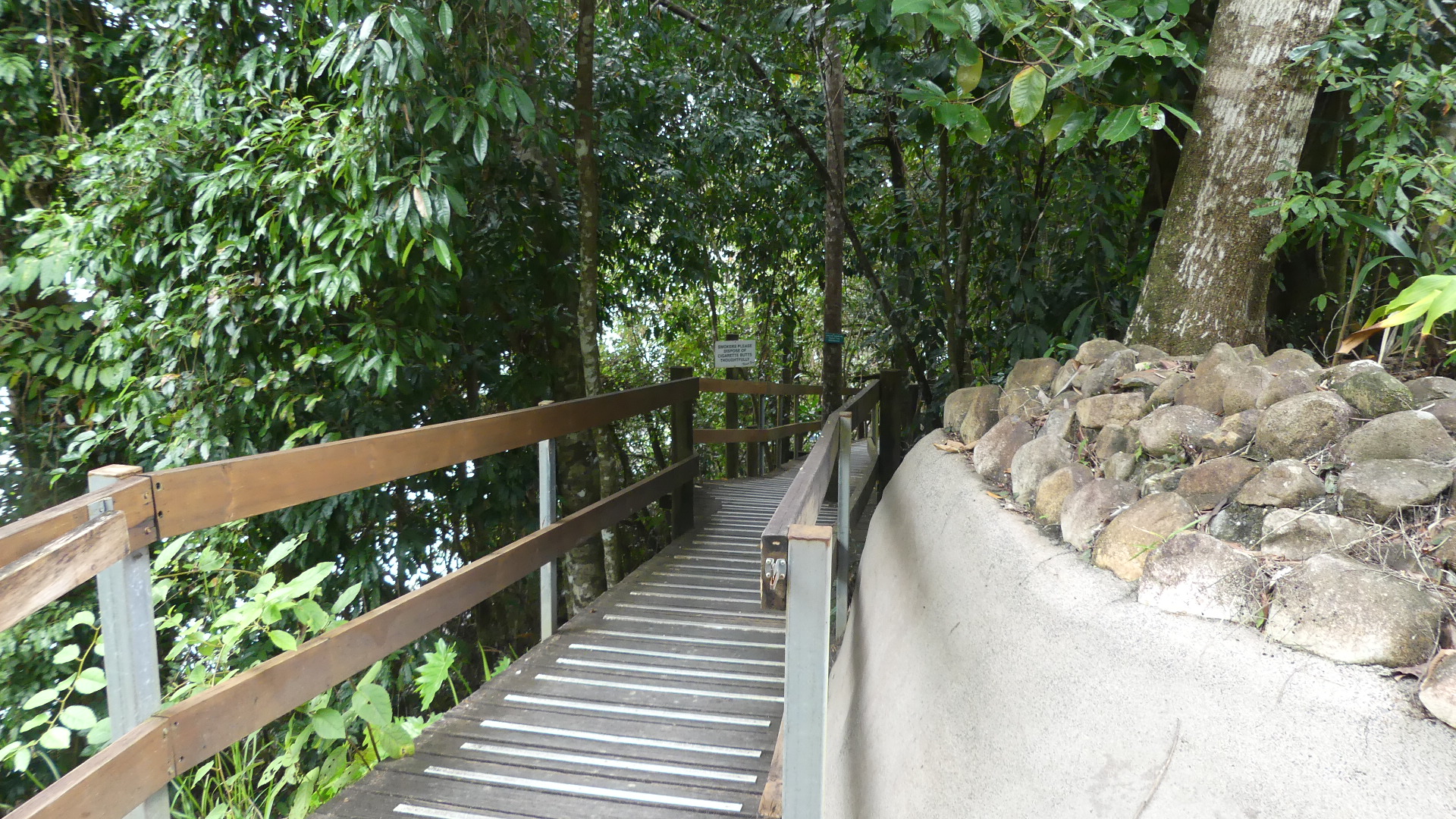
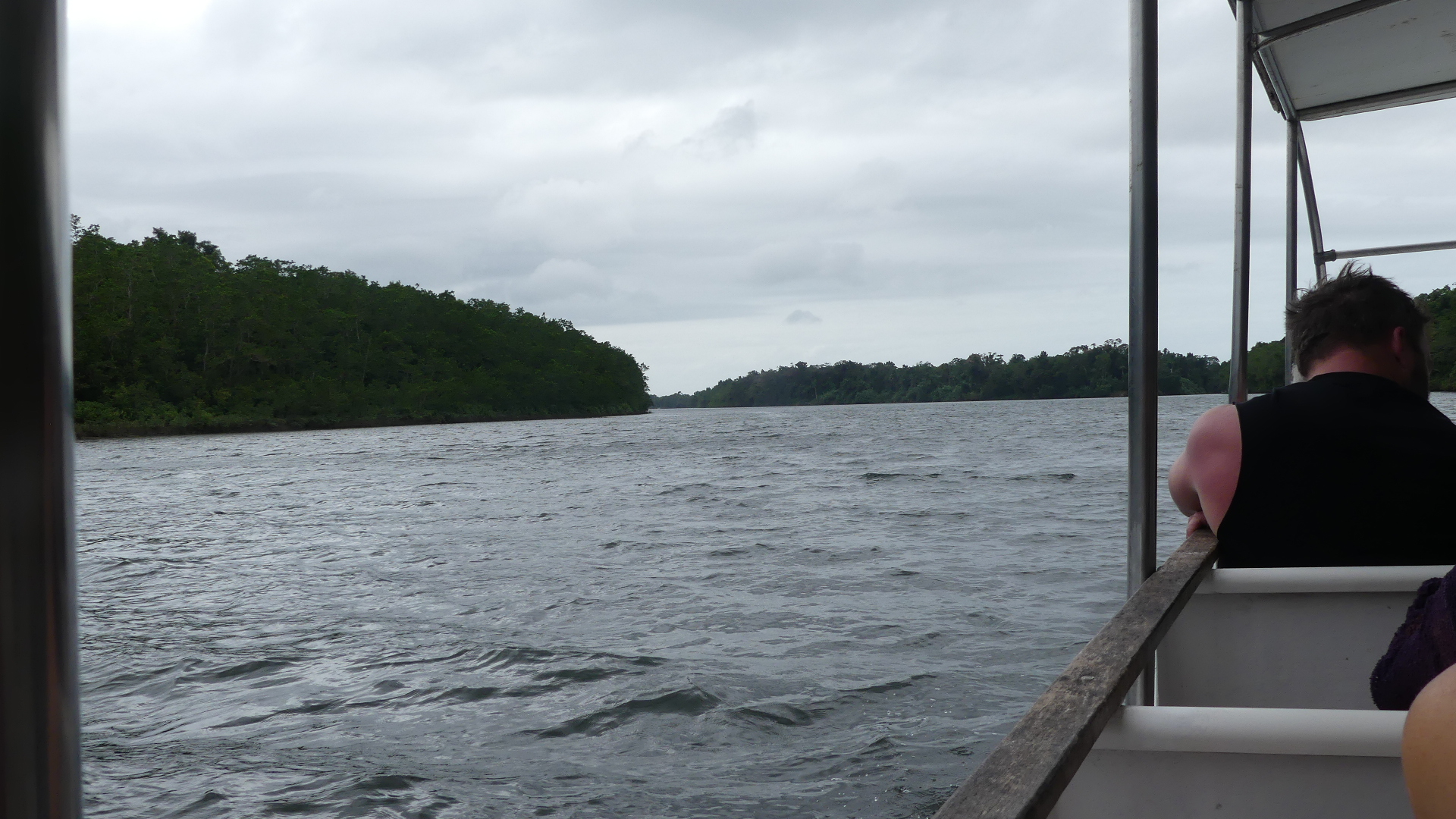
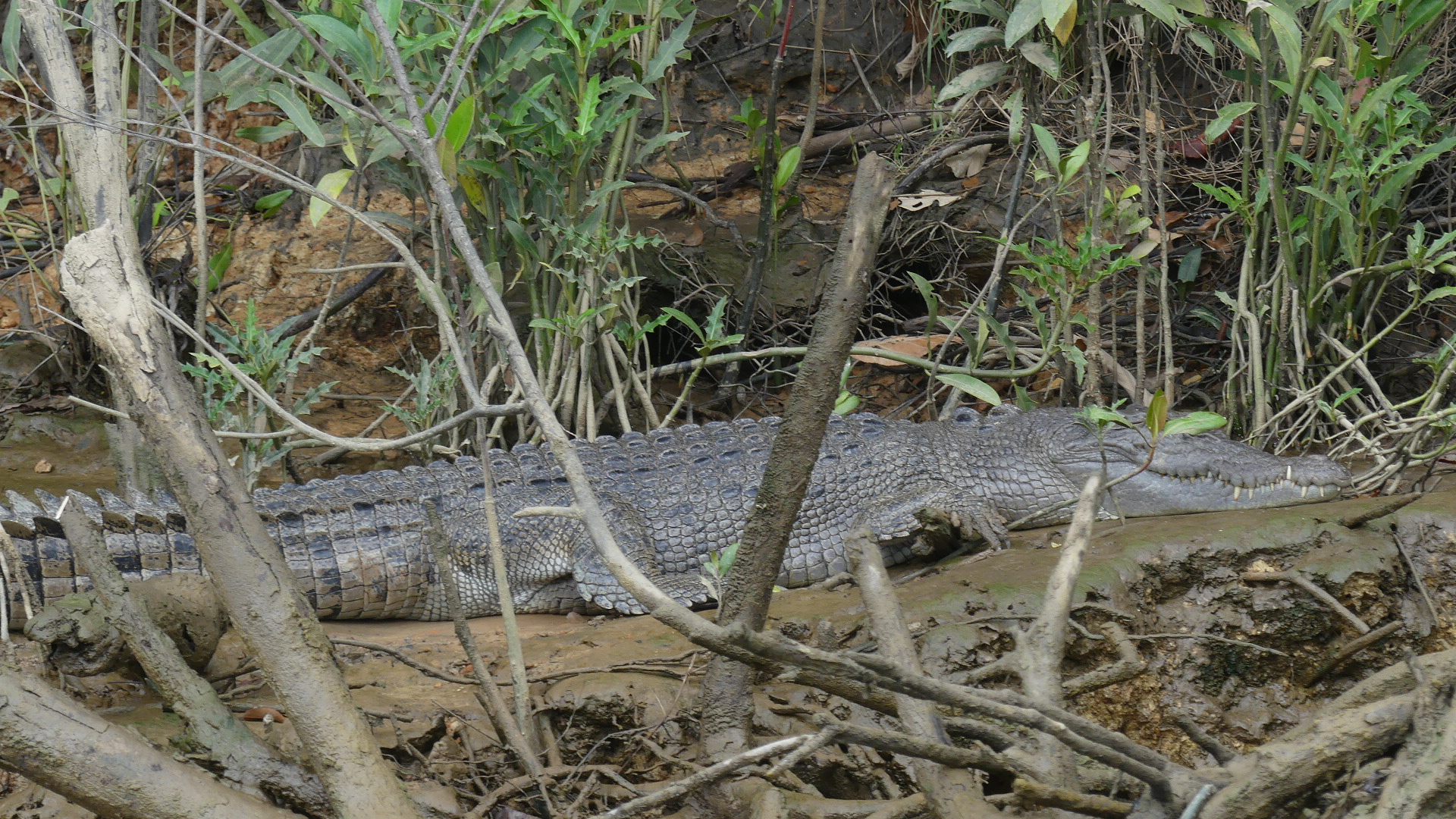
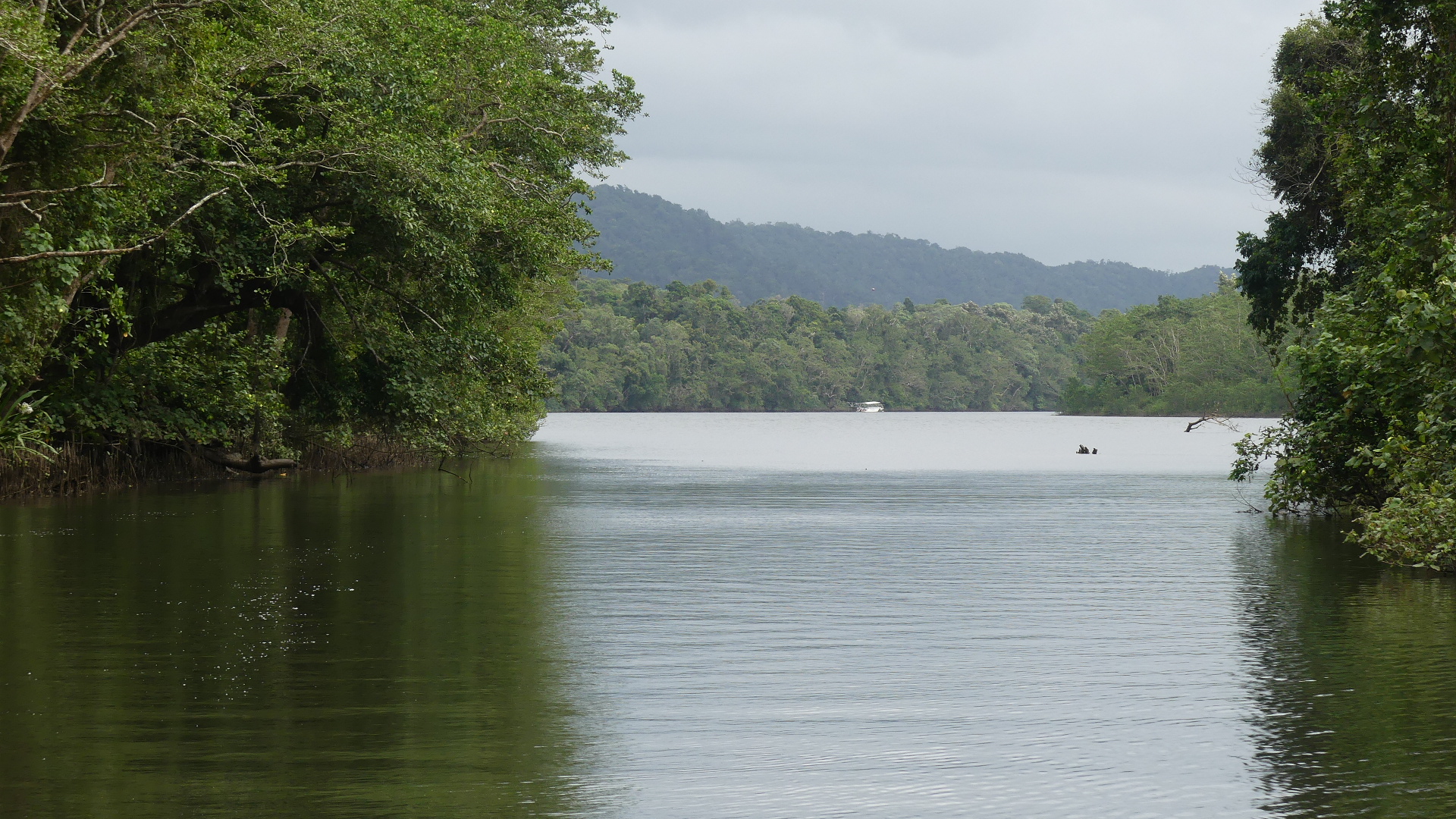
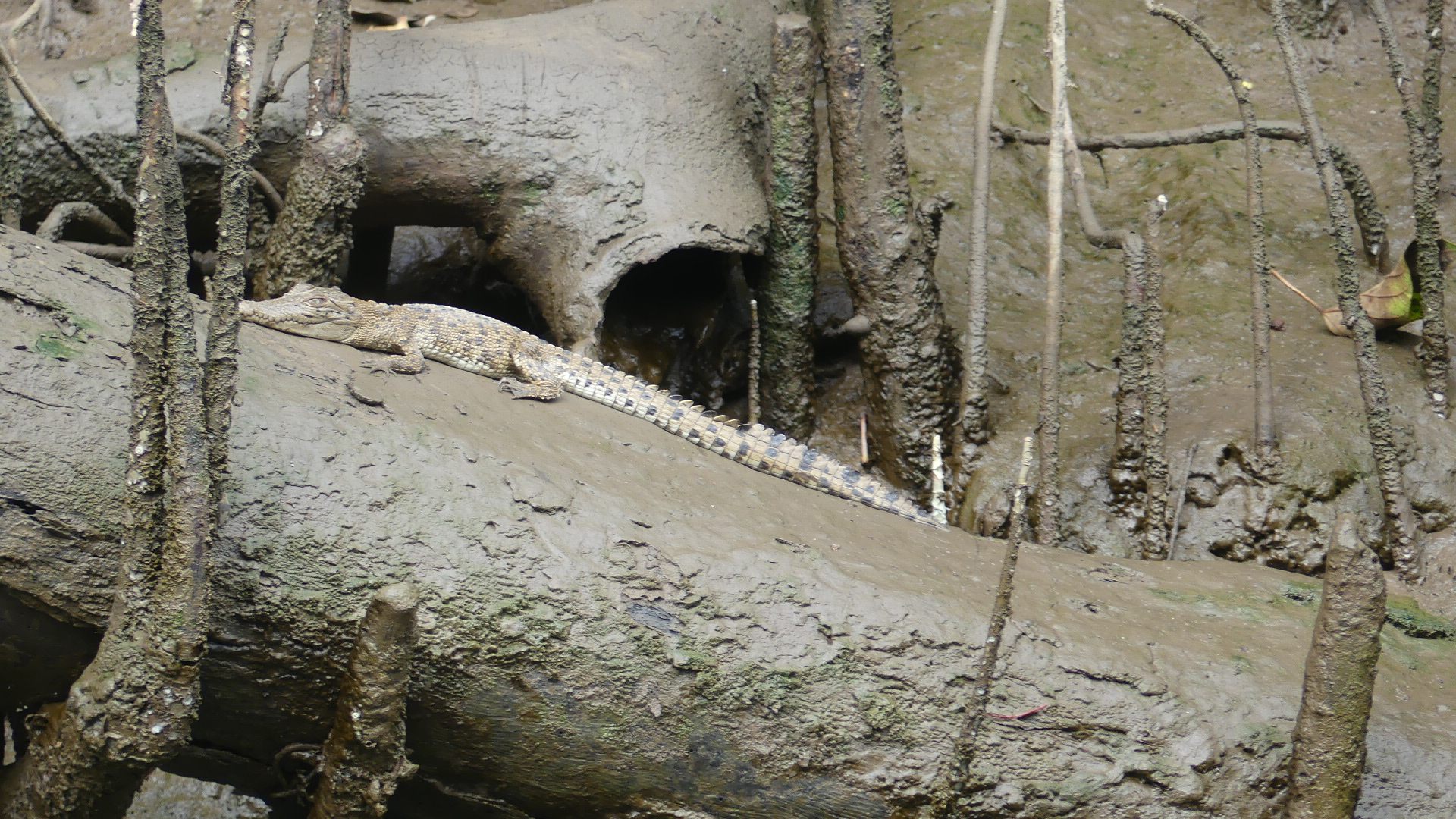
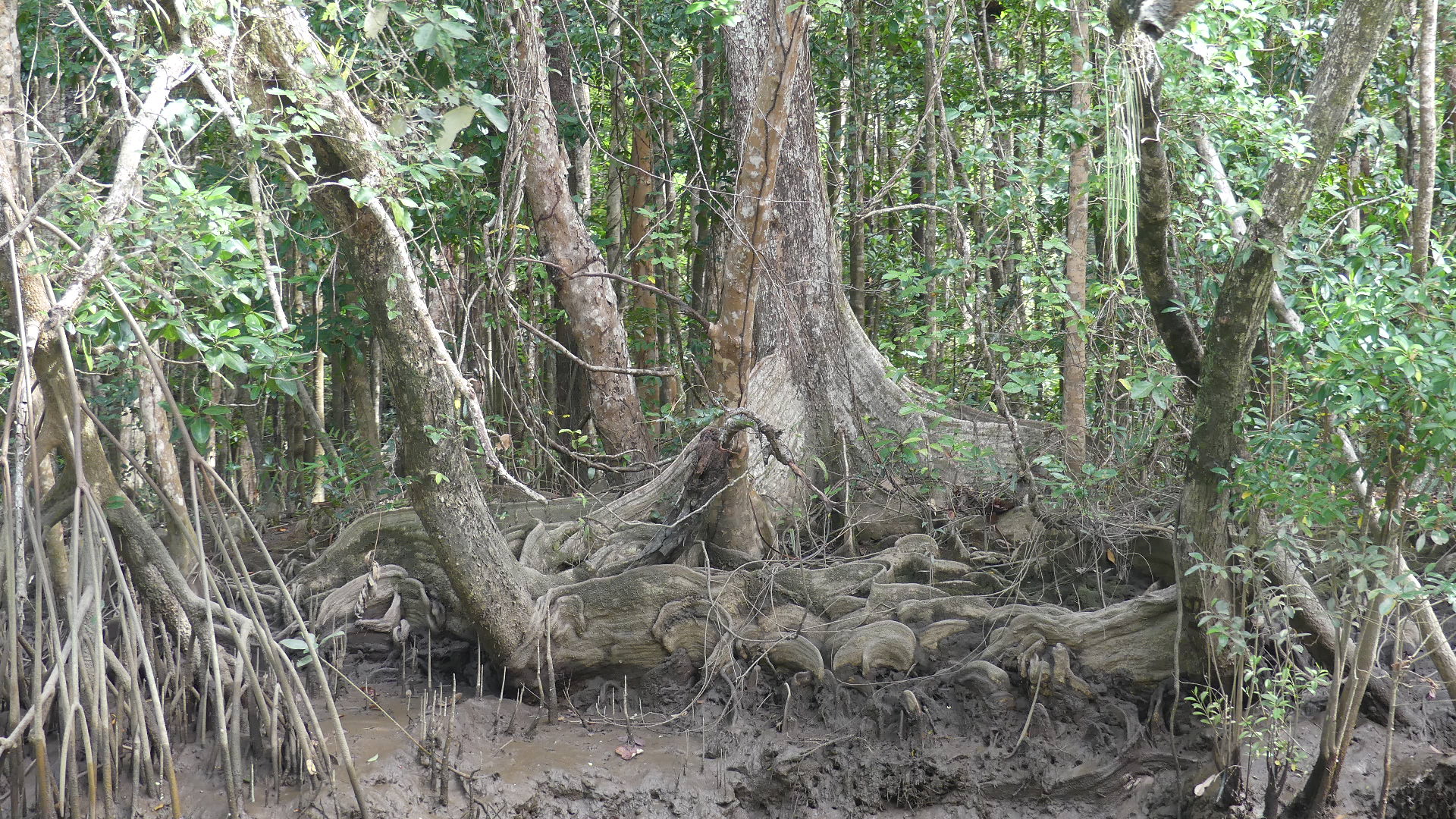
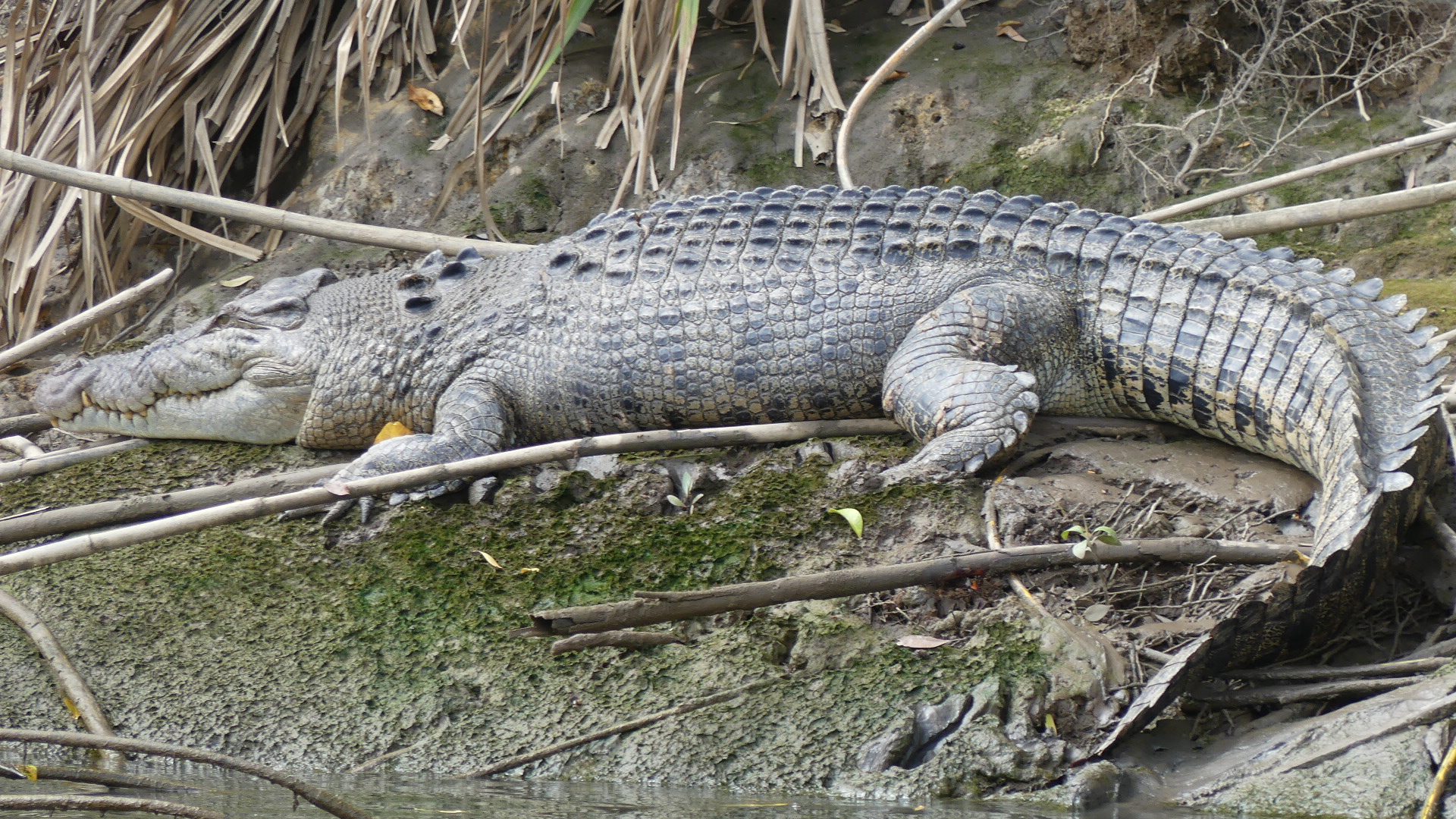
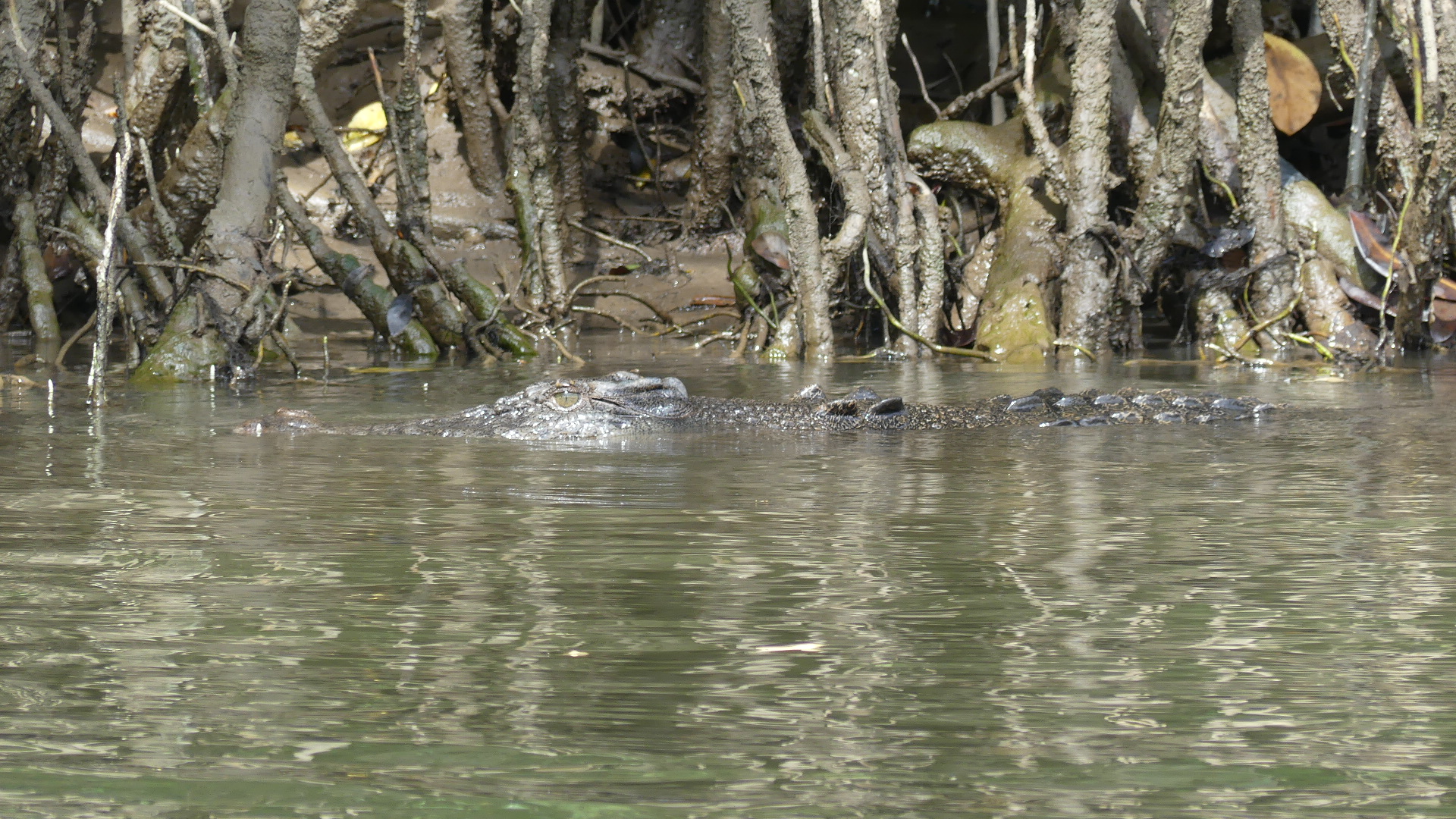
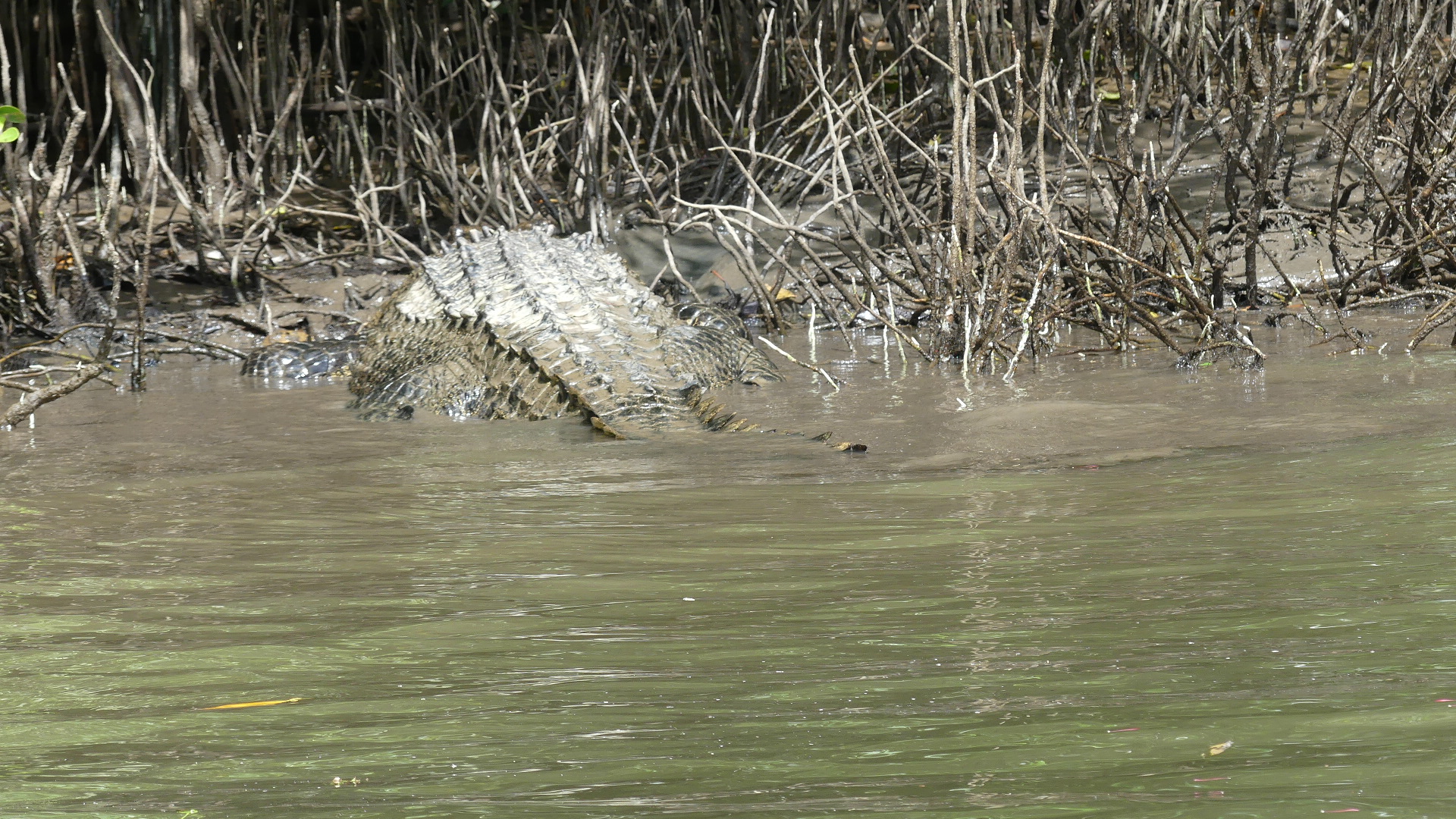
We left the highway crossing into a large carpark with a green two storey house /ticket office /gift store to one side. We were surprised to learn the next tour was about to start and we were assured of a seat. After the obligatory toilet stop we headed down to the river and the walkway to the boat – a flat bottomed vessel with seating for 40 + people and a canopy. There were 16 of us tourists and the skipper so no wonder we were warmly welcomed. The river is wide and bounded by dense brush with mangroves standing in between. We entered a channel between the main river and an island in the river. Almost immediately we had our first encounter – a young junvenile male basking on the sandy bank. Not a monster but 3.5m long I guess – bit too early for him to get up and greet us. Shortly there after and taking great care not to be seen by the previous croc was a fingerling (with bloody sharp teeth no doubt) followed by the canal boss croc presently (according to the skipper) then another fingerling and then a female sheltering not to be seen by the other two males
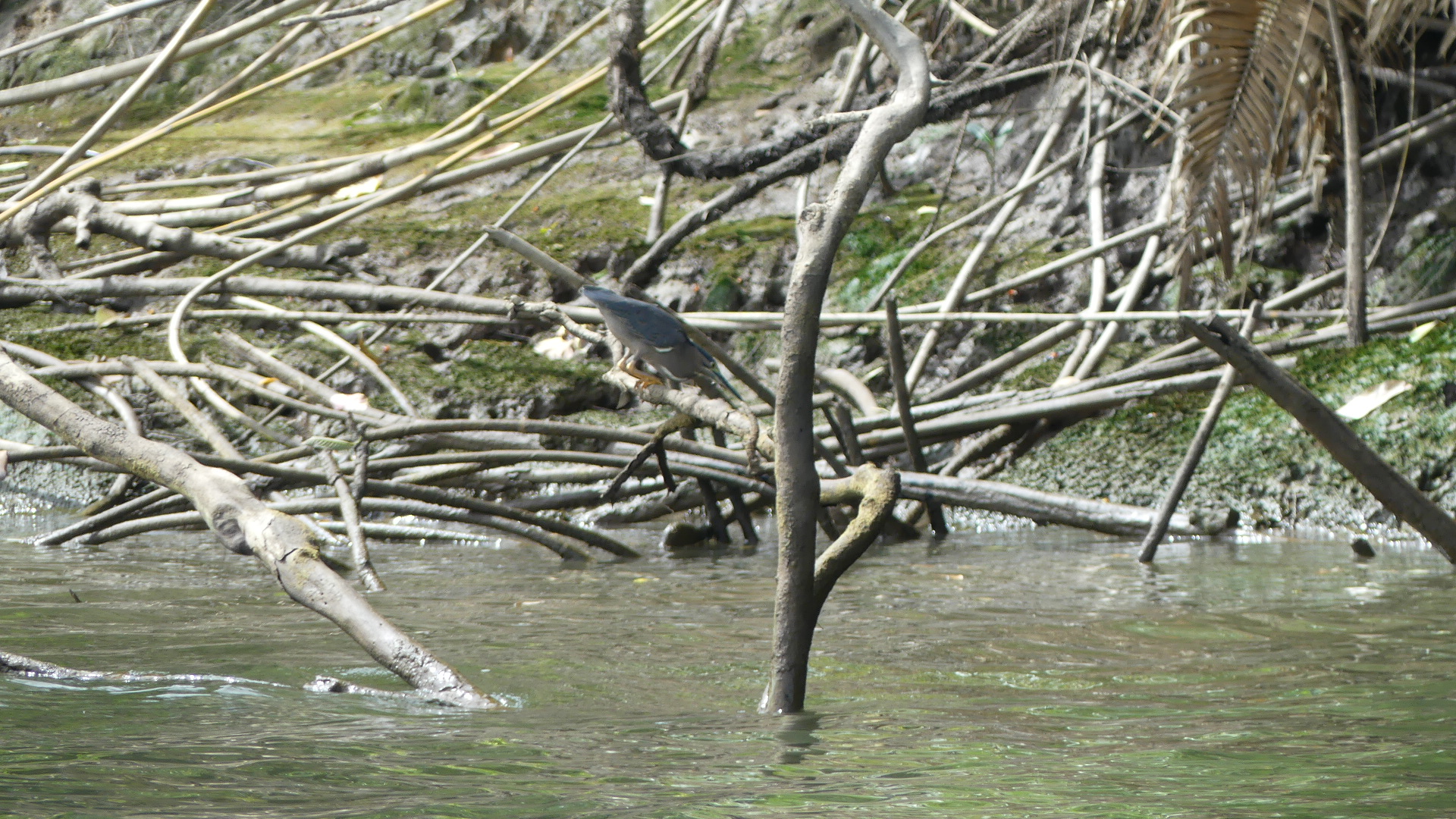
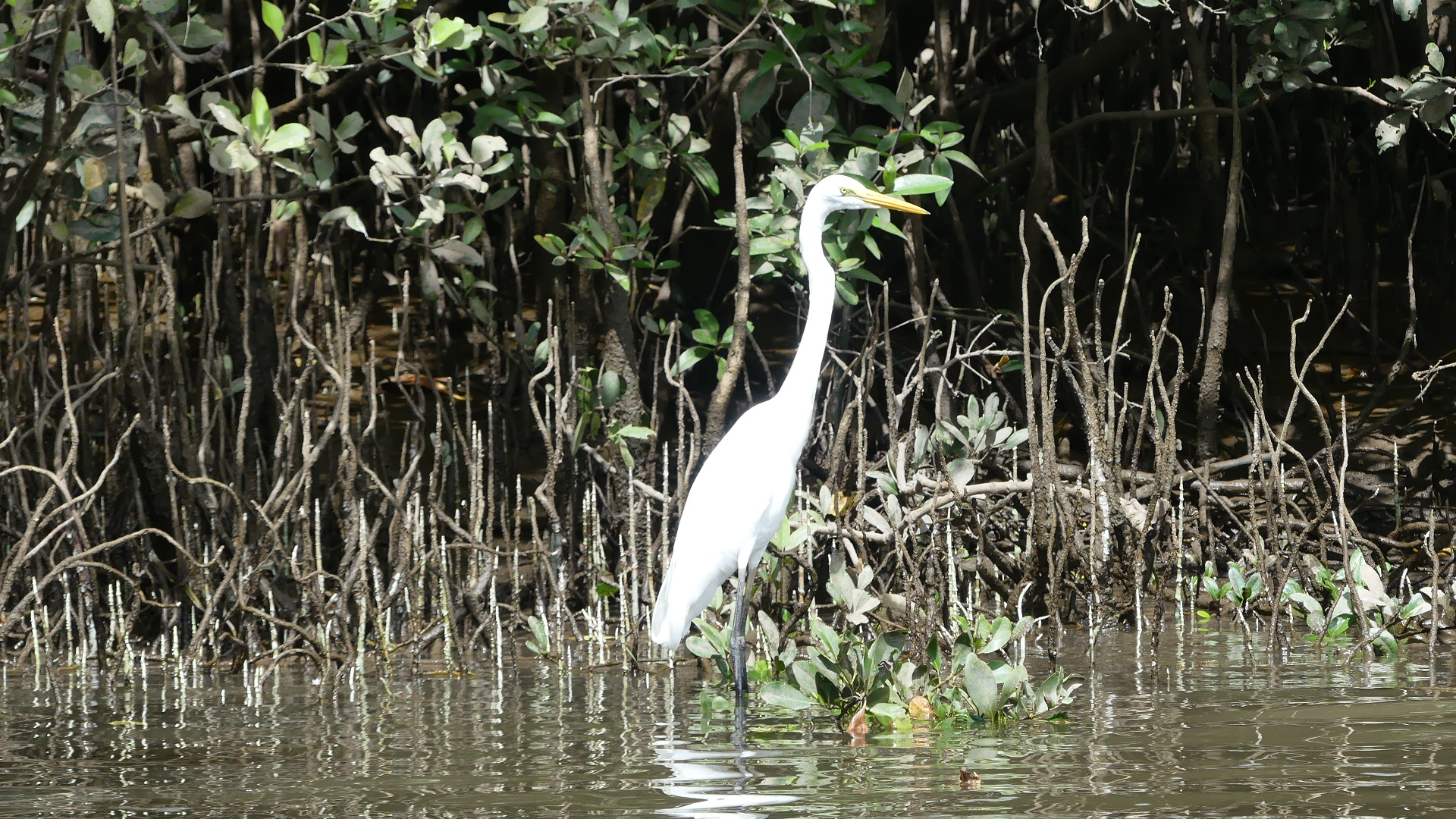
As we moved from the channel other tourist boats came into view and the wildlife changed from the water to the trees. A white egret had his eye on something below the water and below him was the boss of the river as opposed to boss of the channel.
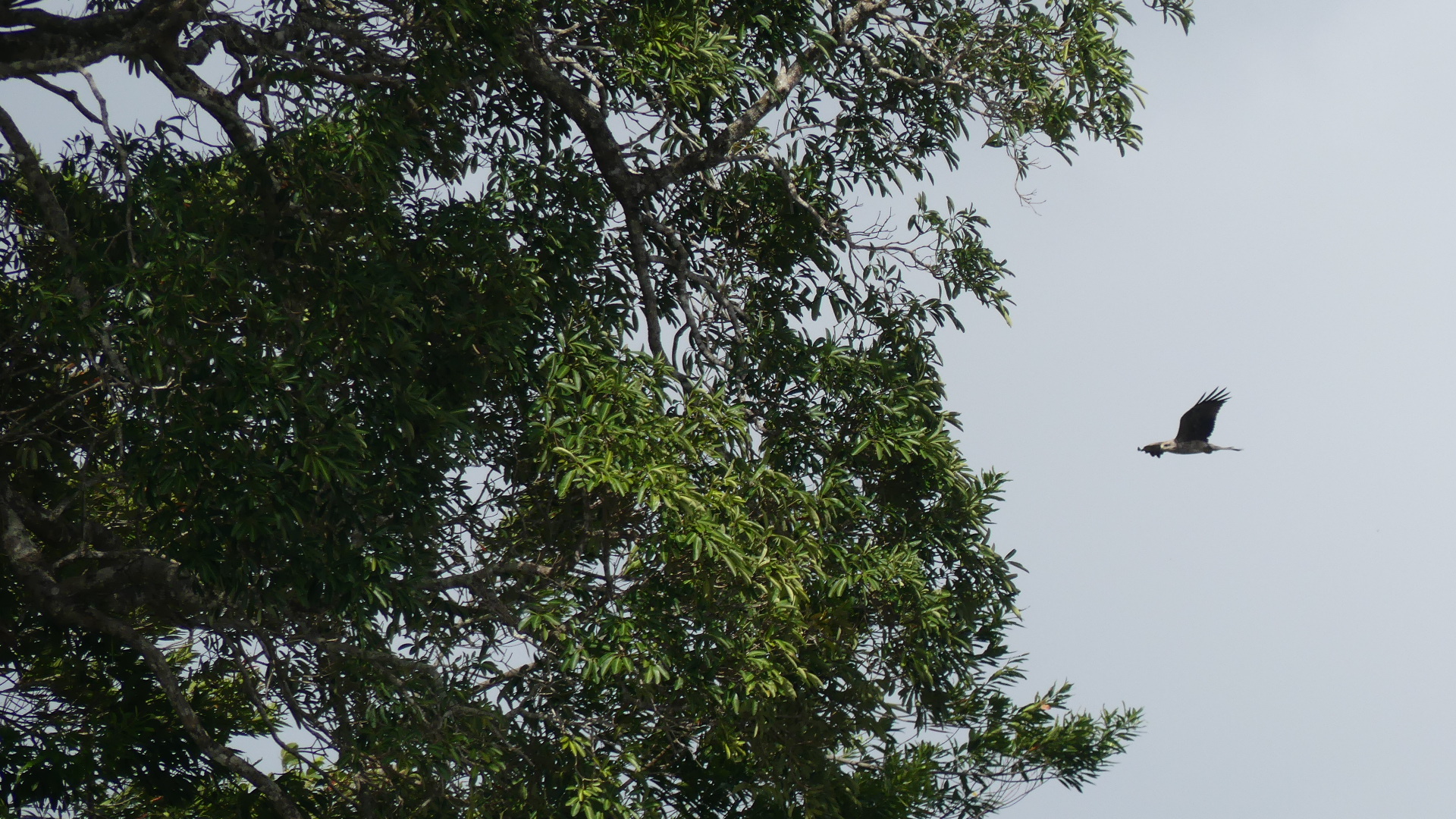
Kerry spotted a tree frog. That is pretty good eyesight I thought as I scoured the vegetation along the bank. A gentle tap on my shoulder and I was directed to the ceiling of the boat and just above us a large frog rested comfortably in the trusses holding the canopy of the boat. We saw quite a number of hawks along the banks. They sailed the sky following the wind currents or perched high in the treetops ever vigilent for breakfast lunch or dinner. Meanwhile on the riverbanks another croc starts to stir. In front of us the Cape Tribulation Car ferry crosses the river. Undeterred a stork searches the water for its meal and the frog slumbers on. We approach the ferry drop off and two of our group go ashore to follow the bush trails presumably. As we reverse off the bank a 4WD bus pulled up and the “bush walkers” board the bus – thats what is wrong with assumption it is often wrong.
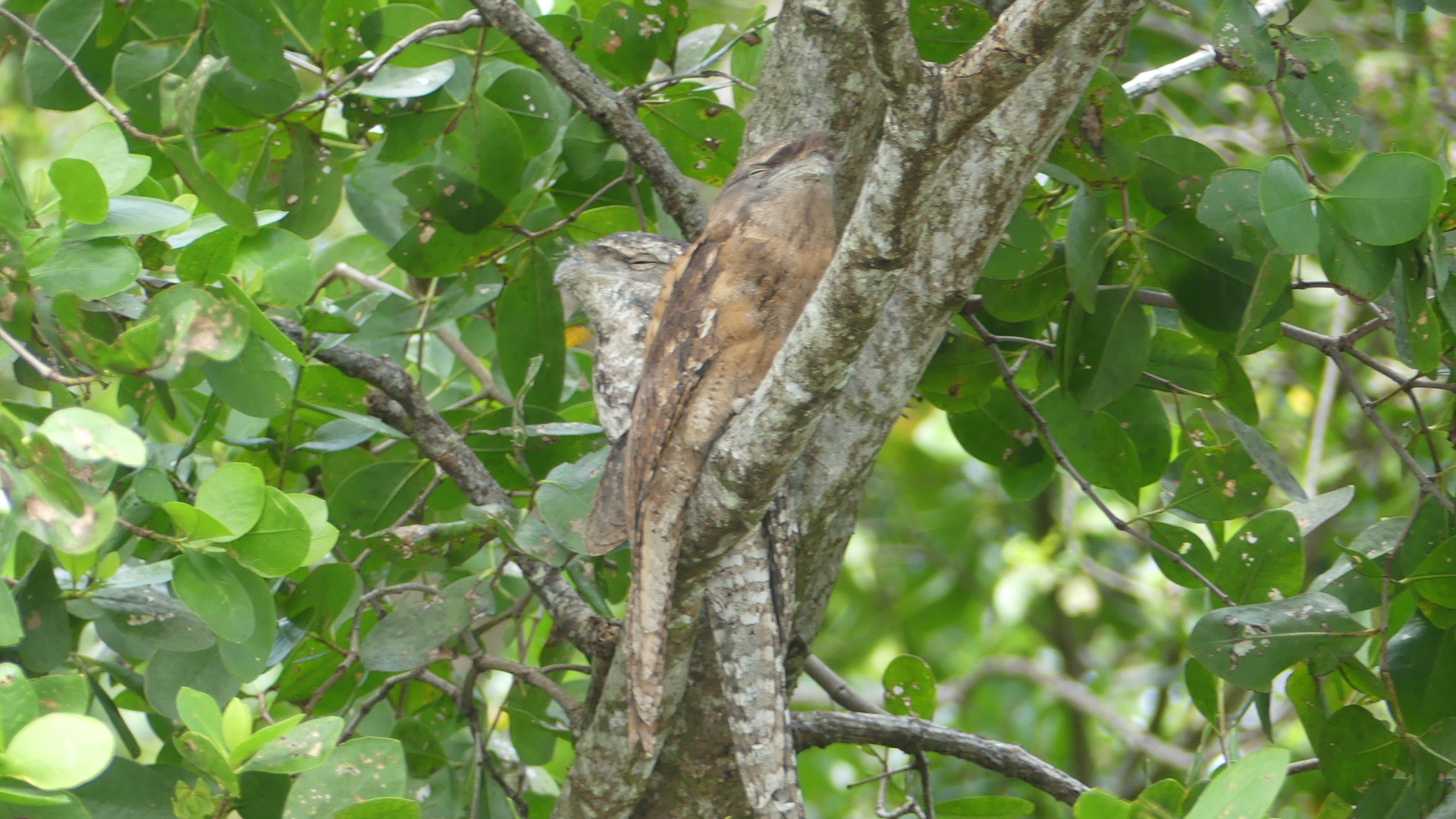
We are now in the main channel of the river with more crocs. For a change some Tawny Frogmouth Owls sit sunning themselves on a branch above us. It is pleasant on the river and we find our selves dreaming when the boat bumps against the wharf – tour is over but very enjoyable.
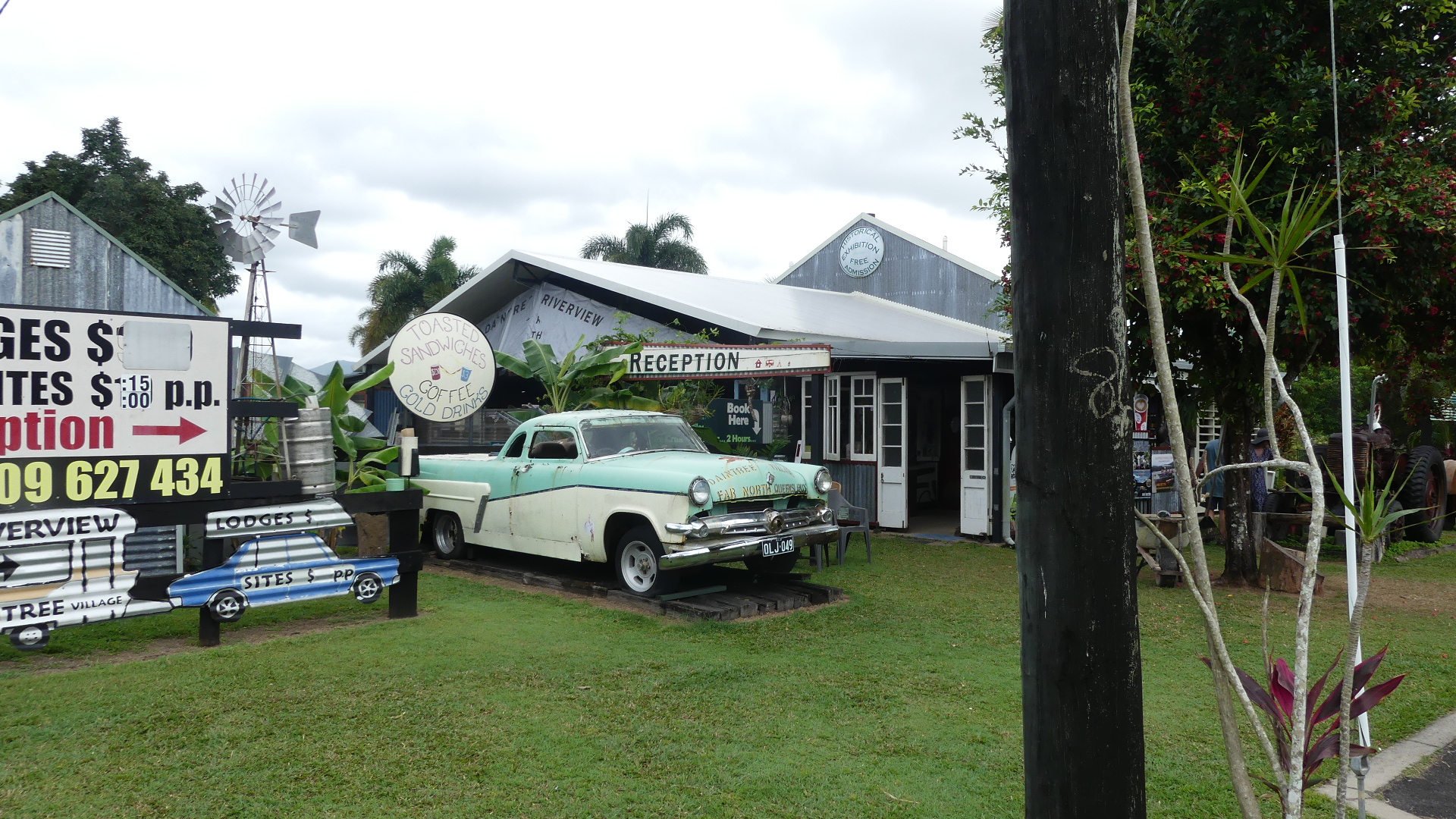
Back on the road we head for Daintree Village. If the road did not end in a dead end we would have driven through the village and never known it. Very little has changed here for quite some time.
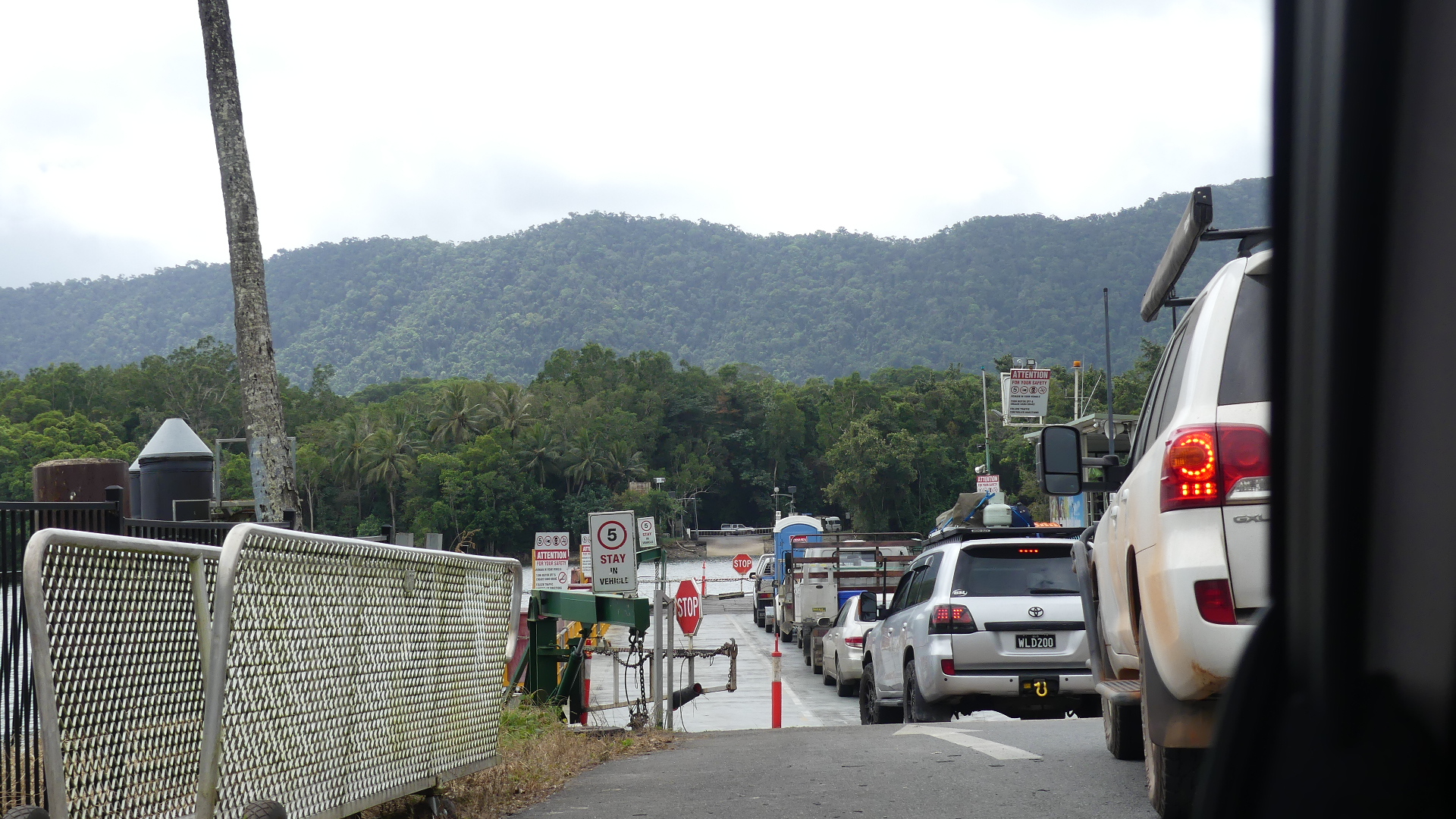
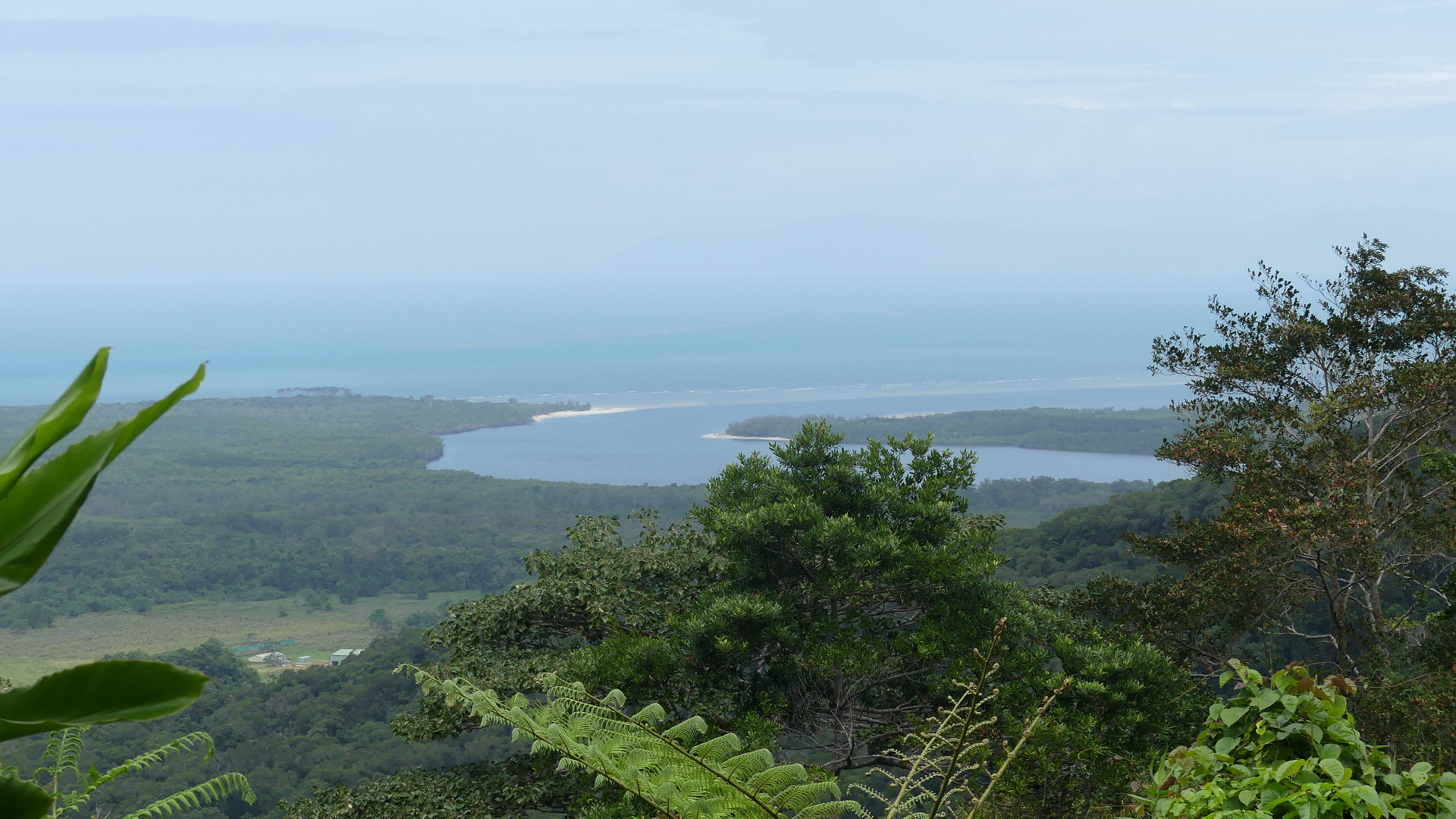
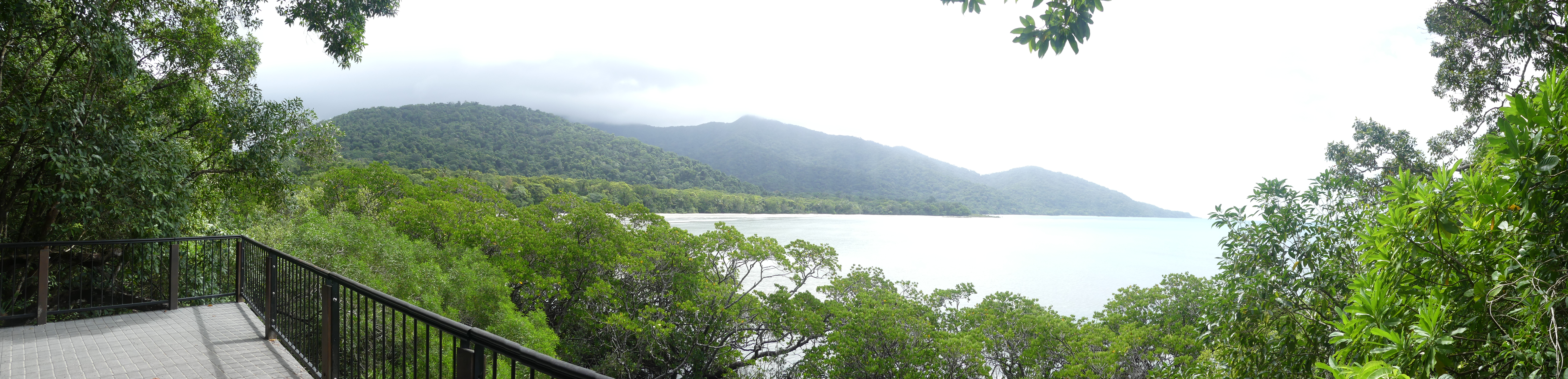
After a disappointing lunch (too many flies and the food just unexciting) we returned to the Car Ferry where we crossed to head for Cape Tribulation. Its a small ferry operated on a cable across the river and even in these strained tourism times running continuously with a full load. The crossing takes little more than 5 minutes and unloading even quicker. “Watch out for the Cassowarys” signs abound but not a Cassowary to be seen. Our goal is to get to the Cape – its 4WD country after that and our Skoda does not stand a chance. We are determined to find the mountain lookout to view the mouth of the Daintree River. It is just a short drive and the lookout is less tha 100m off the road. We had not noticed that the car had climbed so high so when we look out we are shocked to see a large river mouth enter the Coral Sea.
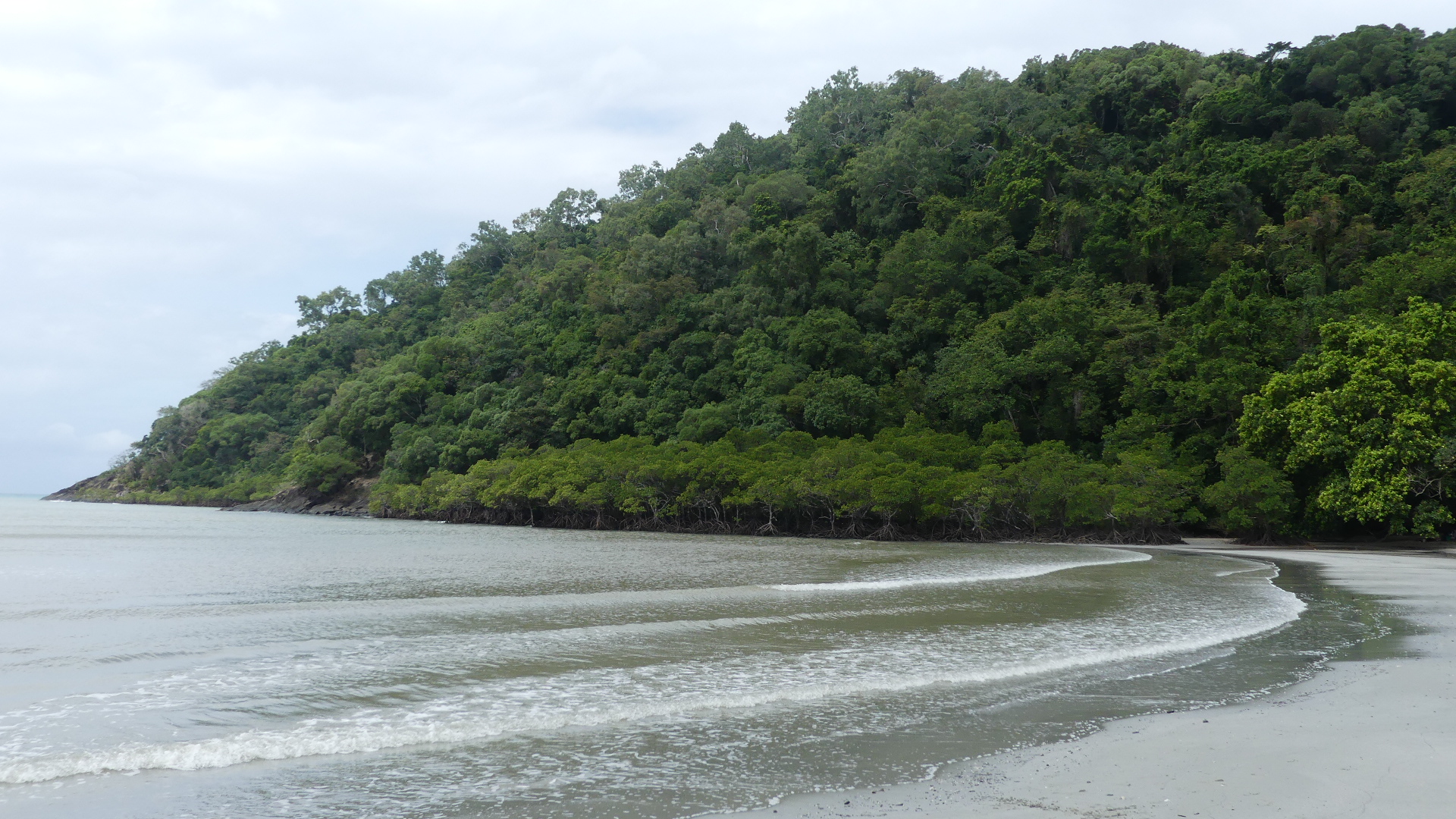
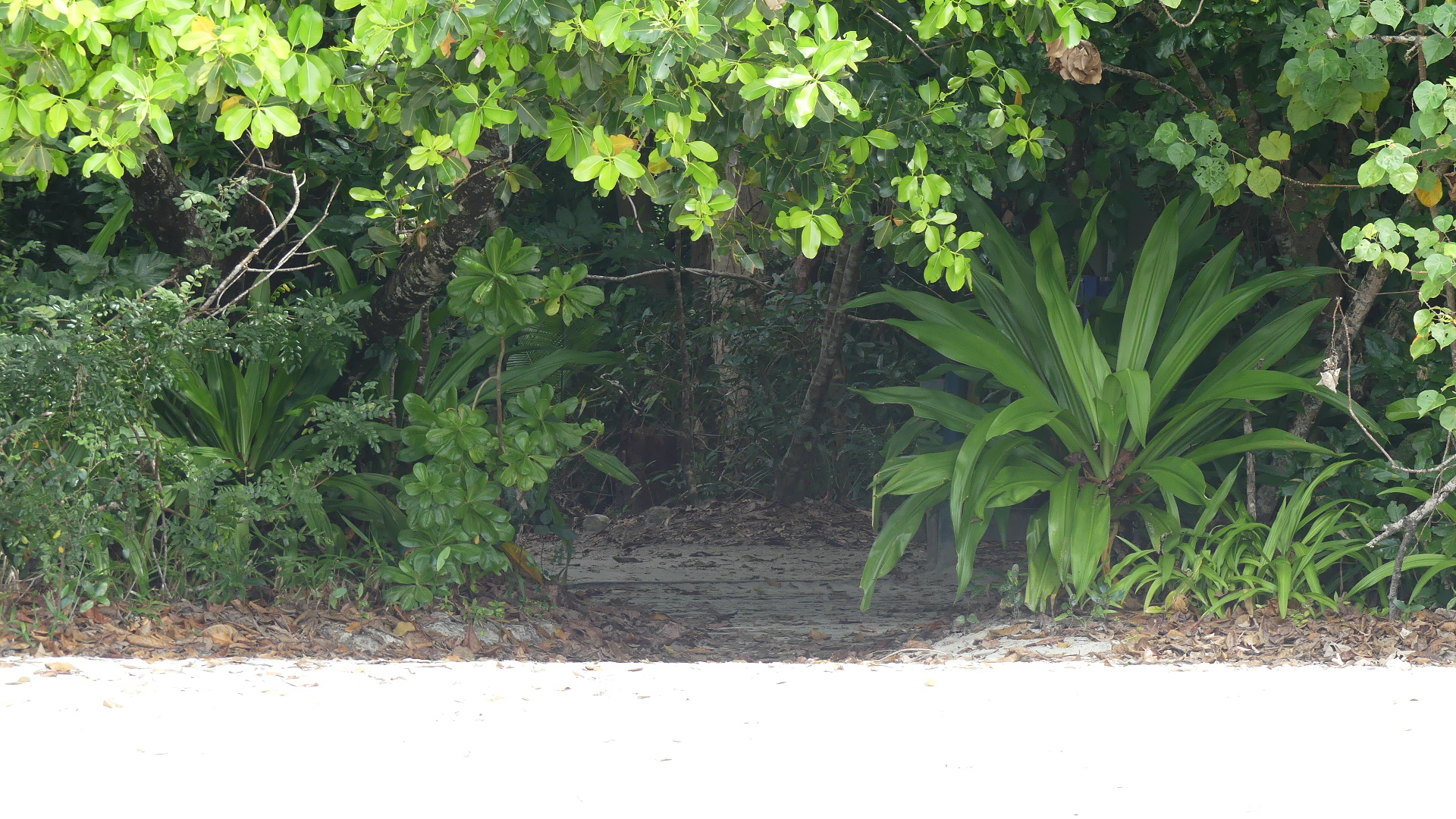
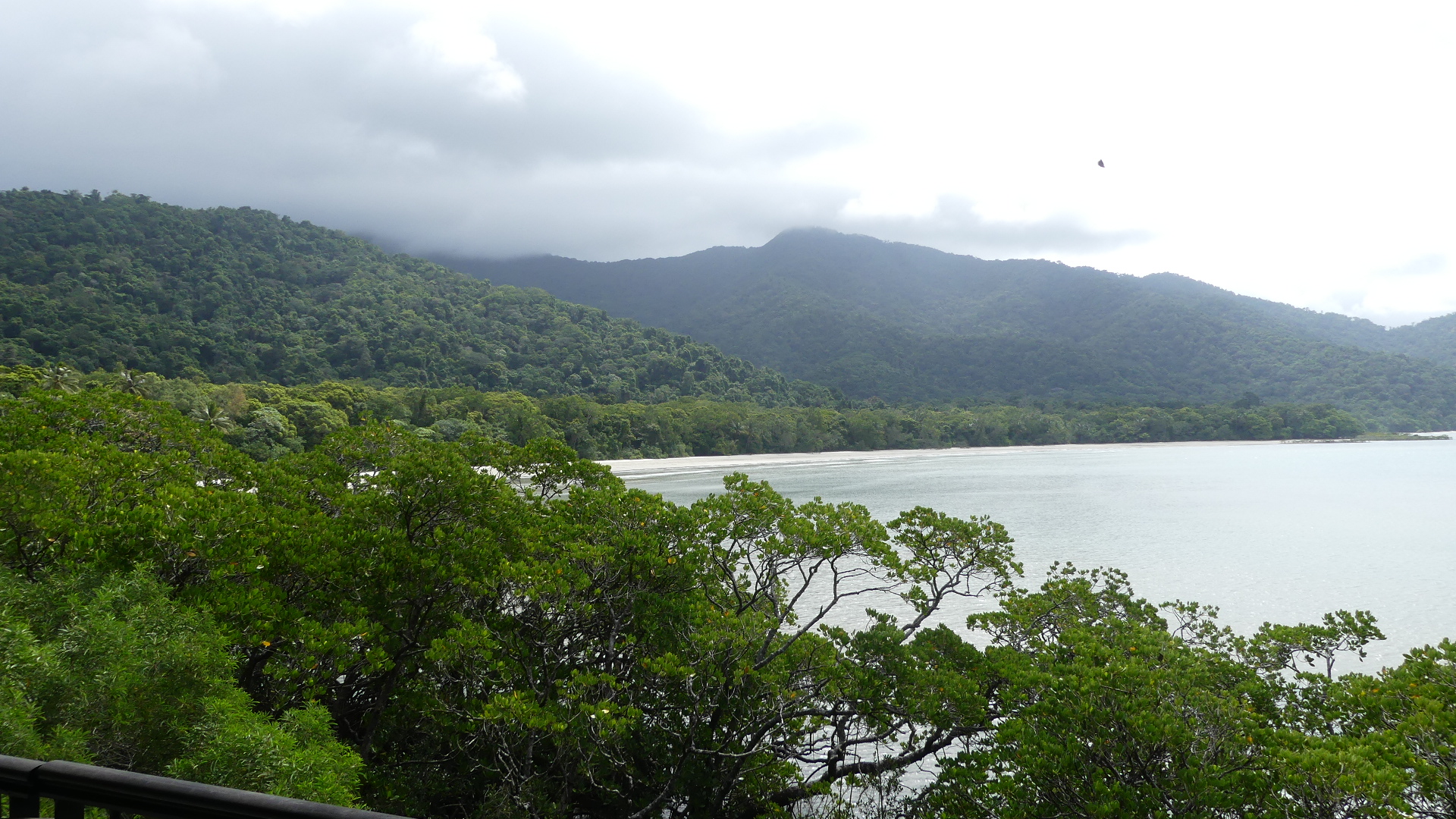
There is then a long drive to the Cape through green tropical rain forest with the only interruption being the speed bumps to keep the traffic at a reasonalbe speed for the wildlife. These speed bumps are a metre wide and have a lumpy surface made with river rock. Even so the 4WD and off road caravans pay no notice and travel at what ever speed they please. Once we arrive just south of the Bloomfield River there is a beach between headlands with deceptively green clear water hiding those dangers of the north – box jellyfish. We kick off the shoes and stroll in the water then head around the headland. There are plenty of tourist buses with the car park full of buses but not too many people on those buses. So we walk past the composting toilets around to the headland and our visit to Cape Tribulation comes to an end. Time to start back to Cairns.
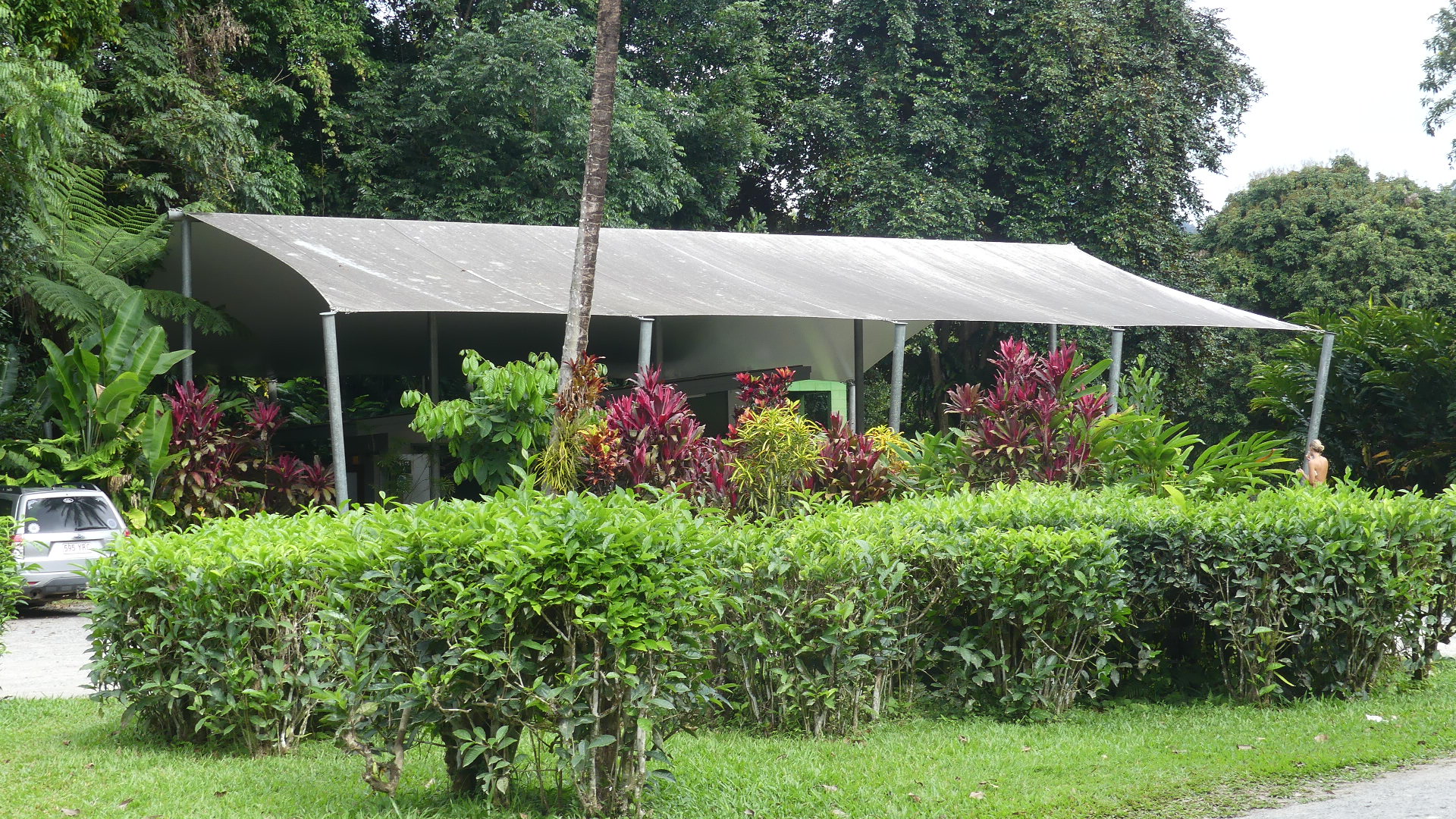
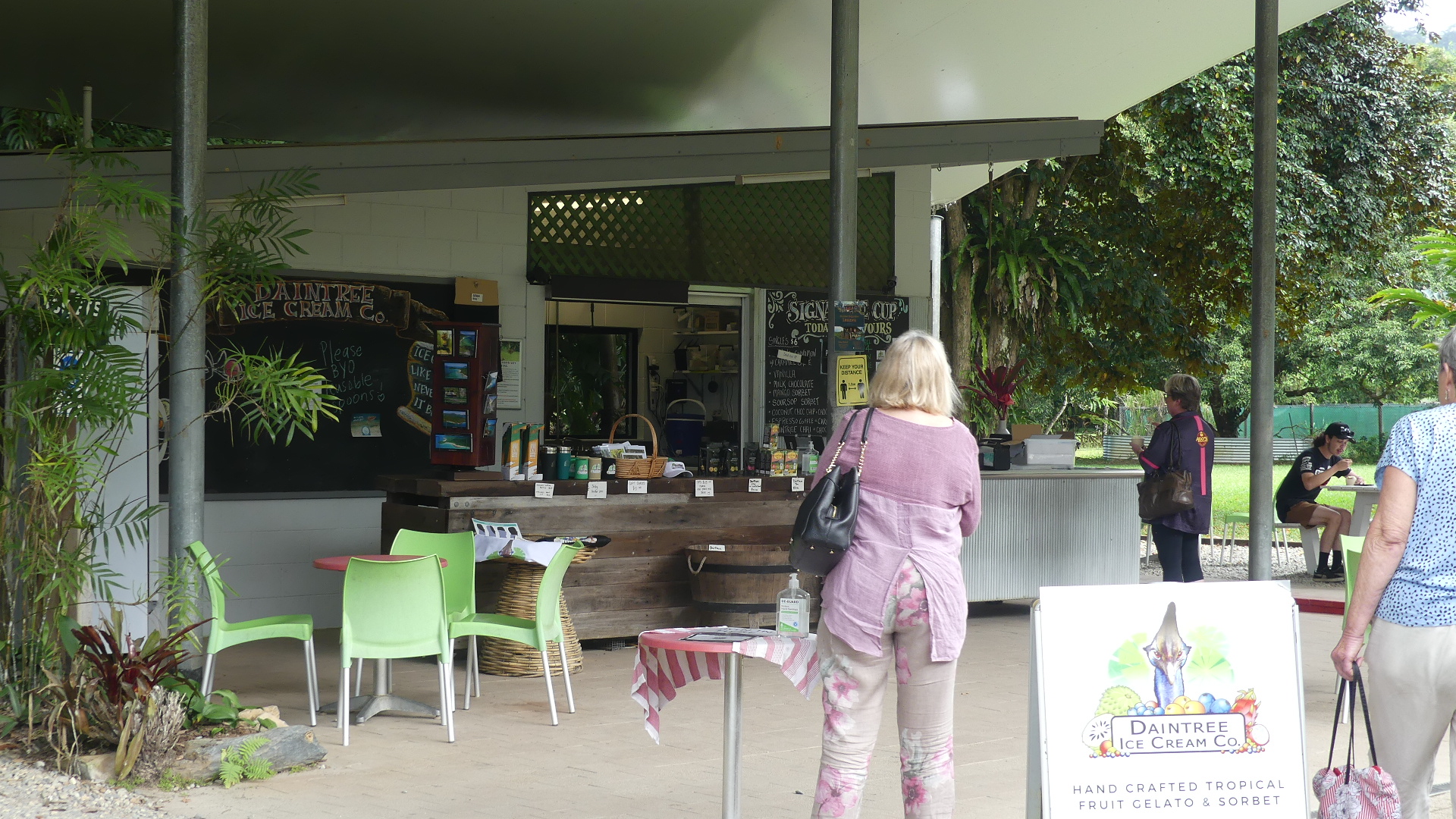
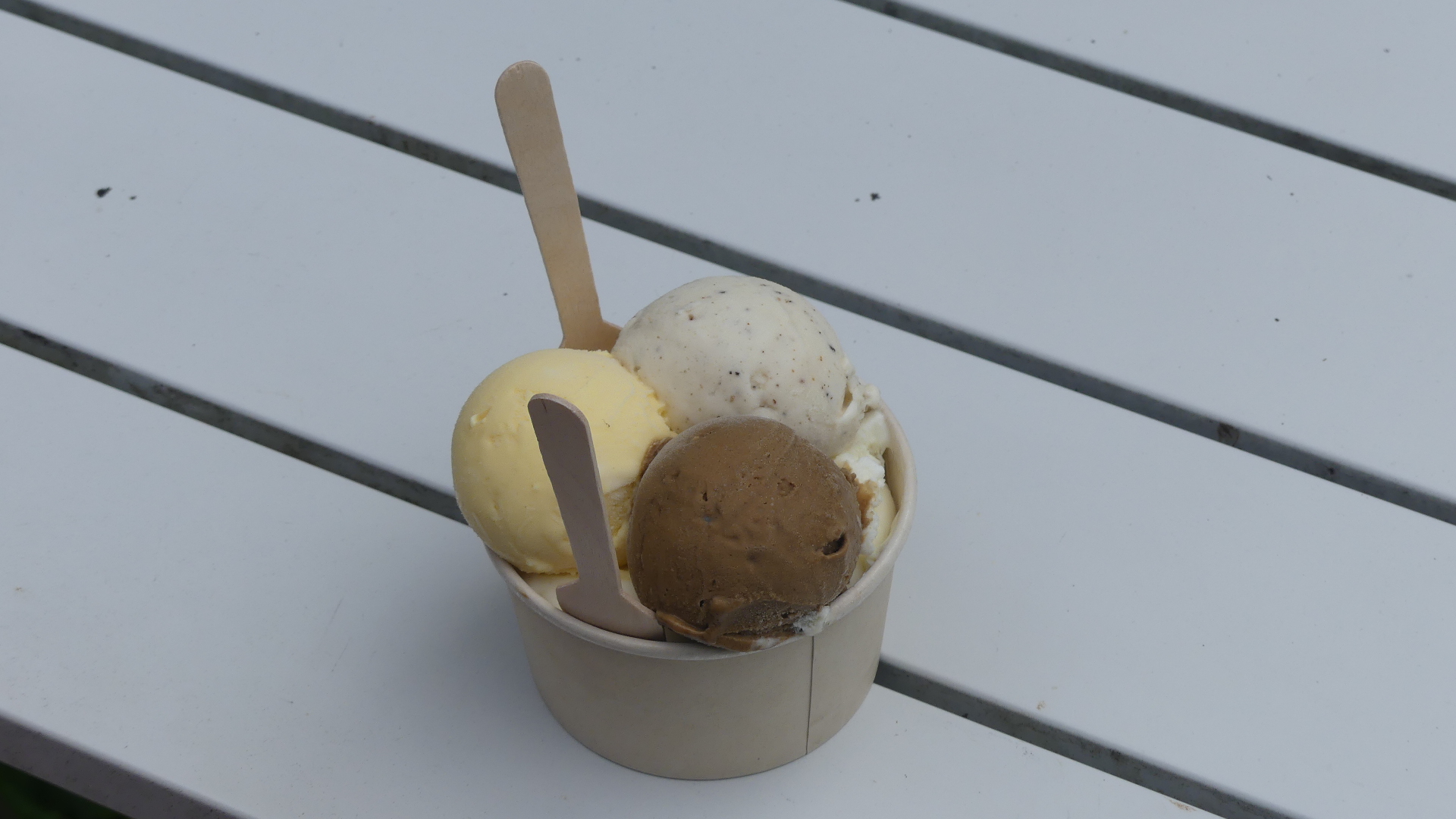
There are two more things we want to do on the way home. The first is to visit the tropical fruits ice cream shop – Daintree Ice Cream Co. Jack fruit and other exotic fruits are used to make the ice cream in limited quantities so we missed out on the special of the day but what we did have was pretty good. Whilst enjoing the ice cream I notice something moving in the shrubs just beyond the driveway. We watched as a Pademelon hopped into view
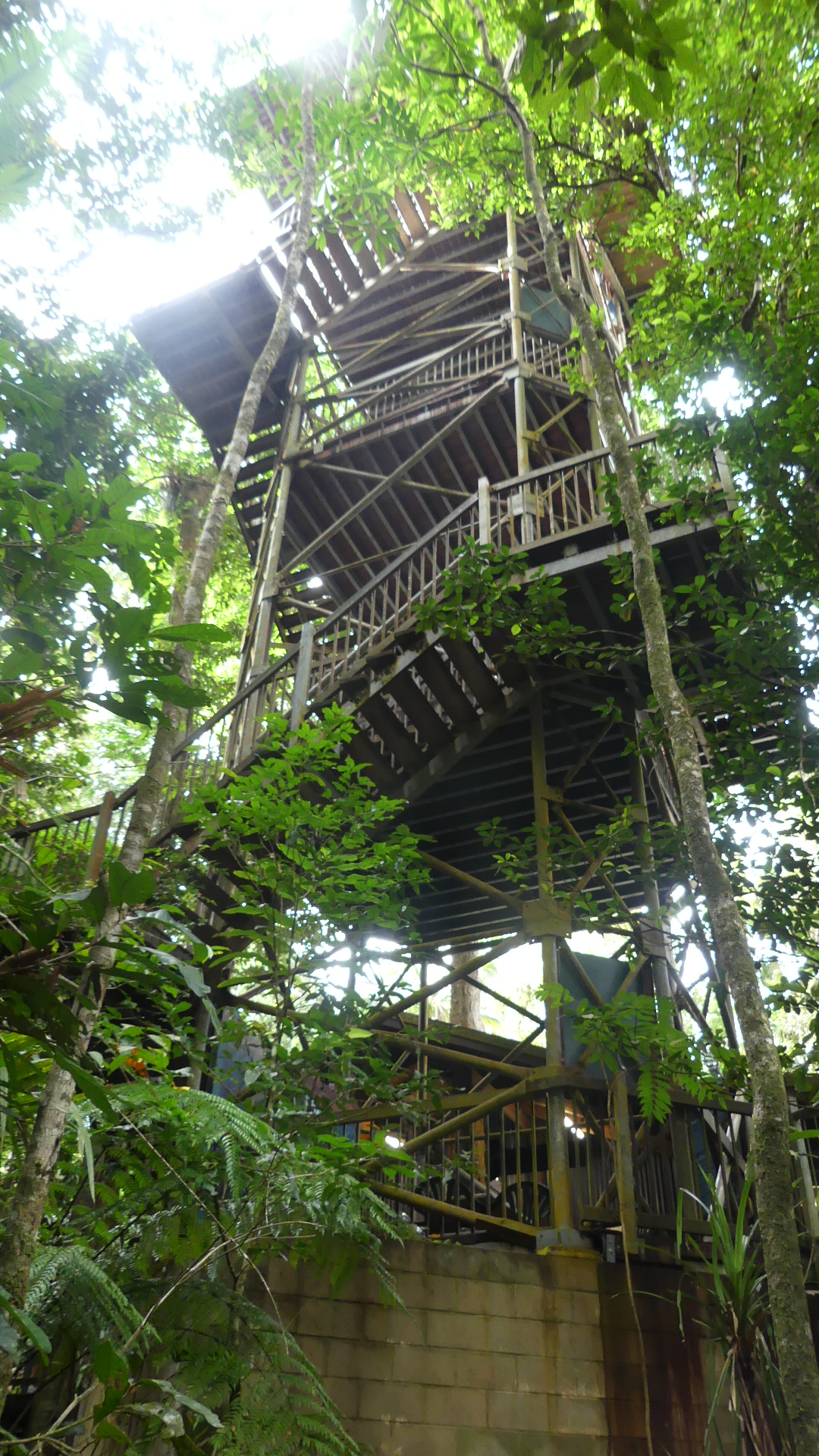
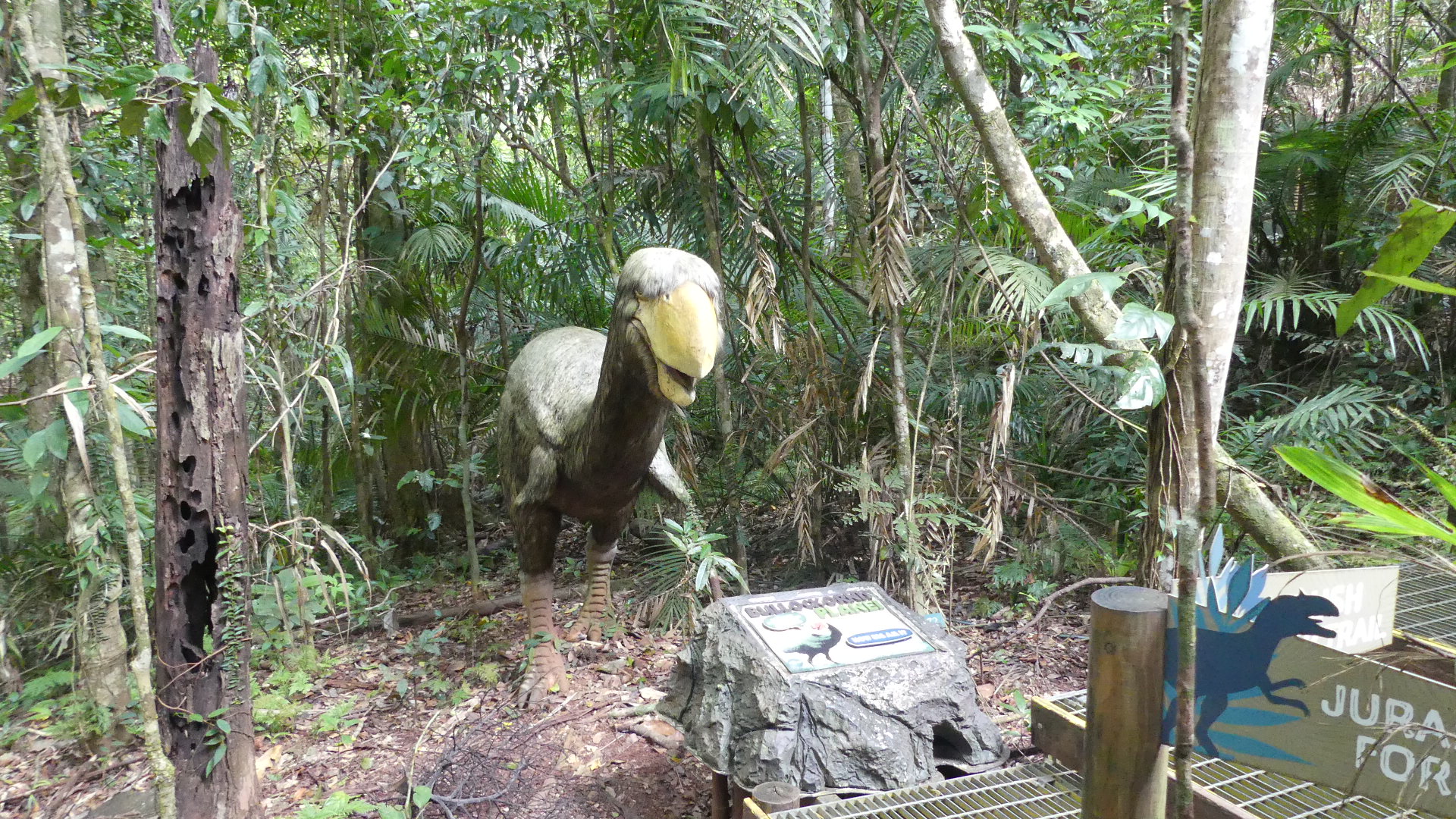
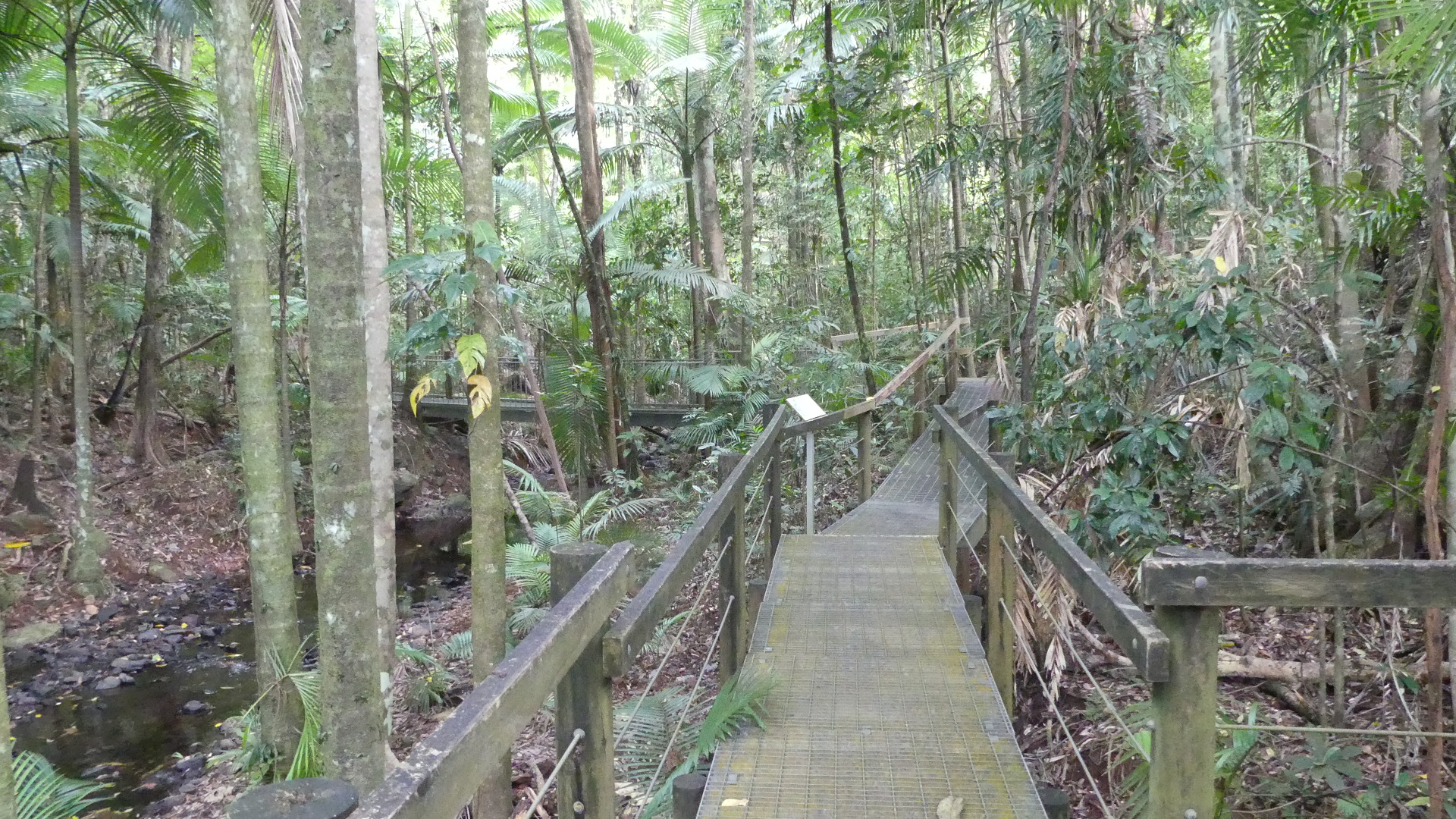
Kerry’s getting tired with continuous driving. We head off but there is time for one more stop. We had noticed signs to a Tree top walk on the way north so we called in at the Daintree Discovery Centre. The Daintree Rainforest is the world’s oldest continually surviving rainforest. The Daintree Discovery Centre is home to a sky high experience – the 23 metre rainforest canopy tour. There are multiple levels and layers to this walk. We chose the walk through the mid section then the Cassowary walk which deals with the construction of the walk. Cassowary were known to simply walk through the construction unafraid of the men and machines. We also walked through the dinosaur heritage that goes with it being the oldest living rain forest.
By the time we finished our quick walkabout the Discovery Centre it was clear we were not going to return to Palm cove before dark. There is some contraversy as to who drove home but we made it after dark. On the way through Mossman we spotted a bit of history – loaded cane trucks awaiting the loco to take the cages to the mill. That photo actually tells me Kerry was driving.
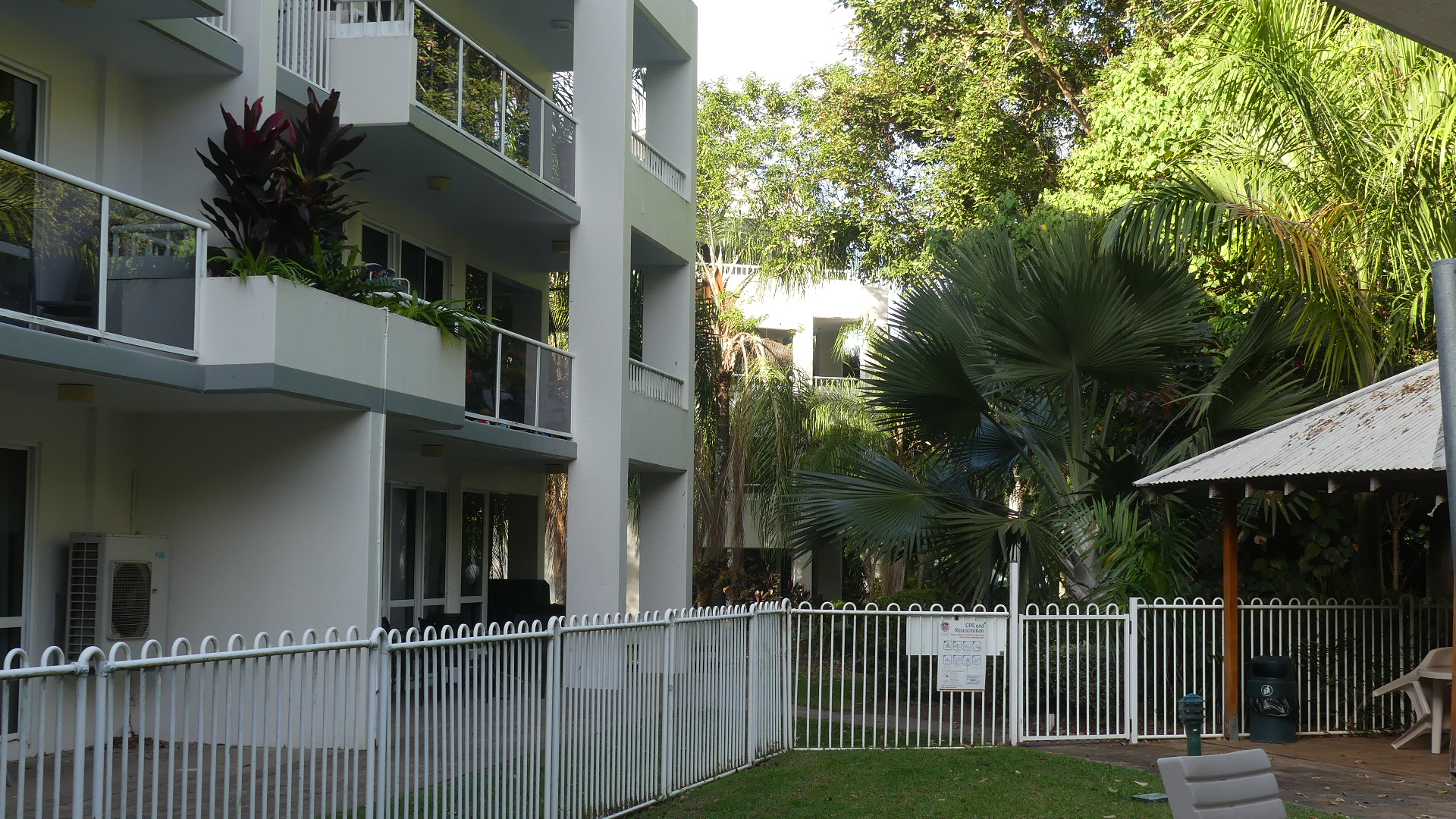
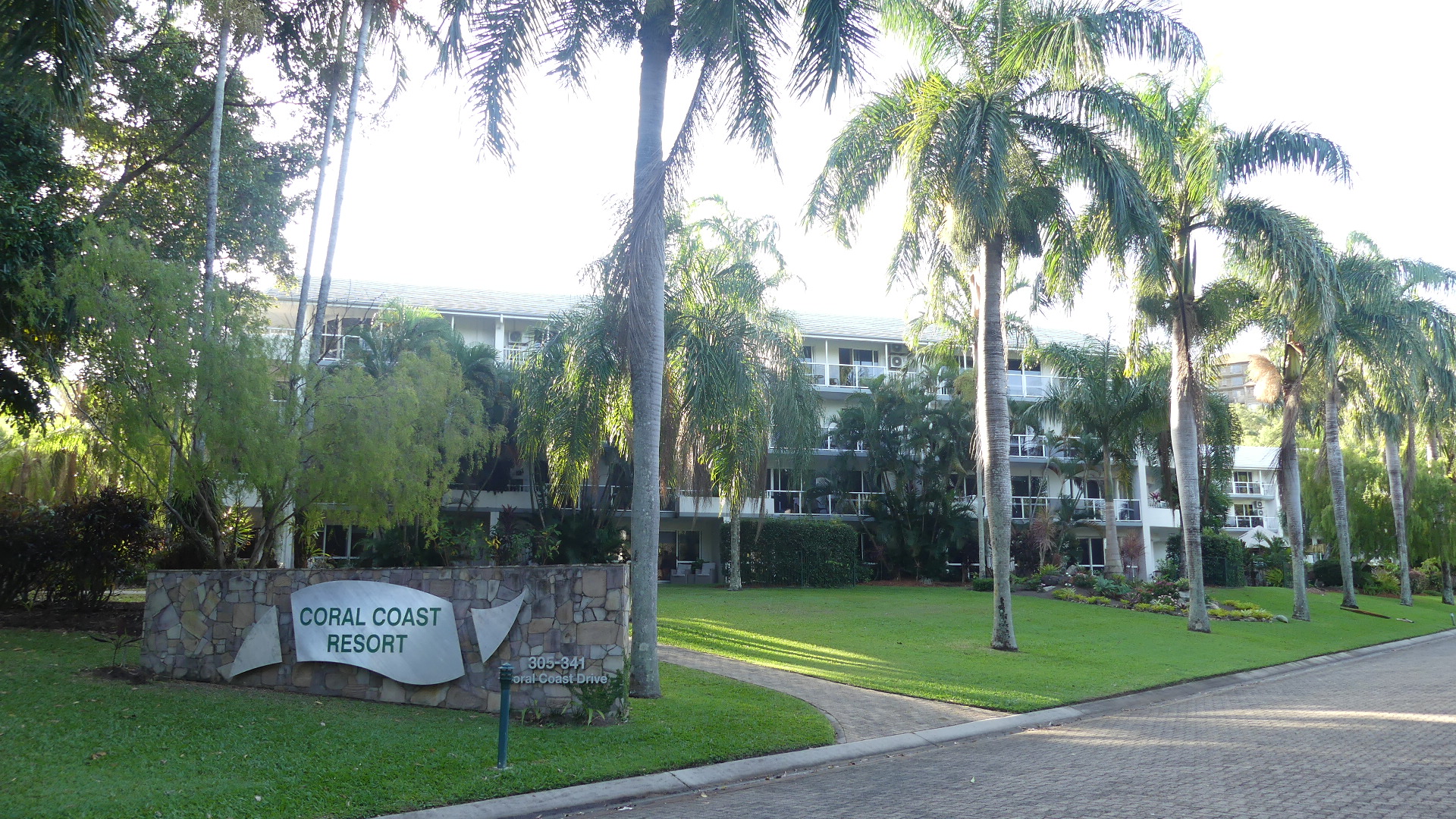
Safely back on the ground and noting our hire car was still there in the car park where we had left it, we headed north to Palm Cove. Now the fun starts – finding the right resort. We were to stay in the Coral Coast Resort but everything is Coral Coast something and the reception is in another building some distance away and the receptionist was at lunch. After two attempts to check in we got lucky the third time and received the key and a brief oral directions to find our way.
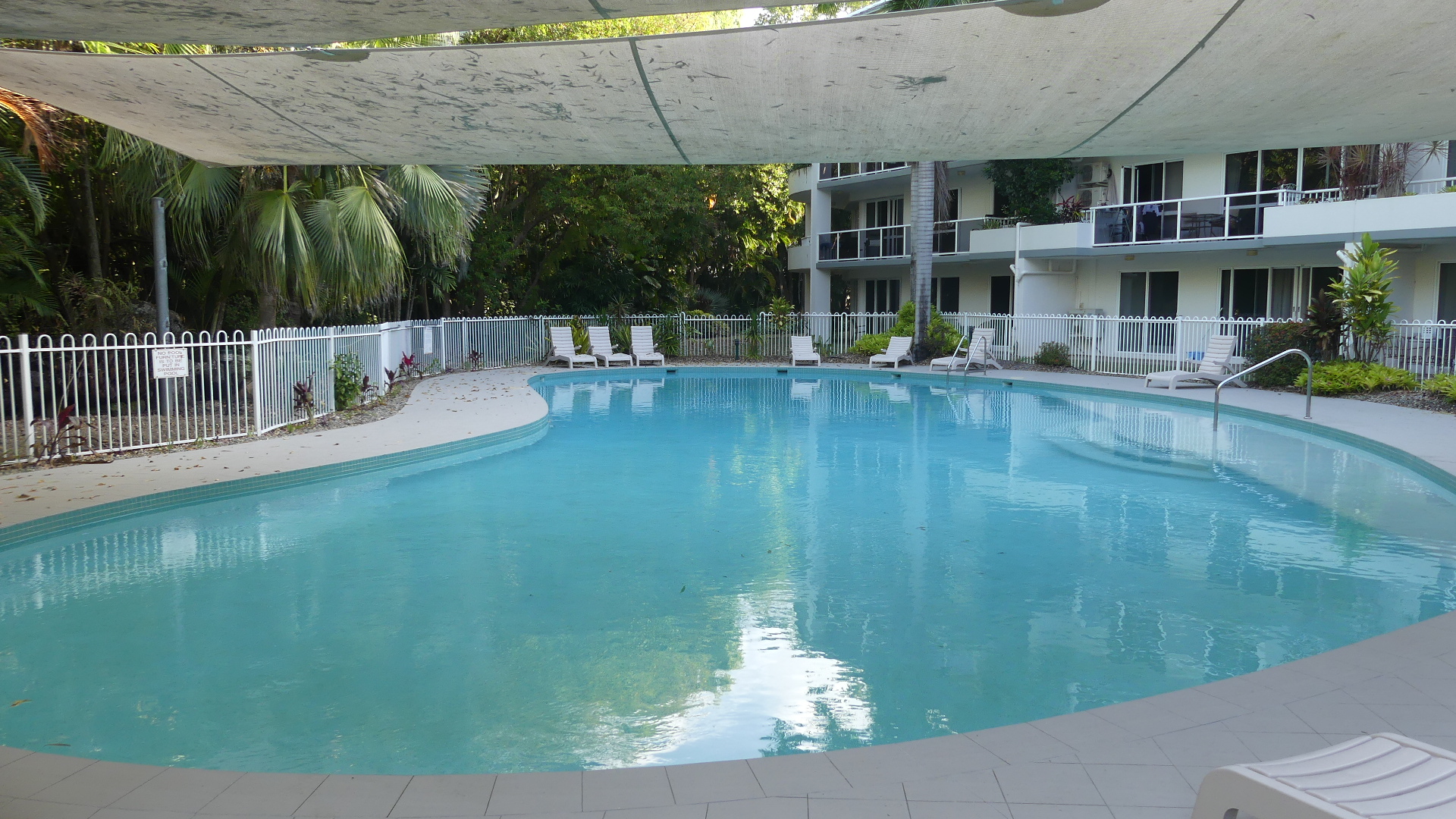
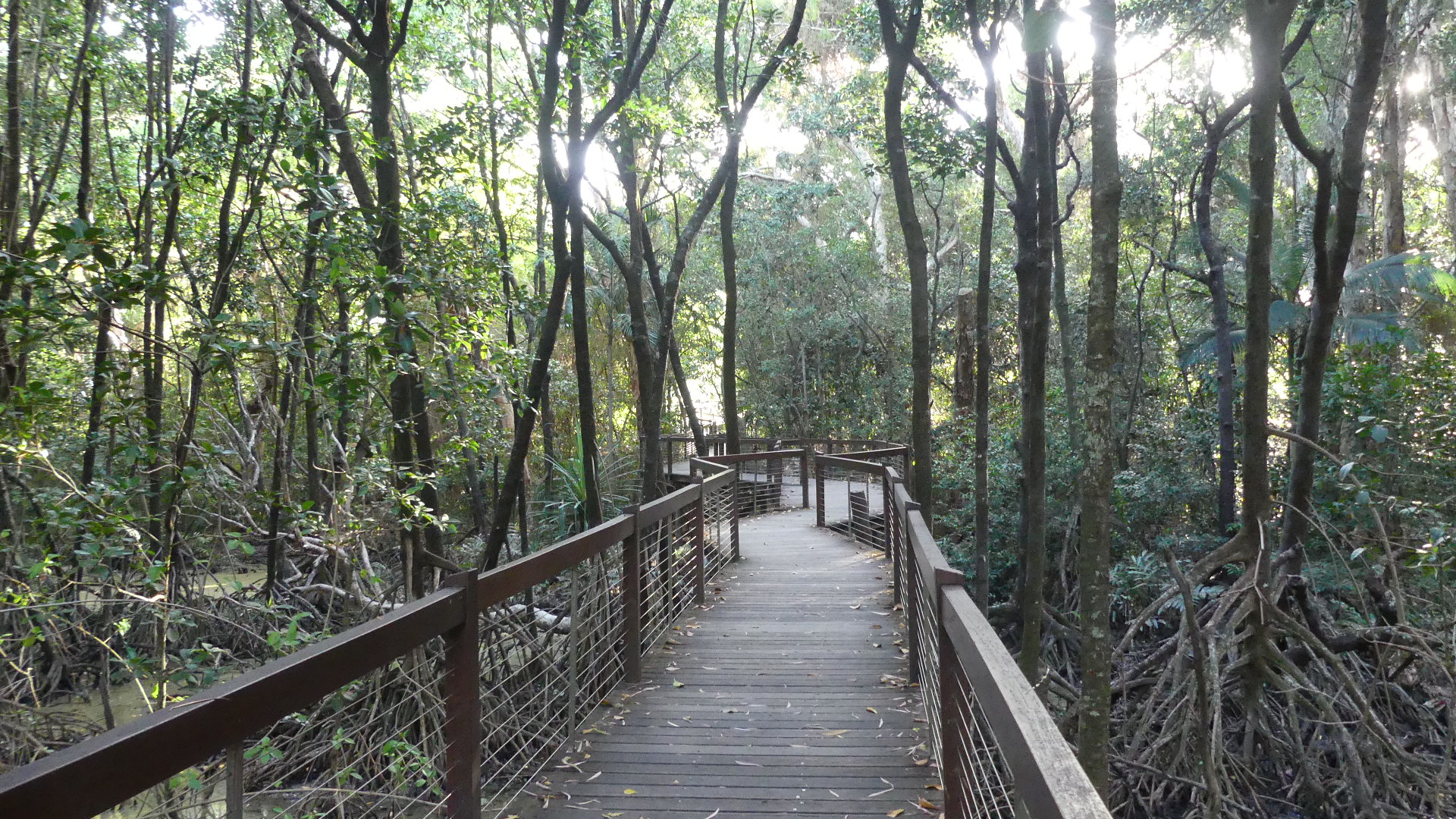
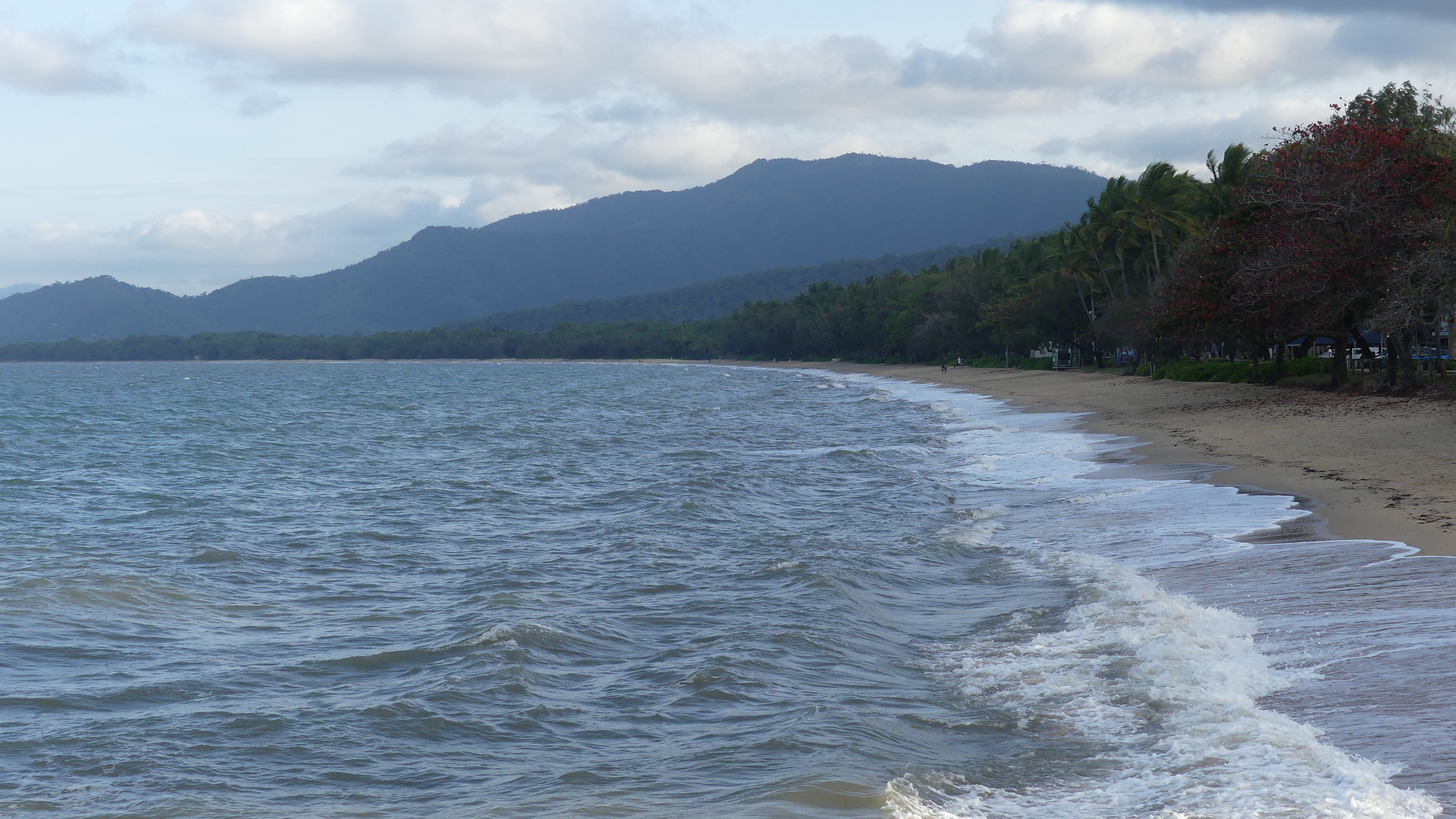
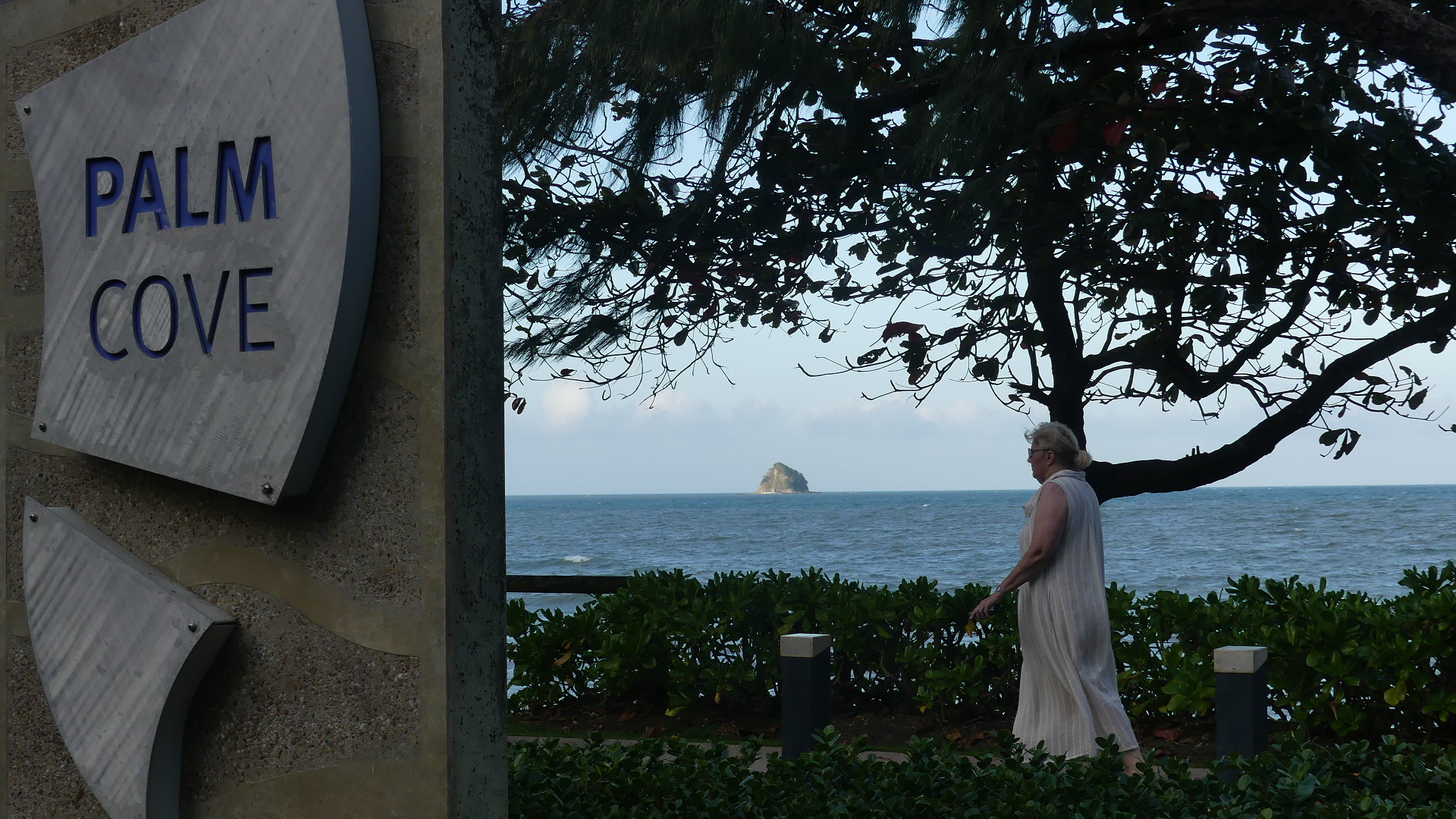
Not too shabby and spacious apartment. In the directions mention was made of a footpath access to the beach. Now none of the directions were accompanied by a map so there was some trial and error. We did find our way. It turned out to be a pleasant stroll but the wind was blowing strongly off the reef bringing relief from the humidity. The path wound through some of the housing around the resort and then a timber walkway took us across the coastal swamp before striking the esplanade with its pubs and shops, and the ocean side park with BBQs and sheds amongst the palm trees.
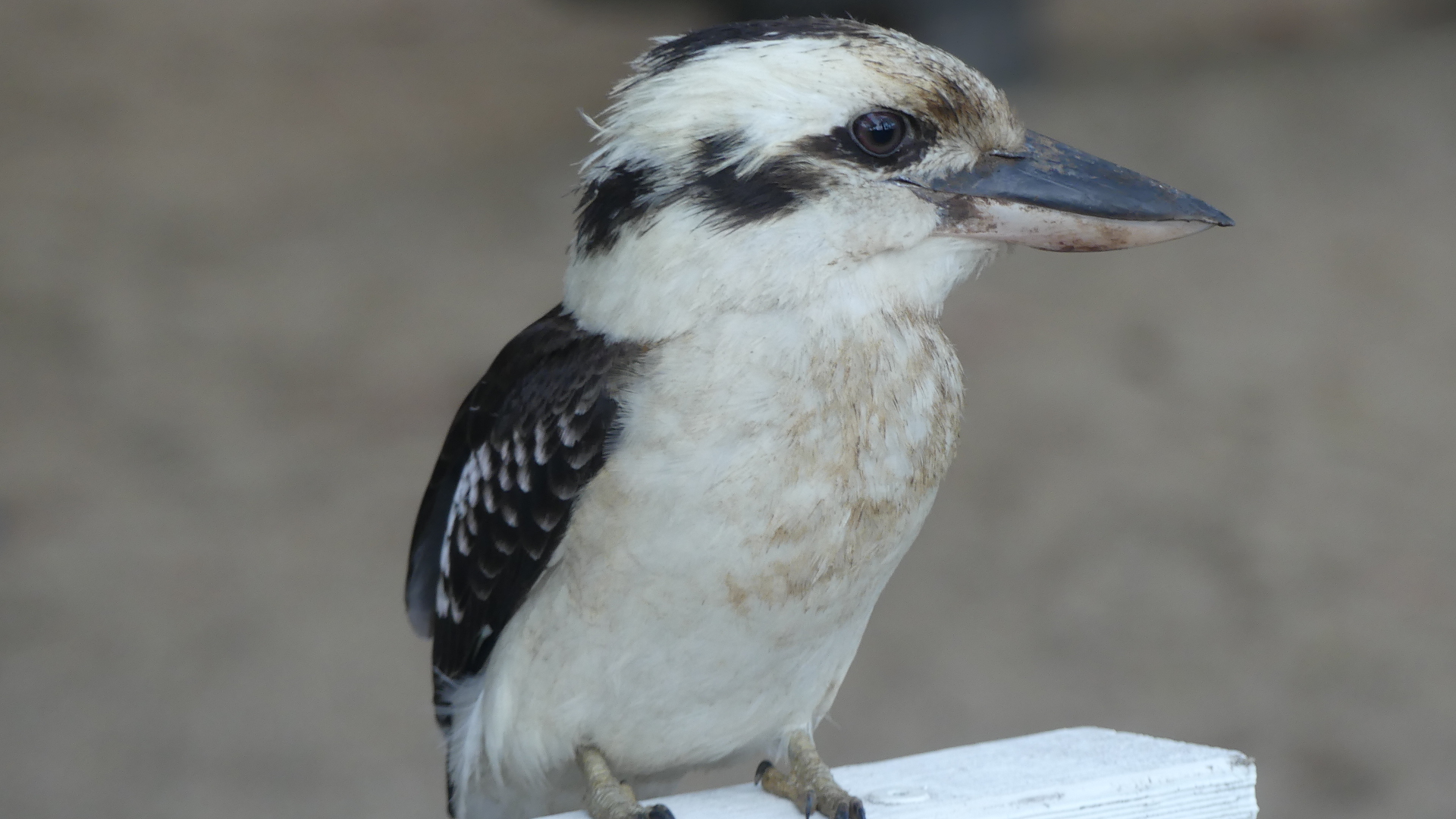
Our plan was to get a coffee and look at the water and the only option was to have a beer at an overcrowded bar. Everything else was closed or not yet open for the evening. So after taking a walk along the beach we returned to the apartment but on the way we met two kookaburras who were obviously locals and not at all put off by our presence. In fact I would say they were waiting for the restaurant to open.
We wandered home and being rather tired (had to get up at 4.30am) ordered a pizza and after collecting it and a bottle of wine relaxed watching TVNQ.
Its August and our anniversary plans are in disarray. New South Wales is in lock down our theatre show cancelled and no plan B. So we divert our attention north where travel is permitted and choose Cairns as it is as far away from Sydney as a commercial flight could take us. Kerry has promised to let her girlfriend Sally know when next we are travelling and Sally wants to come along. We book accomodation at Palm Cove about 20 mins drive north from Cairns airport where we pick up our economy car – a small Skoda. Our apartment will not be ready until 2.00pm and its 8.30am. The weather has not been kind, its grey and there is rain in the air not quite falling though so its humid.
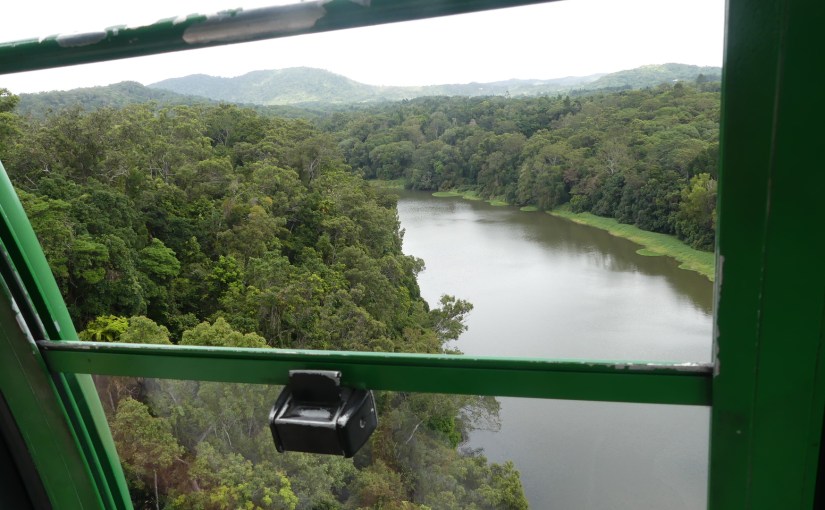
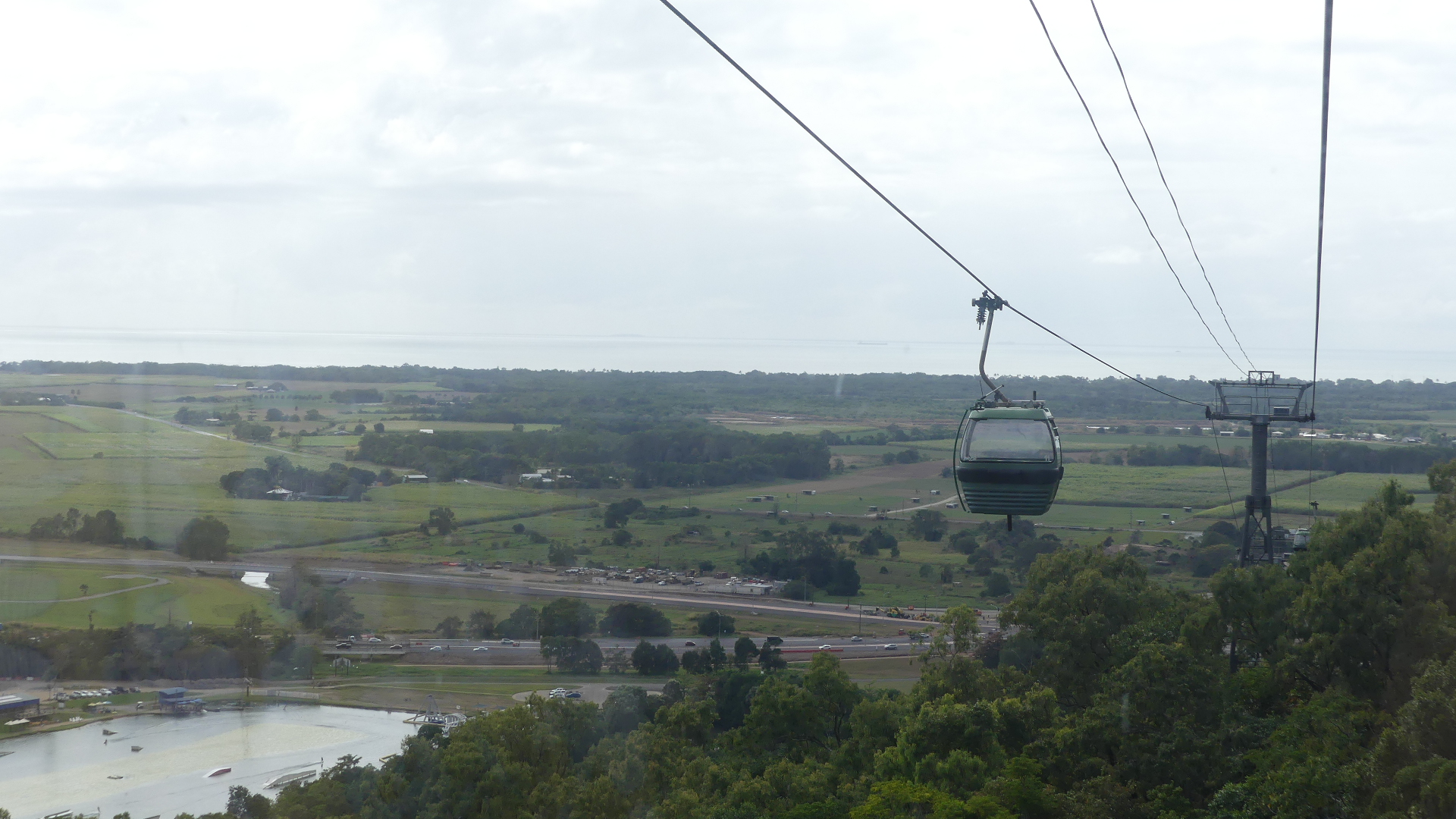
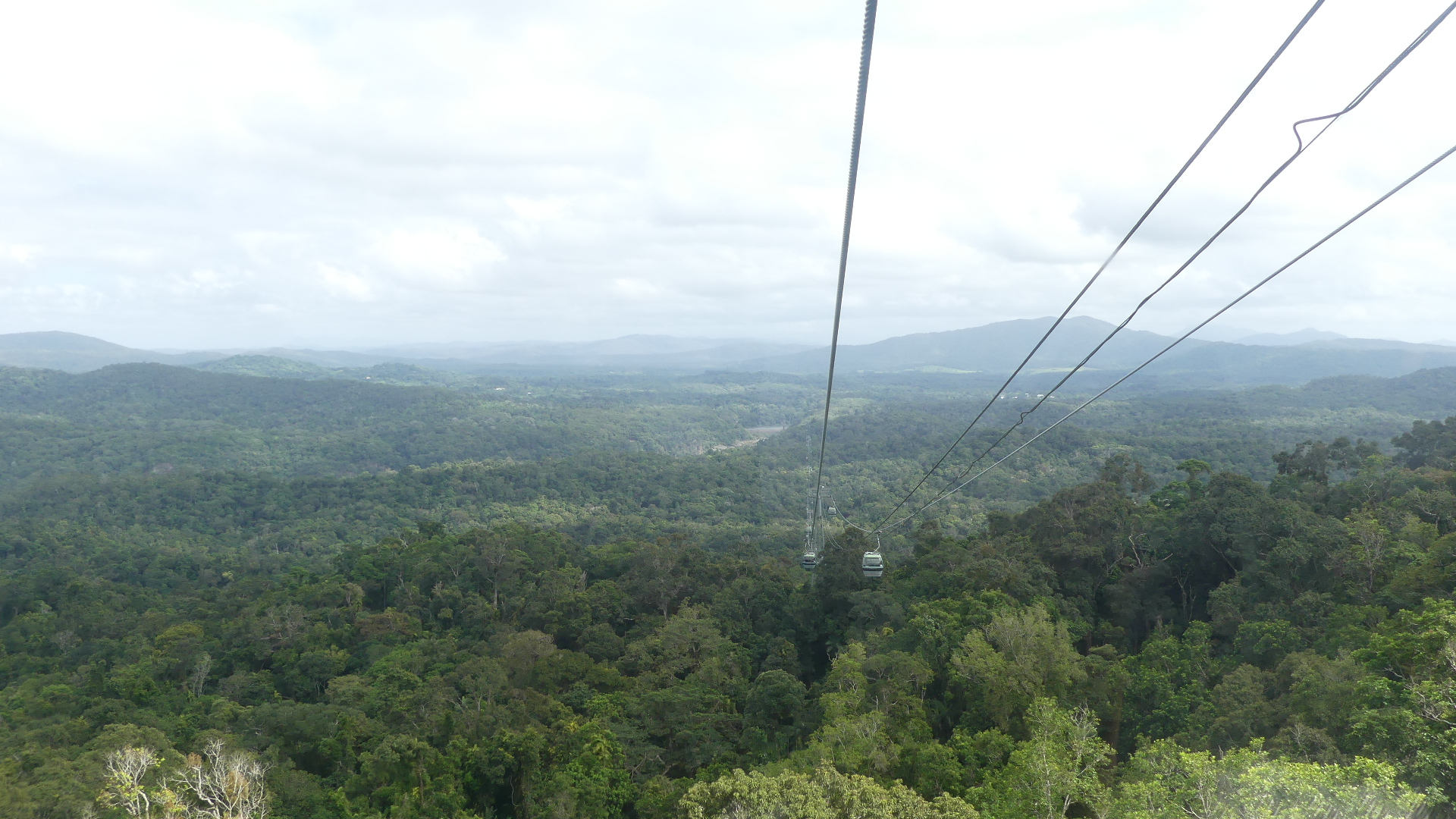
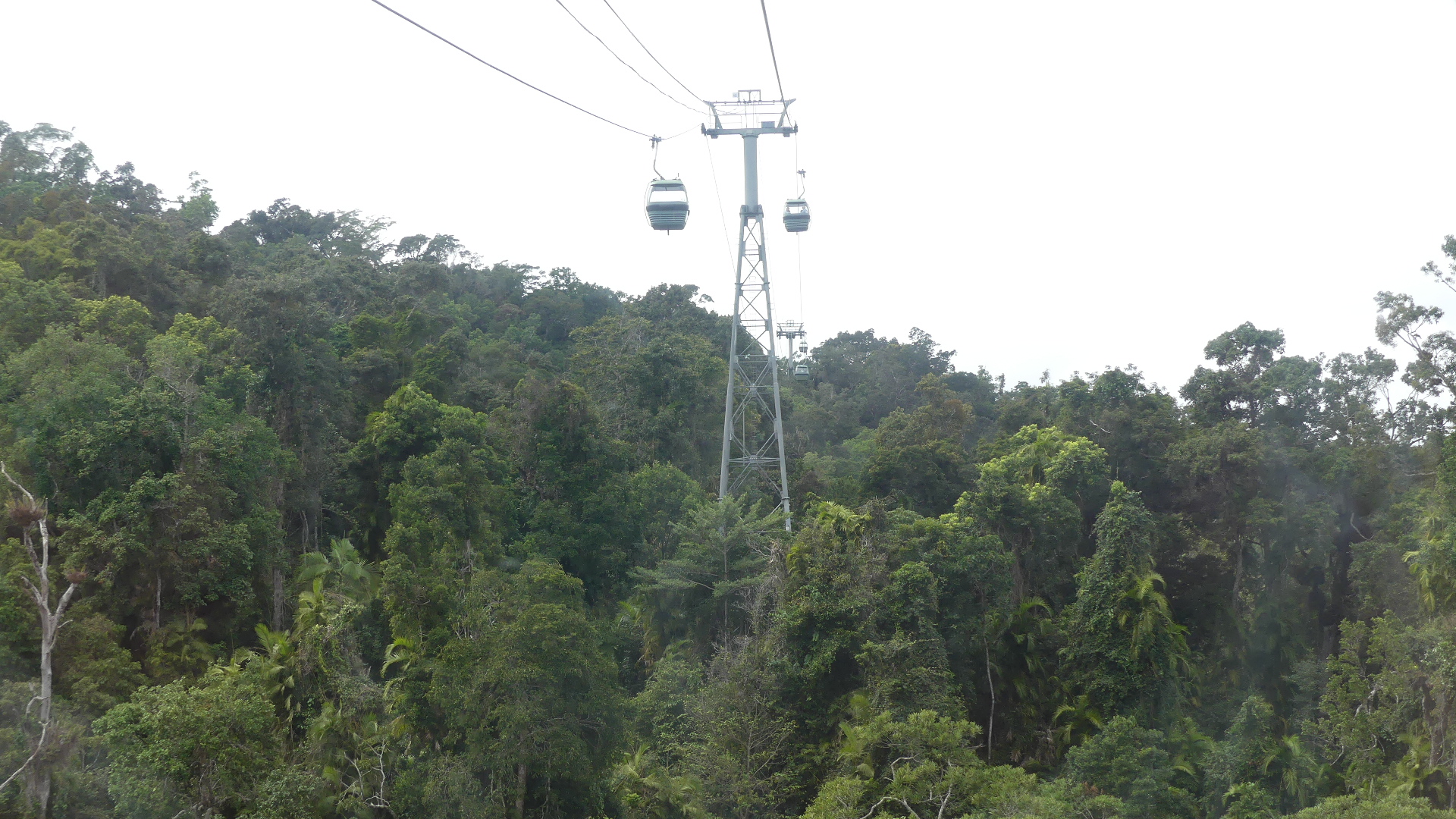
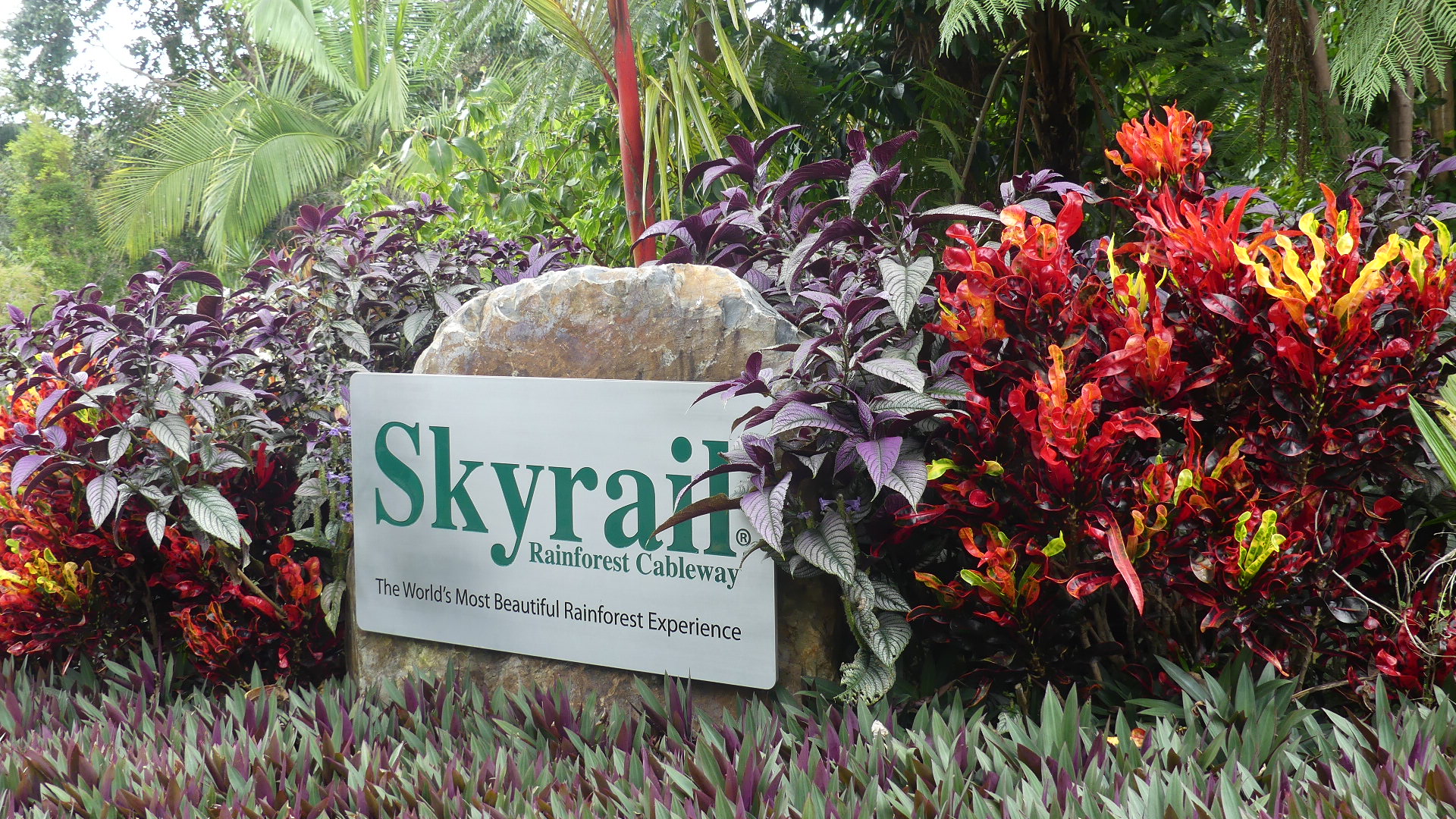
We drive north with the idea that we will take the Sky Rail to Kuranda for the morning and return by bus. We had booked the passage on the Sky Rail but arrived so early that there was concern we would have to wait in the coffee shop. Covid has devasted Cairns and its tourism. There were none of the usual crowds pushing and shoving and we walked straight on to the next cable car. The trip to Kuranda carries you up a steep slope draped in forest with views back to the coast. Yorkey’s Knob is clearly visible and the canefields spread north and beyond.
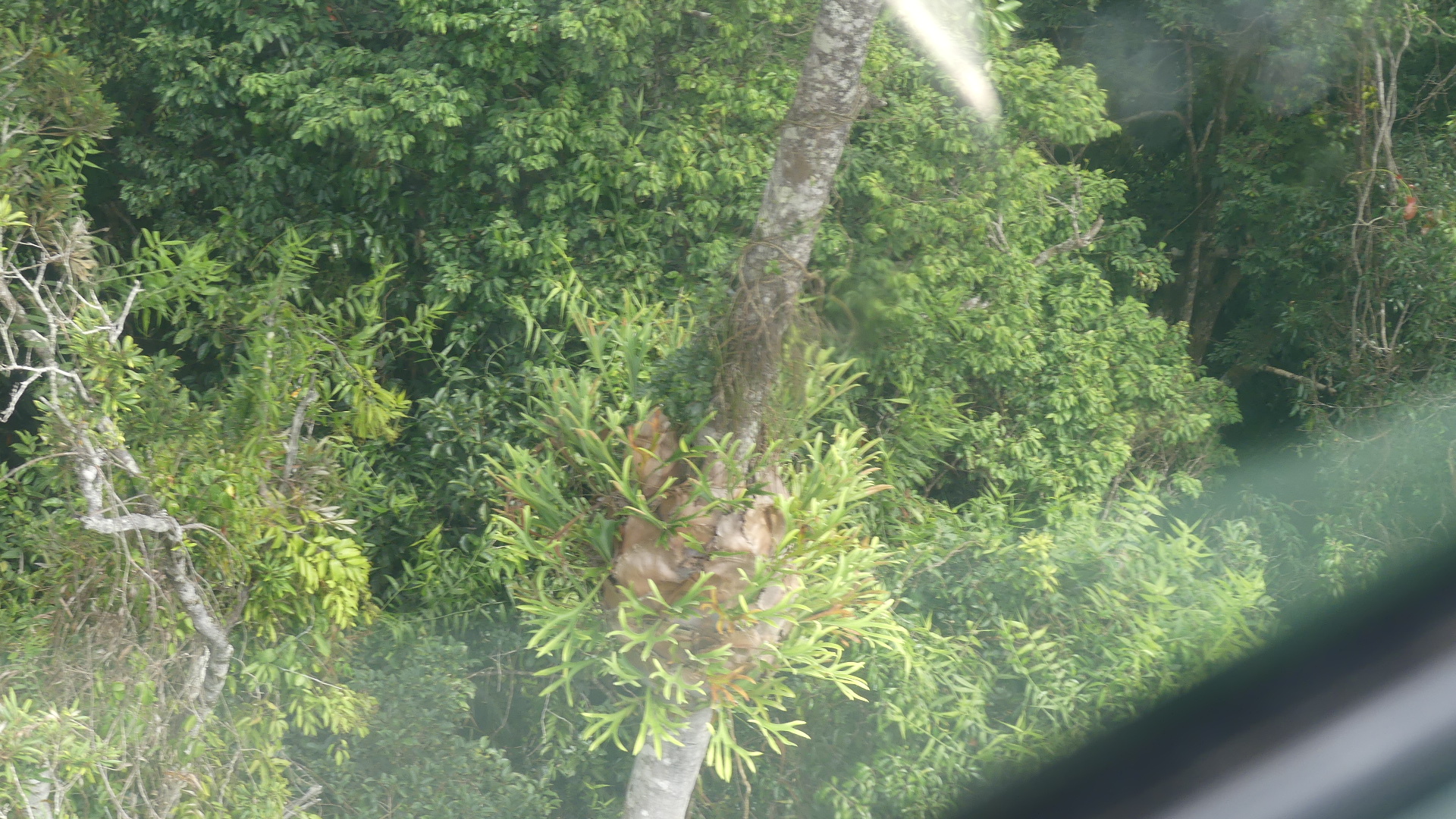
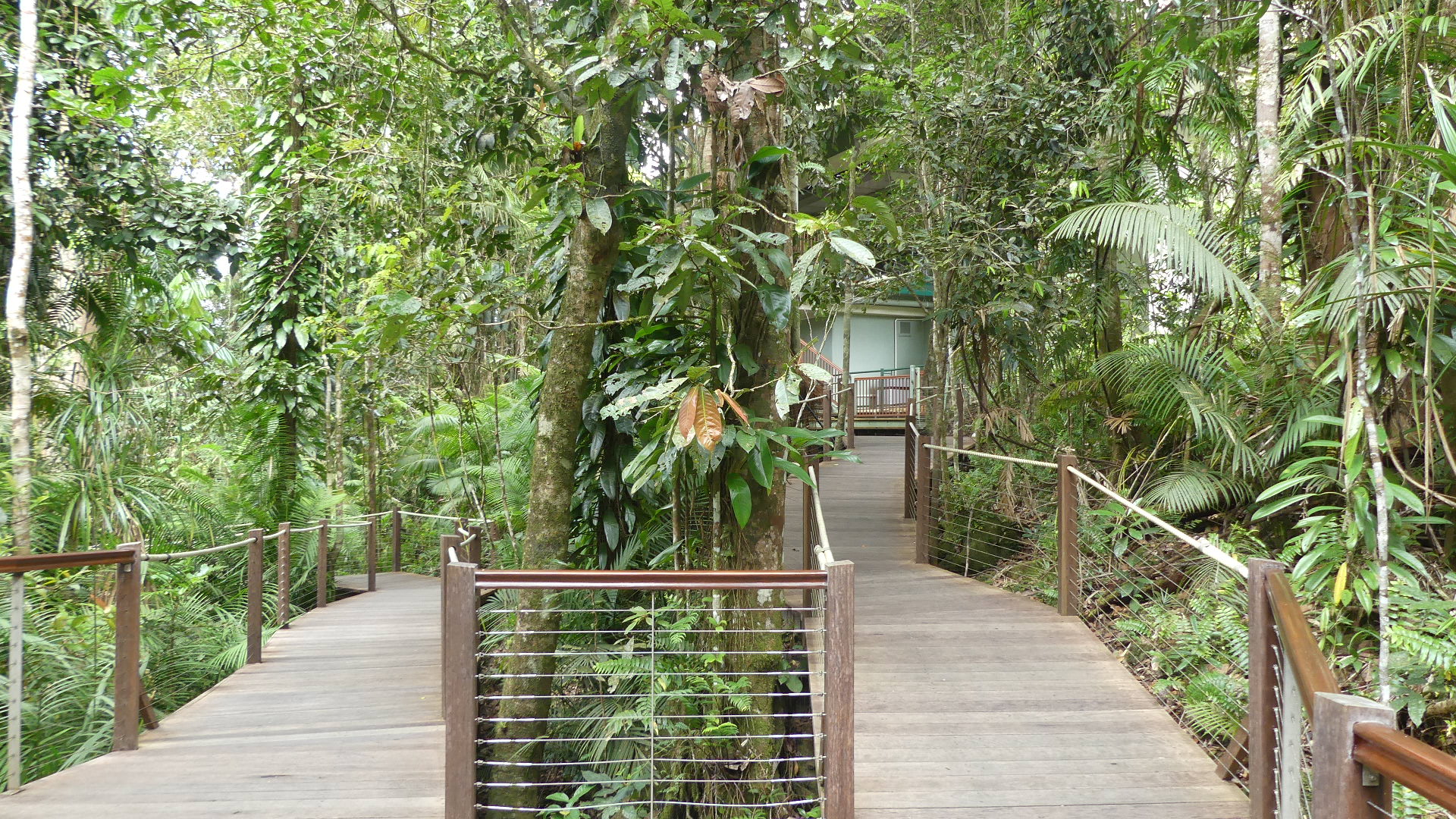
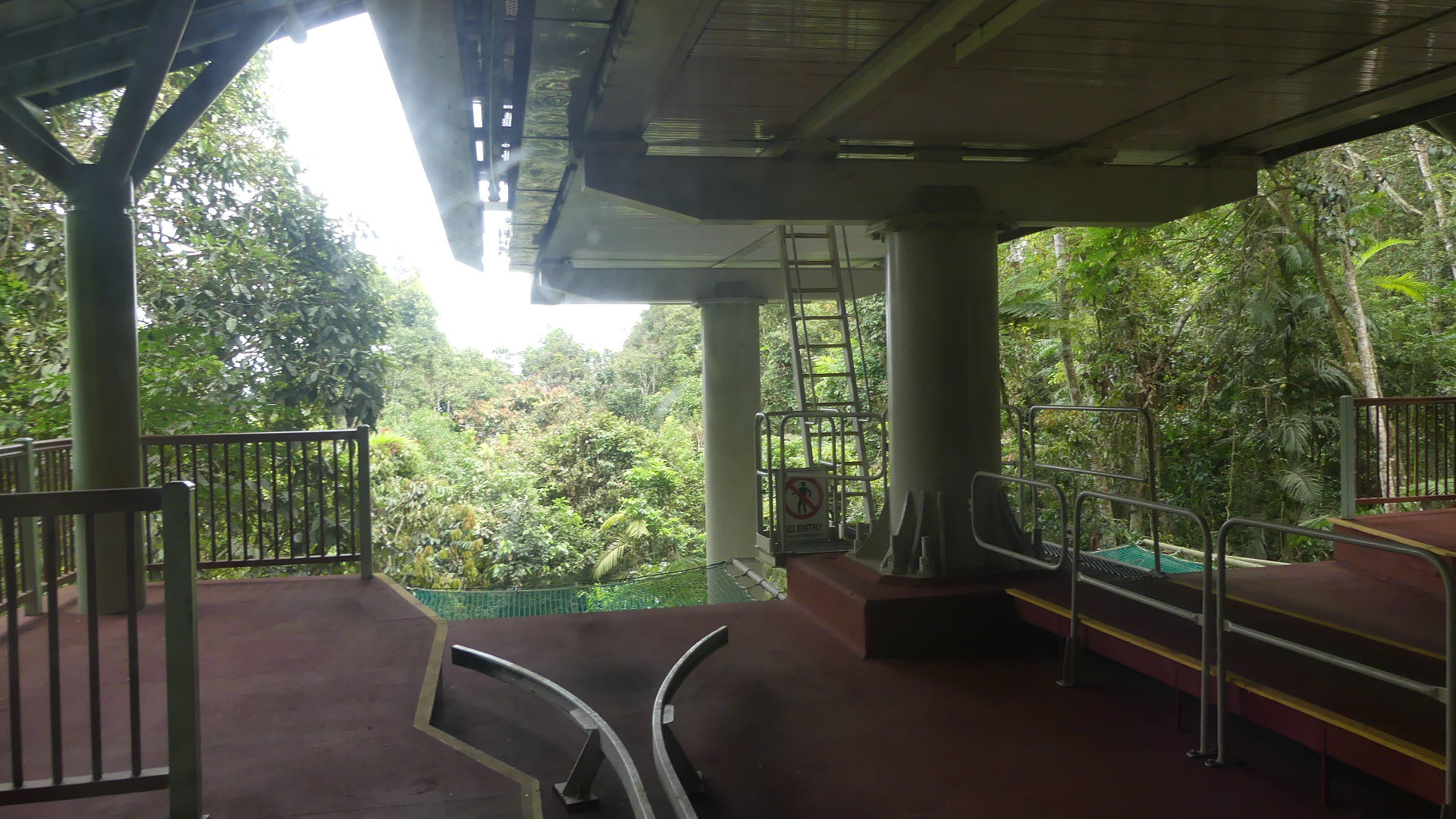
Leaving the coast behind the humidity builds as we passed way above the floor of the forest with crows nest ferns and staghorn/elkhorn ferns adorning the trees. There is stop on the way and we dismount to have a look. A timber walkway takes us around the forest and past giant red cedars and a view of the valey which is astounding.
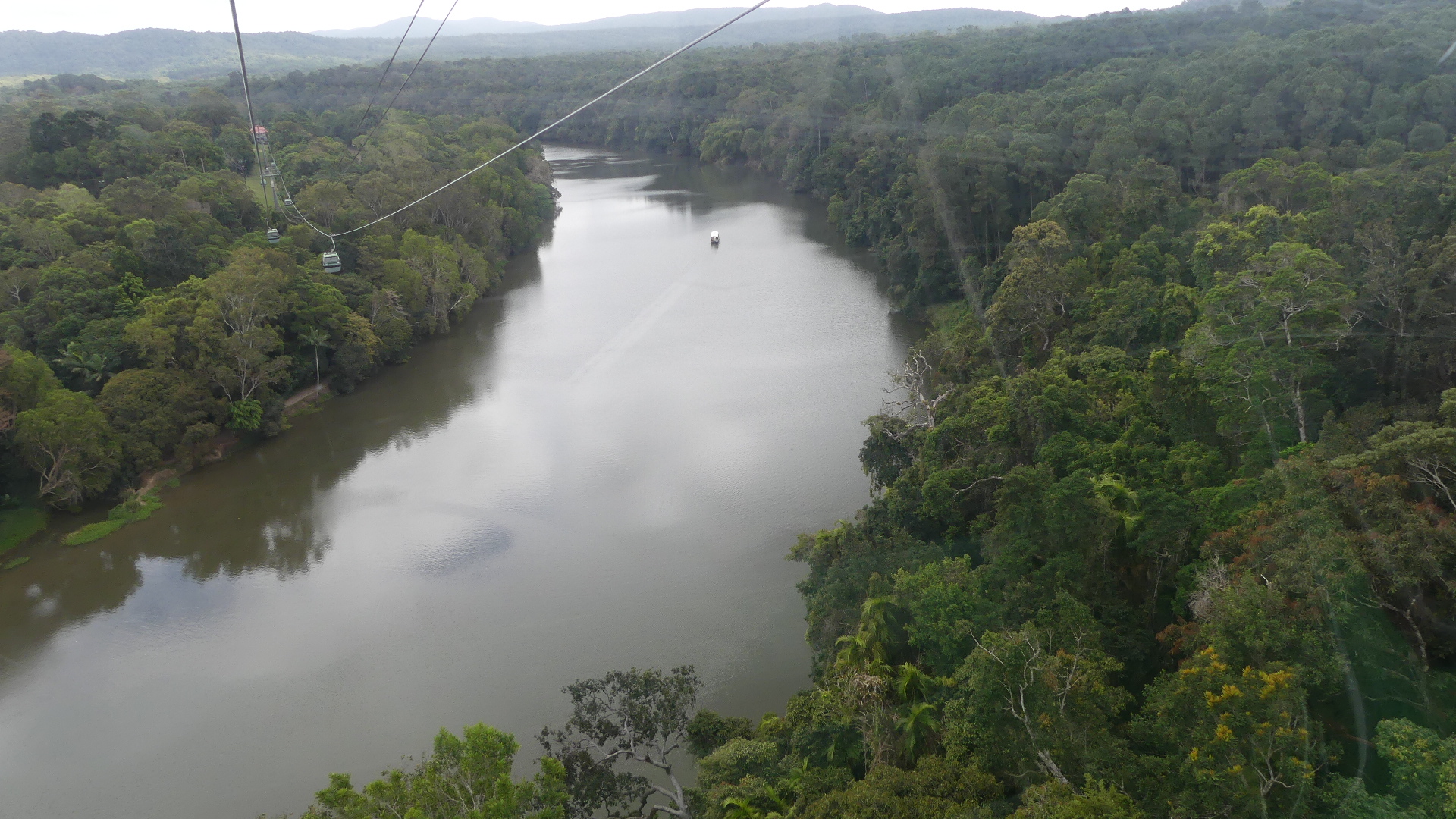
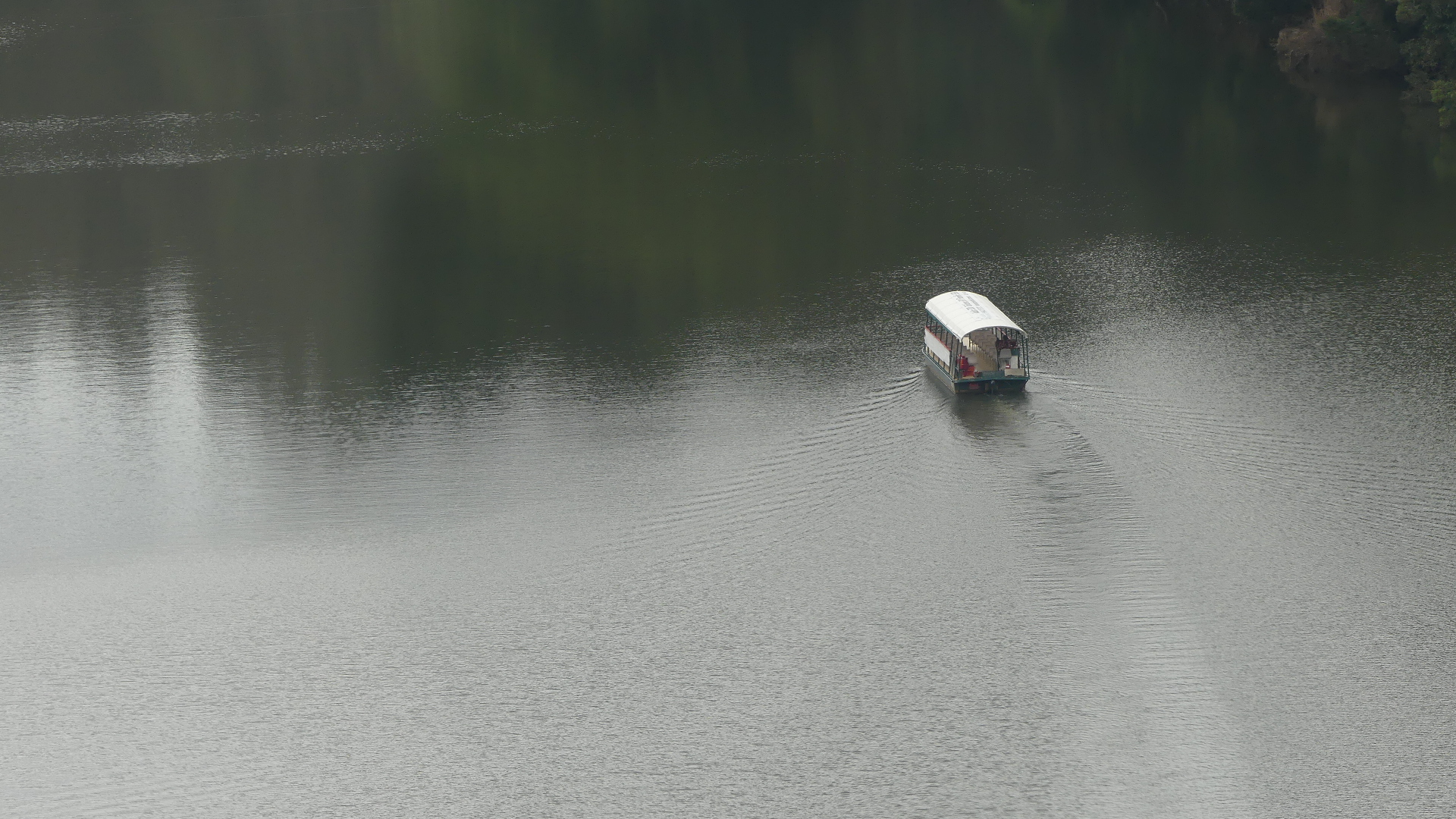
The path to Kuranda is cross by Barron Gorge and the Barron River. As we approach the gorge I notice that the Kuranda train has positioned itself for the passengers to take photos of the gorge and that the train is a diesel not the traditional steam train. It is still humid and spots of rain appear on the windows. The station pulls into view and Kuranda awaits.
As we come towards the platform a camera takes a photo of us so as we move towoard the gift shop we are greetes by the image of the three of us smiling into the camera lens. Despite my doing my best to disuade Kerry from buying the souvenir photo, we walk out with our memento. Whilst in the shop we learn there is no bus on Sundays that returns us to the Sky Rail station below. I visit the Rail station to enquire about the return journey (the station is beside the Sky Rail station) and we decide to take the Sky Rail back. The train returns to Cairns and the return journy on the Sky Rail is half the price of the single journey on the train.
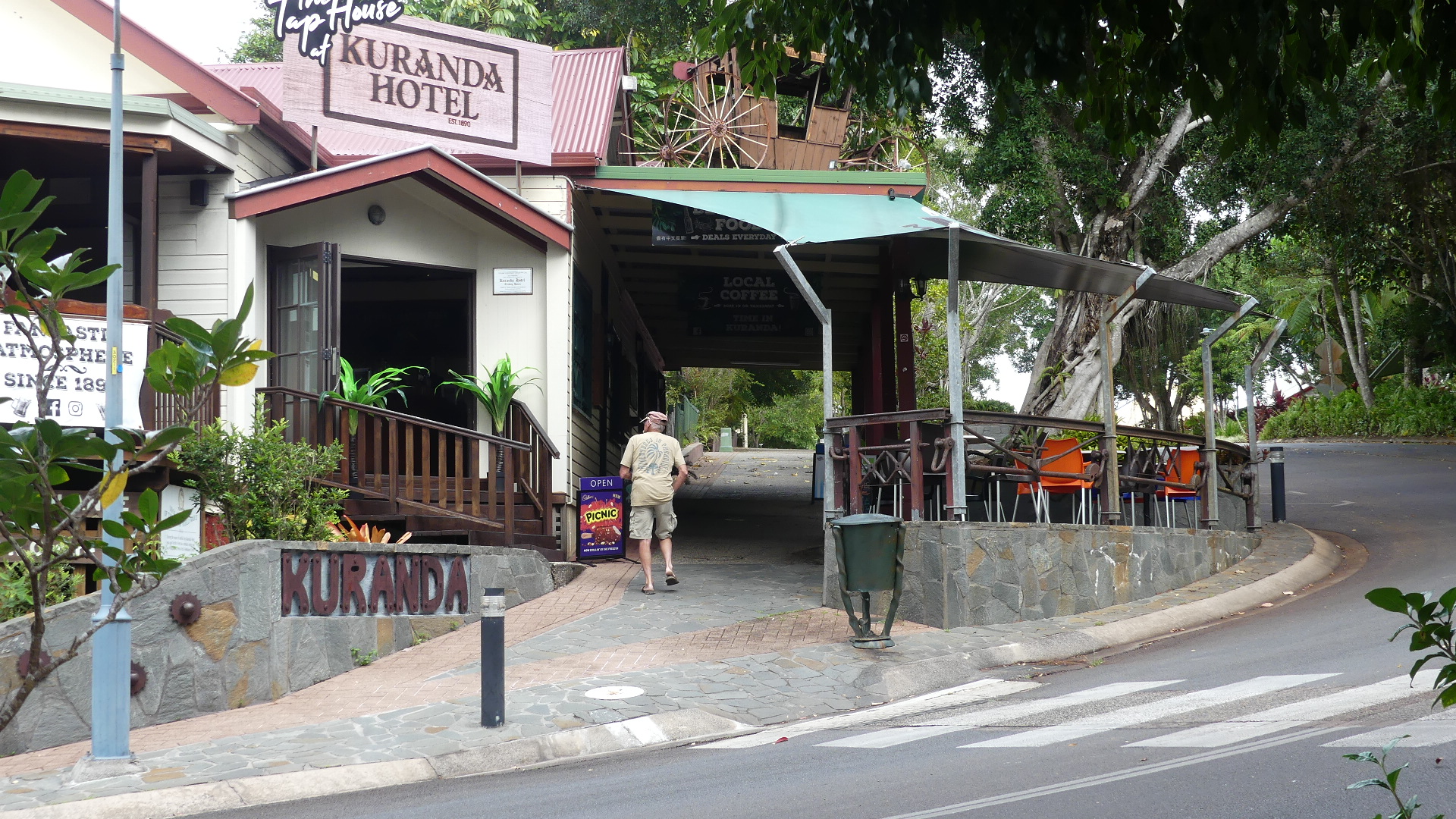
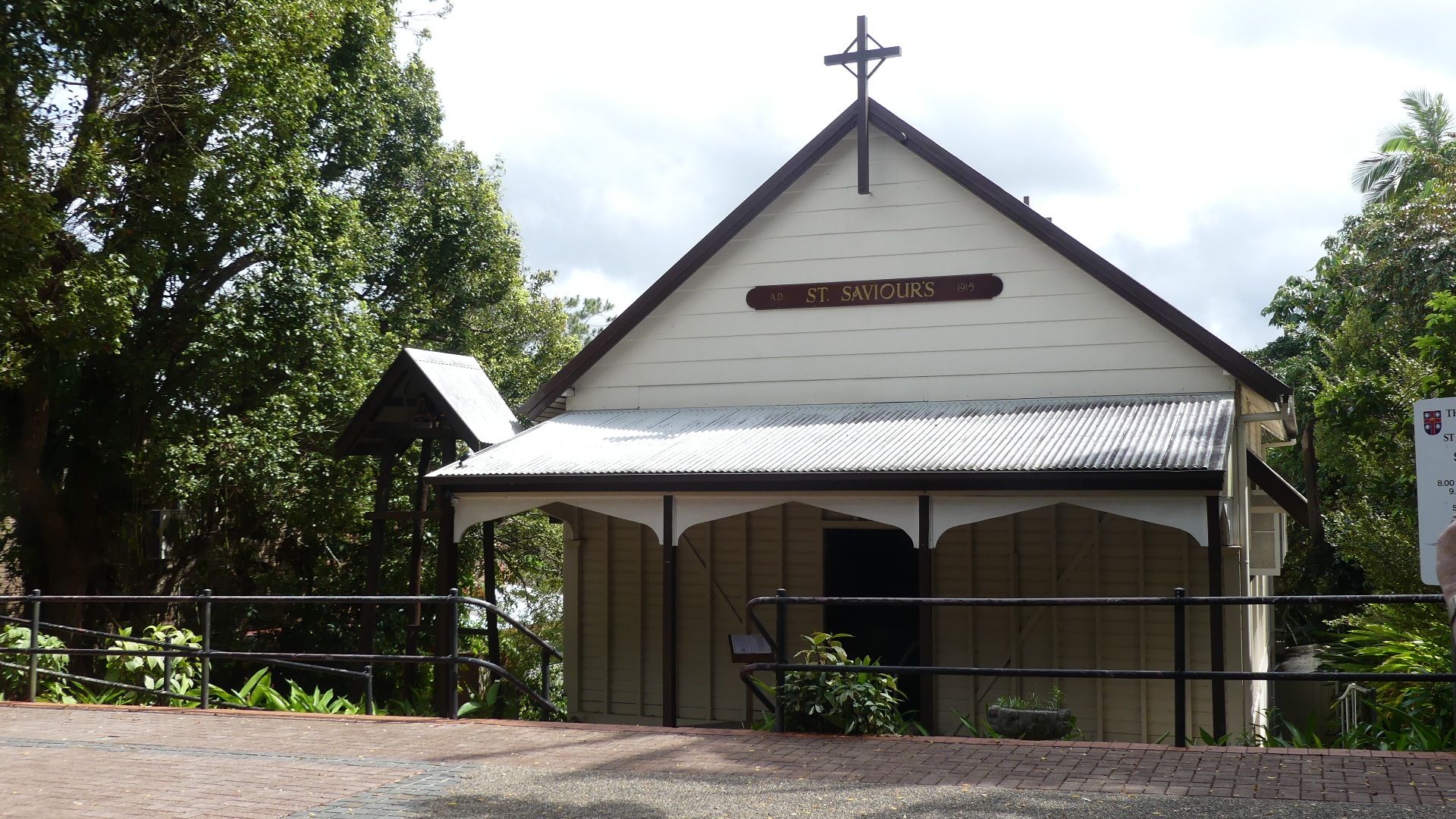
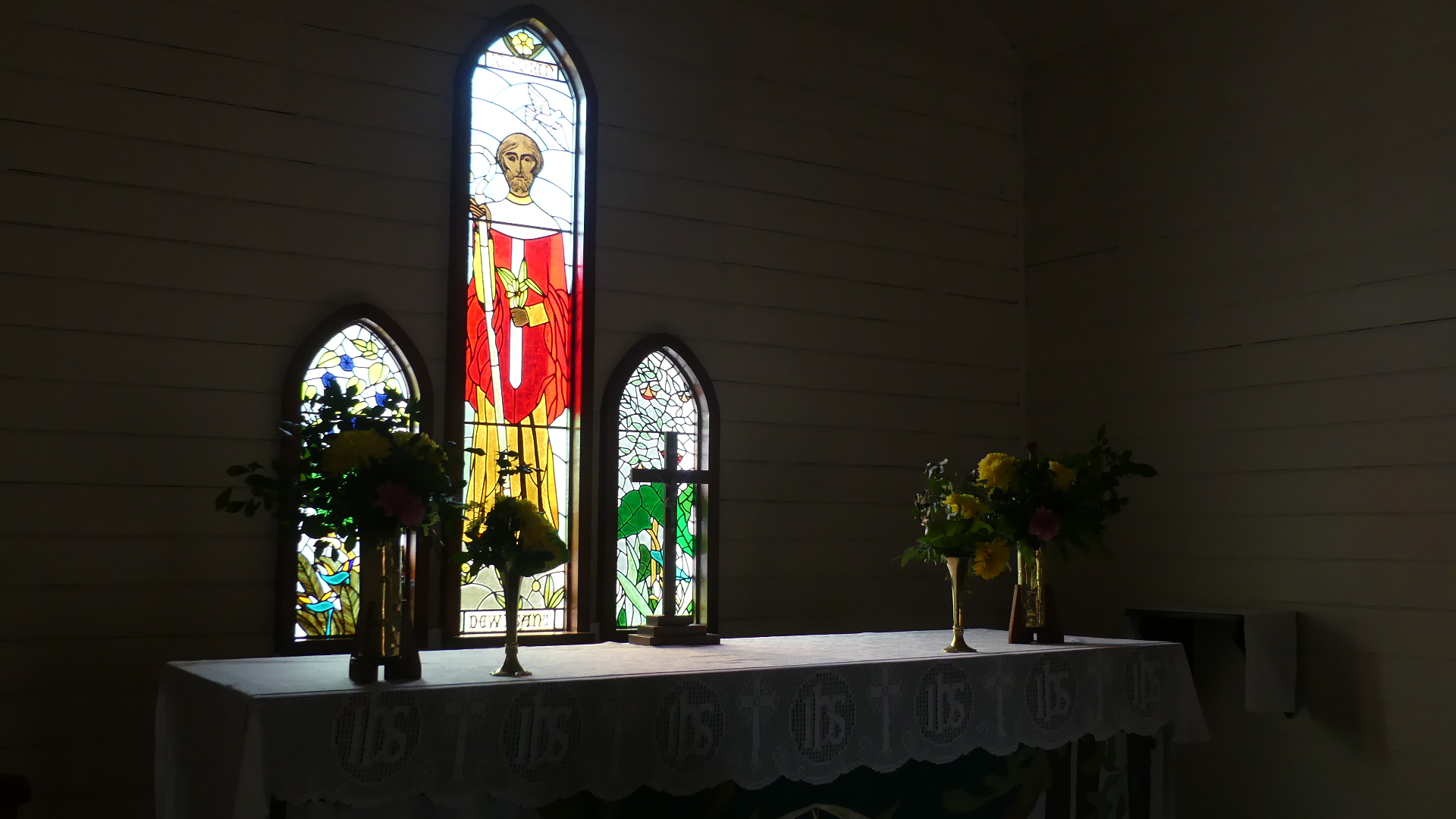
As I said tourism is dead and no more evident than a walk past vacant shops in Kuranda. Kuranda always seemed to be like a giant gift shop for tourists and with no tourists the small businesses are closed down everywhere. A single troubadour is performing on the street, didgerdoo in hand and outstretched hat for the scheckles from the tourists. Essentially we walked the street, stopped at the church which is an extrordinary example of a bush church, and had a coffee in a local shop. We could walk unmolested as there were so few visitors.
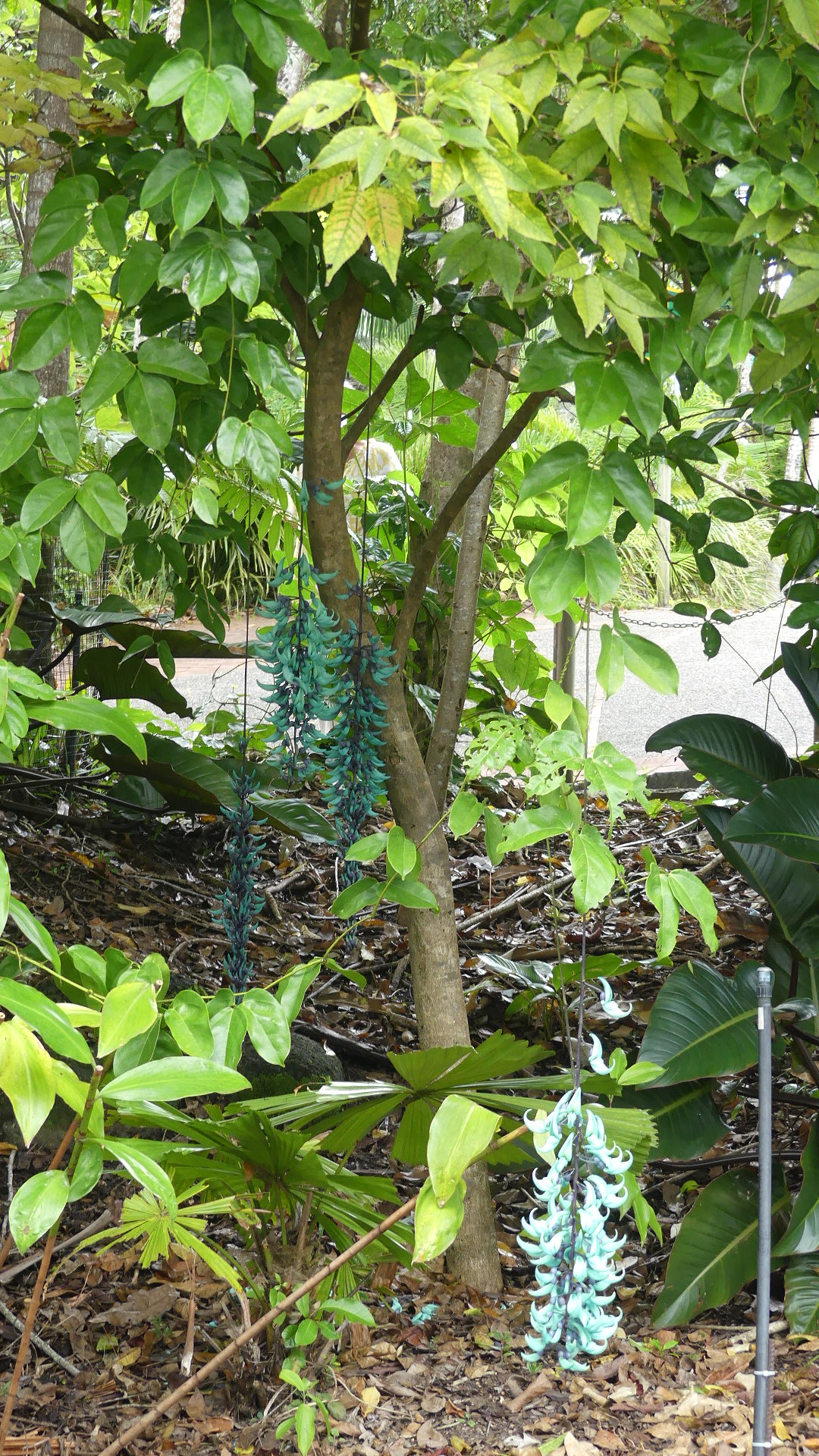
So we return to the Sky Rail passing some unusual bushes. The return trip was uneventful and our hire car awaited our return. Palm Cove next stop.
After a night of board games and a sound sleep, I was a bit slower out of bed. It is the coldest day of this winter and there is even speculation that there will be snow – not a common occurrence in Queensland. We rustle up breakfast and toss ideas around about the points of interest to visit today. Into the mix comes discussion about the very scented bath and hand foam provided by the Cottages management. It is a local product made by Washpool and it has an outlet in Ballandean. We visited Rod’s Dad’s grave yesterday and it was clean and no maintenance required but we continued to notice every dam was full to overflowing so we thought we would visit Storm King Dam which had not ever been full and even was declared empty during the recent drought leaving Stanthorpe dependant on trucks to deliver potable water to town. A variety of cellar doors were discussed as was the various routes. Finally, the picnic to empty the fridge of all the food we had brought along. So we hit the road. First stop Storm King Dam.
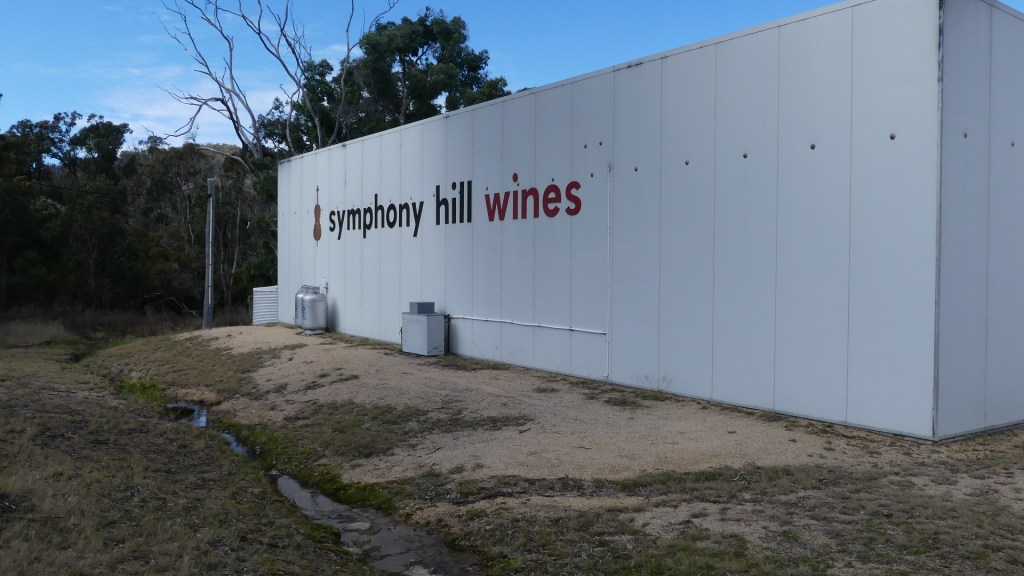
We continued south to Symphony Wines cellar door. There we had our first tasting of the morning (it must be after 4.00pm some where in the world). This vineyard claims that it has had 3 of its wines served by Qantas in its business class and first-class cabins so it must be alright. Whilst the others chatted and sipped and sniffed, I took a tour around the exterior but as I returned, I noticed a group coming from the cellar with water bottles filled with wine. Very strange but when I enquired I was informed that they were samples prepared by the Symphony Wines winemaker using grapes from another vineyard. It appears it is not uncommon for smaller vineyards to contract the winemaker of the larger vineyards to make their wines. Overall good quality and we will be sampling more through our membership of their club.
After Symphony we took to the road and travelled further south to Ballandean. Remember that soap discussed over breakfast well we found their “cellar door”. Wow the moment we went through the door we were assailed by a storm of fragrances. Not really my cup of tea but the girls found it alluring purchasing a cornucopia of rubs scrubs and shampoos. As we left the wind rose and there was a wetness in the air – not snow possibly sleet definitely sprinkling rain. The temperature must have been in the low single digits, but the wind dropped it further. Our picnic looked doomed to be back at the cottage.
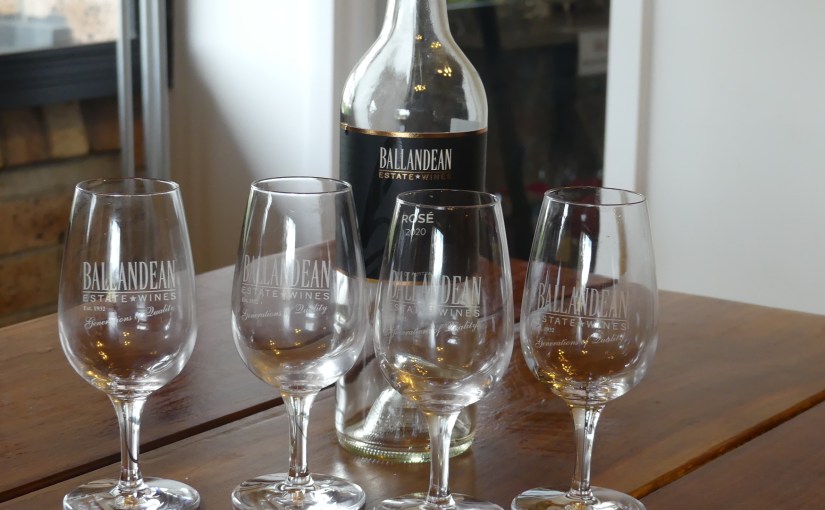
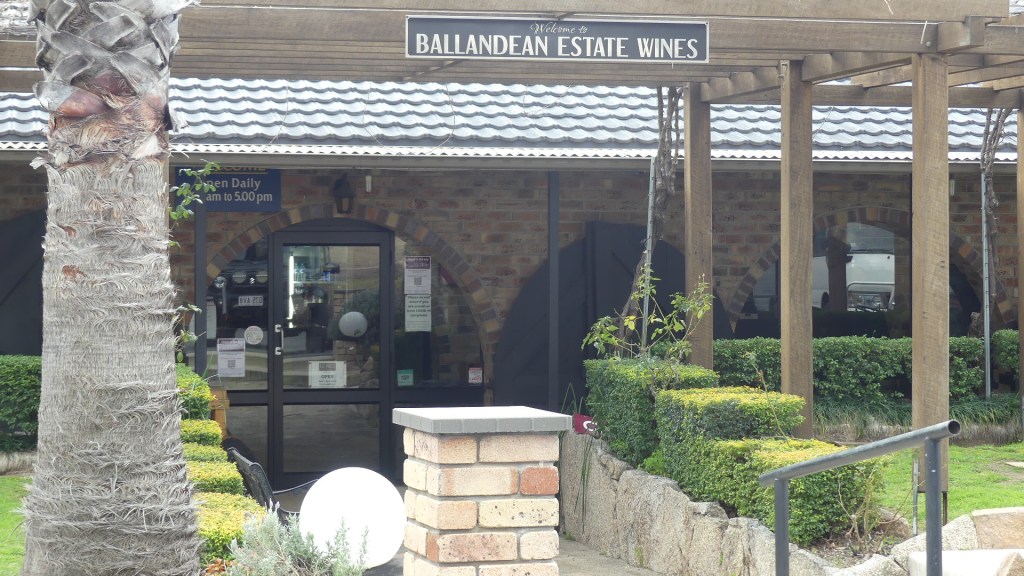
Rod was of two minds about visiting the Puglisi family at their family vineyard “Ballandean Wines” but in the end he thought it polite to call in. Lucky for us he did. We were all greeted like long lost family and allowed to use their members room for our picnic. We were recommended to drink their new season Rose which we did and were delighted with. As the afternoon rolled on and the wind howled so the wine continued to flow in the form of a tasting this and that leaving us with a desire to join their club also. By the time the tasting was winding up I needed some fresh air and a comfort break.
We left the cellar door and made our way back to the cottage. The wind was chilling and the thought of a roaring fire and a glass of wine relaxing before that fire was too enticing. We stayed in for the evening occupying ourselves with more cards and board games. Some where through the evening we finished of more of the acquired food and went to bed with very happy bellies. We are going home tomorrow but there is no hurry to leave this oasis. We discuss what we might do on Stanthorpe’s coldest day whilst travelling home – where else but the Xmas shop. So after a hearty breakfast and packing the car – we were supposed to being taking home less not more so the packing took longer than planned.
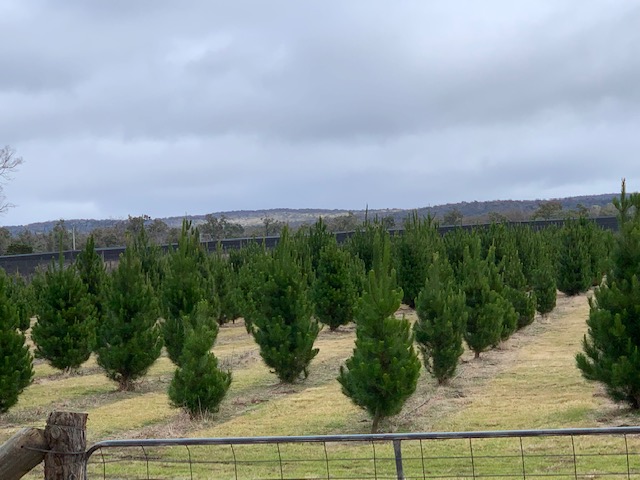
As we travelled north-east to Brisbane, we kept a lookout for the Xmas shop. Just before Applethorpe we cross the rail lines and then we head into what appears to be bush but Google maps assures us it is just around the corner when voila there is the gate to acres of pine trees all the perfect house size trees and in the middle a pen of deer and the Xmas shop. What a surprise here in the wilderness is a depot for the most discerning Xmas trinket shopper. Most important they serve hot Belgian chocolate. We leave behind a bit more cash – helping the local economy before farewelling Xmas to December where it belongs.
The travel home is uneventful. We collect our car and by late afternoon we are settled into our slippers in front of the telly. All in all, I was surprised what was on offer in Stanthorpe. I will be doing it again shortly.
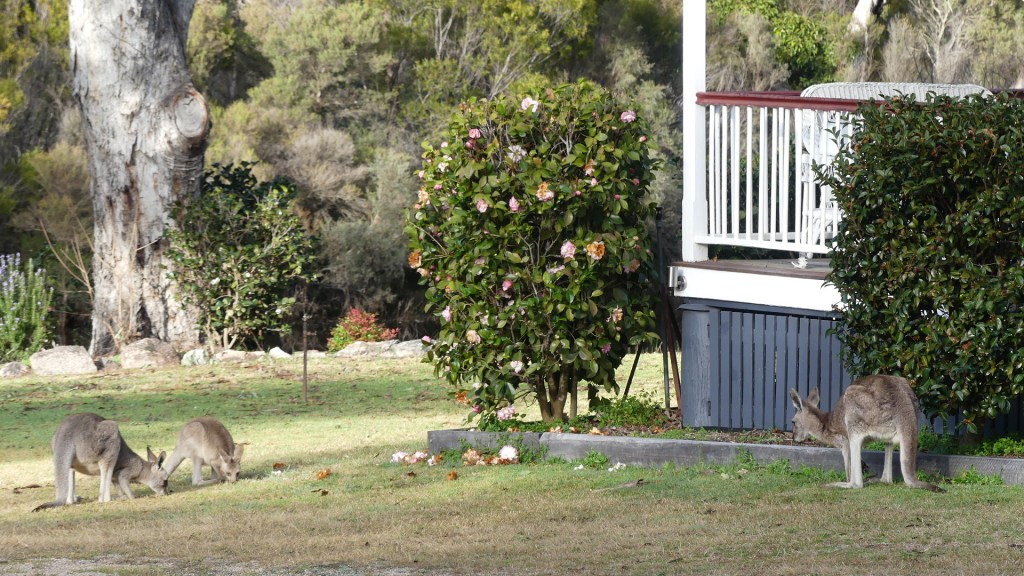
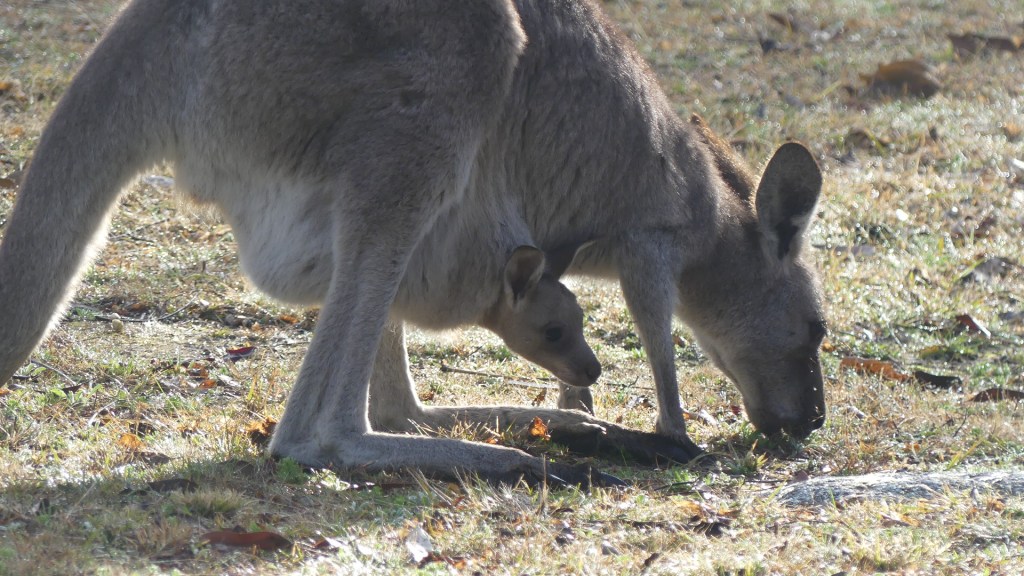
I had attempted to view the night sky before retiring to my dreams and was thwarted by clouds blown across a dark sky. Morning came quietly with a cold breeze and more clouds. Even so I was keen to get out and start our break by finding the track into Stanthorpe so camera in hand and dressed for a chilly morning I left our cottage and surprised a mob of wallabies contentedly grazing on the lawns around the cottages. The female was carrying a joey who wisely remained tucked up in the pouch.
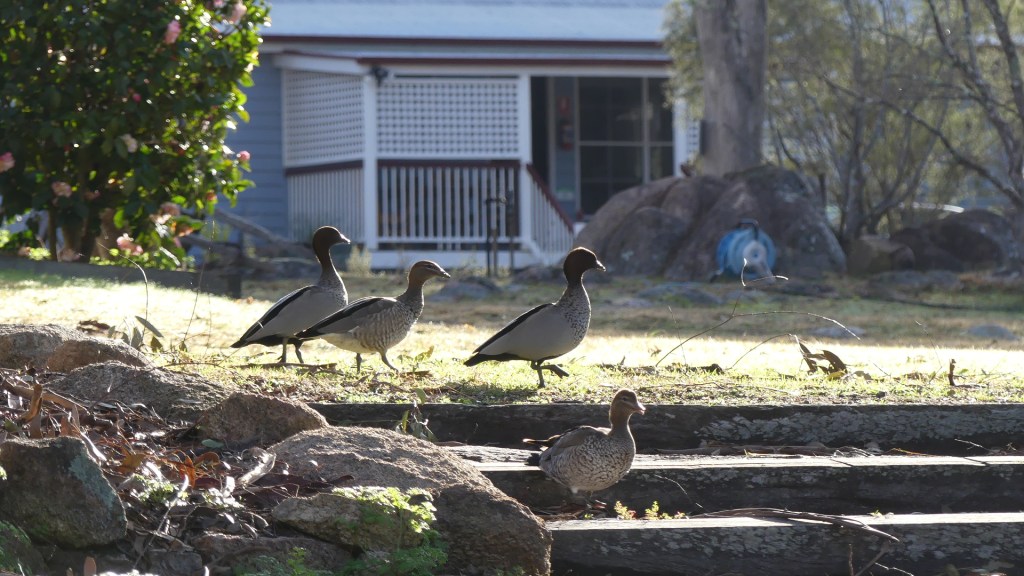
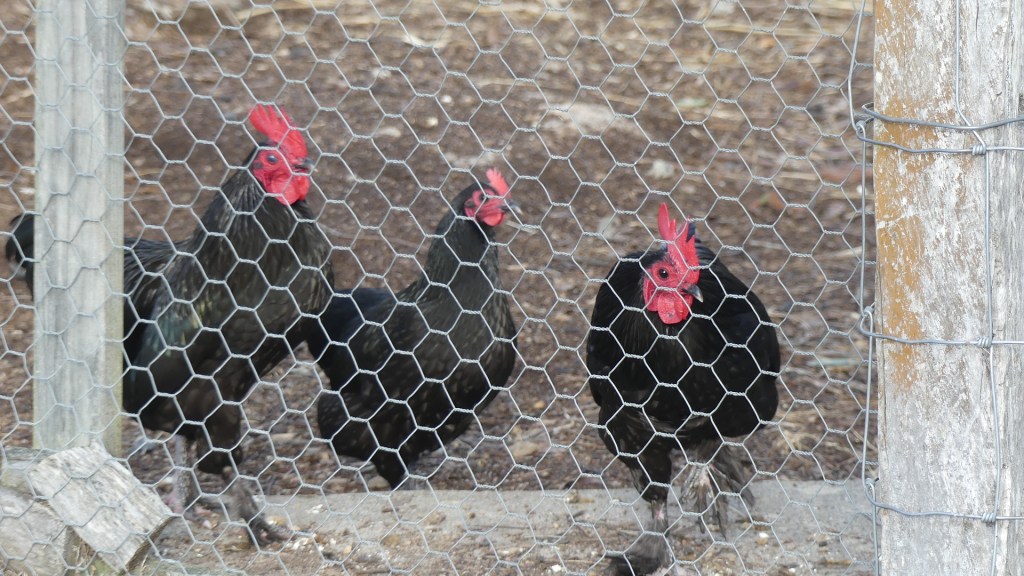
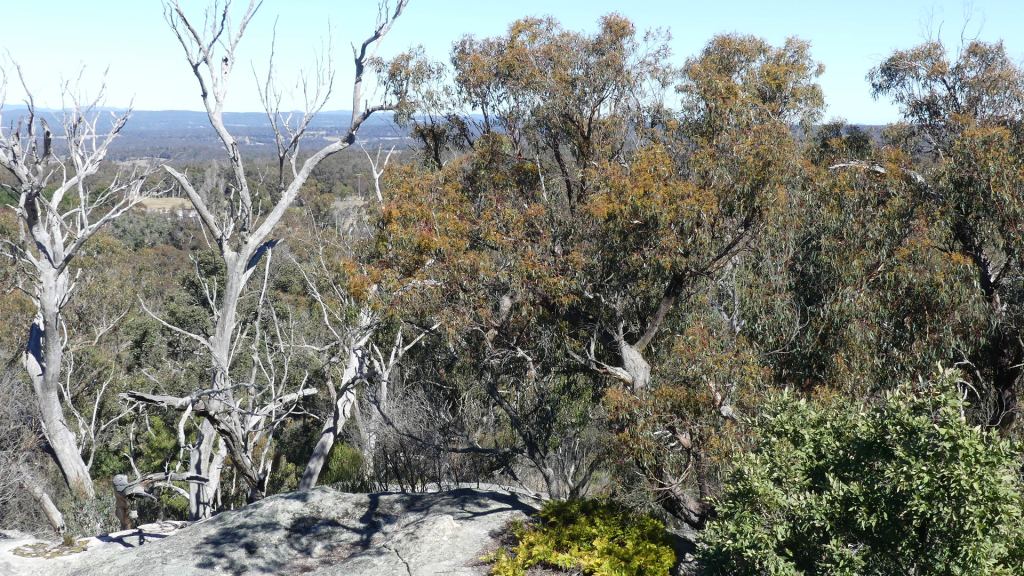
Beyond the mob was the original house and a grand old house it is. There were 4 other cottages, but no one was moving about save the wallabies and the wood ducks. Even the Tawny Frogmouth remained tucked up in bed. After moving around the house joey decided to check out the visitors and popped his head out and looked around. I found the track to the bridge and along the way I meet the chooks who thought I was coming with their morning feed. Stanthorpe is famous for its granite outcrops. Even though the temperature was in single digits, the freshness of the morning and softness of the sun playing on the bush and rocks, was a fabulous vista to start the day.
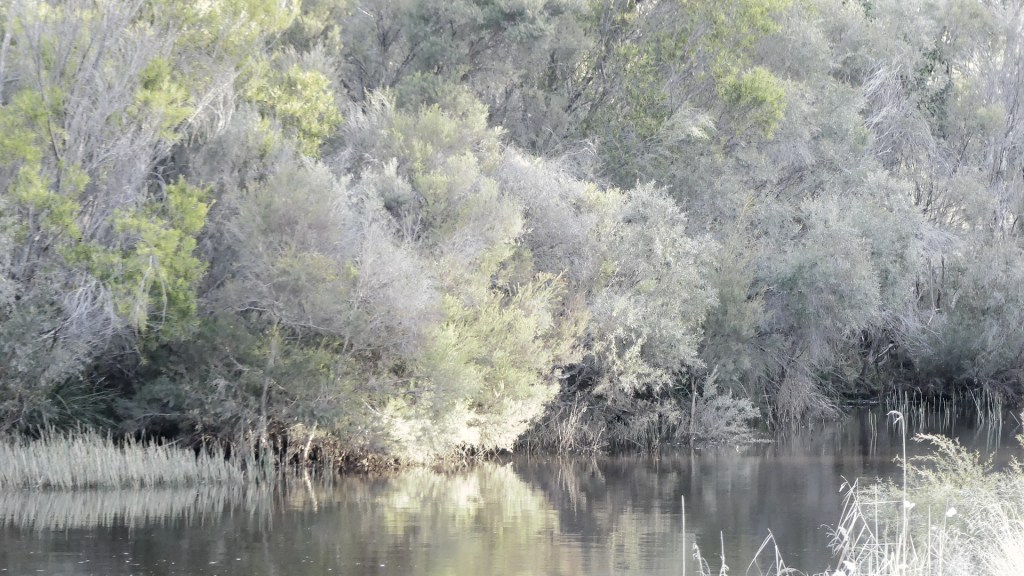
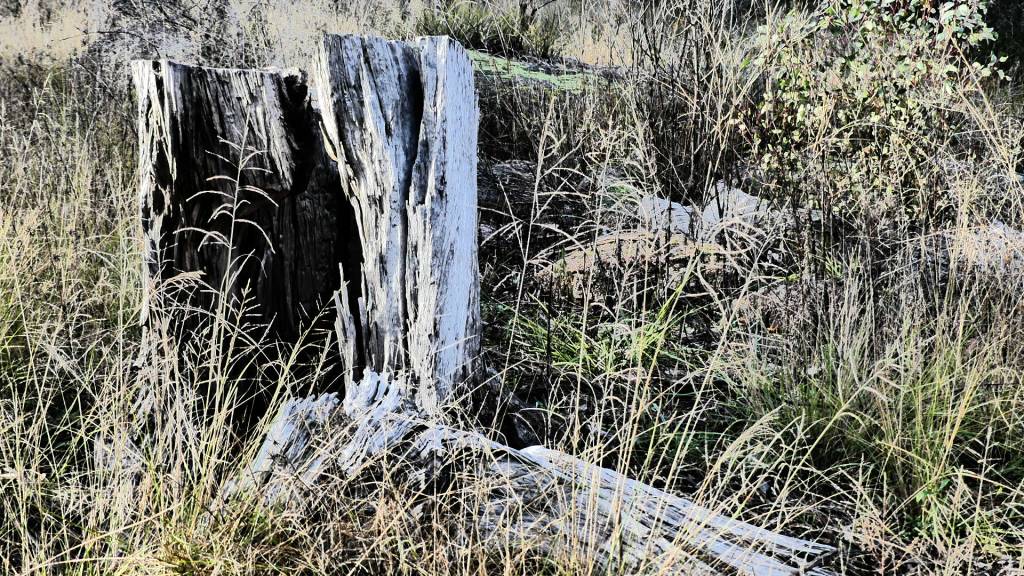
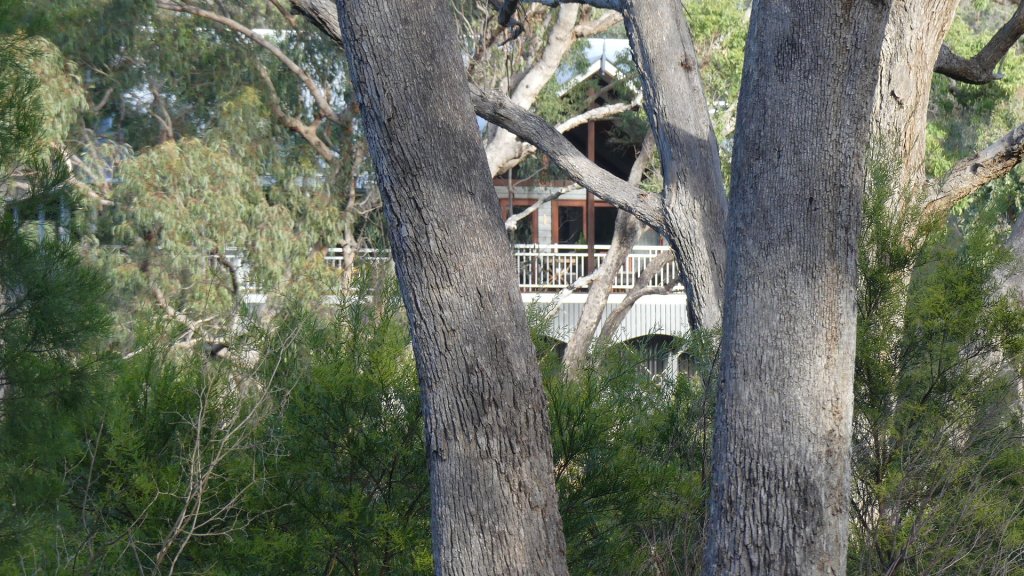
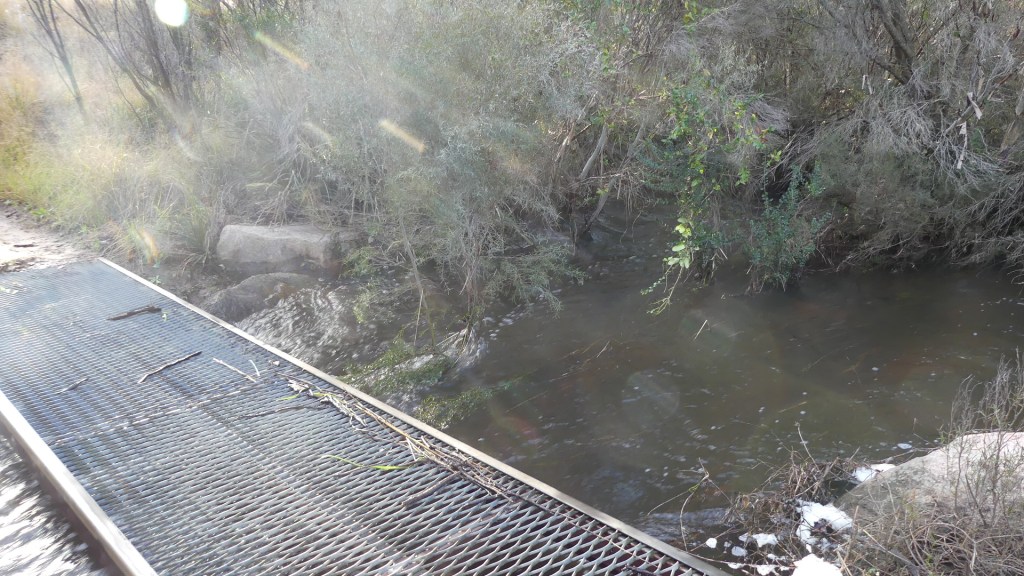
I followed the track to the bridge and crossed over. Last night our neighbour had told us that it was a wet ride across the creek and now I could see the reason why. Recent rain had filled ponds along the bank and the track to Stanthorpe was impassable. The neighbours house “the Lodge” was high up on the bank above me but the crossing was wet and muddy. So, I turned around and returned to the cottage. This is what I saw walking there and back.
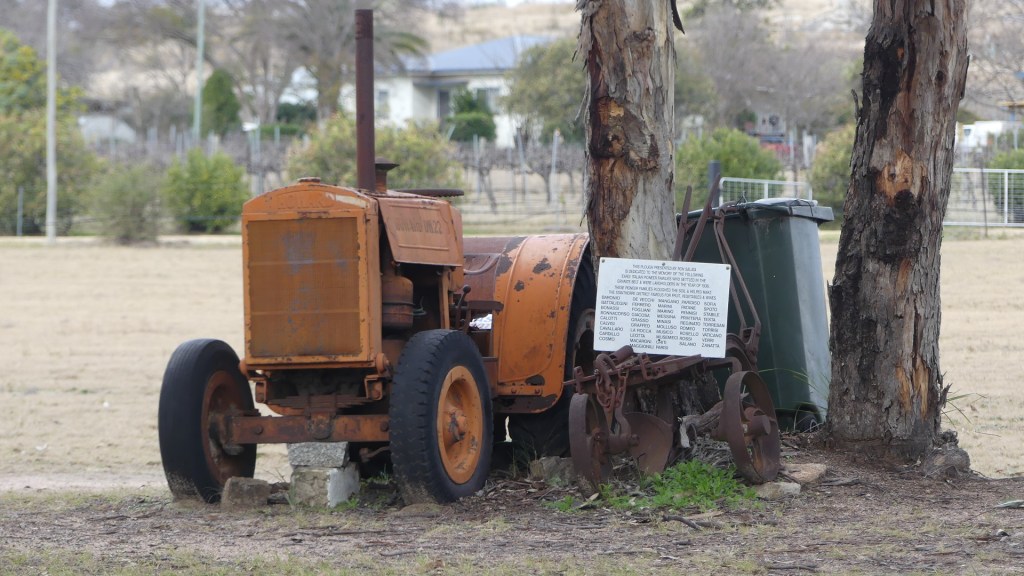
After breakfast we started our exploration. I wanted to visit the “soldier settlements” granted to WW1 soldiers to start again after the horror of the battlefields of France. Many of the villages were named after those battlefields. The programme continued for WW2 veterans, but mostly they were not successful farmers and not much remains of these settlements. On the way we passed Castle Glen cellar door. Built to appear to be a castle it is tired and tacky and we did not stay long.
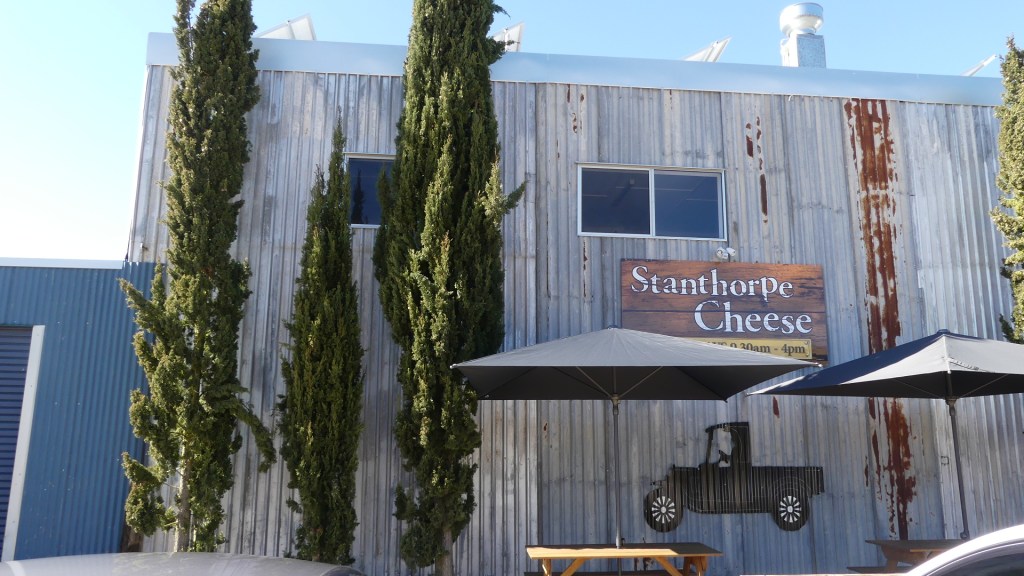
Besides we were close to Stanthorpe Cheese. A repurposed shed the cheese factory makes a range of soft and hard cheeses and has tasting room. In addition, they have a range of country product from chutneys to jams. The tasting ranged over 8 different cheeses accompanied by pastes and chutneys. We came away with a bag full for the cold nights with a glass of wine. Five stars of taste.
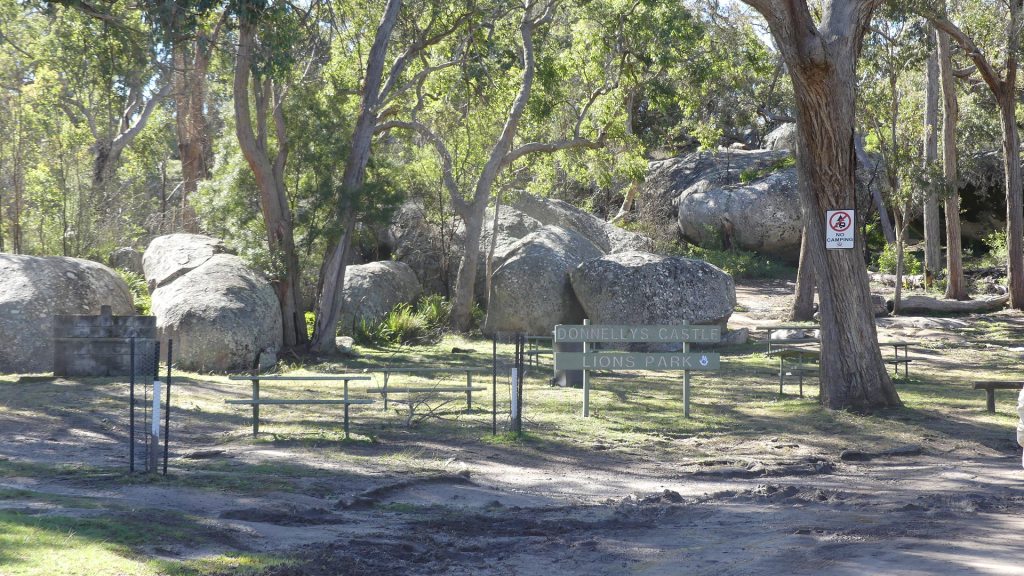
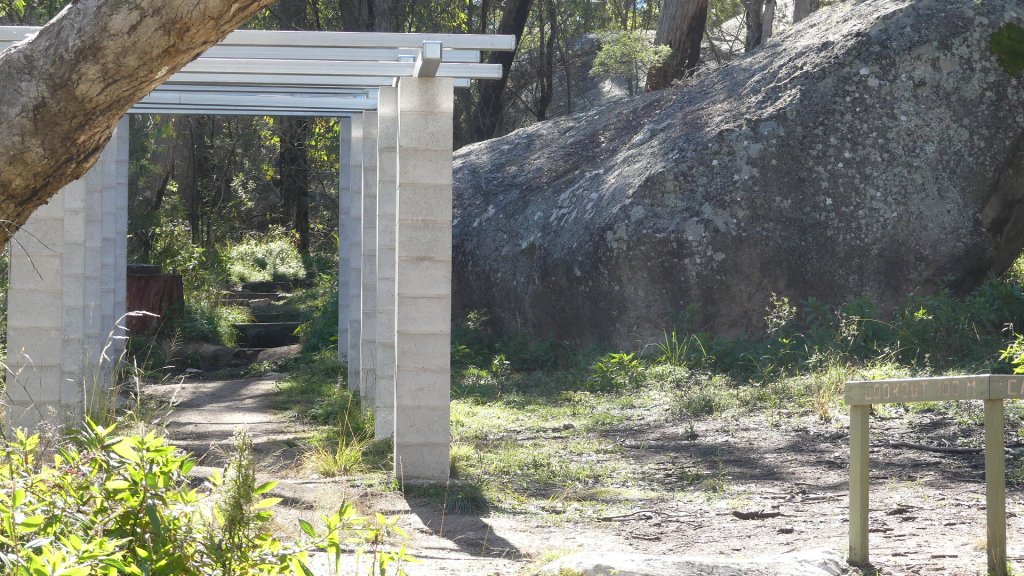
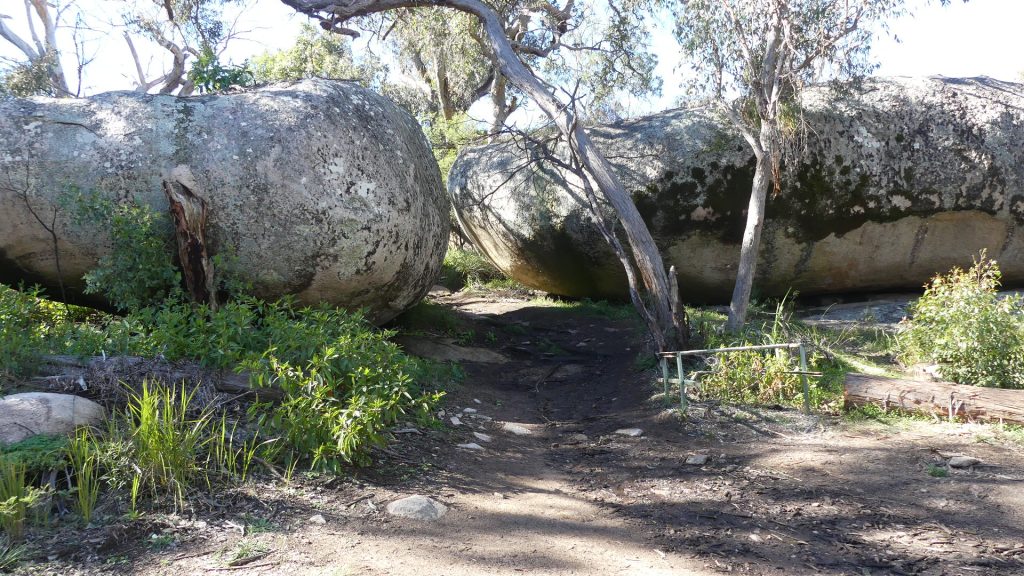
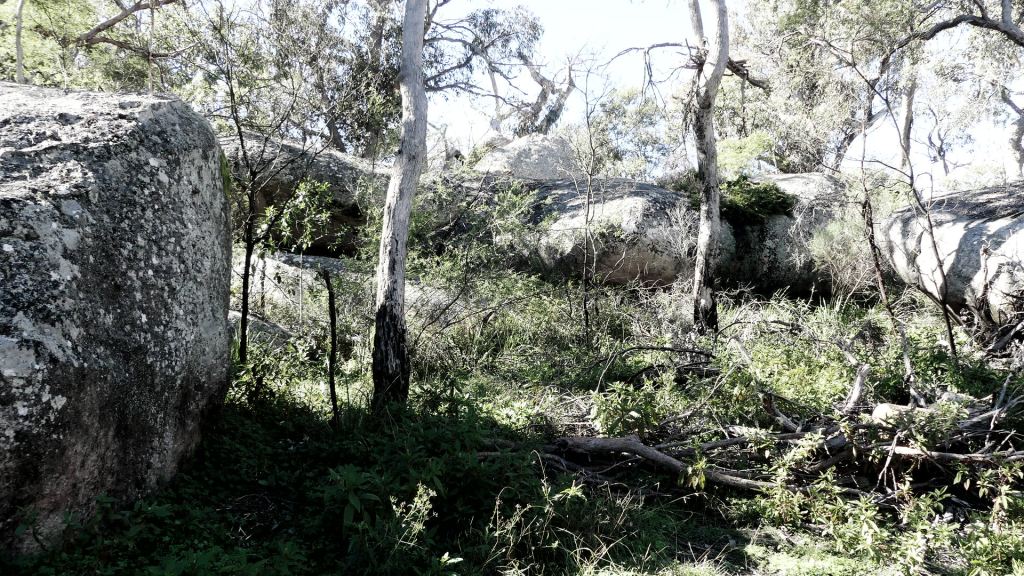
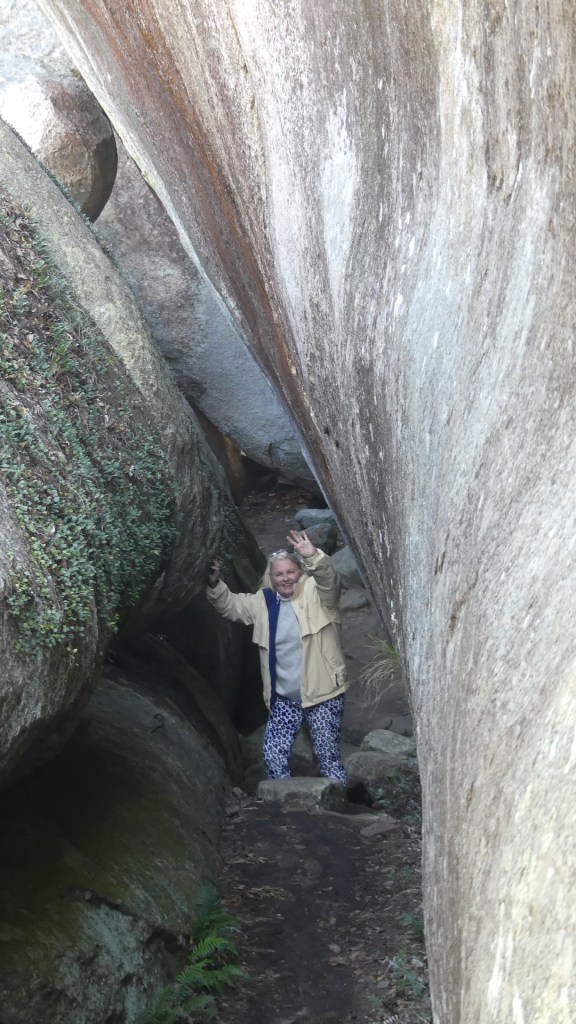
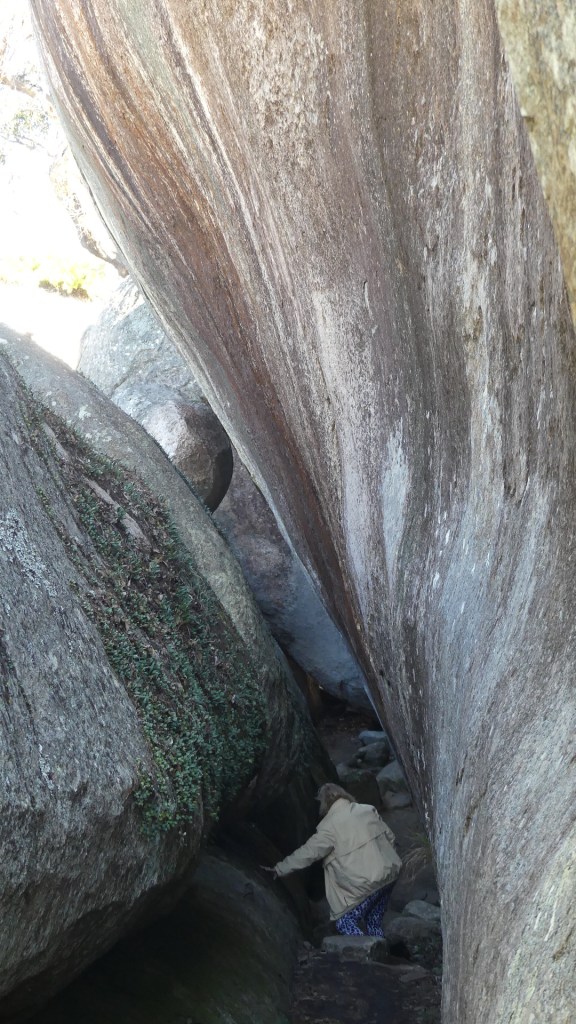
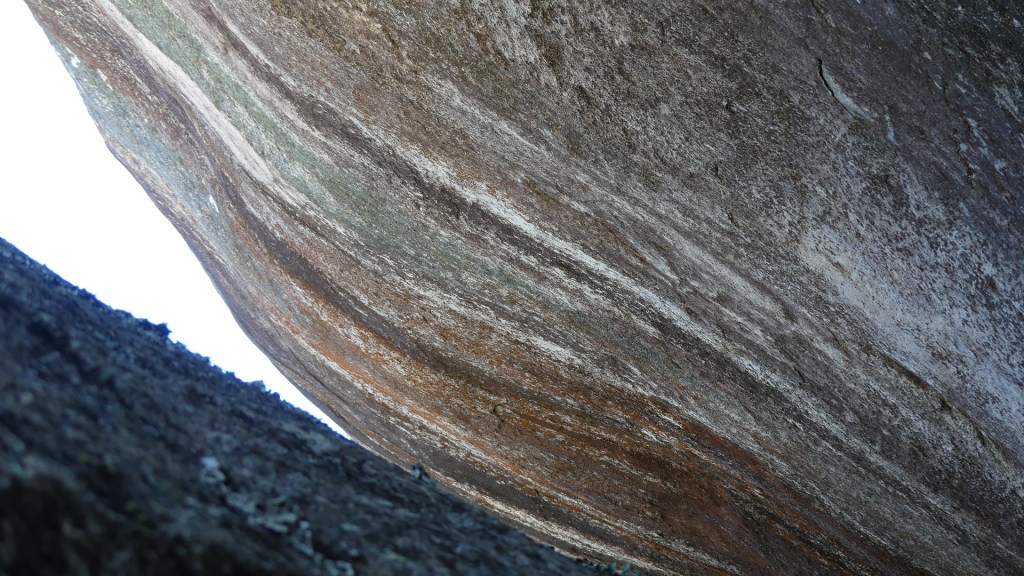
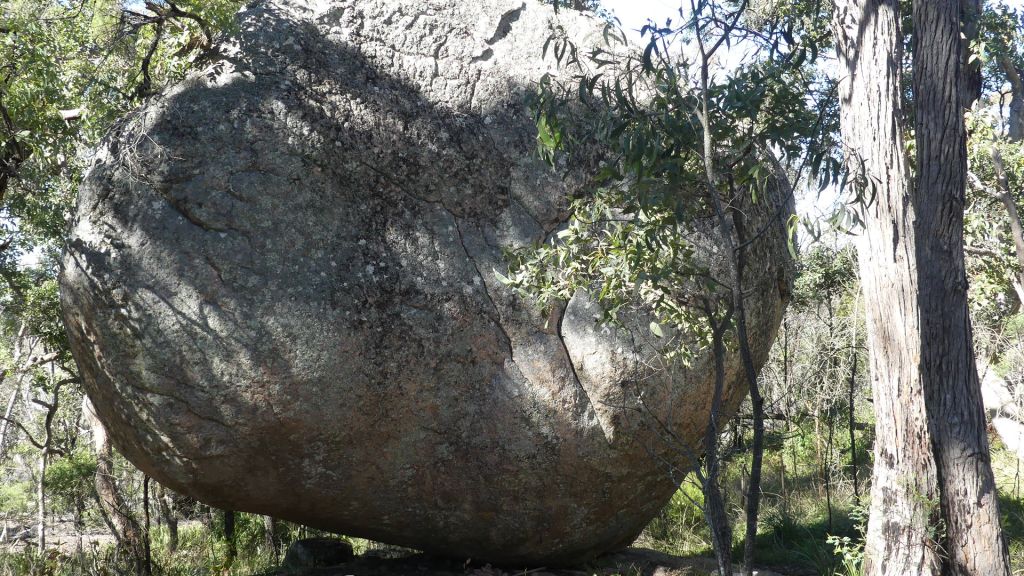
We had read about Donnelly’s Castle as being a must do. It is off the beaten track but certainly lived up to the reports. it’s not actually a ‘castle’. This quiet spot is a wonderland of giant granite boulders and walking amongst the boulders you can explore into cave-like entrances and narrow crevices.
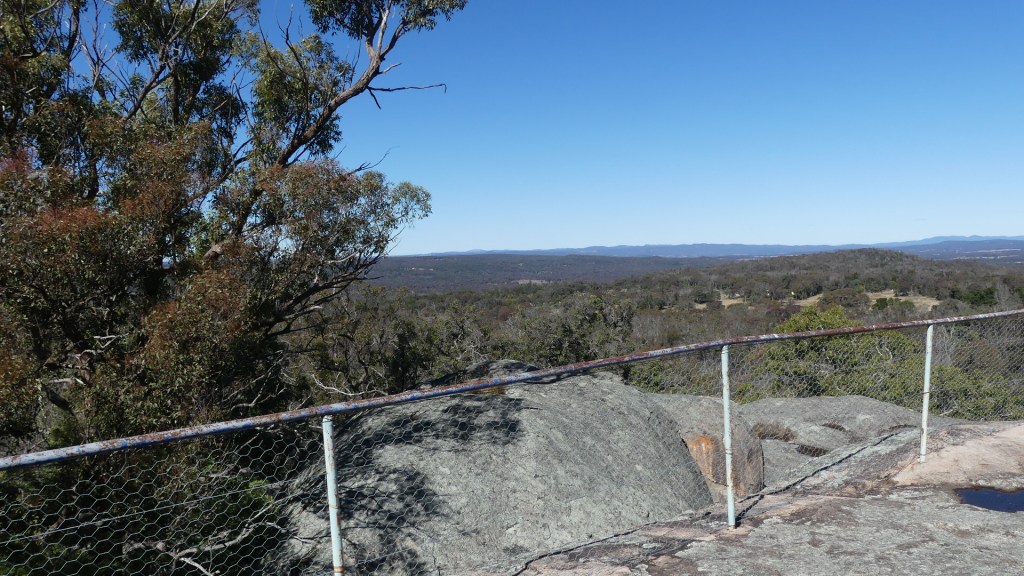
Donnelly’s Castle is famously the site used by bushranger ‘Captain Thunderbolt’ as his hideout. Thunderbolt was the longest roaming bushranger in Australian history and it’s no surprise he managed to elude authorities here, because as you wander over, under and through the network of boulders, you feel you’re hidden away from the world! There’s also an exciting lookout sited on the top of one of the granite outcrops. Be careful returning down that boulder as the potential to slip and fall is very real.
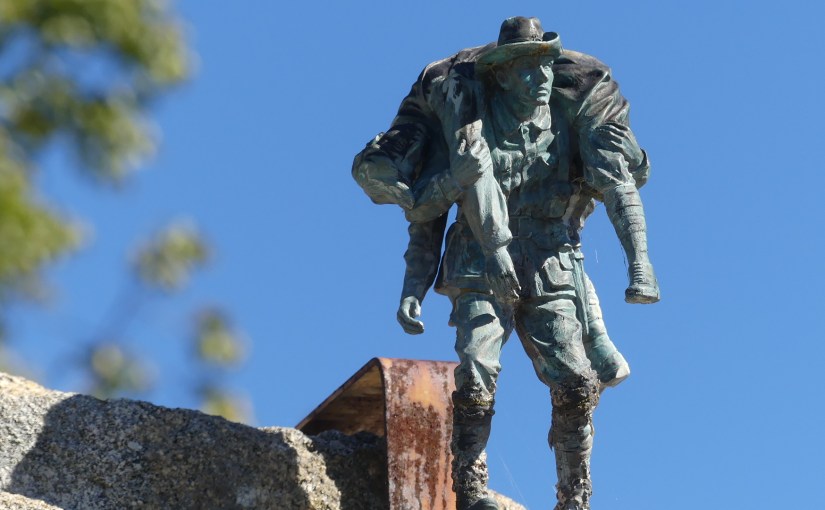
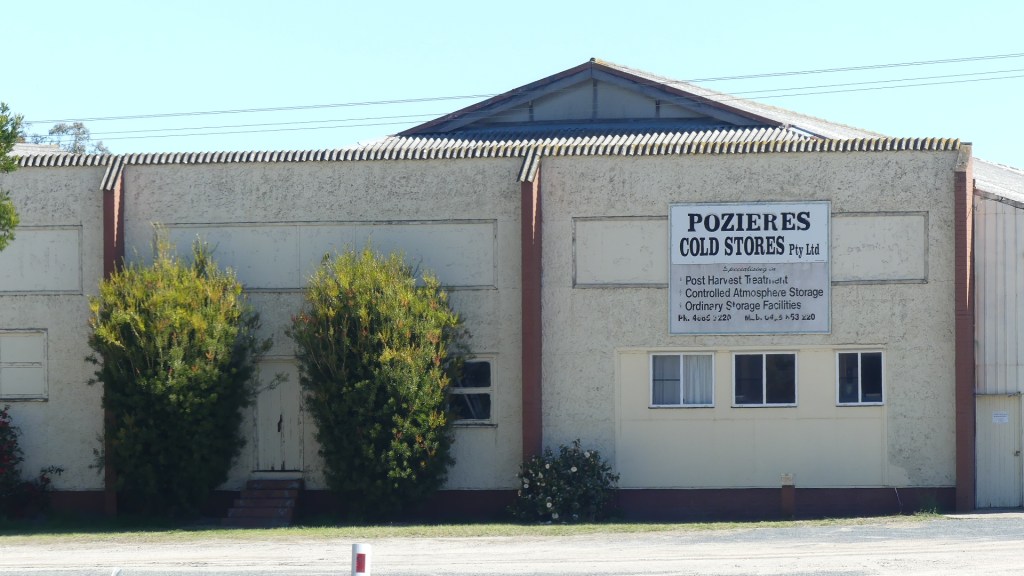
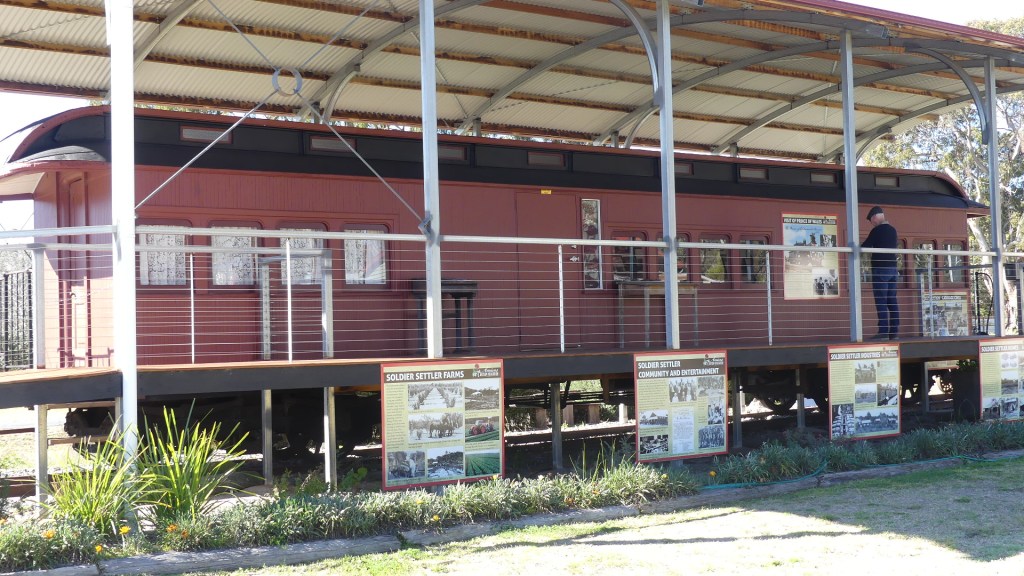
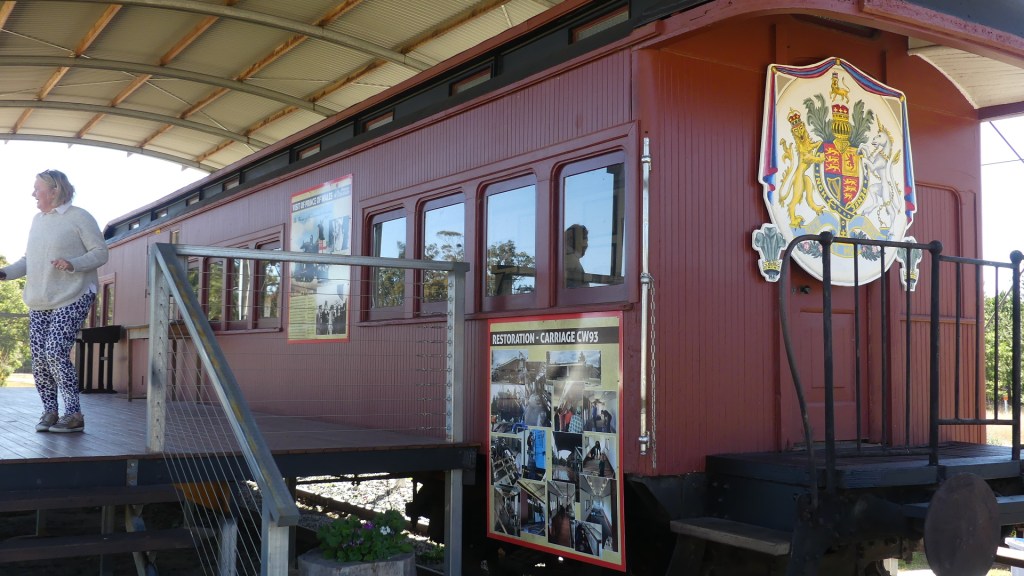
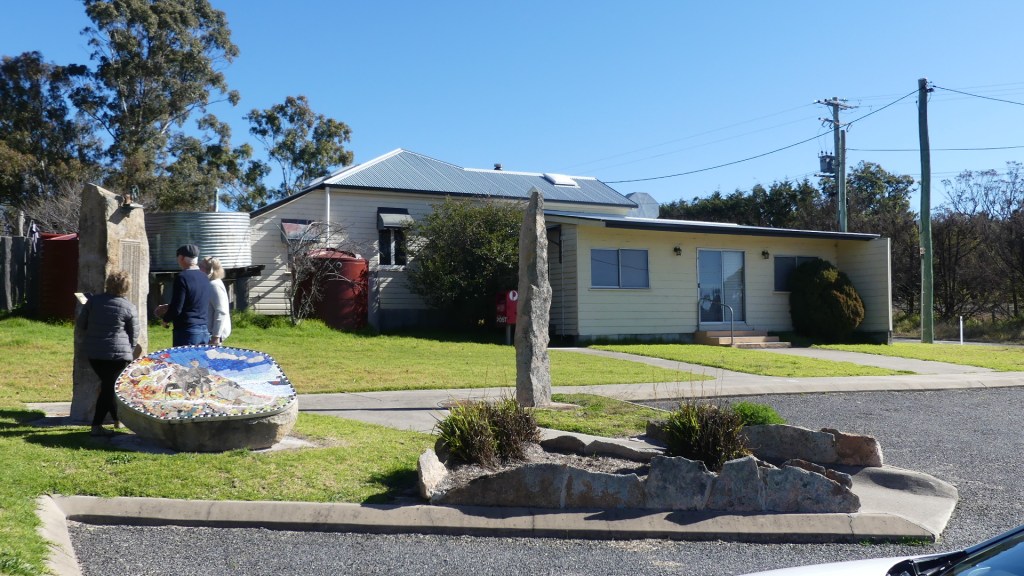
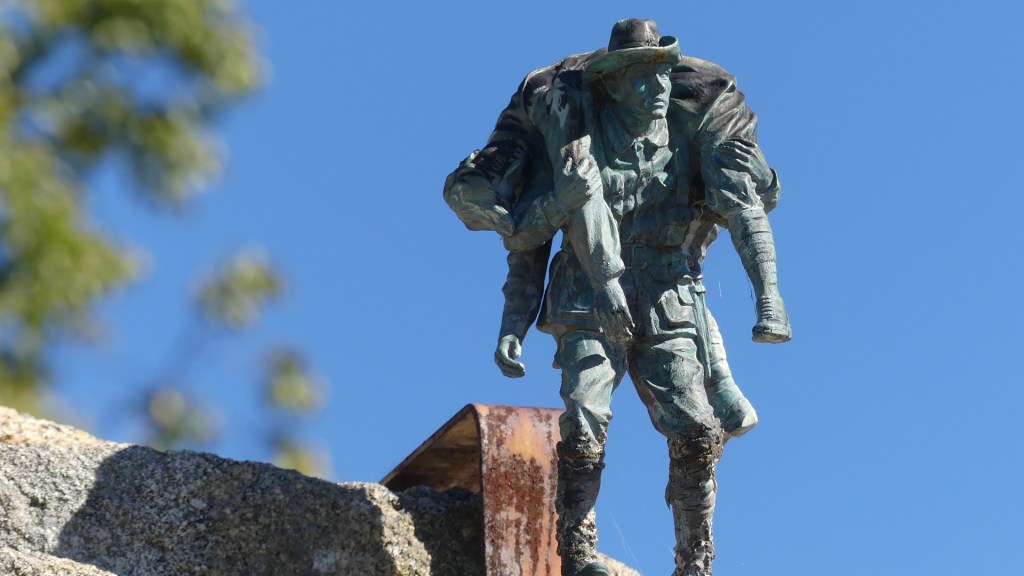
From Donnelly’s castle you drive across Amiens Rd to Pozieres – the name of the town in the midst of an infamous battle of WW1. The only thing to tell you this was once a village is the telephone box outside the closed post office and the cold stores. From there we followed Amiens Rd pass Messines into Amiens where we found the Amiens Legacy Centre and township maps. This fabulous memorial tells the story of soldier settlements and the villages, the visit by the Prince of Wales in 1922 and the restored carriage now converted to the museum. It is humbling to see the conditions for returned service men and their families to start a new life. There is also the story of the tin miners who established Stanthorpe. Returning towards Stanthorpe we came to the remnants of Amiens and the memorial to the servicemen from the area who served and did not return plus the story of the soldier settlements.
Photo
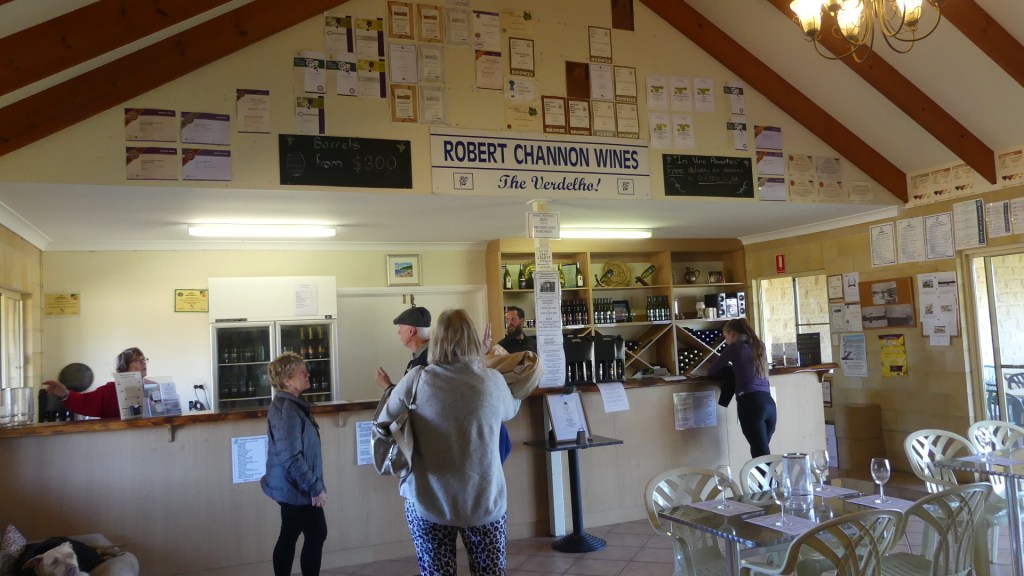
We then returned to Bapaume but we could not find any evidence of the village. We then went on to Robert Channon Wines cellar door. Robert is famous as the man with the name which Moet & Chandon thought a threat and demanded he stop using his name. The nearly 20 acres of vineyards at Robert Channon Wines produce approximately 50 to 60 tonnes of grapes each year. The relatively small size of the vineyard and tonnage is typical of the boutique size of the dozens of wineries across Granite Belt Wine Country. The grapes they grow are Verdelho, Pinot Gris and Chardonnay and red varieties are: Pinot Noir, Shiraz and Cabernet Sauvignon. We left the vineyard weighed down with more wine.
Photos
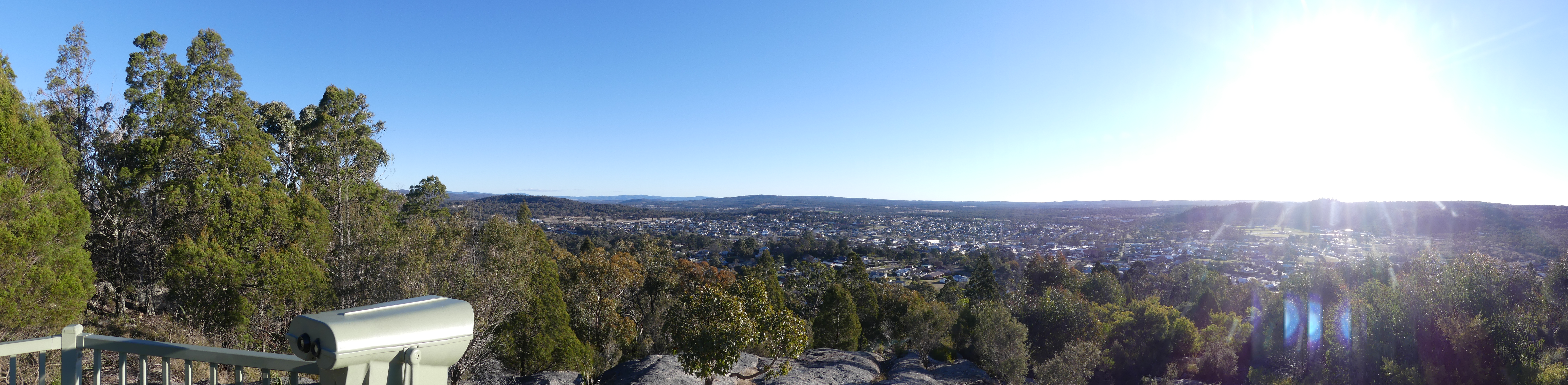
It’s been a long day so we head home stopping off at Mt Marlay for an all over view of the town. Then we arrive at the cottage, start the fire, get out the nibbles cards and wine. The wind has risen and the temperature drops but not to worry we are warm and cosy in side the cottage.
It’s a bright Friday morning. We meet up with Rod and Kerry Hayes for our annual wine weekend, but all is different – its not May and its not somewhere exotic. Typically, we travel to a new wine district within Australia or overseas but this year we are limited to wine districts within Queensland. Typically, it is May because Queensland has a May long weekend whilst the rest of Australia is still at work. Covid and government health regulations make it different, so we are travelling in July to Stanthorpe on the New England Highway near the New South Wales border 223 kilometres (139 mi) from Brisbane via Warwick, and 811 m above sea level 3 hours away by car.
Rod spent part of his early life in Stanthorpe, and it was home for his mother and father until his death. For Rod there was the important task of checking on his father’s grave for any repair and tidying up.
The land within the boundaries of Stanthorpe is primarily used for urban purposes: housing, recreational, commercial and industrial with some undeveloped land on the hillier slopes. Crops grown in the surrounding area include vegetables, apples, grapes and stone fruit. Wine is also produced in the area, and sheep and cattle grazing is also prevalent. Mount Marlay is to the north-east of the town and rises to 918 metres (3,012 ft).
Prior to white settlement, The Kambuwal were the first settlers with their territory stretching from the western scarp of the Great Dividing Range and their eastern flank ended around Stanthorpe. Stanthorpe was founded by tin miners. People came from many countries to mine tin from 1872. Prior to 1872 the area was known as ‘Quart Pot Creek’ but from then for a time, the area was the largest alluvial tin mining and mineral field in Queensland. A more suitable name was sought by the town fathers. Stanthorpe literally means ‘tintown’, as Stannum is Latin for ‘tin’ and thorpe is Middle English for ‘village’.
When the tin prices fell, many miners turned to farming. The subtropical highland climate was suitable for growing cool climate fruits and vegetables. Grapes were first planted here in the 1860s with encouragement from the local Catholic parish priest to produce altar wine. The railway reached Stanthorpe in May 1881.
Following the First World War, Stanthorpe was a major resettlement area for soldiers recovering from mustard gas exposure. Many of these Soldier Settlers took up the land leased to them in the areas around Stanthorpe which now bear the names of First World War battlefields.
Stanthorpe is also famous for its granite outcrops which abound and present headaches for large agricultural concerns. Its also famous as the coldest place in Queensland. So we are headed for Diamondvale – weekend accommodation for the grey nomads of south east Queensland.
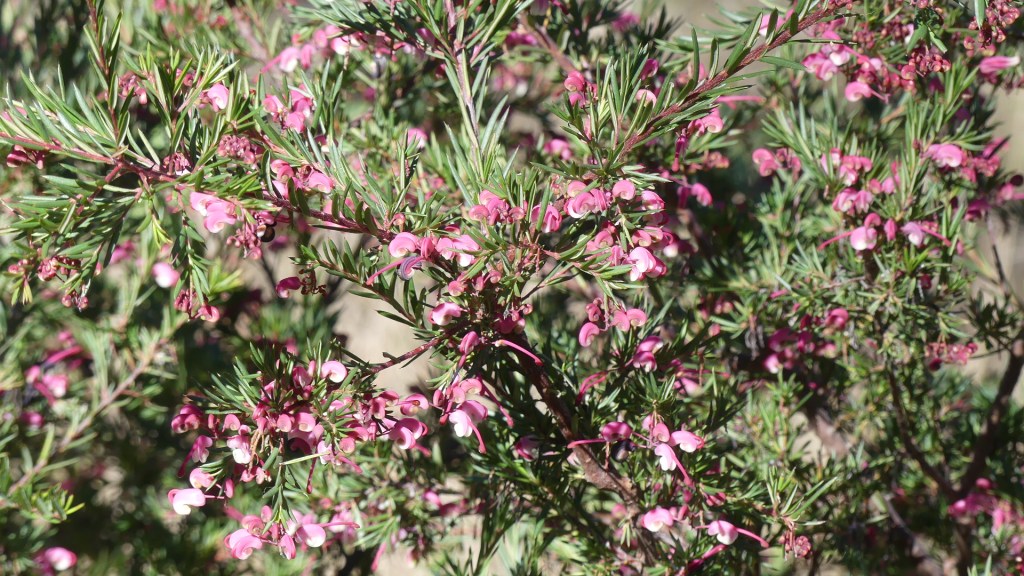
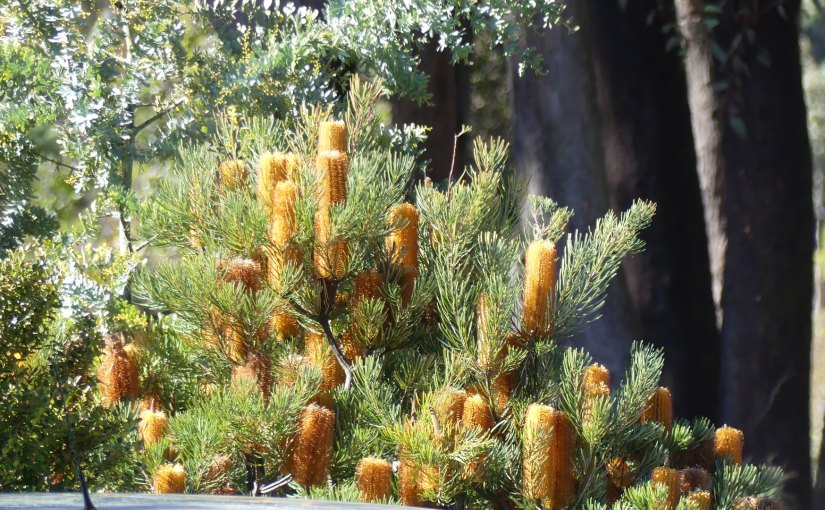
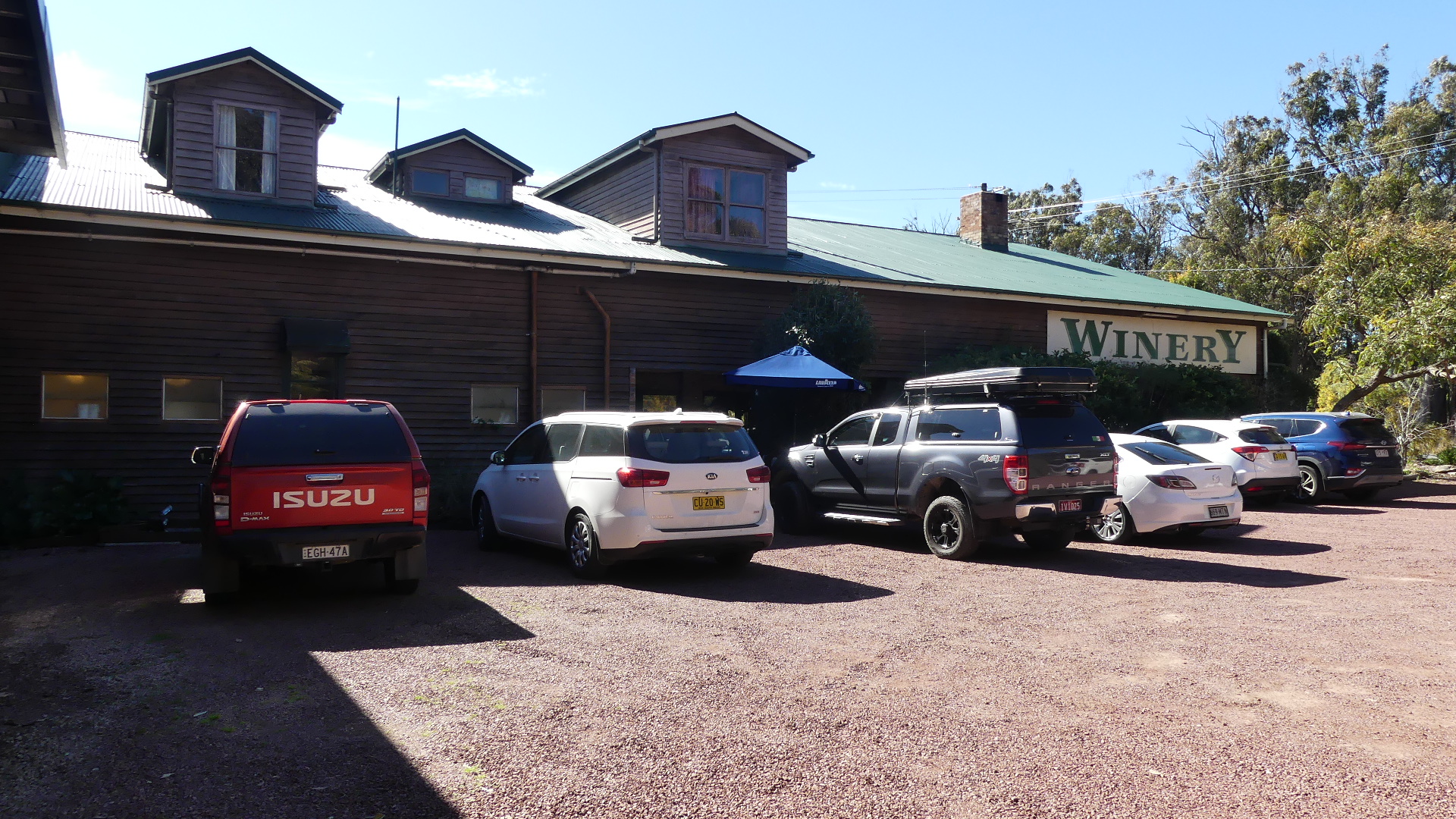
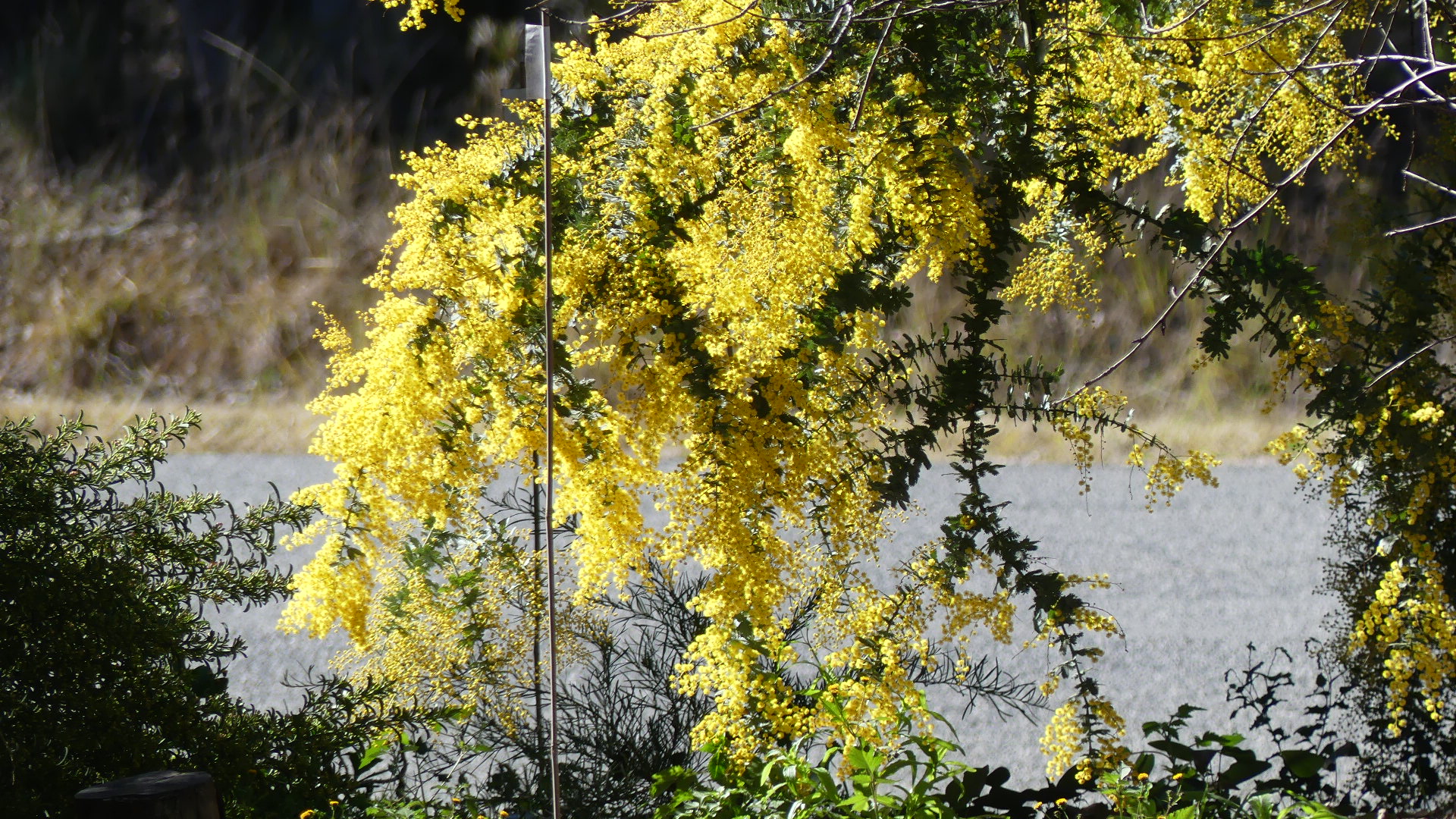
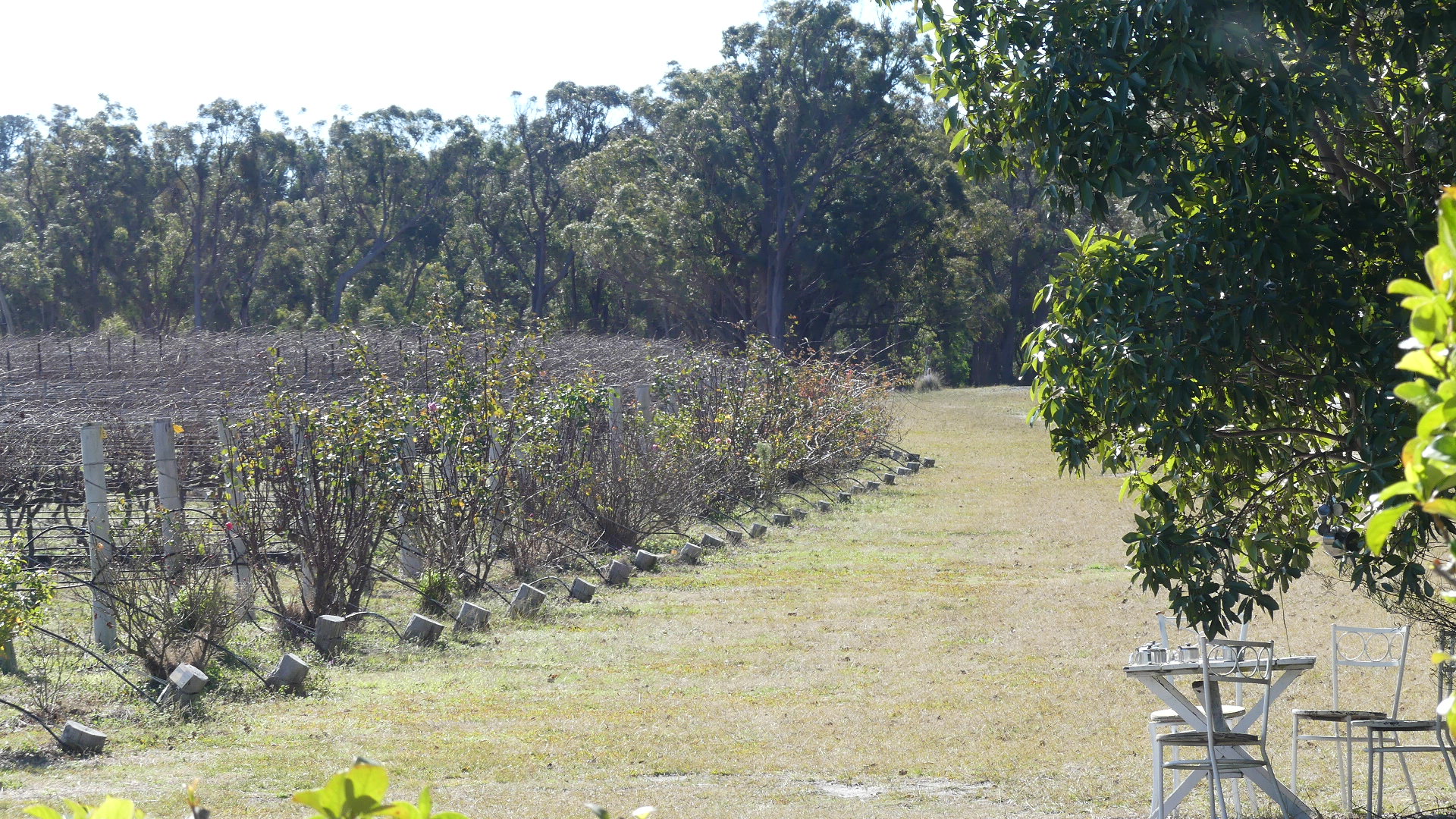
Travelling by car you must cross the cattle grid which bounces the passengers awake. Our first stop is at Heritage Wines cellar door set amongst its grape vines in the village of Cottonvale just past the cattle grid. The cellar door is attached to the machinery to make the wine in a barn style building. Inside is a large fireplace in the centre of the dining space and people in festive garb are nosily celebrating Xmas in July. Opposite the fireplace and the diners is the wine tasting bar but with the event in the dining room tastings move onto the enclosed verandah. Sun streams in and the glass keeps the chill winds out. The verandah is very busy with visitors but it is very pleasant to look across the vineyard tasting the bounty of the fruit. We can see a table setting under a tree with the empty glasses abandoned no doubt because of the wind. The bottle brush is in full flower as is the wattle.
Heritage wines Cellar door, Wattle, The “tastings” bar, The vineyard and the table
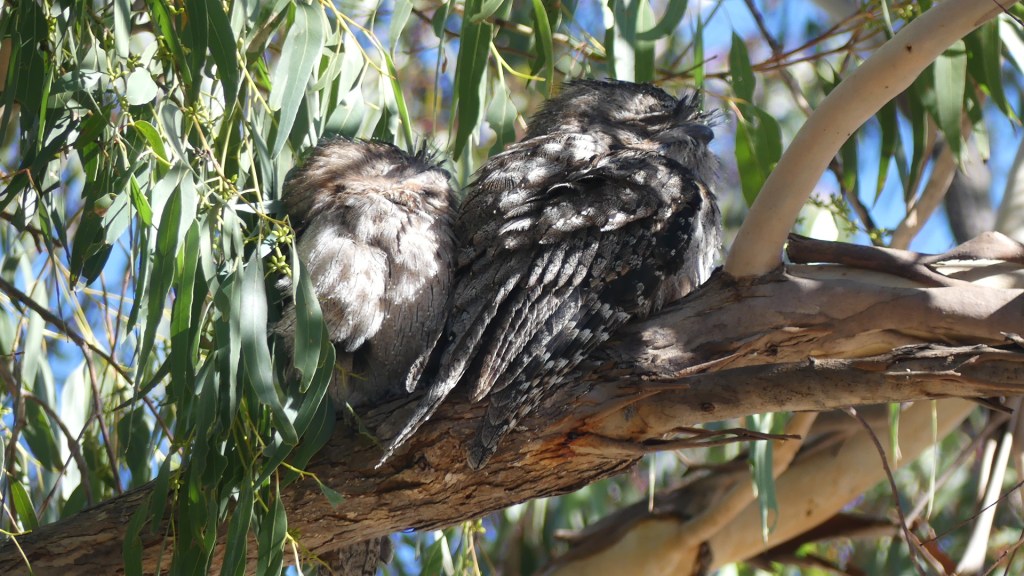
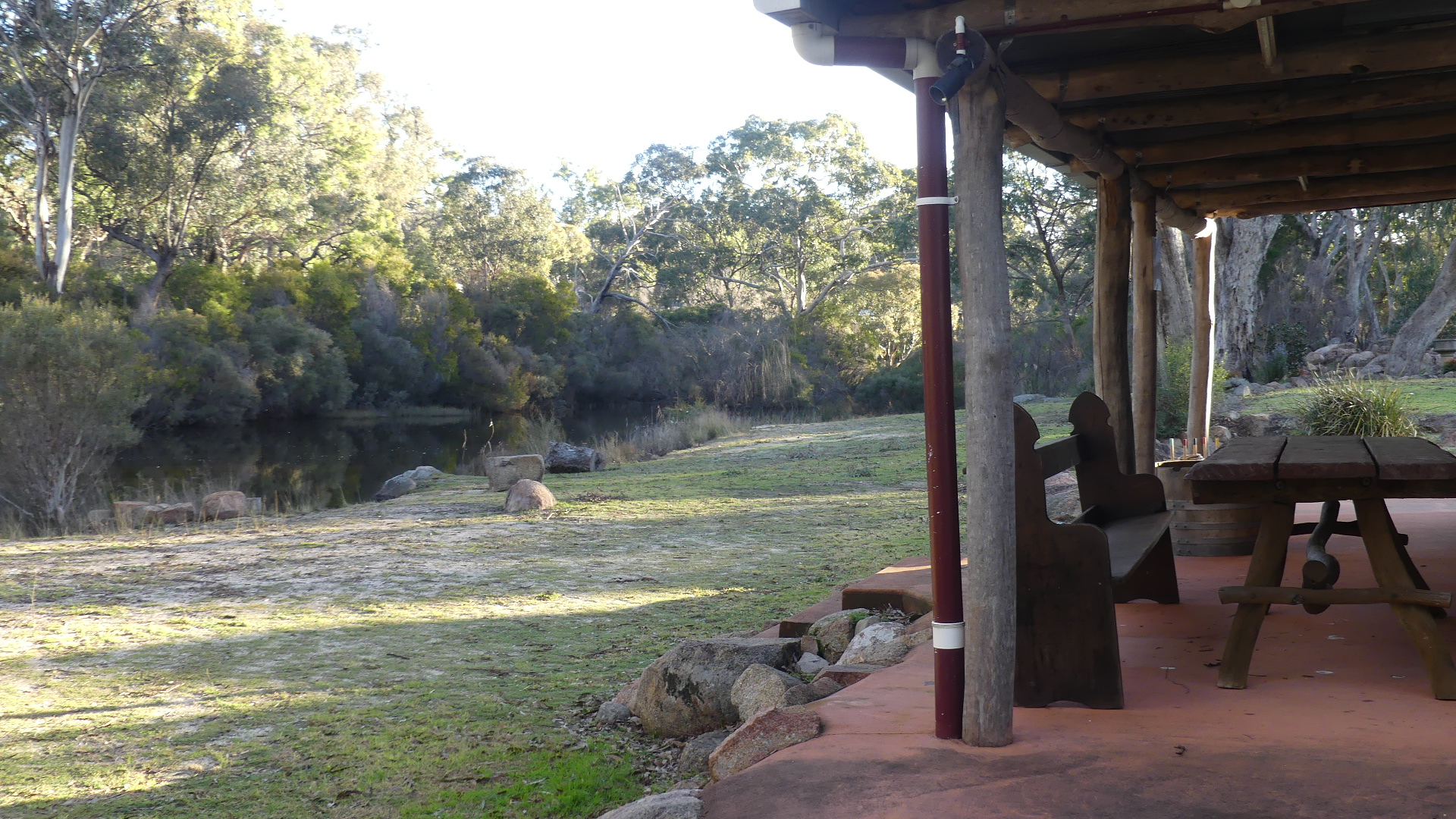
After topping up our wine stocks we left Heritage Wines travelling along the old Stanthorpe road into the township and out to Diamondvale Cottages. Our cottage boasted two bedrooms with ensuite, kitchen dining and lounge, air-conditioning and timber stove. Quart Pot Creek meanders past the cottages which are also home to a mob of Wallabies, wood ducks and Tawny Frogmouth.
We checked out our surrounds and met the mob. There is a slab hut setup as the catering hut for outdoor functions overlooking Quart Pot Creek. Our cottage has a small porch off each bedroom. The bush was starting to settle for the evening and the temperature dropping.
Our wine weekends also incorporate our card evenings. So after settling in, starting the fire, and preparing the smorgasbord of things to pick at whilst polaying cards, the cards are shuffled and we are in for the evening as the wind outside howls and the temperature plumets. Tomorrow will be Queensland’s coldest day for 2021.
All tap and showering water is provided from rain water tanks and Stanthorpe was going through a rainy period after a very concerning period of drought when the Storm King dam was so low Stanthorpe was transporting water to the township. So, when the tap water turned brown and spluttered out of the taps, we suspected the tank had run dry. Our host was travelling to the Sunshine Coast some 4 hours away, so she arranged a neighbour to visit and troubleshoot the problem. He concurred with our view the tank was dry, so he diverted the water from the main tank, so we were saved.
During this chilling interlude (the back door was open to that howling wind) we learned from the neighbour that there is a bridge across the creek leading to a path following the creek down into Stanthorpe township. I decided to check it out tomorrow. After cards we stoked up the fire and retired to bed. Looking forward to a big day tomorrow.
Good news we will fly home tomorrow via Qantas – good old Qantas to the rescue. Some further good news a local Kingfisher has stopped for a rest in the yard below us. The neighbours who arrived Wednesday and are here for bird watching and getting very excited of portents to come.
So, time for a swim at Emily Beach, a walk to Lone Pine, a walk through the Pitcairn Islanders Village (which is closed of course), and various other things to fill our day.
Emily Beach is the preferred swimming beach for the Island. Sheltered with a sandy beach and tucked up in front of the Polynesian ruins and beside Kingston, it is the choice of most locals. The school ran a carnival that day and all the kids appeared excited – a day off school at the beach. The water was nice and clear, the sand a little more course than the Gold Coast and shallow with out wave action because of the bordering stone benches stopping the waves.
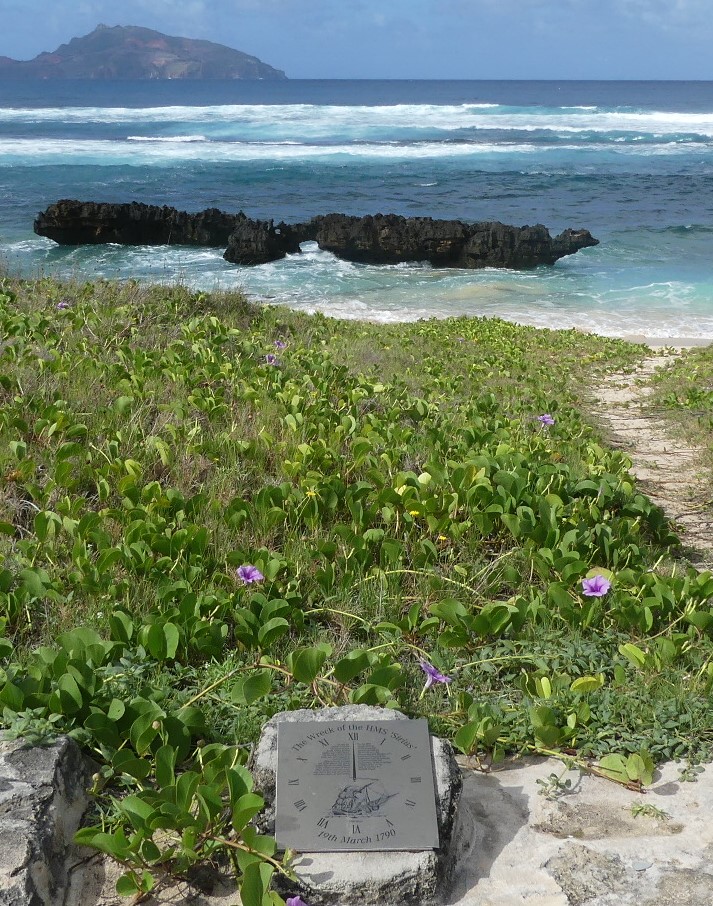
Beside the beach the headland reaches out to Nepean Island and beyond Phillip Island both uninhabited. On this headland is a lone pine tree and hence the name nothing to do with the Dardanelles and the WW1 campaign at Gallipoli. On the other side of Emily Bay is Slaughter Bay and the Sirius monument. HMS Sirius was the flagship of the First Fleet, which set out from Portsmouth, England, in 1787 to establish the first European colony in New South Wales. In 1790, the ship was wrecked on the reef, south east of Kingston Pier, in Slaughter Bay, Norfolk Island and this monument identifies the spot.
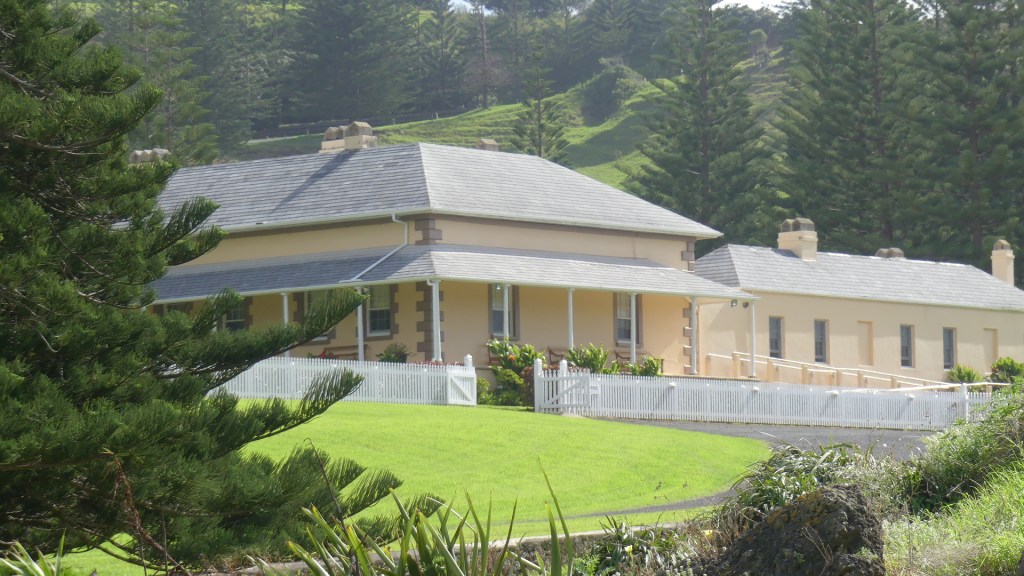
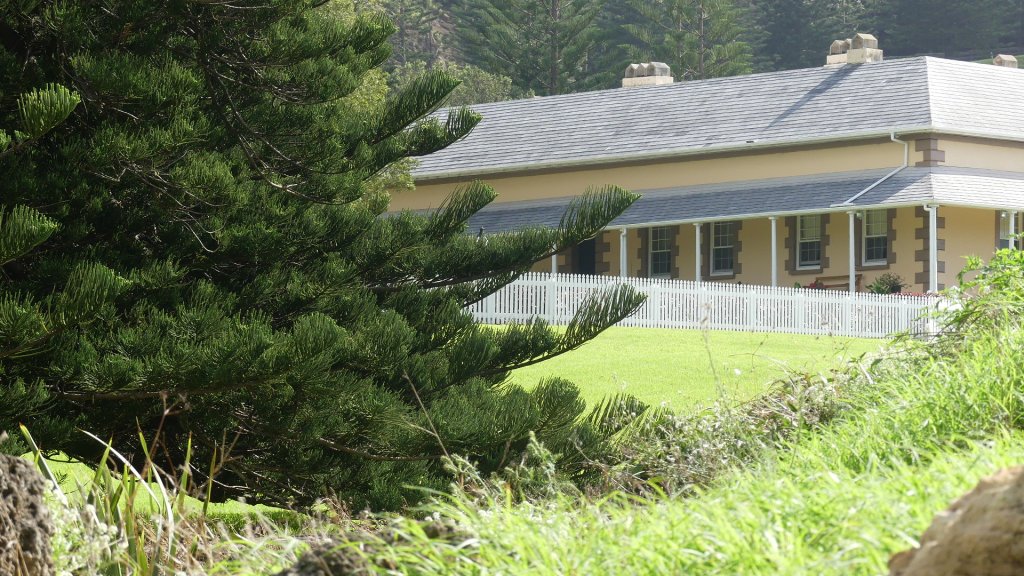
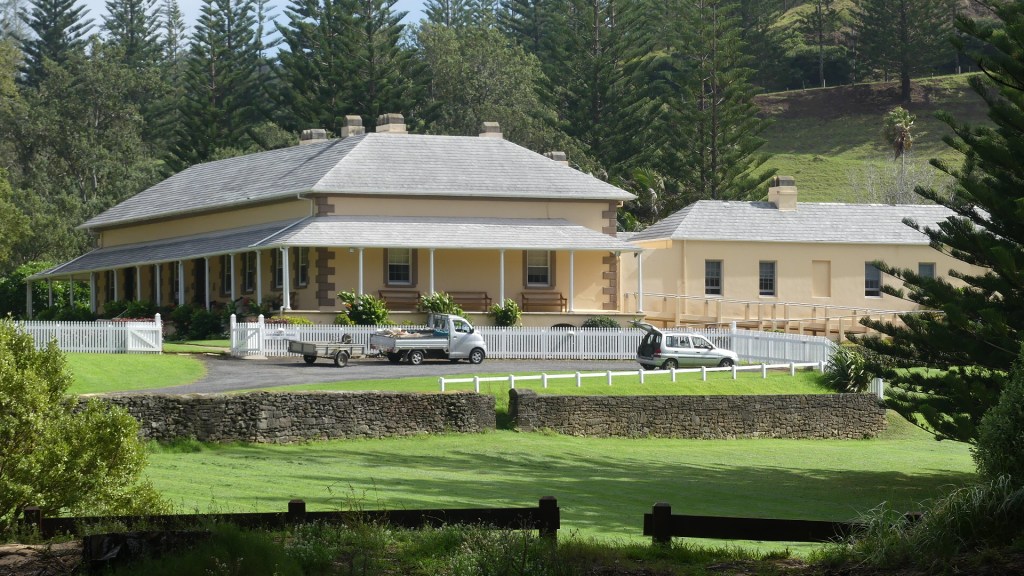
Behind the monument is Norfolk Island’s historic Government House—built in 1829 and handsomely restored—is generally not open to the public. It is now the Administrator’s residence. Whilst we are down this way we go to Bloody Bridge and check on the progress of the baby Tropic Bird. Its doing really well.
Photos
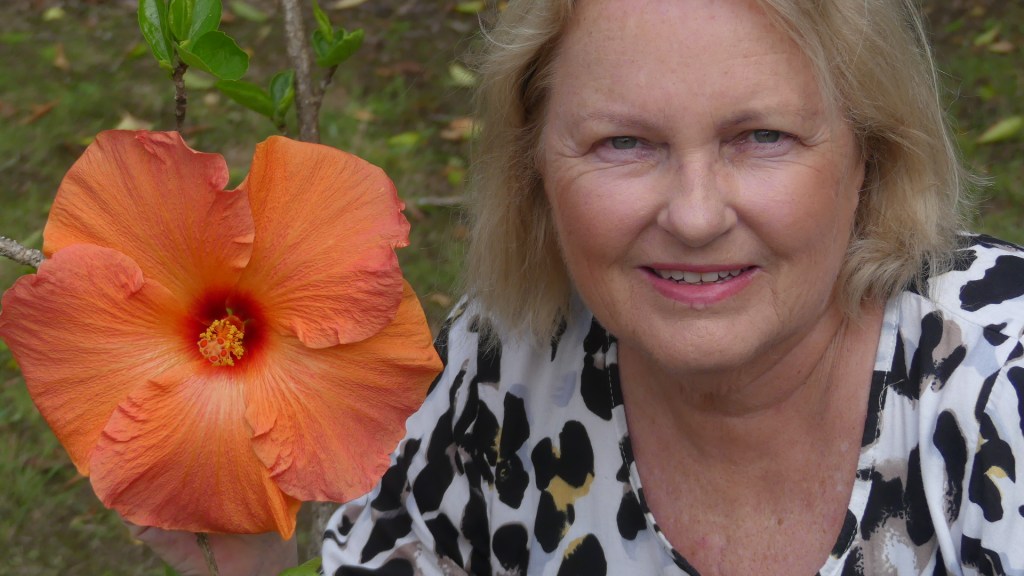
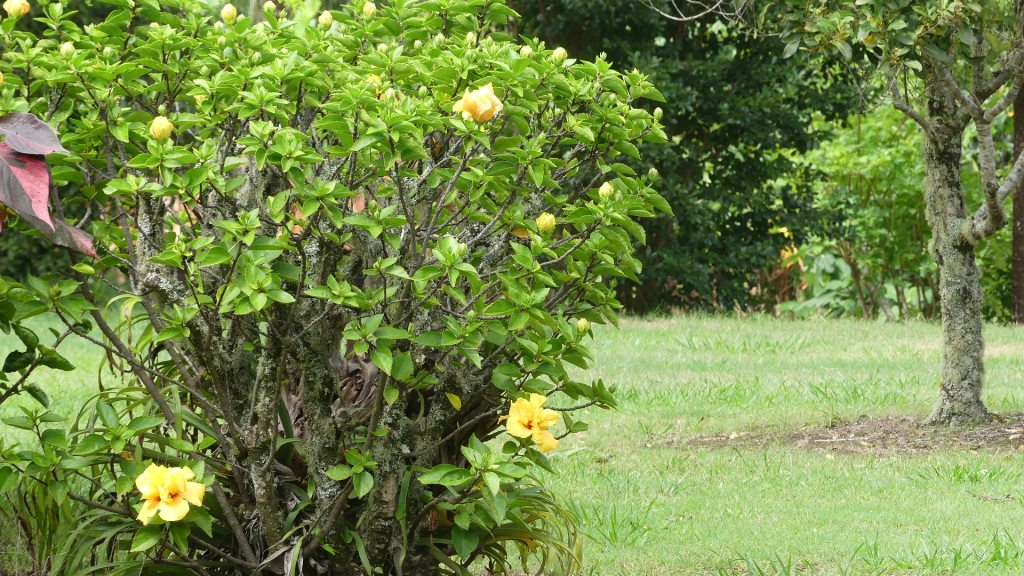
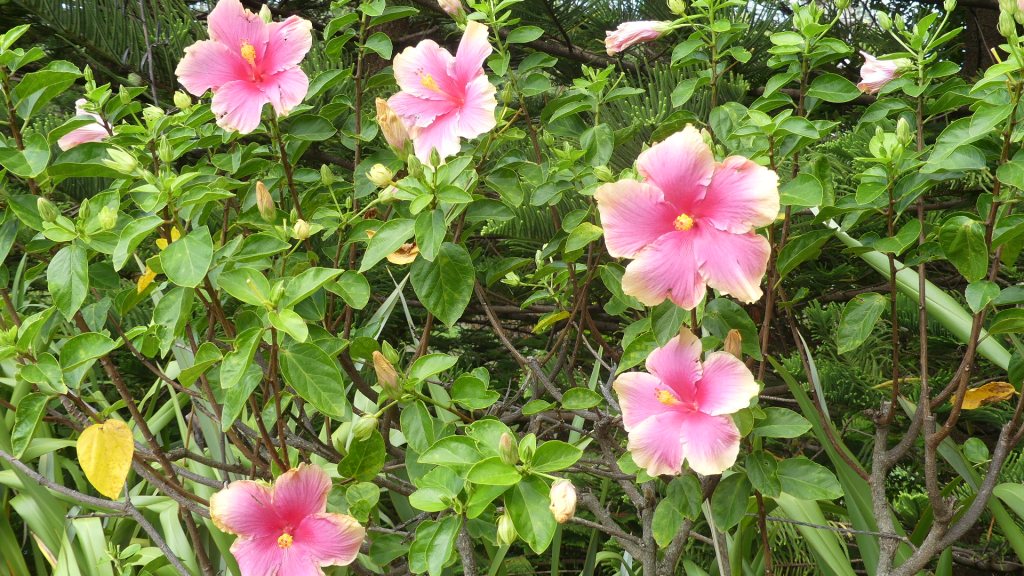
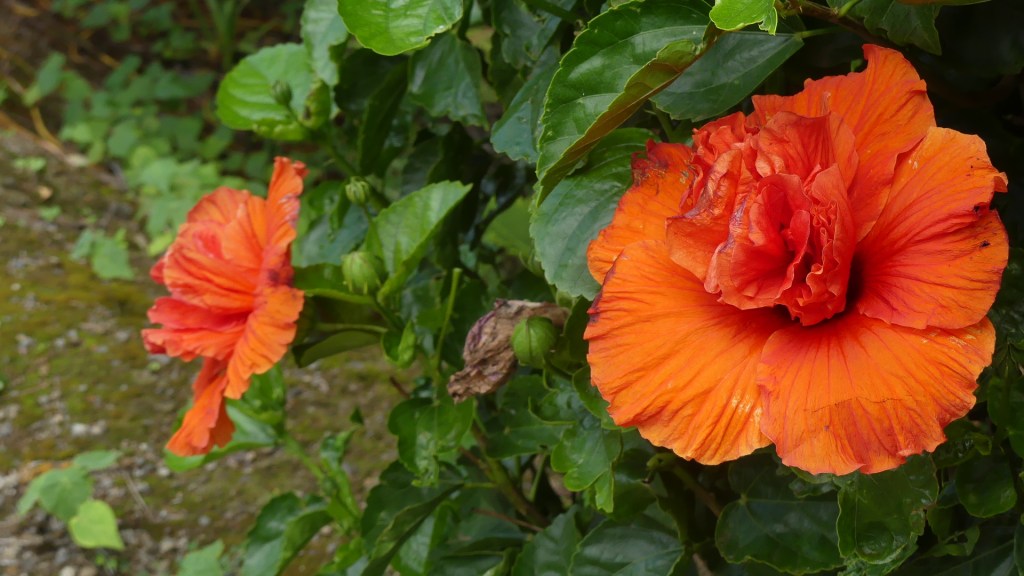
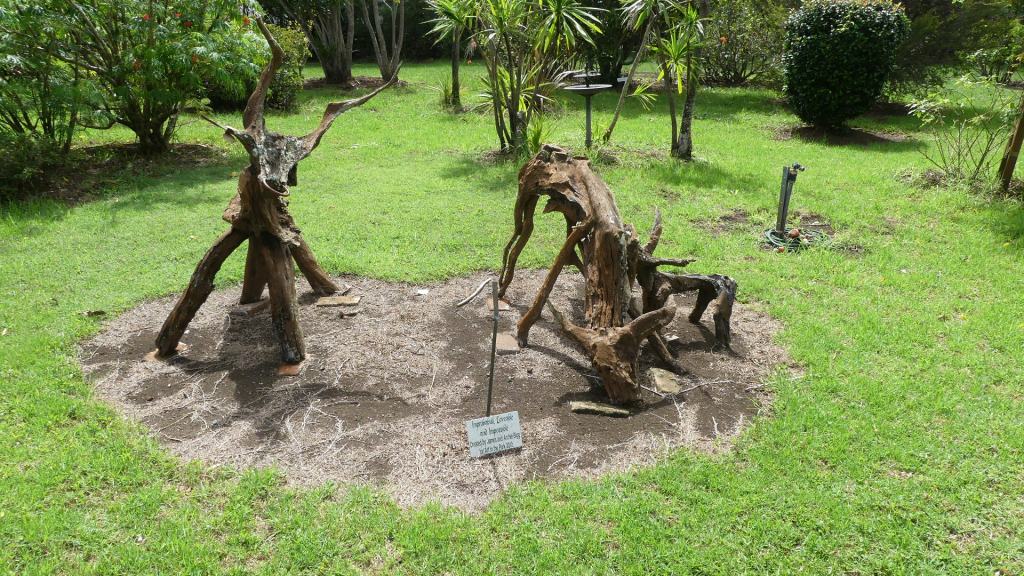
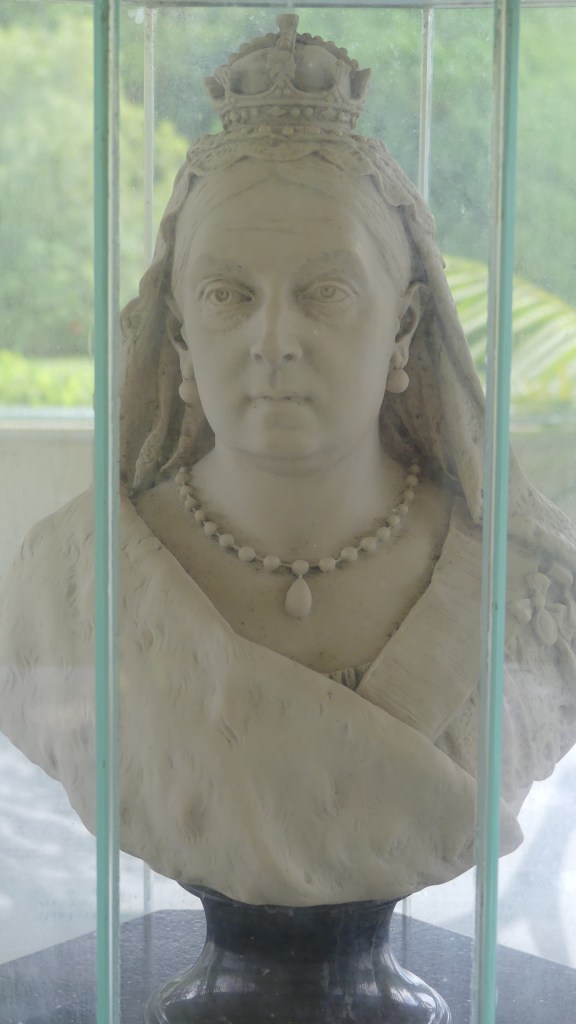
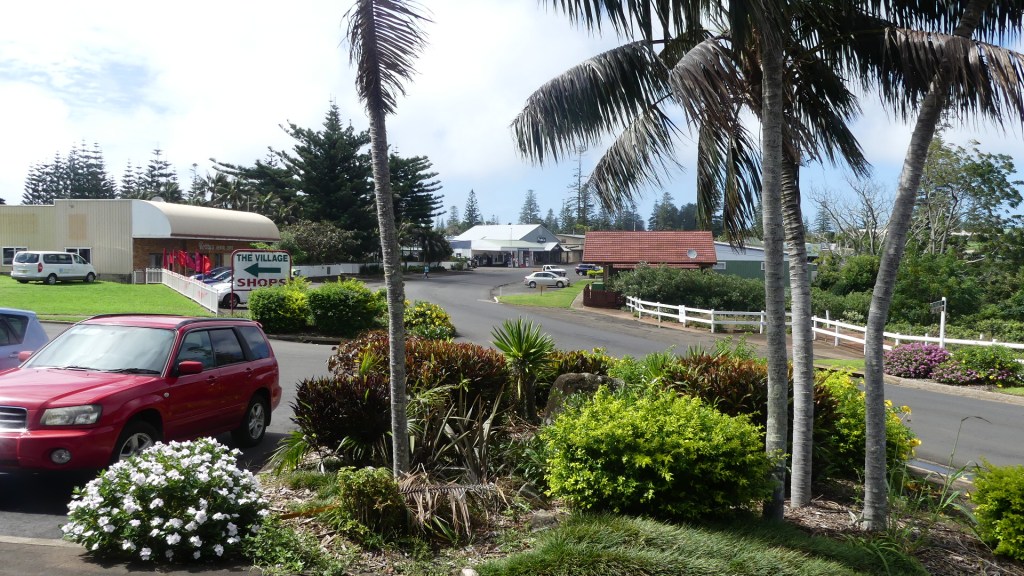
We drive around to the Pitcairn Islander Historic Village principally to see if we can get lunch at this restaurant that never seemed to be open and when it did, we could not get a table. It was not open, so we walked through Queen Victoria’s Gardens adjoining the restaurant and then to the Village which was also closed but we were taken by the colourful and large hibiscus bushes.
Photos
The day is coming to an end, so we look at the map to see where we have not been. Marsh’s Rd at Ball Bay stands out. We determine to check on the red tail tropic bird at the foot of the huge pine tree on our way there and sure enough he’s there and growing quickly.
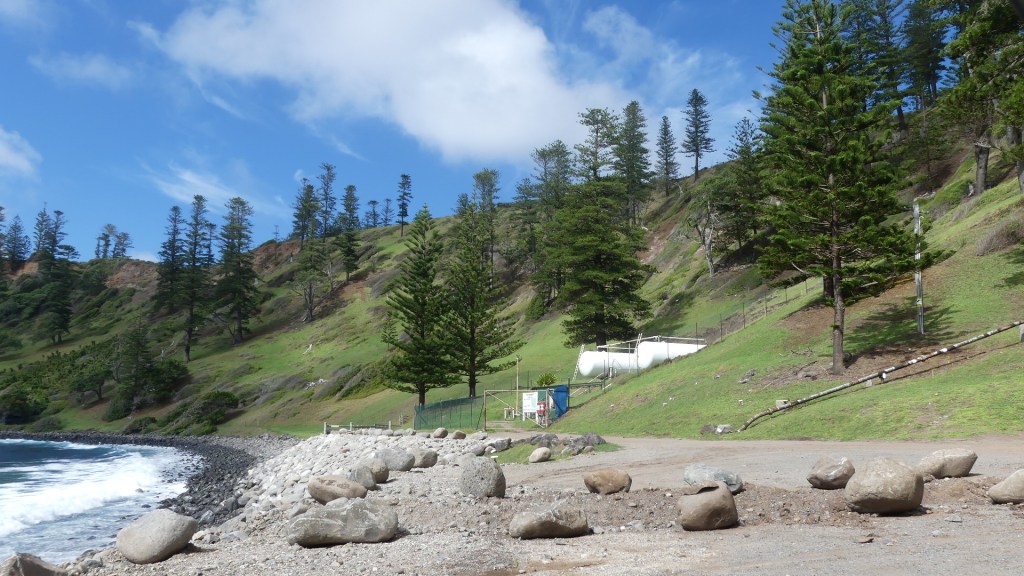
The map does not identify anything significant at Ball Bay, but we have time to kill and drive to Ball Bay. Here we find the port where petroleum is brought to shore, not by a pier or a tender but by an underwater pipe pumped directly into tanks on shore.
Photos
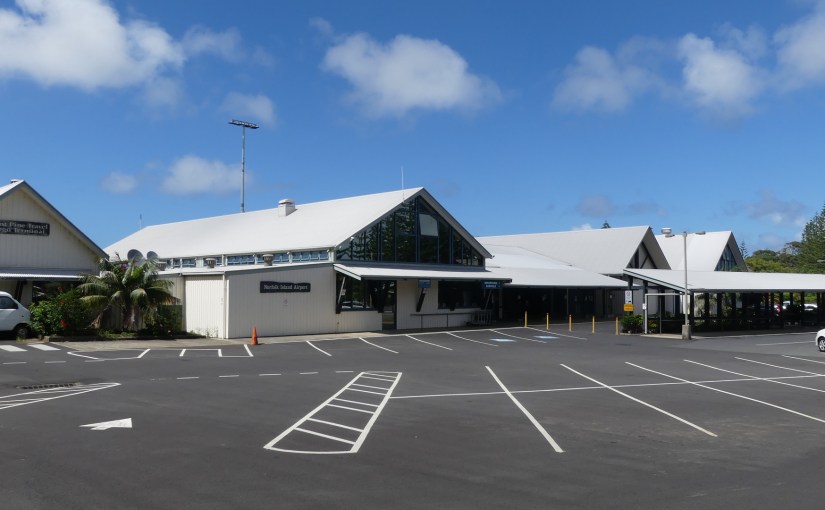
Farewell to Norfolk from the terminal. We enjoyed the break, and it was something I had on my bucket list to do. I am certain I would return but the slowness of life on the island would not suit Kerry at all.
What experiences await us today? A bus trip to Hundred Acre reserve then Ona Cliffe (we were there last night), breakfast, a bus trip to Captain Cook monument, bus trip back to Taylor’s Road and then what? You will have to wait and see.
Hundred Acre Reserve – we entered it by the alternate entrance as though the driver knew we had been here before. We made our way down to the point called Rocky Point and there we found Boobie chicks sitting in their nests waiting for Mum or Dad to come home with breakfast. Completely unafraid they sat there as we trundled past. The track on this side was not as wet as the previous occasion we visited but still we had to scrape the mud off as we reboarded the bus. Then off to breakfast and I was more taken by the breakfast catering vehicle than the breakfast, so I grabbed some photos. I also explored a little further and came across an enclosure for groups when the tourists are running hot presumably.
Photos
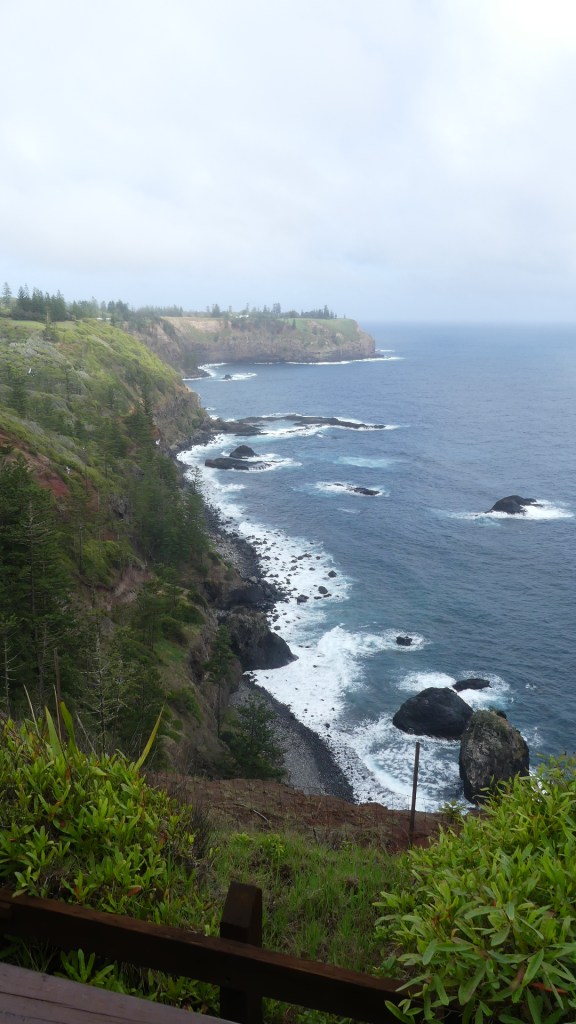
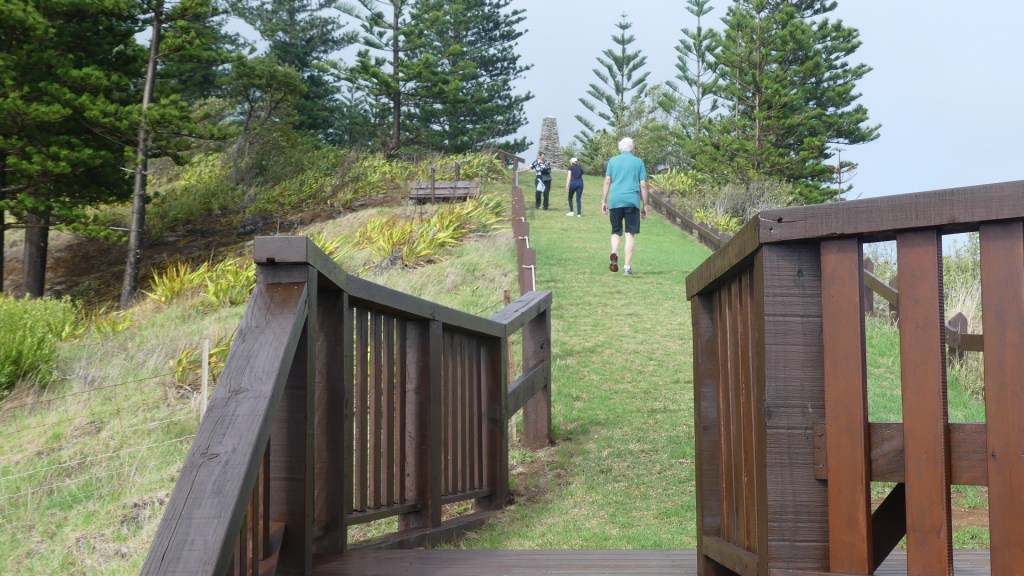
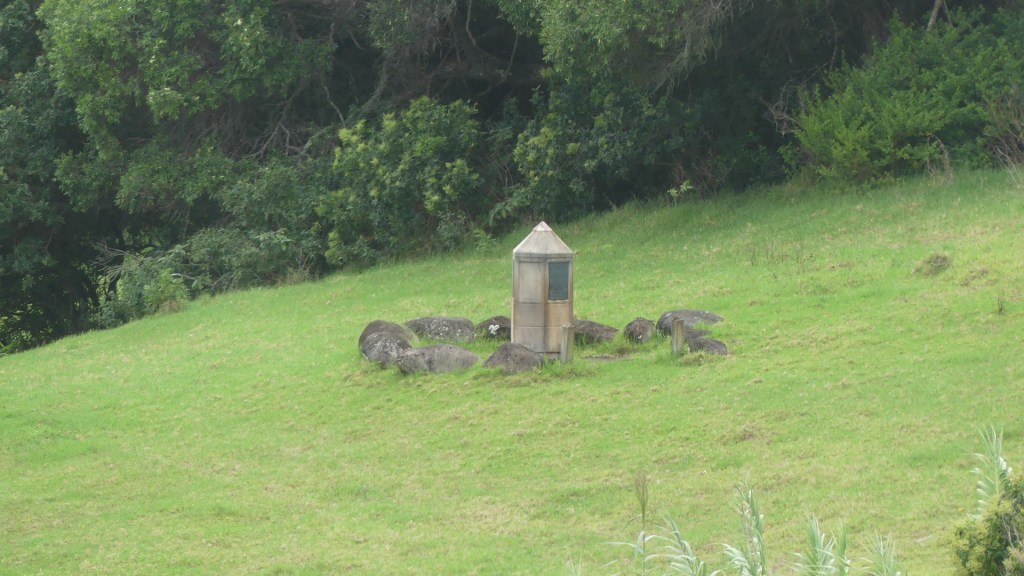
Then onto to the bus and we travel to the north-west of the island a few miles east from Howe Point where we saw the flying wedge tailed shearwater. After the bus lets us alight we are greeted by a stunning vista looking west to Point Howe. We then walk due north to the monument. It a rudimentary stone cairn with a plaque on it. The plaque tells us this is his second voyage of discovery. This voyage was designed to circumnavigate the globe as far south as possible to finally determine whether there was any great southern landmass, or Terra Australis. In the course of the voyage, he visited Easter Island, the Marquesas, Tahiti, the Society Islands, Niue, the Tonga Islands, the New Hebrides, New Caledonia, Norfolk Island, Palmerston Island, South Sandwich Islands, and South Georgia, many of which he named in the process.
Photos
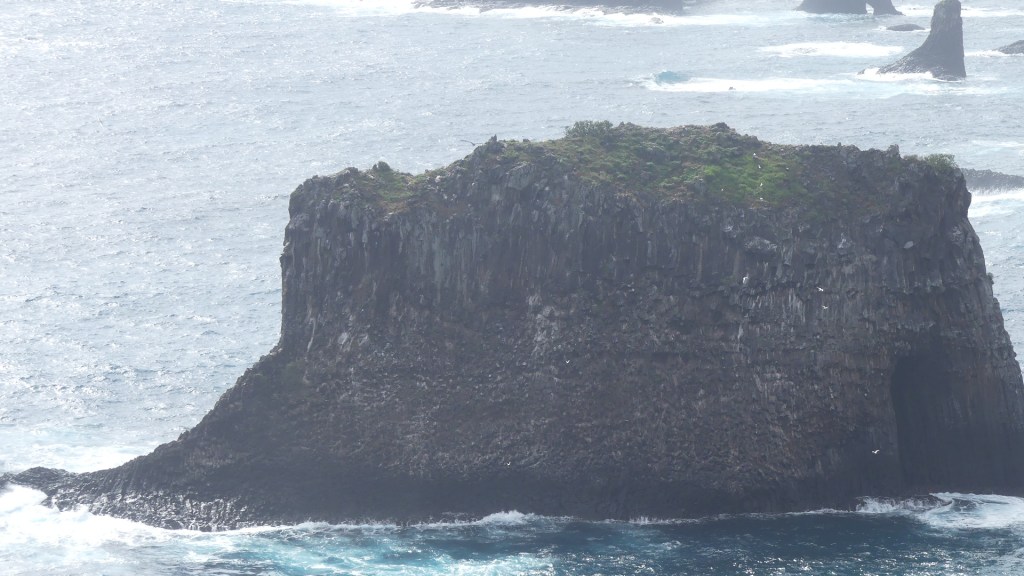
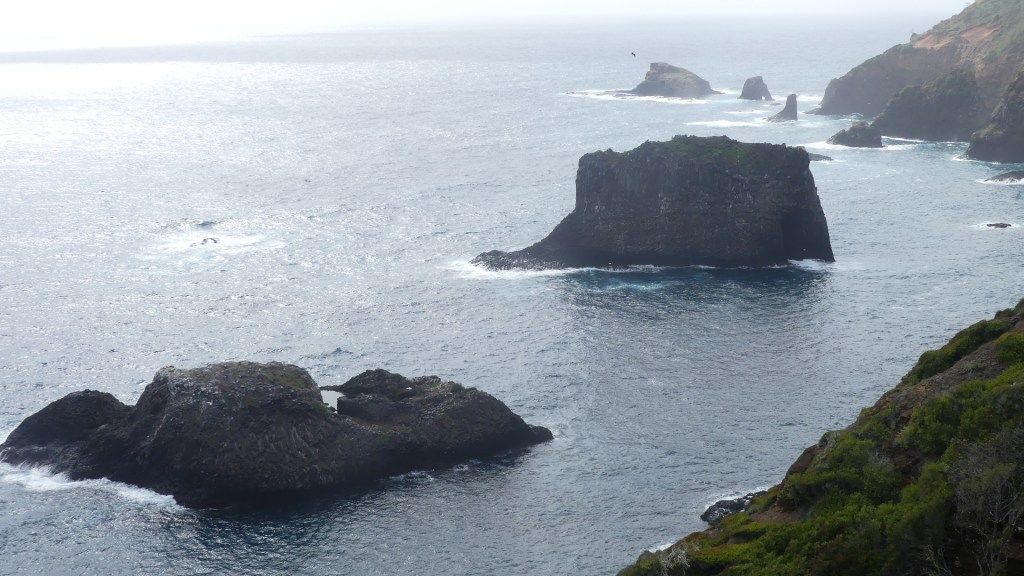
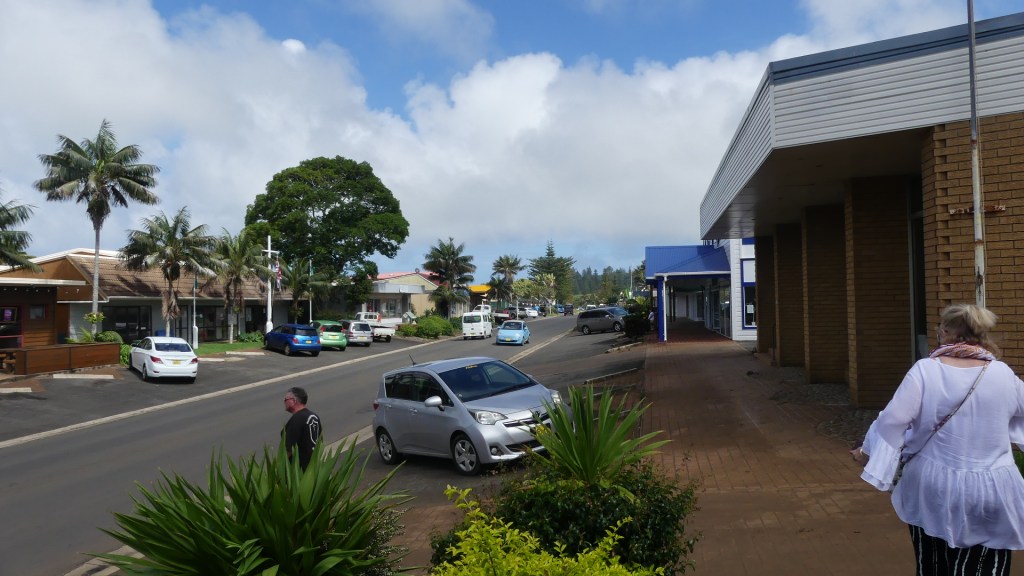
My photos also show Moo-oo Stone, Green Pool stone and Cathedral Rock. As we climb back to the bus we pass some pine trees draped in grandpa’s whiskers. This is quite a regular sight but often difficult to photograph. We board the bus and head for Burnt Pine central which is the name of the centre of the Island and where you will find the shops. My photos give you an idea of the “cbd” Norfolk Island. Whilst we were shopping Kerry put down her bag with her phone credit cards cash but not her passport. It was not until we went to a café for lunch that she found it was missing. After a lot of searching and help from locals (including placing an ad on the local radio) Kerry decided she would go to the Police station and report it missing with no expectations. Well, there she found it. Some unknown local had handed it in – joy oh joy! It may not be the most exciting or professional tourism spot on the globe, but it would have to have the most honest residents.
Photos
Whilst we were at breakfast there was a Covid outbreak in NZ and flights home were cancelled – de je vu! So, we have any day in paradise.
It was still windy, raining intermittently and grey overhead. We had planned to visit St Barnabas Chapel and then go on to the craft market. So, we went to church for the Sunday mass to see the church again and mix a little with the locals after church. Bindi was helping out on the morning tea.
The foundation stone was laid in November 1875, but the building was not completed until June 1880. The mission church, St Barnabas Chapel, was built as a memorial to Bishop Patterson who was killed by natives in the Solomon Islands in 1871. The chapel is simply beautiful. The four windows in the apse depict the four evangelists, the seats are carved and inlaid with Christian symbols in mother-o’-pearl, polished black and white marble paves the broad aisle leading to the sanctuary, which naturally is the most beautiful portion of the chapel, with its coloured marble floor, and glittering mosaic reredos screened with richly-carved wood. In the centre is a massive silver cross that has been made out of Bishop Patterson’s own table-silver, and this is flanked by silver candlesticks and vases of flowers.
After the mass we walked across to the hall where Bindi was serving coffee and cake. We collected our coffee and cake and started to mingle. We were mixing very well, until we were joined by a tall, stooped man who seemed to make everyone else fade away. He started to espouse the benefits of Christianity and we realised he was the local “bible basher”. Still, we enjoyed experiencing a Sunday mass Norfolk Island style. Our photos show some of the architecture and stained glass of St Barnabas Chapel which seemed very out of keeping with the rest of the Island’s architecture. In the fields surrounding the church was a monument which we were told marked the original church graveyard and the modern graveyard was within the church grounds.
The Chapel,the marbled aisle, stained glass, the original cemetery and the tree obscuring the toilets
Our plans to go to the craft market changed. We decided to do some independent touring. The highest point on the island is Mt Bates at 321m above sea level and there is a walk to the peak from the 2nd highest point Mt Pitt. So, we started today with a drive downtown then up Grassy Rd onto Mt Pitt Rd to the peak 320m above sea level.
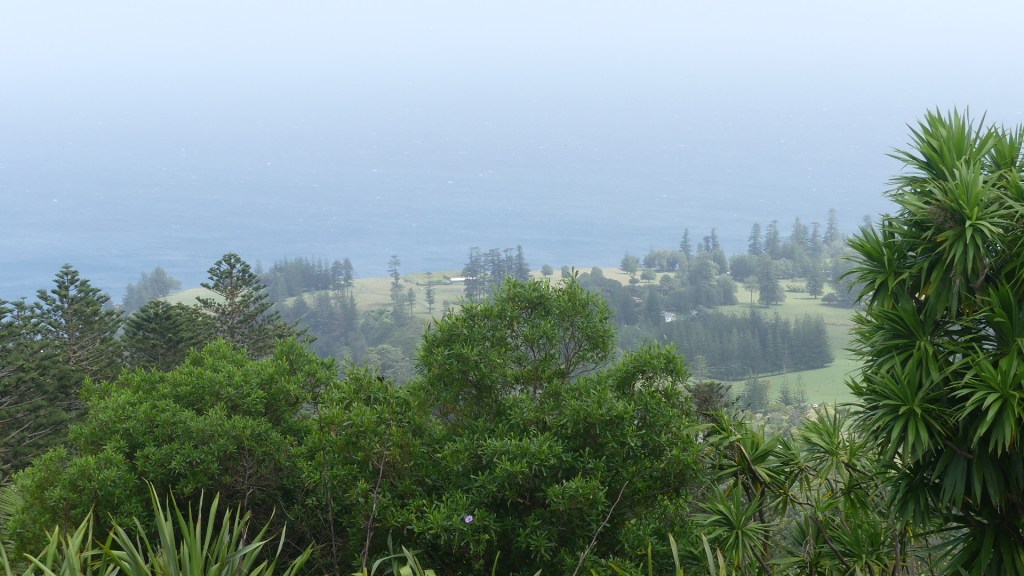
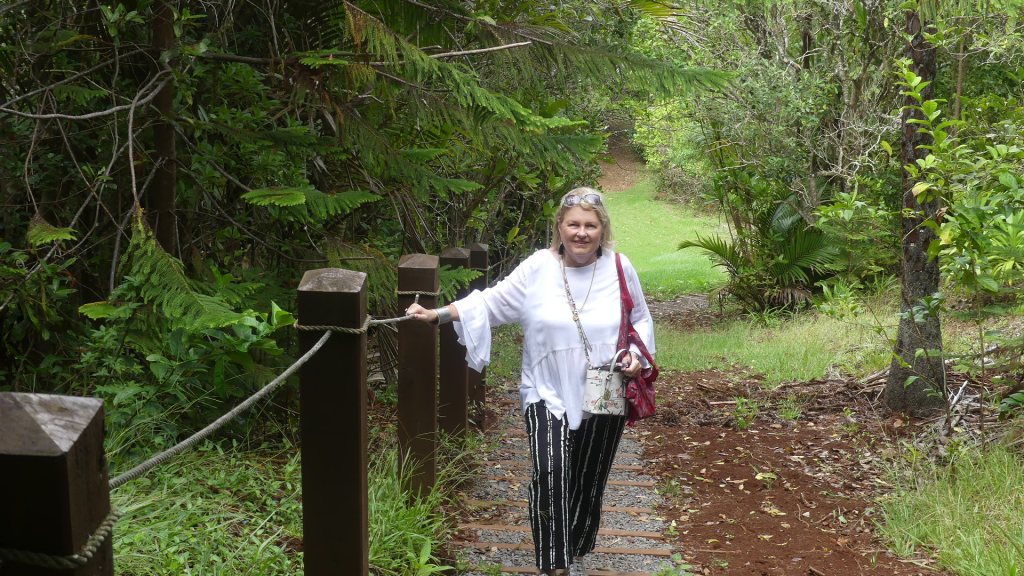
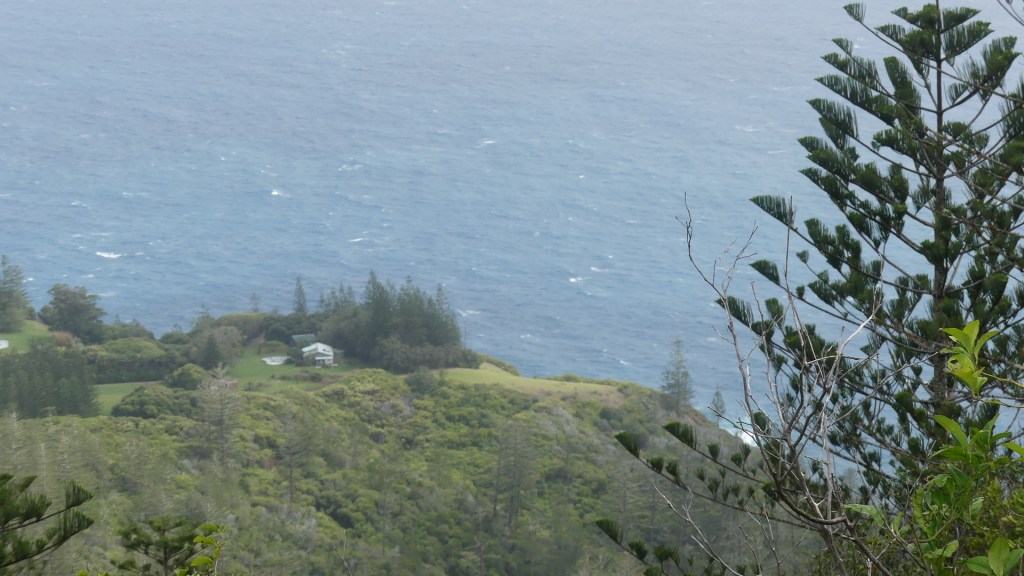
Our walk of 500m will give us a view to the north of the island. At the peak of Pitt there is a grassy knoll with picnic table and a vehicle round-about circling the grassy knoll. To the east is the track to Mt Bates. Shaded by the abundant growth along the track Kerry spotted butterflies and spent some time trying to photograph them. The walk was quite easy and relaxing. From here you could see the runway of the airport houses and ocean.
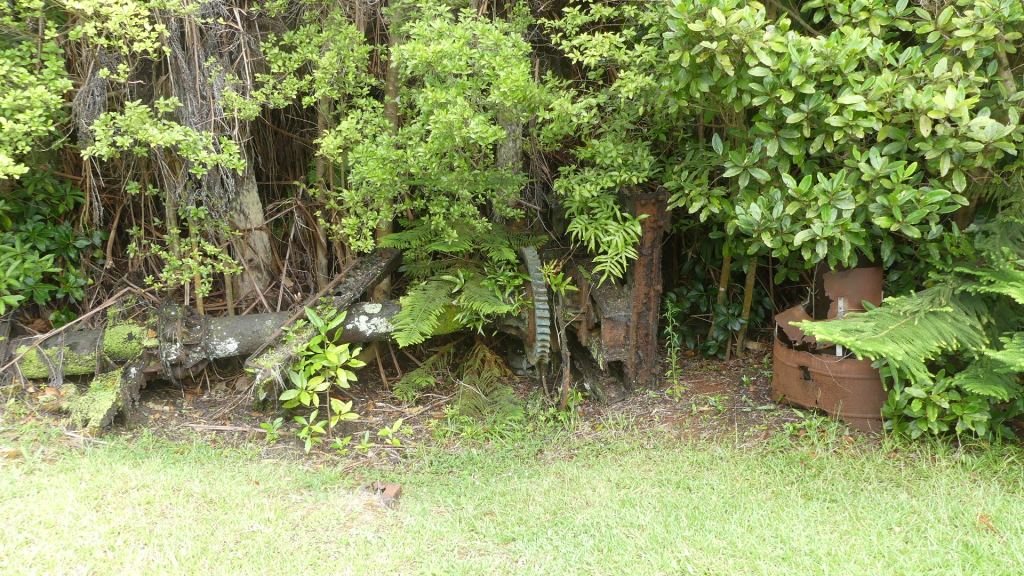
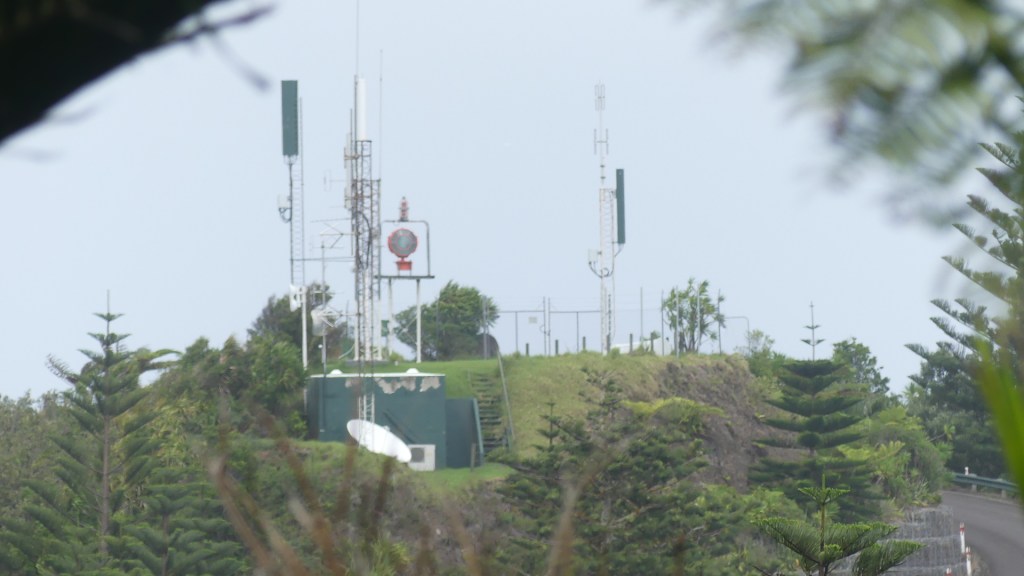
During WW II a radar station was set up on Mt Bates. There is little to tell the tale, but you can go and view the cement slab on which the radar shack once stood and observe a derelict piece of machinery which played some role in the operation. Then you climb to the peak of Mt Bates where there is another grassy observation platform from which you can observe the modern telecommunication dishes on Mt Pitt, the ocean and some houses. Nothing really remarkable. There are a number of paths leading away from the peak to who knows where, so we elected to return by the route whence we came. As we returned, we pass some tourists like us taking a stroll from Pitt to Bates. These are the only people we will see on the walk. We arrive at Pitt get in the car just as the rain commenced to fall, look at one another and ask what now. Before revealing the next adventure, here are my photos.
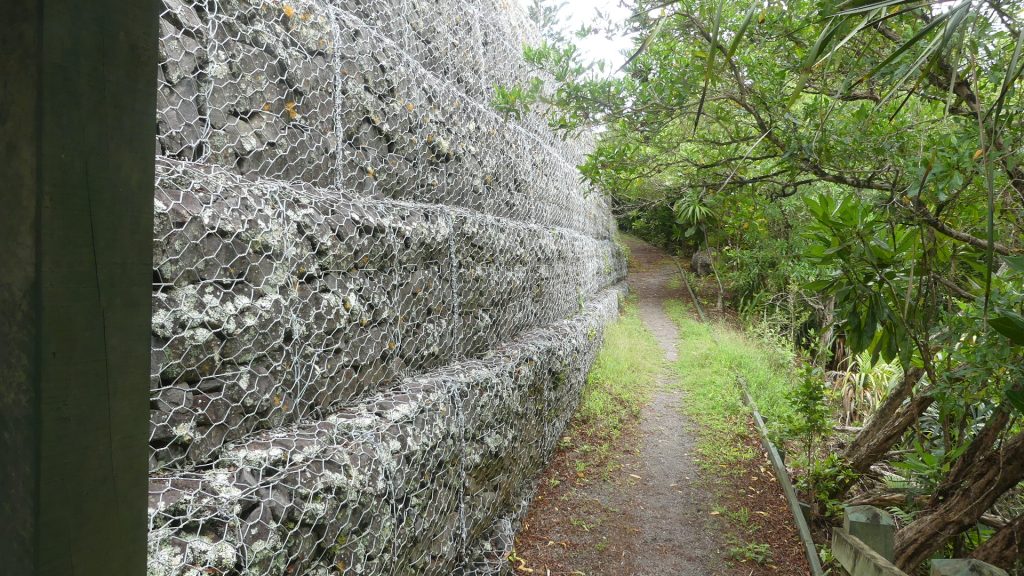
From the top of Mt Pitt, follow the walking track, pass the remenents of the radar station, to the top of Mt Bates and view the radio towers on Mt Pitt then walk back (having a little rest) passed the wall of caged rocks and back to Mt Pitt.
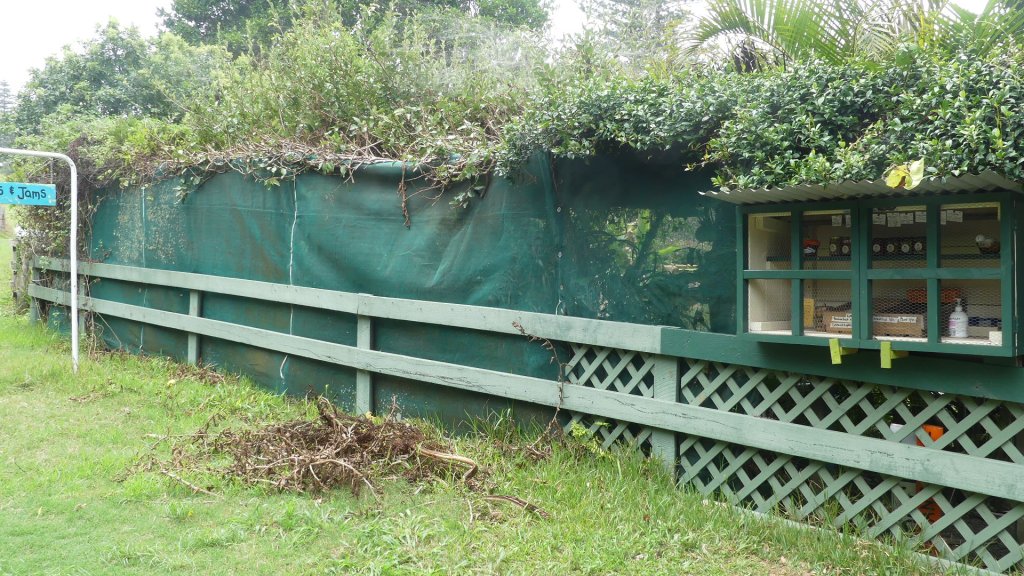
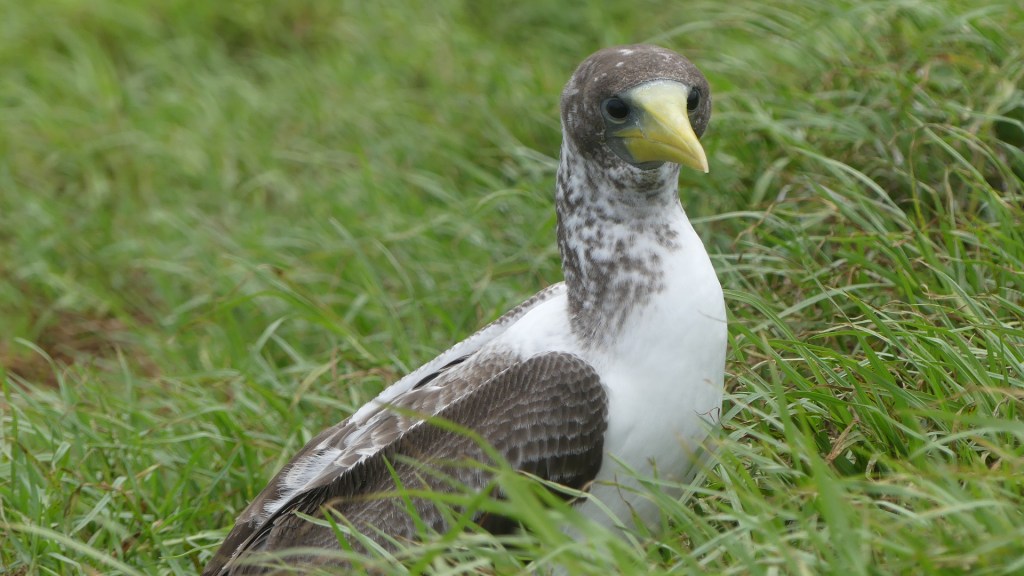
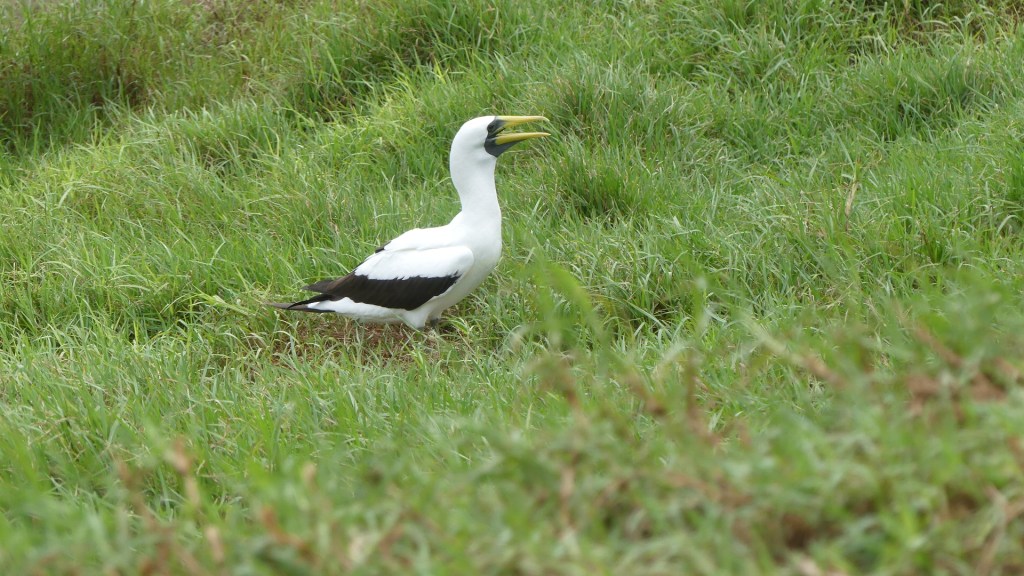
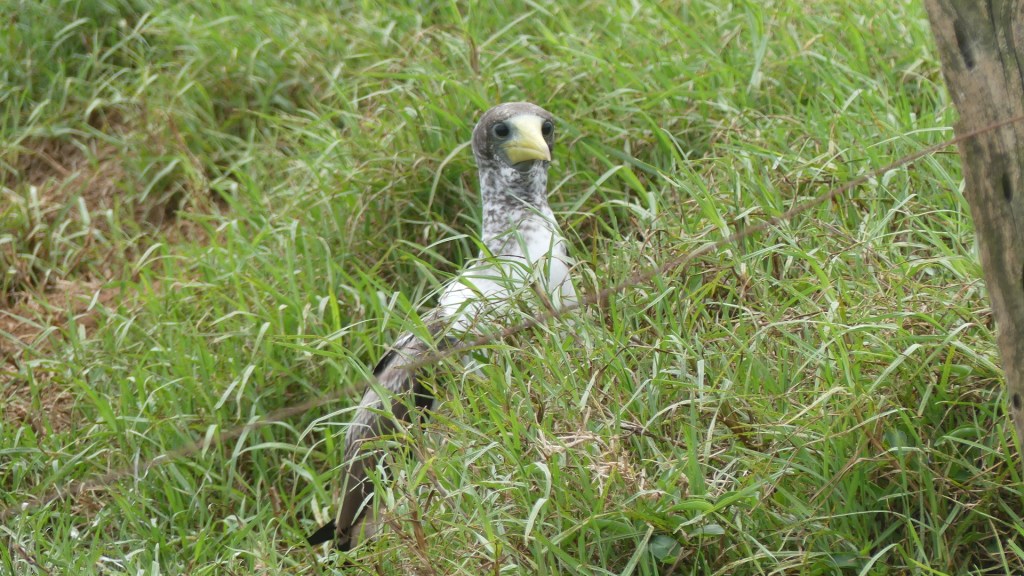
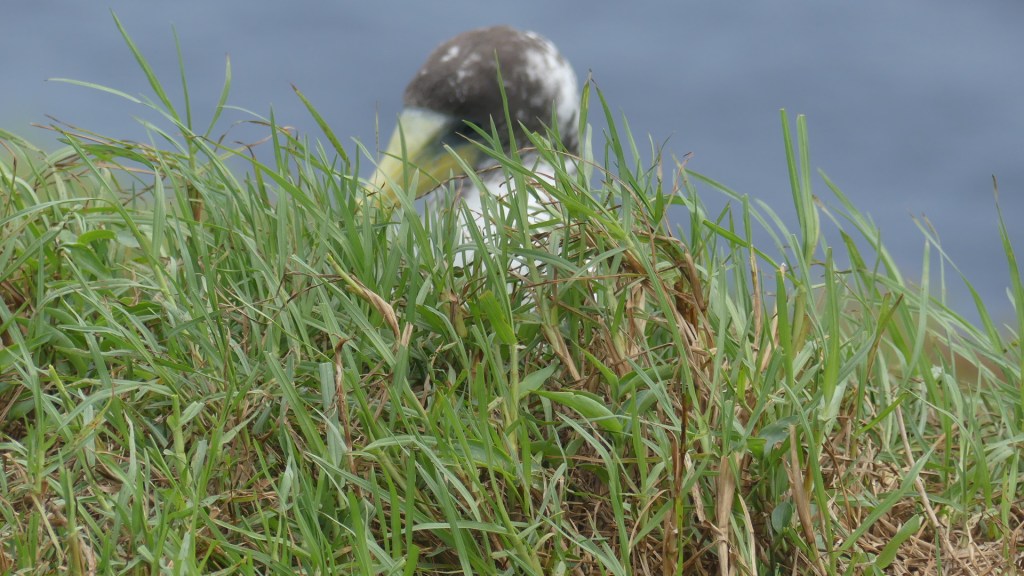
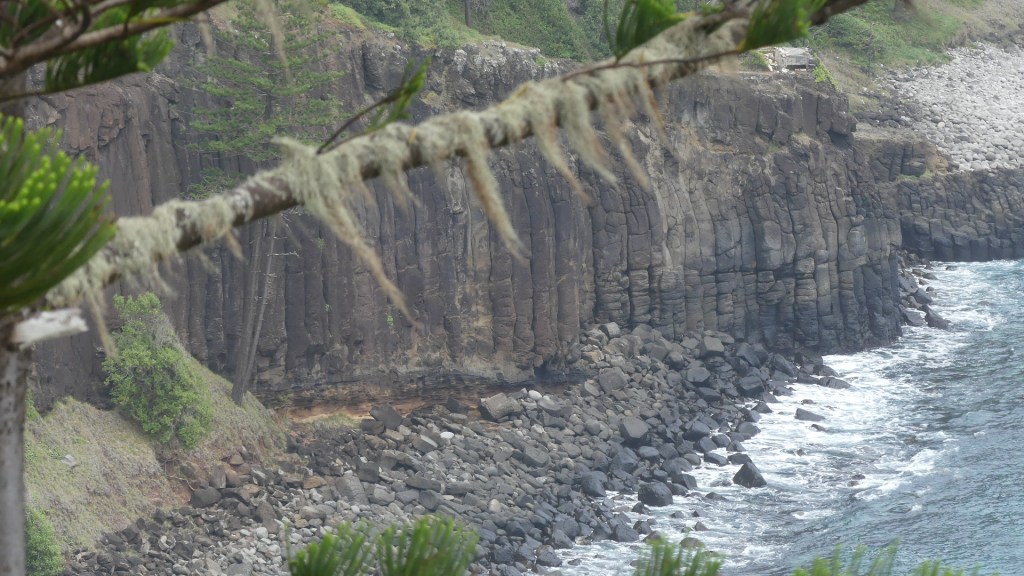
We decided we would look at the north west of the island so we drove along Mt Pitt Rd into Mission Rd and partway along spotted a local “honesty stop” offering local honey jams and fruits. We both immediately thought of suggesting this style of selling to Mrs Hayes for all her surplus jams and pickles. I cannot recall what we bought probably local honey and pushed on to Ona Cliffe taking a righthand turn to Anson Bay Rd. I am pretty sure this was the first time we spotted the Sunset Bar at Puppies’s Point. It was closed at the time but we noted the opening hours and the owner spotted us taking a booking for the following evening. We pulled in at the park overlooking Anson Bay and moved onto the Gun Club. There are two establishments side by side – the pistol club and the clay target club – both perched on Anson Point home to a Masked Booby colony. There is a fence on the cliff edge to keep people and cattle from falling in the many Booby holes where they nest. The birds were not frightened by people and I was able to get very close to them. They are quite a large bird and certainly seem to have worked out how to share its habitat with Sapiens.
The honesty box, Anson bay, the wall of Anson Bay, the Booby nests and the occupants and the opposite wall of Anson Bay
We drove on to Point Howe following the wind and standing in a howling gale we spotted a wedged tail shearwater. Watch the ocean at sunset and you may sight a shearwater floating on the water or on the air currents before coming ashore just after nightfall. Known to the locals as ‘ghost birds’, you can hear their moaning calls echoing across the island at night. Shearwaters cover vast distances during their annual migration, travelling as far as 300 km a day on their way to Norfolk to breed.
Photos of Anson Point and Point Howe
We visited Cottage Pottery at the very end of Anson Road opposite Fisherman’s Lane before heading back to the Sunset Bar. Cottage Pottery and Art Gallery is in the backyard of a house on one of the remoter parts of the Island, but it is not the backyard pottery shop. The proprietor Steve Ryves told us that they were noted for producing high fired stoneware and porcelain. Steve is the potter and Alison paints and makes jewellery. Their work is exhibited in a gallery attached to the pottery. As you enter there is a pen of kids (goats). It turns out that their daughter has the main herd and produces goats cheese of some quality and renown on the Island. We promised ourselves we would find her farm as she does tastings but alas it was not to be.
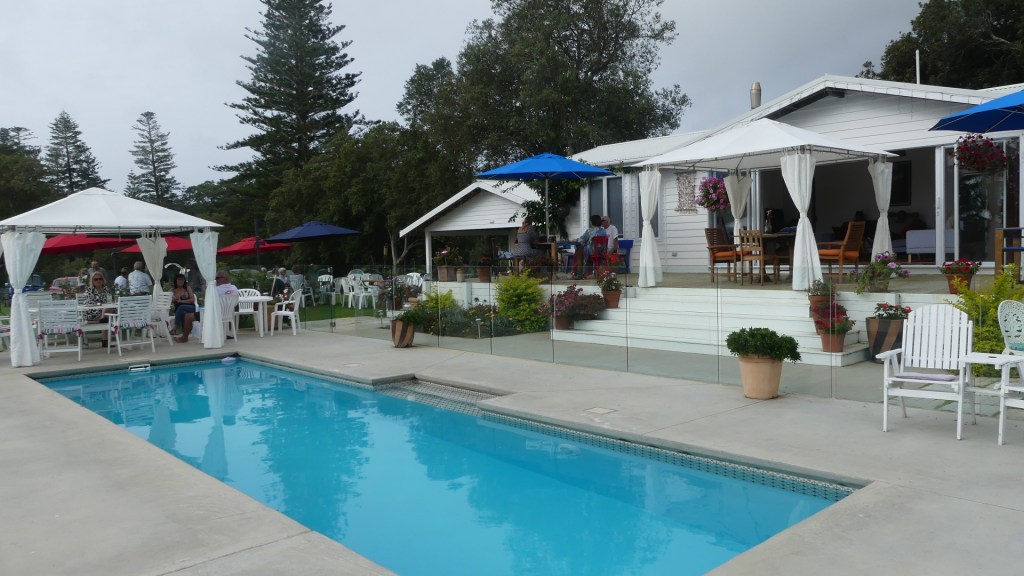
The Sunset Bar near Puppies Point is a relaxed outdoor licensed venue providing full bar facilities with tasty platters (both hot and cold),exotic cocktails, stunning sea views and Great music and vibe. It looks like a house on a large block until opening hours when the locals and tourists book to visit for dinner as the sun sets. The trio on guitars entertained us but all looked familiar – I think one was our bus driver on one occasion.
We sat with a couple who managed one of the accommodation resorts on the island shared a few drinks and something to eat but it was all a bit tame. They had not advertised that they were opening so they only attracted the locals (on purpose is my guess), it was overcast, and the sunset was obscured – so there were a few reasons it was a bit flat and quiet. After driving home, we decided it would be a good night to read a book at the unit.
















































































































 glendon1954