
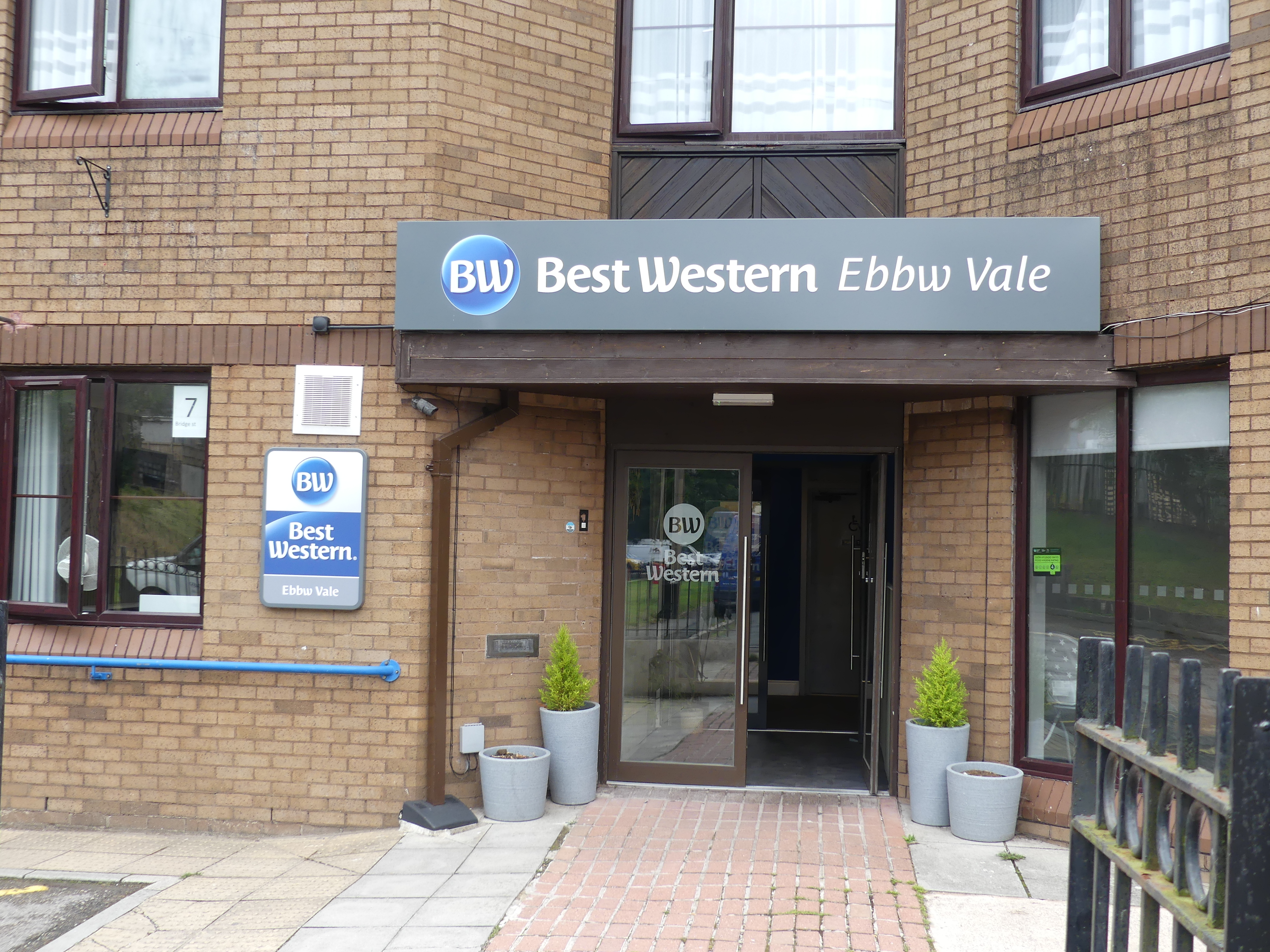
We leave Pembroke to find our way to Best Western Hotel at Ebbw Vale. This proves to be an effort as the hotel is a former Government Health Services building and our GPS cannot find it. With a bit of guess work we strike it lucky and the proof can be seen below. This is a strange configuration, and our room is tiny with a view of the remaining health service building entrance to look at. After moving our bags into the room I find I have a water leak beside my bed but not significant enough to warrant moving rooms even if there were a room available. The good news is we have internet, but the bad news is there is no coffee making facilities or fridge in the room. Good news they don’t mind if we prepare our breakfast in the breakfast room. Management and staff are very easy going but the hotel leaves a lot to be desired. It will do for a few days. The photos below are from Ebbw Vale – not a lot of interesting things. We had chosen the town for accommodation not for sites to see.

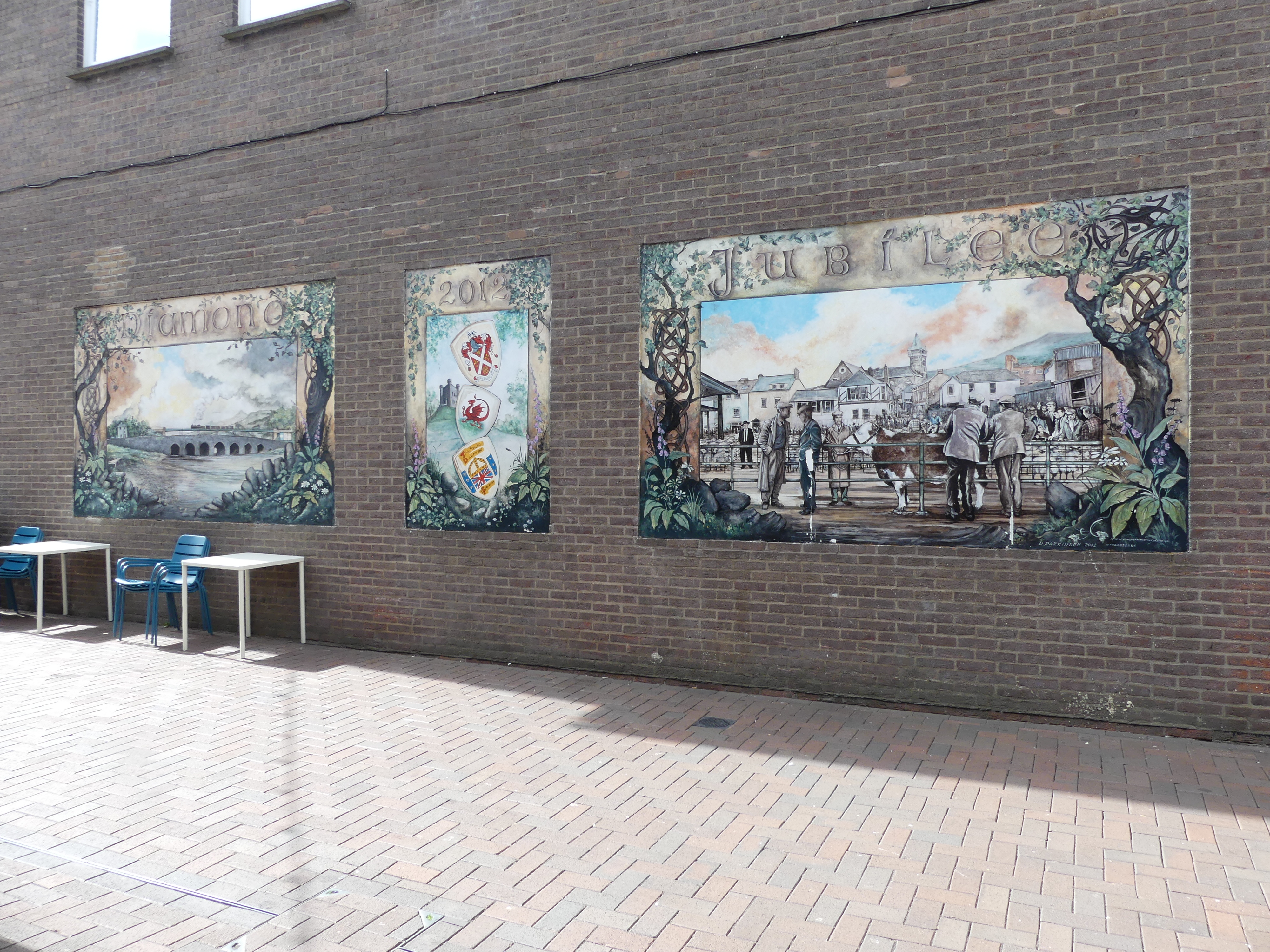
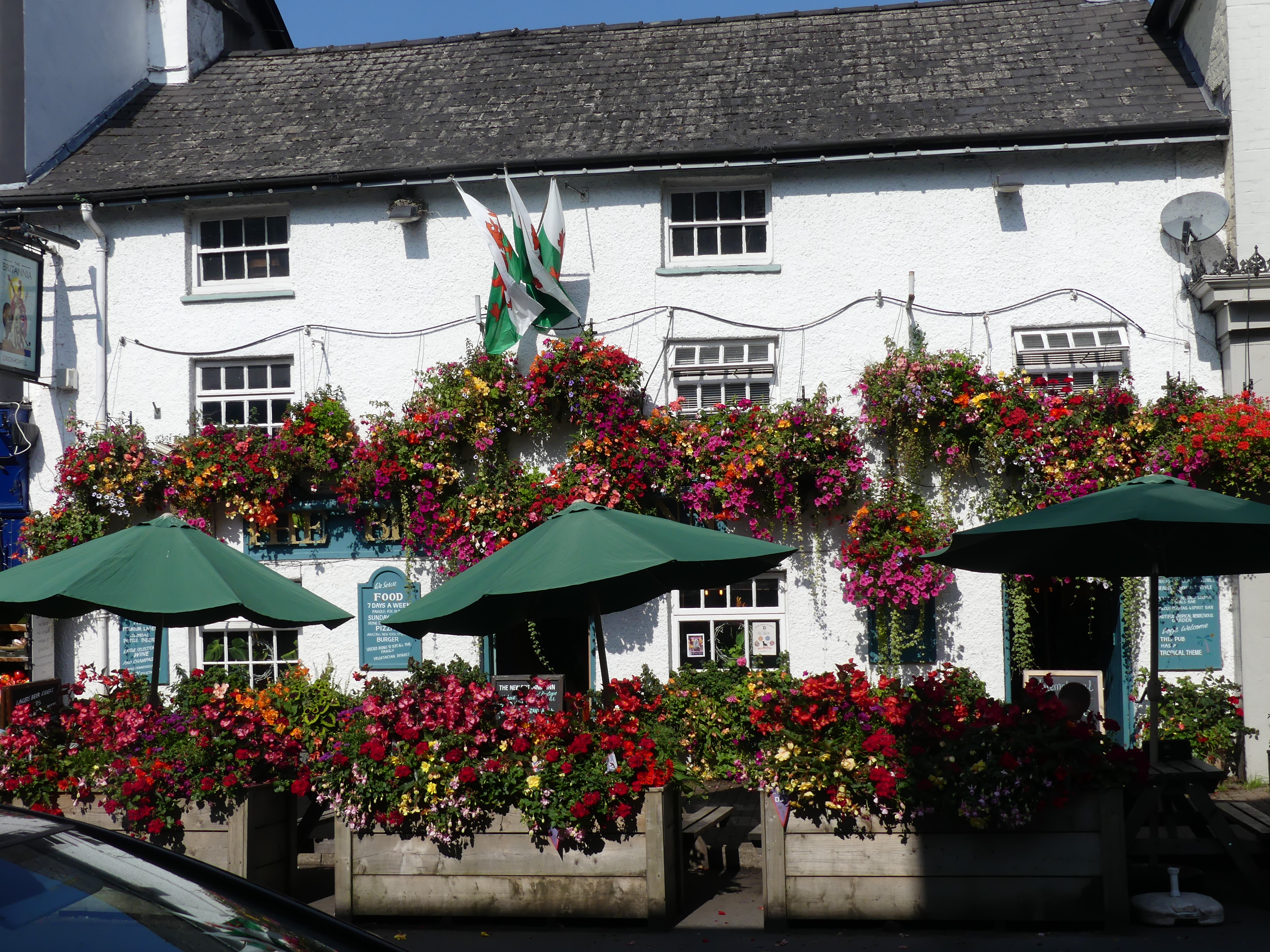
After our hearty breakfast of cereal and coffee/tea we prepared a picnic (we brought our own flask, Vegemite, honey and butter which we keep cold on the window sill whilst putting our milk in the Hotel’s kitchen fridge). We drive to Crickhowell the epicenter of this region. We parked behind the information centre and were confronted by the call to arms for the Rotary Duck Race (note the venue “Bull Pit Meadow” how rural is that) after which we walked the main street of the village – from the Bear Hotel to the castle ruins. The streets are narrow (Kerry has to step onto the road to continue on the footpath) and the castle is a ruin and now the centre piece of the kids playground in the community park. There are bits and pieces of the castle, its keep and defensive wall within the village. The photos show part of a tower, a disconnected part of the wall set 3 m above part of the inner keep and a section of a second tower. From the top of the inner keep we have a view over the whole of the town into the hills.

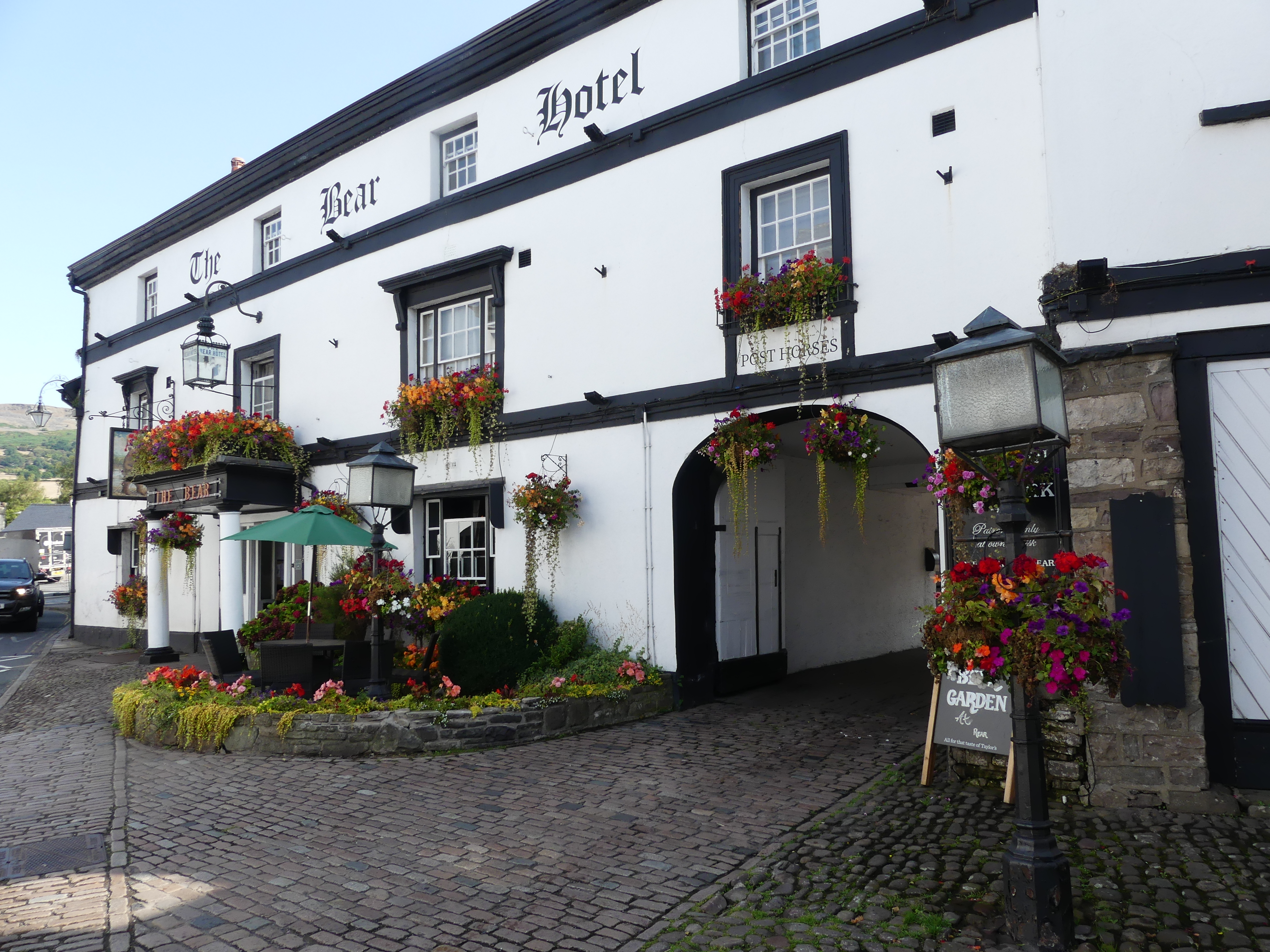
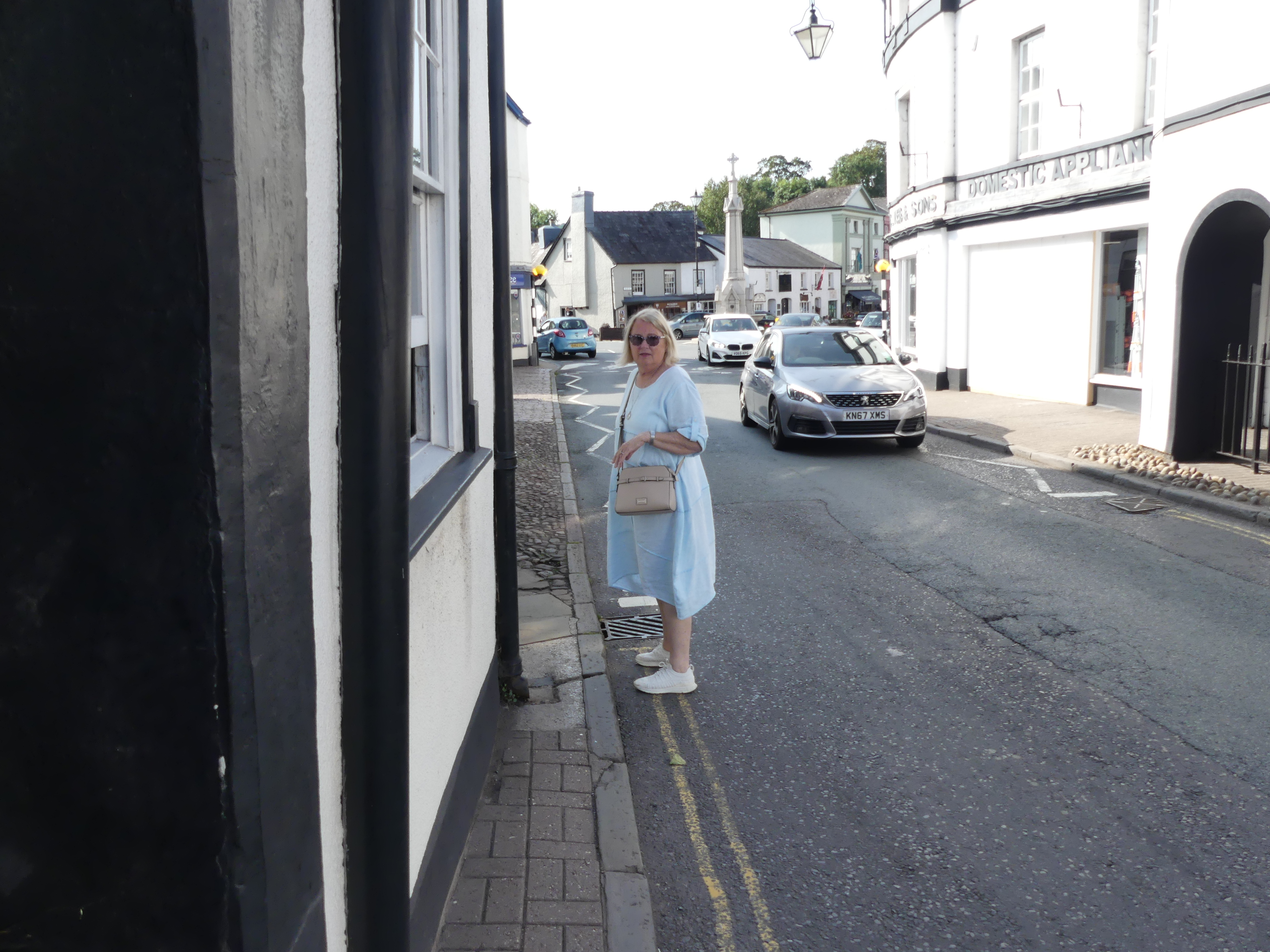
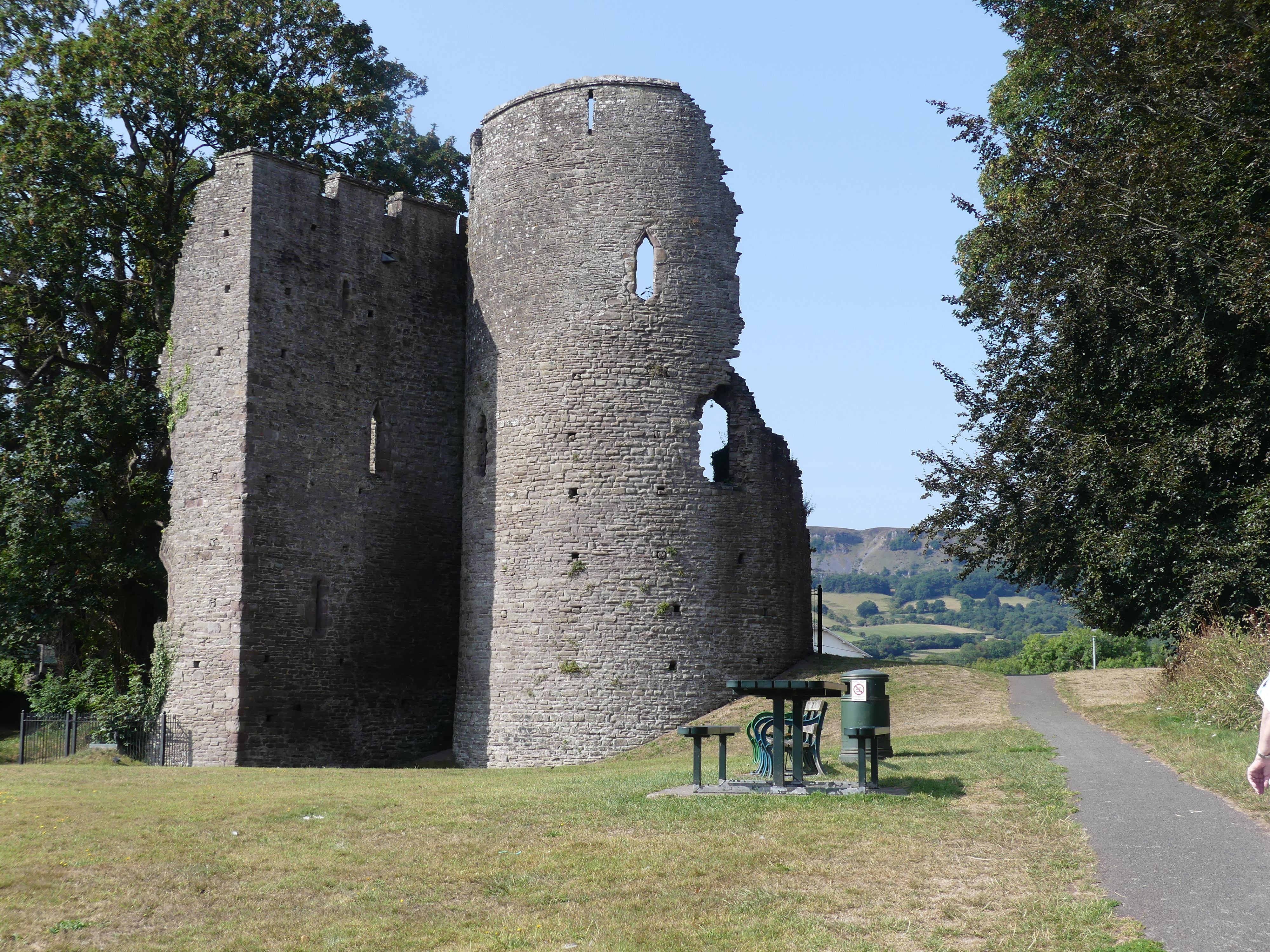


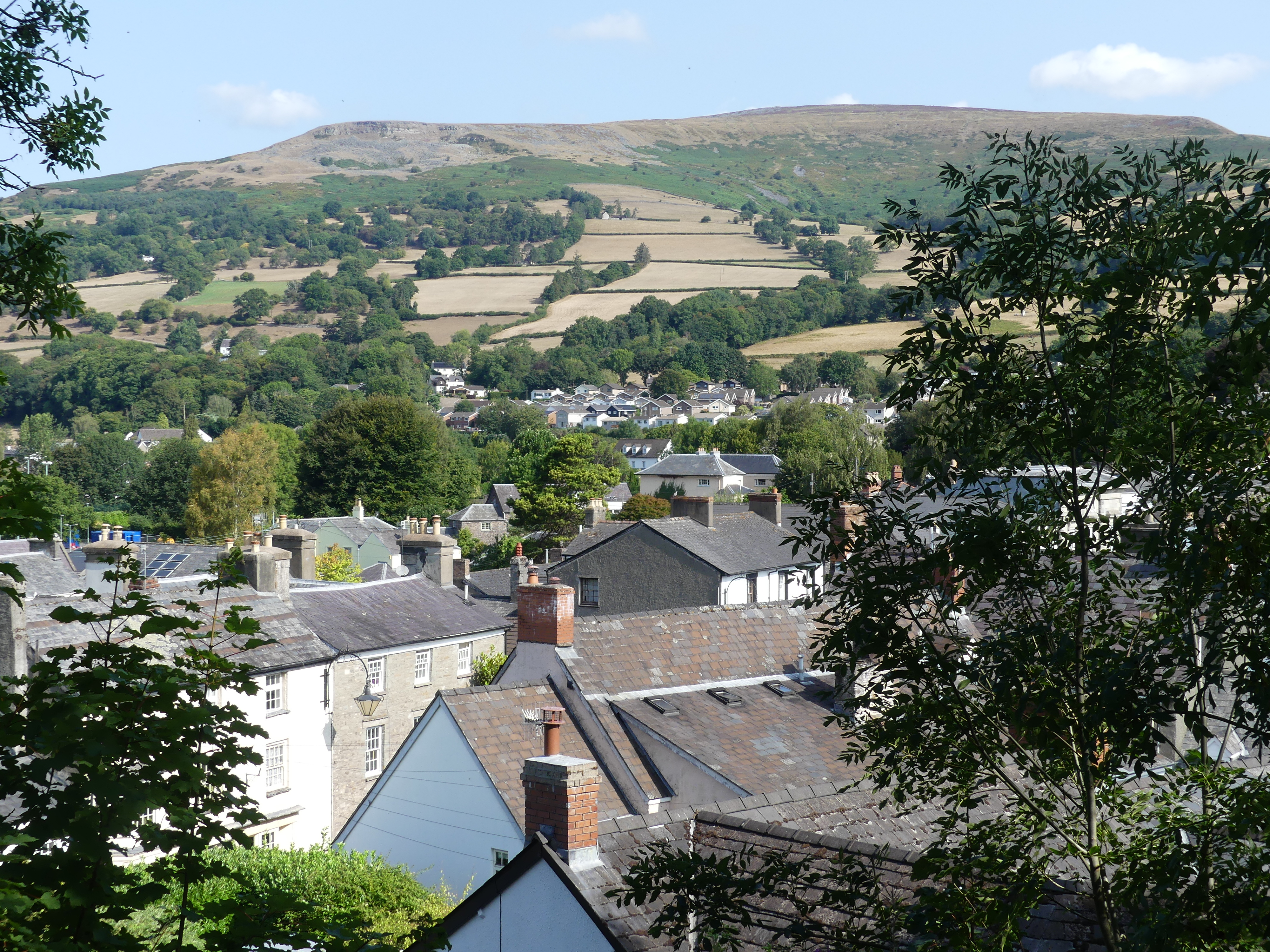

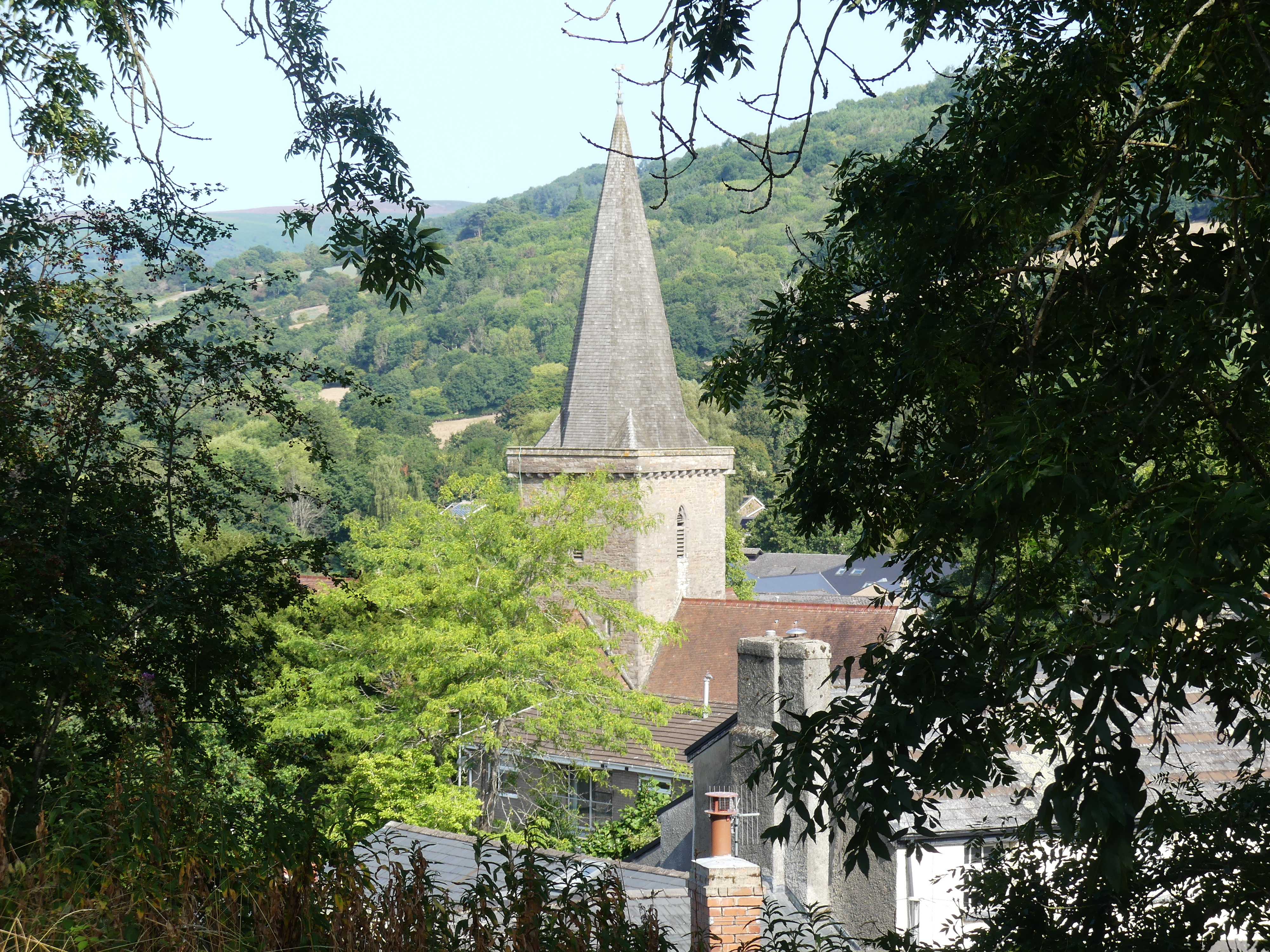
We spy the spire of the local church and return past the old Bear Hotel where we find another part of the defensive walls being used as part of their front fence. Very quaint. We move onto the church we had seen from the ruins which turned out to be St. Edmund’s Church (Eglwys Sant Emyr). Inside the church is a record of the early history of life in Crickhowell – 3 sarcophaguses with death images formed on the top of the container – time had rendered the dates of the internment and identities illegible. The interior of the church was simple and dignified. In the church yard the former members of the community having passed over are recorded and remembered.


The countryside was vibrant and green. I am certain we had a coffee and cake before we returned to the carpark. My photo below is the countryside – don’t go searching for us drinking coffee.

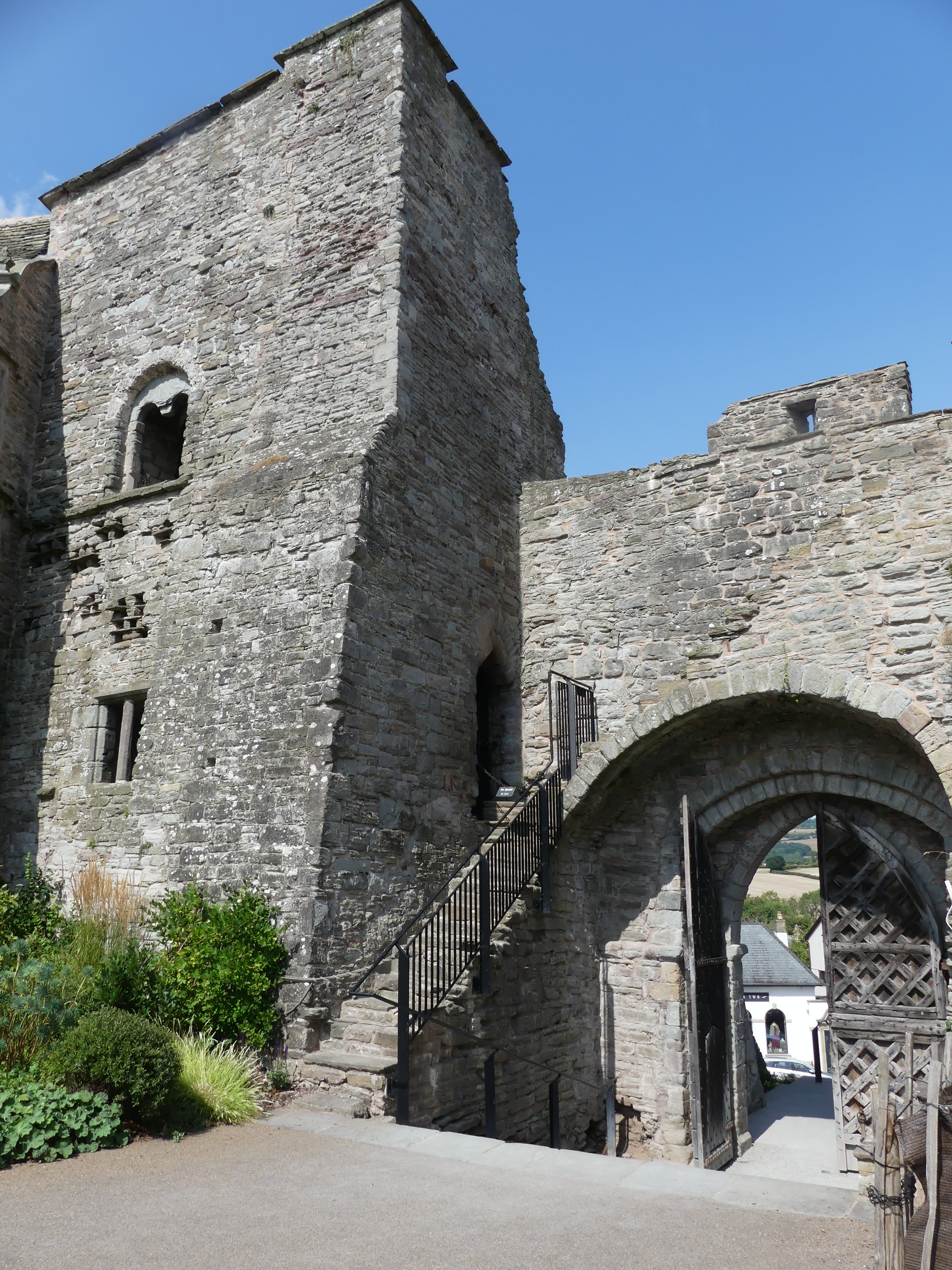
Part of our reason for coming to the Wye River valley is to visit Hay on Wye famous for the bookshops that can be found in the village. However, I was not expecting to accidentally come across another ruin just off the country road. A moat and bailey castle from Norman times – it has likely been slowly demolished by farmers pillaging its stone until the ruin was included in the Cadw Trust. It turns out to be the ruins of Tretower Castle.

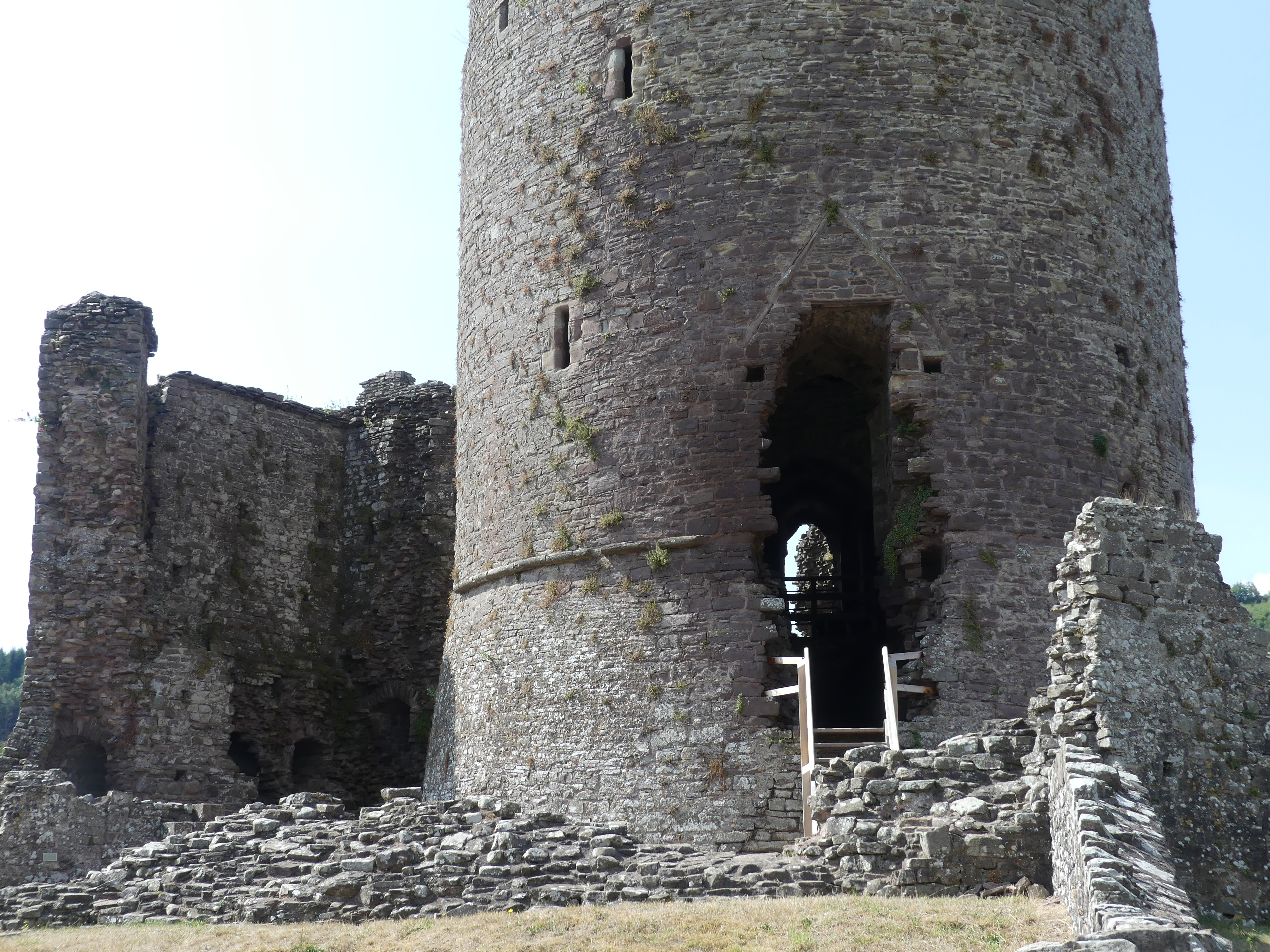
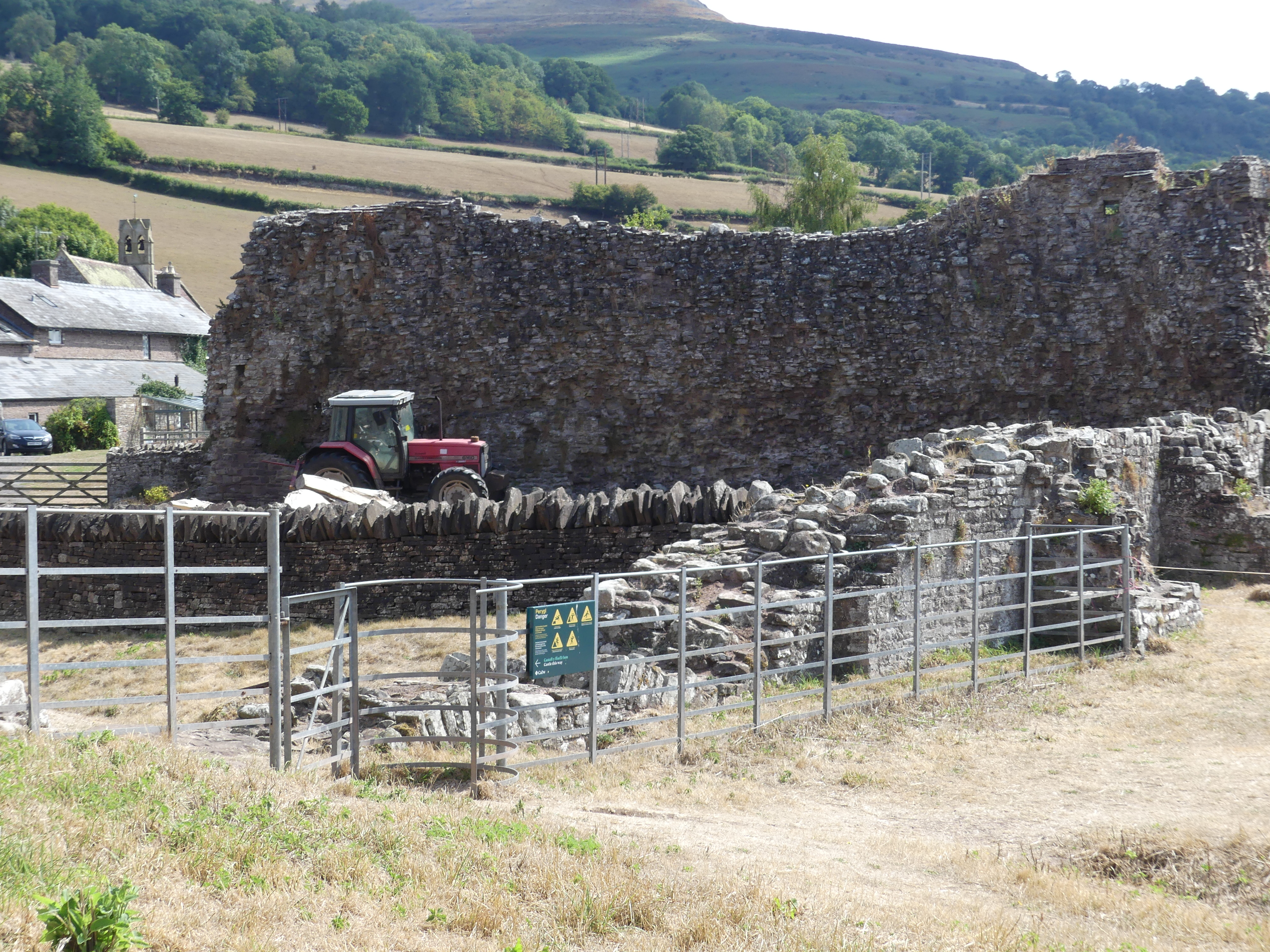
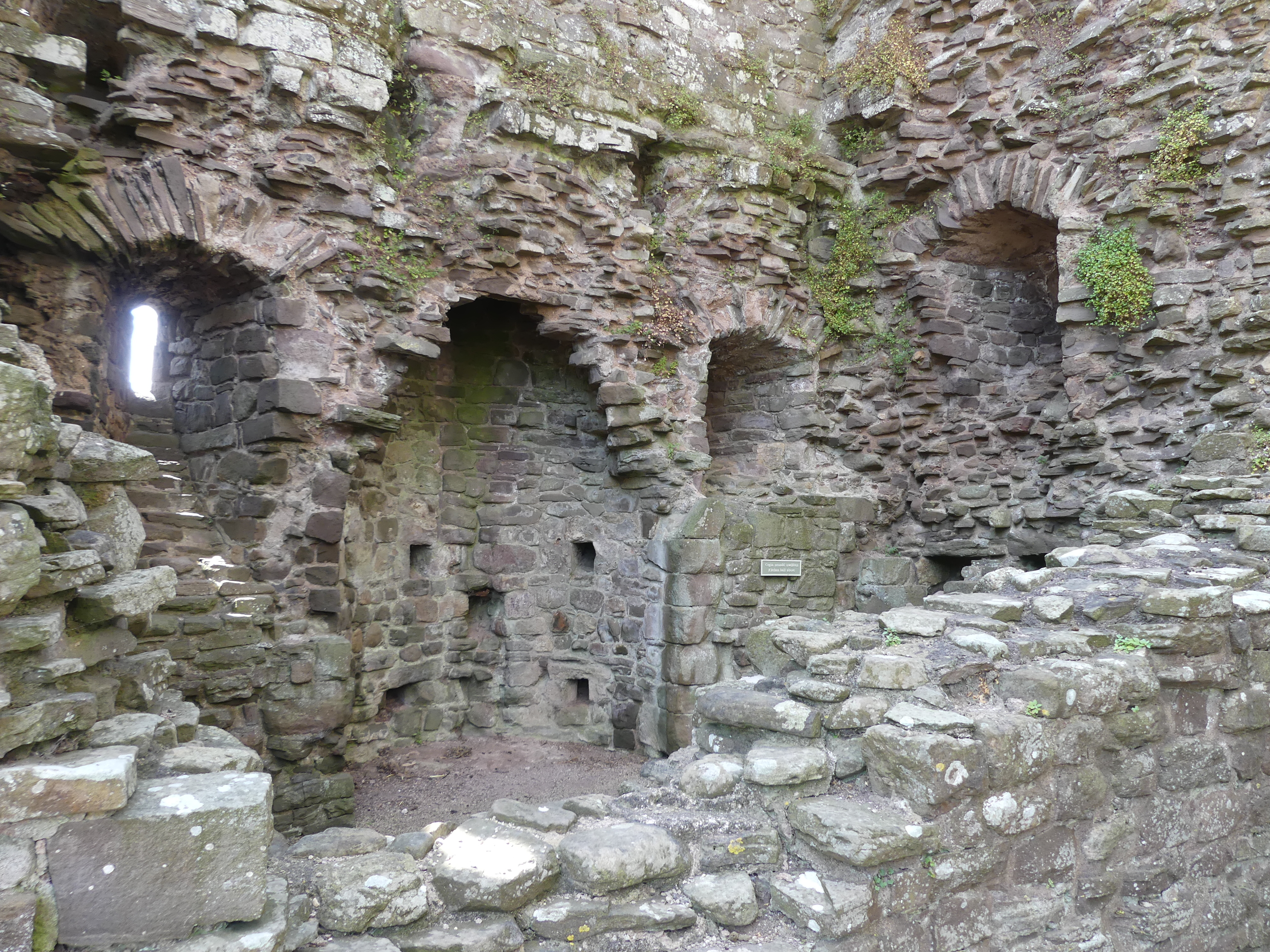
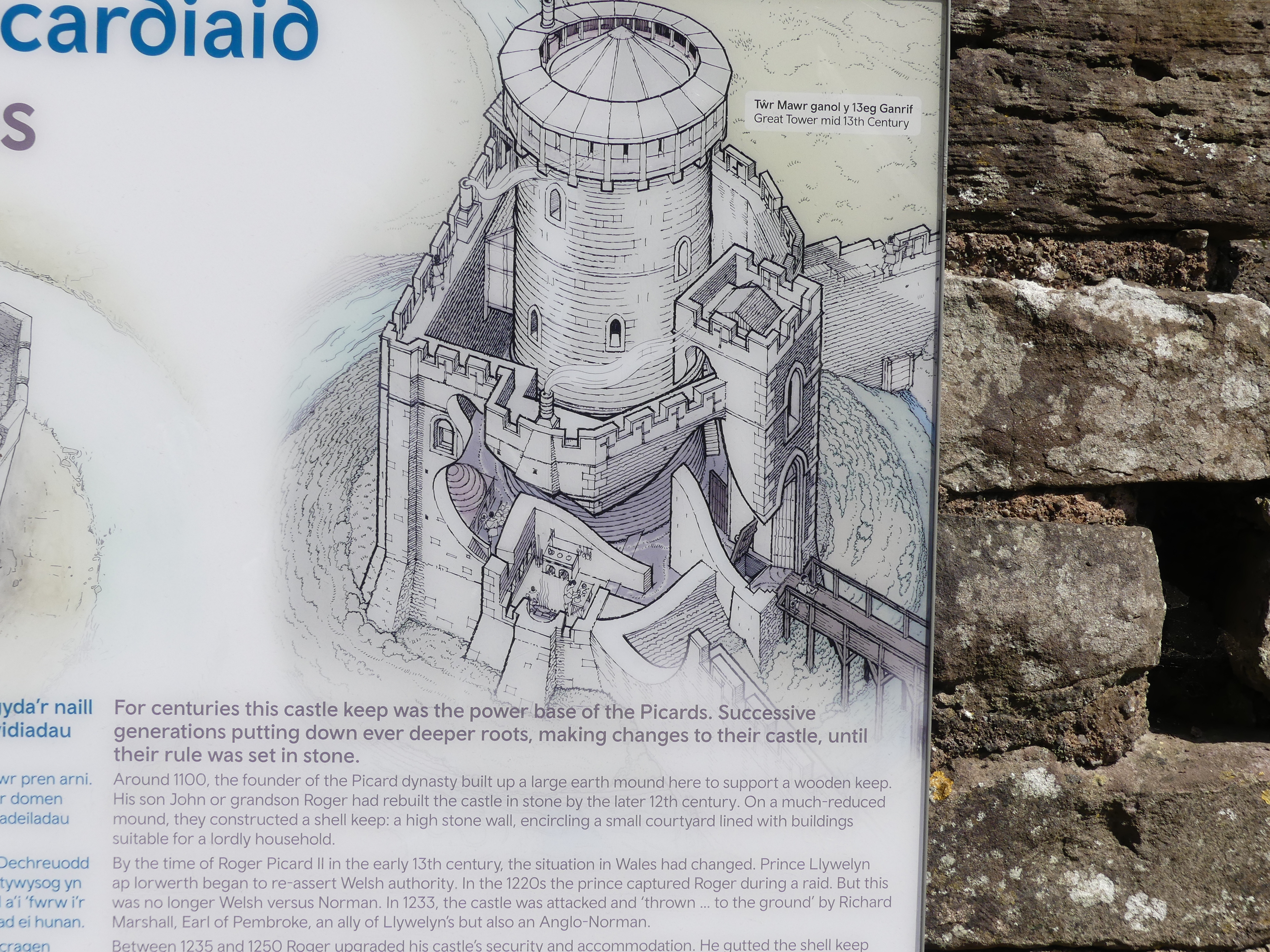
The internet tells me that the “Picard dynasty” in Wales refers to the family who held control of Tretower Castle in Powys after the Norman conquest in the late 11th century, founded by a Norman knight named Picard and continued by his descendants, including his son and grandson, who developed the castle into its stone form. After the Picard family, the property passed to other families, including the Vaughans and Bloets.
After this interlude we continued onto Hay on Wye. A small village on the banks of the River Wye with touches of its Roman origin still apparent, and like all these villages parking within the village is limited. We parked down near the old, abandoned cattle yards. There is a public book exchange and many different genre of bookshops. The castle that once was home to a minor knight, has been converted to a domestic residence. The market is still used and provides a place in the sun for coffee lovers. My photos include all of these.


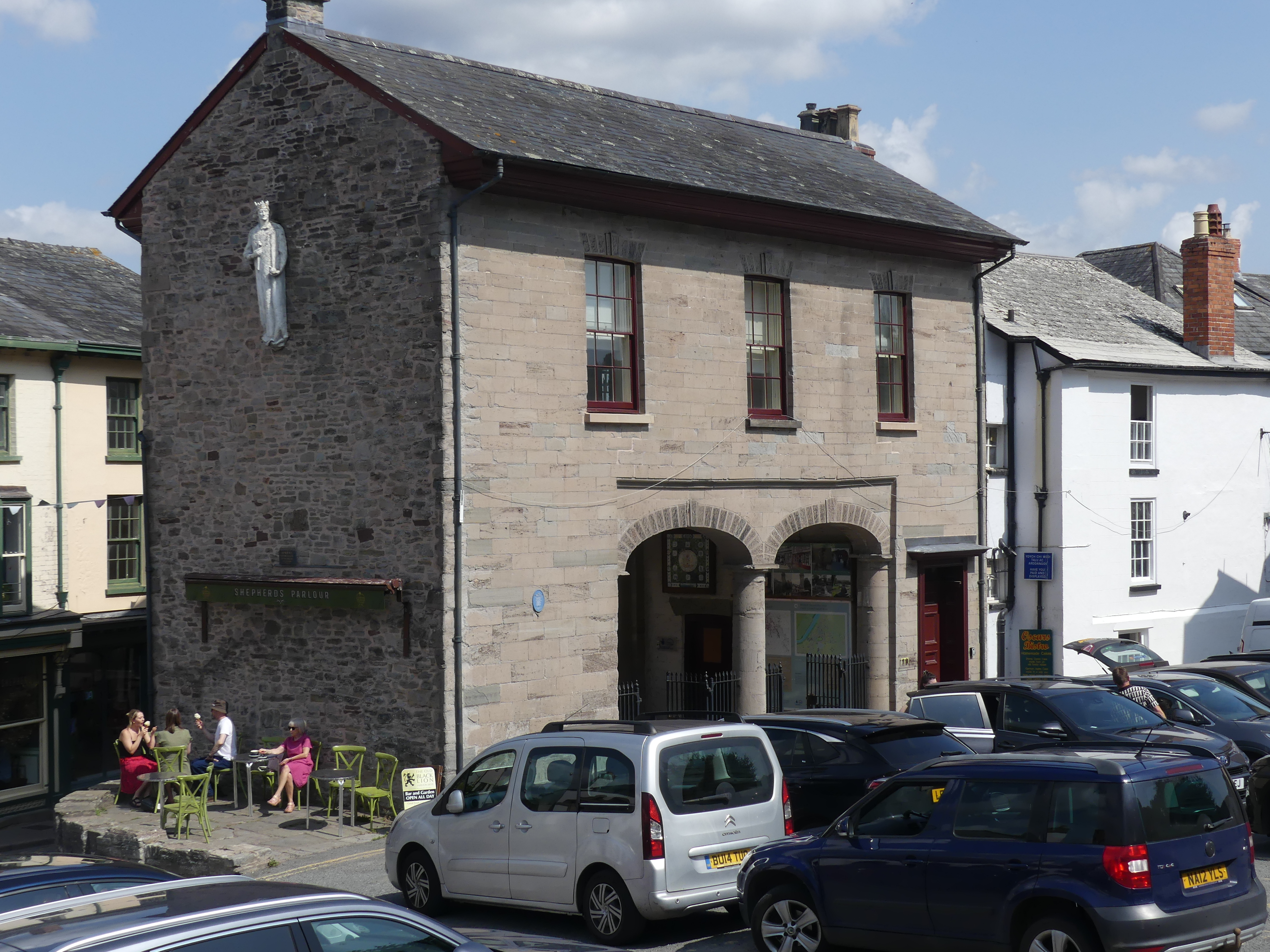
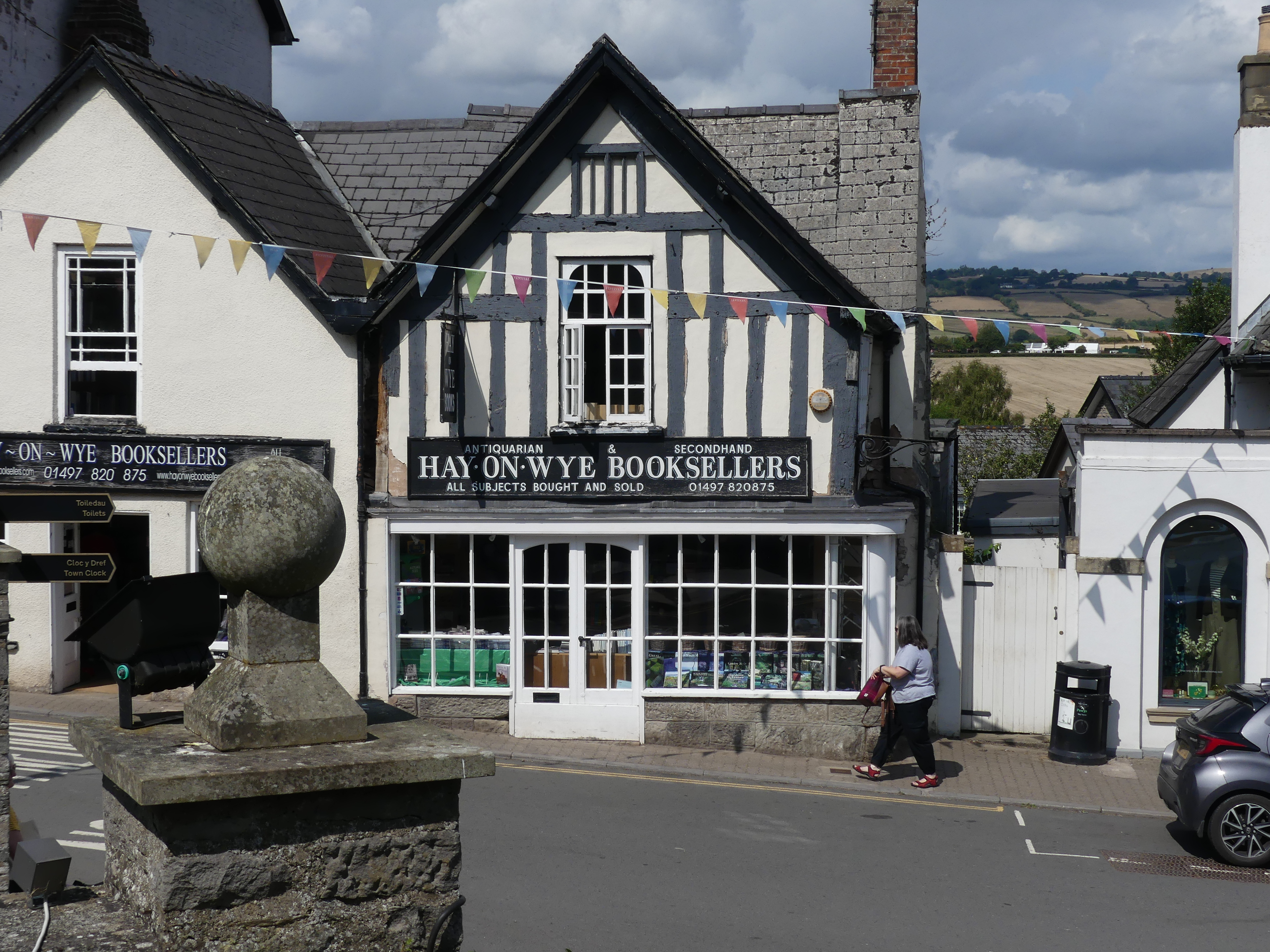


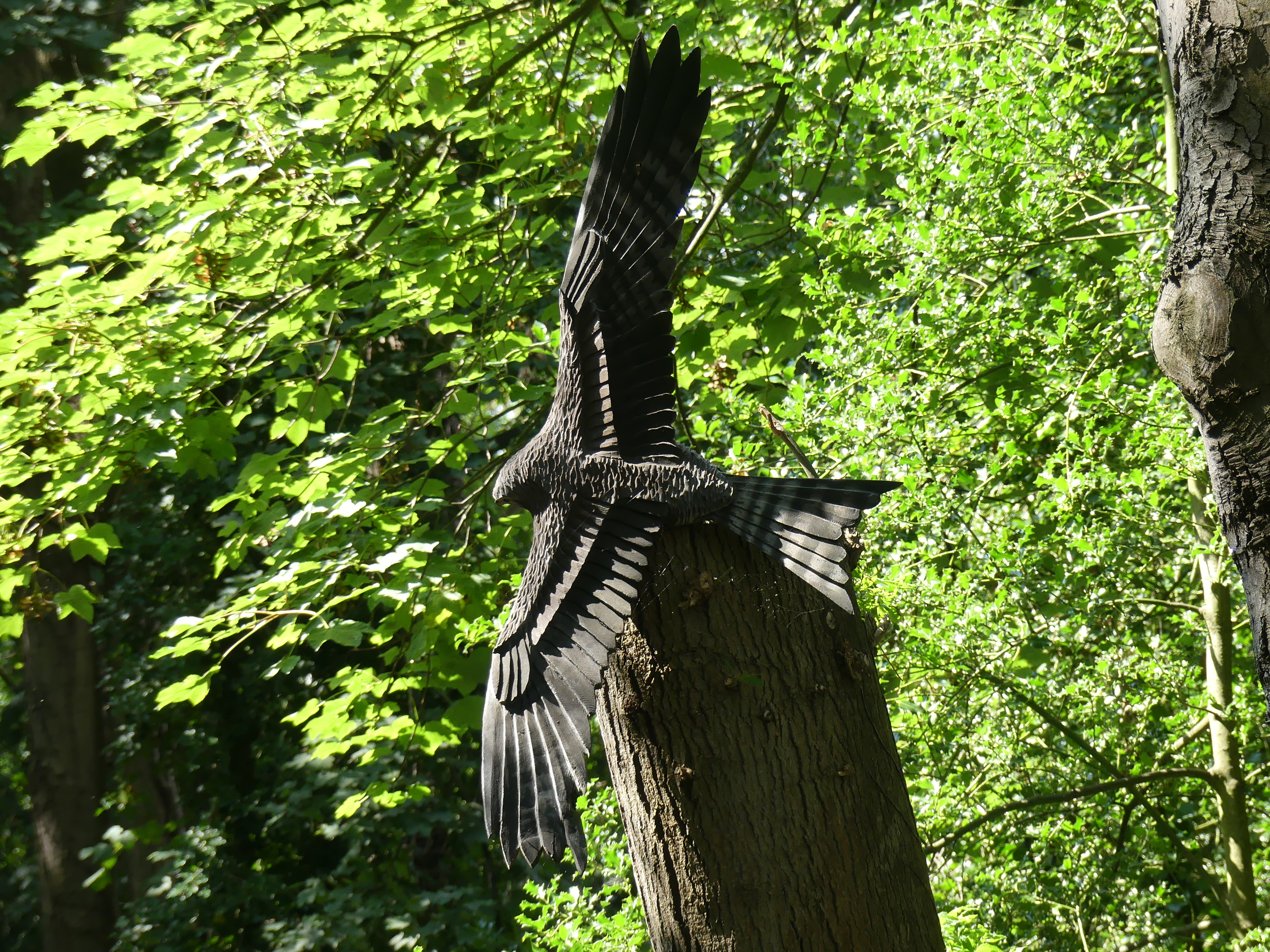
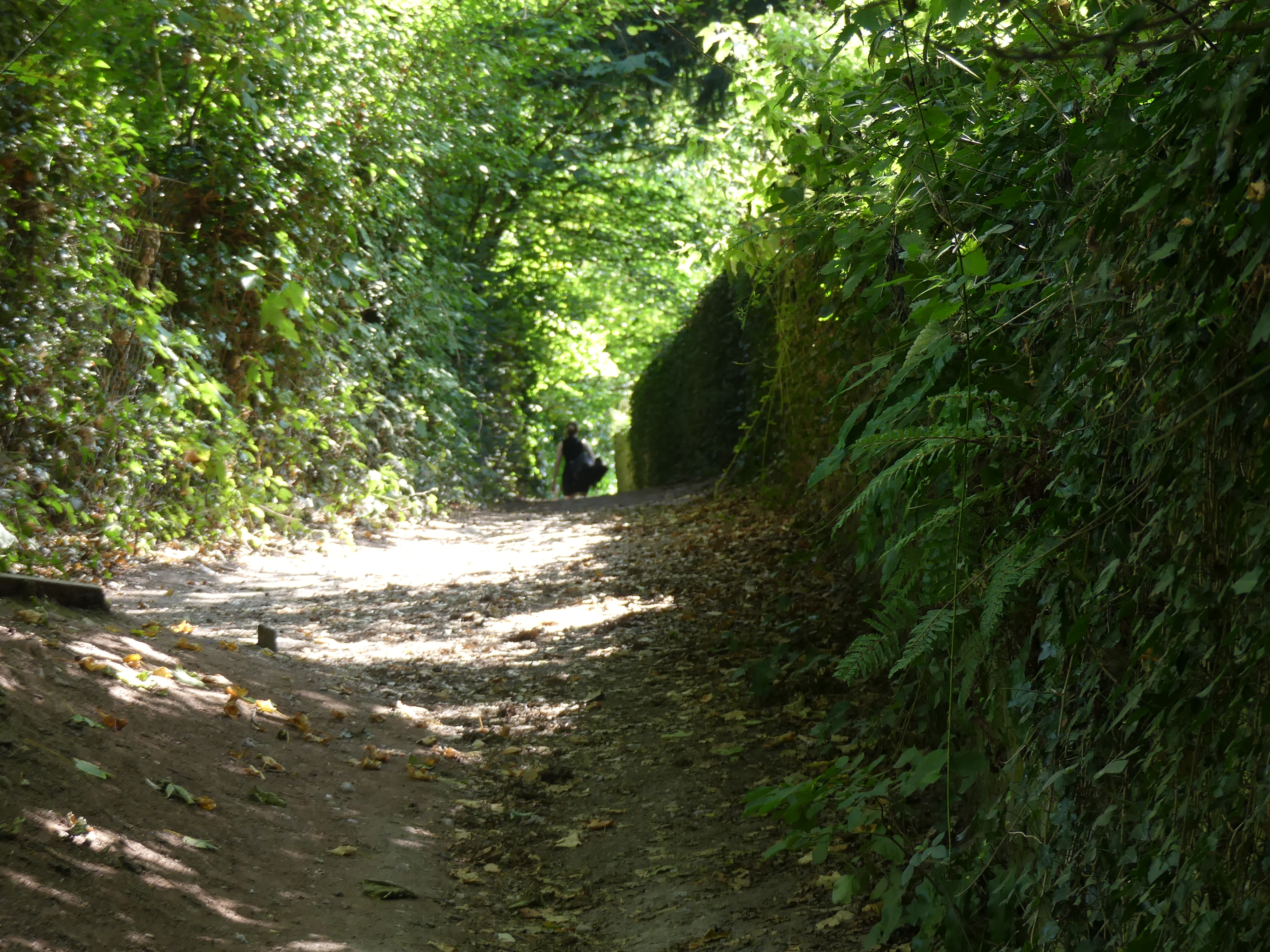
It was very warm, and we decided to have our picnic down on the river. Unfortunately, the flask was not sealing properly and had leaked in the bag. Still we enjoyed our Vegemite sandwiches and coffee. Sitting in the shade of the bushy banks of the river, we cooled off quietly and met some other locals doing the same. One of the surprises was someone had carved in the stumps of dead trees images of local birds of prey. By the way we “forgot” to take the flask when we left the Best Western.

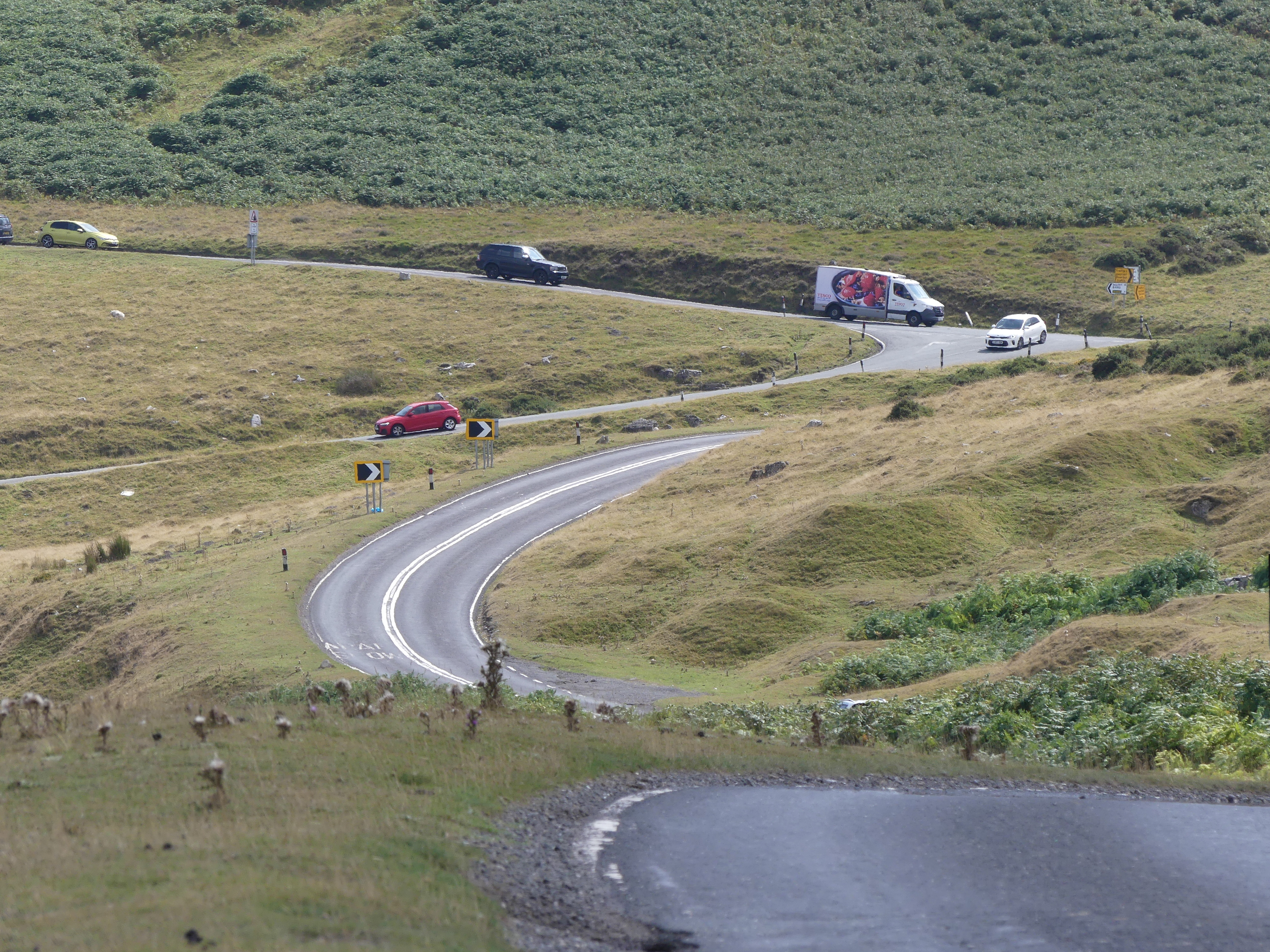
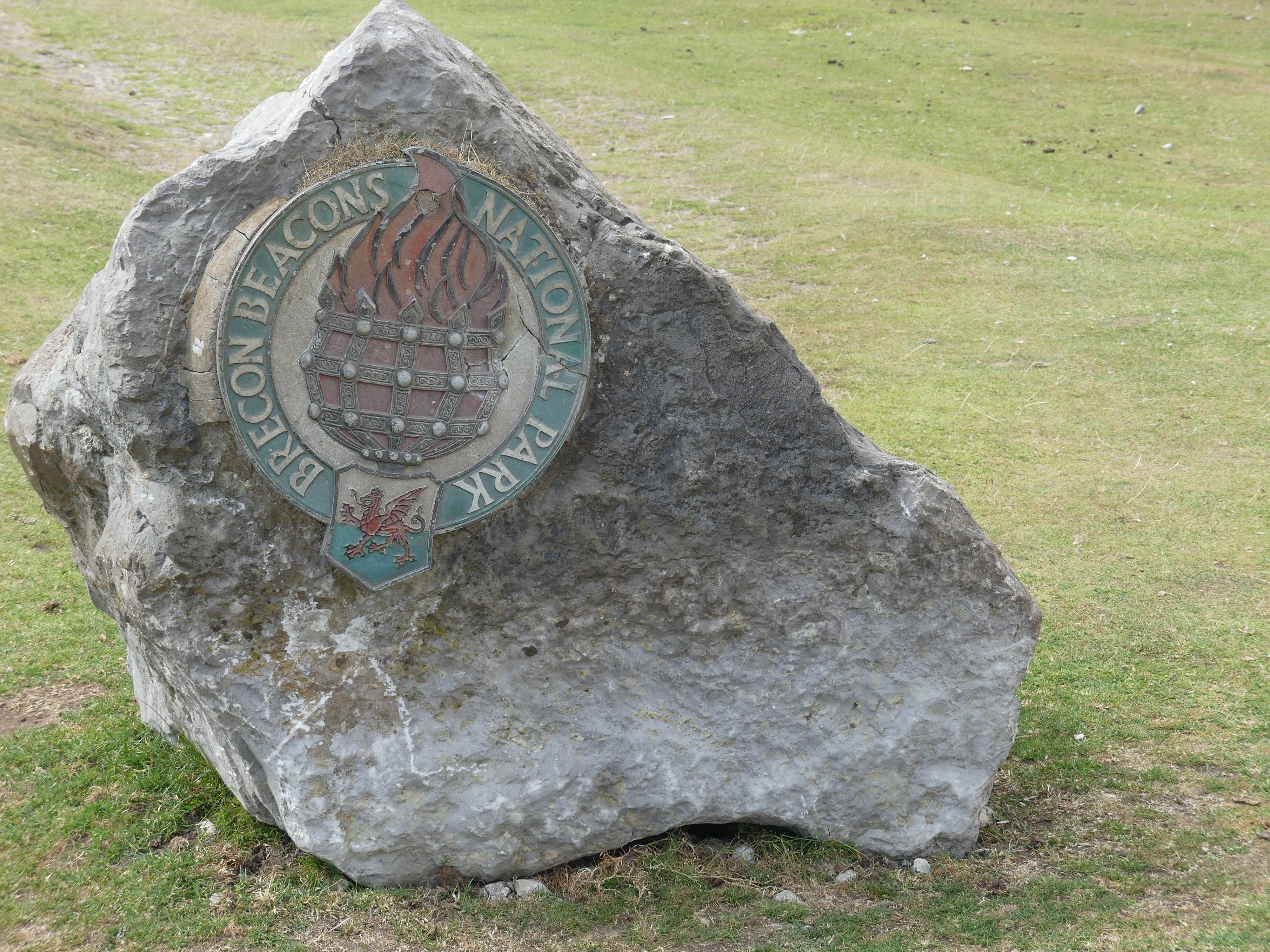
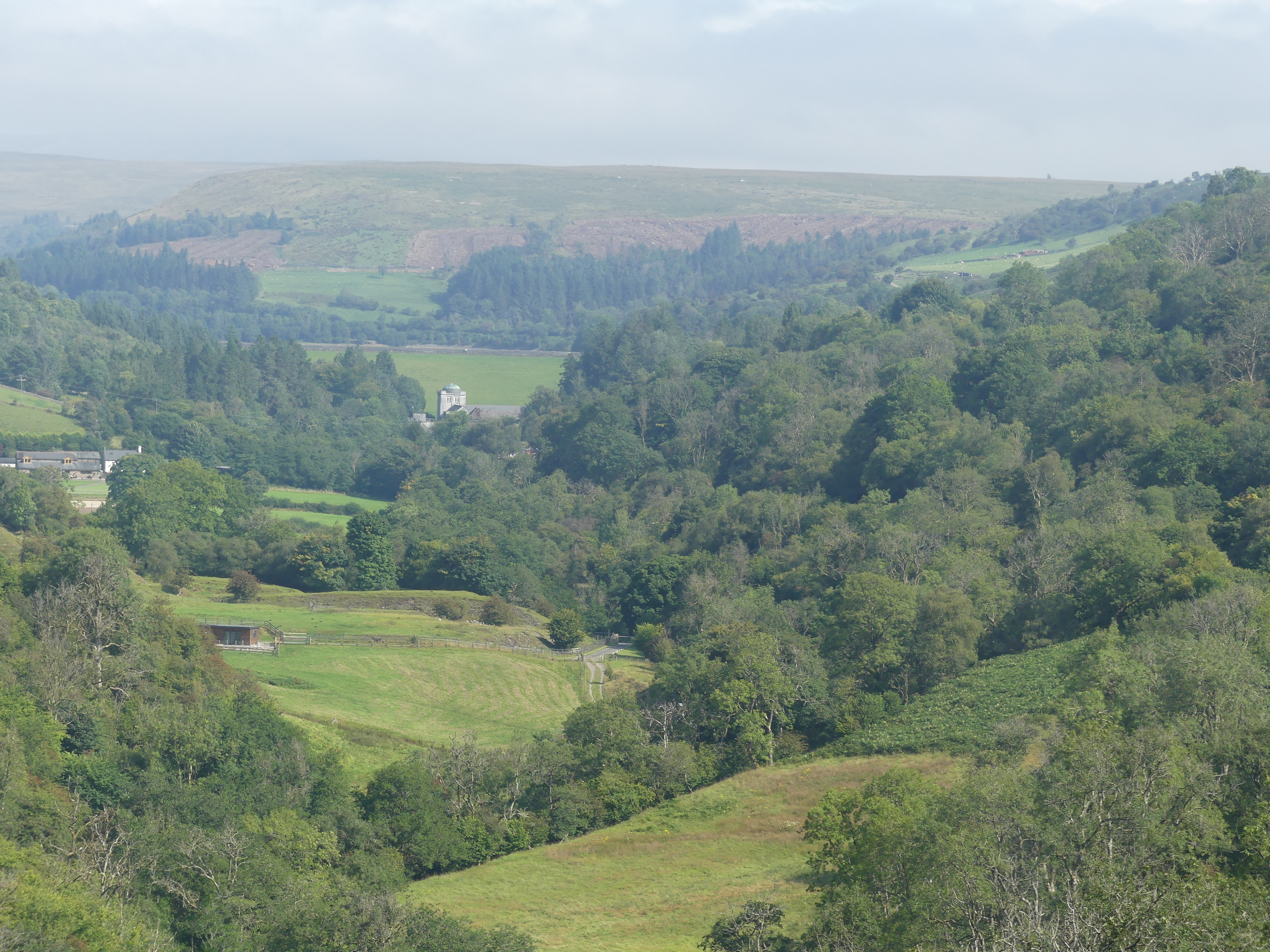
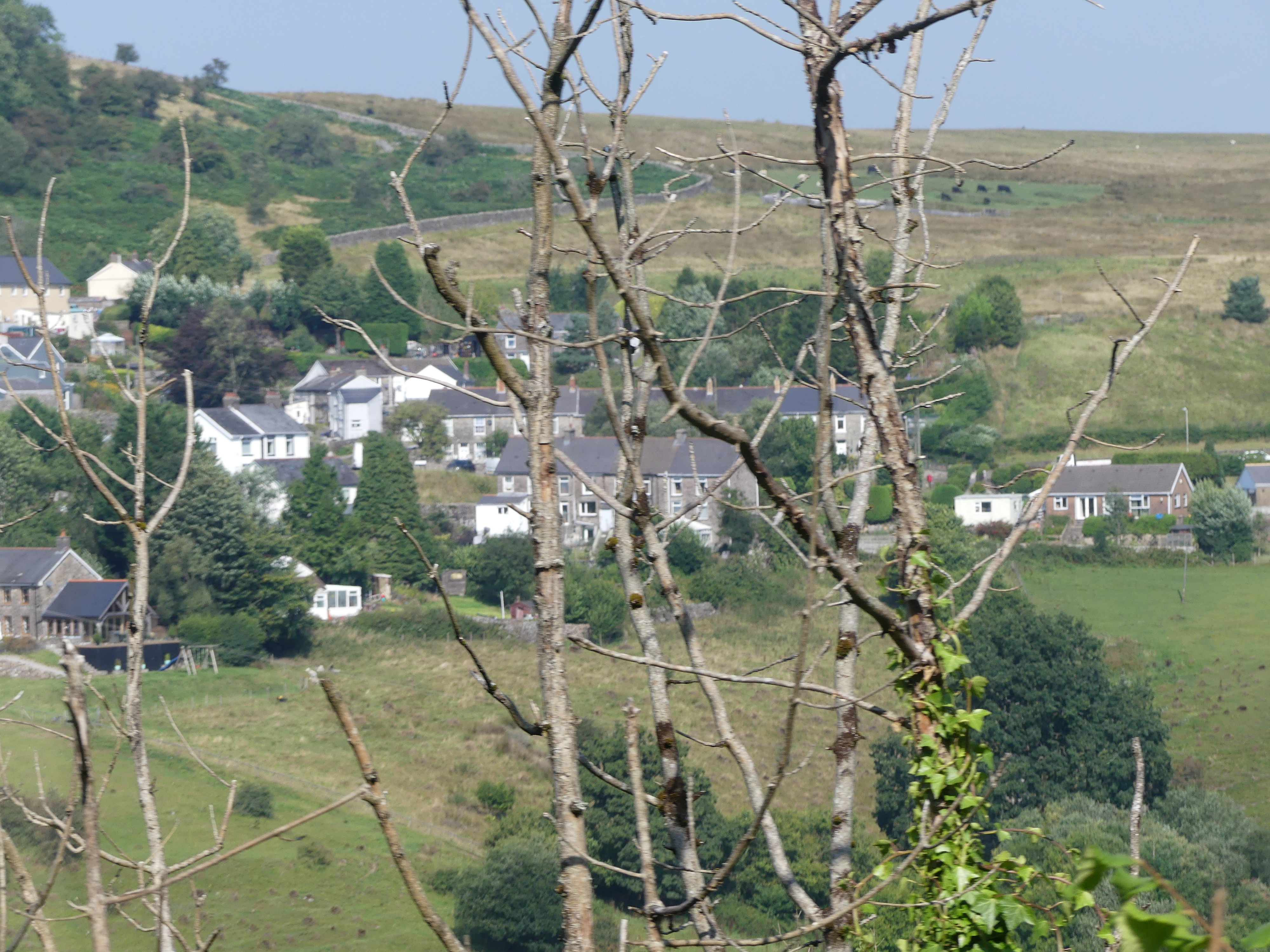
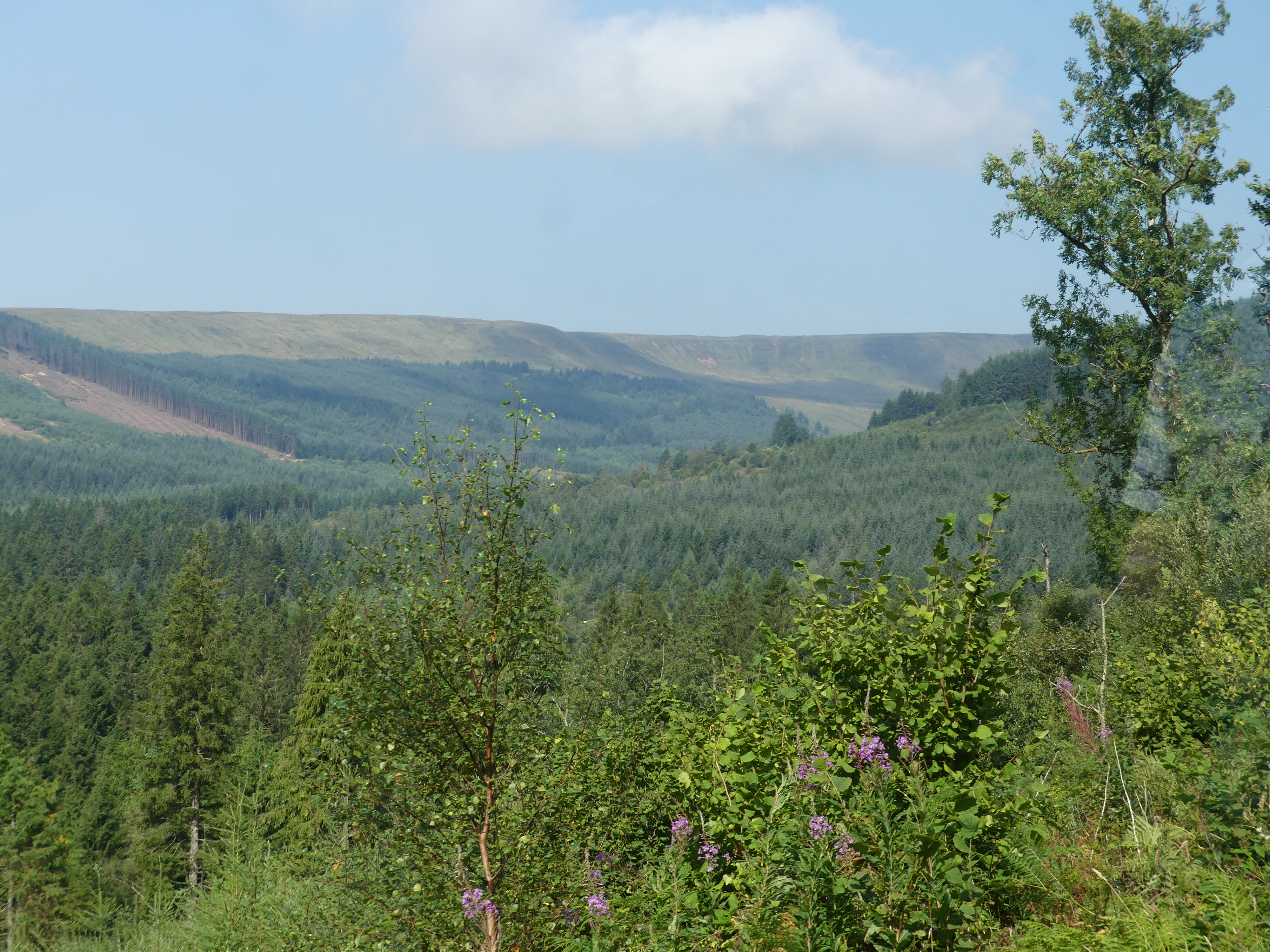
As we returned to our Best Western, we found ourselves crossing Brecons Beacon National Park. It is a national park named after the Brecon Beacons (Welsh: Bannau Brycheiniog), the mountain range at its centre. The national park includes the highest mountain in South Wales, Pen y Fan, which has an elevation of 886 metres (2,907 ft). Stunning picturesque views of rural Wales. We thought we had stumbled across an ice cream van stopped at the top of the peak but were disappointed – he was selling coffee.



We then traveled on and accidently stumbled across the Brecon Mountain Railway. The Brecon Mountain Railway is a 1 ft 11+3⁄4 in (603 mm) narrow gauge tourist railway on the south side of the Brecon Beacons in Wales. It climbs northwards from Pant along the full length of the Pontsticill Reservoir and continues past the adjoining Pentwyn Reservoir to Torpantau railway station. The railway’s starting point at Pant is located two miles (3 km) north of the town centre of Merthyr Tydfil, Merthyr Tydfil County Borough, South-East Wales. It is very popular so booking in advance is necessary. We booked our tickets for the following day.
We returned to our hotel and as I recall we went for a walk through the town and had dinner at a pub. Nothing flash although the locals thought it a bit of a posh nosh.
The following morning, we returned to the railway and here are our photos of the ride. Thanks to Wikipedia the history of the Railway follows.
“The Brecon Mountain Railway was founded in the mid-1970s, by Tony Hills (1937–2015). Hills was a long time railway enthusiast who by 1970, had established a base at Gilfach Ddu on the Llanberis Lake Railway where he stored the locomotives he purchased. In 1977, he purchased five miles of trackbed of the abandoned Brecon & Merthyr Railway at Pant and moved his collection there. Construction of the BMR started in 1978, with the grant of a Light Railway Order in 1980. Track was laid between Pant and Pontsticill in 1979–80. At Pontsticill the station house was renovated, the old waiting room was converted into a small workshop and a storage shed was built. Seven bridges were repaired or replaced. The railway opened to passengers in June 1980 using the engine Sybil and one carriage.
Between 1982 and 1996, a large station and workshop were built at Pant. These provide passenger facilities including toilets, cafe, shop and booking office as well as the extensive workshop used to build and maintain the railway locomotives, carriages and wagons.
A 1+1⁄2 miles (2.4 km) extension from Pontsticill to Dol-y-Gaer opened in 1995. The railway was further extended to Torpantau, just short of the southern entrance of the Torpantau Tunnel, with passenger services commencing 1 April 2014.
By 2016, the original waiting room building at Pontsticill, which had served as a workshop for a period, was converted into a steam museum housing various stationary steam engines and three of the smaller locomotives. All of the stationary units were connected up to a steam distribution header and boiler, which in 2017 was still awaiting commissioning.”
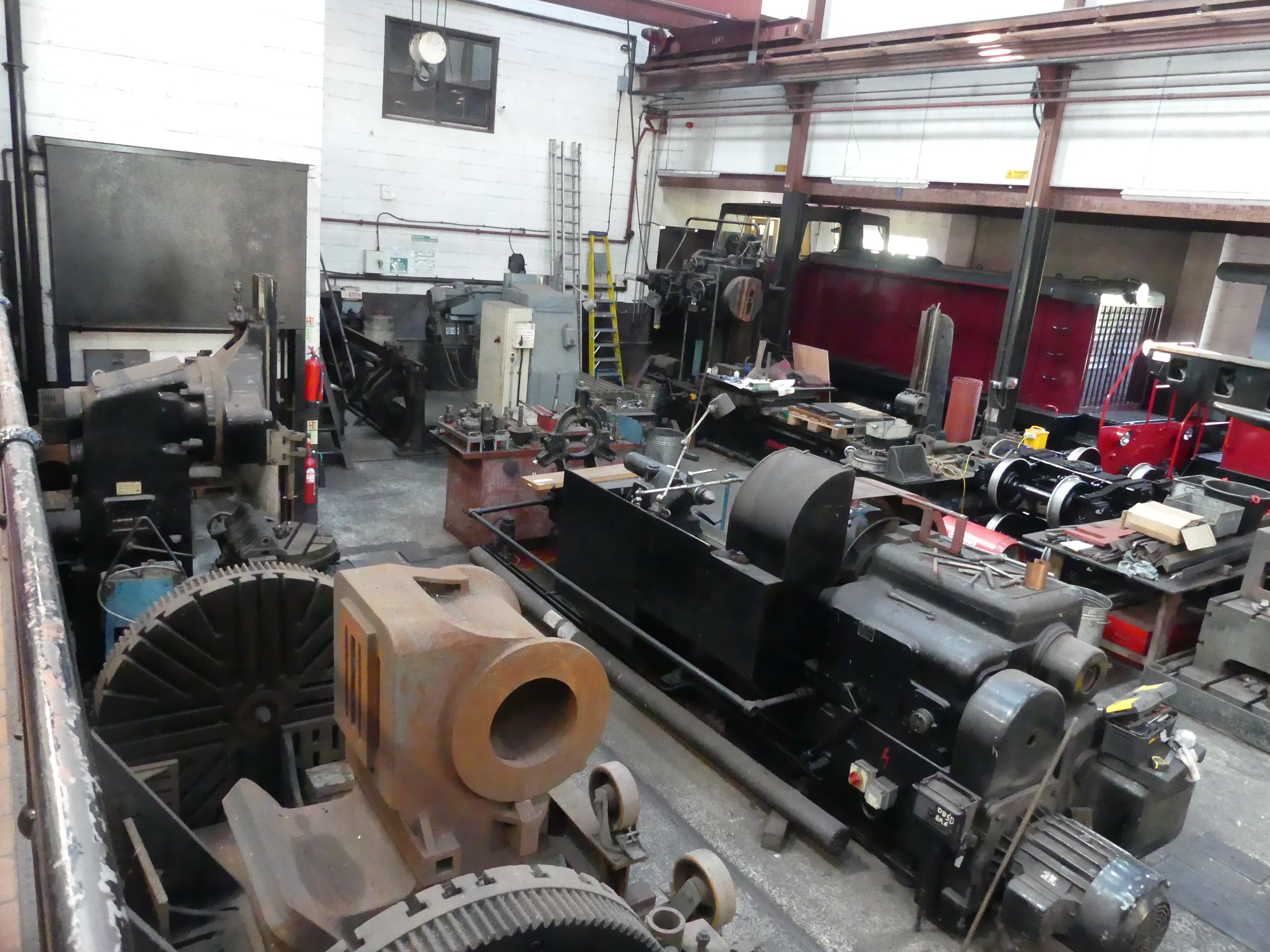
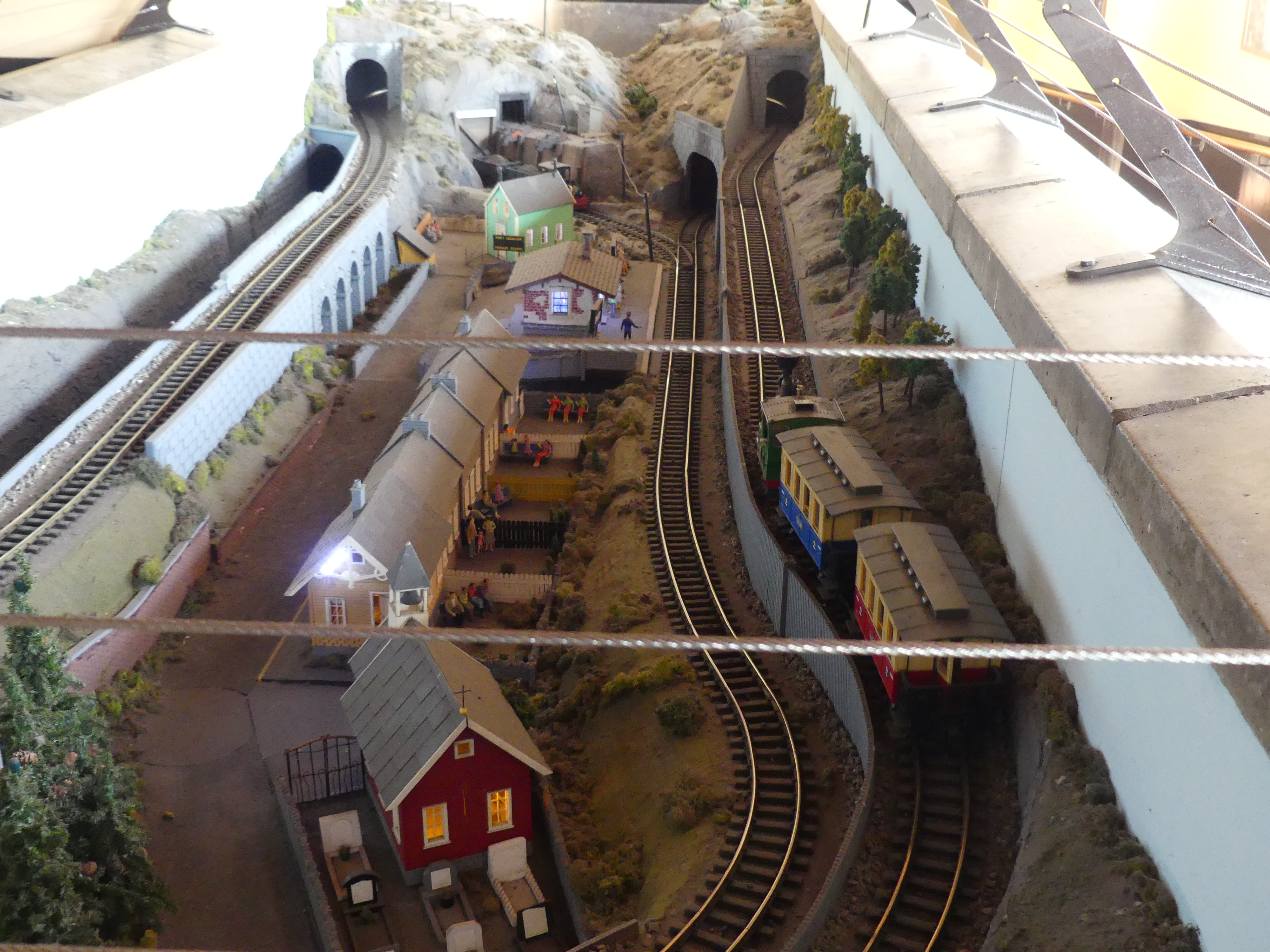
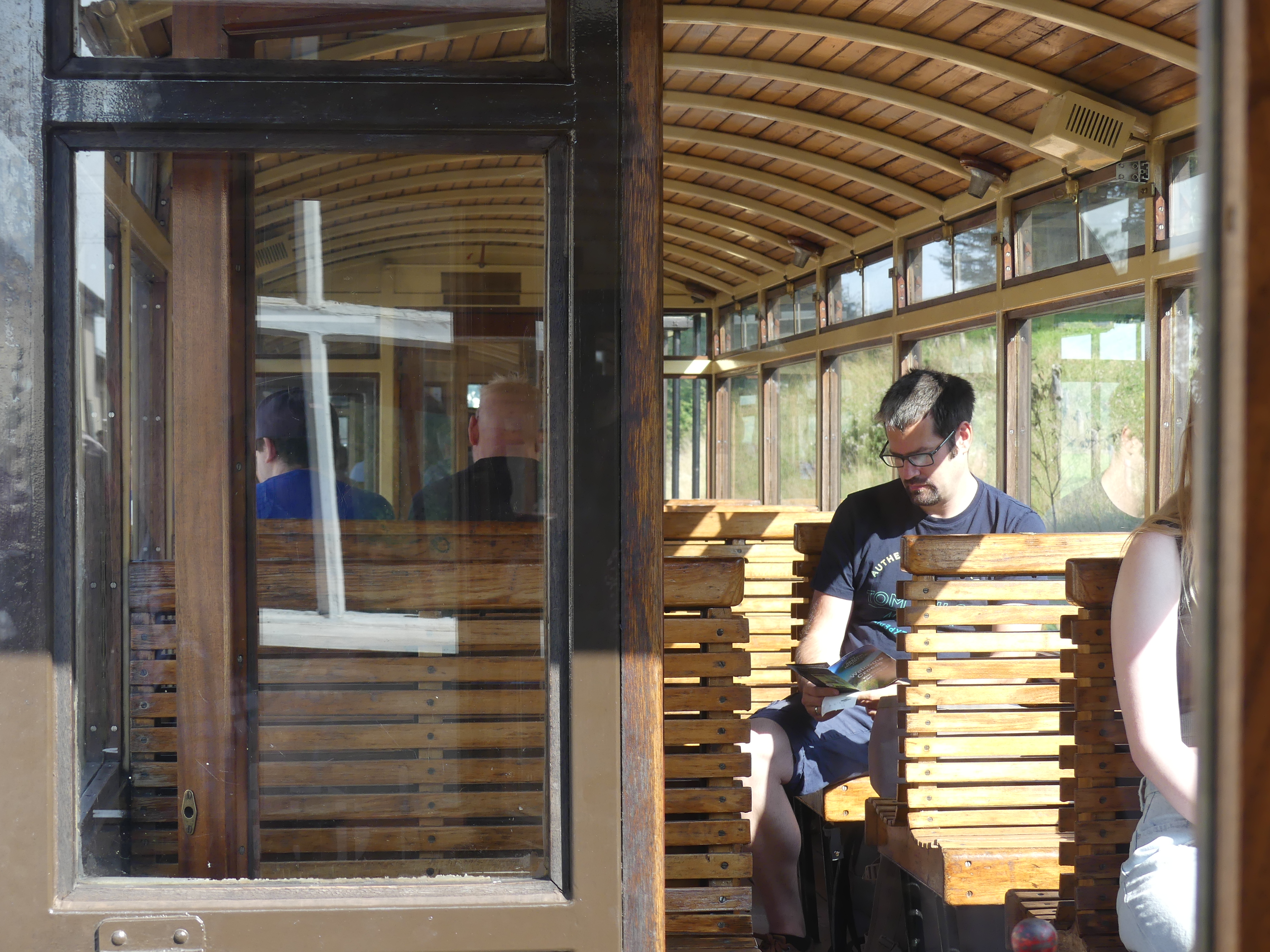
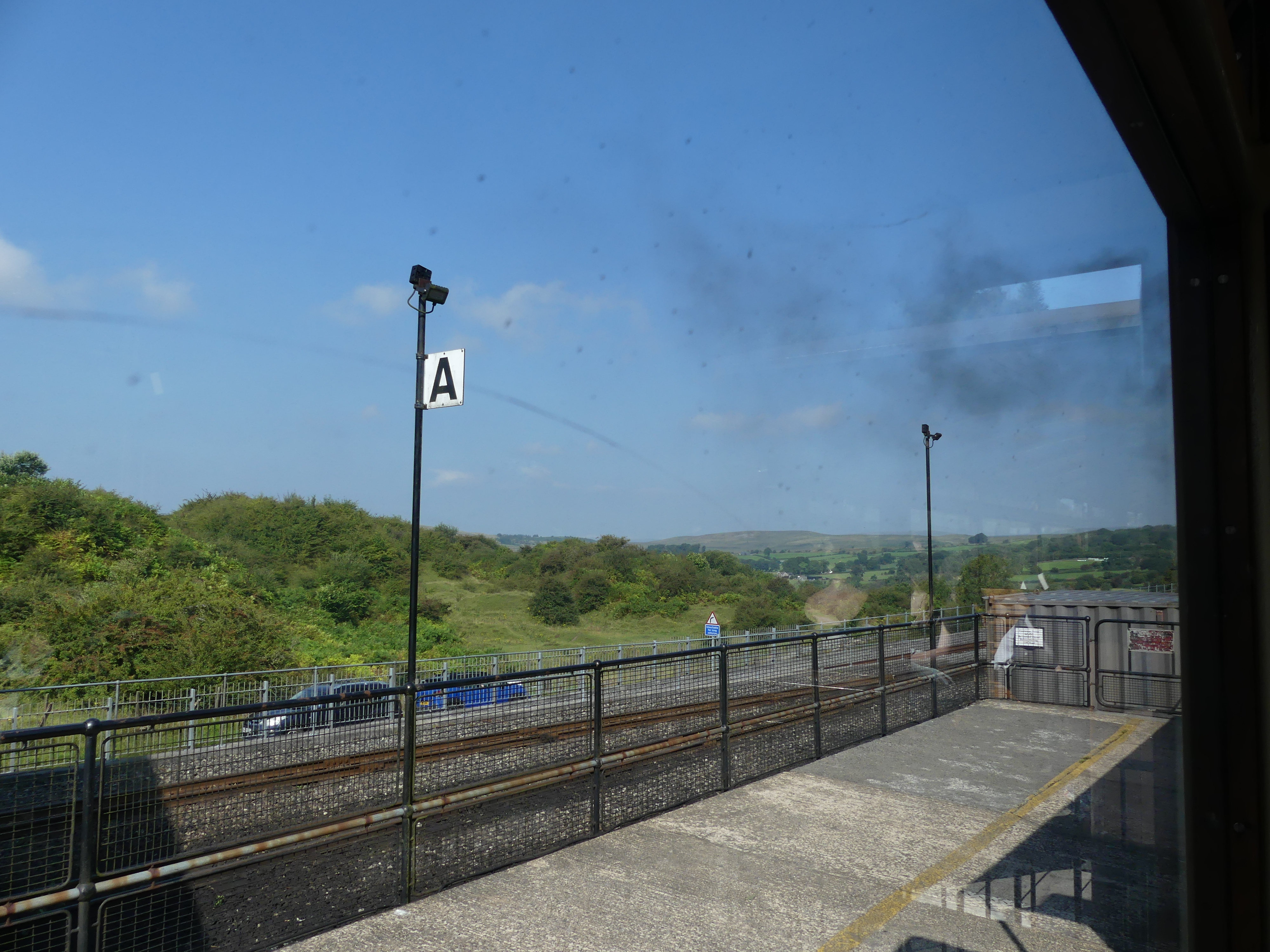
My photos show the station at Pontsticill with the attach museum and workshop, and the trip up to Torpantau. There the train disengages turns around and takes us back to Dol-y-Gaer where converted carriages serve as cafe and refreshment stop. My photo shows Kerry in the queue.






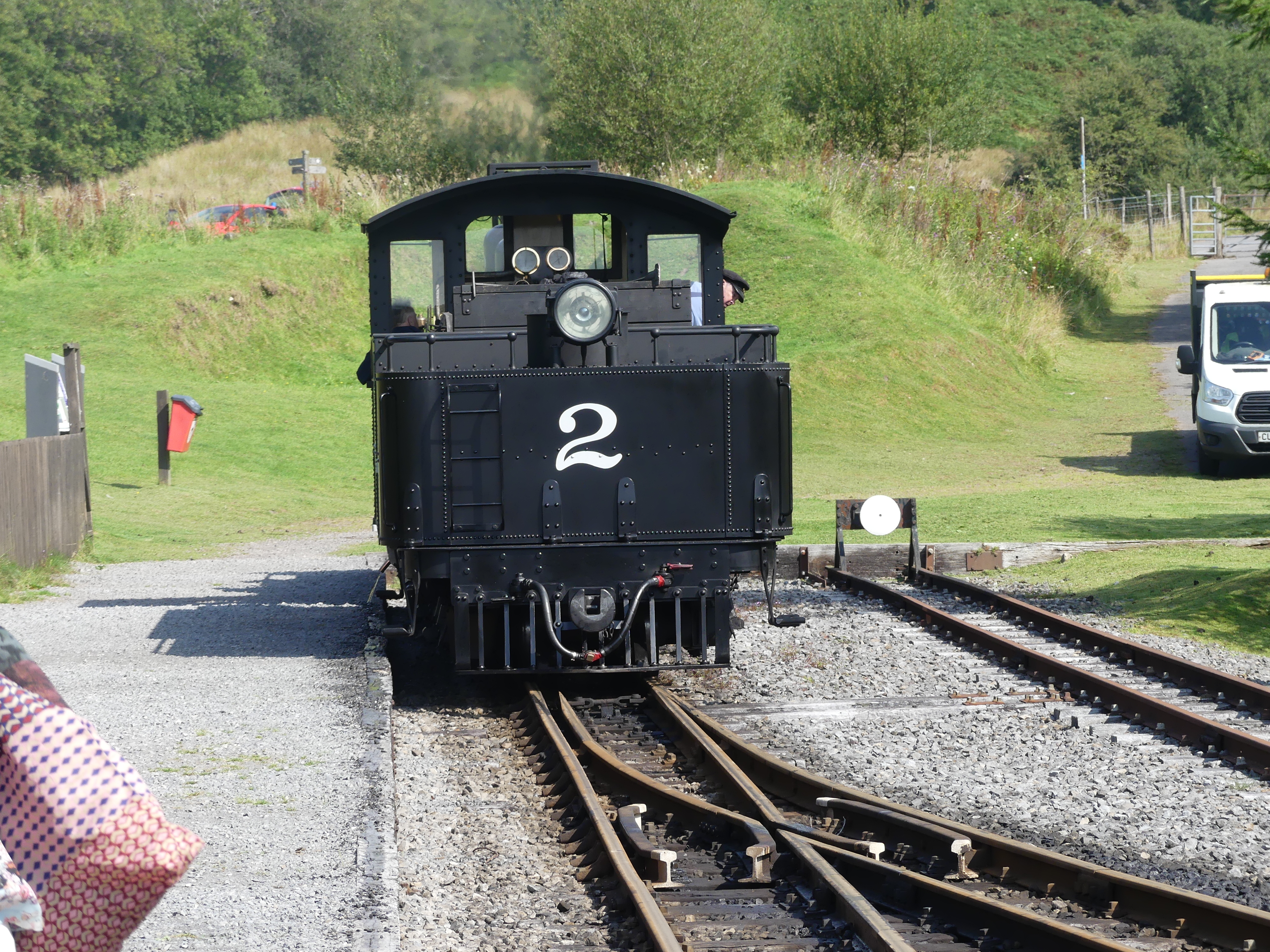


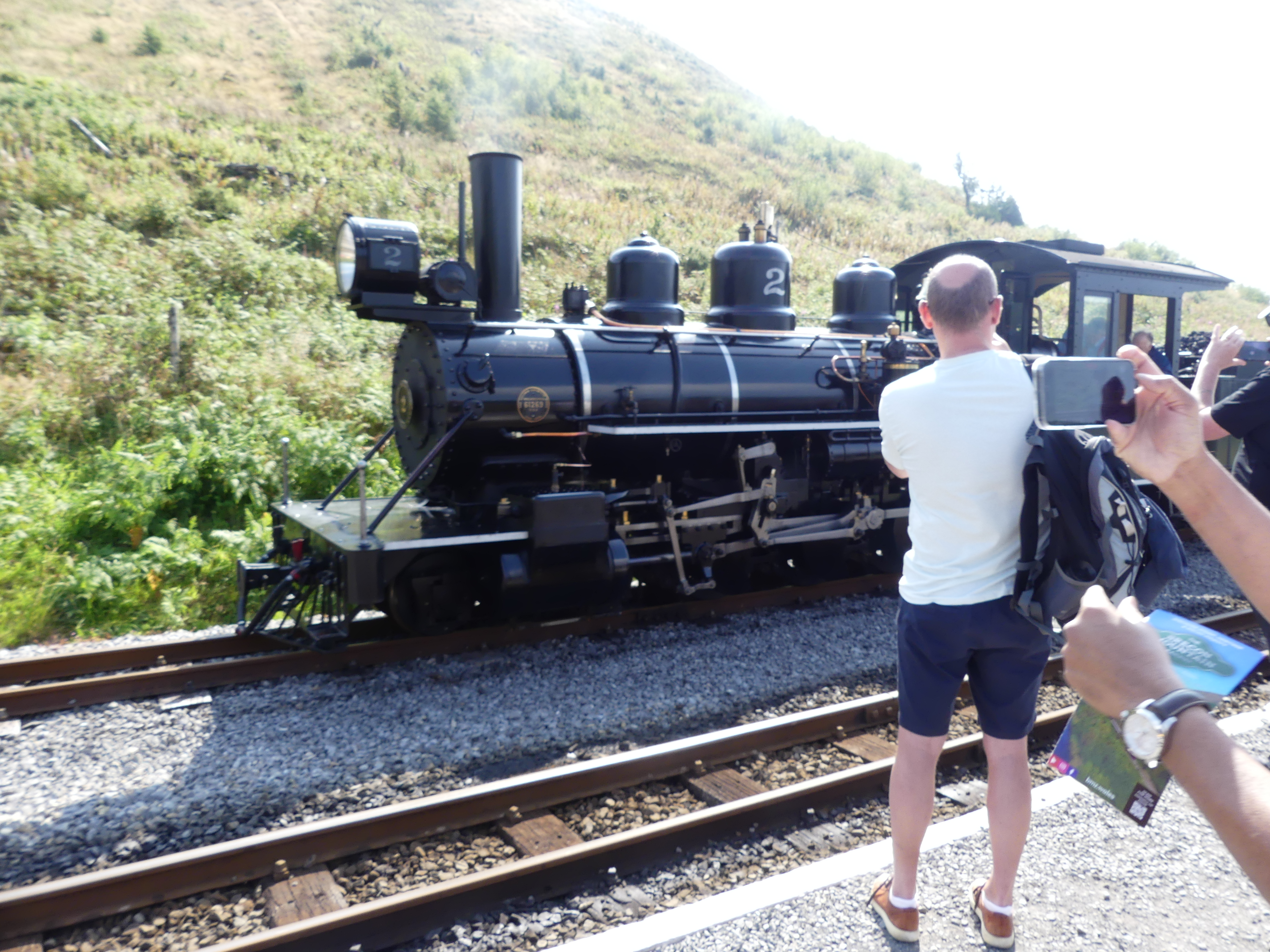

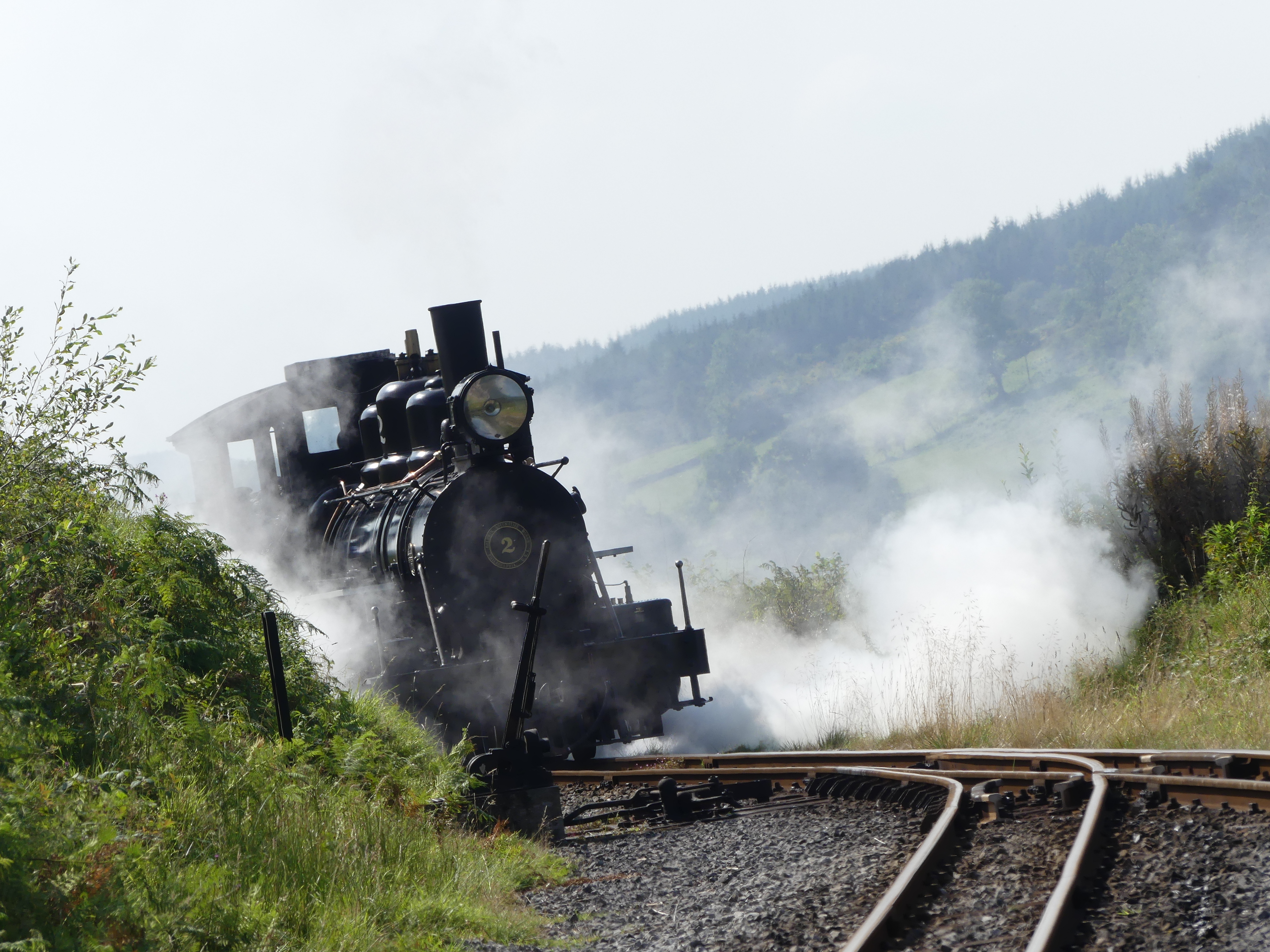

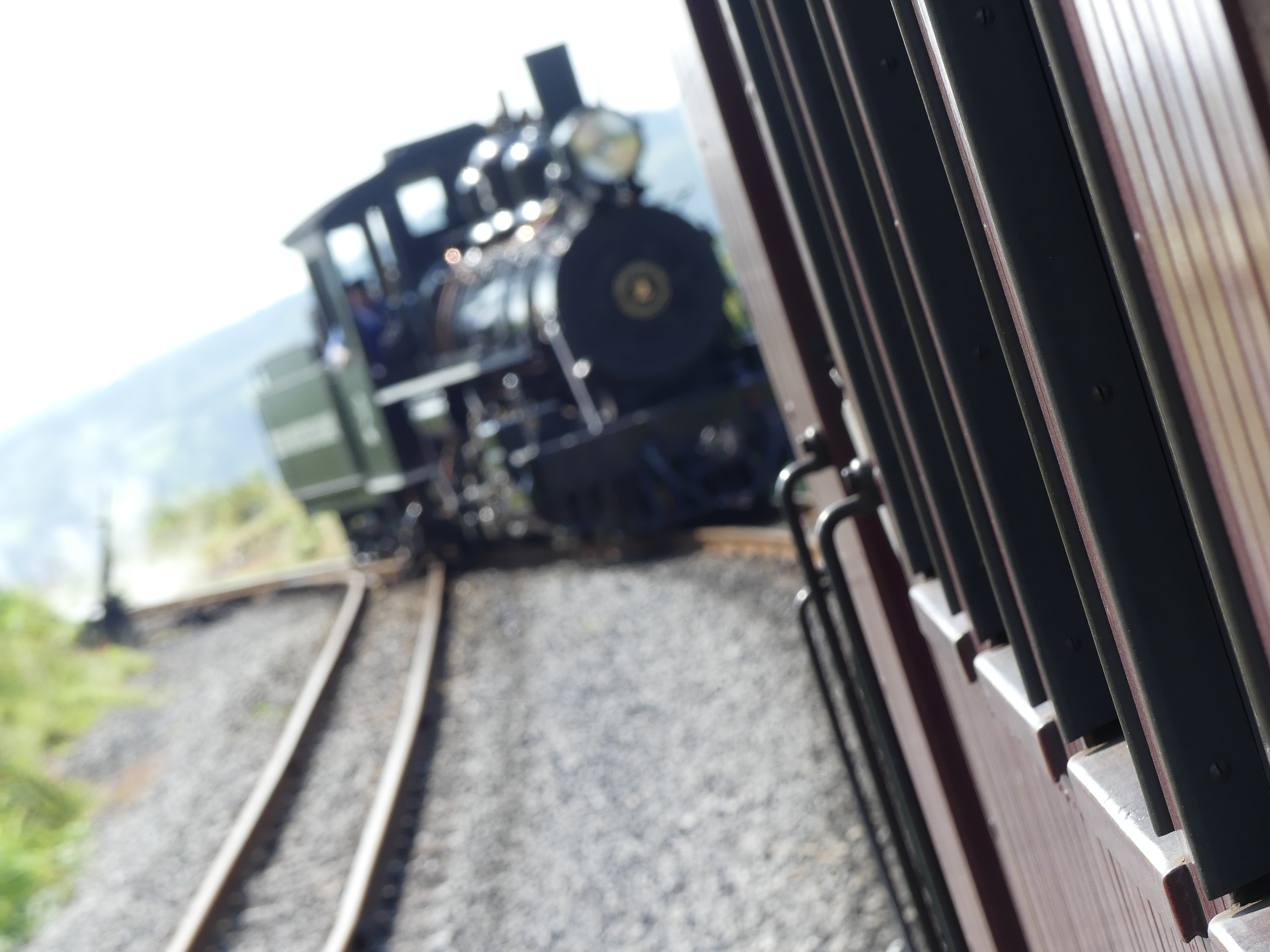
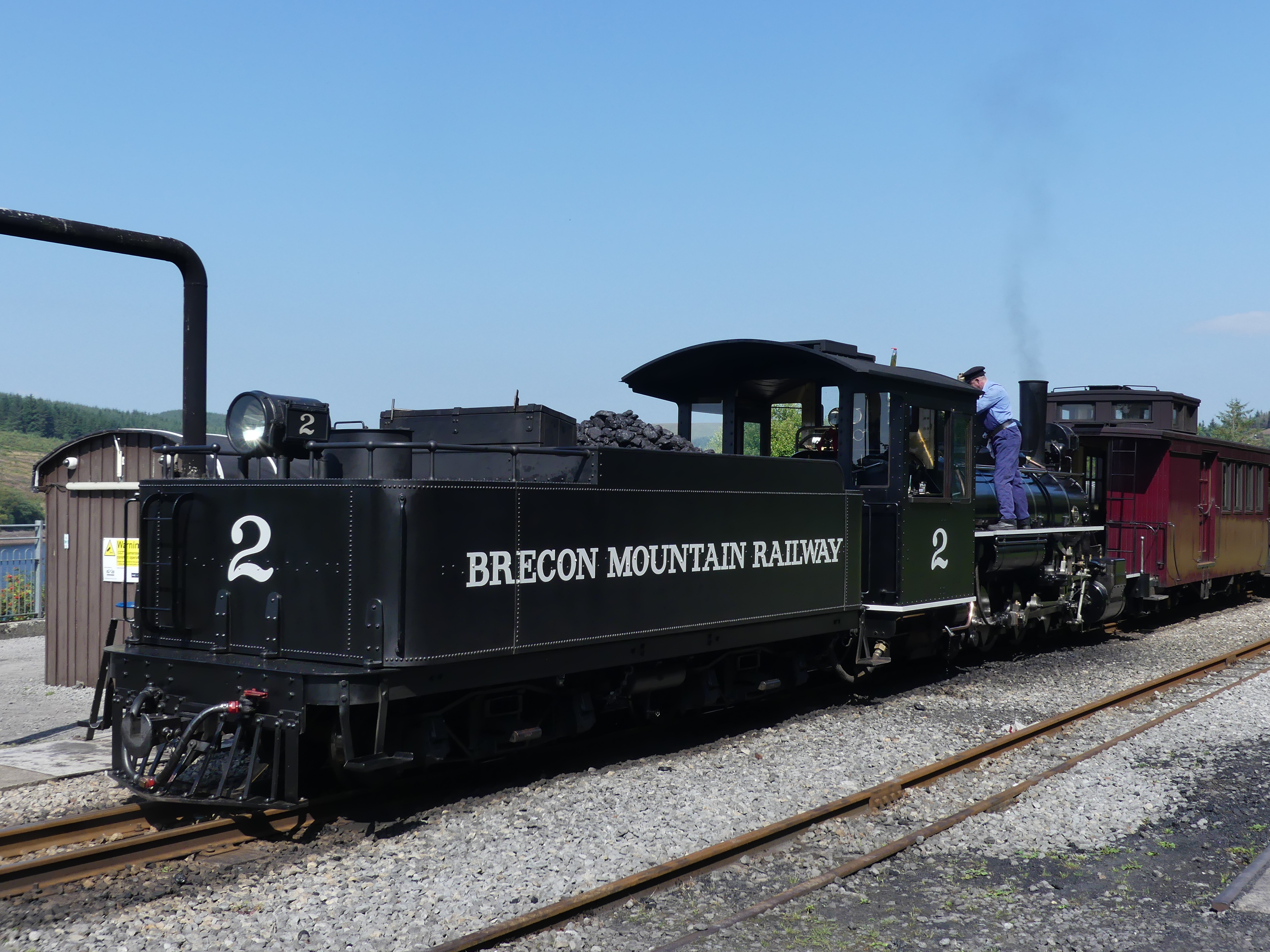

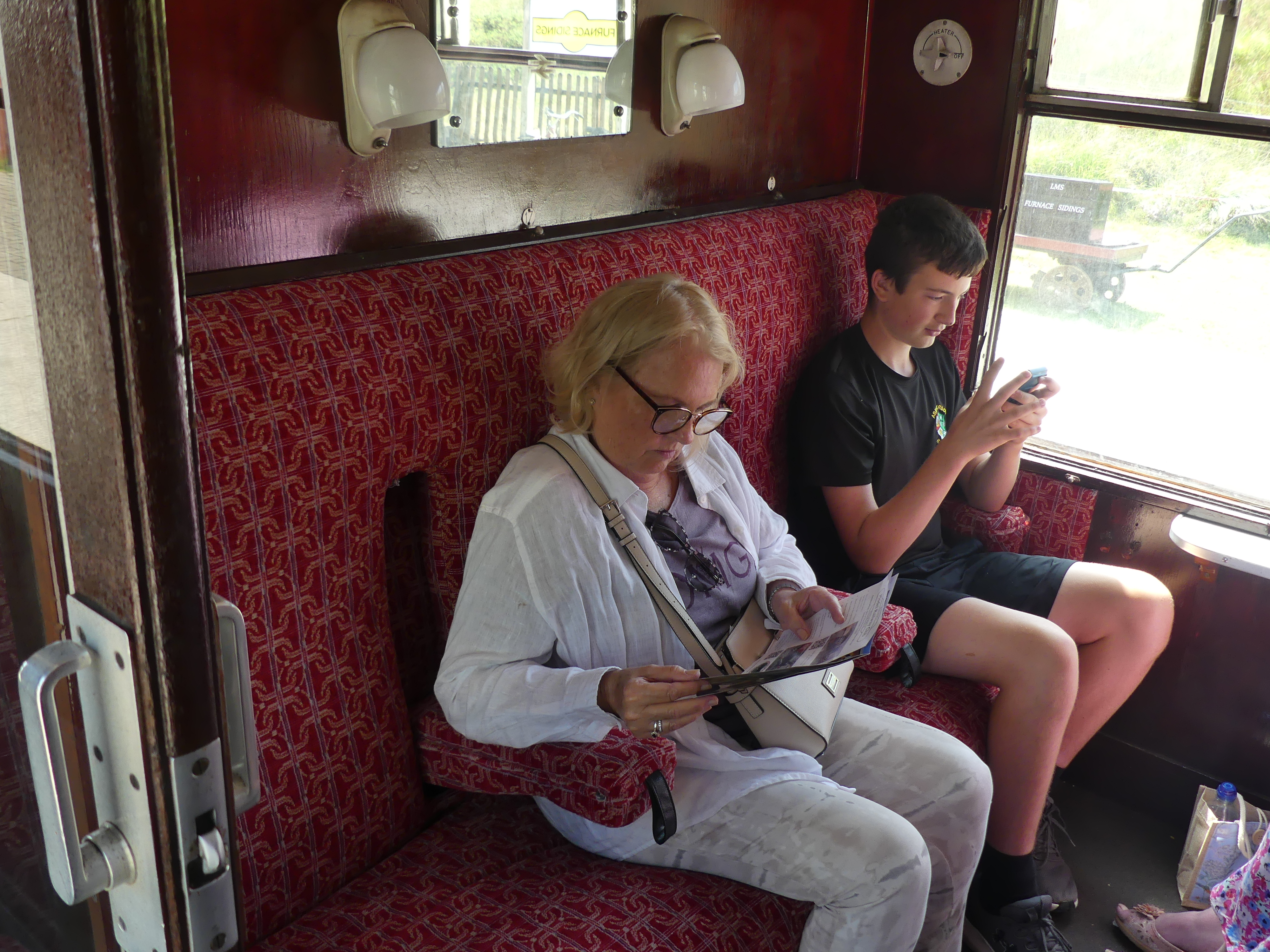
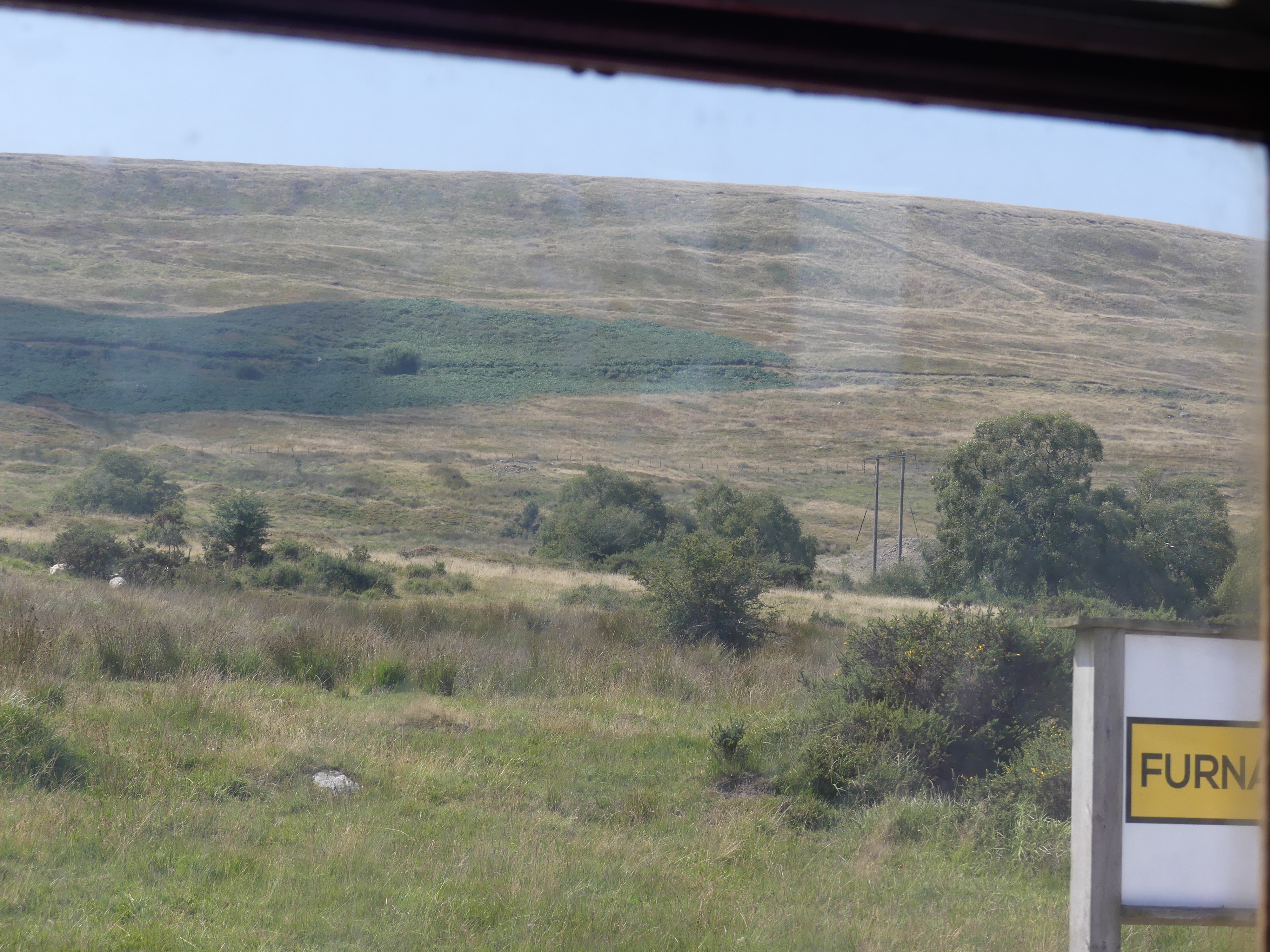
The trip and drive took most of the day. Overnight we investigated visiting the Big Pit and the Blaenavon Heritage Railway the next day. Unlike the Brecon Railway this one is an all-volunteer association keeping the steam train running and it incidentally used to service the Big Pit so whilst the train goes to the Big Pit it’s not synchronized with what is happening with the Big Pit. The railway visits 4 stations in a round trip of about 1 hour. One of the stops is the Big Pit. We knew nothing of these arrangements and learned as we went. The stations are Big Pit Halt along a short branch line then back to Furnace Sidings Halt where we bought our ticket and then two more stations (they call them “Halts”) Whistle Inn Halt and Blaenavon. We caught the train to the Big Pit and on reboarding the train we eventually did the whole of the train ride.


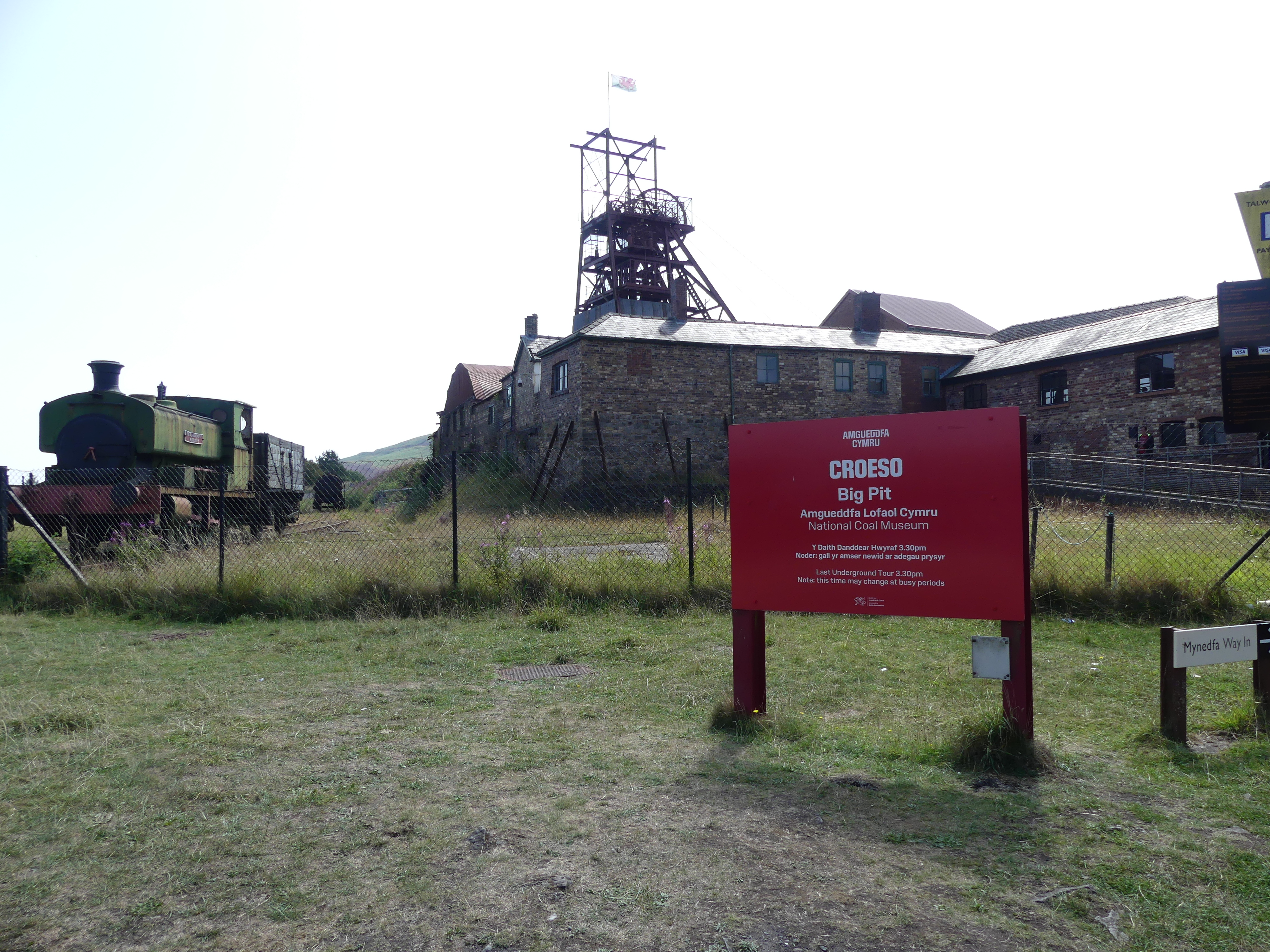
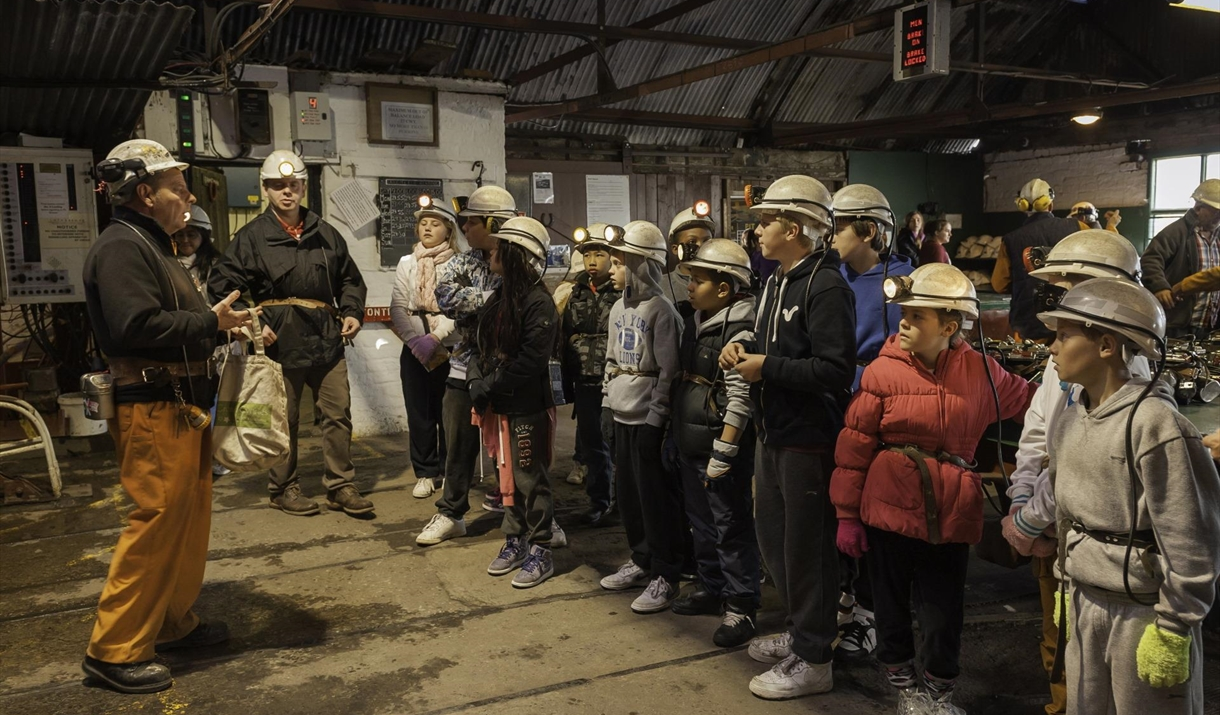
The Big Pit is a short walk from the branch line station and after entering the Big Pit recetion area we were directed to the waiting room. There we awaited our guide who takes a group of about 10 people to a preparation area where we were fitted out with safety gear and handed in our phones and cameras.You won’t see any photos of the mine tunnels as photos underground are prohibited. Then the group enter an elevator to descend 300 feet or 90 m underground to experience “mining”. The trip was very sobering. This was a tough life more than I could understand without experiencing this tour. We learnt about the darkness of the tunnel, the risks of suffocation from dangerous gases, the heat and uncomfortable environment in which to work the long hours of the miners, their children, who often worked with them, and the horses which lived in the mines quite often Shetland ponies. The tour lasted at least an hour and half. This was longer than we had allowed so we were concerned that we did not miss our return train ride back to the station to where we had parked the car. We need not have worried. After a short period standing on the station, we got the train and finished the whole journey and returned to where we had left the car. Below is a picture of the preparation area. I used what was available on the web site – don’t bother looking for us.
We returned to Ebbw Vale and our hotel to prepare for the following day.
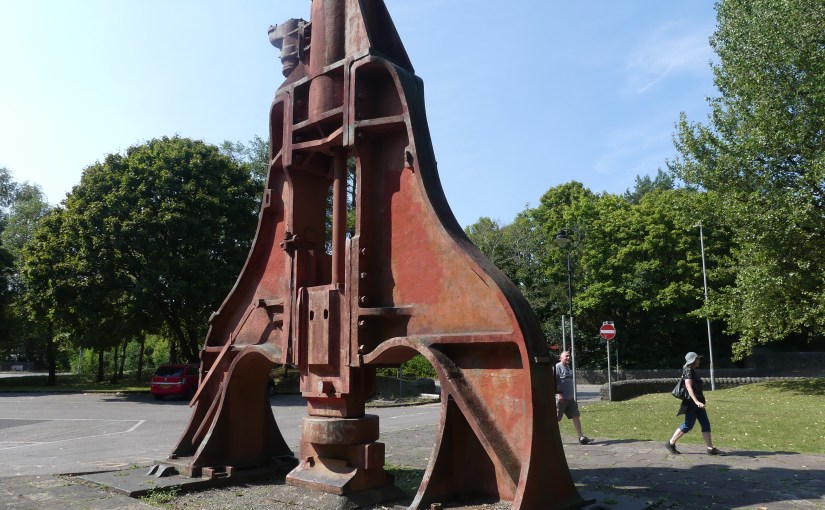
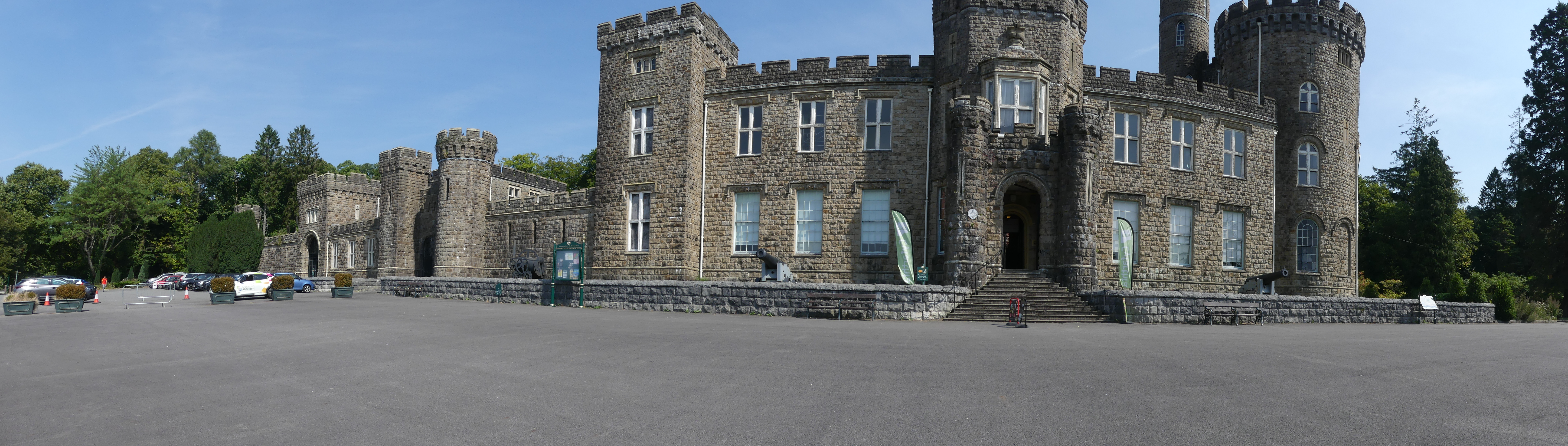
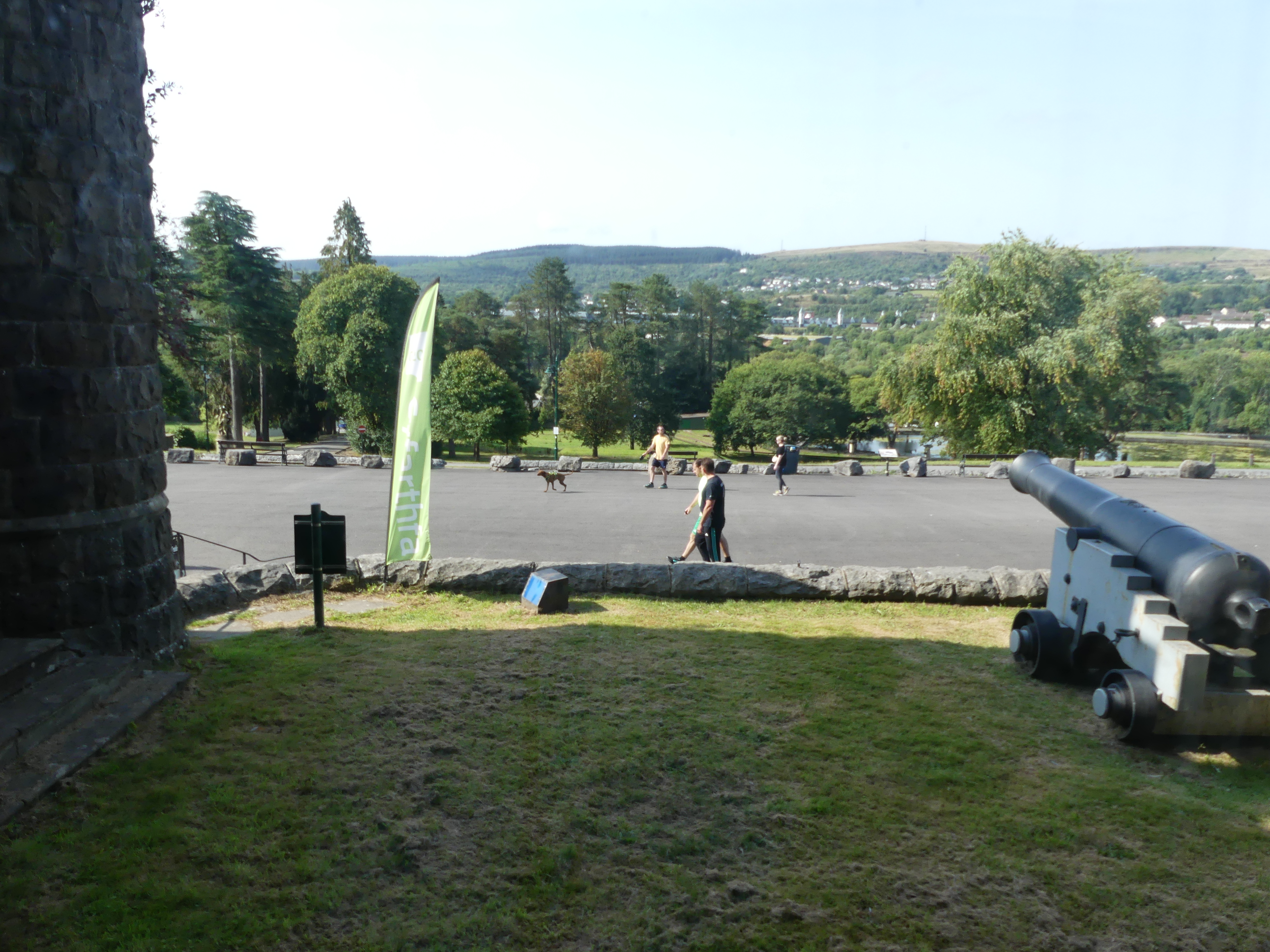
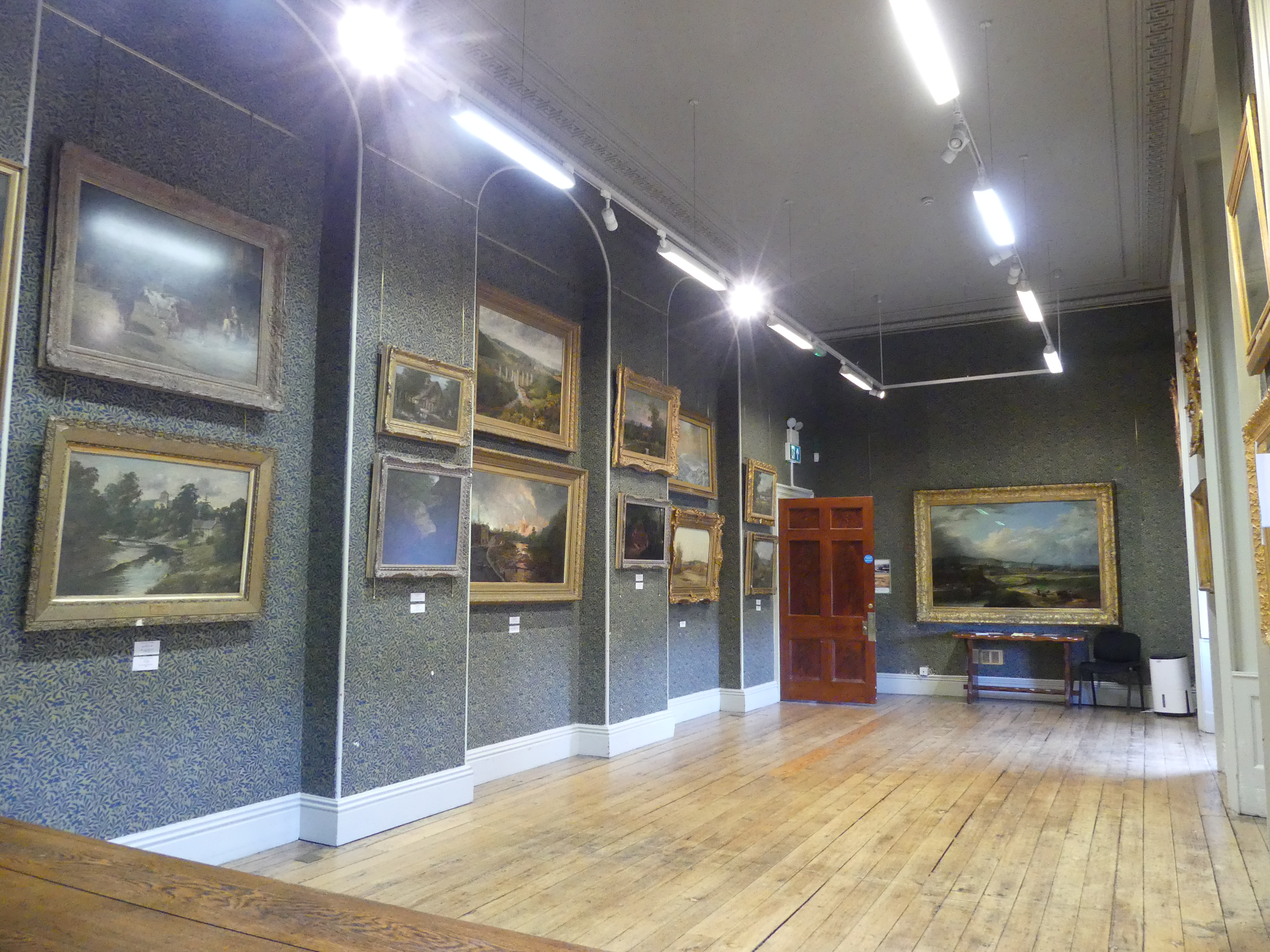
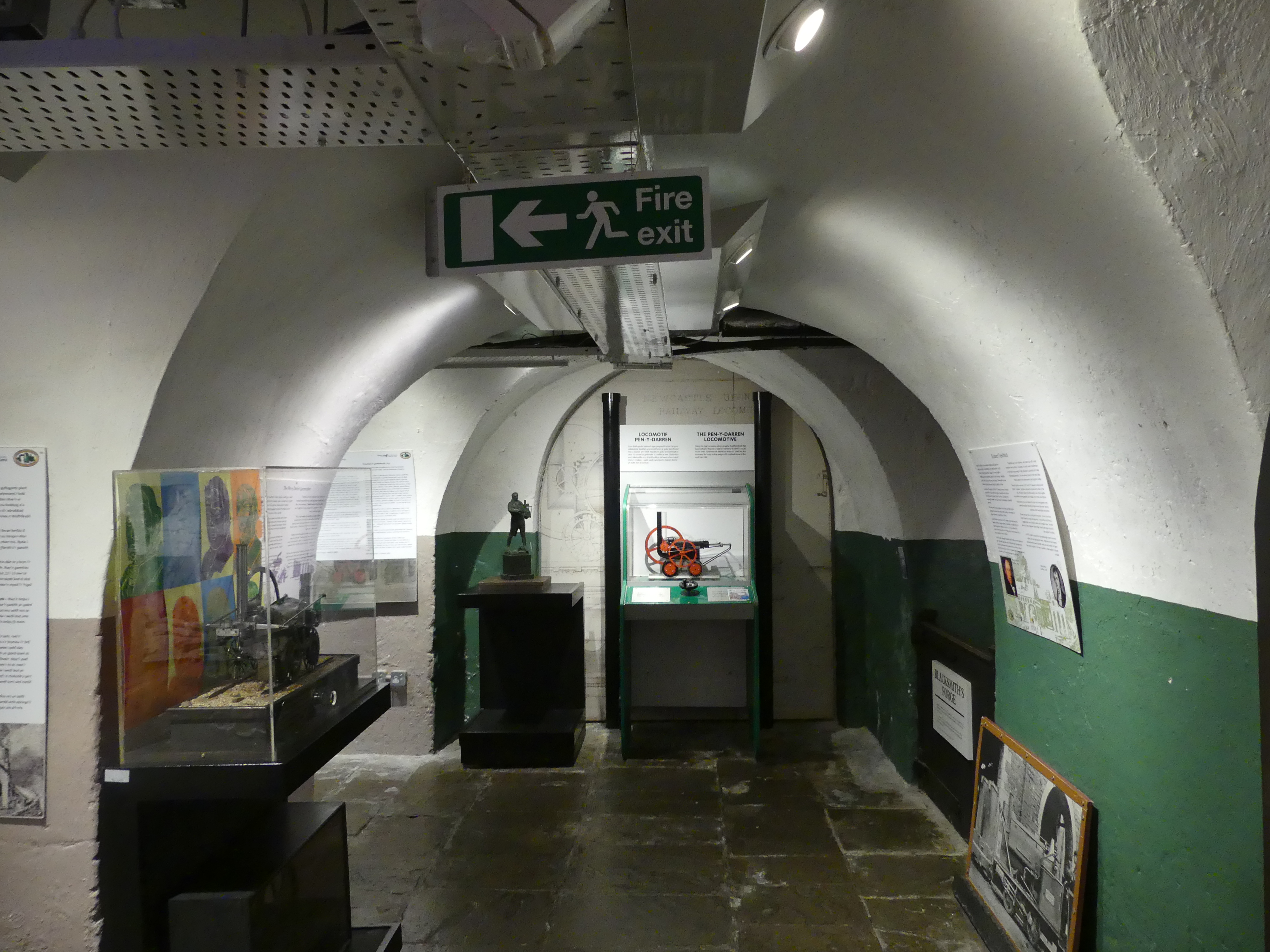
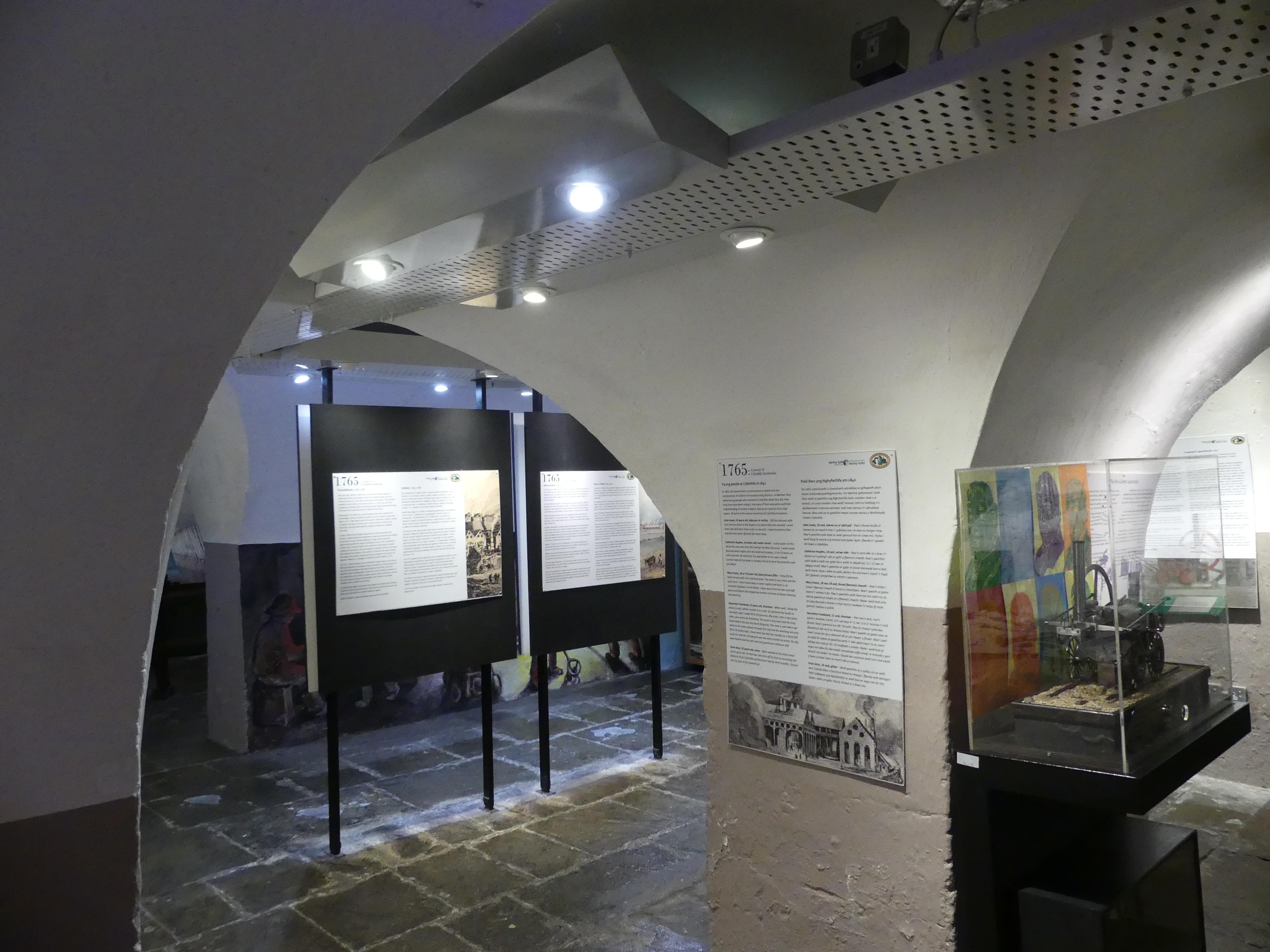
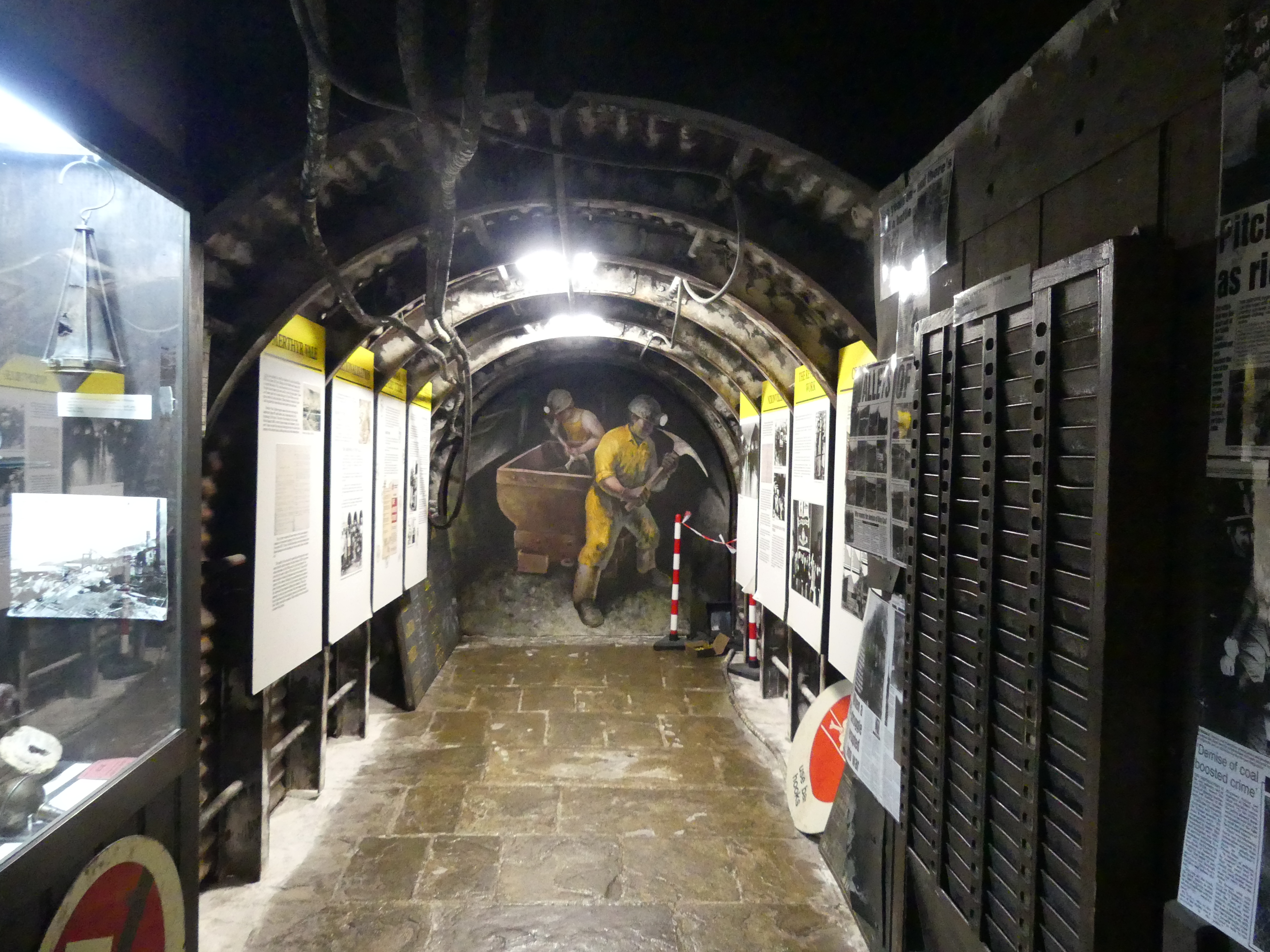
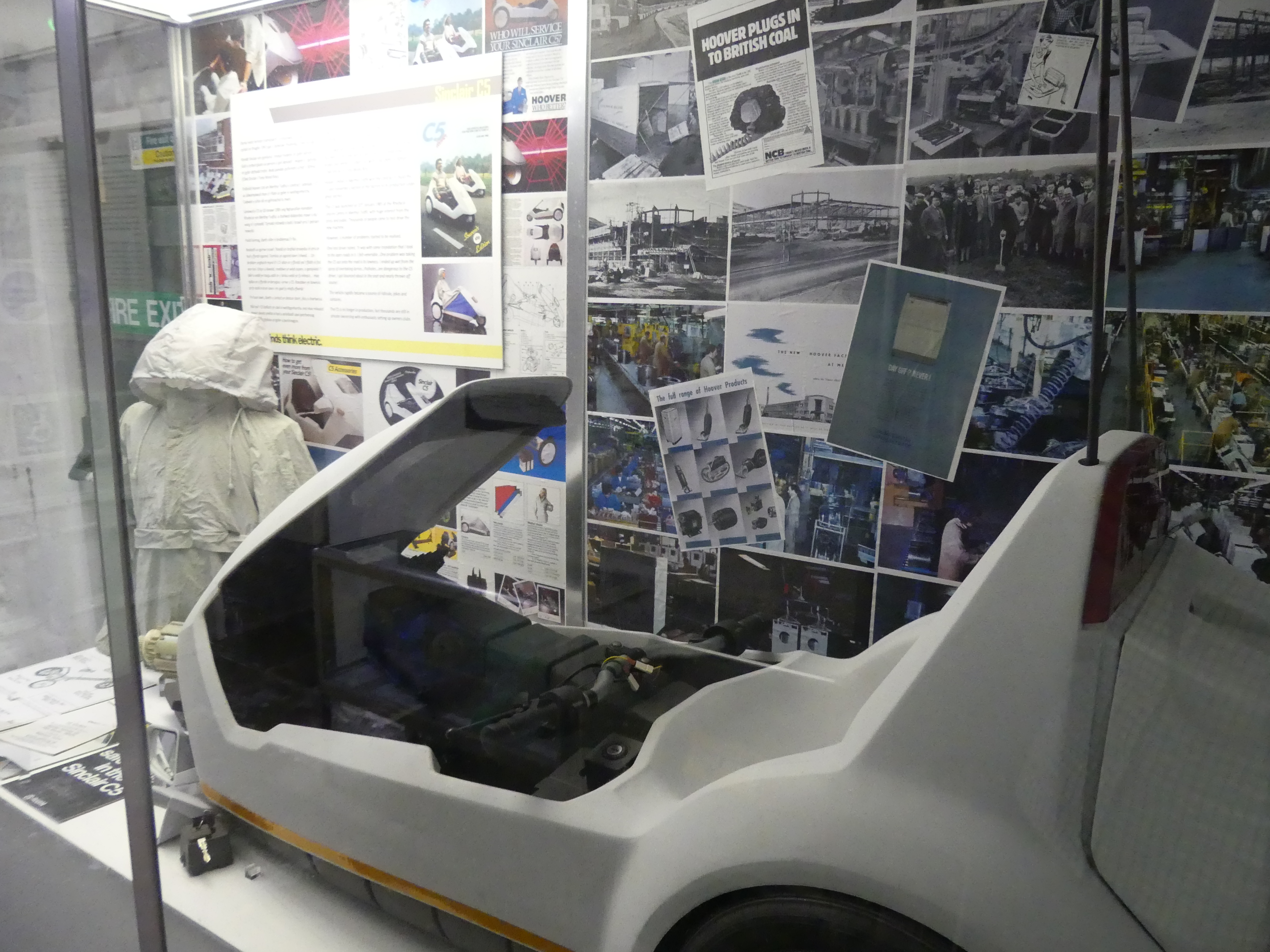
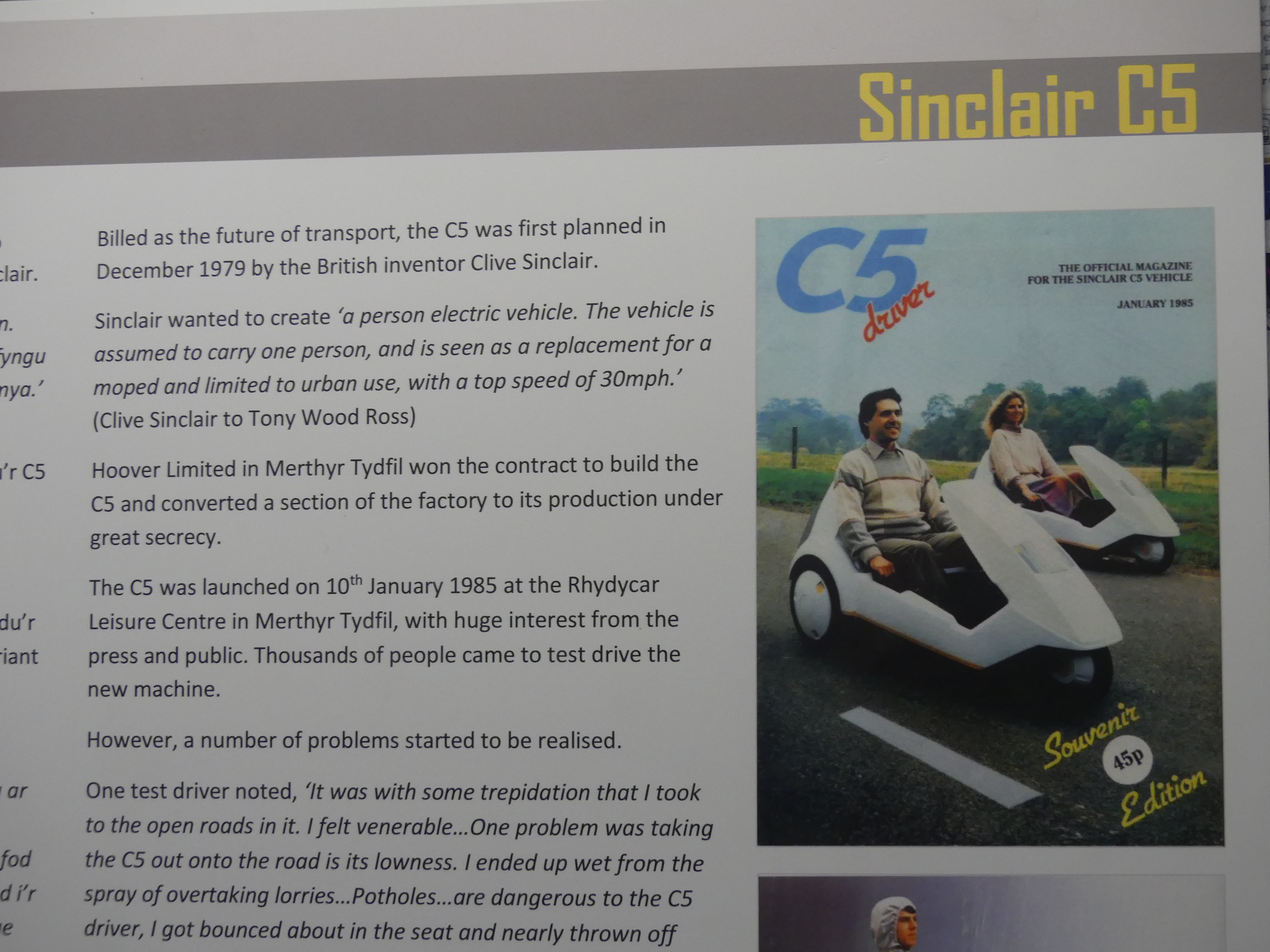
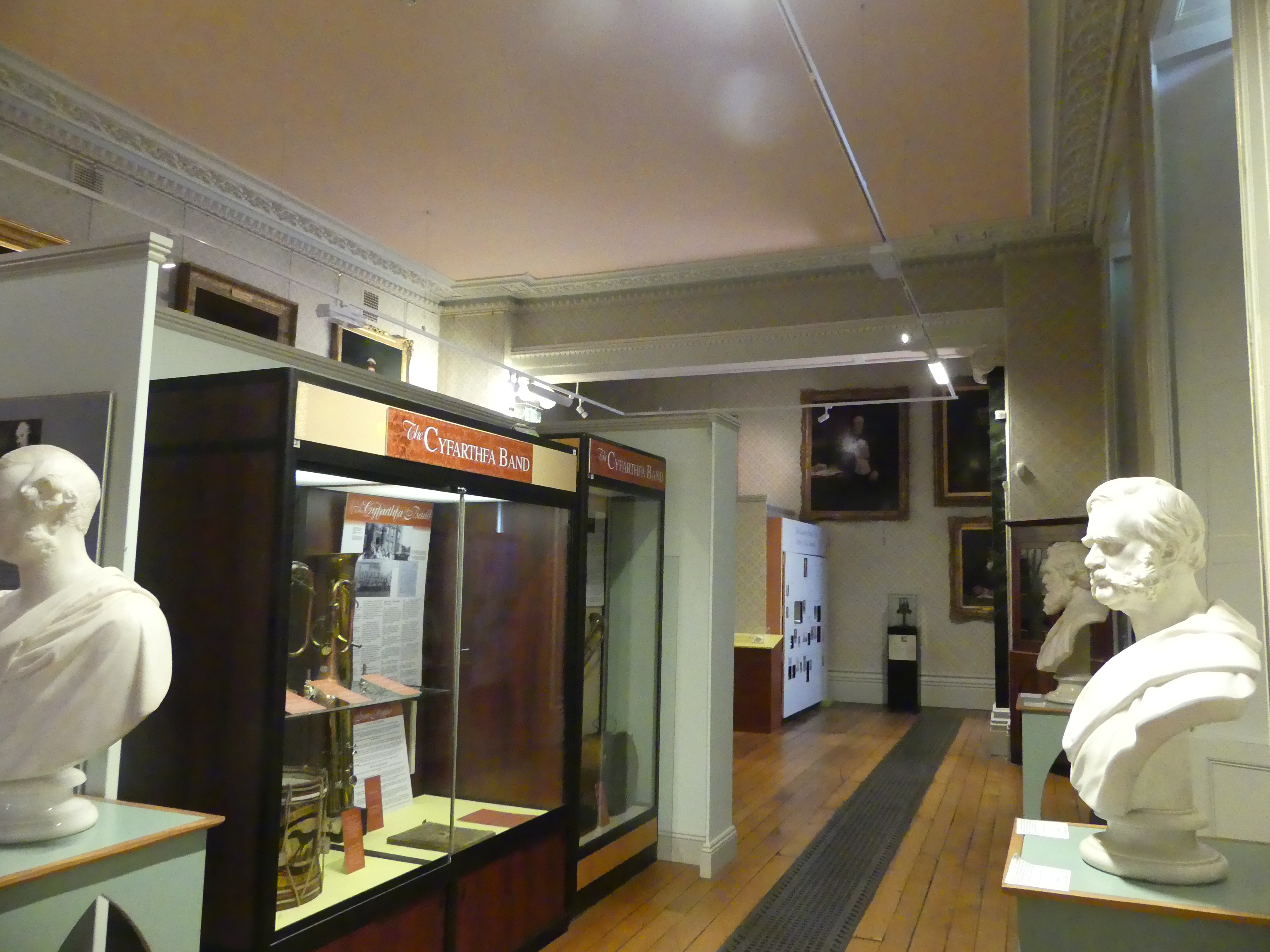
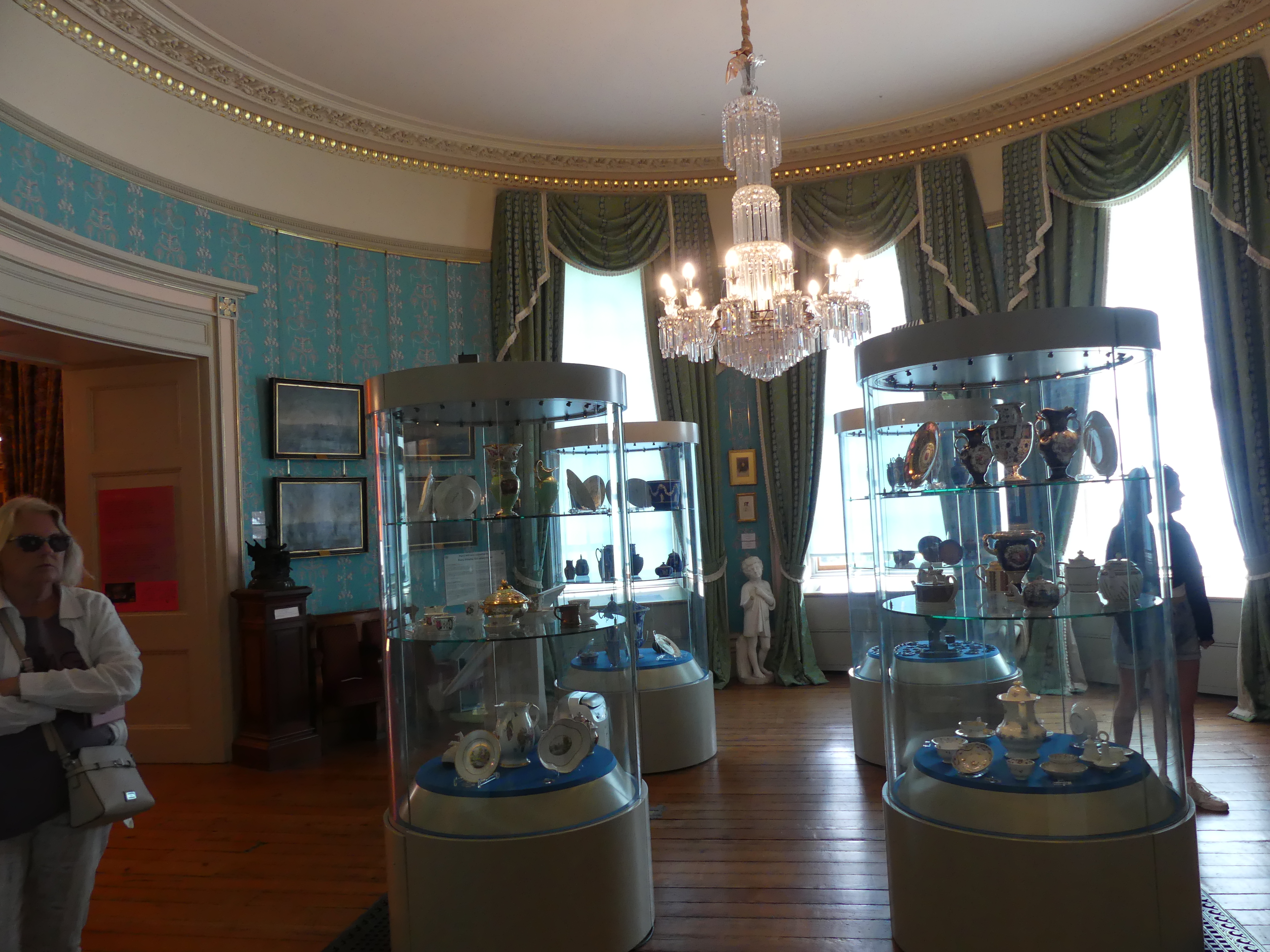
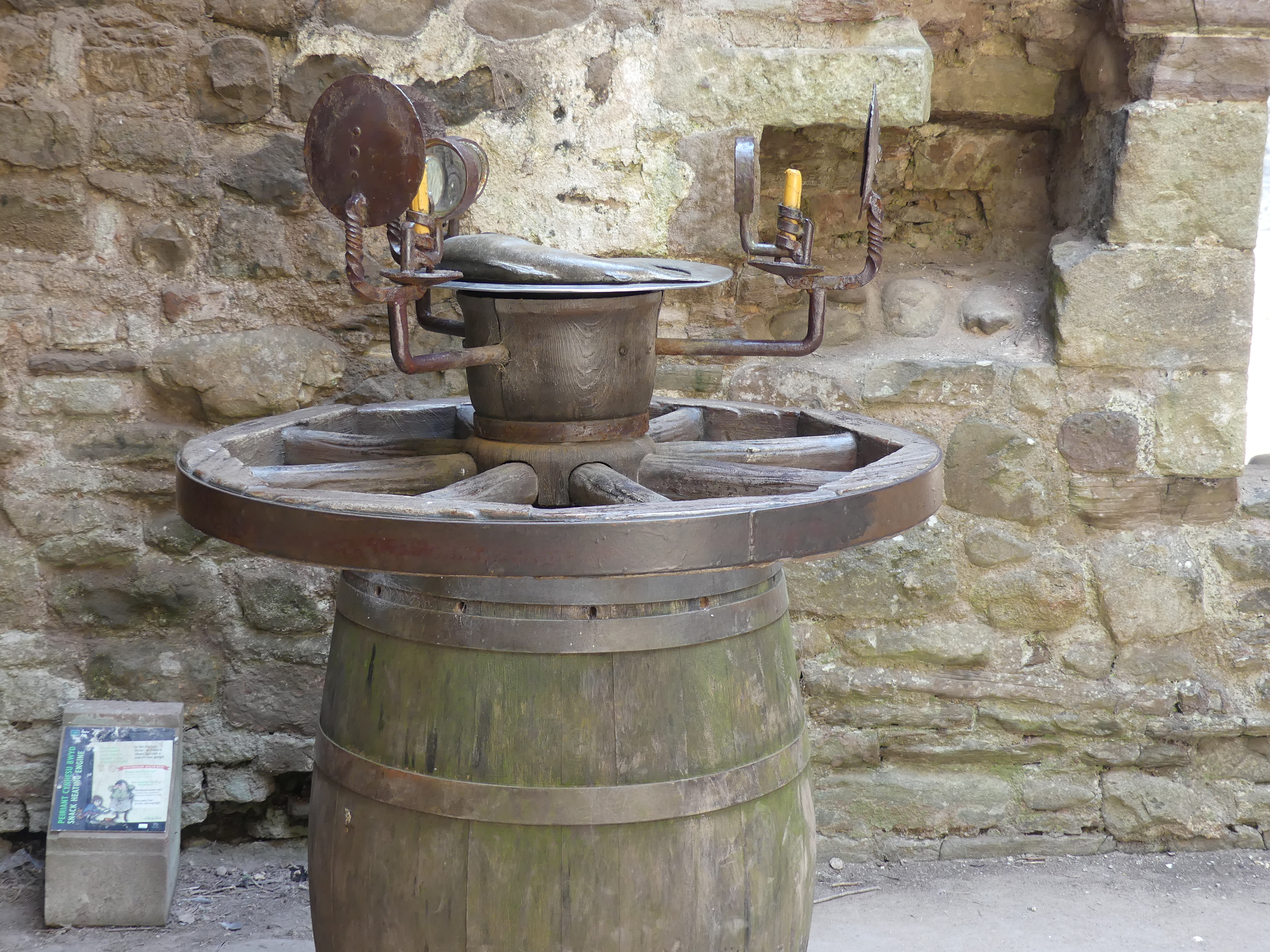
The following day we visited Cyfarthafa Castle and Blaenafon Ironworks ( the featured picture above shows one of the iron presses from Blaenafon Ironworks). Cyfarthfa Castle is a castellated mansion that was the home of the Crawshay family, ironmasters of Cyfarthfa Ironworks in Park, Merthyr Tydfil, Wales. The castle was sold in 1908 to the local council, who decided to use part of the ground floor for a museum, which still operates. The museum includes paintings, including two by James Inskipp. The rest of the building became a secondary school, and it was opened in 1913, operating as separate boys’ and girls’ schools. In 1945, they amalgamated, and in accordance with government policy the school was redesignated as a Grammar school under the name of Cyfarthfa Castle Grammar School. It became a comprehensive school in 1970, under the name Cyfarthfa High School. My photos are below.


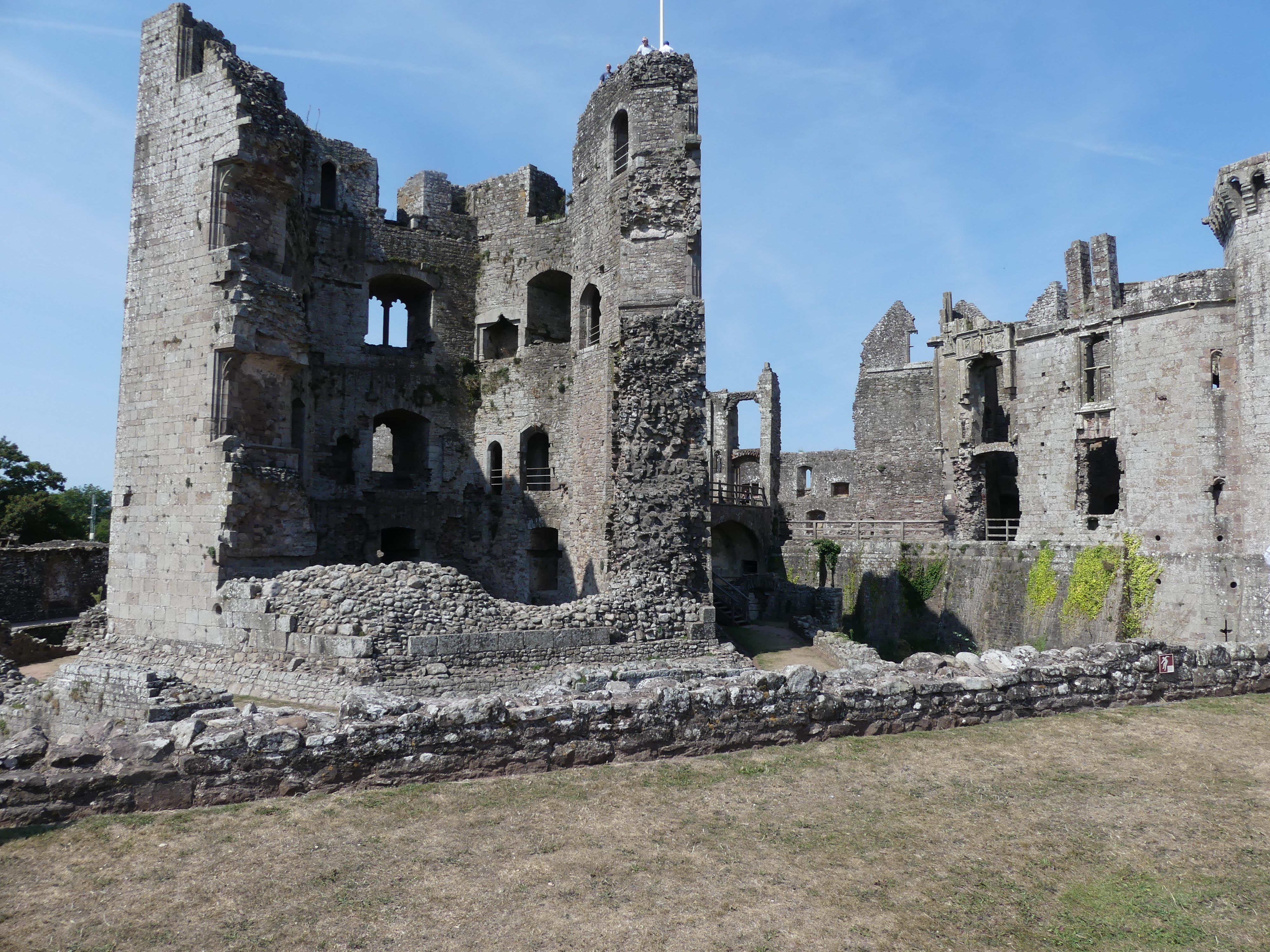
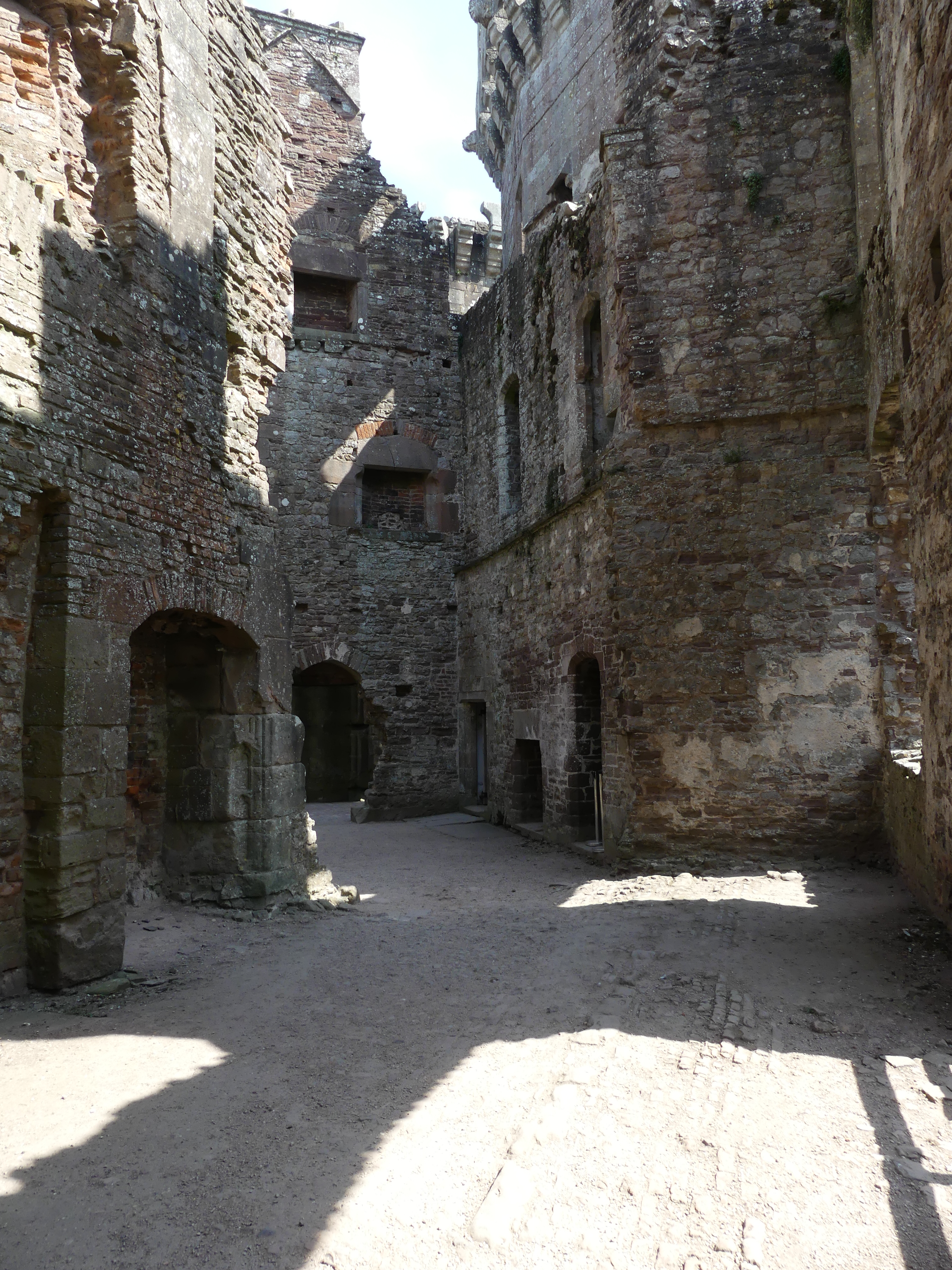
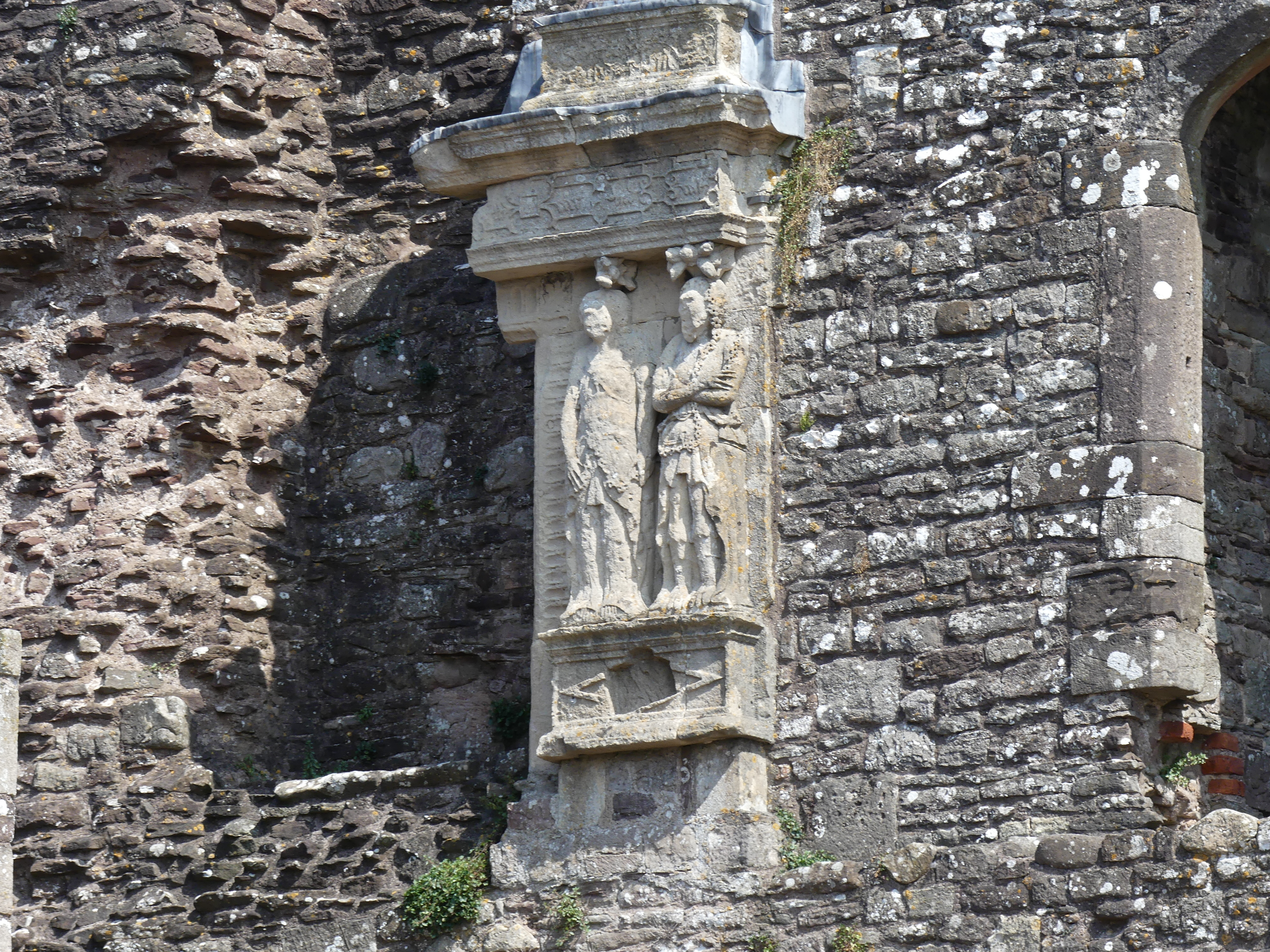
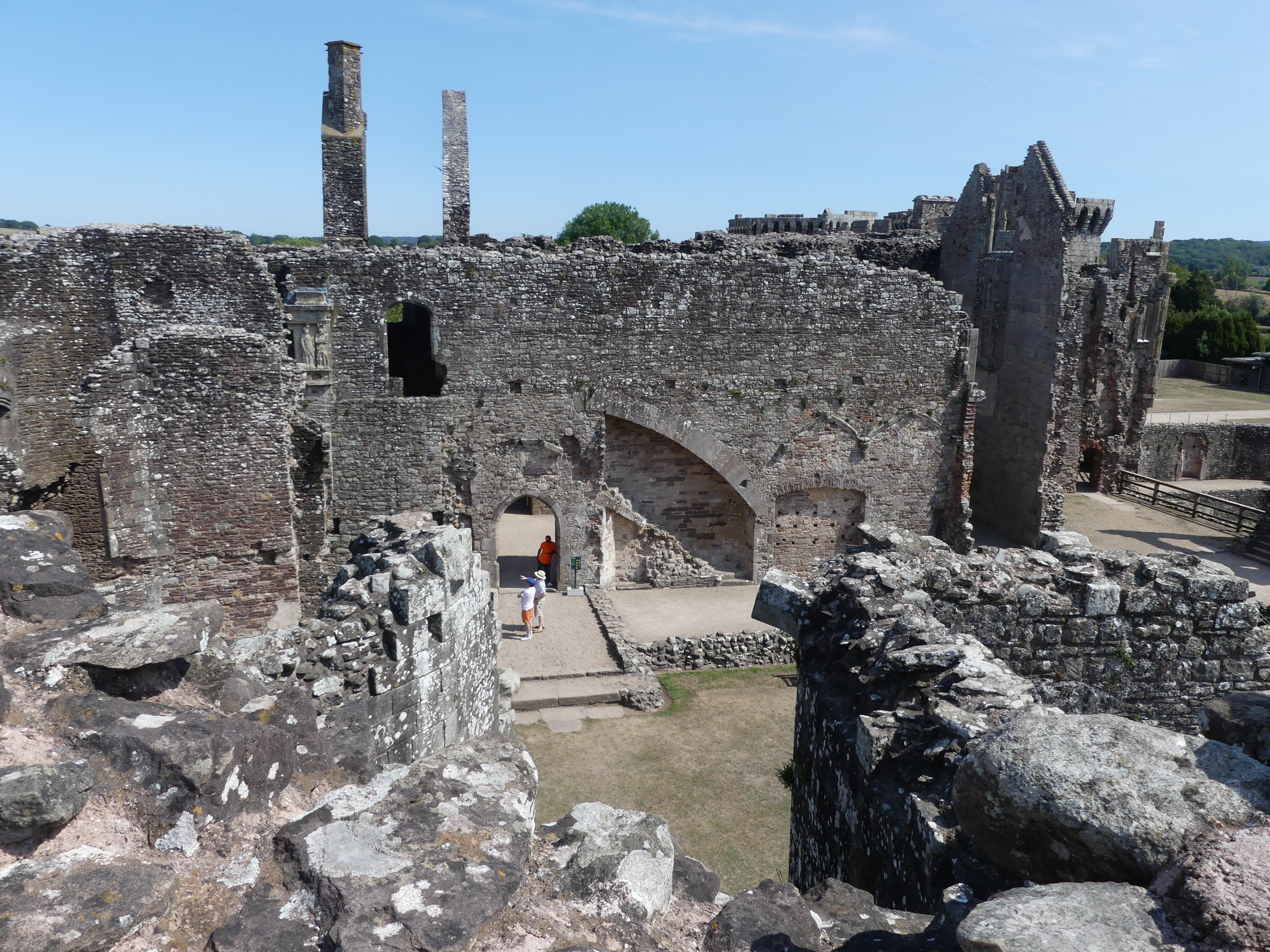
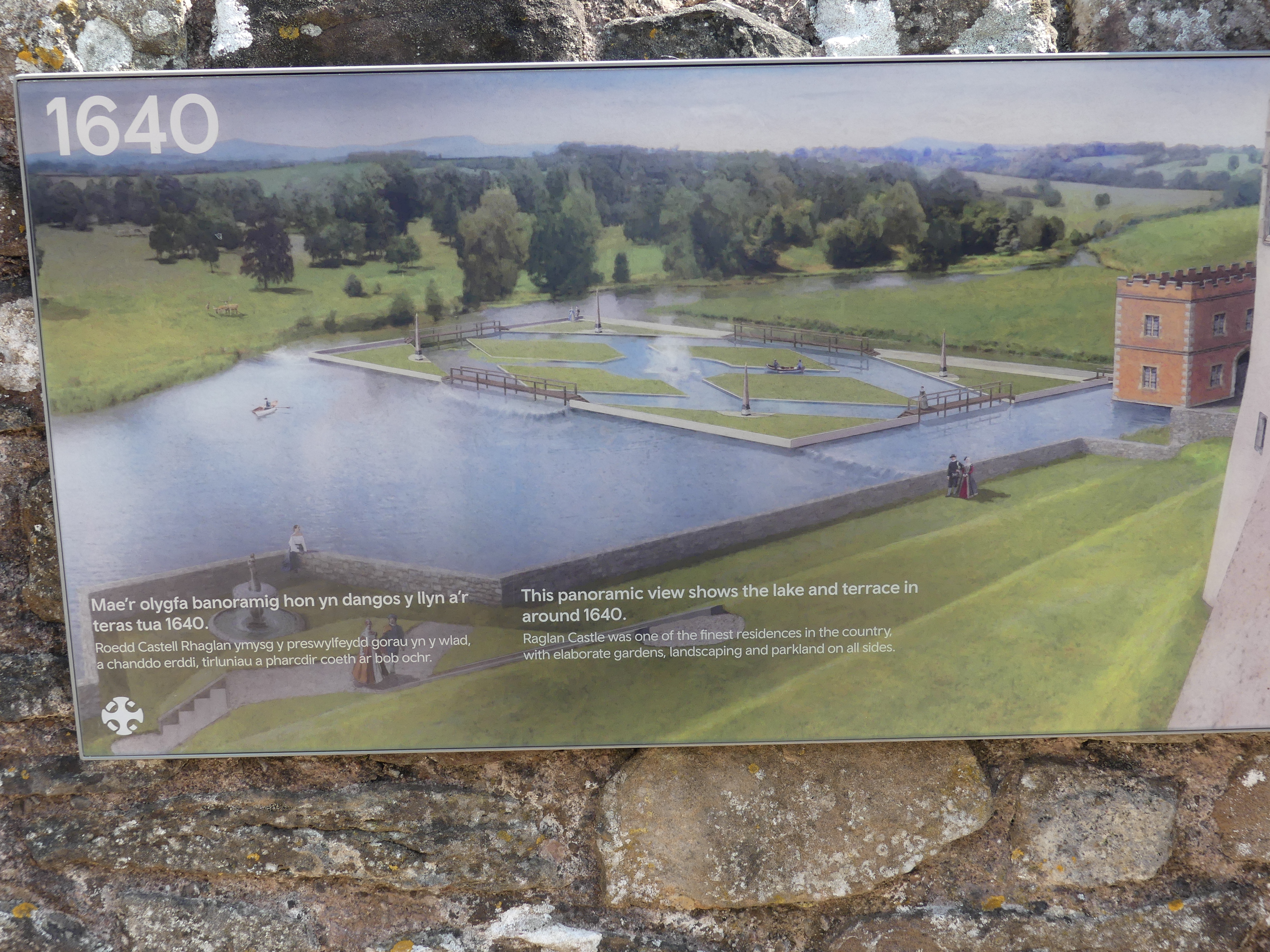
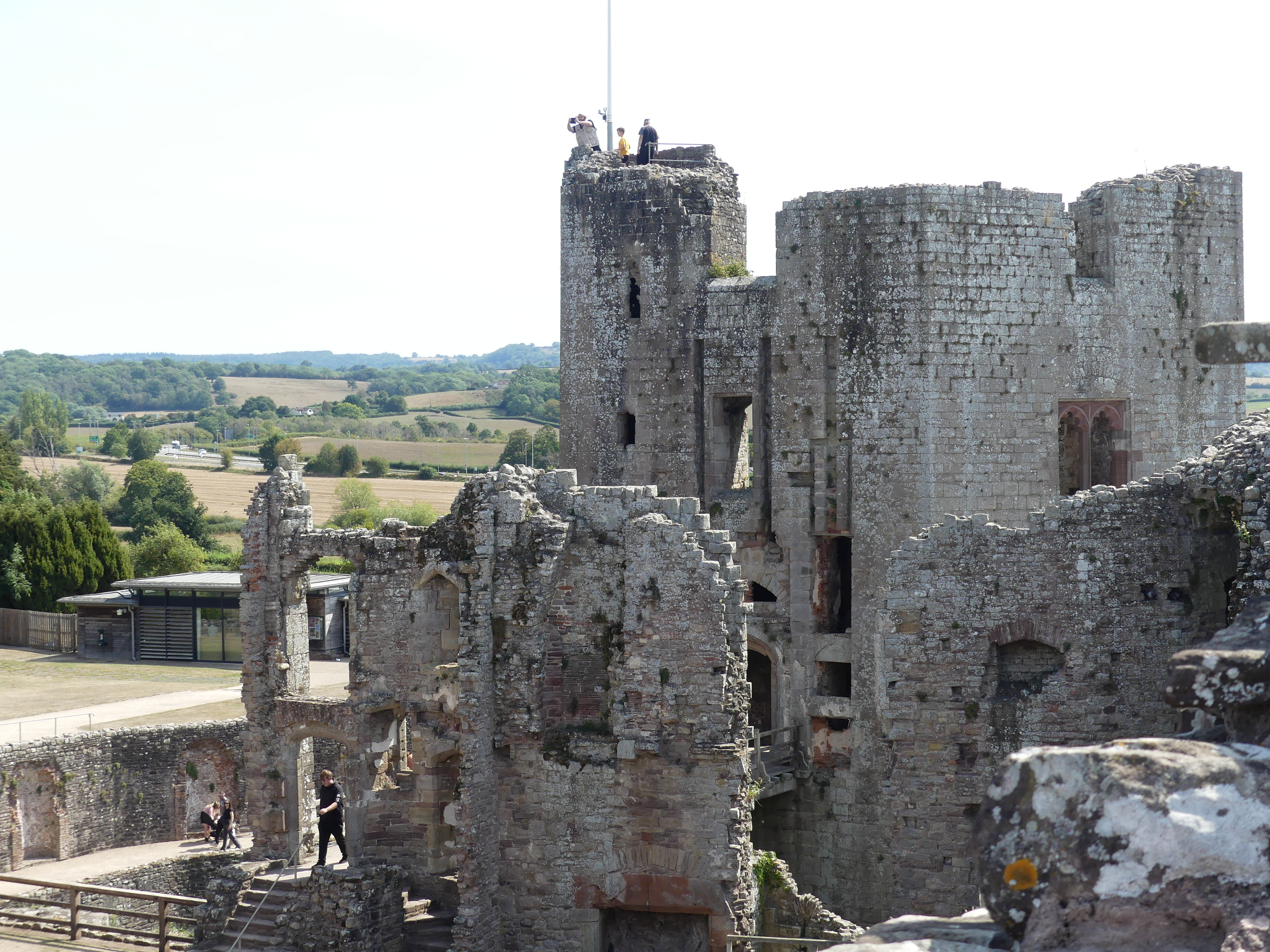
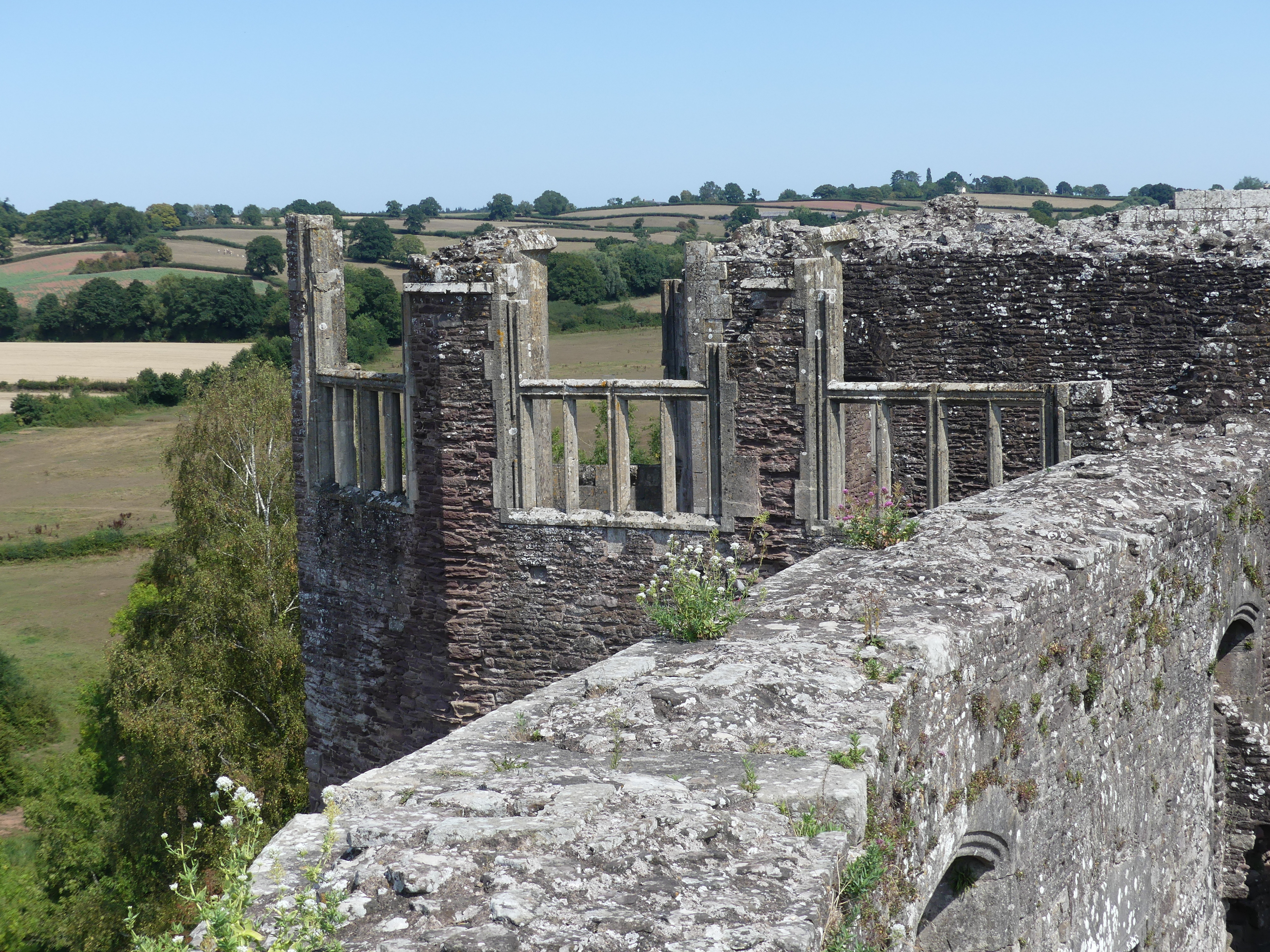
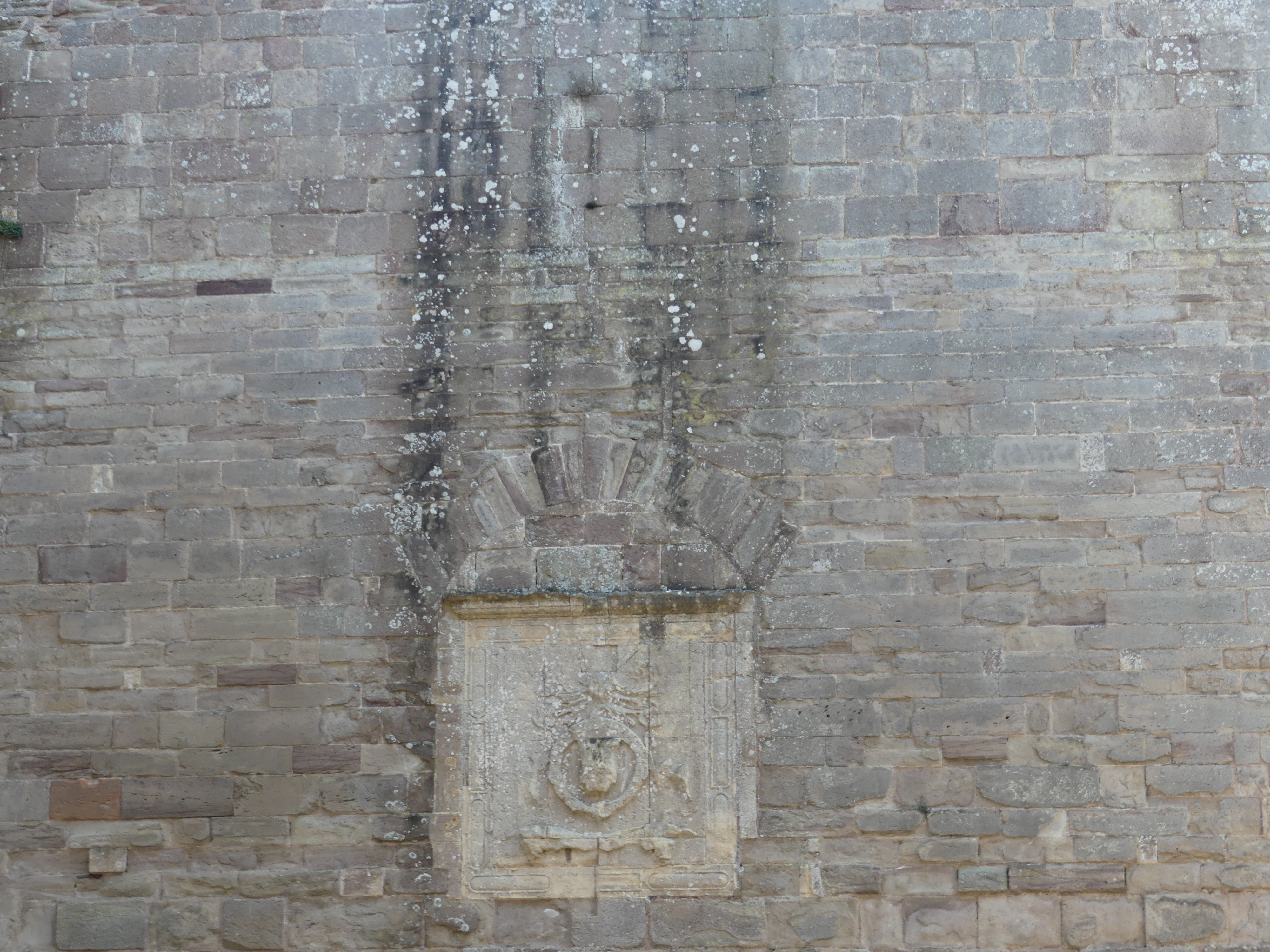
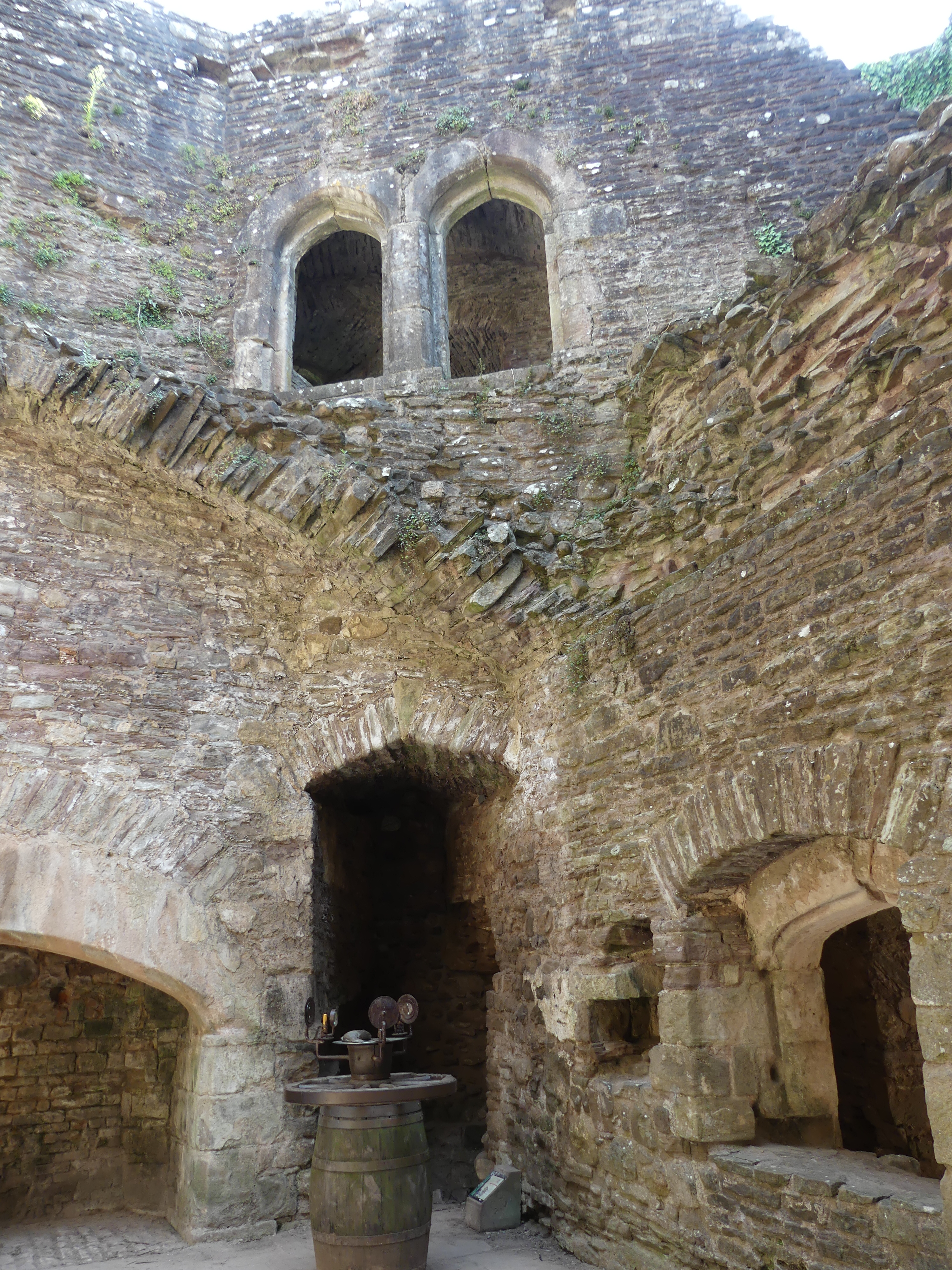
From there we tracked our way to Raglan Castle. Raglan Castle is a late medieval castle located just north of the village of Raglan in the county of Monmouthshire in southeast Wales. The modern castle dates from between the 15th and early 17th centuries, when the successive ruling families of the Herberts and the Somersets created a luxurious, fortified castle, complete with a large hexagonal keep, known as the Great Tower or the Yellow Tower of Gwent. During the First English Civil War, Raglan was occupied by a Royalist garrison on behalf of Charles I but it was taken by Parliamentarian forces in 1646 and its walls slighted or deliberately put beyond military use. After the Stuart Restoration in 1660, the Somersets declined to restore it and it became first a source of local building materials, then a romantic ruin. It is now a tourist attraction. We spent time going through the ruins and sought refreshment, but the café was well hidden. We finally found the cafe – outside of the castle allotment in the courtyard of the neighbouring house. We sat down in the shade and then caused a minor disturbance because the waiter took the order incorrectly but to their credit, they admitted their error and provided us with a refund for the mistake. My photos of the ruins and the café follow including the CADW brochure.








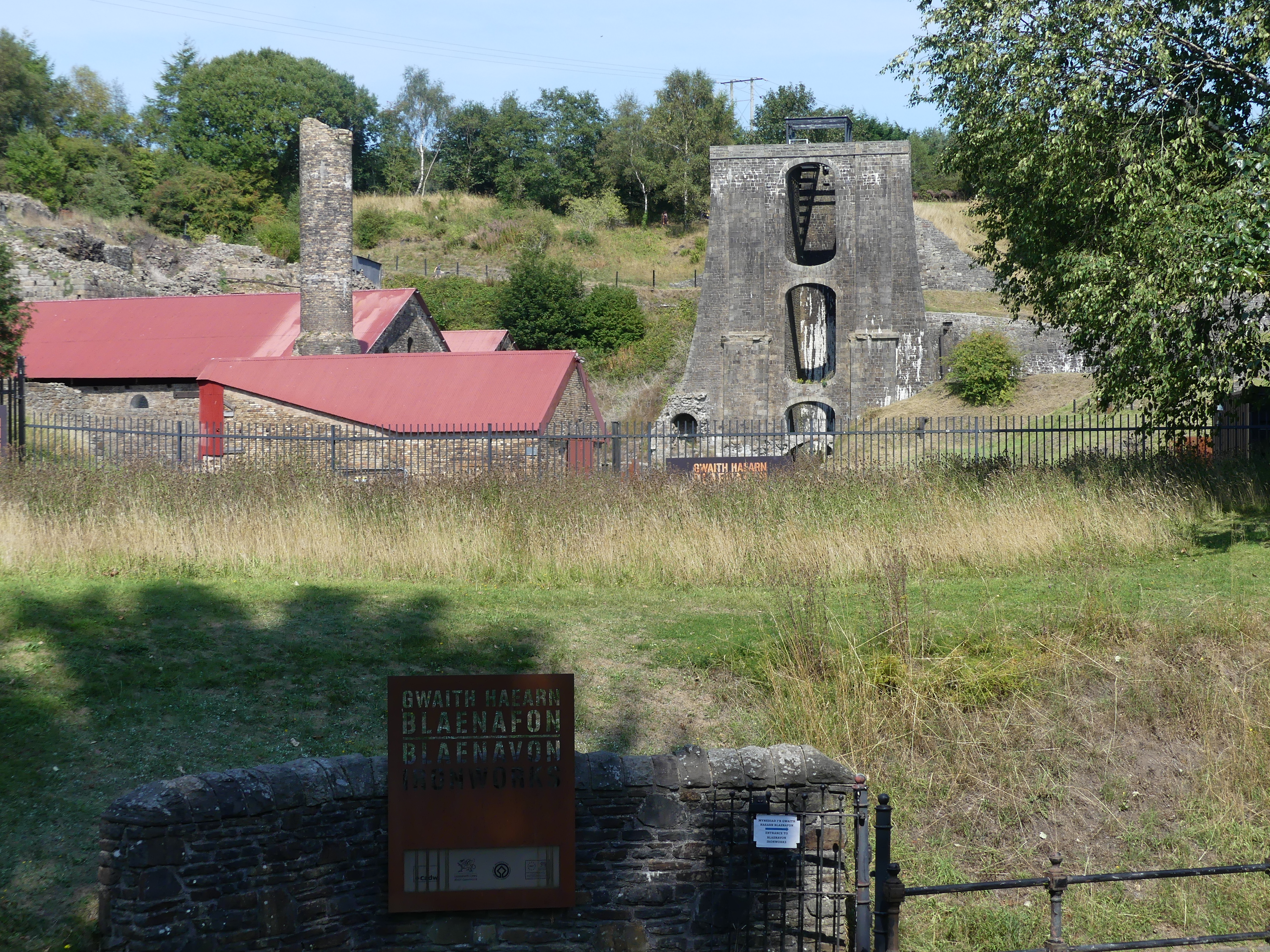
Blaenafon Ironworks.
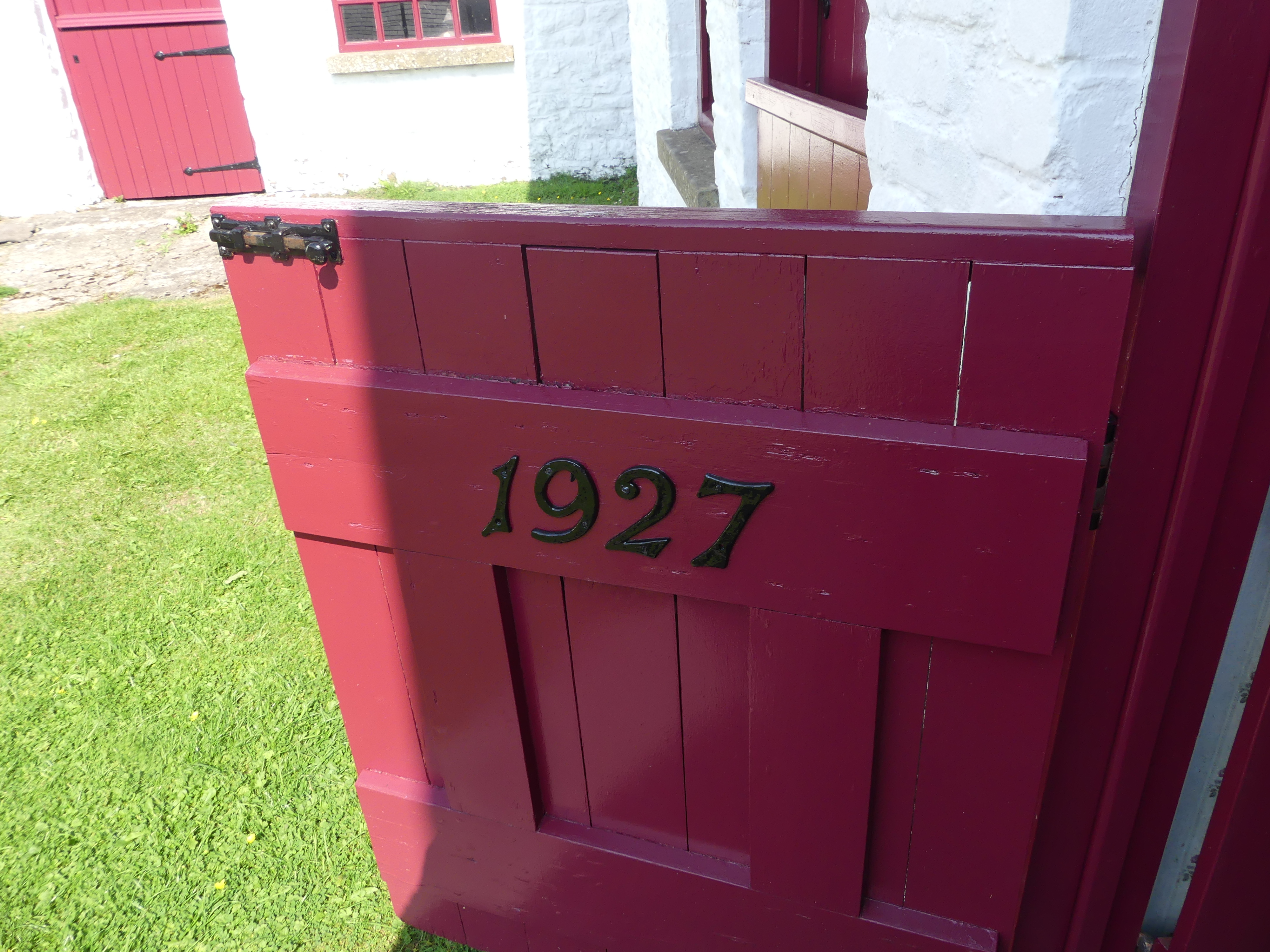
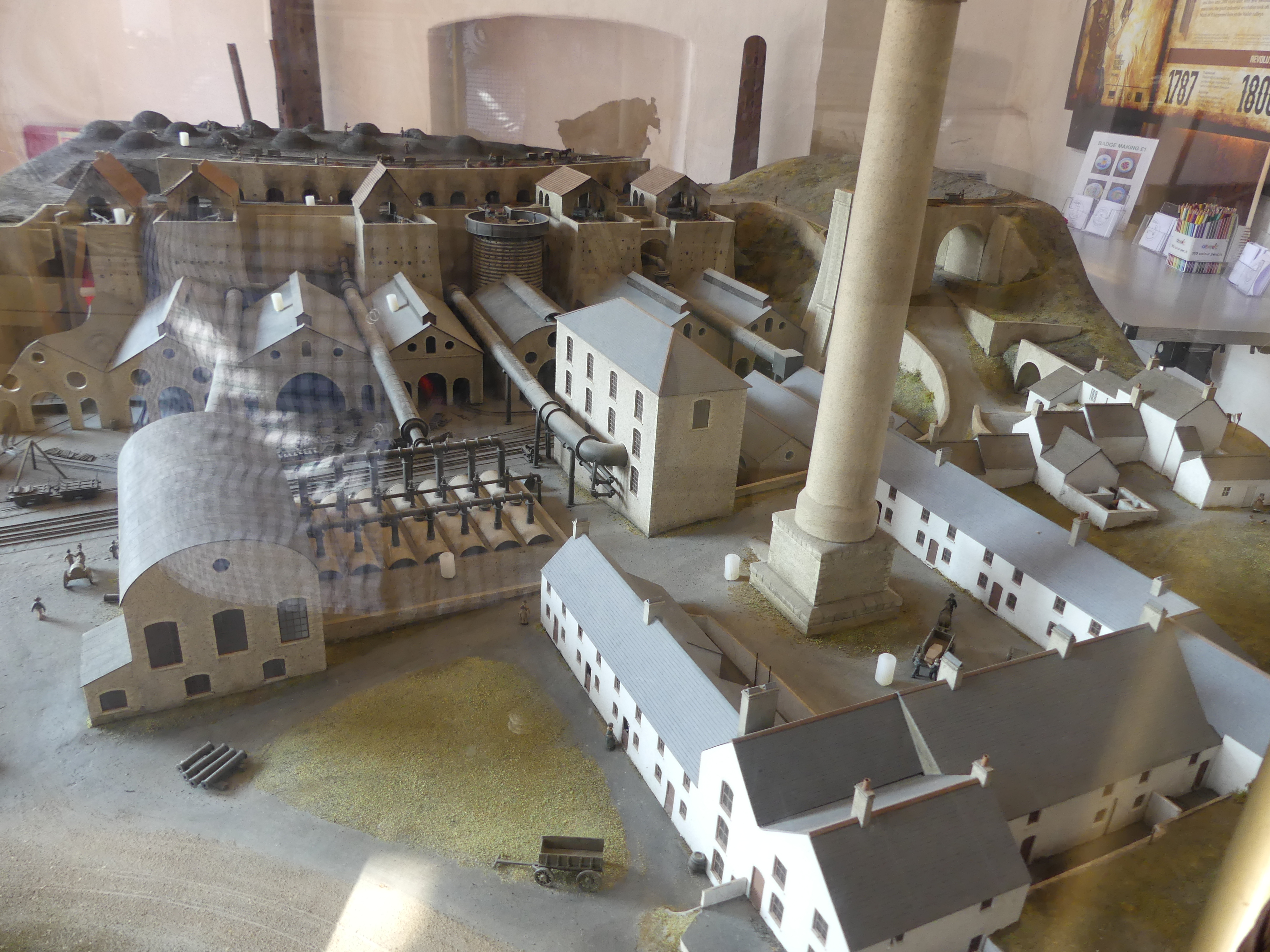
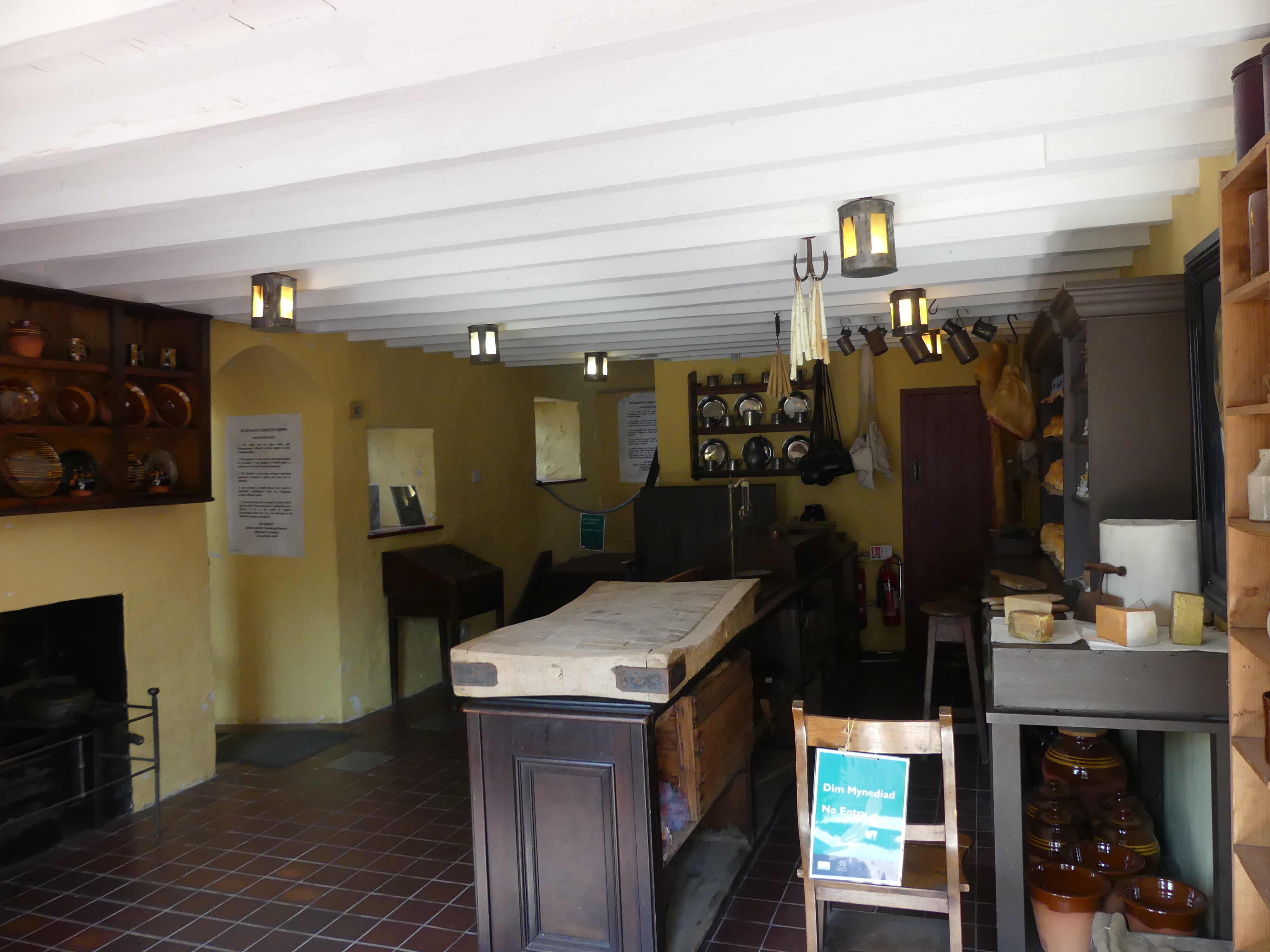
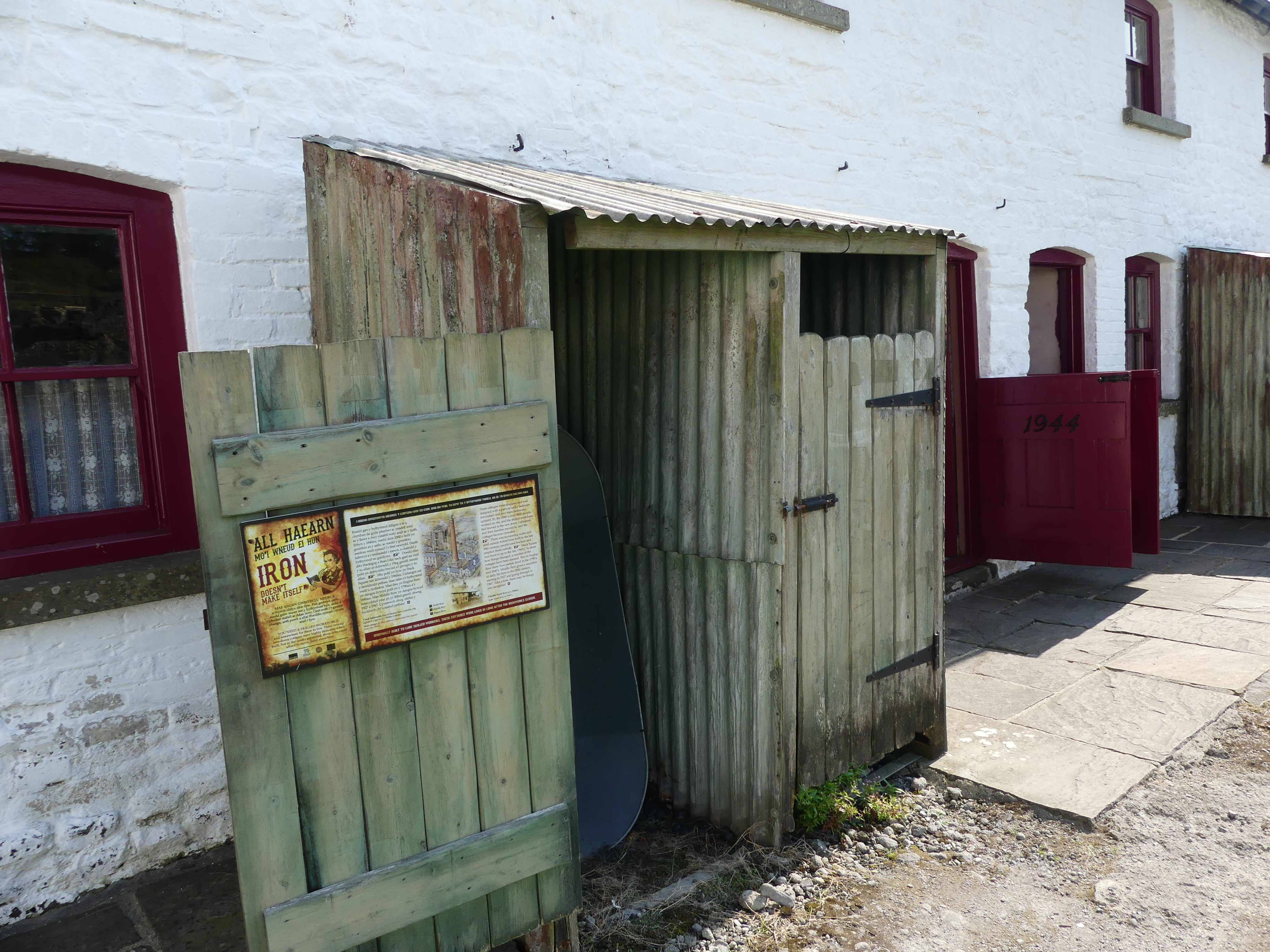
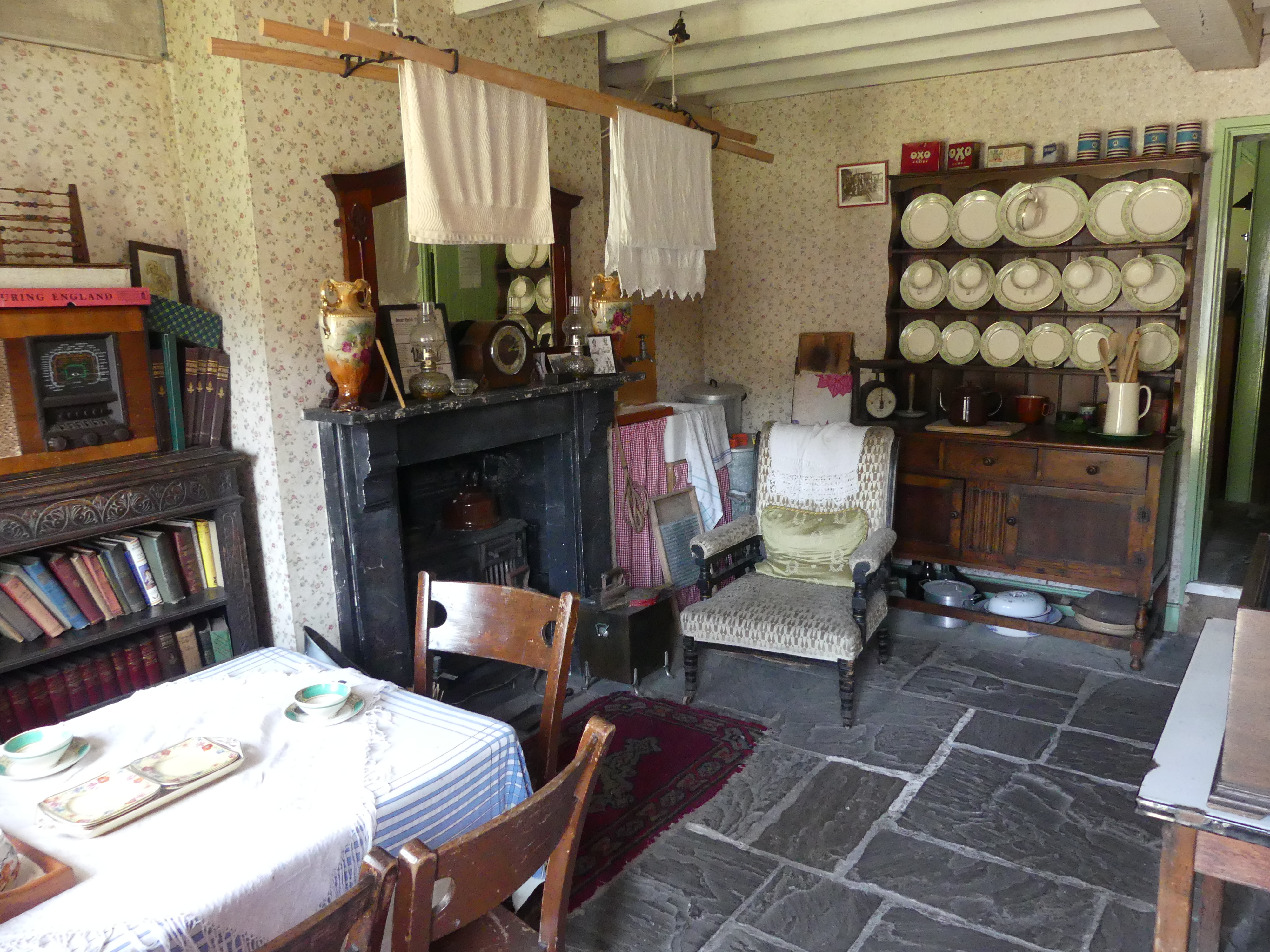
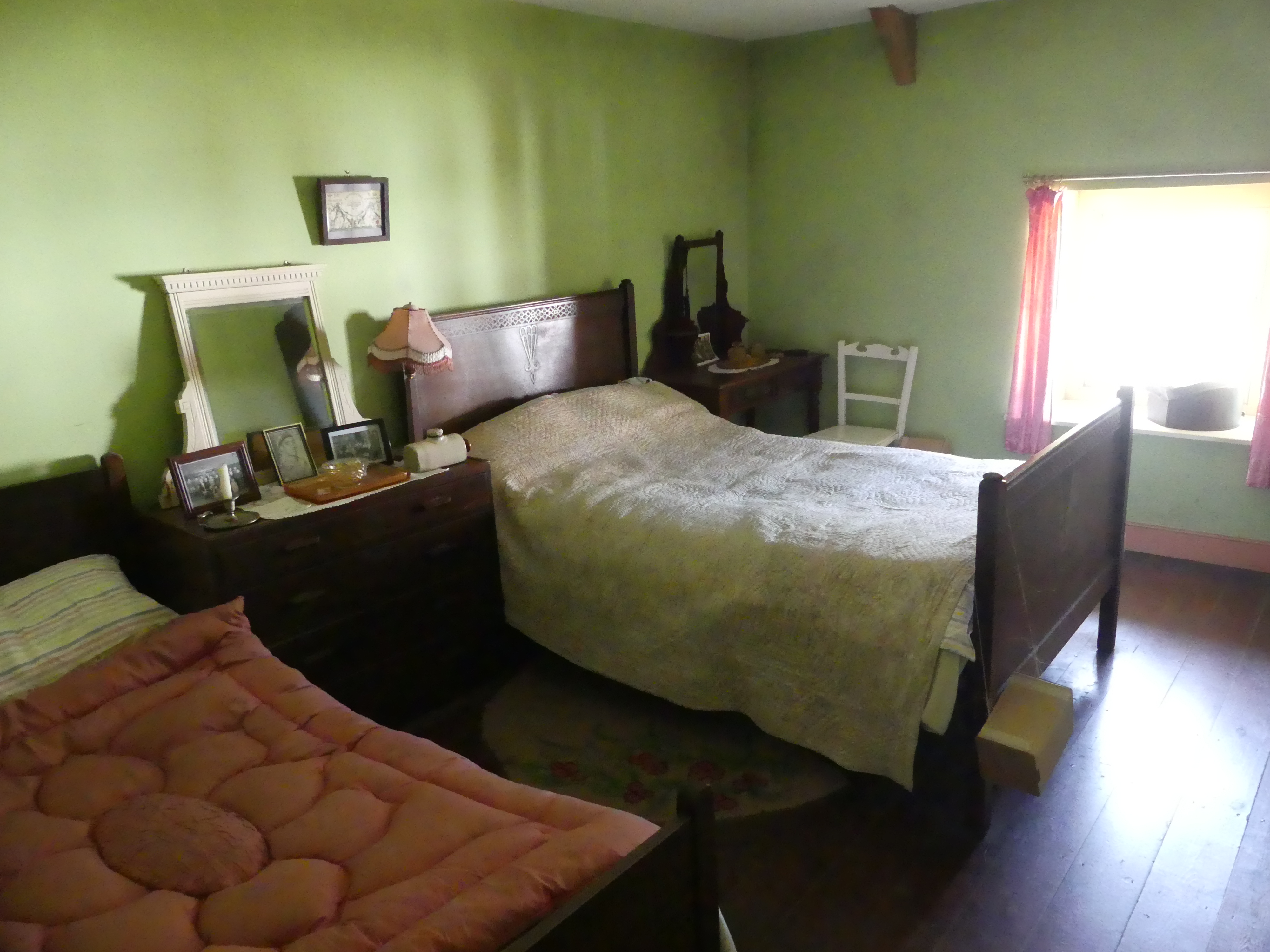
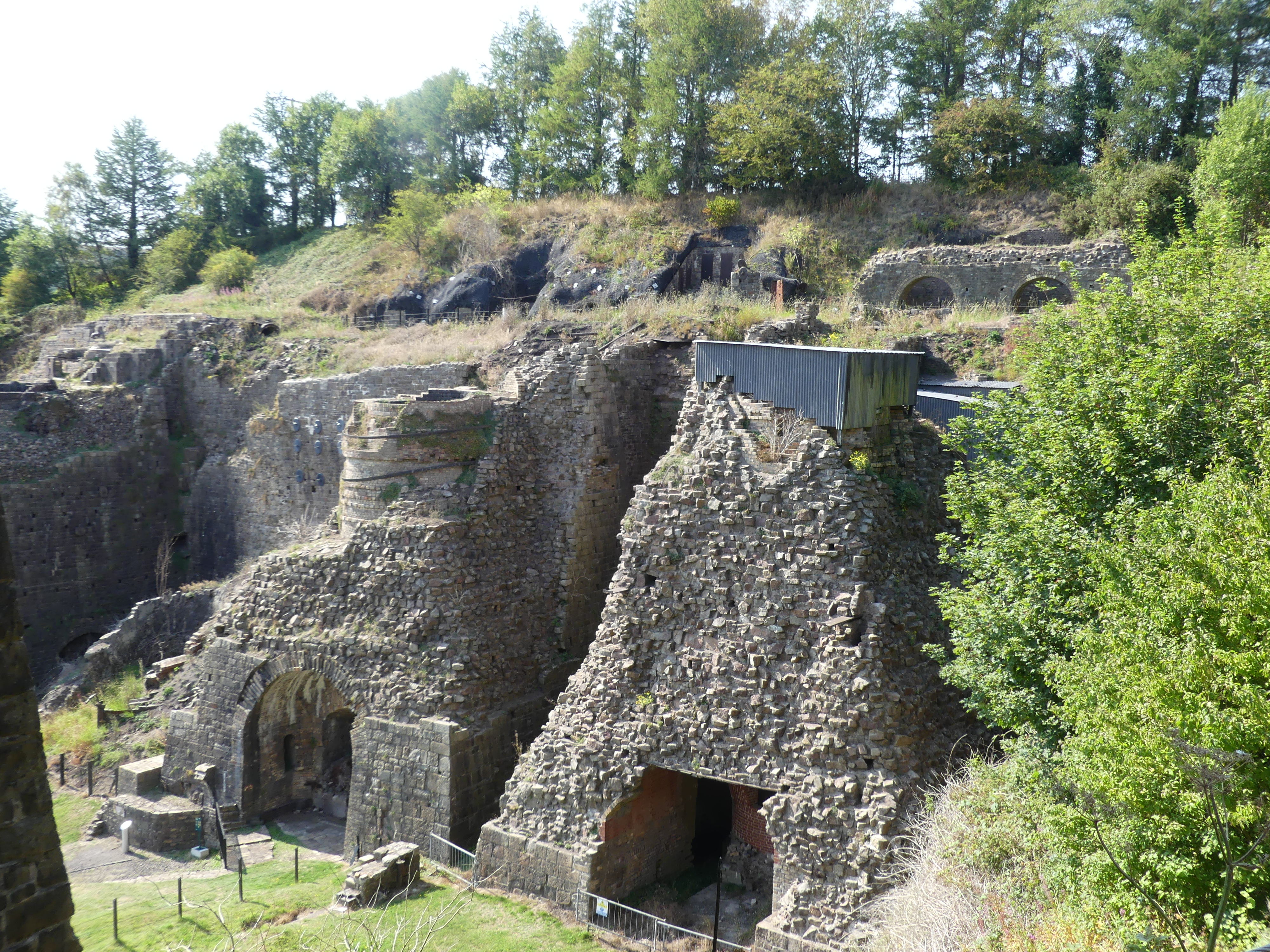
We traveled back through the Brecon Beacons National Park to visit the Ironworks and as it was a different road we encountered a local swimming hole surrounded by people and sheep. The photo is below. It was late afternoon when we arrived at the Ironworks largely hidden by overgrowth of the surrounding trees. This is one of the steel mills ever present through out Wales during its industrial years. The entry was tiny and manned by a husband-and-wife team. She was clearly American, and they recently returned to Wales and took up this position. Seemed an odd fit. However, the recreation of life for the workers in the preserved ironworks was excellent.
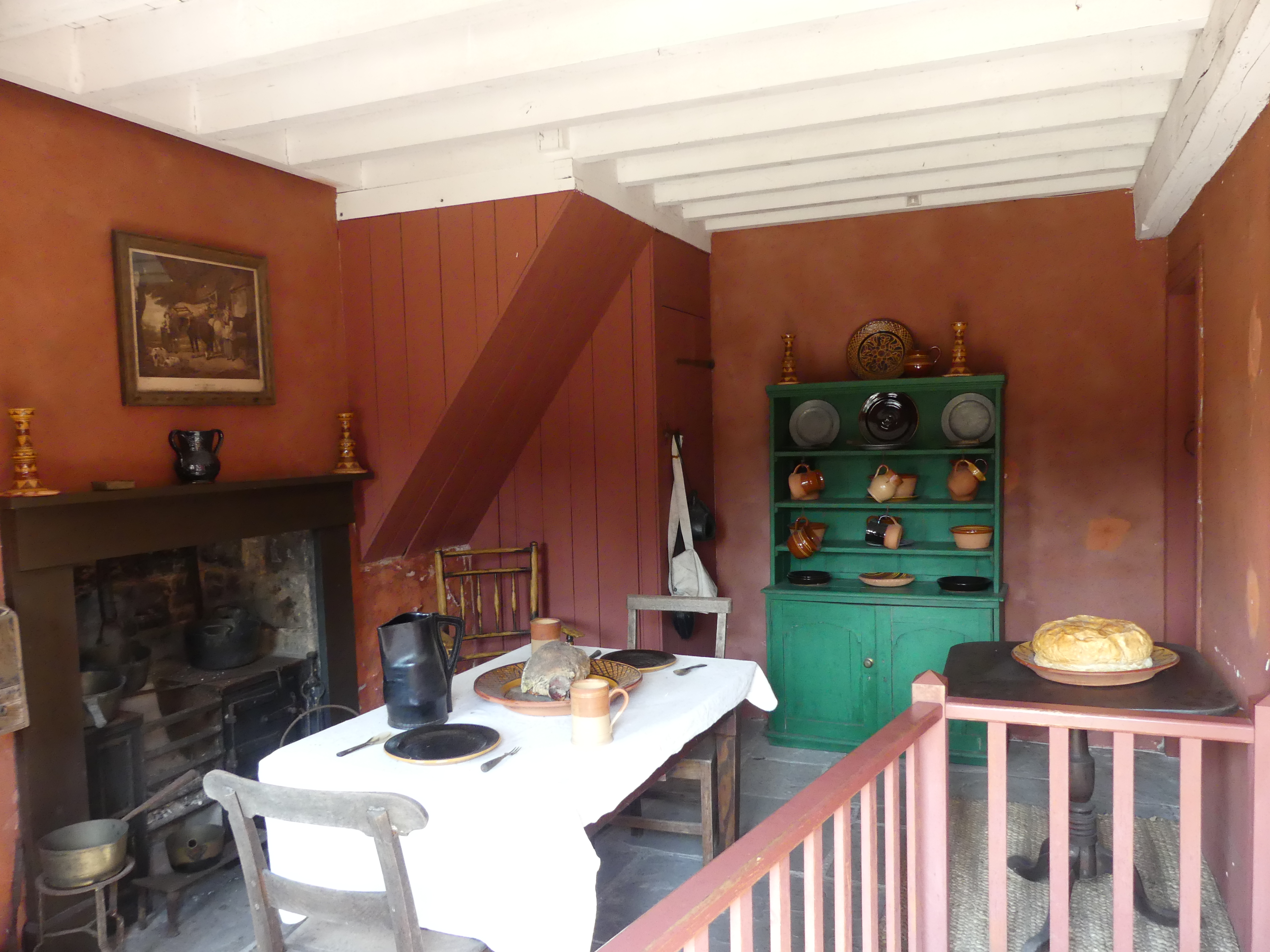
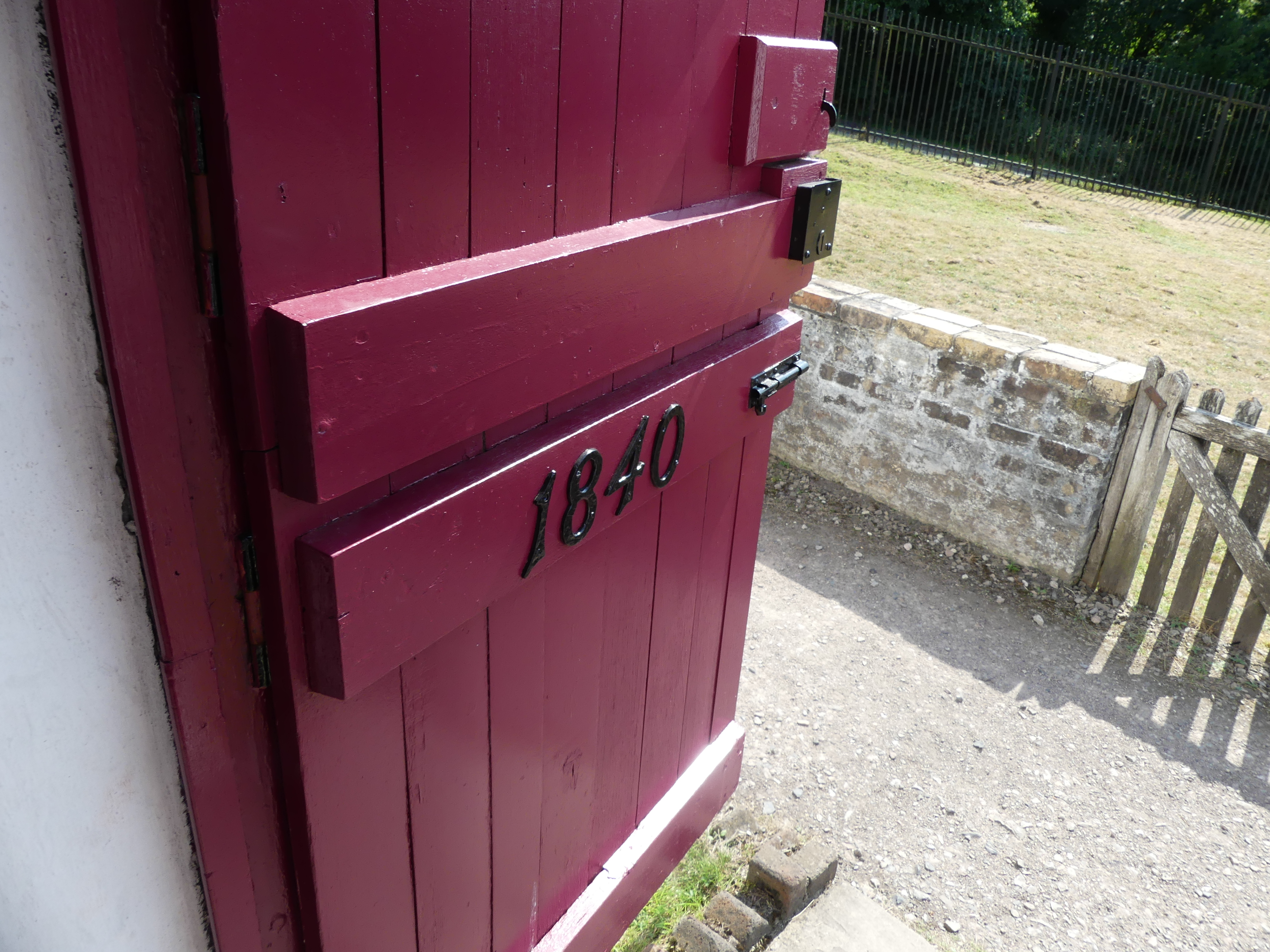
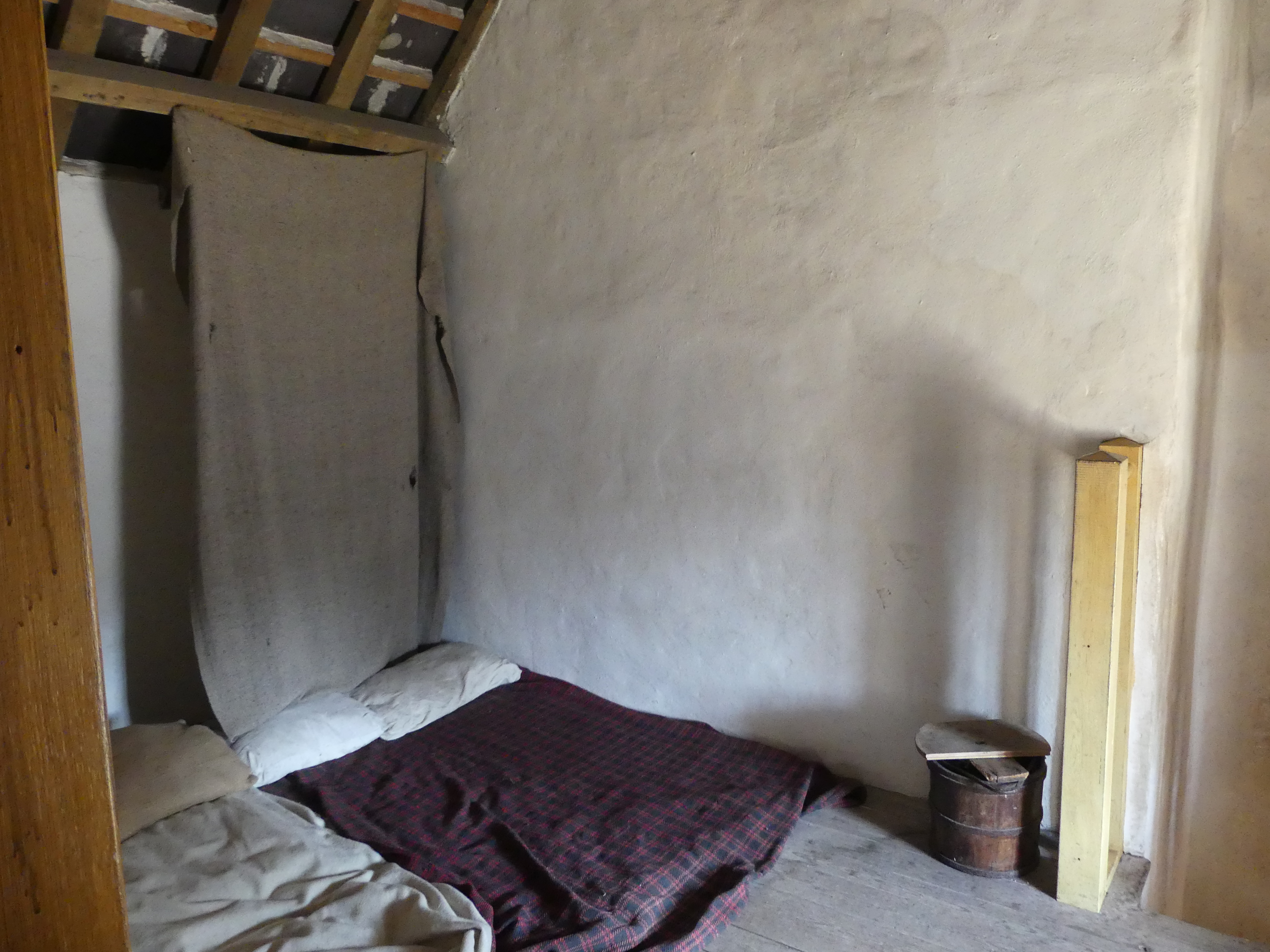
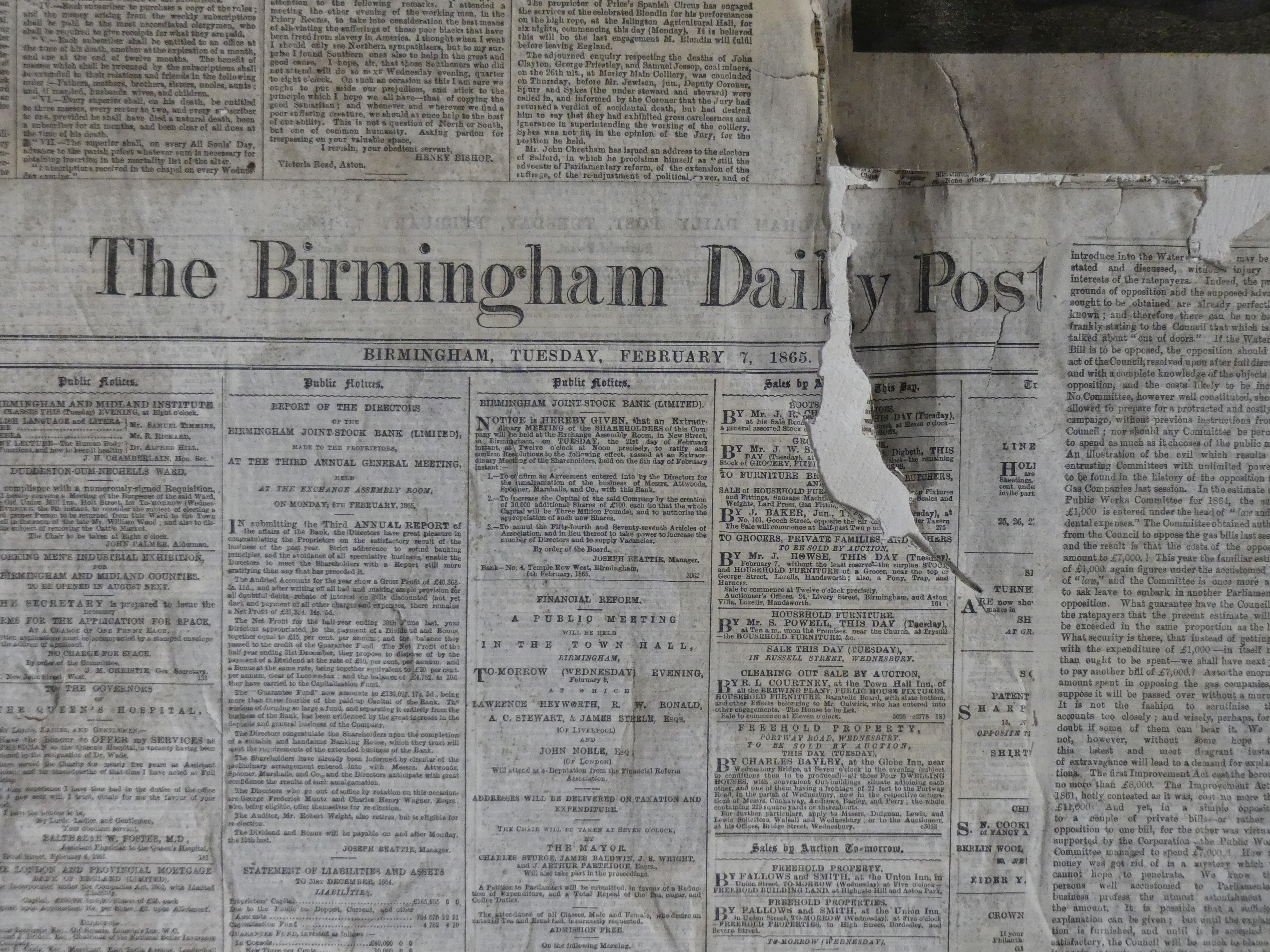
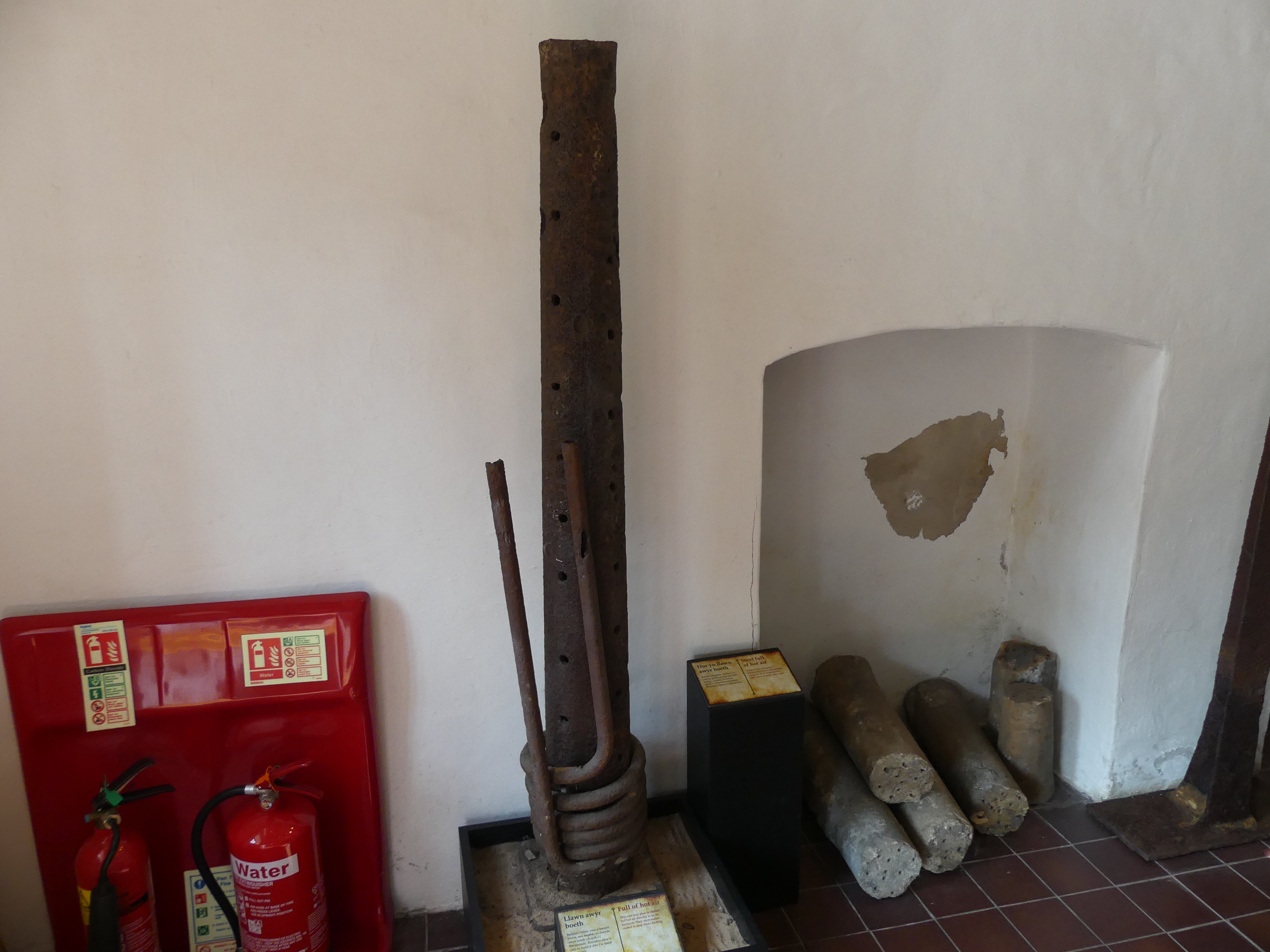
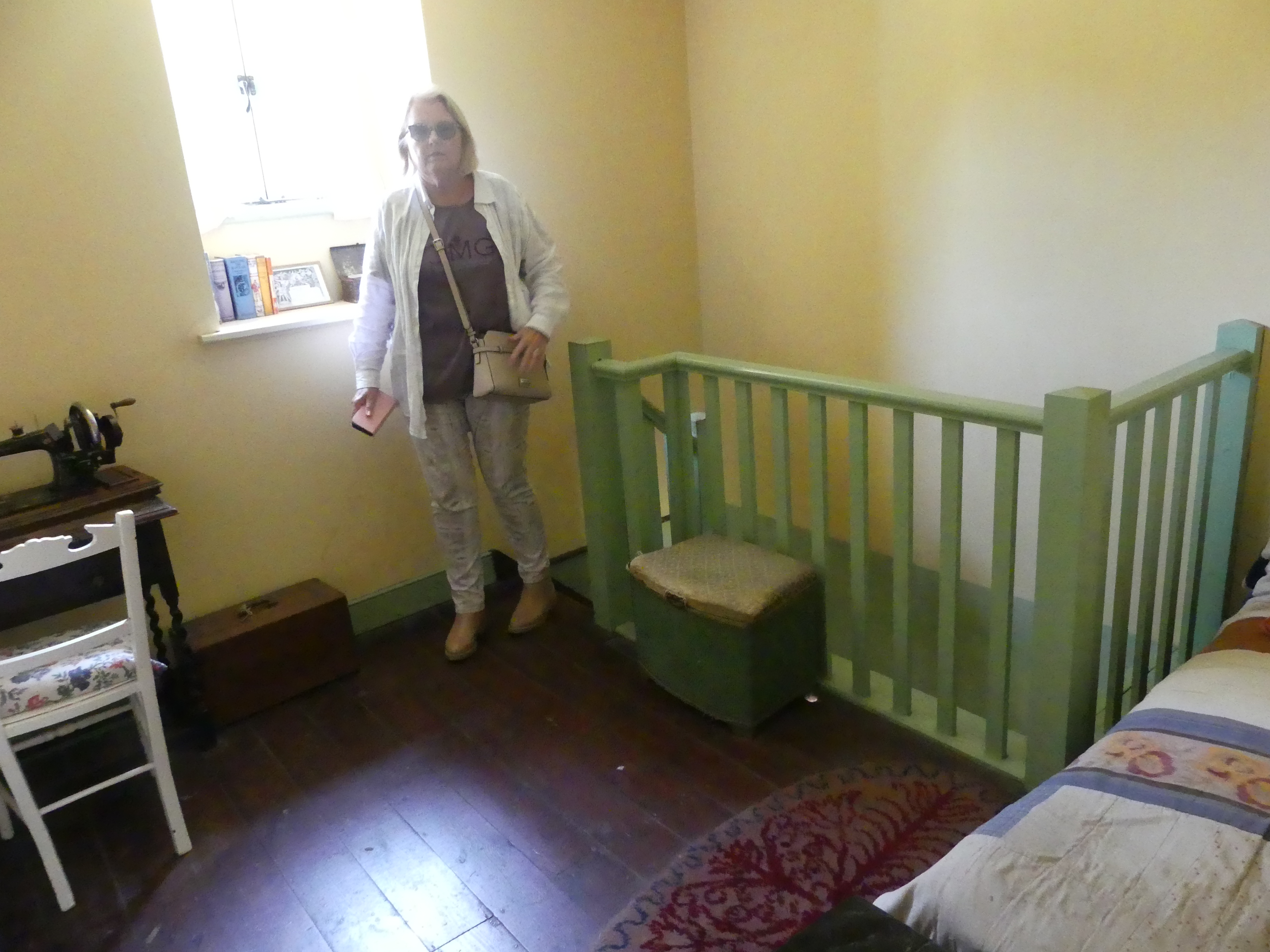
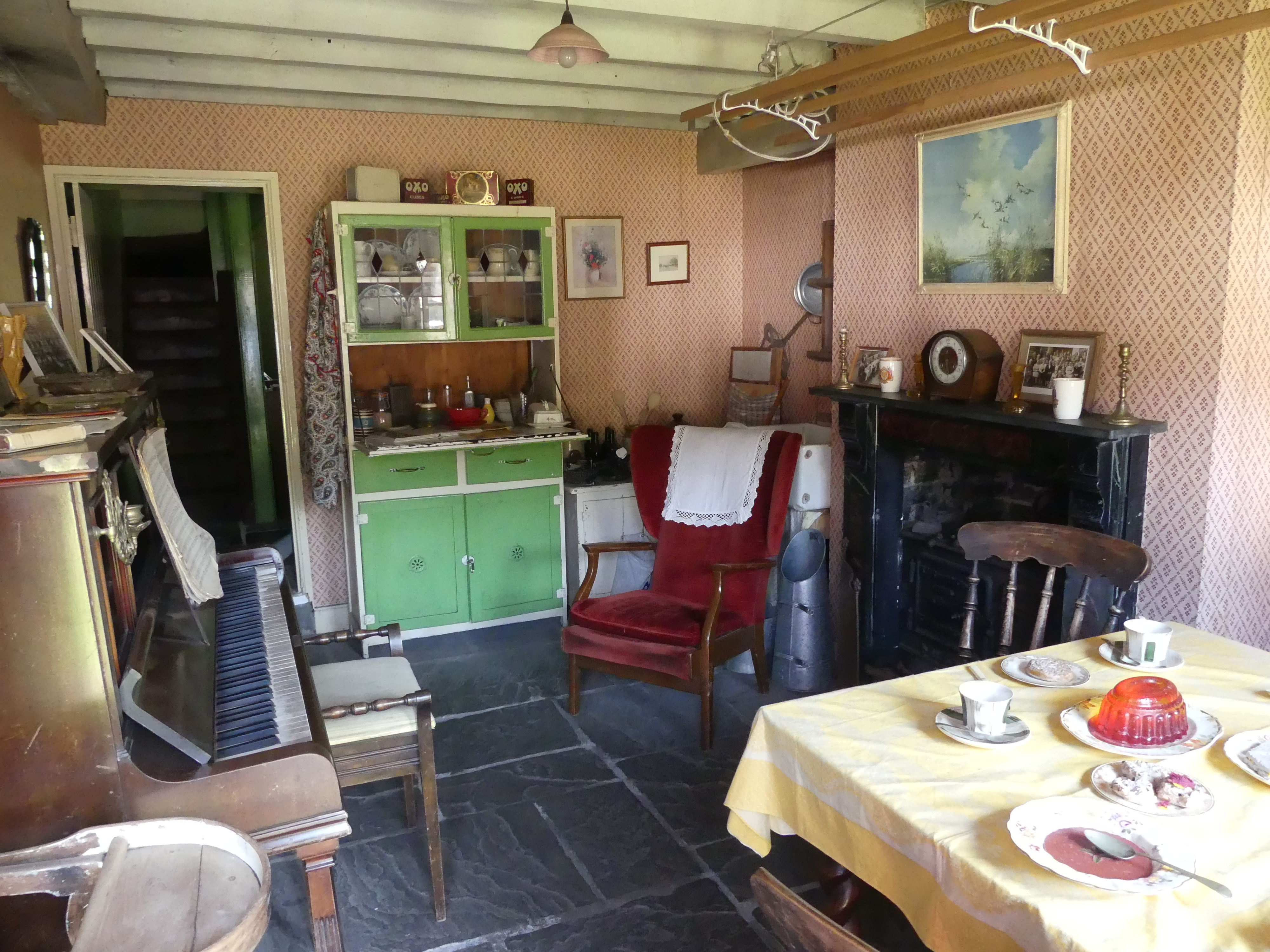
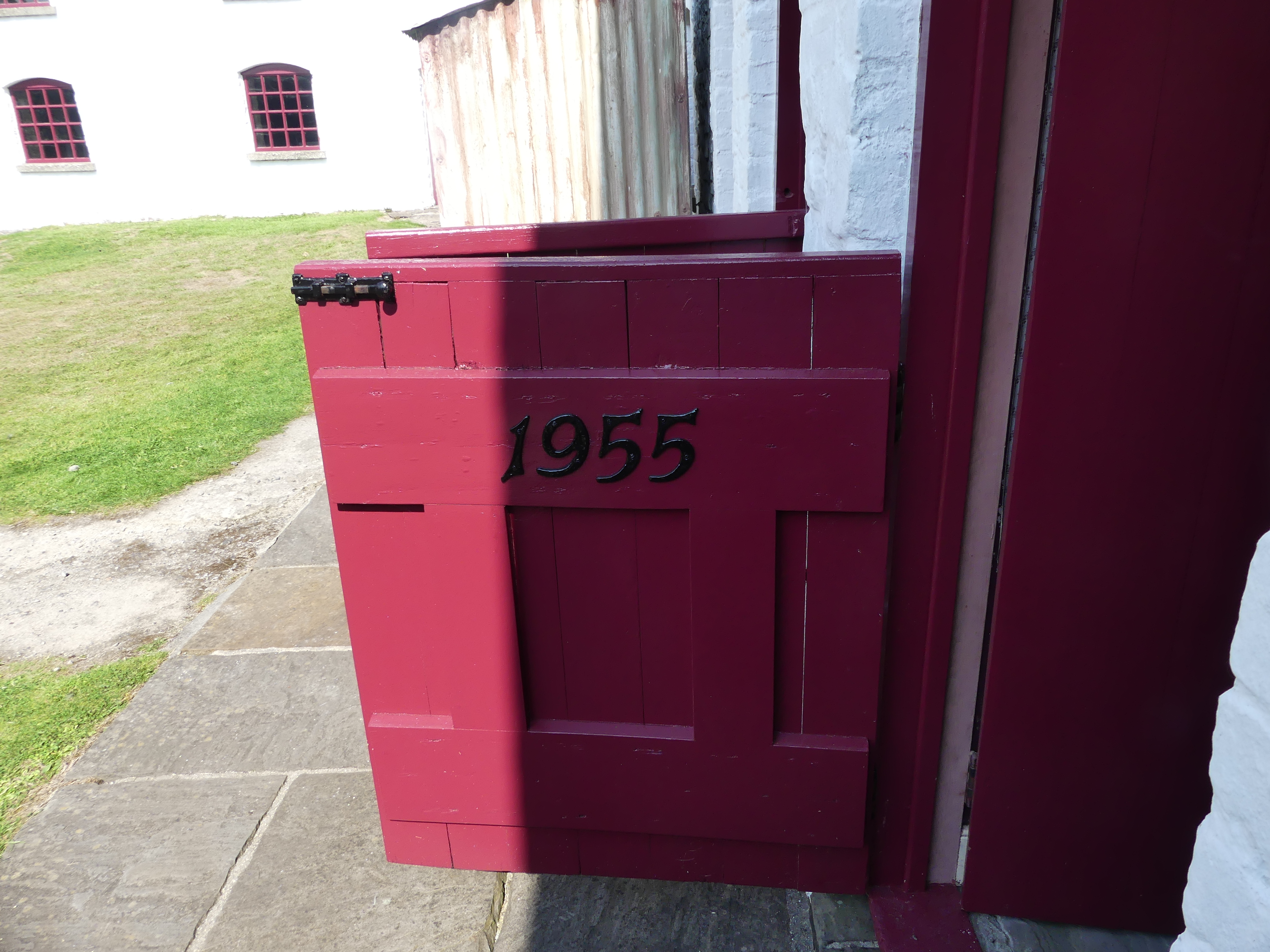
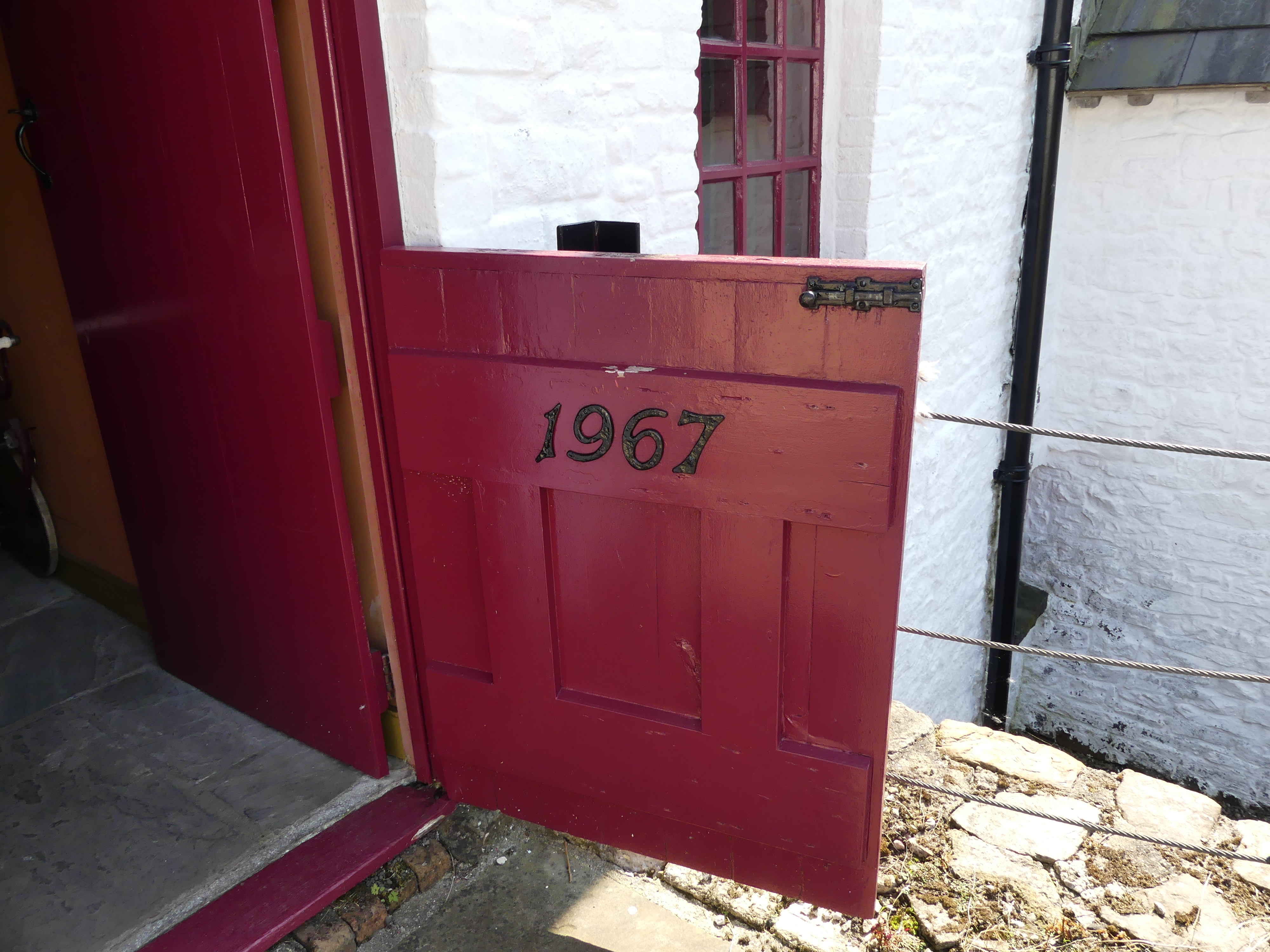
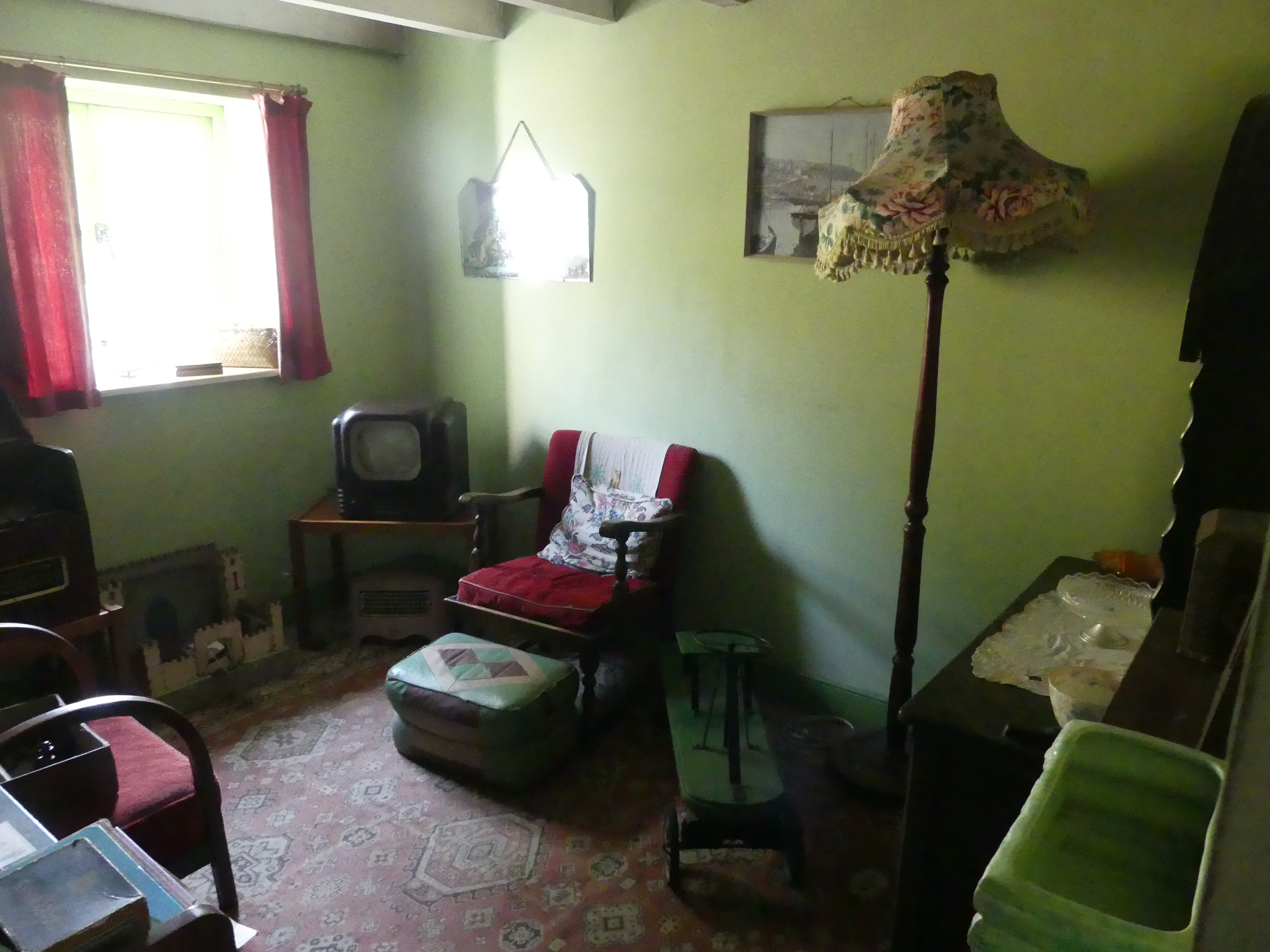
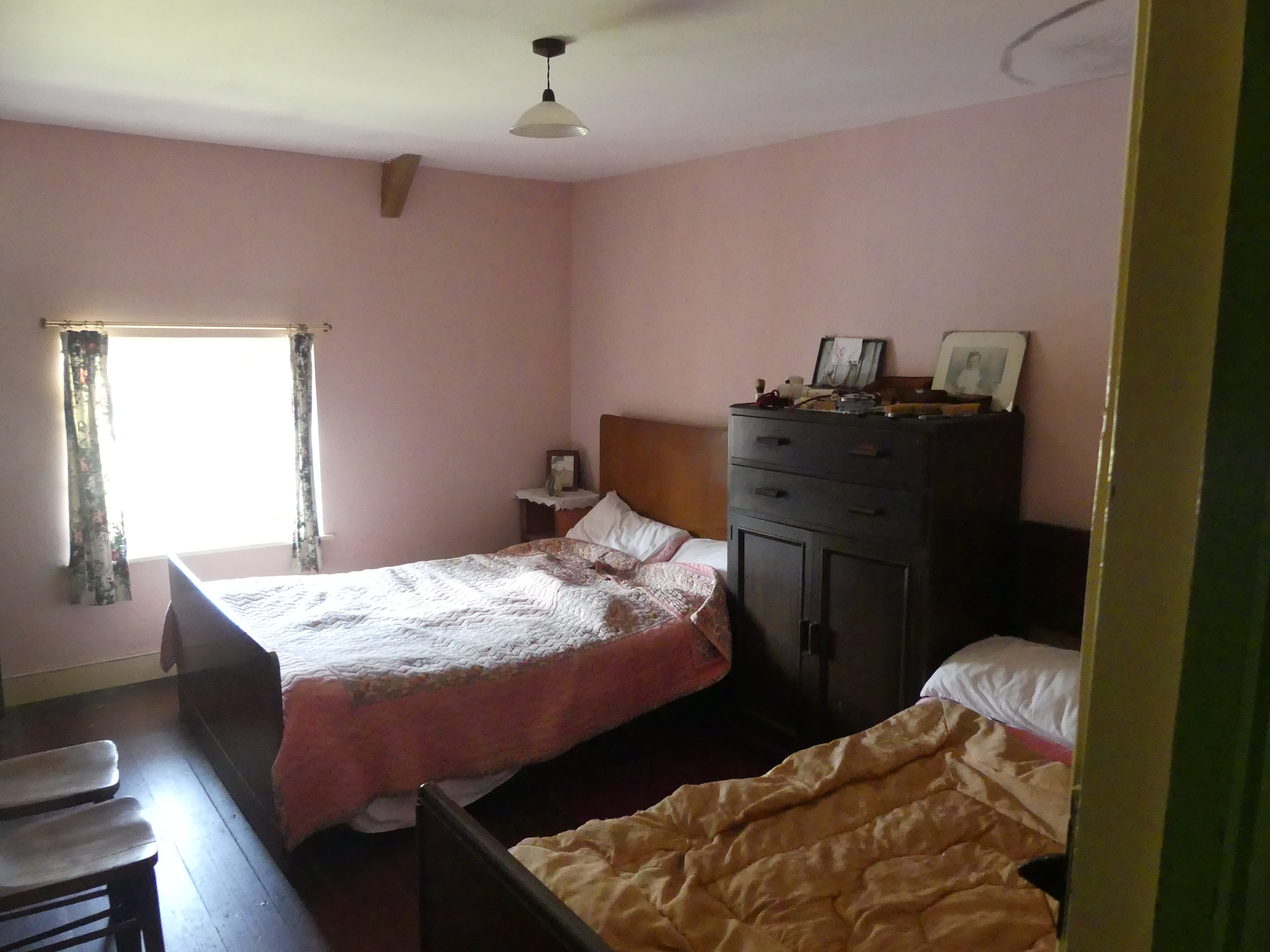
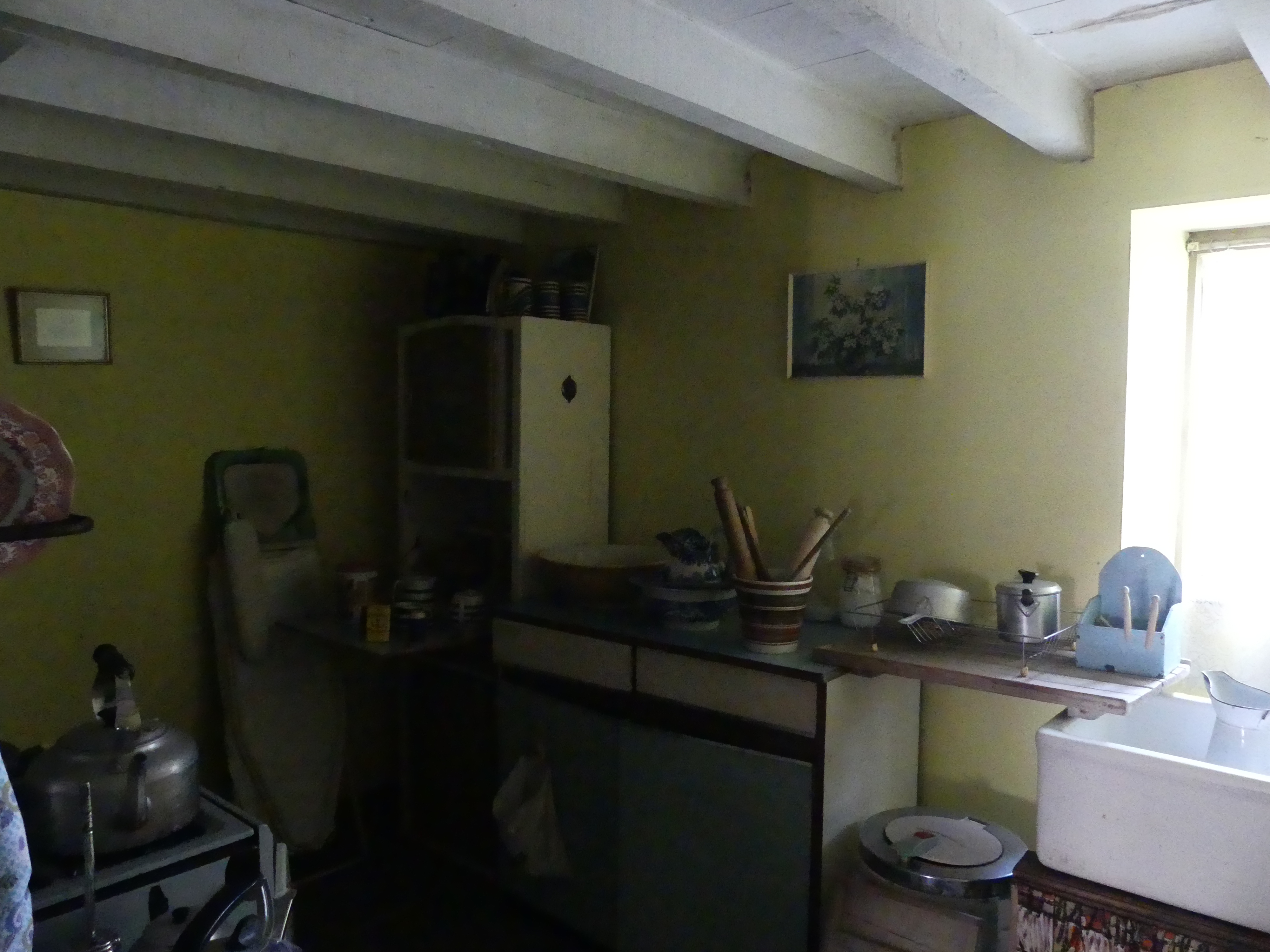
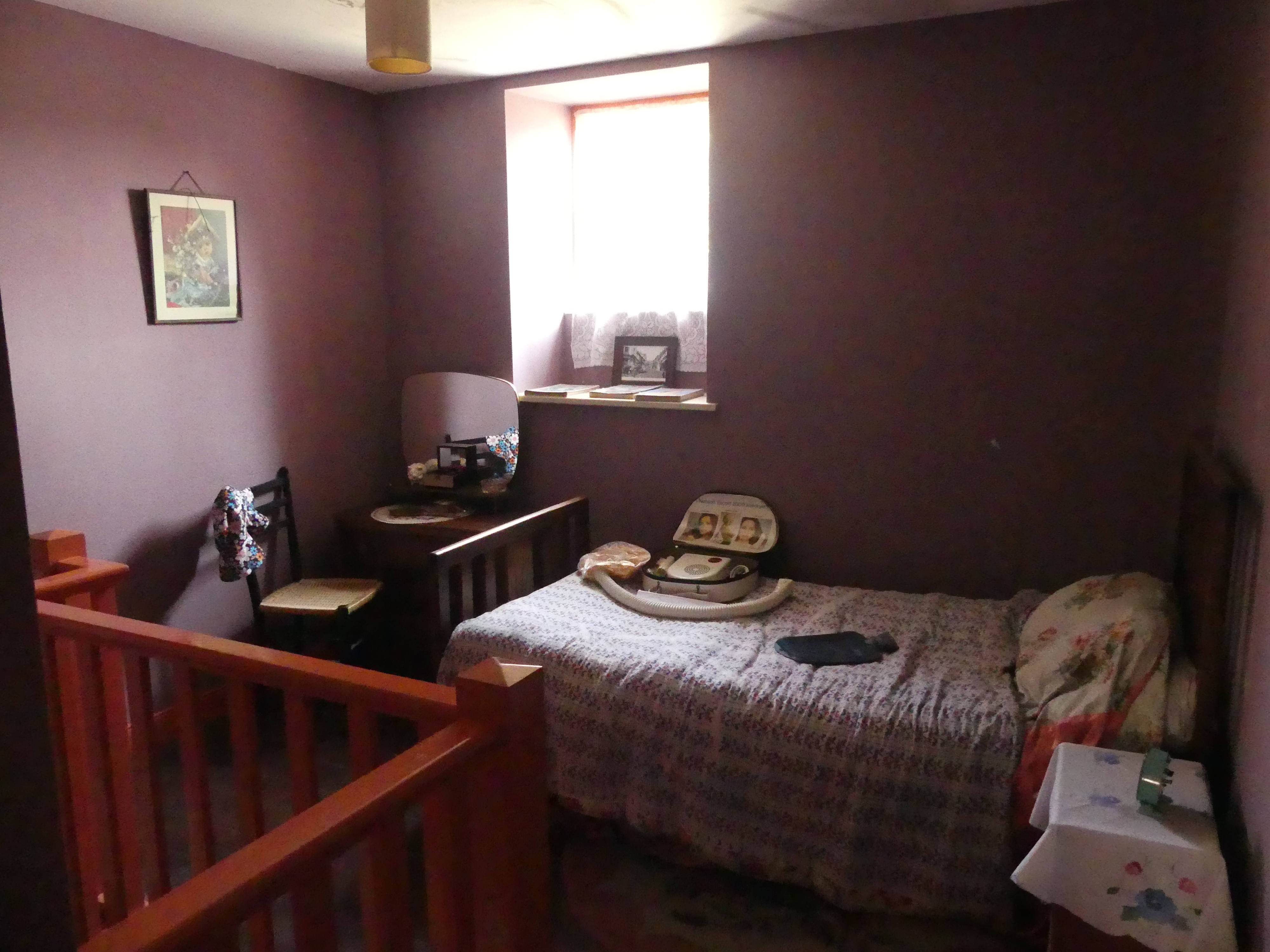
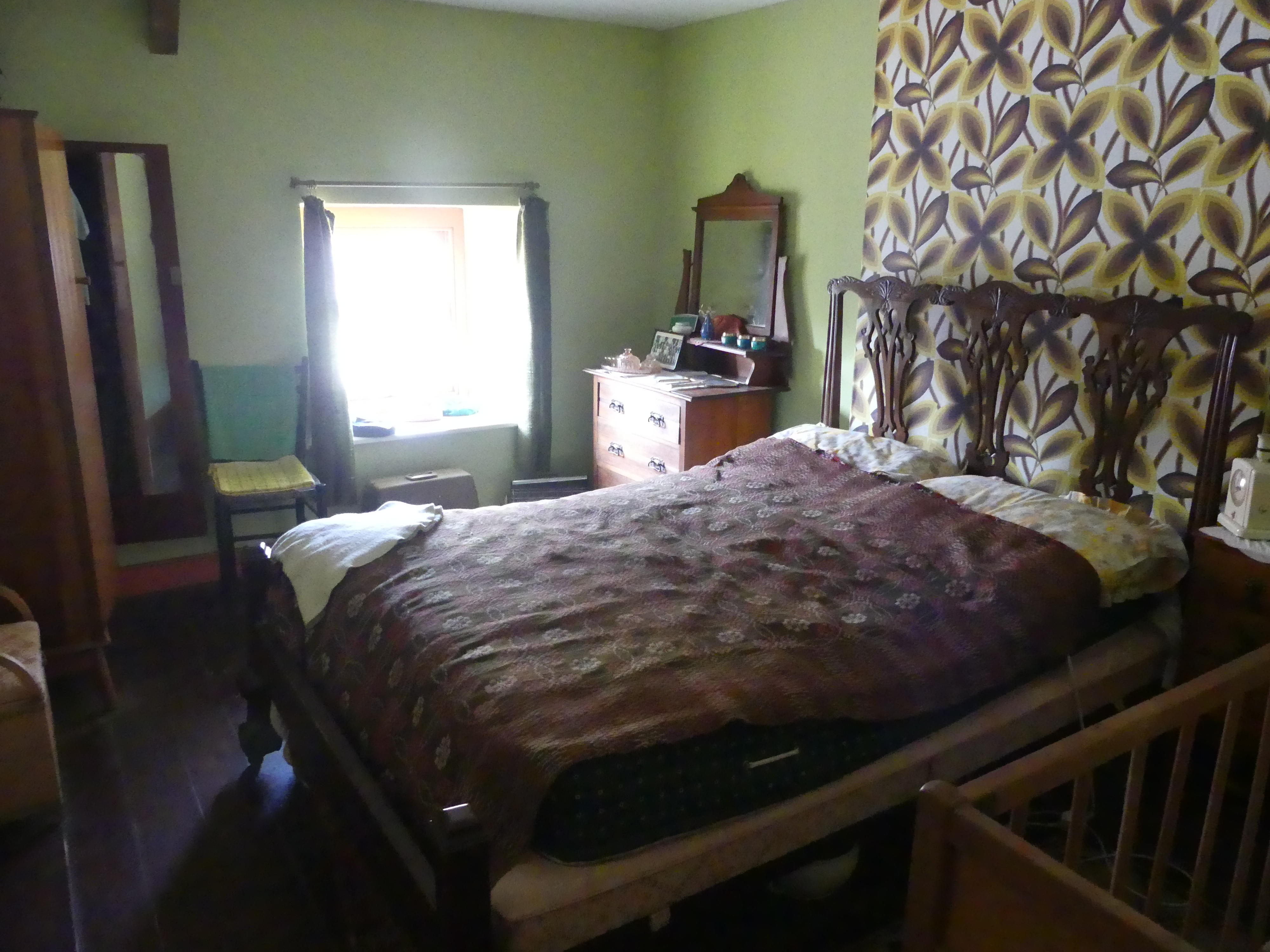
The Ironworks is a former industrial site which is now a museum. It was of crucial importance in the development of the ability to use cheap, low quality, high sulphur iron ores worldwide. It was the site of the experiments by Sidney Gilchrist Thomas and his cousin Percy Gilchrist that led to “the basic steel process” or “Gilchrist–Thomas process”. In 1904 the Ironworks ceased production completely. Work restarted briefly in 1924 but was commercially unviable. The forges at the site were still being used and helped with the production of steel shell during both world wars but was mostly used as a storage yard for the National Coal Board. One of the remarkable things is that some of the workers lodgings have been restored to present certain periods from 18th century through to the 20th century. I thought this might be an uninspiring attraction but quite the contrary it presented considerable history of industrial Wales.















Time to move on from the Best Western as we were due at Chateau Rhianfa Plas Rhianfa, in Anglesey – a far cry from the Best Western. On the way we will look at Harlech Castle before finding our way to Chateau Rhianfa Plas Rhianfa, Glyngarth Menaii Bridge Read on in my next blog “THE RETIREES GO AROUND THE WORLD – CRICKHOWELL (Ebbw Vale) TO CHATEAU RHIANFA PLAS RHIANFA, GLYNGARTH MENAII BRIDGE.”


 glendon1954