Retired Australian Lawyer having worked representing the innocent and the not so innocent in Australia and some of the remote parts of the world and having travelled widely through Europe, Western Russia, Canada, USA, New Zealand, Thailand Malaysia Solomon Islands northern China, Hong Kong and the UAE
So now that I have the time I am writing about my travels present and past. Hope you enjoy exploring off the beaten track.
The trip home through Reading was an experience – Reading Station has 15 platforms – so much for a country stop.
Check out Monday August 18 and we leave the unfriendly people of Travelodge Slough to travel to Buckingham (Kerry does not want to sit on the M25 going home but wants to see pretty villages). So I set the GPS (“Tommy”) for Buckingham formerly the centre for Buckinghamshire (some centuries earlier but now a village of some 12,000 people). Well we found a way around the M25 and its called the M40 but we made the mistake of having breakfast at one of the “Services” along the way. Service are usually a small shopping centre with bathroom facilities and take away food outlets a petrol station truck stop and often a motel. We had spent under 10 pound for a full English breakfast at Windsor the day before and here we are today 17 pounds for some burcher muesli and a ham and cheese toastie.
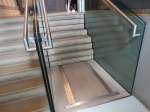
After about 1 hour we arrived at Buckingham but its not a pretty village (interesting old goal in the middle of town though – Kerry is not amused so I will have to see the goal next time). So we plot our return to Long Eaton and before long we see in the distance a large gate (no fence) looking like the Arch de Triumph and a sign saying “Stowe House”. Kerry is interested so after a near collision at a blind corner (my fault not looking at the road but where we are going) we turn towards the entrance which has some amazing similarities to the Long Walk (this observation would be proven correct later). We were met at the car park and asked for our National Trust card which of course we did not have. No worries so in we went and parked near the “New Inn”. On entering the New Inn I found that it was set up just as it would have appeared in the 18th century but Kerry went straight to the information centre. By the time I got there she was signing us up as Trust members and had found a chap from Toton (next village over from Long Eaton). He explained that there were extensive gardens and a large house which we could visit free as members of the Trust. Also the house was open to be viewed because of the school holidays (6 weeks in summer). So off we set. (Just before we go any further I will mention the great invention I saw at the centre – a set of stairs that retract into the floor to expose an elevator for disabled people – photo follows)
Any way we walked and walked and walked to finally arrive at the bell house (visitor would ring the bell to be let into the estate). On entering the estate and gardens you are hit by the enormity of the estate and the home at the centre of it. Looking across two adjoining lakes and past the golf course sits Stowe House. We were to learn that the Temple family were sheep farmers up till 1546 and in 1589 they bought the estate and constructed the original Stowe house which was completed in the early 17th century by Sir Richard Temple 3rd Baronet. There is a lengthy history of how this family climbed the political ladder and the royal ladder from Baronet to Earl to Viscount to Marquess to Duke. During this climb the house was extended enormously until it became the longest house in the UK. The house remained in the family but the family name changed through marriage to Grenville. One of the daughters was wife of William Pitt and therefore mother to William Pitt the Younger (two Prime Ministers of the UK) and the family became Grenvilles who were also Prime Ministers therefore the family was richly endowed with good political fortune. The sons also married well to add to the fortune which they spent just as quickly developing Stowe. At one time the Baron moved 600 people out of the village of Stowe keeping their church and resuming their land. It all came to a sad end when after entertaining Queen Victoria and the Prince consort the bailiffs moved in and sold up everything. The house of course was to emulate grand homes and impress political and royal dignitaries hence the look alike Long Walk (my idea – not based on anything else)
There is much more to the story and I suggest you look at Wikipedia if interested in the full family history. Other sites are http://www.stowe.co.uk.
In 1922 the house and estate were sold to the governors of the Stowe School and the property put into the Stowe House Preservation Trust and rented to the school for boarding and schooling accommodation. A great use preserving the best and continuing to use the building and the grounds. And the curry for lunch for the staff smelt pretty good also but no invitation was forth coming to us.
Oh I forgot to add that New Inn was built by the family for visitors to stay (obviously not important visitors) and visit the estate.
A picture tells a thousand words or so they say. See what you think:
• New Inn and the restored rooms
• Stowe House
• The Gothic building
• Garden scenes
• The front door and the back door and steps
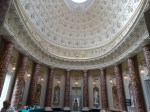
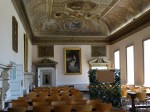
• The main entertaining room and it statutes
• The Egyptian Room (one of them went all over the middle east and Greece to collect for the house)
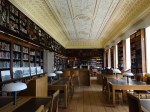
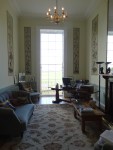
• The Library the deputy Heads office and other rooms
• The Church
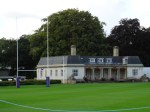
• The footy shed and field
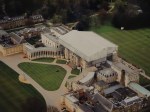
• An aerial view and
• Those amazing stairs at the information centre.
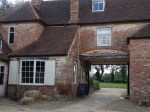
New Inn
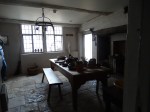
New Inn dining room
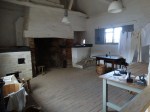
New Inn kitchen
the Bar circa 1770
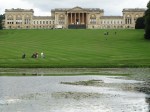
Stowe House
the Long Walk – Stowe House
Gothic building in the grounds
Colourful berries
the front stairs
the back stairs
the ceiling of the grand vestibule
once were real antiquities – they are all plastic now
As I said we went back the second day so after completing our visit to the castle we went to a pub and then to Windsor Riverside Railway Station to travel to Royal Ascot. As the Royals always rode to Ascot there is no direct train link but on arriving at Ascot you would swear there was only the racecourse and all roads lead to it.
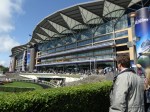
Truly breathtaking. The first thing you see (apart from the 25,000 other people visiting) is the mounting enclosure and a modern glass and metal stand of huge proportions. Standing room only when we got inside. I bought a beer from a friendly vendor and we settled down (actually we stood up) till the events started.
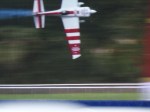
First there was the fly by from the Red Arrow RAR aerial acrobatics team. That was it – we were left somewhat dumbfounded but then came the Chinook – well what this thing could not do – just amazing. This was followed by the race – time trials across a course where the pilot manoeuvre his plane through various obstacles on a course in propeller driven planes at 300 kph. There was an Aussie competing -Matt Hall and he qualified by beating the favourite Pom. Unfortunately he missed out on the next qualifying round so we went home. My camera battery was flat also and I had not packed my spare battery. NOTE TO TRAVELLERS – BACKPACK WITH ALL NECESSARY SPARES, COATS, UMBRELLAS AND WET ONES NEEDED.
Here are some of the photos I took:
• The pub
the Pub
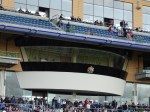
The racecourse the royal box and mounting yard
Buying a beer
• The fly by
• The Chinook
• One of the racers and
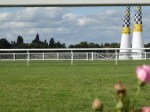
• The finish line – we were standing directly in front of the finish line and where they took off – another lucky fluke
August 16 – 18
A visit to Mr and Mrs Windsor and their castle
We had booked to go to the Red Bull Air Race at Royal Ascot Racecourse on August 17. We loaded up the car and drove down to Slough (near Windsor and Heathrow). Its only 2 hours on the M1 but the M25 is always a risk for delays. We arrived at Slough pretty much on time and after identifying our hotel and parking the car for two days we went to the rail station at Slough and headed to Windsor. Surprisingly Slough has a dedicated line to Windsor and Eton as Queen Victoria decided she wanted one. She also decided she wanted another dedicated station Windsor Riverside which connects into the Staines line. This was to prove valuable in getting to Ascot.
We caught the train (photo attached) and arrived at Windsor to learn that Frogmore House was open.
This house is in the Great Windsor Park ((Frogmore estate about one half mile from Windsor Castle along the Long Walk) and is the house (as opposed to Castle or Palace) used by the Royal family and includes their crypt in the grounds. In 1790 Queen Charlotte decided she wanted a country home for her and her daughters and its been in use as a retreat or royal residence ever since and is a favourite of the present Queen (she has special little doors for the corgis – not dog flaps but proper little doors on all the doors leading to the verandah). It is only opened twice a year and we fluked one of those days.
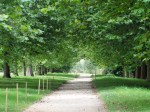
After walking through Windsor from the station we came to the Long Walk which has been the ceremonial drive into the castle to the Royal and State Apartments. It is quite amazing a line of trees with a road in the middle going to the horizon. Some years ago when we caught up with Angus Innes in London he took us to Hampton Court and then a pub just off the Long Walk for lunch. So I was somewhat surprised to find the pub again. Great pub and beautiful location.
Our visit to Frogmore was quite strenuous as the estate is large and the house set well into the estate. We visited the mausoleum/crypt and noticed that Edward and Wallis are buried there side by side but quite apart from the other graves (and not inside the crypt). The house is something else. I’ll let the pictures tell the story. We spent a couple of hours there (mainly because of the distance to walk) and this meant we were destined to be caught up in the queue to get into the castle.
So after a spot of shopping for some new shoes (Kerry’s feet still giving her trouble) we lined up for 40 minutes to get in. NOTE TO ALL VISITING HERITAGE SITES AND MONUMENTS IN LONDON – you will be scanned for anti – terrorist reasons so leave your crocodile Dundee knives at home – the blade has to be less than 7cm so I got mine through when we visited the Shard some time ago but I just don’t take my knife with me to public buildings any more. Waiting while they measure the length of the knife can be a bit embarrassing.
After the scanning and collecting our free audio guide we set off to visit the castle and what a castle. Primarily now a residence it is a community within itself with formidable defences for its period. It started as a wooden keep under William the Conqueror. He got his soldiers to dig a large circular trench atop a hill and to throw the dirt and rubble into the centre and on top of the pile he built a wooden Keep (circular tower) and after 100 years (the time judged as necessary to let it compact) they built the present stone Keep and the other accoutrements like gatehouse and barbican (no longer standing) and over the centuries added all the rest. The last addition to the castle was another 10m added to the keep by George IV just to make it look more impressive.
We toured inside the castle and St. George’s Chapel (it is the size of a Cathedral) (no photos allowed) and most impressive was the hall of the knights of the garter. You may recall there was a fire at the castle well you would not know it now. But good old Phil (Prince Philip) made one alteration to connect the state apartments to the castle proper. It took a good couple of hours to see it all. It is a must see in my view.
There is quite a nice surprise at the end. You can extend your ticket for one year by having it stamped by one of the wardens which means you can return for free (avoid all the queues and still get your free audio guide).
We did go back the following day – Kerry to see Queen Mary’s doll house and me to climb the Keep. The doll house was not my cup of tea as the queue is always there and never shortens but Kerry tells me it is a miniature working house with running water and electricity silver table ware and working furniture. The Keep has over two hundred stairs to its top and at the end of the first flight is a canon looking straight at you to repel intruders. Once at the top you have an unrestricted view but no photographs allowed of the State and Royal Apartments (we don’t want to catch Fergie sucking toes on camera again).
I have included some photos of:
• The bus station at Slough (a pity the rest of Slough is not as modern)
• The train – actually a museum piece on show at the station
• The Long Walk and the entrance to the State Apartments form the Long Walk
• The crypt front and back (where the graves are)
• Frogmore House and Frogmore Estate gardens
• Flowers in the streets of Windsor
• The Keep (the Union Jack means the Queen is away – her own flag is flown when she is home), St Georges gate
• St Georges Chapel and the apartments of the clergy and some of the grotesques on the Chapel exterior (these are the little faces images featuring throughout gothic structures. I always thought them to be gargoyles until reading about them in the castle)
• The moat (never filled with water)
• The gate house to the Keep and the views from the Keep
August 13, 2014
Sherwood Forest, Thoresby Abbey, Rufford Abbey Country Park and Wellsby Abbey
It is Wednesday our wedding anniversary so we have planned to catch up with Ingrid and John Pears plus revisit Thoresby Abbey. Ingrid is a world renowned glass blower with her furnace and shop at Thoresby courtyard and past President of the Nottingham Rotary Club. Thoresby is now a Warner Hotel but Warner has restored the Abbey magnificently. It is about 55 minutes north of Long Eaton.
On the way (as usually happens) we were distracted with a sign to Newstead Abbey but the Abbey building is closed during the week. This diversion meant that we approached Thoresby from a different direction and we ran into Rufford Abbey Country Park. Rufford is now a ruin but has an interesting history. The Abbey was founded by Cistercian monks in 1147. Henry VIII closed the Abbey and it ended up in the hands of the 4th Earl of Shrewsbury and converted to a country house. Now remember Bess of Hardwick. One of her husbands was the Earl of Shrewsbury so the Abbey might have ended up in the hands of the Cavendish family except that it passed along the female line and ended up in the hands of the Saville Family until sold to Nottingham County Council in 1952 and became England’s first country park. It is 150 acres in size and regularly frequented by families.
Below you will see photos of the Abbey as is today showing
• The interior ground floor of the monks quarters
• The base of a corbel (support for the upper floor) and its grotesque
• One part of the under croft with displays of abbey furniture and
• The other part showing the lay monks quarters and
• What is now called the Orangeries but started life as a bath house with a swimming pool (in 1740 this was quite unique) and the view from the Orangeries to the grounds.
We then moved on to the only remnant of Sherwood Forest remaining. Mining and logging over the years has decimated the forest and the Brits are desperately trying to hold on to this little bit. It is near the village of Edwinstowe and includes a visitor centre and various walks in the forest. We took the walk to Major Oak said to be the tree Robin Hood and men used as a hiding spot because the trunk has a cavity which can hold 13 men. All of the good oak trees have been cut out leaving the stunted and diseased but even these have grown to enormous proportions over 800 years. In Robin’s time the forest was a Royal Hunting Forest made up of villages open heath woodland sunny glades and farmland. I was surprised to learn that the ecology of the forest is quite unique and includes 200 different species of spider and 1500 species of beetle.
I have given you below photos of
• The entrance to the visitors centre
• Major Oak (11m in circumference and longest limbs being 28m)
• An eagle and a hawk at the visitors centre
• The Robin Hood supply wagon
• and us enjoying a cuppa
Entrance to Visitors Centre
Major Oak – you can just see the opening to the cavity in the trunk
Some species of eagle
Peregrine Falcon I think
Robbing from the poor – refreshment wagon at Major Oak
Finally we made our way to Thoresby. Having been there before we went straight to the Courtyard (the former stables turned into a retail centre for the hotel) in the hope of catching up with Ingrid and John. We had heard that Ingrid had been ill so it came as no real surprise that her studio was closed. So we went to the hotel to have lunch but ended up visiting the restored abbey because it is so outstanding. I have attached photos of the:
• the entrance to the courtyard
• the abbey in the distance
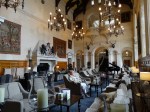
• the grand hall
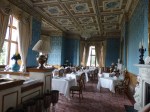
• the blue room restaurant and the hand-made silk wall paper costing 500 pound per metre
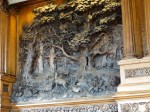
• a carving of “major oak” and
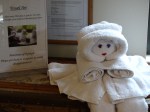
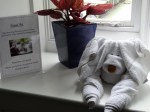
• examples of towel art
Entry to the old stable now the Shopping Court
Part op the old Abbey building
the Drawing Room
the Blue Dining Room
Silk wall paper
Carving of the Major Oak
Further Towel Art
Towel Art
You can read more at website: http://www.warnerleisurehotels.co.uk
There is reference in the tourist guides to the “the Dukeries” which is a reference to the 4 great ducal estates in the region south of Worksop. The Duke of Newcastle (Clumber House – no longer there) Duke of Portland (Welbeck Abbey – questionably there) the Duke of Kingston (Thoresby Hall) and the Duke of Norfolk (Worksop Manor). To find out more about the Dukeries and to get some lunch we went to Welbeck Abbey. We were puzzled by the crowds of people visiting this former abbey which is now just a group of shops selling plants to produce. Not worth the visit unfortunately and no photos.
August 14, 2014
Peaks district – Blue John Cavern and the Chestnut Centre
Sunrise Thursday the weather looks clear and cool but the TV forecasts rain for everywhere else in Britain. Therefore a good time to visit the Peaks District. This is about 1 hour 15 mins north-west of Long Eaton by car travelling out through Chesterfield. We have two objectives the Blue John Cavern and the Chestnut Centre both near the village of Chapel en le Frith (Yes we are still in the UK but in the 12th century when this used to be royal hunting forest King Stephen established the chapel and from there grew the town. These royals of course were Normans and spoke French not Saxon so it became known as the Chapel in the Forest or Chapel en le Frith).
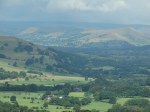
The drive was trouble free and when we started to climb the hills the scenery changed dramatically. Suddenly the hills were the colour purple with heather flowering everywhere. We stopped by a public walkway (these paths are all over the UK allowing the public to walk across most open fields and hills) and took the photos below. Tres pretty and this is where we got the first inkling that cool really meant very cool. We continued the drive and the scenery just got more and more picturesque. It is hard to pull over to take photos so I just snapped them from inside the car. I also took a video which I am not sure if I can put into my blog but I will try. It will give you some idea of the extraordinary beauty of this region.
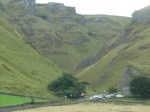
We came into the Blue John cavern region through Castletown and to access the cavern we had to travel through this pass in the hills which looked like a giant sword strike in the hills (see photos below). As we travelled up the crag sheep hung precariously off the slopes grazing but I wondered how many had become road kill over time – how they hung on I don’t know. Once we reached the top and made our way to the turnoff to the cavern another extraordinary vista opened before us. Just pretty country.
The cavern looked pretty tired. The visitors centre looked more like a military bunker and the entrance to the cavern looked like a cell. It did not help that we were dressed for a summer day and it felt like the middle of a Brisbane winter day. Even in the cavern it felt like a fridge.
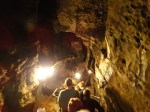
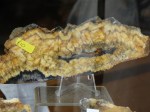
Blue John (or as the nobles of the 17th century referred to it “Bleu et Juene” [French was still the language of the nobility] – hence the locals misinterpreted it as Blue John) is a semi-precious fluor-spar mineral formed in the limestone and mined for the last 300 years. It is the only hill in the world where this mineral can be found so the clever miners have reduced production to simply top up use of the product annually thereby holding its value as a semi-precious mineral. I have included some of our photos going through the cavern and some of the veins of the mineral and the entrance to the current cavern where the commercial deposits can be mined (not allowed in there). I have also taken a photo of a yellow stone/deposit in the gift store window as there was none of that evident in the cavern.
After surfacing from the cavern we travelled on to the Chestnut Centre (Otter Owl and wildlife-park). We stopped for a coffee from our new flask courtesy of our friendly bus driver Robert and then ventured into the park. We arrived at feed time for some of the animals. We saw a martin, some European polecats (looked very much like the martin) various owls from little ones to big ones and otters from little ones to big ones. Kerry was put off that they were feeding them dead day old chicks but none of the kids seemed the least bit worried. I have given you a variety of pictures below. As we arrived at the Giant Otter pen it started to rain and rain and rain so we made our way back to the visitors centre but on the way stopped under a tree to watch the deer being feed hence the rain drops on the lens.
It was time we were fed. So we decided to shout ourselves lunch instead of the boiled eggs we had planned to eat. We found the Roebuck Pub in Chapel en le Frith in the ancient part of the town (the pub had been there in some form since the 12th century and the food tasted like it was from that epoc). Rested and fed we travelled home via Ikea town where Kerry solved a problem with the curtains in our bedroom – bought new curtains. So ended another successful adventure.
I have attached photos of:
• the heather over the hills
• views of the picturesque country side
• the gorge and the visitors centre
• the trip down the cavern
• “blue john” in the face of the wall and cut and polished and
• The pole martin and his friends at the Chestnut Centre.
Heather across the hills
one of the outstanding vistas of the Peaks District
We have been redecorating the flat now for almost a week (repainting and replacing some of the worn out and broken furniture – 6 years of tenants) and whilst we are within sight of finishing we decided it was time for a break (and to acquire some further bits and pieces to finish off). Close by Long Eaton is the city of Derby and Westfield has constructed a large shopping centre just on the fringe of the CBD. So it is a little bit of home I suppose but there is parking and on a rainy day you are warm and dry.
Derby has quite a history. It is both a city (approx. 250,000 people as at 2011 census) and the name of the county in which it is located. It is the home of the Industrial revolution with the first mechanised factory in the world having been constructed there in 1721. The entrepreneur was a fellow named John Lombe (died 6 years later rumoured to have been poisoned by an Italian “Mata Hari”) who was one of the first industrial spys in the world taking technology from Italy for the spinning of silk and patenting the process in the UK and thereby breaking the China/Italy strangle hold on silk. The remnants of his factory remain today as Derby’s Industry Museum.
Derby is the home of Rolls Royce but many of the industrial engineering industries for which Derby became famous have closed. Royal Crown Derby makers of fine bone china has gone through a metamorphosis to emerge as a specialist manufacturer of porcelain and bone china.
There is evidence of Roman settlement and later Anglo Saxon records of a settlement that has grown into Derby. The origin of the town name could be Anglo Saxon (Djura-by), Roman (Dervinto) or Danish (deor)
.
In the Civil War (Cromwell times 1642 – 1646) Derby had a turbulent history but was on the side of Parliament against the Royalist Armies but 100 hundred years later it played host to Bonnie Prince Charlie where he planned his assault on London to regain the throne of England for the Stuarts. As you all know Charlie backed away from the fight and faced his “Waterloo” at Culloden in 1746, which saw the House of Hanover replace the House of Stuart on the thrones of England Scotland Wales and Ireland. (I will have a little more about Cromwell and his connection with Long Eaton/Attenborough later on).
Derby is built upon the Derwent River and many mills were establish in the Derwent Valley to make use of the water power generated by the river. There is a whole system of mills along the valley but the most interesting to us was the mill at Darley Abbey. We have not made it to the Abbey this time but when we do I will show you all that remains of the 12th century abbey and the industrial weir providing the power for the mills along the Derwent.
In the photos following you will see
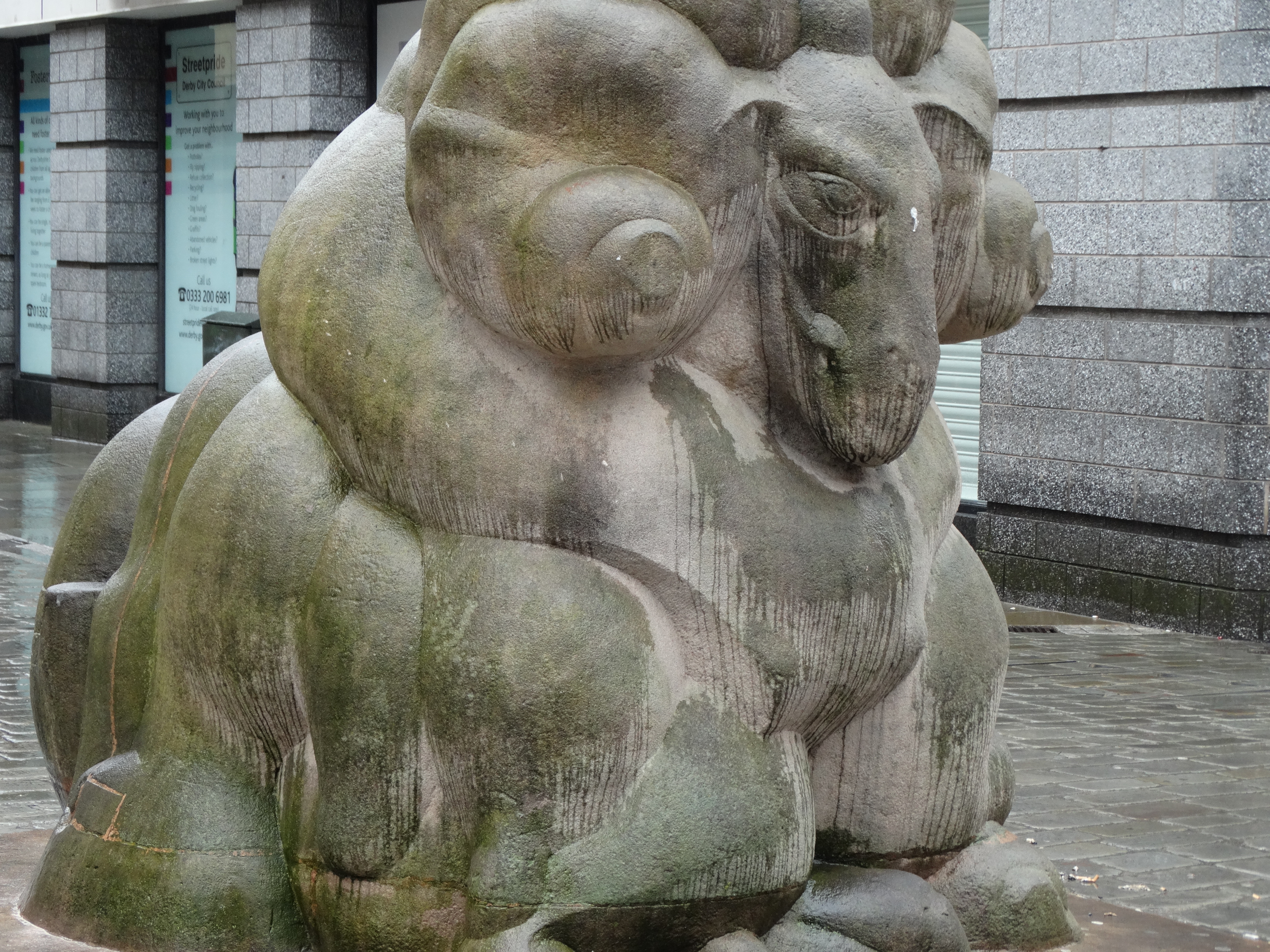
• the symbol of Derby the Ram located in the Mall,
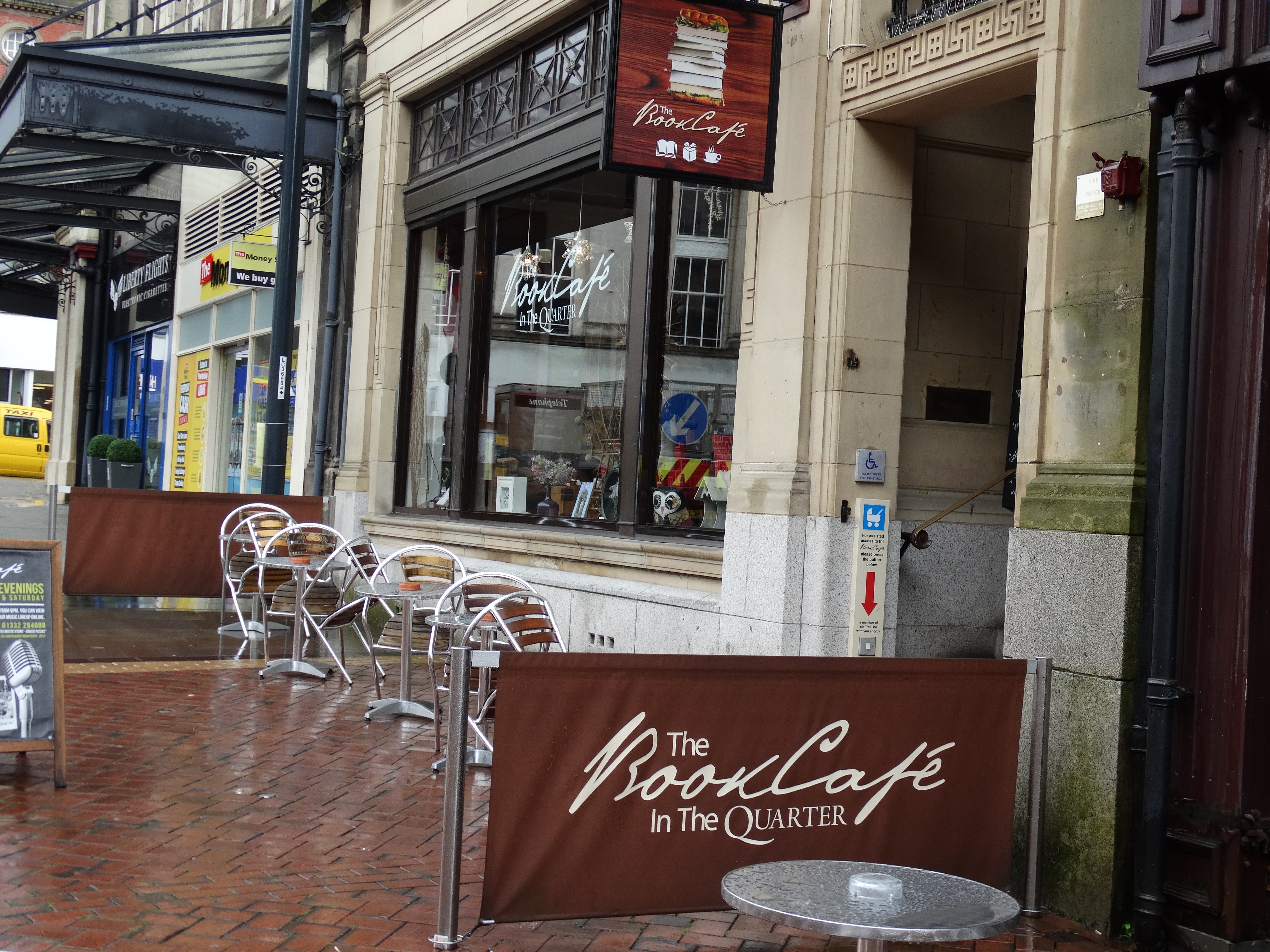
• the Book Café (the home of the largest scones known to man) – we stopped for a cuppa and I had an enormous cheese scone and Kerry a sultana scone; the premises were so popular it seemed no one was able to walk past it without coming in,
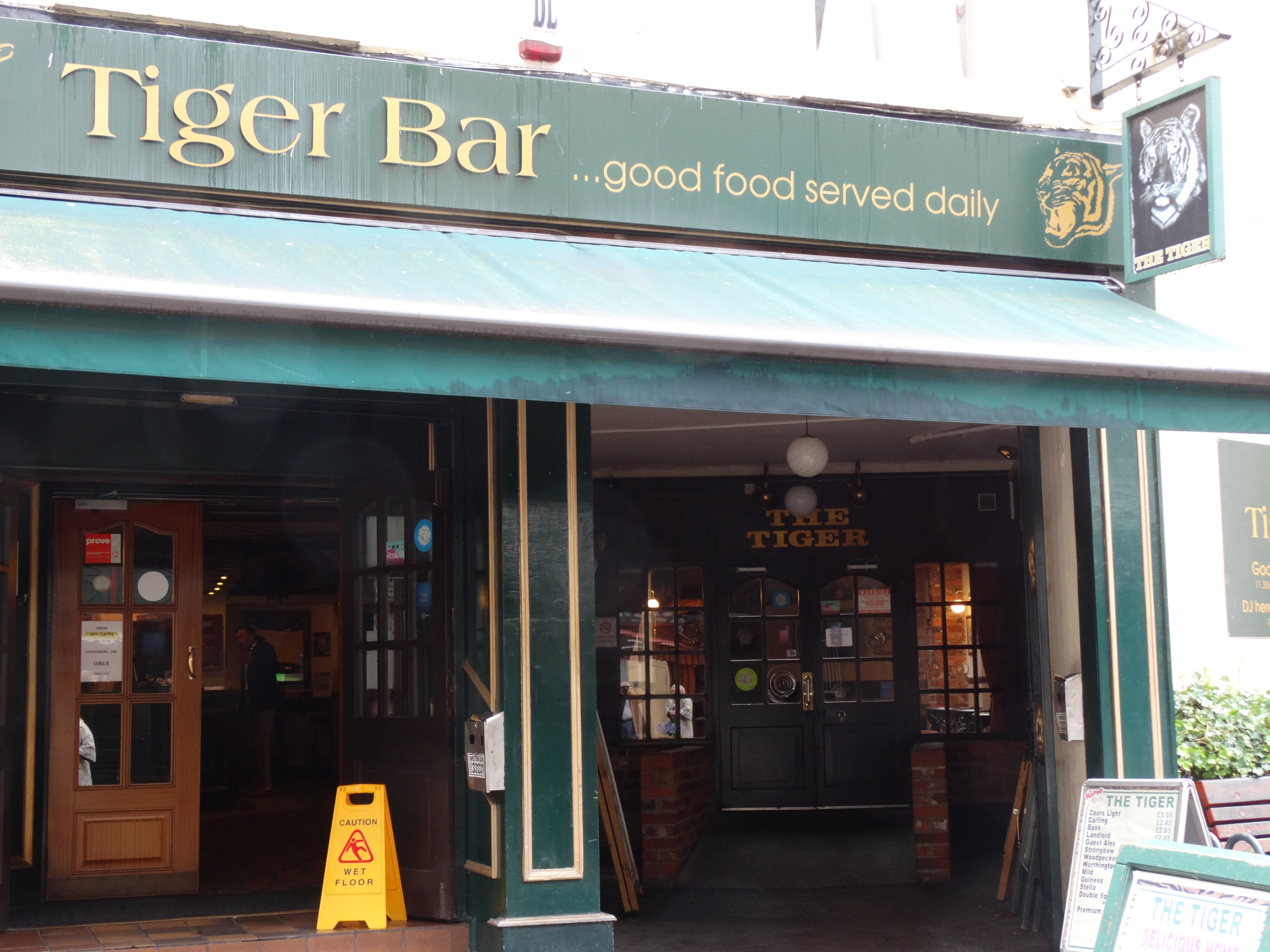
• the Tiger Bar (a pub which is built over the entrance to the Derby Catacombs – regular ghost tours are conducted where the tourists disappear into a trap door in the floor of the dining room in the bar and reappear later) – we may return for the ghost tour ourselves,
• Derby Cathedral dating from the 12th century and where Bess of Hardwick (a famous identity from Elizabeth I’s reign, one of the wives of the Lord Cavendish and she starting as a 15 year old had 4 husbands and 11 children herself [the family are now the Duke of Devon and much of the privately owned land in London belongs to this family] and gaoler of Mary Queen of Scots) is buried along with all the family members since the 17th century
• Bonnie Prince Charlie on his horse to commemorate his plotting at Derby,
• the Old Silk Mill Pub (no connection with the original factory other than it is close by)
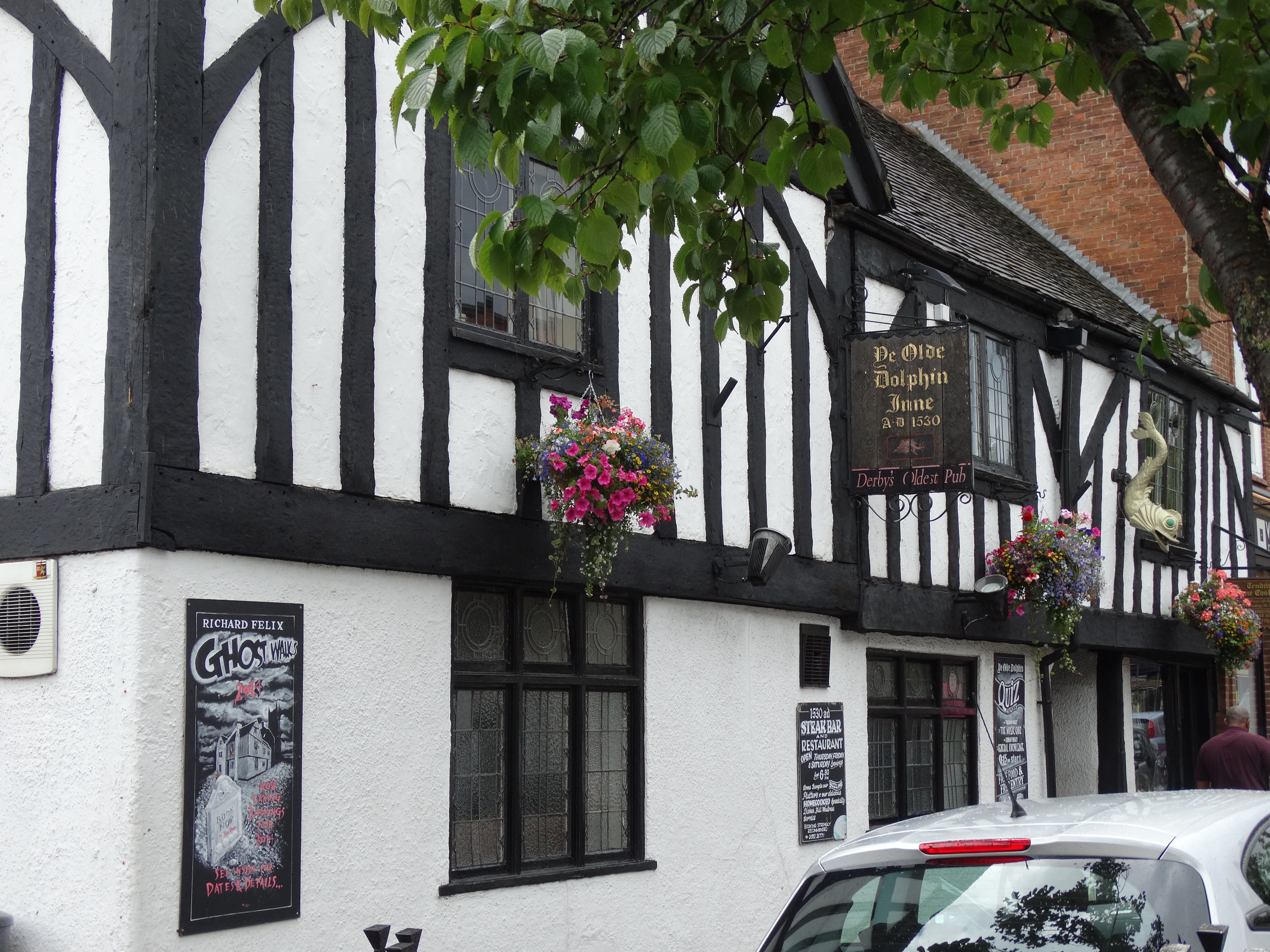
• Derby’s oldest pub Ye Old Dolphin,
• the catholic monolith St Mary’s (it replaced an older church destroyed by Henry VIII)
• the remnants of the first industrial factory (the Silk Factory) now the Derby Museum of Industry
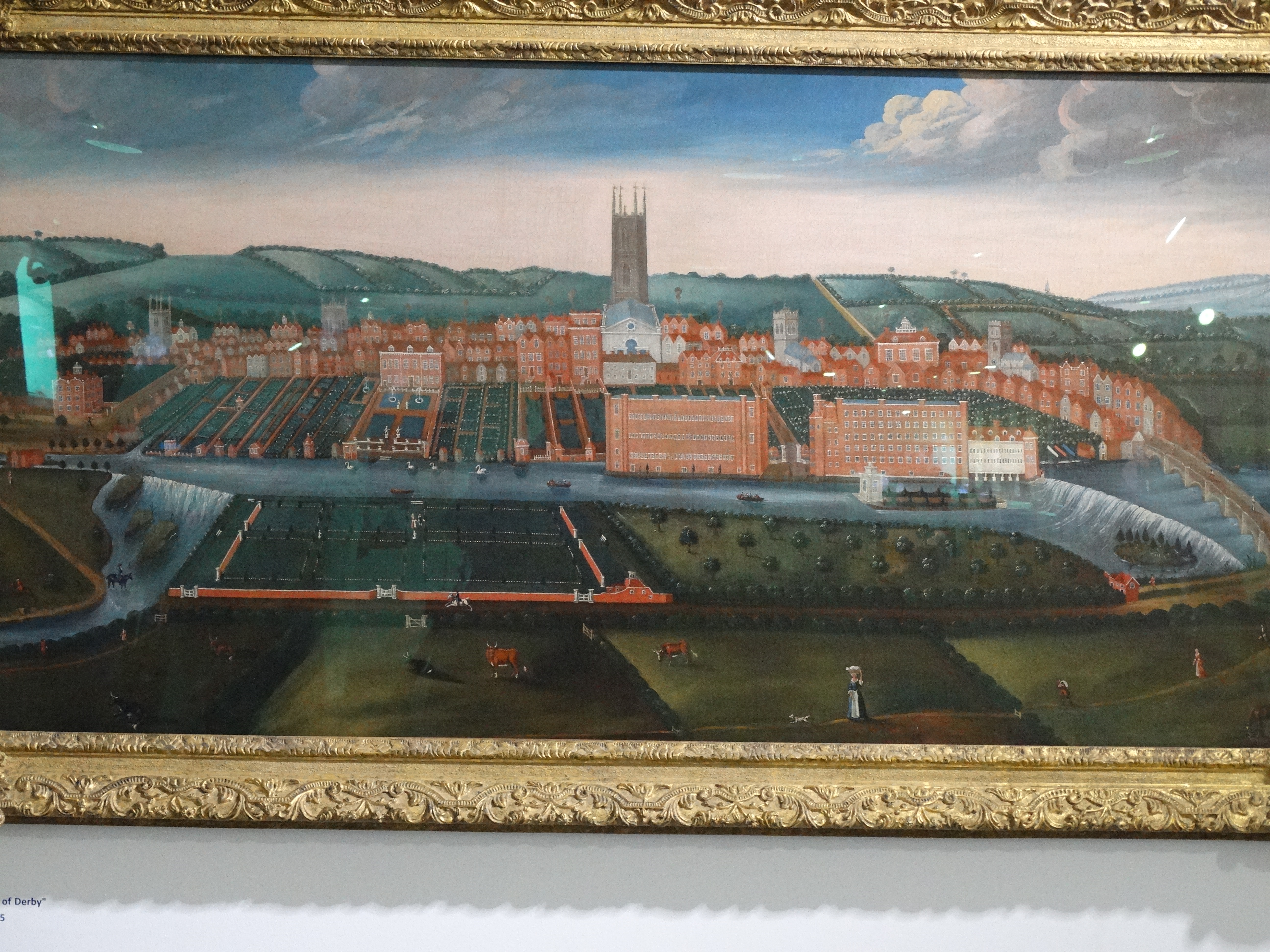
• a painting by an unknown (and not very good) artist of Derby showing the Silk Factory, Exeter House and the town of Derby circa 1725 – they purchased this from an auction because it is the only record they have showing what the town and factory looked like and it shows Exeter House where Charlie and his co-conspirators met – this was later used to entertain visiting industrialist checking out the factory
• a 3D printer in action at the museum – we saw it produce a whistle which worked and two feathers usable as book marks – amazing to see an image turned into a solid, and we saw kinetic sand which is remarkable because it only sticks to itself and therefore is perfect for model making
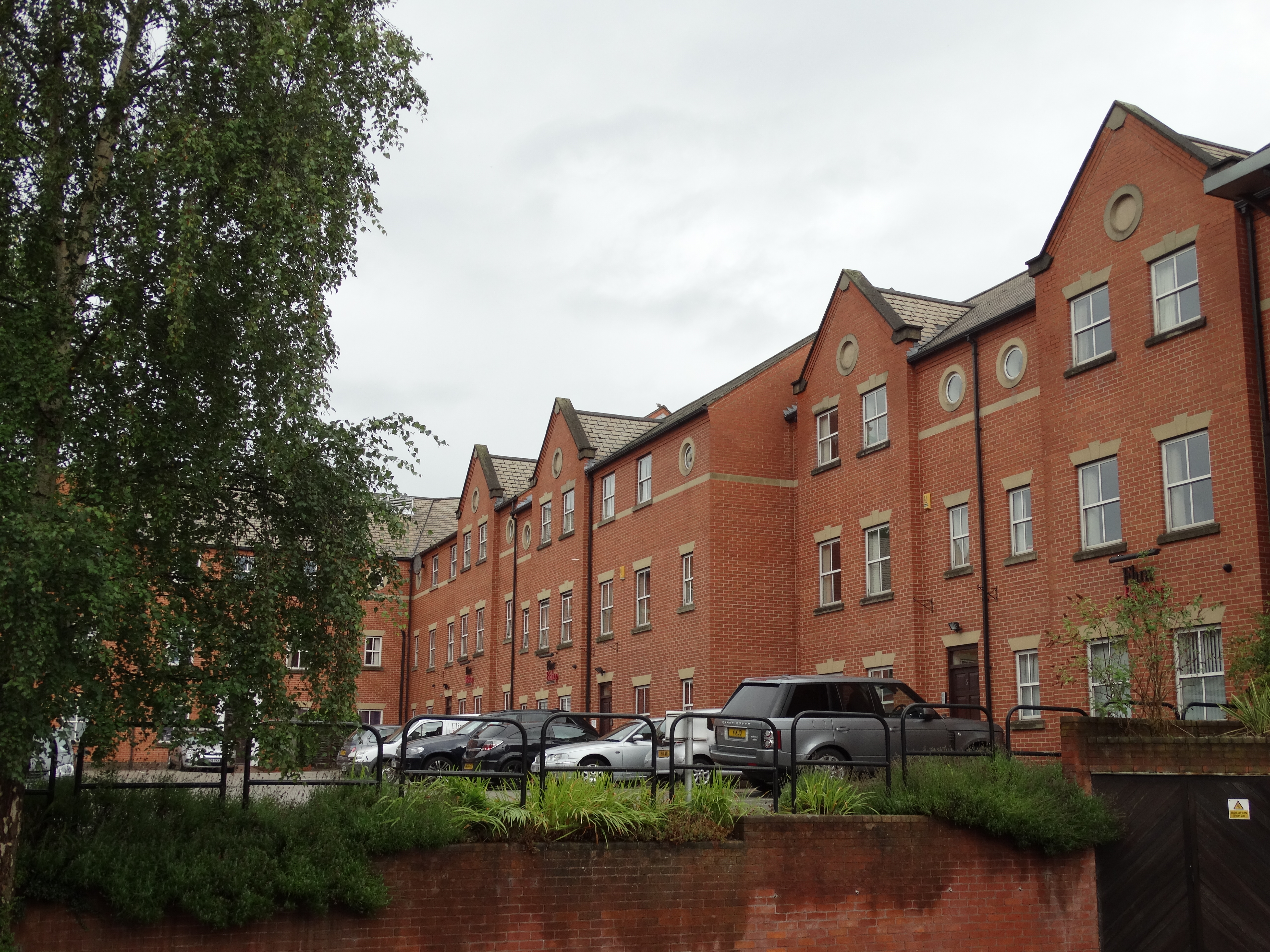
• remarkable premises of a local law firm “Flint Bishop” occupying this whole building – have a look at their website they have people for just about every letter of the alphabet
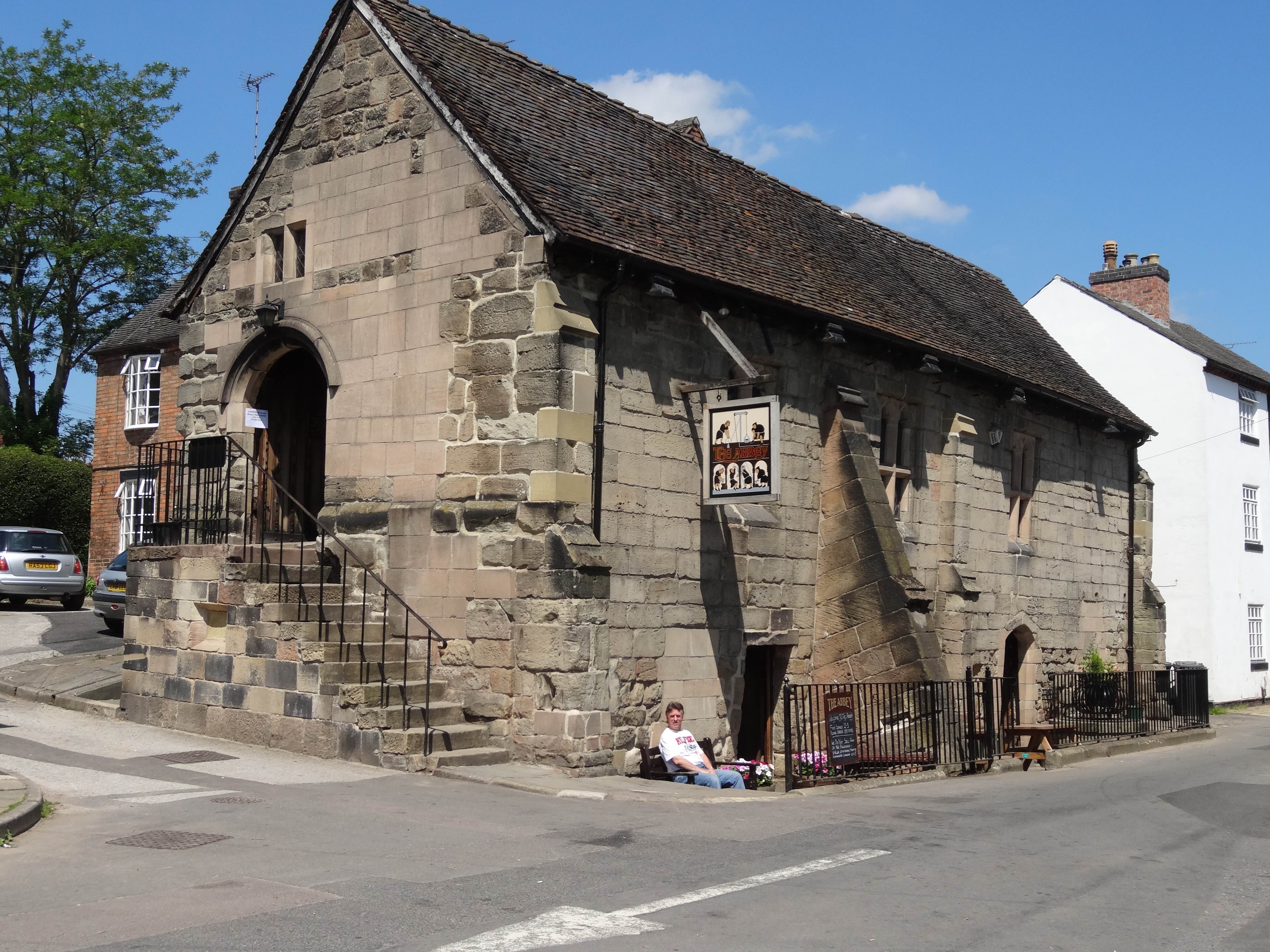
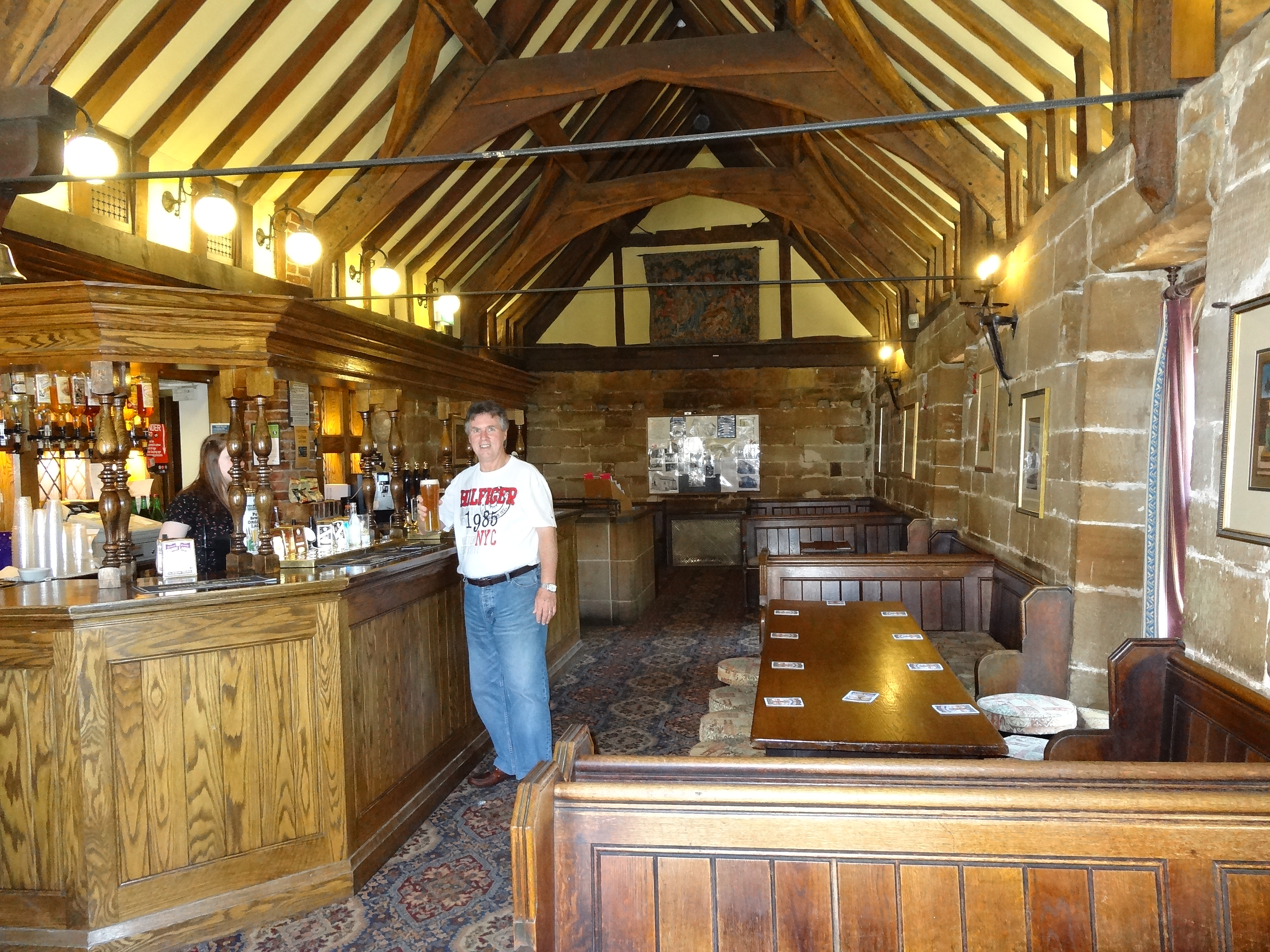
I have also included some older photos of Darley Abbey from previous visits. All that remains of the Abbey is a former church turned into a pub. Somewhat of a miracle turning water into wine women and song.
Sunday August 10
Attenborough Nature Reserve and the Canal
There are a lot of places of interest around Long Eaton and in the shires generally. Last Sunday we visited the Attenborough Nature Reserve (not named after Richard Attenborough but named after the community in which it is located between Long Eaton and Nottingham). This area now 250ha in size started as a gravel pit and dumping ground for the fly ash from the nearby power station. It is now Britain’s second largest and second most popular nature reserve with over 50 species of bird living / visiting the water ways created by the extraction of gravel and return of the surface clays to create the ponds. There are long walks through the reserve and a conservation centre with information on the site. We took a free guided tour through part of the reserve and here are some of our photos.
Photo of the centre and our walk.
panoramic view of the rest of the reserve
panoramic view of the reserve
Some of the residents
Some of the visitors
Within 100m of our flat is the Erewash Canal. Built in 1776 by a consortium of local merchants (collieries brick works and engineering workshops) it was the transport for all of the produce of the area until the railway started in 1846. It is approx. 13 miles long and joins the River Trent which flows to the North Sea. The locals chipped in 100 pounds each to cover the cost of 23,000 pounds to build and the cost came in under budget. There are 9 locks along its course raising the height of the canal 109 feet.
After the railways were developed the canals gradually lost commercial value and fell into disrepair. In 1969 the community formed a preservation group to restore the canal for recreational purposes. Today there is a fabulous walk down to the River Trent and there is a variety of wildlife and hedgerows along the way (about one and one half hour round trip flat to the pub [not allowing drinking time] and back). The canal is full of swans with their goslings and many other water fowl. It is also home to a canal boat industry with many variety of boat and industry supporting the boats along the canal. Here is a collage of the scenes I have viewed on my walk.
Date August 5
Long Eaton Nottinghamshire/Derbyshire
Long Eaton is a town in Derbyshire but lies just north of the River Trent about 7 miles south-west of Nottingham and is part of the Nottingham urban area but not part of the city itself. Long Eaton is referred to in the Doomsday Book as Aitone and is located at the lowest bridging point of the River Erewash. In 1228 the town gained the “Long” prefix due to the length of the town. In 1694 “the Great Fire of Long Eaton” destroyed 14 houses and several other buildings. The town developed around lace making with many old lace factories abandoned or converted in the town. It also had a railway wagon industry. (Source Wikipedia)
These industries were probably the influence for the construction of the Erewash canal which runs immediately behind our flat building.
One of the notable buildings in town is the Parish Church of St Laurence which local tradition dates from the 11th century (built by King Cnut) but it is more likely 12th century Norman. It is now overlooked by the eyesore Tesco Extra behemoth. There is some surprising architecture in town including the old Glitter and Dance UK headquarters at Harrington Mill built in 1885 with one and a quarter million bricks and is 167 meters long. There is also some pretty ordinary architecture from the 60’s and 70’s.
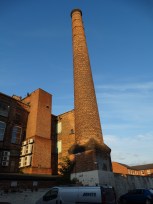
Our flat is in an old mill converted to the use and has retained its original chimney.
Photo of the building, entrance gates and chimney along with
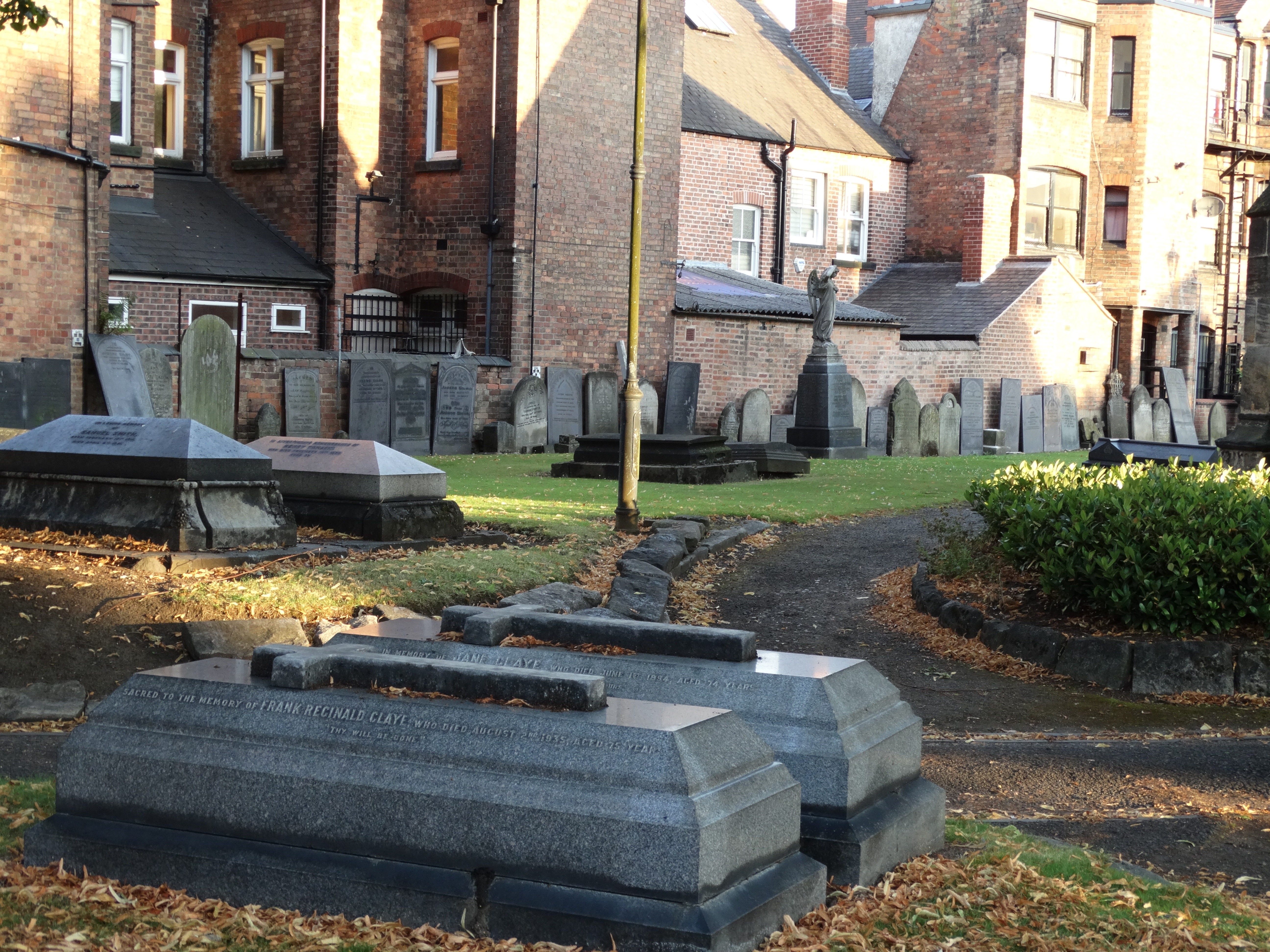
• St Laurence Parish Church,
• The monstrosity Tesco store,
• Its companion ASDA,
• The old cinema showing some of the more acceptable 60’s architecture,
• The beautiful flower beds in the Main St,
• the High St which has been decimated by Tescoe and ASDA
Well the day has arrived. After all the farewell parties I’m glad to get away and return to my usual routine. Cassandra and Lilly came to the International airport as our final farewell wishers and Lilly had a ball “surfing” on our suitcases.
We have moved up the ranks in EVA to where we are now Gold Card members and even though we are flying economy we get the “benefits” – use of the lounge in Brisbane and Taipei and priority boarding. They even gave us 4 seats as the plane was not full and Kerry made full use of three of them.
We arrived early morning in Taipei and for the first time we boarded a bus from the plane to travel to the terminal. It was muggy and overcast and our jackets for the UK were a pain to carry. Transist at Taipei requires that we go through the scanners once again but this has now become familiar. So familiar that we entered the international terminal and walked directly to the EVA lounge and lined up for the showers.
The showers are something to behold. A shower head spraying over your body whilst three jets massage your back. I did not want to get out and it seems the lock on the shower door did not want me to leave either. After a bit of a tussle I won my freedom. The lounge is pleasant and the food very Asian.
Inside the Terminal/Hello Kitty
We have a two and one half hours layover, so we catch up on emails and Kerry plugs in all her contacts for video links via google hangouts. I send an email to Phil as the first job is to pick up our “new” car and we have a rendezvous at the Black Lion at Patcham to meet Phil.
Its now about 1 hour from our London arrival, breakfast has been served and Kerry and I realise that we are not arriving midmorning as we had thought but rather 7.00 pm – our bus to Brighton had departed at 11.00 am. Oops! One thing we have learned is never panic there is always a solution it just costs money.
We land at Heathrow terminal 2 (the Queens Terminal) which has been newly renovated and get to the luggage hall of Terminal 2 and our priority luggage is almost the last off the belt (so much for our gold class status) and I cannot contact Phil. Our UK prepaid mobile is working but Phil is not picking up. Decision time. Do we overnight at Heathrow or catch a bus to the Black Lion? In the UK (as with much of Europe) it remains light much longer than home so we decide on the bus and set off for Terminal 4. We were stiff from 28 hours in the air but soon worked this off as we walked through underground tunnels to the Terminal arriving at the bus station (I had been here previously when travelling from Nottingham to Heathrow some years ago and little had changed). I guard the luggage and Kerry pleads our case to amend our tickets. Success for $5 Kerry gets us tickets on the bus to Brighton at 8.50 pm.
Now I had not mentioned that our luggage consisted of two large suitcases two ordinary size suitcases two small suitcases and various bits of hand luggage and coats. So here we are
How many bags?
The time went by fairly quickly and the bus arrived on time. Only a few passengers so maybe a quick trip. I had rung the reception at the Black Lion and it closed at 11.00 pm. Our ETA – 11.30 pm. So by arrangement they would wait for us to arrive. All seemed well. But when the bus spent the first 40 mins just getting out of Heathrow and then 40 mins going around the terminals at Gatwick I was getting nervous. These airports are small cities in their own right. The actual trip from Heathrow to Brighton is only an hour (provided the M25 doesn’t play up) and the rest of the trip is spent travelling through the two airports.
We caught some sleep on the bus and arrived at bus stop down the road from the Black Lion Hotel Patcham around 11.20 pm. Kerry stood guard over the luggage whilst I transported it to the hotel (I use that word loosely – it is a pub with rooms attached). We booked in searched for and located our room (the number of stairs was ridiculous and I found myself lumping these suitcases up and down till midnight). [note to self – think twice before moving to another country]
Showered we both fell into bed but neither of us could sleep, so we tossed and turned til morning got up at an unearthly hour waited til the kitchen opened (no dinner the night before) and went for a walk through Patcham.
Victorian Houses in Patcham note the height of the front door
Brambles by the footpath Blackberries
Our Hotel The Black Lion
Phil had rung and arranged to pick us up and take us to Newhaven to sign the paperwork for our car, so when Mick arrived he decided to play a trick and pretend he was Phil. (Mick is my cousin in law who is married to my cousin Terri and they live in France at Dampierre and Phil is his identical twin brother) I was expecting Phil and notwithstanding my instincts telling me this was Mick, and Kerry having the same feeling I went along until we arrived at the car yard at Newhaven where the trick became very apparent. Bastard I will have to get even – so we have arranged a prolonged stay at Dampierre sur Boutonne (Mick and Terri’s “gites” are located here) so that I can plot my revenge. They are renovating a house at St. Leger and I have been promised hard labour when we visit. Phil has also offered accommodation at his home at Seaport on the English Channel – an offer we will certainly take up.
We went for a cup of tea at a harbour side cafe (a caravan with some tables and chairs) and then left Newhaven with our new car. Kerry is very excited about our mint green Hyundai (yet to be named).
Cup of tea at Newhaven
COMPETITION – what is the name for our new car? Give me your ideas and we will let you know when we “christen” it.
It is very spacious and a bit like a 4 wheel drive as it is taller then most cars. It held all our luggage and three adults.
Our Mint Green Hyundai Matrix
We decided to visit the Devil’s Dyke on the way to Long Eaton (our home for the next few months). I can recall growing up my father who was born in Brighton Hove telling me that he and his brothers (there was quite a lot of them) would slide down the sides of the dyke on card board or tinThe Devil’s Dyke is a 100m deep “V” shaped valley near Brighton Hove and a serious tourist attraction during Victorian period of England. Wikipedia reports:
“The hills surrounding the valley offer views of the South Downs, The Weald, and – on a clear day – the Isle of Wight. It is the site of ramparts, all that remain of an Iron Age hillfort, and a pub. It is a popular local beauty spot for the Brighton and Hove area (though it is actually in West Sussex).”
“Local folklore explains the valley as the work of the devil. The legend holds that the devil was digging a trench to allow the sea to flood the many churches in the Weald of Sussex. The digging disturbed an old woman who lit a candle, or angered a rooster causing it to crow, making the devil believe that the morning was fast approaching. The devil then fled, leaving his trench unfinished. The last shovel of earth he threw over his shoulder fell into the sea, forming the Isle of Wight.”
I have included some of our photos of the Dyke, the Weald and the panorama from the top .
We then set off for home and unfortunately the M25 was not in a good mood (the M25 is the 8 lane ring road around London and the access to Heathrow from the north south and west of England and access to Gatwick Airport from anywhere so the traffic can simply stop as the off ramps fill to capacity). It took us 6 hours to travel what should have been a three hour trip.
After finally arriving after 6.00pm we unloaded and settled into our flat reacquainted with our neighbours John and Pat and sorted the remnants from 6 years of tenants in the flat. We had already had dinner at one of the many “services” on the M1 highway (the main highway north up the centre of England) rather than trying to cook when we got to the flat so we started the work of re-organising which carried over into the next morning when we again rose early (bloody jet lag) and completed the work – disposing of rubbish cleaning floors disposing of broken furniture unpacking etc). We took a trip to Derby to get a new sim for Kerry’s phone (NEW PHONE NUMBER [International code, area code 44 then 0747 6006656] and get other supplies, a visit to our local Tesco and a walk around the High St. It will take time but we are settling in. One of the worst jobs was cleaning the oven which required that we soak it over night but I think we will need to repeat the process to get it clean.
I am in the Eva Air business class lounge facing a 19 hour delay before our next flight and you know I don’t care. Just had a shower. What a fantasy that is. The only thing missing is the personal attendant to rub your back.
I have answered my emails reviewed the results of the Easts directors retreat reviewed the amended budget and shot off some questions to the CFO and oh yes Kerry and I have discussed our day. We plan to take a free half day tour to Longshan Temple, the Presidential office building, Chiang Kai-shek memorial Hall, Martyrs Shrine and the Taipei Mall (hunting and gathering again).
A walk around the terminal for an hour or so and back to the lounge. This gave us the opportunity to check out the weather – shitty to say the least. Kerry is still over tired and does not feel up to the tour in rainy weather. Cancelled the tour. Killed time walked the entire terminal 1, 2, 3, and 4 – they all join up.
Finally on the plane and business class is a treat. Next stop Paris (only 13 hours flying). The trip was probably the bumpiest trip I have ever had and the layout of the seats meant that Kerry and I could barely see one another and over that period it becomes annoying.
Landed at Charles De Gaulle and waited for the luggage and waited and waited. Extremely high winds made it impossible to unload our plane. Got the luggage and collected the car. Set the GPS and off to Amboise in the Loire Valley we go. Interesting trip just under 2 hours but how the scenery changed. The suburbs of Paris looked dirty and cold while the country side around Amboise is clean and fresh but also cold. Amboise has been around since the Neolithic times when it was settled by a Celtic group called the Turones, occupied by the Romans and the first signs of a castle appeared in the 4th century AD. Clovis the King of the Franks met Alaric King of the Visigoths on Ile d’Or (the island in the Loire river just off Amboise) in 503AD (no idea why) but this gives you some idea that when I say the buildings here are a real mixture of old and new and the roads are all designed for donkey carts that its true.
Jet lag caught up with on the first day. We found our hotel, walked to the Tourism office bought our tickets for the next day’s adventures and came back for a nanna nap and I woke again at 3.00am.
Our Hotel/Downtown Amboise
Up bright and early – hey who played around with my watch its 7.45 am? It’s overcast so no idea of the time therefore slept in. Never the less we left the hotel on time to visit Clos Luce, Leonardo da Vinci’s last home (gifted to him by Francois 1st). It’s a bit more than a home but not quite a chateau. It is surrounded by lovely gardens and contains a history of da Vinci’s engineering designs and inventions from military to civil. Even had Kerry interested (oops spoke to soon she’s sitting down – time to move on).
Clos Luce
We had chosen to walk but it’s another shitty day weather wise windy and wet which made the entrance to Castle Amboise a bit treacherous. The castle is in the middle of the city and as we walked to the castle we noticed that the castle walls contained houses. I don’t know when but people have constructed house in the castle walls. They are privately owned so we could not see inside but quite different. Les Troglodytes – Oui!
Troglodytes
The castle itself is only part of the original (about 50% I guess has been demolished over time). What remains was interesting. Da Vinci is buried there. He lived in Amboise only 3 years before dying and in his will he asked to be entombed in the St Florentin church in Castle Amboise and when this was demolished they dug up his bones some coins (by which they determined these were da Vinci’s bones) and reinterred him in the St Hubert Chapel also in the castle grounds (where you can see him today).
Castle AmboiseSt Hubert’s Chapel
Home for a sandwich and then we drove to Chateau Chenonceaux. Now this place is unique in that it is built in the river Cher with a short timber bridge on one end and a 60m bridge connecting it to the other side (the bridge was covered in by Catherine de Medici (wife of Henri II) after his death and after she took the chateau back from Henri’s lover Diane of Poitiers (for whom Henri acquired the Chateau). The “bridge “was turned into a banquet hall by Catherine and the chateau changed hands a few times up to 1945 but is now a heritage building. It is not opulently fitted out but is interesting because of the various people who have called it home since 1521.
Chenonceaux
“the Bridge” – Chenonceaux
Back in Amboise we noticed a very old building containing a quaint restaurant across the road from the hotel (across the road – you can see into the restaurant and vis a versa – the road is 6m wide from the wall of our hotel to the wall of the restaurant). So we had drinks in the living room of the hotel browsing the local picture books on the sites of the Loire Valley then ambled across the road for dinner. But for the fact it was blowing a gale and probably close to 0c it was lovely. To bed to dream and check the internet. Bugger! We had planned to visit Futuroscope outside Poitiers but it is closed until February 14 – one of our goals was to go back to Futuroscope but now we are going to miss it. In France when something says on its web site opening in February do not think they mean the 1st of February.
Next morning breakfast in our hotel room (porridge and a cuppa) and travel onto Chinon and the Fortresse Royale. Amboise was like a village you see all over France – history in every house and town planning for donkey carts and pedestrians. I enjoyed the town but I am a 21st century boy and looking forward to an Ibis Hotel in Poitiers.
On the road again and we made good time down to Chinon. As seems usual in France the GPS “Tommy” has the difficulty of finding its way in the villages but this time it was the town of Chinon. “Turn right” it said and all I could see was a barely sealed road connecting houses with an uncertain end round a corner. So I missed the turn but my co-pilot insisted we go down that path. Within 50m we came to a roundabout and on the third exit a bloody big sign “Chinon – medieval citie” and “Fortresses Royale – Parking”. Under co – pilot instructions I went back to the muddy lane and down we went until we shocked a French woman walking her dog who politely told us yes you can get to the fortress this way but it is better to go over there as there is parking for the car (at least that is what we determined as she was as good with English as we were with French – avoided running over the dog).
Got to the parking and then to the visitors centre then to the fortress. Sited on a rocky outcrop (as usual) it towers over the city. It is actually three forts in one. The oldest Coudray Tower is where the last of the knights Templar were held after Louis Philippe ordered the arrest of all members of the temple. The Middle Tower contains a very interesting display on the history of the fort (last used for military purposes in the 15th century) the visits by Joan of Arc to Charles VII and the archaeology discoveries. It also contains the bell tower (which we climbed after it rang 12noon) and this is an additional 5 stories above the fort and probably 100m above the city. (It is said that the bell has rung over Chinon since 1399 and this is where the “Plantagenet” started life when Geoffrey V Count of Anjou took the nickname “Plantagenet” after a sprig of broom he wore in his hat and his son Henri II became King of England through his mother). So Chinon remained a little bit of England through Richard the Lion Heart and then King John who lost the fortresse to Philippe Auguste King of France and Chinon became part of France for the first time. As you can see I enjoyed this part.
Coudray TowerMiddle Tower
Finally there is the Tower of St Georges which was not really part of the military defences but the royal suites and administration centre for France under Charles VII. The emblem for the city is three towers. After the reign of Charles VII Chinon loses popularity and the last fortification work was in 1560. Thereafter it falls into disuse and comes close to destruction in 1854. In the intervening period many parts of the three towers and principally the third one is destroyed (the visitors centre is located where the third tower once stood). It is now a listed historic monument and as you can see some significant historical moments occurred here. Great fun for me not so much for Kerry who become angry and distressed (and rightly so) when I went exploring in the Coudray tower and the cells below ground.
We notice there is an elevator on the side of the cliff about 50m from the visitors centre so we went in search of a hot chocolate in the town. Just like Amboise its design is from other eras and has a mixture of the oldest and the older throughout. Found the hot chocolate in a Tabac – not much open on a Sunday had a sandwich in the car then off to Poitiers. We arrived about 2.00 booked in settled in and I had a nanna nap. After dinner in a very interesting pub called Au Bureau we strolled the streets and are keen to see it all in daylight.
Still waking early despite the lack of sunlight and the overcast weather. Breakfast in our room, packed up checked out then strolled the medieval city which has been transformed by modern paving in the narrow streets and limiting traffic to essential commercial traffic. But Mondays are strange in that none of the shops opened before 2.00pm. Visited a Romanesque church Notre Dame Le Grand Dame said to be the oldest church in France (12th century) and it still has some of its original frescos.
Notre Dame Le Grand Dame
Eglise la Porchaine Poitiers
Spotted a cafe – well actually we smelt it first – so we shot over for a hot chocolat. Met a French woman who teaches French to foreign students and they in turn are teaching her English and she practised on us. We also visit another Romanesque church Eglise la Porchaine unusual because it is square and has a 3 storey square bell tower. It is still raining and very little open so we decide to trek on to Dampierre sur Boutonne to visit Cousin Terri and her husband Mick. We arrived just about lunch time.
Dampierre is a rural village of about 50 homes about 1 hour west of La Rochelle. Mick and Terri have lived here (I’m not certain) 15 years plus (I first met my cousin when she visited Dad and Mum in Brisbane and then returned the favour in 1990 when she and Mick lived in Brighton Hove and Mick bought and sold motors.) Shortly thereafter they moved to Dampierre to renovate an abandoned house and create “gites” French holiday accommodation, Mick turned his hand to renovating for other Poms taking advantage of their EU status to invade France once again. One of the projects they have taken on is the renovation of a house at Leger. Mick’s youngest son Daniel is visiting (he also has bought and renovated abandoned houses) and over lunch we talk them into showing us the progress with this renovation (Daniel says it still looks like a WW1 house on the Somme). So we drive toward Aulnay through the back blocks of the back of beyond to Leger. It is as pretty as I remember it. An abandoned house with granny flat looking across open French fields. Today one of Terri’s neighbours is planting a plot of potatoes with a garden fork – a centuries old scene. There is still a lot of work to be done but they are both still enthusiastic about the project. A combination of poor holiday seasons and Mick’s health not permitting him to work has seen a shortage of cash for the project but still Mick has performed a lot of the fundamental reconstruction needed. Personally and Mick now agrees he agrees he should have bull dozed the house and started again but that would not have the same charm, Back to Dampierre a warm fire and hot meal. Kerry has developed a sore throat and goes to bed and I bore Terri Mick and Daniel with photos and we reminisce about Dad’s emigration as a 19 year old to start a new life in Australia.
Its early once again – cannot seem to sleep past 4.00am. Still dark and cold but it must be time for a cuppa to start the day. Raining windy and cold. We decided to visit the donkeys (not open on Tuesdays) and go to La Rochelle to see if our memories of the town are true. So we drove over to the donkey farm where we saw the local breed of donkey brought back from extinction through one stallion and careful breeding. Long ears and a hairy coat they look a little strange.
L’Assinere Baudet Du Poitou
Then we travelled out to the coast to La Rochelle. It was windier and colder making it difficult to find the town we remembered. But we did buy a Euro millions ticket and out popped two tickets = a good omen and Kerry who had been longing for a crepe citron got her crepe.
St Malo sea wall
Weather does not improve so we head home for a warm fire and a cuppa. Mick and Terri arrived later and we put on some nibbles before dinner. Terri pulls out her Euro Millions ticket and we agree to pool our chances.
Next morning happy birthday to Kerry and up early to travel to Le Mont St Michel and St. Malo. Mick cooks us a hot breakfast and makes us lunch as well while Terri checks the lotto results. The weather has cleared to a fine day. After breakfast and the disappointment that we missed out on Euro millions it is farewell and hit the road. As we approach the address of our accommodation, Kerry has serious doubts about its location. We are driving through vacant paddocks and ancient farm villages but suddenly Le Mont appears behind all the villages and our accommodation comes into view. It turns out to be perfect, well located and cheap.
Le Mont St Michel
Meet the proprietor (who cannot speak English) but we muddle through then off to St Malo. Fabulous old walled city but even the GPS got lost in the city. So we parked outside then walked through fighting a fierce storm with strong winds and rain. It is too early for dinner so we decide to go back to Le Mont and a nice restaurant there for a birthday dinner for Kerry. Nothing opens before 7.00pm so in frustration we go home and have vegemite sandwiches and a cup of tea. Try again tomorrow.
The next morning we dine on a sumptuous continental breakfast and leave for the Mont. Extraordinary the car parking available for excursions to the Abbey. After parking we walked to the navette (bus) and travelled with hundreds of Japanese tourists to the Abbey (they thought it was the Tokyo underground and 100 tried to get on a fifty seater bus). At the Abbey we tried to lose them by walking up onto the ramparts and then up the stairs to the Abbey but there they were at the top and we tripped thought the Abbey together (giggling teenage Japanese girls doing stupid poses for their cameras all the way around). We got a surprise when we tried to pay to get in – a computer malfunction meant we got a free entry (gratuitie). The Abbey is large on a monumental scale and being on top of an island mountain it is a bloody long way up (hence a defibrillator at the top of the steps). The Abbey is a labyrinth of rooms passages and halls and kept us interested for hours. There is a garden like a roof garden which on one side is open to the sea sky and air (hence they have installed a perspex sheet to stop silly Japanese girls from falling out which I am certain they would have done – they all crowded around the opening like they did on the bus). Had a nice lunch and then returned to the area on the land – it has hotels a supermarket and restaurants all on a grand scale – the tourists in summer must be as thick as blow flies on a carcass.
View back to the main landView of the abbey
Back to our B&B room for a nanna nap and dream about tomorrow